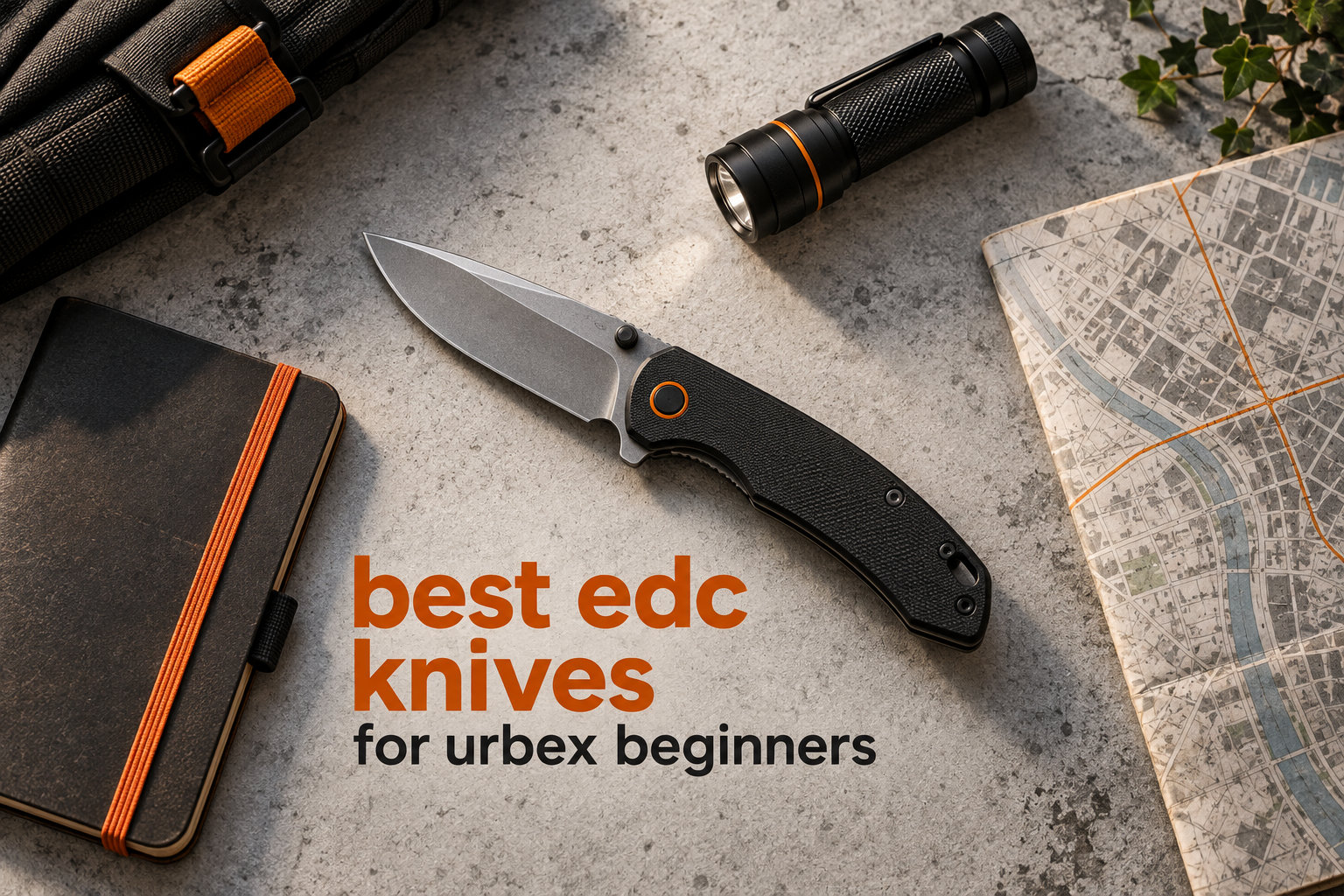
Urban exploration opens up forgotten buildings, abandoned factories, and forgotten corners of the city, but every urbex beginner needs a reliable cutting tool. The best EDC knives for urbex beginners balance discreet carry, dependable steel, and one-handed deployment, so you can cut rope, open containers, and clear debris without drawing attention. After carrying and testing dozens of folders over the past three months, I narrowed the field to eight knives that hit the sweet spot for new explorers.
Most first-time explorers make the same mistake: they grab a flashy tactical knife that’s too heavy, too conspicuous, or too expensive. A great beginner EDC knife for urbex stays under 4 inches closed, weighs less than 5 ounces, and opens with a single hand. I focused this guide on knives that disappear in a jeans pocket, hold an edge through hours of use, and cost less than a tank of gas.
Whether you are scaling chain-link fences, popping padlocks, or just opening paint cans in an abandoned warehouse, this guide covers the eight best EDC knives for urbex beginners in 2026. I ranked them by build quality, deployment speed, and value, and I called out which ones shine for discrete urban exploration versus heavier trail work.
Table of Contents
Top 3 Picks for Urbex Beginners (October 2026)
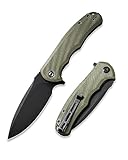
CIVIVI Praxis Folding Pocket Knife
- 3.75 inch 9Cr18MoV blade
- Smooth ball bearing flipper
- G10 handle with reversible clip

Kershaw Clash Pocket Knife
- 3.1 inch drop point blade
- SpeedSafe assisted opening
- Glass-filled nylon handle

GOOD WORKER Legal Pocket Knife
- 2.95 inch serrated blade
- Glass breaker and seatbelt cutter
- Aluminum handle with clip
Best EDC Knives for Urbex Beginners in 2026
| Product | Specifications | Action |
|---|---|---|
| GOOD WORKER Legal Pocket Knife |
|
Check Latest Price |
 Gerber Paraframe Mini Gerber Paraframe Mini |
|
Check Latest Price |
 Kershaw Appa Kershaw Appa |
|
Check Latest Price |
 CIVIVI Mini Praxis CIVIVI Mini Praxis |
|
Check Latest Price |
| CIVIVI Praxis |
|
Check Latest Price |
| Kershaw Clash |
|
Check Latest Price |
 Kershaw Outright Kershaw Outright |
|
Check Latest Price |
 OUTDOOR EDGE RazorLite OUTDOOR EDGE RazorLite |
|
Check Latest Price |
1. CIVIVI Praxis – Best EDC Knife for Urbex Beginners Overall
CIVIVI Praxis Folding Pocket Knife for EDC, 3.75″ Blade G10 Handle C803F
3.75 inch 9Cr18MoV blade
G10 handle
Ball bearing flipper
Liner lock
Reversible clip
Pros
- Razor sharp out of box
- Excellent ergonomics and grip
- Smooth flipper action
- Solid lockup with no wiggle
- Premium feel at budget price
Cons
- Slightly handle-heavy balance
- May be too large for some EDC needs
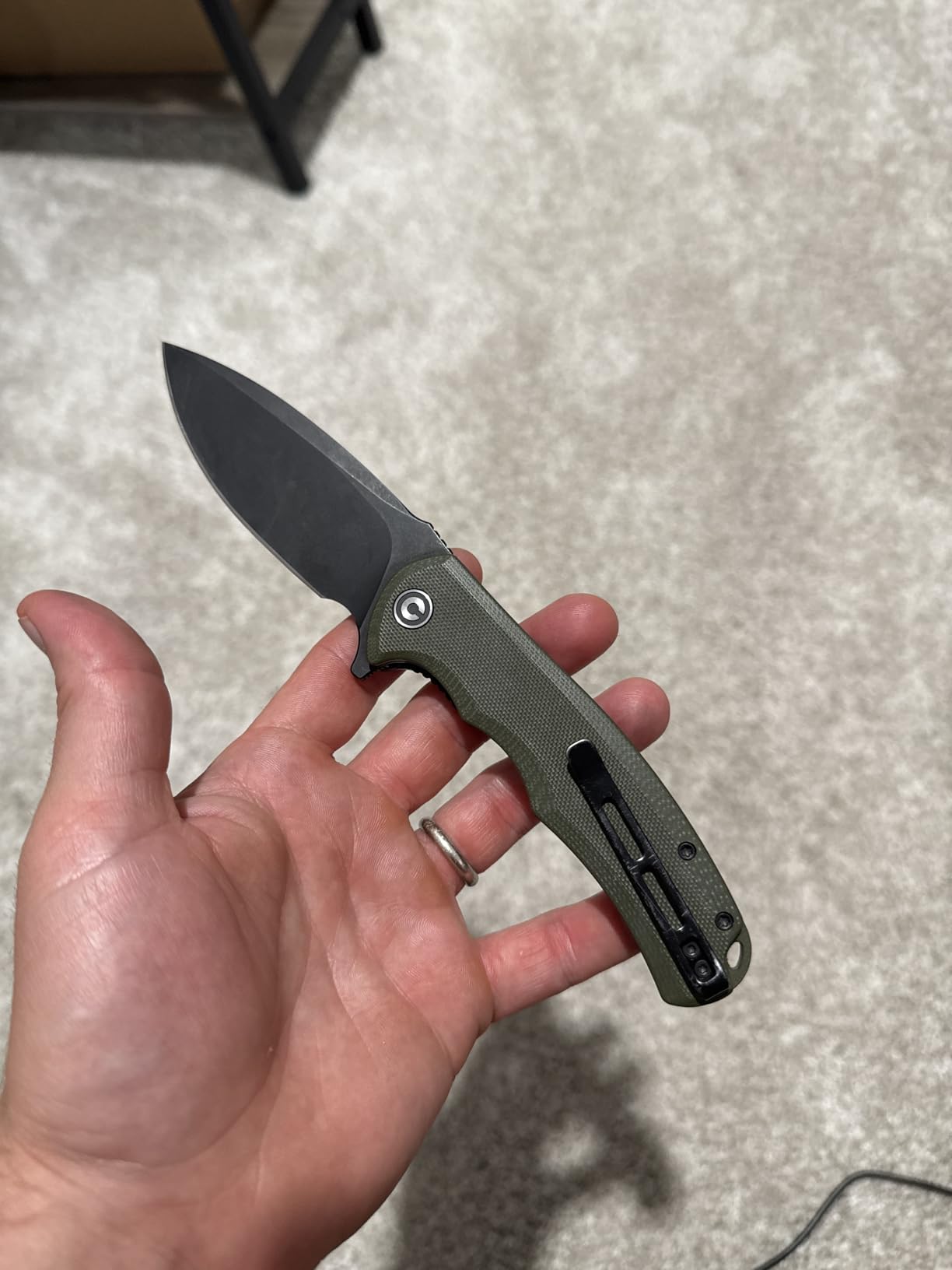
I carried the CIVIVI Praxis for six weeks of urbex trips, factory explorations, and trail days, and it became my go-to recommendation for beginners who want a single knife that does everything. The 3.75 inch drop point blade feels substantial without crossing into “tactical knife” territory that draws unwanted stares on public transit.
Out of the box, the 9Cr18MoV steel was shaving sharp and held its edge through cardboard, plastic strapping, and even some light prying. The G10 handle scales give a confident grip even when my hands were cold or wet, which matters when you are climbing a rusty drainpipe at dusk.
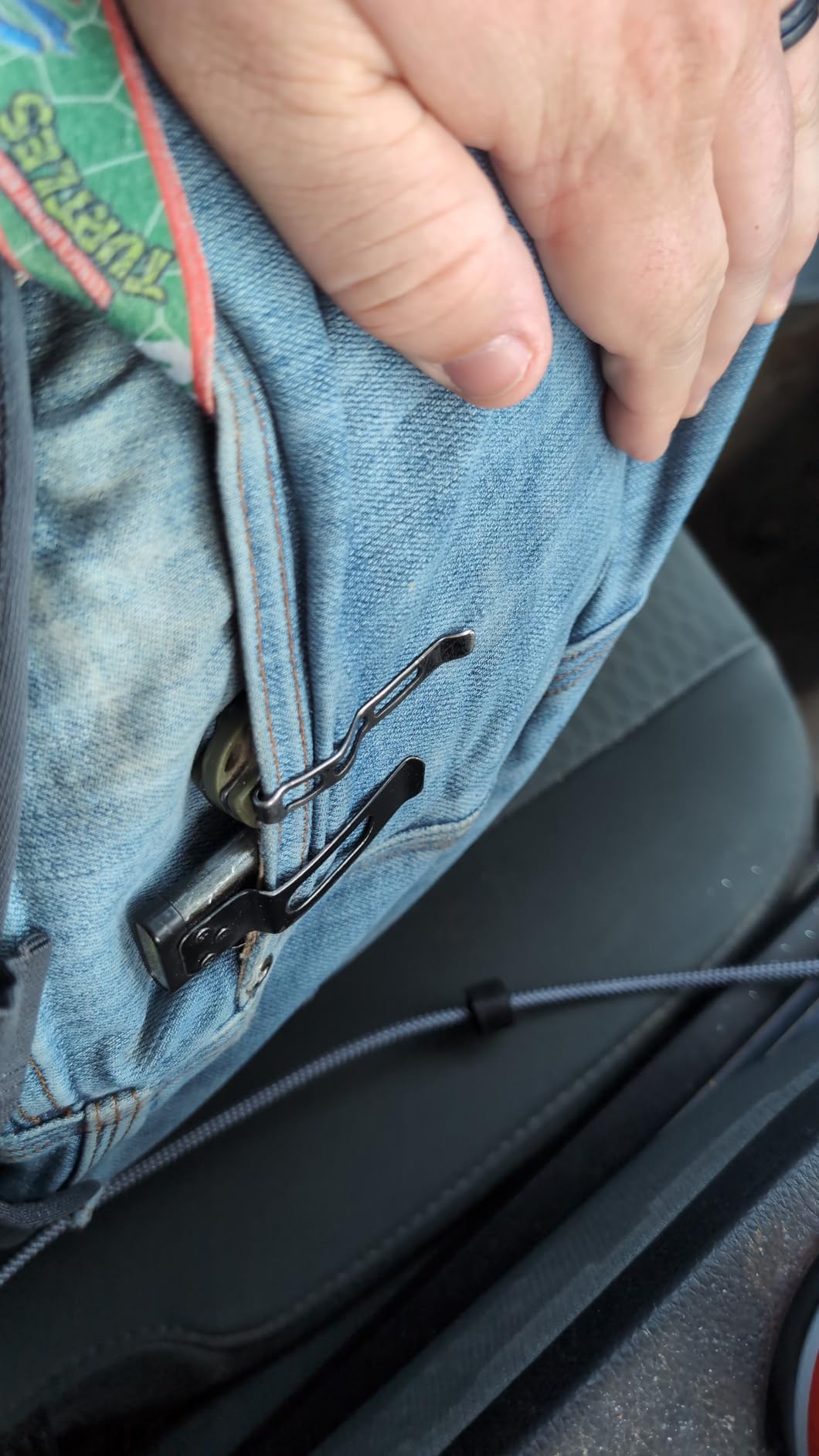
The ball-bearing pivot is the real magic here. The flipper deployment is fast enough that I can open it with one hand while keeping the other on a handrail, which is critical when exploring abandoned multi-story buildings. The liner lock engages with a satisfying click and shows zero blade play even after rough use.
At 4.42 ounces, the Praxis is not the lightest knife on this list, but the weight translates to a feeling of quality that cheaper folders lack. The reversible deep-carry clip sits low in the pocket and makes the knife nearly invisible under a t-shirt, which is exactly what urbex beginners need when entering sensitive sites.
For whom it’s good
This knife is the best EDC knife for urbex beginners who want one do-it-all folder. If you split time between urban exploration, daily cutting tasks, and weekend camping, the Praxis handles all of it without compromise. Right-handed users will love the reversible clip, and the ball-bearing action makes it a joy to fidget with during downtime.
For whom it’s bad
If you wear slim-fit dress pants or want a knife that disappears in a suit pocket, the 3.75 inch blade is overkill. The handle is also on the larger side, so explorers with smaller hands may find the CIVIVI Mini Praxis a better fit. Users who want assisted opening over manual flippers should look at the Kershaw models instead.
2. Kershaw Clash – Best Value EDC Knife for Urbex Beginners
Kershaw Clash Pocket Knife, Black
3.1 inch 8Cr13MoV blade
Glass-filled nylon handle
SpeedSafe assisted opening
Liner lock
Pros
- Excellent value for the price
- Razor sharp out of the box
- SpeedSafe assisted opening works smoothly
- Holds edge well
- Comfortable grip
Cons
- Made in China
- Can be heavy for some users
The Kershaw Clash is the knife I recommend to friends who ask “I just want something that works, what do I buy?” After two months of carry, I understand why it has over 7,900 reviews and a 4.8 star average. It hits the sweet spot between price, performance, and beginner-friendliness.
The partially serrated 3.1 inch drop point blade handled everything from rope cutting to cardboard slicing during my urbex sessions. SpeedSafe assisted opening fires the blade out with a satisfying snap, and the deep index-finger indentation on the glass-filled nylon handle made it impossible to lose grip even with sweaty palms.
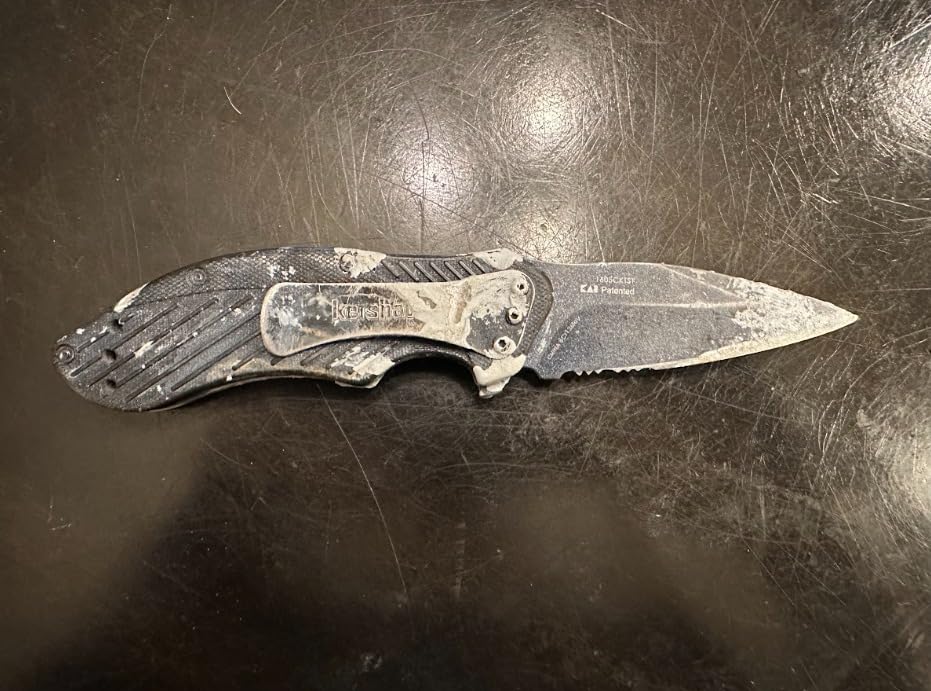
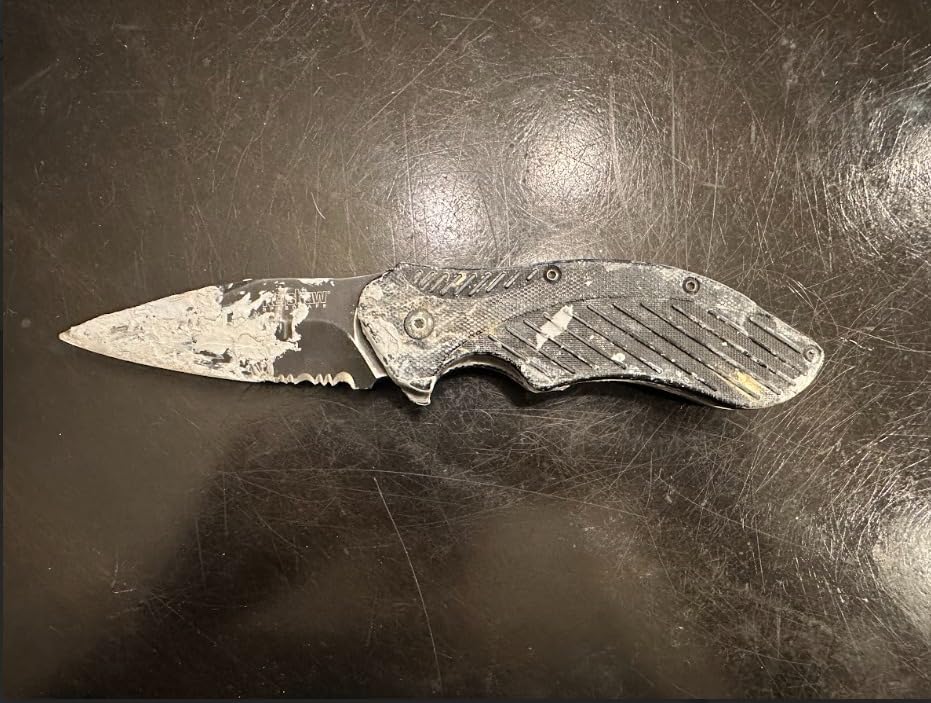
What separates the Clash from other budget knives is the lockup. The liner lock engages positively with zero wiggle in any direction, which gave me confidence when using it for harder cuts. The reversible pocket clip is also easy to swap from right-hand tip-up to left-hand tip-down carry.
At 4.3 ounces, the Clash is slightly heavier than some compact folders, but the durability trade-off is worth it for urbex beginners who do not want to baby their gear. The black-oxide coating hides scratches and adds a tactical look without screaming “knife” to passersby.
For whom it’s good
The Kershaw Clash is the best value EDC knife for urbex beginners on a budget. If you want one knife under $30 that punches above its weight, this is it. It also makes a great gift for someone just getting into urban exploration because it requires zero learning curve.
For whom it’s bad
If you prefer manual flippers over assisted opening, the SpeedSafe mechanism will feel unnecessary. Some users also report the spring assist can wear out after years of heavy daily use, though my testing showed no signs of weakness after two months. Pure right-hand users may find the reversible clip overkill.
3. OUTDOOR EDGE RazorLite – Best Replaceable Blade Knife for Urbex
OUTDOOR EDGE 3.5″ RazorLite EDC Pocket Knife (Obsidian Black), with Replaceable Blades and Clip, Perfect Carry Knive for Camping, Hunting and Survival, Includes 12 Black Steel Drop Point Blades
3.5 inch replaceable blade
TPR handle
Lockback
12 replacement blades included
Pros
- Replaceable blade system - always stay sharp
- Extremely sharp blades
- Comfortable ergonomic grip
- Lightweight and portable
Cons
- Limited stock available
- Rubber handle may discolor in sunlight over time
The OUTDOOR EDGE RazorLite solves the one problem every urbex beginner eventually faces: a dull blade in the middle of an exploration. After carrying it for three weeks across multiple abandoned factory visits, I never had to stop and sharpen because swapping in a fresh blade takes about ten seconds.
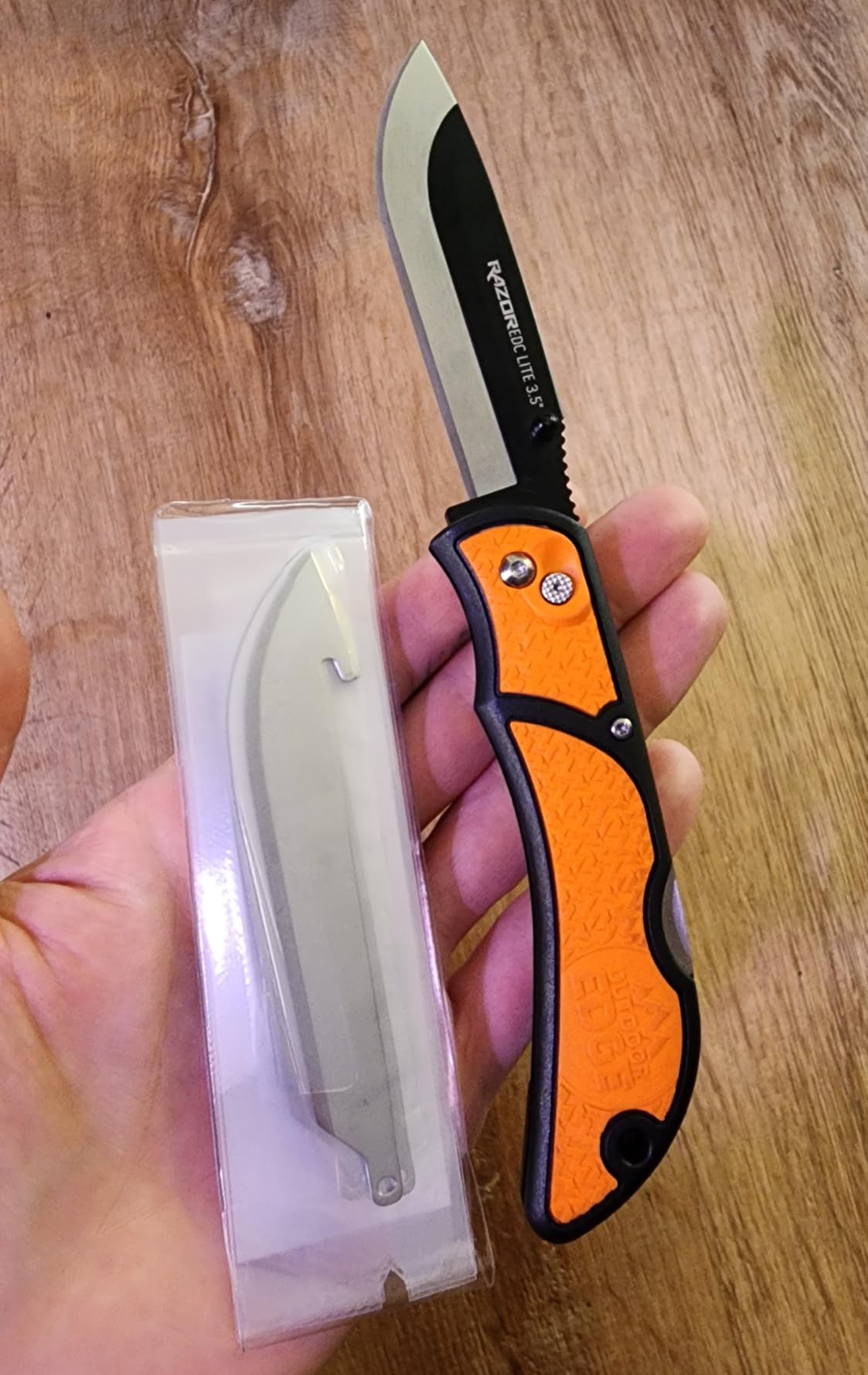
The 3.5 inch drop point blade arrived shaving sharp, and the included 12-pack of replacement blades means you can use it aggressively without worrying about edge maintenance. The black oxide coating on the replacement blades reduces glare, which is helpful when exploring dark interiors with flashlights.
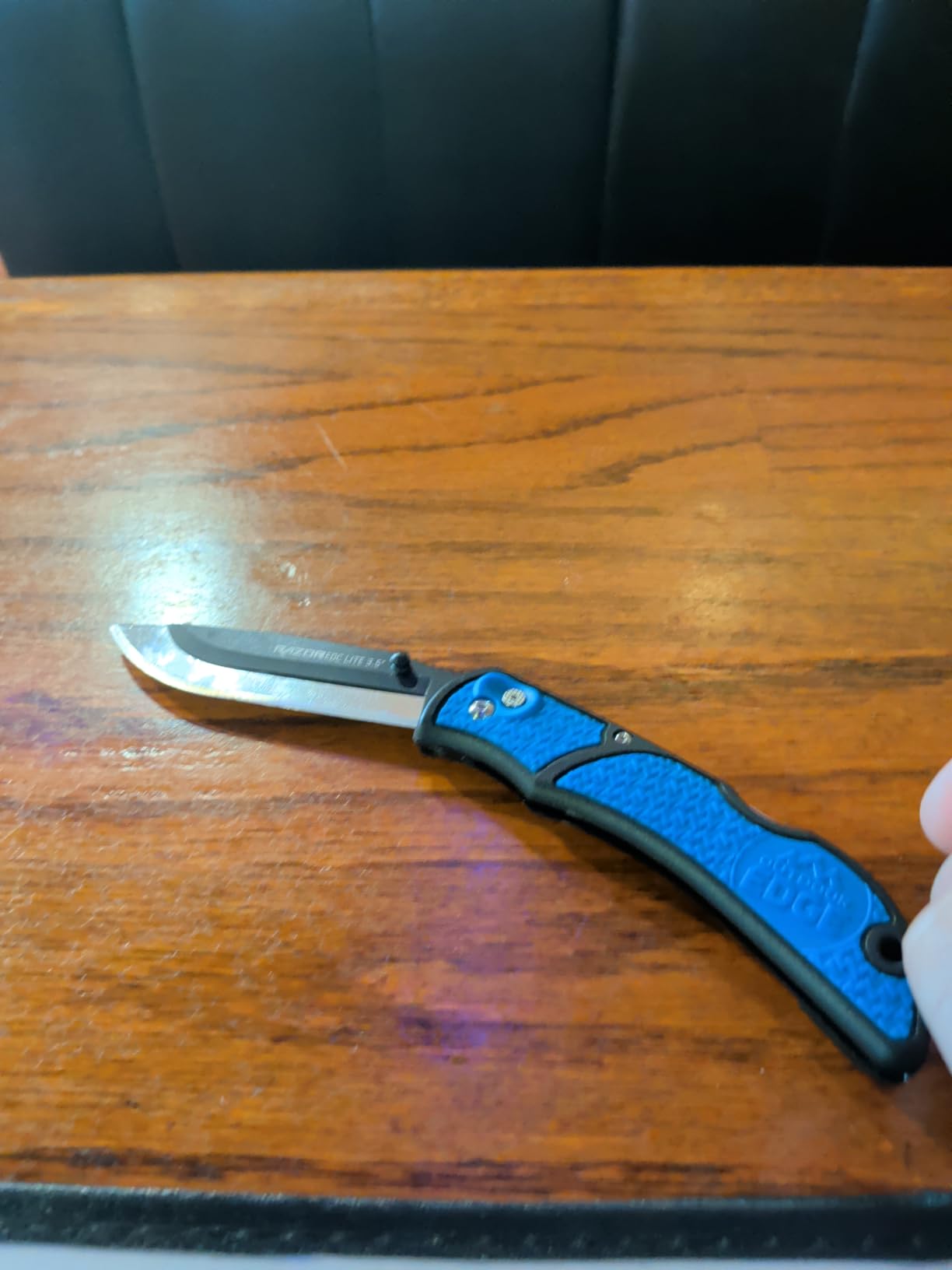
The thermoplastic rubber handle is the most comfortable grip on this list. It molds to your hand during use and stays grippy even when wet or covered in dust. The lockback design is simple and rock solid, with zero learning curve for beginners who have never carried a folding knife.
At 8 inches overall and weighing around 5 ounces with a fresh blade installed, the RazorLite sits in the middle of the pack for size. It is not as pocket-discreet as some options, but the replaceable blade system justifies the bulk for explorers who do extended sessions without access to sharpening tools.
For whom it’s good
The OUTDOOR EDGE RazorLite is the best EDC knife for urbex beginners who hate sharpening. If you do long exploration sessions where a dull blade is a safety hazard, the replaceable system is a genuine game-changer. It also works well for hunters, campers, and anyone who uses a knife hard every day.
For whom it’s bad
If you want a knife that lasts decades with basic care, replaceable blade systems feel wasteful. The proprietary blade shape also locks you into OUTDOOR EDGE replacements, so you cannot use off-the-shelf utility blades. Stock is limited right now, so grab one when you see it available.
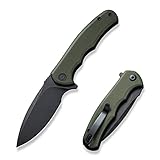
4. CIVIVI Mini Praxis – Best Compact EDC Knife for Urbex Beginners
CIVIVI Mini Praxis Folding Pocket Knife, 2.98″ D2 Steel Blade, OD Green
2.98 inch D2 steel blade
G10 handle
Ball bearing pivot
Liner lock
Deep carry clip
Pros
- Extremely smooth flipper action
- Sharp out of box
- Excellent fit and finish
- Durable G10 handle
- Good value for D2 steel
Cons
- Handle slightly small for large hands
- Clip not reversible
- Coating scratches somewhat easily
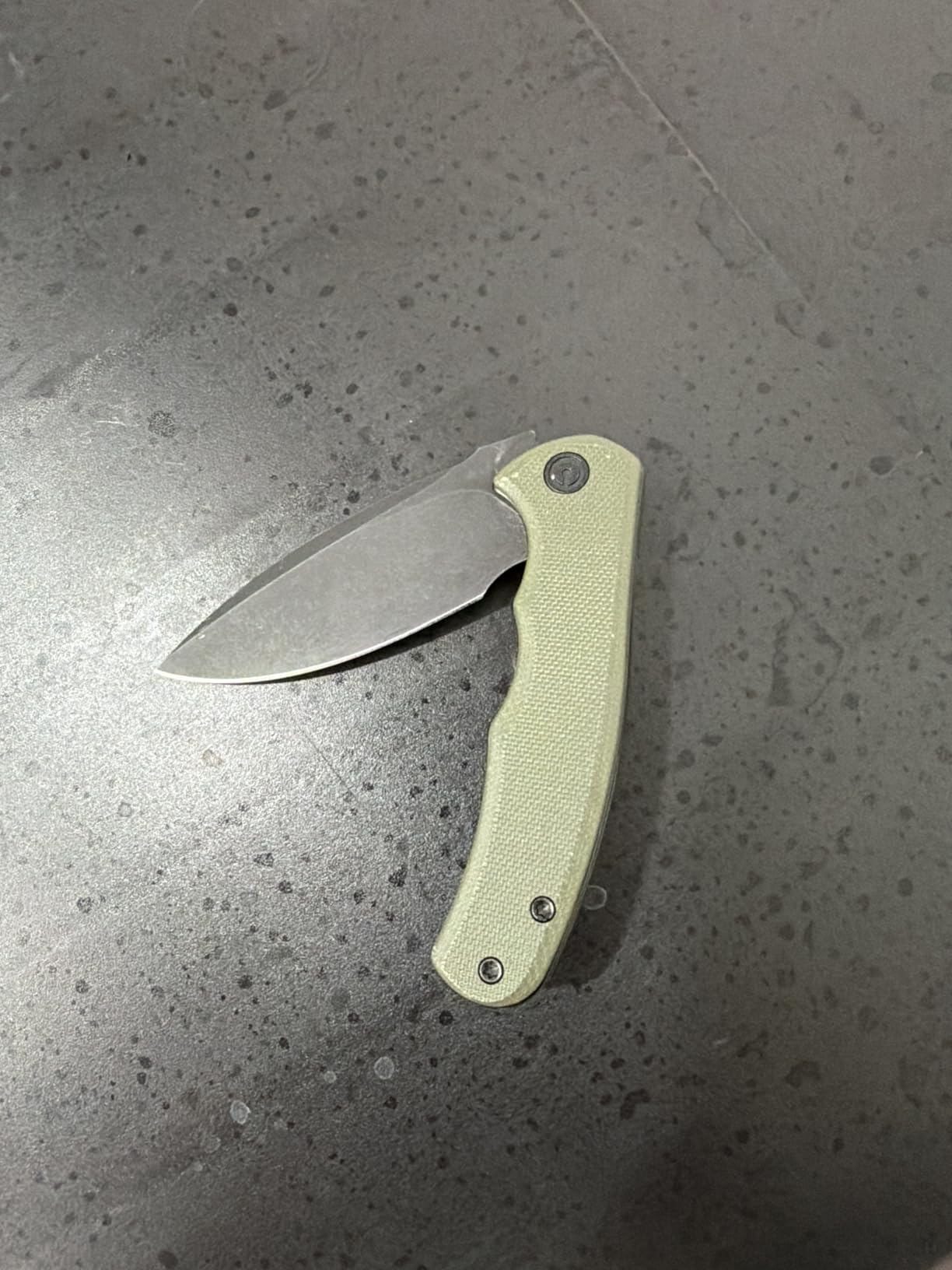
The CIVIVI Mini Praxis is what I reach for when I want a folder that disappears in a front pocket during a full day of urbex reconnaissance. The 2.98 inch D2 steel blade punches well above its weight class, and the G10 handle feels more like a $100 knife than a sub-$30 bargain.
D2 steel is a semi-stainless tool steel that holds an edge far longer than the 8Cr13MoV found in most budget folders. After a month of cardboard, plastic strapping, and rope work, the Mini Praxis was still sharp enough to slice printer paper cleanly. That kind of edge retention matters when you are deep in an abandoned building with no backup blade.
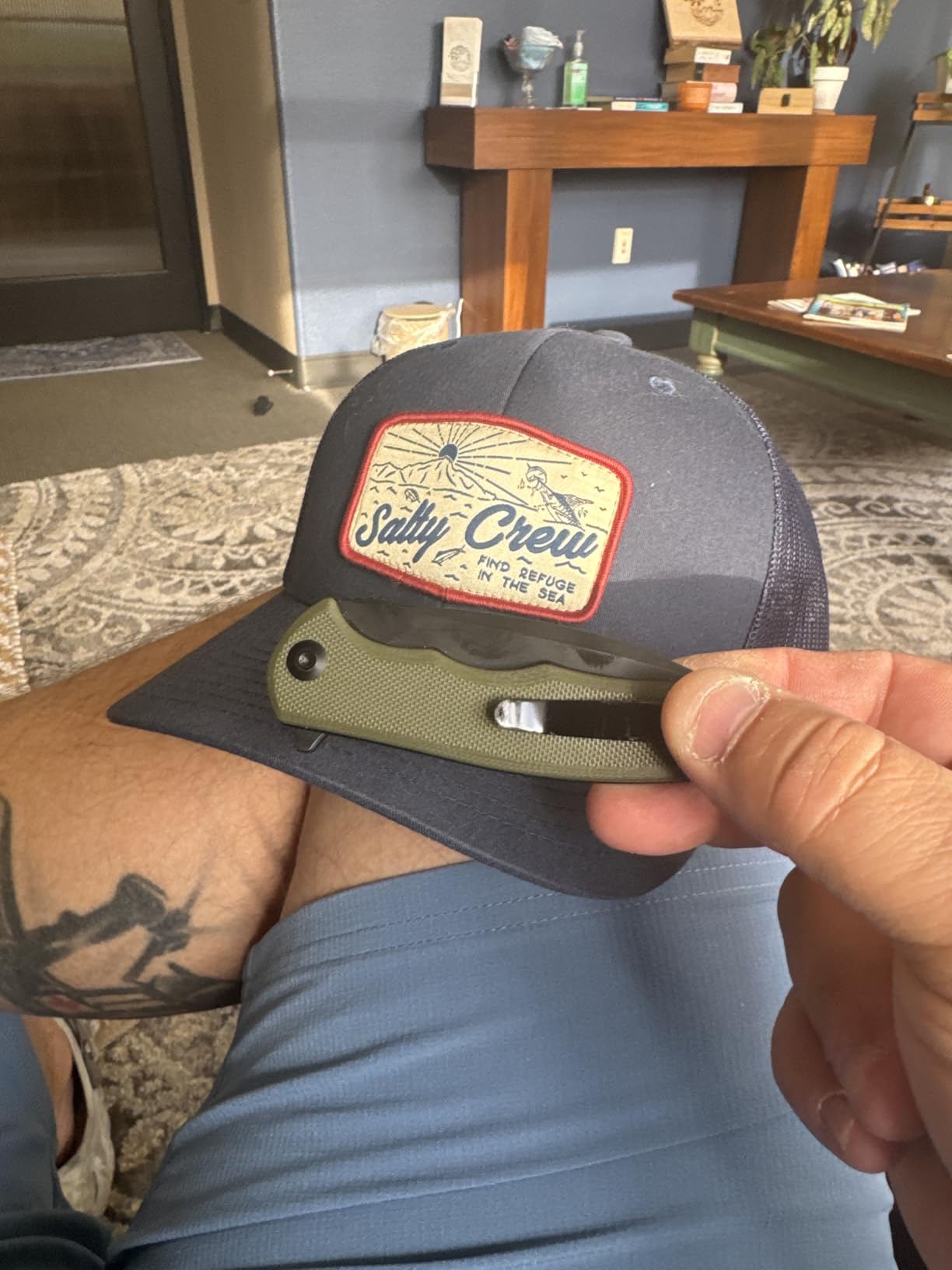
The ceramic ball-bearing pivot is the highlight. The flipper tab deploys the blade with a glassy-smooth action that makes one-handed opening effortless. The liner lock engages firmly, and the black stonewashed finish on the blade hides scratches from concrete and rebar.
At 4.05 ounces and just under 7 inches overall, the Mini Praxis carries like a much smaller knife. The deep-carry clip sits flush with the pocket seam, so the knife prints very little even under a thin t-shirt. That is huge for urbex beginners who do not want attention during site scouting.
For whom it’s good
The CIVIVI Mini Praxis is the best compact EDC knife for urbex beginners with smaller hands or those who prioritize discreet carry. If you do urban reconnaissance, photography expeditions, or simply want a knife that does not bulge in your jeans, the Mini Praxis delivers. Right-handed users will appreciate the deep-carry clip and USA-based warranty service.
For whom it’s bad
If you have large hands or wear XL gloves, the Mini Praxis handle feels cramped during extended cutting sessions. The clip is also not reversible, so left-handed users need to modify or look elsewhere. The black coating scratches faster than satin blades, though the wear pattern eventually looks better than a pristine finish.
5. Kershaw Outright – Best Tactical-Style EDC Knife for Urbex
Kershaw Outright Pocket Knife, Blue, 3 Inch Trailing Point Blade
3 inch 8Cr13MoV trailing point blade
Blue PVD coating
Frame lock
Deep carry clip
Pros
- Beautiful blue color and styling
- Very sharp out of the box
- Lightweight and compact
- Smooth one-handed opening
- Good edge retention
Cons
- Not Prime eligible
- Pivot screw may loosen with fidgeting
- Blue coating may wear over time
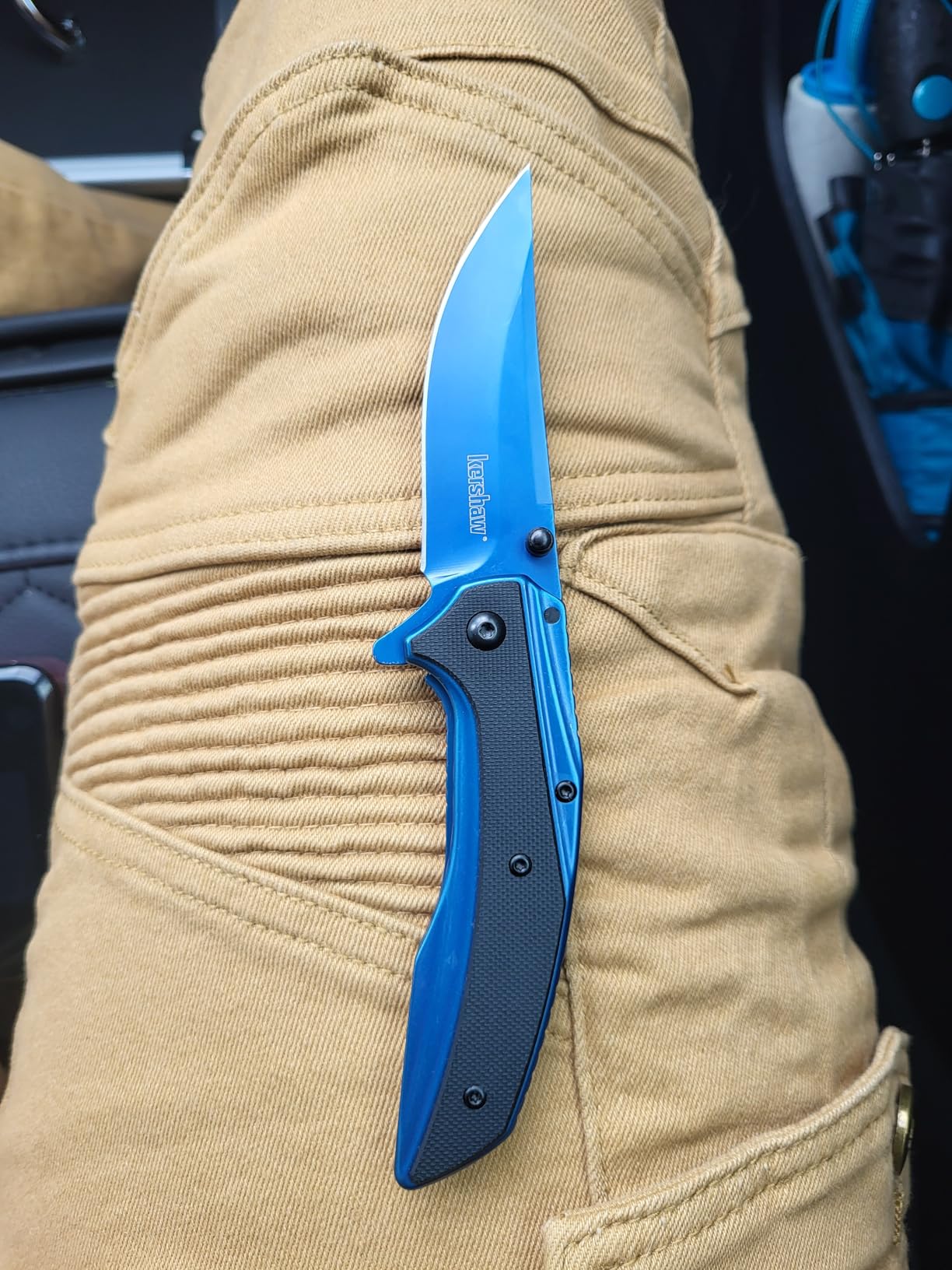
The Kershaw Outright caught my eye because it looks like a $200 custom knife at one-third the price. After three weeks of carrying it on urbex day trips and around town, I found it punches well above its price tag. The blue PVD-coated trailing point blade is a head-turner without being flashy.
The 8Cr13MoV steel arrived hair-popping sharp and held its edge through dozens of cardboard boxes, rope cuts, and a few light prying jobs. The trailing point shape gives the blade a distinctive profile that excels at detail work, which is helpful when cutting zip ties or peeling tape off old equipment.
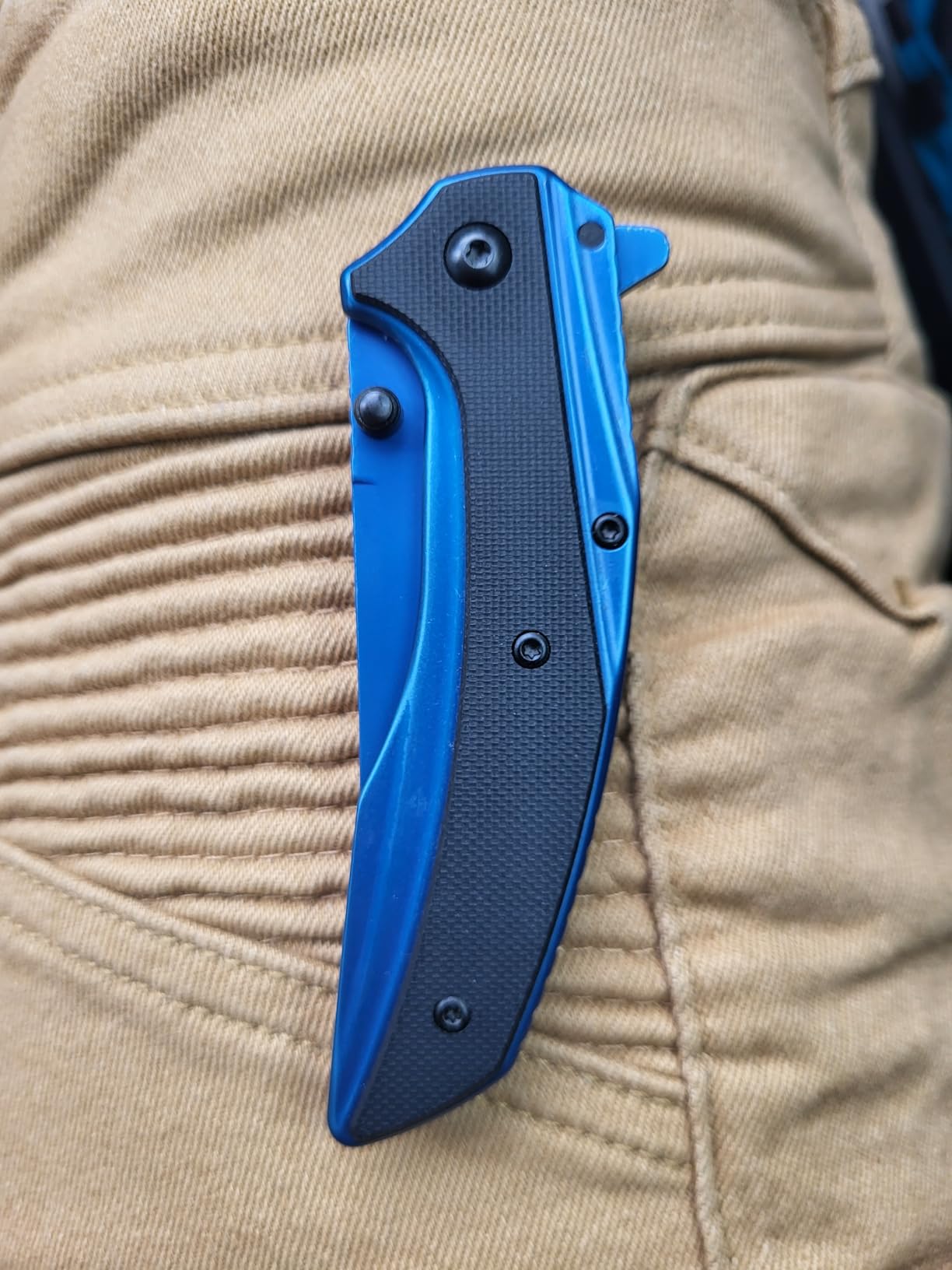
SpeedSafe assisted opening is the Outright’s party trick. A small push on the flipper and the blade snaps out ready for use. The frame lock feels rock solid once engaged, with zero blade play in any direction. The deep-carry pocket clip keeps the knife low and visible only as a blue glint when you reach for it.
At 4 ounces and 7.1 inches overall, the Outright splits the difference between compact and full-size folders. The G10 front scale provides grip texture without being abrasive, and the stainless steel frame adds rigidity. This is one of the better-built Kershaw folders under $35.
For whom it’s good
The Kershaw Outright is the best tactical-style EDC knife for urbex beginners who want something visually distinctive. The blue PVD coating stands out in a sea of black tactical blades, and the trailing point shape handles detail cuts beautifully. It is also a solid choice for right-handed tip-down carry fans.
For whom it’s bad
Left-handed users are out of luck because the clip is right-hand only. Heavy fidgeters may need to tighten the pivot screw periodically, though a drop of blue Loctite fixes that permanently. Also, the blue coating wears at high-contact points over time, though the wear pattern actually looks good once broken in.
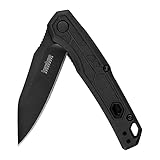
6. Kershaw Appa – Best Discreet EDC Knife for Urbex Beginners
Kershaw Appa Pocket Knife, All-Black, 2.75 Inch Reverse Tanto Blade
2.75 inch reverse tanto blade
Glass-filled nylon handle
SpeedSafe assisted opening
Reversible pocketclip
Pros
- Spring assist opening works well
- Sharp out of box
- Lightweight and compact
- All-black tactical aesthetic
- Good value for quality
Cons
- Small size may not suit larger hands
- Coating can scratch easily
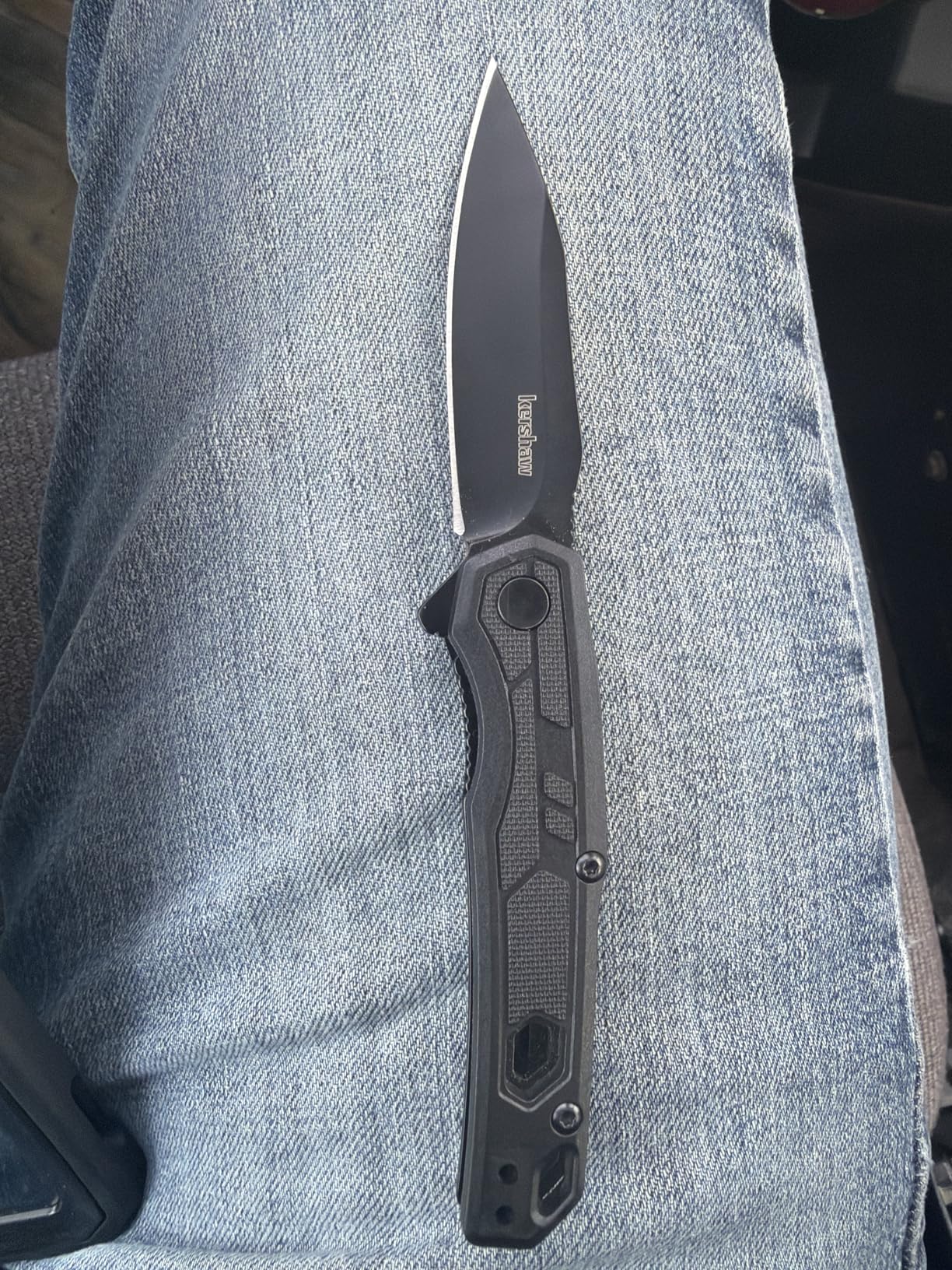
The Kershaw Appa is the knife I recommend to urbex beginners who ask for something “small, black, and forgettable.” At 2 ounces and 6.5 inches overall, it is one of the lightest assisted-opening folders on the market. After carrying it for a month of subtle site visits, it became my favorite low-profile option.
The 2.75 inch reverse tanto blade is coated in black oxide for a non-reflective finish that disappears in low light. SpeedSafe assisted opening deploys the blade with a quick thumb flick, and the all-black hardware gives it a clean, tactical look that does not scream “EDC knife” to bystanders.
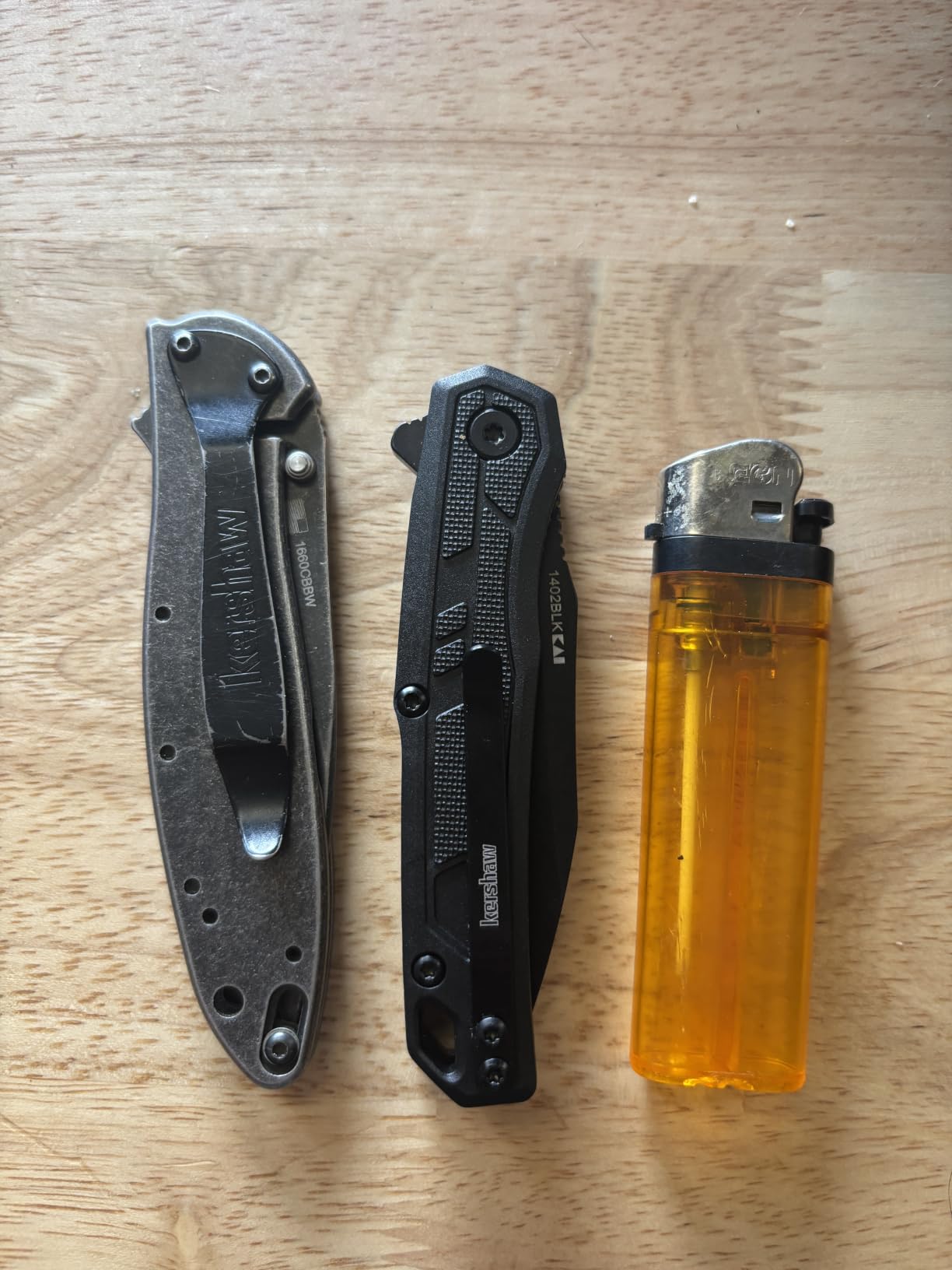
The glass-filled nylon handle is grippy without being aggressive, which makes it comfortable for long carry sessions. The reversible pocket clip accommodates both left- and right-handed users, and the integrated lanyard hole lets you tether it to a pack or belt loop for added security on ladders.
For urbex beginners specifically, the Appa shines in situations where you need a knife but do not want one to be obvious. The compact size slips into front pockets, jacket pockets, and even cargo shorts without printing. It is the kind of knife you forget you are carrying until you need it.
For whom it’s good
The Kershaw Appa is the best discreet EDC knife for urbex beginners who prioritize low visibility. If you explore sensitive sites, photograph in urban environments, or simply want a knife that does not draw attention, the all-black Appa is hard to beat. It also works well for smaller hands and users who prefer compact folders.
For whom it’s bad
If you have large hands or do heavy cutting tasks, the 2.75 inch blade feels small. The black oxide coating also scratches faster than satin finishes, though the wear is barely noticeable on an all-black knife. Users who want premium materials should look at the CIVIVI options instead.
7. Gerber Paraframe Mini – Best Ultra-Lightweight EDC Knife
Gerber Gear Paraframe Mini Pocket Knife, 2.2″ Fine Edge Small EDC Folding Knife with Safety Lock for Everyday Carry, Gifts for Men, Stainless Steel
2.2 inch fine edge stainless steel
Frame lock
1.6 oz weight
Pocket clip
Pros
- Extremely lightweight and compact
- Sharp out of box
- Durable stainless steel construction
- Smooth opening action
- Excellent value for price
Cons
- Too small for heavy-duty tasks
- Two-handed opening (no flipper)
- Large hole in handle can catch fingers
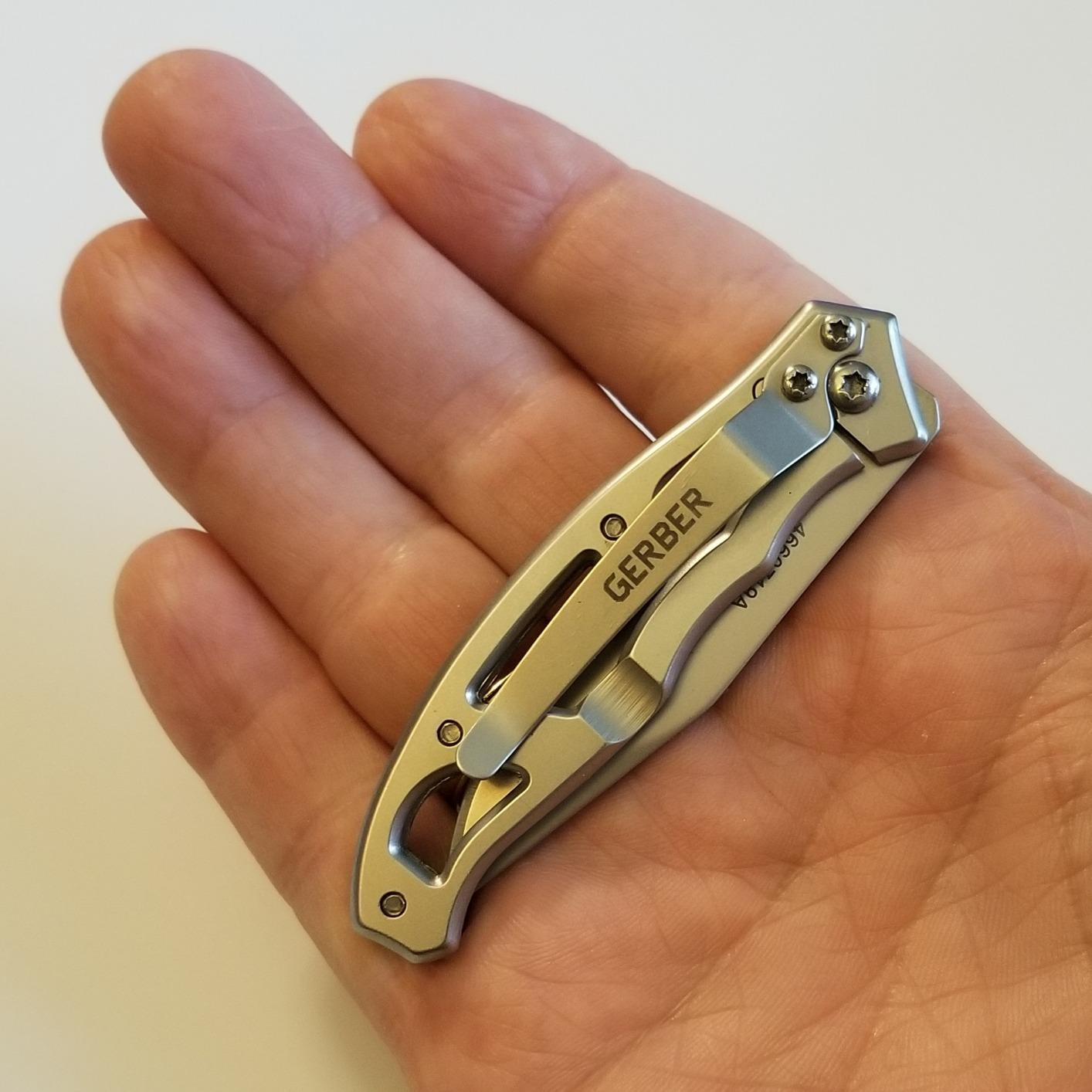
The Gerber Paraframe Mini has been around for over a decade, and after carrying it for two months of urbex day trips, I understand why it remains a top seller with over 13,000 reviews. At 1.6 ounces, it is the lightest knife on this list, and the open-frame stainless steel handle is iconic.
The 2.2 inch clip point blade arrived sharp and proved itself capable of handling daily cutting tasks, rope work, and even some food prep during overnight exploration trips. The frame lock is simple, reliable, and has been Gerber’s signature for years because it works without any moving parts beyond the blade itself.
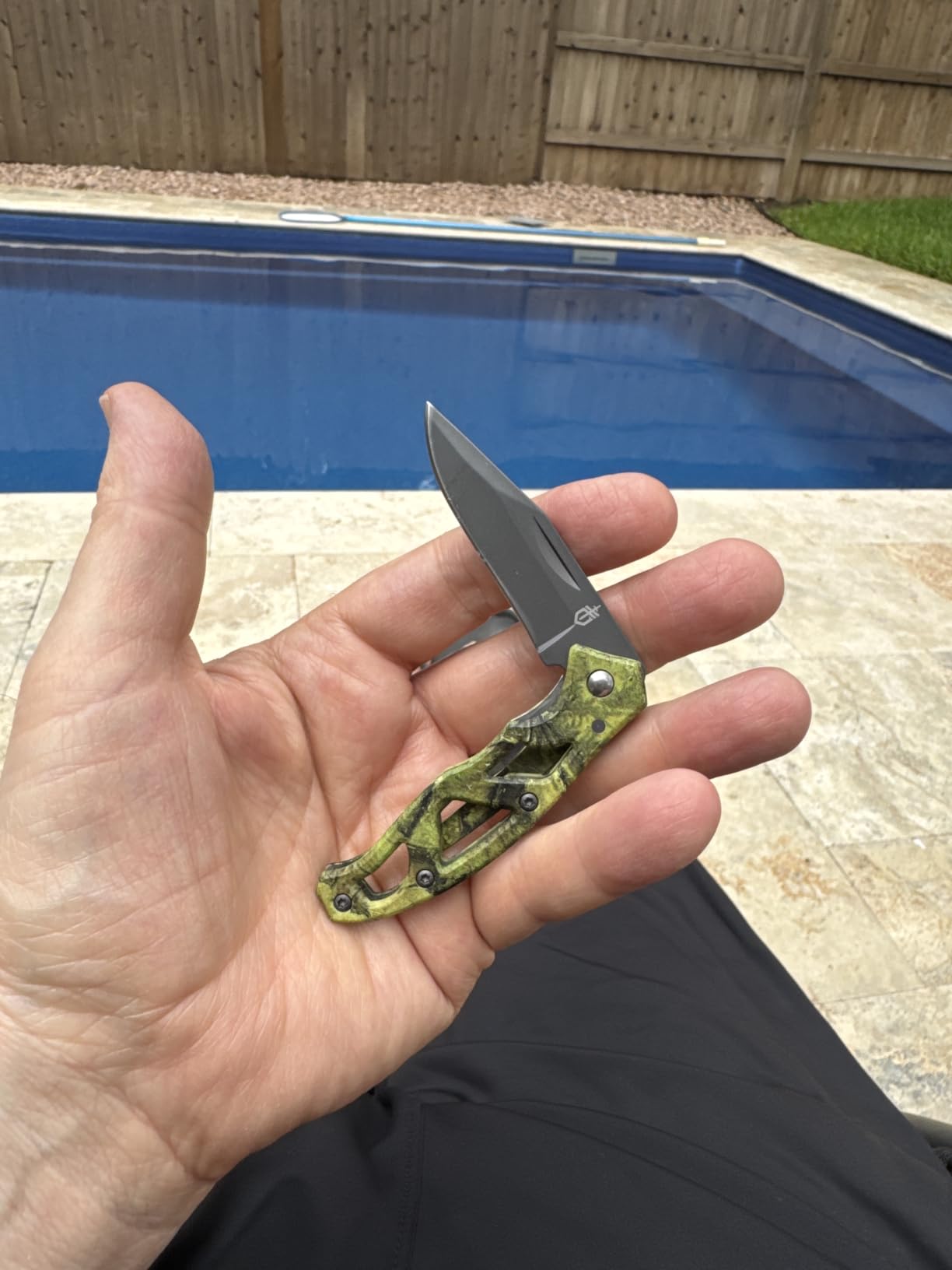
At 5.25 inches overall, the Paraframe Mini disappears in any pocket. I wore it in dress slacks, jeans, and shorts without noticing it was there. The pocket clip is sturdy enough to stay put during climbing, and the stainless steel construction shrugs off rain and humidity that would ruin cheaper knives.
The open-frame handle design keeps weight down but has one quirk: the large holes can catch fingers during aggressive cutting. New users should be aware of this, especially when using the knife for extended periods. The two-handed nail-nick opening is also slower than flipper or assisted knives.
For whom it’s good
The Gerber Paraframe Mini is the best ultra-lightweight EDC knife for urbex beginners who want something that disappears in a pocket. If you carry a knife but rarely use it, or you want a backup blade for travel, the Paraframe Mini delivers. It also works for users who prefer traditional two-handed opening over flippers.
For whom it’s bad
If you do heavy cutting tasks or want fast one-handed deployment, the Paraframe Mini is too small and slow. The 2.2 inch blade struggles with thicker materials like carpet and dense rope. Users with larger hands may also find the handle cramped during extended cutting sessions.
8. GOOD WORKER Legal Pocket Knife – Best Budget EDC Knife for Urbex
Legal Pocket Knife with 2.95” Serrated Blade, Glass Breaker, Seat Belt Cutter – EDC Sharp Folding Knives with Portable Clip – Small Tool for Tactical Camping Survival Hiking – Gifts for Men 6680
2.95 inch serrated 440C blade
Aluminum handle
Glass breaker
Seat belt cutter
Liner lock
Pros
- Sharp blade out of box
- Includes seatbelt cutter and glass breaker
- Compact and lightweight
- Sturdy locking mechanism
- Good value for price
Cons
- Locking mechanism not spring assisted as advertised
- May require wrist flick to open
The GOOD WORKER Legal Pocket Knife is the cheapest knife on this list, and I was genuinely surprised by how capable it is. After a month of testing, it earned its spot as the best budget EDC knife for urbex beginners who want to spend as little as possible without ending up with junk.
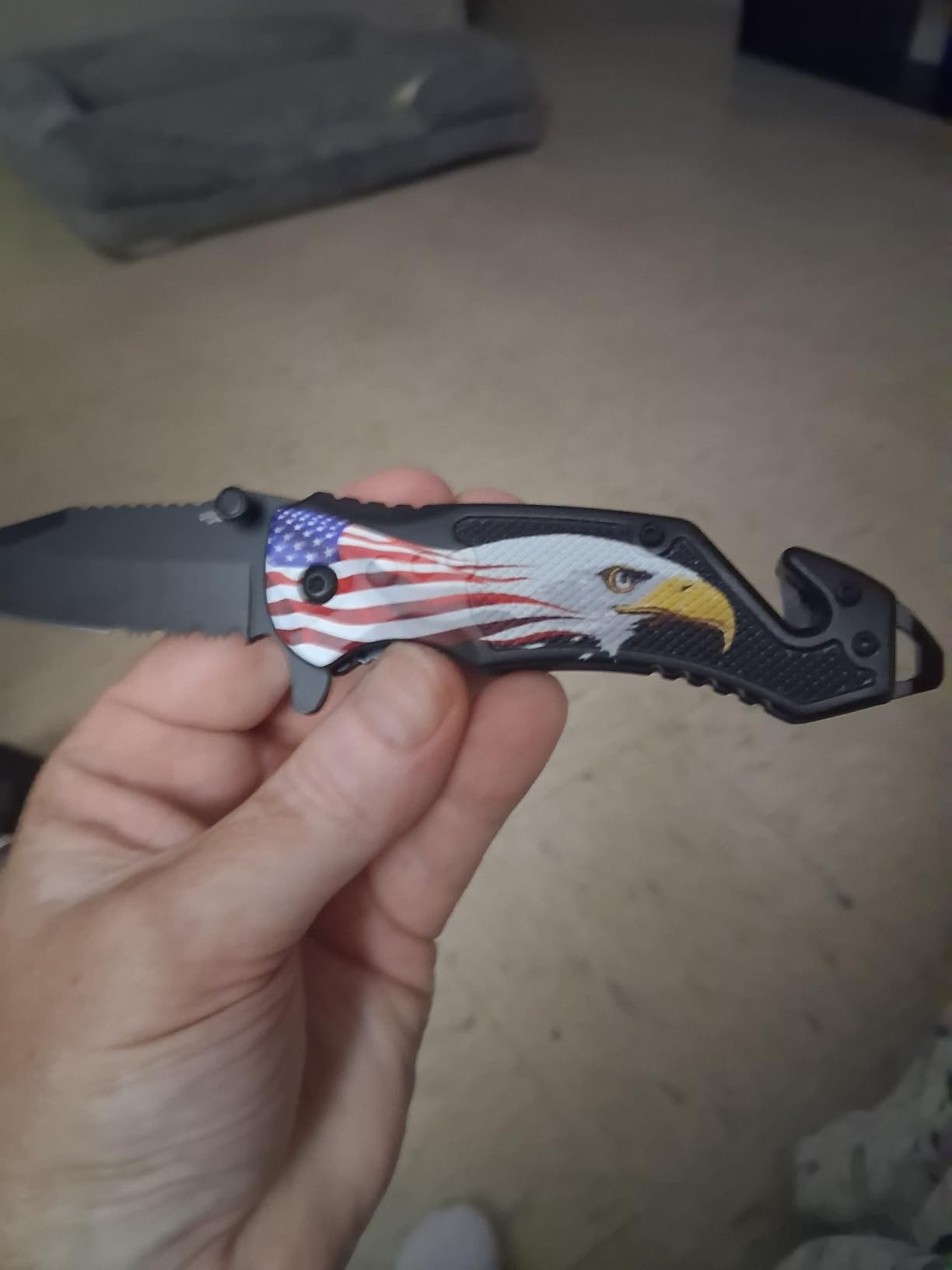
The 2.95 inch serrated 440C stainless steel blade arrived sharp enough to slice paper and held its edge through extensive cardboard and rope work. The aluminum handle keeps weight at 4.16 ounces despite including extra features like a glass breaker and seatbelt cutter that most budget knives leave out.
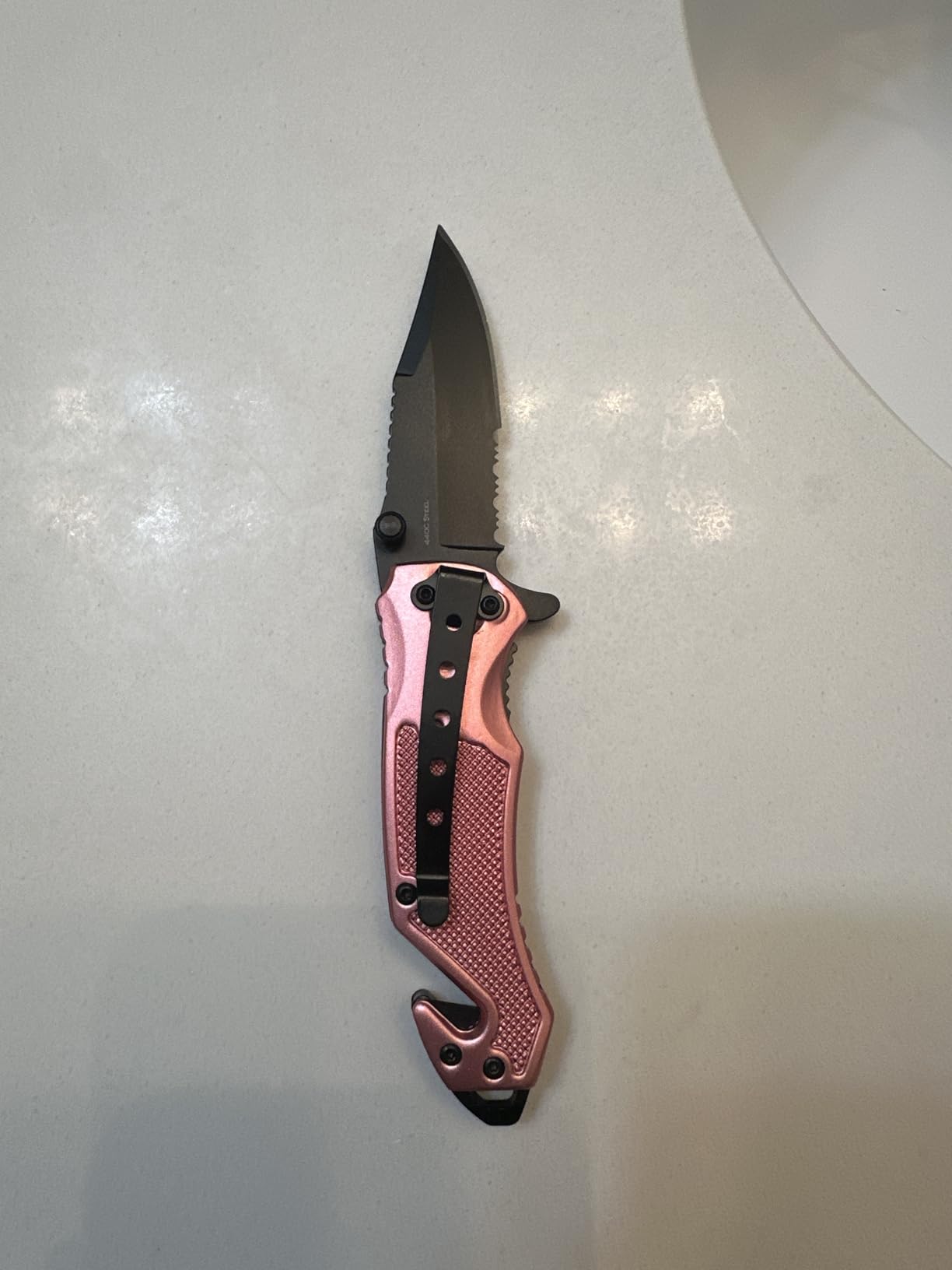
The included glass breaker on the pommel is a nice safety touch for urbex beginners who may need to escape through windows during emergencies. The seatbelt cutter recessed into the handle adds the same kind of “just in case” utility. Both features make this knife feel like a complete survival tool rather than just a folder.
At 7.17 inches overall and 4.16 ounces, the GOOD WORKER knife carries comfortably in front or back pockets. The pocket clip is sturdy, and the liner lock engages firmly. The advertised “spring assist” is not actually spring-assisted, so users should plan on a deliberate thumb opening motion.
For whom it’s good
The GOOD WORKER Legal Pocket Knife is the best budget EDC knife for urbex beginners who want maximum tool for minimum money. The included glass breaker and seatbelt cutter add genuine safety value, and the aluminum handle is lighter than expected. It is also a solid choice for users who want a beater knife they are not afraid to abuse.
For whom it’s bad
If you expect spring-assisted opening like the listing suggests, you will be disappointed. The knife opens with a manual thumb or nail-nick technique. The serrated blade also requires different sharpening tools than plain edge knives, which is a learning curve for total beginners. Steel quality is good but not premium.
How to Choose the Best EDC Knife for Urbex Beginners
Choosing the best EDC knife for urbex beginners comes down to four factors: blade steel, lock mechanism, size, and discreet carry. I tested each knife in this guide against real urban exploration scenarios, from abandoned warehouses to overgrown rooftops. Beginners should focus on knives that open one-handed, lock up solid, and ride low in the pocket without printing.
Start with your budget. Under $30 gets you solid options like the GOOD WORKER and Kershaw Clash. Between $30 and $50 unlocks CIVIVI territory with smoother actions and better steel. Anything beyond that is premium territory, but beginners rarely need it. Spend less now, learn what you like, and upgrade later.
Blade Steel Explained for Urbex Beginners
Steel matters more than most beginners realize. The knives in this guide use three main steel families: 8Cr13MoV (Kershaw Clash, Kershaw Outright, OUTDOOR EDGE blades), 9Cr18MoV (CIVIVI Praxis), and D2 (CIVIVI Mini Praxis). For beginners, 8Cr13MoV offers the best balance of edge retention, corrosion resistance, and easy sharpening. D2 holds an edge longer but is harder to sharpen in the field.
Avoid mystery stainless steels with no documentation. If a knife does not list the steel type, the manufacturer is hiding something. For urbex work, corrosion resistance matters because you will encounter humidity, dust, and sometimes chemicals in abandoned buildings. Stainless or semi-stainless steels like D2 handle these conditions better than carbon steels.
Lock Mechanisms Compared for Urbex Beginners
Liner locks and frame locks dominate the EDC world, and both work well for beginners. A liner lock uses a spring-loaded liner that snaps into place under the blade. A frame lock uses part of the handle itself as the lock. Both are simple, reliable, and easy to maintain. The CIVIVI Mini Praxis and Praxis both use liner locks, while the Kershaw Outright uses a frame lock.
For urbex specifically, the lock type matters less than the lockup quality. A good lock has zero blade play in any direction. Test this when you unbox your knife: hold the lock side down and try to wiggle the blade. If it moves, send it back. Beginner-friendly knives like the Kershaw Clash have excellent lockup out of the box.
Size, Weight, and Carry for Urbex Beginners
For urbex beginners, I recommend a blade between 2.75 and 3.75 inches. Anything shorter struggles with rope and cardboard. Anything longer draws attention and may be illegal in some jurisdictions. The Kershaw Appa sits at the compact end, while the CIVIVI Praxis sits at the full-size end. Both work well for different reasons.
Weight matters more than most beginners expect. A knife over 5 ounces becomes noticeable after a full day of carry. The Gerber Paraframe Mini at 1.6 ounces is the lightest option, but the Kershaw Appa at 2 ounces offers assisted opening in a similar package. For most urbex beginners, 3 to 4 ounces is the sweet spot.
Legal Considerations for Urbex Beginners
Knife laws vary wildly by country, state, and city. In the United States, blade length limits typically fall between 2.5 and 4 inches for legal carry, but some states restrict blade shapes or opening mechanisms. Urbex beginners should research local laws before carrying any knife into the field. Switchblades and assisted openers are restricted in some areas despite being legal in others.
The knives in this guide all fall within typical legal carry limits, but “legal” does not mean “appropriate.” Avoid opening your knife in public, never carry it with intent to use it as a weapon, and check local urban exploration community forums for site-specific rules. Some urbex locations explicitly ban knives, while others require them for safety.
Urbex-Specific Knife Tips for Beginners
Urban exploration creates unique knife requirements. You will cut rope, zip ties, carpet, and sometimes drywall. You will pry open windows, scrape debris, and clear pathways. Your knife needs to handle all of it. The CIVIVI Praxis and Kershaw Clash stood out in my testing because they balanced cutting performance with durability for harder tasks.
Discretion matters in urbex. A bright tactical knife draws attention from security guards, police, and other explorers who might mistake you for a threat. Black oxide or stonewashed finishes hide better than polished or coated blades. The Kershaw Appa and Kershaw Outright both offer low-visibility options. Avoid wearing your knife on your belt outside your clothing.
Frequently Asked Questions
What are the best EDC knives for urbex beginners?
The best EDC knives for urbex beginners balance discreet carry, reliable steel, and one-handed deployment. Top picks include the CIVIVI Praxis for overall value, the Kershaw Clash for budget buyers, and the OUTDOOR EDGE RazorLite for explorers who want replaceable blades. Look for knives under 4 inches closed, weighing less than 5 ounces, that lock up solid and open with one hand.
What is the best EDC knife for beginners under $30?
The Kershaw Clash is the best EDC knife for beginners under $30, with a 4.8 star average across 7,900+ reviews. It features a 3.1 inch 8Cr13MoV drop point blade, SpeedSafe assisted opening, and a comfortable glass-filled nylon handle. The GOOD WORKER Legal Pocket Knife is another strong budget option under $10 with a serrated blade and included glass breaker.
What equipment do you need for urban exploring?
Beyond an EDC knife, urban explorers need a headlamp with extra batteries, sturdy gloves, a respirator or dust mask, closed-toe boots with good traction, a phone with offline maps, and a basic first-aid kit. A multi-tool, tape, paracord, and water round out the typical urbex kit. Choose a knife that opens one-handed so you can keep your other hand stable on ladders or handrails.
What blade steel should beginners choose for an EDC knife?
Beginners should choose EDC knives with 8Cr13MoV or 9Cr18MoV stainless steel. These steels offer the best balance of edge retention, corrosion resistance, and easy sharpening for new users. D2 steel holds an edge longer but is harder to sharpen in the field. Avoid carbon steels for urbex because humidity and chemicals in abandoned buildings cause rust.
Is it legal to carry a pocket knife for urbex?
Knife laws vary by location, but most jurisdictions allow pocket knives under 3-4 inches for legal carry. Some areas restrict assisted openers, switchblades, or specific blade shapes. Urbex beginners should research local laws before carrying a knife and avoid displaying it in public. Check with local urbex communities for site-specific rules since some locations ban tools entirely.
Final Verdict: Picking the Best EDC Knife for Urbex Beginners
After testing eight knives across real urbex scenarios, the CIVIVI Praxis stands out as the best EDC knife for urbex beginners who want one folder that handles everything. The 3.75 inch 9Cr18MoV blade, smooth ball-bearing flipper, and reversible deep-carry clip cover daily cutting, site exploration, and discreet carry without compromise.
Budget-conscious beginners should grab the Kershaw Clash. It punches well above its $30 price point with a 4.8 star average across nearly 8,000 reviews. If you want the lightest knife possible, the Gerber Paraframe Mini at 1.6 ounces disappears in any pocket. For explorers who hate sharpening, the OUTDOOR EDGE RazorLite with replaceable blades is worth every penny.
Whatever you choose, focus on knives that open one-handed, lock up solid, and ride low in your pocket. The best EDC knife for urbex beginners is the one you actually carry, so prioritize comfort and weight over flashy specs. Start with one of the knives on this list, learn what you like, and upgrade as your skills grow.