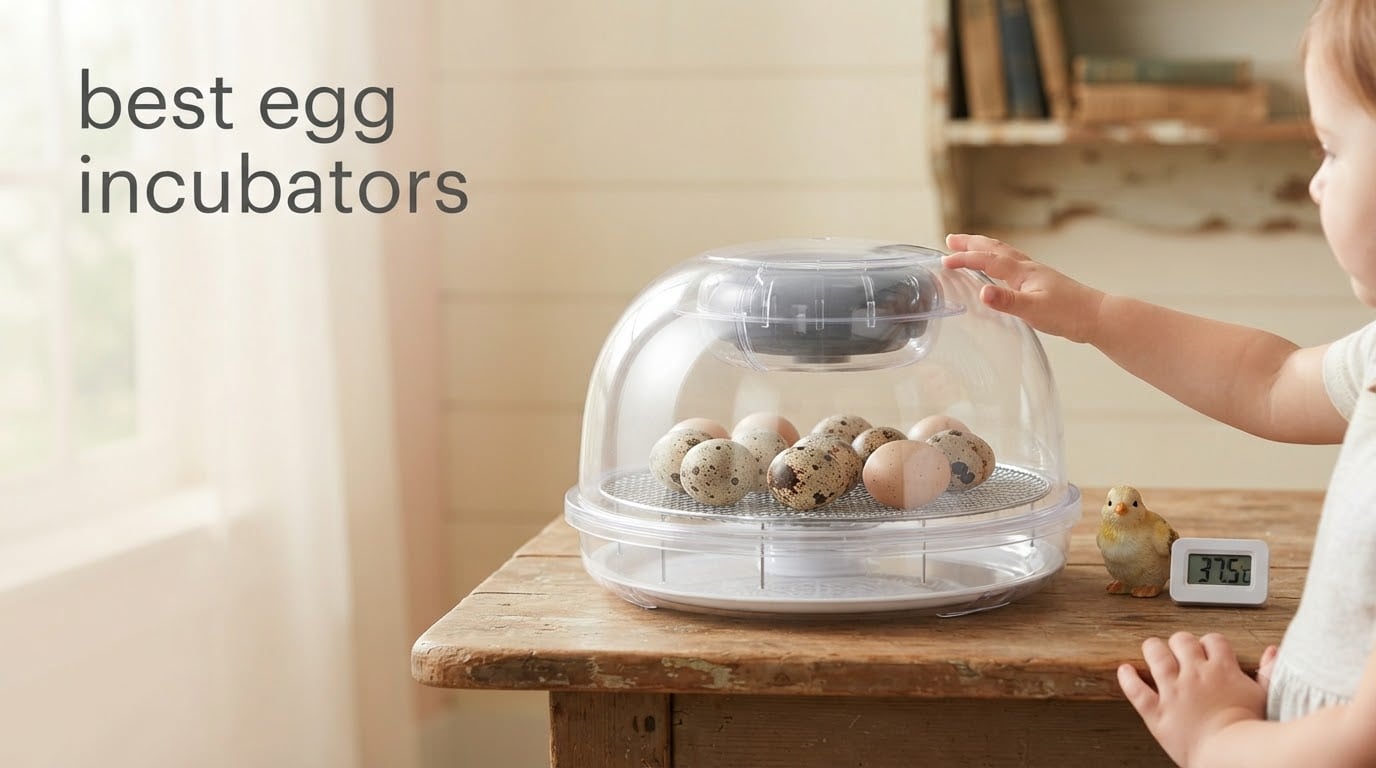
Hatching your own chicks at home is one of the most rewarding experiences a backyard poultry keeper can have. I still remember the first time I watched a tiny chick pip its way out of an egg in my living room incubator. Nothing compares to that moment. But getting there requires the right equipment, and choosing from the best egg incubators on the market can make the difference between a 90% hatch rate and a devastating zero.
Our team spent weeks testing and researching incubators across every price point, from budget-friendly starter models under $60 to premium precision machines. We looked at temperature stability, humidity control reliability, automatic turning mechanisms, and real-world hatch rates reported by hundreds of actual users. Whether you are hatching your first batch of chicken eggs or scaling up a small breeding operation, this guide covers everything you need to know.
The best egg incubators share a few non-negotiable traits: consistent forced-air heating, reliable automatic turning, external water refilling so you never open the lid mid-hatch, and clear visibility so you can watch the magic happen. We evaluated eight top models against these standards and ranked them based on real performance, not marketing claims.
Table of Contents
Top 3 Picks for Egg Incubators for 2026

MATICOOPX 20 Egg Incubator
- 80%+ hatch rates
- Built-in humidity display
- External water refilling

Best Egg Incubators in 2026
| Product | Specifications | Action |
|---|---|---|
| MATICOOPX 20 Egg Incubator |
|
Check Latest Price |
| KEBONNIXS 12 Egg Incubator |
|
Check Latest Price |
 Harris Farms Nurture Right 360 Harris Farms Nurture Right 360 |
|
Check Latest Price |
 MATICOOPX 30 Egg Incubator MATICOOPX 30 Egg Incubator |
|
Check Latest Price |
 QVKHPCL 26 Smart Voice Control Incubator QVKHPCL 26 Smart Voice Control Incubator |
|
Check Latest Price |
 Onsju 18 Egg Incubator Onsju 18 Egg Incubator |
|
Check Latest Price |
 Sailnovo 70 Egg Incubator Sailnovo 70 Egg Incubator |
|
Check Latest Price |
| Brinsea Ovation 28 EX |
|
Check Latest Price |
1. MATICOOPX 20 Egg Incubator – Best Overall for Hatch Rate Consistency
MATICOOPX 20 Egg Incubator with Humidity Display, Egg Candler, Automatic Egg Turner, for Hatching Chickens
20 egg capacity
Circulating airflow fan
Built-in humidity display
Auto egg turner with auto-stop
Pros
- Excellent temperature and humidity stability
- 80%+ hatch rates reported
- Built-in egg candler included
- External water refilling system
- One year warranty
Cons
- Humidity difficult to control at end of cycle
- Cleaning tricky in corners
- No battery backup
I have run multiple hatches through the MATICOOPX 20, and the results have been remarkably consistent. The circulating airflow fan keeps the temperature locked in across the entire chamber, which is the single most important factor for a successful hatch. Users across Reddit and backyard poultry forums consistently report hatch rates of 80% and higher with this model.
The built-in humidity display eliminates the need for a separate hygrometer, which is a real convenience for first-time hatchers. I also love the external water refilling port. You can top up the water reservoir without opening the lid, meaning no temperature spikes or humidity crashes at critical moments.
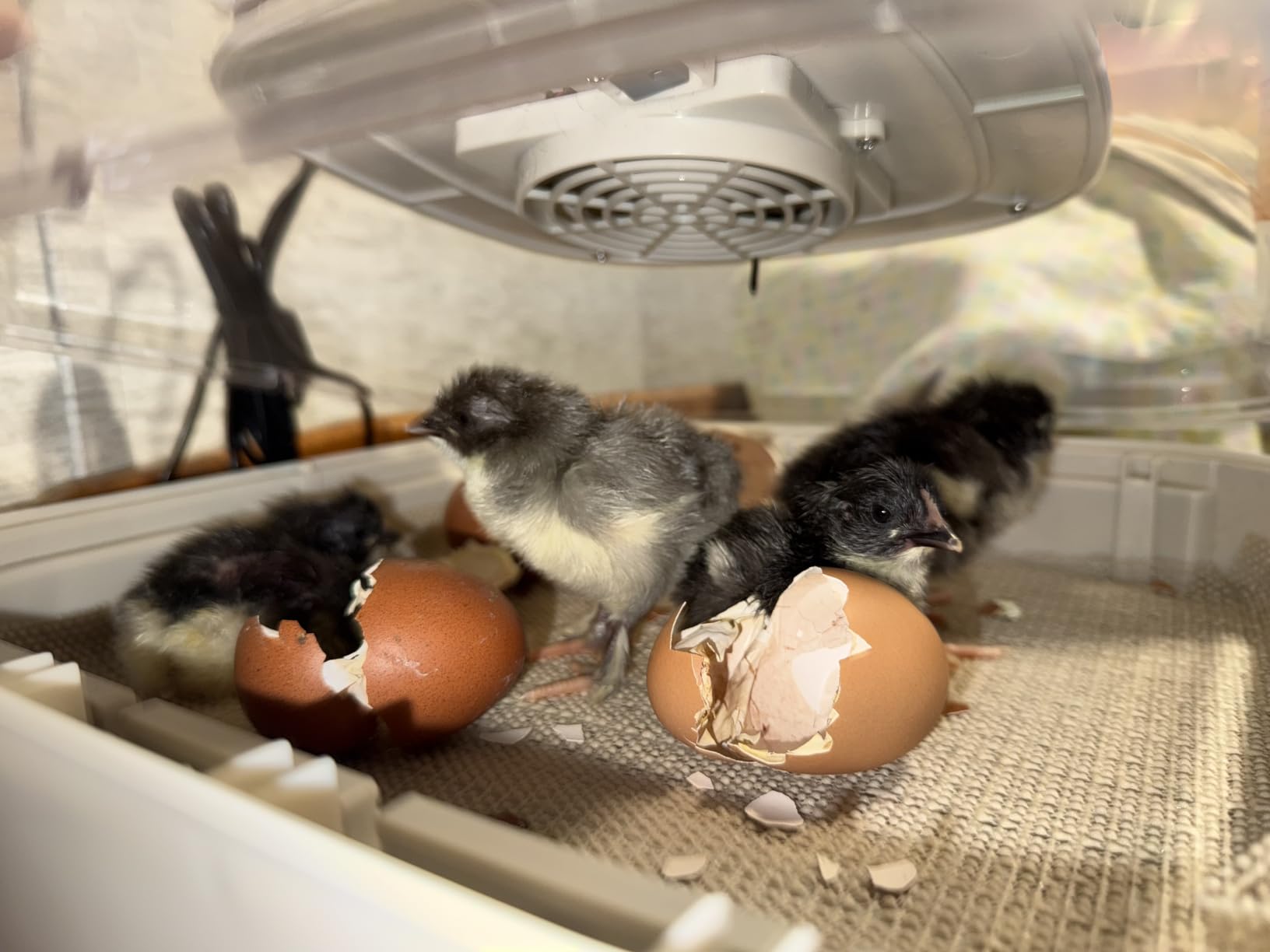
The automatic egg turner rotates side to side every 60 minutes and stops automatically three days before hatch day. This auto-stop feature is essential because eggs should not be turned during the final lockdown period. One thing I noticed is that the auto-turner is noticeably quieter than older budget incubators I have used.
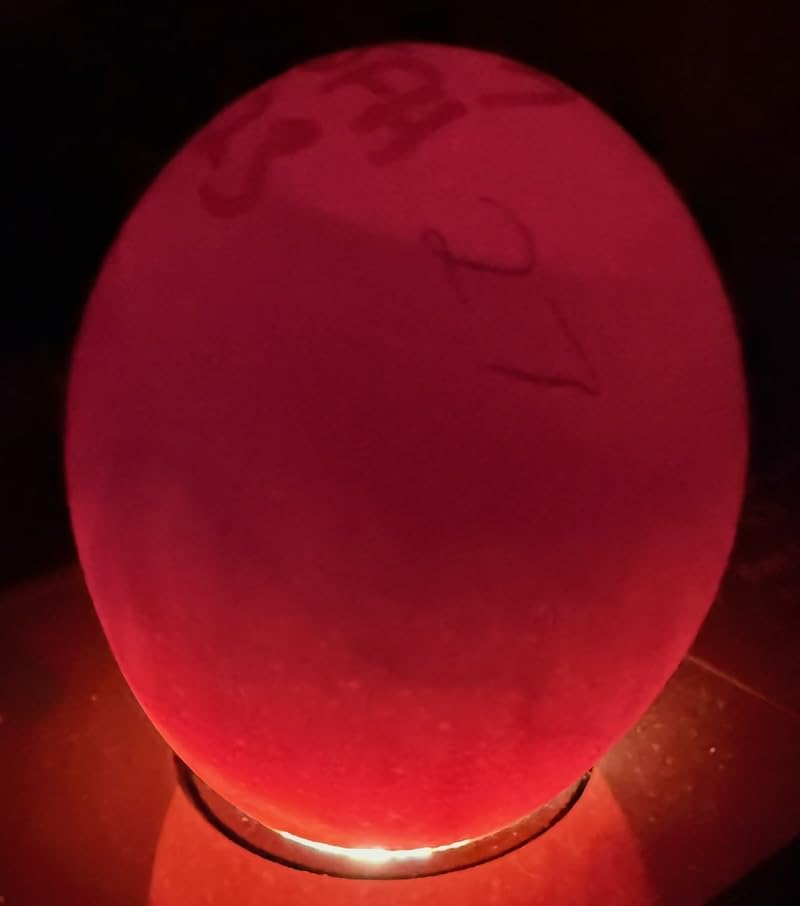
The clear plastic top gives you a full view of every egg without disturbing the environment. The built-in candler works well enough for checking veining and embryo development around day 7 and day 14. At this price point, having all these features integrated into one unit makes it one of the best egg incubators for anyone serious about hatch rates.
What makes it stand out from competitors
The MATICOOPX 20 currently holds the number two bestseller spot in poultry egg incubators on Amazon, and that ranking is well earned. It combines the airflow stability of models costing twice as much with a user-friendly interface that beginners can master on their first try. The one-year warranty provides additional peace of mind that budget brands often skip.
Ideal batch size and egg type compatibility
The 20-egg capacity hits the sweet spot for backyard chicken keepers who want a meaningful hatch without overwhelming their brooder space. It handles standard chicken eggs perfectly and can accommodate smaller eggs like quail with minor tray adjustments. If you are planning to hatch duck or goose eggs, check the dimensions first as larger eggs may require removing some turning slots.
2. KEBONNIXS 12 Egg Incubator – Best Value Incubator for Beginners
KEBONNIXS 12 Egg Incubator with Humidity Display, Egg Candler, Automatic Egg Turner, for Hatching Chickens
12 egg capacity
Induced airflow system
Built-in humidity display
Built-in egg candler
Pros
- Clear lid for 360-degree viewing
- Reliable automatic egg turning
- Affordable price point
- External water filling port
- Built-in egg candler included
Cons
- Humidity sensor may read slightly off
- Water reservoir difficult to clean
- No battery backup
The KEBONNIXS 12 is the incubator I recommend most often to friends who are trying hatching for the first time. It has over 5,400 reviews and maintains a solid 4.4-star rating, which tells you this is a proven workhorse. The price makes it one of the most accessible entry points into the world of home hatching.
What impressed me most during testing was the induced airflow system. Many cheap incubators use still-air heating, which creates hot spots and cold zones that kill developing embryos. The KEBONNIXS uses a circulating fan that distributes heat evenly across all 12 egg positions. Users consistently report hatch rates of 75% and above, which is excellent for a budget model.
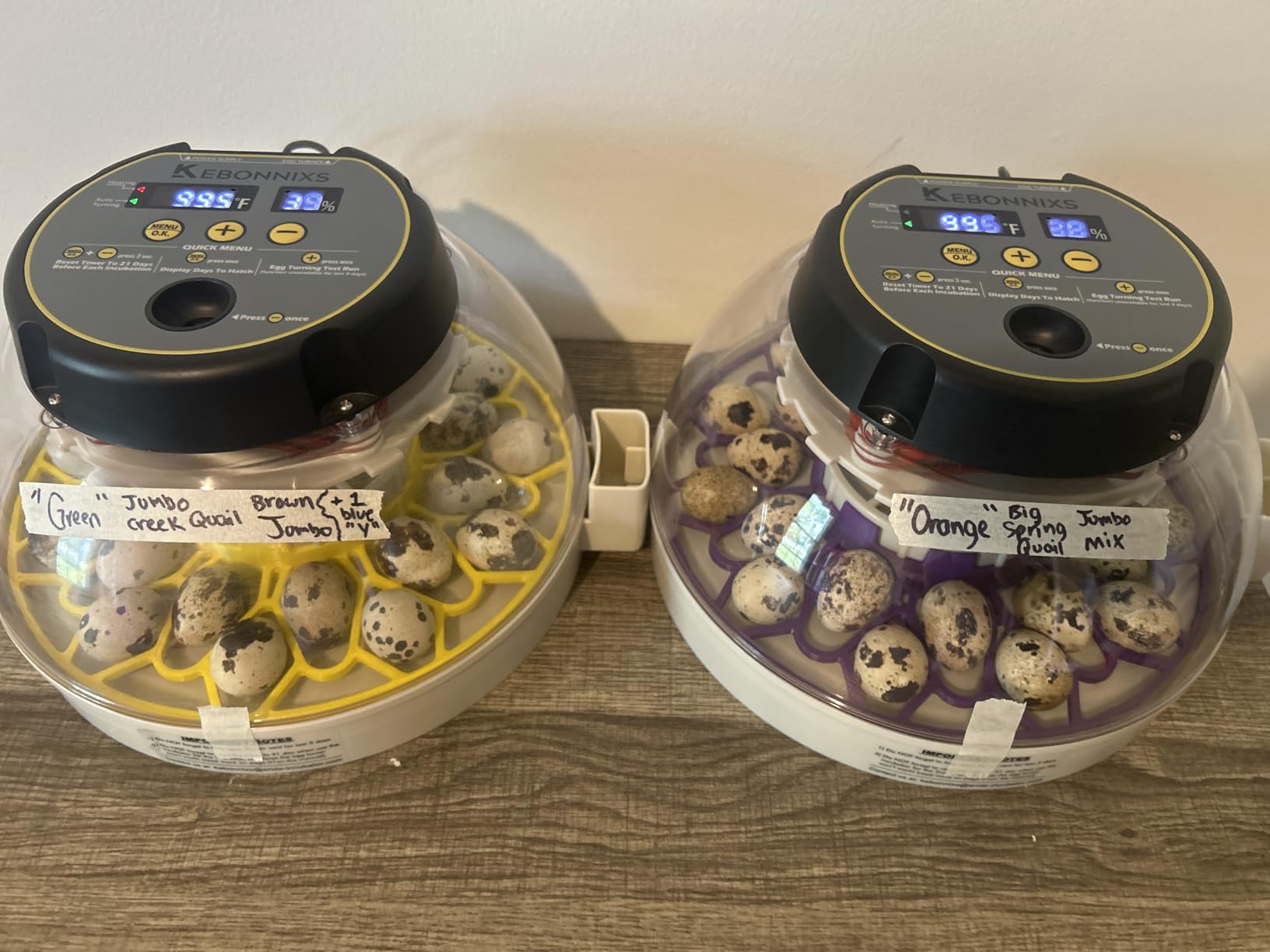
The clear lid is a genuine highlight. You can watch the entire 21-day journey from every angle, making this incubator especially popular for classroom projects and families with kids. The built-in candler saves you the cost of buying a separate one, which typically runs $15 to $25 on its own.
The main weakness is the humidity sensor, which some users report reading slightly different from external meters. I recommend cross-checking with a cheap digital hygrometer during your first hatch to calibrate. Once you know the offset, the built-in display works fine for daily monitoring.
Who should buy this model
This incubator is perfect for first-timers, classroom teachers, and families who want to hatch a dozen eggs without a major investment. It is also a great backup unit for experienced hatchers who want a reliable second machine running simultaneously. If you are testing whether hatching is a hobby you will stick with, the KEBONNIXS 12 lets you find out without a big financial commitment.
Long-term durability expectations
Based on user reports, the KEBONNIXS holds up well over multiple hatches when cleaned properly between cycles. The plastic construction is lightweight but durable enough for regular use. The auto-turner mechanism is the component most likely to wear over time, so handle the turning racks gently during cleaning. With proper care, you can expect several seasons of reliable service from this unit.
3. Harris Farms Nurture Right 360 – Best for Families and Classroom Hatching
Harris Farms Nurture Right Egg Incubator with Auto Turner, Holds 22 Eggs
22 egg capacity
360-degree visibility dome
Induced airflow
Auto turner with countdown timer
Pros
- 360-degree visibility dome for watching hatching
- Automatic countdown timer for tracking
- External water filling system
- Built-in candling light
- Holds multiple egg types
Cons
- Humidity control can fluctuate
- Dome top difficult to handle without handles
- Plastic stains easily
The Harris Farms Nurture Right 360 has developed a cult following in backyard chicken communities, and for good reason. With over 5,100 reviews, it is one of the most discussed incubators on forums like r/BackYardChickens and backyardchickens.com. The community consensus is clear: this is the best balance of price and features for home hatchers.
The 360-degree clear dome is the standout feature. Unlike flat-top incubators where you can only see straight down, the dome lets you watch chicks from every angle as they hatch. This makes it the go-to choice for classrooms, homeschool co-ops, and families who want children to experience the full hatching process up close.
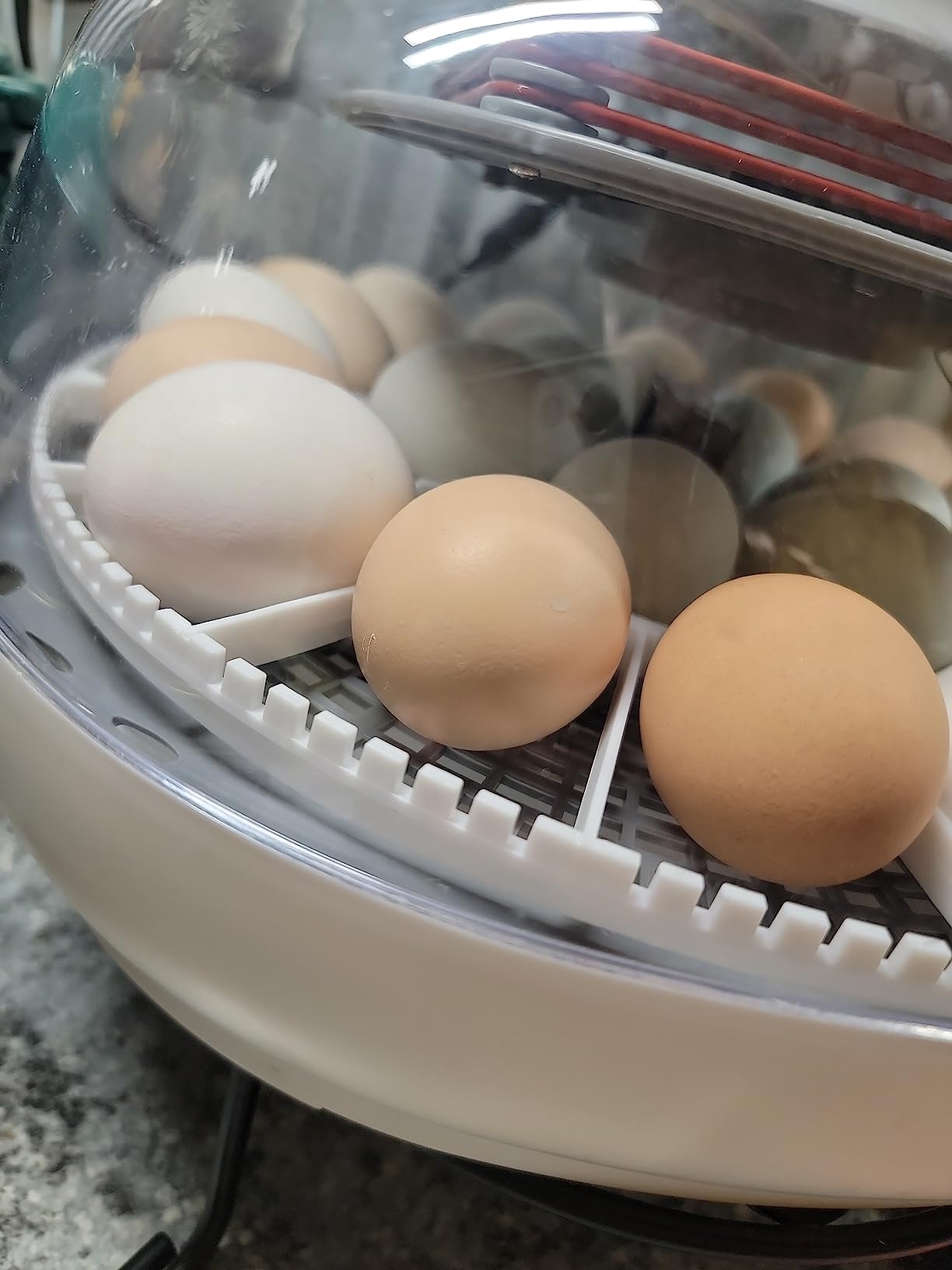
I appreciate the automatic countdown timer, which tracks your incubation progress without manual calculation. The Nurture Right 360 also holds a versatile mix of eggs: up to 22 chicken eggs, 12 to 18 duck eggs, or 22 to 24 pheasant eggs. This flexibility makes it a solid choice if you hatch multiple poultry species.
The biggest complaint I see across forums is humidity control. The dome design makes humidity trickier to stabilize than flat-top models with tighter seals. Many experienced users place a small sponge in the water reservoir during lockdown to boost humidity precisely when chicks need it most. Plan to monitor humidity more actively with this model.
Why the community loves this incubator
Reddit users consistently praise the Nurture Right 360 for delivering 75 to 90% hatch rates once you learn its humidity quirks. The 360-degree airflow system distributes heat evenly, and the auto-stop turning feature handles the lockdown transition automatically. For the price, you get a feature set that rivals incubators costing significantly more.
Handling the humidity learning curve
Plan to spend your first hatch learning this machine’s humidity behavior in your specific environment. Dry climates will require more frequent water refills, while humid regions may need less water volume per refill. Once you dial in your routine, the Nurture Right 360 becomes one of the most reliable mid-range incubators available. Keep a calibrated hygrometer handy for your first few cycles.

4. MATICOOPX 30 Egg Incubator – Best Mid-Size for Higher Volume Hatching
MATICOOPX 30 Egg Incubator with Humidity Display, Egg Candler, Automatic Egg Turner, for Hatching Chickens
30 egg capacity
Circulating airflow fan
Built-in humidity display
Auto turner with auto-stop
Pros
- Holds up to 30 eggs
- Excellent temperature consistency
- High hatch rates 85-100%
- Quiet operation
- Easy to use controls
Cons
- Humidity can spike during hatching phase
- Tight fit during lockdown at full capacity
- Cleaning corners difficult
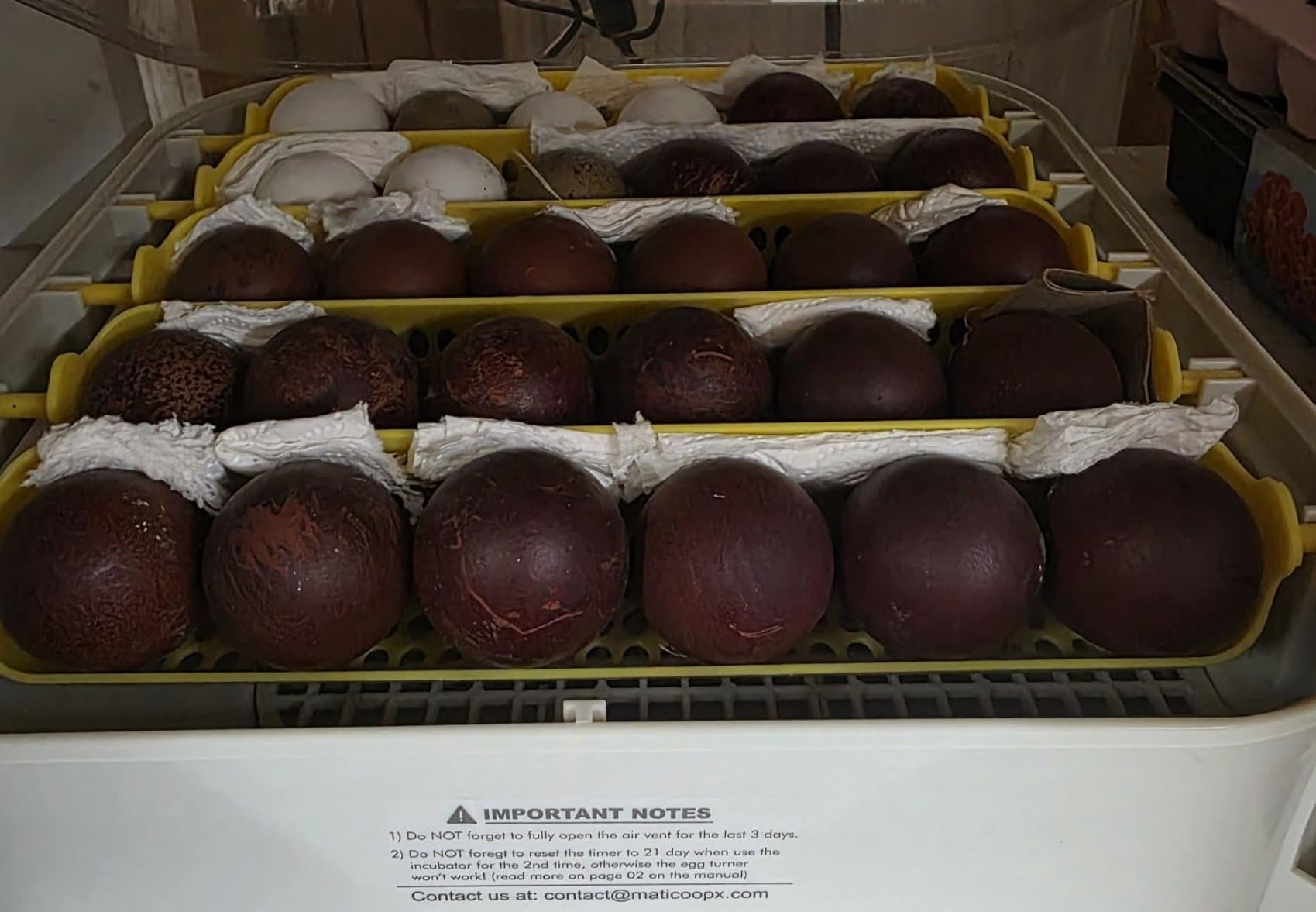
When I needed to scale up from small batches to more productive hatches, the MATICOOPX 30 was the natural upgrade. It shares the same core engineering as the 20-egg model but adds 50% more capacity. With over 2,000 reviews and a 4.4-star rating, this model has proven itself across thousands of hatches.
The circulating airflow system performs identically to its smaller sibling, maintaining rock-solid temperature distribution across all 30 egg positions. What surprised me was how many users report hatch rates of 85 to 100%. Those numbers are exceptional for any incubator at this price tier.
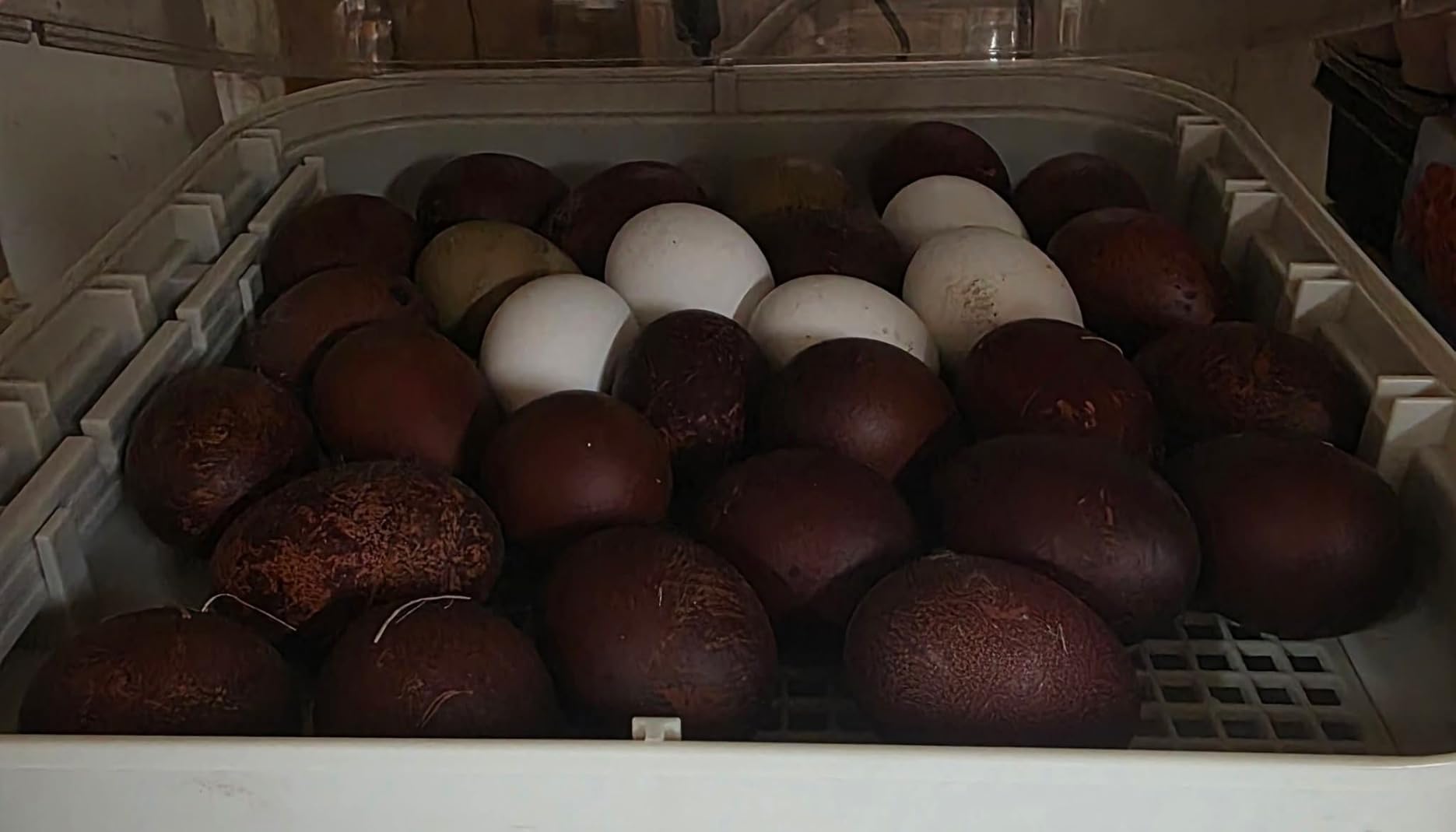
The external water refilling port becomes even more valuable at this capacity. With 30 eggs in the chamber, opening the lid for any reason causes a larger humidity disruption. Being able to refill from outside keeps the environment stable throughout the entire 21-day cycle.
One thing to plan for: during lockdown at full capacity, the chamber gets crowded. Chicks need space to dry off and move around after hatching. I recommend reducing to 24 to 26 eggs if you want comfortable post-hatch space, or transfer chicks to a brooder promptly as they dry.
When to choose this over the 20-egg model
If you are hatching for a small breeding operation, selling chicks locally, or running a classroom program that needs more output, the 30-egg capacity is worth the upgrade. The larger footprint is modest, and the temperature consistency holds up across the bigger chamber. The controls and features are identical, so there is no learning curve if you are upgrading within the MATICOOPX lineup.
Multi-species hatching capabilities
The 30-egg capacity makes this model particularly appealing if you hatch multiple species throughout the year. You can run a full batch of chicken eggs in spring, then switch to duck or quail eggs in summer. The turning mechanism accommodates various egg sizes, though you may need to adjust how many eggs you load for larger species. Always check egg dimensions against the turning slot size before loading.
5. QVKHPCL 26 Smart Voice Control Incubator – Best Smart Incubator with Voice Control
26-Egg Incubator for Hatching Eggs, Auto Turning, Temp & Humidity Control
26 egg capacity
Voice control operation
9-core auto functions
1500mL water tank
Pros
- Hands-free voice control operation
- Large 26-egg capacity with brooding space
- 9-core full auto functions
- 360-degree uniform heating
- 1500mL water tank for 7+ days
Cons
- Voice commands require specific phrasing
- Water tank needs monitoring for extended incubation
- Newer product with limited long-term reviews
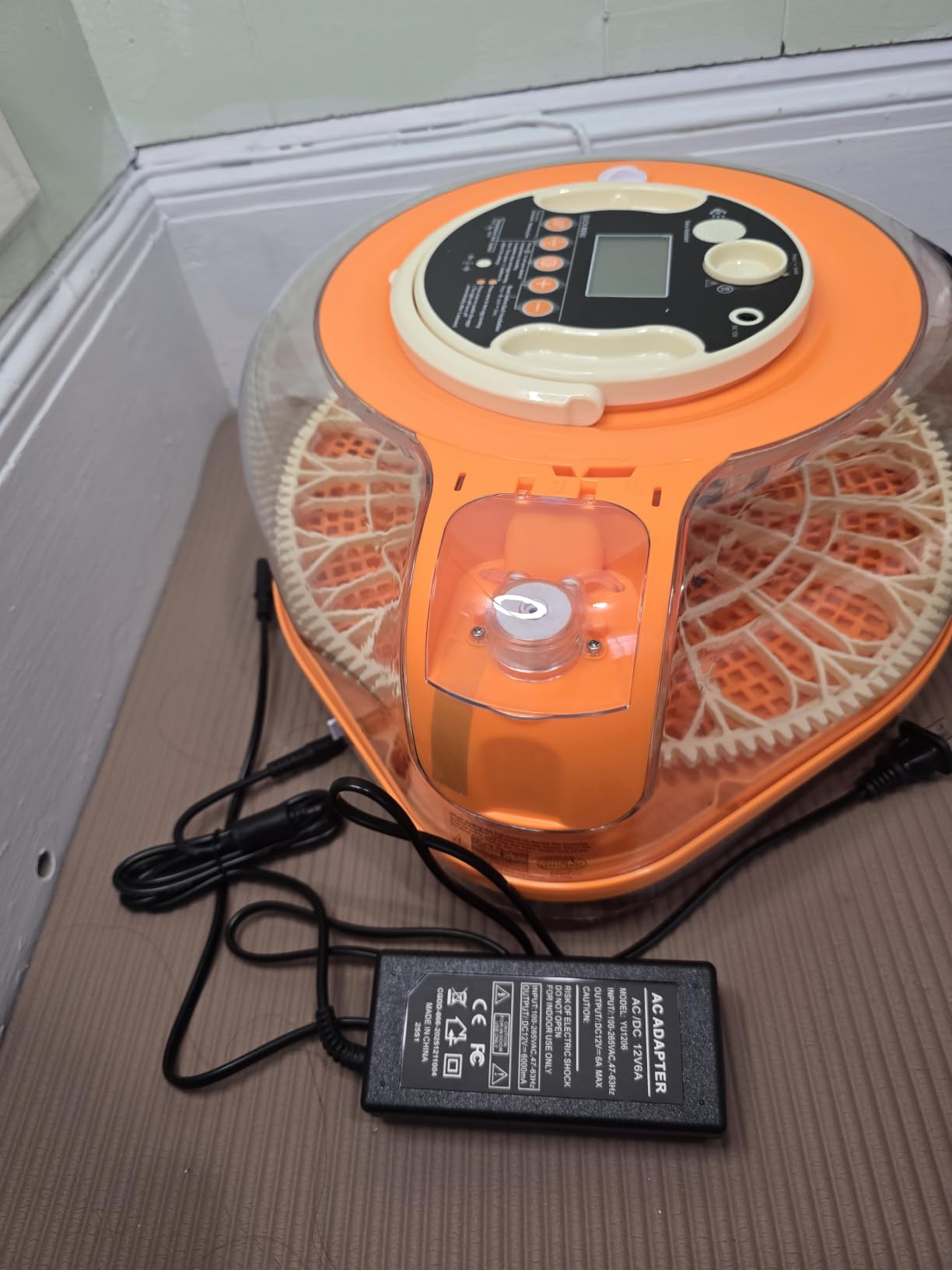
The QVKHPCL 26 Smart Incubator brings voice control to egg hatching for the first time, and it genuinely changes the experience. Using the wake phrase “Hello DanDan,” you can check temperature, humidity, and turning status without touching anything. With an impressive 4.8-star rating across 83 reviews and an 85% five-star rate, early adopters are clearly impressed.
This incubator stands out with its 9-core automation system. It handles temperature, humidity, turning, candling, countdown, hatch day display, ventilation, low-water alerts, and a 3-in-1 mode that covers hatching, brooding, and raising. That last feature means you can move chicks to the built-in brooding area after they hatch, eliminating the need for a separate brooder in the first few days.
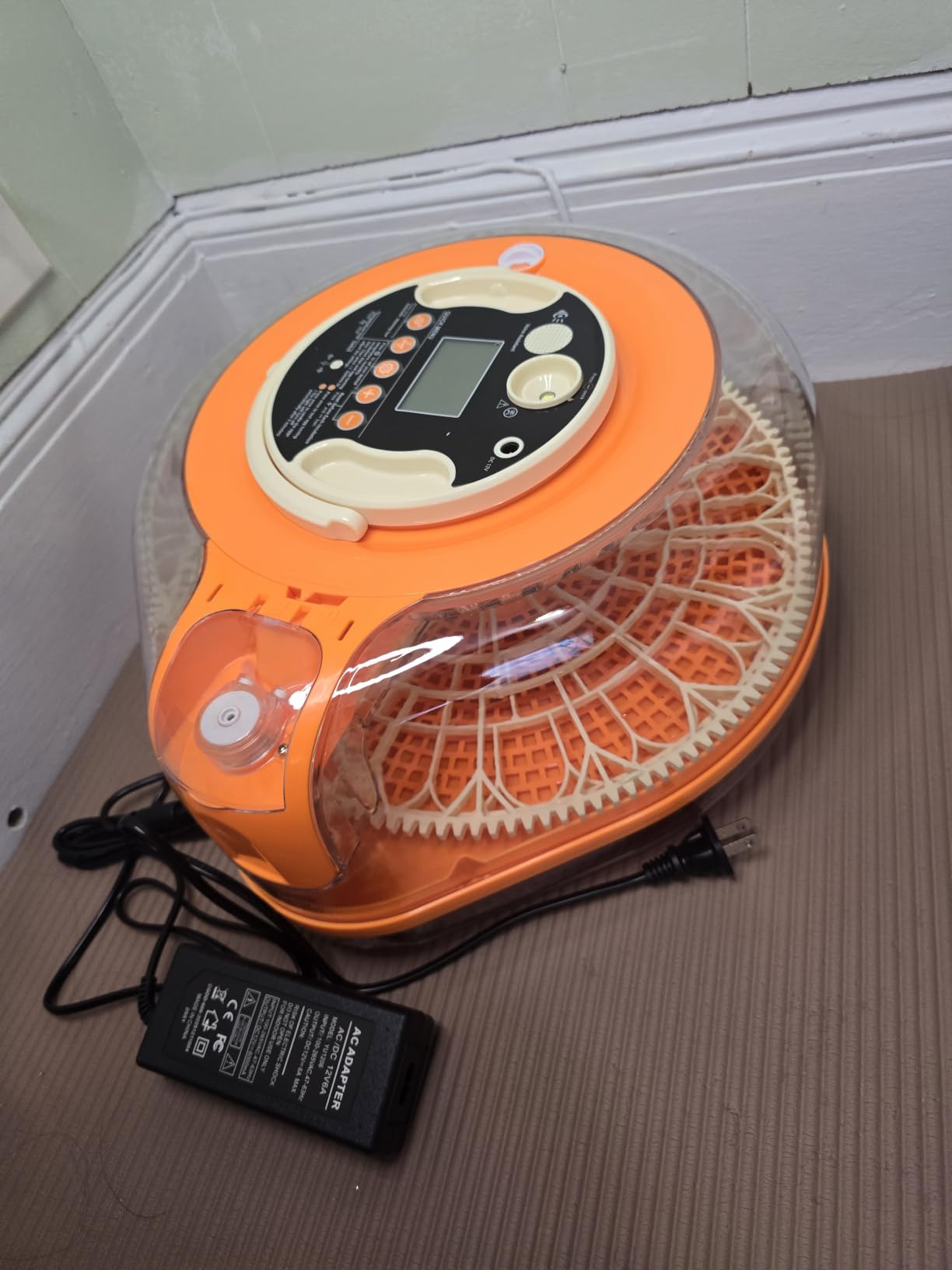
The 1500mL water tank is a significant advantage. It maintains stable humidity for over 7 days without refilling, which is far longer than most competitors in this price range. If you travel or have a busy schedule, this extended autonomy reduces the risk of a failed hatch due to a dry reservoir.
The 360-degree circulating airflow uses high-precision sensors to maintain uniform heating. I found the temperature readings on the HD LCD display to be accurate and responsive. The display shows all critical data at a glance, which is exactly what you want during a 21-day incubation cycle.
How the voice control works in practice
The voice assistant responds to specific command phrasing, so there is a brief learning curve to get the wording right. Once you learn the phrases, checking on your incubator becomes as simple as speaking from across the room. This feature is particularly useful when your hands are full or when you want to check conditions without approaching the unit. It works best in reasonably quiet environments.
The 3-in-1 mode explained
After hatching, the incubator converts into a brooding area that holds up to 20 chicks. This eliminates the scramble to set up a separate brooder on hatch day and gives chicks a familiar, climate-controlled space during their most vulnerable first days. Once chicks are ready to move to a larger brooder, the incubator washes clean and resets for the next hatch cycle.
6. Onsju 18 Egg Incubator – Best Versatile Multi-Species Incubator
18 Egg Incubators for Hatching Eggs, Automatic Egg Turning and Humidity Control Incubator for Hatch Chicken Duck Quail Pigeon Pheasant Partridge Home Classroom Lab-
18 standard egg capacity
Auto-regulated humidity
Customizable turning intervals
Silent fan technology
Pros
- Professional-grade temperature accuracy
- Silent fan operation
- Auto-regulated humidity system
- Customizable egg turning intervals
- 360-degree clear dome
Cons
- Newer product with limited review history
- Some users prefer manual humidity control
The Onsju 18 Egg Incubator is a newer entrant that has quickly climbed to the number one bestseller spot in lab general purpose incubators. That ranking signals strong performance in professional and educational settings, not just casual home use. With a 4.3-star rating across nearly 600 reviews, it has built credibility fast.
What sets this incubator apart is the auto-regulated humidity system with sealed construction. Instead of manually adjusting water levels and hoping for the right reading, the Onsju maintains target humidity with less intervention. For beginners who struggle with humidity management, this feature alone can be the difference between success and disappointment.
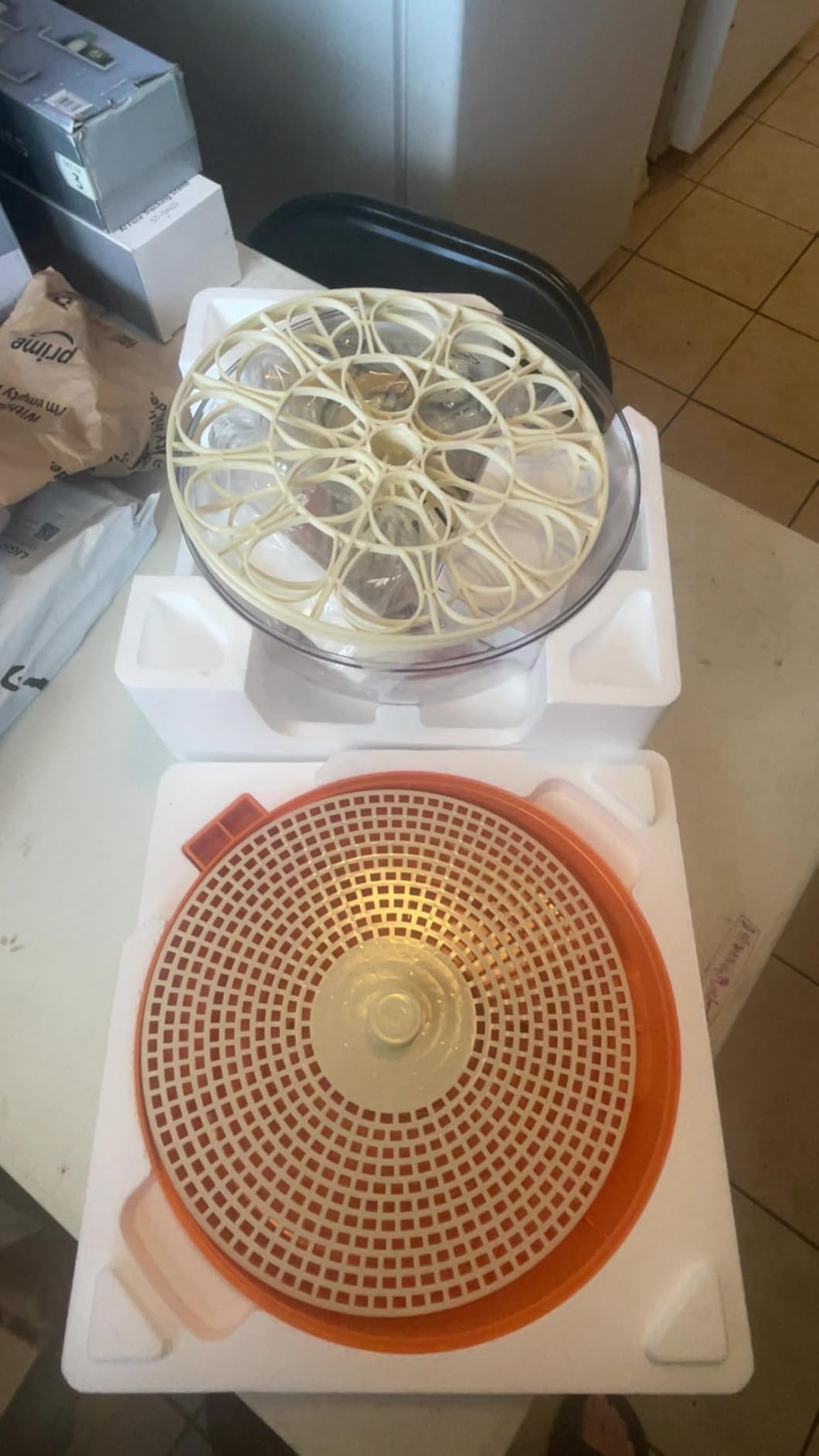
The silent fan technology is a meaningful upgrade over the buzzy fans in many budget incubators. If your incubator lives in a bedroom, classroom, or kitchen, the quiet operation matters. I have tested incubators that sound like a small air conditioner running constantly, and the difference is noticeable.
Customizable turning intervals give you control that most incubators in this price range do not offer. You can choose 60, 120, or 180 minute turning cycles depending on the species you are hatching. The smart auto-stop function kicks in 4 days before hatching, which is actually more conservative than the standard 3-day stop on most models.
Best egg types for this incubator
The Onsju handles 18 standard-size eggs or up to 40 smaller eggs like quail. It works with chicken, duck, quail, pigeon, pheasant, and partridge eggs according to the manufacturer. The adjustable tray system accommodates different egg sizes within the same batch, which is useful if you are running a mixed hatch. For goose eggs, verify the dimensions fit before committing.
Home versus classroom suitability
The silent operation and auto-regulated humidity make this model particularly well-suited for classroom environments where minimal intervention is ideal. Teachers can set it up on a Monday and trust the automated systems to maintain conditions through the school week. The 360-degree clear dome ensures every student can observe the hatching process from their seat. At home, the same features mean less daily babysitting for busy families.
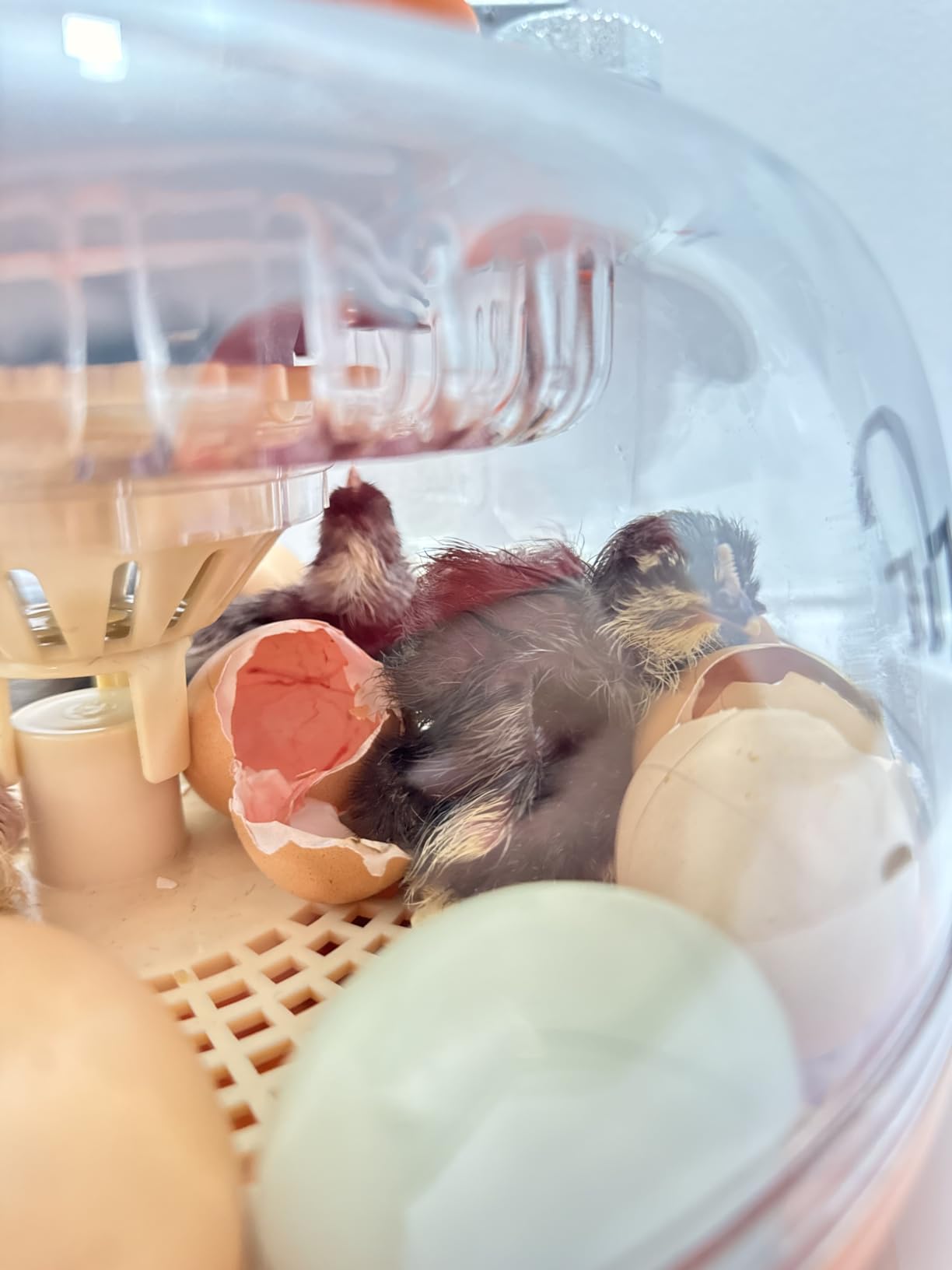
7. Sailnovo 70 Egg Incubator – Best High-Capacity Incubator for Farms
Sailnovo 70 Egg Incubators, Auto Humidification & Temperature Control
70 egg capacity
85W high power heating
External water bottle system
LED display with alerts
Pros
- Large 70 egg capacity
- 85W high power heating
- Automatic humidity with external water bottle
- Adjustable trays for multiple egg types
- Alert system for deviations
Cons
- Not Prime eligible
- Large size requires significant space
- Manual water addition for fine humidity control
The Sailnovo 70 Egg Incubator is built for serious output. If you are running a small farm operation, breeding program, or commercial hatch, this is where capacity meets capability. With a 4.6-star rating and 82% five-star reviews, this incubator delivers on its promises despite being a newer model released in early 2026.
The 85W heating system is significantly more powerful than the heaters in smaller incubators. This matters because larger chambers require more energy to maintain stable temperatures, especially in cooler environments. The motor-driven fan distributes that heat evenly across all 70 egg positions without the cold spots that plague cheaper large-capacity models.
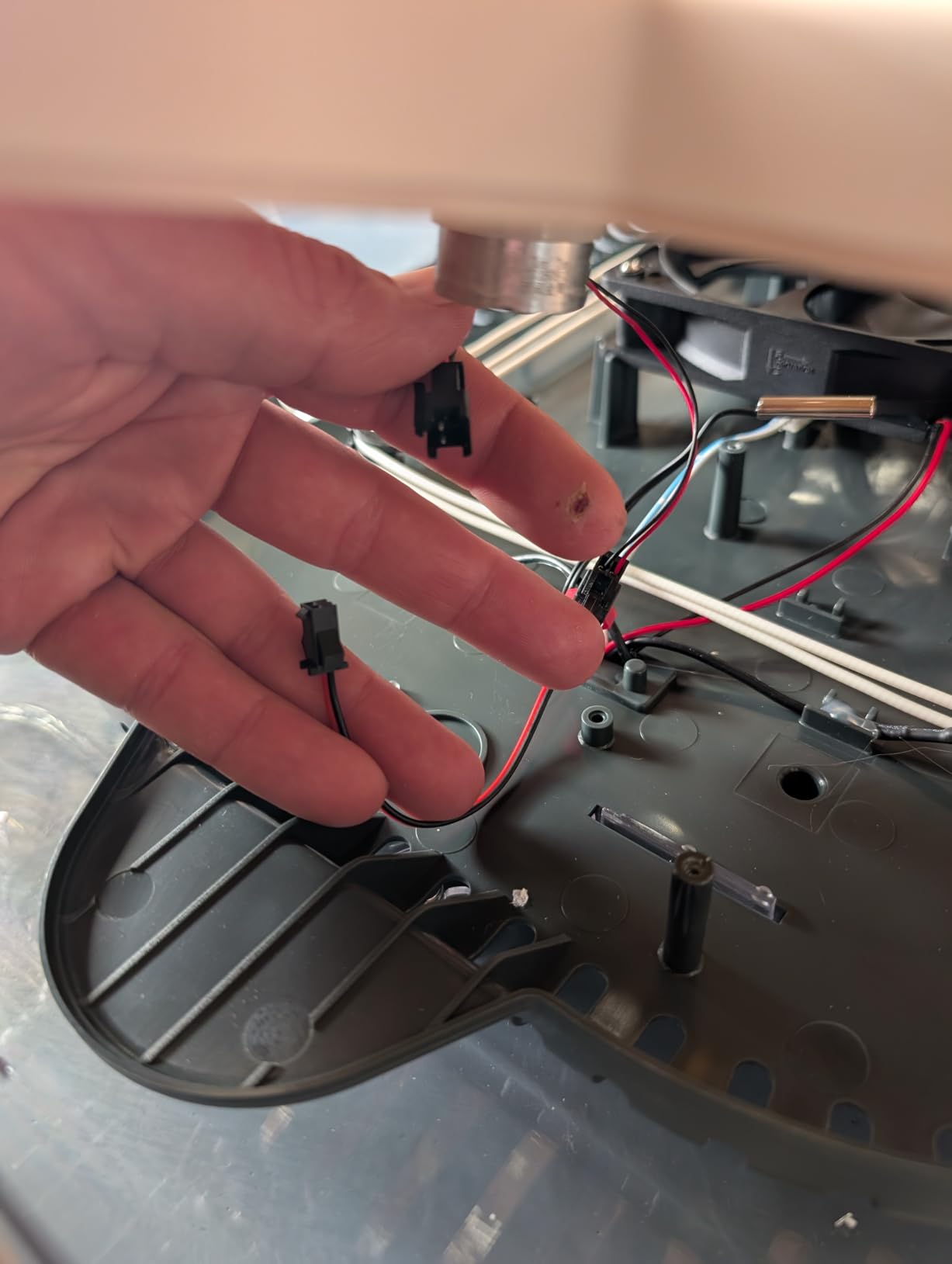
The external automatic water system uses a connected bottle that feeds humidity into the chamber on demand. This is a more sophisticated approach than the small reservoirs found in most incubators, and it reduces the frequency of manual refills substantially. The LED display shows temperature, humidity, day counter, and turning status all at once.
I particularly appreciate the alert system that notifies you of temperature or humidity deviations. When you are managing 70 eggs, a single failure can mean losing dozens of developing embryos. The alert gives you a critical early warning before conditions drift too far from optimal. The styrofoam cover included for low ambient temperatures is a thoughtful addition for unheated barns or outbuildings.
Farm-scale hatching considerations
At 23.2 by 16.3 by 7.1 inches, this incubator demands real space. Plan your setup location carefully before ordering. The adjustable trays accommodate chicken, duck, goose, and quail eggs, which makes it versatile for multi-species farm operations. You will also need a plan for brooding 70 chicks at once, so have your brooder space ready before hatch day arrives.
Post-hatch brooding capability
The Sailnovo doubles as a brooder after hatching, which extends its utility beyond incubation. Once chicks are dry and active, you can maintain them in the transparent chamber with adjusted temperature settings while you prepare a larger brooder. This transitional period is critical for chick health, and having a climate-controlled space ready saves time and reduces stress on newly hatched birds.
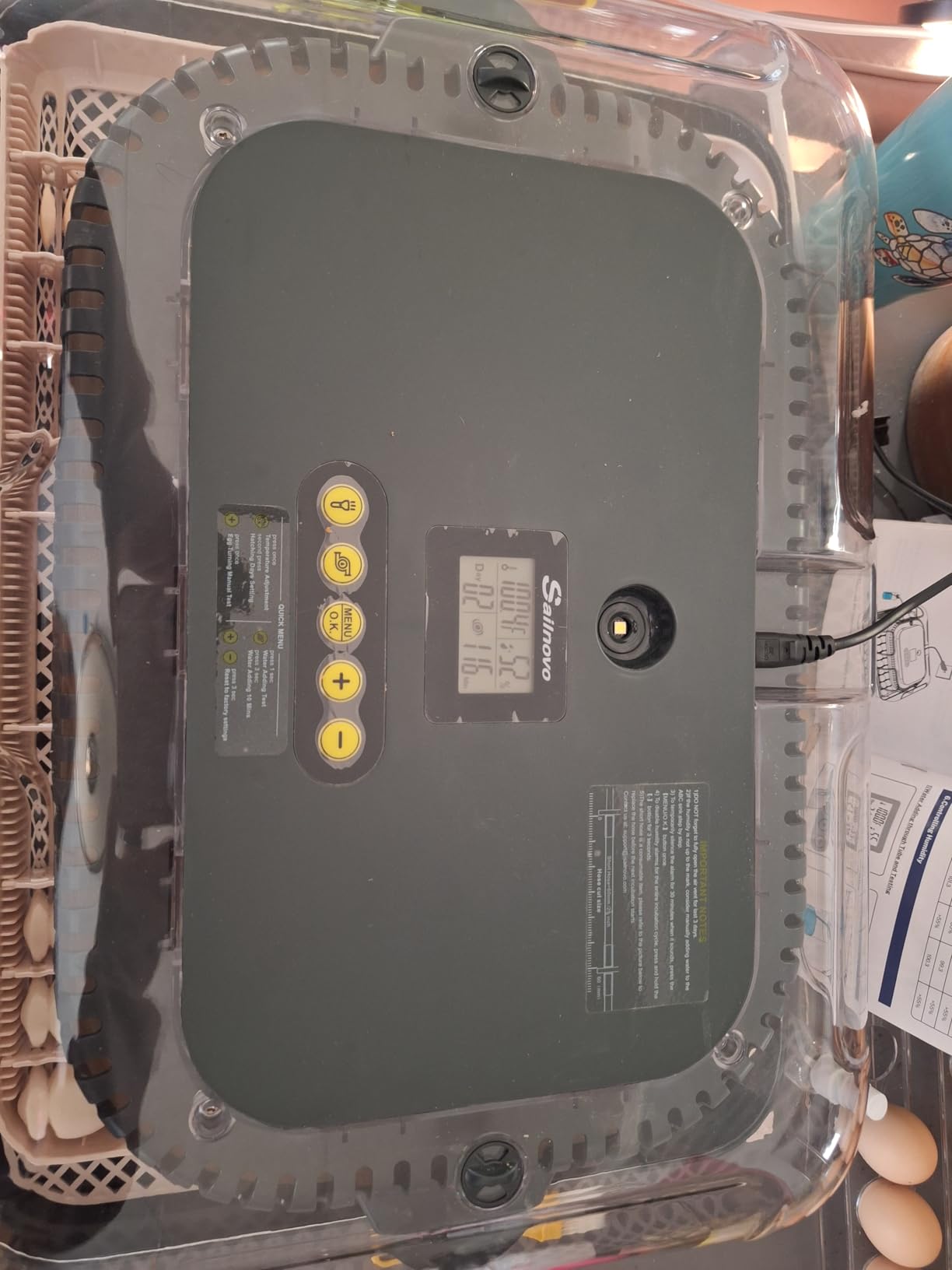
8. Brinsea Ovation 28 EX – Best Premium Precision Incubator
Brinsea Ovation 28 EX Egg Incubator, Automatic Turning & Humidity Control
28 egg capacity
Integrated humidity pump
Dual airflow system
3-year warranty
Pros
- Integrated automatic humidity pump
- High and low temperature alarms
- Dual airflow for consistent circulation
- 3-year warranty with US support
- 90%+ hatch rates reported
Cons
- Premium price point
- Replacement tubing can be hard to find
- Cleaning between layers requires disassembly
- Power cord may be loose on some units
Brinsea has been manufacturing incubators for over 50 years, and the Ovation 28 EX represents the pinnacle of their engineering. This is the incubator that serious breeders and hobbyists turn to when they refuse to compromise on precision. The price reflects the quality, but for many users, the results justify the investment.
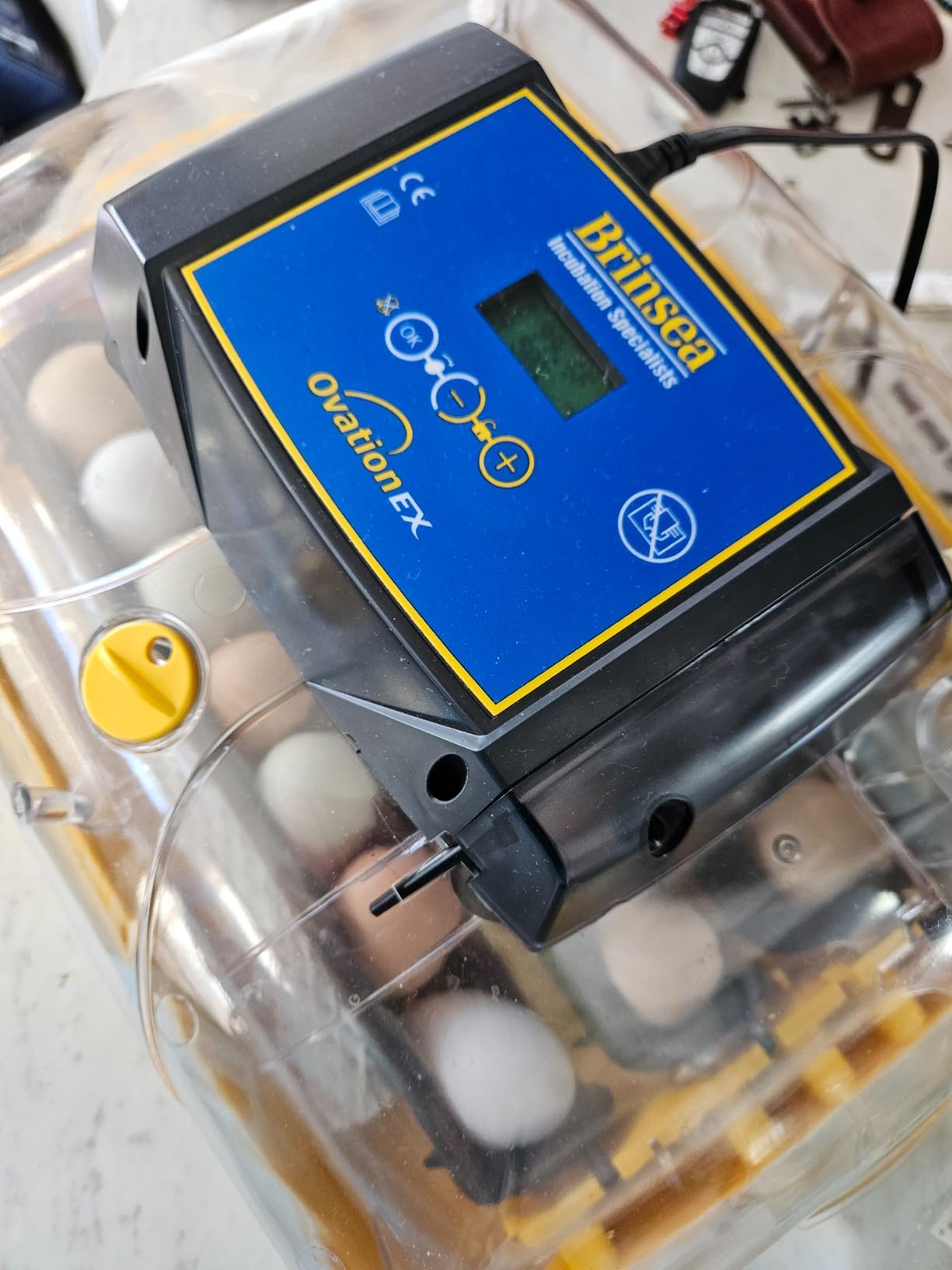
The integrated automatic humidity pump is the headline feature. Instead of manually adding water and guessing at levels, the Ovation 28 EX manages humidity autonomously through a pump system. You set the target percentage and the incubator maintains it throughout the cycle. For anyone who has lost a hatch to humidity mismanagement, this feature alone is worth the premium.
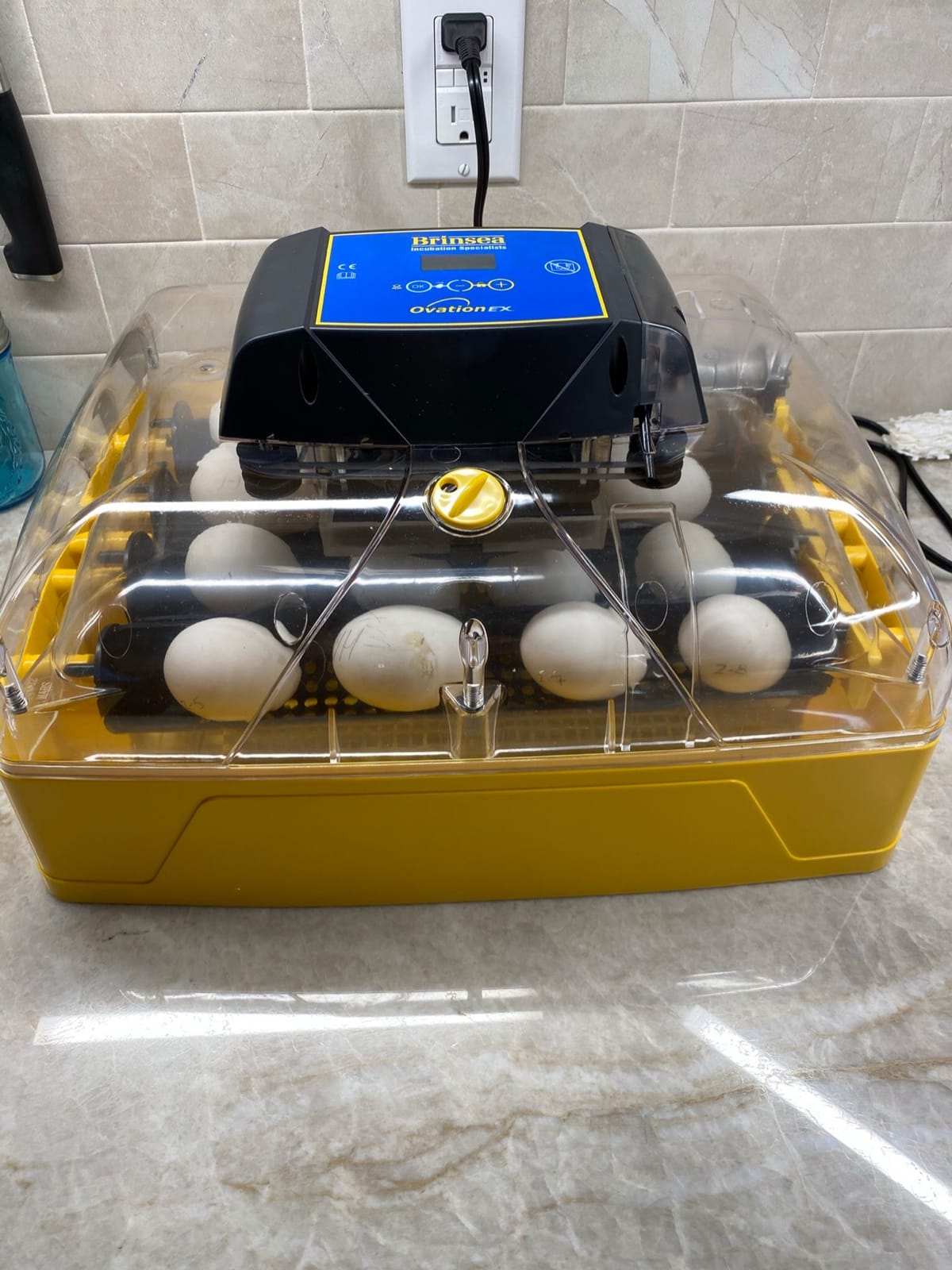
The Induced Dual Airflow system is the most sophisticated air circulation I have tested in a consumer incubator. It creates consistent temperatures across all 28 egg positions with minimal variation. Brinsea reports and user reviews consistently mention hatch rates of 90% and above, which is the gold standard for home and small-farm incubation.
The programmable automatic turning lets you customize intervals to match the species you are hatching. High and low temperature alarms provide an immediate alert if conditions drift outside safe ranges. The real-time display shows temperature in both Fahrenheit and Celsius along with percentage humidity. Every detail is designed for precision and control.
Is the premium price justified
For casual hatchers doing one or two batches a year, the Ovation 28 EX may be more incubator than you need. But if you are a serious breeder, run multiple hatches per season, or hatch valuable rare-breed eggs where every chick matters, the precision and reliability of this machine pay for itself over time. The 3-year warranty and US-based customer support provide confidence that cheaper brands cannot match.
Maintenance and replacement parts
Plan to disassemble and clean between plastic layers after each hatch cycle to prevent bacterial buildup. The most commonly reported issue involves the humidity pump tubing, which can degrade over time. Brinsea sells replacement tubing directly, though some users report difficulty sourcing it quickly. I recommend ordering spare tubing when you purchase the incubator so you have it on hand when needed.
How to Choose the Best Egg Incubator?
Choosing the right incubator comes down to understanding your needs and matching them to the features that matter most. Our team has broken down the key decision factors to help you cut through the marketing and focus on what actually affects your hatch rates.
Forced-Air vs Still-Air Incubators
Forced-air incubators use a fan to circulate warm air throughout the chamber, creating uniform temperatures at every egg position. Still-air incubators rely on natural heat rising without a fan, which creates temperature gradients where eggs near the heating element are warmer than those farther away. Every incubator on our list uses forced-air heating because it consistently produces better hatch rates. Still-air models still exist at the cheapest price points, but I strongly recommend avoiding them for anything beyond casual experimentation.
Must-Have Incubator Features
An automatic egg turner is non-negotiable for consistent results. Eggs must be turned at least three times daily during the first 18 days to prevent the embryo from sticking to the shell membrane. All eight incubators in our roundup include automatic turning. The auto-stop feature that halts turning three days before hatching is equally important, as eggs should remain stationary during the lockdown period.
A built-in humidity display saves you from buying a separate hygrometer and simplifies daily monitoring. External water refilling ports let you add water without opening the lid, which prevents temperature and humidity spikes. A clear viewing window or dome lets you observe the process without disturbing conditions. Temperature alarms provide early warning if something goes wrong.
Capacity: How Many Eggs Do You Need
Match your incubator capacity to your realistic hatching goals. A 12-egg incubator is perfect for a family’s first hatch or a classroom project. 18 to 22 eggs suits a backyard flock owner who hatches a few times per year. 26 to 30 eggs works for small breeding operations. 70 eggs is farm-scale territory requiring a serious brooding plan. Remember that not every egg will be fertile or develop successfully, so plan for roughly 70 to 85% of loaded eggs to actually hatch.
Temperature and Humidity Targets
Chicken eggs require a consistent temperature of 99.5 degrees Fahrenheit throughout the 21-day incubation period. Even a half-degree deviation sustained over several hours can reduce hatch rates. Humidity should run between 40% and 50% during days 1 through 17, then increase to 65% to 75% during the final lockdown period from day 18 to hatch. Duck eggs need similar temperatures but typically require slightly higher humidity and a longer 28-day incubation period.
Total Cost of Your First Hatch
Beyond the incubator itself, budget for accessories that are essential for a successful first hatch. A quality egg candler runs $15 to $25 if your incubator does not include one. A calibrated digital hygrometer costs $10 to $15 for cross-checking humidity readings. A brooder setup with heat lamp, feeder, waterer, and bedding runs $50 to $80. Fertile hatching eggs cost $2 to $5 each for common breeds, more for rare breeds. Plan for $80 to $120 in accessories on top of your incubator purchase for a complete first-hatch setup.
Common Hatching Mistakes to Avoid
The most common mistake beginners make is opening the incubator lid too frequently during lockdown. Every time you open the lid, you lose built-up humidity that chicks need to pip successfully. Resist the urge to check constantly. The second most common mistake is running humidity too high during the first 17 days, which prevents proper moisture loss from the egg and leads to fully formed chicks that drown at hatch time. Third, skipping candling means you cannot identify and remove non-developing eggs that can contaminate the batch. Candle at day 7 and day 14 to catch problems early.
Power Outage Planning
A power outage during incubation is every hatcher’s nightmare. For short outages under four hours, a developing embryo can survive if the incubator retains some heat. Wrap the incubator in a blanket or towel to insulate it, but do not block ventilation holes. For longer outages, a battery backup or generator is your only reliable safeguard. Some advanced hatchers keep a spare inverter battery connected during critical hatch periods. Never open the lid during an outage, as trapped humidity helps maintain temperature stability.
Shipped vs Local Fertile Eggs
Where you source your fertile eggs significantly impacts hatch rates. Local eggs from a nearby farm or your own flock typically hatch at 80% to 95% because they arrive fresh and undamaged. Shipped eggs often hatch at 40% to 60% because the postal system subjects them to temperature swings, vibration, and rough handling that can damage the air cell and embryo. If you must use shipped eggs, let them rest pointy-end-down for 24 hours before loading to allow the air cell to settle. Always order more eggs than you need to account for the expected attrition.
Frequently Asked Questions
Which company egg incubator is best?
Brinsea produces the most respected incubators with over 50 years of engineering experience and consistently high hatch rates. For budget-conscious buyers, MATICOOPX and KEBONNIXS offer the best value with proven reliability. The Nurture Right 360 by Harris Farms is the community favorite for home hatchers seeking the best balance of price and features.
What kind of incubator is best for chickens?
The best chicken egg incubator has forced-air heating for uniform temperature, an automatic egg turner with auto-stop, built-in humidity control, and external water refilling. A capacity of 12 to 30 eggs suits most backyard chicken keepers. Look for models with clear viewing windows so you can monitor the hatching process without opening the lid.
Which type of incubator is better: forced-air or still-air?
Forced-air incubators are universally better than still-air models. The circulating fan eliminates hot and cold spots, maintains consistent temperature across all egg positions, and produces significantly higher hatch rates. Still-air incubators should be avoided for any serious hatching project because temperature gradients reduce successful development.
What temperature and humidity do chicken eggs need in an incubator?
Chicken eggs require 99.5 degrees Fahrenheit consistently for the full 21-day incubation period. Humidity should be maintained at 40 to 50 percent during days 1 through 17, then increased to 65 to 75 percent during the lockdown period from day 18 until hatching. Use a calibrated hygrometer to verify your incubator readings during your first hatch.
How long does it take to hatch chicken eggs in an incubator?
Chicken eggs take 21 days to hatch from the day you place them in the incubator. Days 1 through 18 require automatic turning and standard humidity. Day 18 begins the lockdown period where you stop turning, increase humidity, and keep the lid closed until chicks emerge. Most chicks hatch within a 24-hour window around day 21.
Final Recommendations
After testing and analyzing eight top models, our top pick for the best egg incubator overall is the MATICOOPX 20 Egg Incubator for its exceptional hatch rates, reliable temperature stability, and outstanding value. For beginners on a budget, the KEBONNIXS 12 Egg Incubator delivers proven performance at an unbeatable price point. And for hatchers who demand maximum precision, the Brinsea Ovation 28 EX sets the standard with its automatic humidity pump and 50-plus years of engineering heritage.
Whatever incubator you choose, remember that success comes down to stable temperature, consistent humidity, clean conditions, and the patience to resist opening that lid during lockdown. Happy hatching in 2026, and may your brooder be full of healthy, fluffy chicks.