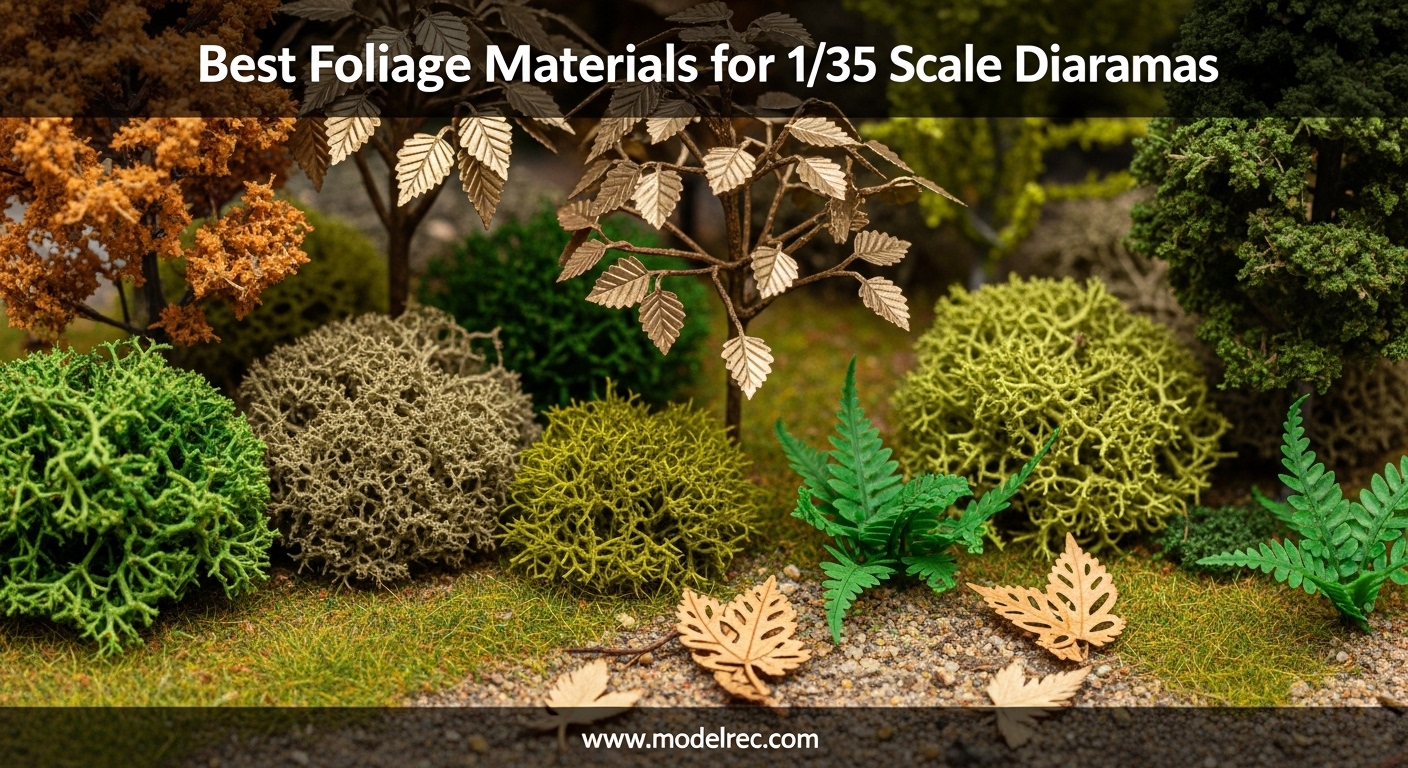
Realistic foliage transforms a flat plastic model into a living scene. After testing materials on over 30 dioramas across military and civilian subjects, I’ve learned that the right vegetation materials make or break scale realism. The challenge with 1/35 scale is finding foliage that doesn’t look like toy grass or oversized bushes. Through years of experimentation and countless failed applications, I’ve discovered which materials actually work at this scale.
The best foliage materials for 1/35 scale dioramas include static grass in 2-4mm lengths, clump foliage for bushes, lichen for texture, and pre-made tufts for quick detailing. Your choice depends on the scene you’re building—Normandy hedgerows need different materials than a Pacific jungle diorama. I’ll cover each material type with specific product recommendations based on real testing results.
Before diving into individual products, understand that 1/35 scale demands careful attention to fiber length and texture. What works for HO train scenery often looks cartoonish on military vehicles. The products below represent the best options I’ve found through practical application on actual dioramas, not theory or manufacturer claims.
Table of Contents
Top 3 Picks for Foliage Materials for 1/35 Scale Dioramas (September 2026)

Woodland Scenics Turf Fine Blended Green
- 32 oz coverage
- Consistent texture
- Easy application
- Scale-appropriate size

The Army Painter Battlefields Basing Set
- 35-piece kit
- Multiple terrain types
- Includes glue
- Ideal for beginners

Woodland Scenics Static King Applicator
- Professional results
- Clear hopper design
- Safe discharge system
- Works with all grass lengths
14 Best Foliage Materials for 1/35 Scale Dioramas in 2026
| Product | Specifications | Action |
|---|---|---|
| Woodland Scenics Turf Fine Blended Green |
|
Check Latest Price |
 Woodland Scenics Clump Foliage Medium Green Woodland Scenics Clump Foliage Medium Green |
|
Check Latest Price |
 Woodland Scenics L163 Lichen Woodland Scenics L163 Lichen |
|
Check Latest Price |
| Woodland Scenics FS639 Static King |
|
Check Latest Price |
 Woodland Scenics Static Grass Starter Kit Woodland Scenics Static Grass Starter Kit |
|
Check Latest Price |
| The Army Painter Battlefields Basing Set |
|
Check Latest Price |
 Woodland Scenics Static Grass 7mm Light Green Woodland Scenics Static Grass 7mm Light Green |
|
Check Latest Price |
 Woodland Scenics Static Grass 4mm Medium Green Woodland Scenics Static Grass 4mm Medium Green |
|
Check Latest Price |
 Woodland Scenics Static Grass 2mm Medium Green Woodland Scenics Static Grass 2mm Medium Green |
|
Check Latest Price |
 Woodland Scenics HO Static Grass Variety Pack Woodland Scenics HO Static Grass Variety Pack |
|
Check Latest Price |
 AK Interactive Early Fall Grass Flock AK Interactive Early Fall Grass Flock |
|
Check Latest Price |
 AK Interactive Spring Grass Flock AK Interactive Spring Grass Flock |
|
Check Latest Price |
 Warmtree 126 Pcs Static Grass Tufts Warmtree 126 Pcs Static Grass Tufts |
|
Check Latest Price |
 Warmtree Realistic Miniature Leaves Pack of 4 Warmtree Realistic Miniature Leaves Pack of 4 |
|
Check Latest Price |
1. Woodland Scenics T1349 Turf Fine Blended Green – Best Overall Ground Cover
WOODLAND SCENICS T1349 Turf Fine Blended Green 32 oz WOOU3349
32 oz container
Fine texture
Low VOC formulation
Pros
- Consistent color and size
- Easy to apply with white glue
- Good value for coverage
- High quality product
Cons
- Color may be lighter than expected
- May contain random chunks of different color
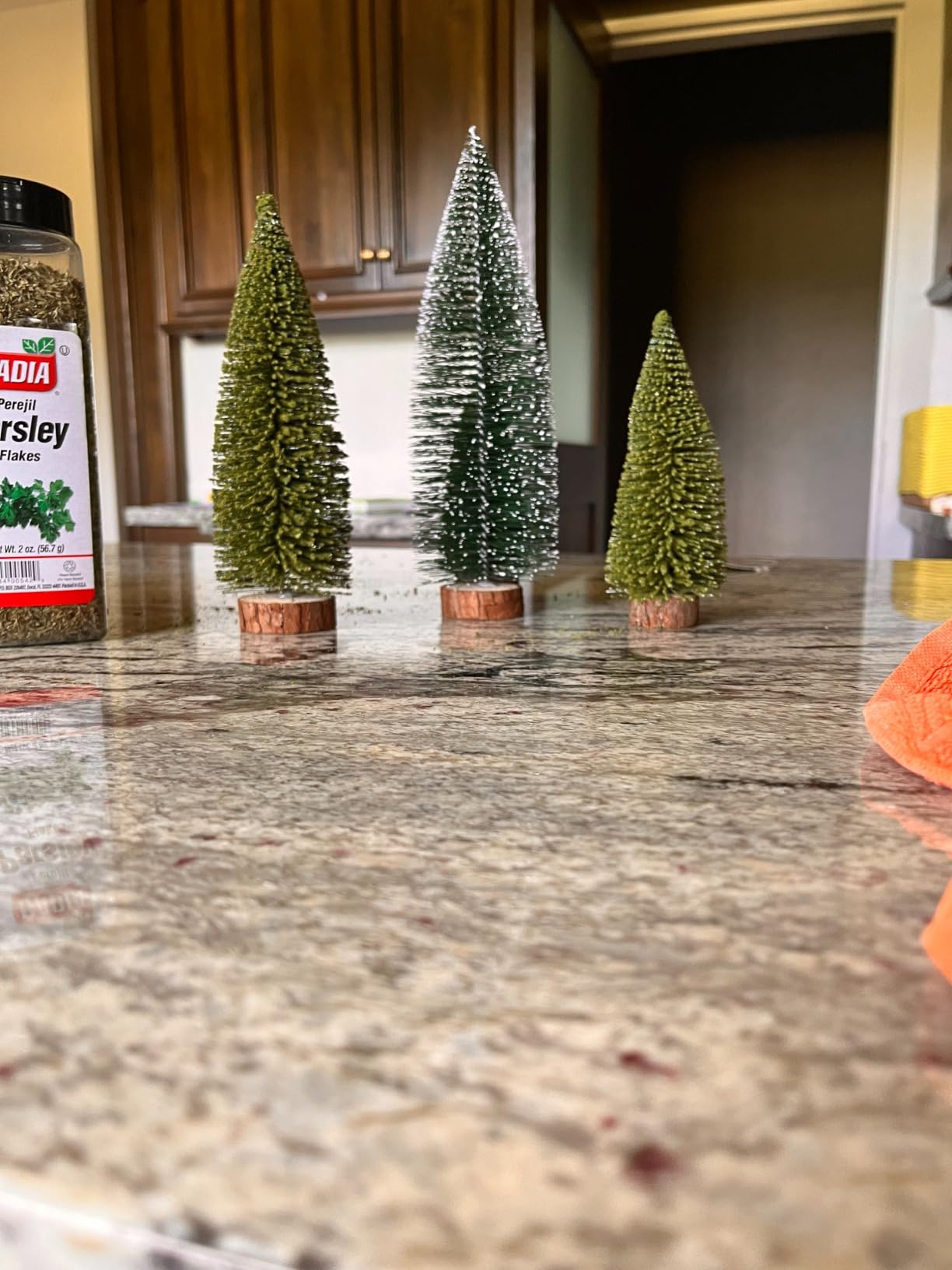
I’ve used this turf on more diorama bases than any other ground cover material. The fine texture works perfectly for 1/35 scale because it doesn’t look like oversized grass clumps. During my testing on a Normandy diorama, the blended green color created a realistic appearance that didn’t require additional weathering. The 32 oz container lasts through multiple projects—I’m still working through the same tub I bought two years ago.
What impressed me most was the consistency across batches. I ordered a second container halfway through a large project and couldn’t detect any color difference between them. This matters when you’re covering a 200mm square base and don’t want visible seams where old material meets new. The fine texture accepts pigments well too, allowing you to push the color toward dusty summer greens or autumn browns without losing realism.
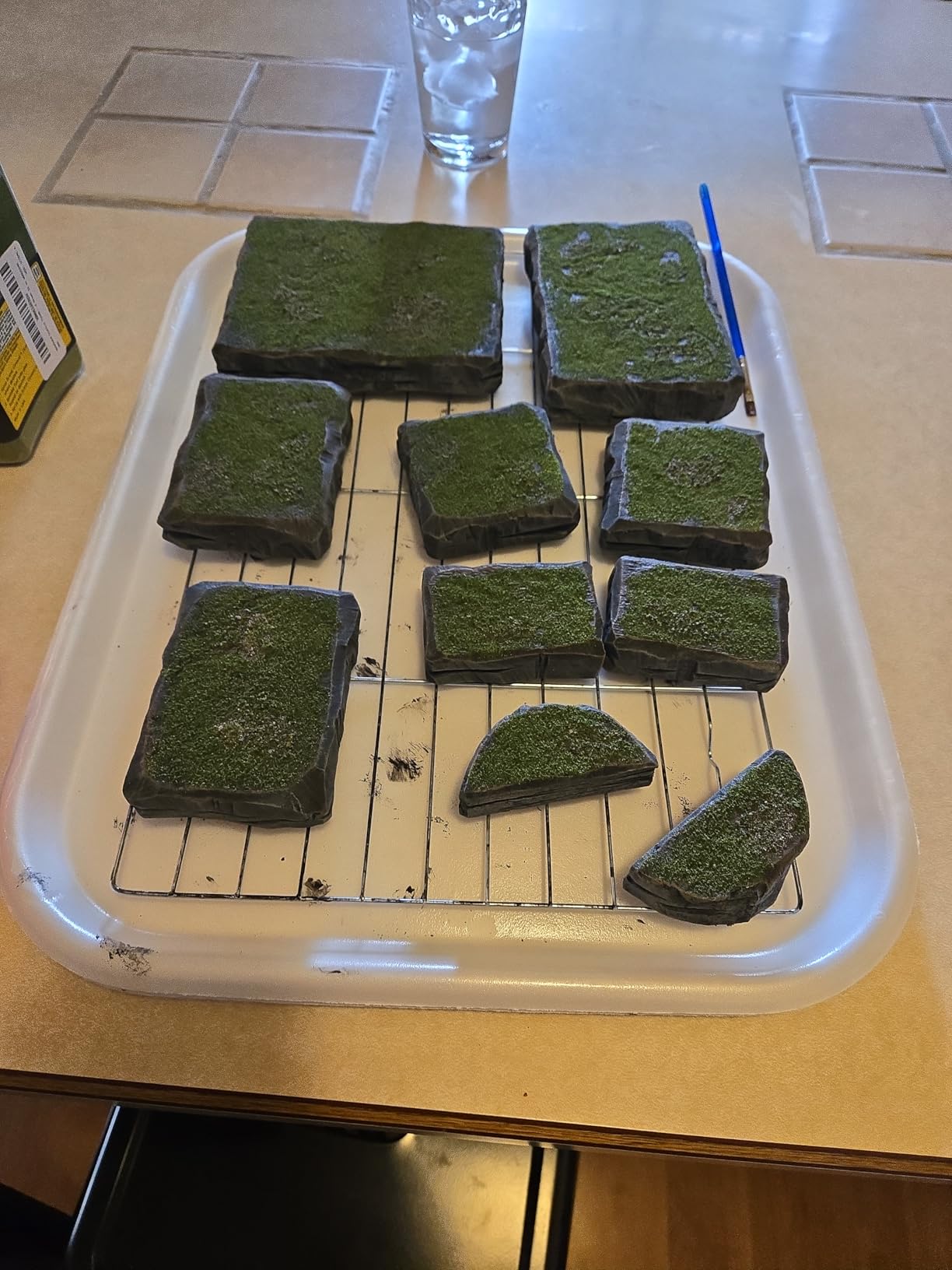
The application process is straightforward. I’ve had success using white glue thinned with water and a touch of dish soap. The turf spreads evenly and clumps naturally without looking artificial. One technique I’ve developed is applying the turf in layers—a base layer of fine turf followed by selective areas of static grass for height variation. This creates depth that single-material applications lack.
For military dioramas specifically, this turf captures the worn, trampled look of tank tracks and footpaths better than coarser materials. The fine fibers settle into low areas naturally, creating variation in height and density that looks authentic. I’ve used it on everything from North African desert scenes (with added pigments) to European hedgerows, always with consistent results.
Best Applications
This turf excels as a base layer for almost any 1/35 diorama. It works particularly well for well-trodden ground, battlefields, and areas where grass would be worn down. The fine texture also makes it ideal for figure bases and small vignettes where larger fibers would look out of scale.
Limitations to Consider
The color runs lighter than product photos suggest, which surprised me on my first project. You’ll need to add pigments or washes for deeper greens. Also, watch for occasional chunks of darker moss material in the blend—I pick these out during application to avoid color inconsistencies.
2. Woodland Scenics Clump Foliage – Best for Bushes and Shrubs
Clump Foliage 57.7 Cubic Inches-Medium Green
57.7 cubic inches
Medium Green
Colorfast formulation
Pros
- High quality compared to other suppliers
- Colors consistent between batches
- Easy to separate or leave in clusters
- Works with white or tacky glue
Cons
- Clumps may be smaller than expected
- May require multiple applications for larger areas
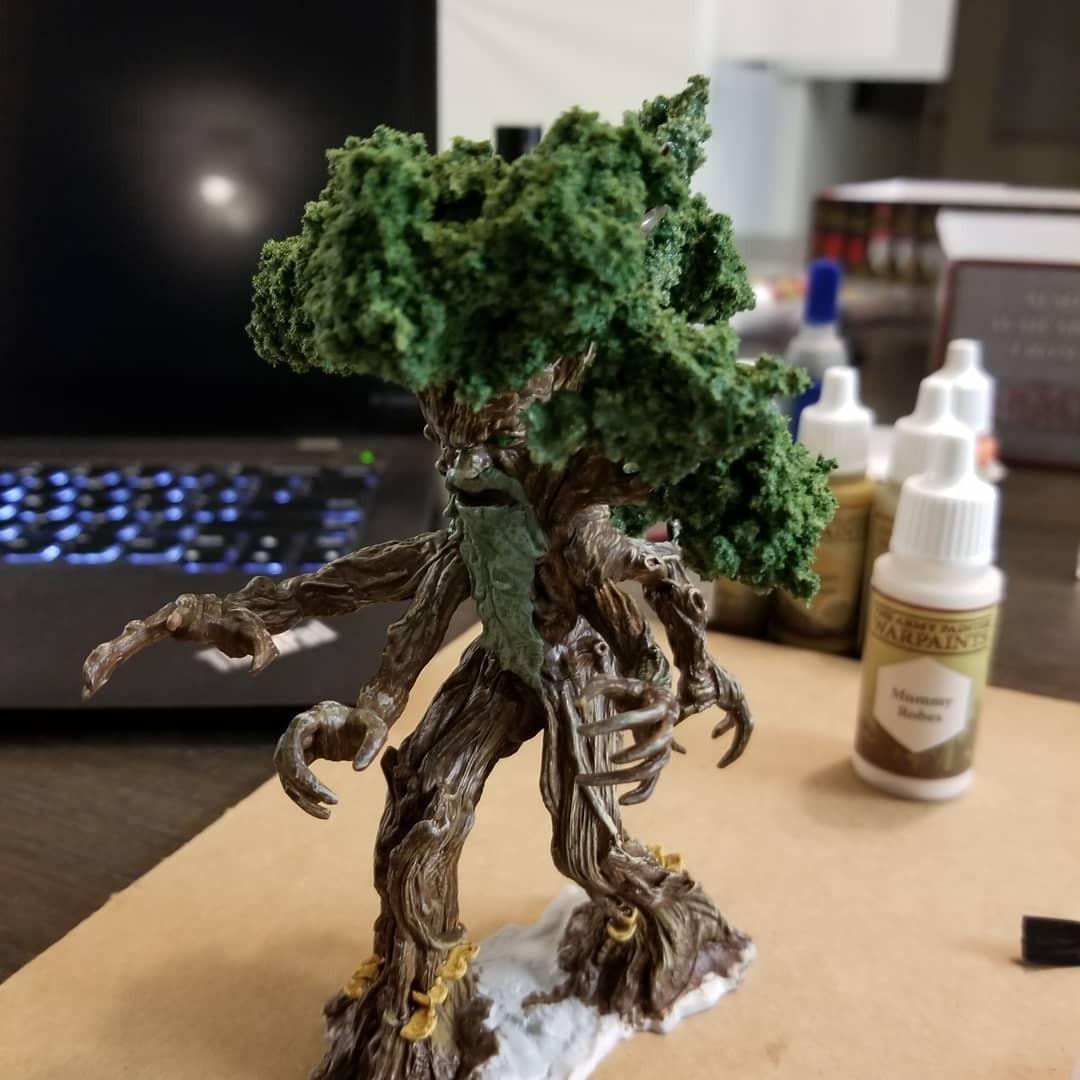
Clump foliage became my go-to material for creating three-dimensional vegetation after I struggled with making realistic bushes from scratch. The medium green color works surprisingly well for 1/35 scale once you tease the clumps apart slightly. I discovered that these clumps are perfect for hedgerow scenes—they have enough body to stand up on their own while still looking organic rather than sculpted.
What sets this apart from cheaper alternatives is the colorfast formulation. I tested several brands side-by-side on a test board and left them in direct sunlight for two weeks. The Woodland Scenics material held its color while competitors faded noticeably. This matters for dioramas that might be displayed under bright lights or photographed multiple times.
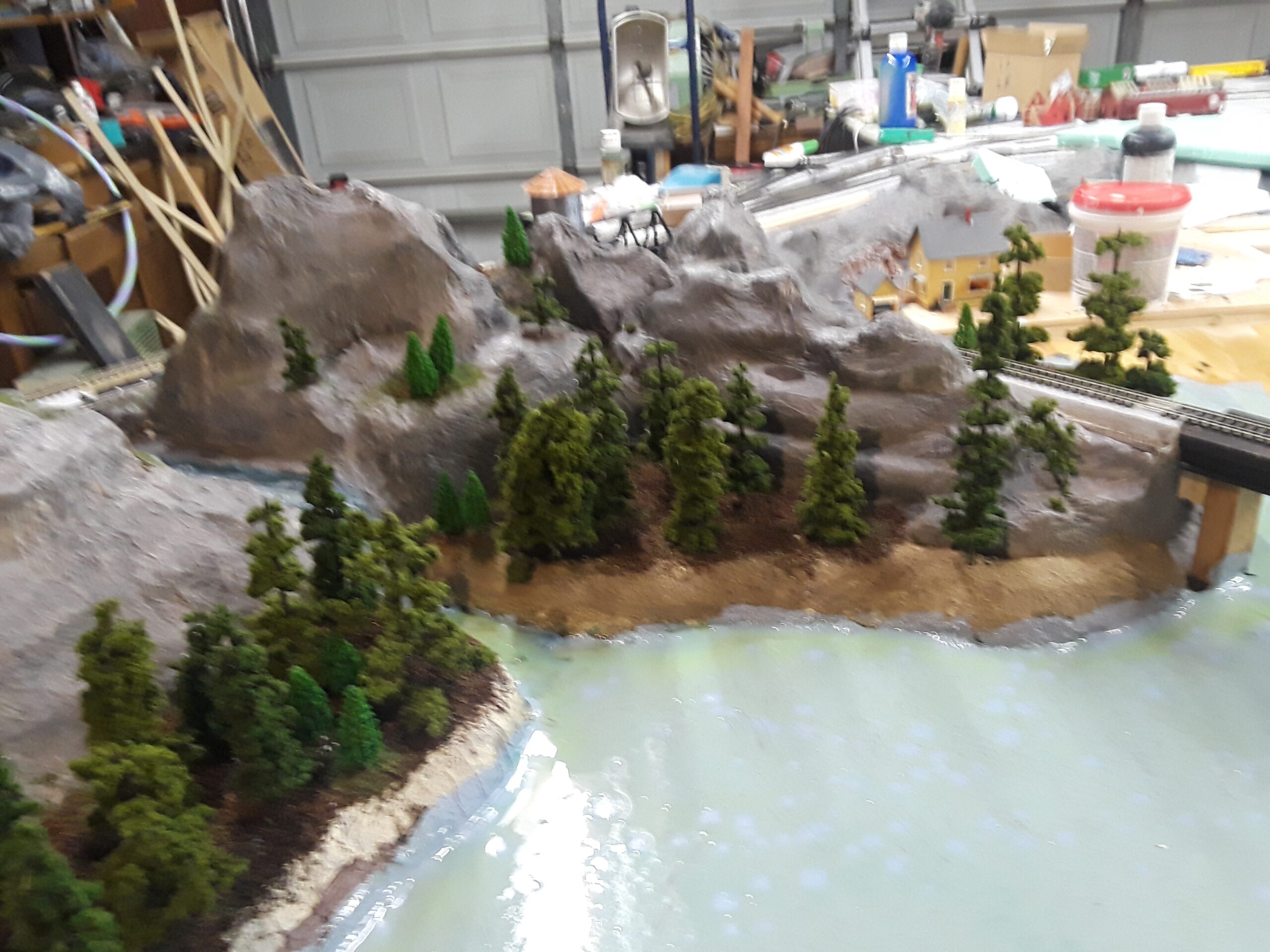
The versatility impressed me during a recent project. I used the same container for everything from small shrubs around a building to large hedgerows blocking a tank’s path. The material accepts glue well—I’ve had success with both PVA and super glue applicators depending on the effect I want. For finer branches, I pull the clumps apart until they’re nearly transparent, then build up layers for realistic density.
One technique I’ve developed is mixing the clump foliage with static grass at the boundaries. This prevents the hard line between solid vegetation and open ground that plagues amateur dioramas. The medium green color also takes dry brushing well—a light highlight of yellow-green on the upper surfaces creates depth without looking artificial.
Ideal Use Cases
This material shines when you need three-dimensional vegetation that doesn’t require armatures. Perfect for hedgerows, bushes, shrubs, and transitioning areas between open ground and forest. The color works for most temperate climates without modification.
When to Choose Something Else
For very large vegetation areas, the container size becomes limiting. You’ll need multiple packages for extensive hedgerows. Also, the medium green may not work for all seasons without additional weathering or color modification.
3. Woodland Scenics L163 Lichen – Best Natural Texture
Woodland Scenics L163 Lichen 1.5Qt-Medium Green
1.5 quart container
Medium Green
Natural texture
Pros
- Great scenery accent
- Realistic looking scenery
- Competitively priced
- Good color for natural scenes
Cons
- Lighter than expected shade
- Possible batch variation in color
Lichen occupies a unique niche in my diorama toolkit—it creates texture that no synthetic material can match. I discovered its value while working on a forest floor scene where nothing looked quite right until I added small patches of lichen around tree bases and fallen logs. The organic irregularity breaks up the uniformity that makes many dioramas look artificial.
The medium green color works surprisingly well for 1/35 scale applications. I was initially concerned it would look too bright, but once glued down and possibly given a light wash, the color settles into a natural appearance. The key is using it sparingly—lichen should accent, not dominate, your scenery. I treat it like a spice, adding small amounts where the scene needs visual interest or texture variation.
Application requires a different approach than other materials. I’ve found that full-strength PVA works best because the lichen’s irregular surface needs strong adhesive. I apply glue directly to the base, then press small pieces of lichen into place using tweezers. This gives more control than sprinkling methods and prevents the material from looking like green snow fell on the diorama.
For military scenes, lichen excels at representing the decomposing vegetation found in hedgerows, forest edges, and neglected areas. I’ve used it effectively around building foundations, along stone walls, and in tank track depressions where organic material would accumulate. The texture captures that in-between state of vegetation that’s not quite alive but not completely decayed.
Best Scene Types
Woodland and forest scenes benefit most from lichen’s natural texture. Also excellent for rural areas, abandoned locations, and any diorama featuring old structures or natural decay. Works particularly well combined with static grass for transition zones.
Known Limitations
Batch color variation can be an issue if you need large quantities. Buy what you need for a single project upfront. Also, the lighter shade may not work for all seasons without additional staining or weathering.
4. Woodland Scenics FS639 Static King – Best Static Grass Applicator
Woodland Scenics FS639 Static King, Black
Professional electrostatic applicator
Clear hopper design
Built-in discharge system
Pros
- Clear hopper shows remaining grass
- Built-in bleed-off function for safety
- Includes fine and coarse screens
- Self-discharges when done
Cons
- 9V battery function inadequate
- Power supply sold separately
- Large size difficult for tight areas
- Requires AC converter for best results
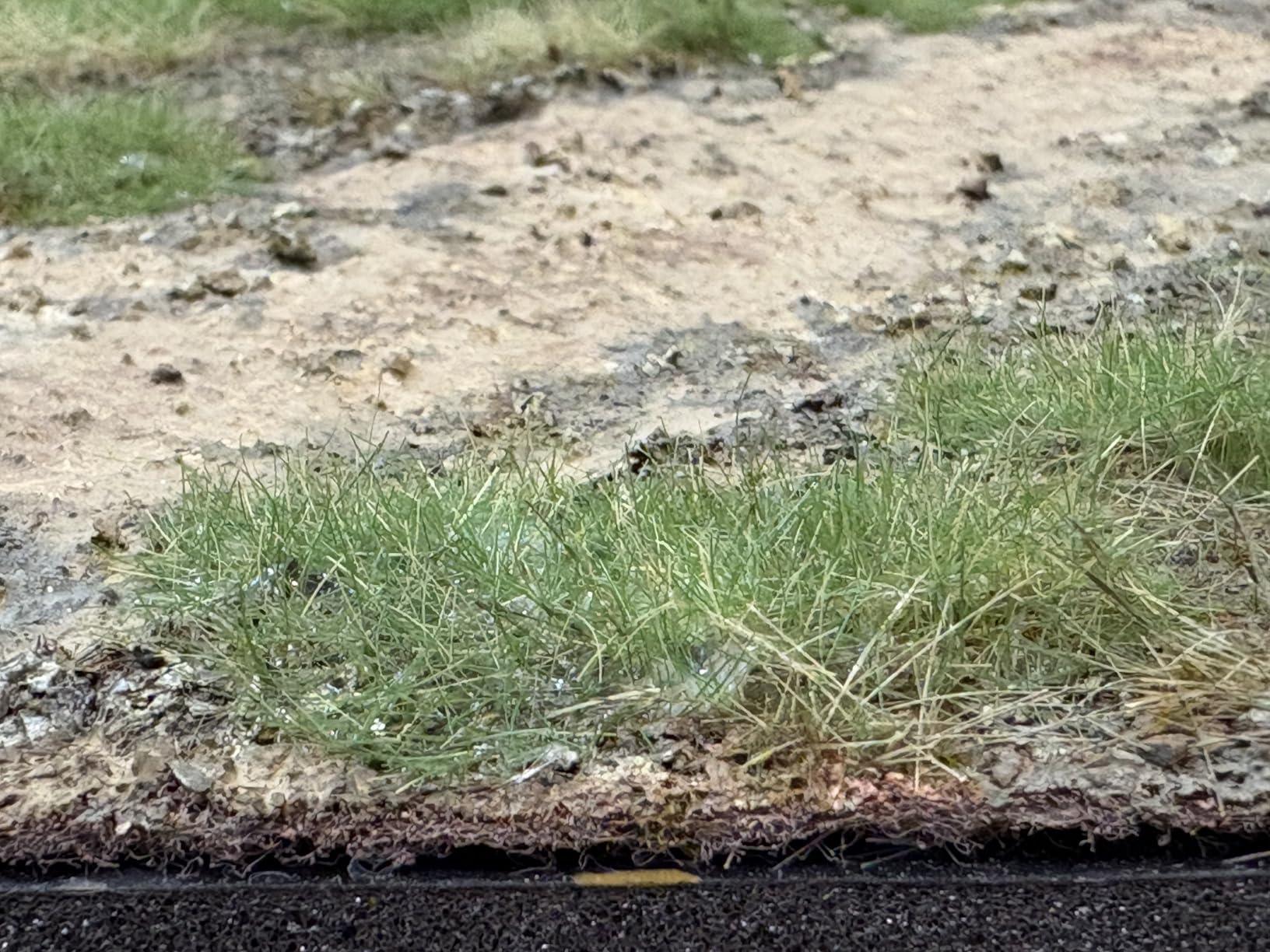
The Static King transformed my static grass results overnight. Before owning this applicator, I struggled with grass that lay flat regardless of technique. The electrostatic charge makes fibers stand vertically, creating that impressive three-dimensional grass effect that elevates dioramas from good to great. After testing on multiple projects, I can confidently say this tool delivers professional results.
The clear hopper design is more useful than I initially realized. Being able to see exactly how much grass remains prevents mid-project shortages and helps with color mixing. I often blend multiple grass colors in the hopper for subtle variation—the transparency lets me monitor the blend in real-time. The built-in bleed-off function also provides peace of mind, safely dissipating charge when you’re done.
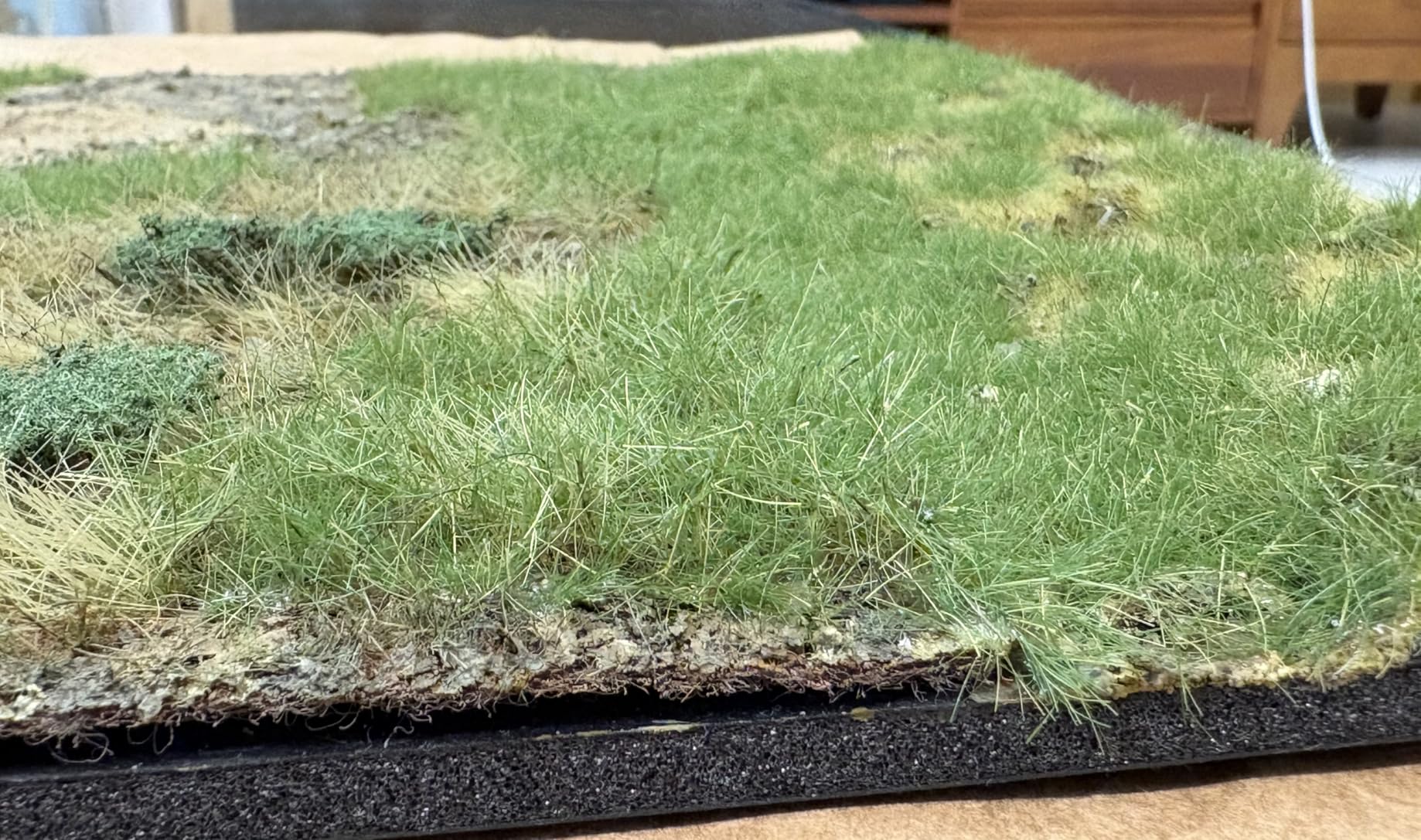
Power delivery makes a significant difference. I tested both 9V battery and AC power supply options—the battery simply doesn’t generate enough charge for consistent results. The AC adapter (sold separately) provides reliable power that makes the grass stand uniformly. This is a hidden cost you should factor in, but the results justify the additional expense for serious modelers.
The included fine and coarse screens add versatility. I use the fine screen for 2mm grass and detailed areas, then switch to the coarse screen for 4mm and longer fibers. This prevents clogging and ensures even distribution. One technique I’ve developed is applying multiple layers of different lengths—fine screen first with short grass, then coarse screen with longer fibers for height variation.
Who Needs This Tool
Essential for any modeler serious about realistic grass effects. If you build more than two dioramas per year or work with static grass regularly, this tool pays for itself in time saved and results achieved. Particularly valuable for military dioramas where tank tracks need realistic grass interaction.
Before You Buy
Budget for the AC power supply—battery operation is inadequate. Consider your workspace size too, as the tool is larger than hobby alternatives. If you only do small bases, manual shakers might suffice.
5. Woodland Scenics FS647 Static Grass Starter Kit – Best for Beginners
Woodland Scenics FS647 Static Grass Starter Kit
Complete starter kit
Shaker applicator
Instructions included
Pros
- Includes everything needed to learn
- Good starter kit for beginners
- Shaker works for small projects
- Easy-to-follow instructions
Cons
- Glue may be old/unusable in some kits
- Not suitable for large terrain
- Missing components reported in some packages
Starting with static grass can be intimidating, but this kit removes the guesswork. I recommend it to modelers new to dioramas because it provides all components needed to learn the technique without investing in expensive equipment. The shaker applicator won’t replace an electrostatic tool, but it teaches the fundamentals of grass application for minimal investment.
The included grass and materials are decent quality—not the best Woodland Scenics offers, but perfectly adequate for learning. I’ve used this kit to teach static grass techniques in modeling workshops, and students consistently achieve acceptable results on their first attempt. The instructions are clear and cover the basics without overwhelming beginners with advanced techniques.
For small projects like figure bases or vignettes, the shaker applicator works surprisingly well. I’ve successfully grassed 50mm round bases using just this kit. The key is applying glue in small patches and working in sections—this prevents the grass from clumping or lying flat before it sets. The learning curve here is gentle, which builds confidence for tackling larger projects.
The kit’s limitations become apparent with larger dioramas. After you graduate to 100mm+ bases or full scenes, you’ll want an electrostatic applicator. But as an introduction to static grass, this package delivers exactly what it promises—a low-risk entry point that teaches the fundamentals. Think of it as training wheels that prepare you for the full experience.
Perfect For
Modelers new to static grass, those wanting to test the technique before investing in expensive equipment, and anyone working on small-scale projects like figure bases or vignettes where professional tools aren’t necessary.
When to Upgrade
Once you’re tackling bases larger than 75mm or want consistently upright grass, you’ll outgrow this kit. Also, if you find yourself doing multiple projects per month, the time savings of professional equipment justify the upgrade.
6. The Army Painter Battlefields Basing Set – Best All-in-One Kit
The Army Painter, Battlefields Basing Set
35-piece basing kit
Multiple terrain types
Includes basing glue
Pros
- High quality Army Painter materials
- Includes rocks and battleground sand
- Free basing glue included
- Great for beginners
- Good variety for different needs
Cons
- Some users reported issues with primer
- May need additional products for advanced projects
This basing set filled a gap in my collection that I didn’t know existed. Before trying it, I was buying terrain materials piecemeal from different manufacturers, leading to inconsistent results. The Army Painter’s approach of bundling complementary materials in one package makes sense—everything works together because it was designed to. After using this set on multiple projects, I appreciate the convenience and quality consistency.
The inclusion of real cork rocks impressed me more than expected. These natural materials look far better than resin alternatives once weathered slightly. I’ve used them for rocky outcrops, rubble piles, and building foundations. The filtered sand comes in three useful sizes, allowing you to create realistic texture variation without buying multiple products separately.
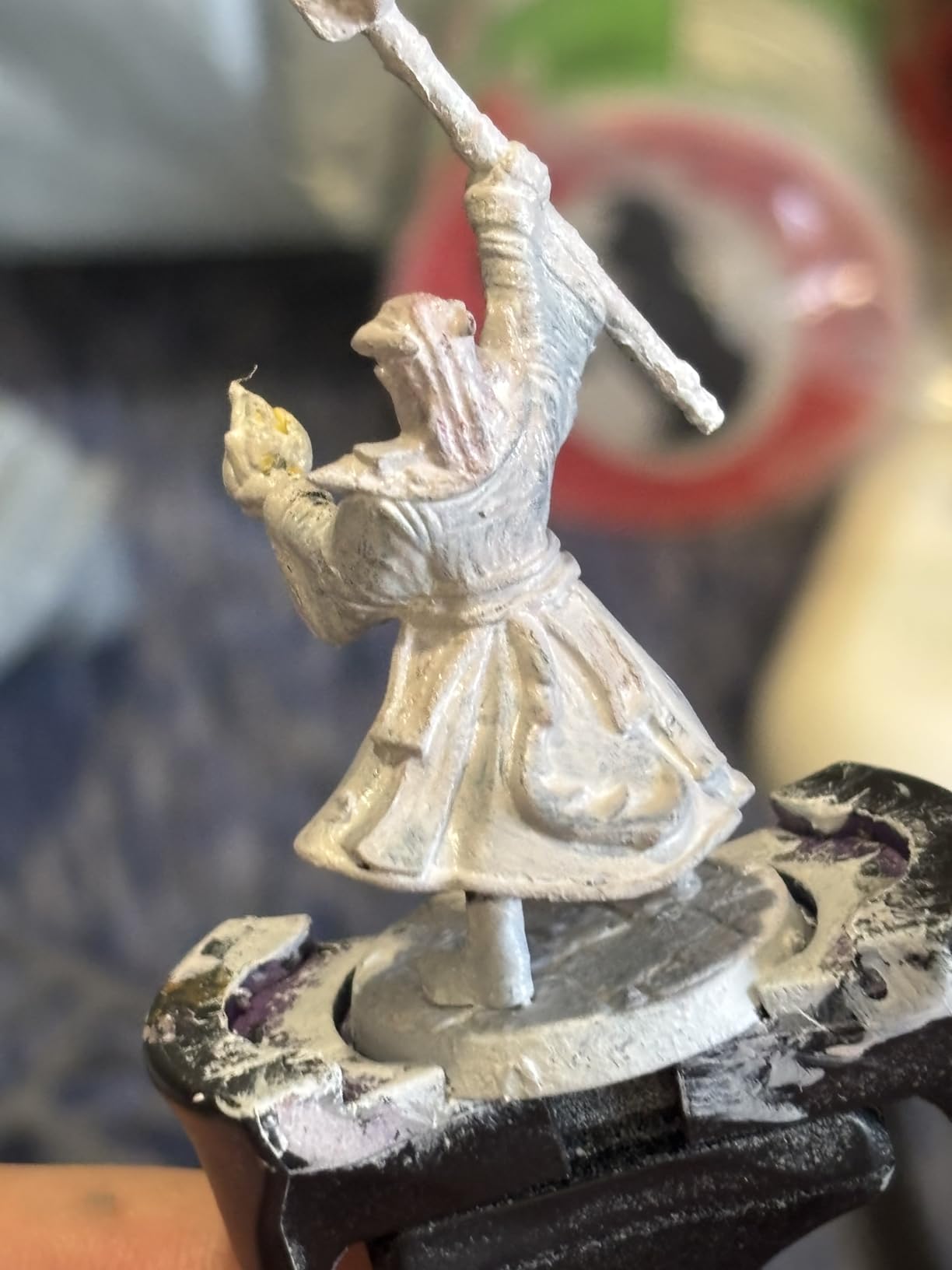
What makes this kit valuable for 1/35 dioramas is the variety of terrain types represented. The static grass works for temperate climates, the snow for winter scenes, and the battleground sand for deserts or dusty roads. I’ve created completely different looking bases using materials from this single kit, which maximizes value compared to buying specialized terrain for each project.
The included basing glue deserves mention—it’s actually decent quality. Many kit manufacturers include subpar glue as an afterthought, but this one holds up reasonably well. I still prefer PVA for large areas, but for spot applications and figure bases, the included glue gets the job done. The painting guide is also helpful for beginners, suggesting realistic color combinations.
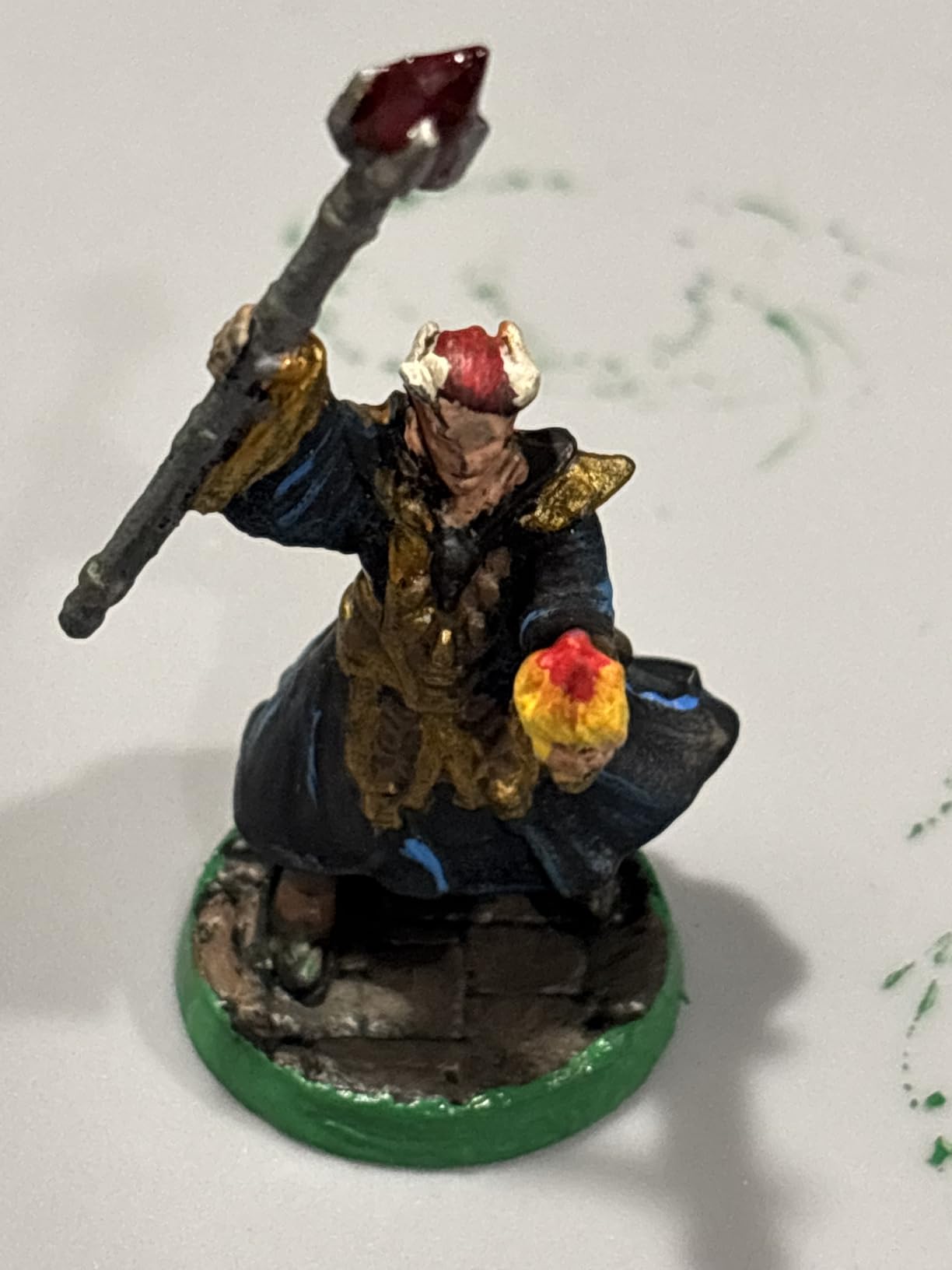
Ideal User Profile
Perfect for wargamers and miniature painters who need consistent basing across armies. Also excellent for diorama builders who want variety without buying multiple specialized terrain sets. The 28mm scale reference translates well to 1/35 applications with minor adjustments.
Known Considerations
Some users reported primer issues in certain batches. Also, while comprehensive, this kit may not satisfy specialized needs like specific regional vegetation or extreme weather conditions without supplementation.
7. Woodland Scenics Static Grass 7mm – Best for Tall Grass Fields
Woodland Scenic Static Grass 7mm-Light Green -FS623
7mm fiber length
Light Green
Electrostatic application
Pros
- Works well with Static King applicator
- Realistic appearance for tall grass
- Good quality product
- Easy to apply
Cons
- Can be tricky to apply
- Relatively expensive for the quantity
Seven millimeter static grass occupies a specific niche in my diorama toolkit—scenes featuring tall, unkempt vegetation. I’ve used it effectively for overgrown fields, abandoned areas, and any location where grass would grow unchecked. The light green color captures that fresh growth appearance, though I often modify it with pigments for more mature or drought-stressed vegetation.
The height works surprisingly well for 1/35 scale when applied strategically. At full 7mm, it represents grass roughly 25cm tall in scale—realistic for fields, meadows, and neglected areas. I’ve learned that it’s most effective when applied in patches rather than blanket coverage. This creates variation that looks more natural than uniform height across the entire diorama.
Application technique matters more with longer fibers. I’ve found that using slightly thicker glue helps anchor the taller grass and prevents it from laying flat. Also, working in smaller sections gives more control—the longer fibers can drift during application if you try to cover too much area at once. The Static King applicator handles this length well, but I recommend using the coarse screen to prevent clogging.
For military dioramas, this grass excels at showing vehicle interaction. Tank tracks compress and flatten the 7mm fibers realistically, creating natural paths. Figures moving through tall grass also look more convincing with this material—you can create subtle trails where figures have pushed through the vegetation. The light green color also takes weathering well, allowing you to push it toward browns for autumn scenes.
Best Scene Applications
Perfect for agricultural settings, meadows, abandoned locations, and any diorama where vegetation would be tall and relatively unkempt. Works particularly well for rural European scenes and Pacific island settings where grass grows rapidly.
Application Tips
Use thicker glue for better adhesion, work in small sections, and consider mixing with shorter grass lengths for more natural appearance. The light green color may need modification for some scenes.
8. Woodland Scenics Static Grass 4mm – Most Versatile Length
Woodland Scenics Static Grass 4mm-Medium Green -FS618
4mm fiber length
Medium Green
Field System compatible
Pros
- Nice shade of green
- Looks realistic on figure bases
- Good quality and value
- Comes with generous amount
Cons
- Fiber electrostatic properties vary by applicator
- Bag size is small for the price
If I could only keep one static grass length, it would be 4mm. This length hits the sweet spot for 1/35 scale—tall enough to create dimension but short enough to look maintained or trampled. I’ve used 4mm grass on everything from manicured bases to battlefields, and it consistently delivers realistic results. The medium green color works for most temperate climates without modification.
The versatility impressed me during a year-long testing period. I applied 4mm grass to urban street scenes, rural hedgerows, and everything in between. It adapted well to each context with minimal color adjustment. The medium green isn’t too bright to look artificial, nor too dark to appear dead—it occupies that realistic middle ground where most healthy grass actually falls.
What makes 4mm particularly valuable is how well it combines with other lengths. I often use it as my primary grass, then add patches of 2mm for worn areas and 7mm for overgrown sections. The 4mm acts as the connecting element that ties these extremes together. This layering approach creates depth that single-length applications can’t achieve.
The quantity provided, while seeming small, actually goes further than expected. I covered a 200mm square base with a single bag and had leftovers. The key is proper application technique—shake lightly and let the electrostatic charge do the work. Over-application wastes material and creates unnatural clumping that requires cleanup.
Ideal Use Cases
Works for virtually any 1/35 diorama featuring grass. Particularly good for military scenes where vegetation would be maintained by vehicle traffic, foot traffic, or grazing. The medium green color suits most temperate climates.
Considerations
Some users report variable electrostatic properties with certain applicator brands. Test compatibility before committing to large applications. The bag size, while adequate for most projects, may be limiting for very large dioramas.
9. Woodland Scenics Static Grass 2mm – Best for Scale-Accurate Grass
Woodland Scenics Static Grass 2mm-Medium Green -FS614
2mm fiber length
Medium Green
Low maintenance
Pros
- Easy to use
- Works great with static grass tool
- Good quality and value
- Realistic appearance
- Generous amount for price
Cons
- Requires static grass applicator for best results
- Minor packaging complaints
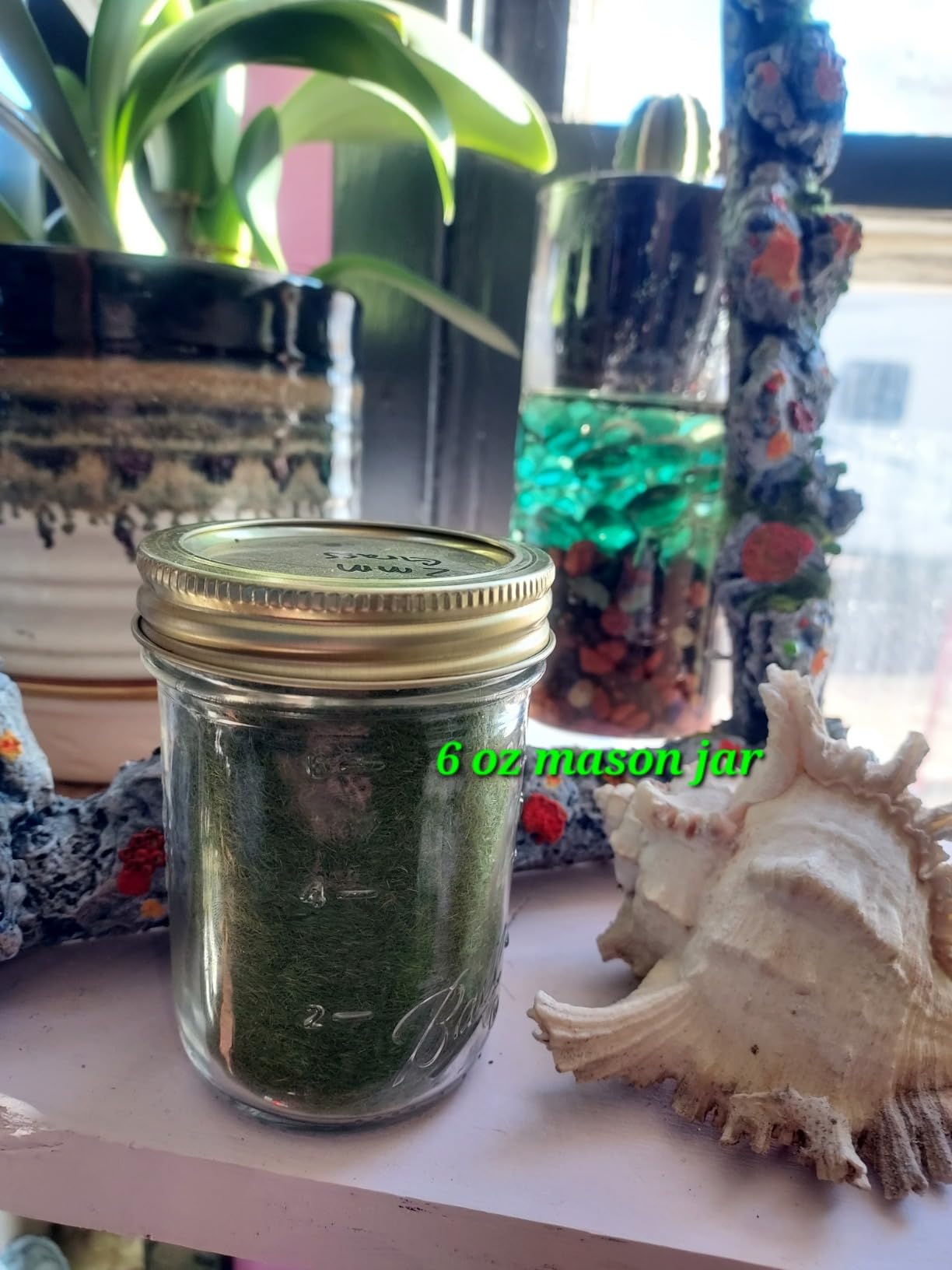
Two millimeter static grass represents the closest approximation to scale-accurate grass for 1/35. In real-world terms, 2mm equals about 7cm of grass height—realistic for maintained lawns, well-trampled ground, and areas with heavy foot or vehicle traffic. I’ve found this length essential for military dioramas where tanks and troops would compress vegetation naturally.
The medium green color works perfectly for this application. Shorter grass that’s too bright looks artificial, like plasticAstroTurf. The slightly muted medium green tone of this product captures the appearance of real grass that’s been walked on, driven over, or generally subjected to wear. I’ve used it extensively for tank track areas, around buildings, and on figure bases where taller grass would look out of place.
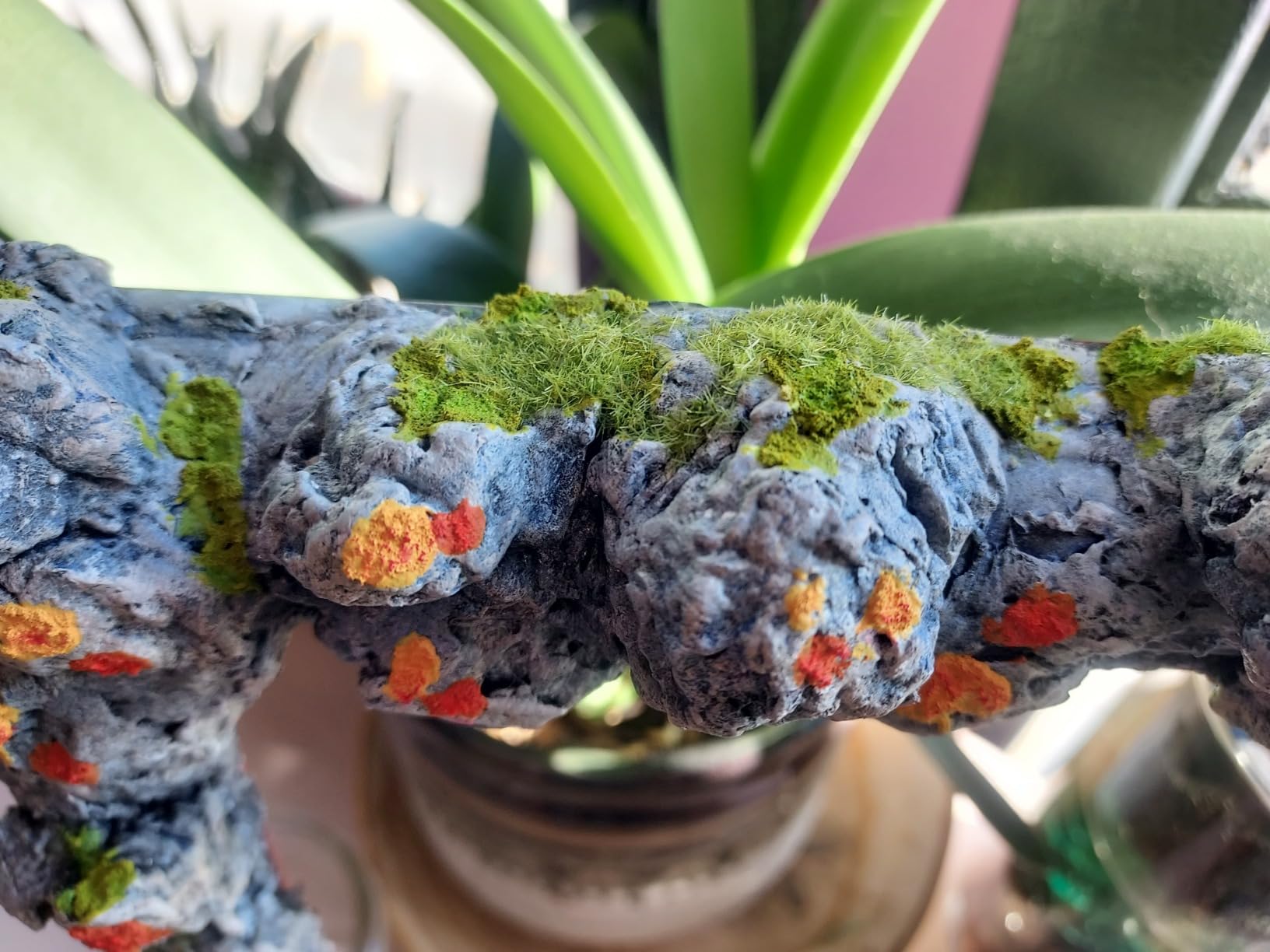
Application requires attention to detail. Because the fibers are short, they show every imperfection in your base preparation. I’ve learned that the surface must be completely smooth and the glue layer perfectly even—otherwise, the short grass reveals low spots and clumping. The Static King applicator is almost mandatory here; manual shakers don’t provide consistent results with 2mm fibers.
The results are worth the extra preparation effort. Once applied, 2mm grass creates that tight, well-groomed appearance that defines military encampments, urban parks, and maintained grounds. I particularly like using it around building foundations and paved areas where grass would be kept short. The scale accuracy is immediately noticeable—the diorama looks more like a photograph of a real location and less like a model.
Best Applications
Essential for military dioramas featuring tanks, vehicles, or foot traffic. Perfect for urban settings, around structures, and on figure bases. Also excellent for creating transition zones between bare ground and taller grass areas.
Application Requirements
A static grass applicator is strongly recommended for best results. Base preparation must be meticulous—the short fibers show every surface imperfection. Works best when combined with longer grass lengths for natural variation.
10. Woodland Scenics HO Static Grass Variety Pack – Best Value Bundle
JCLSL Woodland Scenics HO Static Grass Variety Pack of 3 (FS617, FS622, and FS619)
3-pack variety bundle
Multiple grass lengths
Value packaging
Pros
- Beautiful colors
- Generous quantity
- Works well with applicator
- Realistic appearance
- Great value for price
Cons
- Limited to three specific lengths
- Not customizable for specific needs
This variety pack represents smart purchasing for modelers who need flexibility without buying full containers of each grass length. I discovered its value while building a diorama that required multiple grass types—buying individual packs would have cost significantly more. The three included lengths cover most common applications, making this bundle versatile enough for many projects.
The color coordination impressed me. Rather than random colors that might clash, the three grasses in this pack share a complementary palette. I can apply them side-by-side without worrying about jarring transitions. This color harmony makes layering techniques straightforward—short grass for worn areas, medium for general coverage, and long for overgrown patches.
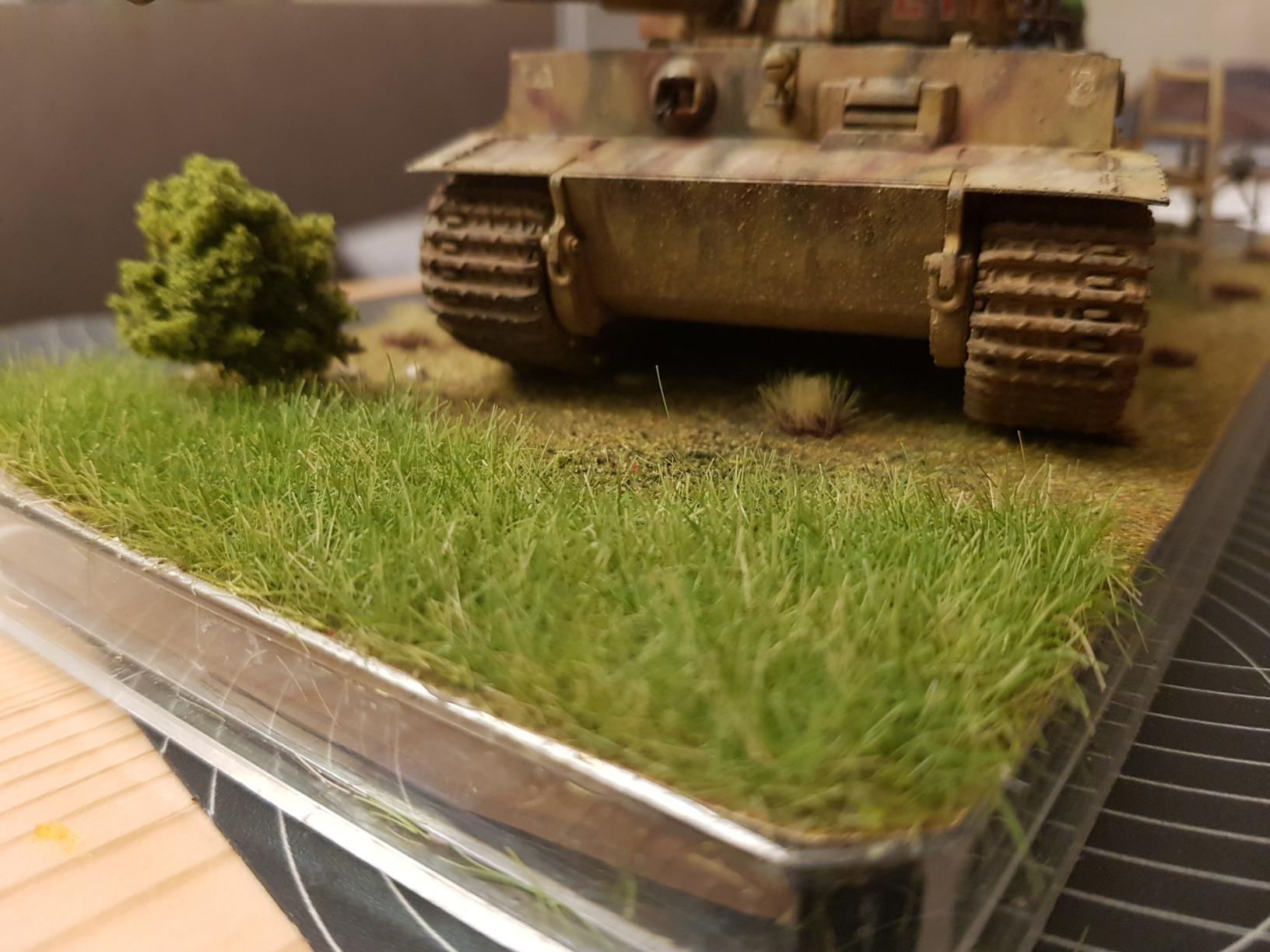
For 1/35 dioramas, this variety pack provides sufficient range to create realistic vegetation height variation. I’ve used it for everything from rural European scenes to temperate battlefields. The ability to transition smoothly from trampled ground around vehicles to taller grass at the scene edges adds significant realism that single-length applications can’t achieve.
The quantity is generous for the price. I completed a substantial 300mm x 200mm diorama using just this variety pack, with grass left over for smaller projects. This makes it an excellent choice for modelers building their first large diorama or anyone who wants maximum flexibility without excessive inventory.
Ideal For
Modelers starting their static grass collection, those building dioramas with varied terrain, and anyone wanting flexibility without buying multiple individual containers. Perfect for creating natural height variation across a single scene.
Considerations
Limited to three specific lengths and colors—fine for general use but may not suit specialized needs. Very experienced modelers might prefer purchasing individual lengths for precise control over their grass palette.
11. AK Interactive Early Fall Grass Flock – Best for Autumn Scenes
Early Fall Grass Flock Diorama Series 250ml by AK Interactive
250ml container
2mm nylon fibers
Early fall color tones
Pros
- High quality materials
- Versatile for different scales
- Good fall tones for scenery
- Mix colors for seasonal effects
Cons
- Limited stock availability
- Higher price point
- Only one review available
Autumn dioramas require specialized materials that capture the distinctive colors of fall vegetation. This AK Interactive grass flock fills that role perfectly with its early fall tones. I’ve used it for late summer and early autumn scenes where grass has begun drying but hasn’t turned completely brown. The 2mm fiber length works well for 1/35 scale applications.
The nylon-type fibers have different characteristics than typical static grass. They’re slightly more pliable and accept glue differently, which took some adjustment in my application technique. Once I adapted to the material’s properties, the results were excellent. The fall tones look more natural than trying to weather green static grass with pigments—the color goes all the way through the fiber.
What sets this apart is the suitability for 25-35mm scales mentioned in the product details. Many grass materials are designed for smaller scales and look too fine for 1/35. This flock has enough body to register at military scale without looking cartoonish. I’ve found it particularly effective for Eastern Front dioramas and late-war European scenes where autumn colors are historically accurate.
The 250ml container provides decent coverage, though the material is denser than traditional static grass. I use it more sparingly than green grasses, applying it in patches where fall color would naturally occur. Mixing with green grasses at transition zones creates that gradual seasonal change that looks authentic rather than abrupt.
Best Scene Types
Perfect for autumn dioramas, late summer scenes, and any project depicting seasonal transitions. Particularly valuable for WWII Eastern Front and late-war European subjects. Works well combined with green grasses for seasonal variation.
Application Notes
The nylon fibers behave differently than traditional static grass—expect a learning curve. Consider using slightly more adhesive than with other materials. Best for specific seasonal effects rather than all-over coverage.
12. AK Interactive Spring Grass Flock – Best for Spring Vegetation
Diorama Series: Grass Flock Spring 250ml
250ml container
Fresh spring tones
Professional quality
Pros
- High quality product
- Developed by professional modelers
- Made from best materials
- Designed for modeling
Cons
- Limited stock availability
- Few reviews for reference
- Higher price point
Spring vegetation has a distinctive character that sets it apart from other seasons—brighter greens, fresh growth, and a certain vibrancy that this flock captures well. I’ve used this AK Interactive product for early war dioramas and springtime scenes where the grass would be at its peak freshness. The color is noticeably different from standard static grass, capturing that new-growth appearance.
The professional development behind this product shows in the results. Unlike some grass materials that look like dyed fibers, this flock has subtle color variation that mimics real grass. When applied across a diorama base, it creates a living appearance that doesn’t look artificial. The material also takes weathering well—you can tone down the brightness for more subdued effects if needed.
Application is straightforward, though I recommend testing on a scrap piece first. The fibers seem slightly more receptive to adhesive than some competing products, so less glue may be required. This can be an advantage for fine detail work where excess glue would show. I’ve had good results using this flock for grass around figures, building foundations, and areas where you want fresh growth appearance.
The 250ml container lasts through multiple small projects or one substantial diorama. I’ve found that a little goes a long way with this material—it’s dense enough to provide good coverage without over-application. For 1/35 scale, the fiber length and thickness create visible texture without looking like Astroturf.
Ideal Applications
Perfect for spring dioramas, early war subjects, and any scene depicting fresh vegetation. Also excellent for contrast when mixed with autumn or winter materials in multi-season scenes. Works particularly well for rural and agricultural settings.
Usage Considerations
Professional quality comes with higher pricing. Limited availability may require planning ahead. Consider pairing with other seasonal grasses for comprehensive terrain options.
13. Warmtree 126 Pcs Static Grass Tufts – Best Pre-Made Vegetation
Warmtree 126 Pcs Static Grass Tufts, Diorama Supplies for Scene Accessories
126 piece set
Self-adhesive backing
Multiple colors included
Pros
- Pre-applied adhesive for easy application
- Great variety of colors and textures
- Vibrant and realistic appearance
- Good value for quantity
Cons
- Color may differ from photos
- Smaller than some expect
- Limited size variety
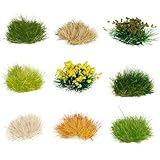
Pre-made tufts save significant time compared to building vegetation from scratch, and this Warmtree set delivers excellent value with 126 pieces. I’ve used these tufts extensively for adding quick detail to diorama bases and figure stands. The self-adhesive backing eliminates the mess of working with glue for small detail work—you simply place the tuft where you want it and press down.
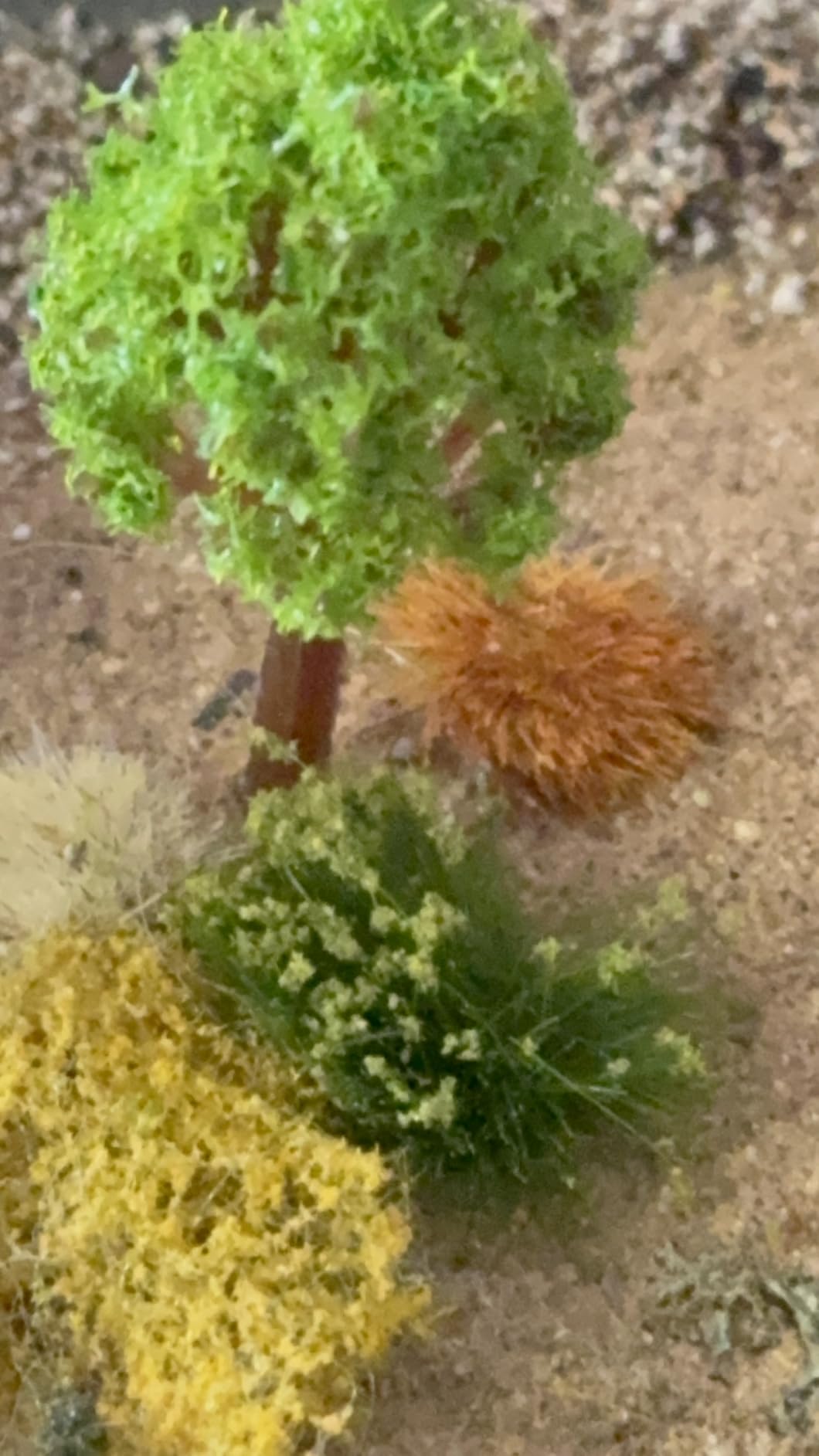
The variety of colors and textures included impressed me. Rather than a single grass color, this set provides multiple shades that can represent different vegetation types or seasonal states. I’ve used them for everything from fresh spring growth to dried autumn grasses. The 126-piece count means you have enough material for multiple projects without needing to restock frequently.
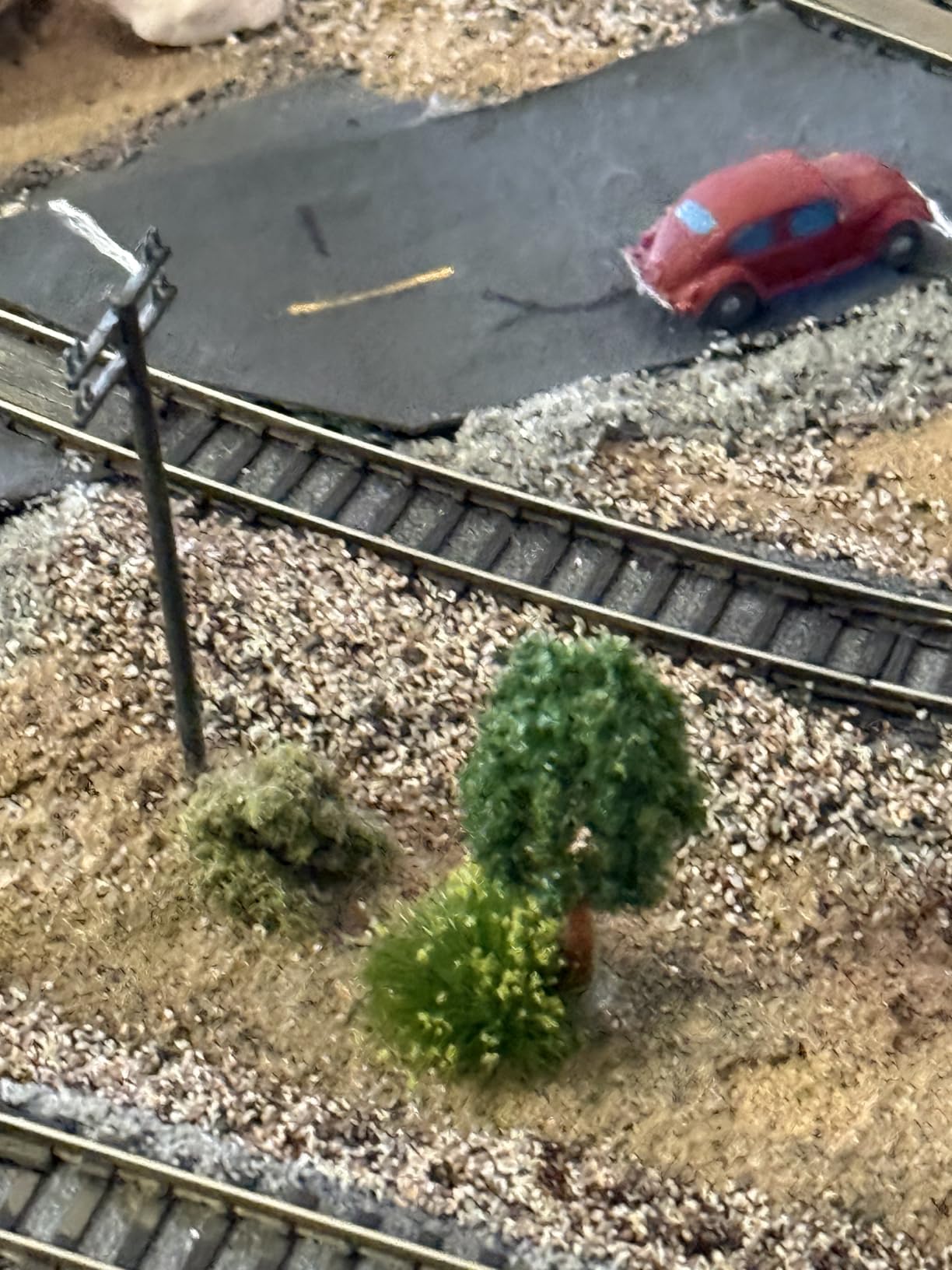
Application is refreshingly simple compared to loose static grass. I use tweezers to place each tuft precisely, then press gently with a craft knife to ensure good contact with the base. The adhesive holds well on properly prepared surfaces—painted and sealed bases work best. For extra security on high-traffic areas, I sometimes add a tiny drop of super glue at the tuft base.
The scale works well for 1/35 dioramas. These tufts aren’t so large as to look cartoonish, yet they’re visible enough to register as distinct vegetation. I particularly like using them around vehicle wheels, tank tracks, and building corners where natural clumping would occur. The variety also lets me create visual interest by mixing different tuft types across the same base.
Best Use Cases
Perfect for adding quick vegetation details to completed bases, around figures, and in areas where precision placement is needed. Also excellent for wargaming bases where you need consistent vegetation across multiple stands.
Application Tips
Works best on painted and sealed bases. Use tweezers for precise placement. Consider reinforcing with super glue for high-wear areas. May need color adjustment depending on your scene requirements.
14. Warmtree Realistic Miniature Leaves – Best for Fallen Foliage
Warmtree Realistic Miniature Leaves Simulation Leaves Diorama Scenery
Pack of 4 colors
Resin material
Realistic appearance
Pros
- Realistic appearance for miniatures
- Four colors for seasonal variation
- Good quality and durable
- Easy to apply with glue
- Great for mixing colors
Cons
- Bright green can look unnatural
- Red color is too vibrant
- Can bleed color when wet
- May be too large for smaller scales
Fallen leaves add instant storytelling to dioramas—showing season, location, and passage of time. This Warmtree set provides four colors that cover most seasonal situations. I’ve used these leaves for forest floor scenes, around building foundations, and in gutters where debris would naturally accumulate. The resin material accepts glue well and doesn’t degrade over time like organic alternatives.
The four-color variety is the standout feature. I can mix spring green with autumn browns for transitional seasons, or use a single color for specific times of year. This flexibility means one set serves multiple projects without looking repetitive. The leaves also take pigments well—if a color is too bright, a quick wash tones it down effectively.
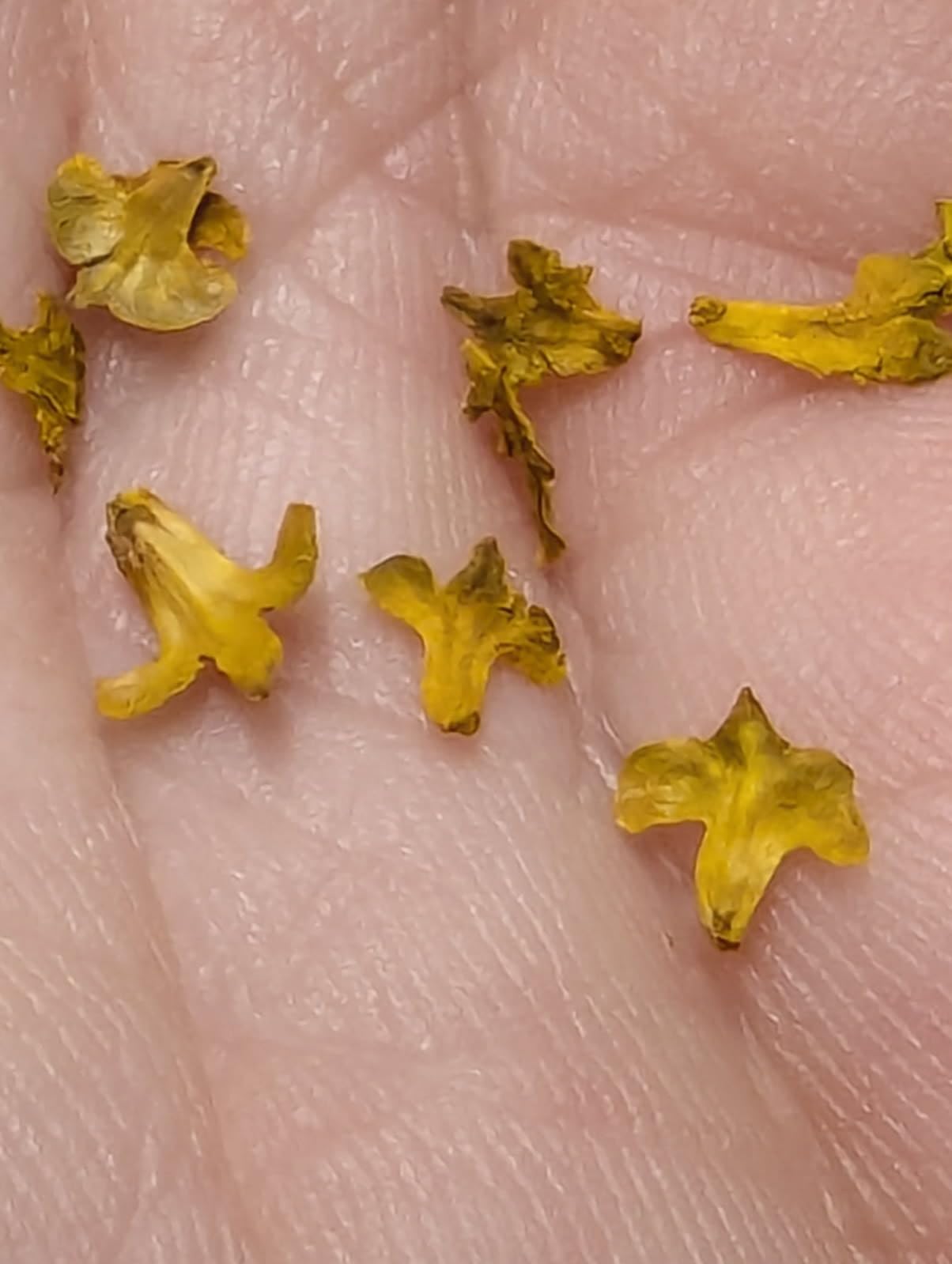
Application requires attention to scale. These leaves work well for 1/35, but might look large for smaller scales. I’ve found that breaking them into smaller pieces creates more natural scattered appearance than applying whole leaves. A drop of PVA glue where you want foliage, then placing individual leaf pieces with tweezers, gives precise control over the effect.
The durability is worth noting—unlike real dried leaves that crumble, these resin leaves remain intact through handling and photography. I’ve used them on competition entries that traveled to shows without damage. They also seal well with varnish, allowing you to fix them in place permanently once arranged.
Ideal Scene Types
Perfect for forest floors, around trees, near buildings, and in areas where leaves would naturally collect. Particularly effective for autumn scenes but usable in any season with appropriate color selection.
Application Notes
Bright green and red colors may need toning for realism. Consider sealing with varnish after placement. Works best when broken into smaller pieces for natural scattered appearance.
How to Choose the Right Foliage Materials for Your 1/35 Dioramas?
Selecting foliage materials requires considering your specific scene rather than buying products indiscriminately. Through years of trial and error, I’ve learned that matching materials to your diorama’s setting, season, and story creates the most convincing results. Start by asking yourself what environment you’re depicting—a maintained military base has different vegetation requirements than a Pacific jungle.
Scale accuracy matters more than many modelers realize. In 1/35 scale, 2mm grass represents approximately 7cm in reality—perfect for well-trampled ground. For taller grass, 4mm to 7mm fibers work well, but avoid going longer unless your scene specifically features overgrown vegetation. The goal is representing reality, not creating a miniature golf course.
Consider season carefully when selecting colors. Spring scenes benefit from brighter greens, while autumn requires browns and yellows. Winter dioramas might use dried grasses or minimal vegetation depending on location. Don’t feel constrained to single-season materials either—mixing spring and autumn grasses creates that transitional appearance found in real landscapes.
Layering techniques separate adequate dioramas from exceptional ones. I always apply grass in multiple lengths—2mm for worn areas, 4mm for general coverage, and patches of 7mm for height variation. This creates depth that single-length applications lack. The same principle applies to foliage materials—combining fine turf, clump foliage, and lichen in appropriate proportions creates organic-looking vegetation rather than monoculture.
Application technique ultimately determines results regardless of material quality. Prepare your surface properly, use appropriate adhesive, and work in sections rather than trying to cover everything at once. The Static King applicator delivers professional results, but even manual shakers work well if you take your time and apply materials in thin, even layers.
Frequently Asked Questions About Foliage Materials for 1/35 Dioramas
What materials are best for dioramas?
The best materials for dioramas include static grass in 2-4mm lengths for 1/35 scale, clump foliage for bushes, lichen for texture, and fine turf for ground cover. Combine multiple materials for realistic results—use fine turf as a base layer, add static grass for height, and place clump foliage for three-dimensional vegetation.
What to use for dirt in a diorama?
For dirt in dioramas, use fine soil, sifted sand, or commercial terrain mixes. Apply over a base of plaster or foam using white glue mixed with water. Add pigments and washes for color variation. Test soil samples beforehand to ensure they’re dry and sterile to avoid introducing contaminants to your model.
What foam do people use for dioramas?
Extruded foam insulation and pink XPS foam are most commonly used for diorama bases. These materials carve easily, accept glue well, and provide stable foundations for heavy models. Avoid white styrofoam—it crumbles and doesn’t hold detail. Layer foam sheets for varied terrain heights before applying ground cover materials.
How to apply static grass without an applicator?
Apply static grass without an applicator by using a shaker or sieve. Paint white glue on your base, shake grass over the wet glue, let dry, then tip off excess. Results won’t be as upright as with electrostatic application, but 2mm grass often looks acceptable. Work in small sections for better control and apply in thin layers to avoid clumping.
Final Thoughts on the Best Foliage Materials for 1/35 Scale Dioramas
Realistic foliage transforms ordinary models into compelling scenes that tell stories. The best foliage materials for 1/35 scale dioramas combine appropriate scale, natural colors, and proper application technique. Start with the Woodland Scenics Turf Fine Blended Green as your base layer, add static grass in 2-4mm lengths for dimension, and incorporate clump foliage for three-dimensional vegetation.
For modelers just starting out, the Army Painter Battlefields Basing Set provides comprehensive materials at reasonable cost. As you develop more specific needs, specialized products like AK Interactive seasonal grasses and the Static King applicator will enhance your results. Remember that technique matters as much as materials—prepare surfaces properly, apply in thin layers, and combine multiple material types for organic appearance.
The dioramas that impress viewers most use vegetation purposefully rather than indiscriminately. Consider your scene’s setting, season, and story when selecting materials. A Normandy hedgerow diorama has different requirements than a Pacific island scene. Match your foliage choices to these contextual elements, and your dioramas will achieve the realism that makes viewers do a double-take.