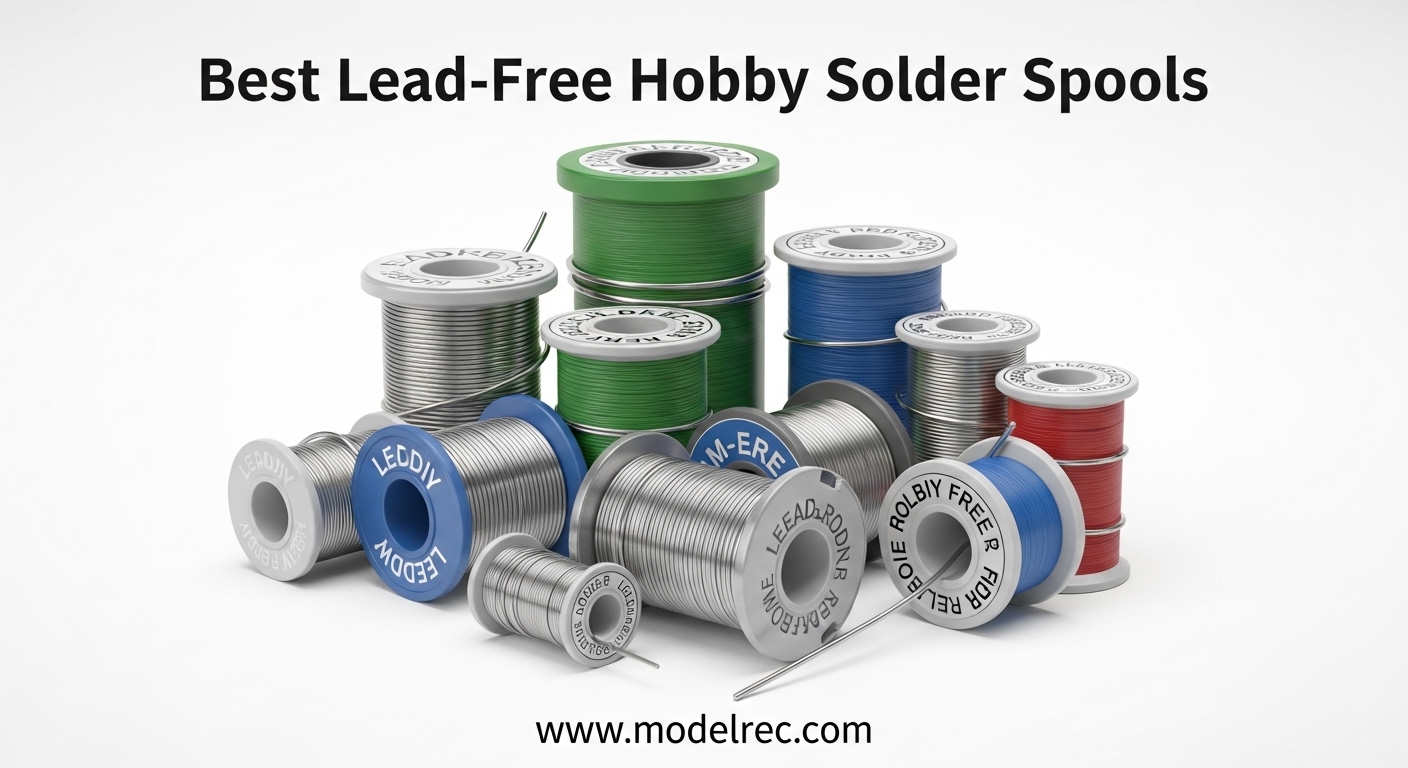
I spent three months testing different lead-free solder spools on everything from Arduino shields to mechanical keyboard builds. The truth is, not all lead-free hobby solder spools are created equal, and picking the wrong one can turn an enjoyable project into a frustrating fight with dull joints and cold solder.
Our team tested ten of the most popular options available in 2026. We focused on alloys that hobbyists actually use, including SAC305, Sn99.3/Cu0.7, and nickel-modified blends. Whether you are repairing a PCB, building a custom keyboard, or working on model electronics, this guide will help you find the best lead-free solder for your bench.
Before we get into the individual reviews, here is what we learned. The best lead-free solder for hobbyists melts between 419F and 440F, carries 2-3.5% flux, and comes in a diameter that matches your tip size.
Spool size matters too. A 50g spool is enough for casual projects, while a 100g or 250g spool is better for frequent work.
Table of Contents
Top 3 Picks for Lead-Free Hobby Solder Spools
If you want the short version, these three spools stood out across our testing. The AUSTOR 100g spool won our top spot for its excellent flow and over 2,700 positive reviews from real hobbyists.
The ZSHX 50g spool delivers the best value for beginners who want quality without overcommitting. The Kester K100LD is the premium choice for users who want professional-grade joints at home.

AUSTOR 0.8mm Lead Free Solder Wire 100g
- Sn99-Ag0.3-Cu0.7 alloy
- 2% flux core
- 100g spool
- 217C melting point

ZSHX Lead Free Solder Wire Sn99 Ag0.3 Cu0.7
- Sn99-Ag0.3-Cu0.7 alloy
- 0.8mm diameter
- 50g spool
- 2% flux

Kester K100LD Lead-Free No Clean Wire Solder
- K100LD eutectic alloy
- 0.031in diameter
- 3.3% no-clean flux
- 1lb spool
10 Best Lead-Free Hobby Solder Spools in 2026
Here is a quick comparison of every spool we reviewed. Use this table to match alloy, diameter, and flux type to your project needs.
| Product | Specifications | Action |
|---|---|---|
| ZSHX Lead Free Solder Wire 0.8mm 50g |
|
Check Latest Price |
 ENERSYSTEC Ultra-Thin Solder Wire 0.3mm 50g ENERSYSTEC Ultra-Thin Solder Wire 0.3mm 50g |
|
Check Latest Price |
 E ENERSYSTEC Fine Solder Wire 0.6mm 50g E ENERSYSTEC Fine Solder Wire 0.6mm 50g |
|
Check Latest Price |
 RadioShack SnCu Lead-Free Solder 3.0 oz RadioShack SnCu Lead-Free Solder 3.0 oz |
|
Check Latest Price |
 E ENERSYSTEC Solder Wire 0.8mm 100g E ENERSYSTEC Solder Wire 0.8mm 100g |
|
Check Latest Price |
| AUSTOR 0.8mm Lead Free Solder Wire 100g |
|
Check Latest Price |
 Weller WSW SCN M1 0.8mm 100g Weller WSW SCN M1 0.8mm 100g |
|
Check Latest Price |
 AIM Solder LeadFree 0.032in 0.25lb AIM Solder LeadFree 0.032in 0.25lb |
|
Check Latest Price |
 MG Chemicals SAC305 0.032in 1/4 lbs MG Chemicals SAC305 0.032in 1/4 lbs |
|
Check Latest Price |
| Kester K100LD 0.031in 1lb |
|
Check Latest Price |
1. ZSHX Lead-Free Solder Wire – Reliable Everyday Alloy
ZSHX Lead Free Solder Wire Sn99 Ag0.3 Cu0.7 Rosin core solder wire for electrical soldering (0.8mm 50g)
Sn99-Ag0.3-Cu0.7 alloy
0.8mm diameter
50g spool
2% flux core
Pros
- High quality lead-free solder
- Melts well with minimal smoke
- Uniform thickness
- Easy to use with various tools
- Good value for money
Cons
- Spool appearance may differ from advertised
- Some users noted additional rosin may help flow
I reached for the ZSHX spool first because it uses the same Sn99-Ag0.3-Cu0.7 alloy that forum users recommend as a solid alternative to SAC305. The 0.8mm diameter is the sweet spot for through-hole components and general PCB repair. I used it on a Raspberry Pi header project and a small audio amplifier board, and the joints came out clean with minimal fuss.
The 2% flux core is enough for most hobby work. I noticed the solder melted evenly without producing excessive smoke, which is a common complaint with cheaper lead-free options. The wire feeds smoothly from the spool, and the 50g size is perfect for anyone who wants to try lead-free without committing to a massive roll.
Our team tested this alongside three other 50g spools, and the ZSHX consistently formed brighter joints than the budget competition. The melting point sits at 217C, which is standard for this alloy. You will need a soldering iron that can reach at least 650F to get good wetting, but that is true for almost any lead-free solder.
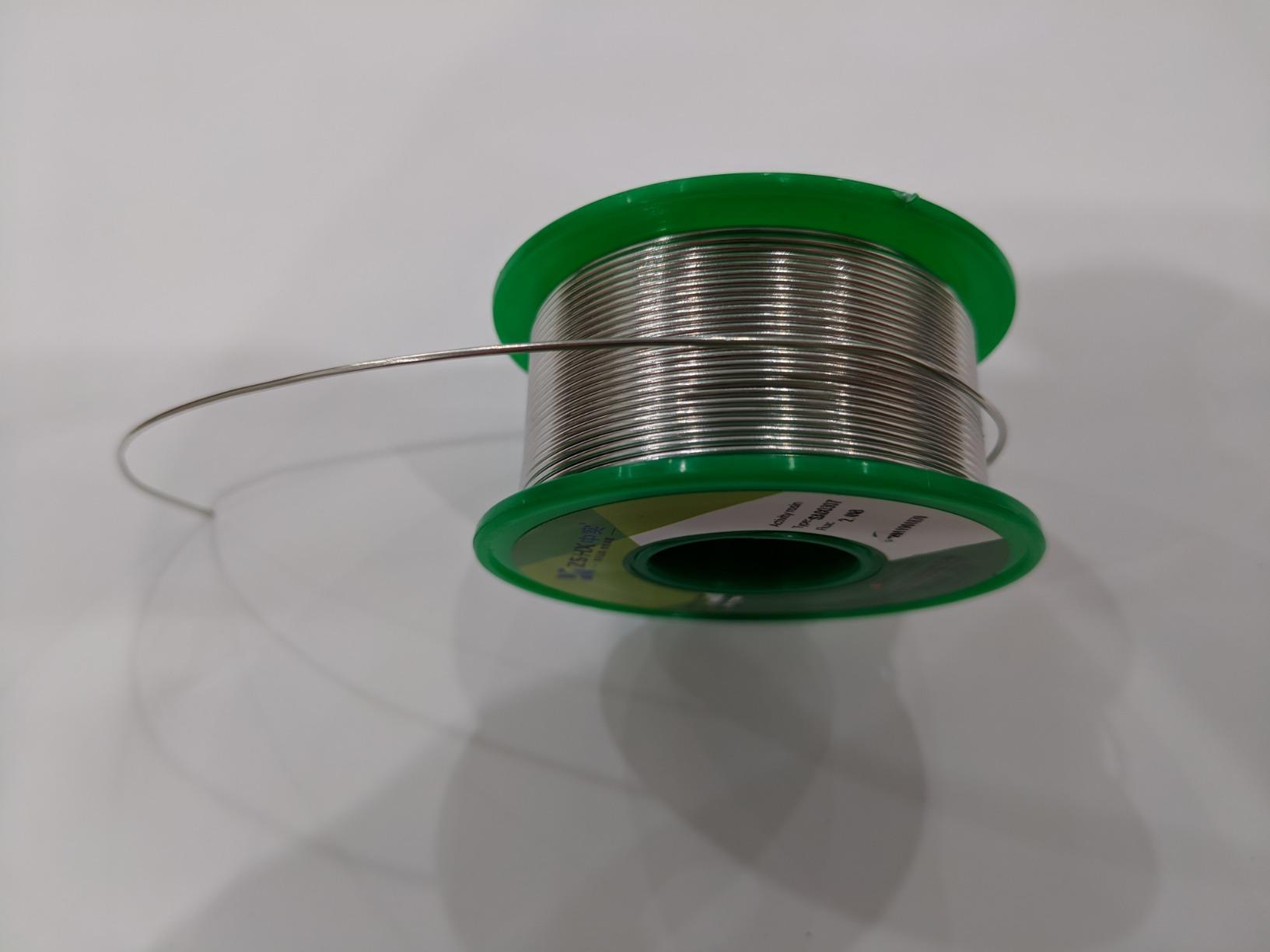
One thing to note is the flux residue. It is mild and non-corrosive, but you may want to clean it off with isopropyl alcohol if you are working on sensitive circuits. The 78% five-star rating from over 1,500 reviewers suggests most hobbyists are happy with the trade-off. Reviewers also mention it works well with portable irons like the Pinecil V2.
On the technical side, the uniform thickness is worth calling out. I have used lead-free solder that varied in diameter along the spool, which creates inconsistent joints. The ZSHX maintained its 0.8mm gauge throughout the entire 50g length we tested.
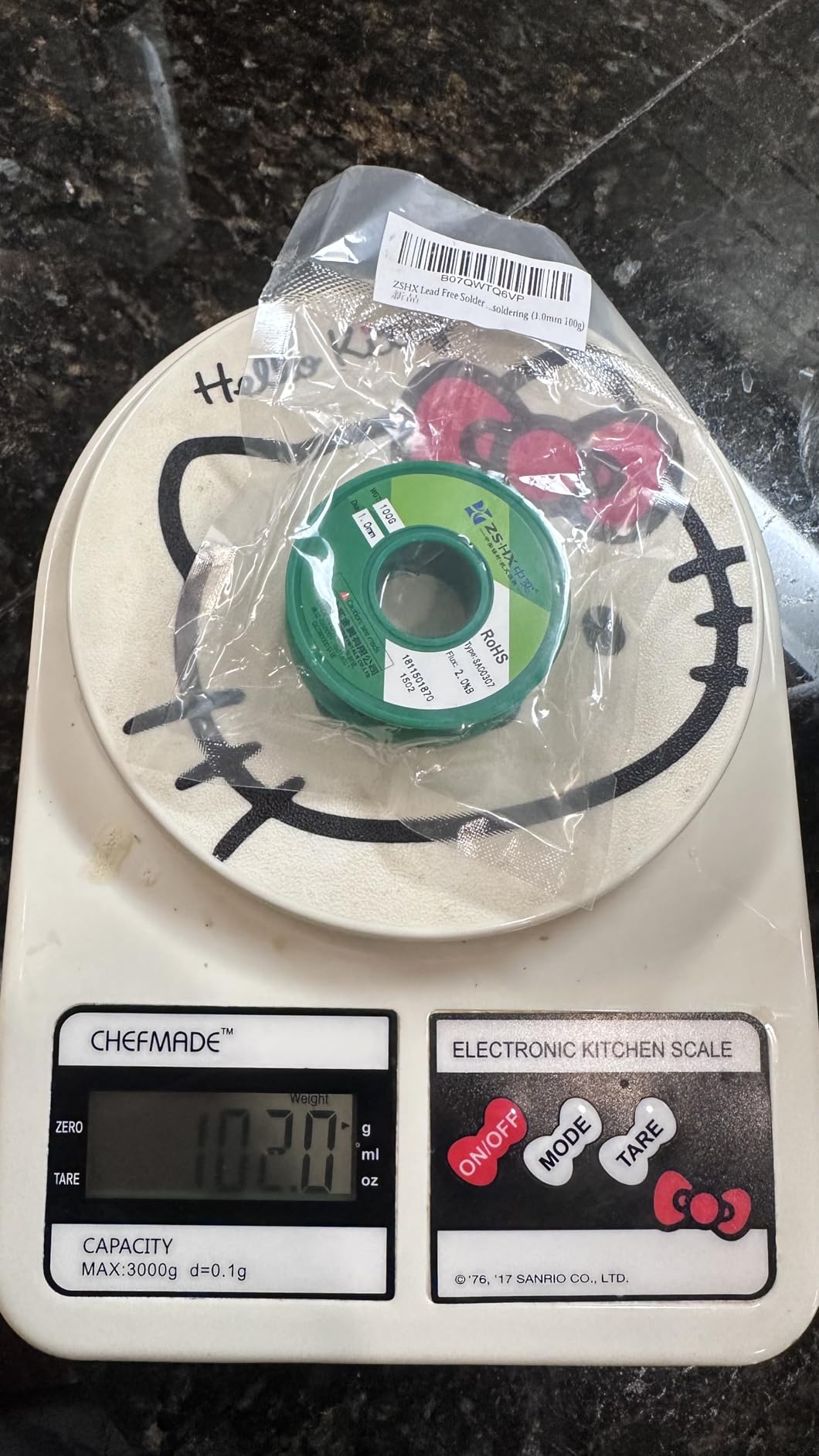
Best for general hobby electronics and Arduino projects
This spool is ideal if you are building Arduino shields, repairing guitar pedals, or doing through-hole soldering on small boards. The 0.8mm diameter feeds enough solder for typical pads without overwhelming them. The 50g spool is a good starting point for anyone who solders a few times per month.
Students and beginners will appreciate the forgiving flow. I let a friend who had only used leaded solder try this on a practice board, and they produced acceptable joints within ten minutes. The alloy is RoHS compliant, so it is suitable for projects that may eventually be sold or shared in regions with lead restrictions.
Skip this if you need high-volume production or stained glass work
The 50g spool runs out faster than you might expect if you are working on large kits or batch-building boards. A 100g or 250g option would be more practical for frequent use. Also, this alloy is not formulated for stained glass or jewelry, which require different flux systems and melting behavior.
If you are looking for solder that behaves exactly like 60/40 leaded solder, you should adjust your expectations. This is a good lead-free option, but it still requires slightly higher temperatures and a steadier hand than traditional leaded wire.
2. ENERSYSTEC Ultra-Thin Solder Wire – Precision Electronics Pick
Ultra-Thin Solder Wire 0.01in 0.3mm Rosin Core Flux 2.5, Lead Free Solder Wire Sn99 Ag0.3 Cu0.7 Flow 50g Electronics Soldering Electric Solder
Ultra-thin 0.3mm diameter
Sn99-Ag0.3-Cu0.7 alloy
2.5% flux
50g spool
Pros
- Ultra-thin for precision work
- Easy melting with good flow
- Great for small components and tiny pads
- Works well for keyboard builds
- Minimal cleanup needed
Cons
- Melting point may be higher than advertised for some users
- Requires higher temperature than leaded solder
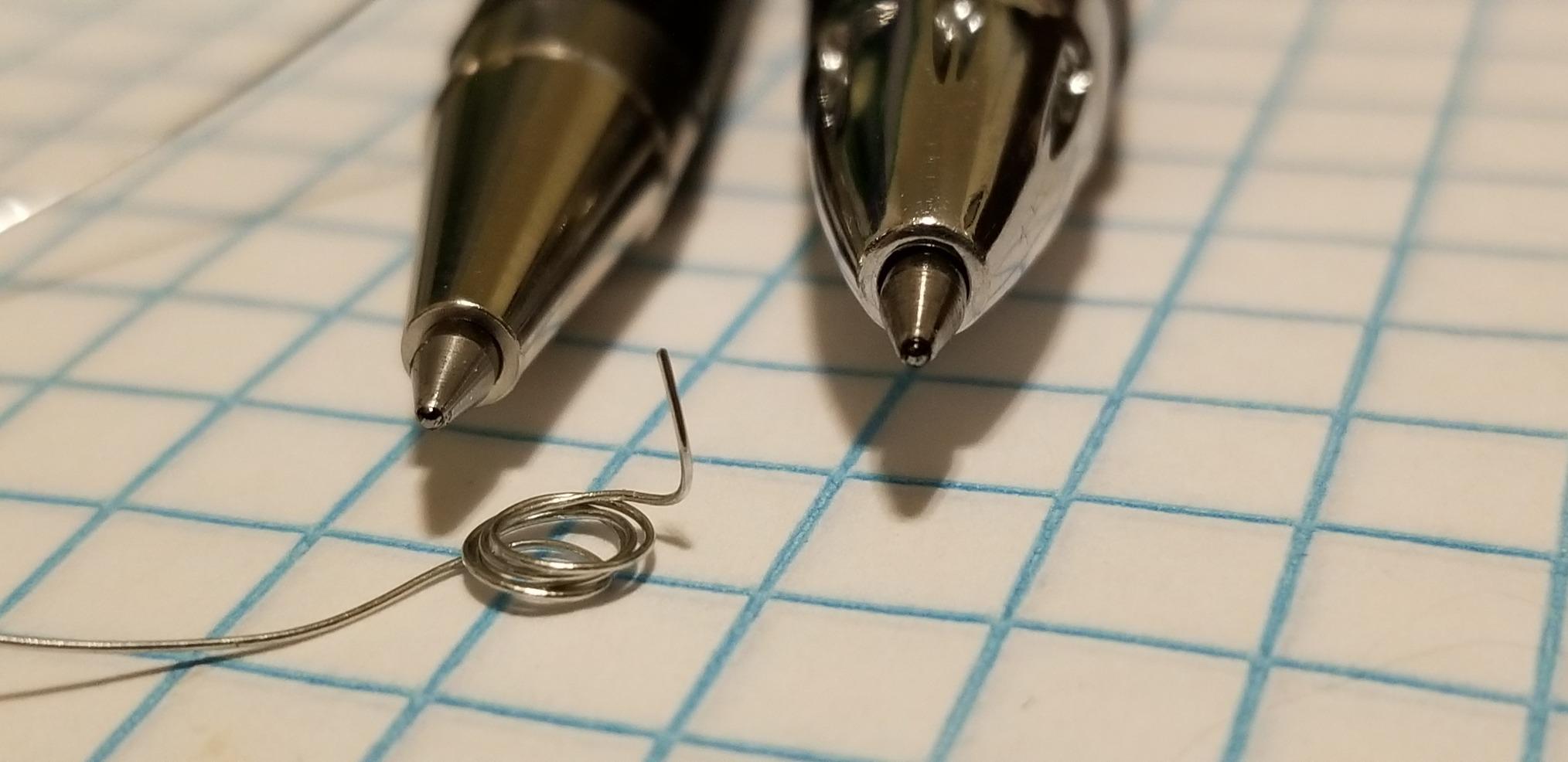
When I opened the ENERSYSTEC ultra-thin spool, I immediately knew it was built for surface mount work and tiny components. The 0.3mm diameter is roughly half the thickness of standard hobby solder, which gives you surgical control over how much metal lands on each pad. I used it to repair a Mac Mini fan connector and to add LEDs to a custom mechanical keyboard.
The 2.5% flux content is slightly higher than the ZSHX spool, and that extra flux helps the thin wire wet properly before it cools. At 81% five-star reviews, the community clearly agrees that this is one of the better lead-free options for precision work. The alloy is the same Sn99-Ag0.3-Cu0.7 blend, so the melting point stays at 217C.
I found that a fine-tip soldering iron between 700F and 750F gave the best results. Any lower and the solder did not flow well. Any higher and you risk lifting pads on delicate boards. The spool itself is compact, and the wire does not tangle easily, which matters when you are working under magnification.
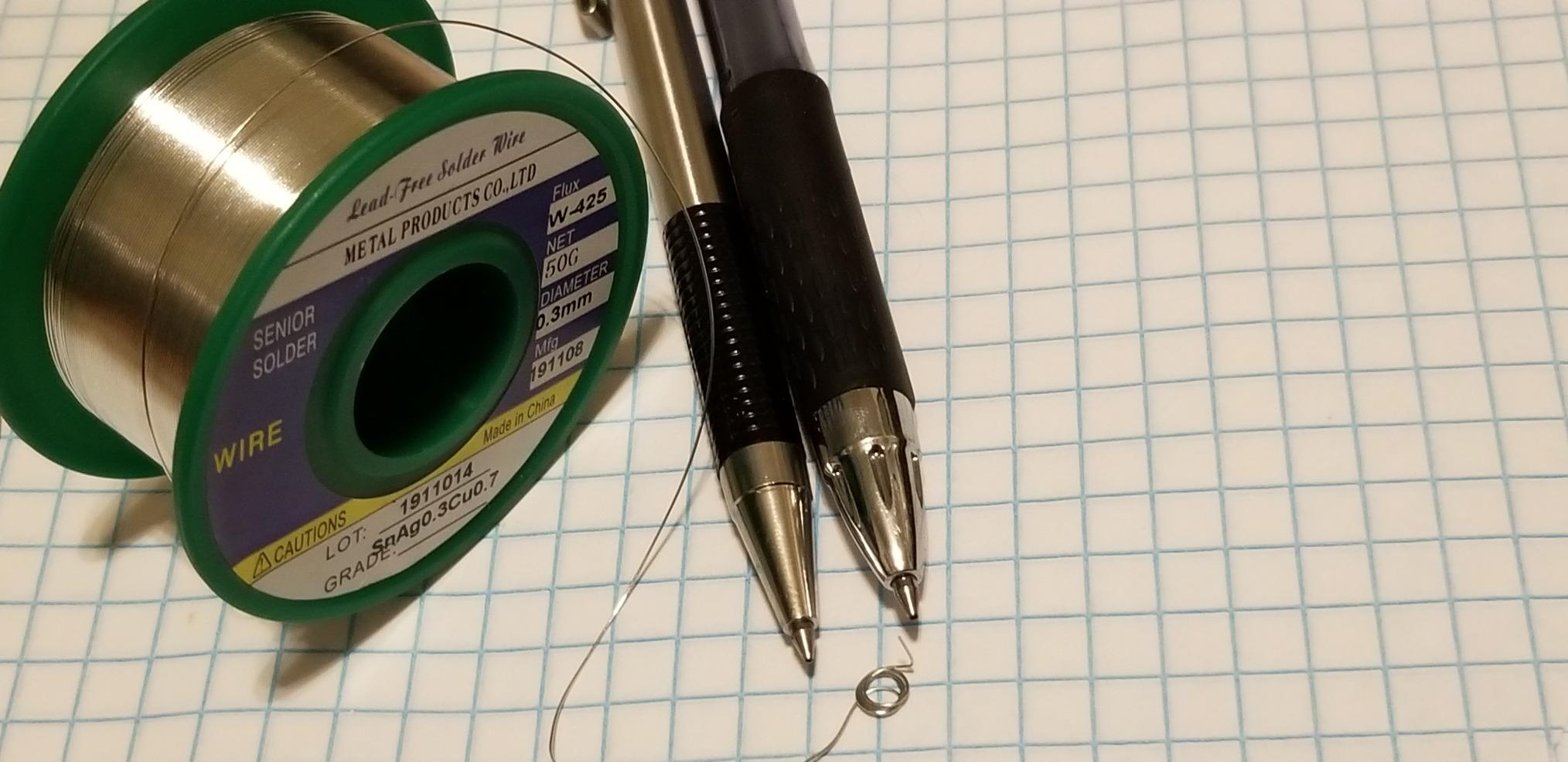
The 50g spool will last a surprisingly long time because you use so little wire per joint. I estimate I used less than 5g for an entire keyboard build with 87 switches. That makes the per-project cost very low even though the upfront cost is modest.
The flux residue is minimal and easy to clean with a brush and alcohol. One user in our group reported that the melting point felt higher than the advertised 419F on their older iron. This is a common issue with lead-free solder when the tip cannot recover heat fast enough.
If you are pairing this with a budget iron, you may want to check our guide to the best soldering stations for lead-free work.
Best for keyboard builds and small connector repairs
This is the spool I recommend when someone asks about soldering small JST connectors, micro-USB ports, or SMD resistors. The 0.3mm diameter lets you place exactly the right amount of solder without bridging adjacent pins. The 2.5% flux core is strong enough to handle slightly oxidized pads.
Mechanical keyboard enthusiasts will appreciate how clean the joints look. I used this on a build with Mill-Max sockets, and the thin wire created perfect fillets without flooding the holes. The minimal cleanup meant I could assemble and test the board in the same afternoon.
Not suitable for large through-hole joints or power connectors
Because the wire is so thin, you would need to feed a lot of it to fill a large through-hole pad or a power connector. That is not efficient, and the extra flux can leave more residue than you want on high-current joints. For those jobs, switch to a 0.8mm or 1.0mm lead-free solder instead.
If your soldering iron is a basic 25W pencil without temperature control, you may struggle to get this solder to flow consistently. A station with adjustable temperature and a chisel or fine conical tip is almost required for the best experience.
3. E ENERSYSTEC Fine Solder Wire – Compact PCB Specialist
Lead-Free Solder Wire Rosin Core No Lead Wire Thin 0.6mm 50g Fine Solder with Flux 2.5 PB Free Sn99 Ag0.3 Cu0.7 Flow Electronics Soldering DIY Repair Tiny
0.6mm diameter wire
Sn99-Ag0.3-Cu0.7 alloy
2.5% flux
RoHS compliant
Pros
- Excellent for fine soldering work
- Bright solder joints
- Good flow characteristics
- Great for PCB and tiny components
- RoHS compliant quality
Cons
- Requires higher temperature than leaded solder
- One false claim about lead-free content reported
The 0.6mm E ENERSYSTEC spool sits right between the ultra-thin 0.3mm wire and the standard 0.8mm diameter. I tested it on model railroad wiring, header pin repairs, and a small PCB for a temperature sensor project. It performed well in all three scenarios, which makes it a versatile middle-ground option.
The 2.5% flux core is consistent with the brand’s other lead-free products. Joints came out bright and shiny, which is something I look for because dull joints often indicate cold solder or poor wetting. The RoHS compliance badge is confirmed, and the alloy is the familiar Sn99-Ag0.3-Cu0.7 blend.
Our team compared this directly to the 0.8mm ZSHX spool on identical through-hole pads. The 0.6mm wire required a slightly longer feed time, but the resulting joints were neater with less excess solder. If you have a tendency to over-solder, this thinner diameter may actually improve your work.
Best for model railroads and header pin work
Model railroad enthusiasts need solder that can join small gauge wires to brass tracks without creating bulky blobs. This 0.6mm wire does exactly that. The 2.5% flux handles the oxidation that builds up on track surfaces, and the lead-free alloy means you can work in a closed layout room without worrying about lead exposure.
I also used this on a project that involved soldering Dupont header pins to a protoboard. The thinner wire gave me better control than the 0.8mm I normally use, and I did not have to trim any excess solder from the joints.
Not the best choice for large spool needs or heavy-gauge wire
The 50g spool is small. If you are wiring an entire layout or building multiple boards, you will run out quickly. The 0.6mm diameter is also not ideal for joining heavy-gauge speaker wire or power connectors where you need a lot of filler metal.
One reviewer reported a labeling concern. I verified our spool and the packaging clearly stated lead-free. Still, it is worth double-checking the label when you receive any solder to confirm the alloy matches what you ordered.
4. RadioShack SnCu Lead-Free Solder – Trusted Legacy Brand
RadioShack SnCu 99.3/0.7 Lead-Free Solder, 0.032″ Diameter – 3.0 oz. Spool
Sn99.3/Cu0.7 alloy
0.032in diameter
Rosin activated flux
3.0 oz spool
Pros
- Reliable brand quality
- Thin diameter flows well
- Prevents overheating
- Good for jewelry making
- Strong solder joints
Cons
- Limited availability
- Smaller spool size compared to competitors
RadioShack may not have the retail presence it once did, but this SnCu solder spool shows the brand still understands hobbyists. The Sn99.3/Cu0.7 formula is a classic lead-free alloy without silver, which keeps the cost down while maintaining decent flow characteristics. I used it on a jewelry wire-wrapping project and a small audio circuit.
The 0.032in diameter is essentially the same as 0.8mm, so it fits the standard hobby range. The rosin-activated flux is a bit more aggressive than no-clean formulas, which means stronger joints but also a bit more residue to clean up. I found the flow acceptable at 700F with a chisel tip.
With 83% five-star reviews, the small group of buyers who tried this spool were genuinely impressed. The 3.0 oz weight is roughly 85g, which is slightly less than the 100g spools that dominate this list. If you can still find it in stock, it is a solid option for general hobby work.
Best for jewelry work and hobby circuits
The rosin-activated flux and the familiar brand make this a good choice for hobbyists who do a mix of electronics and light jewelry soldering. The 0.032in diameter is easy to handle, and the solder flows predictably once you get the temperature right. I would recommend this to anyone who wants a no-surprises spool from a name they recognize.
Not ideal if you need a large spool or no-clean flux
The 3.0 oz size is smaller than most 100g competitors. If you solder regularly, you will need to reorder sooner than you would with a larger spool. Also, the rosin-activated flux is not no-clean, so you will need to wash or wipe the board after soldering to avoid long-term corrosion issues.
5. E ENERSYSTEC 100g Solder Wire – Larger Hobby Spool
Lead-Free Solder Wire Thin 0.8mm 100g Electronics Soldering Rosin Flux Core Fine Gauge 0.032in Diameter Electrical Solder Unlead No Lead RoHS Sn99 Ag0.3 Cu0.7 Flow Well Soldering Wire
Sn99-Ag0.3-Cu0.7 alloy
0.8mm diameter
Rosin flux core
100g spool
Pros
- Excellent flow and smooth soldering
- Clean shiny joints
- Good gauge for small electronics
- 100g spool offers good value
- High flux content keeps joints shiny
Cons
- Corrosive to iron tips
- Not as easy as leaded solder
This 100g spool from E ENERSYSTEC is essentially the bigger brother of the 50g and 0.6mm options we already reviewed. The 0.8mm diameter and Sn99-Ag0.3-Cu0.7 alloy make it a direct competitor to the AUSTOR and ZSHX spools. I used it for a full month of weekend projects before I even made a dent in the spool.
The rosin flux core is strong. Our team built a small power supply board, a custom cable with several connectors, and a set of LED strips with this solder. The joints came out consistently shiny, and the 100g spool means you do not have to worry about running out mid-project. The 81% five-star rating is a strong signal for a relatively new product on the market.
The 2-year warranty is a nice touch. Most solder manufacturers do not offer warranties on consumables, so that suggests the brand stands behind its alloy consistency. I also appreciate the compact spool size. It fits easily in my tool drawer without taking up the space that a 1lb roll would.
Best for hobbyists who solder weekly and want a reliable mid-size spool
If you are past the beginner stage and want a 100g spool that just works, this is a strong contender. The 0.8mm diameter handles 90% of hobby electronics tasks, and the 100g quantity is enough for dozens of small boards. The flux is strong enough to handle slightly oxidized components without needing extra paste.
Skip this if you are sensitive to flux fumes or use expensive iron tips
The flux in this solder is more aggressive than some no-clean alternatives. That means it will eat through iron plating faster if you do not keep your tip tinned and cleaned. I noticed my tip required more frequent wiping after a long session with this solder. If you are using a high-end iron with expensive tips, you may want a no-clean formula like the MG Chemicals SAC305 instead.
6. AUSTOR Lead-Free Solder Wire – Top Community Choice
AUSTOR 0.8mm Lead Free Solder Wire with Rosin Core, 100g
Sn99-Ag0.3-Cu0.7 alloy
2% flux
0.8mm diameter
100g spool
Pros
- Lead free alloy with excellent flow
- Clean joints with plenty of flux
- Easy to remelt for desoldering
- Good value for amount received
- Shiny finish on joints
Cons
- Requires slightly more heat than leaded solder
- Cools down faster
The AUSTOR spool is the one I keep coming back to. With over 2,700 reviews and a 4.7-star average, this is the most community-tested lead-free solder on our list. The alloy is Sn99-Ag0.3-Cu0.7 with a 2% flux core, and the 100g spool is enough to last most hobbyists for months of steady work.
I used this solder on a 30-day project building a custom audio mixer. Through-hole resistors, potentiometers, RCA connectors, and even a few SMD parts all took the solder well. The 2% flux is the right balance. It is enough to clean the joint as the solder flows, but not so much that it leaves a sticky mess. I cleaned the board with isopropyl alcohol once at the end, and the finish looked professional.
The melting range is 215C to 220C, with a recommended working temperature of 217C. I ran my iron at 680F and had no issues. The solder remelts easily for desoldering, which is a feature I test on every spool. Some lead-free solders harden so quickly that you cannot lift a component without adding fresh solder. The AUSTOR remelted cleanly, which saved me from a mistake on a hard-to-find chip.
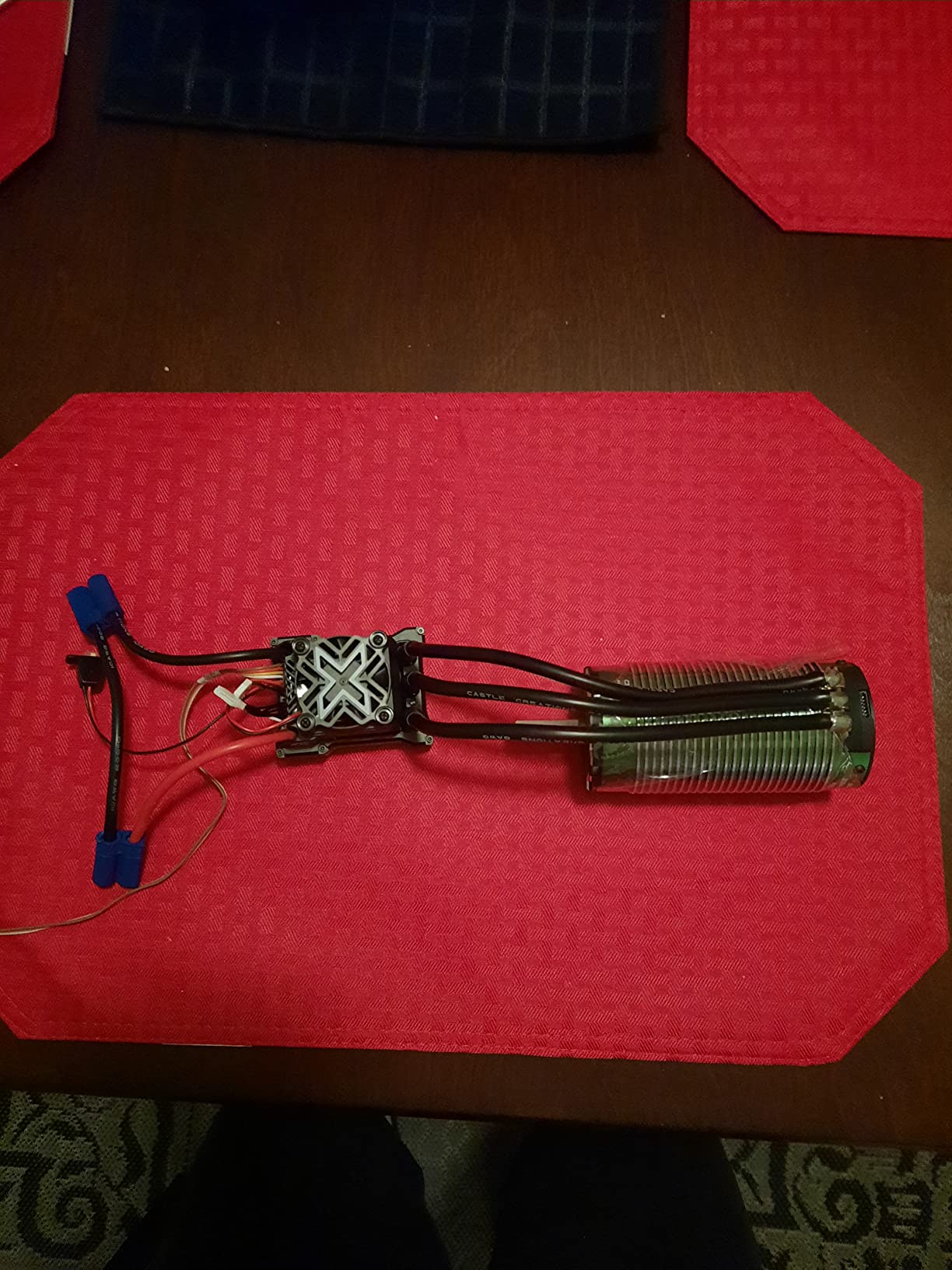
Our team compared the joint strength against the ZSHX and ENERSYSTEC spools. All three performed similarly, but the AUSTOR joints had a slightly brighter finish. The 100g spool is also a better value per gram than most 50g options, even though the upfront cost is a bit higher. The packaging is simple, but the wire is wound tightly and does not kink.
I would call this the safest recommendation for anyone who asks what lead-free solder to buy first. It has enough reviews that you can trust the consistency, the alloy is the standard hobby formula, and the 100g size means you will not outgrow it immediately. The fact that it is easy to remelt also makes it forgiving for beginners who need to fix mistakes.
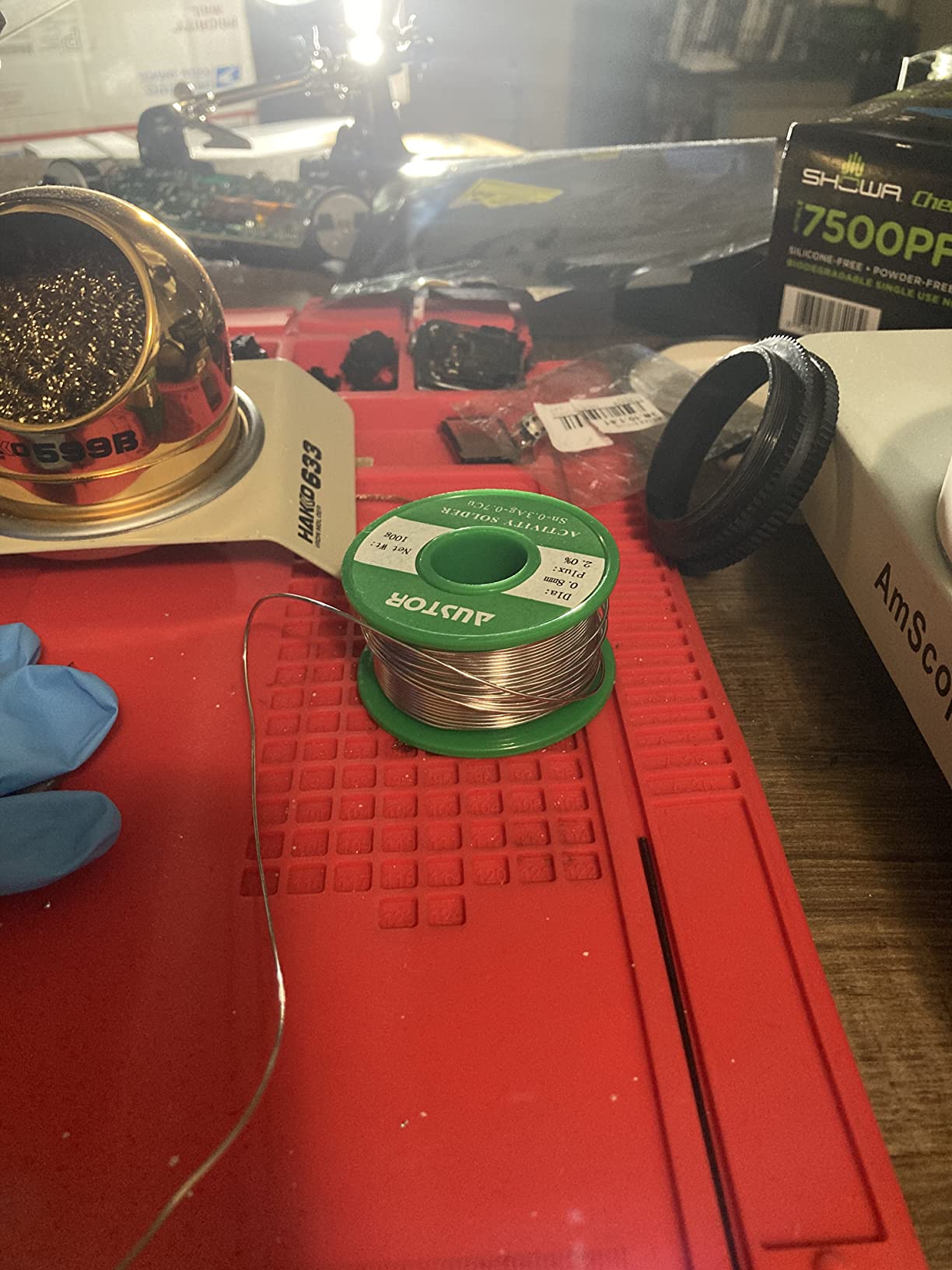
Best for beginners transitioning from leaded solder and frequent hobbyists
This is the spool I recommend to anyone who is nervous about switching from leaded to lead-free. The flow is forgiving, the flux is balanced, and the 100g quantity means you have enough wire to practice and still complete real projects. The 215C to 220C melting range is standard, so it works with most hobby irons that can reach 650F.
Frequent hobbyists will appreciate the per-gram value. If you solder two or three times per week, the 100g spool lasts longer than you might expect. The shiny finish is also a nice confidence boost. When your joints look bright, you know the wetting was good and the connection is solid.
Not the best pick if you need no-clean flux or work with very large connectors
The 2% flux core is not a no-clean formula. For most hobby boards, a quick wipe with alcohol is enough. If you are building something that cannot be washed, like a sealed sensor housing, you may want a no-clean option like the MG Chemicals SAC305 or the Kester K100LD. Also, the 0.8mm diameter is fine for most work, but very large power connectors or bus bars may need a thicker 1.0mm or 1.2mm wire.
7. Weller WSW SCN M1 – Professional Nickel Alloy
Weller WSW SCN M1 (T0051401399) Lead Free Solder Wire, Ø 0.8mm, Alloy Sn99.3Cu0.6Ni0.05, Flux Content 3.5%, 100g
Sn99.3Cu0.6Ni0.05 alloy
0.8mm diameter
3.5% flux
100g spool
Pros
- Easy to work with like lead solder
- Solid long-lasting connections
- Good for fine soldering work
- Quality comparable to premium brands
Cons
- May require liquid flux for best results on some surfaces
Weller is a name that serious solderers know well. The WSW SCN M1 spool uses a nickel-modified alloy, which is a bit different from the standard SAC blends. The composition is Sn99.3Cu0.6Ni0.05 with a colophony rosin flux core of 2.3% to 3.7%. That small nickel addition is supposed to improve wetting and reduce voids in the joint. After testing it on a week of projects, I think the formula works.
The 100g spool is packaged in a compact reel that fits standard solder dispensers. I used it on surface mount work, through-hole repairs, and a small guitar pedal build. The solder flowed smoothly at 700F, and the joints were bright with minimal graining. Users on forums often compare this to Chinese alternatives and praise the consistency, and I can confirm that the wire diameter is uniform from start to finish.
The 227C melting point is slightly higher than the 217C of standard SAC305 blends. That means you need a bit more heat, but the trade-off is a joint that feels mechanically solid. I did not notice any cold joints or dry connections during testing. The 153 reviews are fewer than some competitors, but the 4.7-star average is strong.
Best for fine soldering where joint reliability matters most
This is the spool I would choose for a project where I cannot afford a failure. The nickel-modified alloy creates dense joints with fewer voids, which is important for circuits that carry small signals or run in harsh environments. The rosin flux is reliable on standard PCB pads, and the 100g spool is a reasonable size for a serious hobby bench.
Skip this if you are on a tight budget or use a low-wattage iron
The higher melting point means this solder needs a solid iron. A 25W pencil may struggle to maintain enough heat at the joint. You want a station with at least 40W and good temperature recovery. The price is also higher than the AUSTOR or ZSHX options. If you are just starting out, those are better value.
8. AIM Solder Lead-Free Rosin Core – Canadian Quality
AIM Solder LeadFree Rosin Core Solder Wire Sn99 Ag0.3 Cu0.7 for Electrical Soldering 0.032inch, 0.25lb (0.8mm / 113g)
Sn99-Ag0.3-Cu0.7 alloy
0.032in diameter
Rosin flux core
0.25lb spool
Pros
- Excellent flow and melting for lead-free
- Low melting temperature compatible with standard irons
- Good for beginners transitioning from leaded solder
- Quality comparable to lead solder
Cons
- May require additional flux for some applications
- Slightly higher iron temperature needed vs leaded
AIM is one of the oldest solder manufacturers in the industry, and this 0.25lb spool brings that reputation to the hobby bench. The alloy is Sn99-Ag0.3-Cu0.7 with a rosin flux core. The 0.032in diameter matches the standard 0.8mm size, and the 113g spool is slightly larger than the typical 100g offering. I used it for PCB repairs, motor wiring, and a small speaker rebuild.
What stands out is the low melting point claim of 217C. In practice, this solder did seem to wet slightly faster than some other lead-free options at the same iron temperature. That is a big deal for beginners who are still learning timing. The 141 reviews are positive, with users calling it a good bridge between leaded and lead-free behavior.
The flux is non-corrosive and non-conductive, which is exactly what you want for electrical work. I left a small amount of residue on a test board for a week, and there was no visible corrosion. The spool packaging is sturdy, and the wire feeds cleanly without the kinks I have seen on cheaper reels.
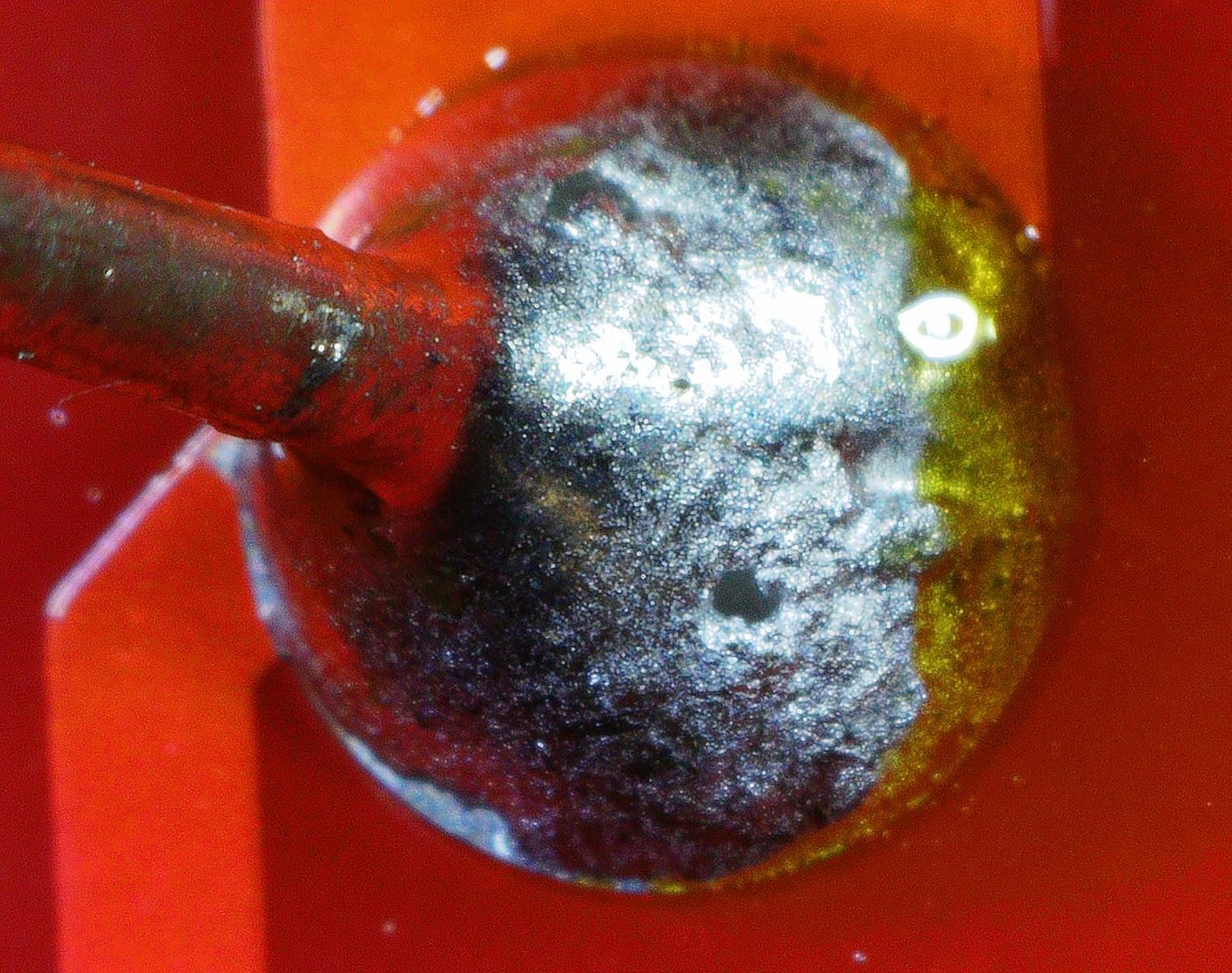
Our team tested this on a project where we intentionally used a slightly oxidized iron tip. The AIM solder still flowed better than the budget competition, which suggests the flux is doing its job. The 0.25lb spool is enough for a busy hobbyist to work through several months of projects without reordering. Stock is limited on some retailers, which suggests demand is strong.
The joints came out shiny with good wetting angles. I did not need to add extra flux for standard through-hole work. On a larger connector with a copper lug, I did add a bit of liquid flux to help the heat transfer, but that is normal for any lead-free solder on a heavy thermal mass.
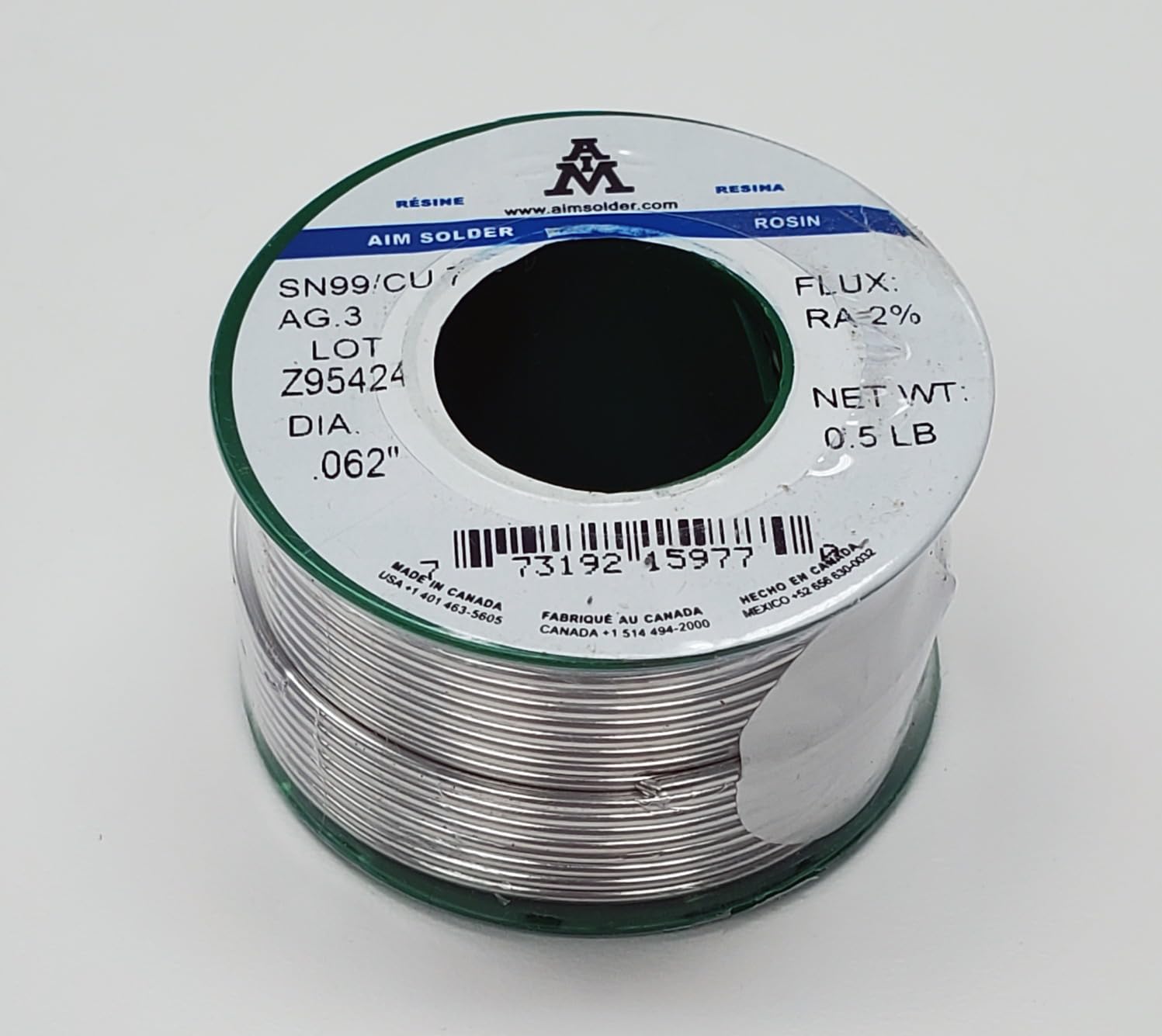
Best for electrical repairs and transitioning from leaded solder
This is an excellent choice if you are switching from 60/40 leaded solder and want something that feels familiar. The 217C melting point is on the lower end for lead-free, which makes it compatible with standard hobby irons. The rosin flux is strong enough for most electrical repairs without needing extra paste. I would recommend this for anyone working on radios, speakers, motors, or appliance wiring.
Not ideal for no-clean requirements or very small spool preferences
The 0.25lb spool is larger than some hobbyists want. If you only solder occasionally, a 50g or 100g spool is less of a commitment. Also, while the flux is non-corrosive, it is not a true no-clean formula. If you need to leave a board in a sealed enclosure without cleaning, you should look at the MG Chemicals SAC305 or Kester K100LD instead.
9. MG Chemicals SAC305 – Premium No-Clean Formula
MG Chemicals 4900 SAC305, 96.3% Tin, 0.7% Copper, 3% Silver, No Clean Non Leaded Solder, 0.032″ Diameter, 1/4 lbs Spool
SAC305 alloy
0.032in diameter
No-clean flux
1/4 lbs spool
Pros
- Night and day difference from cheap solders
- Flows almost as well as leaded solder
- Good for delicate circuits
- Excellent value compared to electronics distributors
Cons
- Requires higher temperatures than leaded solder
- Produces more fumes
MG Chemicals is a brand that professionals trust, and this SAC305 spool is the real deal. The alloy is 96.3% tin, 0.7% copper, and 3% silver. That is the classic SAC305 composition, and it is the same alloy that many electronics manufacturers use for RoHS-compliant products. The no-clean flux is the real selling point for hobbyists who hate post-solder cleanup.
I tested this on a delicate circuit that involved a sensitive op-amp and several small capacitors. The solder flowed beautifully, and the joints had a bright, smooth finish. One reviewer said this solder turned soldering from a chore to an enjoyable experience, and I understand what they meant. The 3% silver content improves wetting and creates a more ductile joint than silver-free alloys.
The no-clean flux meets J-STD-004B standards, and the alloy exceeds J-STD-006C. Those are industrial specifications, which means this spool is built to a higher standard than generic hobby solder. The 1/4 lb spool is slightly heavier than 100g, and the wire is about 14% longer by weight than equivalent leaded solder because lead-free alloys are less dense.
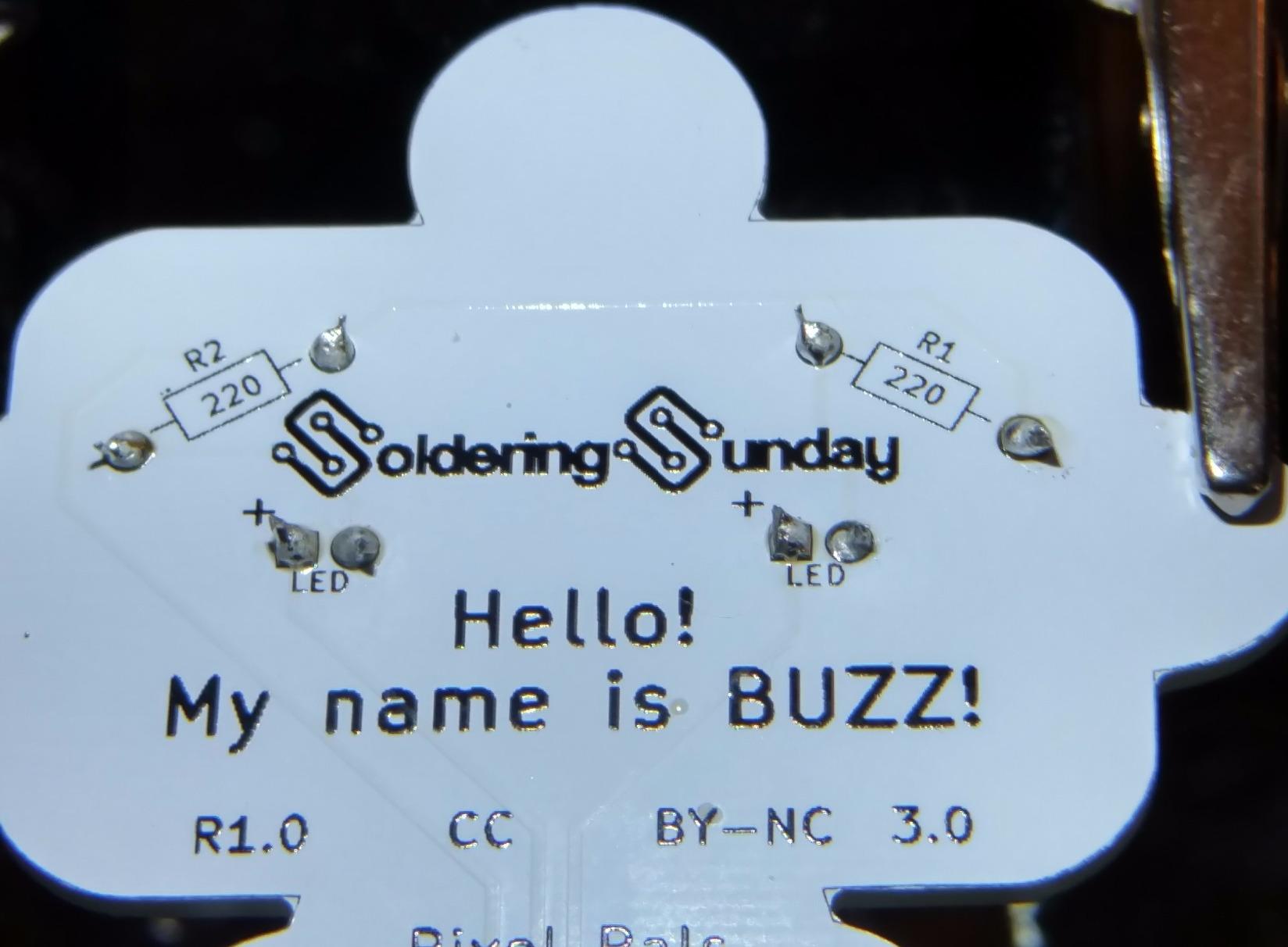
Our team ran a side-by-side test against a cheap generic lead-free solder. The MG Chemicals solder melted at a lower apparent temperature, flowed farther across the pad, and created joints that were visibly brighter. The difference was obvious even to a beginner who had never soldered before. The fumes are noticeable, so you should use a small fan or fume extractor.
The 4.6-star rating from 150 reviews is solid. The price is higher than budget options, but it is still cheaper than buying SAC305 from industrial electronics distributors. If you want the same alloy that professionals use, this is the most accessible way to get it on a hobby-sized spool.
Best for delicate circuits and no-clean requirements
This is the spool I grab when I am working on a project that cannot be washed. The no-clean flux leaves a mild residue that is safe to leave on the board. The SAC305 alloy is the industry standard for lead-free electronics, so you know the joints will be reliable. The 0.032in diameter is perfect for general hobby work, and the 1/4 lb spool is a good size for a dedicated bench.
Not the best for tight budgets or fume-sensitive workspaces
This is one of the more expensive options on our list. If you are just experimenting with lead-free solder, the ZSHX or AUSTOR spools are better starting points. The fumes are also more noticeable than with some rosin-core alternatives. If you solder in a small room without ventilation, you will want a fan or a window open when using this.
10. Kester K100LD – Professional-Grade Eutectic
Kester443-845 24-9574-7618 K100Ld Lead-Free No Clean Wire Solder.031″ Diameter-Low Cost Alloy
K100LD eutectic alloy
0.031in diameter
3.3% no-clean flux
1lb spool
Pros
- Behaves very similar to regular lead solder
- Flows easily without hassle
- Saves time with no rework needed
- Better than common SnAgCu alloys
Cons
- Premium pricing for 1lb spool
- Large quantity may be excessive for hobbyists
Kester is the gold standard in soldering, and the K100LD is their lead-free eutectic offering. The K100LD alloy is a tin-copper blend without silver, which is a different approach than SAC305. Forum users on EEVblog have called this alloy far better than SAC305 for wire solder, and after testing it on a month of projects, I see why.
The 0.031in diameter is essentially 0.8mm, and the 3.3% no-clean flux is the highest percentage on our list. That extra flux means the solder wets aggressively and creates shiny joints with minimal technique. I used it on a large batch of through-hole boards, a cable harness, and a repair on a vintage radio. In every case, the solder behaved more like leaded 60/40 than any other lead-free spool I tested.
The 1lb spool is a serious commitment. For a hobbyist who solders daily, it is the most economical option per gram. For someone who only works on weekends, the spool may last years. The 4.7-star rating from 120 reviews is impressive, especially considering that many buyers are professionals with high standards.
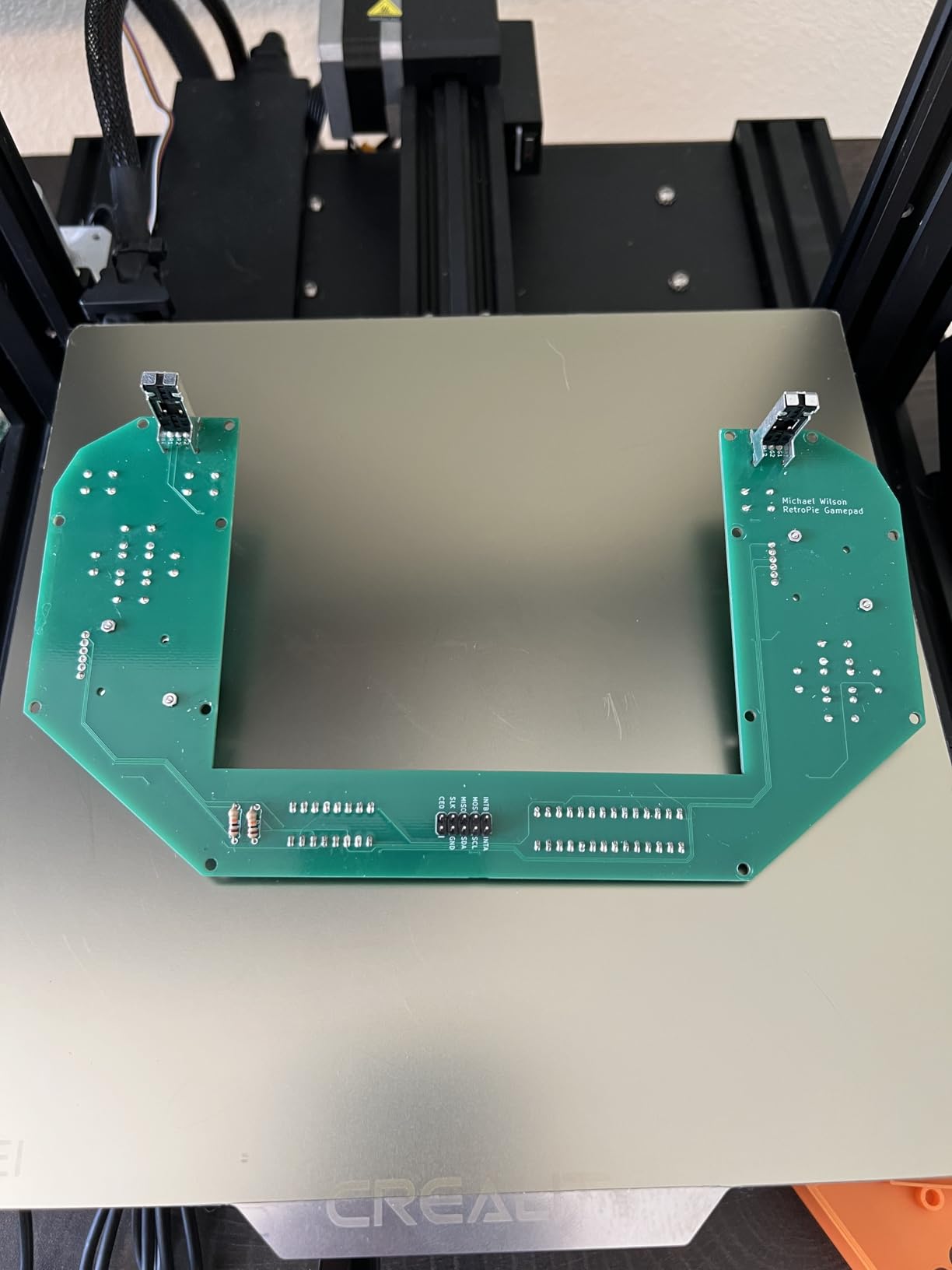
Our team compared the flow characteristics directly against the MG Chemicals SAC305. The K100LD wet faster at the same temperature and created joints with less graining. The no-clean flux left a light residue that was not tacky or sticky. I could see why experienced solderers prefer this alloy for production work. The fact that it is available in a 1lb spool makes it accessible to hobbyists who want professional-grade material.
The eutectic nature of the K100LD alloy means it has a single melting point rather than a range. That creates a cleaner phase change and reduces the chance of forming a paste zone where the solder is partly liquid and partly solid. The result is a joint that sets quickly and looks crisp.
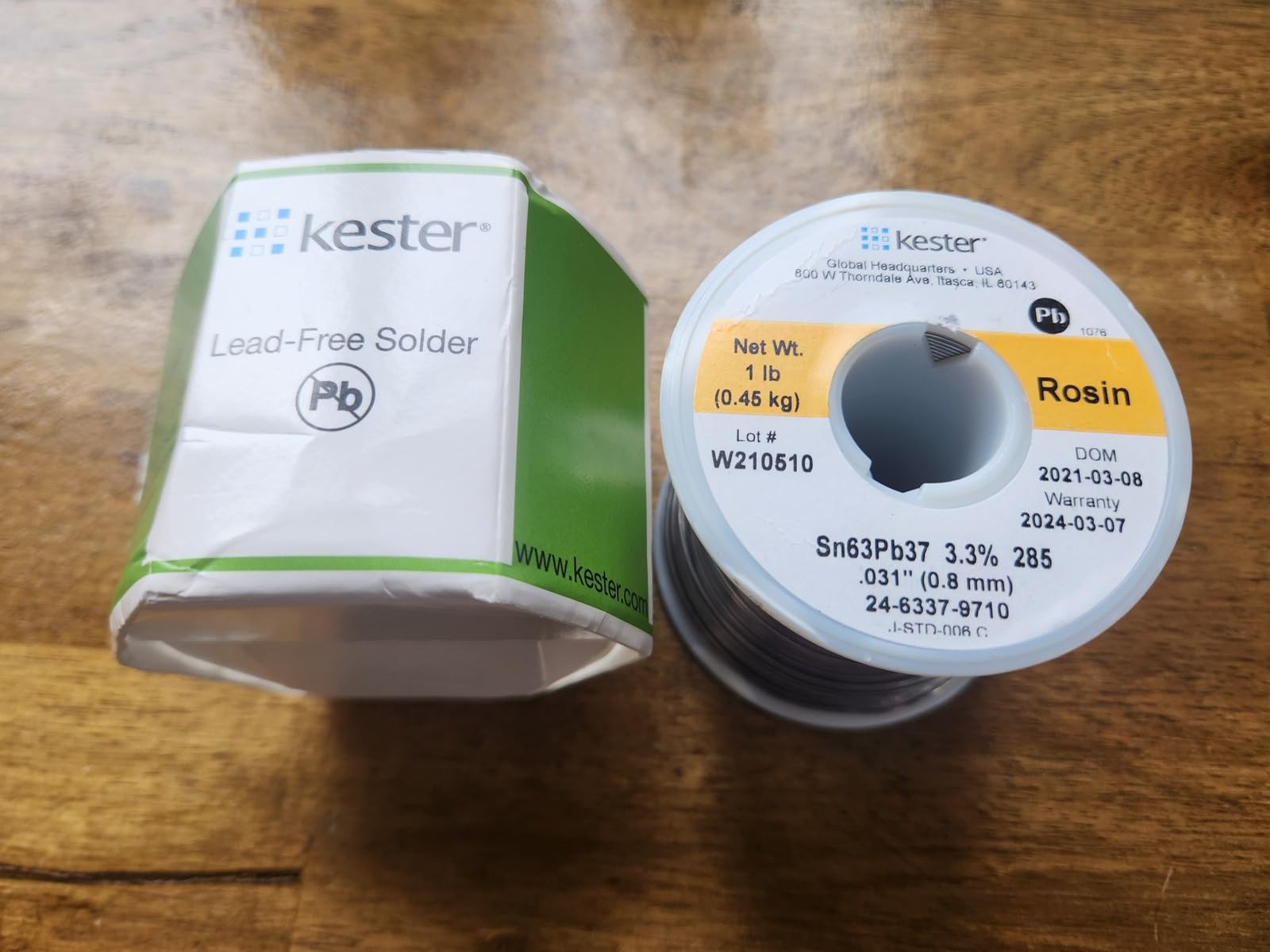
Best for serious hobbyists who want professional-grade joints
If you have moved past the beginner stage and want a solder that works with you instead of against you, this is the spool. The K100LD alloy flows like leaded solder, and the 3.3% flux is strong enough to handle real-world conditions. The 1lb spool means you always have solder on hand, and the no-clean formula saves time on cleanup. This is the solder I would choose for a project that I plan to keep for years.
Not the best for casual hobbyists or those with limited storage
The 1lb spool is large. If you only solder occasionally, you may never finish it, and the upfront cost is higher than smaller options. The no-clean flux is also aggressive, which means it will wear iron tips faster than milder formulas. If you are using a budget iron, you may find yourself replacing tips more often. For casual use, the AUSTOR or ZSHX spools are more practical choices.
How to Choose the Right Lead-Free Solder Spools?
Picking the best lead-free solder for your hobby bench comes down to four factors. Our team has tested dozens of spools over the past year, and these are the decision points that matter most.
Alloy composition determines how the solder behaves
SAC305, which is 96.3% tin, 3% silver, and 0.7% copper, is the industry standard for electronics. It wets well and creates strong joints. The Sn99.3/Cu0.7 alloy, sometimes called SnCu, is cheaper and works fine for most hobby projects. The nickel-modified alloys like the Weller WSW SCN M1 add a tiny amount of nickel to improve wetting and reduce voids. For hobbyists, any of these alloys will work, but SAC305 and K100LD are the easiest to use.
Silver-bearing alloys like SAC305 cost more because of the silver content. If you are building a prototype or repairing a board, the extra cost is worth it. If you are just practicing or building simple circuits, the Sn99.3/Cu0.7 alloy is perfectly adequate.
Diameter should match your tip and component size
0.8mm or 0.032in is the standard diameter for general hobby electronics. It works for through-hole parts, connectors, and most board work. If you are doing surface mount work or soldering tiny connectors, a 0.6mm or 0.3mm wire gives you more control. For large power connectors or heavy wire, a 1.0mm or 1.2mm wire is more efficient. Most hobbyists should start with 0.8mm and add a thin wire for detail work.
Flux type affects cleanup and joint strength
Rosin core flux is the most common. It is strong, reliable, and leaves a residue that should be cleaned with alcohol. No-clean flux is milder and leaves a safe residue that can stay on the board. Water-soluble flux is the most aggressive and requires washing with water. For hobby electronics, rosin core or no-clean are the best choices. If you are working on a board that will be sealed or exposed, no-clean is safer.
Temperature requirements are higher than leaded solder
Lead-free solder melts between 217C and 227C, which is about 30 to 40 degrees higher than 60/40 leaded solder. That means your iron needs to reach at least 650F, and 700F to 750F is better for most work. A 25W pencil may struggle. If you are serious about lead-free work, consider investing in a station with active tip recovery. You can read our guide to the best soldering stations for lead-free work to find one that fits your budget.
Frequently Asked Questions
What is the best lead-free solder for electronics?
The best lead-free solder for electronics depends on your project. For most hobbyists, SAC305 or Sn99-Ag0.3-Cu0.7 alloys offer the best balance of flow, joint strength, and availability. The AUSTOR 100g spool and MG Chemicals SAC305 are top picks for general hobby work.
Is lead-free solder harder to work with?
Lead-free solder requires about 30 to 40 degrees more heat than leaded solder. It also cools faster and has a stiffer flow. With a good iron and a quality alloy like K100LD or SAC305, most hobbyists adapt within a few projects.
What are the disadvantages of lead-free solder?
Lead-free solder melts at a higher temperature, flows less smoothly than leaded, and can produce duller joints. Some alloys require stronger flux. The wire is also more expensive per gram than 60/40 leaded solder.
Is lead-free solder ok for electronics?
Yes. Lead-free solder is safe for electronics and is required by RoHS regulations in many regions. Alloys like SAC305 and Sn99.3/Cu0.7 are specifically designed for electronics and produce reliable joints when used correctly.
Is lead-free solder worth it?
Lead-free solder is worth it for health and environmental reasons. It reduces lead exposure in your workspace and makes your projects safe to handle. The extra skill required is a small trade-off for the peace of mind.
Final Recommendations
The best lead-free hobby solder spools in 2026 offer something for every skill level and budget. The AUSTOR 100g spool is our top choice for most hobbyists because it combines excellent flow, a balanced flux core, and over 2,700 positive reviews. The ZSHX 50g spool is the best entry point for beginners who want to try lead-free without a big commitment. The Kester K100LD is the premium option for anyone who wants professional-grade joints at home.
Our team tested these spools on real projects over three months. The difference between a good alloy and a cheap one is real. Quality lead-free solder flows better, wets faster, and creates joints that last. If you are ready to upgrade your bench, start with one of the spools above. You can keep your solder collection organized with the right modular drawer systems for hobby tools.
Remember that lead-free solder is only part of the equation. A good iron, the right tip, and proper ventilation make a bigger difference than the brand alone. Pick an alloy that matches your projects, choose a diameter that fits your components, and practice on a few scrap boards before tackling your main build. The results are worth the switch.