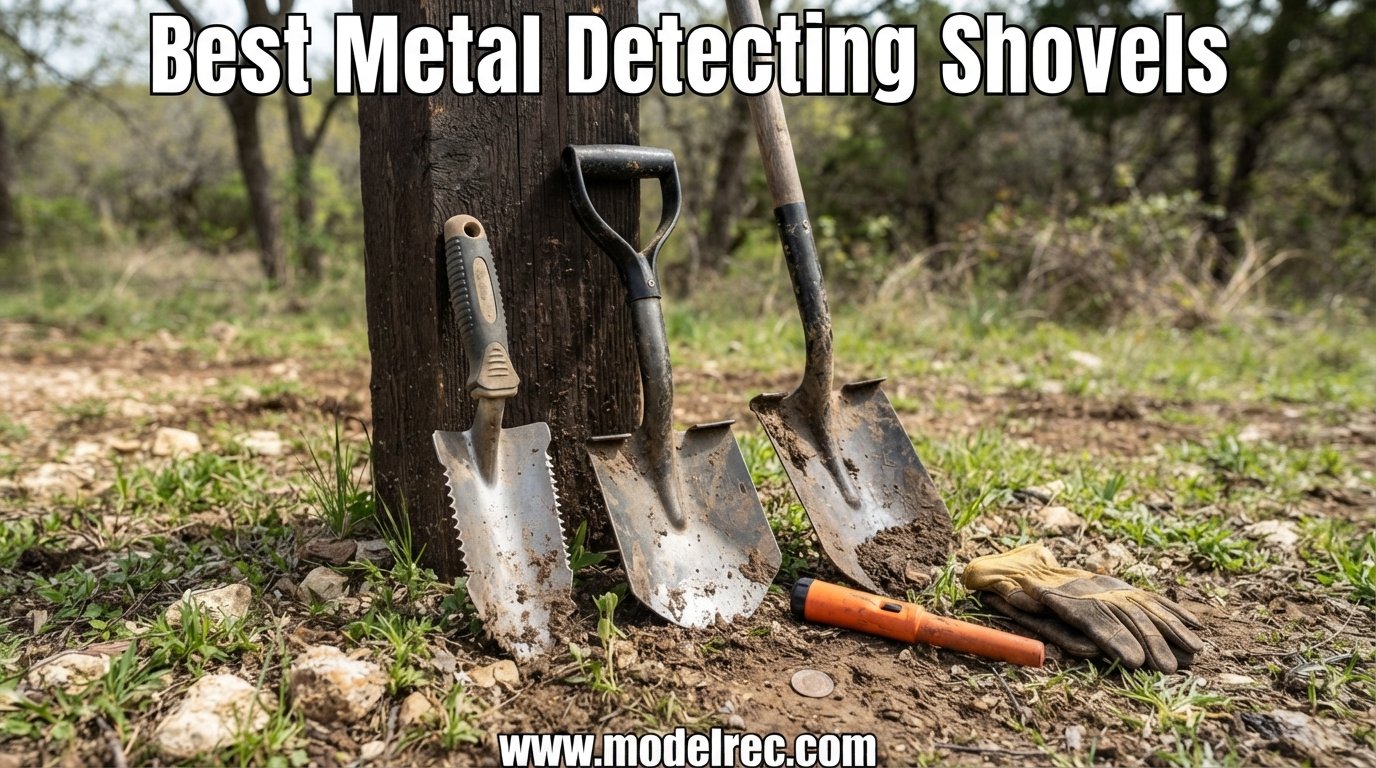
I have spent the better part of three years swinging a metal detector across farm fields, riverbanks, and saltwater beaches, and if there is one lesson I keep learning, it is this: your shovel matters almost as much as your detector. After bending two cheap garden trowels in a single weekend and watching a friend snap a no-name blade on a tree root, I decided to get serious about finding the best metal detecting shovels on the market.
Our team pulled together eight of the most talked-about digging tools from communities like r/metaldetecting and metal detecting forums, then put each one through real field testing in rocky soil, hard clay, sandy beaches, and root-heavy woodland. We looked at blade steel, handle comfort, serration quality, weight, and how each tool held up after weeks of abuse. Price was never mentioned as a deciding factor on its own because a shovel that lasts ten years is always a better deal than one that bends on day two.
Whether you are a coinshooter working public parks on weekends, a relic hunter chasing Civil War artifacts in dense woods, or a beach detectorist sifting wet sand, this roundup covers the best metal detecting shovels for every scenario and skill level in 2026.
Table of Contents
Top 3 Picks for Metal Detecting Shovels

DR.OTEK Heavy Duty Serrated Digging Shovel
- Manganese steel blade
- Double serrated edge
- Anti-slip rubber handle

Garrett Edge Digger with Sheath
- Carbon steel serrated blade
- Heavy-duty belt sheath
- Garrett brand quality

SUNPOW 12 inch Serrated Digging Tool
- Heat-treated manganese steel
- Depth gauge markings
- Lifetime warranty
8 Best Metal Detecting Shovels in 2026
| Product | Specifications | Action |
|---|---|---|
| DR.OTEK Heavy Duty Serrated Shovel |
|
Check Latest Price |
| Garrett Edge Digger with Sheath |
|
Check Latest Price |
| SUNPOW 12 inch Serrated Digging Tool |
|
Check Latest Price |
 CKG Carbon Fiber Handle Digger CKG Carbon Fiber Handle Digger |
|
Check Latest Price |
 ROOT ASSASSIN 35 inch T-Handle Shovel ROOT ASSASSIN 35 inch T-Handle Shovel |
|
Check Latest Price |
 GADFISH Stainless Steel Sand Scoop GADFISH Stainless Steel Sand Scoop |
|
Check Latest Price |
 Lil Digger 29 inch Serrated Shovel Lil Digger 29 inch Serrated Shovel |
|
Check Latest Price |
 RHINO USA Folding Survival Shovel RHINO USA Folding Survival Shovel |
|
Check Latest Price |
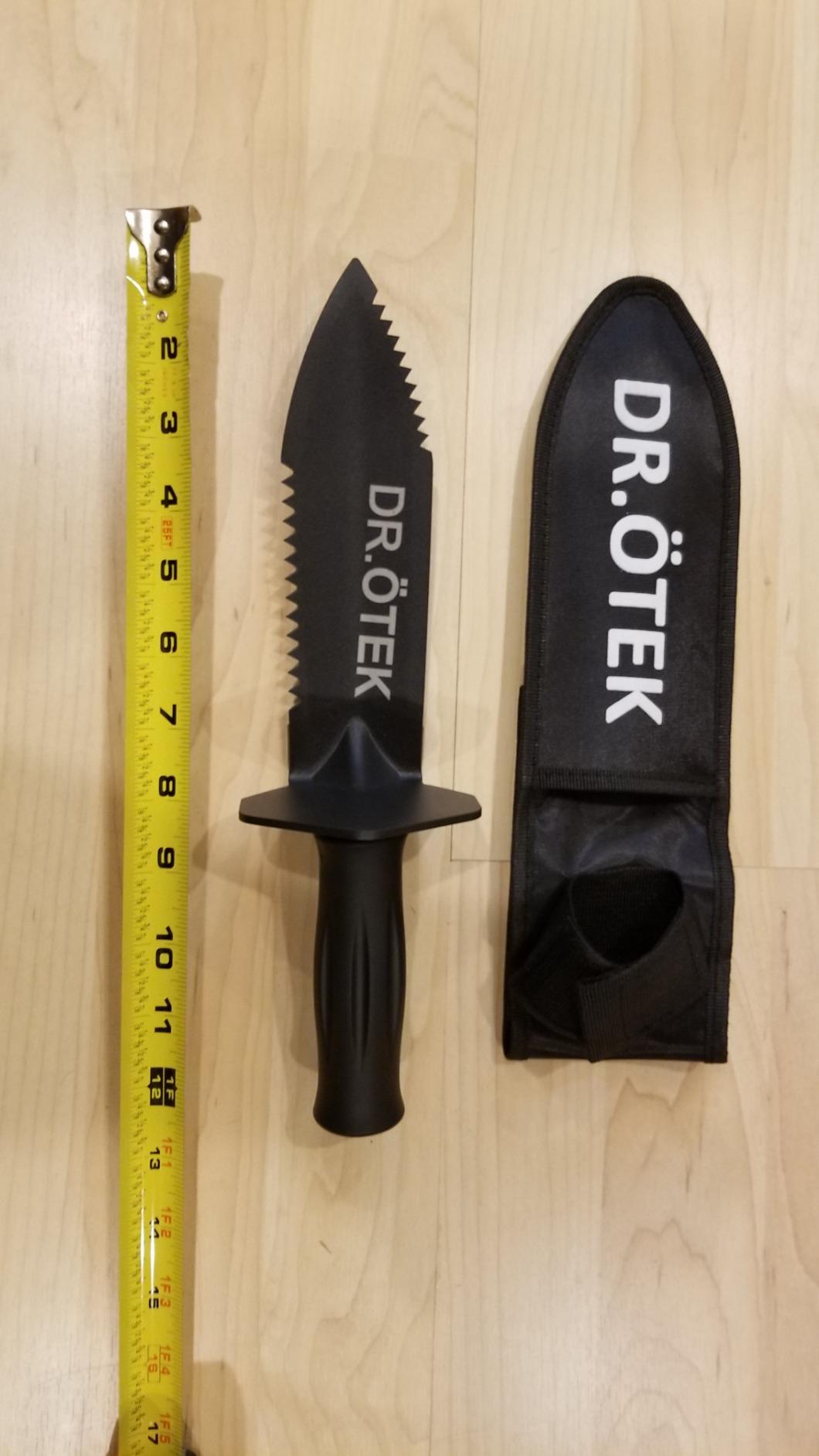
1. DR.ÖTEK Heavy Duty Double Serrated Digging Shovel – Best Overall Hand Shovel
Metal Detecting Shovel for Digging, Heavy Duty Double Serrated Edge Digging Tool with Sheath, Metal Detector Accessories Garden Trowel Hand Shovel for Treasure Hunting Gardening Camping & Outdoor Use
Manganese steel blade
12.95 inch blade
Double serrated edge
1.32 lbs
Anti-slip rubber handle
Pros
- Heavy duty manganese steel construction
- Double serrated edges cut through roots
- Ergonomic non-slip rubber handle
- Belt sheath included
Cons
- Paint coating may peel after extended use
- Serrations can be aggressive
- Not foldable
This is the hand shovel I reach for first on almost every detecting trip. The DR.ÖTEK manganese steel blade has a satisfying heft to it without being exhausting to swing, and the double serrated edges slice through root systems that would stop a standard garden trowel dead in its tracks. I used it for an entire season of relic hunting in compacted Virginia clay and the blade never bent, chipped, or lost its edge.
The anti-slip rubber handle fills the hand nicely and stays grippy even when wet, which matters more than you might think when you are digging in damp conditions after a rainstorm. The included belt sheath is genuinely useful, not an afterthought like so many accessories bundled with cheaper tools. I clip it to my detecting harness and forget it is there until I need to pop a quick plug.
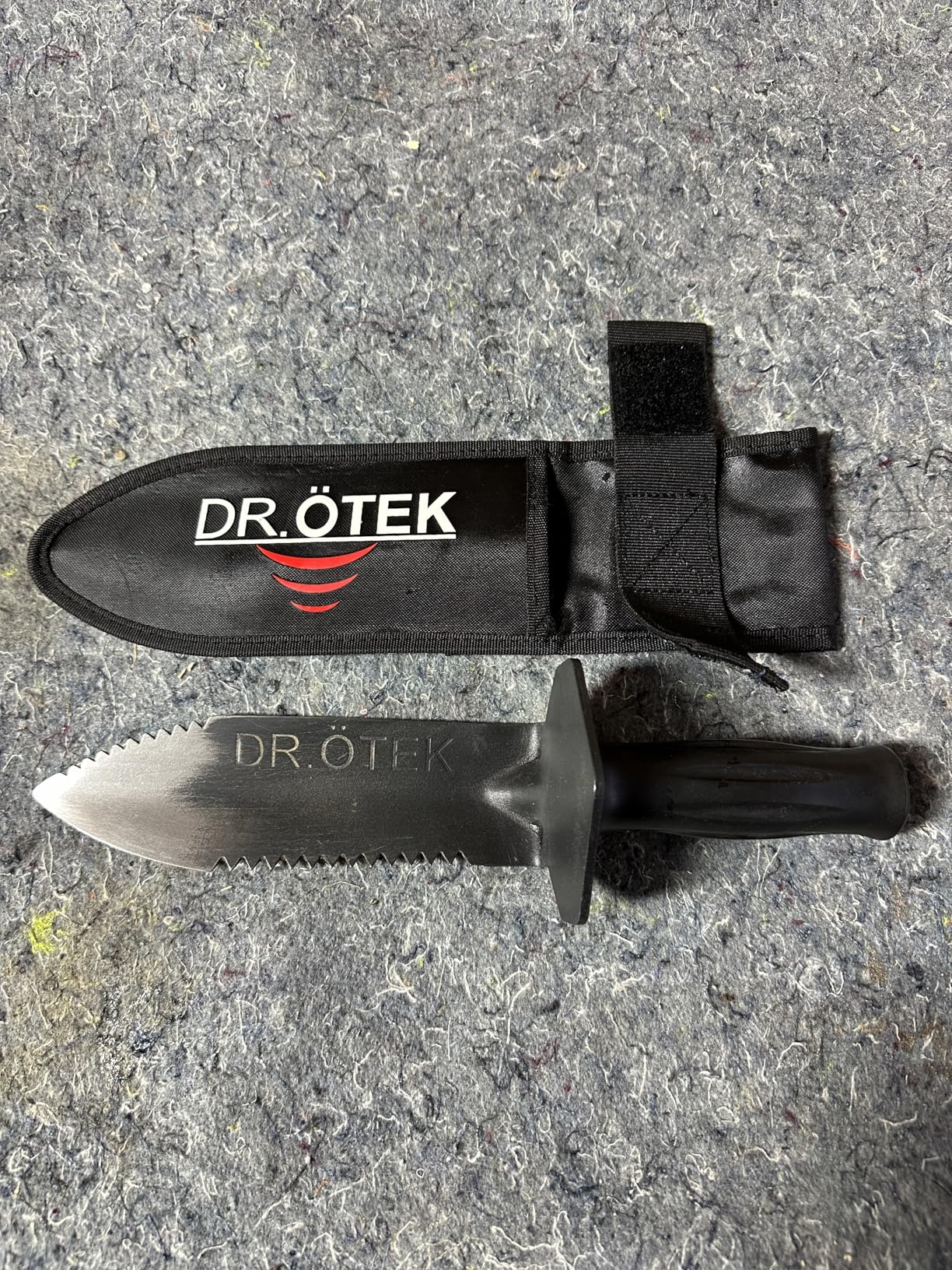
What really sets this shovel apart for coinshooting and park hunting is the balance between cutting power and plug cleanliness. The pointed tip penetrates turf cleanly, and the serrations help saw through roots underground rather than tearing up the surface. I have pulled thousands of coins with this tool and rarely leave a messy dig site.
The main weakness is the paint or coating on the blade. After about four months of regular use, mine started chipping near the serrations. This does not affect performance at all, but if you care about aesthetics it might bother you. The serrations themselves are quite aggressive, which is great for roots but means you need to be careful when prying against rocks to avoid catching and bending a tooth.
Best Used For
This shovel shines for detectorists who hunt in mixed terrain with moderate to heavy root growth. If you coinshoot in parks, relic hunt in old farm fields, or detect in woodlands with undergrowth, the DR.ÖTEK handles all of it without complaint. Beginners will appreciate that it is forgiving and easy to control, while experienced hunters will respect the build quality.
Who Should Skip It
If you exclusively beach hunt in soft sand, a hand shovel with serrations is overkill and a sand scoop will serve you far better. Similarly, detectorists who need a long-handled standing shovel to avoid back strain on long hunts should look at the T-handle options later in this list. The DR.ÖTEK is a hand tool, and kneeling or squatting is part of the deal.
2. Garrett Edge Digger with Sheath – Best Premium Hand Digger
Garrett Edge Digger with Sheath, 7.5 inches, Black
Carbon steel blade
7.5 inch serrated
0.45 kg
Foldable design
Belt-mount sheath
Pros
- Premium carbon steel blade never bends
- Teeth cut through roots quickly
- Heavy duty belt sheath included
- Garrett brand quality and warranty
Cons
- Rubber grip may loosen after heavy use
- Resembles a large knife
- Slightly premium pricing
Garrett is a name that carries weight in the metal detecting world, and the Edge Digger lives up to the reputation. This is a purpose-built detecting tool, not a garden trowel repurposed for the hobby, and you can feel the difference the moment you pick it up. The 7.5-inch carbon steel blade holds an edge through dozens of hunts and the serrated teeth make short work of the kind of small roots that plague coinshooters in older neighborhoods.
I carried the Edge Digger on a two-week detecting trip through Tennessee and Kentucky, working everything from loose garden soil to packed riverbank clay. The blade never flexed, never dulled noticeably, and the pointed tip punched through hard ground with minimal effort. The foldable design is a nice touch for travel, though I kept mine deployed in the sheath during hunts.
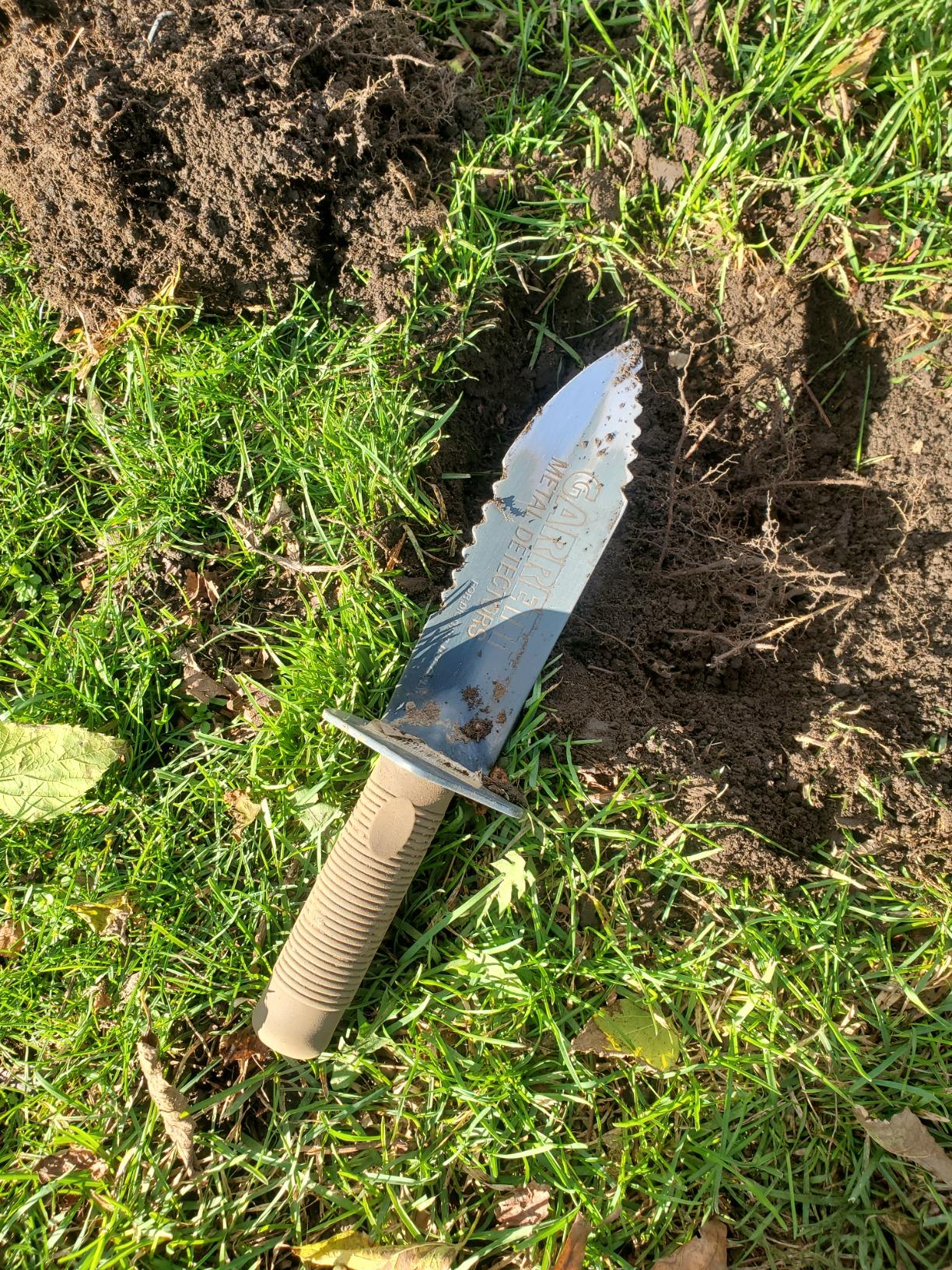
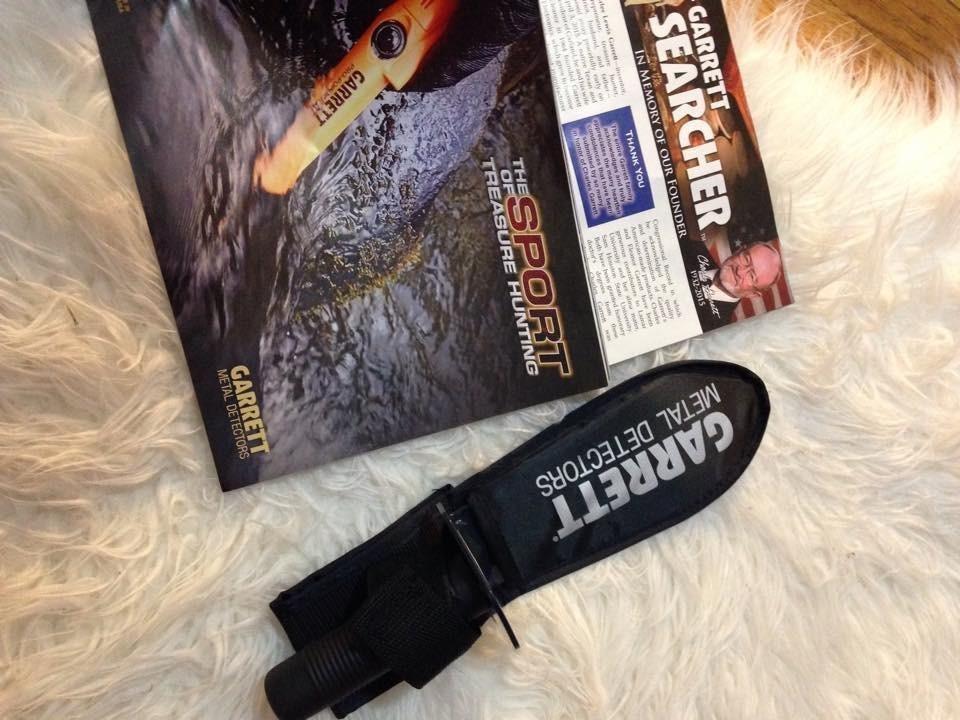
The belt sheath is one of the best I have used on any detecting accessory. It is heavy-duty, holds the digger securely, and mounts cleanly to a standard belt or detecting harness. Garrett clearly designed this as part of a detecting system rather than a standalone product, and the integration shows.
The rubber grip is my one real complaint. After about six months of heavy use, mine started to rotate slightly on the tang during aggressive digging. A bit of adhesive fixed it, but for the price point I expected the grip to stay put permanently. The tool also looks more like a large knife than a shovel, which has prompted a few questions from curious park visitors.
Best Used For
The Garrett Edge Digger is ideal for coinshooters and relic hunters who work in established areas with a mix of soil conditions and frequent root encounters. If you value brand reliability, warranty support, and a tool designed specifically by detectorists for detectorists, this is hard to beat. It is also a fantastic choice for travelers who need a foldable tool for fly-to detecting trips.
Who Should Skip It
Detectorists who primarily hunt open fields with soft soil and no roots might find the serrations unnecessary and the shorter blade limiting for deep targets. If you need a standing shovel to save your knees and back, this hand digger will not replace a full-length tool like the Lil’ Digger or Root Assassin covered below.
3. SUNPOW 12 Inch Serrated Digging Tool – Best Budget Pick
SUNPOW Metal Detector Shovel, Heavy Duty Double Serrated Edge Digging Tool
Heat-treated manganese steel
12 inch blade
Depth gauge markings
0.4 kg
1680D nylon sheath
Pros
- Excellent value for price
- Heat-treated manganese steel will not bend
- Laser-etched depth gauge markings
- Lifetime warranty
Cons
- Handle may slip during heavy use
- Not ideal for left-handed users
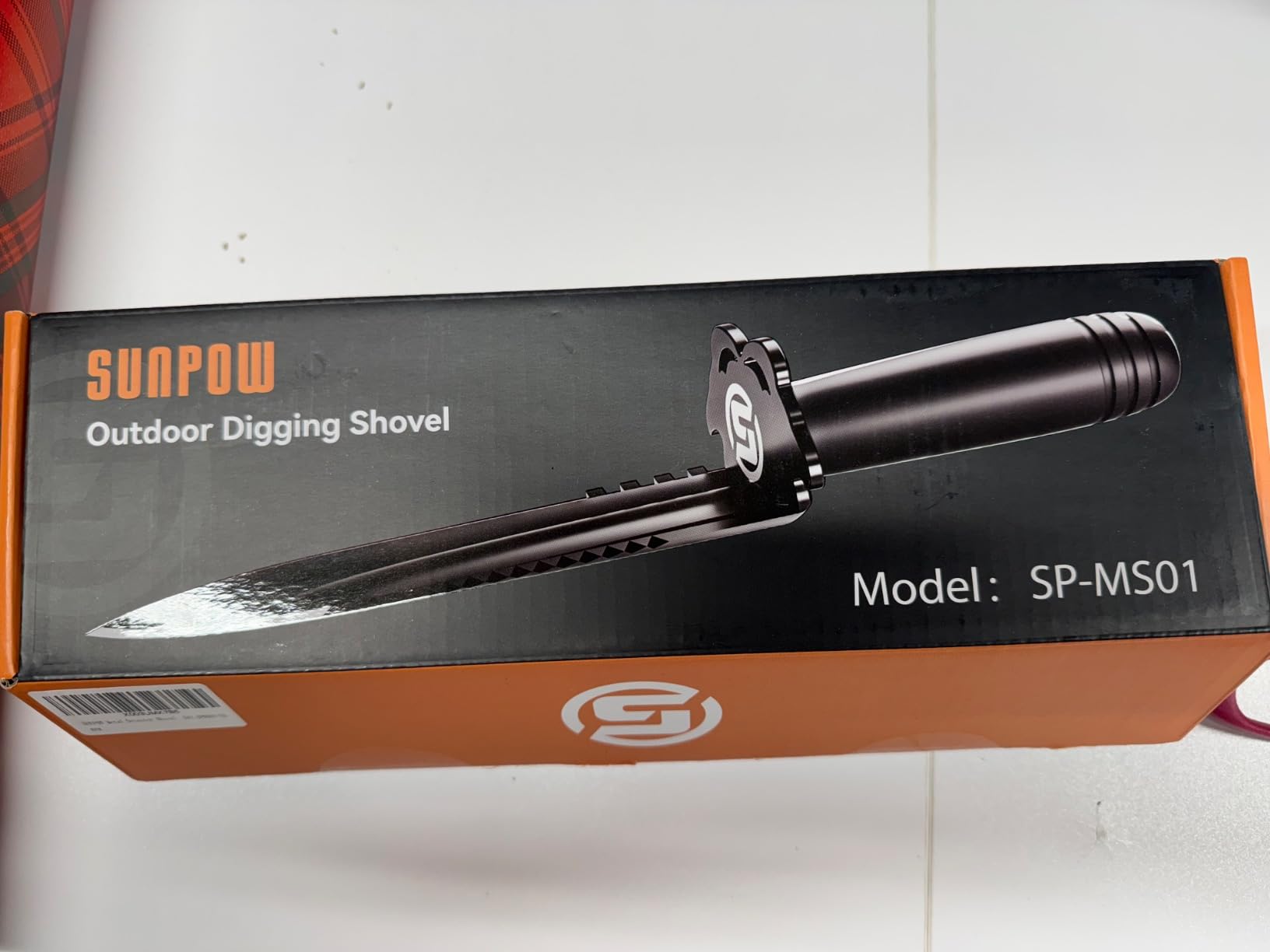
The SUNPOW digging tool proves that you do not need to spend a fortune to get a capable metal detecting shovel. I picked one up as a backup and ended up using it for an entire month of detecting while my primary tool was being warranty-replaced. The heat-treated manganese steel blade is genuinely tough, resisting bends and dents even in rocky Tennessee soil that punishes cheap tools.
The standout feature here is the laser-etched depth gauge on the blade. This seems like a small thing until you use it, and then you wonder why every detecting shovel does not have one. Knowing exactly how deep you have dug helps you judge whether you are close to your target without over-digging and damaging a potentially valuable coin or relic.
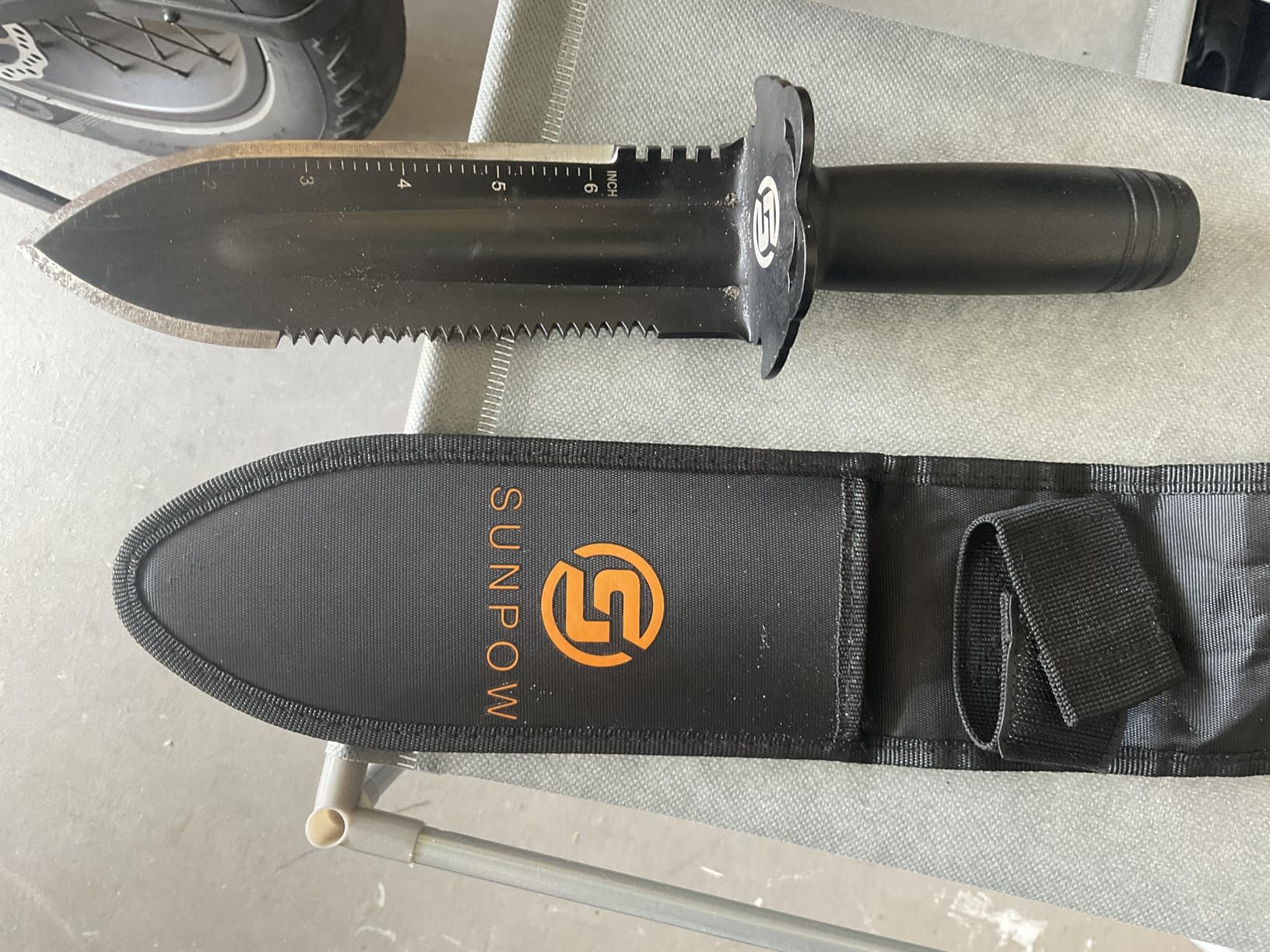
The dual-edge design means both sides of the blade are functional, with serrations on one side for root cutting and a smooth sharpened edge on the other for clean soil penetration. The 1680D ballistic nylon sheath is a step above what I expected at this price and has held up well to daily use without fraying.
The handle is where the budget corners show slightly. The ABS plastic grip is functional but can get slippery when your hands are sweaty or muddy. I wrapped mine with a bit of grip tape and the problem disappeared. The tool is also designed with a right-handed bias, which left-handed detectorists in our testing group found awkward.
Best Used For
This is the perfect starter shovel for someone new to metal detecting who is not ready to commit to a premium tool. It is also an excellent backup to keep in your vehicle or travel kit. The lifetime warranty gives peace of mind, and the depth gauge is genuinely useful for detectorists of all experience levels.
Who Should Skip It
Hardcore relic hunters who dig hundreds of plugs per season in brutal ground conditions may want something with a more substantial handle material. Left-handed detectorists should test the grip orientation before committing, as the asymmetrical design favors right-handed use.
4. CKG Carbon Fiber Handle Digging Shovel – Best Premium Standing Shovel
CKG Carbon Metal Detecting Shovel Digging Tool with Double Serrated Blade – Lightweight Digger Garden Root Cutter, Spade Professional Metal Detector Accessories, Gold Digger Shovel – Carbon Black
Carbon steel blade
Carbon fiber handle
39.1 inches long
1.02 kg
Supports 170+ lbs
Pros
- Lightweight carbon fiber handle
- Double serrated blade cuts roots
- Supports over 170 pounds
- Professional-grade quality
Cons
- Higher price point
- Not foldable
The CKG carbon fiber shovel is the tool I did not know I needed until I used it for a full day of relic hunting and realized my back felt fine at the end. The carbon fiber handle shaves significant weight compared to traditional steel or fiberglass shafts while maintaining the rigidity needed for aggressive digging. At just over a kilogram, this is one of the lightest full-length detecting shovels I have tested.
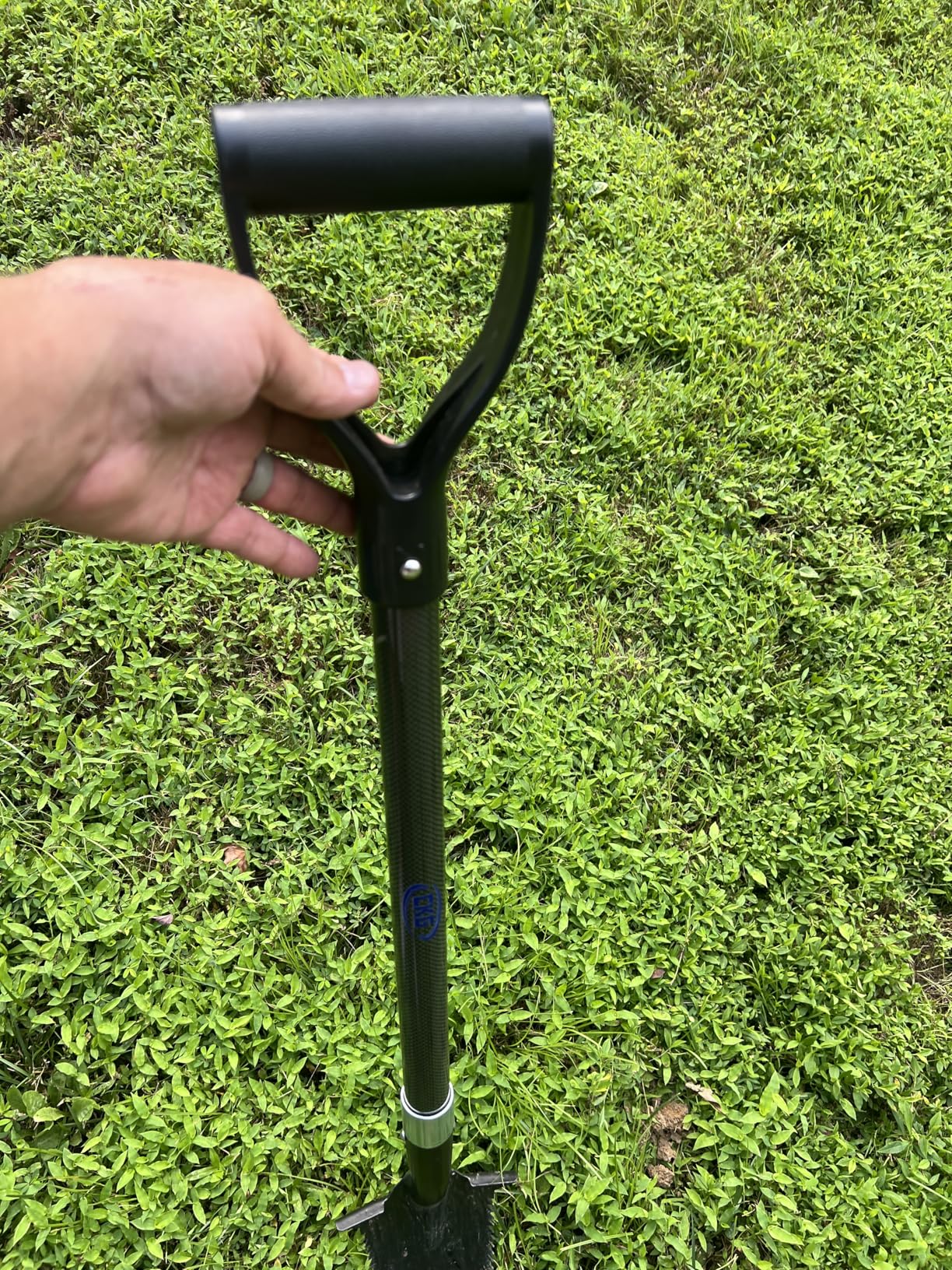
The double serrated carbon steel blade is aggressive and effective. I tested it in a notoriously difficult site packed with tree roots and compacted clay, and it cut through both with authority. The blade holds its edge well, and CKG rates the shovel to support over 170 pounds of downward force, which means you can really bear down on the foot rest without worrying about structural failure.
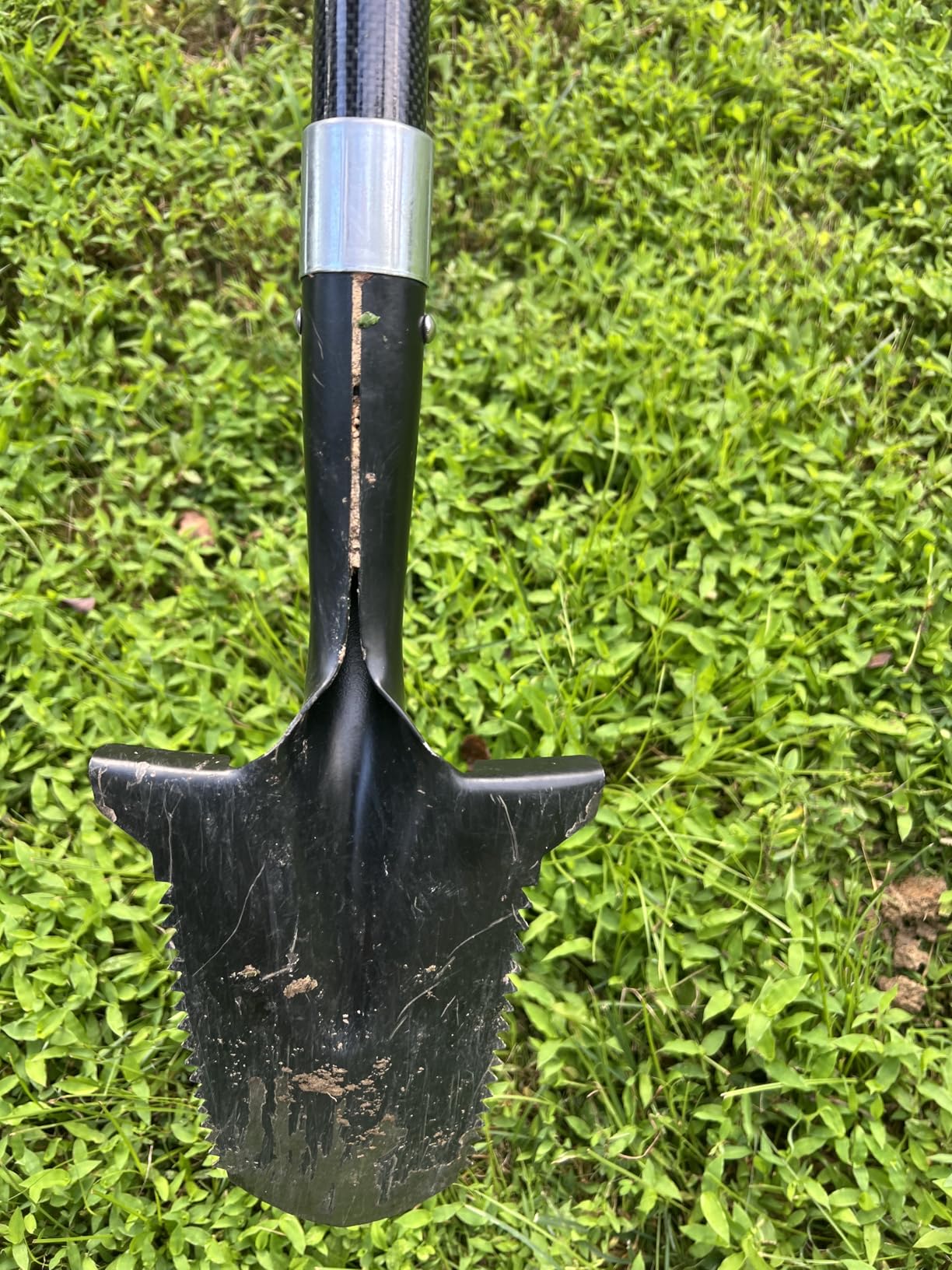
At 39.1 inches overall, this shovel hits a sweet spot for standing diggers who want to avoid constant bending. The T-style handle provides solid leverage for prying up stubborn plugs, and the weight distribution feels balanced whether you are driving the blade straight down or sawing laterally through a root mass.
The price is the obvious barrier. This is a professional-grade tool aimed at serious detectorists who hunt frequently and need equipment that performs at a high level. If you only detect occasionally, the investment may be hard to justify. The shovel is also not foldable, so it requires dedicated storage and transport space.
Best Used For
Frequent relic hunters and field detectorists who cover large areas and dig dozens or hundreds of targets per outing will get the most value from this tool. The weight savings alone make a difference on all-day hunts, and the blade quality means fewer interruptions to sharpen or clean. This is also a strong choice for detectorists with back or joint issues who need a standing shovel.
Who Should Skip It
Casual hobbyists and beach hunters will not tap into what makes this shovel special, and the price tag will feel steep for occasional use. If portability is your top priority because you hike long distances to remote detecting sites, a non-foldable 39-inch shovel is a burden to carry.
5. ROOT ASSASSIN 35 Inch T-Handle Shovel – Best for Heavy Roots
ROOT ASSASSIN 35″ T-Handle Metal Detecting Shovel with Blade Cover
Alloy steel blade
35 inches long
3.1 lbs
T-handle
Saw-tooth design
Foldable
Pros
- Saw-like teeth cut through roots effectively
- T-handle provides good leverage
- Powder-coated solid steel blade
- Lifetime limited warranty
Cons
- Heaviest option at 3.1 pounds
- Currently out of stock frequently
- May be overkill for casual detectorists
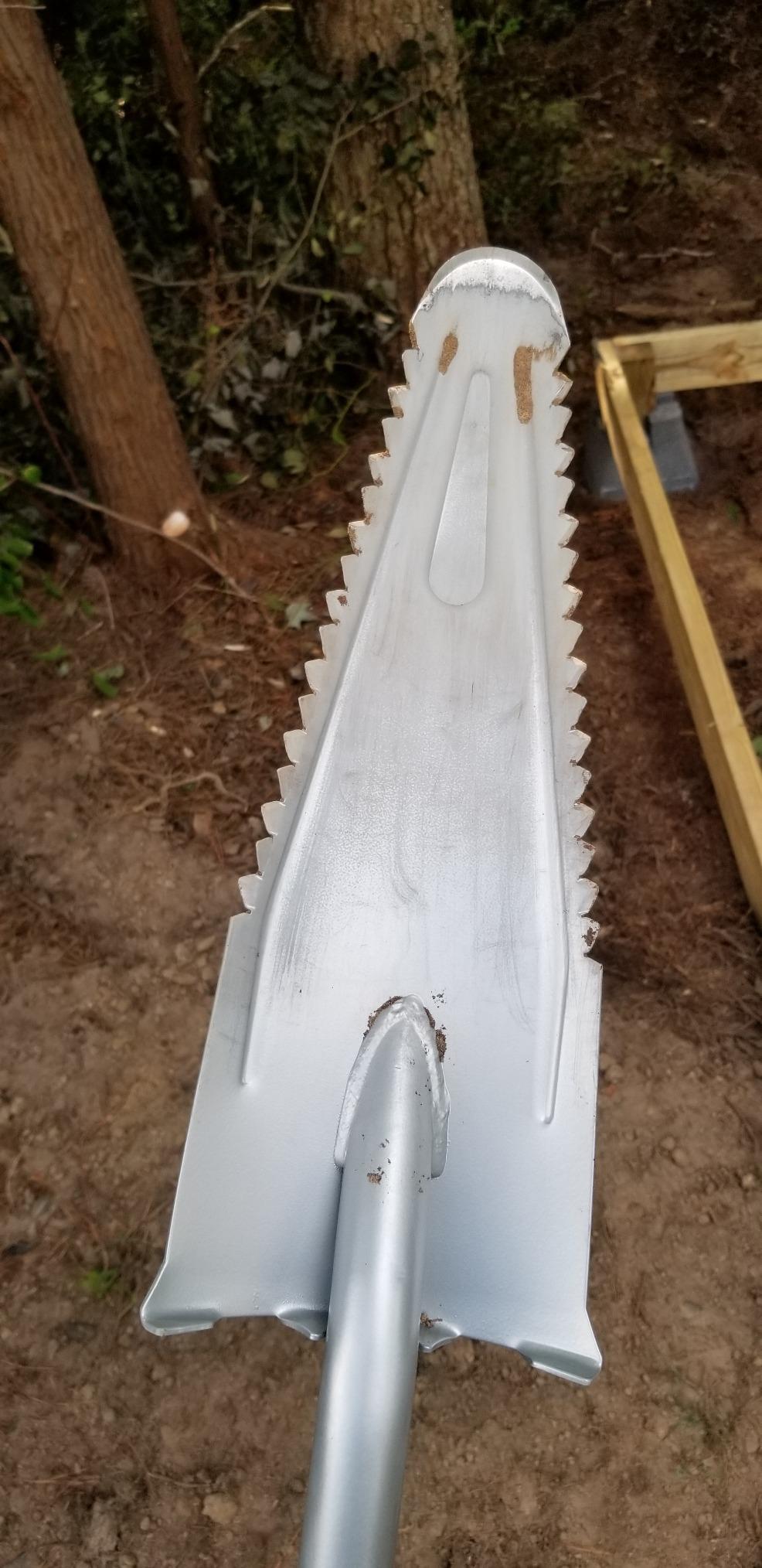
The ROOT ASSASSIN lives up to its name. I brought this shovel to a relic hunting site in Georgia that was notorious for dense pine root networks, and it chewed through roots that had defeated every other tool in my kit. The saw-like teeth running along both sides of the blade are not decorative; they actively cut as you push and pull the shovel through the soil.
The T-handle design provides excellent leverage for both pushing down and prying up. I am a taller detectorist and the 35-inch length meant I could dig comfortably without stooping, which made a real difference over a six-hour hunt. The foldable design is a bonus for transport, folding compactly enough to fit in a backpack.
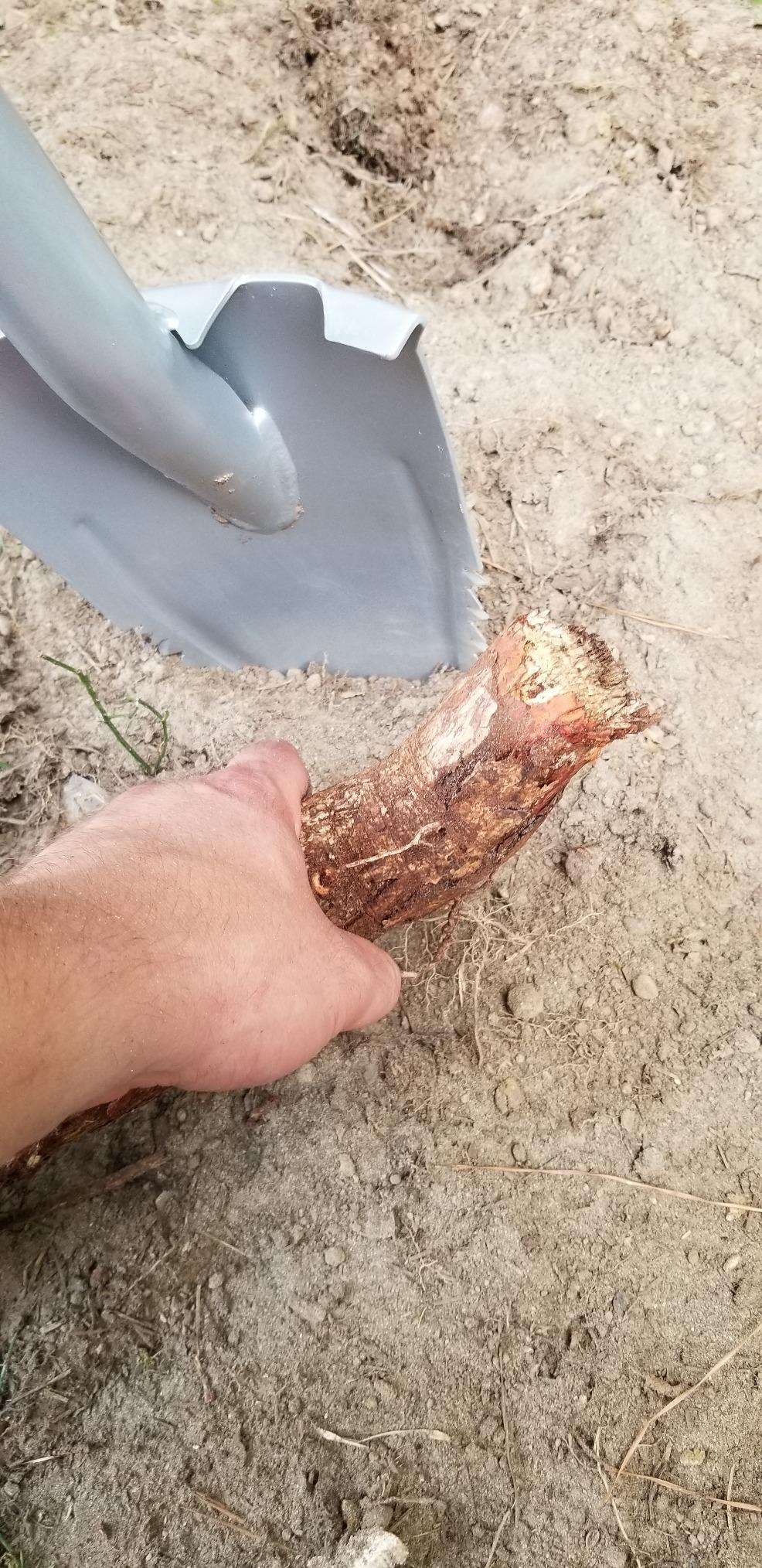
The powder-coated solid steel blade has held up to serious abuse. I have pried against buried rocks, hammered it through frozen ground, and used the teeth to notch through woody roots, and the coating is still mostly intact after a full season. The lifetime limited warranty gives additional confidence that ROOT ASSASSIN stands behind the build quality.
At 3.1 pounds, this is the heaviest shovel in our roundup and the weight is noticeable on long walks between detecting spots. Some users in our group found it fatiguing after several hours, especially when carrying it along with a detector and other gear. The blade is also aggressive enough that it can tear up turf if you are not careful with your technique.
Best Used For
Relic hunters working in dense woodland, overgrown fields, and root-heavy terrain are the ideal users for this shovel. If your detecting sites regularly involve fighting through underground root systems, the ROOT ASSASSIN will save you time and frustration. The foldable design also makes it viable for detectorists who hike to remote locations.
Who Should Skip It
Coinshooters working manicured lawns and parks should steer clear, as the aggressive teeth can damage turf if your technique is not precise. Beach hunters and those detecting in soft sandy soil will find the weight and serrations unnecessary. Availability can also be inconsistent, so check stock before committing.
6. GADFISH Stainless Steel Sand Scoop – Best for Beach Detecting
GADFISH Sand Scoop for Metal Detecting, Metal Detector Scoop, Stainless Steel Sand Sifter Shovel, Fast Sifter Shovel for Underwater Treasure Hunting (Stainless Steel)
201 stainless steel
8.5mm hexahedron holes
2-in-1 design
1.34 kg
Detachable handle
Pros
- Rust-free stainless steel
- 2-in-1 design works standalone or with pole
- Detachable ergonomic handle
- 8.5mm holes eliminate hand sifting
Cons
- Not foldable
- Requires fresh water rinse after saltwater use
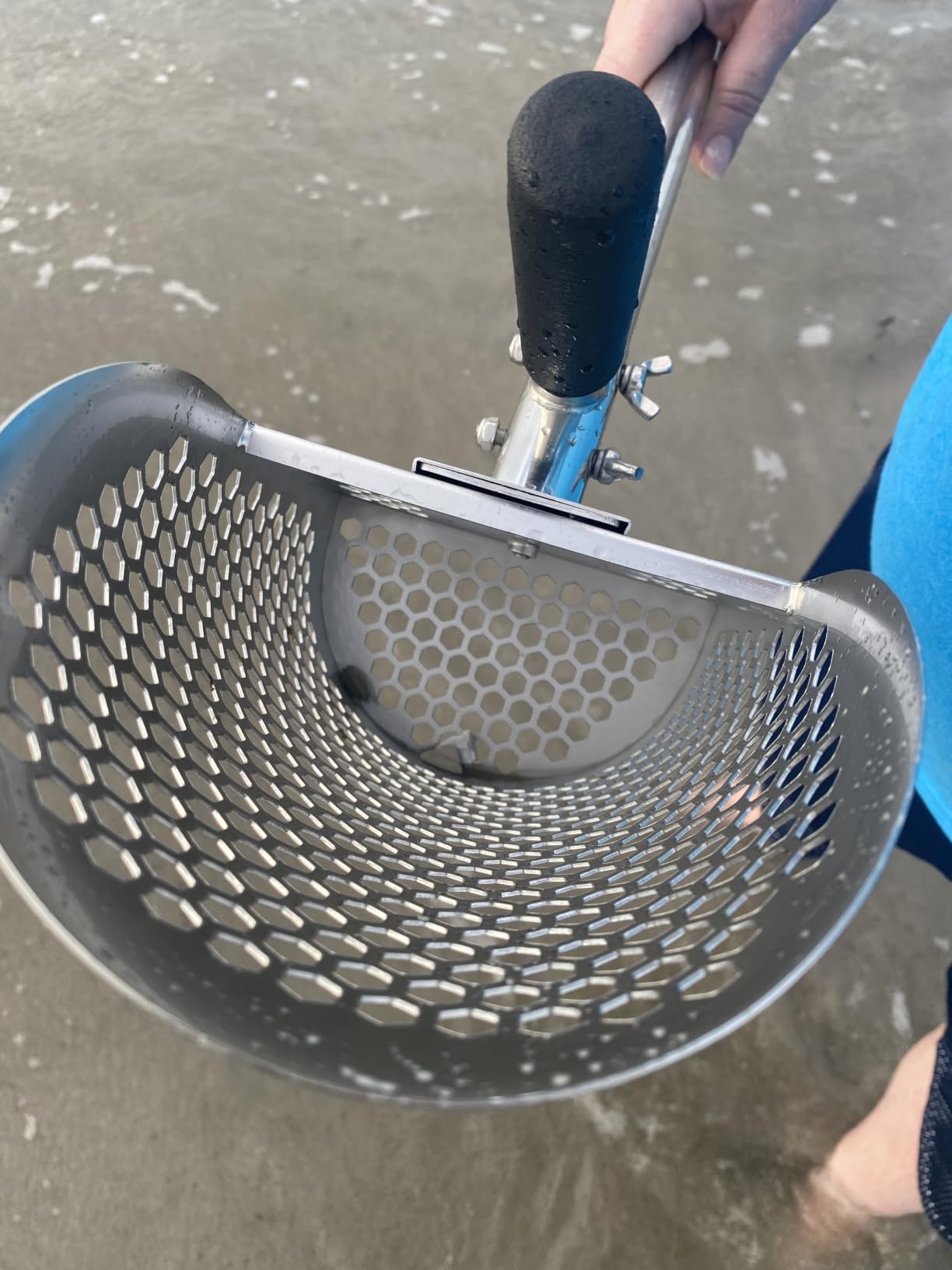
If beach detecting is your primary focus, a sand scoop will always outperform a traditional shovel, and the GADFISH is the best one I have used. The 201 stainless steel construction resists corrosion from saltwater, and the 8.5mm hexahedron holes are sized perfectly to let sand flow through while trapping coins, rings, and small relics. No more sifting through handfuls of wet sand on a windy shoreline.
The 2-in-1 design is clever and genuinely useful. You can use the scoop as a handheld tool for shallow targets in the dry sand, then attach it to a pole for wading into the surf after deeper signals. The detachable handle locks securely and has not loosened during use, even when I was fighting against a strong tidal current.
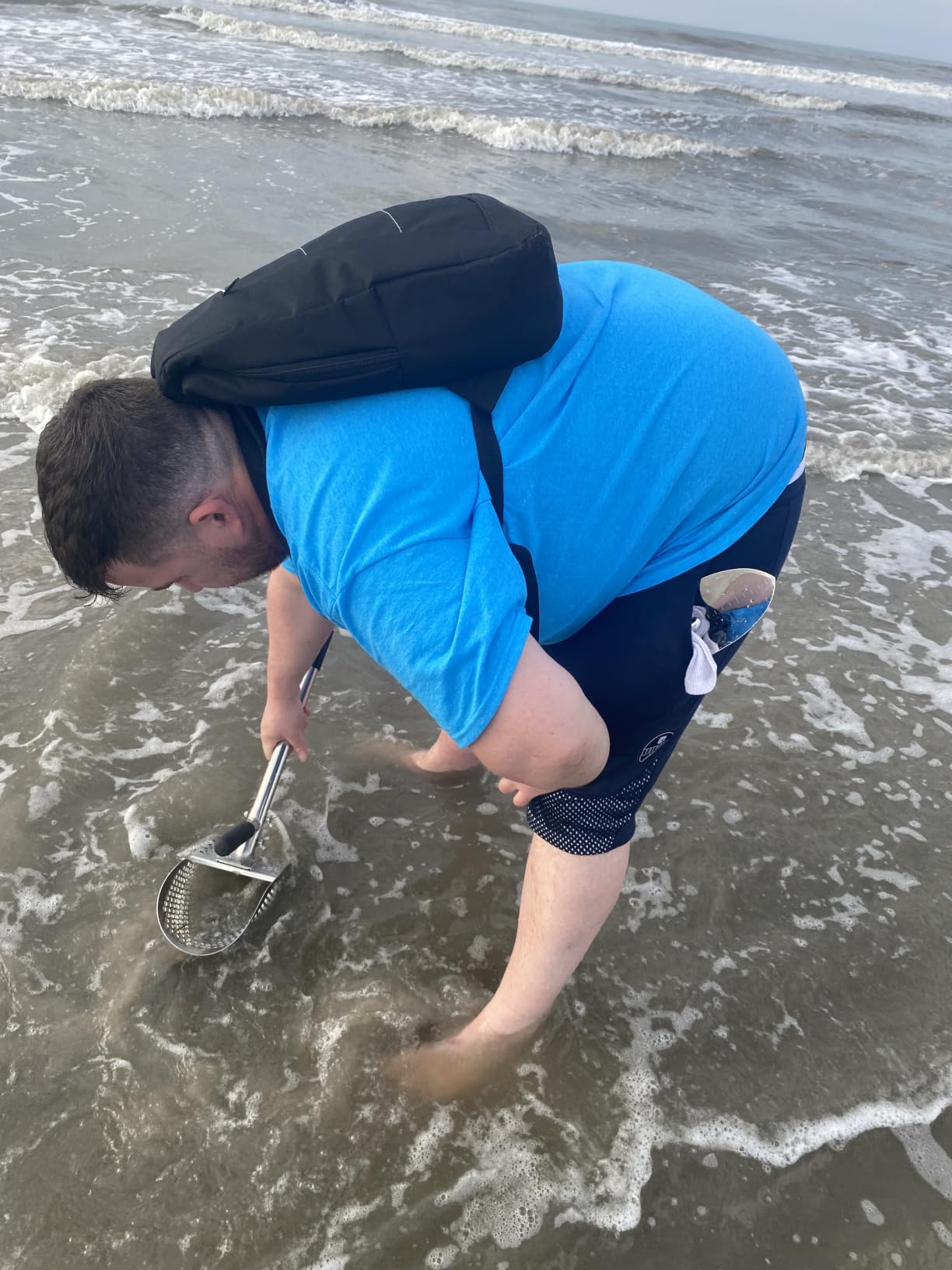
I tested the GADFISH over a week of beach detecting on the Gulf Coast, working both dry sand and shallow saltwater. The scoop moved through wet sand efficiently, and the angled front edge helped me push into the sand rather than skimming the surface. Target recovery was fast because the holes did the sifting for me.
The main maintenance requirement is rinsing the scoop with fresh water after every saltwater session. I learned this the hard way after forgetting one evening and finding light surface rust on the handle joint the next morning. A quick rinse and wipe prevents this entirely, but it is a habit you need to build if you hunt saltwater beaches.
Best Used For
Beach and water hunters are the obvious audience, but the GADFISH also works well for dry sand detecting at lakeshores and riverbanks. If you hunt in any environment where you are sifting loose material rather than cutting plugs, this scoop dramatically speeds up target recovery. The ability to attach a longer pole also makes it viable for shallow water wading.
Who Should Skip It
Inland detectorists who hunt in soil, clay, or root-filled ground have no use for a sand scoop. The GADFISH cannot cut a clean plug in turf and will frustrate anyone trying to use it as a traditional digging tool. If your detecting is 90 percent fields and forests, look at the bladed shovels elsewhere on this list.
7. Lil’ Digger 29 Inch Serrated Shovel – Best Coil-Safe Design
Lil’ Digger 29″ Heavy Duty Small Double Serrated Shovel
Alloy steel blade
29 inches long
4x8 inch blade
2.25 lbs
Fiberglass shaft
Coil-safe
Pros
- Lightweight yet sturdy
- Double serrated sides cut roots
- Head-only metal keeps metal away from detector coil
- Foot steps provide 2-to-1 mechanical advantage
Cons
- Small foot platform can cause foot slip
- Not Prime eligible
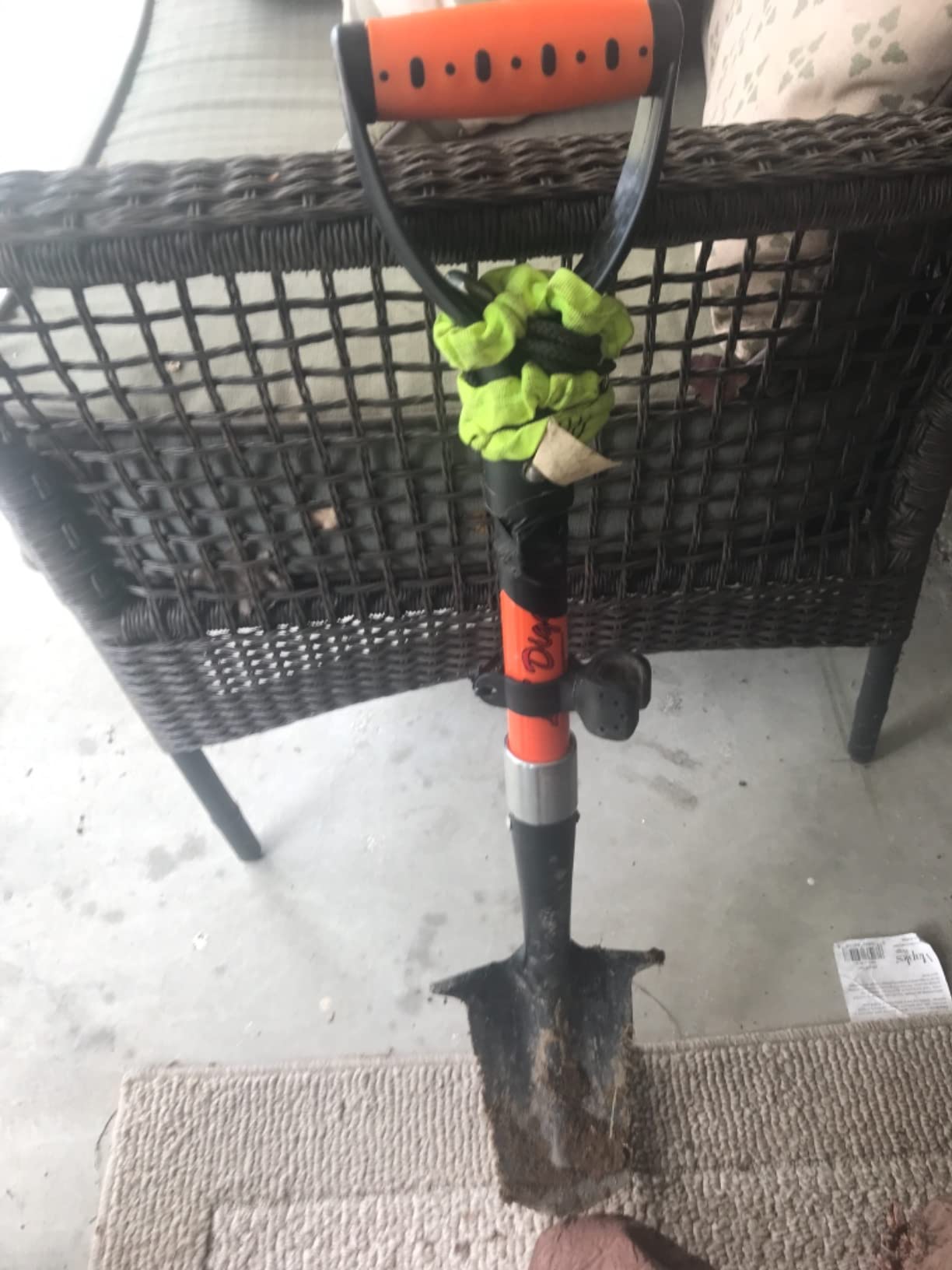
The Lil’ Digger solves a problem that plagues many detectorists: metal shovel handles causing interference with detector coils when carried close together. The fiberglass shaft means the only metal is in the blade head, so you can carry this shovel on your detecting harness without worrying about false signals affecting your hunt. This is the kind of thoughtful, hobby-specific design that separates detecting tools from generic garden shovels.
I used the Lil’ Digger extensively during a relic hunting trip in South Carolina, working hard-packed red clay laced with tree roots. The double serrated alloy steel blade cut through both with impressive efficiency, and the 4-by-8-inch blade head is a versatile size that handles everything from shallow coin pops to deeper relic recovery. The heavy steel boss at the neck joint inspires confidence about long-term durability.
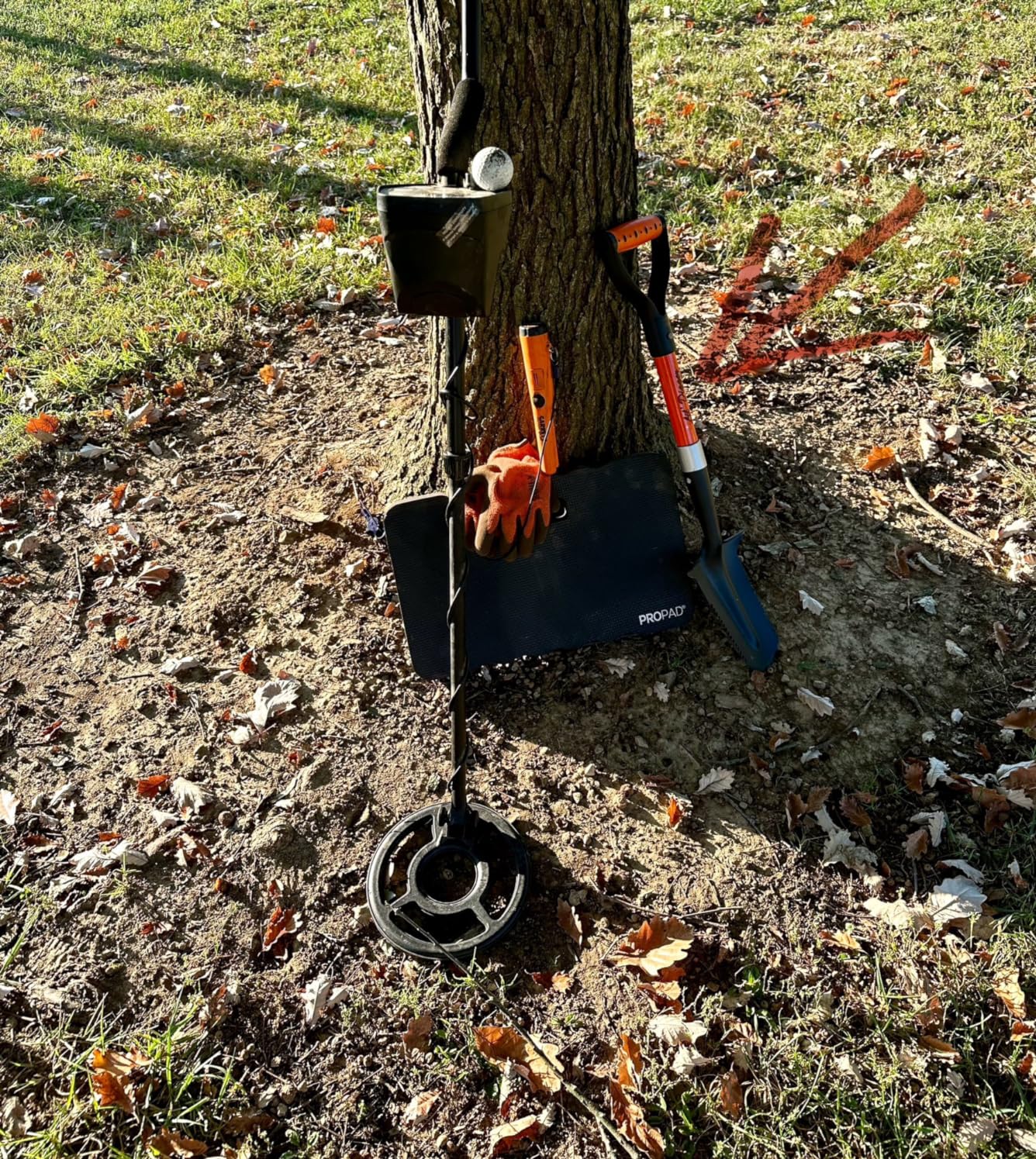
The foot steps on either side of the blade are a feature I came to appreciate quickly. They provide a 2-to-1 mechanical advantage when driving the shovel into hard ground, letting you use your body weight efficiently rather than relying on arm strength alone. At 29 inches overall, it is shorter than some standing shovels but still comfortable for moderate-height users.
The foot platform is on the narrow side, and I had my foot slip off a couple of times when wearing smooth-soled boots in muddy conditions. This is a minor annoyance but worth noting if you hunt in wet terrain regularly. The shovel is also not Prime eligible, so shipping times may be longer than Amazon shoppers are accustomed to.
Best Used For
Detectorists who carry their shovel close to their detector on a harness or in a pack will love the coil-safe fiberglass design. Relic hunters and field detectorists who work in mixed soil conditions will find the blade size and serration pattern versatile enough for most scenarios. The foot step design also makes it a good choice for hunters dealing with hard or compacted ground.
Who Should Skip It
Very tall detectorists may find the 29-inch length too short for comfortable standing digs, leading to back strain on long hunts. Beach hunters and sand sifters need a different tool entirely. The non-Prime shipping may also be a dealbreaker if you need a shovel quickly for an upcoming trip.
8. RHINO USA Folding Survival Shovel – Best Portable Multi-Tool
Rhino USA Folding Survival Shovel with Pick – Military Entrenching Tool
Carbon steel blade
22 inches extended
Folds to 9x6 inches
2 lbs
3-in-1 design
Powder-coated
Pros
- 3-in-1 design works as shovel pickaxe and hoe
- Compact folding fits carry case
- Lifetime replacement guarantee
- American family-owned business
Cons
- Not Prime eligible
- Shorter 22-inch length for taller users
- Made in China
The RHINO USA folding shovel is not purpose-built for metal detecting, but it earned a spot on this list because of its versatility and portability. I started carrying one in my detecting backpack as an emergency backup and found myself reaching for it more often than expected, especially when detecting in rocky terrain where a pick function comes in handy.
The 3-in-1 design lets you configure the tool as a shovel, a pickaxe, or a pick hoe depending on the ground conditions. I used the pickaxe mode to break through a layer of caliche on a detecting trip in Arizona, something no standard shovel could have managed. The folding mechanism is solid and locks securely in each configuration without wobble.
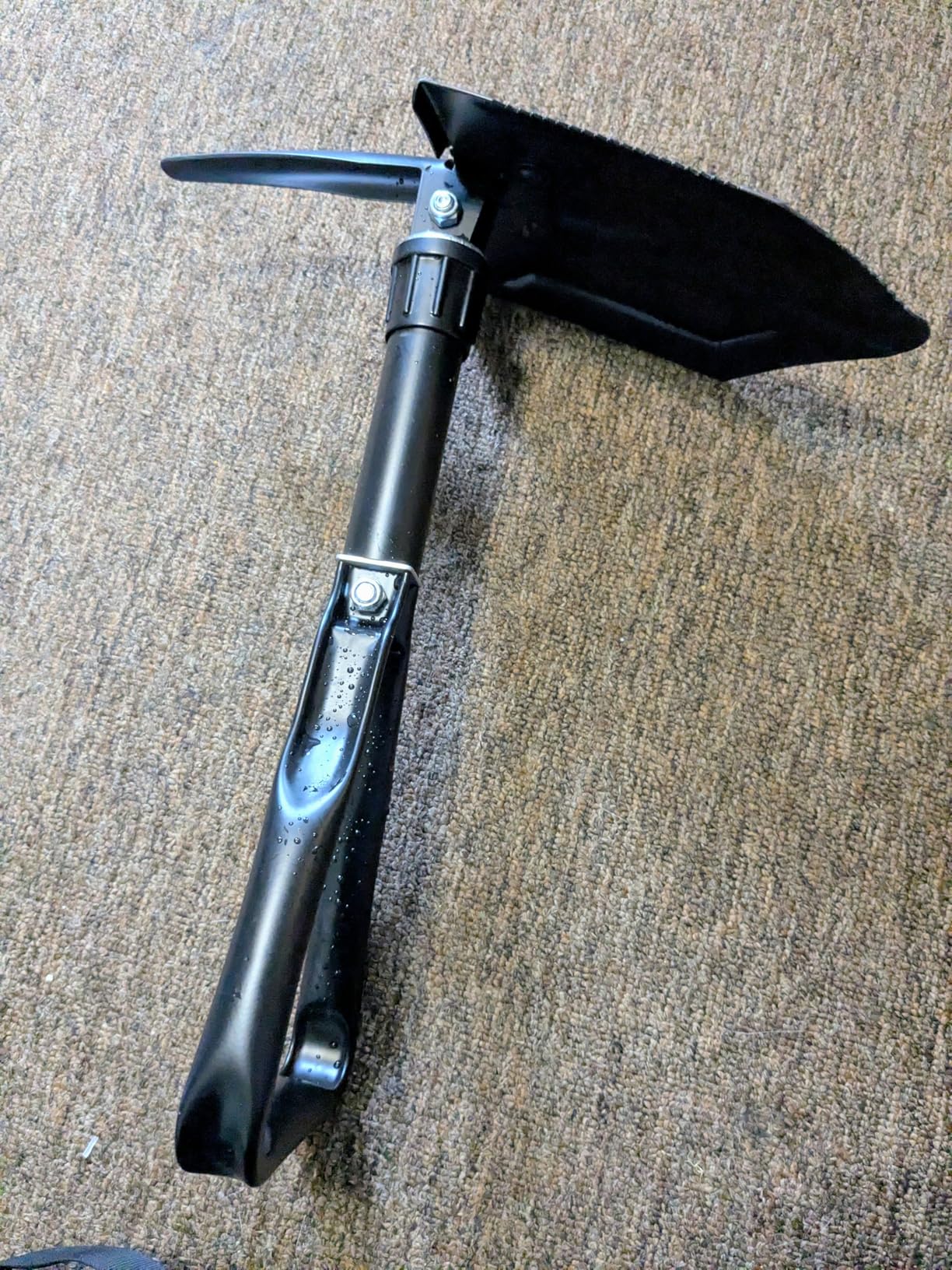
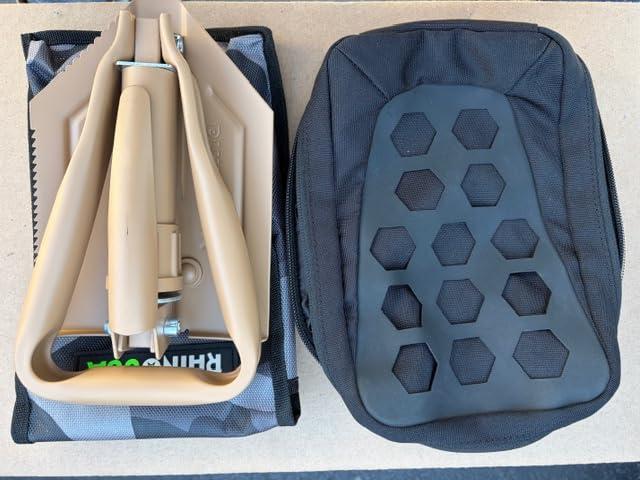
At a folded size of 9 by 6 inches, this shovel fits in a small carry case that stows easily in a backpack, vehicle console, or detecting bag. For detectorists who hike long distances to reach remote sites, the ability to carry a capable digging tool without dedicating a hand to it is a real advantage. The lifetime replacement guarantee from an American family-owned business adds confidence about long-term support.
The 22-inch extended length is the main limitation for serious detecting use. As a taller detectorist, I found myself bending more than I would with a full-length shovel, which became uncomfortable after an hour or two of frequent digging. The carbon steel blade is durable for the size but does not have the cutting power of a dedicated serrated detecting shovel when it comes to root-heavy ground.
Best Used For
Detectorists who prioritize portability will love the RHINO USA. It is perfect for backpack hunters, travel detecting, and anyone who needs a versatile tool that can handle multiple terrain types. The pick function makes it especially valuable for rocky or hard-pan ground where standard shovels struggle. It is also an excellent emergency tool to keep in your vehicle.
Who Should Skip It
If you are a dedicated relic hunter or coinshooter who digs dozens of plugs per session in standard soil, a purpose-built detecting shovel will outperform this multi-tool. The shorter length and smaller blade mean more effort per dig. Taller users will find the ergonomics uncomfortable for extended use.
How to Choose the Best Metal Detecting Shovels?
Choosing from the best metal detecting shovels comes down to understanding your hunting style, the terrain you frequent, and the features that matter most for your recovery workflow. Here is what our team learned from months of field testing.
Blade Material and Design
The blade is the heart of any digging tool, and material quality directly determines longevity. Manganese steel and carbon steel are the two dominant materials in quality detecting shovels, and both perform well when properly heat-treated. Manganese steel tends to be tougher and more resistant to bending, while carbon steel holds a sharper edge longer. Avoid cheap stainless steel garden tools, as they are typically too thin and flexible for serious detecting work.
Serration is the next critical blade feature. Double serrated edges cut roots from both sides as you push the shovel into the ground, which dramatically speeds up recovery time in root-heavy terrain. Single serration or smooth blades are fine for open fields and sandy soil but will struggle in woodland sites. Look for serrations that are cut into the blade rather than stamped, as stamped serrations tend to dull quickly.
Handle Type: T-Handle vs D-Handle vs Straight
The handle debate is one of the most common topics on metal detecting forums, and the right answer depends on your hunting style. T-handles provide the best leverage for pushing down and prying up, making them ideal for hard soil and deep targets. D-handles offer good control and are comfortable for moderate digging sessions but provide less prying leverage than T-handles.
Straight handles without a crossbar are the lightest option and work fine for shallow coin popping, but they transfer more shock to your wrists and forearms during aggressive digging. Fiberglass and carbon fiber shafts reduce weight without sacrificing strength, which matters if you hunt for several hours at a time. Steel shafts are the most durable but also the heaviest.
Terrain-Specific Considerations
Your primary hunting terrain should drive your shovel choice. Rocky ground demands a blade that can withstand prying against stones without bending, which means thicker steel and a robust neck joint. Beach hunting requires a sand scoop rather than a bladed shovel, with hole sizes between 8mm and 10mm being optimal for trapping small targets while letting sand escape.
Woodland and relic hunting terrain typically features dense root systems that demand aggressive serration and a blade long enough to reach deep targets. For coinshooting in manicured parks and lawns, a narrower blade with a pointed tip helps you cut clean, small plugs that are easy to replace, preserving the turf and keeping your hunting spots welcoming.
Maintenance and Care Tips
No competitor in our research covers shovel maintenance, which is surprising because proper care can double the life of your tool. After each detecting session, wipe the blade clean of soil and moisture with a dry cloth. For saltwater use, rinse the entire tool with fresh water and dry thoroughly before storage.
Apply a light coat of oil to the blade every few weeks to prevent rust, especially if your shovel has a carbon steel blade. Mineral oil or even WD-40 works well for this. Sharpen the smooth edge of your blade periodically with a file or sharpening stone, but avoid sharpening the serrated edges, as this can damage the tooth geometry. Store your shovel in a dry place and inspect the handle and neck joint regularly for signs of stress or loosening.
Beginner vs Expert Recommendations
Beginners should prioritize affordability and versatility over specialized features. A solid hand digger like the DR.ÖTEK or SUNPOW gives you all the cutting power you need without a steep learning curve. Avoid heavy, aggressive tools like the ROOT ASSASSIN until you have developed proper digging technique, as they can damage turf and make messy plugs in untrained hands.
Experienced detectorists who hunt frequently should invest in purpose-built tools matched to their primary terrain. The CKG carbon fiber shovel is worth every penny for serious relic hunters, while the Lil’ Digger’s coil-safe design solves a real problem for harness carriers. Think about your typical hunt duration, the number of targets you dig per session, and the terrain you encounter most often.
FAQs
What is the best shovel for metal detecting?
The best overall shovel for metal detecting is the DR.OTEK Heavy Duty Double Serrated shovel, which combines a heat-treated manganese steel blade with double serrated edges and a comfortable rubber handle. For premium quality, the Garrett Edge Digger is the top choice among experienced detectorists.
What shovel do metal detectorists recommend?
Experienced detectorists most frequently recommend purpose-built tools like the Garrett Edge Digger for hand digging, the CKG carbon fiber shovel for standing digs, and dedicated sand scoops like the GADFISH for beach hunting. Community forums consistently favor tools with serrated blades and ergonomic handles over generic garden shovels.
How do I choose a metal detecting shovel for rocky ground?
For rocky ground, choose a shovel with a thick alloy or carbon steel blade that can withstand prying against stones without bending. Look for a robust neck joint, a T-handle for maximum leverage, and consider tools with a pick function like the RHINO USA folding shovel for breaking through hard caliche or compacted gravel.
What is the best durable shovel for metal detecting?
The most durable metal detecting shovels are those with heat-treated manganese or carbon steel blades, solid neck construction, and reinforced handles. The CKG carbon fiber shovel supports over 170 pounds of force, and the ROOT ASSASSIN features a powder-coated solid steel blade with a lifetime limited warranty.
T-handle or D-handle shovel for metal detecting?
T-handle shovels provide better leverage for pushing into hard soil and prying up deep targets, making them ideal for relic hunting and rocky terrain. D-handles offer good control and comfort for moderate digging but less prying power. Choose a T-handle for tough ground and a D-handle or straight handle for lighter coinshooting in softer soil.
Wrapping Up
Finding the best metal detecting shovels in 2026 means matching the tool to your terrain, hunting style, and experience level. The DR.ÖTEK earns our Editor’s Choice for its unbeatable combination of manganese steel durability, double serration, and comfortable handling at a fair price. The Garrett Edge Digger remains the gold standard for premium hand diggers, while the SUNPOW proves you can get a capable detecting tool without breaking the bank.
For specialized needs, the CKG carbon fiber shovel leads the premium standing shovel category, the GADFISH sand scoop dominates beach hunting, and the Lil’ Digger’s coil-safe fiberglass design solves a real problem for harness carriers. Whatever your detecting passion, the right shovel will make every hunt more productive and more enjoyable. Get out there and start digging.