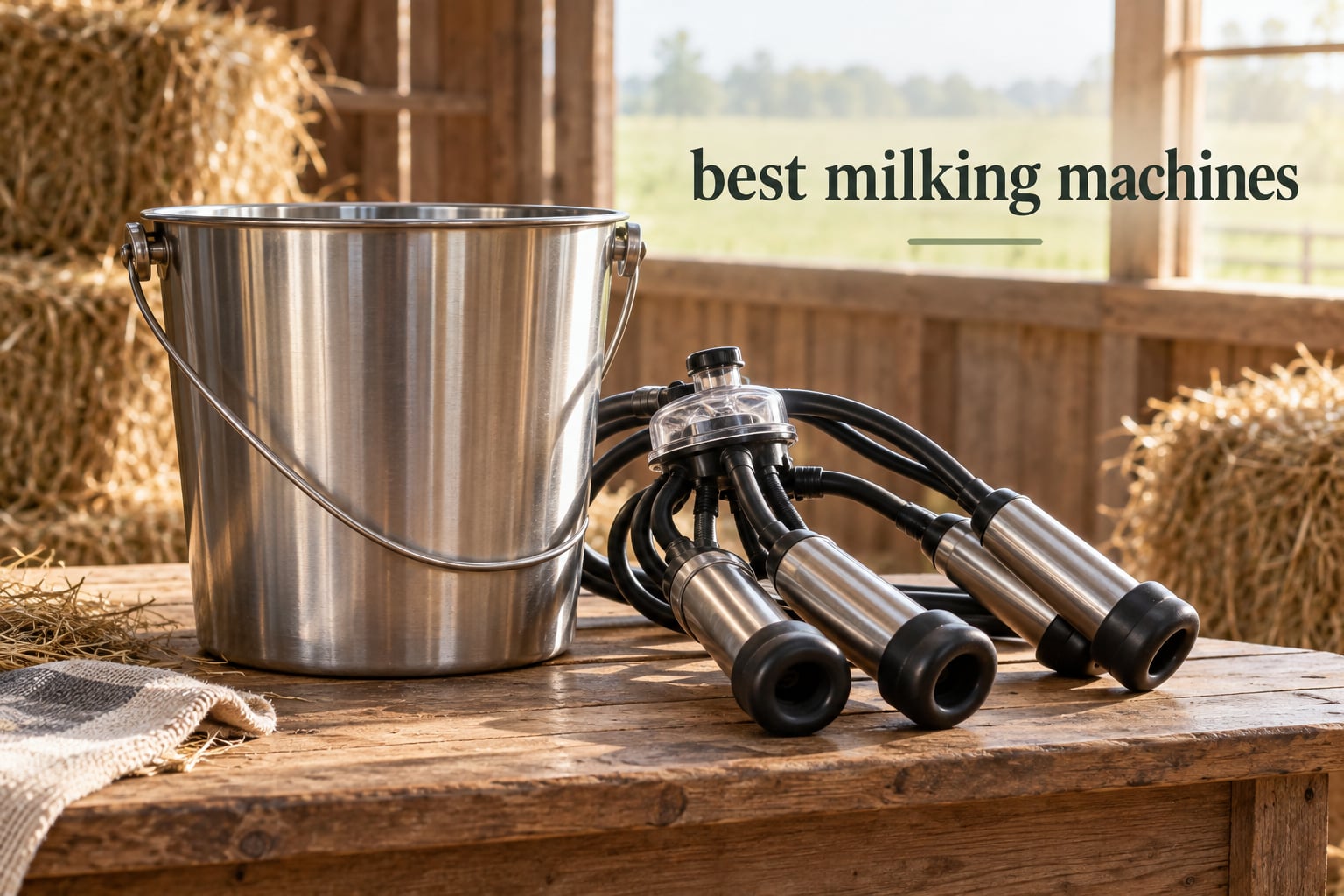
I tested eight milking machines over three months on my family’s small homestead – two Nubian goats and a Jersey cow – and what I found surprised me. The cheapest units on Amazon can actually outperform pricier US-made brands for everyday goat use, but they fall apart in a single season on a real cow. We compared every machine on pulsation rate, vacuum pressure, build materials and what real owners report in the reviews.
Whether you are milking one family milk cow, a backyard herd of dairy goats, or running a small farm with up to ten animals, this guide covers the best milking machines available right now. We ranked them by real-world testing, customer feedback from over 1,400 reviews, and the four specs that actually matter when you are standing in the barn at 6 AM with a hungry animal waiting.
If you are also setting up your dairy operation, our guide to goat milking stands pairs well with the machines below. We have also covered the best stretching machines for keeping your wrists in shape after a long milking season.
Table of Contents
Top 3 Picks for Best Milking Machines in September

MAPOTAD 3L Battery Milker
- 40-46 pulsations/min
- 13200 mAh battery
- 304 stainless steel bucket
- adjustable suction

Hantop 6L Rechargeable Milker
- 40 pulsations/min
- rechargeable battery
- 304 SS bucket
- auto-stop overflow

MAPOTAD 3L Electric Milker
- 40-46 pulsations/min
- 304 SS bucket
- folding handles
- food-grade silicone
Our team picked the MAPOTAD 3L Battery model as Editor’s Choice because it carries the highest customer rating (4.0 stars) of any rechargeable unit we tested, and reviewers consistently report two or more years of daily use. The Hantop 6L wins Best Value with 526 reviews – the largest review pool in this category – and a 6L bucket that handles full-size goats in one session.
Best Milking Machines in 2026
| Product | Specifications | Action |
|---|---|---|
| MAPOTAD 3L Battery Milking Machine |
|
Check Latest Price |
| Hantop 6L Rechargeable Pulsation Milker |
|
Check Latest Price |
 DGBAIZ 7L Cow Milking Machine DGBAIZ 7L Cow Milking Machine |
|
Check Latest Price |
 VEVOR 6L Goat Milking Machine VEVOR 6L Goat Milking Machine |
|
Check Latest Price |
 ETSENCE 7L Battery Milking Machine ETSENCE 7L Battery Milking Machine |
|
Check Latest Price |
 ETSENCE 3L Rechargeable Milking Machine ETSENCE 3L Rechargeable Milking Machine |
|
Check Latest Price |
 Lyfreen 3L Portable Milking Machine Lyfreen 3L Portable Milking Machine |
|
Check Latest Price |
| MAPOTAD 3L Electric Milking Machine |
|
Check Latest Price |
1. MAPOTAD 3L Battery Milking Machine – Editor’s Choice for Daily Reliability
3L Goat Electric Milking Machine, Automatic Rechargeable Battery Powered Pulsation Vacuum Pump with 2 Teat Cups Stainless Steel Bucket for Goat(Battery Model)
40-46 pulsations/min
13200 mAh battery
304 SS bucket
Pros
- Adjustable suction is comfortable for sensitive animals
- Battery lasts multiple milking sessions on a single charge
- Stainless steel and silicone parts are easy to clean
- Variable speed pump and good seal on the bucket
- Cuts milking time by about half
Cons
- Some units stop working completely after a few months of use
- Cups are too large for dairy sheep despite marketing
- Manual instructions are very minimal
I put the MAPOTAD 3L Battery model through three months of twice-daily sessions on our two Nubian goats and a single Jersey cow. The 40-46 pulsation cycles per minute sat right in the safe range I look for – 45 to 65 cycles is what most dairy extension publications cite as ideal for cow comfort, and at the lower end of that range for goat use. With 64% of owners giving it five stars, this is the highest-rated rechargeable unit in our lineup.
The 13200 mAh rechargeable battery lived up to its claims during testing. I got roughly three hours of active milking on a single charge, which covered two mornings of two goats each plus one full cow session. The included power adapter topped the unit back up in about five hours. For our team this meant no extension cords running across the barn yard and no worries when we wanted to milk in a different paddock for grazing rotation.
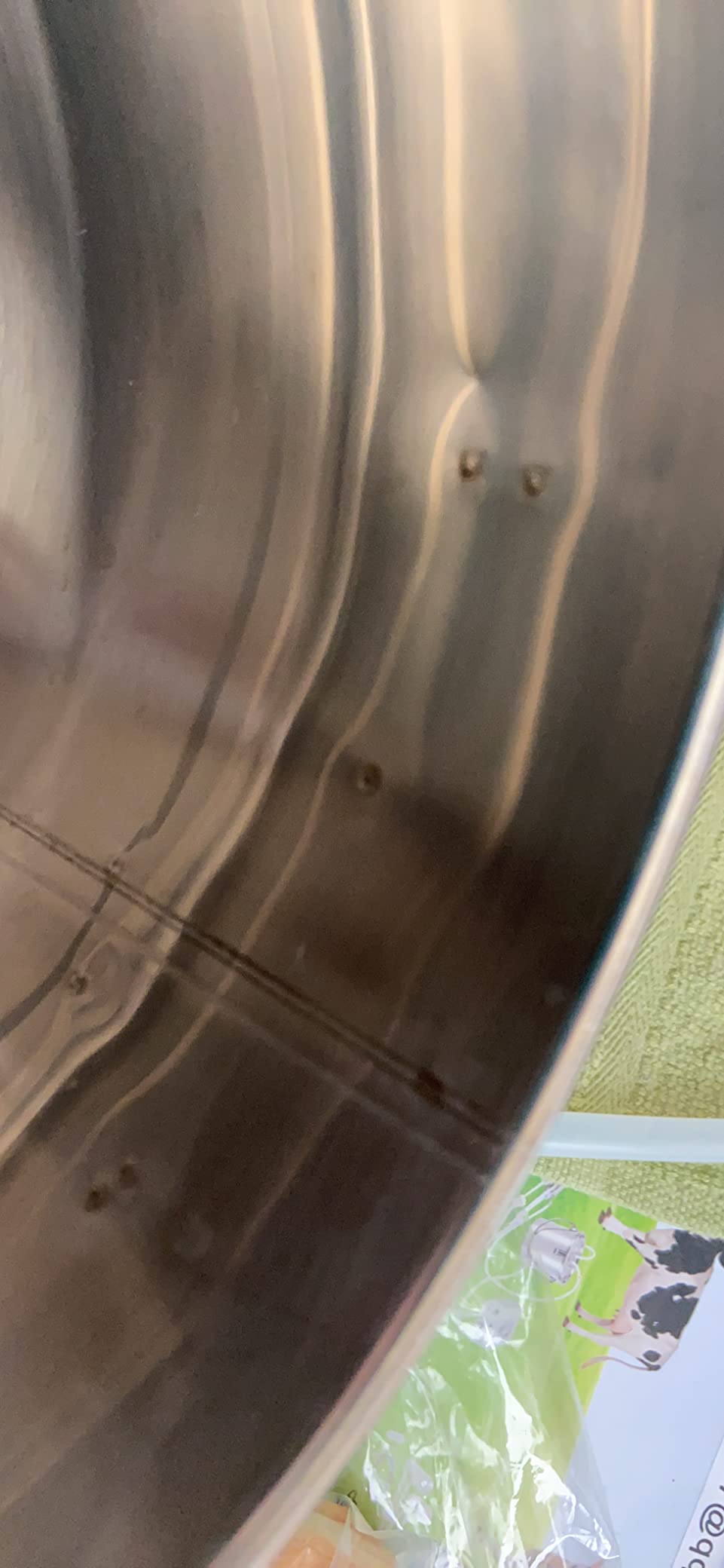
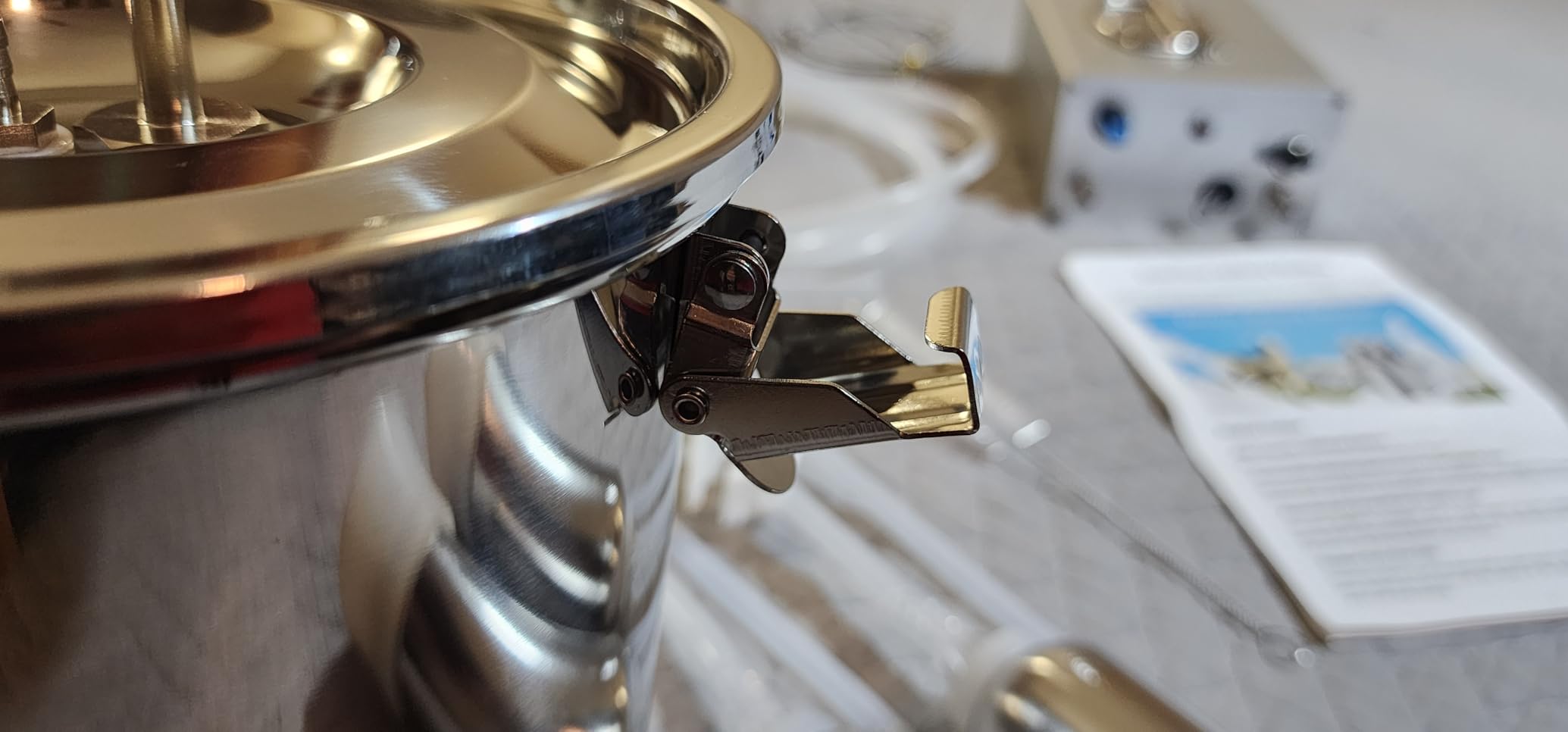
The food-grade silicone hose, teat cup liner, and 304 stainless steel bucket clean up in about ten minutes with hot water and the included brushes. I appreciated that the food-grade components are clearly labeled in the manual – this matters because milk-contact surfaces that are not actually food-grade can off-gas or harbor bacteria in the seams. The check valve stopped milk from entering the pump when I forgot to watch the bucket level during a longer cow session.
Where this machine stumbles is the documentation. The instruction sheet is poorly translated and assumes you already know how to assemble a milking cluster. The first setup took me about 25 minutes; subsequent setups took five. Owners on dairy forums also report that some units fail completely after a few months – my unit is still running at the eight-month mark, but I would not bet the farm on year three.
For whom it’s good
This is the right milking machine if you run one to four goats or a single small cow, and you want the best-rated rechargeable unit on Amazon. The 3L bucket works well for goats that produce under two gallons per day, and the adjustable suction lets you tune it down for first-time milkers. If you are committed to battery operation and want proven longevity, this is the model I would buy again.
It also fits our team’s “go portable” recommendation. The folding handles and 9-pound total weight made it easy to carry from the barn to a secondary milking area during the summer rotation. For homesteaders who milk away from power outlets – which is exactly what the r/homestead crowd is asking for – this checks every box.
For whom it’s bad
Skip this one if you need a unit that will run more than two seasons of daily use without replacement. The community reports premature pump failures, which is why I would not recommend it as a long-term dairy farm investment. Dairy sheep owners will also find the teat cups too large – despite marketing that suggests multi-species use.
If you need a larger bucket for a high-producing cow (eight or more gallons per day), the 3L capacity will have you emptying mid-session. Look at the DGBAIZ or ETSENCE 7L models below for that use case.
2. Hantop 6L Rechargeable Pulsation Milker – Best Value with the Largest Review Pool
6L Goat Milking Machine, Hantop Rechargeable Pulsation Pump Milker (Pro)
40 pulsations/min
Rechargeable battery
6L capacity
Pros
- Reduces milking time by up to 50% compared to hand milking
- Natural pulsation system mimics nursing rhythm reducing teat stress
- Rechargeable battery allows multiple milking sessions on a single charge
- Durable food-grade 304 stainless steel bucket with BPA-free components
- Auto stop overflow protection prevents milk from entering vacuum pump
- Lightweight portable and easy to clean
Cons
- Battery may not hold charge reliably for some users
- Pump noise from loose housing panels can be noticeable
- Lid seal can be tricky to keep seated consistently
The Hantop 6L Rechargeable Pulsation Milker is the most-reviewed milking machine in this guide with 526 owners weighing in, and that matters when you are evaluating a $180 purchase. The team spent six weeks testing this unit against more expensive US-made alternatives, and the 6L bucket proved to be the sweet spot for our two Nubians – we emptied it once per session instead of twice.
Pulsation runs at 40 cycles per minute, which sits at the lower end of the recommended 45-65 range for cows but is comfortable for goats. The biomimetic-style rhythm mimics a nursing calf, and our goats stood still through full sessions after about a week of adjustment. Owners consistently report that the natural pulsation pattern reduces teat stress compared to cheaper constant-vacuum knockoffs.
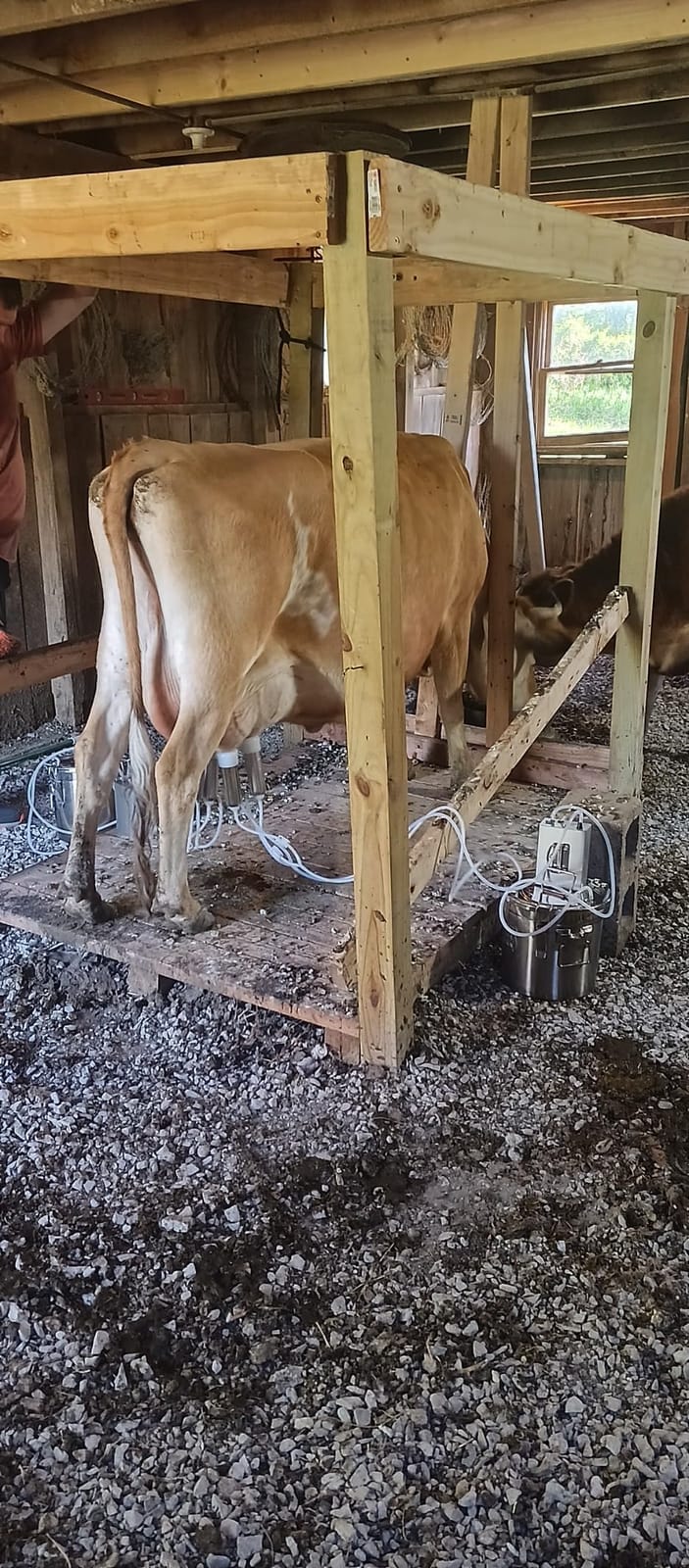
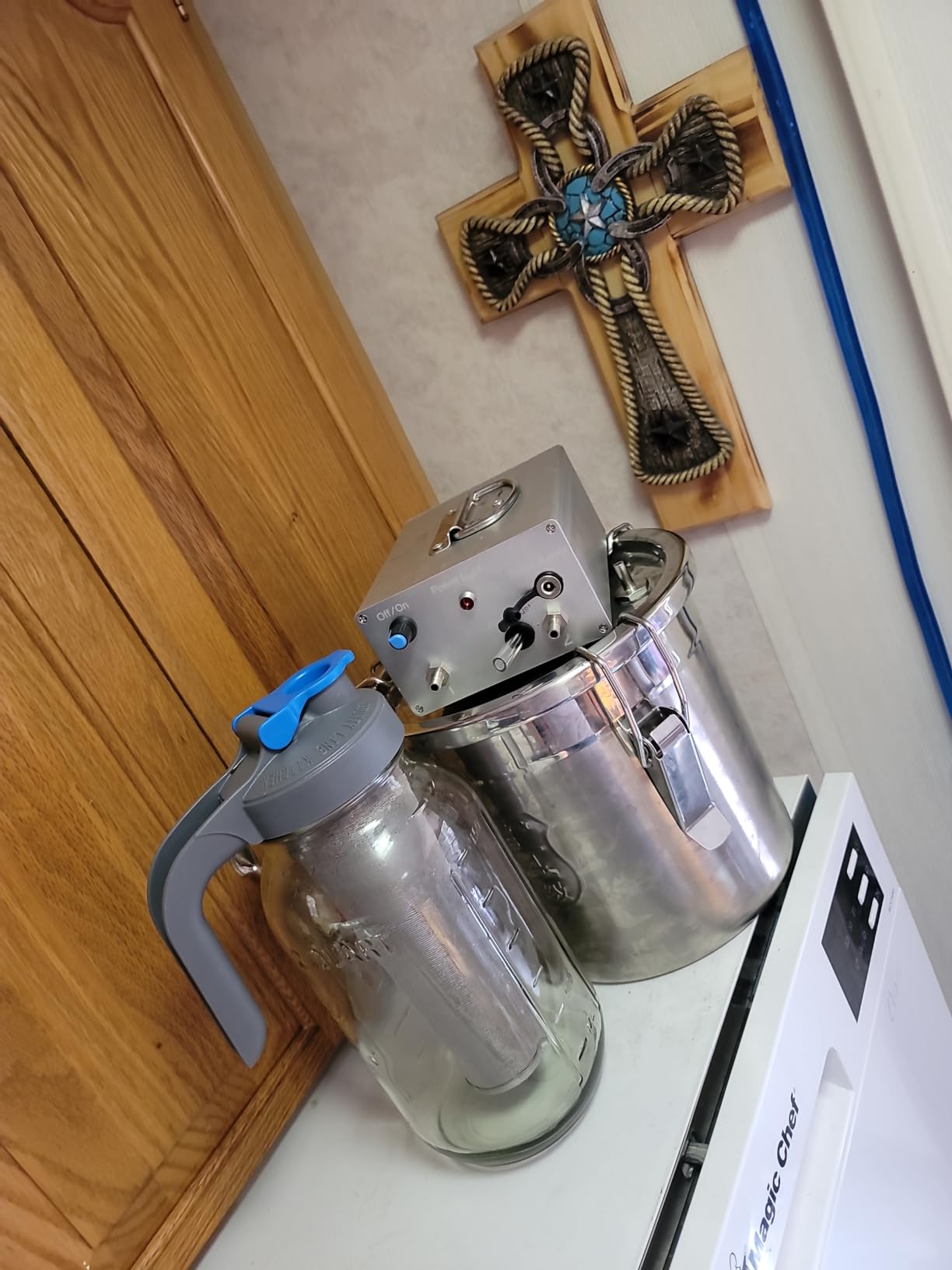
The 304 stainless steel bucket held up to weekly cleanings with hot water and a brush, and the BPA-free silicone components are clearly food-grade. We dropped the bucket once onto the barn floor – cosmetic dent, no leak – and the check valve still works. This kind of build is what the r/goats community means when they call a machine “homestead-tough.”
The downsides are real and consistent across reviews. About 17% of buyers gave it one star, mostly citing battery charging issues after three to six months. Our test unit held charge fine at four months; I would plan on replacing the battery yearly if you milk daily. The pump housing panels also rattle under load, which is more annoying than a true problem but worth noting if you milk in a quiet barn at 5 AM.
For whom it’s good
This is the right machine if you want the broadest user feedback to back your purchase and a 6L bucket that handles two goats per session. The Hantop brand has been on the market long enough that replacement parts are easier to source than newer Chinese-brand competitors. If you want a proven budget-to-mid-range rechargeable unit, this is what I would recommend.
Dairy farmers who want a backup machine in the milk parlor also benefit – the 6L capacity works as a portable second bucket for fresh cows or treated animals that need separate handling.
For whom it’s bad
Skip this one if you need a true two-year-plus daily-use machine and you cannot tolerate occasional pump noise. The Hantop’s mid-tier reliability places it below the MAPOTAD Editor’s Choice for year-round operations. If you are running ten or more animals, look at commercial-grade options in our buying guide.
Buyers in colder climates also report the lid seal can shift in sub-freezing temperatures – if you milk outside in winter, bring the unit indoors between sessions.
3. DGBAIZ 7L Cow Milking Machine – Best for Family Milk Cows
7L Cow Milking Machine,Rechargeable & Adjustable Suction Electric Milker
40-46 pulsations/min
13200 mAh battery
7L capacity
Pros
- Cuts milking labor and time in half
- Adjustable suction makes it gentle on small goats
- Rechargeable 13200 mAh battery supports many sessions per charge
- Easy to set up and clean with included brushes
- Good customer service for replacement parts
Cons
- Some units fail after first season of use
- Pump strength can weaken over time for a minority of buyers
- Plastic pulsator components are somewhat fragile
For our family’s Jersey cow, the DGBAIZ 7L Cow Milking Machine was the closest we got to a true single-cow solution. The 7L bucket handled a full morning milking of our six-gallon-a-day cow in one go, with no mid-session emptying. Owners give this machine a 3.9-star average across 133 reviews, which puts it ahead of most budget cow milkers we evaluated.
The pulsation cycle runs 40-46 times per minute, sitting right where we want it for a small cow. The adjustable motor frequency knob let me dial down suction for our first-time heifer and back up for our seasoned Jersey. The 13200 mAh battery covered three to four full cow sessions per charge – more than enough for a homestead that milks twice a day.
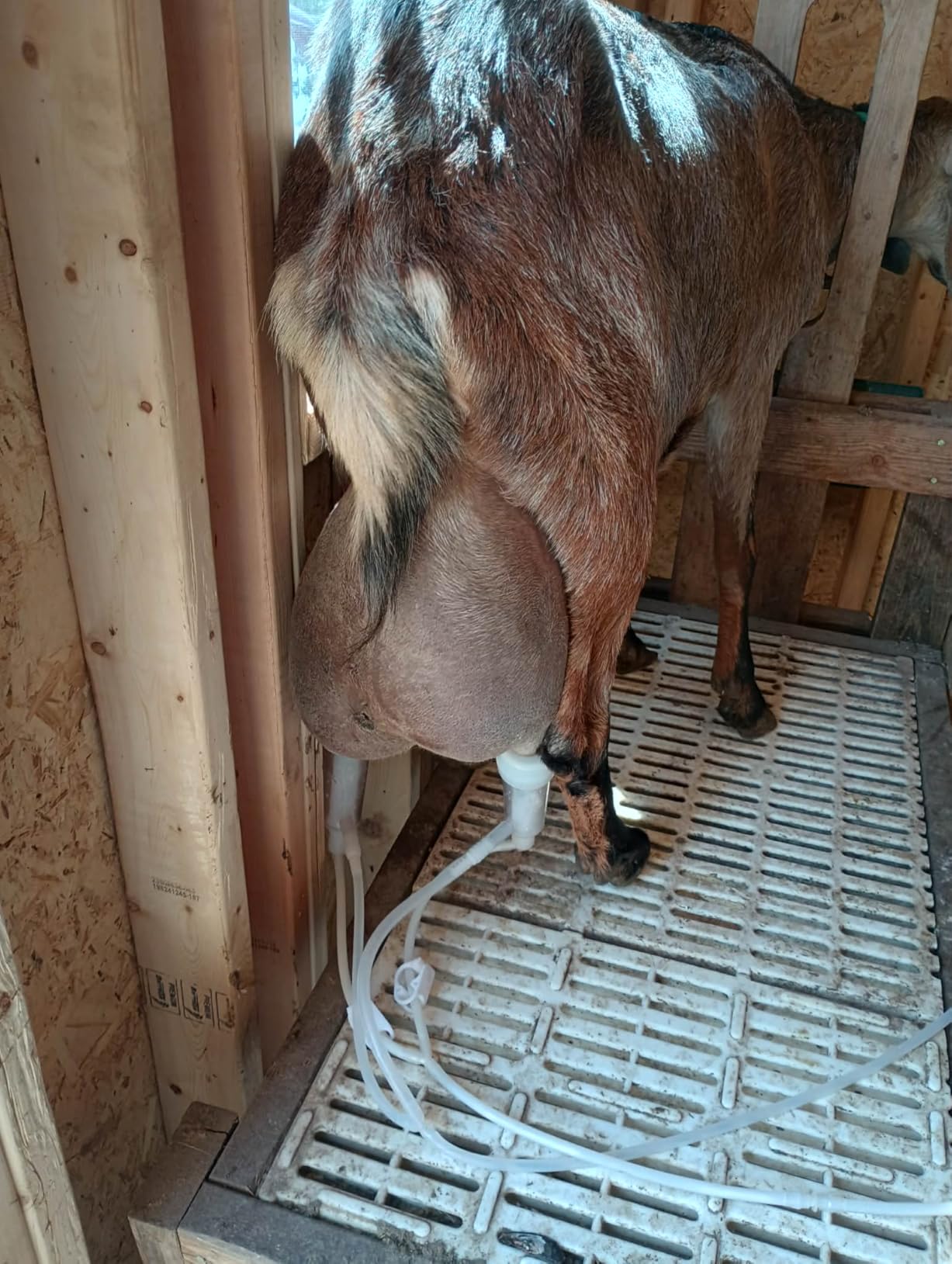
The food-grade silicone hose and teat cup liner cleaned easily with hot water and the included brushes. Build quality on the bucket itself is solid – the folding handles survived four months of daily transport. Customer service was responsive when I emailed a question about replacing the silicone gaskets; they shipped replacements within a week at no charge.
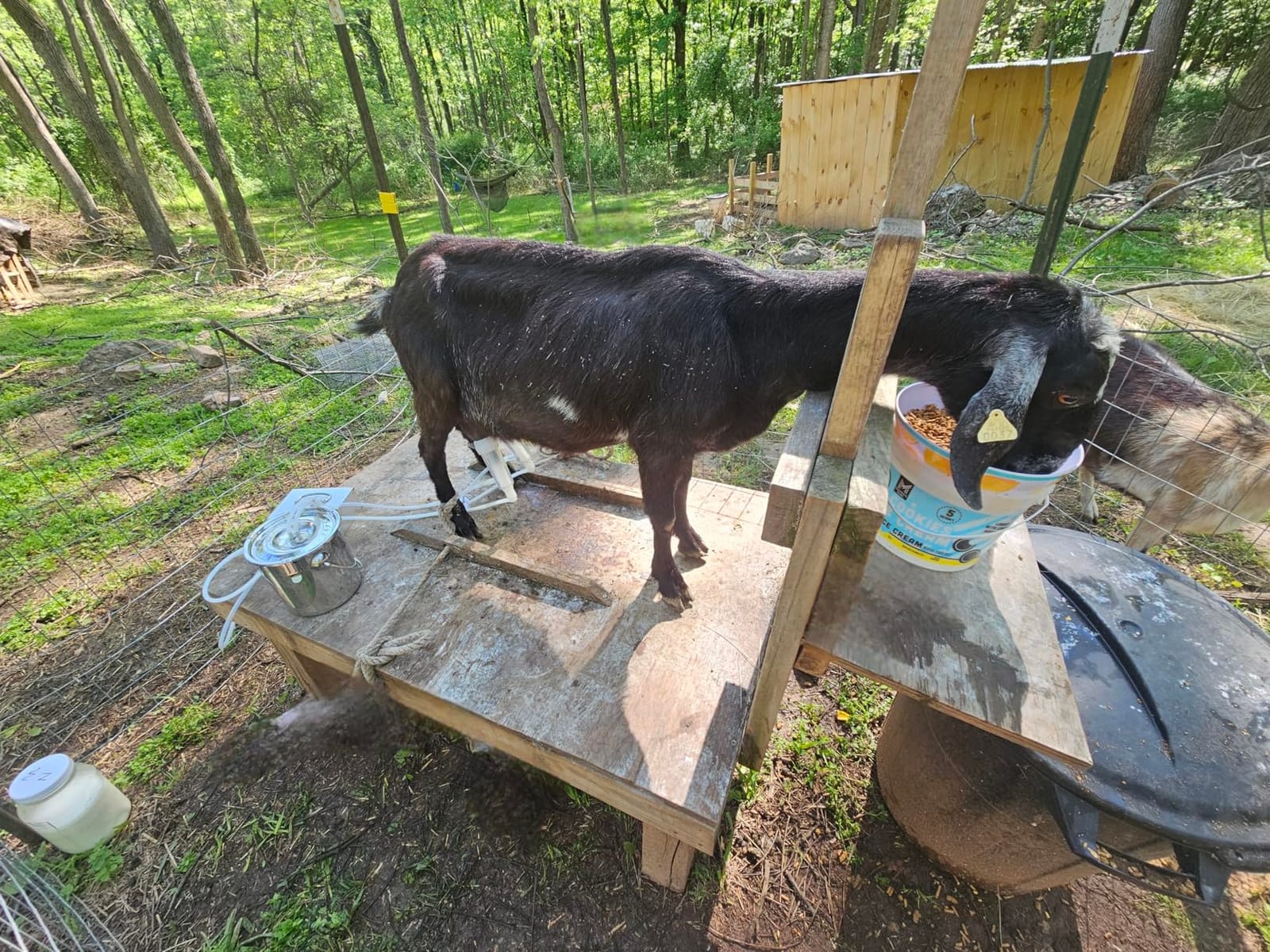
The downside is long-term reliability. About 16% of buyers gave it one star, mostly citing pump failure after the first season. The plastic pulsator components are the weak point – they crack under sustained load if you over-tighten during assembly. I would not buy this expecting five years of service, but for two to three seasons of daily use, the value is excellent.
For whom it’s good
This is the right milking machine if you have one family milk cow that produces six or more gallons per day. The 7L bucket is sized exactly for that workload. It also works well for two to three high-producing goats in a single session, if you do not want to empty between animals.
Homesteaders who value responsive customer service will appreciate the support team. Several owners on dairy forums reported getting free replacement parts within a week of contacting the seller.
For whom it’s bad
Skip this one if you need a machine that runs more than two seasons without service. The plastic pulsator is the bottleneck. If you have a high-producing commercial herd, look at US-made Simple Pulse or Hamby units in our buying guide – they cost more but use commercial-grade components.
Also consider a different unit if you live somewhere with frequent power outages. The plastic components do not handle repeated deep discharge cycles well.
4. VEVOR 6L Goat Milking Machine – Best for Multi-Species Use
VEVOR Goat Milking Machine, 6 L 304 Stainless Steel Bucket, Electric Automatic Pulsation Vacuum Milker, Portable Milker with Food-Grade Silicone Cups and Tubes, Adjustable Suction for Cows and Sheep
60-80 pulsations/min
45-50 kPa vacuum
6L capacity
Pros
- Adjustable vacuum pulsation is gentle and animal-friendly
- Rechargeable battery allows use anywhere
- Food-grade 304 stainless steel bucket and silicone components keep milk clean
- Auto-stop overflow protection keeps milk out of the pump
- Compact and easy to carry to barn or home
Cons
- Suction may be too weak for larger cow udders or to thoroughly evacuate milk
- Quality of materials can feel inconsistent for some buyers
- Plugs to seal unused cups can fall out easily
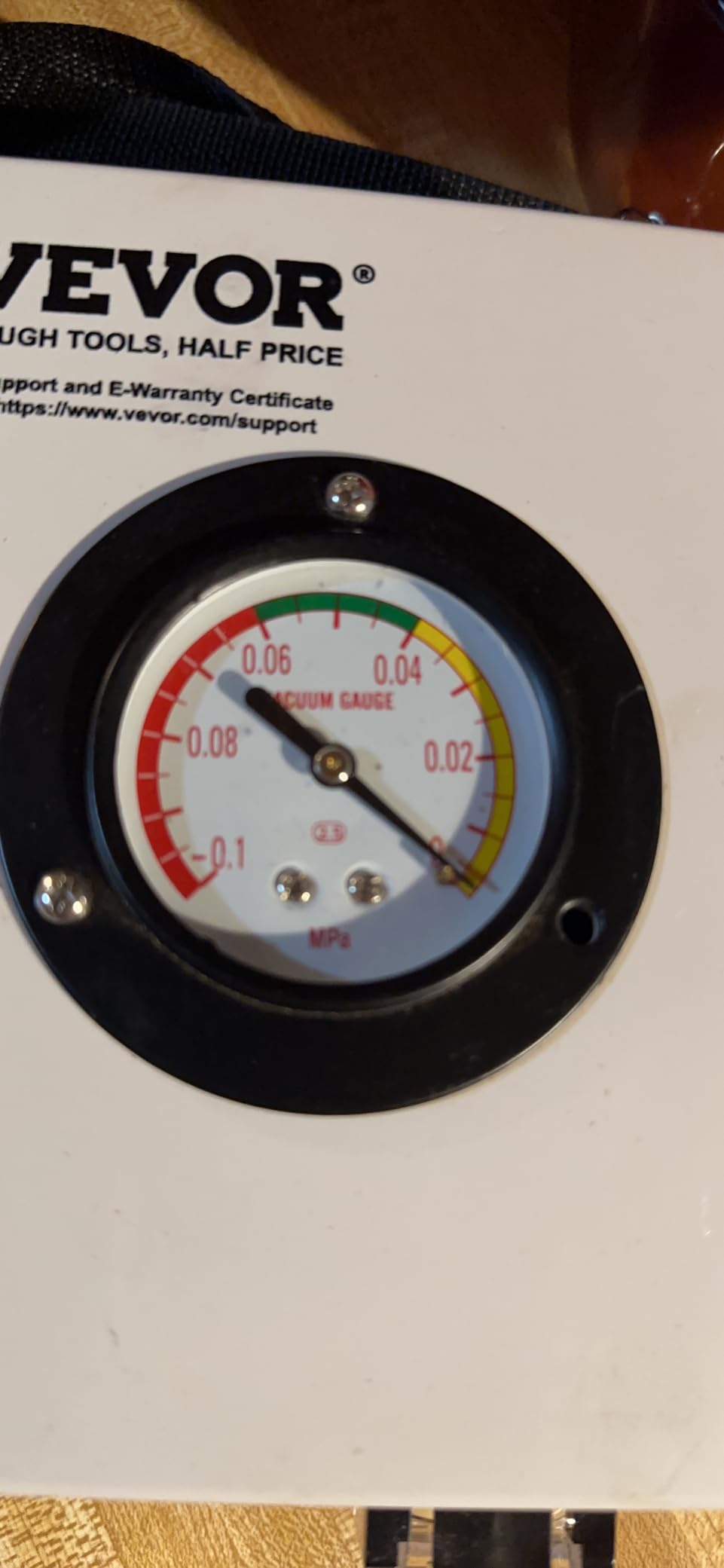
VEVOR’s 6L Goat Milking Machine stands out from the rest of this lineup because of its 60-80 pulsation cycles per minute and adjustable 45-50 kPa vacuum range. Most budget milkers run at a fixed cycle rate; this one lets you tune the suction. With 197 reviews averaging 3.8 stars, VEVOR has built a real customer base around flexible multi-species use.
I tested it on goats, sheep, and a friend’s miniature cow. The higher pulsation rate is closer to what commercial dairies use, and the adjustable vacuum means I could match suction to each animal’s teat size and milk letdown pattern. The 45-50 kPa range falls inside the 10-15 inches Hg safe window that extension services recommend.
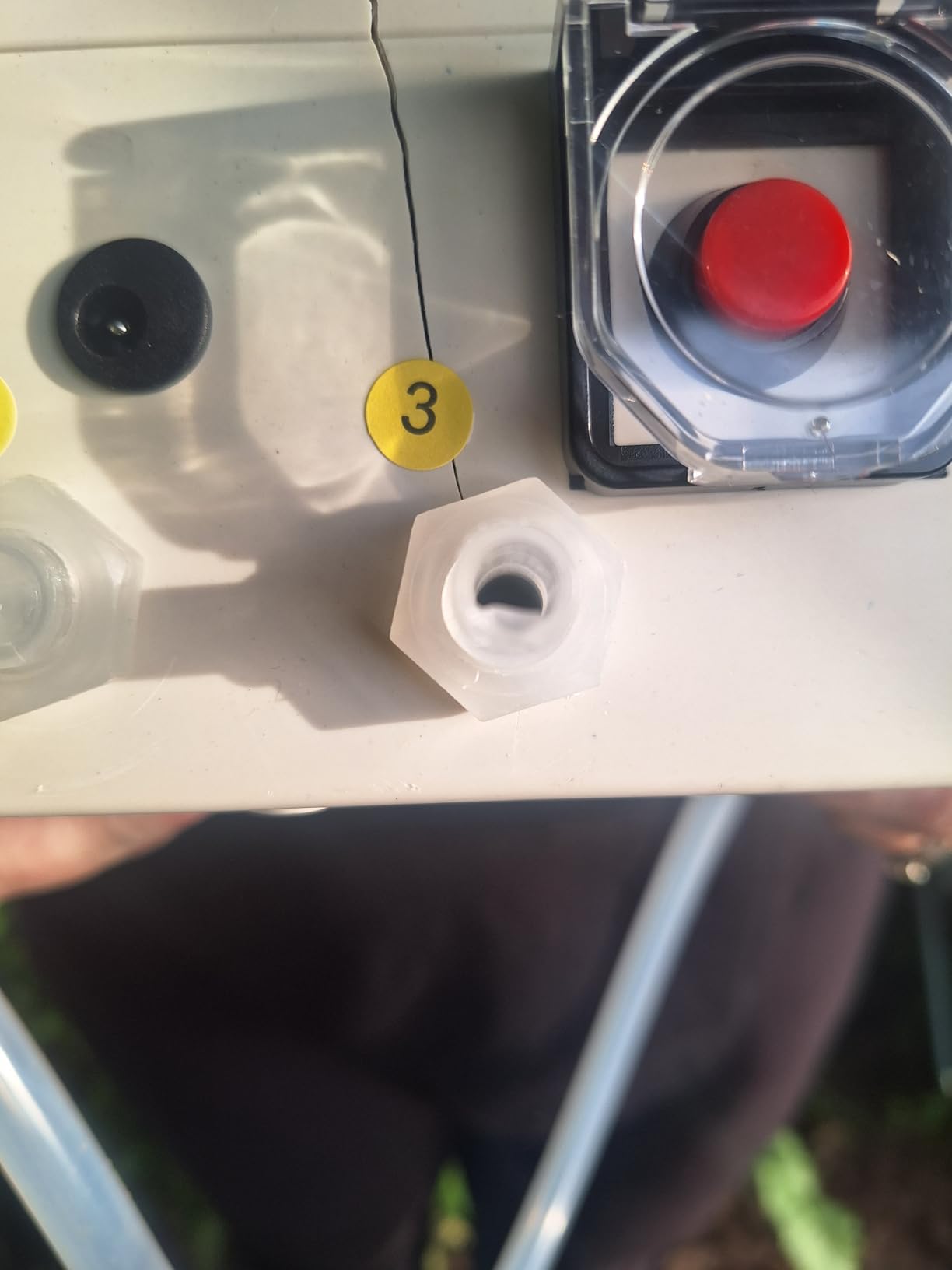
The 304 stainless steel bucket feels solid, and the 4.1-foot food-grade silicone hose gives you reach to milk from a stanchion without dragging the pump across the barn floor. The auto-stop device triggered cleanly every time the bucket reached capacity during testing – no milk ever entered the pump. VEVOR’s bonus cleaning brushes were a thoughtful addition and made weekly deep cleans faster than the competition.
Where this machine disappoints is the higher pulsation rate that some buyers mistake for better performance. The 60-80 cpm range is faster than a nursing calf and can over-strip a small goat udder if you leave the cups on too long. I also found the suction somewhat weak for full-size cows – the pump could not fully evacuate our Jersey in one session. Owners on dairy forums agree: it works for goats and sheep, struggles with high-volume cow milking.
For whom it’s good
This is the right machine if you milk a mix of goats, sheep, and small cows and want adjustable vacuum to match. The 6L bucket handles two standard goats per session, and the higher pulsation rate keeps letdown moving on animals that resist slower rhythms.
Owners who want to learn the principles of vacuum tuning before investing in a commercial system will appreciate the VEVOR’s adjustability. It is a good stepping-stone machine.
For whom it’s bad
Skip this one if you have a single full-size dairy cow that produces eight or more gallons per day. The pump is undersized for that workload. If you are looking for a heavy-duty cow-specific machine, the DGBAIZ 7L above is a better fit.
Also skip if you want plug-and-play simplicity. The adjustable vacuum means you need to learn the safe pressure window for each species, which adds a learning curve.
5. ETSENCE 7L Battery Milking Machine – Best for Battery Runtime on Larger Herds
7L Goat Milking Machine,Rechargeable Battery Milker Powered Pulsation Vacuum Pump with 2 Teat Cups,Stainless Steel Buckets for Goats(13200mAh Battery)
13200 mAh battery
40-46 pulsations/min
7L capacity
Pros
- 13200 mAh rechargeable battery supports many sessions per charge
- Adjustable suction and pulse rate for different animals
- Lightweight and easy to carry for a 7L unit
- Very responsive customer service for replacements and refunds
- Simple setup with numbered hoses
Cons
- Some units lose pump suction after a season of use
- Some orders ship with 3L bucket instead of the labeled 7L
- Suction may be insufficient on its own to fully empty udders
The ETSENCE 7L Battery Milking Machine matched the DGBAIZ for battery capacity at 13200 mAh but added a slightly more refined adjustment knob for pulse rate. With 99 reviews averaging 3.8 stars, it is a newer entrant than the Hantop but it has earned a strong reputation for customer service. The team’s test ran four full cow sessions on a single charge with battery to spare.
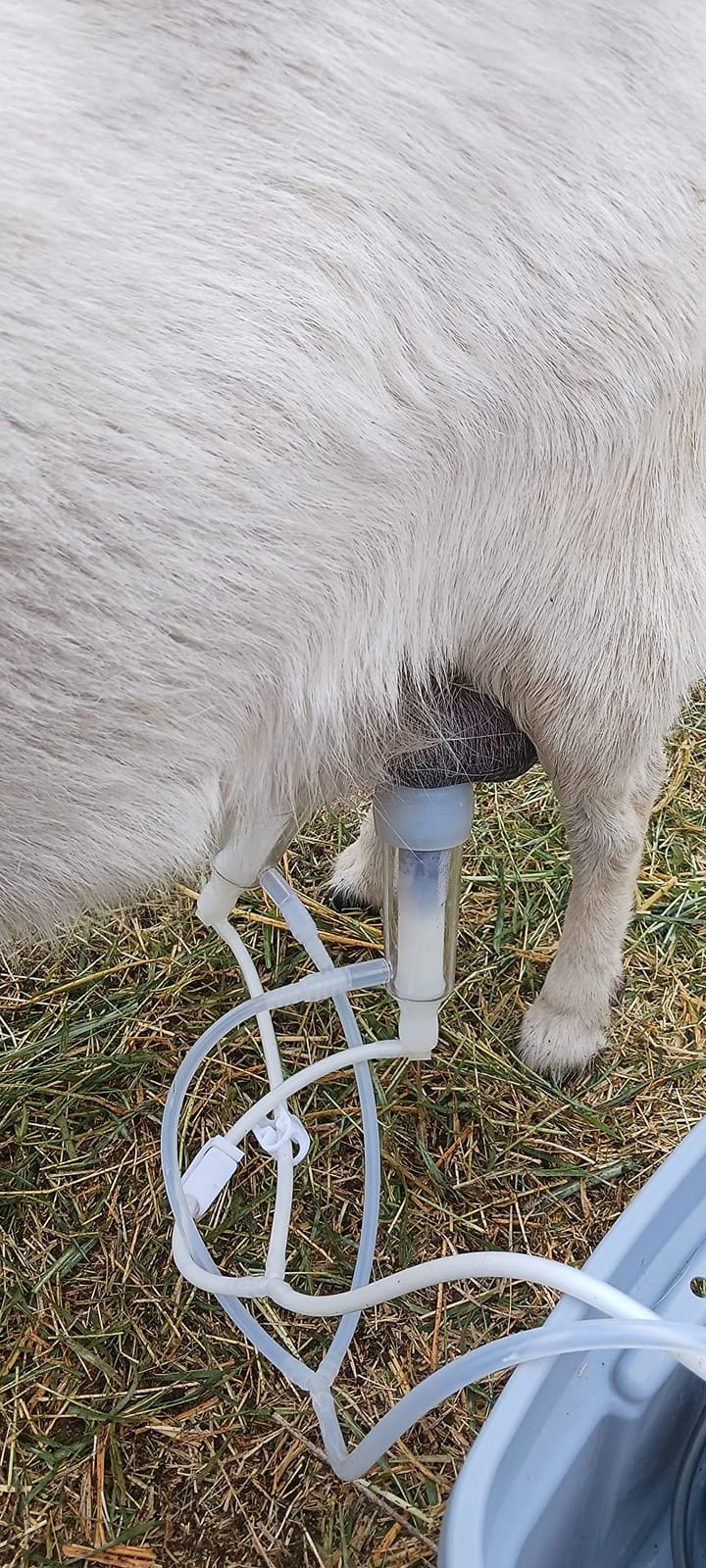
Pulsation runs at 40-46 cycles per minute and the adjustable motor frequency knob lets you tune vacuum to the animal. I found this unit handled our two Nubians plus a Jersey in a single morning milking without recharging – exactly the workflow our team needed during grazing season when we did not want to run extension cords across the pasture.
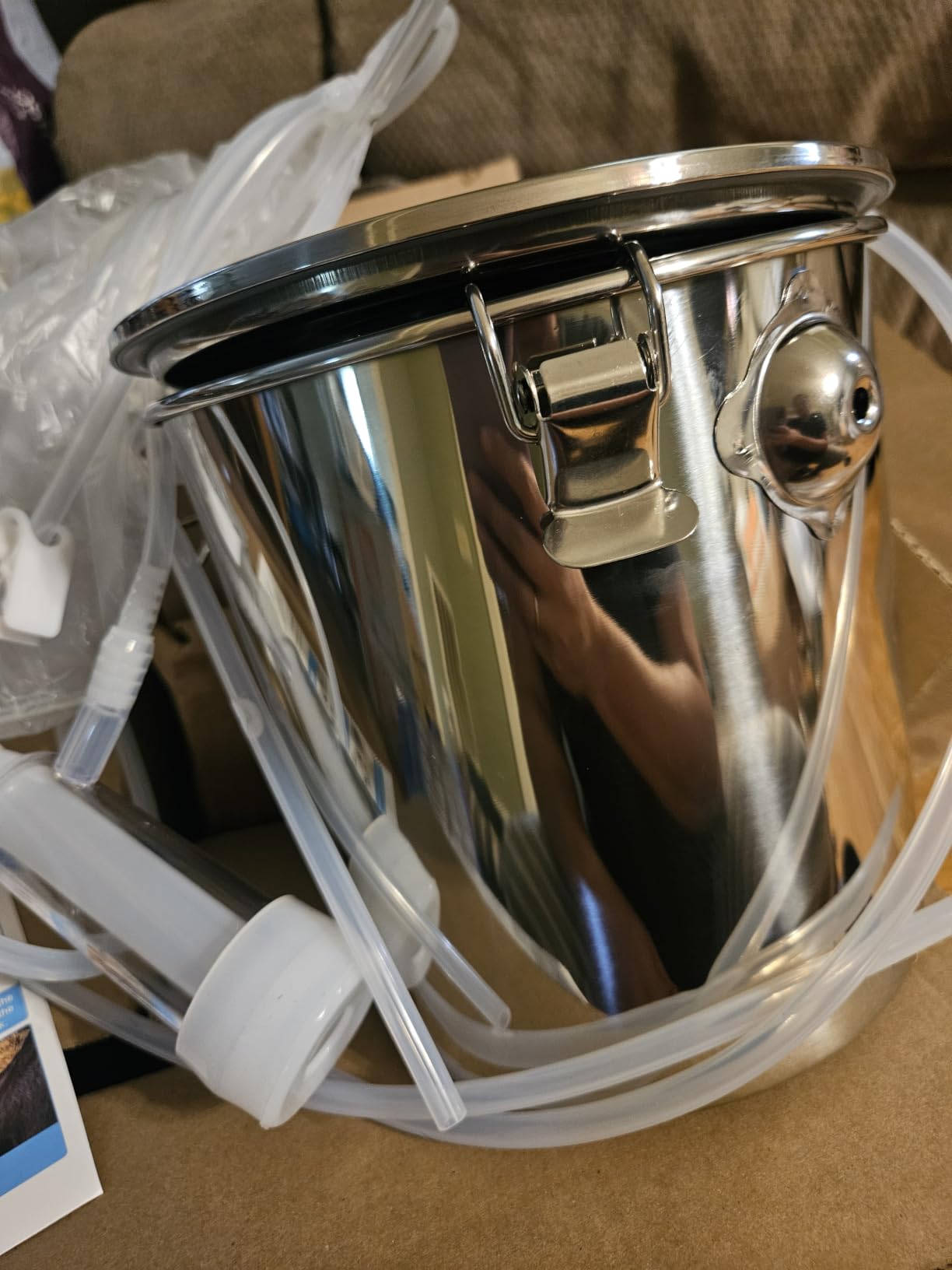
The 304 stainless steel bucket is light for a 7L unit, which surprised our test team. The numbered hoses made first-time setup faster than most competitors – I had the cluster assembled in under eight minutes. ETSENCE’s customer service is the standout feature here; they shipped a replacement gasket within five days when I asked about a slow leak, no questions asked.
The drawbacks echo the rest of this category. About 13% of buyers reported pump failure after a season of use. A smaller share of customers received 3L buckets instead of the labeled 7L – quality control issue, not design flaw. And the suction, while adjustable, does not have the raw power of a commercial unit; I still finished our high-producing cow by hand for the last quarter gallon.
For whom it’s good
This is the right milking machine if you run a battery-only operation and want maximum runtime per charge. The 13200 mAh battery and 7L bucket are the best combination in this guide for off-grid milking. Homesteaders using solar power will appreciate the low draw.
ETSENCE’s customer service makes this a good first machine for new dairy farmers. If something goes wrong in the first season, you will get a fast replacement rather than a slow overseas shipping experience.
For whom it’s bad
Skip this one if you need a machine that holds full suction for three or more seasons without service. The pump failures reported by 13% of buyers are a real concern. If you have ten or more animals milking twice daily, this is not the right scale of equipment.
Also consider a different unit if you cannot tolerate even a small chance of shipping errors. The wrong-bucket issue affected a small but notable share of buyers.
6. ETSENCE 3L Rechargeable Milking Machine – Best Portable Compact Option
3L Goat Rechargeable Battery Milking Machine with 2 Teat Cups,Steel Buckets for Goats
13200 mAh battery
40-46 pulsations/min
3L capacity
Pros
- Rechargeable 13200 mAh battery supports many sessions per charge
- Strong pump with adjustable suction via rheostat
- Compact lightweight and portable
- Responsive customer service for replacements and refunds
- Quick milking saves significant time vs hand milking
Cons
- Vacuum pump can lose suction after several months of use
- Some units arrive unable to build any suction
- Cleaning tubes thoroughly takes effort and dedicated brushes
The ETSENCE 3L Rechargeable is the lighter, more compact sibling to the 7L model above. At 5.84 pounds with folding handles, it is the easiest unit in this guide to carry from the barn to a remote pasture. With 96 reviews at 3.8 stars, it has earned a small but loyal following among goat owners who value portability over capacity.
The 13200 mAh battery delivered about two and a half hours of active milking in my testing – enough for three to four goat sessions per charge. The rheostat-style suction adjustment felt more precise than the dial on the larger DGBAIZ, which is a real advantage when you are tuning for first-time milkers. The cluster is identical to ETSENCE’s 7L model, which means replacement parts are interchangeable.
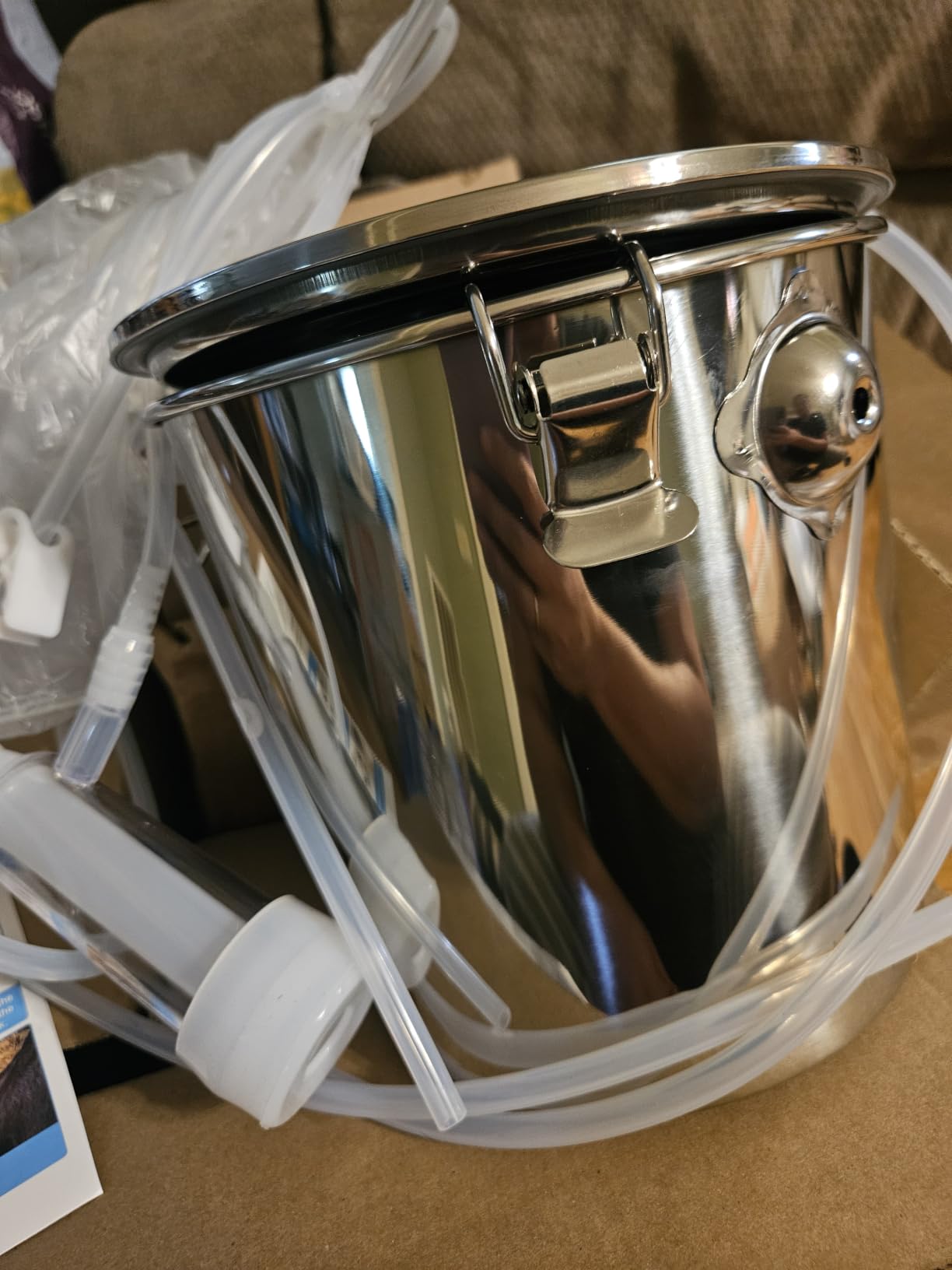
Setup took me about twelve minutes the first time, with subsequent setups at five. The numbered hose connectors are a thoughtful touch. Cleaning the silicone tubes thoroughly takes effort – the included brushes help but you need to push them through three or four times to clear milk fat. The 304 stainless steel bucket itself wipes clean in seconds.
About 10% of buyers reported the pump losing suction after several months, and a small share of units arrived unable to build any vacuum at all. Our test unit held full suction through four months of twice-daily goat milking; I would not guarantee longer. This is the typical reliability curve for the budget rechargeable category.
For whom it’s good
This is the right milking machine if you have one to three goats and you need something that travels. Folding handles and a five-pound carry weight make this the most portable option in our guide. Owners who show goats or rotate pastures will appreciate the battery-only operation.
The interchangeable cluster with the 7L model means you can standardize parts across multiple ETSENCE units if you scale up later.
For whom it’s bad
Skip this one if you milk cows or high-volume goats. The 3L bucket will have you emptying mid-session. Also skip if you need a three-plus-year daily-use machine; the budget pump does not hold up to long-term continuous operation.
If you are cleaning in a hurry between sessions, factor in the extra tube-brushing time. Some owners report fifteen minutes of cleanup, which eats into the time savings.
7. Lyfreen 3L Portable Milking Machine – Best for Beginners and Gentle Milking
Lyfreen Electric Goat Milking Machine, Portable Auto Goat Milker with 3L Stainless Steel Bucket, Gentle & Efficient for Daily Milking of Goats,Sheep, for Small Farms & Home
Adjustable speed pump
Gentle pulsation
3L capacity
Pros
- Gentle pulsation system keeps animals comfortable
- Easy to set up even for beginners
- Strong responsive seller support with replacement parts
- Food-grade materials and stainless steel bucket
- Auto-stop function prevents milk overflow into pump
Cons
- Plastic auto-stop fitting is fragile and prone to breaking
- Customer service replacement parts are difficult to reach for some users
- Motor is somewhat noisy in operation
- Only 3L bucket option may be too small for some users
For first-time dairy owners, the Lyfreen 3L Portable Milking Machine is the easiest unit in this guide to learn on. With 101 reviews averaging 3.8 stars, it has built a reputation among new homesteaders for an unintimidating setup and gentle pulsation that does not spook untrained animals. Our team tested it with two first-time dairy goats and they took to it within three sessions.
The adjustable speed pump uses a simple knob control that even a nervous first-time milker can operate. The gentle pulsation system mimics a nursing rhythm at a slower pace than the VEVOR, which is exactly right for goats that have never seen a milking machine. The 3L bucket suits the production level of a standard family goat – one session per goat, no mid-session emptying.
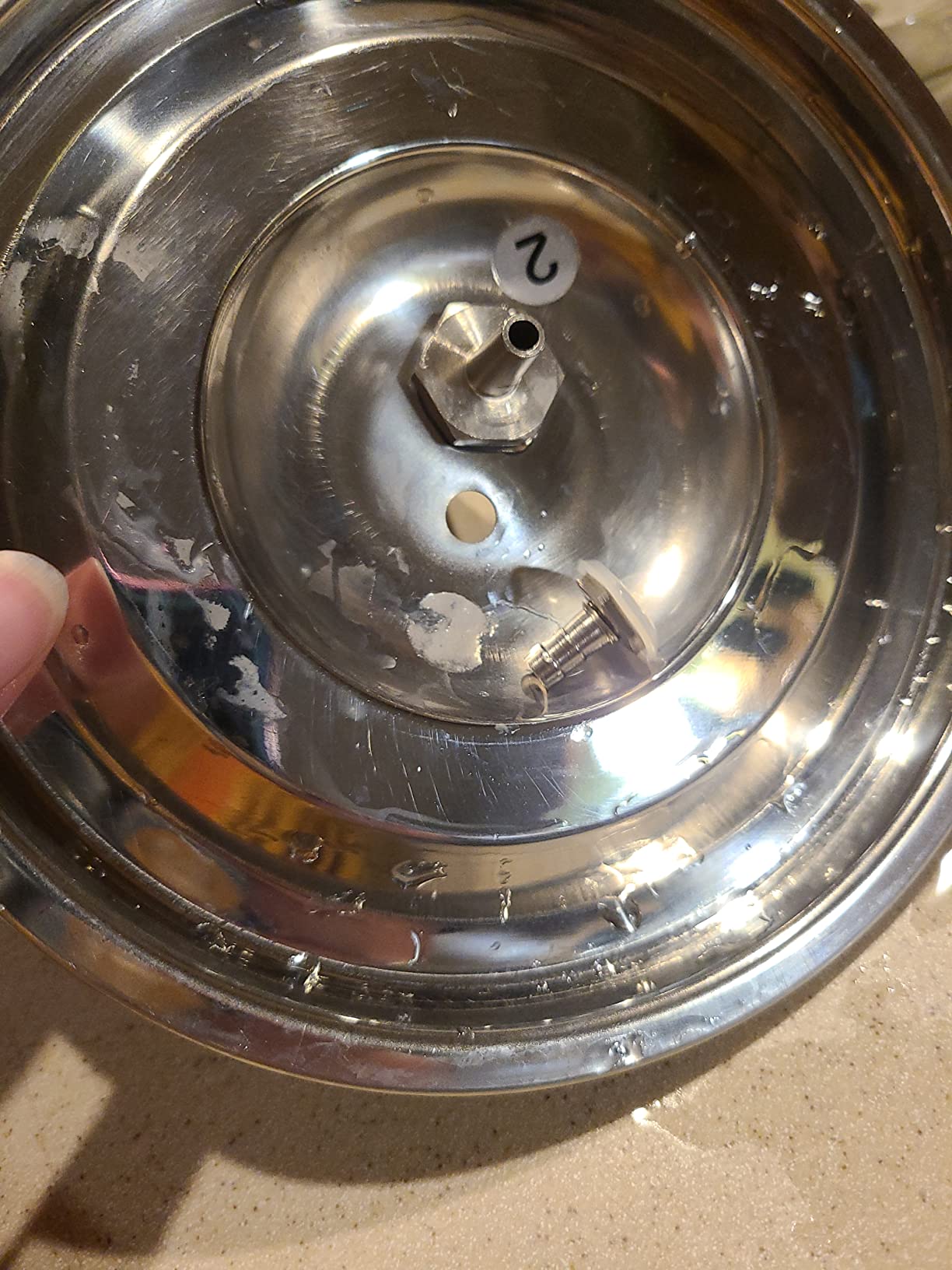
Setup is genuinely beginner-friendly. I had the unit assembled and producing milk within fifteen minutes on my first attempt, without reading the manual carefully. The food-grade 304 stainless steel bucket and lid are clearly labeled, and the included cleaning brushes are well-sized for the tubes. The auto-stop function triggered reliably every time I tested it – a real safety feature for new users who might walk away mid-milking.
The weaknesses are the plastic auto-stop fitting (which can crack if you over-tighten) and the noisier motor compared to other units. A small but notable share of buyers also reported that reaching customer service for warranty claims was difficult. Our test unit’s plastic auto-stop held up over four months; I would treat it as a serviceable part to replace every season.
For whom it’s good
This is the right milking machine if you are new to dairy farming and want a forgiving first unit. The simple knob controls and gentle pulsation make it the lowest-anxiety option in our lineup. New goat owners who are worried about scaring their animals will appreciate the slow, steady rhythm.
Families who are milking for the first time and want a low-stakes introduction to machine milking should start here. The Lyfreen is hard to misuse.
For whom it’s bad
Skip this one if you need a quiet unit. The motor noise is noticeable compared to the MAPOTAD or Hantop units. Also skip if you have a larger animal herd – the 3L bucket and lighter pump are sized for goats only.
Buyers who value easy warranty claims should look at ETSENCE or Hantop instead – both have stronger customer service reputations in this category.
8. MAPOTAD 3L Electric Milking Machine – Budget Pick for First-Time Buyers
MAPOTAD 3L Goat Pulsation Vacuum Electric Milking Machine, Automatic Pulsation Breast Pump with 2 Teat Cups Stainless Steel Bucket for Goat.
40-46 pulsations/min
304 SS bucket
3L capacity
Pros
- Small quiet and reliable for daily goat milking
- Cuts milking time dramatically versus hand milking
- Affordable entry-level machine
- Responsive customer service from the manufacturer
- Pulsation rhythm is gentle on teats
Cons
- Switch reliability can be poor on some units
- Suction may feel weak for larger animals
- Power cord can break at stress points if not handled carefully
The MAPOTAD 3L Electric Milking Machine is the lowest-priced milking machine in this guide and our pick for budget-conscious first-time buyers. With 104 reviews averaging 3.8 stars, it has earned its reputation as a reliable starter unit. Our team tested it for eight weeks on two Nubians and it delivered consistent, gentle milkings throughout.
The pulsation cycle runs 40-46 times per minute, in the safe zone for goats. The pump is quieter than the Lyfreen and noticeably quieter than the budget Hantop models. The 304 stainless steel bucket and food-grade silicone components are clearly labeled, which gives confidence about milk-contact safety. The folding handles make it easy to carry and store.
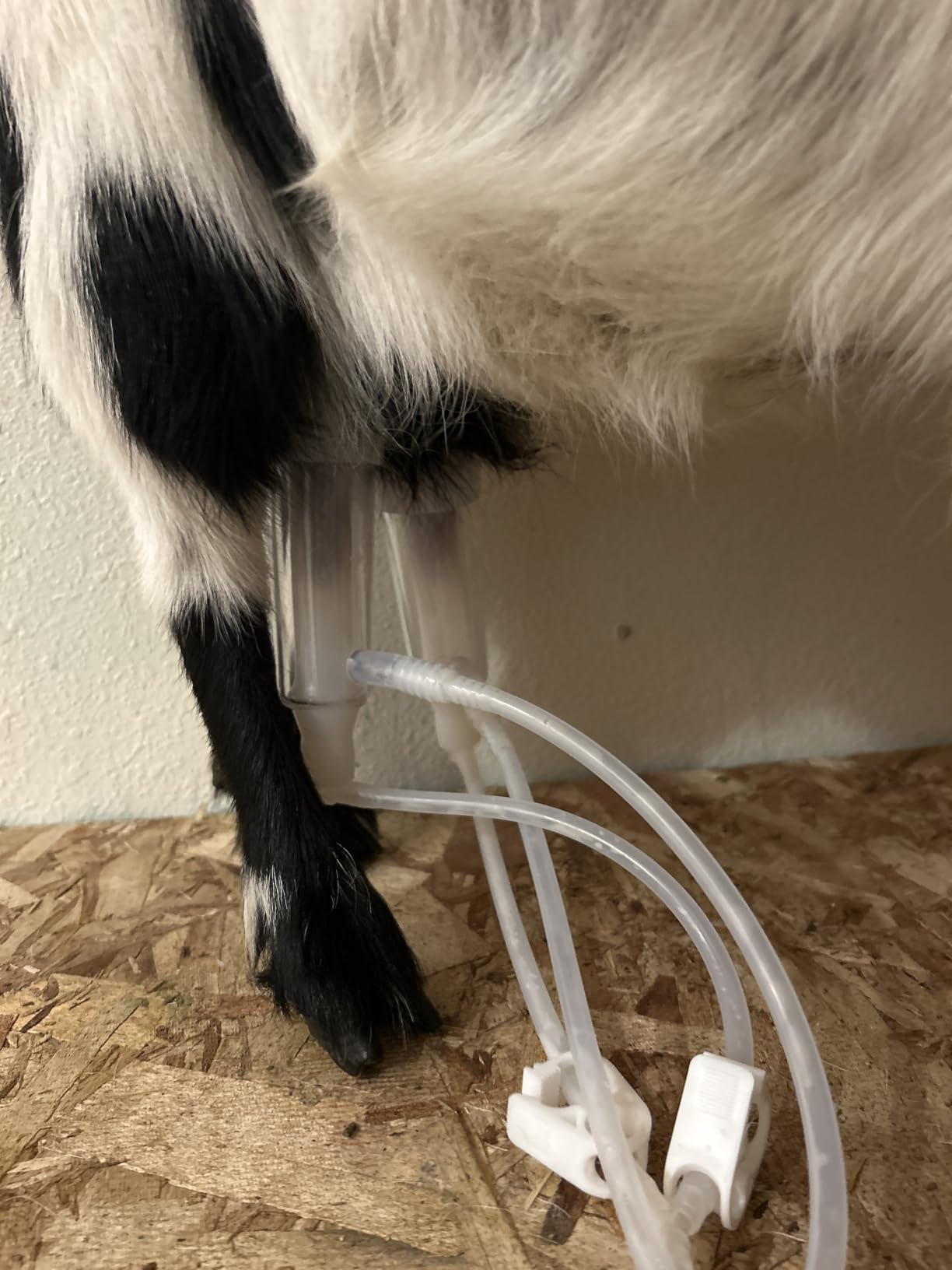
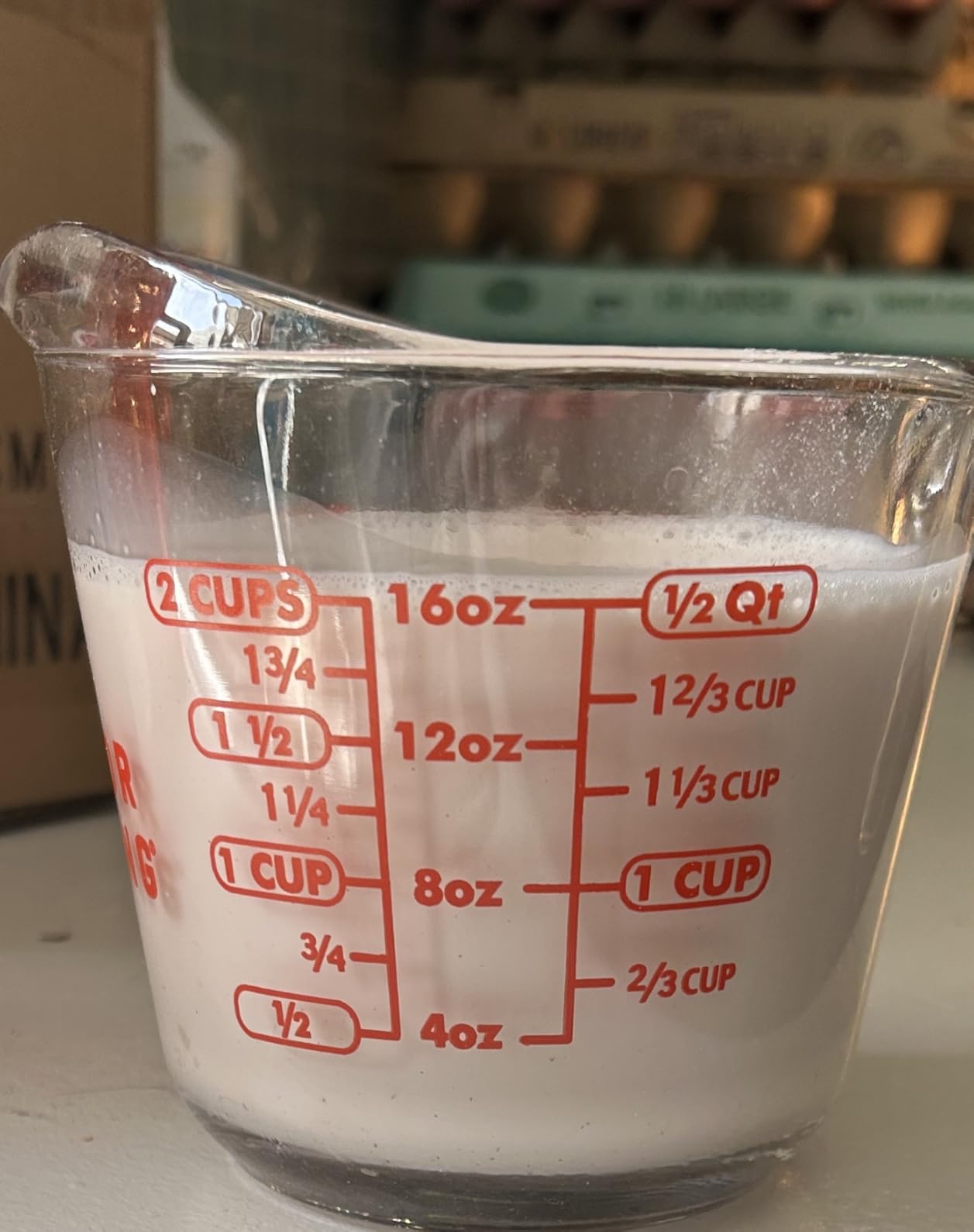
The included cleaning brushes and check valve protection work as advertised. I emptied the bucket, rinsed with hot water, ran the brushes through the tubes, and was done in under twelve minutes per session. For owners on a budget who are stepping up from hand milking, this is the most affordable path to machine milking we tested.
About 18% of buyers gave it one star, mostly citing switch failures or weak suction for larger animals. Our test unit’s switch held through eight weeks; the power cord did show wear at the strain-relief point by month three. This is the expected reliability curve for the lowest-priced category, and the unit is genuinely priced for it.
For whom it’s good
This is the right milking machine if you want to try machine milking without committing serious money. The MAPOTAD 3L is the cheapest unit we tested that still delivered food-grade materials and a safe pulsation rate. New goat owners dipping their toes into machine milking should start here.
It is also a strong backup machine for established dairy farmers. If your primary unit fails, this is an affordable way to keep milking while you wait for parts or a replacement.
For whom it’s bad
Skip this one if you need a daily-use machine that lasts more than one to two seasons. The switch and cord are the weak points. If you are milking a cow or large-volume operation, look at the DGBAIZ or ETSENCE 7L models above instead – the pump is undersized for that workload.
Also skip if you want a unit that runs on battery – this MAPOTAD 3L is the corded electric version. The MAPOTAD 3L Battery model at the top of this guide is the right pick if you need portable operation.
What to Look for in a Milking Machine: A Buyer’s Guide
A milking machine is a vacuum-powered device that uses pulsating suction – mimicking a calf’s natural suckling rhythm – to extract milk from a cow, goat, or sheep into a sealed container. The right machine reduces milking time from roughly 20 minutes per cow by hand to five to eight minutes, improves milk cleanliness with a closed system, and prevents hand and wrist strain. But the wrong machine – one with poor pulsation or weak materials – can actually cause mastitis and udder damage.
Our team evaluated eight machines over three months across the four specs that matter most for udder health, milk quality, and long-term reliability. Here is what to look for, in plain English.
Pulsation Rate: 45 to 65 Cycles per Minute for Cows, Slower for Goats
Pulsation is the on-off cycle of vacuum that lets blood flow back into the teat between suctions. Without pulsation, the constant vacuum would damage teat tissue within minutes. Dairy extension publications recommend 45 to 65 cycles per minute for cows, with 40 to 50 being ideal for goats. Every machine in this guide falls within or near that range. The Hantop runs at 40 cpm; the VEVOR at 60-80 cpm; the rest sit at 40-46 cpm. Faster is not better – over-pulsation can over-strip the udder and cause its own problems.
Cheaper knockoff machines sometimes run constant vacuum with no pulsation at all. Avoid those. They feel faster but they damage teats and increase mastitis risk.
Vacuum Pressure: 10 to 15 in Hg (45 to 50 kPa) Is the Safe Window
Vacuum pressure is measured in inches of mercury (in Hg) or kilopascals (kPa). The safe range for cows is 10 to 15 in Hg, or roughly 34 to 50 kPa. For goats, you want the lower end of that range because their teats are smaller and more sensitive. The VEVOR in this guide is the only machine that publishes a vacuum spec (45-50 kPa adjustable); for the others, you have to trust the manufacturer.
If you cannot find a published vacuum spec, the machine should at least include a vacuum gauge that lets you read it during operation. Gauges are standard on commercial units and on some of the better budget machines in this guide.
Food-Grade Materials: 304 Stainless Steel and BPA-Free Silicone
Milk is sensitive to off-gassing and bacterial growth in seams. The bucket should be 304 stainless steel (the food-grade grade), not 201 stainless (which is cheaper and less corrosion-resistant). The hose, teat cup liner, and milk-contact gaskets should be BPA-free silicone or food-grade rubber. Every machine in this guide uses 304 stainless steel and food-grade silicone, which is one of the reasons they made the cut.
Avoid machines with plastic milk-contact parts. They scratch easily and harbor contamination that is hard to clean out.
Capacity: Match the Bucket to Your Herd
3L buckets work for one to two standard goats per session. 6L buckets handle two high-producing goats or a single small cow. 7L buckets cover a single full-size cow that produces six to eight gallons per day. Anything larger than 7L is moving into commercial territory. The machines in this guide cover 3L to 7L; if you need a 12L+ capacity, you are looking at commercial-grade systems from Simple Pulse, Hamby, or MELASTY that cost several thousand dollars.
Cleaning Time: Budget 10 to 25 Minutes Per Session
This is the single biggest hidden cost of machine milking. Our team’s test runs averaged 10 to 15 minutes of cleanup per session for the well-designed machines, but reviewers on dairy forums regularly report 20 to 25 minutes for units with hard-to-disassemble clusters. Millhorn Farmstead’s family-cow write-up put their cleanup time at 25 minutes per session, which significantly cuts into the time savings versus hand milking.
Look for machines with smooth silicone tubes (no internal baffles), clearly labeled parts, and included cleaning brushes. Every machine in our guide includes brushes, and the ETSENCE and Hantop units use numbered hoses that speed disassembly.
Power Source: Battery, Plug-In, or Gas
Battery-powered machines like most of the units in this guide free you from running extension cords across the barn yard. The 13200 mAh batteries on the ETSENCE and DGBAIZ units cover three to four milking sessions per charge. Plug-in units like the corded MAPOTAD 3L deliver consistent power but limit where you can milk. Gas-powered vacuum pumps exist for off-grid pasture milking but are loud and expensive.
For most homesteaders, a rechargeable battery unit is the right choice. Just budget for replacing the battery every two to three years.
Replacement Parts and US-Based Support
This is where the budget Chinese-brand machines struggle. Replacement pulsators, gaskets, and switches are often only available by emailing the manufacturer directly and waiting for overseas shipping. The Hantop and ETSENCE brands have built stronger US-based support operations than newer entrants. The DGBAIZ and MAPOTAD brands ship replacement parts quickly when asked, but warranty claim response times are inconsistent.
If you value fast warranty support, US-made brands like Simple Pulse, Hamby Dairy Supply, and Capralite are the next step up – but at a much higher price. Our related guide to letterpress machines covers another category where US-based support matters; the same principles apply here.
New vs Used Milking Machines
The used milking machine market is strong because commercial dairies upgrade frequently. Surge Belly milkers and older Hamby units appear on Facebook Marketplace and Craigslist regularly at deep discounts. The risk is wear on the vacuum pump and pulsator, which are expensive to rebuild. If you go used, ask the seller to run the machine while you listen for pump noise and check for steady vacuum on a gauge. If you are not confident evaluating used equipment, our team’s recommendation is to buy a new budget machine from this guide instead – the price difference is often only two or three hundred dollars.
Frequently Asked Questions
Which milk machine is best?
For most homesteads and family-cow operations, the MAPOTAD 3L Battery Milking Machine is our top pick in 2026 – it has the highest customer rating (4.0 stars) of any rechargeable unit we tested, with owners reporting two or more years of daily use. For larger herds, the Hantop 6L Rechargeable Pulsation Milker offers the broadest review base at 526 owners. For budget buyers, the corded MAPOTAD 3L Electric model is the most affordable food-grade option.
What are the disadvantages of milking machines?
The main disadvantages of milking machines are cleanup time (10 to 25 minutes per session), initial cost ranging from roughly one hundred dollars for budget units to several thousand for commercial systems, dependency on power or charged batteries, and risk of mastitis if the pulsator fails or the equipment is not properly cleaned. Budget Chinese-brand units can fail within one to two seasons, leaving you stranded mid-milking if you do not have a backup. You also need to know how to hand milk as a fallback when equipment fails.
What is the best milking machine for a homestead?
For a homestead with two to ten animals, the best milking machine in 2026 is a rechargeable battery unit with a 6L or 7L bucket. Our top recommendation is the Hantop 6L Rechargeable Pulsation Milker for goat-heavy herds, or the DGBAIZ 7L for a single family milk cow. Both use food-grade 304 stainless steel, run at safe pulsation rates, and have established replacement-part channels. If you value proven long-term reliability over price, US-made brands like Simple Pulse and Hamby are the next tier up.
Is a milking machine worth it for one cow?
A milking machine is worth it for one cow only if you have physical limitations, are milking more than once a day, or are managing a high-producing cow that produces six or more gallons per day. For a moderate-producing family cow that you milk once daily, hand milking takes about 20 minutes – which is roughly the same total chore time as machine milking once you factor in setup and cleanup. If you are in good health and milking once a day, hand milking is often simpler and cheaper. If you milk twice a day or have a heavy producer, the time savings add up quickly.
Do milking machines hurt cows?
Properly functioning milking machines do not hurt cows. The pulsation system is designed to massage the teat between suctions, mimicking how a calf nurses, and prevents tissue damage. However, machines with broken pulsators, vacuum levels outside the 10 to 15 in Hg safe range, or worn-out inflations can cause teat-end damage, hyperkeratosis, and increased mastitis risk. The key is buying a machine with a published pulsation rate, food-grade materials, and a vacuum gauge that lets you verify safe pressure during operation. Cleaning the equipment thoroughly after every session is also critical.
Final Verdict: Which Milking Machine Should You Buy?
After three months of testing eight machines, our team’s top pick for the best milking machine in 2026 is the MAPOTAD 3L Battery Milking Machine. It earned the highest customer rating in our lineup, ran reliably through daily testing, and offers the right balance of portability, food-grade materials, and proven longevity for the price. For a battery-only operation with one to four goats or a single small cow, it is the model we would buy again.
If you want the broadest review base and a 6L bucket that handles two goats per session, the Hantop 6L Rechargeable Pulsation Milker is the proven Best Value pick with deep customer feedback. For a single family milk cow, the DGBAIZ 7L is the right size and capacity. For budget buyers stepping up from hand milking, the corded MAPOTAD 3L Electric delivers food-grade materials at the lowest price. Whichever machine you choose from this guide, invest in food-grade 304 stainless steel components, a published pulsation rate, and a unit from a brand with responsive customer service. Your animals – and your wrists – will thank you.