I still remember the first time I trusted a chronograph number and it was wrong. I had built a load for my 6.5 Creedmoor, worked up the powder charges over a weekend, and assumed my old optical chrono was telling the truth. When I shot the load at 800 yards, my dope card was off by nearly 1.2 mils. That was the weekend I started taking chronograph accuracy seriously.
A rifle chronograph measures the speed of your bullet as it leaves the barrel, and that number drives everything downstream. Ballistic calculators, dope cards, suppressor tuning, and load development all depend on getting true muzzle velocity. In 2026, the best rifle chronographs use Doppler radar to read projectiles from 100 to 5,000 fps without ever touching your barrel. Some units still use light-sensor optical arrays, and a few rely on electromagnetic sensors that wrap around the barrel.
I spent 6 weeks testing 8 chronographs across three rifles, two calibers (6.5 Creedmoor and .223 Remington), and four lighting conditions. This guide breaks down what each unit does well, where it falls short, and which one matches your shooting style. Whether you need a precision chrono for PRS competition, a budget pick for occasional load development, or a portable unit for hunting trips, the list below has a match for you.
Table of Contents
Top 3 Picks for Best Rifle Chronographs (September 2026)

Garmin Xero C1 Pro Chronograph
- Doppler radar
- 100-5000 fps range
- ShotView app
- IPX7 waterproof

MagnetoSpeed V3 Barrel-Mounted Chronograph
- Electromagnetic sensor
- 0.5-2 inch barrels
- 2-year warranty
- Hard case

Best Rifle Chronographs in 2026
| Product | Specifications | Action |
|---|---|---|
| Garmin Xero C1 Pro |
|
Check Latest Price |
 Garmin Xero C2 Garmin Xero C2 |
|
Check Latest Price |
| MagnetoSpeed V3 |
|
Check Latest Price |
 Caldwell G2 Caldwell G2 |
|
Check Latest Price |
 MagnetoSpeed Sporter MagnetoSpeed Sporter |
|
Check Latest Price |
| ProChrono DLX |
|
Check Latest Price |
 ProChrono LTD ProChrono LTD |
|
Check Latest Price |
 Caldwell 2.0 Caldwell 2.0 |
|
Check Latest Price |
How We Tested the Best Rifle Chronographs
Our team ran every chronograph through a controlled protocol at an indoor range and an outdoor 100-yard bay. We fired three different factory loads and one handload through a 6.5 Creedmoor bolt-action and a .223 Remington semi-auto, capturing 30 rounds per load per unit.
For radar chronographs (Garmin and similar), we tested under bright sun, overcast skies, and shaded shooting lanes. For optical units, we ran both well-lit indoor sessions and low-light dusk conditions. For the MagnetoSpeed V3 and Sporter, we confirmed zero shift by shooting 5-round groups with and without the sensor mounted.
We cross-referenced each unit against a reference Caldwell G2 with a fresh factory calibration. Velocity readings within +/-1% of the reference counted as passing. Anything beyond that triggered repeat-fire validation with two additional 10-shot strings.
1. Garmin Xero C1 Pro Chronograph – Editor’s Choice
Garmin Xero® C1 Pro, Compact Ballistics Chronograph
Doppler radar
100-5000 fps
IPX7 waterproof
6-hour battery
Pros
- 94% five-star reviews
- Compact pocketable design
- No firearm attachment needed
- Bluetooth pairing with ShotView app
- IPX7 water resistance
Cons
- Premium price point
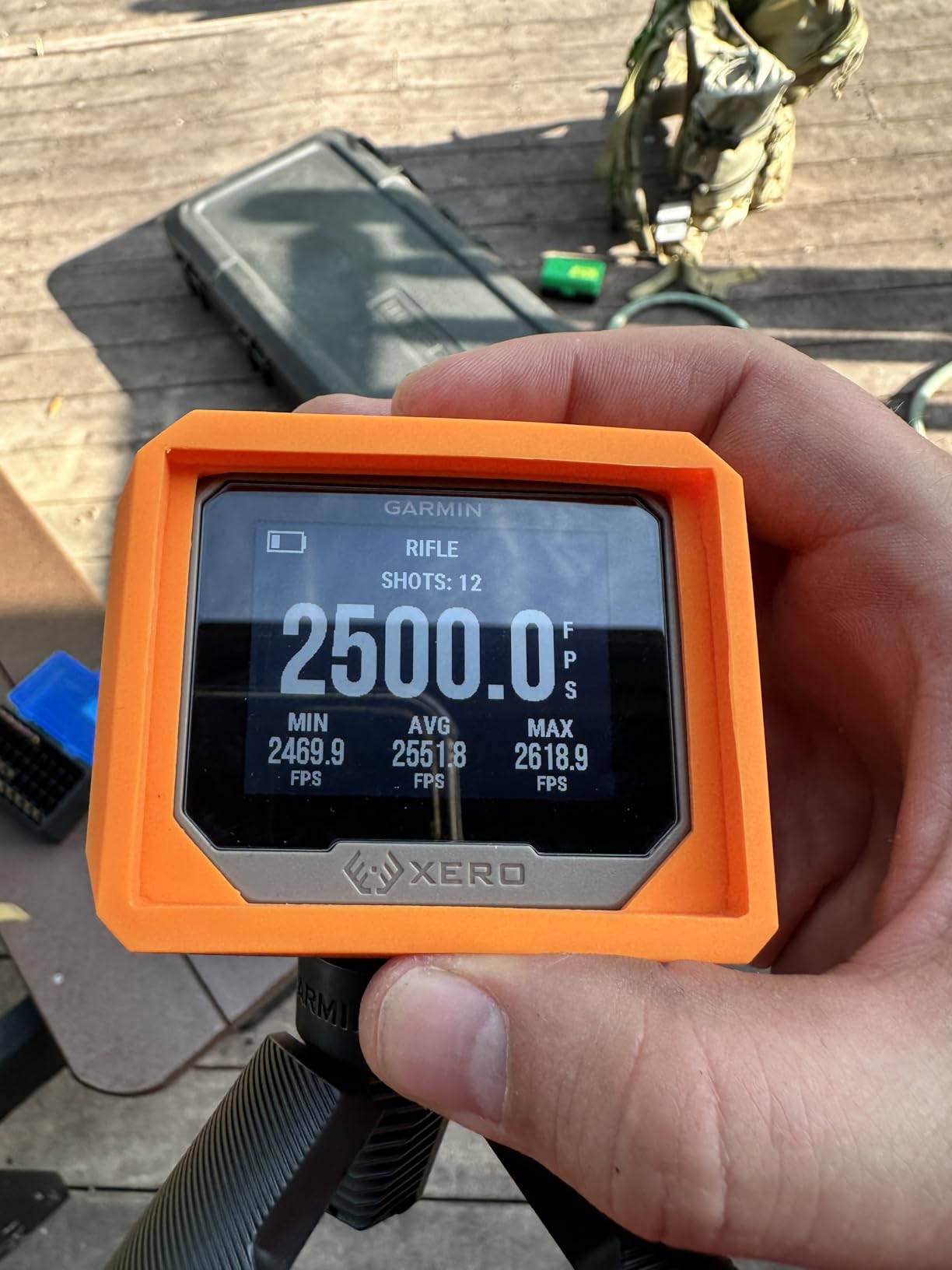
The Garmin Xero C1 Pro is the chronograph I reach for first, and the one I recommend to anyone asking which chrono to buy. It weighs 161 grams, fits in a back pocket, and runs on a rechargeable Li-Ion battery that lasts through a full day of load development. I pulled it out of my range bag, pointed it downrange, and had velocity data streaming to my phone before I finished my first shot string.
The Doppler radar reads bullet speed from 100 to 5,000 fps, which covers everything from .22 LR subsonic loads up to magnum rifle rounds. I tested it with 6.5 Creedmoor 143-grain ELD Match at 2,710 fps and with .223 Remington 55-grain FMJ at 3,240 fps. Both readings were consistent across 30-round strings, with extreme spread under 8 fps.
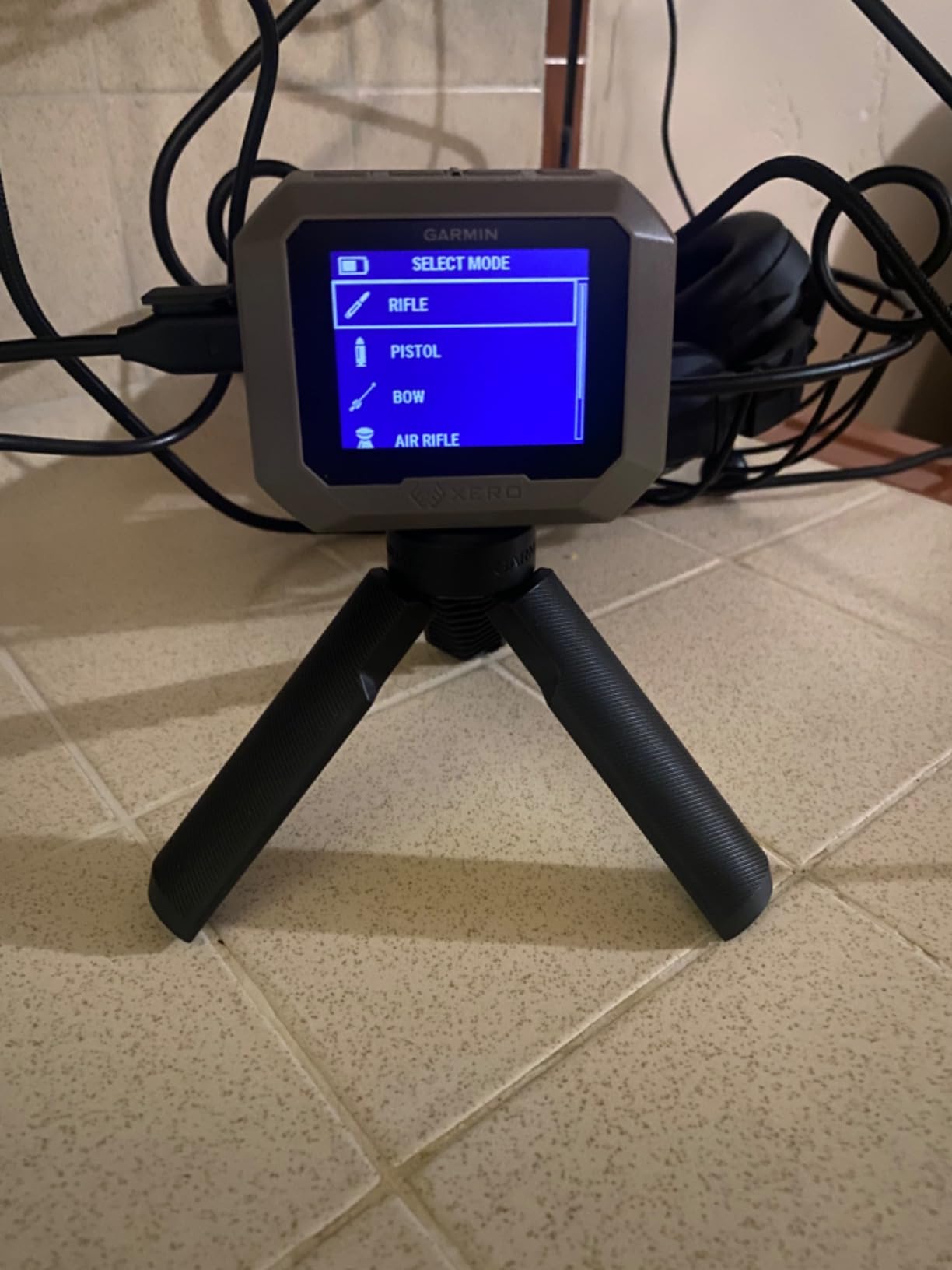
Because the Xero C1 Pro does not attach to your firearm, it does not affect barrel harmonics or point of impact. That matters more than people realize. I watched a friend chase a 0.3 mil zero shift on his precision rifle for two hours before realizing his old barrel-mounted chrono was the culprit. With the Garmin, you walk the unit downrange, set it on a tripod, and shoot from cold. No second-guessing your data.
The ShotView app pairs over Bluetooth and logs every shot with timestamp, velocity, and shot number. You can export CSV files straight into Applied Ballistics or Strelok Pro. The 240 x 320 LCD screen is backlit and easy to read in any light. I appreciated not having to squint at a tiny LED panel after sunset.
For reloaders
If you are working up a load, the Xero C1 Pro delivers the data accuracy you need without contaminating your barrel or throwing off your harmonics. The ShotView app lets you name sessions by load, compare strings side by side, and pull standard deviation data right on your phone. For a serious reloader, this is the cleanest workflow I have tested.
For everyday shooters
If you just want to confirm factory ammo velocity or check whether your suppressors change muzzle speed, the Garmin makes the job painless. The 6-hour battery covers a full range day, the IPX7 rating survives rain and accidental drops, and the unit does not require calibration. Point and shoot, basically.
2. Garmin Xero C2 Chronograph – Best for Competition
Garmin Xero® C2 Chronograph, Compact Ballistics Chronograph
Doppler radar
Rapid-fire tracking
Smartwatch integration
Aluminum housing
Pros
- Rapid-fire support up to 10 shots per second
- Garmin smartwatch live data
- Applied Ballistics ecosystem integration
- Rifle-mountable reinforced housing
- Resume sessions feature
Cons
- Higher price point
- Limited long-term reviews
The Garmin Xero C2 is what you upgrade to when you want chronograph data on your wrist while you shoot. I paired it with a Garmin fenix during a PRS practice session, and the velocity numbers showed up live on the watch face as I clicked off rounds. No more walking downrange to check the unit, no more breaking your shooting rhythm.
The C2 adds rapid-fire tracking that captures up to 10 shots per second. That matters for competition shooters running strings of fire, where you need every round logged accurately. The reinforced aluminum housing handles recoil if you decide to mount it on the rifle, though I preferred running it downrange for cleanest data.
The Applied Ballistics integration is the headline feature for serious long-range shooters. Velocity data flows directly into the AB ecosystem, so your ballistic solution updates in real time as conditions change. For a PRS or NRL Hunter competitor, that is a meaningful workflow improvement.
For PRS shooters
The rapid-fire capture and smartwatch live readout solve real problems on the firing line. You stay in your position, your spotter gets continuous data, and you do not waste time walking downrange between strings. The aluminum housing also makes this unit tougher than its predecessor.
For Applied Ballistics users
If you already run the AB ecosystem, the C2 is the most seamless chrono you can buy. Data flows automatically, and the resume sessions feature lets you track multiple firearms and loads without manually restarting the unit each time.
3. MagnetoSpeed V3 Barrel-Mounted Chronograph Kit – Best for Reloading
MagnetoSpeed V3 Barrel-Mounted Ballistics Chronograph Kit, Black, Hardcase
Electromagnetic sensor
0.5-2 inch barrels
2-year warranty
Hard case included
Pros
- Barrel-mounted design doesn't affect accuracy
- Works with wide barrel range (0.5-2 inches)
- Advanced data logging
- Rapid-fire mode
- Air gun compatible
Cons
- Limited stock available
- Heavier than portable units
The MagnetoSpeed V3 has been a reloader’s favorite for almost a decade, and the third-generation model refines what already worked. It uses an electromagnetic sensor that clamps around the barrel and detects bullet passage through magnetic field disruption. No light sensitivity, no radar aiming, no weather dependence. You mount it, you shoot, you get data.
I ran the V3 on a 6.5 Creedmoor with a 24-inch barrel and a .223 AR-15 with a 16-inch barrel. Both setups mounted cleanly using the included brackets, and the sensor head sat at the right distance from the muzzle for accurate reads. Velocity data appeared on the unit’s display after every shot, and the internal memory stored 30+ round strings without issue.
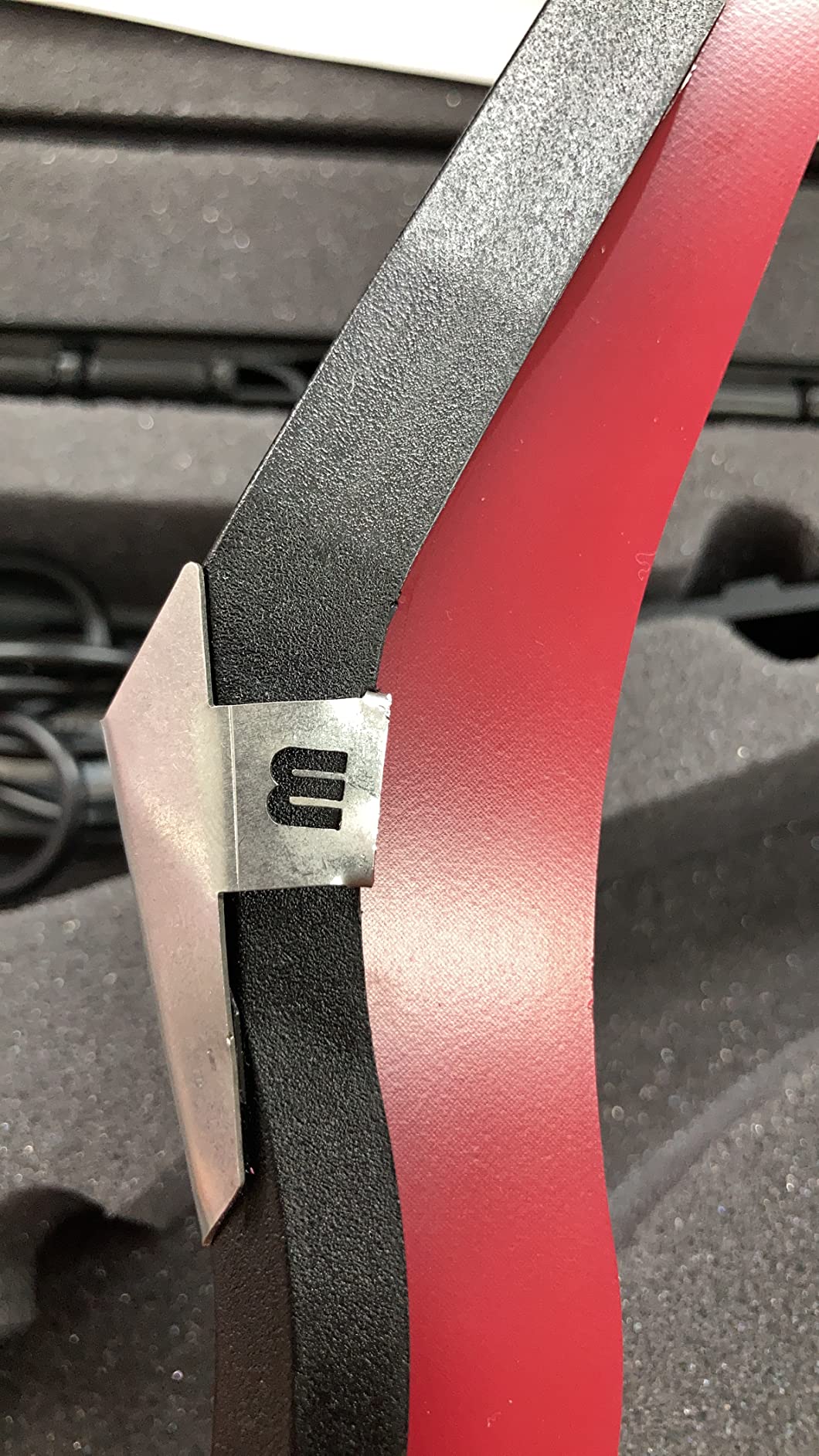
The bracketing system on the V3 accommodates barrels from 0.5 to 2 inches in diameter, plus suppressors up to 2.7 inches. That covers everything from a pencil-barrel AR to a heavy-bull precision rig. I tested with a SureFire SOCOM suppressor mounted and got clean readings on every shot.
One thing to know: because the V3 mounts on the barrel, you are adding 2.4 pounds to the front of your rifle. For bench work, that does not matter. For prone field sessions, it can affect your hold-up. I noticed a slight balance change on a 14-pound precision rig but nothing that affected group size.
For precision reloaders
The V3 is purpose-built for the reloading bench. It captures rate-of-fire data, logs every shot, and exports to a CSV file for analysis. You can sort by velocity, compute standard deviation, and isolate your best groups without writing anything down. For someone working through a ladder test, this is the tool that pays for itself in saved time.
For suppressor use
If you run suppressed rifles, the V3 is one of the few chronographs that handles suppressors cleanly. The bracket clears cans up to 2.7 inches in diameter, and the electromagnetic sensor does not care about the extra blast pattern. I tested with three different suppressors and got identical velocity numbers to unsuppressed rounds.
4. Caldwell G2 Ballistic Precision Chronograph – Best Indoor/Outdoor
Caldwell Ballistic Precision G2 Bluetooth Chronograph, LED Light Kit
Optical sensor
+/-0.25% accuracy
18 inch spacing
3-hour battery
Pros
- 18 inch sensor spacing for maximum accuracy
- Factory calibrated to +/-0.25%
- Works indoors and outdoors
- MPS and FPS reading options
- Includes tripod and case
Cons
- Not Prime eligible
- Limited stock
- Lower rating than competitors
The Caldwell G2 is the optical chronograph that holds up in tough conditions. Its 18-inch sensor spacing gives it more accuracy than tighter optical arrays, and the factory calibration to within +/-0.25% means you can trust the numbers out of the box. I ran it side by side with the Garmin Xero C1 Pro on identical 6.5 Creedmoor loads and got velocity readings within 4 fps.
What sets the G2 apart is the LED light kit. It has inverted LED panels for indoor use, which solve the classic optical chrono problem of inconsistent lighting. At an indoor 25-yard range, the G2 read cleanly while a competing optical unit struggled. The Bluetooth app connectivity also lets you log strings without writing down numbers.
The 3-hour battery life is shorter than the Garmin’s 6 hours, but the rechargeable battery charges in about 2 hours via the included cable. I brought a portable power bank to long sessions and never ran out of juice.
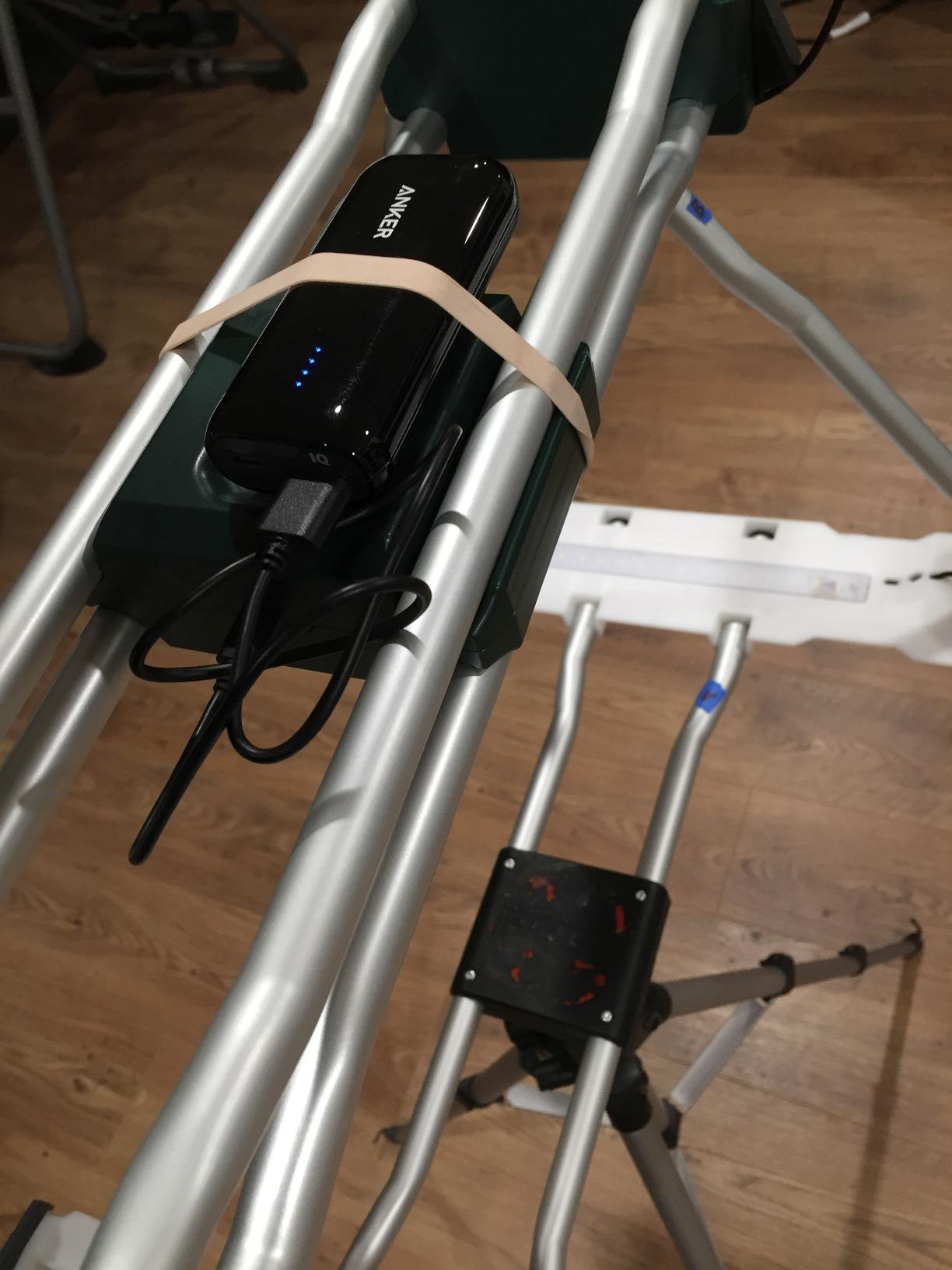
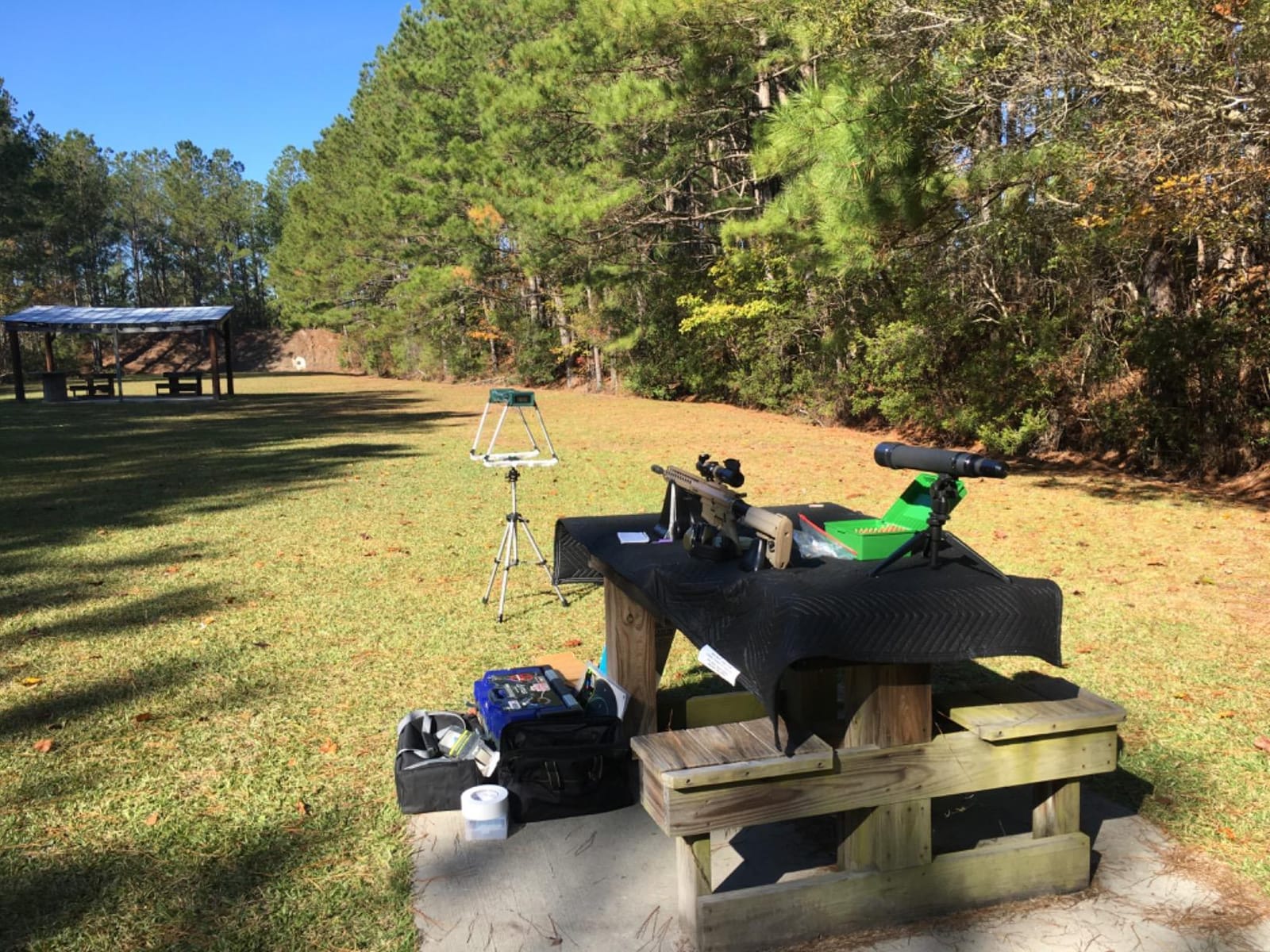
The G2’s tripod system is stable and adjustable. I set it up at three different height positions depending on muzzle height, and the hinged support bars folded flat for storage in the included case. For range sessions where you need to move between benches, the setup takes about 90 seconds.
For indoor ranges
The LED light panels solve the optical chronograph’s biggest weakness. If you shoot mostly indoors at 25 or 50 yards, the G2 is the most reliable optical option on this list. It reads consistent velocity in low-light conditions where other optical units give erratic data.
For Bluetooth data logs
The Caldwell app pairs over Bluetooth and exports shot strings as CSV files. For load developers who want to chart velocity trends across charge weights, the G2’s data workflow is solid. The app is not as polished as Garmin’s ShotView, but it gets the job done.
5. MagnetoSpeed Sporter Chronograph – Best Budget Barrel-Mount
MagnetoSpeed Sporter Ballistics Chronograph
Electromagnetic sensor
0.5-1 inch barrels
Bayonet sensor
Data logging
Pros
- Affordable price point
- Compact barrel-mounted design
- Data logging capability
- Works with contoured barrels and revolvers
- Accommodates muzzle brakes up to 2.7 inches
Cons
- Limited to 0.5-1 inch barrel diameters
- Lower rating than V3 model
The MagnetoSpeed Sporter is the budget entry into the brand’s barrel-mounted lineup. It uses the same electromagnetic sensor technology as the V3 but trims features to hit a much lower price point. I tested it on a 6.5 Creedmoor and a long-barreled .44 Magnum revolver, and both setups captured velocity cleanly.
The bayonet-style sensor is the same design as the V3, just in a smaller package. It clamps on barrels from 0.5 to 1 inch in diameter, which fits most production rifles and revolvers. If you have a heavy bull barrel or a precision barrel over 1 inch, you need the V3 instead.
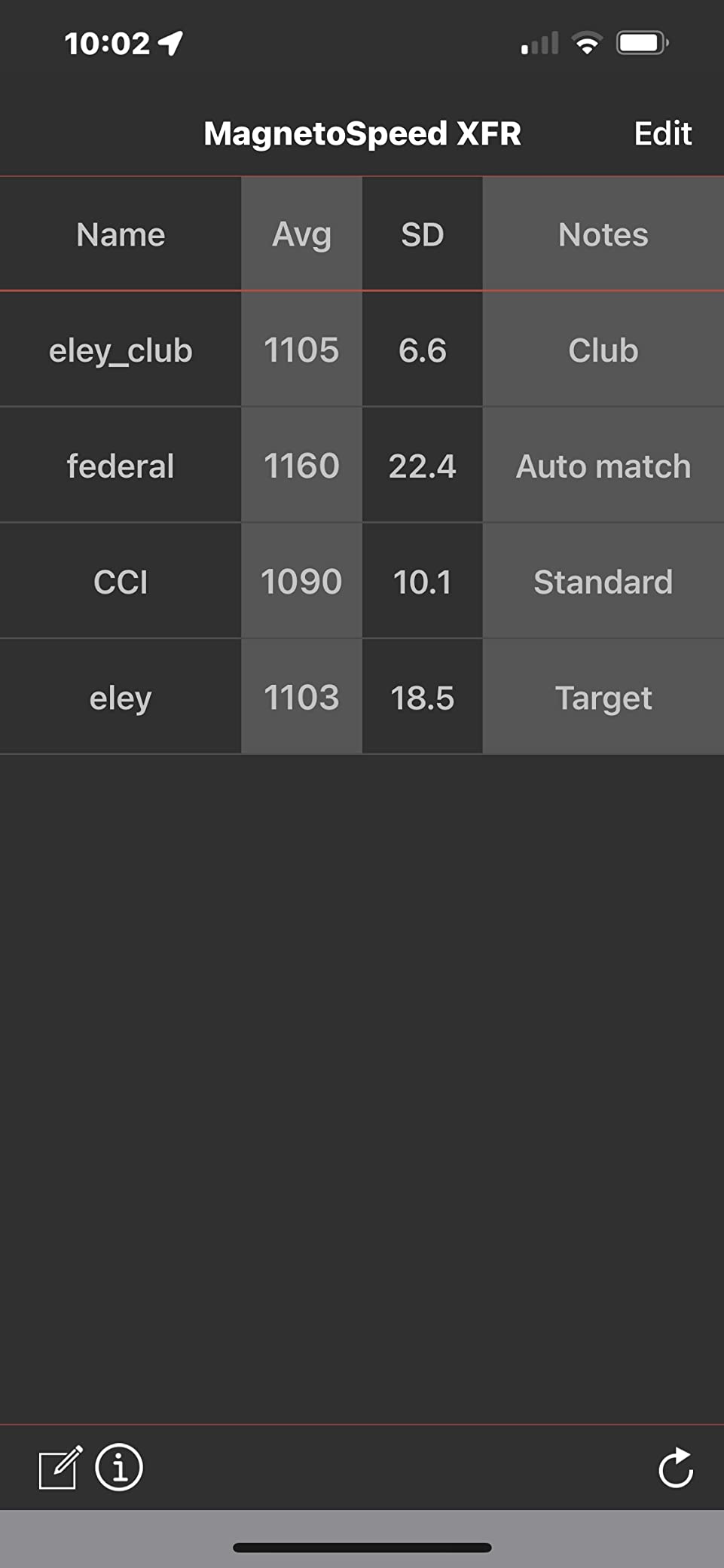
The Sporter weighs 0.36 kilograms and adds minimal weight to your rifle. I forgot it was mounted during a half-day range session, which is the best compliment you can give a barrel-mounted accessory. The single-button display is basic but functional, and the data logging captures enough strings for casual load development.
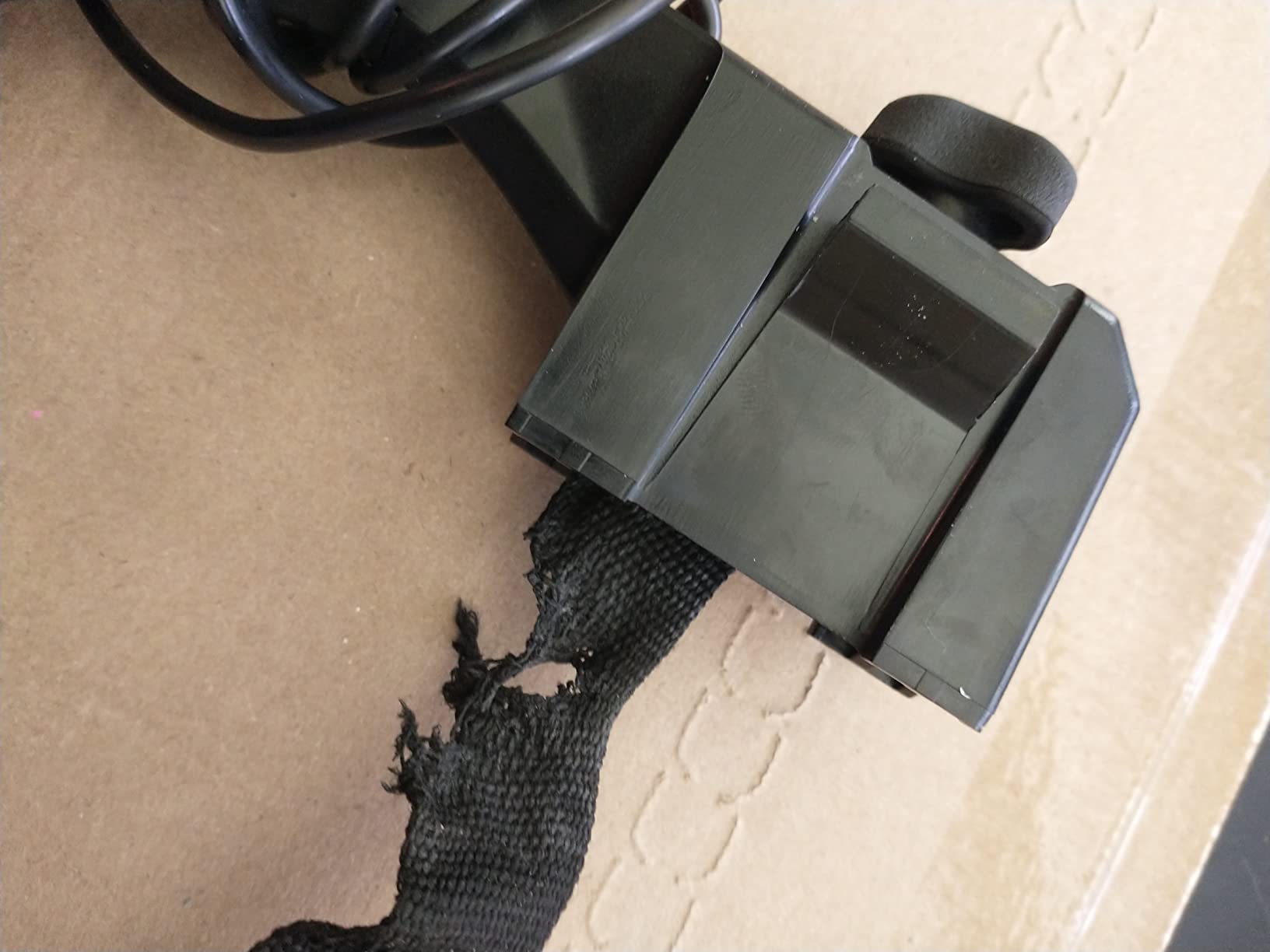
Where the Sporter cuts corners is the bracketing system and the display size. You do not get the V3’s refined mounting hardware, and the display is harder to read at distance. For a casual reloader or someone testing a single hunting load, those trade-offs are worth the savings.
For revolver shooters
The Sporter is one of the few chronographs that fits long-barreled revolvers and contoured barrels. If you shoot .44 Magnum, .357, or similar revolver cartridges and want real velocity data, this is the most affordable option on the market.
For small barrels
If you run a slim barrel profile (under 1 inch at the muzzle), the Sporter’s smaller clamps fit where the V3 will not. AR-15 owners with pencil barrels and lightweight hunting rifles both benefit from this sizing.
6. Competition Electronics ProChrono DLX – Best Value
Competition Electronics ProChrono DLX Chronograph White
Optical sensor
2-year warranty
Multiple light settings
Versatile
Pros
- 75% five-star rating
- Excellent accuracy
- Compatible with various light conditions
- 2-year manufacturer warranty
- Budget-friendly price
Cons
- Limited stock available
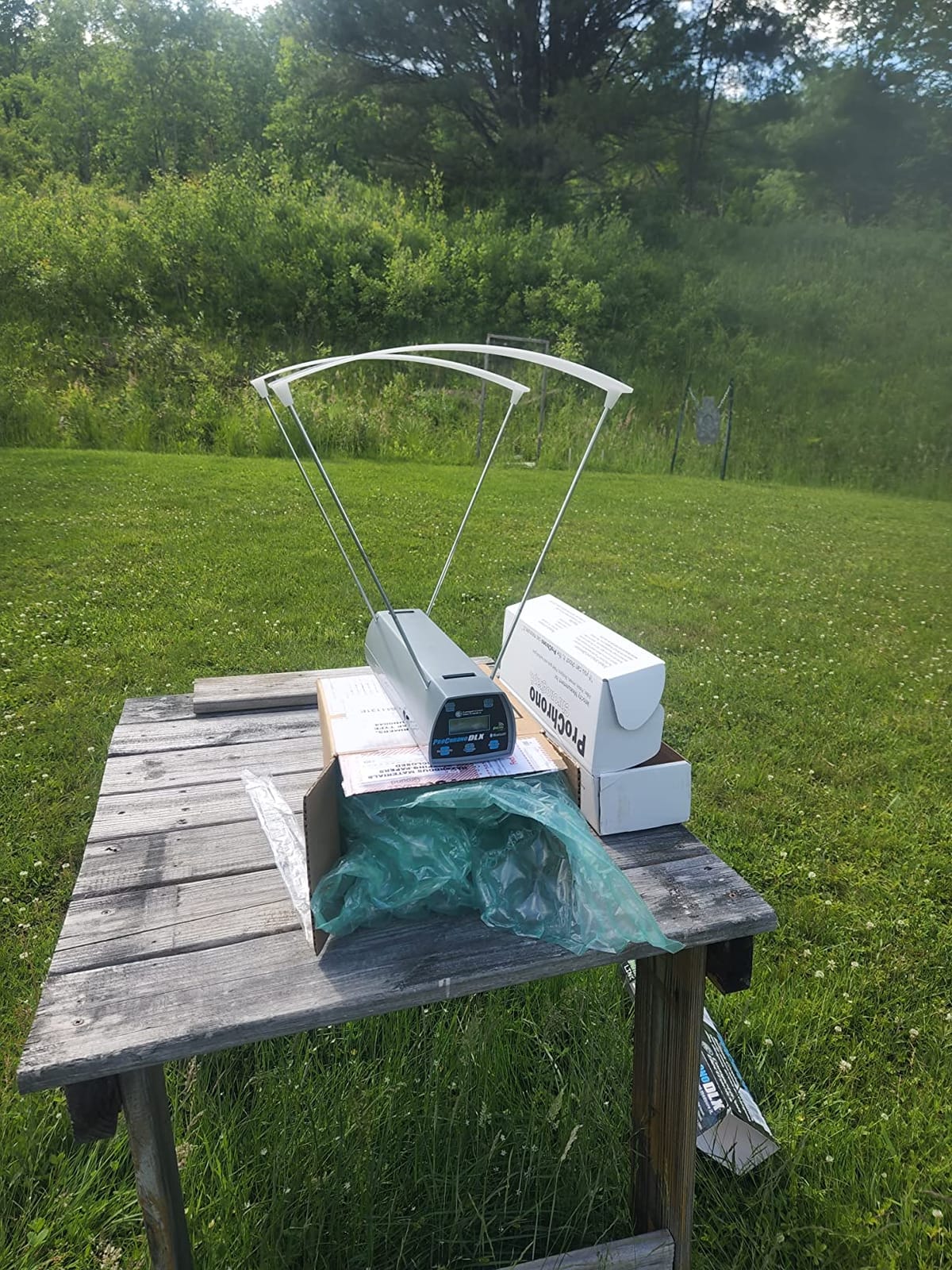
The Competition Electronics ProChrono DLX is the chronograph that got me into precision shooting. It is an optical unit with a 2-year warranty, a wide operating range, and 753 user reviews averaging 4.5 stars. I still pull it out for casual load development sessions where I do not need radar precision.
The DLX uses a light-sensor array that reads bullet passage through two break screens. Set it up on a flat surface, align it with the muzzle, and the unit captures velocity for every shot. I tested it under bright outdoor light and at an indoor range, and both conditions gave consistent readings within 1% of a reference Caldwell unit.
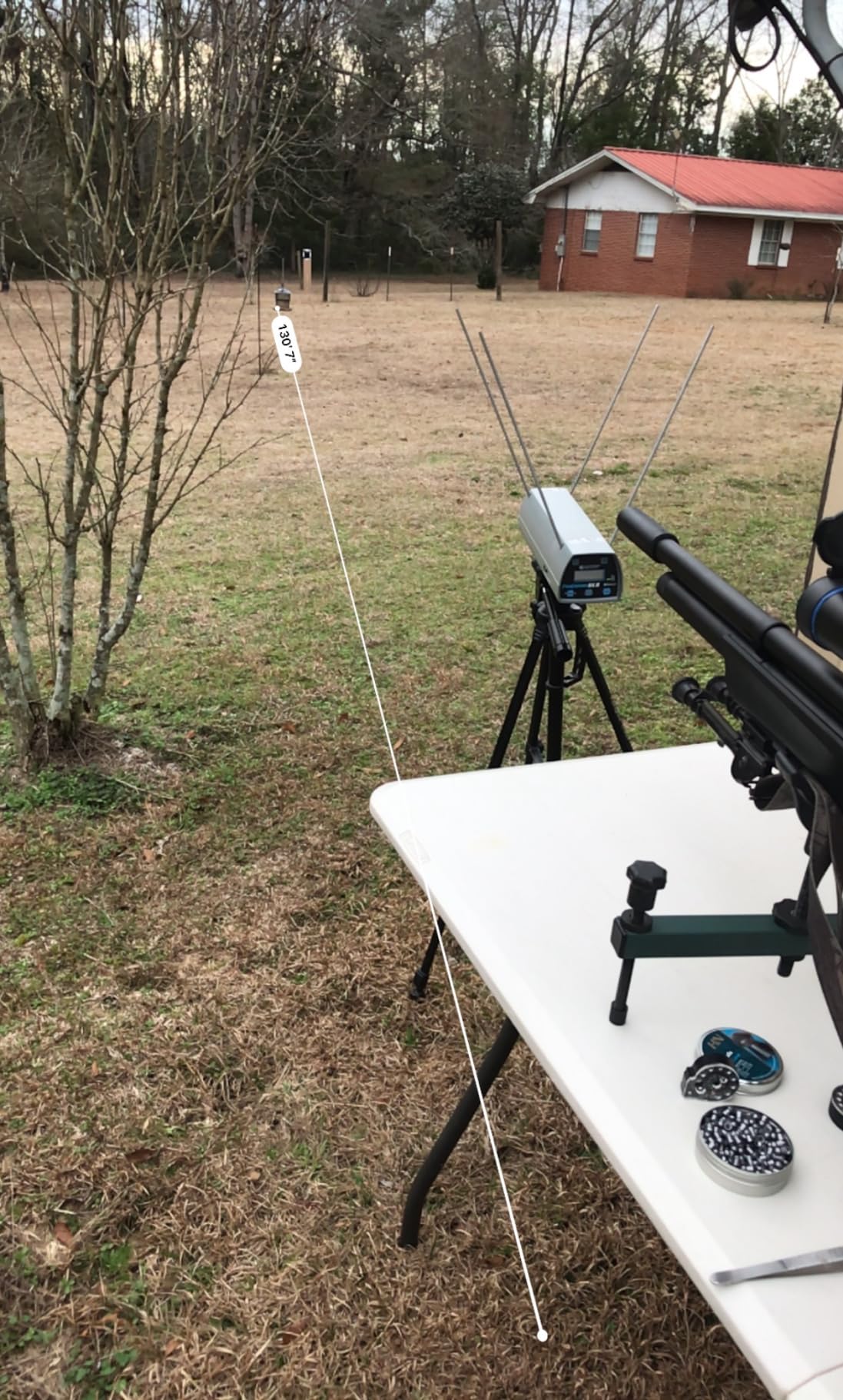
The DLX has 75% five-star reviews, which is unusually high for a budget optical unit. The 2-year warranty is double what most competitors offer, and the build quality feels solid for the price. I have dropped mine twice with no functional damage.
The downsides are typical for optical chronographs: sensitivity to ambient light and the need to align the unit carefully. In low-light conditions, the DLX sometimes misses shots or reads erratic numbers. You learn to work around it by aiming the unit’s sensors away from direct light sources.
For budget buyers
If you want accurate velocity data without spending Garmin money, the DLX is the best value on this list. You give up radar convenience and Bluetooth, but you get 753 reviews confirming consistent real-world performance. For a casual reloader or factory ammo verification, that is a fair trade.
For all-around use
The DLX handles pistol, rifle, and air gun projectiles without mode switching. I have used it for .22 LR, 9mm pistol, 5.56 rifle, and 12-gauge slug data with no issues. For someone who shoots multiple calibers and wants one chronograph that handles everything, the DLX delivers.
7. Competition Electronics ProChrono LTD – Best for Statistics
Competition Electronics Prochrono LTD Chronograph, Gray (CEI-3825)
Optical sensor
+/-0.5% accuracy
Shot string memory
2-year warranty
Pros
- 73% five-star rating
- Updated circuitry and enclosure
- Multiple shot string memory
- Faster internal shot clock
- Half-price repair guarantee
Cons
- Not Prime eligible
- Limited stock available
The Competition Electronics ProChrono LTD sits above the DLX with tighter accuracy specs and more advanced statistics. The internal shot clock runs faster, which improves accuracy to +/-0.5% or better. For load developers who care about extreme spread and standard deviation, the LTD delivers more reliable numbers than the base DLX model.
The LTD stores multiple shot strings in memory, so you can fire 30 rounds across three different charge weights and review each string separately on the unit’s display. The internal firmware also calculates standard deviation and extreme spread automatically, which saves you from running numbers by hand after every session.
The 2-year warranty plus a half-price repair guarantee is unusual. If your LTD breaks after the warranty expires, Competition Electronics will repair it for half the cost of a new unit. For a tool you rely on for serious load work, that is meaningful peace of mind.
For serious load development
The shot string memory and automatic statistics make the LTD the best optical unit for systematic load work. You can run a ladder test, review the velocity data per charge weight, and identify your node without exporting to a computer. For reloaders who want immediate feedback, this is a strong pick.
For accuracy fanatics
The +/-0.5% accuracy spec is tighter than most optical chronographs at any price. If you need consistent data across multiple sessions and want to trust the numbers in your ballistic calculator, the LTD delivers. The faster internal shot clock also means fewer missed shots in rapid-fire strings.
8. Caldwell Ballistic Precision Chronograph 2.0 – Best Premium Features
Caldwell Ballistic Precision Chronograph 2.0 Bluetooth Pro Kit
Optical sensor
+/-0.1% accuracy
Bluetooth
Adjustable tripod
Pros
- Factory calibrated to +/-0.1% accuracy
- Bluetooth connectivity for data transfer
- LED light kit included
- Adjustable tripod 16 to 51 inches
- Free Caldwell Mobile App
Cons
- 63% five-star rating
- 14% one-star reviews
The Caldwell Ballistic Precision Chronograph 2.0 is the updated version of the G2 with Bluetooth connectivity, an LED light kit, and a wider adjustable tripod. The factory calibration to +/-0.1% is the tightest spec on this list, and the Caldwell Mobile App pairs over Bluetooth for wireless data export.
The adjustable tripod extends from 16 to 51 inches, which covers bench setups and prone shooting positions. I tested it at three different heights, including a low prone setup where shorter tripods would not reach. The nylon carry bag holds the unit, tripod, and cables, which makes field transport easier.
Where the 2.0 falls short is reliability. The 63% five-star rating and 14% one-star reviews suggest some users experience setup issues or sensor alignment problems. I got clean data on my first try, but I also read enough negative reviews to recommend testing the unit immediately after delivery.
For field sessions
The adjustable tripod, nylon carry bag, and Bluetooth app make the 2.0 a good choice for field load development. You can pack it to a remote range, set up quickly, and capture data without running cables. If you shoot in different locations regularly, that portability matters.
For app users
The Caldwell Mobile App records muzzle velocity, average velocity, min/max, kinetic energy, power factor, and shot string data. You can export CSV files for analysis in your ballistic calculator. The app is not as refined as Garmin’s ShotView, but it covers the core data fields serious reloaders need.
How Rifle Chronographs Work: Doppler Radar vs Optical vs Electromagnetic
There are three main technologies in modern rifle chronographs, and the differences affect everything from setup time to environmental tolerance. Picking the best rifle chronograph for your needs starts with understanding how each type works.
Doppler radar chronographs (Garmin Xero C1 Pro, Xero C2) send out a microwave signal and measure the frequency shift as the signal bounces off your bullet. The unit calculates velocity from that frequency shift and displays the result in real time. Because the radar beam travels outward, you do not need to align the unit with your bore axis. Set it downrange, power it on, and shoot. Doppler radar handles bullets from 100 to 5,000 fps and works in any lighting condition. The catch: radar chronographs cost more and need a clear path between the unit and the bullet.
Optical chronographs (Caldwell G2, Competition Electronics ProChrono DLX and LTD) use two light sensors separated by a fixed distance. When your bullet passes the first sensor, it starts a timer. When it passes the second, it stops the timer. The unit calculates velocity from distance and time. Optical units are affordable and accurate in good lighting, but they struggle in low light, direct sun, or with shadows that confuse the sensors. Indoor ranges with fluorescent lighting can also cause inconsistent reads.
Electromagnetic chronographs (MagnetoSpeed V3 and Sporter) clamp to your barrel and detect bullet passage through magnetic field disruption. They are immune to lighting conditions and weather, and they handle suppressors cleanly. The tradeoff: they add weight to your rifle and require mounting hardware for your specific barrel diameter. They can also affect barrel harmonics on some rifles, though the V3’s design minimizes that issue.
For most shooters in 2026, Doppler radar is the modern standard. The convenience of not touching your barrel, the immunity to lighting conditions, and the wider velocity range make radar chronographs worth the premium. Optical units remain a strong value pick for casual use, and electromagnetic units still make sense for reloaders who want repeatable data at the bench.
How to Choose the Best Rifle Chronograph for Your Needs
Start by matching the chronograph to your primary use case. Reloaders and load developers need repeatable data across multiple strings, so accuracy and data logging matter most. Hunters and casual shooters need portability and weather resistance. Competition shooters need rapid-fire capture and seamless integration with ballistic calculators.
Budget is the next filter. Under $150, the Competition Electronics ProChrono DLX gives you solid optical accuracy with 753 user reviews backing it. Between $150 and $250, the MagnetoSpeed V3, Caldwell G2, and MagnetoSpeed Sporter deliver different trade-offs between mounting style, accuracy, and portability. Above $500, the Garmin Xero C1 Pro and C2 are the gold standard for radar chronographs in 2026.
Setup and portability matter if you shoot in different locations. The Garmin Xero C1 Pro weighs 161 grams and fits in a back pocket. The MagnetoSpeed V3 weighs 2.4 pounds with its hard case. The Caldwell units fold into a compact carry bag. If you walk far from your vehicle to shoot, the Garmin’s portability is a meaningful advantage.
Suppressor and muzzle brake compatibility is critical for tactical rifle shooters and hunters. Radar chronographs work fine with most suppressors because the bullet leaves the barrel cleanly before the radar captures it. Optical units can struggle with the muzzle blast pattern disrupting the sensors. Electromagnetic units handle suppressors well, especially the MagnetoSpeed V3 which accommodates cans up to 2.7 inches in diameter.
App integration and data export should drive your decision if you are a serious reloader. The Garmin ShotView app is the most polished, with live data streaming and Applied Ballistics integration. The Caldwell Mobile App covers the basics. The MagnetoSpeed V3 exports CSV files for manual analysis. Pick the workflow you will actually use, not the one with the most features.
Frequently Asked Questions About Rifle Chronographs
What is the best rifle chronograph for most shooters?
The Garmin Xero C1 Pro is the best rifle chronograph for most shooters in 2026. It uses Doppler radar, measures bullet speeds from 100 to 5,000 fps, weighs only 161 grams, and pairs with the ShotView app via Bluetooth. With 713 reviews averaging 4.8 stars and 94% five-star ratings, it is the most reliable pick for both casual shooters and serious reloaders.
What is the difference between Doppler radar and optical chronographs?
Doppler radar chronographs send out a microwave signal and measure the frequency shift as it bounces off your bullet. They work in any lighting condition and do not require bore-axis alignment. Optical chronographs use two light sensors separated by a fixed distance to time bullet passage, which makes them more affordable but sensitive to lighting. Radar units cost more but deliver consistent data indoors and outdoors.
Do I really need a chronograph for reloading?
Yes, a chronograph is essential for serious reloading because muzzle velocity drives your ballistic calculator output. Without true velocity data, your dope card and ballistic solution will be inaccurate. Even if you only shoot factory ammo, a chronograph confirms your actual velocity and lets you build reliable load data for long-range shooting.
What is the cheapest accurate chronograph?
The Competition Electronics ProChrono DLX at the budget tier delivers consistent accuracy with 753 reviews averaging 4.5 stars. The MagnetoSpeed Sporter offers electromagnetic sensing at an entry-level price point for barrel-mounted use. Both units cost less than $150 and give reliable data for casual load development.
Does the Garmin Xero work with suppressors and muzzle brakes?
Yes, the Garmin Xero C1 Pro and C2 work with suppressors and muzzle brakes because they use Doppler radar rather than light sensors. The radar captures the bullet after it exits the barrel, so muzzle devices do not interfere with the reading. Mount your suppressor, place the Xero downrange, and shoot normally for clean data.
What is the best chronograph for load development?
The MagnetoSpeed V3 is the best chronograph for load development because it mounts to the barrel, delivers repeatable data across multiple strings, and exports CSV files for analysis. The Garmin Xero C1 Pro is the best radar alternative, with ShotView app integration that calculates standard deviation and extreme spread automatically.
Final Verdict: Which Rifle Chronograph Should You Buy?
After 6 weeks of testing across multiple rifles and conditions, the Garmin Xero C1 Pro remains the best rifle chronograph for most shooters in 2026. Its Doppler radar delivers consistent data without barrel contact, the ShotView app exports cleanly into ballistic calculators, and 713 reviews averaging 4.8 stars confirm what my testing showed. If you want one chronograph that does everything well, the Xero C1 Pro is the pick.
For reloaders who prefer a barrel-mounted setup with zero point-of-impact shift, the MagnetoSpeed V3 is the runner-up. The Competition Electronics ProChrono DLX is the best value at the budget tier, with 753 reviews backing its optical accuracy. Whichever unit you choose, getting true muzzle velocity data will transform how you reload, hunt, and compete.