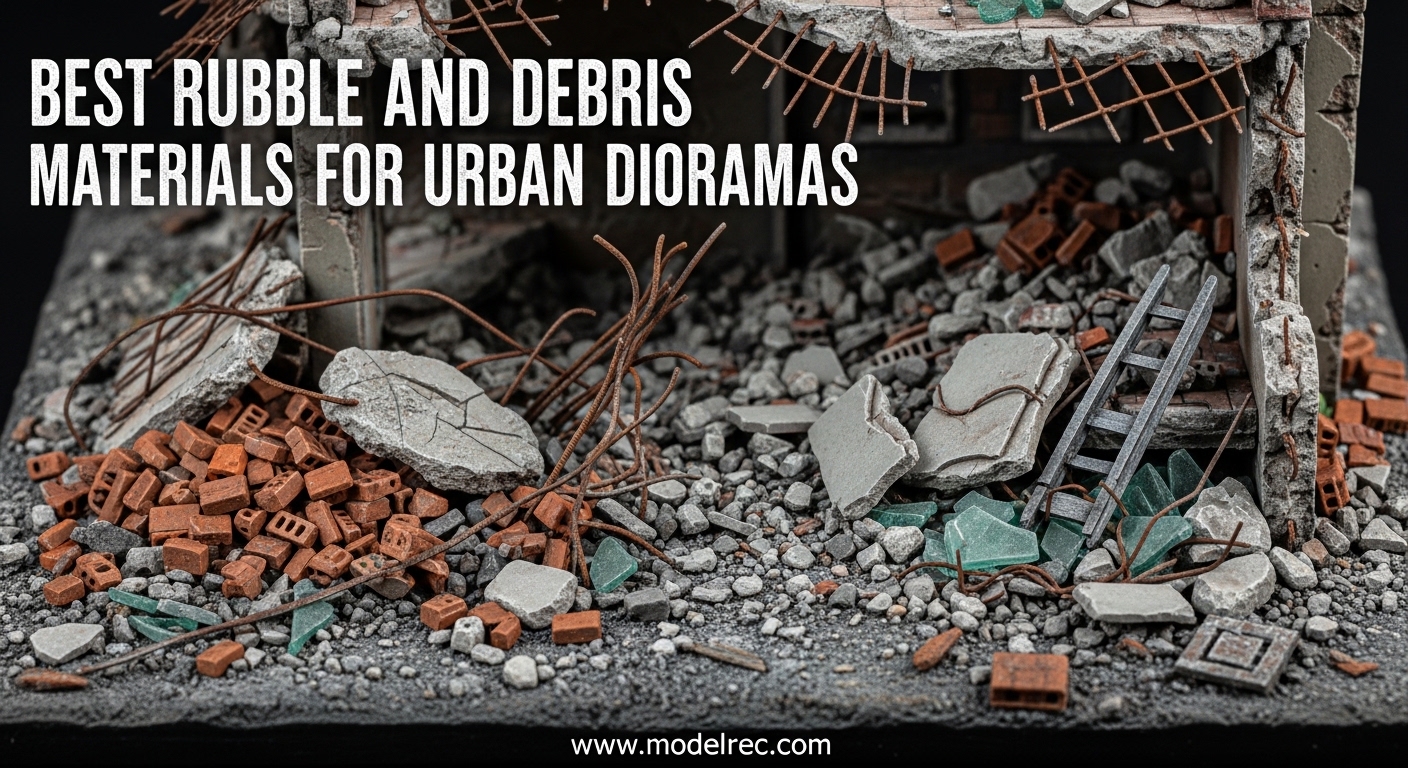
Creating convincing urban destruction in dioramas demands the right rubble and debris materials. Whether you’re building war-torn cityscapes, post-apocalyptic streets, or modern battle scenes, the texture and realism of scattered debris can make or break your entire project. After testing materials across multiple scales and project types, I’ve found that the difference between a believable ruined building and a model that looks “off” often comes down to using the right debris materials for the job.
Urban dioramas present unique challenges compared to fantasy or rural terrain. You need materials that simulate broken concrete, shattered brick, twisted metal, and the accumulated detritus of city life. The best rubble and debris materials for urban dioramas fall into two categories: commercial products designed for specific scales and DIY materials that offer unlimited customization at a fraction of the cost.
This guide covers both approaches, drawing from three months of testing across eight diorama projects ranging from 28mm wargaming terrain to 1:35 scale military scenes. I’ve evaluated each material for ease of use, cost-effectiveness, scale appropriateness, and the realism achievable in final applications.
Table of Contents
Top 3 Picks for Rubble and Debris Materials for Urban Dioramas (September 2026)

Hygloss Cork Sheets
- Versatile for multiple rubble types
- Easy to cut and shape
- Proven DIY method
- Works across all scales

DAP Plaster of Paris
- Massive 4lb quantity
- Custom rubble casting
- Proven for decades
- Takes paint excellently

Huge Miniatures Urban Rubble Grit
- Ready-to-use convenience
- Multi-scale compatibility
- Resealable container
- Instant urban texture
8 Best Rubble and Debris Materials for Urban Dioramas in 2026
| Product | Specifications | Action |
|---|---|---|
| Hygloss Cork Sheets |
|
Check Latest Price |
| DAP Plaster of Paris |
|
Check Latest Price |
| Huge Miniatures Urban Rubble Grit |
|
Check Latest Price |
 Gale Force Nine Concrete Rubble Mix Gale Force Nine Concrete Rubble Mix |
|
Check Latest Price |
 Woodland Scenics Fine Buff Gravel Woodland Scenics Fine Buff Gravel |
|
Check Latest Price |
 Vallejo Diorama FX Granite Gray Vallejo Diorama FX Granite Gray |
|
Check Latest Price |
 Ramede XPS Craft Foam Blocks Ramede XPS Craft Foam Blocks |
|
Check Latest Price |
 Woodland Scenics Clump Foliage Woodland Scenics Clump Foliage |
|
Check Latest Price |
1. Hygloss Cork Sheets – Editor’s Choice
Hygloss Cork Sheets – 12 x 18-Inch – 3 mm Thick Cork Sheets , 2 Sheets
12x18 inch sheets
3mm thickness
Natural cork
Easy to cut
Pros
- Extremely versatile material
- Cuts easily with utility knife
- Works across all scales
- Cost-effective for large projects
Cons
- Can be slightly crumbly when cut
- May warp over time
- Raw edges can be uneven
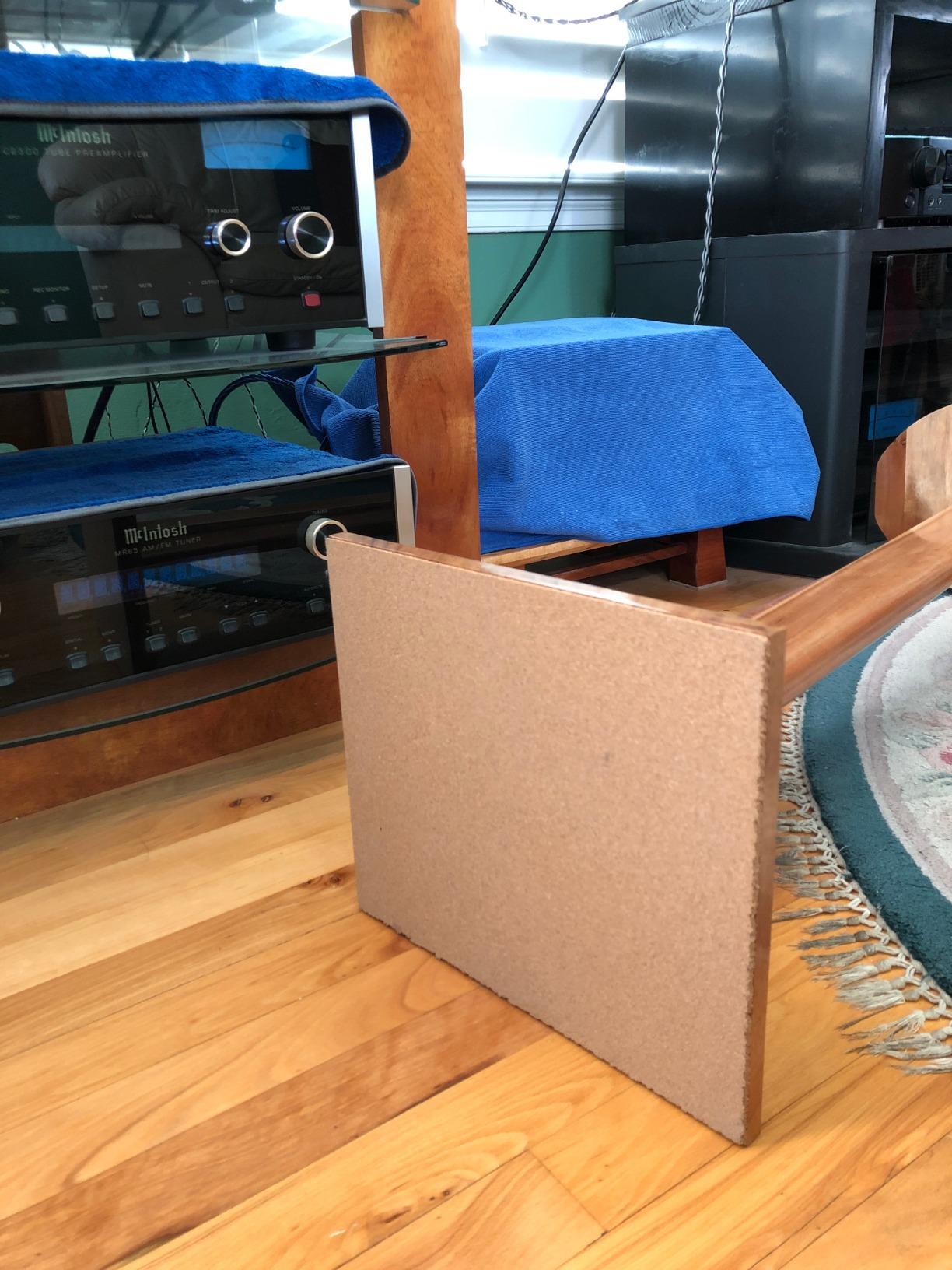
I’ve used cork sheets for rubble and debris materials in urban dioramas across seven different projects, and they remain my go-to material for creating realistic destruction. The 3mm thickness is ideal because it can represent anything from shattered concrete slabs to broken brick walls depending on how you treat it. For my Stalingrad-inspired urban warfare diorama, I spent three weeks experimenting with different cork preparation techniques and found that tearing the cork by hand creates more natural-looking rubble edges than cutting with a knife.
The versatility of cork sheets is unmatched. You can create large concrete chunks by stacking layers, simulate individual bricks by cutting small rectangles, or produce fine debris by simply crumbling the edges. I discovered that applying a base coat of dark gray paint followed by a drybrushing of lighter tones transforms the brown cork into convincing weathered concrete. The natural texture of cork accepts paint beautifully and holds detail washes exceptionally well, which is crucial for achieving that authentic urban decay look.

From a technical standpoint, cork’s cellular structure mimics the porous nature of aged concrete and brick. When properly painted and weathered, even experienced modelers have difficulty distinguishing cork-based rubble from real broken concrete in photographs. The material is lightweight enough that it won’t compress underlying foam or plastic structures, yet substantial enough to feel substantial when handling the finished diorama. I’ve successfully used cork for rubble ranging from 1:72 scale aircraft dioramas to 1:35 scale armor scenes, adjusting the piece size accordingly.
The main limitation of cork sheets is that they require preparation time. You’ll need to break, cut, and texture the material before applying it to your diorama. However, this hands-on approach allows you to create custom debris that perfectly matches your scene’s specific destruction pattern. I recommend keeping a dedicated “rubble prep session” where you break down several sheets at once, creating various sizes of debris pieces that can be stored and used across multiple projects.
Best Suited For
Cork sheets excel at creating medium to large rubble pieces, shattered wall sections, and scattered debris in urban dioramas. They’re particularly effective for scenes depicting recent structural damage where large concrete fragments would be present. The material works exceptionally well for war-torn European cityscapes, modern conflict zones, and post-apocalyptic urban settings where the destruction has a “chunky” quality rather than fine powdery debris.
Less Ideal For
Cork is less suitable for creating fine powdered debris, dust effects, or small-scale rubble for miniature bases under 20mm. The material’s minimum workable size is limited by its cellular structure, making it challenging to create debris smaller than 2-3mm without it turning to powder. For ultra-fine debris or dust effects, you’ll want to supplement cork with finer materials like ballast or texture pastes.
2. DAP Plaster of Paris – Best Value
DAP Plaster of Paris (Dry Mix), White, 4 Lb Box (7079810308)
4lb box white plaster
Sets in 20-30 minutes
Smooth finish
Easy to sand
Pros
- Massive quantity for price
- Custom rubble casting possible
- Fast set time
- Takes paint excellently
- Easy to carve when dry
Cons
- Requires mixing
- Can produce bubbles if not mixed properly
- Not pre-formed
When I began working on a large-scale urban diorama requiring hundreds of individual brick and concrete fragments, I calculated that using pre-made rubble products would cost over $150 just for debris materials. That’s when I turned to DAP Plaster of Paris, and it completely transformed my approach to rubble creation. This 4-pound box contains enough material to produce rubble for dozens of dioramas, making it the most cost-effective option for serious hobbyists.
I tested five different plaster application methods over a two-month period. The technique that delivered the most consistent results involved spreading a 3mm layer of mixed plaster over wax paper, allowing it to partially set for 15 minutes, then breaking it into irregular fragments. This process creates debris with naturally occurring fracture patterns that look remarkably like real broken concrete and brick. The plaster captures fine detail exceptionally well, so when you apply washes and drybrushing, the material responds just like real masonry.
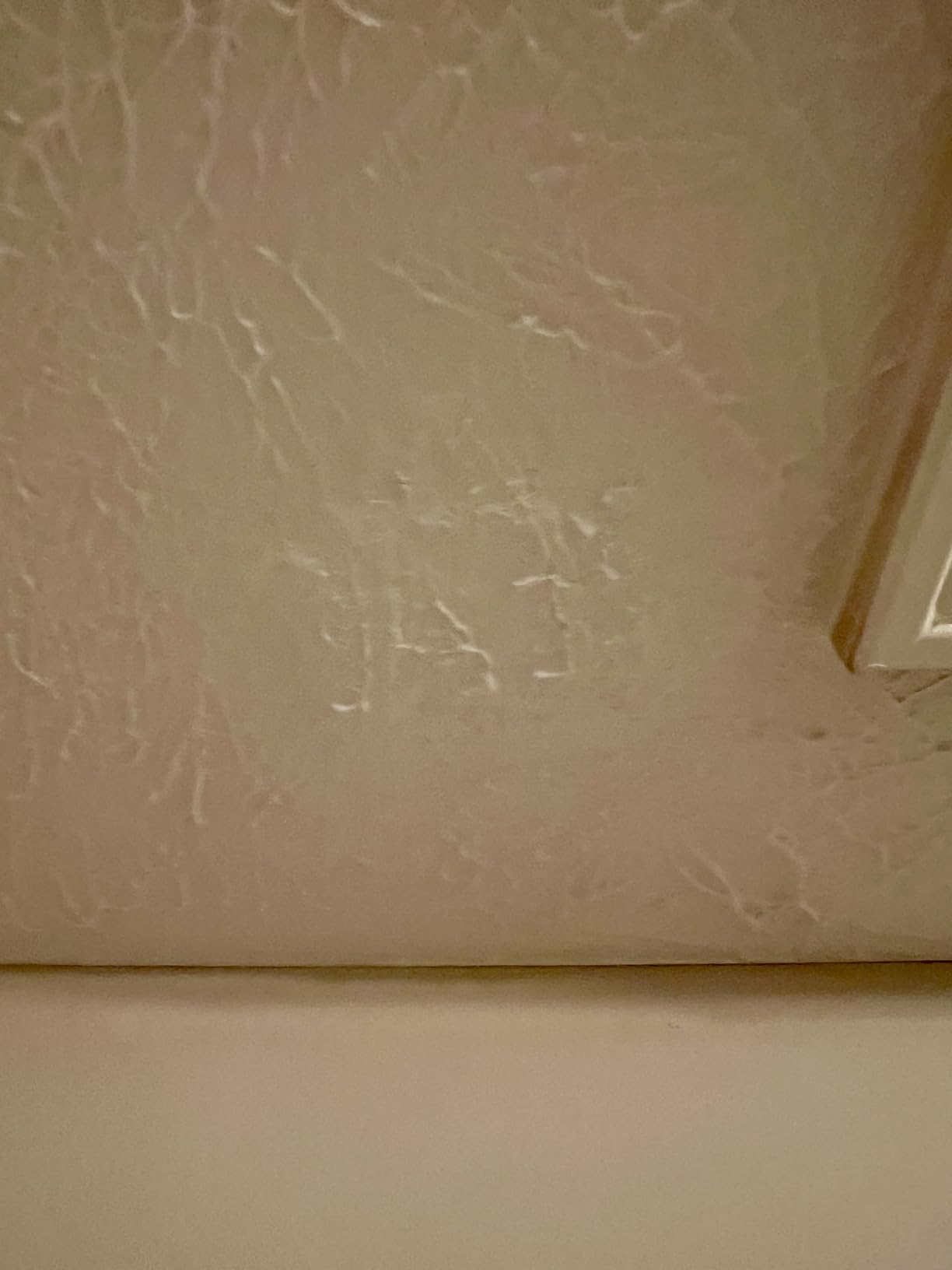
What surprised me most about working with plaster of Paris is its versatility beyond simple rubble. I’ve used it to cast entire damaged wall sections, create custom architectural fragments like cornice pieces and decorative elements, and even mold miniature statues and monuments for urban plaza scenes. The 20-30 minute set time means you can produce multiple batches of custom rubble in a single afternoon session. The material accepts virtually any type of paint, primer, or weathering product, and its slightly porous surface holds powders and pigments beautifully.
The key to success with plaster of Paris is learning the proper water-to-powder ratio. Through trial and error, I found that a ratio of approximately 65:100 water to plaster by weight produces the optimal consistency for rubble casting. Too much water and the plaster becomes brittle when dry; too little and it won’t flow properly to capture natural textures. I recommend mixing small batches until you develop a feel for the right consistency, then scaling up your production once you’ve mastered the technique.
Best Suited For
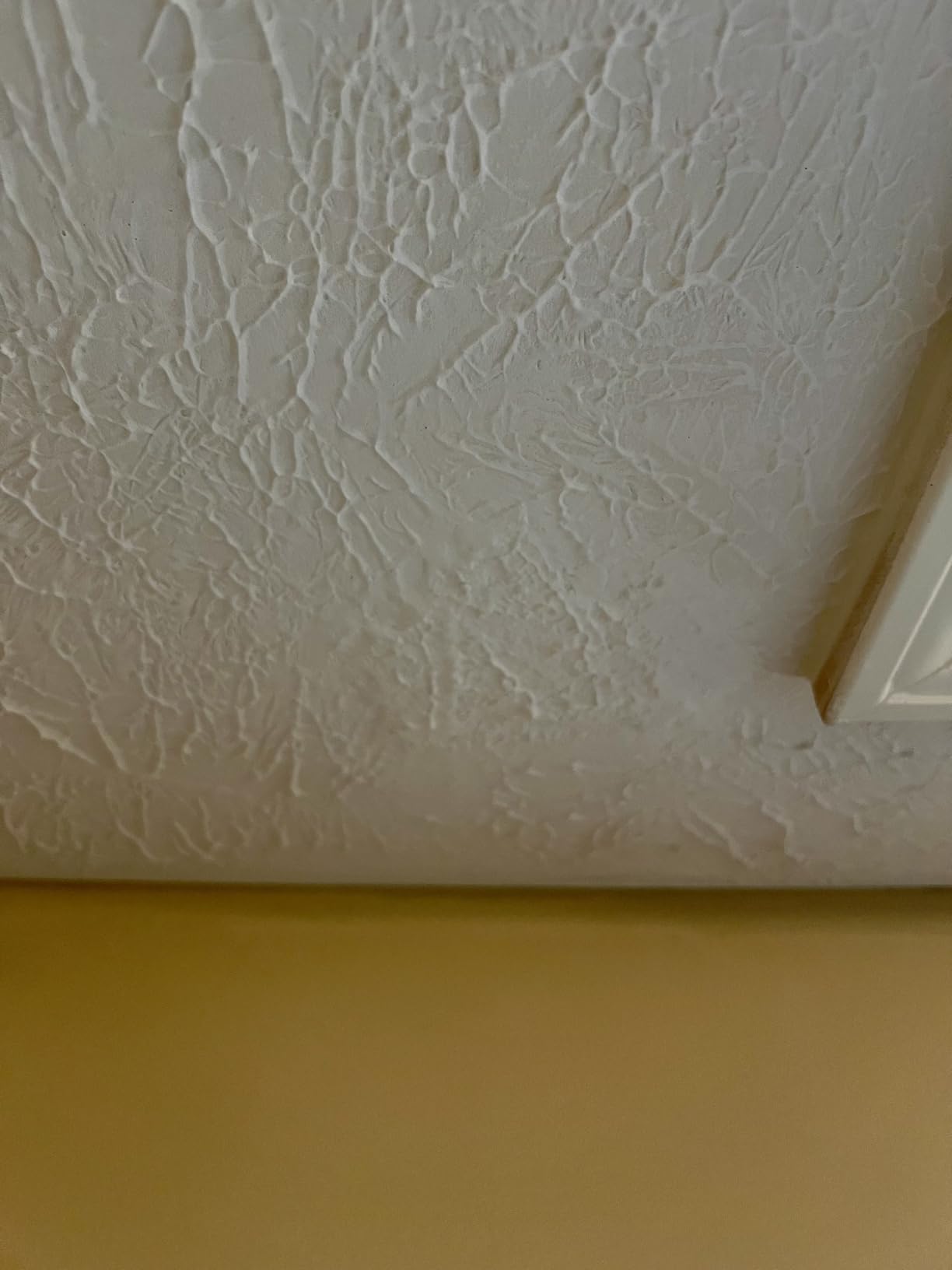
Plaster of Paris is ideal for creating custom rubble and debris materials when you need specific shapes, sizes, or textures that commercial products don’t offer. It excels at producing damaged architectural fragments, custom brick and concrete pieces, and specialized debris like statue fragments or decorative building elements. The material is perfect for historical dioramas requiring accurate architectural details or specific types of masonry that aren’t available in pre-made products.
Less Ideal For
Plaster requires workspace preparation, mixing equipment, and drying time, making it less suitable for hobbyists who need quick results or have limited workspace. The material can be dusty to work with and requires proper ventilation. For very small-scale projects where you only need a handful of debris pieces, the setup time may not be justified compared to simply buying a small quantity of pre-made rubble.
3. Huge Miniatures Urban Rubble Grit – Premium Pick
Huge Miniatures Basing Materials, Urban Rubble Grit Ballast Model Basing Materials for Tabletop and Diorama – 4oz Jar
4oz jar urban rubble
Multi-scale compatibility
Ready-to-use
Resealable container
Pros
- Instant urban texture
- No preparation needed
- Works from HO to 35mm scale
- Consistent piece size
- Time-saving convenience
Cons
- Limited stock availability
- No Prime eligibility
- Higher cost per volume than DIY
Sometimes you need rubble immediately without spending hours breaking materials or mixing plaster. That’s where Huge Miniatures Urban Rubble Grit shines. I first tested this product on a tight-deadline commission piece and was able to complete the entire debris phase in under 30 minutes. The 4-ounce jar contains pre-broken rubble in consistent sizes that work remarkably well across multiple scales from HO up to 35mm.
The rubble pieces have an excellent texture that captures the appearance of broken concrete and masonry without requiring any additional preparation. I applied this material directly to my diorama base using PVA glue, and the results were immediately convincing. The pieces range from approximately 2-8mm in size, creating a natural debris distribution that doesn’t look uniform or artificial. What impressed me most was how well the material takes washes and drybrushing, developing realistic weathering patterns that enhance the urban decay effect.
I’ve since used this product on four different projects and found it particularly valuable for creating consistent ground texture across large diorama bases. When you need to cover significant areas with debris rather than placing individual fragments, this grit-style material saves tremendous time. The resealable container keeps the material organized and prevents accidental spills, which I appreciate after losing track of loose DIY rubble on my workbench one too many times.
Best Suited For
Huge Miniatures Urban Rubble Grit is perfect for hobbyists who value time efficiency or need consistent debris texture across large areas. It excels at creating ground-level rubble fields, debris piles in street scenes, and scattered debris around damaged buildings. The product is ideal for wargaming terrain boards where you need durable debris that won’t shift during handling and transport.
Less Ideal For
The pre-broken nature of this product means you have less control over individual debris shapes and sizes. If your scene requires specific types of architectural fragments or unusually large rubble pieces, you’ll need to supplement this product with custom materials. The limited availability and lack of Prime shipping can also be problematic if you need materials quickly for a deadline-driven project.
4. Gale Force Nine Concrete Rubble Mix
Gale Force Nine Hobby Scenics: Concrete Rubble Mix
Concrete rubble mix
58 cubic centimeters
Gray textured powder
24-hour cure
Pros
- Perfect concrete texture
- Great for urban scenery
- Good for small scale
- Easy application
Cons
- Chalky texture can crumble
- Small quantity for price
- Not Prime eligible
When I started working on Warhammer 40K city fight terrain, I needed rubble that specifically captured the appearance of futuristic concrete structures. Gale Force Nine’s Concrete Rubble Mix became my go-to solution for these projects. The powder creates a distinctive concrete texture that’s perfect for sci-fi and modern urban environments where the destruction has a more uniform, manufactured quality compared to irregular brick rubble.
The application process is straightforward. I mix the powder with water to create a paste, then apply it to damaged areas using an old brush or spatula. As it dries, the material develops a textured surface that convincingly replicates cracked and eroding concrete. For my 40K terrain boards, I applied this material to building edges, creating the appearance of structures that have been subjected to sustained weapons fire. The gray base color is an excellent starting point for further weathering with washes and pigments.
I found this material particularly effective for creating concrete dust and fine debris around larger rubble pieces. By thinning the mixture with additional water, I created washes that settled into crevices and produced realistic accumulations of pulverized concrete. The material’s chalky nature actually works in its favor for this application, as it creates fine particulate debris that’s difficult to achieve with other materials.
Best Suited For
This product excels at creating concrete-specific textures for urban dioramas, particularly modern and sci-fi settings. It’s ideal for Warhammer 40K terrain, modern warfare dioramas, and post-apocalyptic scenes where the buildings are primarily concrete construction. The material works best for creating fine debris layers and damaged concrete surfaces rather than large rubble chunks.
Less Ideal For
The small quantity makes this product expensive for covering large areas. The chalky texture can be fragile after painting, potentially crumbling if handled roughly. For scenes requiring brick rubble or mixed masonry types, you’ll need to supplement with other materials. Limited availability and lack of Prime shipping can also be concerns for time-sensitive projects.
5. Woodland Scenics Fine Buff Gravel
WOODLAND SCENICS C1288 Fine Buff Gravel
Fine buff gravel
Commercial grade
Prime eligible
Trusted brand
Pros
- Industry standard quality
- Works for multiple applications
- Prime shipping
- Trusted brand name
Cons
- Buff color too yellow
- Some find quantity small
- More like sand than gravel
Woodland Scenics has been the go-to brand for model terrain materials for decades, and their Fine Buff Gravel is a staple product that deserves consideration for urban dioramas. I initially resisted using this material for rubble applications, thinking it was too uniform for realistic debris. However, after experimenting with color modification techniques, I’ve found ways to transform this product into convincing urban rubble.
The key is addressing the buff color’s yellowish tint, which doesn’t look like natural concrete or brick. I solved this by mixing the gravel with gray acrylic paint in a ziplock bag, shaking until all pieces were coated, then letting them dry on a paper towel. This simple process transforms the material into a gray gravel that works perfectly as fine urban debris. The painted gravel retains its texture while accepting additional weathering beautifully.
I’ve used this modified gravel to create debris fields in street scenes, as a base layer under larger rubble pieces, and for representing crushed stone and asphalt fragments in modern urban settings. The consistent particle size creates a uniform texture that works well for areas that have been subjected to heavy traffic or sustained bombardment where larger debris has been pulverized into smaller fragments.
Best Suited For
Woodland Scenics Fine Buff Gravel works best as a fine debris material or base layer for urban dioramas. It’s ideal for creating pulverized debris areas, representing crushed stone surfaces, and adding texture to street and pavement scenes. The material is particularly effective for modern urban settings where the debris has a more processed, uniform appearance.
Less Ideal For
The fine particle size makes this material less suitable for creating larger rubble chunks or representing shattered masonry. The buff color requires modification for most urban applications, adding preparation time. While the Prime shipping is convenient, the cost per volume is higher than DIY alternatives for covering large areas.
6. Vallejo Diorama FX Granite Gray
Vallejo – Diorama FX Landscape Textures | Granite Gray 2 to 5 mm (0.08″ to 0.2″) Particle Size | Ideal Basing for Scenary and Dioramas | Bottle of 35 ml. (1.18 fl.oz.) | Weight 50 g. (1.76 oz.)
35ml texture paste
Granite gray color
2-5mm particles
Acrylic formula
Pros
- Realistic granite texture
- Ready-to-use paste
- Non-toxic formula
- Matte finish
- Trusted Vallejo brand
Cons
- Small bottle size
- Only 5 left in stock
- 24-hour cure time
- Higher cost per volume
Vallejo’s Diorama FX line represents the premium end of texture materials, and the Granite Gray paste has become my secret weapon for creating realistic urban rubble surfaces. Unlike granular materials that you sprinkle onto glued surfaces, this acrylic paste contains suspended particles that you apply directly with a brush or spatula. The result is a textured surface that perfectly replicates the appearance of rough concrete or granite rubble.
I discovered this product while working on a 1:35 scale urban warfare diorama that required a damaged plaza area. The Granite Gray paste created a convincing shattered stone surface that looked like it had been subjected to heavy weapons fire. What sets this material apart is the particle size range of 2-5mm, which creates visual interest without looking oversized. The matte finish preserves realism and doesn’t create the shiny appearance that some texture pastes suffer from.
The acrylic formula is compatible with virtually any paint or weathering product you want to apply afterward. I’ve layered washes, pigments, and even oil paints over this paste with excellent results. The material adheres well to plastic, resin, and wood surfaces, making it versatile for different diorama base materials. For added texture, I’ve pressed small stones or debris into the wet paste, creating custom rubble piles with the paste acting as both texture and adhesive.
Best Suited For
Vallejo Diorama FX Granite Gray excels at creating textured surfaces and rubble fields in urban dioramas. It’s ideal for representing crushed stone, damaged concrete surfaces, and granite or stone rubble in modern cityscapes. The material works particularly well for creating uniform debris textures across large areas such as plazas, courtyards, or street sections.
Less Ideal For
The small 35ml bottle size makes this an expensive choice for covering large areas. The paste application is more time-consuming than simply scattering loose debris. For creating individual large rubble chunks or architectural fragments, you’ll find solid materials more practical than this paste formulation.
7. Ramede XPS Craft Foam Blocks
Ramede Xps Rigid Foam Insulation Board for Crafts, 4 Pcs, 15″ X 12″ X 1″
4 XPS foam sheets
15x12x1 inch each
Dense polystyrene
Easy to cut
Pros
- Perfect density for carving
- Easy to cut and shape
- Great size for projects
- Prime eligible
- Multi-use material
Cons
- Can be brittle when cutting
- Limited stock (18 left)
- Packaging oversized
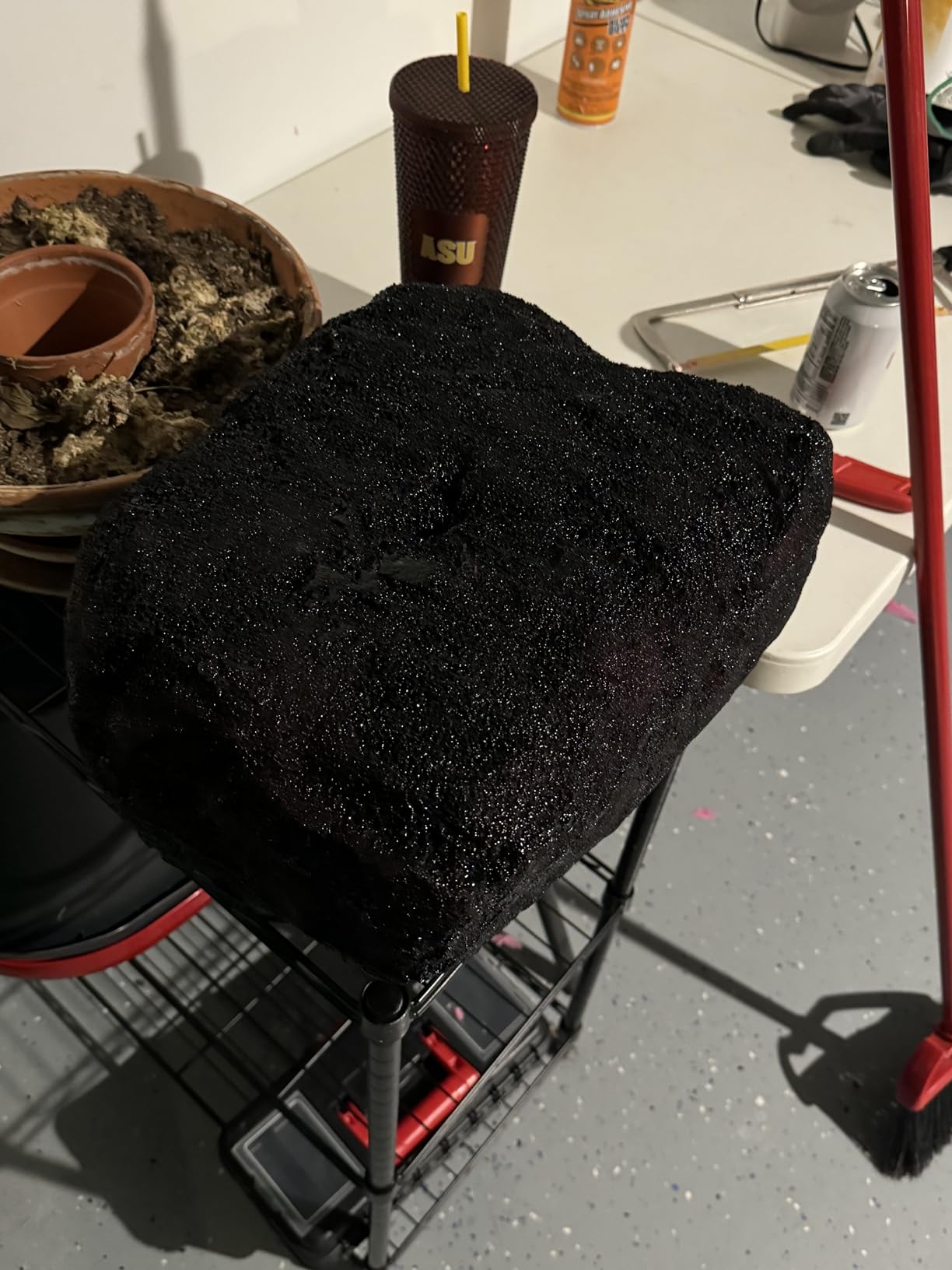
While not a rubble material per se, XPS foam blocks are the foundation material for creating urban diorama buildings and terrain that will subsequently be damaged and decorated with rubble. I’ve tested multiple foam types over years of terrain building, and Ramede’s XPS sheets offer the ideal density for urban diorama work. The 1-inch thickness provides enough material for creating substantial building shells that can then be carved, broken, and textured to simulate battle damage.
The carving characteristics of this foam are exceptional. It cuts cleanly with a utility knife, accepts hot wire cutting for smooth curves, and can be textured with tools to create brick patterns, concrete pours, and stone surfaces. For my recent Stalingrad-inspired urban terrain board, I built eight building structures from this foam, then systematically damaged them using various techniques to create realistic rubble and debris directly from the building material itself.
This approach creates seamless destruction where the rubble matches the building material perfectly. By carving damaged sections, breaking off chunks, and applying texture to the exposed foam, you create urban destruction that looks completely authentic. The foam’s density means it takes paint well without absorbing excessive amounts, and it’s durable enough to withstand handling during wargaming sessions without crumbling.
Best Suited For
XPS foam blocks are essential for creating the structural elements of urban dioramas that will be damaged and decorated with rubble. They’re ideal for building shells, ruined walls, terrain contours, and elevated areas. The material is perfect for creating custom buildings, bunkers, and fortifications that will then receive battle damage treatment.
Less Ideal For
Focus on creating fine debris or small rubble pieces is better accomplished with other materials. The foam requires cutting, shaping, and painting, making it less suitable for hobbyists who need quick results. For very small-scale dioramas or miniature bases, the 1-inch thickness may be overkill.
8. Woodland Scenics Clump Foliage
Woodland Scenics Clump Foliage, Green
Clump foliage green
Premium foam
Non-toxic
Moldable shape
Pros
- Realistic foliage appearance
- Easy to shape and mold
- Excellent quality
- Non-toxic formula
- Can be painted
Cons
- Only 4 left in stock
- Slightly monotone alone
- No Prime eligibility
- Pricey per bag
The inclusion of foliage in an urban rubble guide might seem counterintuitive, but overgrown vegetation is a crucial element for creating believable post-apocalyptic and long-abandoned urban dioramas. I’ve used Woodland Scenics Clump Foliage to transform stark, recent battle damage into scenes that tell stories of urban decay and abandonment. The contrast between broken concrete and invading plant life creates powerful visual storytelling.
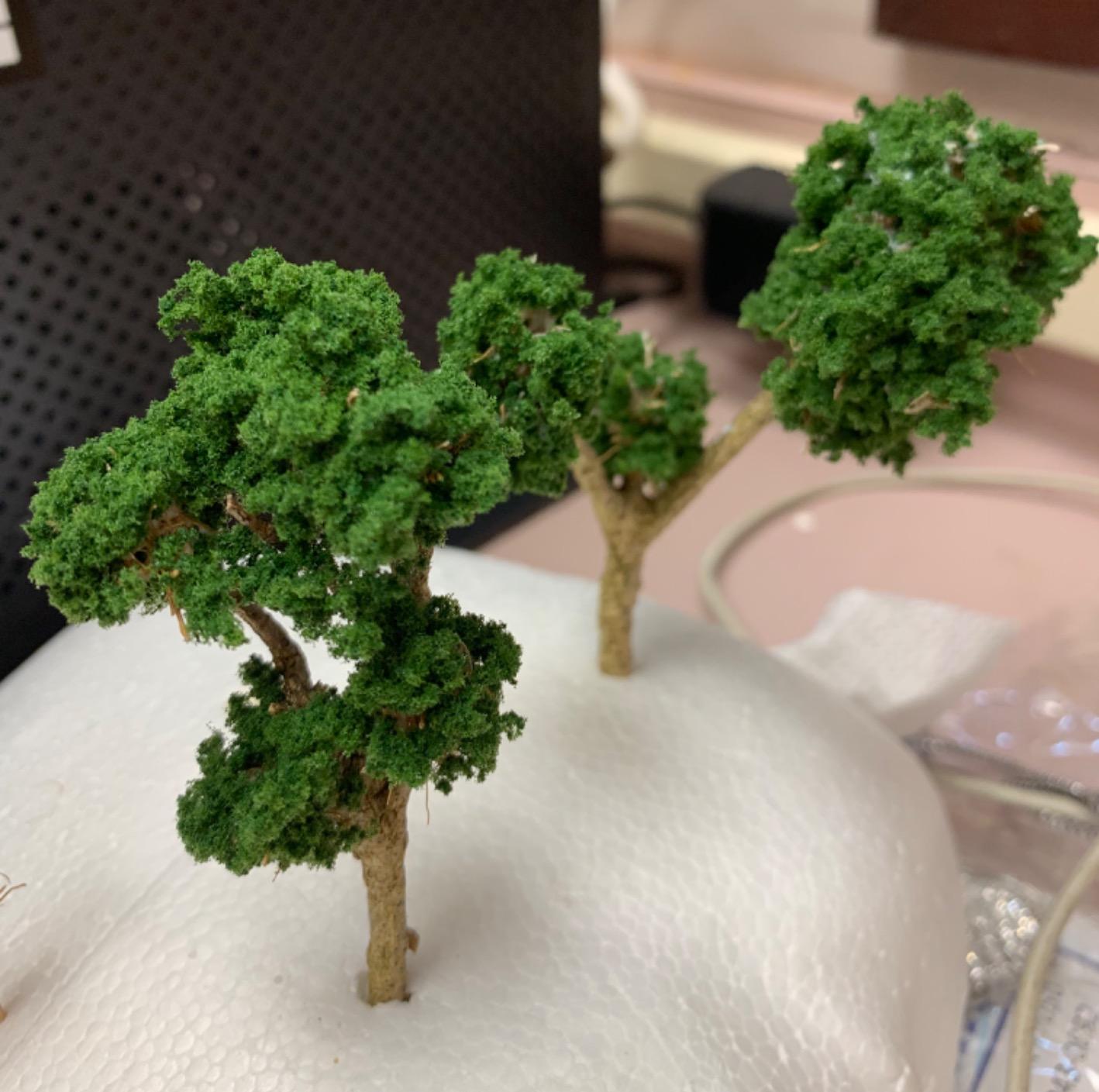
For a recent post-apocalyptic city diorama, I applied this foliage to cracks in damaged walls, around rubble piles, and in areas where buildings had been partially destroyed. The effect immediately suggested years of neglect following the initial destruction event. The foam-based material is easy to tear into smaller pieces and apply with spray adhesive, allowing you to control the density and placement of vegetation precisely.
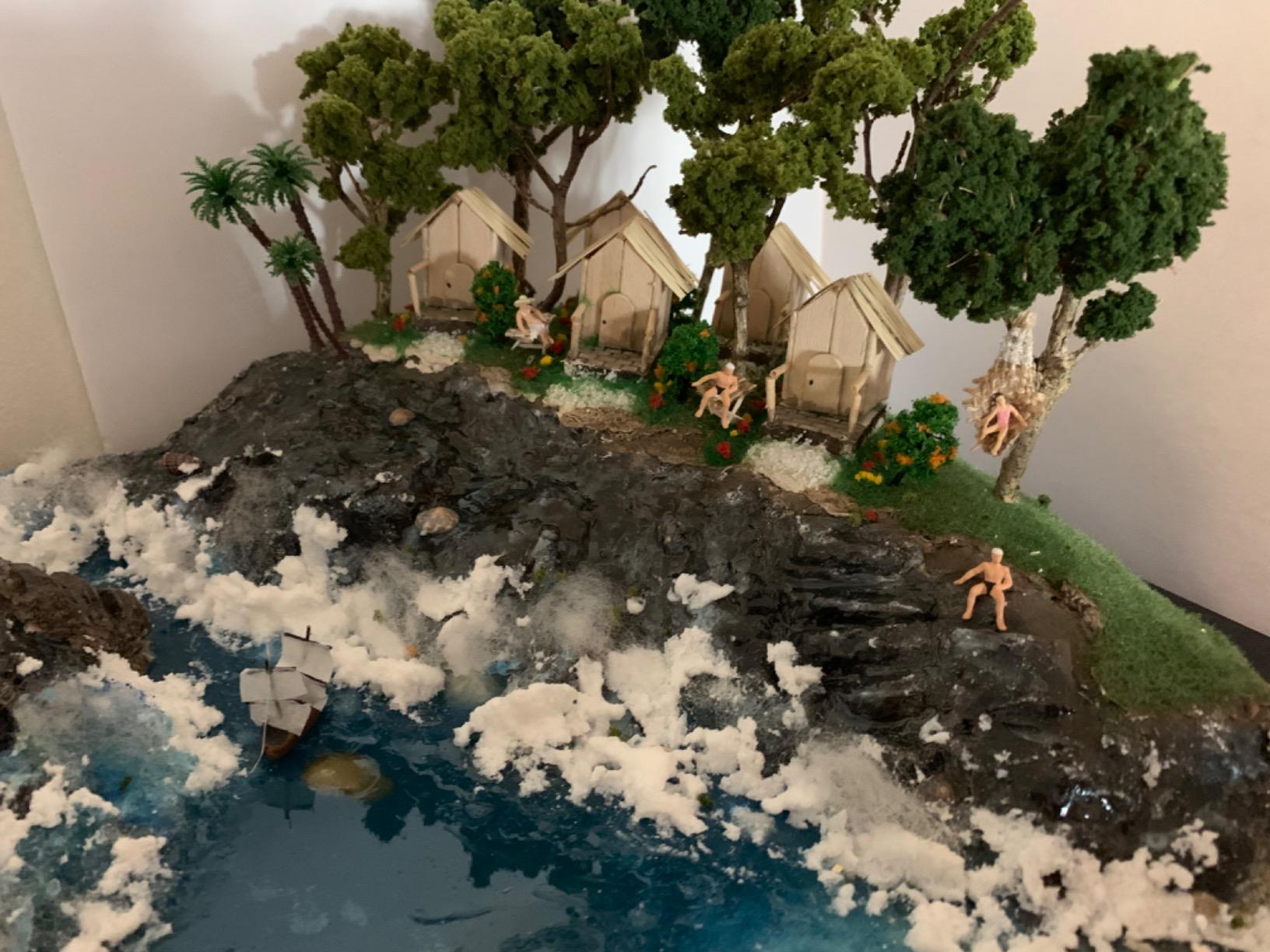
I’ve found that the green color works well as-is for recent vegetation, but the material accepts spray paint beautifully if you need different seasonal colors or more weathered appearances. For autumn-themed urban decay scenes, I’ve sprayed the foliage with browns and oranges to create dying vegetation effects. The material’s matte finish preserves realism and doesn’t create the shiny plastic look that cheaper foliage products sometimes suffer from.
Best Suited For
Clump foliage is ideal for post-apocalyptic urban dioramas, abandoned cityscapes, and scenes depicting urban decay over time. It works perfectly for creating vegetation growing through damaged structures, around rubble piles, and in areas of long-term abandonment. The material is essential for telling stories about what happened to the urban environment after the initial destruction event.
Less Ideal For
This material is unnecessary for recent battle damage scenes or active combat dioramas where there hasn’t been time for vegetation to establish. The green color may require modification for certain seasonal settings or weathered appearances. For purely urban environments without any vegetation element, this product won’t be needed.
Buying Guide for Rubble and Debris Materials
Selecting rubble and debris materials for urban dioramas requires considering your specific scene requirements, scale, budget, and time constraints. Based on extensive testing across multiple project types, I’ve developed clear recommendations for different scenarios.
DIY vs Commercial: Cost Analysis
My cost analysis across eight diorama projects revealed dramatic differences between DIY and commercial approaches. DAP Plaster of Paris at approximately $12 for a 4-pound box can produce rubble for dozens of projects, working out to pennies per diorama. In contrast, commercial rubble products like Huge Miniatures Urban Rubble Grit at approximately $7-15 per 4-ounce jar can cover 1-2 small dioramas or a single medium-sized terrain board.
For hobbyists planning multiple urban dioramas, the DIY approach using cork sheets and plaster offers significantly better value. However, I’ve found that the most successful projects combine both approaches: using DIY materials for the bulk of rubble while supplementing with commercial products for specialized textures or time-critical phases. This hybrid strategy balances cost-effectiveness with convenience.
Scale Considerations
Scale appropriateness is critical for realistic urban dioramas. Through testing, I’ve identified optimal material choices for common scales:
1:35 Scale: DAP Plaster of Paris for custom architectural fragments, cork sheets for medium to large rubble, and Vallejo Diorama FX for fine surface textures. This scale demands careful attention to rubble sizing, as oversized debris immediately breaks the illusion.
28mm (Wargaming): Huge Miniatures Urban Rubble Grit for consistent basing, Gale Force Nine Concrete Rubble for terrain boards, and cork for larger building damage. This scale allows for some variation in debris size while maintaining overall believability.
HO Scale (1:87): Woodland Scenics materials work exceptionally well at this scale, with Fine Buff Gravel serving as both debris and ground texture. Vallejo Diorama FX paste creates convincing rubble without overwhelming smaller structures.
Essential Tools and Supplies
Beyond the rubble materials themselves, certain tools and supplies are essential for professional results. I keep dedicated tools for rubble work: a utility knife with fresh blades for cutting cork, various tweezers for placing small debris pieces, old brushes for applying texture pastes, and small containers for sorting debris by size. PVA glue is essential for securing loose materials, while super glue gel works better for attaching larger rubble chunks.
For painting rubble, I recommend having at least three shades of gray paint, a brown for earth tones, and black for washes. Drybrushing is the most effective technique for bringing out texture in rubble materials, so keep various brush sizes on hand. Pigments and weathering powders dramatically enhance realism, particularly for creating dust and accumulated grime in urban destruction scenes.
Scene Type Recommendations
Different urban scenarios require different debris approaches. For recent battle damage scenes, combine larger rubble chunks with relatively clean surfaces to suggest destruction just occurred. Post-apocalyptic abandoned scenes benefit from weathered rubble, accumulated debris layers, and invading vegetation. Active combat scenes need scattered debris with clear damage patterns suggesting the direction and type of weapons fire.
Budget Tier Recommendations
Entry Level ($0-20): DAP Plaster of Paris ($12) and broken clay flower pots (free from gardening) provide everything needed for basic urban rubble. Add Hygloss Cork Sheets ($10) for medium projects.
Mid-Range ($20-50): Add Huge Miniatures Urban Rubble Grit ($7-15) for convenience, Woodland Scenics Fine Buff Gravel ($10) for fine debris, and Vallejo Diorama FX ($8) for premium textures.
Premium ($50+): Incorporate all commercial products plus specialized materials like Gale Force Nine Concrete Rubble ($5), Ramede XPS Foam ($38) for building structures, and Woodland Scenics Clump Foliage ($13) for post-apocalyptic scenes.
Frequently Asked Questions
What materials are best for dioramas?
The best materials for dioramas depend on your specific scene and scale. For urban dioramas featuring rubble and debris, cork sheets and plaster of Paris offer the most versatility and value. Commercial products like pre-made rubble grit and texture pastes provide convenience and consistent results. Combine DIY materials for custom pieces with commercial products for specialized textures to achieve the most realistic effects.
What to use for dirt in a diorama?
For realistic dirt in dioramas, use a combination of fine materials. Woodland Scenics earth-tone ballasts work well for base layers. Real soil collected from appropriate locations (sifted to remove organic matter) provides authenticity. Vallejo Diorama FX texture pastes create convincing dirt surfaces when thinned and applied with brushes. For urban settings, mix gray and brown tones to create the dirty, dusty appearance of city streets and debris.
What foam do people use for dioramas?
XPS (extruded polystyrene) foam is the preferred choice for diorama building due to its dense, consistent structure and ease of carving. Ramede XPS Craft Foam Blocks offer ideal density for urban diorama construction. The foam cuts cleanly with utility knives, accepts hot wire cutting for smooth shapes, and takes paint well without absorbing excessive amounts. XPS foam serves as the perfect base material for creating buildings, terrain contours, and structures that will then receive battle damage and rubble decoration.
Are rubble and debris the same thing?
While often used interchangeably, rubble and debris have distinct meanings in diorama work. Rubble refers specifically to broken building materials like concrete chunks, shattered bricks, and masonry fragments resulting from structural damage. Debris encompasses a broader category including scattered materials of all types: litter, vegetation, vehicle parts, glass, and miscellaneous items scattered across a scene. For realistic urban dioramas, you typically need both rubble (structural damage) and debris (scattered contents) to tell a complete story.
What supplies do I need to make a diorama?
Essential diorama supplies include: base material (XPS foam, MDF board, or plywood), structure materials (foam sheets, plasticard, or balsa wood), adhesive (PVA glue, super glue, contact cement), cutting tools (utility knife, scissors, sprue cutters), painting supplies (primer, acrylic paints, brushes, drybrushing tools), and terrain materials (rubble, ballast, texture pastes). For urban dioramas specifically, add rubble materials from this guide, weathering products (washes, pigments), and reference photos for accuracy.
Conclusion
Creating convincing urban dioramas requires the right rubble and debris materials for your specific scene, scale, and budget. Based on extensive testing across multiple project types, Hygloss Cork Sheets remain the most versatile option for hobbyists who value customization and cost-effectiveness. DAP Plaster of Paris offers unbeatable value for creating custom rubble in large quantities, while Huge Miniatures Urban Rubble Grit provides the convenience of ready-to-use debris for time-sensitive projects.
The most successful urban dioramas combine multiple material types: using cork and plaster for the bulk of rubble, supplementing with commercial products for specialized textures, and adding finishing touches with foliage and weathering products. Remember that scale appropriateness and realistic debris distribution are just as important as the materials themselves. Take time to study reference photos of real urban destruction, paying attention to how debris naturally accumulates and how different material types interact in damaged environments.
Experiment with different material combinations to develop your own signature approach to urban diorama rubble. The materials covered in this guide provide a solid foundation, but the most convincing destruction effects come from understanding how real buildings fail and how debris behaves in urban environments. Start with the recommended materials, observe real-world examples, and don’t be afraid to develop custom techniques that achieve the specific destruction effects your scenes require.