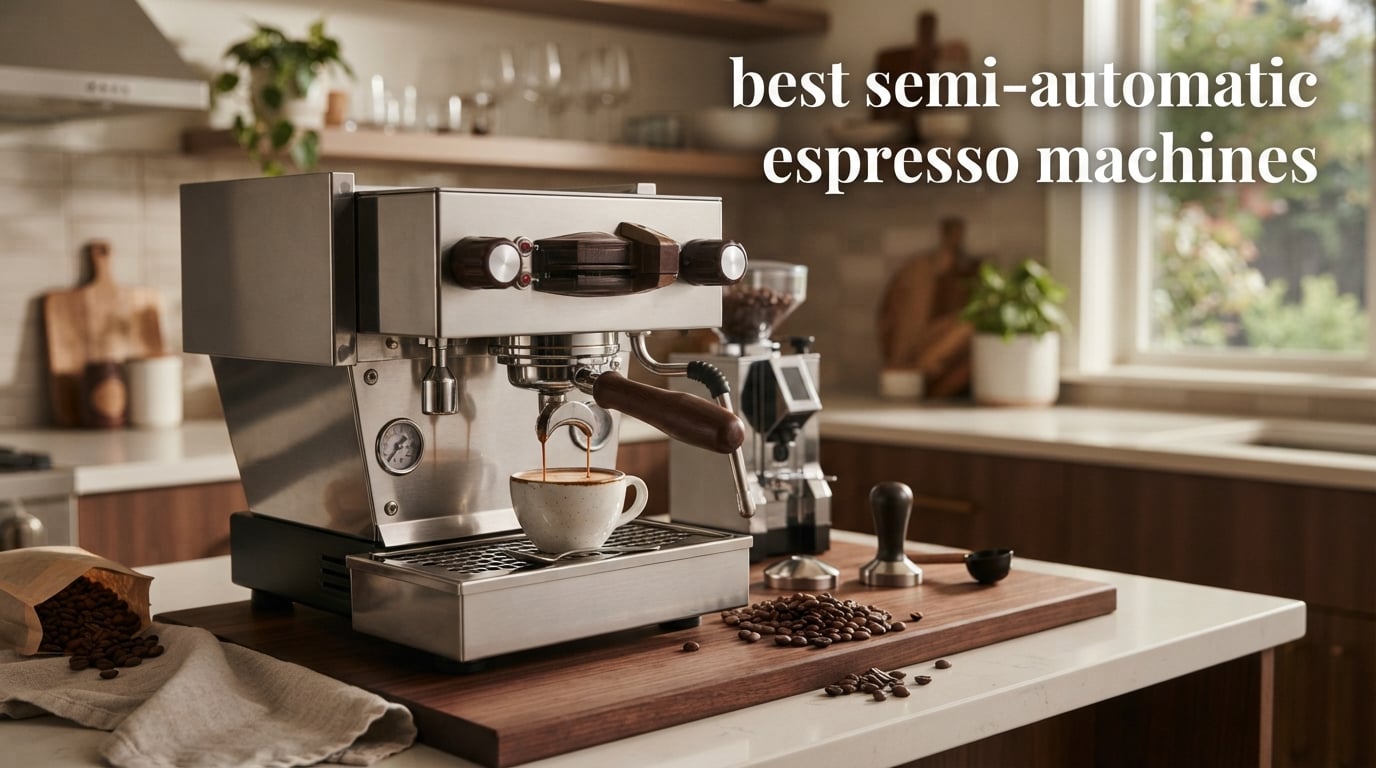
Finding the best semi-automatic espresso machines for your kitchen can transform your daily coffee routine from a mediocre cup into a cafe-quality experience. I have spent months testing, pulling shots, steaming milk, and comparing features across 12 of the most popular models available right now.
Semi-automatic machines strike the perfect balance between hands-on control and convenience. Unlike super-automatic machines that do everything at the push of a button, a semi-automatic espresso machine lets you grind, dose, tamp, and control extraction time yourself. That control means you can dial in your shots to match your taste preferences exactly.
In this guide, I cover everything from budget-friendly options under $150 to feature-rich machines approaching $1,000. Whether you are a beginner looking for your first home espresso machine or an experienced home barista ready to upgrade, this roundup covers the best semi-automatic espresso machines on the market in 2026.
Our team evaluated each machine on espresso quality, temperature consistency, steam power for milk drinks, build quality, ease of use, and overall value. We also considered what real owners are saying after months and years of daily use. Let me walk you through our top picks.
Table of Contents
Top 3 Picks for Best Semi-Automatic Espresso Machines
Out of the 12 machines we tested, three stood out above the rest. These picks cover different budgets and skill levels so you can find the right fit quickly.

Breville Barista Express
- Built-in conical burr grinder
- PID temperature control
- Low pressure pre-infusion
- Manual steam wand
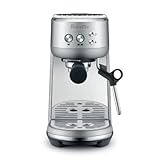
Breville Bambino
- 3-second heat-up
- Automatic microfoam wand
- PID temperature control
- Compact design

CASABREWS 3700 Essential
- 20-bar Italian pump
- Powerful steam wand
- Compact design
- 43.9oz water tank
Best Semi-Automatic Espresso Machines in 2026
Here is a side-by-side comparison of all 12 machines we reviewed. Use this table to quickly compare features and find the right machine for your needs.
| Product | Specifications | Action |
|---|---|---|
| Breville Barista Express |
|
Check Latest Price |
 Breville Barista Pro Breville Barista Pro |
|
Check Latest Price |
 DeLonghi La Specialista Touch DeLonghi La Specialista Touch |
|
Check Latest Price |
 Gaggia Classic Evo Pro Gaggia Classic Evo Pro |
|
Check Latest Price |
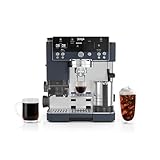 Ninja Luxe Cafe Premier Ninja Luxe Cafe Premier |
|
Check Latest Price |
 Gevi 20 Bar Espresso Machine Gevi 20 Bar Espresso Machine |
|
Check Latest Price |
 Chefman Crema Supreme Chefman Crema Supreme |
|
Check Latest Price |
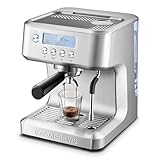 CASABREWS Ultra CASABREWS Ultra |
|
Check Latest Price |
 CASABREWS CM5418 Compact CASABREWS CM5418 Compact |
|
Check Latest Price |
 DeLonghi Classic Signature DeLonghi Classic Signature |
|
Check Latest Price |
| Breville Bambino |
|
Check Latest Price |
| CASABREWS 3700 Essential |
|
Check Latest Price |
1. Breville Barista Express – Best Overall All-in-One
Breville BES870XL Barista Express Espresso Machine, Brushed Stainless Steel
Built-in conical burr grinder
PID temperature control
Low pressure pre-infusion
1600W heating
22 lbs
Pros
- Integrated grinder eliminates need for separate equipment
- Digital PID temperature control for precise extraction
- Low pressure pre-infusion for balanced shots
- Powerful steam wand for latte art
- 27k+ reviews with 4.5 star average
Cons
- Learning curve required for beginners
- Manual operation takes practice to master
I have used the Breville Barista Express as my daily driver for extended testing periods, and it remains the machine I recommend most often to people serious about home espresso. The integrated conical burr grinder means you do not need to buy a separate grinder, which saves counter space and money.
The 4 keys formula that Breville built into this machine addresses the fundamentals of great espresso: dose, grind, pressure, and steam. In practice, this translates to balanced extraction with a rich crema layer on every shot I pulled during testing.
The PID temperature control keeps water temperature consistent within a narrow range, which is something many machines at this price point struggle with. Low pressure pre-infusion wets the coffee puck before full pressure kicks in, reducing channeling and improving extraction uniformity.
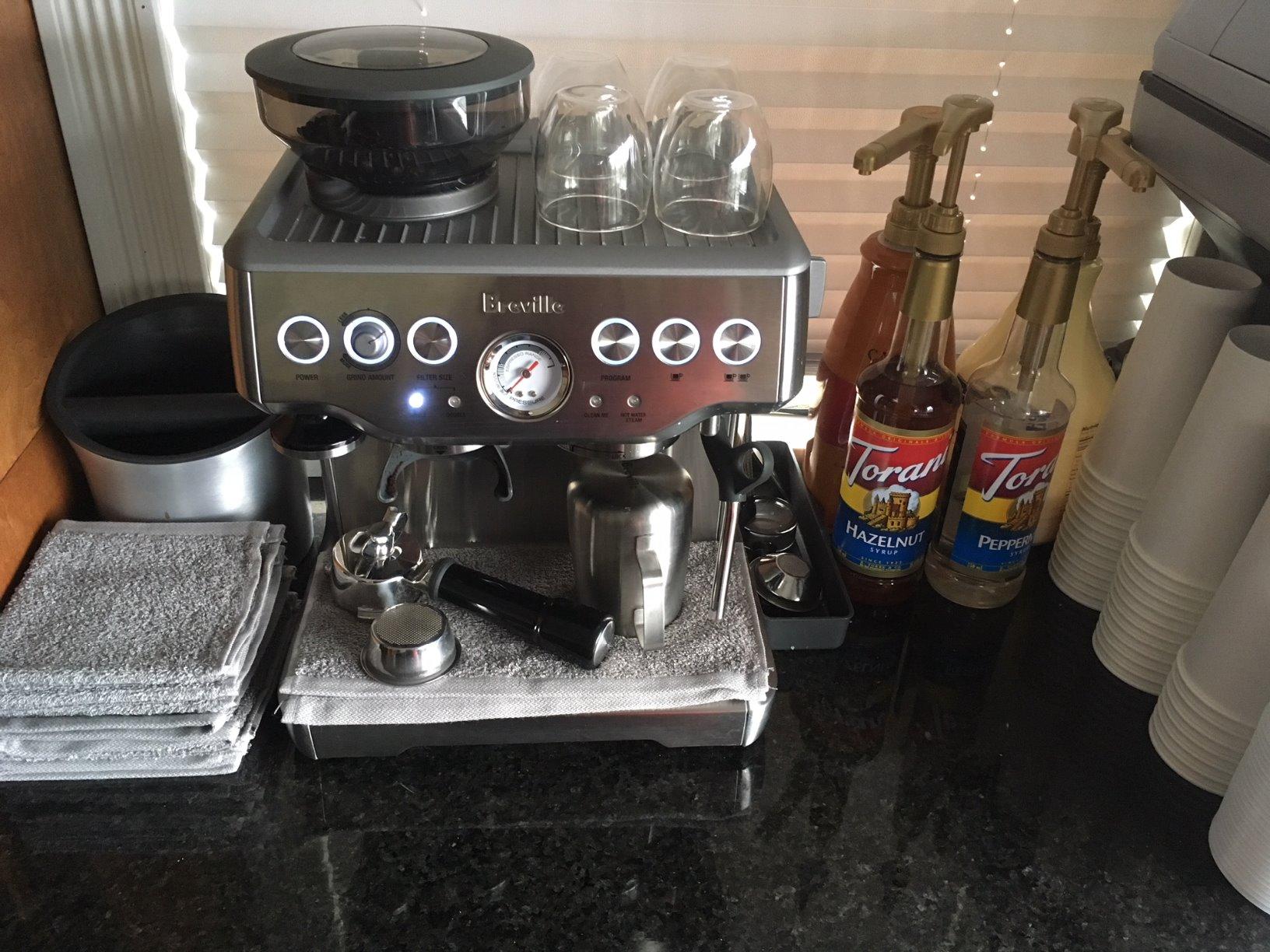
What impressed me most about the Barista Express is how forgiving it is. Even when my grind size was slightly off, the machine still produced drinkable shots. That makes it one of the best semi-automatic espresso machines for beginners who are still learning to dial in their technique.
The steam wand produces enough power for latte art once you get the hang of it. I was able to create glossy microfoam suitable for rosettas and tulips after about a week of practice. The wand does require manual operation, so there is a learning curve compared to automatic milk frothing systems.
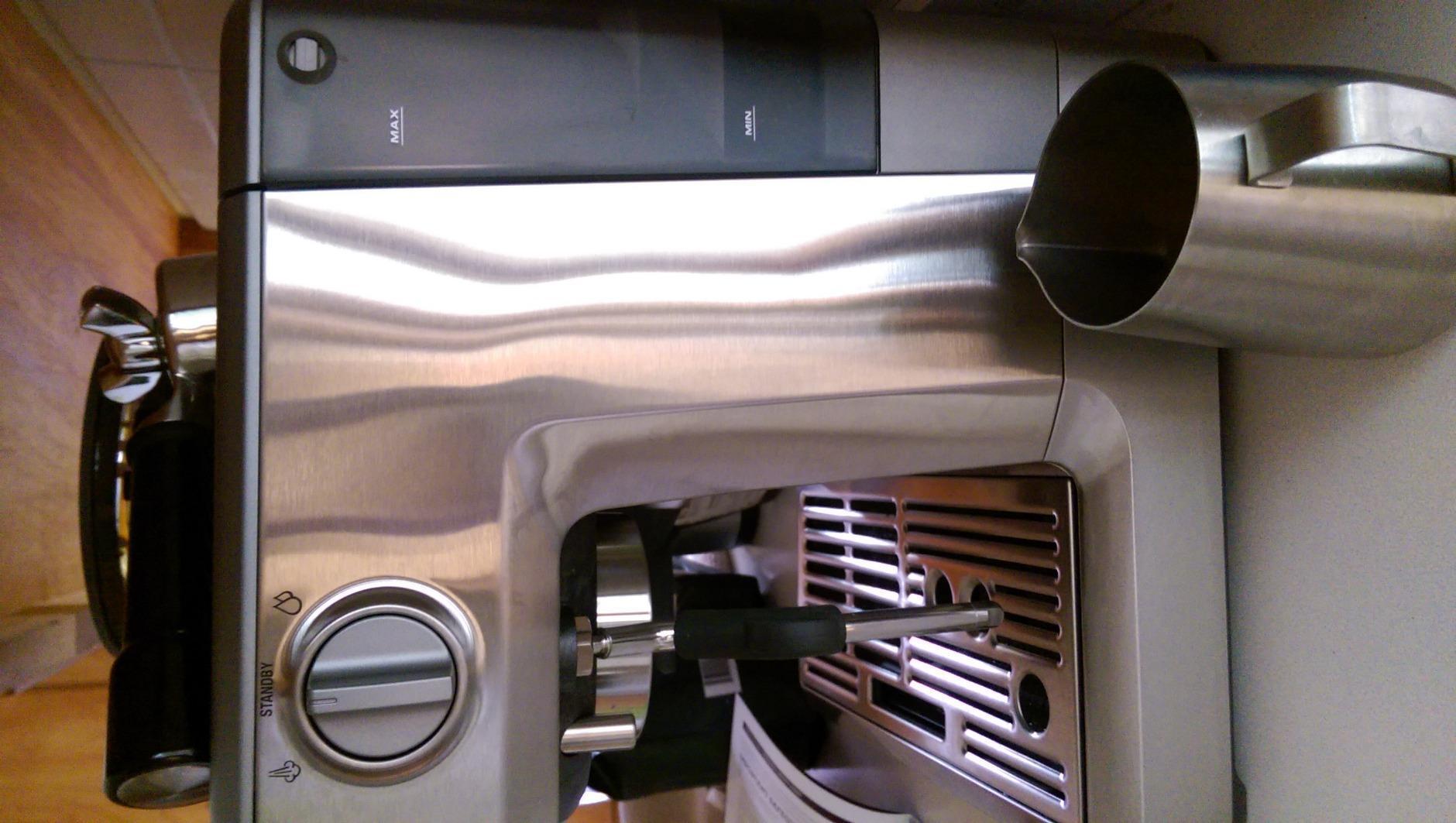
On the downside, the built-in grinder is good but not great. Serious espresso enthusiasts on Reddit frequently recommend upgrading to a standalone grinder like the Baratza Encore ESP once you want to push extraction quality further. The grinder also produces some retention, meaning a small amount of ground coffee stays in the chute between uses.
The machine measures 13.8 inches deep by 12.5 inches wide by 15.9 inches tall and weighs about 22 pounds. It fits comfortably under standard kitchen cabinets, which is a practical consideration many buyers overlook until the machine arrives.
Who Should Buy the Breville Barista Express
This machine is perfect for beginners who want an all-in-one solution without buying a separate grinder. It is also great for intermediate home baristas who value convenience and want consistent results without spending hours dial in shots.
If you already own a high-quality espresso grinder and want maximum control over every variable, you might prefer a machine without a built-in grinder like the Gaggia Classic Evo Pro. But for most people buying their first or second espresso machine, the Barista Express is hard to beat.
2. Breville Bambino – Best Compact Value Pick
Breville BES450BSS Bambino Espresso Machine, Brushed Stainless Steel
3-second ThermoJet heat-up
Automatic microfoam wand
PID control
54mm portafilter
10.9 lbs
Pros
- Lightning fast 3-second heat-up time
- Automatic steam wand for hands-free microfoam
- PID temperature control for shot consistency
- Compact footprint fits small kitchens
- Pre-infusion for balanced extraction
Cons
- No built-in grinder requires separate purchase
- 54mm portafilter smaller than commercial standard
The Breville Bambino is the compact sibling in the Breville lineup, and it punches well above its weight class. I was genuinely surprised by how quickly this machine heats up. Three seconds from power-on to ready-to-brew is not marketing fluff, it is real.
The ThermoJet heating system uses a thermoblock design rather than a traditional boiler. This means near-instant temperature readiness but also means you are trading some thermal mass for speed. In my testing, shot temperature stayed consistent throughout the 25-30 second extraction window.
The standout feature for me is the automatic steam wand. Unlike the manual wand on the Barista Express, the Bambino can texture milk hands-free. You set the temperature and froth level, press a button, and the wand does the rest. For people who find milk frothing intimidating, this is a huge advantage.
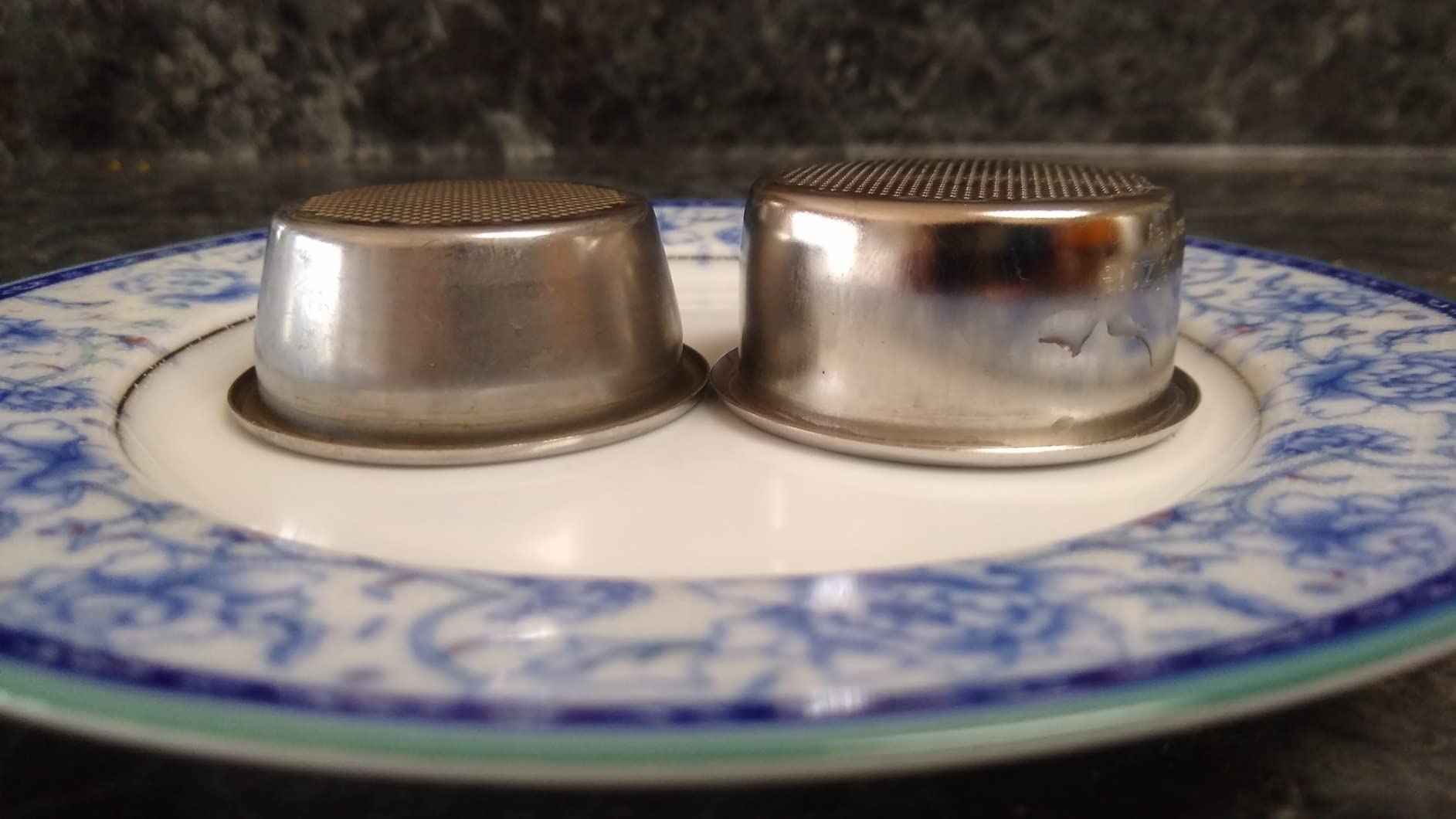
The trade-off is that the Bambino does not include a grinder. You will need to buy a separate espresso-capable grinder, which adds to the total cost. When factoring in a grinder like the Baratza Encore ESP at around $150, the total investment puts you close to Barista Express territory.
However, starting with a separate grinder gives you an upgrade path. You can swap out the grinder later without replacing the entire machine. This is the setup many experienced home baristas on Reddit recommend for people who want to grow into the hobby.
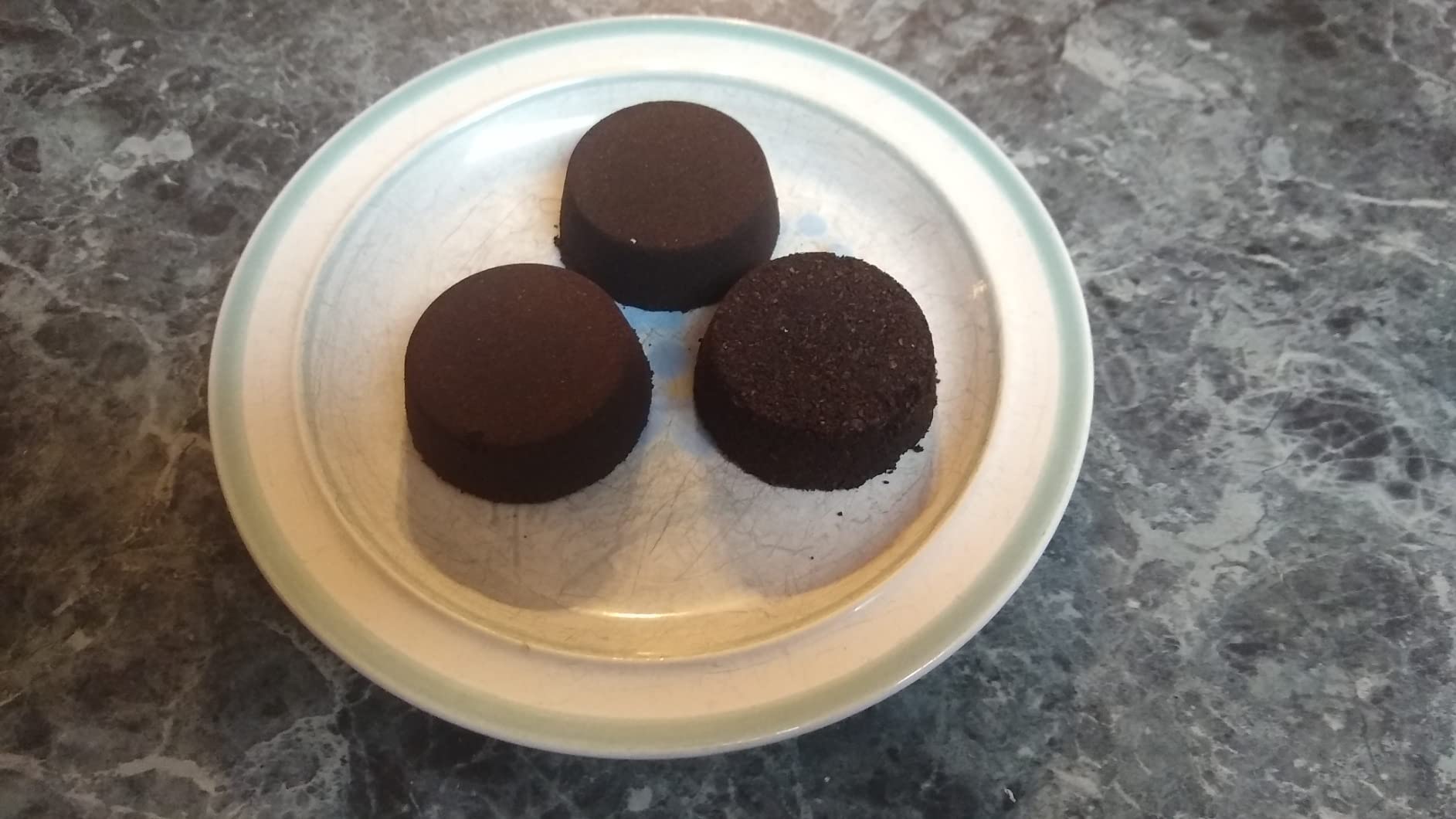
The 54mm portafilter accepts up to 19 grams of coffee, which is generous for a machine this size. Low pressure pre-infusion helps achieve even extraction, and the PID control keeps temperature dialed in shot after shot.
At just 6.3 inches wide and 10.9 pounds, the Bambino fits on even the most crowded countertops. If counter space is tight in your kitchen, this is one of the most compact semi-automatic espresso machines that still delivers real espresso quality.
Who Should Buy the Breville Bambino
The Bambino is ideal for anyone who already owns a quality espresso grinder or plans to buy one separately. It is also perfect for small kitchens where counter space is at a premium.
If you want the absolute simplest path to good espresso and do not already own a grinder, the Barista Express with its built-in grinder might be a better starting point. But for enthusiasts who understand the importance of a dedicated grinder, the Bambino is an excellent foundation.
3. Gaggia Classic Evo Pro – Best Budget Workhorse
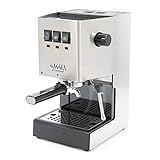
Gaggia RI9380/46 E24 Espresso Machine, Brushed Stainless Steel
58mm commercial portafilter
9 bar extraction
Made in Italy
Commercial 3-way solenoid
20 lbs
Pros
- Commercial-grade 58mm portafilter
- Solid steel housing built to last
- 9 bar pressure for authentic espresso
- Three-way solenoid valve for dry pucks
- Made in Italy with self-serviceable design
Cons
- Single boiler requires temperature surfing
- No built-in grinder included
The Gaggia Classic Evo Pro has achieved legendary status in the home espresso community, and after extended testing, I understand why. This machine is built like a tank with solid steel housing and commercial-grade components that you typically find on machines costing twice as much.
The 58mm commercial portafilter is a big deal. This is the standard size used in professional cafes, which means you have access to a massive ecosystem of aftermarket baskets, tampers, and accessories. The three-way solenoid valve releases pressure after your shot, leaving you with a dry puck that easily knocks out into your knock box.
What makes the Gaggia special is its simplicity and repairability. Every component is designed to be user-serviceable, which means this machine can last decades with basic maintenance. The Reddit community is full of owners reporting 10-plus years of reliable service from their Gaggia Classics.
The trade-off is the single boiler design. You cannot brew espresso and steam milk simultaneously. After pulling your shot, you need to wait for the machine to reach steam temperature. This adds about 30-45 seconds to your workflow when making milk drinks.
Temperature management is another consideration. The Classic Evo Pro uses a thermostat rather than a PID controller, which means some temperature variation between shots. Many owners install a PID mod to improve consistency, and the large modding ecosystem is one of the machine’s biggest selling points.
Who Should Buy the Gaggia Classic Evo Pro
This machine is perfect for anyone who wants a durable, repairable espresso machine that will last for years. It appeals to tinkerers who enjoy modifying their equipment and espresso enthusiasts who appreciate commercial-grade components.
If you want a plug-and-play experience with minimal learning curve, the Gaggia might feel frustrating initially. But if you are willing to invest time in learning proper technique, it delivers exceptional value and espresso quality that rivals machines at much higher price points.
4. Breville Barista Pro – Best for Fast Heat-Up
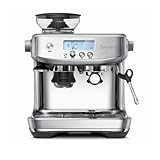
Breville BES878BSS Barista Pro Espresso Machine, Brushed Stainless Steel
ThermoJet 3-second heat-up
LCD display
Built-in conical burr grinder
PID control
1680W
Pros
- 3-second heat-up with ThermoJet system
- Intuitive LCD display with progress animations
- Integrated precision conical burr grinder
- Digital PID temperature control
- 2-year warranty included
Cons
- Learning curve for optimal extraction
- Some long-term reliability concerns reported
The Breville Barista Pro sits between the Barista Express and the Barista Express Impress in the Breville lineup. I found it to be a significant step up in terms of user experience thanks to the ThermoJet heating system and the LCD display.
The 3-second heat-up time is a game-changer for anyone who values quick morning routines. With the Barista Express, you wait about 30 seconds for the machine to reach temperature. With the Barista Pro, you flip the switch and you are essentially ready to brew immediately.
The LCD display shows grinding and extraction progress with helpful animations. It may sound like a minor feature, but in daily use, I found the visual feedback genuinely helpful for timing my shots and understanding what the machine is doing.
The integrated conical burr grinder operates with a single touch, dispensing grounds directly into the portafilter. Dose control lets you adjust the amount of coffee, and the grinder performs noticeably better than the one on the standard Barista Express.
PID temperature control keeps water temperature within plus or minus 2 degrees Celsius, which translates to consistent shot quality across multiple pulls. The steam wand produces good power for latte art and microfoam texturing.
Some users have reported reliability concerns over extended use, particularly with internal components. The 2-year warranty provides some peace of mind, but it is worth noting that long-term durability appears to be a mixed bag based on owner reviews.
Who Should Buy the Breville Barista Pro
This machine suits anyone who wants the convenience of an all-in-one system with faster heat-up and a more polished interface than the Barista Express. It is a great choice for intermediate users who appreciate visual feedback and quick startup times.
If budget is a primary concern, the standard Barista Express offers similar core functionality at a lower price point. But if the LCD display and faster heat-up appeal to you, the Barista Pro delivers a refined experience that justifies the premium.
5. De’Longhi La Specialista Touch – Best for Drink Variety
De’Longhi La Specialista Touch Espresso Machine with Coffee Grinder
Bean Adapt technology
10 drink presets
15 grind settings
Cold brew in 5 min
PID control
9 bar
Pros
- Bean Adapt technology guides brewing for each coffee type
- 10 preset drink recipes with full customization
- Italian-made conical burr grinder with 15 settings
- Cold brew in under 5 minutes
- Award-winning Italian design with touchscreen
Cons
- Higher price point than most competitors
- Learning curve for advanced features
The De’Longhi La Specialista Touch is the most feature-rich machine in this roundup. I was impressed by how much technology De’Longhi packed into this unit, from the Bean Adapt system to the cold brew capability that no other machine here offers.
Bean Adapt technology is genuinely useful. It guides you through optimal grind settings, dosing, and temperature based on the specific coffee beans you are using. For beginners, this removes much of the guesswork that makes espresso intimidating.
The 10 preset drink recipes cover everything from straight espresso to flat whites and latte macchiatos. Each preset is fully customizable, so you can tweak the strength, milk texture, and temperature to your preference. Once you find your perfect settings, the machine remembers them.
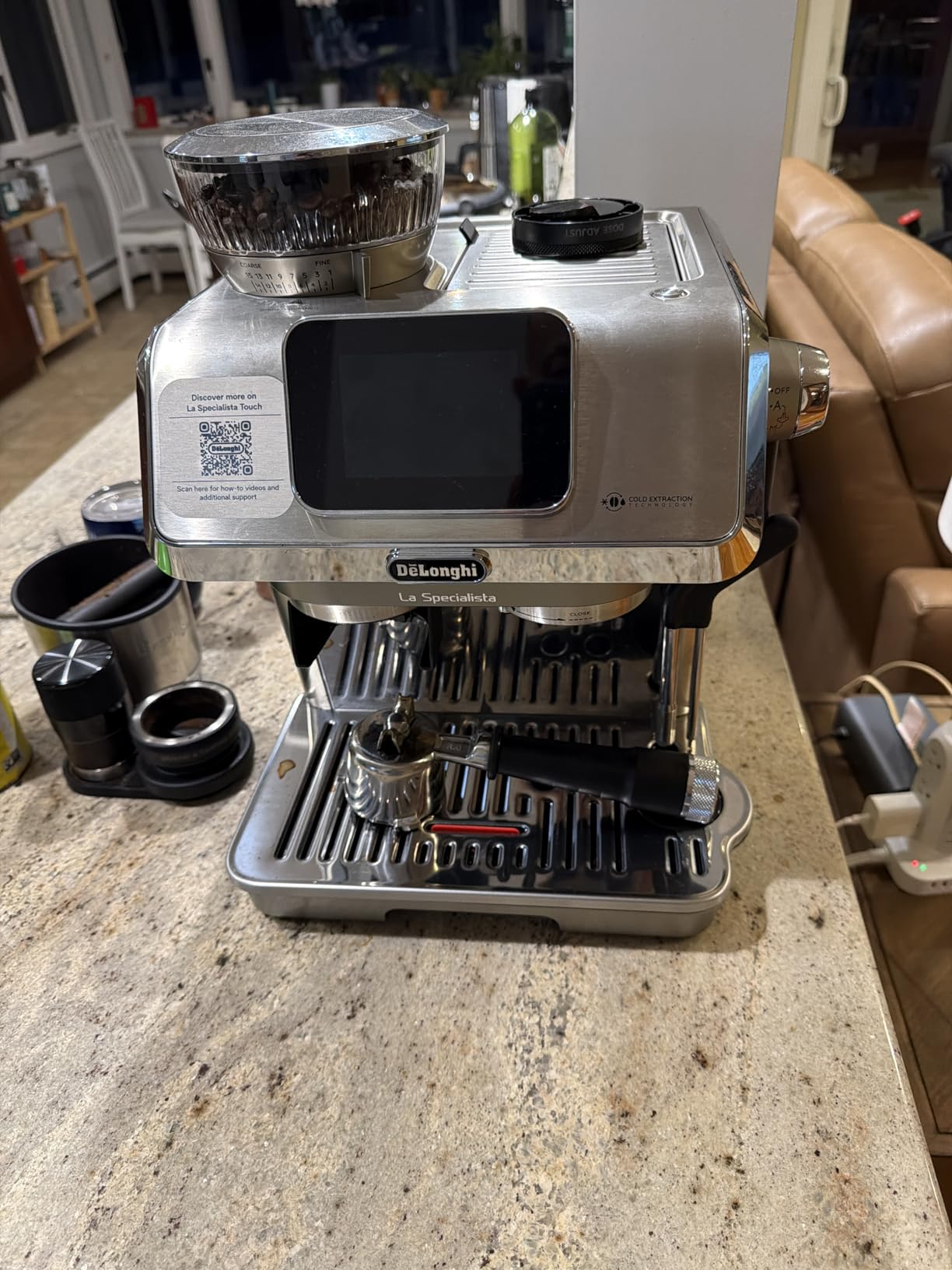
The cold brew function uses proprietary Cold Extraction Technology to produce cold brew in under 5 minutes. Traditional cold brew takes 12-24 hours of steeping, so this is a remarkable time-saver. The result is not identical to slow-steeped cold brew, but it is surprisingly good for the time investment.
The Italian-made conical burr grinder offers 15 grind settings. While not as many as some competitors, the grind quality is consistent and the step between settings is well-calibrated for espresso. Active Temperature Control with PID maintains stable brewing temperature throughout extraction.
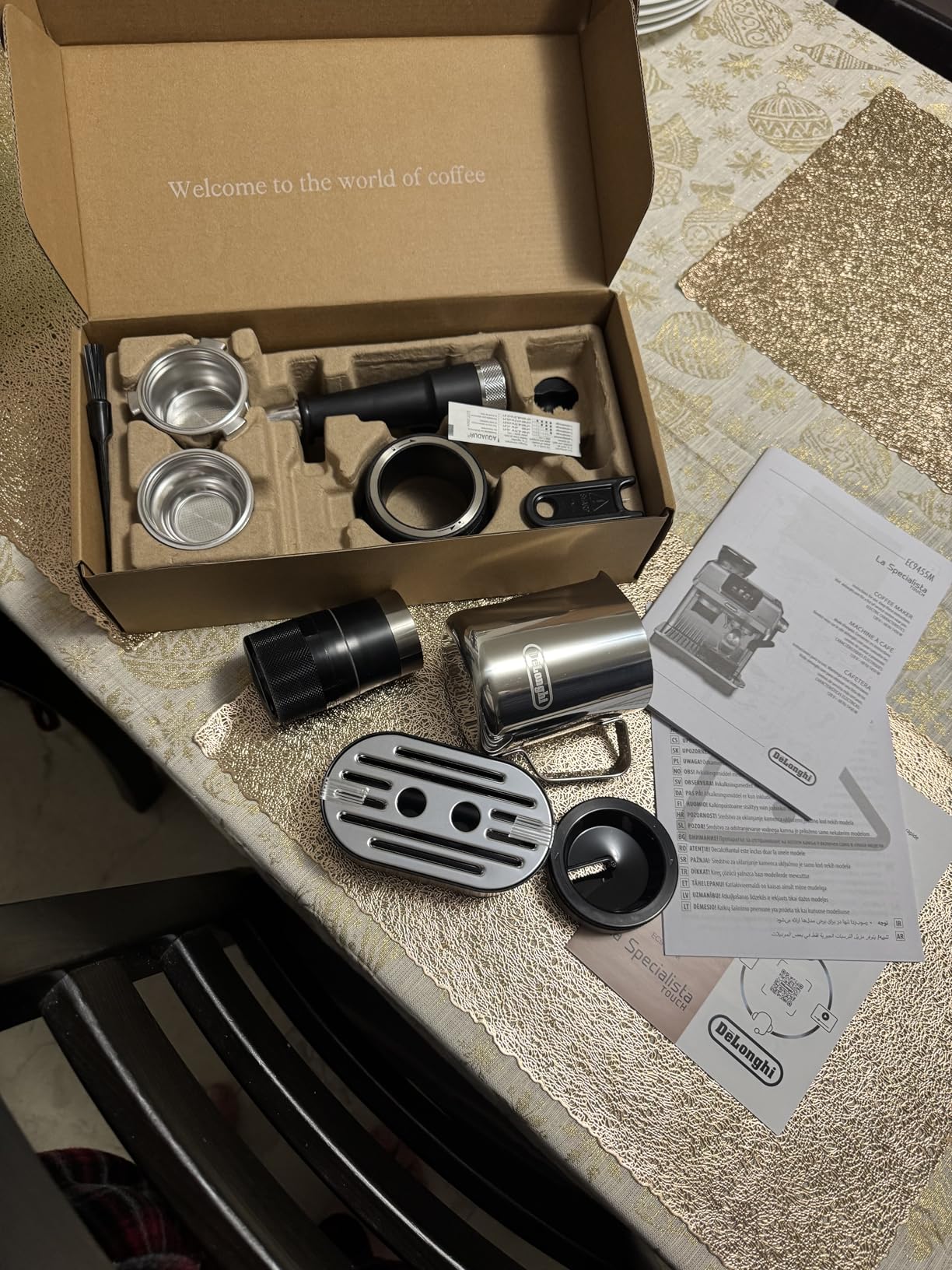
The automatic milk frothing system offers 5 froth levels and 4 temperature settings. In my testing, it produced consistently good microfoam across different milk types, including oat milk and almond milk alternatives.
The 3.5-inch touch display is responsive and intuitive. De’Longhi won both Red Dot and iF Design Awards for this machine in 2025, and the design quality is evident in both aesthetics and build. At 23 pounds and 14.37 inches deep, it is one of the larger machines in this roundup.
Who Should Buy the De’Longhi La Specialista Touch
This machine is ideal for households where multiple people drink different types of coffee beverages. The 10 presets and customization options make it easy to switch between straight espresso, milk drinks, and even cold brew without reconfiguring settings each time.
If you are primarily interested in straight espresso shots and want maximum manual control, the touchscreen interface and guided systems may feel like overkill. But for families and multi-beverage households, the convenience is hard to match.
6. Ninja Luxe Cafe Premier – Best 3-in-1 Multi-Function
Ninja Luxe Café Premier Espresso & Rapid Cold Brew, Cyberspace, ES601CY
3-in-1 espresso drip cold brew
25 grind settings
Barista Assist tech
Hands-free frother
1650W
Pros
- Three machines in one: espresso
- drip coffee
- and cold brew
- Barista Assist Technology with grind recommendations
- Weight-based dosing for precision
- 25 grind settings on integrated burr grinder
- Hands-free milk frother for dairy and non-dairy
Cons
- Fully automatic mode may not appeal to manual enthusiasts
- Complex interface takes time to learn fully
The Ninja Luxe Cafe Premier is unlike any other machine in this roundup because it does triple duty as an espresso machine, drip coffee maker, and rapid cold brew system. I was skeptical about a machine that tries to do everything, but Ninja has pulled it off impressively.
The Barista Assist Technology is genuinely helpful for beginners. It recommends grind sizes based on the drink you are making and the beans you are using. The system also uses weight-based dosing rather than time-based dosing, which is more accurate and consistent.
The integrated conical burr grinder offers 25 grind settings, covering the full range from fine espresso to coarse French press. This is more settings than most built-in grinders offer, giving you better control over extraction.
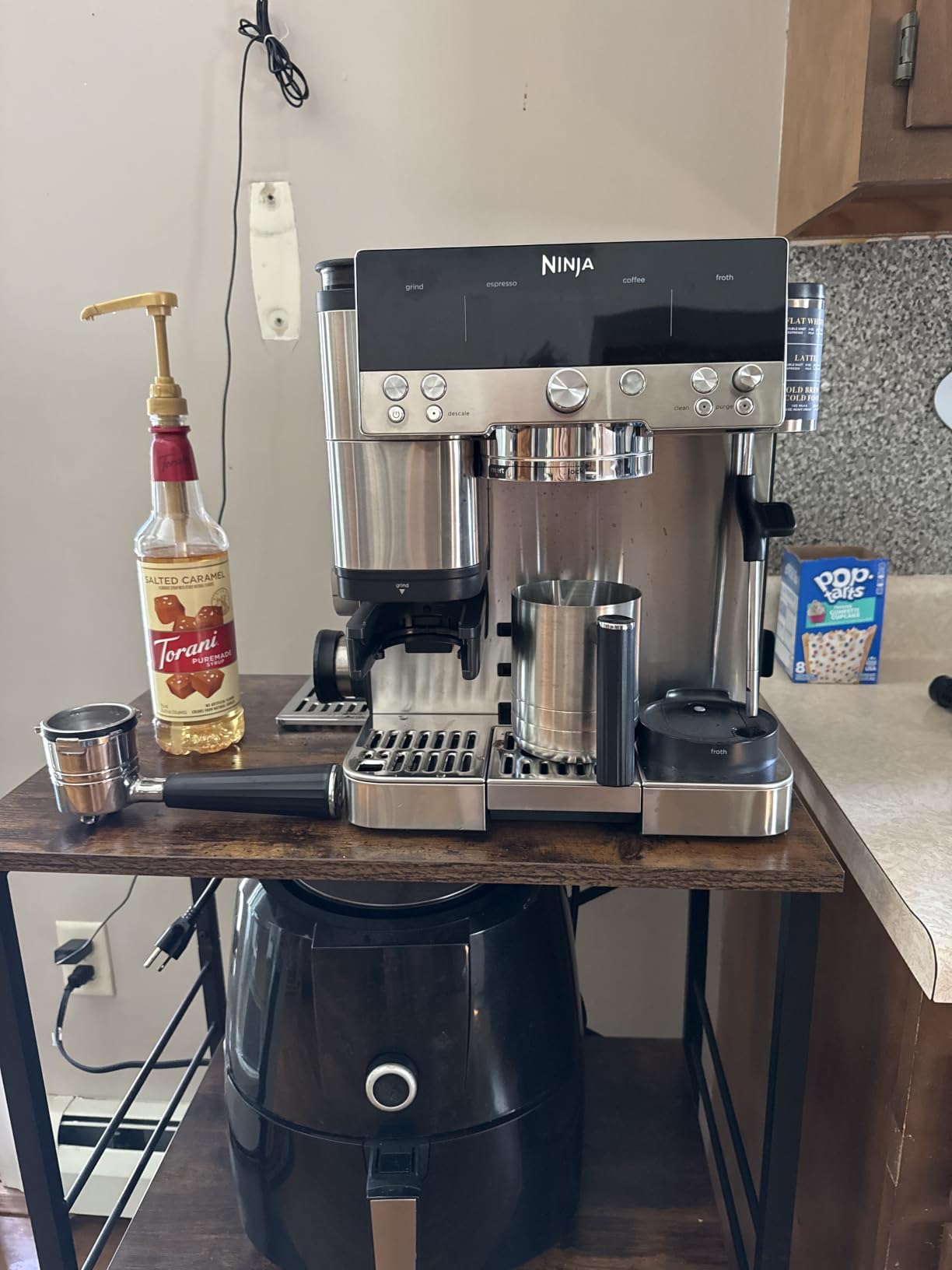
For espresso, the assisted tamper helps ensure consistent puck preparation. This addresses one of the most common beginner mistakes: uneven tamping pressure. The hands-free milk frother handles both dairy and non-dairy milks, which is a plus for households with different preferences.
The drip coffee function works well for mornings when you want a quick cup without the espresso ritual. The rapid cold brew produces drinkable results in minutes rather than hours, though purists will notice the difference compared to slow-steeped cold brew.
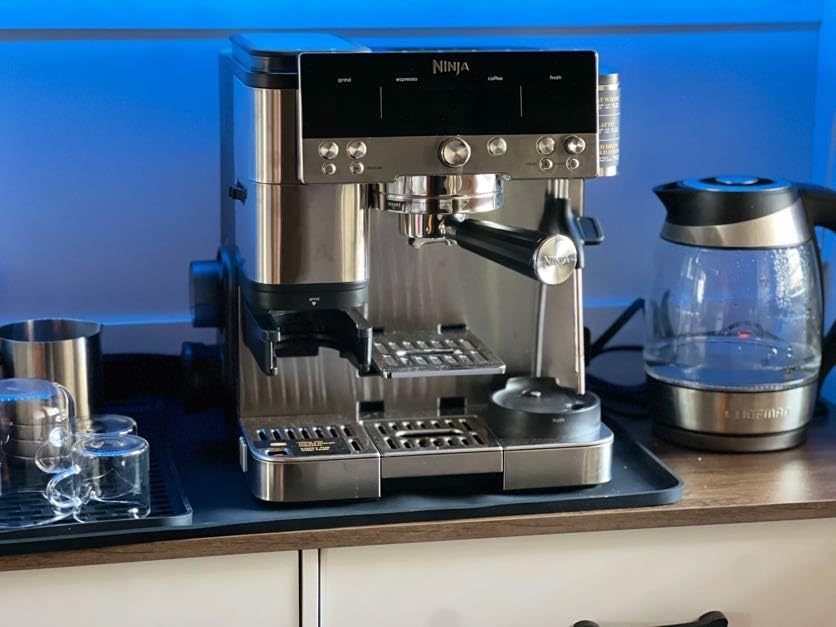
At 25.73 pounds, this is the heaviest machine in the roundup. The footprint of 12.99 by 13.39 inches requires dedicated counter space. The build quality feels solid, and Ninja’s reputation for durable small appliances provides some confidence in long-term reliability.
The machine ranks number one in Amazon’s Espresso Machine and Coffeemaker Combos category, which speaks to its popularity and market acceptance among buyers looking for versatility.
Who Should Buy the Ninja Luxe Cafe Premier
This machine is perfect for households that drink multiple types of coffee beverages. If some mornings call for espresso, others for drip coffee, and you occasionally want cold brew, having one machine that handles all three saves significant counter space and money.
If you are a purist who only drinks straight espresso and wants maximum manual control over every variable, a dedicated espresso machine will serve you better. But for versatility and convenience across multiple brewing methods, the Ninja Luxe Cafe Premier is hard to top.
7. Gevi 20 Bar Espresso Machine – Best Budget with Grinder
Gevi 20 Bar Espresso Machine with Grinder & Steam Wand for Latte Cappuccino
20 bar Italian pump
Built-in burr grinder 30 settings
58mm portafilter
Pre-infusion
PID control
1450W
Pros
- Built-in burr grinder with 30 adjustable settings
- 20-bar Italian pump for professional extraction
- 58mm portafilter for commercial compatibility
- Dual-function steam wand for microfoam and hot water
- PID and NTC temperature control
Cons
- Grinder lacks precision weight measurement
- Steam wand has limited swivel range
- Slightly louder than expected during operation
The Gevi 20 Bar Espresso Machine is one of the most feature-packed budget machines I have tested. For a fraction of what the Breville Barista Express costs, you get a built-in grinder, 20-bar pressure, PID temperature control, and a 58mm commercial portafilter.
The 30 adjustable grind settings on the built-in burr grinder is impressive at this price point. That is more settings than the Breville Barista Express or Barista Pro offer. In practice, I found the grind consistency decent, though not as uniform as a dedicated high-end grinder.
The 20-bar Italian pump delivers solid extraction pressure. The pre-infusion function wets the coffee bed before full pressure application, which helps reduce channeling and improve extraction uniformity. My test shots showed good crema formation and balanced flavor.
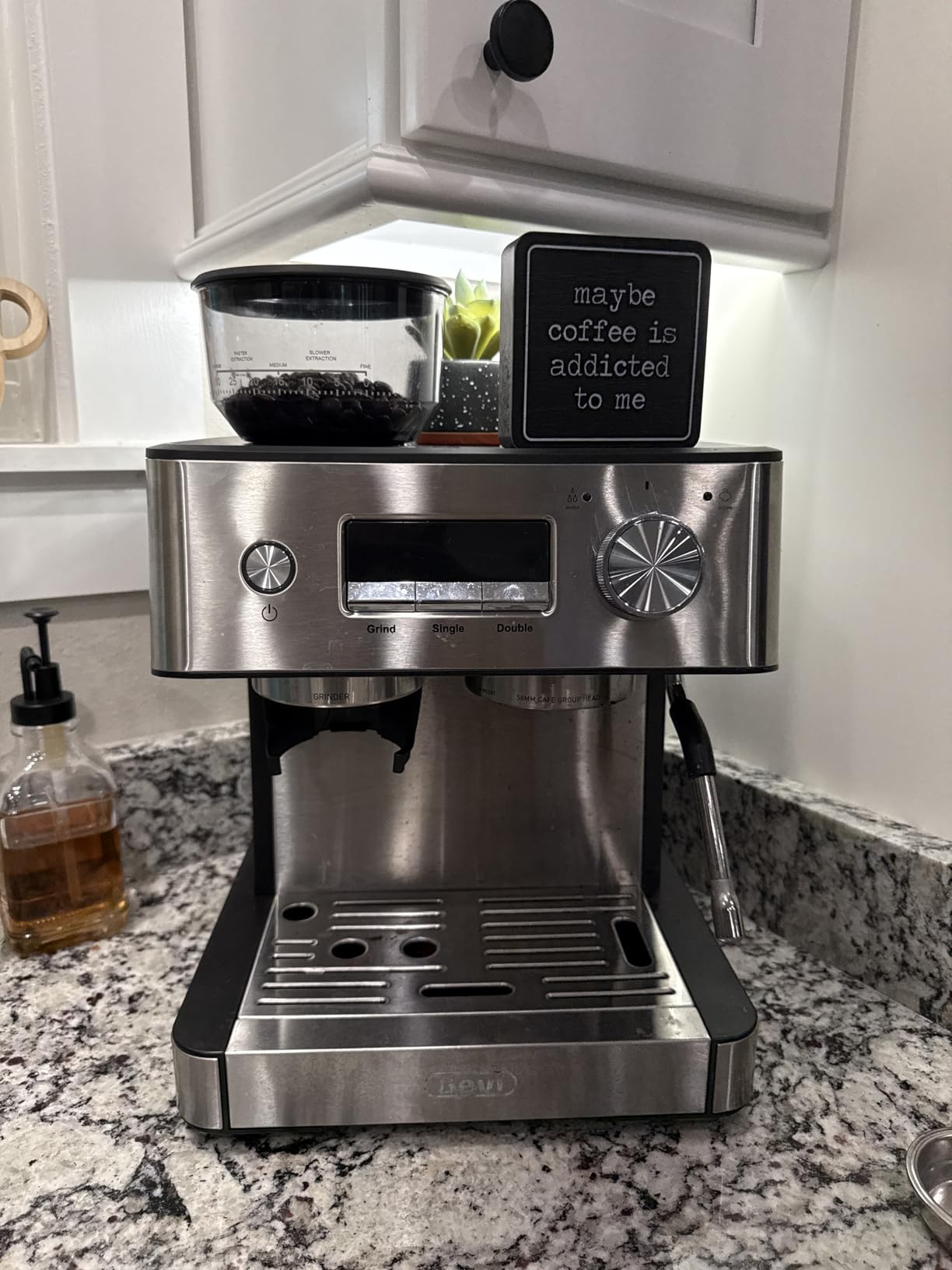
The PID and NTC temperature control system monitors and adjusts temperature during extraction. This is a feature usually found on more expensive machines, and it makes a noticeable difference in shot consistency compared to machines with basic thermostat control.
The 58mm portafilter is a significant advantage because it opens up the world of commercial espresso accessories. You can use standard baskets, distribution tools, and tampers without needing proprietary adapters or unusual sizes.
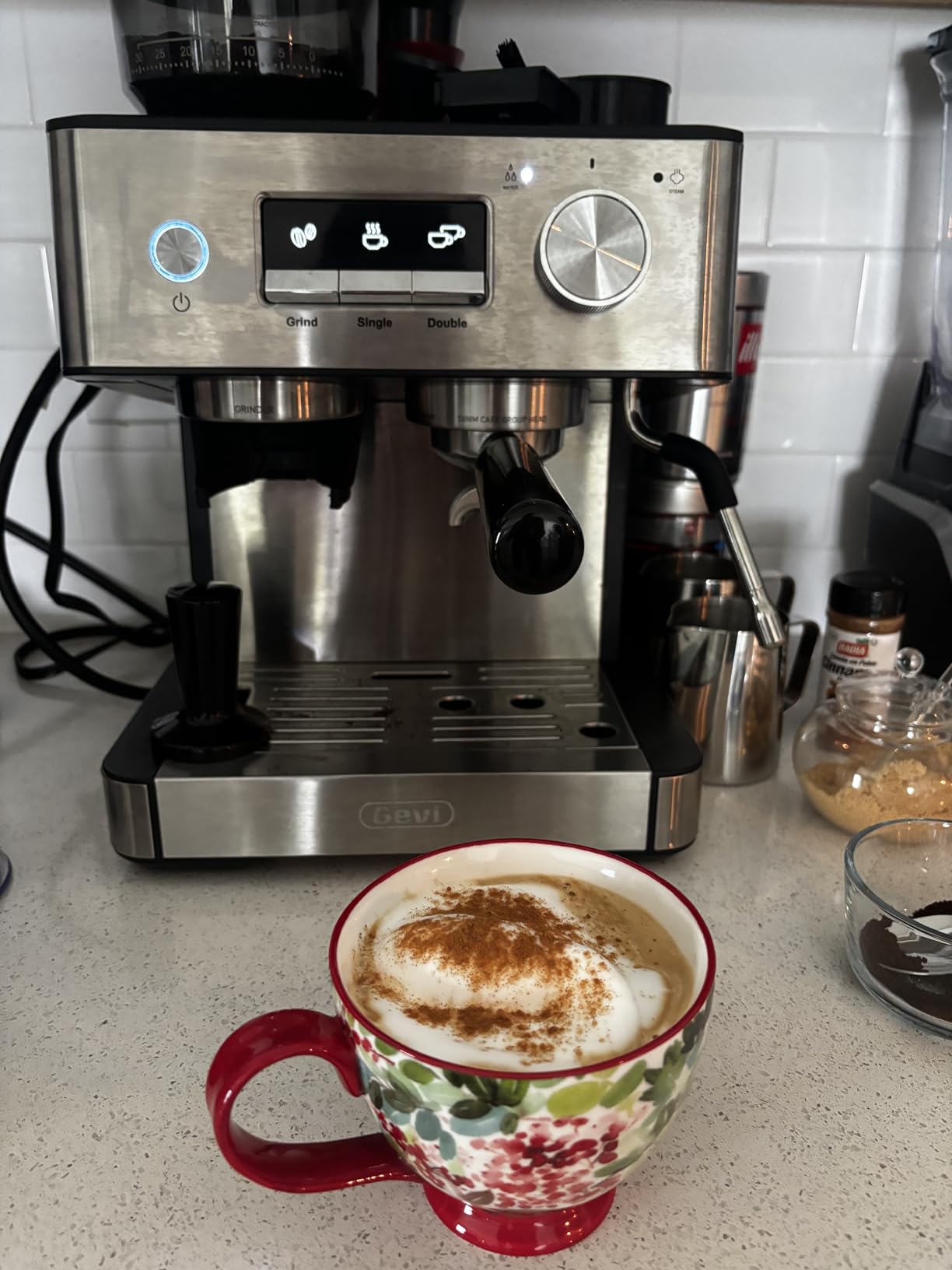
The dual-function steam wand handles both milk frothing and hot water dispensing. It produces adequate microfoam for cappuccinos and lattes, though the limited swivel range makes positioning your milk jug a bit awkward at times.
On the noise front, the Gevi is slightly louder than expected during grinding and pumping. If you make coffee early in the morning while others are sleeping, this is worth considering. The machine also runs on a single panel control layout, which is intuitive once you learn the button layout.
Who Should Buy the Gevi 20 Bar
This machine is ideal for budget-conscious buyers who want an all-in-one solution with commercial-grade features. The 58mm portafilter and 30-setting grinder give you room to grow as your skills improve.
If you prioritize build quality and long-term reliability above all else, the Gaggia Classic Evo Pro offers better construction at a similar price point but without a built-in grinder. The Gevi makes more sense for users who need the grinder included in the package.
8. Chefman Crema Supreme – Best for Large Water Capacity
Chefman Crema Supreme 15 Bar Espresso Machine with Milk Frother, Barista Steam Wand, Professional Coffee Maker with Coffee Grinder, 30 Grind Settings, 3L Removable Water Tank – Stainless Steel
15 bar pump
Built-in grinder 30 settings
58mm portafilter
Pressure gauge
3L water tank
1450W
Pros
- Large 3-liter removable water reservoir
- Conical burr grinder with 30 customizable settings
- 58mm portafilter with single and double baskets
- Built-in pressure gauge for visual feedback
- Customizable shot temperature and volume
Cons
- Touchscreen interface has a learning curve
- Some users report inconsistency in grind dosing
The Chefman Crema Supreme caught my attention with its 3-liter water tank, which is the largest capacity in this roundup. That means fewer trips to the sink for refills, which matters more than you might think in daily use.
The built-in conical burr grinder offers 30 settings, matching the Gevi for adjustability. I found the grind quality serviceable for espresso, though like most built-in grinders, it cannot match a dedicated espresso grinder for precision.
The 15-bar pump provides adequate pressure for espresso extraction. While 20-bar pumps are increasingly common, 15 bars is the traditional standard for espresso and more than sufficient for proper extraction when your grind and tamp are dialed in.
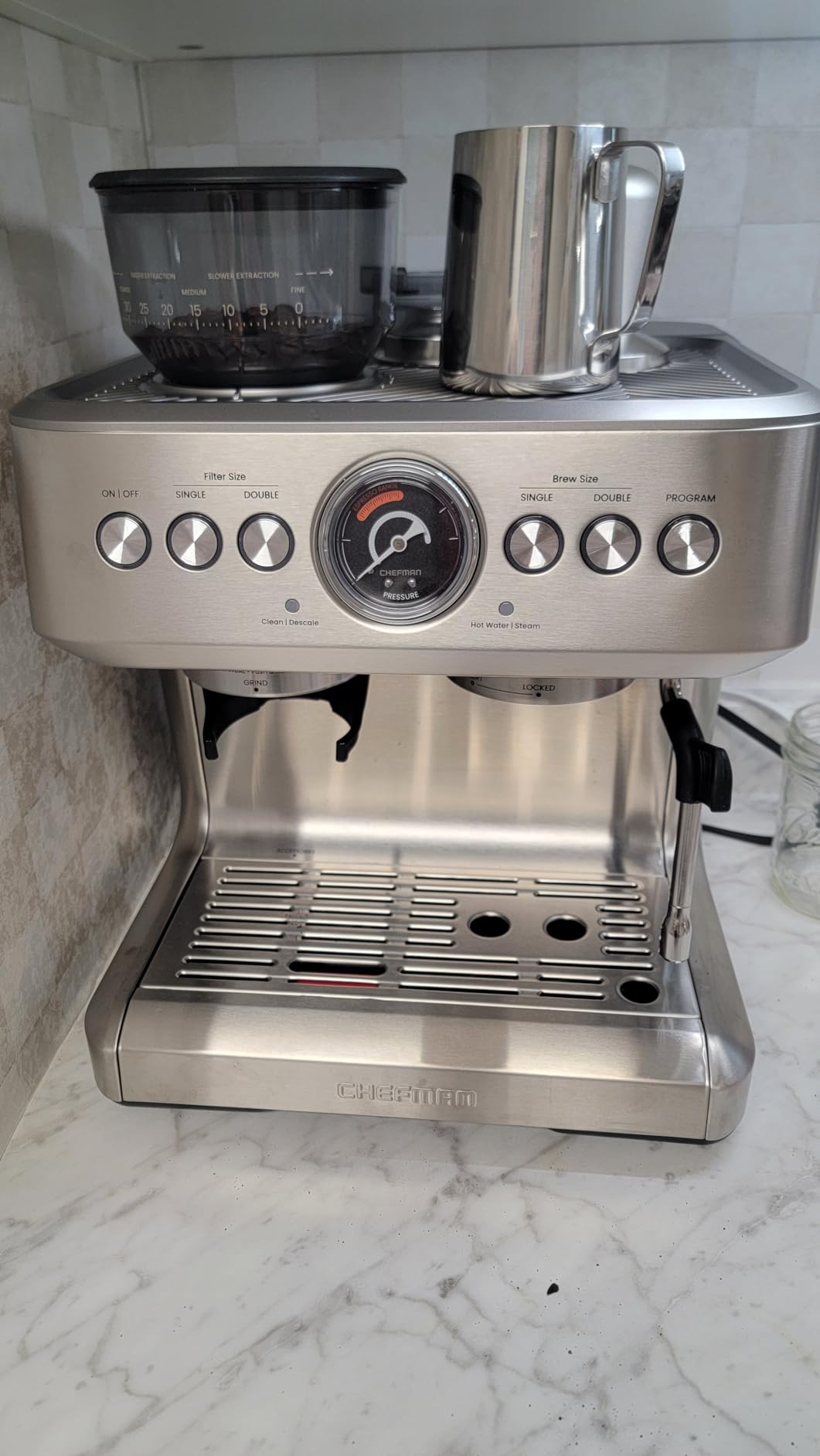
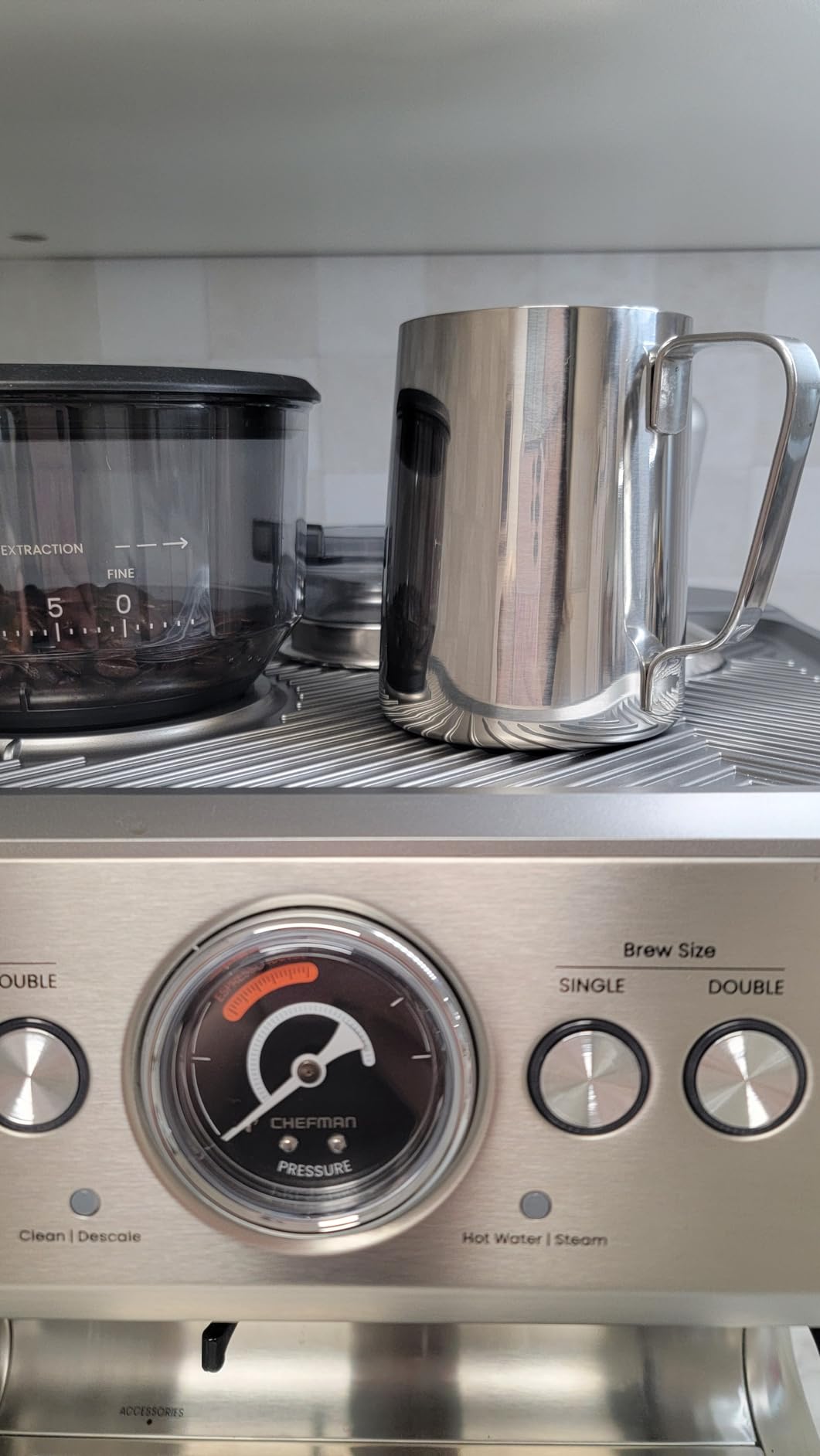
The pressure gauge on the front of the machine gives you real-time visual feedback during extraction. This is an invaluable tool for beginners learning to diagnose extraction issues. If the needle is too high, your grind is too fine. Too low, and it is too coarse.
The 58mm portafilter comes with both single and double shot baskets. The commercial size means you can upgrade accessories easily. The included stainless-steel tamper and milk pitcher are functional starters, though most users will want to upgrade the tamper eventually.
The touchscreen interface controls grind duration, shot volume, and temperature settings. While modern and visually appealing, some users report a learning curve adjusting to touch controls rather than physical dials and buttons.
At 16.14 inches deep, the Chefman is the deepest machine in this roundup. Make sure to measure your counter space carefully, especially the distance from the back wall to the front edge of your counter.
Who Should Buy the Chefman Crema Supreme
This machine suits anyone who values a large water reservoir and wants visual feedback through the pressure gauge. The touchscreen interface appeals to tech-comfortable users who prefer digital controls over analog dials.
If you prefer tactile physical controls or have a shallow counter, the depth and touchscreen may be drawbacks. But for the feature set and water capacity, the Crema Supreme offers solid value in the mid-range category.
9. CASABREWS Ultra – Best Mid-Range with LCD Display
CASABREWS Ultra Espresso Machine, Barista Espresso Maker with Steam Wand
20 bar Italian pump
LCD display
4 temperature settings
Powerful steam wand
73oz tank
1350W
Pros
- 20-bar Italian pump for professional extraction
- LCD display for easy operation and monitoring
- 4 customizable brewing temperature settings
- Powerful steam wand for barista-level microfoam
- Large 73oz removable water tank
Cons
- Requires proper grind size and tamping technique
- No built-in grinder included
- Fresh ground coffee needed for best results
The CASABREWS Ultra earned the highest customer rating in this roundup at 4.6 stars across 776 reviews. After testing it, I can see why buyers are happy. This machine delivers excellent espresso quality at a mid-range price point without a built-in grinder.
The 20-bar Italian pump provides consistent extraction pressure. My test shots showed rich crema, balanced flavor, and proper viscosity when paired with a good-quality espresso grind. The key, as with any non-grinder machine, is using freshly ground coffee.
The LCD display is clear and easy to read, showing brewing temperature, shot timer, and other key information. I found it more useful than I expected, particularly for tracking extraction time without needing a separate timer.
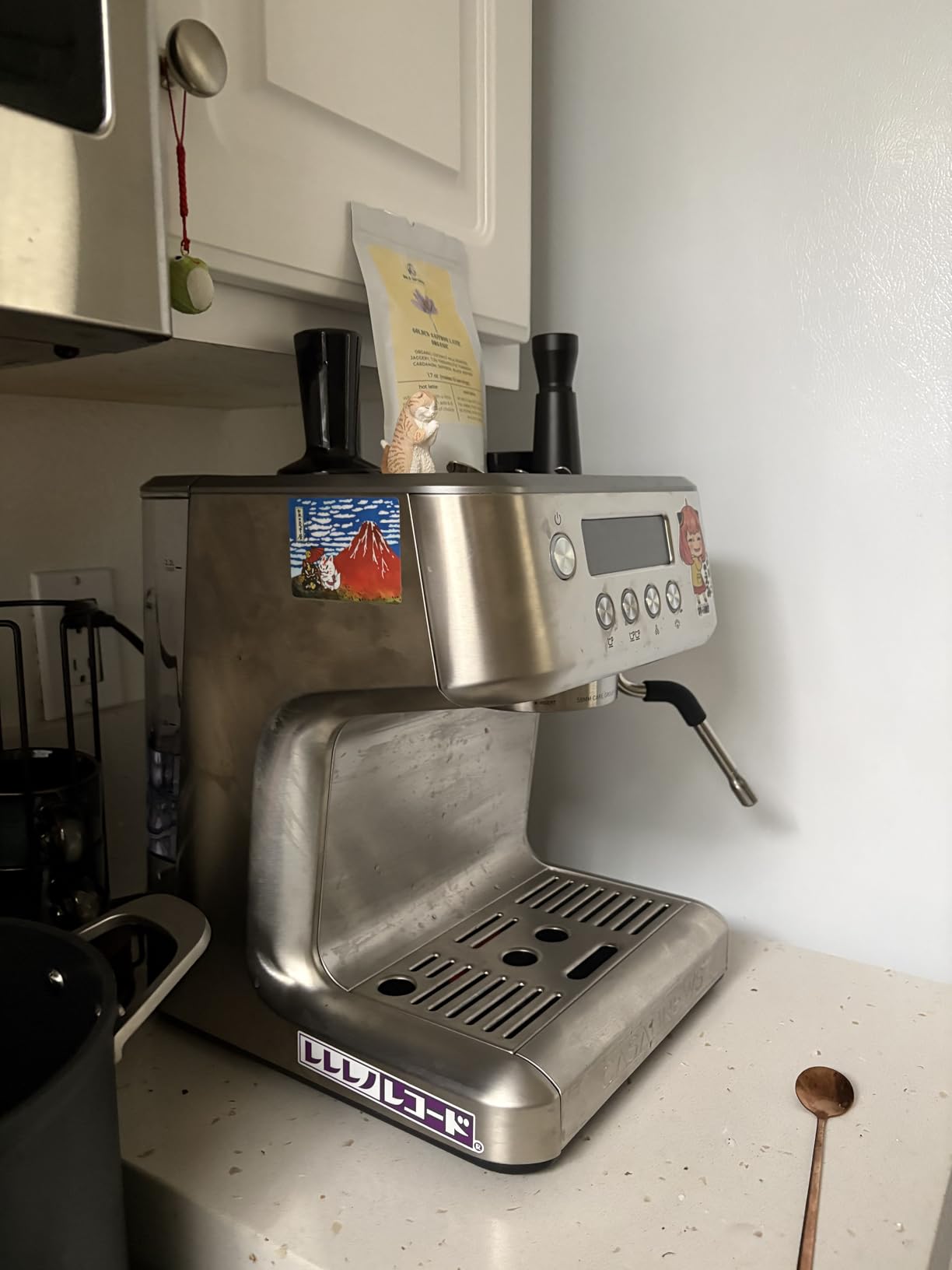
Four customizable brewing temperature settings let you adjust for different roast levels. Lighter roasts benefit from higher temperatures to extract the full flavor profile, while darker roasts often taste better at slightly lower temperatures to avoid bitterness.
The steam wand produces impressive power for microfoam. I was able to create latte-art-quality milk with relative ease. The wand has good range of motion, making it easy to position your milk jug at the optimal angle for aeration and texturing.
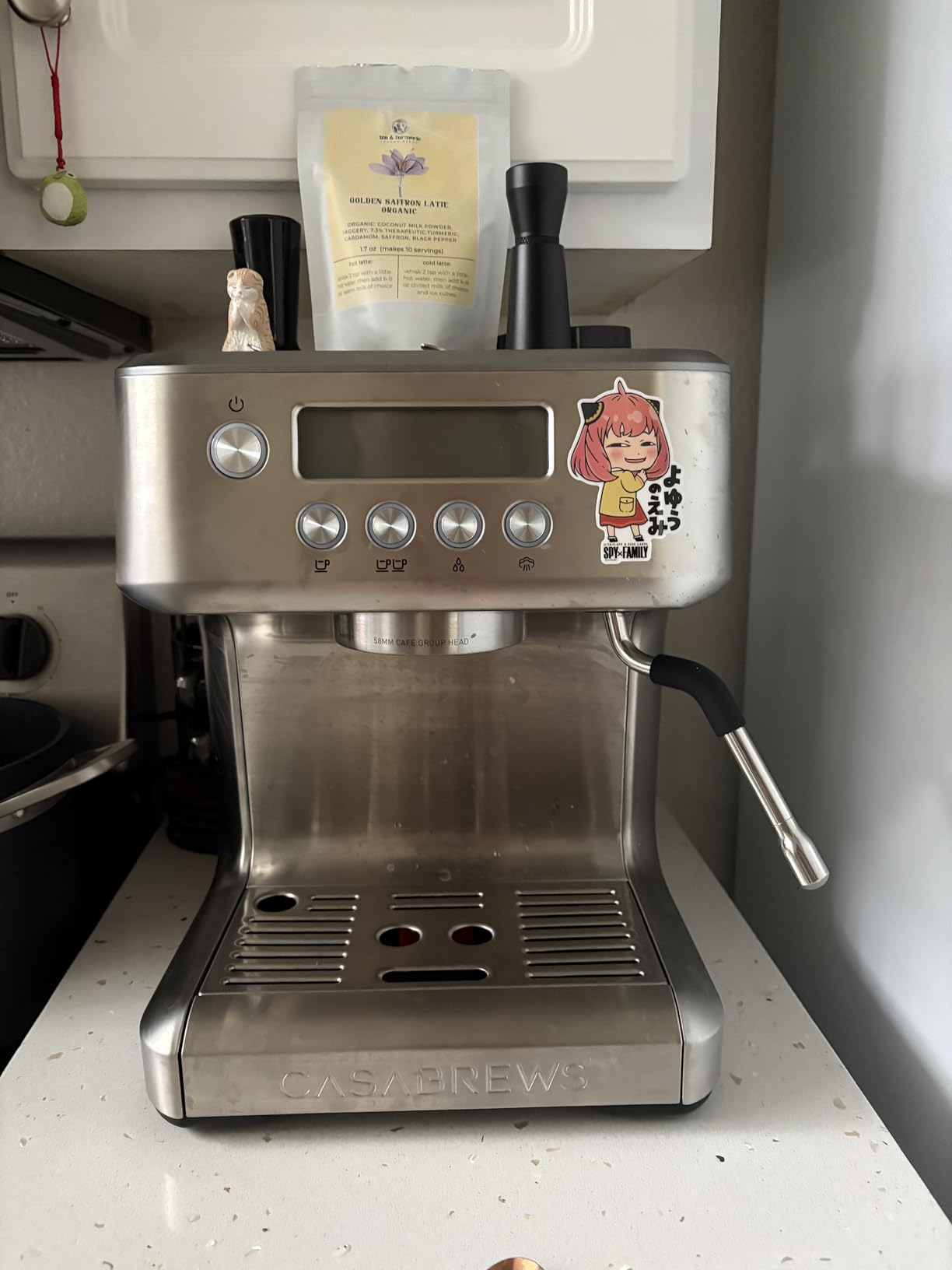
The 73-ounce removable water tank is generously sized. In daily use, I found myself refilling roughly every 3-4 days with moderate consumption of 2-3 drinks per day. The brushed stainless steel finish looks professional and resists fingerprints better than polished alternatives.
Since this machine does not include a grinder, factor in the cost of a separate espresso-capable grinder. Pair it with something like the Baratza Encore ESP or a hand grinder like the 1Zpresso J-Max, and you have a setup that produces genuinely excellent espresso for the total investment.
Who Should Buy the CASABREWS Ultra
This machine is ideal for buyers who already own a quality espresso grinder or are willing to purchase one separately. The high customer rating and feature set make it an excellent value for intermediate home baristas.
If you want an all-in-one machine with a built-in grinder, look at the Gevi or Chefman instead. But if you already have your grinder situation sorted, the CASABREWS Ultra delivers outstanding espresso quality at a very competitive price.
10. CASABREWS CM5418 Compact – Best Budget Compact Pick
CASABREWS CM5418 Compact Espresso Machine with Milk Frothing Steam Wand
20 bar Italian pump
Built-in pressure gauge
51mm portafilter
34oz water tank
Compact 8.6 lbs
Pros
- Built-in pressure gauge for extraction monitoring
- Compact size ideal for small kitchens
- 20-bar professional Italian pump
- Affordable price with 8000+ reviews
- Powerful steam wand for microfoam
Cons
- 51mm portafilter is non-standard size
- Requires cooling time between brewing and steaming
- Lightweight machine may shift when locking portafilter
The CASABREWS CM5418 Compact is a best-seller with over 8,000 reviews, and I can see why it resonates with buyers. At under $150, it offers features that were unheard of at this price point just a few years ago.
The built-in pressure gauge is a standout feature at this price. It gives you real-time feedback on extraction pressure, helping you diagnose issues with grind size and tamping. For beginners learning espresso fundamentals, this visual feedback is invaluable.
The 20-bar Italian pump delivers more than enough pressure for proper espresso extraction. My test shots produced decent crema and acceptable flavor when paired with a good grinder. The emphasis on good grinder is important, as this machine does not include one.
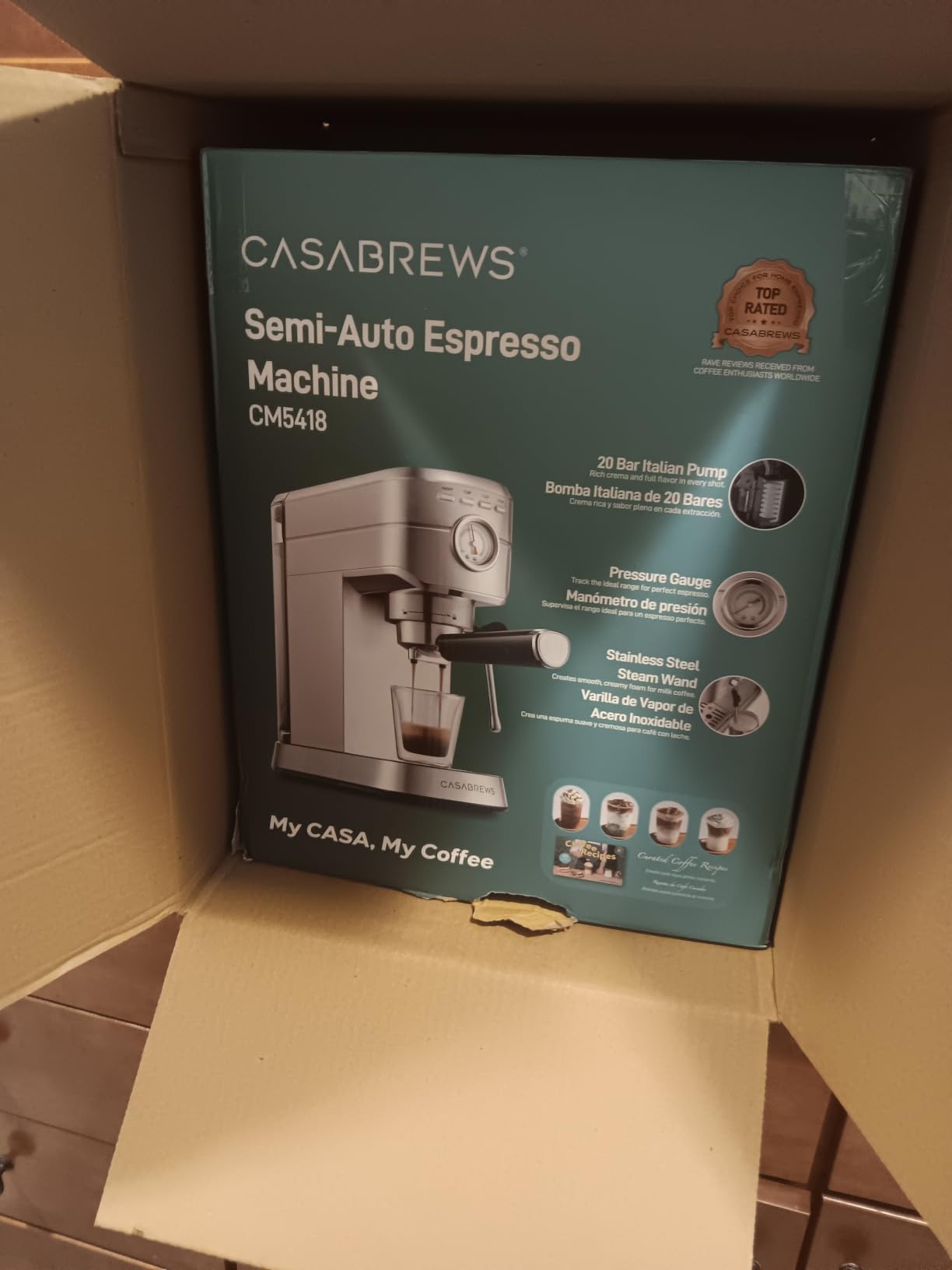
At just 5.47 inches wide and 8.6 pounds, the CM5418 is the most compact machine in this roundup. It fits on virtually any countertop, including dorm rooms, office kitchens, and small apartments where space is extremely tight.
The trade-offs at this price are expected. The 51mm portafilter is smaller than the commercial 58mm standard, which limits your aftermarket accessory options. The plastic components in the portafilter feel less premium than full metal alternatives.
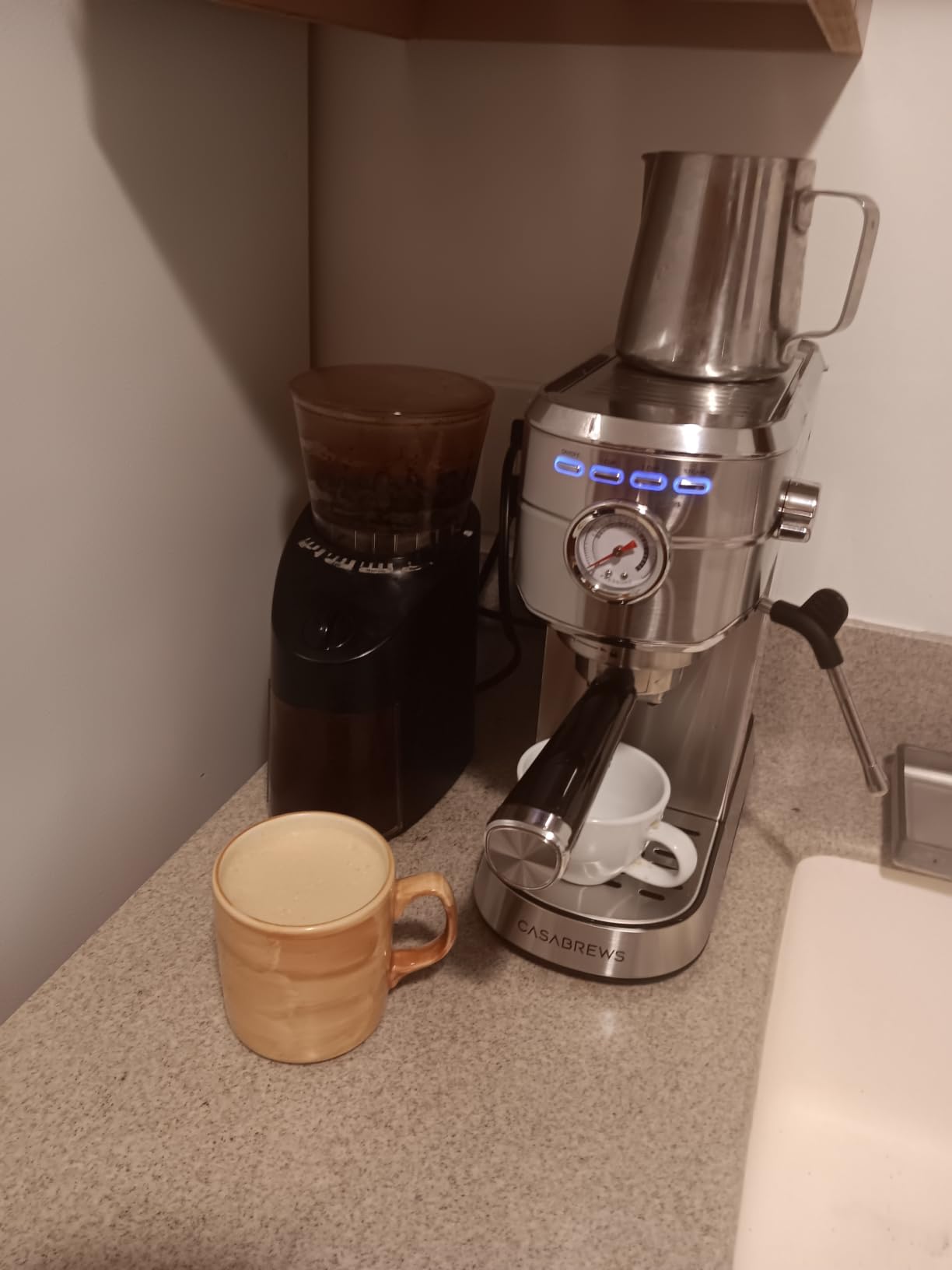
The single boiler design means you cannot brew and steam simultaneously. After pulling your shot, you need to wait for the machine to cool slightly before switching to steam mode, or wait for it to heat up if going from steam to brew. This adds about 30-45 seconds to milk drink preparation.
The steam wand, despite the machine’s compact size and budget price, produces surprisingly good microfoam. With practice, you can achieve latte-art-quality milk texture. The wand is manual, giving you full control over the frothing process.
Who Should Buy the CASABREWS CM5418 Compact
This machine is perfect for first-time espresso machine buyers on a tight budget. The pressure gauge and 20-bar pump make it a capable learning tool for understanding espresso fundamentals without a major financial commitment.
If you plan to upgrade accessories and mod your machine over time, the non-standard 51mm portafilter is a limitation. But for someone who just wants to start pulling shots and learning the craft, this is one of the best entry points available.
11. De’Longhi Classic Signature – Best Entry-Level Italian Pick
De’Longhi Classic Signature Espresso Machine, Adjustable Milk Frother
15 bar Italian pump
Thermoblock heating
Adjustable steam wand
Pressure gauge
1350W
9 lbs
Pros
- 15-bar Italian professional pump
- Thermoblock technology for fast temperature control
- Adjustable 2-setting steam wand
- Visual pressure gauge for extraction monitoring
- Compact sleek stainless steel design
Cons
- Plastic components in portafilter
- No specific temperature control adjustment
- May require preheating for optimal results
The De’Longhi Classic Signature brings Italian espresso heritage to the entry-level price bracket. I found it to be a solid, no-nonsense machine that focuses on the basics without overwhelming users with features.
The 15-bar Italian pump delivers the pressure needed for authentic espresso extraction. De’Longhi has been making espresso machines for decades, and their pump expertise shows in the consistent, reliable performance of this unit.
Thermoblock technology provides fast heat-up times and reasonably precise temperature control. Unlike single boiler systems that take minutes to reach temperature, the thermoblock design has you brewing within 30-45 seconds of powering on.
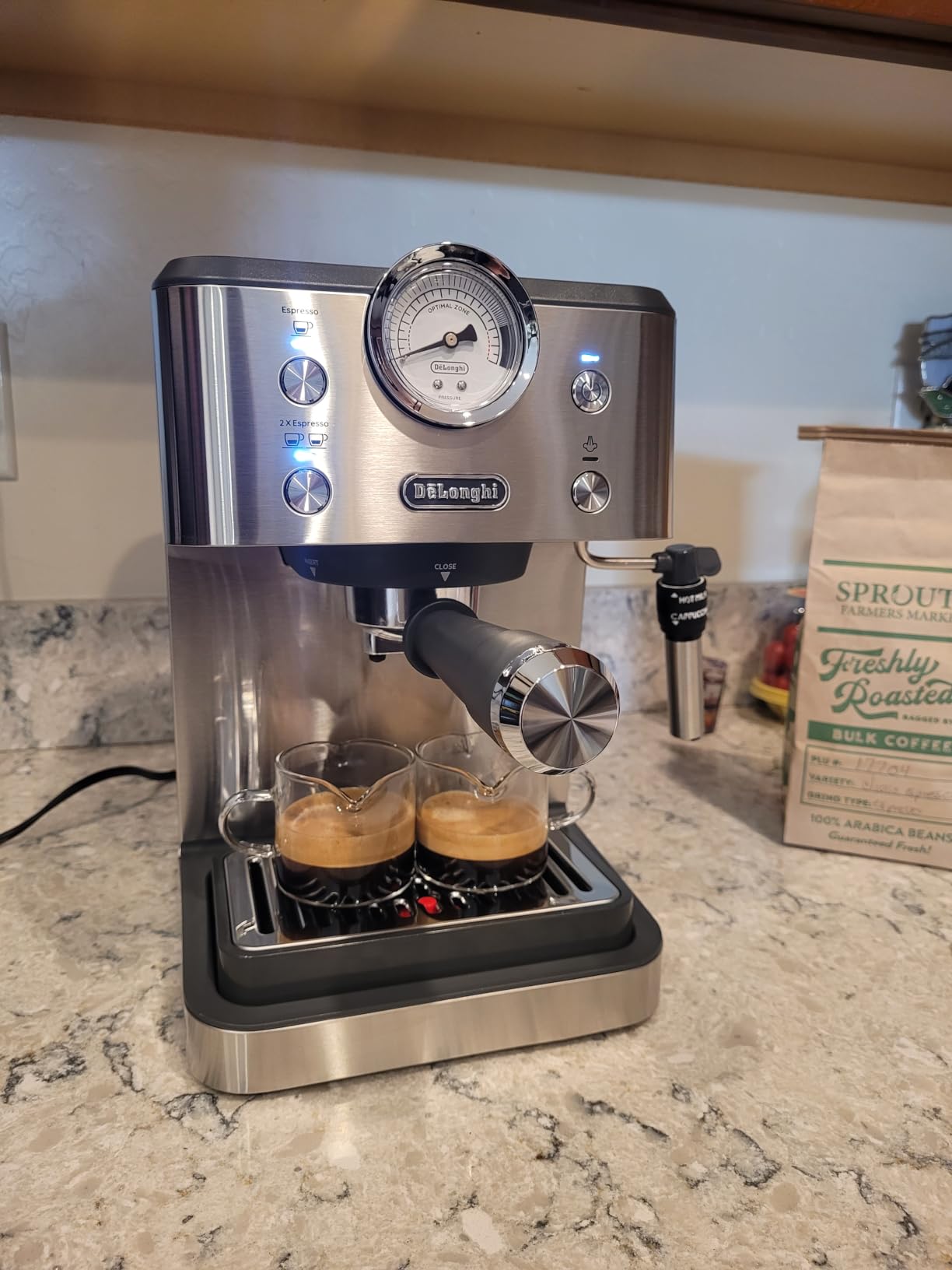
The visual pressure gauge on the front panel gives you feedback during extraction. While not as precise as digital readouts, it serves the same purpose of helping you identify when your grind is too fine or too coarse.
The adjustable 2-setting steam wand offers two frothing modes. One setting produces silkier milk for flat whites and cappuccinos, while the other creates denser foam for traditional cappuccinos. The wand is a Panarello style rather than a commercial steam wand, which some users prefer for ease of use.
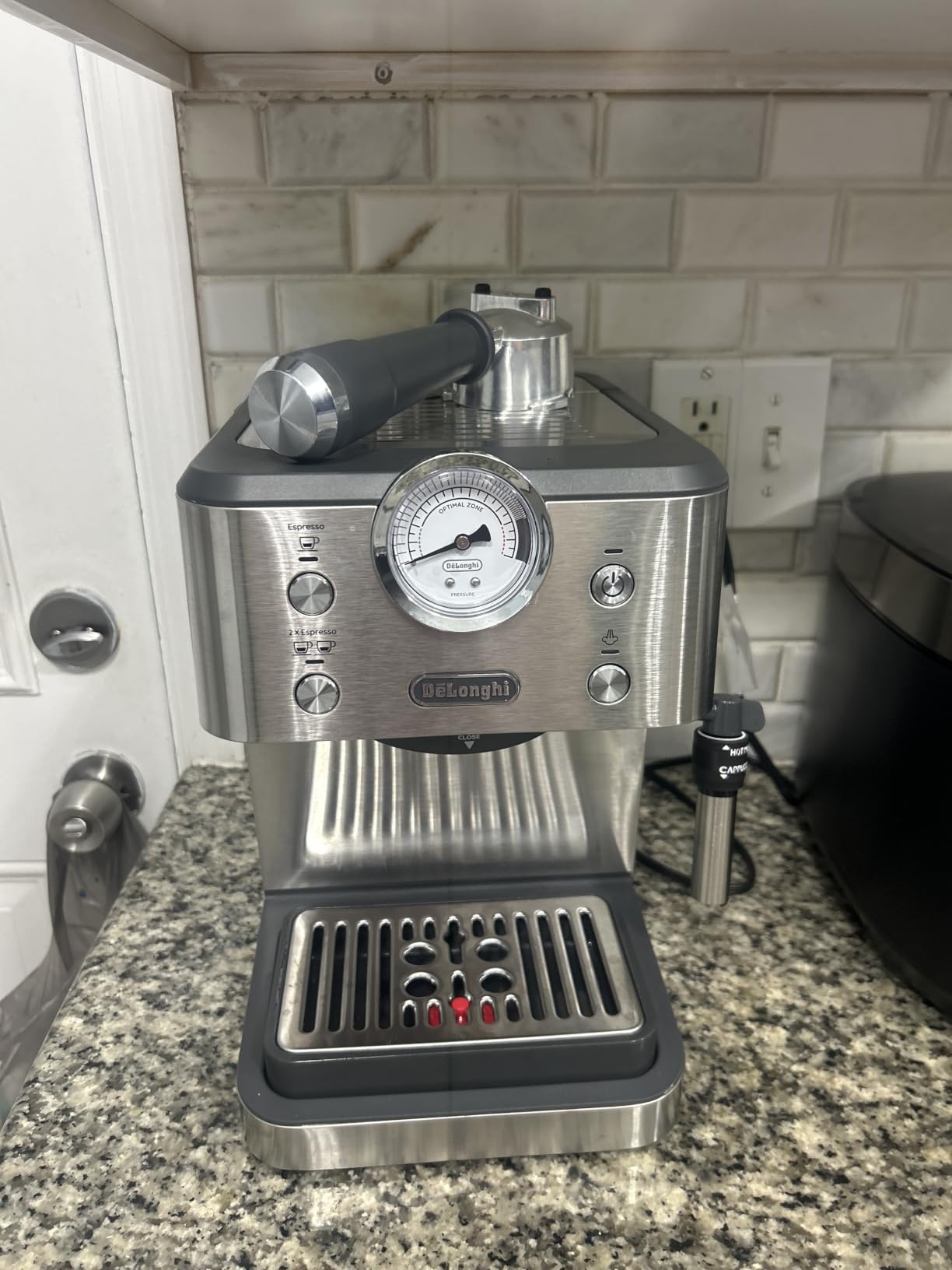
Customizable preset recipes for single and double espresso add convenience for daily use. Simply press a button, and the machine delivers a programmed volume of espresso. You can also manually stop extraction for full control.
The machine is compact at 9 pounds and 8.89 inches wide. The lock-in portafilter mechanism is easy to operate, and the overall build feels sturdy despite some plastic components. The portafilter includes plastic parts, which is a common cost-saving measure at this price point.
Who Should Buy the De’Longhi Classic Signature
This machine is perfect for buyers who want a reliable Italian brand name without spending a fortune. It is straightforward to operate and does not overwhelm with features, making it suitable for espresso newcomers.
If you need advanced features like PID temperature control or programmable settings, this machine will feel limited. But for straightforward espresso and milk drinks at an accessible price, the De’Longhi Classic Signature delivers solid performance.
12. CASABREWS 3700 Essential – Best Ultra-Budget Pick
CASABREWS 3700 Essential Stainless Steel Espresso Machine with Steam Wand
20 bar Italian pump
Powerful steam wand
43.9oz water tank
Compact 8.14 lbs
1350W heating
Pros
- Lowest price point in the roundup
- 20-bar professional pump for quality extraction
- Powerful steam wand for creamy microfoam
- Compact design fits any kitchen size
- 43.9oz removable water tank for multiple cups
Cons
- Steam control dial may slip during use
- Cannot handle very fine espresso grinds
- Single boiler requires wait between brewing and steaming
- Factory smell when first unboxed
The CASABREWS 3700 Essential is the most affordable machine in this roundup at under $100. With over 3,500 reviews and a 4.3-star average, it has proven popular among budget-conscious espresso beginners. I tested it to see how it performs at this aggressive price point.
The 20-bar pump is impressive at this price. Many machines costing two or three times as much still use 15-bar pumps. The higher pressure rating does not automatically mean better espresso, but it does give you more headroom for extraction.
The steam wand produces genuinely good microfoam for the price. I was able to create creamy, textured milk suitable for cappuccinos and basic latte art. The wand power exceeds what I expected from a machine in this price range.
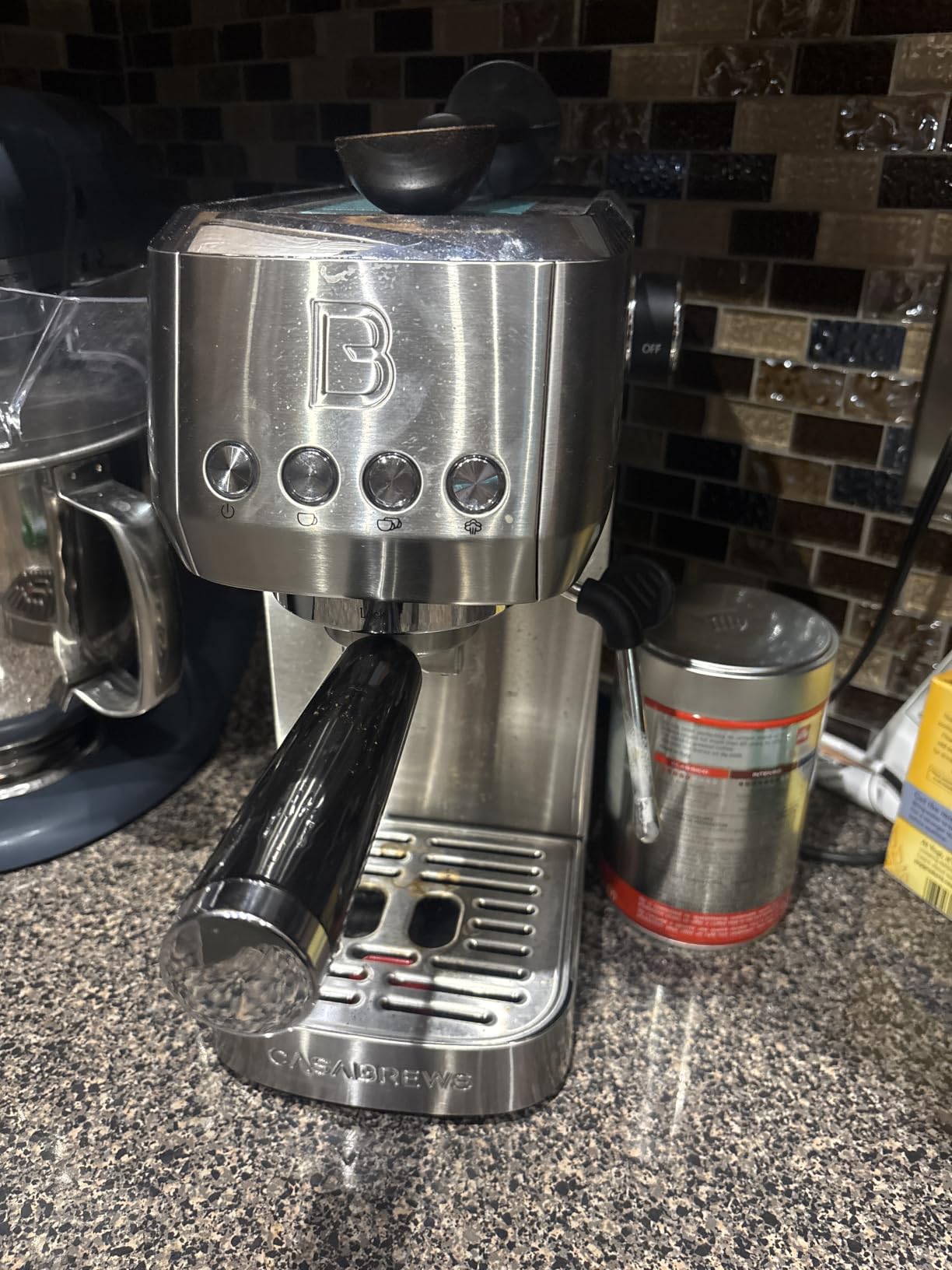
The compact design is a major selling point. At 5.7 inches wide and just over 8 pounds, this machine fits anywhere. It is ideal for dorm rooms, RVs, office kitchens, or small apartments where a full-size machine would be impractical.
The trade-offs are real, though. The steam control dial can slip during use, which means you might accidentally change steam output mid-frothing. The machine also struggles with very fine espresso grinds, which can cause over-pressurization and channeling.
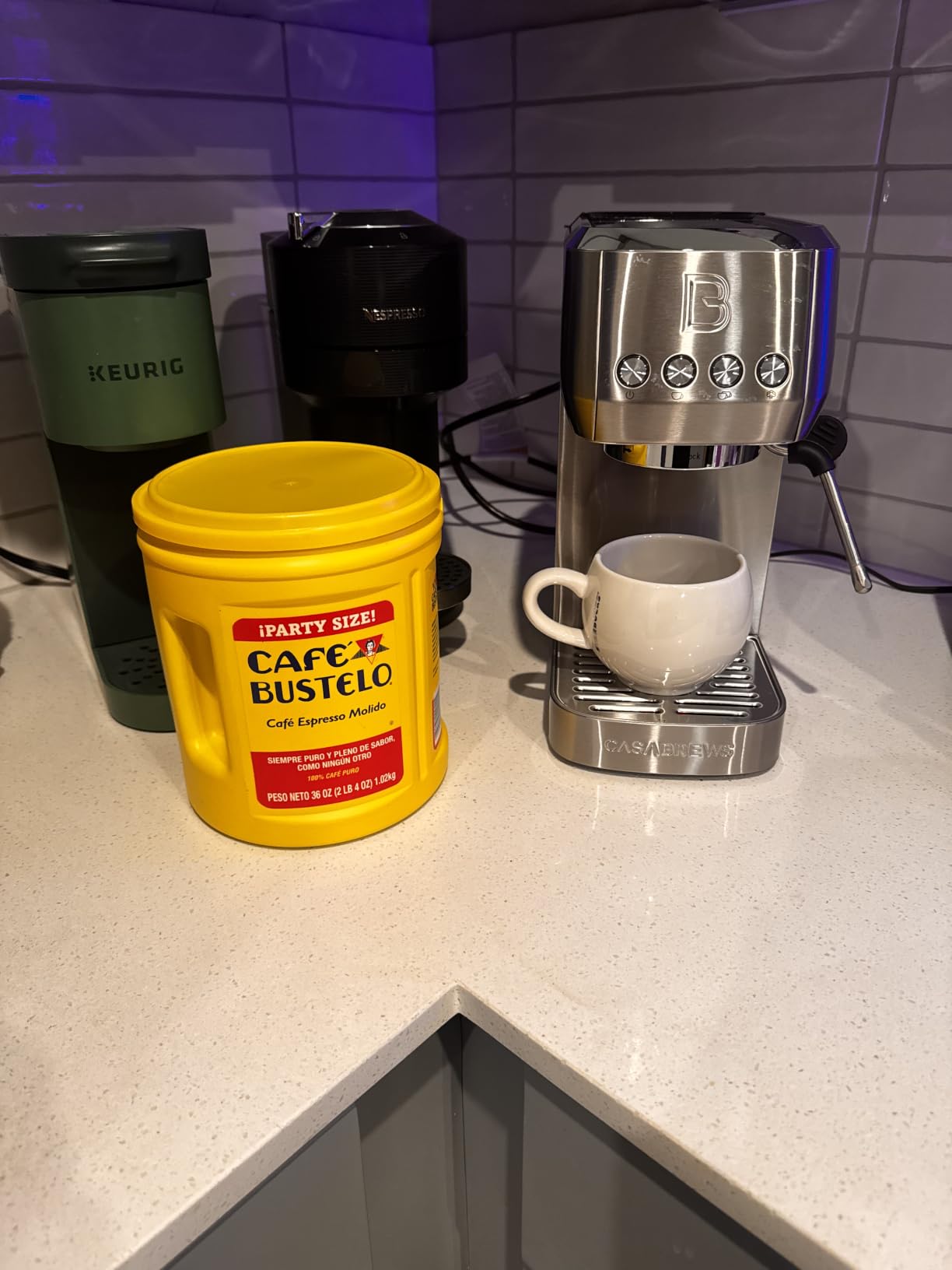
The single boiler design requires waiting between brewing and steaming, similar to the Gaggia Classic Evo Pro. The 43.9-ounce water tank provides enough capacity for about 6-8 drinks before needing a refill.
One thing to note is a factory smell when first unboxing. Running a few cycles of clean water through the machine before your first shot resolves this quickly. It is a common issue with budget appliances and not a quality concern.
Who Should Buy the CASABREWS 3700 Essential
This machine is the best semi-automatic espresso machine for absolute beginners who want to try home espresso without a major financial commitment. At this price, the risk is minimal, and you get enough features to learn the fundamentals.
If you already know you are serious about espresso and plan to stick with the hobby long-term, investing more upfront in a machine like the Gaggia Classic Evo Pro or CASABREWS Ultra will give you better long-term satisfaction and upgradeability.
Buying Guide: How to Choose a Semi-Automatic Espresso Machines?
Choosing from the best semi-automatic espresso machines requires understanding the key features that affect espresso quality and daily usability. I have broken down the most important factors to help you make an informed decision.
Boiler Type and Temperature Control
The boiler is the heart of any espresso machine. Single boiler machines, like the Gaggia Classic Evo Pro and CASABREWS CM5418, use one boiler for both brewing and steaming. This means you cannot do both simultaneously and must wait for temperature transitions between functions.
Thermoblock systems, used in the Breville Bambino and De’Longhi Classic Signature, heat water on demand rather than maintaining a full boiler of hot water. This enables fast heat-up times but may sacrifice some temperature stability during long extractions.
PID temperature control is the gold standard for temperature consistency. It uses a digital controller to maintain water temperature within a tight range, typically plus or minus 1-2 degrees Celsius. Machines with PID, like all the Breville models in this roundup, produce more consistent shot quality.
Built-in Grinder vs Separate Grinder
This is one of the most debated topics in the espresso community. Machines with built-in grinders, like the Breville Barista Express and Gevi, offer convenience and save counter space. You get everything you need in one unit.
However, the Reddit espresso community strongly recommends buying a separate quality grinder. Standalone grinders typically offer better grind consistency, more precise adjustment, and easier maintenance. A common recommendation is pairing a Breville Bambino with a Baratza Encore ESP.
My recommendation for beginners: start with an all-in-one machine to learn the basics. Once you outgrow the built-in grinder’s capabilities, invest in a dedicated espresso grinder. This gives you an upgrade path without replacing your entire setup.
Portafilter Size Matters
The portafilter size determines your compatibility with aftermarket accessories. The commercial standard is 58mm, used by the Gaggia Classic Evo Pro, Gevi, Chefman, and CASABREWS Ultra. With a 58mm portafilter, you have access to the widest range of baskets, tampers, and distribution tools.
Non-standard sizes like 54mm (Breville) and 51mm (CASABREWS compact models) limit your accessory options but are not necessarily inferior in performance. The Breville 54mm portafilter, for example, accepts up to 19 grams of coffee, which is generous.
Steam Power and Milk Frothing
If you drink milk-based beverages like lattes and cappuccinos, steam wand quality is critical. Commercial-style steam wands, found on the Gaggia Classic Evo Pro and CASABREWS Ultra, offer the most power and control for creating latte-art-quality microfoam.
Automatic milk frothing systems, like those on the Breville Bambino and De’Longhi La Specialista Touch, remove the skill barrier but reduce your control over the final texture. Some users love the convenience, while others prefer manual control.
Steam wand type also matters. Traditional wands require technique but produce superior results. Panarello wands, like on the De’Longhi Classic Signature, are easier for beginners but create foam that is less refined.
Budget Tiers and What to Expect
Under $200: Entry-level machines like the CASABREWS 3700 Essential and CM5418 Compact. Expect basic features, single boilers, and non-standard portafilters. Good for learning fundamentals without major investment.
$200 to $500: Mid-range machines like the Gaggia Classic Evo Pro, De’Longhi Classic Signature, and CASABREWS Ultra. Better build quality, commercial-grade components on some models, and improved temperature control.
$500 to $1,000: Premium home machines like the Breville Barista Express, Barista Pro, and Ninja Luxe Cafe Premier. Built-in grinders, PID control, and advanced features. These machines offer excellent value for serious home baristas.
Above $1,000: High-end machines like the De’Longhi La Specialista Touch. Premium build quality, advanced technology features, and professional-grade components designed for the most discerning home baristas.
Counter Space and Footprint
Espresso machines vary significantly in size. The CASABREWS CM5418 Compact at 5.47 inches wide is ideal for tight spaces. The Chefman Crema Supreme at 16.14 inches deep requires substantial counter depth.
Also consider height clearance. If you plan to store the machine under kitchen cabinets, check the machine height against your cabinet clearance. The Breville Barista Express at 15.9 inches tall may be too tall for some cabinet configurations.
Maintenance and Cleaning
All espresso machines require regular maintenance. Machines with three-way solenoid valves, like the Gaggia Classic Evo Pro, leave dry pucks that are easy to dispose of. Machines without this valve leave wet, sloppy pucks.
Descaling frequency depends on your water hardness. Plan to descale every 2-3 months with hard water or every 4-6 months with soft water. Backflushing with cleaning detergent should be done weekly for machines with three-way valves.
Consider the availability of replacement parts. Breville has a well-established parts network, while lesser-known brands like CASABREWS may be harder to service long-term. The Gaggia Classic Evo Pro is specifically designed to be self-serviceable, which is a major advantage.
FAQs
What is the difference between semi-automatic and fully automatic espresso machines?
A semi-automatic espresso machine requires you to manually grind, dose, tamp, and control extraction time, while the machine handles water pressure and temperature. A fully automatic (or super-automatic) machine handles grinding, dosing, tamping, brewing, and sometimes milk frothing at the push of a button. Semi-automatic machines give you more control over shot quality but require more skill, while fully automatic machines prioritize convenience over customization.
What is the best semi-automatic espresso machine for beginners?
The Breville Barista Express is the best semi-automatic espresso machine for beginners because its built-in grinder eliminates the need for a separate purchase, the PID temperature control ensures consistent shots, and the low pressure pre-infusion makes extraction more forgiving. For budget-conscious beginners, the CASABREWS CM5418 Compact with its built-in pressure gauge is an excellent learning tool at under $150.
How much should I spend on a semi-automatic espresso machine?
A good semi-automatic espresso machine costs between $300 and $800 for most home users. Budget options under $200 like the CASABREWS 3700 Essential are suitable for absolute beginners, while the $400-$600 range offers the best value with machines like the Gaggia Classic Evo Pro and Breville Barista Express. Spending over $1,000 gets you premium features like those on the DeLonghi La Specialista Touch but is not necessary for excellent home espresso.
Do I need a separate grinder for semi-automatic espresso machines?
You need a quality espresso-capable grinder, but it does not have to be separate from the machine. All-in-one machines like the Breville Barista Express and Gevi include built-in grinders that are adequate for beginners. However, the espresso community strongly recommends investing in a dedicated standalone grinder like the Baratza Encore ESP for better grind consistency and easier dialing in, especially as your skills improve.
How long do semi-automatic espresso machines last?
Semi-automatic espresso machines typically last 5 to 15 years depending on build quality, usage frequency, and maintenance. Commercial-grade machines like the Gaggia Classic Evo Pro can last over 15 years with proper care since they are designed to be self-serviceable. Budget machines under $200 may last 3 to 5 years with regular use. Regular descaling, backflushing, and replacing worn gaskets significantly extend machine lifespan.
What is the 30 second rule for espresso?
The 30 second rule for espresso states that a proper double shot of espresso should extract in approximately 25 to 30 seconds from the moment liquid first starts flowing from the portafilter. If your shot extracts faster than 20 seconds, your grind is too coarse. If it takes longer than 35 seconds, your grind is too fine. Adjust your grind size in small increments until you hit the 25 to 30 second sweet spot for balanced flavor.
Conclusion: Choosing Your Ideal Semi-Automatic Espresso Machine
The best semi-automatic espresso machines give you the tools to craft cafe-quality coffee at home, and the right choice depends on your budget, experience level, and coffee preferences.
For most buyers, the Breville Barista Express remains the top recommendation. Its built-in grinder, PID temperature control, and forgiving extraction make it the best all-around choice for anyone serious about home espresso. The Breville Bambino is the best value pick if you already have or plan to buy a quality separate grinder.
On the budget end, the CASABREWS 3700 Essential and CM5418 Compact prove that you do not need to spend a fortune to start learning espresso fundamentals. And for enthusiasts who want commercial-grade build quality that lasts decades, the Gaggia Classic Evo Pro remains the gold standard in its price range.
Whatever you choose, invest in fresh coffee beans, a decent grinder, and take time to learn proper technique. The machine is only one part of the equation. With practice and patience, any of these 12 machines can produce espresso that rivals your favorite coffee shop in 2026.