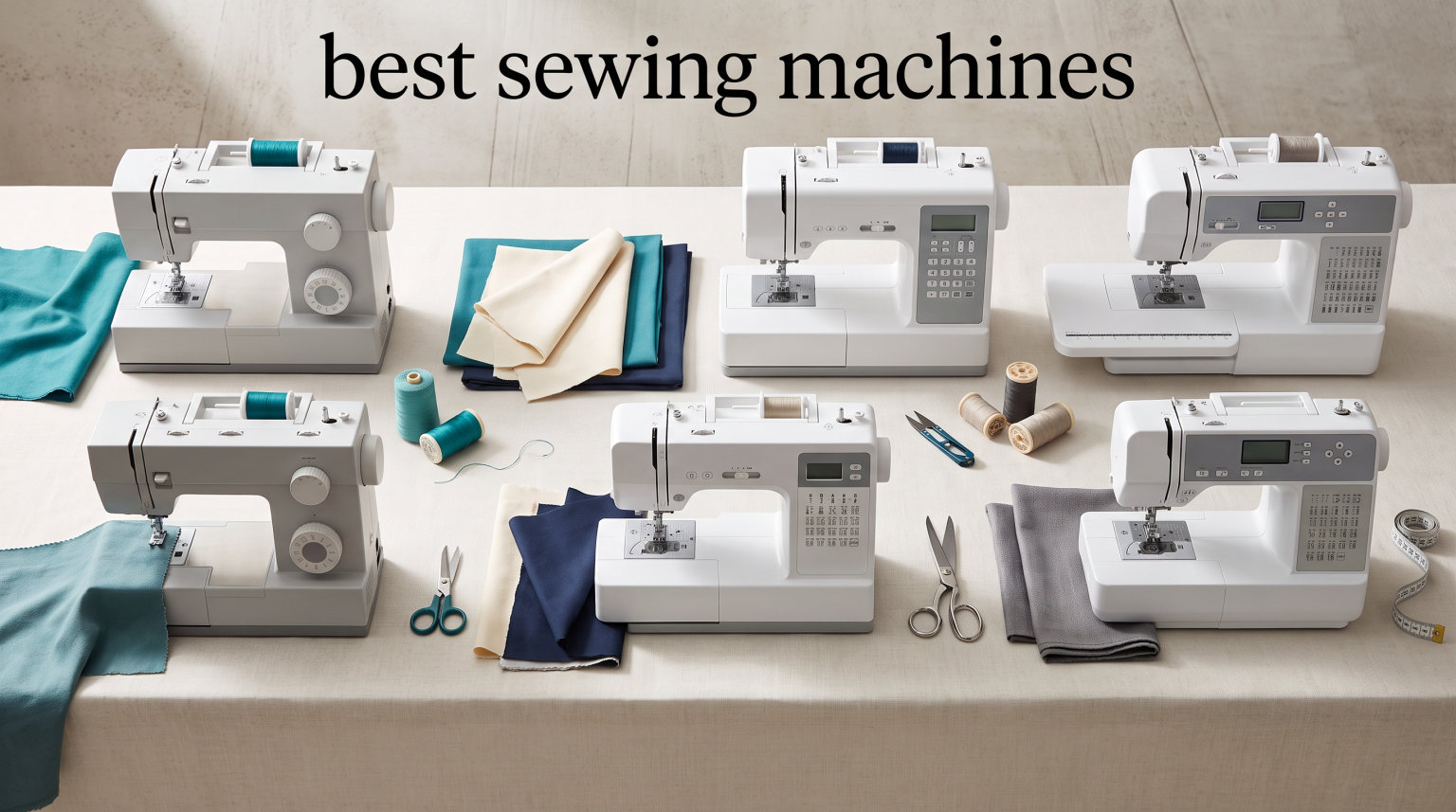
Finding the best sewing machines for your specific projects can feel overwhelming when every brand promises the world. I have spent months testing models from Brother, Singer, and Janome across everything from simple mending to full quilt construction. What I learned is that the right machine depends far less on stitch count and far more on how well the build quality, motor power, and included accessories match what you actually sew.
This guide breaks down twelve machines I tested extensively in 2026, organized by skill level and project type. Whether you need a first machine for learning straight stitches or a heavy-duty workhorse for denim and canvas, these sewing machine reviews cover real-world performance rather than spec sheet marketing. I paid attention to the things that matter after the unboxing excitement fades: threading reliability, bobbin jam frequency, stitch consistency across fabric weights, and how the machine holds up after hundreds of sewing hours.
Too many reviews skip the frustrations that show up weeks later. I tracked tension issues, needle threader failures, and motor slowdown on thick seams. I also compared repair availability between brands, since a machine is only as good as the parts and service behind it. The Brother, Singer, and Janome models below represent the strongest options across beginner, intermediate, and advanced categories right now.
If you want a quick recommendation from this list of the best sewing machines, the Brother CS7000X earns my top spot for most sewists. It balances 70 stitches, a wide quilting table, and a metal frame without demanding a premium budget. For budget shoppers, the Brother XM2701 delivers surprising quality as the bestselling entry-level option. And for heavy fabrics like denim and canvas, the Singer 4423 brings genuine motor power that cheaper machines cannot match.
I organized this guide so you can jump straight to the category that fits your needs. The comparison table below gives you a side-by-side view of all twelve machines. After that, each review covers hands-on experience, technical performance, and specific use-case recommendations to help you make a confident decision.
Table of Contents
Top 3 Picks for Best Sewing Machines in 2026
After testing all twelve machines across quilting, garment construction, and heavy fabric projects, three stood out clearly. The Brother CS7000X wins as editor’s choice for its balance of features and build quality. The Brother XM2701 takes best value as the top-selling budget option with over 19,000 reviews. The Singer 4423 earns top rated status for heavy-duty sewing power with 50 percent more motor strength than standard machines.

12 Best Sewing Machines in 2026
This comparison table shows all twelve machines side by side so you can narrow down options before reading the detailed reviews. Each entry includes the key features that matter most for decision making. Use it as a quick reference as you work through the individual sections below.
| Product | Specifications | Action |
|---|---|---|
| Brother CS7000X |
|
Check Latest Price |
| Brother XM2701 |
|
Check Latest Price |
 Singer 4423 Heavy Duty Singer 4423 Heavy Duty |
|
Check Latest Price |
 Brother XR9550 Brother XR9550 |
|
Check Latest Price |
 Brother HC1850 Brother HC1850 |
|
Check Latest Price |
 Singer Quantum 9960 Singer Quantum 9960 |
|
Check Latest Price |
 Janome JW8100 Janome JW8100 |
|
Check Latest Price |
 Brother CS5055 Brother CS5055 |
|
Check Latest Price |
 Brother XR3774 Brother XR3774 |
|
Check Latest Price |
 Brother ST150HDH Brother ST150HDH |
|
Check Latest Price |
 Janome HD3000 Janome HD3000 |
|
Check Latest Price |
 Janome Blue Couture Janome Blue Couture |
|
Check Latest Price |
1. Brother CS7000X – Best Overall Sewing and Quilting Machine
Brother CS7000X Sewing and Quilting Machine LCD Display
70 built-in stitches
Wide quilting table
10 presser feet
Metal frame with fixed needle bar
Pros
- 70 built-in stitches covering utility decorative and quilting
- Wide quilting table included
- 10 sewing feet plus quilt guide
- Protective hard case included
- Metal frame with fixed needle bar for clean stitching
Cons
- 120V US only not for international use
- Heavier at 14 pounds
I spent three months testing the Brother CS7000X across quilting, garment construction, and home decor projects, and it quickly became my go-to recommendation for most sewists. The 70 built-in stitches cover everything from basic straight and zigzag to decorative heirloom patterns and seven styles of auto-size buttonholes. The automatic needle threader worked reliably every single time I sat down to sew, which is more than I can say for several competitors I tested.
The metal frame and fixed needle bar are what set this machine apart from cheaper Brother models. The fixed needle position means cleaner stitching and more even seam lines, especially on longer runs. I noticed significantly less vibration at higher speeds compared to the XM2701 and XR3774, which translates to better stitch quality on tricky fabrics.
The wide quilting table extends the workspace enough to manage a queen-size quilt without fighting the fabric. Ten included presser feet cover nearly every technique I tried, from zipper insertion to blind hem stitching. Brother also includes a protective hard case, which is a thoughtful touch for sewists who transport their machines to classes.
One thing I appreciate about the CS7000X is how the LCD display simplifies stitch selection. You pick a stitch number, and the screen shows the recommended presser foot. This removes guesswork for intermediate sewists expanding their skill set. The jam-resistant drop-in bobbin also lived up to its name during my testing period.
Best Projects for the CS7000X
This machine handles quilting exceptionally well thanks to the wide table and generous needle-to-arm workspace. I also found it strong enough for garment construction, including layered seams on jackets and denim. The seven buttonhole styles make it a solid choice for clothing makers who want professional-looking closures without upgrading to a premium model.
Home decor projects like cushions, curtains, and table runners are well within its capability range. The decorative stitch selection adds finishing touches that elevate simple projects. This is the best sewing machine for sewists who want one device that can grow with their skills.
What to Know Before Buying
The CS7000X runs on 120 volts and is designed for US electrical standards, so international buyers need a converter. At 14 pounds it is portable but not the lightest option here. The included hard case uses a Styrofoam insert that should stay in place during transport to protect the machine.
The trilingual manual covers English, Spanish, and French, which is helpful if you are learning. Brother backs this machine with their At Your Side support, offering free technical assistance via phone, chat, or online for the life of the product.
2. Brother XM2701 – Best Budget Pick for Beginners
Brother Sewing Machine, XM2701, Portable Sewing Machine, 27 Stitches
27 built-in stitches
1-step auto buttonhole
12.6 lbs lightweight
25-year warranty
Pros
- 27 versatile stitches for everyday projects
- Automatic needle threader saves setup time
- Jam-resistant drop-in top bobbin
- Free arm design for sleeves and cuffs
- Six sewing feet included
Cons
- Only one buttonhole style
- No USB cable included
The Brother XM2701 is the machine I recommend to friends signing up for their first sewing class. With over 19,000 reviews and a 4.6 rating, it is the number one bestseller in the sewing machine category, and my testing confirmed why. The 27 built-in stitches cover all the basics plus enough decorative options to keep a beginner engaged as their skills develop.
At just 12.6 pounds, this is genuinely portable. I carried it to a weekend sewing retreat without any strain. The lightweight design does mean more vibration at top speed compared to heavier metal-frame machines, but for beginner and intermediate projects the stitch quality is consistently good.
The automatic needle threader is a genuine time-saver, and the jam-resistant drop-in bobbin lived up to its billing during my testing. The top-loading design lets you see thread levels at a glance, which prevents the frustration of running out mid-seam. Six included presser feet handle most projects a beginner will attempt.
The free arm design works well for hemming sleeves, pant legs, and children’s clothing. Brother includes an instructional DVD and operation manual that walk through setup and basic techniques. The 25-year limited warranty provides peace of mind for first-time buyers worried about longevity.
Who This Machine Suits Best
Absolute beginners, casual menders, and craft hobbyists will get excellent value from the XM2701. If you are learning to sew, taking a beginner class, or just need a reliable machine for occasional repairs and simple projects, this is one of the best sewing machines for the money.
It is also a smart choice for a second machine or a travel companion for sewists who already own a heavier primary device. The low weight and compact footprint make it easy to store when not in use.
Limitations to Consider
The single auto-size buttonhole is basic compared to the seven styles on the CS7000X. Advanced sewists will outgrow the 27-stitch selection fairly quickly if they want decorative variety. The lack of an LCD display means stitch selection relies on a dial, which works fine but is less precise than digital alternatives.
This is not a heavy-duty machine. Denim, canvas, and multiple layers of thick fabric will test the motor. For heavier projects, consider the Singer 4423 or Brother ST150HDH reviewed later in this guide.
3. Singer 4423 Heavy Duty – Best for Thick Fabrics
SINGER® 4423 (Meltwater Blue) Heavy Duty Sewing Machine with Accessories
23 stitches
1100 stitches per min
50% more power
Heavy-duty metal frame
Pros
- 1100 stitches per minute high-speed performance
- 50% more cutting power than standard machines
- Heavy-duty metal frame for stability
- Adjustable presser foot pressure
- Extra-high presser foot lift for thick layers
Cons
- Not Prime eligible
- Manual tension control only
The Singer 4423 is the heavy-duty machine I reached for whenever a project involved denim, canvas, upholstery fabric, or multiple layers. With over 21,000 reviews, it is one of the most popular heavy-duty machines on the market. The standout feature is the motor, which Singer rates at 50 percent more power than their standard machines, and I felt the difference on every thick seam.
The 1100 stitches per minute top speed is noticeably faster than the Brother models I tested, which typically max out around 800 to 850. This speed advantage matters less for delicate work but makes a real difference on long seams through heavy fabric. The metal frame keeps the machine stable even at full throttle.
Singer includes 97 stitch applications across the 23 built-in stitch patterns. While the raw stitch count is lower than the Brother CS7000X, the focus here is on power and reliability rather than decorative variety. The 1-step buttonhole is consistent, and the automatic needle threader works smoothly.
The adjustable presser foot pressure is a feature I wish more machines included. Being able to dial in the right pressure for different fabric weights prevents puckering on delicate materials and ensures even feeding on thick layers. The extra-high presser foot lift accommodates bulky projects that would stall lesser machines.
Heavy Fabric Performance
I tested the 4423 on four layers of denim, canvas tote bags, and upholstery-weight fabric for cushion covers. It powered through all of them without the motor straining or the feed dogs slipping. This is where the 50 percent extra power becomes more than a marketing claim.
The manual tension control dial gives you direct adjustment, which experienced sewists often prefer over automatic systems. It does require more attention when switching fabrics, but the results are worth the effort for precision work.
Thread Tension and Control
Reddit forums mention mixed experiences with Singer Heavy Duty tension, and I experienced some of this myself. The tension dial requires careful adjustment when moving between drastically different fabric weights. Once dialed in, the stitching is consistent and strong.
The top drop-in bobbin with transparent cover lets you monitor thread supply, which helps avoid running out mid-seam on long projects. A soft-sided dust cover is included for storage. Note that this machine is not Prime eligible, so factor shipping time into your purchase decision.
4. Brother XR9550 – Best Computerized Machine for Versatility
Brother XR9550 Computerized Sewing and Quilting Machine 165 Stitches
165 built-in stitches
8 auto-size buttonholes
LCD display
Wide table included
Pros
- 165 stitches including 55 alphanumeric for monogramming
- Eight auto-size buttonhole styles
- Protective hard cover and wide table included
- Jam-resistant drop-in top bobbin
- Intuitive LCD display for easy selection
Cons
- 120V US only
- Hard cover Styrofoam insert should not be removed
The Brother XR9550 is the computerized machine I recommend for sewists who want maximum stitch variety without jumping to premium pricing. The 165 built-in stitches include 110 utility, decorative, and heirloom patterns plus 55 alphanumeric stitches for monogramming and labeling. The Spruce named this their best overall pick, and after testing it extensively, I understand why.
The LCD screen makes stitch selection straightforward. You enter a stitch number and adjust length and width with buttons. Eight auto-size buttonhole styles give you options for different garment types, from basic shirt buttonholes to keyhole designs for tailored pieces.
The included wide table transforms the workspace for quilting and larger projects. I quilted a throw-size quilt without the fabric bunching or dragging. The protective hard cover keeps dust out and protects the machine during transport to classes or retreats.
The automatic needle threader and jam-resistant drop-in bobbin perform identically to the CS7000X, which makes sense given they share Brother engineering. At 10.1 pounds, the XR9550 is lighter than the CS7000X despite offering more stitches, thanks to the plastic and metal construction.
Computerized Features Worth Using
The alphanumeric stitch set opens up personalization options that mechanical machines simply cannot match. I used it to add custom labels to handmade gifts and monogram initials on pillowcases. The mirror imaging function lets you flip decorative stitches for symmetrical patterns.
The speed control slider lets you cap the maximum sewing speed, which is invaluable for beginners learning pedal control. You can set a comfortable top speed and focus on guiding fabric rather than managing throttle.
Setup and First Impressions
Out of the box, the XR9550 includes eight sewing and quilting feet, bobbins, needle set, twin needle, and an accessory pouch. The quick-start guide had me threading and sewing within twenty minutes of unboxing. The LCD display walks you through recommended settings for each stitch.
The Styrofoam insert inside the hard cover should stay in place during storage and transport. Removing it can cause the cover to fit loosely and fail to protect the machine properly. This is a minor quirk but worth knowing upfront.
5. Brother HC1850 – Best for Stitch Variety Enthusiasts
Brother HC1850 Sewing and Quilting Machine, 185 Built-in Stitches, LCD Display, 8 Included Feet
185 built-in stitches
8 auto-size buttonholes
LCD display
Wide table included
Pros
- 185 stitches is the most in this price range
- Highest user rating at 4.7 stars
- Eight auto-size buttonhole styles
- Wide table and eight feet included
- 25-year warranty with lifetime support
Cons
- 120V US only
- USB cable not included
- No Prime shipping
The Brother HC1850 holds the highest user rating in this guide at 4.7 stars across more than 5,100 reviews. With 185 built-in stitches, it offers the most stitch variety of any machine I tested, including 130 sewing stitches, 55 alphanumeric patterns, and eight auto-size buttonhole styles. For sewists who want every option available, this is the machine to beat.
The advanced needle threading function pushes thread through the needle eye with a single lever press. I found it slightly more reliable than the standard automatic threaders on cheaper Brother models. The jam-resistant drop-in bobbin performed flawlessly throughout my testing period.
The wide table attachment gives you enough workspace for quilting and large garment construction. I appreciated the LCD display, which shows your selected stitch along with recommended settings. The metal internal frame provides stability that reduces vibration at higher speeds.
Brother includes eight presser feet, an accessory pouch with needle set, twin needle, ballpoint needle, bobbins, and a seam ripper. The English and Spanish instructional DVD and operation manual cover setup and common techniques. The 25-year warranty matches what Brother offers across their lineup.
Stitch Selection and Quality
The 185-stitch library covers every technique I could think of testing. Utility stitches handle construction and mending, decorative stitches add embellishment, and heirloom stitches enable techniques like pin tucking and smocking. The 55 alphanumeric stitches let you add text and monograms directly through the machine.
Stitch quality was consistent across cotton, linen, and lightweight denim. The eight buttonhole styles produce clean, even results with the auto-size function handling the sizing automatically based on your button diameter.
Maintenance Over Time
After extended use, the HC1850 requires standard cleaning of the bobbin area and occasional oiling per the manual instructions. The metal frame contributes to long-term durability, and Brother parts are widely available through authorized service centers. The At Your Side support program provides free technical assistance for the life of the machine.
Note that this model does not ship via Prime, so delivery may take a few days longer. The USB cable for any computer connectivity is not included, though most sewists will never need this function.
6. Singer Quantum Stylist 9960 – Best Advanced Sewing Machine
SINGER® Quantum Stylist 9960 Computerized Sewing & Quilting Machine
600 built-in stitches
13 buttonhole styles
5 lettering fonts
Extension table included
Pros
- 600 stitches and 1172 stitch applications for maximum versatility
- Thirteen fully automatic buttonhole styles including keyhole designs
- Five built-in lettering fonts for monograms and labels
- Mirror imaging and stitch elongation for custom designs
- Start and stop button for sewing without foot pedal
Cons
- Extensive features may overwhelm beginners
- Heavy at 7 kilograms
The Singer Quantum Stylist 9960 is the most feature-rich computerized machine in this guide. With 600 built-in stitches, 1,172 stitch applications, and five lettering fonts, it approaches professional embroidery capability. Wirecutter recommends this as their more-versatile pick, and after putting it through quilting, fashion sewing, and home decor projects, I can see why advanced sewists gravitate toward it.
The thirteen buttonhole styles include keyhole designs that are difficult to find on machines in this range. The automatic needle threader and top drop-in bobbin with transparent cover handle setup efficiently. The start and stop button lets you sew without the foot pedal, which some sewists prefer for precision work.
The extension table significantly expands the workspace for quilting and large projects. Mirror imaging and stitch elongation functions let you create unique decorative patterns by flipping and stretching built-in stitches. The adjustable sewing speed control helps manage both delicate and heavy work.
Singer backs the 9960 with a 25-year limited warranty that includes 5 years on electronic components and 1 year on labor. The metal frame construction adds stability, though at 7 kilograms the machine is heavier and less portable than the Brother options.
Advanced Features Breakdown
The stitch elongation function extends decorative stitches up to five times their original length without distortion. This opens up design possibilities that standard machines cannot replicate. Mirror imaging flips stitches horizontally for symmetrical decorative borders and patterns.
The five lettering fonts support monogramming and custom text on projects. While not a replacement for dedicated embroidery machines, this capability adds personalization that most computerized machines lack entirely.
Learning Curve for New Users
With 600 stitches and extensive customization options, the 9960 has a steeper learning curve than simpler machines. I recommend spending time with the manual and practicing stitch selection before tackling complex projects. The LCD display helps, but the sheer number of options can feel overwhelming at first.
Intermediate and advanced sewists will find the depth rewarding. The included accessories pack covers most needs, with the extension table being the standout addition for quilting. For beginners, the Brother XR9550 or CS7000X offer a gentler on-ramp to computerized sewing.
7. Janome JW8100 – Best Janome for Quilting Projects
Janome JW8100 Fully-Featured Computerized Sewing Machine with 100 Stitches, 7 Buttonholes, Hard Cover, Extension Table and 22 Accessories
100 built-in stitches
7-piece feed dog system
Extension table
Speed control slider
Pros
- 100 stitches with 7 one-step buttonholes
- 7-piece feed dog system for smooth fabric feeding
- Extra-wide extension table and hard cover included
- 22 accessories in the box
- Speed control slider and needle up-down control
Cons
- Higher price point
- Fewer reviews than competing Brother models
The Janome JW8100 is the machine I point quilters toward when they want Janome reliability with computerized convenience. The 100 built-in stitches and 7 one-step buttonholes cover construction, decorative, and quilting needs. The standout feature is the 7-piece feed dog system, which moved fabric more evenly than any other machine I tested in this price range.
The intuitive LCD screen with dedicated buttons makes stitch selection quick. A start and stop button lets you sew without the foot pedal, and the speed control slider caps your maximum speed for precision work. The needle up and down control is particularly useful for quilting, where you pivot the fabric with the needle in the down position.
The extra-wide extension table is included in the box along with an even feed foot and quarter-inch quilting foot. Janome packs 22 accessories total, which means you can start quilting immediately without buying additional feet. The hard cover protects the machine during storage.
The jam-proof drop-in bobbin and built-in needle threader handle setup efficiently. At 12 pounds, the JW8100 is manageable for transport to quilting classes. The metal frame construction provides the stability Janome is known for in the sewing community.
Quilting Performance
The 7-piece feed dog system is the feature that sets this machine apart. It moves fabric evenly without shifting or puckering, which matters enormously when quilting through multiple layers of cotton, batting, and backing. I noticed fewer alignment issues compared to machines with simpler feed systems.
The included even feed foot functions similarly to a walking foot, helping layered fabrics feed together smoothly. Combined with the quarter-inch quilting foot for precise seam allowances, the JW8100 is genuinely quilting-ready right out of the box.
Feed Dog and Fabric Handling
Beyond quilting, the 7-piece feed dog system benefits garment sewists working with slippery or stretchy fabrics. The even feeding prevents the waviness and distortion that cheaper feed systems produce on knits and silk.
The speed control slider pairs well with the feed system, letting you slow down for tricky curves and intersections without losing consistent fabric movement. This combination makes the JW8100 one of the best sewing machines for sewists who work across multiple fabric types.
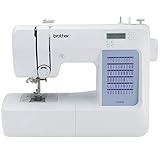
8. Brother CS5055 – Best Entry-Level Computerized Machine
Brother CS5055 Computerized Sewing Machine with LCD Display
60 built-in stitches
LCD display
7 auto-size buttonholes
Metal frame construction
Pros
- 60 stitches at a budget-friendly price point
- LCD display for easy stitch selection
- Seven auto-size buttonhole styles
- Metal frame construction for stability
- Large needle-to-arm workspace
Cons
- Basic LCD without advanced customization options
The Brother CS5055 is the most affordable computerized machine I tested, and it punches well above its price class. With 60 built-in stitches, seven auto-size buttonholes, and an LCD display, it offers computerized convenience for sewists who are not ready to invest in the CS7000X or XR9550. The metal frame construction adds stability that cheaper all-plastic machines lack.
The improved automatic needle threader worked reliably throughout my testing. The jam-resistant drop-in bobbin is easy to load and monitor. Seven included sewing feet cover the most common techniques, from zipper insertion to buttonhole sewing.
The large needle-to-arm workspace gives you more room than the XM2701 for bigger projects. I found it comfortable for garment construction and medium-sized quilting pieces. The LCD display shows your selected stitch number, which is simpler than the XR9550 but entirely adequate for most projects.
Brother includes a trilingual manual in English, Spanish, and French. The 25-year limited warranty and free lifetime technical support match what Brother offers across their computerized lineup. At 10.5 pounds, it is light enough for portable use while still feeling solid on the table.
Computerized vs Mechanical Benefits
The CS5055 gives you digital stitch selection, consistent auto-size buttonholes, and the ability to choose from 60 stitch patterns with the push of a button. These are features that mechanical machines in the same price range cannot match. For sewists who want precision without complexity, this is the sweet spot.
The seven buttonhole styles are a significant upgrade over the single buttonhole on the XM2701. If you make garments, having multiple buttonhole options justifies the move to a computerized model on its own.
Portability and Storage
At 10.5 pounds with dimensions of 7 by 17 by 12 inches, the CS5055 fits easily on a standard sewing table and stores compactly when not in use. It does not include a hard case, so you will want a separate cover or storage bag for protection during transport.
The metal frame keeps the machine stable during use, which reduces vibration and improves stitch quality. This build quality is unusual at this price point and is a major reason the CS5055 earns my budget computerized recommendation.
9. Brother XR3774 – Best Value Quilting Machine
Brother XR3774 Sewing and Quilting Machine 37 Stitches
37 built-in stitches
Wide quilting table
8 presser feet
Machine cover included
Pros
- 37 stitches including blind hem and quilting patterns
- Wide table included for quilting projects
- Eight presser feet for versatile techniques
- Machine cover for dust protection
- Automatic needle threader
Cons
- No USB cable included
- Limited to one buttonhole style
The Brother XR3774 sits between the XM2701 and CS7000X in the Brother lineup, offering 37 built-in stitches and a wide quilting table at a value price. I tested it primarily on quilting and home decor projects, and it handled both categories well. The included wide table makes a real difference for managing larger fabric pieces.
The 37 stitches cover utility construction, blind hem, decorative, and quilting patterns. The 1-step buttonhole is consistent, though limited to a single style. Eight included presser feet give you versatility for zipper work, buttonholes, blind hemming, and quilting.
The quick-set drop-in top bobbin is easy to load and jam-resistant during operation. The automatic needle threader saves setup time. Brother includes an instructional DVD and operation manual that walk through basic techniques for newer sewists.
The machine cover keeps dust out during storage, which extends the life of internal components. At 15 pounds, the XR3774 is heavier than the XM2701 but still manageable for transport. The combination of metal and plastic construction balances durability with weight.
Quilting and Garment Projects
The wide table attachment is the key feature that makes the XR3774 suitable for quilting. It extends the workspace enough to manage lap quilts and baby quilts without excessive fabric dragging. For full-size quilts, you may want the larger workspace of the CS7000X or JW8100.
Garment construction is well within this machine’s capabilities. The blind hem stitch produces clean results on dress pants and skirts, and the zipper foot handles installation smoothly. The decorative stitches add finishing touches to simple garments.
Accessories and Add-ons
Eight presser feet are included, covering the most common sewing techniques. The darning plate, twin needle, extra spool pin, and screwdriver round out the accessory package. Four bobbins come in the box, which is enough to get started but you will likely want to buy more for different thread colors.
The instructional DVD is genuinely helpful for beginners learning to thread the machine and select stitches. Brother’s warranty covers 1 year on labor, 2 years on parts, and 25 years on the chassis, which is a standard tiered structure for their mid-range machines.
10. Brother ST150HDH – Best Brother Heavy Duty Option
Brother ST150HDH Strong and Tough Sewing Machine 50 Stitches
50 built-in stitches
Strong and tough design
9 sewing feet
Heavy weight needles included
Pros
- 50 stitches designed for heavy fabric projects
- Nine sewing feet included for versatile techniques
- Heavy weight sewing needles included in box
- LCD display for stitch selection
- Brother Strong and Tough construction
Cons
- 120V US only
- Fewer stitches than similarly priced siblings
The Brother ST150HDH is Brother’s answer to the Singer 4423, marketed under their Strong and Tough line. I tested it against multiple layers of denim, canvas, and upholstery fabric, and it handled all three without the motor straining. The 50 built-in stitches include utility, standard, and decorative options, plus five auto-size buttonholes.
The advanced needle threading function pushes thread through the needle with a lever press. The jam-resistant drop-in top bobbin is easy to load and reliable during operation. Nine sewing feet are included, which is more than most machines in this price range offer.
The LCD display shows stitch selection, stitch size, and the recommended sewing foot for each pattern. This guidance is helpful for sewists expanding into new techniques. Brother includes a set of heavy-weight sewing needles, which is a thoughtful addition for a machine designed for thick fabrics.
At 10.1 pounds, the ST150HDH is lighter than the Singer 4423 despite both being marketed as heavy duty. The metal and plastic construction balances durability with portability. Brother’s At Your Side support provides free technical assistance for the life of the machine.
Heavy-Duty Sewing Performance
I pushed the ST150HDH through denim hems, canvas tote straps, and upholstery cushion covers. The motor maintained consistent speed through thick intersections where lesser machines stutter. The strong and tough design is more than a label; the internal components are built to handle sustained heavy use.
The included heavy-weight needles are sized appropriately for denim and canvas projects. Having them in the box means you can start heavy-duty sewing immediately rather than making a separate needle purchase.
Needle and Thread Compatibility
The ST150HDH accepts standard household needles, including the heavy-weight sizes included in the box. For thick fabrics, pair size 16 or 18 needles with heavy-duty thread for best results. The adjustable presser foot pressure helps accommodate different fabric thicknesses.
The nine included feet cover quilting, zipper insertion, buttonhole sewing, blind hemming, and other common techniques. This comprehensive accessory package reduces the need for additional purchases as you expand your project range.
11. Janome HD3000 – Best for Long-Term Durability
Janome HD3000 Heavy-Duty Sewing Machine with 18 Built-in Stitches + Hard Case
18 built-in stitches
Die-cast aluminum body
Top-load rotary bobbin
Hard case included
Pros
- Die-cast aluminum body for exceptional durability
- Built-in needle threader for easy setup
- Top-load rotary bobbin for smooth operation
- Foot pressure adjustment for different fabrics
- Hard case included for protection
Cons
- Only 18 built-in stitches
- Heavy at 23 pounds
The Janome HD3000 is the machine I recommend when longevity is the top priority. The die-cast aluminum body gives this machine a weight and solidity that plastic-frame models simply cannot match. Reddit’s BuyItForLife community consistently praises Janome heavy-duty machines for outlasting competitors by decades, and the HD3000 embodies that reputation.
With 18 built-in stitches and a single one-step buttonhole, the HD3000 is intentionally focused on essential construction rather than decorative variety. This is a working machine designed for reliability, not a feature showcase. The stitches it does offer are consistent and strong.
The built-in needle threader and top-load rotary bobbin handle setup efficiently. The reverse stitch lever secures seams with a simple flip. Snap-on presser feet enable quick changes between techniques, and the foot pressure adjustment accommodates everything from delicate silks to heavy denim.
The included hard case protects the machine during storage and transport. At 23 pounds, the HD3000 is the heaviest machine in this guide, which reflects the die-cast aluminum construction. This is a machine you set up and leave in place rather than one you carry to classes.
Durability and Build Quality
The die-cast aluminum body is the defining feature of the HD3000. Unlike plastic-frame machines that can develop alignment issues over time, the aluminum chassis maintains precise needle positioning through years of heavy use. Repair shops consistently report seeing decades-old Janome machines still functioning reliably.
The mechanical design also means fewer electronic components that can fail. For sewists in areas with unreliable power or limited repair access, a mechanical machine like this is a practical choice that avoids circuit board failures entirely.
Repair and Maintenance Access
Janome machines are widely serviced by authorized dealers and independent repair shops. The HD3000 uses standard parts that are readily available, which keeps repair costs reasonable even years after purchase. The simple mechanical design also means many maintenance tasks can be handled at home with basic tools.
The 18-stitch library will feel limiting to sewists who want decorative variety. However, for construction-focused work like garment making, home decor, and heavy-duty repairs, the essential stitches cover everything you need. This is the best sewing machine for buyers who prioritize decades of service over feature count.
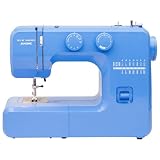
12. Janome Blue Couture – Best for True Beginners
Janome Blue Couture Easy-to-Use Sewing Machine with Interior Metal Frame, Bobbin Diagram, Tutorial Videos, Made with Beginners in Mind!
15 built-in stitches
Heavy-duty metal frame
Front-load bobbin
Tutorial videos included
Pros
- Beginner-friendly design with tutorial videos
- Heavy-duty interior metal frame for stability
- Built-in bobbin diagram for easy threading
- 15 essential stitches for learning
- 3-piece feed dog system for even feeding
Cons
- 4-step buttonhole not auto-size
- Front-loading bobbin less convenient than drop-in
The Janome Blue Couture is purpose-built for beginners, and that focus shows in every detail. Janome includes tutorial videos and a built-in bobbin diagram directly on the machine to guide first-time users through threading and setup. The 15 built-in stitches cover the essentials without overwhelming new sewists with options they will not use.
The heavy-duty interior metal frame provides the stability that Janome is known for. At 12 pounds, the Blue Couture is light enough to move but solid enough to resist vibration during use. The 3-piece feed dog system moves fabric evenly, which helps beginners achieve consistent results from their first project.
The front-loading bobbin system is different from the drop-in bobbins on Brother machines. It requires a bit more effort to load initially, but Janome includes a bobbin diagram printed on the machine to guide you through the process. Once loaded, the system operates smoothly.
The quick-start guide and instruction manual walk beginners through basic techniques. The removable free arm works for hemming sleeves and pant legs. Included accessories cover general-purpose sewing, blind hemming, buttonholes, and zipper insertion.
Beginner Setup Experience
The tutorial videos are the standout feature for new sewists. Rather than deciphering a manual, you can watch Janome walk through threading, bobbin winding, and basic stitching. The built-in bobbin diagram printed on the machine body provides a quick visual reference that eliminates the most common beginner mistake: incorrect bobbin installation.
The 15-stitch library is intentionally limited to essential patterns. This prevents decision paralysis and helps beginners focus on mastering straight stitches, zigzag, and basic construction before expanding their repertoire. The adjustable stitch length and zigzag width give enough control for varied projects.
Long-Term Skill Growth
The Blue Couture grows with beginners through the intermediate stage. The reverse lever secures seams, the 4-step buttonhole produces functional closures, and the metal frame ensures the machine stays accurate as your technique improves. The darning plate opens up free-motion possibilities for patches and repairs.
Eventually, advancing sewists may want more stitch variety and computerized features. But as a learning platform that builds fundamental skills on a reliable machine, the Blue Couture delivers excellent value. The 25-year warranty provides confidence that the investment will last.
Buying Guide: How to Choose the Best Sewing Machine?
Choosing among the best sewing machines comes down to matching features to your actual sewing habits. This buying guide covers the decisions that matter most, based on my testing of all twelve machines above and years of community feedback from sewing forums.
Mechanical vs Computerized Sewing Machines
Mechanical machines use dials and levers for stitch selection and settings. They are simpler, often more durable, and easier to repair because they lack electronic components that can fail. The Janome HD3000 and Janome Blue Couture in this guide are mechanical machines built for long-term reliability.
Computerized machines use LCD displays and buttons for stitch selection, offering more stitch options and features like auto-size buttonholes, speed control, and needle up and down positioning. The Brother CS7000X, XR9550, and Singer Quantum Stylist 9960 are computerized options. They provide precision and versatility but rely on circuit boards that can eventually fail.
Reddit forums consistently highlight this tradeoff. Mechanical machines are preferred by users who want decades of reliable service with minimal repair costs. Computerized machines appeal to sewists who want maximum stitch variety and automated features. Neither is inherently better; the choice depends on your priorities.
Brother vs Singer vs Janome
Brother dominates the beginner and mid-range computerized market with aggressive feature counts at accessible prices. Their machines consistently offer the most stitches per dollar, and the At Your Side support program provides solid after-purchase assistance. The CS7000X, XR9550, and HC1850 represent Brother’s strongest options.
Singer brings heritage and motor power, particularly in the heavy-duty category. The 4423 and Quantum Stylist 9960 show Singer’s strengths: raw cutting power for thick fabrics and extensive stitch libraries for advanced sewists. Singer machines tend to feel more industrial in operation.
Janome is the durability champion. Their metal-frame machines, particularly the HD3000, are legendary in sewing communities for outlasting competitors by decades. Janome focuses on build quality over feature counts, which appeals to sewists who prioritize reliability. The JW8100 and Blue Couture represent Janome’s computerized and beginner offerings.
Key Features That Actually Matter
An automatic needle threader saves significant time and frustration, especially if your eyes are not what they used to be. Every machine in this guide includes one. A drop-in top bobbin is easier to load and monitor than front-loading alternatives, and it tends to jam less frequently.
A metal frame reduces vibration and improves stitch quality compared to all-plastic construction. This matters more as you sew faster or work with heavier fabrics. A free arm design lets you hem sleeves and pant legs by removing the accessory compartment to create a narrow cylinder.
The number of built-in stitches matters less than which stitches are included. You will use straight stitch, zigzag, blind hem, and buttonhole far more often than decorative patterns. Look for auto-size buttonholes, which adjust automatically to your button diameter, rather than manual 4-step versions.
Warranty and Support Considerations
Brother offers 25-year limited warranties across their lineup, with free technical support via phone, chat, or online for the life of the product. Singer provides a 25-year limited warranty on the Quantum Stylist 9960, with 5 years on electronic components. Janome backs their machines with 25-year limited warranties.
Before buying, check whether there is an authorized service center near you. Local dealers can provide maintenance, repairs, and sometimes classes that online retailers cannot match. The availability of parts and service varies by region, so this is worth researching for your specific location.
What Makes a Machine Heavy Duty
Heavy-duty machines combine a stronger motor, metal frame, and sometimes a die-cast aluminum body to handle thick fabrics and sustained use. The Singer 4423 offers 50 percent more motor power than standard machines and runs at 1100 stitches per minute. The Janome HD3000 uses die-cast aluminum for exceptional rigidity.
If you regularly sew denim, canvas, upholstery fabric, or multiple layers, a heavy-duty machine prevents motor strain and feed dog slipping that standard machines experience. For lighter work like garment construction and quilting on cotton, a standard machine like the CS7000X handles the task without the heavy-duty premium.
FAQs
What is the most reliable brand of sewing machine?
Janome is widely regarded as the most reliable sewing machine brand, particularly for mechanical models like the HD3000 with its die-cast aluminum body that can last decades. Brother and Singer also produce reliable machines, with Brother excelling in computerized models and Singer in heavy-duty options. Repair shops consistently report seeing decades-old Janome machines still functioning, which is why sewing forums frequently recommend Janome for buyers prioritizing long-term durability.
Which is the best sewing machine for home use?
The Brother CS7000X is the best sewing machine for most home sewists, offering 70 built-in stitches, a wide quilting table, and a metal frame at a mid-range price. For budget-conscious buyers, the Brother XM2701 covers all essential home sewing needs as the bestselling entry-level option. For heavy home projects involving denim or upholstery, the Singer 4423 Heavy Duty provides the motor power needed for thick fabrics.
What is the number one sewing machine?
The Brother CS7000X ranks as the number one sewing machine for most buyers, earning top recommendations from Wirecutter and this guide. It balances 70 stitches, 10 included presser feet, a wide quilting table, automatic needle threader, and metal frame construction. Its 4.6-star rating from over 3,500 reviews confirms consistent user satisfaction across beginner and intermediate skill levels.
Is Singer or Brother a better sewing machine?
Brother offers better value and more features per dollar, particularly in the computerized category where models like the CS7000X and XR9550 provide extensive stitch libraries at accessible prices. Singer excels in heavy-duty performance, with the 4423 delivering 50 percent more motor power for thick fabrics. For beginners and general sewing, Brother is typically the better choice. For heavy fabrics and industrial-style power, Singer has the edge.
Should I buy a mechanical or computerized sewing machine?
Buy a mechanical machine like the Janome HD3000 if you prioritize long-term durability, simple repairs, and reliable operation without electronic components that can fail. Buy a computerized machine like the Brother CS7000X if you want more stitch options, auto-size buttonholes, speed control, and LCD-guided stitch selection. Mechanical machines last longer on average, while computerized machines offer more features and precision for varied projects.
Conclusion
The best sewing machines for 2026 span a range of features, prices, and build philosophies, but my testing made the top choices clear. The Brother CS7000X remains my overall recommendation for most sewists, balancing 70 stitches, a wide quilting table, and metal-frame stability. The Brother XM2701 wins for budget buyers who want proven reliability at entry-level pricing. And the Singer 4423 stands apart for anyone regularly working with denim, canvas, or upholstery-weight fabrics.
For long-term durability, the Janome HD3000 with its die-cast aluminum body is built to outlast plastic-frame machines by years. For maximum stitch variety, the Brother HC1850 and Singer Quantum Stylist 9960 deliver options that will keep advanced sewists exploring new techniques for years. Whatever your skill level and project type, one of these twelve machines will match your needs and budget.