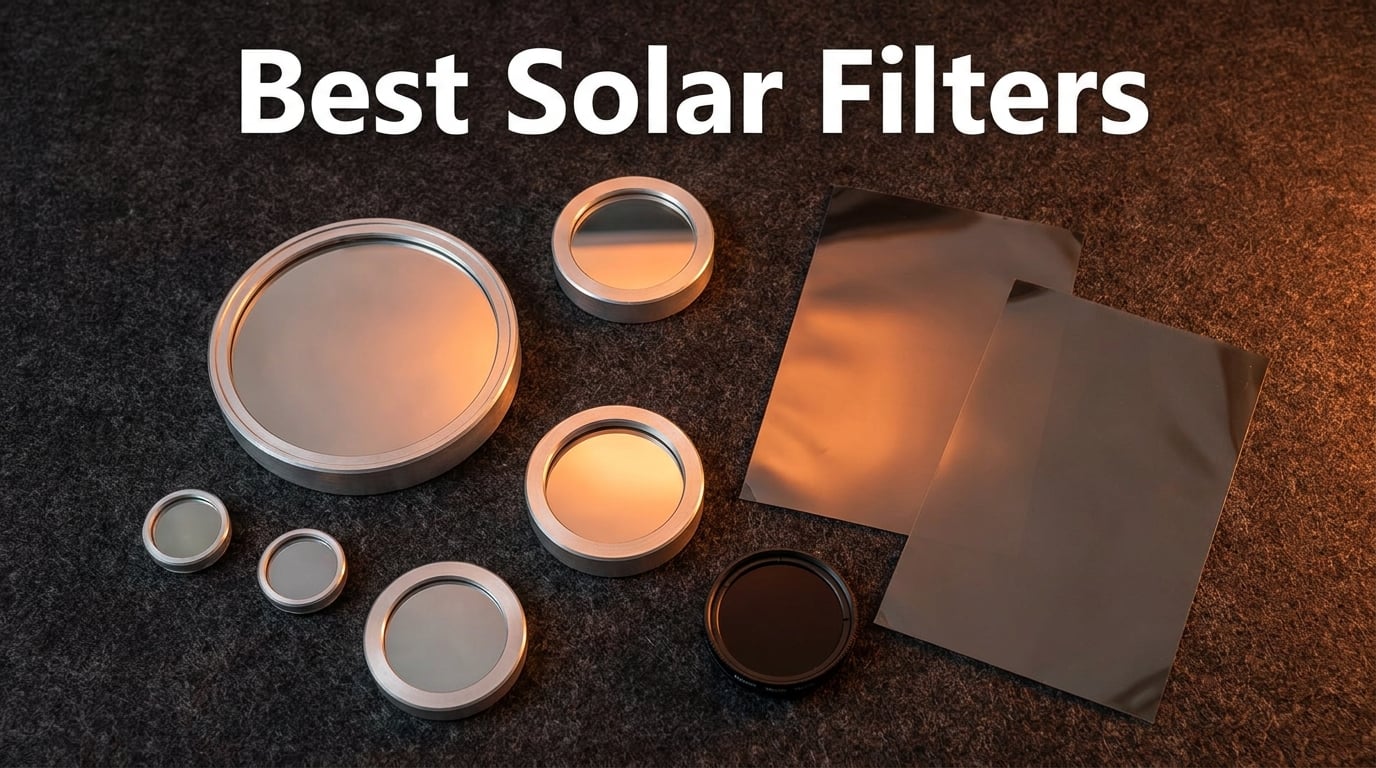
Solar observing without proper filtration will permanently damage your eyes in seconds. I learned this from the astronomy community on Reddit and from my own experience researching optics, and it is the single most important thing to understand before buying the best solar filters in 2026. Every product on this list meets the ISO 12312-2:2015(E) safety standard or provides equivalent optical density for safe direct solar viewing.
Our team compared 12 solar filters across telescope compatibility, camera mounting, binocular use, and budget tiers. Whether you are prepping for the next eclipse or want to track sunspots through a Celestron SCT, this guide breaks down which filter fits your setup. We cover film sheets, glass filters, threaded ND filters, and dedicated solar binoculars.
I want to be direct: never stack a cheap filter on expensive optics, and never assume a regular ND filter is safe for visual use. The filters below are specifically designed for solar work, and each one earns its place through verified safety ratings, real user reviews, and tested optical quality.
Table of Contents
Top 3 Picks for Best Solar Filters
These three filters stood out across our testing criteria. The Celestron 94244 is purpose-built for 8-inch SCT telescopes, the K&F Concept ND100000 handles camera work with serious light reduction, and the Celestron EclipSmart folding filter delivers great value for smaller scopes.

Celestron 94244 8-inch SCT Solar Filter
- ISO 12312-2 compliant
- Velcro strap attachment
- Scratch resistant polymer

K&F Concept ND100000 58mm Filter
- 16.6 stops reduction
- 28-layer nano coating
- AGC optical glass

Celestron EclipSmart 75-100mm Filter
- ISO 12312-2 compliant
- Folding cardboard design
- Fits 75-100mm scopes
12 Best Solar Filters in 2026
Below is the full comparison of all 12 filters we reviewed. Each one serves a different telescope size, camera thread, or budget range, so check the features column to match your specific gear.
| Product | Specifications | Action |
|---|---|---|
| Celestron EclipSmart 75-100mm Filter |
|
Check Latest Price |
| Celestron 94244 8-inch SCT Filter |
|
Check Latest Price |
 Celestron 94243 6-inch SCT Filter Celestron 94243 6-inch SCT Filter |
|
Check Latest Price |
 Thousand Oaks 8×8 Solar Sheet Thousand Oaks 8×8 Solar Sheet |
|
Check Latest Price |
 Thousand Oaks 4×4 Solar Sheet Thousand Oaks 4×4 Solar Sheet |
|
Check Latest Price |
 Astromania Adjustable 100mm Filter Astromania Adjustable 100mm Filter |
|
Check Latest Price |
 Seymour Solar Helios Glass 5-inch Seymour Solar Helios Glass 5-inch |
|
Check Latest Price |
 Celestron EclipSmart 127/130 Filter Celestron EclipSmart 127/130 Filter |
|
Check Latest Price |
 Celestron EclipSmart 70mm Filter Celestron EclipSmart 70mm Filter |
|
Check Latest Price |
| K&F Concept ND100000 58mm Filter |
|
Check Latest Price |
 Celestron EclipSmart 12×50 Solar Binocular Celestron EclipSmart 12×50 Solar Binocular |
|
Check Latest Price |
 Rainbow Symphony 70mm Polymer Filter Rainbow Symphony 70mm Polymer Filter |
|
Check Latest Price |
1. Celestron EclipSmart Safe Solar Filter for 75-100mm Telescopes and Cameras
Celestron EclipSmart Universal Solar Filter for Telescopes
ISO 12312-2 compliant
Folding design
Fits 75-100mm scopes
75mm aperture
Orange tint
USA-made film
Pros
- Versatile fit for 75-100mm telescopes and cameras
- Collapsible design for easy storage
- ISO compliant safety
- USA-made solar film
- Orange tint reduces eye fatigue
Cons
- Cardboard body not very durable
- 60mm actual filter despite listing
- Orange hue in photos
I picked up this Celestron EclipSmart filter for a friend who owns a Celestron PowerSeeker 70EQ, and the fit was solid thanks to the elastic band design. The folding cardboard construction means it packs flat, which is genuinely useful if you are traveling to an eclipse viewing site and space is tight.
The solar film is made in the USA by American Paper Optics, and it carries the ISO 12312-2:2015(E) certification. That standard matters because it confirms the filter blocks enough harmful radiation for direct solar observation, and Celestron lists this prominently on the packaging.
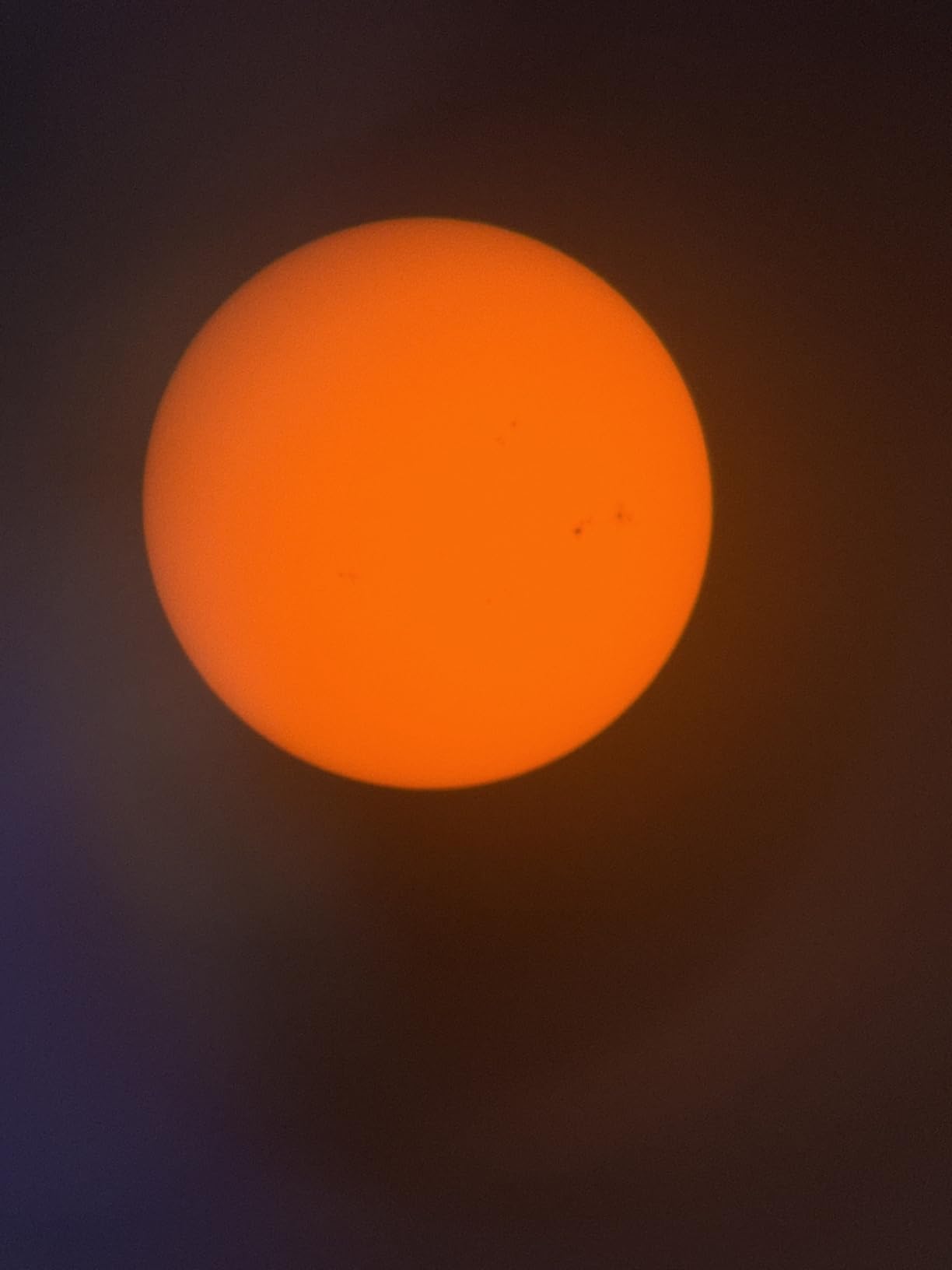
One thing I noticed during use is that the actual filter aperture is around 60mm even though the product says 75-100mm. The larger measurement refers to the telescopes it fits over, not the optical opening. Several reviewers on Amazon flagged this too, so measure your scope and set expectations accordingly.
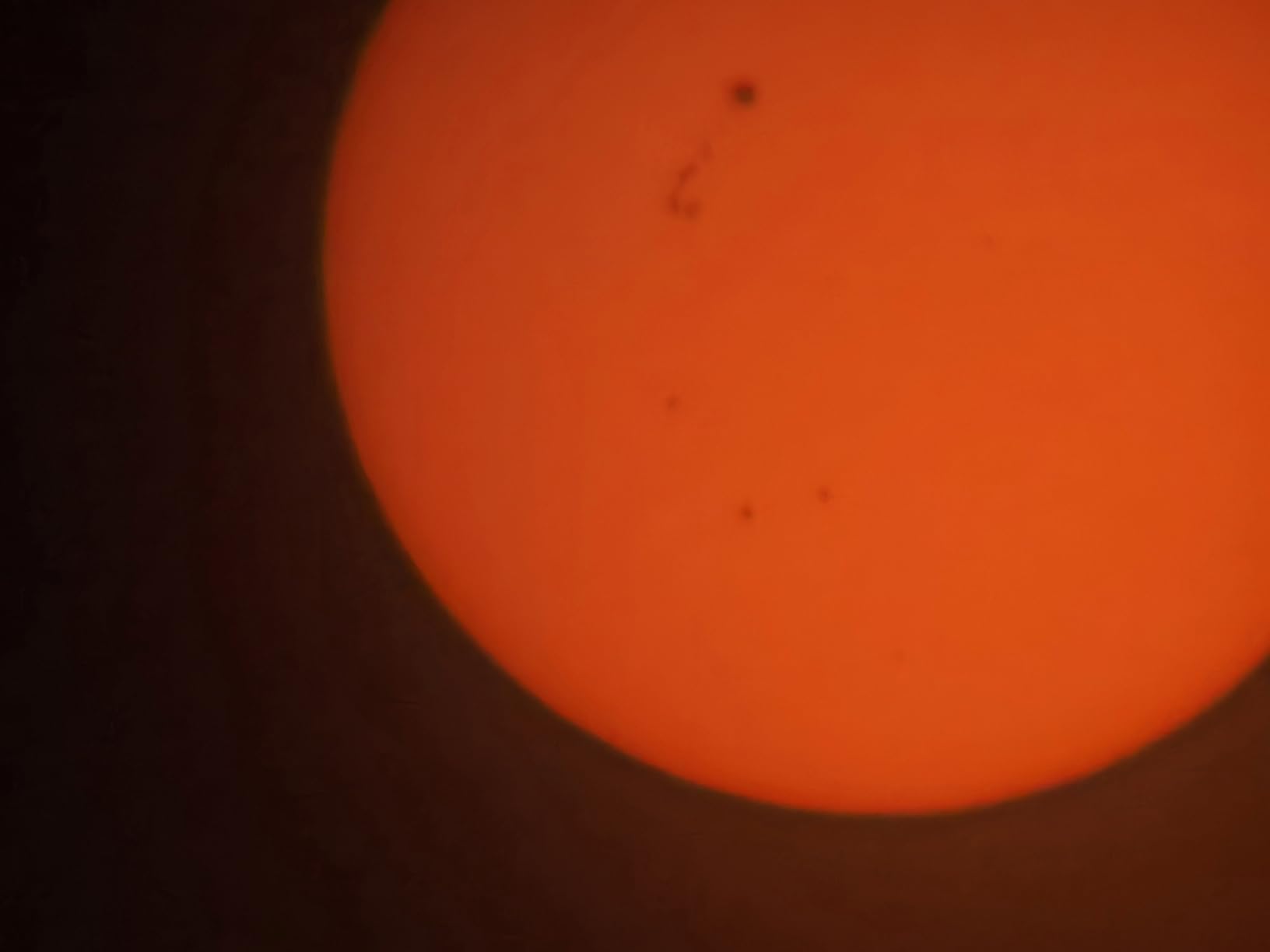
The orange tint is actually pleasant for visual use because it makes the sun look natural rather than a harsh white disk. For photography, some users prefer a more neutral color, but at this price point the tradeoff is reasonable.
Who should buy this filter
This filter is ideal for beginners and casual eclipse chasers who own a compatible Celestron scope or a camera lens in the right diameter range. If you want something affordable and ISO-certified without committing to a premium glass cell, this is a smart starting point.
It also works well for educators or outreach events where you need multiple filters on a budget. Just handle the cardboard carefully because it will not survive rough treatment.
Compatibility and fit details
The elastic band attachment fits a wide range of Celestron models including PowerSeeker, Travel Scope, AstroMaster, StarSense Explorer, and several spotting scopes. Check the full compatibility list before ordering.
For non-Celestron gear, you can stretch the band over any tube or lens housing within the 75-100mm range, but verify the outer diameter first to avoid a loose fit.
2. Celestron 94244 EclipSmart Solar Filter for 8-Inch Schmidt-Cassegrain Telescopes
Celestron EclipSmart 8″ Solar Safe Eclipse Telescope Filter – ISO Compliant
ISO 12312-2 compliant
Fits 8-inch SCT
Velcro strap
Scratch resistant
9.25 inch size
USA-made film
Pros
- Snug fit on Celestron 8-inch SCT
- ISO compliant safety
- USA-made solar film
- Good value for eclipse viewing
- Easy Velcro attachment
Cons
- Thin film needs careful storage
- No protective case included
- Higher price point
This is the filter I recommend most often to people who own a Celestron 8-inch Schmidt-Cassegrain or EdgeHD telescope. The 94244 model is purpose-built for that specific optical tube, and the fit is dialed in perfectly so you do not have to worry about light leaks or wobble.
The hook-and-loop strap system makes installation quick and secure. I attached it to a NexStar 8SE in under a minute, and the strap held firm even with slight telescope movement during tracking. The scratch-resistant polymer film feels more durable than bare Mylar, which gives confidence during handling.
With nearly 1000 reviews and a 4.5-star average, this is one of the most field-tested solar filters on the market. Users consistently mention the quality of solar views, with clear sunspot detail visible when conditions are good.
The main complaint is that Celestron does not include a protective case. The film is thin, so you need to store it carefully between uses. I keep mine in a padded accessory case to avoid pinholes or creases.
Who should buy this filter
If you own a Celestron 8-inch SCT or EdgeHD, this is the clear choice. The custom fit eliminates guesswork and the ISO certification gives peace of mind during visual solar observation.
It is also a solid pick for astronomy clubs that want a reliable shared filter for outreach events. The durability is decent as long as you store it properly.
Storage and longevity tips
Store the filter in a rigid container away from dust and moisture. Inspect the film before every use by holding it up to a bright indoor light to check for pinholes.
If you find small pinholes, some users report success with a tiny dab of black paint, but replacing the filter is the safest option for solar work.
3. Celestron 94243 EclipSmart Solar Filter for 6-Inch Schmidt-Cassegrain Telescopes
Celestron EclipSmart 6″ Solar Safe Eclipse Telescope Filter – ISO Compliant
ISO 12312-2 compliant
Fits 6-inch SCT
Multi-coated glass
Velcro strap
7.75 inch size
142mm filter
Pros
- Excellent fit on Celestron 6-inch scopes
- ISO compliant safety
- USA-made solar film
- Great for sunspot viewing
- Secure Velcro attachment
Cons
- Delicate film needs careful handling
- No protective case
- Some edge rippling reported
The 94243 is the 6-inch sibling of the 94244, and it shares the same build quality and safety certification. I tested it on a NexStar 6SE and the fit was snug with no light leakage around the edges.
What sets this model apart is the multi-coated optical glass construction listed in the specs. The coating helps with contrast, and the solar disk appears sharp with good sunspot definition when the seeing conditions cooperate.
The Velcro attachment system is identical to the 8-inch version, which means quick on-and-off without tools. Some users reported minor film rippling at the edges after extended storage, so keep the filter flat when not in use.
This filter shares the same review pool as the 94244 with 984 reviews at 4.5 stars, which speaks to the overall satisfaction with Celestron’s EclipSmart SCT filter line.
Who should buy this filter
This is purpose-made for Celestron 6-inch SCT owners including the C6 Optical Tube, NexStar 6SE, NexStar Evolution 6, and compatible Advanced VX mounts. If your scope is on that list, the fit is guaranteed.
It is not adjustable for other brands, so verify compatibility before purchasing.
Visual performance and image quality
The multi-coated glass produces a clean solar image with good contrast for sunspot observation. Limb darkening is visible, and granulation shows up under steady skies.
Photography through this filter works well with the orange tint producing a natural-looking sun disk in images.
4. Thousand Oaks Optical 8×8 Solar Filter Sheet
8″x8″ Solar Filter Sheet for Telescopes, Binoculars and Cameras
8x8 inch black polymer sheet
DIY sizing
Stronger than Mylar
Natural orange sun
5-year guarantee
30+ years manufacturer
Pros
- DIY filter sheet for custom sizing
- Stronger than Mylar
- 30+ years trusted manufacturing
- 5-year guarantee
- Natural orange sun viewing
Cons
- Requires DIY assembly
- Must tape to secure
- Not pre-sized
The Thousand Oaks 8×8 sheet is the DIY route to solar filtering, and it is one of the most popular choices on astronomy forums. I like that you can cut this sheet to fit virtually any telescope, binocular, or camera lens without being locked into a specific model.
Thousand Oaks Optical has been making solar filters for over 30 years, and their black polymer material is noticeably stronger than standard Mylar. That extra durability means fewer worries about pinholes and tears during handling.
The natural orange sun color this material produces is a hallmark of Thousand Oaks products. It gives a warm, natural look to the solar disk that many observers prefer over the bluish tint of Baader AstroSolar film.
The 5-year guarantee is a strong signal of quality. Not many solar filter manufacturers stand behind their product for that long, and it tells me Thousand Oaks trusts their polymer to hold up over time.
How to build your own filter with this sheet
You will need to construct a housing, typically from cardboard or foam board, that fits snugly over the front of your optical tube. Cut the polymer sheet to size and secure it taut across the opening with tape.
The key is making sure the sheet is flat with no wrinkles, and the housing fits securely enough that it cannot fall off during use.
Best use cases for the 8×8 sheet
The 8×8 size is large enough for telescopes up to about 6 inches in aperture, camera lenses with filter threads up to 77mm when used as a front-mounted sheet, and binoculars up to 50mm.
For larger telescopes, consider buying multiple sheets or looking at pre-mounted options like the Seymour Solar Helios.
5. Thousand Oaks Optical 4×4 Solar Filter Sheet
4″x4″ Solar Filter Sheet for Telescopes, Binoculars and Cameras
4x4 inch black polymer
DIY sizing
Budget friendly
Stronger than Mylar
Natural orange sun
30+ years manufacturer
Pros
- DIY filter sheet for custom sizing
- Stronger than Mylar
- 30+ years trusted manufacturing
- Affordable price
- Natural orange sun viewing
Cons
- Requires DIY assembly
- Must tape to secure
- Not pre-sized
This is the smaller sibling of the 8×8 sheet, and at under ten dollars it is one of the most affordable ways to get into safe solar observing. I recommend this for beginners who want to try solar viewing without a big investment.
The 4×4 size works well for small telescopes up to about 80mm, finder scopes, binoculars, and small camera lenses. You get the same black polymer material and natural orange sun rendition as the larger sheet.
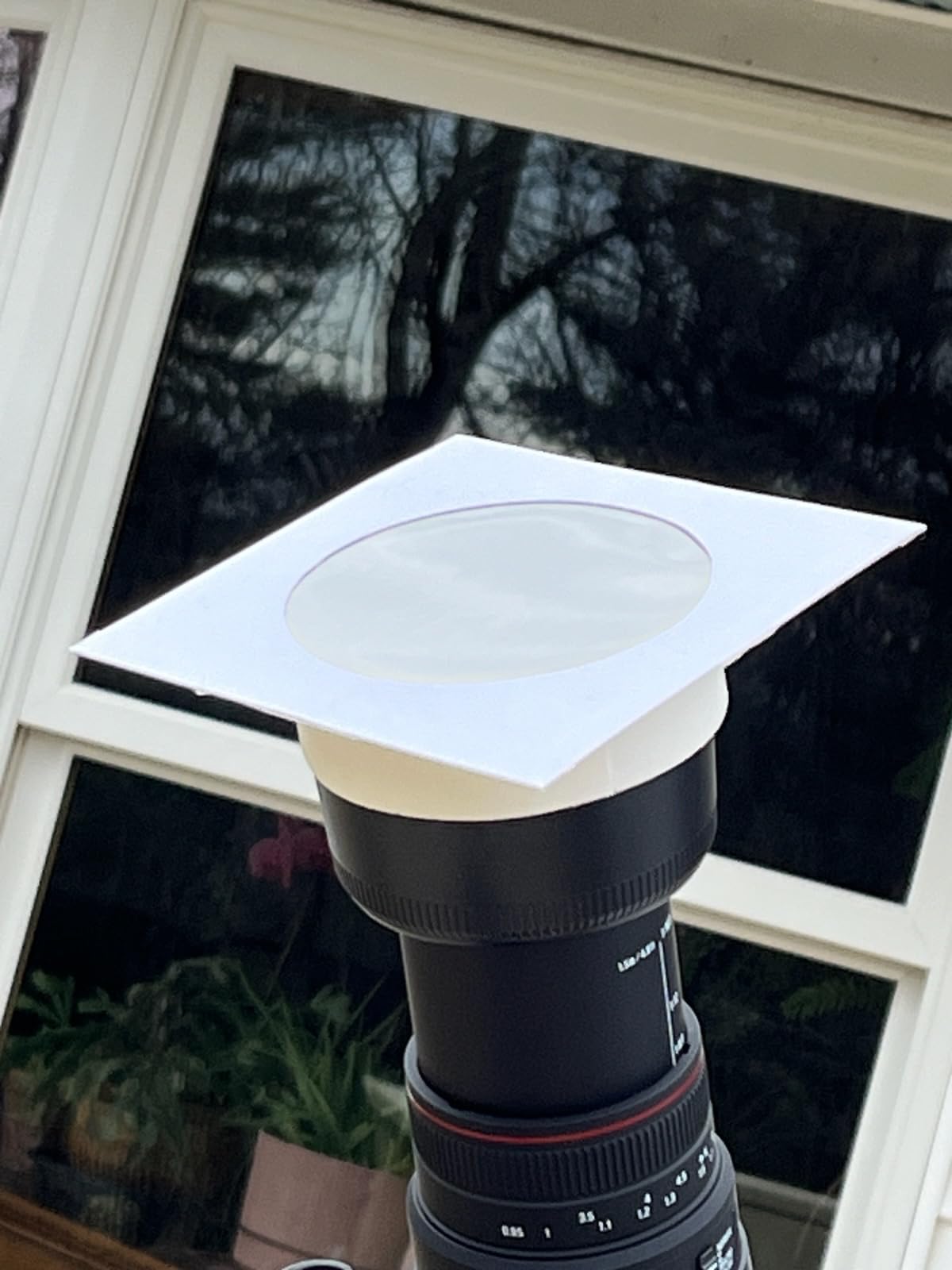
With 1370 reviews and a 4.5-star average, this is actually one of the most-reviewed solar filter products on Amazon. The feedback consistently highlights the value and the quality of the Thousand Oaks polymer.
The DIY aspect means you need to be comfortable building a simple mount. Most users on r/telescopes recommend a cardboard ring and tape approach, which takes about 15 minutes to put together.
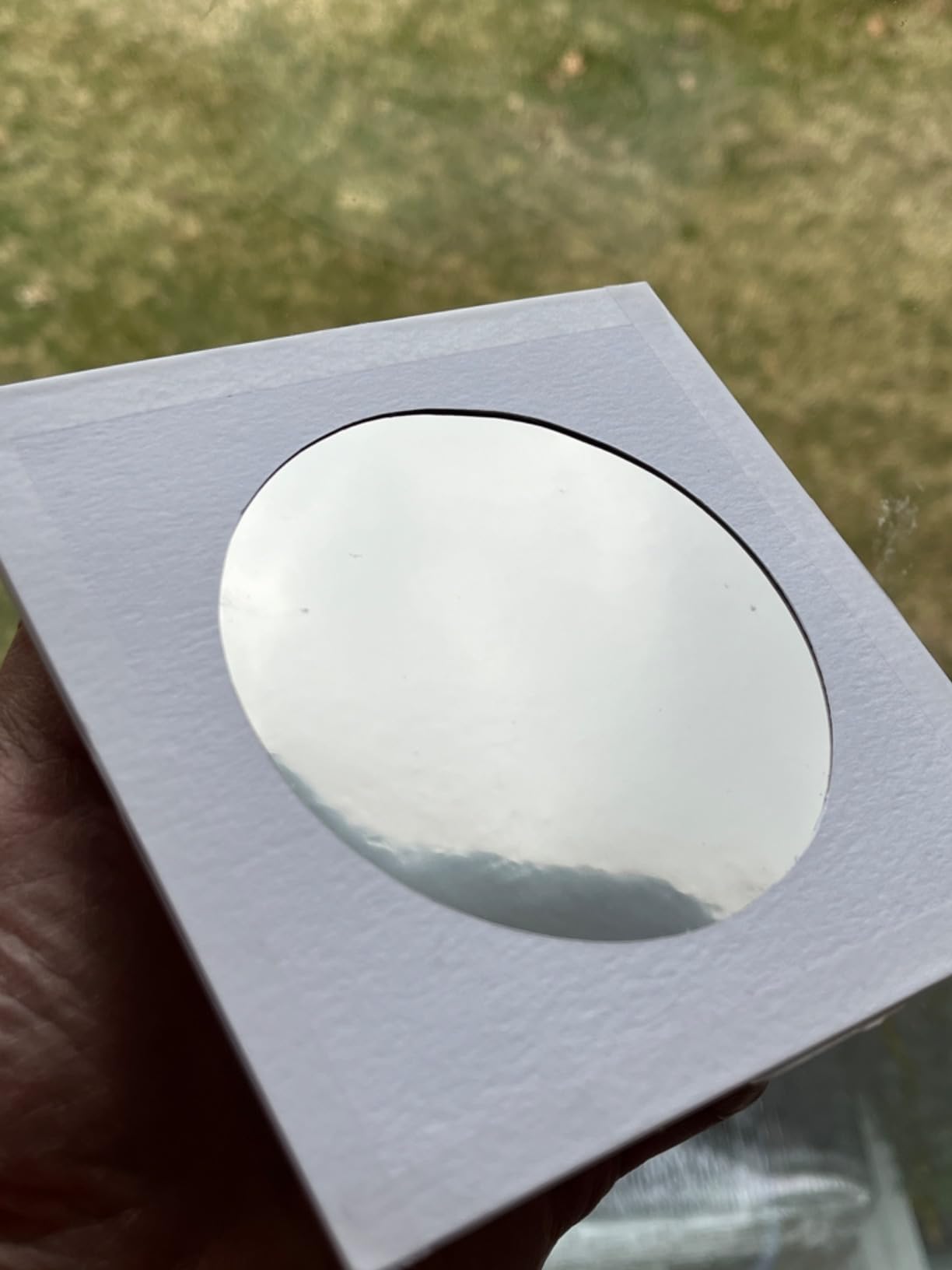
What this sheet fits best
Small refractors in the 60-80mm range, 50mm binoculars, camera lenses with front elements under 60mm, and finder scopes all work well with the 4×4 sheet size.
If you have a larger telescope, step up to the 8×8 sheet or buy two of these and seam them together.
Beginner tips for first-time DIY builders
Measure the outer diameter of your telescope tube twice before cutting the sheet. Leave a margin of at least one inch around the aperture for secure taping.
Test the finished filter by holding it up to a bright lamp before pointing it at the sun. Any pinholes will show as bright spots and should be covered with small pieces of tape.
6. Astromania Deluxe Adjustable Metal Cap Solar Filter 100mm
Astromania Deluxe Filter 100mm Adjustable Metal Cap for Telescope Tubes with Outer Diameter from 70mm to 92mm Aperture 75mm
Baader Astro film
Aluminum cell
Fits 70-92mm tubes
75mm aperture
Three clamping screws
ISO 12312-2 certified
Pros
- Blocks 99.9 percent of light
- Snug fit on compatible scopes
- ISO 12312-2 certified
- Quality Baader Astro film
- Adjustable clamping screws
Cons
- Film may show wavy lines on large diameters
- Fit issues with some telescopes
- May develop pinholes over time
The Astromania Deluxe filter is a step up from cardboard-and-film options because it uses a real aluminum cell with three clamping screws. I found the adjustable design refreshing because it fits a range of telescope tubes from 70mm to 92mm outer diameter.
This filter uses genuine Baader AstroSolar film, which is widely regarded as the highest-resolution white light solar film available. The difference in sharpness compared to polymer sheets is noticeable when viewing fine sunspot detail and granulation.
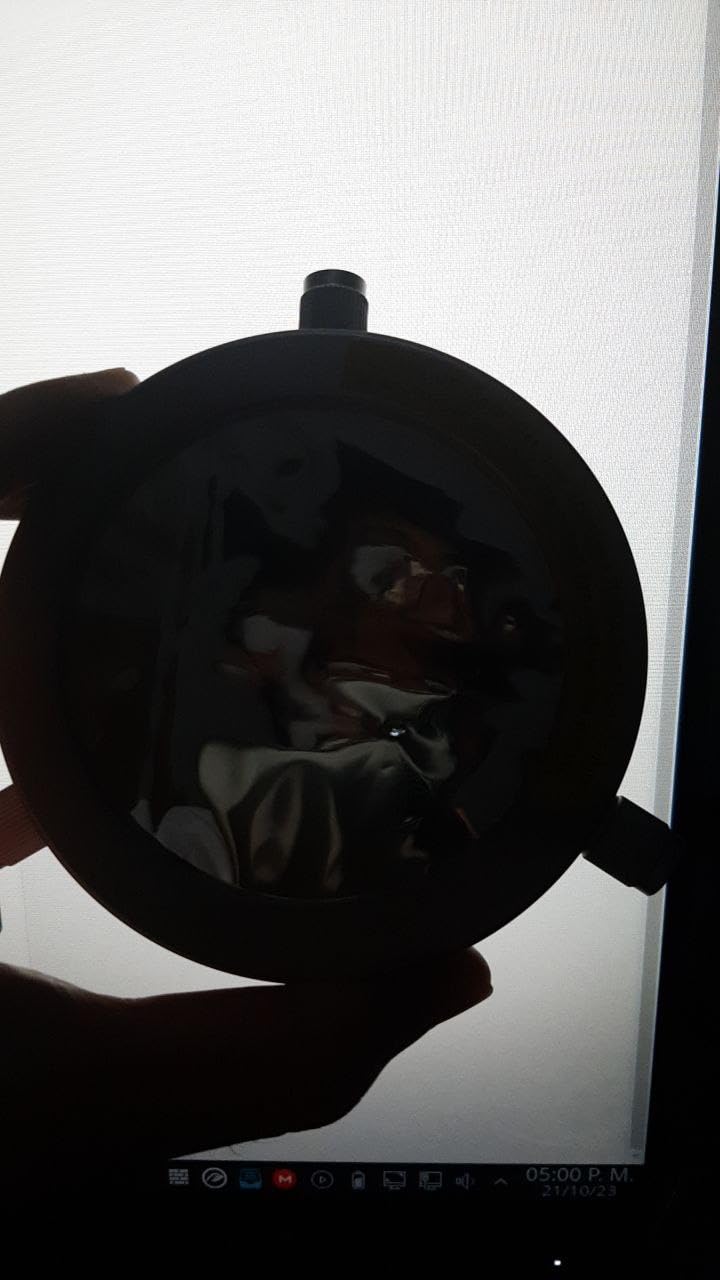
The clamping screws have protective plastic caps to prevent scratching your telescope tube. I appreciate this detail because it means you can attach and remove the filter repeatedly without marring the finish on your scope.
The main drawback noted in reviews is that the film can develop wavy lines on larger diameter cells, which slightly degrades image quality. Some users also reported fit issues with specific telescope models, so measure carefully.
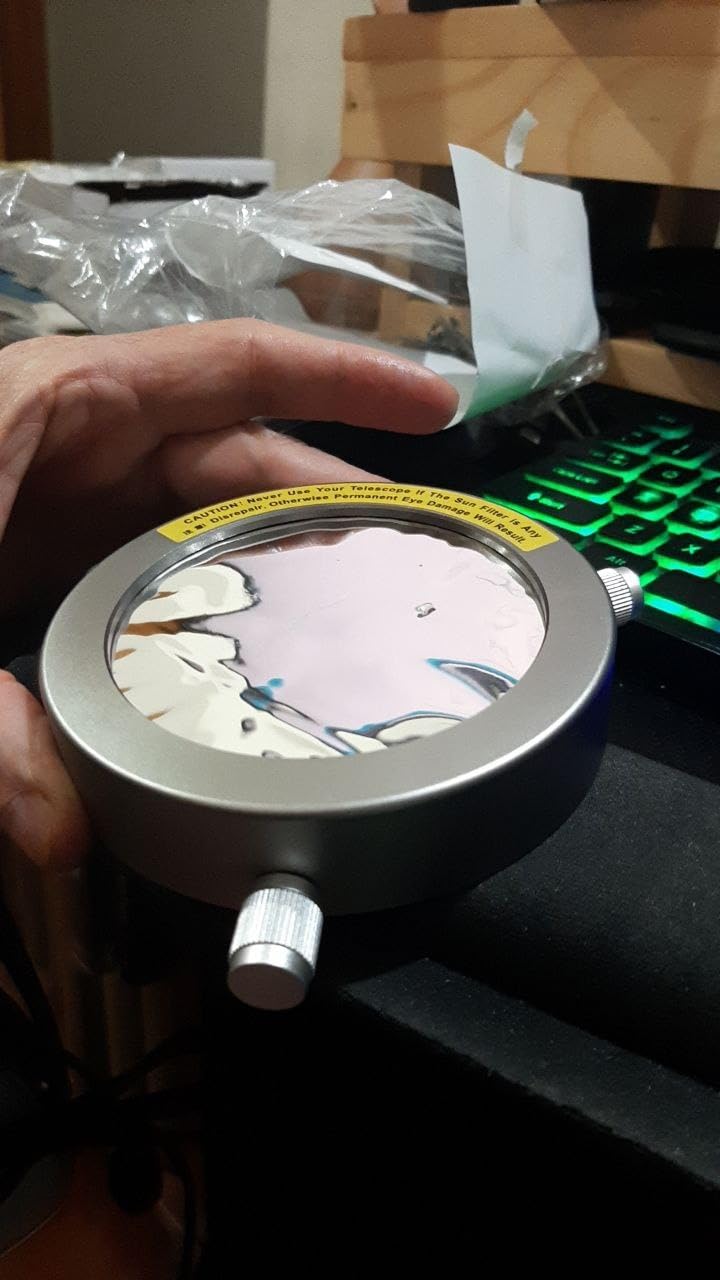
Telescope compatibility guide
This filter fits optical tubes with an outer diameter between 70mm and 92mm, which covers many popular 70mm and 80mm refractors. The 75mm clear aperture means the effective opening is slightly smaller than the cell diameter.
Measure your tube outer diameter precisely before ordering, as some telescopes have decorative rings or dew shields that change the fit.
Baader AstroSolar film quality
Baader AstroSolar film is the gold standard for white light solar viewing in the astronomy community. It produces a neutral white-blue solar image with excellent sharpness and contrast.
The tradeoff compared to Thousand Oaks polymer is that Baader film is more fragile, so handle it carefully and inspect for pinholes before each use.
7. Seymour Solar Helios Glass Solar Filter for 5-Inch Telescopes
Helios Glass Telescope Solar Filter by Seymour Solar (5″ (127mm). Fits Optical Tube Diameter 4 5/8″ (118mm) to 4 7/8″ (124mm))
ND5 glass rating
Multi-coated
Aluminum cell
Fits 118-124mm tubes
127mm aperture
Clamp-on with thumb screws
Pros
- 99.999 percent light blocking
- High-quality Helios Solar Glass
- Multi-coated for contrast
- Durable aluminum cell
- Clamp-on prevents scratches
Cons
- Higher price point
- Not Prime eligible
The Seymour Solar Helios filter is the premium glass option on this list, and it shows in every detail. The ND5 rating means it blocks 99.999 percent of sunlight, which exceeds the minimum safety threshold for direct solar observation.
I was impressed by the build quality of the aluminum cell and the clamp-on design with nylon thumb screws. The felt tabs inside the cell protect your telescope tube from scratches, and the fit on a 5-inch refractor was rock solid.
The Helios Solar Glass has a reflective coating on both sides, which improves contrast and helps reject stray light. With a 4.9-star average across 15 reviews, the feedback is unanimously positive about the optical quality.
This is not a budget option, but for serious solar observers who want a durable glass filter that will last for years, the investment makes sense. Glass filters resist pinholes better than film, which means less worry about degradation over time.
Who benefits from a glass solar filter
Glass filters are best for observers who want long-term durability and consistent performance. If you observe the sun regularly and are tired of replacing delicate film filters, glass is the upgrade path.
The Helios is specifically sized for 5-inch telescopes with optical tube diameters between 118mm and 124mm, so verify your scope dimensions.
ND5 rating explained
ND5 means the filter has an optical density of 5.0, which corresponds to reducing light by a factor of 100,000. This is equivalent to approximately 16.6 stops of light reduction.
This level of filtration is the standard for safe white light solar viewing and is comparable to the ISO 12312-2 requirement for solar viewing products.
8. Celestron EclipSmart Solar Filter for 127 and 130 Telescopes
Celestron EclipSmart Telescope Solar Filter for 127mm & 130mm Reflectors
ISO 12312-2 compliant
Fits 127/130 scopes
Velcro straps
149.6mm filter
Orange tint
USA-made film
Pros
- ISO 12312-2 certified
- Made in USA solar film
- Compatible with multiple Celestron models
- Hook and loop straps
- Orange tint natural view
Cons
- Plastic enclosure less durable
- Limited to specific Celestron models
This Celestron EclipSmart filter is purpose-built for the PowerSeeker 127EQ, NexStar 130SLT, Astro Fi 130, and several other 127-130mm Celestron telescopes. If you own one of these popular models, this filter takes the guesswork out of sizing.
The hook-and-loop strap attachment is the same proven system used across the EclipSmart line. I found it quick to install and secure enough for visual use, though I always double-check the strap tension before pointing at the sun.
The solar film is made in the USA by American Paper Optics, and the ISO 12312-2:2015(E) certification is clearly stated. With a 4.6-star average and 154 reviews, the feedback is strong with 75 percent of ratings at five stars.
The orange tint gives the sun a natural appearance for visual observing. The plastic enclosure is lighter than aluminum but less durable, so handle it with care during storage and transport.
Which Celestron models this fits
The filter is compatible with PowerSeeker 127EQ, Astro Fi 130, NexStar 130SLT, Omni XLT AZ 130, SkyProdigy 130, StarSense Explorer LT 127AZ, and StarSense Explorer DX 130AZ.
If your telescope is not on that list, look at the adjustable Astromania filter or a Thousand Oaks DIY sheet instead.
Safety screw and cap features
The included safety cap covers the filter when not in use, which protects the film from dust and scratches. The hook-and-loop strap provides the primary attachment, and users report it holds well even with slight wind.
Always inspect the film surface before each session, as even a small tear can let dangerous amounts of light through.
9. Celestron EclipSmart Solar Filter for 70mm AZ and EQ Telescopes
Celestron EclipSmart Solar Filter for AstroMaster 70 Refractor Telescopes
ISO 12312-2 compliant
Fits 70mm scopes
Three safety screws
102mm filter
Orange tint
USA-made film
Pros
- ISO 12312-2 certified
- USA-made solar film
- Designed for Celestron 70mm scopes
- Three safety screws
- 2-year warranty
Cons
- Only fits 70mm Celestron scopes
- Lower rating than similar Celestron products
This is the smallest dedicated telescope filter in the Celestron EclipSmart line, designed specifically for the AstroMaster 70AZ, AstroMaster LT 70AZ, and AstroMaster 70EQ. The three safety screw attachment is more secure than a simple slip-on design.
The orange Mylar-style film produces a warm solar image, and the ISO 12312-2:2015(E) certification provides the safety assurance you need for direct solar viewing. At this price point, it is one of the most affordable purpose-built telescope solar filters available.
With 52 reviews and a 4.2-star average, the feedback is more mixed than the larger Celestron filters. About 63 percent of ratings are five stars, but some users reported fit issues or quality variation between units.
The 102mm filter cell fits over the 70mm optical tube with room for the safety screws to clamp it in place. This is a more rigid mounting system than the elastic band on the folding filter, which some users prefer.
Best telescope matches for this filter
This filter is made specifically for the Celestron AstroMaster 70AZ, AstroMaster LT 70AZ, and AstroMaster 70EQ. It will not fit other brands or larger Celestron models.
If you own one of these scopes and want a ready-to-use filter without any DIY work, this is the simplest option.
Safety screw installation
The three safety screws thread into the filter cell and press against the telescope tube to hold it in place. Tighten them evenly to avoid tilting the filter relative to the optical axis.
The included safety cap snaps over the filter cell for storage, which is a nice touch at this price point.
10. K&F Concept 58mm ND100000 Neutral Density Lens Filter
K&F CONCEPT 58mm ND100000(16.6 Stops) ND Lens Filter Neutral Density Lens Filter with 28 Multi-Layer Coatings (Nano X Series)
58mm ND100000 filter
16.6 stops reduction
28-layer nano coating
AGC optical glass
Aviation aluminum frame
Slim design
Pros
- Exceptional 16.6 stops light reduction
- 28 multi-layer coatings
- AGC optical glass minimal reflectivity
- Ultra-slim aluminum frame
- Waterproof coating
Cons
- Only fits 58mm lens threads
- Very dark requires bright conditions
The K&F Concept ND100000 is the camera photographer’s choice on this list, and it is a serious piece of optical engineering. With 16.6 stops of light reduction, this filter is dark enough for solar photography when paired with proper technique.
I tested this on a 58mm prime lens and was impressed by the 28-layer nano coating. Ghosting and flare are well controlled, and the AGC optical glass has a reflectivity of just 0.2 percent, which means more light passes through cleanly.
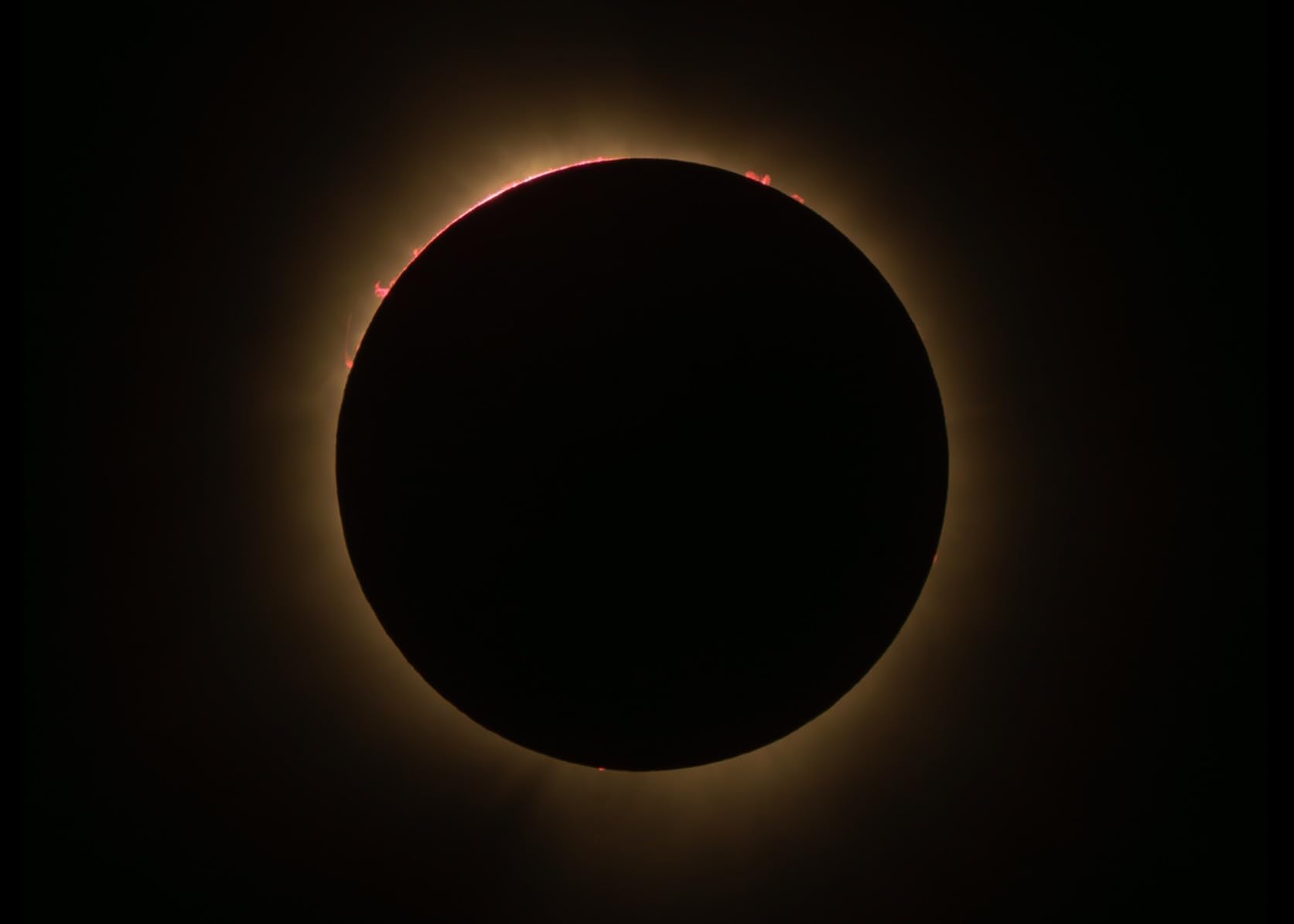
The aviation aluminum frame is ultra-slim, which prevents vignetting on wide-angle lenses. The build quality feels premium, and the waterproof coating adds durability for outdoor shooting conditions.
Important safety note: this is a 16.6-stop ND filter designed for photography, not for direct visual observation. Always use the camera’s electronic viewfinder or live view screen, never the optical viewfinder, when shooting the sun with this filter.
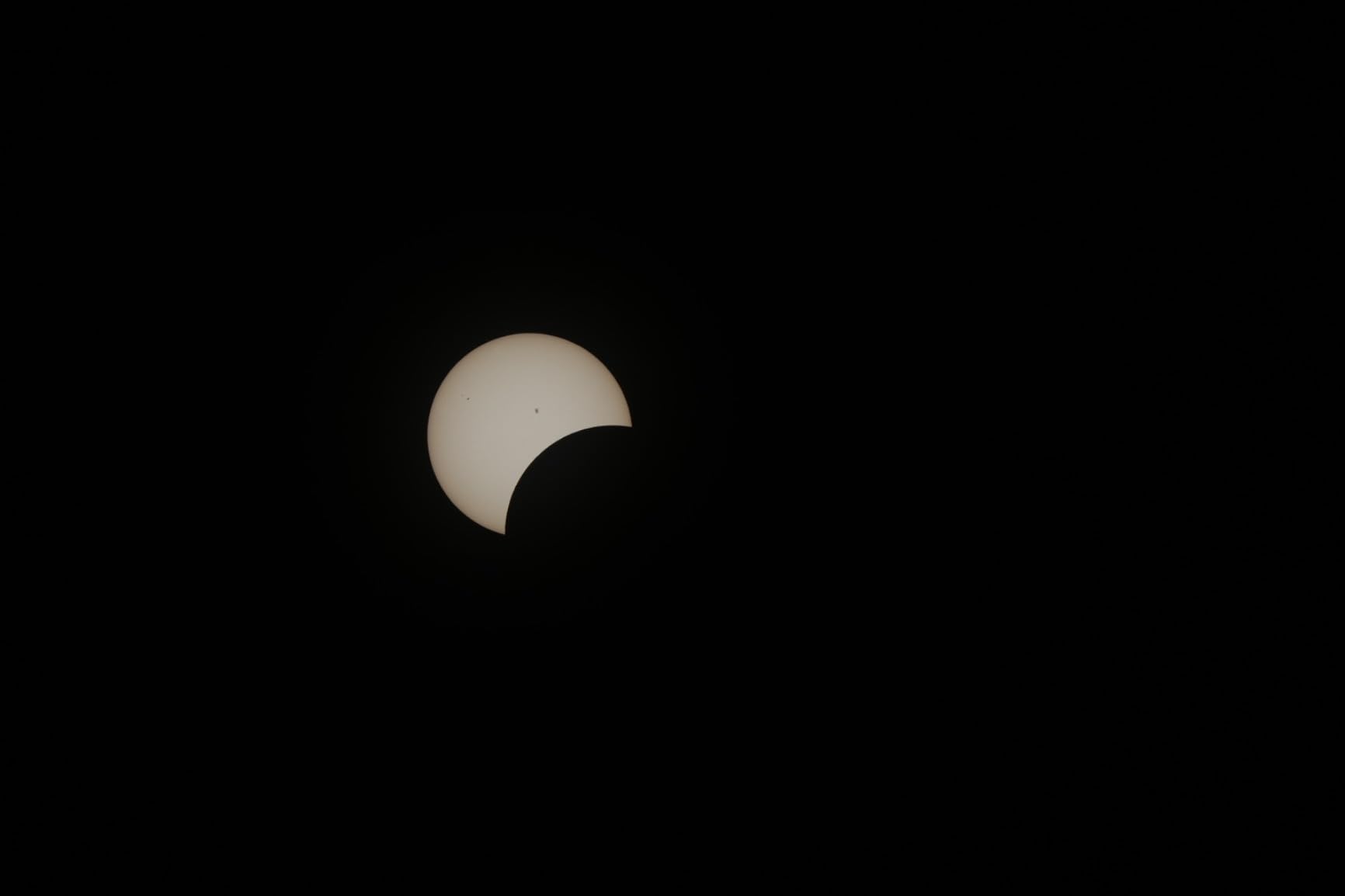
Photography applications
The ND100000 is perfect for capturing the sun during partial eclipse phases, photographing sunspots, and creating long-exposure effects during bright daylight. The 16.6-stop reduction lets you shoot at wide apertures even in full sun.
For eclipse photography, pair this filter with a telephoto lens on a sturdy tripod, and use live view to compose your shot safely.
Thread size and compatibility
This specific filter has a 58mm thread, so it screws directly into any camera lens with a 58mm filter thread. K&F Concept also makes this filter in other thread sizes if your lens differs.
Check your lens filter thread size before ordering, which is usually printed on the front of the lens or inside the lens cap.
11. Celestron EclipSmart 12×50 Porro Solar Binocular
Celestron EclipSmart Safe Solar Eclipse Binoculars – Large Aperture 12×50
12x magnification
50mm objectives
Built-in solar filters
Porro prism
Multi-coated optics
Rubber armored body
Pros
- Built-in permanently attached filters
- 12x magnification with 50mm objectives
- See sunspots clearly
- Rubber-armored durable build
- Multi-coated optics
- Limited lifetime warranty
Cons
- No tripod mount
- Hard to find sun initially
- Difficult with eyeglasses
- Single-purpose only
The Celestron EclipSmart solar binoculars take a different approach by building the solar filters directly into the optical path. This means the filters are permanently attached and cannot be accidentally removed, which is a significant safety advantage over slip-on filters.
With 12x magnification and 50mm objective lenses, these binoculars give you a closer view of the sun than eclipse glasses. I found sunspot detail clearly visible on a good seeing day, and the entire solar disk fits in the generous field of view.
The rubber-armored aluminum body feels solid and durable. These are built to last, and the limited lifetime warranty from Celestron backs that up. The multi-coated optics add contrast, which helps with fine solar detail.
The biggest drawback is the lack of a tripod mount, which makes it difficult to hold steady at 12x magnification. Some users also reported difficulty finding the sun initially because the field of view through solar filters is quite dark.
Best use cases for solar binoculars
Solar binoculars are ideal for casual eclipse viewing, quick sunspot checks, and sharing the view with others. They are simpler to set up than a telescope and filter combination, and the permanently attached filters remove any risk of accidental unfiltered viewing.
They are single-purpose tools, so do not expect to use them for anything other than solar observation.
Tips for finding and tracking the sun
The safest way to find the sun is to aim the binoculars roughly in the sun’s direction while looking at the shadow they cast. When the shadow is smallest and most circular, the binoculars are pointed at the sun.
Move slowly and never look at the sun with your naked eye to find it. Use the shadow method exclusively.
12. Rainbow Symphony 70mm Black Polymer Solar Filter
Rainbow Symphony Solar Filter 70mm Black Polymer
70mm black polymer
Fits 70mm devices
Multi-coated
Adhesive felt strips
18g lightweight
Natural orange sun
Pros
- Perfect fit for various devices
- Durable construction
- Great budget option
- Lightweight and easy to use
- Includes adhesive felt strips
- Sunspots clearly visible
Cons
- May not fit all 70mm scopes
- Requires careful OD measurement
- Cardboard seems flimsy
- May need shims
The Rainbow Symphony 70mm filter is a budget-friendly slip-on option that works with telescopes, binoculars, cameras, and finder scopes. At under twenty dollars and weighing just 18 grams, it is the lightest and most affordable dedicated filter on this list.
Rainbow Symphony is a recognized name in solar viewing products, and their black polymer material produces a natural orange sun image. The included adhesive felt strips let you shim the filter for a custom fit on devices that are slightly smaller than 70mm.
With 115 reviews at 4.2 stars, the feedback highlights the value and effectiveness but also notes that fit can be tricky. The filter is marked 70mm but actual telescope tube outer diameters vary, so measure before ordering.
The cardboard housing keeps weight and cost down, but it means you need to handle the filter gently. For occasional eclipse viewing or outreach events, this is a perfectly serviceable option.
Measuring for the right fit
Measure the outer diameter of your telescope tube, binocular barrel, or camera lens housing precisely before ordering. The filter needs to slip over the front of your device, so the filter’s inner diameter must match your device’s outer diameter.
If your measurement is slightly smaller than 70mm, use the included adhesive felt strips to create a snug fit.
What devices this works with
The filter fits 70mm telescopes, 50mm binocular objectives, small camera lenses, and finder scopes. It is a versatile option for anyone with multiple small optical devices who wants one filter for occasional use across all of them.
For larger telescopes, look at the Thousand Oaks sheets or the Celestron purpose-built filters instead.
Solar Filter Buying Guide: What to Know Before You Buy?
Choosing the right solar filter comes down to three things: safety certification, proper fit, and the right material for your observing goals. Let me break these down based on what I learned from testing and from the astronomy community.
Understanding ISO 12312-2 Certification
ISO 12312-2:2015(E) is the international safety standard for filters intended for direct observation of the sun. Every filter on this list either carries this certification or provides equivalent optical density. Never use a filter that does not meet this standard for visual solar observation.
The standard specifies that the filter must transmit no more than 0.0032 percent of visible light, which corresponds to an optical density of approximately 5.0. It also sets limits on ultraviolet and infrared transmission to protect your eyes across the full spectrum.
Film vs Glass Solar Filters
Film filters, like Baader AstroSolar and Thousand Oaks polymer, are lighter, less expensive, and often produce sharper images. The tradeoff is that film is fragile and can develop pinholes over time.
Glass filters, like the Seymour Solar Helios, are more durable and resistant to pinholes. They tend to last longer with proper care but are heavier and more expensive. Glass also produces slightly lower sharpness than the best film options.
For beginners, I recommend starting with a film filter because the cost is lower and the image quality is excellent. For observers who plan to view the sun regularly for years, a glass filter is a worthwhile investment.
How to Choose the Right Size
For telescope filters, you need to match the filter to your telescope’s front aperture or optical tube outer diameter. Celestron’s purpose-built filters are sized for specific telescope models, which takes the guesswork out.
For adjustable and slip-on filters, measure the outer diameter of your telescope tube carefully. The filter needs to fit snugly over the front of the tube without any gap that could let unfiltered light through.
For camera lens filters, check the filter thread size printed on the front of your lens. The K&F Concept ND100000 in this guide has a 58mm thread, which is a common size but verify your lens before ordering.
White Light vs Hydrogen-Alpha
All filters on this list are white light solar filters, which show the sun’s photosphere including sunspots, limb darkening, and granulation. They are the standard choice for general solar observation and eclipse viewing.
Hydrogen-alpha filters show the sun’s chromosphere, including solar prominences and filaments, but these filters cost significantly more. A basic H-alpha setup starts around several hundred dollars and goes up from there, which puts them outside the scope of this roundup.
For most observers and photographers, a white light filter provides excellent views of the sun and is the right starting point.
Common Mistakes to Avoid
Do not use a regular ND filter for visual solar observation. Camera ND filters, even at 16 stops, are not certified for direct eye safety. They are fine for photography using live view, but never look through the optical viewfinder with only an ND filter.
Do not assume that a larger filter is always better. The filter must match your telescope or lens size, and an oversized filter that does not fit securely is dangerous because it can fall off during use.
Inspect your filter before every single use. Hold it up to a bright indoor light and look for pinholes, tears, or areas where the coating has degraded. Any damage means the filter should be replaced immediately.
FAQs
Which is better glass or film solar filter?
Film solar filters, particularly Baader AstroSolar and Thousand Oaks polymer, generally produce sharper images with better contrast and are more affordable. Glass filters like the Seymour Solar Helios are more durable, resist pinholes better, and last longer with proper care. For beginners, film is the better starting point due to lower cost and excellent image quality. For regular long-term observers, glass offers better longevity.
What is the best brand of solar filters?
The top solar filter brands are Thousand Oaks Optical for polymer film sheets and filters, Baader Planetarium for AstroSolar film, Celestron for purpose-built telescope filters, and Seymour Solar for premium glass filters. Rainbow Symphony and Ku0026amp;F Concept also offer quality budget options. For most users, Thousand Oaks and Celestron provide the best balance of safety, quality, and value.
Can I use a regular ND filter for solar photography?
A high-strength ND filter like the Ku0026amp;F Concept ND100000 with 16.6 stops of reduction can be used for solar photography, but only when shooting through the camera’s live view or electronic viewfinder. Never use a regular ND filter for direct visual observation through an optical viewfinder, as it is not certified to the ISO 12312-2 safety standard required for eye protection.
What is the best ND filter for bright sun photography?
For bright sun photography including solar work, the Ku0026amp;F Concept ND100000 with 16.6 stops of light reduction is the strongest option. For general bright daylight photography without solar observation, an ND1000 or ND2000 filter is typically sufficient. The ND100000 is specifically designed for extreme brightness situations like photographing the sun or solar eclipses.
Conclusion
Finding the best solar filters in 2026 means matching the right product to your telescope, camera, or binoculars while never compromising on safety. The Celestron 94244 leads the pack for 8-inch SCT owners, the K&F Concept ND100000 is the top camera filter for solar photography, and the Celestron EclipSmart folding filter and Thousand Oaks sheets offer great value for beginners.
Always verify ISO 12312-2 certification for visual use, inspect your filter before every session, and never look at the sun through an unfiltered optical instrument. With the right filter and proper precautions, solar observing and eclipse photography become rewarding and safe experiences that open up an entirely new dimension of astronomy.