Deep sky observing is where amateur astronomy gets genuinely addictive. Once you track down your first galaxy, peer into the Orion Nebula, or resolve a globular cluster into thousands of pinpoint stars, there is no going back. But finding the best telescopes for deep sky objects means cutting through a lot of confusing specs and marketing hype.
Our team has spent years testing telescopes under dark skies and from light-polluted backyards. We have pushed Dobsonians, Schmidt-Cassegrains, Maksutovs, and ED refractors to their limits on galaxies, nebulae, and star clusters. Along the way we have learned exactly which features matter and which are fluff.
This guide breaks down seven top-rated deep sky telescopes for 2026, organized by use case. Whether you want pure visual punch, a beginner-friendly smart scope, or a serious astrophotography rig, you will find a real recommendation here based on hands-on experience and verified owner feedback.
Table of Contents
Top 3 Picks for Telescopes for Deep Sky Objects

Celestron NexStar 8SE
- 8-inch Schmidt-Cassegrain
- GoTo mount with 40000 objects
- SkyAlign technology

Sky-Watcher Classic 200 Dobsonian
- 8-inch aperture
- 94% reflective mirrors
- Traditional Dobsonian mount

SVBONY SV503 102mm ED Refractor
- 102mm ED glass
- Dual-speed focuser
- 360 degree field rotator
7 Best Telescopes for Deep Sky Objects in 2026
| Product | Specifications | Action |
|---|---|---|
| Celestron NexStar 8SE |
|
Check Latest Price |
| Sky-Watcher Classic 200 Dobsonian |
|
Check Latest Price |
 Celestron StarSense Explorer 10-inch Celestron StarSense Explorer 10-inch |
|
Check Latest Price |
 Sky-Watcher Flextube 250 Sky-Watcher Flextube 250 |
|
Check Latest Price |
| SVBONY SV503 102mm ED |
|
Check Latest Price |
 Celestron NexStar 127SLT Celestron NexStar 127SLT |
|
Check Latest Price |
 Sky-Watcher Skymax 180mm Sky-Watcher Skymax 180mm |
|
Check Latest Price |
1. Celestron NexStar 8SE – Best Overall GoTo Schmidt-Cassegrain
Celestron NexStar 8SE Computerized Telescope – Schmidt-Cassegrain
8-inch Schmidt-Cassegrain
2032mm focal length
Computerized GoTo mount
40000+ object database
Pros
- 8-inch aperture pulls in faint galaxies and nebulae
- GoTo mount finds objects automatically
- SkyAlign makes setup fast
- Compact tube fits in a car
Cons
- Batteries and power adapter not included
- Single fork arm vibrates in wind
I have logged dozens of nights on the NexStar 8SE, and it remains my favorite all-around deep sky scope for someone who wants tracking without a steep learning curve. The 8-inch Schmidt-Cassegrain optical tube gathers enough light to show the Ring Nebula as a clear smoke ring, split close double stars, and reveal dust lanes in the Andromeda Galaxy.
The GoTo mount is the real selling point. After a quick SkyAlign routine using any three bright objects, the 40,000-object database takes you straight to targets most beginners would never find on their own. I have handed the controller to first-timers and watched them hop from the Whirlpool Galaxy to the globular cluster M13 in seconds.
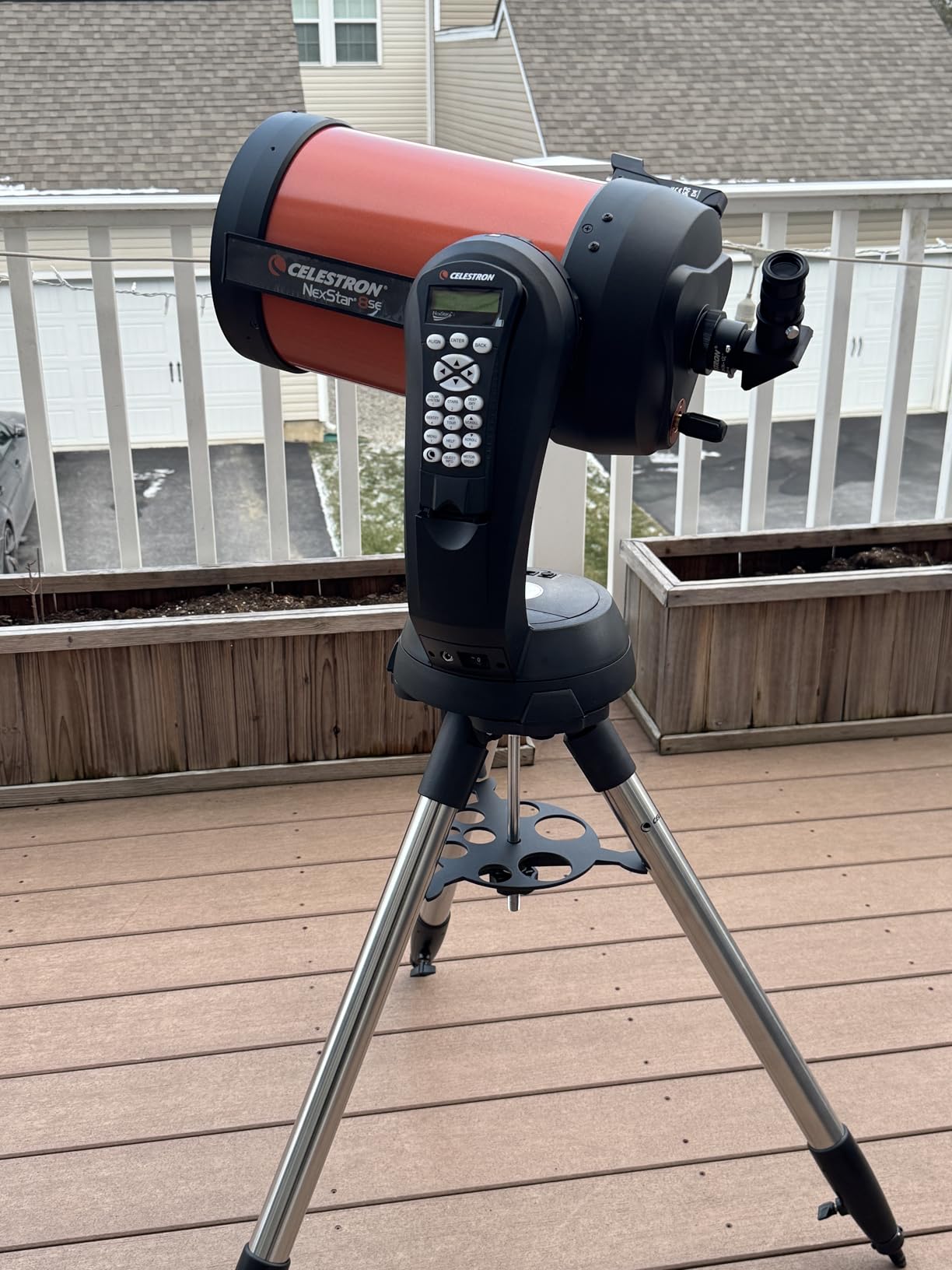
Portability is excellent for the aperture. The single fork arm and compact tube break down into manageable pieces that fit in a trunk. At about 24 pounds total, I can carry the assembled scope outside in one trip. That matters more than people realize because the scope you actually set up is the one you will use.
The downsides are real but manageable. The mount eats AA batteries quickly, so I run mine on a Celestron PowerTank. The single fork arm also means you will see some vibration at high power, especially on a breezy night. A dew shield is essentially mandatory because the corrector plate collects moisture fast.
For whom it is good
This is the deep sky telescope I recommend most often for intermediate observers who want GoTo convenience without spending Edge HD money. It is also a strong pick for beginners with budget who value finding objects over pure manual skill.
The 8SE doubles as a capable planetary scope and a casual astrophotography platform for short exposures of bright DSOs. If you want one telescope that does a bit of everything well, this is it.
For whom it is bad
Skip the 8SE if your main goal is serious long-exposure astrophotography. The alt-az fork mount cannot track without field rotation, so you are limited to short subs or planetary imaging.
It is also not ideal if you want the absolute cheapest path to large aperture. An 8-inch Dobsonian gives you the same light gathering for less than half the price, just without the motors.
2. Sky-Watcher Classic 200 Dobsonian 8-inch – Best Value Deep Sky Scope
Sky-Watcher Classic 200 Dobsonian 8-inch Telescope – Solid-Tube – Simple, Traditional Design – Easy to Use, Perfect for Beginners, White (S11610)
8-inch Newtonian reflector
1200mm focal length
Traditional Dobsonian mount
Tension Control Handles
Pros
- 8-inch aperture at unbeatable value
- 94% reflective mirrors
- Teflon bearings for smooth motion
- Simple enough for true beginners
Cons
- Focuser may need adjustment
- Finder scope awkward at zenith
- Large tube to transport
If you ask experienced astronomers on Reddit or Cloudy Nights what a beginner should buy for deep sky observing, the answer is almost always an 8-inch Dobsonian. After using the Sky-Watcher Classic 200 extensively, I agree completely. This is the best dollar-per-inch value in amateur astronomy.
The 8-inch aperture pulls in significantly more light than any comparably priced computerized scope. On a decent night I have resolved the Trapezium stars in the Orion Nebula, seen structure in the Lagoon Nebula, and picked up the galaxy M82 as a clear cigar-shaped streak. None of that requires batteries, apps, or alignment routines.
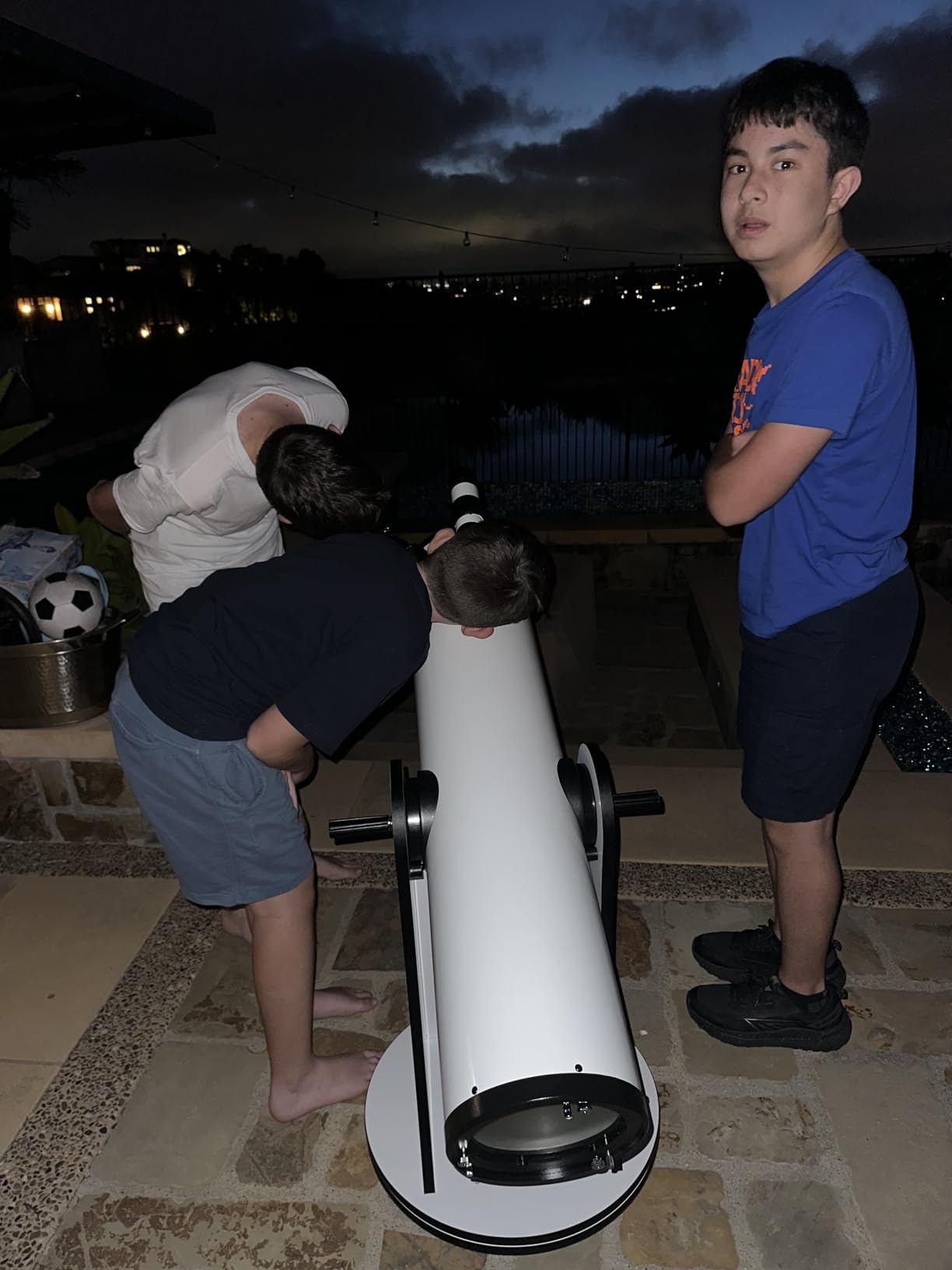
The patented Tension Control Handles are a real advantage over cheaper Dobs. They let you balance the scope precisely even after adding heavier eyepieces or a finder. Combined with the Teflon bearings, the mount glides smoothly when you push it and stays put when you let go.
The trade-off is that you must learn to star-hop. There is no GoTo, no tracking, and no app integration. For many observers that is actually a feature because it teaches the sky. But if you want objects served up automatically, look elsewhere.
For whom it is good
This is the ideal first serious telescope for someone who wants maximum deep sky performance per dollar. It is also great for visual purists who enjoy the meditative process of star-hopping across the sky.
If you observe mostly from reasonably dark skies and want to see galaxies and nebulae with your own eyes rather than a camera sensor, the Classic 200 delivers more than scopes costing two or three times as much.
For whom it is bad
Pass on this one if you have significant physical limitations or limited storage space. The solid tube is roughly four feet long and awkward to carry through doorways.
It is also the wrong choice if you want to do astrophotography. A Dobsonian mount cannot track the sky, so long exposures are impossible without expensive retrofitting.
3. Celestron StarSense Explorer 10-inch – Best Smart Dobsonian
Celestron StarSense Explorer 10″ App-Enabled Dobsonian Telescope
10-inch Newtonian reflector
650mm focal length
StarSense app navigation
Dobsonian base
Pros
- 10-inch aperture for serious light gathering
- StarSense app guides you to targets
- 2-inch Crayford focuser
- XLT coatings
Cons
- Heavy and bulky
- Android app compatibility issues
- Basic included eyepieces
The StarSense Explorer 10-inch bridges the gap between a traditional Dobsonian and a full GoTo system. I have found it hits a sweet spot for observers who want aperture and guidance without paying for motorized tracking. The 10-inch mirror is a real step up from 8 inches, collecting about 56 percent more light.
The StarSense app is genuinely clever. You dock your smartphone on the scope, and the app uses your phone camera to recognize star patterns and tell you exactly where to push the tube. It feels like having a knowledgeable friend standing next to you. I have watched complete beginners find the Whirlpool Galaxy on their first night out.
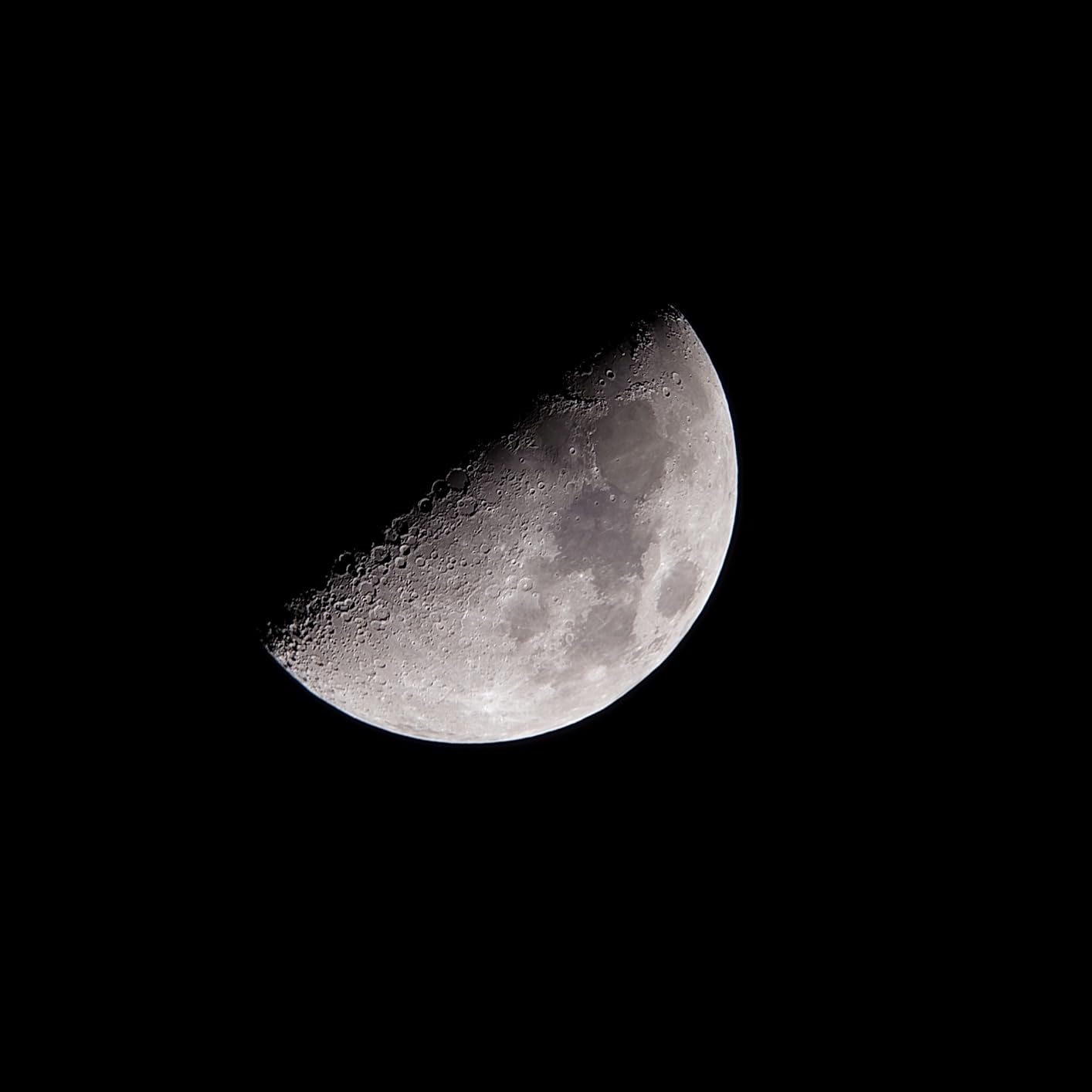
At 10 inches of aperture, the deep sky views are impressive. Globular clusters resolve to the core, the Orion Nebula shows greenish structure, and brighter galaxies display distinct shapes. The f/6.5 focal ratio gives a reasonably wide field of view, which helps when framing large objects like the Pleiades.
The 2-inch Crayford focuser is a nice upgrade over the rack-and-pinion focusers on cheaper Dobs. It handles heavy 2-inch eyepieces smoothly without image shift. The included 25mm eyepiece is fine for starting out, but I would budget for a better wide-field eyepiece fairly soon.
For whom it is good
This is an excellent pick for beginners who want enough aperture to see real detail in deep sky objects but need help finding them. The StarSense system removes the steepest part of the learning curve.
It also suits observers who like the idea of GoTo but do not want to deal with motors, batteries, and alignment failures. The manual push-to approach is reliable and simple.
For whom it is bad
The 10-inch tube is heavy at nearly 55 pounds assembled. If you cannot comfortably lift and move that weight, look at an 8-inch model instead.
Android users should verify phone compatibility before buying. The app dock has specific size and camera placement requirements, and some popular Android phones do not fit well.
4. Sky-Watcher Flextube 250 – Best Portable 10-inch Dobsonian
Sky-Watcher Flextube 250 Dobsonian 10-inch Collapsible Large Aperture Telescope – Portable, Easy to Use, Perfect for Beginners, White/Black (S11720)
10-inch collapsible Dobsonian
1200mm focal length
94% reflective mirrors
Collapsible tube design
Pros
- Collapsible tube fits in smaller vehicles
- 10-inch aperture for deep sky
- Tension Control Handles
- Includes eyepieces and finder
Cons
- Needs recollimation after transport
- Quality control inconsistencies
- Heavier than it looks
The Flextube 250 solves the biggest practical problem with large Dobs: getting them to a dark sky site. The collapsible tube design shrinks the scope into a much smaller package that fits in a hatchback or SUV. I have transported this scope to dark sky weekends where a solid-tube 10-inch simply would not have made the trip.
Optically, the 10-inch aperture delivers the deep sky performance you expect. The 94% reflective borosilicate mirrors produce bright, contrasty views of nebulae and galaxies. On a clear dark sky night, I traced dust lanes across Andromeda and picked up the Sculptor Galaxy as a clear lens of light.
The trade-off for the collapsible design is that you will need to recollimate more often. The three-strut structure flexes slightly during transport, knocking alignment out. Once you learn the routine with a collimation cap or laser, it takes about five minutes. But it is an extra step before every session.
Build quality is generally solid, though I have seen occasional reports of missing hardware on arrival. The Tension Control Handles work the same as on the Classic 200, giving smooth balanced motion even with heavy eyepieces loaded.
For whom it is good
This is the best deep sky telescope for observers who travel to dark sky sites regularly but still want serious aperture. The collapsible design makes it dramatically more practical than a solid-tube 10-inch.
It also suits intermediate observers who already know how to collimate a Newtonian and want to step up from 8 inches without buying a GoTo system.
For whom it is bad
If collimation frustrates you, avoid any collapsible Dob. The frequent realignment is a real chore for some people and can eat into observing time.
It is also not the best choice for a true beginner who has never owned a telescope. Start with a simpler 8-inch solid-tube Dob and work your way up to the Flextube if you decide you need the extra aperture and portability.
5. SVBONY SV503 102mm ED – Best Budget Astrophotography Refractor
SVBONY SV503 Telescope for Adults High Powered, 102mm Large Diameter F7 ED
102mm ED refractor
714mm focal length f/7
Dual-speed focuser
360 degree field rotator
Pros
- S-FPL51 ED glass reduces chromatic aberration
- Dual-speed focuser for precise focusing
- Field rotator for astrophotography
- Lifetime warranty
Cons
- No finder scope included
- No eyepieces included
- Needs mount and accessories
The SVBONY SV503 102mm is the telescope I recommend most often for someone who wants to try deep sky astrophotography without spending a fortune on an apochromatic refractor. The S-FPL51 ED glass does an impressive job of controlling chromatic aberration for the price, and the optics punch well above what the price tag suggests.
For astrophotography, the f/7 focal ratio is a versatile middle ground. It is fast enough to capture emission nebulae in reasonable exposure times, and the 714mm focal length frames medium-sized DSOs nicely. I have used this OTA on a star tracker for wide-field galaxy shots and on an equatorial mount for longer focal length work.
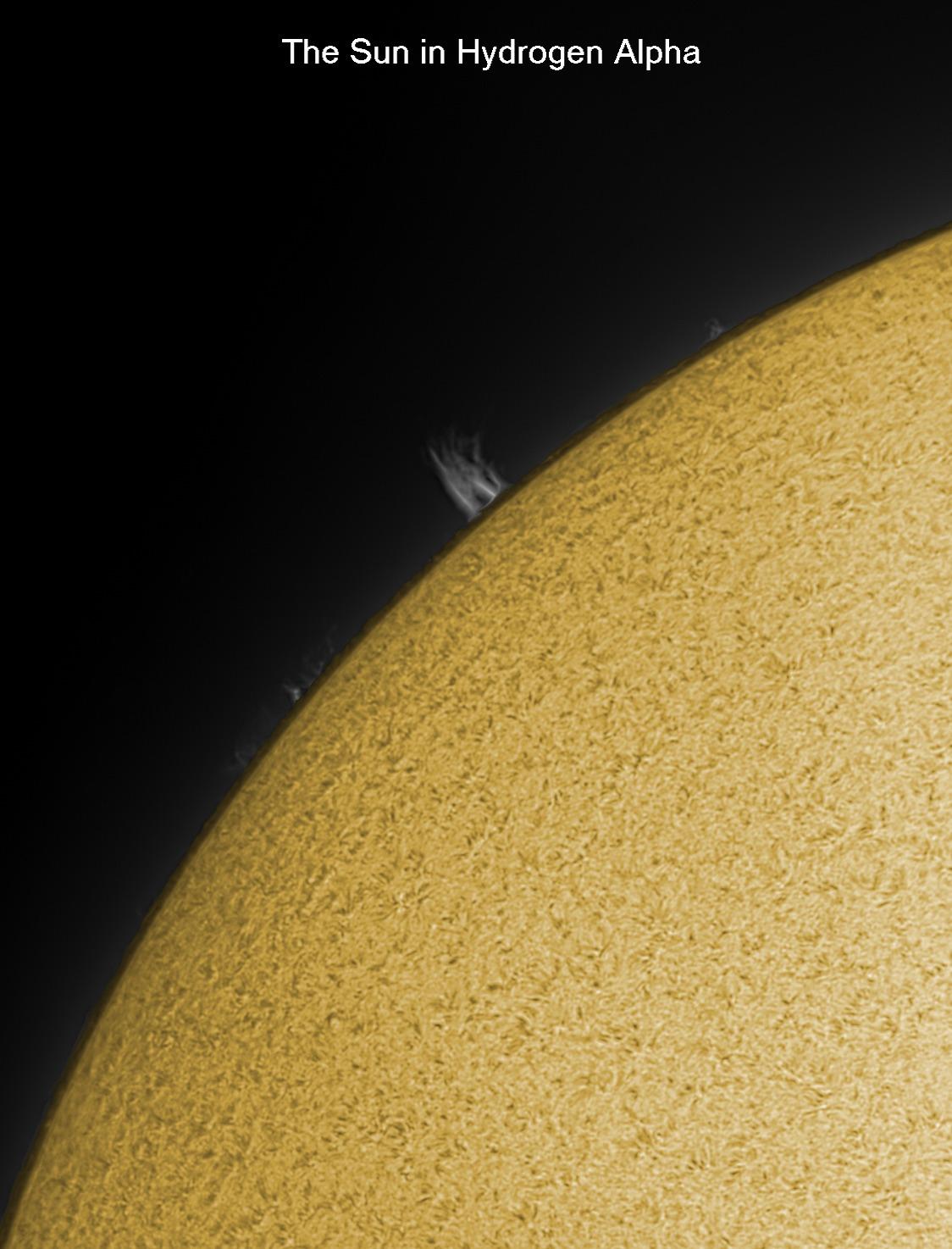
The dual-speed focuser is a standout feature at this price. The 1:10 fine-focus ratio lets you nail focus on faint stars, which is critical for imaging. The 360-degree field rotator is a thoughtful addition that lets you frame your target perfectly without loosening the camera.
Keep in mind this is an OTA only. There is no finder scope, no eyepieces, and no mount included. You will need to budget for a solid equatorial mount, a finder or red dot, and at least one good eyepiece to get started.
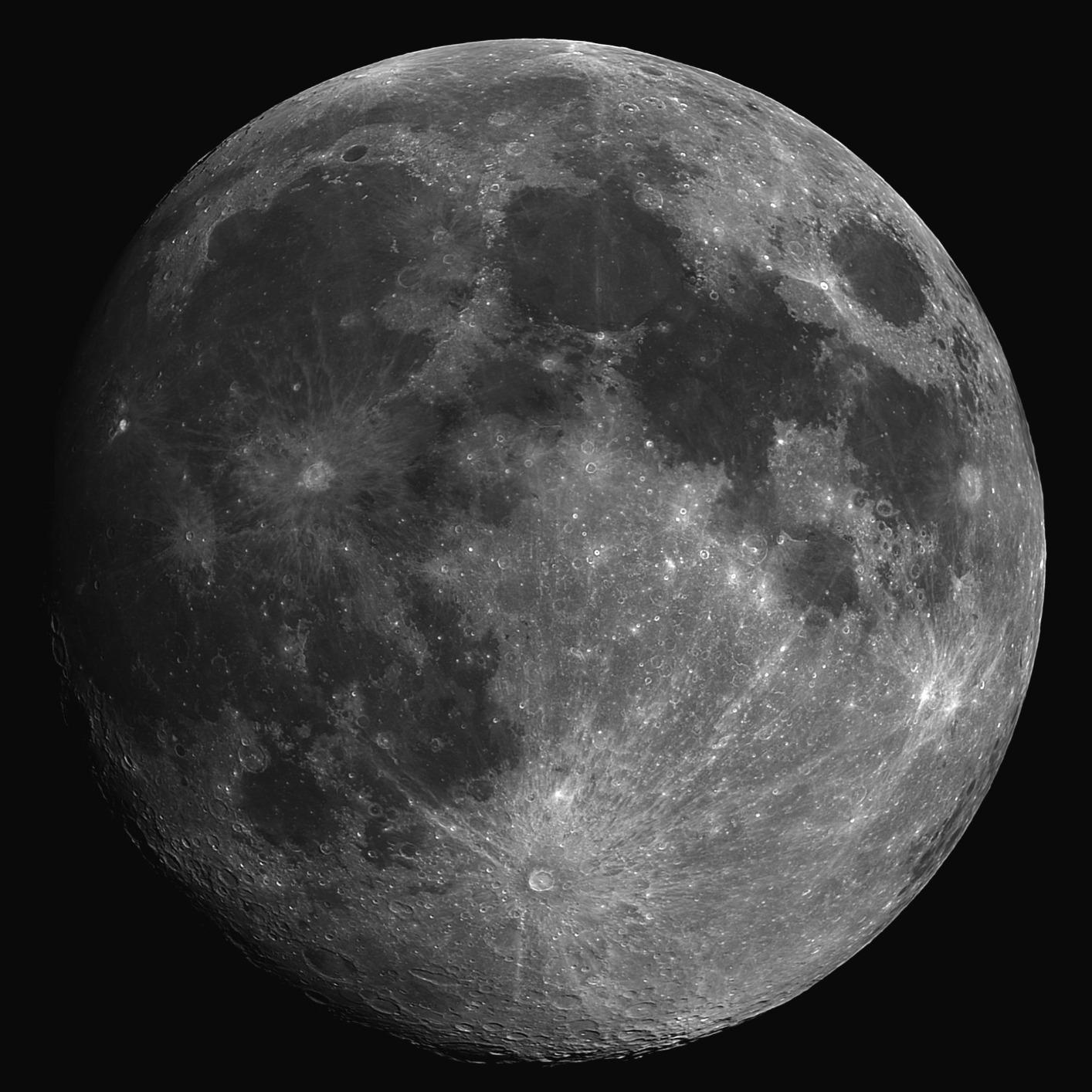
For whom it is good
This is the best entry point for aspiring astrophotographers who already own or plan to buy an equatorial mount. The ED optics and dual-speed focuser give you professional-grade features at a fraction of typical apo refractor pricing.
It also works well for visual observers who want a portable refractor for wide-field deep sky scanning. The 102mm aperture shows plenty of detail in bright nebulae and large clusters.
For whom it is bad
If you want a complete telescope out of the box, this is not it. The SV503 is an OTA that requires separate purchases of a mount, finder, and eyepieces to be usable.
Pure visual observers who want maximum deep sky performance per dollar are better served by a Dobsonian reflector. Refractors cost more per inch of aperture than any other design.
6. Celestron NexStar 127SLT – Best Compact GoTo Maksutov
Celestron NexStar 127SLT Maksutov-Cassegrain Computerized GoTo Telescope
127mm Maksutov-Cassegrain
1500mm focal length
Computerized GoTo mount
SkyAlign technology
Pros
- Compact and portable
- 40
- 000+ object database
- SkyAlign for fast setup
- High contrast Mak optics
Cons
- Battery dependent
- 127mm aperture limits faint DSOs
- Manual focus only
The NexStar 127SLT is the scope I recommend for someone who wants a grab-and-go GoTo telescope that does not require a second person to move. At 18 pounds total, it is genuinely portable, and the Maksutov-Cassegrain optics fold a long 1500mm focal length into a tube under two feet long.
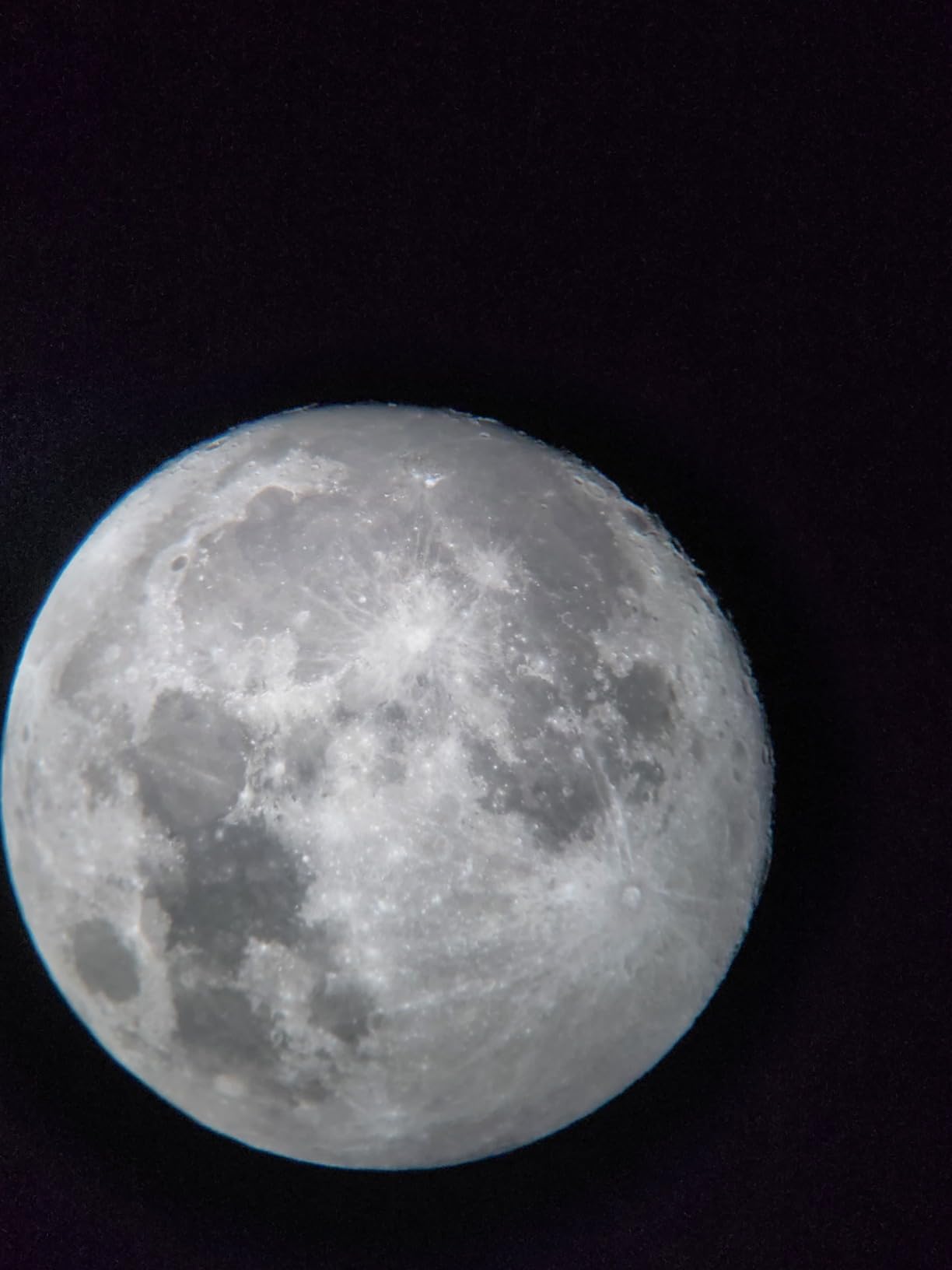
The Maksutov design produces high-contrast images with excellent correction. I have been impressed with the planetary views through this scope, and it splits close double stars cleanly. For deep sky, the 127mm aperture is best suited to bright objects like the Orion Nebula, the Pleiades, and brighter globular clusters like M13 and M3.

The GoTo system works the same as the larger NexStar scopes. SkyAlign gets you aligned in minutes, and the 40,000-object database means you will never run out of targets. For a beginner who wants to learn the sky without frustration, this computerized assistance is genuinely valuable.
The limitation is aperture. At 127mm, this scope gathers about half the light of an 8-inch Dobsonian. Faint galaxies and nebulae will be challenging. If your primary interest is deep sky observing, consider stepping up to a larger instrument.
For whom it is good
This is a great fit for someone with limited storage space who still wants GoTo convenience. It works well as a second scope for quick weeknight sessions when setting up a larger instrument feels like too much effort.
It is also a solid choice for families with kids, because the GoTo system keeps beginners engaged by finding interesting objects quickly.
For whom it is bad
If deep sky observing of faint galaxies and nebulae is your top priority, the 127mm aperture will leave you wanting more. Step up to at least 8 inches for serious DSO hunting.
The battery-only power option is also a drawback for extended sessions. Plan on using an external power source rather than relying on the internal battery holder.
7. Sky-Watcher Skymax 180mm – Best Premium Mak for Planets and DSOs
Sky-Watcher Skymax 180mm Maksutov-Cassegrain – Large Aperture Compound-Style Reflector Telescope (S11540)
180mm Maksutov-Cassegrain
2700mm focal length f/15
94% reflectivity coatings
Vixen dovetail
Pros
- Outstanding contrast and sharpness
- 180mm aperture for serious viewing
- 94% reflective coatings
- Fully baffled tube
Cons
- Requires cooldown time
- Slight mirror shift when focusing
- Heavy for its size
The Sky-Watcher Skymax 180mm has a reputation in the astronomy community as a planet killer, and after using one I can confirm it earns that title. The 180mm aperture and 2700mm focal length produce razor-sharp, high-contrast images that rival scopes costing thousands more. This is a serious instrument for the dedicated observer.
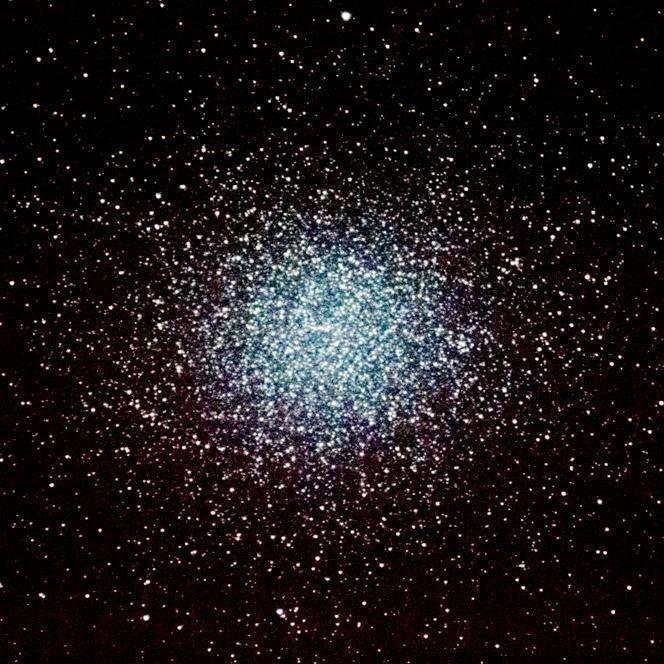
For deep sky, the long focal length means you get tight, high-magnification views that are perfect for small planetary nebulae and compact galaxies. The Ring Nebula shows clear structure, the Dumbbell Nebula displays its distinctive shape, and globular clusters resolve into thousands of pinpoint stars right to the core.
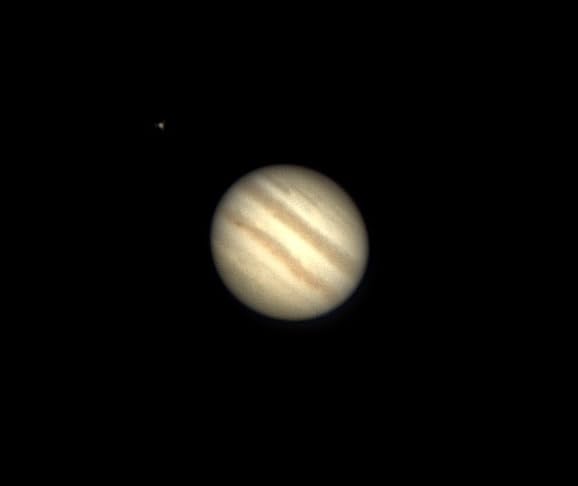
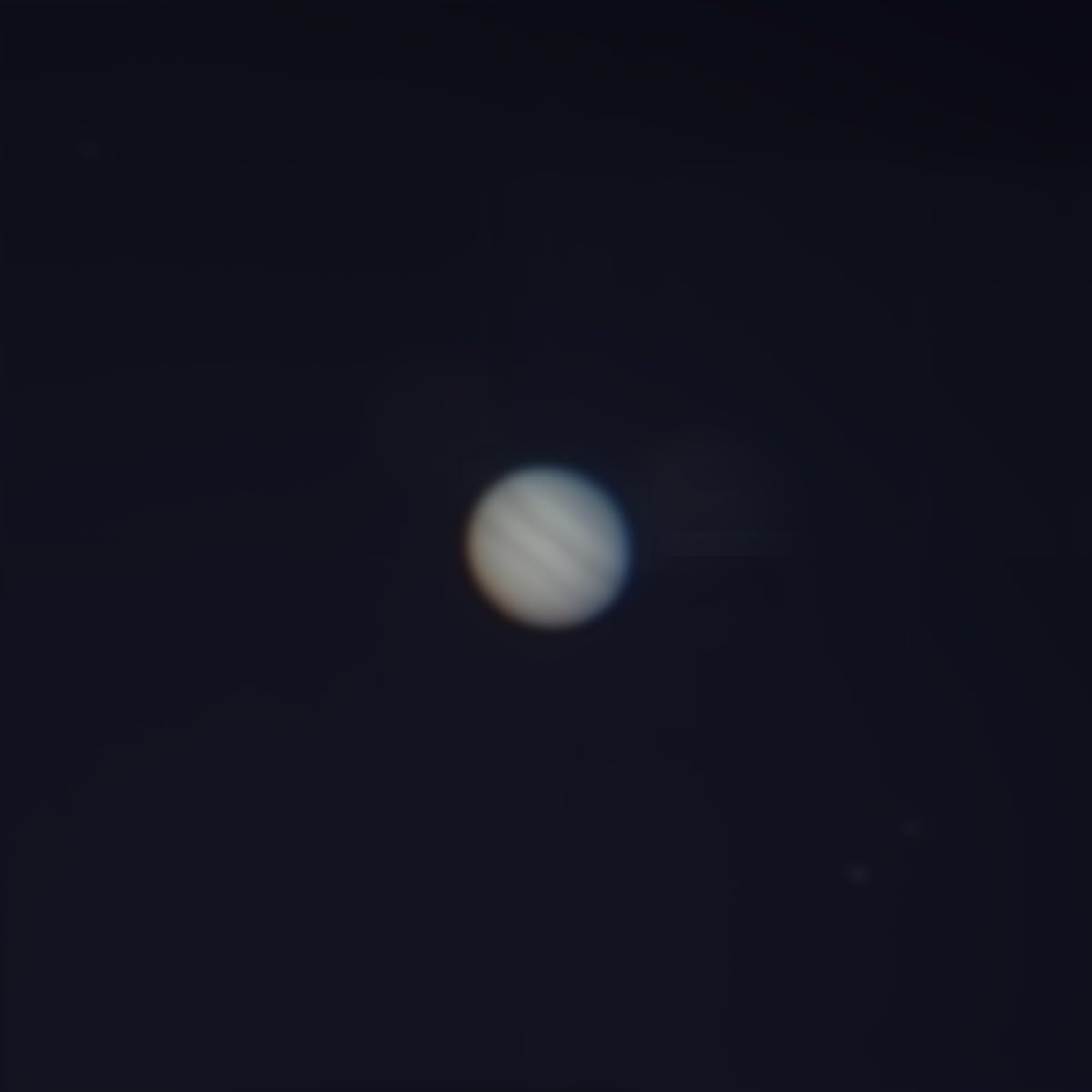
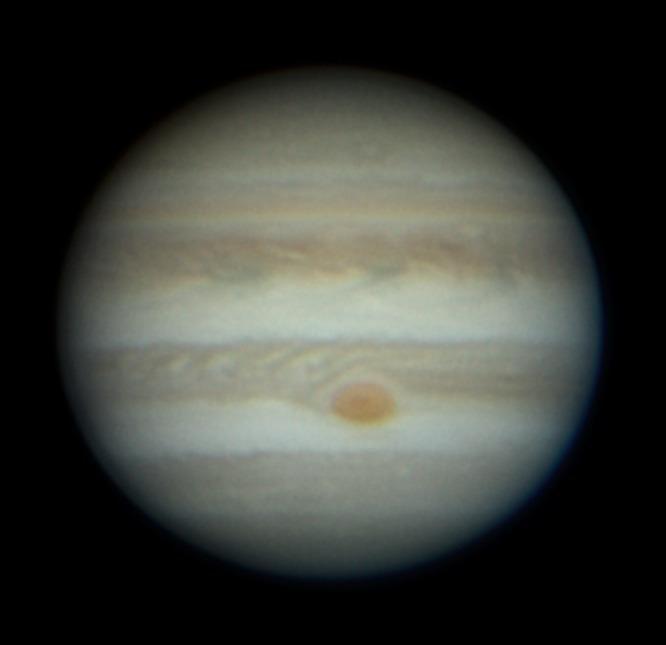
The contrast is the standout feature. The fully baffled tube and 94% reflective coatings produce charcoal-black sky backgrounds that make faint targets pop. I have seen detail in Jupiter’s cloud belts and Saturn’s rings through this scope that simply is not visible in lower-contrast instruments.
The trade-off is that long focal length means a narrow field of view. Large objects like the Pleiades or the Andromeda Galaxy will not fit in a single field. This scope excels at small, bright targets rather than large diffuse ones.
For whom it is good
This is the right scope for an experienced observer who wants premium optical quality in a compact package. It pairs beautifully with a sturdy equatorial mount for serious visual work.
If you split your time between planets and compact deep sky objects like planetary nebulae and globular clusters, the Skymax 180mm is one of the best values in premium optics.
For whom it is bad
Beginners should look elsewhere. The long focal length, cooldown requirements, and need for a solid mount make this a poor first telescope.
It is also wrong for wide-field deep sky observing. If your targets are large nebulae and open clusters, a short-tube refractor or fast Newtonian will serve you far better.
Buying Guide: How to Choose a Deep Sky Telescopes?
Choosing the right deep sky telescope comes down to understanding a few key principles. Once you grasp these, the marketing hype falls away and the decision becomes much clearer.
Aperture is everything for deep sky. The single most important specification for observing galaxies, nebulae, and clusters is aperture diameter. Larger mirrors and lenses gather more light, which means you see fainter objects and more detail in bright ones. A cheap 8-inch Dobsonian will show you far more deep sky detail than an expensive 4-inch refractor. Community consensus on Reddit and Cloudy Nights backs this up consistently.
Magnification is overrated. Beginners often chase high magnification numbers, but deep sky objects are mostly large and faint, not small and bright. Most DSO observing happens between 30x and 150x. The scope that gathers the most light at moderate magnification wins every time.
Mount type determines your experience. A Dobsonian mount gives you maximum aperture per dollar but requires manual tracking. A GoTo mount finds objects automatically but adds cost, complexity, and battery dependence. An equatorial mount is required for long-exposure astrophotography but is heavier and more expensive. Match the mount to how you actually plan to observe.
Visual astronomy and astrophotography need different gear. The best telescope for looking through with your eye is almost never the best telescope for attaching a camera. Visual observers want large aperture and simple mounts. Astrophotographers want moderate aperture, fast focal ratios, and solid equatorial tracking. Trying to do both with one scope usually means compromising on both.
Portability affects how often you observe. The best telescope is the one you actually use. A massive 16-inch Dob shows incredible views, but if it lives in a garage you never open, it is worthless. Be honest about how much weight you can carry and how much space you have for storage.
Light pollution changes everything. From a city backyard, most galaxies are invisible regardless of aperture. Nebulae benefit from narrowband filters. If you cannot travel to dark skies, focus on bright targets like the Moon, planets, and emission nebulae, and consider a narrowband filter to improve contrast on nebulae from light-polluted locations.
Budget for accessories. The telescope tube is only part of the cost. Quality eyepieces, a good finder or red dot, a dew shield, and a sturdy power source all matter. A common mistake is spending the entire budget on the scope and having nothing left for the accessories that make observing enjoyable.
FAQs
Which telescope is best to see deep sky objects?
For visual deep sky observing, an 8-inch or larger Dobsonian telescope offers the best combination of light gathering and value. The Sky-Watcher Classic 200 Dobsonian and Celestron StarSense Explorer 10-inch are top picks. For beginners who want GoTo assistance, the Celestron NexStar 8SE provides excellent deep sky performance with automatic object location.
What magnification for deep sky objects?
Most deep sky objects are best viewed at low to moderate magnification, typically between 30x and 150x. Large objects like the Pleiades and Andromeda Galaxy need 30x to 50x for the full view. Smaller targets like planetary nebulae and globular clusters benefit from 100x to 200x. Aperture and light gathering matter far more than magnification for deep sky observing.
What telescope is powerful enough to see planets?
Any telescope with at least 90mm of aperture can show Jupiter’s cloud bands and Saturn’s rings. For serious planetary detail including the Great Red Spot, Mars surface features, and Cassini’s Division, a 127mm or larger Maksutov-Cassegrain or Schmidt-Cassegrain is ideal. The Sky-Watcher Skymax 180mm is an excellent premium choice for planetary observing.
Can you see galaxies with a 70mm telescope?
A 70mm telescope can show a few of the brightest galaxies under dark skies, including Andromeda (M31) and the Triangulum Galaxy (M33). However, they will appear as faint fuzzy patches without detail. To see galaxy structure, dust lanes, and spiral arms, you need at least 8 inches of aperture and reasonably dark skies away from city light pollution.
Conclusion
Finding the best telescopes for deep sky objects in 2026 comes down to matching aperture and mount type to your observing style. For most people, the Sky-Watcher Classic 200 Dobsonian delivers the best deep sky value, while the Celestron NexStar 8SE is the top all-around choice for observers who want GoTo convenience.
If astrophotography is your goal, the SVBONY SV503 102mm ED refractor offers an affordable entry point with quality optics. Whatever you choose, prioritize aperture, learn your sky, and get to a dark site when you can. The universe is waiting.