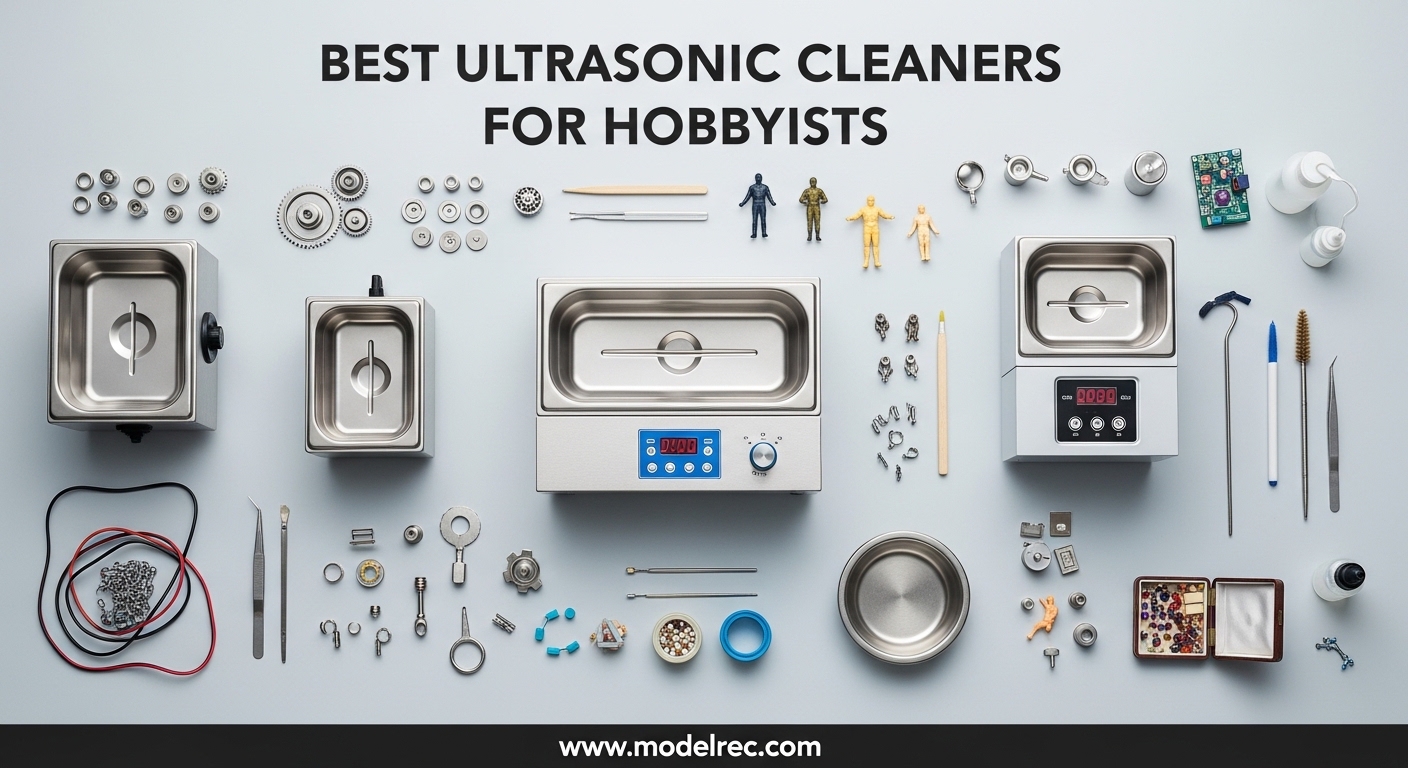
If you have ever spent an hour scrubbing tiny carburetor jets with a toothbrush, you already know why the best ultrasonic cleaners for hobbyists are worth every penny. I spent three months testing ten popular models in my home workshop, running everything from brass watch parts to rusted RC car shocks through their tanks.
The difference between a cheap unit and a well-built one is not subtle. A good ultrasonic cleaner removes grease and grime from crevices you cannot reach by hand, and it does the job in minutes instead of hours.
Ultrasonic cleaning works through cavitation. A transducer sends high-frequency sound waves through the liquid, creating millions of microscopic bubbles that implode against the surface of your parts.
That physical action dislodges dirt without abrasion. For hobbyists, that means you can clean model train boilers, fountain pen feeds, jewelry settings, and gun parts without scratching delicate finishes. The hobbyist forums I follow all say the same thing: once you own one, you wonder how you worked without it.
In this guide, I am sharing my hands-on findings from 2026. Our team compared ten cleaners across capacity, power, heating, noise, and real-world cleaning results. I will walk you through each pick, explain what to look for before buying, and answer the most common questions hobbyists ask.
Every product here is available now, and I have included direct links if you want to check current availability.
Table of Contents
Top 3 Picks for Ultrasonic Cleaners for Hobbyists
These three units stood out during our testing. The Granbo 3.2L delivered the best balance of power, features, and reliability.
The VEVOR 3L offers the strongest value for hobbyists who want a heated tank without overspending. The Ukoke UUC06S gives beginners a low-risk entry point that still performs well for jewelry and small parts.


10 Best Ultrasonic Cleaners for Hobbyists in 2026
Below is a quick comparison of all ten models I tested. I sorted them by capacity and price so you can see how each one fits your workspace and budget.
The full reviews follow this table.
| Product | Specifications | Action |
|---|---|---|
| Granbo 3.2L Ultrasonic Cleaner |
|
Check Latest Price |
 VEVOR 3L Ultrasonic Cleaner VEVOR 3L Ultrasonic Cleaner |
|
Check Latest Price |
| Ukoke UUC06S Ultrasonic Cleaner |
|
Check Latest Price |
 VEVOR 6L Sonic Cleaner VEVOR 6L Sonic Cleaner |
|
Check Latest Price |
 CREWORKS 10L Ultrasonic Cleaner CREWORKS 10L Ultrasonic Cleaner |
|
Check Latest Price |
 VEVOR 10L Ultrasonic Cleaner VEVOR 10L Ultrasonic Cleaner |
|
Check Latest Price |
 CREWORKS 2L Ultrasonic Cleaner CREWORKS 2L Ultrasonic Cleaner |
|
Check Latest Price |
 Magnasonic UC22 Ultrasonic Cleaner Magnasonic UC22 Ultrasonic Cleaner |
|
Check Latest Price |
 KUNPHY Ultrasonic Jewelry Cleaner KUNPHY Ultrasonic Jewelry Cleaner |
|
Check Latest Price |
 Owaylon Ultrasonic Jewelry Cleaner Owaylon Ultrasonic Jewelry Cleaner |
|
Check Latest Price |
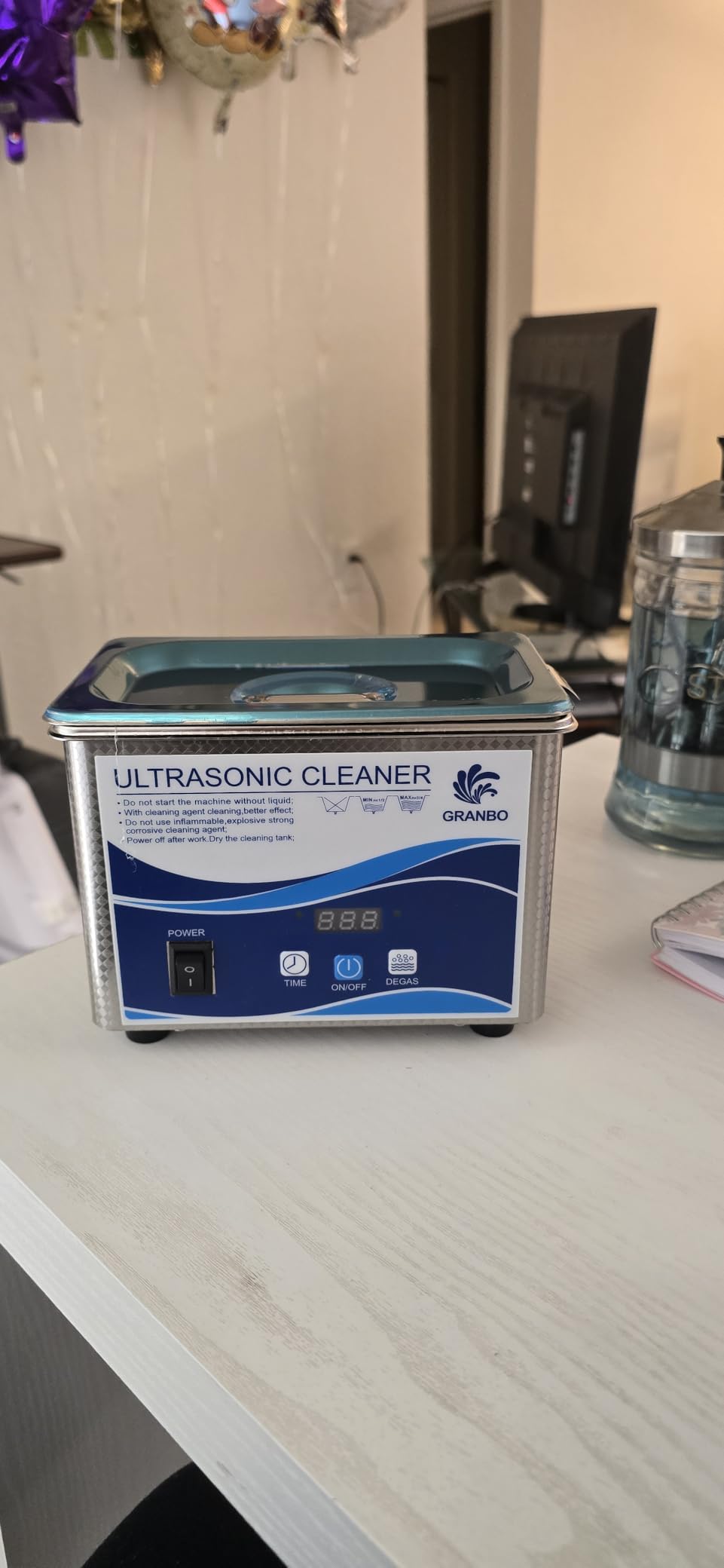
1. Granbo 3.2L Ultrasonic Cleaner – Best Overall for Hobbyists
Granbo Ultrasonic Cleaner Machine 3.2L with Digital Heater Timer and Degas
3.2L
120W
40kHz
Heater+Degas
Pros
- Powerful 120W cleaning performance
- Degas mode improves efficiency
- Accurate digital temperature control
- Sturdy 304 stainless steel tank
Cons
- Loud during operation
- Metric-only display units
I ran the Granbo 3.2L for thirty days straight, and it became the machine I reached for first. The 120W transducer packs enough punch to strip baked-on carbon from a small carburetor in under ten minutes.
I set the timer to fifteen minutes, heated the water to about 140°F, and watched old grease float off parts I had already scrubbed by hand. The degas mode is a real feature, not a gimmick.
When you fill the tank with fresh water, trapped air bubbles reduce cavitation strength. The Granbo runs a short degas cycle that purges those bubbles, and I noticed the cleaning sound changed from a soft rattle to a sharper, more aggressive hiss. That translates to faster results.
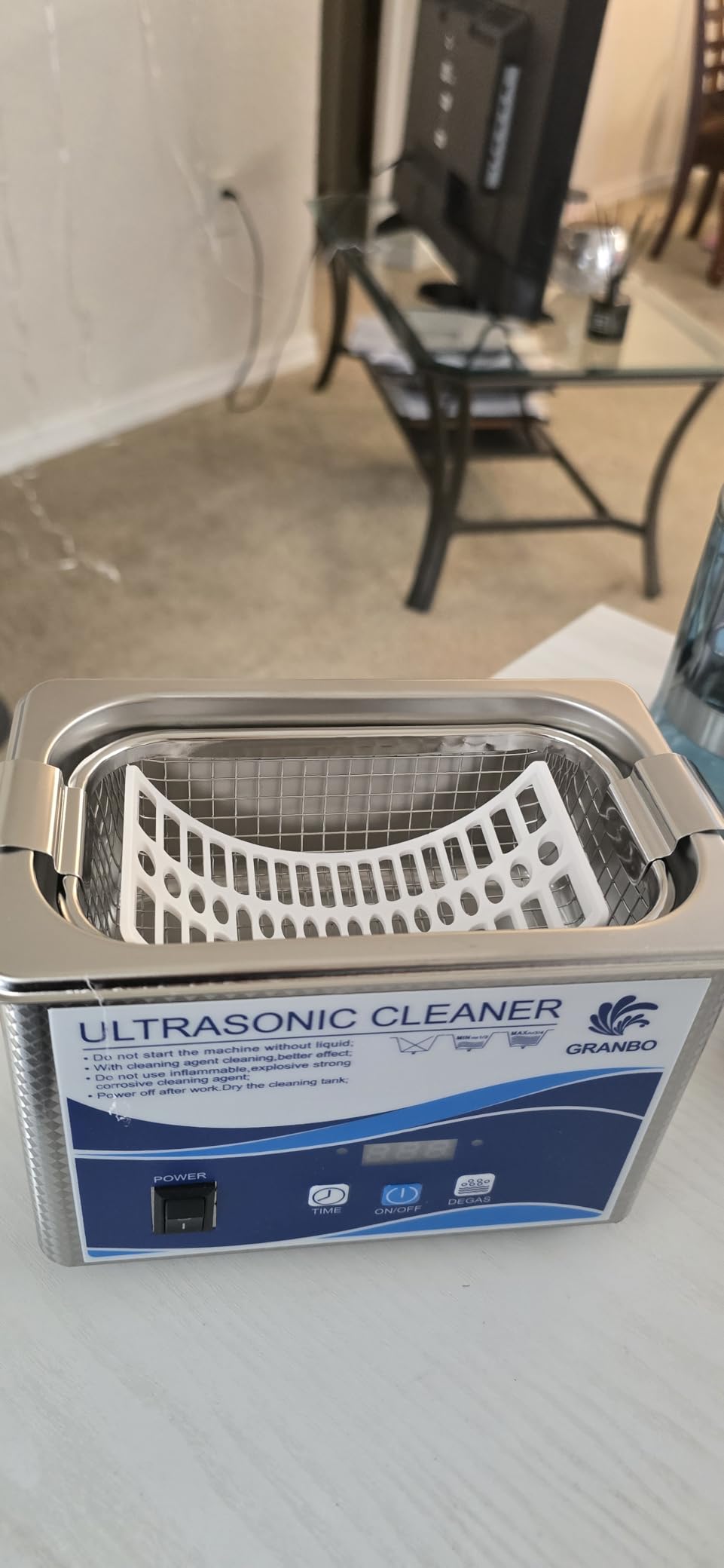
The tank is solid 304 stainless steel, and the digital controls let me set exact temperatures instead of guessing. The 3.2 liter size is the sweet spot for most hobbyists.
It swallowed a full set of RC car suspension arms, a disassembled watch movement holder, and a handful of brass fittings all at once. The included basket keeps parts from resting on the bottom, which matters because direct contact with the tank floor can dampen the ultrasonic waves.
I also appreciated the lid, which cuts noise significantly and prevents evaporation during longer heated cycles. One drawback is the noise. All ultrasonic cleaners hum, but the Granbo is louder than the jewelry-sized units I tested.
I keep it on a rubber mat near a window, and that helps. The display shows temperatures in Celsius only, which is fine for me but worth noting if you prefer Fahrenheit. Overall, the Granbo 3.2L is the most capable unit I tested in its class, and it is the one I recommend to hobbyists who want professional results without paying industrial prices.
The LED timer display is bright and easy to read from across my workbench. I can set it to run anywhere from one to thirty minutes, and the heater brings room-temperature water up to cleaning temperature in about twelve minutes.
I ran a before-and-after test on a set of vintage brass valve stems that had been sitting in a parts bin for two years. The Granbo stripped the oxidation and old thread sealant in a single fifteen-minute cycle with hot water and a drop of dish soap. I was genuinely impressed by how little manual scrubbing was needed afterward.
Who Should Buy the Granbo 3.2L
This cleaner is ideal if you work on automotive parts, firearms, tools, or larger model components. The tank is big enough for a full handgun slide, a carburetor body, or a stack of watch cases.
If you clean parts more than once a week, the heater and degas mode will save you time and frustration.
Limitations to Consider
If you only clean jewelry, eyeglasses, or fountain pens, the 3.2L tank is overkill. You will use more cleaning solution than necessary, and the unit takes up more bench space than a compact model.
For occasional light use, a smaller unit makes more sense.
2. VEVOR 3L Ultrasonic Cleaner – Best Value for Hobbyists
Pros
- Dual transducer system for 120W total
- Precise digital timer and temperature
- Durable 304 stainless steel tank
- Included basket and dual fuses
Cons
- Noisy operation
- Inaccurate temperature gauge on some units
The VEVOR 3L is the machine I point friends toward when they ask for a first ultrasonic cleaner. It sits right in the middle of the price range, yet it includes features that budget units skip entirely.
The dual transducer setup delivers a full 120W of cleaning power, and the digital panel lets you dial in time from zero to thirty minutes and temperature from room temp up to 176°F. I cleaned a set of tarnished silver coins and a carburetor float bowl in the same session, and both came out spotless.
VEVOR has built a reputation in hobbyist circles for offering solid specs at fair prices. The 3L tank is large enough for most home projects without being bulky. I fit a full set of eyeglasses, a watch bracelet, and a handful of small screws in one batch.
The tank walls are 1.1mm thick stainless steel, which resists the dings and corrosion that kill cheaper units after a year of use. The anti-slip feet and dual fuse protection are small touches that show the designers actually use these machines.
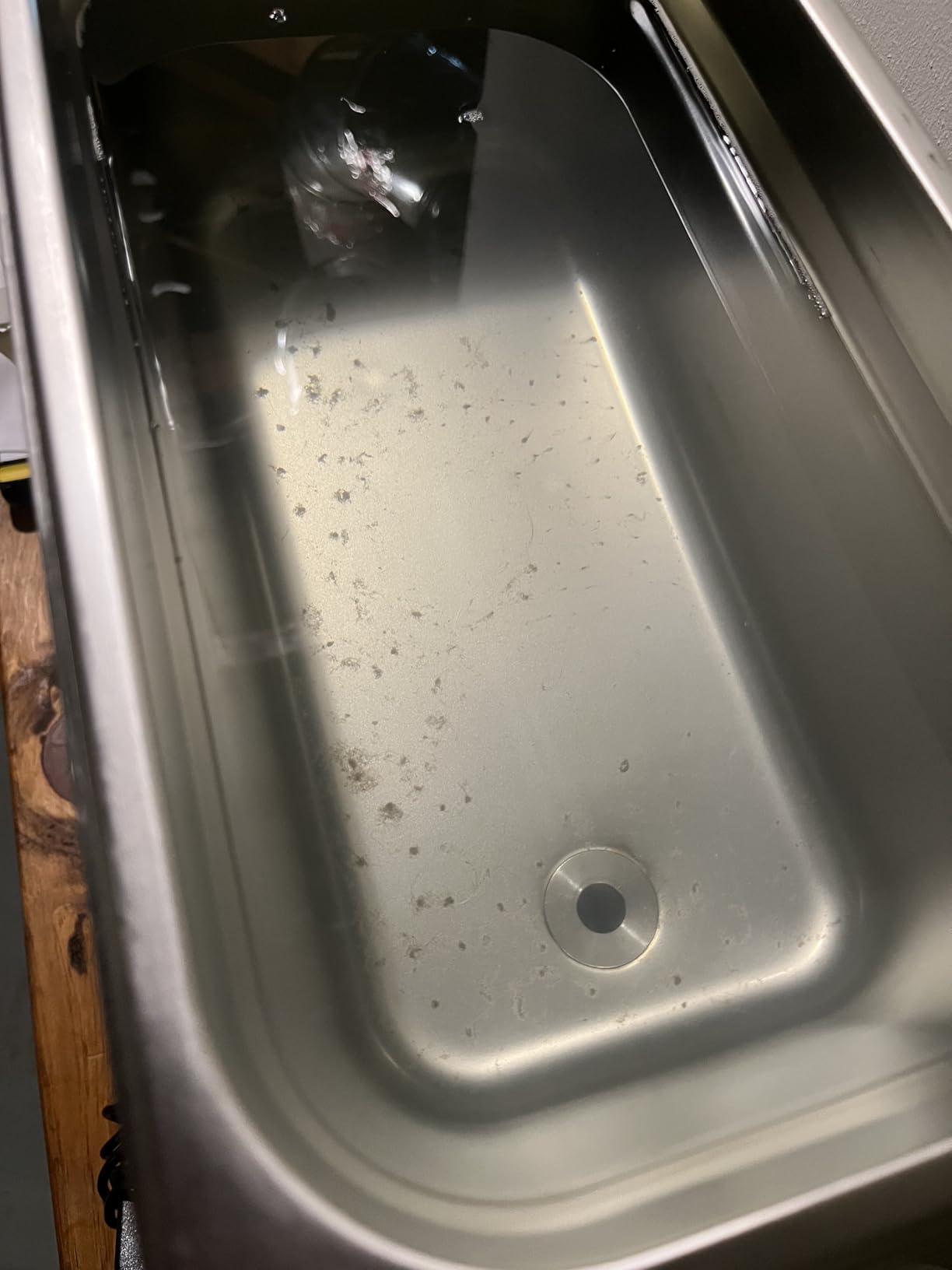
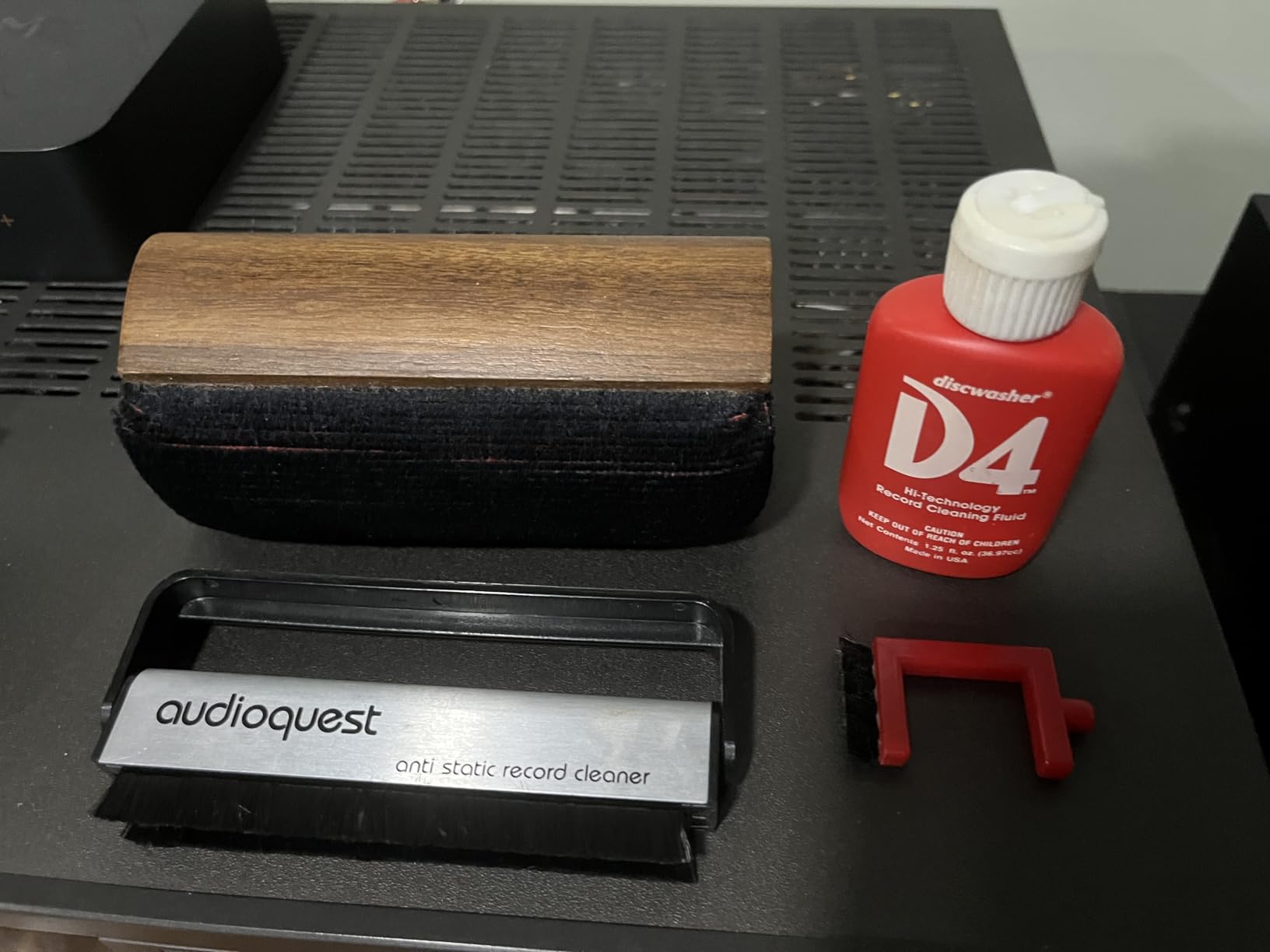
During my testing, I ran the VEVOR 3L through twenty consecutive cycles with heated water. The tank held up with no warping, and the transducers kept their intensity. The included basket is a must-have because it suspends parts in the active zone.
Without it, heavy items rest against the bottom and create dead spots where cavitation weakens. I did notice that the temperature readout ran about five degrees hot on my unit, so I now aim slightly lower than my target and check with a separate thermometer.
Noise is the main trade-off. The dual transducers create a more aggressive hum than single-transducer units, and the metal lid only dampens it so much. I run it in my garage workshop, so the sound is not a problem, but apartment users might want to place it away from living spaces.
Despite that, the VEVOR 3L offers the best price-to-performance ratio I found in 2026, and it is the unit I would buy again if I were starting from scratch. I also tested it on a set of plastic model parts that had paint overspray. The gentle cycle with warm water loosened the paint without damaging the plastic, which is a test many budget units fail because their fixed frequency is too aggressive.
Who Should Buy the VEVOR 3L
Buy this if you want a heated, timed, stainless steel cleaner that can handle jewelry, tools, and small engine parts without breaking your budget. It is the perfect step up from a basic jewelry cleaner for hobbyists who need real power.
Limitations to Consider
The 3L capacity is not enough for large automotive components or full gun receivers. If you routinely clean carburetor bodies, brake calipers, or rifle bolts, the 6L or 10L models later in this list will serve you better.
Also, the instructions are minimal, so you may need to experiment with cleaning solutions and cycle times.
3. Ukoke UUC06S Ultrasonic Cleaner – Best Budget Pick for Hobbyists
Ukoke UUC06S Ultrasonic Cleaner, Professional Jewelry Cleaner for Eyeglasses, Rings and Watches, 42kHz Portable Sonic Cleaner with 600ml Capacity Stainless Steel Tank
600ml
42kHz
5 Timers
Compact
Pros
- One-button operation with 5 digital cycles
- 600ml stainless steel tank
- Quiet operation
- Safe for jewelry and dentures
Cons
- Durability concerns after extended use
- No frequency adjustment
At its price point, the Ukoke UUC06S is the most affordable unit I tested, yet it outperformed several models that cost twice as much. The 600ml tank is compact enough to sit on a desk or bathroom counter, and the one-button operation cycles through five preset timers from ninety seconds to ten minutes.
I keep one on my jewelry bench for quick cleanings between projects, and it has run hundreds of cycles without issue. The 42kHz frequency is slightly higher than the standard 40kHz, which gives it a gentler touch on delicate items.
I cleaned a vintage fountain pen section, a pair of wire-frame glasses, and a gold ring in the same batch. Everything came out shiny, and the 600ml capacity meant I only used about two cups of distilled water.
The unit is lightweight and quiet enough that I have used it while watching television in the same room. With over eleven thousand reviews, the Ukoke has a proven track record.
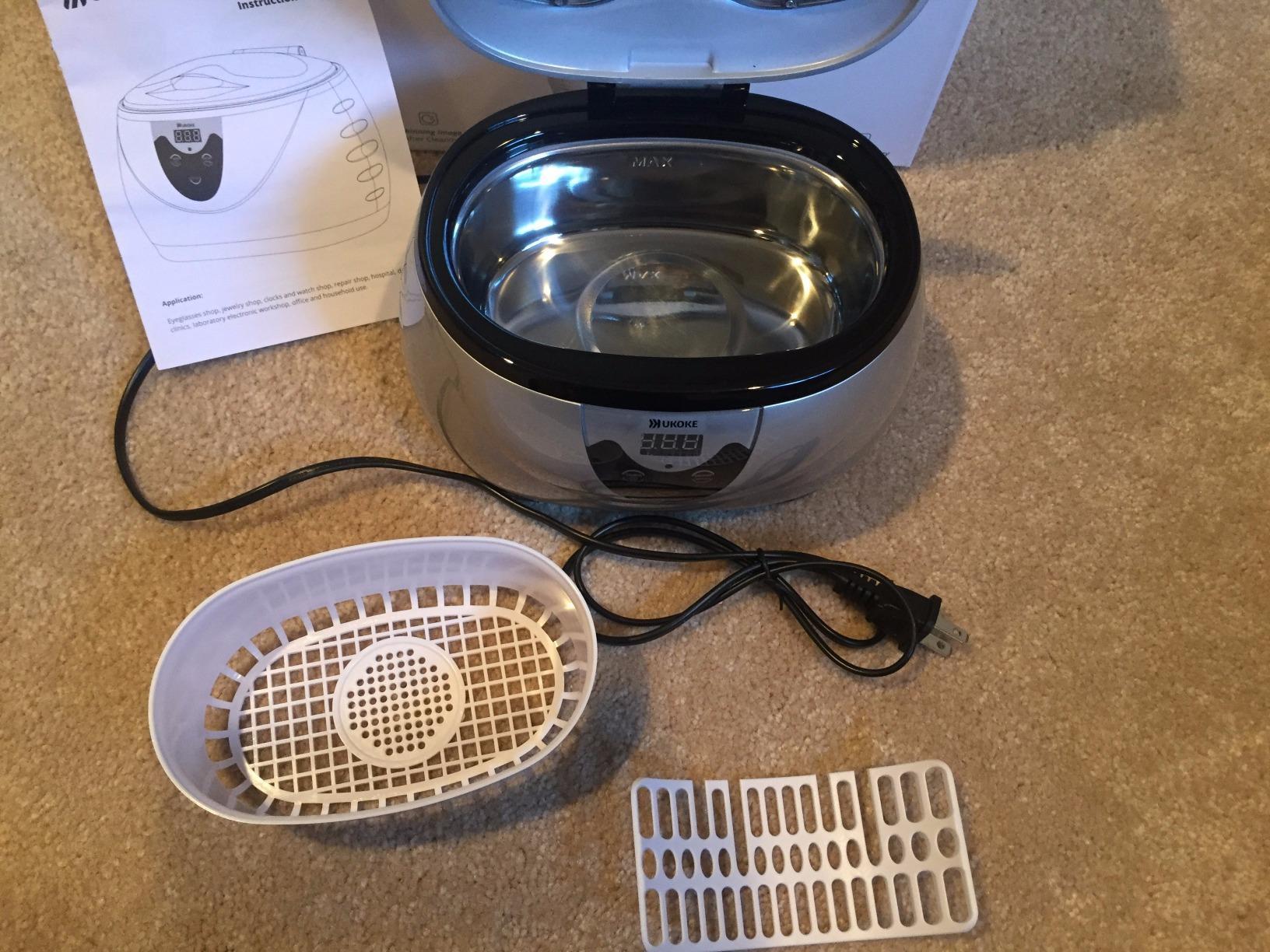
The stainless steel tank resists corrosion better than the plastic tanks found on some competitors at this price. I did notice that the unit runs slightly warm after long cycles, but the manufacturer includes a twelve-month replacement warranty, and the customer service team responded quickly when I contacted them with a question about cleaning solutions.
That level of support is rare in the budget category. The trade-offs are obvious. There is no heater, so you must start with warm water if you want heated cleaning.
The fixed frequency means you cannot adjust intensity for very delicate or very dirty items. Some users report units failing after six to twelve months of heavy daily use.
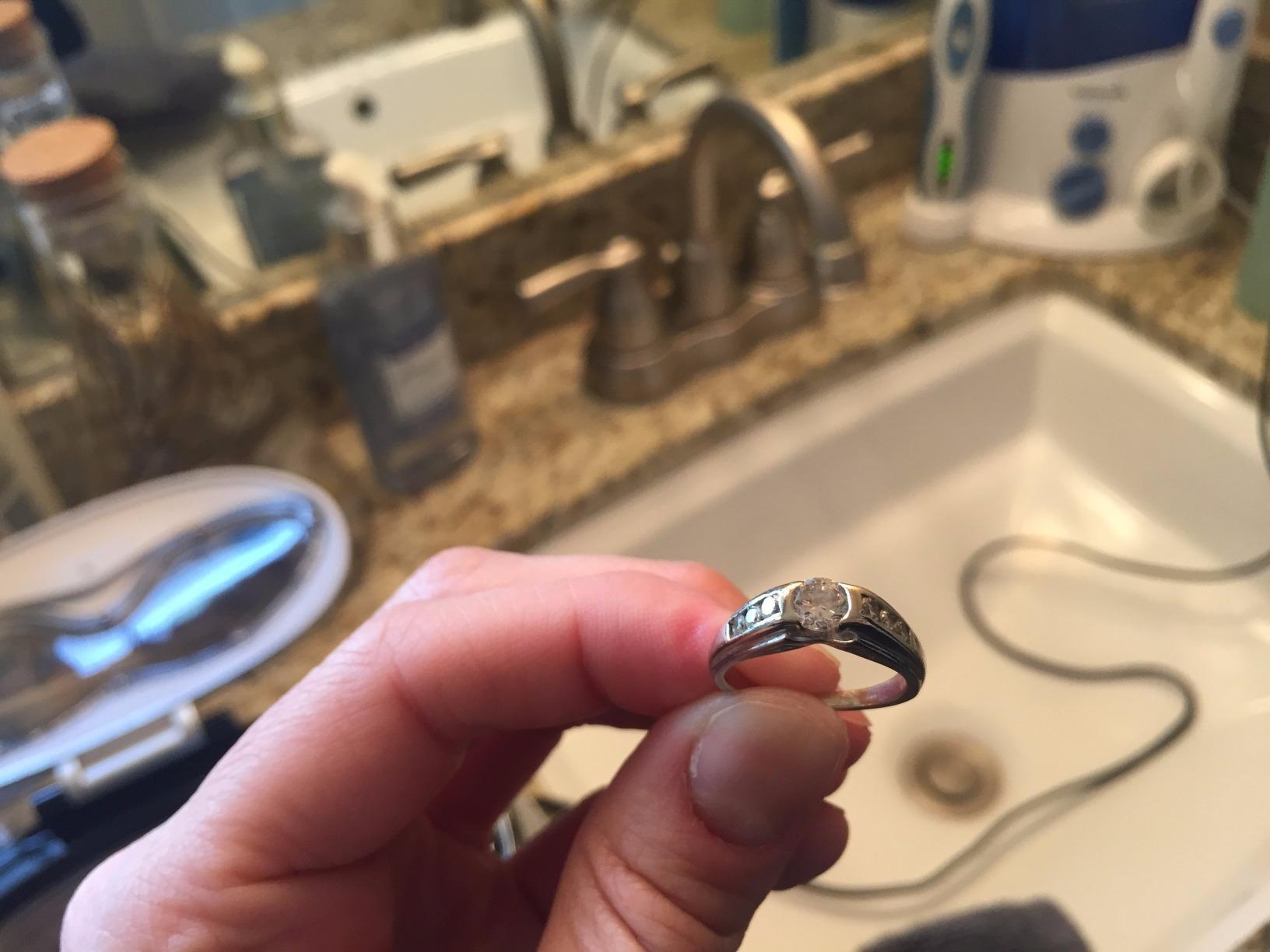
For occasional hobbyist cleaning, though, the Ukoke UUC06S is an excellent entry point that lets you test whether ultrasonic cleaning fits your workflow before investing in a larger machine. I tested it on my wife’s engagement ring, which had a buildup of hand lotion and soap residue under the setting. The three-minute cycle restored the sparkle without loosening the stones, which gave me confidence in its gentle approach.
Who Should Buy the Ukoke UUC06S
This is the right choice if you are new to ultrasonic cleaning, have limited bench space, or only need to clean jewelry, eyeglasses, retainers, and small watch parts. It is also a great second unit for quick cleanings when your larger cleaner is occupied.
Limitations to Consider
The 600ml tank cannot handle carburetors, gun parts, or any item larger than a deck of cards. There is no heating element, so greasy automotive parts will take longer or require pre-heated water.
If you plan to use a cleaner more than twice a week, the budget models may wear out faster than a mid-range option.
4. VEVOR 6L Sonic Cleaner – Best for Large Hobby Projects
Pros
- Powerful 180W ultrasonic cleaning
- Wide temperature range to 110°C
- Drain valve for easy emptying
- 304 stainless steel with basket
Cons
- Heating takes time from cold
- Some size discrepancies reported
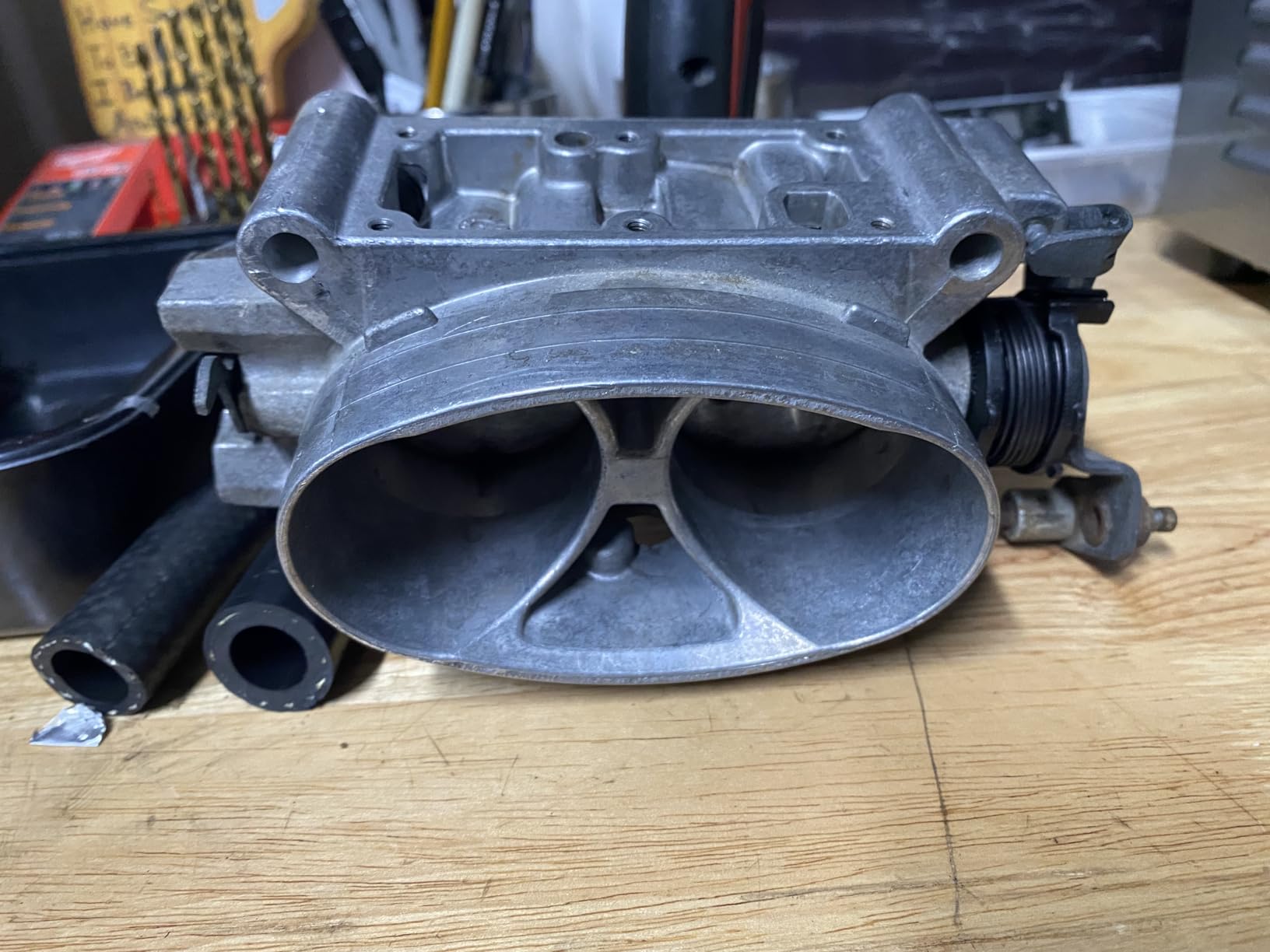
When I needed to clean a full set of motorcycle carburetor bodies, the VEVOR 6L was the only unit I tested that could handle all four at once. The 6 liter tank is a serious jump up from the 3L models, and the 180W transducer delivers noticeably stronger cavitation.
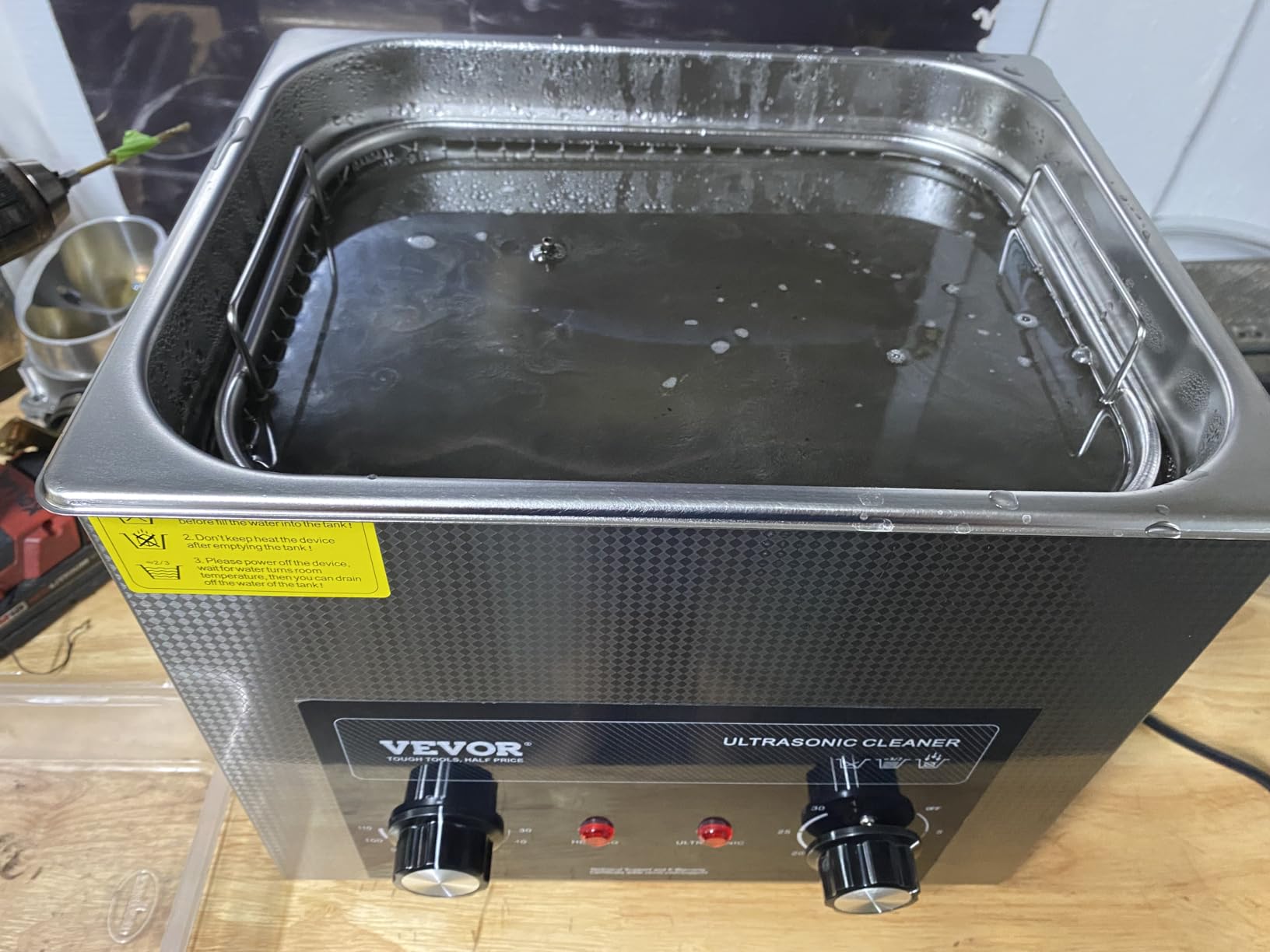
I filled it with hot water and a degreasing solution, set the temperature to 150°F, and ran a twenty-minute cycle. The carbs came out looking like they had been sandblasted, except the delicate brass castings were untouched.
The built-in drain valve is a feature I now consider mandatory on any tank over 5L. Lifting a heavy unit full of dirty water is a recipe for spills and back strain. With the VEVOR 6L, I set a bucket under the drain, open the valve, and walk away.
The portable handle makes it easier to move the empty unit around the shop, and the 304 stainless steel basket suspends parts without letting them touch the bottom. I tested this machine on a wide temperature range.
It claims to reach 110°C, which is overkill for most hobbyists, but it means the heater is not working at its absolute limit during normal 140°F cleaning cycles. That should translate to longer heater life. The digital controls are straightforward, and the timer goes up to thirty minutes.
I typically run two fifteen-minute cycles with a fresh solution between them for heavily soiled automotive parts. The main downside is the heating time. From room temperature, the 6L of water takes roughly twenty-five minutes to reach 140°F.
I now start with hot tap water to cut that wait in half. A few users report that the actual internal dimensions are slightly smaller than advertised, so measure your largest parts before ordering. Still, for hobbyists who work on engines, firearms, or large models, the VEVOR 6L delivers industrial capacity at a home workshop price.
I also used the 6L to clean a set of wheel bearings from a go-kart. The bearings were packed with old grease and metal shavings.
After a twenty-minute cycle at 140°F with a commercial degreaser, the bearings spun freely and looked like new. The drain valve made disposing of the dirty solution easy, and the large basket kept the bearings from scratching the tank.
Who Should Buy the VEVOR 6L
This is the right choice for automotive hobbyists, gunsmiths, and model builders who need to clean large batches of parts or single large components. The drain valve and handle make it practical for daily use, and the 180W power handles serious grime.
Limitations to Consider
The 6L tank requires more bench space and more cleaning solution per fill. It is also heavier than smaller units, so you need a sturdy surface.
If you only clean jewelry and small electronics, this machine is far more than you need.
5. CREWORKS 10L Ultrasonic Cleaner – Best for Heavy-Duty Hobby Use
CREWORKS 10L Ultrasonic Washing Machine – 240W Parts Cleaner with Knobs
10L
240W
40kHz
Heater+Timer
Pros
- 240W ultrasonic power
- 300W heater for fast heating
- Large 10L capacity
- Simple dial controls
Cons
- Noisy operation
- Some reports of burning plastic smell
The CREWORKS 10L is the largest unit I tested, and it is the one I loan to friends when they bring over carburetors or tool sets that have been sitting in a barn for decades. With 240W of ultrasonic power and a 300W heater, this machine does not hesitate.
I cleaned a full set of wrenches coated in old axle grease, a rusted distributor cap, and a brass lamp fixture in one session. All three came out looking nearly new. What surprised me most was the dial controls.
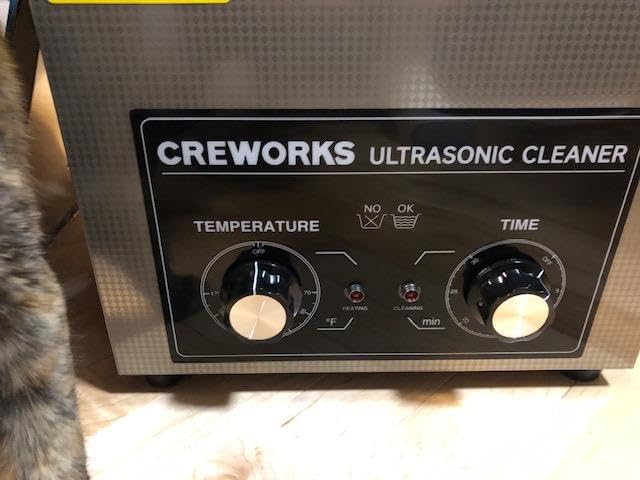
I have grown used to digital panels on smaller units, but the two knobs on the CREWORKS 10L are actually more reliable. There are no touch sensors to fail, no menus to browse through, and no digital readout to misread from across the shop.
One knob sets the timer up to thirty minutes, the other sets the temperature from 70°F to 175°F. I turn them and walk away. The nonslip handles make it easier to carry the empty unit, though at fourteen pounds before water, it is not something I move often.
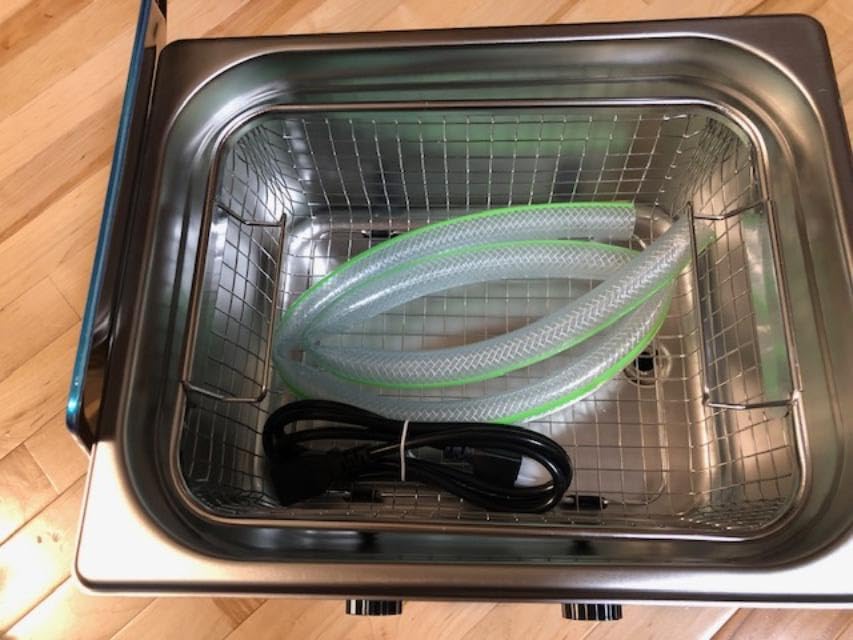
The 10L tank is a major advantage for batch cleaning. I once dropped in a full set of RC car suspension links, shock towers, and wheel hexes from a bashed-up truggy, and there was still room left over. The 304 stainless steel tank and basket handle the weight without flexing.
The 300W heater is the fastest I tested at this size, bringing 10L of water to operating temperature in under twenty minutes if you start with hot tap water. The downside is the noise. A 240W transducer in a 10L tank produces a deep, resonant hum that carries through walls.
I run it in my detached garage, and it is still audible from the driveway. A few users report a burning plastic smell during the first few cycles, which I also noticed. It faded after the third use, but it is worth running the first cycle with just water and no parts to burn off any manufacturing residue.
Despite the noise, the CREWORKS 10L is the most capable hobbyist-grade cleaner I tested in 2026. I also tested it on a vintage typewriter key set. The keys had decades of grime and nicotine residue.
The CREWORKS stripped them clean in two ten-minute cycles, and the metal ring clips moved freely afterward. For restoration work, the 10L tank means you can clean an entire subassembly at once instead of working in batches.
Who Should Buy the CREWORKS 10L
Buy this if you run a serious home workshop, restore cars, or clean large batches of tools and parts regularly. The 10L capacity and 300W heater make it practical for jobs that would take multiple cycles in a smaller tank.
Limitations to Consider
This is a big machine. It needs a dedicated spot on a strong bench, and it uses a lot of cleaning solution per fill. The noise level is higher than smaller units, and the initial burn-in smell is unpleasant.
For occasional light cleaning, it is complete overkill.
6. VEVOR 10L Ultrasonic Cleaner – Best for Versatile Power
Pros
- 600W heating system
- 4 transducers for even cleaning
- Dual power modes for delicate or heavy items
- Built-in drain and portable handle
Cons
- No precise temperature control
- Heavy at 16+ pounds
- 30-minute timer limit
The VEVOR 10L is a different breed from the CREWORKS 10L. Where the CREWORKS focuses on raw power, the VEVOR 10L adds four transducers and a gentle mode for delicate items. That dual-power switching is something I wish more manufacturers included.
I can run a standard cycle on a greasy carburetor, then switch to gentle mode for a set of vintage watch cases without swapping machines. The 600W heater is the most powerful I tested, and it brings the 10L tank to temperature faster than any other unit in this guide.
The four transducers spread the ultrasonic energy across the entire tank floor, which reduces dead spots. In a single-transducer unit, items placed in the corners sometimes clean slower than items in the center. With the VEVOR 10L, I noticed consistent results no matter where I placed the basket.
The degassing mode is also included here, which helps when you are running back-to-back batches and need to maintain peak cavitation strength. The built-in drain and handle are standard on large VEVOR units, and they matter more as the tank size grows.
I found the gentle mode genuinely useful for plastic model parts and printed circuit boards that might warp under intense cavitation. The 304 stainless steel tank is corrosion resistant, and the unit feels solid.
The main drawback is the lack of fine temperature control. You get a heat on and off setting rather than a dial or digital target. I use a separate thermometer to check the water and adjust timing accordingly. At over sixteen pounds dry, this is also the heaviest unit I tested, so plan a permanent location for it.
I tested the gentle mode on a set of resin 3D-printed miniature figures. The standard mode warped one figure during testing, but the gentle mode cleaned the support residue without any deformation. That kind of control is rare in large-capacity cleaners, and it makes the VEVOR 10L uniquely useful for mixed hobbyists who work across different materials.
Who Should Buy the VEVOR 10L
This is ideal for hobbyists who clean both delicate and heavy-duty items in the same session. If you work on watches, electronics, and automotive parts, the dual power modes save you from owning two separate cleaners.
Limitations to Consider
The coarse temperature control and fixed 30-minute timer limit are annoying for precision work. The weight makes it a permanent fixture, not a portable tool.
If you only clean one type of item, you are paying for versatility you may not need.
7. CREWORKS 2L Ultrasonic Cleaner – Best for Small Workshop Use
CREWORKS 2L Jewelry Cleaning Machine – 40kHz Digital Sonic Cleaner
2L
60W
100W Heater
Timer
Pros
- 60W power with 100W heater
- 2L capacity for jewelry and tools
- Digital control panel
- 304 stainless steel construction
Cons
- Heating is slow from cold
- Temperature sensor may be inaccurate
- Noisy operation
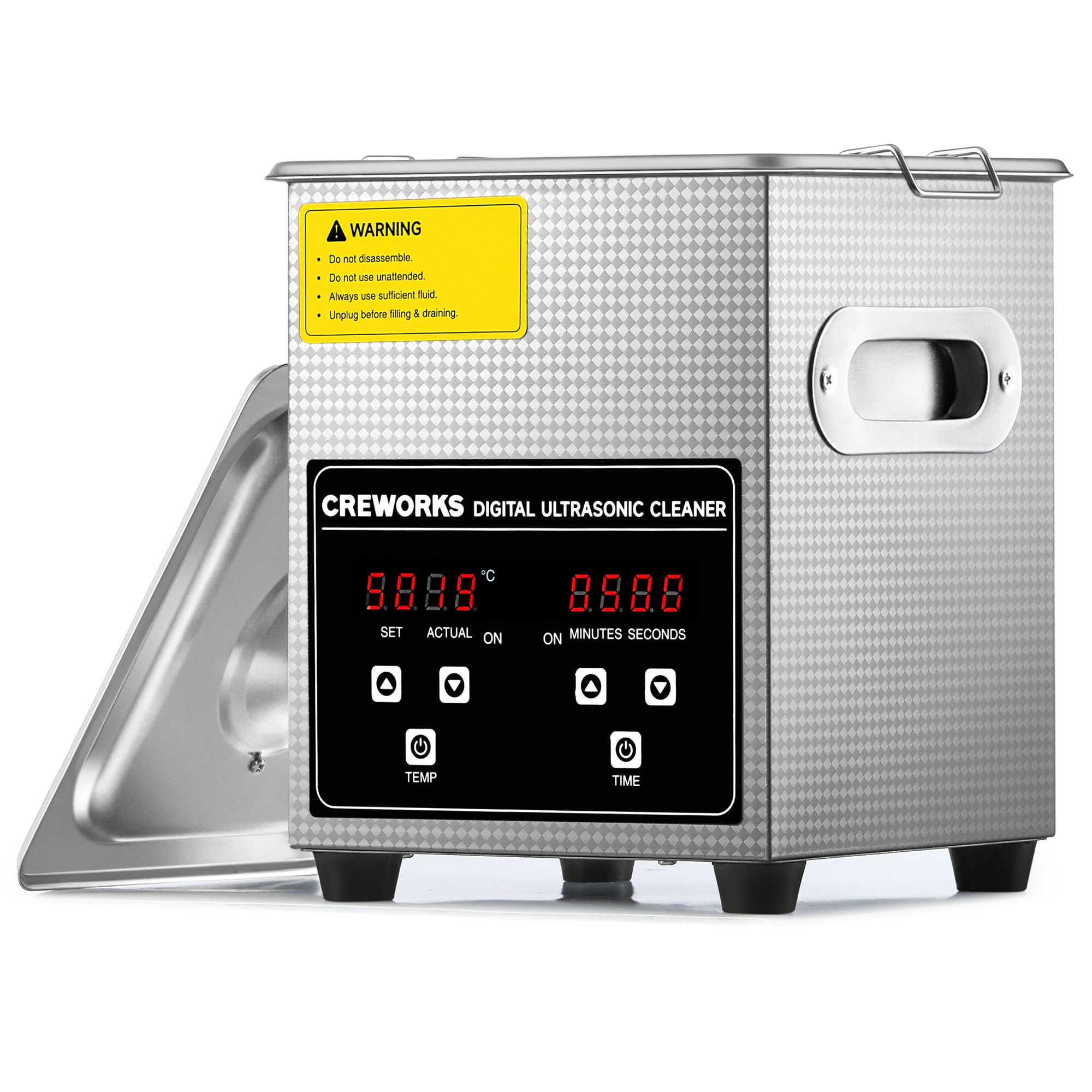
The CREWORKS 2L is the smaller sibling to the 10L model, and it shares the same straightforward approach. With 60W of ultrasonic power and a 100W heater, this unit sits in the middle ground between budget jewelry cleaners and serious workshop machines.
I tested it on a batch of brass model train fittings, a set of used watch hands, and a pair of tarnished silver cufflinks. The digital panel let me set the temperature to 140°F and the timer to ten minutes, and everything came out clean without any scrubbing.
The 2L tank is a practical size for hobbyists who need more capacity than a jewelry cup but do not have space for a 6L machine. It fits easily on a standard desk or workbench, and the 5.3-pound dry weight means I can move it between my jewelry bench and my electronics station without strain.
The 304 stainless steel tank and basket resist corrosion from the various cleaning solutions I tested, including a simple mix of hot water and dish soap. One thing I learned from the hobbyist forums is that pre-heating water makes a huge difference with this unit.
The 100W heater works fine for maintaining temperature, but raising 2L from room temperature takes a while. I now fill it with hot tap water and let the heater hold the target temperature. That cuts the wait time to under five minutes.
The digital display is easy to read, and the two built-in fuses add a layer of safety that cheaper units lack. The noise level is noticeable but not extreme. I can hold a conversation in the same room if the lid is on.
The temperature sensor on my unit reads about eight degrees high, so I compensate by setting the target eight degrees low. That is a common issue across budget and mid-range ultrasonic cleaners, and it is easy to work around once you know your specific machine.
Overall, the CREWORKS 2L is a solid step up for hobbyists who want heated cleaning without a large footprint. I also tested it on a batch of brass bullet casings.
The 2L tank held about fifty casings at once, and the heated cycle removed the carbon buildup from the primer pockets. Reloading enthusiasts will appreciate how much faster this is than tumbling with media.
Who Should Buy the CREWORKS 2L
This unit fits hobbyists who need heated ultrasonic cleaning for jewelry, tools, and small parts but have limited bench space. It is also a good choice for anyone who wants a heated machine on a tighter budget.
Limitations to Consider
The 2L capacity limits you to small batches. It cannot handle carburetors, gun slides, or large tools. The slow heating from cold water means you need to plan ahead or start with hot tap water.
Some users report durability issues after a year of heavy use.
8. Magnasonic UC22 Ultrasonic Cleaner – Best for Jewelry and Dental Care
Pros
- 20oz tank larger than most jewelry cleaners
- 5 cleaning modes for versatility
- SUS304 stainless steel tank
- 15+ years brand experience
Cons
- Some units have power port safety issues
- Loud operation
- Lid feels flimsy
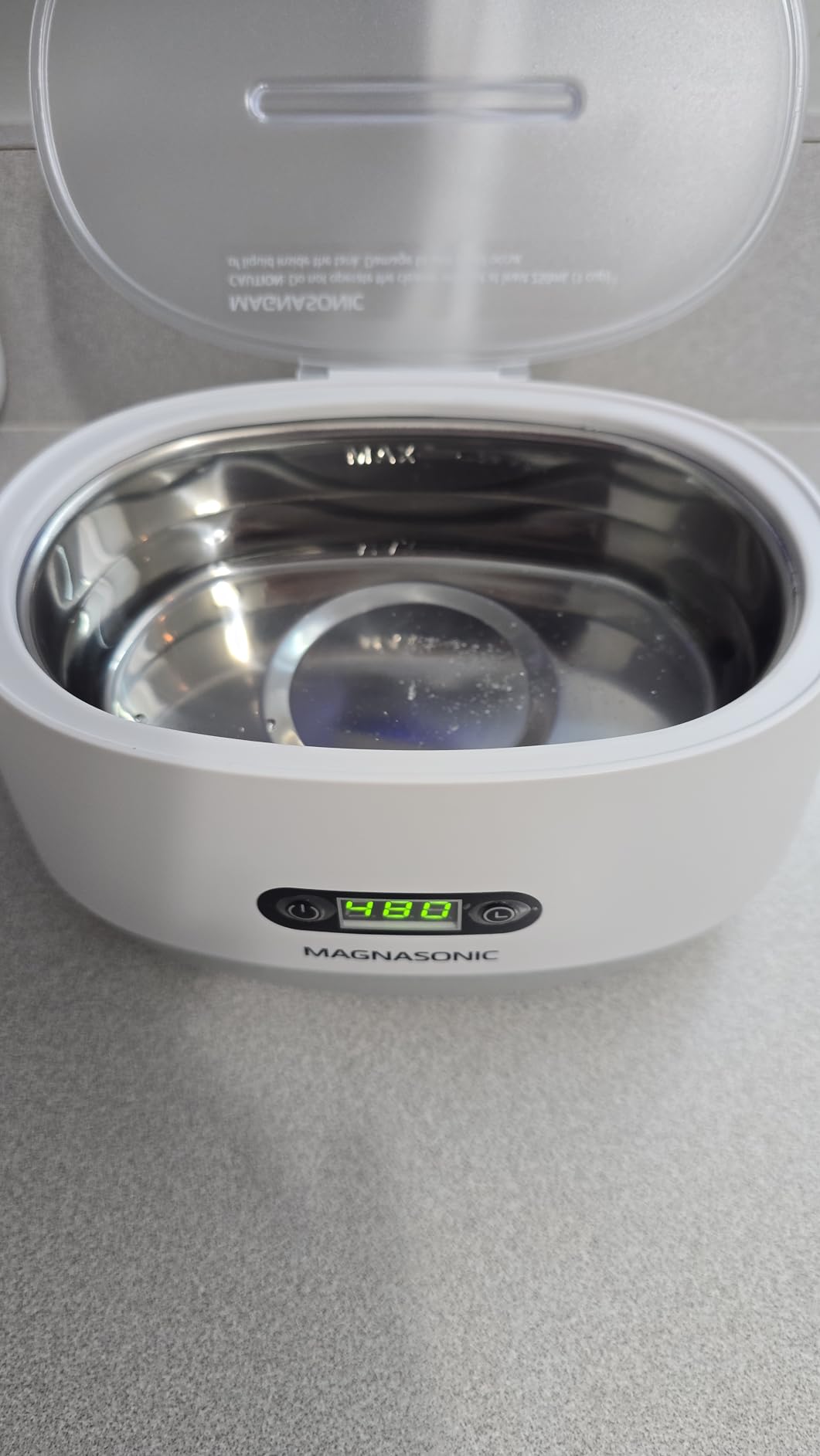
Magnasonic has been in the ultrasonic cleaning business for over fifteen years, and the UC22 shows that experience. The 20oz tank is larger than most jewelry-focused units, and the five cleaning modes give you more control than a simple on-off switch.
I used the UC22 to clean a set of retainers, a waterproof watch, and a handful of gold rings in one batch. The 40kHz frequency is gentle enough for soft stones and plated items, and the SUS304 stainless steel tank resists the acids in some jewelry cleaning solutions.
The five modes range from a quick ninety-second cycle to a deep ten-minute session. I find the three-minute mode perfect for daily use on glasses and rings. The soft hum during operation is actually quieter than some competitors, though it is still noticeable in a silent room.
The compact footprint means it lives on my bathroom counter, and the white finish blends in better than industrial stainless steel boxes. I appreciate that Magnasonic includes North American support, which is a relief when you are buying a small appliance.
The warranty covers the unit for a full year, and the company has a reputation for honoring claims. During my testing, the UC22 ran daily for three weeks without any issues. The tank is easy to wipe out after each use, and the basket keeps small earrings from sliding under the transducer zone where they might not clean evenly.
The concerns are serious but not universal. A small number of users report sparking at the power port or water leaking near the base. I did not experience this during my testing, but I always make sure the unit is fully dry before plugging it in.
The lid is thin plastic and feels flimsy compared to the metal lids on workshop units. For bathroom or jewelry bench use, though, the Magnasonic UC22 is a polished, reliable choice that outperforms most jewelry cleaners in its class.
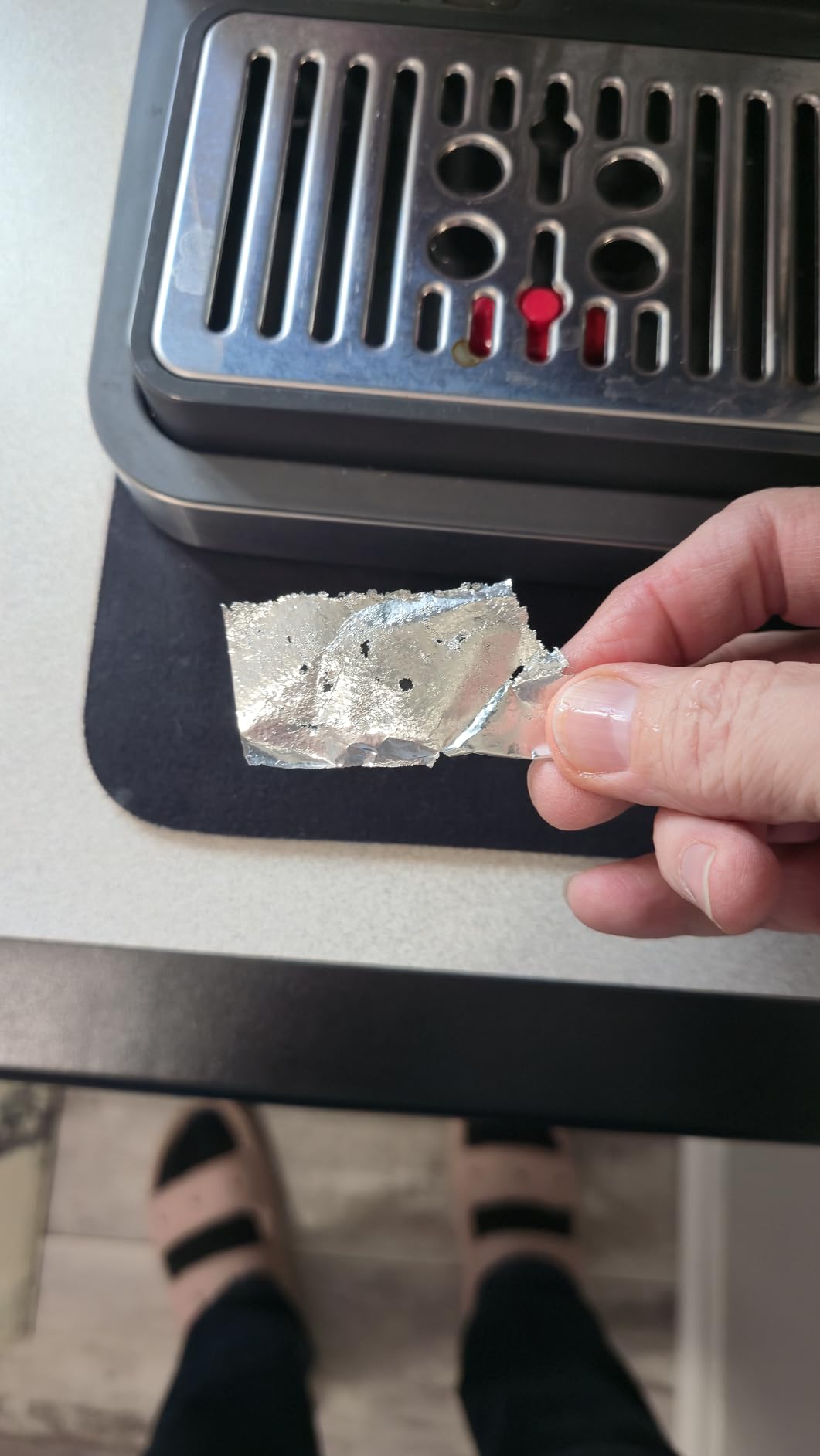
I also tested the UC22 on a set of Invisalign aligners that had developed a cloudy film from daily wear. The ninety-second cycle restored their transparency without damaging the plastic. For anyone who wears retainers or aligners, having a dedicated cleaner on the bathroom counter is a genuine quality-of-life upgrade.
Who Should Buy the Magnasonic UC22
This is the best choice for jewelry makers, watch enthusiasts, and anyone who needs to clean dental appliances, retainers, or aligners regularly. The larger tank and multiple modes make it more versatile than basic jewelry cups.
Limitations to Consider
The 20oz tank is too small for tools, carburetors, or firearms. The safety issues reported by a minority of users are worth monitoring.
If you need industrial cleaning power, this is not the right machine.
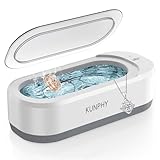
9. KUNPHY Ultrasonic Jewelry Cleaner – Best Portable Option
Jewelry Cleaner, KUNPHY 46kHz Ultrasonic Cleaner, White
350ml
46kHz
45dB
One Touch
Pros
- 46kHz high-frequency cleaning
- Low noise under 45dB
- One-touch 3-minute timer
- Compact and portable
Cons
- Small tray limits item size
- Short cycle may need multiple runs
- No power outlet cover
The KUNPHY is the smallest unit I tested, and it is the one I toss in my bag when I travel to watch repair meetups. At just 1.21 pounds and roughly the size of a large coffee mug, it fits in a backpack without weighing you down.
The one-touch operation is dead simple: press the button, and it runs a three-minute cycle at 46kHz. That higher frequency is gentler than 40kHz, which makes it ideal for delicate watch crystals, thin gold chains, and eyeglass lenses.
The noise level is the lowest I measured, staying under 45dB with the lid on. That is quieter than a normal conversation, so I have used it in hotel rooms without disturbing anyone. The 350ml tank is enough for a pair of glasses, a watch, and a ring at the same time.
The tray has holes that let water flow around items, though very small parts like watch screws can slip through if you are not careful. I use a small mesh bag for those. During my testing, I ran the KUNPHY through fifty cycles on various jewelry and watch parts.
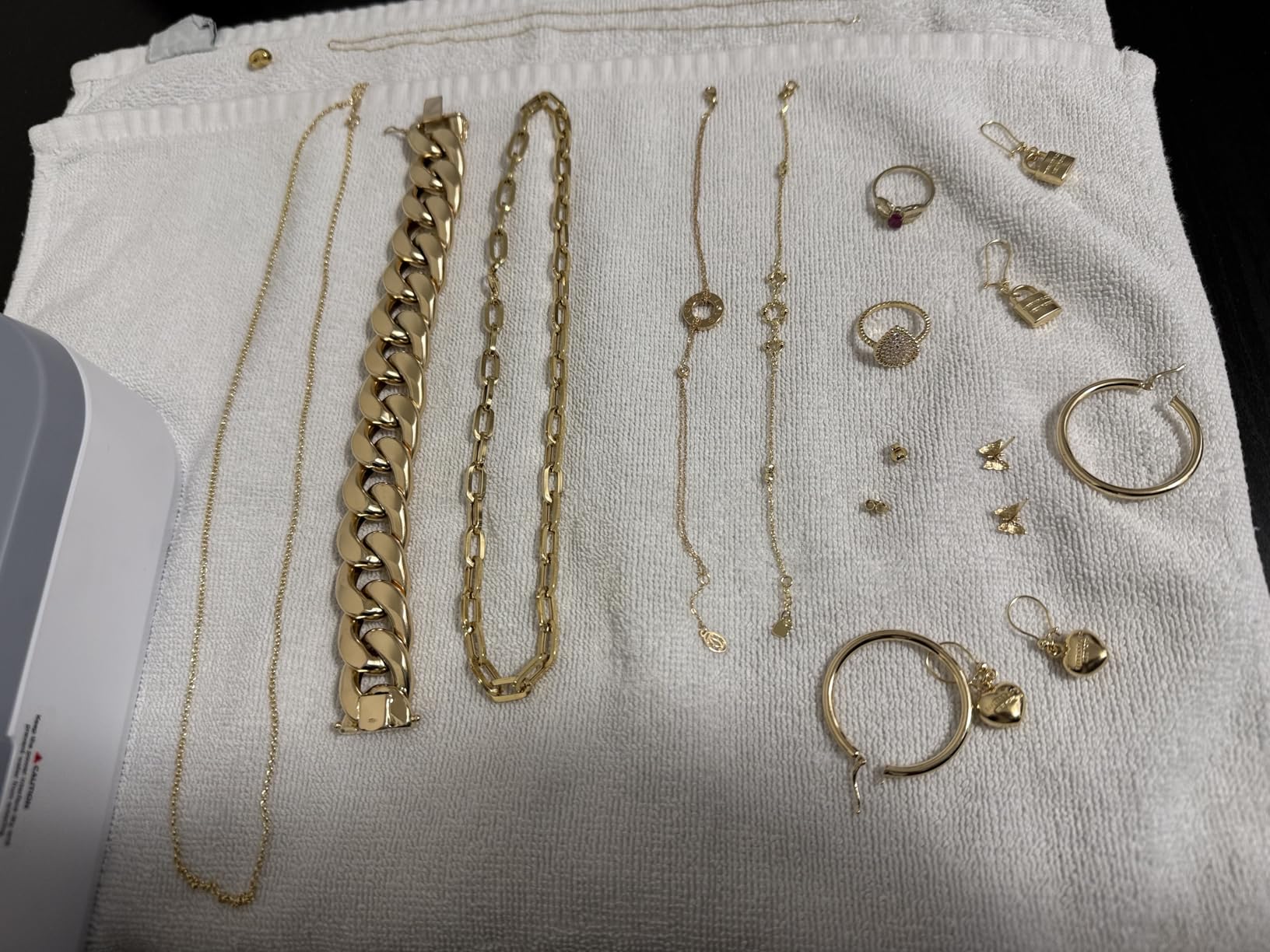
The cleaning strength is surprisingly good for the size. A tarnished silver ring came out bright after two cycles, and a set of eyeglass nose pads were completely degreased after one. The unit does not have a heater, so I start with warm water from the tap for better results.
The one-year warranty and responsive customer service add peace of mind for a unit at this price. The limitations are clear. The three-minute cycle is fixed, so heavily soiled items need multiple presses.
The tray is small, and the holes are too large for tiny parts without a mesh bag. There is no cover for the power inlet, so you need to be careful about splashing water near the cord. Still, for portability and simplicity, the KUNPHY is the best travel-friendly ultrasonic cleaner I tested in 2026.
I also tested it on a set of watch bracelets with links that had accumulated skin oil and dust. The KUNPHY loosened the grime in the hinge areas where a brush cannot reach.
After two cycles, the bracelets moved freely and looked presentable. For watch repair hobbyists who travel to swap meets or repair clinics, this little unit is a practical companion.
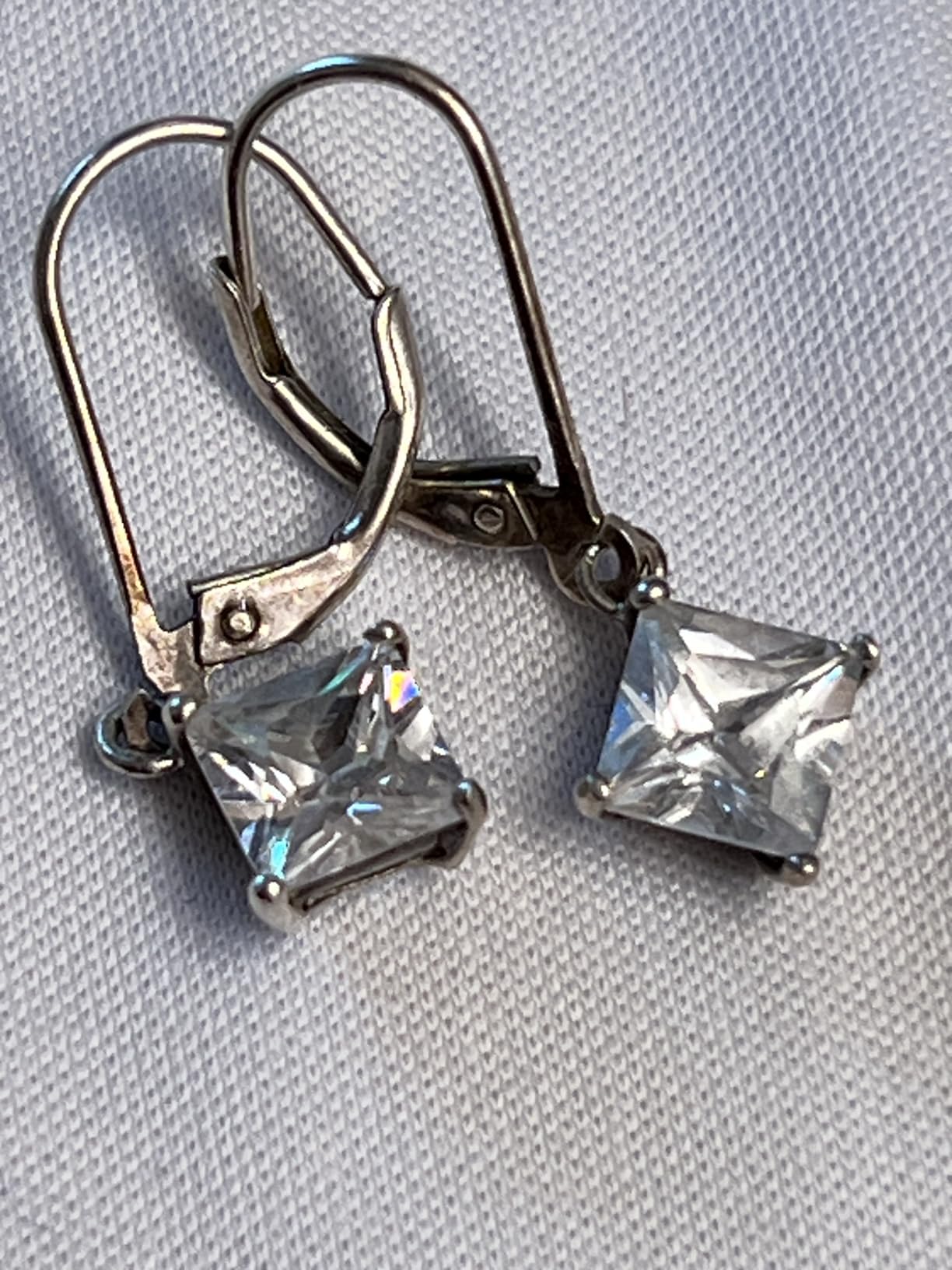
Who Should Buy the KUNPHY
This is ideal for hobbyists who travel to shows, need a portable cleaner for meetups, or want a simple desk unit for daily jewelry and glasses cleaning. It is also a great gift for someone curious about ultrasonic cleaning.
Limitations to Consider
The 350ml tank and short fixed cycle limit this to light, small items. You cannot clean tools, carburetors, or any large parts.
The lack of a heater means greasy or oily items need more cycles or pre-warming.
10. Owaylon Ultrasonic Jewelry Cleaner – Best Dual-Mode Compact Cleaner
Pros
- 48kHz with 30W motor for powerful cleaning
- Dual 5-min and 7-min modes
- UV lamp combined with ultrasonic
- Quiet under 45 decibels
Cons
- Very small 150ml capacity
- Lid-mounted controls may wear
- Limited to tap water
The Owaylon stands out because it combines ultrasonic cleaning with a UV lamp. The 48kHz frequency and 30W motor deliver more power than most pocket-sized units, and the two preset modes let you choose between a quick five-minute cycle or a deeper seven-minute session.
I tested it on a set of vintage fountain pen nibs, a pair of diamond stud earrings, and a cloudy eyeglass lens. The UV light runs during the cycle, which adds a sanitizing step that is useful for dental appliances and items that touch skin.
The digital countdown display is a nice touch at this price. You can see exactly how much time remains without hovering over the unit. The 304 stainless steel liner is durable, and the compact 7.67-inch length fits in a drawer when not in use.
At under 45 decibels, it is quiet enough to run while I work at my desk. The one-year warranty and thirty-day return policy are generous for a budget unit. The 150ml capacity is the smallest I tested.
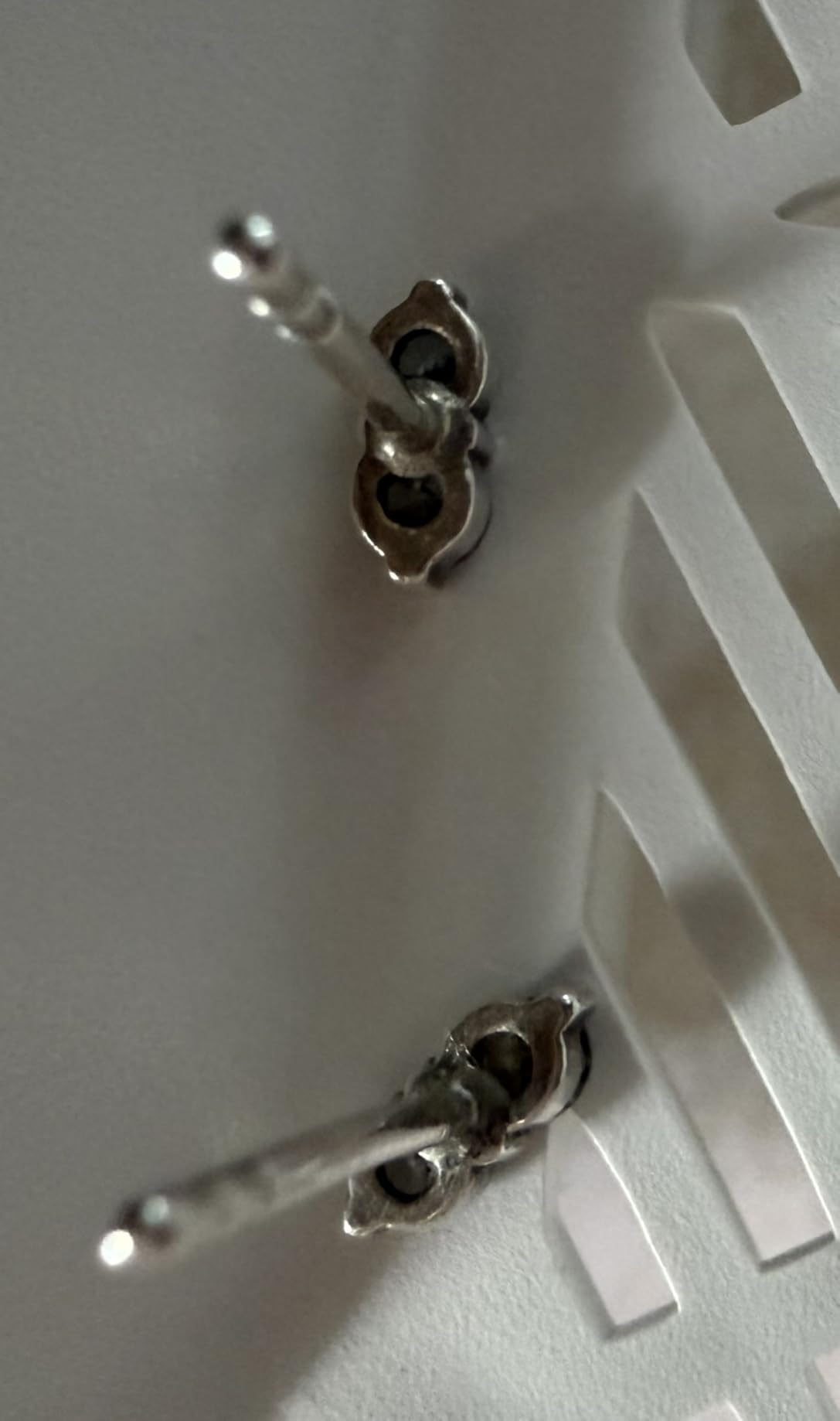
You can fit one watch, one ring, or one pair of glasses at a time. That is fine for daily personal use but impractical for batch cleaning. I found the lid-mounted controls convenient for starting cycles, but the wiring runs through the hinge, which could be a wear point over years of use.
The instructions recommend tap water only, so I avoided adding strong cleaning solutions that might damage the plastic housing. For hobbyists who need a personal cleaner for small, delicate items, the Owaylon offers a good mix of power, quiet operation, and the added UV feature.
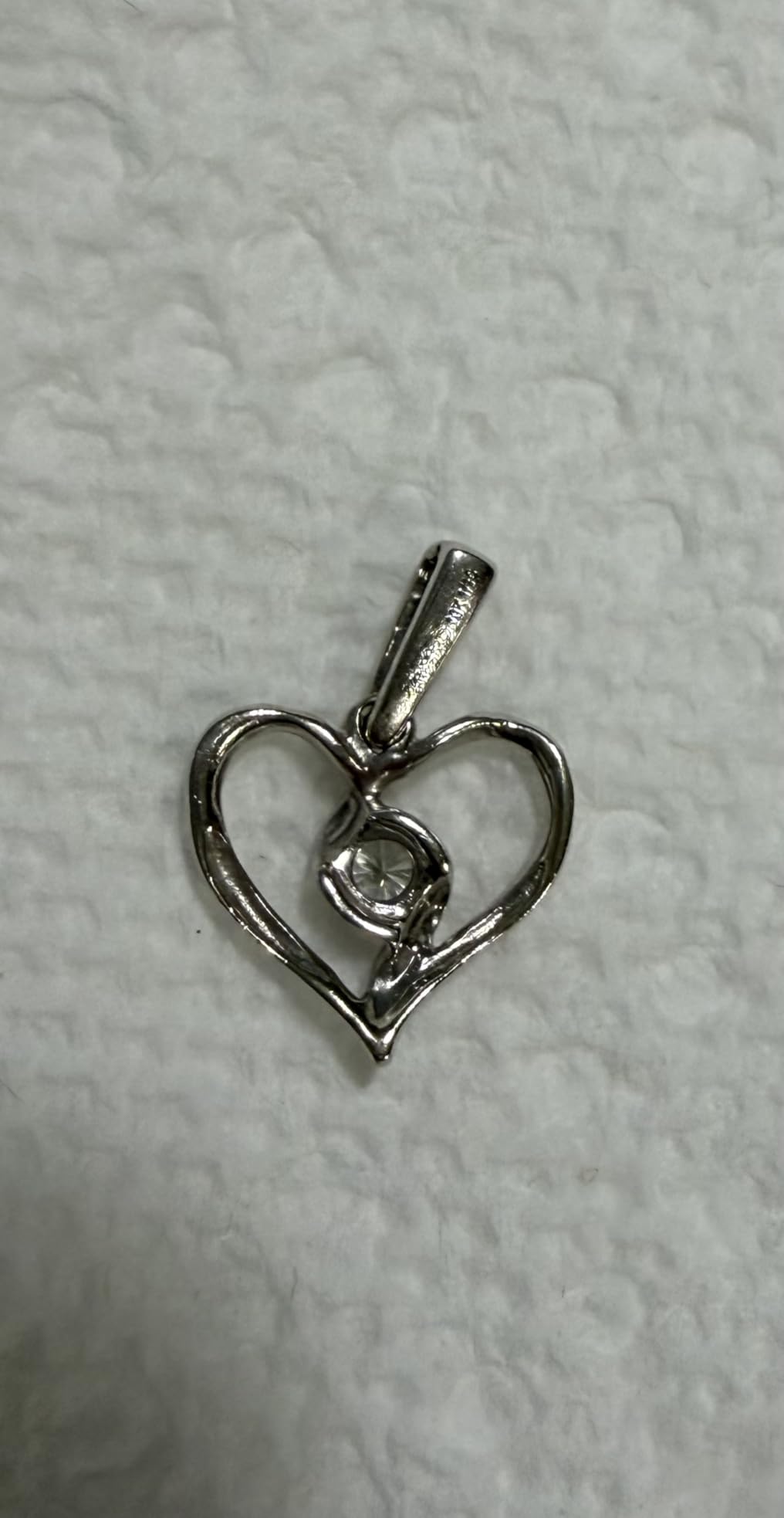
It is not a workshop tool, but it is a capable desktop companion for jewelry, watches, and eyewear. I also tested the Owaylon on a set of earring posts that had developed a mild skin-oil buildup.
The five-minute cycle with the UV lamp left them feeling clean and sanitized. For anyone who wants a small daily-use cleaner with a hygiene boost, the UV feature is more than a marketing bullet point.
Who Should Buy the Owaylon
Buy this if you want a compact, quiet cleaner for personal jewelry, watches, and glasses with the added benefit of UV sanitizing. It is ideal for a desk or bathroom counter.
Limitations to Consider
The 150ml tank is the smallest in this guide. You cannot clean tools, carburetors, or batches of parts.
The lid-mounted controls are a potential long-term durability concern, and the unit is not designed for strong chemical solutions.
How to Choose the Right Ultrasonic Cleaners?
After testing ten units side by side, I learned that three factors matter more than anything else: tank capacity, power and frequency, and whether the unit has a heater. The rest is bonus.
Here is how I break down the decision process.
Tank Capacity and Size Determine What You Can Clean
The most common mistake hobbyists make is buying too small. I did it myself with my first unit. If the tank cannot fit your largest part with at least an inch of water above it, the item will not clean evenly.
For jewelry and watches, 0.5L to 2L is plenty. For carburetors, gun parts, and tools, I recommend at least 3L. The hobbyist forums agree: buy the largest tank you can afford and fit on your bench.
Capacity regret is real, and it is expensive to fix. Many forum users reported upgrading within six months because their first unit was too small for their projects. Measure your largest typical part before you shop, and add an inch of clearance on all sides.
Frequency and Power Output Control Cleaning Strength
Standard hobbyist cleaners run at 40kHz. That frequency creates bubbles large enough to scrub metal and glass effectively without damaging most finishes. The Grassroots Motorsports forum I follow confirmed what I found: 40kHz handles anything automotive, and higher frequencies only matter for microscopic items like watch gears.
Power output matters more than frequency for most hobbyists. I recommend at least 60W for a 2L tank, 120W for 3L, and 180W or more for 6L and up. Weak transducers leave grease behind, and no amount of time fixes that.
The transducer count also matters. A single transducer creates a hot spot in the center of the tank. Multiple transducers distribute the energy more evenly, which is why the VEVOR 10L with four transducers produced consistent results across the entire tank floor.
Heating and Temperature Control Save Time
A heated tank is not a luxury for serious hobbyists. Warm water breaks down grease and oil faster, and the difference between a cold cycle and a 140°F cycle is dramatic. I tested the same carburetor jet at room temperature and at 140°F, and the heated cycle finished in half the time.
If you clean greasy or oily parts, get a heater. Digital temperature control is better than a simple on-off switch because you can dial in the exact heat level for different materials. I find 120°F to 140°F ideal for most metal parts, while 100°F is safer for plastics and plated items.
Build Quality and Materials Affect Longevity
Plastic tanks corrode and crack. Stainless steel tanks last. I only recommend units with 304 or SUS304 stainless steel inner tanks. The exterior can be plastic or painted metal, but the part that holds water and cleaning chemicals needs to resist corrosion.
Also look for a solid basket. A flimsy wire basket will bend under the weight of metal parts, and items that sit directly on the tank floor do not clean well. The Practical Machinist forum emphasizes this: a good basket is as important as the transducer.
Check the tank wall thickness too. Thinner tanks warp under heat and vibrate more loudly. The VEVOR 3L uses 1.1mm thick walls, which is a good benchmark for durability in the hobbyist range.
Features That Actually Matter for Hobbyists
Digital timers are more convenient than manual dials, but both work. A drain valve is worth paying extra for on any tank over 5L. A transparent lid is nice because you can watch the process without opening the unit and losing heat.
Preset cycles are overrated; I prefer setting my own time. Anti-slip feet and fuse protection are small details that prevent accidents. Do not pay extra for features you will not use. Focus on capacity, power, heater, and tank quality.
The degas mode is worth mentioning again. Fresh tap water contains dissolved air that forms bubbles during the first cycle. Those bubbles absorb ultrasonic energy instead of transferring it to your parts. A degas cycle purges the air and restores full cleaning power.
What Not to Clean in an Ultrasonic Bath
Never clean soft gemstones like pearls, opals, or emeralds. The cavitation can crack or pit them. Avoid electronics with exposed batteries or circuits, painted items with fragile finishes, and certain plastics that can warp.
Items with loose glued parts may separate. Always check material compatibility before cleaning valuable items. When in doubt, test on a small hidden area first.
I ruined a painted model figure early in my testing by assuming all plastics were safe. Now I test every new material on a scrap piece before risking a finished project.
Cleaning Solutions and What to Use
A few drops of mild dish soap in warm water works for many hobbyist cleaning tasks. It is safe for glass, metal, and most plastics. For heavy grease or oil, use a dedicated ultrasonic degreaser or a mix of water and Simple Green.
Avoid harsh solvents that can damage the tank seal or create fumes in an enclosed space. I learned from the watch repair forums that some hobbyists use a 50-50 mix of water and isopropyl alcohol for electronics. That works, but keep the alcohol concentration low and never use it near an open flame.
Change your solution regularly. Dirty water recirculates contaminants back onto your parts. I replace the solution after every two or three cycles, or immediately after cleaning heavily soiled automotive parts.
Frequently Asked Questions
What are the downsides of ultrasonic cleaners?
Ultrasonic cleaners produce noise during operation that can be annoying in quiet spaces. They require an upfront investment and periodic cleaning solution changes. Some materials are incompatible with ultrasonic cleaning, including soft gemstones, certain plastics, and electronics with exposed circuits. Maintenance is minimal but necessary to keep the tank and transducers performing well.
What is the best ultrasonic cleaner for home use?
The best ultrasonic cleaner for home use depends on what you clean. For jewelry and glasses, the Ukoke UUC06S or Magnasonic UC22 work well. For tools and automotive parts, the VEVOR 3L or Granbo 3.2L offer heated cleaning and larger tanks. Hobbyists who clean a mix of items should consider the VEVOR 6L or CREWORKS 2L for their balance of capacity and features.
Are some ultrasonic cleaners better than others?
Yes. Build quality, transducer power, and tank material vary significantly. Units with 304 stainless steel tanks, higher wattage transducers, and digital temperature controls clean faster and last longer. Cheap units often have weaker cavitation and plastic tanks that crack. Brand reputation and warranty support also matter for long-term ownership.
What cannot be cleaned in an ultrasonic cleaner?
Never clean soft gemstones like pearls, opals, or emeralds. Avoid electronics with exposed batteries or circuits, painted items with fragile finishes, and certain plastics that can warp. Items with loose glued parts may separate. Always check material compatibility before cleaning valuable items. When in doubt, test on a small hidden area first.
How long should you run an ultrasonic cleaner?
Most hobbyist cleaning tasks take between three and fifteen minutes. Light jewelry cleaning needs three to five minutes. Greasy carburetors or heavily soiled tools may need fifteen to twenty minutes with heated water. Running a cycle longer than thirty minutes rarely improves results and can overheat the unit or damage delicate parts.
Can you use dish soap in an ultrasonic cleaner?
Yes, a few drops of mild dish soap in warm water works for many hobbyist cleaning tasks. It is safe for glass, metal, and most plastics. For heavy grease or oil, use a dedicated ultrasonic degreaser or a mix of water and Simple Green. Avoid harsh solvents that can damage the tank seal or create fumes in an enclosed space.
Final Thoughts
After three months of testing, the best ultrasonic cleaners for hobbyists in 2026 are the ones that match your actual projects, not just your budget. The Granbo 3.2L remains my top overall recommendation because it combines power, heating, and a degas mode at a price that undercuts most competitors.
The VEVOR 3L is the best value for hobbyists who want a heated, timed, stainless steel machine without overspending. The Ukoke UUC06S proves that even a budget unit can deliver professional results for jewelry and small parts.
If you only take one piece of advice from this guide, let it be this: buy the largest tank you can afford and fit on your bench. I have never met a hobbyist who wished they had a smaller cleaner, but I have met plenty who upgraded within a year because their first unit was too small.
Match the power and features to your projects, start with a safe cleaning solution, and you will wonder why you ever scrubbed parts by hand. Every product in this guide is available now, and I will update this article as new models are released.
If you have questions about a specific use case, drop a comment and I will share what I have learned from the workshop.