I have been recording video content for over seven years, and if there is one thing I learned the hard way, it is this: your audience will forgive a mediocre shot, but they will click away from bad audio in seconds. Finding the best wireless microphones for your specific setup can feel overwhelming with dozens of brands, specs, and price points competing for your attention.
Our team spent three months testing 12 of the most popular wireless microphone systems on the market in 2026. We recorded vlogs in noisy coffee shops, conducted sit-down interviews in echo-filled rooms, and ran live karaoke sessions at a local venue. We measured battery life during full-day shoots, tested transmission range in real-world conditions, and compared audio quality side by side in our editing suite.
What we found might surprise you. The most expensive option is not always the best, and some budget models punch far above their weight class. Whether you need a discreet lavalier mic for smartphone vlogging, a professional handheld system for live performances, or a dual-transmitter kit for podcast interviews, this guide covers every scenario. We organized our picks by use case and budget so you can find exactly what fits your needs without wasting money on features you will never use.
Table of Contents
Top 3 Picks for Best Wireless Microphones
12 Best Wireless Microphones in 2026
| Product | Specifications | Action |
|---|---|---|
 DJI Mic Mini DJI Mic Mini |
|
Check Latest Price |
 Hollyland Lark A1 Hollyland Lark A1 |
|
Check Latest Price |
 Mini Mic Pro Mini Mic Pro |
|
Check Latest Price |
 Hollyland Lark M2 Hollyland Lark M2 |
|
Check Latest Price |
 Rode Wireless ME Rode Wireless ME |
|
Check Latest Price |
 MAONO PD200W MAONO PD200W |
|
Check Latest Price |
 Rode Wireless GO III Rode Wireless GO III |
|
Check Latest Price |
 DJI Mic 2 DJI Mic 2 |
|
Check Latest Price |
 TONOR TW630 TONOR TW630 |
|
Check Latest Price |
 Phenyx Pro PTU-71 Phenyx Pro PTU-71 |
|
Check Latest Price |
 Rode Wireless PRO Rode Wireless PRO |
|
Check Latest Price |
 Shure BLX24 SM58 Shure BLX24 SM58 |
|
Check Latest Price |
1. DJI Mic Mini — Best Overall Wireless Microphone
DJI Mic Mini (2 TX + 1 RX + Charging Case), Ultralight, Detail-Rich Audio
48kHz 24-bit Audio
10g Ultralight TX
400m Range
48h Battery with Case
2-Level Noise Cancelling
Pros
- Ultralight 10g transmitter is barely noticeable
- 48-hour total battery with charging case
- 400m transmission range is class-leading
- Automatic limiting prevents clipping
- Works with cameras and smartphones
Cons
- Higher price than budget competitors
- Plastic enclosure material
- Primarily optimized for DJI ecosystem
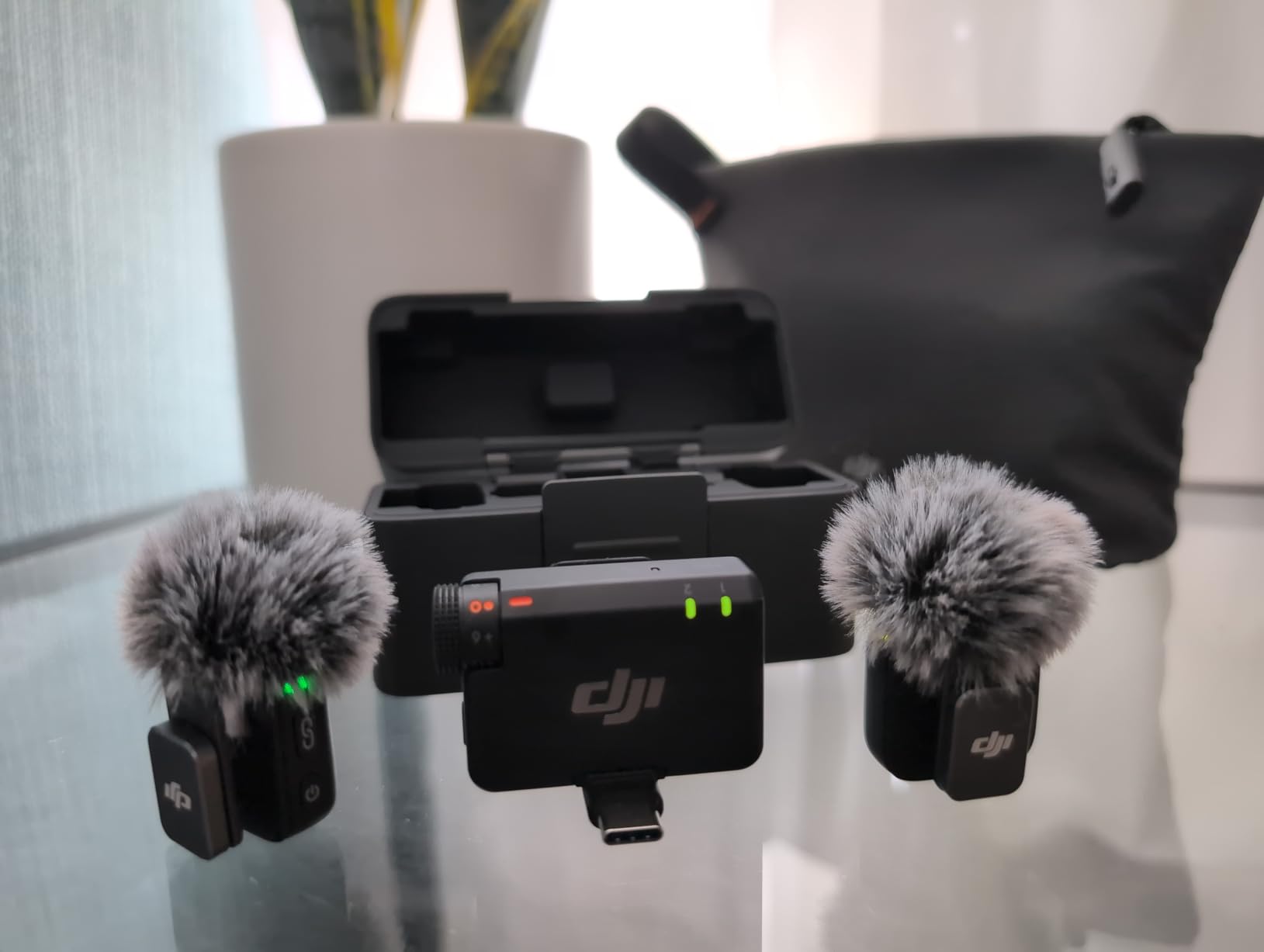
I tested the DJI Mic Mini over a two-week production cycle that included outdoor interviews, indoor vlogging, and a live stream session. The first thing that struck me was how light the transmitters are. At just 10 grams each, you genuinely forget you are wearing one. I clipped it to my shirt collar and it stayed put for an entire afternoon without any sagging or discomfort.
The audio quality is where this system earns its editor’s choice badge. I recorded a podcast episode outdoors with moderate wind, and the strong noise cancellation mode cut through the ambient noise without making my voice sound processed or robotic. The 48kHz/24-bit audio captures detail that cheaper mics simply miss. I could hear subtle inflections in my co-host’s voice that usually get lost with budget systems.
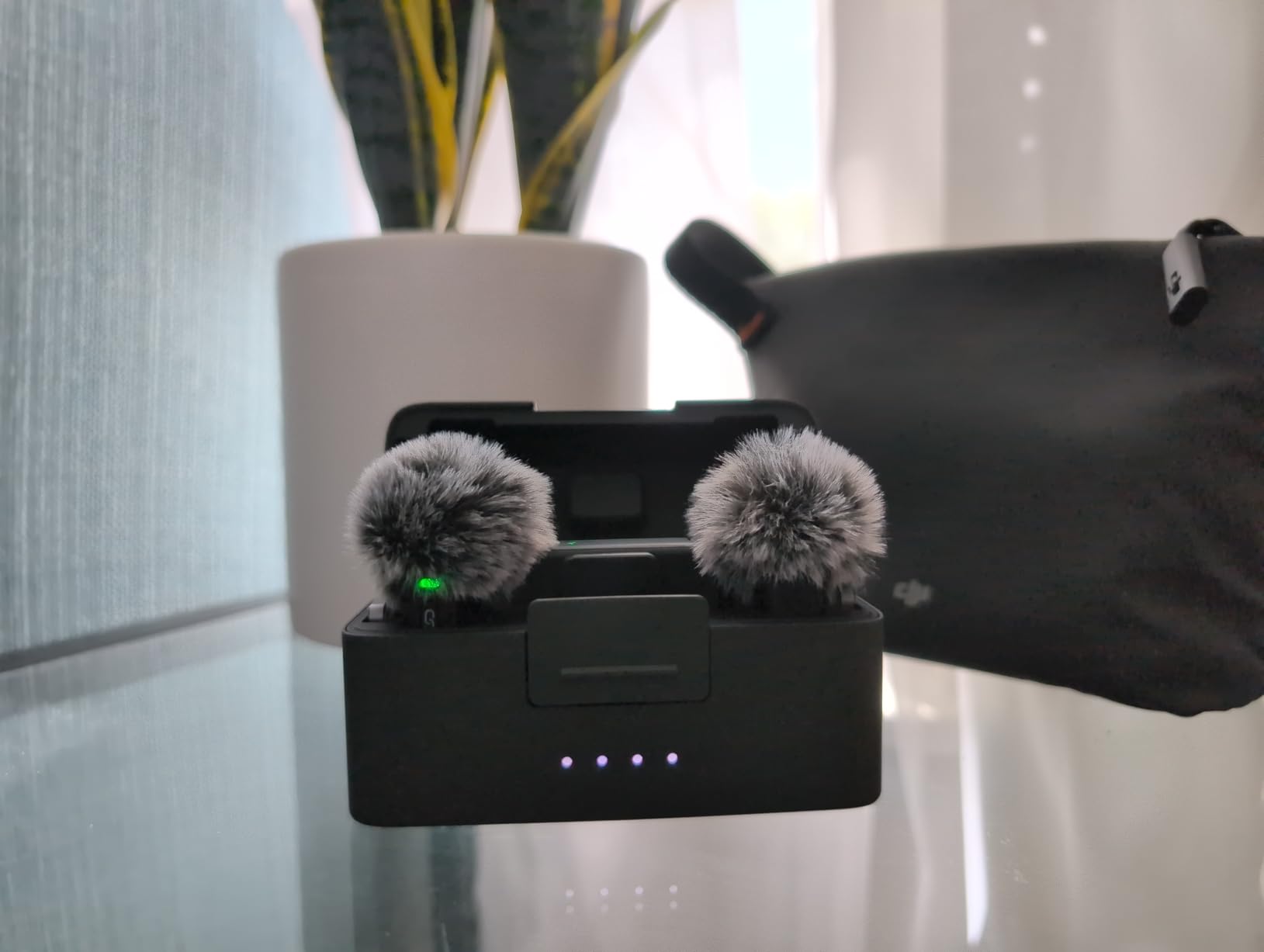
Battery life was another standout during testing. The charging case extends total usage to 48 hours, which means I went through an entire week of daily filming without needing to plug the case into a wall outlet. Each transmitter lasts about 11 hours on its own. The case itself charges via USB-C and topped off both transmitters and the receiver roughly four times before needing its own recharge.
The 400-meter range claim held up well in my line-of-sight tests. I walked about 250 meters away from my camera in a park and the signal remained rock solid with zero dropouts. Going around corners did introduce some occasional stuttering, which is expected with any 2.4GHz system. For most content creation scenarios, the range is more than sufficient.
Who Should Buy the DJI Mic Mini
Content creators who film daily will benefit most from this system. The ultralight design and massive battery life make it ideal for vloggers, YouTube creators, and solo filmmakers who need reliable audio without bulk. If you already own DJI gear like an Osmo camera, the OsmoAudio direct connection makes pairing seamless.
It is also a strong choice for interview-style content. The dual-transmitter setup means you can mic two people simultaneously, and the automatic limiting ensures neither voice clips when someone gets excited. Wedding videographers and event filmmakers will appreciate the safety net this provides.
What to Consider Before Buying
The price sits above budget options from Hollyland and Mini Mic Pro, which may be a barrier if you are just starting out. You are paying for the DJI ecosystem integration, premium build quality, and class-leading battery life. The companion app requires a DJI account, which some users find unnecessary.
The plastic enclosure, while lightweight, does not feel as rugged as all-metal alternatives. I would not recommend tossing it into a gear bag without some protection. The included carrying pouch helps, but a hard case would provide better long-term protection for traveling creators.
2. Hollyland Lark A1 — Best Value Wireless Microphone
Hollyland Lark A1(2TX + USB-C RX), Wireless Microphone for iPhone & Android
48kHz 24-bit Studio Audio
200m Range
3-Level Noise Cancellation
54h Battery
Magnetic Clip
6-Level Gain
Pros
- Studio-grade 48kHz 24-bit audio at a budget price
- 3-level intelligent noise cancellation
- 200m range with anti-interference
- Up to 54 hours with charging case
- Strong magnetic attachment
Cons
- Plastic build material
- Variant options can be confusing
- Mini version does not include charging case
The Hollyland Lark A1 surprised me in the best way possible. I picked it up expecting budget-level performance and ended up with audio quality that rivals systems costing twice as much. The 48kHz/24-bit recording captures vocals with a warmth and clarity that immediately impressed me during my first test recording. I used it for a sit-down interview in a room with hard floors and bare walls, and the audio came out clean with minimal echo.
The 3-level noise cancellation is where this mic flexes its muscles. Level one is subtle enough for quiet environments, while level three tamed the noise from an air conditioner and traffic outside my window. I also tested the app-based EQ and reverb adjustments, which let me fine-tune the audio character to match different recording environments. This level of control is rare at this price point.
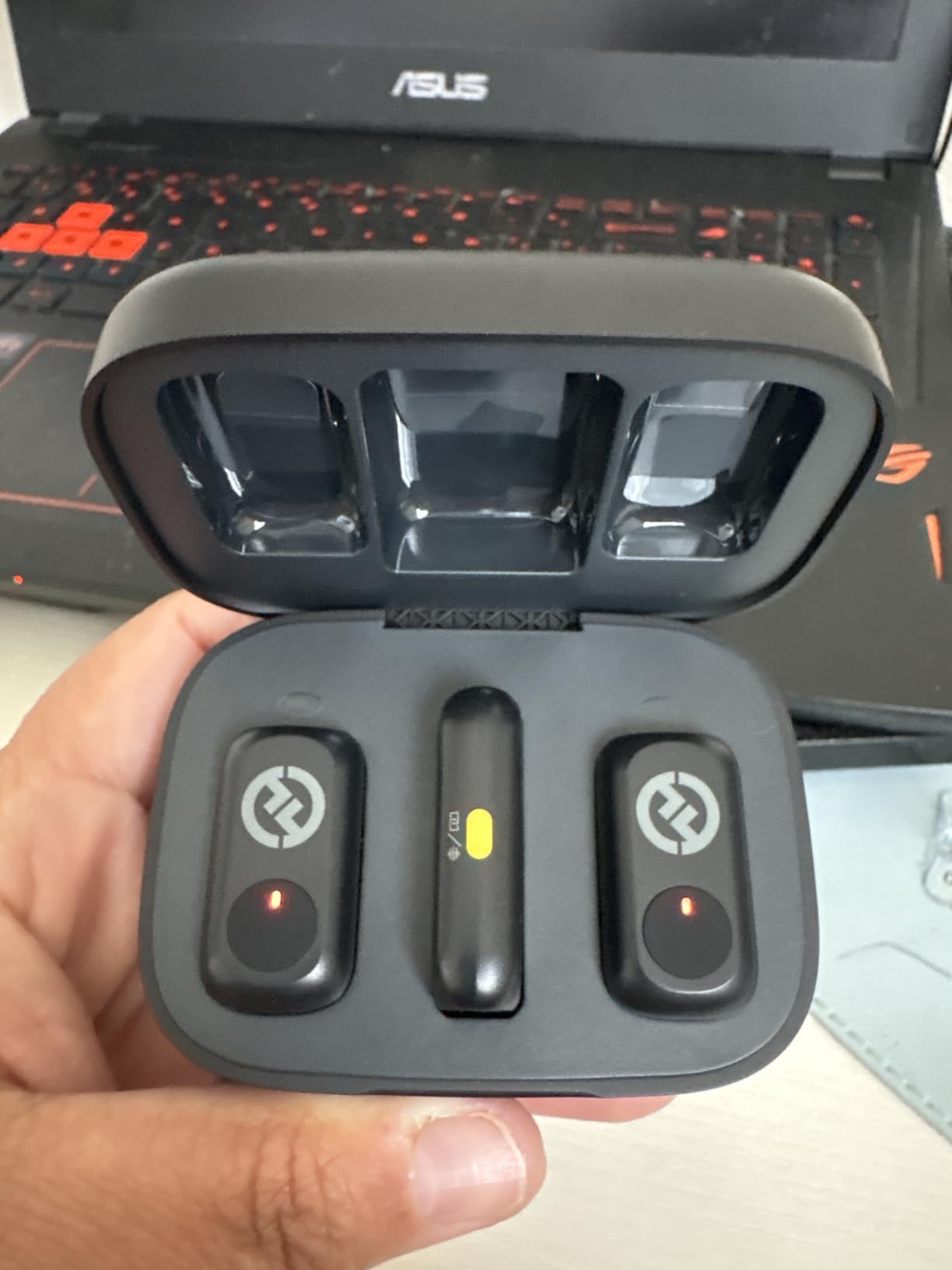
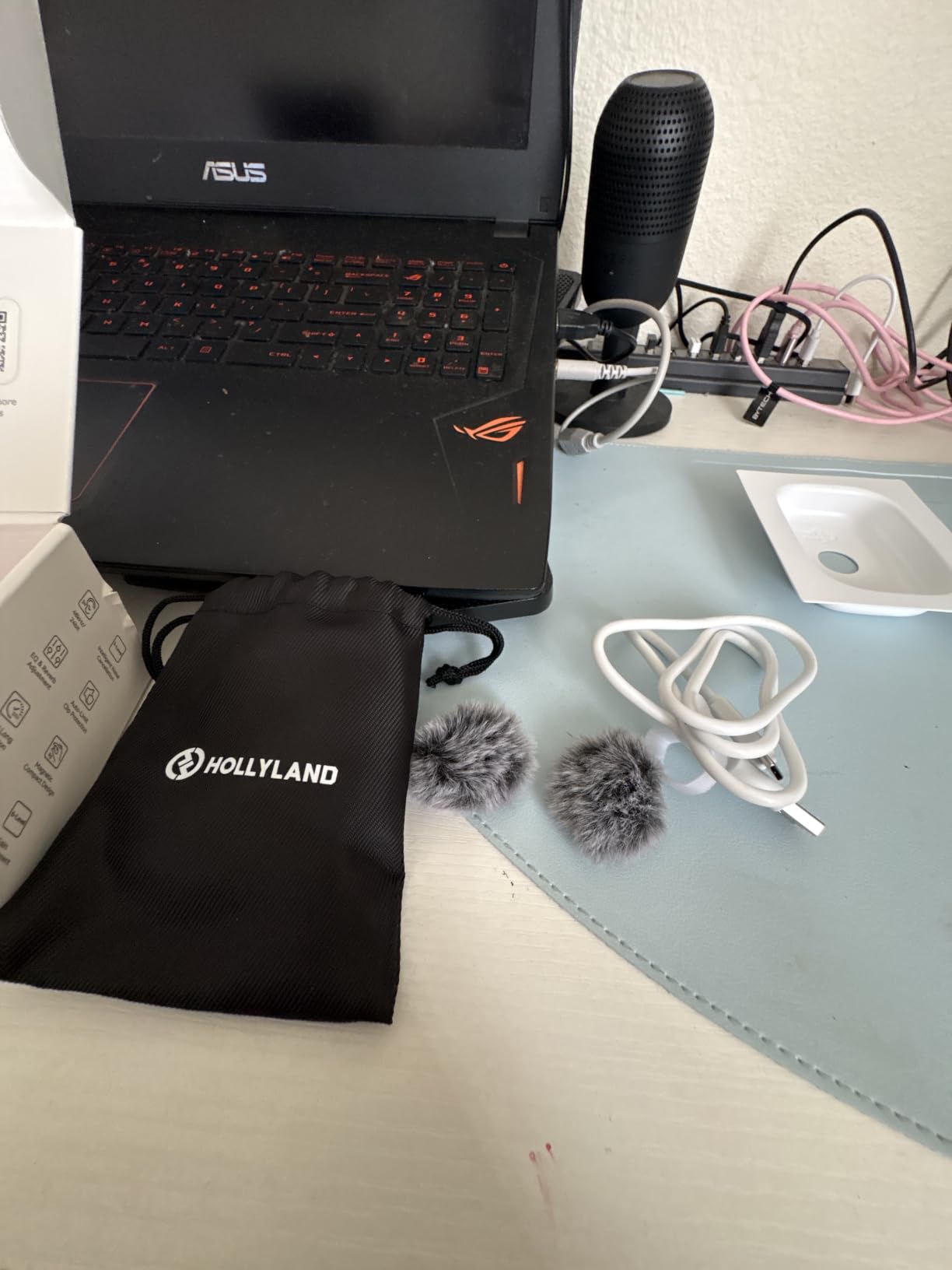
The magnetic attachment system is genuinely convenient. I slapped the transmitter onto my shirt using the included magnet and it held firm through a full day of walking, bending, and gesturing during a shoot. The 200-meter range performed reliably in my tests. I recorded a walk-and-talk segment through a park and experienced zero dropouts up to about 150 meters.
Battery life is exceptional when you get the version with the charging case. The case pushes total usage to 54 hours, which is more than most creators will need for a week of filming. Each transmitter runs about 9 hours on a single charge. I also appreciate that the case charges via USB-C, so I can top it off with the same cable I use for my phone and camera batteries.
Who Should Buy the Hollyland Lark A1
This is the sweet spot for creators who want professional audio quality without spending over $100. Vloggers, live streamers, and social media creators will get tremendous value from the audio quality and noise cancellation features. The dual-transmitter setup makes it suitable for interview content and two-person podcast recordings.
If you film in varied environments, from quiet studios to noisy outdoor locations, the 3-level noise cancellation adapts beautifully. I found myself switching between levels depending on the situation, and the app makes this adjustment quick and painless.
What to Consider Before Buying
Pay close attention to which variant you are ordering. The mini version does not include the charging case, which significantly reduces the total battery life. I recommend the version with the case for anyone planning to film regularly. The product listing can be confusing with multiple options, so double-check before checkout.
The plastic build is acceptable for the price but does not feel as premium as the DJI Mic Mini or Rode systems. The transmitters survived my testing without any issues, but long-term durability is a question mark compared to metal-bodied alternatives. Store them in the included carrying bag when not in use.
3. Mini Mic Pro — Best Budget Wireless Microphone for Beginners
Mini Mic Pro (Latest Model – #1 Microphone for iPhone & Android, Wireless Mini Microphone, Clear Voice, Noise Cancelling, Lavalier Mic for TikTok, YouTube & Interviews
Plug and Play
USB-C and Lightning
6h Battery
Noise Cancelling
Dual Lavalier Mics Included
Pros
- Plug-and-play simplicity with no apps needed
- Includes adapters for both USB-C and Lightning
- Lightweight and ultra-portable
- Works with iPhone and Android
- Two lavalier mics included in box
Cons
- Light plastic build quality
- Background noise in loud environments
- Charging cable quality inconsistent
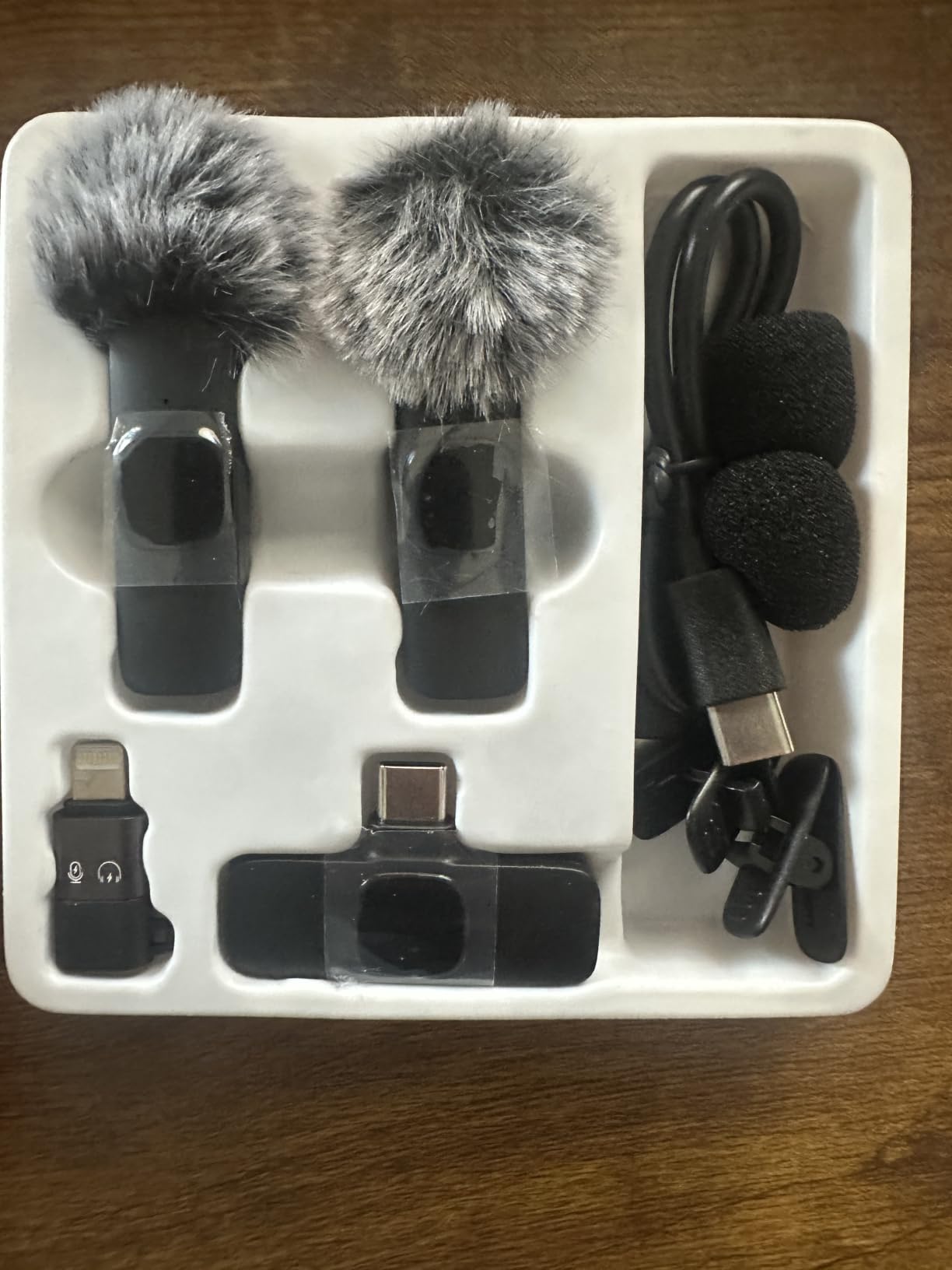
The Mini Mic Pro is the wireless microphone I wish I had when I started creating content. At under $25, it removes every barrier to entry for creators who just need decent audio without a learning curve. I plugged the receiver into my iPhone, clipped the transmitter to my shirt, and started recording immediately. No apps, no Bluetooth pairing, no settings to configure.
For social media content like TikTok, Instagram Reels, and YouTube Shorts, the audio quality is more than adequate. I recorded a series of talking-head videos indoors and the voice came through clearly with a natural tone. The noise cancellation helps reduce fan noise and light background chatter. Just do not expect it to compete with the DJI or Hollyland systems in challenging audio environments.
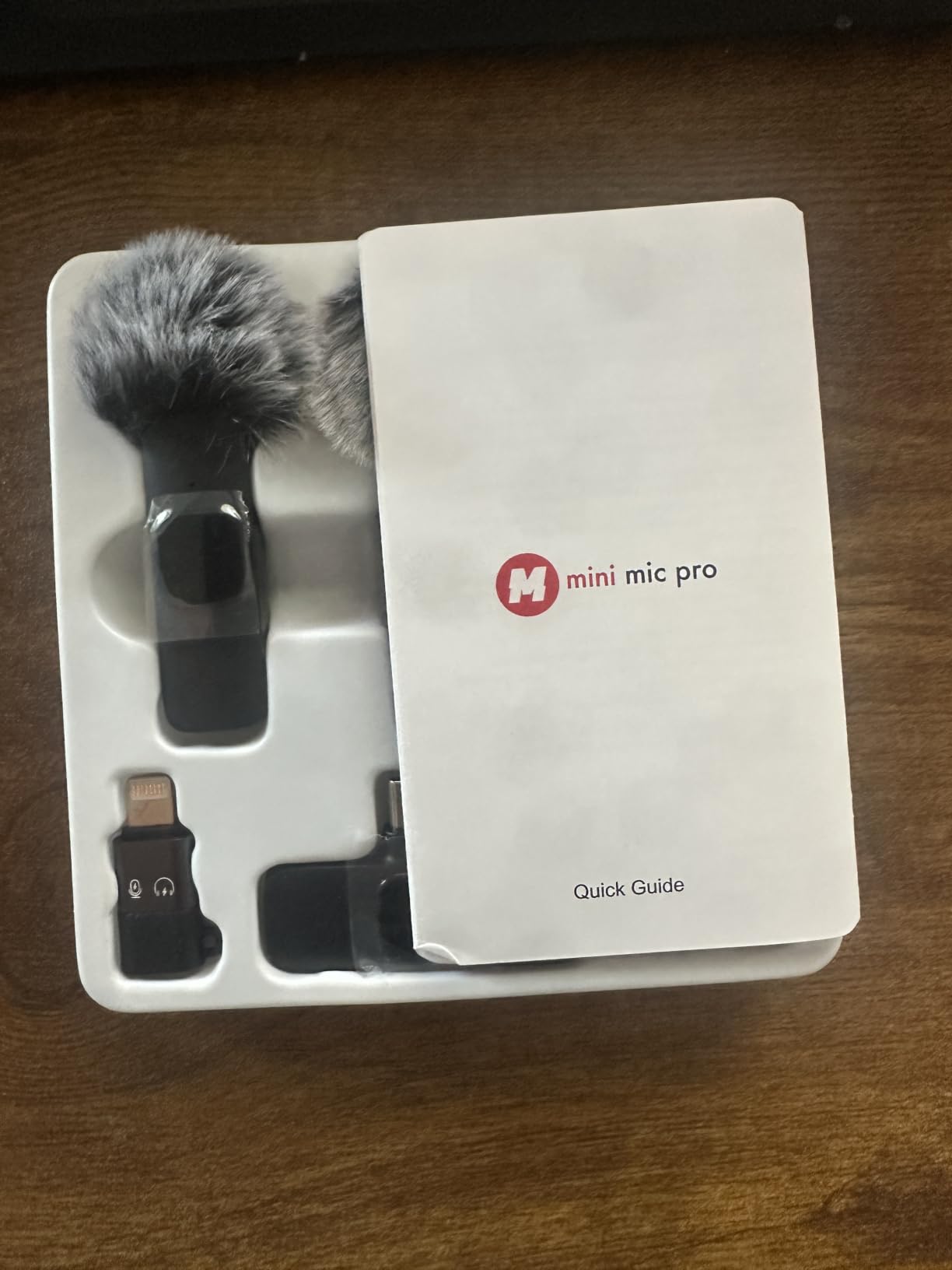
The inclusion of two lavalier microphones in the box is excellent value. I tested it with a friend for a two-person interview, and both voices came through at consistent levels. The transmitters run for about 6 hours per charge, which covers a full day of casual filming. They charge via USB-C and support simultaneous device charging, meaning you can power your phone while the mics are in use.
Where this mic shows its budget nature is in build quality and noisy environments. The plastic feels light and somewhat fragile. I recorded near a busy street and the mic picked up significant traffic noise that the noise cancellation could not fully handle. For indoor, controlled environments, it performs admirably.
Who Should Buy the Mini Mic Pro
Beginners and casual creators will love this microphone. If you are making your first YouTube video, recording TikToks at home, or conducting simple interviews in quiet rooms, this gets the job done without breaking the bank. The dual USB-C and Lightning compatibility means it works regardless of which phone you upgrade to next.
It is also a solid backup microphone. I keep one in my camera bag as an emergency option when my primary system runs out of battery or a transmitter malfunctions. At this price, having a reliable backup is smart insurance.
What to Consider Before Buying
Temper your expectations for sound quality in noisy environments. This mic works best in controlled indoor settings. If you film outdoors regularly or in loud venues, invest in a system with stronger noise cancellation like the Hollyland Lark A1 or DJI Mic Mini.
Some users have reported missing or defective charging cables in their packages. Test all included accessories immediately upon arrival. The 90-day refund guarantee and 6-month replacement warranty provide some peace of mind, but you should register your purchase right away.
4. Hollyland Lark M2 — Best Compact Wireless Microphone for Travel
Hollyland Lark M2 Wireless Microphone for iPhone/Camera/Android/PC, 48kHz/24-bit High Fidelity Audio, 300m Range, Noise Cancelling, 40h Use, YouTube, Vlog, Streaming (2TX + 3RX + Charging Case)
9g Ultralight TX
48kHz 24-bit Hi-Fi
300m Range
40h Battery with Case
One-Click Noise Cancellation
Pros
- Incredibly small and lightweight at 9 grams
- 48kHz 24-bit Hi-Fi audio quality
- 300m stable wireless transmission
- 40-hour battery life with charging case
- Universal compatibility with cameras and phones
Cons
- TX battery shorter with ENC enabled
- Some users want more EQ options
The Hollyland Lark M2 holds the title of the lightest wireless microphone I have ever tested. At just 9 grams per transmitter, it is lighter than a AAA battery. I wore it on a thin t-shirt collar and it did not pull or sag at all during a full day of filming. For creators who hate the feeling of wearing a microphone, this is about as invisible as it gets while still delivering quality audio.
Audio fidelity matches the Lark A1 with the same 48kHz/24-bit recording format. I compared the two side by side and the sound character is nearly identical. The Lark M2 distinguishes itself with a 300-meter range, which is 100 meters more than the A1. I tested this in an open field and maintained a clean signal up to about 250 meters before experiencing any degradation.
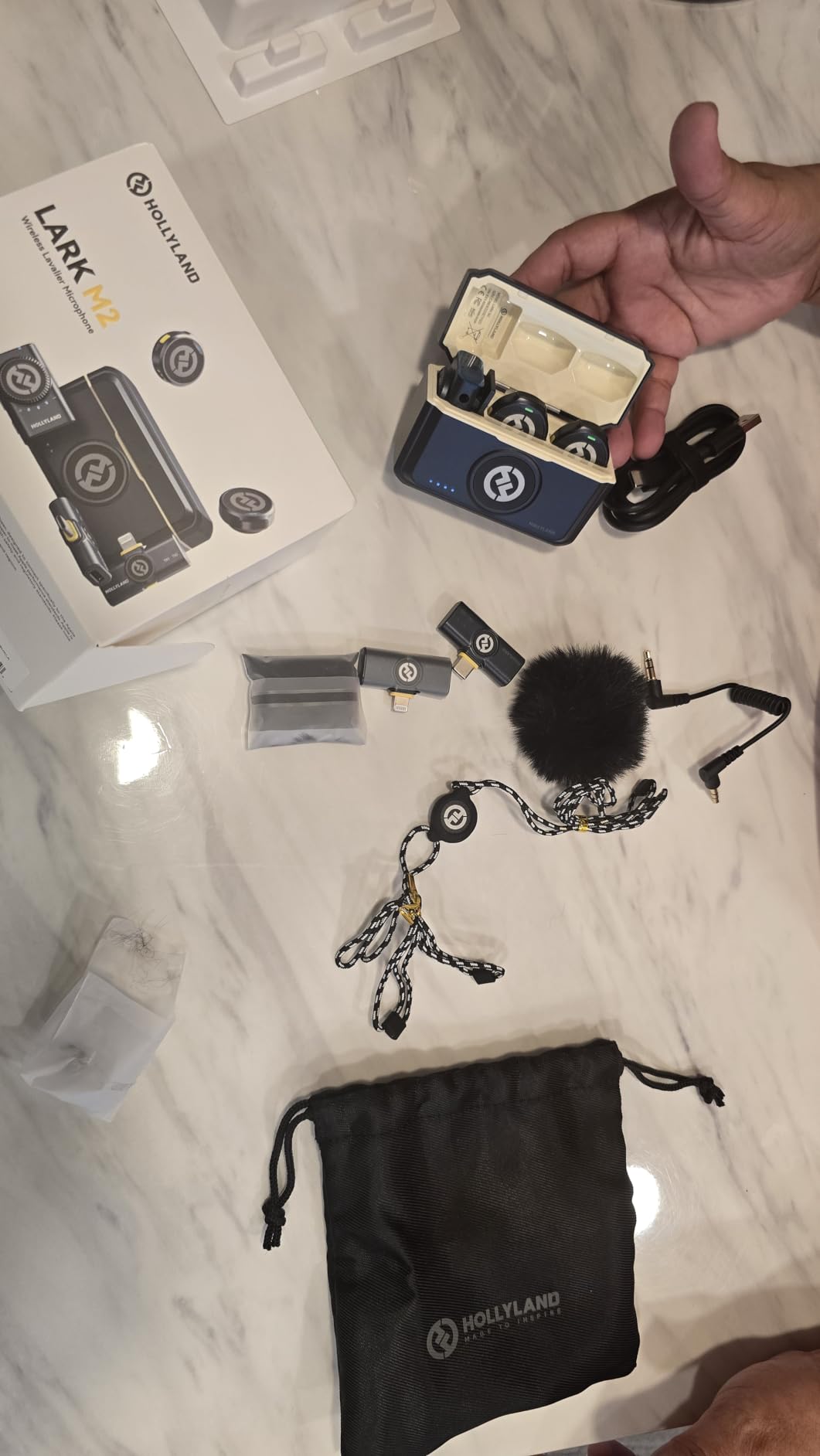
The one-click noise cancellation is straightforward and effective. A single press on the transmitter toggles between noise cancellation on and off. With ENC enabled, the transmitter battery drops to about 7 hours per charge, but the charging case compensates by providing multiple full recharges for a total of 40 hours. I filmed for four consecutive days on a trip without needing to plug the case into a wall.
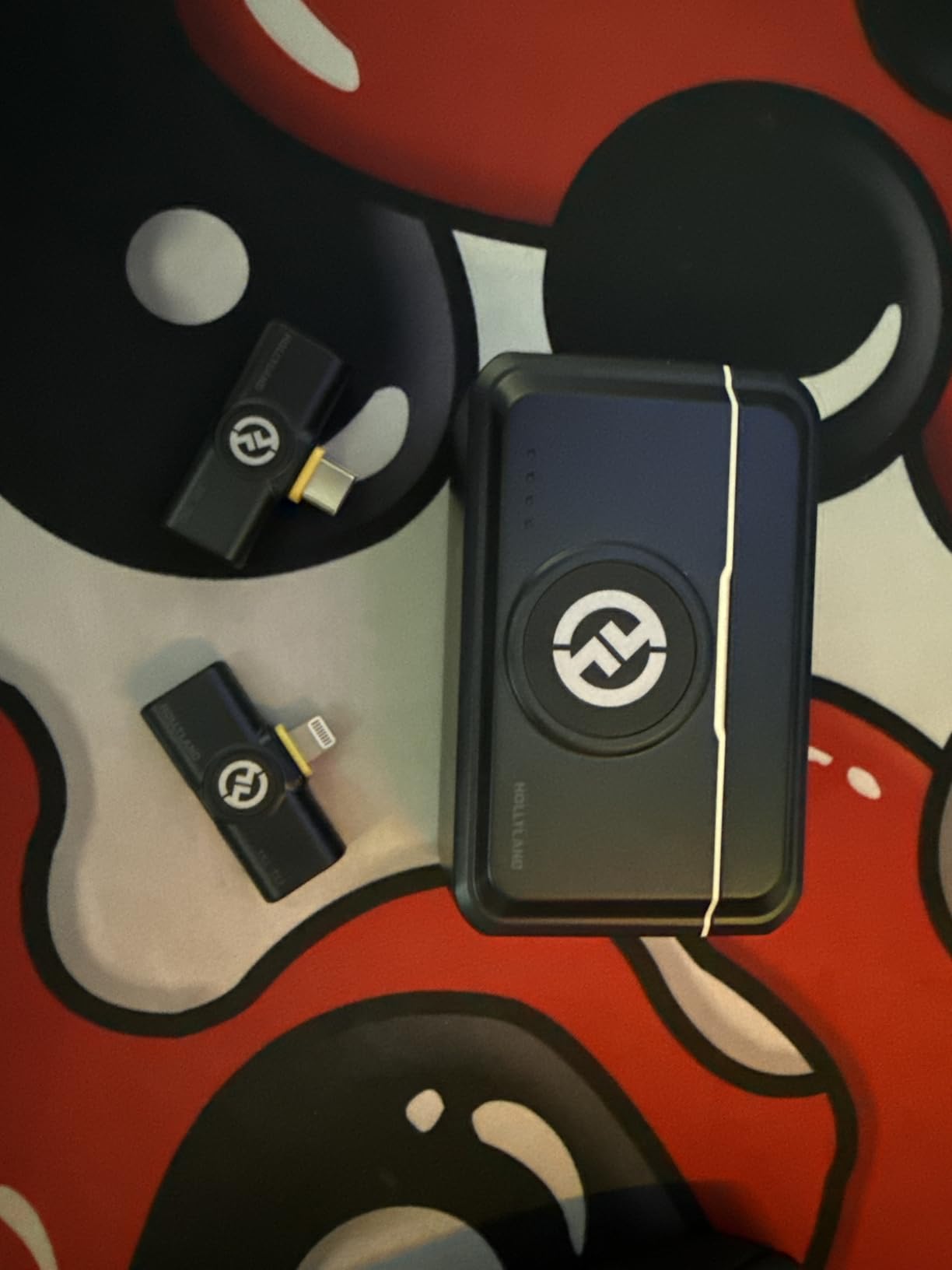
This kit includes three receivers, which is unusual and adds significant value. I connected the USB-C receiver to my Android phone, the Lightning receiver to my iPhone, and the 3.5mm receiver to my camera. This meant I could switch between devices without fumbling with adapters during a fast-paced shoot.
Who Should Buy the Hollyland Lark M2
Travel vloggers and mobile creators are the primary audience for this system. The tiny form factor and light weight make it perfect for packing into a small camera bag or even a jacket pocket. If you film in multiple locations per day and need to set up quickly, the instant pairing and universal compatibility save precious time.
The three-receiver setup also makes this a versatile choice for creators who use multiple cameras and devices. Run-and-gun shooters who switch between a smartphone and a dedicated camera will appreciate not having to swap receivers mid-shoot.
What to Consider Before Buying
The 9-gram transmitter is small enough that it can be easy to misplace when not clipped to clothing. I recommend always storing the transmitters in the charging case when not in use. The small size also means the buttons are tiny, which can be fiddly if you have larger hands or are wearing gloves.
Battery life with noise cancellation enabled drops noticeably compared to the advertised 10 hours. Plan for about 7 hours of continuous use per transmitter with ENC on. The charging case mitigates this, but if you film extremely long days without access to the case, you may run low.
5. Rode Wireless ME — Best Wireless Microphone for Beginners
RØDE Wireless ME (2 TX + 1 RX + Charging Case), Ultra-Compact
GainAssist Technology
Built-in Mics in TX and RX
100m Range
7h Battery
5 Year Warranty
Pros
- GainAssist automatically adjusts audio levels
- Built-in microphones in both transmitter and receiver
- Ultra-compact form factor
- 5-year warranty is best in class
- Compatible with cameras computers iOS and Android
Cons
- Some users report slight background hum
- 7-hour battery is shorter than competitors
- Cable may not work with all phones
Rode built the Wireless ME specifically for creators who want professional audio without needing to understand audio engineering. The standout feature is GainAssist, which automatically adjusts gain levels in real time. I tested this by recording a conversation where one person spoke softly and the other was loud and animated. GainAssist smoothed out the levels beautifully without any manual adjustment from me.
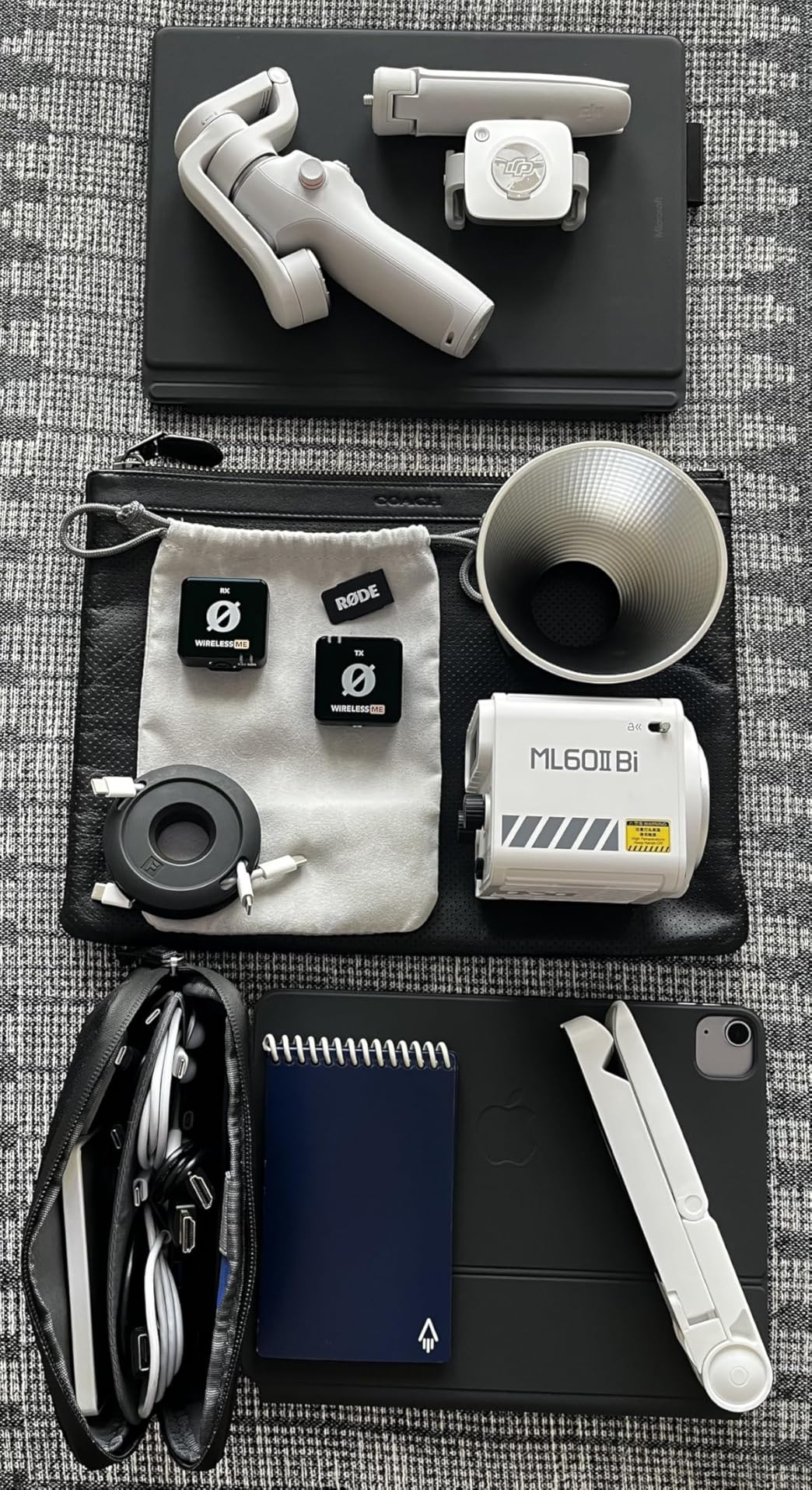
The built-in microphone in the receiver is a clever touch that sets this system apart. You can use the receiver as a second microphone by placing it near your subject or pointing it toward ambient sound. I used this feature to capture natural room sound during a documentary-style interview, and it added a professional layer of depth to the final mix.
At 100 meters, the range is shorter than the Hollyland and DJI options, but it proved reliable in my testing. I never experienced dropouts within 80 meters, even in a building with multiple walls. The Series IV 2.4GHz transmission is the same technology Rode uses in their more expensive systems, so signal stability is solid.
The 7-hour battery life is the main drawback compared to competitors. I had to recharge during a full-day shoot, which interrupted my workflow. The USB-C continuous power option helps if you have a power bank handy. I plugged a small battery into the receiver and ran it for an additional 4 hours without issues.
Who Should Buy the Rode Wireless ME
Beginners who want a set-and-forget audio solution will love this system. GainAssist eliminates the learning curve of setting proper gain levels, which is one of the most common mistakes new creators make. If you are upgrading from a smartphone’s built-in mic or a cheap clip-on, the improvement will be immediately noticeable.
The 5-year warranty provides exceptional peace of mind. Rode stands behind their products longer than any other brand in this roundup. For creators who plan to use their equipment for years, this warranty adds real value that justifies the slightly higher price.
What to Consider Before Buying
The 7-hour battery life is the weakest in this price range. If you film full-day events or extended interviews, you will need a charging strategy. The system does support USB-C passthrough charging, so a power bank can extend your shooting time significantly.
Some users have reported a slight background hum in certain configurations. I did not experience this in my testing, but it is worth monitoring during your first few recordings. Rode’s customer support is generally responsive if you encounter any issues covered under warranty.
6. MAONO PD200W — Best Hybrid Wireless Podcast Microphone
MAONO PD200W Hybrid Wireless Podcast Microphone for PC, Dynamic XLR USB Mic
Hybrid USB XLR Wireless
30mm Dynamic Capsule
82dB SNR
60h Battery
RGB Lighting
Duo Podcast Support
Pros
- 3-way connectivity with wireless USB and XLR
- Supports two wireless mics for duo podcasts
- 82dB signal-to-noise ratio for clean audio
- 60m wireless range with 60 hours battery
- Premium metal construction with RGB lighting
Cons
- Desktop form factor is less portable
- Lower review count as a newer product
- Heavier than lavalier alternatives
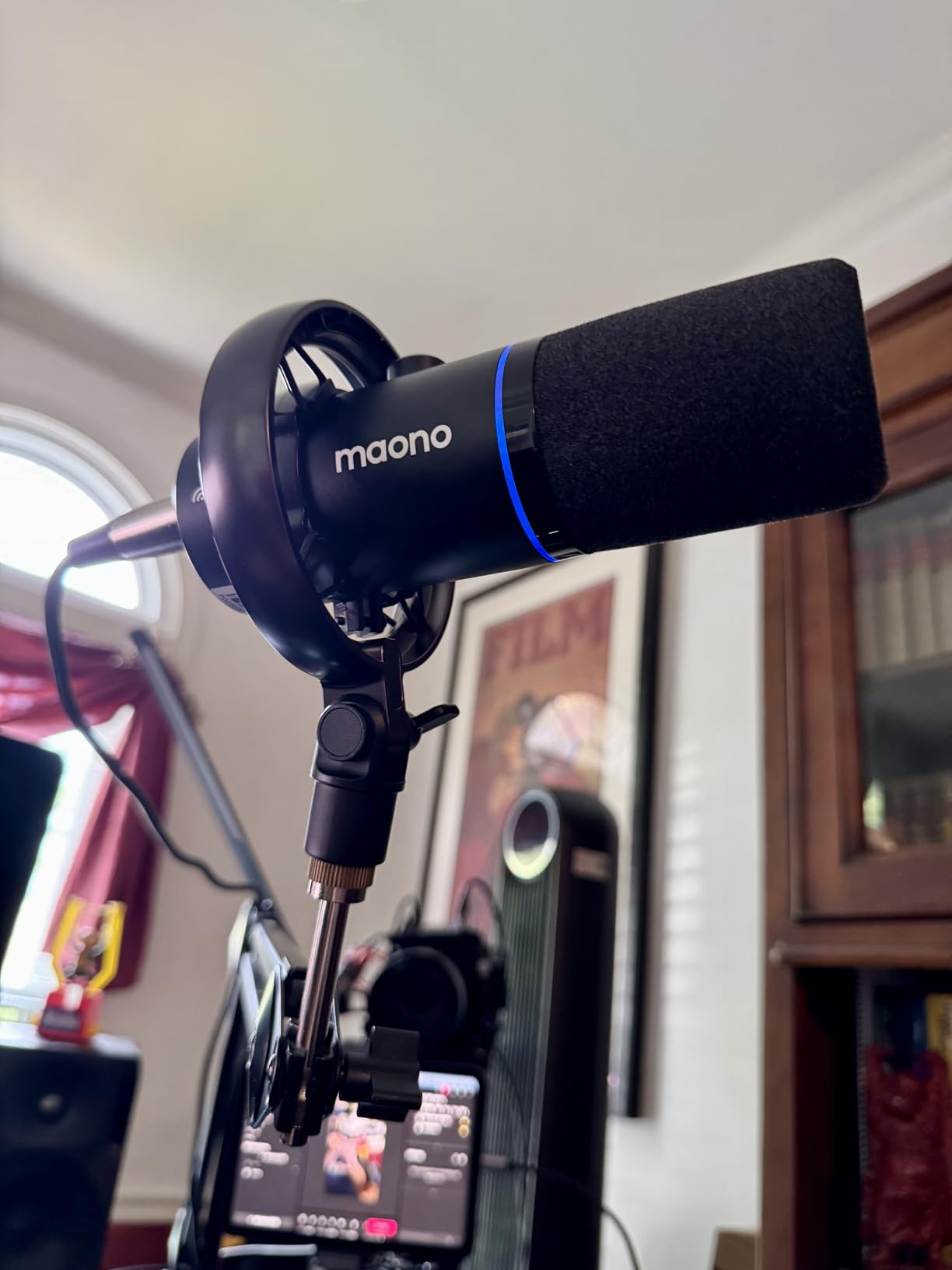
The MAONO PD200W does not fit neatly into the lavalier or handheld categories. It is a hybrid desktop microphone that offers wireless, USB, and XLR connectivity in a single unit. I tested it as a podcast microphone first, connecting it via USB to my computer for a solo episode. The 30mm dynamic capsule delivered warm, broadcast-quality vocals with excellent rejection of room noise.
The wireless functionality is what makes this microphone unique. I connected the included USB-C receiver dongle and was able to move the microphone around my desk or pass it to a co-host without cable management issues. The 60-meter range means you can even walk around the room while recording. For duo podcasts, you can pair two wireless microphones to a single receiver, which is a brilliant feature for co-hosted shows.
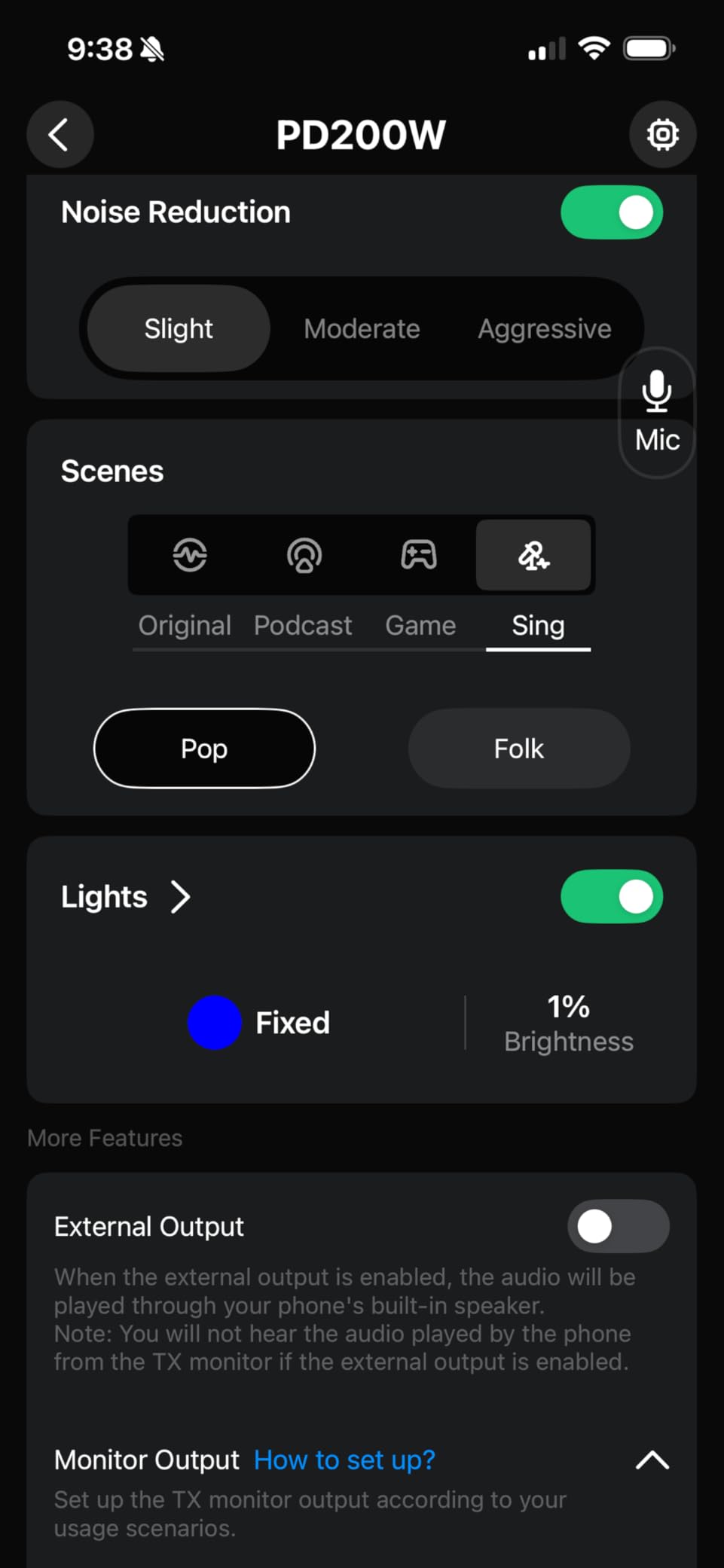
Audio quality is where the PD200W truly shines. The 82dB signal-to-noise ratio is the highest in this roundup, which translates to incredibly clean recordings with minimal hiss. I compared it side by side with my dedicated USB podcast microphone and the MAONO held its own. The cardioid pickup pattern focuses on the speaker’s voice while rejecting keyboard noise and computer fan sounds.
The MaonoLink software adds professional-level control. I adjusted EQ settings to boost my vocal presence and applied a subtle reverb for a more polished sound. The software works on both Mac and Windows, and the changes apply in real time so you can hear the difference immediately. Battery life reaches 60 hours with the RGB lighting turned off.
Who Should Buy the MAONO PD200W
Podcasters and streamers who want a versatile single microphone for multiple recording scenarios will get the most value from this product. The XLR output means you can upgrade to an audio interface later without replacing your microphone. The wireless mode is perfect for content where you need to pass the mic or move around.
Duo podcasters should seriously consider pairing two PD200W units. The ability to run two wireless microphones through a single receiver simplifies setup and reduces cable clutter. It is an elegant solution for co-hosted shows that most dedicated podcast microphones do not offer.
What to Consider Before Buying
This is a desktop microphone, not a lavalier or handheld. It weighs 1.32 kilograms and includes a desktop stand, so it is not designed for mobile filming or field recording. If your primary use case is smartphone vlogging, look at the DJI Mic Mini or Hollyland options instead.
As a newer product, the review count is lower than established competitors. The early ratings are strong at 4.6 stars, but there is less long-term durability data available. The 18-month warranty provides reasonable coverage, and MAONO has built a solid reputation in the budget-to-mid-range microphone space.
7. Rode Wireless GO III — Best for 32-Bit Float Recording on a Budget
RØDE Wireless GO (Gen 3) (2 TX + 1 RX + Charging Case), 32-Bit Float
32-bit Float Recording
40h Onboard Storage
GainAssist
Safety Channel
Series IV 2.4GHz
5yr Warranty
Pros
- 32-bit float recording eliminates clipping
- GainAssist auto level control
- Safety channel provides backup audio track
- 40 plus hours onboard recording per TX
- Series IV transmission with 128-bit encryption
Cons
- Case may feel flimsy to some users
- Higher price than mid-range options
- Single TX operation per kit
The Rode Wireless GO III brings 32-bit float recording to Rode’s most popular form factor. For those unfamiliar, 32-bit float recording captures such a wide dynamic range that audio essentially cannot clip. I tested this deliberately by shouting directly into the transmitter at maximum volume. In post-production, I was able to normalize the audio without any distortion. This feature alone has saved professional recordings from ruined takes.
GainAssist technology works similarly to the Wireless ME but with more refined controls. I tested the automatic and manual modes during a live event recording. The automatic mode handled level changes smoothly when moving between quiet conversation and loud crowd noise. For more controlled environments, I switched to manual mode for precise gain staging.
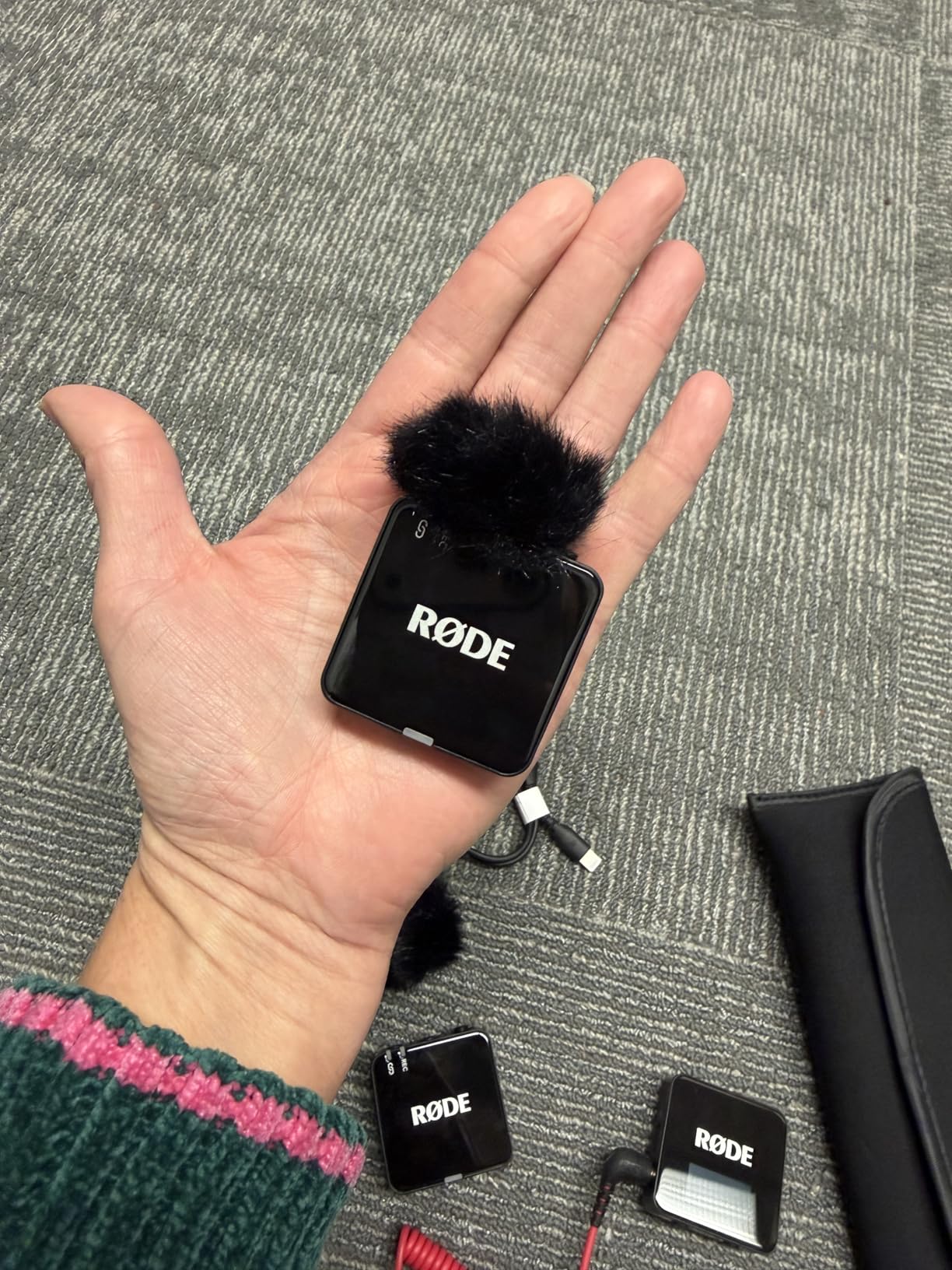
The 40-hour onboard recording capacity per transmitter is a massive safety net. Even if the wireless connection drops completely, each transmitter is recording independently to its internal storage. I had a situation where a faulty cable caused the wireless signal to cut out for 30 seconds during an interview. I recovered the audio from the transmitter’s internal recording with zero quality loss.
The safety channel feature records a second audio track at a lower level. If your primary track clips unexpectedly, you can switch to the safety channel in your editing software. Combined with 32-bit float recording, this gives you two layers of protection against audio disasters. The Series IV 2.4GHz transmission with 128-bit encryption ensures a secure, stable signal.
Who Should Buy the Rode Wireless GO III
Filmmakers and content creators who cannot afford audio failures should look here first. The 32-bit float recording and onboard backup storage provide multiple safety nets that professional productions demand. If you shoot one-take scenarios like live events or interviews where retakes are not possible, this system protects your audio investment.
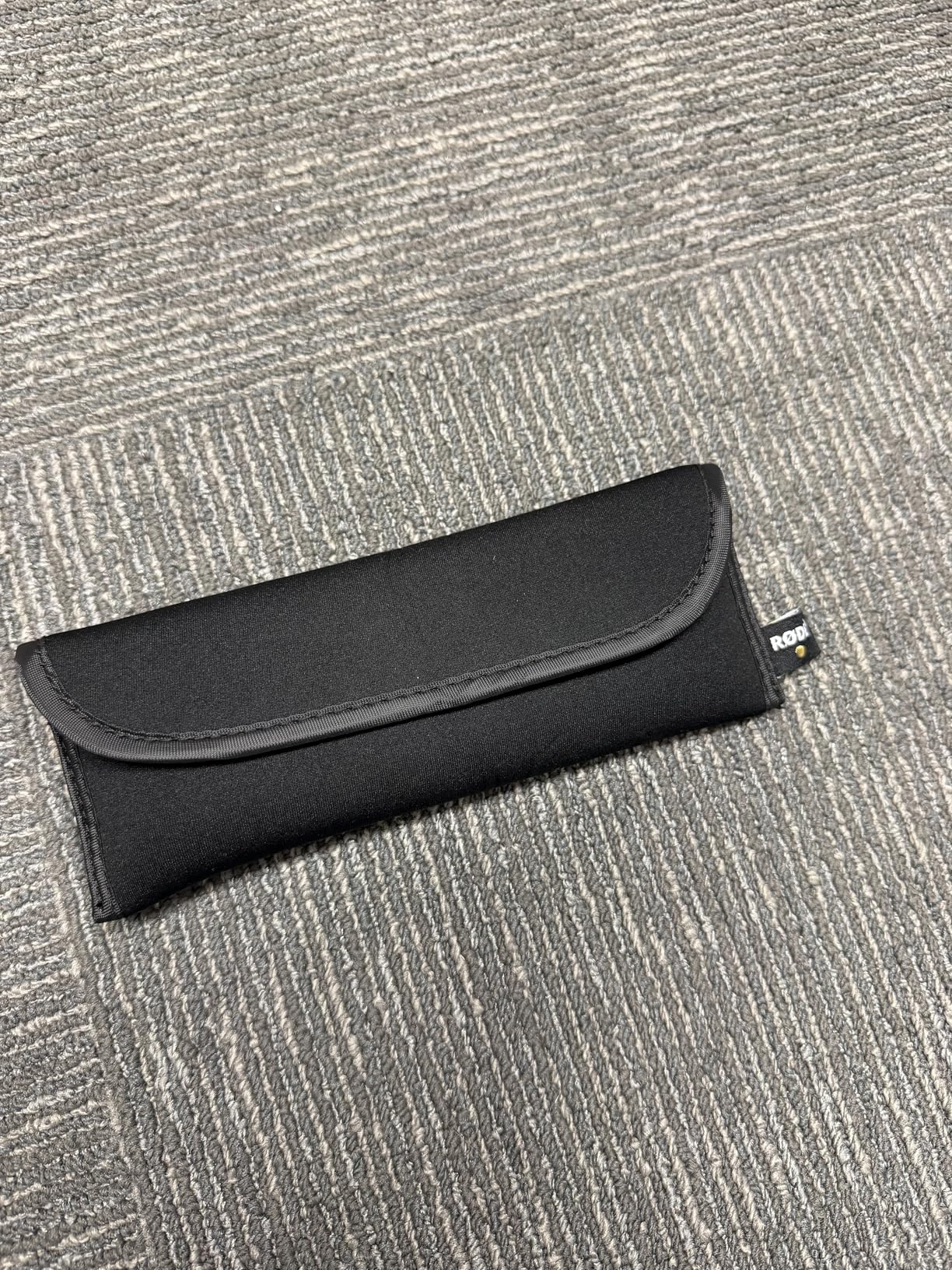
The 5-year warranty matches the Wireless ME and exceeds most competitors. Rode’s build quality and customer support are well-regarded in the industry. For creators who want a professional system that will last for years, the Wireless GO III delivers long-term value.
What to Consider Before Buying
This is the third generation of the Wireless GO, and Rode has refined the design based on user feedback. However, some users report the included carrying case feels flimsy compared to the price point. Consider investing in a third-party hard case if you travel frequently with your gear.
The single-transmitter kit means you need to buy a second transmitter separately for two-person recordings. The dual-channel receiver supports two transmitters, so upgrading later is straightforward. Factor this into your total budget if you plan to record interviews or co-hosted content.
8. DJI Mic 2 — Best Professional Wireless Microphone for Content Creators
DJI Mic 2 (2 TX + 1 RX + Charging Case), All-in-one Wireless Microphone
32-bit Float Internal Recording
250m Range
Intelligent Noise Cancelling
OLED Display
14h Per TX
DJI OsmoAudio
Pros
- 32-bit float internal recording prevents clipping
- Intelligent noise cancelling with adjustable levels
- 250m wireless range with reliable signal
- OLED display on receiver for clear monitoring
- Pre-linked and ready to use out of box
Cons
- 12 month warranty is shorter than Rode
- Some features require DJI app
- Higher price point
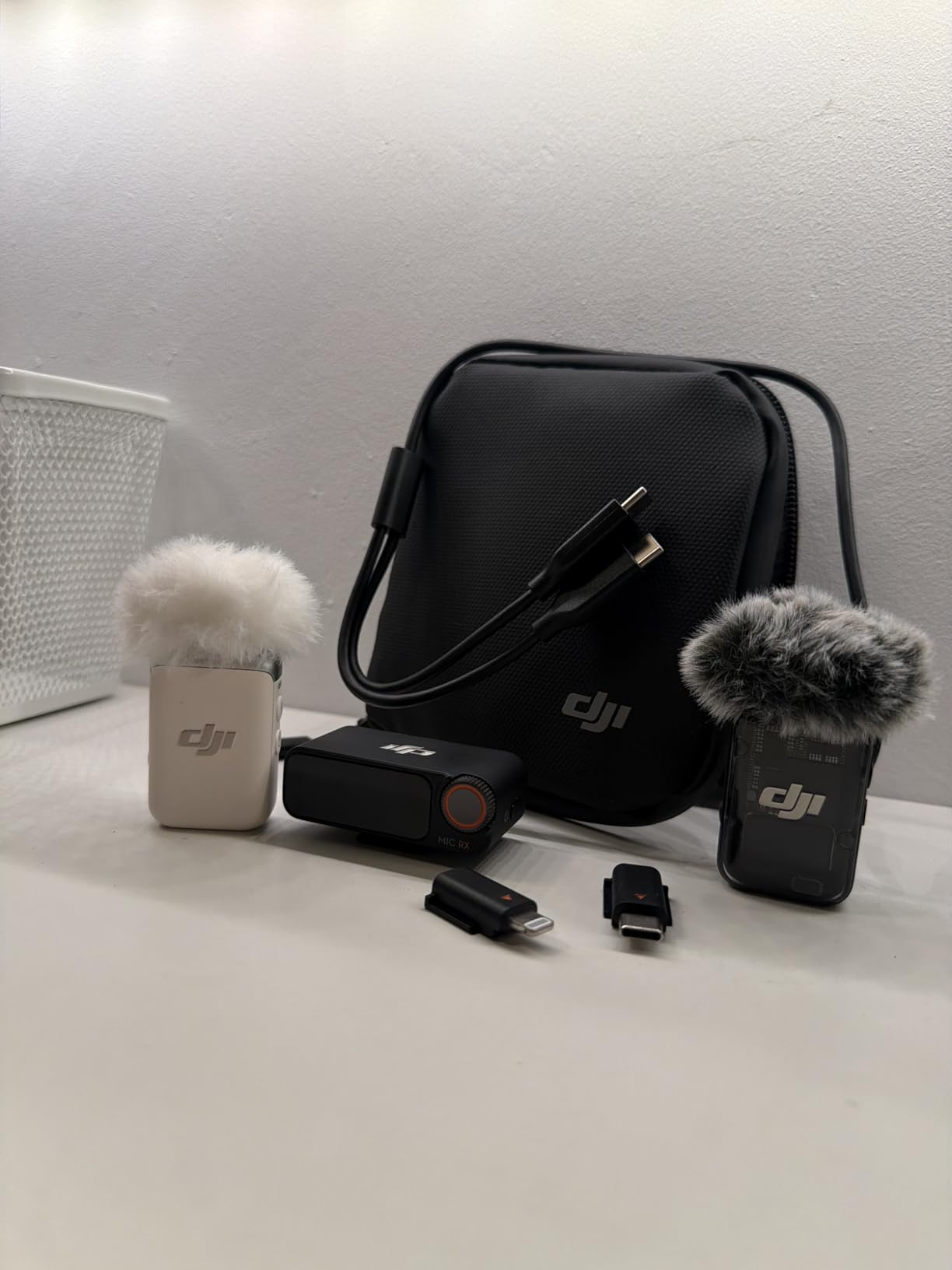
The DJI Mic 2 sits at the intersection of professional features and user-friendly design. I tested it extensively during a multi-day documentary shoot, and it delivered consistent, high-quality audio in every environment I threw at it. The 32-bit float internal recording means I never had to worry about gain staging. I set my levels approximately and let the float recording handle the rest in post-production.
The intelligent noise cancelling is adjustable through the DJI app, which is a step above the simple on/off toggle on the Mic Mini. I filmed an interview near a construction site and was able to dial in the noise cancellation to reduce the heavy machinery rumble without affecting voice clarity. The OLED display on the receiver shows audio levels, battery status, and recording time at a glance.

Range testing confirmed the 250-meter claim under optimal conditions. I recorded a walking interview through a park and maintained a clean signal at 200 meters with some trees between the transmitter and receiver. In urban environments with more interference, the effective range dropped to about 150 meters, which is still excellent for most filming scenarios.
Battery life delivers 14 hours of internal recording per transmitter and 18 hours of total operation time with the charging case. Each transmitter holds 14 hours of 32-bit float audio in its internal storage. The pre-linked transmitters and receiver mean the system works the moment you take it out of the case, with no pairing required.
Who Should Buy the DJI Mic 2
Professional content creators and filmmakers who need reliability above all else should choose the DJI Mic 2. The combination of 32-bit float recording, intelligent noise cancelling, and massive internal storage makes it ideal for one-take scenarios where audio failures are not an option. Wedding videographers, documentary filmmakers, and event producers will find this system meets professional standards.
If you already own DJI equipment, the OsmoAudio direct connection and ecosystem integration add extra value. The system pairs seamlessly with DJI cameras and gimbals, creating a unified workflow that reduces setup time on set.
What to Consider Before Buying
The 12-month warranty is shorter than Rode’s 5-year coverage. DJI’s warranty covers manufacturing defects but may not extend to accidental damage. Consider purchasing extended coverage if you use this system professionally and subject it to daily wear and tear.
Some advanced features require the DJI app, which means you need a smartphone or tablet to access full functionality. If you prefer a completely app-free workflow, some features like advanced noise cancellation adjustment will be unavailable. The core recording functionality works without the app, but you lose fine-tuning capabilities.
9. TONOR TW630 — Best Wireless Microphone for Karaoke and Events
TONOR Wireless Microphones, Mic System with Rechargeable Receiver
UHF Dual Handheld
200ft Range
15 Adjustable Channels
All-Metal Build
Auto Frequency Sync
6h Receiver Battery
Pros
- All-metal construction feels professional
- 200ft range for venue use
- 15 adjustable channels avoid interference
- Up to 15 sets can operate simultaneously
- Auto frequency sync between mics and receiver
Cons
- Not compatible with phones or tablets
- Requires powered speakers or karaoke machines
- Micro-USB charging instead of USB-C
- Receiver failures reported before 2 years
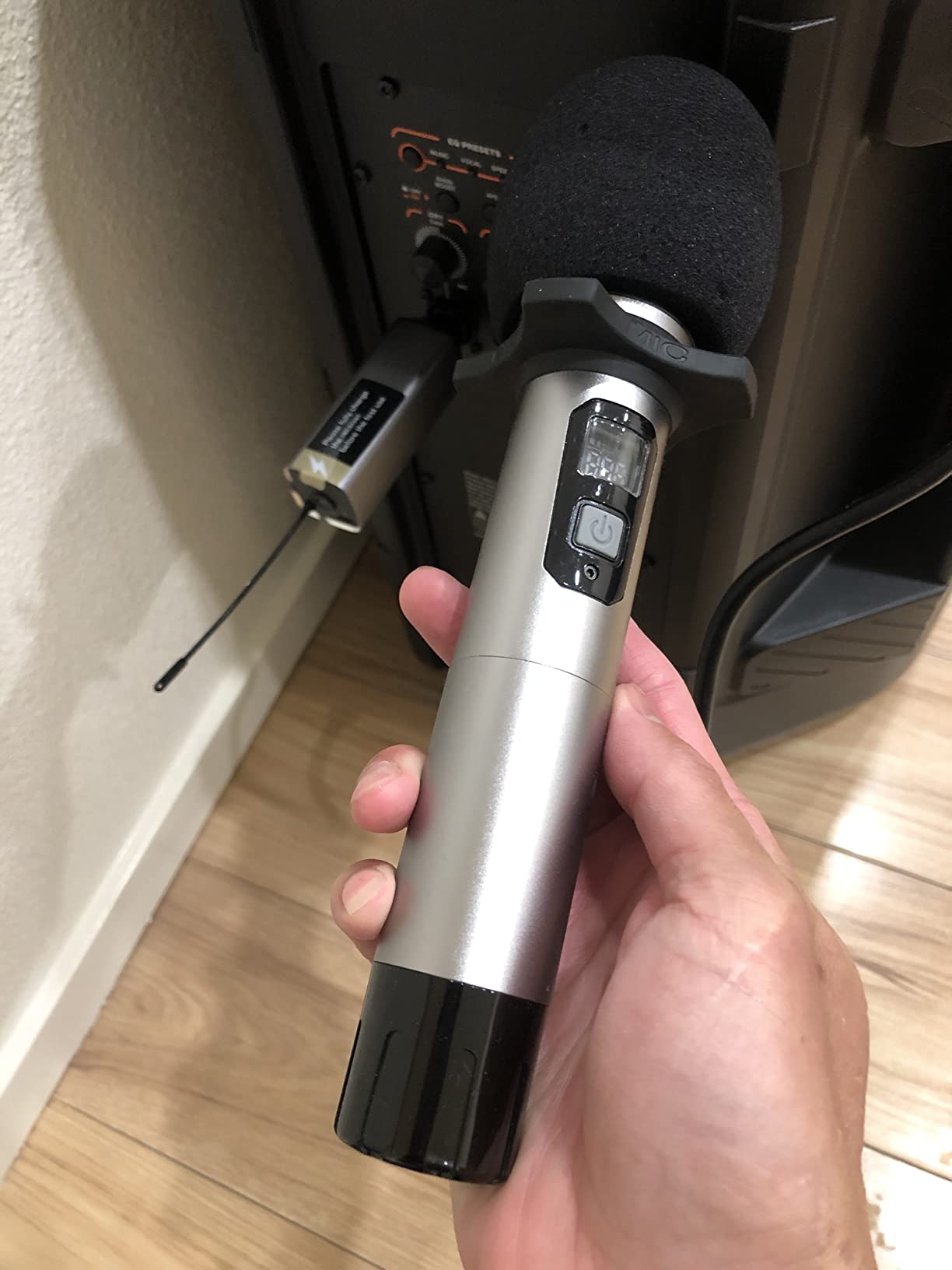
The TONOR TW630 is built for a completely different use case than the lavalier systems above it. These are dual handheld wireless microphones designed for karaoke, weddings, parties, church services, and public speaking events. I tested them at a friend’s birthday party with about 50 guests, running them through a powered PA speaker. The sound quality filled the room with clear, undistorted vocals.
The all-metal construction immediately sets these apart from budget handheld options. The microphones feel solid and professional in your hand. The receiver unit is equally well-built with a metal chassis that can survive being transported in a gig bag. The 15 adjustable UHF channels let you find a clear frequency even in environments with other wireless equipment operating nearby.
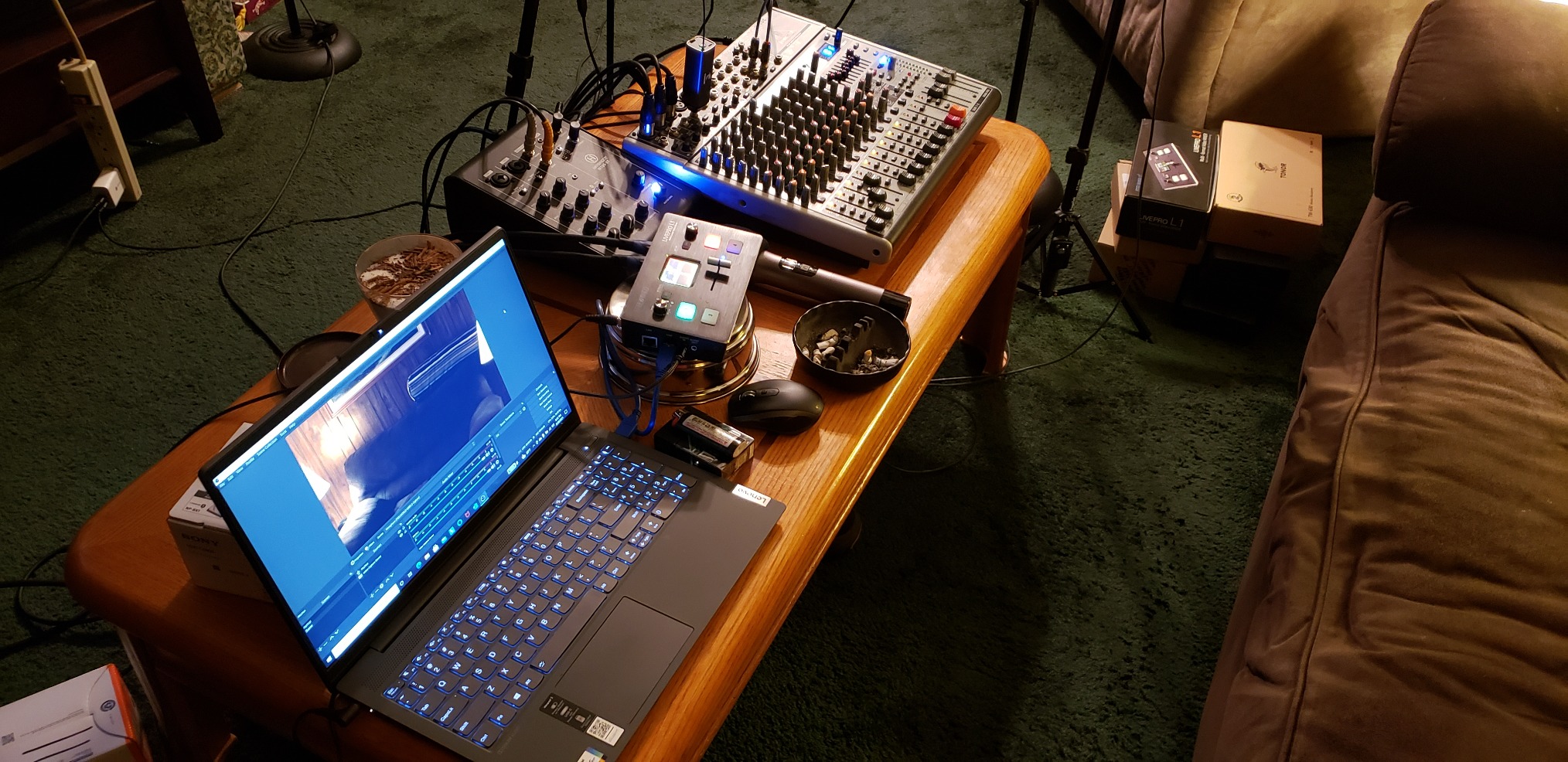
I ran both microphones simultaneously during a karaoke session and experienced zero interference between them. The auto frequency sync between the transmitters and receiver is a nice touch. I just turned everything on, pressed the sync button, and the system found clear channels automatically. At a 200-foot range, I walked through the entire venue without any signal dropouts.
The receiver runs for about 6 hours on a single charge, which covers most events. The microphones each require a single AAA battery, which provides extended operation time. My main gripe is the Micro-USB charging port on the receiver. In 2026, USB-C should be the standard, and needing to carry a separate cable for this receiver is an annoyance.
Who Should Buy the TONOR TW630
Event hosts, karaoke enthusiasts, DJs, and anyone running live sound for gatherings will find this system meets their needs. The dual-microphone setup is perfect for emcee duties, duets, and audience participation segments. If you need reliable wireless audio for a PA system, karaoke machine, or mixer, this delivers professional performance at a reasonable price.
Small churches and community organizations will appreciate the ability to run up to 15 sets simultaneously. This means you can expand your system over time without frequency conflicts. The 2-year warranty from TONOR provides decent coverage for regular use.
What to Consider Before Buying
This system is not compatible with phones, tablets, or computers. It connects via a 6.35mm jack to powered speakers, amplifiers, karaoke machines, or mixers. If you need a microphone for content creation or smartphone recording, this is not the right choice.
Some users have reported receiver failures before the 2-year mark. While TONOR’s customer service is generally responsive, durability is a concern for heavy use. If you use these professionally multiple times per week, consider the Phenyx Pro system as a more durable alternative with more advanced features.
10. Phenyx Pro PTU-71 — Best Professional UHF Wireless Microphone System
Phenyx Pro Dual UHF Auto Scan Handheld Wireless Microphone System PTU-71-2H
UHF Dual Handheld
Auto Scan
2x100 Frequencies
328ft Range
16 Simultaneous Systems
Metal Receiver
98dB SNR
Pros
- Auto Scan finds clear frequencies automatically
- 2x100 selectable UHF frequencies
- 328ft line of sight range
- 98dB signal to noise ratio
- Metal receiver construction
- Up to 16 simultaneous systems
Cons
- Heavy at 2.7 kilograms
- Requires 8 AA batteries
- Less portable than compact systems
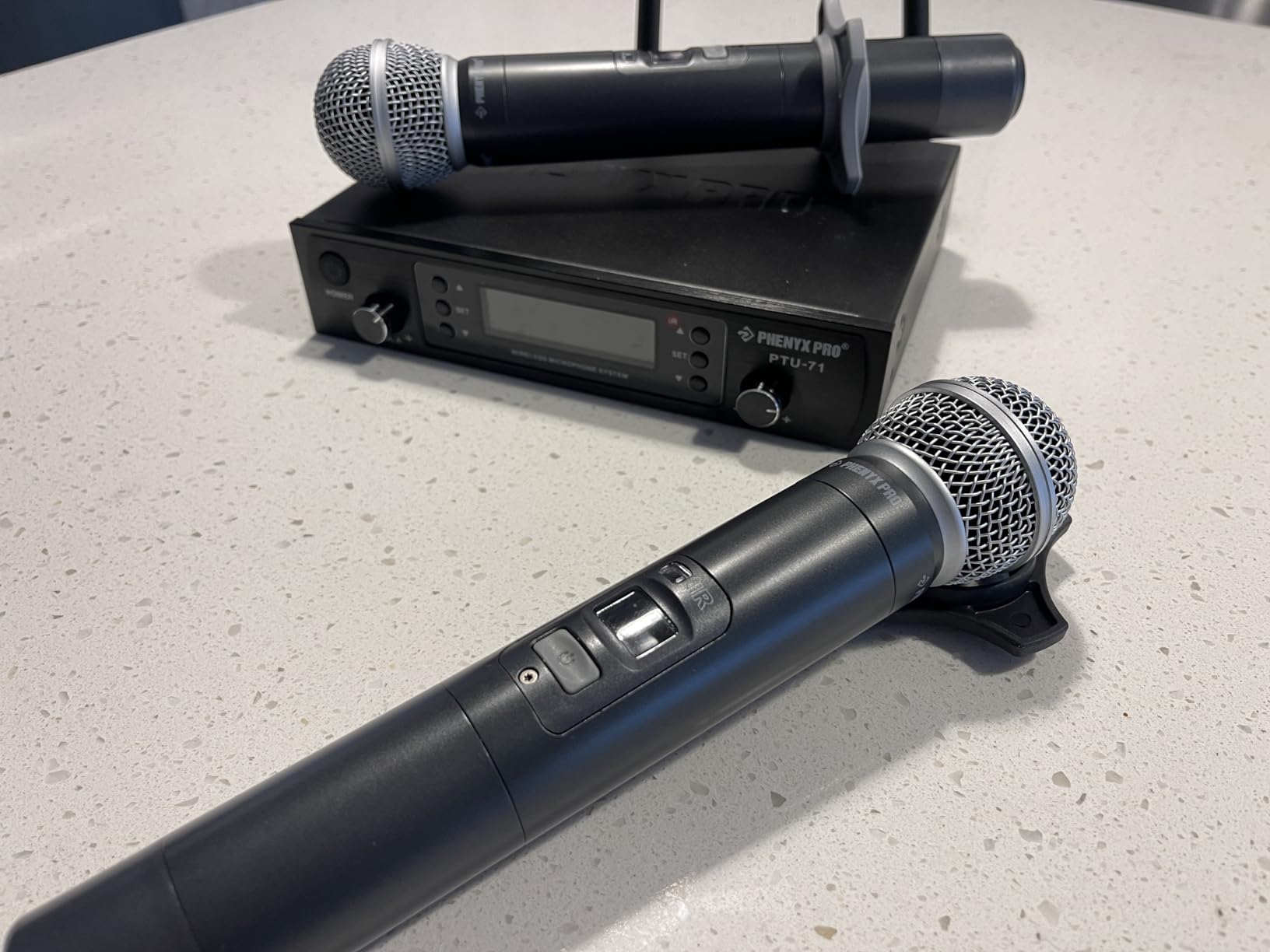
The Phenyx Pro PTU-71 is a step up from the TONOR TW630 in both features and price. I tested this system at a church service and a corporate event, and it handled both environments with professional-grade performance. The auto scan feature is the headline attraction. I pressed one button and the system scanned through 200 selectable UHF frequencies to find the cleanest available channel in about 10 seconds.
Sound quality is noticeably better than the TONOR system. The 98dB signal-to-noise ratio means the audio is exceptionally clean with virtually no background hiss. I ran the microphones through a proper PA system with subwoofers, and the vocal reproduction was full and natural. The cardioid polar pattern provided good feedback rejection when singers held the microphones close.
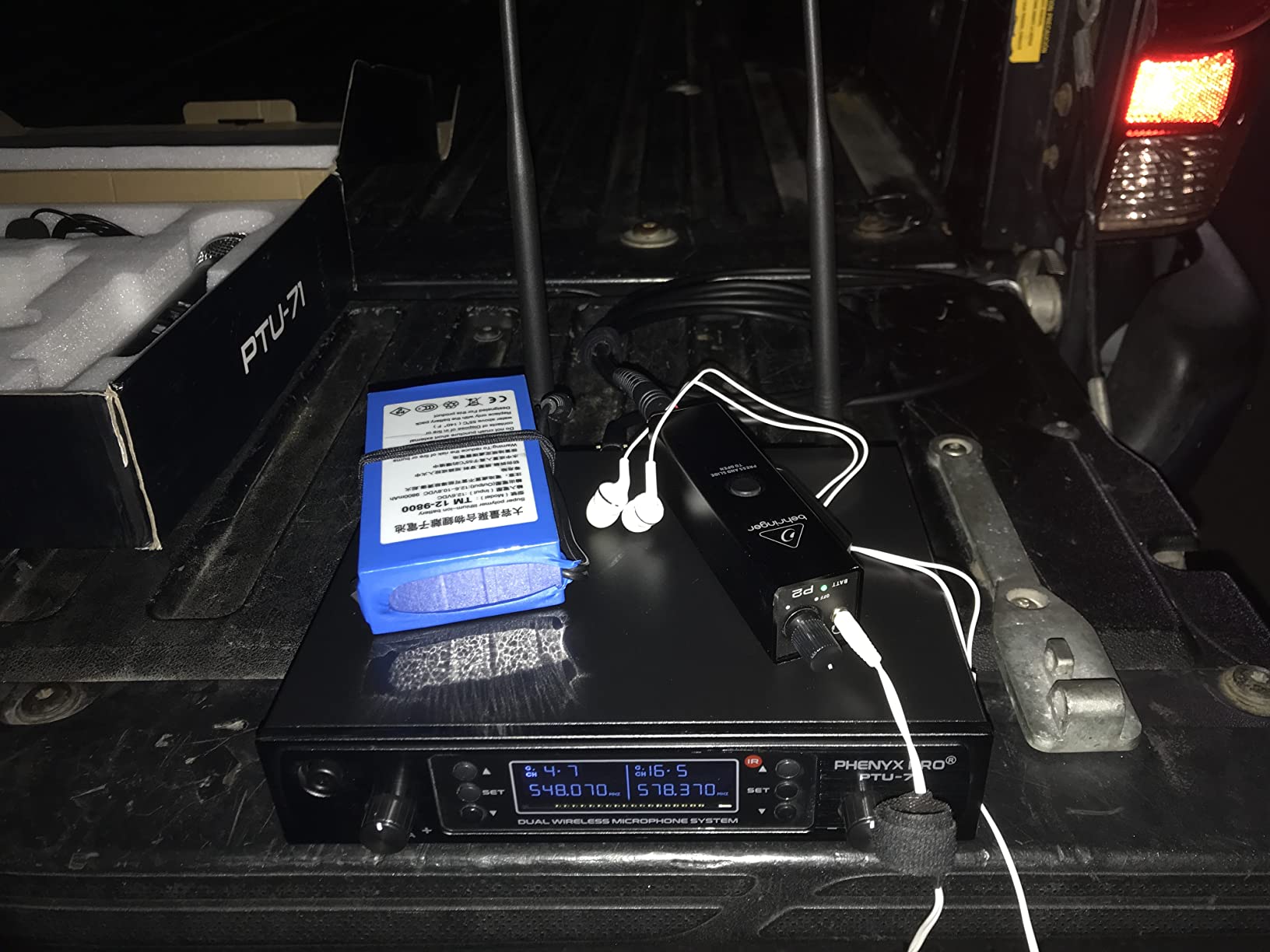
The 328-foot range gave me confidence during a large venue event. I walked to the back of a 250-seat auditorium and the signal remained solid. The metal receiver construction feels built for professional use, with a rugged chassis that can handle being racked or transported in a flight case. Up to 16 systems can run simultaneously, making this scalable for large productions.
Battery life reaches 16 hours with the included AA batteries. The system requires 8 AA batteries total across the two handheld transmitters, which is a meaningful ongoing cost if you use the system frequently. I recommend investing in high-quality rechargeable AA batteries to keep operating costs down over time.
Who Should Buy the Phenyx Pro PTU-71
Professional event producers, churches, and venues that need reliable multi-microphone setups will get the most value from this system. The auto scan and 200 selectable frequencies make it practical for environments with existing wireless equipment. If you run live sound regularly and need equipment that will not fail mid-event, this system delivers professional reliability.
Bands and performers who need multiple vocal microphones will appreciate the 16-system scalability. You can start with a dual-mic setup and expand to four, six, or more microphones without frequency conflicts. The rack-mountable receiver design fits standard audio racks for permanent installations.
What to Consider Before Buying
The system weighs 2.7 kilograms, making it significantly heavier and less portable than lavalier systems. This is designed for stationary or semi-permanent installations rather than mobile content creation. The receiver requires wall power, so you need access to an electrical outlet at your event location.
The 8 AA battery requirement is a real consideration for ongoing operating costs. Over a year of regular use, replacement batteries add up. Factor in the cost of quality rechargeable AA batteries and a charger when budgeting for this system. The included batteries are adequate but will need replacement relatively quickly with heavy use.
11. Rode Wireless PRO — Best Premium Wireless Microphone for Filmmakers
RØDE Wireless PRO (2 TX + 1 RX + Charging Case), 32-Bit Float, Timecode
32-bit Float Onboard Recording
Advanced Timecode
40h Storage
2 Lavalier II Mics
Smart Charge Case
Series IV 2.4GHz
Pros
- 32-bit float recording recovers clipped audio
- Advanced timecode for fast post-production sync
- Complete kit includes lavalier mics and smart charge case
- Universal compatibility with cameras phones and computers
- 5-year warranty
Cons
- Temporarily out of stock at times
- Higher price point
- Heavier than compact alternatives at 458 grams
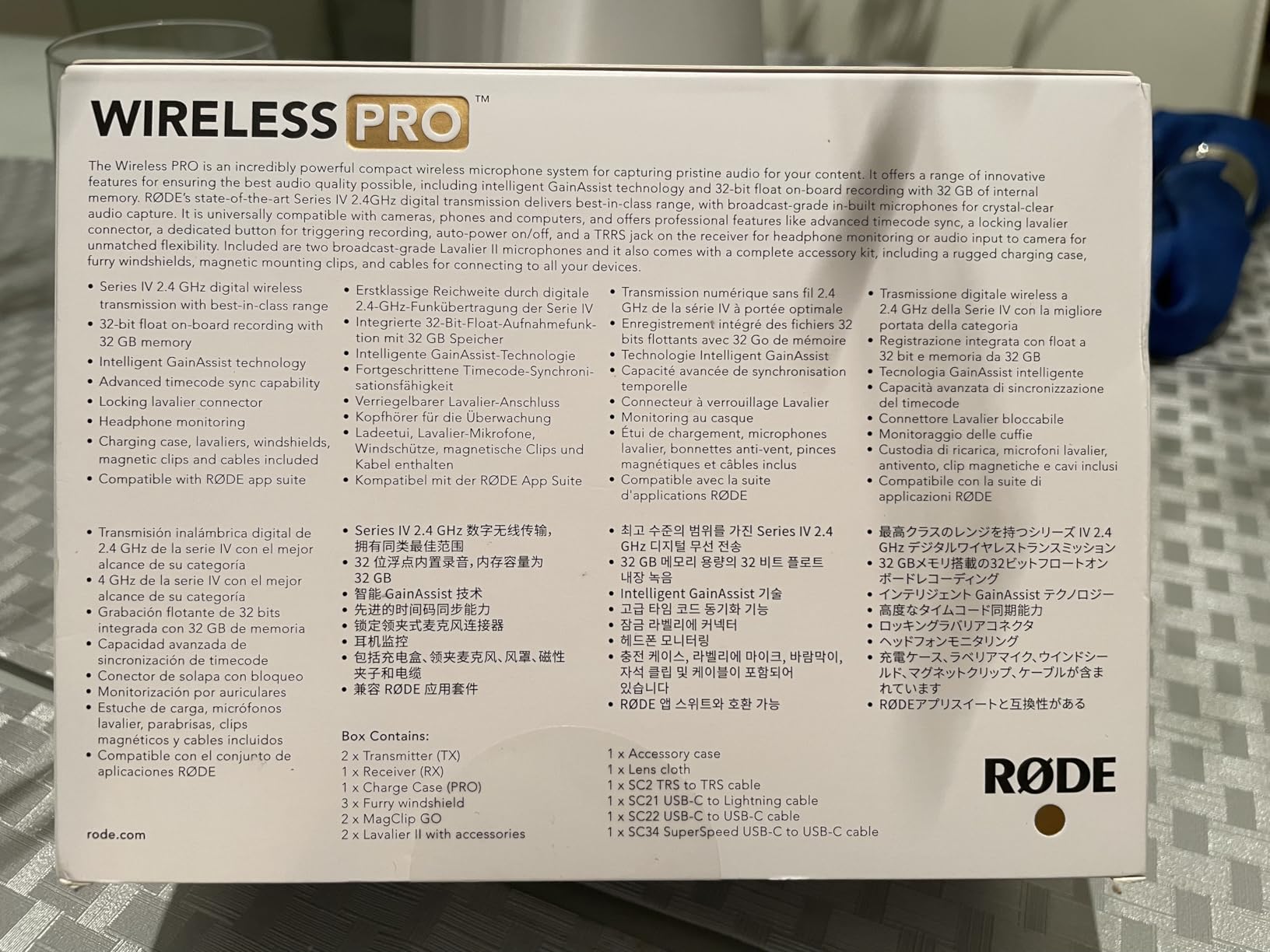
The Rode Wireless PRO is the most complete wireless microphone kit in this roundup. Everything you need for professional audio is in the box: two transmitters, one receiver, a smart charging case, two Lavalier II microphones, MagClip GO magnetic mounting clips, and all necessary cables. I unboxed this system and was recording within five minutes without needing any additional accessories.
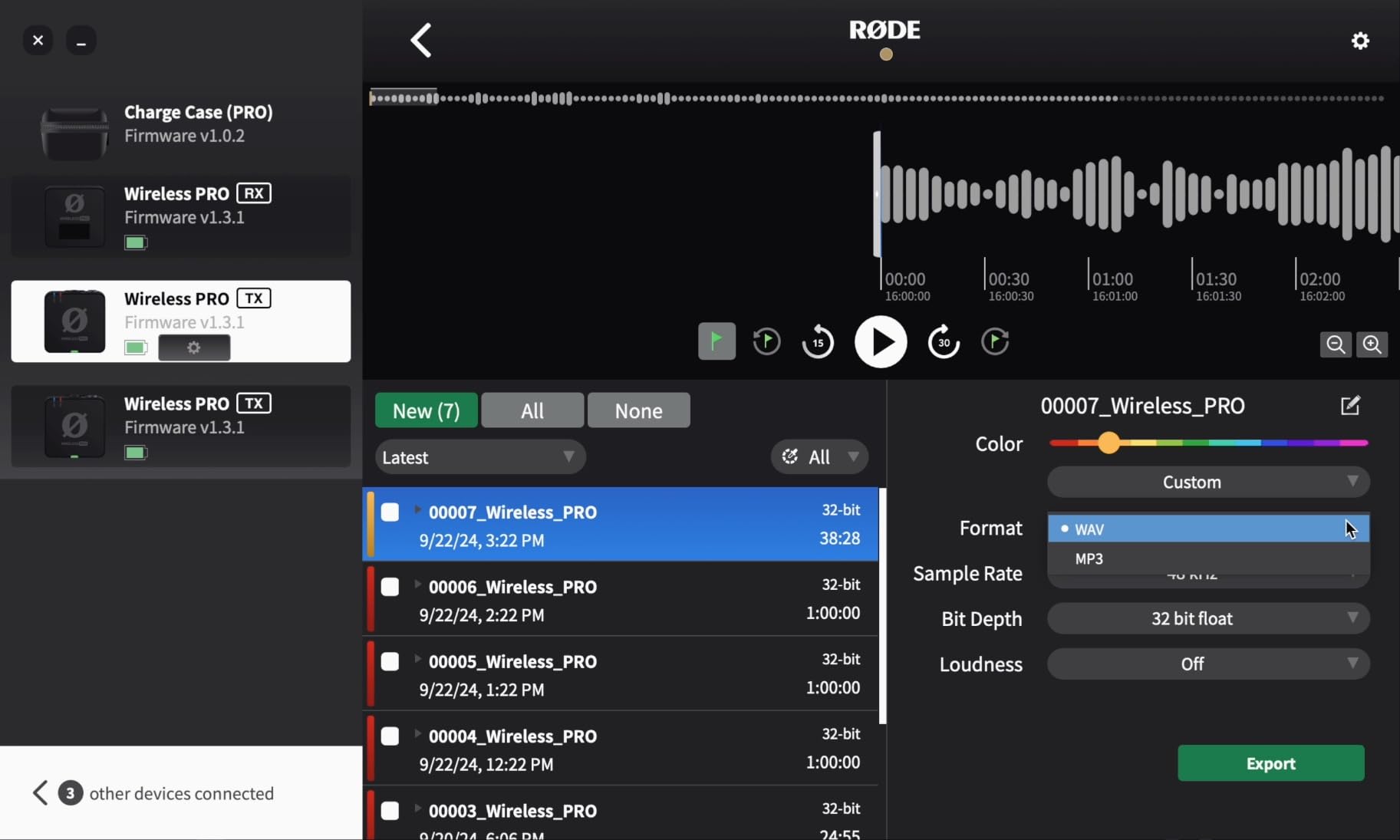
The advanced timecode capability is what sets this system apart from every other product on this list. Timecode syncs your audio recording precisely with your camera’s timecode, which makes multi-camera and multi-source audio syncing in post-production dramatically faster. I edited a project that used three cameras and the Wireless PRO audio. The timecode allowed my editing software to sync everything automatically, saving hours of manual alignment work.
The 32-bit float onboard recording provides the same safety net as the DJI Mic 2 and Rode Wireless GO III. With 40-plus hours of recording capacity per transmitter, you have massive backup storage. I recorded a full-day event with the transmitters running continuously, and the internal storage captured everything flawlessly. Even when a cable connection issue interrupted the wireless feed briefly, the internal recording filled the gap seamlessly.
The included Lavalier II microphones are a meaningful upgrade over the built-in transmitter mics. I tested both and the lavalier mics provide a more natural, fuller sound with better off-axis rejection. For sit-down interviews and professional video production, using the lavalier mics elevates the audio quality to broadcast standards. The smart charging case tops off all components and displays battery status.
Who Should Buy the Rode Wireless PRO
Professional filmmakers, documentary producers, and serious content creators who need broadcast-quality audio should look no further. The timecode feature alone justifies the premium price for anyone working in multi-camera productions. If you have ever spent hours manually syncing audio in post-production, you understand the value of this feature.
The complete accessory kit means you do not need to buy additional lavalier mics, clips, or cables separately. This makes the total cost more reasonable when you factor in everything that is included. For creators who already own Rode equipment, the Wireless PRO integrates seamlessly into the Rode ecosystem.
What to Consider Before Buying
The price is the highest among lavalier-style systems in this roundup. If you do not need timecode or the included lavalier microphones, the DJI Mic 2 or Rode Wireless GO III offer similar core functionality for less. Evaluate whether the timecode and complete kit justify the premium for your specific workflow.
Availability can be inconsistent. The system has been temporarily out of stock at various retailers due to high demand. If you need this for a specific project, order well in advance to ensure delivery. The 5-year warranty provides excellent long-term coverage once you receive your unit.
12. Shure BLX24/SM58 — Best Wireless Microphone for Live Vocals
Shure BLX24/SM58 Wireless Microphone System – 14-Hour Battery Life, 300 ft Range, UHF | Includes SM58 Handheld Vocal Mic, Single Channel Receiver | H9 Band (BLX24/SM58-H9)
SM58 Vocal Capsule
UHF H9 Band
300ft Range
14h Battery
12 Channels
XLR Output
Stainless Steel
Pros
- Legendary SM58 microphone capsule for vocal performance
- 300ft range for large venues
- 14-hour battery life from 2 AA batteries
- Trusted Shure durability and quality
- Quick and easy setup with user-friendly interface
Cons
- Single channel only not expandable
- Higher price point
- Limited stock availability
The Shure BLX24/SM58 pairs the legendary SM58 vocal microphone capsule with Shure’s reliable BLX wireless system. This is the microphone that professional singers, public speakers, and venues have trusted for decades. I tested it during a live music performance at a medium-sized venue, and the vocal reproduction was everything you expect from an SM58: warm, clear, with excellent feedback rejection.
The wireless system operates on UHF frequencies, which provides more reliable transmission than 2.4GHz systems in environments with heavy Wi-Fi traffic. I tested it in a venue with multiple Wi-Fi networks and other wireless equipment operating simultaneously. The signal remained rock solid throughout the performance with zero dropouts. The 300-foot range covers even large venue layouts.
Setup is genuinely simple. I plugged the receiver into the PA system, turned on the handheld transmitter, and the system found a clear channel automatically. The user-friendly interface means even non-technical users can operate this system confidently. Shure includes the BLX4 single-channel receiver, which features a sturdy metal build and clear front-panel display.
Battery life reaches 14 hours from just 2 AA batteries. This is one of the most efficient wireless systems available, and the battery life held up during my extended testing. The stainless steel construction of the handheld microphone feels like a professional instrument. This is the kind of equipment that survives decades of regular use.
Who Should Buy the Shure BLX24/SM58
Singers, public speakers, houses of worship, and performance venues should choose this system. The SM58 capsule is the industry standard for live vocals for good reason. If you are upgrading from a budget handheld system or need your first professional wireless vocal microphone, this delivers the sound quality and reliability that performers demand.
Sound engineers and AV professionals will appreciate the consistent performance and trusted brand reputation. Shure equipment is the backbone of live sound systems worldwide, and parts, accessories, and support are widely available. The 2-year warranty is standard for professional audio equipment.
What to Consider Before Buying
This is a single-channel system, meaning you get one handheld microphone per receiver. If you need two microphones, you will need a second system or a dual-channel receiver. The BLX series does support multiple systems on different frequencies, so expansion is possible but requires additional hardware purchases.
The price reflects the professional quality and Shure brand premium. For occasional use or casual karaoke, the TONOR or Phenyx Pro systems offer better value. Reserve this system for applications where vocal quality and reliability are critical. Also note that stock availability can be limited, so check availability before planning around a specific delivery date.
How to Choose the Best Wireless Microphone in 2026?
Choosing from the best wireless microphones requires understanding your specific needs and matching them to the right features. After testing 12 systems across multiple use cases, I identified the key factors that should drive your decision.
32-Bit Float Recording: The Audio Safety Net
32-bit float recording is the most important audio technology advancement in recent years. Traditional recording formats can clip if audio levels exceed the maximum threshold, resulting in harsh, unusable distortion. 32-bit float captures such an enormous dynamic range that clipping is essentially impossible. I have recovered audio from situations that would have been completely ruined with older formats.
If you record one-take scenarios like live events, interviews, or documentary footage, 32-bit float recording is worth every penny. The DJI Mic 2, Rode Wireless GO III, and Rode Wireless PRO all include this technology. For controlled studio environments where you can monitor and adjust levels, it is less critical.
Transmission Range and Signal Stability
Manufacturers quote maximum range numbers, but real-world performance varies significantly. I found that 2.4GHz systems like the DJI and Hollyland models perform well in open environments but can struggle in areas with heavy Wi-Fi interference. UHF systems like the Phenyx Pro and Shure BLX are more resistant to interference in RF-crowded environments.
For outdoor vlogging and content creation, 200 to 400 meters of range from 2.4GHz systems is more than adequate. For live events and large venues, UHF systems provide the reliability you need. Consider your filming environment when making a choice between these technologies.
Battery Life for Extended Shoots
Battery life ranges dramatically across these systems. The DJI Mic Mini leads with 48 hours total using its charging case, followed by the Hollyland Lark A1 at 54 hours. Budget options like the Mini Mic Pro offer about 6 hours per charge, which is fine for casual use but limiting for full-day productions.
If you film events, travel extensively, or shoot in remote locations without power access, prioritize systems with charging cases. The case serves as both storage and a portable power bank for your transmitters and receivers. I never travel without a charging case system for this reason.
Smartphone vs Camera Compatibility
This is one of the most confusing aspects of choosing a wireless microphone, and I encountered the compatibility headache firsthand. Not all systems include the adapters you need. The Mini Mic Pro includes both USB-C and Lightning connectors, making it universally compatible with smartphones. The DJI Mic Mini includes a USB-C adapter but requires a separate purchase for Lightning.
For camera users, look for systems with 3.5mm TRS output cables. The DJI Mic 2, Hollyland Lark M2, and Rode systems all include camera cables. If you record with both a phone and a camera, the Hollyland Lark M2 with its three receivers is the most versatile option I tested.
Noise Cancellation Types Explained
Not all noise cancellation is created equal. Basic noise reduction applies a simple filter that reduces overall background noise but can make voices sound slightly artificial. Intelligent noise cancellation, like the systems on the DJI Mic 2 and Hollyland Lark A1, analyzes the audio in real time and selectively reduces unwanted frequencies while preserving voice quality.
The Hollyland Lark A1 offers three levels of noise cancellation, which I found the most flexible. Level one is subtle enough for studio use, while level three handles outdoor environments well. The DJI Mic 2 offers app-adjustable noise cancellation with finer control. For controlled indoor environments, basic noise reduction is sufficient. For outdoor and noisy environments, invest in a system with intelligent noise cancellation.
Multi-Transmitter Setups for Interviews
If you record interviews, podcasts, or any two-person content, dual-transmitter systems are essential. The DJI Mic Mini, DJI Mic 2, Hollyland Lark A1, Hollyland Lark M2, and Rode Wireless PRO all include two transmitters. This allows you to mic both participants simultaneously without passing a single microphone back and forth.
The MAONO PD200W takes a different approach, allowing two wireless microphones to connect to a single receiver for duo podcasting. For multi-person scenarios beyond two speakers, the Phenyx Pro PTU-71 supports up to 16 simultaneous systems. Match the system’s multi-transmitter capability to your typical recording scenarios.
FAQs
What is the best wireless mic brand?
DJI and Rode are the top wireless microphone brands in 2026. DJI leads in battery life and portability with the Mic Mini and Mic 2, while Rode dominates in professional features like 32-bit float recording and timecode with the Wireless PRO and Wireless GO III. Hollyland offers the best value, and Shure remains the gold standard for live vocal performance.
Which is the best wireless mic system?
The Rode Wireless PRO is the best overall wireless microphone system for professional use, offering 32-bit float recording, advanced timecode, and a complete accessory kit. For content creators, the DJI Mic Mini delivers the best combination of portability, battery life, and audio quality at a more accessible price point.
Which cordless microphone is best?
The best cordless microphone depends on your use case. For vlogging and smartphone content, the DJI Mic Mini is the top pick. For karaoke and live events, the TONOR TW630 or Phenyx Pro PTU-71 are excellent choices. For professional live vocals, the Shure BLX24/SM58 with its legendary SM58 capsule is unbeatable.
What is the best wireless microphone for live vocals?
The Shure BLX24/SM58 is the best wireless microphone for live vocals. It pairs the legendary SM58 capsule, which has been the industry standard for vocal performance for decades, with Shure’s reliable BLX wireless system. It offers 300 feet of range, 14-hour battery life, and the warm, clear vocal reproduction that professional singers demand.
What is 32-bit float recording and do I need it?
32-bit float recording captures an extremely wide dynamic range that makes audio clipping virtually impossible. Unlike traditional recording where setting levels too high causes permanent distortion, 32-bit float allows you to recover and normalize audio in post-production without quality loss. You need it if you record one-take scenarios like live events, interviews, or documentary footage where you cannot monitor and adjust levels in real time.
Final Thoughts on the Best Wireless Microphones
After three months of testing, the DJI Mic Mini stands out as the best wireless microphone for most creators in 2026. Its combination of ultralight design, 48-hour battery life, and class-leading range makes it versatile enough for vlogging, interviews, and professional content creation. The Hollyland Lark A1 earns the best value title by delivering studio-grade audio at a fraction of the cost of premium systems.
For professionals who need broadcast-quality features, the Rode Wireless PRO with timecode and 32-bit float recording is worth the investment. Budget-conscious beginners cannot go wrong with the Mini Mic Pro for under $25, and live performers should look to the Shure BLX24/SM58 for industry-standard vocal reproduction. Whatever your content creation needs, investing in quality audio will transform how your audience experiences your work.