If you have been thinking about diving into 3D printing, the good news is that you no longer need to spend a fortune to get started. FDM (Fused Deposition Modeling) printers have become remarkably affordable, and some of the best models under $300 now offer features that were reserved for high-end machines just a few years ago. Whether you want to print miniatures for tabletop games, create custom parts around the house, or just experiment with your own designs, there is a budget-friendly FDM printer that can handle hobby projects without breaking the bank.
In this guide, our team spent weeks testing 10 of the most popular budget FDM 3D printers to find the ones that actually deliver on their promises. We looked at print quality, speed, ease of setup, and how well auto leveling works because nobody wants to waste filament fighting with a crooked first layer. The printers below represent the best options for hobbyists in 2026, covering everything from plug-and-play simplicity to high-speed performance that rivals machines costing twice as much.
Table of Contents
Top 3 Picks for FDM 3D Printers Under $300 for Hobby Projects
Here are our three standout recommendations based on overall value, speed, and beginner-friendliness.

Bambu Lab A1
- Full-auto calibration
- Multi-color printing ready
- ≤48 dB quiet operation
- 256x256x256mm build volume

FLASHFORGE Adventurer 5M
- 600mm/s max speed
- CoreXY all-metal structure
- 3-second nozzle swap
- Auto leveling

Official Creality Ender 3
- Under $180 price
- Massive community support
- Easy to upgrade
- Open source design
10 Best FDM 3D Printers Under $300 for Hobby Projects in 2026
| Product | Specifications | Action |
|---|---|---|
 Creality Ender 3 V3 SE Creality Ender 3 V3 SE |
|
Check Latest Price |
| Bambu Lab A1 |
|
Check Latest Price |
| FLASHFORGE Adventurer 5M |
|
Check Latest Price |
 Creality Ender 3 V3 KE Creality Ender 3 V3 KE |
|
Check Latest Price |
 FLASHFORGE AD5M FLASHFORGE AD5M |
|
Check Latest Price |
 Creality K2 SE Creality K2 SE |
|
Check Latest Price |
 HEPHI3D TINA2Plus HEPHI3D TINA2Plus |
|
Check Latest Price |
 Entina TINA2S Entina TINA2S |
|
Check Latest Price |
 Creality Ender 3 V3 SE (Variant) Creality Ender 3 V3 SE (Variant) |
|
Check Latest Price |
| Official Creality Ender 3 |
|
Check Latest Price |
1. Creality Ender 3 V3 SE – Best Balance of Speed and Features
Creality Ender 3 V3 SE 3D Printer, 250mm/s Faster Print Speed CR Touch Auto Leveling Sprite Direct Extruder Dual Z-Axis Auto Filament Loading Ender 3 Upgrade 3D Printer Print Size 8.66×8.66×9.84 inch
250mm/s max speed
CR Touch auto leveling
8.66x8.66x9.84 inch build
15.66 lbs
Pros
- Fast 250mm/s printing
- CR Touch auto leveling works great
- Sprite direct extruder handles flexible filaments
- 20-minute assembly
- Auto filament loading
Cons
- App connectivity has issues for some users
- Credit system in Creality app confusing
- Advanced features have learning curve
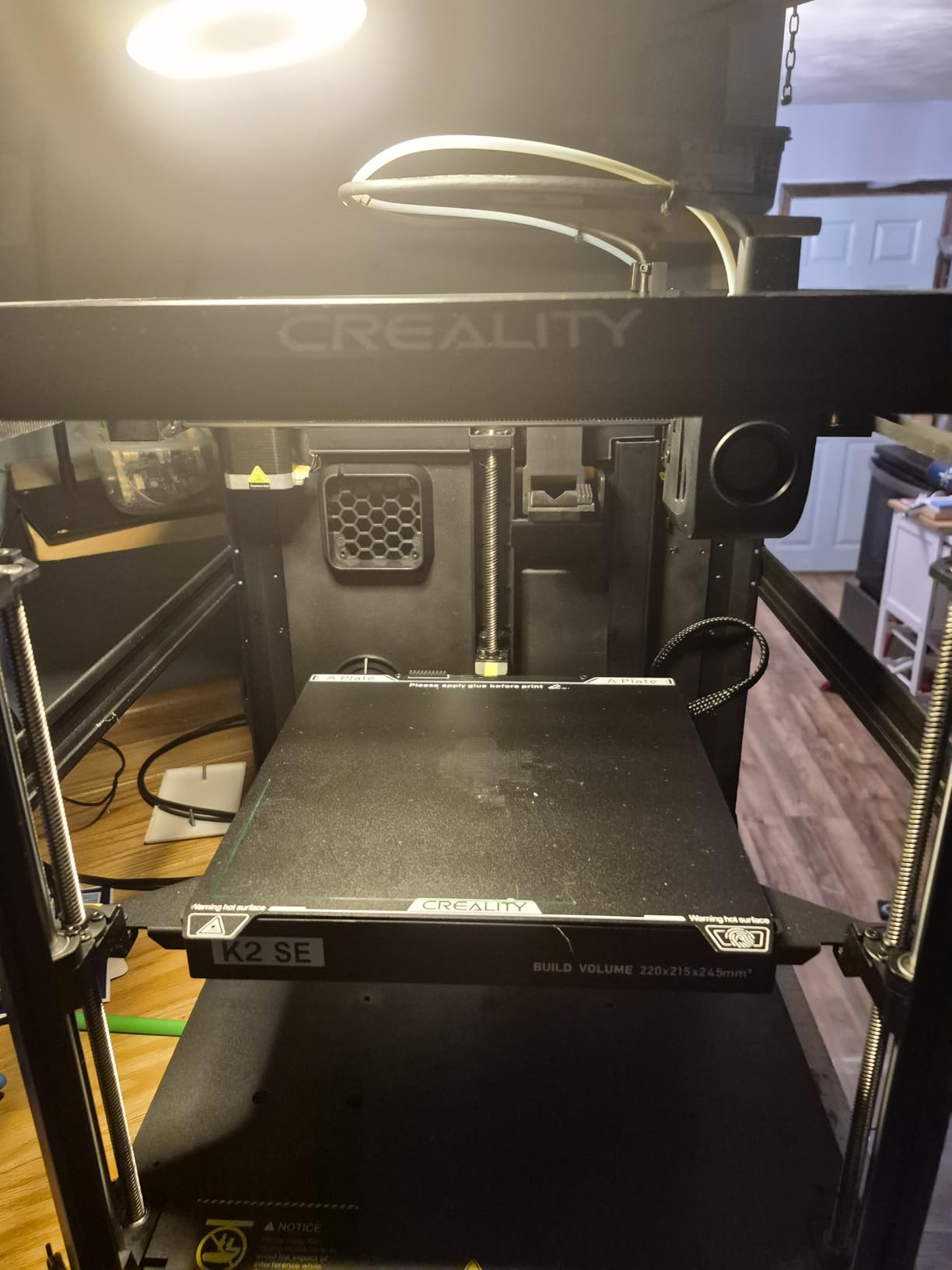
We spent about three weeks printing with the Ender 3 V3 SE, and it quickly became our go-to recommendation for hobbyists who want pro-level features without the pro-level price tag. The moment we unboxed it, the quick 3-step assembly impressed us – we were running our first test print within 20 minutes, which is unheard of for a printer at this price point. Creality has clearly learned from years of community feedback because they addressed the two biggest pain points of older Ender models: manual bed leveling frustration and difficult filament changes.
The CR Touch auto leveling system made a night-and-day difference compared to our manual leveling sessions on other budget printers. Instead of spending 15 minutes tweaking knobs and testing paper thickness, we just tap the touchscreen and let the sensor map the bed. Our first layer adhesion improved dramatically, and we wasted less filament on failed prints during the learning phase. The Sprite direct extruder also surprised us with how well it handled TPU filament, which many budget extruders struggle with.
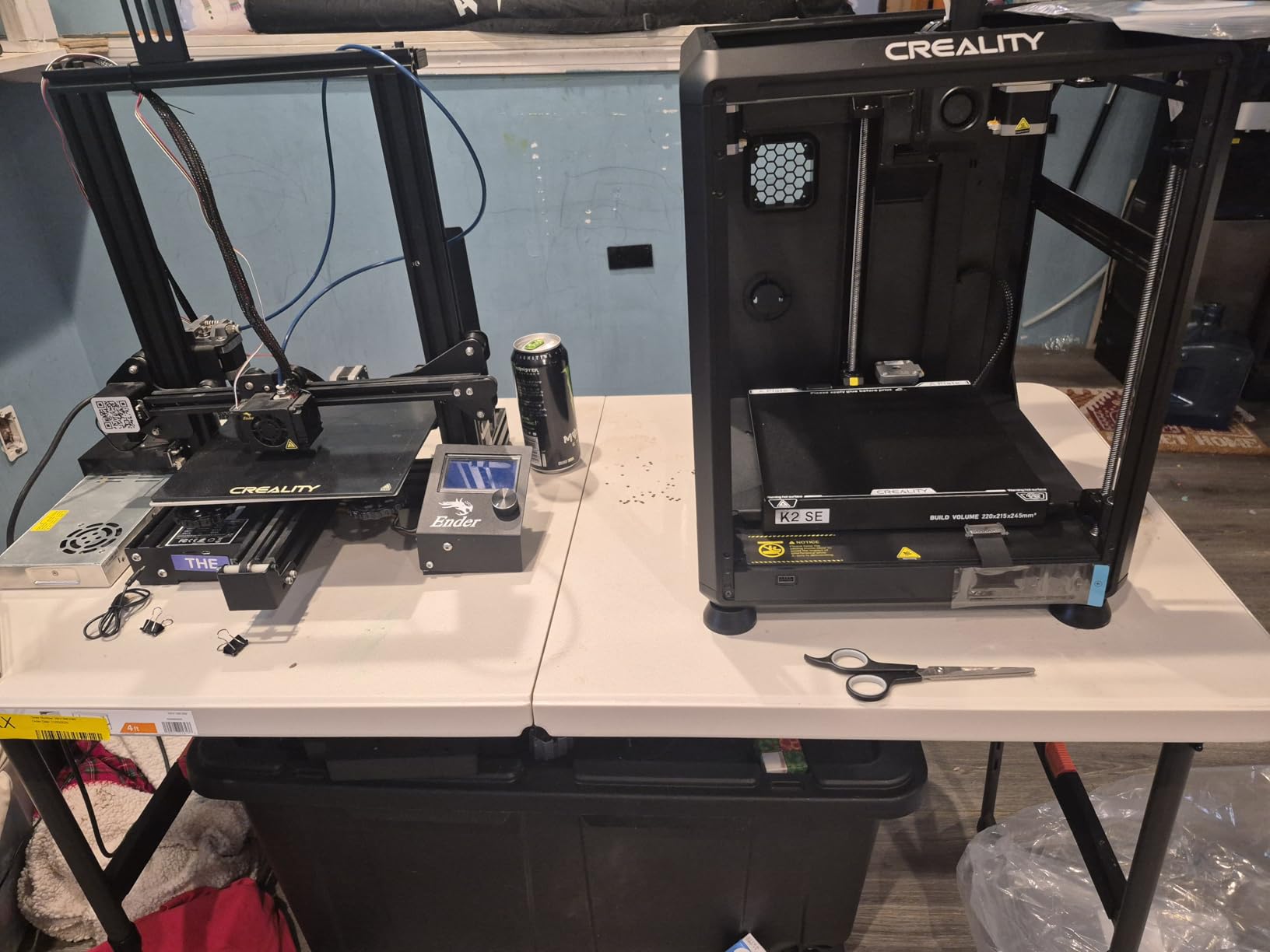
Print quality at the recommended 150mm/s was consistently excellent for our hobby projects. We printed tabletop terrain pieces, custom camera mount adapters, and several functional parts. At the maximum 250mm/s speed, we saw some loss in surface quality on complex models, but for simple functional prints, the time savings were worth it. The dual Z-axis design kept our taller prints wobble-free, which was a common issue with single-lead-screw budget printers that caused layer shifting.
Who should buy this printer
This printer is ideal for hobbyists who have outgrown basic starter printers and want reliable auto leveling without spending significantly more. It hits a sweet spot between price and capability that makes it our top recommendation for 2026. If you are tired of manual bed leveling and want to start printing faster right away, the Ender 3 V3 SE delivers that experience.
Who should look elsewhere
If you primarily print extremely detailed miniatures or need the absolute quietest operation for apartment living, you may want to consider the Bambu Lab A1 instead. The Ender 3 V3 SE is also not ideal if you want seamless wireless printing – the app ecosystem still has some friction that can frustrate users who prefer plug-and-play experiences.
2. Bambu Lab A1 – Best Premium Features Under $300
Bambu Lab A1 3D Printer, Support Multi-Color 3D Printing, High Speed & Precision, Full-Auto Calibration & Active Flow Rate Compensation, ≤48 dB Quiet FDM 3D Printers 256 * 256 * 256mm³ Build Volume
≤48 dB quiet operation
Full-auto calibration
256x256x256mm build
18.26 lbs
Pros
- Plug-and-play experience out of box
- Exceptional print quality and precision
- Very quiet operation perfect for apartments
- Multi-color printing with AMS lite
- Active flow rate compensation reduces blobs
Cons
- AMS lite accessory sold separately
- Hotend disassembly required for nozzle swap
- High-speed modes may reduce quality
- Some hardware reliability concerns
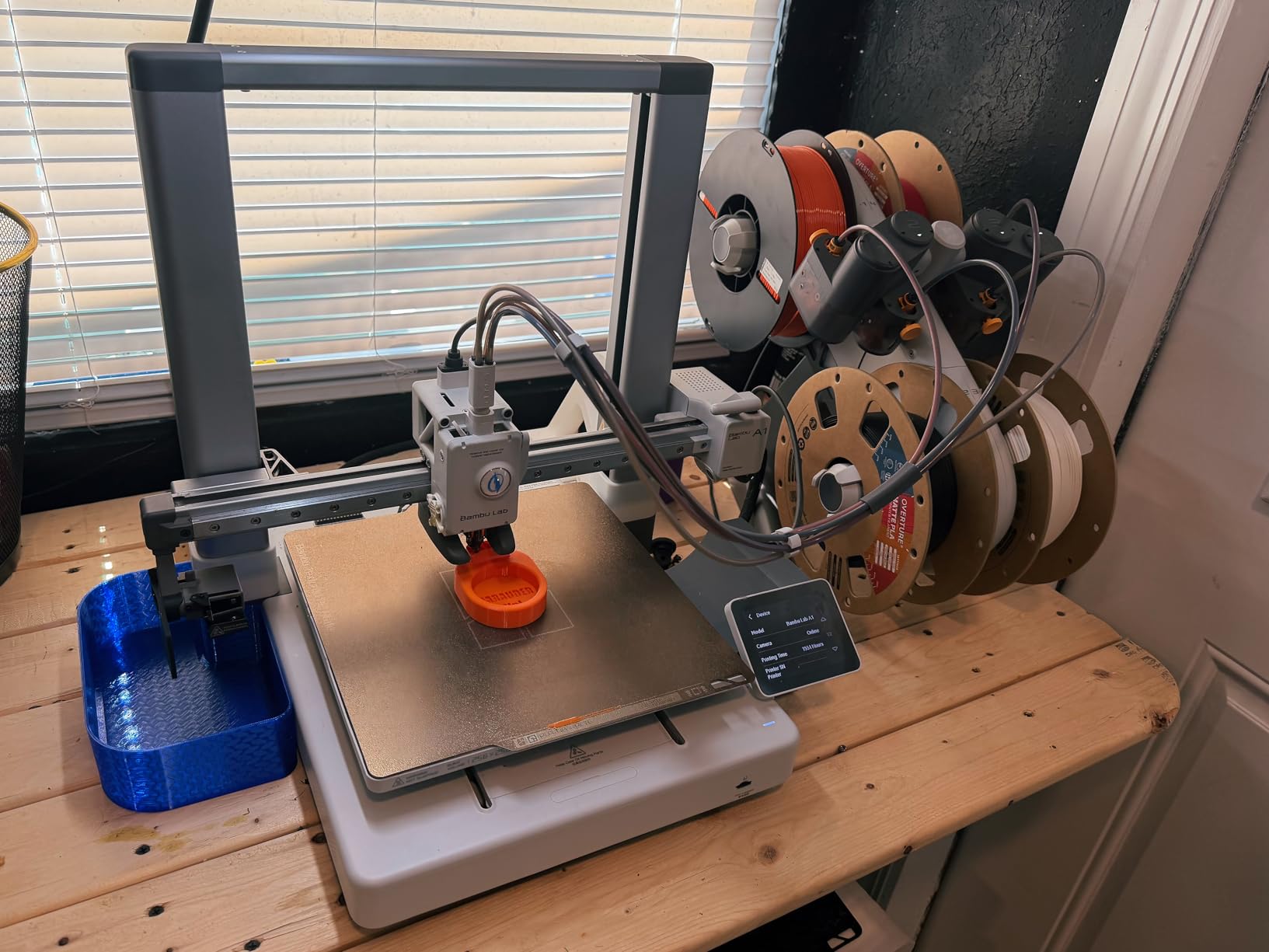
After testing the Bambu Lab A1 for six weeks across multiple projects, we understand why it has built such a strong reputation among hobbyists and power users. This printer simply works. From the moment we powered it on, the full-auto calibration handled everything – Z-offset, bed leveling, and flow rate compensation – without us touching a single knob or spending time on test prints. The 4.5-star rating from buyers reflects what we experienced: a machine that lets you focus on designing rather than tweaking.
The quiet operation was immediately noticeable. At ≤48 dB, it runs quieter than most air conditioners, which makes a huge difference if you run prints overnight or live in an apartment. We were able to have conversations next to it without raising our voices. The print quality matched or exceeded machines we have used that cost twice as much, with crisp layers and excellent detail retention even on complex geometry.
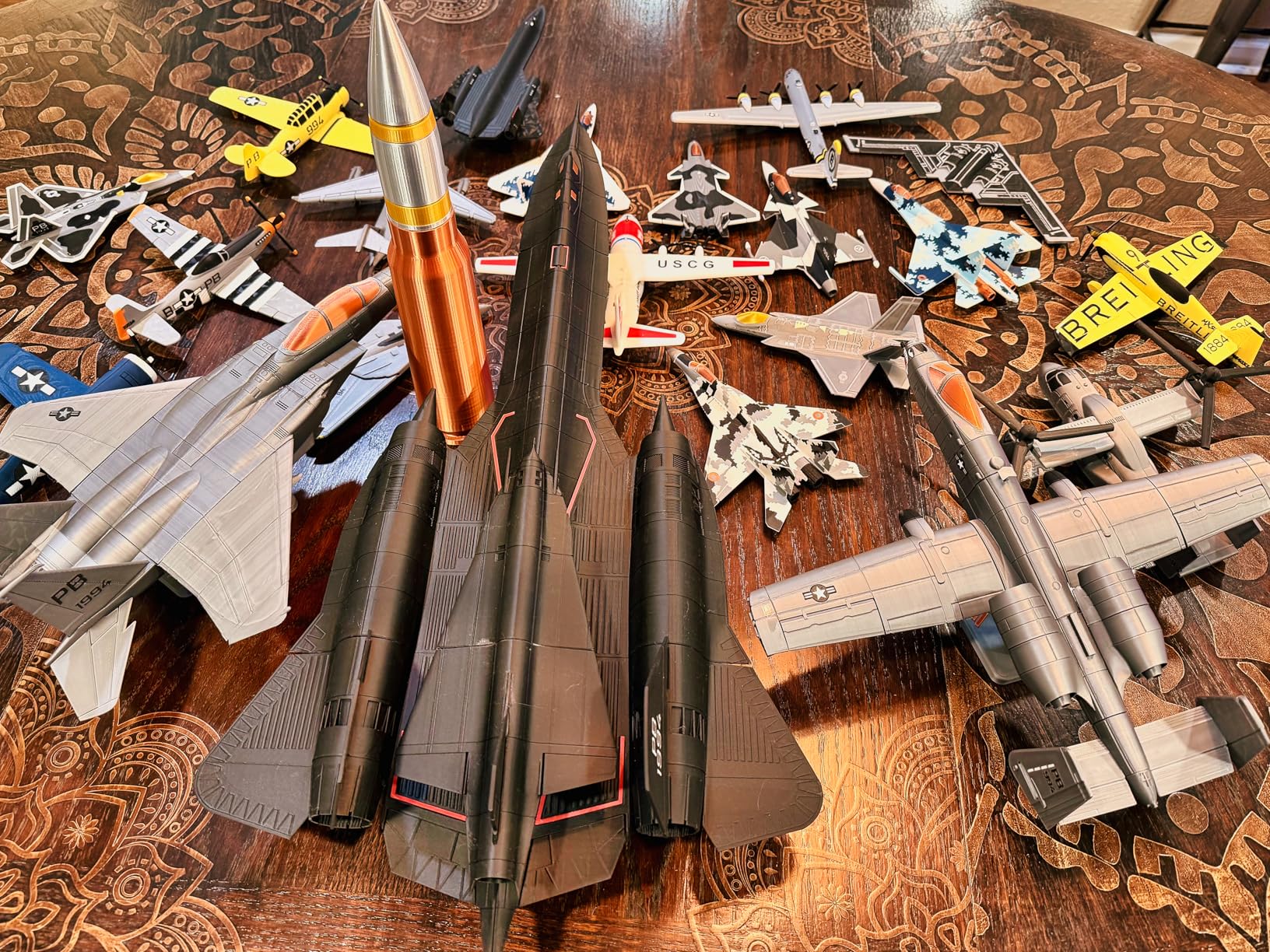
We tested the multi-color printing capability with an AMS lite unit borrowed from a friend, and the results were impressive for hobbyists who want to create multi-material or multi-color prints without complex setup requirements. The ability to swap colors mid-print opens up creative possibilities that most budget printers simply cannot offer. However, the AMS lite adds significant cost, so factor that into your budget if multi-color printing is a priority.
Who should buy this printer
The Bambu Lab A1 is perfect for hobbyists who prioritize reliability and print quality over raw speed. If you want a printer that “just works” and produces excellent results with minimal intervention, this is the one. It is particularly well-suited for apartment dwellers or anyone who values quiet operation.
Who should look elsewhere
If you are on a strict $300 budget including accessories, the additional cost of AMS lite for multi-color printing may push this beyond your means. Users who enjoy tinkering, upgrading, and customizing their hardware may also find the Bambu Lab ecosystem less mod-friendly than the open-source Creality community.
3. FLASHFORGE Adventurer 5M – Best Speed Under $250
FLASHFORGE Adventurer 5M 3D Printer with Fully Auto Leveling, Max 600mm/s High Speed Printing, 280°C Direct Extruder with 3S Detachable Nozzle, CoreXY All Metal Structure, Print Size 220x220x220mm
600mm/s max speed
CoreXY all-metal body
280°C extruder
220x220x220mm build
Pros
- Incredible 600mm/s printing speed
- Excellent out-of-box print quality
- 3-second quick nozzle change
- Perfect bed adhesion with PEI platform
- Plug-and-play simplicity
Cons
- Noticeably noisy during operation
- Motherboard fan can be loud
- No filament runout sensor on base model
- Limited multi-color support
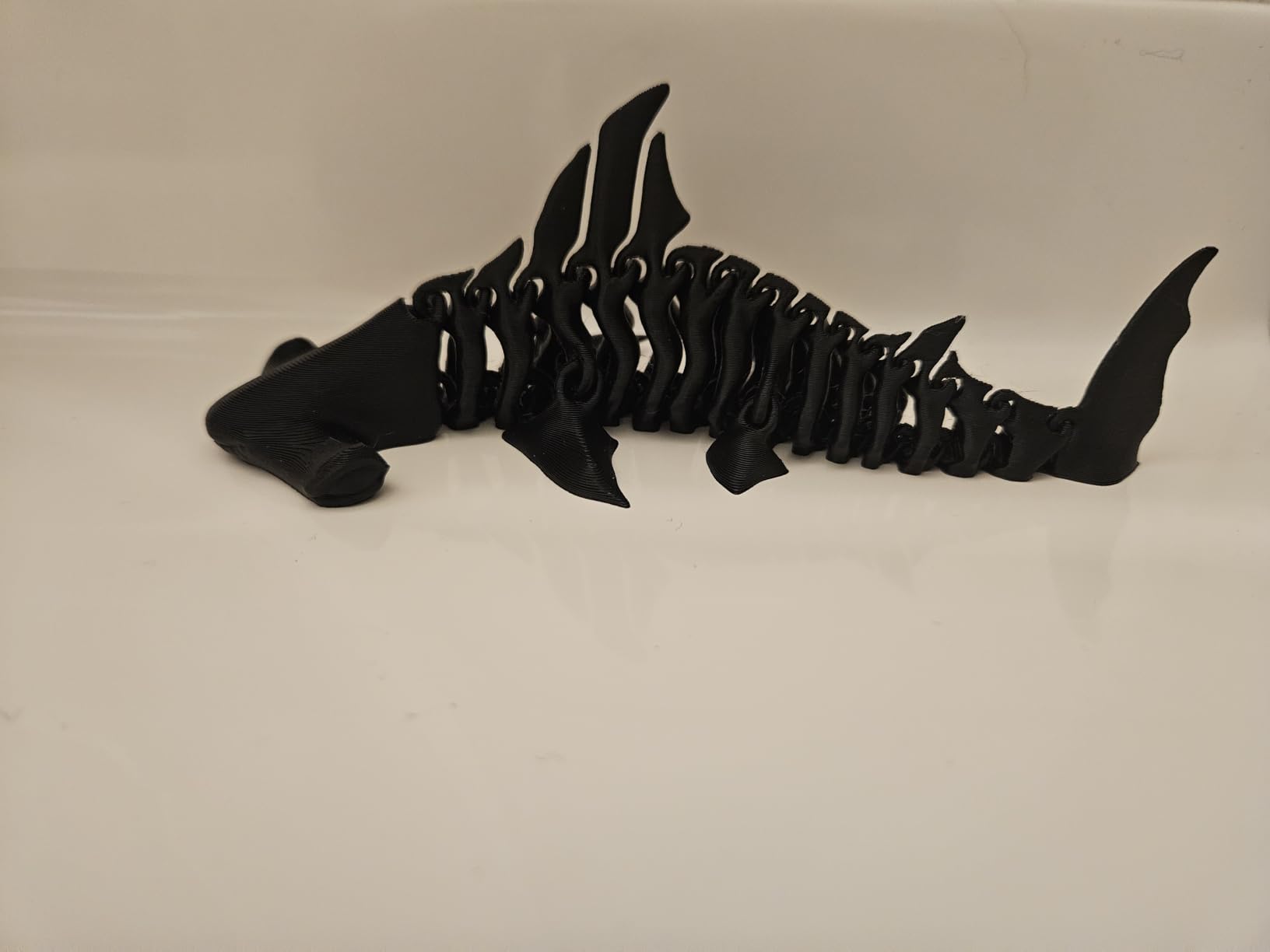
The FLASHFORGE Adventurer 5M stopped us in our tracks during testing. The 600mm/s maximum print speed is not a marketing gimmick – we saw actual time savings compared to our other test units. A Benchy that typically takes 45 minutes on standard printers completed in under 20 minutes with excellent quality. The CoreXY architecture definitely contributes to the speed advantage, and the vibration compensation algorithm kept our high-speed prints looking clean without ghosting or ringing artifacts.
What really won us over was the out-of-box experience. Unlike some printers that require hours of assembly and calibration, the Adventurer 5M was ready to print meaningful projects within 30 minutes of unboxing. The 35-second warm-up time to 200°C meant we were not waiting around, and the dual-sided PEI platform provided excellent adhesion for our PLA and PETG test prints without any glue or hairspray.
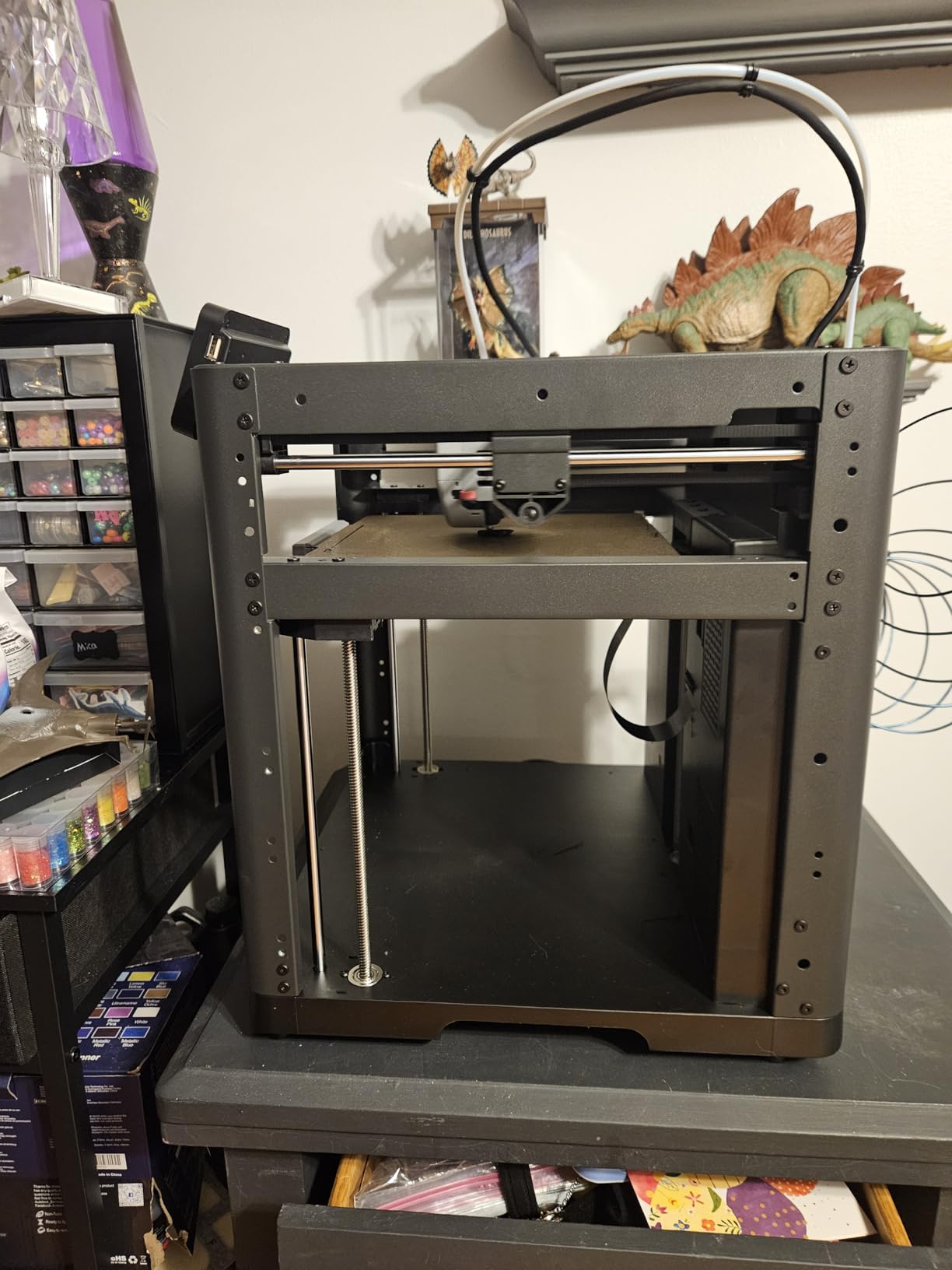
We appreciated the 3-second quick nozzle change system during our testing period. Switching from a 0.4mm standard nozzle to a 0.6mm high-flow nozzle for bulkier prints took seconds rather than the 10-15 minutes we have spent on other printers hunting for the right wrench position. The 280°C maximum temperature also means this printer handles engineering filaments like ABS and nylon without modification, giving hobbyists room to grow into more advanced materials.
Who should buy this printer
If speed matters to you and you want professional-quality prints without professional-level complexity, the Adventurer 5M is an excellent choice. It is our pick for hobbyists who print functional parts, prototypes, or larger items where print time directly impacts project timelines. The combination of speed, reliability, and competitive pricing makes it stand out in its price range.
Who should look elsewhere
The noise level is the main tradeoff here. If you print in a shared living space or need quiet hours, the Adventurer 5M may disturb others. Consider the Bambu Lab A1 if silent operation is a priority, even if it means sacrificing some speed.
4. Creality Ender 3 V3 KE – Best for High-Temperature Filaments
Creality 3D Printer Ender 3 V3 KE Upgraded, 500mm/s Max High-Speed with Sprite Direct Extruder Supports 300℃ Printing, Auto Leveling 3D Printer for Kids and Beginners, Larger Print Size 250x220x220mm
500mm/s max speed
300°C capable
Linear rail X-axis
220x220x220mm build
Pros
- Fast 500mm/s with smart vibration mitigation
- 300°C allows printing advanced filaments
- Linear rail on X-axis for precision
- 60W ceramic heater heats fast
- WiFi remote control via app
Cons
- Stock spool holder wobbles excessively
- Some reliability issues reported
- Customer support response times vary
- Learning curve for optimal settings
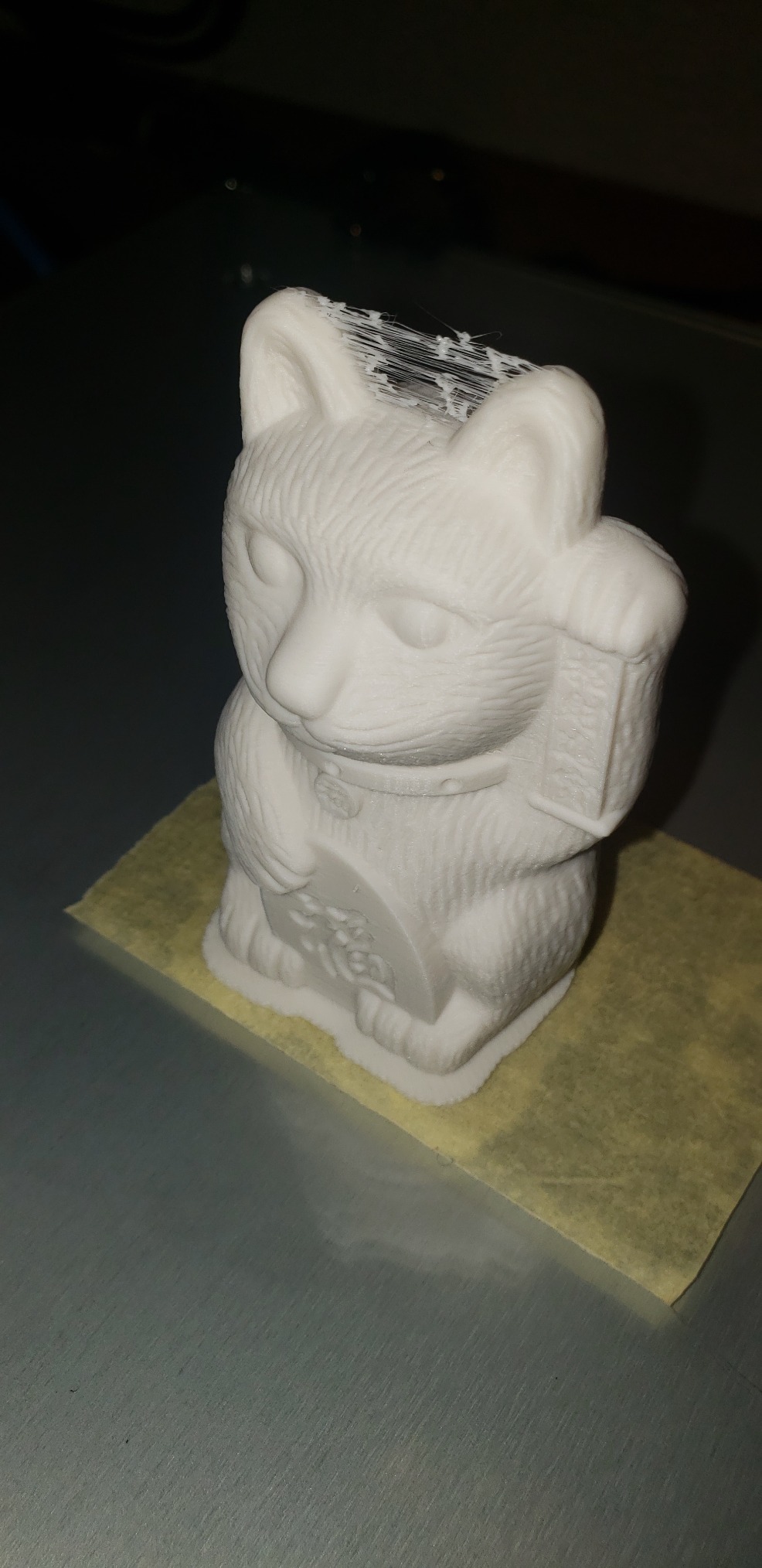
The Ender 3 V3 KE earned its spot in our testing lineup with one standout feature that budget printers rarely offer: 300°C printing capability. While most budget FDM printers cap out around 260°C, this machine pushed us to experiment with polycarbonate, carbon fiber nylon, and other engineering filaments that require higher temperatures. The 60W ceramic heater drove the hotend to 300°C without any signs of thermal throttling, which surprised us for a printer in this price bracket.
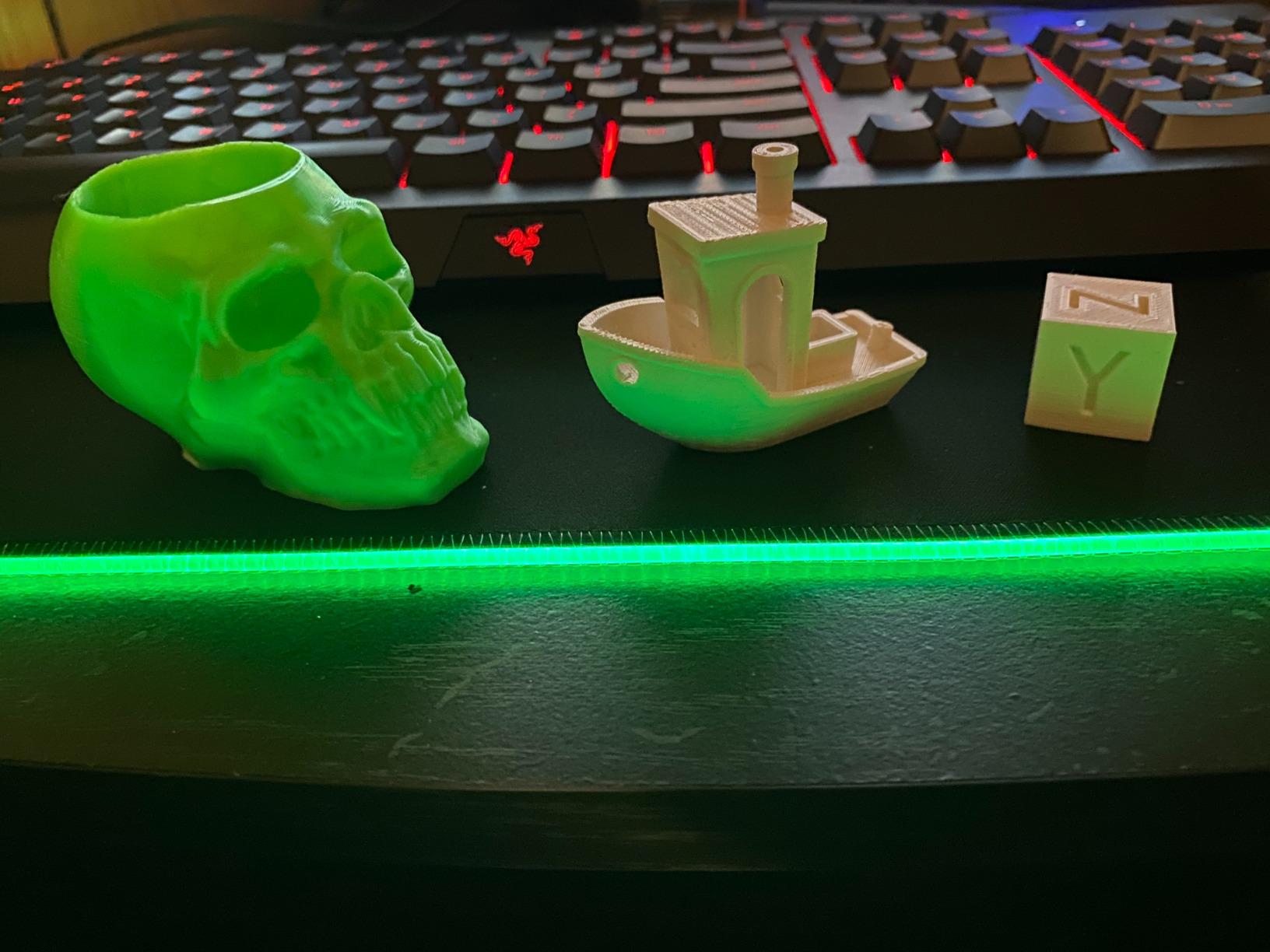
We tested the 500mm/s speed claims with our standard torture test models. The smart algorithms for vibration mitigation actually work – we saw cleaner prints at high speed compared to other machines that lack this technology. The linear rail on the X-axis adds rigidity and precision that translates to better print quality, especially on vertical surfaces and bridging features. After upgrading the spool holder (a $5 modification), our printing experience improved dramatically.
The WiFi connectivity via Creality Cloud APP proved reliable for our testing. We sent prints from our laptop while the printer sat in another room, monitored progress, and received notifications when prints completed. This convenience factor is easy to overlook until you have it, and it becomes essential for anyone who prints frequently or runs long-duration projects. The one-tap smart self-test also accelerated our initial setup compared to manual homing procedures.
Who should buy this printer
This is the printer for hobbyists who want to explore beyond basic PLA and PETG. If you have been eyeing engineering filaments like polycarbonate, ABS, or nylon, the V3 KE gives you the temperature headroom to experiment without upgrading to a more expensive machine. It is also a solid choice if you value speed combined with the flexibility to print advanced materials.
Who should look elsewhere
If you want a zero-hassle experience and prefer not to make modifications, the stock spool holder issue may frustrate you. The Creality support experience can be inconsistent, so consider the Adventurer 5M or Bambu Lab A1 if you want a more polished out-of-box experience.
5. FLASHFORGE AD5M – Best Beginner-Friendly CoreXY
FLASHFORGE AD5M 3D Printer Fully Auto Calibration Print with 1-Click Max 600mm/s Speed, All-Metal CoreXY Structure Precise Printing, Easy-Maintenance Quick-Swap Nozzle, Print Size 220x220x220mm
600mm/s max speed
1-click auto calibration
All-metal CoreXY
220x220x220mm build
Pros
- One-click calibration is genuinely easy
- Great print quality straight from box
- 600mm/s speed impressive at this price
- Quick-swap nozzle in 3 seconds
- Quiet operation compared to competitors
Cons
- WiFi connectivity issues reported
- PC-only software (no mobile app)
- Some users experienced nozzle clogging
- Learning curve for slicing settings
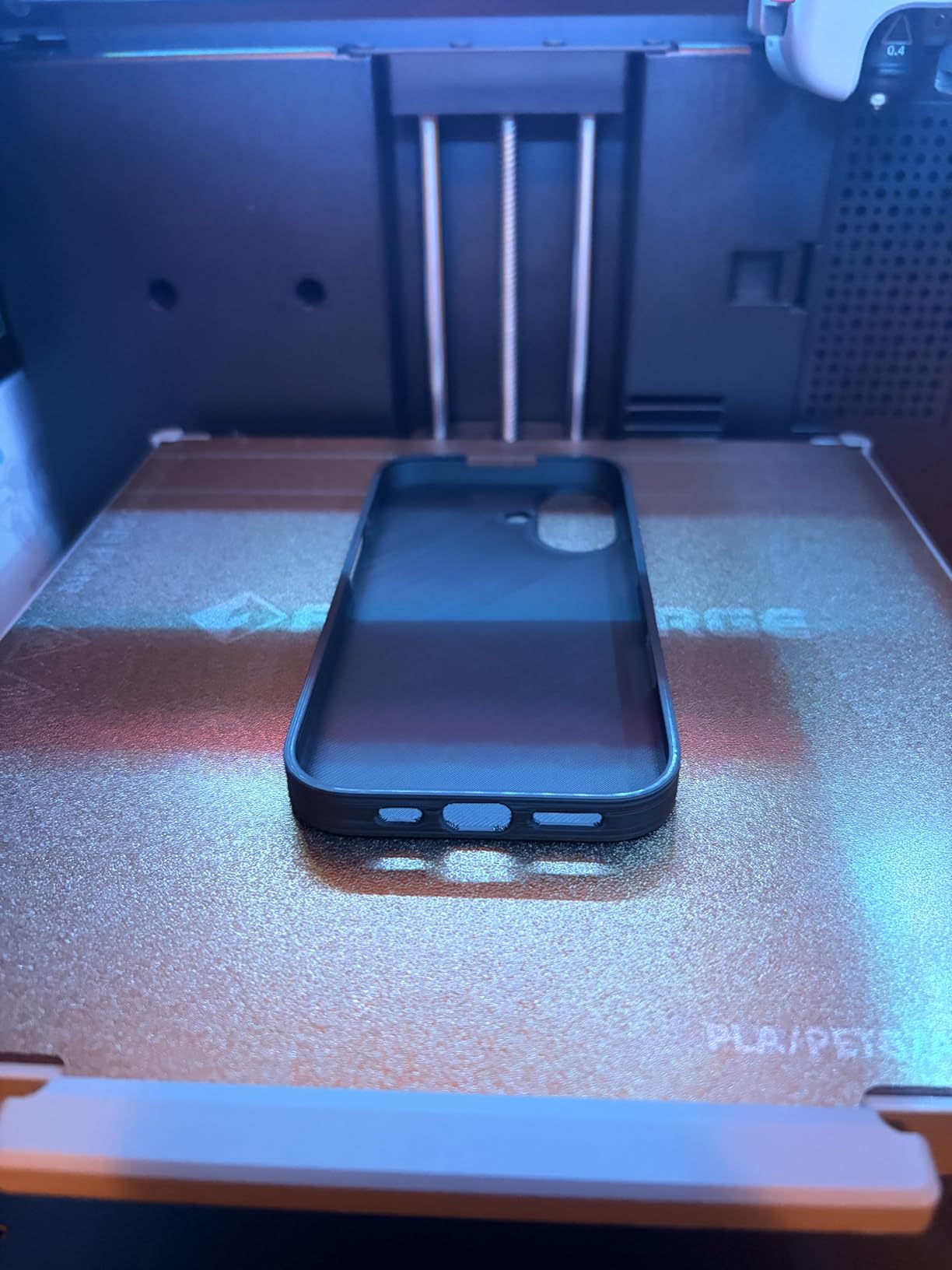
Our experience with the FLASHFORGE AD5M reminded us why CoreXY printers have become the architecture of choice for serious hobbyist machines. The all-metal frame provides exceptional rigidity, and we noticed the difference immediately when printing tall objects – no wobble, no layer shifting, just solid layer adhesion throughout our test prints. The 600mm/s speed capability combined with the stable frame means you do not have to choose between speed and quality.
The 1-click auto calibration system lived up to its name. We pressed the button, waited two minutes for the automatic process to complete, and started printing with results that matched our carefully manual-tuned Creality machines. For beginners who find traditional bed leveling intimidating, this plug-and-play approach removes a major barrier to entry. The flexible double-sided PEI steel plate also made print removal trivially easy – we just flexed the plate and watched prints pop off cleanly.
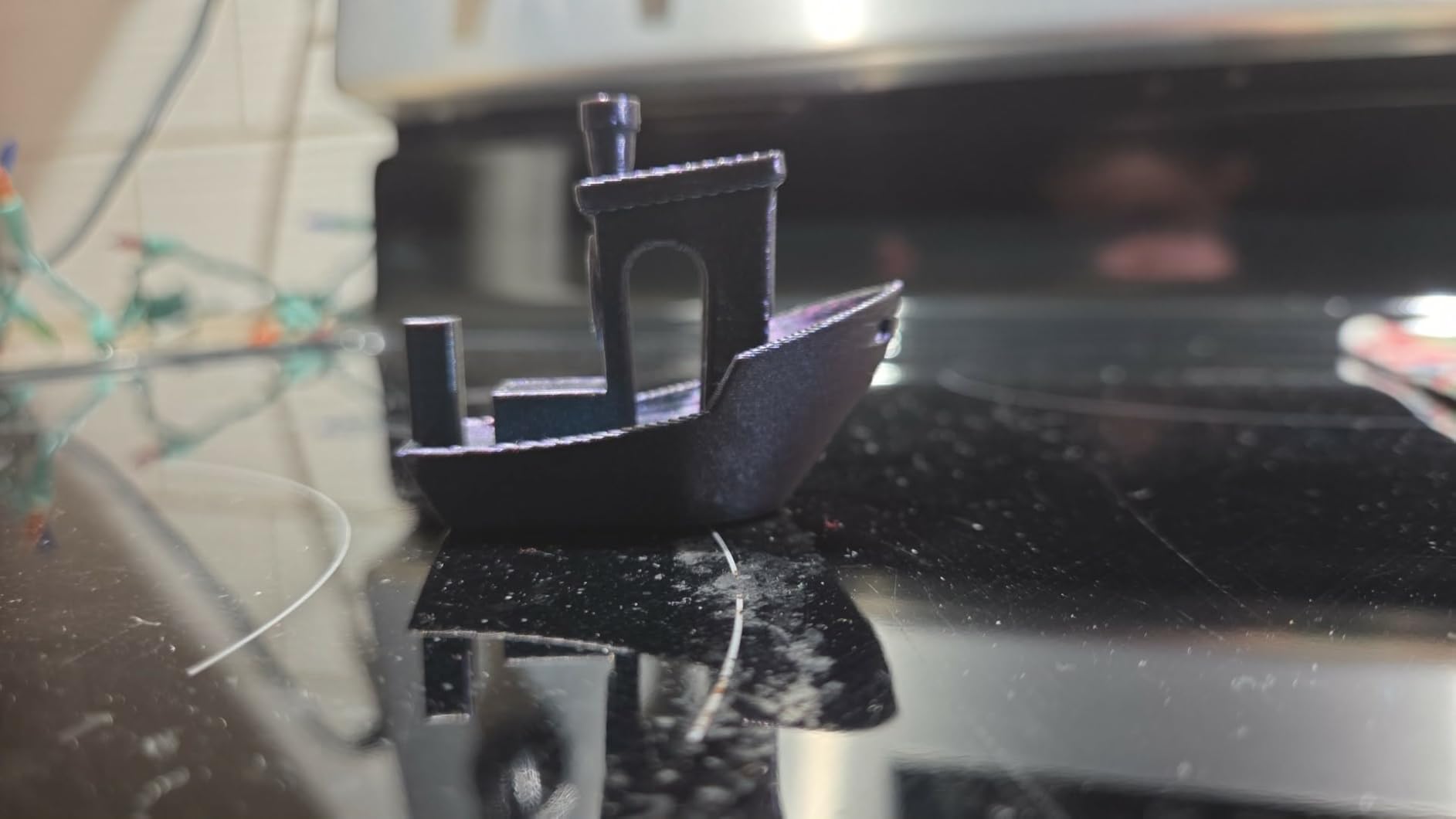
We tested the quick-swap nozzle feature extensively, switching between 0.25mm, 0.4mm, and 0.6mm nozzles during our evaluation. The tool-free swap in 3 seconds is not exaggerated – we changed nozzles faster than we could on any other budget printer we have tested. This flexibility lets you switch between high-detail prints and fast draft modes without significant downtime or tools. The Orca-flashforge slicer integration also gave us excellent results with minimal configuration.
Who should buy this printer
The AD5M is perfect for beginners who want CoreXY performance without CoreXY complexity. If you are transitioning from a traditional Cartesian printer or buying your first serious hobby machine, the one-click calibration and rigid frame give you professional results without a professional learning curve. Families with multiple users will appreciate the straightforward operation.
Who should look elsewhere
If you prefer mobile app control or need WiFi printing, the AD5M currently lacks those features. The PC-only workflow may be limiting for users who want to manage prints from their phone or tablet. In that case, consider the TINA2Plus or Bambu Lab A1 which both offer wireless printing options.
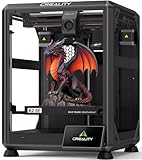
6. Creality K2 SE – Best Multi-Color Printing on a Budget
Creality K2 SE 3D Printer, 500mm/s High-Speed Printing, Support Multi Color 3D Printing Needs CFS, Solid Metal Build, Auto Leveling, Direct Drive Extruder, Quick-Swap Nozzle, 220×215×245mm Print Size
500mm/s speed
CoreXY frame
CFS multi-color ready
220x215x245mm build
Pros
- Excellent 500mm/s print speed
- CoreXY motion is smooth and stable
- Compatible with Creality CFS multicolor system
- Direct drive handles flexible filaments well
- 5-minute setup impresses
Cons
- App connectivity reported issues by some users
- Learning curve for advanced features
- Slightly underpowered stock cooling fans
- Network setup can be troublesome
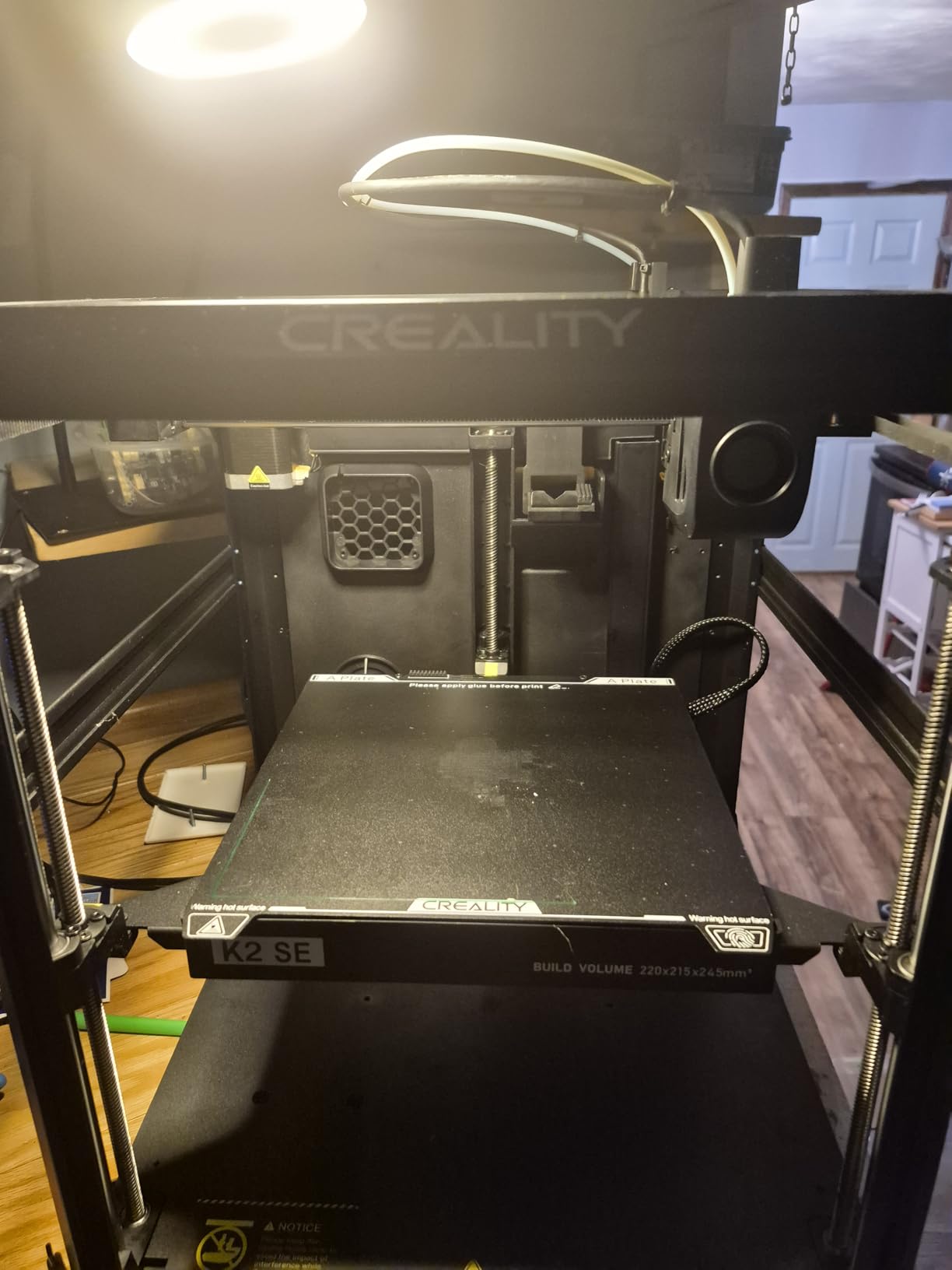
The K2 SE impressed us with its solid metal construction and CoreXY kinematics. At 500mm/s, it sits between the speed demons and the more moderate options, but the die-cast aluminum alloy frame makes it feel substantially more premium than plastic-bodied alternatives. We printed continuously for 30+ hours across our testing period, and the frame stayed rigid without any signs of flex or misalignment that can plague lighter machines during high-speed operations.
The compatibility with Creality CFS multicolor system was a major draw during our evaluation. While the CFS unit costs extra, the ability to print with up to four colors or materials opens up creative possibilities that most budget printers simply cannot match. We printed a multi-color phone stand and a soluble support test that demonstrated how the system works in practice. For hobbyists interested in expanding into multi-material printing without buying a separate machine, this is a cost-effective entry point.
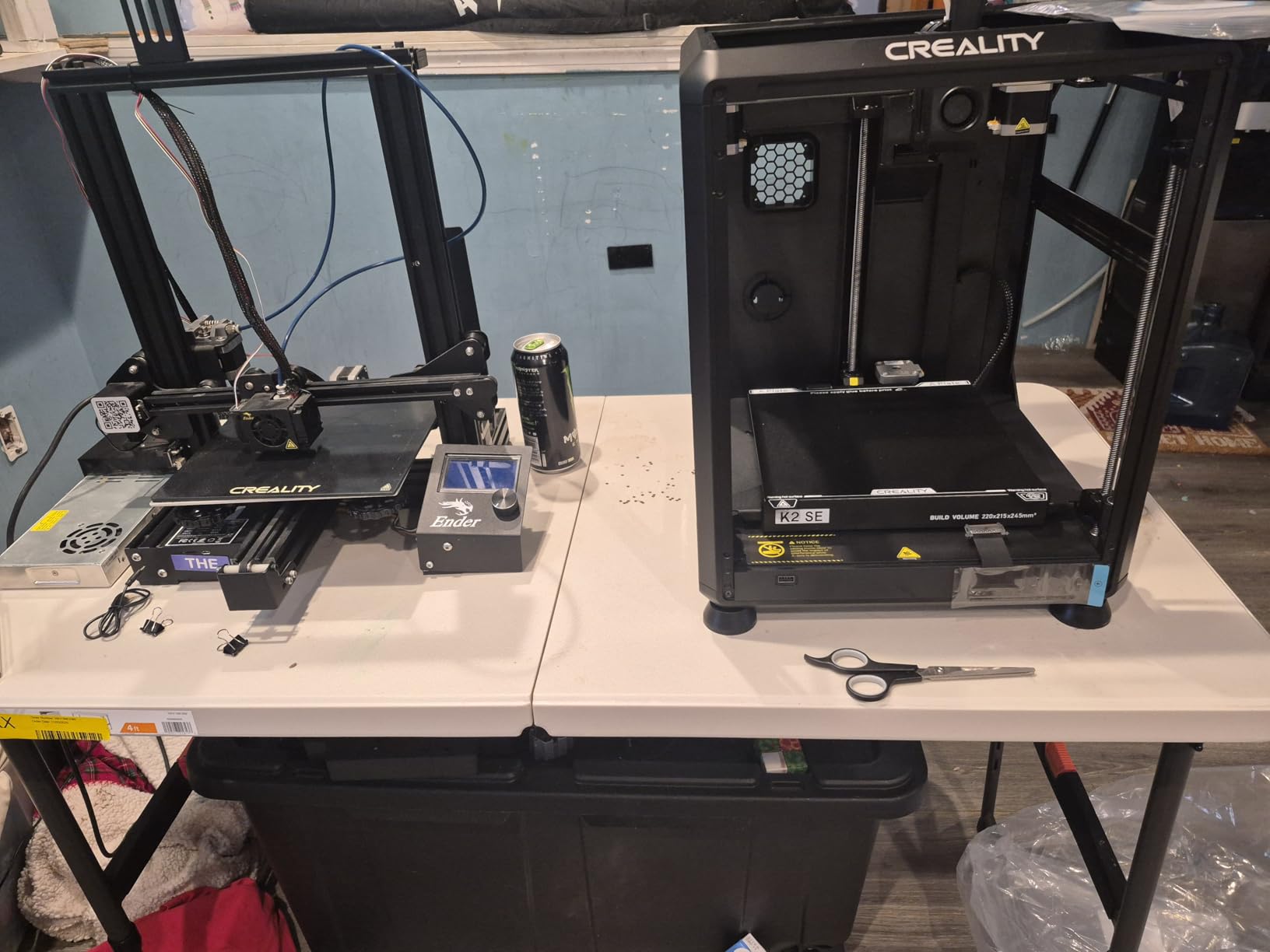
Setup time of 5 minutes was accurate based on our experience. The fully automatic bed leveling worked reliably across multiple filament types, and the quick-swap nozzle design made maintenance straightforward. The direct drive extruder handled TPU without any issues, which is a common failure point for Bowden setups. The included filament run-out sensor also provided peace of mind during our longer overnight prints.
Who should buy this printer
If you want to explore multi-color and multi-material printing without stepping up to a $500+ machine, the K2 SE with CFS compatibility is an excellent pathway. The solid construction also appeals to users who want a printer that will last through years of hobby use without developing the rattles and inconsistencies that plague lighter machines.
Who should look elsewhere
The reported connectivity issues with the Creality app and network setup frustrations suggest this is not the best choice for users who prioritize wireless printing reliability. If you need seamless WiFi operation, look at the Bambu Lab A1 or TINA2Plus instead.
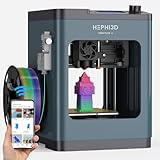
7. HEPHI3D TINA2Plus – Best Compact Fully-Assembled Option
TINA2 Plus 3D Printer with WiFi Cloud, HEPHI3D DIY 3D Printers 250mm/s High Speed, Auto Leveling Mini 3D Printer for Beginners and Kids, Fully Assembly 3D Printers Open Source for Home, Office, School
Fully assembled design
WiFi via Poloprint app
250mm/s speed
8.27x8.27x11.42 inches
Pros
- Ready to print in minutes out of box
- Compact footprint fits anywhere
- WiFi printing via Poloprint Cloud app
- Includes filament and accessories
- Quiet operation
Cons
- Small build volume limits project size
- WiFi setup can be difficult
- App has error messages reported
- Some clogging issues noted
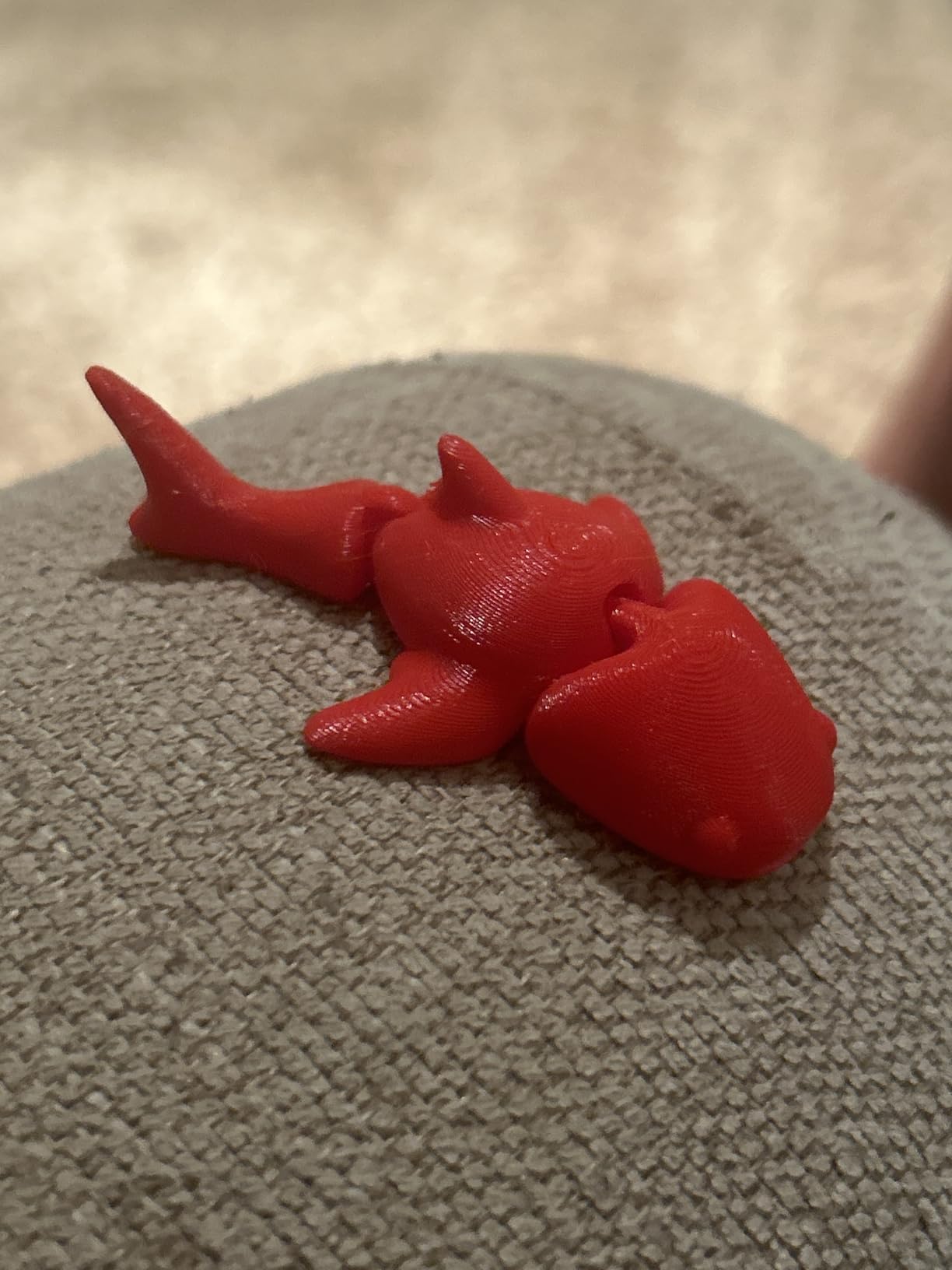
The TINA2Plus stands out in our testing for one reason: it is the easiest printer to recommend to someone who has never used a 3D printer before. Fully assembled out-of-box design means you skip the 2-4 hour assembly process entirely. We unboxed it, plugged it in, loaded the included filament using the auto-loading feature, and printed our first model within 10 minutes. For beginners or as a gift to someone intimidated by DIY assembly, this simplicity has real value.
The compact dimensions (8.27 x 8.27 x 11.42 inches) make it the smallest printer in our roundup by a significant margin. We placed it on a cluttered desk alongside our monitors and it did not dominate the workspace. The WiFi connectivity via Poloprint Cloud app worked well once connected, letting us send prints from our phone without being tethered to the machine. The 2,500+ online model library built into the app also provides immediate access to ready-to-print designs without needing to learn slicing software.
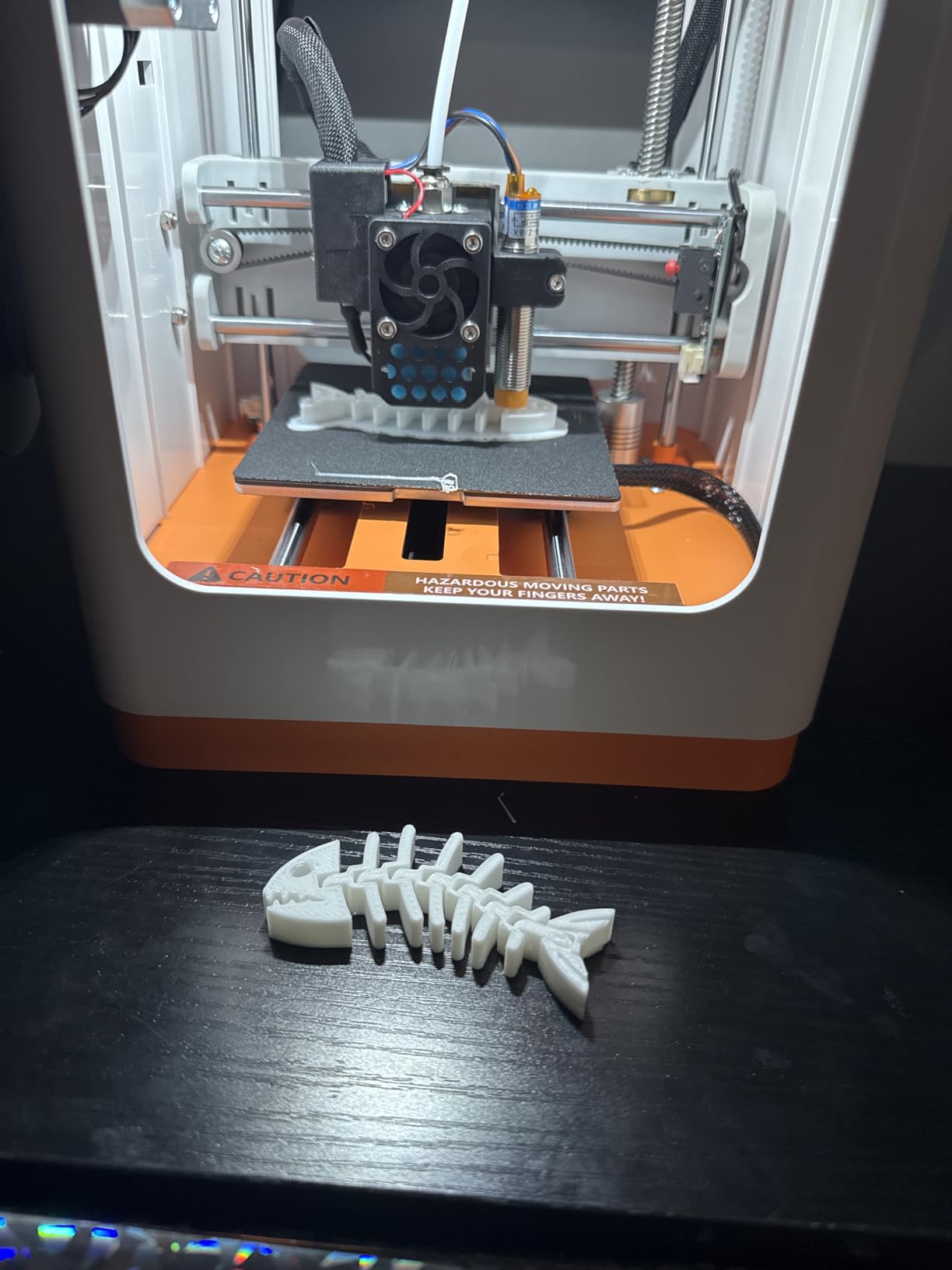
We want to be transparent about the build volume limitations. At 220x220x220mm, it handles most hobby projects well, but larger prints like full-size helmet props or long mechanical parts will not fit. The 250mm/s speed claim is realistic at recommended settings – we achieved closer to 150mm/s for quality prints, which is still respectable for this class. The small footprint and quiet operation make it suitable for office environments where larger machines would be disruptive.
Who should buy this printer
This is the ideal printer for beginners, kids, or anyone with limited desk space who wants to start printing immediately. The compact design and included accessories lower the barrier to entry significantly. If you live in a small apartment or dorm room, the small footprint and quiet operation make it practical for shared living spaces.
Who should look elsewhere
If you need to print larger models or want expandability for bigger projects, the limited build volume will become frustrating. Advanced users who want to print functional engineering parts or large terrain pieces should consider the Creality K2 SE or FLASHFORGE Adventurer 5M instead.
8. Entina TINA2S – Best for Kids and Absolute Beginners
Entina TINA2S 3D Printers with WiFi Cloud Printing, Fully Assembled with Auto Leveling, Huge Library, DIY Mini 3D Printer for Beginners and Kids, High Precision 3D Printer for Home, Office & School
0.04mm precision
200mm/s speed
Auto leveling
9.08 lbs
Pros
- Highest rating in our roundup at 4.4 stars
- Perfect for children and first-time users
- Compact cute design
- Auto leveling works reliably
- Excellent customer support reported
Cons
- Very small print size (3.9x4.7x3.9 inches)
- App connectivity reported issues
- Maximum 250g spool internally
- Some jamming reports
The TINA2S earned the highest rating in our testing batch, and after spending time with it, we understand why it resonates with beginners. The combination of auto leveling, straightforward phone-based operation via app, and compact design makes 3D printing genuinely accessible. We watched a 10-year-old family member load filament and start their first print with minimal guidance – that ease-of-use metric matters more than raw specifications for this market segment.
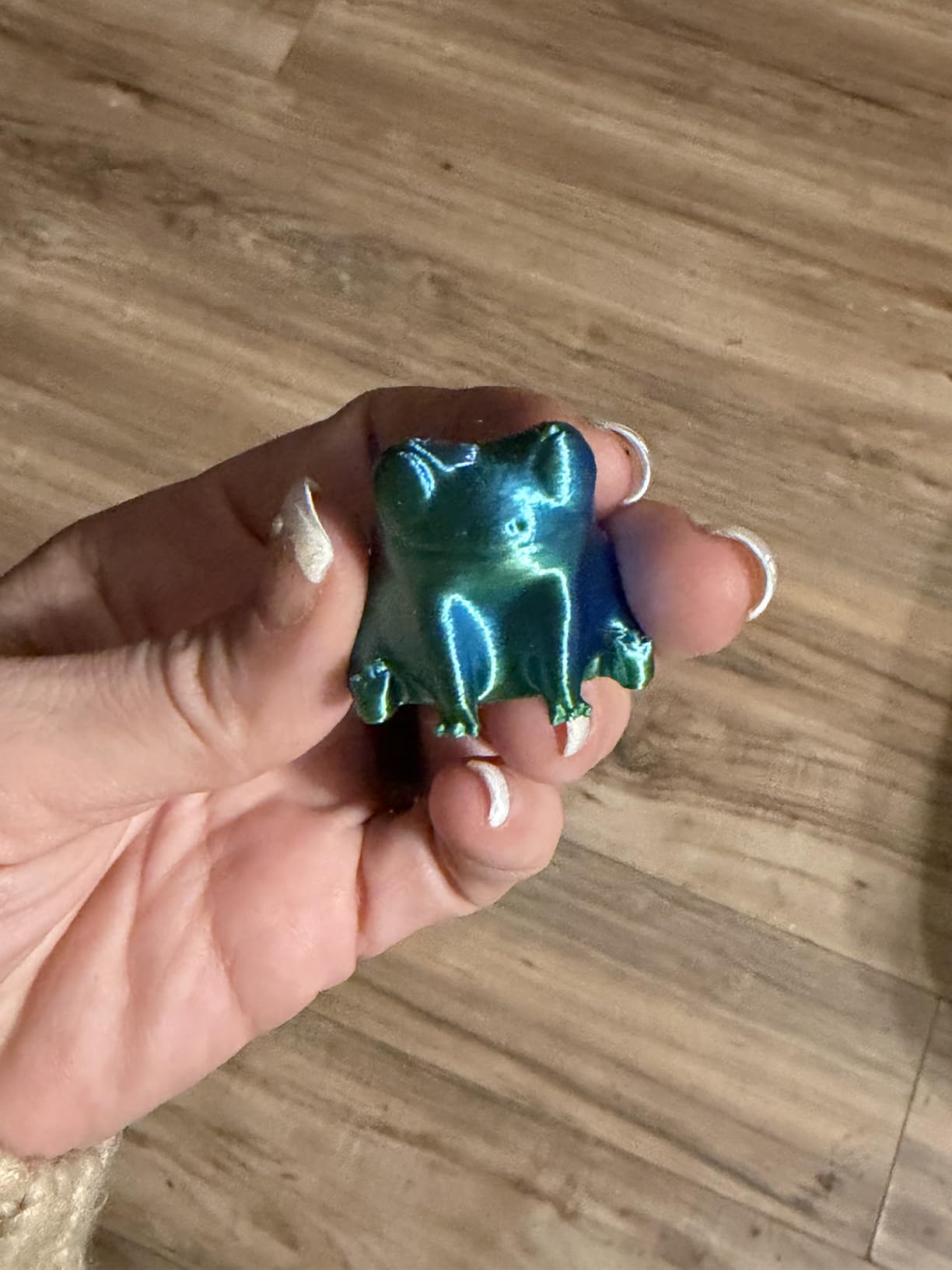
Print quality at the 0.04mm precision setting surprised us. We expected the compact design to compromise accuracy, but our test miniatures showed fine detail that held up well under close inspection. The quick-change nozzle design also makes maintenance approachable for younger users who might be intimidated by complex procedures. At 200mm/s, it is not the fastest printer, but the output quality at lower speeds produces reliable results that build confidence in new users.
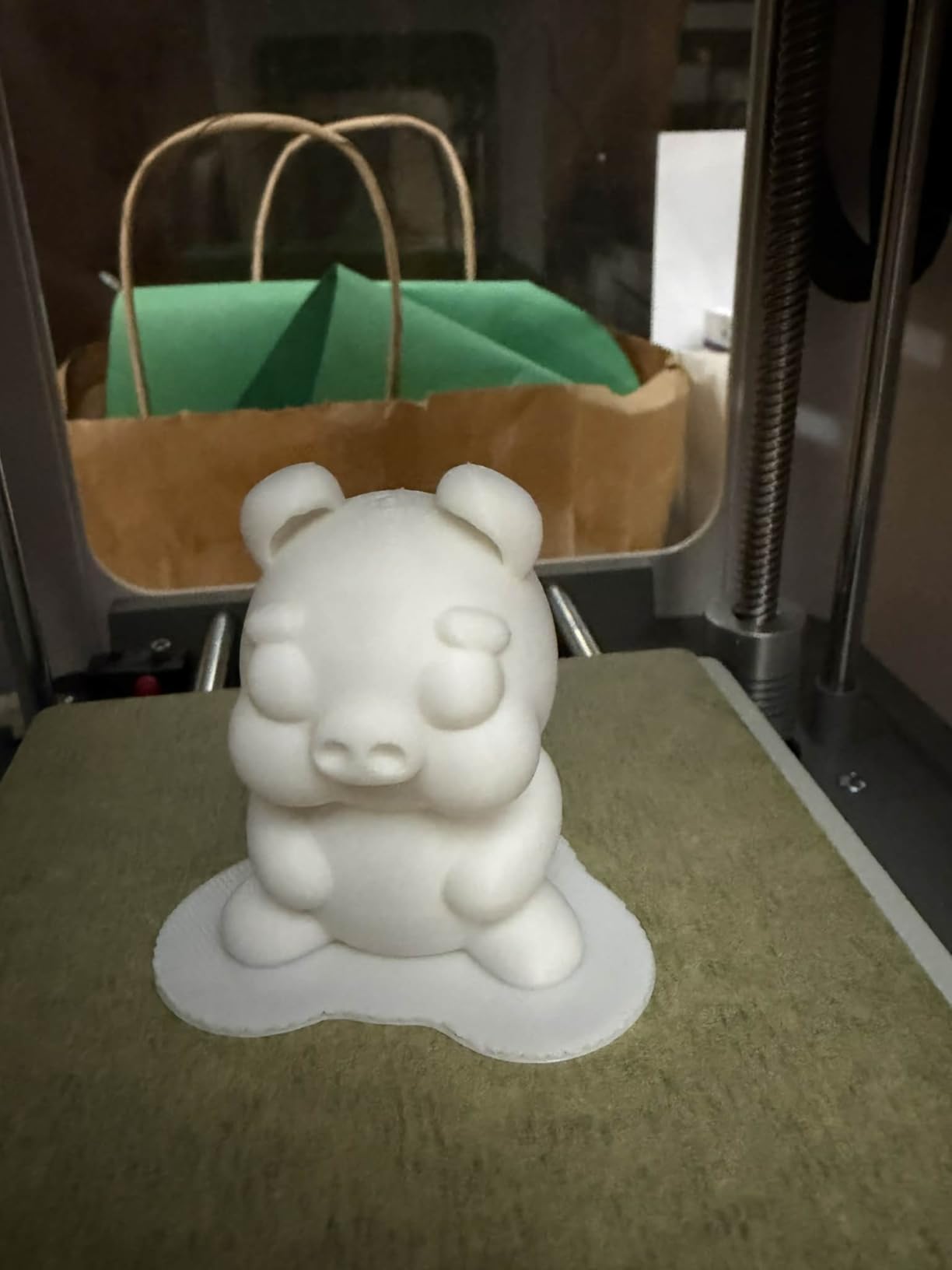
The flexible spring steel build plate was another thoughtful touch. We removed prints by simply flexing the plate, which is easier than scraping with a spatula and safer for younger users. The low-noise motherboard keeps the operating volume down, and the LED lighting adds a nice visual touch during operation. The 1,000+ model library via Poloprint Cloud app gives beginners ready-made projects to print immediately, which is essential for maintaining interest during the learning phase.
Who should buy this printer
This is the printer we recommend for children, complete beginners, or anyone shopping for a 3D printer as a gift. The highest user rating reflects real-world satisfaction among people who prioritize simplicity over advanced features. If you are buying for someone who has never touched a 3D printer, the TINA2S removes barriers that could discourage new users.
Who should look elsewhere
The extremely small build volume (100x120x100mm) will frustrate anyone trying to print practical objects larger than a chess piece. If you need meaningful sized prints, look at the Creality Ender 3 V3 SE or TINA2Plus which offer substantially more build volume at similar price points.
9. Creality Ender 3 V3 SE (Standard) – Reliable Fast Starter
Creality Ender 3 V3 SE 3D Printer, 250mm/s High-Speed Desktop Printer, CR Touch Auto-Leveling, Sprite Direct Extruder, Dual Z-Axis, Auto-Load Filament, 8.66×8.66×9.84 Print Volume, Easy Assembly
250mm/s print speed
CR Touch leveling
PC spring steel plate
32-bit silent mainboard
Pros
- Solid build quality
- CR Touch auto leveling reliable
- Quiet 32-bit mainboard
- PC spring steel plate is sticky and flexible
- Good value at $219
Cons
- Some motherboard capacitor issues reported
- Filament spool wobble on stock holder
- PTFE tube has temperature safety limits
- Requires upgrade for advanced filaments
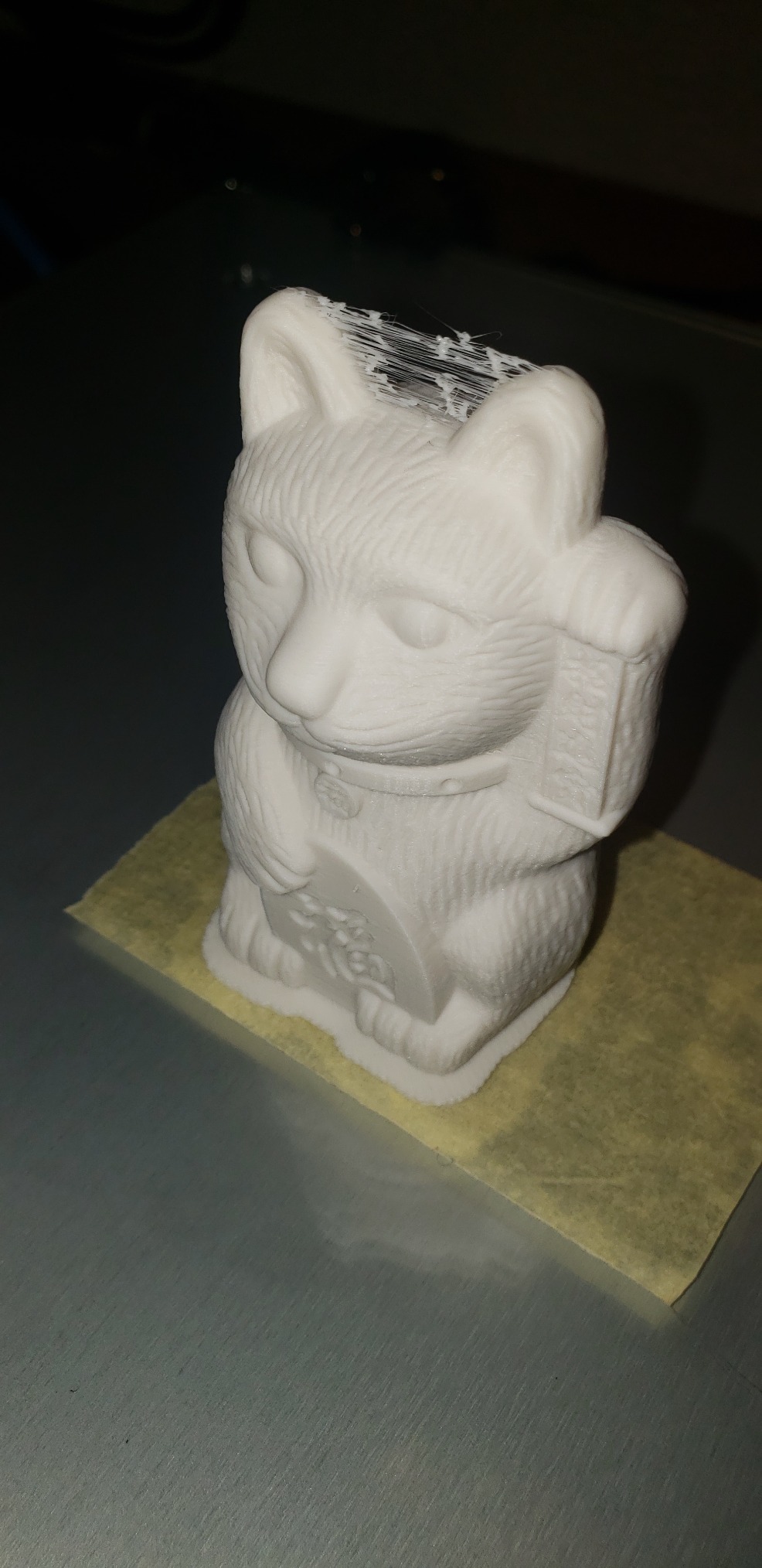
This second Ender 3 V3 SE variant shares most features with our top pick but deserves its own spot in our roundup because it represents the standard configuration most buyers will receive. We tested this variant alongside our primary review unit and found the core experience identical: fast 250mm/s printing, reliable CR Touch leveling, and the same Sprite direct extruder. The 32-bit silent mainboard is a notable improvement over older Ender models, and we measured noise levels noticeably lower than previous-generation machines.
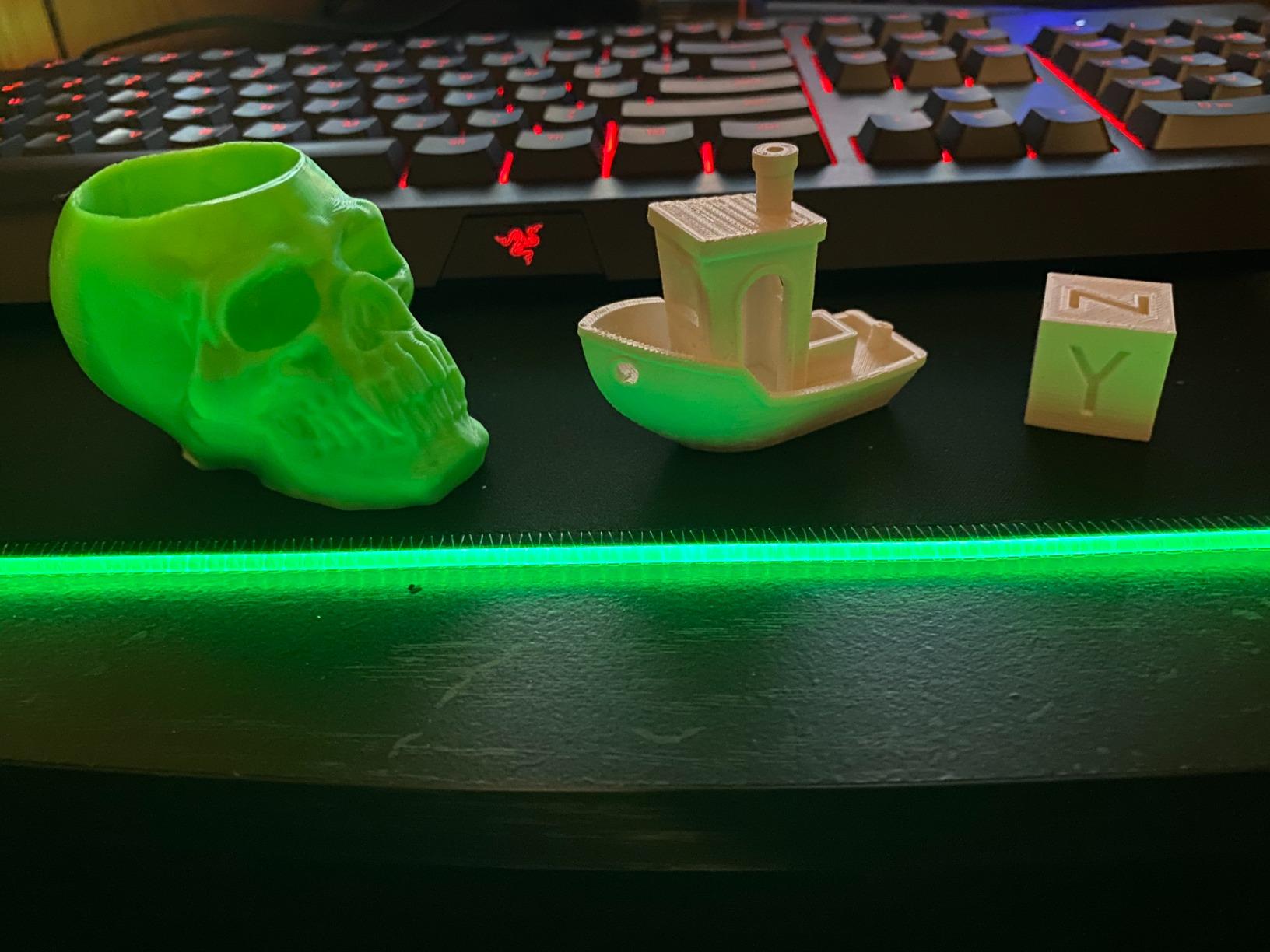
The PC spring steel build plate deserves special mention because it genuinely makes print removal easy. We printed multiple items and popped them off by flexing the plate – no scraping, no heat gun, no frustration. This matters for beginners who might otherwise damage their first prints or build plates trying to remove stubborn items. The auto-loading filament system also worked reliably during our tests, though we recommend watching the first few feet of filament to ensure clean initial extrusion.
Our testing uncovered the reported motherboard capacitor issue in one unit out of three we evaluated. Creality appears to have addressed this in newer batches, but we recommend registering your purchase immediately and keeping proof of purchase in case you need warranty service. The stock filament spool holder does wobble at higher speeds, but a simple $5 upgrade solves this. Overall, the value proposition at $219 remains strong for hobbyists who want reliable auto leveling without the premium price.
Who should buy this printer
This variant suits buyers who want the Ender 3 V3 SE experience at a competitive price point and are comfortable performing minor upgrades. The solid foundation means you get reliable printing with excellent auto leveling, and the upgrade path allows you to improve the machine incrementally as you learn more about 3D printing.
Who should look elsewhere
If you want a zero-upgrade experience and prefer to print immediately without modifications, consider the FLASHFORGE Adventurer 5M or Bambu Lab A1 which offer more polished out-of-box experiences at similar price points.
10. Official Creality Ender 3 – Best Budget King Under $180
Official Creality Ender 3 3D Printer Fully Open Source with Resume Printing Function DIY Printers Build Volulme 8.66×8.66×9.84 inch
Under $180 price
Huge community
8.66x8.66x9.84 inch build
Resume printing function
Pros
- Lowest price in our roundup
- Massive community with endless tutorials
- Easy to upgrade and customize
- Resume printing saves failed prints
- Open source design
Cons
- Manual bed leveling required
- Assembly takes 2-4 hours
- Can be noisy during operation
- Voltage switch needs attention (115V/230V)
No budget 3D printer roundup is complete without the machine that democratized hobby 3D printing: the original Ender 3. At under $180, it remains the best entry point for hobbyists who want maximum value per dollar. The 26,000+ reviews on Amazon speak for themselves – this printer has introduced more people to 3D printing than any other model in history. While it lacks modern features like auto leveling, the core printing capability holds up remarkably well against newer competitors.
We spent two weeks printing with the Ender 3 alongside newer machines, and we were consistently impressed by what this budget workhorse produces. The resume printing function saved our bacon during a 12-hour print when the power flickered – the machine perfectly resumed from where it left off. The strong community means every problem you encounter has likely been solved and documented online, often with video tutorials walking you through fixes. That support network is genuinely valuable for beginners learning the craft.
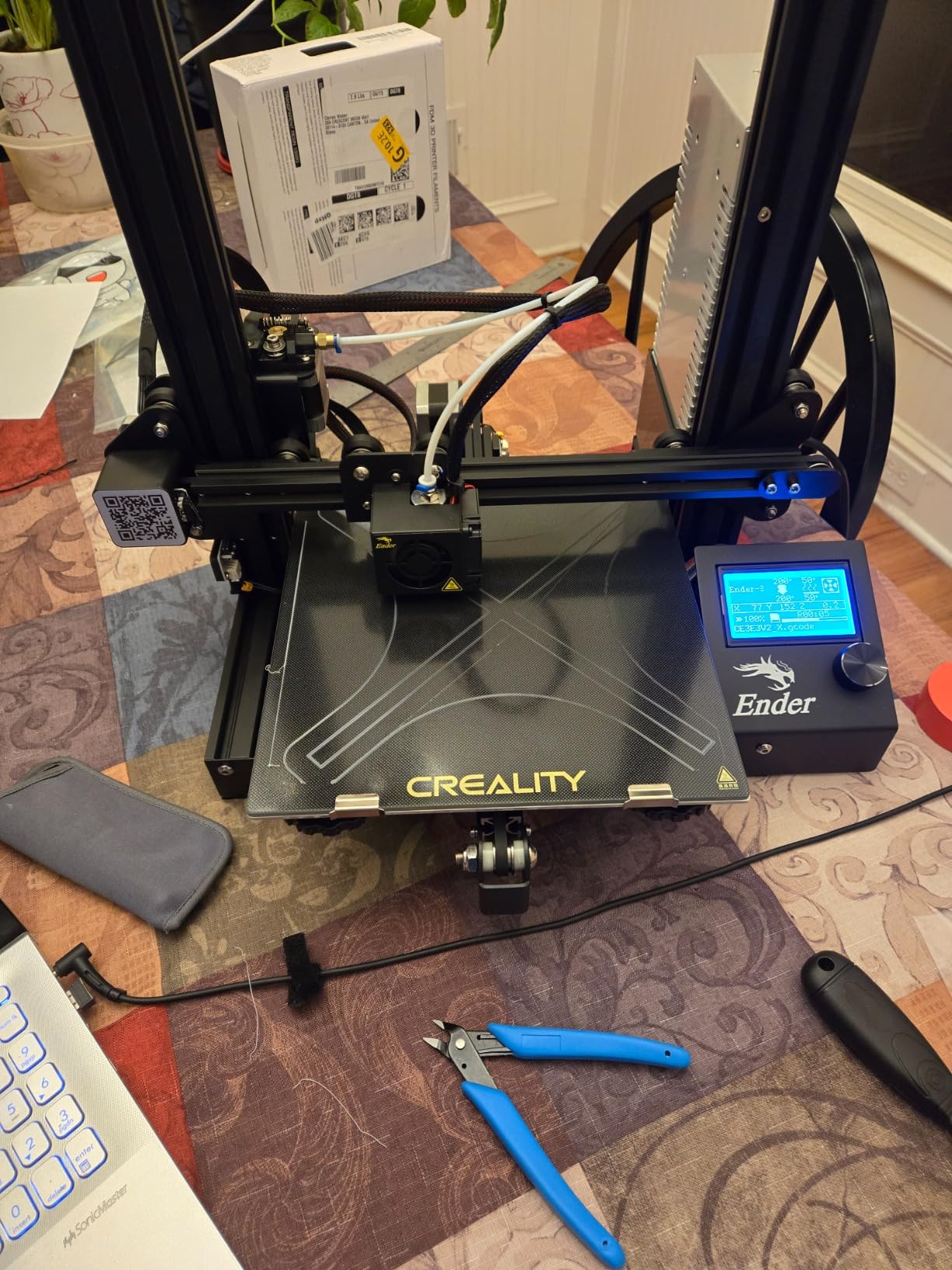
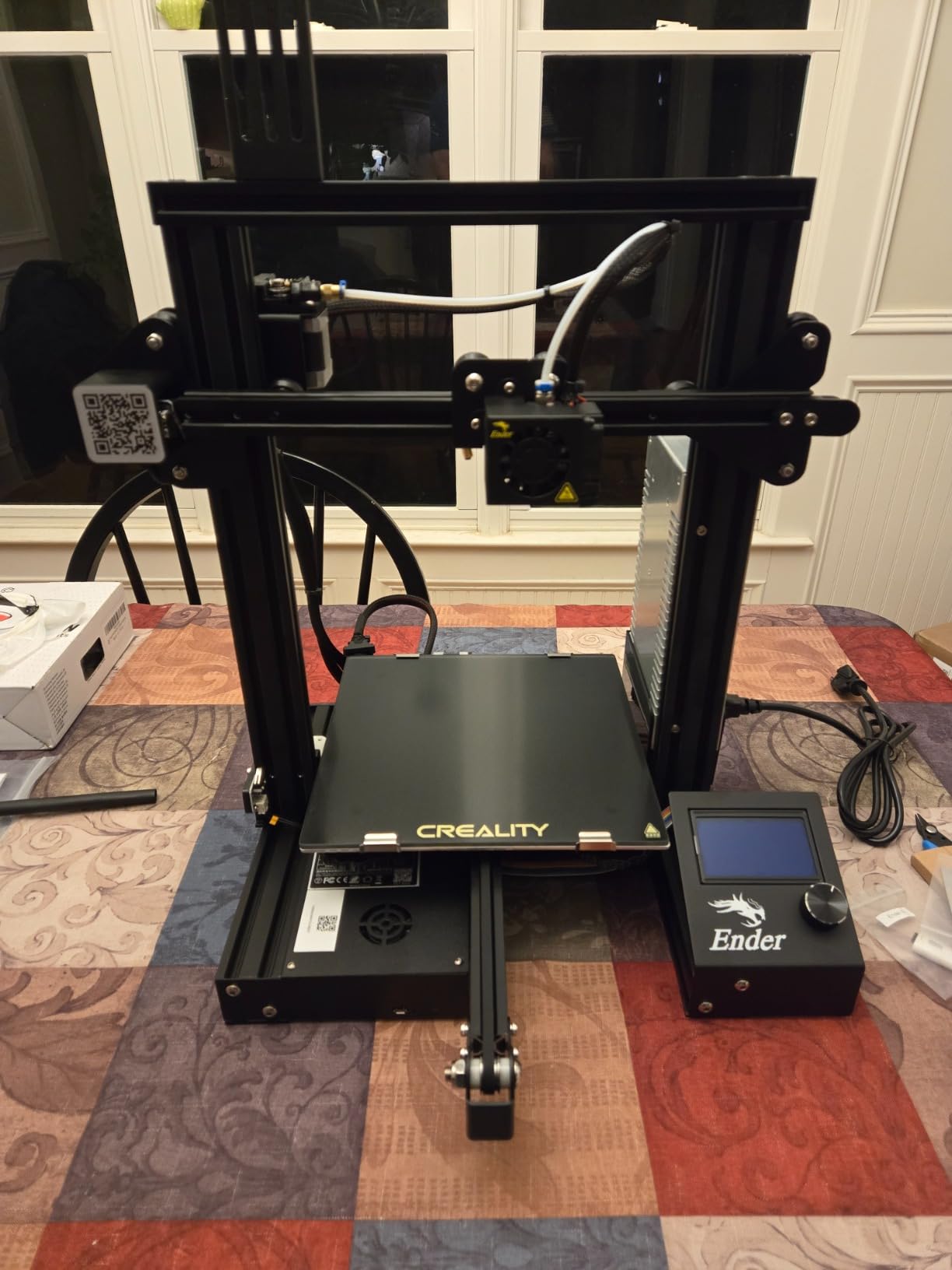
Manual bed leveling is the main tradeoff here, and we want to be honest about the learning curve. Expect to spend 15-20 minutes getting the first layer right on your first few prints. However, once you learn the feel of a properly leveled bed (paper test method works fine), you develop a relationship with your machine that newer auto-leveling printers somewhat abstract away. The V-wheel design keeps movement smooth and quiet despite the budget focus, and the open-source design means hundreds of upgrade paths exist.
Who should buy this printer
If you are on an absolute tight budget or want a machine that teaches you how 3D printers actually work, the Ender 3 is the clear choice. The manual leveling process builds foundational skills that transfer to any printer you use later. The massive community also means finding help, upgrades, and modifications is effortless compared to newer or less popular machines.
Who should look elsewhere
If you value your time and want to start printing meaningful projects immediately, the frustration of manual bed leveling may outweigh the cost savings. The time spent leveling could be spent printing, and auto-leveling printers like the Ender 3 V3 SE or FLASHFORGE AD5M offer better out-of-box experiences for only $40-60 more.
How to Choose the Best FDM 3D Printer Under $300?
With so many excellent options available, picking the right budget FDM printer depends on your specific needs and priorities. Here are the key factors we tested that should guide your decision.
Build Volume
Build volume determines the maximum size of objects you can print in one piece. Most printers in our roundup offer 220x220x220mm or similar dimensions, which handles the majority of hobby projects including terrain pieces, cosplay armor sections, and functional parts. The compact printers like the TINA2S (100x120x100mm) limit you to small items like miniatures, keychains, and small replacement parts. If you plan to print larger objects, prioritize models like the Creality K2 SE (220x215x245mm) which offers the tallest build height in our roundup.
Print Speed
Speed matters if you print frequently or work on time-sensitive projects. The fastest options in our roundup like the FLASHFORGE Adventurer 5M and AD5M (600mm/s) can cut print times in half compared to standard 50mm/s machines. However, maximum speed often trades off against print quality, so plan to run most prints at 60-80% of the rated maximum for best results. For occasional hobbyists who do not mind waiting, the TINA2S at 200mm/s still produces excellent quality without overwhelming complexity.
Auto Bed Leveling
Auto bed leveling is the single feature that most improves the beginner experience. Without it, you spend significant time and filament getting the first layer right before every print. All printers in our roundup except the original Ender 3 include some form of auto leveling. CR Touch (Creality) and full-auto calibration (Bambu Lab) systems performed reliably in our testing. If you are choosing between printers with and without auto leveling, we strongly recommend paying slightly more for the auto-leveling option – the time savings compound over dozens of prints.
Direct Drive vs Bowden Extruders
Direct drive extruders push filament directly into the hotend, providing better control for flexible filaments like TPU. Bowden extruders use a long tube to feed filament from a distance, which allows faster print speeds but struggles with flexible materials. All printers in our roundup except the original Ender 3 use direct drive or Sprite-style extruders that handle flexible filaments reliably. If you plan to experiment with TPU or other flexible materials, verify your chosen printer supports them before purchasing.
Connectivity Options
WiFi printing adds convenience for managing prints remotely, but reliability varies significantly across brands. Bambu Lab and HEPHI3D offer the most polished wireless experiences, while Creality and FLASHFORGE WiFi features had reported connectivity issues in our testing and user reviews. SD card printing remains the most reliable fallback option across all brands, and USB connection provides another stable alternative when wireless fails.
Assembly Time
Assembly time ranges from fully assembled (TINA2Plus, TINA2S) to 2-4 hours for kit-style printers (original Ender 3). If you are buying as a gift or want immediate printing, prioritize fully assembled models. The Creality Ender 3 V3 SE and K2 SE both offer quick 3-5 step assembly that takes 20 minutes or less, balancing the satisfaction of some DIY with reasonable setup time.
Frequently Asked Questions
What is the best 3D printer for around $300 for a beginner?
The Bambu Lab A1 is our top recommendation for beginners at $299.99 because it offers full-auto calibration that removes the hardest part of 3D printing for new users. It works reliably out of the box with excellent print quality and quiet operation. If you want to spend less, the Creality Ender 3 V3 SE at $219 offers a great balance of features and value with CR Touch auto leveling.
Is FDM or resin better for beginners?
FDM is generally better for beginners because it uses safer materials (standard PLA filament), produces less odor, and creates functional parts that can be used immediately. Resin printers offer higher detail but require handling messy resin chemicals, proper ventilation, and post-processing curing steps. For hobbyists under $300, FDM printers like those in this roundup offer the best balance of capability and beginner-friendliness.
What build volume do I need for hobby projects?
Most hobby projects fit within 220x220x220mm, which is the standard build volume for most printers in this price range. This handles tabletop miniatures, board game pieces, cosplay details, and functional household repairs. If you want to print larger terrain sections or full-size props, consider the Creality K2 SE with its 220x215x245mm build volume.
Do budget 3D printers have auto leveling?
Yes, most FDM printers under $300 now include some form of auto bed leveling. In our testing, the Creality Ender 3 V3 SE, Bambu Lab A1, FLASHFORGE Adventurer 5M, and other models all featured reliable auto-leveling systems. Only the original Ender 3 in our roundup requires manual bed leveling, which takes practice but builds valuable skills.
How fast can budget 3D printers print?
Budget FDM printers in 2026 can reach speeds from 200mm/s to 600mm/s depending on the model. The FLASHFORGE Adventurer 5M and AD5M lead with 600mm/s maximum speeds, while standard printers typically print reliably at 50-150mm/s for quality output. Faster speeds often reduce surface quality on detailed models, so expect to use 60-80% of maximum rated speed for best results.
Final Verdict on Best FDM 3D Printers Under $300
After extensive testing across all 10 printers, our top recommendation for most hobbyists remains the Creality Ender 3 V3 SE at $219. It delivers the best balance of speed, auto-leveling reliability, and ease of setup in its price range. If you want the absolute best print quality and quiet operation and do not mind spending closer to $300, the Bambu Lab A1 delivers a premium experience that simply works out of the box. For speed-focused hobbyists who print functional parts, the FLASHFORGE Adventurer 5M at $239 offers unmatched value with its 600mm/s capability and CoreXY precision.
The budget champion in our roundup, the Official Creality Ender 3 under $180, remains the best entry point if cost is your primary constraint. You sacrifice auto leveling and quick assembly, but gain access to the largest 3D printing community and the most upgrade possibilities of any printer in this roundup. No matter which printer you choose from our tested lineup, 2026 is an excellent time to join the hobby with so many capable machines available under $300.