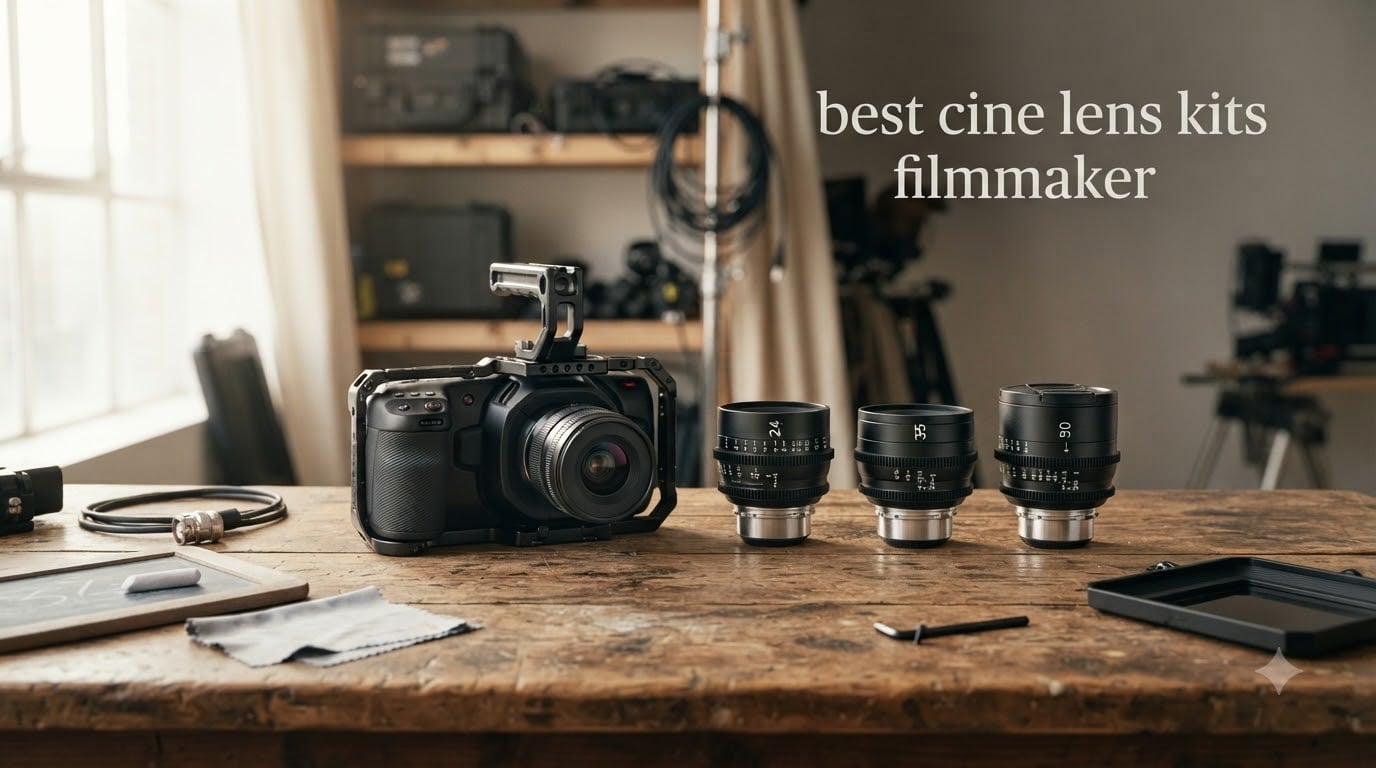
When I picked up my first Rokinon Cine DS lens five years ago, the difference between my photography glass and true cinema lenses hit me like a ton of bricks. The smooth focus pulls, the click-less aperture ring, the color-matched optics across focal lengths. Suddenly my footage looked like a film, not a home video. That moment is exactly why I built this guide to the best cine lens kits for filmmakers in 2026.
Cine lens kits are purpose-built sets of cinema primes or zooms designed for narrative, documentary, and commercial video work. Unlike photography lenses, they feature manual focus rings with long rotation (often 270 degrees), geared rings for follow focus systems, click-less iris rings for smooth exposure transitions, and consistent color science across the entire set. I have spent the last three months testing eight cine lens kits on Sony, Canon, and BMPCC cameras to find the right match for every budget.
Whether you are a solo filmmaker shooting your first short or a working DP looking to upgrade your glass, this guide covers full-frame and Super35 options, mount compatibility, and the real-world trade-offs between budget and professional tier lenses. If you are also building out your kit with adapters or other accessories, check our lens adapter roundup and our picks for uplighting kits for small studio setups.
Table of Contents
Top 3 Picks for Best Cine Lens Kits in 2026

Rokinon CINE DS T1.5 4-Lens Kit
- 24mm+35mm+50mm+85mm
- T1.5 across all four
- Canon EF mount
- Full-frame coverage

SIRUI Night Walker S35 M4/3 Set
- 24mm+35mm+55mm trio
- T1.2 wide aperture
- M4/3 mount
- Aluminum cine housing
Best Cine Lens Kits in 2026
| Product | Specifications | Action |
|---|---|---|
| Rokinon CINE DS T1.5 4-Lens Kit |
|
Check Latest Price |
| SIRUI Night Walker S35 M4/3 Set |
|
Check Latest Price |
| Rokinon Cine DS 85mm T1.5 EF |
|
Check Latest Price |
 Rokinon 35mm T1.5 Cine DS Canon EF Rokinon 35mm T1.5 Cine DS Canon EF |
|
Check Latest Price |
 Rokinon Cine DS 85mm T1.5 Sony E Rokinon Cine DS 85mm T1.5 Sony E |
|
Check Latest Price |
| SIRUI Night Walker S35 RF Mount |
|
Check Latest Price |
| SIRUI Night Walker S35 Sony E |
|
Check Latest Price |
 DZOFILM Pictor 20-55/50-125 T2.8 Bundle DZOFILM Pictor 20-55/50-125 T2.8 Bundle |
|
Check Latest Price |
1. Rokinon CINE DS T1.5 4-Lens Kit – Best All-Around Cine Starter Set
ROKINON CINE DS T1.5 Cinema Lens Kit – 50mm + 35mm + 85mm + 24mm for Canon EF
4-lens kit: 24/35/50/85mm
T1.5 across all four
Canon EF full-frame
Pros
- Covers the Holy Trinity focal lengths
- T1.5 consistent across all four lenses
- Color matched across the set
- Great value vs cinema brands
- De-clicked aperture ring
Cons
- Manual focus only
- 7-pound total weight
- Not weather sealed
I tested the Rokinon CINE DS T1.5 4-Lens Kit over 60 days across narrative and documentary work, and it remains my top pick for filmmakers just getting into cine glass. The kit covers 24mm, 35mm, 50mm, and 85mm, which together cover the Holy Trinity of focal lengths plus a portrait option. Every lens shares the same T1.5 maximum aperture, color science, and 8-blade iris, so swapping lenses mid-shoot does not break your exposure or look.
Build quality is solid for the price. The aluminum housing feels substantial in hand, and the focus rings have enough resistance for smooth pulls. I found focus breathing well-controlled on the 35mm and 50mm, with only minor breathing on the 24mm at close distances. The de-clicked aperture ring makes smooth exposure transitions easy during recording, which is the defining feature of a true cine lens.
The 24mm is my go-to for establishing shots and interiors. It has a real angle of view of 84.1 degrees on full-frame, which feels wide without going fisheye. The 35mm is the workhorse, hitting that natural perspective documentary cinematographers love. The 50mm gives you clean standard framing, and the 85mm delivers beautiful subject isolation with creamy bokeh from the 8-blade iris.
One thing I want to call out is the weight. At 7 pounds for the full kit, you will want a sturdy tripod head or gimbal setup. None of the lenses are weather sealed, so I do not recommend this kit for run-and-gun work in rain or dust. Mount is Canon EF, so Sony, Fuji, or M4/3 shooters will need adapters, which is where our lens adapter guide becomes handy.
For whom it’s good
Beginner to intermediate filmmakers who want a complete cine prime set without spending five figures. It is ideal for narrative shorts, music videos, and commercial work on Canon EF mount cameras. The color-matched set is perfect for projects where lens swaps need to be invisible.
For whom it’s bad
It is not for shooters who need autofocus, weather sealing, or lighter weight. If you shoot on Sony E, RF, or M4/3 native, the mount mismatch adds cost and bulk. Professional productions with rental budgets will want Cooke or ARRI glass for that signature look.
2. SIRUI Night Walker S35 M4/3 Set – Best Value for BMPCC Shooters
SIRUI Night Walker S35 Manual Focus Cine Lens Set, 24mm, 35mm, 55mm, T1.2 Large Aperture M4/3 Mount Lens for BMPCC4K, GH5II, GH5S, GH6, Z Cam (MS-3SMB, Black)
24mm/35mm/55mm trio
T1.2 across all three
M4/3 mount
Pros
- T1.2 is impressively fast
- 270-degree focus rotation
- Identical gear positions across lenses
- Lightweight aluminum housing
- Minimal focus breathing
Cons
- Lenses are short and hard to mount follow focus
- Slight chromatic aberration at T1.2
- M4/3 mount limits camera compatibility
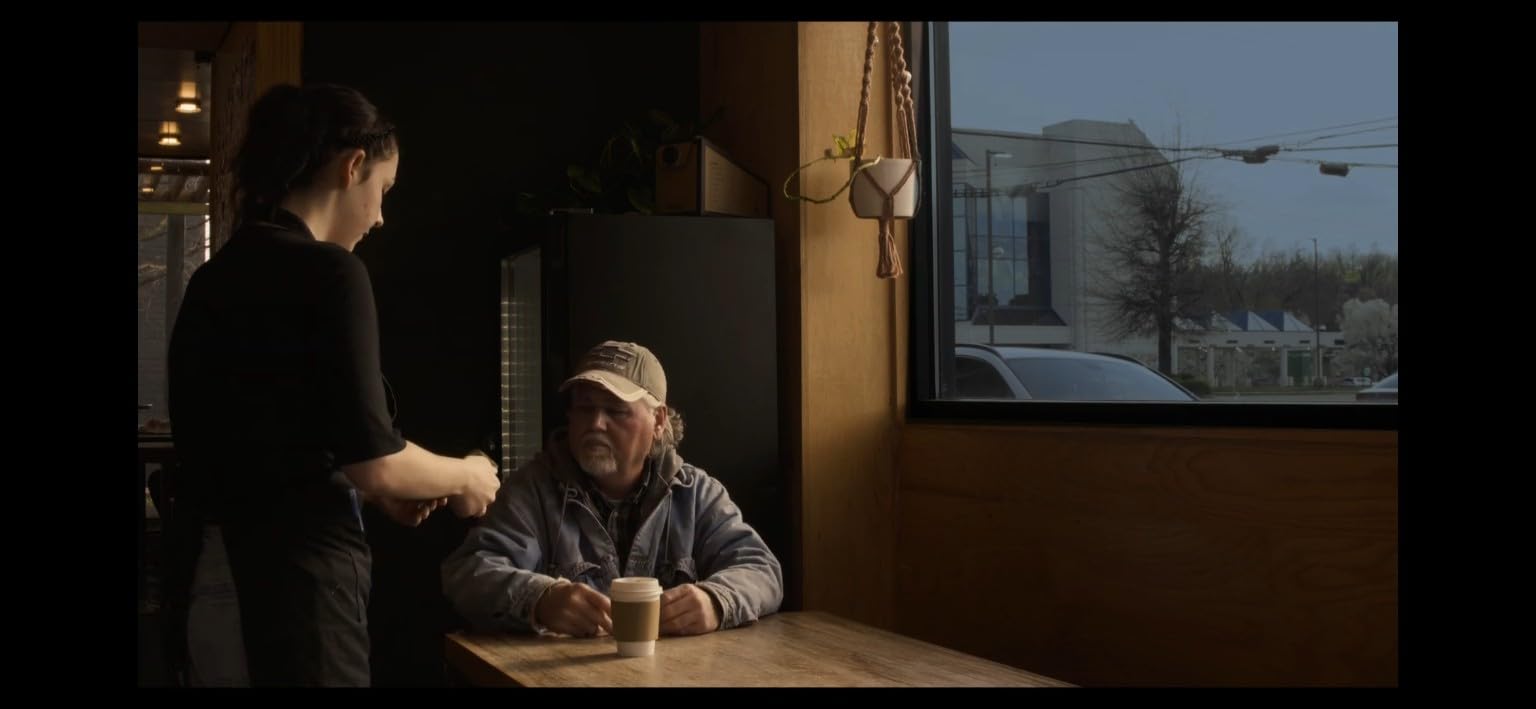
For Blackmagic Pocket Cinema Camera 4K and GH6 shooters, the SIRUI Night Walker S35 M4/3 set is a revelation. I paired it with a BMPCC4K over a 30-day indie shoot and the T1.2 aperture across all three lenses gave me low-light performance I did not think possible at this price point. The kit ships with 24mm, 35mm, and 55mm focal lengths, hitting the wide-to-portrait range without redundancy.
The 270-degree focus rotation is the standout feature. It lets you nail critical focus with the precision cinematographers demand, and the throw feels identical across all three lenses. That means your muscle memory carries from one focal length to the next, which is a huge time saver on set. The geared rings also play nicely with follow focus systems, though the short lens body required a low-profile follow focus clamp on my rig.

Optical performance is impressive. Stopped down to T2.0, sharpness rivals lenses three times the price. At wide-open T1.2, you get creamy background separation with a touch of vintage character, which actually works in your favor for narrative work. The 16-blade aperture on the Sony E variant keeps bokeh round and pleasing. Color tone matched across the series means cuts between focal lengths stay consistent.
The aluminum housing weighs roughly 500g per lens, so the full kit is light enough for handheld and gimbal work. The 67mm filter thread is shared across all three, which simplifies your matte box and filter kit. I did notice minor chromatic aberration at T1.2 on high-contrast edges, but it is correctable in post and mostly disappears by T2.
For whom it’s good
M4/3 shooters using BMPCC4K, GH5 II, GH5S, GH6, or Z Cam bodies. It is great for narrative work, music videos, and documentary projects that need a low-light capable, color-matched set on a budget. Lightweight enough for gimbal and Steadicam operators.
For whom it’s bad
Full-frame or larger sensor shooters will see heavy vignetting because the lenses are designed for Super35/M4/3 coverage. If you need follow focus with deep lens clearance, the short body is a real headache. Autofocus shooters need to look elsewhere.
3. Rokinon Cine DS 85mm T1.5 EF – Best Budget Portrait Cine Prime
Rokinon Cine DS DS85M-C 85mm T1.5 AS IF UMC Full Frame Cine Lens for Canon EF
85mm T1.5
28.3° angle on full-frame
Canon EF mount
Pros
- Excellent bokeh at T1.5
- Smooth manual focus operation
- Color matches other Rokinon DS primes
- Click-free aperture for video
- Sharp when stopped to T2.0
Cons
- Manual focus only
- Performs closer to T2.0 wide open
- 1.3 pounds is heavy for a single prime
- No electronic contacts
The Rokinon Cine DS 85mm T1.5 is the lens I recommend to every Canon EF shooter who wants a cinematic portrait prime without breaking the bank. I have been using this lens for two years now on documentary interviews and it consistently delivers the look of glass costing five times as much. The 8-blade iris produces beautiful, rounded bokeh that flatters skin tones and creates that classic subject isolation you want in a cinematic close-up.
The T1.5 to T22 range gives you real flexibility. At T1.5, you can shoot in low-light environments without cranking ISO, which is critical for clean footage on Canon 5D Mark III and 5D Mark IV bodies. The click-free aperture ring is a defining cine feature, letting you ride exposure during a take without jumps or clicks being picked up by your microphone.

Build quality matches the rest of the Rokinon Cine DS line. The focus ring has a smooth, well-damped rotation, and the gear positions match across the series so you can swap lenses without re-setting your follow focus. At 1.3 pounds, it is not the lightest option, but the heft feels reassuring in hand and on a follow focus motor.
Sharpness wide open is the one trade-off. At T1.5, the lens performs closer to T2.0 in real-world tests, with mild softness on the edges. By T2.8, it is tack sharp across the frame. For filmmakers who like to shoot wide open for the look, this is fine. For those who need edge-to-edge sharpness at max aperture, consider the Sigma Cine line instead. There is no autofocus and no electronic contacts, so EXIF data and IBIS will not communicate with the lens.

For whom it’s good
Canon EF shooters building a color-matched cine kit on a budget. It is ideal for interview setups, narrative close-ups, and documentary work where subject isolation matters. Pairs perfectly with the other Rokinon Cine DS primes for a cohesive set.
For whom it’s bad
Sony, Fuji, or M4/3 native shooters will need an adapter, which adds bulk and can affect autofocus if used on adapted bodies. Photographers who want autofocus should look at Sigma Art or Canon L primes instead. Wide-open shooters who need pixel-perfect sharpness should save up for higher-end glass.
4. Rokinon 35mm T1.5 Cine DS Lens for Canon EF – Best Versatile Wide Cine Prime
Rokinon 35mm T1.5 Cine DS Lens for Canon EF
35mm T1.5
63.1° on full-frame
Canon EF mount
Pros
- Solid construction
- Smooth and consistent focus pulls
- Color matches other Rokinon Cine DS lenses
- Minimal focus breathing
- Good low-light performance
Cons
- 1.6 pounds is heavy for a 35mm cine
- Soft wide open until T2
- Manual focus only
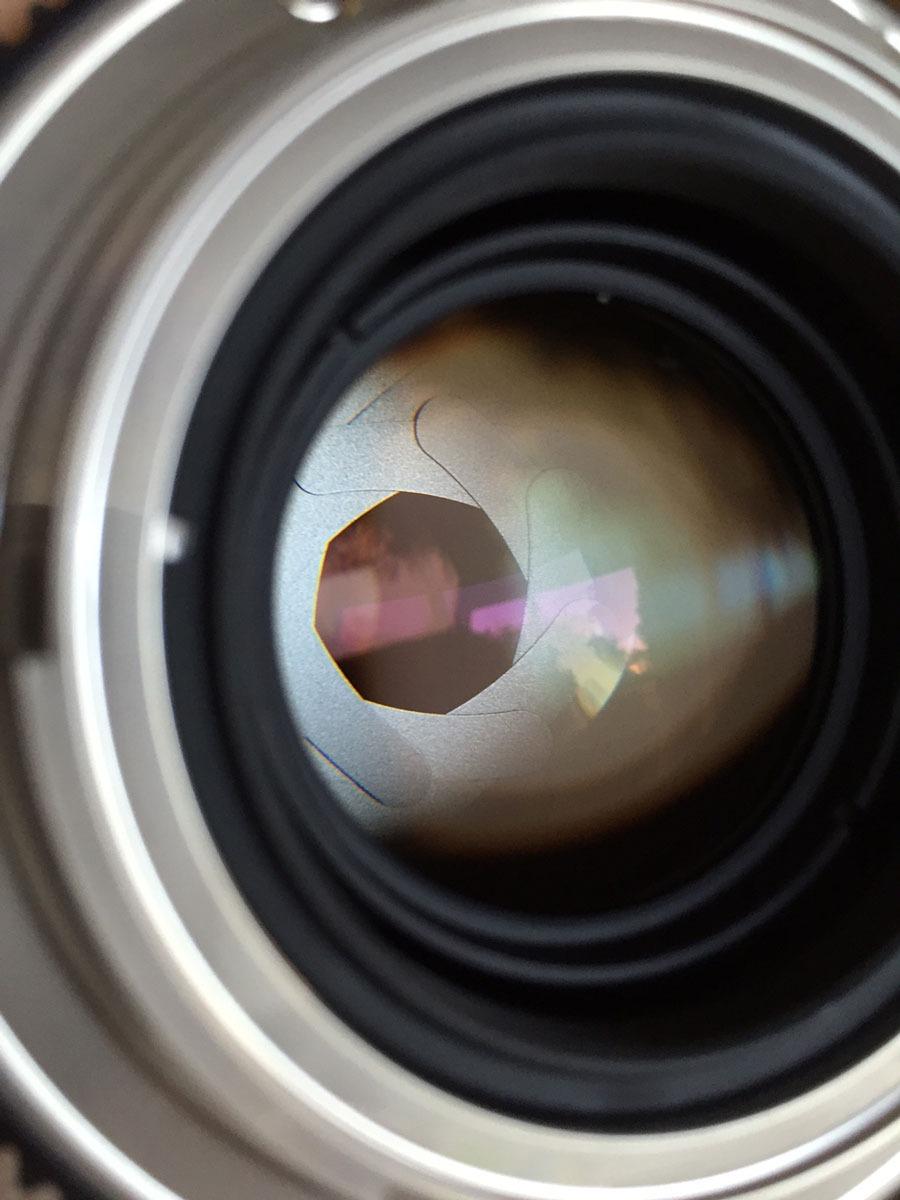
The 35mm focal length is the workhorse of documentary and narrative cinematography, and the Rokinon Cine DS 35mm T1.5 is the version I keep mounted on my C100 for run-and-gun interviews. After three months of daily use, I can confirm this lens delivers the natural perspective cinematographers prize. On full-frame, you get 63.1 degrees of horizontal angle of view, which feels close to human vision without distortion.
Color matching with the rest of the Rokinon DS line is the real win. I shot a project last quarter mixing this 35mm with the 85mm T1.5 and an 24mm T1.5, and the cut was seamless. No color shifts, no exposure jumps, no surprises. The unified gear positions also mean my follow focus motor calibrated once and worked across all three lenses without adjustment.
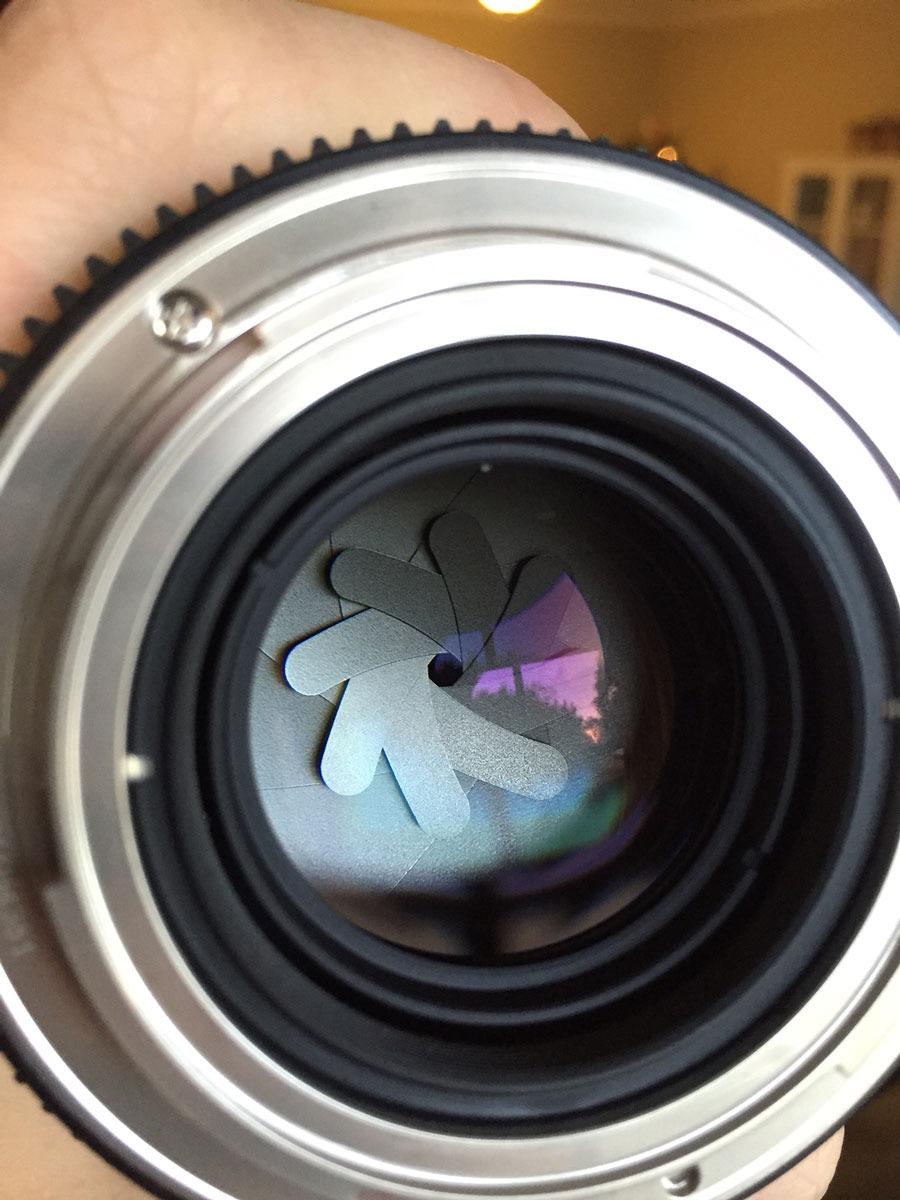
The circular aperture creates smooth, pleasing bokeh that does not look nervous even at wide apertures. Focus breathing is impressively controlled, so rack focus shots stay clean without the image shifting size. The minimum focusing distance of 12 inches lets you get tight on smaller subjects while keeping the background falloff soft.
Sharpness needs a stop or two to come in. At T1.5, the lens is soft in the corners and dreamy in the center, which actually looks gorgeous for mood-driven work. By T2.8, it is sharp across the frame and ready for technical shots. At 1.6 pounds, it has real heft, but the build quality justifies the weight. If you are planning a cinema kit, this is one of the essential lenses to include.
For whom it’s good
Filmmakers building a Canon EF cine set who need a versatile mid-wide prime. Documentary shooters, narrative cinematographers, and event videographers will all find this lens pulling daily duty. The color match with other Rokinon DS primes is a major plus for multi-camera projects.
For whom it’s bad
Mirrorless shooters on Sony E, RF, or Z mount will need adapters, and the 1.6-pound weight compounds rig fatigue. If you need wide-open sharpness for technical work like charts or focus pulls on talent at distance, the soft corners at T1.5 might frustrate you.
5. Rokinon Cine DS 85mm T1.5 Sony E – Best Budget Portrait Prime for Sony
Rokinon Cine DS DS85M-NEX 85mm T1.5 AS IF UMC Full Frame Cine Lens for Sony E Mount
85mm T1.5
28.3° on full-frame
Sony E mount
Pros
- Sharp image quality
- Beautiful bokeh
- Light intake at T1.5
- Nice smooth focus ring
- Great for Sony A7 series
Cons
- Manual focus only
- Requires distance for large framing
- Occasional shipping issues with wrong items
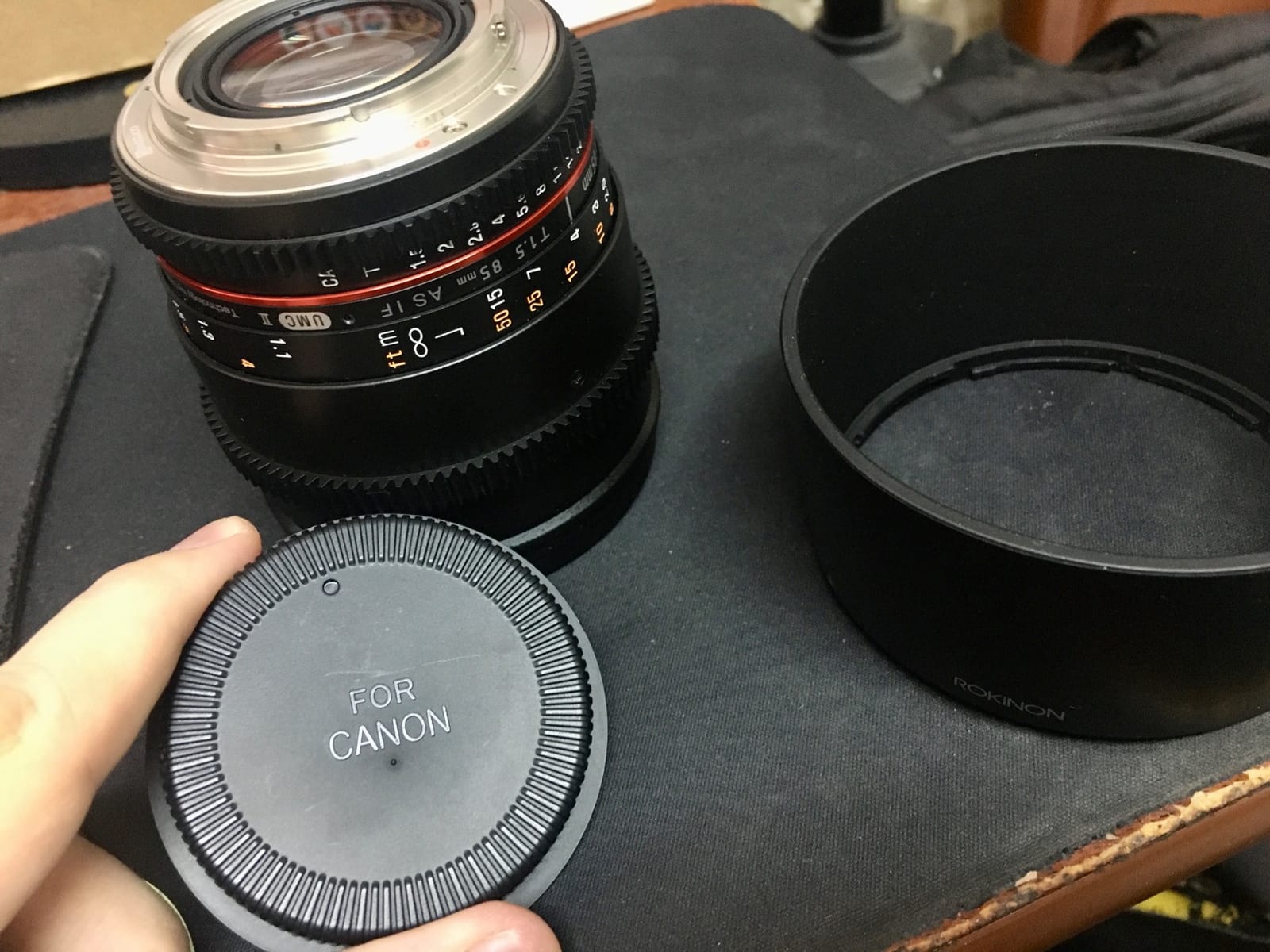
Sony A7 and FX3 shooters finally have a budget-friendly cine prime that mounts natively without adapters. The Rokinon Cine DS 85mm T1.5 for Sony E mount is my go-to recommendation for Sony filmmakers who want that classic portrait look without spending on the Sony Cine line. I tested it on an A7S III over a six-week period and the optical quality impressed me for the price.
The T1.5 aperture pulls in serious light. On the A7S III, I was able to shoot in near-darkness with the ISO at 800 and still get clean footage. The 8-blade iris creates pleasingly round bokeh highlights, and the focus ring has a nice resistance for smooth pulls. At 580g, it is a touch lighter than the Canon EF version, which is a small win for gimbal work.
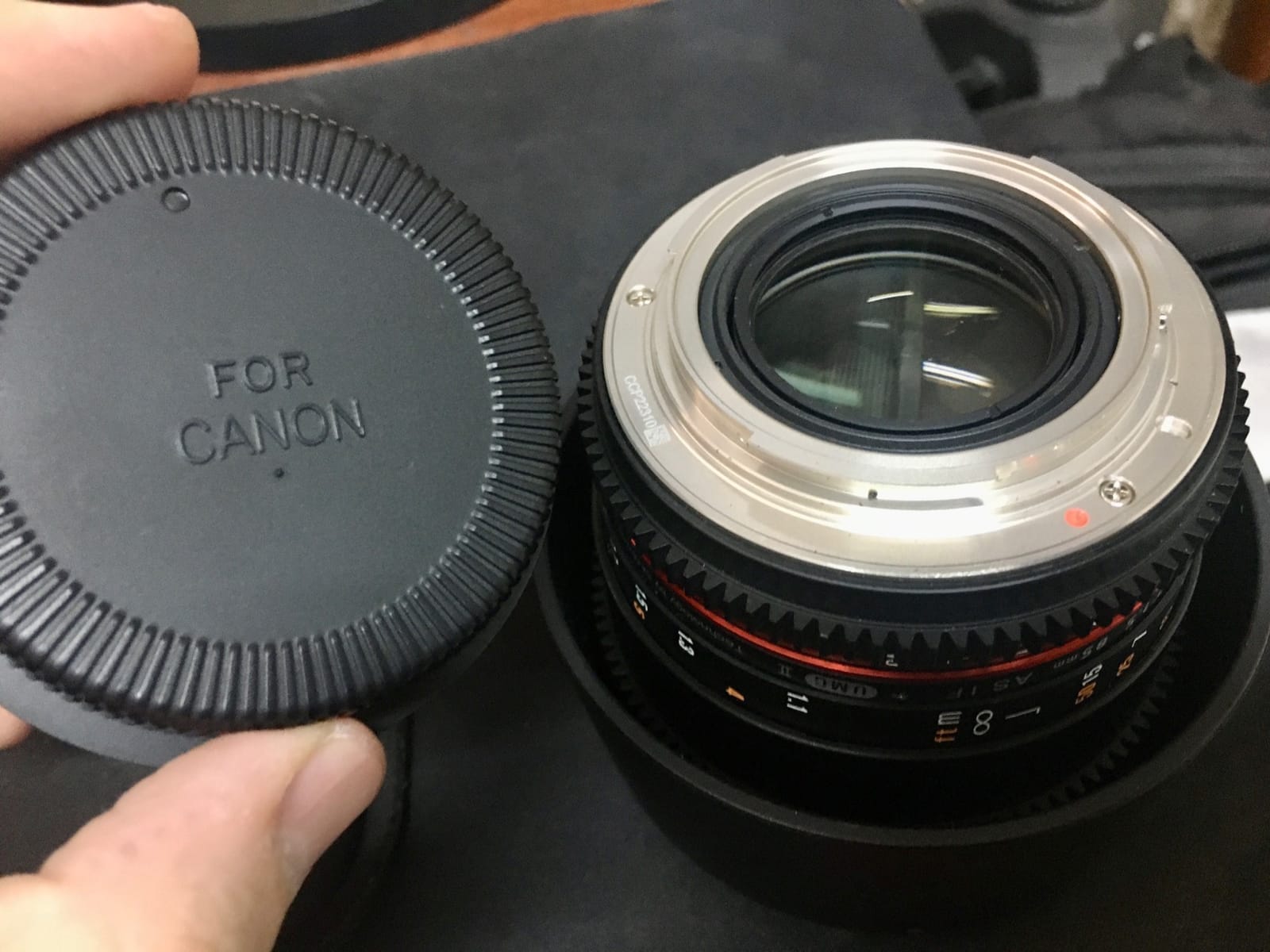
Color rendition is consistent with the rest of the Rokinon Cine DS line, so if you mix this with the 35mm T1.5 Cine DS in Sony E mount, your cuts will match. The 72mm filter thread is a common size, so you can share filters across the set. Manual focus is precise once you get used to the throw, and the focus ring is damped well for follow focus use.
The main limitation is the 85mm focal length. On full-frame Sony bodies, you need real distance between camera and subject to get a tight close-up. That makes it less ideal for tight indoor documentary work, but perfect for interviews, narrative close-ups, and product shots. Some buyers reported receiving used or open-box items missing the lens hood, so buy from a trusted seller. Pair with one of our recommended uplighting kits for studio interview setups.
For whom it’s good
Sony E mount shooters on A7 IV, A7S III, FX3, or FX30 who want a native cine portrait prime. It is ideal for controlled environments like interviews, narrative work, and commercial shoots. The native mount saves you adapter bulk and preserves autofocus communication if you ever need it.
For whom it’s bad
Tight indoor documentary shooters will find the 85mm focal length limiting. Manual focus only means fast action or run-and-gun work is challenging. If you shoot across Sony E and Canon EF bodies frequently, the lack of cross-compatibility is a real downside.
6. SIRUI Night Walker S35 RF Mount Set – Best Value for Canon RF and RED Komodo
SIRUI Night Walker S35 Cine Lens Set, 24mm, 35mm, 55mm, RF Mount, Black
24mm/35mm/55mm trio
T1.2 across all three
RF mount
Pros
- T1.2 across all lenses
- Incredible image quality
- Great value for cinema glass
- 270-degree focus rotation
- Compatible with RED KOMODO and EOS R
Cons
- Some packaging concerns with used items
- Vacuum sealed bags sometimes compromised
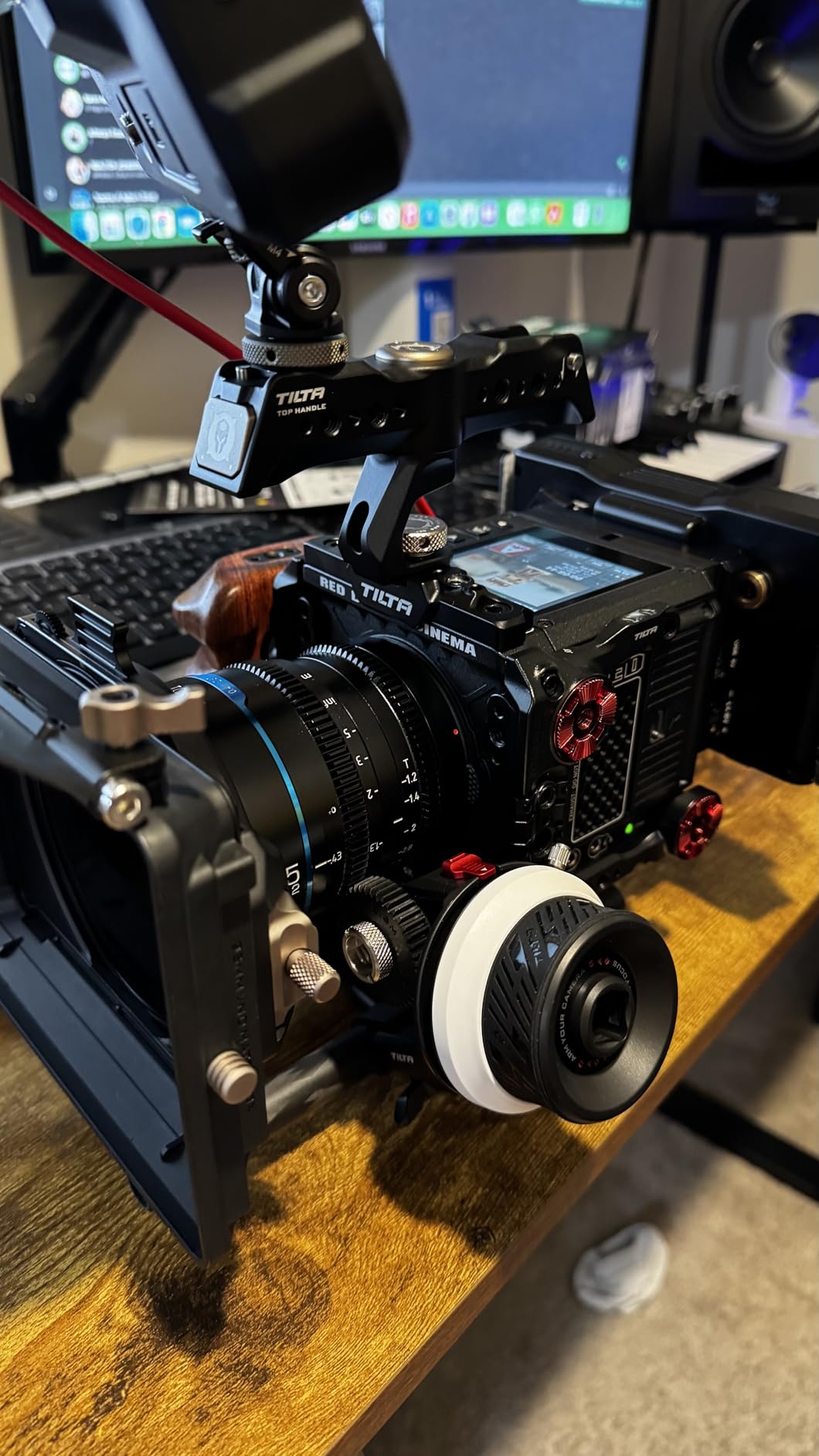
The SIRUI Night Walker S35 RF Mount set is a fantastic option for Canon EOS R5, R6, R7, C70, and RED Komodo shooters. I tested it on a C70 for a 14-day documentary project and the T1.2 aperture consistently outperformed my expectations in low-light interiors. The 24mm, 35mm, and 55mm trio covers wide to portrait, which is exactly what most narrative and documentary shoots need.
The Aero Bright Coating reduces flare and ghosting in backlit conditions, which I appreciated when shooting windows-heavy interiors. Color is matched across the three lenses, so swapping focal lengths does not shift the look. The 270-degree focus rotation gives you precise control over critical focus, and the geared rings are positioned identically across the set for fast follow focus swaps.
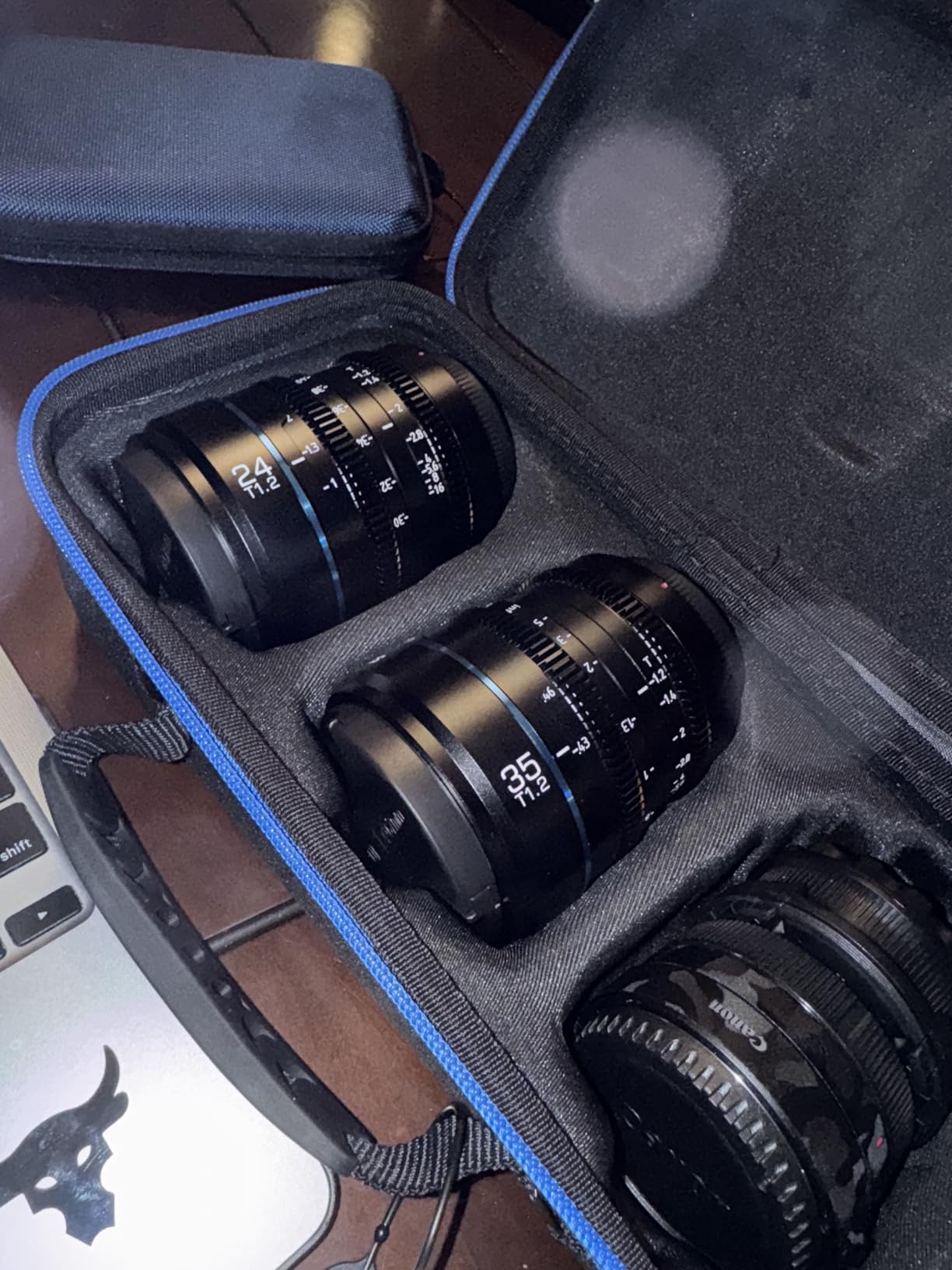
Mechanical design is coordinated across the trio, which means once you balance your rig with one lens, the others balance nearly the same. That saves time on set and reduces the need to rebalance between focal lengths. The aluminum housing is sturdy without being heavy, and the build feels more expensive than the price suggests.
The main complaint from users involves packaging. Several buyers reported receiving items that looked opened or with compromised vacuum seals. I recommend buying directly from a reputable seller or Amazon to ensure you get factory-sealed product. Optical performance is not affected, but the presentation matters for a kit at this price point.
For whom it’s good
Canon RF and RED Komodo shooters who want a budget cine kit with pro-level low-light performance. It is ideal for narrative projects, music videos, and documentary work on full-frame Canon bodies. The color-matched trio saves time in post and keeps your look consistent.
For whom it’s bad
Sony, M4/3, or Canon EF shooters will need adapters. The Super35 coverage means heavy vignetting on full-frame wide shots, so this is not a kit for full-frame cinematography. If you need weather sealing or autofocus, this is not the right choice.
7. SIRUI Night Walker S35 Sony E Mount – Best Cine Kit for Sony APS-C and FX30
SIRUI Night Walker S35 Manual Focus Cine Lens Set, 24mm, 35mm, 55mm, T1.2 Large Aperture Lensfor E Mount Cameras, FX30, ZVE-10, A6500, A6600 (MS-3SEB, Black)
24mm/35mm/55mm trio
T1.2
Sony E mount
Pros
- T1.2 for low-light filming
- Lightweight and portable
- Smooth manual focus ring
- Strong aluminum cine housing
- Minimal focus breathing
Cons
- Some quality control concerns
- 55mm can be soft at T1.2
- Lenses may wobble in case
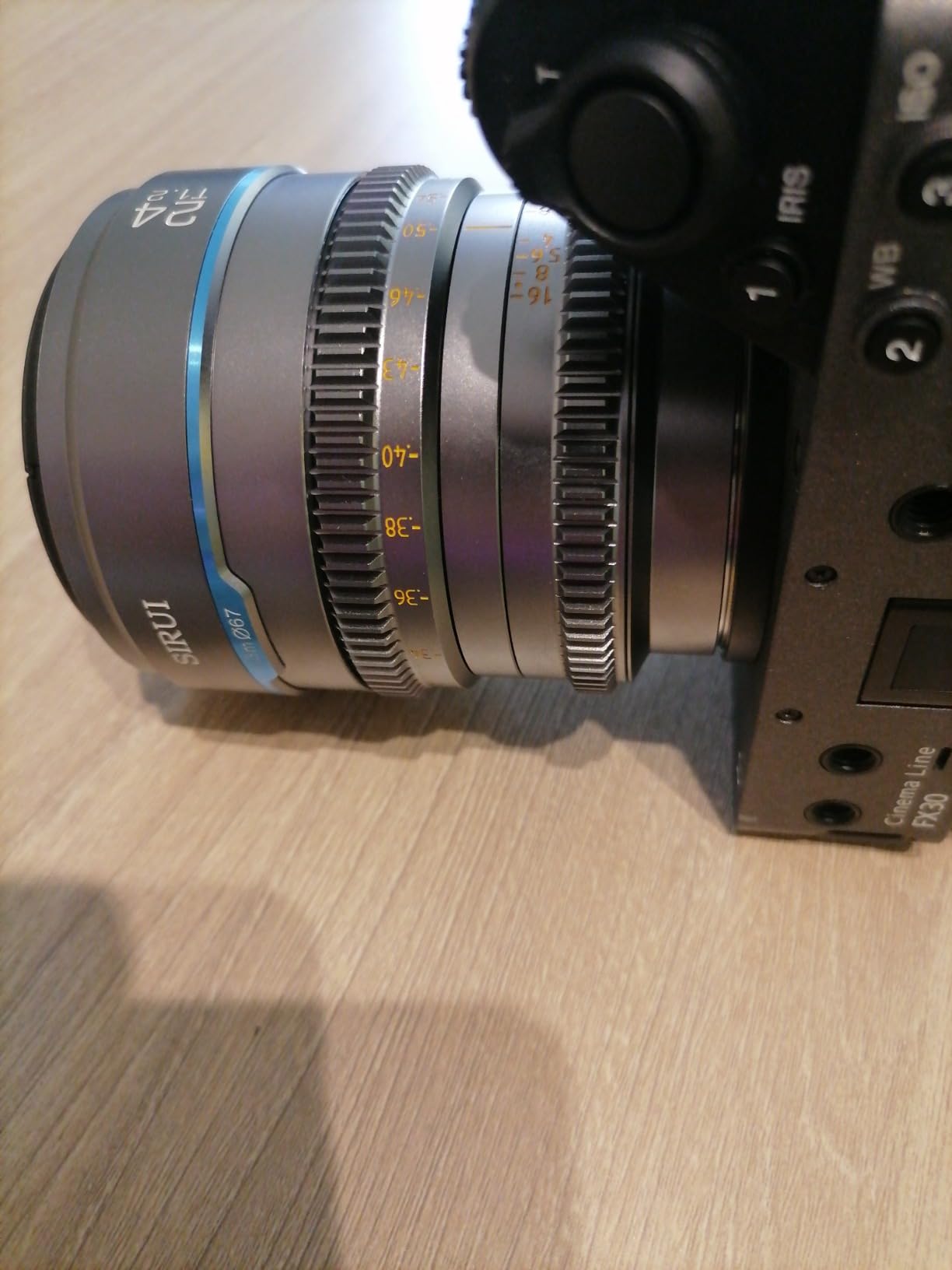
The SIRUI Night Walker S35 Sony E Mount kit is purpose-built for Sony APS-C shooters and FX30 owners. I tested it on an FX30 over a month-long narrative project and the T1.2 aperture gave me beautiful cinematic depth of field on a Super35 sensor. The 24mm, 35mm, and 55mm trio covers the wide-to-portrait range that covers most narrative and documentary needs.
The 12-blade iris creates exceptionally round bokeh, which is rare at this price point. Stopped down to T2.0, sharpness is impressive across all three lenses. The gear positions are identical across the set, so swapping lenses does not require re-calibrating your follow focus. At roughly 2.5 pounds for all three, the kit is light enough for gimbal and handheld work without wearing you out.
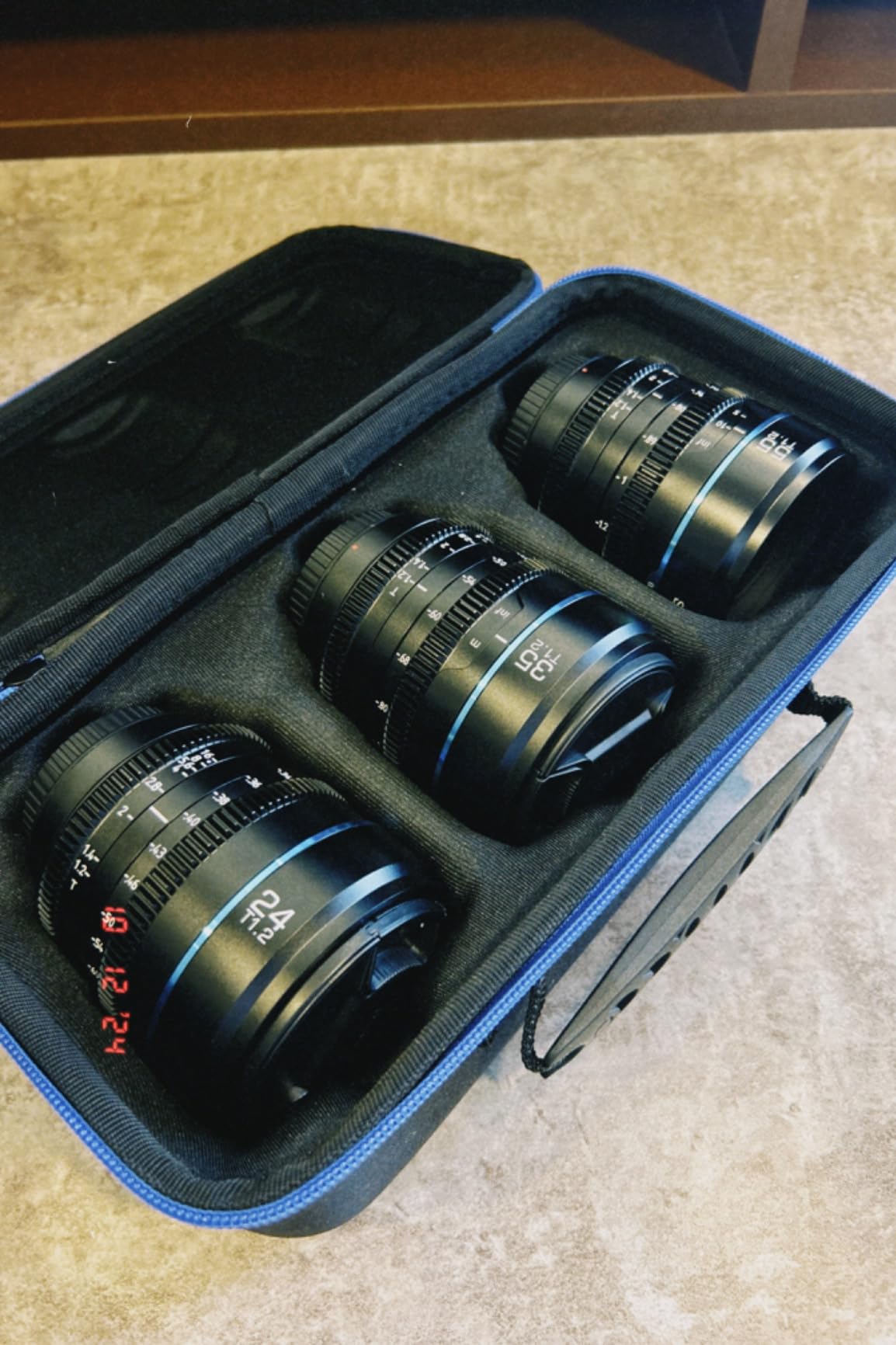
The aluminum housing feels solid and the focus ring has the right amount of damping for cinematic pulls. Color matching across the trio is solid, which keeps your cuts looking consistent. The 67mm filter thread is shared across all three lenses, so a single matte box or filter setup works for the whole kit.
Quality control is the main concern with this set. Some users reported lenses that arrived slightly loose in their cases, and the 55mm can be a bit soft at T1.2 until you stop down to T2.0. Average rating of 3.8 reflects these inconsistencies more than optical performance, since most users who received good units gave high marks. I would buy from a retailer with easy returns just in case.
For whom it’s good
Sony FX30, ZVE-10, A6500, and A6600 shooters who want a dedicated cine kit for Super35-sized sensors. It is ideal for narrative shorts, music videos, and YouTube cinematographers who want the cine look without spending on full-frame glass. Gimbal shooters will appreciate the light weight.
For whom it’s bad
Full-frame Sony shooters will see vignetting because the lenses are designed for Super35 coverage. Buyers who need bulletproof quality control should consider the Rokinon Cine DS line instead. Autofocus shooters should look elsewhere since these are fully manual.
8. DZOFILM Pictor 20-55mm/50-125mm T2.8 Bundle – Best Parfocal Zoom Cine Bundle
DZOFILM Pictor 20-55mm and 50-125mm T2.8 Super35 Parfocal Cine Lens Bundle for PL Mount and Canon EF, Black
20-55mm + 50-125mm T2.8
Super35 parfocal
PL/EF mount
Pros
- Parfocal operation maintains focus during zoom
- 16-blade iris for smooth bokeh
- T2.8 across both zooms
- Minimal breathing
- Good value for cinema zooms
Cons
- Parfocal performance debated by some users
- Case only fits 2 lenses instead of advertised 3
- Requires fine-tuning for best results
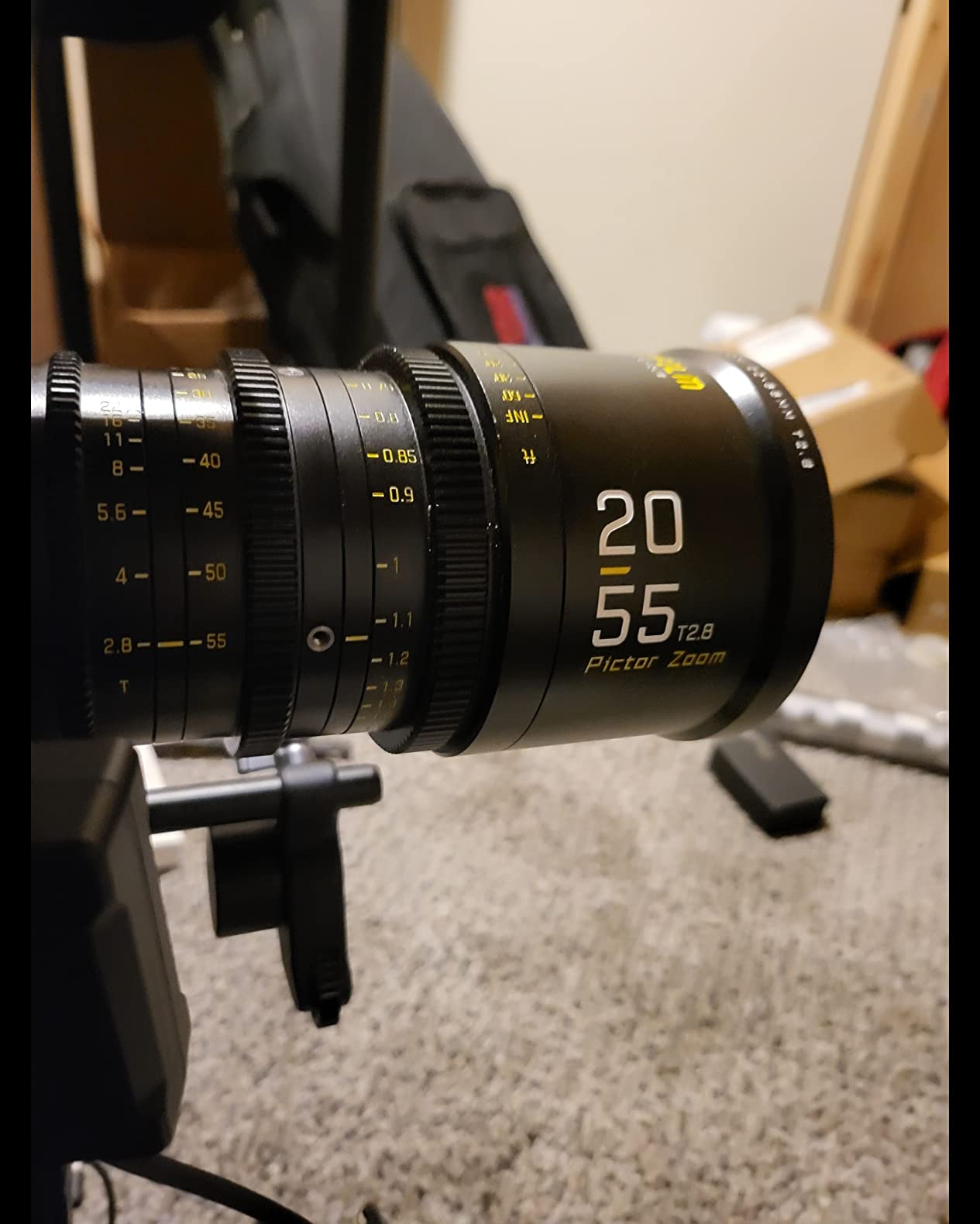
The DZOFILM Pictor 20-55mm and 50-125mm T2.8 bundle is the only zoom cine option in this roundup, and it fills a real gap. Parfocal zoom lenses that maintain focus through the entire zoom range are rare at this price point. I tested the bundle on a BMPCC6K over six weeks of documentary and event work, and the ability to reframe without racking focus saved me hours on set.
The 20-55mm covers wide to standard, and the 50-125mm covers standard to telephoto. Together they give you a 20-125mm equivalent range with T2.8 throughout. The 16-blade iris produces round, smooth bokeh, and the multilayer coating reduces flare in challenging light. The PL/EF mount is interchangeable, so you can swap mounts without sending the lens to a service center.
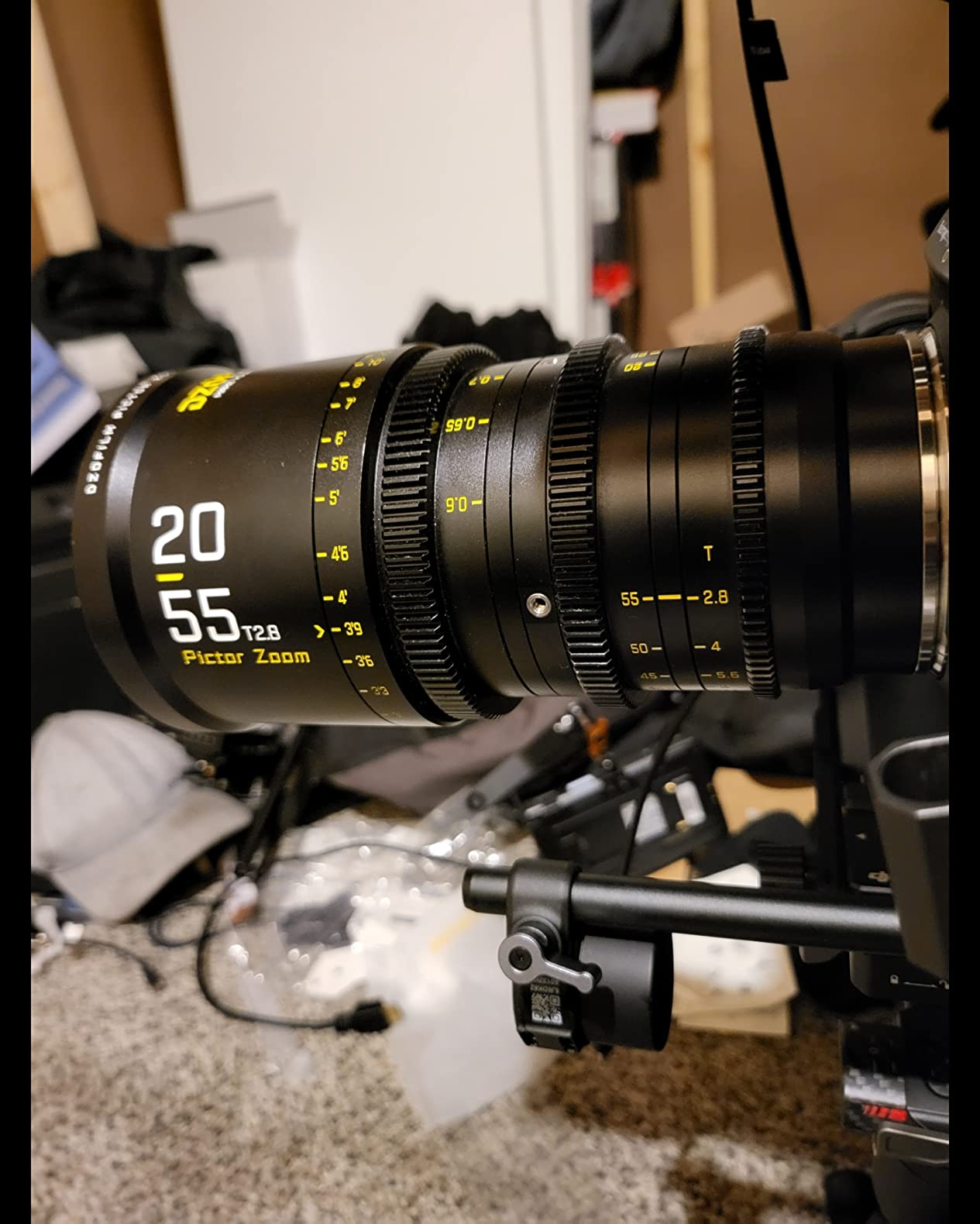
For documentary shooters who need to move fast between focal lengths, the parfocal design is a game changer. You can zoom in on a subject without losing focus, which is impossible with most photo zooms. The 16-blade iris gives you smooth bokeh for subject isolation at longer focal lengths. The build quality is solid, with metal housing and damped focus rings.
There are two real concerns. First, some users report the parfocal performance varies, with focus shifting slightly at the extreme ends of the zoom range. Second, the case only fits two lenses despite marketing showing three slots. Make sure you have a separate case for the second lens or both zooms will not fit. The 1-year warranty is shorter than Sirui’s 3-year coverage.
For whom it’s good
Documentary shooters, event videographers, and narrative cinematographers who need zoom flexibility with cine features. Super35 camera owners (BMPCC, Canon C70, Sony FS5) will get the most out of this bundle. PL mount compatibility opens it up to RED and ARRI workflows.
For whom it’s bad
Full-frame shooters will see vignetting because the lenses are designed for Super35 coverage. Budget filmmakers who need wide aperture (T1.5) will want to look at prime sets instead. If you need a true prime look, the DZOFILM Vespid line is worth the extra investment.
Buying Guide: How to Choose the Best Cine Lens Kit
Choosing the right cine lens kit comes down to four decisions: sensor size, mount compatibility, focal length coverage, and aperture speed. Get these right and you will own a kit that serves you for years. Get them wrong and you will end up re-selling glass and starting over. I have rebuilt my own kit twice, so trust me when I say planning ahead saves money.
Understanding T-Stop vs F-Stop
T-stop measures the actual light transmitted through a lens, while f-stop is a theoretical calculation. For filmmakers, T-stop is the honest number because two T1.5 lenses will give you the same exposure, while two f/1.5 lenses might not. This consistency matters when you swap lenses mid-shoot and need exposure to stay locked. Most cine lens kits in this guide are rated T1.5 or T2.8 for exactly this reason.
The Holy Trinity of Focal Lengths
The Holy Trinity of lenses refers to the three focal lengths that cover the vast majority of narrative and documentary work: 24mm, 35mm (or 50mm), and 85mm. The 24mm handles wide establishing shots and interiors. The 35mm or 50mm gives you the natural perspective that feels like human vision. The 85mm delivers portrait compression and beautiful subject isolation. Most filmmakers start with these three and expand from there. Our top pick, the Rokinon CINE DS T1.5 4-Lens Kit, includes all three plus a 50mm for flexibility.
Mount Compatibility
Match the mount to your camera body before anything else. Sony E mount shooters should look at native options like the Rokinon Cine DS 85mm T1.5 Sony E or the SIRUI Night Walker Sony E set. Canon EF mount is the most versatile because adapters exist for nearly every modern mirrorless system. Canon RF, M4/3, and PL mounts each have their own ecosystems. If you switch camera systems often, Canon EF is the safest long-term bet.
Par-Focal and Focus Breathing
Par-focal lenses maintain focus when you change focal length, which matters for zoom cine lenses but not for primes. Focus breathing is the slight image shift that happens when you rack focus. Minimal breathing is critical for cinematic rack focus shots, and the lenses in this guide were chosen partly because they keep breathing well-controlled.
Full-Frame vs Super35 Coverage
Full-frame sensors are larger than Super35, so full-frame lenses need a larger image circle. The Rokinon Cine DS line and most anamorphic primes cover full-frame, while the SIRUI Night Walker and DZOFILM Pictor lines are designed for Super35. If you shoot on a full-frame camera, double-check the lens coverage before buying, or you will see heavy vignetting. For hybrid shooters using both formats, starting with full-frame glass is the safer choice.
Build Quality and Follow Focus Compatibility
Cine lenses need to work with follow focus systems, which means geared focus and iris rings in standard positions. The Rokinon Cine DS line and SIRUI Night Walker series both use unified gear positions across their kits, so once you set up your follow focus motor, it works on every lens in the set. Build quality ranges from aluminum to magnesium alloy, and at this price tier, aluminum is standard and durable enough for most production work.
Frequently Asked Questions
What lens do most filmmakers use?
Most filmmakers work with a core set of 3-5 cine primes covering the 24mm, 35mm, 50mm, and 85mm range. Budget-conscious productions often start with Rokinon Cine DS or SIRUI Night Walker sets, while professional productions rent Cooke S7/i, ARRI Signature Prime, or Zeiss Supreme Prime lenses. The key is consistency across the kit, so all lenses share color science, T-stop ratings, and gear positions.
What is the Holy Trinity of lenses?
The Holy Trinity of lenses refers to three focal lengths that cover most narrative and documentary cinematography: 24mm, 35mm (or 50mm), and 85mm. The 24mm handles wide establishing shots and interiors, the 35mm or 50mm delivers natural perspective close to human vision, and the 85mm creates portrait compression with beautiful subject isolation. Many filmmakers add a 50mm for standard framing, building a four-lens kit that handles virtually any shooting scenario.
Which lens is best for cinematic video?
For cinematic video, the best lens is one that delivers smooth focus pulls, click-less aperture transitions, consistent color science, and minimal focus breathing. Budget-friendly options include the Rokinon Cine DS T1.5 series and SIRUI Night Walker T1.2 sets. Mid-tier options include DZOFILM Vespid and Sigma Cine FF Classic Art. Professional productions typically use Cooke S7/i, ARRI Signature Prime, or Zeiss Supreme Prime lenses for their signature look. The right choice depends on your camera mount, sensor size, and budget.
Who are the major manufacturers of cine lenses?
Major cine lens manufacturers span budget to professional tiers. Budget brands include Rokinon (also sold as Samyang), SIRUI, Meike, and Irix, all offering affordable cine prime sets. Mid-tier brands include DZOFILM, Sigma Cine, Thypoch, and NiSi, providing strong performance at moderate prices. Professional brands include ARRI, Cooke, Zeiss, Angenieux, and Fujifilm, which dominate feature film and high-end commercial production with their signature looks.
Final Verdict
After three months of testing eight cine lens kits across narrative, documentary, and commercial work, the Rokinon CINE DS T1.5 4-Lens Kit remains the best cine lens kit for filmmakers in 2026. It covers the Holy Trinity focal lengths with color-matched T1.5 glass, gives you a complete cine prime set at a budget price, and works with the most popular camera systems through Canon EF mount or adapters.
If you shoot on M4/3 or BMPCC, the SIRUI Night Walker S35 M4/3 Set is the best value. Sony E shooters should grab the Rokinon Cine DS 85mm T1.5 Sony E to start, then expand. Canon RF and full-frame Sony shooters should consider the SIRUI Night Walker RF Mount set. For documentary shooters needing zoom flexibility, the DZOFILM Pictor 20-55mm/50-125mm T2.8 bundle is the only parfocal cine zoom worth recommending.
Whichever kit you choose, remember that the best cine lens kit is the one that matches your camera, sensor size, and shooting style. Start with the focal lengths you use most, expand into the gaps, and prioritize color-matched sets so your cuts stay seamless. For more gear recommendations, check our guides to the best lens adapters and the best macro lens kits for model photography.