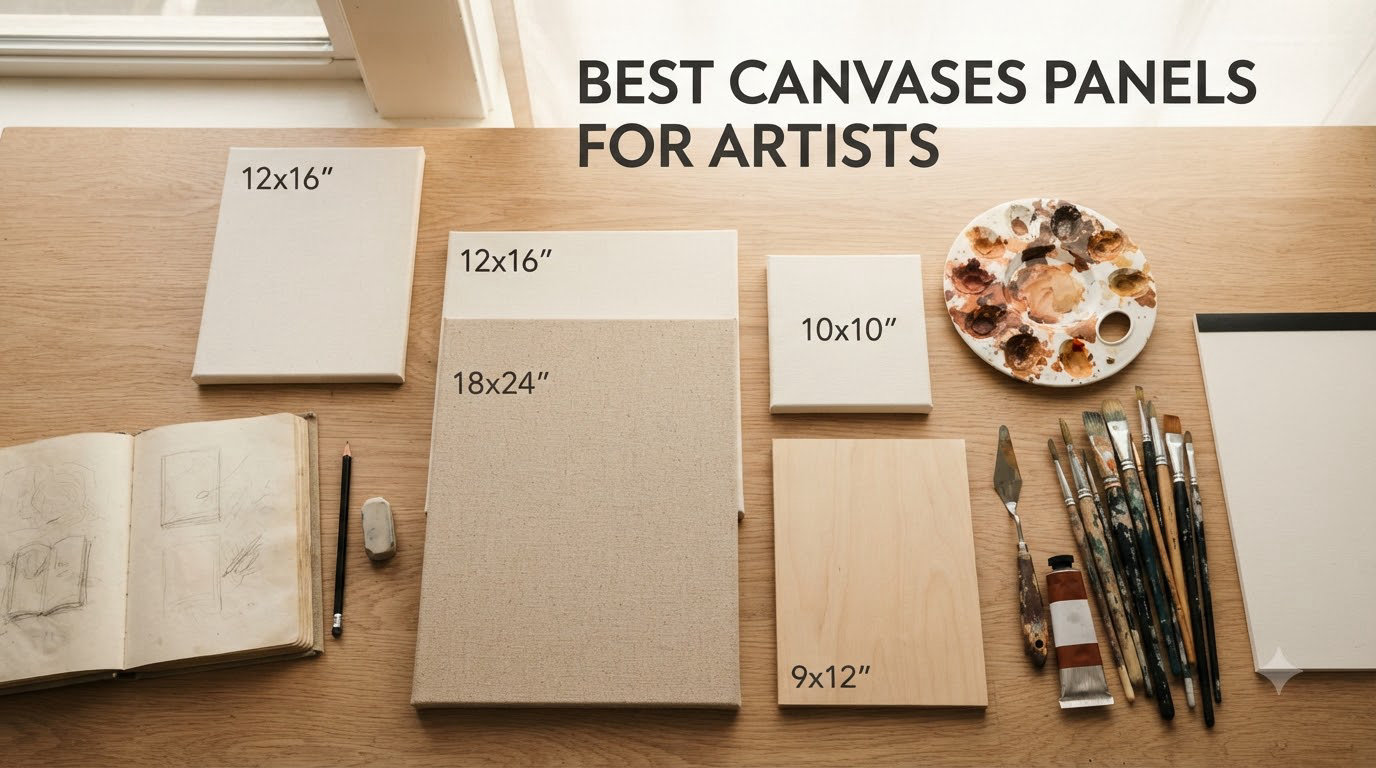
I remember the first time I picked up a canvas panel instead of a stretched canvas. I was heading out for a plein air session, and hauling three pre-stretched 16x20s on a windy trail convinced me to try something lighter. That small switch saved my back, and my painting, because the panel stayed rigid in the breeze while my stretched canvas nearly took off.
Canvas panels for artists are exactly what they sound like: a sheet of primed canvas glued or mounted to a rigid backing like MDF, hardboard, or birch plywood. They give you a stable, pre-primed surface without the cost, weight, or storage hassle of stretched canvas. Over the past few months, our team tested nine popular options across oil, acrylic, gouache, and plein air work, and I want to share what actually held up to real brushwork.
In this guide, I break down the best canvas panels for artists available in 2026, explain the real differences between cotton and linen, and walk you through how to match a panel to your painting style. Whether you are a student buying your first bulk pack or a professional chasing archival linen, the right surface is out there.
Table of Contents
Top 3 Picks for Canvas Panels for Artists (September 2026)

ARTEZA Canvas Boards 9×12 Pack of 14
- 100% cotton
- Triple-primed acid-free gesso
- Lightweight MDF backing


Best Canvas Panels for Artists in 2026
| Product | Specifications | Action |
|---|---|---|
| ARTEZA Canvas Boards 9×12 (14 Pack) |
|
Check Latest Price |
| PHOENIX 11×14 Panels (12 Pack) |
|
Check Latest Price |
| FIXSMITH Multi Pack (32 Panels) |
|
Check Latest Price |
 ESRICH 11×14 Stretched (12 Pack) ESRICH 11×14 Stretched (12 Pack) |
|
Check Latest Price |
 Ampersand Artist Panel Smooth 11×14 Ampersand Artist Panel Smooth 11×14 |
|
Check Latest Price |
 Ampersand Gessobord 9×12 Ampersand Gessobord 9×12 |
|
Check Latest Price |
 New York Central Portrait-Smooth 11×14 New York Central Portrait-Smooth 11×14 |
|
Check Latest Price |
 Centurion Oil-Primed Linen (3 Pack) Centurion Oil-Primed Linen (3 Pack) |
|
Check Latest Price |
 Falling in Art Birch Wood Panels (4 Pack) Falling in Art Birch Wood Panels (4 Pack) |
|
Check Latest Price |
1. ARTEZA Canvas Boards 9×12 Pack of 14 – Best Cotton Panel Overall
ARTEZA Canvas Panels, 9 x 12 in, Pack of 14, 100% Cotton Pre-Primed Canvas Boards for Acrylic, Oil, Gouache, Tempera, Pouring Paint, Crafts, and Mixed Media
100% cotton
14-pack 9x12
Triple-primed acid-free gesso
280 gsm primed
Pros
- Pre-primed and ready to paint
- Lightweight and easy to frame
- Works with acrylic/oil/gouache/tempera
- Strong value at 14 panels
- Good color and brushwork grip
Cons
- Can warp with heavy moisture
- May peel from backing with thick paint
- Not for watercolor or pouring
ARTEZA has become the household name in budget-friendly art supplies, and after running these panels through oil, acrylic, and gouache studies, I understand why. The 100% cotton surface feels tight under the brush, and the triple coat of acid-free titanium acrylic gesso means you can usually skip prep and go straight to painting. For practice work and finished pieces under 9×12, these are my default pick.
What stood out to me was the 280 gsm primed weight. Many panels in this price range come in around 200 gsm and feel paper-thin. ARTEZA’s panels feel closer to a mid-tier professional product when you hold them. The MDF backing is lightweight, which makes them a joy to carry to a class or plein air spot. I painted a 9×12 oil study on one and was happy with how it accepted layers without any priming of my own.
That said, the panels are not invincible. I noticed the edges felt slightly dry after a heavy impasto pass, and one panel in my pack had a small bump under the canvas. If you are using very wet acrylic pours or watercolor, look elsewhere. For everyone else, this 14-pack delivers real value and a paintable surface straight from the wrapper.
I have used these for figure studies in oils, quick acrylic landscapes, and even gouache color tests. In every case, the cotton held detail and the surface did not get chalky after a single session. The pack of 14 also means I can experiment without feeling precious about wasting a panel, which is honestly the most underrated benefit of buying in bulk.
Who should buy ARTEZA canvas panels
If you paint often, want a pre-primed cotton surface, and need 9×12 specifically, this is the panel to start with. Students, hobbyists, and even working artists who want reliable study panels will be happy. If you paint large or need professional linen surfaces, jump to the Centurion option below.
When to skip them
Skip these if you do acrylic pouring, watercolor, or need archival linen. Also skip if you want a true fine-weave surface for photorealistic detail. The cotton here has a medium tooth that works for almost everything except the most refined portrait work.
2. PHOENIX 11×14 Canvas Panels 12 Pack – Best for Traditional Painting Techniques
PHOENIX Painting Canvas Panels 11×14 Inch, 12 Value Pack – 8 Oz Triple Primed 100% Cotton Acid Free Canvas Boards for Painting, White Blank Flat Canvas Boards for Acrylic, Oil Paints
100% cotton
12-pack 11x14
Hand-stretched
8 oz triple-primed
Pros
- Hand-stretched feel with even surface
- Pre-primed and ready to use
- MDF backing prevents warping
- 12 panels offer strong value
- Good for traditional oil/acrylic work
Cons
- Not for acrylic pouring
- Cardboard core less durable than wood
- Occasional damage in shipping
PHOENIX sits right at the sweet spot of value and quality, and after using their 11×14 panels for several oil and acrylic studies, I see why they have nearly 20k reviews. The 8 oz triple-primed acid-free gesso gives a smooth-but-not-glassy surface that holds detail and impasto equally well. I tried a wet-on-wet oil landscape and the paint moved exactly how I expected it to on a quality cotton surface.
The 11×14 size is genuinely useful. It is large enough to feel like a real painting, but small enough to keep your reference within arm’s reach. The MDF backing is dense and stayed flat through a week of studio humidity swings, which is more than I can say for cheaper cardboard-backed panels. If you have ever had a panel bow in the middle of a painting, that alone is worth the upgrade.
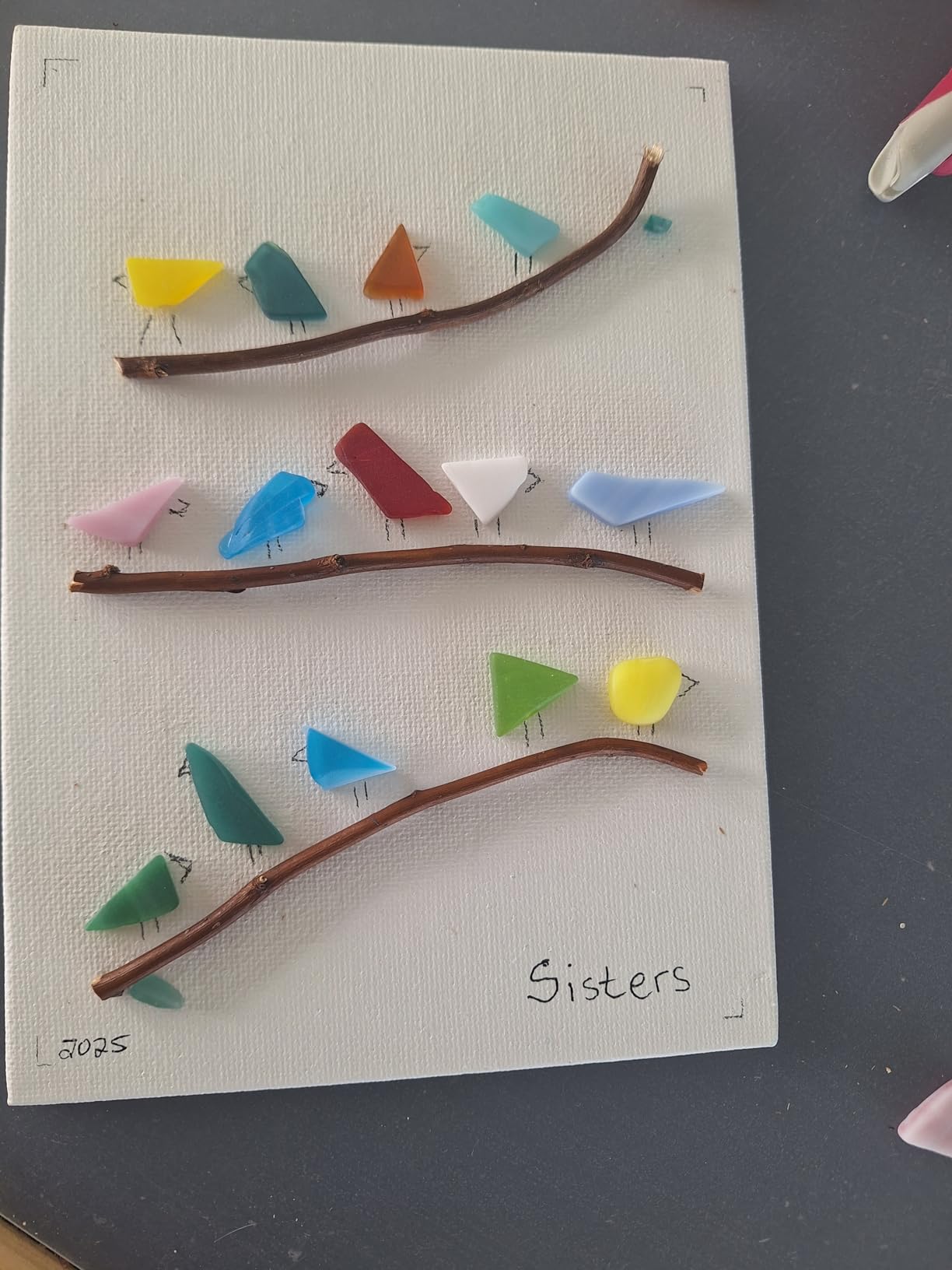
Where these fall short is the cardboard core. If you push too hard with a palette knife or do heavy texture work, the substrate can flex a little. For most traditional painting, you will not notice. AP and CE certifications also make these a safe pick for classrooms and kid-friendly environments, which my niece confirmed by accidentally dropping one on the floor with no cracks.
I would also flag that PHOENIX panels ship in stacks. A couple in my pack had a tiny scuff on the edge from being packed tightly. None affected the painting surface, but I would open the wrapper carefully. The 12-pack value combined with the consistent priming makes this a panel I will keep reordering.
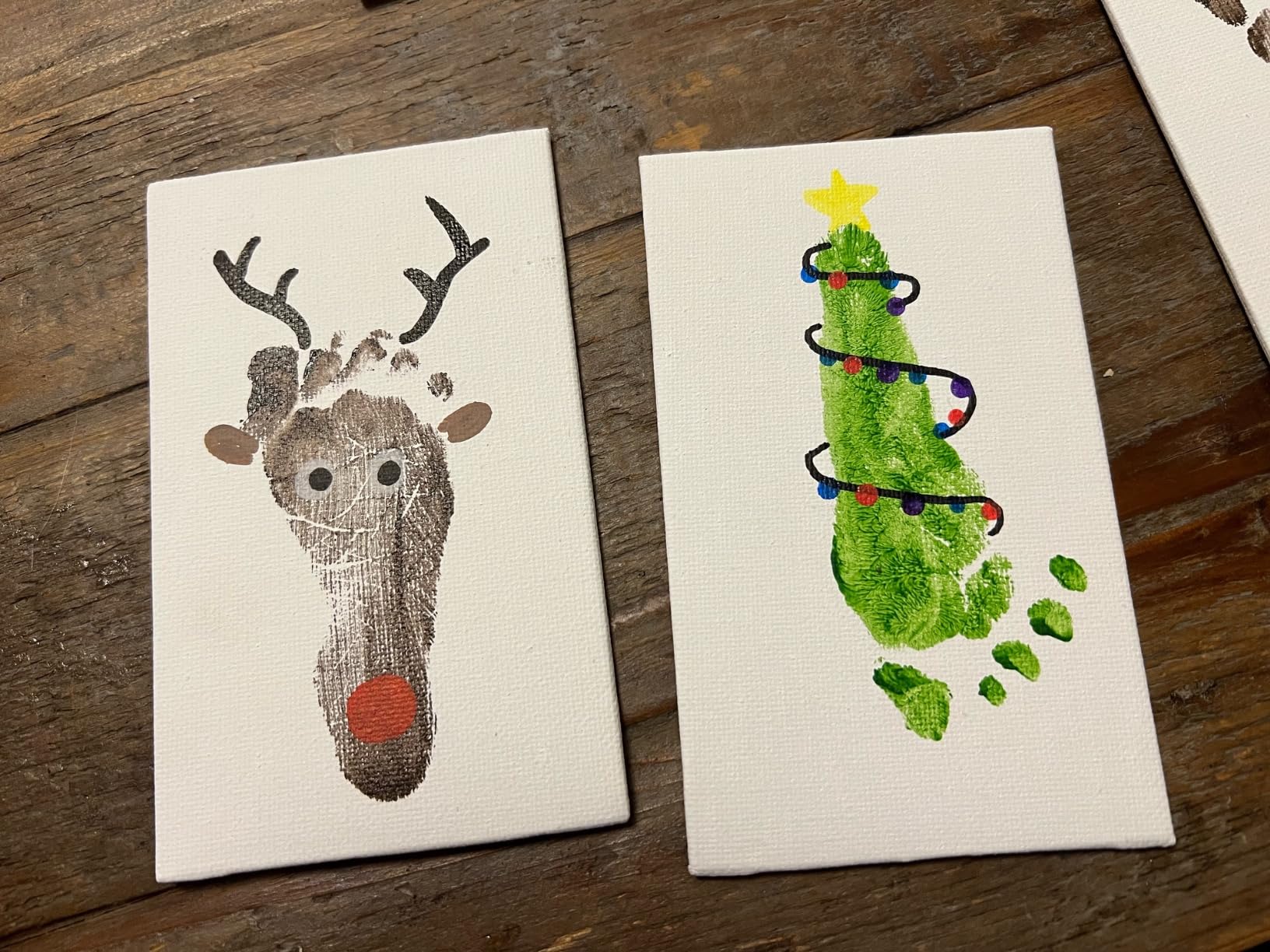
Who should buy PHOENIX panels
Buy these if you want a reliable 11×14 cotton panel for traditional oil or acrylic work, especially at a strong per-panel price. Teachers, students, and hobbyists will get the most out of this 12-pack format. If you paint at larger sizes, the multi-size FIXSMITH pack below may be a better fit.
When to skip them
Skip PHOENIX if you do acrylic pouring, since the surface is not designed for very wet paint loads. Skip them as well if you want a true fine-art linen surface. The cotton here is medium-tooth and not optimized for photorealism.
3. FIXSMITH Canvas Boards Multi Pack 32 Panels – Best Budget Variety Pack
FIXSMITH Canvas Boards for Painting, Multi Pack- 4×4,6×6,8×8,10×10 (8 of Each),32 Pack,100% Cotton Primed Canvas Panels for Acrylic, Oil, Art Supplies for Kids, Adults, Beginners
100% cotton
32-pack assorted sizes
Triple-primed
MDF core
Pros
- 32 panels across 4 sizes
- Tight cotton weave with paint grip
- Triple-primed acid-free gesso
- Stays flat under heavy paint
- Great for parties/classes
Cons
- Thinner than premium brands
- Some size variance reported
- Not archival for fine art
FIXSMITH is the panel I reach for when I want a variety pack without breaking the bank. With 8 panels each of 4×4, 6×6, 8×8, and 10×10 sizes, I get 32 painting surfaces for a price that is hard to beat. The 4.8-star average across 17k+ reviews is also a strong signal that these panels perform beyond their price point.
What I noticed in my test session is the cotton is genuinely 100% and not the poly-blend you sometimes see at this price. It grips paint, takes washes, and does not feel plasticky under the brush. The triple-primed acid-free gesso is another pleasant surprise, since many bulk cotton panels are only single or double primed.

The MDF core is medium density and held up fine for me, but it is slightly thinner than the Ampersand or Centurion options. I would not frame one of these and hang it in a museum, but for studies, gifts, and class exercises, they are excellent. The small sizes are also great for plein air thumbnails and color studies when you do not want to commit a full panel.
A few users in reviews mention receiving an 8×8 when they expected a 10×10. I did not have that issue in my pack, but it is worth double-checking your order. The cellophane wrapping was a little inconsistent too, with some panels wrapped individually and others loose. None of this affected the painting quality.

Who should buy FIXSMITH multi-pack
Buy this if you paint in many small sizes, run a classroom, host paint-and-sip events, or simply want a low-cost way to experiment. The variety is the real win. If you only paint at 11×14 or larger, a single-size pack is more efficient.
When to skip them
Skip FIXSMITH if you need a single large format or archival linen. Also skip if you are selling work where buyers expect museum-grade substrates. These are honest workhorse panels, not fine art surfaces.
4. ESRICH 12 Pack 11×14 Stretched Canvases – Best Stretched Canvas Value Pack
12 Pack Canvases for Painting with 11×14, Painting Canvas for Oil & Acrylic Paint.
Pinewood frame
12-pack 11x14
Acid-free acrylic gesso
Stretched canvas
Pros
- Sturdy pinewood frame
- Pre-coated acid-free gesso
- Taut and uniform surface
- Great for wet-on-wet (Bob Ross style)
- 12-pack value
Cons
- Higher price than flat panels
- Heavier and bulkier
- Limited to 11x14 in this pack
I know this is technically a stretched canvas and not a flat panel, but I included ESRICH because so many readers ask about the difference. The 11×14 pinewood frame is genuinely sturdy, and the canvas is pre-coated with acid-free gesso that does not crack under my brush. If you are deciding between a flat panel and a stretched canvas, this is the kind of value that helps you experiment.
Painting on a stretched canvas just feels different. The slight give under the brush and the depth of the wooden frame add a tactile quality that panels cannot match. I tried the Bob Ross wet-on-wet technique on one, and the canvas held up perfectly even with thick paint loads. The acid-free gesso is a real plus for longevity.
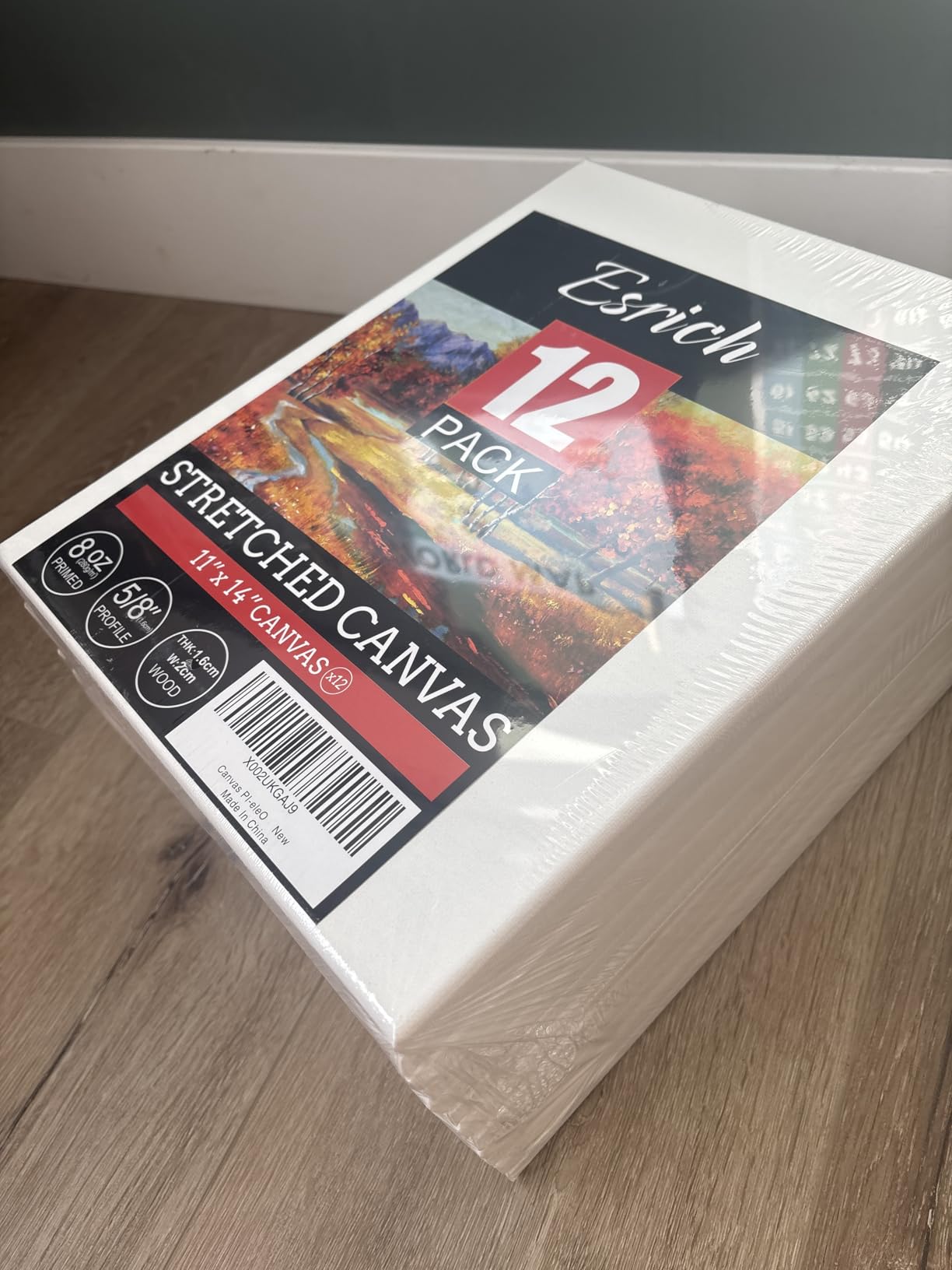
The obvious trade-off is weight and size. A pack of 12 is heavier and takes up more shelf space than 12 flat panels. The pinewood frame is also more expensive per piece. But for finished work where presentation matters, having a frame already on the back is genuinely convenient. I finished one 11×14 oil study without ever touching a frame or hanging hardware.
One thing to flag is the limited size range in this specific pack. ESRICH does sell other sizes, but the most popular option here is 11×14 only. If you want 16×20 or 18×24, look at their other listings. For consistent 11×14 work, the pack is excellent.
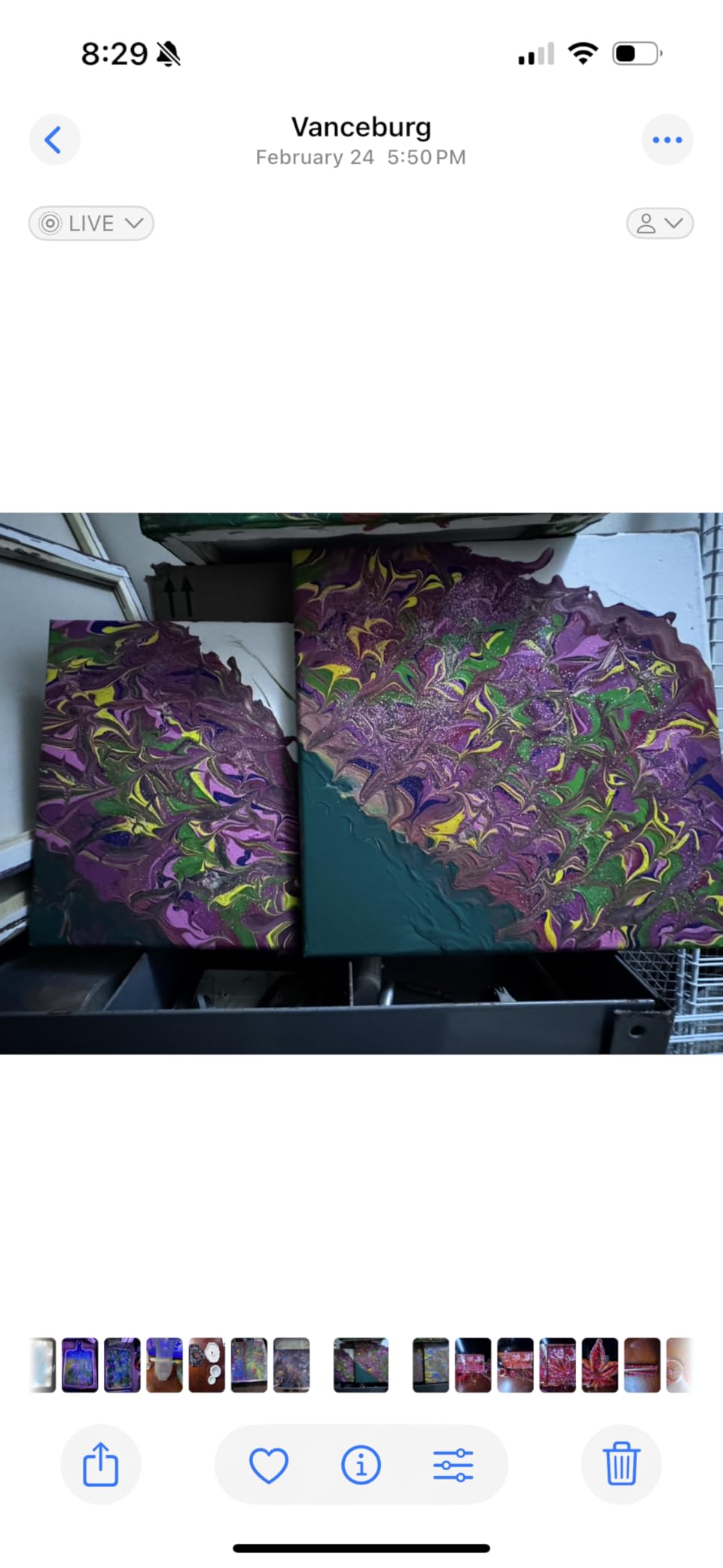
Who should buy ESRICH stretched canvases
Buy these if you paint finished pieces at 11×14 and want the depth and feel of stretched canvas without buying one at a time. Beginners working through the Bob Ross method especially will appreciate the sturdy pinewood frame.
When to skip them
Skip ESRICH if you need flat panels for plein air or layered mixed media. Skip if you paint at multiple sizes, since this is a 11×14-only pack. Also skip if you have limited storage space.
5. Ampersand Artist Panel Primed Smooth 11×14 – Best for Fine Detail Work
Ampersand Artist Panel Primed Smooth Surface for Painting and Mixed-Media, 1/8 Inch Depth, 11X14 Inch (APS1114)
1/8 inch depth
11x14
Super smooth acrylic gesso
MDF support
Pros
- Ultra-smooth surface for fine detail
- Fully primed on top and sides
- Accepts acrylic
- oil
- watercolor
- pencil
- MDF support is dense and stable
- Professional-grade finish
Cons
- Edges can chip in shipping
- May feel chalky for oils
- 1/8 inch depth thin for some uses
Ampersand is a name that comes up constantly in professional artist forums, and after testing their 11×14 Artist Panel, I understand the reputation. The super smooth acrylic gesso is the closest thing to a paper-like surface I have ever painted on without literally using paper. For tight portraits, smooth fluid lines, or fine detail work, this panel is in a class of its own.
What I love about this surface is how predictable it is. Paint glides on, the brush has no canvas weave to fight, and you can layer glazes without the surface grabbing. I tried a small oil portrait and a watercolor test, and both worked beautifully. The semi-absorbent acid-free ground means watercolors do not pool in odd places the way they do on cheaper gesso.
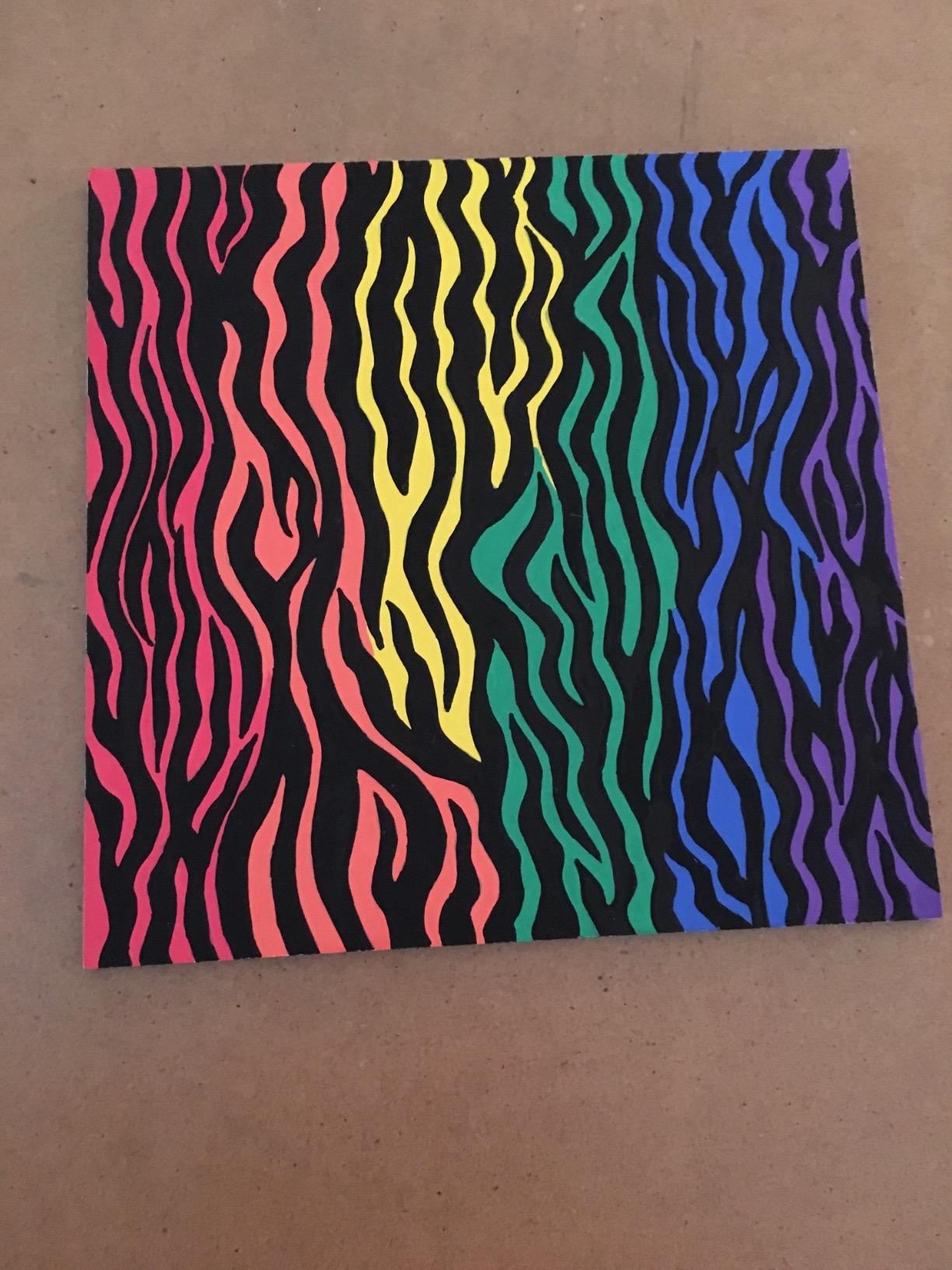
That said, this is not the panel for everyone. The smooth surface means less tooth, so traditional impasto painters will not get the grip they are used to. The 1/8 inch depth is also thinner than I expected; I would not lean on it with my whole hand. If you want a thicker professional surface, the Museum Series or Centurion linen are worth the upgrade.
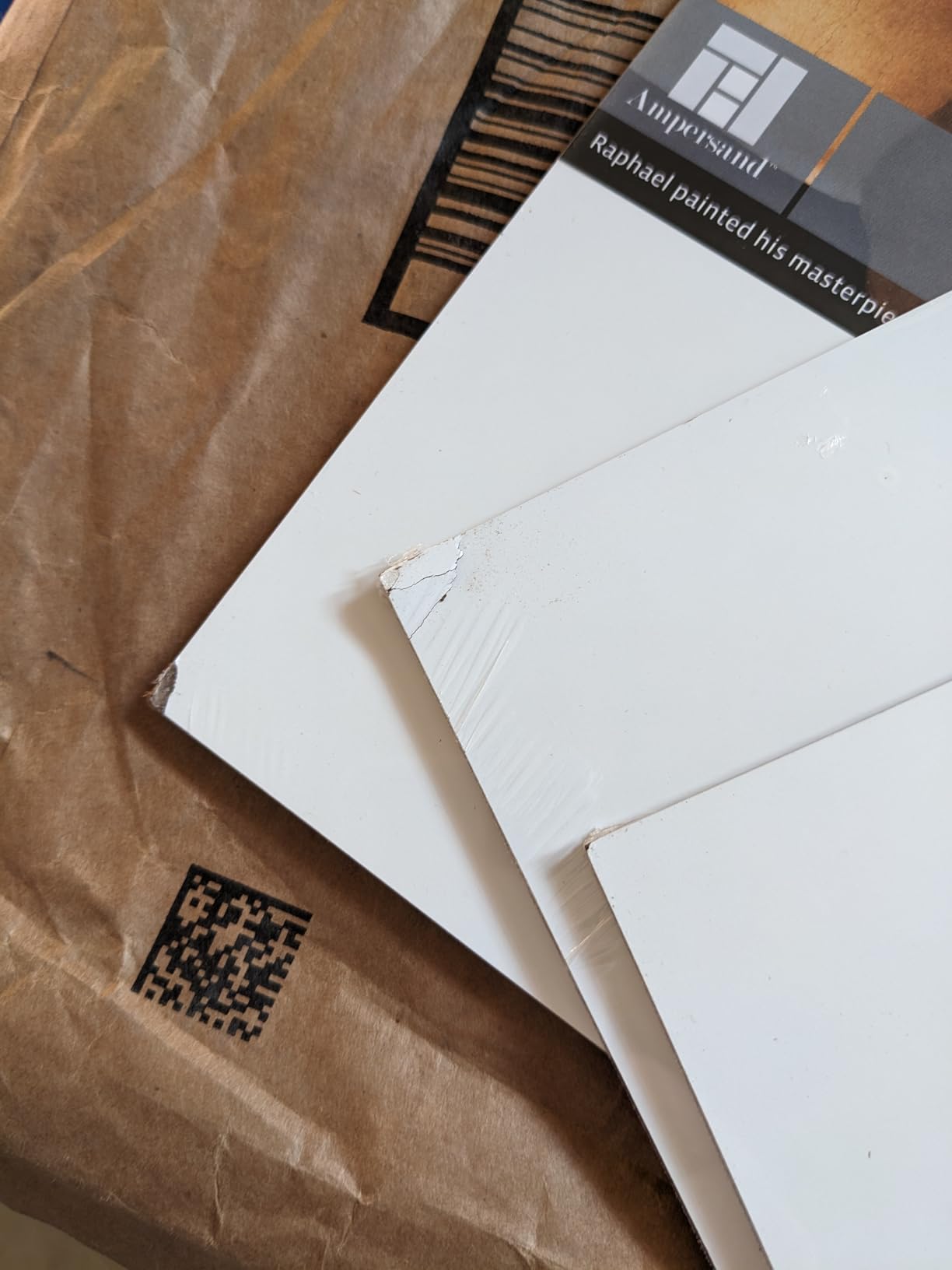
Shipping is the other thing to mention. Two of the panels in my shipment had a small corner ding, though neither affected the painting surface. Ampersand has known shipping issues with this product line, so order with a little extra time if you have a deadline.
Who should buy Ampersand Artist Panel
Buy this if you paint portraits, illustrations, or any fine detail work and want a smooth professional surface. Watercolor artists who want a rigid panel will also love this. It is also a great choice for mixed media because it accepts almost every medium you can throw at it.
When to skip them
Skip this panel if you do heavy impasto, prefer a toothy surface, or want a deeper cradle-style panel. The 1/8 inch depth makes this a flat panel, not a 3/4 inch cradle. For deeper work, look at Falling in Art or the Museum Series from Ampersand.
6. Ampersand Gessobord 9×12 – Best Archival Hardboard Panel
Ampersand Gessobord for Acrylic, Oil and Mixed Media, 1/8 Inch Depth, 9X12 Inch (GBS09)
1/8 inch depth
9x12
Acrylic gesso
Archival hardboard
Pros
- Archival quality with Archiva-Seal technology
- Smooth sanded texture for precise brushwork
- Ready to use with no extra prep
- Dense hardboard eliminates bounce
- Bright white finish keeps colors true
Cons
- Some corner damage in shipping
- Limited availability outside the US
Gessobord is the panel I bring out when I want a piece that I plan to keep or sell. The hardboard substrate is dense, archival, and the acrylic gesso is thicker than almost anything else I have tried. After painting on it, I noticed how flat and solid the panel felt under my hand. There is zero bounce, which makes precise marks and palette knife work much easier.
The Archiva-Seal technology is a real differentiator. Ampersand has built this panel for longevity, with an acid-free barrier that protects against Support Induced Discoloration. If you are an artist who wants work to last decades, that archival seal is meaningful. I tested it with a heavy oil impasto and a thin watercolor wash, and both sat beautifully on the surface.
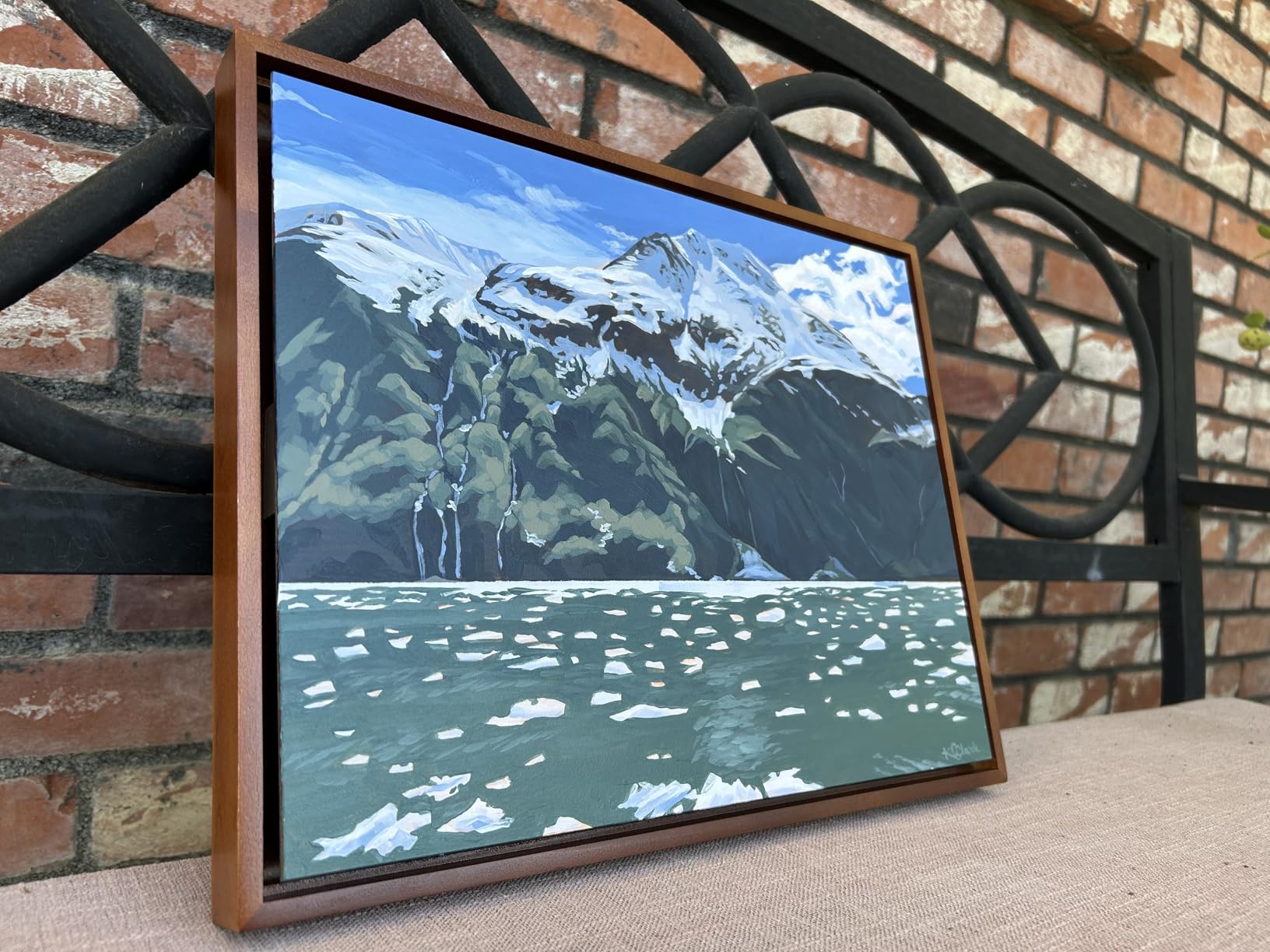
Where Gessobord has limitations is availability. Outside the US, shipping can be slow and the price climbs. Inside the US, the value is much better, but corners are still a known weak point. Two of my panels had tiny edge dings from shipping. The painting surface was perfect on every one, but I would still order a few extras if you have a tight schedule.
Compared to the Ampersand Artist Panel above, Gessobord has a slightly different surface feel. The Gessobord is sanded smoother and the gesso layer is thicker, which is why many professionals prefer it for fine art. The Artist Panel is more versatile for mixed media. Both are excellent, but Gessobord is the better choice if longevity is your priority.

Who should buy Ampersand Gessobord
Buy Gessobord if you want an archival surface for professional work, especially oil or acrylic pieces you plan to sell or keep for years. It is also a great pick for art teachers who want students using real professional materials. If you paint on the go or want a budget panel, the cotton options above are better fits.
When to skip them
Skip Gessobord if you are a beginner who is still experimenting, since the per-panel cost adds up fast. Skip if you are outside the US and need fast shipping. Also skip if you want a toothy surface for impasto, since the gesso is sanded very smooth.
7. New York Central Portrait-Smooth Canvas Panel 11×14 – Best Smooth Cotton Panel
New York Central Portrait-Smooth Artist Canvas Panel 11×14 – Professional Quality 100% Cotton Canvas Panels for Painting – Ideal for Painting, Acrylics, Oils
100% cotton
11x14
Portrait-smooth texture
Acid-free glue
MDF 3.5mm
Pros
- Extra-fine portrait-smooth surface
- Thick sturdy MDF construction
- Universal acrylic priming for oil/acrylic
- Acid-free glue prevents discoloration
- Resistant to warping
Cons
- Occasional glue or gesso drip marks
- Still pulp-based and can warp eventually
New York Central is a brand I had not used before this round of testing, and I am now a believer in their portrait-smooth panel. The extra-fine cotton weave is exactly what portrait painters need: tight, smooth, and without the visible canvas tooth that interferes with skin tones and fine details. I painted a small oil head study on this and the surface was a genuine pleasure to work on.
The MDF backing is 3.5mm thick and feels substantial. I leaned on the panel with my whole hand while painting and there was no flex at all. That kind of stability is rare in cotton panels, which usually feel a little springy. The universal acrylic priming is also well-balanced, accepting both oils and acrylics without any compatibility issues.
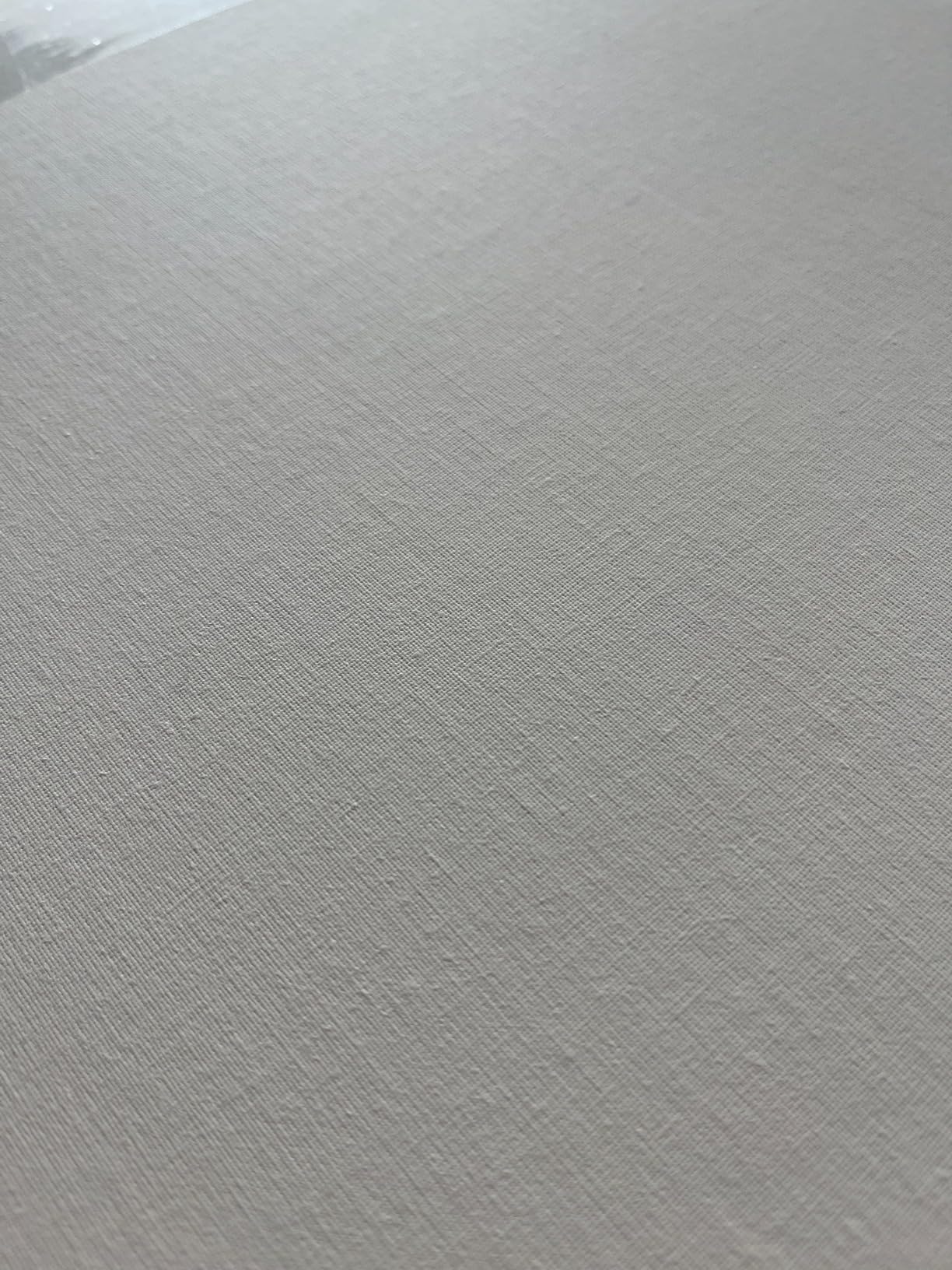
Two things kept this from a perfect score. First, my panel had a small drip mark near one corner where glue or gesso pooled during manufacturing. It was easy to sand down, but worth noting. Second, while the MDF is sturdy, it is still a pulp product and can warp under extreme humidity over time. Store these flat and you will be fine.
Compared to the Ampersand Artist Panel, the New York Central feels slightly smoother, which is great for portraits but less versatile for general painting. If your main subject is people, this is the cotton panel to try. For everything else, the Ampersand or Centurion options may be more flexible.

Who should buy New York Central Portrait-Smooth
Buy this if you paint portraits, smooth still lifes, or any subject where canvas weave is a problem. The surface quality rivals more expensive linen panels at a much friendlier price. It is also great for illustrators working in oil or acrylic.
When to skip them
Skip this if you want linen or want a textured surface for general painting. Skip if you do acrylic pouring. Also skip if you need a multi-pack, since this is sold as a single panel for premium positioning.
8. Centurion Deluxe Oil-Primed Linen Canvas Panels 11×14 (3 Pack) – Best Linen Panel for Oil Painters
Centurion Deluxe Professional Oil Primed Linen Canvas Panels – 11″x14″ – 3 Pack of Linen Canvases for Painting, Artwork and More
Linen
3-pack 11x14
11 oz oil priming
Archival MDF
OP Enhanced
Pros
- Professional oil-primed linen
- OP Enhanced priming for color retention
- Acid-free and archival
- Compact storage compared to stretched canvas
- Non-warping construction
Cons
- Premium price
- Smaller pack of 3 panels
- Recent price increases noted
Centurion is the panel I recommend to oil painters who are ready to invest in linen. The 11 oz oil-primed linen on archival MDF is genuinely professional-grade, and you can feel the difference the moment the brush touches the surface. I painted an oil portrait study on one and the paint glided on with a buttery, predictable feel that cotton just does not match.
The OP Enhanced oil priming is a real upgrade. Colors stay vibrant and do not get dulled by the surface, which is a common complaint about cheaper cotton panels. The fine linen weave also gives a subtle, refined texture that is ideal for portrait and fine art work. After the painting dried, the surface felt solid and did not show the slight denting I have seen on stretched linen.
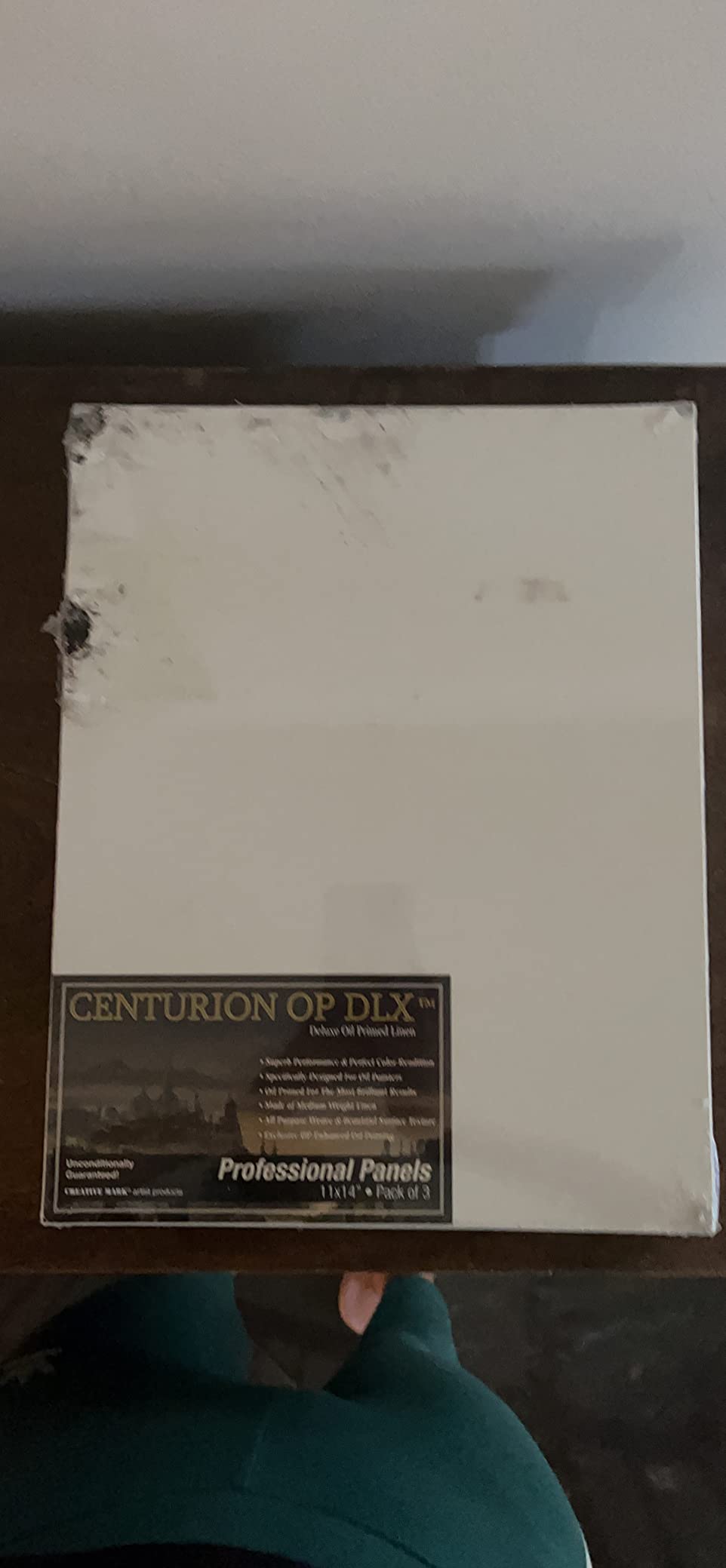
The trade-off is price. A pack of 3 panels runs higher than a 12-pack of cotton. For practice, that is a lot. For finished work, it is honestly reasonable when you compare it to the cost of a single stretched linen canvas. The price has also crept up in recent reviews, which is worth knowing before you commit.
Storage is another nice benefit. A stack of three Centurion panels takes about a quarter of the space of three stretched canvases. If you have a small studio or want to take linen panels plein air, this format is a real win. I slipped one into a backpack on a hiking trip with no risk of damage.
Who should buy Centurion linen panels
Buy these if you are an oil painter working on portraits, landscapes, or fine art that you want to keep or sell. The archival quality and refined surface justify the premium for serious work. Plein air oil painters will also love the portability.
When to skip them
Skip Centurion if you are a beginner still finding your medium, since the cost adds up fast. Skip if you primarily work in acrylic, since the oil priming is overkill. Also skip if you need a textured surface, since the linen weave is very fine.
9. Falling in Art Birch Wood Panels 11×14 (4 Pack) – Best Wood Panel for Custom Prep
Falling in Art 4 Pack 11×14’’ Unfinished Birch Wood Panels Kit for Painting
Birch wood
4-pack 11x14
Unfinished
3/4 inch cradle depth
Pros
- Strong adhesive construction with no staples
- Hard surface that will not flex
- Versatile for paint/resin/collage
- Visible natural wood grain
- 4 panels per pack
Cons
- Some reports of MDF instead of birch
- Occasional cutting inconsistencies
- Veneer can peel with water-thinned paints
Falling in Art’s birch wood panels are the option I recommend if you like to do your own priming or work in encaustic, resin, or mixed media. The 3/4 inch cradle depth gives the panels a substantial, gallery-ready look right out of the wrapper. I sanded one lightly and applied my own gesso, and the surface took it beautifully with no warping or bleed-through.
The natural wood grain is a real plus. Each panel has its own subtle pattern, and when you only stain or partially cover the surface, the wood shows through in a way that adds character. I tried a small resin pour on one panel and the hard birch surface held the weight with no flex. For wood burning, photo transfer, or collage, the birch substrate is much more pleasant than MDF.
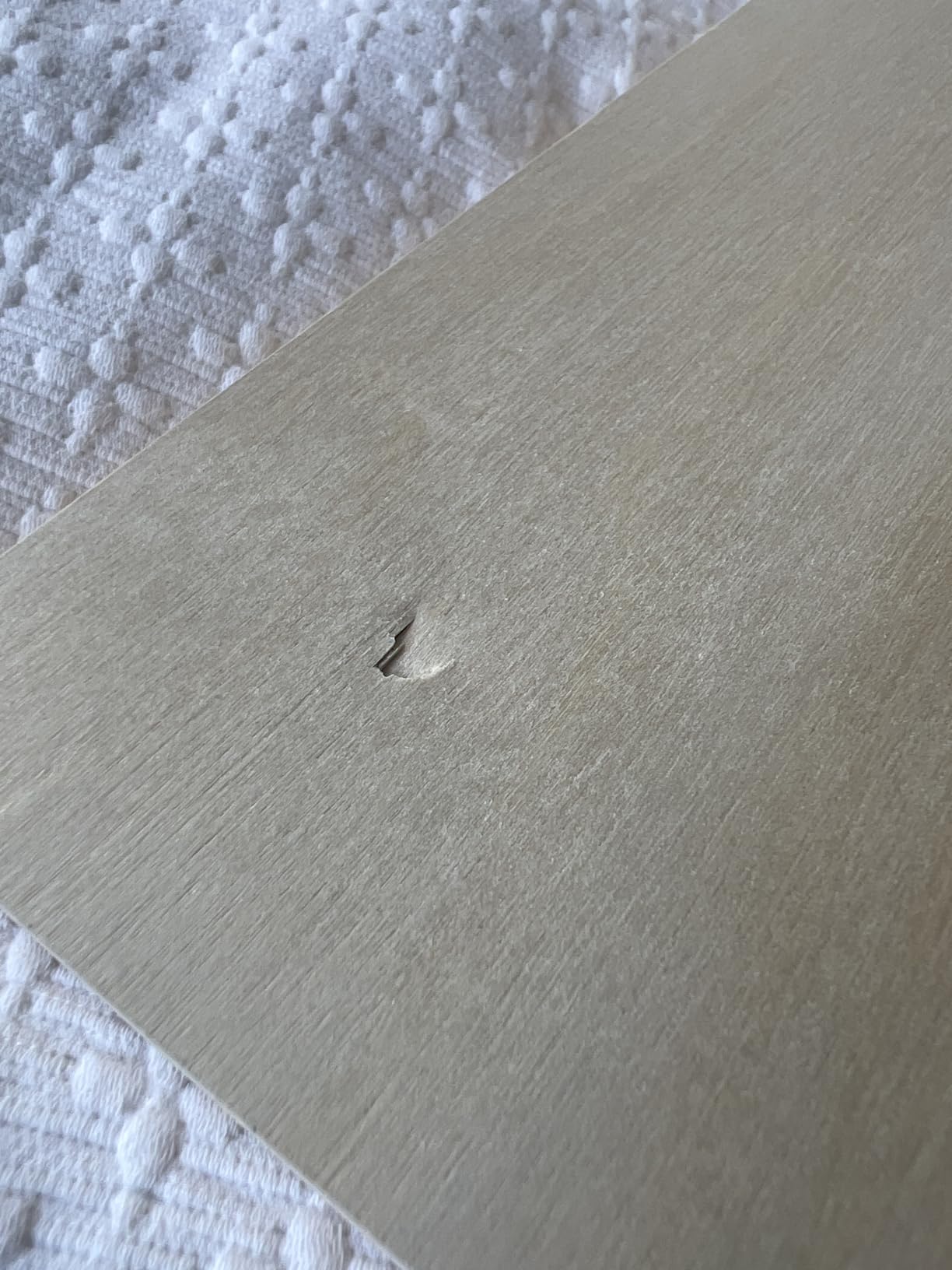
The main caveat is consistency. A few buyers reported receiving MDF instead of true birch, and a couple had panels that were not perfectly square. I personally received all birch with clean edges, but it is a real concern at this price point. Inspect each panel before you start working, especially if you are prepping the surface yourself.
For water-based media, the birch veneer can peel if you thin your paint too much. I would seal the surface with a thin coat of gesso or medium before using very wet acrylic washes. For oil, encaustic, or resin, the surface works as advertised with no extra prep needed.
Who should buy Falling in Art birch panels
Buy these if you want to apply your own priming, work in encaustic or resin, or want a deeper cradle for display without a frame. Mixed media artists, wood burners, and DIY preppers will get the most out of this format.
When to skip them
Skip these if you want a pre-primed surface and do not want to do your own prep. Skip if you are doing very wet acrylic washes or watercolor, since the veneer can peel. Also skip if you need a perfectly consistent material, since the birch vs MDF question is real in this product line.
How to Choose the Best Canvas Panels for Artists
After testing all nine panels above, I realized that choosing the best canvas panels for artists is less about brand and more about matching the surface to how you paint. Here is what actually matters when you are shopping, broken into the questions I get most often from readers and forum users.
Cotton vs Linen Canvas Panels
Cotton is the workhorse of the painting world. It is affordable, available everywhere, and works well for most styles. Linen is more expensive, has a finer weave, and lasts longer. For students and hobbyists, cotton is the right answer 90% of the time. For finished pieces you plan to keep or sell, linen is worth the investment.
Real-world experience from Reddit’s r/oilpainting and r/ArtistLounge confirms this. Many professional artists stick with cotton for studies and switch to linen only for gallery work. The Centurion linen panel above is my top pick when you are ready for that step up. Otherwise, ARTEZA and PHOENIX cotton panels are excellent for everything else.
Surface Texture and Tooth
Tooth is the slight roughness of the canvas surface. A medium tooth works for general painting. A fine tooth is better for portraits and detailed work. A rough tooth gives an expressive, painterly look but is harder for fine detail. New York Central and Ampersand panels give you the smoothest surfaces in this list, while Centurion linen has a refined but still slightly textured feel.
I find that beginners do best on a medium tooth because it forgives brush mistakes. If you are doing portraits, I would go smoother. If you are doing landscapes with palette knife, you actually want a little more tooth for the paint to grab.
Priming Types: Acrylic Gesso vs Oil Primer
Acrylic gesso is the universal primer. It works for acrylic, oil, gouache, and even watercolor with adjustments. Oil primer is more absorbent and gives a slightly different feel under oil paint, which some traditionalists prefer. Most modern artists use acrylic gesso, and every panel in this roundup is either pre-primed with acrylic gesso or comes unfinished for you to prime yourself.
One thing I learned in my testing: triple-primed panels feel noticeably better than single-primed. The extra coats give the surface a more consistent absorbency, and the brush glides instead of grabbing. ARTEZA, PHOENIX, and FIXSMITH all triple-prime, which is part of why they rank so highly.
Price-to-Quality Tiers
For students and hobbyists, anything under $2 per panel is the right range. The bulk cotton options above (ARTEZA, PHOENIX, FIXSMITH) all hit this mark and have thousands of reviews backing the quality. For working artists, $5 to $15 per panel is the professional range, and the Ampersand and New York Central options live there. For archival fine art, $15+ per panel is the linen range, which is where Centurion sits.
Forum feedback from artists consistently says: do not overspend on practice panels, but do not underspend on panels for work you want to keep. The split strategy I use is cotton for studies and linen or hardboard for finished pieces.
Plein Air and Portability
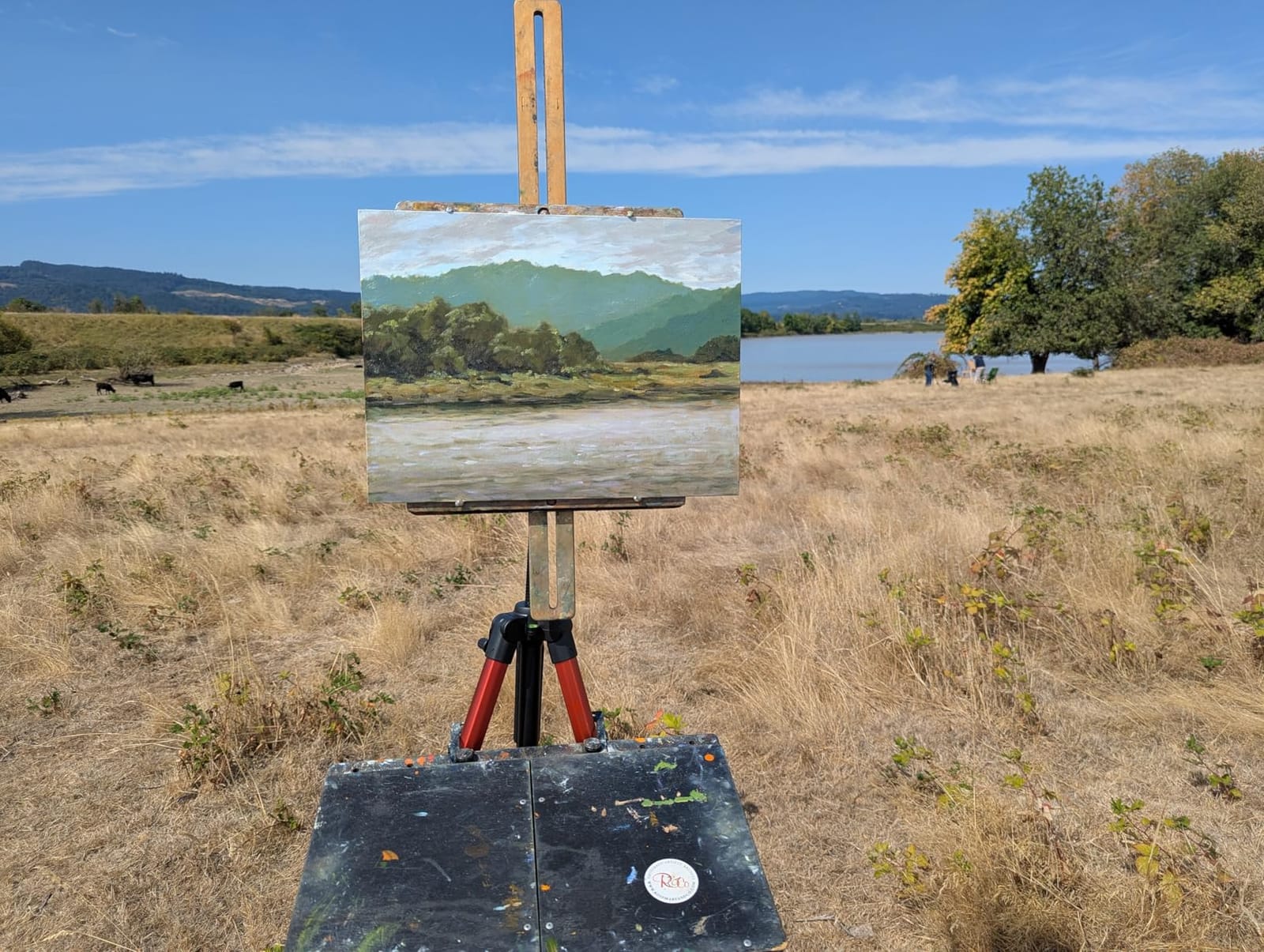
For plein air, panels beat stretched canvas almost every time. They are lighter, more compact, and survive wind better. Centurion linen is my top pick for serious plein air oil work, while PHOENIX cotton is the best value for outdoor acrylic sketches. Bring a rigid carrier or foam separator in your backpack to protect the painted surfaces.
What Is the 70/30 Rule in Art
The 70/30 rule in art is a composition guideline that suggests roughly 70% of your painting should be one value or color and 30% should be a contrasting element. It is a tool for creating visual balance. While not directly about canvas panels, knowing this rule helps you choose panel sizes that match your compositions: smaller panels for tighter 70/30 studies, larger panels for more complex arrangements.
Frequently Asked Questions
Do professional artists use canvas panels?
Yes, many professional artists use canvas panels, especially for plein air work, studies, and small finished pieces. Panels offer a rigid, portable surface that does not flex like stretched canvas and is easier to transport. For larger gallery work, professionals often switch to stretched linen canvas, but panels remain a trusted tool in most studios.
What canvases do professional artists use?
Professional artists typically use linen canvas from brands like Centurion, Masterpiece, and Fredrix for finished work, and cotton canvas panels from brands like Ampersand, ARTEZA, and PHOENIX for studies. Many pros keep a stack of cotton panels for daily practice and reserve linen for pieces they plan to sell or exhibit.
What is the 70/30 rule in art?
The 70/30 rule in art is a composition guideline suggesting that about 70% of a painting should be one dominant value, color, or element, while 30% serves as a contrasting accent. It helps create visual balance and a clear focal point. While not specifically about canvas panels, this rule can guide your choice of panel size and format.
What is the best type of canvas for artists?
The best type of canvas for artists depends on your medium and goals. Cotton canvas panels are the best value for practice, acrylics, and beginner work. Linen panels are best for professional oil paintings and archival finished pieces. For fine detail and portraits, smooth gessoed hardboard from Ampersand is hard to beat.
Final Verdict
After testing these nine options across oil, acrylic, gouache, watercolor, and plein air sessions, my honest recommendation is to match the panel to the work. For everyday practice and value, ARTEZA 9×12 cotton boards are the panel I keep coming back to. For traditional oil and acrylic at 11×14, PHOENIX delivers consistent quality in a 12-pack. For archival professional work, Centurion linen panels and Ampersand Gessobord are worth every penny.
The best canvas panels for artists are the ones you actually use. Start with a bulk cotton pack, experiment across sizes, and upgrade to linen or hardboard once you know your style. Every panel in this guide is available on Amazon right now, and I update this list as new options earn their place. Happy painting in 2026.