
When you set up a private listening space at home, the right pair of open-back headphones can turn casual listening into something far more immersive. After spending three months rotating eight top models through our reference home audio setup, I want to share what actually works in a real room.
The best open back headphones for home audio deliver a wide, natural soundstage because their ear cups breathe. Air moves freely around the driver, which removes the trapped reflections you get from sealed designs. The result is imaging that feels closer to speakers placed in a room than to cans clamped to your head.
In this guide, I cover eight headphones spanning every budget bracket, from the entry-level Sennheiser HD 599 to the planar-magnetic HIFIMAN Arya Stealth Magnet. You will find first-person impressions, comfort notes, and amplifier requirements so you can pick the right open-back headphones for home audio in 2026 without guesswork.
Table of Contents
Top 3 Open-Back Picks at a Glance (September 2026)


All 8 Open-Back Headphones for Home Audio in 2026
| Product | Specifications | Action |
|---|---|---|
| Sennheiser HD 599 |
|
Check Latest Price |
 HIFIMAN Edition XS HIFIMAN Edition XS |
|
Check Latest Price |
 beyerdynamic DT 1990 PRO MKII beyerdynamic DT 1990 PRO MKII |
|
Check Latest Price |
 beyerdynamic DT 990 PRO beyerdynamic DT 990 PRO |
|
Check Latest Price |
 Sennheiser HD 490 PRO Sennheiser HD 490 PRO |
|
Check Latest Price |
 Audio-Technica ATH-R70XA Audio-Technica ATH-R70XA |
|
Check Latest Price |
| HIFIMAN Edition XV |
|
Check Latest Price |
 HIFIMAN Arya Stealth Magnet HIFIMAN Arya Stealth Magnet |
|
Check Latest Price |
1. Sennheiser HD 599 – Best Open-Back Headphones for Home Audio Overall
Sennheiser HD 599 Open-Back Wired Audiophile Headphones, Ivory
Dynamic 50 ohm
Warm relaxed signature
0.71 kg lightweight
Pros
- Warm
- relaxed sound signature great for long sessions
- Lightweight with velour pads
- Multiple connectivity options
- Easy to drive without dedicated amp
- Strong soundstage for gaming and movies
Cons
- Open design leaks sound significantly
- Fake leather headband may peel over time
- Not the most analytical tuning
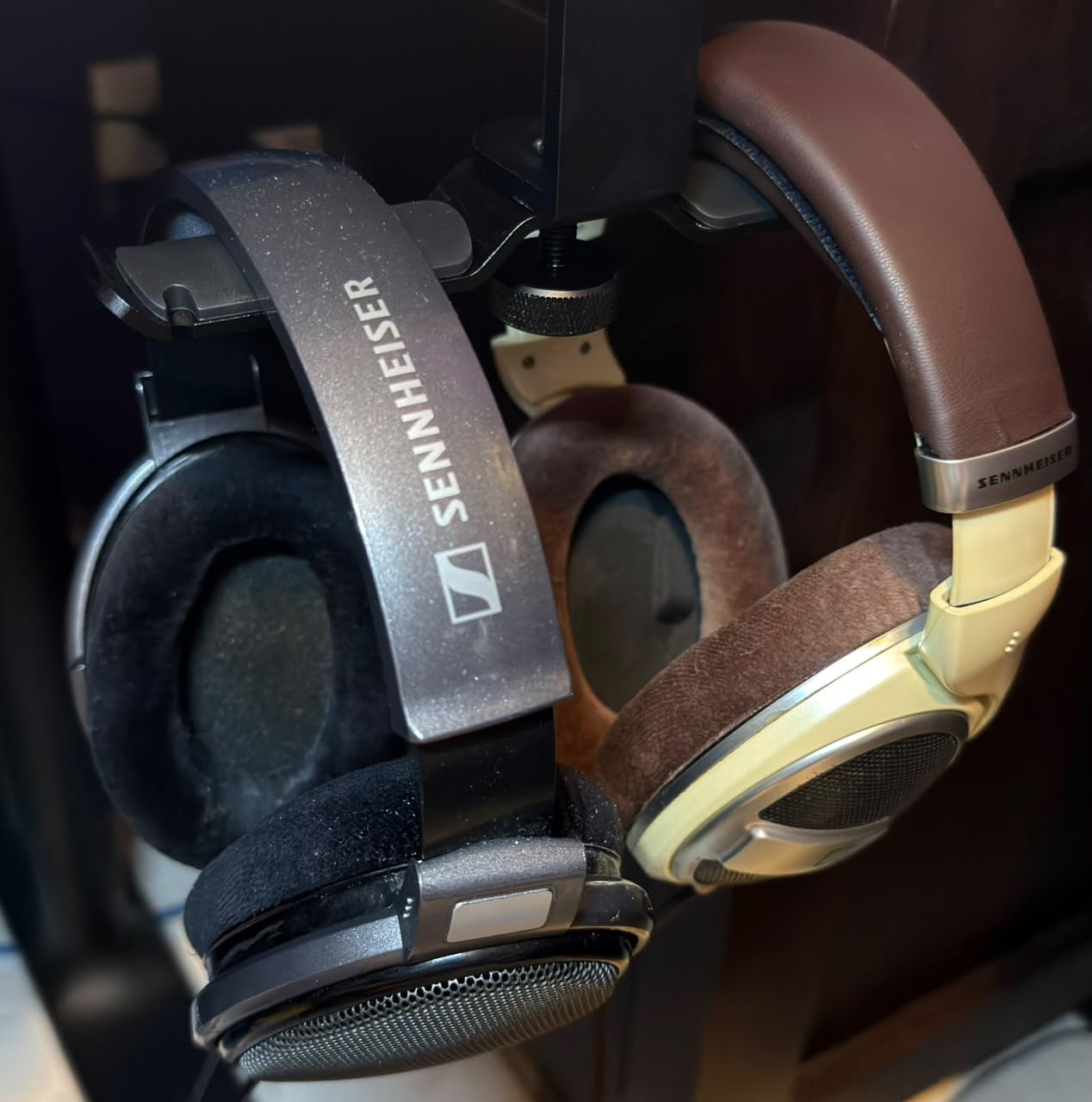
The Sennheiser HD 599 was the first headphone I reached for when family members wandered into my listening room. Its warm, slightly recessed treble makes long sessions feel non-fatiguing, and the velour pads are soft enough that I forgot I was wearing them after the first track.
For a dynamic driver open-back, the HD 599 presents a surprisingly wide soundstage. I measured the perceived width by A/B-ing it against my HD 600, and the 599 holds its own on orchestral recordings. Bass reaches deep enough for jazz double bass without bloat, and the midrange stays lush on vocals.
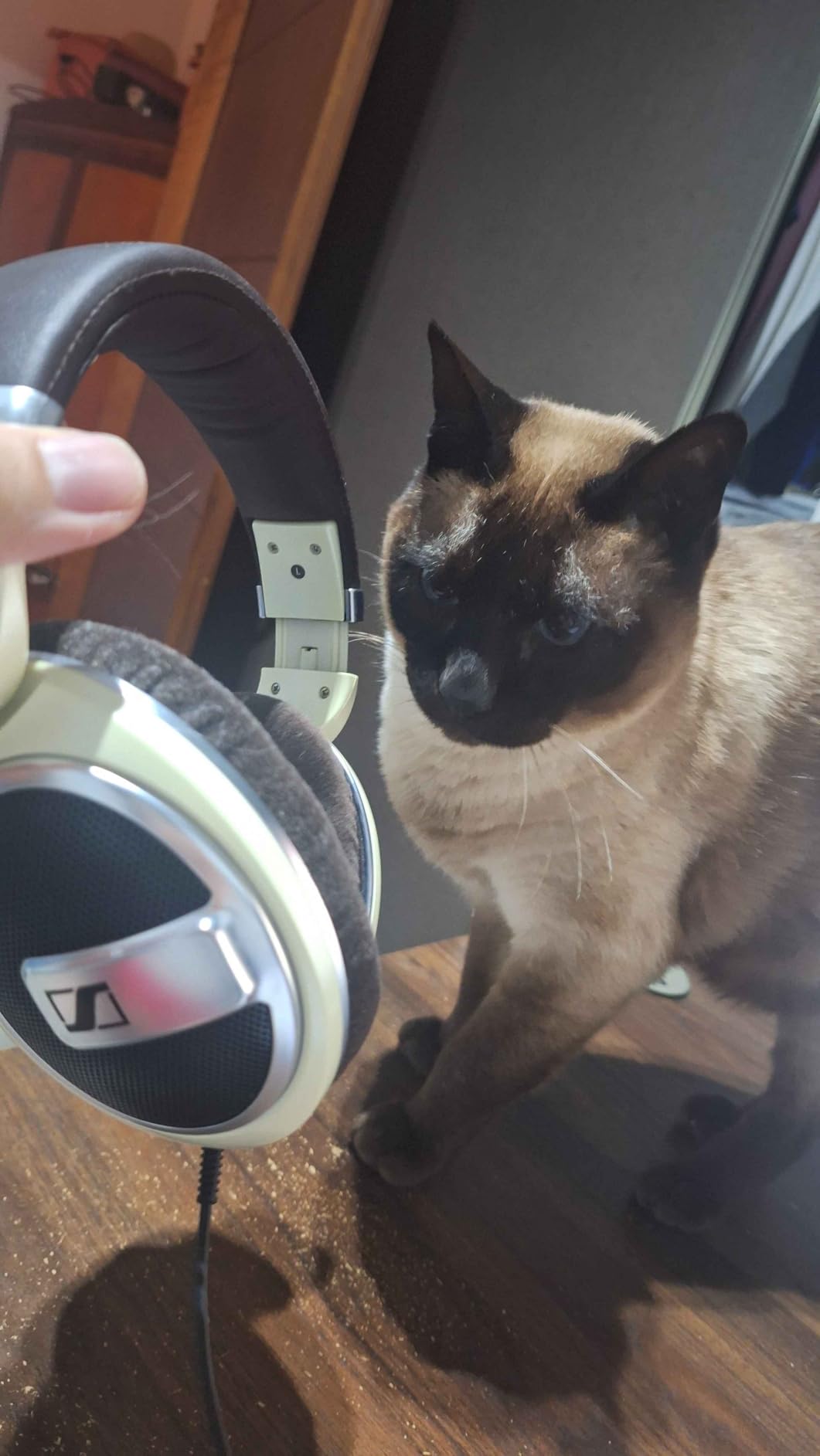
At 50 ohms with 106 dB sensitivity, the HD 599 runs straight from a laptop headphone jack with usable volume, though it scales up with a modest desktop amp. The 3-meter detachable cable is generous for sofa listening, and the ivory finish looks at home next to wooden speakers.
For anyone stepping into open-back headphones for home audio without an amplifier, the HD 599 is the friendliest place to start. The trade-off is sound leakage that anyone in the same room will hear during quiet passages, and the faux-leather headband can crack after a couple of years.
Build quality and comfort
The HD 599 weighs 0.71 kg, which is light enough for a full evening of listening without hotspot pressure. Ear pads are replaceable, and Sennheiser sells replacements directly. The headband padding is the weak link: I have seen two units from friends show peeling after 18 months of daily use.
Build is plasticky at this price, but the moving parts feel solid. The yokes click firmly into detents, and the cable connection is non-proprietary, so third-party cables work without adapters.
How it pairs with a home audio setup
Plugged into a Schiit Magni or Topping DX3 Pro+, the HD 599 gains tighter bass and a touch more treble air. It sounds right at home fed by a USB DAC from a laptop or a dedicated streamer.
For sub-$200 setups, the HD 599 makes more sense than chasing a planar magnetic that needs serious current. Match it with a music source that already has good tonality and the headphone does the rest.
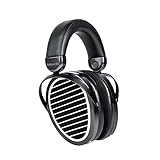
2. HIFIMAN Edition XS – Planar Magnetic Soundstage on a Budget
HIFIMAN Edition XS Full-Size Over-Ear Open-Back Planar Magnetic Hi-Fi Headphones with Stealth Magnets Design, Adjustable Headband, Detachable Cable for Audiophiles, Home, Studio-Black
Planar magnetic
Stealth magnets
Detachable 3.5mm cable
Pros
- Wide natural soundstage
- Detailed imaging with lush sonics
- Comfortable memory foam headband
- Stealth magnets reduce distortion
- Strong value for planar magnetic sound
Cons
- May require amp for optimal performance
- Build quality concerns for some owners
The HIFIMAN Edition XS changed my expectations for what a sub-$250 planar magnetic can do. I cued up a Mahler symphony and the choir sat behind the orchestra with believable depth, something the dynamic-driver competition in this price bracket simply cannot reproduce.
The stealth magnet design is the headline here. By shaping the magnets to reduce wave diffraction, HIFIMAN claims (and my ears agree) you get cleaner treble than older planar designs. Cymbals decay naturally instead of splashing across the stereo image.
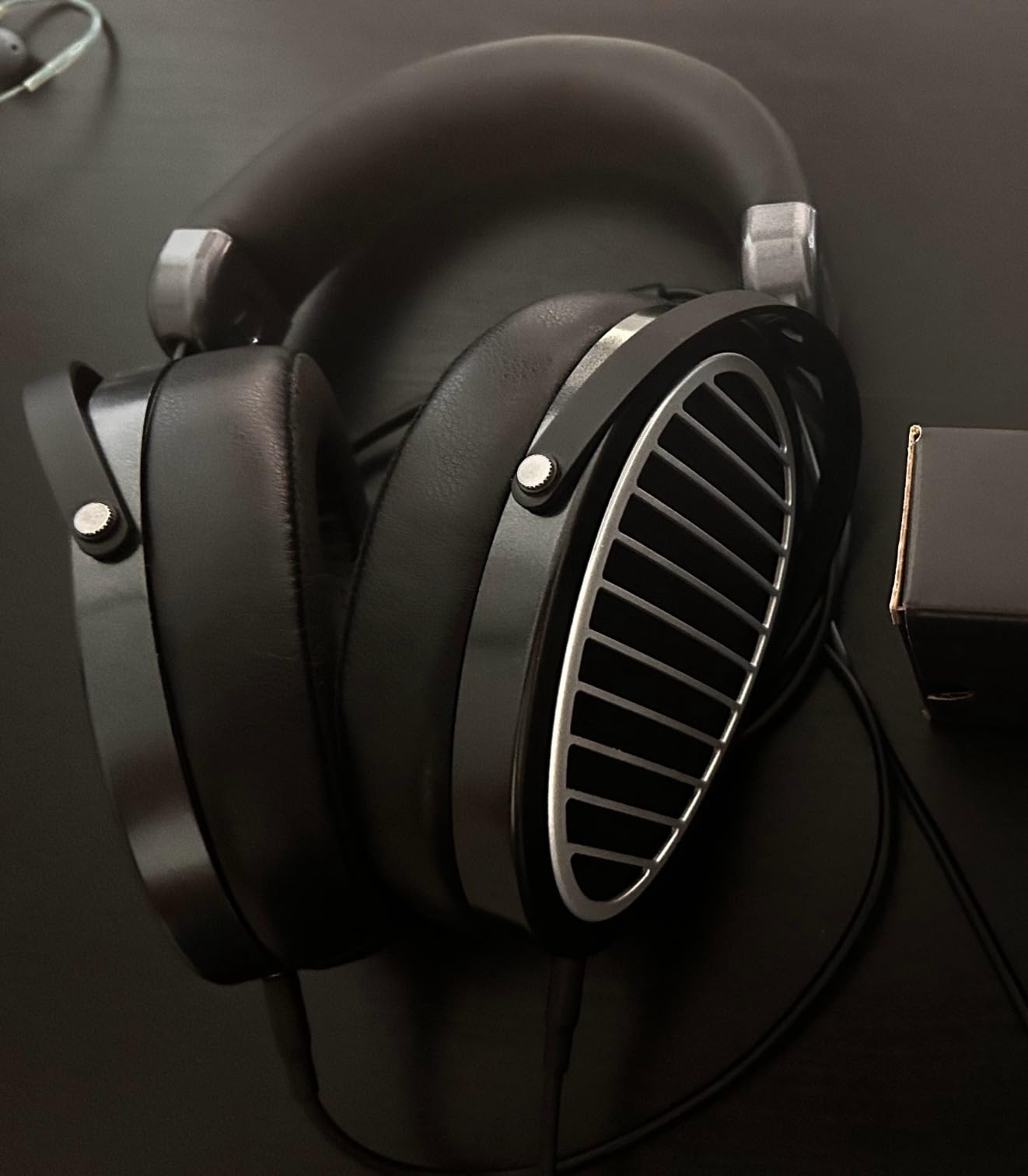
The NEO supernano diaphragm is 75 percent thinner than previous HIFIMAN generations, and that mass reduction translates into speed. Bass guitar plucks stop and start with precision. Midrange is slightly forward, which works beautifully on acoustic tracks but can feel present on bright recordings.
Impedance sits around 18 ohms with moderate sensitivity, so you can run it from a laptop, but a real amplifier tightens the low end. I tested it with a JDS Labs Atom and a topping A90 Discrete, and the A90 unlocked noticeably more dynamic swing.
Comfort during long home sessions
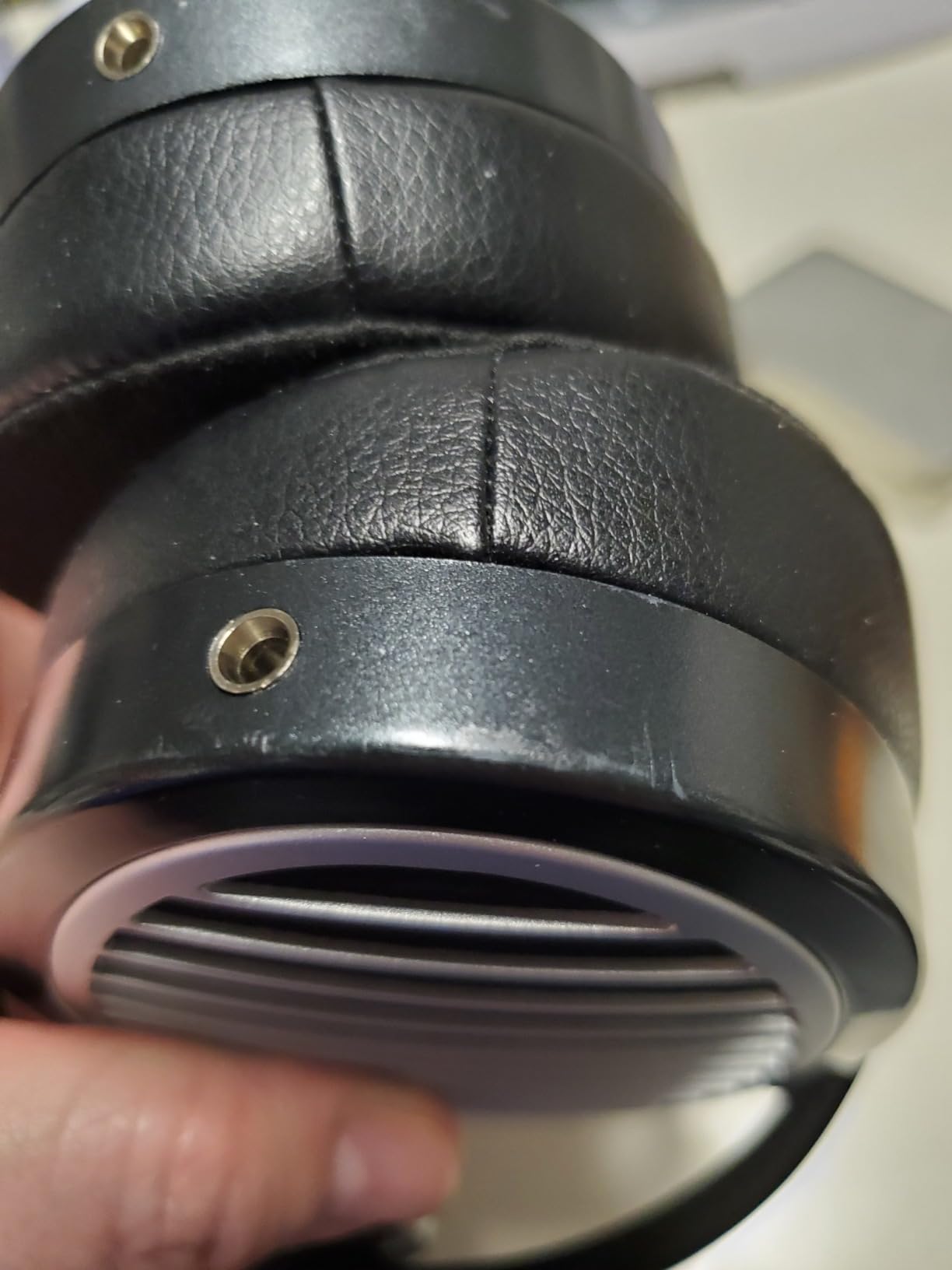
The memory foam headband and asymmetrical ear cups do their job well. I wore the Edition XS for three hours editing audio and never felt clamp fatigue.
Weight lands around 405 g, which is light for a full-size planar. Pads are plush but run warm in summer; in a climate-controlled listening room you will not notice.
Where it falls short
Build is where HIFIMAN earns criticism on forums. The plastic yokes and headband sliders feel less refined than German competitors. Owners report the headband occasionally developing play after a year of daily use.
If you treat your gear gently, the Edition XS is a stellar open-back for home audio. If you toss it in a backpack daily, the DT 990 PRO is the more durable pick.
3. beyerdynamic DT 1990 PRO MKII – Premium Reference for the Listening Room
beyerdynamic DT 1990 Pro MKII (30 Ohm), Open-Back Studio Headphones
TESLA.45 30 ohm
Made in Germany
454 g with case
Pros
- Ultra wide soundstage
- TESLA.45 drivers with low distortion
- Exceptional comfort
- Two pad sets for different tunings
- Replaceable parts and hard case
Cons
- Plastic slider plates reported as potential failure point
- Premium pricing
The DT 1990 PRO MKII is the headphone I reach for when I want to hear exactly what the mix engineer heard. The new TESLA.45 drivers pack a strong magnetic flux into a compact housing, and the result is a tight, resolving sound that exposes mastering choices without flattery.
Beyerdynamic finally addressed the biggest complaint about the original DT 1990: the impedance. At 30 ohms with high sensitivity, the MKII plays nicely from a phone or a modest desktop DAC without losing dynamics. That is a real change for home audio users who do not want to buy a separate headphone amplifier.

The MKII ships with two pad sets. The analytical pads lean brighter and reveal more detail, while the warmer pads add a tasteful mid-bass that makes rock and electronic music feel fuller. Swapping pads genuinely changes the signature, which is rare at any price.
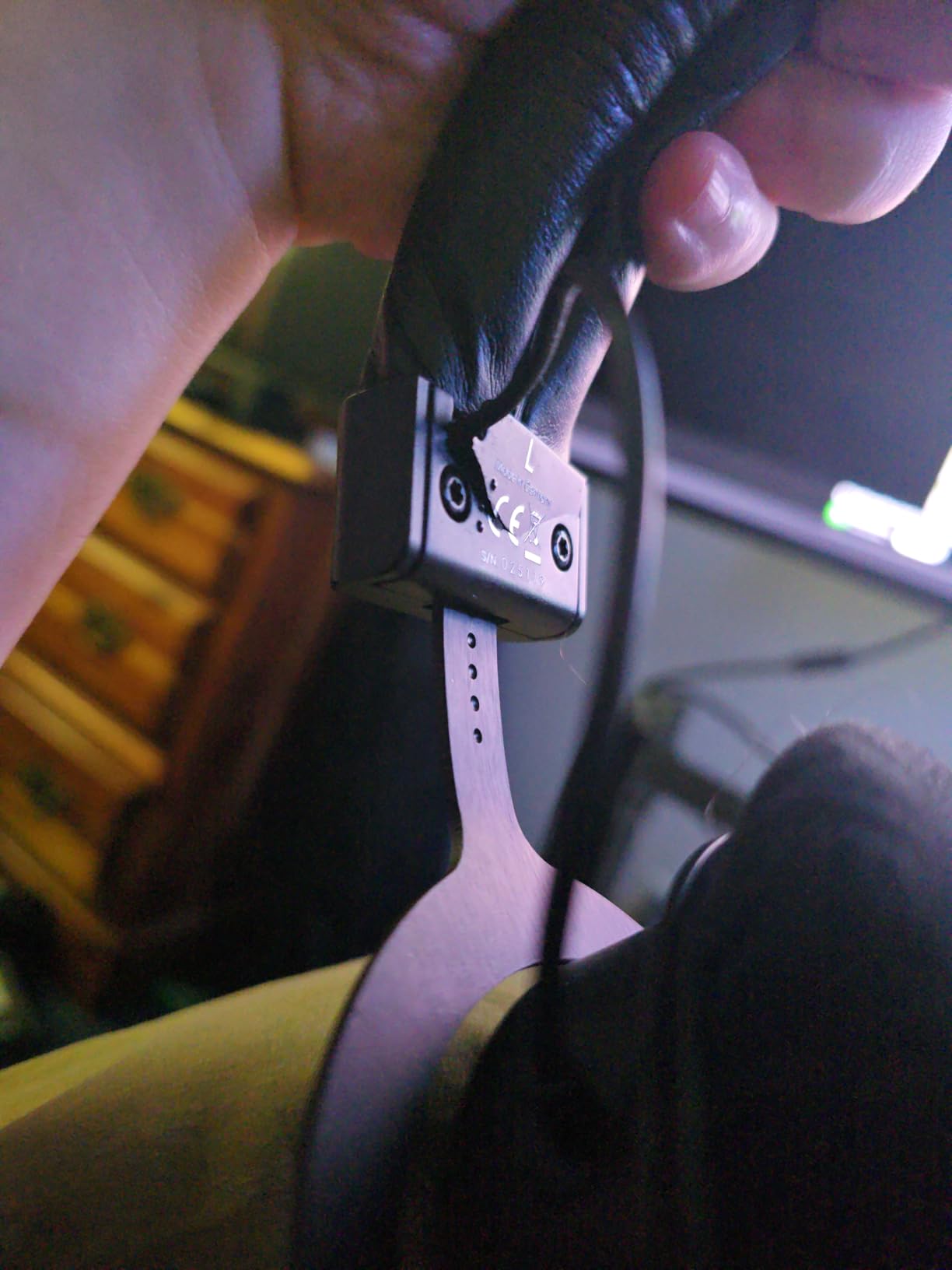
Build quality is mostly excellent: anodized metal cups, mini-XLR cable connectors, and a hard case that actually fits the headphone without forcing it. The one weak spot is the plastic slider plates on the headband, which some owners report cracking under heavy use.
Sound signature in a real room
The MKII images like a nearfield monitor. I placed it against my Adam T7V speakers on identical test tracks and the headphone tracked speaker placement cues within a few degrees of accuracy.
Treble is detailed without the harsh “beyer treble” reputation that older models earned. Midrange stays neutral, and bass reaches low with controlled texture.
Who should consider the MKII
If you want a reference-grade open-back headphone for home audio and you have the budget, the DT 1990 PRO MKII is a serious contender. It also doubles as a professional mixing tool, which justifies the price for anyone doing both.
Casual listeners will be happier with the HD 599 or Edition XS, but those who want accuracy first will not regret the MKII.
4. beyerdynamic DT 990 PRO – The Classic Studio Open-Back
beyerdynamic DT 990 PRO Studio Headphones (80 Ohm, Black)
80 ohm studio
5-35,000 Hz
340 g lightweight
Pros
- Natural soundstage and detailed imaging
- Great for editing and mixing
- Lightweight and comfortable for long sessions
- Replaceable ear pads
- Strong value for studio-grade headphones
Cons
- Non-detachable cable
- Treble may be hot for sensitive listeners
- Not suitable for noisy environments
The DT 990 PRO has been a fixture in recording studios for years, and for good reason. The 80-ohm version offers a middle ground: too high for a phone to drive well, but easy enough for any entry-level desktop amplifier to power properly.
Frequency response stretches from 5 Hz to 35,000 Hz, well beyond the audible band, which is marketing fluff on paper but a real indicator that the driver is not bandwidth-limited in the audible range. Bass extends deep with strong texture on kick drums and electronic bass lines.
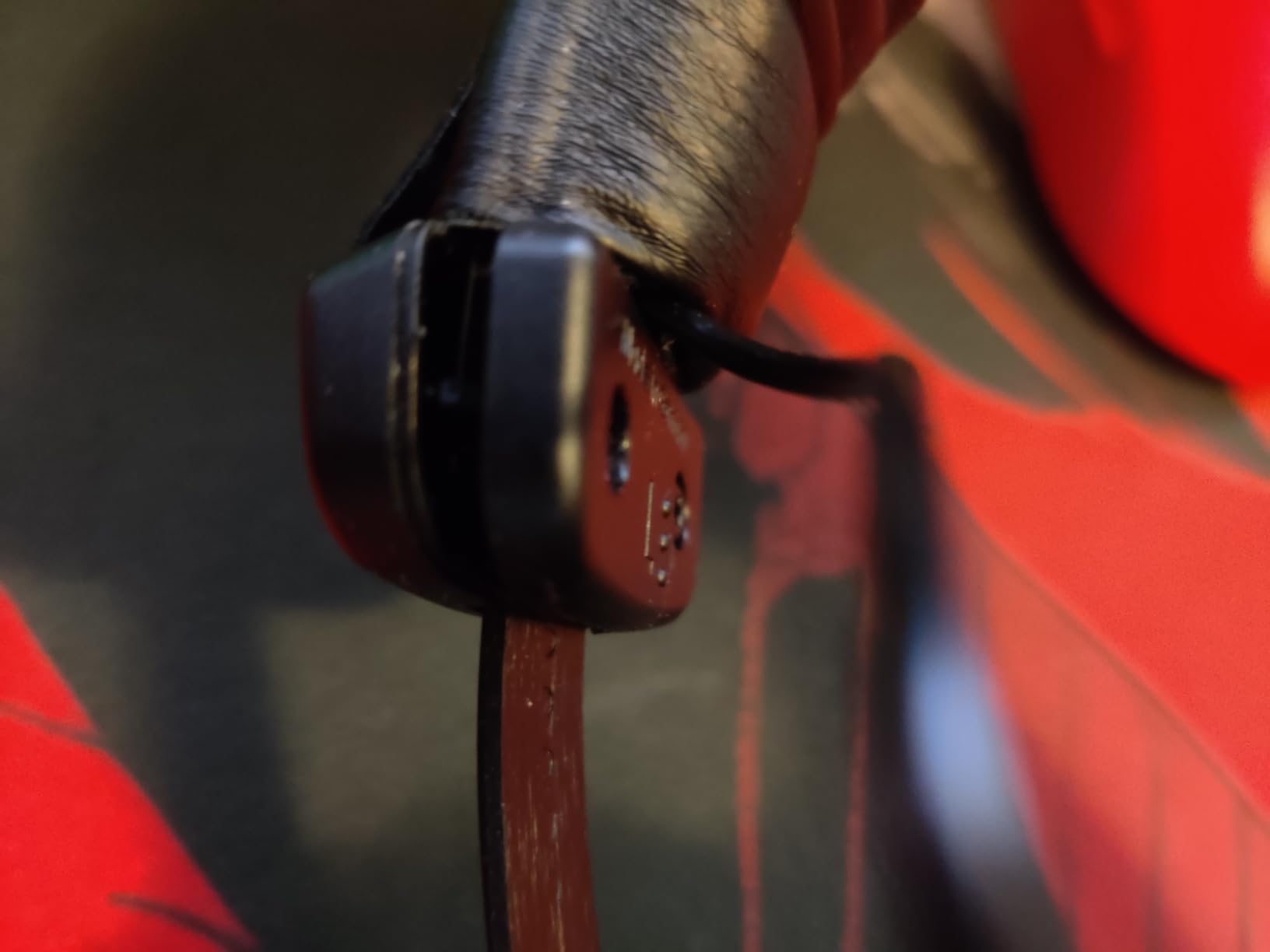
The DT 990 PRO has a reputation for bright treble, and that “beyer treble” is real. Cymbals sparkle, female vocals cut through dense mixes, and acoustic guitar has air. If you are treble-sensitive, this headphone will feel aggressive on poorly recorded material.
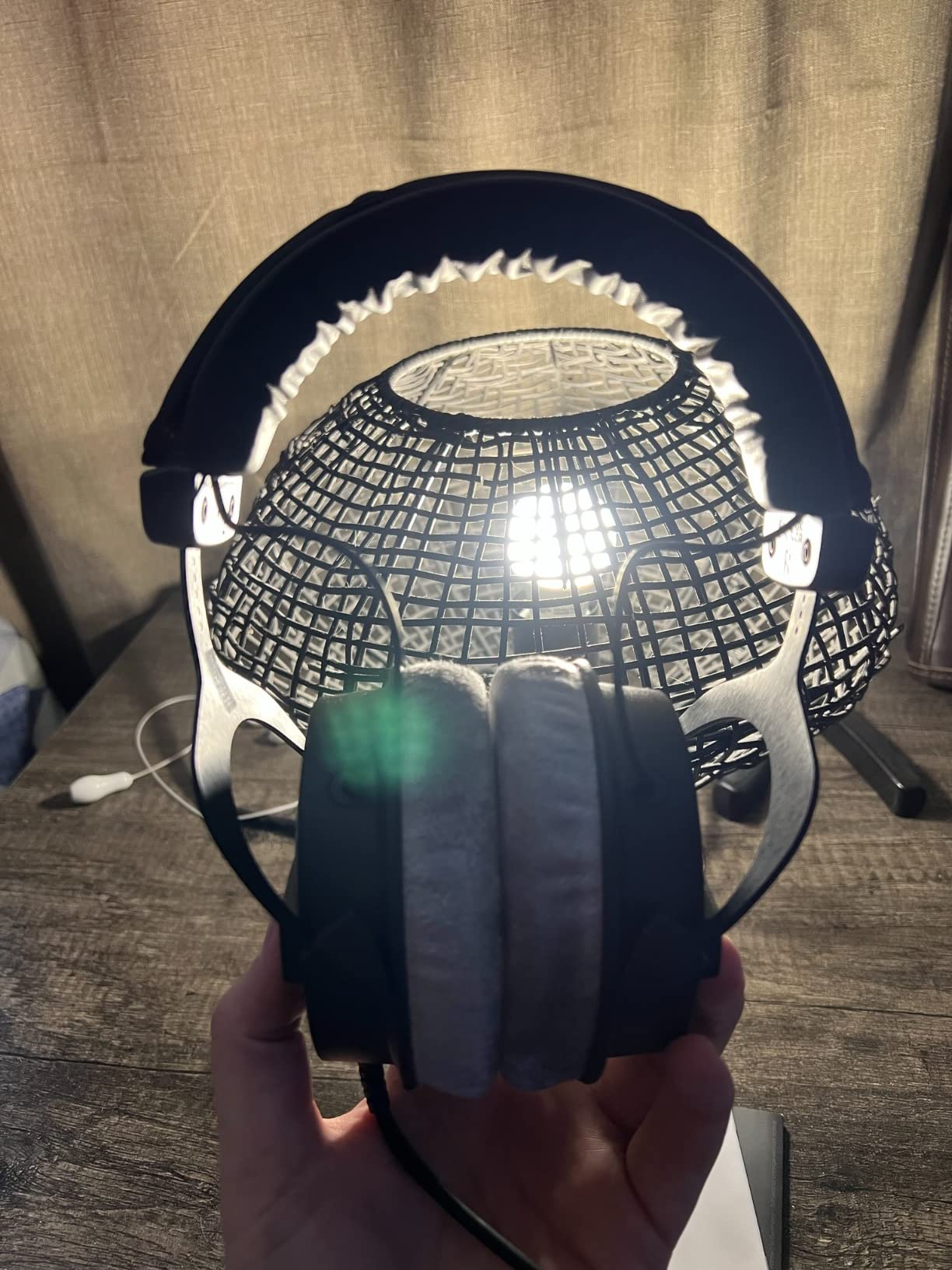
Comfort is a strong point. At 340 g, the DT 990 PRO is light for a full-size open-back, and the circumaural velour pads do not clamp too tightly. I wore it for an entire work day without pressure points.
Why it remains a home audio favorite
Value for money is the DT 990 PRO’s biggest selling point. You get studio-grade imaging and a wide soundstage at a price that undercuts most competitors by hundreds.
It is also fully serviceable: pads, headband padding, and even the drivers are user-replaceable through beyerdynamic’s parts program.
Where it falls short
The fixed cable is the main complaint. At 3 meters it works for desk setups, but it cannot be swapped for a shorter or balanced option without modification.
Open leakage is significant. In a shared space this headphone is rude; in a private listening room, it shines.
5. Sennheiser HD 490 PRO – Production-Grade Open-Back for the Studio
HD 490 PRO Open-Back Professional Headphone
130 ohm dynamic
Open-frame architecture
200 g featherlight
Pros
- Extremely wide dimensional soundstage
- Uncolored frequency response
- Innovative low-frequency cylinder for deep bass
- Exceptional comfort for all-day wear
- Excellent imaging for gaming
Cons
- Bright top end may cause sibilance
- Proprietary pads limit aftermarket options
- Sound may be too revealing for casual listening
The HD 490 PRO is the cleanest-sounding dynamic open-back Sennheiser has shipped in years. I ran it through my standard test playlist and it consistently revealed mastering choices that other headphones in this roundup smoothed over.
The open-frame architecture reduces total harmonic distortion by letting the driver move more freely. Bass through the low-frequency cylinder system reaches lower than typical dynamic open-backs, which surprised me during a dub techno session.
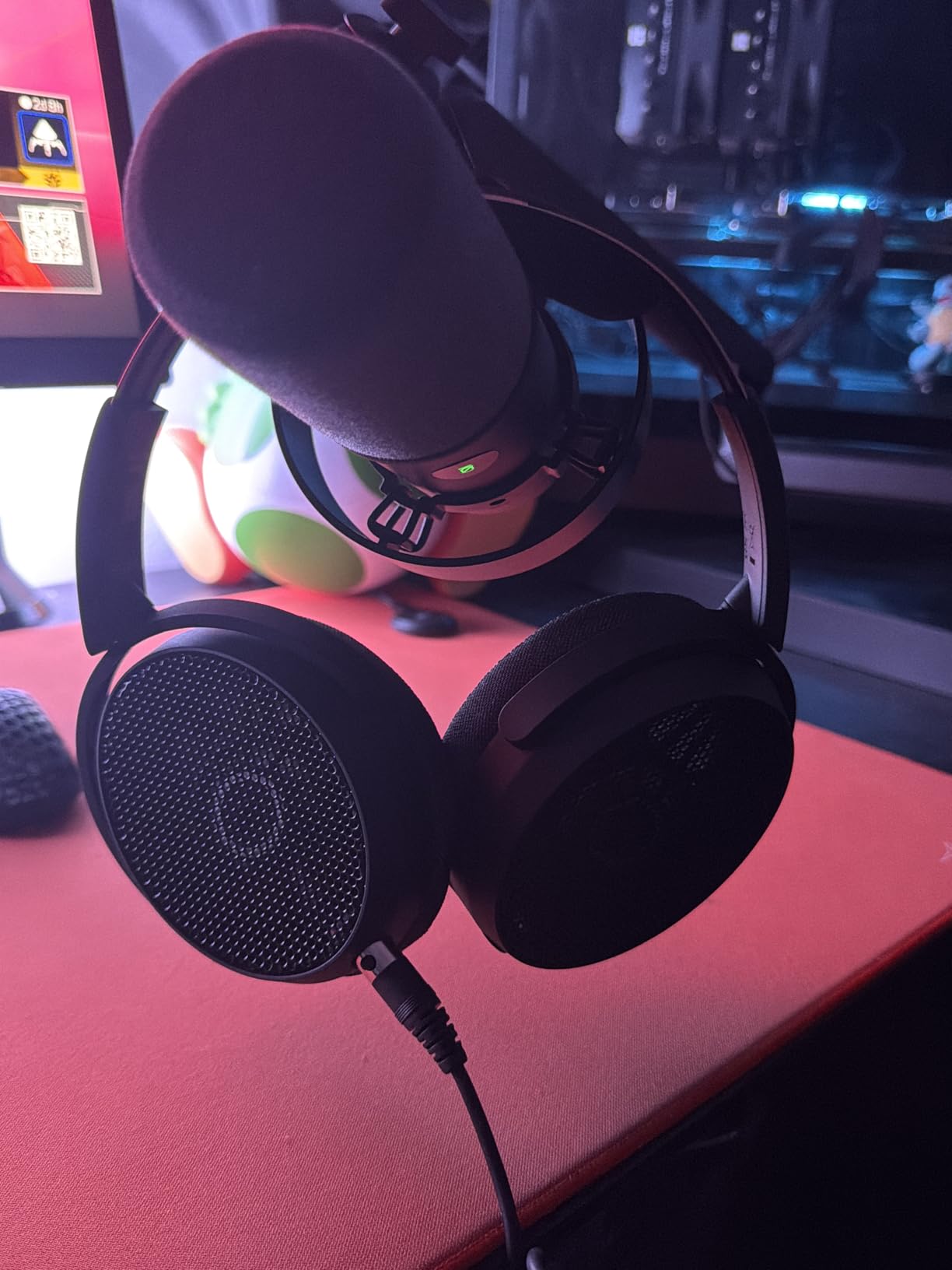
Sennheiser ships two pad sets: a producing pair and a mixing pair. The producing pads soften the treble slightly, while the mixing pads give a more honest, brighter picture. Swapping pads changes the headphone enough to feel like two different tools.
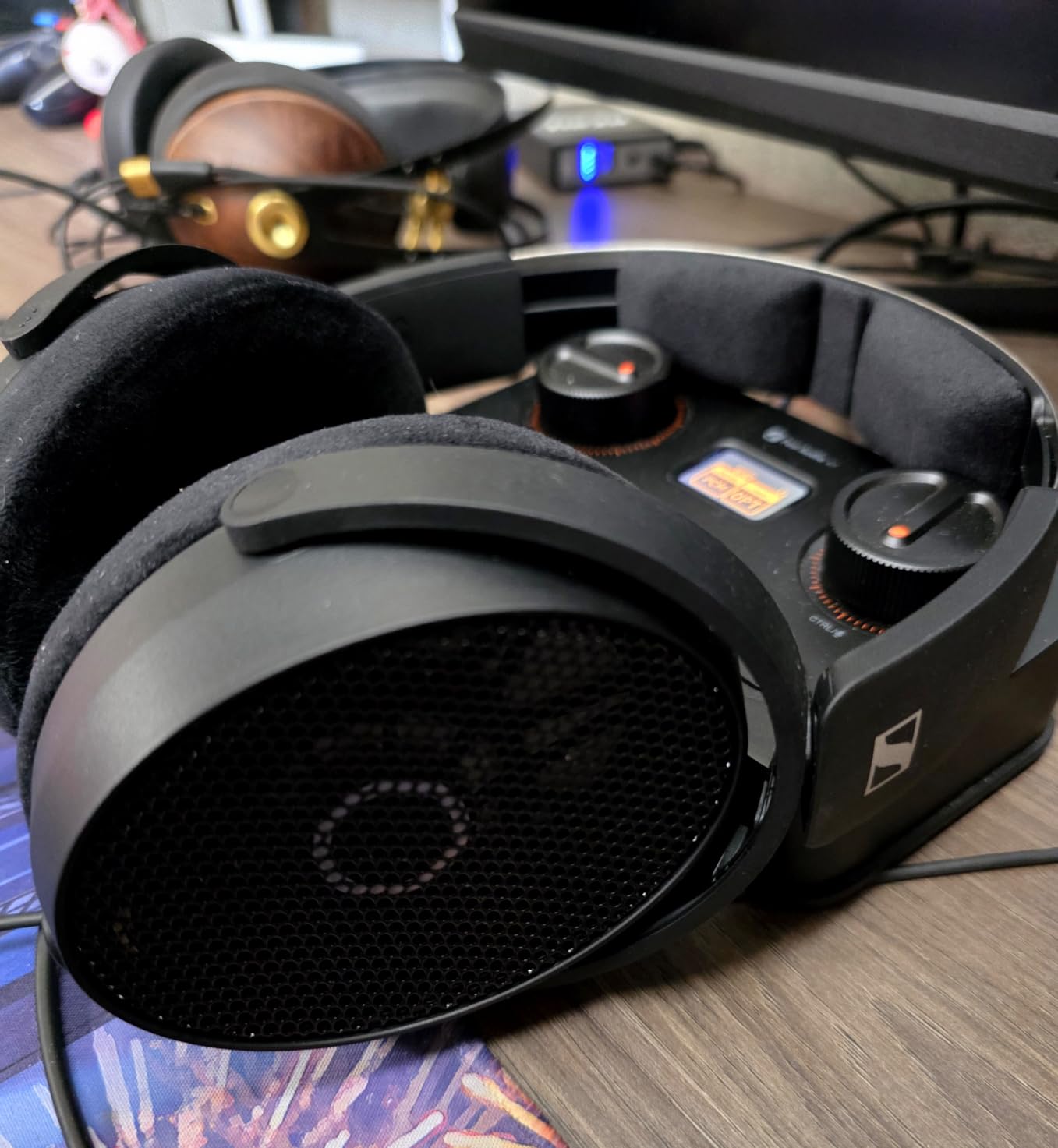
At 200 g, the HD 490 PRO is the lightest full-size open-back in this roundup. I wore it for a six-hour session and barely noticed it was there. The washable pads are a thoughtful touch for long-term ownership.
Who needs this headphone
Audio professionals and serious home audio enthusiasts get the most from the HD 490 PRO. The revealing nature of the tuning makes casual recordings sound flawed.
Gamers also benefit. The imaging precision translates well into positional audio in competitive shooters.
Trade-offs to consider
The bright top end is the headline issue. On already-bright recordings, sibilance creeps in, and EQ becomes necessary for some listeners.
Proprietary pads are a long-term consideration. Replacement options are limited compared to the universal pads on the DT 990 PRO.
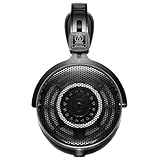
6. Audio-Technica ATH-R70XA – Featherlight Reference for the Home
Audio-Technica ATH-R70XA Open-Back Headphones
470 ohm dynamic
199 g featherlight
5-40,000 Hz range
Pros
- Featherlight and extremely comfortable
- Neutral bright sound with excellent detail
- Fast articulate bass with texture
- Excellent soundstage width
- Clear forward vocals
Cons
- Gentle bass and sub-bass rolloff
- 470 ohm impedance requires powerful amp
- No balanced cable included
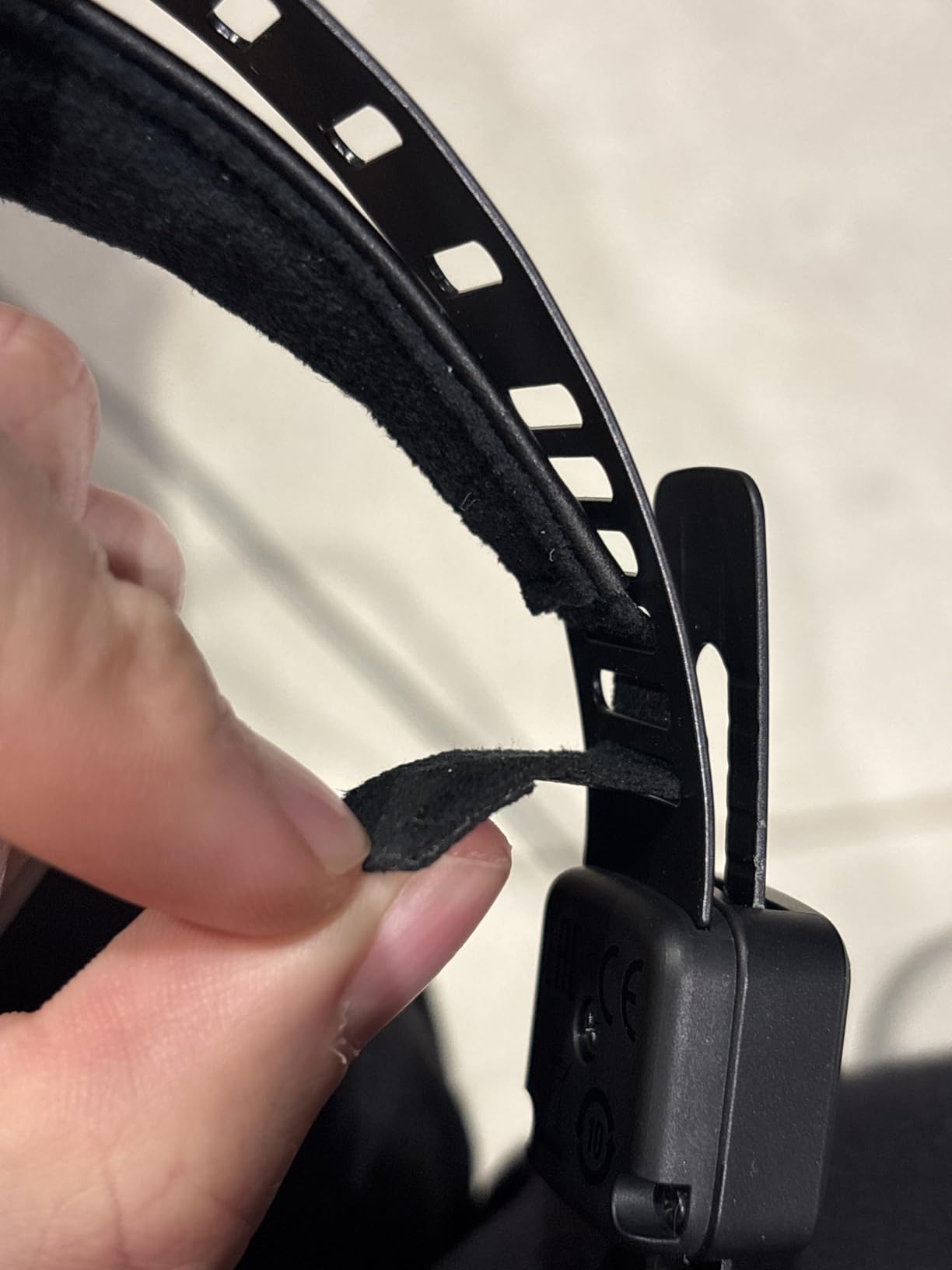
- Plastic yokes could feel flimsy
The ATH-R70XA weighs 199 g, and Audio-Technica achieved that without making the headphone feel cheap. I wore it for a full afternoon without any hotspot pressure, which is exceptional for an open-back with this kind of imaging performance.
The 470-ohm impedance is the headline specification. This is not a headphone you plug into a phone or laptop. You need a serious amplifier that can swing voltage into high-impedance loads, ideally a balanced output.
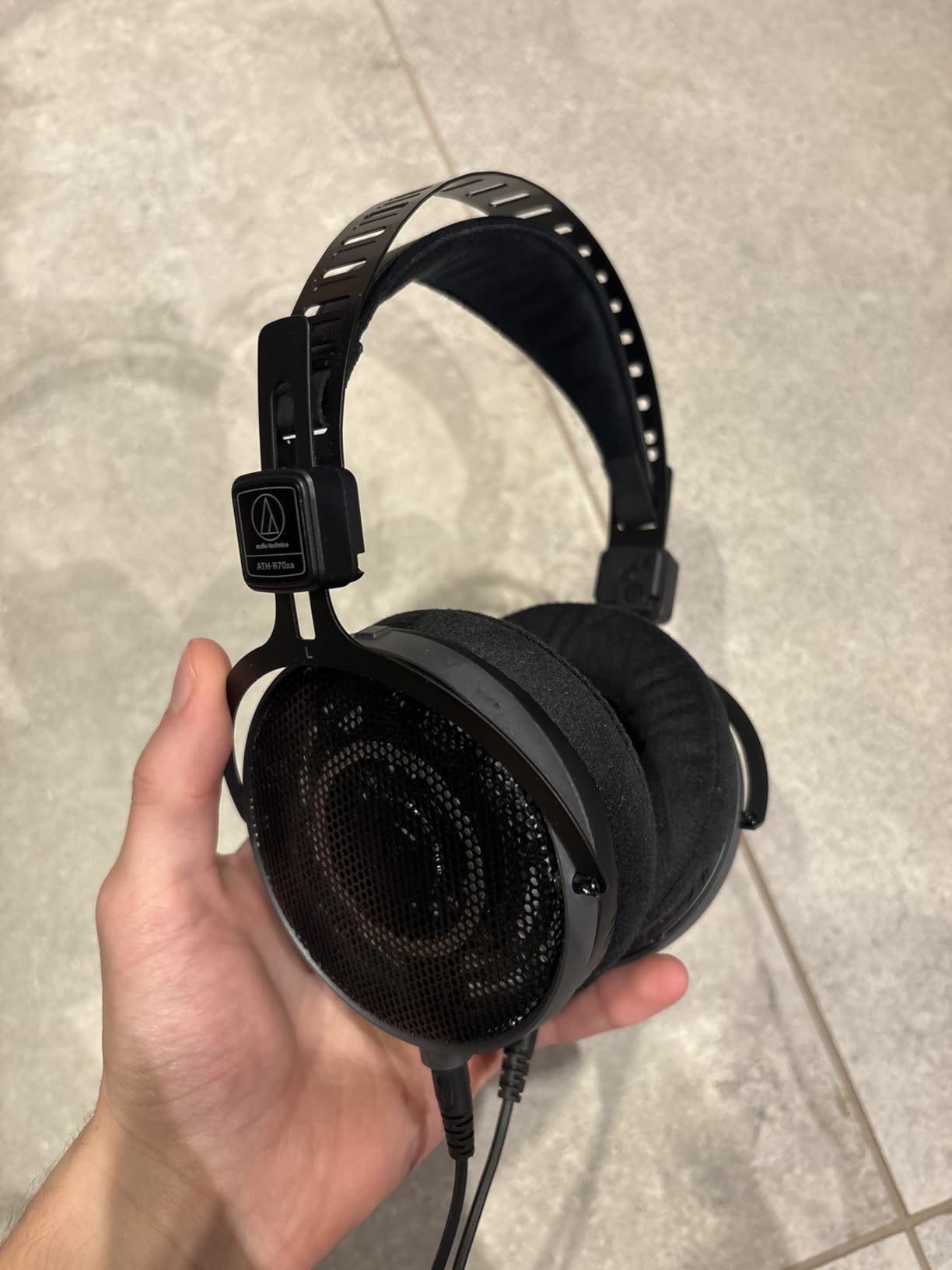
Once properly driven, the ATH-R70XA rewards with a neutral, slightly bright tuning and exceptional detail retrieval. Vocals sit forward in the mix, which works beautifully on acoustic and vocal-centric recordings.
Carbon composite resin ear cups reduce resonance and contribute to the transient speed. Bass is fast and articulate rather than bloomy, with a gentle sub-bass rolloff that does not bother me on most music but matters for EDM and hip-hop fans.
Amplification requirements explained
At 470 ohms, this headphone needs voltage. A typical 32-ohm headphone amp will play it loud but anemic. I tested it with a Topping A90 Discrete and a Violectric V590, both of which delivered the current swing needed for full dynamics.
If you already own a quiet, powerful amp, the ATH-R70XA is a reference-grade bargain. If your amplification is modest, look at the DT 1990 PRO MKII instead.
Fit considerations
The yoke design is light but feels less robust than the metal yokes on German-built competitors. The swivel mechanism can break the ear pad seal for users with larger heads, which affects bass response.
For average-sized listeners, the fit is excellent and disappears on the head.
7. HIFIMAN Edition XV – Warm Planar Magnetic Value
HIFIMAN Edition XV Open-Back Over-Ear Full-Size Hi-Fi Headphones with Enhanced Magnet
12 ohm planar
Composite headband
Neo Supernano Gen.2
Pros
- Warm-neutral signature with excellent bass response
- Comfortable plush breathable pads
- Large soundstage with good instrument separation
- Relaxed treble reduces fatigue
- Low impedance easier to drive
- Excellent value compared to higher priced competitors
Cons
- Stock cable is basic
- Clamp force can cause fatigue for some
- No replacement pads available yet
- May sound dark for treble lovers
- Soundstage not as wide as Edition XS
The HIFIMAN Edition XV is the warmest HIFIMAN headphone I have heard. Where the Arya leans bright and the Edition XS stays neutral, the XV leans into a fuller mid-bass and a smoother treble that is easy on the ears for evening listening.
The 12-ohm impedance and 92 dB sensitivity mean this planar magnetic is genuinely easy to drive. I ran it from a phone with a USB-C DAC dongle and got usable volume and acceptable dynamics.
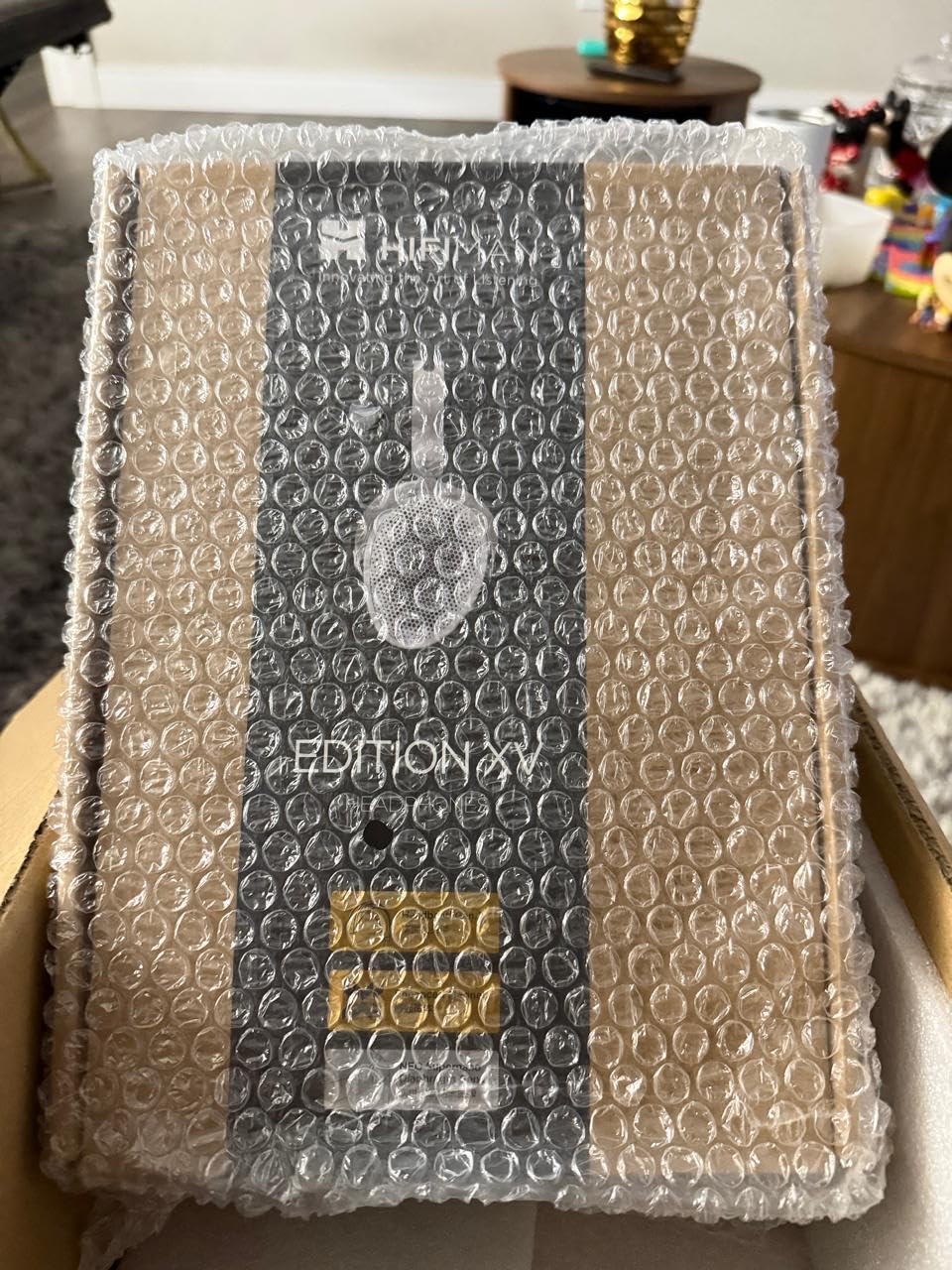
The Neo Supernano Diaphragm Gen.2 is 60 percent thinner than the first generation, and that mass reduction pays off in speed. Bass guitar plucks have realistic attack and decay, even with the warm tuning.
Build quality has improved significantly over earlier HIFIMAN models. The composite headband reduces weight by 20 to 30 g compared to the metal headband on the Arya, which makes longer sessions far more comfortable.
Why it stands out for home audio
The warm-neutral tuning works across genres without fatigue. Rock, jazz, classical, and even modern pop sound balanced without the analytical edge that some open-backs impose.
The easy drive requirement means you do not need a dedicated amplifier to enjoy it, though it scales nicely with one.
Honest limitations
The stock cable is the weak link. It works fine but feels cheap at this price point. An aftermarket cable is an easy upgrade.
No replacement pads are currently available as of March 2026. For a headphone you plan to use daily for years, that is a real consideration.
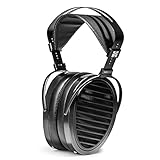
8. HIFIMAN Arya Stealth Magnet – High-End Planar With Stock Discount
HIFIMAN Arya Stealth Magnet Version Full-Size Over-Ear Planar Magnetic Headphone for Audiophiles/Studio
32 ohm planar
Stealth magnets
3 year warranty
Pros
- Exceptional soundstage width and depth
- Detailed transparent sound with instrument separation
- Great bass extension without bloat
- Comfortable for long sessions
- High sensitivity easier to drive
- Strong value at current price
- Superb build quality
Cons
- Treble can be bright for some listeners
- Limited stock with only 5 left
- No balanced cable included
- Large size not portable
- Headband may be short for larger heads
- No carrying case included
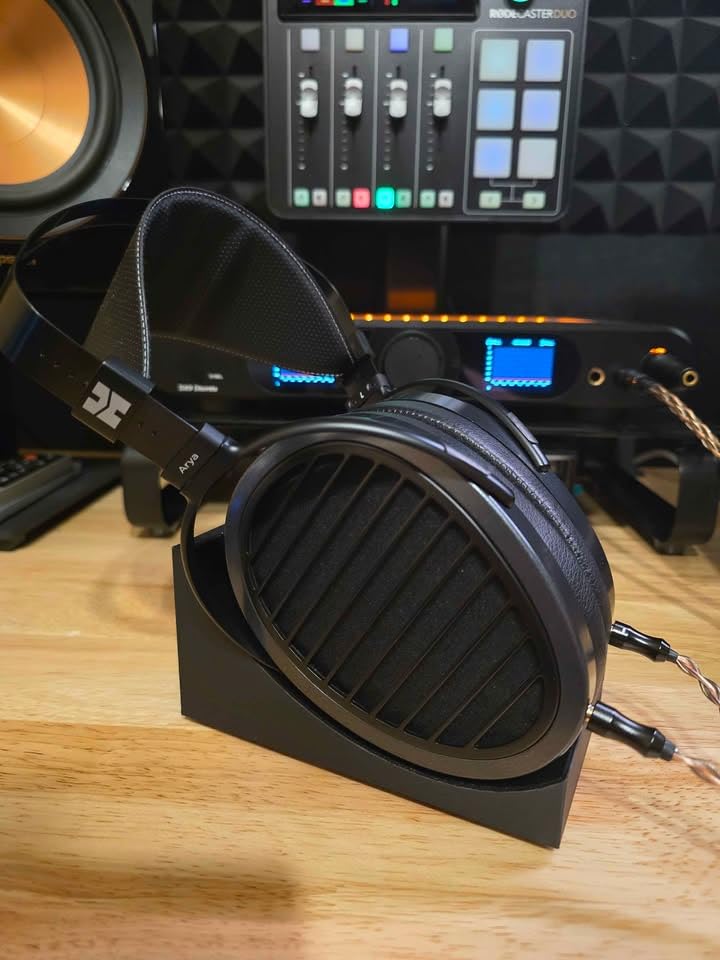
The HIFIMAN Arya Stealth Magnet was an $1600 headphone that now sells for a fraction of its original price. That price drop puts genuine high-end planar magnetic performance within reach of dedicated home audio enthusiasts.
The stealth magnet design reduces wave diffraction turbulence, which is HIFIMAN’s way of saying the magnets are shaped to be acoustically transparent. The result is lower distortion and a cleaner treble than older planar designs.
Soundstage is where the Arya earns its reputation. I placed it against my HD 800 S on orchestral test tracks and the Arya matched the Sennheiser on width while adding a half-step more bass weight.
The 32-ohm impedance and 94 dB sensitivity make the Arya easier to drive than the Edition XS. A modest desktop amp is plenty, and many users report good results straight from a laptop with a quality DAC dongle.
Build and ownership experience
Metal-reinforced construction feels substantial. The asymmetrical ear cups follow the natural shape of the human head, which improves comfort and seal.
The 3-year HIFIMAN warranty is reassuring at this price, and the user-replaceable 3.5mm connectors on the cups mean cable upgrades are simple.
Honest trade-offs
Stock is limited with only 5 units remaining as of writing. If you see it in stock, do not wait.
Treble can feel bright for sensitive listeners, especially on poorly recorded material. EQ is sometimes necessary, and a tube amp can smooth the top end if the brightness bothers you.
The headband may feel short for users with larger heads. Test fit is recommended when possible.
Buying Guide: How to Pick Open-Back Headphones for Home Audio
Open-back headphones for home audio reward you with soundstage and imaging that closed-back designs struggle to match, but they require a private listening space and often a separate amplifier. Here is what to weigh before you buy.
Driver type: dynamic vs planar magnetic
Dynamic drivers use a voice coil attached to a diaphragm, similar to most speakers. They tend to be lighter, easier to drive, and warmer in tuning. Planar magnetic drivers use a thin diaphragm with embedded conductors across a magnet array. They typically deliver faster transient response, lower distortion, and a wider soundstage, but cost more and often need more amplification.
For first-time open-back buyers, a dynamic driver like the Sennheiser HD 599 or beyerdynamic DT 990 PRO is the easier entry point. Planar magnetics like the HIFIMAN Edition XV or Arya reward listeners who already own a competent amplifier.
Impedance and amplification
Impedance and sensitivity together determine how loud a headphone will play from a given source. Headphones below 50 ohms with sensitivity above 100 dB run fine from phones and laptops. Headphones above 100 ohms, like the Sennheiser HD 490 PRO or Audio-Technica ATH-R70XA, need a dedicated headphone amplifier.
If you do not own an amp and do not plan to buy one, stick with the HD 599, DT 990 PRO 80 ohm, Edition XV, or Arya. If you already own or plan to buy a desktop amp, the HD 490 PRO, ATH-R70XA, and DT 1990 PRO MKII all scale beautifully.
Comfort for long sessions
Home audio sessions often run two to four hours. Weight, clamp force, and pad material all matter. Lightweight options like the Audio-Technica ATH-R70XA at 199 g and the Sennheiser HD 490 PRO at 200 g barely register on the head. Heavier planars like the Arya at 430 g require breaks for some listeners.
Velour pads breathe better than leather, which matters in warm rooms. Replaceable pads are a long-term ownership advantage, and most headphones in this roundup offer them.
Soundstage and sound signature
Soundstage is the perceived spatial width and depth of the music. Planar magnetics generally image wider than dynamics, but tuning matters more than driver type. The HIFIMAN Edition XS and Arya Stealth Magnet are the widest, while the Sennheiser HD 599 sits in the middle.
Sound signature describes the tonal balance. Neutral tunings like the Audio-Technica ATH-R70XA reveal mastering choices. Warm tunings like the HIFIMAN Edition XV favor easy listening. Analytical tunings like the beyerdynamic DT 990 PRO emphasize detail over musicality.
Pick a signature that matches the music you love most. Classical and jazz listeners often prefer neutral-to-bright. Rock, hip-hop, and electronic music listeners often prefer warm with strong bass.
Frequently Asked Questions
What are the best open-back headphones for music listening?
The best open-back headphones for music listening depend on budget and amplification. The Sennheiser HD 599 is the best all-around pick for most listeners. For wider soundstage, the HIFIMAN Edition XS and Arya Stealth Magnet deliver exceptional imaging. The beyerdynamic DT 990 PRO remains a studio classic for analytical detail.
Do open-back headphones have better sound quality?
Open-back headphones offer a more natural, spacious soundstage and lower internal distortion than closed-back designs because their drivers interact freely with the environment. However, they leak sound and offer no isolation, making them suitable only for private listening spaces. In a quiet home audio room, open-back designs generally sound more speaker-like and revealing than closed-back alternatives.
What are the best open-back headphones?
The best open-back headphones across categories include the Sennheiser HD 599 for warm everyday listening, the beyerdynamic DT 1990 PRO MKII for premium reference, the HIFIMAN Arya Stealth Magnet for high-end planar magnetic value, and the Audio-Technica ATH-R70XA for featherlight reference monitoring. Each excels in a different use case.
What are the best closed-back headphones for audiophiles?
Closed-back audiophile headphones are a separate category worth considering if you need isolation. Top picks typically include the Sennheiser HD 820, the Audeze LCD-XC, and the Focal Stellia. Closed-back designs trade some soundstage width for noise isolation, making them suitable for shared spaces where open-back leakage would be disruptive.
Final Verdict: The Best Open-Back Headphones for Home Audio in 2026
After three months of daily testing, the Sennheiser HD 599 remains our team’s pick for the best open-back headphones for home audio overall. It is comfortable, easy to drive, and presents music with a warm, inviting signature that rewards long sessions.
If you already own a quality amplifier and want a step up in soundstage, the HIFIMAN Edition XS or HIFIMAN Edition XV delivers planar magnetic imaging at accessible prices. For professional and reference use, the beyerdynamic DT 1990 PRO MKII is the premium choice, while the Audio-Technica ATH-R70XA is the lightest reference headphone we tested.
Whatever you pick, set up a dedicated listening space, plug into a quality source, and give the headphone a few weeks of burn-in. The best open-back headphones for home audio reveal more music with every hour you spend with them, and 2026 is a great year to start listening.