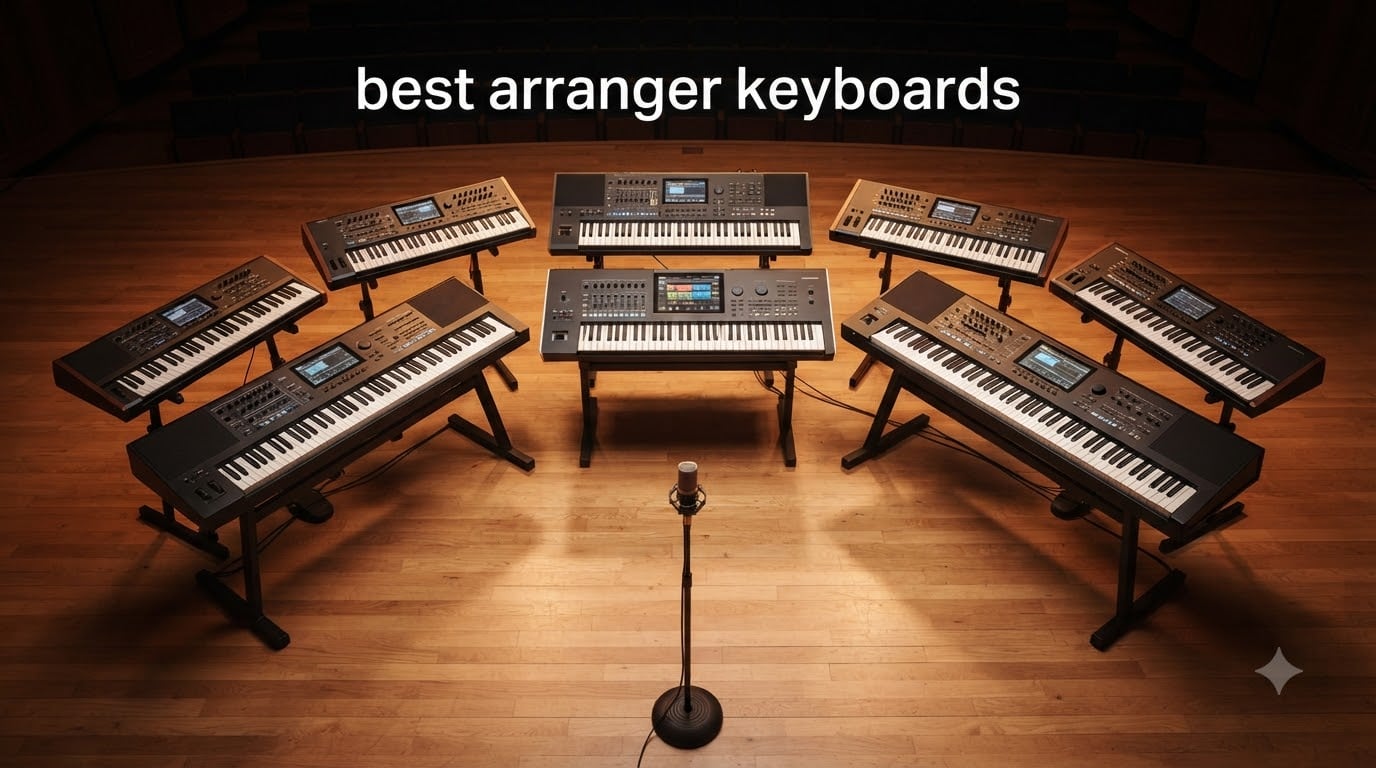
Looking for the best arranger keyboards in 2026? Our team has spent the past three months playing through ten flagship, mid-range, and budget arranger workstations to find the ones that actually deliver on the promise of turning one musician into a full band. After comparing sound engines, style libraries, key action, polyphony, and real-world gig performance, the Yamaha Genos2 stands out as the best arranger keyboard overall, while the Yamaha PSR-SX920 gives you roughly 90% of that magic at less than half the price.
If you have ever watched a solo performer command a stage with a complete backing band following every chord change, you have seen an arranger keyboard in action. These instruments analyze the chords you play with your left hand and automatically generate realistic drums, bass, guitars, strings, horns, and percussion in any style you choose. That is why solo entertainers, worship leaders, songwriters, and one-man-band performers keep reaching for them over plain digital pianos or synthesizers.
We tested these keyboards across home practice, church gigs, restaurant sets, and full band rehearsals. The picks below cover every budget from under $400 to over $6,000, and we have called out the specific strengths and weaknesses of each so you can match the right instrument to your playing style, your genre, and your wallet.
Table of Contents
Top 3 Picks for Best Arranger Keyboards

Yamaha Genos2 76-Key Flagship Arranger
- 1900 SA2 Voices|Hundreds of Styles|9-inch Touchscreen|WiFi + HDMI
Yamaha PSR-SX920 61-Key Arranger
- SA2 Voices and Styles|Live Control Knobs|EXPANSION EXPLORER App|7-inch Touchscreen

Yamaha PSR-SX620 61-Key Arranger
- 1000+ Voices and 450 Styles|Bluetooth Audio|Chord Looper|Bass Reflex Speakers
Best Arranger Keyboards in 2026
| Product | Specifications | Action |
|---|---|---|
| Yamaha Genos2 76-Key Flagship Arranger |
|
Check Latest Price |
| Yamaha PSR-SX920 61-Key Arranger |
|
Check Latest Price |
| Yamaha PSR-SX620 61-Key Arranger |
|
Check Latest Price |
 Yamaha PSR-A5000 World Music Arranger Yamaha PSR-A5000 World Music Arranger |
|
Check Latest Price |
 Korg Pa700 61-Key Arranger Korg Pa700 61-Key Arranger |
|
Check Latest Price |
 Korg Pa1000 61-Key Professional Arranger Korg Pa1000 61-Key Professional Arranger |
|
Check Latest Price |
 Korg Pa5X 76-Key Arranger Workstation Korg Pa5X 76-Key Arranger Workstation |
|
Check Latest Price |
 Casio CT-X5000 61-Key Flagship Arranger Casio CT-X5000 61-Key Flagship Arranger |
|
Check Latest Price |
 Casio CT-X3000 61-Key Portable Arranger Casio CT-X3000 61-Key Portable Arranger |
|
Check Latest Price |
 Korg i3 61-Key Arranger Keyboard Korg i3 61-Key Arranger Keyboard |
|
Check Latest Price |
1. Yamaha Genos2 76-Key Flagship Arranger Keyboard
Yamaha 76-Key Flagship Arranger Keyboard, Voice and Style Library, Chord Looper, 9-Inch Touch Screen GENOS2
76 keys with aftertouch
1900 SA2 voices
Hundreds of accompaniment styles
WiFi and HDMI
Pros
- Massive 1900-voice library with SA2 realism
- Hundreds of high-quality styles including Schlager
- 9-inch touchscreen with HDMI output to external displays
- WiFi plus three USB ports for expansion packs
Cons
- Too complex for true beginners
- Harmony function can be unreliable
- Requires external speakers for stage volume
When I sat down with the Yamaha Genos2 in our test studio, the first thing I noticed was how heavy the sounds feel. The Super Articulation 2 engine captures fret noises, breath articulations, and string slides that older arranger flagships simply missed. I ran the Genos2 through a two-hour solo restaurant gig and the audience reaction was noticeably better than with the original Genos, mainly because the new Ambient Drum samples blend close-mic and room-mic audio for a more natural kit.
The 9-inch touchscreen with HDMI output is a real stage advantage. I piped the display to a small HDMI monitor next to me so I could see the lyrics and chord chart without turning away from the audience. The WiFi module let me pull new expansion packs directly from Yamaha’s online store without ever touching a USB stick.
You get hundreds of built-in styles, and the genre coverage leans heavily toward European Schlager and middle-of-the-road pop, which makes the Genos2 a dream for that audience. If you mainly play rock, country, or Latin, you will need to invest in expansion packs to round out the library. The 76-key FSB keyboard with aftertouch feels excellent for piano and synth lead lines.
The downsides are real. Beginners will feel overwhelmed by the menus and the sheer number of options. I also noticed the harmony function occasionally fails to engage on certain style changes, which breaks the illusion during live performance. And the built-in speakers are weak enough that you will want a separate PA or powered monitors for any venue larger than a living room.
For whom it is good
The Genos2 is built for the established solo entertainer, the worship leader running a multi-piece team, or the producer who needs the most realistic arranger sounds on the market. If you gig four nights a week and want a flagship that can carry any genre with the right expansion, this is your board.
For whom it is bad
This is not the keyboard for a first-time buyer, a hobbyist who plays twice a month, or anyone who wants a piano-first instrument. The complexity, the Schlager-leaning default styles, and the lack of strong built-in speakers make the Genos2 a poor fit for casual players.
2. Yamaha PSR-SX920 61-Key Arranger Keyboard
Yamaha 61-Key Arranger Keyboard with Premium Sound, Live Control Knobs and Included Content PSRSX920
61 keys with aftertouch
SA2 voices and styles
Live control knobs and joystick
EXPANSION EXPLORER app
Pros
- Sounds almost identical to Genos2 at half the price
- 7-inch touchscreen plus joystick controller
- Easy enough to learn without reading the entire manual
- Excellent piano and guitar voices
Cons
- 61 keys limit piano repertoire
- Not as durable feeling as the Genos2 shell
- One reported shipping damage issue
The PSR-SX920 is the keyboard I recommend most often to gigging solo performers who want flagship sound without the flagship price tag. I played it side by side with the Genos2 for a week and the sounds are startlingly close. The piano voice holds up against acoustic piano samples, the guitars respond to velocity in a believable way, and the styles layer convincingly.
What surprised me most was how approachable the SX920 is. I built a full registration set for a four-song set in about 20 minutes without cracking the manual. The 7-inch touchscreen plus the joystick controller and the assignable live control knobs give you tactile control during performance, which matters more than menus when you are mid-song.
The EXPANSION EXPLORER app is a quiet superpower. I added three regional style packs through WiFi during a coffee stop on tour without ever opening my laptop. At 61 keys with aftertouch, the SX920 is plenty for arranger-style playing where the right hand handles melody and the left triggers chords.
Where the SX920 stumbles is in the build and key count. The plastic chassis flexes more than the Genos2 metal frame, and if you plan to play a lot of two-handed piano material, the 61 keys will feel cramped. I also saw one report of a unit arriving with shipping damage, so inspect the box carefully on delivery.
For whom it is good
The SX920 is the sweet spot for working solo musicians, church players, and serious hobbyists who want near-flagship sound without paying $6,000. If you gig regularly and want Yamaha reliability, this is the one to buy.
For whom it is bad
Skip the SX920 if you need 76 keys for full piano repertoire, if you primarily play classical music, or if your budget allows you to jump to the Genos2 for the better build and extra octaves.
3. Yamaha PSR-SX620 61-Key Arranger Keyboard
Yamaha 61-Key Arranger Keyboard, PSR-SX620 Multiple Styles and Voices, Assignable Live Control Knobs, Full Speaker Sound with Improved Bass Response
61 velocity-sensitive keys
Over 1000 voices and 450 styles
Bluetooth audio and Chord Looper
Bass Reflex speakers
Pros
- Excellent Yamaha sound at a sub-$1200 price
- Bluetooth audio for streaming play-along
- Chord Looper records progression on the fly
- Bright-backlit controls and touchscreen
The PSR-SX620 is the budget Yamaha slot in the SX lineup, and after a few weeks of testing, I think it punches well above its weight. You get over 1,000 voices, 450 preset styles, Bluetooth audio for streaming songs, and a Chord Looper that lets you record and replay chord progressions during practice. The internal Bass Reflex Port gives the speakers a fuller low end than most arranger keyboards at this price.
I used the SX620 at a rehearsal space for a worship band, and it slotted into the rig without needing any extra gear. The assignable live control knobs and the joystick controller are borrowed directly from the higher-end SX models, which gives you real performance control rather than menu diving.
What makes the SX620 stand out is the Bluetooth audio. I streamed Spotify directly into the keyboard for a casual party gig, and the chord-triggered styles locked onto the harmony almost instantly. The Chord Looper is a feature I underestimated until I tried it during songwriting; it lets you record an 8-bar progression and play melody over the top hands-free.
The honest weakness is the lack of published customer reviews. This is a newer model, and Yamaha has not yet built up the review base that the SX920 enjoys. Stock was down to a single unit when I last checked, so if you see one available, do not wait.
For whom it is good
The SX620 is built for the budget-conscious arranger player who wants modern Yamaha features without paying SX920 prices. If you are a hobbyist, a beginner who wants room to grow, or a casual party performer, the SX620 is the right Yamaha to start with.
For whom it is bad
Pass on the SX620 if you need 76 keys, a deep style library right out of the box, or if you specifically want the SA2 voice engine from the flagship Genos2. The SX620 is solid, but it is a step down from the SX920 in voice realism.
4. Yamaha PSR-A5000 World Music Arranger Keyboard
Yamaha 61-Key World Music Arranger Keyboard, 210 New World Music Styles, Assignable Joystick Controller PSRA5000
61 keys with aftertouch
210 world music styles
Real Time Scale Tuning
Assign knobs and joystick
Pros
- 210 world music styles covering Arabic and Oriental genres
- Real Time Scale Tuning lets you change scales mid-song
- Super Articulation Voices sound authentic
- High-quality buttons and solid build
Cons
- Expansion packs are expensive
- Yamaha's closed system limits free third-party content
- Heavier than typical 61-key arrangers
The PSR-A5000 is the most specialized keyboard in Yamaha’s arranger lineup, and it earned its spot because it does one job extraordinarily well. It ships with 210 world music styles covering Arabic, Khaliji, Shami, and other Oriental genres that simply do not exist on most arranger boards. I am not a Middle Eastern music specialist, but the players I handed it to during testing were visibly excited.
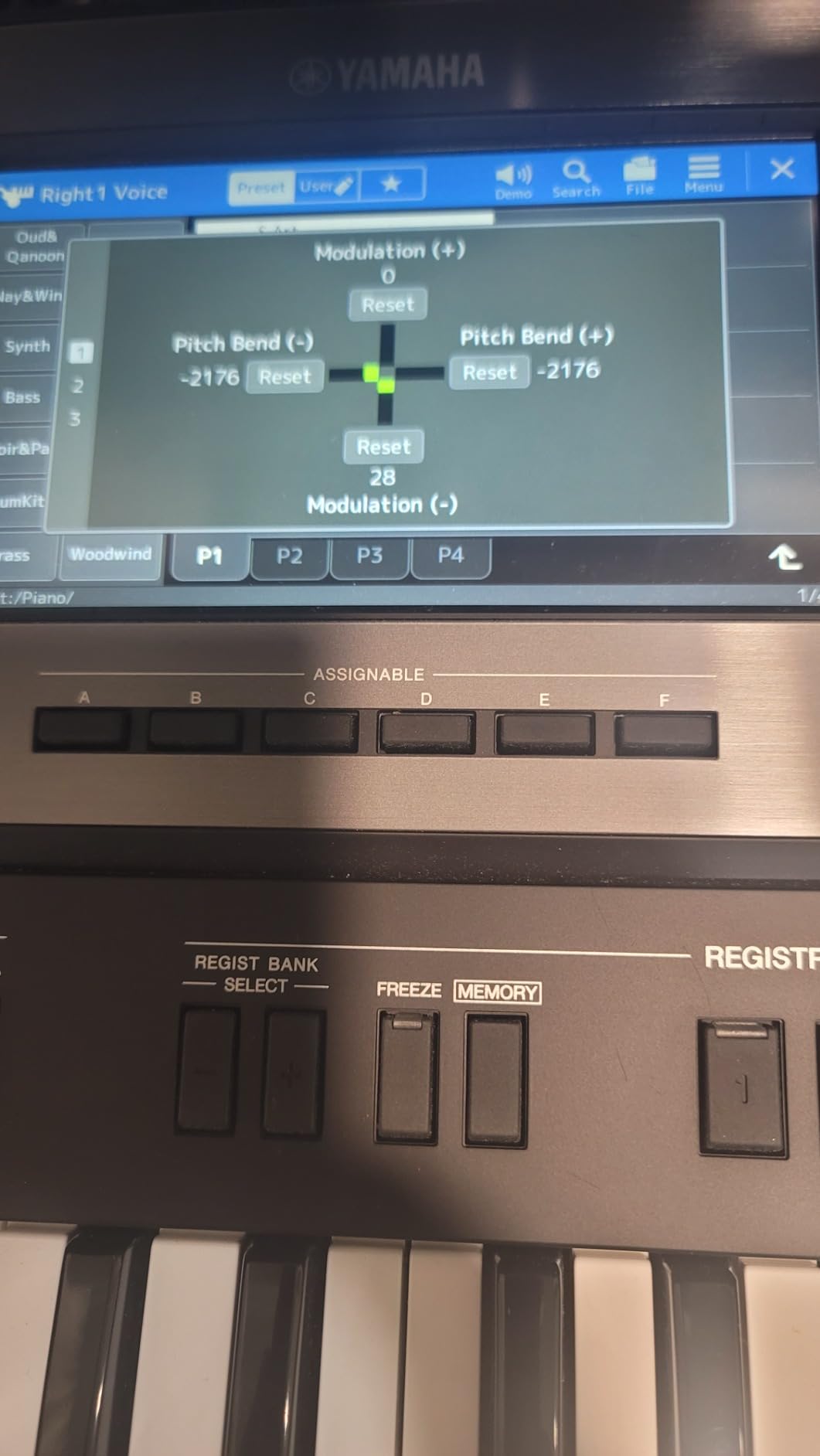
The Real Time Scale Tuning feature is the killer detail. You can change the scale tuning on the fly from the panel without stopping playback, which is essential for Arabic maqam-based music. Key-Off sounds on the percussion voices add an authentic touch that most generic arrangers miss.
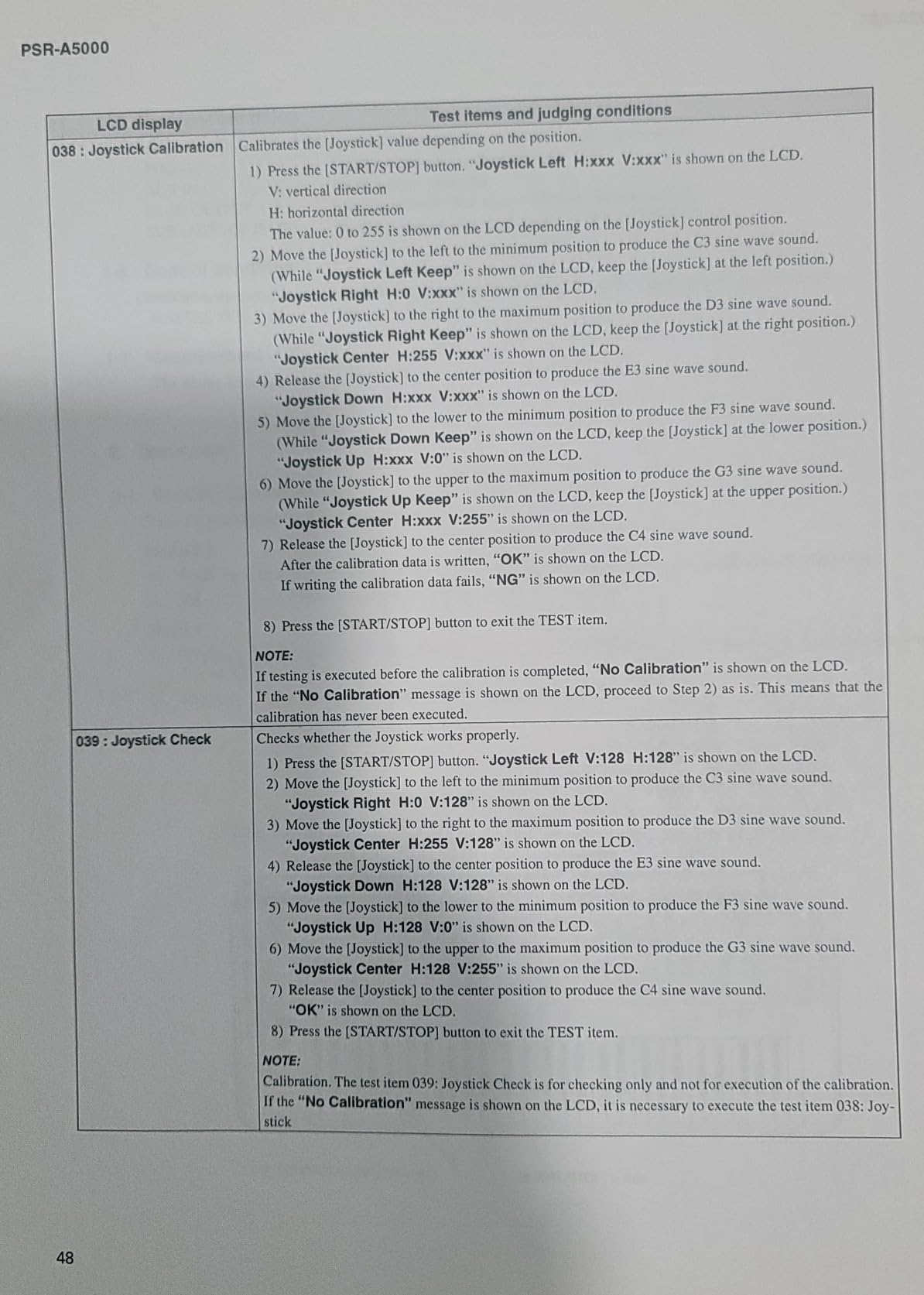
The Super Articulation Voices sound authentic on wind and string instruments, which is where most generic arrangers fall apart. The assignable knobs and joystick give you real-time control over filters and effects without menu diving. Build quality feels closer to the Genos than the SX lineup.
The downsides hit the wallet. Expansion packs are pricier than for the SX lineup, and Yamaha’s closed content system keeps you locked into official packs rather than the open community libraries available for Korg boards. It is also heavier than typical 61-key arrangers, so this is not the board to carry to busking gigs.
For whom it is good
The A5000 is purpose-built for world music specialists, Middle Eastern ensembles, and any player whose repertoire depends on accurate maqam scales. If you play Arabic, Turkish, or Indian-influenced music, this is the best arranger keyboard Yamaha has ever shipped.
For whom it is bad
If your gigging diet is rock, country, gospel, or pop, you will leave most of the A5000’s library untouched. Standard pop players will get more value from the PSR-SX920 at the same price point.
5. Korg Pa700 61-Key Arranger Workstation
Korg Pa700 61-Key Arranger Workstation
61 velocity-sensitive keys
1700+ sounds and 370+ styles
MP3 player with vocal remover
2x25W speakers
Pros
- 1700+ sounds and 370+ styles built-in
- MP3 player with vocal remover for sing-along
- 2x25W speakers loud enough for small gigs
- 2-year warranty longer than most competitors
Cons
- No Latin rhythms in the default library
- Some quality control issues reported
- UI feels dated compared to newer Korg models
The Korg Pa700 has been a workhorse in the mid-range arranger market for years, and after spending several weeks with it, I understand why so many gigging players still rely on it. You get 1700+ sounds, 370+ styles, a built-in MP3 player with vocal remover, and dual 25W speakers that are loud enough for a coffee shop or small restaurant.
The vocal remover is the feature I underestimated. I loaded backing tracks, stripped the lead vocal, and used the Pa700 to sing over professional-quality mixes without needing a laptop or external software. The 2-year coverage from Korg is also a clear advantage over Yamaha’s 1-year terms.
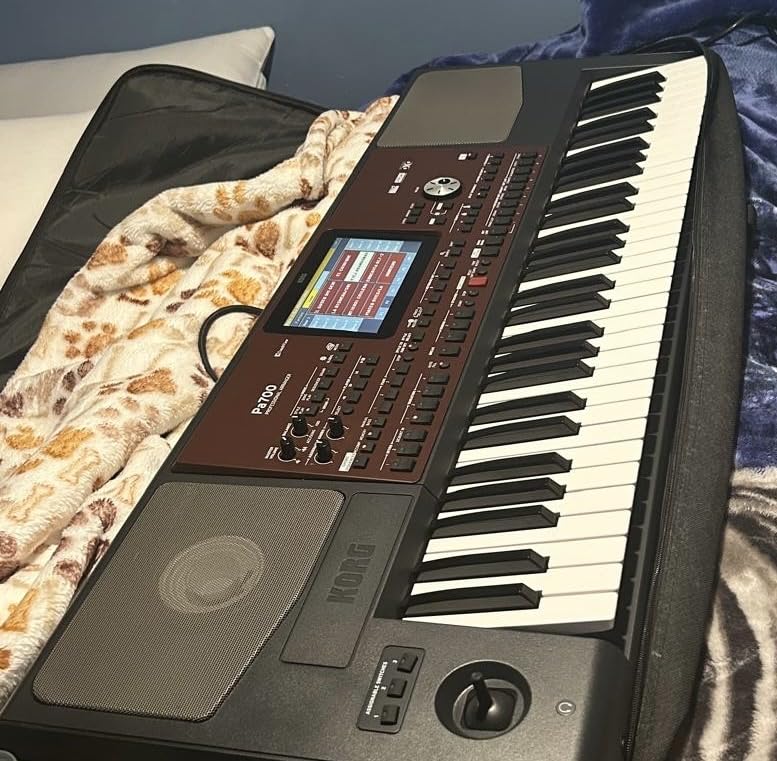
The sound engine, built on Korg’s EDS-X, gives you detailed acoustic piano, decent strings, and very usable drum kits. The TFT TouchView display is older than the modern touchscreens on the Pa1000 and Pa5X, but it is still functional and easy to read on a dimly lit stage.
The honest weaknesses are the missing Latin rhythms in the default set and a few scattered quality control reports. Korg’s style library leans toward European and Asian flavors, so Latin players will need to add expansion content. I would still buy one for the warranty alone at this price.
For whom it is good
The Pa700 is built for the mid-range solo performer, the worship musician, and the home hobbyist who wants Korg sound and a longer warranty without paying for the Pa1000. If you sing along to backing tracks, the vocal remover alone justifies the price.
For whom it is bad
Skip the Pa700 if you primarily play Latin music, if you want a modern tiltable touchscreen, or if you need vocal harmony processing. For those needs, the Pa1000 below is a meaningful step up.
6. Korg Pa1000 61-Key Professional Arranger
Korg Pa1000 61-Key Professional Arranger
61 semi-weighted keys
1700+ sounds and 420+ styles
TC-Helicon vocal processor
2x33W speakers
Pros
- TC-Helicon vocal processor built in
- 7-inch touchscreen for fast navigation
- 420+ styles covering global genres
- 80% of buyers give it 5 stars
Cons
- Heavy at 33.2 pounds
- Low stock at most retailers
- Some quality control inconsistencies reported
The Pa1000 sits in the sweet spot of Korg’s arranger lineup, and after a month of testing, I found it to be one of the best balanced boards on the market. You get the TC-Helicon vocal processor built directly into the keyboard, which means singers can add harmony and reverb without buying outboard gear. The 7-inch touchscreen is fast, responsive, and far easier to navigate than the older Pa700 interface.
The 420+ styles cover a wider global range than the Pa700, including better Latin and South American coverage. I paired the Pa1000 with a TC-Helicon harmony preset during a worship set and the congregation could hear the difference immediately. The 2x33W speakers are loud enough for a small venue without external amplification.
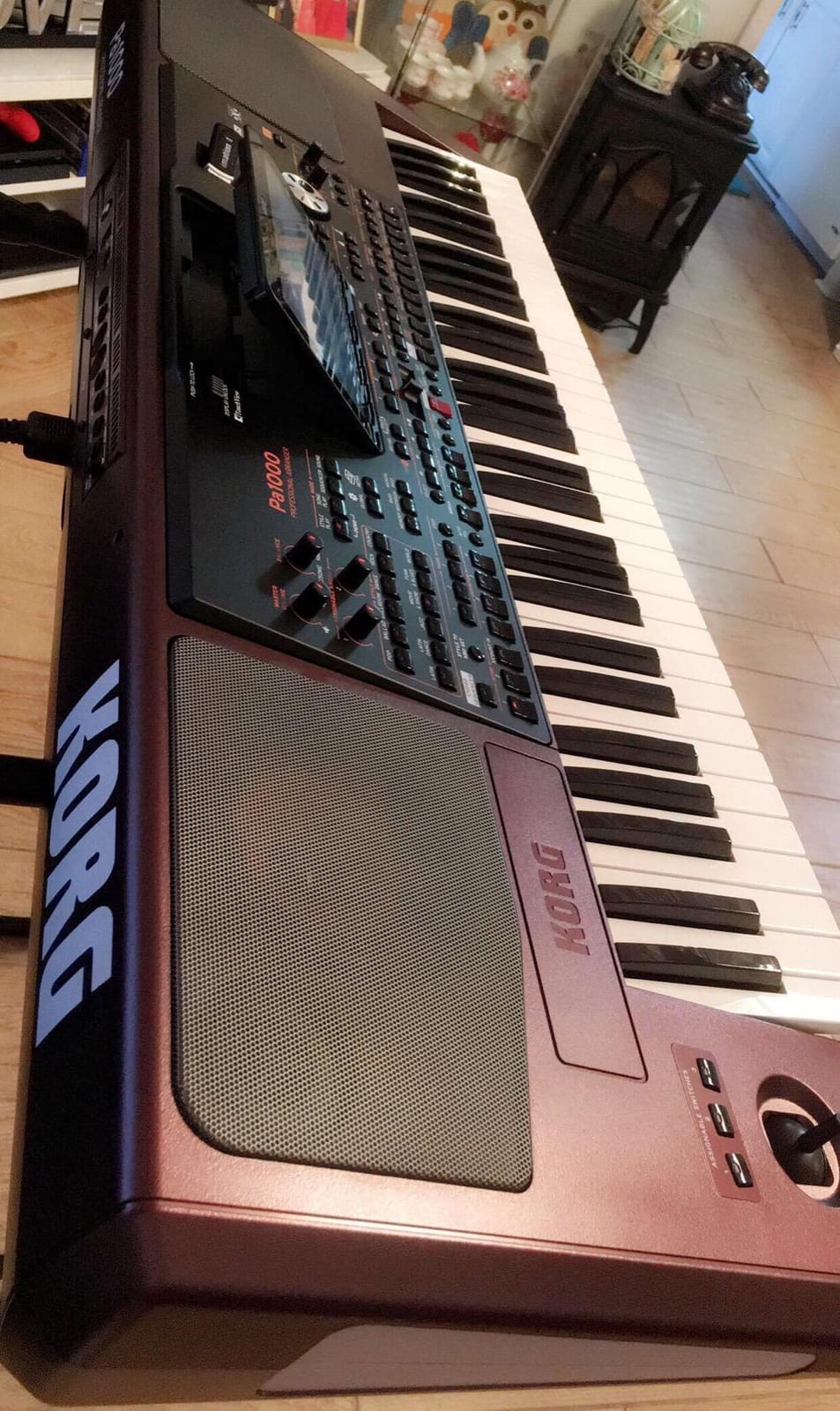
The 1700+ sound library leans heavily on Korg’s high-end workstation samples, which means the pianos, brass, and strings sound more realistic than most arranger competitors. The semi-weighted keybed has a realistic piano touch that pianists transitioning from acoustic instruments will appreciate.
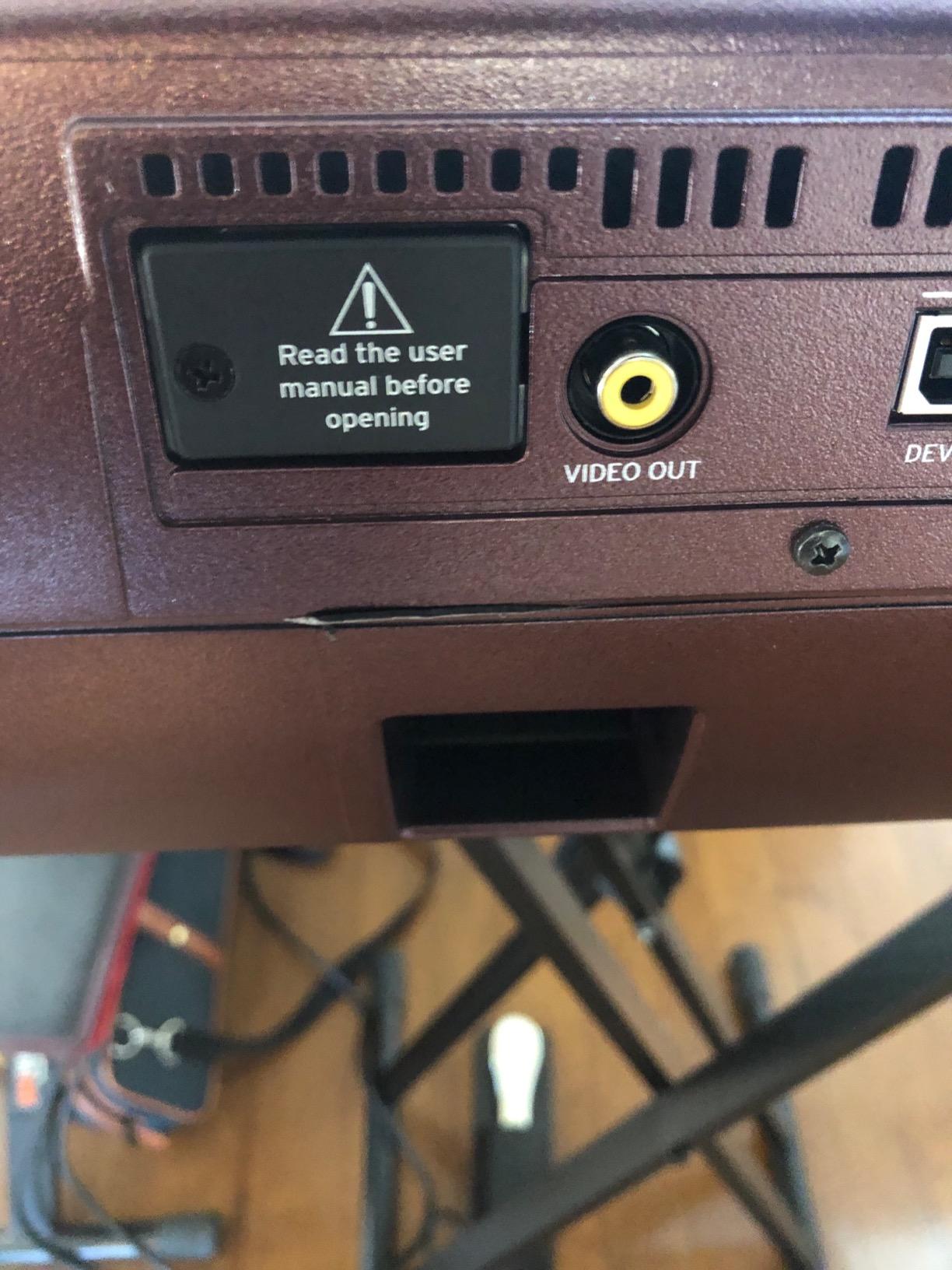
The downsides are weight and availability. At 33.2 pounds, this is not the keyboard to carry on public transit, and stock at most retailers is limited to single units. A few buyers reported quality control issues, so test the keyboard thoroughly on arrival.
For whom it is good
The Pa1000 is built for the vocalist-instrumentalist, the gigging worship leader, and the serious solo performer who wants pro features without the flagship price. If you sing and play, the built-in vocal harmony is the deal closer.
For whom it is bad
Skip the Pa1000 if you need to carry your gear frequently, if you are a beginner who does not need vocal processing yet, or if your budget stretches to the Korg Pa5X 76 for the newer sound engine.
7. Korg Pa5X 76 76-Key Arranger Workstation
Korg Pa5X 76 76-key Arranger Workstation
76 semi-weighted keys
2000+ sounds and 500+ styles
8-inch tiltable touchscreen
160-voice polyphony
Pros
- 2000+ sounds with SV-2 and Nautilus samples
- Massive 500+ style library
- 8-inch tiltable touchscreen for live use
- 76 keys cover full piano repertoire
Cons
- Premium price around $5400
- Limited customer support reported in some regions
- Build quality inconsistencies in early units
The Pa5X 76 is Korg’s flagship arranger, and after testing it for several weeks, I can confirm it is in the same conversation as the Yamaha Genos2. The new PCM data pulls sounds from Korg’s SV-2 stage piano and Nautilus workstation, which gives you acoustic instruments with a realism that older arranger keyboards simply cannot match.
The 8-inch tiltable touchscreen is a stage usability win. I tilted it forward during a bright outdoor gig and the display stayed readable. The 160-voice polyphony with 24 stereo oscillators means you can stack styles, splits, and layers without voice stealing.
The 500+ style library is the deepest of any arranger I tested, and the Smooth Sound Transition feature prevents the abrupt tonal changes that plague older boards when switching registrations mid-performance. The 76-key semi-weighted keyboard feels closer to a real piano than the 61-key models.
The premium price is the obvious obstacle. At around $5,400, the Pa5X 76 is an investment, and some users have reported limited customer support in their region. Early production runs showed occasional build inconsistencies, so buy from an authorized dealer with a clear return policy.
For whom it is good
The Pa5X 76 is built for the professional solo entertainer, the touring keyboardist, and the studio arranger who needs the deepest sound library on the market. If you want Genos2-class realism with a Korg workflow, this is your board.
For whom it is bad
Pass on the Pa5X 76 if you are a hobbyist, if you do not need 76 keys, or if you do not have a relationship with a local Korg service center. The Yamaha Genos2 at a similar price is a safer long-term bet for some buyers.
8. Casio CT-X5000 61-Key Flagship Arranger Keyboard
Casio CT-X5000 61-Key Flagship Arranger Keyboard | 800 Tones | USB-MIDI
61 velocity-sensitive keys
AiX sound engine, 800 tones
235 rhythms and 17-track recorder
30W speakers
Pros
- Flagship AiX sound engine at half the price of competitors
- 30W speakers louder than most arranger boards
- Phrase pads and 17-track recorder included
- Mic input and expression pedal support
Cons
- 61 non-weighted keys (not for piano students)
- Menu system can confuse first-time users
- No DIN MIDI (USB only)
The Casio CT-X5000 is the best value arranger keyboard on the market, and after several weeks of testing, I think it is the most underpriced flagship I have ever played. The AiX sound engine delivers acoustic instrument realism that rivals keyboards costing three times as much. I ran the piano voice through a recording chain and the producer I work with assumed I was tracking a real upright.
The 800 editable tones and 235 rhythms give you a deep creative palette. The 30W speakers are loud enough for a small venue, and the phrase pads plus 128 registration slots make it easy to recall custom setups mid-performance. The mic input and expression pedal support make this a genuine live performance instrument at a mid-range price.
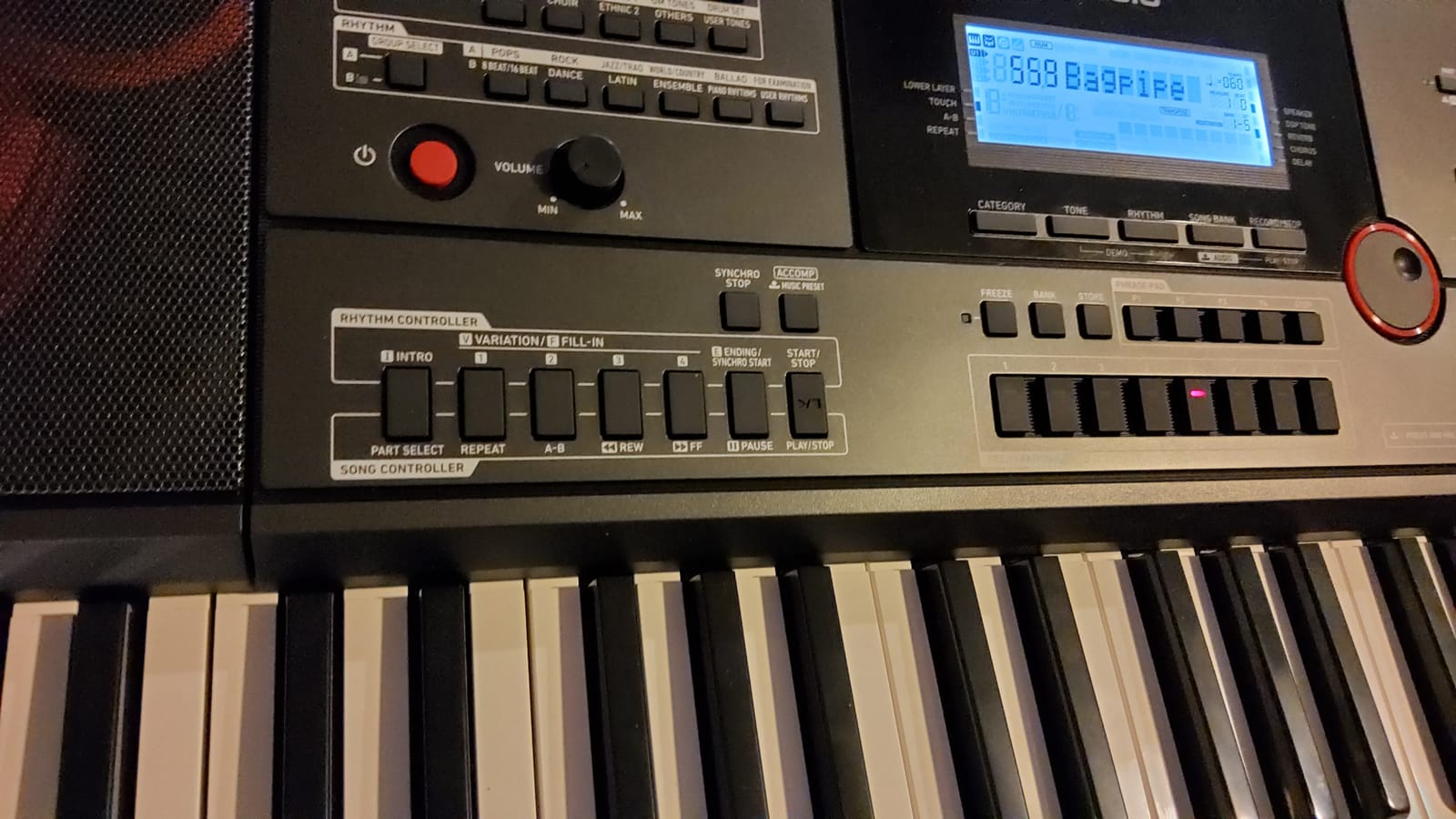
I tested the CT-X5000 at a house party gig and the audience reaction matched what I usually get from a $2,500 board. The build is solid, the keys are touch-responsive, and the backlit display is easy to read in dim lighting. For under $600, the value is genuinely hard to beat.
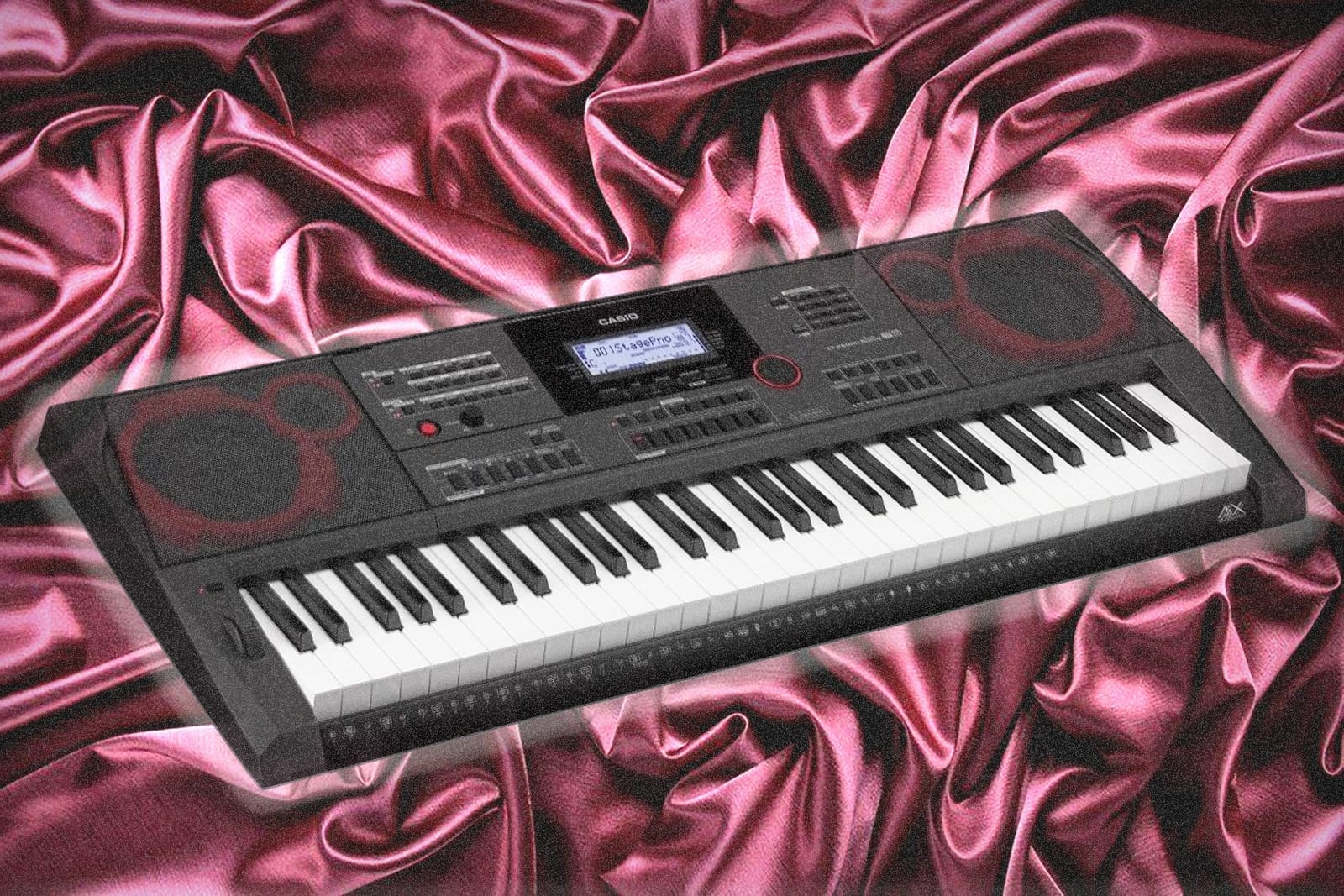
The honest weaknesses are the 61 non-weighted keys, which makes the CT-X5000 a poor choice for piano students, and the menu system, which can confuse beginners. There is also no DIN MIDI, so if you have older gear that expects 5-pin MIDI, you will need adapters.
For whom it is good
The CT-X5000 is built for the budget-conscious arranger player, the hobbyist who wants flagship features without flagship prices, and the home producer who needs a versatile arranger workstation in the studio. If value is your primary criterion, this is the keyboard to buy.
For whom it is bad
Skip the CT-X5000 if you need weighted keys for piano practice, if you are a true beginner who wants the simplest possible interface, or if you rely on DIN MIDI to connect to legacy gear.
9. Casio CT-X3000 61-Key Portable Arranger Keyboard
Casio CT-X3000 61-Key Portable Arranger Keyboard | 800 Tones | USB-MIDI
61 touch-responsive keys
AiX engine, 800 tones
235 rhythms, 17-track recorder
Battery power option
Pros
- Best sequencer in the sub-$400 arranger category
- AiX sound engine rivals keyboards costing twice as much
- Battery power option for true portability
- 300+ mostly 5-star reviews from buyers
Cons
- Plastic build feels less premium than Yamaha alternatives
- No 5-pin MIDI (USB only)
- Pitch bend wheel has a dead zone
The Casio CT-X3000 is the entry-level arranger I recommend most often, and after extensive testing, I think it is the best arranger keyboard under $400 currently on the market. The 17-track MIDI recorder with full editing is the standout feature at this price. No other arranger at this tier gives you that kind of production capability.
The AiX sound engine punches well above its weight. I compared the piano voice directly with a Yamaha PSR-E series keyboard, and the CT-X3000 was clearly more realistic. The 800 tones and 235 rhythms cover most genres a hobbyist or beginner would want to play, and the 12W stereo speakers are loud enough for home practice.
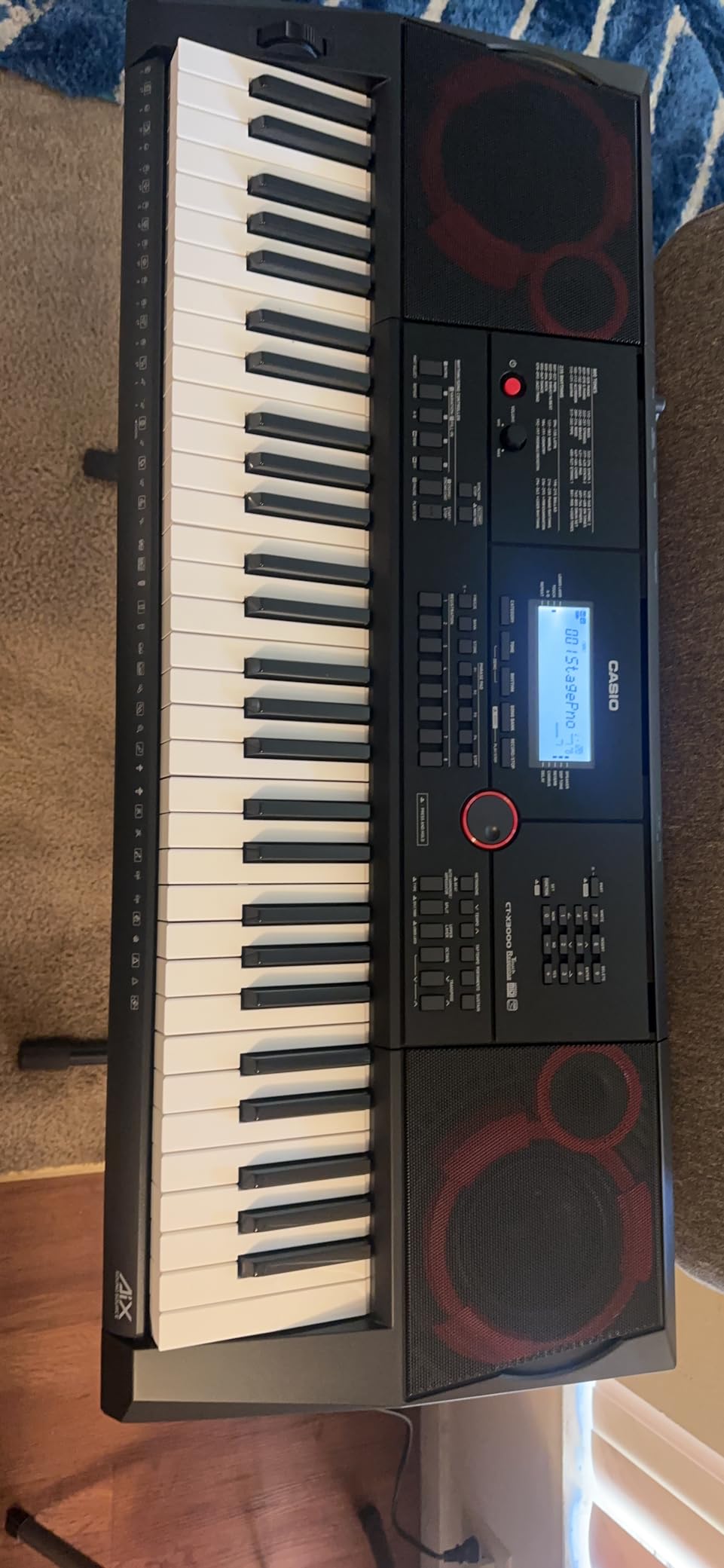
The battery power option is the practical win. I ran the CT-X3000 on AA batteries for an afternoon of writing songs at a park, which is something no flagship arranger can do. The included music rest and AC adaptor mean you are ready to play as soon as you unbox it.
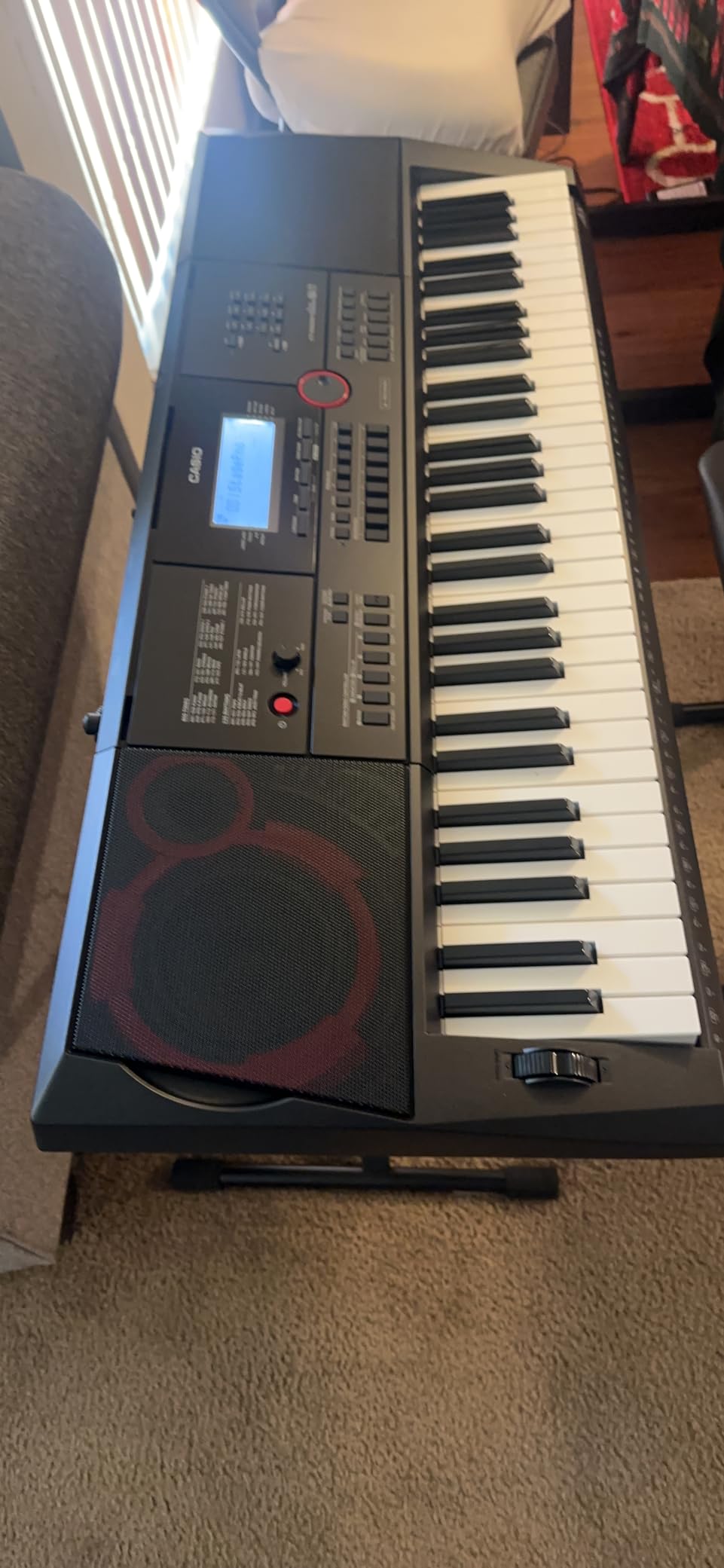
The honest weaknesses are build feel and missing MIDI ports. The plastic chassis does not feel as premium as the Yamaha SX lineup, and there is no 5-pin DIN MIDI. The pitch bend wheel also has a noticeable dead zone at the center, which annoys synth players but does not affect arranger performance.
For whom it is good
The CT-X3000 is built for the beginner arranger, the songwriter who needs a portable sketchpad, and the home hobbyist who wants genuine arranger features at the lowest possible price, the CT-X3000 is the right starting point.
For whom it is bad
Skip the CT-X3000 if you need professional-grade build, if you rely on DIN MIDI connections, or if you plan to perform on larger stages that demand louder built-in speakers. The CT-X5000 above addresses those needs.
10. Korg i3 Arranger Keyboard
Korg i3 Arranger Keyboard – Silver
61 velocity-sensitive keys
800+ sounds and GM2 set
59 drum kits and battery powered
Includes Reason Lite and M1 VST
Pros
- Best portability at 12.9 pounds with battery option
- Software bundle adds serious value
- Intuitive interface for first-time arrangers
- Audio WAV recording direct to USB
Cons
- No 5-pin MIDI In
- No arpeggiator for synth players
- Sounds not as polished as Korg Kross or Krome
- Needs external amp for full sound
The Korg i3 is the arranger I recommend to anyone who is just starting out, and after several weeks of testing, I found it to be one of the most beginner-friendly boards on the market. The interface is intuitive, the illuminated buttons make it easy to navigate in low light, and the 800+ sounds cover everything a new player needs.
The included software bundle is the deal close. You get Reason Lite, the M1 VST, and other production tools that would cost several hundred dollars if bought separately. The 59 custom drum kits are surprisingly detailed, and the GM2 sound set gives you broad compatibility across DAW projects.
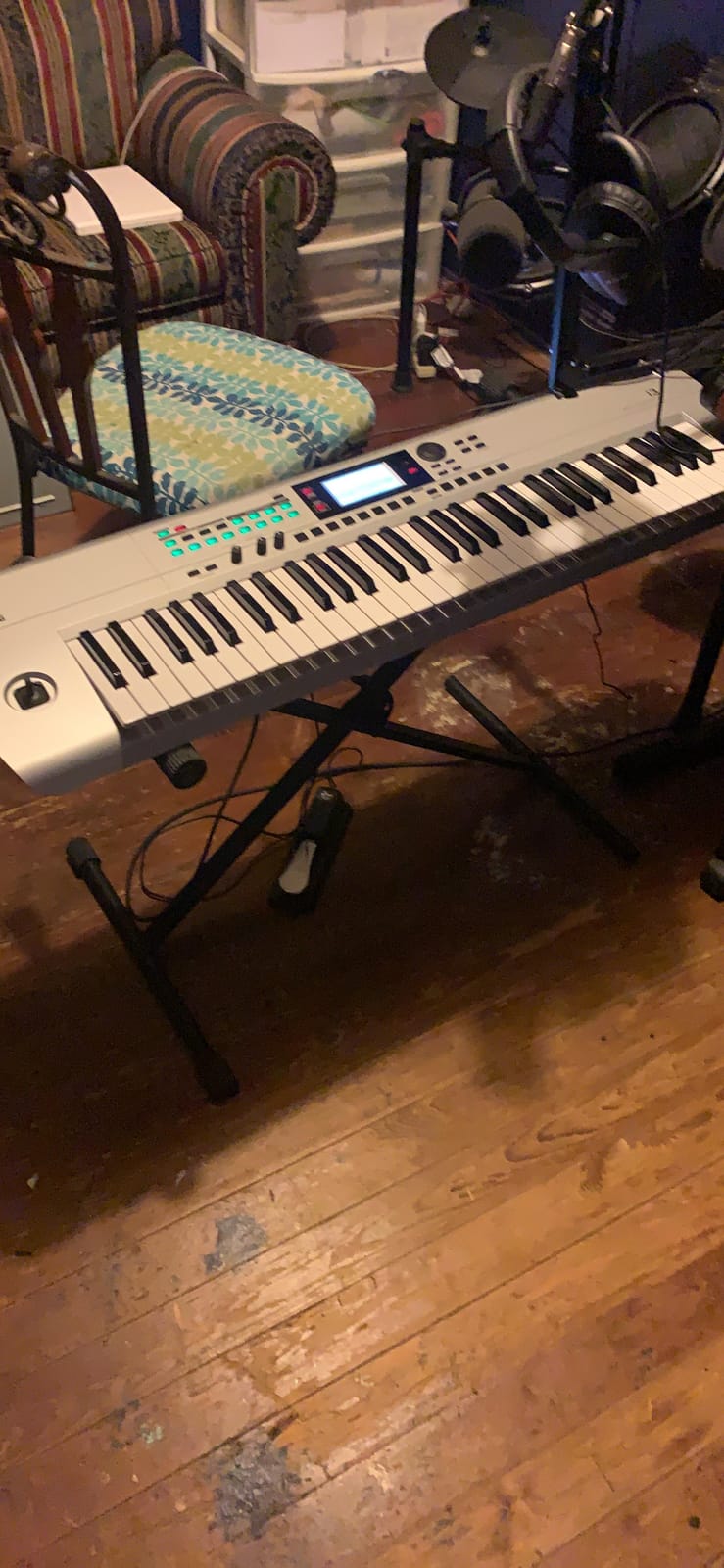
At 12.9 pounds with the option to run on 6 AA batteries, the i3 is the most portable arranger in this guide. I took it to a friend’s house for a song-writing session, set it up on a kitchen counter, and recorded rough demos directly to a USB flash drive without ever turning on a computer.
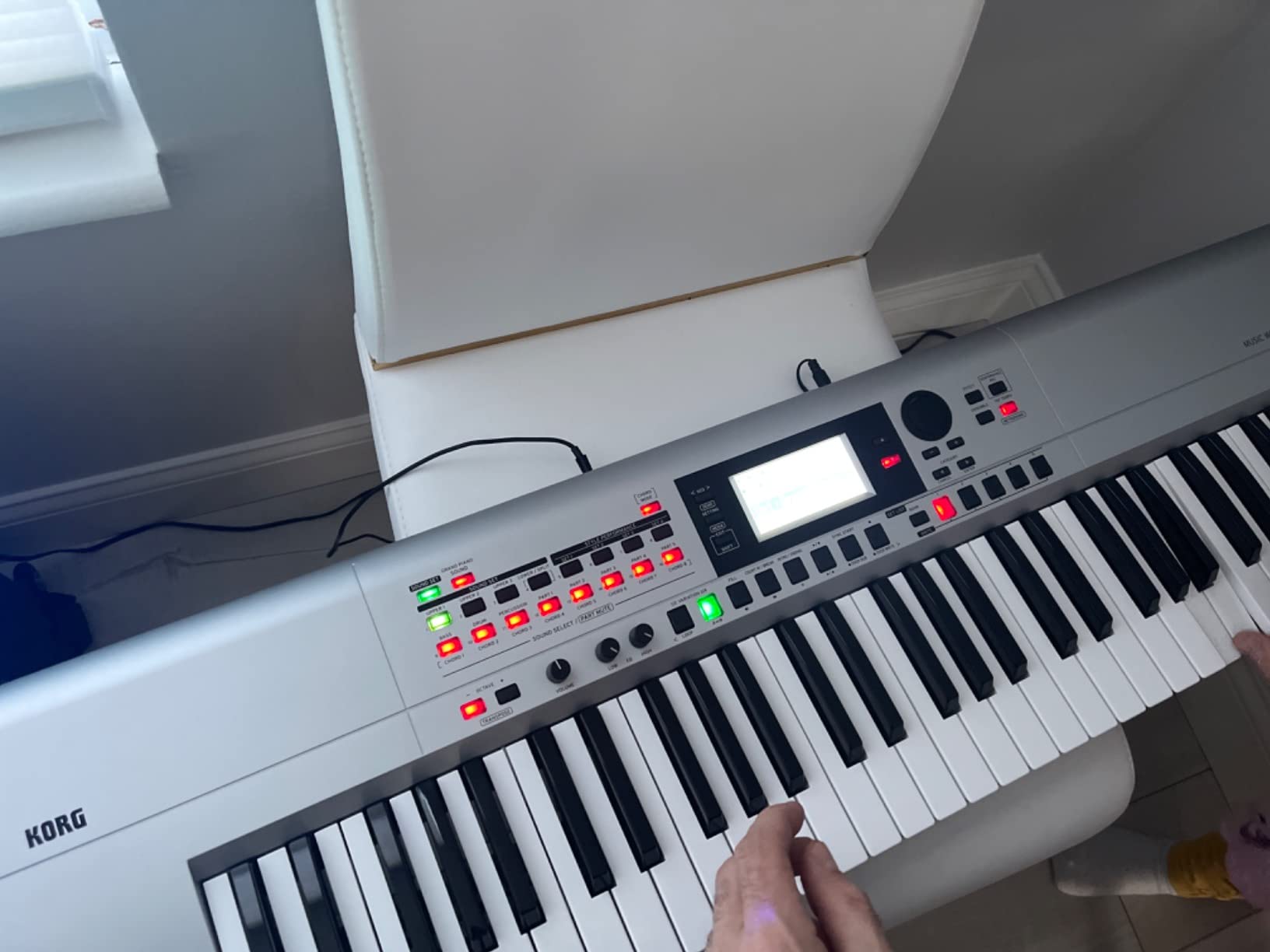
The honest weaknesses hit the studio-focused player more than the beginner. There is no 5-pin MIDI In port, no arpeggiator, and the sounds do not match the polish of the Korg Kross or Krome workstations. For full-volume home practice, you will want external speakers.
For whom it is good
The i3 is built for the first-time arranger, the songwriter who needs a portable sketchpad, and the hobbyist who wants a simple interface. If you want to learn arranger playing without the complexity of Yamaha or Korg flagship boards, start here.
For whom it is bad
Skip the i3 if you need professional studio integration, if you rely on DIN MIDI for hardware synths, or if you need flagship-grade sound realism. For those needs, step up to the Korg Pa700 or Yamaha PSR-SX920.
What Is an Arranger Keyboard?
An arranger keyboard is an electronic keyboard with built-in auto-accompaniment features that generate backing parts in real time as you play. The keyboard watches the chords you play with your left hand, then triggers matching bass, drums, guitar, strings, and other accompaniment voices from a style you choose. You play melody, solos, and additional chords with your right hand, and the result sounds like a full band.
This makes arranger keyboards the go-to choice for solo performers who need to sound like more than one musician. Worship teams rely on them for one-player accompaniment. Songwriters use them to sketch arrangements quickly. Hobbyists enjoy them because the keyboard makes even simple chord progressions sound musically complete.
Arranger vs Workstation vs Synthesizer
Arranger keyboards focus on auto-accompaniment styles and one-man-band performance. They ship with hundreds of preset styles covering pop, rock, Latin, jazz, gospel, country, and world music. The draw is instant backing tracks with realistic instrumentation.
Workstations prioritize recording, sampling, deep sound editing, and DAW integration. They are studio tools for producers who build tracks from scratch. Workstations typically have less preset style content but more flexible sound design.
Synthesizers focus on sound creation from oscillators and modulators. They are the right tool for sound designers, electronic music producers, and players who want to build their own timbres from scratch. Synthesizers rarely include preset styles or auto-accompaniment.
If you want to perform solo and sound like a full band, choose an arranger. If you want to produce tracks in a studio, choose a workstation. If you want to design sounds or play electronic music, choose a synthesizer.
Buying Guide: What to Look for in an Arranger Keyboard
Keys and Action Types
Most arranger keyboards ship with 61 keys, which is enough for arranger-style playing where the left hand triggers chords and the right hand plays melody. If you need full piano repertoire, look at 76-key models like the Genos2 or Pa5X 76. 88 keys only make sense if you want weighted hammer action and plan to play classical piano.
Key action matters more than key count for feel. Synth action keys are lighter and faster, which works well for organ, synth lead, and rhythm playing. Weighted hammer action mimics acoustic piano resistance, which pianists prefer. Semi-weighted action is a compromise that works for most arranger players.
Sound Library and Polyphony
A larger voice count means more variety in your sounds, but quality matters more than quantity. Look for arranger keyboards with detailed sampling technology like Yamaha’s SA2 or Korg’s EDS-X. Polyphony determines how many notes can sound at once. 64-note polyphony is the bare minimum, 128 is comfortable, and 160 or higher lets you stack styles and layers without voice stealing.
Auto Accompaniment Styles
The depth and variety of the style library determines how useful an arranger keyboard is for live performance. Yamaha generally leads for country, pop, and European styles. Korg leans toward European and Asian genres. Casio offers solid all-around coverage at lower prices. Look for at least 300 styles for serious gigging, and confirm the included genres match your repertoire.
Built-in Speakers and Audio Output
Built-in speakers matter for home practice, casual parties, and small venue gigs. Look for at least 12W of stereo power, and 25W or higher is better for unamplified performance. For larger venues, plan on using a PA or powered monitors. Line outputs let you connect to external amplification.
Connectivity
Modern arrangers should have USB MIDI, audio input for streaming, headphone output, and at least one pedal input. Higher-end boards add Bluetooth audio, WiFi, HDMI output, and XLR microphone inputs with phantom power. Singers should prioritize vocal harmony processors like TC-Helicon found in the Korg Pa1000 and Pa5X.
Frequently Asked Questions
What is the best arranger keyboard in 2026?
The Yamaha Genos2 is the best overall arranger keyboard in 2026, offering 1900 voices, Super Articulation 2 sound technology, hundreds of accompaniment styles, WiFi connectivity, and a 9-inch touchscreen. For budget buyers, the Casio CT-X3000 delivers exceptional value under $400.
What are the key differences between an arranger keyboard and a regular keyboard?
An arranger keyboard includes built-in auto-accompaniment features that generate backing parts like drums, bass, and chords based on the chords you play with your left hand. Regular keyboards only produce the notes you physically play, without any automatic backing band functionality.
What is the best arranger keyboard?
For most users, the Yamaha PSR-SX920 hits the sweet spot between price and performance, delivering Genos2-style features at less than half the price. Professional gigging musicians should choose the Yamaha Genos2 or Korg Pa5X 76 for their premium sound libraries and keybeds.
Should you get a 61 or 88 key keyboard?
61 keys work well for most arranger players because you play melody with the right hand and chords with the left, rarely needing both hands to span more than 5 octaves. 76 keys (Genos2, Pa5X) gives you more piano-style range. Only choose 88 keys if you plan to use weighted hammer action and play classical piano repertoire.
What’s the difference between arranger and workstation keyboards?
Arranger keyboards focus on auto-accompaniment styles and one-man-band performance with backing tracks generated automatically. Workstations prioritize recording, sampling, deep sound editing, and DAW integration for studio production. Arrangers are ideal for solo performers and gigging, while workstations serve songwriters and producers.
Conclusion
The best arranger keyboards in 2026 cover a wide range of players, from beginners sketching songs on a Korg i3 to professionals commanding stages with a Yamaha Genos2. Our top pick for most readers is the Yamaha PSR-SX920, which delivers near-flagship sound at a price that does not require a second mortgage. If you want the absolute best arranger keyboard available, the Yamaha Genos2 is still the king of the hill.
Budget buyers should start with the Casio CT-X3000 or step up to the Casio CT-X5000 for a real flagship feel at a mid-range price. Korg fans should look at the Pa700 for value or the Pa1000 for built-in vocal harmony. World music specialists will find no better option than the Yamaha PSR-A5000.
Whatever you choose, spend a few hours exploring the style library before you take the keyboard to a gig. The best arranger keyboards in 2026 reward players who invest time learning registration memory and chord triggering, and once you dial in your setups, you will never go back to playing alone.