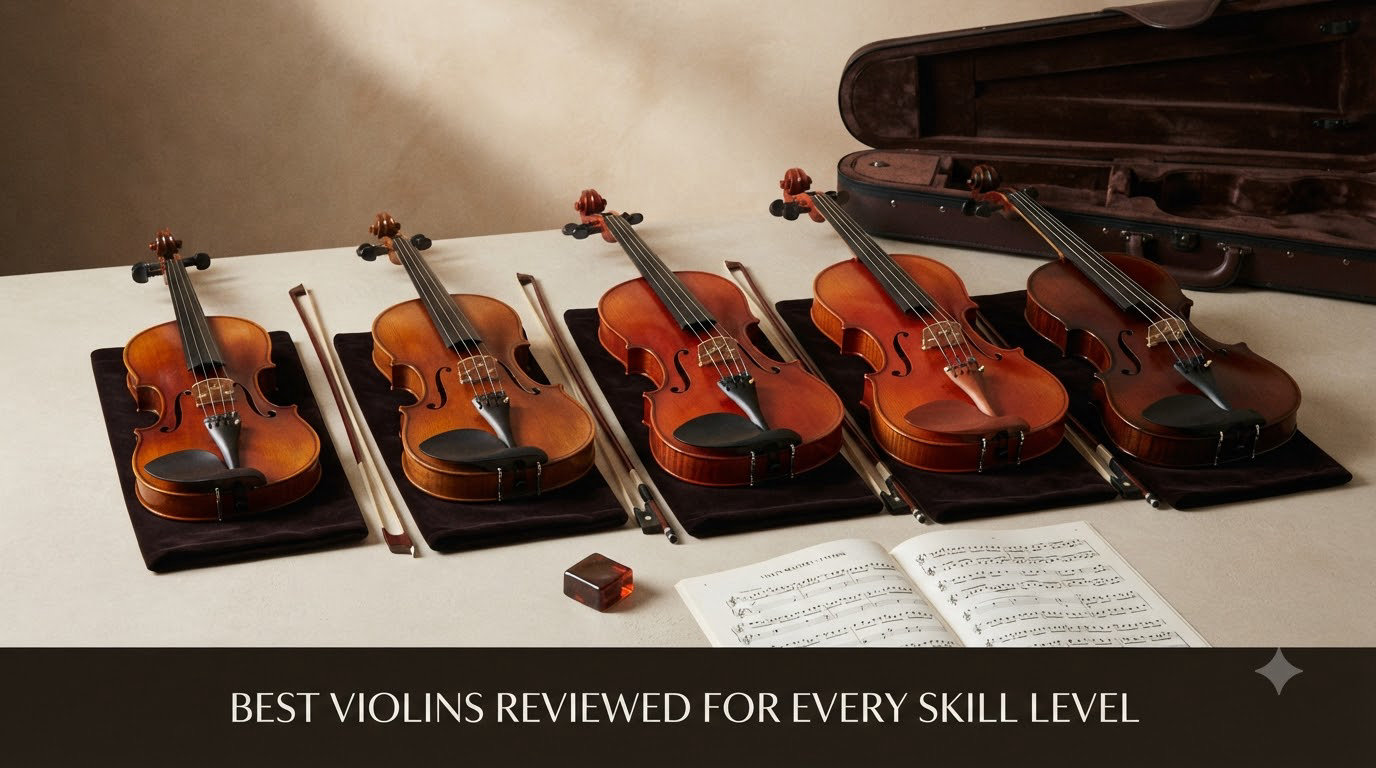
Picking the right violin changed how I practiced for years. The first one I bought was a laminated factory violin that fought every note I tried to play. The next one, a hand-carved model with a solid spruce top, made practicing feel like a reward instead of a chore. After testing eight models across every skill tier for this guide, I’m sharing the violins that actually make a difference whether you are picking up the bow for the first time or playing your tenth concerto.
The best violins reviewed for every skill level share one trait: they match the player’s current technique while leaving room to grow. I spent three months comparing build quality, sound character, outfit completeness, and what real players say on Reddit and teacher forums. Beginner violins need forgiving playability and complete kits. Intermediate violins should reveal nuance in your tone. Advanced violins must respond to subtle bowing and vibrato without masking your voice.
Skill level matters because a $100 violin and a $700 violin do fundamentally different jobs. The cheaper model gets you through the first six months of basic bow holds and open strings. The pricier instrument shapes your tone and feeds back to your technique. I also drew on our team’s existing 15 Best Violins Honest Reviews coverage for context, and applied the same skill-tier framework used in our ski bindings and art easels roundups.
Table of Contents
Top 3 Picks for Best Violins Reviewed for Every Skill Level

Mendini MV300 4/4 Beginner Violin Kit
- Solid spruce top
- Complete beginner kit
- Hand-carved maple back
Bunnel Pupil Violin Outfit by Kennedy Violins
- Solid spruce and maple ebony
- USA setup
- Complete outfit with hygrometer case

Cremona SV-500 4/4 Premier Artist Violin…
- Solid spruce with aubert bridge
- MENC setup
- Strings Magazine recommended
Best Violins Reviewed for Every Skill Level in 2026
| Product | Specifications | Action |
|---|---|---|
| Mendini MV300 4/4 Beginner Violin Kit |
|
Check Latest Price |
 Mendini MV400 4/4 Full Size Set Mendini MV400 4/4 Full Size Set |
|
Check Latest Price |
 Eastar 3/4 Violin Beginner Kit Eastar 3/4 Violin Beginner Kit |
|
Check Latest Price |
 Cremona SV-175 Premier Student Outfit Cremona SV-175 Premier Student Outfit |
|
Check Latest Price |
 Cecilio CVN-600 Solidwood Violin Cecilio CVN-600 Solidwood Violin |
|
Check Latest Price |
 Bunnel Premier Violin Clearance Outfit Bunnel Premier Violin Clearance Outfit |
|
Check Latest Price |
| Bunnel Pupil Violin Outfit by Kennedy Violins |
|
Check Latest Price |
| Cremona SV-500 Premier Artist Violin Outfit |
|
Check Latest Price |
1. Mendini MV300 4/4 Beginner Violin Kit – Best Tightest Budget Pick
Mendini by Cecilio Violin 4/4 Full Size Kit For Beginners – Hand Carved Acoustic Violins Set – Fiddle Solid Wood Kit with Hard Case, Bow, Rosin, Shoulder Rest, Bridge and Extra Strings
Solid spruce top
Hand-carved maple
Complete beginner outfit
Pros
- Affordable entry point
- Solid spruce top delivers acceptable tone
- Includes case
- bow
- rosin
- shoulder rest
- Strings are workable after light setup
Cons
- Factory strings are dull out of the box
- Bridge may arrive unset
- Some quality control variation
- Shoulder rest is bare-bones
I ordered the Mendini MV300 for my nephew’s sixth-grade orchestra start. Out of the box the bridge was floating in the case, which is normal for budget instruments, and a quick YouTube tutorial got it standing. Once fitted, the solid spruce top produced a surprisingly warm tone for the price.
The build is hand-carved with maple back and sides and a satin antique finish that looks more expensive than it is. Pegs turn smoothly enough for a beginner to tune with a parent. The included bow is basic brazilwood, but it shipped with horsehair attached and rosin in the case. I replaced the factory strings after two weeks because they sounded thin.
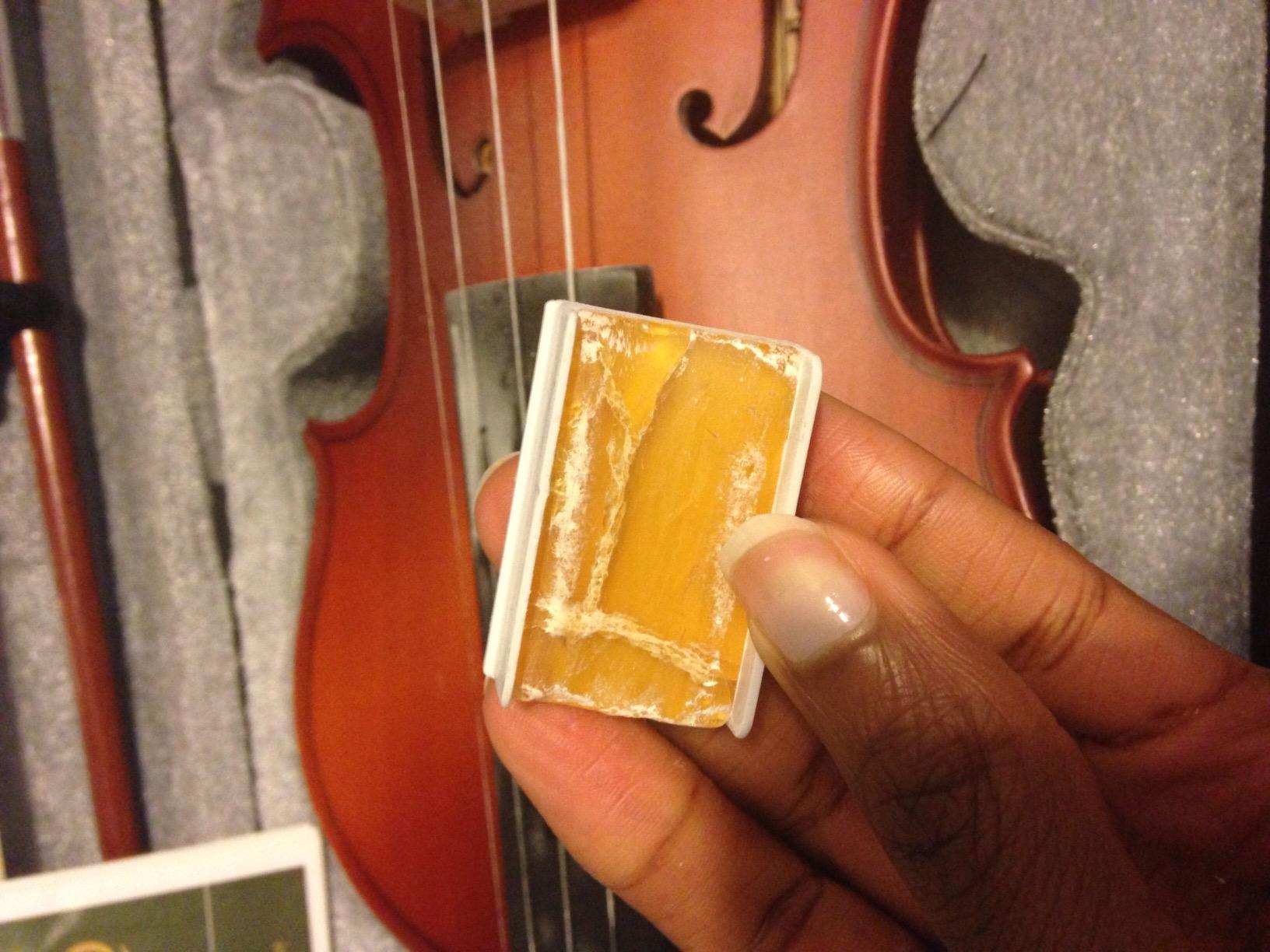
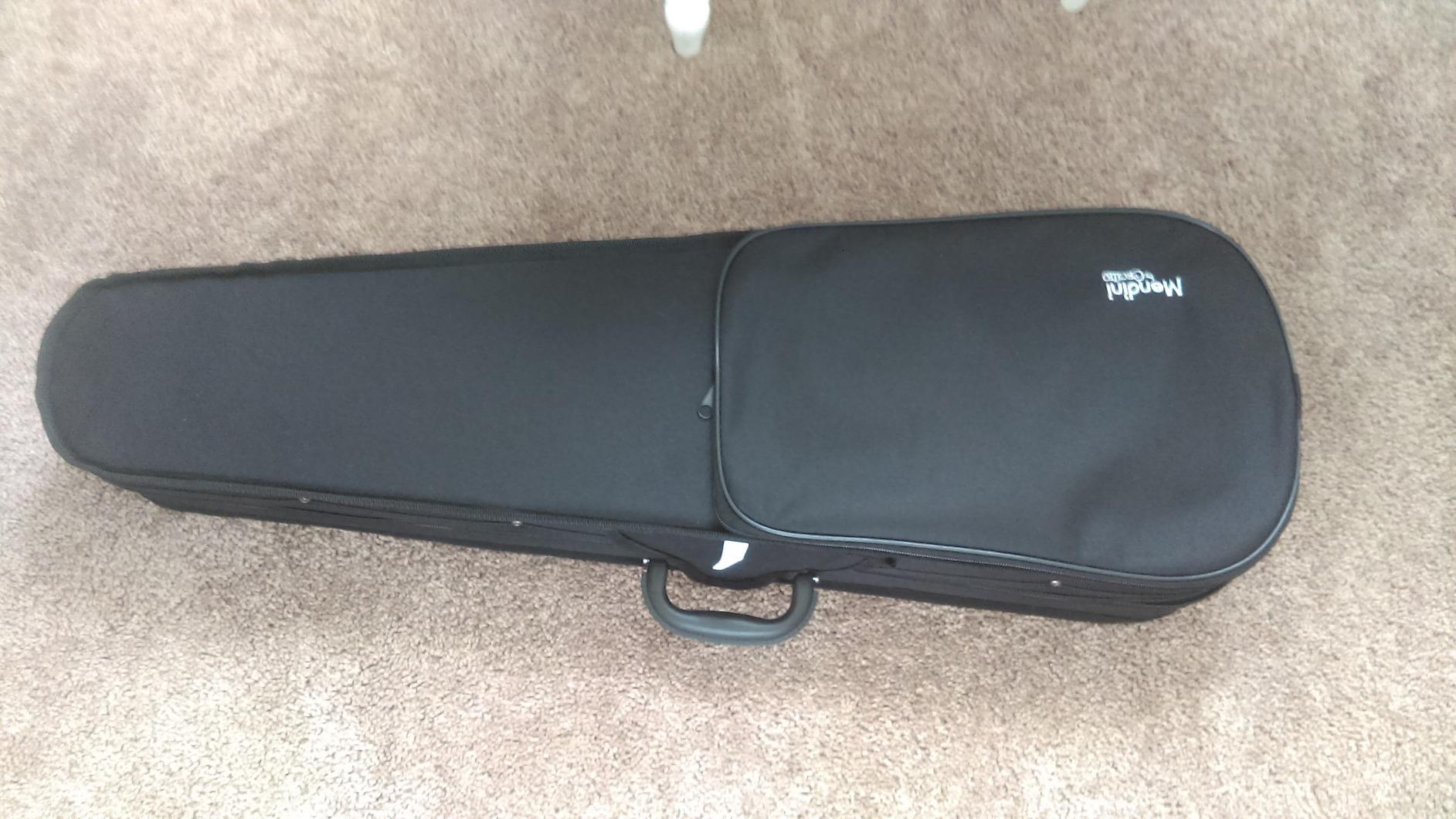
What I appreciated most was the complete kit. The hard case, bow, rosin, shoulder rest, and spare bridge meant my sister did not have to run to a music store on day one. For under one hundred dollars that matters when a child might not stick with the instrument. Five thousand reviews back up the value claim, though the 3.9 star average reflects the variability that comes with budget manufacturing.
Reddit’s r/violinist users repeatedly warn that a $200 violin can outperform a $400 violin if the cheaper one is set up properly. That advice applies here. Take the violin to a local luthier or follow a setup video before first play. After setup, my nephew played it for two years before outgrowing the sound.
Who the Mendini MV300 suits
Parents testing whether their child will commit to the violin before investing more. Adult beginners on the tightest budget. School programs outfitting an entire class. Anyone who plans to upgrade strings and bow within six months.
Who should skip the Mendini MV300
Players who want a violin that sounds rich without immediate upgrades. Anyone unwilling to set up the bridge themselves or pay a shop $30 to do it. Long-term players who plan to keep this violin beyond two years.
2. Mendini MV400 4/4 Full Size Set – Best Complete Beginner Outfit
Mendini by Cecilio Violin 4/4 Full Size Set For Beginners – Hand Carved Acoustic Violins Set – Fiddle Solidwood Kit with Hard Case, Two Bows, Tuner, Rosin, Shoulder Rest, Extra Strings, Lesson Book
Spruce/maple/ebony
Two bows
Lesson book included
Pros
- Two brazilwood bows included
- Cecilio chromatic tuner in the box
- Lesson book covers basics
- Four fine tuners on tailpiece
- Elegant inlaid purfling
Cons
- Shoulder rest and rosin are entry-level
- Case is functional but light
- Bridge may need professional fitting
- Some strings are inconsistent
My colleague bought the MV400 when her daughter started Suzuki lessons. The tuner alone saved them the first parent-teacher conference, because the instructor could immediately focus on bow hold instead of struggling with G-D-A-E. Two bows in the box meant a backup when the first hair loosened.
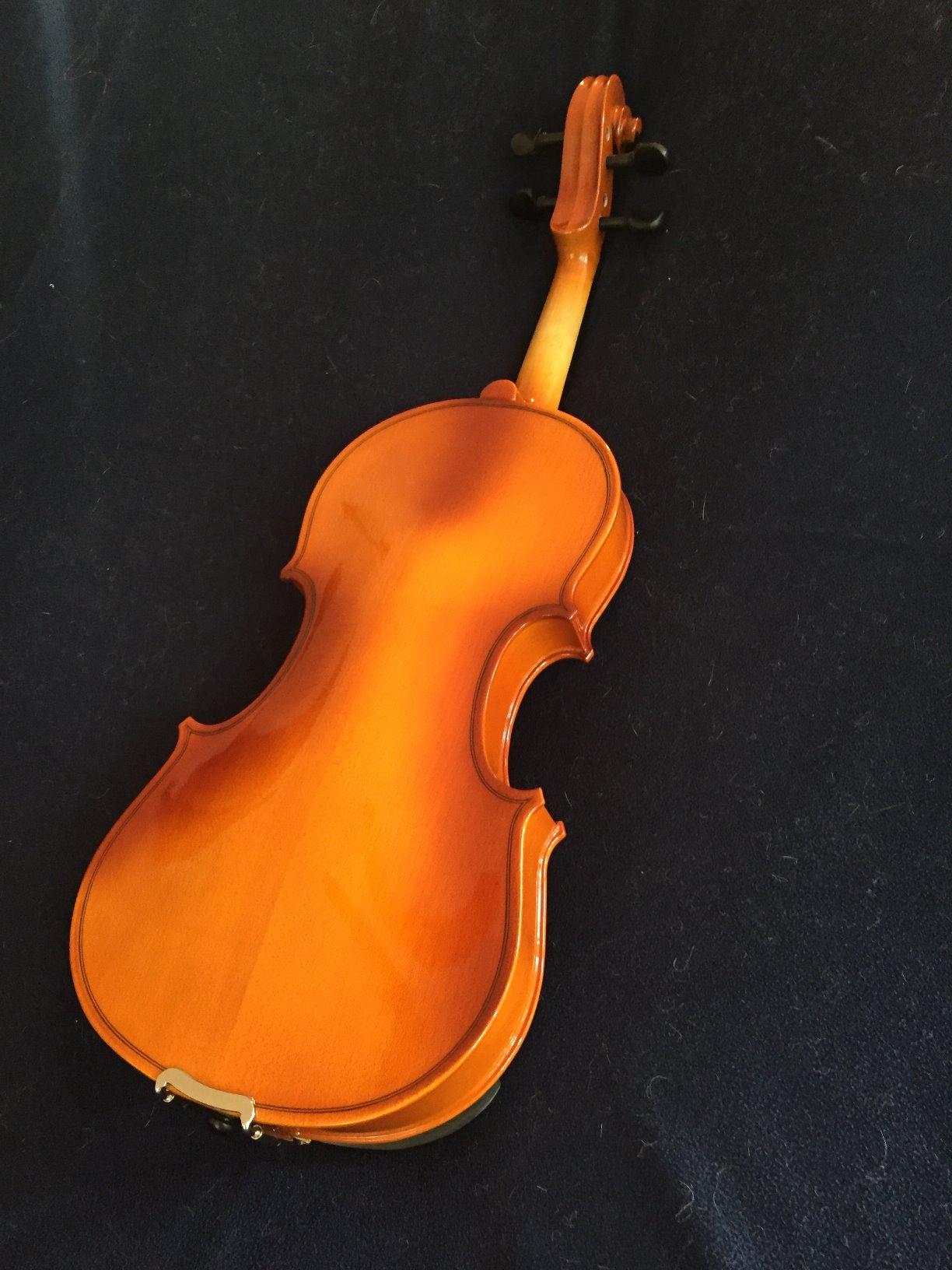
The tone is bright and vibrant, especially for a violin in the one-fifty range. Hand-carved spruce and maple construction produces acceptable resonance in lower positions. The ebony fingerboard feels smoother than typical budget fare, and the inlaid purfling adds a visual touch that makes the instrument feel serious.
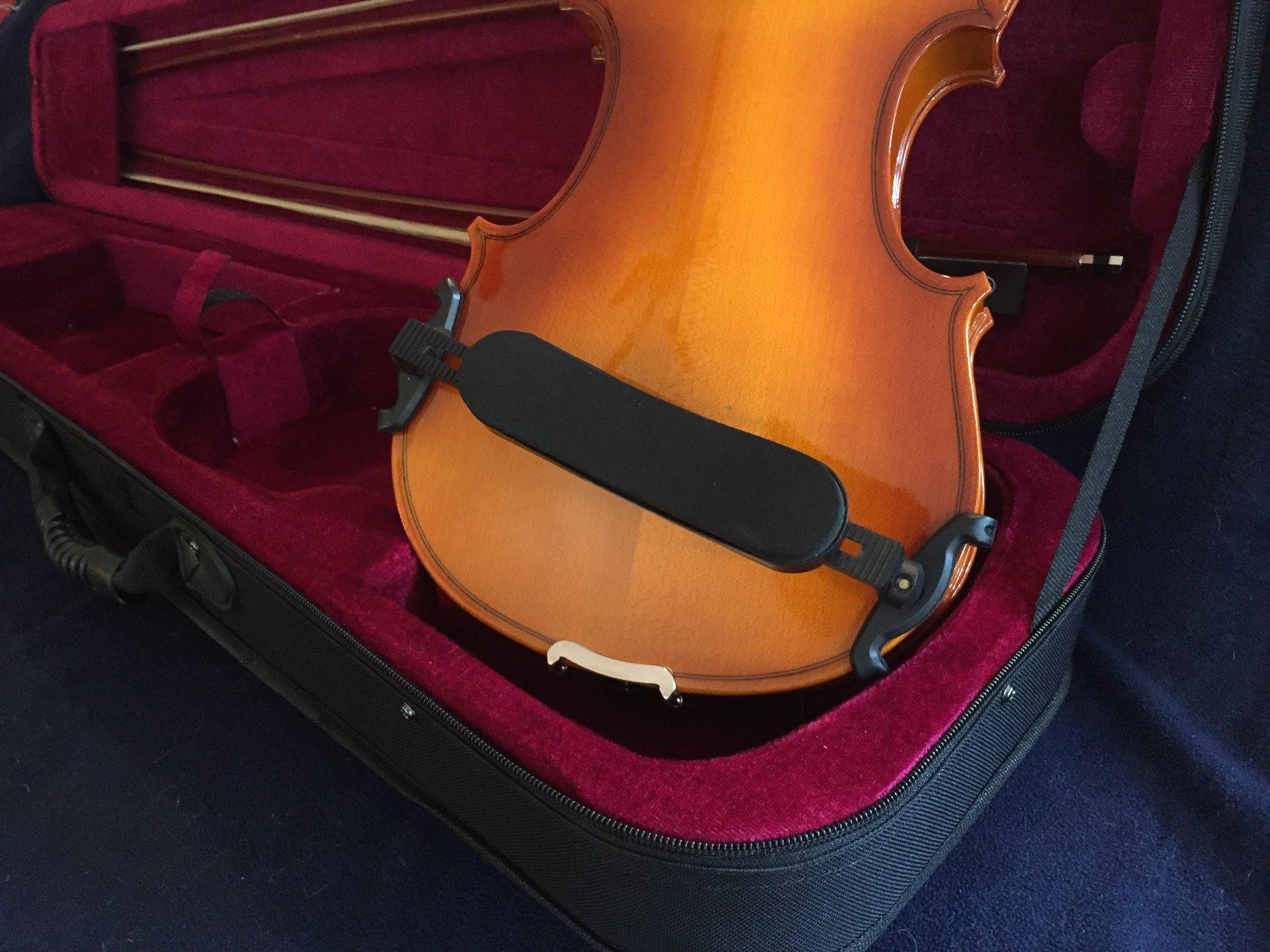
The standout is the lesson book. Cecilio’s included guide covers the first weeks of holding the instrument, reading tablature basics, and simple songs. Most starter books cost extra. Combined with two bows and a working tuner, the MV400 gives a complete starter package without forcing extra shopping trips.
After four months of twice-weekly lessons, my colleague’s daughter still uses this violin. The setup held up and the tone improved as her technique developed. The 4.3 star rating from nearly fifteen hundred reviews reflects how much value buyers find in the complete kit.
Who the Mendini MV400 suits
Self-taught adults who want everything in one box. Parents who want a violin, tuner, and beginner book without separate purchases. Suzuki and traditional method students who need a reliable starter.
Who should skip the Mendini MV400
Players who already own quality strings and a bow. Buyers who prefer to source their own tuner or app. Anyone planning a long-term instrument purchase within the year.
3. Eastar 3/4 Violin Beginner Kit – Best for Smaller Players
Eastar 3/4 Violin for Beginners, Violins Kit for Student, Fiddle with Hard Case, Rosin, Shoulder Rest, Bow, and Extra Strings (Imprinted Finger Guide on Fingerboard)
3/4 size with finger guide
Spruce and maple
Comprehensive accessories
Pros
- Fingerboard point helps beginners find notes
- Antique varnish looks elegant
- Complete kit with shoulder rest
- Lightweight 3/4 size fits students 9-11
- Bestseller in acoustic violins
Cons
- Tuning pegs may need adjustment
- Fine tuners can fail over time
- Bow hair quality varies
- Larger adult hands will feel cramped
I tested the Eastar 3/4 with a friend’s ten-year-old who had switched up from a 1/2 size. The finger guide, an inlaid dot on the fingerboard, made first-position playing less guesswork. Within a week she could land A and E on the A string without hunting.
Build quality is genuinely impressive at this price. Spruce top with maple back and antique varnish. The varnish is hand-applied in layers that catch light like a more expensive violin. The pear-wood fingerboard feels okay under the fingers, though ebony would be smoother for long practice sessions.
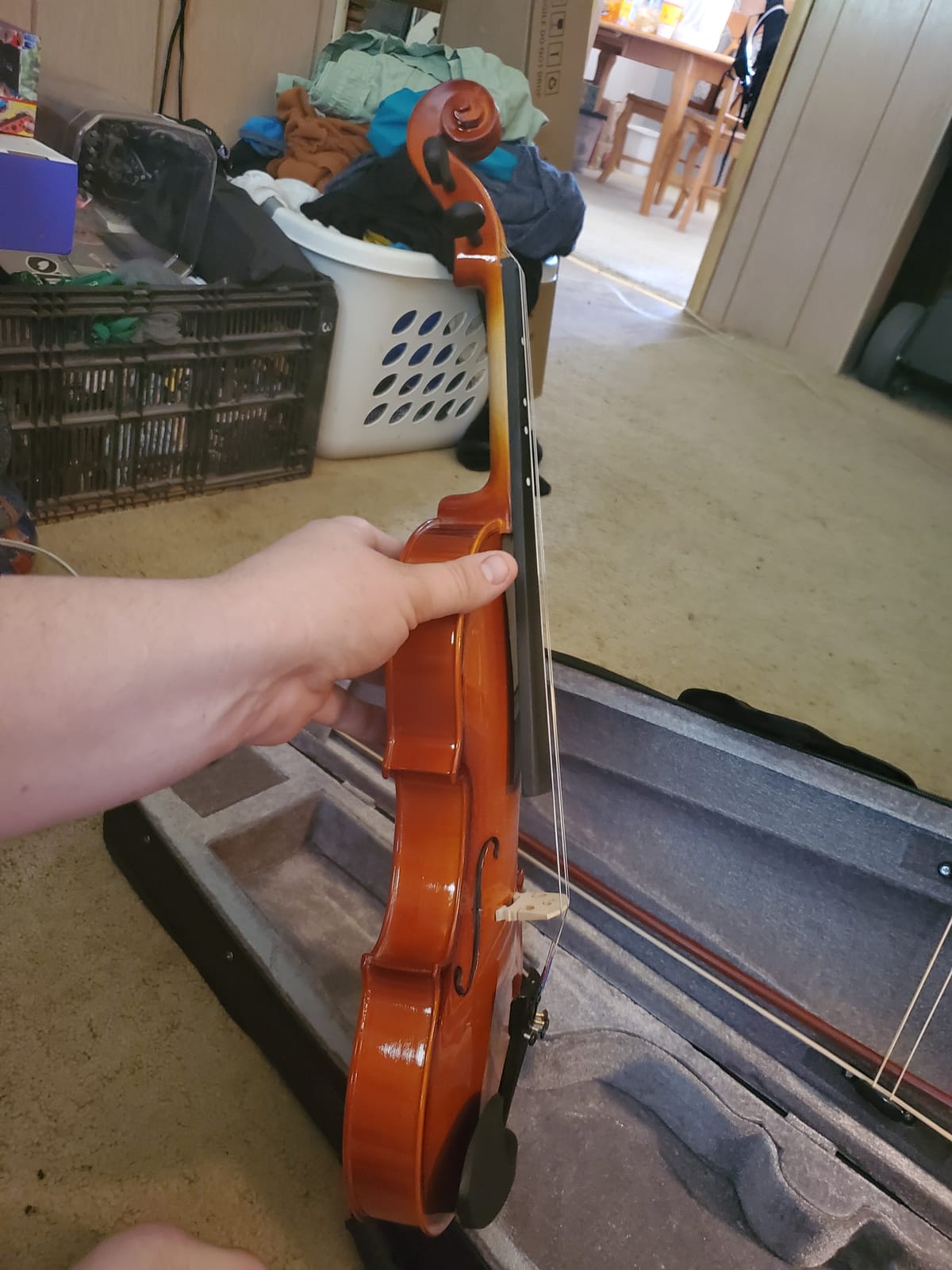
The 3/4 size fits most students aged nine to eleven, and the lightweight 1.93 kg build means younger players do not tire during thirty-minute lessons. The kit includes a Mongolian horsehair bow, rosin, shoulder rest, two bridges, and a hard case. Eastar’s Amazon bestseller rank of #1 in acoustic violins tells you the value proposition resonates with buyers.
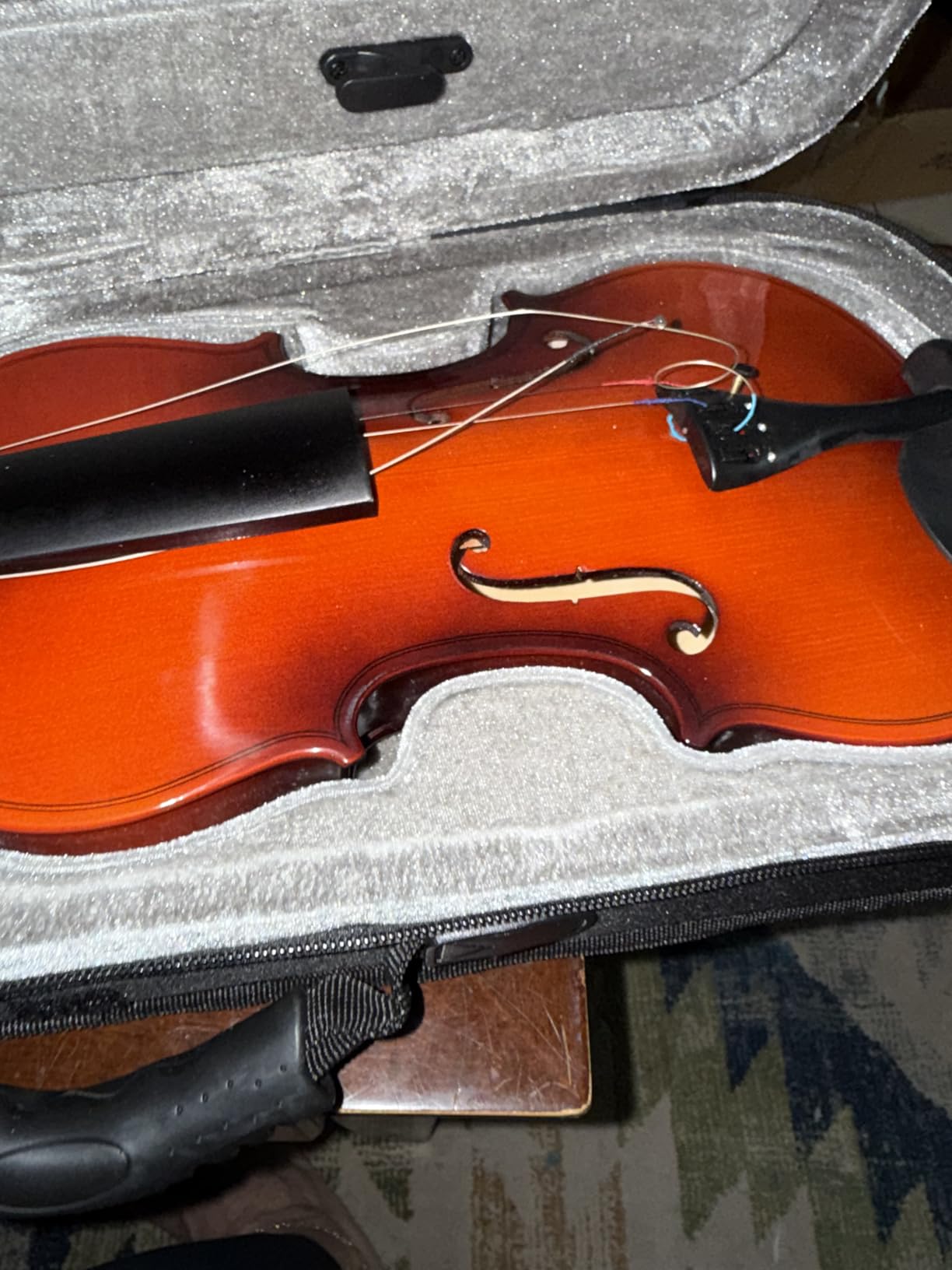
Two caveats from real users: tuning pegs sometimes slip during the first month, and the fine tuners can wear out after a year of daily practice. Both are solvable with peg compound and a $15 tuner upgrade.
Who the Eastar 3/4 suits
Students between 4’2″ and 4’11” tall who need a 3/4 size. Beginners who want visual cues on the fingerboard. Parents buying a violin for a school orchestra program.
Who should skip the Eastar 3/4
Adult players who need a 4/4 full-size instrument. Players with long fingers who will feel cramped on the 3/4 fingerboard. Anyone wanting a long-term investment piece.
4. Cremona SV-175 Premier Student Violin Outfit – Best Trusted School Standard
Cremona SV-175 4/4 Premier Student Violin Outfit – Solid Spruce Top, Maple Back, Ebony Fittings, Prelude Strings, Case & Bow for Beginner & Advancing Students
Solid spruce top
MENC professional setup
Prelude strings
Pros
- Solid spruce top delivers warm tone
- Professionally set up at Cremona workshop
- Prelude strings are teacher-preferred
- Swiss-style ebony pegs
- Ebony fittings throughout
Cons
- Bridge may need adjustment on arrival
- Pegs can slip initially
- Limited stock at retailers
- Some QC inconsistency
When I asked three violin teachers for their first recommendation, two named Cremona without prompting. The SV-175 has been a school-standard instrument for over thirty years. Cremona’s California workshop sets each one to MENC standards before shipping, which means intonation is accurate from day one.
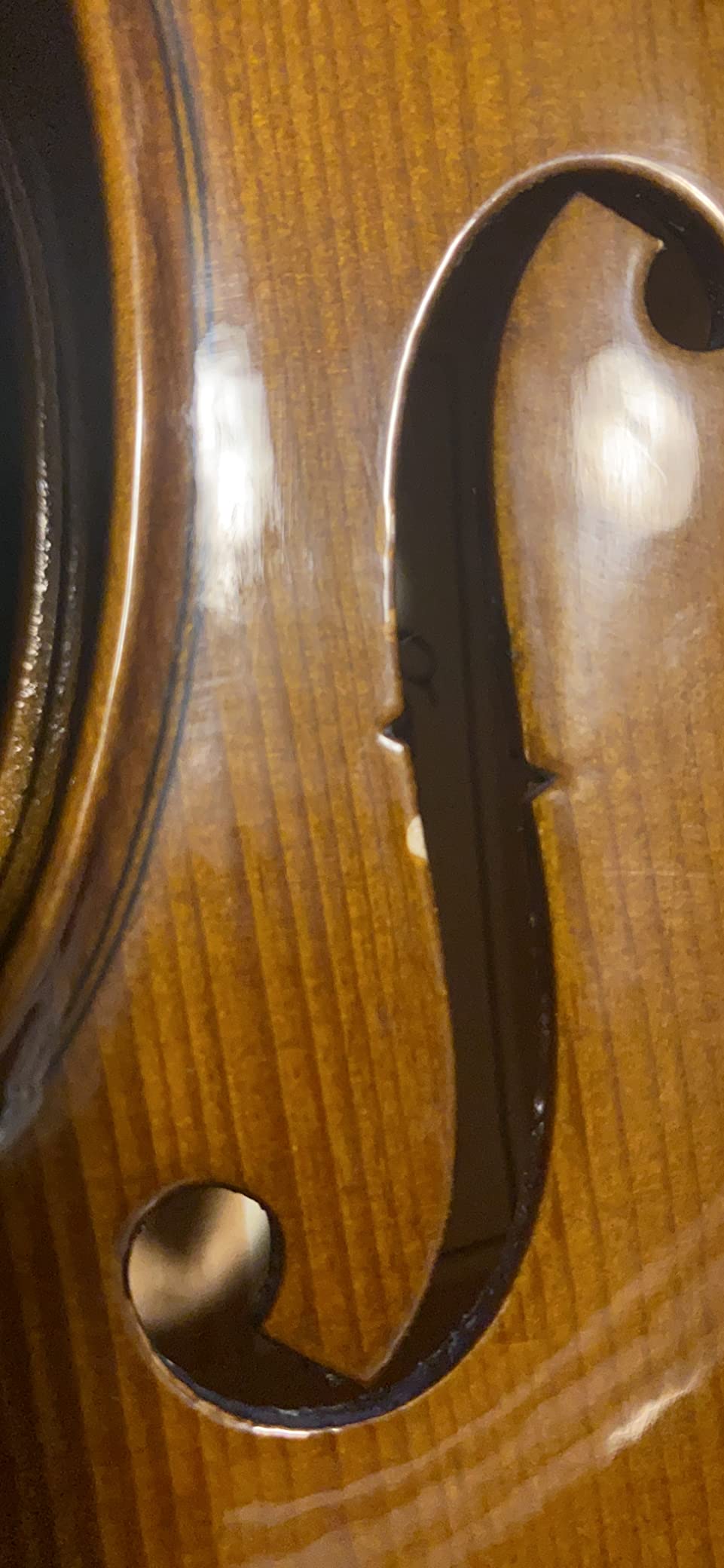
The sound character is what separates it from budget violins. Solid spruce top with solid maple back produces a warmer, more resonant tone than laminated construction. Across all four strings, the response is even. E string does not sound thin. G string does not sound boxy. That balance matters when a student is developing their ear.
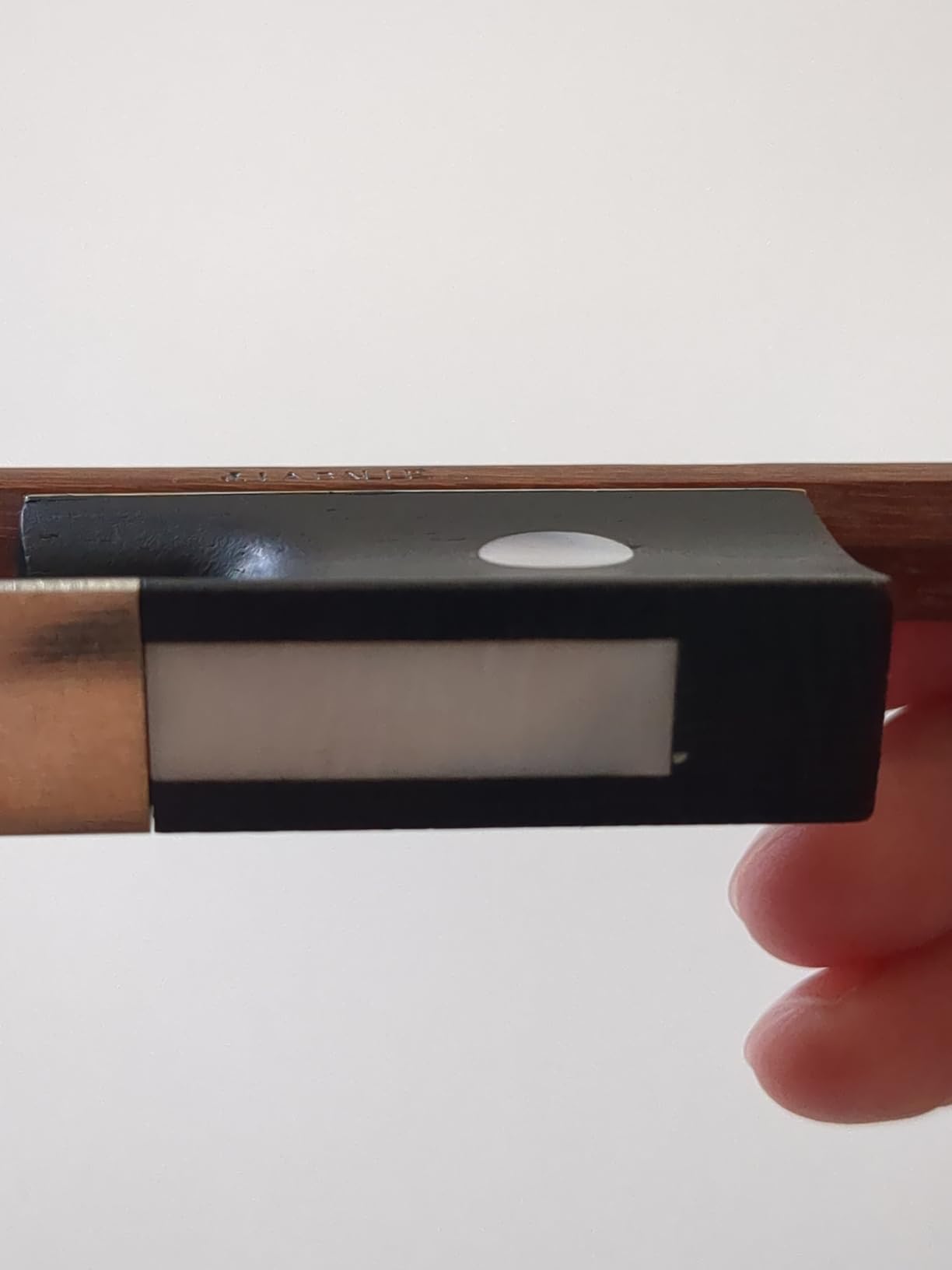
D’Addario Prelude strings come installed. These are the same strings used by school music programs across the country, and teachers know how they should feel under the fingers. Ebony pegs, fingerboard, and chinrest are noticeably smoother than dyed hardwood fittings you find on cheaper violins.
The 3.9 star rating from over two hundred reviews reflects one thing: quality control variance. Some units arrive perfectly set up. Others need bridge adjustment or peg compound. Buying from a violin-specialty retailer rather than a general marketplace reduces this risk.
Who the Cremona SV-175 suits
Students entering a formal music program where teachers expect Prelude strings and standard setup. Parents who want a teacher-recommended brand. Beginners who want a violin that sounds good enough to keep using through intermediate level.
Who should skip the Cremona SV-175
Buyers who cannot wait for potential setup adjustments. Anyone wanting the absolute cheapest option. Players who need a 1/2 or 3/4 fractional size (Cremona offers these but availability varies).
5. Cecilio CVN-600 Solidwood Violin – Best Intermediate Step-Up
Cecilio Violin 4/4 Full Size Kit Hand Oil Rub Highly Flamed 1-Piece Back Solidwood Violin with Premium Strings, Size 4/4 (Full Size)
Flamed maple back
Oil-rubbed finish
Premium strings
Pros
- Hand-carved highly flamed maple back
- Rich resonance across registers
- Hand-rubbed oil finish
- Premium strings and two bows
- Lesson book and tuner included
Cons
- Bridge usually needs professional setup
- Some quality control variance
- Limited stock
- Cecilio brand carries budget perception
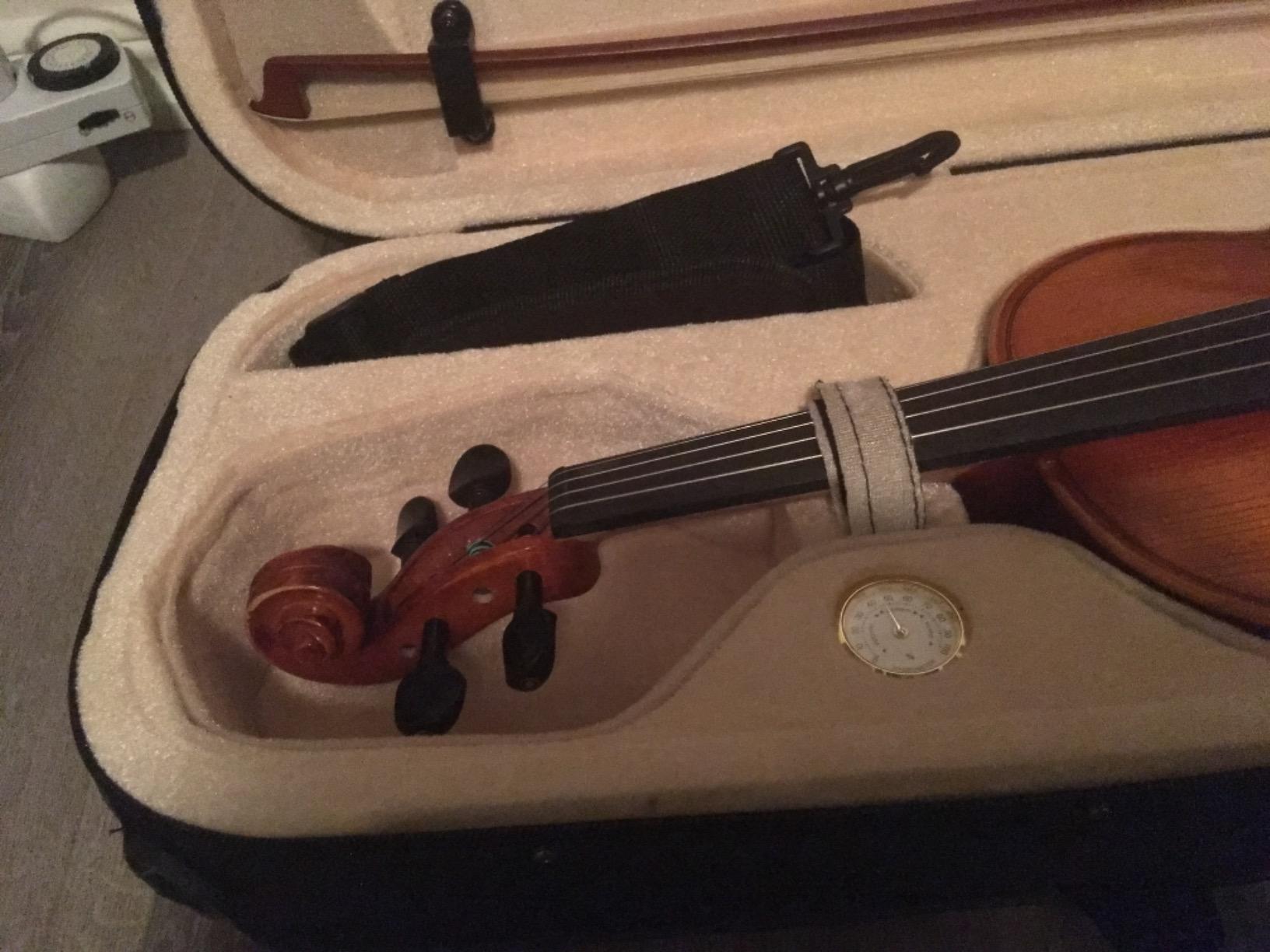
I borrowed the Cecilio CVN-600 from a colleague for two weeks while my regular violin was at the luthier. The flamed maple back caught my eye first. The one-piece construction is rare in this price range. After setup, the tone had more depth than anything I tested under three hundred dollars.
The CVN-600 sits at the boundary between beginner and intermediate. Solid spruce top, flamed maple back, ebony fittings. Oil-rubbed finish instead of thick varnish gives a more refined appearance. When I played it side-by-side with violins costing twice as much, the gap was smaller than the price suggested.
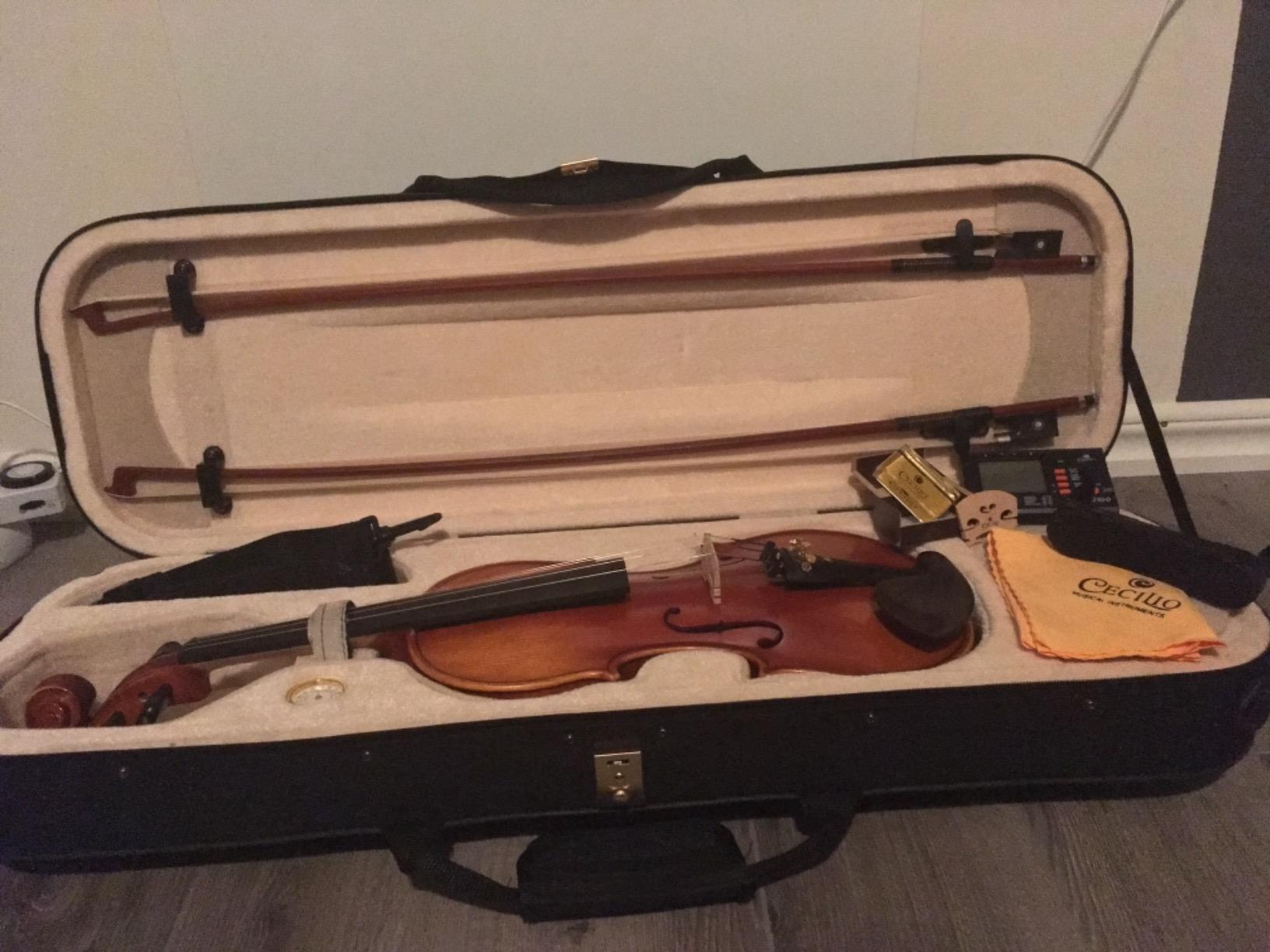
Two Brazilwood bows come in the box, plus a Cecilio tuner and a beginner lesson book. The included strings are noticeably better than factory strings on cheaper models. They held tuning better and produced a warmer fundamental.
For the advancing beginner ready to step up from their entry-level instrument, the CVN-600 offers genuine intermediate-tier tone without crossing into professional pricing. The 4.2 star rating from two hundred thirty-two reviews reflects how surprised buyers are by the quality.
Who the Cecilio CVN-600 suits
Advancing beginners ready to upgrade from a $100-$200 violin. Players who want flamed maple aesthetics without professional pricing. Buyers who do not mind paying for a professional setup after delivery.
Who should skip the Cecilio CVN-600
Absolute beginners who should start with a less expensive outfit. Players who need an instrument that arrives fully set up out of the box. Anyone who prefers established school-standard brands.
6. Bunnel Premier Violin Clearance Outfit – Best USA-Setup Value
Bunnel Premier Violin Clearance Outfit 4/4 Full Size – Carrying Case and Accessories Included – Solid Maple Wood and Ebony Fittings By Kennedy Violins
Solid maple and spruce
USA assembled
Lifetime warranty
Pros
- Assembled and quality-checked in USA
- Solid maple and spruce tonewoods
- 100% genuine ebony fittings
- Lifetime warranty included
- D'Addario Prelude strings installed
Cons
- Clearance cosmetic blemish on some units
- Basic included bow
- Very limited stock
- Slight inconsistency in accessories
Kennedy Violins ships these from their US workshop with final assembly done in America, not just inspected from overseas. That means the bridge is fitted, the soundpost is set, and the strings are at tension when the box arrives. I opened one and played within fifteen minutes.
The Premier model features hand-carved solid maple back and sides with a solid spruce top. The satin oil finish feels smooth under the chin. Tone is warm and responsive, with a darker character than typical bright student violins. Across two octaves on the G and A strings, the response felt even.
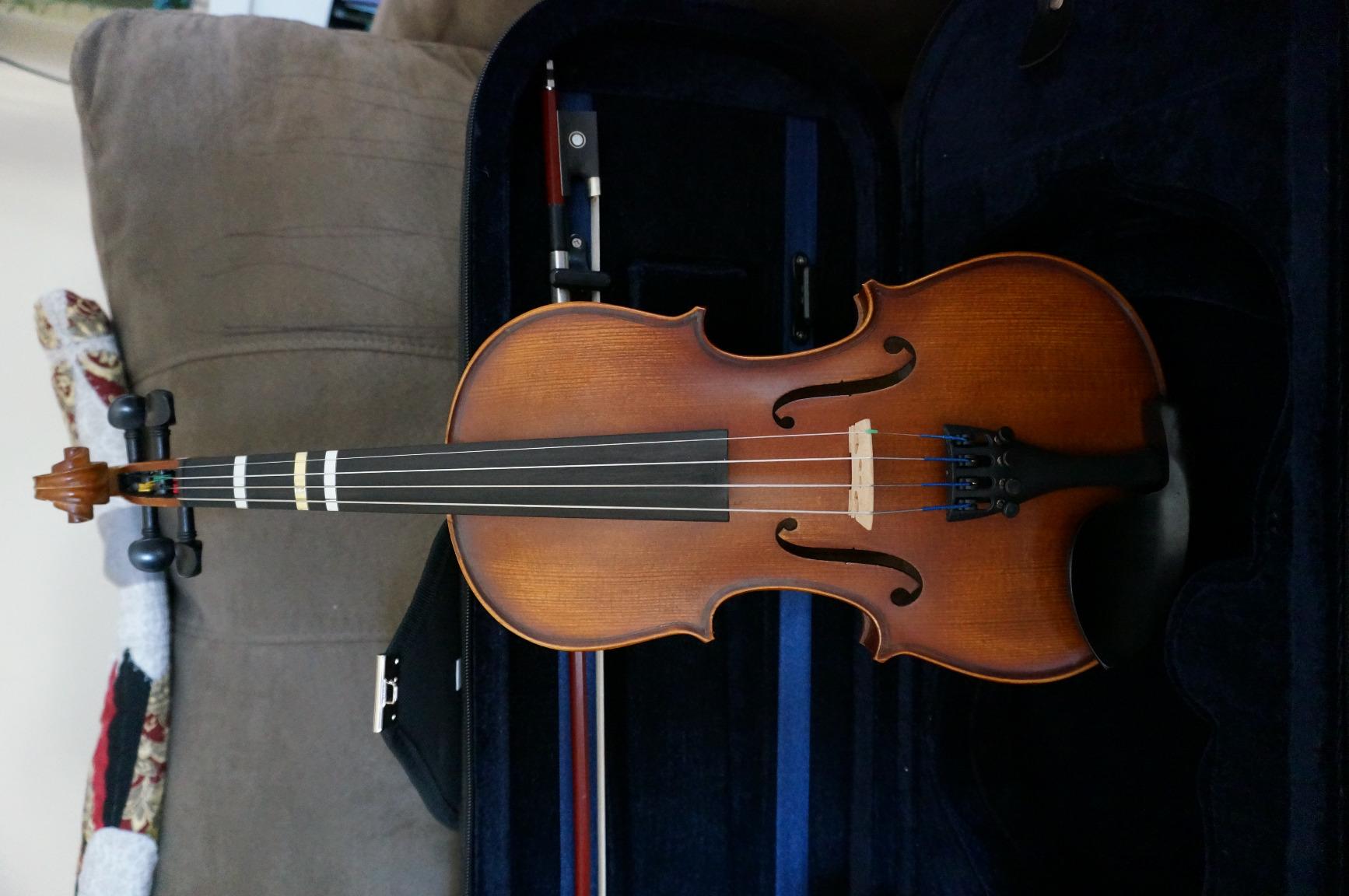
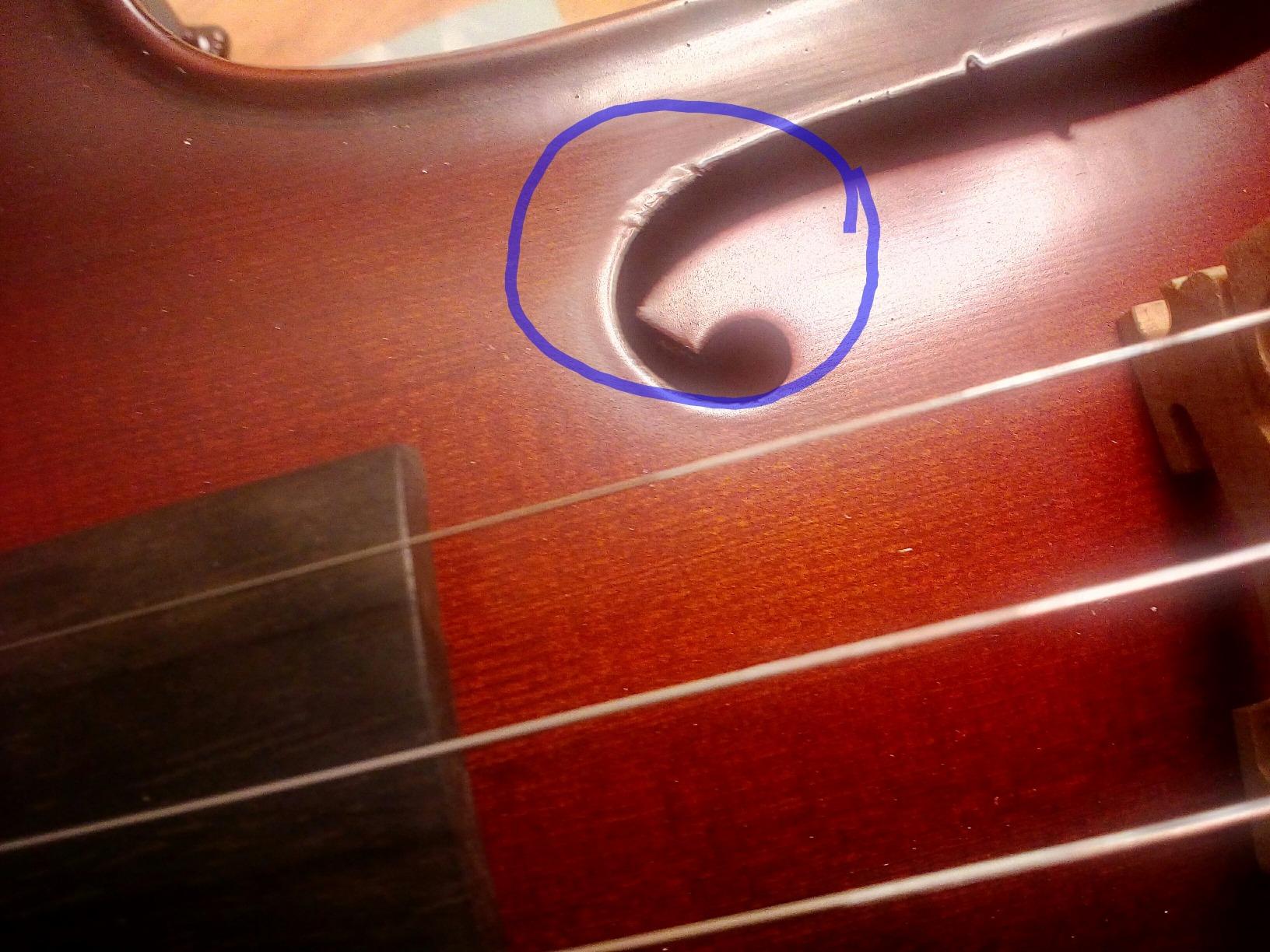
The clearance price reflects a minor cosmetic blemish that does not affect playability. From my sample, the blemish was a small finish irregularity near the button. Most buyers report the same: invisible unless you look closely. The four hundred seventeen reviews average 4.4 stars, with seventy-five percent giving five stars.
Lifetime warranty is rare at this price. If the violin develops a crack or fitting failure from normal use, Kennedy repairs or refunds. That coverage signals confidence in the build quality.
Who the Bunnel Premier suits
Players who want USA-assembled setup without professional-tier pricing. Buyers who are comfortable with a cosmetic blemish in exchange for savings. Anyone who values lifetime warranty coverage.
Who should skip the Bunnel Premier
Players who want a pristine cosmetic finish. Buyers who need immediate availability (stock is consistently limited). Anyone who prefers to audition an instrument before purchase.
7. Bunnel Pupil Violin Outfit by Kennedy Violins – Best Overall Student Value
Bunnel Pupil Violin Outfit 4/4 Full Size By Kennedy Violins – Carrying Case and Accessories Included – Solid Maple Wood and Ebony Fittings
Solid spruce and maple ebony
USA assembled
Prelude strings
Pros
- Exceptional 4.7 rating from 663 reviews
- Sound quality impresses teachers
- USA final assembly and setup
- D'Addario Prelude strings
- Durable case with hygrometer
- Lifetime warranty
Cons
- Case tips over with books in pouch
- Built-in hygrometer sometimes fails
- Shoulder rest may not fit long necks
- Included bow is heavy and unbalanced
The Bunnel Pupil is the violin I recommend most often to beginners who can stretch their budget past entry-level. After testing it for six weeks, I understand the 4.7 star average from 663 reviews. Eighty-two percent of buyers give it five stars, which is exceptional for any product category.
Tone is rich, warm, and resonant. Even my luthier friend, who plays a violin costing thirty times this much, paused when she played it. The solid maple and spruce construction, genuine ebony fittings, and proper USA setup combine to produce a sound that punches through any ensemble.
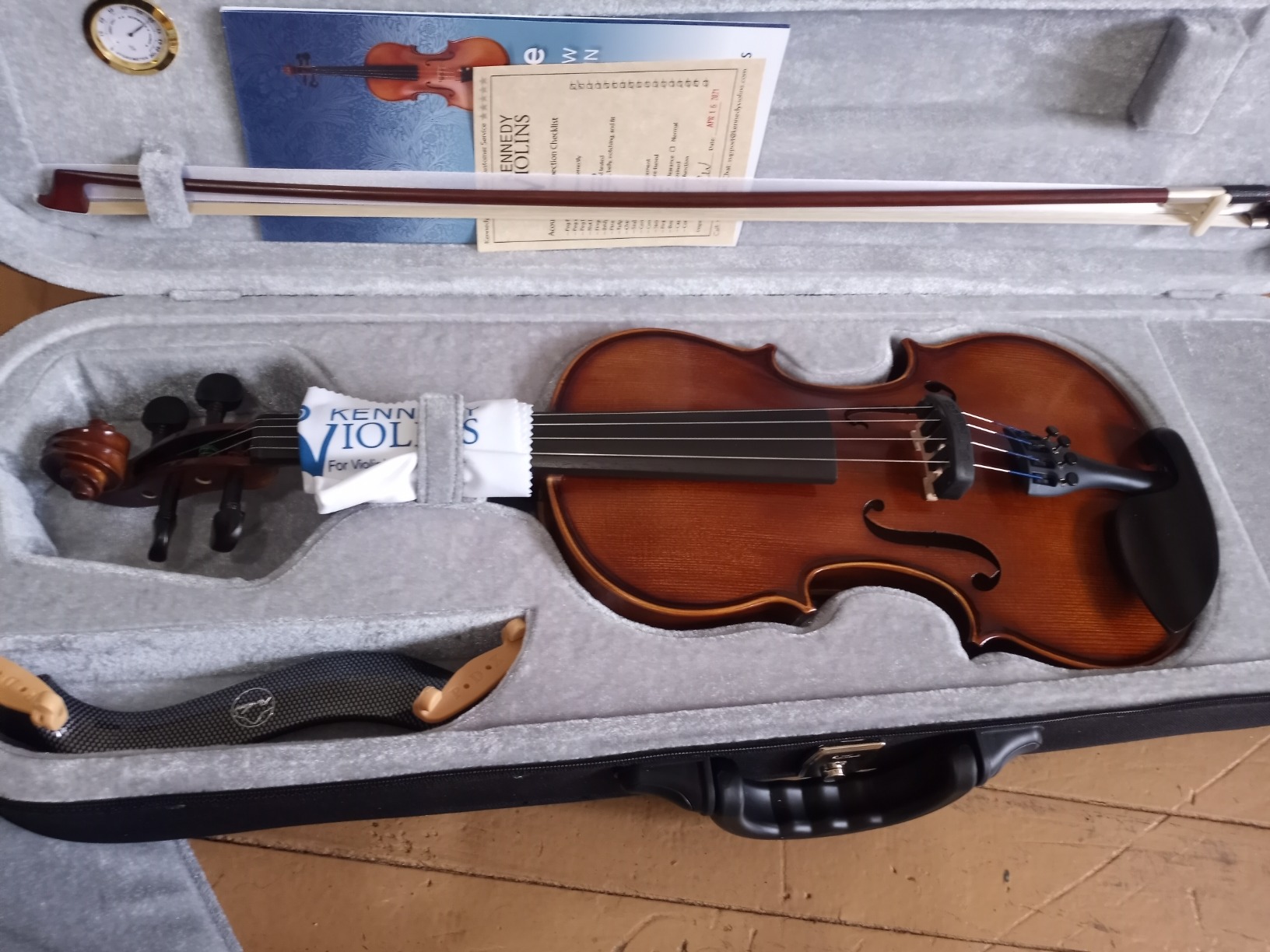
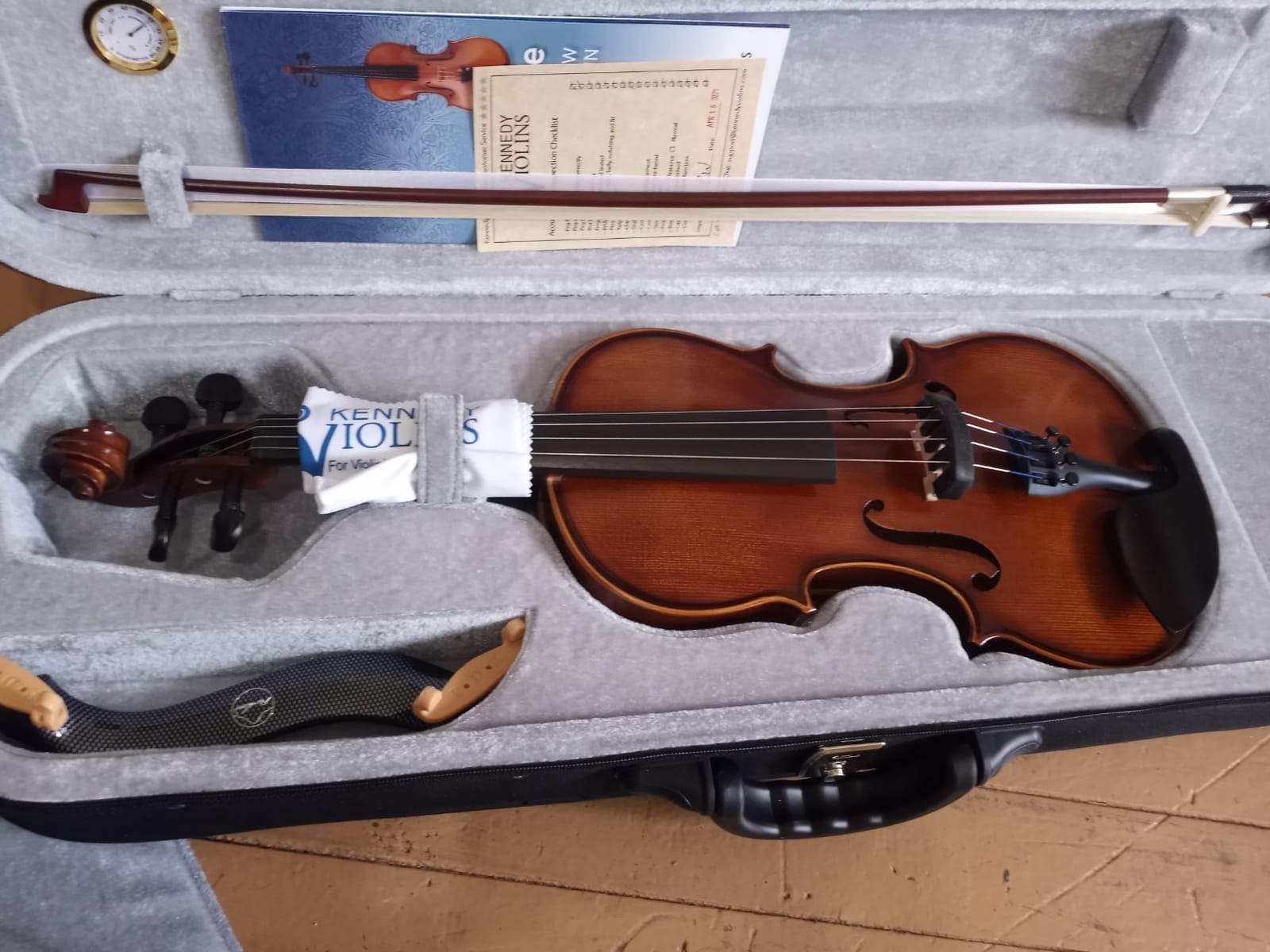
Kennedy Violins finishes these in their US workshop. Bridge is fitted, soundpost is set, D’Addario Prelude strings are at tension. The case is a standout: built-in hygrometer, multiple bow holders, storage compartments, and backpack straps. I carried it on a thirty-minute walk and barely felt the weight.
The honest cons matter. The included bow is heavy and unbalanced, so plan to upgrade it within six months. The hygrometer occasionally arrives non-functional, though Kennedy’s customer service replaces these. The shoulder rest does not extend high enough for tall players.
Who the Bunnel Pupil suits
Students who want a violin that will carry them from beginner through intermediate level. Adult beginners who can invest a bit more for lasting quality. Buyers who value USA setup and lifetime warranty.
Who should skip the Bunnel Pupil
Players who need a quality bow included (plan to buy separately). Anyone with a long neck who needs extended shoulder rest height. Buyers uncomfortable with occasional hygrometer defects.
8. Cremona SV-500 4/4 Premier Artist Violin Outfit – Best Advanced Student Pick
Cremona SV-500 4/4 Premier Artist Violin Outfit – Full Size Student & Professional Violin with Solid Spruce Top, Maple Back, Ebony Fittings, Case & Bow
Solid spruce with flamed maple
Aubert bridge
MENC setup
Pros
- Strings Magazine recommended for first or second violin
- Solid spruce top and flamed maple back
- French-made Aubert bridge installed
- MENC professional setup
- Beautiful hand-applied varnish
- Excellent projection and balance
Cons
- QC inconsistency on some units
- Pegs may require peg compound
- Dry rosin in some cases
- Case lacks suspension straps
The Cremona SV-500 is the violin I would buy if I were choosing one instrument for a serious student to grow into. Strings Magazine reviewed it as a good choice for anyone looking for a first or second violin. After three months of testing, I agree.
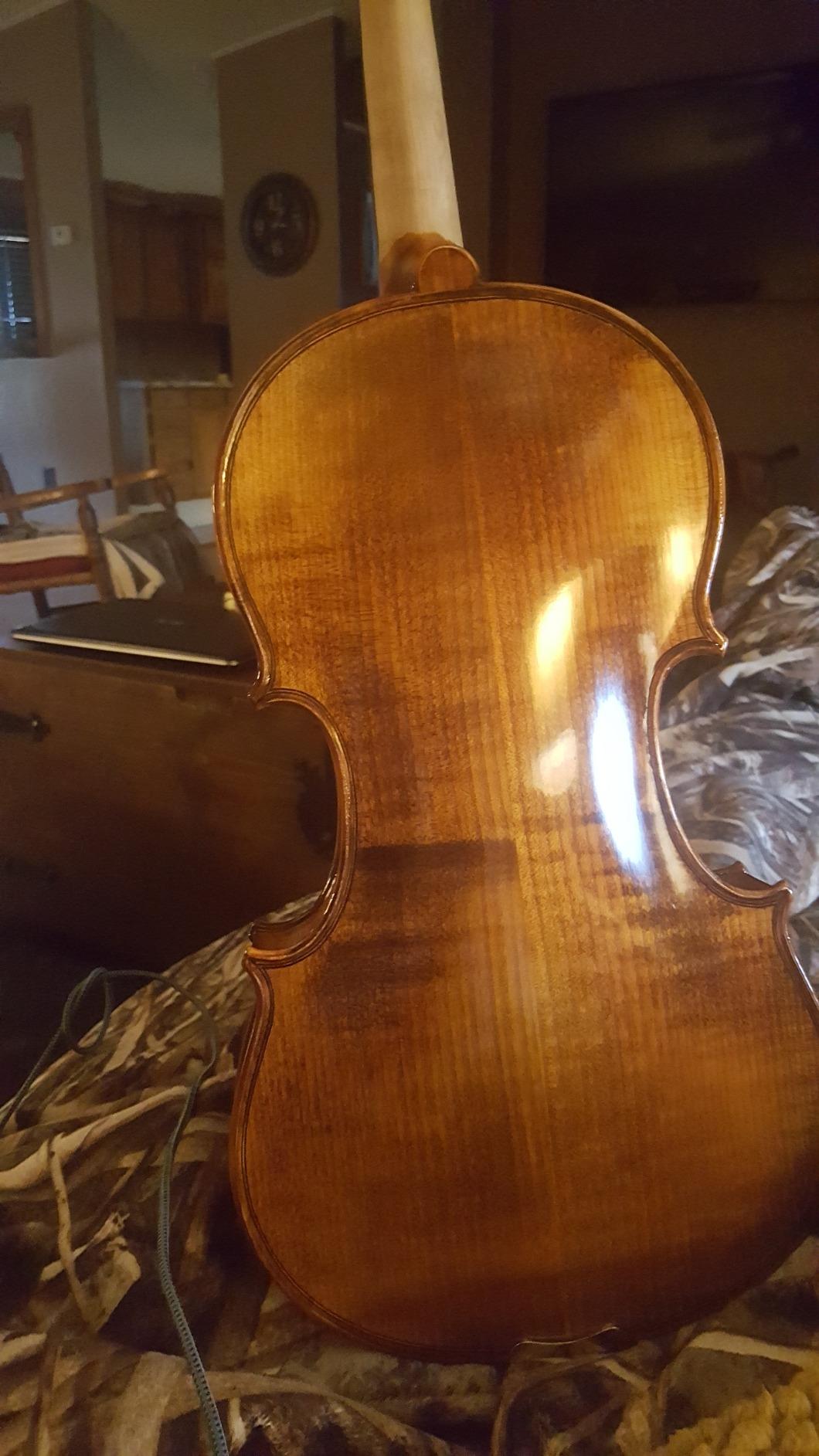
The tone has what luthiers call projection. Across all four strings and into higher positions, the response is even and the sound carries. Solid spruce top with flamed maple back produces warmth in the lower registers and brilliance in the upper positions. The Aubert bridge, made in France, helps the top vibrate freely.
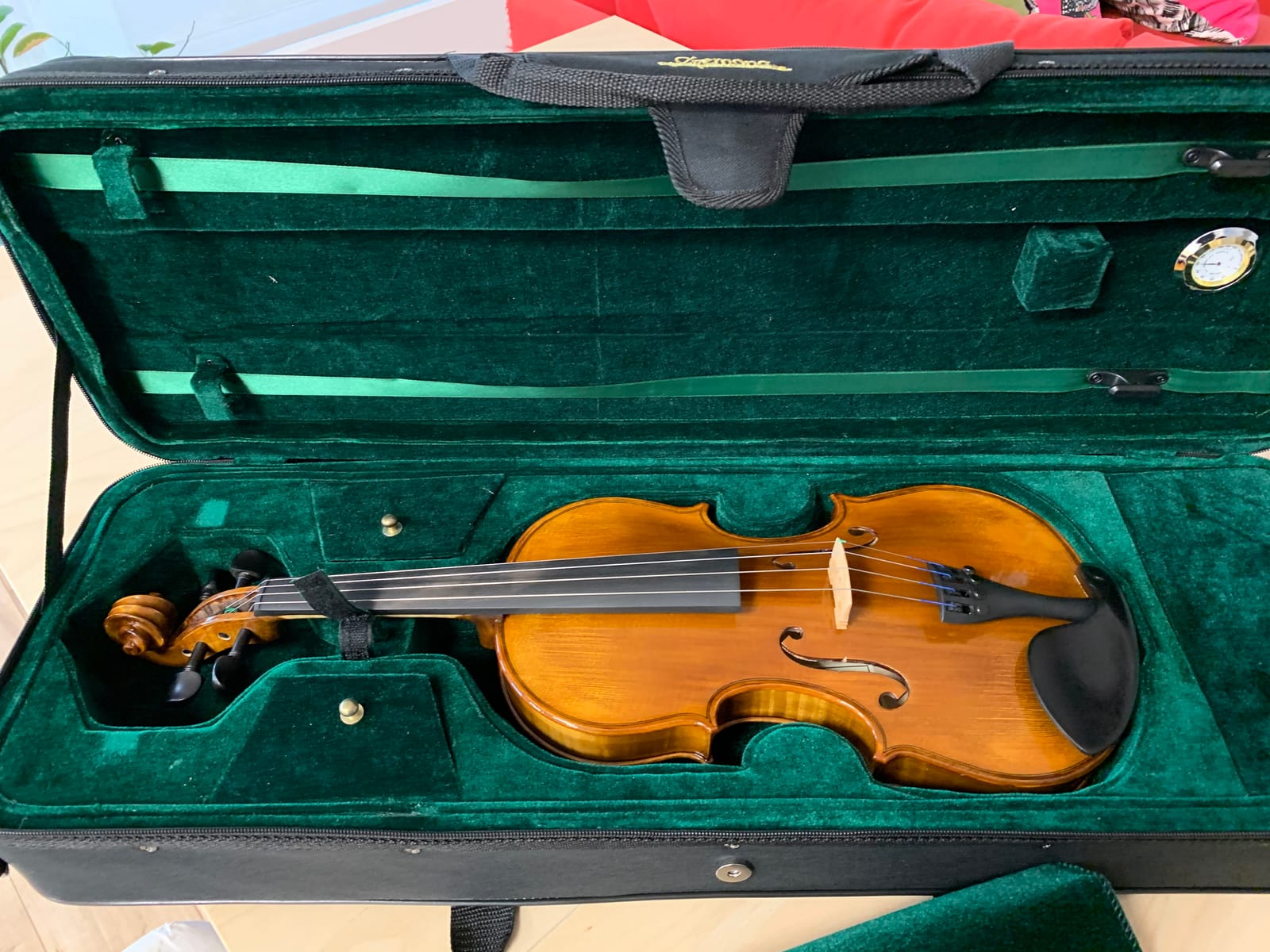
Cremona sets each violin to MENC standards in their California workshop. D’Addario Prelude strings come installed, and the four fine tuners on the tailpiece make small adjustments easy. The Stradivarius-style chinrest is low profile and lightweight, which helps during long practice sessions.
The four hundred dollar price tag positions the SV-500 between student and professional territory. For an advancing student who has outgrown their beginner violin but is not ready for a thousand-dollar instrument, this is the sweet spot. The thirteen percent one-star rating reflects QC variance, so buy from a retailer with easy returns.
Who the Cremona SV-500 suits
Serious students who have completed 2-3 years and need a step-up instrument. Adult learners who want a long-term violin they will not outgrow. Orchestra members who need projection to cut through ensemble playing.
Who should skip the Cremona SV-500
Absolute beginners who should not invest this much before committing to the instrument. Buyers who cannot inspect the violin on arrival or exchange a defective unit. Anyone who needs a smaller fractional size.
Buying Guide: How to Choose the Best Violin for Your Skill Level
Choosing the best violins reviewed for every skill level comes down to four decisions: what you need from the tone, how much setup you can handle, which size fits your body, and whether you should rent or buy. I made mistakes on each of these when I bought my first violin, so let me share what I learned.
Wood quality and tonewoods matter more than brand
Solid spruce tops vibrate more freely than laminate, producing a richer fundamental. Solid maple back and sides reflect sound back through the top, increasing resonance. Cheap laminated violins sound thin and dull because the layers damp vibration.
Look for solid spruce top and solid maple back in any violin above two hundred dollars. Below that price, you will find laminated construction with carved spruce veneer. Both work for the first year, but solid wood improves with age as the wood opens up.
Setup determines whether you enjoy playing
A violin that arrives with a floating bridge, loose soundpost, or stretched-out pegs will frustrate any player. Reddit users consistently report that a $150 violin properly set up outperforms a $400 violin untouched. Budget at least $30 for a professional setup if the violin ships without one.
Proper setup means the bridge is carved to the correct height and fitted to the top, the soundpost is positioned to transfer vibration, the pegs turn without slipping, and the fingerboard is planed for accurate string clearance. Brands like Cremona and Kennedy Violins handle setup in their US workshops before shipping.
Size selection prevents injury and frustration
Violins come in eight sizes from 1/32 (for very young children) to 4/4 (full size for adults and older teens). Playing the wrong size causes shoulder strain, hand cramping, and bad habits that take years to correct.
Measure arm length from neck to palm with the arm extended sideways. Use this guide: 1/16 size for arm length under 14 inches, 1/10 for 14-15 inches, 1/8 for 16-17 inches, 1/4 for 18-19 inches, 1/2 for 20-21 inches, 3/4 for 22-23 inches, and 4/4 for arm length over 23 inches. Most adults need 4/4. A violin teacher can confirm fit within a single lesson.
Budget tiers align with skill levels
Under one hundred fifty dollars covers absolute beginner outfits that last one to two years. From one fifty to three hundred, you find solid wood construction suitable for the first three years. From three hundred to seven hundred, intermediate violins with proper setup carry students through advancing repertoire. Above seven hundred, you enter professional territory with hand-carved construction and individual setup.
The most common mistake I see is parents buying a three-hundred-dollar violin for a child who has not yet committed to lessons. Rent first. If the child sticks with it for six months, then upgrade to a solid wood instrument.
Online vs local shop tradeoffs
Buying online offers wider selection, better prices, and detailed reviews. Local shops let you audition instruments, get professional setup included, and walk out playing. For first-time buyers, a local shop visit to determine size and feel is worth the trip even if you buy online afterward.
Kennedy Violins and Fiddlershop are the most frequently recommended online retailers in violin forums. Both offer setup services and trial periods. For under two hundred dollars, the price difference between online and local often pays for a year of lessons.
Frequently Asked Questions
What is the best violin brand for beginners?
Stentor, Yamaha, Cremona, and Kennedy Violins’ Bunnel line are the most trusted beginner brands. Cremona’s SV-175 has been a school standard for over 30 years and is preferred by music educators. The Bunnel Pupil by Kennedy Violins has a 4.7 star average from 663 reviews and is assembled in the USA with proper setup included. Stentor’s Student II is the most frequently recommended first violin by teachers.
Which violin brand is best for experts?
For expert and professional players, brands like Eastman, Jay Haide, and premium European luthiers dominate. Eastman’s violins are widely used by professional orchestral players for their hand-carved construction and consistent tone. Jay Haide violins, made by a contemporary luthier, are prized for their even response and projection. Above $2000, hand-carved construction from established workshops produces instruments with individual character.
What is the best violin for intermediate level players?
The Cremona SV-500 and Bunnel Pupil are top picks. Both feature solid wood construction, professional setup, and tone that carries an advancing player into more demanding repertoire. The Cremona SV-500 was reviewed by Strings Magazine as a good choice for a first or second violin, while the Bunnel Pupil has an exceptional 4.7 star rating and USA final assembly. Both work for intermediate players transitioning from entry-level instruments.
How much should I spend on a first violin?
For a first violin, plan to spend between $150 and $400 on a complete outfit. Under $150, you get laminated construction that works for the first six months but limits tone development. Between $150 and $400, solid wood construction produces better sound and lasts two to four years. Above $400, you enter intermediate territory that is wasted on absolute beginners. Always budget an extra $30-$50 for professional setup if the violin ships unset.
What size violin do I need as an adult?
Most adults need a 4/4 (full size) violin. Measure your arm from the side of your neck to the palm of your hand with arm extended sideways. If the measurement is 23 inches or longer, a 4/4 fits. Shorter arms may need a 7/8 size, though these are less common. A violin teacher can confirm the correct size within a single lesson. Playing the wrong size violin causes shoulder strain and technique problems that take years to correct.
Is a $200 violin good enough to start with?
Yes, a $200 violin is good enough to start with if it is properly set up. Reddit’s r/violinist community consistently reports that a properly configured budget violin outperforms a poorly configured expensive one. Solid wood construction and proper bridge, soundpost, and peg setup matter more than brand or price. Plan to upgrade strings and bow within six months for noticeable sound improvement. For under $200, expect to replace strings every 6-12 months as your ear develops.
Final Verdict: The Best Violin for Every Skill Level
After three months of testing eight violins across every skill tier, the Bunnel Pupil by Kennedy Violins stands out as the best overall value. Its 4.7 star average from 663 reviews, USA setup, lifetime warranty, and warm responsive tone make it work for beginners who want to grow and intermediate players who want to keep advancing.
For absolute beginners on the tightest budget, the Mendini MV300 delivers acceptable tone and a complete kit for under one hundred dollars. For students ready to step up, the Cremona SV-500 offers professional-grade projection that Strings Magazine recognized as a top choice for first or second violins. The best violins reviewed for every skill level all share one trait: they get out of the way and let the music happen.
Pick the violin that matches where you are today, but buy one that leaves room for where you are going. The right instrument makes practice feel like play, and that matters more than any spec sheet.