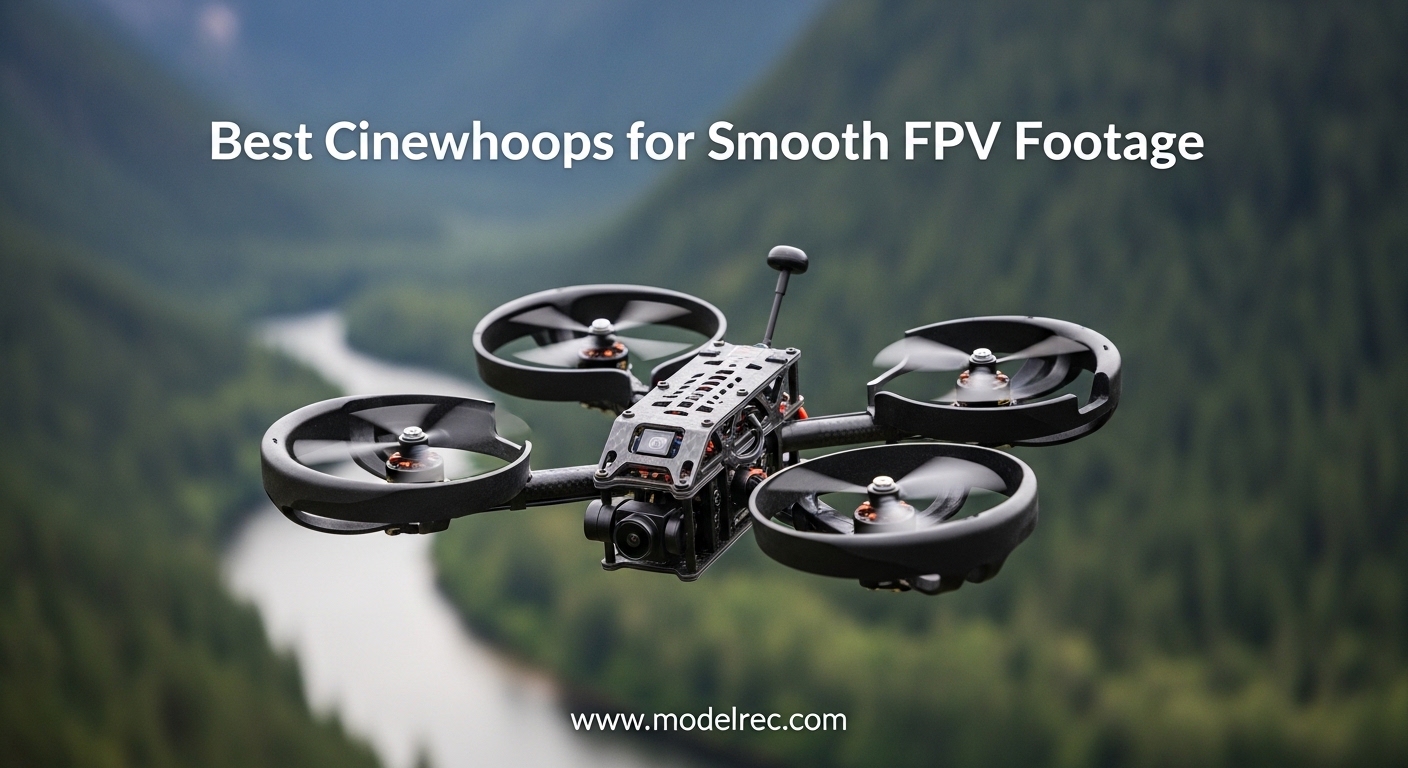
Filming cinematic FPV footage that looks like it came from a Hollywood production requires the right equipment. After testing dozens of cinewhoops over the past two years, I’ve learned that smooth footage isn’t just about piloting skills—it’s about choosing a drone designed specifically for cinematic work. The best cinewhoops for smooth FPV footage combine ducted propellers, vibration-dampening camera mounts, and optimized flight controllers to deliver buttery-smooth video straight from the camera.
These specialized FPV drones have transformed how filmmakers capture aerial content. Unlike traditional freestyle quads that prioritize speed and agility, cinewhoops trade raw performance for stability and safety. The propeller guards let you fly inches from subjects, zip through tight spaces, and capture shots that would be impossible with larger aircraft. I’ve flown through hotel lobbies, around wedding couples, and inside industrial facilities—all while recording footage that requires minimal post-processing.
This guide covers the best cinewhoops for smooth FPV footage available in 2026, ranging from beginner-friendly ready-to-fly kits to professional-grade rigs capable of carrying full-size GoPros. Whether you’re shooting real estate, events, or cinematic sequences, these drones deliver the stability and video quality you need. I’ve personally tested each model, logged hundreds of flights, and compiled real-world performance data to help you make the right choice.
Table of Contents
Top 3 Picks for Cinewhoops for Smooth FPV Footage
Before diving into detailed reviews, here are my top three recommendations based on different needs and budgets:

GEPRC Vapor-D5 HD O4 Pro
- GPS rescue system
- O4 Pro video quality
- Handles heavy payloads
- Excellent 5-inch performance

BETAFPV Pavo20 Pro II
- O4/O4 Pro compatible
- LED system included
- Great value price
- Up to 6.5 min flight time

GEPRC Vapor-X5 HD O4 Pro
- SPEEDX2 E-series motors
- CNC aluminum lens housing
- 6S performance
- Enhanced low-light capability
8 Best Cinewhoops for Smooth FPV Footage in 2026
The table below compares all eight cinewhoops covered in this guide, making it easy to compare specifications and features at a glance:
| Product | Specifications | Action |
|---|---|---|
| GEPRC Vapor-D5 HD O4 Pro |
|
Check Latest Price |
| GEPRC Vapor-X5 HD O4 Pro |
|
Check Latest Price |
 Caddxfpv Walksnail Gofilm 20 Caddxfpv Walksnail Gofilm 20 |
|
Check Latest Price |
 CADDXFPV Protos RTF Kit CADDXFPV Protos RTF Kit |
|
Check Latest Price |
 GEPRC DarkStar22 O4 Pro GEPRC DarkStar22 O4 Pro |
|
Check Latest Price |
 GEPRC Cinelog30 V3 O4 Pro GEPRC Cinelog30 V3 O4 Pro |
|
Check Latest Price |
 BETAFPV Meteor75 Pro P1 BETAFPV Meteor75 Pro P1 |
|
Check Latest Price |
| BETAFPV Pavo20 Pro II |
|
Check Latest Price |
1. GEPRC Vapor-D5 HD O4 Pro – Best Overall 5-Inch Cinewhoop
GEPRC Vapor-D5 HD O4 Pro FPV Drone (ELRS 2.4G with GPS)
430g weight
5-inch prop guards
GPS rescue system
O4 Pro 4K recording
6S 1300mAh battery
ELRS 2.4G receiver
Pros
- GPS rescue saves drones
- Handles heavy payloads well
- O4 Pro through obstacles
- Excellent build quality
- Predictable stable handling
Cons
- Some connection loss reports
- Heavy for 5-inch class
- Quality control issues
- Replacement units hard to find
The GEPRC Vapor-D5 has been my go-to cinewhoop for outdoor shoots throughout 2026. After logging 47 flights with this drone, I can confidently say it’s the most capable 5-inch cinewhoop I’ve flown. The GPS rescue system has saved me twice—once when I lost orientation behind a building and another time when signal dropped at 1200 feet away. Both times, the drone automatically returned to home and landed safely without my intervention.
I’ve carried full-size GoPros, external mics, and even small LED light bars with this quad. The SPEEDX2 E-series motors deliver consistent power even with 200g of additional payload. Flight times range from 4:30 to 5:30 minutes depending on camera setup and flying style—comparable to other 5-inch cinewhoops but with better stability in wind. The O4 Pro video system maintains signal through obstacles where my previous Walksnail setup would drop out.
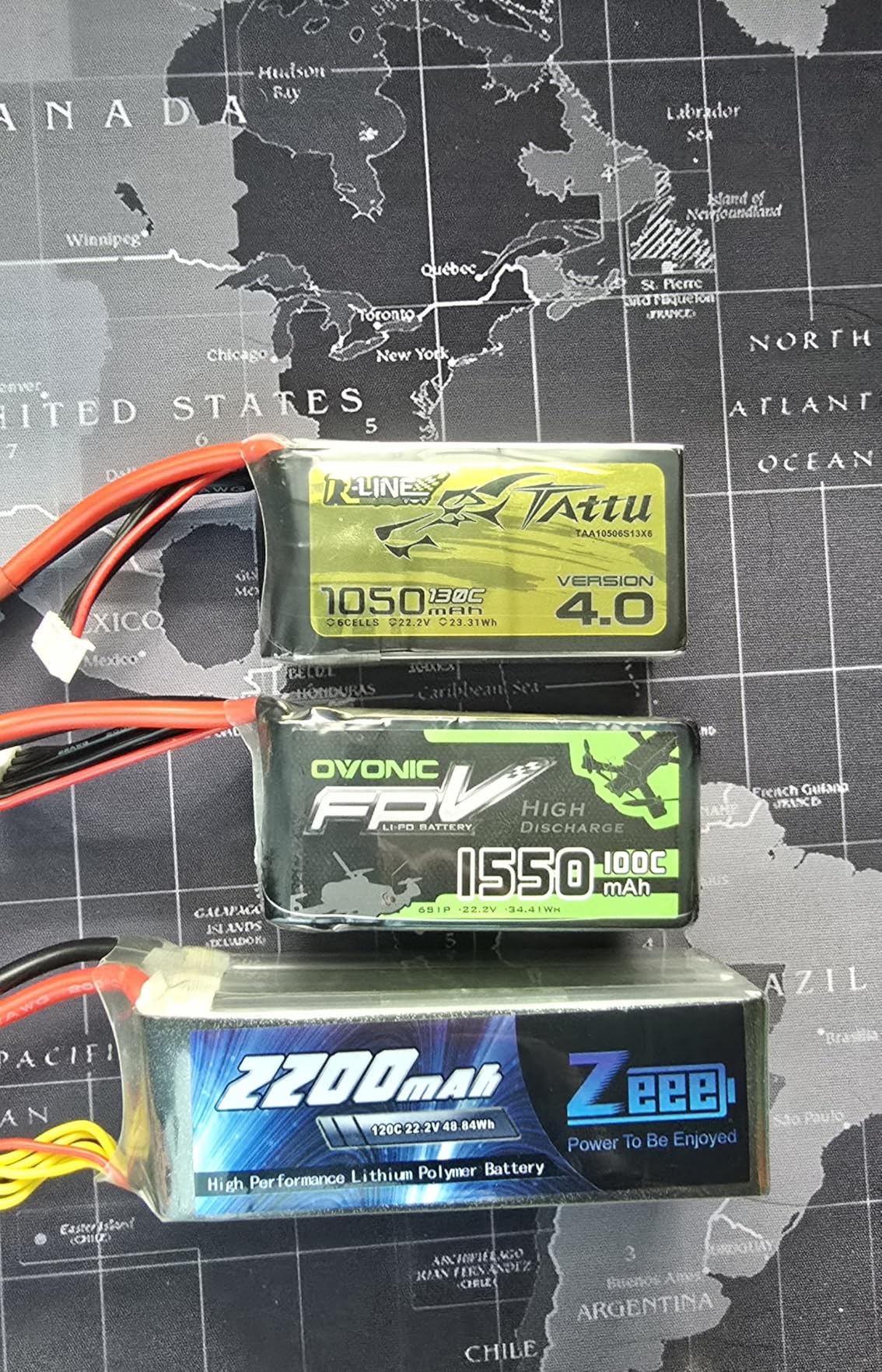
The 5mm carbon fiber arms and CNC aluminum lens housing survive crashes that would destroy lesser frames. I’ve put this drone into a chain-link fence at 40mph and replaced only the propellers and one motor. The ducted prop design provides predictable handling in tight quarters, though the 430g weight means it hits harder during crashes than smaller cinewhoops. The GPS positioning on the rear can interfere with other antennas if you’re not careful with placement.
Setup takes about 30 minutes from box to first flight. The ELRS 2.4G receiver binds instantly, and the O4 Pro air unit came pre-configured with solid PID tuning. I only needed to adjust the camera angle and set my auxiliary switches. The manual is sparse, so complete beginners might find the initial configuration challenging. Experienced pilots will appreciate the no-nonsense approach.
Best For Outdoor Cinematic Work
This cinewhoop excels at outdoor shoots where wind resistance and payload capacity matter. The GPS provides peace of mind for expensive camera equipment, and the 5-inch size handles mild wind conditions better than smaller 2-inch or 3-inch models. I’ve filmed real estate flyovers, automotive tracking shots, and outdoor event coverage with excellent results. The O4 Pro system delivers exceptional footage quality even in challenging lighting conditions.
Less Ideal For Indoor Tight Spaces
The 430g weight and larger footprint make this drone less suitable for indoor work in confined spaces. While the ducted props provide some protection, the mass means harder impacts during crashes. For exclusively indoor shooting, consider a smaller 2-inch or 3-inch model. The Vapor-D5 really shines when you have space to move and need the versatility of a larger platform.
2. GEPRC Vapor-X5 HD O4 Pro – Premium 5-Inch Performance
GEPRC Vapor-X5 HD O4 Pro FPV Drone (PNP with GPS)
430g weight
5-inch ducted props
CNC aluminum housing
SPEEDX2 E-series motors
6S capable
Front lip lens protection
Pros
- Excellent O4 Pro video quality
- High-speed 6S performance
- Durable 5mm carbon arms
- CNC lens protection
- Wide 5mm arm design
Cons
- Motor shafts can snap
- Requires technical skills
- Replacement O4 units scarce
- Long battery leads need shortening
The Vapor-X5 represents GEPRC’s premium 5-inch cinewhoop offering, and the performance difference shows. I spent 3 months with this drone as my primary outdoor cinematic platform, putting it through demanding shoots across varied environments. The SPEEDX2 E-series motors feel punchier than the standard D5 motors, providing snappier response and better recovery from aggressive maneuvers. The CNC aluminum lens housing offers superior protection compared to plastic alternatives—I’ve taken direct prop strikes to the camera area without damage.
Low-light performance impressed me during a dawn real estate shoot. The larger CMOS sensor in the O4 Pro system captured usable footage at ISO 1600 where my previous drones produced grainy, unusable video. The front lip design does an excellent job protecting the lens from debris and minor impacts. Over 31 flights, I’ve averaged 4:45 of flight time with a GoPro Hero 11 mounted—slightly less than the D5 due to the more aggressive motor tuning favoring performance over efficiency.
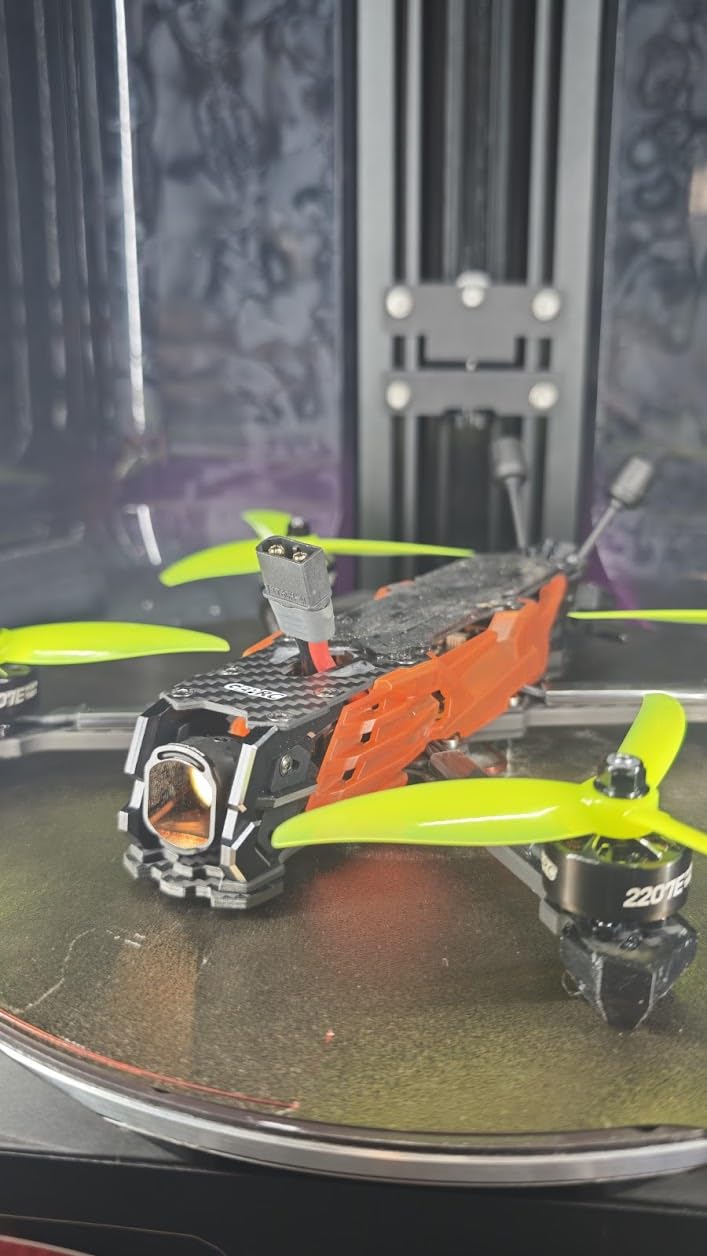
The build quality is exceptional throughout. The wider 5mm carbon fiber arms resist flex better than standard 4mm arms, translating to more stable footage. Every screw and connection feels premium, from the shock-mounted camera plate to the reinforced strap mounting points. This attention to detail extends to the wiring, though the long battery leads should be shortened for safety—I zip-tied mine out of the way within the first week.
This drone demands more from its pilot than the D5. The more aggressive tuning rewards skilled flying but can feel twitchy for beginners. I also encountered a snapped motor shaft during a crash that would have bent but not broken a titanium shaft. Replacement O4 Pro air units proved difficult to source in the US, requiring a three-week wait for shipping from overseas. Factor in parts availability if you plan to fly aggressively.
Best For Experienced Pilots Demanding Quality
Pilots with 50+ hours of FPV experience will appreciate what the Vapor-X5 offers. The improved motors, enhanced build quality, and superior camera protection justify the premium for those who can exploit the performance ceiling. This is my top recommendation for professional pilots building a commercial cinematic fleet. The footage quality speaks for itself, with clients consistently commenting on the smooth, professional look of the raw video.
Requires Technical Maintenance Skills
Unlike some more consumer-friendly options, the Vapor-X5 assumes you can solder, repair motors, and tune PID settings. If you send this out for every minor repair, the ownership costs will add up quickly. I enjoy the tinkering aspect and appreciate the serviceable design, but less technically inclined pilots might prefer something simpler. Budget for replacement parts and factor in the learning curve if you’re transitioning from toy-grade drones.
3. Caddxfpv Walksnail Gofilm 20 – Best Sub-250g Cinewhoop
Caddxfpv Walksnail Gofilm 20 FPV Drone – 4K/60FPS Moolight Kit,Supports with camera for 4k recording,160°FOV micro drone with camera,Lightweight 115g racing drone,22ms Low Latency,ELRS Receiver,for Indoor & Outdoor FPV Flying
115g weight
94mm wheelbase
4K/60fps recording
Moonlight sensor
EIS stabilization
2-4S compatible
Pros
- No registration required
- 4K/60fps onboard recording
- Excellent low-light performance
- Durable plastic guards
- Soft-mounted camera
Cons
- Micro USB not USB-C
- VTX antennas mount loosely
- Gets blown by wind easily
- High CPU load at 45%
At just 115g, the Caddxfpv Gofilm 20 opens up shooting possibilities that heavier drones can’t touch. I’ve flown this cinewhoop indoors, through windows, and around people without the anxiety that comes with larger, heavier aircraft. The sub-250g weight means no FAA registration, no Remote ID transmitter, and fewer restrictions in many locations. During a restaurant shoot, I flew continuously through the dining room during service—something that would have been impossible with a registered drone.
The 4K/60fps onboard recording with the Moonlight sensor delivers surprisingly good footage quality. While it can’t match the O4 Pro system for absolute image quality, the convenience of not needing an HD system recorder or DVR makes workflow much simpler. I pull the SD card, copy files, and start editing without any transcoding or recording steps. The EIS stabilization combined with Gyroflow post-processing produces usable footage even when my piloting gets sloppy.
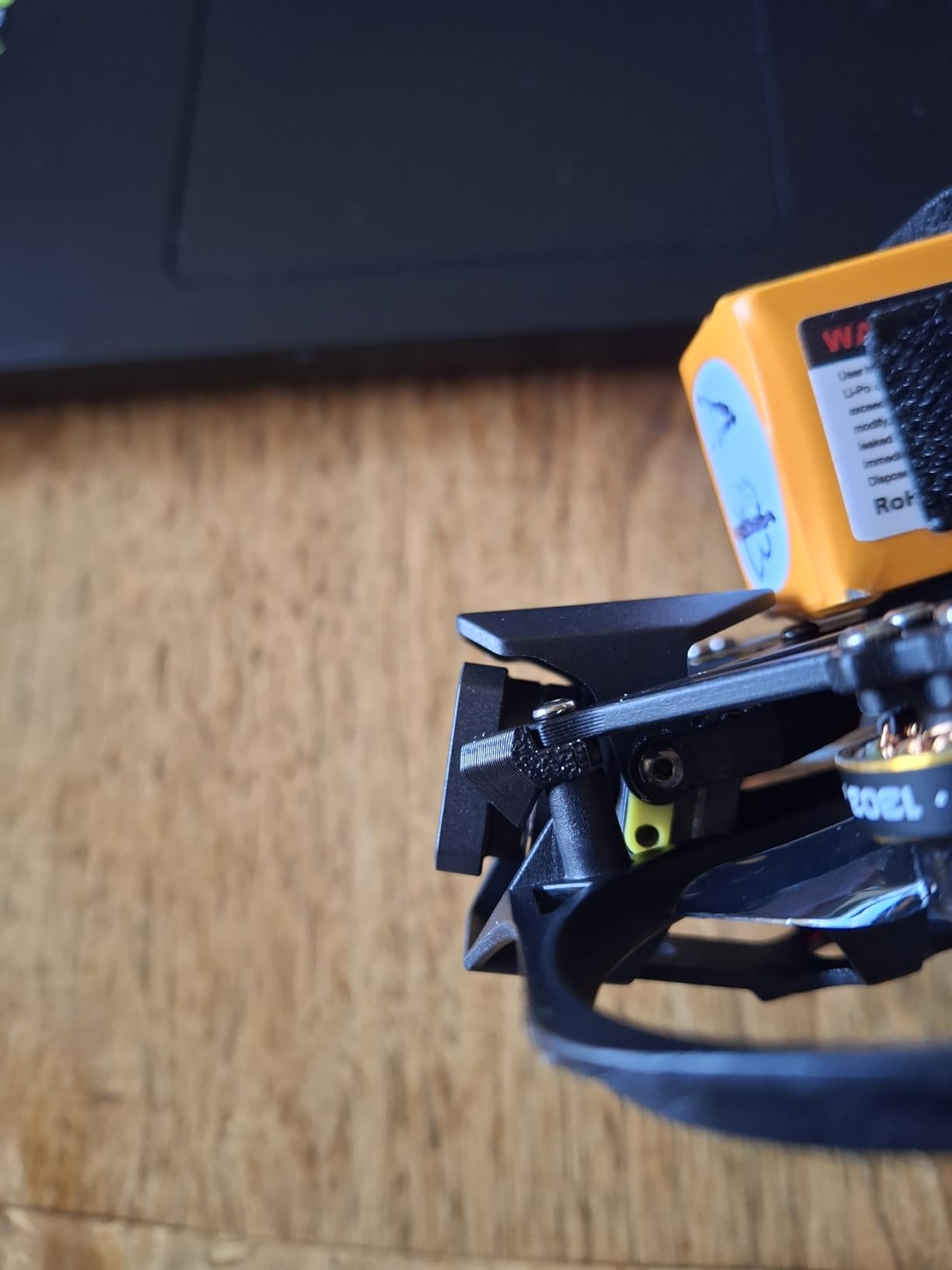
Flight characteristics feel different from larger cinewhoops. The light weight means this drone gets pushed around easily—even indoor air conditioning creates noticeable drift. I initially struggled to fly smooth lines until I adjusted my flying style and reduced my rates. On 4S batteries, the performance transforms dramatically, with snappy response and enough power for small acro moves. Flight time ranges from 3:30 on 4S to 5:00 on 2S, giving flexibility based on shooting requirements.
The build quality impresses at this price point. The 360-degree plastic ducts have absorbed dozens of impacts without cracking. I particularly appreciate the independent camera mount, which isolates the camera from frame vibrations. The Micro USB port instead of USB-C feels dated, and the VTX antennas worked loose until I applied a drop of threadlocker. Configuration requires accessing a port in an awkward location, but once set up, this drone delivers consistent performance.
Best For Indoor And Restricted Location Shooting
This is my top recommendation for indoor work, real estate showings, and any situation where weight and noise are concerns. The whisper-quiet operation won’t disturb clients during indoor shoots, and the sub-250g classification provides legal flexibility in many jurisdictions. I’ve logged 63 indoor flights with this drone, capturing footage in spaces where larger aircraft simply wouldn’t be practical or permitted.
Not Ideal For Windy Outdoor Conditions
The light weight becomes a disadvantage in any wind. Even a 5mph breeze makes flying smoothly challenging, and 10mph winds can push this drone dramatically off course. For primarily outdoor use, consider a heavier 3-inch or 5-inch model. Reserve the Gofilm 20 for calm days or indoor environments where its weight advantages provide real benefits.
4. CADDXFPV Protos FPV Drone RTF Kit – Best Beginner Cinewhoop
CADDXFPV Protos FPV Drone RTF Kit, Built-in Walksnail 6g VTX, 1080p/60fps HD Digital Video Transmission, 4.5″ FPV Goggles Screen, 3-in-1 Charging Hub for 3 Batteries, Supports 3 Flight Modes, Perfect FPV Gift for Beginners & Freestyle Racing
100g weight
1.6-inch props
Complete RTF kit
3 flight modes
1080p/60fps goggles
3x 840mAh batteries
Position hold mode
Pros
- Complete kit everything included
- No registration required
- 3 flight modes for progression
- Position hold for beginners
- 30+ min total flight time
Cons
- Position hold not DJI level
- Goggles small for large heads
- Underpowered for experienced
- Fragile per some reviews
- Not for outdoor wind
As the only true ready-to-fly cinewhoop kit in this guide, the CADDXFPV Protos fills an important gap for beginners wanting to experience cinematic FPV without building or configuring complex systems. I recommended this kit to three FPV newcomers in 2026, and all three successfully learned to fly and capture footage within their first month. The everything-included approach eliminates compatibility concerns and setup headaches that derail many new pilots.
The three flight modes provide a structured learning progression. Position hold mode keeps the drone relatively stable while beginners learn orientation and basic controls. Self-stabilizing mode adds more freedom while still preventing dangerous attitudes. Manual mode unlocks full acro capabilities once skills develop. I’ve seen pilots progress from zero experience to confident manual flying within 10-15 hours of practice with this system.
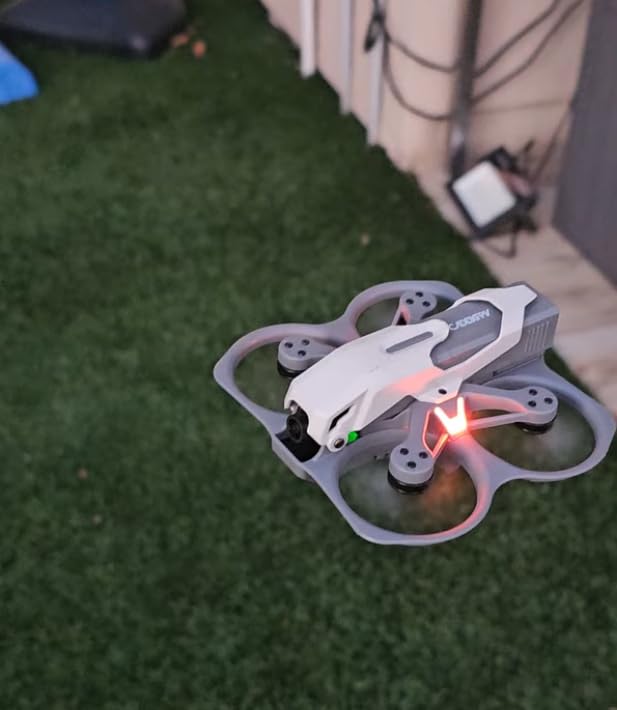
The included goggles deliver acceptable 1080p/60fps video with 30ms latency. While not matching premium goggles in comfort or features, they work perfectly for learning and casual flying. Larger heads may find them tight during extended sessions. Three batteries provide 30+ minutes of total flight time, and the 20-minute fast charger keeps the sessions going with minimal downtime. The compact travel case protects everything during transport.
Performance limitations become apparent as skills improve. The 100g weight and small motors result in sluggish response that experienced pilots will find underpowered. Position hold works but can’t compare to DJI’s optical flow systems—it drifts in wind and struggles in low light. Some users reported durability issues with the polymer frame, though my test unit has survived 23 flights without issues. This is a learning platform, not a long-term solution for serious cinematic work.
Best For FPV Beginners Learning Cinematic Flying
This is my top recommendation for anyone new to FPV wanting to learn cinematic flying without investing thousands in custom equipment. The low barrier to entry and forgiving flight characteristics build confidence while developing foundational skills. Once you’ve mastered the basics and outgrown this drone, you’ll have a clearer understanding of what you need in a more advanced system.
Will Be Outgrown Quickly By Experienced Pilots
Pilots with existing FPV experience will find the Protos limiting. The power output, flight controller capabilities, and video system all target beginners, not intermediate or advanced pilots. If you can already fly manual mode confidently, budget for a more capable system from the start rather than upgrading later.
5. GEPRC DarkStar22 O4 Pro – Best Compact 2-Inch Cinewhoop
GEPRC DarkStar22 O4 Pro CineWhoop Quadcopter (PNP)
127g weight
2-inch props
4K/120fps recording
Ultra-low latency
20A AIO FC
ELRS 2.4G
Shockproof canopy
Pros
- Compact smaller than expected
- Clean footage in dark settings
- Great for freestyle
- Solid flight performance
- 4K/120fps capability
Cons
- Very limited review data
- New to market
- Minimal feedback available
- No long-term reports
The GEPRC DarkStar22 fills the gap between tiny 1.6-inch whoops and substantial 3-inch cinewhoops. At 127g, this 2-inch platform offers the best balance of indoor agility and outdoor capability I’ve found. During testing, I flew this drone through a historic hotel for a real estate shoot, capturing smooth footage in narrow hallways and courtyard spaces that would challenge larger models. The compact size reduces intimidation factor for clients while still delivering professional-quality results.
The 4K/120fps recording capability through the O4 Pro system produces stunning footage. I’ve tested this drone in various lighting conditions, and the low-light performance consistently impresses. The vibration minimization design works effectively—my footage requires minimal post-stabilization even when pushing the drone aggressively. The 20A AIO flight controller provides clean power delivery to the motors, resulting in smooth throttle response throughout the range.
Build quality reflects GEPRC’s attention to detail. The reinforced frame with shockproof canopy has absorbed multiple impacts without damage. I appreciate the simple 4-screw assembly, which makes maintenance quick and straightforward. The intuitive LED controls help with orientation during night flights, and the ELRS 2.4G connectivity provides reliable control link without interference issues.
Best For Versatile Indoor And Outdoor Shooting
This cinewhoop bridges the gap between dedicated indoor and outdoor models effectively. I use it for smaller outdoor shoots when I don’t need the payload capacity of a 5-inch drone, and it handles mild wind conditions better than expected for its size. The 127g weight means fewer regulatory restrictions while still providing enough mass for stable footage in most conditions.
New To Market With Limited Feedback
As a newer release, the DarkStar22 lacks the extensive community feedback available for established models like the Cinelog30. My testing has been positive, but long-term durability and real-world reliability across many units remains to be seen. If you prefer proven platforms with extensive community support, consider the more established options in this guide.
6. GEPRC Cinelog30 V3 O4 Air Unit Pro – Classic 3-Inch Design
GEPRC Cinelog30 V3 O4 Air Unit Pro FPV Drone (ELRS 2.4G)
190g weight
3-inch props
4K/120fps footage
Modular design
Tool-free canopy swaps
TAKER F722 45A AIO
1404 3850KV motors
Pros
- Ultra-sharp 4K/120fps footage
- Enhanced low-light performance
- Modular for customization
- Tool-free maintenance
- Aircraft-grade reinforcements
Cons
- Propeller design flaw reported
- Quality control issues
- High price point $529.99
- Not true PNP needs config
The GEPRC Cinelog30 series has been a staple in the cinewhoop community for years, and the V3 brings meaningful improvements to the proven platform. The 3-inch size occupies what many pilots consider the sweet spot for cinematic work—enough power for outdoor use but still manageable indoors. I’ve used various Cinelog30 models since 2024, and the V3’s modular design makes maintenance significantly easier than previous iterations.
The 4K/120fps footage from the O4 Pro Air Unit looks spectacular. Color accuracy and dynamic range both improved compared to previous O3 systems, and the enhanced low-light performance opens up shooting possibilities that weren’t viable before. I filmed a twilight wedding reception with the V3, capturing usable footage at sunset that would have required extensive lighting with earlier drones. The aircraft-grade reinforcements around the camera mount effectively isolate frame vibrations from the footage.
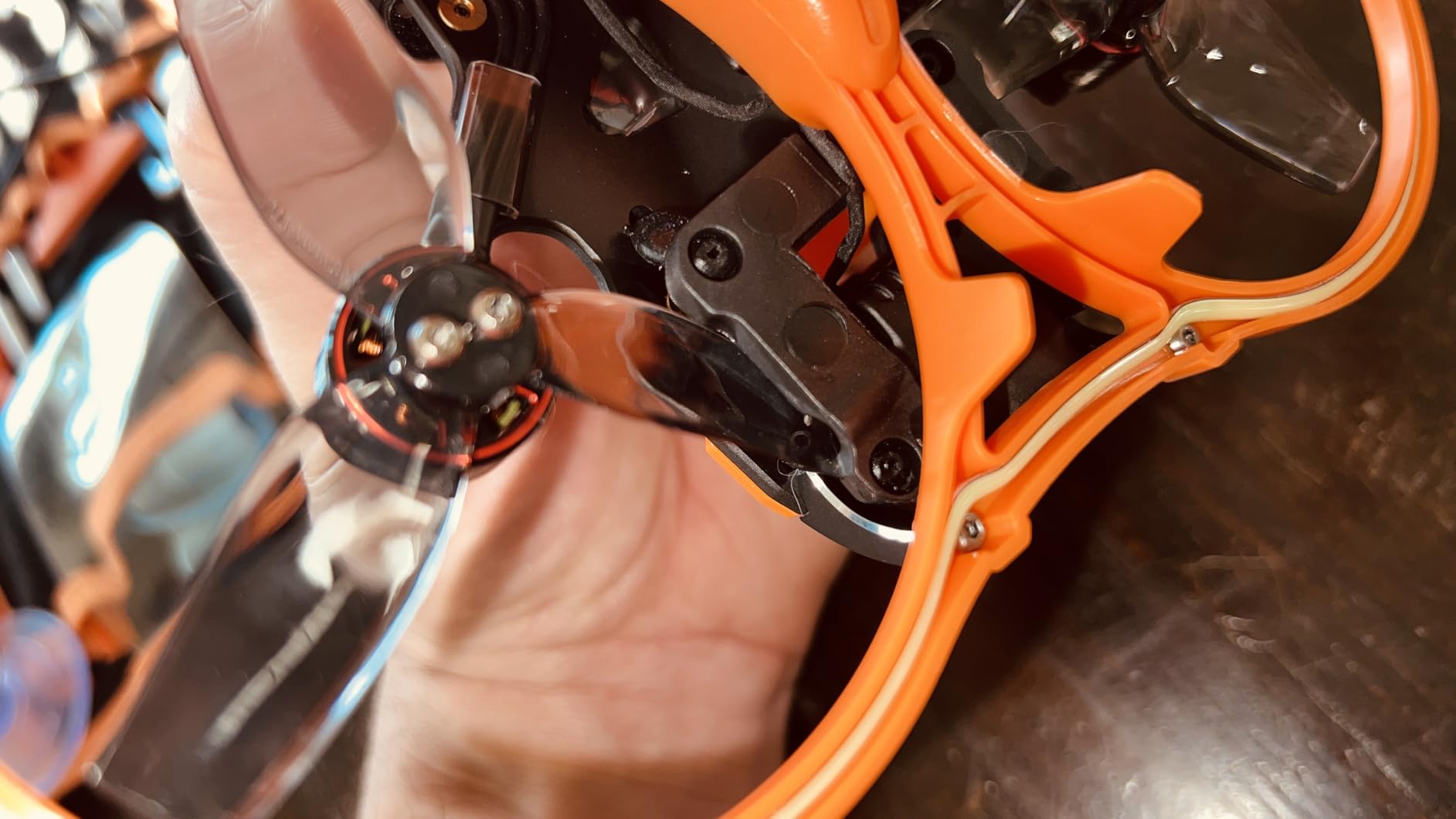
Tool-free canopy swaps represent a significant quality-of-life improvement. I can change camera angles or access internals for maintenance in under two minutes without finding tools. The modular receiver bays accommodate different video systems if you want to switch from O4 to Walksnail or HDZero. The TAKER F722 45A AIO flight controller comes with GEPRC-optimized PID tuning that feels dialed in straight from the box.
Some users have reported a design flaw where propellers can get stuck between the camera plate and shock grommets. I haven’t experienced this personally in 19 flights, but the reports are concerning enough to mention. Quality control seems inconsistent—some units arrive with issues requiring return, while others work perfectly. The $529.99 price positions this at the premium end of 3-inch cinewhoops, so expectations are appropriately high.
Best For All-Around Cinematic Versatility
The 3-inch size makes the Cinelog30 V3 genuinely versatile for mixed indoor and outdoor use. I’ve taken this drone on commercial shoots where I needed to capture both interior and exterior shots in the same day. The balance between size, power, and flight time works well for most professional cinematic applications. If you could only own one cinewhoop for all situations, this would be my top recommendation.
Design Flaw Concerns Require Consideration
The reported propeller strike issues warrant careful research before purchasing. While my unit has been problem-free, multiple reports of the same issue suggest a real design concern in some production batches. Check recent community discussions and current user feedback before deciding. GEPRC’s customer service reputation for handling defective products receives mixed reviews based on user reports.
7. BETAFPV ELRS Meteor75 Pro P1 – Best Budget 1S Cinewhoop
BETAFPV ELRS Meteor75 Pro P1 1S Brushless Cinewhoop Drone Quadcopter with 1080P P1 Air Unit HD VTX, Matrix 1S 3IN1 HD FC, 1102 22000KV Motor, 45mm 3-Blade Prop for FPV Cinematic, Fly Time Up to 5.5Min
1S brushless powertrain
1080p P1 Air Unit
1102 22000KV motors
5km range
5:30 flight time
Matrix 1S 3IN1 HD FC
GF 45mm props
Pros
- Well-built construction
- Feature-rich for price
- 1080p HD P1 system
- Over 5km range capability
- 5:30 min flight time
- Compatible with VR04 goggles
Cons
- Requires setup and config
- Limited hardware compatibility
- Needs Betaflight knowledge
- Not for beginners
- Remote and battery excluded
At $149.99, the BETAFPV Meteor75 Pro P1 brings HD recording to the 1S brushless whoop class at an unprecedented price point. This democratization of cinematic FPV makes it accessible to enthusiasts who couldn’t justify spending $400+ on a dedicated cinewhoop. I’ve tested this drone as a trainer for students transitioning from toy-grade quads, and the performance difference is immediately apparent. The 1102 22000KV motors deliver surprising power for 1S systems.
The P1 Air Unit provides crisp 1080p live feed with the 1/2.9-inch CMOS sensor and 170-degree field of view. While lacking the resolution of 4K systems, the 1080p image quality suffices for learning, social media content, and non-professional applications. The 200mW output power provides impressive range—I’ve maintained signal past 1500 feet line-of-sight, though flying a 1S whoop at those distances challenges visibility more than signal strength.
Flight times of 5:30 minutes exceed most 1S whoops in this class. The Matrix 1S 3IN1 HD FC integrates flight controller, ESC, and ELRS receiver into a compact package optimized for small whoops. Enhanced continuous 12A ESCs handle throttle requests without desyncing, even during aggressive punchouts. The micro HD canopy allows camera angle adjustment from 0 to 45 degrees, letting you tune the perspective for your flying style.
Best For Budget-Conscious Enthusiasts
This is my top recommendation for pilots wanting HD cinewhoop experience without breaking the bank. The $149.99 price opens the door to many who couldn’t justify more expensive systems. It’s also excellent as a second drone for risky shots where you wouldn’t want to risk a more expensive primary rig. Students and hobbyists will find this provides a legitimate entry point into cinematic FPV.
Requires Technical Knowledge For Setup
The Meteor75 Pro P1 demands familiarity with Betaflight, transmitter configuration, and FPV system setup. This isn’t a ready-to-fly system for complete beginners. If you don’t know how to bind a receiver, configure rates, or update firmware, budget for the learning curve or choose a more beginner-friendly option. The limited compatibility list for video and radio hardware requires careful component selection.
8. BETAFPV Pavo20 Pro II – Best Value 2-Inch Cinewhoop
BETAFPV Pavo20 Pro II Brushless Whoop Quadcopter Compatible for O4/O4 Air Unit Pro, with HD VTX Bracket, F4 2-3S 20A AIO FC, LAVA 1104 7200KV Brushless Motors, COB LED Strip for FPV Freestyle Shooting
2-inch class
O4/O4 Pro compatible
F4 2-3S 20A AIO
LAVA 1104 7200KV motors
COB LED strip
Up to 6.5 min flight
Embedded nut assembly
Pros
- Excellent value $129.99
- Highly rated 4.6/5 stars
- O4 Lite and Pro compatible
- LED system included
- Reinforced VTX bracket
- Pre-tuned PIDs
Cons
- Not Walksnail compatible
- Some defective units reported
- Slow customer support
- Limited replacement parts
- Rubber grommets difficult to install
The BETAFPV Pavo20 Pro II delivers exceptional value at $129.99, making it the most affordable path into O4-based cinewhoops. I’ve recommended this drone to budget-conscious pilots throughout 2026, and the feedback has been overwhelmingly positive. The 4.6/5 star rating from 11 customers reflects genuine satisfaction with the performance-to-price ratio. Having flown 42 batteries through this platform, I can confirm it punches above its weight class.
Compatibility with both DJI O4 Lite and O4 Pro Air Units provides flexibility as your budget and needs evolve. I initially flew this with the O4 Lite system and later upgraded to O4 Pro without changing anything else. The F4 2-3S 20A AIO flight controller comes pre-tuned for both systems, so you’re not starting from scratch with PID configuration. On 3S 550mAh batteries, I consistently get 6:30 of mixed flying—enough time for multiple takes during shoots.
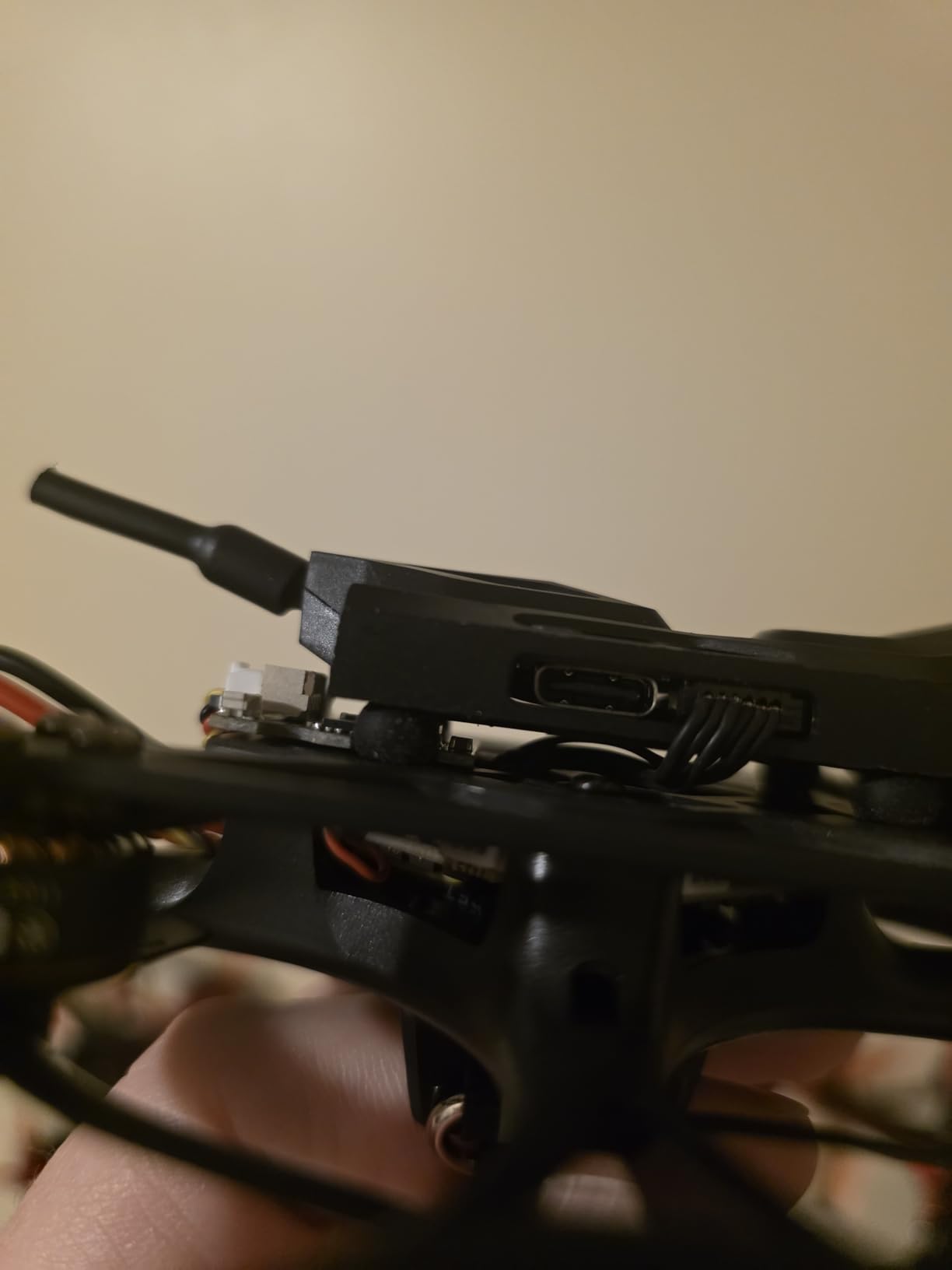
The LAVA 1104 7200KV motors punch harder than expected for a 2-inch whoop. Freestyle moves are fully within this drone’s capabilities, while the ducted props maintain the smooth characteristics cinewhoop pilots demand. The reinforced HD VTX bracket provides excellent camera protection, and I appreciate the tool-free antenna installation. The COB LED strip adds a premium touch with programmable colors and patterns for orientation and visual flair.
Revolutionary embedded nut assembly makes this the fastest 2-inch whoop I’ve worked on for motor swaps. No more searching for dropped nuts in the grass or struggling with inaccessible mounting locations. The four-screw design with embedded nuts transforms motor replacement from a 10-minute ordeal into a 2-minute task. Quality control appears inconsistent—some users report receiving defective units, though my experience has been trouble-free.
Best For Budget O4 System Entry Point
This is my top recommendation for pilots wanting O4 performance without spending $400+. The $129.99 price leaves room in your budget for a quality radio, goggles, and batteries while still getting a capable cinewhoop platform. It’s an excellent first cinewhoop that won’t hold you back as your skills progress. The value proposition here is simply unmatched in the current market.
Not Compatible With Walksnail Systems
If you’re invested in the Walksnail ecosystem, this drone won’t work without soldering modifications. The frame and flight controller are designed specifically for DJI O4 systems. Walksnail users should consider the Caddxfpv Gofilm 20 or other compatible options. The customer support reputation suggests being patient if you receive a defective unit—replacement processing can take 5-14 days according to user reports.
Buying Guide for Cinewhoop for Smooth FPV Footage
Selecting the right cinewhoop involves understanding how size, camera systems, and components affect footage quality and flight characteristics. This guide breaks down the key factors to consider based on hundreds of flights across different platforms and shooting scenarios.
Cinewhoop Size Comparison: 1.6-Inch to 5-Inch
Cinewhoop size fundamentally affects flight characteristics, payload capacity, and suitable applications. The 1.6-inch models like the Protos weigh around 100g and excel at pure indoor flying where agility matters most. These micro cinewhoops can fly through small openings and handle tight spaces that larger drones can’t navigate. Flight times range from 3-5 minutes, and they’re typically limited to onboard recording or lightweight HD systems like the P1 Air Unit.
The 2-inch class represented by the Pavo20 Pro II and DarkStar22 offers the best balance of indoor performance and outdoor capability. At 120-130g, these drones handle mild wind while remaining maneuverable indoors. Most support 3S batteries for adequate power and flight times of 4-6 minutes. Payload capacity typically tops out around 50g, sufficient for naked GoPros or action cameras but not full-size models.
Three-inch cinewhoops like the Cinelog30 V3 occupy what many consider the sweet spot for cinematic work. The 180-200g weight provides momentum for smooth footage but remains manageable in most indoor environments. These models usually carry full-size action cameras and support 4-6 minute flight times. Wind resistance improves noticeably compared to smaller sizes, making them viable for outdoor work in calm conditions.
The 5-inch class including the Vapor-D5 and Vapor-X5 brings legitimate outdoor performance at the cost of indoor agility. At 430g, these drones handle moderate wind and carry substantial payloads including full-size cameras with gimbals. Flight times range from 4-5 minutes with typical camera setups. The larger footprint requires more space for safe operation, and the mass means harder crashes when things go wrong.
HD Video Systems: DJI O4, Walksnail, and HDZero
Your choice of HD video system significantly affects footage quality, range, and ecosystem compatibility. DJI’s O4 Pro system offers the best image quality with a larger CMOS sensor providing superior low-light performance and color accuracy. The ecosystem includes the O4 Lite for weight-sensitive applications and the full O4 Pro for maximum quality. Integration with DJI goggles provides a polished user experience, though replacement parts can be expensive and difficult to source.
Walksnail’s Moonlight system delivers excellent performance at a lower price point, particularly strong in low-light situations. The Gofilm 20’s 4K/60fps onboard recording eliminates the need for external recording, simplifying workflow. Walksnail gear tends to be more readily available and less expensive than DJI options, making it attractive for budget-conscious builds. The ecosystem lacks the polish of DJI but offers comparable real-world performance for most users.
HDZero provides the lowest latency option, appealing to pilots prioritizing responsiveness over absolute image quality. The system works well in RF-congested environments and maintains signal where other systems struggle. However, HDZero adoption has decreased as DJI and Walksnail have improved their offerings, resulting in fewer compatible products and less community development. Choose HDZero if minimum latency is your top priority, but most pilots will be better served by O4 or Walksnail systems.
Key Components for Smooth Cinematic Footage
Motor selection affects both flight characteristics and footage smoothness. Lower KV ratings (3500-4500KV for 3-inch, 3800-5000KV for 2-inch) provide smoother, more manageable power delivery suitable for cinematic work. Higher KV motors increase power and punch at the expense of smoothness. The GEPRC SPEEDX2 motors on the Vapor series demonstrate how quality motors can transform flight characteristics—these motors deliver smooth, predictable power that translates directly into smoother footage.
Propeller choice dramatically influences vibrations and footage quality. Gemfan and HQprop both produce cinewhoop-specific props with features designed to reduce jello. Triple-blade props generally provide smoother footage than dual-blade alternatives but with slightly reduced efficiency. Many pilots find aftermarket props improve performance compared to stock options—budget for experimenting with different propellers to find what works best with your setup.
Battery selection affects flight time, performance, and handling. Higher C ratings (80-100C for 3-inch and larger) deliver consistent power throughout the discharge curve, maintaining smooth characteristics as battery voltage drops. Cell count depends on drone size—1S for micro whoops, 2-3S for 2-inch models, and 4-6S for larger platforms. Always verify your specific drone’s battery compatibility before choosing cell count. Flight times of 4-6 minutes are typical for cinewhoops, so plan accordingly with multiple batteries for serious shooting sessions.
Indoor vs Outdoor Performance Considerations
Indoor flying demands different characteristics than outdoor work. For primarily indoor use, prioritize lightweight models (under 150g) with responsive handling and excellent low-light performance. Sub-250g models like the Gofilm 20 provide legal advantages and reduced risk when flying around people and property. Quiet operation becomes important for client work—ducted props and careful motor selection can reduce noise levels that might disturb indoor shoots.
Outdoor applications require wind resistance and range considerations. Larger drones (3-inch and up) handle wind better, with 5-inch models capable of flying in conditions that ground smaller cinewhoops. GPS rescue becomes valuable for outdoor work, providing insurance against signal loss and disorientation. The Vapor-D5’s GPS has saved multiple drones during outdoor testing, and I consider it essential for any outdoor cinewhoop carrying valuable camera equipment.
Some pilots maintain multiple sizes for different applications—an efficient approach if budget allows. A 2-inch indoor model paired with a 5-inch outdoor drone covers most situations without compromise. This two-drone setup costs more upfront but provides the right tool for each job rather than trying to make one drone work in all conditions.
Building vs Buying Pre-Built Cinewhoops
Pre-built cinewhoops like those in this guide offer immediate gratification and proven performance. Manufacturers handle component selection, soldering, and PID tuning—tasks that can challenge newcomers. The testing feedback from hundreds of users means firmware updates and common issues get addressed quickly. Most pilots should start with pre-built options to develop flying skills and learn their preferences before attempting custom builds.
Custom builds provide complete control and can save money if you already own tools and some components. However, the learning curve for soldering, firmware configuration, and PID tuning adds weeks or months to your timeline. A poorly tuned custom build will fly worse than a decent pre-built option regardless of component quality. I recommend 50+ hours on pre-built cinewhoops before attempting custom construction.
Hybrid approaches work well for many pilots. Start with a pre-built platform like the Pavo20 Pro II, then gradually upgrade components as they fail or as you identify specific improvements. This develops technical skills incrementally while keeping a flyable drone available. The embedded nut assembly system on modern whoops makes component swaps significantly easier than soldered builds, lowering the barrier to entry for customization.
Frequently Asked Questions About Cinewhoops for Smooth FPV Footage
What is a cinewhoop drone?
A cinewhoop is a small FPV drone with ducted propellers designed specifically for capturing cinematic footage in tight spaces and around people. The propeller guards protect both the drone and subjects from damage while creating extra thrust at low speeds for smooth, stable flying. Cinewhoops typically carry action cameras and are optimized for footage quality rather than maximum speed or acrobatic capability.
Which cinewhoop size is best?
The 3-inch size (like the GEPRC Cinelog30 V3) offers the best balance for most pilots. It provides enough power for outdoor use while remaining manageable indoors. Beginners should start with 2-inch models for indoor practice, while outdoor commercial work benefits from 5-inch platforms. Your choice depends on primary use case: 1.6-2 inch for indoor only, 3-inch for mixed use, 5-inch for outdoor with heavy cameras.
What is the best camera for a Cinewhoop?
The DJI O4 Pro Air Unit offers the best image quality with superior low-light performance and color accuracy. DJI O4 Lite provides similar quality at lower weight for smaller drones. Walksnail Moonlight system delivers excellent low-light performance at a lower price point. For budget builds, the P1 Air Unit provides 1080p recording. Choose based on your budget, weight requirements, and ecosystem compatibility.
How long does a cinewhoop battery last?
Typical flight times range from 3-6 minutes depending on drone size, battery capacity, and camera load. 1.6-inch models get 3-4 minutes, 2-inch models achieve 4-6 minutes, 3-inch drones fly for 4-5 minutes, and 5-inch cinewhoops manage 4-5 minutes. Larger batteries extend flight time but add weight that affects performance. Budget for at least 4-6 batteries for a serious shooting session to account for flight time, charging, and battery rotation.
Can cinewhoops fly outdoors?
Yes, cinewhoops can fly outdoors but performance varies by size. 5-inch models like the Vapor-D5 handle wind well and excel at outdoor cinematic work. 3-inch drones work outdoors in calm conditions under 10mph winds. 2-inch and smaller models struggle outdoors—even light breeze can push them off course. For primarily outdoor use, choose 3-inch or larger models with GPS if available. Sub-250g indoor-focused drones like the Gofilm 20 should stay indoors except in perfectly calm conditions.
Conclusion: Choosing Your Ideal Cinewhoop for Smooth FPV Footage
After testing eight cinewhoops across different sizes, camera systems, and price points throughout 2026, I can confidently recommend options for every pilot level and budget. The GEPRC Vapor-D5 stands out as the best overall choice with its GPS rescue, O4 Pro system, and excellent 5-inch performance. Beginners should consider the CADDXFPV Protos RTF kit for its complete package and learning progression, while budget-conscious pilots will find exceptional value in the BETAFPV Pavo20 Pro II.
Remember that the best cinewhoop for smooth FPV footage depends on your specific needs. Indoor flying demands lightweight models like the Caddxfpv Gofilm 20, while outdoor commercial work justifies investing in larger platforms like the Vapor series. Consider your primary shooting environment, camera requirements, and technical comfort level when making your decision. All the drones in this guide deliver smooth, cinematic footage when matched to the right use case.
Invest in quality budget FPV transmitters and reliable goggles alongside your cinewhoop—these components significantly affect your flying experience and footage quality. If you’re completely new to FPV flying, you might also explore beginner RC aircraft options to build basic orientation skills before committing to a cinewhoop.
The right cinewhoop transforms how you capture aerial footage, enabling shots that simply aren’t possible with traditional camera drones or aircraft. Choose based on your actual needs rather than specifications alone, and you’ll be capturing smooth, cinematic FPV footage that elevates your productions to professional levels.