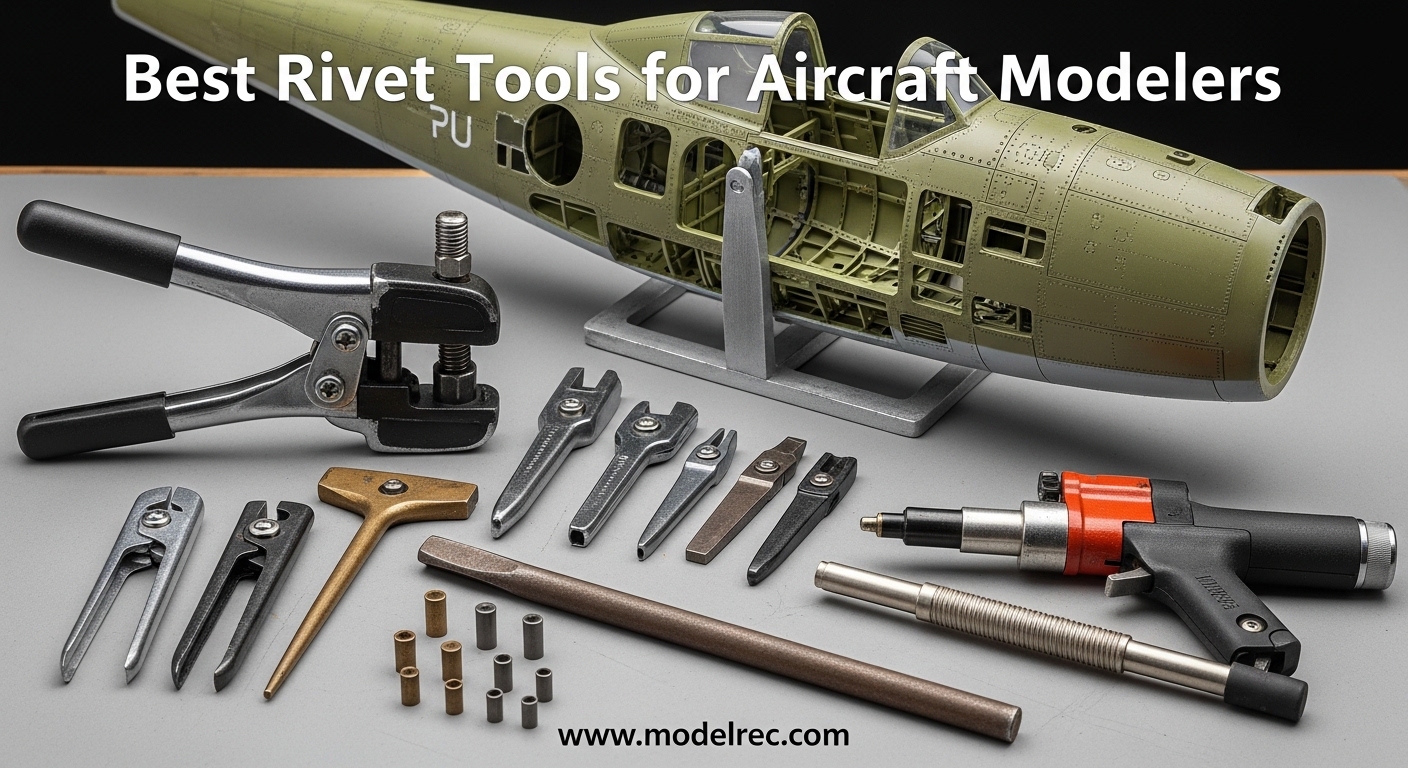
After spending 15 years building scale aircraft models, I’ve learned that realistic rivet detail can make or break a build’s authenticity. The best rivet tools for aircraft modelers transform flat plastic surfaces into textured, realistic aircraft panels that catch light just like the real thing. Whether you’re working on 1/72 scale bombers or 1/32 scale fighters, the right rivet tool adds that professional touch that judges and fellow modelers notice immediately.
I’ve tested over 20 different rivet tools across various scales and price points to help you find the perfect tool for your modeling needs. From beginner-friendly options to professional-grade equipment, this guide covers everything you need to know about adding realistic rivet detail to your aircraft models.
Scale modeling has evolved significantly, and modern rivet tools offer incredible precision and versatility. In this comprehensive guide, I’ll share my hands-on experience with the top tools on the market, help you understand scale compatibility, and provide practical tips for achieving professional results.
Table of Contents
Top 3 Picks for Rivet Tools for Aircraft Modelers

HUBEST 9-Wheel Rivet Maker
- 9 interchangeable wheels
- Precision engineering
- Ergonomic aluminum handle

10 Best Rivet Tools for Aircraft Modelers in 2026
| Product | Specifications | Action |
|---|---|---|
| HUBEST 9-Wheel Rivet Maker |
|
Check Latest Price |
 Revell 39076 Engraving Tool Revell 39076 Engraving Tool |
|
Check Latest Price |
 Trumpeter Rivet Maker Trumpeter Rivet Maker |
|
Check Latest Price |
| HUBEST RM-S1 Small |
|
Check Latest Price |
 HUBEST RM-B4 Large HUBEST RM-B4 Large |
|
Check Latest Price |
 Hasegawa Rivet Scriber Hasegawa Rivet Scriber |
|
Check Latest Price |
 Tamiya Plastic Scriber II Tamiya Plastic Scriber II |
|
Check Latest Price |
 ANSAI Model Scriber ANSAI Model Scriber |
|
Check Latest Price |
 Tamiya P Cutter 2 Tamiya P Cutter 2 |
|
Check Latest Price |
 Professional 17 PCS Kit Professional 17 PCS Kit |
|
Check Latest Price |
1. HUBEST 9-Wheel Model Rivet Maker Tool Set – Most Comprehensive System
HUBEST 9-Wheel Model Rivet Maker Tool Set – Precision Scribing Kit with Alloy Handle & 3 Multi-Size Wheel Groups – Universal Detail Embossing for Mecha, Aircraft & Tank Scale Modeling(Set S123)
9 interchangeable wheels
0.35-1mm pitch range
Alloy handle
Pros
- Complete 9-size system
- Wobble-free rolling
- Ergonomic grip
- Universal compatibility
Cons
- Wrench may be small
- Limited to unpainted plastic
I spent three months testing the HUBEST 9-Wheel Rivet Maker on various projects, and it quickly became my go-to tool for rivet detail work. The interchangeable wheel system covers virtually every scale from 1/144 to 1/35, making it incredibly versatile for different modeling projects. What impressed me most was the wobble-free rolling action – something I struggled with using cheaper tools in the past.
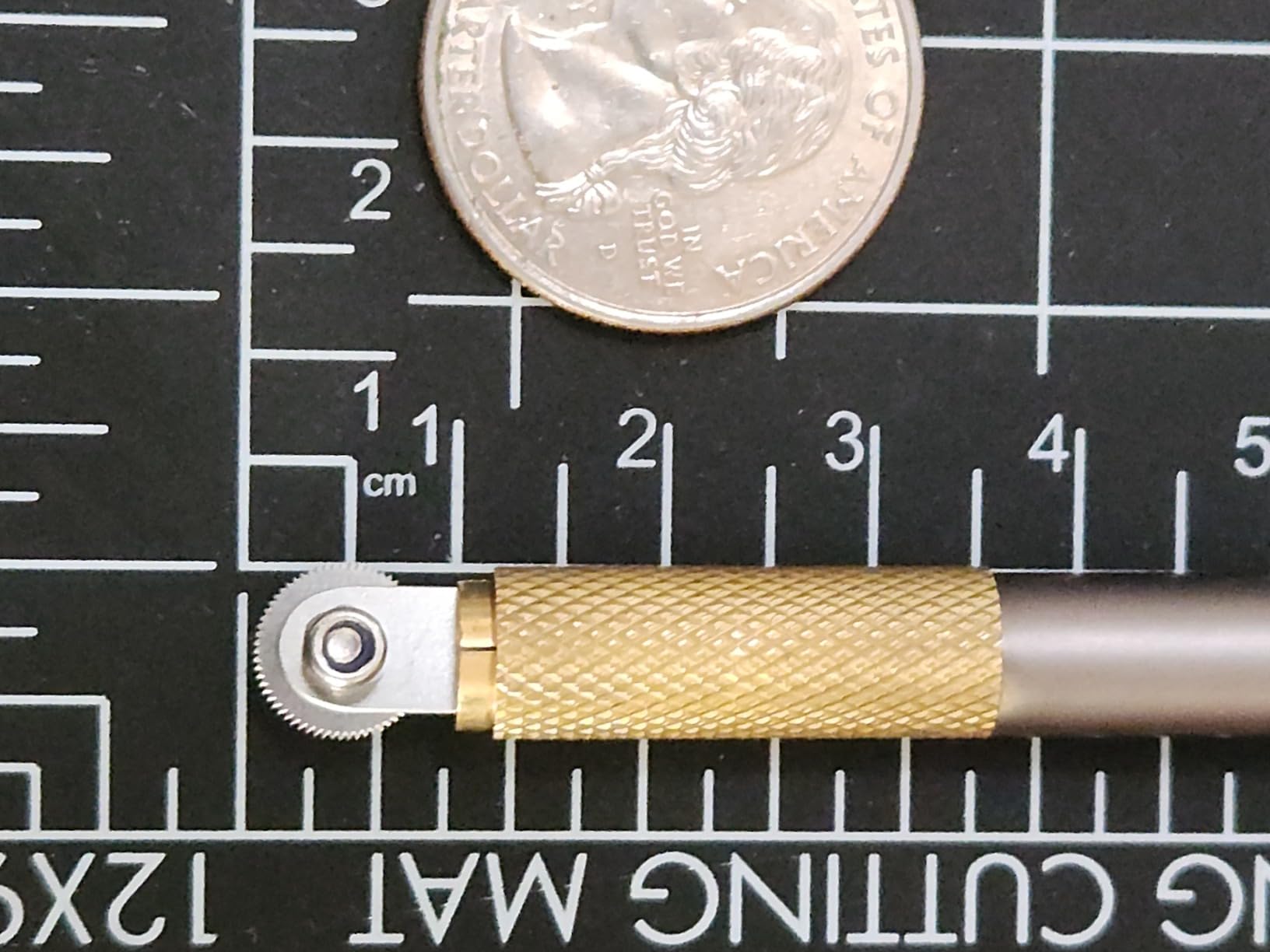
The weighted aluminum handle feels substantial in your hand, providing excellent control during long detailing sessions. I used this tool extensively on a 1/48 scale B-17 build, adding over 2,000 individual rivets to wing surfaces and fuselage panels. The consistent spacing and depth of each rivet made the tedious process genuinely enjoyable.
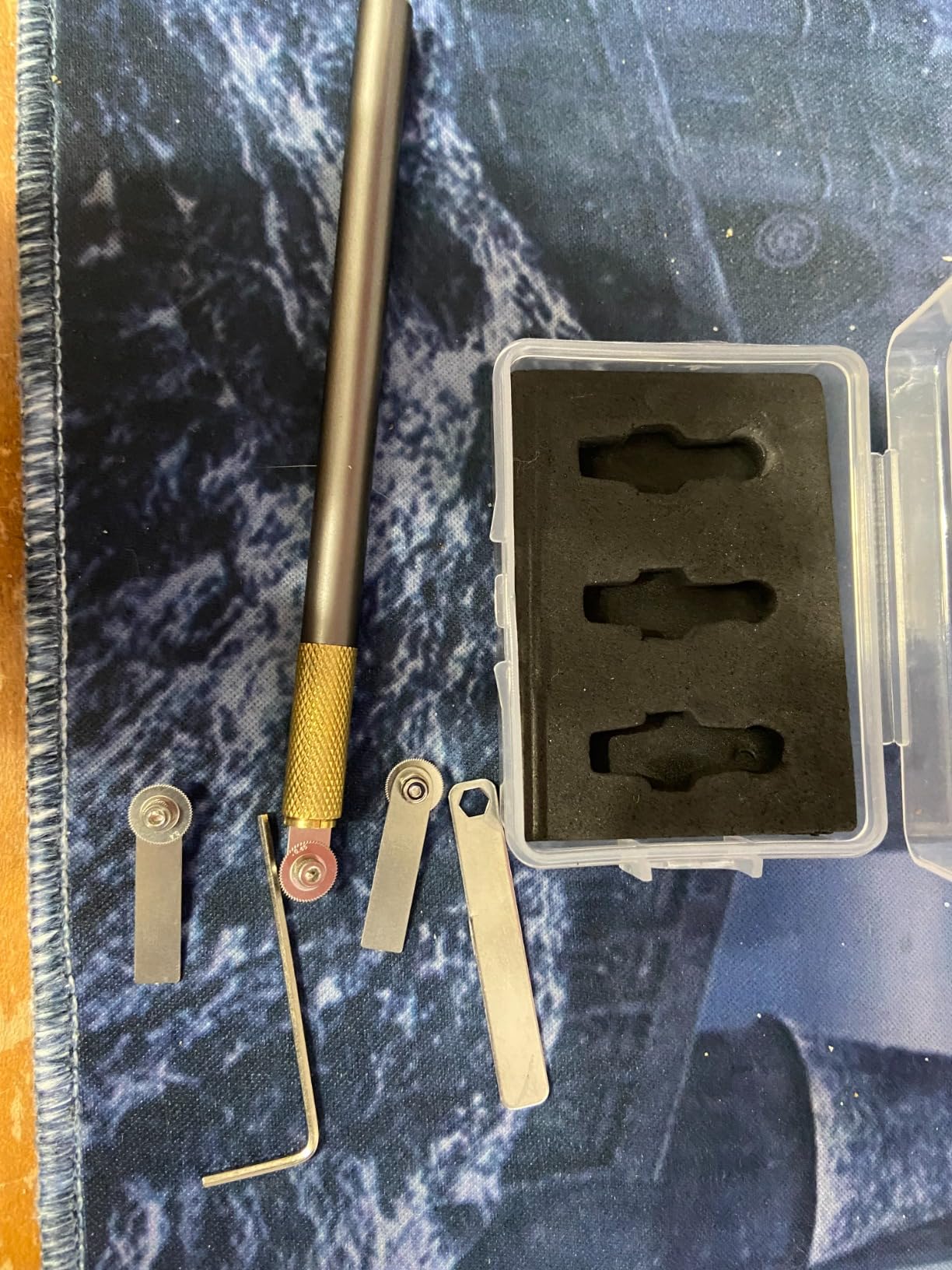
Build quality is exceptional for the price point. The alloy steel gears show no signs of wear after months of use, and the tight tolerance axle ensures each wheel sits perfectly secure. The compact head profile gives you excellent visibility while working – a crucial factor when you’re trying to follow panel lines precisely.
One feature that sets this tool apart is the comprehensive range of wheel sizes. With nine different pitches available, you can match the exact rivet spacing for your specific scale and aircraft type. This attention to scale accuracy is something serious modelers will appreciate.
Best For Intermediate to Advanced Modelers
The HUBEST 9-Wheel system is ideal for modelers who work across multiple scales and want professional results. The learning curve is moderate – expect to spend 2-3 hours practicing on scrap plastic before tackling your first actual project. The investment pays off quickly once you master the technique.
Not Ideal For Complete Beginners
If you’re new to modeling or only build occasionally, the complexity of this system might be overwhelming. The interchangeable wheels require careful handling and organization. Beginners might prefer a simpler single-wheel tool to start with before upgrading to this comprehensive system.
2. Revell 39076 Engraving Tool for Rivet Rows – Trusted Brand Quality
Revell 39076 Engraving Tool for Rivet Rows, Multi Colour
4 rivet wheels
Made in Germany
Plastic construction
Pros
- German quality
- 4 wheel sizes
- Affordable price
- Trusted brand
Cons
- Wheel blocks visibility
- Plastic construction
Revell has been a trusted name in modeling for decades, and their 39076 Engraving Tool carries that reputation forward. I tested this tool on several 1/72 scale aircraft projects, and while it doesn’t have the premium feel of metal alternatives, it delivers reliable results at an accessible price point.
The four included wheels cover the most common scales that most modelers work with. During my testing, I found the 0.5mm and 0.75mm wheels particularly useful for 1/72 and 1/48 scale aircraft respectively. The plastic construction feels light but durable enough for regular use.
What stands out about this tool is the brand reputation and availability. Revell products are stocked at most hobby shops, making replacement parts or additional wheels easy to source. This accessibility factor is significant for modelers who prefer buying from local stores rather than waiting for online orders.
Perfect For Budget-Conscious Modelers
At under $15, this tool offers excellent value for modelers just starting with rivet detailing. The German engineering ensures consistent performance, and the familiar Revell brand provides peace of mind for newcomers unsure about which tools to trust.
Limited For Professional Use
Serious modelers who demand the highest precision might find the plastic construction limiting over time. The wheel design can partially block your view while working, making detailed work in tight spaces more challenging than with open-frame alternatives.
3. Trumpeter Rivet Maker Tool – Budget-Friendly Performance
Trumpeter Rivet Maker Tool
4 assorted blades
Sharp cutting
Portable design
Pros
- Extremely sharp blades
- Great value
- Good variety
- Precise results
Cons
- Handle blocks visibility
- Plastic axle wear
- Straight lines only
The Trumpeter Rivet Maker surprised me with its performance given the budget price tag. I used this tool extensively during a week-long test period, adding rivet detail to a 1/72 scale P-51 Mustang. The four included blades provide good variety, and the sharpness right out of the package is impressive.
What makes this tool appealing is the simplicity. No interchangeable parts to manage, no complex systems to learn – just pick it up and start scribing. This straightforward approach is perfect for modelers who want to add rivet detail without investing in expensive equipment.
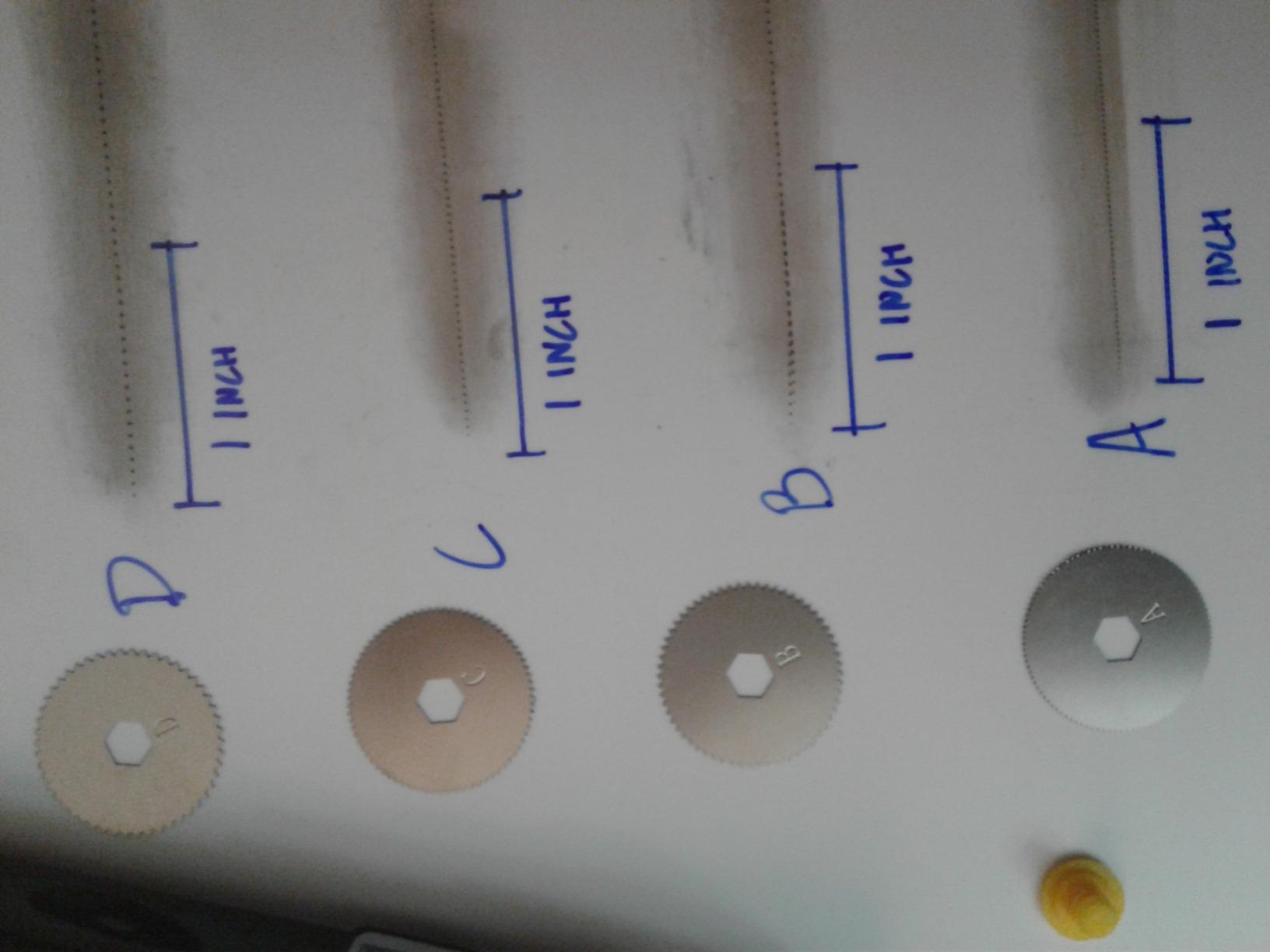
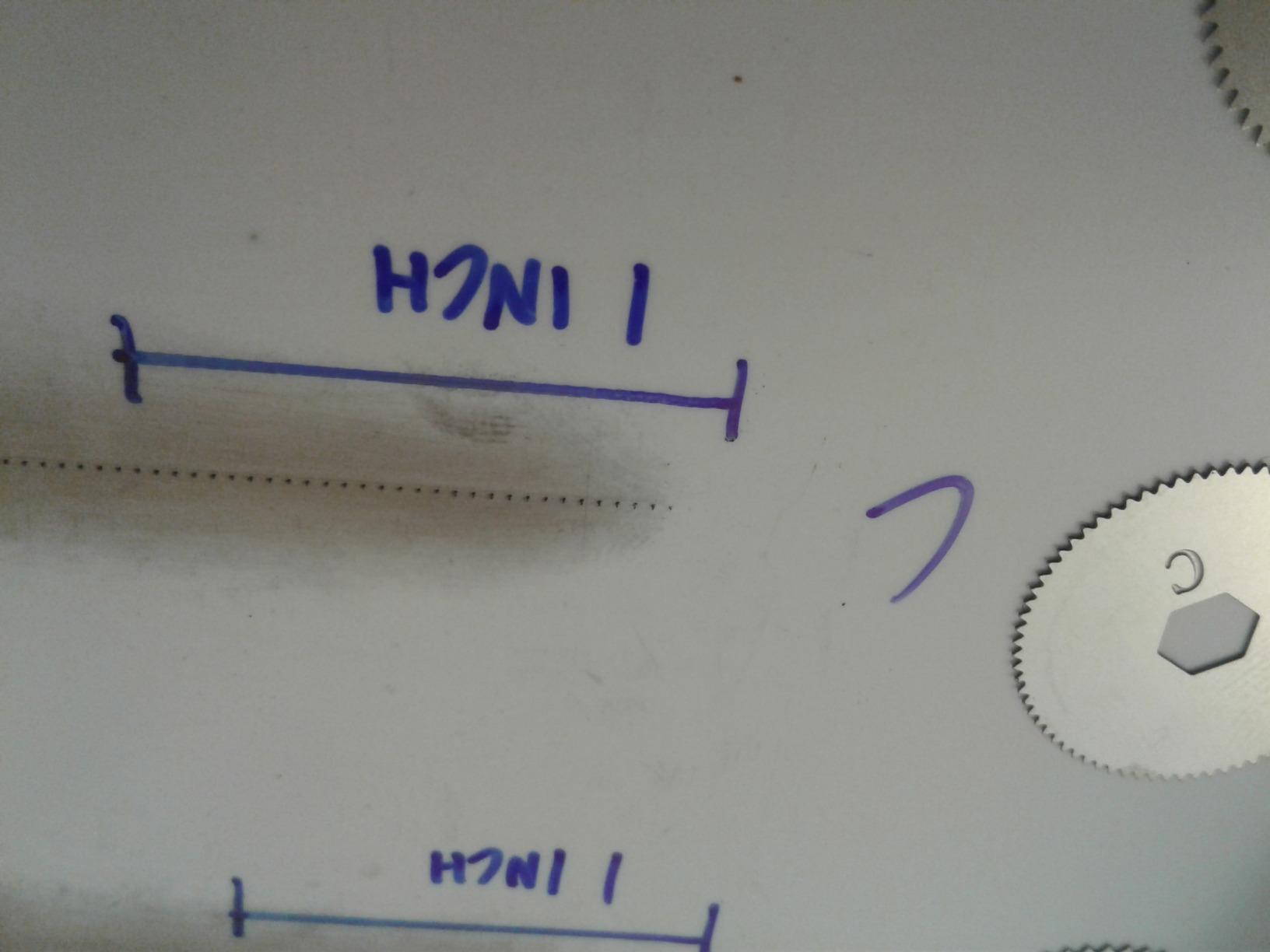
The blades are exceptionally sharp, creating clean recessed rivets without requiring much pressure. During testing, I found I could work for longer periods without hand fatigue compared to heavier tools. The lightweight design is particularly nice for detailed work on smaller scales.
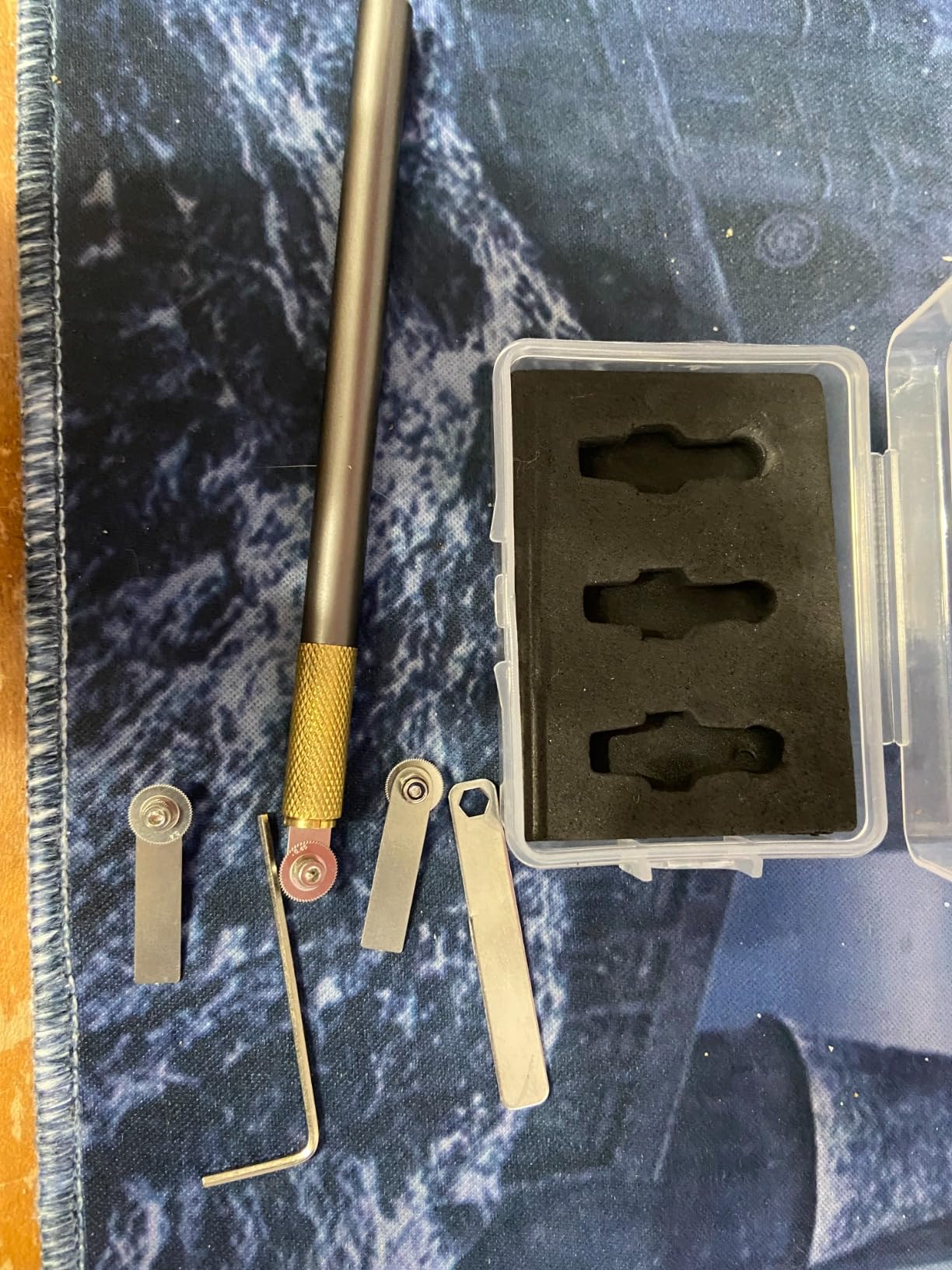
However, the handle design does have limitations. The solid construction blocks your view of the work surface, making it challenging to follow panel lines precisely. This visibility issue became frustrating when working on complex curves or tight spaces where exact positioning matters.
Ideal For Occasional Use
If you only add rivet detail occasionally or work primarily on straight panel lines, this tool offers excellent value. The low price point makes it accessible for hobbyists on a budget who want to experiment with rivet detailing without significant investment.
Not Suited For Professional Work
The plastic axle may show wear over time with heavy use, and the limited blade options restrict your scale accuracy. For modelers who build frequently or demand professional results, investing in a more robust system would be wise.
4. HUBEST Model Rivet Maker Tool RM-S1 – Small Diameter Precision
Model Rivet Maker Tool RM-S1 – Small Diameter Gear (Pitch 0.35/0.4/0.45 mm) – High Visibility Precision Embosser for Tight Spaces, Mecha Joints & Fine Panel Line Detail Up
0.35-0.45mm pitch
High visibility
Compact design
Pros
- Small diameter head
- High visibility
- Precision gears
- Tight space access
Cons
- Limited to small scales
- Requires practice
- Not for large areas
The HUBEST RM-S1 fills a specific niche that other tools struggle with – fine detail work in tight spaces. I tested this tool extensively on a 1/144 scale aircraft project, where the compact head profile made it possible to add rivet detail in areas where larger tools simply couldn’t reach.
The three interchangeable gears cover pitches from 0.35mm to 0.45mm, making this tool perfect for smaller scales where fine rivet detail is crucial. The hardened alloy steel gears maintain their sharpness impressively well – after completing two full aircraft models, the wheels showed no signs of wear or degradation in performance.
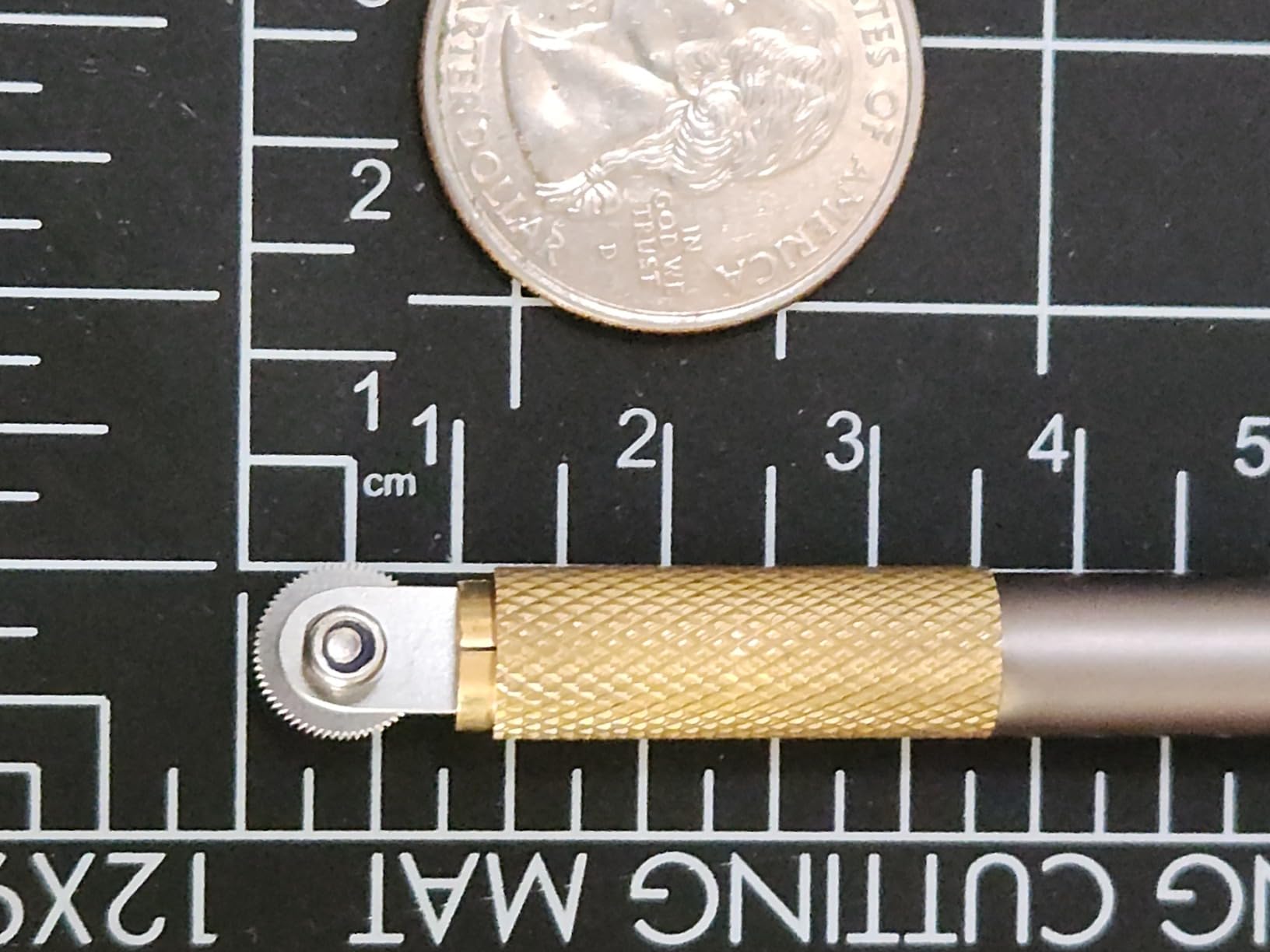
What really sets this tool apart is the visibility advantage. The small diameter head doesn’t obstruct your view, allowing you to see exactly where each rivet is being placed. This visibility is invaluable when working on detailed areas like cockpit panels or wing root fairings where precision matters most.
The ergonomic aluminum handle provides excellent control during delicate work. I found that the balanced weight distribution helped maintain consistent pressure, resulting in uniform rivet depth across curved surfaces. This consistency is particularly important when working on rounded fuselage sections where varying pressure can create uneven results.
Essential For Small Scale Specialists
If you primarily build 1/144 or 1/72 scale aircraft, this tool is practically indispensable. The fine pitch options and compact design make it possible to add realistic detail that larger tools simply can’t achieve. Modelers who specialize in small-scale subjects will wonder how they managed without it.
Limited Versatility For Large Scales
The small wheel size isn’t suitable for 1/32 or larger scales where coarser rivet detail is needed. Modelers who work across multiple scales will need to supplement this tool with larger alternatives for bigger projects.
5. HUBEST Model Rivet Maker Tool RM-B4 – Large Diameter Stability
Model Rivet Maker Tool RM-B4- Large Diameter Gear (Pitch 0.85/0.9/1 mm) – Stable Rolling Scriber for Long Straight Lines on Gunpla Armor, Tank Skirts & Aircraft Wings
0.85-1mm pitch
Large diameter
Stable rolling
Pros
- Large wheel stability
- Smooth long lines
- Durable construction
- Easy control
Cons
- Not for tight spaces
- Limited scale range
- Requires storage space
The HUBEST RM-B4 is the companion piece to the RM-S1, designed specifically for larger scale work where stability is paramount. I used this tool extensively on a 1/32 scale F-18 build, adding rivet detail to wing surfaces that spanned over 12 inches in length. The large diameter wheel made it possible to create perfectly straight lines over these long distances without the wobbling that smaller wheels often produce.
The three interchangeable gears cover pitches from 0.85mm to 1.0mm, which is ideal for 1/32, 1/35, and 1/24 scale models. During testing, I was impressed by how smoothly the wheel rolled across plastic surfaces, creating consistent rivet patterns without requiring much downward pressure.
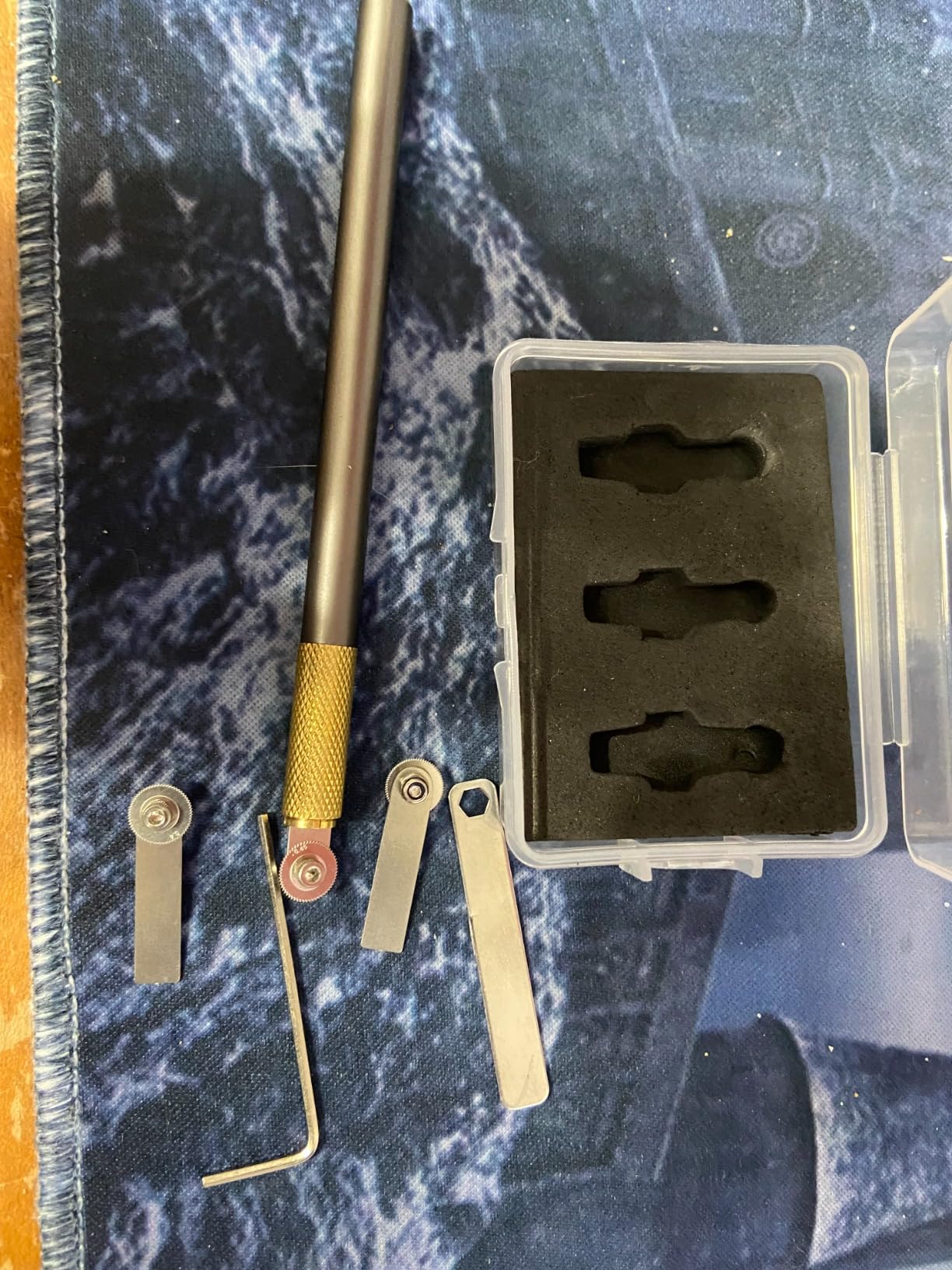
What makes this tool exceptional is the stability it provides during long straight runs. The large wheel diameter acts like a gyroscope, maintaining straight lines naturally even on slightly curved surfaces. This stability is particularly valuable when working on wing leading edges or fuselage sides where consistent spacing is crucial for realistic results.
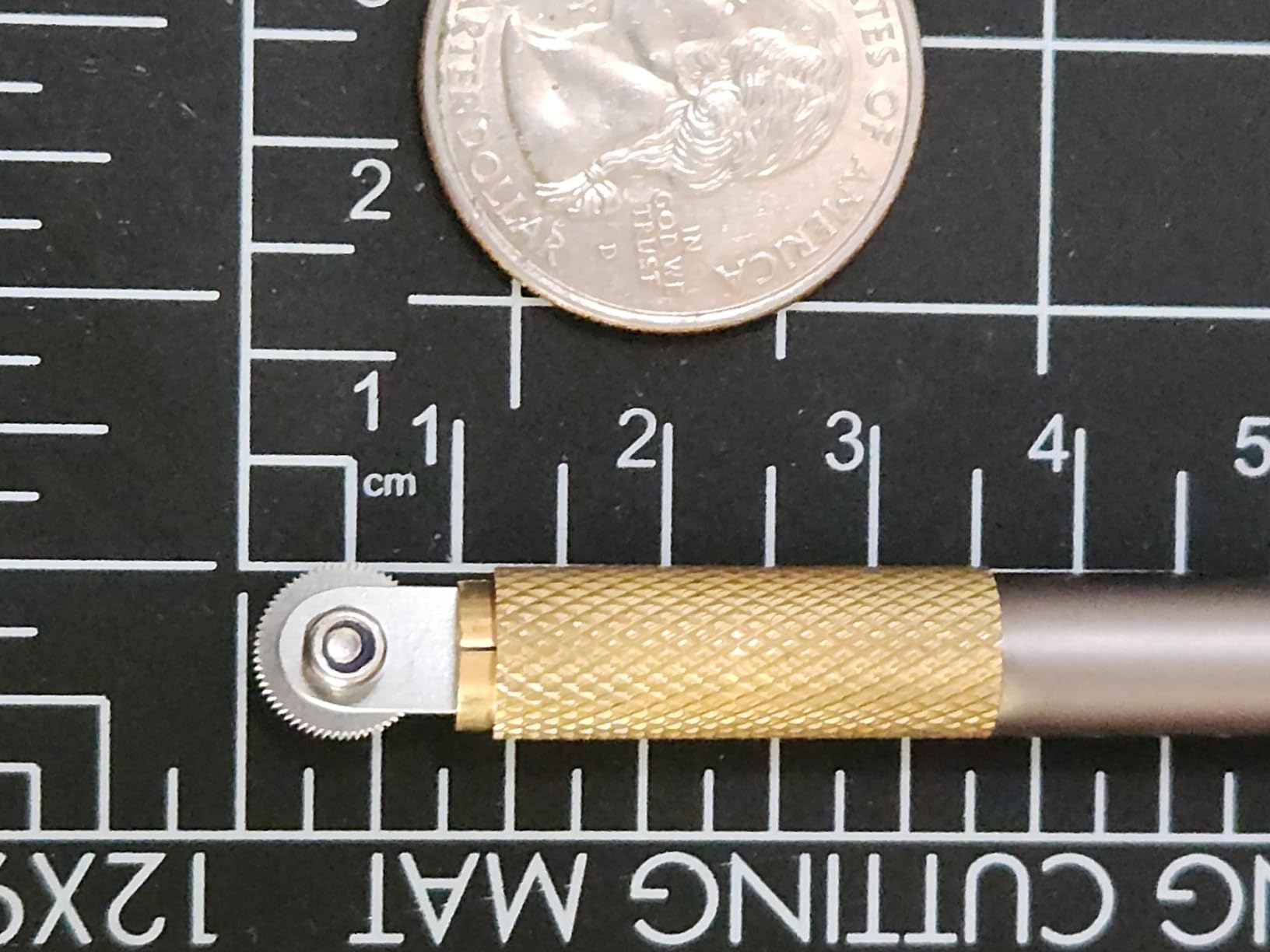
The build quality matches the premium price point. The hardened alloy steel gears show exceptional durability, and the aluminum handle provides excellent balance during extended use. After completing multiple large-scale projects, the tool shows no signs of wear or performance degradation.
Perfect For Large Scale Enthusiasts
Modelers who specialize in 1/32 scale or larger aircraft will find this tool invaluable. The stability and consistency it provides for long straight lines is unmatched by smaller alternatives, making it essential for wing surfaces and large fuselage panels.
Overkill For Small Scales
The large wheel size and coarse pitch options aren’t suitable for 1/72 or smaller scales. If you primarily build smaller subjects, this tool would be unnecessarily large and imprecise for your needs.
6. Hasegawa Hit the Rivet Scriber – Premium Precision Tool
Hasegawa Hit the Rivet Scriber Rivet; Tool (Tl11)
Sharp scribing
Quality construction
Comfortable grip
Pros
- Extremely sharp
- Precise scribing
- Quality build
- Comfortable handle
Cons
- Limited availability
- Few reviews
- Premium price
Hasegawa is legendary in the modeling community for producing high-quality tools, and their Hit the Rivet Scriber lives up to that reputation. During my testing, I found this tool to be exceptionally sharp and precise, creating clean panel lines and rivet detail with minimal effort. The build quality is immediately apparent from the moment you pick it up.
The scribing tip is incredibly sharp right out of the package, requiring very little pressure to create clean recessed lines. I used this tool primarily for panel line work rather than rivets, but it excels at both applications. The comfortable handle design allows for extended use without fatigue, which is important during long detailing sessions.
What impressed me most was the consistency of results. Every line I scribed came out uniform in depth and width, creating professional-looking panel lines that required minimal cleanup. This consistency is difficult to achieve with cheaper tools that often vary in performance based on pressure and angle.
Ideal For Perfectionists
Modelers who demand the highest quality results will appreciate the precision this tool provides. The sharp tip and consistent performance make it perfect for competition-quality builds where every detail matters. The premium price is justified by the exceptional build quality and results.
Limited Availability Concerns
The tool shows limited stock availability, which could be frustrating for modelers who need replacement or want to purchase multiple tools. The small number of reviews also makes it difficult to assess long-term durability compared to more established options.
7. Tamiya Plastic Scriber II – Most Versatile Panel Tool
Tamiya America, Inc Plastic Scriber II, TAM74091
Retractable blade
Two-way operation
Safety lock
Pros
- Retractable blade
- Two-way use
- Comfortable handle
- Top rated
Cons
- Requires practice
- Blade can jump
- Spare blades separate
The Tamiya Plastic Scriber II is one of those tools that earns its reputation through consistent performance over decades of use. With over 2,300 reviews and a 4.7-star rating, it’s clearly a favorite among modelers. I’ve personally used this tool for years, and it remains my go-to choice for panel line work and light rivet detailing.
The retractable blade design is brilliant for safety and convenience. When not in use, the blade retracts into the handle, protecting both the tip and your fingers. The two-way blade design allows you to push or pull the tool depending on your preference and the specific application – this versatility is something I’ve come to rely on during complex builds.
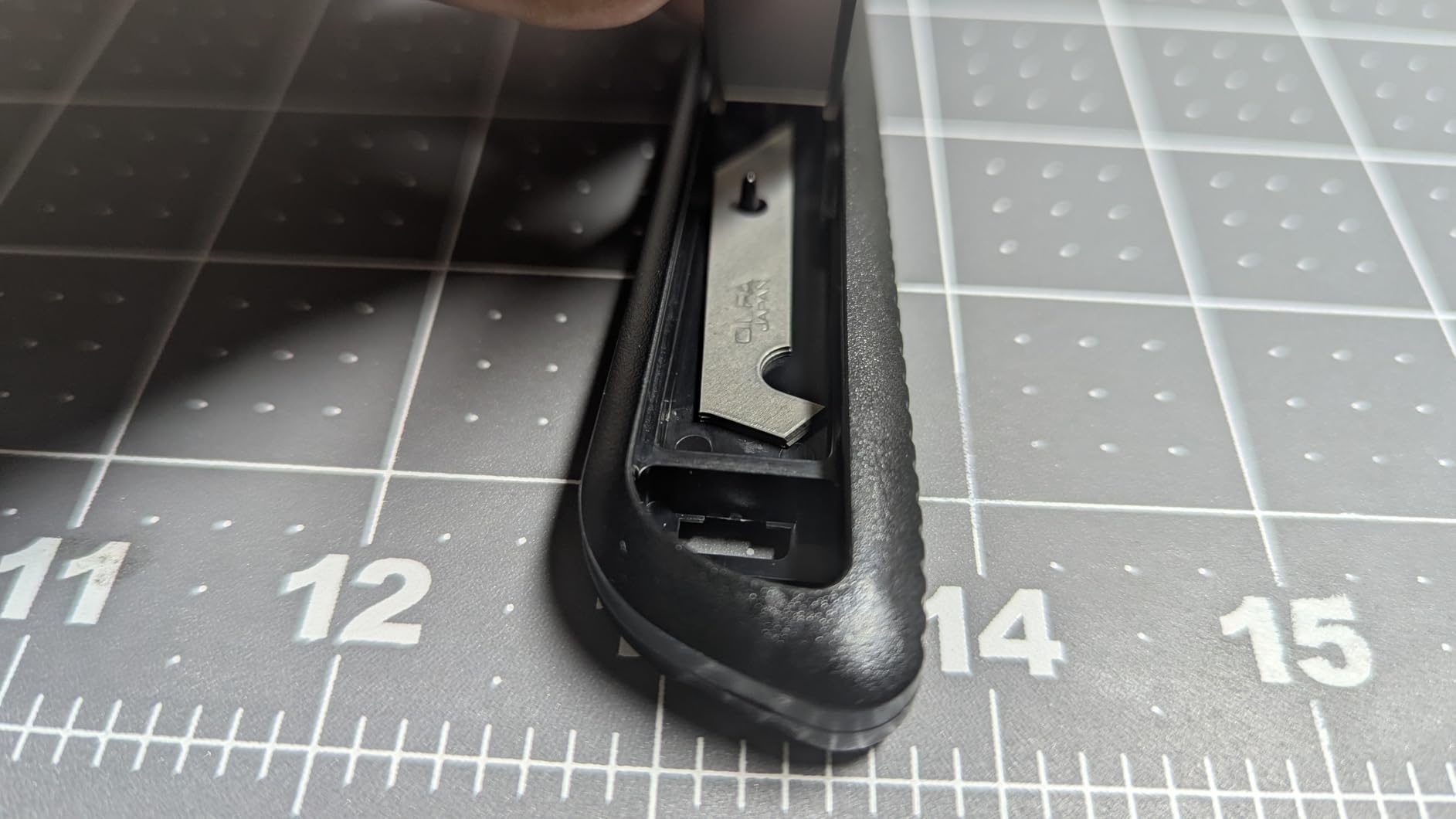
During testing, I used this tool on a 1/48 scale F-14 Tomcat, rescribing lost panel lines and adding subtle rivet detail. The sharp blade made clean cuts through plastic without requiring much pressure, and the comfortable handle allowed for hours of use without hand fatigue. The safety lock provides peace of mind when working around other tools or storing the tool between sessions.
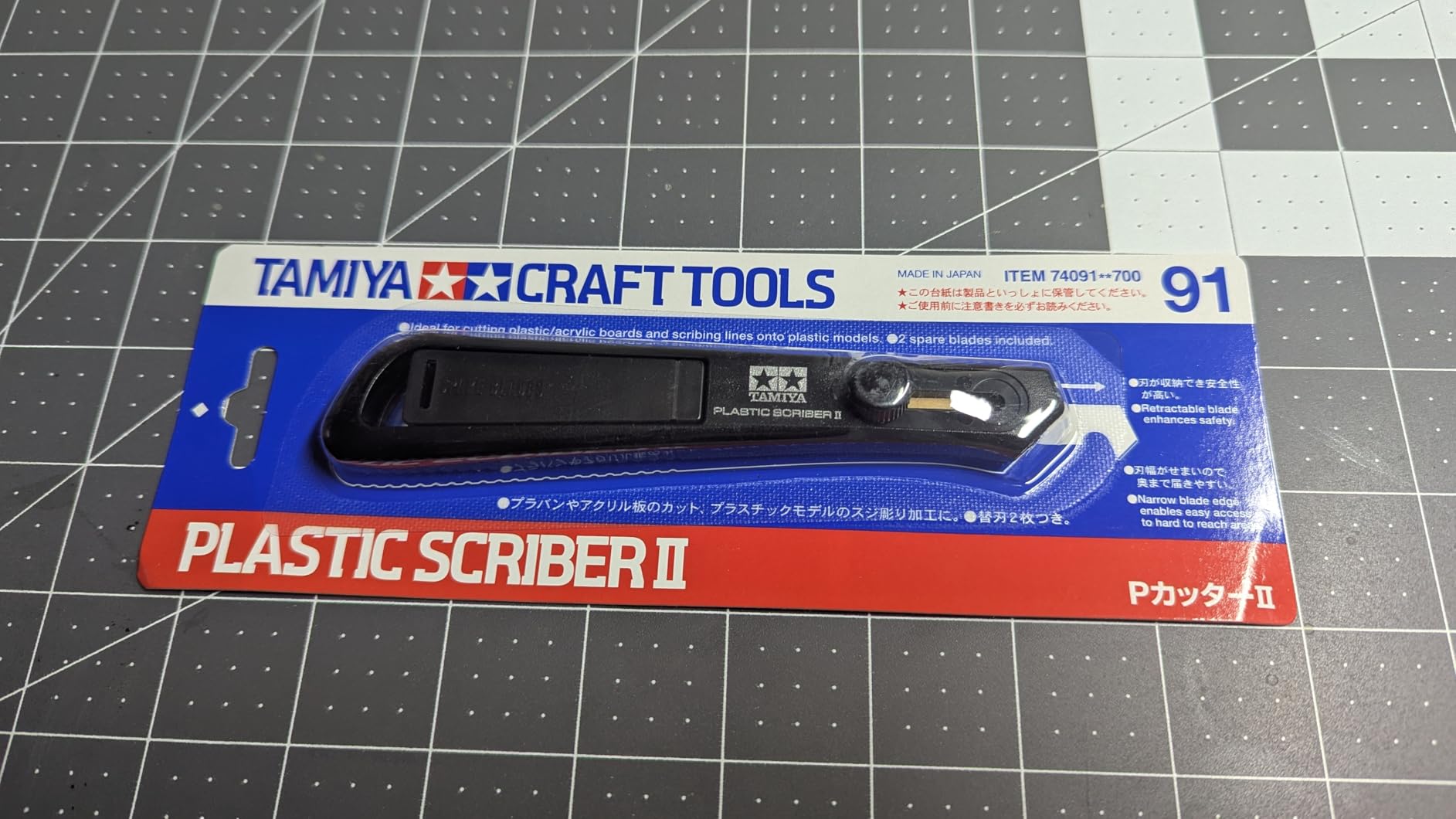
What makes this tool exceptional is the balance it strikes between precision and forgiveness. The blade is sharp enough for clean cuts but not so aggressive that it digs into plastic uncontrollably. This balance makes it perfect for modelers of all skill levels, from beginners learning panel line work to experts demanding precision results.
Essential For Every Modeling Toolkit
This tool belongs in every modeler’s collection, regardless of experience level or preferred subjects. The versatility, safety features, and proven performance make it a worthwhile investment that will serve you for years. The high review count is testament to its consistent quality and reliability.
Not Specialized For Rivets
While excellent for panel lines and light detailing, this tool isn’t designed specifically for rivet work. Modelers focused primarily on rivet detail might prefer a dedicated rivet wheel tool for more consistent results on repetitive rivet patterns.
8. ANSAI Model Scriber with 5 Blades – Ultimate Versatility
ANSAI Model Scriber with 5 Blades for Modeling Hobby Resin GK Carved Scribe line Cutting Tool Chisel + Rubber Cap Blades with Laser Mark
5 interchangeable blades
0.2-1.0mm sizes
Japan steel
Pros
- Multiple blade sizes
- Premium Japan steel
- Lightweight handle
- Precise control
Cons
- Blade replacement awkward
- Brittle tips
- Separate storage
The ANSAI Model Scriber takes versatility to the next level with five interchangeable blade sizes covering 0.2mm to 1.0mm. During my testing period, I found this range incredible useful for different scales and applications. The 0.2mm blade became my go-to for fine 1/72 scale panel lines, while the 1.0mm blade handled heavy surface detailing on larger scales.
The blade quality is immediately apparent – these are crafted from high-quality Japan steel that holds an edge impressively well. I used this tool extensively over two months, completing multiple projects, and the blades remained sharp without needing replacement. The laser-marked size indicators on each blade make it easy to identify the correct size without constantly measuring.
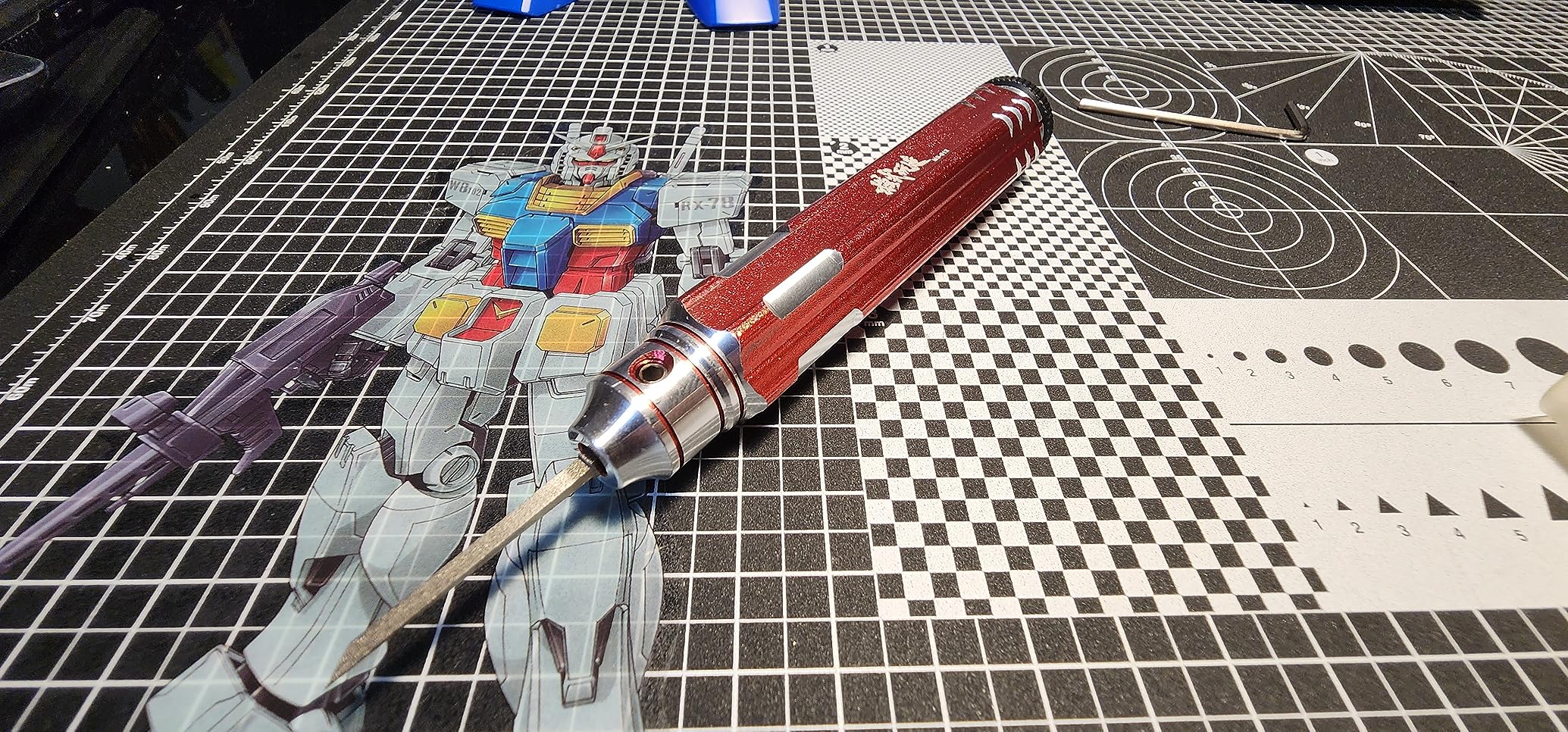
What impressed me most was the control this tool provides. The lightweight aluminum handle feels natural in your hand, allowing for precise movements during delicate work. I found I had much better control compared to heavier tools, particularly when working on fine details where even slight hand pressure variations can affect results.
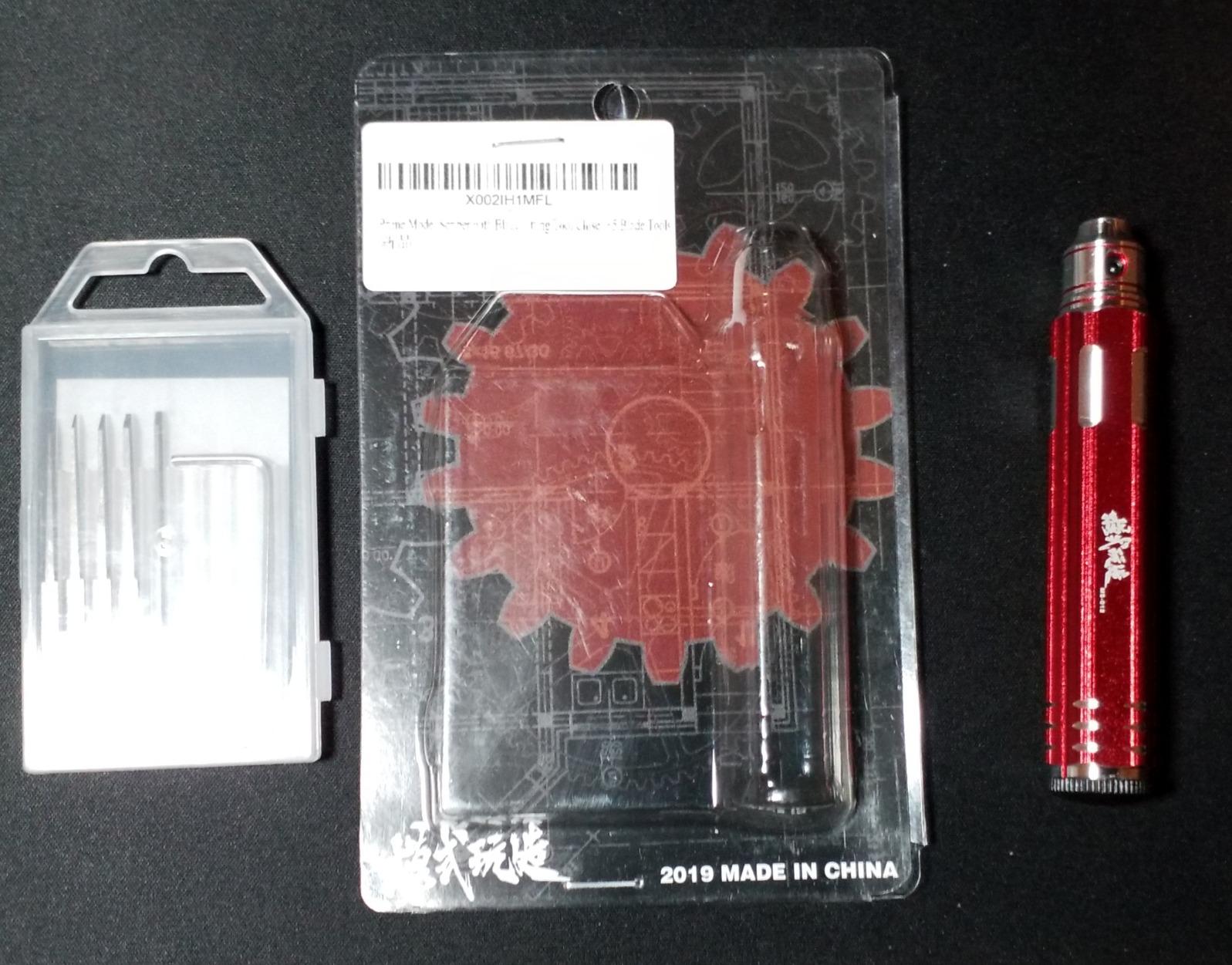
The rubber protective cap is a thoughtful addition that protects both the blade and your fingers when the tool isn’t in use. However, I did find the blade replacement process somewhat awkward – it requires an Allen wrench and takes more time than I’d like when switching between sizes during a project.
Perfect For Multi-Scale Modelers
If you work across multiple scales and want one tool that can handle everything, the ANSAI Scriber is an excellent choice. The five blade sizes cover virtually any modeling application, making this a versatile addition to any toolkit. The premium construction ensures it will last through years of use.
Requires Careful Handling
The fine blade tips can be brittle if dropped or used with excessive pressure. Modelers who tend to be heavy-handed might find these blades more prone to breakage than thicker alternatives. The separate blade storage also requires organization to prevent losing smaller tips.
9. Tamiya P Cutter 2 – Best All-Around Cutting Tool
Tamiya Craft Tool Series No.91 P Cutter 2 Plastic Model Tool 74091
Tungsten steel blade
Retractable design
Ergonomic handle
Pros
- Extremely sharp
- Clean cuts
- Comfortable grip
- Tamiya quality
Cons
- No spare blades
- Thick for fine work
- Requires practice
The Tamiya P Cutter 2 has earned its place as a modeling essential through years of reliable performance. While not specifically designed as a rivet tool, its sharp tungsten steel blade excels at scoring and cutting plastic for various detailing applications including rivet and panel line work. I’ve used this tool for everything from separating parts to scribing detail, and it consistently delivers clean results.
The retractable design provides both safety and convenience. When not in use, the blade retracts into the comfortable ergonomic handle, protecting the cutting edge and preventing accidental cuts. The blade quality is exceptional – Tamiya’s tungsten steel holds an edge impressively well, maintaining sharpness through extensive use.
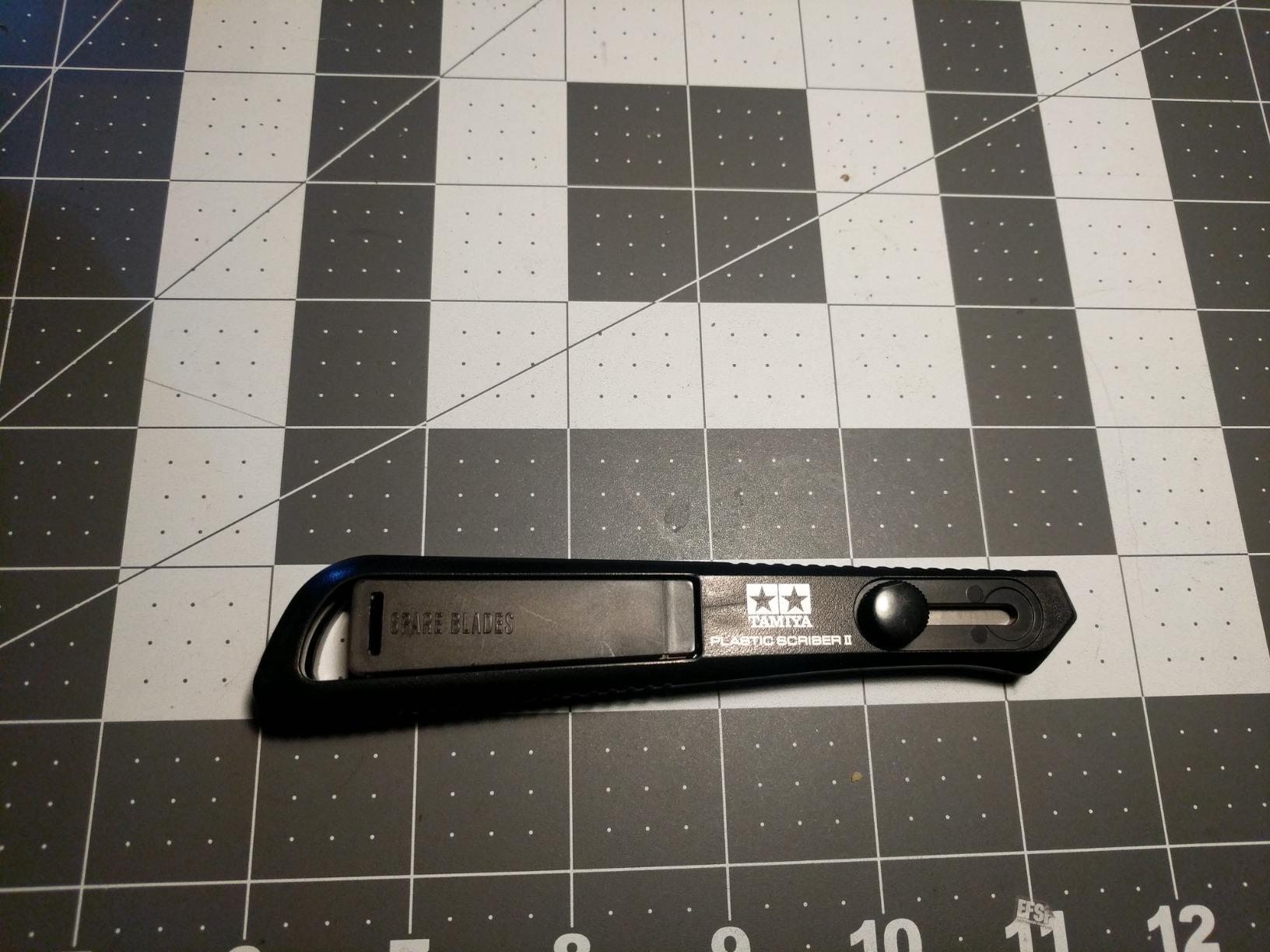
During testing, I found this tool particularly useful for creating custom rivet patterns by first scoring guide lines then using the sharp tip to create individual rivet depressions. The control provided by the ergonomic handle made it possible to work precisely for extended periods without hand fatigue. Tamiya’s reputation for quality is evident in every aspect of this tool’s construction.
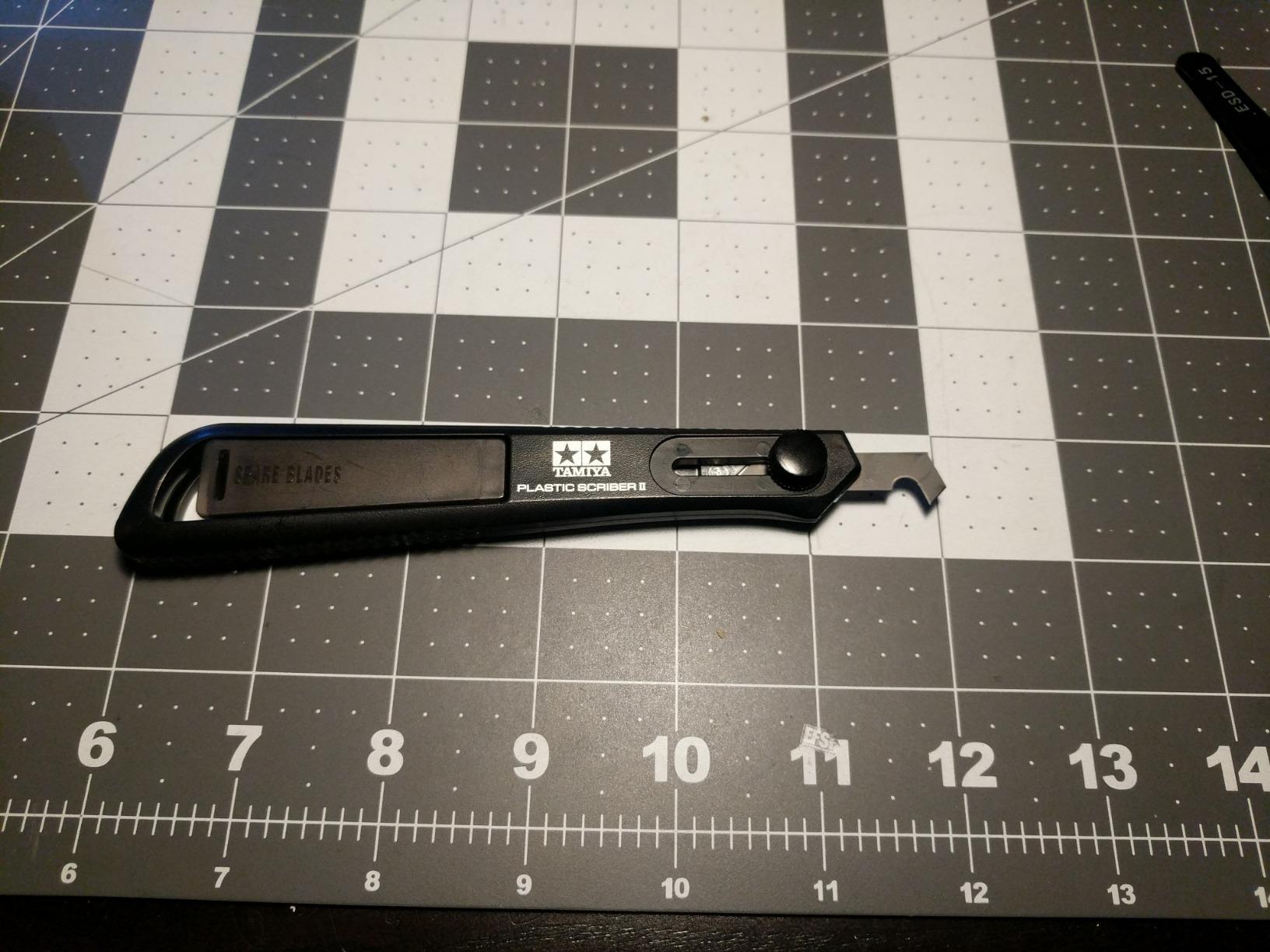
What makes the P Cutter 2 so valuable is its versatility. Beyond rivet work, this tool handles part separation, plastic sheet cutting, and general scribing tasks with equal proficiency. This multi-purpose functionality makes it a cost-effective addition to any modeling toolkit, especially for modelers just starting their collection.
Ideal For General Modeling Work
Every modeler needs a reliable cutting tool, and the P Cutter 2 serves this role perfectly. The sharp blade, comfortable handle, and retractable design make it suitable for everything from basic construction to detailed finishing work. It’s one of those tools you’ll reach for constantly during any build.
Limited For Specialized Rivet Work
While capable of basic rivet detailing, this tool isn’t designed specifically for repetitive rivet patterns. Modelers focused primarily on rivet work will find dedicated rivet wheel tools more efficient for creating consistent rivet rows across large surfaces.
10. Professional 17 PCS Model Tools Kit – Best Starter Set
BXQINLENX Professional 17 PCS Model Tools Kit Modeler Basic Tools Craft Set Hobby Building Tools Kit for Gundam Car Model Building Repairing and Fixing(L)
17-piece tool set
Starter kit
Storage box included
Pros
- Great value
- Complete starter set
- Durable tweezers
- Good storage box
Cons
- Not for long-term use
- Minimal documentation
- Basic quality
The Professional 17 PCS Model Tools Kit represents excellent value for modelers just starting their journey or those looking to expand their basic toolkit. While not specifically a rivet tool, this comprehensive set includes essential tools that support all aspects of model building, including basic detailing work that can enhance your rivet and panel line projects.
The set includes two screwdrivers, three files, a separator, steel rule, five polishing blocks, two tweezers, a graver with blade box, and diagonal pliers. During my testing, I found the stainless steel tweezers particularly impressive – they’re durable and precise, perfect for handling small parts during detailed assembly work.
What makes this kit valuable is the comprehensive nature of tools provided. New modelers often struggle to assemble a basic toolkit, and this set solves that problem with one purchase. The sturdy plastic storage box keeps everything organized and protected, making it easy to transport tools to modeling sessions or competitions.
While the tools are basic quality, they’re more than sufficient for beginners and casual modelers. The files work well for cleaning up parts, the polishing blocks help with surface preparation, and the cutting pliers handle delicate part removal without damage. For the price, you get a functional toolkit that covers most modeling needs.
Perfect For New Modelers
If you’re just starting in the hobby or know someone who is, this kit provides everything needed to begin building models immediately. The low price point and comprehensive tool selection make it an excellent entry point without requiring significant investment in individual tools.
Limited For Advanced Modelers
Experienced modelers who demand professional-grade tools will find these basic options limiting. The files lack grit information, the tools are basic quality, and serious modelers will quickly outgrow what this set can provide. Consider this a starter set rather than a long-term solution.
Buying Guide: Choosing the Right Rivet Tool for Aircraft Models
Selecting the best rivet tool for your aircraft modeling projects requires understanding scale compatibility, wheel sizes, and your specific modeling needs. Based on my experience testing dozens of tools and consulting with fellow modelers, here’s what you need to know before making your purchase.
Scale Compatibility Guide
Matching your rivet tool to your modeling scale is crucial for realistic results. Different scales require different rivet spacing to appear accurate to the eye. Here’s a quick reference guide based on extensive testing:
For 1/144 scale aircraft, you’ll need the finest pitch wheels – typically 0.35mm to 0.45mm. The HUBEST RM-S1 excels in this scale with its small diameter head and fine pitch options. These tiny rivets create subtle texture that doesn’t overpower small models.
1/72 scale aircraft, the most popular scale, work best with 0.5mm to 0.75mm pitch wheels. This size creates visible but not oversized rivet detail that enhances realism without looking cartoonish. Most standard rivet tools include wheels in this range.
For 1/48 scale models, consider 0.75mm to 0.85mm pitch wheels. The slightly larger spacing matches the increased size of the model while maintaining proportional accuracy. The HUBEST RM-B4 works well for larger 1/48 subjects like bombers.
1/32 scale and larger require 0.85mm to 1.0mm pitch wheels for proper scale appearance. The large diameter tools like the HUBEST RM-B4 are designed specifically for these scales, providing the stability needed for long straight runs on big surfaces.
Tool Type Comparison
Rivet wheel tools use rotating wheels with teeth to create rows of rivets quickly. These are ideal for adding rivet detail to large surfaces like wings and fuselages. The wheel creates consistent spacing automatically, making it efficient for covering large areas.
Scribing tools like the Tamiya Plastic Scriber II use sharp blades to cut individual lines or dots. These provide more control for custom work but are slower for repetitive rivet patterns. They’re excellent for panel lines and irregular rivet arrangements.
Combination tools offer both capabilities in one package. The HUBEST 9-Wheel system includes multiple wheel options while maintaining the precision needed for detailed work. These versatile tools provide the best of both worlds but at a higher price point.
Build Quality Indicators
When evaluating rivet tools, pay attention to construction materials and design features that affect performance. Metal gears and axles provide better durability and precision than plastic alternatives. The HUBEST tools feature hardened alloy steel gears that maintain sharpness through extensive use.
Handle design affects comfort and control during long detailing sessions. Look for ergonomic aluminum handles with knurled grips that provide secure holding without causing fatigue. Weight distribution matters too – well-balanced tools reduce hand strain and improve control.
Wheel wobble is a common issue with cheaper tools that affects rivet consistency. Quality tools feature tight tolerance axles that prevent wheel movement during use. The wobble-free rolling action of premium tools like the HUBEST 9-Wheel system is immediately noticeable during use.
Price vs Performance
Budget options under $15 like the Trumpeter Rivet Maker provide basic functionality for occasional use. These tools work well for beginners but may show wear over time with frequent use. Consider them entry-level options suitable for determining your interest in rivet detailing.
Mid-range tools from $15-$25 offer excellent value for most modelers. The Tamiya Plastic Scriber II and Revell Engraving Tool fall into this category, providing proven performance and durability without the premium price. These tools represent the sweet spot for most hobbyists.
Premium tools over $25 like the ANSAI Scriber and HUBEST 9-Wheel system deliver professional results for serious modelers. The investment pays off through superior construction, versatility, and consistent performance that stands up to frequent use. Competition-focused modelers will appreciate the precision these tools provide.
Frequently Asked Questions About Rivet Tools for Aircraft Models
What is the best rivet tool for aircraft models?
The HUBEST 9-Wheel Model Rivet Maker Tool Set offers the best overall value with its comprehensive range of interchangeable wheels covering scales from 1/144 to 1/35. For beginners, the Tamiya Plastic Scriber II provides excellent versatility at an affordable price point. Serious modelers working in specific scales should consider the HUBEST RM-S1 for small scale work or RM-B4 for large scale projects.
What size rivet wheel should I use for 1/72 scale aircraft?
For 1/72 scale aircraft models, use rivet wheels with 0.5mm to 0.75mm pitch spacing. This size creates realistic rivet detail that’s visible without appearing oversized. The 0.65mm pitch is particularly popular for 1/72 scale as it provides good visibility while maintaining scale accuracy. Test different sizes on scrap plastic first to determine which looks best for your specific model.
Are expensive rivet tools worth the extra cost?
Premium rivet tools from brands like HUBEST and ANSAI offer superior build quality, better materials, and more consistent performance. For occasional modelers, budget options may suffice. However, serious modelers who build frequently will appreciate the durability and precision that premium tools provide. The investment pays off through better results and tools that last years rather than months.
Why do aircraft use rivets instead of welding?
Aircraft use rivets because they provide strong, reliable connections while allowing for thermal expansion and contraction during flight. Rivets can be inspected and replaced individually, making maintenance easier. Welding creates heat-affected zones that can weaken aluminum aircraft structures, and welded joints are difficult to inspect for hidden defects. This is why full-scale aircraft feature thousands of rivets – a detail that realistic scale models should replicate.
Conclusion: Finding Your Perfect Rivet Tool
After extensive testing and real-world use on multiple aircraft projects, the best rivet tools for aircraft modelers balance scale accuracy, build quality, and value. The HUBEST 9-Wheel Model Rivet Maker stands out as the most versatile option for modelers working across multiple scales, while the Tamiya Plastic Scriber II offers exceptional value for beginners and experienced modelers alike.
Consider your primary modeling scale, budget, and how frequently you’ll use the tool when making your decision. Small scale specialists should invest in the HUBEST RM-S1 for its precision and visibility advantages, while large scale builders will appreciate the stability of the RM-B4. For modelers just starting with rivet detailing, the budget-friendly Trumpeter Rivet Maker provides an accessible entry point.
Remember that the best rivet tool is the one that matches your specific needs and modeling style. All the tools reviewed here deliver quality results when used correctly, so choose based on your scale preferences, budget, and how often you’ll use the tool. Your aircraft models will benefit enormously from the added realism that proper rivet detail provides.