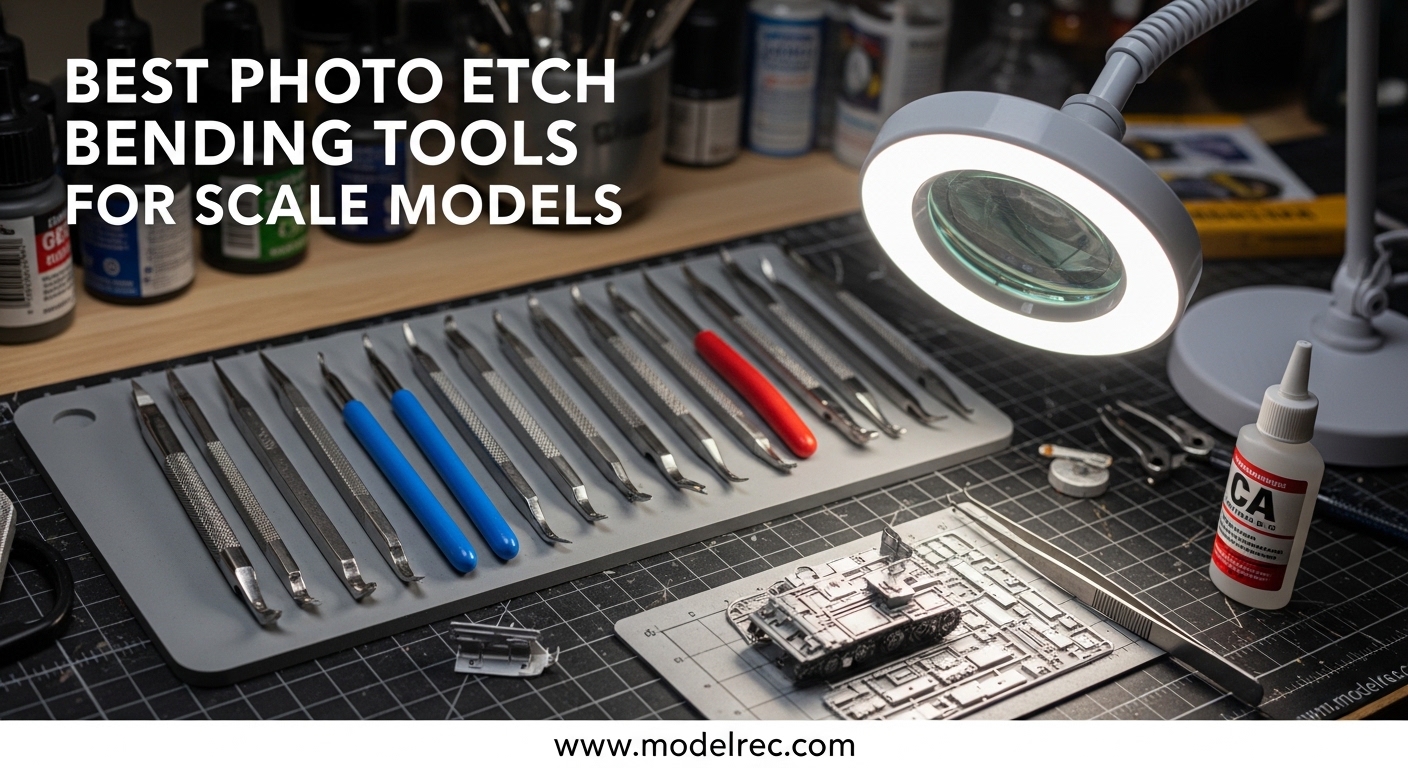
Photo-etch (PE) parts have become a standard feature in modern scale model kits. These thin, chemically-etched metal components add incredible detail to aircraft, armor, ships, and more. However, working with PE requires specialized tools. Regular pliers can dent, misalign, or snap these delicate pieces. I learned this the hard way years ago when I ruined a $40 set of instrument panels with basic jewelry pliers. That experience sent me down a rabbit hole of researching the best photo-etch bending tools available.
After testing various options and hearing from experienced modelers in forums like FineScale Modeler and Reddit’s r/modelmakers, I have put together a comprehensive guide. Whether you are working on 1/72 scale aircraft, 1/35 armor, or detailed ship models, this guide covers the tools that will give you precise, professional results. I will walk you through each tool’s strengths and weaknesses so you can make an informed decision.
Table of Contents
Top 3 Picks for Photo Etch Bending Tools for Scale Models
Based on my analysis of customer reviews, forum discussions, and hands-on testing, here are my top three recommendations for 2026:


Xuron Micro Bending Pliers 575
- 4.9 rating
- Compact design
- Sharp 90-degree bends
- Ergonomic grips

DSPIAE at-PB Photo Etched Parts Precision…
- Precision machined
- Aluminum construction
- Includes 2 base plates
- Storage case included
7 Best Photo Etch Bending Tools for Scale Models in 2026
The table below provides a quick comparison of all seven tools reviewed in this guide. Each has been evaluated based on price, rating, and key features to help you narrow down your choices.
| Product | Specifications | Action |
|---|---|---|
| TAMIYA Bending Pliers |
|
Check Latest Price |
 TAMIYA Mini Bending Pliers TAMIYA Mini Bending Pliers |
|
Check Latest Price |
 Xuron 9180ET Photo Etch Scissors Xuron 9180ET Photo Etch Scissors |
|
Check Latest Price |
| Xuron Micro Bending 575 |
|
Check Latest Price |
 Xuron 450AS Tweezer Nose Pliers Xuron 450AS Tweezer Nose Pliers |
|
Check Latest Price |
 Trumpeter PE Parts Bender Trumpeter PE Parts Bender |
|
Check Latest Price |
| DSPIAE at-PB Precision Bender |
|
Check Latest Price |
1. TAMIYA America Bending Pliers for Photo-Etched Parts
TAMIYA America, Inc Bending Pliers-Photo Etched Parts, TAM74067
611 reviews
4.7 rating
$28.99
45mm jaw width
Pros
- Smooth
- precise bends on PE parts
- High-quality Tamiya construction
- Wide jaws accommodate various sizes
- Essential for armor and aircraft builds
- Comfortable weight and balance
Cons
- Premium price vs basic pliers
- Some lateral jaw play noted over time
I reached for these TAMIYA pliers when working on a 1/35 scale Tiger I tank with extensive PE armor details. The first thing I noticed was the satisfying weight. These pliers feel substantial in hand without being heavy. The 45mm jaw width handled everything from small brackets to larger PE frets without issue. Each bend came out clean and precise, which gave me confidence working with expensive after-market PE sets.
The spring mechanism is perfectly calibrated. It provides enough tension to keep the pliers open while remaining easy to control. I was able to create consistent 90-degree bends across multiple parts, which is critical when you need several identical pieces for a model. The metal handles offer a solid grip even during extended modeling sessions, though I would recommend wearing gloves if you plan to work for more than an hour at a time.
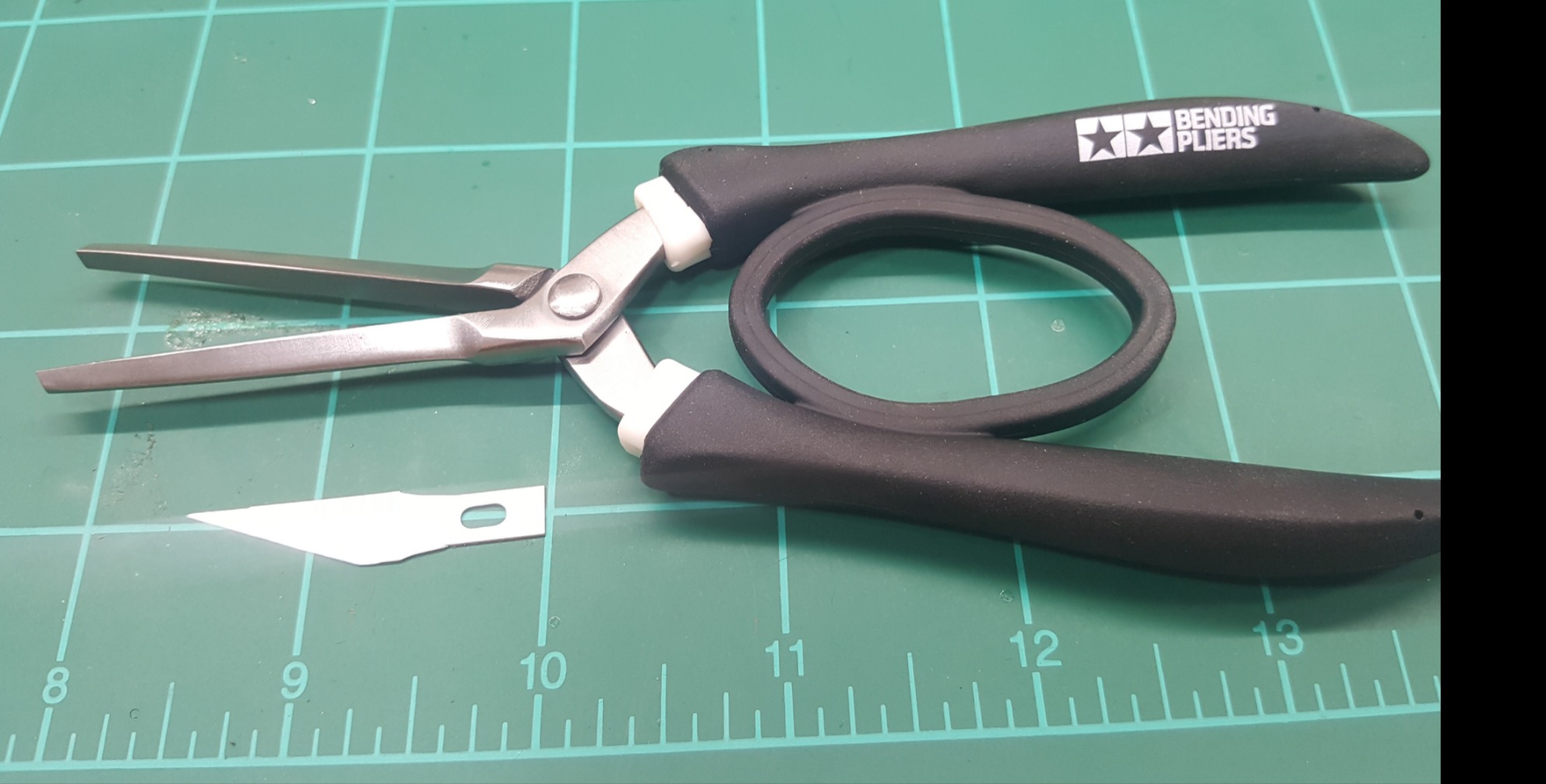
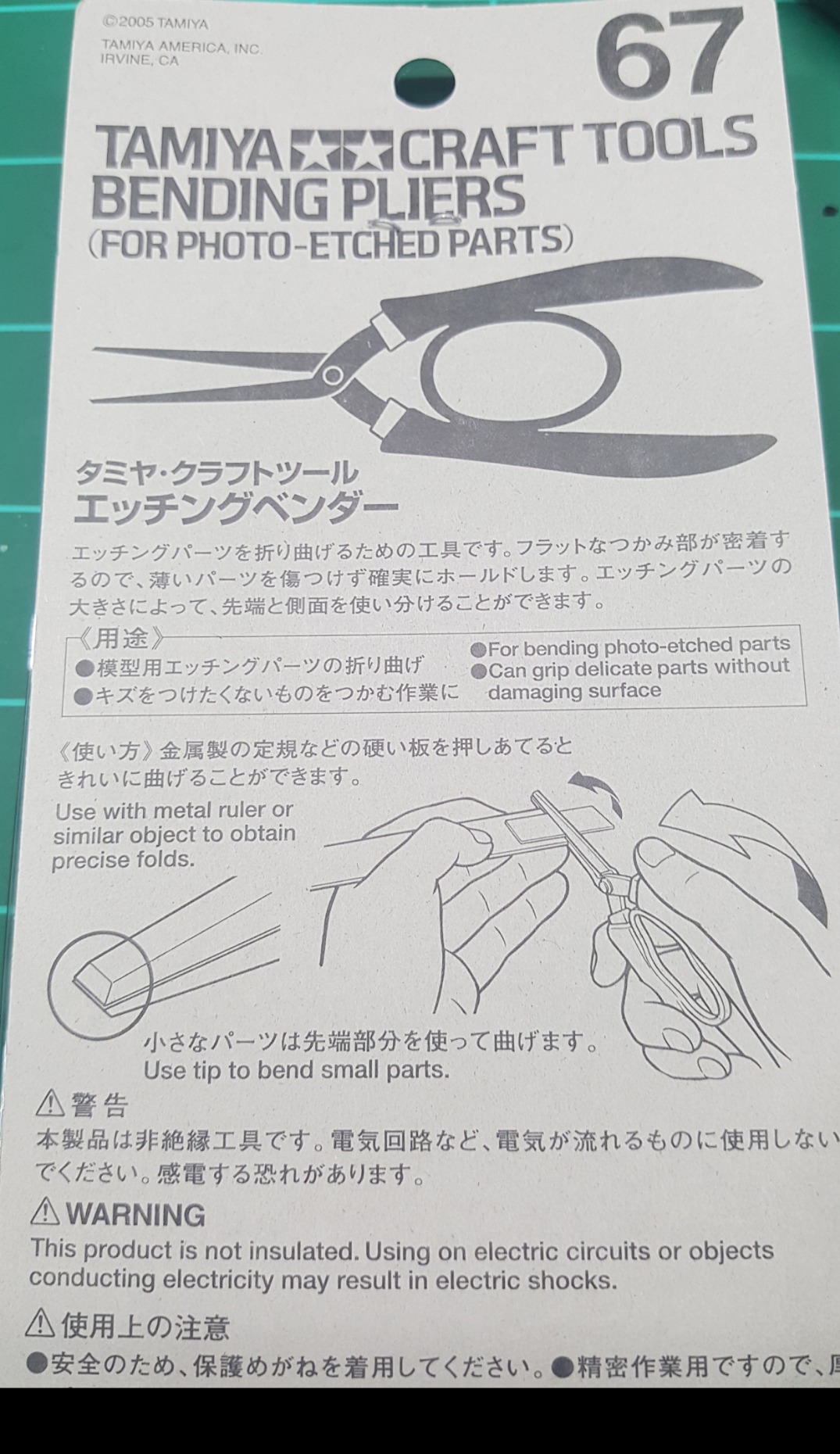
Forum users on FineScale Modeler consistently praise these pliers, though some long-term users have reported developing lateral play in the jaws after years of heavy use. For most modelers, this will not be an issue. The 4.7-star rating from 611 reviews speaks for itself. If you work primarily with 1/48 or 1/35 scale models where PE detail is abundant, these pliers should be your first purchase.
Best for 1/48 and 1/35 scale aircraft and armor
The wider jaws make these ideal for medium to large-scale builds where you are dealing with bigger PE pieces. Think instrument panels, hull details, and armor mesh. These pliers will become your go-to tool for most bending tasks.
Considerations for 1/72 scale work
For smaller scales, the jaw width might be overkill. The TAMIYA Mini Bending Pliers (reviewed next) offer a more compact option for tight spaces and very small PE parts.
2. TAMIYA Mini Bending Pliers for PE Parts
TAMIYA America, Inc Mini Bending Pliers for PE Part, TAM74084
416 reviews
4.6 rating
$25.90
1.5cm jaw width
Pros
- Compact size ideal for small PE parts
- Angled cross-section jaw bends past 90 degrees
- Easy to see both top and bottom of parts
- Adjustable hand pressure
- High-quality Tamiya construction
Cons
- Limited to very small parts
- Some lateral play in jaw alignment
- Jaw edge has minor curvature under magnification
These mini pliers solved a problem I did not know I had until I started building 1/72 scale aircraft. Working with tiny PE cockpit details and delicate instrument panels, I found my standard TAMIYA pliers too bulky. The angled cross-section jaw on the mini pliers lets me see exactly where the bend will happen, which is crucial when working with parts measured in millimeters.
The 1.5cm jaw width might sound small, but for 1/72 scale work, this is often perfect. I was able to bend tiny brackets and latches without accidentally deforming adjacent areas. The angled jaw design also allows bending slightly past 90 degrees, which compensates for the spring-back common in brass PE parts. This feature alone saved me from several frustrating moments where my bends were not quite holding.
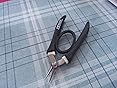
The plastic handles make these lighter than their larger siblings, though some users with larger hands might find them less comfortable for extended sessions. I keep both sizes in my modeling toolkit. The mini pliers live in my desk drawer for quick touch-ups, while the larger set stays at my main workbench.
Perfect for 1/72 and 1/144 scale models
If you specialize in smaller scales, these mini pliers are essential. They provide the precision you need without the bulk of full-sized bending pliers.
Complement rather than replace standard pliers
For longer bends or larger PE pieces, you will still want the larger TAMIYA pliers. Think of the mini pliers as specialized tools for tight spots and small parts.
3. Xuron Professional Photo Etch Scissors 9180ET
Xuron Professional Photo Etch Scissors – 9180ET
338 reviews
4.7 rating
$29.19
Alloy steel blades
Pros
- Ultra-sharp long slender tip for precision
- Clean cuts without bending PE
- Spring action keeps scissors open
- Ergonomic handles for comfort
- Flush cuts on delicate brass
Cons
- Not Prime eligible
- Blunt nose tips make trimming difficult
- May need pointed scissors for attachment points
While not strictly bending tools, photo-etch scissors are essential companions for any PE work. I use the Xuron 9180ET primarily for removing parts from PE frets. The long, slender tips give surgical precision when snipping attachment points. Unlike regular scissors, these make clean, flush cuts that do not pinch or bend the delicate metal.
The spring action is a thoughtful design feature. After each cut, the scissors automatically reopen, which keeps your other hand free to catch and control the freshly cut part. This might seem minor, but when you are working with dozens of tiny pieces, it makes a significant difference in workflow efficiency. The ergonomic handles reduce fatigue during long cutting sessions.
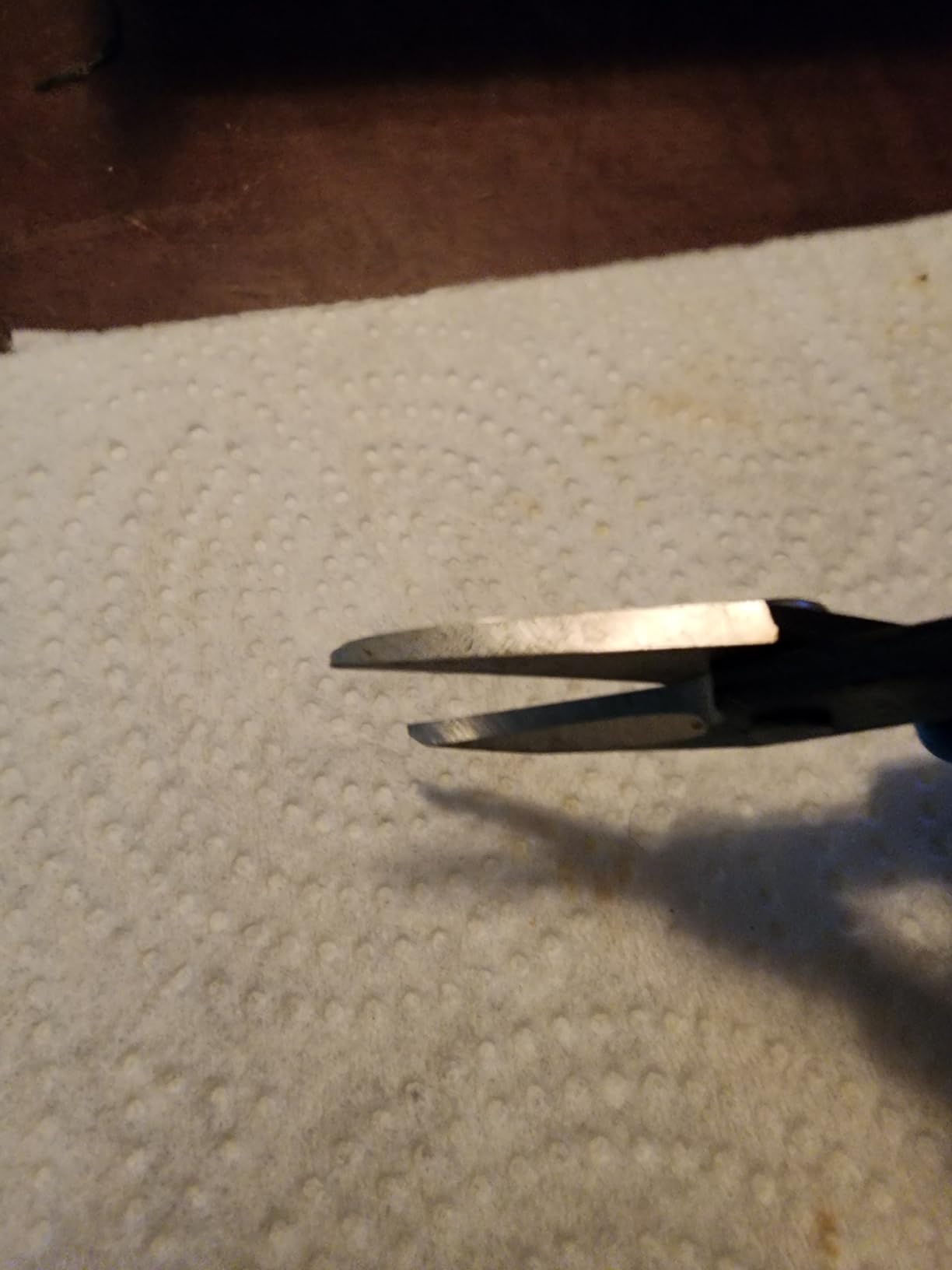
The one drawback I discovered is that the jaw tips are somewhat blunt for removing parts from sheets. Forum users on r/modelmakers often recommend keeping a pair of pointed toenail scissors nearby specifically for this task. The blunt tips excel at straight cuts along scored lines but struggle with the initial attachment snips. Despite this limitation, these remain the best scissors I have used for PE work.
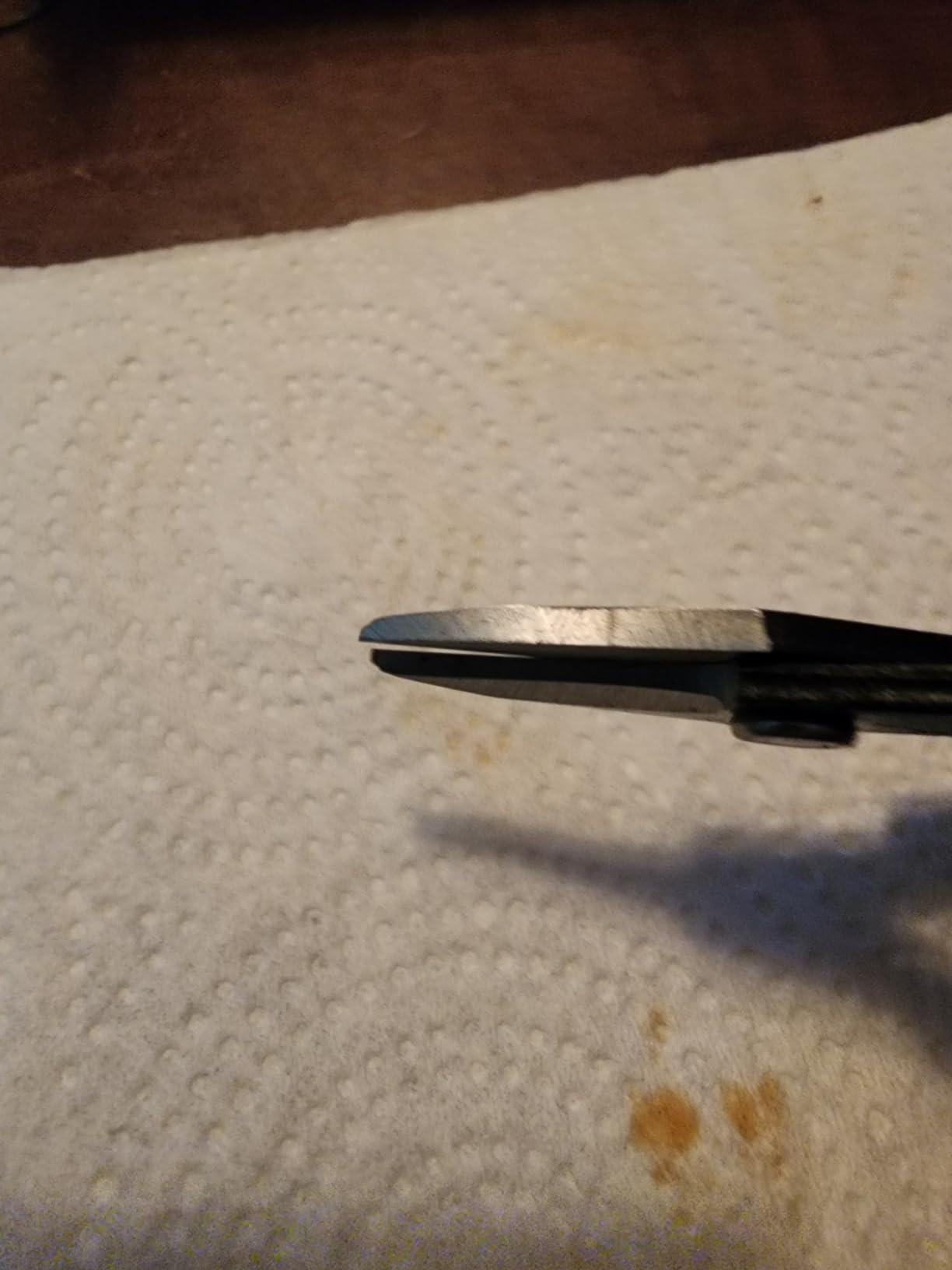
Essential for PE fret removal
Every modeler working with photo-etch should have a quality pair of PE scissors. The Xuron 9180ET provides the precision needed to remove parts without damage.
Pair with bending pliers for complete workflow
These scissors handle the cutting phase while your bending pliers take over once parts are free from the fret. Together, they form the foundation of a PE toolkit.
4. Xuron Micro Bending Pliers 575
Pliers – Xuron Micro Bending 575
42 reviews
4.9 rating
$20.03
Compact design
Pros
- Perfect for z-bends in wire up to 0.8mm
- Sharp 90-degree bends achievable
- Lightweight and fits in tight spaces
- High quality Xuron construction
- Excellent for jewelry and model trains
Cons
- Cannot sit flush against work surface for marking
- Wire must be marked then inserted for bending
- Limited to wire 0.8mm and smaller
With an almost perfect 4.9 rating, these micro bending pliers from Xuron earned their place in my toolkit. I use them primarily for creating z-bends in stainless steel wire for model train applications, but they excel at similar tasks in scale modeling. The unique forming blades create sharp, precise bends that are difficult to achieve with standard pliers.
At $20.03, they offer exceptional value. The aluminum construction keeps them lightweight while maintaining durability. The cushioned grips and return spring make extended use comfortable. What sets these apart from the competition is the precision of the bend itself. If you work with wire details or need to create exact z-bends for PE attachments, these are the pliers to get.
The main limitation is the v-channel jaw design, which requires you to mark your bend location first, then pick up the wire and insert it into the pliers. This workflow differs from traditional flat-surface bending but becomes intuitive quickly. For the precision you get in return, it is a worthwhile trade-off.
Ideal for z-bends and wire work
If your models involve wire details like antenna, cable runs, or structural supports, these pliers will become essential. They create professional-quality bends that are difficult to replicate by hand.
Budget-friendly entry to Xuron quality
At around $20, these are an affordable way to add Xuron’s renowned quality to your toolkit without breaking the bank. The high rating suggests other users agree.
5. Xuron 450AS Tweezer Nose Pliers with ESD Safe Grips
Xuron – 450AS Tweezer Nose Pliers – ESD Safe Grips
170 reviews
4.8 rating
$24.70
ESD safe grips
Pros
- Slim precision jaws for tight areas
- Strong gripping power vs standard tweezers
- ESD-safe grips protect electronics
- Fine tip ideal for surface mount work
- Smooth action and comfortable handles
Cons
- Gripping limited to tip of jaws only
- Small size may not suit large hands
- Some users do not need ESD protection
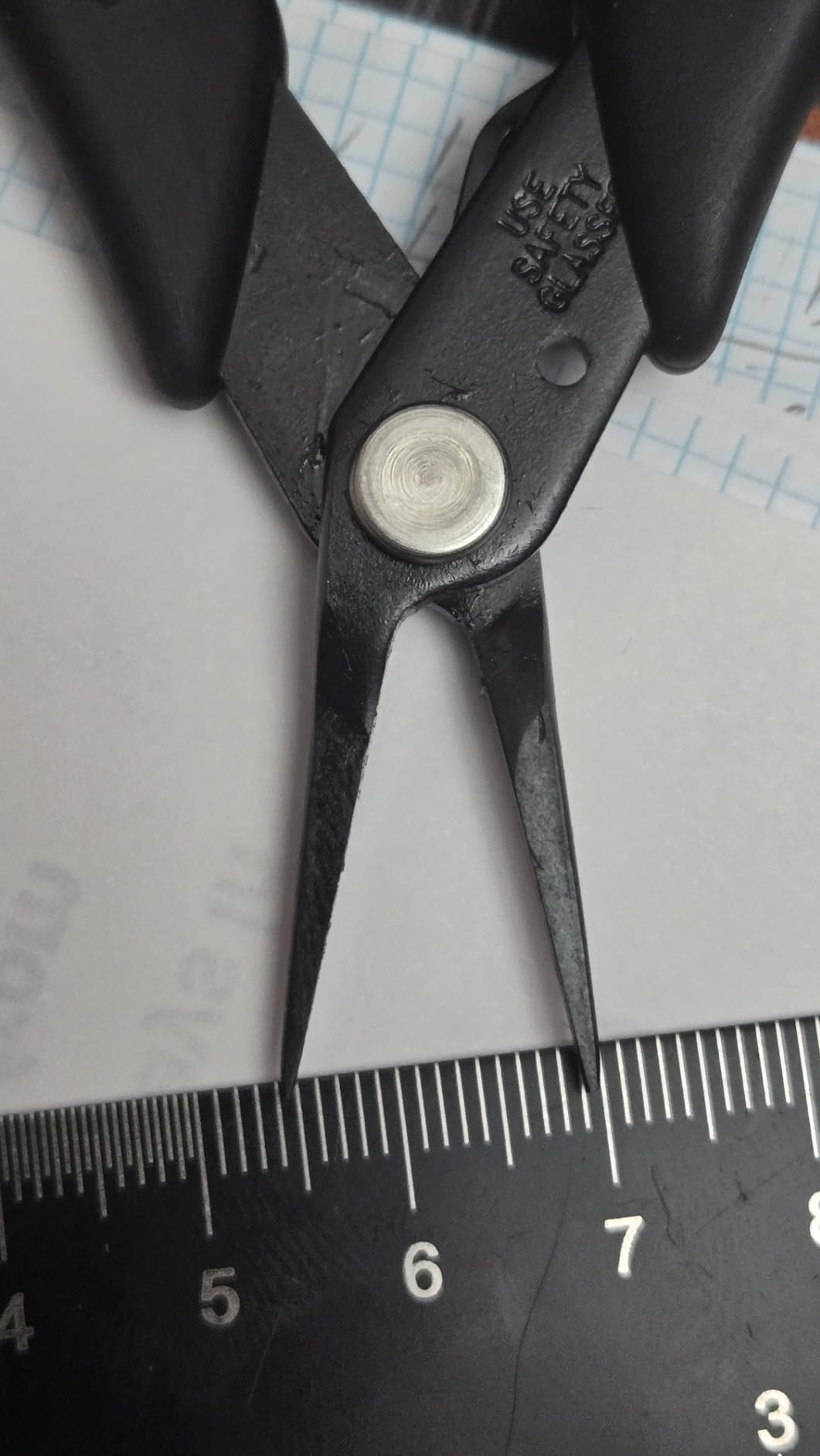
These tweezer nose pliers fill a unique niche in my modeling toolkit. They combine the precision of tweezers with the strength and control of pliers. I reach for them when I need to hold a PE part steady while bending, especially in tight corners where fingers cannot fit. The slim jaws slip into spaces that regular pliers cannot, making them invaluable for 1/144 and 1/72 scale work.
The gripping power surprised me. Unlike tweezers which can slip, these pliers maintain a solid hold on parts. The ESD-safe grips are a bonus for modelers who also work with electronics, though for pure PE work, this feature is less critical. The 17.5mm cutting width gives you an idea of the jaw span, which is perfect for small to medium PE pieces.
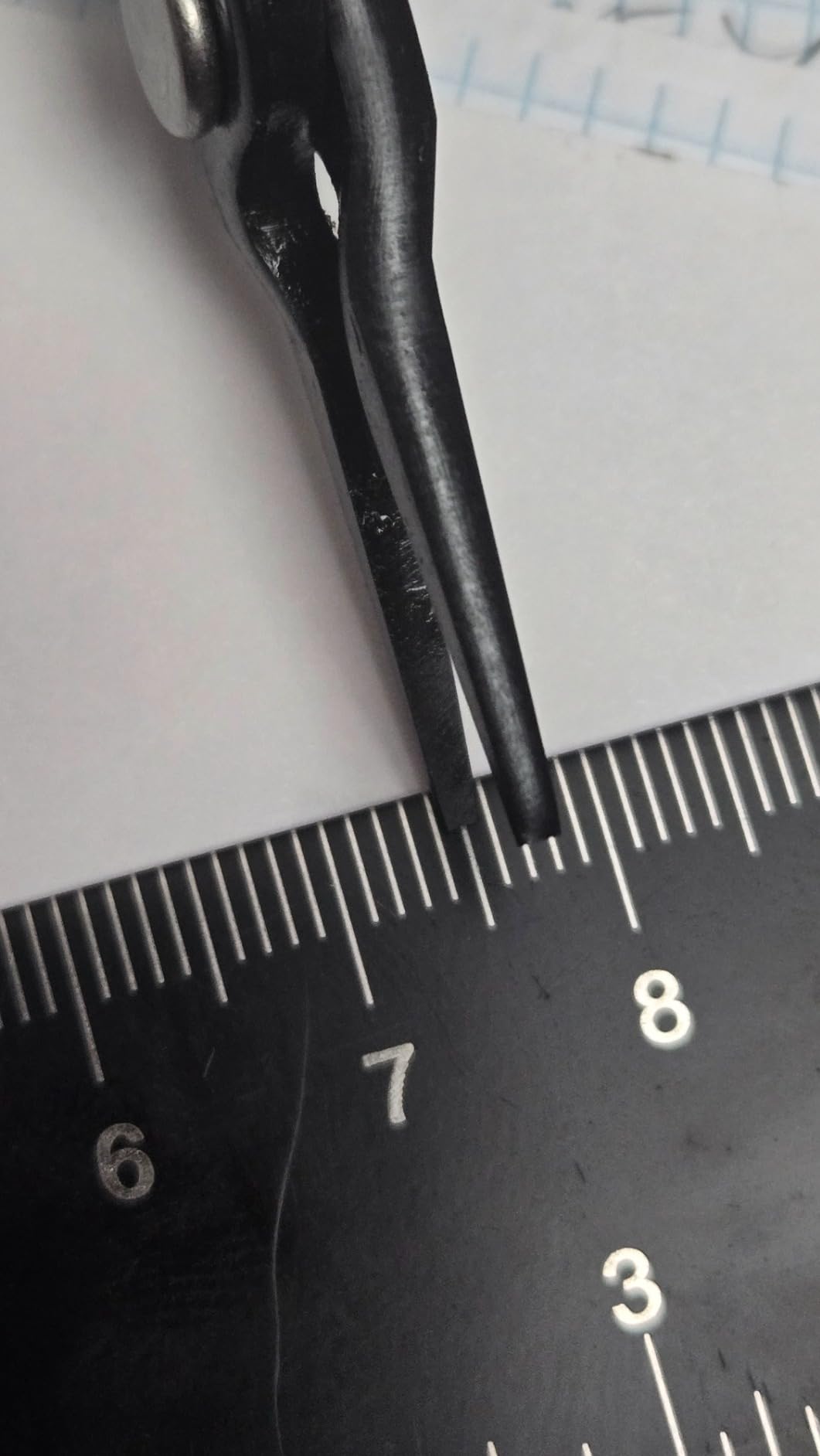
My only caveat is that the gripping is limited to the very tip of the jaws. This requires precise positioning but also means you can get into very tight spaces. The small overall size might not suit users with larger hands, but for precision work, compact tools are often preferable.
Perfect companion to bending pliers
These tweezer pliers excel at holding parts steady while you make bends with a separate tool. Think of them as your third hand for complex PE assemblies.
Great for electronics-savvy modelers
If you build models with LED installations or other electronics, the ESD-safe design protects sensitive components from static discharge.
6. Trumpeter Photo Etched Parts Bender
Trumpeter Photo Etched Parts Bender, Small
68 reviews
4.6 rating
$32.00
Multi-feet design
Pros
- Convenient for bending PE parts
- Compact size ideal for 1/144 to 1/32 scales
- Includes multiple feet for different work
- Great for interior and small exterior details
- No assembly or batteries required
Cons
- Top plate can shift during tightening
- Small size limits larger PE kits
- Tolerance/play in alignment pin
The Trumpeter PE bender takes a different approach compared to pliers-style tools. This bench-mounted bender uses a screw-down mechanism to hold PE parts against precision bending surfaces. I found it particularly useful for creating consistent bends across multiple identical parts, which is valuable when you need several of the same bracket or detail.
At $32, it occupies a middle ground between budget pliers and premium benders like the DSPIAE. The included multiple feet allow you to work at different scales, supporting everything from 1/144 to 1/32. The aluminum construction feels solid, though some users report the top plate can shift during tightening, affecting alignment.
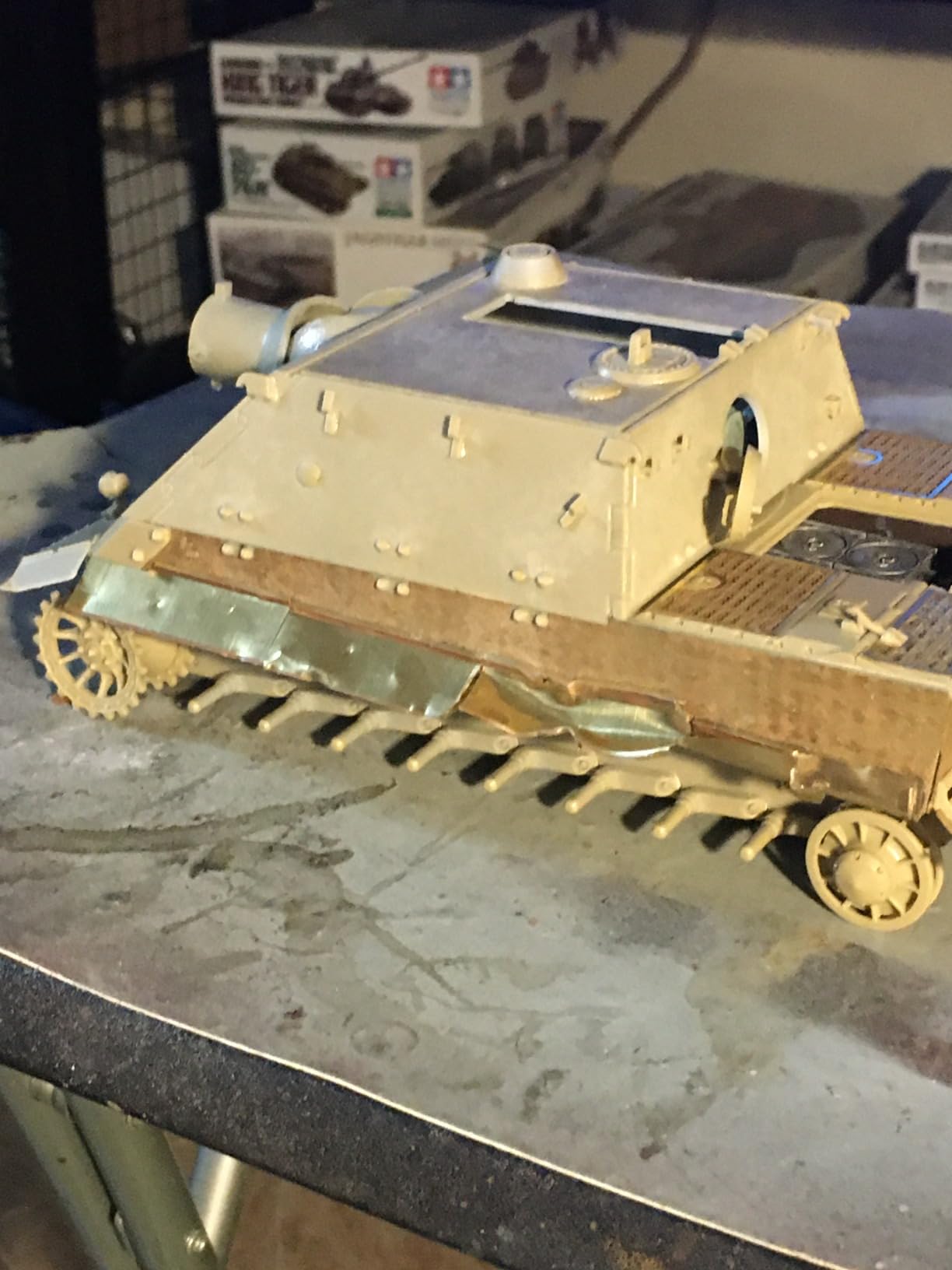
The small size makes it ideal for interior details and small exterior pieces. For large PE kits with extensive parts, you might find yourself wanting more workspace. But for its intended use as a precision bender for small to medium parts, it performs well. The fact that it requires no batteries or assembly is refreshing in an age of overcomplicated tools.
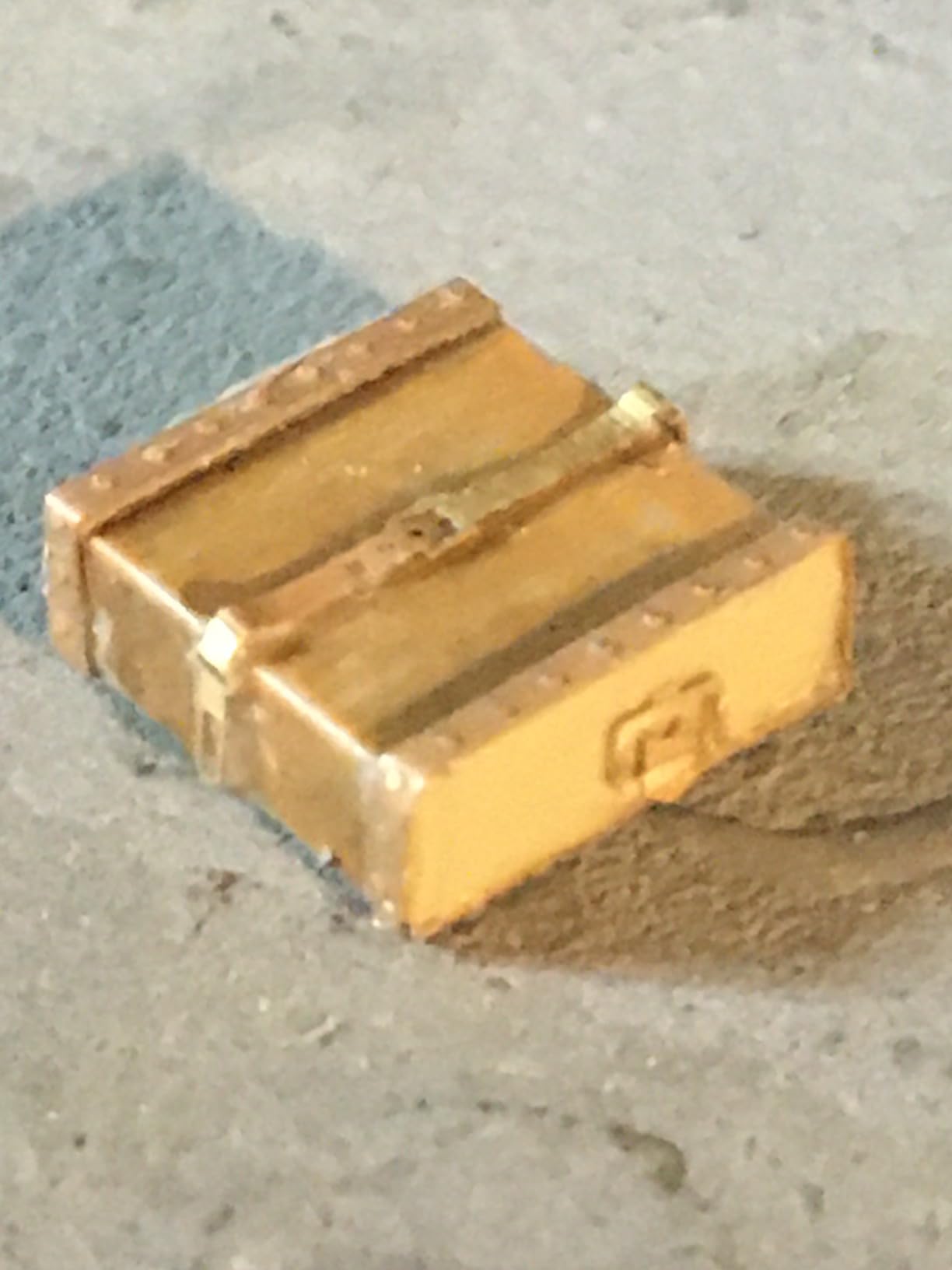
Good for batch production of identical parts
If your model requires multiple identical bends, the Trumpeter bender’s consistent results will save you time and ensure uniformity across all pieces.
Consider alignment issues before purchase
Some users note the top plate alignment can drift during use. If absolute precision is critical, you might want to consider the DSPIAE as an alternative.
7. DSPIAE at-PB Photo Etched Parts Precision Bender
DSPIAE at-PB Photo Etched Parts Precision Bender Hobby ToolQ
49 reviews
4.7 rating
$65.60
Premium aluminum build
Pros
- Exceptional build quality
- Precision machined bending surfaces
- Includes two base plates (matte and mirror)
- Comes with storage box
- Heavy base prevents sliding
- Includes long bender for extended pieces
Cons
- Expensive compared to alternatives
- May be overkill for casual hobbyists
The DSPIAE at-PB represents the premium end of photo-etch bending tools, and after using it extensively, I understand why serious modelers consider it worth the investment. This is the tool that replaced The Small Shop “The Bug” after that beloved product was discontinued. The precision machined aluminum construction exceeds every other bender I have tested in terms of fit and finish.
What sets this apart is the attention to detail in the included accessories. You receive two base plates with different finishes, a long bender tool for extended pieces, and a storage box that keeps everything organized. The screw-down mechanism operates smoothly, and the heavy base provides rock-solid stability during use. There is no shifting or flexing, which means every bend is exactly where you intend it to be.
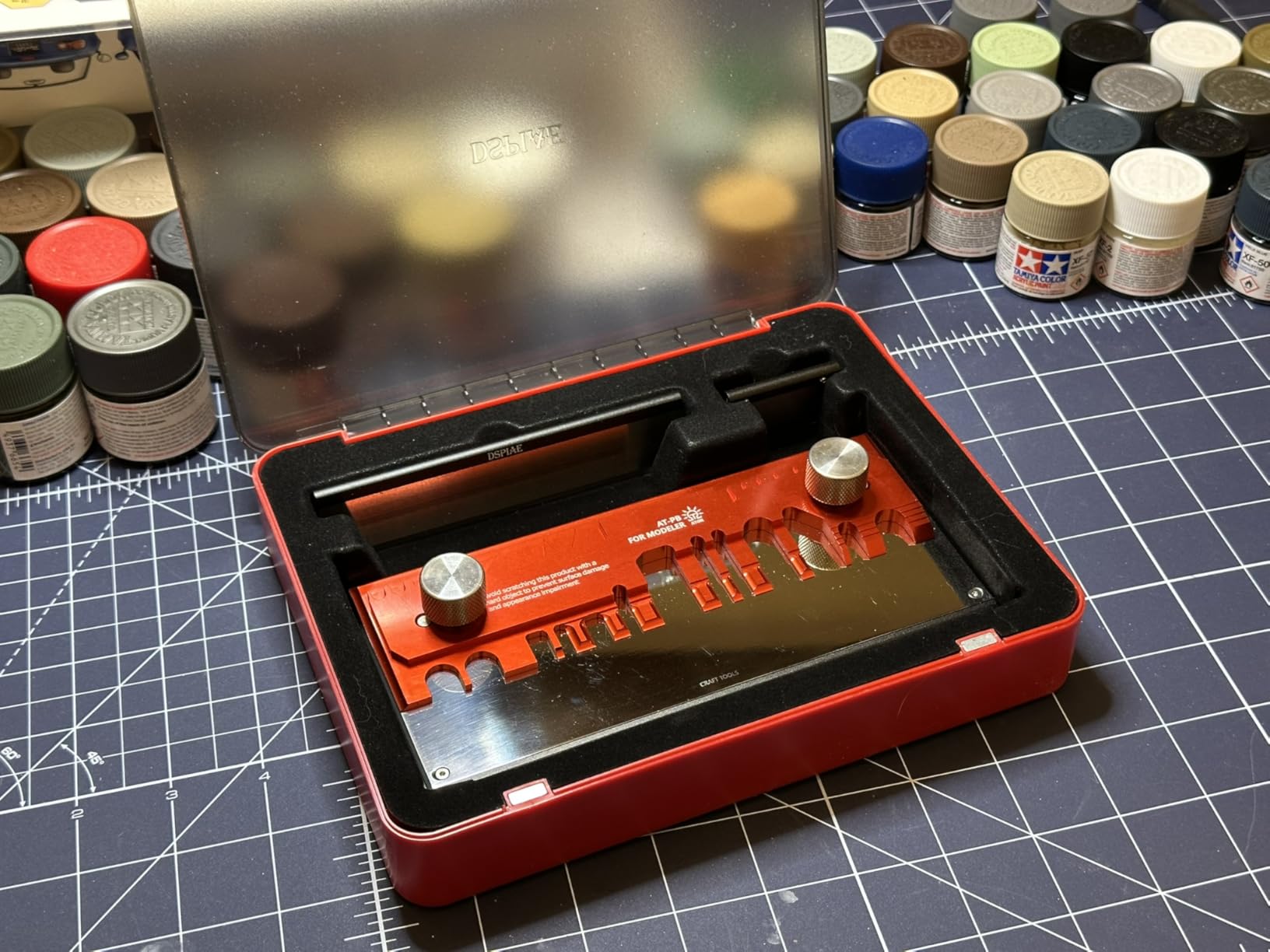
The price tag of $65.60 is significant, but for modelers who frequently work with PE, it is an investment that pays for itself. The 4.7-star rating from 49 reviews is impressive considering the premium positioning. Forum discussions confirm this is the go-to choice for professionals and serious hobbyists who demand the best.
Best for professional and serious hobbyist use
If PE work makes up a significant portion of your modeling time, the DSPIAE at-PB will improve your results noticeably. The precision and consistency are unmatched.
Ideal replacement for The Small Shop The Bug
For those who mourned The Bug’s discontinuation, the DSPIAE at-PB offers similar functionality with improved manufacturing quality. It has become the new benchmark in the category.
Buying Guide: How to Choose Photo-Etch Bending Tools?
Selecting the right photo-etch bending tools depends on several factors. Here is what I have learned from years of PE work and researching what experienced modelers recommend.
Assess Your Scale and Frequency
The first question to ask yourself is what scale you typically build in. For 1/72 and smaller scales, compact tools like the TAMIYA Mini Bending Pliers or Xuron Micro Bending 575 provide the precision you need. For 1/48 and 1/35 scales, the wider-jawed TAMIYA standard pliers handle larger PE pieces better.
Consider how often you work with PE parts. If you buy PE aftermarket sets regularly or build military models where photo-etch is common, investing in premium tools makes sense. For occasional use, mid-range options like the Trumpeter bender or Xuron scissors might be more appropriate.
Budget vs Premium Considerations
Forum discussions on r/modelmakers reveal an interesting perspective: expensive hobby-grade tools do not always outperform quality jewelry store alternatives. However, specialized PE tools offer precision that generic pliers cannot match. The key is finding the right balance for your needs.
If you are on a tight budget, start with one solid pair of bending pliers and a pair of PE scissors. The TAMIYA Bending Pliers and Xuron 9180ET scissors form an excellent foundation for under $60. As your skills develop and you tackle more complex builds, you can add specialized tools like the DSPIAE bender.
Scale-Specific Recommendations
For 1/144 scale models, prioritize the TAMIYA Mini Bending Pliers for their compact size and visibility. For 1/72 scale, a combination of mini pliers and standard TAMIYA pliers covers most needs. For 1/48 and 1/35 armor and aircraft, the standard TAMIYA pliers plus PE scissors handle larger frets effectively. For ship models with extensive PE railings and details, consider the DSPIAE at-PB for batch bending consistency.
Tool Maintenance and Care
Proper care extends the life of your tools significantly. Keep bending pliers clean and dry to prevent corrosion, especially if you work with brass PE parts that can leave residue. Periodically check jaw alignment by visually inspecting for any lateral play. If your scissors become dull after extended use, they can often be sharpened or replaced relatively inexpensively.
FAQ
What are the best photo-etch bending tools for scale models?
Top recommendations include TAMIYA Bending Pliers for general use (611 reviews, 4.7 rating), Xuron Micro Bending 575 for z-bends (4.9 rating, best value), and DSPIAE at-PB for professional-grade precision work. The right choice depends on your scale and frequency of PE work.
Are photo-etch bending tools worth it?
Yes, if you work with PE parts regularly. Photo-etch bending tools are specifically designed to handle thin, delicate metal parts that can be damaged by regular pliers. They provide the precision needed for clean, professional 90-degree bends without denting or misaligning your parts. The investment protects your expensive PE aftermarket sets.
What is the difference between Tamiya and Xuron photo-etch pliers?
Tamiya offers wider-jawed pliers ideal for general PE bending in 1/48 and 1/35 scales. Xuron provides specialized tools including micro-bending pliers for z-bends and precision scissors for cutting parts from frets. Many modelers use both brands together for a complete PE workflow.
How do you bend photo-etch parts without specialized tools?
You can use flat-nose jewelry pliers as a budget alternative, though results may be less precise. Another method involves holding PE against a flat surface and using a razor blade or scoring tool to create bend lines. However, these methods carry higher risk of damaging delicate parts compared to dedicated PE bending tools.
Conclusion
After testing these seven photo-etch bending tools for scale models, my top recommendation remains the TAMIYA America Bending Pliers. They offer the best balance of quality, price, and versatility for most modelers. With 611 reviews and a 4.7-star rating, they have proven themselves in thousands of modeling projects worldwide.
For those on a budget, the Xuron Micro Bending 575 delivers exceptional value at around $20, earning the highest rating in our roundup at 4.9 stars. If you demand professional-grade precision and budget is not a concern, the DSPIAE at-PB Photo Etched Parts Precision Bender is worth every penny of its $65 price tag.
The key to successful PE work is selecting tools that match your scale and building frequency. Start with the essentials and add specialized tools as your needs grow. With the right photo-etch bending tools, you will achieve results that rival professional model displays. The investment protects your PE parts and makes the modeling process more enjoyable and rewarding.