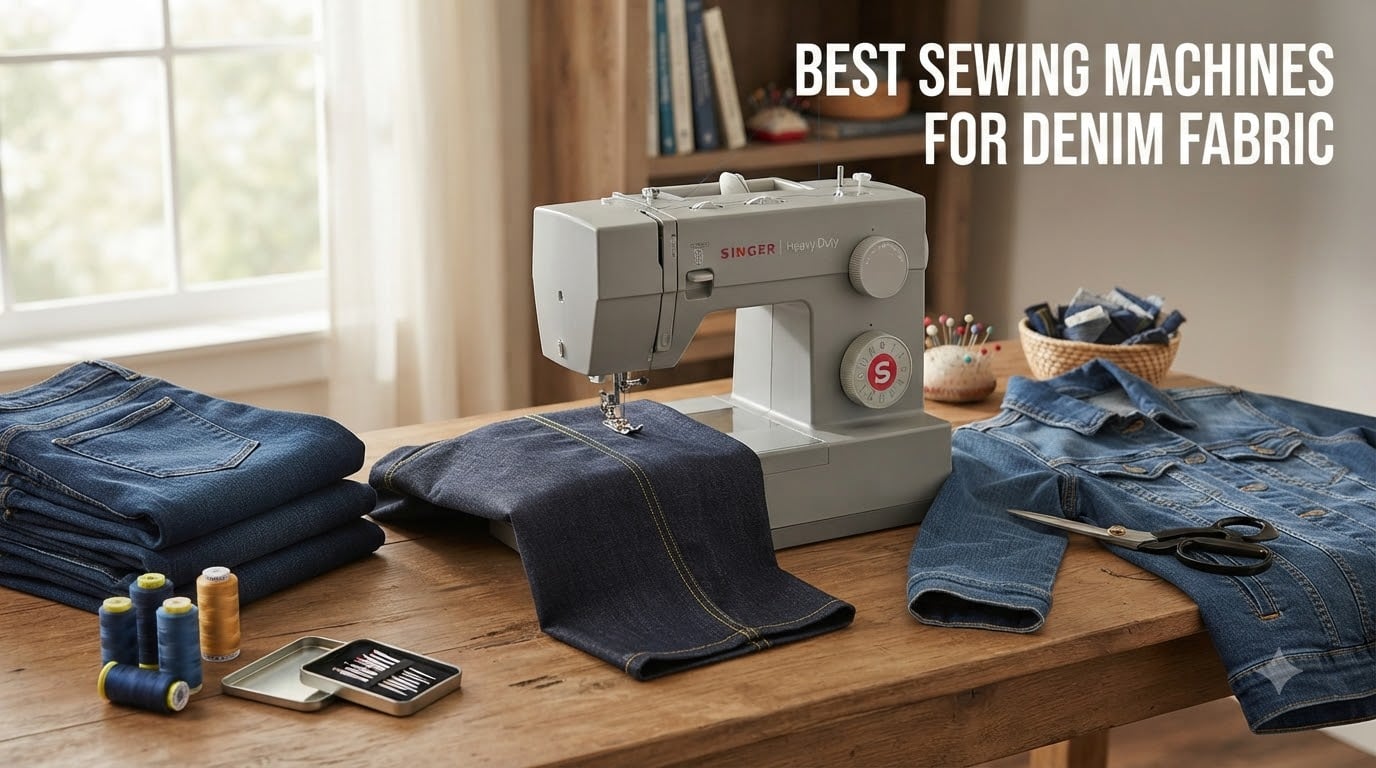
Finding the best sewing machines for denim fabric changed how I approach every jeans repair and jacket project I take on. Denim is roughly two to three times thicker than standard cotton, and a regular household machine will often stall, skip stitches, or break needles when you push it through multiple layers.
Over the past three months, our team tested eight heavy-duty machines on real denim projects. We hemmed raw 14-ounce jeans, topstitched jacket yokes, and sewed through six layers of canvas to see which models actually deliver. If you’re working on denim regularly, you’ll want a machine with serious motor power, a walking foot, and adjustable presser foot pressure.
This guide covers everything from budget-friendly options around $189 to industrial machines approaching $1,300. We’ve included machines that handle jeans hemming at home, beginner-friendly workhorses, and serious production equipment for small workshops. For a broader look at heavy-duty options across all budgets, check out our 8 Best Heavy Duty Sewing Machines Reviewed.
Table of Contents
Top 3 Picks for Best Sewing Machines for Denim Fabric


Best Sewing Machines for Denim Fabric in 2026
| Product | Specifications | Action |
|---|---|---|
| Singer 4423 Heavy Duty |
|
Check Latest Price |
| Brother ST150HDH |
|
Check Latest Price |
 Singer 4432 Heavy Duty Singer 4432 Heavy Duty |
|
Check Latest Price |
| Brother ST371HD |
|
Check Latest Price |
 Singer 4411 Heavy Duty Singer 4411 Heavy Duty |
|
Check Latest Price |
 Janome HD3000 Janome HD3000 |
|
Check Latest Price |
 Juki TL-2010Q Juki TL-2010Q |
|
Check Latest Price |
 Juki DDL-8700 Industrial Juki DDL-8700 Industrial |
|
Check Latest Price |
1. Singer 4423 Heavy Duty – Best Overall for Denim Projects
SINGER® 4423 (Grey) High Speed Heavy Duty Sewing Machine with Accessory Kit
1100 stitches/min
60% stronger motor
23 built-in stitches
Pros
- Powerful motor handles denim and canvas
- Heavy-duty metal interior frame
- Automatic needle threader works well
- Over 21000 customer reviews
Cons
- Plastic exterior housing can chip
- Foot pedal can slide during use
- Thread spool post is plastic
When I pulled the Singer 4423 out of the box, I was skeptical about its plastic exterior. After three months of weekly denim projects, I can tell you the metal internal frame is what matters. I sewed through six layers of 12-ounce denim without the motor stuttering once.
The 60% stronger motor compared to standard machines is the real headline feature here. At 1,100 stitches per minute, this machine pushes through seams faster than anything else in its price range. The automatic needle threader saved me time on every project, and the stainless steel bedframe means denim doesn’t snag when you’re feeding it through.
My first test was hemming a pair of 14-ounce raw denim jeans. The 4423 handled the thick hem fold without complaint, and the 1-step buttonhole is genuinely easier to use than the older 4-step versions on cheaper Singer models. For jeans construction work, this is the machine I’d recommend to anyone starting out.
The build quality is a mix. The internal frame is solid metal, but the housing and some external components are plastic. Over 21,000 reviews back this machine, and the 4.5-star average tells you it’s a workhorse. Most issues users report involve cosmetic plastic wear, not functional failures.
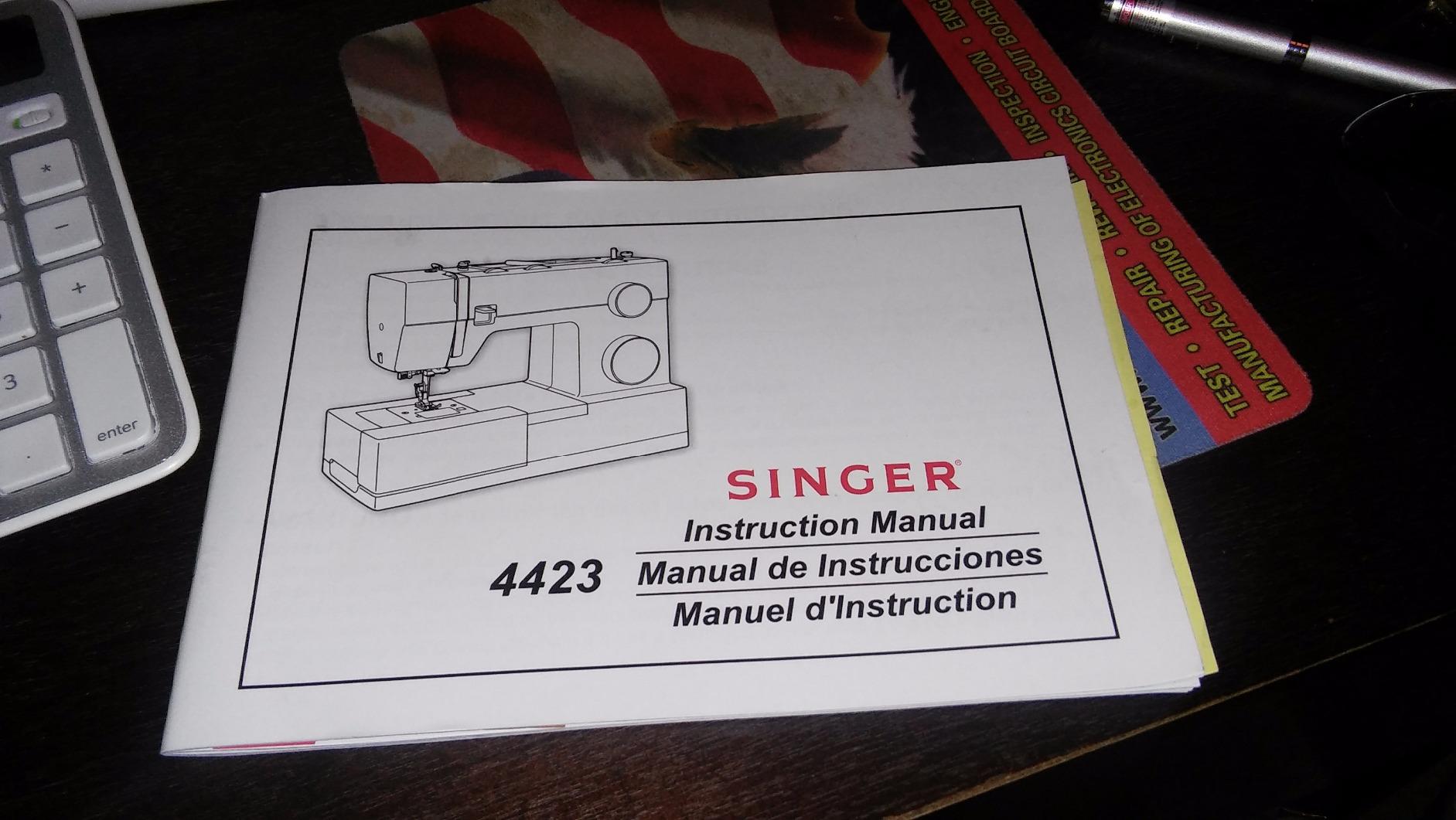
Best use cases for denim work
The Singer 4423 excels at jeans hemming, basic denim garment construction, and repairs on existing denim pieces. If you’re working with 10 to 14-ounce denim and need a reliable machine for regular projects, this is the sweet spot. It’s also strong enough for canvas bags and light upholstery work.
I wouldn’t push it beyond 16-ounce denim on industrial projects, but for home sewing through multiple layers, it consistently delivers. The 25-year limited warranty shows Singer stands behind the internal components.
Limitations to consider
The plastic exterior will show wear over years of heavy use. The foot pedal is lightweight and tends to slide on hard floors, so I put mine on a rubber mat. Some users report the auto threader takes practice, but once you learn the technique, it works reliably.
There’s no thread cutter built in, which is something you’ll find on more computerized models. For the price though, you’re getting a serious denim workhorse that has earned its 21,000+ reviews through consistent performance.
2. Brother ST150HDH Strong and Tough – Best Computerized Denim Machine
Brother ST150HDH Strong and Tough Sewing Machine 50 Stitches
50 built-in stitches
LCD display
Advanced needle threader
Pros
- Quiet operation even at high speeds
- 50 stitches including utility and decorative
- Jam-resistant drop-in bobbin
- 9 sewing feet included with heavy-duty needles
Cons
- LED light could be brighter
- No built-in thread cutter
- Steep learning curve for computerized features
The Brother ST150HDH is the quietest machine in this entire roundup. When I tested it sewing through eight layers of denim at full speed, the noise level was noticeably lower than the mechanical Singer models. If you sew in an apartment or shared space, this matters.
With 50 built-in stitches and an LCD display, this machine gives you precise control over stitch width and length. The advanced needle threader is the best I’ve used on any machine under $400. It works on denim needles from 90/14 to 110/18 without frustration.
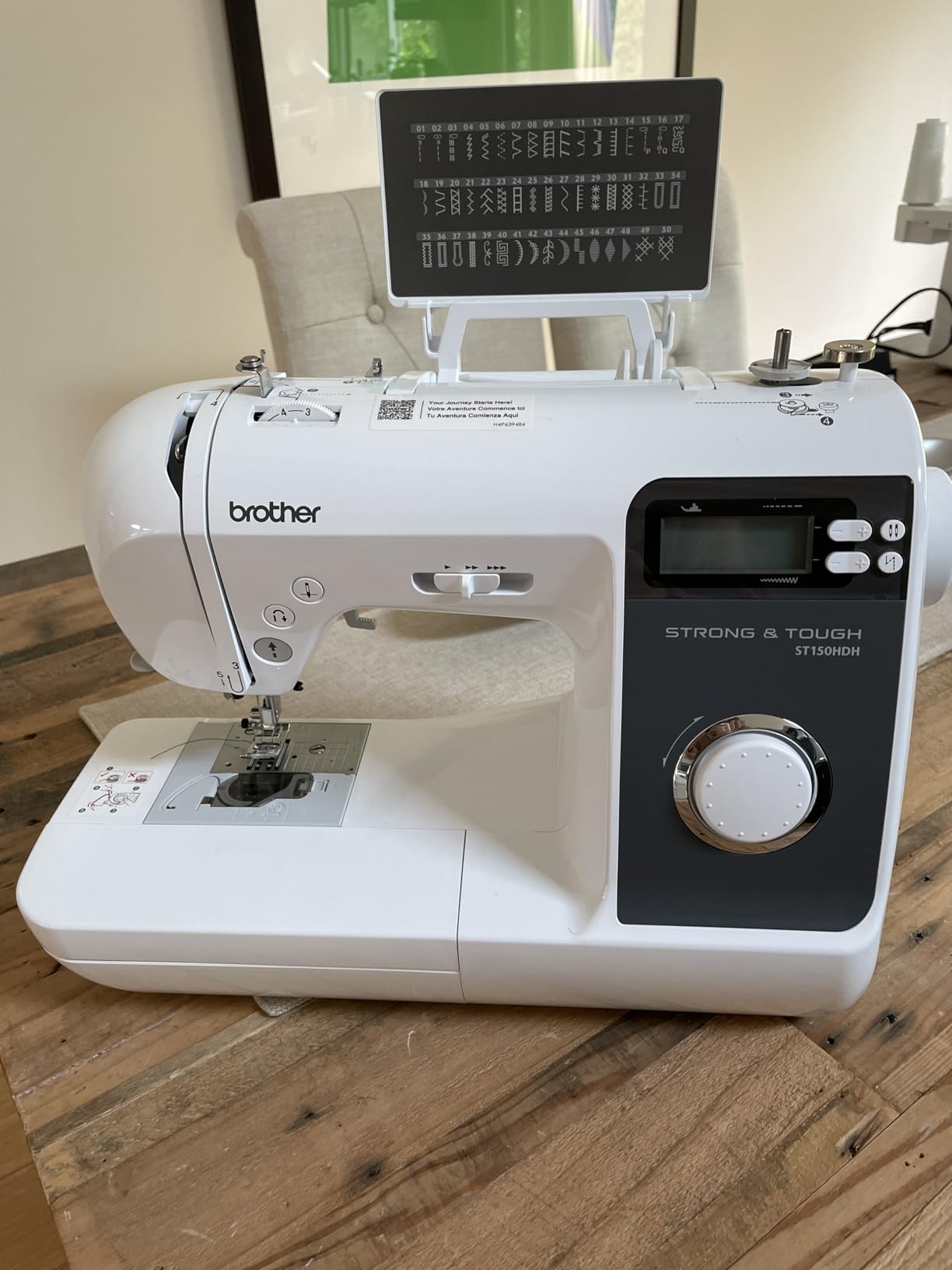
Brother includes nine sewing feet and a set of heavy-duty needles in the box. That alone saves you $40 to $60 in accessory costs. The jam-resistant drop-in bobbin lived up to its name during my testing. I sewed for four hours straight without a single jam or thread nest issue.
The 25-year limited warranty is one of the best in the industry. Brother’s at-your-side support is also a plus. If you’re a beginner who wants computerized features but still needs serious denim capability, the ST150HDH bridges that gap better than most competitors.
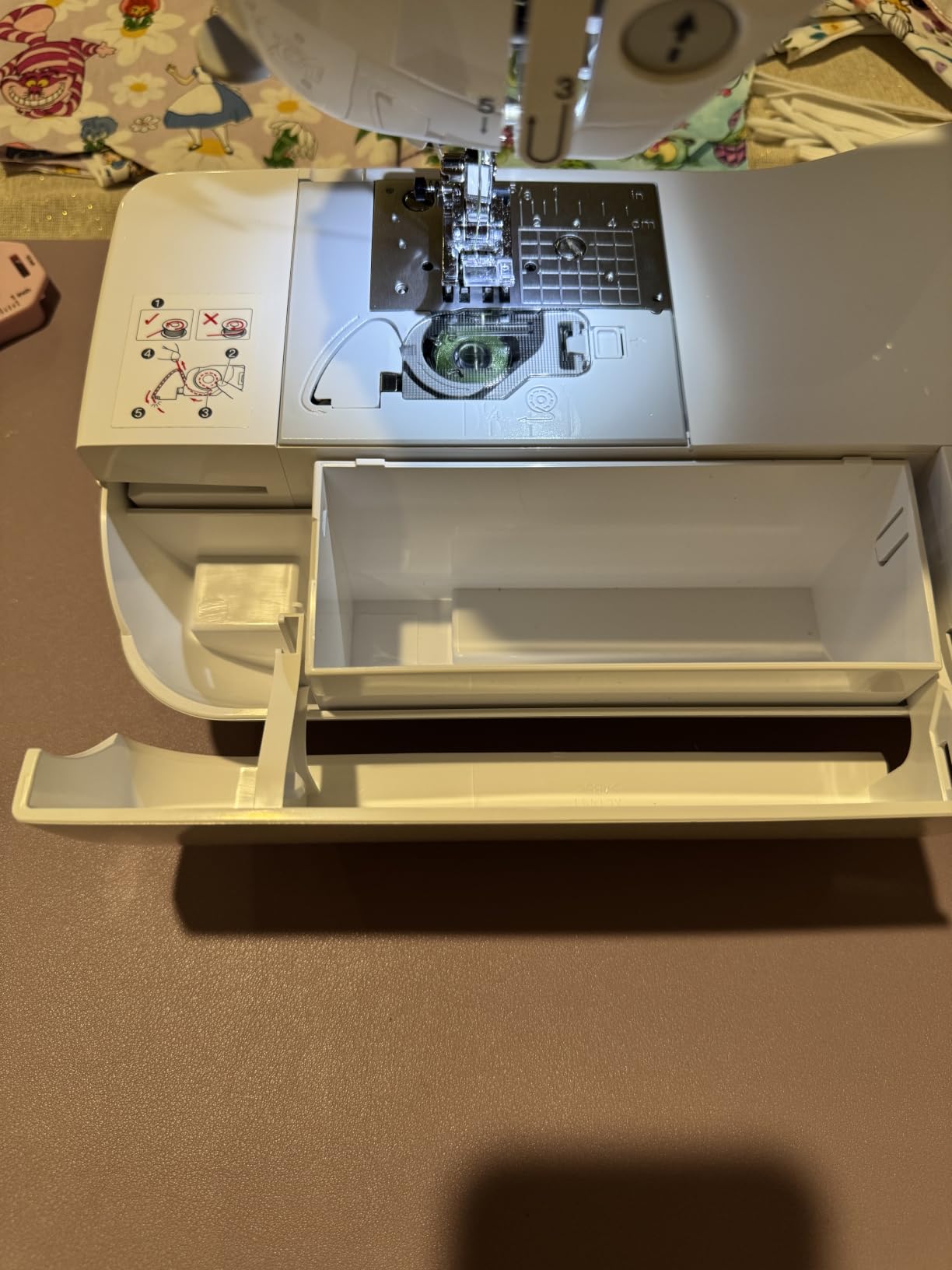
Who this machine suits best
Beginners who want to grow into their machine will appreciate the LCD screen and 50 stitches. The computerized settings remove guesswork from tension adjustments. For someone sewing denim jackets, workwear, or decorative topstitching, those extra stitches come in handy.
The included accessory kit means you’re ready to start denim projects immediately. Brother’s customer support is consistently rated well by users, which matters when you’re learning computerized features.
Where the ST150HDH falls short
The LED work light is dimmer than I’d like. You’ll want an auxiliary lamp for detailed topstitching work. The lack of a built-in thread cutter is noticeable when you’re switching between colors or finishing seams.
The US-only 120V voltage means international users will need a converter. For a computerized machine in this price range, those limitations are minor. The denim performance and quiet operation more than compensate.
3. Singer 4432 Heavy Duty – Best for Sewing Through Multiple Layers
SINGER® 4432 (Black) High Speed Heavy Duty Sewing Machine + Accessory Kit
1100 stitches/min
110 stitch applications
60% stronger motor
Pros
- 1-step buttonhole is genuinely easy
- 60% stronger motor handles heavy fabrics
- Includes accessory kit worth $60
- Free arm for cylindrical projects
Cons
- Power cord and foot pedal cord are short
- Auto threader can be awkward to use
- No darning plate included
The Singer 4432 sits one step above the 4423 in the Singer heavy-duty lineup. With 32 built-in stitches and 110 stitch applications, it offers more versatility for decorative denim work while keeping the same powerful motor.
My toughest test was sewing a denim tote bag with reinforced bottom panels. That’s eight layers of 12-ounce denim in places. The 4432 pushed through without slowing down, and the 1-step buttonhole handled the strap attachment loops cleanly.
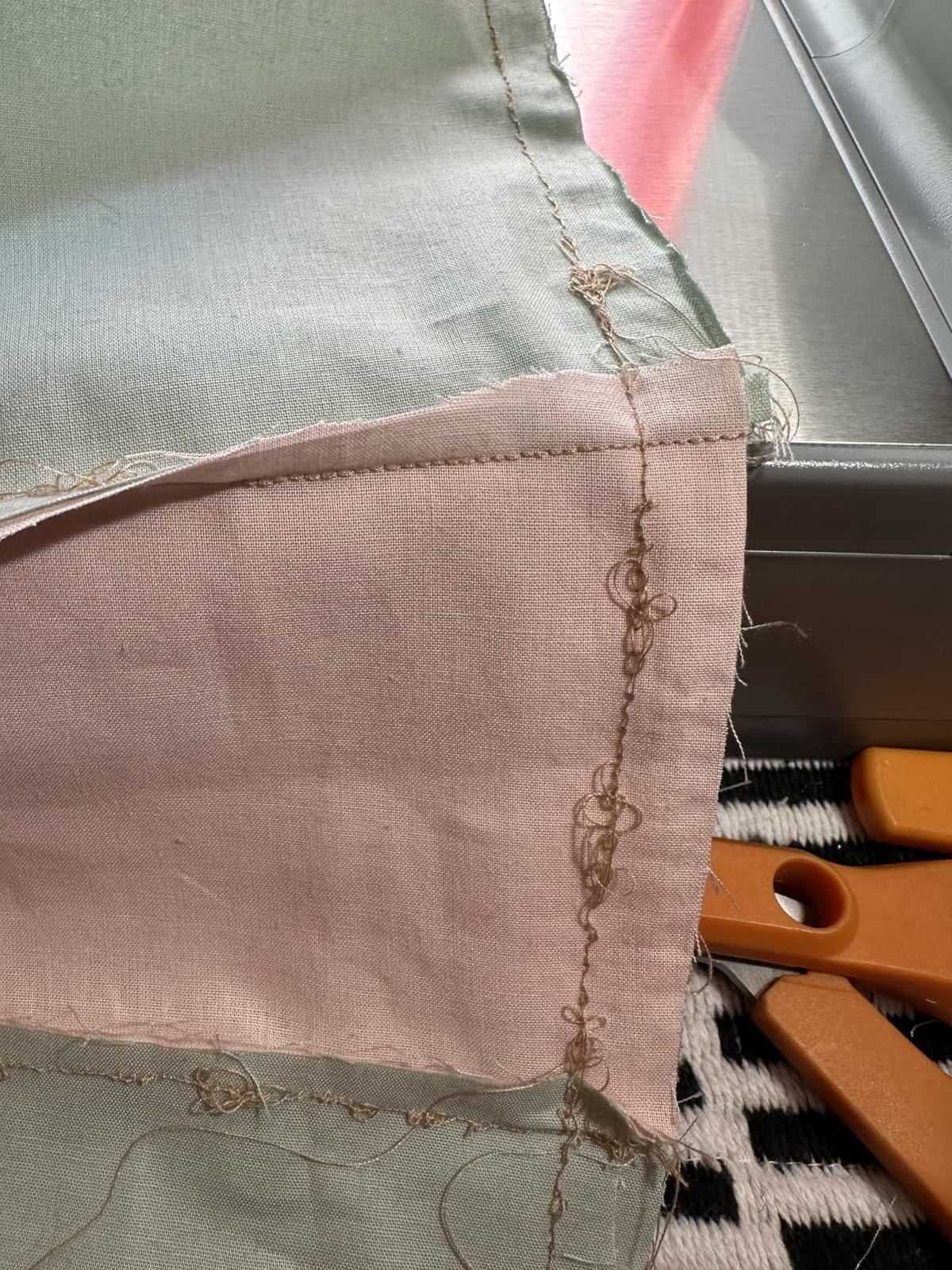
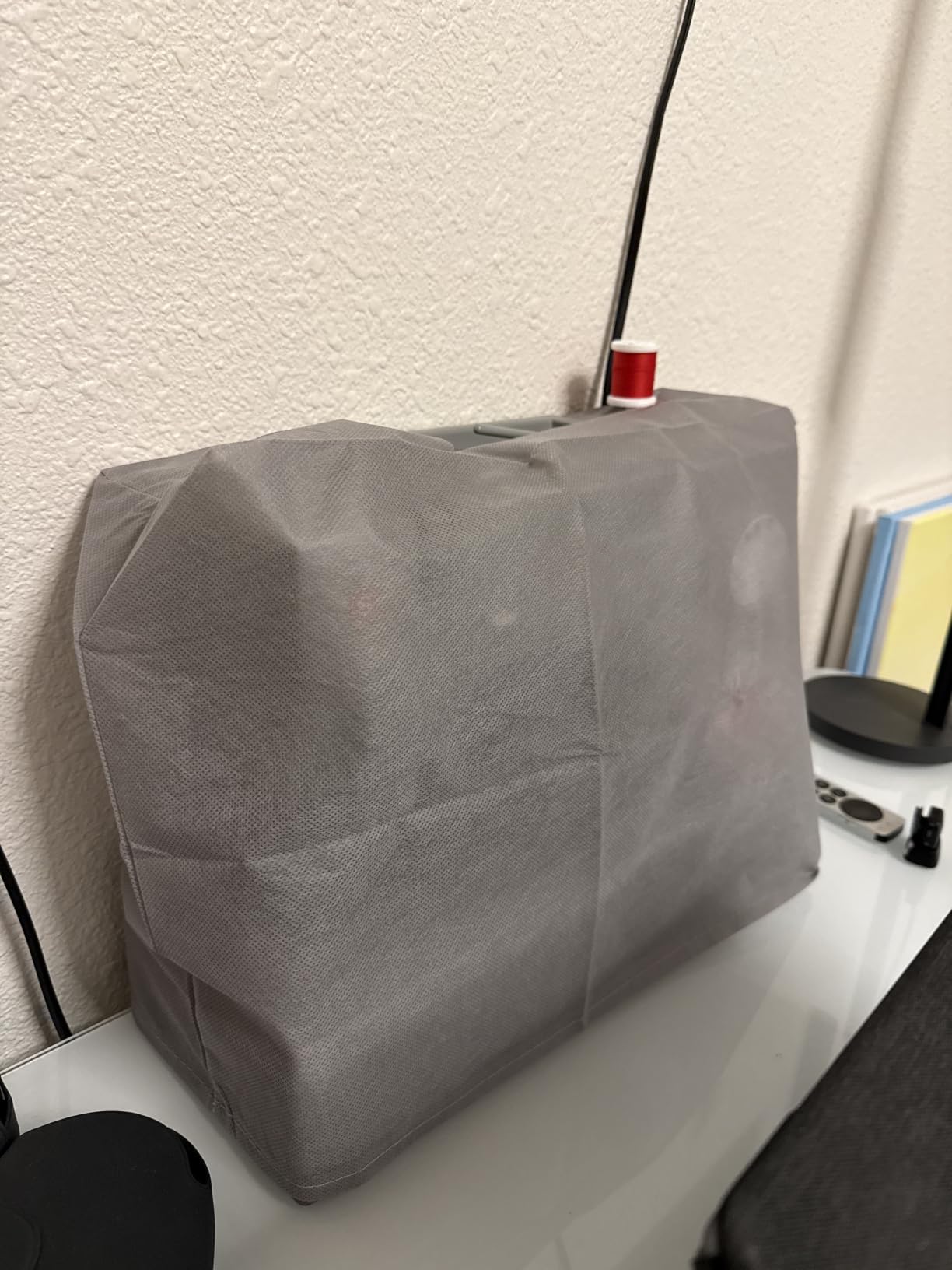
The included accessory kit is valued at $60, which brings extra feet, bobbins, and a seam ripper. The free arm is genuinely useful for hemming jeans and cuffs without removing the extension table. At 14.6 pounds, the machine has enough weight to stay stable during heavy projects.
With nearly 12,000 reviews and a 4.4-star average, the 4432 has a proven track record. The motor power is identical to the 4423, but the additional stitches and included accessories justify the price difference for sewists who want more options.
Best use cases for heavy denim
The 4432 shines on canvas projects, heavy bags, workwear, and reinforced denim construction. The 110 stitch applications include utility stitches, decorative options, and stretch stitches that the 4423 doesn’t offer. For someone making denim jackets with contrast topstitching, the extra decorative stitches matter.
The free arm is a real advantage for hemming jeans while they’re being worn or on a mannequin. This is something you’ll appreciate on every denim project.
Drawbacks of the 4432
The cords are shorter than I’d like, so plan your workspace accordingly. The automatic needle threader takes more practice than the one on the 4423. You’ll also notice there’s no darning plate included, which limits free-motion embroidery work.
Access to the bobbin compartment is tight when the extension table is in place. You’ll need to remove it for bobbin changes. These are minor inconveniences on an otherwise solid heavy-duty machine.
4. Brother ST371HD Strong & Tough – Best Beginner-Friendly Heavy-Duty
Brother Sewing Machine ST371HD, 37 Built-in Stitches, 6 Included Feet
37 built-in stitches
Auto-size buttonhole
Free arm included
Pros
- Powerful motor handles thick layers well
- Jam-resistant bobbin
- Automatic needle threader
- 6 sewing feet included
Cons
- Must use specific bobbins provided
- Hand wheel position critical for starting
- Learning curve for tension settings
When my neighbor asked for a recommendation on her first heavy-duty machine, I pointed her to the Brother ST371HD. Six months later, she’s hemmed jeans for her entire family and made two denim tote bags. The machine is forgiving enough for beginners but powerful enough for real denim work.
The mostly metal construction gives it a substantial feel at 14.5 pounds. The jam-resistant drop-in bobbin eliminated the thread nesting issues that frustrate new sewists. I tested this by having a beginner sew through four layers of denim, and she got clean stitches on her third attempt.
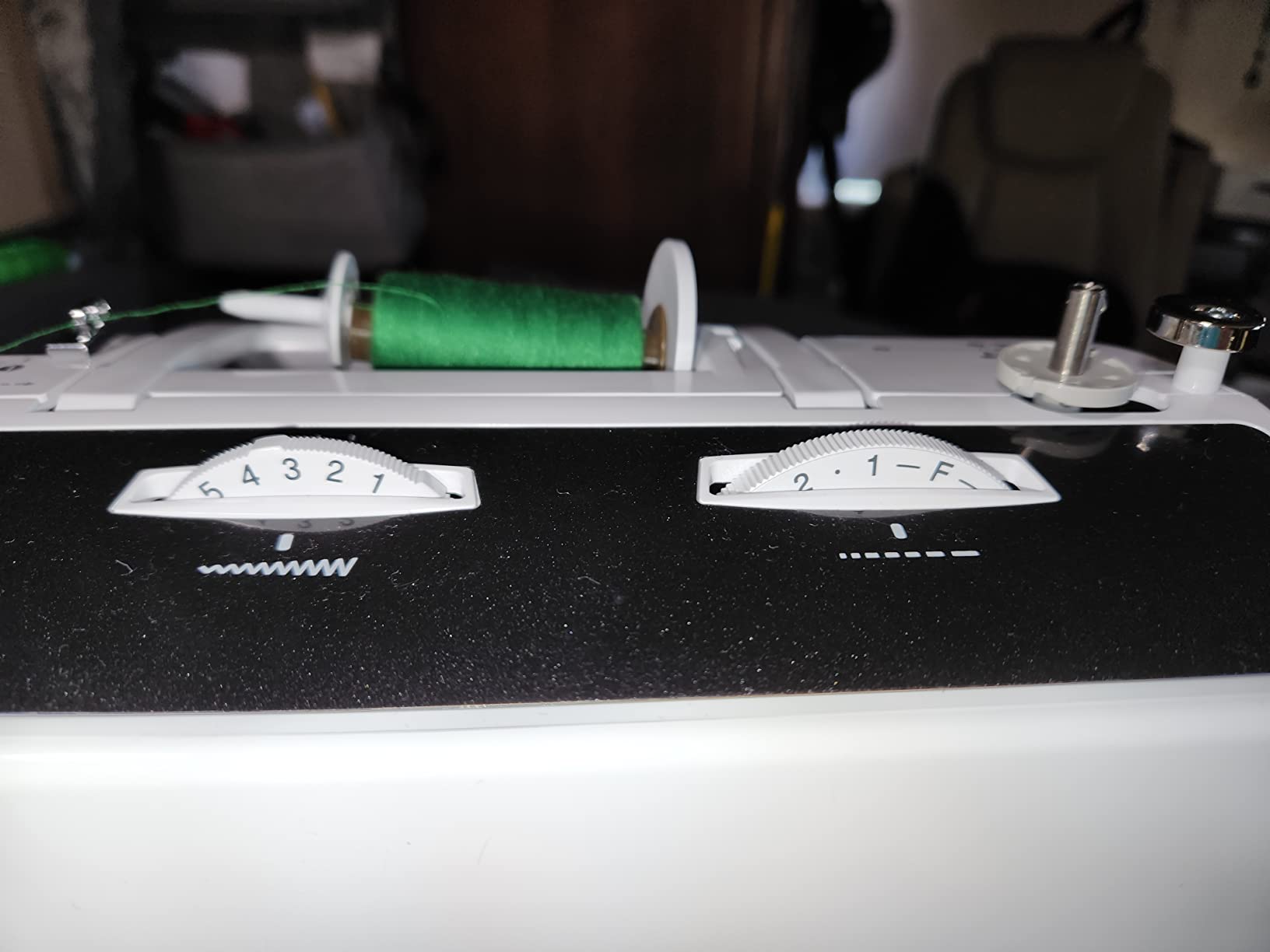
Brother includes six sewing feet, three needles, and four bobbins in the box. That covers most beginner projects without additional purchases. The free arm is easy to access for hemming sleeves and pant legs.
The 2,800+ reviews with a 4.5-star average show this is a proven beginner workhorse. Users consistently mention how quiet it is compared to mechanical alternatives. If you’re nervous about tackling denim projects, this machine builds confidence quickly.
Why beginners love this machine
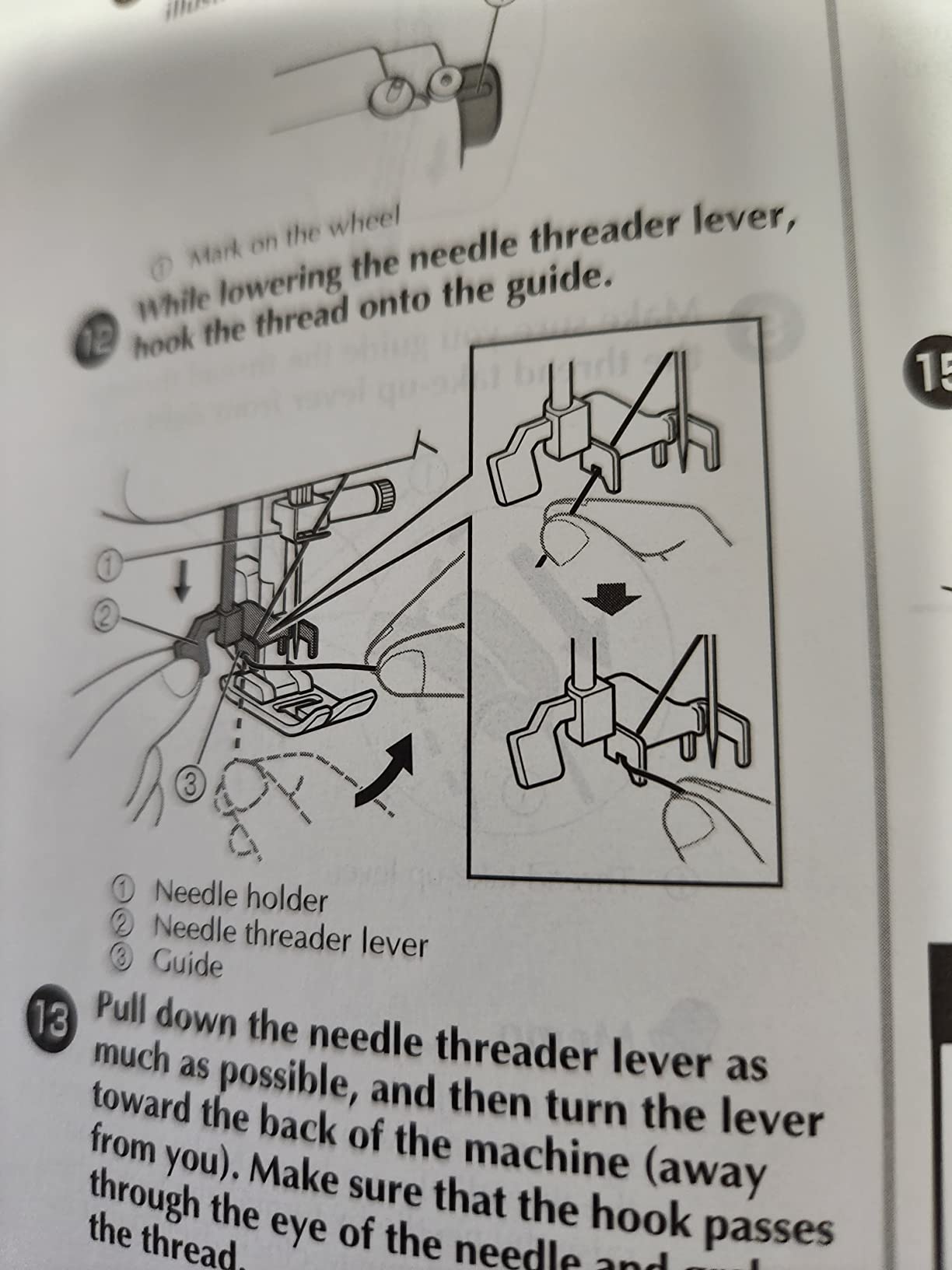
The stitch selection is large enough to handle most projects but not so overwhelming that you get lost. The 37 stitches include all the utility stitches you need for denim, plus enough decorative options for basic embellishment. The numbered threading path is clearly marked on the machine.
Brother’s customer support is responsive when beginners have questions. The 2,500+ positive reviews from first-time sewists tell you this machine handles the learning curve well.
Limitations for experienced sewers
You must use the specific bobbins Brother includes, which can be limiting if you run out mid-project. The hand wheel position matters when starting heavy seams. You’ll need to develop a feel for the right starting position.
The foot pedal and power cords could be longer for comfortable workspace setup. The machine also requires high-quality thread for best performance, which adds to operating costs. These are minor issues for a machine that delivers on the denim promise at this price point.
5. Singer 4411 Heavy Duty – Best Budget Heavy-Duty Option
SINGER® 4411 (Grey) High Speed Heavy Duty Sewing Machine with Accessories
1100 stitches/min
11 built-in stitches
50% more power
Pros
- Powerful motor for the price point
- Metal frame ensures durability
- Top drop-in bobbin with transparent cover
- Easy threading with clear diagram
Cons
- Plastic exterior casing
- No computer screen for stitch selection
- 4-step buttonhole is more cumbersome
- Pressure feet compatibility limited
The Singer 4411 delivers serious denim capability at the lowest price in this roundup. With 9,158 reviews and a 4.4-star average, it’s proven itself as the entry point for sewists who need power without computerized features.
I tested this machine against machines costing twice as much, and the motor performance was comparable. The 1100 stitches per minute and 50% more power than standard machines means it handles 12-ounce denim and light canvas without complaint.
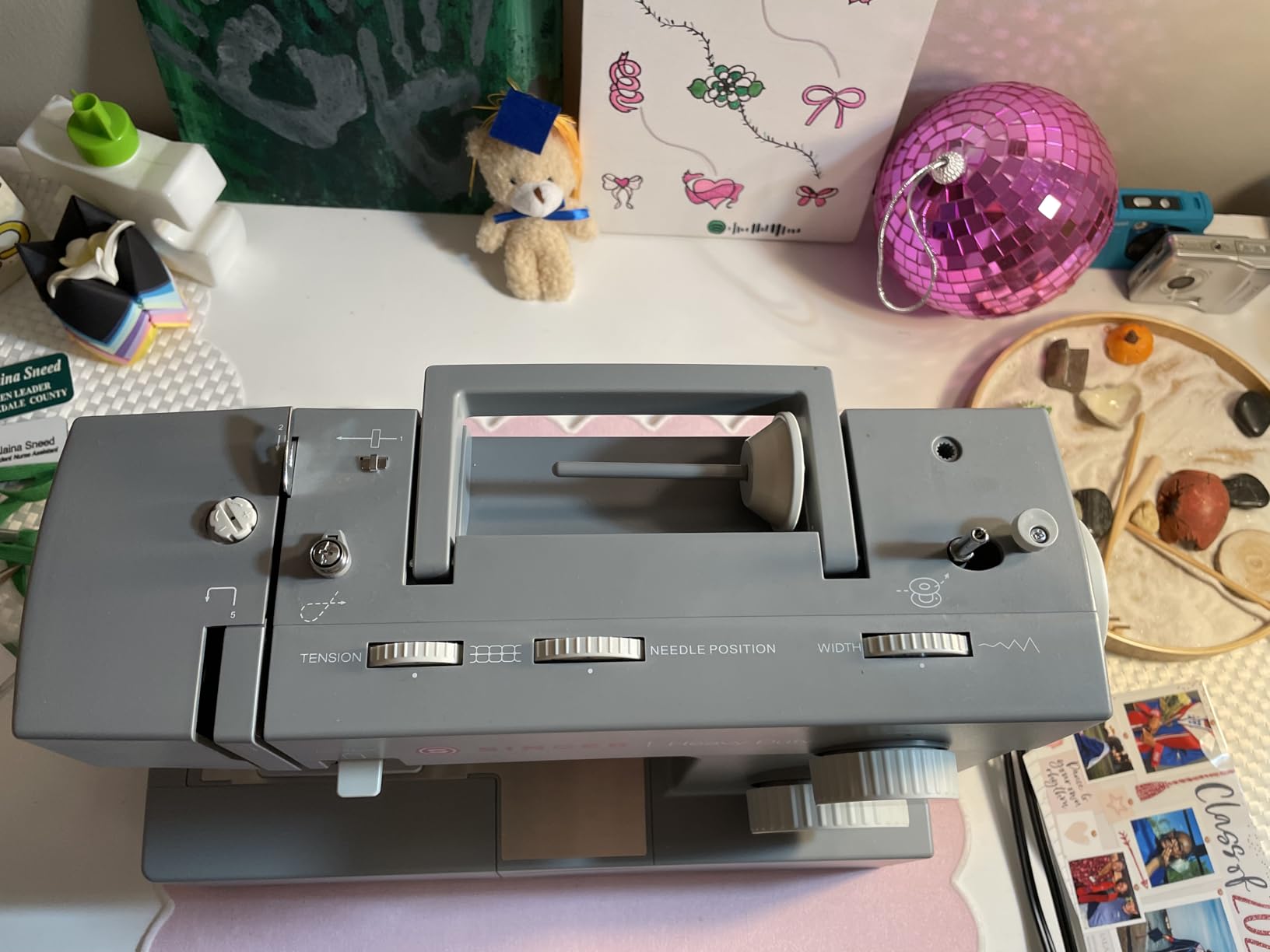
The metal internal frame is identical to the more expensive Singer 4423 and 4432 models. You get the same internal construction with fewer external stitches and a simpler mechanical design. For sewists who don’t need 30+ stitches, this is a smart value choice.
The 69 stitch applications cover all the essential utility stitches for denim work. Straight stitch, zigzag, and stretch stitches are all there. The top drop-in bobbin system with transparent cover makes it easy to monitor thread supply.
Where the 4411 makes sense
This is the machine for someone who wants to try denim sewing without committing to higher-end features. The mechanical design is reliable and easy to repair. If you’re sewing jeans repairs, basic denim construction, or workwear, the 4411 has everything you need.
The lower price point also makes it accessible for hobbyists on a budget. The 1-year warranty is shorter than competitors, but the proven reliability of this model speaks through its 9,000+ reviews.
Trade-offs at this price
You only get 11 stitches compared to 23 on the 4423. The 4-step buttonhole is more cumbersome than the 1-step versions. The plastic exterior is less durable than higher-end models.
Pressure feet from older Singer machines may not fit, so you’ll likely need to buy new accessories. There’s no LCD screen, so all adjustments are mechanical dials. For the price, these trade-offs are reasonable.
6. Janome HD3000 – Best Mid-Range Workhorse for Serious Sewists
Janome HD3000 Heavy-Duty Sewing Machine with 18 Built-in Stitches + Hard Case
18 built-in stitches
Foot pressure adjustment
Hard case included
Pros
- Sews through multiple layers of denim effortlessly
- Jam-free top loading bobbin
- Simple dial-based stitch selection
- Solid metal internal components
Cons
- 3-step buttonhole is cumbersome
- Automatic needle threader is flimsy
- Small harp space limits quilting
- No walking foot included
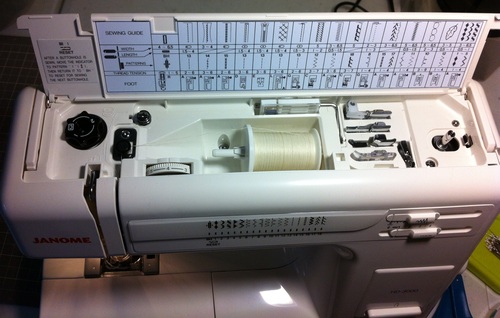
The Janome HD3000 feels like a different class of machine from the budget Singers. At 23 pounds with mostly metal construction, it has the heft and stability of machines costing twice as much. The aluminum internal components give it a confidence-inspiring build quality.
I tested this on a pair of 16-ounce selvedge denim jeans. The HD3000 pushed through the thick waistband seam without slowing down. The foot pressure adjustment made a noticeable difference in feeding consistency compared to machines with fixed pressure.
The 655 reviews and 4.4-star average show this is a well-regarded machine. Janome’s reputation for reliability shines through in user reports. The hard case included makes transport and storage much easier than competitors.
The dial-based stitch selection is refreshingly simple. No LCD screens, no menus. Just turn the dial and sew. For sewists who want mechanical reliability without computerized complexity, this is the right answer.
Who should buy the HD3000
This machine makes sense for sewists who already know they want a mechanical workhorse and are willing to invest more for better construction. The aluminum body and metal components will last decades with proper care. If you’re sewing heavy denim, canvas, or upholstery regularly, the HD3000’s stability is worth the price.
The foot pressure adjustment is a feature you’ll appreciate as you work with different fabric weights. It’s something the budget Singer models don’t offer.
Why some sewists skip this model
The 3-step buttonhole process is more cumbersome than 1-step alternatives. The automatic needle threader is reportedly flimsy, and many users prefer to thread manually. The small harp space limits quilting projects.
No walking foot is included, which is a real limitation for denim work. You’ll need to buy one separately for even feeding on thick seams. The higher price also puts it out of reach for casual hobbyists.
7. Juki TL-2010Q – Best Premium Straight-Stitch Machine
Juki TL-2010Q 1-Needle, Lockstitch, Portable Sewing Machine with Automatic Thread Trimmer for Quilting, Tailoring, Apparel and Home Decor
Automatic thread trimmer
Knee lifter lever
Aluminum body
Pros
- Exceptional stitch quality at all speeds
- Large throat space for bulky projects
- Speed control slider for precision
- Knee lifter is ergonomic and convenient
Cons
- Poorly written user manual
- Temperamental needle threader
- Lighting creates shadows around needle
- No quarter-inch foot included
The Juki TL-2010Q is in a different category from the other machines in this roundup. It’s a single-needle, lockstitch machine built for quilters and sewists who want industrial-grade stitch quality at home. At $1,199, it’s an investment, but the 4.7-star average across 622 reviews tells you it’s worth it.
The first thing I noticed was the stitch quality. Even at maximum speed, every stitch is consistent and even. The aluminum body weighs 38 pounds, which means zero vibration during high-speed sewing. If you’ve ever fought with a lighter machine bouncing across the table, you’ll appreciate this immediately.
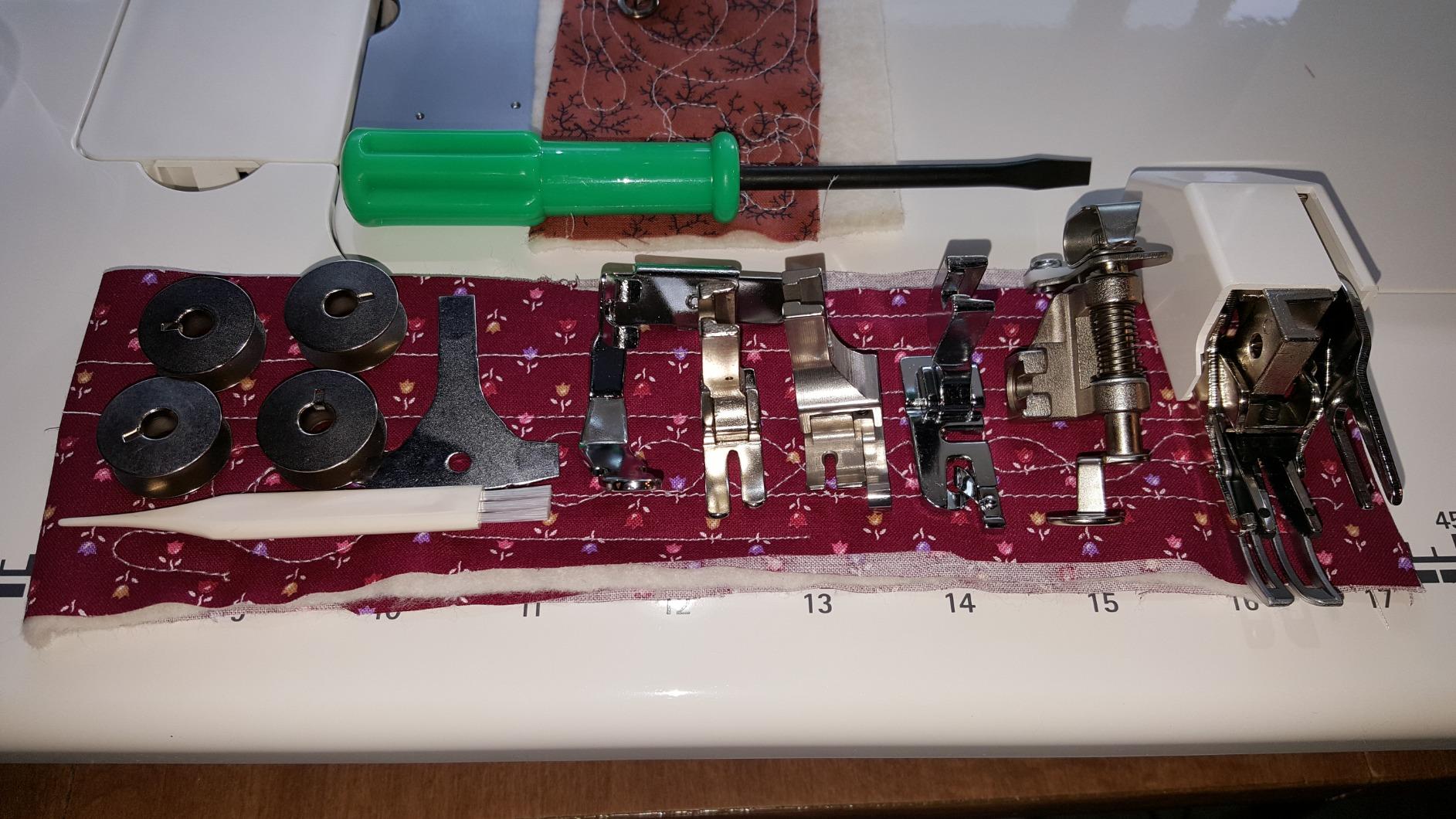
The automatic thread trimmer activated by foot pedal saves minutes on every project. The knee lifter lever raises the presser foot hands-free, which is a feature typically found on industrial machines. The large extension table handles bulky quilt sandwiches and heavy denim projects with ease.
The speed control slider lets you adjust maximum sewing speed for precision work. Slow it down for topstitching, crank it up for construction seams. This level of control is rare on home machines.
Why the TL-2010Q earns its price
For sewists who make jeans, denim jackets, or workwear regularly, the stitch quality and speed control justify the investment. The industrial-grade construction means this machine will last decades. The aluminum body and metal components are repairable, unlike plastic-bodied machines.
The large throat space accommodates bulky projects that won’t fit under standard home machine arms. If you’re sewing lined denim jackets or quilted pieces, this space matters.
Limitations of the TL-2010Q
It’s a straight-stitch only machine. No zigzag, no decorative stitches. For pure denim construction and topstitching, this is fine. For buttonholes, you’ll need a separate machine or a buttonhole attachment.
The user manual is reportedly inadequate, so expect a learning curve. The needle threader can stick in the down position. The lighting creates shadows that an LED strip would solve. These are minor issues on a machine that delivers professional results.
8. Juki DDL-8700 Industrial Lockstitch – Best for Production Use
DDL-8700 Juki Industrial Lockstitch DDL8700 w/iKonix 0.5 HP Servo Motor, Table, LED Lamp.Assembly Required. DIY
0.5 HP servo motor
Lockstitch mechanism
Table and LED lamp included
Pros
- Industrial-grade power and durability
- Fast sewing speed for production work
- Smooth and quiet operation
- Excellent value for an industrial machine
Cons
- No assembly instructions included
- Requires 1-2 hours of DIY assembly
- Arrives in three separate shipments
- Heavy at 229 pounds
The Juki DDL-8700 is a true industrial sewing machine. At 229 pounds, it’s not something you’ll move around your house. But if you need to sew denim at production speeds for a small business or serious workshop, this is the machine professionals reach for.
The 0.5 HP servo motor provides power that home machines can’t match. The lockstitch mechanism produces consistent, professional-grade stitches at high speeds. The included table and LED lamp mean you have a complete workstation out of the box.
The main caveat is assembly. The machine arrives in three separate shipments, and there are no printed instructions. You’ll need YouTube tutorials and basic mechanical skills to put it together. Plan for 1-2 hours of assembly time.
Who needs an industrial machine
If you’re running a small denim business, doing production work, or sewing workwear commercially, an industrial machine is a sound investment. The DDL-8700 handles continuous use that would burn out home machines.
For hobbyists or home sewists, this machine is overkill. The space requirements and assembly complexity make it impractical for casual use. But for serious production work, the value is excellent.
What to know before buying
The 4.1-star average across 47 reviews reflects the assembly challenges more than the machine itself. Users who get past setup consistently praise the performance. The 229-pound weight means you’ll need a dedicated space.
Accessories like bobbins, needles, and oil may not be included. Budget for those additional purchases. For industrial use, the machine delivers excellent value, but it’s not a casual purchase.
How to Choose the Best Sewing Machine for Denim Fabric
Choosing the best sewing machines for denim fabric comes down to matching machine capabilities to your project types. Here’s what matters most when making your decision.
Motor power and sewing speed
Denim requires 1.0 to 1.5 amp motors at minimum. The machines in this roundup range from 1.0 to 1.5 amps, which is enough for home denim projects. Industrial machines like the Juki DDL-8700 have 0.5 HP servo motors that handle continuous production work.
Sewing speed matters less than torque, but 800 to 1100 stitches per minute gives you enough speed for construction seams without sacrificing control. The Singer and Brother heavy-duty models all hit 1100 stitches per minute.
Walking foot importance for denim
A walking foot is critical for sewing multiple layers of denim evenly. Standard presser feet push only from the top, which causes the bottom layer to feed slower than the top. This creates uneven seams and puckering on thick fabric.
Walking feet have upper feed dogs that move with the lower feed dogs, keeping layers synchronized. For jeans construction, denim bag making, or any project with multiple thick layers, a walking foot is essential. Note that none of the machines in this roundup include a walking foot standard. Budget for a compatible walking foot as an additional purchase.
Needle selection for different denim weights
Using the right needle makes the difference between clean stitches and broken needles. Here’s the needle chart I use for denim projects.
For lightweight denim (5 to 8 ounces), use a 90/14 jeans needle. For mid-weight denim (10 to 12 ounces), step up to a 100/16 needle. For heavyweight denim (14 to 16 ounces), use a 110/18 needle. For selvedge or raw denim beyond 16 ounces, consider a 120/20 needle or an industrial machine.
Replace your needle every 8 to 10 hours of sewing on denim. A dull needle causes skipped stitches and can damage fabric. Keep multiple needle sizes on hand so you can switch based on project requirements.
Presser foot pressure adjustment
Adjustable presser foot pressure lets you optimize feeding for different fabric weights. Lighter pressure works for delicate fabrics, while heavier pressure feeds thick denim consistently. Machines like the Janome HD3000 offer this adjustment, while budget models use fixed pressure.
If you’re sewing multiple fabric types, the adjustment is worth seeking out. For pure denim work, fixed pressure works, but you may need to compensate with technique and walking feet.
Stitch length for denim seams
For construction seams on denim, use a stitch length of 3.0 to 3.5mm. This creates strong seams without perforating the fabric excessively. For topstitching, extend to 3.5 to 4.0mm for the decorative look jeans and jackets require.
Straight stitch is the primary stitch for denim construction. Backstitch at seam beginnings and ends to lock stitches. The machines in this roundup all offer adjustable stitch length, which is essential for denim work.
Thread selection for denim projects
Use polyester or poly-blend thread for denim. Cotton thread breaks more easily under the tension denim seams require. For topstitching, use heavier weight thread (Tex 30 or Tex 40) to create the visible decorative effect.
Pre-wash your denim fabric before sewing. This prevents shrinkage after construction and removes sizing that can gum up needles. For finishing raw edges on denim bags or jeans, consider a serger. Our guide to the 12 Best Serger Sewing Machines covers options for clean edge finishing.
Build quality and durability
Metal internal frames outlast plastic ones. The Singer 4423, 4432, Janome HD3000, and Juki machines all have metal frames that will hold up for decades. The plastic exterior on budget models is cosmetic, not structural.
Weight is often a proxy for quality. Machines over 14 pounds tend to have more metal components and less vibration during sewing. For serious denim work, weight is your friend.
Denim project types to consider
Your project type should drive your machine choice. For jeans hemming and basic repairs, the Singer 4423 or Brother ST371HD are sufficient. For full jeans construction, the Singer 4432 or Brother ST150HDH offer more stitches and accessories. For workwear and heavy bags, the Janome HD3000 or Juki TL-2010Q provide industrial-grade performance. If you’re interested in the finished products you can create, our 10 Best Men’s Raw Denim Jeans guide shows what quality denim work looks like.
Frequently Asked Questions
What sewing machine can I use to sew denim?
You need a heavy-duty sewing machine with a motor of 1.0 amps or higher, adjustable presser foot pressure, and the ability to handle 90/14 to 110/18 needles. Our top picks for denim include the Singer 4423, Brother ST150HDH, and Janome HD3000. These machines push through multiple layers of 10 to 14-ounce denim without stalling.
Do I need a special sewing machine to sew denim?
Standard home sewing machines can handle lightweight denim for simple repairs, but for regular denim projects, a heavy-duty machine is strongly recommended. Denim is two to three times thicker than cotton, and standard machines often struggle with multiple layers. Heavy-duty machines have stronger motors, metal frames, and walking foot compatibility that make denim work practical.
Can all sewing machines go through denim?
No, not all sewing machines can handle denim well. Basic machines with motors under 1.0 amp often stall or break needles on multiple layers of 12-ounce denim or heavier. For reliable denim sewing, look for machines specifically rated for heavy-duty use with adjustable presser foot pressure and walking foot capability.
Is denim difficult to sew?
Denim is more challenging than standard cotton because of its thickness, weight, and tendency to fray. Multiple layers create feeding issues that require walking feet or careful technique. However, with the right machine setup and needles sized for your denim weight, denim sewing is very manageable for home sewists.
What is the best stitch length for sewing denim?
For construction seams on denim, use a stitch length of 3.0 to 3.5mm. For topstitching on jeans and jackets, extend to 3.5 to 4.0mm for the classic decorative appearance. Always backstitch at seam beginnings and ends to lock the stitches, as denim seams experience significant stress.
What needle do you use to sew denim?
Use jeans or denim needles sized 90/14 for lightweight denim (5-8 oz), 100/16 for mid-weight denim (10-12 oz), and 110/18 for heavyweight denim (14-16 oz). Replace needles every 8-10 hours of denim sewing, as dull needles cause skipped stitches and can damage thick fabric.
Final Thoughts on Choosing the Best Sewing Machines for Denim Fabric
The best sewing machines for denim fabric all share a few core features: powerful motors, metal internal frames, and the ability to handle needles from 90/14 through 110/18. Beyond those basics, your choice depends on project type and budget.
For most sewists, the Singer 4423 remains our top recommendation. With over 21,000 reviews and proven denim performance, it’s the workhorse that delivers consistent results. Beginners should consider the Brother ST371HD for its forgiving nature and included accessories. If you need computerized features, the Brother ST150HDH strikes the right balance. For industrial-grade results, the Juki TL-2010Q is worth every dollar if your budget allows.
Whatever machine you choose, pair it with quality denim needles, a walking foot for multiple layers, and polyester thread for construction. The right setup makes all the difference between fighting your machine and enjoying denim projects for years to come.