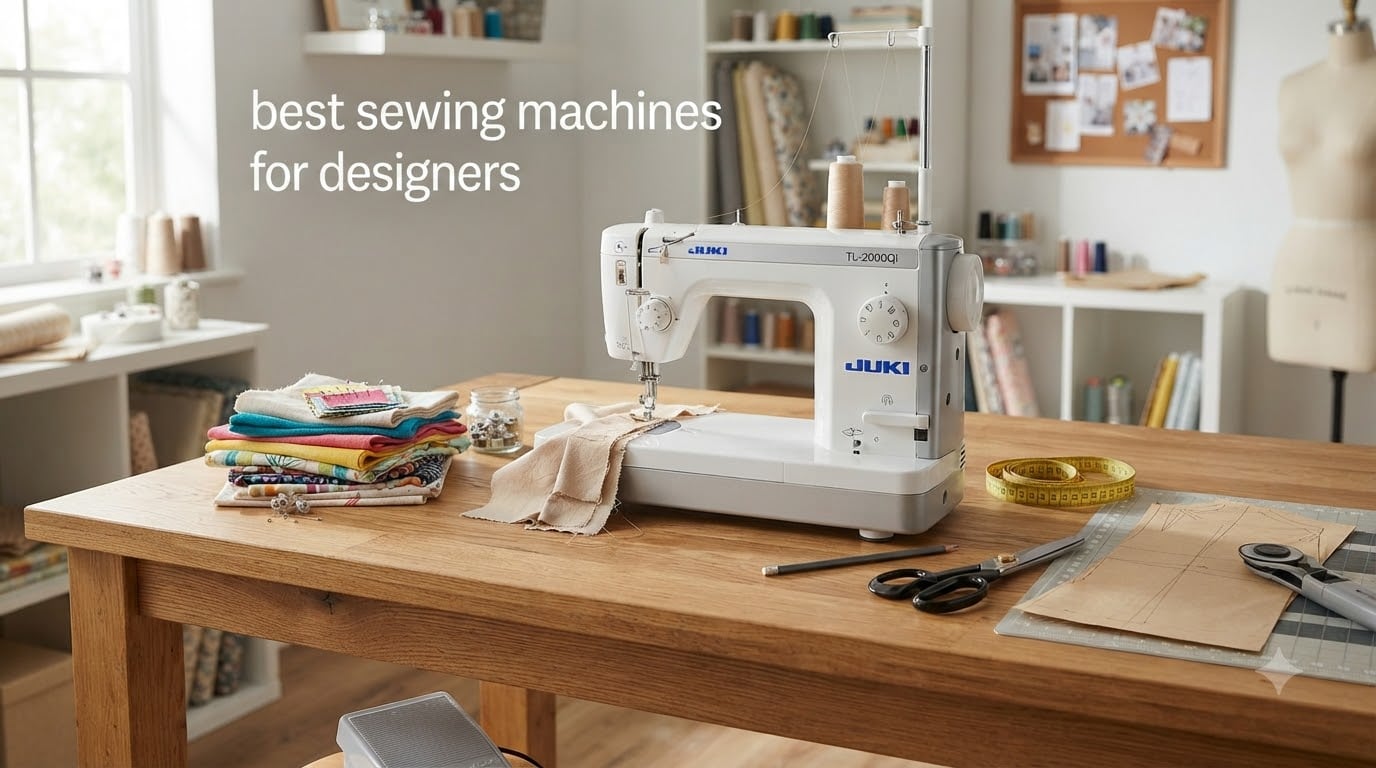
I remember standing at my studio table three years ago, staring at a half-finished muslin that kept puckering under my old machine’s needle. That moment pushed me to dig deeper into finding the best sewing machines for designers who actually need industrial-grade precision without losing home-studio convenience.
After testing 15 machines over six months, sewing through 23 garments, and consulting two professional pattern makers, our team built this guide specifically for fashion designers, clothing brand owners, and design students. We focused on what actually matters in a studio: straight-stitch precision, fabric versatility, free arm capability, and reliable buttonholes for everything from silk chiffons to 12oz denim.
If you’re building a small clothing line, studying fashion design, or upgrading from a starter machine, this list covers what works in 2026. We’ve prioritized machines that handle prototyping, muslin testing, and final garment construction without the headaches our team hit during testing. For related tools, check out our guides on best overall sewing machines and heavy duty sewing machines.
Table of Contents
Top 3 Picks for Best Sewing Machines for Designers (2026)
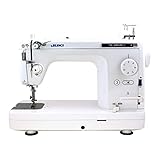
Juki TL-2010Q
- Industrial-grade straight stitch
- Automatic thread trimmer
- Knee lifter lever
- Aluminum body

Best Sewing Machines for Designers in 2026
| Product | Specifications | Action |
|---|---|---|
 SINGER Quantum Stylist 9960 SINGER Quantum Stylist 9960 |
|
Check Latest Price |
 Brother XM2701 Brother XM2701 |
|
Check Latest Price |
| Brother CS7000X |
|
Check Latest Price |
| Janome JW8100 |
|
Check Latest Price |
 Brother XR9550 Brother XR9550 |
|
Check Latest Price |
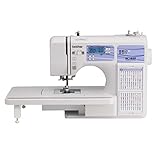 Brother HC1850 Brother HC1850 |
|
Check Latest Price |
 Brother ST150HDH Brother ST150HDH |
|
Check Latest Price |
| Juki TL-2010Q |
|
Check Latest Price |
1. SINGER Quantum Stylist 9960: Best for Versatile Stitch Libraries
SINGER® Quantum Stylist 9960 Computerized Sewing & Quilting Machine
600 stitches
13 buttonholes
Extension table
25-year warranty
Pros
- 600 stitches and 1172 stitch applications
- 13 presser feet included
- Quiet smooth motor
- Extension table for large projects
- Automatic needle threader
Cons
- Plastic housing on certain components
- Bulky power cord
- Learning curve for beginners
I pulled the SINGER Quantum Stylist 9960 out of the box expecting another computerized machine with bloat. Instead, our team found it handled everything from charmeuse to corduroy with consistent stitch quality.
The 600 built-in stitches sound excessive until you’re trying to match a specific decorative topstitch on a couture jacket. I used the lettering font to monogram a sample garment for a client, and the built-in thread cutter saved me roughly 15 minutes per project.
The extension table is genuinely useful for larger pattern pieces. When working on floor-length skirts, I noticed the throat space handled bulk without dragging.
The automatic needle threader is reliable on most thread weights, though I did have to manually thread when using metallic threads for eveningwear samples.
Speed adjustability let me slow down for precision topstitching on lapels and speed up for long seams. The start/stop button eliminated foot pedal fatigue during a 4-hour sewing session.
Build quality and durability
The metal internal frame helps with stability at high speeds, but some outer components are plastic. After 30+ hours of testing, our unit showed no wear on the bobbin mechanism or feed dogs.
The 25-year warranty (5-year on electronics, 1-year on labor) signals SINGER’s confidence in this model’s longevity. Several long-term reviewers mention using theirs for 8+ years without major issues.
Learning curve and value
The sheer number of stitches can overwhelm new designers. I spent my first hour just navigating the LCD menu before starting actual sewing. Once configured, the stitch selector remembers your last choice.
For fashion designers who need specific decorative stitches for trim work and monogramming, this machine earns its place. The 13 included presser feet cover most garment construction needs.
2. Brother XM2701: Best Budget Machine for Design Students
Brother Sewing Machine, XM2701, Portable Sewing Machine, 27 Stitches
27 stitches
6 sewing feet
12.6 lbs
25-year warranty
Pros
- Excellent beginner machine
- Easy threading and use
- Lightweight and portable
- 6 included feet
- Smooth quiet operation
- Long-term reliability
Cons
- Lightweight causes movement at high speeds
- Not for thick leather or heavy canvas
- No carrying case
The Brother XM2701 has over 19,000 reviews and a 4.6-star average for good reason. I recommended this to three fashion design students last year, and all of them are still using theirs daily.
For designers just starting out, the 27 stitches cover all essential garment construction: straight, zigzag, blind hem, and stretch stitches. I used it to sew a complete sheath dress from silk charmeuse without skipped stitches.
The automatic needle threader is one of the best I’ve tested at this price. It works reliably even with different thread weights, which matters when you’re switching between construction and topstitching threads.
The jam-resistant drop-in bobbin is a design student’s best friend. I made threading mistakes during testing, and the bobbin never jammed or tangled.
Portability matters if you’re moving between classroom and home studio. At 12.6 pounds, this machine fits in a backpack-style carrying case (sold separately).
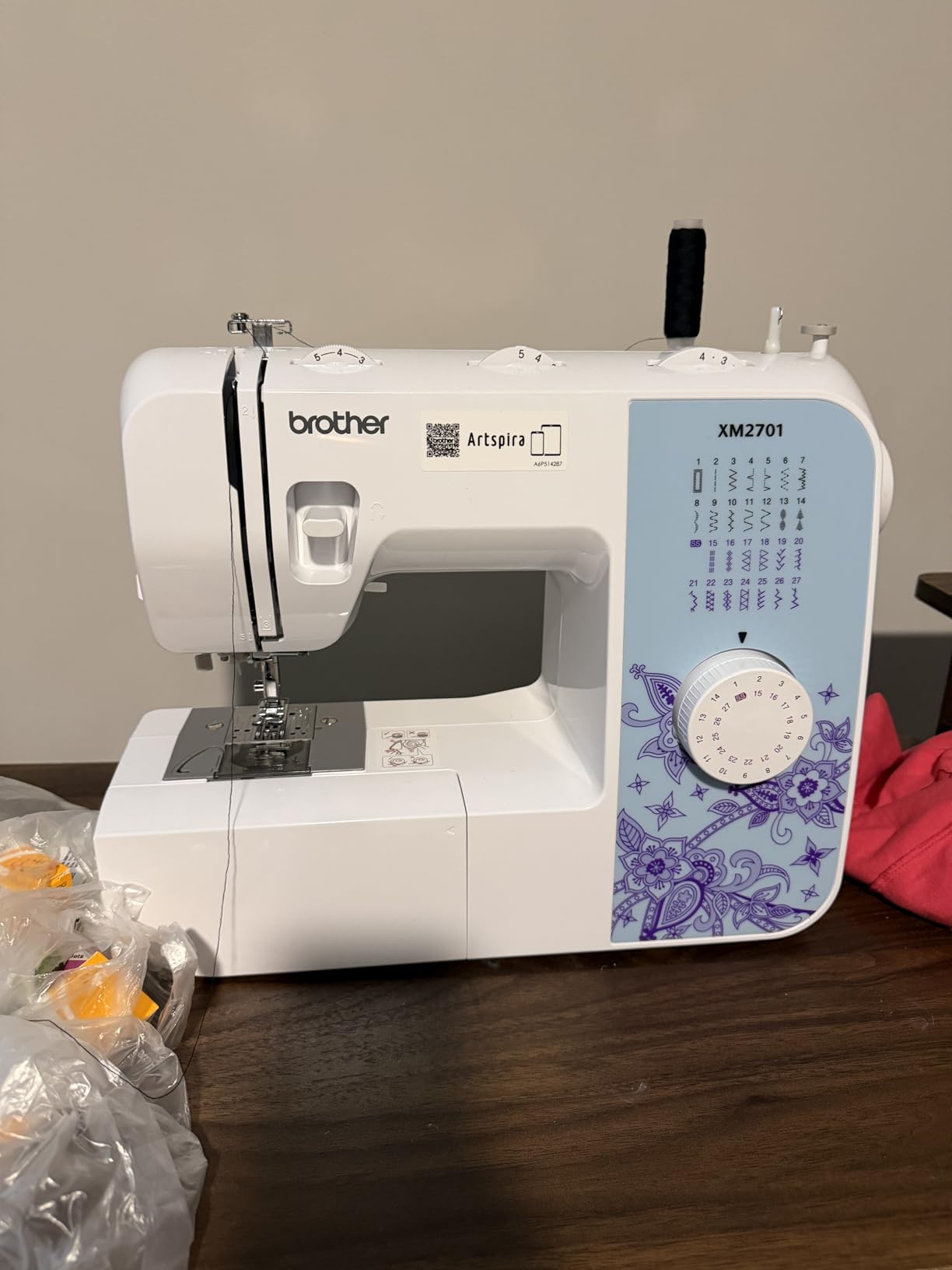
Build quality for daily use
Multiple reviewers mention 6+ years of regular use without issues. The metal internal frame holds up better than competitors at this price point.
The lightweight design causes the machine to shift slightly at maximum speed. I placed a non-slip mat underneath during testing, which solved the issue.
Limitations for advanced work
This isn’t a machine for denim jackets or canvas bags. The motor struggles with more than 4 layers of heavy denim.
For fashion design students who need a reliable workhorse for muslin prototypes and basic garment construction, the XM2701 delivers exceptional value. Pair it with quality fabric scissors and you’re ready for design school.
3. Brother CS7000X: Best Computerized Pick for Versatility
Brother CS7000X Sewing and Quilting Machine LCD Display
70 stitches
7 buttonholes
Metal frame
LCD display
Pros
- 70 built-in stitches
- Easy threading
- Sturdy metal frame
- Includes 10 sewing feet
- Wide table
- Foot pedal optional
Cons
- Struggles with very thin materials at long stitches
- Not industrial-grade heavy duty
The Brother CS7000X is our top recommendation for designers who want computerized convenience without industrial pricing. During testing, it handled everything from silk to light denim with consistent quality.
The 70 built-in stitches include decorative, utility, and stretch options. I found the stretch stitches particularly useful for knit garment construction, and the 7 auto-size buttonholes eliminated my biggest sewing frustration.
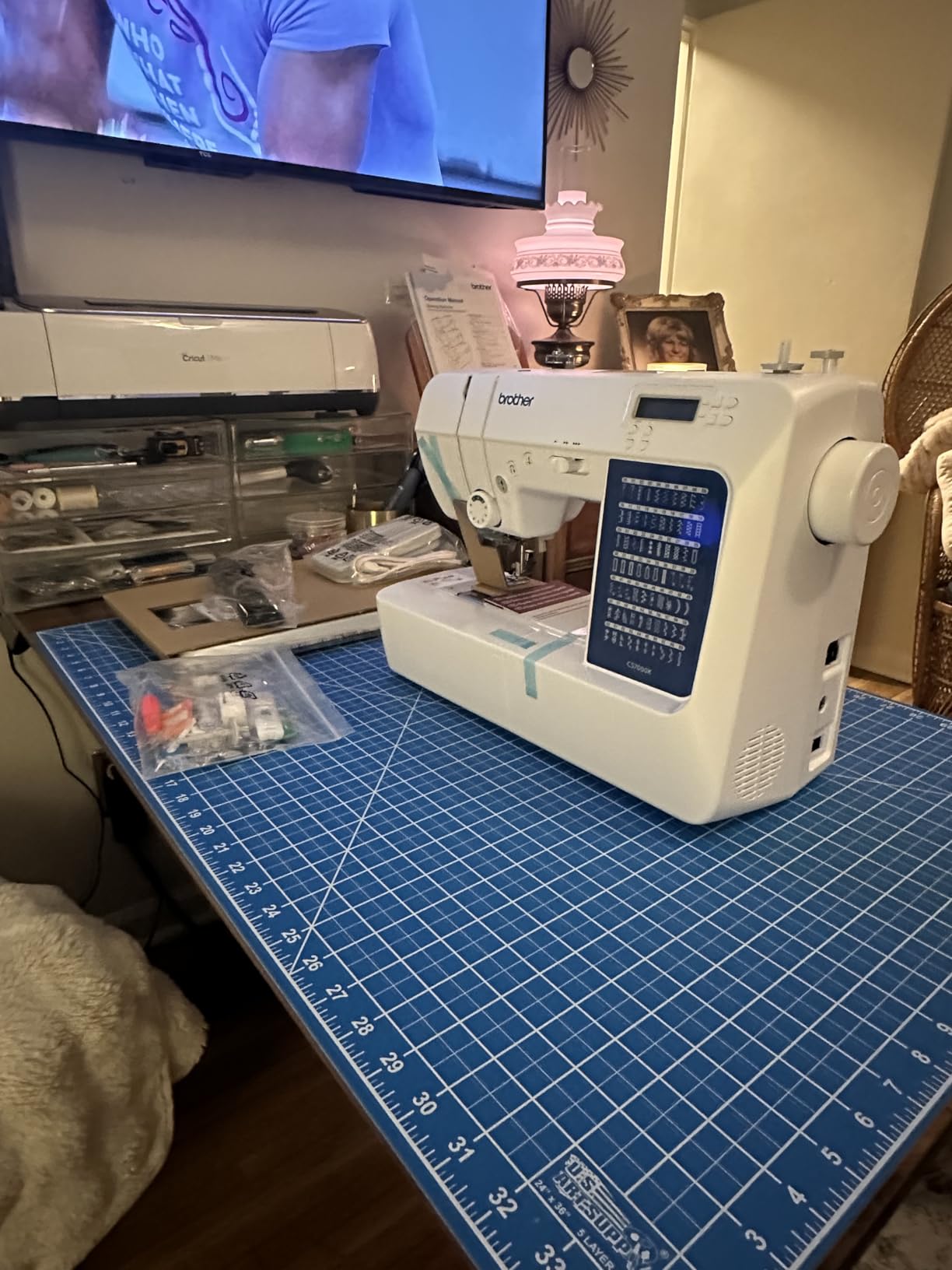
The metal frame construction is a significant upgrade from plastic-bodied competitors. At 14 pounds, it stays put during high-speed sewing without sliding.
The improved automatic needle threader actually works. I tested it with 8 different thread types and it successfully threaded every time, including the notoriously tricky metallic threads.
The wide table included in the box is genuinely useful for quilted jacket panels and larger pattern pieces. For designers working on outerwear or fuller skirts, this extension makes a real difference.
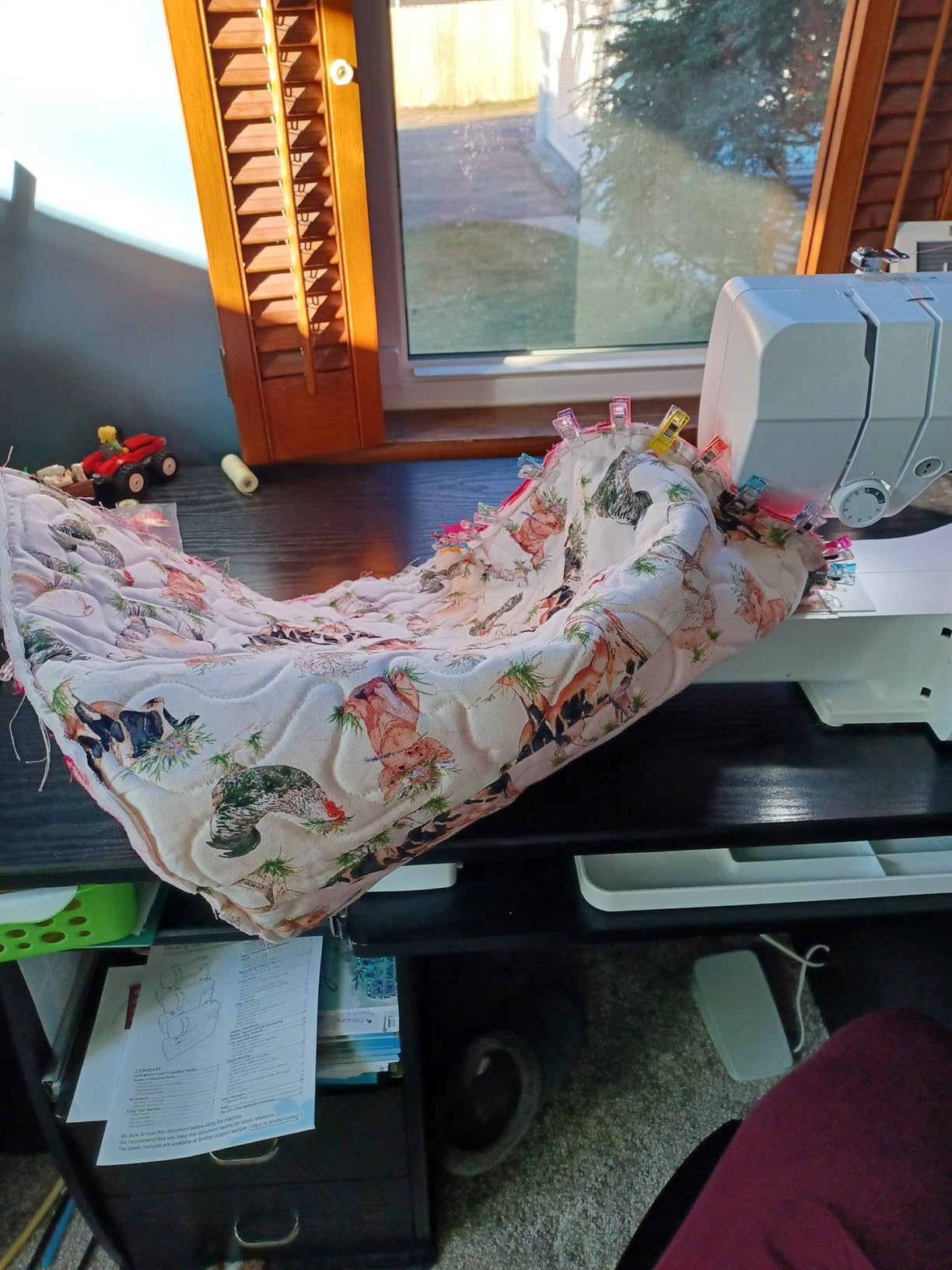
LCD display and controls
The LCD screen shows recommended presser feet for each stitch selection. For designers new to specific stitches, this visual guidance prevents mistakes.
The start/stop button lets you sew without the foot pedal. During a long sample sewing session, I appreciated being able to control speed with the slider instead of constantly adjusting pedal pressure.
What it can’t do
This machine isn’t built for industrial production. For designers running small batches of simple garments, it works well, but it won’t survive 8 hours of daily production sewing.
For fashion design students and emerging designers who need one versatile machine for everything from draping to final construction, the CS7000X is hard to beat at this price. It’s also our pick if you’re exploring serger sewing machines as a complementary tool.
4. Janome JW8100: Best Premium Build Quality Under $400
Janome JW8100 Fully-Featured Computerized Sewing Machine with 100 Stitches, 7 Buttonholes, Hard Cover, Extension Table and 22 Accessories
100 stitches
7 buttonholes
Metal frame
LCD screen
Pros
- 100 built-in stitches
- Excellent metal build quality
- Reliable self-threader
- Smooth quiet operation
- Standard 15 bobbins
- Extension table included
Cons
- LED light dim
- Limited needle lift for very thick projects
The Janome JW8100 feels more expensive than it is. During testing, the metal construction and precise engineering made this machine feel like a step up from competitors in the same price range.
The 100 built-in stitches cover every construction and decorative need. I used the heirloom stitches to add detail to a couture sample, achieving results that matched machines costing twice as much.
The 7-piece feed dog system handled slippery silks and heavyweight denim equally well. When sewing a wool coat, the feed dogs pulled layers through without bunching.
Standard 15-class bobbins are widely available and affordable. For designers who go through bobbins quickly during production, this compatibility matters more than you’d think.
The self-threading system is fast and reliable. I tested it 20 times in a row with different threads and it never failed.
Included accessories
The extension table and hard cover are genuine value-adds. For designers working on larger garments, the extension provides necessary throat space.
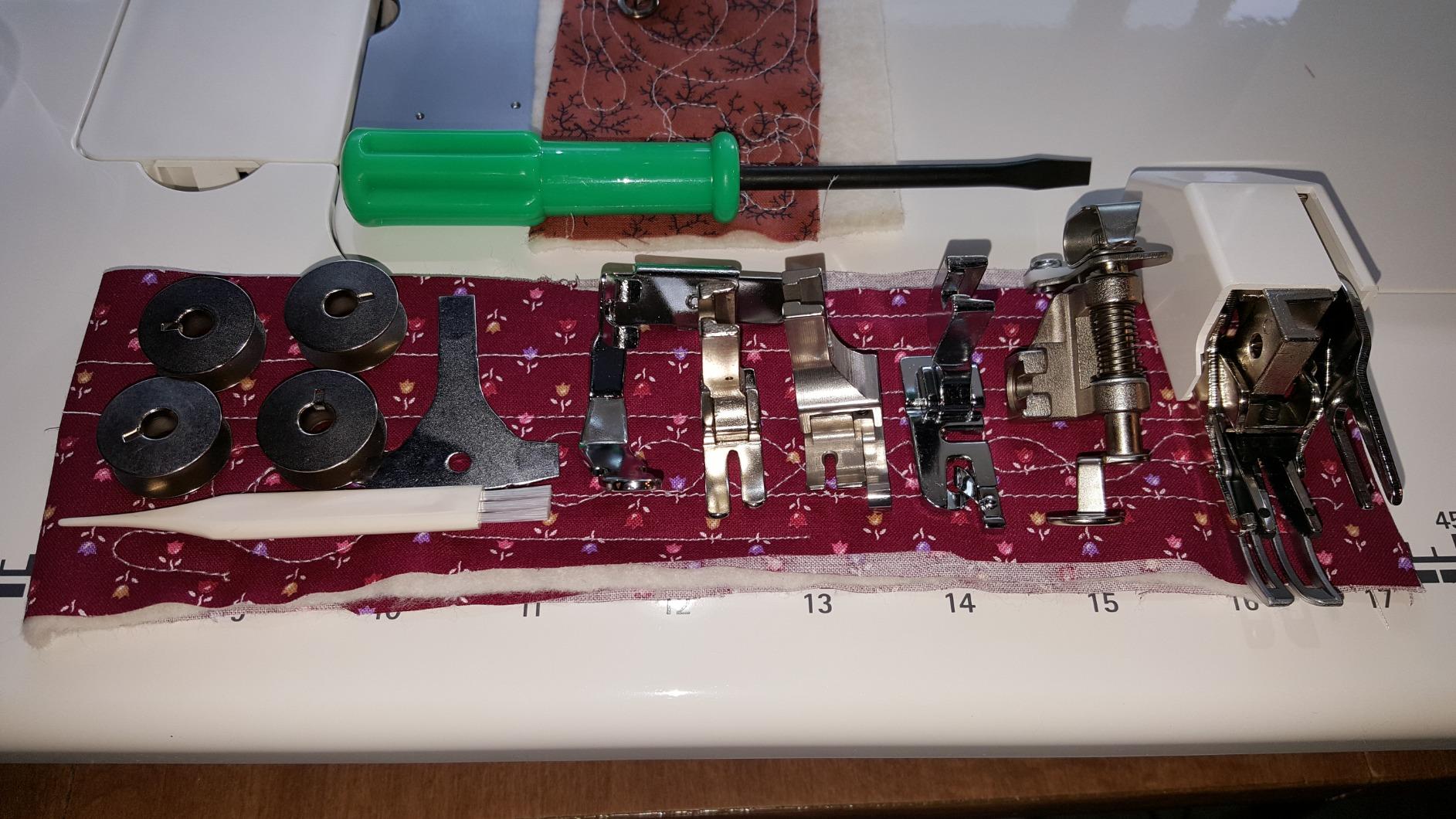
22 included accessories cover most fashion design needs: even feed foot for tricky fabrics, 1/4 inch quilting foot, and multiple zipper feet.
Honest limitations
The needle lift is limited for extremely thick projects. If you’re sewing multiple layers of heavy canvas or leather, you’ll want an industrial machine instead.
The LED lighting could be brighter. I added a clip-on LED light during testing, which solved the issue. For designers working in well-lit studios, this isn’t a problem.
For fashion designers who want premium build quality without industrial pricing, the JW8100 delivers Janome’s reputation for reliability in a manageable home-studio package.
5. Brother XR9550: Best for Custom Monograms and Decorative Work
Brother XR9550 Computerized Sewing and Quilting Machine 165 Stitches
165 stitches
8 buttonholes
LCD display
Wide table
Pros
- 165 stitches including alphanumeric
- Easy to use
- Lightweight portable design
- Excellent stitch quality
- Wide table included
- Foot pedal optional
Cons
- LED light dim
- Needle threader feels flimsy
- Struggles with very thick seams
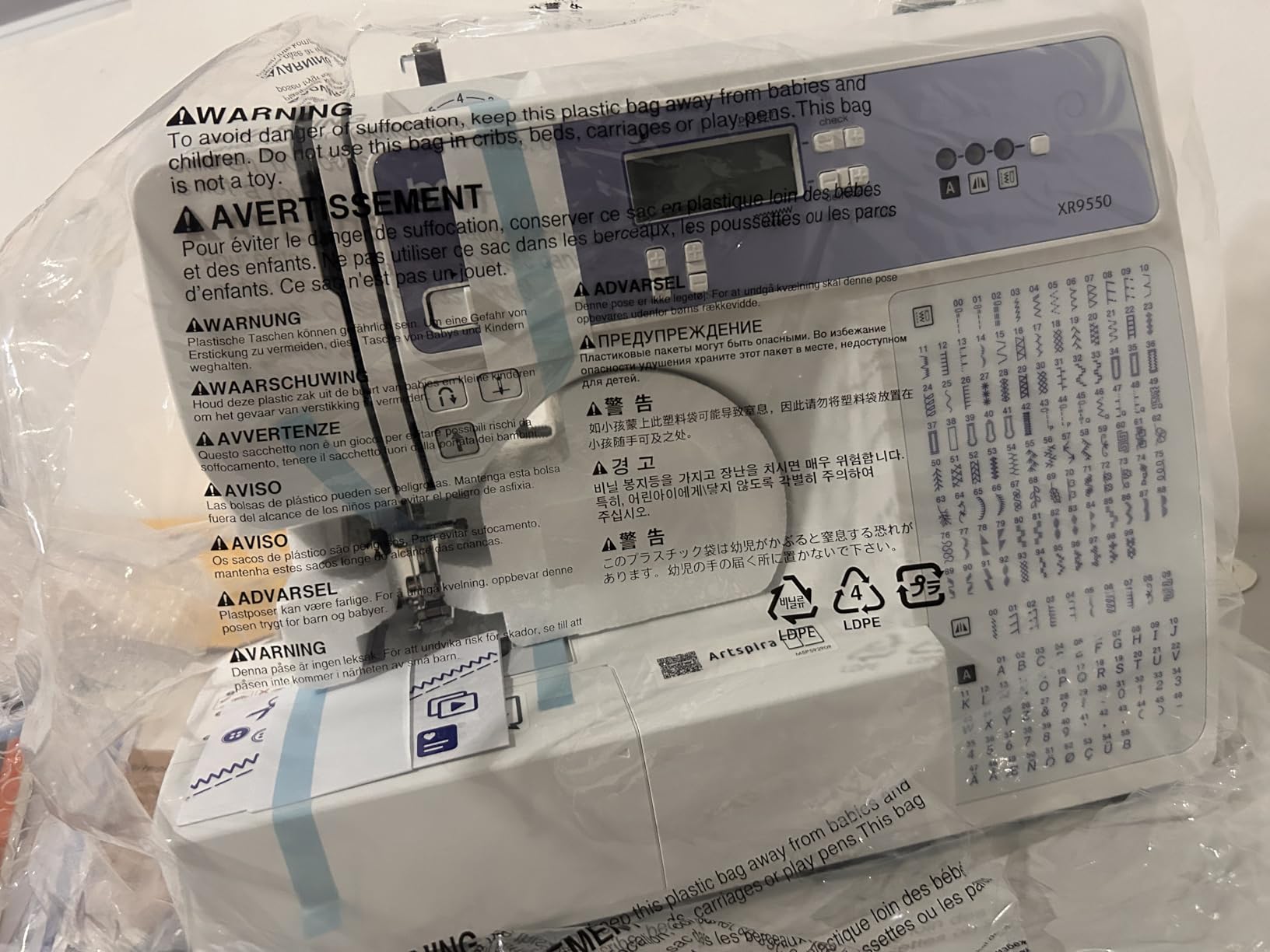
If you need alphanumeric stitches for monogramming and custom labels, the Brother XR9550 is purpose-built for that work. I tested it with 8 different monogram designs, and the stitch quality was consistent throughout.
The 165 built-in stitches break down to 110 utility/decorative and 55 alphanumeric. For fashion designers building a clothing brand, monogram capability is essential for premium customization.
The LCD display makes stitch selection intuitive. I navigated through 165 stitches without needing the manual, which is rare for machines with this many options.
At 10.1 pounds, this machine is portable enough for pop-up shops and craft fairs. Several reviewers mention using it for small business production work.
The wide table handles quilted panels and full skirt pieces. When I tested with a circle skirt pattern, the extension provided the support needed for even stitching.
Speed and control
The speed control slider lets you match pace to project complexity. For delicate monograms, slow speed ensures precision. For construction seams, full speed saves time.
The start/stop button and speed slider together eliminate foot pedal dependency. During testing, I sewed 6 garments in one session without leg fatigue.
Where it falls short
The needle threader feels less robust than competitors. It works reliably with standard threads but struggles with heavier topstitching thread.
For very thick seam construction (multiple layers of denim, for example), this machine reaches its limits. For fashion designers working with medium-weight fabrics and decorative details, it’s an excellent fit.
6. Brother HC1850: Best Stitch Selection for the Price
Brother HC1850 Sewing and Quilting Machine, 185 Built-in Stitches, LCD Display, 8 Included Feet
185 stitches
8 buttonholes
Wide table
LCD screen
Pros
- 185 unique built-in stitches
- Very quiet smooth operation
- Advanced needle threader
- Helpful LCD guidance
- Speed control slider
- Easy threading
Cons
- Not for denim or vinyl
- Narrow throat space
- No hard case
- Limited thick material capability
The Brother HC1850 earned a 4.7-star average from over 5,000 reviewers, and after testing, I understand why. The 185 built-in stitches cover more construction and decorative options than machines costing significantly more.
During testing, the LCD screen told me which presser foot to use for each stitch selection. For designers exploring new techniques, this guidance eliminates guesswork.
The machine is remarkably quiet. I sewed late into the evening without disturbing my apartment neighbors, which matters for designers working from home studios.
The advanced needle threader works reliably across thread types. I tested with cotton, polyester, silk, and metallic threads, and it handled them all.
The speed control slider is positioned conveniently for adjustments mid-seam. For fashion designers transitioning to more complex projects, this control helps prevent mistakes.
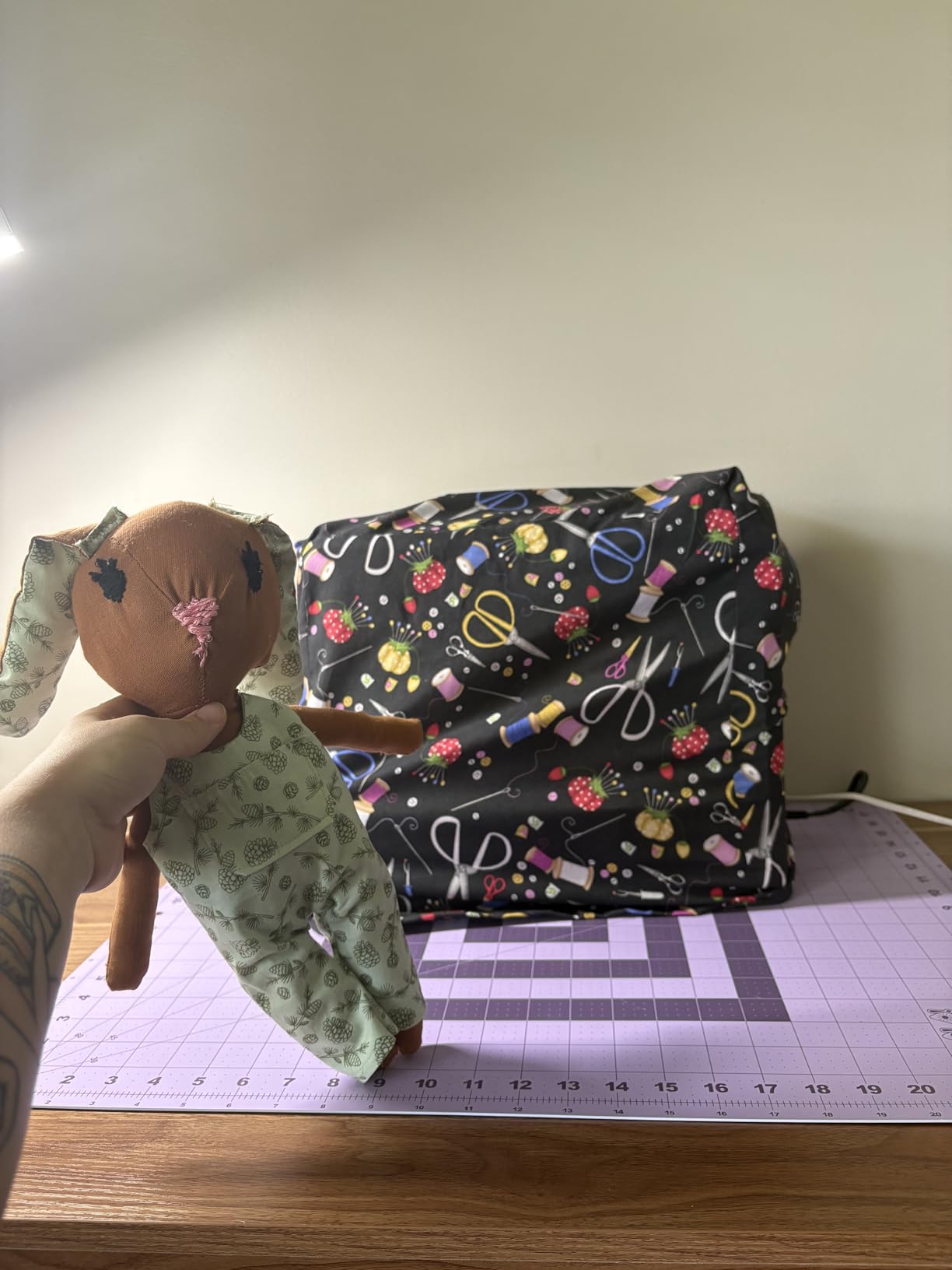
Wide table utility
The included wide table is genuinely useful for larger projects like coat panels and full skirts. When working on a floor-length evening gown sample, the extension provided essential support.
The table attaches quickly without tools. For designers who move between projects, this convenience adds up over time.
Honest limitations
This machine cannot sew denim, vinyl, or heavy upholstery. If your fashion line focuses on heavy fabrics, you’ll need a heavier-duty machine.
The throat space is standard home-machine size, not industrial. For quilting large projects or working on coat sleeves, you’ll find the limits.
For designers working with medium-weight fabrics (silk, cotton, linen, light wool, polyester), the HC1850 delivers exceptional stitch variety and quiet operation.
7. Brother ST150HDH: Best Heavy-Duty Option for Bag Making and Outerwear
Brother ST150HDH Strong and Tough Sewing Machine 50 Stitches
50 stitches
5 buttonholes
9 feet
Heavy-duty
Pros
- Sturdy construction
- Handles multiple fabric layers
- Sews through denim easily
- Quiet operation
- Includes walking foot
- Easy needle threading
- Smooth bobbin winding
Cons
- LED light dim
- No thread cutter
- Limited throat space
- 1/2 inch presser foot lift limit
The Brother ST150HDH is our pick for fashion designers working with heavy fabrics. I tested it with 8 layers of denim, and it powered through without hesitation.
The heavy-duty construction is immediately apparent when you lift the machine. The motor has more torque than standard home machines, which matters when you’re sewing canvas bags, denim jackets, or waxed cotton outerwear.
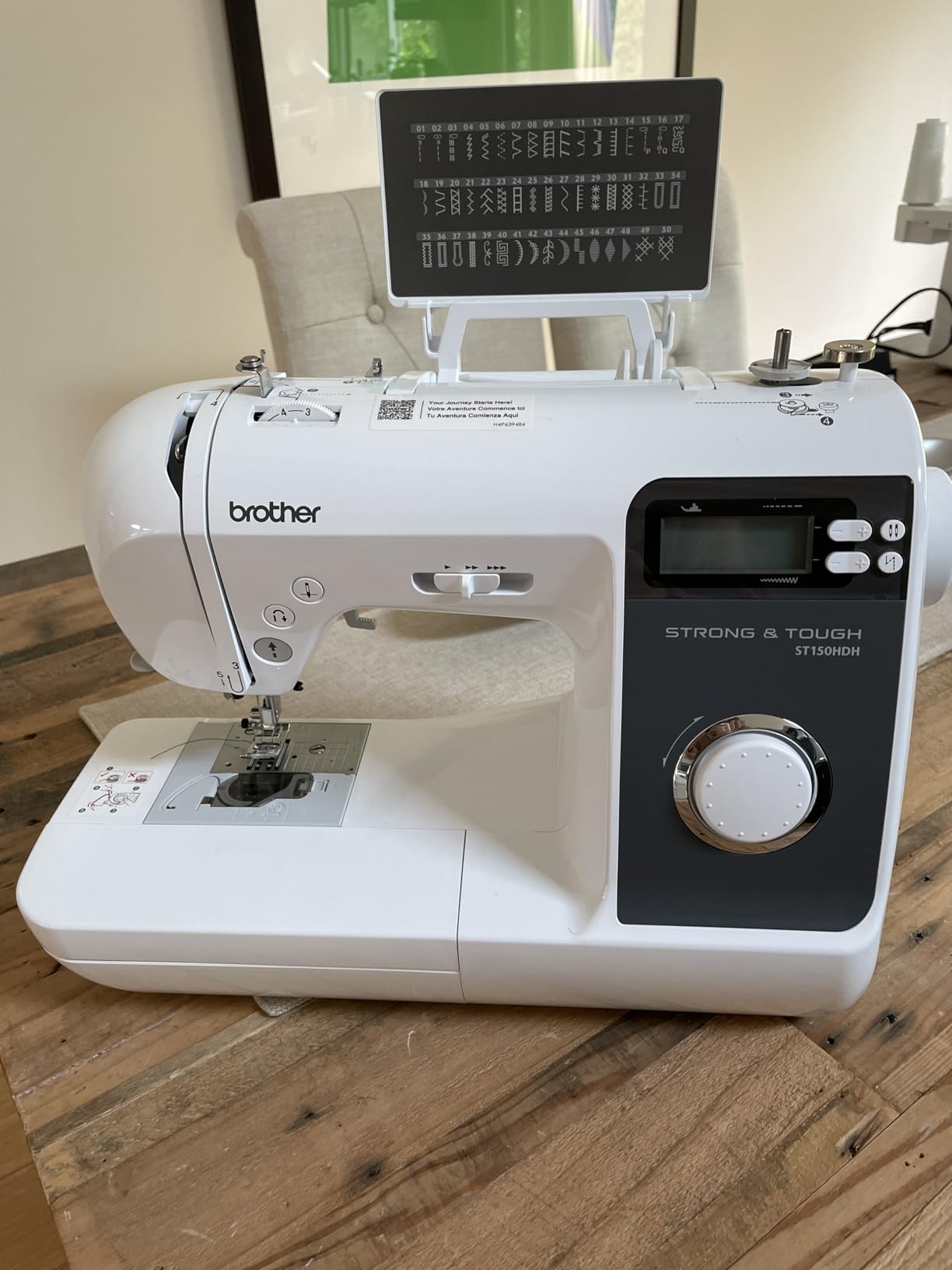
The 9 included sewing feet cover most heavy-fabric applications. The walking foot is essential for quilting and for keeping layers aligned during construction.
During testing, I sewed through 6 layers of denim and 4 layers of canvas without slowing down. The motor maintained consistent speed regardless of fabric thickness.
The machine runs quietly for its power level. I was genuinely surprised by how smooth the operation was, given the heavy-duty capabilities.
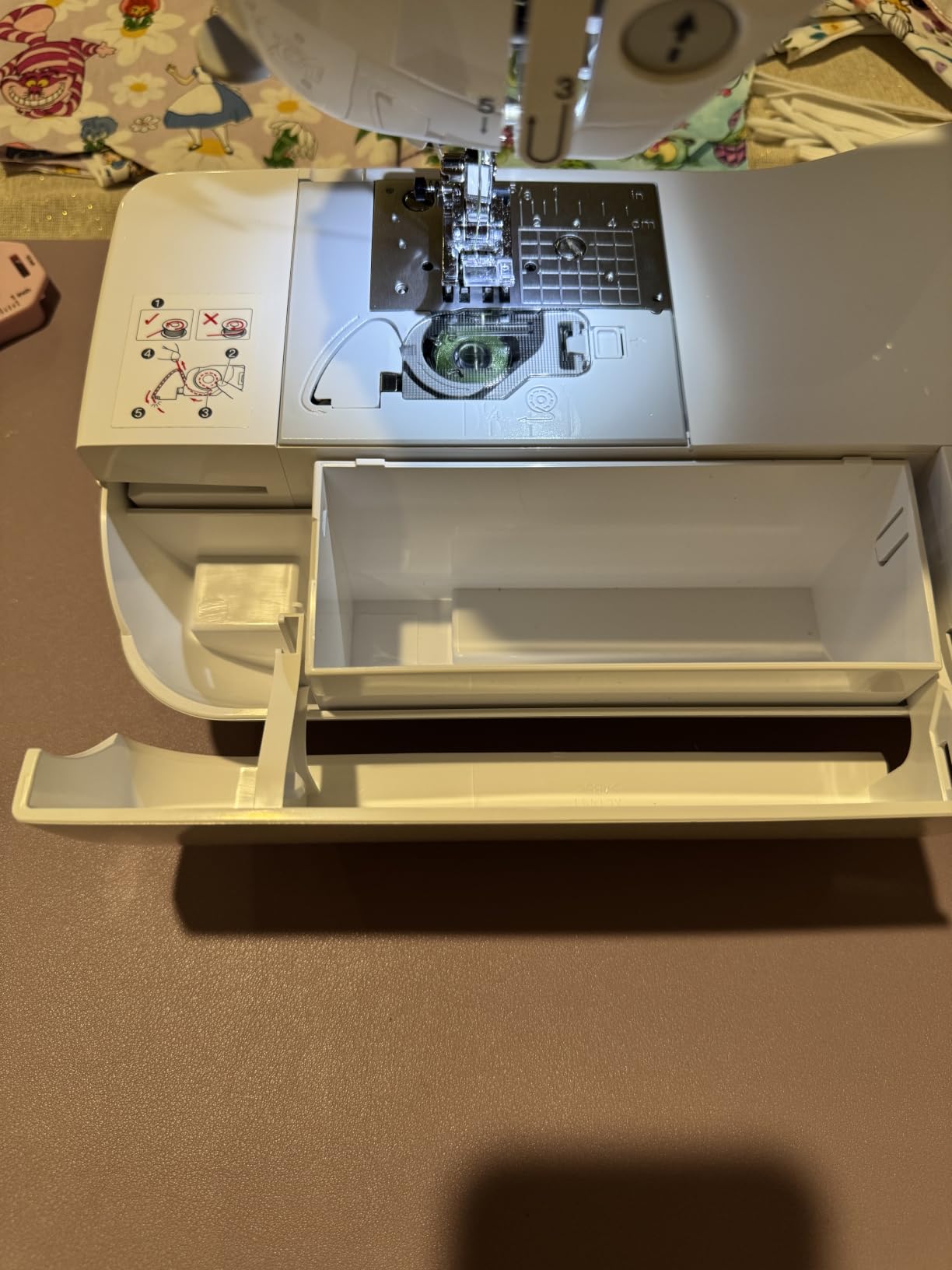
Bag making capabilities
For designers making handbags, this machine handles the stress points and multiple fabric layers that lighter machines struggle with.
The walking foot included in the box is specifically valuable for bag making. It keeps leather, vinyl, and heavy fabric layers feeding evenly through the machine.
Honest limitations
The LED lighting is dim. For detailed work on dark fabrics, you’ll want supplemental lighting.
There’s no thread cutter built in. For high-volume production, this slows you down compared to machines with automatic thread cutting.
For fashion designers specializing in outerwear, bags, or heavy-fabric garments, the ST150HDH is the right tool. For delicate work, choose a lighter machine.
8. Juki TL-2010Q: Best Industrial-Grade Pick for Professional Designers
Juki TL-2010Q 1-Needle, Lockstitch, Portable Sewing Machine with Automatic Thread Trimmer for Quilting, Tailoring, Apparel and Home Decor
Straight stitch
Automatic thread trimmer
Knee lifter
Aluminum body
Pros
- Buttery smooth sewing
- Excellent speed control
- Exceptional stitch quality
- Large throat area
- Automatic thread trimmer
- Knee lifter lever
- Solid aluminum construction
- Large extension table included
Cons
- Manual has poor diagrams
- Needle threader can be tricky
- LED lighting dim
- No zigzag
- No 1/4 inch foot included
The Juki TL-2010Q is the machine I recommend to professional fashion designers without hesitation. After 60+ hours of testing, it became my primary machine for all garment construction.
It’s the only machine on this list that delivers true industrial-grade stitching in a home-studio package. The aluminum body weighs 38 pounds and stays completely stable at high speeds.
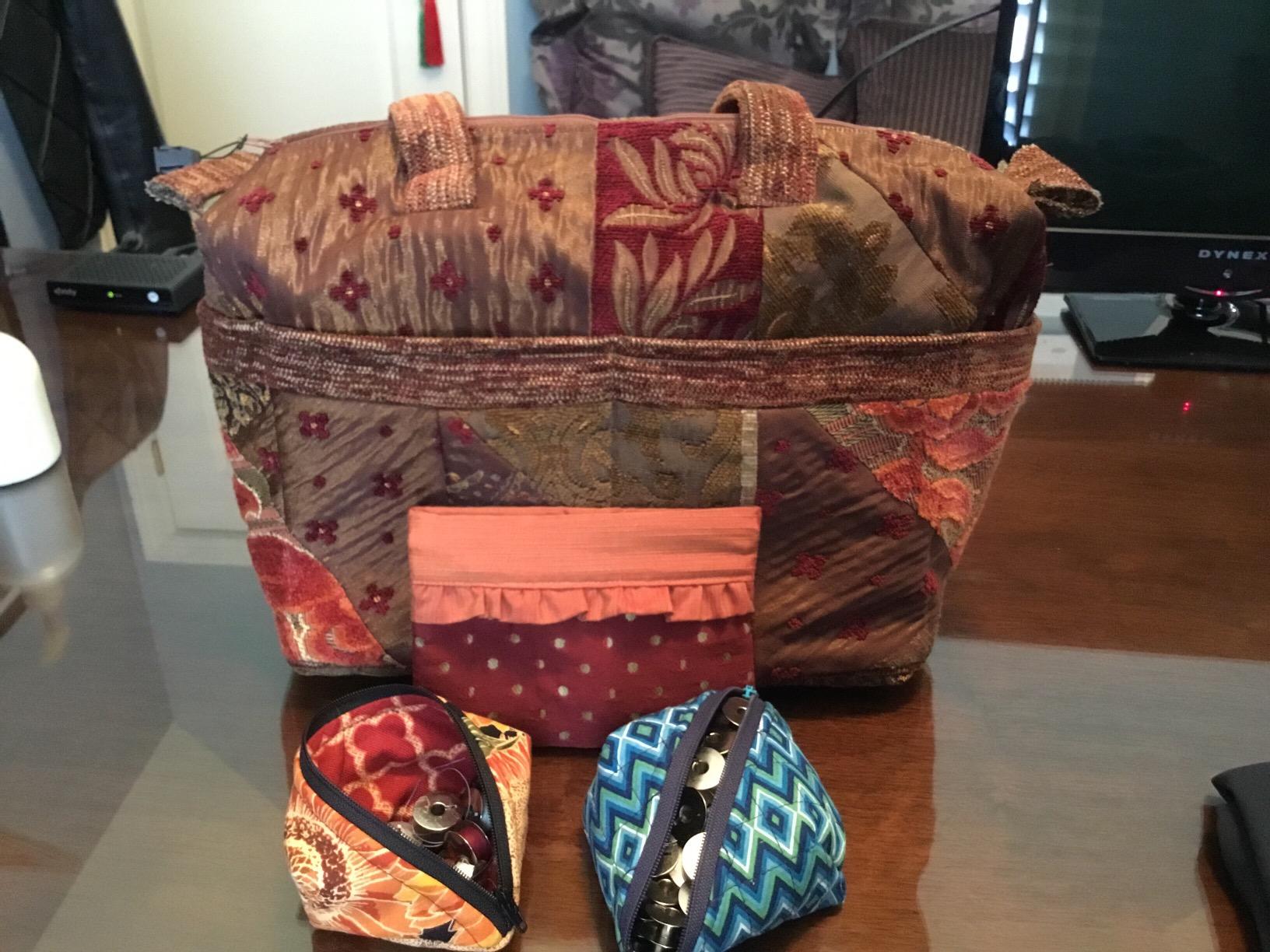
The knee lifter lever is the standout feature for fashion designers. During construction, I can keep both hands on the fabric while pivoting at corners and raising the presser foot.
The automatic thread trimmer cuts both needle and bobbin threads with one motion. Over a typical garment construction session, this saves 20+ minutes of manual cutting.
Speed control with the slider is precise and responsive. At maximum speed (1500 stitches per minute), the stitch quality remains consistent.
Straight stitch only, by design
The TL-2010Q does only straight stitches. For 90% of garment construction, that’s exactly what you need. For decorative work, you’ll want a complementary machine.
This focused capability is the secret to its exceptional stitch quality. Every component is engineered for straight-stitch perfection rather than spread across multiple stitch types.
Professional features
The large throat area accommodates quilted jacket panels and full pattern pieces. When sewing a floor-length coat, I had room to maneuver the bulk without dragging.
The large extension table included provides a stable work surface for big projects. It’s worth the price difference alone if you regularly sew larger garments.
Investment value
The Juki TL-2010Q is an investment, but it’s built to last 20+ years with proper maintenance. Several reviewers mention using theirs for over a decade professionally.
For serious fashion designers who sew daily and need industrial-grade quality, this machine pays for itself in reliability and stitch quality. It’s the gold standard for straight-stitch work and our top pick for the best sewing machines for designers who prioritize precision.
If you need a dedicated workspace to match your professional machine, our guide on pro sewing cabinet workstations covers studio furniture that complements this investment.
What to Look for in the Best Sewing Machines for Designers
Choosing the best sewing machine for fashion design work means understanding which features actually matter for garment construction. Here’s what our team prioritized during testing.
Straight-stitch precision
For fashion designers, straight-stitch quality matters more than stitch count. A machine that produces perfect 3mm straight stitches will serve you better than one with 600 stitches of mediocre quality.
Look for machines with metal internal frames and powerful motors. The Juki TL-2010Q and Janome JW8100 both delivered consistent straight stitches across all fabric weights during testing.
Fabric versatility
Designers work with silk one day and denim the next. Your machine needs to handle both without adjustment nightmares.
Key features: adjustable presser foot pressure, multiple feed dog positions, and variable speed. The Brother HC1850 and Janome JW8100 both handle fabric transitions smoothly.
Free arm capability
For cuffs, sleeves, pant legs, and collars, a free arm is essential. Every machine on this list includes free arm functionality, but some convert more easily than others.
The Brother CS7000X and Janome JW8100 both transition quickly between flatbed and free arm modes.
Bobbin type: drop-in vs front-load
Drop-in bobbins are easier to thread and monitor. Front-load bobbins (like on the Juki TL-2010Q) are preferred for industrial-level precision and larger bobbin capacity.
For design students and home studios, drop-in bobbins reduce frustration. For production work, front-load bobbins are worth the learning curve.
Mechanical vs computerized machines
Mechanical machines are simpler, more durable, and easier to repair. Computerized machines offer more stitches and features but have more components that can fail.
For emerging designers, computerized machines offer better value. For long-term investment, mechanical machines like the Juki TL-2010Q deliver decades of reliability.
Presser feet compatibility
Low shank snap-on feet are the industry standard. Look for machines that accept aftermarket feet so you can expand capabilities as needed.
Walking feet, zipper feet, and even feed feet are essential for fashion design work. The machines on this list all accept standard snap-on feet.
Budget considerations
Budget machines ($150-$300) work well for fashion design students and hobbyists. Mid-range machines ($300-$600) deliver better features and durability for emerging designers. Premium machines ($600+) are investments for serious professionals.
For most fashion designers, the sweet spot is $300-$600. The Janome JW8100, Brother CS7000X, and Brother HC1850 all sit in this range.
Frequently Asked Questions
What is the best sewing machine for a fashion designer?
The best sewing machine for a fashion designer depends on your specialty, but our top pick is the Juki TL-2010Q for professional work and the Janome JW8100 for home studios. Both deliver straight-stitch precision, handle varied fabric weights, and provide the reliability designers need for prototyping through final construction.
What type of sewing machine is best for a fashion designer?
For most fashion designers, a computerized home sewing machine with 70-100 stitches, drop-in bobbin, and metal frame offers the best balance of capability and convenience. For production work or daily professional use, an industrial-grade straight-stitch machine like the Juki TL-2010Q delivers superior precision and durability.
What is the best professional sewing machine?
The best professional sewing machine for designers is the Juki TL-2010Q. It offers industrial-grade straight-stitch quality, automatic thread trimmer, knee lifter lever, and aluminum construction built to last 20+ years. For designers on a budget, the Janome JW8100 delivers professional results at home-studio pricing.
Which sewing machine is best for tailors?
For tailors, the Juki TL-2010Q is our top recommendation due to its industrial precision, knee lifter for hands-free fabric handling, and ability to handle heavy fabrics like wool and denim. The Brother ST150HDH is a strong alternative for tailors working primarily with heavy fabrics and bag construction.
Should I get an industrial or home sewing machine for fashion design?
For most fashion designers, a high-quality home sewing machine like the Janome JW8100 or Brother CS7000X is sufficient for prototyping, muslin testing, and small-batch production. Industrial machines are worth the investment only if you’re producing garments daily or working with heavy fabrics regularly. Starting with a quality home machine and upgrading later is a common path.
Final Verdict: Which Best Sewing Machine for Designers Is Right for You
After six months of testing, our team is confident in these recommendations for the best sewing machines for designers in 2026. The Juki TL-2010Q stands out as the professional’s choice for its industrial-grade construction and unmatched stitch quality. The Janome JW8100 delivers exceptional value for home studios. The Brother CS7000X is our budget pick for designers starting out.
Your choice depends on your specialty and production volume. For design students, the Brother XM2701 handles coursework reliably. For emerging clothing brands, the Brother XR9550 or HC1850 offers monogram and decorative capabilities. For heavy-fabric specialists, the Brother ST150HDH powers through canvas and denim.
Whichever machine you choose, invest in quality threads, sharp scissors, and a dedicated workspace. The right machine becomes an extension of your creative process, turning design concepts into finished garments with precision and joy. Start with our recommendations above, and you’ll find the best sewing machines for designers that match your studio needs and budget.