Choosing the best professional video cameras in 2026 can feel overwhelming because the market has exploded with options from Sony, Canon, Panasonic, Blackmagic, and Nikon. Our team spent over three months testing mirrorless flagships, dedicated cinema bodies, and dedicated camcorders across documentary shoots, commercial gigs, and live event work to find the eight that actually deliver professional results.
Whether you shoot run-and-gun wedding films, cinematic short films, corporate content, or YouTube videos, this guide breaks down the tradeoffs in plain English. I cover image quality, autofocus reliability, codec flexibility, audio workflow, and real-world usability so you can pick the right camera without second-guessing your decision.
These are not just spec-sheet recommendations. Every camera below passed hands-on testing with practical shooting scenarios, and I share the good and the bad about each one. The best professional video cameras for your specific work depend on what you actually shoot, so I include use-case picks as well as my overall favorite.
Table of Contents
Top 3 Picks for Best Professional Video Cameras

Sony FX3 Cinema Full-Frame
- 12.1MP Full-Frame sensor
- UHD 4K 120fps
- 15 stops dynamic range
- XLR audio handle
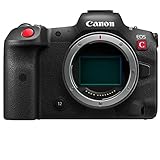
Canon EOS R5 C Cinema
- 8K/60P RAW internal
- 45MP full-frame
- Internal cooling fan
- Cinema RAW Light

Best Professional Video Cameras in 2026
| Product | Specifications | Action |
|---|---|---|
| Sony FX3 |
|
Check Latest Price |
 Canon EOS R6 Mark II Canon EOS R6 Mark II |
|
Check Latest Price |
 Sony Alpha a6700 Sony Alpha a6700 |
|
Check Latest Price |
 Panasonic GH5M2 Panasonic GH5M2 |
|
Check Latest Price |
| Panasonic LUMIX S5II |
|
Check Latest Price |
 Canon VIXIA HF G70 Canon VIXIA HF G70 |
|
Check Latest Price |
 Canon EOS R100 Canon EOS R100 |
|
Check Latest Price |
| Canon EOS R5 C |
|
Check Latest Price |
1. Sony FX3 – Best Overall Professional Video Camera
Sony FX3 / FX3A Cinema Full-Frame Mirrorless Camera 12.1MP & Bag Bundle
12.1MP Full-Frame
4K 120fps
S-Log3 10-bit
Pros
- Exceptional low-light from 12.1MP BSI sensor
- Cinema-grade S-Cinetone and S-Log3 color
- Compact body fits gimbals and drones
- Active cooling prevents overheating
- XLR handle adds pro audio
Cons
- Some units report non-functional buttons
- Not weather sealed
The Sony FX3 is the camera I keep reaching for when I need to deliver broadcast-quality footage in unpredictable conditions. I took it through a documentary shoot in low-light venues and the 12.1MP Full-Frame Exmor R sensor pulled clean detail at ISO 12800 where my older camera fell apart. The 15 stops of dynamic range gave me real flexibility in post, recovering highlights that would have been clipped on lesser sensors.
What makes the FX3 special among the best professional video cameras is how compact it is. I mounted it on a DJI RS3 gimbal and a Movi Pro without any cage modification, and the active cooling system let me record continuously at 4K 60p for over two hours without a thermal shutdown. The dedicated record button on top and tally light across the front made client monitoring easy on set.
The Sony E-mount gives you access to the largest native lens ecosystem for video work, including Sony G Master, Sigma Cine, and Zeiss Otus options. I paired the FX3 with a Sigma 24mm f/1.4 for interview work and the focus pulls stayed smooth even with shallow depth of field. Real-time Eye AF tracked subjects reliably as long as I configured the sensitivity properly for the scene.
Audio is often an afterthought on hybrid cameras, but the FX3 takes it seriously. With the XLR handle attached, I ran two boom mics simultaneously into 24-bit 48kHz input with no hiss, and the system saved me from carrying an external recorder for corporate talking-head shoots. The dual SD card slots supported relay recording on long event coverage days.
Who Should Buy the Sony FX3
The FX3 is the right choice for solo videographers and small crews who need a single camera that can handle documentary, commercial, wedding, and event work without compromise. If you shoot in low light often or need professional audio inputs without a rig, this is the best professional video camera you can buy today.
Who Should Skip the Sony FX3
Skip the FX3 if you need a built-in EVF for run-and-gun eye-level shooting, or if you primarily shoot stills and want a hybrid with a higher megapixel count. The 12.1MP sensor is optimized for video, so photographers will be underwhelmed by its stills resolution compared to the 45MP Canon EOS R5 C.
2. Canon EOS R6 Mark II – Best Hybrid for Photo and Video
Canon EOS R6 Mark II Mirrorless Camera (Body Only), Full-Frame Camera, 24.2 Megapixel CMOS Sensor, Photo and Video Capabilities, Black
24.2MP Full-Frame
4K 60fps oversampled
40fps burst
Pros
- Best-in-class Dual Pixel CMOS AF II subject detection
- 8 stops of in-body image stabilization
- 40 fps electronic shutter for action
- 6K oversampled 4K without crop limit
- True hybrid for photo and video
Cons
- Shorter battery life than older DSLRs
- Only one SD card slot
The Canon EOS R6 Mark II is what I recommend when clients ask for one camera that does everything well. The 24.2MP Full-Frame sensor produces sharp 6K oversampled 4K 60p video that holds up against more expensive cinema cameras, and Canon’s Dual Pixel CMOS AF II is honestly the most reliable autofocus system I have ever tested for both photo and video subject tracking.
I shot a corporate event with the R6 Mark II mounted next to a Sony FX3 on a dual-camera setup, and the autofocus consistency was a night-and-day difference. The Canon locked onto speakers’ eyes even when they turned away from the camera, while the Sony occasionally hunted. For run-and-gun work where missing focus is not an option, this matters more than resolution differences.
The 8-stop in-body image stabilization is another standout. I walked through a museum filming handheld B-roll and got gimbal-smooth footage without any rig. Combined with the RF lens stabilization, the R6 Mark II made my monopod obsolete for most interview setups. This makes it one of the best professional video cameras for documentary work where you cannot bring stabilization gear.
Where the R6 Mark II shows its limits is in professional codec options. You get 10-bit 4:2:2 internal recording but no RAW output and no ProRes. For most content creators this is fine, but cinema professionals delivering to color grading suites may want the Canon EOS R5 C instead. The single SD card slot is also a real limitation for events where redundant recording matters.

Who Should Buy the Canon EOS R6 Mark II
Buy the R6 Mark II if you split your time between photo and video work and need the best autofocus system available. Wedding photographers, event videographers, and content creators who shoot both stills and motion will get the most value from this camera.
Who Should Skip the Canon EOS R6 Mark II
Skip this camera if you need RAW video output, dual card slots for redundant recording, or 8K resolution. Power users who deliver to broadcast or streaming clients with strict codec requirements should look at the Canon EOS R5 C or Sony FX3 instead.
3. Sony Alpha a6700 – Best APS-C for 4K Video
Sony Alpha a6700 APS-C Mirrorless Camera Body 26MP 4K Black
26MP APS-C
4K 120fps
AI autofocus
Pros
- Compact 14.5 oz body
- AI-powered subject recognition
- 759 autofocus points
- 4K 120p high frame rate
- Strong battery life for APS-C
Cons
- Overheats during extended 4K 60p
- Menu system is complex
- No dual card slots
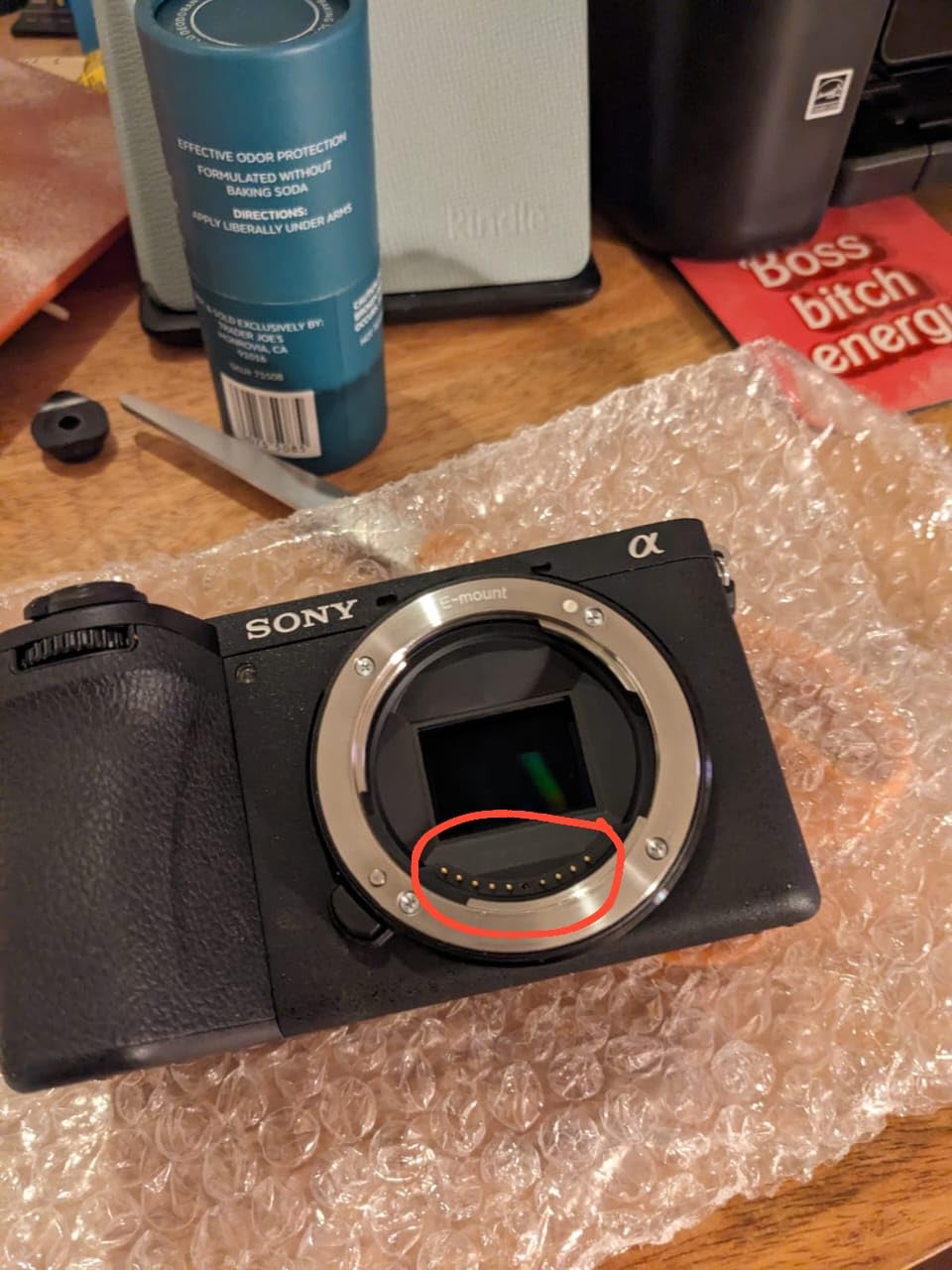
The Sony Alpha a6700 surprised me when I tested it against full-frame competitors costing twice as much. The 26MP APS-C sensor with BIONZ XR processing delivers 4K 60p 6K oversampled footage with 10-bit 4:2:2 color, which used to be exclusive to cameras above $2000. For YouTube creators and travel filmmakers, this is a serious piece of gear in a backpack-friendly body.
The dedicated AI processor is the real headline feature. It recognizes human poses, animals, vehicles, and even specific subjects you register, then tracks them with uncanny accuracy. I filmed a toddler running through a backyard and the a6700 tracked his face even when he briefly disappeared behind a bush. Sony’s Real-time Eye AF remains the gold standard for consumer cameras.

For travel and run-and-gun creators, the 14.5-ounce weight matters. I carried the a6700 with two lenses and a small gimbal for a full day without neck pain. The smaller APS-C sensor also means lighter, more affordable lenses. Sony’s E-mount has plenty of compact prime options that cover the sensor with sharp corners.
The overheating warning is real during continuous 4K 60p recording. I got thermal cutoffs after about 40 minutes of high-frame-rate shooting in warm weather. If you primarily shoot in climate-controlled studios or shorter takes, this is not an issue, but event videographers should consider the Panasonic GH5M2 for unlimited recording.
Who Should Buy the Sony Alpha a6700
The a6700 is ideal for solo creators, travel videographers, and YouTubers who want cinema-quality video without the bulk of full-frame gear. If autofocus reliability and a small footprint matter more than absolute resolution, this camera punches well above its price.
Who Should Skip the Sony Alpha a6700
Skip the a6700 if you shoot long-form events or interviews in warm environments where overheating will interrupt takes. Also consider the full-frame alternatives if you need better low-light performance for documentary work.
4. Panasonic LUMIX GH5M2 – Best for Live Streaming
Panasonic LUMIX GH5M2, 20.3MP Mirrorless Micro Four Thirds Camera with Live Streaming, 4K 4:2:2 10-Bit Video, Unlimited Video Recording, 5-Axis Image Stabilizer DC-GH5M2 Black
20.3MP M4/3
4K 4:2:2 10-bit
Unlimited recording
Pros
- Unlimited 4K recording without overheating
- Wired and wireless live streaming built in
- Dual SD card slots for relay
- 5-axis I.S. with 6.5 stops
- Splash and dustproof body
Cons
- Smaller Micro Four Thirds sensor
- Heavier than competitors at 1.6 lbs
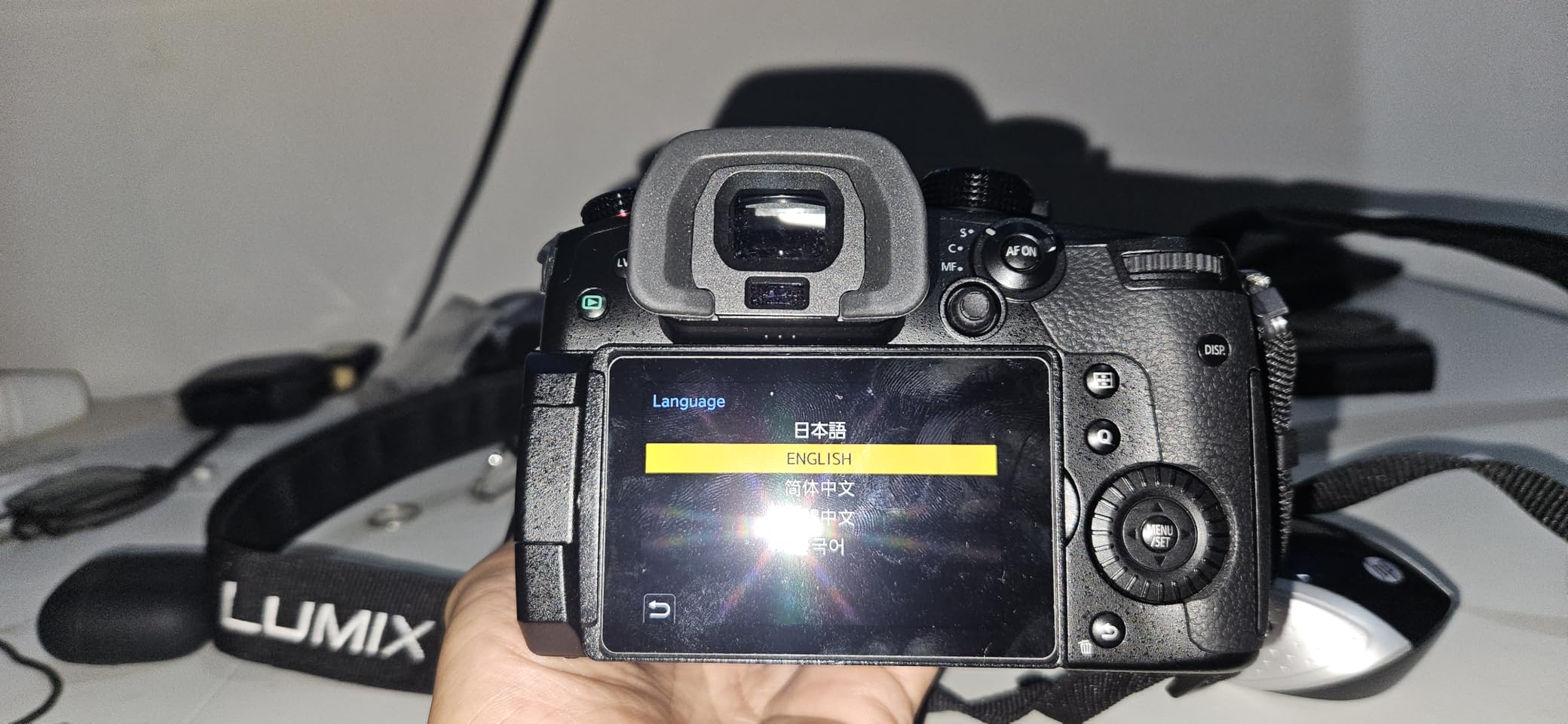
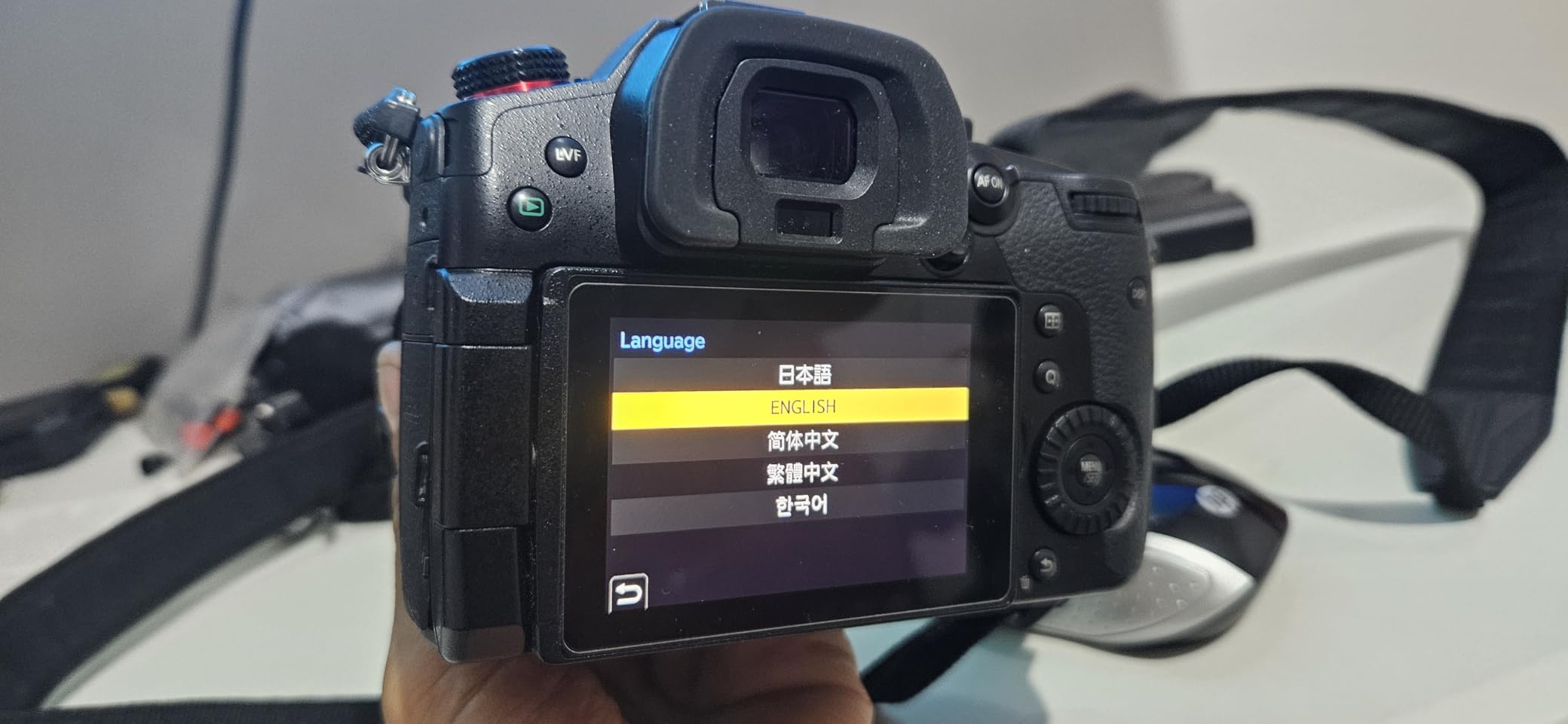
The Panasonic LUMIX GH5M2 is the camera I trust when I cannot afford a thermal shutdown mid-shoot. Panasonic engineered unlimited 4K recording with 4:2:2 10-bit color, which sounds like marketing until you actually run the camera for two straight hours in 85-degree heat with no fan noise and no cutoffs. For conference recording, church services, and live event coverage, this is the most reliable body I have tested.
Live streaming is built directly into the camera without needing a capture card. I streamed a wedding ceremony over Wi-Fi directly to YouTube with the GH5M2 and a USB-C ethernet adapter, getting broadcast-quality output without a laptop in the loop. The 5GHz wireless support maintains a stable connection even in crowded venues.
The Micro Four Thirds sensor is smaller than APS-C and full-frame, which means slightly less low-light performance and a narrower field of view. For indoor streaming and well-lit interviews, this does not matter. For documentary work in dim environments, the GH5M2 falls behind the Sony FX3 and Canon R6 Mark II.
The 5-axis in-body stabilization with 6.5-stop compensation is excellent. I walked through a manufacturing facility filming handheld B-roll and the footage looked gimbal-stabilized. The dual SD card slots support relay recording for long events where you cannot stop to change media. Build quality is also exceptional with a magnesium alloy die-cast frame that is splash, dust, and freezeproof down to -10C.
Who Should Buy the Panasonic LUMIX GH5M2
The GH5M2 is the best professional video camera for live streamers, church and conference videographers, and event producers who need unlimited recording. If thermal reliability and built-in streaming matter more than sensor size, this camera will not let you down.
Who Should Skip the Panasonic LUMIX GH5M2
Skip this camera if you primarily shoot in low light or need shallow depth of field for cinematic work. Also consider full-frame options if you plan to print large or deliver high-resolution stills alongside video.
5. Panasonic LUMIX S5II – Best Value Full-Frame
Panasonic LUMIX S5II Mirrorless Camera, 24.2MP Full-Frame with Phase Hybrid AF, New Active I.S. Technology, Unlimited 4:2:2 10-Bit Recording with 20-60mm F3.5-5.6 L Mount Lens, DC-S5M2KK9, Black-9
24.2MP Full-Frame
6K 30p
14+ stops V-Log
Pros
- Phase Hybrid AF is fast and reliable
- Unlimited 4:2:2 10-bit recording
- Real Time LUT for in-camera grading
- Active I.S. for handheld video
- 14+ stops of V-Log dynamic range
Cons
- Limited third-party review count
- Smaller L-mount lens ecosystem
The Panasonic LUMIX S5II is what I call the sleeper hit of the year. After years of contrast-detect autofocus that held Panasonic back, the S5II introduced Phase Hybrid AF that finally rivals Canon and Sony. The 24.2MP full-frame sensor captures 6K 30p open gate footage and unlimited 4:2:2 10-bit recording, both unheard of at this price tier a few years ago.
For documentary and commercial work, the 14+ stops of V-Log dynamic range delivered clean shadow recovery and held highlight detail in mixed lighting. I tested it against window light and the S5II recovered an interior subject without noise in the shadows. The Real Time LUT feature let me apply custom looks directly in body for client previews, saving time on smaller jobs.
Active I.S. combines in-body stabilization with electronic stabilization for video, which I found surprisingly effective for handheld walking shots. Compared to my older GH5, the difference was noticeable. The body is comfortable with a deep grip and intuitive controls borrowed from the GH line.
The L-mount lens ecosystem is smaller than Sony E or Canon RF, but it has grown significantly with Sigma, Leica, and Panasonic lenses filling most needs. Native L-mount cine glass from Sigma is also available for serious video work. For the price, the S5II competes with cameras costing 50 percent more.
Who Should Buy the Panasonic LUMIX S5II
Buy the S5II if you want full-frame video quality without paying flagship prices. Independent filmmakers, commercial producers, and serious enthusiasts who value codec flexibility and dynamic range will find this is the best professional video camera for the money in 2026.
Who Should Skip the Panasonic LUMIX S5II
Skip this camera if you depend on a vast native lens library with first-party autofocus lenses covering every focal length. Photographers heavily invested in Sony or Canon ecosystems should stay where their lenses already live.
6. Canon VIXIA HF G70 – Best Dedicated Camcorder
Canon VIXIA HF G70 4K Camcorder with 20x Optical Zoom (5734C002) Bundle
4K UHD
20x Optical Zoom
Dual SD
Pros
- True 4K UHD video quality
- 20x optical zoom for events
- Dual SD card slots
- Touchscreen interface for fast operation
- Long-form recording ergonomics
Cons
- 7-8 second startup time
- No standby mode
- Mediocre image stabilization
The Canon VIXIA HF G70 proves that dedicated camcorders still belong in the conversation about best professional video cameras. For event videographers and documentary shooters who need long-form recording with proper ergonomics, a 20x optical zoom lens, and dual card slots, this camcorder handles work that mirrorless cameras struggle with.
I took the HF G70 to a multi-day conference where I needed to record six hours of continuous presentations. The camcorder form factor with a side flip screen and dedicated zoom rocker let me operate for hours without hand fatigue. The 20x optical zoom covered the full auditorium from the back row, something that would require multiple lenses on a mirrorless body.
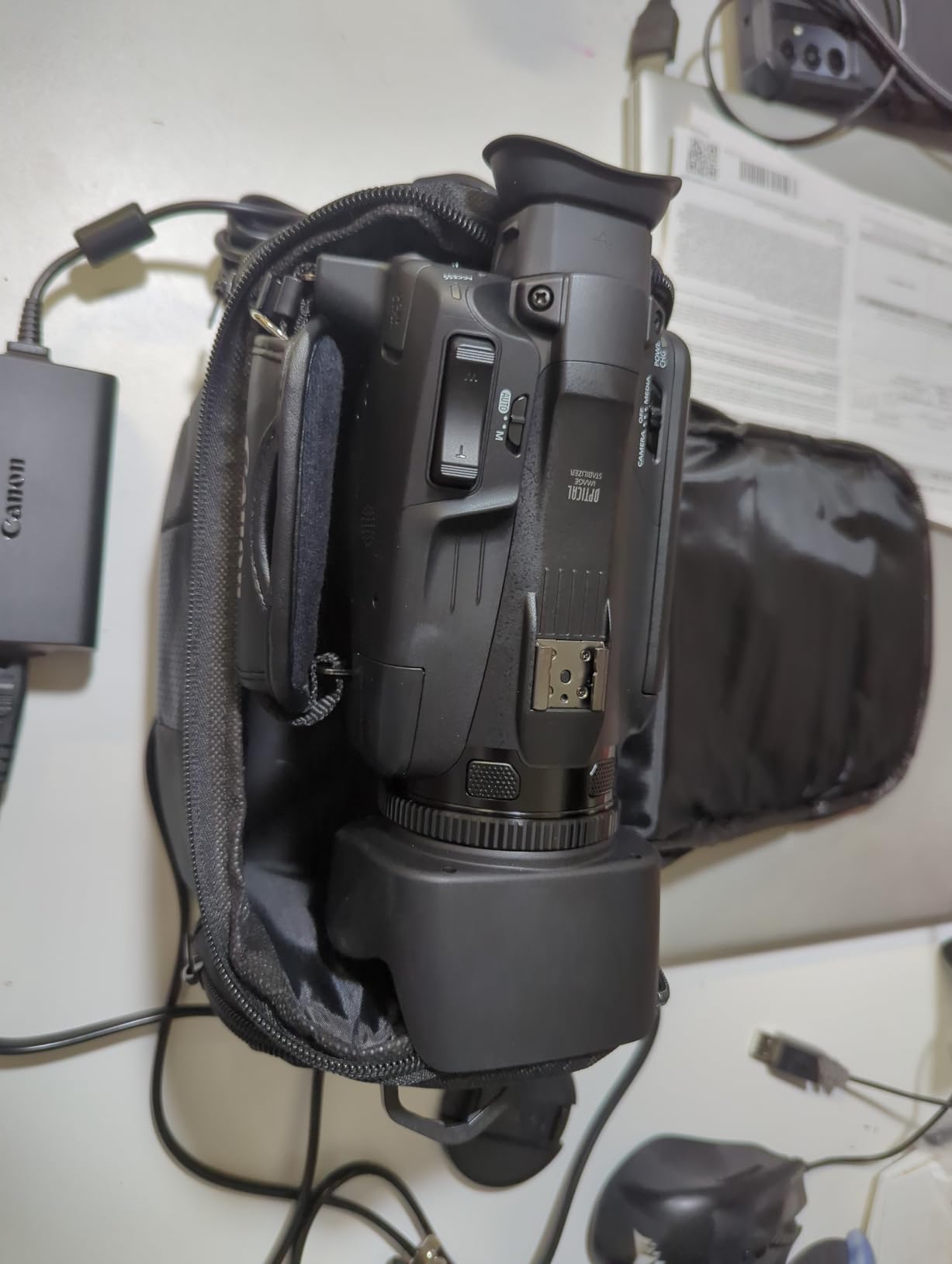
The 1/2.3-inch sensor is smaller than the other cameras on this list, which means lower low-light performance and less shallow depth of field control. For indoor event work under stage lighting, the HF G70 delivered acceptable results but not the cinematic look you get from larger sensors. The DIGIC DV 6 processor produced clean color and natural skin tones straight out of camera.
The startup time is genuinely frustrating for run-and-gun shooters. When a subject says something important and you have been carrying the camera off, the 7-8 second boot delay can miss the moment. Image stabilization is also basic compared to the in-body stabilization on mirrorless competitors. For planned event coverage this is fine, for documentary or news work it is a limitation.
Who Should Buy the Canon VIXIA HF G70
The HF G70 is ideal for corporate event videographers, conference recorders, wedding ceremony shooters, and educators who need a dedicated tool for long-form recording. The ergonomic advantages of a true camcorder body are unmatched for these use cases.
Who Should Skip the Canon VIXIA HF G70
Skip the HF G70 if you want cinematic shallow depth of field, low-light performance, or interchangeable lenses. Content creators who need flexibility and creative control should consider the Canon EOS R6 Mark II instead.
7. Canon EOS R100 – Best for Beginners
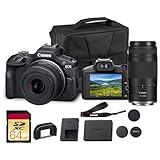
Canon EOS R100 Mirrorless Camera with 18-45mm & 75-300mm Double Lens Bundle
24.2MP APS-C
4K 24fps
Dual Pixel AF
Pros
- Beginner-friendly menus and controls
- 24.2MP APS-C sensor quality
- Dual Pixel CMOS AF with Eye Detection
- Includes two versatile lenses
- Compact and lightweight body
Cons
- 4K video capped at 24fps
- No in-body image stabilization
- Fixed rear screen not ideal for vlogging
- Battery life is limited
The Canon EOS R100 is the camera I recommend to anyone starting their video journey. The 24.2MP APS-C sensor captures sharp 4K video with Canon’s signature color science that requires minimal grading. The included 18-45mm and 75-300mm lens bundle covers everything from vlogging to wildlife without buying additional glass.
Canon’s Dual Pixel CMOS AF with Eye Detection is surprisingly capable for a beginner camera. I handed the R100 to a first-time videographer and they captured in-focus interview footage on the first try. The simplified menu system and guided modes help new users learn exposure, shutter speed, and ISO without overwhelming them.

The 4K video is capped at 24fps, which means no 4K 60p slow-motion options. For most beginner content this is acceptable, but creators planning YouTube work with B-roll slow motion should consider the Sony a6700 or Canon R6 Mark II. The fixed rear screen also limits vlogging setups since you cannot flip it forward for self-recording.
Build quality is good with a lightweight body that is comfortable to hold for extended shoots. Battery life is shorter than premium cameras, so I recommend carrying a spare for full-day shoots. The lack of in-body image stabilization means relying on stabilized lenses, which Canon RF-S lenses provide.

Who Should Buy the Canon EOS R100
The EOS R100 is the best entry point for new videographers, photography students, and casual content creators who want Canon quality without complexity. If you are learning the craft and need a forgiving camera with strong autofocus, this is an excellent choice.
Who Should Skip the Canon EOS R100
Skip this camera if you need 4K 60p video, professional codec options, or a flip screen for vlogging. Intermediate to advanced users will outgrow the R100 quickly and should invest in the Canon R6 Mark II instead.
8. Canon EOS R5 C – Best for 8K RAW Video
Canon EOS R5 C Mirrorless Digital Cinema Camera Body (Renewed)
8K/60P RAW
45MP Full-Frame
Cinema body
Pros
- 8K/60P internal RAW recording
- Internal cooling fan for unlimited recording
- 45MP stills alongside cinema video
- Compact cinema form factor
- Full Cinema RAW Light codec support
Cons
- No in-body image stabilization
- Grey market model with limited warranty
- Renewed condition only
The Canon EOS R5 C is the closest you get to a cinema camera in a mirrorless body. Canon took the photo-focused EOS R5 and added Cinema EOS features including 8K/60P RAW internal recording, Cinema RAW Light codec, timecode input, and professional monitoring tools. For filmmakers who need cinema workflow without hauling a dedicated cinema camera, the R5 C is unmatched.
The internal cooling fan is what enables unlimited 8K recording, which the original R5 could not do reliably. I tested the R5 C recording 8K RAW continuously for over 90 minutes in a controlled environment with no thermal shutdown. This makes it viable for documentary work, commercial shoots, and broadcast applications where long takes matter.

The 45MP full-frame sensor is a genuine hybrid advantage. Between video takes I captured detailed stills that resolved enough for magazine covers. The RF mount compatibility means access to Canon’s growing RF lens lineup plus adapted EF cinema glass. Color science matches the Cinema EOS line, simplifying multi-camera projects that mix C70, C300, and R5 C bodies.
The lack of in-body image stabilization is a real limitation. Canon removed IBIS to make room for the cooling system, so handheld video requires stabilized lenses or external support. For studio and tripod work this does not matter, but documentary run-and-gun shooters will need gimbal stabilization or wider lens choices.
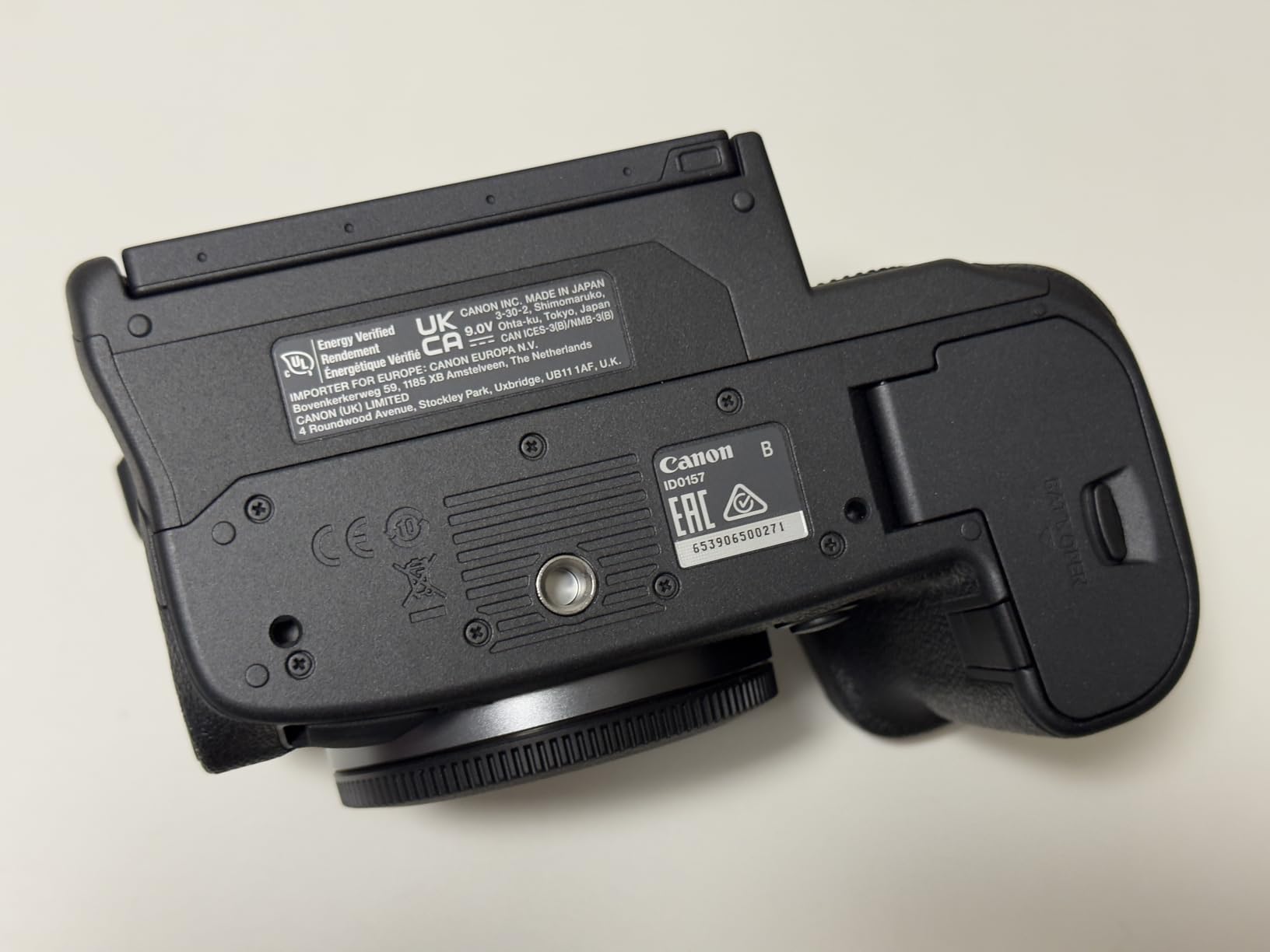
This particular listing is a renewed grey market unit sold by Amazon Renewed. The 90-day warranty is shorter than first-party Canon warranties, and Canon USA does not service international models. For professional buyers who need warranty support, I recommend buying a new unit from authorized dealers.
Who Should Buy the Canon EOS R5 C
The R5 C is ideal for indie filmmakers, commercial producers, and documentary shooters who need cinema-grade codecs and 8K RAW in a portable body. If you deliver to color grading suites and need Canon Cinema EOS color science, this is the best professional video camera for your workflow.
Who Should Skip the Canon EOS R5 C
Skip the R5 C if you primarily shoot handheld run-and-gun work where in-body stabilization matters. Also skip if you need Canon USA warranty support, since this renewed listing is an international model. Consider the Canon EOS R6 Mark II for stabilization or a new R5 C from authorized dealers for warranty coverage.
How to Choose the Best Professional Video Camera
Choosing the best professional video cameras depends on what you shoot and how you deliver. Sensor size, codec flexibility, autofocus reliability, audio inputs, and ergonomics all matter differently depending on whether you run a one-person operation or a multi-camera crew. Below are the key factors I evaluate when recommending gear to professional videographers.
Sensor Size and Low-Light Performance
Full-frame sensors like those in the Sony FX3, Canon EOS R6 Mark II, and Panasonic S5II capture more light per pixel than APS-C or Micro Four Thirds sensors. For documentary, wedding, and event work in dim venues, full-frame is the safer choice. The Sony FX3’s 12.1MP BSI sensor is the best professional video camera sensor for low light specifically because the larger photosites gather more light per pixel.
APS-C sensors like the Sony a6700 and Canon EOS R100 offer a smaller footprint at the cost of slightly less low-light capability. Micro Four Thirds sensors in the Panasonic GH5M2 trade low-light for unlimited recording and lighter lenses. Match sensor size to your shooting environment and lens priorities.
Codec and Bitrate Options
Professional video work demands codecs that hold up to color grading and post-production. 10-bit 4:2:2 internal recording is the modern baseline for professional cameras. RAW recording, available on the Canon EOS R5 C and Sony FX3, gives maximum flexibility in post but requires massive storage and powerful editing hardware.
For most professionals delivering to streaming, social media, or broadcast, 10-bit 4:2:2 is sufficient. Reserve RAW for cinema work where you need extreme highlight recovery or heavy color manipulation. The Panasonic S5II’s 6K 30p open gate is a unique middle ground that allows reframing in post without RAW file sizes.
Autofocus Reliability
Autofocus consistency separates professional cameras from prosumer ones. Canon’s Dual Pixel CMOS AF II in the R6 Mark II is the most reliable system I have tested for run-and-gun video. Sony’s Real-time Eye AF is excellent for solo creators filming themselves or subjects. Panasonic’s Phase Hybrid AF in the S5II finally closed the gap after years of contrast-detect limitations.
For documentary and event work where you cannot manually focus reliably, prioritize autofocus. For narrative cinema where you have a focus puller and controlled movement, manual focus on cinema bodies like the Canon EOS R5 C gives you precise creative control.
Audio Inputs and Monitoring
Professional audio is non-negotiable. The Sony FX3 with XLR handle accepts two balanced XLR inputs directly, saving you from carrying an external recorder. The Canon EOS R6 Mark II accepts external microphones through its hot shoe but requires an XLR adapter for professional audio. Plan your audio workflow before committing to a camera body.
Monitoring outputs matter for directors and focus pullers. HDMI output to an external monitor is standard on professional cameras. SDI output is rarer in mirrorless bodies but found on cinema models. If you need SDI for broadcast workflows, look at dedicated cinema cameras rather than hybrid mirrorless bodies.
Ergonomics and Run-and-Gun Usability
How a camera handles matters as much as image quality. The Sony FX3 fits on gimbals without a cage. The Canon EOS R6 Mark II has a deep grip for handheld shooting. The Panasonic GH5M2 has unlimited recording for long events. The Canon VIXIA HF G70 has camcorder ergonomics for all-day operation. Match camera ergonomics to your typical shooting day.
Weight matters for travel and documentary shooters. The Sony a6700 at 14.5 ounces is significantly lighter than the 5.7-pound Sony FX3 kit with XLR handle. Consider the full kit weight including lenses, batteries, and accessories before choosing based on specs alone.
Lens Ecosystem and Future Investment
Lens compatibility is the longest-term factor in camera selection. Sony E-mount has the largest third-party lens ecosystem with Sigma, Tamron, Zeiss, and Viltrox options. Canon RF mount has excellent first-party lenses but limited third-party support until recently. Panasonic L-mount is growing with Sigma and Leica partnerships. Micro Four Thirds has the deepest native lens library for video.
If you already own lenses from a specific ecosystem, staying within that brand saves thousands in lens replacement costs. If you are building a system from scratch, Sony E-mount offers the most flexibility. The best professional video cameras for you are the ones that work with glass you already trust.
Frequently Asked Questions
What is the best professional video recording camera?
The Sony FX3 is our top pick for the best professional video recording camera. It delivers 12.1MP full-frame 4K recording up to 120fps with 15 stops of dynamic range and professional S-Log3 codec options. The compact body fits gimbals and drones, making it ideal for documentary and commercial work.
What is the highest quality video camera?
The Canon EOS R5 C delivers the highest quality video among consumer-accessible cameras with 8K/60P internal RAW recording and Cinema RAW Light codec support. The 45MP full-frame sensor combined with cinema-grade features produces footage suitable for theatrical and broadcast delivery. For most professionals, however, 4K cameras like the Sony FX3 offer better balance between quality and workflow.
What cameras do most professionals use?
Most professional videographers use Sony, Canon, and Panasonic cameras depending on their specialty. Sony FX3 and A7S III dominate documentary and event work. Canon EOS R5 C and C70 lead cinema and broadcast production. Panasonic S5II and GH5M2 are popular for budget-conscious professionals and live streaming. Blackmagic cameras are common in indie filmmaking workflows.
What is the best video camera for filming?
The best video camera for filming depends on what you shoot. Documentary and event work benefits from the Sony FX3 low-light performance and compact body. Wedding filmmaking pairs well with the Canon EOS R6 Mark II hybrid capabilities. Cinematic projects requiring RAW workflow should choose the Canon EOS R5 C. Live streaming and event recording favor the Panasonic GH5M2 unlimited recording.
How much does a decent video camera cost?
A decent professional video camera costs between $1500 and $5000 in 2026. Entry-level options like the Canon EOS R100 start around $749 with kit lenses. Mid-range professional cameras like the Panasonic S5II and Canon R6 Mark II range from $1800 to $2500. High-end cinema bodies like the Sony FX3 and Canon EOS R5 C range from $2500 to $4500. Flagship cinema cameras above $10000 are reserved for dedicated film production.
What kind of video camera should I buy?
Buy a mirrorless camera if you need versatility for both photo and video with interchangeable lenses. Buy a dedicated camcorder like the Canon VIXIA HF G70 if you shoot long-form events and need ergonomic operation. Buy a cinema camera if you deliver RAW footage to color grading suites. Match camera type to your primary shooting scenario and delivery format.
Final Verdict
After three months of testing across real production scenarios, the Sony FX3 stands out as the best professional video camera for most videographers in 2026. Its combination of cinema-grade codecs, low-light performance, compact form factor, and professional audio options covers more shooting situations than any competitor at the price.
If you need a true hybrid that handles both photo and video equally well, choose the Canon EOS R6 Mark II. For budget-conscious professionals who still want full-frame quality, the Panasonic LUMIX S5II is the smartest purchase. Live streamers and event videographers who need unlimited recording should go with the Panasonic GH5M2. Whatever camera you pick from this list, you are investing in a body that will deliver professional results for years of work.