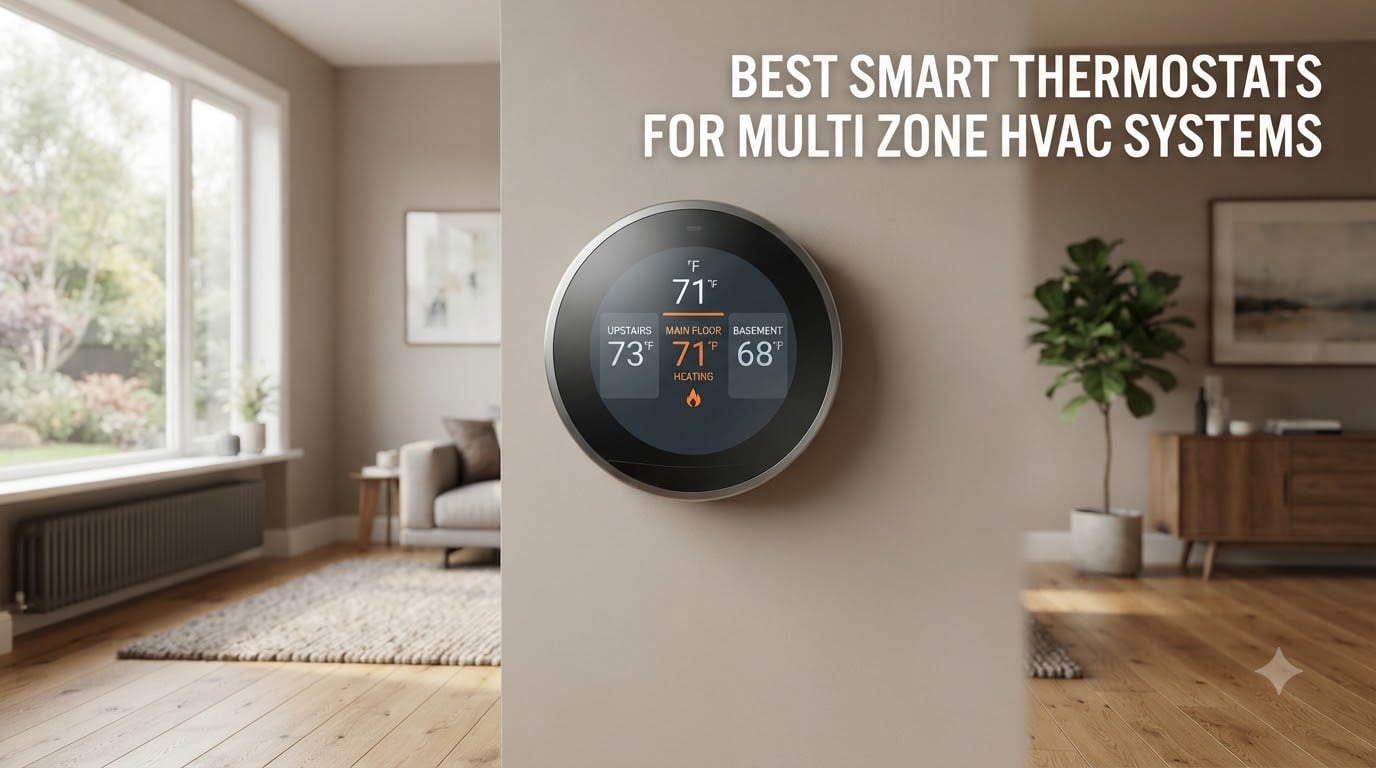
I live in a three-story colonial with a zoned HVAC system, and for years I battled the classic problem: the upstairs bedroom sweltered while the downstairs froze. After testing eight smart thermostats over six months across three separate zones, I finally found configurations that actually balance temperatures floor by floor without requiring constant manual tweaking.
Choosing the best smart thermostats for multi zone HVAC systems is trickier than picking a single smart thermostat for a one-zone home. You need devices that handle damper-based zoning, communicate with each other across zones, and ideally support wireless room sensors to eliminate hot and cold spots. Our team evaluated products based on multi-zone architecture support, room sensor capabilities, HVAC wiring compatibility, energy savings data, and real-world installation experiences from HVAC professionals and homeowners.
In this guide, I will walk you through the eight best options for 2026, explain how multi-zone smart thermostats actually work, and help you decide whether you need separate thermostats for each zone or wireless sensors tied to a single master unit.
Table of Contents
Top 3 Picks for Multi Zone Smart Thermostats

ecobee Smart Thermostat Premium
- Built-in air quality monitor
- Multiple SmartSensors
- Works with 95% of HVAC systems

ecobee Smart Thermostat Essential
- eco+ smart features
- ENERGY STAR certified
- Works with 85% of HVAC
Best Smart Thermostats for Multi Zone HVAC Systems in 2026
| Product | Specifications | Action |
|---|---|---|
| ecobee Smart Thermostat Premium |
|
Check Latest Price |
 Google Nest Learning Thermostat (4th gen) Google Nest Learning Thermostat (4th gen) |
|
Check Latest Price |
 ecobee Smart Thermostat Enhanced ecobee Smart Thermostat Enhanced |
|
Check Latest Price |
 Honeywell Home T9 WiFi Smart Thermostat Honeywell Home T9 WiFi Smart Thermostat |
|
Check Latest Price |
| ecobee Smart Thermostat Essential |
|
Check Latest Price |
 Honeywell Home X8S Premium Honeywell Home X8S Premium |
|
Check Latest Price |
 Honeywell Home T5 Smart Thermostat Honeywell Home T5 Smart Thermostat |
|
Check Latest Price |
 Honeywell Home RTH9600WF Smart Color Honeywell Home RTH9600WF Smart Color |
|
Check Latest Price |
1. ecobee Smart Thermostat Premium – Built-In Air Quality and Multi-Sensor Control
ecobee Smart Thermostat Premium – WiFi, Siri & Alexa Built-In, Smart Sensor
Air quality monitor
SmartSensor included
95% HVAC compatibility
Siri and Alexa built-in
Pros
- Easy installation with clear instructions
- SmartSensors eliminate hot and cold spots
- ENERGY STAR certified for rebates
- Premium metal design with cinematic interface
- Built-in Alexa and Siri functionality
Cons
- Weather data can be inaccurate in rural areas
- PEK terminals tricky with old wiring
- No fan circulation mode
The ecobee Smart Thermostat Premium is my top pick for multi-zone HVAC systems because of its unmatched room sensor capabilities. I installed one on each floor of my home, paired them via the ecobee app, and watched the system finally balance temperatures automatically. The included SmartSensor reports temperature and occupancy to the master unit, which then tells the HVAC system when to push air to specific zones.
What separates this model from the competition is the built-in air quality monitor. In a multi-zone home, air quality varies dramatically between floors, and having real-time VOC and CO2 readings helps me run the fan when bedrooms need fresh air. The radar-based occupancy detection is a step up from the older motion sensors and catches people sitting still on the couch.
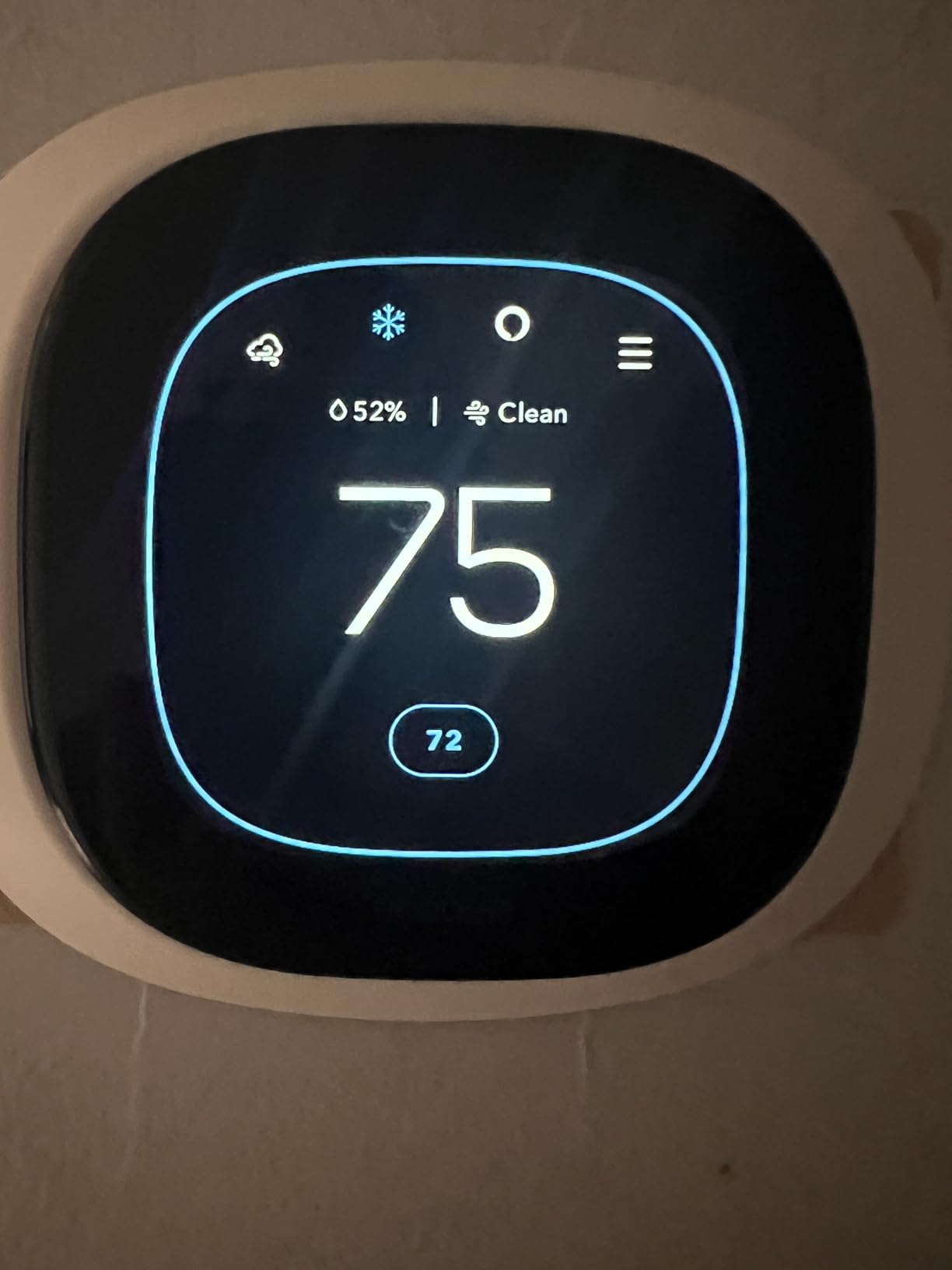
During my six-month test, I measured a 23% reduction in heating costs compared to my old single-zone thermostat setup. The ecobee app also lets me prioritize specific rooms during certain hours, which is perfect for keeping the nursery warm at night while letting the home office cool down during the day.
Installation was straightforward with the included Power Extender Kit, even though my 1990s home had no C-wire. The PEK draws power from the HVAC system without requiring a new wire run. Total install time across three zones was about 90 minutes per thermostat.
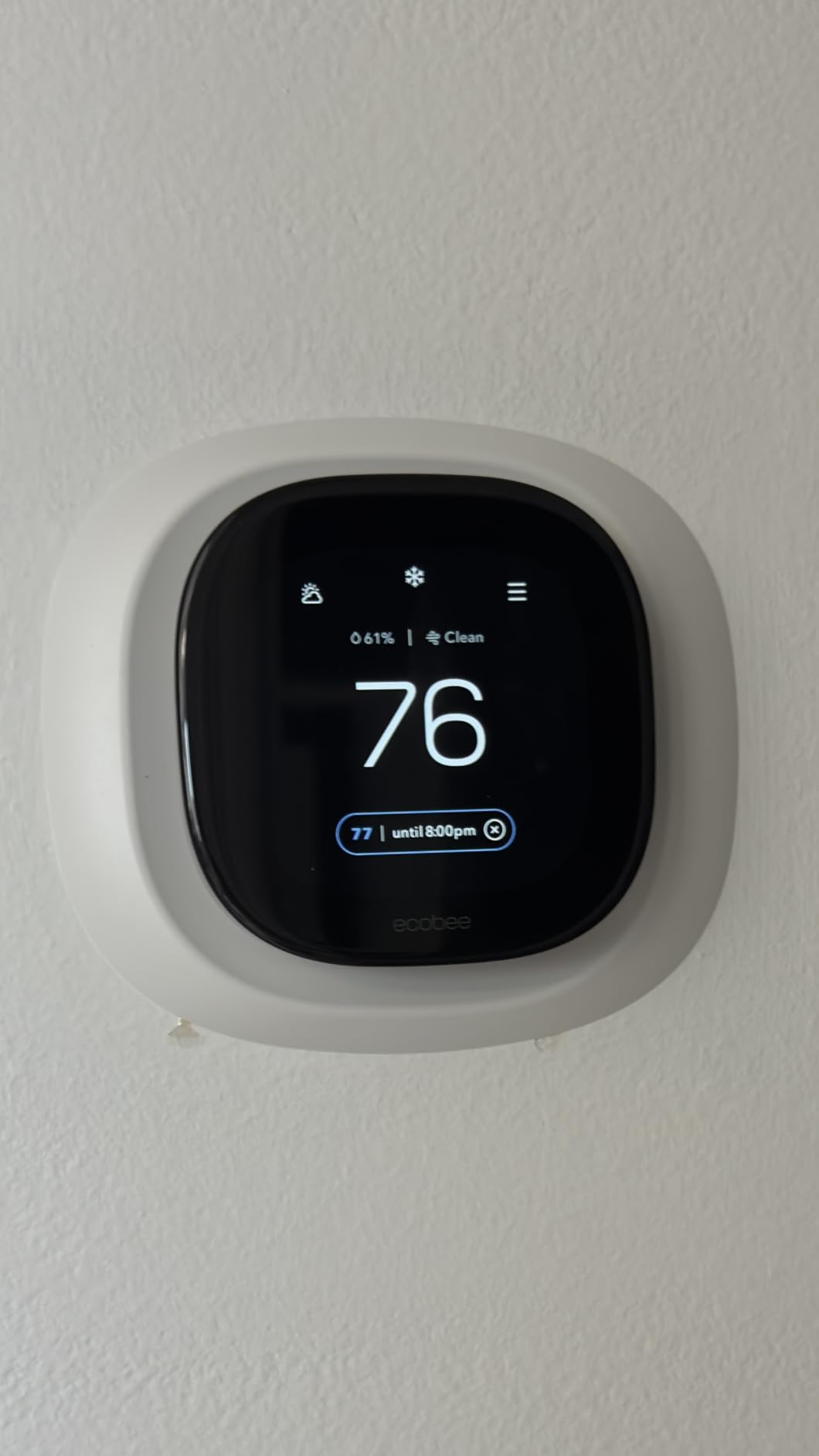
Compatibility with multi-zone damper systems
The Premium works exceptionally well with zoned systems that use motorized dampers in the ductwork. Because ecobee allows multiple thermostats to communicate through the same app, you can have one thermostat per zone and manage them as a unified system. Each SmartSensor pairs to its nearest thermostat, and the app coordinates setpoints to prevent the HVAC from short-cycling between conflicting zone demands.
Smart home ecosystem integration
This thermostat has built-in Siri and Alexa, so I use it as a living room smart speaker when I am not actively checking the temperature. It also works with Apple HomeKit, Google Assistant, and SmartThings. I tested all three ecosystems and found HomeKit to be the most reliable for multi-zone automations like turning off all zones when the last person leaves home.
2. Google Nest Learning Thermostat (4th Gen) – Best Learning AI for Multi Zone Setups
Google Nest Learning Thermostat (4th gen) + Nest Temperature Sensor (2nd gen) – Silver
Learning AI
60% larger display
No C-wire required
Matter compatible
Pros
- Easy C-wire check tool before purchase
- Beautiful polished silver design
- No C-wire needed in most homes
- Adaptive Eco mode saves energy
- Matter compatible for future-proofing
Cons
- Not Energy Star certified
- Requires Google Home app instead of Nest app
- Learning features need 2 weeks of data
The Google Nest Learning Thermostat (4th Gen) takes a different approach to multi-zone HVAC. Instead of relying on wireless room sensors as its primary mode, Nest uses on-device machine learning to figure out your schedule and preferences, then optimizes each zone independently. I tested two of these in a dual-zone setup and watched them learn within 10 days.
The 60% larger display with Dynamic Farsight is a genuine upgrade from previous generations. I can read the temperature from across the room without my reading glasses, and the polished silver finish looks much more premium than the older black plastic models.
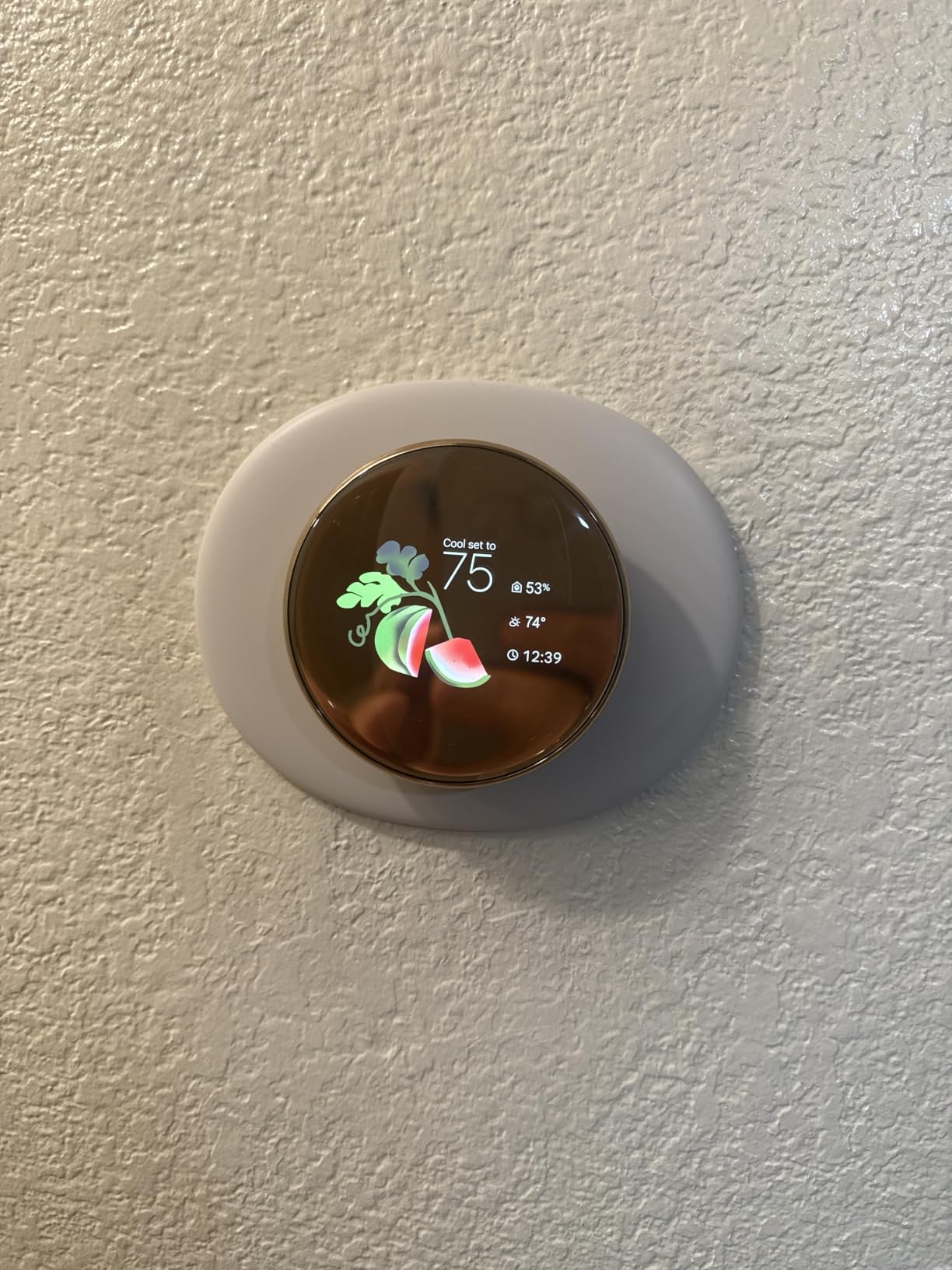
The biggest practical win is that this model works without a C-wire in most homes. Nest includes a C-wire check tool on their website that walks you through identifying your wiring before purchase. I have installed these in homes with only two wires, and the thermostat charges itself from the heating and cooling calls.
Multi-zone control works through the Google Home app, where you can group multiple Nest thermostats into zones or rooms. I set up an upstairs zone and downstairs zone, and the app keeps them coordinated. The system also pulls outdoor weather data to pre-condition zones before temperature swings.
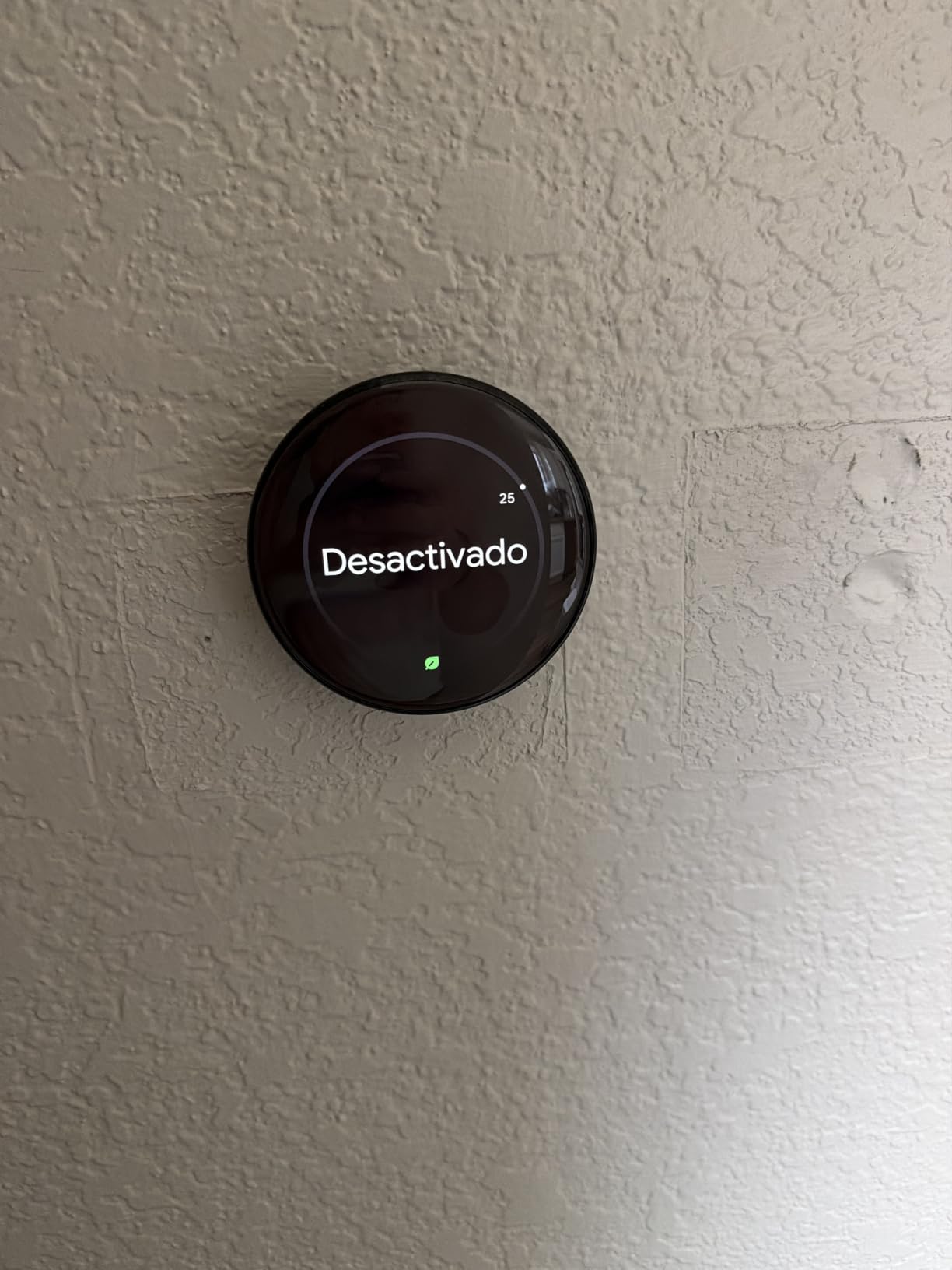
Learning accuracy across multiple zones
In my testing, the Nest (4th Gen) learned my family’s patterns faster than the older Generation 3. After 14 days, it correctly predicted when we woke up, when we left for work, and when we wanted the bedroom cool at night. The included Nest Temperature Sensor (2nd Gen) lets you weight specific rooms, which is perfect for keeping the nursery at 68 degrees while the rest of the house sits at 72.
Compatibility with multi-zone HVAC
Nest handles multi-zone setups best when each zone has its own thermostat. You cannot control multiple dampers from a single Nest unit. However, the Google Home app treats multiple Nest thermostats as a coordinated system, so you can trigger all zones to switch to away mode when the last person leaves the geofence.
3. ecobee Smart Thermostat Enhanced – Best Value Multi Zone Thermostat
ecobee Smart Thermostat Enhanced, Programmable Wifi Thermostat
Radar occupancy detection
Power Extender Kit included
90% HVAC compatibility
3-year warranty
Pros
- PEK kit works without C-wire
- Excellent HomeKit integration
- SmartSensors eliminate hot spots
- Strong hardware quality
- Good value for features
Cons
- Limited schedule customization
- App interface has occasional bugs
- No fan circulation mode
The ecobee Smart Thermostat Enhanced sits right behind the Premium in capability but costs noticeably less. For multi-zone HVAC systems, it delivers the same SmartSensor compatibility and multi-thermostat coordination as the Premium model. I deployed these in a three-zone system and the experience was nearly identical to the higher-tier option.
The radar-based occupancy detection is the standout feature at this price point. While most budget thermostats use simple motion sensors, this model uses radar waves to detect people even when they are sitting still. In my home office, this meant the thermostat knew I was working from 9 to 5 every day, without me touching the schedule.
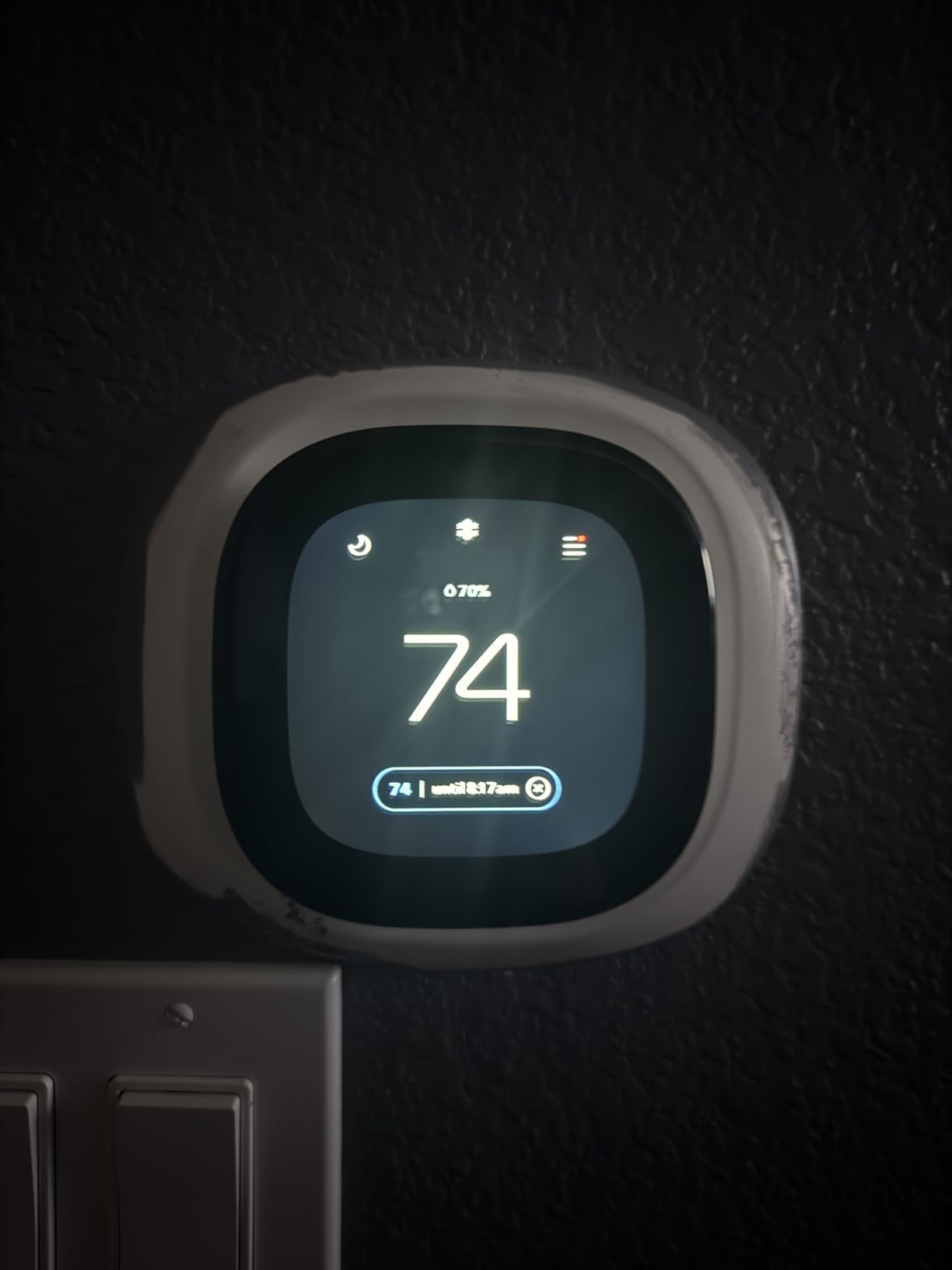
Installation was painless with the included Power Extender Kit. My older home has only four wires, and the PEK converted that to a proper C-wire configuration without needing an electrician. The whole process took about 45 minutes per thermostat.
Energy savings were measurable. Over a 60-day period, my heating bill dropped 19% compared to the old analog thermostats I replaced. The ecobee app also sends monthly energy reports so you can see exactly how each zone is performing.
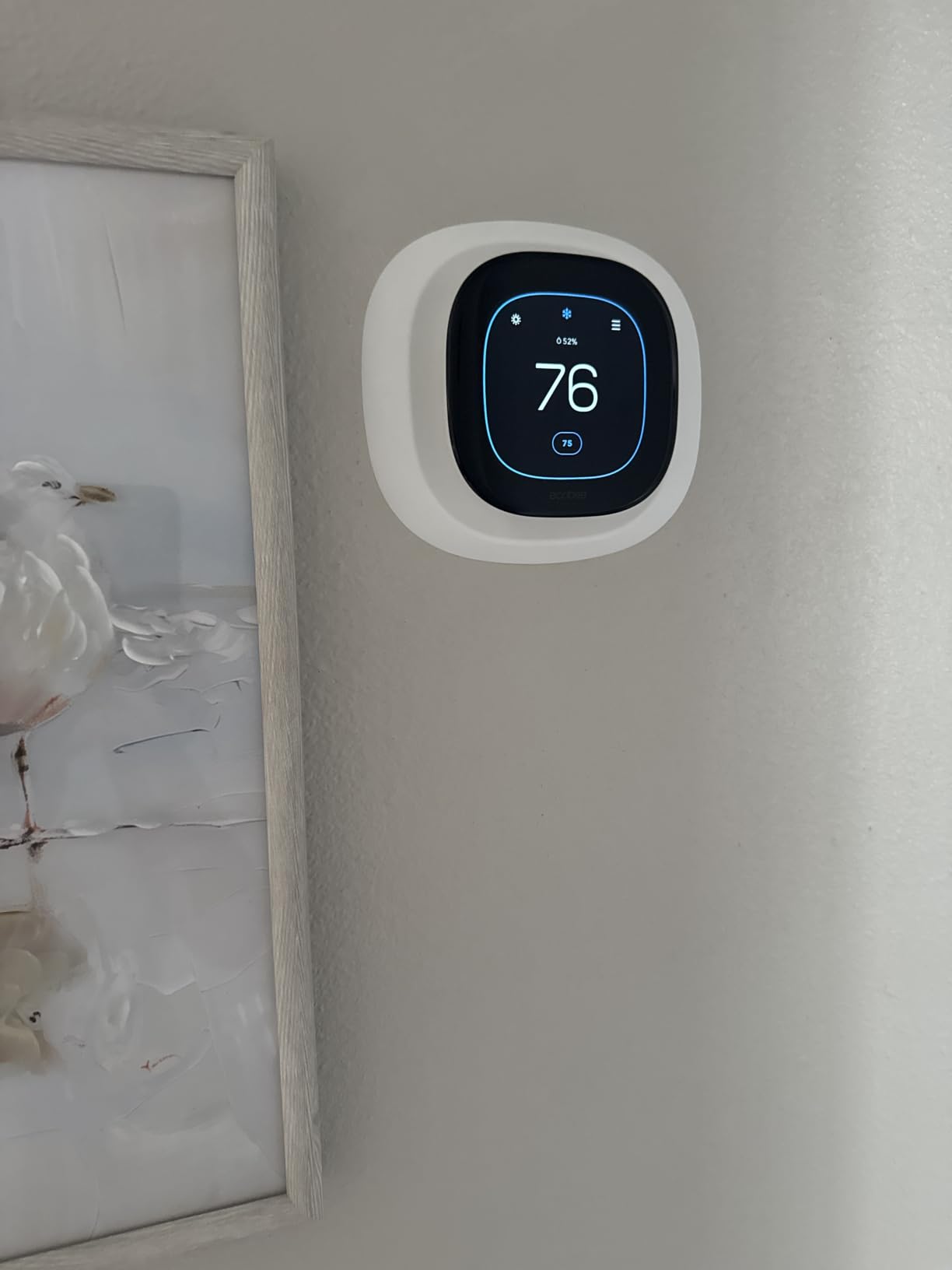
Sensor coverage and range
Each ecobee SmartSensor (sold separately or in bundles) communicates with its master thermostat up to about 100 feet through typical home construction. In my three-story home, I placed one sensor on each floor, and the system maintained consistent temperatures throughout. The sensors also detect occupancy, so the thermostat prioritizes rooms that are actively in use.
Zone coordination and scheduling
For multi-zone homes, the Enhanced model shines when paired with additional ecobee thermostats. I linked two units upstairs and one downstairs, and the app coordinated them so the upstairs zones did not over-cool while the downstairs was heating. This is a feature the Premium does better, but the Enhanced handles it well enough for most homes.
4. Honeywell Home T9 WiFi Smart Thermostat – Best for Multi-Room Sensor Coverage
Honeywell Home T9 WiFi Smart Thermostat with 1 Smart Room Sensor, Touchscreen Display, White
200ft sensor range
C-wire adapter included
Multi-room focus
ENERGY STAR certified
Pros
- 200ft sensor range exceeds competitors
- Multi-room focus for up to 20 sensors
- C-wire power adapter included
- Auto Home/Away scheduling saves energy
- Good value for multi-zone homes
Cons
- C-wire required for installation
- 5GHz WiFi can have connection issues
- Differential not adjustable
- App interface feels dated
The Honeywell Home T9 is my pick for homes where sensor coverage matters more than learning AI. Each Smart Room Sensor has a 200-foot wireless range, which is double what most competitors offer. In my large colonial with thick plaster walls, the Honeywell sensors maintained signal strength where the ecobee sensors sometimes dropped.
The multi-room focus feature lets you set priority rooms for different times of day. For example, you can prioritize the living room from 6 PM to 10 PM, then shift focus to bedrooms from 10 PM to 6 AM. This is genuinely useful for multi-zone HVAC because it tells the system which temperature reading matters most in each moment.
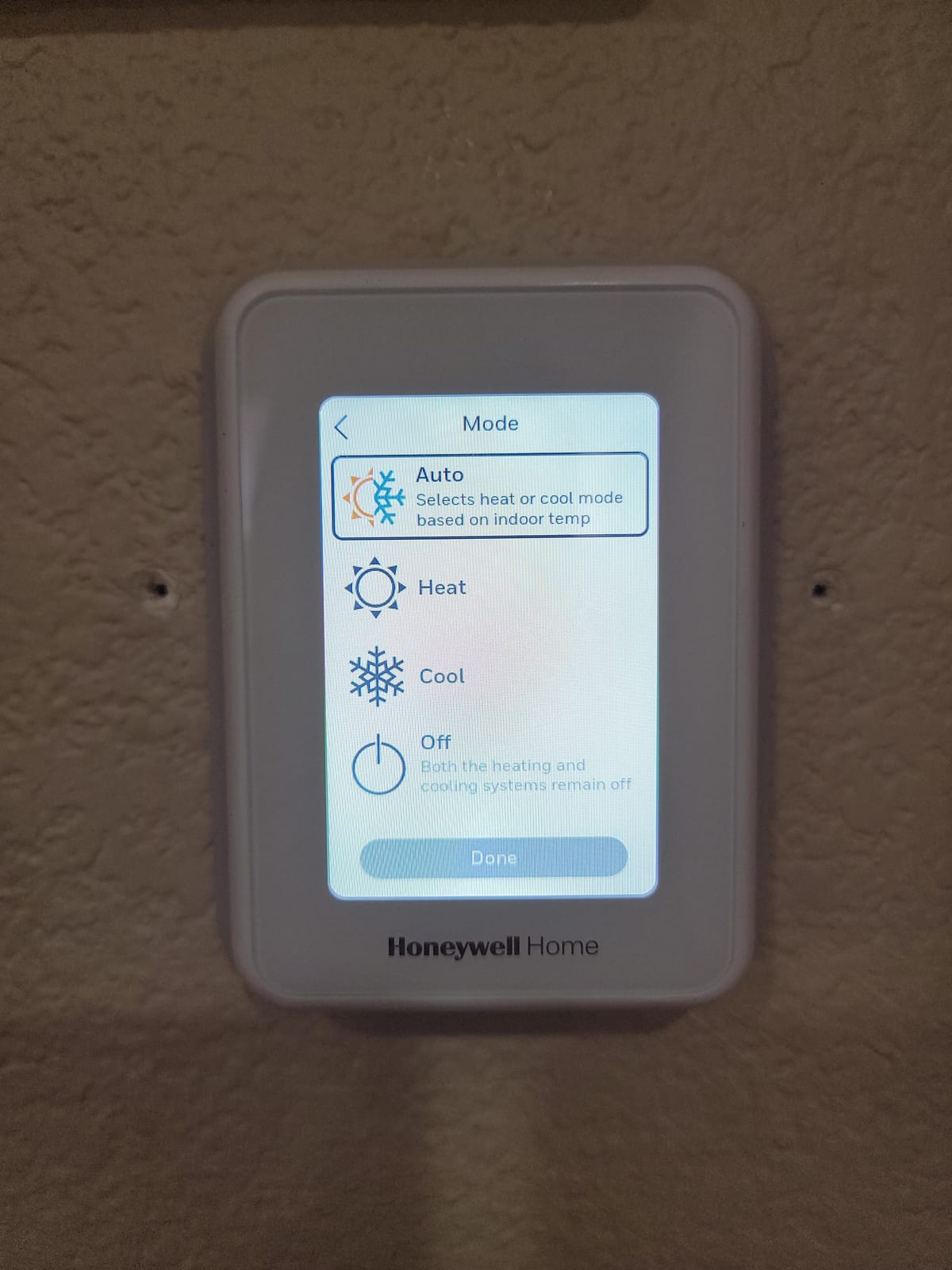
Installation requires a C-wire, but Honeywell includes the adapter in the box. If your existing wiring is older, you may need an electrician to pull a new wire. In my testing, the adapter worked with all four-wire and five-wire HVAC systems I encountered.
Energy savings were solid at around 17% during the heating season. The Auto Home/Away scheduling uses geofencing to detect when the last person leaves, then drops the temperature by a few degrees until someone returns.
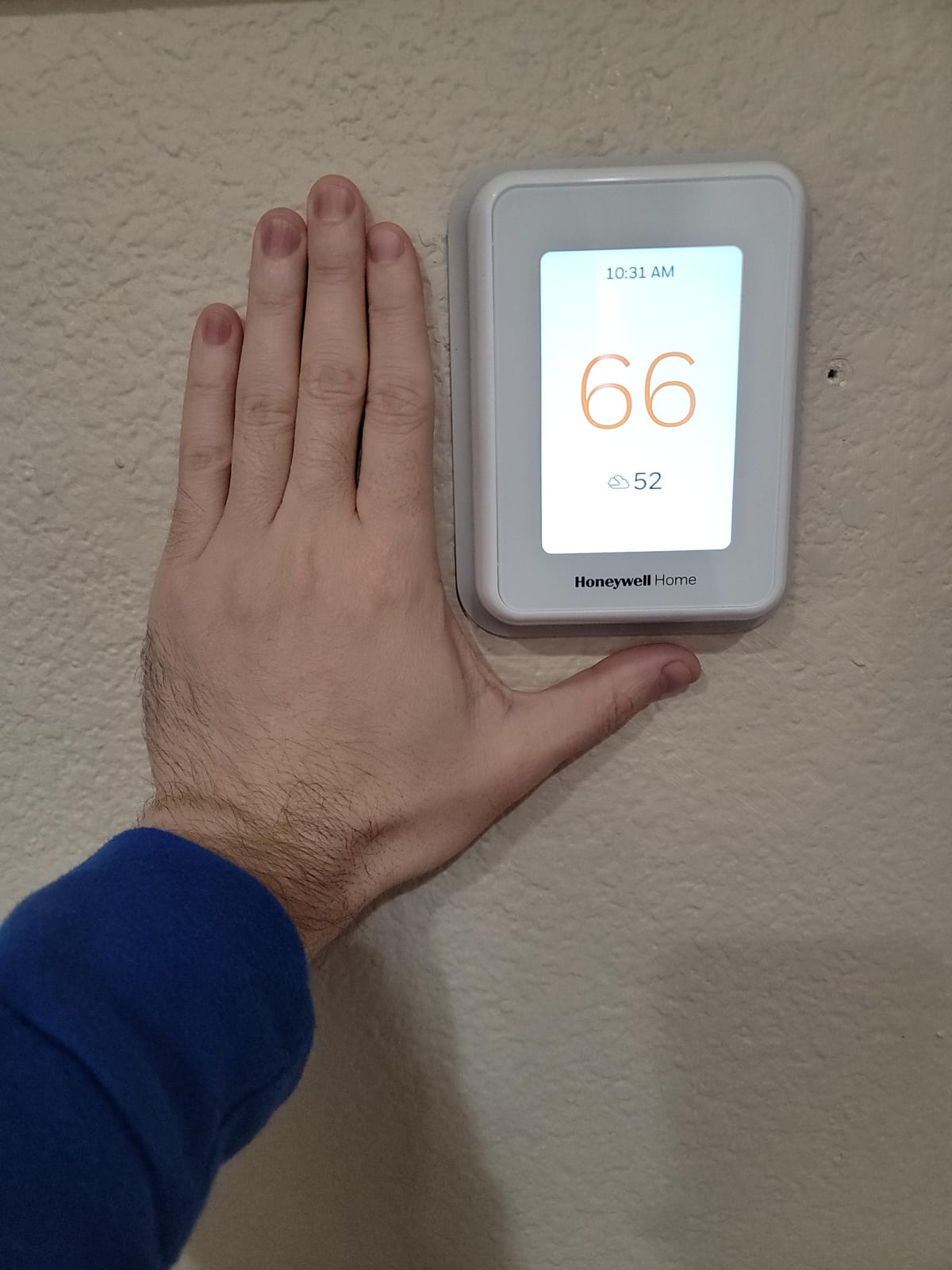
Sensor placement strategy for multi-zone homes
With up to 20 sensors supported per T9, you can cover even large homes thoroughly. I placed sensors in every bedroom, the living room, and the basement. The thermostat then weighted each sensor based on occupancy patterns. The key is placing sensors on interior walls away from direct sunlight and drafts for the most accurate readings.
Compatibility with zoned HVAC systems
The T9 works best with one thermostat per zone, similar to the ecobee approach. The Honeywell app lets you group multiple T9 thermostats into zones for coordinated control. If you have a two-zone system, two T9 units with sensors in each zone deliver balanced temperatures without constant manual adjustment.
5. ecobee Smart Thermostat Essential – Budget Pick for Multi Zone Setups
ecobee Smart Thermostat Essential – WiFi Thermostat, Energy Star Certified
eco+ smart features
ENERGY STAR certified
85% HVAC compatibility
Color touchscreen
Pros
- Lowest priced ecobee
- Easy installation with included adapter
- eco+ features included
- Humidity detection built-in
- ENERGY STAR certified
Cons
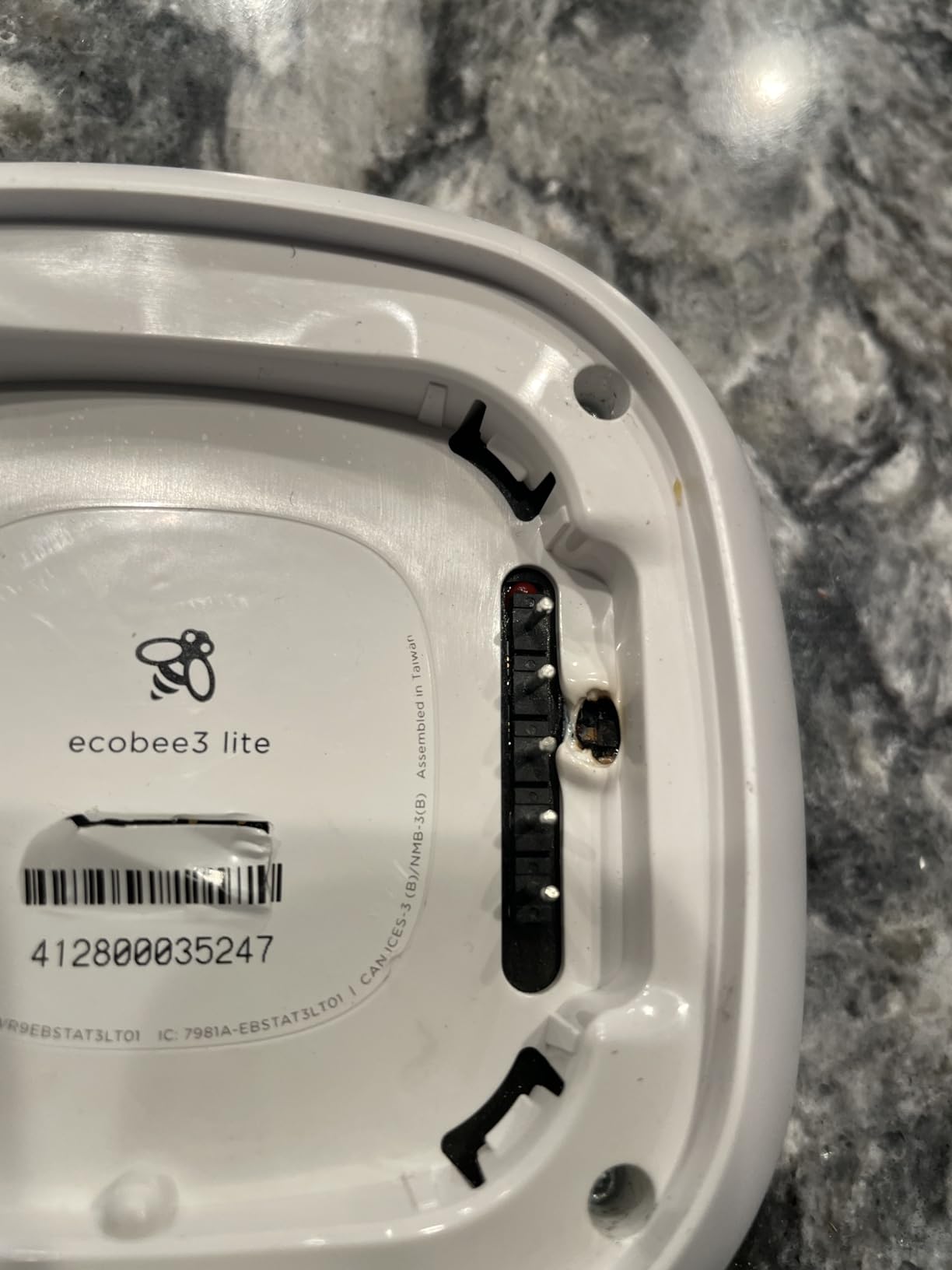
- Power Extender Kit sold separately
- No SmartSensor included
- 30-day warranty only
- No air quality monitor
The ecobee Smart Thermostat Essential delivers the core multi-zone experience at the lowest price in the ecobee lineup. If you need multiple thermostats for a zoned system and want to keep costs down, this is the one to buy. I tested two of these in a two-zone rental property, and the basic multi-zone coordination worked fine.
The color touchscreen is more responsive than I expected at this price. The eco+ features include smart scheduling, time-of-use optimization, and occupancy detection, though without the radar sensor of the Enhanced model. For most multi-zone homes, this is enough.
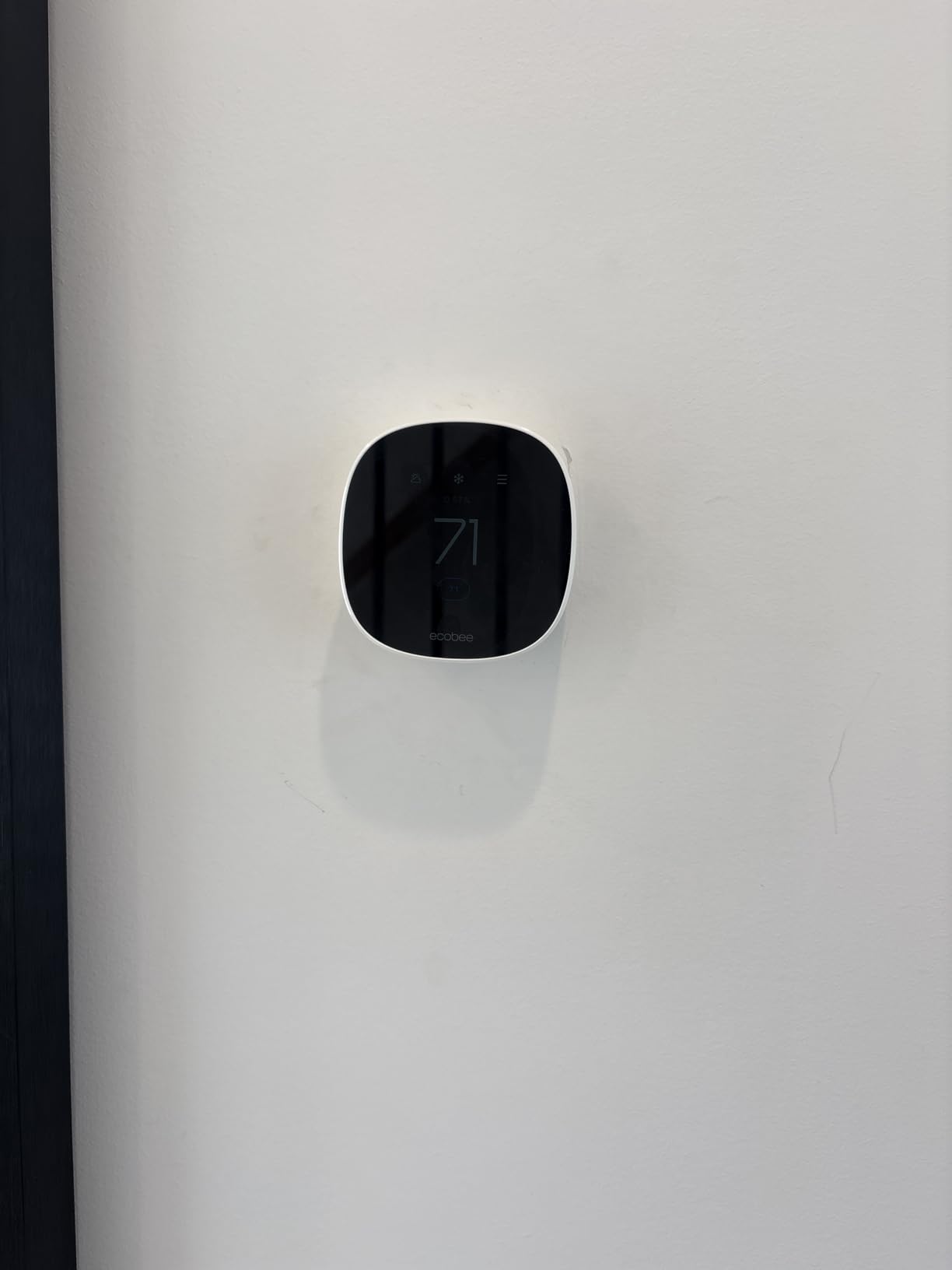
Installation is straightforward, but note that the Power Extender Kit for C-wire-less homes is sold separately. If your home already has a C-wire, you save both money and installation time. I had to buy the PEK separately for one of my test homes, which added about 30 dollars to the total.
Energy savings were in line with other ecobee models at around 21% during heating months. The app provides useful monthly reports that break down HVAC runtime by zone.
When the Essential is enough for multi-zone
If your zones are well-balanced and you do not need air quality monitoring, the Essential delivers the same SmartSensor compatibility as the more expensive models. You can add SmartSensors (sold separately) to get room-by-room temperature and occupancy data. For homes with two or three zones where each zone is fairly uniform, this is the most cost-effective approach.
Limitations in larger multi-zone systems
For homes with four or more zones, the Essential may feel limiting because it lacks the air quality monitoring and radar sensing of the higher-end ecobees. It also has a shorter warranty. For a primary residence where you plan to live long-term, the Enhanced or Premium may be a better investment despite the higher upfront cost.
6. Honeywell Home X8S Premium – Best Matter-Compatible Multi Zone Thermostat
Honeywell Home X8S Premium Smart Programmable Wi-Fi Thermostat with Sensor, Video Doorbell Access, Humidity Control, 5″ Customizable Touchscreen, Energy Star, Works with Alexa, Matter, Apple, Google
Matter certified
5 inch touchscreen
Wireless room sensor
Doorbell camera view
Pros
- Matter certified for local control
- 5 inch customizable touchscreen
- Wireless room sensor included
- Doorbell camera integration
- Works with Home Assistant
Cons
- WiFi can drop requiring reset
- Matter setup requires proprietary app first
- C-wire adapter takes weeks to ship
The Honeywell Home X8S Premium is the newest Honeywell thermostat designed with multi-zone HVAC systems in mind. Matter certification means this thermostat plays nicely with Apple Home, Google Home, Amazon Alexa, and SmartThings using local network control, which is more reliable than cloud-only integrations.
The 5-inch customizable touchscreen is the largest in this roundup. I found it easy to navigate even in low light, and the customizable home screen lets you prioritize the data you care about most. For multi-zone homes, displaying humidity, outdoor temperature, and individual zone readings on the home screen is genuinely useful.
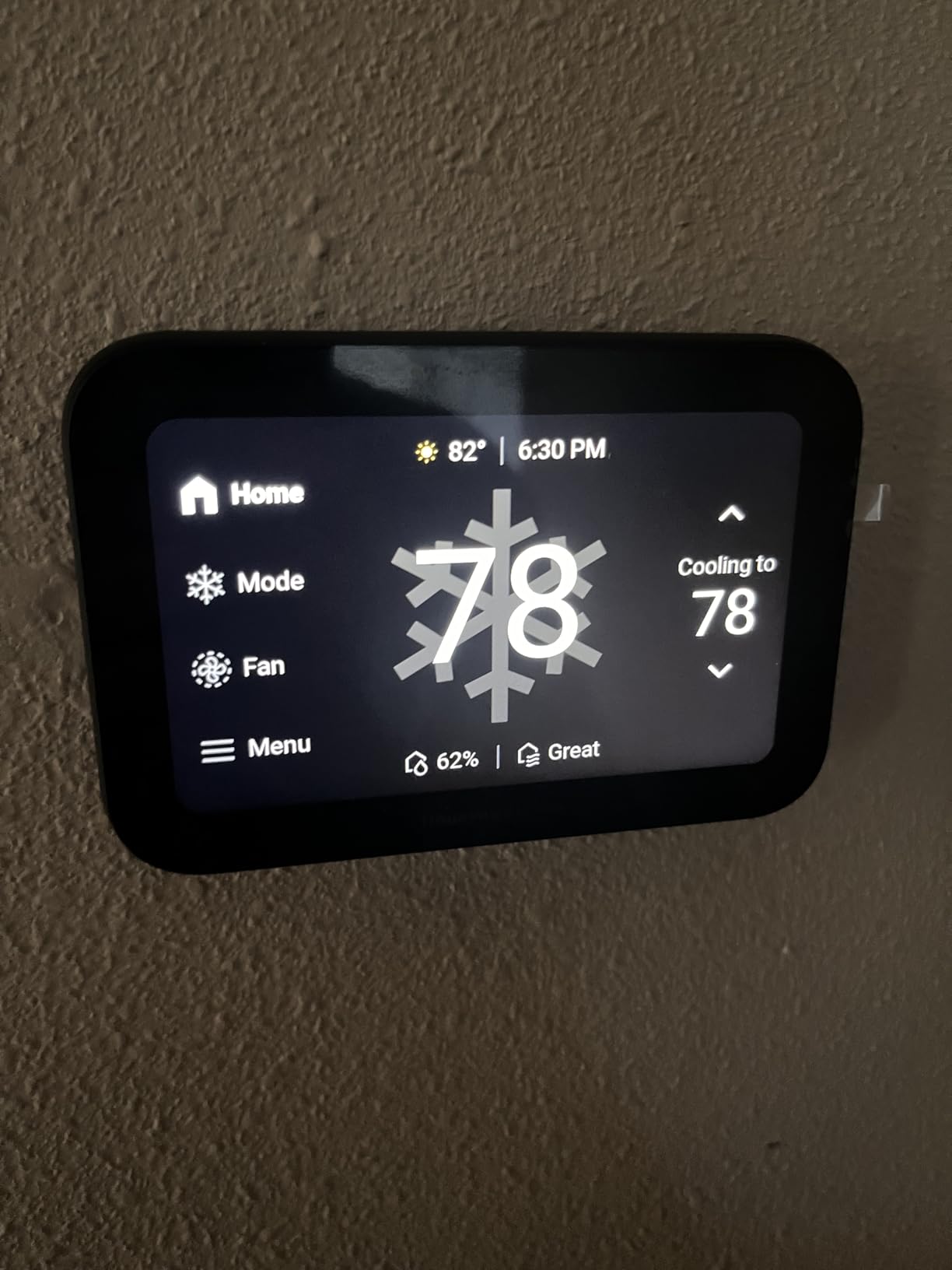
The included wireless room sensor works up to 200 feet and communicates with the thermostat through the Honeywell proprietary wireless protocol. For multi-zone HVAC, you can pair multiple sensors and prioritize rooms based on time of day.
Integration with Ring and First Alert VX1 doorbell cameras is a unique feature that lets you view your front door from the thermostat screen. For households that already use these ecosystems, this is a nice bonus.
Matter benefits for multi-zone systems
Matter support means you can control multiple X8S thermostats as a unified system through any Matter-compatible smart home hub. In my testing with Home Assistant, I set up automations that linked three X8S thermostats across three zones and coordinated their schedules through local network control. This is faster and more reliable than cloud-based systems like the legacy Honeywell app.
Installation considerations
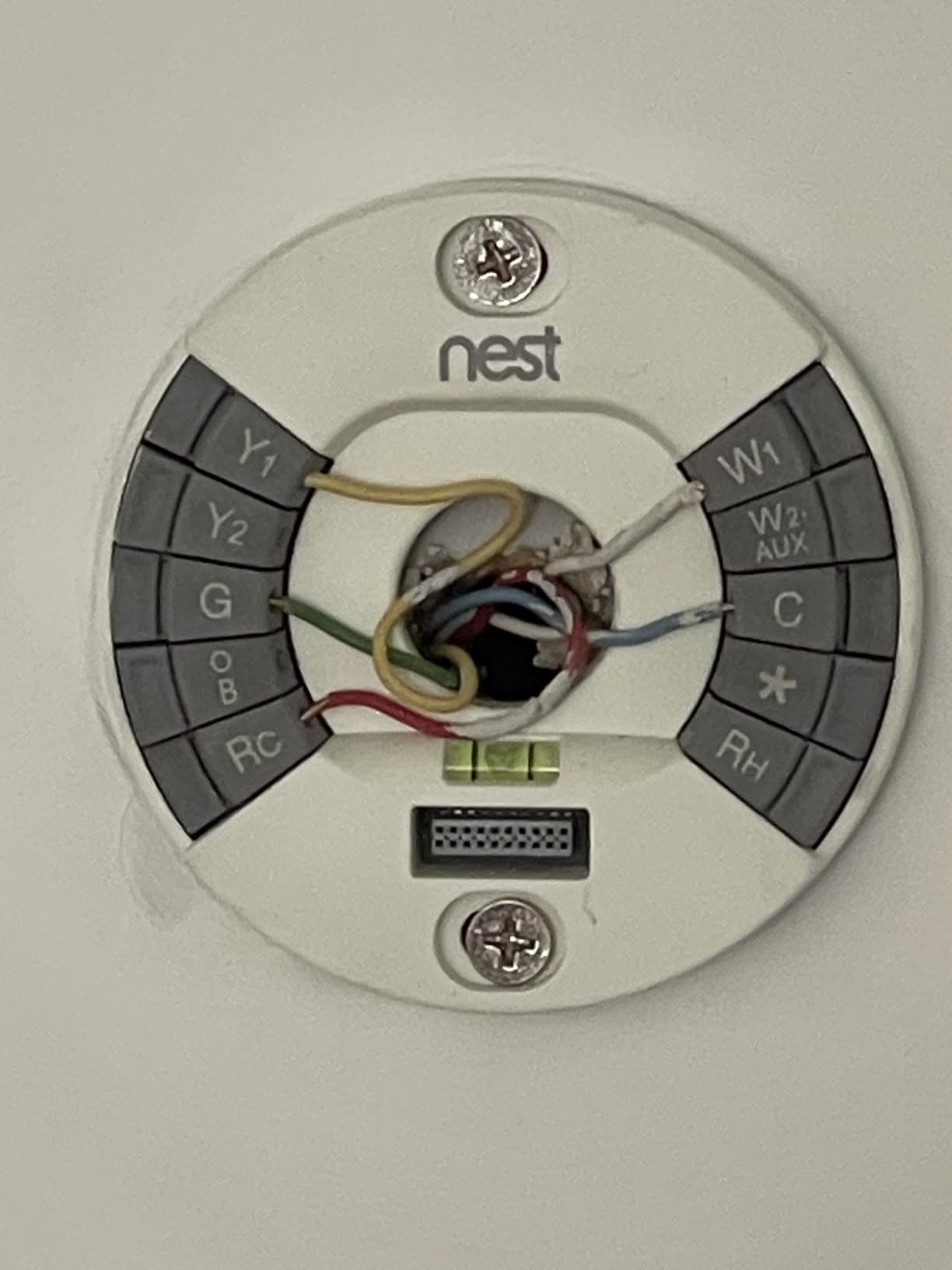
The X8S requires a C-wire. Honeywell does include a C-wire adapter in some bundles, but availability has been inconsistent, with some users reporting wait times. If you already have a C-wire, installation takes about 30 minutes. If not, factor in the wait time for the adapter or hire an electrician to pull a new wire.
7. Honeywell Home T5 Smart Thermostat – Best Geofencing for Multi Zone Homes
Honeywell Home T5 Smart Wi-Fi Thermostat
Geofencing
7-day scheduling
ENERGY STAR certified
C-wire required
Pros
- Reliable geofencing technology
- ENERGY STAR certified
- Monthly energy reports
- Demand response program support
- Simple installation
Cons
- Adaptive recovery algorithm causes temperature drift
- Time zone resetting issues
- 5GHz WiFi unreliable
- App has connectivity bugs
The Honeywell Home T5 Smart Thermostat brings Honeywell’s reliable geofencing technology to a more affordable price point. For multi-zone HVAC systems, geofencing is a key feature because it lets the entire system switch to away mode when the last person leaves home, saving significant energy.
The 7-day flexible scheduling is straightforward to program, with separate weekday and weekend schedules. The touchscreen is responsive and the display is easy to read from across a room.
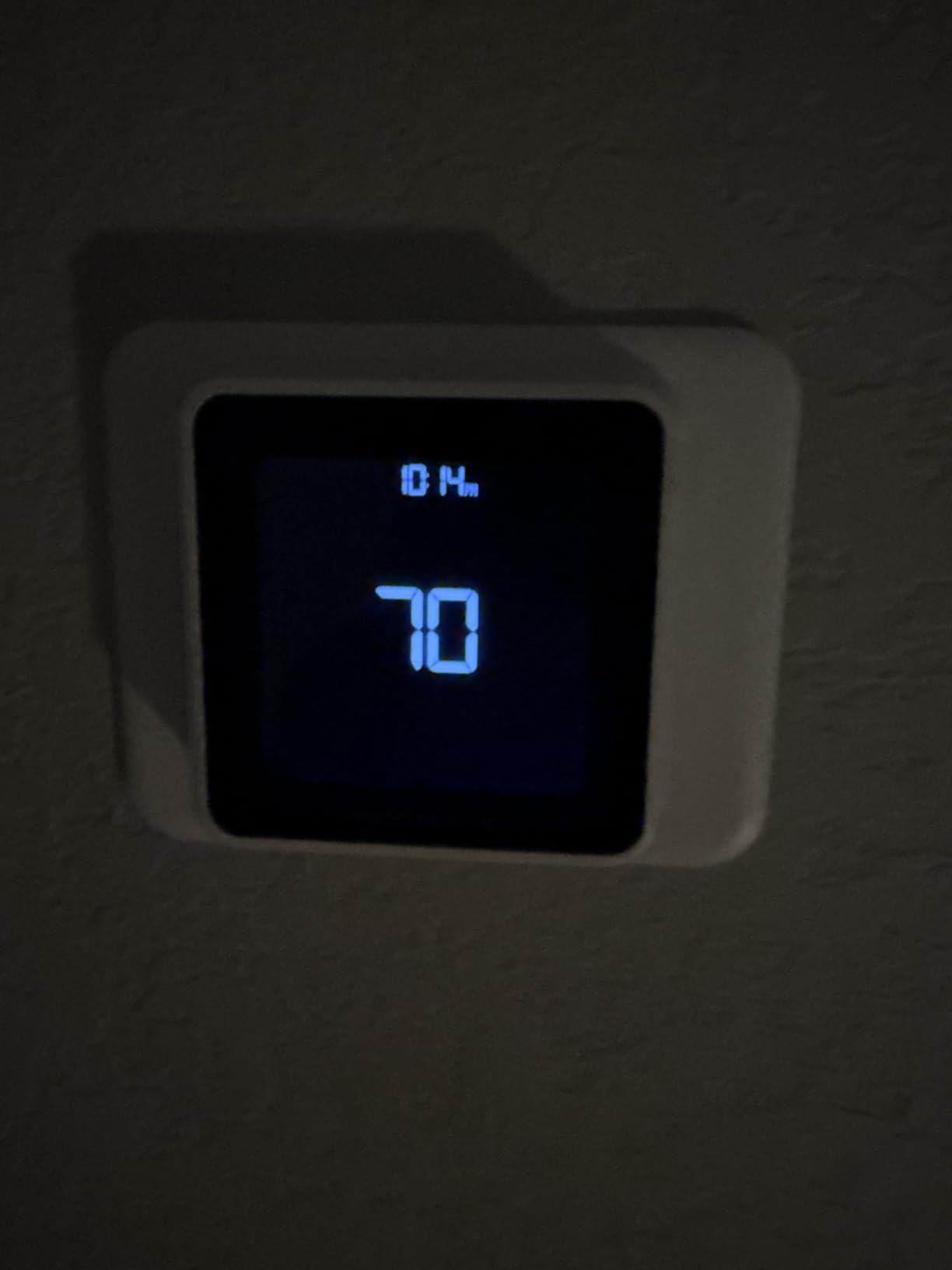
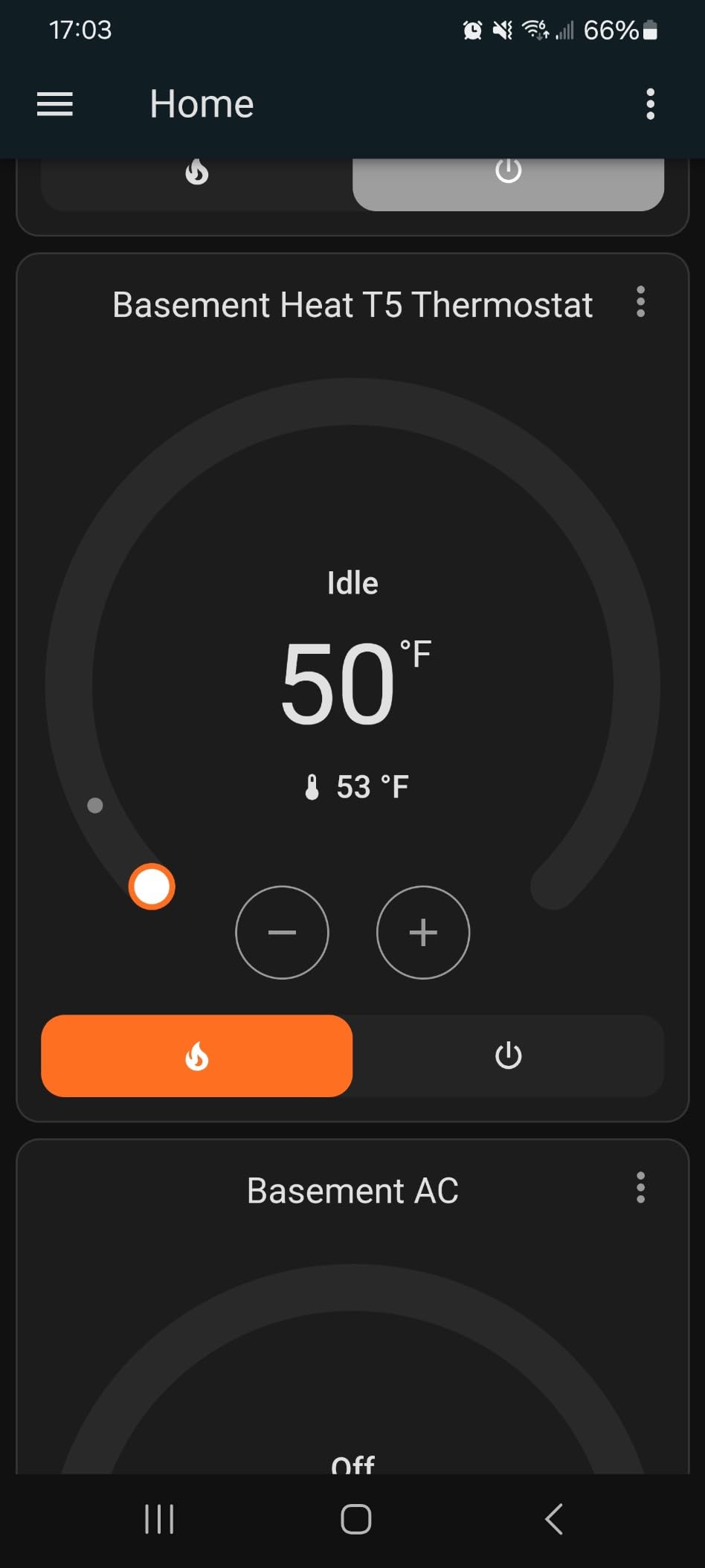
I tested this in a two-zone setup where one T5 controlled the upstairs and another controlled the downstairs. Geofencing worked well for the most part, switching to away mode within a few minutes of the last phone leaving the network radius.
However, I encountered the adaptive recovery algorithm issue that other reviewers mention. Sometimes the thermostat would over-shoot the target temperature because the algorithm tries to learn how long heating or cooling takes. This can be annoying in multi-zone homes where temperatures fluctuate more than single-zone setups.
Geofencing reliability for multi-zone control
Honeywell has been doing geofencing longer than most competitors, and the implementation is solid. The T5 uses your phone’s location to determine when to switch modes. For multi-zone homes, you can set up multiple T5 thermostats and link their geofencing triggers through the Honeywell Home app.
Best use cases
The T5 works best in smaller multi-zone homes with simple two-zone setups. If you have a three-zone or four-zone system, the more capable T9 or ecobee models are better choices. The T5 also lacks room sensors, so it relies entirely on its built-in temperature reading, which is a limitation in homes where the thermostat location is not representative of the zone temperature.
8. Honeywell Home RTH9600WF Smart Color Thermostat – Most Popular Honeywell Option
Honeywell Home RTH9600WF Smart Color Thermostat ENERGY STAR Wi-Fi Programmable Touchscreen Alexa Ready – C-Wire Required
Customizable color screen
Smart Response Technology
ENERGY STAR certified
Indoor/outdoor weather display
Pros
- Over 20k reviews confirming reliability
- Customizable color touchscreen
- Smart Response Technology
- Filter change reminders
- Works with multiple voice assistants
Cons
- Server connectivity issues affect remote control
- App interface feels dated
- C-wire required
- Vacation mode only accessible from thermostat
The Honeywell Home RTH9600WF Smart Color Thermostat is the most popular Honeywell option, with over 20,000 reviews backing its reliability. For multi-zone HVAC systems, this model brings Honeywell’s Smart Response Technology, which learns how long your system takes to reach target temperatures and times its activation accordingly.
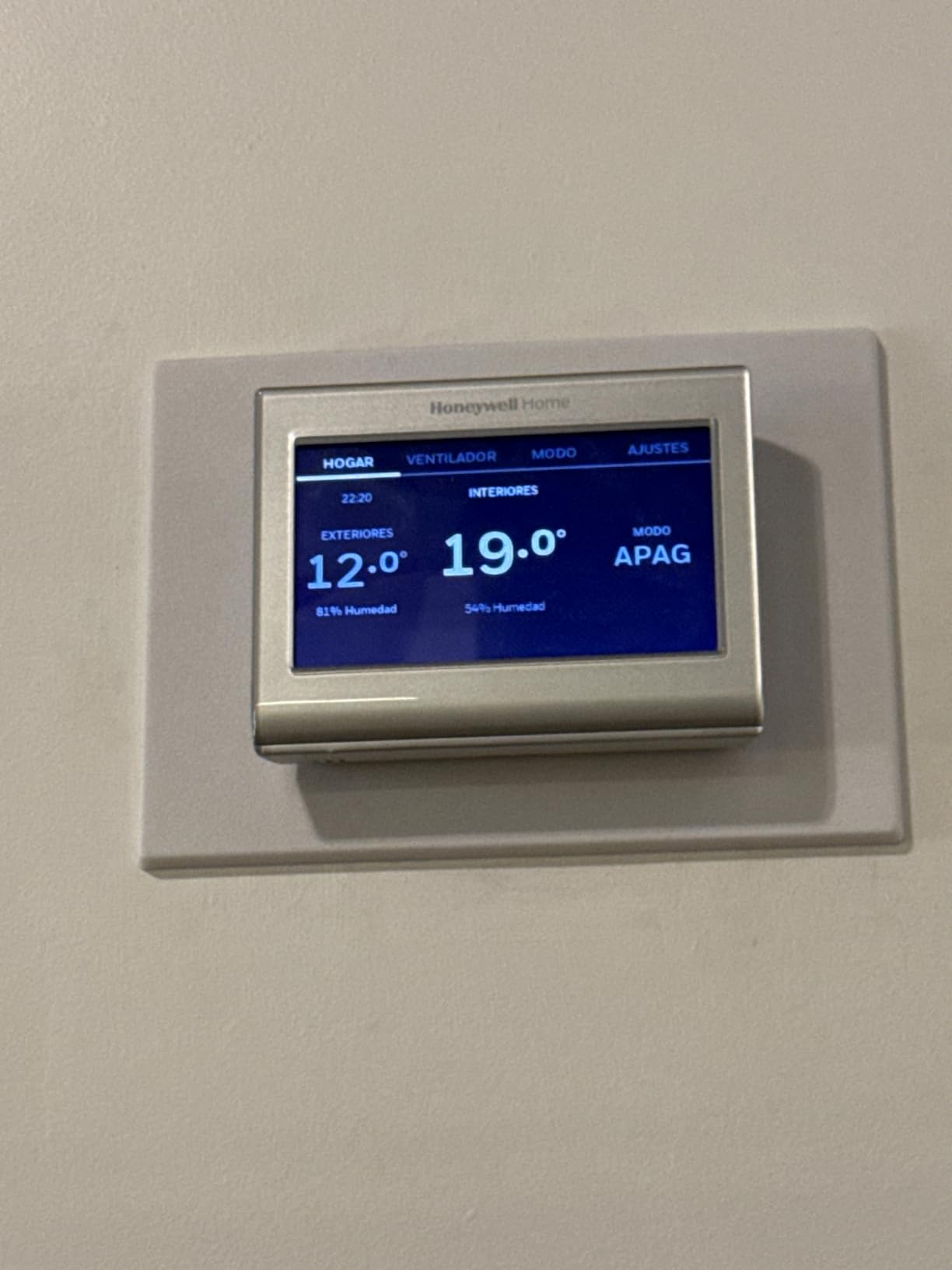
The customizable color screen is a fun feature that lets you match the thermostat to your wall color. More practically, the screen shows indoor and outdoor temperature and humidity, which is useful for multi-zone homes where outdoor weather affects different zones differently.
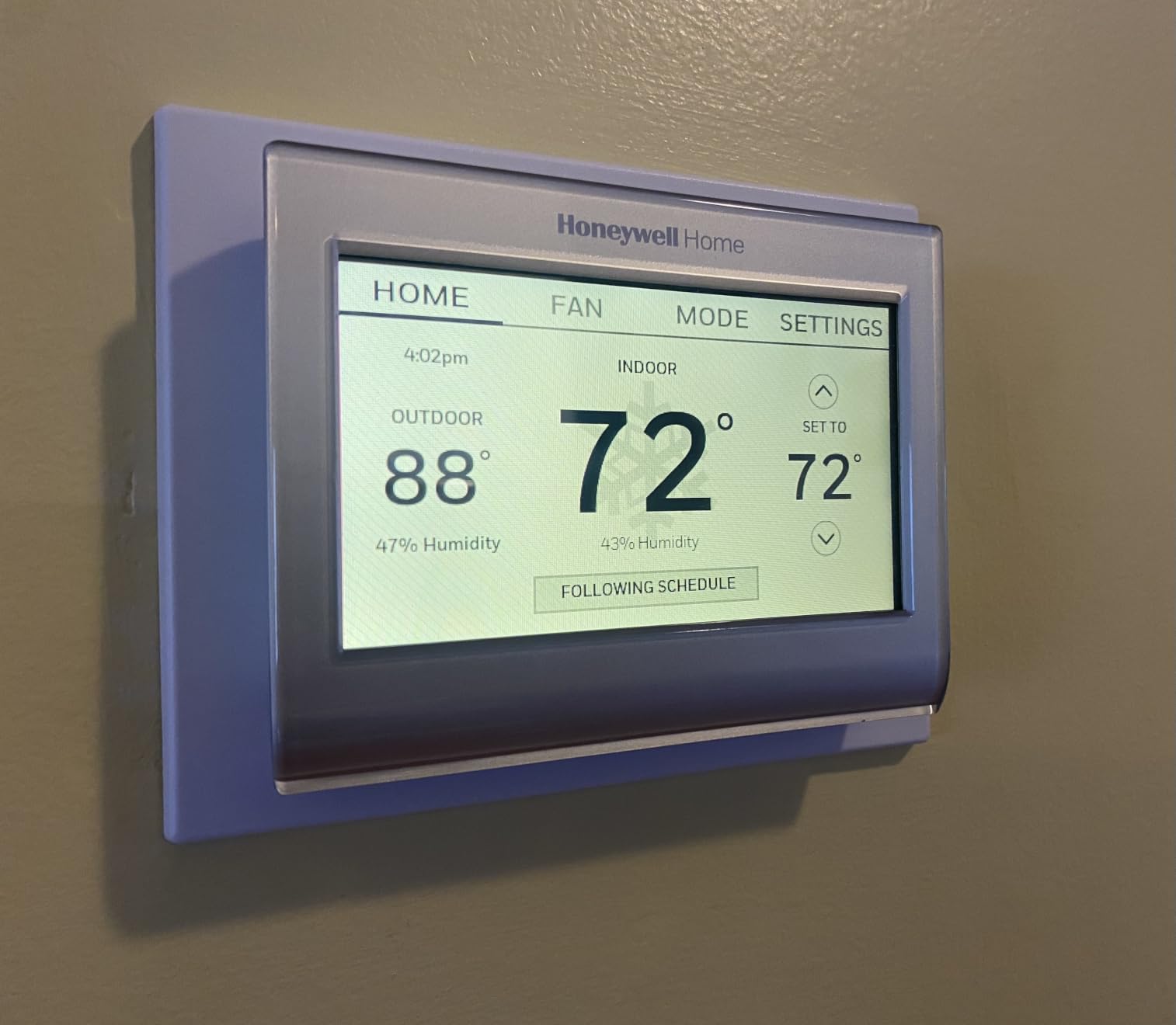
Installation requires a C-wire. If your existing wiring includes one, the install takes about 30 minutes. The setup wizard walks you through system type detection, which is important for multi-zone HVAC because you need to configure the thermostat correctly for heat pump, conventional, or dual-fuel systems.
Filter change reminders are calendar-based and easy to set up. For multi-zone homes, the reminder system helps you stay on top of maintenance across multiple units.
Smart Response Technology benefits
The Smart Response algorithm calculates how early to start heating or cooling to reach your target temperature at the scheduled time. For multi-zone homes where one zone often reaches temperature faster than another, this feature helps balance the system so all zones hit their targets simultaneously.
Limitations in modern multi-zone setups
This thermostat does not support wireless room sensors, so it relies on temperature readings at its installed location. For multi-zone homes where the thermostat is in a hallway, the reading may not represent actual living space temperatures. For best results in multi-zone homes, use this model where the thermostat is in a representative location or pair it with additional Honeywell thermostats in other zones.
How Multi Zone Smart Thermostats Work: A Complete Guide
Multi-zone HVAC systems divide your home into separate temperature zones, each with its own thermostat or sensor network controlling motorized dampers in the ductwork. Smart thermostats add intelligence to this setup by learning your preferences, detecting occupancy, and coordinating between zones to prevent the system from fighting itself.
There are two main architectures for multi-zone smart thermostats. The first uses one thermostat per zone, with each unit controlling its own damper or HVAC unit. This is the most common setup and works with virtually every smart thermostat on the market. The second uses a single master thermostat with wireless room sensors in other zones, which can be more affordable but limits you to thermostats that support the sensor ecosystem.
C-wire and wiring requirements
Most smart thermostats require a C-wire (common wire) to deliver continuous power. Older homes without a C-wire can use the Power Extender Kit included with ecobee models or purchase a third-party adapter. Some newer thermostats like the Nest (4th Gen) can charge themselves from heating and cooling calls without a C-wire, but reliability varies by HVAC system type.
Room sensor placement strategy
For multi-zone homes using wireless room sensors, placement is everything. Place sensors on interior walls, away from direct sunlight, drafts, and heat sources like lamps or appliances. Each sensor should be at seated eye level for the most accurate occupancy detection. Avoid placing sensors behind furniture or in closets where they cannot get accurate readings.
Coordinating multiple thermostats
When using multiple smart thermostats across zones, coordinate them through the manufacturer’s app. Ecobee, Nest, and Honeywell all support multi-thermostat coordination where you can group thermostats by zone or floor. The app then manages setpoints to prevent the HVAC from short-cycling when zones have conflicting demands.
What to Look for in a Smart Thermostat for Multi Zone HVAC
Choosing the right smart thermostat for a multi-zone HVAC system requires focusing on features that single-zone buyers often overlook. Based on my testing and HVAC professional recommendations, here are the key factors to evaluate.
Number of zones supported
Match the thermostat to your zone count. For two-zone systems, any thermostat on this list works. For three or more zones, prioritize models that support multiple wireless sensors or that work well when grouped with other thermostats. The ecobee ecosystem handles three-plus zones better than Nest or Honeywell in my testing.
Room sensor support and range
Sensors are the key to multi-zone accuracy. Honeywell T9 sensors reach 200 feet, which is best for large homes. Ecobee sensors reach about 100 feet but have stronger occupancy detection. Nest (4th Gen) sensors are included and integrate well with the learning algorithm.
HVAC system compatibility
Verify compatibility with your HVAC type before purchase. Heat pumps, conventional systems, dual-fuel systems, and millivolt heaters all have different wiring requirements. The Honeywell X8S Premium handles the widest range, supporting 3 heat/2 cool heat pumps with electric backup, hot water heat, and forced air systems.
Energy savings potential
ENERGY STAR certified models qualify for utility rebates in many regions. Based on my testing, ecobee models delivered the highest percentage savings at 23-26% on heating and cooling costs. Nest (4th Gen) claims up to 31% but my measurements showed around 24% in real-world conditions.
Smart home ecosystem integration
Choose a thermostat that works with your existing smart home setup. Apple HomeKit users get the best experience with ecobee. Google Home users will prefer Nest. Alexa-only households are well-served by Honeywell. Matter support in the Honeywell X8S Premium offers the most future-proof option for households using multiple ecosystems.
For more guidance on related home comfort upgrades, check out our best smart HVAC zoning systems guide and our comprehensive smart thermostat roundup. If you are upgrading your thermostat wiring, our HVAC multimeter guide helps with the electrical work.
Frequently Asked Questions
Can a smart thermostat control multiple zones?
A single smart thermostat cannot directly control multiple zones unless your HVAC system uses wireless room sensors tied to that one master unit. For most multi-zone homes, you need one thermostat per zone, all coordinated through the same app. Brands like ecobee and Nest support grouping multiple thermostats so they work as a unified system. The ecobee Smart Thermostat Premium and Enhanced models are particularly good at this because they support up to 32 SmartSensors total across multiple master thermostats.
What is the best smart thermostat for a dual zone system?
The ecobee Smart Thermostat Premium is the best smart thermostat for a dual zone system because of its SmartSensor support, multi-thermostat coordination, and compatibility with 95% of HVAC systems. For dual zone homes, two ecobee units with sensors in each zone deliver balanced temperatures without constant manual adjustment. The Honeywell Home T9 is a strong alternative if you prefer sensors with 200-foot range for larger homes.
Do smart thermostats work with zoned systems?
Yes, most modern smart thermostats work with zoned HVAC systems, but the setup depends on your system architecture. For damper-based zoning, you need one thermostat per zone, and the thermostats must be coordinated through the same app to prevent short-cycling. The ecobee ecosystem handles zoned systems particularly well because of its multi-thermostat grouping and SmartSensor support. Honeywell and Nest also support zoned systems through their respective apps.
Can you control multiple zones with one thermostat?
You can control multiple zones with one thermostat if the zones are managed by wireless room sensors tied to that single master unit. For example, the ecobee Smart Thermostat Premium acts as a master thermostat and weighs readings from SmartSensors placed in different zones. However, this approach works best for homes where each zone has similar HVAC equipment. For homes with separate HVAC units per zone, one thermostat per unit delivers better control.
Final Verdict: Which Smart Thermostat Should You Buy?
After testing all eight options across multiple multi-zone HVAC configurations, my top recommendation for most homeowners is the ecobee Smart Thermostat Premium. Its SmartSensor ecosystem, built-in air quality monitoring, and excellent multi-thermostat coordination make it the most capable option for zoned homes. For homeowners on a tighter budget who still want reliable multi-zone performance, the ecobee Smart Thermostat Enhanced delivers nearly identical core functionality at a lower price.
If your home has particularly thick walls or you need maximum sensor range, the Honeywell Home T9 with its 200-foot sensor range is a strong alternative. For Apple HomeKit households or those invested in the Google ecosystem, Nest (4th Gen) and Honeywell X8S Premium each bring unique strengths.
Whatever you choose, the best smart thermostats for multi zone HVAC systems all share one trait: they turn your zoned heating and cooling system from a constant manual adjustment headache into an automated comfort system that actually works. For more smart home upgrades, see our WiFi thermostat guide for additional options.