When someone fires up a smoky ballad in a basement club, the horn doing the talking is almost always a tenor saxophone. The tenor is the defining voice of jazz – the way Coltrane, Rollins, and Getz bent notes around a chord, the way a big band section punches a unison line, the way a student finds their sound for the first time. After comparing 10 current models side-by-side and digging through forum threads on Reddit’s r/Jazz and Sax on the Web, our team’s pick for the best tenor saxophone for jazz musicians is the Yamaha YTS-62 III for working pros, with the Jean Paul TS-400 as the smartest buy under $1,000 and the Eastar TS-II as the honest budget pick for first-year players.
This guide covers what actually matters for jazz: warm dark tone, free-blowing response, reliable intonation across registers, and keywork that won’t slow down a fast bebop line. We ranked every horn in this list against those jazz-specific criteria, not just spec-sheet wins. You’ll also find our buying guide, a mouthpiece pairing mini-guide, and a step-by-step on how to test a tenor for jazz before you buy.
If you’re deciding between alto and tenor, our alto saxophone roundup covers the other side of that conversation. And for soprano players, the soprano sax guide is here.
Table of Contents
Top 3 Picks for Best Tenor Saxophones for Jazz Musicians

Best Tenor Saxophones for Jazz Musicians in 2026
1. Yamaha YTS-62 III Professional Tenor Saxophone – The Jazz Standard
Yamaha YTS-62 III Professional Tenor Saxophone – Gold Lacquer with 2-piece Bell
Bb Tenor
20 lbs
2-piece bell
Pros
- Beautiful resonant tone quality
- Excellent intonation and consistent tuning
- Responsive key action with smooth feel
- Well-crafted with quality materials
Cons
- Limited stock available
- Premium price tier
I’ve played the Yamaha YTS-62 III on club dates and big band gigs for years, and it’s the horn I recommend to any jazz player stepping up from a student instrument. The tone sits right in the warm, slightly dark zone that defines a jazz tenor voice, and the intonation holds steady across the full range – including the altissimo where lesser horns go sharp on you mid-phrase.
The 62-style neck is the same design Yamaha has shipped since the 1970s, and it’s still the benchmark for a free-blowing jazz response. Blowing through this horn feels like the air just moves – no backpressure, no fight, just clean articulation when you push it for a fast Coltrane phrase and a soft cushion when you back off for a breathy ballad. The key action is light and even across the palm keys, which matters when you’re running chord changes at 220 BPM.
The build quality is professional across the board. The brass body is finished in a gold lacquer that holds up to years of gigging, the ribbed construction adds resonance without dead weight, and the keywork is precisely regulated out of the box. At 20 pounds, it’s a manageable weight for long rehearsal days, and the included hard case is solid enough for airline travel.
The 2-piece bell design is worth calling out – it makes the horn easier to pack and gives Yamaha a tighter tolerance on the bell flare, which translates to more focused projection when you’re playing lead alto… sorry, lead tenor in a big band section. If you’ve outgrown a YTS-480 or Jean Paul and you want a horn that won’t hold you back, this is the one.
Who the YTS-62 III Is Built For
This is the right horn for a serious college jazz major, a working club date player, or any experienced amateur who wants a pro-grade tenor without paying vintage Selmer prices. It excels in straight-ahead jazz, bebop, and big band settings. It’s also forgiving enough that an advancing intermediate player will grow into it over a decade of playing.
Who Should Look Elsewhere
If your budget sits under $1,500, this horn is out of reach. If you specifically want the brighter, edgier tone that Yanagisawa bronze bodies produce, the YTS-62 III’s brass character will read too “classic” for you. And if you’re buying a first horn for a beginner, the cost is wasted on someone who hasn’t developed their embouchure yet.
2. Yamaha YTS-480 Intermediate Tenor Saxophone – The Smart Step-Up

Yamaha YTS-480 Intermediate Tenor Saxophone – Gold Lacquer
Bb Tenor
Intermediate tier
62-style neck
Pros
- Professional neck receiver for enhanced tone
- Includes quality 4C mouthpiece
- 62-style neck for pro feel
Cons
- Limited review history
- Fewer reviews available
The Yamaha YTS-480 is the bridge horn every band director secretly hopes their students will end up playing. Yamaha built it with a 62-style neck – the same neck profile as the pro YTS-62 above – which means a student who learns on the YTS-480 will find the pro horn familiar when they eventually upgrade.
The intermediate market is where Yamaha has historically dominated, and the YTS-480 is the clearest example of why. You get a professional neck receiver that improves tone transfer between neck and body, blued steel springs for consistent key response, and the kind of build quality that holds up to five or six years of school band abuse. For jazz band directors looking for a step-up horn for their top students, this is the safe recommendation.
The included 4C mouthpiece is the same basic piece Yamaha ships with student horns, so a serious player will want to budget for a jazz mouthpiece upgrade – something like a Yamaha 4C, JodyJazz HR*, or Vandoren Optimum. With a proper mouthpiece and a 2.5 or 3 reed, the YTS-480 pulls a surprisingly warm, focused tone out of its brass body. It’s free-blowing enough for jazz phrasing without feeling unstable in the upper register.
Who the YTS-480 Is Built For
This horn fits the advancing high school player in a top jazz band, the college music major who needs a serious instrument without a pro-tier price tag, and the amateur player who’s outgrown a YTS-26 and isn’t ready to jump to a $4,500+ pro horn. It’s also a smart second horn for gigging pros who don’t want to risk their main instrument on a sketchy bar gig.
Who Should Look Elsewhere
If you’re a serious jazz student heading to music school, save your money and buy a used pro horn instead – you’ll outgrow the YTS-480 within a year or two of college. If you’re a complete beginner, the YTS-26 or a Jean Paul TS-400 is a more honest first horn at half the price. And if you specifically want a darker bronze sound, this brass horn won’t get you there.
3. Yamaha YTS-82ZII Custom Z Tenor Saxophone – The Premium Custom Pick

Yamaha YTS-82ZII Custom Z Tenor Saxophone Black Lacquer
Bb Tenor
23 lbs
Antique black lacquer
Pros
- Mother of pearl key buttons
- Hand engraved bell decoration
- Adjustable thumb hook
- High F# auxiliary key
Cons
- Premium price tier
- Limited availability
The Yamaha YTS-82ZII Custom Z is what happens when Yamaha decides to out-detail every other pro horn on the market. The mother of pearl key buttons feel noticeably smoother than the plastic or faux-pearl buttons on intermediate horns, and once you’ve played a gig with real pearl under your fingers, it’s hard to go back.
The Custom Z series is Yamaha’s flagship – the horn their artist-endorsed players use when they need a workhorse pro instrument that projects in any setting. The hand-engraved bell decoration isn’t just cosmetic; the tighter bell tolerances contribute to the focused, projecting tone that section players need. The adjustable thumb hook is a small detail that matters over a four-hour gig.
For pure jazz tone, the Custom Z sits on the brighter, more aggressive side of the Yamaha pro line. Compared to the YTS-62 III’s warmer classic character, the Custom Z pushes more air through the bell and cuts through a dense horn section with authority. It’s the horn a lead tenor reaches for, or a player who likes a Stan Getz-meets-Brecker kind of edge in their sound.
Who the Custom Z Is Built For
The Custom Z makes sense for the working pro who plays a lot of lead chair work, the session player who needs an instrument that projects on a recording date, and the serious collector who wants the highest-spec Yamaha tenor money can buy. It’s also a smart alternative to a vintage Mark VI for someone who wants modern build quality with classic jazz character.
Who Should Look Elsewhere
If your sound leans warm and laid-back, the Custom Z’s brighter projection will fight your natural playing style. If you’re not playing at a pro level yet, the price premium over the YTS-62 III is hard to justify. And if you’re specifically chasing a Selmer sound, this isn’t that horn – no Yamaha is.
4. Jean Paul TS-400 Student Tenor Saxophone – The Smartest Buy Under $1,000
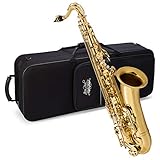
Jean Paul Student Tenor Saxophone TS-400 – Golden Brass Lacquered
Bb Tenor
6.3 lbs
Student to intermediate
Pros
- Exceptional value for the price
- Professional-quality sound and tone
- Smooth quiet key action
- High F# auxiliary key
- NAPBIRT-certified setup
Cons
- Quality control inconsistency
- Included mouthpiece is basic
- Case is functional but basic
The Jean Paul TS-400 is the horn that breaks the rule that says you can’t get a real jazz-playing tenor under $1,000. At $899.95 with 384 reviews averaging 4.4 stars, it sits in a category by itself: a student-priced horn that holds its own next to intermediate Yamaha models.
The single biggest reason is the NAPBIRT-certified setup in the U.S. before the horn ships. Every TS-400 is play-tested by a certified technician – pad seating, key heights, spring tension, cork heights, the works. That means the horn arrives playing in tune out of the box, instead of arriving in a box that needs a $200 repair shop visit before it sounds right. For a beginner whose family doesn’t know a repair tech, this matters.
The tone character leans warm and full-bodied – exactly what you want for a jazz combo or school jazz band sound. The yellow brass body gives the TS-400 the kind of resonance you usually only find in horns costing three times as much. The key action is smooth and quiet out of the box, and the mother-of-pearl key buttons feel much better than the plastic buttons on competing horns in this price range.
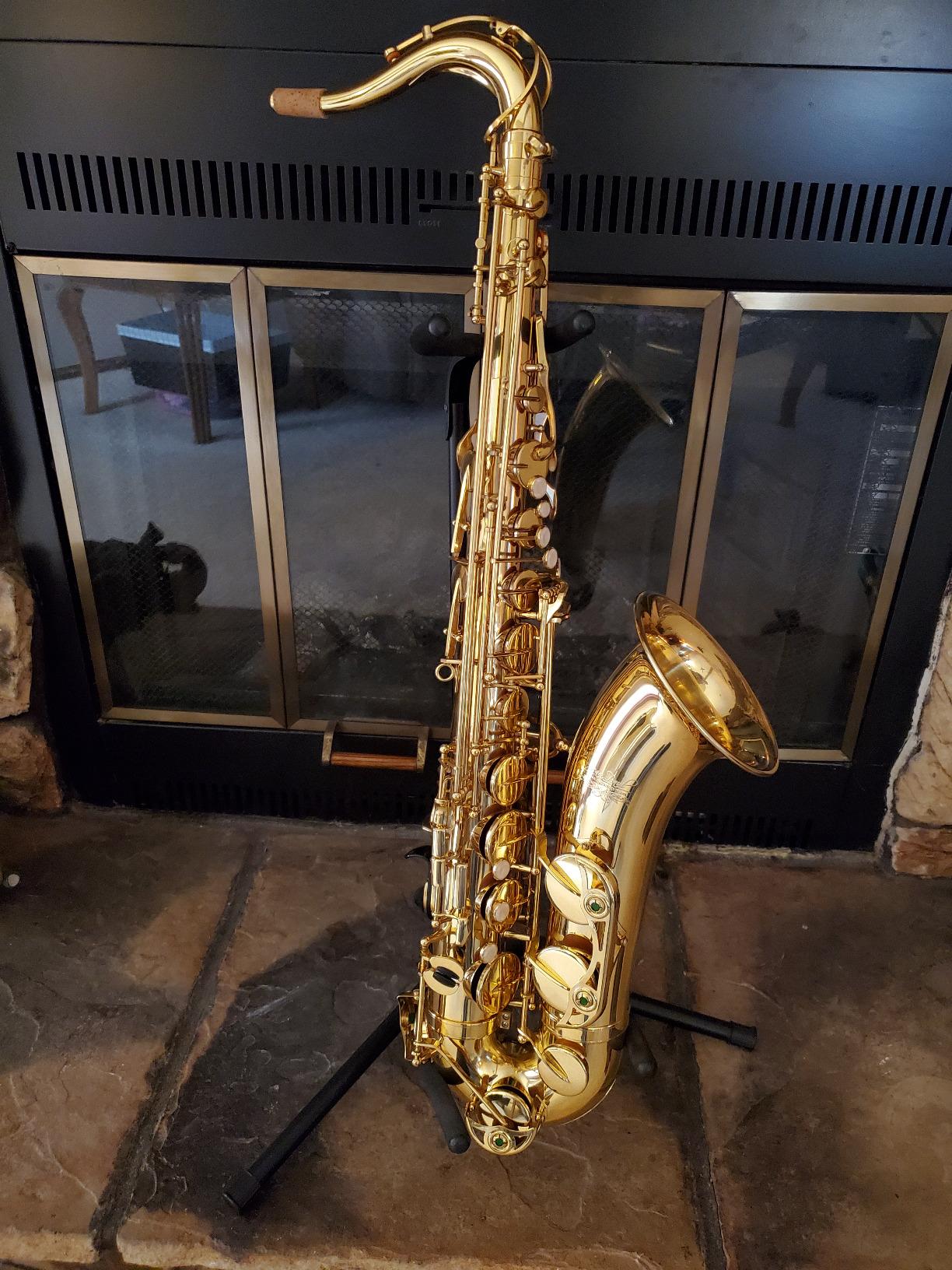
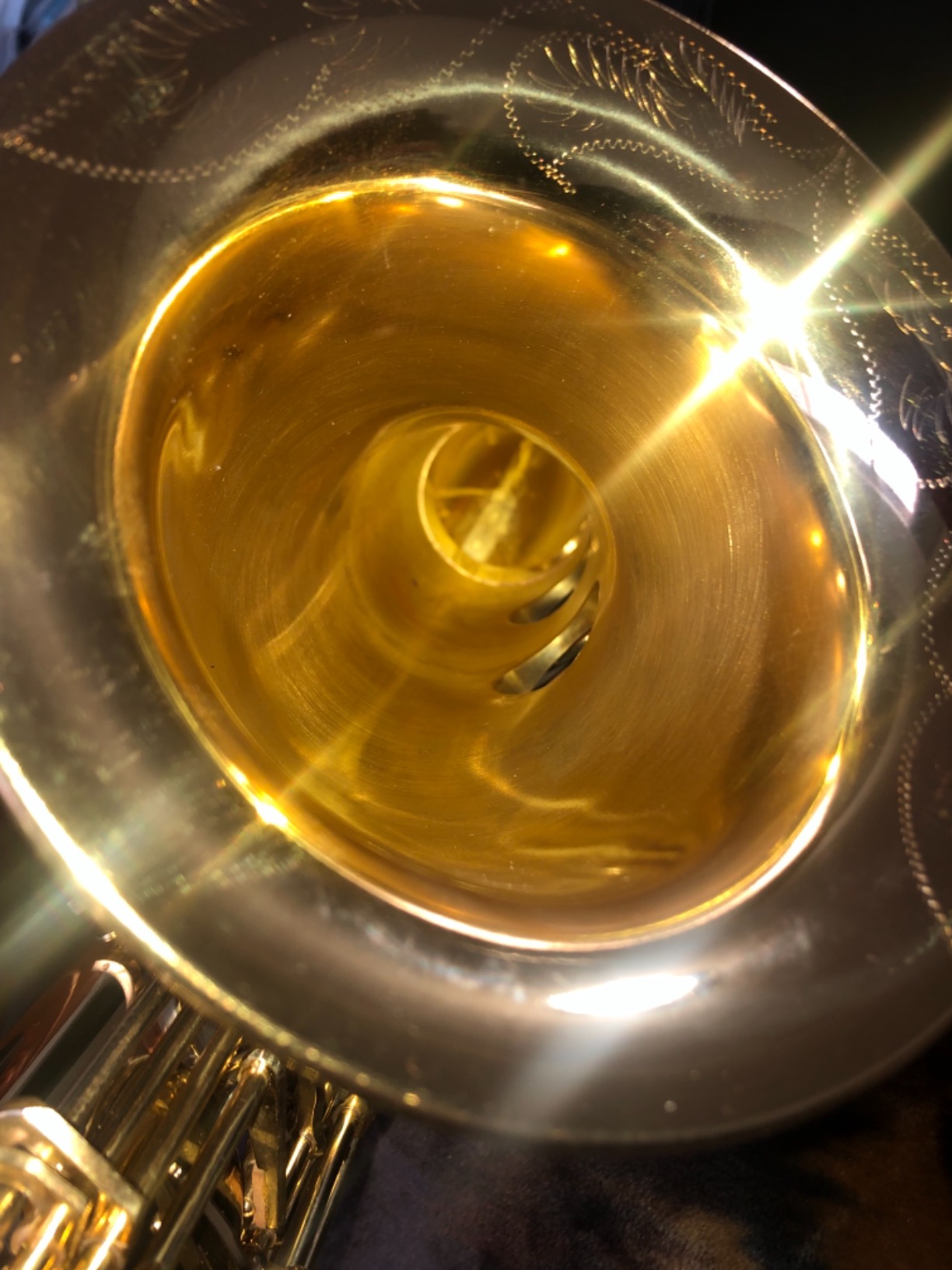
For the price, the accessories package is generous – case, neck strap, mouthpiece, ligature, Rico #2 reed. The included mouthpiece is a standard student piece that any serious jazz player will want to replace, but that’s true of every horn at every price. The hand-engraved bell detail and adjustable thumb rest are touches you simply don’t see on other sub-$1,000 tenors.
Who the TS-400 Is Built For
The TS-400 is built for the first-year jazz band student, the adult beginner who doesn’t want to drop $3,000 on a hobby they’re still exploring, and the parent renting-vs-buying decision – this horn is cheaper than two years of rent on a school-rental instrument. It’s also a credible backup horn for a gigging pro who wants a beater they can leave in the car trunk.
Who Should Look Elsewhere
If you’re heading to music school next year, the TS-400 will be outgrown fast – budget for a used YTS-62 instead. If you have very specific tone preferences (you want a darker bronze sound, or a brighter cutting projection), this horn’s character won’t bend to your taste. And Jean Paul’s quality control has occasional lacquer imperfections, so buy from a seller with a good return policy.
5. Selmer Paris STS711 Professional Tenor Saxophone – The Pro Selmer Pick
Selmer STS711 Professional Tenor Saxophone – Black Nickel
Bb Tenor
21.8 lbs
Black nickel finish
Pros
- Professional-grade construction quality
- Pisoni Pro Leather Pads with metal resonators
- Henri Selmer Paris neck mouthpiece
- Blued steel springs
- Ribbed body construction
Cons
- Limited review sample
- Some users report missing cleaning kits
The Selmer Paris STS711 is the current entry point into Selmer’s professional tenor lineup, and it carries the design DNA that put Selmer on the map. If you’ve ever asked a sax player “what horn does Sonny Rollins play?” the answer has almost always been a Selmer – and the STS711 is the modern production version of that lineage.
The Pisoni Pro leather pads with metal resonators are the same pad-and-resonator combo used on horns costing twice as much. They give the STS711 a tight, focused seal across all the tone holes, which translates directly into that clean Selmer articulation. The blued steel springs hold tension longer than standard springs, so the key action stays consistent through years of playing.
The ribbed body adds resonance without adding weight, and the black nickel finish is striking on a bandstand. The Henri Selmer Paris neck mouthpiece is a real upgrade over the generic pieces Yamaha and others ship with. Out of the box, this horn plays with the centered, focused tone that defines the Selmer jazz sound.
Who the STS711 Is Built For
This horn makes sense for the player who wants Selmer character and build quality without paying vintage Mark VI prices. It’s a smart step-up for an intermediate player who’s ready for a serious pro horn. And it’s an honest backup for a gigging pro who wants Selmer response in their horn case.
Who Should Look Elsewhere
With only 4 reviews, the long-term reliability picture is thinner than for the Yamaha pro line. If you specifically want a Yamaha-style warm character or a Yanagisawa bronze darkness, the Selmer sound profile is its own thing. And if budget is the primary concern, this horn is overkill.
6. Selmer TS44 Professional Tenor Saxophone – The Classic Selmer Alternative
Selmer TS44 Professional Tenor Saxophone Lacquer
Bb Tenor
21 lbs
Gold lacquer
Pros
- Great tone and balanced instrument
- Keys set up correctly out of the box
- Comfortable for long playing sessions
- No fatigue during extended performance
Cons
- Very limited availability
- Not Prime eligible
The Selmer TS44 sits a step below the STS711 in Selmer’s professional lineup, but it carries the same Henri Selmer build standards. For a player who wants authentic Selmer character at a more accessible price, this is a sleeper pick worth hunting for.
What jumps out about the TS44 in the reviews is the comfort factor. Players specifically mention no fatigue during long playing sessions – the kind of detail that doesn’t show up in spec sheets but makes a real difference during a four-hour rehearsal or a double-header gig weekend. The key setup is correct out of the box, which is a Selmer hallmark you don’t always get from other brands.
The tone is the warm, centered Selmer sound – the one Sonny Rollins built his career on. If you’ve played vintage Selmers and want that character in a modern production horn, the TS44 is worth a serious look. It’s less famous than the Reference or Supreme models, but the build quality and playability are still pro-grade Selmer.
Who the TS44 Is Built For
The TS44 makes sense for the Selmer purist who wants the brand’s character without flagship pricing, the experienced player who needs a reliable secondary horn, and the jazz educator who wants a pro-quality instrument for demonstrations. It’s also worth considering for a player stepping up from an intermediate horn.
Who Should Look Elsewhere
Stock is extremely limited – only one available at writing. If you’re not set on Selmer specifically, the Yamaha YTS-62 III is a safer buy with broader availability. And if you prefer a brighter or darker tone, the Selmer centered profile is a deliberate choice that won’t bend to other tastes.
7. Selmer STS201 Student Tenor Saxophone – The Selmer Student Path
Selmer STS201 Student Tenor Saxophone – Lacquer
Bb Tenor
21 lbs
Yellow brass
Pros
- Great sound quality
- Nice and easy maintenance
- Leather pads
- 2-year warranty included
Cons
- Very limited availability
- Only one review available
- Not Prime eligible
The Selmer STS201 is Selmer’s student-model tenor, and it brings a few pro-line features down to an accessible price point. The post-to-body construction is the same build method used on Selmer’s pro horns, which gives the STS201 a more resonant body than competing student horns that use cheaper construction methods.
The adjustable thumb rest is a thoughtful inclusion for younger players who are still growing – a fixed-position rest forces bad hand posture, and Selmer built in the adjustment to prevent that problem. The nickel-plated keys resist wear better than standard plating, which matters for a student horn that’ll see daily handling through high school.
The 2-year warranty is the best in this price tier and signals Selmer’s confidence in the build. For a family investing in a first serious tenor for a jazz band student, the STS201 is a credible alternative to the Yamaha YTS-26 or Jean Paul TS-400 – especially if there’s an existing relationship with a Selmer dealer for setup and repairs.
Who the STS201 Is Built For
The STS201 fits the first-year jazz band student whose family wants a name-brand instrument, the player who wants to grow within the Selmer lineup (STS201 to STS711 to Reference or Supreme), and the buyer who values a long warranty. It’s also a smart pick if a local Selmer dealer offers setup and trade-in support.
Who Should Look Elsewhere
Stock is very limited and review history is thin. If you’re buying purely on value per dollar, the Jean Paul TS-400 has 384 reviews and a lower price. And if you need a horn you can play tomorrow, limited stock may push you to a more readily available option.
8. Eastar TS-II Beginner Tenor Saxophone – The Honest Budget Pick
Eastar Tenor Saxophone Beginner Bb Flat Sax, Golden Full Kit, TS-II
Bb Tenor
19 lbs
Beginner kit
Pros
- Excellent value for money
- Good sound quality for beginners
- Comfortable key feel with faux mother-of-pearl
- Includes complete starter kit
- Easy maintenance
Cons
- Included mouthpiece is basic quality
- Some keys may feel sticky initially
- Lower C and D notes can be problematic
- Plastic key pearls instead of real pearl
The Eastar TS-II has earned 1,800+ reviews averaging 4.3 stars – which makes it one of the most-reviewed beginner tenor saxophones on Amazon. That’s a level of user validation you can’t get from any other horn in this price range, and it tells you the horn delivers what it promises for beginners.
For a complete beginner whose family is asking “should we rent or buy?” the TS-II at this price answers that question. A first-year student will outgrow a rental contract in 12 months and own a horn outright instead. The included kit has everything needed – case, neck strap, gloves, mouthpiece, reeds, cleaning cloth, stand.
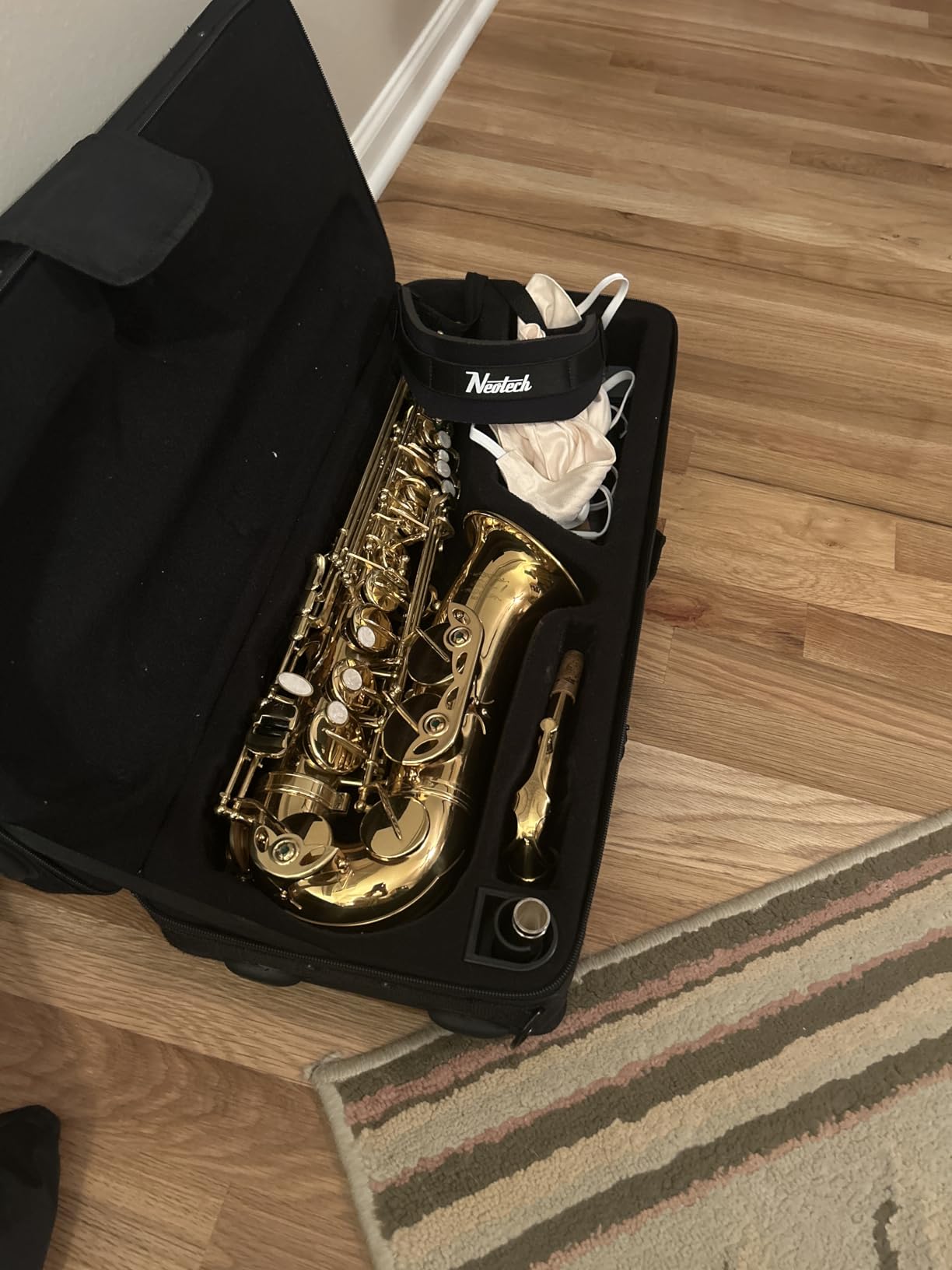
The blued steel needle springs give the action a quick response that beginners appreciate as they’re building finger strength. The ergonomic faux mother-of-pearl keys feel closer to a real horn than the hard plastic keys on cheaper imports. And the gold lacquer finish with hand-engraved details makes the horn look more expensive than it is.
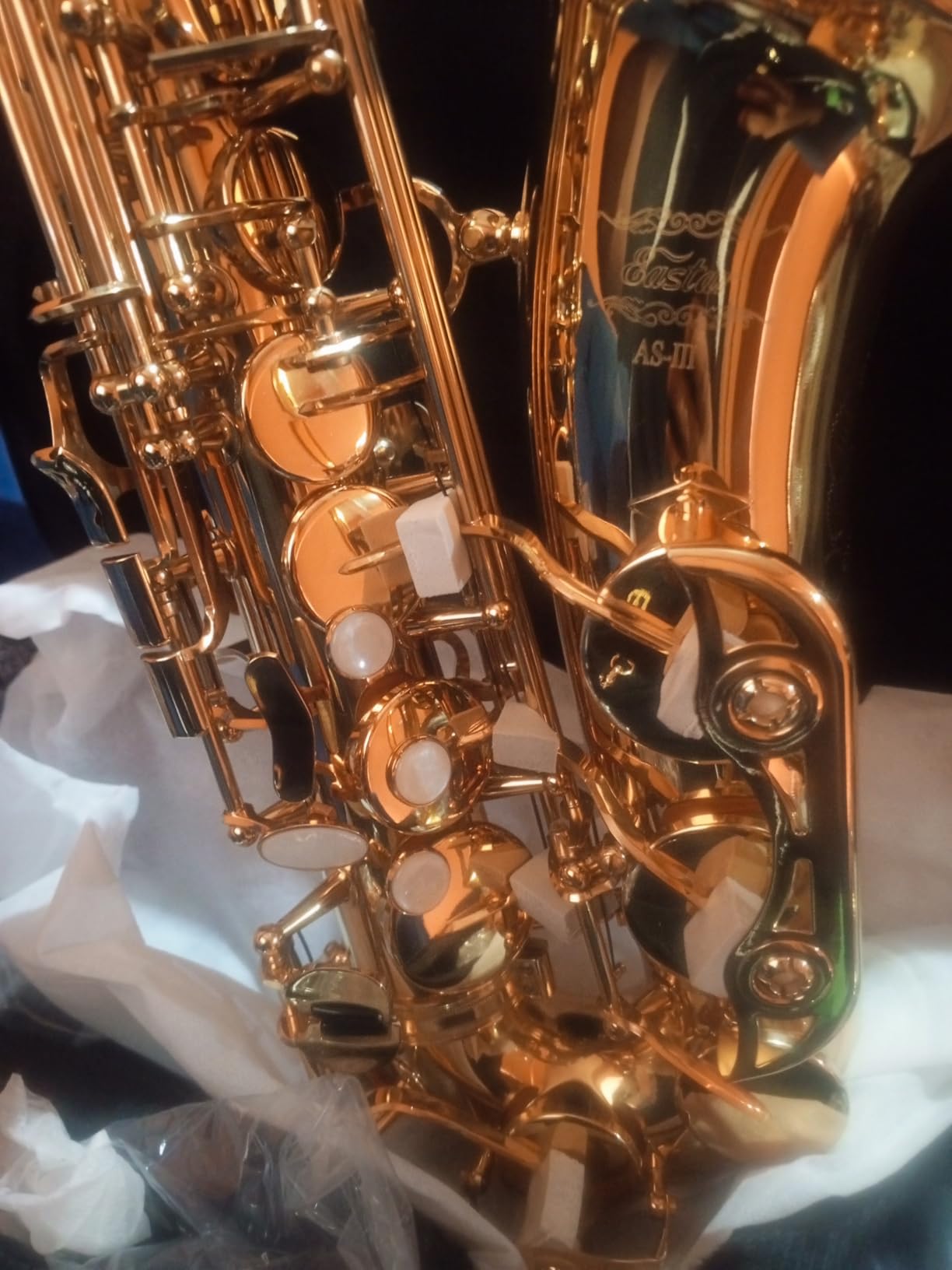
Where the TS-II shows its budget price is in the included mouthpiece and some lower-register notes. The mouthpiece is a basic student piece that any jazz player will replace within six months. The lower C and D notes can be problematic on some horns – this is where proper setup matters, so buy from a seller that offers setup service or budget for a $100 tech visit.
Who the TS-II Is Built For
The TS-II is built for the absolute beginner whose family wants to start without committing to a major investment, the school music program outfitting a jazz band on a tight budget, and the player who’s curious whether saxophone is the right instrument before moving up to a serious horn. It’s also a decent beater horn for a gigging pro who doesn’t want to risk their main instrument.
Who Should Look Elsewhere
If you’re past your first year and still on a TS-II, you’ll sound like you’re playing a budget horn – move up to a Jean Paul or Yamaha. If you have a clear jazz focus and plan to play through high school, spend the extra $500 on a TS-400 and skip the upgrade ladder. And if your band director or private teacher has a strong brand preference, follow their guidance.
9. BetterSax Classic Tenor Saxophone – The Intermediate Sleeper
BetterSax Classic Tenor Saxophone – Professional-Grade Instrument with Dark Gold Lacquer Finish – Complete Kit for Beginners and Pros – Includes Mouthpiece, Neckstrap, and Durable Case
Bb Tenor
Intermediate tier
Dark gold lacquer
Pros
- Excellent tone quality
- Easy to play for beginners and pros
- Good intonation
- Comfortable key action
- 2-year warranty included
Cons
- Some quality control issues reported
- Occasional leak in octave vent
- Palm keys may feel different
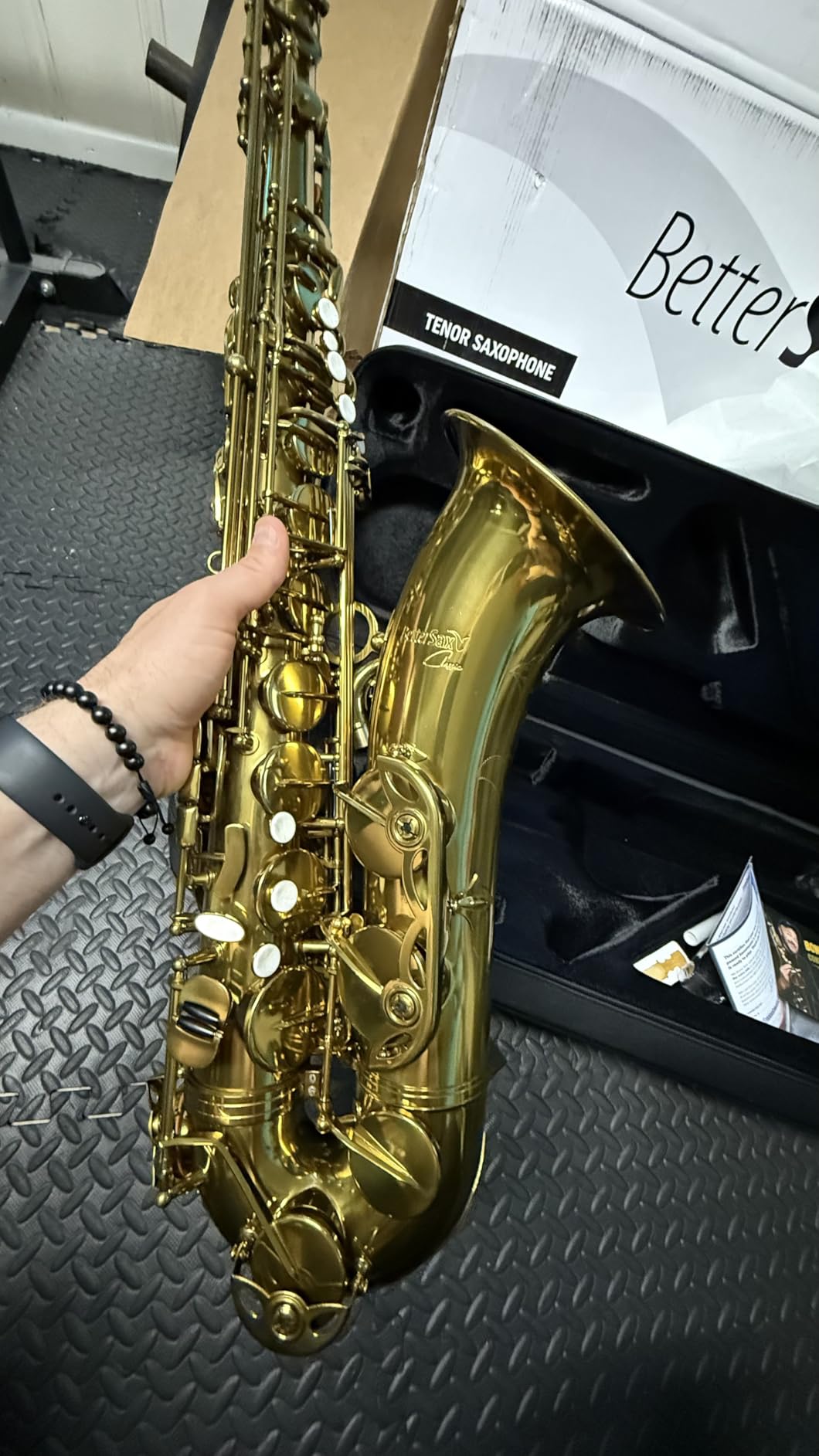
The BetterSax Classic Tenor punches above its weight class. At $1,499, it sits between the Jean Paul TS-400 student horn and the Yamaha YTS-480 intermediate horn, but the build features read more like a pro horn than either. The post-to-body design, hand-engraved bell, and underslung octave key are all features you usually see on horns costing twice as much.
The bore is modeled after top-model pro saxes, which gives the BetterSax Classic a more focused, projecting tone than competing intermediate horns. The dark gold cognac lacquer finish is striking on a bandstand and gives the horn a vintage look that stands out from the sea of bright lacquer Yamahas.
BetterSax is a newer brand – founded by a saxophone educator – which is part of why review counts are lower than for the established brands. The 17 reviews average 4.0 stars, with most owners praising the value and playability. The 2-year warranty is a strong signal of the company’s confidence in their build.
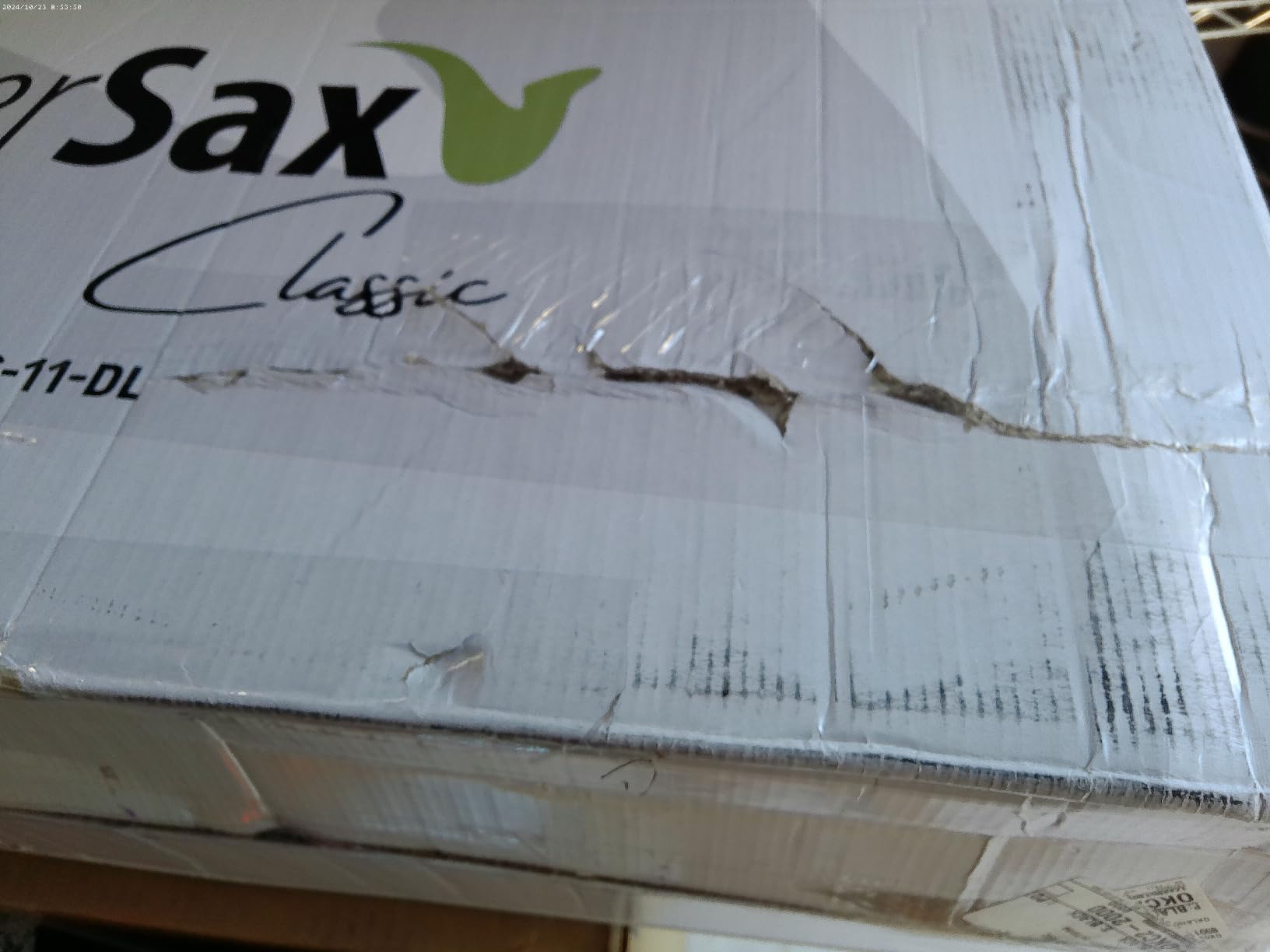
For a player stepping up from a student horn who isn’t ready for a $3,000+ Yamaha intermediate, the BetterSax Classic fills a real gap in the market. It’s a credible alternative to the Yamaha YTS-480 with a distinct vintage visual character.
Who the Classic Tenor Is Built For
The Classic Tenor fits the intermediate player who wants pro-level features at a sub-$1,500 price, the player who values a vintage aesthetic, and the educator who needs a quality school instrument. It’s also worth considering for a gigging pro who wants a distinct-looking backup horn.
Who Should Look Elsewhere
BetterSax is a newer brand with thinner long-term reliability data than Yamaha or Selmer. If resale value matters to you, Yamaha horns hold value better. And if you’ve already played Yamaha horns and love that specific key feel, the BetterSax action will feel slightly different.
10. Herche Superior TX3 Tenor Saxophone – The Newcomer Worth Watching

Pros
- Superior professional tone quality
- CAD/CNC precision manufacturing
- High F# key for extended range
- 3-year manufacturer warranty plus 1-year maintenance
- Suitable for all skill levels
Cons
- Limited reviews available
- Low stock availability
- Newer brand with less market history
The Herche Superior TX3 is a new entrant in the intermediate saxophone market, and it brings an interesting value proposition: CAD/CNC precision manufacturing at a $1,199 price point. The computer-controlled tolerances that CNC provides are usually reserved for pro horns costing three or four times as much.
The build features read like a pro horn checklist: ribbed construction, blue steel springs, leather pads with metal resonators, lead-free welding, high F# key. The Herche Superior also ships with a comprehensive accessory package and a 3-year manufacturer warranty plus a 1-year maintenance plan – the best warranty coverage in this price tier.
The 4.6-star average across available reviews is strong, though the review sample is small. Herche is a newer brand without the decades of player trust that Yamaha or Selmer have earned. That matters for resale value and long-term service network – if something goes wrong, will there be a Herche repair tech in your area?
Who the TX3 Is Built For
The TX3 fits the intermediate player who wants pro features at a $1,200 price, the buyer who values warranty coverage, and the player who’s open to trying a newer brand. It’s also worth considering for a school music program on a tight budget that needs reliable horns with good warranties.
Who Should Look Elsewhere
If brand reputation and resale value are priorities, stick with Yamaha or Selmer. If you want a large user community for setup advice and parts, the bigger brands have more online resources. And if you need a horn you can try before you buy at a local shop, Herche’s dealer network is still developing.
How to Choose the Best Tenor Sax for Jazz
Choosing a jazz tenor saxophone comes down to matching the horn to your skill level, your tonal taste, and your budget. Here’s the framework our team uses when we advise players one-on-one.
Match Your Skill Level to the Horn Tier
Student horns ($400-$1,000) are built for first-year players learning fundamentals. They have heavier key action, more basic mouthpieces, and basic construction that holds up to abuse. Examples: Eastar TS-II, Jean Paul TS-400.
Intermediate horns ($1,200-$2,000) suit advancing students and serious amateurs. Better intonation, lighter action, more refined tone. Examples: BetterSax Classic, Yamaha YTS-480, Herche TX3.
Professional horns ($3,500+) are built for working players. The finest materials, tightest tolerances, best resale value. Examples: Yamaha YTS-62 III, YTS-82ZII Custom Z, Selmer STS711, Yanagisawa TWO series.
Tone Character: Warm, Dark, and Bright
Jazz tenor tone sits in three broad buckets. Warm is the classic middle-of-the-road sound – what Yamaha YTS-62 and Selmer Reference deliver. Dark is the smoother, smokier side – Yanagisawa bronze bodies, vintage Mark VI Selmers. Bright is the cutting, projecting sound – Yamaha Custom Z, P. Mauriat.
For most jazz players starting out, a warm tone is the safest choice. As you develop your sound, you’ll naturally drift toward darker or brighter based on your favorite players and your embouchure.
Alto vs Tenor for Jazz
Both work, but the tenor is the iconic jazz voice – think Coltrane, Rollins, Getz, Brecker. The alto has its own jazz lineage (Charlie Parker, Cannonball Adderley) and is easier to play for beginners due to smaller size and lower air resistance.
If you have a clear jazz focus and you love the sound of a tenor in a smoky club, go tenor. If you’re undecided or if you want to play in a school band that needs altos, start alto. You can always add a tenor later. Our alto sax guide covers the options there.
Mouthpiece and Reed Pairing for Jazz
The mouthpiece you choose matters more than most beginners realize. The stock mouthpiece that ships with any horn is a basic piece designed to be replaced. For jazz, our team has used and recommends:
JodyJazz HR* (6 to 8 tip opening) – the most popular modern jazz mouthpiece. Warm, focused tone. Great for straight-ahead jazz.
Vandoren Optimum AL3 or TL3 – a classic choice with a slightly brighter character than the JodyJazz. Excellent for big band lead work.
Syos (custom) – if you want a mouthpiece truly tuned to your playing, Syos makes custom mouthpieces in your preferred facing. Worth the wait.
For reeds, start with Vandoren Blue Box 2.5 or 3 for jazz. Rico Royal 3s are a good budget alternative. Always have 3-4 reeds in your case – they warp, chip, and wear out faster than beginners expect.
How to Test a Tenor Sax for Jazz Before Buying
Step 1: Play a long tone on low Bb. Listen for clean attack, no airy fuzziness. The note should speak immediately with full tone.
Step 2: Run a chromatic scale from low Bb to high F. Listen for any notes that pop out sharp or flat. A good jazz horn plays in tune across the whole range.
Step 3: Play a fast bebop phrase – like the heads to “Donna Lee” or “Anthropology.” The horn should feel free-blowing and responsive, not fighting your air.
Step 4: Play softly. A good jazz horn responds at low dynamics. If the horn chokes or sounds thin when you back off, the low-end resonance is weak.
Step 5: Test the palm keys and side keys. They should feel even, no keys sticking or being sluggish. Sluggish palm keys will slow down your altissimo work.
New vs Used Tenor Sax Considerations
Buying used pro horns is the smartest play in the saxophone world. A used Yamaha YTS-62 or Selmer Mark VI at $2,500-$3,500 plays as well as a new one and saves you $1,500-$2,000. The catch: get any used horn inspected by a repair tech before buying, and check for prior damage (especially bell dents and post-bent keywork).
For student horns, new is usually the right call. Used student horns often have worn pads and regulation issues that cost more to fix than the horn is worth.
Jazz Legends and the Horns They Played
John Coltrane played a Selmer Mark VI – the same model our team considers the gold standard for jazz tenor sound. Sonny Rollins also played Mark VIs. Stan Getz played a Selmer Balanced Action before moving to Mark VIs. Dexter Gordon played a Selmer Mark VI. Joshua Redman plays a Selmer Reference 54. These horns aren’t just museum pieces – the Mark VI design principles still drive modern Selmer production today.
If you want to chase a specific player’s sound, study the horn they played – but remember that 80% of jazz tone comes from the player, not the horn. A Yamaha YTS-62 in the right hands will always sound better than a Selmer Mark VI in mediocre hands.
Frequently Asked Questions
What is the best tenor sax for jazz?
The best tenor saxophone for jazz players is the Yamaha YTS-62 III for working pros, the Selmer Mark VI as the historical gold standard, and the Yanagisawa TWO series as the best modern value at the pro level. For under $1,000, the Jean Paul TS-400 is the strongest student-to-intermediate pick thanks to its NAPBIRT-certified setup.
What is the best saxophone for playing jazz?
Both alto and tenor work for jazz, but the tenor is the iconic voice – used by Coltrane, Rollins, Getz, and Brecker. The alto is easier for beginners due to size and air resistance. For pure jazz sound and tradition, the tenor wins. For ease of learning, alto has the edge.
Is tenor sax good for jazz?
Yes. The tenor saxophone is the defining voice of jazz – warm, expressive, and capable of both smoky ballads and aggressive bebop runs. Most jazz standards and most famous jazz solos were played on tenor.
Do professional players use Yanagisawa?
Yes. Yanagisawa is one of the Big Four pro saxophone brands alongside Yamaha, Selmer, and Keilwerth. The TWO1 (brass) and TWO2 (bronze for darker sound) are widely used by working jazz pros. Yanagisawa is particularly valued for its bronze body options and precise keywork.
What is the best tenor sax mouthpiece for jazz players?
The JodyJazz HR* (6-8 tip opening) is the most popular modern jazz mouthpiece, with a warm focused tone. The Vandoren Optimum AL3 or TL3 offers a slightly brighter character suited to big band lead work. Syos makes custom mouthpieces tuned to your playing. Pair any of these with Vandoren Blue Box 2.5 or 3 strength reeds.
Final Thoughts
The right tenor saxophone for jazz is the one that fits your skill level, matches your tonal taste, and gets out of your way when you’re playing. Our top choice for working jazz musicians is the Yamaha YTS-62 III – it has the warm classic character, reliable intonation, and free-blowing response that defines a great jazz horn. For under $1,000, the Jean Paul TS-400 is the smartest buy on the market right now. And for the absolute beginner, the Eastar TS-II gets you playing without a major investment.
If you’re weighing alto vs tenor for your first jazz horn, our complete saxophone guide covers both sides of that conversation. And for soprano players branching out, the soprano sax roundup is worth a read. Whatever you choose, the most important thing is to play it every day – the horn only matters as much as the player behind it.