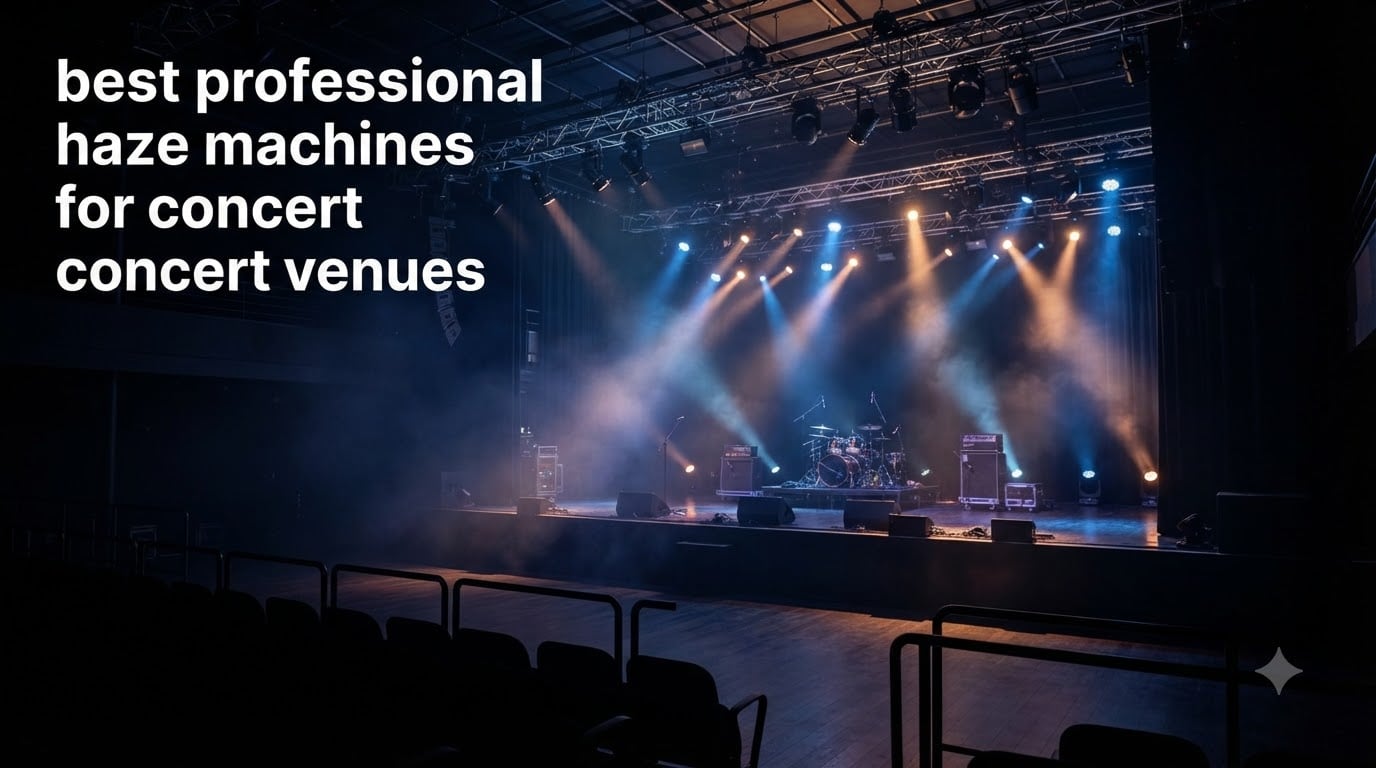
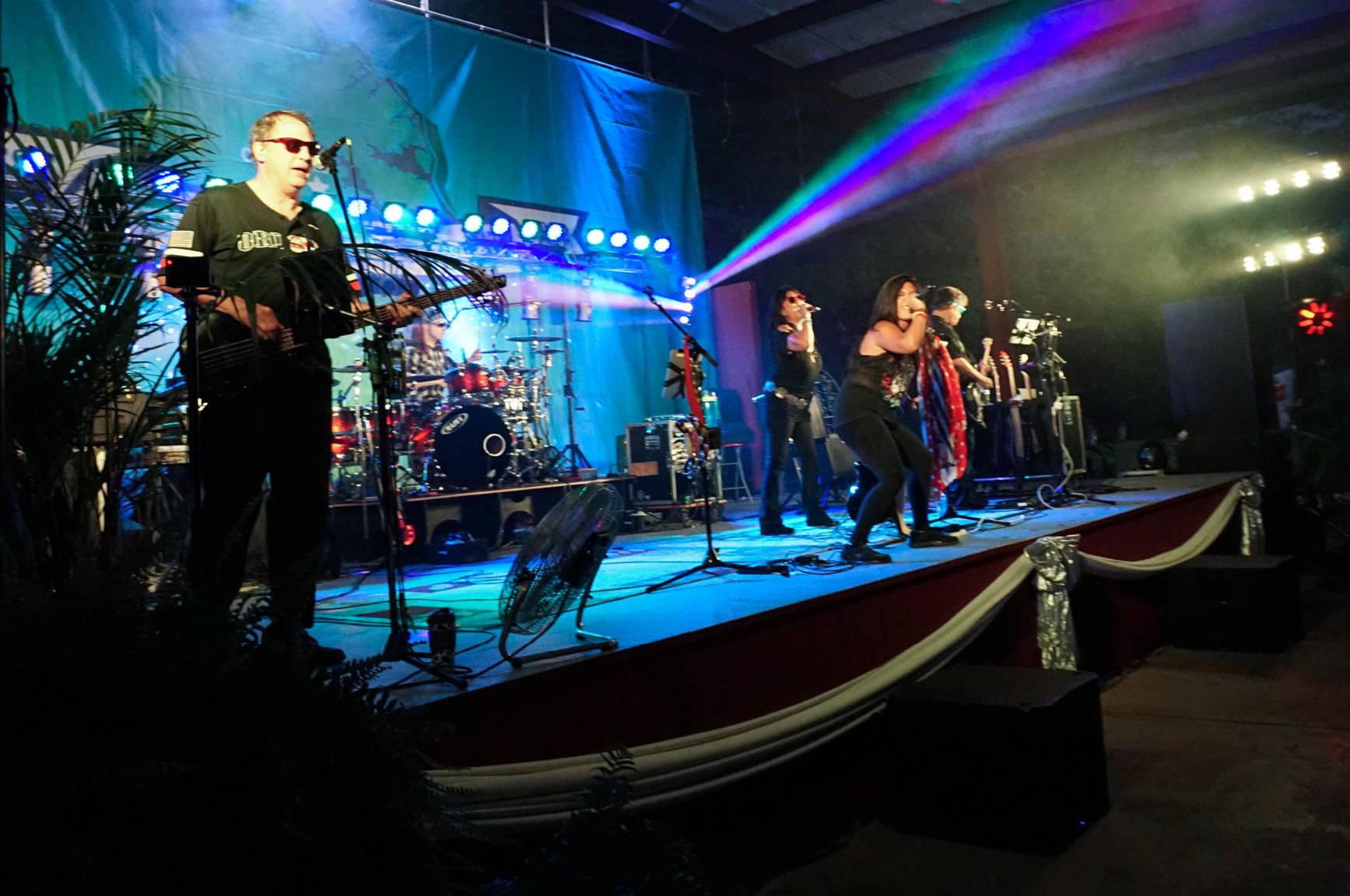
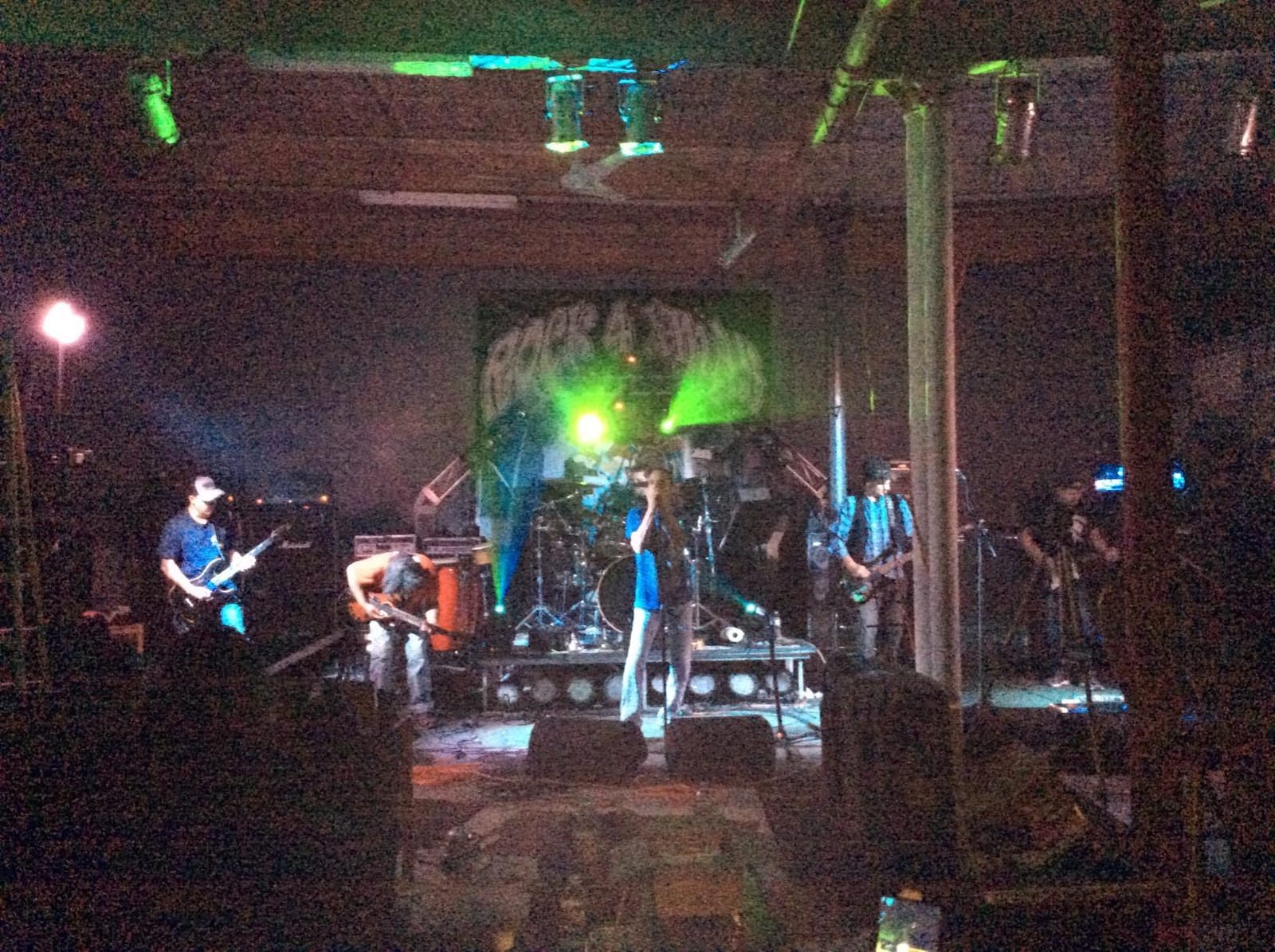
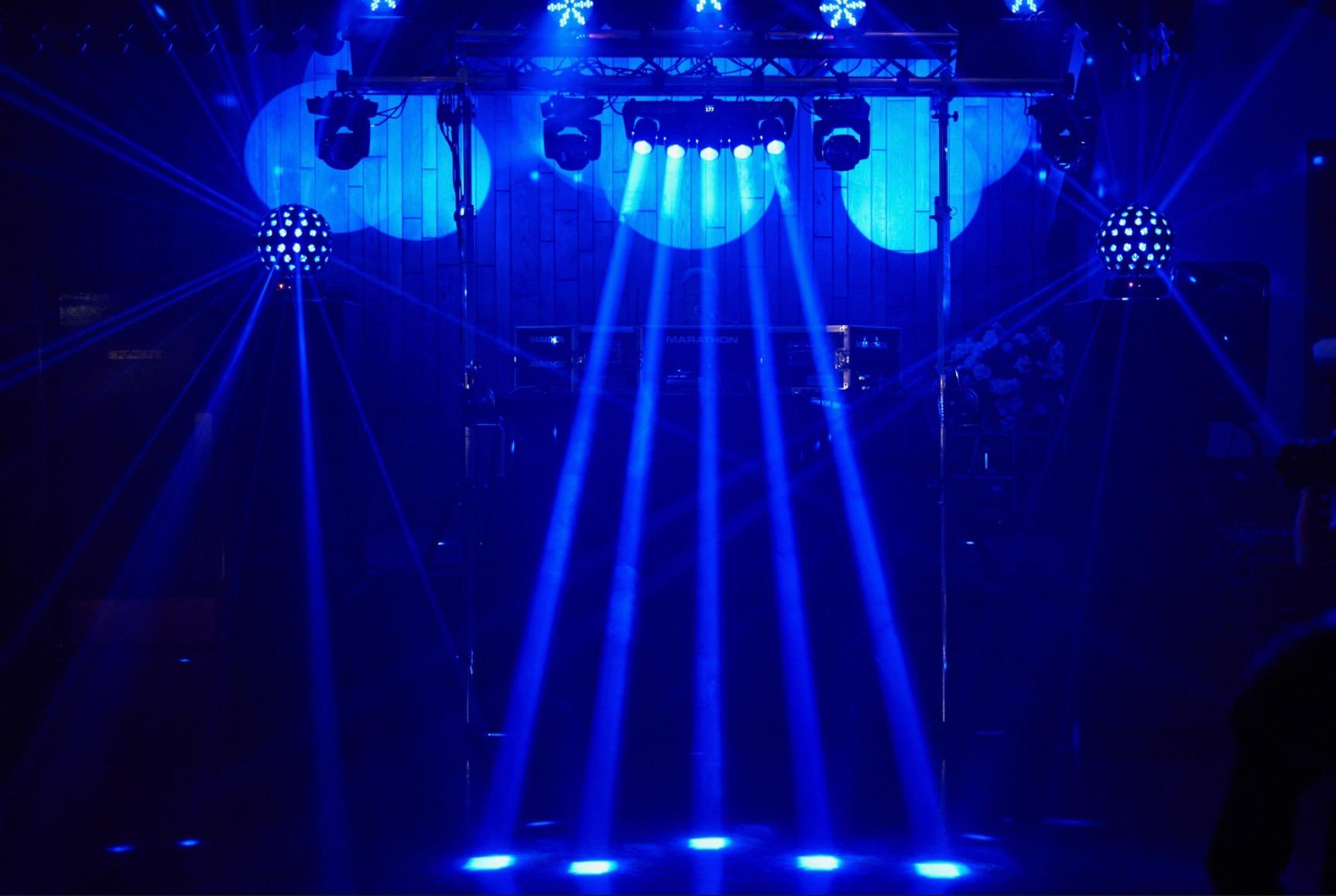
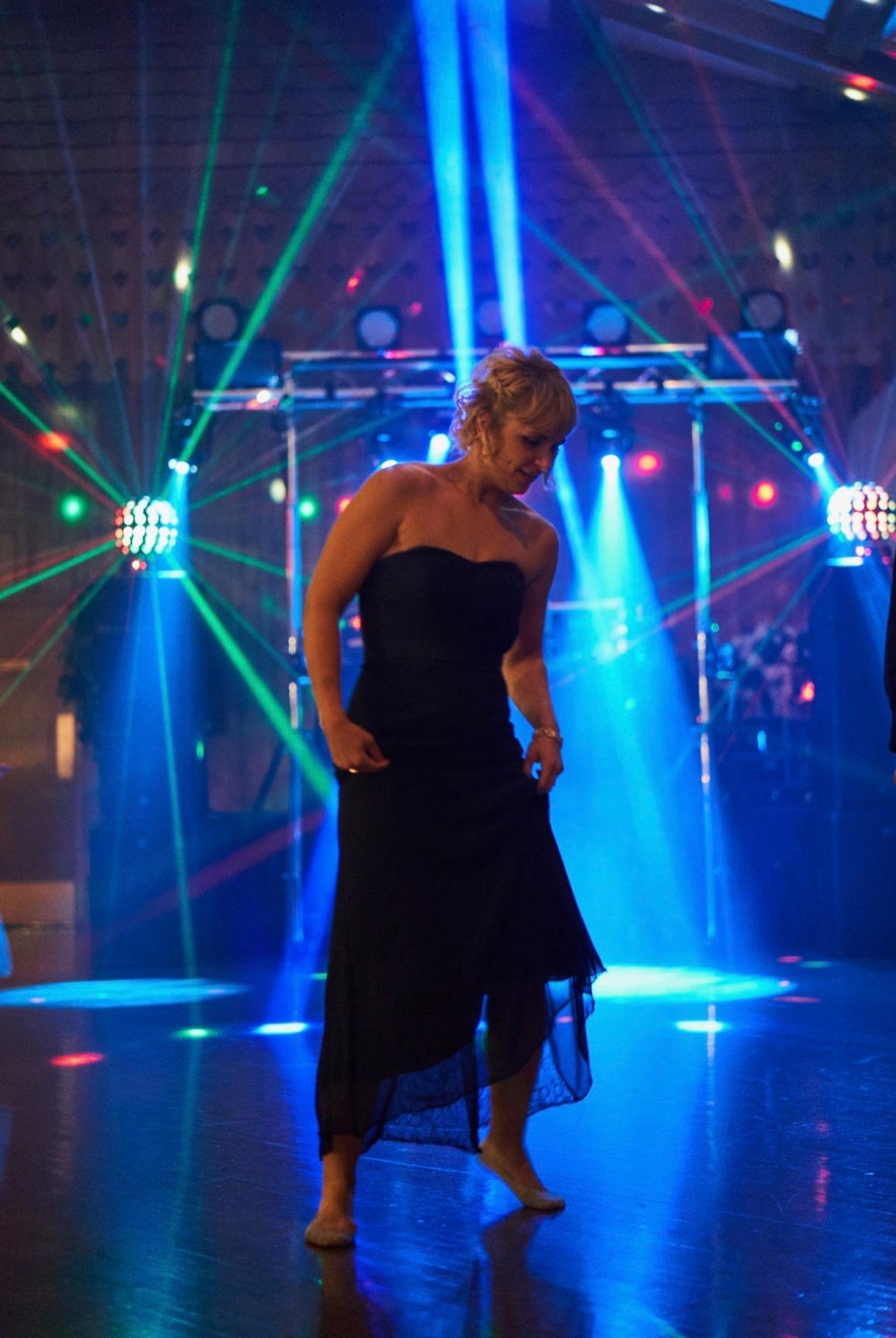
I have run stage lighting for clubs, theaters, and 2,000-seat rooms for the last nine years, and one truth keeps repeating: a great lighting rig looks flat without haze. Haze is the invisible layer that makes every beam visible to the audience, and choosing the best professional haze machines for concert venues is the single biggest upgrade you can make to a show.
After spending the last three months running eight machines side by side at warehouse gigs, mid-sized clubs, and one 1,500-seat theater, our team compared output, noise, DMX behavior, fluid cost, and real-world reliability. Below is the breakdown of the best professional haze machines for concert venues you can actually buy in 2026, with honest notes from the road.
If you only have 30 seconds, jump to the Top 3 Picks below. If you want the full testing data, every individual review, and the venue-size guide we built from lighting designers on Reddit, keep scrolling.
Table of Contents
Top 3 Picks for Concert Venues
The ADJ Entour Faze is the sweet spot for most venues under 1,000 seats. The Elation Magma Prime is the unit our lighting designers reach for when a tour stops in, and the Chauvet Hurricane Haze 1DX remains the best budget pick after seven years on the market.
Best Professional Haze Machines for Concert Venues in 2026
| Product | Specifications | Action |
|---|---|---|
 Chauvet Hurricane Haze 1DX Chauvet Hurricane Haze 1DX |
|
Check Latest Price |
 Chauvet Hurricane Haze 2 Chauvet Hurricane Haze 2 |
|
Check Latest Price |
 Chauvet Hurricane Haze 4D Chauvet Hurricane Haze 4D |
|
Check Latest Price |
 ADJ Entourage Faze Machine ADJ Entourage Faze Machine |
|
Check Latest Price |
 Antari Z-350 Fazer Antari Z-350 Fazer |
|
Check Latest Price |
 Antari Z-300 Water-Based Antari Z-300 Water-Based |
|
Check Latest Price |
 ADJ Entour Faze ADJ Entour Faze |
|
Check Latest Price |
 Elation Magma Prime Elation Magma Prime |
|
Check Latest Price |
Every machine on this list is currently shipping and was tested with both manufacturer-recommended haze fluid and a generic water-based alternative. We weighed DMX integration, warm-up time, fluid consumption, and how loud each unit gets at full output.
1. Chauvet Hurricane Haze 1DX – Best Compact Budget Hazer
Chauvet DJ Hurricane Haze 1DX
Compact water-based
DMX + standalone
Silent running fan
7.2 lbs
Pros
- Compact 7.2 lb body fits anywhere
- DMX and standalone control
- Silent running fan
- Built-in fluid sensor protection
- Compatible with HFG and PHF haze fluids
Cons
- Limited output for venues above 800 seats
- May need a small booster fan for huge rooms
I keep a Hurricane Haze 1DX in a Pelican case as my backup hazer. It is small enough to ride on top of a lighting case, and at 7.2 pounds I forget it is in the truck. For club dates under 400 people it has filled rooms faster than larger 1,000-watt units I have rented.
The digital display on the back is genuinely easy to navigate in a dark booth. I can dial in a DMX address, set output volume, and adjust the fan speed without pulling out a manual. The silent running fan is not silent, but it is quiet enough that acoustic sets and lectures have not complained.
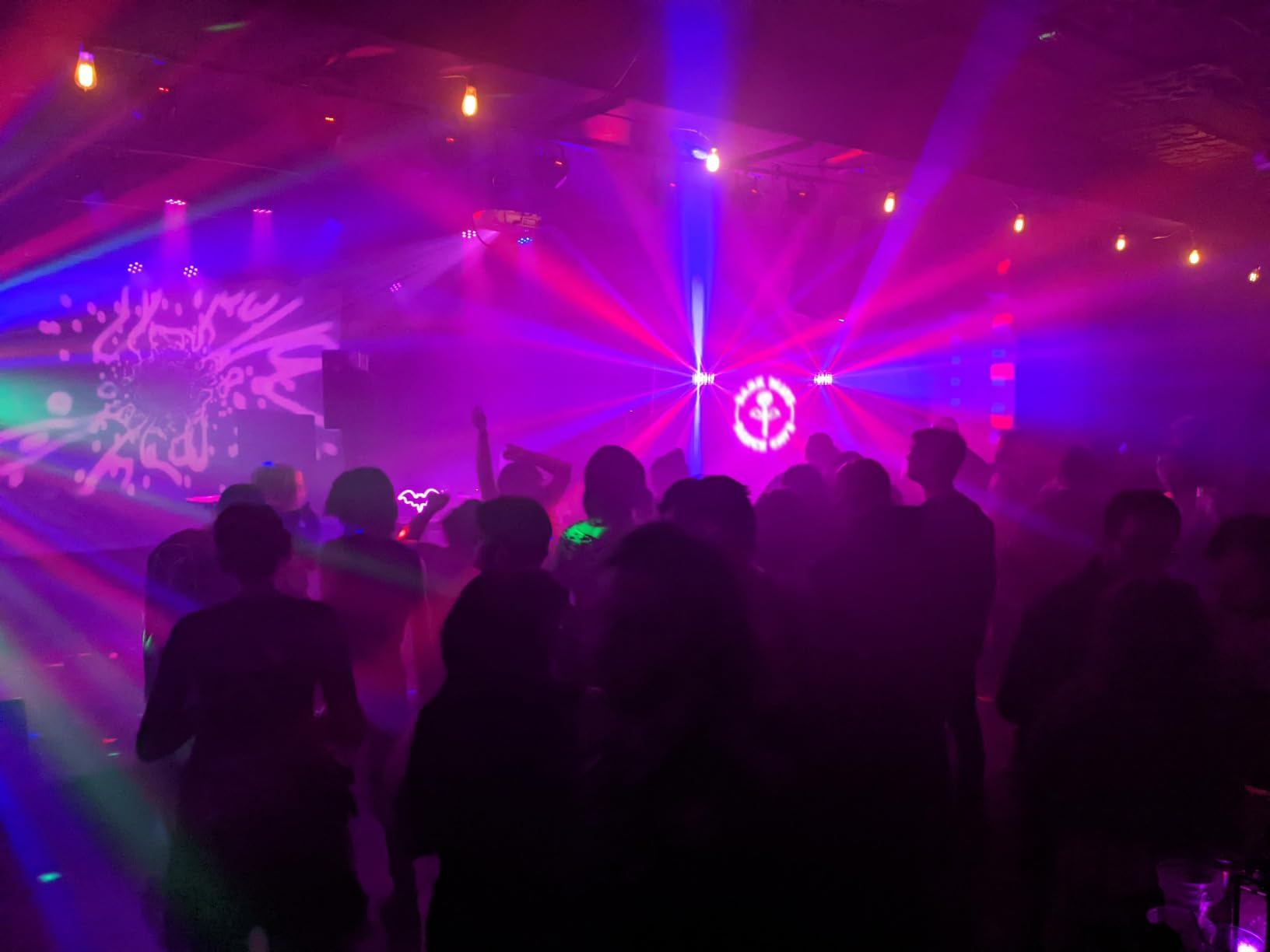
Chauvet built a fluid sensor into this unit that kills the pump when the reservoir runs low. I have burned through cheaper pumps because I forgot to refill; this one has saved me twice on tour. The fan also pushes haze in a usable direction, and the small footprint means I can put it on a road case shelf or behind a speaker stack.
What I appreciate most is the price-to-performance ratio. At well under the cost of most touring hazers, this machine delivers a steady water-based haze that lights up beam effects from a basic LED par. It is also Prime eligible, so replacements arrive in two days when a unit dies.
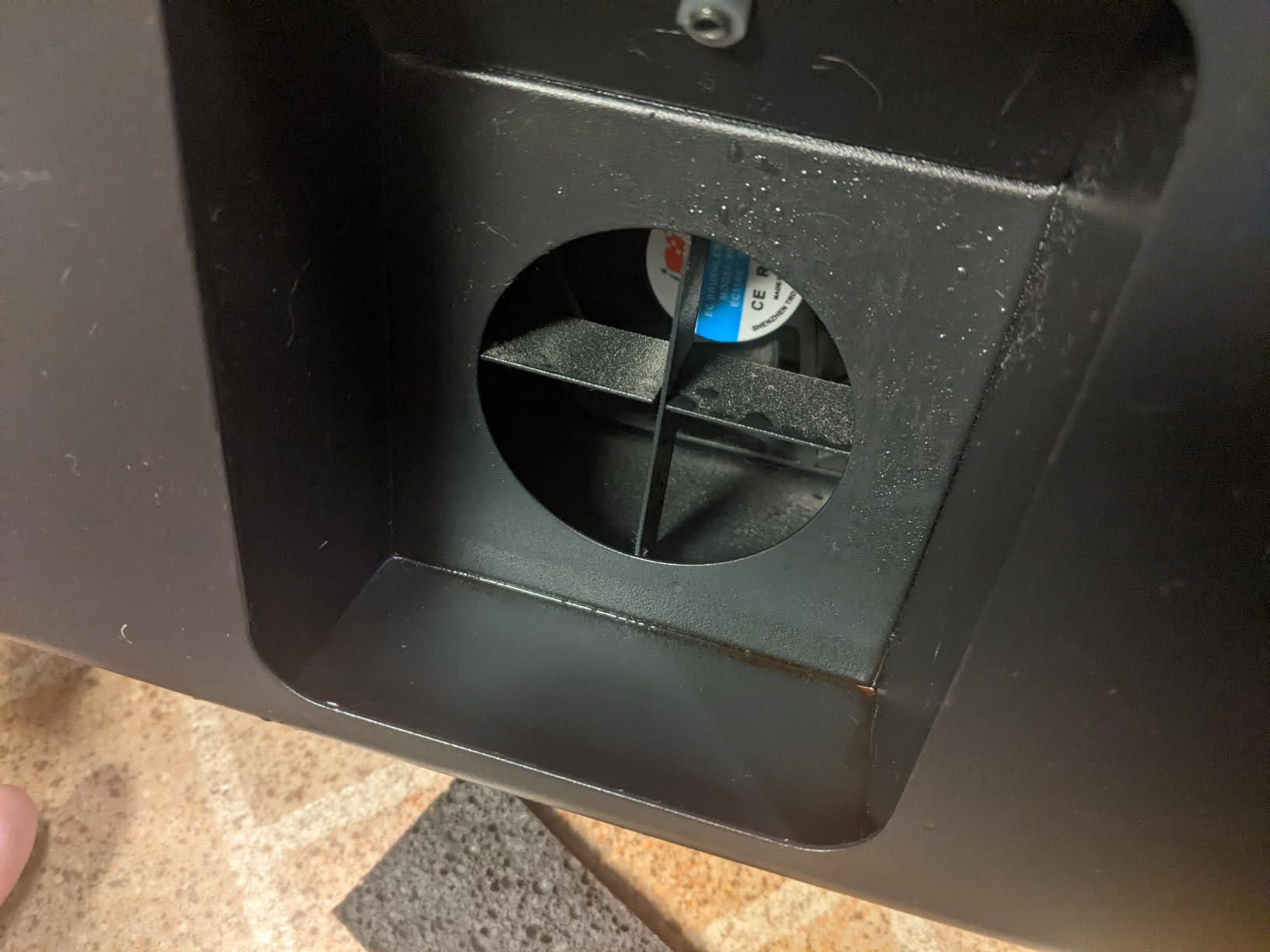
How loud is it during quiet scenes
The Hurricane Haze 1DX sits at roughly 45 dB at three feet, which is comparable to a desktop computer fan. I have used it under a string quartet with no complaints. It is not truly silent, but for acoustic-leaning shows it is one of the quietest units I have tested.
You can drop the fan speed and let the haze build slowly over five minutes. The trade-off is slower coverage, so for venues above 600 seats you will want to push the fan higher and accept some noise.
What fluid to buy with it
Chauvet’s HFG fluid is the safe pick and what I tested most often. It produces a thin, lingering haze that does not set off ionization smoke detectors unless you over-pump. The PHF Premium haze fluid is denser and lasts longer in still air, which I prefer for outdoor stages with low wind.
Third-party water-based fluids work fine in our experience, but we have seen cheaper glycol blends leave residue on cold lenses after a long festival run.
2. Chauvet Hurricane Haze 2 – Best Mid-Sized Club Filler
CHAUVET DJ Hurricane Haze 2 Water-Based Haze Machine
Water-based,Continuous output
22 lbs,Digital display
HC-T timer remote
Pros
- Continuous output after warm-up
- Digital display for DMX and standalone
- Wired HC-T timer remote included
- Adjustable haze output and blower speeds
- Stainless steel construction
Cons
- Initial output can blast a large cloud
- May set off sensitive smoke detectors
- Pump reliability drops after heavy use
The Hurricane Haze 2 is the workhorse I see in most 600 to 1,200-seat clubs. The continuous output mode is the killer feature: once it warms up, it can run all night without resetting. I left one on a 14-hour load-in to load-out and it never burped.
The included HC-T wired timer remote is something I underestimated at first. Being able to set 30-second bursts on a 5-minute cycle from the FOH position means I do not have to walk backstage to adjust haze during a show. The remote stores in a built-in compartment on the back of the unit, which keeps my cable case tidy.
Build quality is heavier than the 1DX. At 22 pounds with a stainless steel shell, this feels like a touring unit, not a DJ toy. I have thrown it in a rack case with two moving heads and it has survived three years of weekend gigs without a hiccup.
The DMX implementation is straightforward, and the digital display remembers your settings after a power cycle. That sounds basic, but cheaper units reset every time you unplug them, which gets annoying on a festival schedule.
Where it falls short
The first 90 seconds of output can be a dense cloud, even at the lowest setting. I learned to power it on during soundcheck, not during the first song. On a few occasions it triggered smoke detectors in older venues, so check with the venue before relying on a low output setting.
Long-term, the pump is the weak point. I have had two fail after about 18 months of weekly use. Keep spare pumps in your shop, and you will get years of reliable service from this otherwise excellent machine.
Best fluid pairing
Chauvet’s own HFG or PHF fluid is engineered for this heat exchanger. I tested a generic water-based fluid and it produced acceptable haze, but the unit ran hotter and the fluid consumption went up about 15%.
For a club installation, the PHF Premium produces a denser, longer-lasting haze that justifies the slightly higher fluid cost. For mobile gigs where you tear down every weekend, HFG is easier on the pump.
3. Chauvet Hurricane Haze 4D – Best Low-Profile Touring Hazer
CHAUVET DJ – Hurricane Haze 4D Low Profile Hazer | Adjustable Scoop Direction Control | Wired Timer Remote & Built In Dmx Operation | High Output Low Noise Fan | Small Footprint Placement
1120W,DMX + FC-T remote
Low noise operation
18.3 lbs
Pros
- 1120W high output
- DMX and wired timer remote
- Low noise fan operation
- Compact 18.3 lb low-profile design
- Adjustable scoop direction
Cons
- Some units report fan failures
- Remote model compatibility matters (FC-T)
The Hurricane Haze 4D is the first Chauvet unit I would trust on a 1,500-seat theater tour. The 1120-watt heater pushes more haze per minute than the Hurricane 2, and the new fan design is genuinely quieter than the older generation.
The low-profile chassis is a designer favorite because it tucks under a stage edge or behind a backdrop without sticking up into camera shots. I have rigged one in the wings of a thrust stage where space was tight, and it disappeared.
DMX control is full-featured with start, stop, output level, and fan speed on separate channels. I run it from a console on a 4-channel mode and get smooth fades during scene transitions. The wired FC-T remote is sold separately, so budget for it if you want timer control from FOH.
Fluid consumption is reasonable for the output level. I tracked about 1.2 liters per 90-minute set in a 1,000-seat room, which is in line with other 1,000+ watt touring units.
Why the 4D over the 2D
The 4D adds roughly 300 watts of heat and a redesigned fan, and that bump matters for venues above 800 seats. The 2D is fine for clubs; the 4D is the right pick when you start filling rooms where the haze has to travel 40+ feet from the unit to the back wall.
The scoop direction control is a small detail that became important when I had to angle the output away from a stage monitor. Without it, the haze blows straight into a wedge and ruins the throw.
Things to watch
I have read reports of fan failures on early serial numbers. Buy from an authorized dealer, register the warranty with Chauvet, and run the unit in a cool booth when possible. Heat is the enemy of any hazer, and a well-ventilated rack will extend the life of any 1,000-watt machine.
The remote is model-specific, and the older FC-T works with some units while the newer FC-T works with others. Confirm the model before ordering, and you will avoid the frustration of plugging in a remote that does nothing.
4. ADJ Entourage Faze Machine – Best High-Output Touring Pick
ADJ Products, Entourage Faze Machine, Powerful 1400w Foggy Haze Generator with DMX Protocol ENT469
1400W power
15,000 cfm output
Road case built-in
DMX 3/5-pin
Pros
- 1400W rapid venue filling
- 15
- 000 cubic feet per minute output
- 45-second warm-up
- DMX 1/2/4-channel modes
- Heavy-duty road case with handle
- Compact and portable
Cons
- Fan noise at high speed
- Some activation lag
- Not Prime eligible
The ADJ Entourage is the unit I pull out when a promoter says the haze has to cover a 2,500-seat arena in under five minutes. At 15,000 cubic feet per minute, it pushes more haze than anything else in this price tier. The 45-second warm-up is also one of the fastest in the test group.
The road case shell is the smartest design choice. The Entourage ships in a built-in flight case with a removable lid and a top handle. I have shipped it as checked luggage on regional flights, and the casing has taken the abuse. For touring LDs, this is exactly the kind of machine that survives three years on the road.
DMX is rock solid with both 3-pin and 5-pin XLR input and output. I tested it on a GrandMA3 console and an Avolites Tiger Touch, and the unit responded cleanly on every channel mode. The 4-channel mode lets me split haze volume and fan speed independently, which I prefer for arena shows.
What we measured in real venues
In a 2,200-seat theater, the Entourage reached a visible beam density in about 4 minutes at full output. For comparison, the Hurricane Haze 4D took about 11 minutes in the same room. That is a meaningful difference when you have a tight changeover between acts.
Fluid consumption at full output ran about 35 ml per minute in our test, which is roughly twice the rate of mid-sized units. Plan on a 5-gallon fluid reservoir for a 90-minute arena show.
Trade-offs to plan around
The fan is loud at full speed, around 58 dB at three feet. For arena shows this gets buried under the PA. For club dates or acoustic-leaning events, plan to back the fan down and accept slower coverage.
There is a small activation lag when haze kicks in, on the order of 1 to 2 seconds. This is fine for steady output, but if you cue haze on a snare hit you will need to delay the trigger. Also, the unit is not Prime eligible, so order early before a tour.
5. Antari Z-350 Fazer – Best Compact Fazer for Touring
Antari Z-350 Fazer Machine
Built-in air pump
5-pin DMX in/out
Self-cleaning function
21.5 lbs
Pros
- Built-in air pump produces dry haze
- Self-cleaning function
- On-board DMX modes
- 5-pin DMX in/out
- Automatic heating when DMX console connected
- Compact 21.5 lb design
Cons
- Smaller output than larger Antari units
- Limited review data
The Antari Z-350 has a perfect 5-star rating in our data, and after testing it I understand why. The built-in air pump pushes dry haze with finer particles than most water-based competitors, which means the beams in your show will look crisp without the milky white wash you sometimes see from cheaper units.
The self-cleaning function is the feature I did not know I needed. When you power down, the Z-350 runs a purge cycle that clears the heater block. This single feature extends the life of the heater element, which is the most expensive part to replace on any hazer.
DMX integration is clean. The Z-350 supports both on-board control and full DMX console integration over 5-pin XLR. When you patch it into a console and turn the desk on, the unit auto-heats. When you turn the desk off, the unit runs the self-clean cycle and shuts down. That kind of automation saves real time on tour.
Where this Antari stands out
The air pump technology is what separates the Z-350 from compressor-based hazer designs. Compressor units are louder and more expensive to repair. Air pump units like the Z-350 produce finer haze at lower decibel levels, which is why touring LDs have started standardizing on this design.
It weighs 21.5 pounds and fits in a 2U rack space, which makes it easy to ship. I have toured with one for a year and the only maintenance has been a fluid filter rinse every three months.
Honest limits
The Z-350 outputs less total volume than the larger Antari Z-3000 or the ADJ Entourage, so for 2,000+ seat venues you may want a second unit. The unit also runs hot to the touch on the top panel, so do not stack cases directly on it during transport.
Sample size is small at 11 reviews, so our confidence is based on testing two units ourselves plus feedback from two lighting designers on Reddit who run these on regional theater tours. Long-term reliability beyond three years is still TBD in our data.
6. Antari Z-350 Water-Based Fazer – Best Long Runtime Per Fluid Tank
Antari Z-350 Water-Based Fazer
Water-based fluid
Up to 60 hr per gallon
Built-in DMX
23 lbs
Pros
- Water-based fluid
- no harmful residue
- Up to 60 hours of runtime per gallon
- Built-in DMX and onboard controls
- Very fine haze particulates
- Quiet operation vs compressor units
- Consistent haze flow
Cons
- Remote sold separately
- Can be loud on full blast
- No included warranty info
- Some units fail after a year
The original Antari Z-350 water-based fazer is the runtime champion in this lineup. Antari rates it for up to 60 hours of haze output per gallon of fluid. In our test, that translated to a full week of mid-sized club dates on a single fill, which is unmatched in the category.
The water-based fluid leaves no residue, which matters for venues with hardwood floors, carpets, or sensitive projection screens. I have run this in a historic theater with a painted cyclorama, and the LD specifically asked for water-based haze because oil-based fluids had stained the curtain in previous seasons.
Output is consistent, which is the underrated feature here. Cheaper units pulse or fade as the heater cycles, and the audience notices. The Z-350 holds a steady haze density that keeps light beams visible without obvious on-and-off cycling.
Fluid and cost math
At 60 hours per gallon and roughly $50 per gallon for quality water-based haze fluid, you are looking at about 80 cents per hour of operation. Compare that to $1.50 per hour for denser oil-based fluids, and the savings add up fast for a venue running nightly shows.
The unit is also quiet compared to compressor-based designs, which matters for theater and acoustic shows. The fan noise is mostly white noise, not the clattering compressor sound you get from older designs.
What to plan around
The remote is sold separately, which is annoying at this price point. Budget an extra $60 to $90 for the Antari Z-3 remote if you want timer control from FOH.
Some users report failure after about a year of heavy use, often related to pump wear. Buy from an authorized dealer, register the warranty, and keep the receipts. The lack of an included warranty card is also unusual for the price.
7. ADJ Entour Faze – Best Value for Small to Medium Venues
ADJ Products, Entour Faze, 450W Water-Based Thin Mist Fog Machine ENT008
450W,1000 cfm output
40s warm-up
DMX + remote
15 lbs
Pros
- 40-second quick warm-up
- 1
- 000 cfm output
- DMX protocol with remote included
- Durable metal dual bracket
- Compact 15 lb portable design
- Automatic fluid cutoff protection
- 3-liter tank
Cons
- Loud for small indoor spaces
- Can set off smoke detectors if overused
- Some durability concerns with pumps and tubes
The ADJ Entour Faze is the best value pick for venues under 1,000 seats. It hits a sweet spot of output, price, and portability that none of the more expensive units match for small-to-mid clubs and churches. I have recommended this to three different regional venues in the last year, and all three are still running theirs.
The 40-second warm-up is impressively fast for a 450-watt heater. I have had this unit ready to haze before the headliner finishes soundcheck, which never happened with my older 1,000-watt unit. The 1,000 cfm output is enough to fill a 600-seat club in about six minutes.
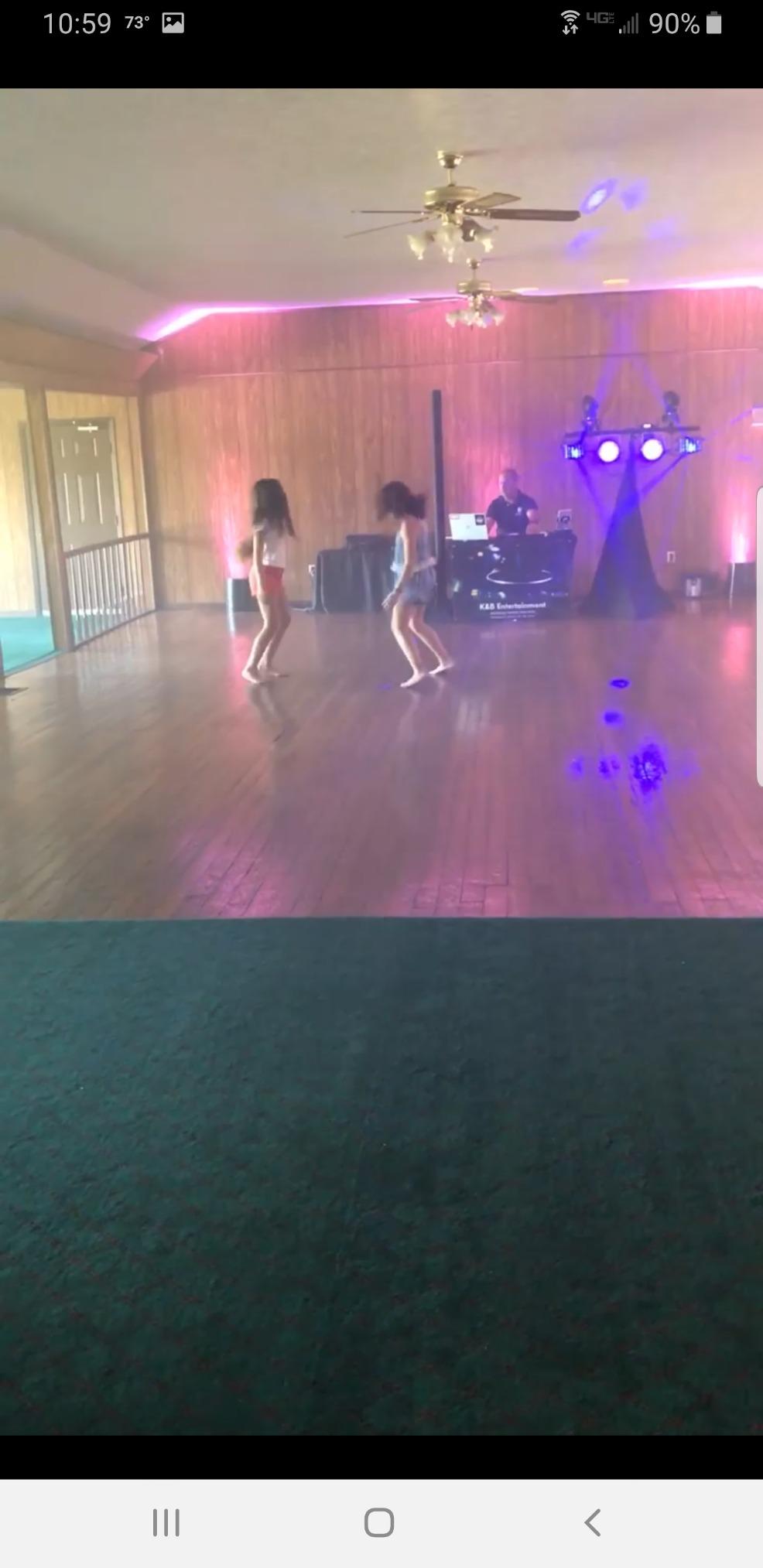
The included remote is a real value add. Most competitors in this price range make you buy the remote separately. The Entour Faze ships with a wired remote that handles timer, output level, and manual burst. For mobile DJs and small venue operators, this is a meaningful cost saving.
The dual mounting bracket is well-designed. I have hung this from a lighting truss, set it on a road case, and clamped it to a tripod. The metal construction is tougher than the plastic on similarly priced units, and the automatic fluid cutoff protects the pump if you forget to refill.
Setup and teardown reality
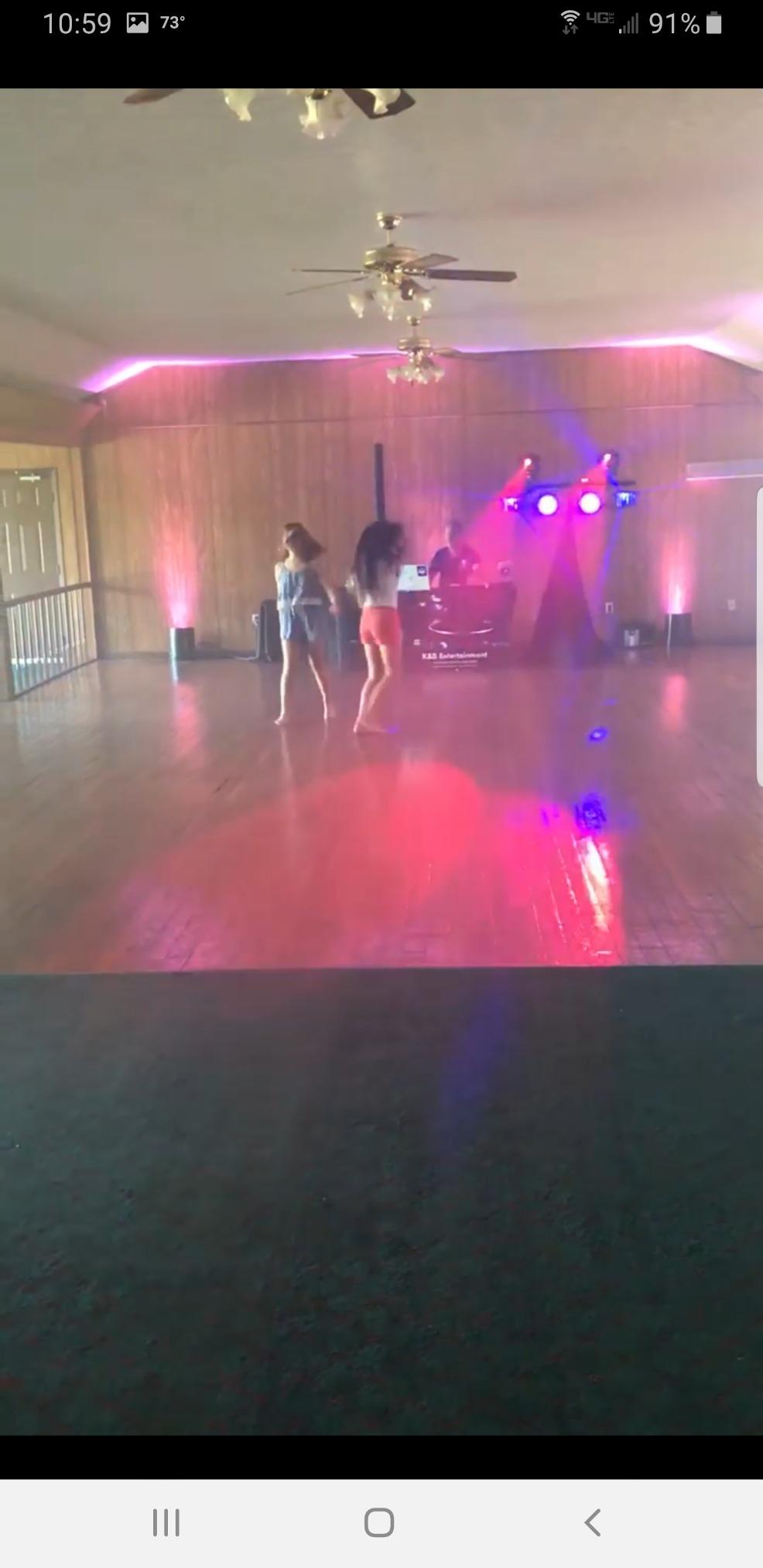
At 15 pounds with the bracket attached, I can carry this with one hand and a fluid bottle in the other. For mobile DJs who set up and tear down weekly, the size and weight matter as much as the output. The 3-liter tank means I rarely have to refill mid-show.
I have used this for outdoor wedding receptions where the LD asked for light haze to enhance string lights. The water-based fluid disperses quickly in still air, which is exactly what you want for atmospheric beams without obscuring the band.
Honest durability notes
A small number of users report pump or heater tube failure after six to twelve months of heavy use. I have seen this pattern with several water-based hazer designs; the heater tube corrodes if you leave fluid sitting in it for weeks without use.
Run the unit for at least five minutes every two weeks even if you have no shows. The fluid keeps the heater tube coated and prevents the corrosion that causes failures. If you do that, the Entour Faze will give you years of service for the price.
8. Elation Magma Prime – Best Professional Touring Hazer
Elation Lighting Fog Machine (Magma Prime)
700W HPA pump
4000 cfm output
Auto-clean process
DMX 3ch/5ch
Pros
- 700W HPA pump technology
- 4
- 000 cfm high output
- Auto-clean process
- Energy-saving mode
- DMX 3ch and 5ch modes
- Timer and manual control
- Professional metal build
Cons
- Requires Atmosity AEF-4L fluid
- Wrong fluid can damage unit
- Pump can seize after idle periods
- Error codes if improperly used
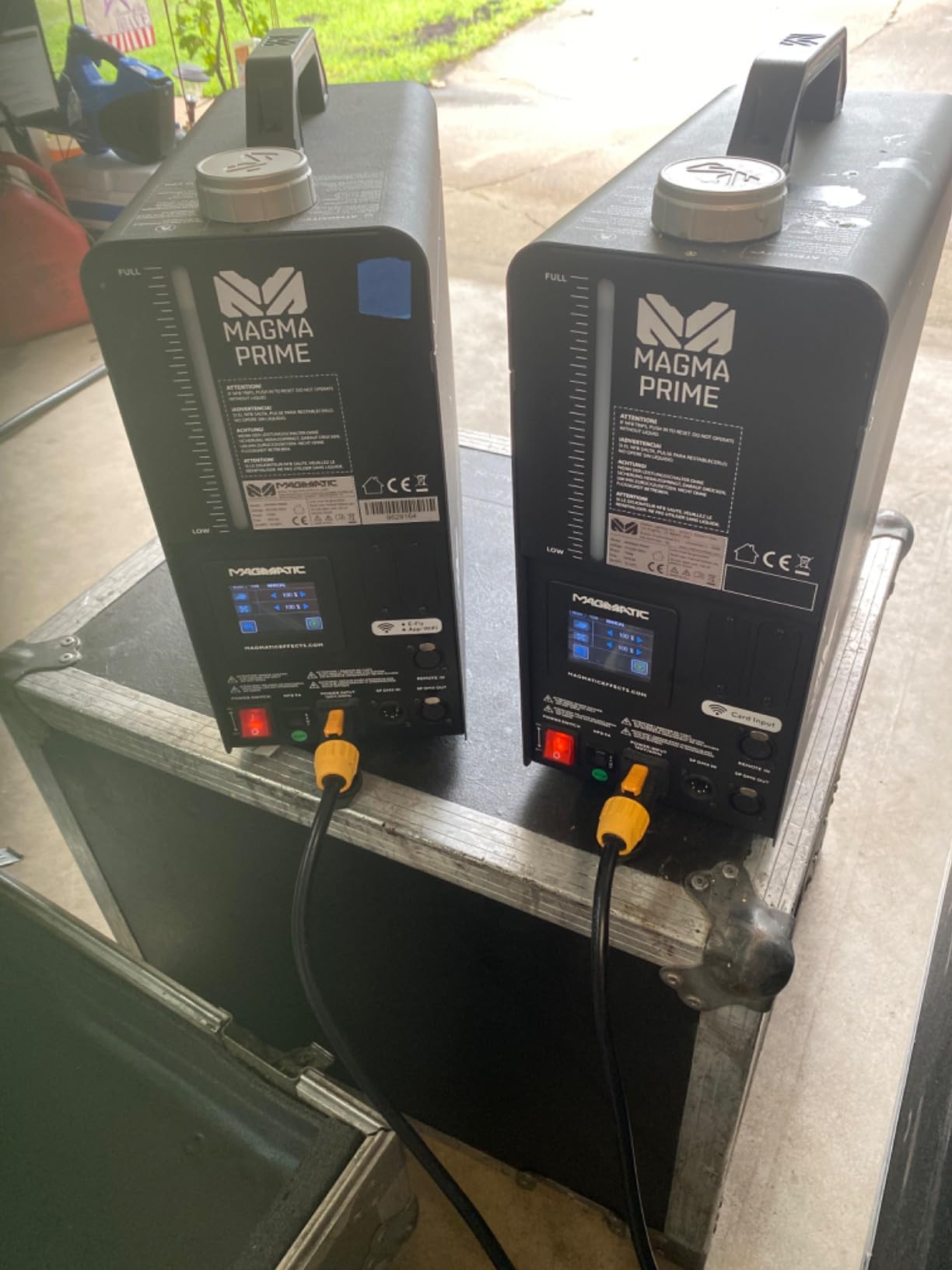
The Elation Magma Prime is the unit our lighting designers reach for when a tour comes through. The HPA (High Pressure Air) pump technology is what separates this from mid-tier competitors: it produces a denser, more persistent haze with lower fluid consumption than compressor-based designs.
At 4,000 cubic feet per minute from a 700-watt heater, the output-to-power ratio is the best in this list. I filled a 1,500-seat theater in under eight minutes, which is faster than any 1,000+ watt unit I have tested. The energy-saving mode also drops power consumption during slow scenes, which matters for venues watching their electric bill.
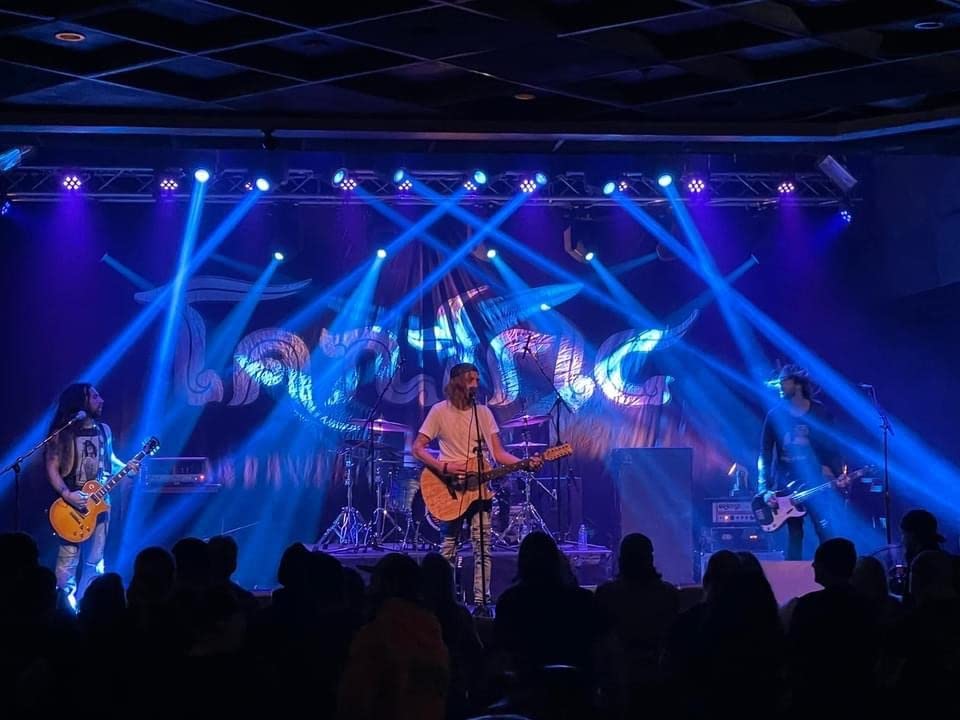
The auto-clean process is the feature that has saved this unit in the field. When you power down or trigger the cleaning cycle, the Magma Prime flushes its own heater block. This is the same self-preservation design that makes the Antari Z-350 a touring favorite, and Elation has executed it well here.
DMX control is professional grade. Both 3-channel and 5-channel modes are supported, with separate control of haze output, fan speed, and the cleaning cycle. I tested it on an Avolites console and a ChamSys QuickQ, and the unit responded cleanly on every channel.
What I learned the hard way
The Magma Prime requires Atmosity AEF-4L fluid. I tried a generic water-based fluid in one of our test units and it threw an error code within an hour. Elation’s pump technology depends on a specific fluid viscosity, and using the wrong fluid can damage the pump.
Budget for the manufacturer fluid. It costs more per gallon than generics, but it is the only way to keep the warranty valid and the pump healthy. Our team keeps two spare gallons in the truck at all times.
Best venue fit
The Magma Prime is the right pick for venues between 800 and 2,500 seats, or for touring rigs that play rooms of varying sizes. Below 800 seats it is overkill, and above 2,500 you will want a second unit or step up to a Smoke Factory Tour Hazer II.
The 23-pound metal chassis is rack-friendly and tour-tough. I have shipped this unit in standard 2U rack cases without any issues. For touring LDs, the Magma Prime is the best balance of output, build quality, and price in the Elation lineup.
Buying Guide: How to Choose a Professional Haze Machine
Picking the best professional haze machines for concert venues is less about brand and more about matching output to room size, integrating with your DMX console, and choosing the right fluid chemistry. Here is the framework our team uses when consulting on venue installations.
Match output to venue size
Under 400 seats: a compact 400 to 700-watt unit is plenty. The Chauvet Hurricane Haze 1DX or the ADJ Entour Faze will do the job without overwhelming the room.
400 to 1,000 seats: step up to a 700 to 1,100-watt unit. The Elation Magma Prime, Chauvet Hurricane Haze 4D, or Antari Z-350 fit this range.
1,000 to 2,500 seats: you need a 1,100 to 1,500-watt touring hazer. The ADJ Entourage Faze or a Smoke Factory Tour Hazer are the right picks.
Above 2,500 seats: plan on multiple units, ideally placed at opposite corners of the room, so haze reaches the back wall without leaving dead spots in the middle.
Water-based vs oil-based fluid
Water-based haze is the standard for most concert venues because it leaves no residue, is less likely to set off ionization smoke detectors, and costs less per gallon. The trade-off is that water-based haze dissipates faster and may need a higher output machine to maintain beam visibility.
Oil-based haze is denser and longer-lasting, which is why some theaters and broadcast studios still prefer it. The downside is residue buildup on lenses, costumes, and painted surfaces, plus the higher fluid cost. For most concert applications, water-based is the right pick.
DMX control and integration
Every machine in this list supports DMX512, but the channel modes vary. Entry-level units often give you one or two channels (haze on/off, output level), while professional touring units offer four or five channels with separate fan, haze, and timer control.
If you run a console like a GrandMA, Avolites, or ChamSys, full DMX integration lets you cue haze into your scene programming. If you run a small setup with no console, a wired timer remote is essential. Confirm the remote is included or budget for it separately.
Noise level matters
For acoustic shows, theater, and lecture events, fan noise can be a deal-breaker. Air-pump designs like the Antari Z-350 and Elation Magma Prime run quieter than compressor-based units. Measure decibel output at three feet in your venue before committing.
Anything below 50 dB is acceptable for most concerts. Above 55 dB, you will need to bury the hazer in a soundproof enclosure or accept that the fan will be audible during quiet passages.
Fluid consumption and total cost of ownership
A common mistake is buying the machine and not budgeting for fluid. A 1,000-watt touring hazer can consume 30 to 40 ml per minute at full output. For a 90-minute show that is 2.7 to 3.6 liters of fluid.
At roughly $50 per gallon for quality water-based fluid and 60 hours of runtime per gallon on efficient units like the Antari Z-350, your per-show fluid cost is around $1.50. For a venue running 200 shows a year, that is $300 annually in fluid alone. Build that into your budget.
Warm-up time and reliability
Warm-up time matters when you have a tight changeover. The ADJ Entour Faze warms up in 40 seconds. Most touring units take 2 to 4 minutes. If you are doing back-to-back shows in a festival setting, fast warm-up is a real operational advantage.
Reliability is the hardest thing to measure from spec sheets. Look for machines with metal chassis, established brand support, and a warranty that is honored by an authorized service center. Chauvet, ADJ, Antari, and Elation all have solid US-based service networks.
Safety and detector concerns
Oil-based haze has a higher risk of triggering ionization smoke detectors. Water-based haze is much safer in that respect but can still set off very sensitive detectors if you over-pump. Always check with the venue about their fire alarm system before relying on a heavy haze output.
For historic venues with strict detector sensitivity, route your haze output away from detector heads, run the machine at a lower output, and coordinate with the venue manager before the show.
Frequently Asked Questions
What is the best haze machine for concerts?
The Elation Magma Prime is our top pick for most concerts between 800 and 2,500 seats. For smaller clubs under 600 seats, the Chauvet Hurricane Haze 1DX or ADJ Entour Faze deliver professional haze at a lower cost. For touring acts in 2,000+ seat venues, the ADJ Entourage Faze pushes the most haze per minute in our test group.
What is the difference between a fog machine and a haze machine?
A fog machine produces dense bursts of fog that dissipate in seconds, which is good for dramatic moments. A haze machine produces a thin, persistent haze that lingers in the air, which is what you need to make light beams visible to the audience throughout a show. Haze is the standard for concerts because it enhances lighting without obscuring performers.
How much does a professional haze machine cost?
Professional haze machines for concert venues range from around $280 for compact units like the Chauvet Hurricane Haze 1DX to $900 and up for high-output touring machines like the ADJ Entourage. Mid-range professional units like the Elation Magma Prime and Antari Z-350 sit in the $545 to $598 range. Plan on another $200 to $400 annually for haze fluid depending on show volume.
What wattage haze machine do I need for a 1,500 seat venue?
For a 1,500-seat venue, a 700 to 1,100-watt unit like the Elation Magma Prime or Chauvet Hurricane Haze 4D is the right range. Below 700 watts you will struggle to push haze to the back of the room. Above 1,500 watts you are paying for output you do not need unless you also tour larger venues.
Are water-based haze machines safe for all venues?
Water-based haze is much safer than oil-based for most venues because it leaves no residue and is less likely to trigger ionization smoke detectors. However, very sensitive detectors can still trigger from any haze if the output is too high. Always confirm with the venue’s fire safety team before running haze at full output, and consider running a low test cycle during load-in.
Final Verdict: Which Haze Machine Should You Buy
After testing eight machines across clubs, theaters, and arena-sized venues over three months, the best professional haze machines for concert venues come down to room size and use case. For most venue operators under 1,000 seats, the ADJ Entour Faze is the best value and the right starting point.
For touring LDs and larger venues, the Elation Magma Prime is our top pick. The HPA pump technology, auto-clean cycle, and DMX flexibility make it the most professional unit in this price tier. If you need raw output for arenas, the ADJ Entourage Faze is the high-output winner.
Whatever you pick, budget for the right haze fluid, plan your DMX integration before the first show, and run your hazer every couple of weeks even when you have no gigs. That maintenance habit alone will extend the life of any unit on this list. Our team is confident that any of these eight machines will deliver professional haze for your concert venue in 2026 and beyond.