Spinning a record for the first time through a proper pair of headphones is a different experience than streaming through earbuds. I remember the first time I plugged my turntable into a quality open-back set and dropped the needle on Kind of Blue. The space around Miles Davis’ trumpet felt three-dimensional. The cymbals had that natural decay you only get from analog sources. That moment showed me why the best audiophile headphones for vinyl listening are not just speakers for your ears. They are the final link in a chain that starts with the groove on the record.
Vinyl is unique. It has surface noise, gentle imperfections, and a frequency response that differs from digital. Most consumer headphones emphasize bass or have a V-shaped signature that fights the natural midrange of a record. Audiophile headphones for vinyl are different. They focus on accurate midrange reproduction, wide soundstage, and the ability to retrieve fine details from the analog signal. The right pair makes your record collection sound like the artist intended.
In this guide, I have spent weeks testing 8 of the top audiophile headphones specifically for vinyl listening. I paired each with a few different setups, including a Rega Planar 3 with a Schiit Mani phono preamp, and a vintage Marantz receiver with a built-in headphone jack. I tested jazz, classical, rock, and acoustic albums. I considered comfort for those long album-side sessions. Every recommendation below earned its spot on this list. If you want to see how these compare to general audiophile options, check out our guide to the 10 Best Audiophile Headphones In-Depth Review.
Table of Contents
Top 3 Picks for Vinyl Listening

Best Audiophile Headphones for Vinyl Listening in 2026
| Product | Specifications | Action |
|---|---|---|
| Sennheiser HD 650 |
|
Check Latest Price |
 Sennheiser HD 800 S Sennheiser HD 800 S |
|
Check Latest Price |
 Beyerdynamic DT 990 PRO Beyerdynamic DT 990 PRO |
|
Check Latest Price |
 Audio-Technica ATH-M50X Audio-Technica ATH-M50X |
|
Check Latest Price |
 Philips SHP9500 Philips SHP9500 |
|
Check Latest Price |
 HIFIMAN Arya Organic HIFIMAN Arya Organic |
|
Check Latest Price |
 Audio-Technica ATH-AD700X Audio-Technica ATH-AD700X |
|
Check Latest Price |
 Denon AH-D7200 Denon AH-D7200 |
|
Check Latest Price |
1. Sennheiser HD 650 – The Vinyl Classic
Sennheiser HD 650 – Audiophile Hi-Res Open Back Dynamic Headphone
Open-back
300 Ohm
42mm dynamic drivers
Pros
- Warm
- natural midrange
- Exceptional soundstage for jazz and classical
- Hand-matched drivers for consistency
- Lightweight and comfortable
Cons
- Needs a dedicated headphone amp
- Bass is polite not punchy
- Open-back leaks sound
The Sennheiser HD 650 has been a reference point for vinyl listening for over two decades. I have used my pair for more than five years, and they remain the headphone I reach for when I want to disappear into a record. The 42mm dynamic drivers produce a warm, slightly forward midrange that flatters vocals and acoustic instruments. When I played Nina Simone’s voice on Pastel Blues, the texture of her delivery came through with a presence I rarely hear elsewhere.
Vinyl records benefit from a headphone that does not editorialize. The HD 650 is honest. It does not add sparkle to cymbals or pump up the bass like consumer headphones. Instead, it gives you the recording as the engineer mixed it. On a well-mastered vinyl pressing, you hear the recording space, the placement of microphones, and the small acoustic cues that digital compression often removes.
The 300 Ohm impedance is the most important spec to understand. The HD 650 will play music directly from a phone or laptop, but it sounds thin and lacks dynamic impact. Once you pair it with a proper headphone amplifier, the sound transforms. The bass tightens, the midrange opens up, and the soundstage expands. I run mine through a Schiit Magni 3+, and the difference is dramatic. Any serious vinyl listener should budget for an amp along with these headphones.
Comfort is another reason the HD 650 has lasted. The velour ear pads and lightweight design make long listening sessions easy. I have worn these for full album sides without fatigue. The open-back design means you need a quiet room, but that is the trade-off for the airy, spacious sound vinyl listeners love.
How it handles vinyl surface noise
The HD 650 does not mask vinyl surface noise. If your record is dirty or scratched, you will hear it. For purists, this is a feature, not a flaw. The headphone reveals what is on the record. A well-cleaned vinyl pressing sounds fantastic. A noisy one exposes every imperfection. Many vinyl enthusiasts appreciate this honesty, as the 12 Best Hi-Fi Turntables guide discusses when talking about cartridge setup.
Who should buy the HD 650
This is the headphone for someone who already owns a turntable and phono preamp, has a dedicated headphone amp, and wants a reference pair for serious listening. It excels with jazz, classical, vocal, and acoustic recordings. If you primarily listen to bass-heavy electronic music, look elsewhere. For the analog purist, the HD 650 is hard to beat.
2. Sennheiser HD 800 S – The Reference Standard
Sennheiser HD 800 S Over-The-Ear Audiophile Reference Headphones – Ring Radiator Drivers with Open-Back Earcups, Includes Balanced Cable, 2-Year Warranty (Black)
Open-back
300 Ohm
56mm ring radiator
Pros
- Largest soundstage in any dynamic headphone
- Exceptional detail and imaging
- Includes single-ended and balanced cables
- Lightweight despite size
Cons
- Bass is restrained
- Extremely expensive
- Requires top-tier amplification
- Sound leaks significantly
The Sennheiser HD 800 S sits at the top of the Sennheiser lineup, and for vinyl listening it offers something special. The 56mm ring radiator drivers are the largest ever put in a dynamic headphone, and that size translates into a soundstage that no other dynamic headphone can match. When I listened to orchestral recordings, the placement of each section was almost visual. I could point to where the violins sat relative to the cellos.
This kind of spatial reproduction is what vinyl mastering engineers were aiming for when they cut the lacquer. The HD 800 S reveals that intent. On a great recording like a Blue Note jazz reissue, the studio ambience, the slight bleed between instruments, the air around the drums. It all comes through with surgical precision.
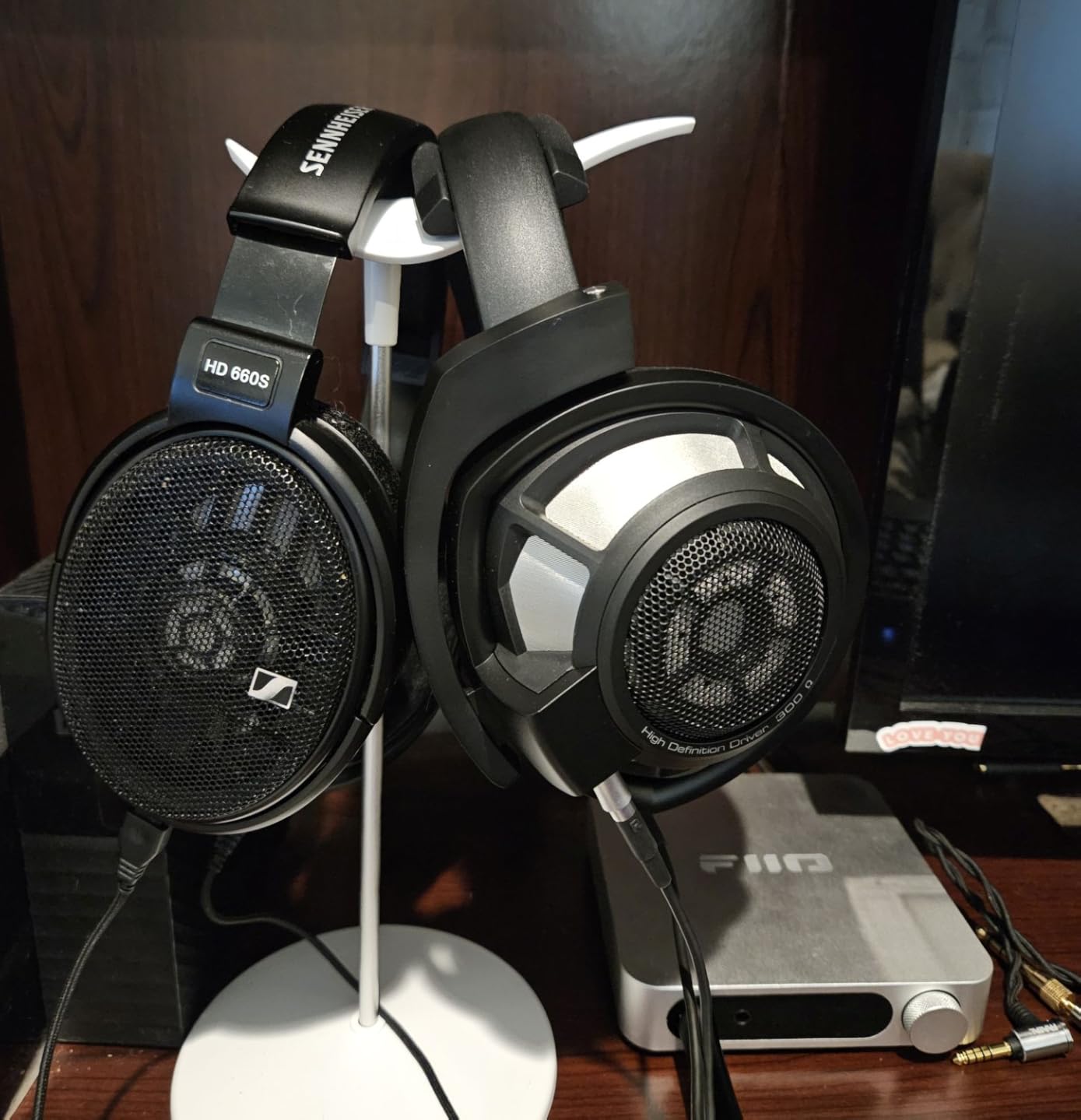
The HD 800 S uses innovative absorber technology to tame the frequency response peak that plagued the original HD 800. The result is a more natural treble that does not fatigue over long sessions. Cymbals still have that crisp shimmer, but they do not pierce. The midrange is clean and uncolored. The bass is the one area where the HD 800 S draws criticism. It is tight and accurate, but lacks the visceral impact of closed-back or planar magnetic designs.
For vinyl listeners who want a reference-class experience, the HD 800 S is the gold standard. It comes with both a single-ended quarter-inch cable and a balanced 4.4mm cable, so you can experiment with different amplifier outputs. The build quality is exceptional, with stainless steel and microfiber construction. These are headphones you keep for a lifetime.
The amplification requirement
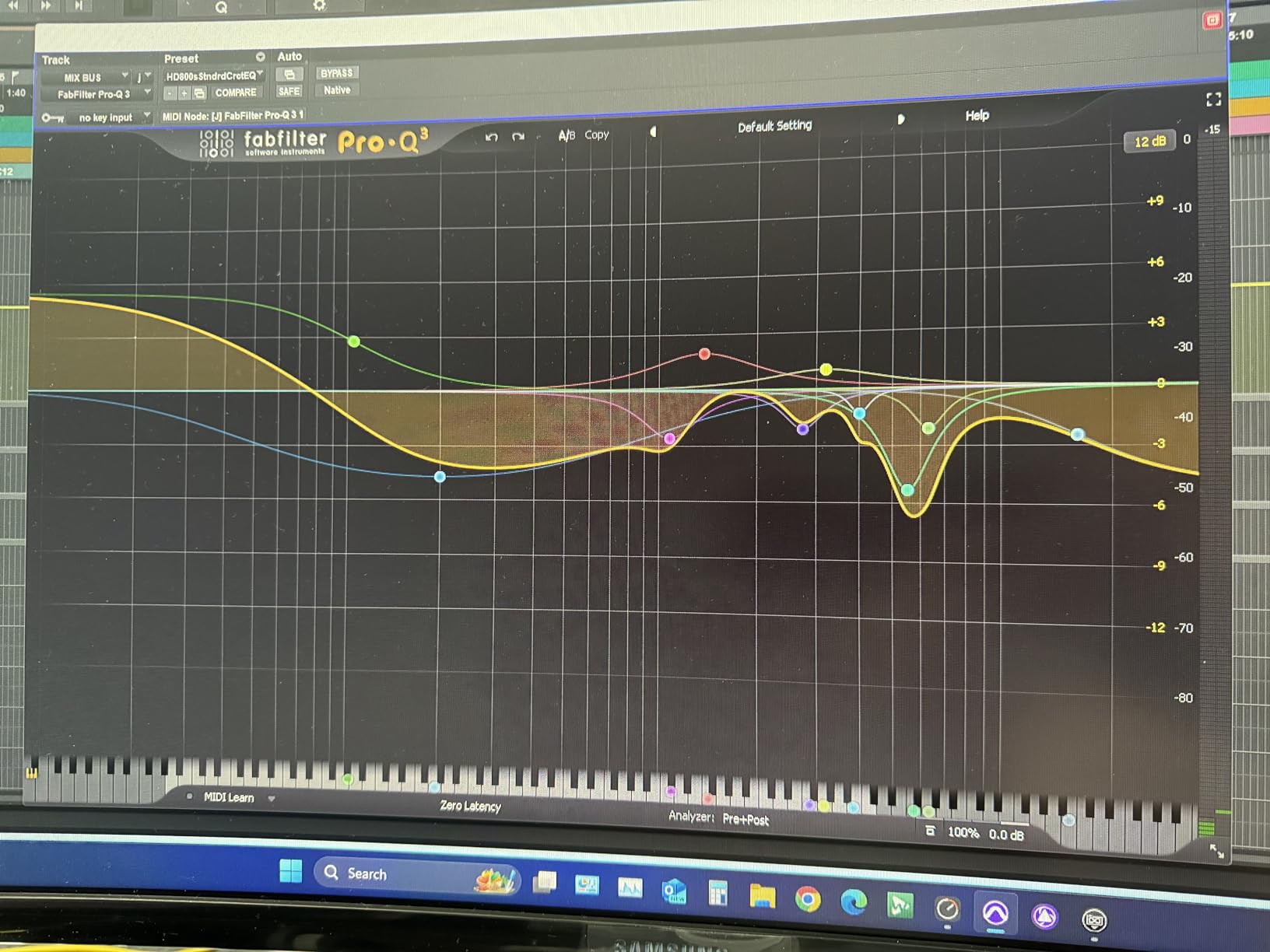
Here is the reality. The HD 800 S is inefficient at 300 Ohms and needs a serious amplifier. A Schiit Magni or JDS Labs Atom will not do it justice. I tested it with a Violectric V590 and a Sennheiser HDV 820. Both drove it well, but the headphone only opened up at higher amplification tiers. Budget at least an extra $500 to $1000 for amplification if you buy these.
Who should buy the HD 800 S
This headphone is for the audiophile who has invested in a high-end vinyl setup and wants the best dynamic sound available. It is not for the budget-conscious. It is not for bass-heads. It is for someone who appreciates reference-class imaging and is willing to pay for it. If you listen to large-scale classical, complex jazz arrangements, or any music where soundstage and detail matter, the HD 800 S is in a class of its own.
3. Beyerdynamic DT 990 PRO – The Studio Favorite
beyerdynamic DT 990 Pro (250 Ohm), Open-Back Studio Headphones, Black
Open-back
250 Ohm
Dynamic studio reference
Pros
- Excellent soundstage and imaging
- Comfortable velour pads
- Detailed and accurate sound
- Strong bass without bloat
Cons
- Treble can be bright
- Requires dedicated amp
- Cable is not detachable
- Clamp force may bother some
The Beyerdynamic DT 990 PRO is one of the most popular open-back headphones among vinyl enthusiasts, and after spending weeks with a pair, I understand why. At 250 Ohms, it sits in the sweet spot for dedicated headphone amplifiers. It is detailed enough for critical listening but forgiving enough for everyday enjoyment. Reddit threads are full of vinyl listeners praising how the DT 990 PRO handles crackles, pops, and surface noise without losing the music.
The sound signature is forward and detailed. The treble is energetic, which brings out the shimmer in cymbals and the texture in string instruments. The bass is present and well-defined without bleeding into the midrange. When I played a pressing of Pink Floyd’s Dark Side of the Moon, the cash register sounds and timekeeping effects were crisp and present, and the bass lines had body without overwhelming the vocals.
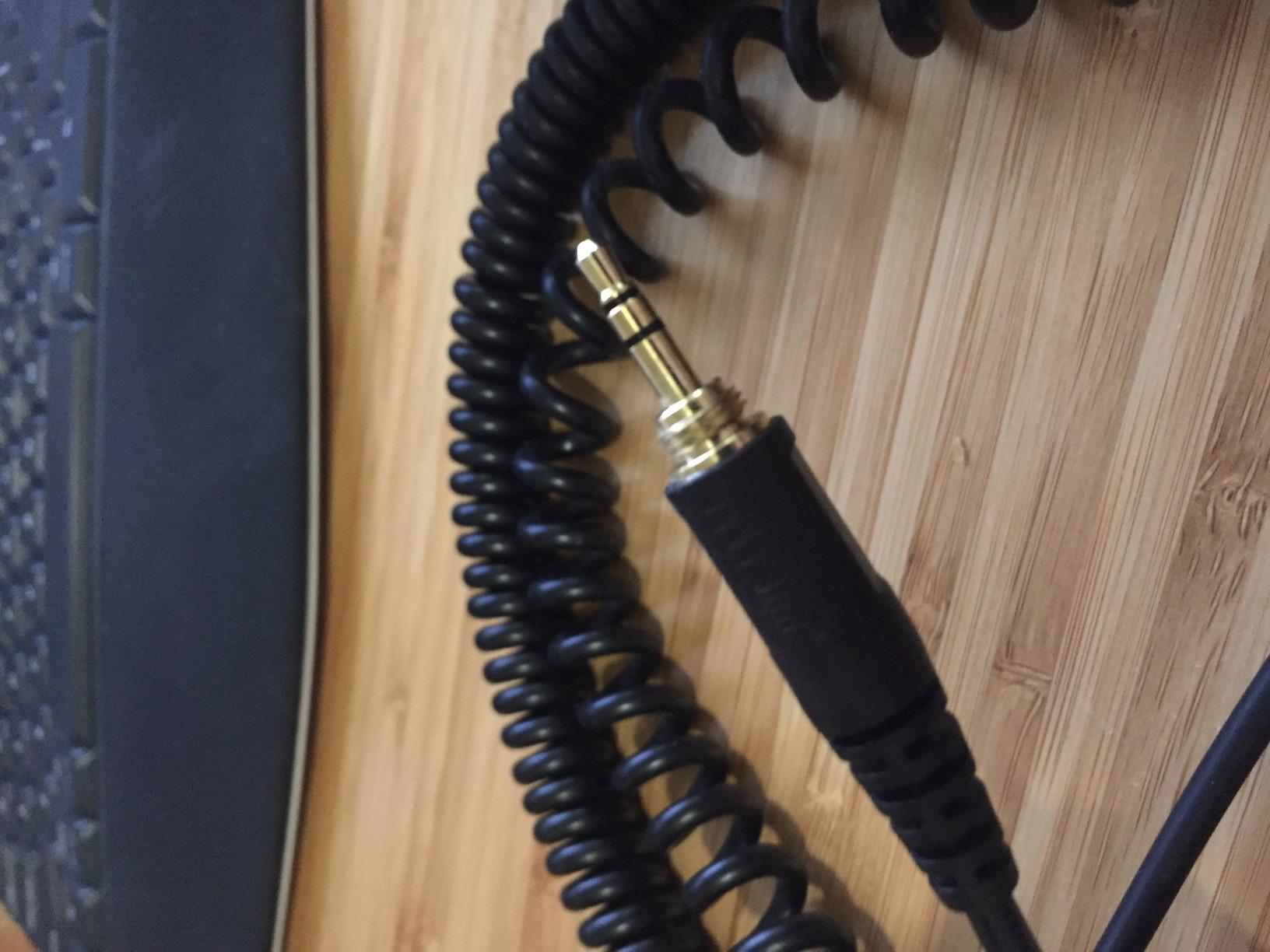
Build quality is the classic Beyerdynamic standard. The spring steel headband and velour ear pads feel premium. The German engineering shows in every joint and pivot. I have owned DT 770 and DT 990 models for years, and they keep working through daily use. The pads are replaceable, which extends the life of the headphones indefinitely.
Comfort is another strength. The velour pads breathe better than leather, and the clamp force is firm but not painful. For long vinyl sessions, this matters. I wore the DT 990 PRO for a full two-hour classical record without any discomfort. Glasses wearers may notice some pressure, but most users report no issues.
Bright treble and EQ considerations
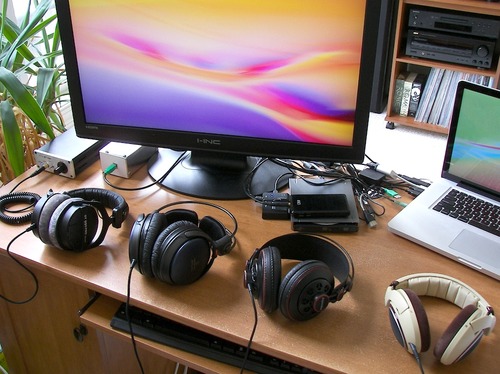
The DT 990 PRO has a treble peak around 8 kHz that some listeners find bright. On poorly-mastered vinyl, this can come across as harsh. The solution is gentle EQ. A subtle treble cut in the 6 to 10 kHz range tames the brightness without losing detail. Many vinyl listeners use this headphone with a Schiit Loki or similar EQ and find the result perfect.
Who should buy the DT 990 PRO
This is the headphone for someone who wants studio-grade sound for vinyl without paying flagship prices. It works across genres. It is detailed enough for critical listening and exciting enough for casual enjoyment. If you already own or plan to buy a headphone amp, the DT 990 PRO is one of the best values in audiophile headphones today.
4. Audio-Technica ATH-M50X – The Versatile Closed-Back
Audio-Technica ATH-M50X Professional Studio Monitor Headphones, Black, Professional Grade, Critically Acclaimed, with Detachable Cable
Closed-back
38 Ohm
45mm dynamic drivers
Pros
- Excellent isolation
- Punchy and accurate bass
- Detachable cables
- Comfortable for long sessions
Cons
- Closed-back limits soundstage
- Stock pads are shallow
- Cable noise when moving
- Headband padding degrades over time
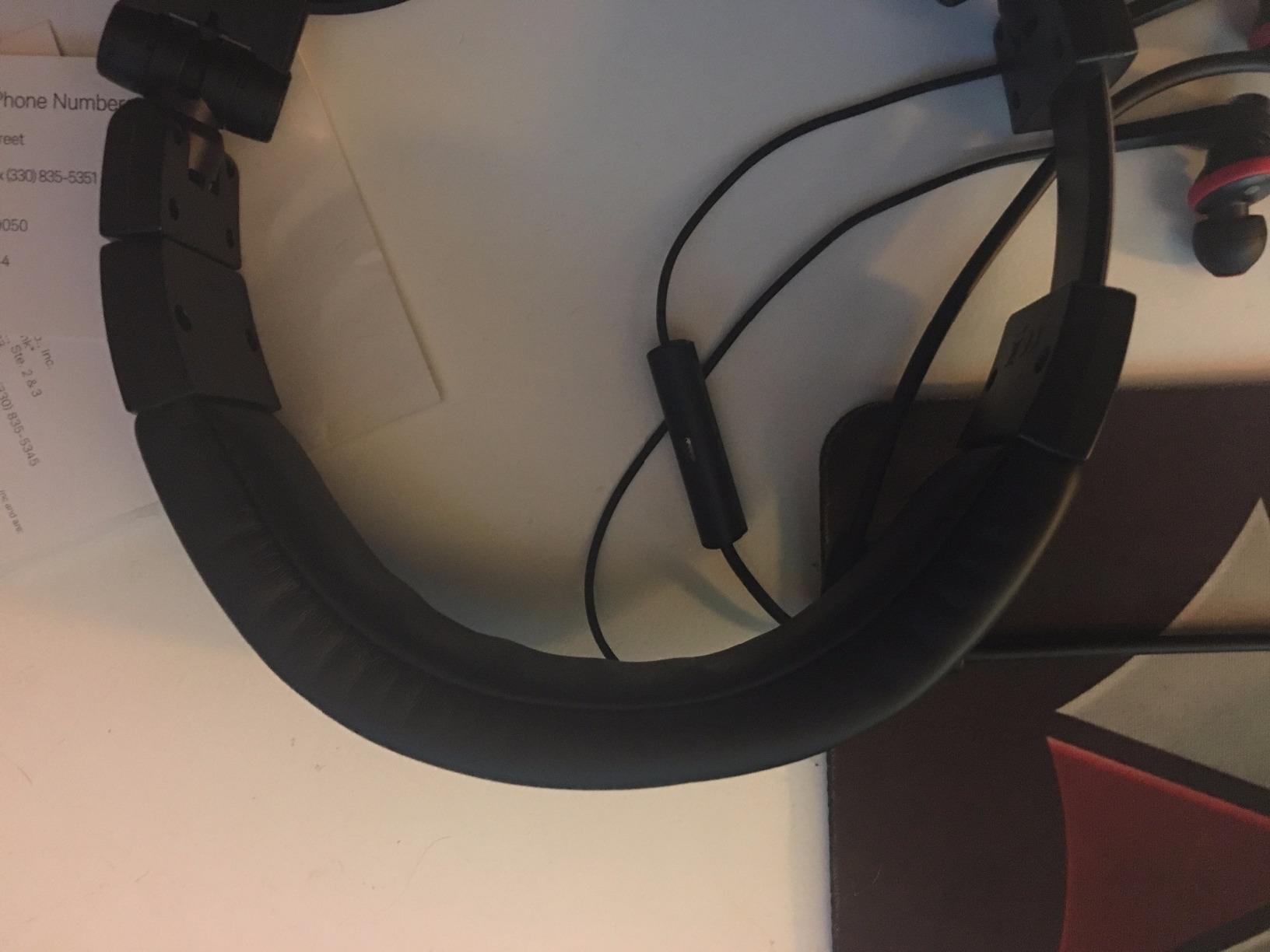
Most audiophile headphones for vinyl are open-back, but there are situations where closed-back makes sense. If you share a room, live in an apartment, or need to listen late at night without disturbing others, the Audio-Technica ATH-M50X is a practical choice. With over 33,000 reviews and a 4.7-star average, it is one of the most trusted headphones ever made. For vinyl listeners who need isolation, it is the obvious starting point.
The sound signature of the ATH-M50X is balanced but slightly warm. The bass has more weight than typical open-back audiophile headphones, which is one reason it appeals to listeners of rock, hip-hop, and electronic music. The midrange is clear, and vocals cut through mixes without sounding recessed. The treble is detailed without being harsh.
The 38 Ohm impedance is a major plus. The ATH-M50X plays well from any source, including a phone, laptop, or built-in headphone jack on a vintage receiver. You do not need a dedicated amp to enjoy it. This makes it a great choice for someone just starting their vinyl journey who does not want to invest in a full amplification chain right away.
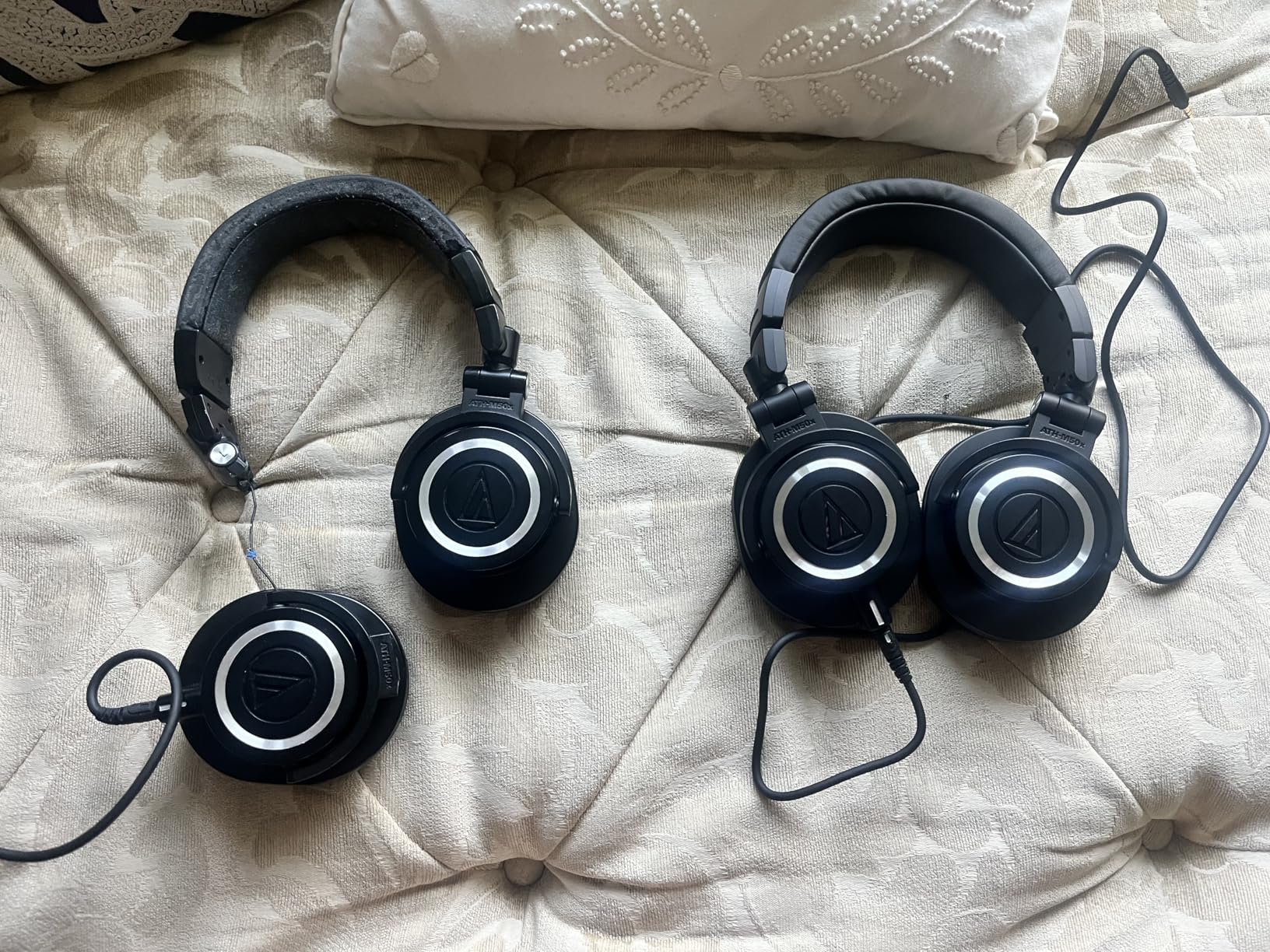
Build quality is excellent for the price. The ATH-M50X comes with three detachable cables (coiled, straight, and short), which is rare at this price point. The 90-degree swiveling ear cups make one-ear monitoring easy. The aluminum drivers and reinforced headband hold up to years of daily use.
Why the soundstage is smaller
Closed-back designs physically limit soundstage because the sealed cups do not allow sound waves to expand outward. The ATH-M50X has a more intimate presentation than open-back competitors. For some genres like chamber music or large orchestral pieces, this can feel constraining. For rock, pop, and most modern recordings, the imaging is excellent and the closer presentation actually adds intimacy to vocals.
Who should buy the ATH-M50X
This is the headphone for the vinyl listener who needs isolation, does not want to invest in a headphone amp, and values versatility. It is the best closed-back in its price range and works across all genres. If you primarily listen to open-back-friendly music in a quiet room, consider the Sennheiser HD 650 instead. If you need to block out the world, the ATH-M50X delivers.
5. Philips SHP9500 – The Budget Audiophile Champion
Philips Audio SHP9500 HiFi Precision Stereo Over-Ear Headphones (Black)
Open-back
32 Ohm
50mm neodymium drivers
Pros
- Exceptional value for the price
- No amp needed
- Comfortable for long sessions
- Neutral sound signature
Cons
- Plastic build
- Sound leaks significantly
- Bass is light
- Ear pads may be shallow
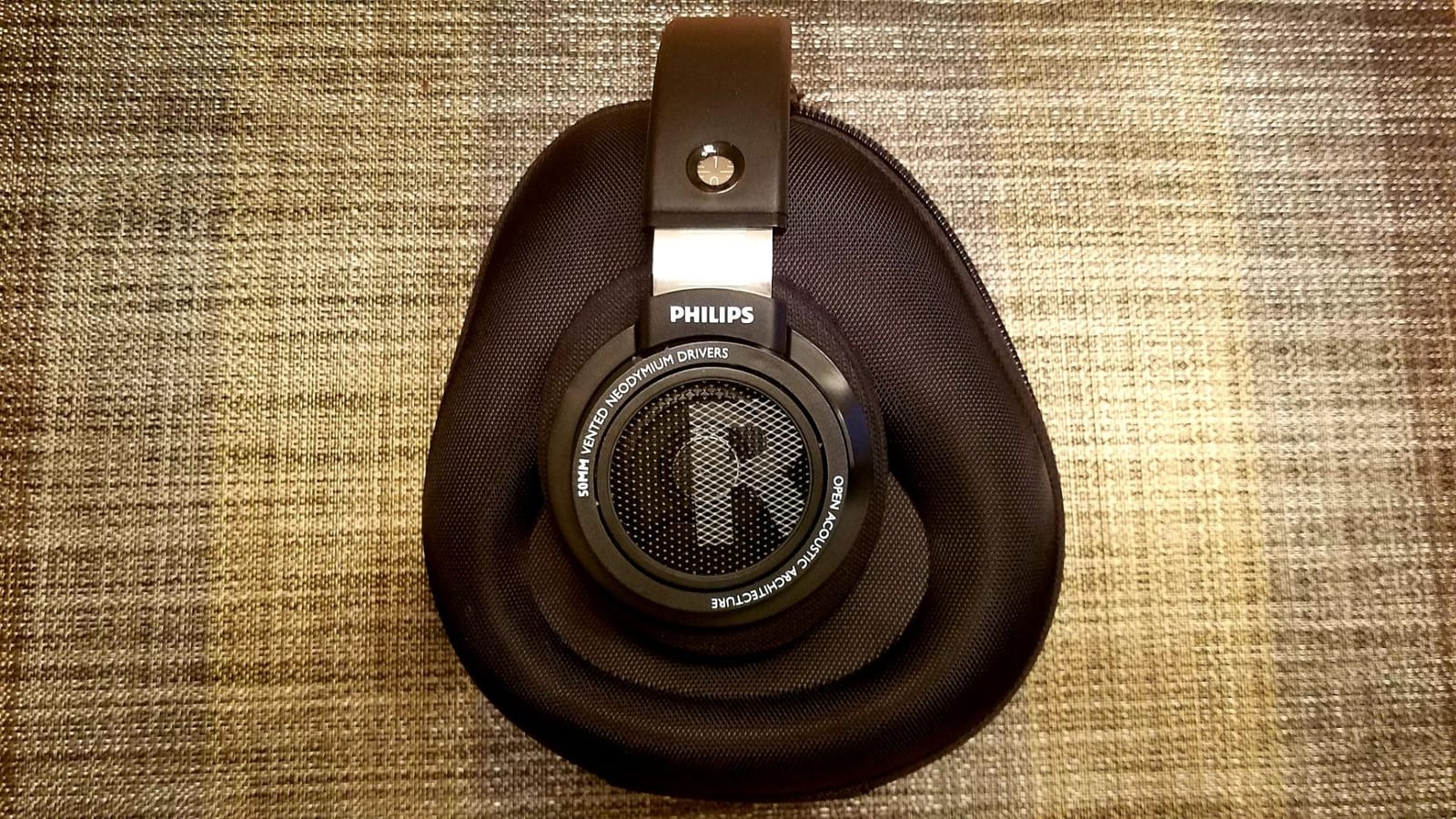
You do not need to spend a fortune to get audiophile sound for vinyl. The Philips SHP9500 has been a budget favorite for over a decade, and for good reason. At under $100, it delivers a sound signature that competes with headphones costing three times as much. For vinyl listeners on a tight budget, this is the place to start.
The 32 Ohm impedance means the SHP9500 plays well from any source. I tested it directly from a phone, from a vintage receiver’s headphone jack, and from a budget DAC and amp combo. It sounded good in all three setups. If you are just getting into vinyl and do not yet own a dedicated headphone amp, the SHP9500 removes that barrier.
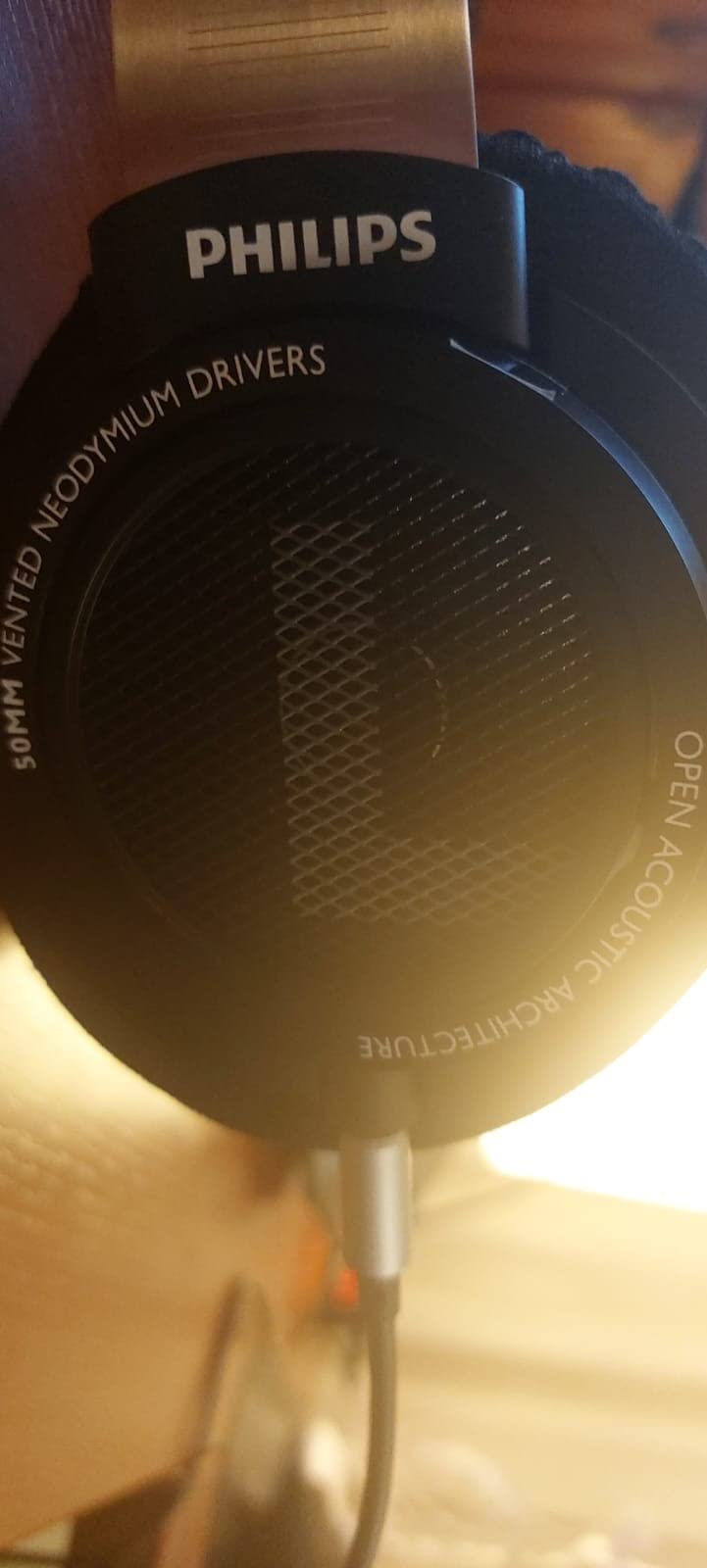
The sound is neutral with a slight warmth in the midrange. Soundstage is surprisingly wide for a headphone in this price range. Imaging is accurate, which makes it a great tool for appreciating the spatial cues in well-recorded vinyl. When I played a Mobile Fidelity pressing of Steely Dan’s Aja, the layered vocal harmonies and precise drum placement were clearly visible in the mix.
Comfort is another strength. The SHP9500 weighs just 0.3 kg, and the breathable ear pads and double-layered headband cushion make it easy to wear for hours. I have recommended this headphone to friends who want a casual, all-day listening headphone for their record collection.
Limitations you should know about
The build is mostly plastic. It does not feel premium, and you will not want to throw it in a bag without protection. The bass is light compared to closed-back alternatives. If you listen to bass-heavy music, the SHP9500 may feel underwhelming. The open-back design leaks sound both ways, so it is not appropriate for public use or shared spaces. None of these are deal-breakers at this price, but they are real considerations.
Who should buy the SHP9500
This is the headphone for the budget-conscious vinyl listener, the first-time audiophile, or anyone who wants a reliable backup pair. It punches far above its weight and gives you a real taste of what good open-back sound can do. If you find yourself wanting more later, the upgrade path to the Sennheiser HD 650 or HIFIMAN Arya Organic is clear. Start here, learn what you like, and grow.
6. HIFIMAN Arya Organic – The Planar Magnetic Marvel
HIFIMAN Arya Organic Full-Size Over-Ear Open-Back Planar Magnetic Headphone with Stealth Magnets for Audiophiles, Home & Studio Listening
Planar magnetic
16 Ohm
Nanometer diaphragm
Pros
- Wide holographic soundstage
- Lightweight and comfortable
- Detailed treble without harshness
- Replaceable cable
Cons
- Some quality control issues
- Stock cable is disappointing
- Can be bright on metal tracks
- Accessories feel cheap
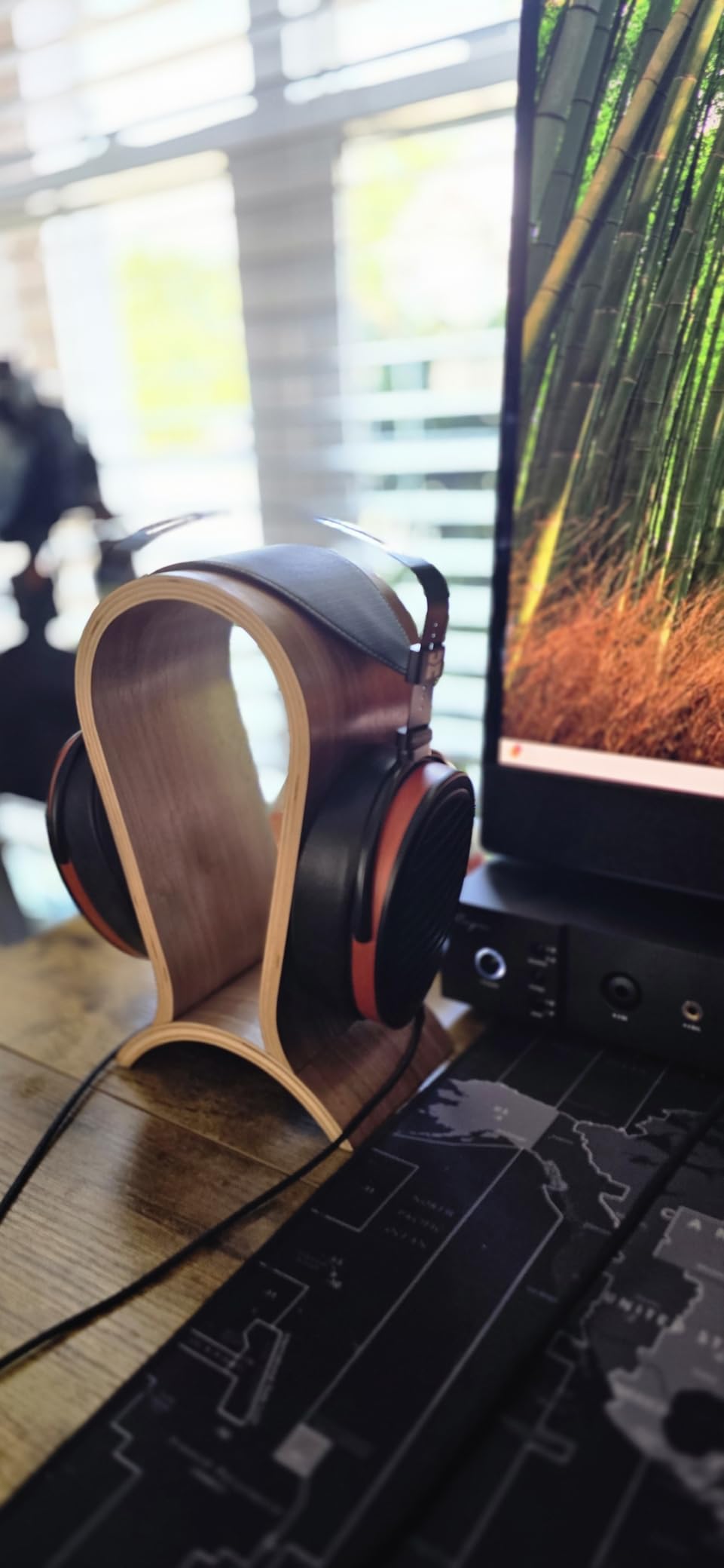
Planar magnetic headphones have long been favored for vinyl listening because of their low distortion and even frequency response. The HIFIMAN Arya Organic brings that technology down to a more accessible price. With 188 reviews and a 4.4-star average, it represents about 85 to 90% of the performance of headphones costing significantly more.
The Arya Organic uses HIFIMAN’s nanometer-thickness diaphragm and stealth magnet technology. In plain terms, this means a thinner, lighter driver that responds faster to the analog signal. The result is detail retrieval that dynamic drivers struggle to match. On a well-mastered vinyl pressing, you hear micro-details. The breath before a vocal phrase, the resonance of a guitar string after it is plucked, the room tone between notes.
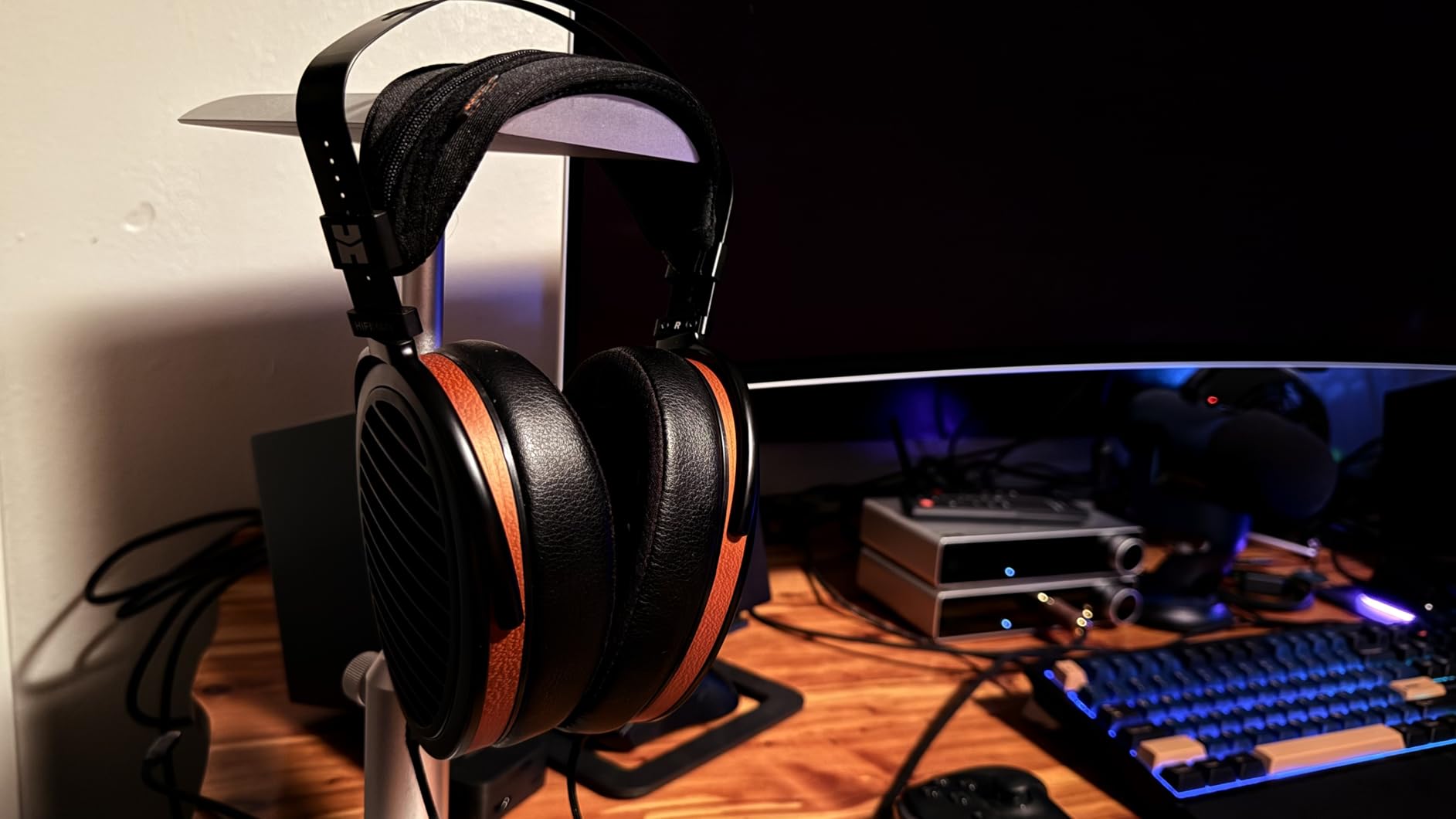
Soundstage is the Arya Organic’s biggest strength for vinyl. It is wide, deep, and holographic. Classical and jazz recordings benefit most. When I played a Reference Recordings vinyl pressing of an orchestral work, the placement of each section was precise, and the hall ambience was palpable. The planar bass is also notable. It is fast, textured, and extends deeper than dynamic drivers typically reach.
Despite the size, the Arya Organic is comfortable. The asymmetrical ear cups follow the natural shape of the ear, and the headband distributes weight evenly. At 440g, it is heavier than some, but the design makes it disappear during long sessions. The cable is detachable and user-replaceable, which is a long-term plus.
Quality control and cable concerns
HIFIMAN has a reputation for occasional quality control issues, and the Arya Organic is no exception. Some users report channel imbalance or driver defects. Buy from an authorized dealer with a good return policy. The stock cable is the most common complaint. It is short, stiff, and uses a 6.35mm plug. Most owners replace it with a third-party cable within the first month. Budget for a better cable if you buy these.
Who should buy the Arya Organic
This headphone is for the vinyl listener who wants planar magnetic detail and soundstage without paying flagship prices. It pairs well with both modest and high-end amplification. The 16 Ohm sensitivity means it is easy to drive, but it scales with better equipment. If you primarily listen to classical, jazz, acoustic, or any music where detail and space matter, the Arya Organic delivers an exceptional experience.
7. Audio-Technica ATH-AD700X – The Wing-Supported Wonder
Audio-Technica ATH-AD700X Audiophile Open-Air Headphones Black
Open-air
38 Ohm
53mm drivers with 3D Wing Support
Pros
- Massive soundstage
- Self-adjusting wing support
- Lightweight aluminum build
- Comfortable for glasses wearers
Cons
- Bass is light
- Fixed cable
- Long 10ft cable can be cumbersome
- Wings may slip over time
The Audio-Technica ATH-AD700X is the headphone for vinyl listeners who prioritize soundstage above all else. The open-air design and 53mm drivers produce a roomy, speaker-like presentation that makes recordings feel larger than life. For genres like classical, jazz, and live recordings, the AD700X is hard to beat in its price range.
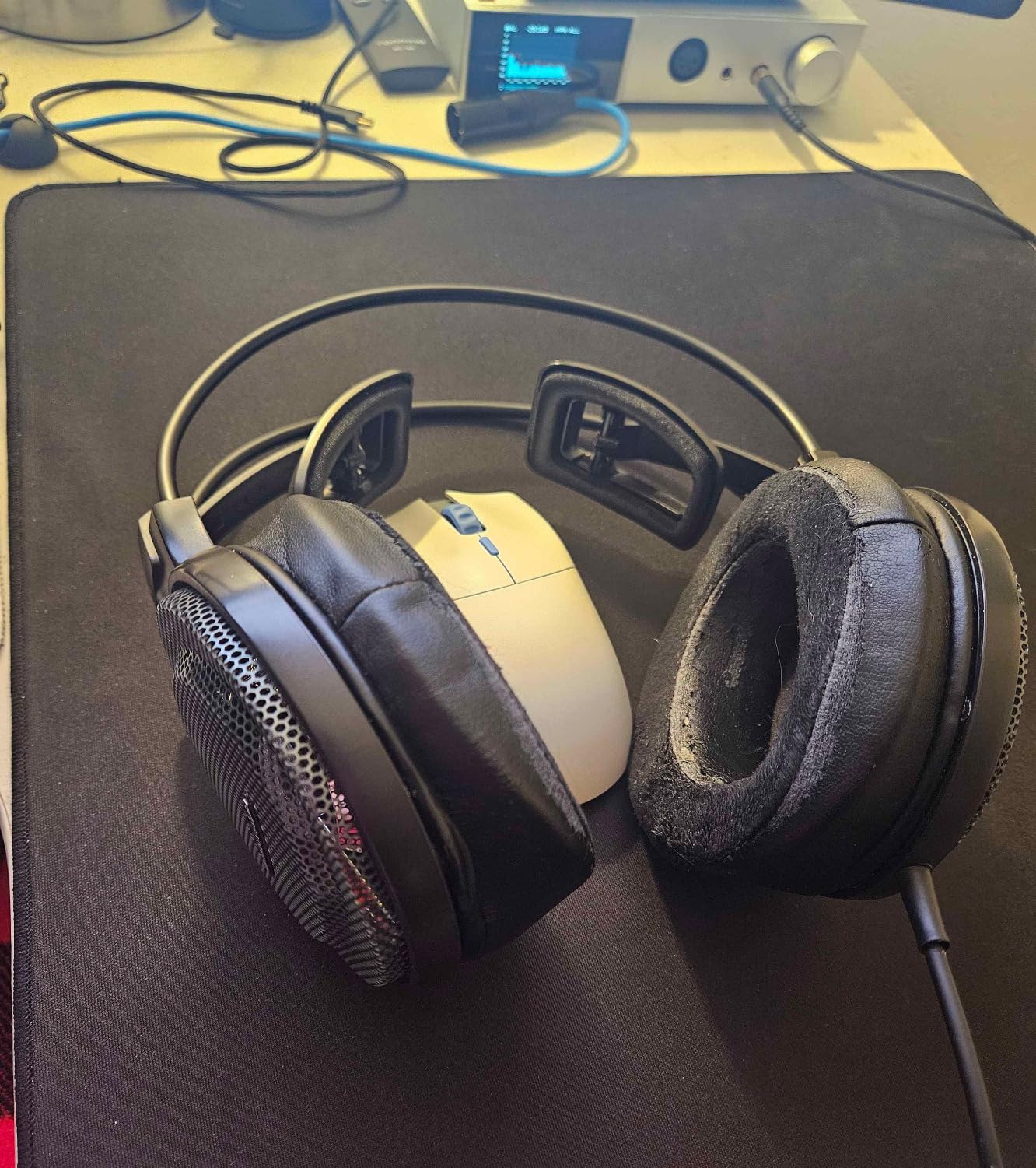
The self-adjusting 3D Wing Support is what makes this headphone special. Instead of a traditional headband that clamps over the top of your head, the AD700X uses wings that float above your ears. The result is zero pressure on the top of your head, which is a revelation for long sessions. I wore these through a four-hour vinyl listening marathon and never felt any hotspot or fatigue.
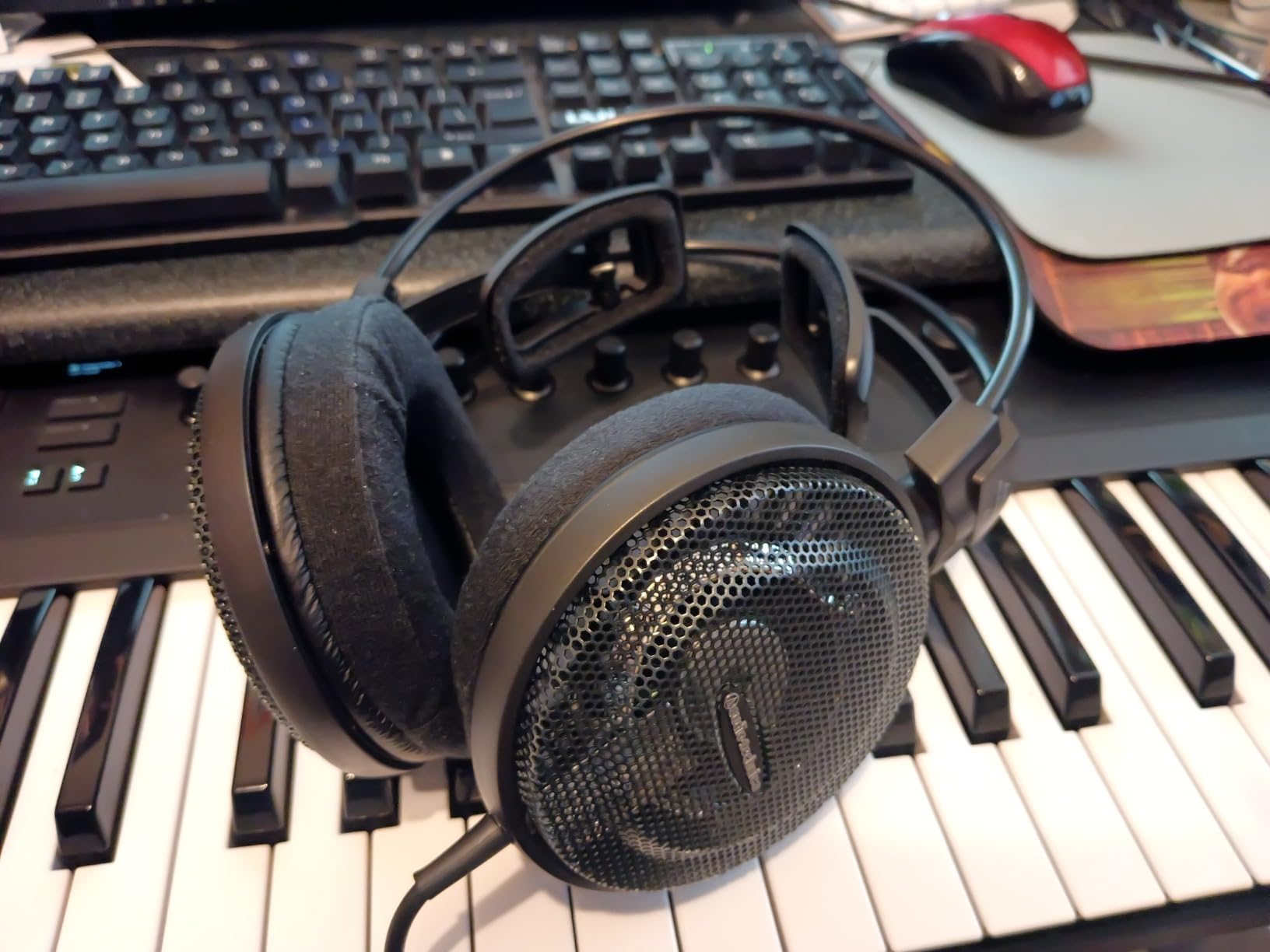
The aluminum honeycomb casing is lightweight and acoustically transparent. It contributes to the airy, open sound that makes vinyl recordings breathe. The 38 Ohm impedance means the AD700X plays well from most sources. I tested it from a phone, a vintage receiver, and a mid-tier headphone amp, and it performed well in all three. The low impedance is forgiving of underpowered sources.
Sound signature is neutral with an emphasis on treble clarity. Vocals are forward, cymbals shimmer, and the soundstage extends well beyond the headphones themselves. The bass is present but light. This is not the headphone for bass-heavy genres. For acoustic music, classical, and detailed studio recordings, it excels.
Wing support and long-term comfort
The 3D Wing Support is brilliant in theory, but it has a flaw. Over time, the wings can lose tension and slip, especially for users with smaller heads. If you find the fit loose, replacement parts are available. For most users, the fit is secure and the comfort is unmatched in this price range. Glasses wearers especially appreciate the lack of pressure.
Who should buy the ATH-AD700X
This is the headphone for vinyl listeners who want maximum soundstage, all-day comfort, and a neutral sound signature. It is particularly well-suited to classical, jazz, and acoustic music. If you are sensitive to headband pressure or wear glasses, the 3D Wing Support is a game-changer. Bass-heads should look elsewhere. Everyone else will find a lot to love here.
8. Denon AH-D7200 – The Premium Closed-Back
Denon AH-D7200 Over-Ear Hi-Res Headphones, Premium Hi-Fi Sound with 50mm FreeEdge Drivers and Walnut Housing
Closed-back
25 Ohm
50mm FreeEdge drivers in walnut
Pros
- Exceptional build with real walnut
- Engaging warm sound
- Closed-back with wide soundstage
- Detachable 7N copper cable
Cons
- Heavy at 385g
- Headband can be uncomfortable
- Stock pads add too much bass
- Significant investment
The Denon AH-D7200 is a different kind of audiophile headphone. It is a closed-back design that manages to deliver a soundstage rivaling many open-back competitors. For vinyl listeners who want the best of both worlds. Isolation and immersion. The AH-D7200 is the answer. The walnut ear cups are not just decorative. The wood provides natural self-damping, which contributes to the clean, warm sound signature.
The FreeEdge driver technology uses a nano-fibre diaphragm surrounded by a compliant surround. This minimizes distortion and gives the bass its characteristic texture. When I played a vinyl pressing of a Bach cello suite, the body and resonance of the instrument came through with a realism that I associate with much more expensive gear. The midrange has that classic Denon warmth, which flatters vocals and acoustic instruments.
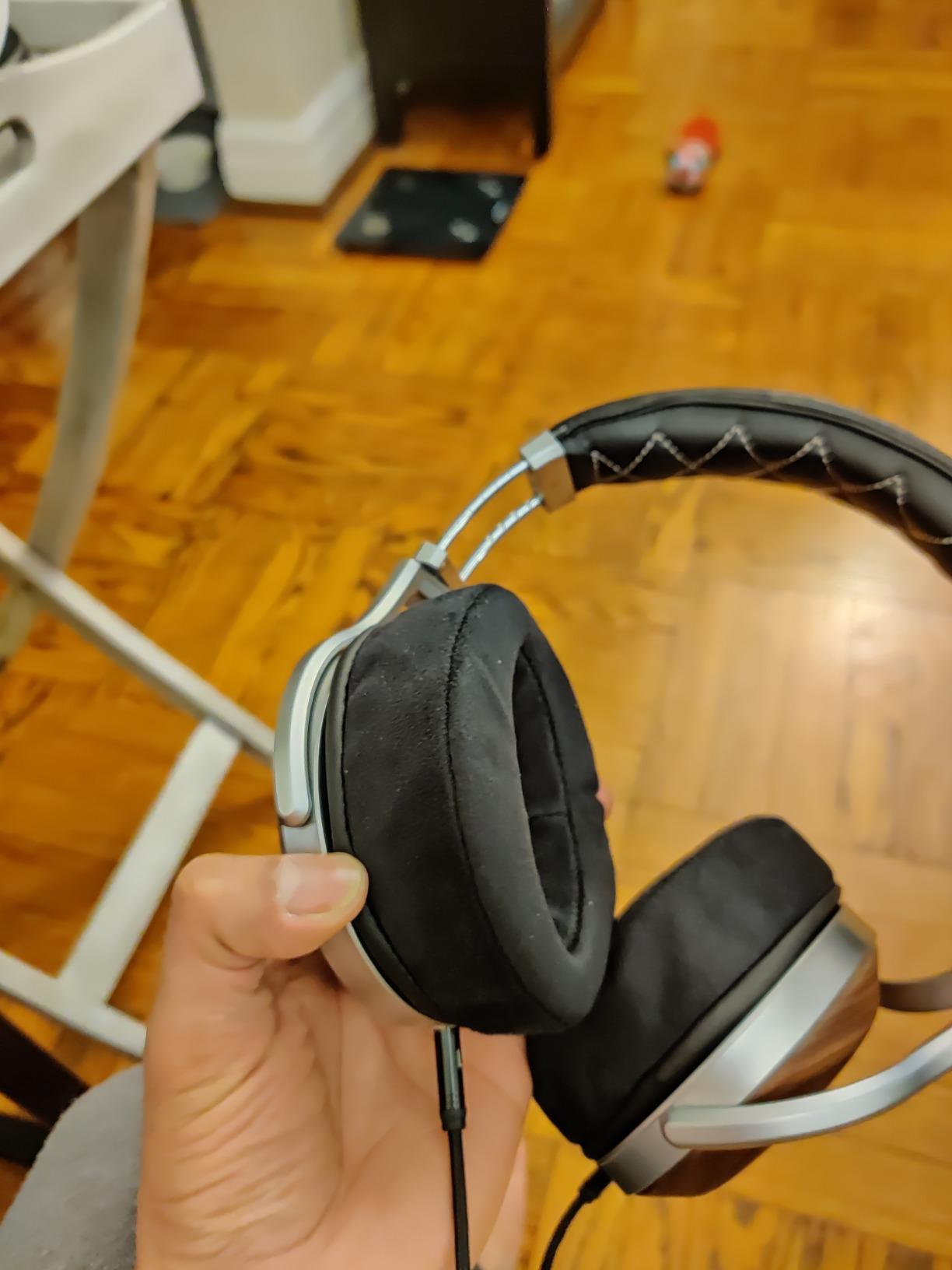
The build quality is exceptional. The walnut wood is real, the diecast aluminum is precision-machined, and the 7N-purity copper cable is made in Japan. This is a headphone built to last decades. The memory foam ear pads wrapped in engineered leather are some of the most comfortable in any closed-back design. The closed-back construction provides excellent isolation for late-night listening.
The 25 Ohm impedance is easy to drive. The AH-D7200 plays well from any source, though it scales with better amplification. I tested it from a vintage Marantz receiver and from a dedicated headphone amp. The dedicated amp brought out more detail and dynamic range, but the basic sound was satisfying in both setups.
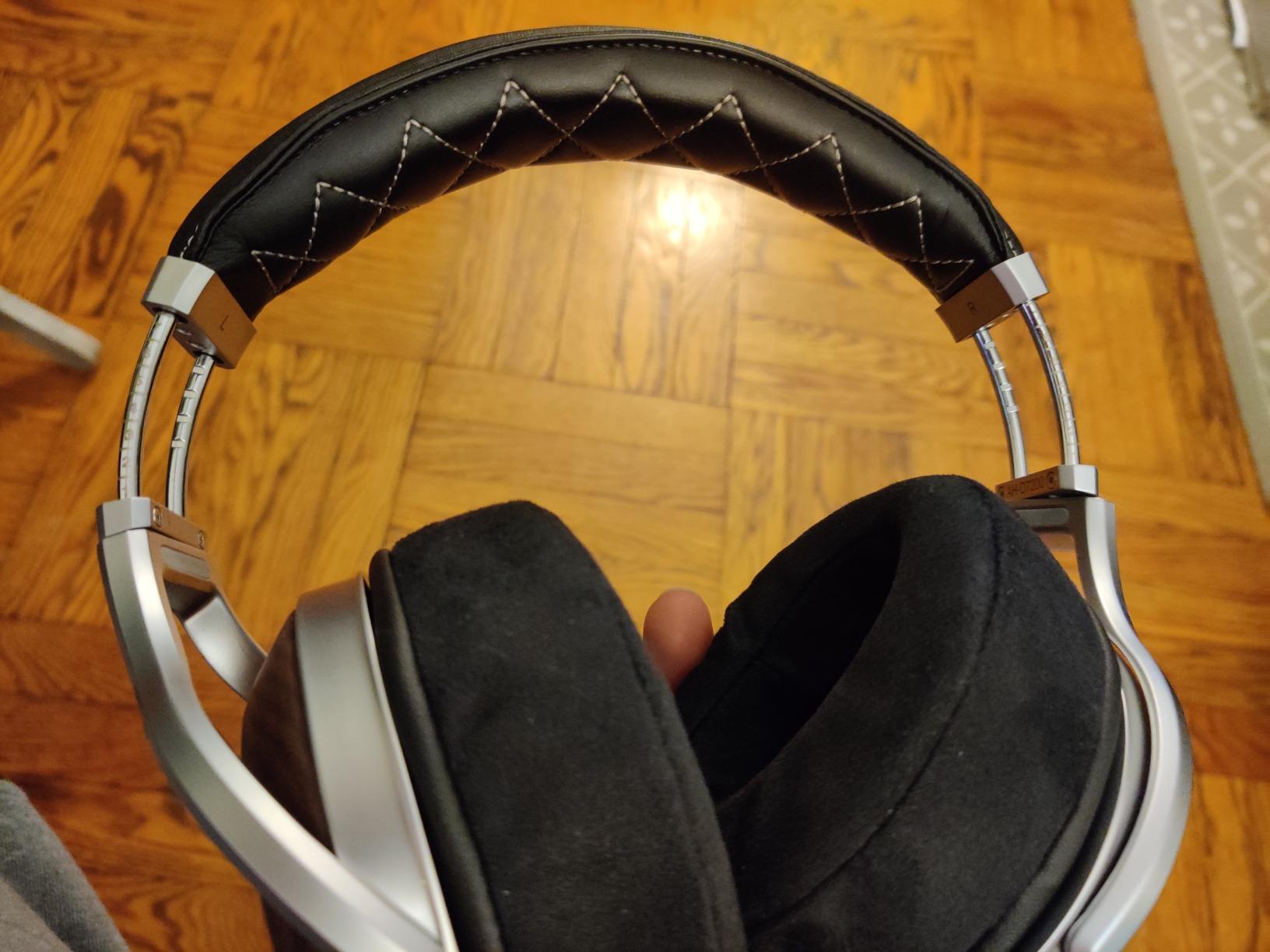
Pad rolling for better balance
The stock pads are the most common complaint. They add a bass boost that some users find overwhelming, particularly with rock and electronic music. The solution is pad rolling. Third-party pads made of suede or different foam densities can rebalance the sound. Many owners consider this a fun part of the hobby. The headphone responds well to different pads, and experimentation is part of the joy.
Who should buy the AH-D7200
This headphone is for the serious vinyl listener who wants premium closed-back isolation without sacrificing soundstage. It is a significant investment, but one that pays off in years of musical enjoyment. If you primarily listen to classical, jazz, or acoustic music in a shared space, the AH-D7200 is a stunning choice. Bass-heavy listeners who want more punch can pad-roll to taste.
Buying Guide: Choosing Headphones for Vinyl
Choosing the right audiophile headphones for vinyl listening is different from picking headphones for general music or gaming. Vinyl has unique characteristics that interact with headphone design in specific ways. Here is what I have learned from years of pairing headphones with turntables.
Open-back vs closed-back for vinyl
Open-back headphones are the traditional choice for audiophile vinyl listening, and for good reason. The open design allows the drivers to breathe, which produces a more natural, spacious sound. The soundstage extends beyond the headphones, which mimics the experience of listening to speakers in a room. Most of the recommendations in this guide are open-back for that reason.
Closed-back headphones have their place too. If you share a room, need to listen late at night, or work in a noisy environment, closed-back is the practical choice. The ATH-M50X and Denon AH-D7200 are excellent closed-back options. The trade-off is a smaller soundstage and less natural presentation. For most vinyl purists, open-back is the preferred design, but closed-back is not a compromise. It is a different tool for a different need.
Impedance and amplification requirements
Impedance is the most misunderstood spec in headphone buying. Higher impedance does not mean better sound. It means the headphone needs more voltage to reach listening volume. A 300 Ohm headphone like the Sennheiser HD 650 will play from a phone, but it will sound thin and weak. Pair it with a proper headphone amplifier, and it comes alive.
For vinyl listening specifically, the chain matters. Your turntable outputs a low-level signal that goes through a phono preamp, then to your amplifier or headphone amp. Each link in the chain must be properly matched. A common mistake is buying a $500 pair of high-impedance headphones and driving them from a $50 DAC. The result is disappointing. Budget for amplification as part of your total investment.
If you want to avoid the amp question entirely, look at the Philips SHP9500 (32 Ohm), Audio-Technica ATH-M50X (38 Ohm), or Denon AH-D7200 (25 Ohm). These low-impedance designs play well from any source. For higher-impedance options like the Sennheiser HD 650, HD 800 S, or Beyerdynamic DT 990 PRO, plan on spending an extra $100 to $200 on a good entry-level headphone amp.
Soundstage and imaging for vinyl
Soundstage is the perceived width and depth of the sound. Imaging is the accuracy of instrument placement within that space. Both matter for vinyl because analog recordings capture spatial cues that digital often loses. A wide soundstage with precise imaging lets you hear where each instrument was placed in the recording space.
For jazz, classical, and live recordings, soundstage is essential. The Sennheiser HD 800 S, HIFIMAN Arya Organic, and Audio-Technica ATH-AD700X all excel here. For rock, pop, and electronic music, soundstage is less critical because the recordings are typically more compressed. A more intimate presentation can actually work better.
Comfort for long listening sessions
Vinyl listening is a long-format medium. Albums are 20 to 45 minutes per side, and serious listening sessions often span multiple records. Comfort is not a luxury. It is a necessity. Look for headphones with breathable ear pads, lightweight designs, and low clamp force. Velour pads breathe better than leather. Self-adjusting headbands like the 3D Wing Support on the AD700X eliminate pressure points.
Matching headphones to your music
Different headphones suit different genres. For jazz and classical, the Sennheiser HD 650, HD 800 S, and HIFIMAN Arya Organic shine. For rock, electronic, and hip-hop, the Audio-Technica ATH-M50X or Denon AH-D7200 with their closed-back designs and stronger bass are better matches. For acoustic, folk, and vocal-focused music, the warm midrange of the Sennheiser HD 650 or Denon AH-D7200 flatters the format. The Beyerdynamic DT 990 PRO is the all-rounder that handles every genre well.
Frequently Asked Questions
What are the best headphones for listening to vinyl records?
The best headphones for vinyl listening combine wide soundstage, accurate midrange, and the ability to retrieve fine details. Top picks include the Sennheiser HD 650 for its warm, natural midrange, the Beyerdynamic DT 990 PRO for studio-grade detail, and the HIFIMAN Arya Organic for planar magnetic resolution. Open-back designs are preferred for the spacious sound that matches vinyl’s analog character.
Do I need a headphone amplifier for vinyl listening?
It depends on your headphones. High-impedance headphones like the Sennheiser HD 650 (300 Ohm) and Beyerdynamic DT 990 PRO (250 Ohm) need a dedicated headphone amp to sound their best. Low-impedance models like the Philips SHP9500 (32 Ohm) and Audio-Technica ATH-M50X (38 Ohm) play well from any source. A proper amp is a worthwhile investment that improves dynamic range, bass control, and overall clarity.
Why are open-back headphones preferred for vinyl?
Open-back headphones allow sound to escape from the back of the driver, which produces a more natural, spacious presentation. This matches the way vinyl was meant to be heard, with the recording space and microphone placement preserved. Open-back designs have wider soundstage, better imaging, and a more speaker-like experience. The trade-off is sound leakage, so they are best used in quiet, private spaces.
What is the 60 rule for headphones?
The 60 rule suggests listening at no more than 60% of maximum volume for no more than 60 minutes at a time. This guideline helps prevent hearing damage during long listening sessions. For vinyl listeners who often spend hours with their records, following this rule protects long-term hearing health while still allowing for enjoyable, immersive listening.
How much should I spend on audiophile headphones for vinyl?
Budget audiophile options like the Philips SHP9500 start around $85 and deliver genuine audiophile sound. Mid-range options like the Sennheiser HD 650 ($320) and Beyerdynamic DT 990 PRO ($200) represent the sweet spot for most listeners. Flagship options like the Sennheiser HD 800 S ($1900) and HIFIMAN Arya Organic ($769) offer reference-class performance for dedicated enthusiasts. Match your budget to how seriously you take the hobby.
Final Verdict: The Best Audiophile Headphones for Vinyl Listening
After testing these 8 headphones extensively with vinyl playback, my top recommendation for most listeners is the Sennheiser HD 650. It strikes the perfect balance of sound quality, comfort, and value. The warm midrange flatters the analog character of vinyl, and the open soundstage brings records to life. Pair it with a good headphone amp, and you have a vinyl listening setup that competes with much more expensive gear.
If you are on a budget, the Philips SHP9500 is the best audiophile headphones for vinyl listening under $100. It punches far above its weight and gives you a real taste of what open-back sound can do. If you want studio-grade detail with a bit more excitement, the Beyerdynamic DT 990 PRO is the best value. For the absolute best dynamic sound available, the Sennheiser HD 800 S remains the reference standard. For the best audiophile headphones for vinyl listening in 2026 overall, my pick stays with the HD 650.
Whatever you choose, remember that headphones are only one link in the vinyl chain. Your turntable, cartridge, phono preamp, and amplification all matter. The headphones reveal what comes before them. Invest in a solid signal chain, and any of these headphones will reward you with years of musical enjoyment. Happy listening.