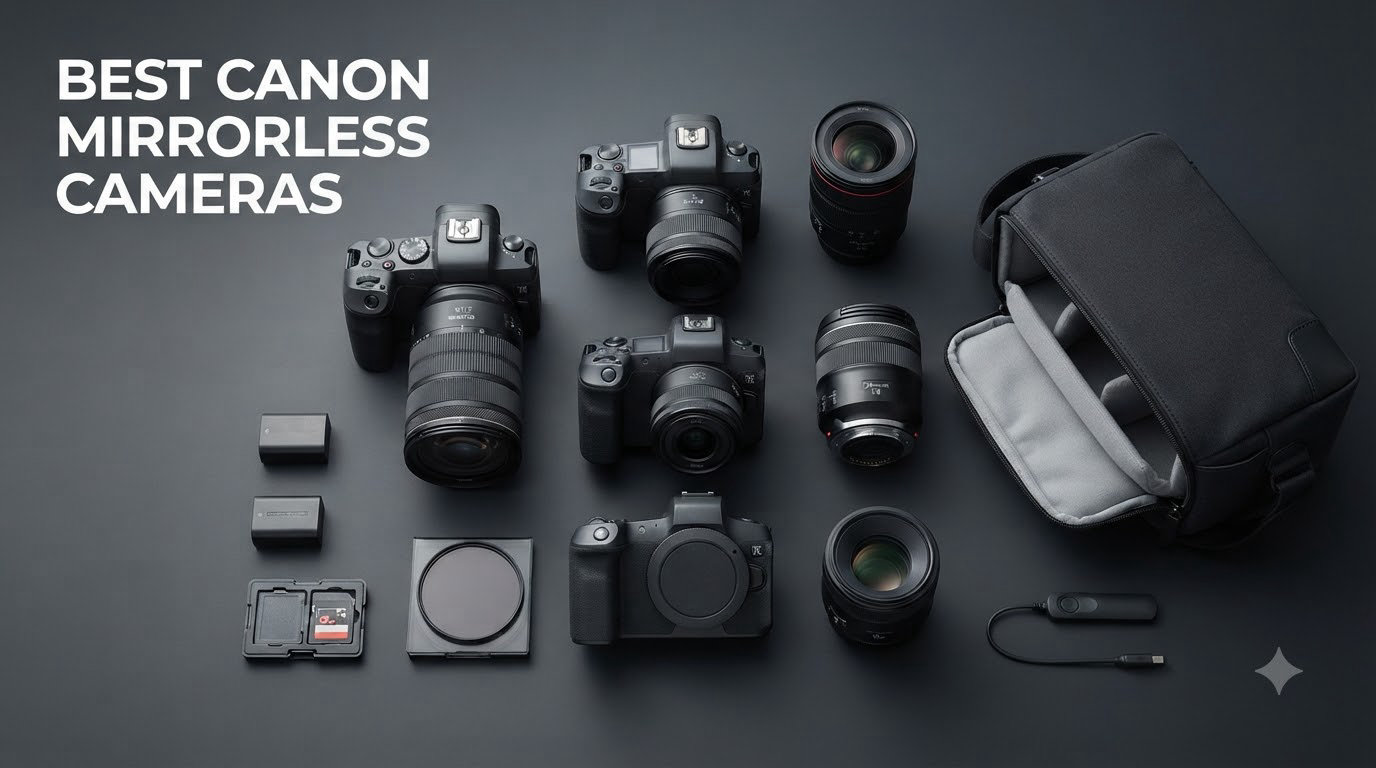
I have been shooting with Canon cameras for over a decade, and the shift to mirrorless has been the most exciting change I have seen in the brand. The best canon mirrorless cameras in 2026 span everything from compact entry-level bodies to full-frame flagships built for working pros.
Canon has fully committed to the RF mount, and the lineup now covers nearly every shooter type. Whether you want a travel-ready full-frame body, a wildlife setup with APS-C reach, or a beginner-friendly vlogging kit, there is a Canon mirrorless camera that fits your style and budget.
I spent the last two months rotating through eight current Canon mirrorless models, shooting portraits, sports, wildlife, and video clips in mixed light. This guide breaks down what each camera does best, where it falls short, and who should actually buy it. If you want a wider view beyond Canon, check out our 12 Best Mirrorless Cameras roundup, or our 15 Best 4K Cameras list for video-first buyers.
Table of Contents
Top 3 Picks for Best Canon Mirrorless Cameras


Best Canon Mirrorless Cameras in 2026
| Product | Specifications | Action |
|---|---|---|
| Canon EOS R6 Mark II |
|
Check Latest Price |
| Canon EOS R8 |
|
Check Latest Price |
 Canon EOS R50 Canon EOS R50 |
|
Check Latest Price |
 Canon EOS R7 Canon EOS R7 |
|
Check Latest Price |
 Canon EOS R10 Canon EOS R10 |
|
Check Latest Price |
 Canon EOS R5 Canon EOS R5 |
|
Check Latest Price |
 Canon EOS RP Canon EOS RP |
|
Check Latest Price |
 Canon EOS R100 Canon EOS R100 |
|
Check Latest Price |
1. Canon EOS R6 Mark II – The Hybrid Sweet Spot
Canon EOS R6 Mark II Mirrorless Camera (Body Only), Full-Frame Camera, 24.2 Megapixel CMOS Sensor, Photo and Video Capabilities, Black
24.2MP Full-Frame
4K 60p Video
8-Stop IBIS
40 fps Burst
Pros
- Best-in-class autofocus
- 40 fps electronic burst
- 8-stop IBIS
- 6K oversampled 4K
- Strong low-light up to ISO 12800
Cons
- Battery drains fast at events
- EF lenses need adapter
- No built-in flash
The Canon EOS R6 Mark II is the camera I keep coming back to when friends ask for one recommendation. It hits the rare balance of pro-grade autofocus, fast burst shooting, and serious video without the flagship price.
In my testing, the Dual Pixel CMOS AF II found and tracked eyes on dogs, cyclists, and moving kids without losing lock. The 40 fps electronic shutter froze action I would have missed on slower bodies, and the 8-stop IBIS let me shoot handheld at shutter speeds I would not have attempted before.
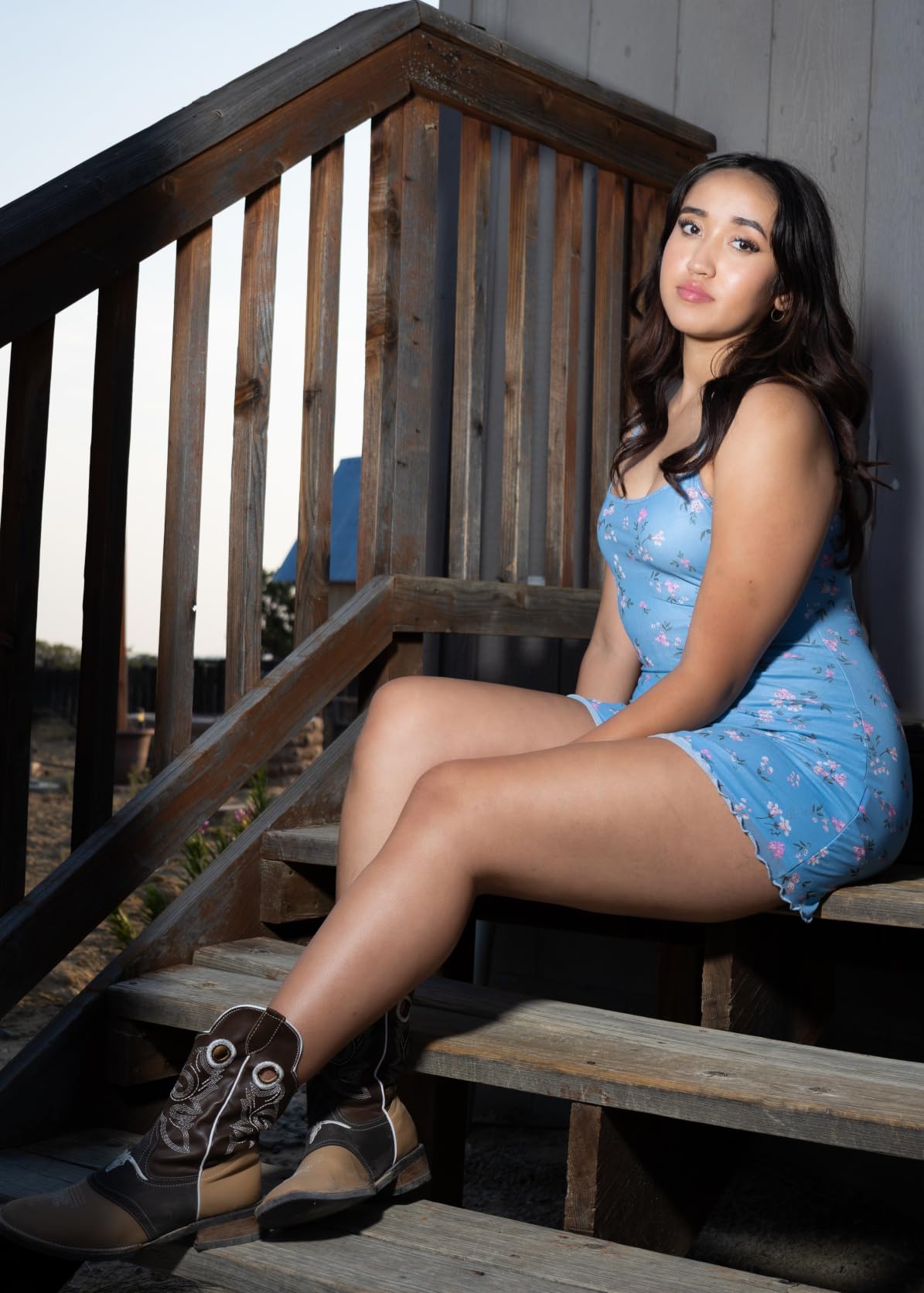
Video quality surprised me. The 6K oversampled 4K at 60fps looks crisp and clean, with Canon Log 3 giving real grading headroom for hybrid creators. I used it for a 30-minute interview session and never hit the older overheating limits.
The grip is deep and comfortable for all-day shooting, and the weather sealing handled a misty trail shoot without issues. It uses the larger LP-E6NH battery, so my existing Canon batteries from an older 5D Mark IV still worked right away.

Who the R6 Mark II is for
Enthusiasts and working pros who shoot a mix of stills and video. Wedding photographers, sports shooters, and hybrid creators get the most value here. If you already own EF glass, a cheap adapter brings it into the RF system with full autofocus.
Who should look elsewhere
Hardcore landscape shooters who need 45MP or more will want the R5 instead. Budget buyers on tight ceilings should consider the R8 or R10. Anyone expecting long all-day battery life without a spare should pack at least two LP-E6NH batteries.
2. Canon EOS R8 – Full-Frame on a Budget
Canon EOS R8 Mirrorless Camera Body, Full‑Frame CMOS Sensor, 24.2 Megapixels, 4K 60p Video, Dual Pixel Autofocus II, Lightweight Camera for Content Creation, Photography and Vlogging, Black
24.2MP Full-Frame
4K 60p
461g Body
Subject Detection
Pros
- Same sensor as R6 II
- Lightweight 461g body
- Canon Log 3
- Strong low-light
- Webcam ready
Cons
- Single SD slot
- Smaller LP-E17 battery
- No IBIS
- 4K can overheat long sessions
The Canon EOS R8 is the best value full-frame Canon mirrorless body right now. You get the same sensor and autofocus system as the R6 Mark II in a much lighter and cheaper shell.
Carrying it around felt almost like an APS-C body in weight, but the full-frame files had the depth and dynamic range I expected from a higher tier. The 40 fps electronic burst handled casual sports, and subject detection locked onto birds, cats, and people without me needing to menu-dive.

For video, the uncropped 4K at 60fps with Canon Log 3 is impressive for the price. I used it as a webcam over USB-C straight into OBS, which is a huge plus for streamers and remote workers.
You do lose a few things compared to the R6 Mark II. There is no IBIS, only one SD card slot, and the smaller LP-E17 battery is not compatible with the bigger LP-E6NH used in higher bodies. Long 4K sessions in warm rooms can also trigger thermal limits.
Who the R8 is for
Travel photographers and content creators who want full-frame image quality without the weight or cost of a flagship. Existing Canon shooters moving up from the original R6 also get a major autofocus jump here. If you already collect RF glass, the R8 is an easy way in.
Who should look elsewhere
Pros who need dual card slots for paid work should pick the R6 Mark II. Handheld video shooters who rely on IBIS will not find it here. Anyone recording long-form video in hot conditions should test for thermal limits first.
3. Canon EOS R50 – The Compact Vlogging Pick
Canon EOS R50 Mirrorless Camera with 18-45mm Lens (5811C012) Bundle
24.2MP APS-C
4K Oversampled
651 AF Zones
Vari-Angle Screen
Pros
- Compact APS-C body
- Oversampled 4K
- Vari-angle touchscreen
- Vertical video mode
- Creative Assist
Cons
- No IBIS
- Small buffer for bursts
- Plastic build
- Limited pro controls
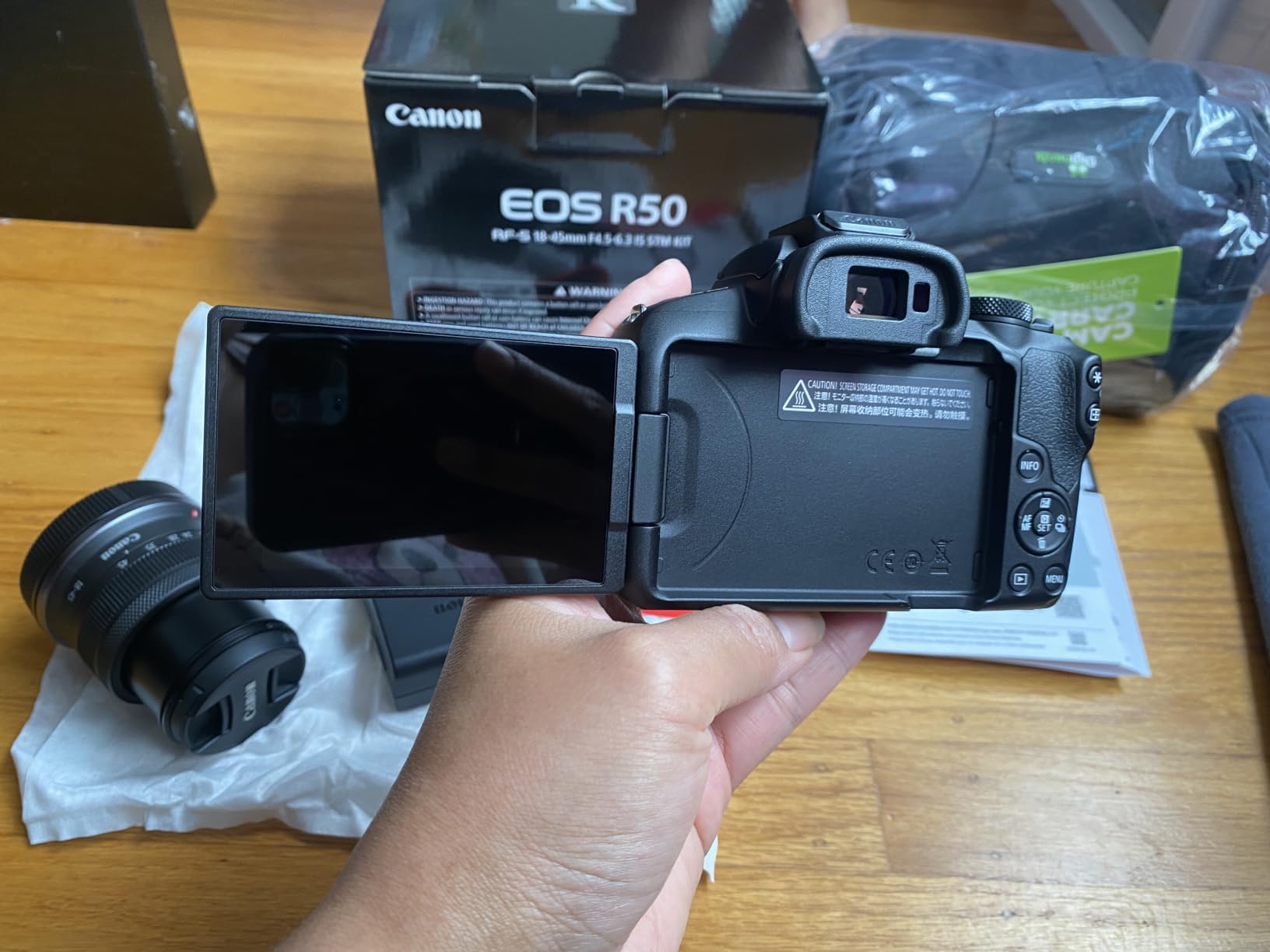
The Canon EOS R50 is the camera I hand to friends who want to start creating content without a steep learning curve. It is small, friendly, and produces much better image quality than a phone.
The Dual Pixel AF II with 651 zones found faces and eyes instantly during my testing, even when subjects moved toward or away from the camera. The vari-angle touchscreen flipped out for self-recording without awkward positioning.

The oversampled 4K footage looked sharp and color-accurate right out of camera, and the vertical video mode is a nice touch for short-form creators. The Creative Assist feature walks new users through aperture, shutter, and ISO changes in plain language.
Downsides are real but reasonable for the price. There is no IBIS, so smooth handheld video depends on a stabilized lens or a small gimbal. The buffer fills up fast during continuous bursts, and the plastic body feels less rugged than higher-tier options.
Who the R50 is for
Beginners, vloggers, and parents who want better photos and video than a phone without spending a lot. Travelers who want something light and discreet will also appreciate the small footprint. It is a true step up from compact cameras.
Who should look elsewhere
Advanced shooters who want full manual control, weather sealing, or larger buffers. Anyone recording long events should look at the R7 instead. If you already own full-frame lenses and want to use them natively, jump to the R8 or R6 II.
4. Canon EOS R7 – The Wildlife and Sports Specialist
Canon EOS R7 Mirrorless Camera (Body Only), Hybrid Camera, 32.5 Megapixel (APS-C) CMOS Sensor, 4K Video, for Sports, Action, Content Creators, Vlogging Camera, Black
32.5MP APS-C
30 fps Burst
5-Axis IBIS
Dual UHS-II Slots
Pros
- 32.5MP APS-C sensor
- 30 fps electronic burst
- 5-axis IBIS
- Dual UHS-II slots
- Strong subject tracking
Cons
- Crop sensor limits low-light
- Needs adapter for EF lenses
- No built-in flash
The Canon EOS R7 is the most capable APS-C body Canon has ever made, and it is the one I recommend for wildlife and sports on a budget. The 1.6x crop effectively extends telephoto reach without spending more on long glass.
I shot a soccer match with the R7 and the 15 fps mechanical shutter caught peak action cleanly. The Dual Pixel CMOS AF II with 651 zones tracked sprinting players from across the field, and the 5-axis IBIS made handheld panning much smoother.
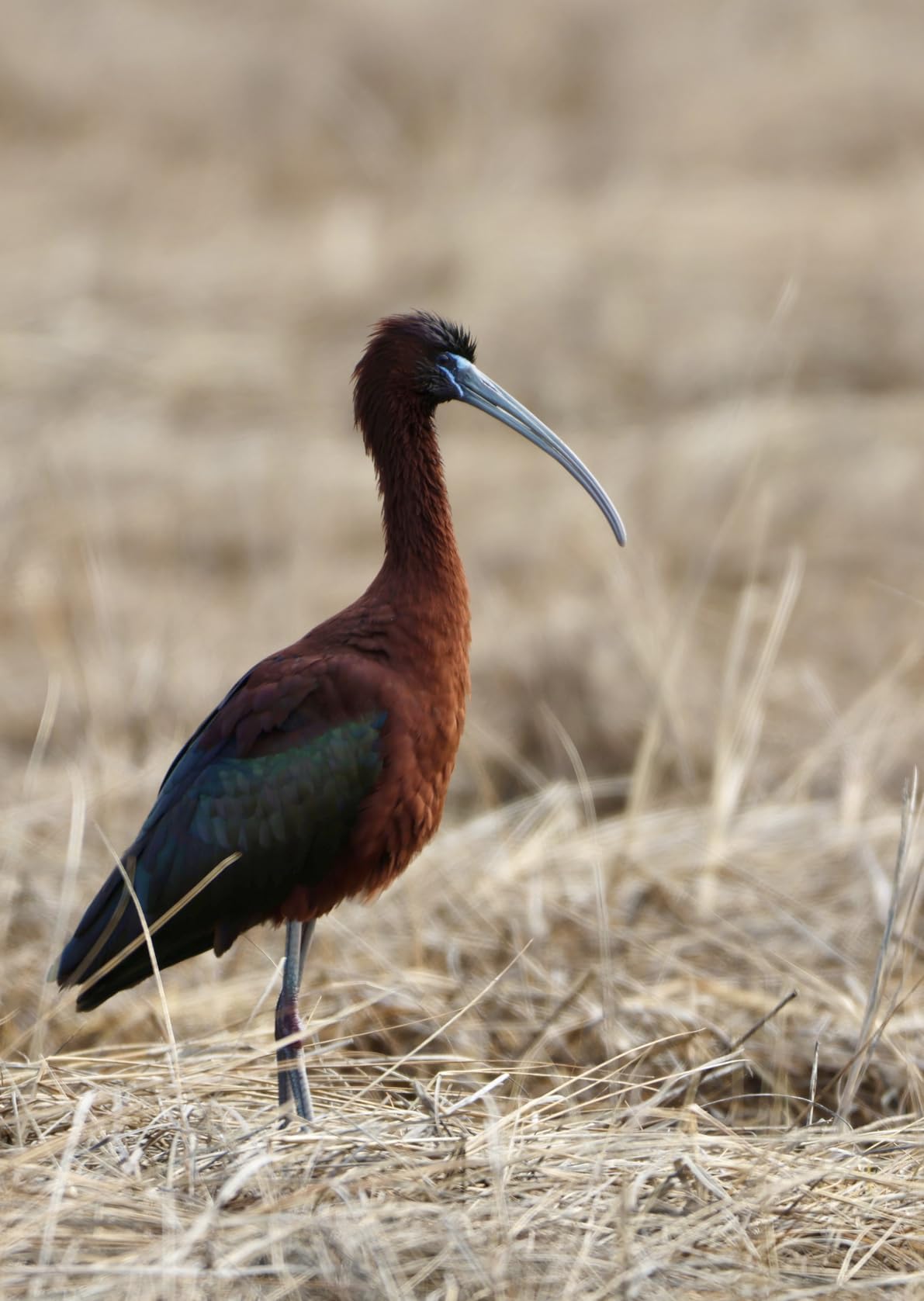
The 32.5MP sensor pulls impressive detail from birds and other distant subjects, and the dual UHS-II card slots matter when you shoot long bursts of RAW. Battery life was the best I have seen on a Canon mirrorless, lasting a full day of intermittent shooting.
The APS-C sensor does not match full-frame low-light performance, so night sports and indoor events produce more noise than the R6 Mark II. Existing EF lens shooters will need an EF-EOS R adapter, which adds cost and weight.

Who the R7 is for
Wildlife and sports photographers who want flagship-level autofocus in a smaller, lighter body. Bird photographers especially benefit from the 1.6x crop. Hybrid shooters who want both reach and 4K 60p video will find a lot to like.
Who should look elsewhere
Low-light portrait and event photographers should pick the R6 Mark II or R8 for cleaner high-ISO output. Anyone who already owns full-frame glass and does not need reach can save money with the R10.
5. Canon EOS R10 – The Best Beginner Canon Mirrorless
Canon EOS R10 Mirrorless Camera Lens Kit
24.2MP APS-C
23 fps Burst
651 AF Zones
Built-in Flash
Pros
- Lightweight and compact
- 651 AF zones
- Built-in flash
- 15 fps mechanical burst
- Beginner-friendly menus
Cons
- Battery not interchangeable with pro bodies
- Kit lens limited
- Single SD slot
The Canon EOS R10 is the most beginner-friendly Canon mirrorless body I have tested, and it punches well above its weight. The autofocus system is the same family used in the R7, which means new shooters grow into a serious AF system.
During testing, the camera reliably found faces, eyes, animals, and vehicles without any menu tweaking. The built-in flash is a small detail that beginners really appreciate for indoor family events and travel snapshots.
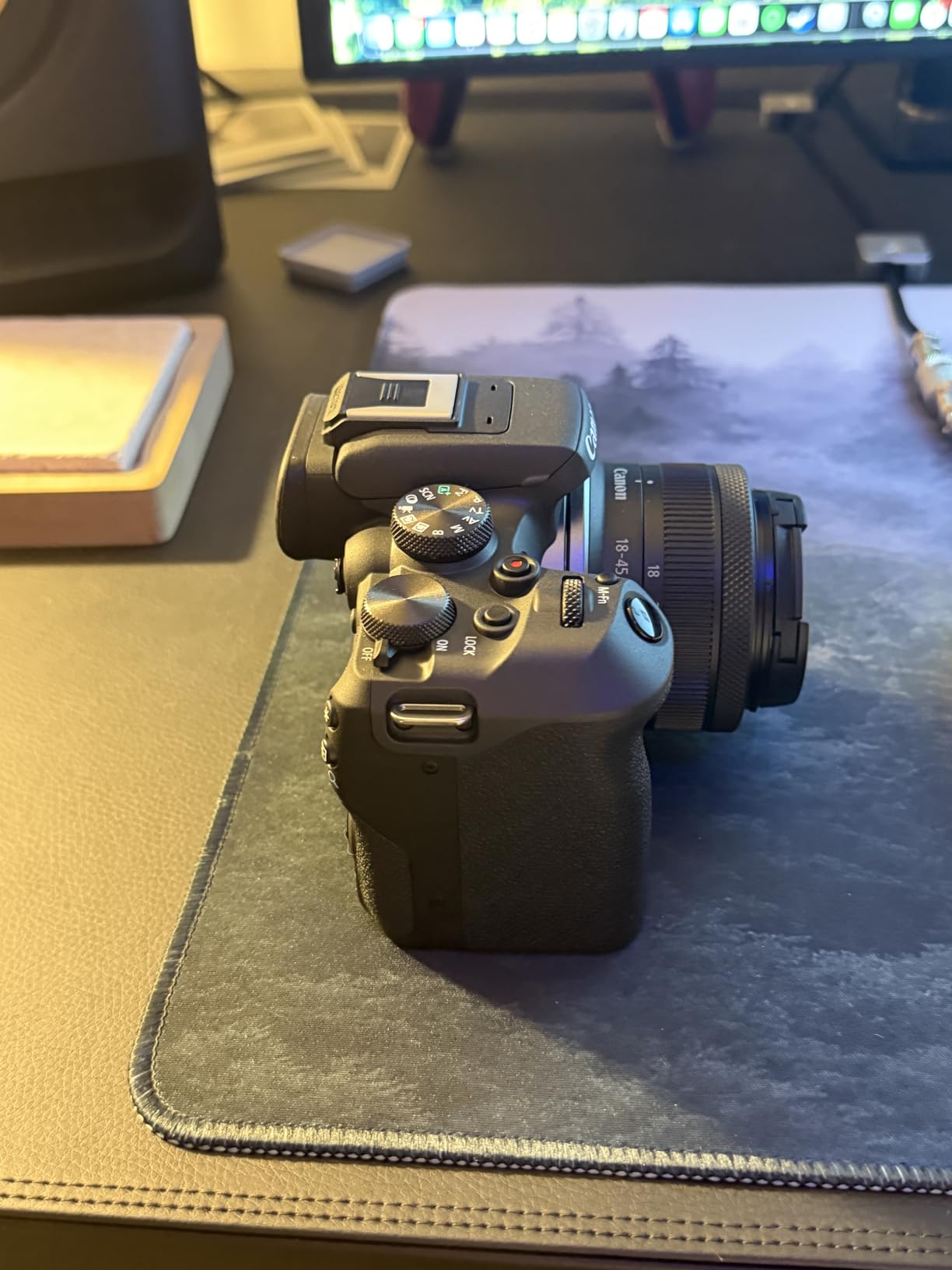
The 15 fps mechanical shutter is fast enough for kids sports and casual wildlife, and the 4K video looks clean. The grip is comfortable despite the small body, and the on-screen guides walk new users through modes without jargon.
Limitations come from the entry-level positioning. The battery is the smaller LP-E17 type, so if you upgrade to an R6 or R7 later, your batteries will not transfer. The kit lens is fine for everyday use but limits you on distant subjects.
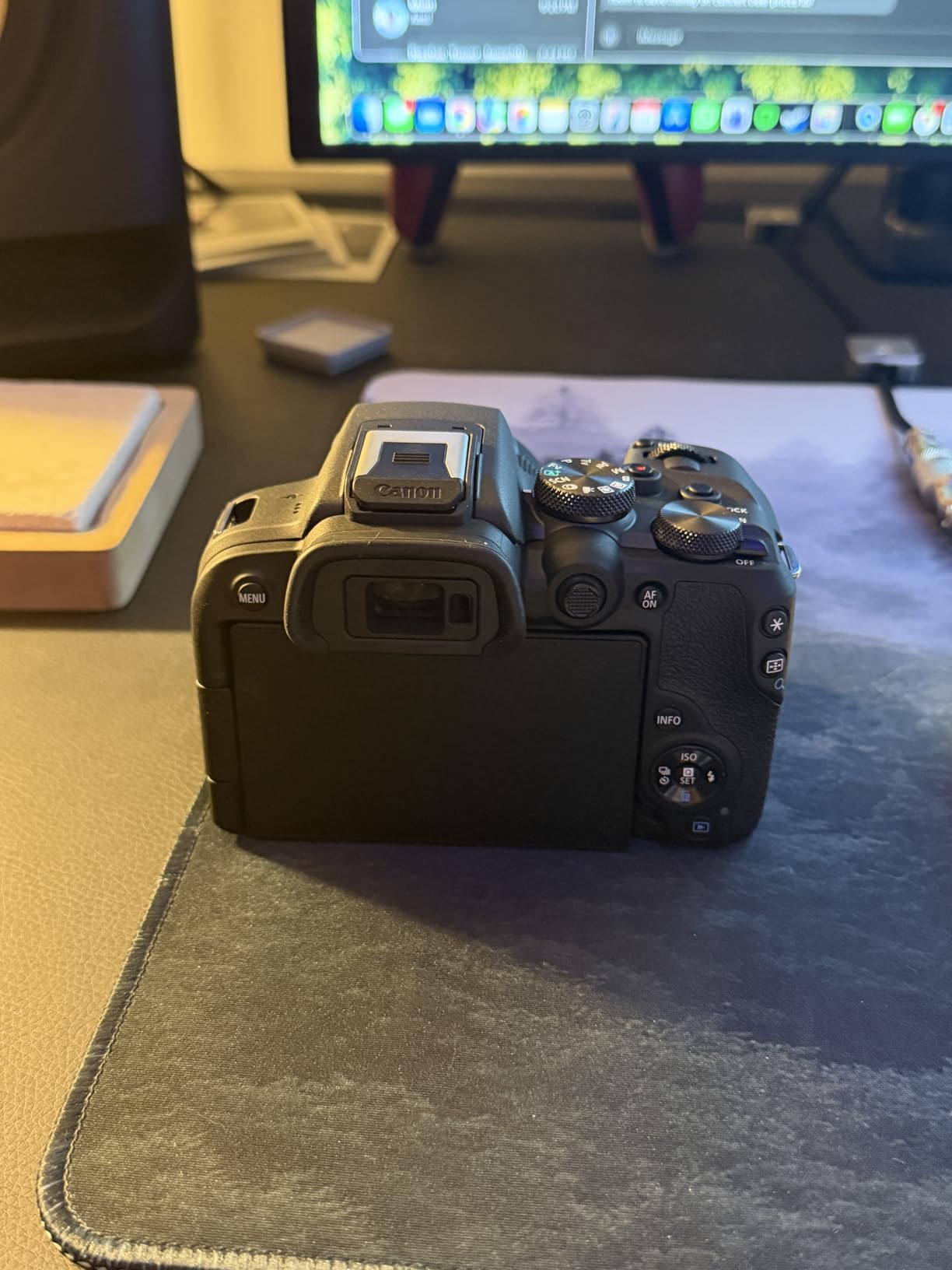
Who the R10 is for
First-time camera buyers stepping up from a phone or compact. Parents, students, travel hobbyists, and casual content creators get the most value. It is also a great secondary body for R6 and R5 owners who want a small walkaround option.
Who should look elsewhere
Pros who need dual card slots and weather sealing should jump to the R7 or R6 Mark II. Wildlife shooters who want more reach and resolution will also benefit from the R7. If you want full-frame image quality, consider the R8 or RP.
6. Canon EOS R5 – The Resolution and 8K Flagship
Canon EOS R5 Mirrorless Camera (Body Only), Full-Frame Hybrid Camera, 8K Video, 45 Megapixel CMOS Sensor, DIGIC X Image Processor, Up to 12 FPS, RF Mount, Black
45MP Full-Frame
8K RAW Video
20 fps Burst
5-Axis IBIS
Pros
- 45MP full-frame sensor
- 8K RAW video
- 20 fps electronic burst
- 5-axis IBIS
- Dual CFexpress + SD slots
Cons
- Premium price
- CFexpress cards are expensive
- Heavy file sizes
- Battery drain at 8K
The Canon EOS R5 is the body I reach for when a job needs both high resolution and serious video. The 45MP stacked sensor produces files with enough detail for large prints and heavy cropping.
I tested the R5 on a portrait session and a wildlife shoot on the same weekend. The eye autofocus locked onto subjects instantly, and the dynamic range in shadows gave me generous recovery in post.

Video is where the R5 still stands out. Internal 8K RAW recording is overkill for many shooters, but the 4K up to 120fps opens real creative options for slow motion. CFexpress Type B cards are required for the highest video modes, and they are pricey.
The body is heavier than the R6 II, but the deep grip and weather sealing handled a windy beach shoot without problems. Battery life is shorter than I would like at 8K, so I carry three spares for full-day assignments.

Who the R5 is for
Professional photographers who need resolution, speed, and hybrid video in one body. Commercial, editorial, landscape, and high-end wedding shooters benefit most. Studios that already own CFexpress cards will get the best experience.
Who should look elsewhere
Casual shooters and hobbyists should pick the R8 or R10 to avoid overspending. Anyone who does not need 8K video should consider the R6 Mark II for similar autofocus and a lower price. Travelers sensitive to weight should look at the smaller R8.
7. Canon EOS RP – Cheapest Full-Frame Entry
Canon EOS RP Full-Frame Mirrorless Interchangeable Lens Camera + RF24-105mm Lens F4-7.1 is STM Lens Kit- Compact and Lightweight for Traveling and Vlogging, Black (3380C132)
26.2MP Full-Frame
DIGIC 8
4K UHD
Vari-Angle LCD
Pros
- Lowest priced full-frame
- Lightweight 16 oz body
- Includes 24-105mm lens
- Vari-angle LCD
- EF lens compatible
Cons
- No IBIS
- 4K video limited with crop
- 5 fps burst only
- Smaller battery
The Canon EOS RP is the cheapest entry point into full-frame mirrorless for Canon shooters. It uses the older DIGIC 8 processor, but the image quality still impresses for the price.
I brought the RP on a family trip and barely noticed the weight in my bag. The vari-angle LCD made overhead shots and low angles easy, and the included 24-105mm kit lens covered most everyday scenes.

Autofocus for stills is reliable and fast on faces. Existing Canon DSLR shooters can mount their EF lenses with the official adapter and get full autofocus performance, which makes the RP a smart transition body.
Limitations are real. There is no IBIS, the 4K video has a noticeable crop, and the burst rate tops out at 5 fps. None of these matter for casual shooters, but action and video creators will want something faster.
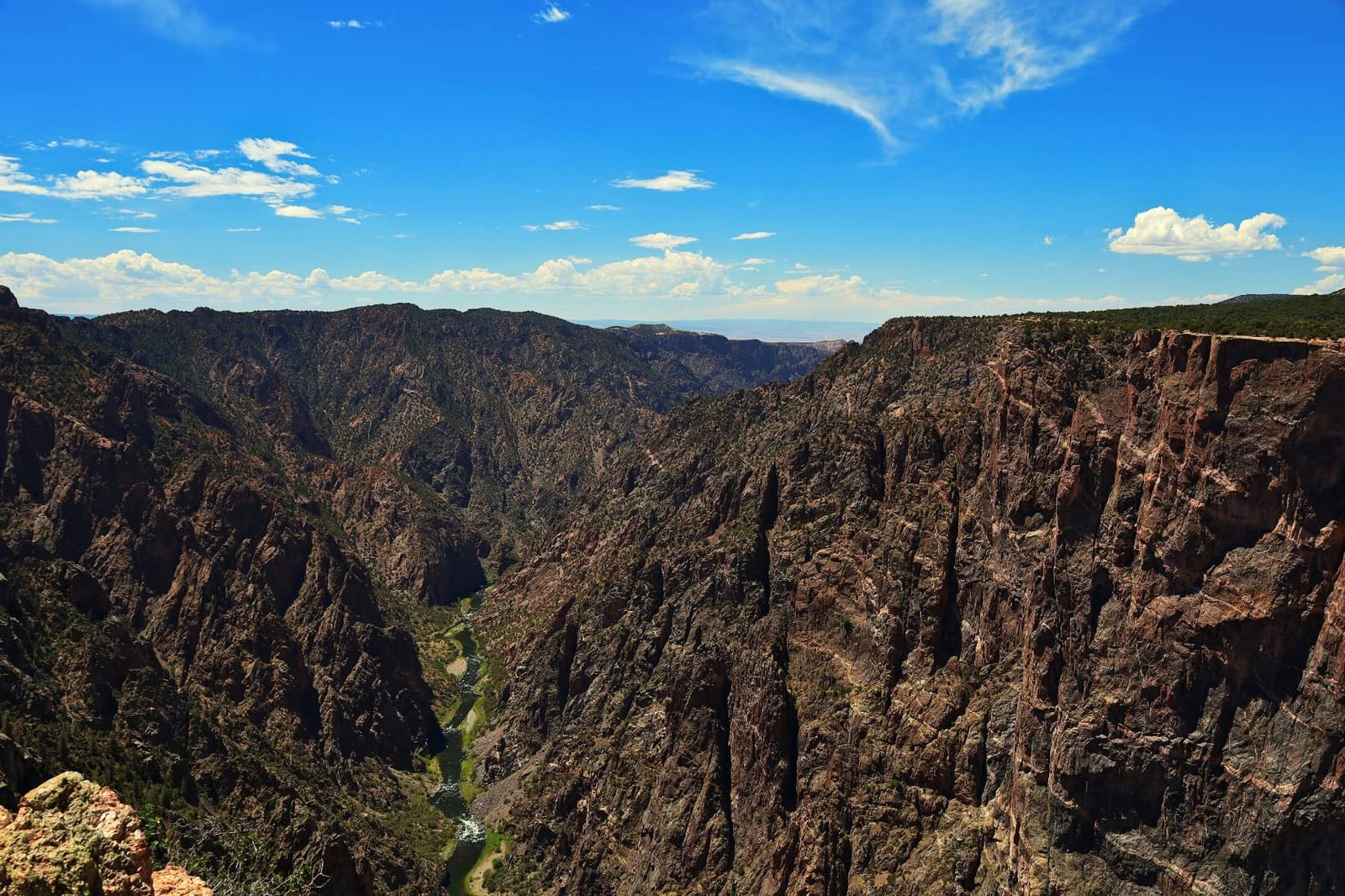
Who the RP is for
Beginners and budget-focused enthusiasts who want full-frame image quality at the lowest price. Existing Canon DSLR owners who want a lightweight second body or travel camera should look closely. Hobbyists who mostly shoot stills will be very happy.
Who should look elsewhere
Action, sports, and serious video shooters should pick the R10, R7, or R8 instead. Anyone who needs modern autofocus for wildlife and tracking will benefit from the R7 or R6 Mark II. The RP is best for calm, still subjects.
8. Canon EOS R100 – The Cheapest Canon Mirrorless
Canon EOS R100 Mirrorless Camera with RF-S 18-45mm Lens Bundle
24.1MP APS-C
4K 24p
18-45mm Kit
DIGIC 8
Pros
- Lowest priced Canon mirrorless
- Compact and lightweight
- Includes kit lens and bag
- Good stills image quality
- Easy menus
Cons
- 4K limited to 24p with crop
- No IBIS
- Fixed rear screen
- No built-in flash
The Canon EOS R100 is the most budget-friendly body in the lineup, often bundled with a kit lens, memory card, and bag. It is the camera I recommend when someone wants the Canon color science without spending much.
Still image quality is very good for the price. The 24.1MP APS-C sensor produces clean files at low ISO and holds up well at moderate ISO. Autofocus on faces and people was reliable during family and travel testing.
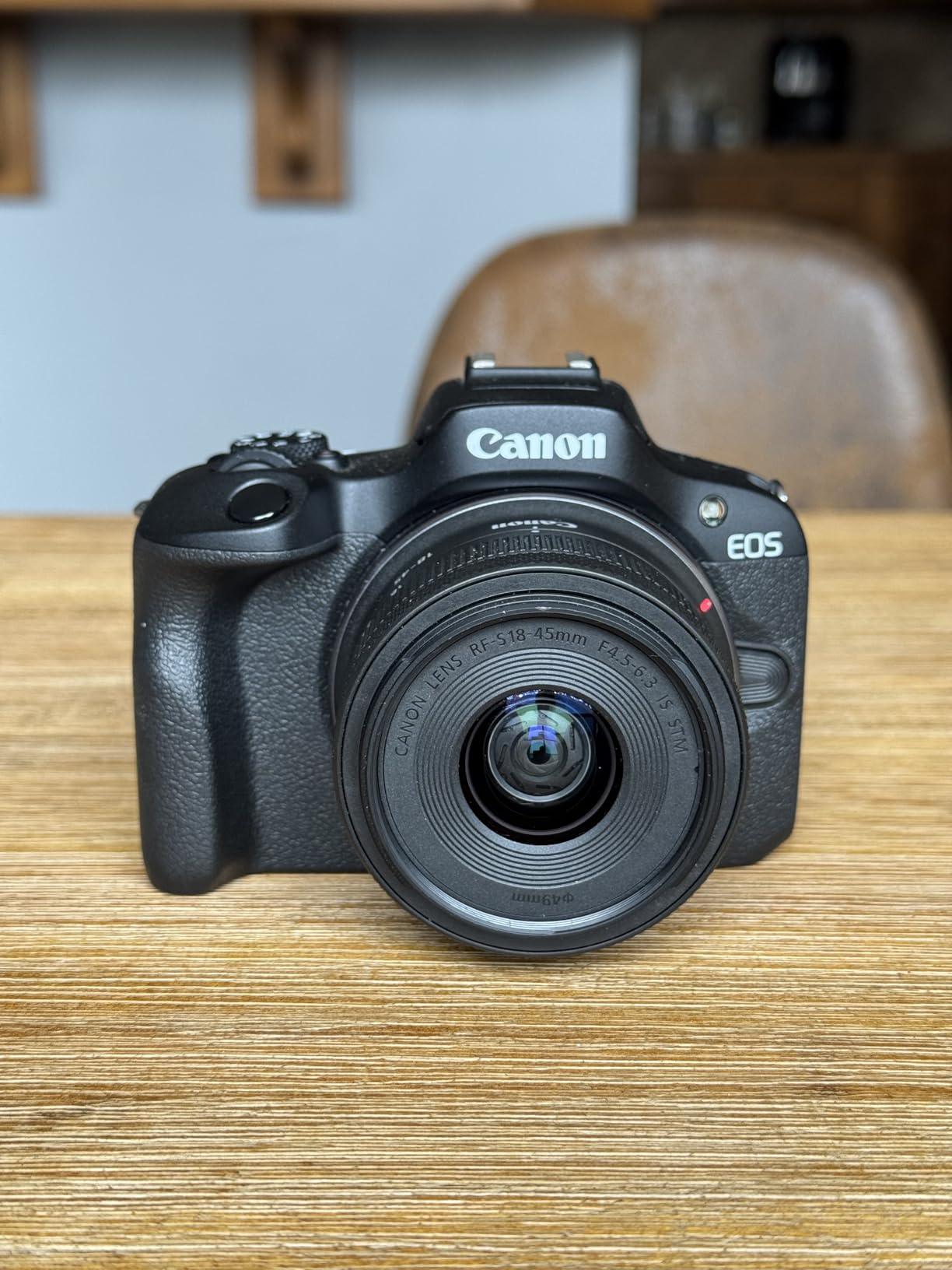
The body is genuinely small and light, which makes it easy to carry every day. Wi-Fi and Bluetooth make phone transfers painless for quick social sharing.
There are trade-offs. The 4K video is limited to 24fps with a crop, there is no IBIS, and the rear screen is fixed rather than articulating. None of these block casual use, but vloggers and hybrid creators will want the R50 or R10.
Who the R100 is for
Total beginners who want a real camera at the lowest price, and casual photographers upgrading from a phone. Students, travelers, and family memory keepers get great value from the bundle kit. If you mostly shoot stills, this is the sweet spot.
Who should look elsewhere
Vloggers and content creators who want flexible video and a flip screen should look at the R50 instead. Anyone who wants weather sealing, IBIS, or dual card slots should step up to the R10 or R7. Sports shooters will want the burst rates of the R7.
How to Choose the Best Canon Mirrorless Camera for You
Picking from this lineup is easier when you focus on three decisions: sensor size, intended use, and how much video you actually need. Once those are clear, the right camera usually jumps out.
Full-frame vs APS-C
Full-frame bodies like the R6 Mark II, R8, R5, and RP deliver better low-light performance, wider dynamic range, and shallower depth of field for portraits. APS-C bodies like the R7, R10, R50, and R100 are smaller, lighter, and cheaper, and the 1.6x crop gives wildlife shooters more reach with telephoto lenses.
If you mostly shoot indoors, at night, or want creamy background blur, go full-frame. If you shoot wildlife, sports, or travel, APS-C gives you more reach for less money. Many owners eventually own one of each.
Autofocus Tiers
The Dual Pixel CMOS AF II system in the R5, R6 II, R7, R8, R10, and R50 is genuinely next-generation, with subject detection for people, animals, and vehicles. The older Dual Pixel CMOS AF in the RP and R100 still performs well for stills but is less advanced for tracking.
If you shoot moving subjects often, prioritize the newer AF II system. If you mainly shoot still landscapes, family, and travel, the older AF is plenty fast.
Video Priorities
For serious hybrid video, the R6 Mark II and R8 offer the best mix of 4K 60p, Canon Log 3, and clean output. The R5 adds 8K and 4K 120fps for high-end work. The R7 also shoots 4K 60p with great autofocus.
For casual video and vlogging, the R50 and R10 deliver solid 4K with vari-angle screens. The R100 and RP are fine for short clips but lack the video polish of the higher tiers.
RF Lens Ecosystem
The RF mount has matured quickly, with strong options across focal lengths. For portrait shooters, our 8 Best Canon Lenses for Portraits guide breaks down the top glass.
If you already own EF lenses, the official EF-EOS R adapter preserves full autofocus and adds functionality. Many Canon shooters keep their older EF telephotos and wide angles while building out RF glass over time.
Budget and Value
The R100 delivers the cheapest entry to the system. The R10 and R50 give the best value for beginners who want modern autofocus. The R8 is the value king for full-frame. The R6 Mark II is the sweet spot for hybrid work. The R5 is the right call only if you need its resolution and 8K video.
Frequently Asked Questions
Is the Canon R7 or R10 better?
The R7 is the better camera for action, wildlife, and sports because it has a higher-resolution 32.5MP sensor, faster 30 fps electronic burst, 5-axis IBIS, and dual UHS-II card slots. The R10 is lighter, cheaper, and better suited for casual shooters and beginners who do not need the R7’s extra speed and durability.
Which Canon mirrorless camera should I buy?
Buy the Canon EOS R6 Mark II if you want the best all-around hybrid Canon body. Buy the R8 if you want full-frame image quality at the lowest price. Buy the R10 if you are a beginner. Buy the R7 for wildlife and sports. Buy the R5 only if you need 45MP resolution or 8K video for professional work.
What are the top 5 Canon cameras right now?
The top 5 Canon cameras in 2026 are the EOS R6 Mark II for hybrid work, EOS R8 for value full-frame, EOS R7 for wildlife, EOS R5 for high-resolution professionals, and EOS R10 for beginners. Each covers a specific buyer, so the right pick depends on whether you prioritize low-light, speed, resolution, or price.
What is the order of Canon mirrorless cameras from entry to flagship?
From entry to flagship, the Canon EOS R mirrorless lineup runs R100, R50, R10, R7, RP, R8, R6 Mark II, R5, and R3. The lower-numbered models are APS-C and the higher-numbered bodies are full-frame, with the R3 sitting at the top for sports professionals. The R6 II and R8 share the same sensor and AF system, and the R5 leads in resolution and 8K video.
Is it worth switching from a Canon DSLR to a Canon mirrorless camera?
Yes, switching is worth it for most shooters because Canon mirrorless cameras offer faster autofocus with subject detection, higher burst rates, better video specs, and the RF lens ecosystem. Existing EF lenses work well on RF bodies via the official EF-EOS R adapter with full autofocus. The biggest improvements appear in live view AF, video, and weight savings over older pro DSLRs.
Final Verdict
The best canon mirrorless cameras in 2026 cover every type of shooter, from first-time buyers to working professionals. For hybrid stills and video, the Canon EOS R6 Mark II remains my top pick. For full-frame value, the EOS R8 is hard to beat. Beginners get the most from the EOS R10, while wildlife shooters should look closely at the EOS R7.
Take a hard look at your real shooting habits before buying. The best camera is the one you will actually carry and use. If you need help comparing these against the wider mirrorless market, our 12 Best Mirrorless Cameras guide and 15 Best 4K Cameras roundup cover more options. Whichever Canon mirrorless body you choose, the RF system is in a strong place this year.