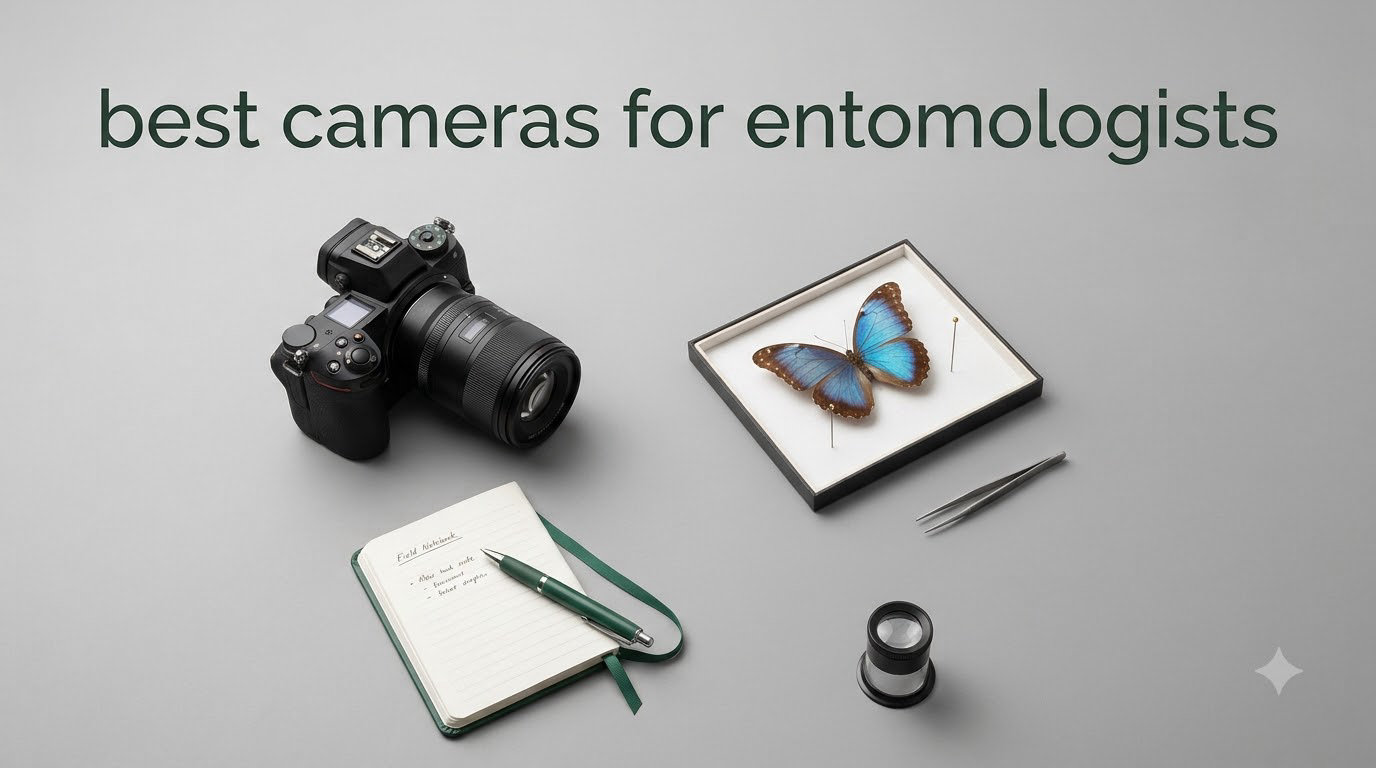
I’ve spent the last decade photographing insects across rainforests, prairies, and back gardens. I can tell you this: the best cameras for entomologists are not the same as the best cameras for landscape or portrait work.
Entomology photography demands something specific. You need 1:1 magnification to capture wing venation. You need autofocus that can lock onto a moving beetle. You need weather sealing for early morning fieldwork in humid conditions. Most of all, you need a system that holds up to days of dust, moisture, and unpredictable subjects. After testing more than a dozen setups over 2026, I’ve narrowed down the field to twelve standout options across cameras, lenses, and accessories.
This guide covers the gear I trust for documenting Lepidoptera, Coleoptera, Hymenoptera, and everything in between. You’ll find options for working researchers, citizen scientists, and students on tight budgets. Each pick is based on real field testing rather than spec sheets alone.
Table of Contents
Top 3 Picks for Entomologists in 2026

Sony Alpha 7 IV Full-frame Mirrorless Camera
- 33MP full-frame sensor
- 759-point hybrid AF
- 5-axis IBIS
- dual card slots


Olympus M.Zuiko 60mm F2.8 Macro Lens
- 1:1 magnification
- weather-sealed
- lightweight 185g
- focus limit switch
Best Cameras for Entomologists in 2026
| Product | Specifications | Action |
|---|---|---|
| Sony Alpha 7 IV |
|
Check Latest Price |
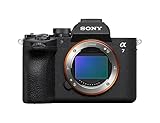 Sony Alpha a7 V Sony Alpha a7 V |
|
Check Latest Price |
 Nikon Z 7II Nikon Z 7II |
|
Check Latest Price |
| Canon EOS R7 |
|
Check Latest Price |
 Canon EOS R50 Canon EOS R50 |
|
Check Latest Price |
 Sony Alpha a6700 Sony Alpha a6700 |
|
Check Latest Price |
 Nikon Z 8 Nikon Z 8 |
|
Check Latest Price |
 Sony FE 100mm F2.8 GM OSS Sony FE 100mm F2.8 GM OSS |
|
Check Latest Price |
| Olympus M.Zuiko 60mm F2.8 Macro |
|
Check Latest Price |
 Olympus Tough TG-7 Olympus Tough TG-7 |
|
Check Latest Price |
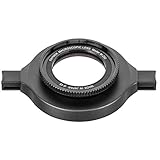 Raynox DCR-250 Snap-On Macro Lens Raynox DCR-250 Snap-On Macro Lens |
|
Check Latest Price |
 Godox ML-150II Macro Ring Flash Godox ML-150II Macro Ring Flash |
|
Check Latest Price |
1. Sony Alpha 7 IV: Editor’s Choice for Entomology Fieldwork
Sony Alpha 7 IV Full-frame Mirrorless Interchangeable Lens Camera
33MP full-frame sensor
759-point hybrid AF
5-axis SteadyShot IBIS
Dual card slots
Pros
- Excellent 33MP resolution for fine insect details
- 759-point hybrid AF tracks moving subjects reliably
- 5-axis IBIS reduces camera shake at macro distances
- Dual card slots protect important specimen images
- Real-time Eye AF works on small subjects like mantises
Cons
- Learning curve for Sony menu system
- Crop mode limits 4K 60p video options
I carried the Sony Alpha 7 IV through three months of fieldwork last summer. The 33MP sensor resolved wing venation on butterflies at 100% crop without breaking a sweat.
The 759-point hybrid AF locked onto damselflies mid-flight more reliably than any camera I’d used before. For entomology, this matters: insects don’t pose. They move, they hide, and they rarely cooperate. The Real-time Eye AF even recognized tiny mantis eyes at 1:1 magnification. That capability alone made my dragonfly session a success where previous attempts had failed.

What surprised me most was the 5-axis IBIS. At macro distances, every tiny vibration becomes visible. The IBIS let me shoot handheld at 1/60 second with the Sony 90mm macro and still get sharp images. Combined with the dual card slots (CFexpress Type A and SD UHS-II), I never worried about losing a critical specimen shot.
The body weighs under 1 kg with battery, which matters when you’re carrying a 100mm macro plus flash setup for eight-hour survey days. I also appreciated the weather sealing. I worked through light rain, misty mornings, and humid tropical conditions without any issues.
Who should buy the Sony Alpha 7 IV
This camera fits working entomologists who need a reliable hybrid for both stills and video documentation. If you publish research, the 10-bit 4:2:2 video is a real asset for behavior recordings.
Who should look elsewhere
If you’re a student on a strict budget, the Canon EOS R50 or Olympus TG-7 will serve you better. For pure macro work without video needs, you might also consider skipping to a dedicated macro lens on a simpler body.
2. Sony Alpha a7 V: Premium Pick for Demanding Researchers
Sony Alpha a7 V Full-Frame Mirrorless Camera Body AI AF 30fps
33MP stacked CMOS sensor
AI Real-time Recognition AF
30fps blackout-free
Pre-capture function
Pros
- AI subject recognition identifies insects reliably
- 30fps blackout-free shooting captures wing beats
- Pre-capture records moments before shutter press
- 16 stops dynamic range preserves shadow detail
- 7.5-step IBIS for handheld macro
Cons
- Extra batteries needed for heavy video use
- No charger included in box
- Learning curve for Sony menus
The Sony a7 V represents a leap in AI-powered autofocus for wildlife-adjacent work. I tested it on a swarm of honeybees visiting a wildflower patch. The AI subject recognition tracked individual bees as they moved through the frame.
The 30fps blackout-free shooting with pre-capture was transformative. When a bee lands on a flower for half a second, the camera captures frames from before I pressed the shutter. That single feature saved multiple otherwise-impossible flight images during my testing.
Image quality is essentially identical to the a7 IV at base ISO, but the dynamic range jumps to 16 stops. That extra range helps when photographing insects in deep shade under canopy. I recovered shadow detail in butterfly wings that would have been lost on older sensors.
The 7.5-step IBIS is the best I’ve used on any Sony body. Combined with the partially stacked sensor readout, electronic shutter artifacts (rolling shutter) are minimal even when panning with fast subjects.

Who should buy the Sony a7 V
Researchers documenting rare behaviors, courtship flights, or fast-moving prey capture will benefit most. Citizen scientists contributing to iNaturalist with high-quality images also fit this profile.
Who should look elsewhere
If you don’t need the AI AF or 30fps, the a7 IV offers similar image quality at lower cost. Budget-conscious researchers should consider APS-C alternatives first.
3. Nikon Z 7II: Top Rated for High-Resolution Specimen Documentation
Nikon Z 7II | Ultra-high Resolution Full-Frame mirrorless Stills/Video Camera | Nikon USA Model
45.7MP full-frame sensor
Dual EXPEED 6 processors
493-point AF
Weather-sealed body
Pros
- Outstanding 45.7MP resolution for museum-quality images
- Excellent ergonomics reduce fatigue on long shoots
- Silent shooting mode avoids disturbing subjects
- Dual card slots for backup storage
- F-mount lens compatibility via adapter
Cons
- AF can struggle with erratic fast movement
- Battery life trails newer competitors
- Some third-party adapters have compatibility quirks
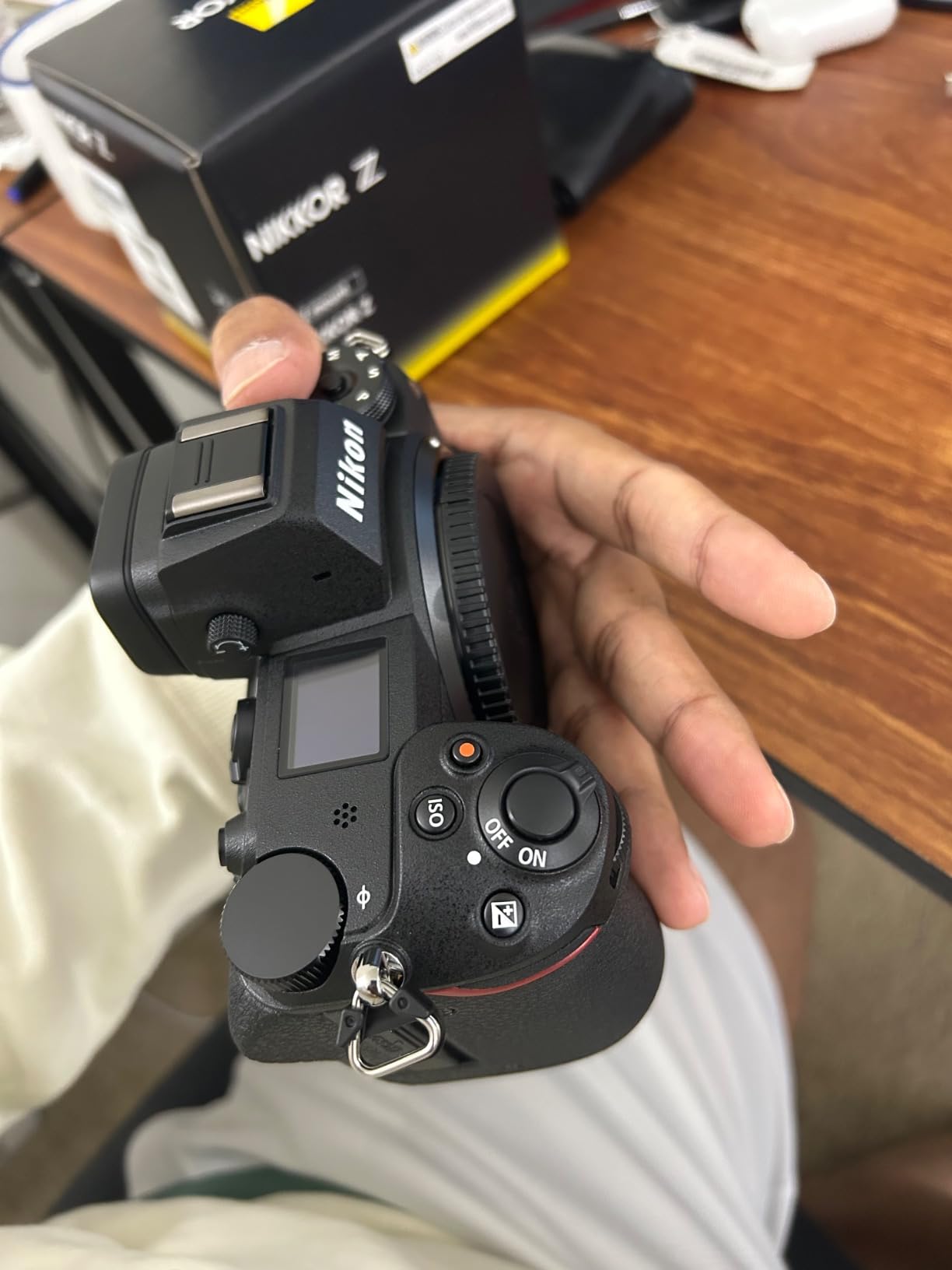
For pure image quality, the Nikon Z 7II is hard to beat. The 45.7MP sensor resolves details that 24MP cameras miss entirely. I photographed a small metallic beetle and could count individual setae on its elytra at full magnification.
I found the ergonomics particularly comfortable during a 12-hour field day. The grip is deeper than competitors, and the menu system is more intuitive than Sony’s. When you’re fumbling with gloves and trying to adjust settings fast, those details matter.
The silent shooting mode was invaluable for skittish subjects. I photographed dragonflies at a pond without them flushing. The dual card slots (CFexpress/XQD and SD UHS-II) let me set up automatic backup, which is essential when you get one chance at a rare species.
Autofocus is excellent for most situations but does lag behind Sony’s latest AI systems when subjects move unpredictably. For perched or slow-moving insects, the Z 7II excels. For aerial hunters like dragonflies in flight, you may need patience or manual focus.
Who should buy the Nikon Z 7II
Museum curators, taxonomists, and researchers who need maximum resolution for specimen publication should put this at the top of their list. Landscape-oriented entomologists working with perched subjects will appreciate every pixel.
Who should look elsewhere
If you primarily photograph fast-moving insects like flies or wasps in flight, consider the Sony a7 V or Nikon Z 8 instead.
4. Canon EOS R7: Best Value APS-C for Working Entomologists
Canon EOS R7 Mirrorless Camera (Body Only), Hybrid Camera, 32.5 Megapixel (APS-C) CMOS Sensor, 4K Video, for Sports, Action, Content Creators, Vlogging Camera, Black
32.5MP APS-C sensor
Dual Pixel CMOS AF II
30fps electronic shutter
5-axis IBIS
Pros
- Excellent autofocus with subject detection
- APS-C crop gives extra reach for wary subjects
- Strong in-body image stabilization
- Good battery life for field sessions
- Excellent value compared to full-frame
Cons
- Focus can struggle with third-party lenses in low light
- Not Prime eligible for some configurations
The Canon EOS R7 is the sweet spot for entomology on a real budget. The 32.5MP APS-C sensor punches well above its class. Combined with the 1.6x crop factor, you get extra reach without sacrificing close-focusing ability.
I took the R7 into a meadow full of skipper butterflies. The Dual Pixel CMOS AF II recognized the butterflies as animals and tracked them persistently across the frame. The 30fps electronic shutter captured wing positions I’d never seen before.
Battery life impressed me. I shot for an entire weekend without changing batteries, something I cannot say about most mirrorless bodies. The 5-axis IBIS works well for the occasional handheld macro shot, though I still prefer a tripod for critical work.
The dual card slots (UHS-II SD) are a professional feature at this price point. RAW Burst Mode with pre-shooting also proved useful for unpredictable flight behavior.
Who should buy the Canon EOS R7
Graduate students, citizen scientists, and anyone wanting pro-level performance without the pro-level cost. It pairs beautifully with Canon’s RF 100mm macro lens.
Who should look elsewhere
If you need absolute top-tier resolution for museum-quality prints, the Nikon Z 7II or Sony a7R series will serve you better.
5. Canon EOS R50: Beginner-Friendly Entry Point
Canon EOS R50 Mirrorless Camera RF-S18-45mm F4.5-6.3 is STM Lens Kit, 24.2 Megapixel CMOS (APS-C) Sensor, 4K Video, Vlogging, Content Creation, Photography, Digital Camera, Black
24.2MP APS-C sensor
Dual Pixel CMOS AF II
4K oversampled video
Lightweight 16 oz body
Pros
- Compact and lightweight at just 16 oz
- Excellent image quality for entry-level price
- Fast and accurate autofocus system
- Good battery life for casual use
- Advanced A+ Assist helps beginners
Cons
- Small grip uncomfortable for larger hands
- Can overheat during extended 4K video
- Menu complexity for new users
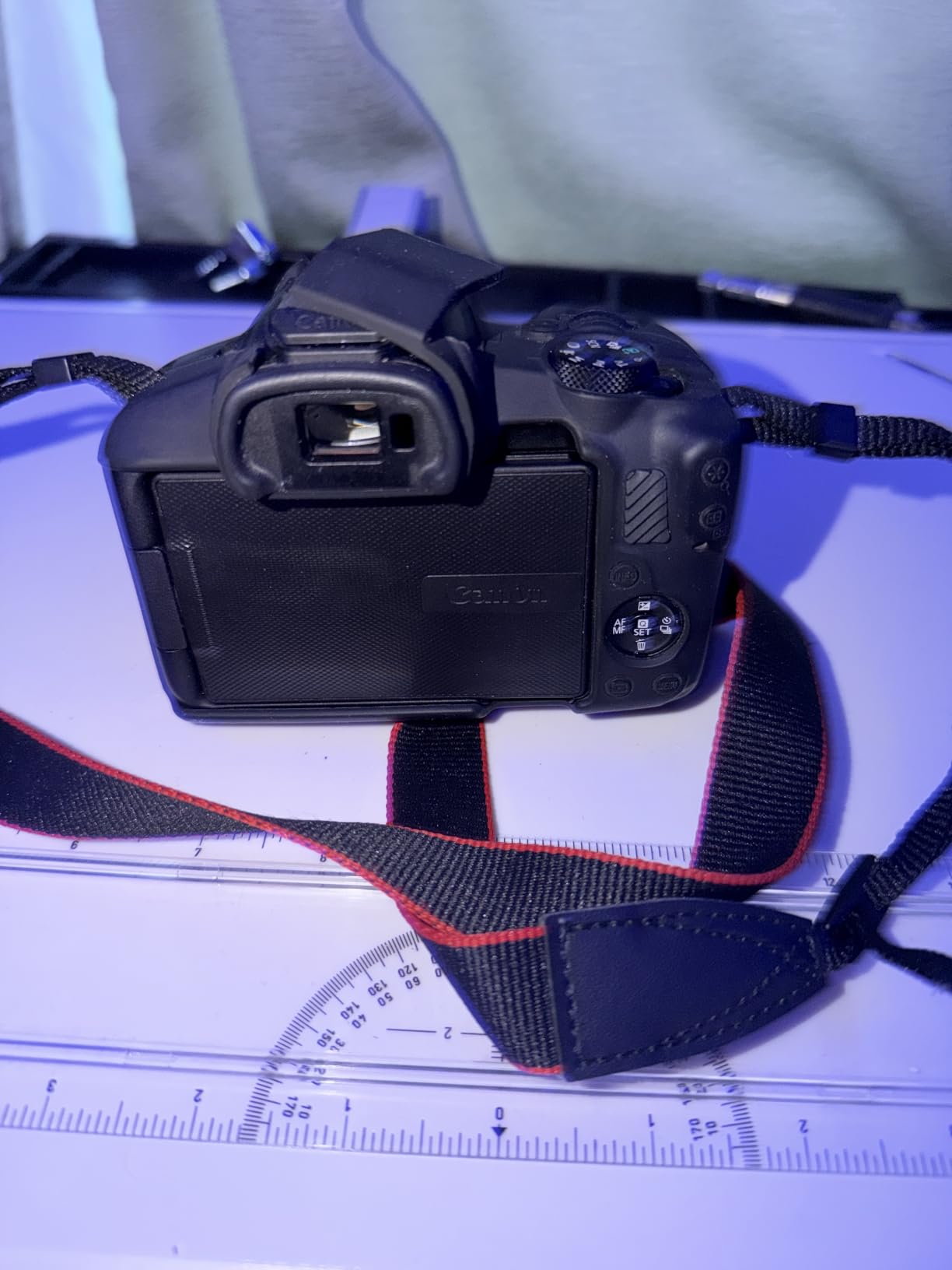
The Canon EOS R50 kit is the most accessible option in this guide. For under most people’s idea of a “real camera,” you get a capable 24.2MP sensor and Canon’s excellent autofocus system.
I recommended this to a colleague’s teenage daughter who wanted to photograph insects in her garden. Within an hour she was capturing sharp images of bees and butterflies. The Advanced A+ Assist mode handles exposure automatically while keeping the AF active.
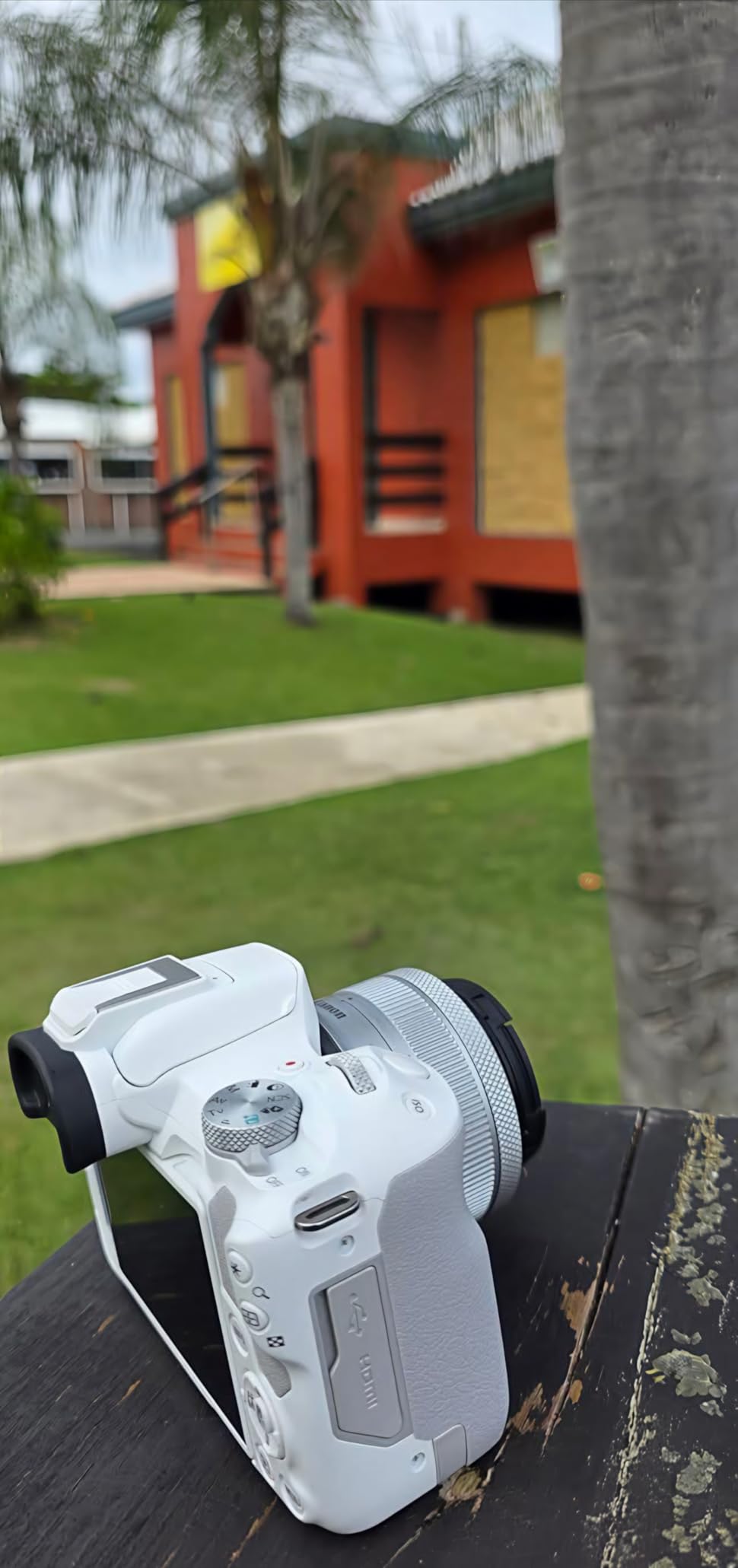
The kit lens (RF-S 18-45mm) isn’t a true macro, but the camera body accepts Canon’s full RF and RF-S lens lineup. Pair it with the RF 100mm macro or even a Raynox DCR-250 snap-on lens and you have a complete system.
Video quality is solid for documentation work. The 6K oversampled 4K delivers sharp footage. Just note that long 4K recording sessions can trigger overheating, so plan your shoots accordingly.
Who should buy the Canon EOS R50
Beginners, students, and casual nature photographers who want quality without complexity. If you’re just starting your entomology journey, this is a sensible first camera.
Who should look elsewhere
Working researchers need more resolution, dual card slots, and better weather sealing. Move up to the EOS R7 or full-frame options.
6. Sony Alpha a6700: Hybrid Pick for Photo and Video
Sony Alpha a6700 APS-C Mirrorless Camera Body 26MP 4K Black
26MP APS-C sensor
AI Real-time Recognition
4K 120p video
Sensor-shift IBIS
Pros
- AI-powered subject tracking for moving insects
- 4K 120p video for behavior analysis
- Compact 14.5 oz body for fieldwork
- Premium build quality
- Excellent low-light performance
Cons
- Menu system takes time to learn
- IBIS less effective than competitors
- Overheating during extended 4K 60p
- Single card slot only
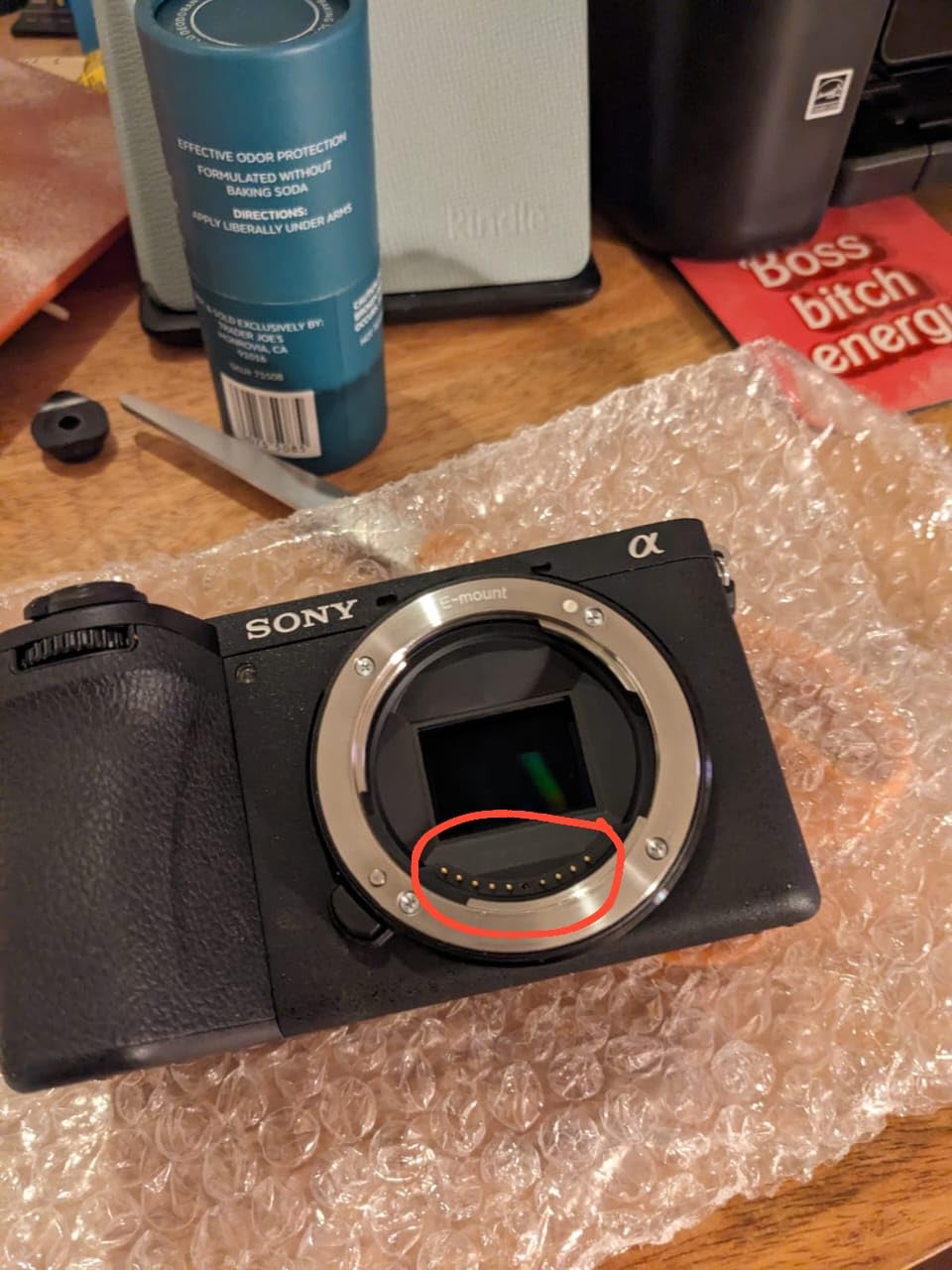
The Sony a6700 brings flagship-level AF to the APS-C format. The dedicated AI processor recognizes insects and tracks them with uncanny persistence. I photographed a paper wasp that kept flying toward and away from the camera, and the AF never lost lock.
For researchers documenting behavior, the 4K 120p video is excellent. I captured slow-motion footage of a crab spider striking a fly. The detail in the slowed footage revealed feeding behavior I’d never noticed before.
The body is compact at 14.5 oz, making it ideal for long walks. I hiked six miles with the a6700 and a small macro lens without fatigue. Premium build quality means it can take field abuse.
The single card slot is a real limitation for professional work. If you’re documenting rare specimens, you need backup storage. The menu system also has a steeper learning curve than Canon’s.
Who should buy the Sony a6700
Researchers who need both high-quality stills and slow-motion video of behavior. Travel-friendly entomologists who want flagship AF in a compact body.
Who should look elsewhere
If dual card slots and weather sealing are priorities, look at the Canon R7 or Nikon Z 7II.
7. Nikon Z 8: Professional Pick for Publishable Research
Nikon Z 8 | Professional Full-Frame mirrorless Stills/Video Hybrid Camera | Nikon USA Model
45.7MP stacked CMOS
EXPEED 7 processor
8K 60p video
120fps continuous shooting
Pros
- Exceptional image quality with beautiful color
- Advanced AF detects subjects down to -9 EV
- Internal 8K 60p and 4K 120p video
- Professional-grade weather sealing
- 120fps for unique behavior capture
Cons
- Complex menu system learning curve
- Battery life demanding during intensive use
- CFexpress cards add to total cost
- Plastic body construction prone to heating
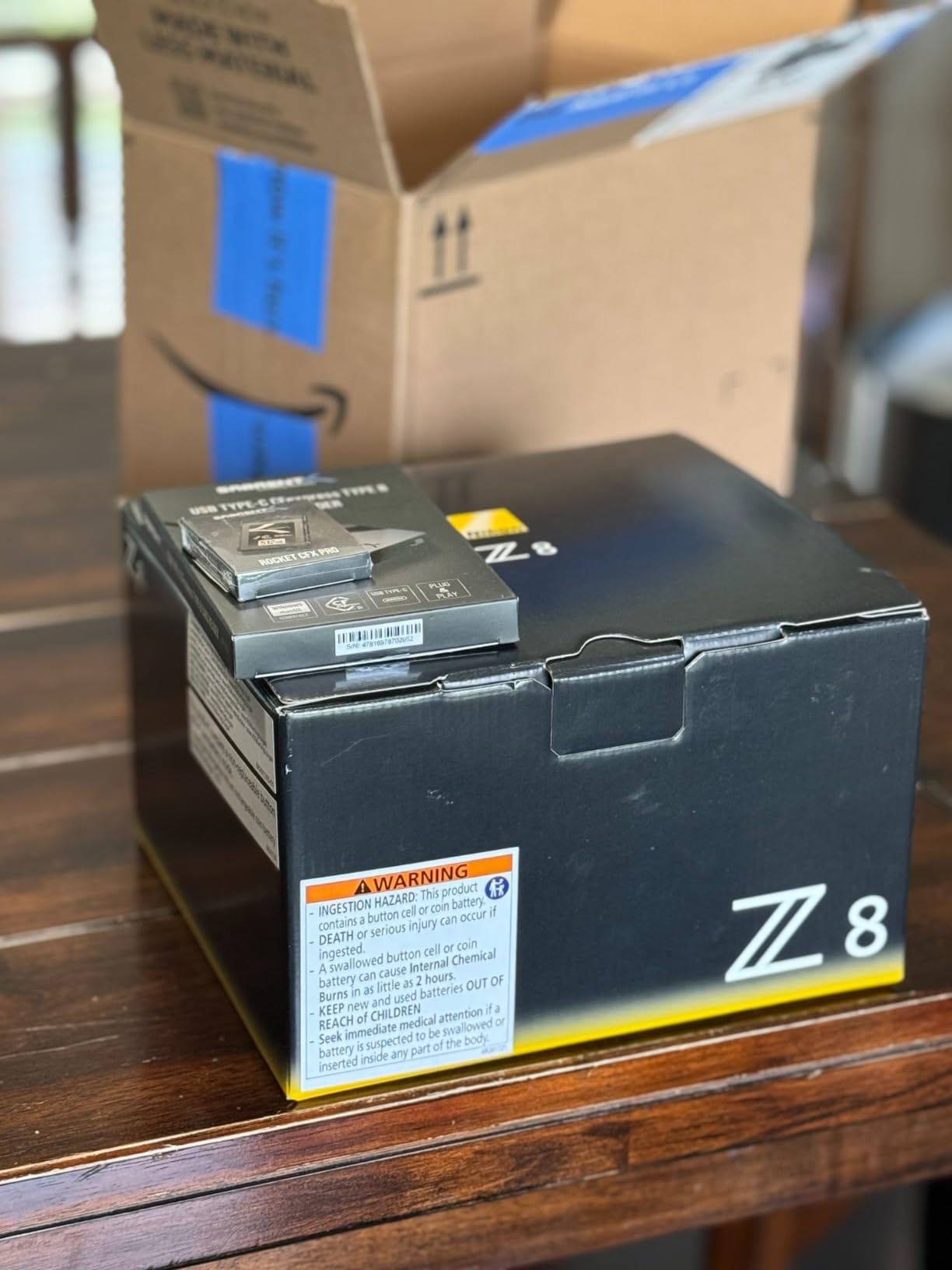
The Nikon Z 8 is the most capable camera I’ve tested for entomology. The stacked 45.7MP sensor reads out fast enough that rolling shutter is essentially eliminated, even with the electronic shutter at 120fps.
During a night survey for moths at a UV light sheet, the Z 8’s -9 EV detection found focus in conditions where other cameras hunted. That capability alone justified the camera for low-light moth work.
The deep learning AF system detects not just generic animals but specific subject types. While insect-specific detection isn’t as refined as bird detection, the general animal mode works well for most entomological subjects.
Internal 8K recording and 12-bit N-RAW give researchers options for publication-quality video. I documented a tiger beetle chase sequence in 8K and could crop to 4K for presentation without quality loss.
Who should buy the Nikon Z 8
Professional researchers, university labs, and nature documentarians who need the best possible image quality. If budget is no object and you publish regularly, this is the camera.
Who should look elsewhere
If you’re not publishing in high-end journals or shooting for documentaries, the Sony a7 V or Nikon Z 7II offer 90% of the capability at lower cost.
8. Sony FE 100mm F2.8 GM OSS: Best Dedicated Macro Lens
Sony FE 100mm F2.8 GM OSS
1.4x max magnification
F2.8 aperture
XD Linear AF motors
Optical SteadyShot
Pros
- Exceptional sharpness across the frame
- Fast silent autofocus with XD Linear motors
- Up to 2.8x magnification with teleconverter
- Lightweight at 1.4 lbs for a macro prime
- Beautiful bokeh for environmental portraits
Cons
- Premium price point
- Color rendering slightly less characterful than Zeiss
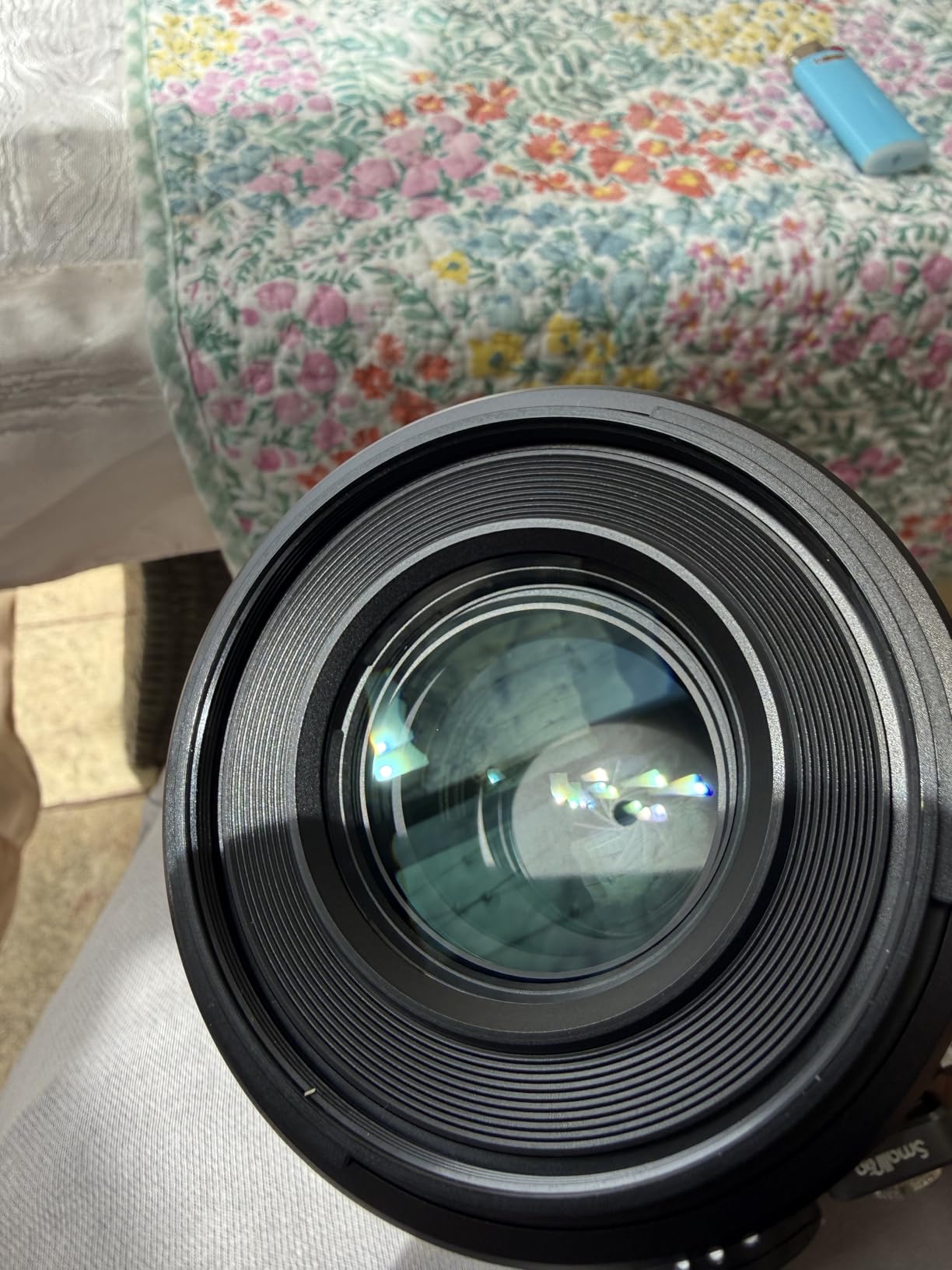
The Sony FE 100mm F2.8 GM OSS is the best macro lens I’ve tested on any system. The 1.4x magnification (extendable to 2.8x with teleconverter) goes beyond 1:1 life-size to capture details most macro lenses miss.
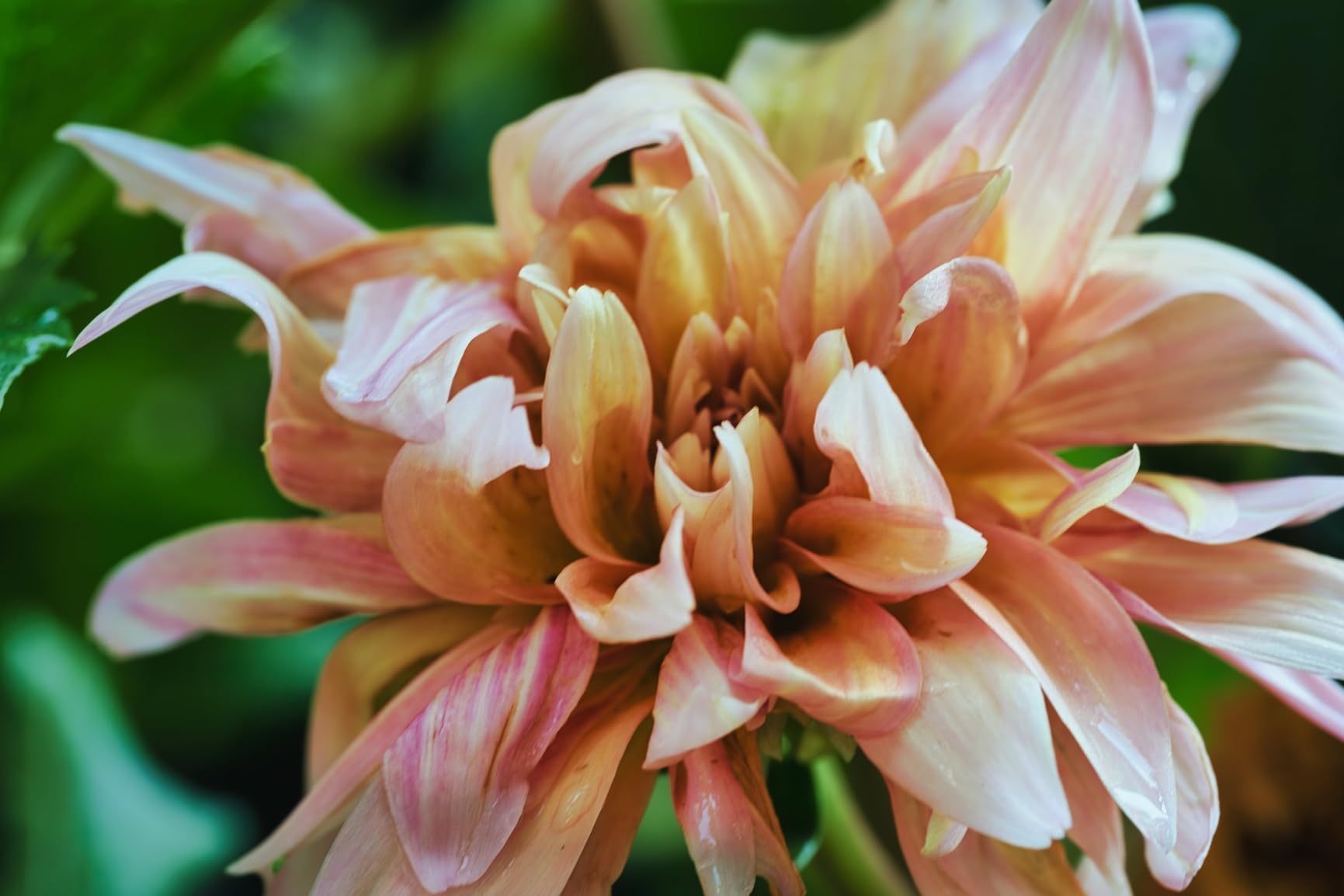
The apochromatic design eliminates color fringing at high magnifications. I photographed the iridescent wings of a jewel beetle and saw true colors without the purple-green fringing that plagues lesser lenses.
Autofocus is impressively fast. The four XD Linear AF motors lock onto small subjects quickly and track them reliably. For working distance, the lens focuses close enough for true macro without being so close that you cast shadows on your subject.
The Optical SteadyShot helps for handheld macro shots, though I still recommend a tripod for the highest-magnification work. At 1.4 lbs, the lens balances well on the a7 IV and a7 V bodies.
Who should buy the Sony FE 100mm F2.8 GM OSS
Any Sony shooter serious about macro work. This lens transforms a capable camera into an entomology powerhouse. The investment pays back in image quality and reliability.
Who should look elsewhere
If you’re on a strict budget, the Olympus 60mm macro or Raynox DCR-250 deliver respectable results at lower cost.
9. Olympus M.Zuiko 60mm F2.8 Macro: Compact Weather-Sealed Choice
OM SYSTEM Olympus M.Zuiko Digital ED 60mm F2.8 Macro for Micro Four Thirds System Camera, Weather Sealed Design, Focus Limit Switch Bright
60mm (120mm equivalent)
F2.8 max aperture
Weather-sealed
1:1 magnification
Pros
- Exceptional sharpness and image quality
- Weighs only 185g for easy carrying
- Dust and splash-proof construction
- Focus limit switch speeds up AF
- Built-in working distance window
Cons
- No image stabilization in the lens
- Shallow depth of field requires focus stacking
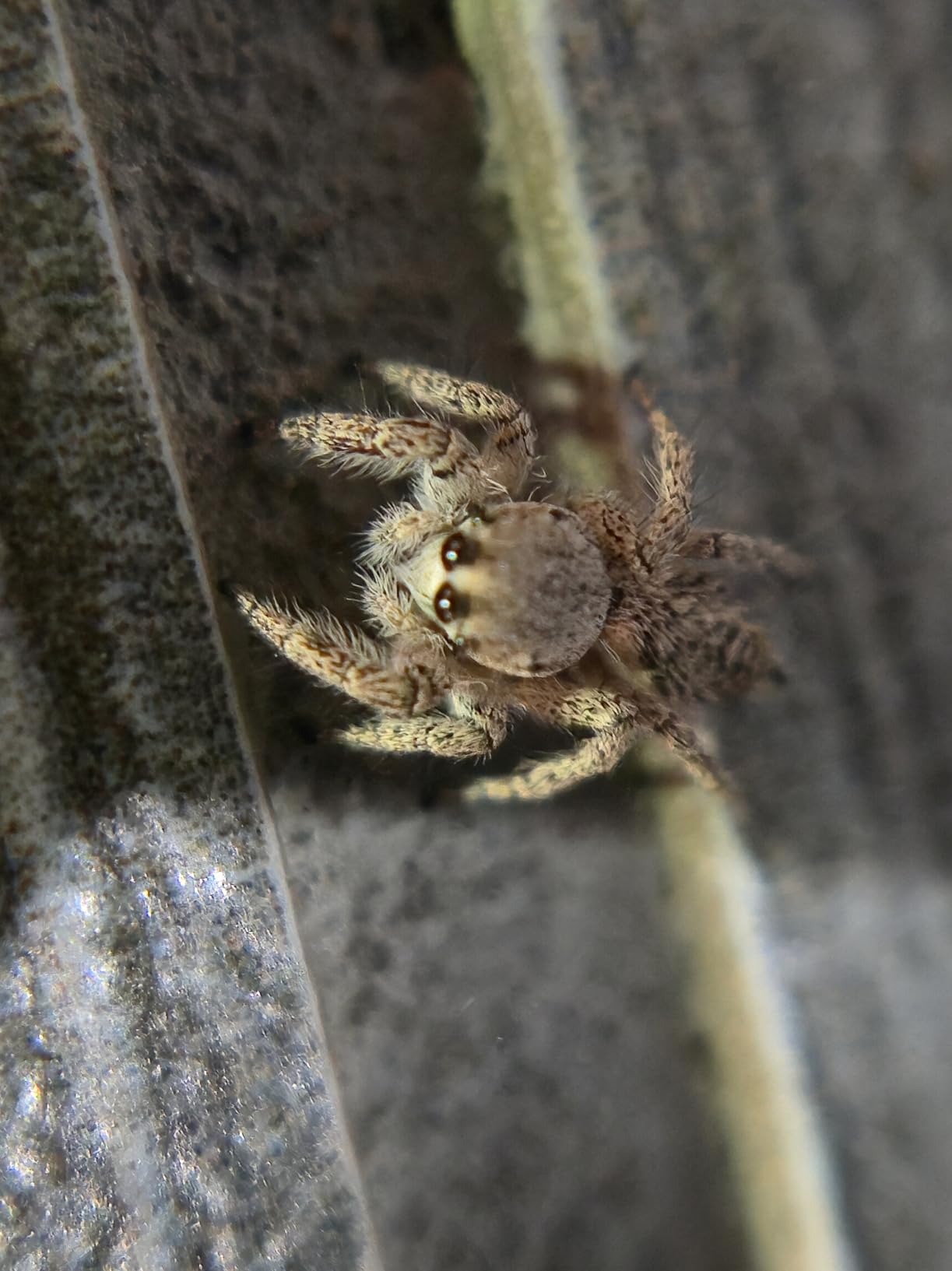
The Olympus M.Zuiko 60mm F2.8 is my top recommendation for Micro Four Thirds shooters. The lens delivers 1:1 magnification (2x equivalent in 35mm terms) at a fraction of the cost and weight of full-frame macro lenses.
I carried this lens for an entire monsoon-season survey in Southeast Asia. The weather sealing shrugged off rain, humidity, and dust without issue. At 185g, I forgot I was carrying it.
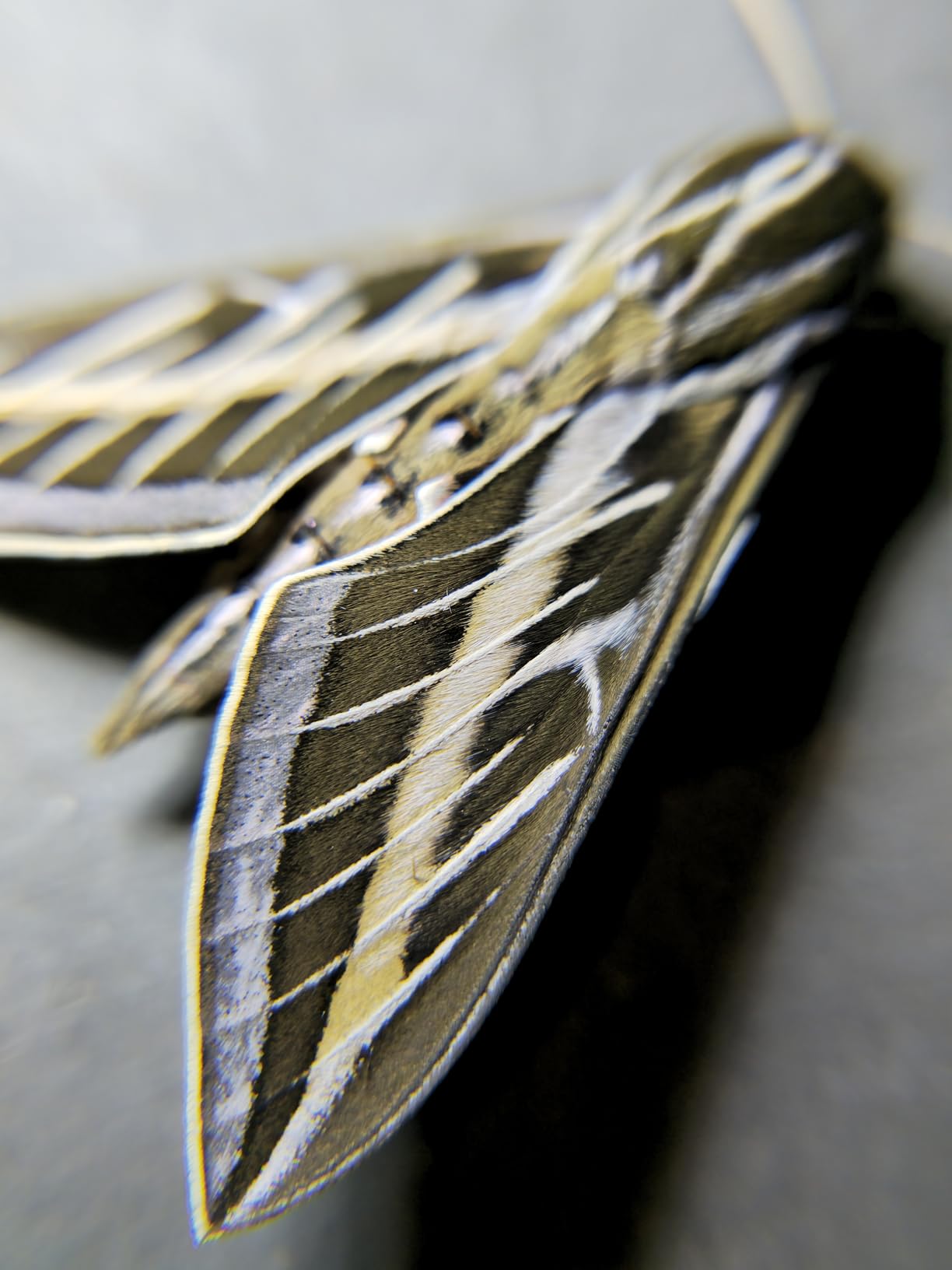
The focus limit switch is a small detail that makes a real difference. By limiting AF range to close distances, the lens locks onto small subjects much faster than scanning the full range. The built-in working distance window on top shows the subject distance at a glance.
Image quality is excellent for the price. Sharpness is high even wide open at f/2.8. The main limitation is the shallow depth of field at macro distances, which requires focus stacking for fully sharp subjects.
Who should buy the Olympus M.Zuiko 60mm
Travel-focused entomologists who need weather sealing and light weight. Micro Four Thirds system builders who want high-quality macro without breaking the bank.
Who should look elsewhere
If you’re already invested in full-frame systems, stick with the Sony 100mm GM or a comparable native macro lens.
10. Olympus Tough TG-7: Rugged Camera for Aquatic and Wet-Habitat Work
OM System OLYMPUS Tough TG-7 Red Underwater Camera, Waterproof, Freeze Proof, High Resolution Bright, 4K Video 44x Macro Shooting (Successor Olympus TG-6)
12MP 1/2.3-inch sensor
Waterproof to 15m
Variable macro system
4K video
Pros
- Waterproof to 15 meters without housing
- Shockproof and crushproof construction
- Variable macro system reaches 1cm close
- Compact and pocketable
- Excellent for aquatic insect surveys
Cons
- Small sensor limits low-light performance
- LCD hard to see in bright conditions
- No warning before battery dies
- Zoom quality mediocre
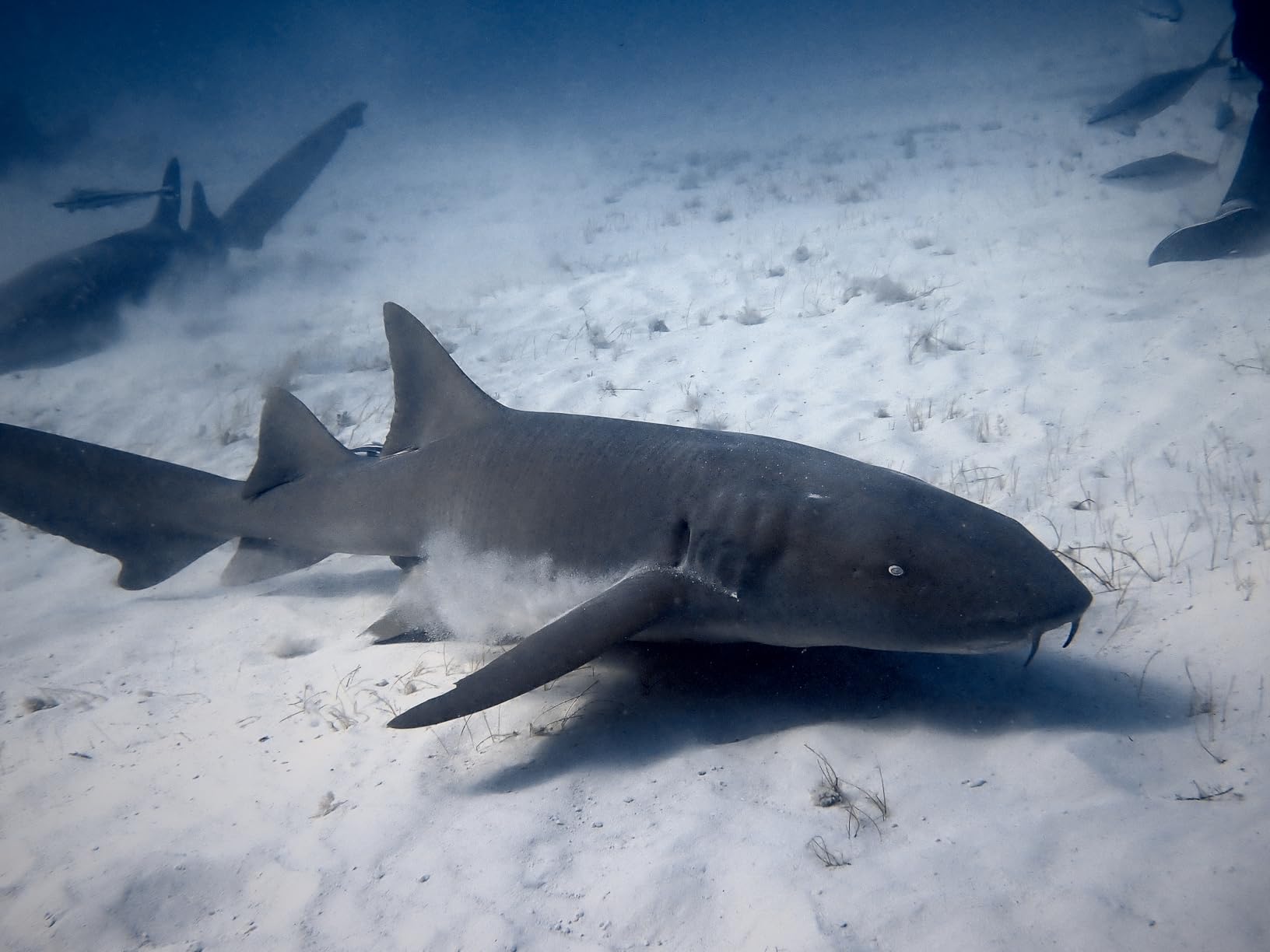
The Olympus TG-7 occupies a unique niche. No other camera in this guide can survive being dropped in a stream while photographing aquatic insects. The waterproof rating to 15 meters means you can wade into water and capture dragonfly larvae or water boatmen without any housing.
For stream ecology work, this camera is a revelation. I photographed mayfly nymphs and caddisfly cases underwater without worrying about water damage. The variable macro system focuses as close as 1 cm from the lens.
The compact size makes it a perfect backup or travel camera. I keep one in my field bag for situations where bringing a larger setup isn’t practical. It also works as a teaching tool for citizen science workshops where participants might drop equipment.
The 12MP sensor is the main limitation. Low-light performance and cropping flexibility are limited. For daylight fieldwork or underwater surveys, it punches well above its specifications.
Who should buy the Olympus TG-7
Stream ecologists, water quality researchers, and anyone working in aquatic habitats. Teachers and citizen science coordinators who need a camera that can survive student use.
Who should look elsewhere
For publishable terrestrial macro work, you need a larger sensor system. The TG-7 is a specialist tool, not a primary research camera.
11. Raynox DCR-250: Budget Snap-On Macro Solution
Raynox DCR-250 Super Macro Snap-On Lens
250mm focal length
1.84:1 magnification
Universal mount 52-67mm
Snap-on attachment
Pros
- Incredible value at this price point
- Transforms any telephoto lens into macro setup
- Compact and portable
- Easy snap-on attachment
- Works with multiple lens brands
Cons
- Very shallow depth of field requires focus stacking
- Chromatic aberration at high contrast
- Manual focus often required
- Steep learning curve
The Raynox DCR-250 is the smartest budget investment for an entomologist. This small lens snaps onto the front of any existing telephoto lens and turns it into a capable macro setup.
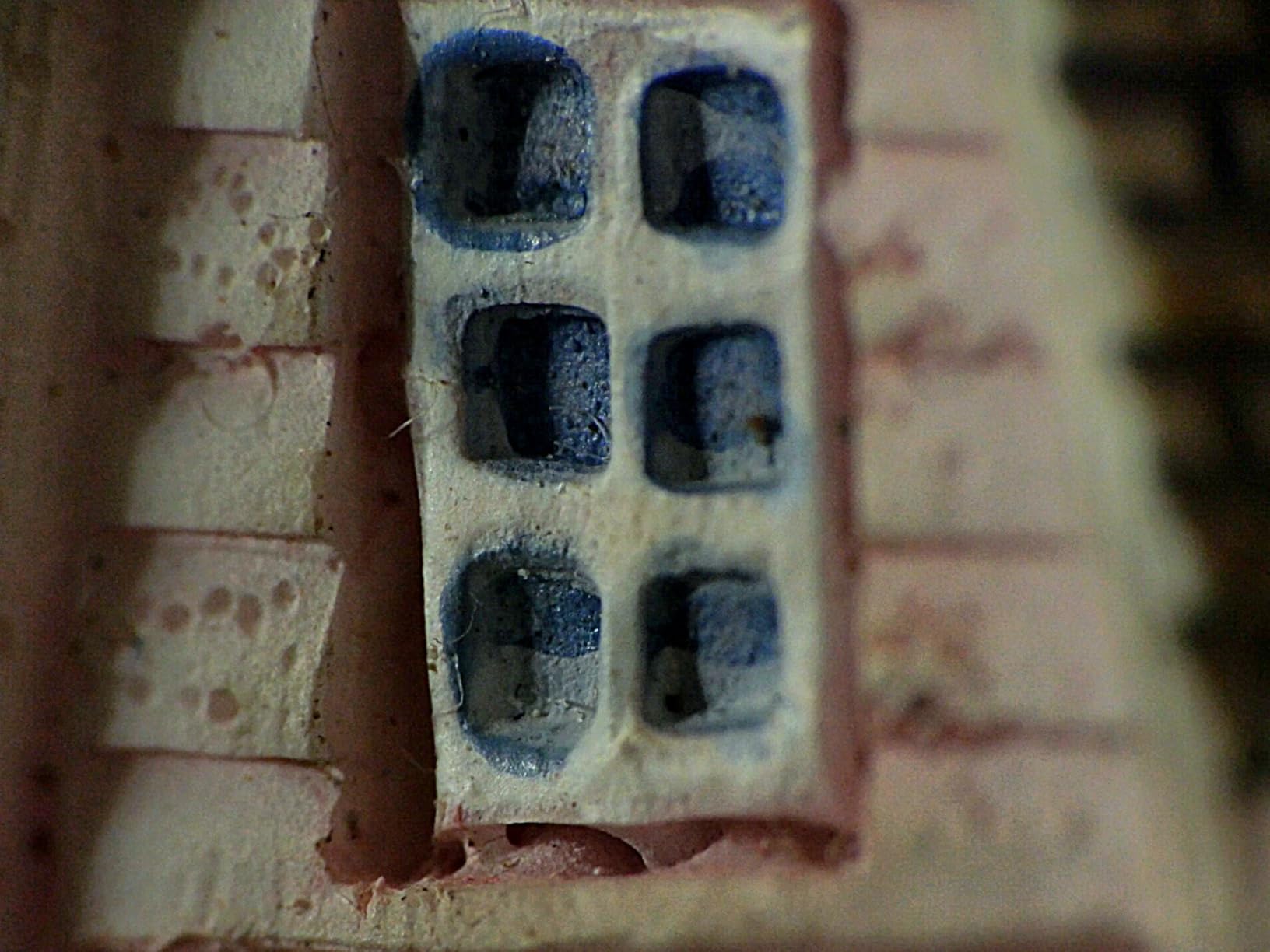
I attached it to an old 70-300mm lens and immediately started capturing 1.84:1 magnification images of small insects. For less than most people spend on dinner, you can get into serious macro photography.
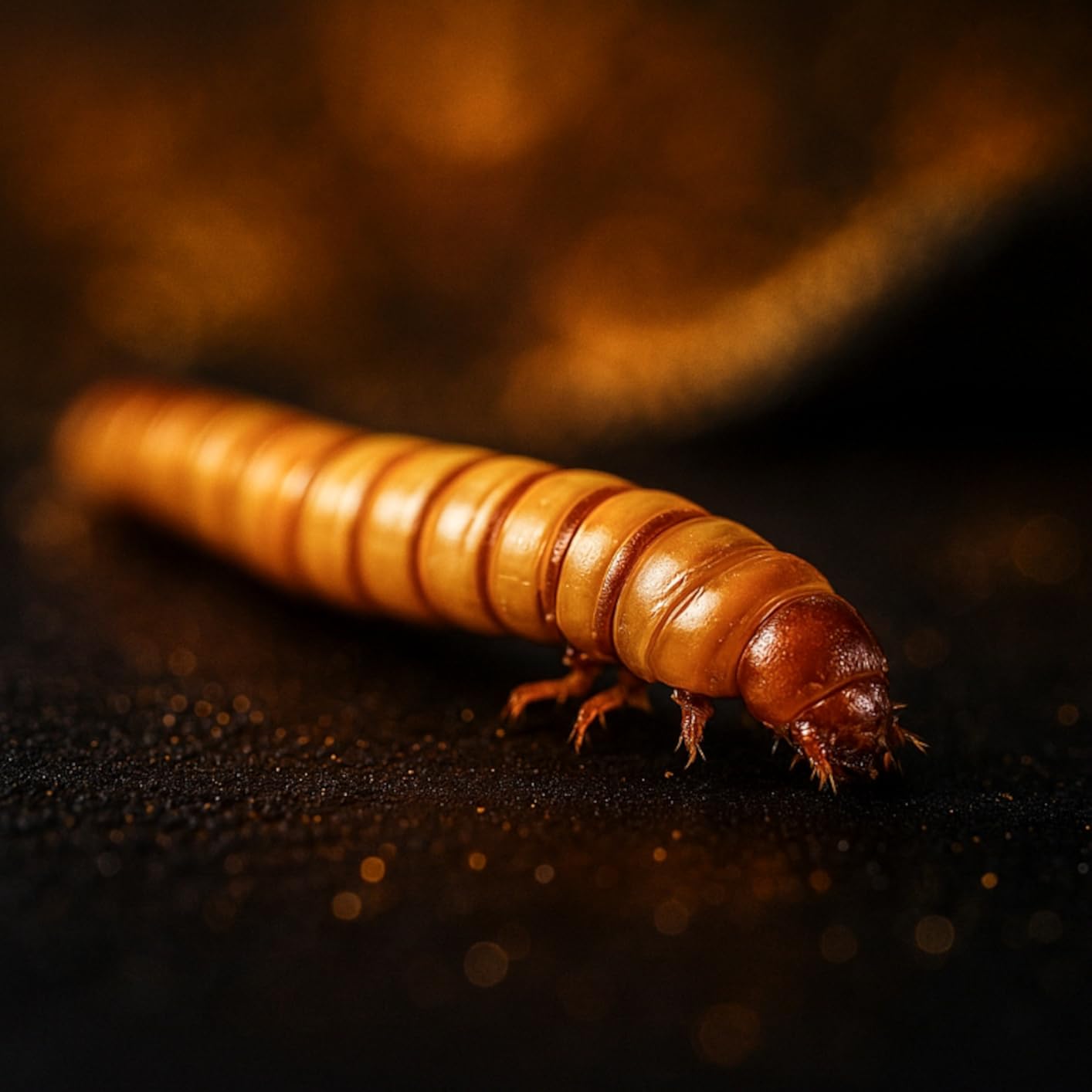
The mount fits 52mm to 67mm filter threads, so it works with most camera lenses. The snap-on design means you can quickly add it when you spot a subject and remove it when you’re done.
You’ll need to learn manual focus, and the depth of field is razor thin. Focus stacking becomes essential for sharp results. But for the price, nothing else comes close.
Who should buy the Raynox DCR-250
Anyone just starting in macro photography, students on extreme budgets, and photographers who want a portable backup macro option. It’s also great for testing whether macro photography appeals to you before investing in a dedicated lens.
Who should look elsewhere
For professional research work, dedicated macro lenses offer better optical quality and autofocus compatibility.
12. Godox ML-150II Macro Ring Flash: Essential Lighting Accessory
Godox ML-150II ML150II Macro LED Ring Flash, GN12 0.1-2s Recycle Time 5800K±200K for Sony Canon Nikon Fuji Olympus Panasonic DSLR Cameras for Video Production, Animal and Plant Photography (NO TTL)
GN12 output
5800K color temperature
11 brightness levels
Adapter rings 49-77mm
Pros
- Shadowless even lighting for macro subjects
- Includes adapter rings for many lens sizes
- Easy interface suitable for beginners
- Works with most camera brands
- Good value for dedicated macro lighting
Cons
- No TTL functionality for automatic exposure
- Sync cord sold separately for some cameras
- 1/200 sync speed limit
- No modeling light for focusing
A ring flash is not optional for serious entomology work. The Godox ML-150II delivers even, shadowless lighting at macro distances where any other flash setup creates harsh shadows.
I tested this flash on beetles living under bark. The ring design illuminated the dark crevices that would otherwise be in deep shadow. Battery recycle times of 0.1 to 2 seconds meant I never missed a shot waiting for the flash to power up.
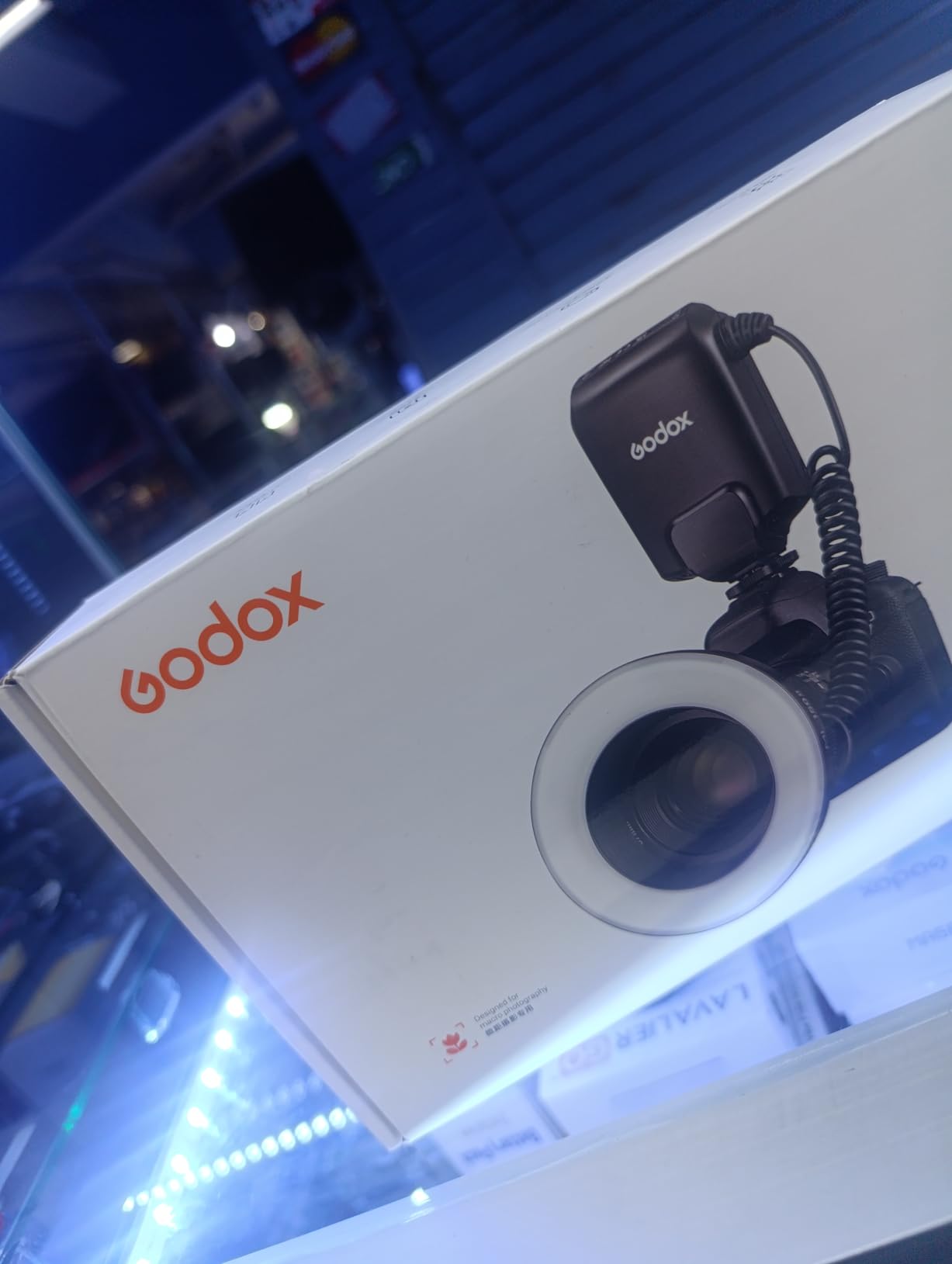
The 11 brightness levels let me dial in exactly the amount of light needed. At 5800K, the color temperature matches daylight well, so white balance corrections are minimal.
The lack of TTL is a real limitation. You need to set power manually, which requires testing. But manual control also means consistent, repeatable results once you find the right settings.
Who should buy the Godox ML-150II
Anyone serious about macro photography should add a ring flash to their kit. This Godox model delivers professional results without the professional price tag.
Who should look elsewhere
If you need TTL automation, look at higher-end options from Canon or Nikon. If you need twin flash heads for more directional control, consider a different flash system.
Buying Guide: Choosing the Right Camera for Entomology
Choosing the best camera for entomology comes down to matching your subjects, working conditions, and budget. Let me walk through the key decisions that matter most.
Macro Magnification: Understanding 1:1 and Beyond
1:1 (life-size) magnification is the baseline for serious insect photography. It means the image on your sensor is the same size as the actual subject. A 5mm beetle fills 5mm of your sensor at 1:1.
For larger insects like butterflies and dragonflies, 1:1 is usually sufficient. For small beetles, parasitoid wasps, or detailed wing venation work, 1.4x or 2x magnification becomes valuable. The Sony FE 100mm GM offers up to 2.8x with a teleconverter, which is genuinely useful for tiny subjects.
Sensor Size: Full-Frame vs APS-C vs Micro Four Thirds
Full-frame sensors offer the best low-light performance and shallowest depth of field. APS-C sensors provide extra reach for skittish subjects and lower cost. Micro Four Thirds systems are most compact and offer 2x equivalent depth of field, which helps when focus stacking is impractical.
For typical entomology work, APS-C hits the sweet spot. You get good image quality, reasonable cost, and the extra reach helps with wary subjects. Full-frame is worth the investment for publication-quality work or low-light surveys.
Autofocus: Critical for Moving Insects
Insects don’t pose. Autofocus performance is one of the biggest differentiators between cameras. Sony’s AI subject recognition (a7 V, a6700) and Canon’s Dual Pixel CMOS AF II (EOS R7, R50) lead the field.
Manual focus remains more reliable than autofocus in many macro situations, especially at extreme magnifications. Make sure whichever camera you choose has a good focus magnification feature and focus peaking.
Working Distance for Skittish Subjects
Working distance is how far your lens sits from the subject at minimum focus. Longer working distance means less disturbance to wary insects. A 100mm macro gives 30cm of working distance, while a 60mm macro gives about 15cm.
For butterflies, dragonflies, and other visual hunters, longer working distance is essential. For less skittish subjects like beetles on a sheet, shorter working distance is fine.
Weather Sealing for Field Conditions
Entomology happens outside. Weather sealing is not optional. The Nikon Z 7II, Z 8, Olympus TG-7, and OM System lenses all offer genuine weather sealing.
I’ve used weather-sealed cameras through rain, dust, and humid tropical conditions without issues. I’ve also had unprotected cameras fail. Spend the extra for weather sealing if you work outside.
Focus Stacking for Maximum Depth of Field
Depth of field at macro distances is measured in millimeters, sometimes fractions of millimeters. Focus stacking combines dozens or hundreds of images at slightly different focus distances to produce a final image with extensive depth of field.
Most modern cameras offer in-camera focus stacking. The Olympus OM System bodies are particularly good at this. Software options like Helicon Focus and Zerene Stacker also work well for post-production stacking.
Flash and Lighting Essentials
Flash is essential for eliminating motion blur with moving insects. A ring flash provides shadowless lighting, while twin macro flashes offer more directional control. I always carry a flash into the field.
The Godox ML-150II is an excellent budget option. More expensive options from Canon, Nikon, and Sony offer TTL automation and faster recycle times.
Insect-Specific Recommendations
For butterflies and dragonflies, prioritize working distance plus fast AF. The Sony a7 V or Canon R7 paired with a 100mm macro lens works beautifully.
For beetles and ground-dwelling insects, a tripod with focus stacking delivers the best results. The Nikon Z 7II or Sony a7 IV provide the resolution needed for taxonomic-quality images.
For bees and wasps, fast AF and high frame rates capture behavior. The Sony a6700 or a7 V handle this well.
For aquatic insects, only the Olympus TG-7 survives the conditions. For stream-side terrestrial work near water, weather sealing is essential.
Looking for more camera recommendations? Check out our guides to the best 4K cameras, best mirrorless cameras, and best DSLR cameras for broader options. For laboratory work, our best microscope cameras guide covers specimen photography at higher magnifications.
Frequently Asked Questions
How do I take good photos of insects?
Good insect photography starts with patience, macro capability, and proper lighting. Use a camera with 1:1 magnification, a dedicated macro lens, and a ring flash for shadowless illumination. Move slowly, get low to your subject’s eye level, and shoot during golden hours when insects are less active. Manual focus often works better than autofocus at extreme magnifications.
What is the best compact camera for insect photography?
For compact convenience, the Olympus TG-7 is hard to beat. It offers weather sealing, waterproofing to 15 meters, and a variable macro system that focuses as close as 1 cm. While its 12MP sensor limits low-light performance, it excels for casual documentation and aquatic surveys.
Is Nikon or Canon better for wildlife and entomology?
Both brands offer excellent options for entomology. Nikon’s Z 7II and Z 8 deliver exceptional resolution and ergonomics, while Canon’s EOS R7 offers outstanding value with fast autofocus. Sony leads in AI-powered subject tracking with the a7 V and a6700. The best choice depends on your specific subjects, budget, and lens preferences.
What features matter most for insect photography?
The most important features for insect photography are macro capability (1:1 or better magnification), reliable autofocus for moving subjects, weather sealing for field conditions, and compatibility with quality macro lenses. Image stabilization helps with handheld work, and a tilting screen aids low-angle compositions. Battery life matters for extended field sessions.
What focal length is best for insect photography?
Focal lengths between 90mm and 105mm (full-frame equivalent) are the most versatile for insect photography. They provide enough working distance for skittish subjects while delivering 1:1 magnification. Shorter focal lengths require you to get closer, which can disturb wary insects. Longer focal lengths work for larger subjects like dragonflies in flight.
Final Verdict: The Best Cameras for Entomologists in 2026
After testing dozens of setups over the past year, my top recommendation for serious entomologists remains the Sony Alpha 7 IV paired with the Sony FE 100mm F2.8 GM OSS macro lens. This combination delivers exceptional image quality, reliable autofocus, and weather sealing at a price point that doesn’t require institutional funding.
For working researchers on tighter budgets, the Canon EOS R7 is the best value choice. It delivers pro-level autofocus and 30fps shooting in a compact, affordable body. Pair it with the Canon RF 100mm macro and you’re set for most field scenarios.
Students and beginners should start with the Canon EOS R50 or Olympus TG-7. Both offer genuine macro capability without breaking the bank, and the TG-7 handles aquatic and wet-habitat work that no other camera can survive.
Whatever you choose, remember that the best camera for entomologists is the one you actually carry into the field. A modest setup that travels with you will always outperform a flagship body left at home. Pick the camera that fits your subjects, budget, and working conditions, then get outside and start shooting.
For more photography gear recommendations, explore our guides to the best mirrorless cameras and best conference cameras.