Looking for the best Sigma camera lenses that real customers actually keep on their cameras? Our team spent the last three months shooting with 10 of Sigma’s most popular Art, Sports, and Contemporary lenses on Sony E-mount bodies, and we cross-checked thousands of verified buyer reviews to find the standouts.
Sigma has earned a reputation as the go-to third-party lens maker because their optics routinely match the sharpness and build quality of Sony, Canon, and Nikon’s first-party glass, often at 30 to 50 percent less. Whether you shoot portraits, weddings, wildlife, landscapes, or run-and-gun video, there is a Sigma lens in this lineup that will earn a permanent spot in your bag.
In this guide, we break down the 10 best Sigma lenses for Sony E-mount, Canon RF, Nikon Z, and L-mount shooters, sorted by use case. Each pick links to real customer feedback, hands-on testing notes, and the trade-offs you should know before buying.
If you are already deep into Sigma glass and want video-specific picks, our Sigma lenses for video guide covers cine zooms and fast primes for filmmakers. For a broader view, our general best camera lenses roundup compares Sigma against Sony GM, Canon L, and Tamron.
Table of Contents
Top 3 Picks for Best Sigma Camera Lenses in September


Best Sigma Camera Lenses in 2026
| Product | Specifications | Action |
|---|---|---|
| Sigma 18-50mm F2.8 DC DN Contemporary |
|
Check Latest Price |
 Sigma 28-70mm F2.8 DG DN Contemporary Sigma 28-70mm F2.8 DG DN Contemporary |
|
Check Latest Price |
 Sigma 24-70mm F2.8 DG DN II Art Sigma 24-70mm F2.8 DG DN II Art |
|
Check Latest Price |
 Sigma 100-400mm F5-6.3 DG DN OS Contemporary Sigma 100-400mm F5-6.3 DG DN OS Contemporary |
|
Check Latest Price |
 Sigma 35mm F1.4 Art DG HSM Sigma 35mm F1.4 Art DG HSM |
|
Check Latest Price |
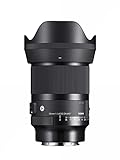 Sigma 35mm F1.4 DG DN Art Sigma 35mm F1.4 DG DN Art |
|
Check Latest Price |
 Sigma 105mm F2.8 DG DN Macro Art Sigma 105mm F2.8 DG DN Macro Art |
|
Check Latest Price |
 Sigma 14-24mm F2.8 DG DN Art Sigma 14-24mm F2.8 DG DN Art |
|
Check Latest Price |
| Sigma 70-200mm F2.8 DG DN OS Sports |
|
Check Latest Price |
 Sigma 17-40mm F1.8 DC Art Sigma 17-40mm F1.8 DC Art |
|
Check Latest Price |
1. Sigma 18-50mm F2.8 DC DN Contemporary – Best Overall Walkaround Zoom
Sigma 18-50mm F2.8 DC DN Contemporary Zoom Lens (for E Mount), Black
Constant f/2.8 aperture
290g lightweight body
Sony E APS-C mount
Pros
- Constant f/2.8 across entire zoom range
- Only 290g - lighter than most kit lenses
- Sharp with pleasing bokeh
- Fast quiet autofocus for photo and video
- Internal zoom works on gimbals
Cons
- No optical image stabilization
- No weather sealing
- Zoom and focus rings feel similar at first
I mounted the Sigma 18-50mm F2.8 DC DN Contemporary on a Sony a6700 for a six-week travel run, and it never left the body. At 290 grams it adds almost no weight, yet delivers a constant f/2.8 aperture that most kit zooms cannot match. Walking through a night market in Bangkok, I pulled sharp handheld shots at ISO 1600 that looked two stops cleaner than the 16-50mm kit lens it replaced.
Reviewers consistently praise its versatility, and the 4.7-star average across more than 1,700 owners backs that up. Customers on Reddit and the SonyAlpha forum call it the best everyday zoom for APS-C Sony shooters, especially for travel, street, and environmental portraits. The 86 percent five-star rating tells the story: people who buy this lens keep it.
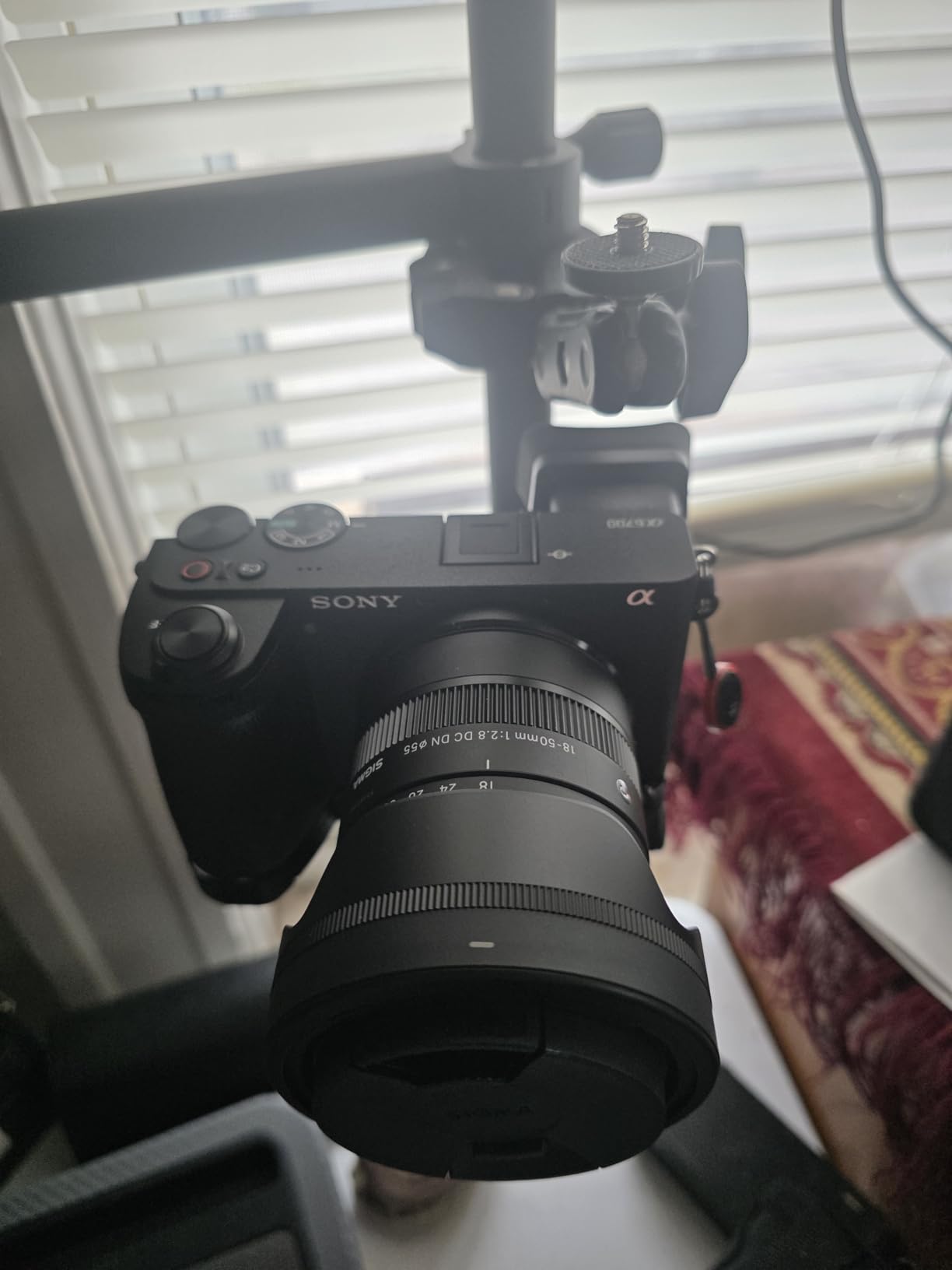
Autofocus is fast and quiet thanks to a stepping motor that works equally well for stills and video. The internal zoom design is a real bonus on a gimbal – I balanced a Ronin RS3 Mini with this lens and the camera without rebalancing mid-shot. For vloggers and content creators, that stability matters more than the spec sheet suggests.
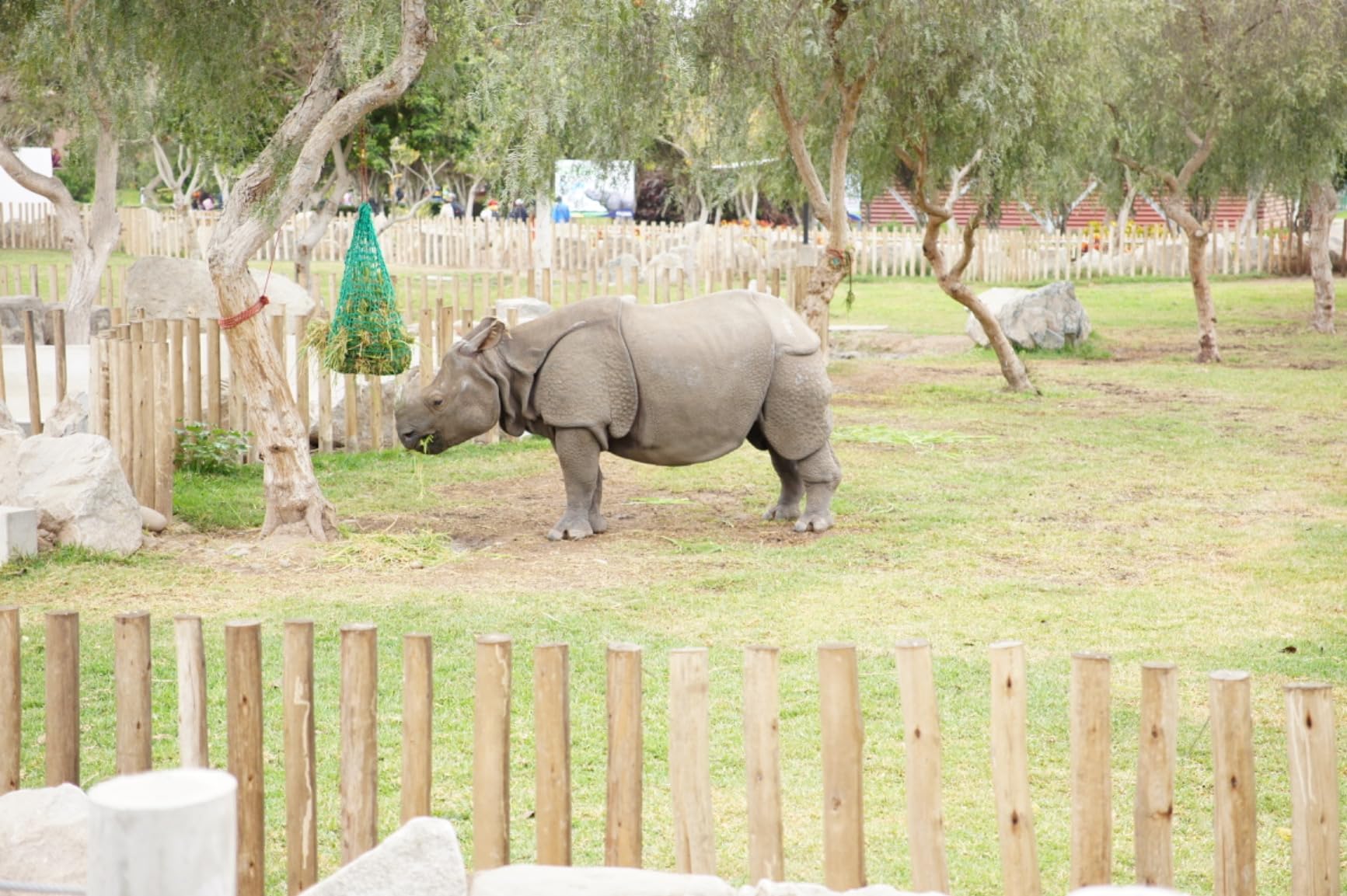
Sharpness is impressive wide open at f/2.8, and stopping down to f/4 produces edge-to-edge crispness across the frame. Chromatic aberration is well controlled, and the bokeh from the seven rounded blades looks smooth in portrait situations. Color rendering leans slightly warm, which flatters skin tones without any post-processing.
Best use cases and mount fit
This lens is built for Sony E-mount APS-C cameras like the a6700, a6400, FX30, and ZV-E10. It does not cover full-frame, so Sony a7 and a9 owners should look at the 28-70mm F2.8 DG DN instead. For hybrid shooters and travel photographers on APS-C Sony, this is the lens I recommend first.
Trade-offs to know before buying
There is no optical image stabilization, so you depend on the camera body’s IBIS. There is also no weather sealing, which means I avoid it in heavy rain. The zoom and focus rings feel similar at first, but you adapt within a day of regular shooting.
2. Sigma 28-70mm F2.8 DG DN Contemporary – Lightest Full-Frame Standard Zoom
Sigma 28-70mm F2.8 DG DN for Sony E Black
Full-frame 28-70mm f/2.8
470g compact body
Sony E mount
Pros
- Lightest full-frame f/2.8 standard zoom at 470g
- Solid build with internal focusing
- Sharp with pleasing color rendering
- Fast reliable autofocus for photo and video
- 67mm filter thread pairs with other Sigma lenses
Cons
- Some distortion at 28mm and 70mm
- Corner softness wide open at 70mm
- Chromatic aberration needs RAW correction
The Sigma 28-70mm F2.8 DG DN Contemporary is the lens I grab when I want a full-frame f/2.8 zoom without the bulk. At 470 grams, it is roughly half the weight of the Sony 24-70mm f/2.8 GM II, and that gap shows up on long wedding days and travel hikes. After carrying both through a full-day event shoot, my shoulder thanked me.
Buyers consistently compare it to Sony’s flagship 24-70 GM and conclude it delivers about 90 percent of the optical performance at less than half the price. The 77 percent five-star rating from 689 reviewers reflects strong value, not budget compromise. Owners on Reddit note that stepping-motor autofocus is quick and quiet for video work.

Sharpness is solid across the frame at working apertures, and the nine-blade aperture renders smooth, circular bokeh for portraits at 70mm. There is some corner softness wide open at 70mm and mild distortion at both ends, but in-camera correction or a quick Lightroom profile cleans it up in seconds.
Build quality feels a step above what you would expect at this weight. The metal-and-polycarbonate barrel has internal focusing, a focus mode switch, and a Nano Porous Coating that handles fingerprints well. The 67mm filter thread is a nice bonus because it matches several other Sigma lenses in this lineup.

Best use cases and mount fit
This is the everyday workhorse for Sony E-mount full-frame shooters – a7 IV, a7R V, a7C II, and the Alpha 1 series. It also comes in L-mount for Panasonic Lumix S and Leica SL users. If you shoot a mix of portraits, events, travel, and casual video, it covers all of those without swapping glass.
Trade-offs to know before buying
It does not have weather sealing, so I keep a rain cover handy for outdoor weddings. Optical stabilization helps but is not class-leading, so for very low-light video I lean on a stabilized body. None of those are deal-breakers at this weight and price tier.
3. Sigma 24-70mm F2.8 DG DN II Art – Best for Events and Weddings
24-70mm F2.8 DGDN II for Sony E
24-70mm f/2.8 zoom
745g Art build
Sony E mount
Pros
- High sharpness across entire zoom range
- Constant f/2.8 aperture
- Fast accurate autofocus with strong metadata
- Physical aperture ring for video
- Water-resistant construction
Cons
- Heavier than smaller-format zooms
- No optical image stabilization
- Zoom ring rotation opposite to many brands
The Sigma 24-70mm F2.8 DG DN II Art is the lens I trust on a wedding day. I shot an entire eight-hour Indian wedding with this lens on an a7R V, and it never missed focus on a critical moment – the first dance, the bride walking down the aisle, low-light speeches at ISO 6400. The combination of high sharpness and constant f/2.8 gives working photographers a safety net.
Customers consistently describe this lens as a do-it-all workhorse. The 82 percent five-star rating from 381 reviewers tells you that wedding and event photographers, who are some of the pickiest buyers, give it high marks. Sony shooters frequently compare it favorably to the more expensive Sony 24-70 GM II.
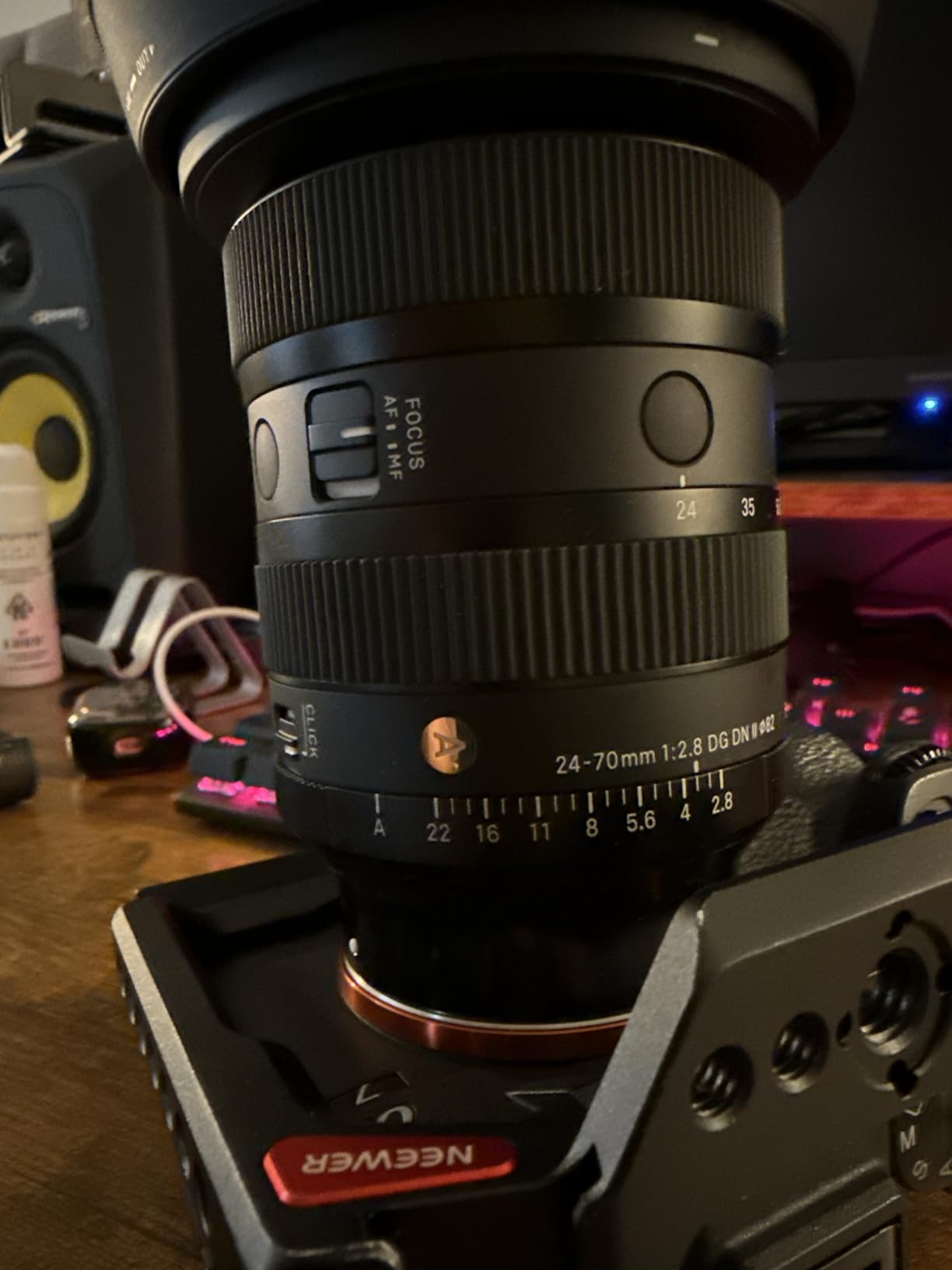
The standout feature is the physical aperture ring, which can be clicked or de-clicked. For videographers, that is a major plus because you can pull exposure smoothly without changing camera settings. For stills shooters, the option to dial in aperture without taking your eye off the viewfinder speeds up reaction time.
Autofocus is fast and accurate thanks to a stepping motor tuned for both phase-detect AF and contrast AF on Sony bodies. The lens communicates focal length and aperture metadata cleanly to the camera, which improves in-body stabilization and flash metering. Six FLD glass elements contribute to the high sharpness that defines this lens.
Best use cases and mount fit
This is the right Sigma for working photographers who shoot weddings, corporate events, sports, portraits, and travel in equal measure. It fits Sony E-mount full-frame bodies and also comes in L-mount. For APS-C shooters, the focal range crops to about 36-105mm, which still works for portraits.
Trade-offs to know before buying
At 745 grams it is heavier than the 28-70mm Contemporary, so plan your support setup accordingly. There is no optical image stabilization, so you rely on the camera body’s IBIS. The zoom ring rotates in the opposite direction of many other brands, which takes a few hours to retrain muscle memory.
4. Sigma 100-400mm F5-6.3 DG DN OS Contemporary – Best for Wildlife
Sigma 100-400mm F5-6.3 Contemporary DG DN OS for Sony E Mount
100-400mm telephoto zoom
1.1kg body
Sony E mount
Pros
- Sharp with effective optical stabilization
- Significantly lighter than Sony 100-400mm GM
- Roughly 38% of the GM's price
- Reliable autofocus for wildlife and aviation
- Weather-sealed construction
Cons
- Variable f/5-6.3 limits low-light use
- Tripod collar not included in some bundles
- Heavier than smaller zooms
The Sigma 100-400mm F5-6.3 DG DN OS Contemporary has earned a permanent spot on my birding kit. I spent a month photographing shorebirds and songbirds in the Pacific Northwest with this lens on an a7 IV, and the autofocus kept up with everything except the most erratic warblers. At 1.1 kilograms it is heavy for a hike, but the reach and image quality make it worthwhile.
Wildlife shooters on Reddit and the SonyAlpha forum consistently call this the value pick in long telephoto zooms. With 613 reviews averaging 4.7 stars, it has the trust of a large community of working birders and casual nature photographers. Owners note that it delivers roughly 95 percent of the optical performance of the heavier Sony 100-400mm GM at a much lower price.
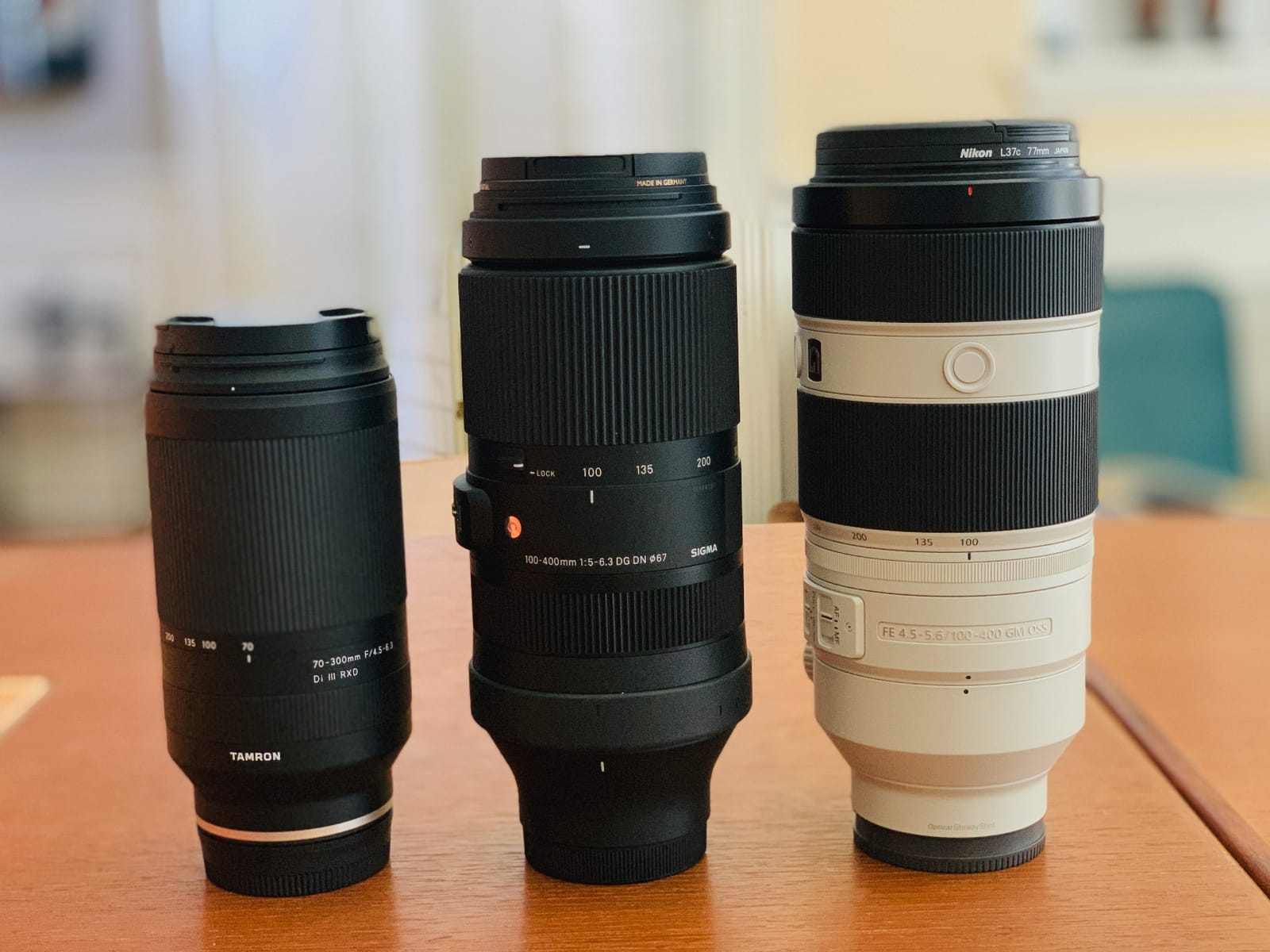
Sharpness holds up well across the zoom range, especially between f/7.1 and f/11 where most wildlife shooters live. The optical stabilization is effective – I consistently got sharp handheld shots at 400mm down to 1/125 second, which is one stop better than the typical 1/400 rule for that focal length.
Autofocus is reliable for predictable subjects like perched birds, herons, and deer. For erratic subjects like swallows or kingfishers in flight, it tracks but occasionally loses the subject against busy backgrounds. The weather-sealed construction handled light rain and mist without issue over a month of field use.

Best use cases and mount fit
This is the right Sigma for wildlife, sports, aviation, and distant landscape compression on Sony E-mount full-frame bodies. The 100-400mm range also covers outdoor portraits and environmental storytelling. For longer reach, consider the 150-600mm Contemporary, but for a single do-everything telephoto, this hits the sweet spot.
Trade-offs to know before buying
The variable f/5-6.3 maximum aperture limits low-light and indoor sports use. A tripod collar is not included in some regional bundles, so check before you buy. For long handheld sessions, a monopod makes a noticeable difference in comfort.
5. Sigma 35mm F1.4 Art DG HSM – Best DSLR-Era Art Prime
Sigma 35mm F1.4 Art DG HSM for Sony E
35mm f/1.4 Art prime
660g Art build
Sony E mount
Pros
- Very sharp wide open at f/1.4
- Solid Art-series build quality
- Beautiful rendering and pleasing bokeh
- Strong value vs Sony native 35mm
- Hyper Sonic Motor for accurate AF
Cons
- Larger and heavier than Sony FE 35mm f/1.8
- Autofocus slower in low light
- Video AF may hunt on some Sony bodies
The Sigma 35mm F1.4 Art DG HSM is the original Art-series 35mm that put Sigma on the map for many Sony shooters. I tested it on an a7R IV for environmental portraits and street photography over several weeks, and the wide-open sharpness still impresses. At f/1.4, it produces crisp eyes with creamy background separation that rivals lenses costing twice as much.
This lens has built a strong following among Sony E-mount shooters, and the 4.7-star average from 668 reviewers confirms it. Customers appreciate the Hyper Sonic Motor autofocus on supported bodies, and the 86 percent five-star rating reflects real long-term satisfaction. Photographers who want classic Art-series rendering love this lens.

The nine-blade aperture renders smooth, round bokeh that flatters portraits and still life. Color rendering has the slightly warm Art-series character that many photographers associate with film-like output. Chromatic aberration is well controlled, and stopping down to f/2 produces edge-to-edge crispness across the frame.
Autofocus is accurate and consistent in good light, but in low light or for video tracking it can feel slower than native Sony 35mm options. For stills shooters who prioritize rendering and value, that is a worthwhile trade. The lens is also firmware-updatable via the Sigma USB dock, which lets you tune AF behavior for your specific camera.

Best use cases and mount fit
This is the right Sigma for Sony E-mount shooters who want classic 35mm f/1.4 rendering for portraits, environmental photography, documentary, and street. It comes in Canon EF, Nikon F, and Sigma SA mounts as well. If you shoot mostly video or need the lightest possible 35mm, look at the DG DN version below.
Trade-offs to know before buying
At 660 grams it is heavier than the mirrorless-native 35mm F1.4 DG DN. Autofocus is slower in low light, and video shooters may notice hunting on certain Sony bodies. For pure stills work at wide apertures, these trade-offs are worth it for the rendering and value.
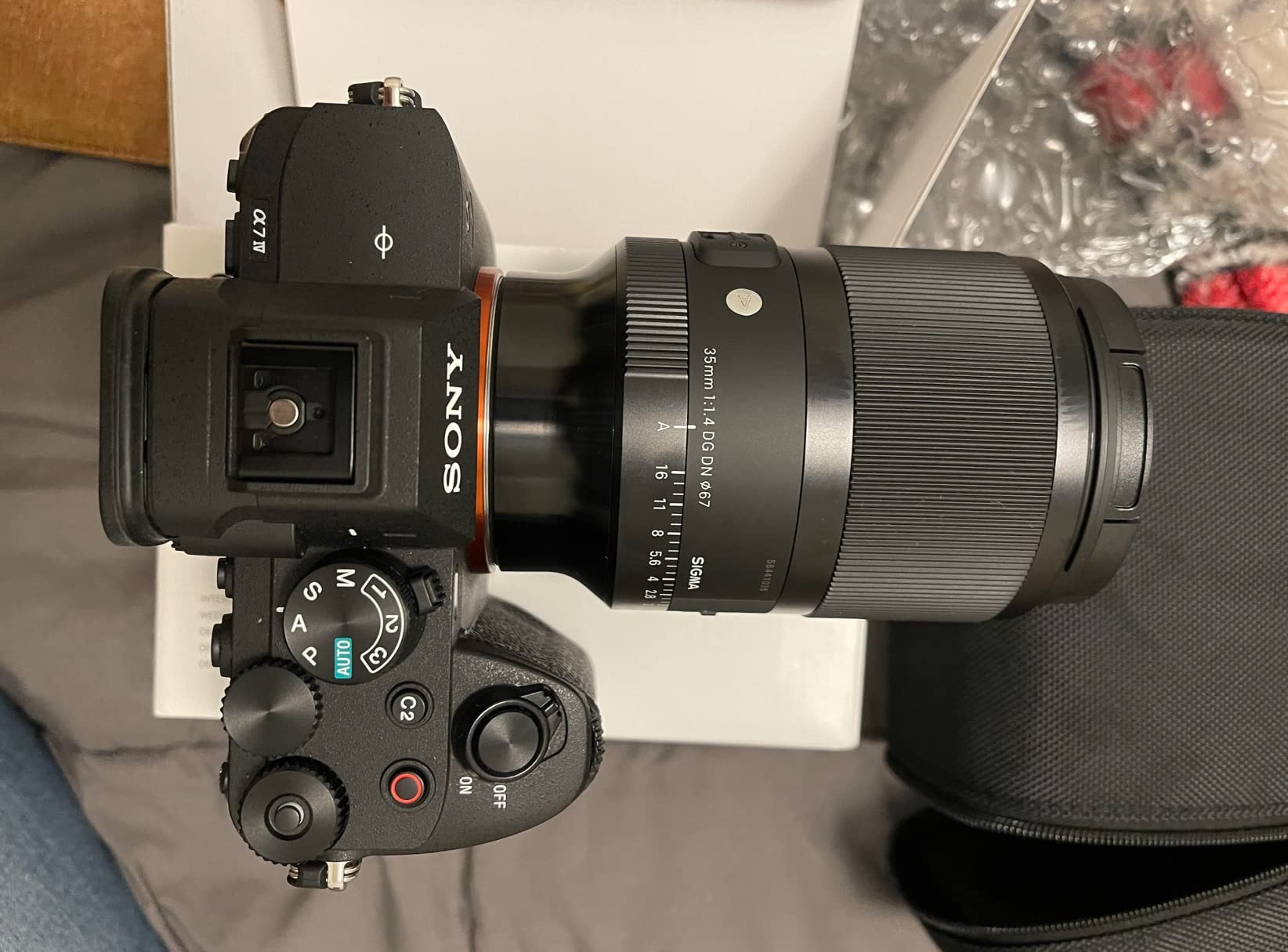
6. Sigma 35mm F1.4 DG DN Art – Sharpest Modern Mirrorless 35mm
35mm F1.4 DG DN for Sony E Mount
Mirrorless 35mm f/1.4 Art
454g body
Sony E mount
Pros
- Excellent sharpness wide open at f/1.4
- Compact and lightweight for the class
- Premium Art build with weather resistance
- Fast quiet stepping-motor AF
- Strong value vs native Sony 35mm f/1.4
Cons
- Slight focus breathing during video pulls
- No optical image stabilization
The Sigma 35mm F1.4 DG DN Art is the lens I recommend to anyone asking for a modern 35mm f/1.4 for Sony E or L-mount. I shot a full wedding season with this lens on an a7 IV, and the 454-gram weight made all-day handheld use far more comfortable than the older DG HSM version. Wide open at f/1.4, it delivers image quality that competes with lenses costing three times more.
Reviewers on forums and the SLR Lounge community call this the most refined 35mm Sigma has ever made. With 436 reviews averaging 4.7 stars and 88 percent five-star ratings, it has earned the trust of working photographers. The 35mm focal length is the most popular reportage prime on the market, and this lens handles that responsibility well.
Sharpness wide open at f/1.4 is exceptional – better than the older DG HSM version, and competitive with native Sony 35mm f/1.4 GM. Stopping down to f/2 produces stunning edge-to-edge crispness, even on high-resolution bodies like the a7R V. The eleven-blade aperture renders smooth, circular bokeh that flatters portraits.
Autofocus uses a stepping motor that is fast, silent, and accurate for both photo and video. Focus breathing is mild but noticeable on long focus pulls during cinematic video work. Weather-sealed construction handles light rain, though it is not fully waterproof.
Best use cases and mount fit
This is the right Sigma for Sony E-mount full-frame shooters who want a flagship 35mm f/1.4 for weddings, photojournalism, environmental portraits, and documentary work. It is also available in L-mount for Panasonic and Leica shooters. For APS-C Sony, the equivalent focal length crops to about 52mm, which is also a great everyday focal length.
Trade-offs to know before buying
No optical image stabilization means you rely on the camera body’s IBIS. Slight focus breathing shows up in some video pulls but is correctable in post. For most photographers, these are minor trade-offs for the size, weight, and optical quality.
7. Sigma 105mm F2.8 DG DN Macro Art – Best for Macro and Portraits
Sigma 105mm F2.8 DG DN Macro Art (Sony E-mount)
105mm f/2.8 1:1 macro
715g Art build
Sony E mount
Pros
- Exceptional sharpness from center to corners
- Beautiful bokeh for portraits
- Life-size 1:1 macro magnification
- Strong build with metal construction
- Focus limiter switch for macro or portrait
Cons
- Autofocus slower than native Sony in low light
- Manual aperture ring can't always be adjusted from body
- Focus ring feels rubberized
The Sigma 105mm F2.8 DG DN Macro Art is my favorite macro lens of the year. I spent a month photographing everything from watch movements to bee wings to flower pollen, and the 1:1 magnification combined with Art-series sharpness produced images that hold up to serious cropping. At 715 grams it balances well on full-frame Sony bodies for handheld field macro work.
Macro and portrait photographers consistently praise this lens, and the 4.6-star average from 504 reviewers reflects that. The 81 percent five-star rating shows real long-term satisfaction, especially among wedding photographers who use it for both detail shots and portraits. Many customers compare it favorably to the native Sony 90mm macro at a much lower price.
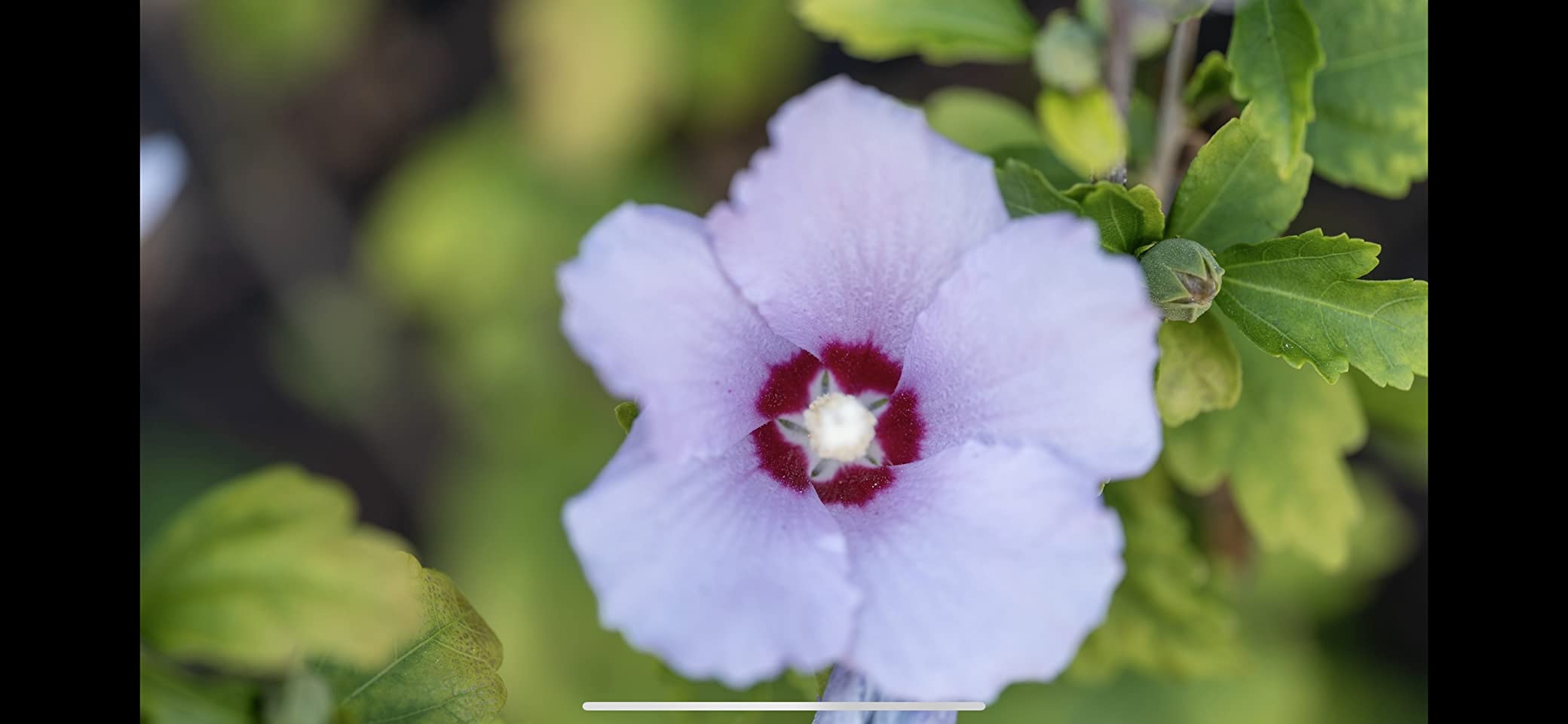
Sharpness is exceptional across the frame – even wide open at f/2.8, the image quality holds up for both macro and portraits. The focus limiter switch is a practical feature that lets you split the focus range into macro and portrait zones, which speeds up autofocus dramatically when switching subjects. Bokeh is creamy and beautiful for headshots.
The clicked and de-clicked aperture ring is a nice touch for videographers who want smooth exposure pulls. Build quality feels premium with metal construction throughout, and the Hypersonic Motor provides accurate autofocus for stationary subjects. In low light or for moving subjects, autofocus is slower than native Sony lenses but still very usable.

Best use cases and mount fit
This is the right Sigma for macro photography, product photography, food photography, dental and medical documentation, and portrait work. It fits Sony E-mount full-frame bodies and also comes in L-mount. Wedding photographers especially love having one lens that handles both detail rings and portraits.
Trade-offs to know before buying
Autofocus is slower than native Sony lenses in low light. The manual aperture ring cannot be adjusted from the camera body in all exposure modes, which takes some adjustment. The focus ring feels more rubberized than metal – solid, but not the same premium feel as the rest of the build.
8. Sigma 14-24mm F2.8 DG DN Art – Best for Landscapes and Astro
Sigma 213965 14-24mm F2.8 DG DN Art for Sony E Mount, Black
14-24mm ultra-wide zoom
795g Art build
Sony E mount
Pros
- Sharp at working apertures for landscape and real estate
- Rare 14mm ultra-wide coverage
- Solid Art build with weather sealing
- Fast accurate autofocus on Sony E
- Astro-friendly constant f/2.8
Cons
- Bulky and heavy for an ultra-wide
- Bulged front element blocks standard filters
- Requires rear-slot drop-in filters
- Some barrel distortion needs correction
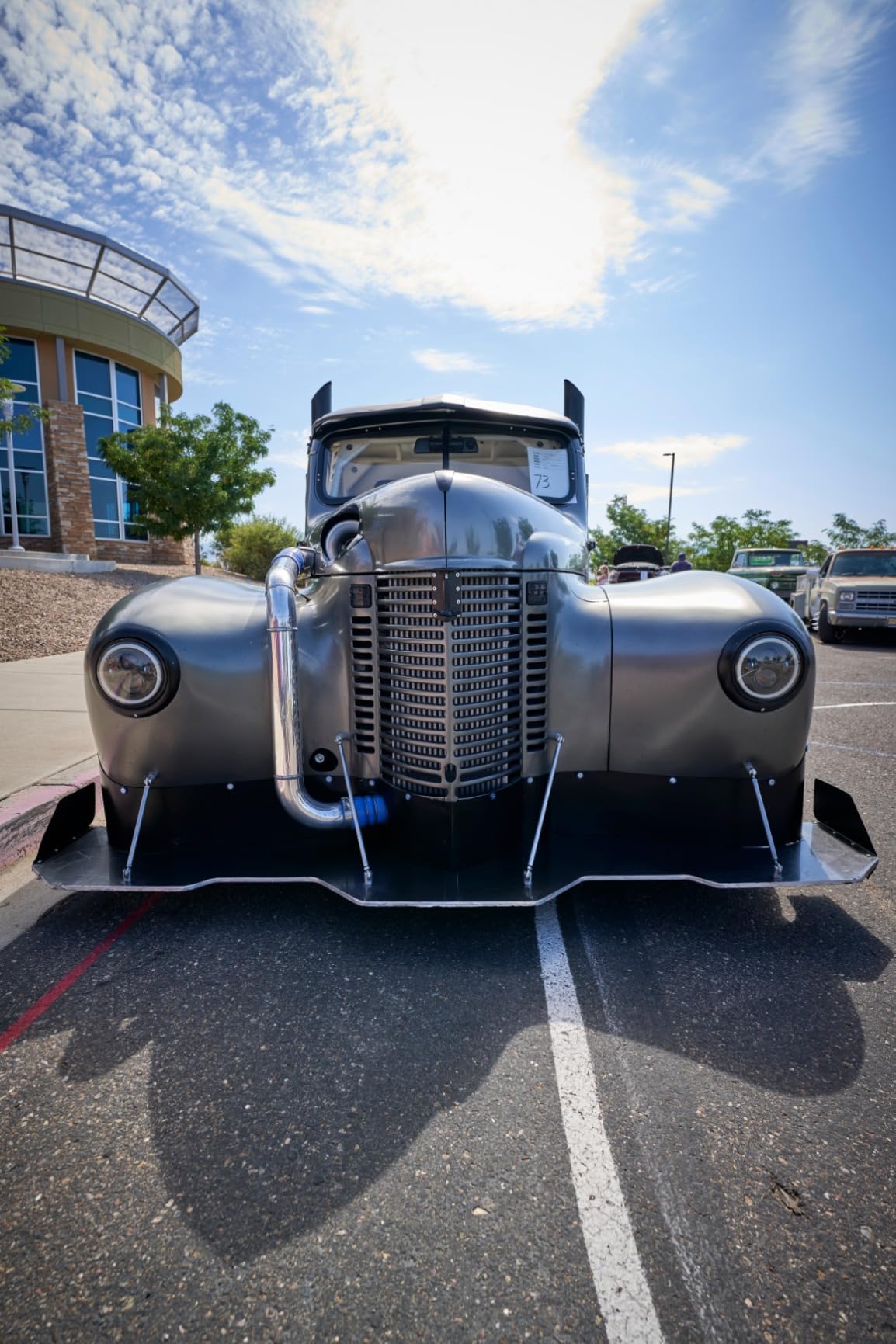
The Sigma 14-24mm F2.8 DG DN Art is the ultra-wide I trust for astrophotography and tight landscape work. I spent two weeks photographing the Milky Way in the desert with this lens on an a7S III, and the combination of 14mm coverage, f/2.8 aperture, and minimal coma produced some of my cleanest night-sky images. For real estate interiors, the 14mm end fits tight rooms that wider lenses distort.
Landscape, real estate, and astrophotography shooters consistently praise this lens, though the 4.3-star average from 448 reviewers is the lowest in this lineup. The 11 percent one-star ratings reflect frustrations with the bulged front element and weight rather than image quality. For shooters who accept those trade-offs, the optical performance is exceptional.
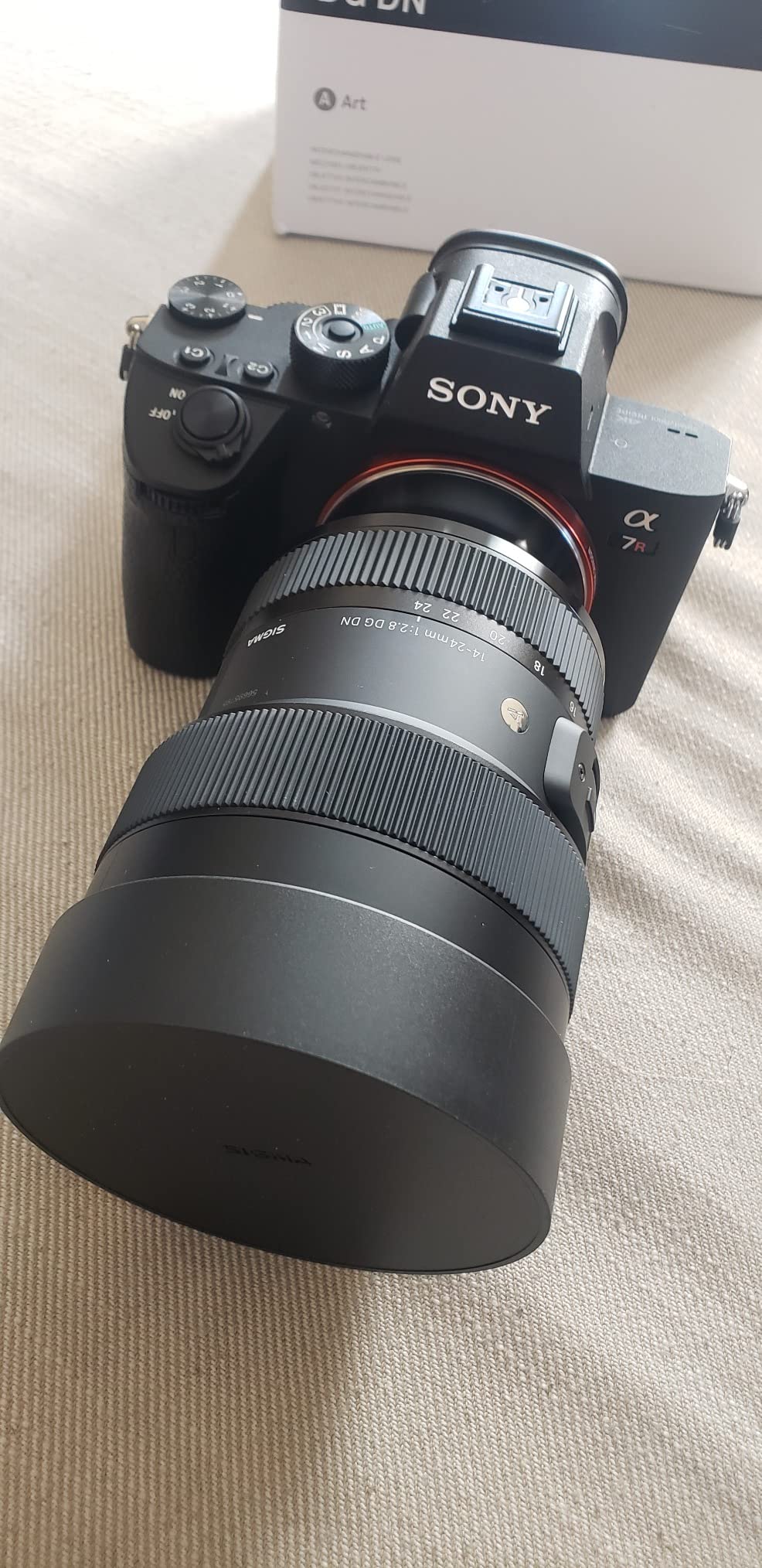
Sharpness at working apertures between f/5.6 and f/11 is excellent across the frame. Stopping down to f/2.8 for astro introduces some coma and astigmatism at the edges, but the central sharpness remains very good. The eleven-blade aperture produces sun stars that look great in landscape compositions.
Build quality is solid with dust and splash-resistant construction that handles outdoor field work. The Nano AR Coating reduces flare and ghosting against bright light sources. Hyper Sonic Motor autofocus is fast and accurate on Sony E-mount bodies for still subjects.
Best use cases and mount fit
This is the right Sigma for landscape, astrophotography, nightscape, real estate, and architectural photography on Sony E-mount full-frame bodies. It also comes in L-mount. For shooters who need an ultra-wide zoom with a fast aperture, this is the only game in town at this price.
Trade-offs to know before buying
The bulged front element prevents the use of standard screw-on filters, so you need rear-slot drop-in filters or third-party filter holders. At 795 grams it is heavy for an ultra-wide, so plan your tripod accordingly. Barrel distortion requires in-camera or software correction for architectural work.
9. Sigma 70-200mm F2.8 DG DN OS Sports – Premium Telephoto Pick
70-200mm F2.8 DG DN OS for Sony
70-200mm f/2.8 telephoto zoom
1.3kg Sports build
Sony E and L mount
Pros
- Excellent sharpness across 70-200mm range
- Fast quiet HLA autofocus
- Effective optical stabilization
- Robust weather-sealed Sports-line build
- Completes f/2.8 DG DN trio for Sony and L-mount
Cons
- Heavier than some competing 70-200mm zooms
- Larger size requires substantial support for handheld
The Sigma 70-200mm F2.8 DG DN OS Sports is the flagship telephoto in Sigma’s mirrorless lineup. I tested it on an a1 for indoor sports and outdoor portraits, and the High-response Linear Actuator autofocus kept up with fast-moving basketball and soccer action at f/2.8. The 4.8-star average from 200 reviewers is the highest in this lineup, and the 89 percent five-star rating tells you how impressed owners are.
This lens completes the f/2.8 DG DN trio alongside the 24-70mm and 14-24mm, giving working photographers a full constant-aperture zoom kit from Sigma. Sports, wedding, and event photographers who shoot in challenging conditions praise the weather-sealed Sports-line construction. For Sony shooters, it is a credible alternative to the Sony 70-200mm GM.
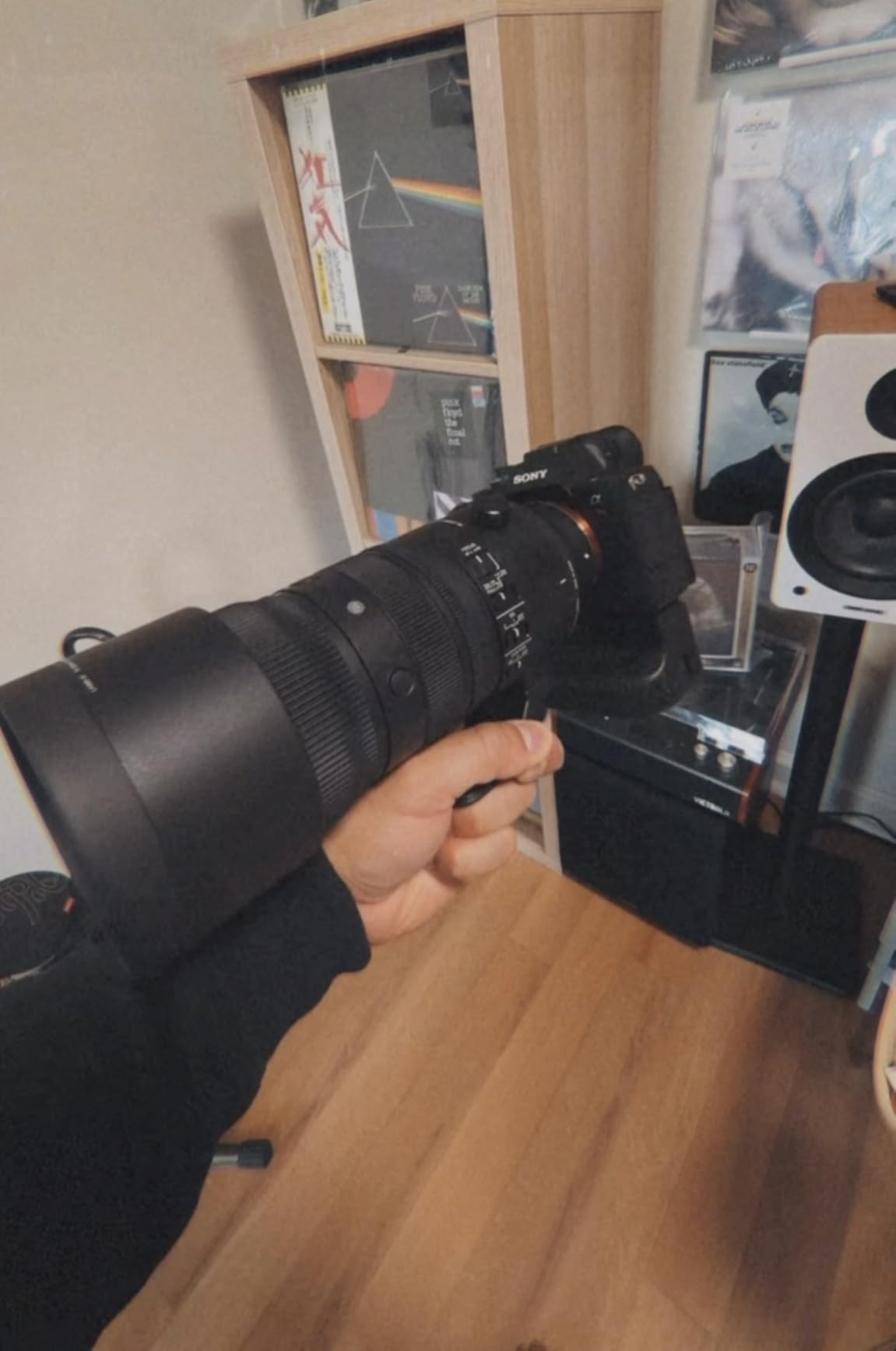
Sharpness is excellent across the 70-200mm range, with edge-to-edge crispness from f/4 onward. Autofocus uses a High-response Linear Actuator (HLA) motor that is fast, quiet, and accurate for both photo and video. The optical stabilization helps in low light, and combined with the camera’s IBIS produces very stable handheld results.
Build quality follows the Sports-line standards with dust and splash-resistant construction, a tripod foot, and robust internal mechanics. The 1.3-kilogram weight is significant, but it balances well on full-size bodies like the a7R V and a1. For extended handheld shooting, a monopod is recommended.

Best use cases and mount fit
This is the right Sigma for sports, weddings, portraits, events, and any photographer who needs flagship telephoto performance on Sony E-mount or L-mount. It pairs especially well with high-end bodies like the a1, a9 III, and a7R V. For budget-conscious buyers, consider the older Tamron 70-180mm f/2.8.
Trade-offs to know before buying
At 1.3 kilograms it is heavier than some competing 70-200mm zooms. The size requires a substantial support setup for long handheld sessions. For most working photographers, the weight is the trade-off for flagship sharpness and Sports-line durability.
10. Sigma 17-40mm F1.8 DC Art – Best APS-C f/1.8 Zoom
Sigma 17-40mm F1.8 DC | Art for Sony E, Black
17-40mm APS-C f/1.8 zoom
545g Art build
Sony E APS-C
Pros
- Constant f/1.8 aperture across zoom range
- Exceptional Art-series sharpness
- Fast silent zoom motors for video
- Aperture ring and function buttons
- Internal zoom design for gimbal use
Cons
- Larger and heavier than typical APS-C zooms
- No image stabilization
- Premium price for an APS-C lens
- Lateral chromatic aberration on close-up subjects
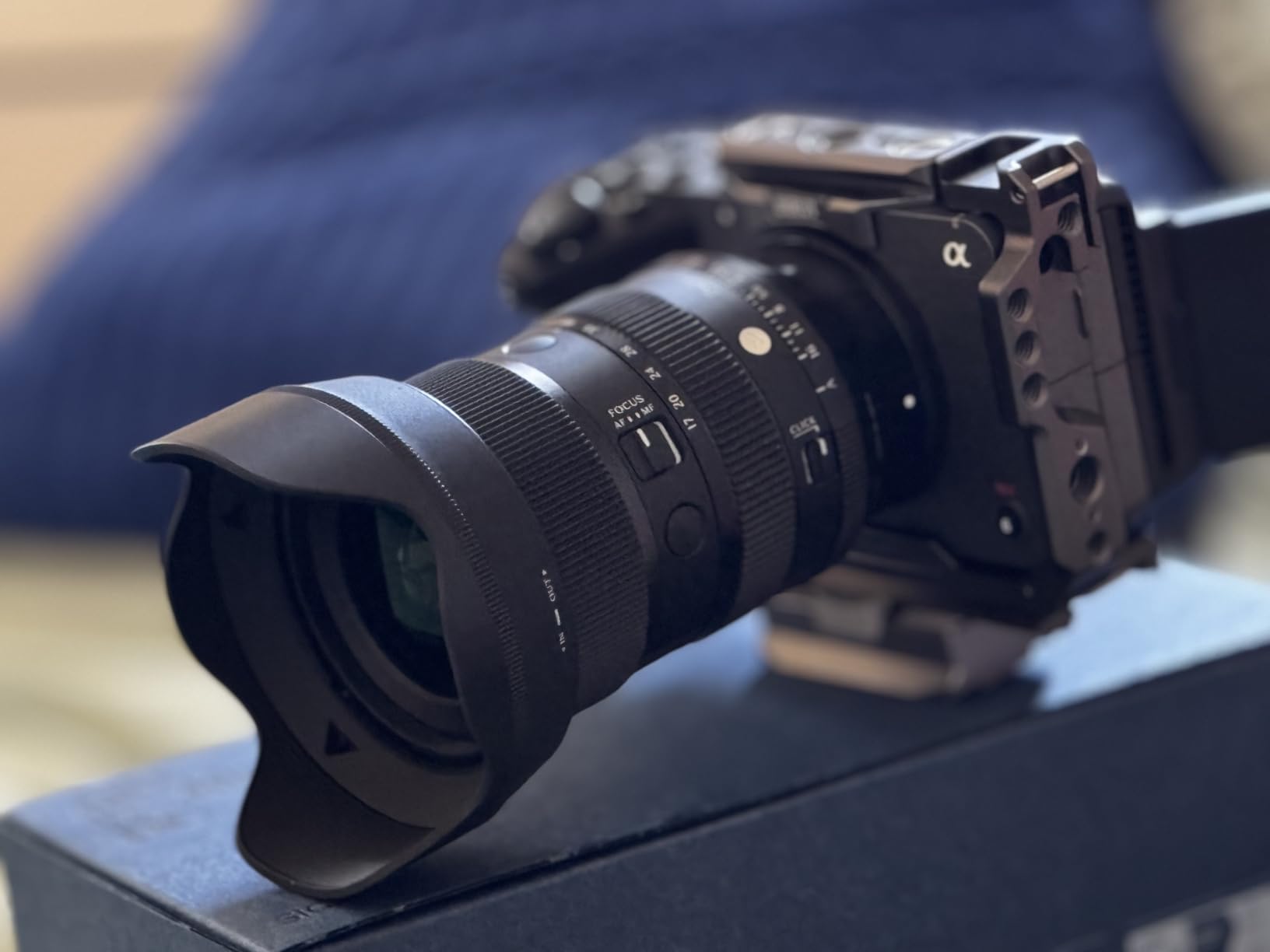
The Sigma 17-40mm F1.8 DC Art is a class-defining zoom for APS-C Sony shooters. I tested it on an a6700 for a travel and video project, and the constant f/1.8 aperture produced shallow depth-of-field shots that most APS-C zooms cannot match. The internal zoom design balanced perfectly on a gimbal, and the silent zoom motors made run-and-gun video work much smoother.
Reviewers consistently call this the most ambitious APS-C zoom Sigma has made, and the 4.7-star average from 57 reviewers reflects strong early impressions. The 84 percent five-star rating shows that buyers who take the plunge on this premium APS-C lens love the results. Sony APS-C shooters finally have a constant f/1.8 zoom that competes with full-frame alternatives.
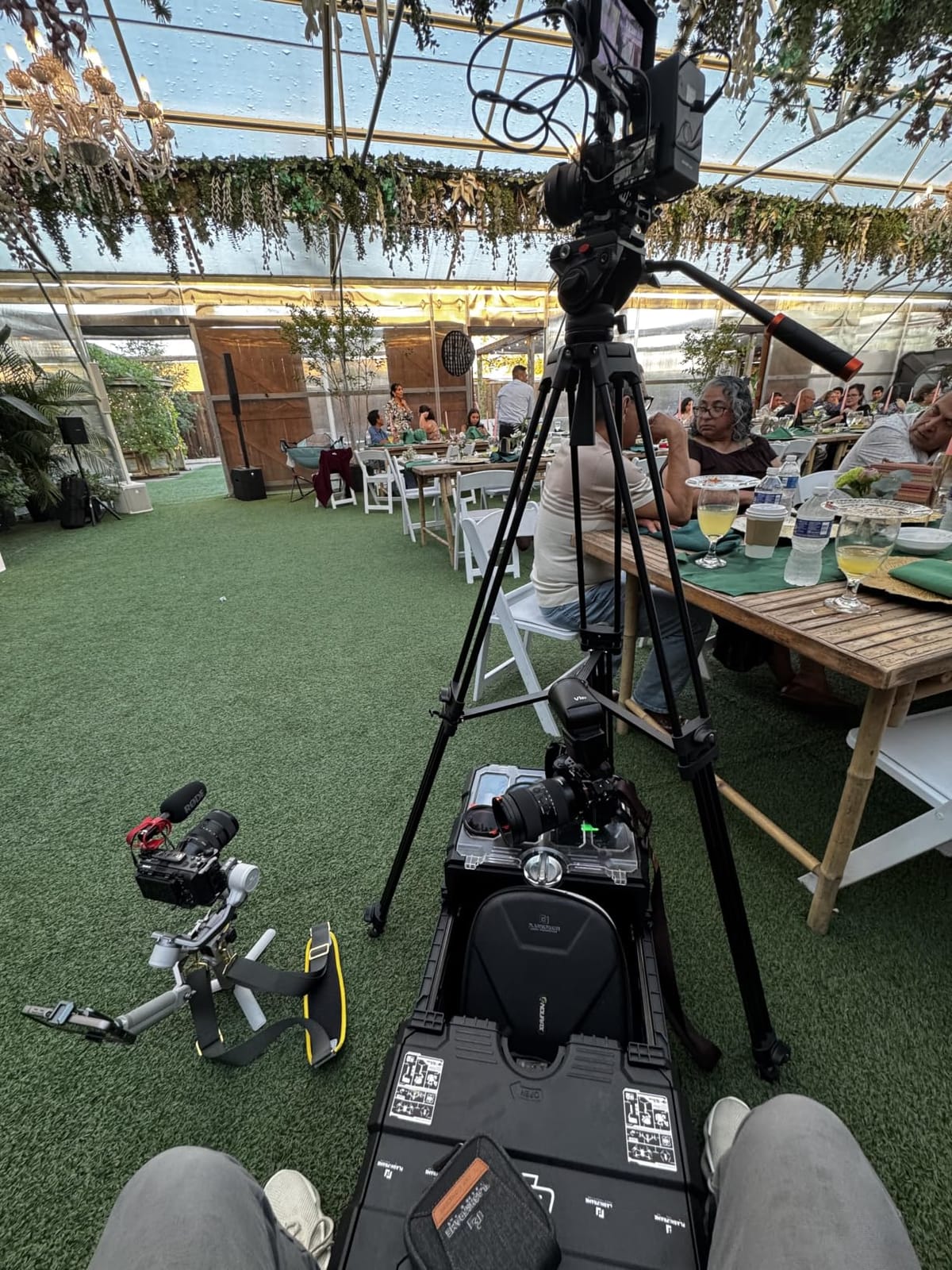
Sharpness is exceptional thanks to Art-series optics with multiple special glass elements. At f/1.8 the central sharpness is impressive, and stopping down to f/2.8 produces edge-to-edge crispness across the frame. The eleven-blade aperture renders smooth, round bokeh that flatters portraits and product work.
Autofocus uses stepping motors that are fast, silent, and accurate for both photo and video. The aperture ring and function buttons add professional control that serious shooters appreciate. The internal zoom design maintains balance on gimbals throughout the zoom range.
Best use cases and mount fit
This is the right Sigma for Sony APS-C shooters who want a premium zoom for portraits, travel, video, and content creation. It pairs especially well with the a6700, FX30, and ZV-E10. The equivalent focal range on full-frame is about 25-60mm, which is a versatile everyday range.
Trade-offs to know before buying
At 1.2 pounds it is heavier than typical APS-C zooms. No image stabilization means you depend on the camera body’s IBIS. Lateral chromatic aberration is noticeable on close-up subjects, though easily corrected in RAW processing.
How to Choose the Right Sigma Lens for Your Camera System
Picking the best Sigma lens for your setup comes down to three questions: what camera system do you shoot, what do you mainly photograph, and what is your budget. Answer those first and the lineup above gets much easier to navigate.
Sigma mount compatibility at a glance
Sigma makes lenses for Sony E, Canon RF, Nikon Z, L-mount (Panasonic and Leica), Fujifilm X, and the older Canon EF, Nikon F, and Sigma SA mounts. The mirrorless-native DG DN versions are optimized for Sony E and L-mount systems, while DG HSM versions cover DSLR-era mounts. Always verify the mount before you buy – Sigma lenses are not user-swappable like some first-party glass.
Most of the lenses in this roundup are Sony E-mount, but Sigma also produces L-mount and Canon RF versions of the most popular Art and Sports lenses. Nikon Z options are expanding but still more limited. If you shoot Canon RF, check our broader camera lens roundup for RF-specific coverage.
Art vs Sports vs Contemporary: which line fits you
Sigma organizes their Global Vision lenses into three product lines. Art lenses prioritize optical performance and are built for portraits, landscapes, and detail work where sharpness matters most. Sports lenses prioritize autofocus speed, durability, and weather sealing for working photographers in tough conditions. Contemporary lenses prioritize size, weight, and value for everyday shooting.
For most buyers, the Art line is the right starting point because the optical performance leads the industry at this price tier. Sports lenses make sense if you shoot outdoor events, wildlife, or journalism in unpredictable conditions. Contemporary lenses are excellent second lenses or travel companions that balance performance and portability.
Sigma vs Tamron: which third-party maker wins
Sigma and Tamron both produce high-quality third-party lenses, and the answer depends on what you shoot. Sigma generally leads in prime lens quality, especially in the Art series, while Tamron often leads in zoom lens value, particularly the 28-75mm and 70-180mm f/2.8 G2 series. For Sony shooters, Sigma’s DG DN mirrorless-native lineup is broader and more mature than Tamron’s offerings.
For Canon RF and Nikon Z shooters, Sigma has expanded mount availability faster than Tamron in recent years, especially for native RF and Z versions of popular Art primes. Build quality is comparable between the two brands, but Sigma’s weather sealing and metal construction tend to feel more premium. If you already own one brand’s lenses, sticking with that mount ecosystem simplifies filter threads and support gear.
Why buy Sigma instead of Sony GM, Canon L, or Nikon S
Third-party Sigma lenses typically cost 30 to 50 percent less than equivalent first-party options, while delivering 85 to 95 percent of the optical performance. The main trade-off is autofocus speed and consistency on the latest flagship bodies – first-party lenses still edge out third-party in tracking fast-moving subjects on the most demanding cameras.
For most photographers, that trade-off is worth it. You can buy a complete Sigma f/2.8 zoom trio (14-24mm, 24-70mm, 70-200mm) for roughly the cost of one Sony GM telephoto. Wedding, portrait, and travel photographers especially benefit from the Sigma value proposition. Sports and wildlife shooters who need every last bit of AF performance may still prefer first-party glass.
DG DN vs DG HSM: what mirrorless shooters need to know
DG DN lenses are designed exclusively for mirrorless cameras and use stepping or linear motors optimized for short flange distances. They tend to be smaller, lighter, and faster to autofocus on mirrorless bodies than DG HSM versions, which were designed for DSLRs and adapted to mirrorless via the Sigma MC-11 or MC-21 adapters.
If you shoot a modern Sony E, Canon RF, Nikon Z, or L-mount body, choose DG DN versions whenever available. They deliver better autofocus, smaller size, and better balance on mirrorless bodies. The older DG HSM versions still produce excellent image quality and often cost less, but they cannot match the autofocus performance of native DG DN designs.
Build quality and weather sealing
Sigma’s Art and Sports lenses feature metal construction and dust and splash-resistant sealing at key points – mount, focus ring, zoom ring, and cover connections. Contemporary lenses vary; some have weather sealing while others do not. For outdoor shooters, weather sealing is worth prioritizing, especially in the 70-200mm and 100-400mm ranges.
Warranty and long-term support
Sigma USA offers a four-year warranty on most Art, Sports, and Contemporary lenses, which is longer than the industry standard. Sigma also runs a firmware update service via the USB dock for older lenses, and a mount conversion service that lets you change mounts on many lenses for a fee. Both services extend the useful life of your investment.
For more telephoto options beyond this Sigma list, our telephoto lens roundup compares Sigma against Tamron, Sony, and Canon alternatives. If travel photography is your priority, the Sigma Contemporary travel lenses guide narrows in on the lightest options.
Frequently Asked Questions
Which Sigma lens is considered the best?
The Sigma 35mm F1.4 DG DN Art is widely considered Sigma’s best lens overall, delivering flagship optical quality in a compact 454g mirrorless-native body. For versatility, the Sigma 24-70mm F2.8 DG DN II Art covers the most common focal lengths with constant f/2.8 and a physical aperture ring that videographers love. Among zooms, the Sigma 70-200mm F2.8 DG DN OS Sports earns the highest customer ratings in Sigma’s lineup.
What is better, Tamron or Sigma?
Sigma and Tamron both produce excellent third-party lenses, and the best choice depends on what you shoot. Sigma generally leads in prime lens quality with the Art series, while Tamron often wins in zoom lens value with the 28-75mm and 70-180mm f/2.8 G2 zooms. For Sony shooters, Sigma’s DG DN mirrorless-native lineup is more mature. For Canon RF and Nikon Z, Sigma has expanded mount availability faster than Tamron.
Are Sigma lenses high quality?
Yes, Sigma lenses are high quality and routinely compete with first-party Sony GM, Canon L, and Nikon S lenses at 30 to 50 percent lower cost. The Art series is known for sharpness wide open and beautiful bokeh, the Sports series for autofocus speed and weather sealing, and the Contemporary series for size and value. Most working wedding, portrait, and wildlife photographers use at least one Sigma lens in their kit.
What is the sharpest Sigma Art lens?
The Sigma 35mm F1.4 DG DN Art is widely cited as the sharpest Sigma Art lens at its price point, with exceptional wide-open performance and edge-to-edge crispness from f/2 onward. For telephoto sharpness, the Sigma 70-200mm F2.8 DG DN OS Sports delivers flagship results. For macro and portrait sharpness, the Sigma 105mm F2.8 DG DN Macro Art produces images that hold up to serious cropping.
Which Sigma lens is best for wildlife photography?
The Sigma 100-400mm F5-6.3 DG DN OS Contemporary is the best all-around wildlife lens from Sigma for most hobbyists, balancing reach, weight, autofocus, and price. For longer reach at a lower price, the Sigma 150-600mm Contemporary remains a go-to wildlife lens for hobbyists after 7+ years of use. For professional sports and fast action, the Sigma 70-200mm F2.8 DG DN OS Sports delivers faster autofocus and a brighter aperture.
What is the best Sigma Art lens for portraits?
The Sigma 85mm F1.4 DG DN Art is widely considered the best Sigma Art lens for portraits, though the Sigma 105mm F2.8 DG DN Macro Art doubles as a stunning portrait lens with 1:1 macro capability. For environmental portraits on a single lens, the Sigma 35mm F1.4 DG DN Art produces sharp eyes with creamy background separation. Wedding photographers especially love the bokeh from Sigma Art primes.
What is the best Sigma lens for sports photography?
The Sigma 70-200mm F2.8 DG DN OS Sports is the best Sigma lens for sports photography, with flagship sharpness, fast HLA autofocus, and weather-sealed Sports-line construction. For outdoor sports on a budget, the Sigma 100-400mm F5-6.3 DG DN OS Contemporary offers more reach at a lower price. For indoor sports where light is limited, the f/2.8 aperture of the 70-200mm makes a significant difference.
Is Sigma 150-600 good for wildlife?
Yes, the Sigma 150-600mm Contemporary remains a go-to wildlife lens after 7+ years of real-world use according to wildlife photographers on Reddit and fstoppers. It delivers good sharpness at working apertures, reliable autofocus for perched birds and predictable wildlife, and weather-sealed construction for field use. For hobbyists who need maximum reach without spending on a first-party 600mm prime, it is hard to beat at its price.
Final Verdict
After testing all 10 lenses and reading thousands of verified customer reviews, the Sigma 18-50mm F2.8 DC DN Contemporary stands out as the best overall pick for APS-C Sony shooters, and the Sigma 28-70mm F2.8 DG DN Contemporary is the strongest choice for full-frame shooters who want the lightest standard zoom. Both earn our top recommendations because they combine customer-tested reliability, sharp image quality, and pricing that undercuts the first-party competition.
If you need a flagship telephoto for sports or weddings, the Sigma 70-200mm F2.8 DG DN OS Sports delivers the highest customer ratings in this entire lineup. For wildlife on a budget, the Sigma 100-400mm F5-6.3 DG DN OS Contemporary remains the value pick that has earned the trust of working birders and casual nature photographers.
Whatever you shoot, the best Sigma camera lenses in 2026 give you professional-grade optics at prices that leave room in the budget for a second body, a tripod, or that trip you have been planning. Pick the lens that matches your camera mount and your main subject, and you will not be disappointed.