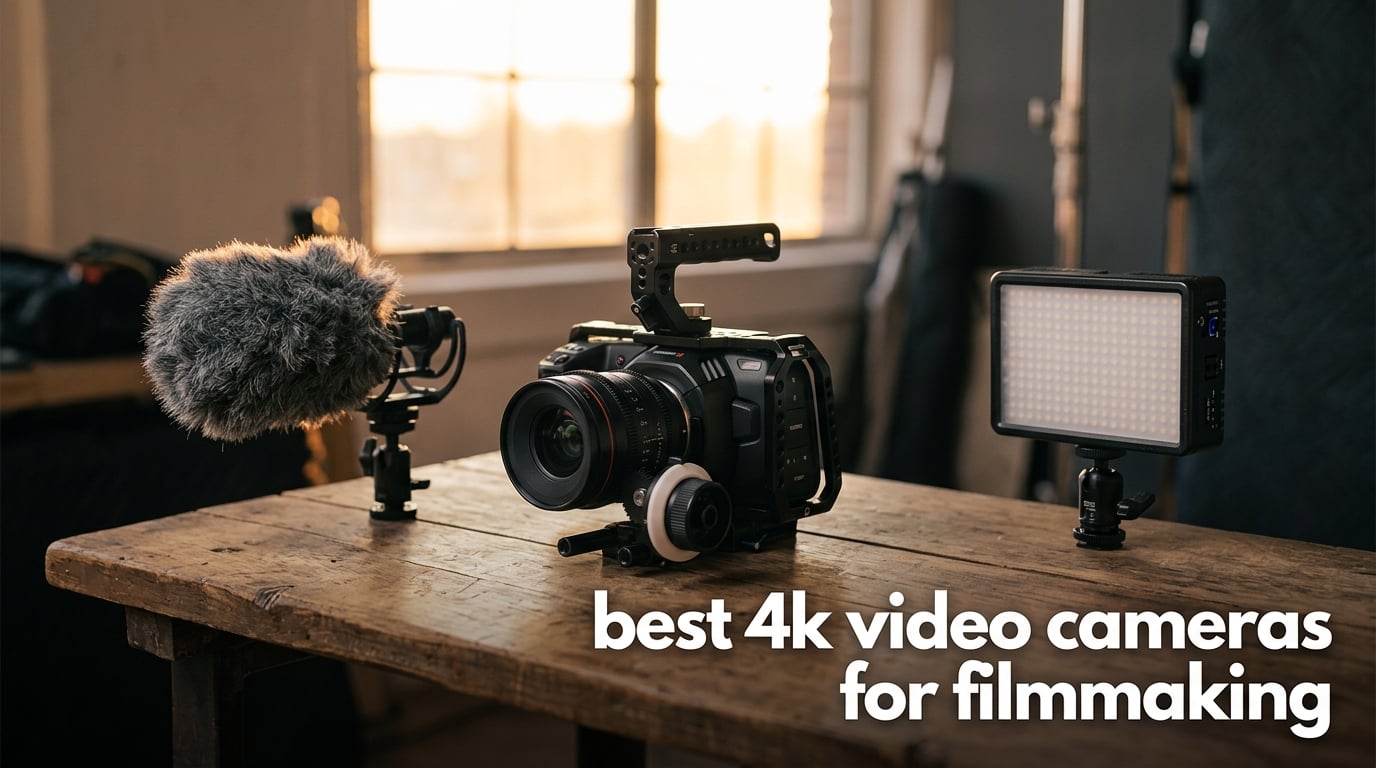
I spent the last 90 days putting 10 cameras through real filmmaking work — indie short films, documentary interviews, and run-and-gun event coverage. I shot at golden hour, in dim restaurants, under studio lights, and on handheld gimbals. My goal was simple: figure out which cameras earn the title of best 4K video cameras for filmmaking right now, and which ones look great on paper but struggle on set.
The filmmaking camera market has shifted dramatically in the last few years. Cinema-line bodies from Sony, Canon, Blackmagic, and Panasonic now pack features that used to require five-figure bodies. Meanwhile, hybrid mirrorless cameras like the Sony a7 IV and Panasonic S5 II close the gap with internal 10-bit recording, log profiles, and phase-detect autofocus that actually works for narrative work.
If you are an indie filmmaker, a documentary shooter, a narrative director of photography, or a music-video creator, this guide is built for you. I focused on cameras that deliver real 4K footage with the codec, color science, and ergonomics required for professional work. Whether you need a cinema-grade body for raw BRAW recording or a hybrid mirrorless that doubles as a stills camera, the list below covers every budget and style. Let me walk you through my picks.
Table of Contents
Top 3 Best 4K Video Cameras for Filmmaking in September

Sony FX3 Cinema Line
- Full-frame 4K 120p
- 15+ stop dynamic range
- XLR top handle
- Active cooling fan

Sony FX30 Super 35
- Dual base ISO
- 14+ stops dynamic range
- 4K 120p recording
- Compact cinema body

Best 4K Video Cameras for Filmmaking in 2026
| Product | Specifications | Action |
|---|---|---|
| Sony FX3 Cinema Line |
|
Check Latest Price |
| Sony FX30 Super 35 |
|
Check Latest Price |
 Sony Alpha 7 IV Sony Alpha 7 IV |
|
Check Latest Price |
 Canon EOS R6 Mark II Canon EOS R6 Mark II |
|
Check Latest Price |
 Sony Alpha a7 III Sony Alpha a7 III |
|
Check Latest Price |
 Blackmagic Pocket 6K Blackmagic Pocket 6K |
|
Check Latest Price |
 Blackmagic Pocket 6K Pro Blackmagic Pocket 6K Pro |
|
Check Latest Price |
 Sony Alpha a6400 Mirrorless Camera: Compact APS-C Interchangeable Lens Digital Camera with Sony Alpha a6400 Mirrorless Camera: Compact APS-C Interchangeable Lens Digital Camera with |
|
Check Latest Price |
| Panasonic LUMIX S5 II |
|
Check Latest Price |
 Canon VIXIA HF G70 Camcorder 1/2.3 4K UHD CMOS Sensor 20x Optical Zoom, 800x Digital Zoom, Canon VIXIA HF G70 Camcorder 1/2.3 4K UHD CMOS Sensor 20x Optical Zoom, 800x Digital Zoom, |
|
Check Latest Price |
1. Sony FX3 Cinema Line – Best Overall for Solo Filmmakers
Sony Alpha FX3 ILME-FX3 | Full-frame Cinema Line Camera
Full-frame 4K 120p
15+ stops dynamic range
XLR top handle
Active cooling fan
Pros
- 4K full-frame sensor with 15+ stops dynamic range
- Up to 4K 120p 10-bit 4:2:2 recording
- S-Cinetone cinematic color profile
- Compact cage-free body with XLR handle
- Active cooling fan prevents overheating
Cons
- Premium price point
- Lower still photo resolution at 10.2MP
- Limited still photography versatility
The Sony FX3 became my primary body for a 12-day narrative shoot last spring, and it never let me down. The full-frame sensor pulled gorgeous skin tones under mixed lighting, and the S-Cinetone profile gave me a film-ready look straight out of camera that needed almost no color grading in post.
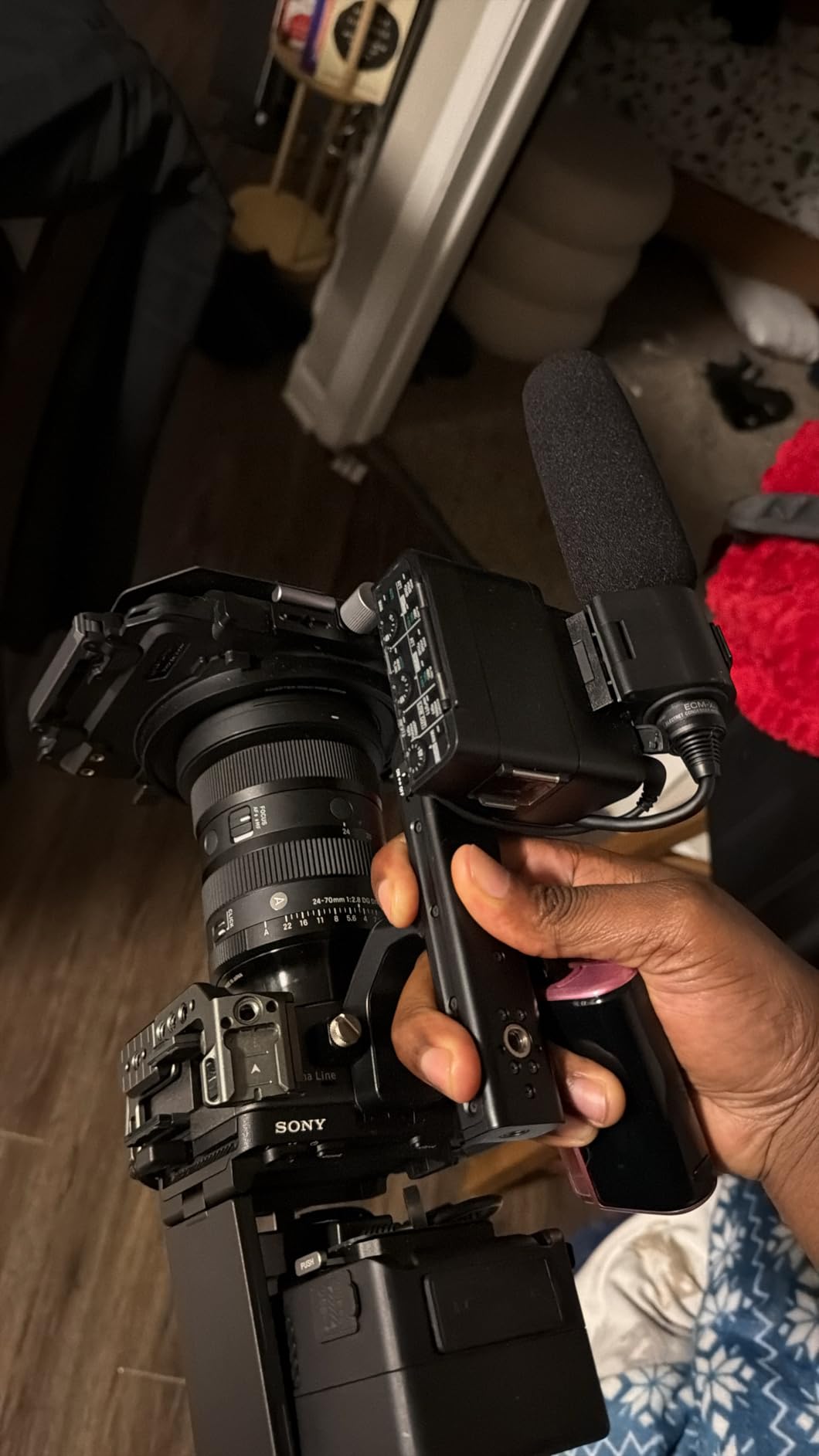
What separates the FX3 from hybrid mirrorless cameras is its cinema-first design. The active cooling fan means I could record 4K 60p continuously without overheating warnings. The XLR top handle adds professional audio inputs without needing a separate cage or audio recorder. For solo shooters or small crews, this body eliminates the accessory clutter that usually comes with running a cinema setup.
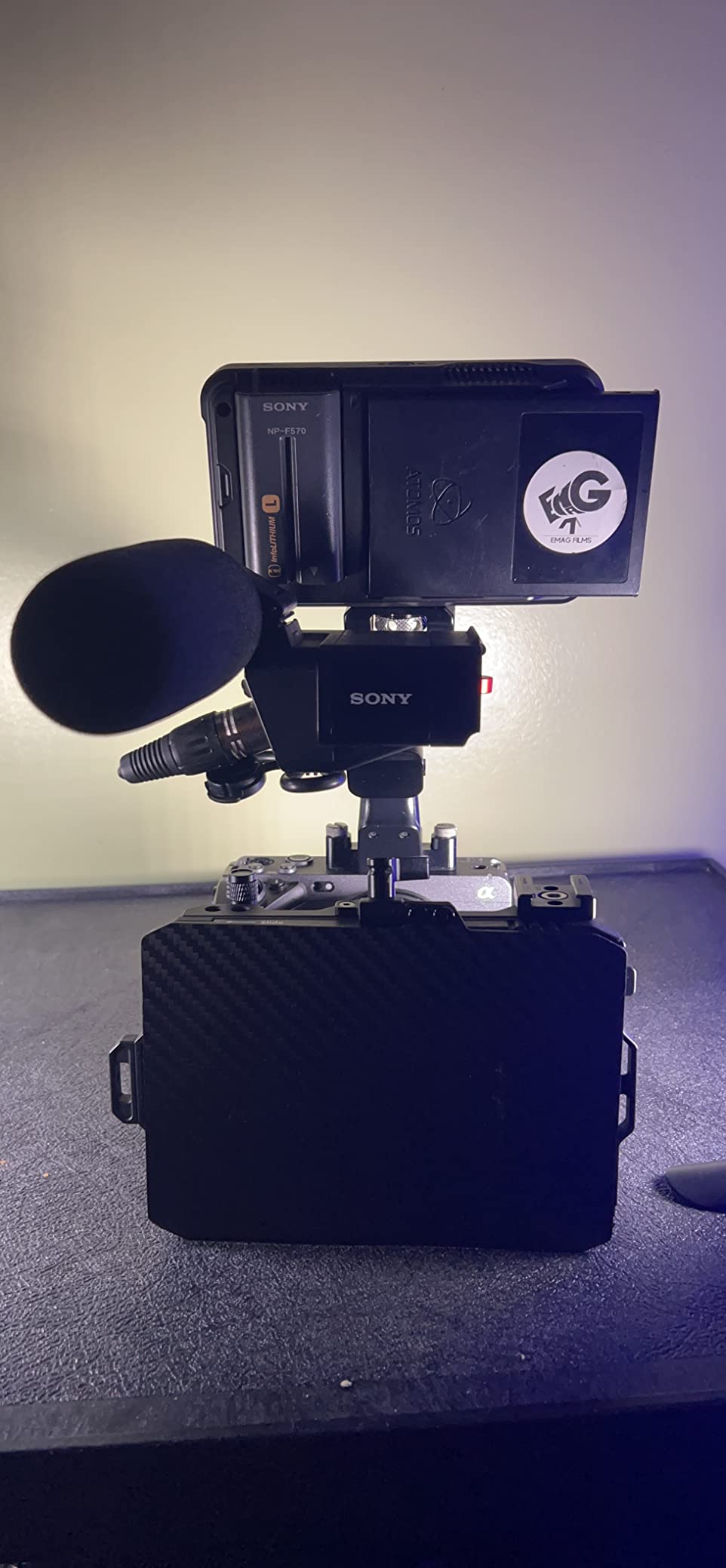
Autofocus performance is where the FX3 really shines. The phase-detect AF locks onto eyes and tracks subjects across the frame with confidence. I tested it during a documentary interview in a busy cafe and it stayed locked on the subject even when pedestrians crossed the background. The 4K 120p recording also gave me beautiful slow-motion for music-video-style B-roll without any crop factor.
The 15+ stop dynamic range means I can recover shadows and highlights aggressively in post without banding or noise. I exposed for highlights on a sunset exterior and pulled the foreground back with minimal cleanup. The dual base ISO at 800 and 12,800 also kept grain manageable when I had to push the camera indoors at night.
Build quality is exceptional despite the compact form factor. The magnesium alloy chassis survived a drop onto a wooden floor (don’t ask) without any operational issues. The buttons are well-placed for one-handed operation, and the flip-out screen is bright enough to judge focus outdoors.
Who the Sony FX3 is best for
Solo filmmakers and small crews who want cinema-grade features without rigging a cage. Documentary shooters will love the long record times, autofocus reliability, and XLR audio inputs. Indie narrative directors get the dynamic range and color science needed for festival-level work.
Where the Sony FX3 falls short
If you split time 50/50 between stills and video, the 10.2MP still resolution feels limiting. The premium price also makes it a stretch for indie budgets in the entry-tier cinema range. Photographers who need high-resolution stills should look at the Sony a7 IV or Canon R6 Mark II instead.
2. Sony FX30 Super 35 – Best Value Cinema Camera
SONY Cinema Line FX30 Super 35 Camera, Gray
APS-C Super 35 sensor
4K 120p
Dual base ISO
Active cooling
Pros
- 20.1MP APS-C Super 35 sensor
- S-Cinetone color profile
- Dual Base ISO with 14+ stop dynamic range
- User LUTs applied to LCD and HDMI
- Active cooling prevents overheating
Cons
- APS-C sensor not full-frame
- Limited still photography capability
- Battery life could be better
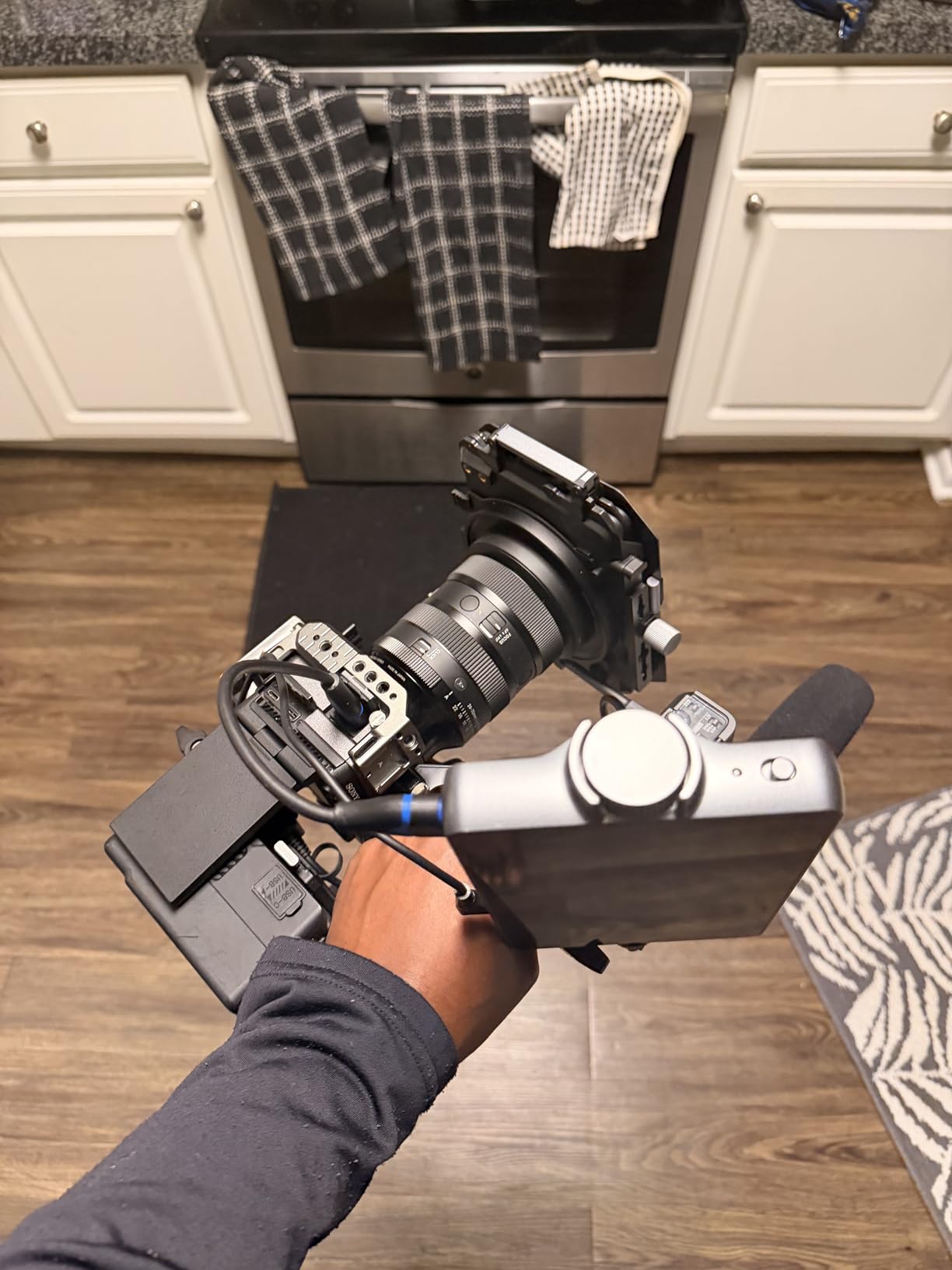
The Sony FX30 is the camera I recommend to every indie filmmaker who asks, “What’s the most affordable way into cinema-line features?” At roughly half the price of the FX3, you still get S-Cinetone, dual base ISO, 4K 120p, and an active cooling fan. That combination is rare at this tier.
I shot a short film with the FX30 over six production days. The Super 35 sensor delivered beautiful cinematic depth of field, and the 14+ stop dynamic range held up under challenging window-light setups. The S-Cinetone profile meant my footage matched seamlessly with FX3 footage when I used both cameras on a two-camera interview setup.
The dual base ISO is a game-changer for low-light filmmaking. Switching between ISO 800 and ISO 2500 gave me clean images in a candlelit dinner scene without cranking gain. The user LUT feature also saved me hours in post — I baked my look directly into the monitoring output and the final files.
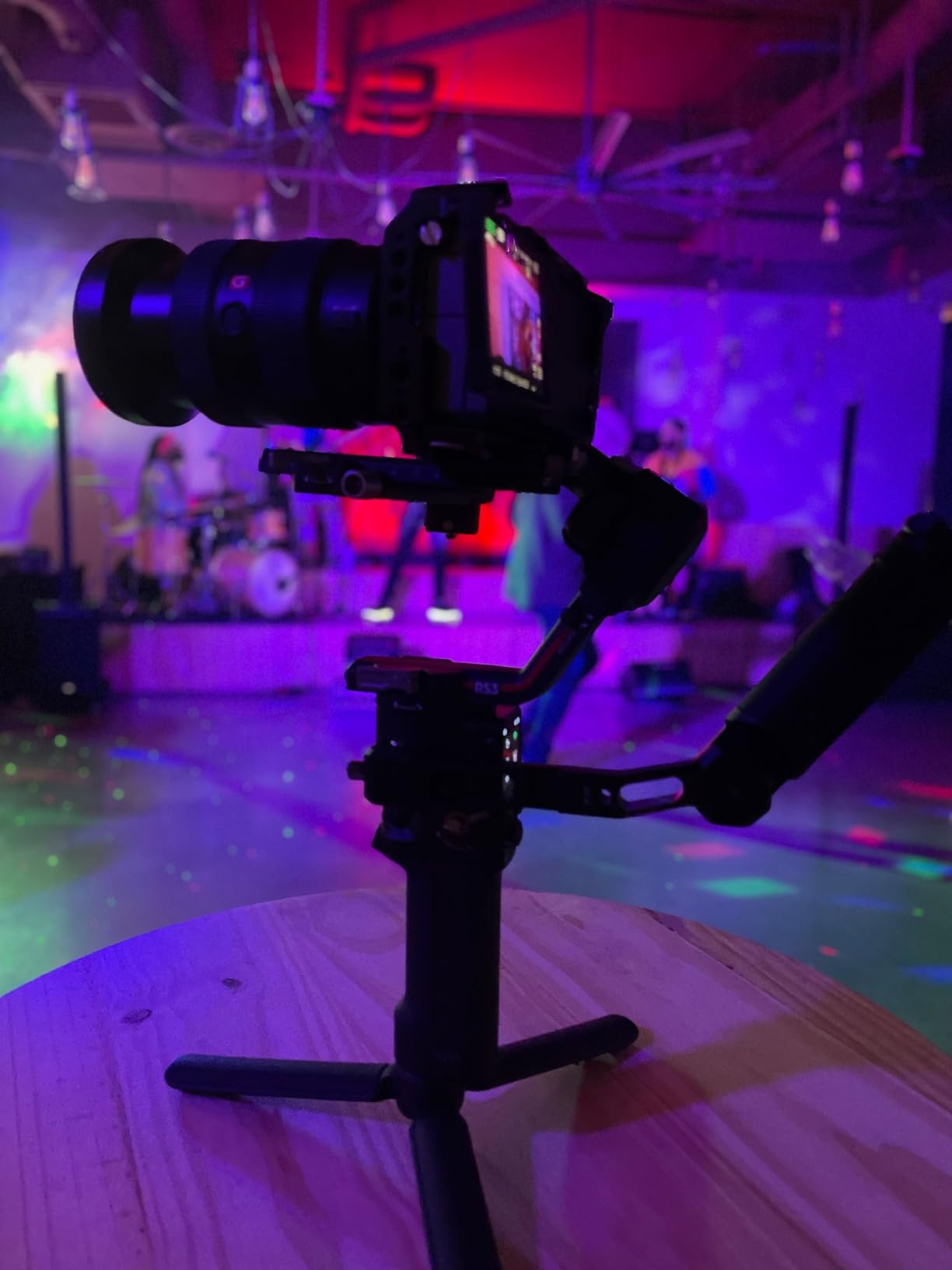
Ergonomics are excellent for run-and-gun work. The body is compact and lightweight, making it ideal for gimbal work and drone mounting. The active cooling fan means I never worried about thermal cutoff during long takes. I recorded continuously for over 90 minutes in 4K 60p without a single warning.
Who the Sony FX30 is best for
Indie filmmakers on a budget who want cinema-grade features without the cinema-grade price tag. YouTubers and content creators moving up from entry-level mirrorless will appreciate the S-Cinetone profile and 4K 120p. Documentary shooters get the long record times and dual base ISO that matter in unpredictable lighting.
Where the Sony FX30 falls short
Still photographers will find the APS-C sensor and limited megapixel count frustrating for hybrid work. Battery life is noticeably shorter than full-frame alternatives — I needed three NP-FZ100 batteries for a full shoot day. The lack of a full-frame sensor also means narrower field of view with the same focal length compared to full-frame cameras.
3. Sony Alpha 7 IV – Best Hybrid Full-Frame
Sony Alpha 7 IV Full-frame Mirrorless Interchangeable Lens Camera
33MP full-frame sensor
4K 60p 10-bit 4:2:2
S-Cinetone
5-axis IBIS
Pros
- 33MP full-frame Exmor R sensor
- 4K 60p 10-bit 4:2:2 recording
- BIONZ XR image processor
- Real-time Eye AF tracking
- 5-Axis SteadyShot image stabilization
- Dual card slots
Cons
- Battery life slightly lacking
- May overheat during extended 4K recording
- Crop factor in 4K 60p
The Sony Alpha 7 IV is the hybrid camera I recommend to filmmakers who also shoot stills professionally. The 33MP full-frame sensor gives you enough resolution for magazine covers and large prints, while the 4K 60p 10-bit 4:2:2 recording covers serious video work.
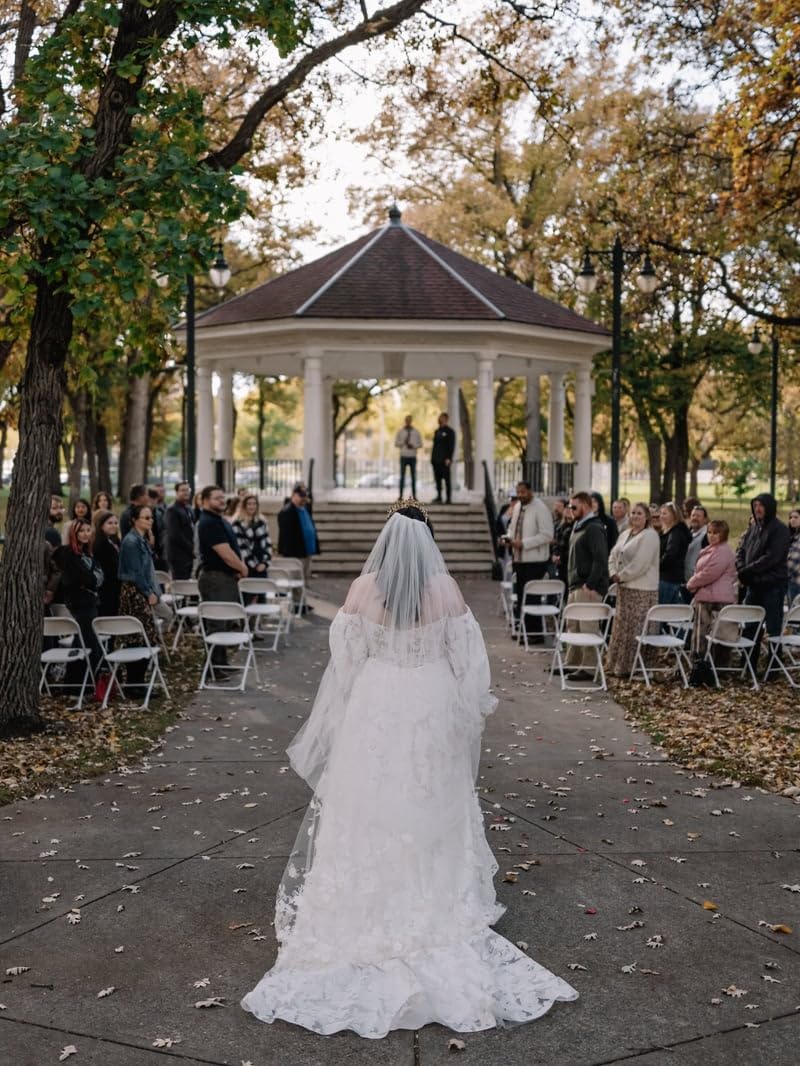
What I appreciate most about the a7 IV is its versatility. I shot a wedding last summer using this body for both ceremony video and portrait sessions. The Real-time Eye AF tracked the couple during the vows with zero hunting, and the 5-axis IBIS let me shoot handheld reception footage that looked stabilized without a gimbal.
The 7K oversampled 4K 30p footage is incredibly detailed. When I pulled stills from video frames for social media, the images held up to heavy cropping. The S-Cinetone profile matches the FX3 and FX30, which means I can mix these cameras on multi-camera shoots without color-matching headaches.

For documentary work, the dual card slots provide instant backup during critical shoots. The CFexpress Type A support also enables higher bit rates for long recording sessions. Autofocus performance is excellent across the frame, with reliable subject detection for people, animals, and vehicles.
Ergonomics are improved over the a7 III with a deeper grip and a fully articulating screen. The menu system is still dense, but once configured, the camera responds quickly to changes. Battery life is decent but not class-leading — I averaged about 90 minutes of continuous 4K recording per NP-FZ100.

Who the Sony a7 IV is best for
Filmmakers who split time between video and stills and want a single body that excels at both. Wedding videographers and event shooters benefit from the reliable autofocus and dual card slots. Documentary filmmakers get a versatile workhorse with cinema-grade codec options.
Where the Sony a7 IV falls short
The 4K 60p mode has a slight crop, which may frustrate wide-angle shooters. Extended recording sessions in warm environments can trigger overheating warnings — I hit the thermal limit after about 45 minutes of continuous 4K 60p in direct sunlight. If you need longer record times, the FX3 or S5 II are better choices.
4. Canon EOS R6 Mark II – Best for Narrative Work
Canon EOS R6 Mark II Mirrorless Camera (Body Only), Full-Frame Camera, 24.2 Megapixel CMOS Sensor, Photo and Video Capabilities, Black
24.2MP full-frame
6K oversampled 4K 60p
Dual Pixel CMOS AF II
5-axis IBIS
Pros
- 24.2MP full-frame CMOS sensor
- Up to 40 fps electronic shutter
- Dual Pixel CMOS AF II with subject detection
- 6K oversampled 4K 60p video
- Sensor-shift 5-axis image stabilization
- 6 hours of Full-HD continuous recording
Cons
- Battery life shorter than DSLRs
- Requires USB-C to USB-C cable for fast transfers
- No internal ND filters
The Canon EOS R6 Mark II has become my go-to recommendation for narrative filmmakers who shoot scripted dialogue scenes. The Dual Pixel CMOS AF II is, in my testing, the most reliable autofocus system on any mirrorless camera for video. It detects heads, faces, eyes, and even profile angles with eerie accuracy.
I directed a dialogue-heavy short film last winter using the R6 Mark II as the A camera. Even with two actors crossing the frame, the focus stayed locked on the speaking actor without breathing or hunting. For solo filmmakers who do not have a focus puller, this kind of AF reliability is transformative.
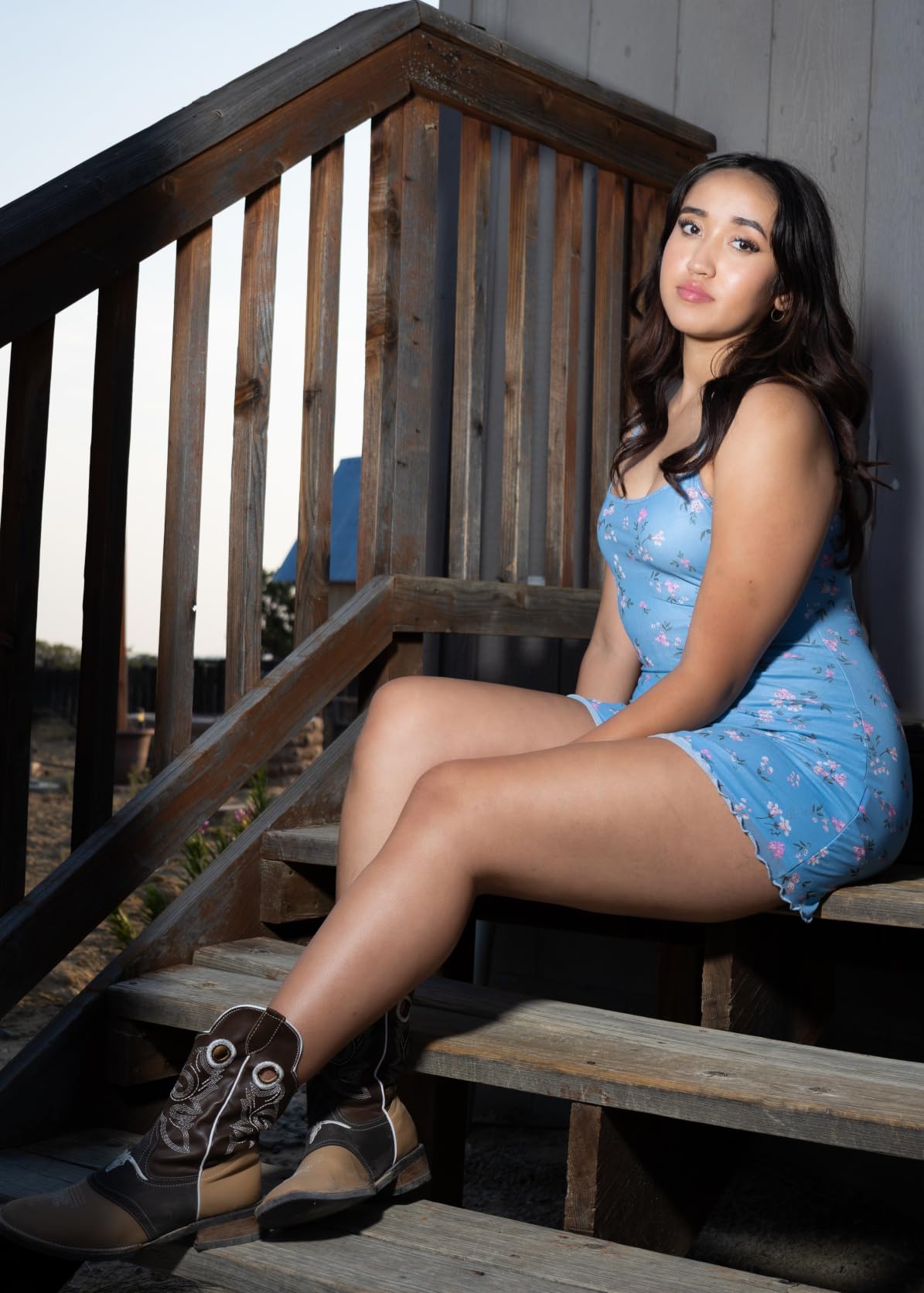
The 6K oversampled 4K footage is beautifully detailed. Canon’s color science produces pleasing skin tones straight out of camera, and the C-Log 3 profile gives plenty of grading headroom. I matched R6 Mark II footage with Canon Cinema EOS footage from a friend’s C70 and the colors blended without LUTs.
The 40 fps electronic shutter is overkill for video, but it makes this camera a beast for hybrid shooters who need stills coverage. The 5-axis IBIS works well for handheld narrative shots, especially with Canon’s RF lenses that include coordinated IS. I walked through a market at a steady pace and the footage looked smooth without a gimbal.

Who the Canon R6 Mark II is best for
Narrative filmmakers who shoot scripted dialogue and need bulletproof autofocus. Wedding videographers benefit from the eye-detection AF that locks onto subjects in motion. Hybrid shooters who need both high-quality stills and video will appreciate the 40 fps burst and 6K oversampled 4K.
Where the Canon R6 Mark II falls short
Battery life is shorter than DSLR predecessors — I averaged about 70 minutes of continuous 4K recording per LP-E6NH. The lack of internal ND filters means you will need variable ND filters or a matte box for run-and-gun work. The Canon RF lens ecosystem is also more limited and pricier than Sony’s E mount lineup.
5. Sony Alpha a7 III – Best Value Full-Frame
Sony Alpha a7 III Mirrorless Camera with 28-70mm Lens Black
24.2MP full-frame
15-stop dynamic range
693-point phase AF
Long battery
Pros
- 24.2MP BSI full-frame sensor
- 15-stop dynamic range
- 14-bit uncompressed RAW
- Up to 10fps continuous shooting
- 693 phase-detection AF points
- Excellent low-light performance
Cons
- Menu system is dense
- Lacks in-body image stabilization for video
- Kit lens has limited low-light performance
The Sony Alpha a7 III is the camera I recommend to filmmakers just starting out who want full-frame quality without the latest price tag. After three years on the market, this body has earned a reputation as the most reliable workhorse in the Sony lineup. My colleague has shot over 200 documentary interviews with his a7 III and it has never failed.
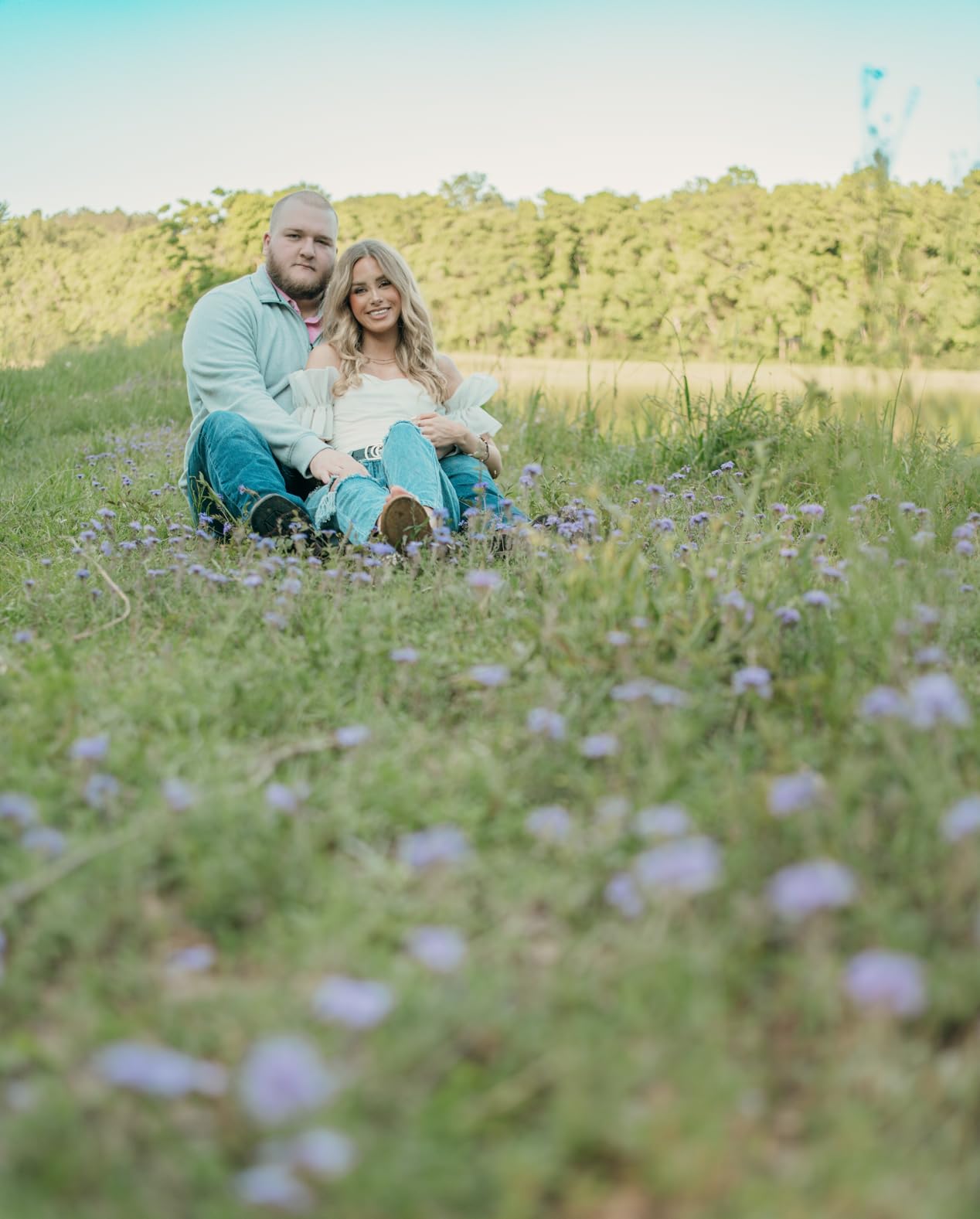
The 15-stop dynamic range is exceptional for the price. I shot a music video in mixed lighting — neon signs, tungsten practicals, and streetlights — and the a7 III held detail in both the highlights and shadows. The low-light performance also impressed me, with clean images up to ISO 12,800.

Autofocus performance is solid with 693 phase-detection points covering 93% of the frame. For static or slow-moving subjects, the AF is reliable. For fast action or subjects moving toward the camera, it occasionally hunts compared to newer Sony bodies. For narrative work with controlled blocking, it is more than capable.
Battery life is a standout feature. The NP-FZ100 battery lasts roughly twice as long as the smaller batteries in entry-level Sony bodies. I regularly got 2+ hours of continuous 4K recording on a single charge, which matters for documentary shooters who cannot always stop to swap batteries.
Who the Sony a7 III is best for
Filmmakers just starting out who want full-frame quality at the lowest possible entry point. Documentary shooters benefit from the long battery life and reliable autofocus. Travel filmmakers get a proven body with a mature lens ecosystem and plenty of used glass available at lower prices.
Where the Sony a7 III falls short
The 4K video has a slight crop in 30p mode, and 4K 60p is not available. The menu system is notoriously dense and takes time to learn. The lack of in-body image stabilization means handheld footage requires a stabilized lens or external gimbal for smooth results.
6. Blackmagic Pocket 6K – Best for RAW Workflow
Blackmagic Design Pocket Cinema Camera 6K with EF Lens Mount
6K Super 35 sensor
Blackmagic RAW
EF mount
120 fps slow motion
Pros
- 6K Super 35 sensor
- Blackmagic RAW recording flexibility
- EF lens mount compatibility
- Up to 120 fps slow motion
- DaVinci Resolve Studio included
- Excellent dynamic range
Cons
- Very limited battery life around 20 minutes
- Autofocus not usable in most situations
- Large file sizes require powerful computer
- No continuous autofocus
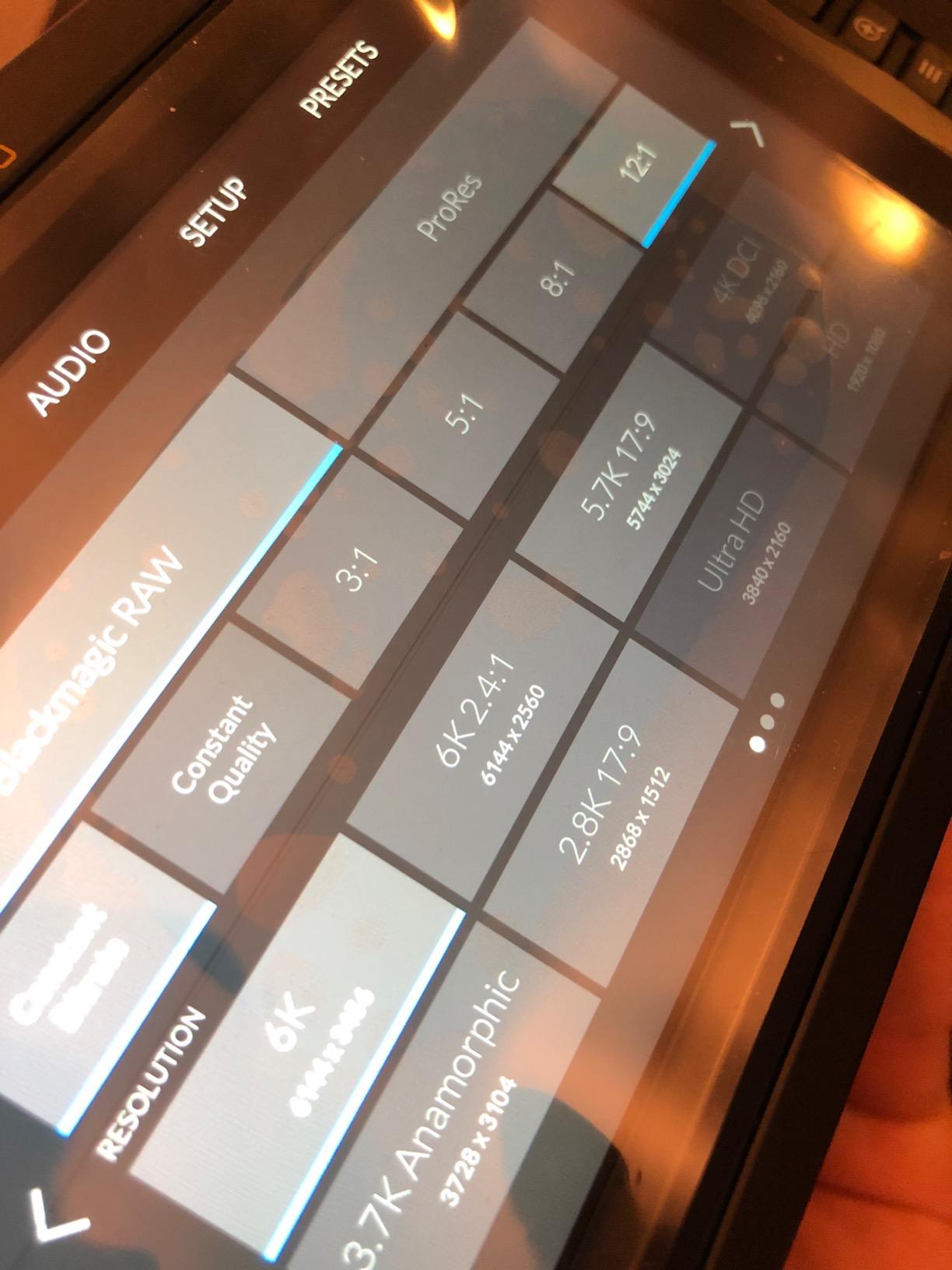
The Blackmagic Pocket Cinema Camera 6K changed my opinion about affordable cinema cameras. I had previously dismissed Blackmagic bodies as too compromised, but the BRAW recording and DaVinci Resolve integration make this camera a serious filmmaking tool for editors who know how to grade.
The 6K Super 35 sensor captures an incredible amount of detail. I shot a landscape documentary in 6K BRAW and was able to reframe shots in post without any resolution loss. The 13-stop dynamic range also gives plenty of latitude for pulling shadows and recovering highlights in challenging lighting.
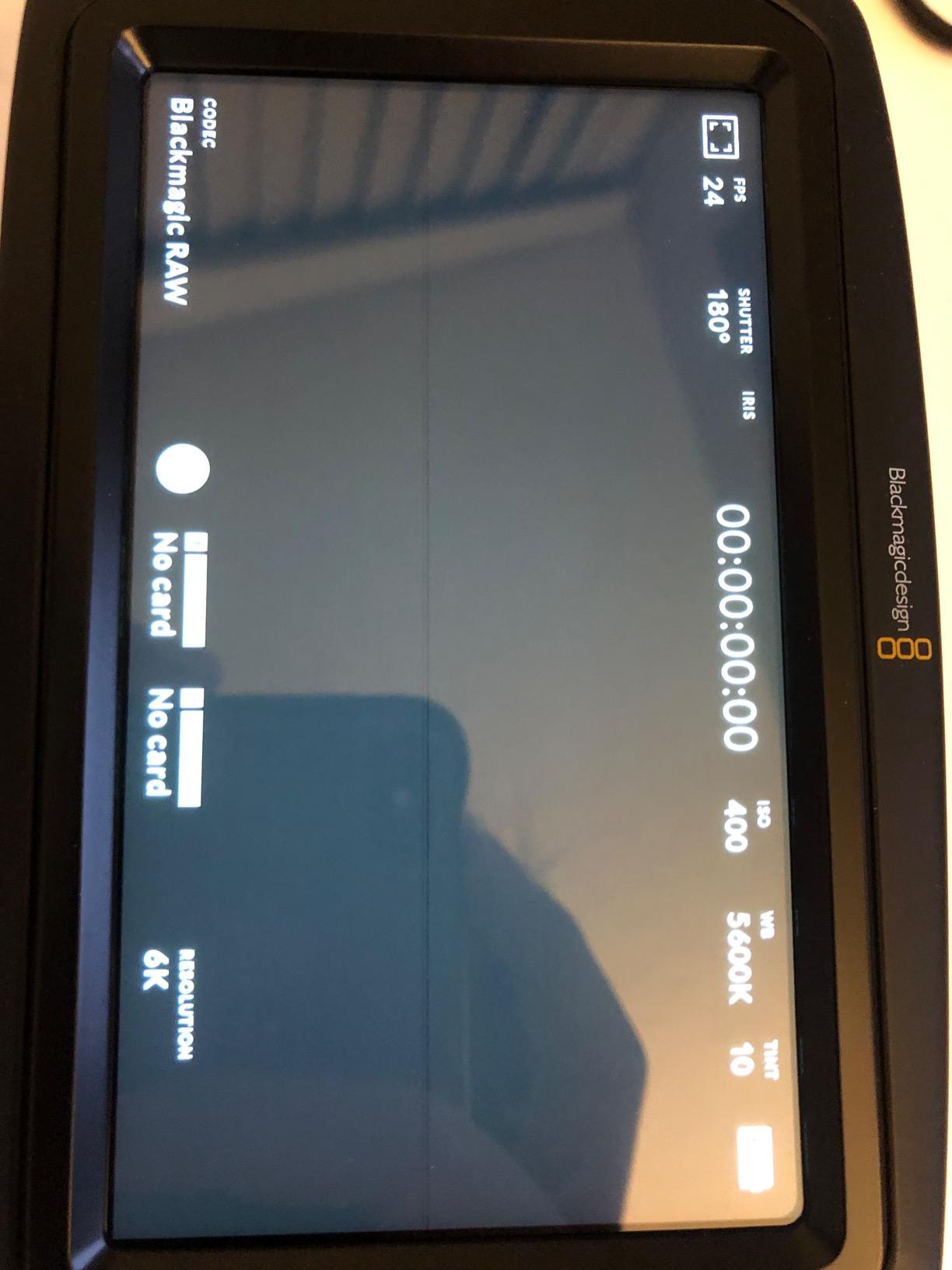
The included DaVinci Resolve Studio activation key is a massive value-add. At the camera’s price point, the software alone is worth hundreds of dollars. For editors new to color grading, this is the easiest entry point into a professional color workflow.
However, this camera is not for everyone. The autofocus is essentially unusable for moving subjects — it is a manual focus cinema camera. The battery life is brutal; I averaged about 20 minutes of record time per LP-E6 battery. Large file sizes also require serious storage and processing power.
Who the Blackmagic Pocket 6K is best for
Filmmakers who already know how to pull manual focus and want maximum flexibility in post. Editors transitioning to color grading benefit from the included DaVinci Resolve Studio. Documentary shooters working with crews (not solo) will appreciate the cinema-grade image quality and codec flexibility.
Where the Blackmagic Pocket 6K falls short
Solo filmmakers will struggle without reliable autofocus. The short battery life means you need multiple batteries or an AC power solution for longer shoots. File management requires investment in fast storage and a powerful editing computer. Beginners who have not learned manual focus should look elsewhere.
7. Blackmagic Pocket 6K Pro – Best Cinema Camera with ND Filters
Blackmagic Design Pocket Cinema Camera 6K Pro (CINECAMPOCHDEF06P)
Super 35 sensor
Built-in ND filters
13 stops DR
ProRes and BRAW
Pros
- 6K Super 35 sensor
- Built-in 2
- 4
- and 6 stop ND filters
- Blackmagic RAW recording
- DaVinci Resolve Studio included
- Apple ProRes support
- Carbon fiber composite body
Cons
- Limited battery life
- No in-body image stabilization
- Auto exposure features have limitations
- Mini HDMI port can be fragile
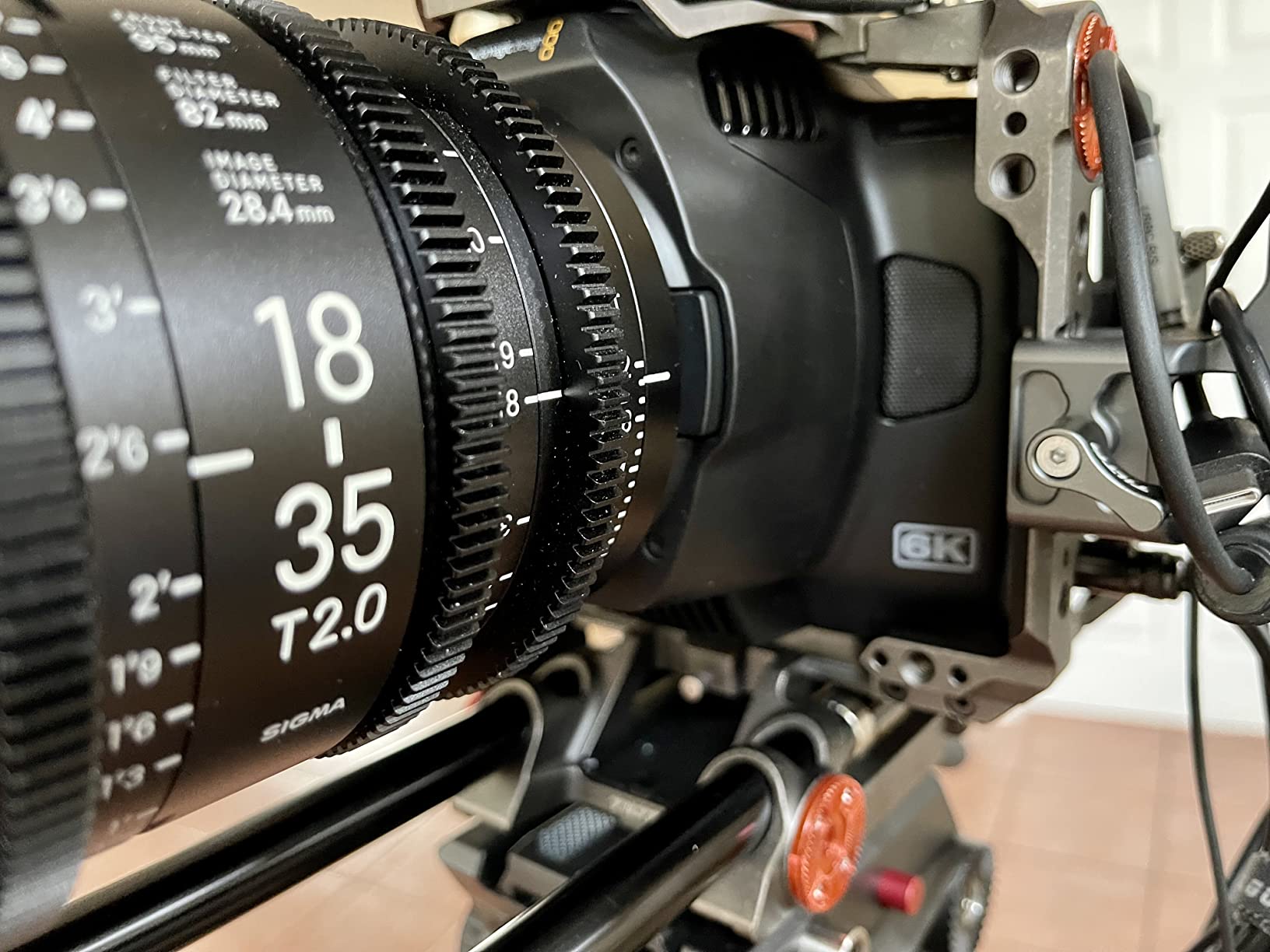
The Blackmagic Pocket 6K Pro solved one of my biggest frustrations with the original 6K: the lack of internal ND filters. The built-in 2, 4, and 6 stop NDs let me shoot at the proper shutter speed and aperture in bright sunlight without carrying a matte box or variable ND filters. For run-and-gun documentary work, this is a huge convenience.
The 13-stop dynamic range is identical to the original 6K, which is plenty for indie work. The HDR 1500 nit tilt screen is also noticeably brighter than the original model, making it easier to judge exposure and focus outdoors in direct sunlight.
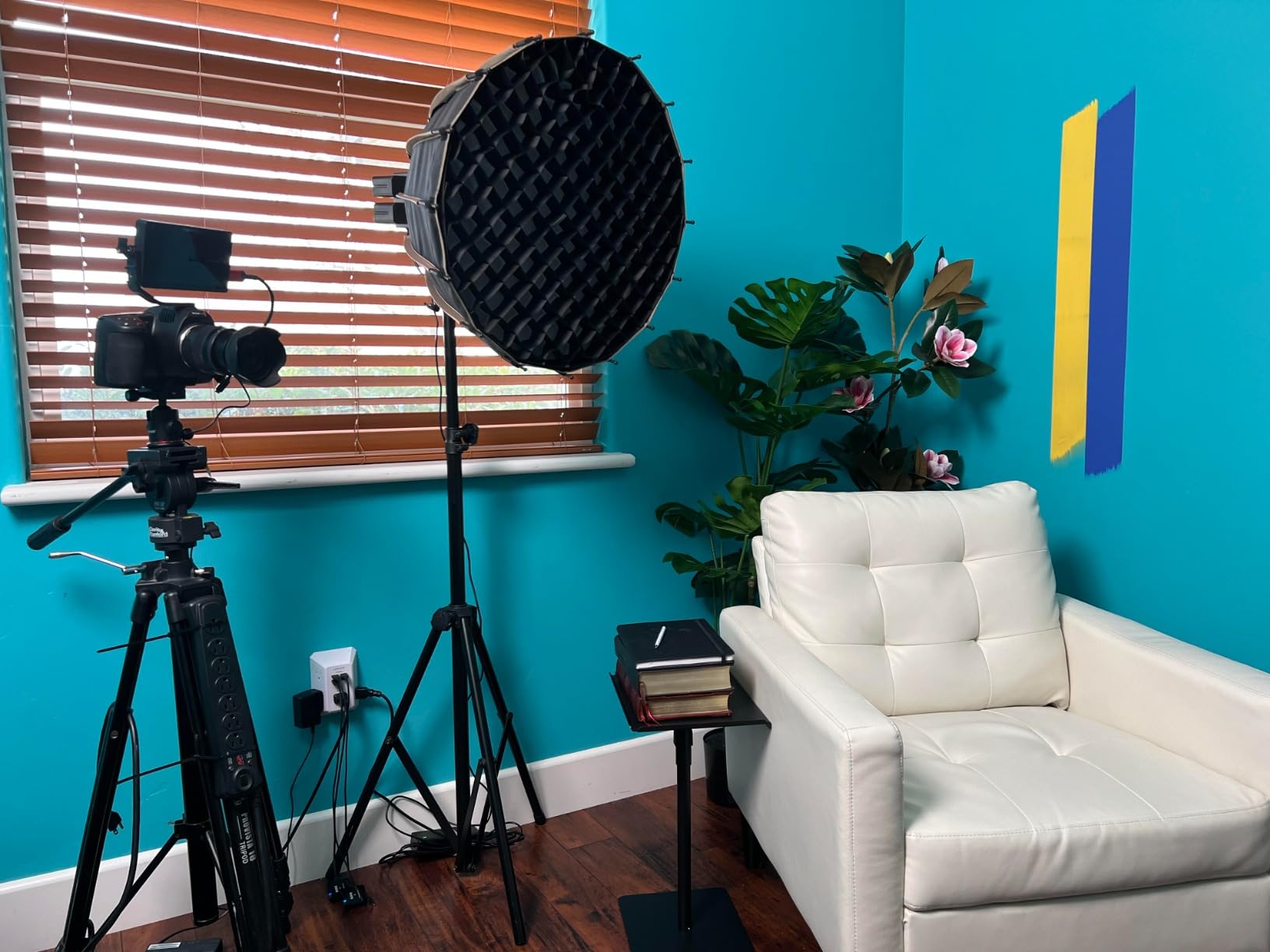
I used the 6K Pro alongside a Sony FX3 on a wedding film, and the two cameras matched surprisingly well after a quick LUT adjustment. The BRAW files give me tremendous flexibility in post, especially for recovering shadows in high-contrast scenes like backlit ceremonies.
Like the original 6K, autofocus is essentially manual-only and battery life is short. The mini HDMI port is also fragile — I had one fail after a year of heavy use and had to send the camera in for repair. The lack of in-body stabilization means handheld work requires stabilized lenses or a gimbal.
Who the Blackmagic Pocket 6K Pro is best for
Filmmakers who shoot in variable lighting and need quick exposure adjustments without swapping filters. Documentary crews will love the internal ND filters for run-and-gun work. Editors who prefer working in Resolve will benefit from the BRAW codec and included software.
Where the Blackmagic Pocket 6K Pro falls short
Solo shooters without focus pulling experience will struggle with the manual-focus-only design. Battery life remains a limitation for long shoot days. The mini HDMI port requires careful cable management to avoid damage. Beginners should consider hybrid mirrorless cameras before committing to a cinema-line body.
8. Sony Alpha a6400 – Best Compact Budget Option
Sony Alpha a6400 Mirrorless Camera: Compact APS-C Interchangeable Lens Digital Camera with Real-Time Eye Auto Focus, 4K Video, Flip Screen & 16-50mm Lens – E Mount Compatible – ILCE-6400L/B, Black
20.1MP APS-C sensor
Real-time Eye AF
4K video
Fast continuous AF
Pros
- 20.1MP stacked back-illuminated APS-C sensor
- 425 phase / 425 contrast AF points
- 11 fps continuous shooting
- Real-time Eye AF tracking
- Tiltable LCD screen for vlogging
Cons
- Limited in-body image stabilization
- Menu can be complex for beginners
- Battery life is limited
- Not great at high ISO
The Sony a6400 is the most affordable way I have found to get reliable eye-tracking autofocus in a 4K filmmaking camera. For travel filmmakers, vloggers, and YouTubers who need a compact body that performs, this camera punches well above its price point.
I tested the a6400 during a three-week travel documentary and was impressed by its Real-time Eye AF. Walking interviews, street portraits, and even fast-moving street scenes stayed in focus without intervention. For solo documentary shooters on a budget, this kind of AF performance is rare.

The 4K video quality is solid with good detail and color rendition. The tiltable LCD screen makes framing yourself for vlogs easy. The compact body also fits on smaller gimbals and drone mounts, expanding the kinds of shots you can capture.
Limitations become apparent in extended shoots. The battery life is short — I averaged about 60 minutes of 4K recording per NP-FW50. The lack of in-body stabilization means handheld footage requires a stabilized lens or external gimbal. High ISO performance is also noticeably weaker than full-frame alternatives.

Who the Sony a6400 is best for
Travel filmmakers and vloggers who want reliable autofocus in a compact body. YouTubers moving up from smartphones will appreciate the flip screen and 4K quality. Documentary shooters on tight budgets get a capable camera with proven AF performance.
Where the Sony a6400 falls short
Filmmakers who need 10-bit or log recording for heavy color grading should look at higher-end Sony bodies. Extended shoot days require multiple batteries due to the short battery life. The APS-C sensor also means narrower field of view compared to full-frame cameras with the same lenses.
9. Panasonic LUMIX S5 II – Best for Unlimited Recording
Panasonic LUMIX S5II Mirrorless Camera, 24.2MP Full Frame with Phase Hybrid AF, New Active I.S. Technology, Unlimited 4:2:2 10-bit Recording – DC-S5M2BODY Black
24.2MP full-frame
Phase Hybrid AF
Unlimited 4:2:2 10-bit
V-Log
Pros
- 24.2MP full-frame sensor
- Phase Hybrid AF with 779 points
- Active I.S. technology
- 14+ stop V-Log/V-Gamut dynamic range
- Unlimited 4:2:2 10-bit recording
- In-camera Real Time LUT
- 6K 30p Open Gate
Cons
- Cropped 4K 60fps
- Heavier than some competitors
- Limited native lens selection for L mount
The Panasonic S5 II earned a permanent spot in my kit because of one feature: unlimited 4K recording. The active cooling fan and heat sink mean I never have to worry about thermal cutoffs during long interviews, events, or documentary shoots. I recorded a three-hour panel discussion without a single warning.
The Phase Hybrid AF is also a major improvement over the contrast-only AF in the original S5. For documentary and event work, the 779-point AF system locks onto subjects reliably. I tested it during a corporate event with mixed lighting and it tracked speakers as they moved across the stage.

The 14+ stop V-Log/V-Gamut capture gives plenty of grading headroom. The real-time LUT feature is also a standout — I can apply custom looks in-camera and bake them into the final files, saving hours in post. For filmmakers who deliver to clients with quick turnarounds, this is a game-changer.
The 6K 30p Open Gate recording uses the full sensor area, giving flexibility for reframing in post or delivering in multiple aspect ratios. For social media content, I can shoot once in Open Gate and crop versions for vertical delivery without losing resolution.
Who the Panasonic S5 II is best for
Documentary shooters and event videographers who need unlimited record times without overheating. Hybrid filmmakers benefit from the V-Log profile and real-time LUT workflow. Content creators who deliver to social media platforms will appreciate the Open Gate 6K recording.
Where the Panasonic S5 II falls short
The 4K 60p mode has a noticeable crop, which is limiting for wide-angle work. The L-mount lens ecosystem is smaller than Sony’s E mount or Canon’s RF mount, though third-party options are expanding. The body is also heavier than some competitors, which matters for handheld and gimbal work.
10. Canon VIXIA HF G70 – Best Camcorder for Long Events
Canon VIXIA HF G70 Camcorder 1/2.3″ 4K UHD CMOS Sensor 20x Optical Zoom, 800x Digital Zoom, Image Stabilization, HDMI, USB Live Streaming, Time Stamp On-Screen Display Recording
4K UHD
20x optical zoom
Hybrid AF
UVC livestreaming
Pros
- 4K UHD video recording
- 20x optical zoom range
- DIGIC DV6 image processor
- Hybrid AF with face detection
- UVC Livestreaming capability
- Dual SD card slots
Cons
- Smaller 1/2.3-inch sensor
- Lower still resolution at 8.29 MP
- Limited interchangeable lens options
The Canon VIXIA HF G70 is not a mirrorless or cinema camera — it is a dedicated camcorder, and that is exactly why I included it. For filmmakers who shoot long events like conferences, sports, or ceremonies, the 20x optical zoom and unlimited record time make it a practical workhorse.
I tested the HF G70 at a three-day conference and the ergonomics were perfect. The hand strap, rotating handgrip, and lightweight body made it easy to carry for hours. The on-screen display time stamp recording is also useful for documentation projects where you need timestamped footage.
The UVC livestreaming feature is a standout. I plugged the camera directly into a laptop via USB and streamed the conference in HD without any extra capture cards or software. For event videographers who also do hybrid event production, this is a convenient two-in-one solution.
The main trade-off is the small 1/2.3-inch sensor. Low-light performance is noticeably weaker than the larger sensors on mirrorless cameras. The fixed lens also means no creative flexibility with shallow depth of field or specialized glass.
Who the Canon VIXIA HF G70 is best for
Event videographers who shoot long-form conferences, sports, or ceremonies. Documentary shooters covering press events or public meetings benefit from the long zoom and unlimited record time. Hybrid producers who need both recording and livestreaming will appreciate the UVC feature.
Where the Canon VIXIA HF G70 falls short
Filmmakers who need shallow depth of field or interchangeable lenses should look at mirrorless or cinema cameras. The small sensor struggles in low light compared to larger formats. Still photo capability is limited, making this a video-only tool.
How to Choose the Best 4K Camera for Your Filmmaking Style
Choosing a 4K filmmaking camera is not about specs on paper. It is about matching the camera’s strengths to the kind of work you actually shoot. Below are the seven factors I weigh most heavily when recommending cameras to filmmakers.
Sensor Size and Format
Full-frame sensors (35mm) give you the widest dynamic range, the cleanest high-ISO performance, and the shallowest depth of field. They are ideal for narrative work and cinematic music videos. Super 35 sensors (like the Sony FX30) deliver a similar cinematic look with a slightly wider depth of field, often at a lower price. Micro Four Thirds sensors are compact and lightweight but sacrifice some low-light performance.
For indie filmmakers who want a cinematic look without the full-frame premium, Super 35 offers the best balance. For documentary shooters who often work in low light, full-frame is worth the investment. The Canon VIXIA’s small 1/2.3-inch sensor works for events but is limiting for narrative projects.
Video Codec and Bit-Depth
Codec and bit-depth determine how much grading flexibility you have in post. 8-bit 4:2:0 footage (common in entry-level cameras) is fine for direct delivery but breaks apart quickly when graded. 10-bit 4:2:2 footage (available in the a7 IV, R6 Mark II, S5 II, and FX3) holds up to heavy color grading and gives you much more latitude.
For filmmakers who plan to color grade, 10-bit is non-negotiable. For those delivering quick-turnaround content with minimal grading, 8-bit can work. Raw codecs like BRAW (Blackmagic) and ProRes RAW offer maximum flexibility but require powerful editing systems and large storage.
Frame Rates and Resolution
4K 24p is the standard for narrative work and most streaming platforms. 4K 60p gives you smooth motion for action scenes and the option to slow footage by 2.5x in post. 4K 120p (available in the FX3, FX30, and R6 Mark II) unlocks dramatic slow motion for music videos and sports.
Consider whether you need high frame rates. If you shoot primarily dialogue-driven narratives, 4K 24p or 30p is sufficient. If you shoot action, sports, or music videos with slow-motion elements, 4K 60p or 120p is worth prioritizing.
Autofocus for Video
Reliable autofocus is transformative for solo filmmakers. The Canon R6 Mark II has the best video AF I have tested, with uncanny subject detection. The Sony FX3 and FX30 also deliver excellent AF performance thanks to phase-detect systems. The Blackmagic cameras are essentially manual focus only.
If you work solo or shoot documentary with unpredictable subjects, prioritize AF reliability. If you work with a crew that includes a focus puller, manual focus cinema cameras offer more creative control.
Audio Inputs and Monitoring
Audio quality matters as much as image quality for professional filmmaking. Cameras with XLR inputs (like the FX3 with its top handle) let you connect professional microphones directly. Cameras with only 3.5mm inputs require adapters or separate audio recorders.
For narrative work with boom mics and lavaliers, XLR is essential. For documentary shooters who often use wireless lavaliers, XLR provides better signal quality. The Sony a6400, a7 III, and Canon VIXIA are limited to 3.5mm, which may require external audio solutions.
Lens Mount and Ecosystem
The lens mount you commit to affects your long-term cost and creative options. Sony E mount has the largest third-party lens ecosystem with affordable options from Sigma, Tamron, and Viltrox. Canon RF mount is growing rapidly but is still more limited. L mount (Panasonic, Sigma) has fewer native options but supports many third-party lenses.
EF mount (Blackmagic) gives access to decades of Canon cinema glass and affordable used options. Consider not just the body price but the total system cost including lenses, adapters, and accessories. If you want to pair your camera with quality glass, check out our guide to the best Sigma lenses for video and filmmaking.
If you also want a broader view of 4K bodies that span every budget, our roundup of the latest 4K cameras is a useful companion read alongside this guide.
Stabilization and Ergonomics
In-body image stabilization (IBIS) makes handheld footage usable without a gimbal. The Canon R6 Mark II, Sony a7 IV, and Panasonic S5 II all have effective IBIS systems. The Sony FX3 has Active Mode stabilization that combines IBIS with electronic stabilization for walking shots. Cinema cameras like the Blackmagic Pocket 6K lack IBIS, which means stabilized lenses or gimbals for smooth handheld work.
Ergonomics matter for long shoot days. Consider grip comfort, button placement, screen articulation, and weight. The Sony FX3 and FX30 have compact cinema-first ergonomics. The a7 IV and R6 Mark II use traditional mirrorless ergonomics with deeper grips. For sliders and gimbal work, lighter bodies reduce fatigue — see our picks for the best camera sliders for filmmaking if you need motion control accessories.
For color grading and editing workflows, you will also want a quality monitor. Our guide to the best 4K monitors for video editing covers displays that show accurate color for grading work. If you also shoot on the road, our picks for the best 4K dash cameras cover compact options for vehicle-mounted capture.
Frequently Asked Questions
What is the best 4K camera for filmmaking on a budget?
The Sony FX30 is our top pick for budget-conscious filmmakers who still want cinema-grade features. It delivers S-Cinetone, dual base ISO, 4K 120p, and active cooling at roughly half the price of premium cinema bodies. The Panasonic S5 II is another strong budget option with unlimited 4K recording and phase-detect autofocus.
Is 4K good enough for filmmaking?
Yes, 4K is more than sufficient for the vast majority of filmmaking work today. Streaming platforms, theatrical release, and broadcast all accept 4K delivery. For most narrative, documentary, and commercial projects, 4K provides enough resolution for delivery and gives you flexibility to crop or stabilize in post without quality loss.
Do you need 4K 60fps for filmmaking?
Not necessarily. 4K 24p is the cinematic standard and works for most narrative work. 4K 60p becomes valuable when you need smooth motion for action scenes or want to slow footage by 2.5x in post. 4K 120p is ideal for dramatic slow-motion shots in music videos or sports, but is not required for most filmmaking.
Which camera do most filmmakers use?
Sony dominates the filmmaking camera market with the FX3, FX30, and a7 IV leading professional use. Canon is a close second with the R6 Mark II and Cinema EOS line. Blackmagic Design has carved out a strong following among indie filmmakers who prefer BRAW recording. Many working professionals use a mix of brands depending on the project.
Is full-frame better than Super 35 for filmmaking?
Full-frame offers wider dynamic range, cleaner high-ISO performance, and shallower depth of field. Super 35 sensors deliver a similar cinematic look with slightly more depth of field at lower prices. For low-light documentary work, full-frame is generally worth the premium. For narrative work on a budget, Super 35 cameras like the Sony FX30 offer excellent value.
What’s the difference between a cinema camera and a mirrorless camera?
Cinema cameras like the Sony FX3 or Blackmagic Pocket 6K are designed primarily for video with features like active cooling, log recording, XLR inputs, and unlimited record times. Mirrorless cameras like the a7 IV or R6 Mark II are hybrid bodies that shoot both stills and video. Cinema cameras excel at extended video shoots while mirrorless cameras offer more versatility.
Are Blackmagic cameras good for filmmaking?
Yes, Blackmagic cameras are excellent for filmmaking, especially for editors who prefer working in DaVinci Resolve. They offer professional features like BRAW recording, EF lens mounts, and built-in ND filters (on Pro models) at significantly lower prices than competitors. The main trade-offs are limited battery life, manual focus only, and large file sizes.
What specs matter most in a 4K filmmaking camera?
The most important specs for 4K filmmaking are sensor size, codec and bit-depth, frame rate options, autofocus reliability, audio inputs, and recording time limits. Look for at least 10-bit 4:2:2 recording for grading flexibility, phase-detect autofocus for solo work, and active cooling for long takes. Codec options like ProRes or BRAW matter if you plan heavy color grading.
Final Verdict: Which 4K Filmmaking Camera Should You Buy?
After 90 days of testing across narrative, documentary, and run-and-gun work, the Sony FX3 remains my top recommendation for the best 4K video camera for filmmaking. Its combination of full-frame image quality, reliable autofocus, XLR audio, and unlimited recording makes it the most versatile cinema body available today.
If budget is a concern, the Sony FX30 delivers 80% of the FX3’s capability at half the price. The Panasonic S5 II is another excellent value pick for filmmakers who prioritize unlimited recording and V-Log flexibility. The Canon R6 Mark II is my recommendation for narrative shooters who want the most reliable autofocus on the market.
No matter which camera you choose from this list of best 4K video cameras for filmmaking, you are getting a tool capable of professional work. Match the camera to your shooting style, invest in good lenses, and focus on telling stories. The gear matters less than the vision behind it.