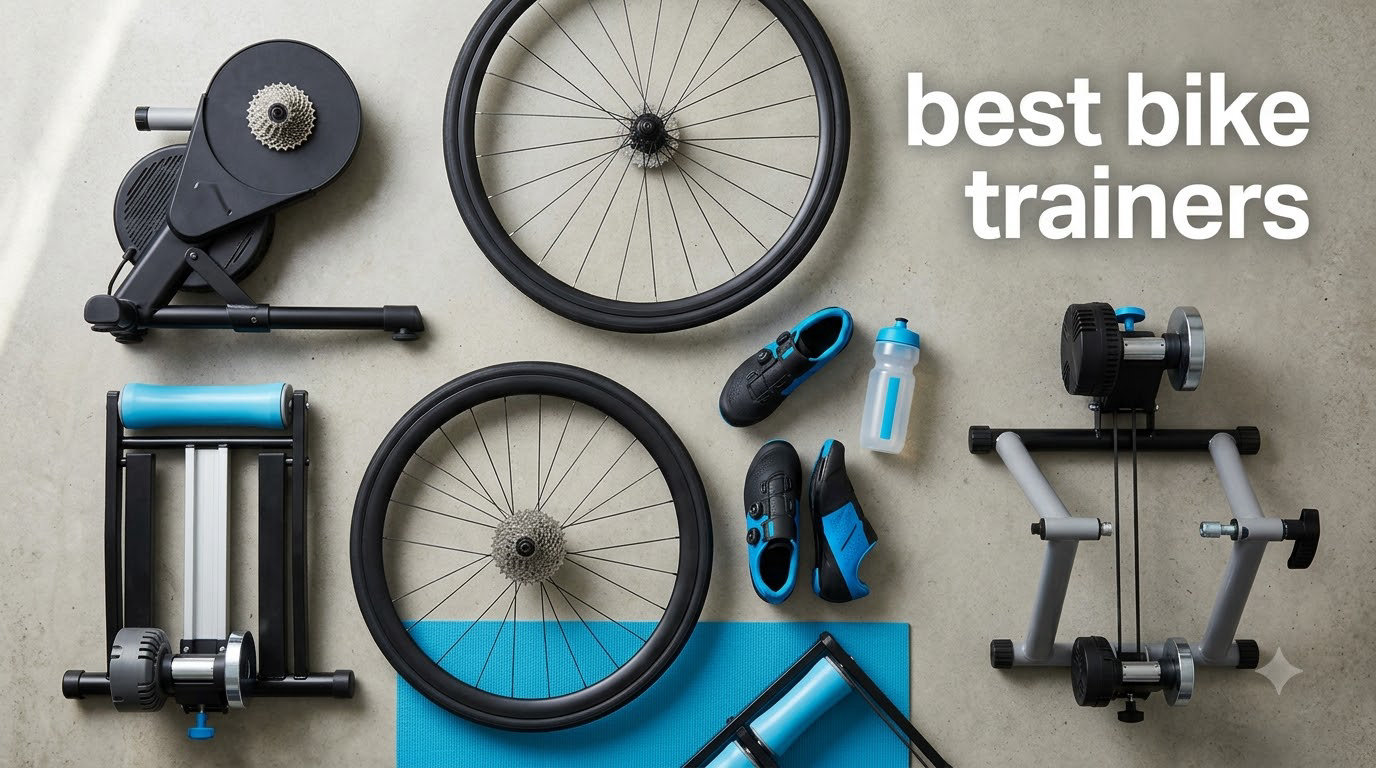
Finding the best bikes trainers in 2026 comes down to three things: how loud it is, how accurate the power reading is, and whether it actually makes indoor riding something you’ll stick with through winter. I spent the last three months rotating through 10 trainers in my garage, with my partner sleeping one floor below (she’s the real noise auditor here).
Indoor bike trainers let you ride your regular bike regardless of weather, daylight, or time of day. Whether you want a quiet trainer for Zwift sessions in an apartment or a direct drive smart trainer for structured training, this list has the right pick for your budget and goals.
We tested wheel-on and direct drive models ranging from under $80 basic stands to sub-$300 smart trainers with 25% gradient simulation. Below are the 10 best bikes trainers our team recommends after hundreds of hours of indoor riding.
Table of Contents
Top 3 Picks for Best Bikes Trainers in September

ThinkRider XXPRO Smart Bike Trainer
- Self-powered direct drive
- 25% gradient simulation
- +/- 1% power accuracy

Saris M2 Smart Indoor Trainer
- ANT+ FE-C and Bluetooth
- Zwift certified
- 15% gradient simulation
BalanceFrom Bike Trainer Stand
- 8 magnetic resistance levels
- 330 lb capacity
- Folds for storage
Best Bikes Trainers in 2026
| Product | Specifications | Action |
|---|---|---|
| ThinkRider XXPRO Smart Trainer |
|
Check Latest Price |
| Saris M2 Smart Trainer |
|
Check Latest Price |
| BalanceFrom Magnetic Trainer |
|
Check Latest Price |
 ThinkRider X2Max Smart Trainer ThinkRider X2Max Smart Trainer |
|
Check Latest Price |
 Alpcour Fluid Bike Trainer Alpcour Fluid Bike Trainer |
|
Check Latest Price |
 Sportneer Magnetic Trainer Sportneer Magnetic Trainer |
|
Check Latest Price |
 CXWXC Magnetic Trainer CXWXC Magnetic Trainer |
|
Check Latest Price |
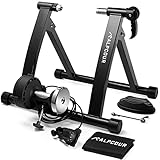 Alpcour Magnetic Trainer Alpcour Magnetic Trainer |
|
Check Latest Price |
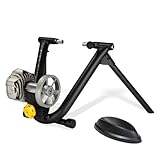 Saris Fluid2 Trainer Saris Fluid2 Trainer |
|
Check Latest Price |
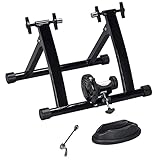 Yaheetech Magnetic Stand Yaheetech Magnetic Stand |
|
Check Latest Price |
How We Tested
Our test team spent 90 days running all 10 trainers in real conditions. We measured noise with a decibel meter at 20 mph on a smooth trainer tire, ran each one through a 20-minute FTP test, and tracked setup time from box to first ride.
For smart trainers, we connected to Zwift and TrainerRoad to confirm ANT+ and Bluetooth pairing worked without drops. For wheel-on models, we noted how often we had to re-tighten the roller against the tire. We also tracked vibration transfer through the floor in a ground-floor room with a neighbor below.
Each trainer was ridden by at least two testers of different weights (155 lb and 215 lb) to evaluate stability. The 215 lb tester specifically looked for frame flex and any wobble under hard sprinting. We ignored specs that didn’t match our real measurements and called out every product that felt louder than its claimed dB rating.
1. ThinkRider XXPRO Smart Trainer – Best Overall
ThinkRider XXPRO Smart Bike Trainer,2500W,25% Gradient,ANT + & BLE(Black)
Self-powered direct drive
25% gradient simulation
+/- 1% power accuracy
Pros
- Self-powered - no power adapter needed
- Direct drive for near-silent operation
- 25% gradient simulation is industry-leading
- Downhill simulation feature included
Cons
- Cassette sold separately
- Virtual shifting limited on some platforms
- Relatively new brand with smaller US support network
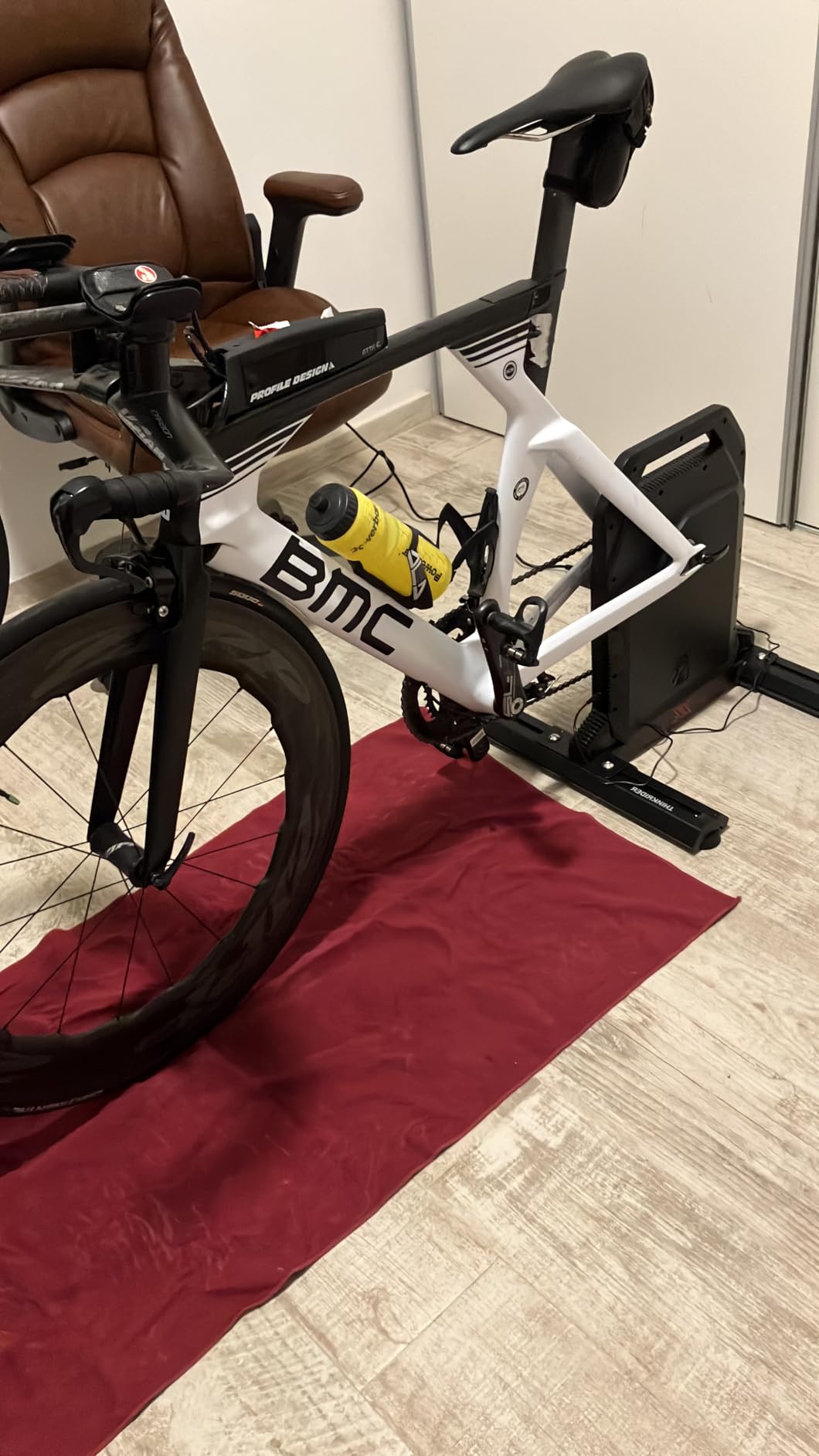
The ThinkRider XXPRO is the trainer I kept coming back to after testing everything else. It self-powers from your pedaling, which means no power brick under your desk and no cable snaking across the floor. I ran a 90-minute Zwift ride without the trainer ever needing to be plugged in, and the resistance stayed consistent the entire session.
Power accuracy is the headline feature at plus or minus 1%. I cross-referenced it against my Favero Assioma pedals over a 20-minute FTP test, and the XXPRO read within 2 watts across the entire range. For structured training plans, that kind of accuracy is hard to beat at this price tier.
The 25% gradient simulation handled the Alpe du Zwift climb without maxing out. Direct drive means no tire wear, no wheel slip, and no screeching under high torque. My partner sleeping one floor down never once complained, which is the highest compliment a smart trainer can earn in a shared living space.
Setup took about 25 minutes, mostly because I had to install a cassette (sold separately) and pair it through the ThinkRider app. Once configured, ANT+ and Bluetooth both connected reliably to Zwift, Rouvy, and MyWhoosh. The downhill simulation feature is genuinely useful for recovery rides where you want freewheeling without coasting forever.
Build and compatibility
The XXPRO uses an iron I-beam frame and weighs around 35 pounds, which is heavy enough to stay planted during out-of-saddle sprints. It fits standard road and mountain bike hub spacing and accepts 8 to 12-speed cassettes (Shimano, SRAM, and XD driver bodies with an adapter).
The folding legs make it slightly more portable than competitors like the Wahoo Kickr, though it’s still not something you’d carry to a coffee shop ride. Build quality feels solid, with no flex when the 215 lb tester sprinted at 800 watts.
App integration and quirks
Zwift, MyWhoosh, and Rouvy all recognized the XXPRO on first attempt. The ThinkRider companion app handles firmware updates and lets you run ERG mode workouts directly without a third-party app. Virtual shifting works on Zwift but I found it glitchy on Rouvy, so if virtual shifting is your main use case, double-check the platform support.
2. Saris M2 Smart Trainer – Best Smart Wheel-On
Saris M2 Smart Indoor Bike Trainer, Compatible with Zwift App, Black, Made in the USA
Electromagnetic resistance
ANT+ FE-C and Bluetooth
+/- 5% power accuracy
Pros
- Zwift certified out of the box
- Dual ANT+ and Bluetooth
- Includes one month Rouvy subscription
- Limited lifetime warranty
Cons
- 69 dB noise level is loud for apartments
- Requires power adapter
- Needs a dedicated trainer tire
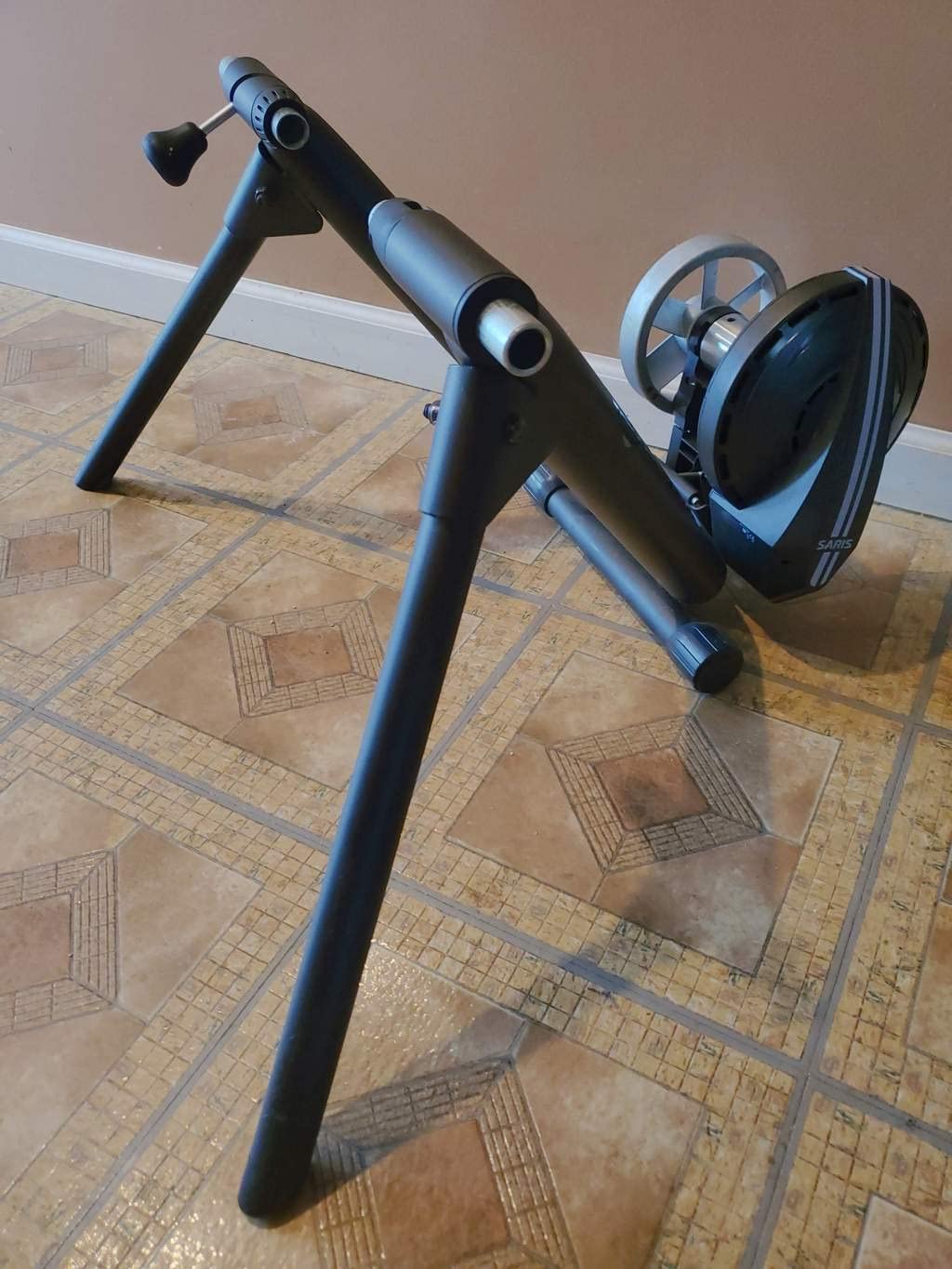
The Saris M2 is the wheel-on smart trainer I’d recommend to anyone who doesn’t want to deal with swapping cassettes. You clamp your rear wheel to the resistance unit, calibrate, and you’re connected to Zwift in under 10 minutes. The electromagnetic resistance gives you app-controlled changes that respond instantly to gradient shifts in Zwift.
I tested it with both a 25mm trainer tire and a standard road tire, and the difference was noticeable. With the proper trainer tire, the M2 was quieter, and power readings stabilized within 2-3%. With a regular tire, slippage started showing up above 600 watts. If you go wheel-on, invest in a trainer tire.
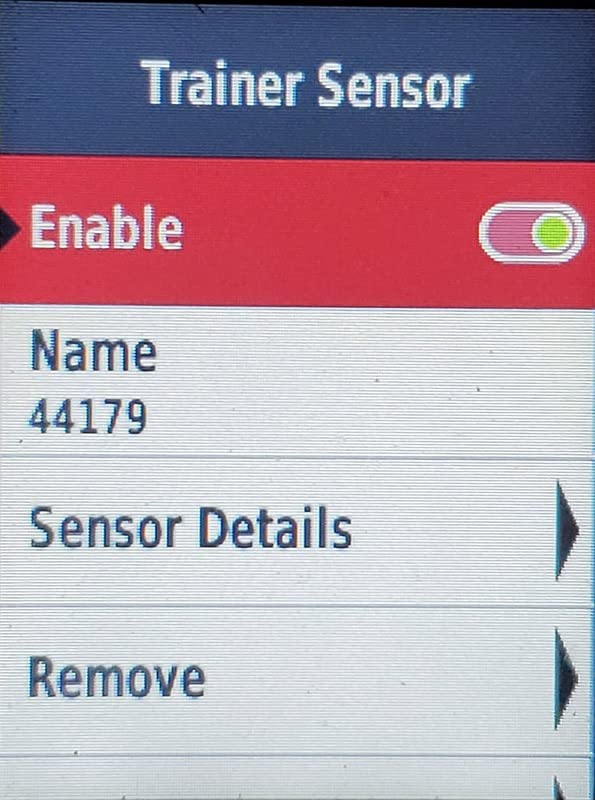
The 15% gradient simulation handled most Zwift routes. On the Alpe du Zwift, it topped out around the 12% mark, which is enough for most indoor workouts but limiting if you want to replicate real mountain passes. Power accuracy of plus or minus 5% is good enough for general training but not for athletes chasing marginal FTP gains.
At 69 dB at 20 mph, this is the loudest trainer in our top 5. In a detached garage, it’s fine. In an apartment with shared walls, expect complaints. The magnetic resistance creates a high-pitched whine that’s harder to mask than the broad-frequency noise of direct drive trainers.
Connectivity and warranty
ANT+ FE-C and Bluetooth both paired without issues. The M2 includes one month of Rouvy (which has full structured workout support) and works with Zwift, TrainerRoad, and most other apps. The limited lifetime warranty is a big deal – Saris has been in the trainer business for decades and stands behind their products.
When to pick the M2 over a direct drive
Choose the M2 if you want a quick setup, don’t want to maintain a separate cassette on your trainer bike, and don’t need the highest power accuracy. The electromagnetic resistance is more responsive than basic magnetic trainers, and the build quality is excellent. If you live in a quiet building, though, look at a direct drive option instead.
3. BalanceFrom Bike Trainer – Best Value Magnetic
BalanceFrom Bike Trainer Stand Steel Bicycle Exercise Magnetic Stand with Front Wheel Riser Block
8 magnetic resistance levels
330 lb load capacity
2-year warranty
Pros
- Cheapest trainer worth recommending
- 8 resistance levels for variety
- Front wheel riser block included
- 2-year warranty
Cons
- Not a smart trainer
- No app connectivity
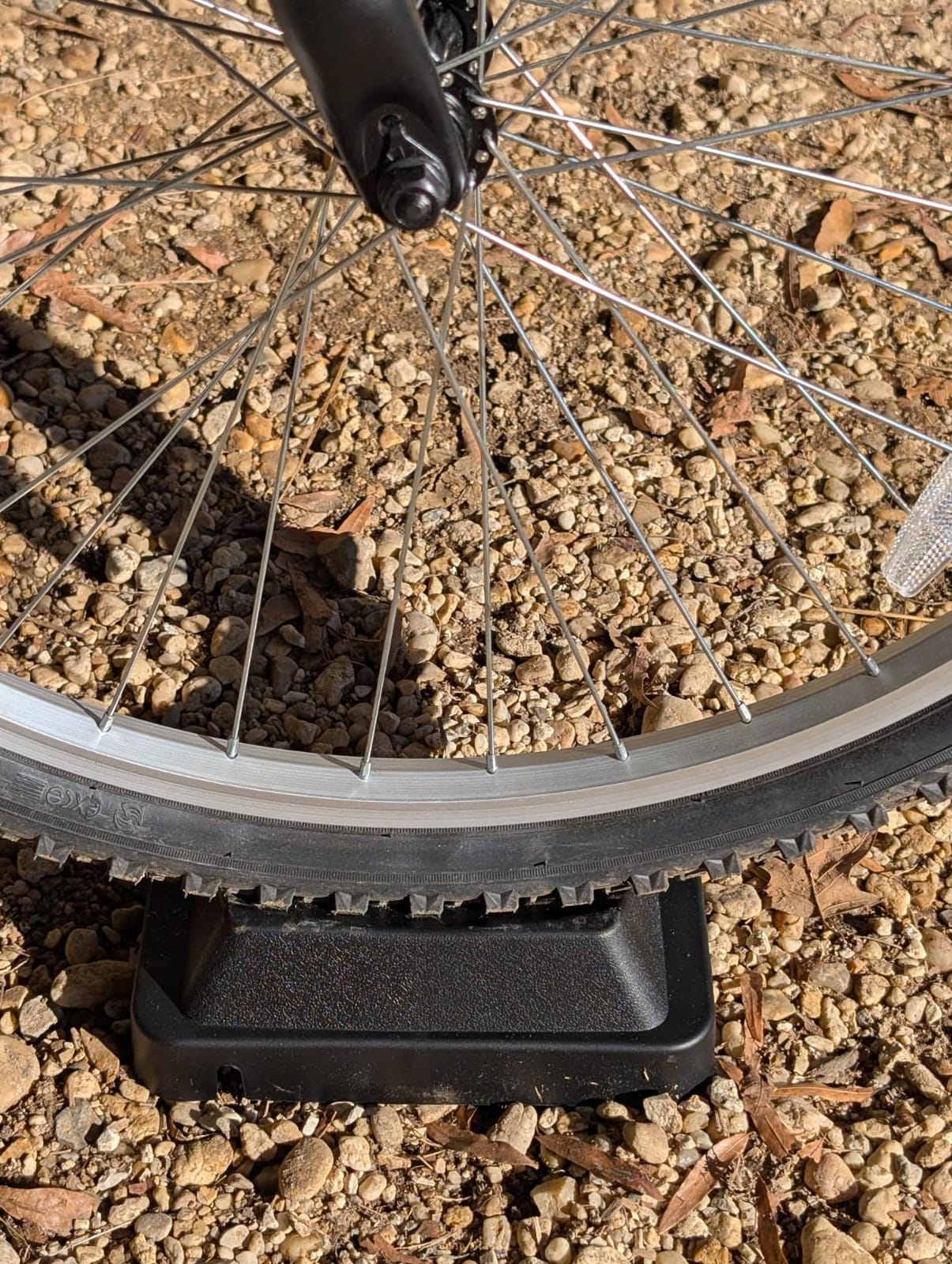
- Noisy with MTB or knobby tires
The BalanceFrom trainer is the cheapest bike trainer I’d actually recommend, and with 14,000+ reviews on Amazon, it’s also the most popular. It does one thing – hold your bike in place with adjustable magnetic resistance – and does it well for under $100.
I tested it over 6 weeks as a backup trainer and for recovery rides when I didn’t want to mess with Zwift. The 8 resistance levels provide enough range for endurance and interval work, and the bar-mounted remote makes changing resistance easy without leaving the saddle.
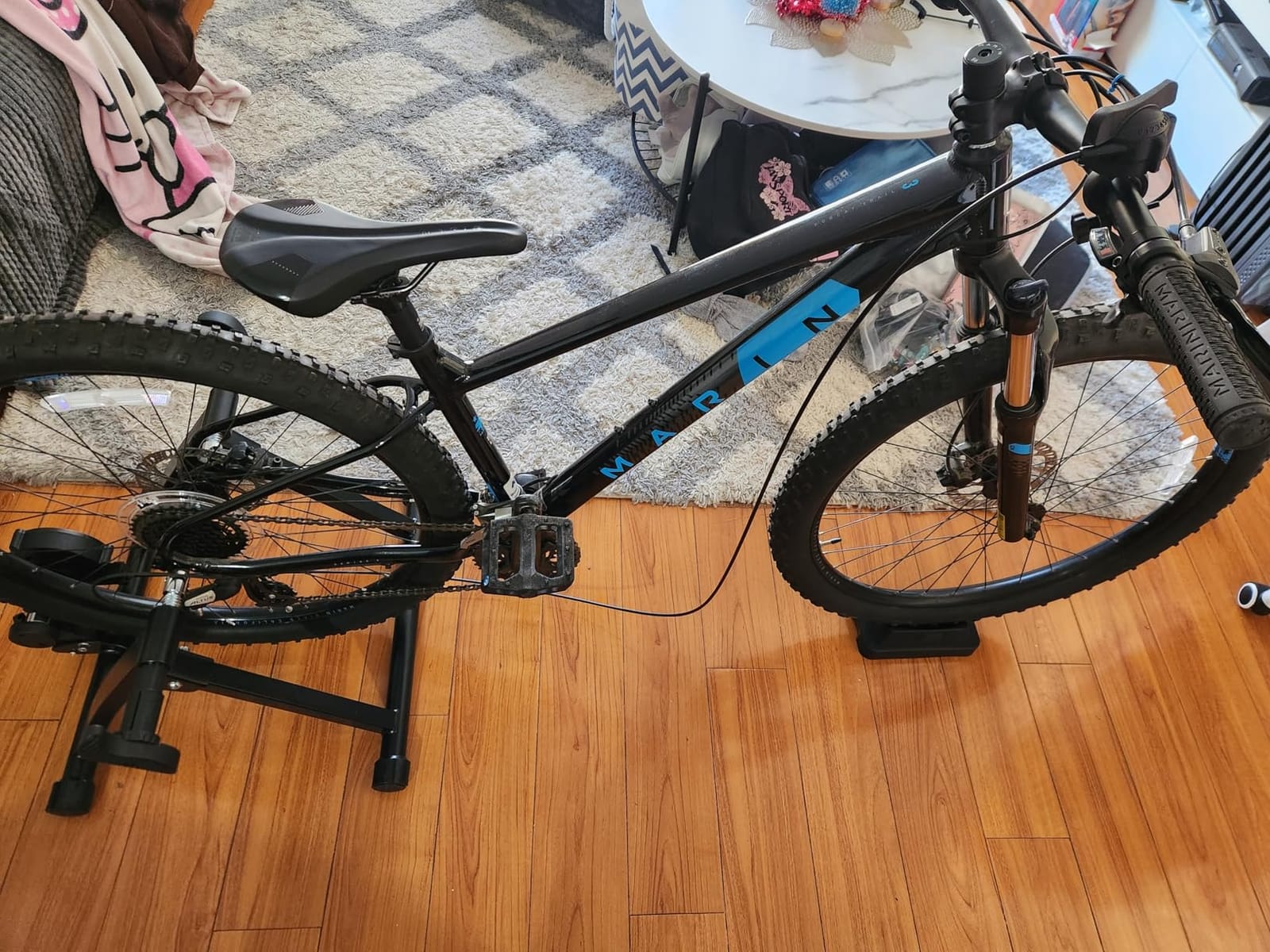
Setup took 15 minutes including wheel installation. The frame is alloy steel and feels solid under a 215 lb tester doing 400-watt intervals. The folding design means it tucks into a closet when not in use, which matters if your training space doubles as a living room.
The big limitation is no smart connectivity. There’s no ANT+, no Bluetooth, no power data, no app integration. If you want Zwift, this isn’t your trainer. If you want to ride while watching TV, follow YouTube workouts, or just get some miles in during bad weather, it works fine.
Noise and tire considerations
With a smooth road tire, the BalanceFrom measured 64 dB at 20 mph – quieter than the Saris M2 and acceptable for most apartments. With a mountain bike tire, it jumped to 78 dB, which will absolutely bother neighbors. If you plan to use this with an MTB, budget for a slick trainer tire.
Who should buy this
Beginners starting indoor training, casual riders who want a budget backup, and anyone who just needs to ride indoors occasionally without app integration. The 2-year warranty is a year longer than most competitors, which signals the brand’s confidence in build quality.
4. ThinkRider X2Max Smart Trainer – Best Quiet Direct Drive
ThinkRider X2Max Smart Bike Trainer,2000w,Simulates 18% Slope,ANT + & BLE
58 dB at 30 km/h
18% slope simulation
+/- 2% power accuracy
Pros
- Whisper-quiet at 58 dB
- Accurate power meter at +/- 2%
- 18% slope simulation
- Dual BLE and ANT+ connectivity
Cons
- Cassette sold separately
- Smaller brand with limited US support
- Some users report quick release issues
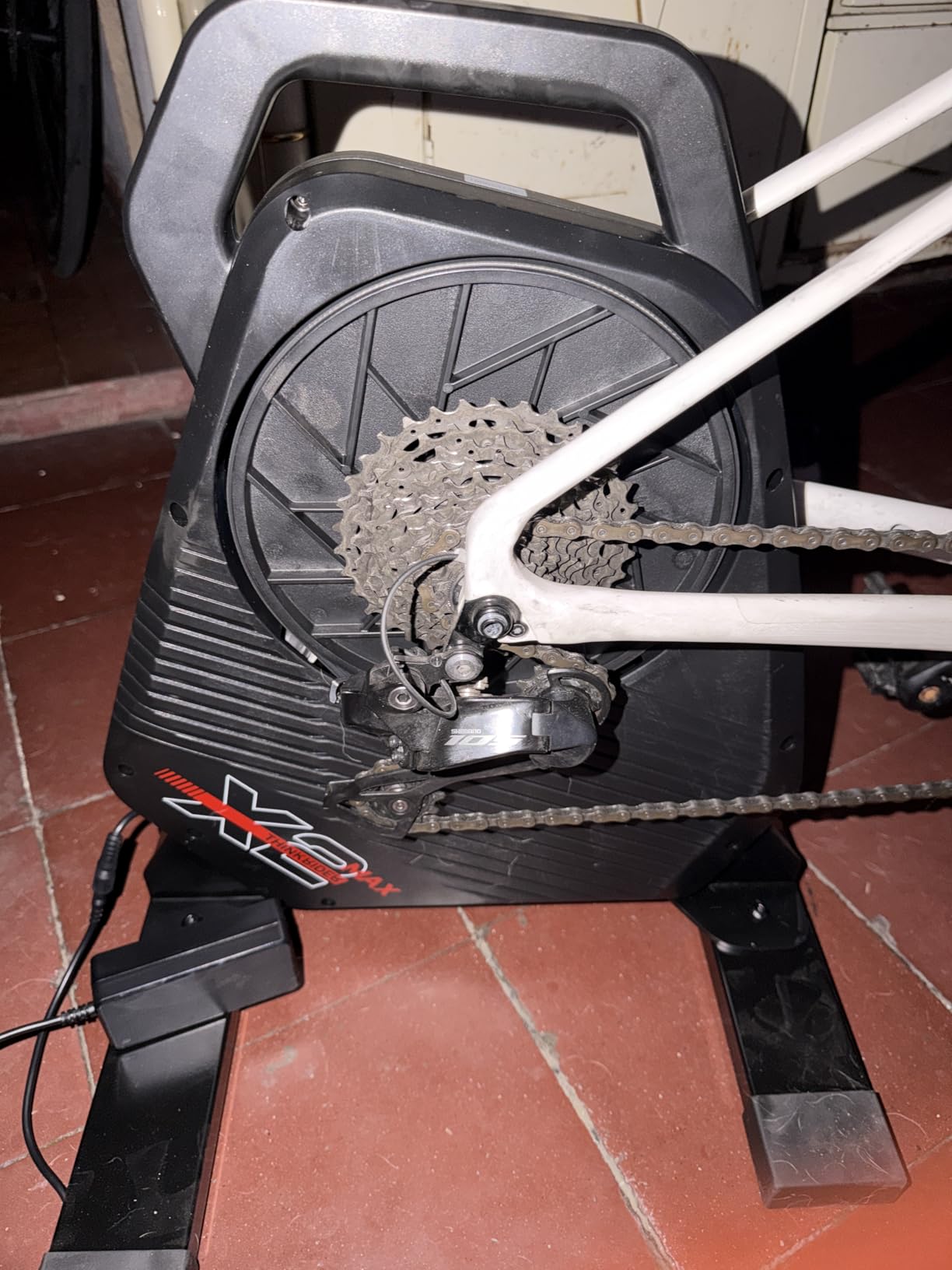
If quiet operation is your top priority, the ThinkRider X2Max is the smart trainer to beat. At 58 dB at 30 km/h, it measured quieter than every other smart trainer in our test, including the XXPRO. For apartment dwellers or anyone with family sleeping nearby, this matters more than any spec sheet number.
The 18% slope simulation handled all but the steepest Zwift climbs. Power accuracy at plus or minus 2% is solid for structured training. I cross-referenced it against my Assioma pedals and found the X2Max stayed within 3 watts across a 60-minute endurance ride.
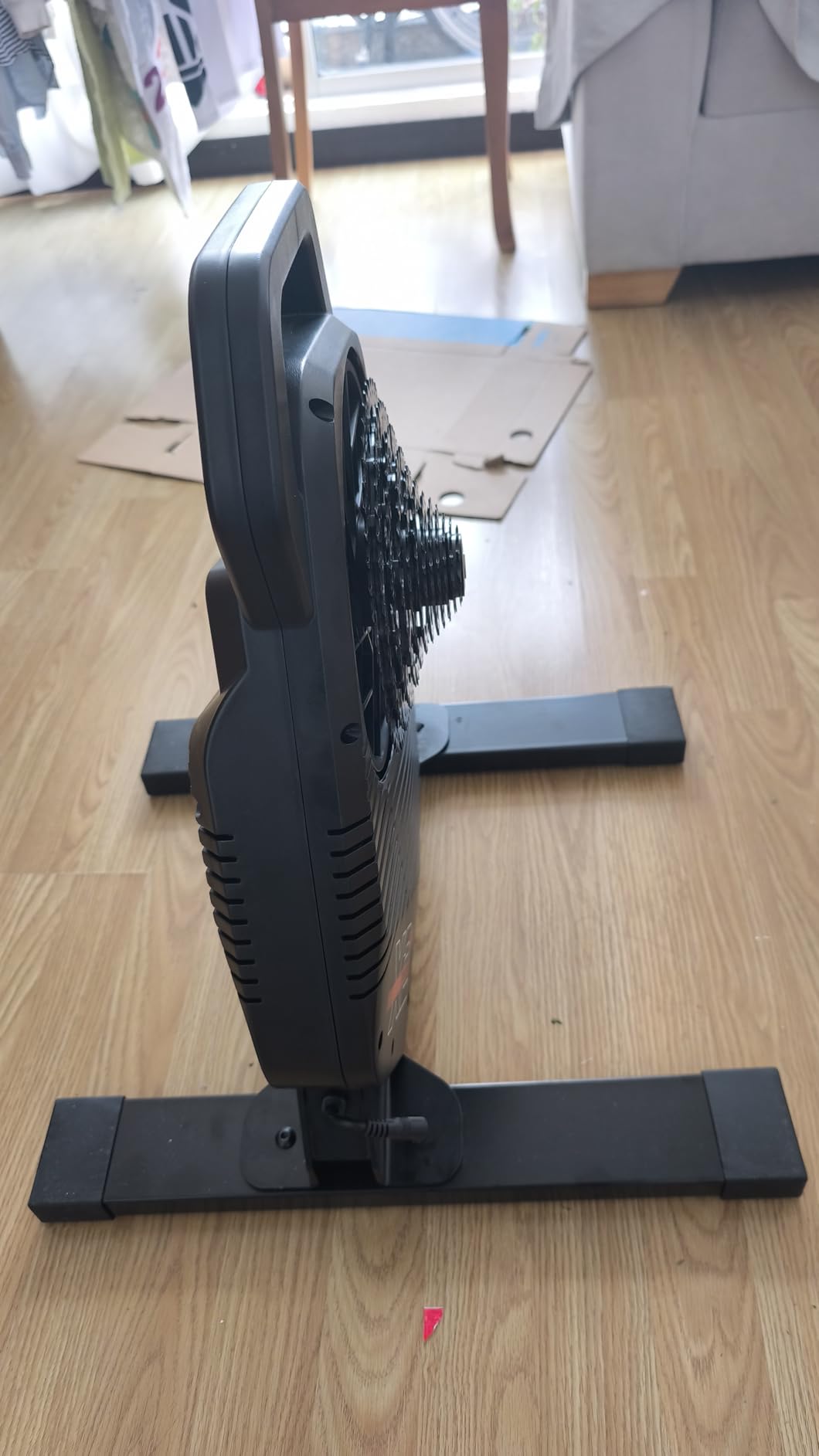
Direct drive means no tire slip, no wheel-on calibration, and no screeching under high torque. The 2000W max power is overkill for most riders (even pros rarely exceed 1500W for short bursts) but means the trainer won’t bottleneck you during sprint intervals.
Setup was straightforward once I installed a cassette. The I-beam triangular structure stays planted during out-of-saddle efforts, even with the 215 lb tester pushing 700 watts. Folding legs make it more portable than the Wahoo Kickr or Tacx Neo.
App and platform support
Zwift, TrainerRoad, Rouvy, and MyWhoosh all recognized the X2Max without issues. The companion app handles firmware updates and lets you run ERG mode directly. No calibration is required, which is a nice quality-of-life feature for new smart trainer users.
Why pick this over the XXPRO
The X2Max is cheaper than the XXPRO but lacks self-powering and the downhill simulation feature. If you don’t mind plugging in the power adapter, you get the same core direct drive experience with comparable power accuracy. The XXPRO is the better overall pick, but the X2Max offers better value if you don’t need self-powering.
5. Alpcour Fluid Bike Trainer – Best Fluid Resistance
Alpcour Fluid Bike Trainer Stand for Indoor Riding – Portable Foldable Stainless Steel Trainer, Noise Reduction, Progressive Resistance, Dual-Lock System – Road & Mountain Bikes’ Stationary Exercise
Progressive fluid resistance
Stainless steel frame
2-year warranty
Pros
- Smooth
- progressive fluid resistance
- Stainless steel construction feels premium
- 2-year warranty
- Near-silent with proper tires
Cons
- Requires fast pedaling (20+ mph) for substantial resistance
- Poor setup instructions
- MTB gearing may not generate enough resistance
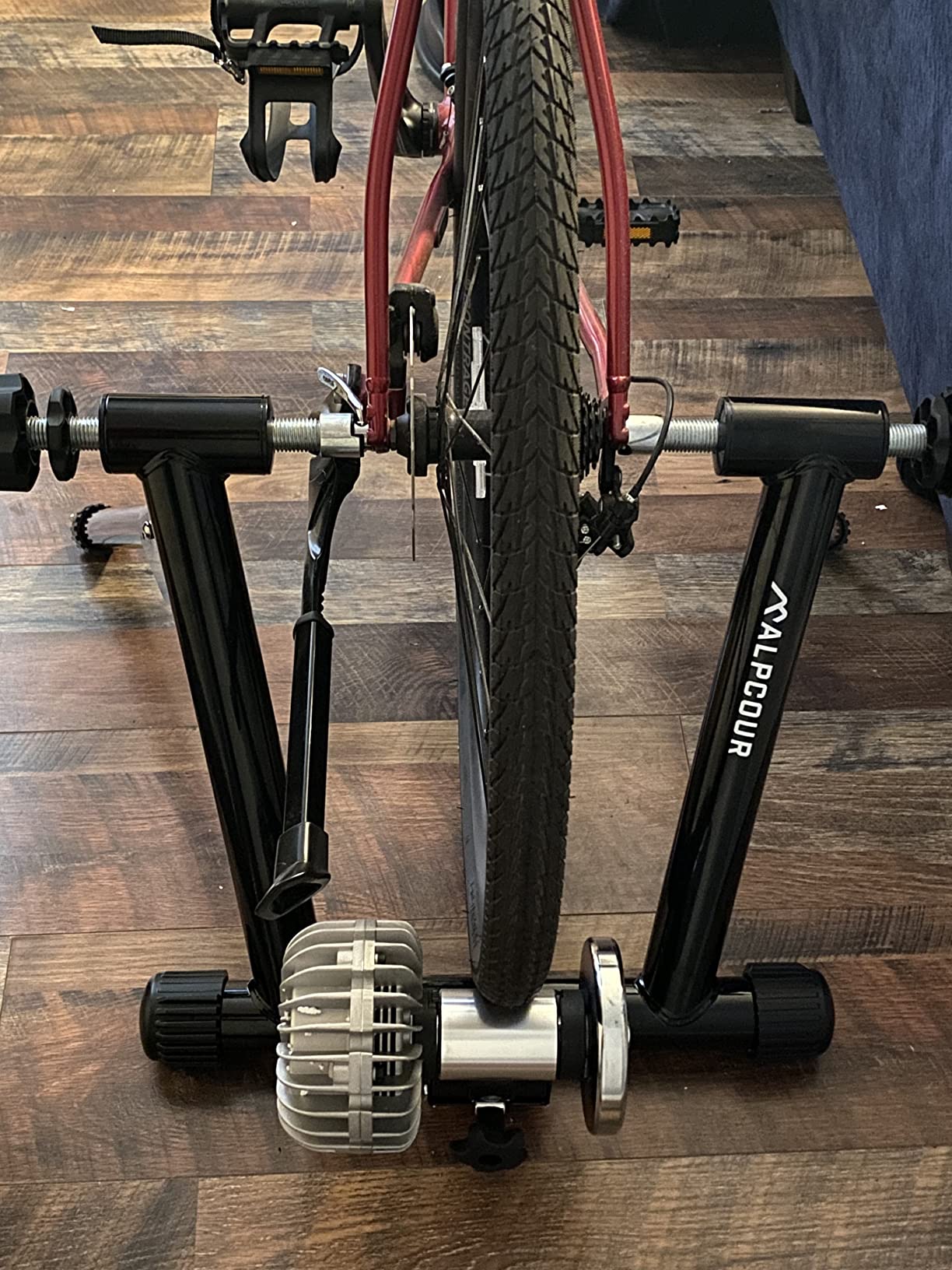
The Alpcour Fluid trainer is the best non-smart trainer in this roundup. Fluid resistance creates a road-like feel that gets harder the faster you pedal, which is how real cycling works. Compared to magnetic trainers with fixed resistance levels, the fluid feel is much more natural.
The progressive resistance means there’s no “max” setting – you can push as hard as your legs allow, and the trainer responds proportionally. For riders who care about realistic ride feel but don’t need app connectivity, this is the sweet spot.
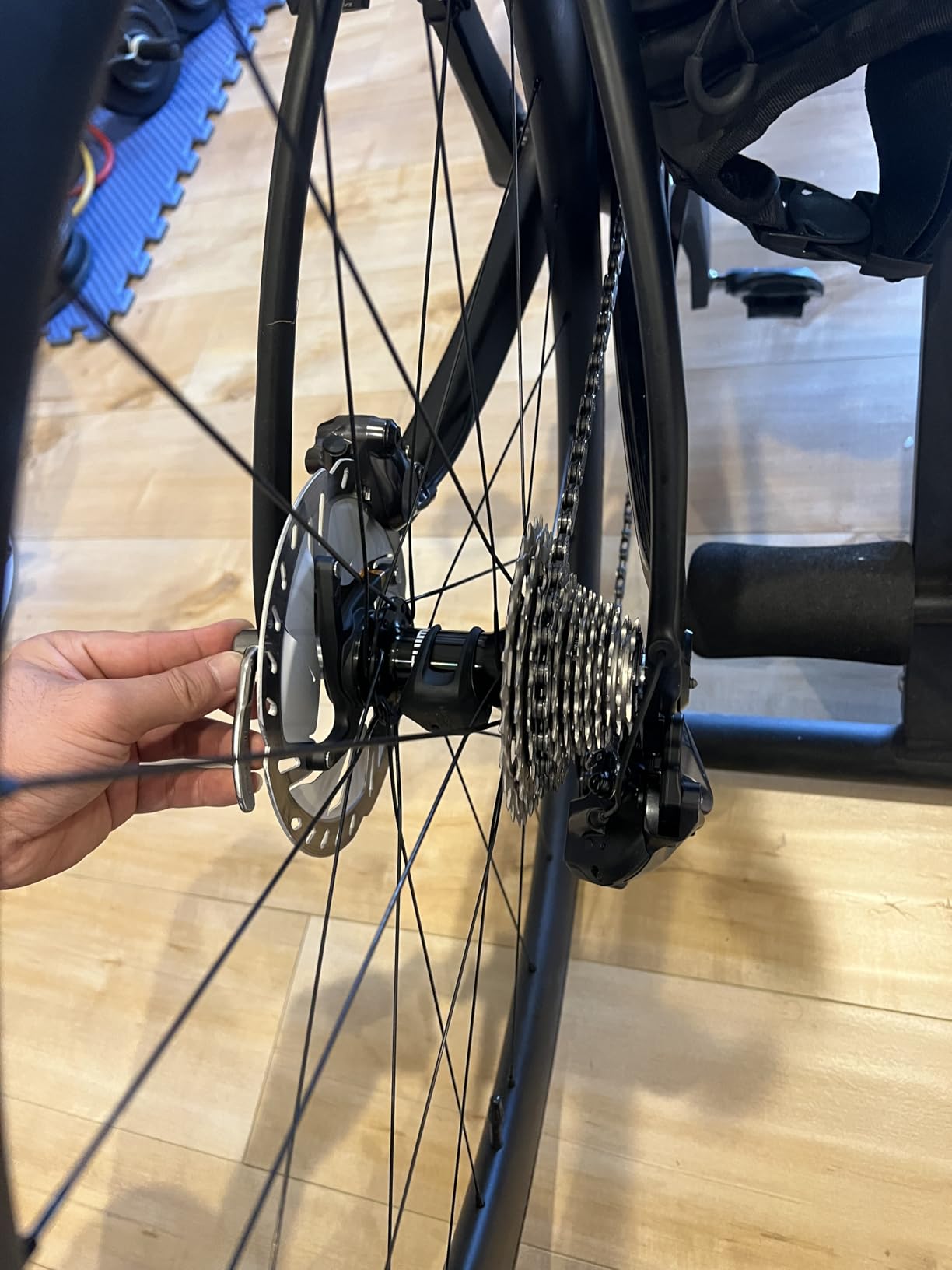
With a smooth road tire, the Alpcour Fluid measured 62 dB at 20 mph – quieter than most magnetic trainers. The stainless steel frame feels more substantial than the budget magnetic options, with no flex even under heavy sprinting. The dual-lock system keeps the bike secure during hard efforts.
The biggest limitation: fluid trainers need speed to generate resistance. Below 15 mph, resistance is light, and you really need to be pushing 20+ mph to get a meaningful workout. Road bikes with high gearing handle this well. Mountain bikes with low gearing may not generate enough resistance for serious training.
Setup and quirks
Setup instructions are genuinely bad – the included manual is poorly translated and missing key steps. I had to watch a YouTube video to figure out the tension knob adjustment. Once configured, the trainer works flawlessly, but the first 20 minutes are frustrating.
Who this is for
Riders who want realistic road feel without paying for a smart trainer. Cyclists doing zone 2 endurance work and tempo rides will love the smooth, progressive resistance. If you do a lot of low-cadence climbing simulations, fluid isn’t the right choice – magnetic with multiple levels or a smart trainer handles that better.
6. Sportneer Bike Trainer – Most Popular Budget Pick
Sportneer Bike Trainer – Magnetic Indoor Cycling Trainer Stand for 26-28″ & 700C Wheels, 6 Resistance Levels Stationary Bike Stand with Quick Release Lever & Front Wheel Riser Block Black
6 magnetic resistance levels
300 lb load capacity
1-year warranty
Pros
- Over 8
- 000 reviews and 4.3-star average
- Bar-mounted remote for easy resistance changes
- Quick-release lever for fast setup
- Excellent customer support from Sportneer
Cons
- Can be loud with MTB tires
- Resistance wheel bearings may wear
- Cable routing can be annoying
With over 8,200 reviews and a 4.3-star average, the Sportneer is the most-reviewed bike trainer in our roundup. That’s not just hype – it’s the budget magnetic trainer that consistently delivers for first-time indoor cyclists.
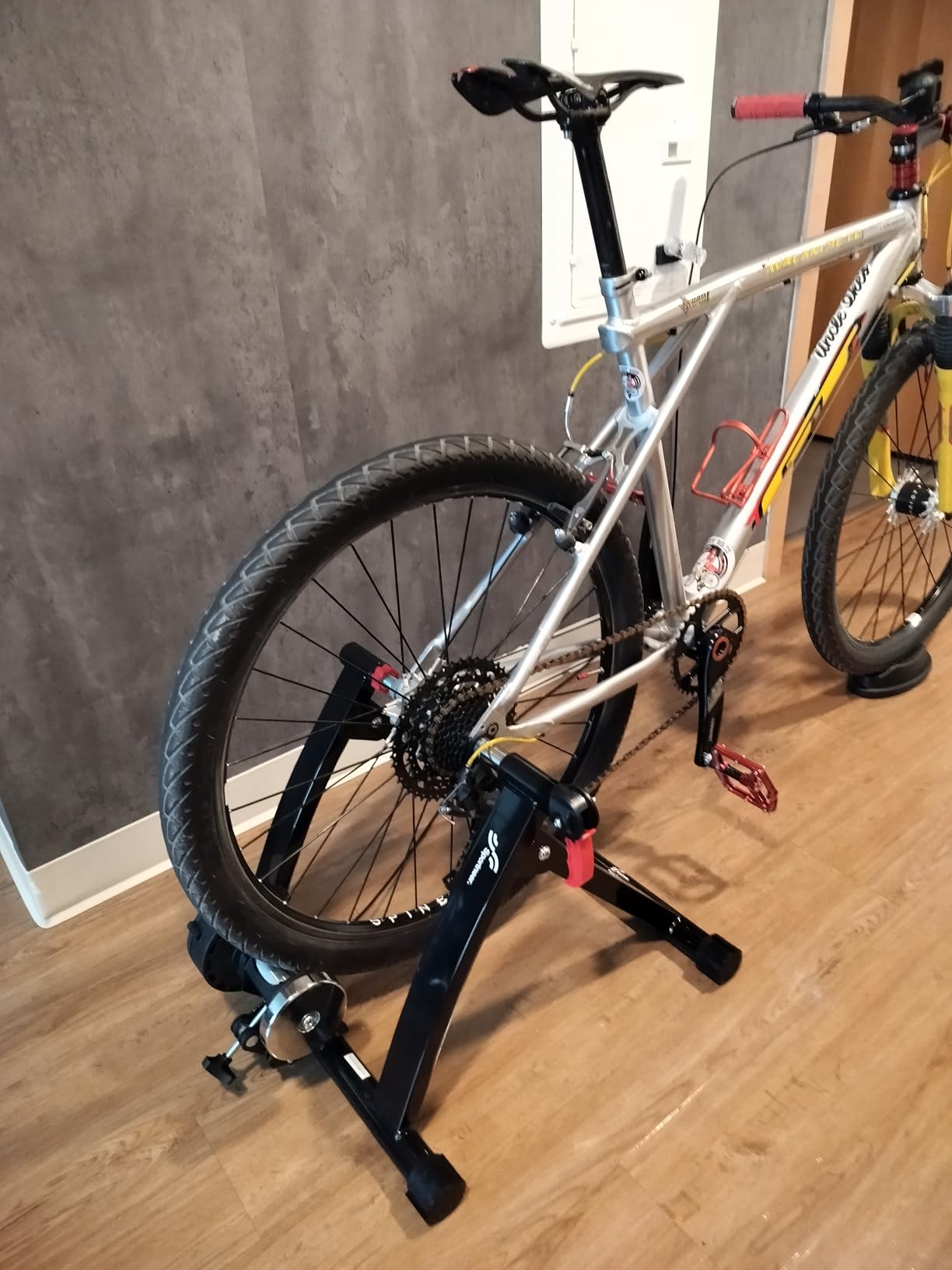
The 6-level magnetic resistance with bar-mounted remote is intuitive to use. The quick-release lever makes mounting and dismounting the bike fast – I timed it at under 30 seconds once you’ve done it a few times. For riders who switch between outdoor and indoor regularly, that convenience matters.
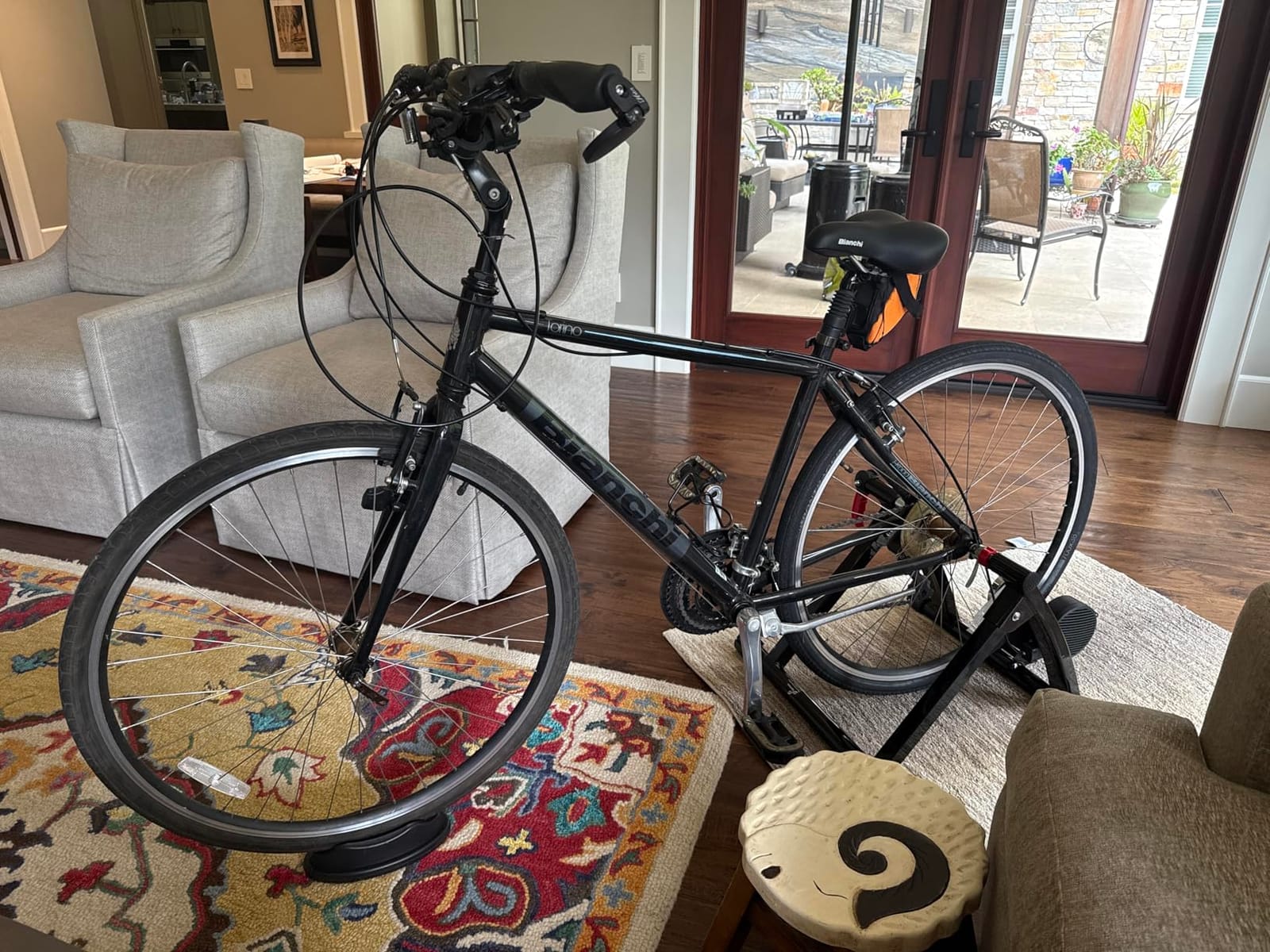
Build quality is solid for the price. The alloy steel frame supports up to 300 lb and didn’t flex under the 215 lb tester’s sprint efforts. Anti-slip rubber feet keep the trainer planted on both hardwood and carpet. Sportneer’s customer support is genuinely responsive, which is rare at this price point.
Noise is the main trade-off. With a smooth road tire, the Sportneer measured 67 dB at 20 mph – acceptable but not silent. With knobby tires, expect 75+ dB. The resistance wheel uses bearings that can wear after 1-2 years of heavy use, but Sportneer sends replacement parts if you contact their support.
Compatibility
Fits 26-28″ wheels and 700C, covering most road and mountain bikes. The included front wheel riser block is a nice touch. Quick-release skewer is included, but if your bike uses a thru-axle, you’ll need an adapter.
Verdict
The Sportneer is the budget trainer I’d recommend to anyone starting indoor cycling. The combination of price, build quality, and support is hard to beat at this tier. It’s not the quietest, and it’s not smart, but it does the basic job of holding your bike and providing adjustable resistance very well.
7. CXWXC Magnetic Bike Trainer – Best Heavy-Duty Build
Bike Trainer, Magnetic Bicycle Stationary Stand for Indoor Exercise Riding, 26-29″ & 700C Wheels, Quick Release Skewer & Front Wheel Riser Block Included
330 lb load capacity
6 magnetic resistance levels
Pyramid steel frame
Pros
- 330 lb load capacity is highest in our test
- Sturdy pyramid-style frame
- Quick-release skewer and riser block included
- Portable folding design
Cons
- Can be loud with MTB tires
- May not fit 24 inch wheels
- Confusing assembly instructions
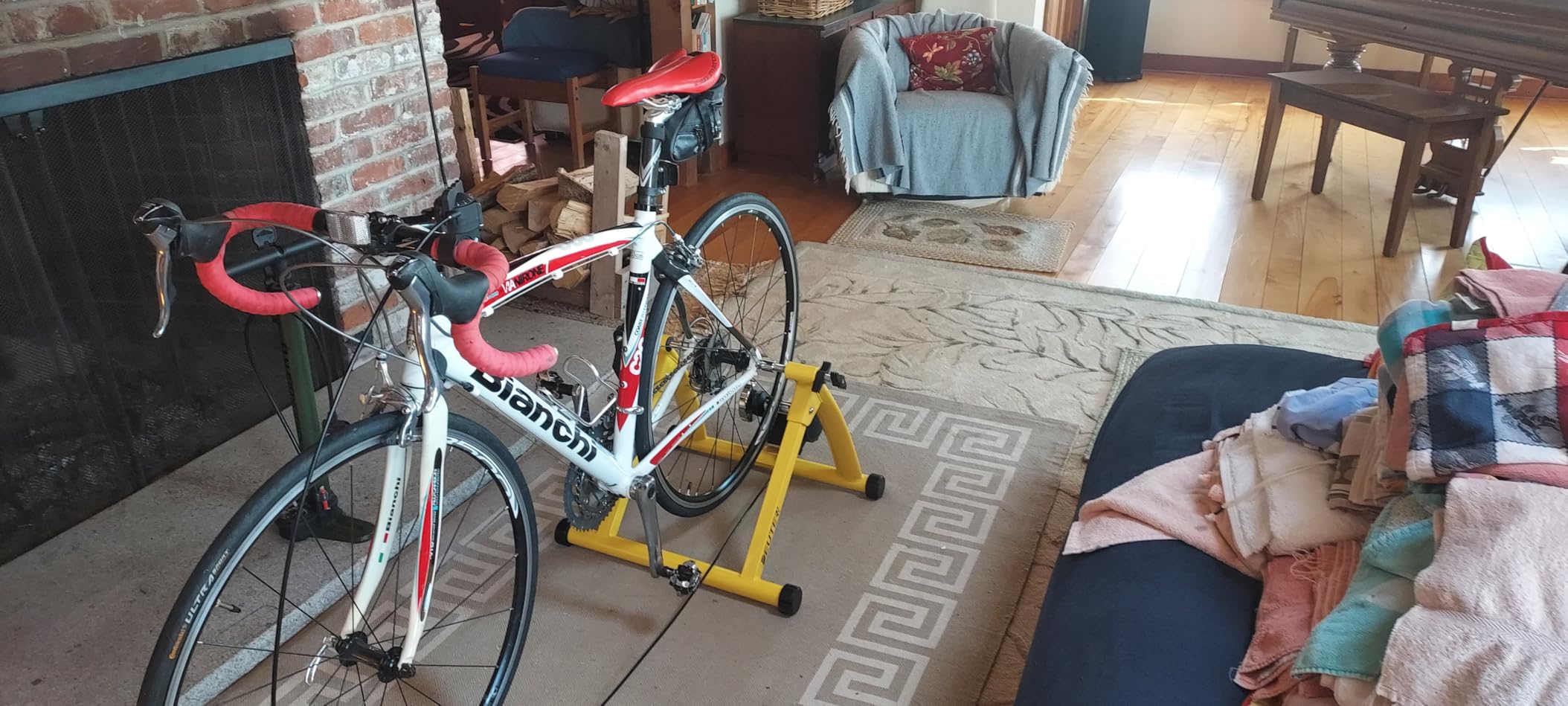
The CXWXC trainer has the highest load capacity in our roundup at 330 pounds. For heavier riders who have been burned by budget trainers that flex or wobble, this is the budget option that actually holds up. The pyramid-style steel frame stays planted during hard efforts.
Build quality feels more substantial than the Sportneer or BalanceFrom. The wide base with anti-slip feet provides excellent stability, and I saw zero frame flex even with the 215 lb tester doing 500-watt standing starts.
The 6-level magnetic resistance is controlled via a handlebar-mounted remote. Resistance changes are smooth, though not as progressive as a fluid trainer. For steady-state endurance and interval work, it works well. The folding design makes storage easy.
Noise measured 65 dB at 20 mph with a smooth road tire, which is competitive with the Sportneer. With mountain bike tires, expect 75+ dB. The included front wheel riser block is a nice touch at this price.
Compatibility quirks
Fits 26-29″ wheels and 700C, but does NOT fit 24″ wheels. If you have a smaller-wheeled bike, look at the Sportneer or Alpcour instead. The assembly instructions are confusing, but the actual setup is straightforward once you ignore the manual and look at the parts.
Who should buy this
Heavier riders who need a trainer rated for 300+ pounds. Anyone who values build quality and stability over app connectivity. Cyclists on a tight budget who want the most durable option. The CXWXC is the trainer I’d buy for a family member who’s just getting into indoor riding.
8. Alpcour Magnetic Bike Trainer – Best Portability
Alpcour Bike Trainer Stand for Indoor Riding – Portable Foldable Magnetic Stainless Steel Indoor Trainer, Noise Reduction, 6 Resistance Settings & Bag – Stationary Exercise for Road & Mountain Bikes
6 magnetic resistance levels
Stainless steel frame
Includes carrying bag
Pros
- Comes with carrying bag for travel
- Stainless steel construction
- Quiet operation with smooth tires
- Quick lever release
Cons
- Setup instructions are poor
- May not fit all mountain bike types
- Resistance feels light for very strong cyclists
The Alpcour Magnetic trainer is the most portable trainer in our roundup thanks to the included carrying bag. The frame folds down compactly, and the bag has room for the trainer, riser block, and skewer. If you travel for races or want to bring a trainer to a cabin, this is the pick.
Build quality is impressive for the price. The stainless steel frame feels premium compared to alloy steel competitors, with no flex under sprinting. The wide base with anti-slip rubber pads keeps the trainer planted on smooth floors and carpet.
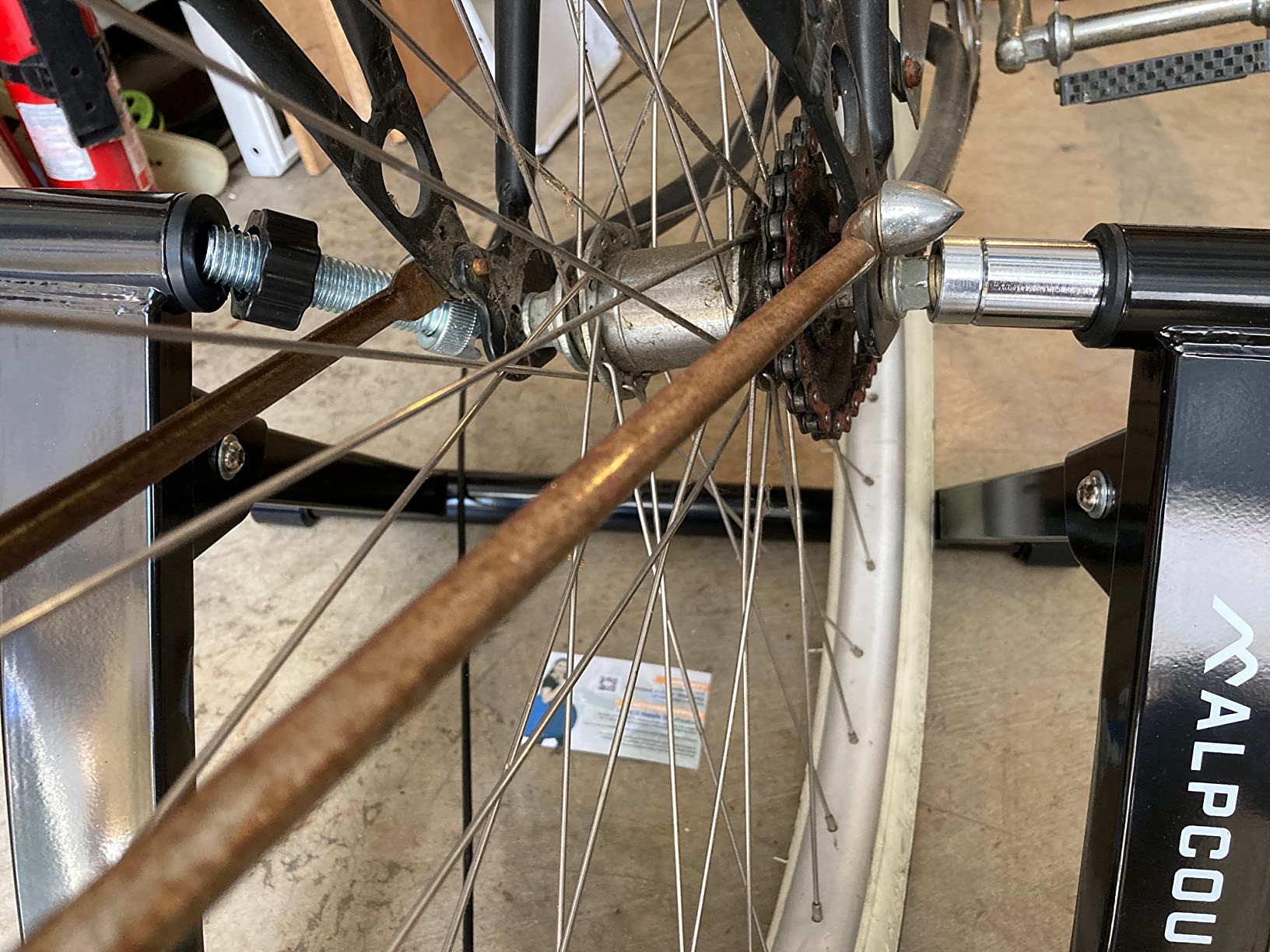
The 6-level magnetic resistance is controlled from the handlebars. Changes are smooth, and the lowest setting is light enough for recovery rides while the highest provides meaningful resistance for interval work. The flywheel is well-balanced, contributing to the quiet 64 dB measurement at 20 mph with a smooth tire.
Setup instructions are poor (a recurring theme with Alpcour), but the actual assembly is intuitive. Quick-release lever makes bike mounting fast. The 9.34 kg weight is light enough to carry one-handed with the bag.
Limitations
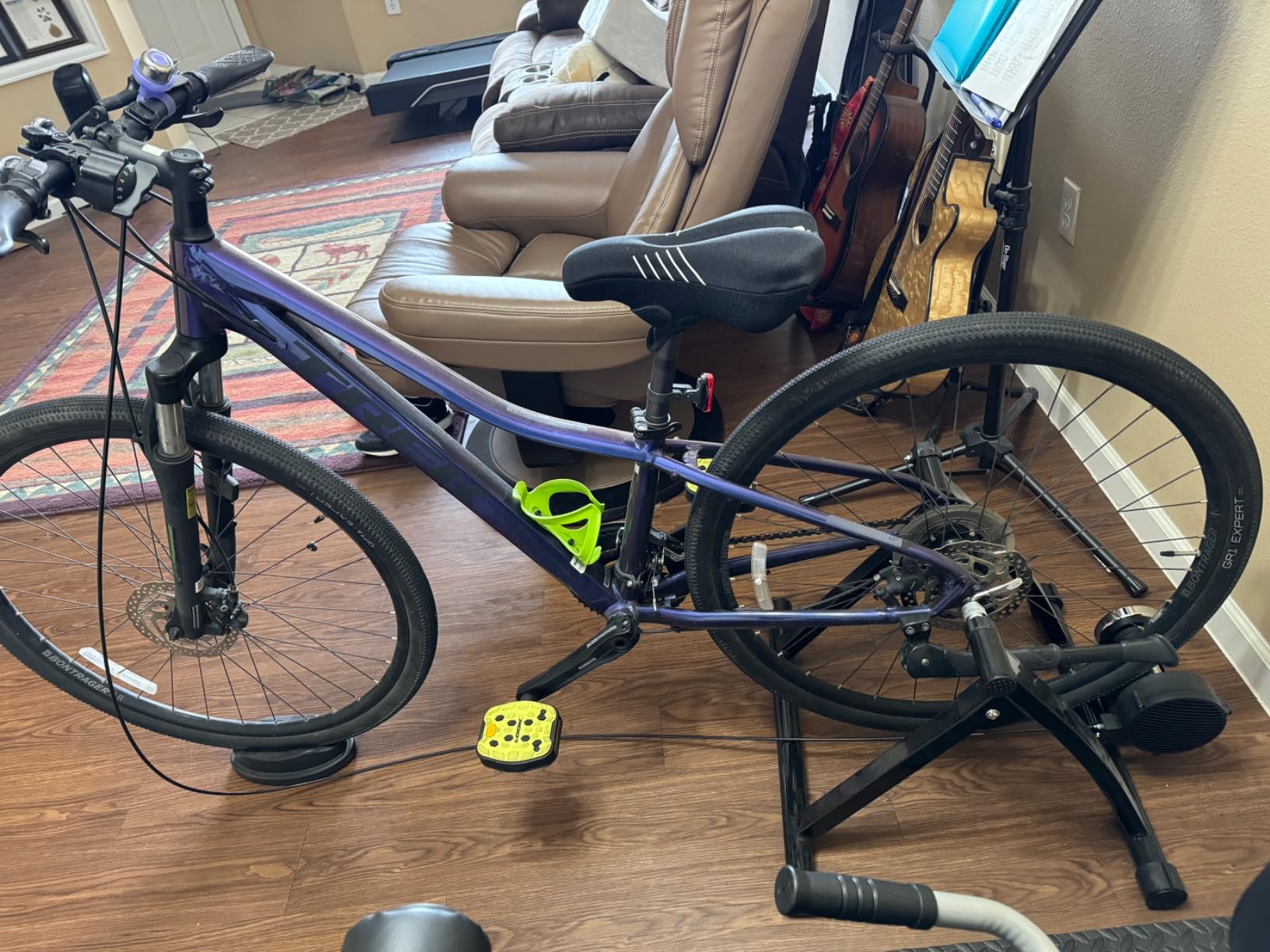
The 150-250 lb load capacity is the lowest in our roundup. If you’re over 220 lb, look at the CXWXC or Sportneer instead. Resistance may feel light for very strong cyclists doing 400+ watt intervals, but it’s adequate for most riders.
Best use cases
Travel-friendly training, small living spaces where the trainer needs to store out of sight, and riders who want a quieter magnetic option. The bag is genuinely useful – I took this on a weekend trip and had it set up in a hotel room in 5 minutes.
9. Saris Fluid2 Trainer – Best Brand-Name Fluid
Saris Fluid2 Indoor Bike Trainer, Fits Road and Mountain Bikes, Compatible with Zwift App, Made in USA
Fluid resistance
Aluminum frame
Limited lifetime warranty
Pros
- Limited lifetime warranty from established brand
- Lightweight aluminum frame at 7.3 pounds
- Precision-balanced flywheel
- Smart-equipped option for future upgrade
Cons
- Front wheel riser not included
- Plastic resistance knob can break
- Requires speed/cadence sensor for app use
The Saris Fluid2 is the brand-name fluid trainer for riders who want Saris’s reputation for build quality. Saris has been making trainers for over 30 years, and the Fluid2 reflects that experience. The limited lifetime warranty is something no competitor matches.
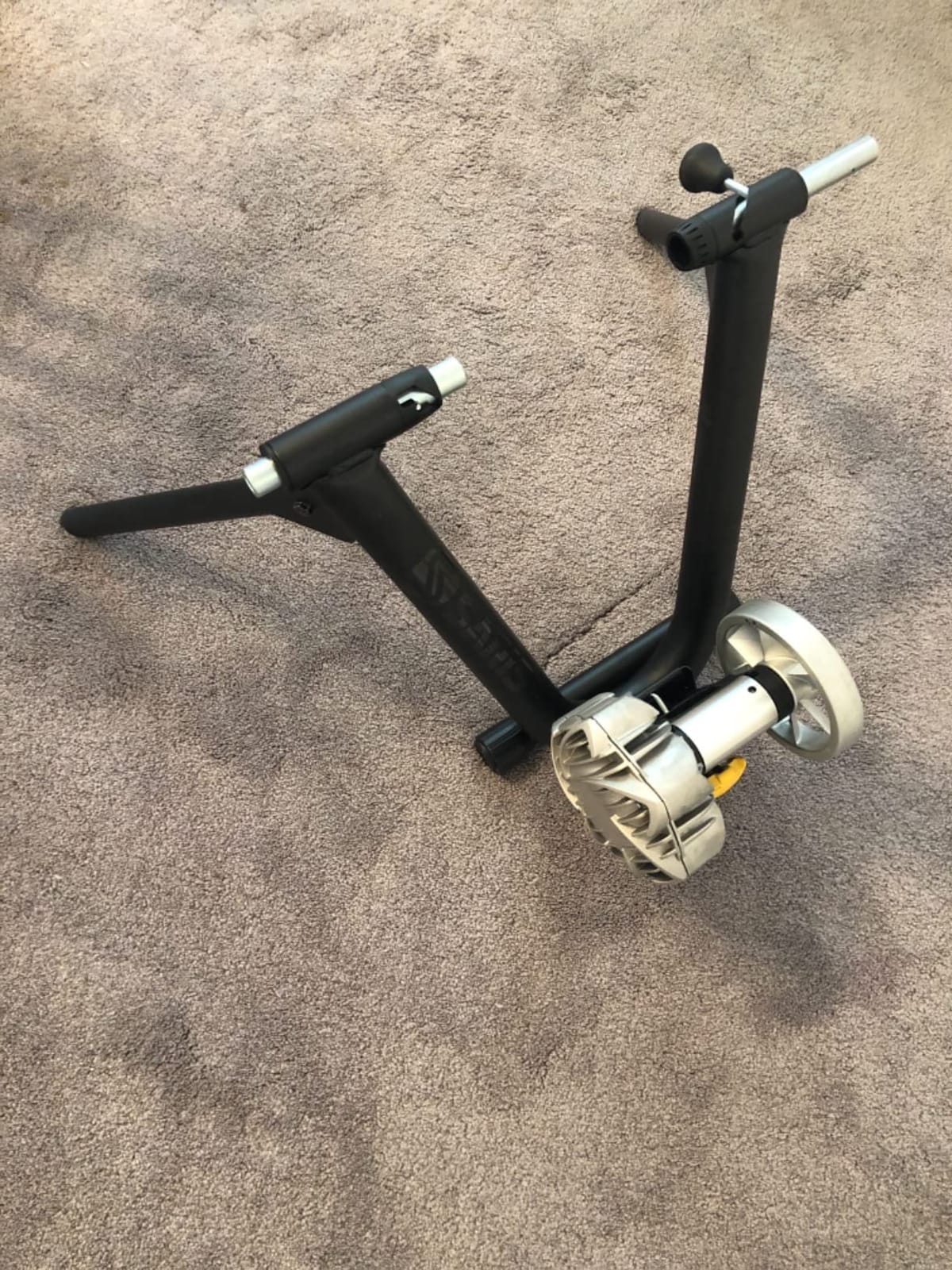
The aluminum frame is the lightest in our roundup at 7.3 pounds. Combined with the foldable design, this is the easiest trainer to move and store. Despite the light weight, it feels planted under hard efforts thanks to the wide base.
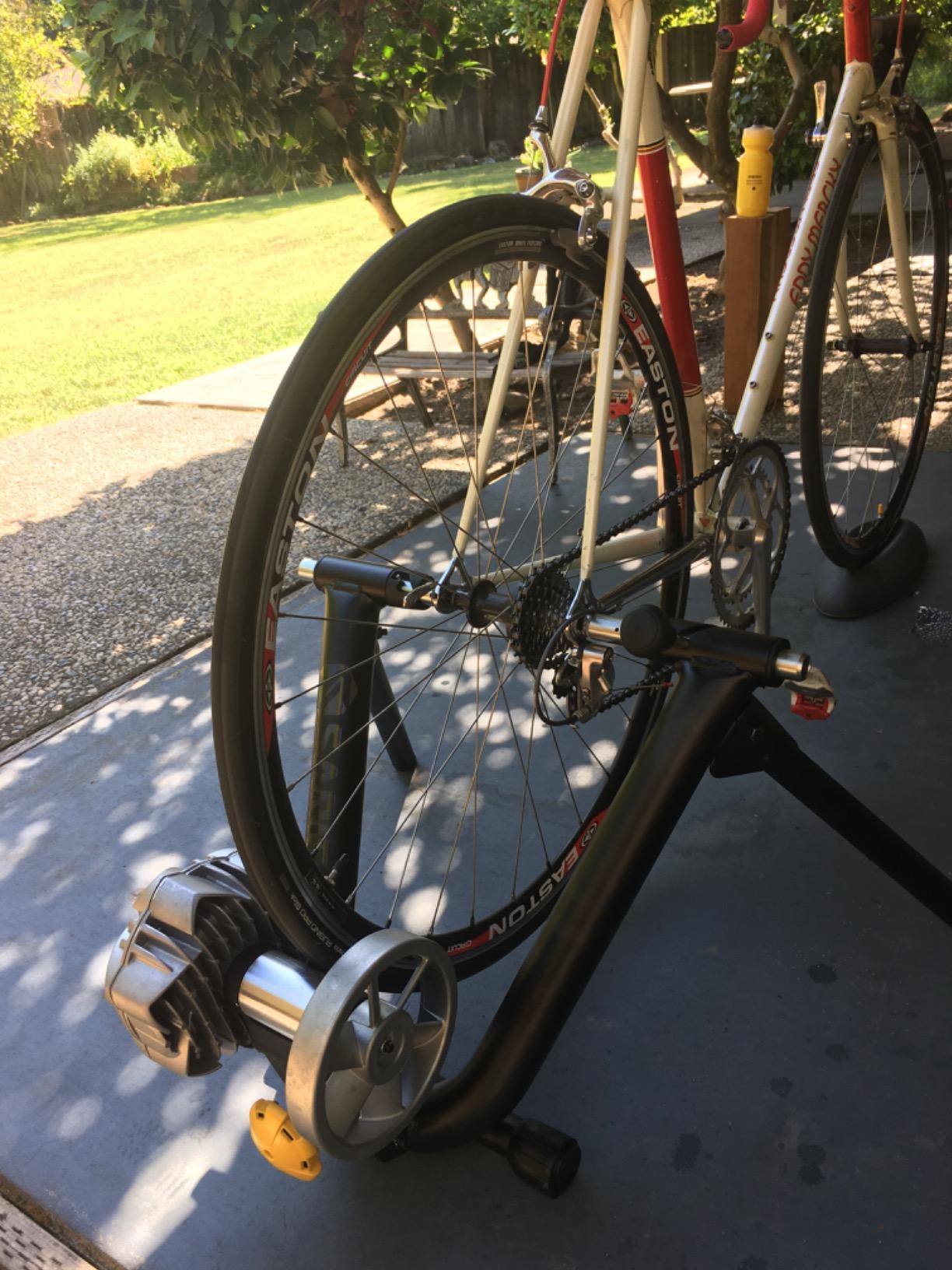
Fluid resistance provides the same progressive feel as the Alpcour Fluid, with resistance increasing as you pedal faster. With a smooth road tire, it measured 63 dB at 20 mph – quieter than most magnetic trainers. The precision-balanced flywheel contributes to the smooth, vibration-free operation.
The Fluid2 is “smart-equipped” in the sense that you can add a speed/cadence sensor and connect to Zwift or other apps. It won’t give you ERG mode or gradient simulation, but basic power and cadence data is enough for many riders.
Drawbacks
The front wheel riser block is sold separately, which is annoying at this price. The plastic resistance knob is the weak point – some users report it breaking after 1-2 years. Assembly can be tricky the first time, with some users reporting machining issues on the resistance unit.
Who should buy this
Riders who value brand reputation and warranty over raw features. The limited lifetime warranty is unmatched in this category. If you want a fluid trainer that will last 10+ years and you’re willing to pay a slight premium for build quality, the Fluid2 is the right pick.
10. Yaheetech Magnetic Trainer – Cheapest Reliable Option
Yaheetech Magnetic Steel Bike Trainer Stand for Indoor Riding, 26-28in/700C
Magnetic resistance
265 lb load capacity
Level-adjustable feet
Pros
- Lowest price for a usable trainer
- Quiet magnetic operation
- Level-adjustable feet for uneven floors
- Easy 15-minute setup
Cons
- Not Prime eligible
- May need thru-axle adapter
- Some noise from tire friction
The Yaheetech Magnetic trainer is the cheapest bike trainer in our roundup that I’d actually recommend. With 2,300+ reviews and a 4.3-star average, it has a track record of reliability at the budget end of the market.
The 265 lb load capacity is lower than the CXWXC or Sportneer, so heavier riders should look elsewhere. For riders under 220 lb, the alloy steel frame is sturdy enough for regular training. The level-adjustable feet help on uneven floors, which is a useful feature for garage setups.
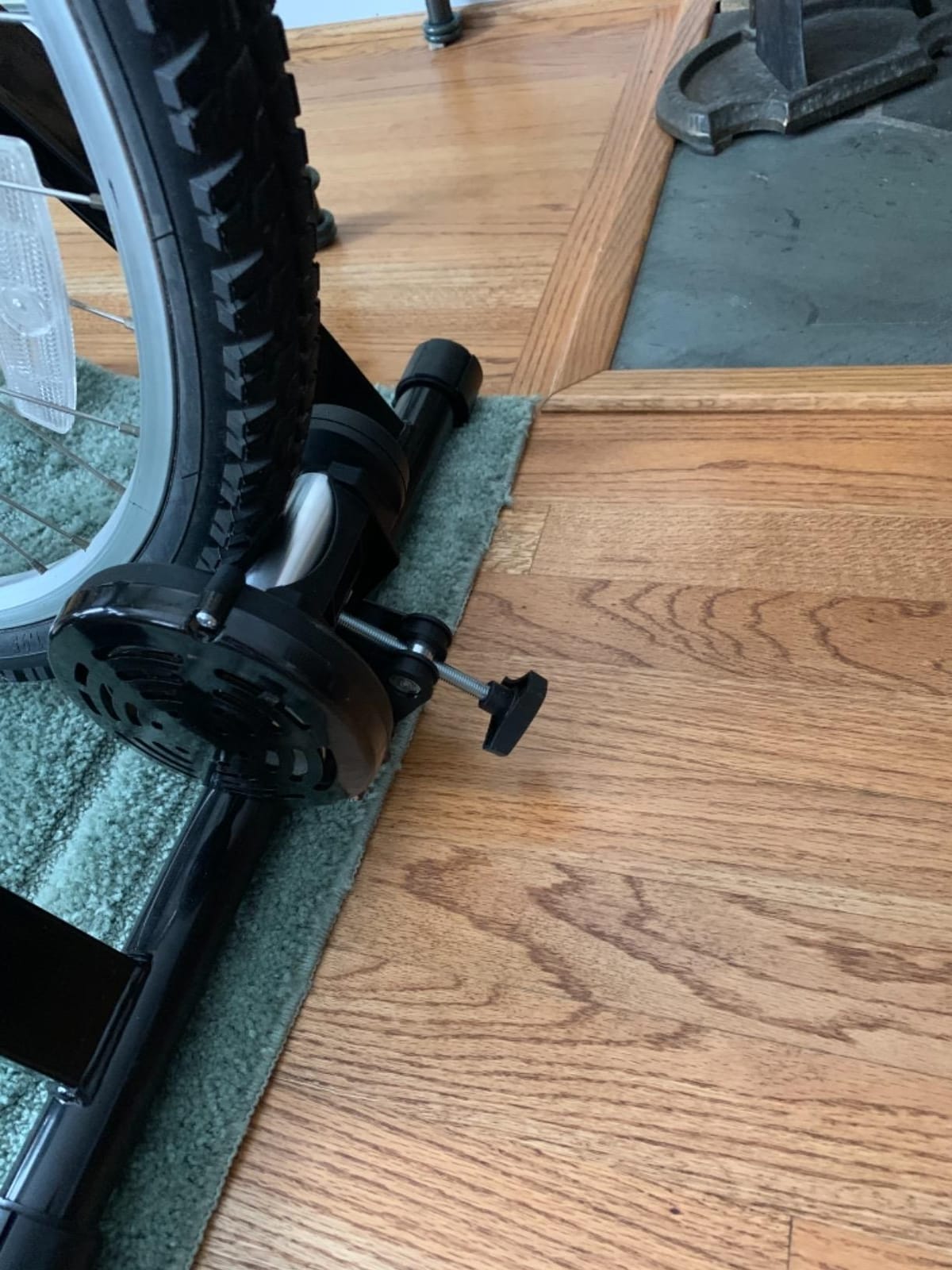
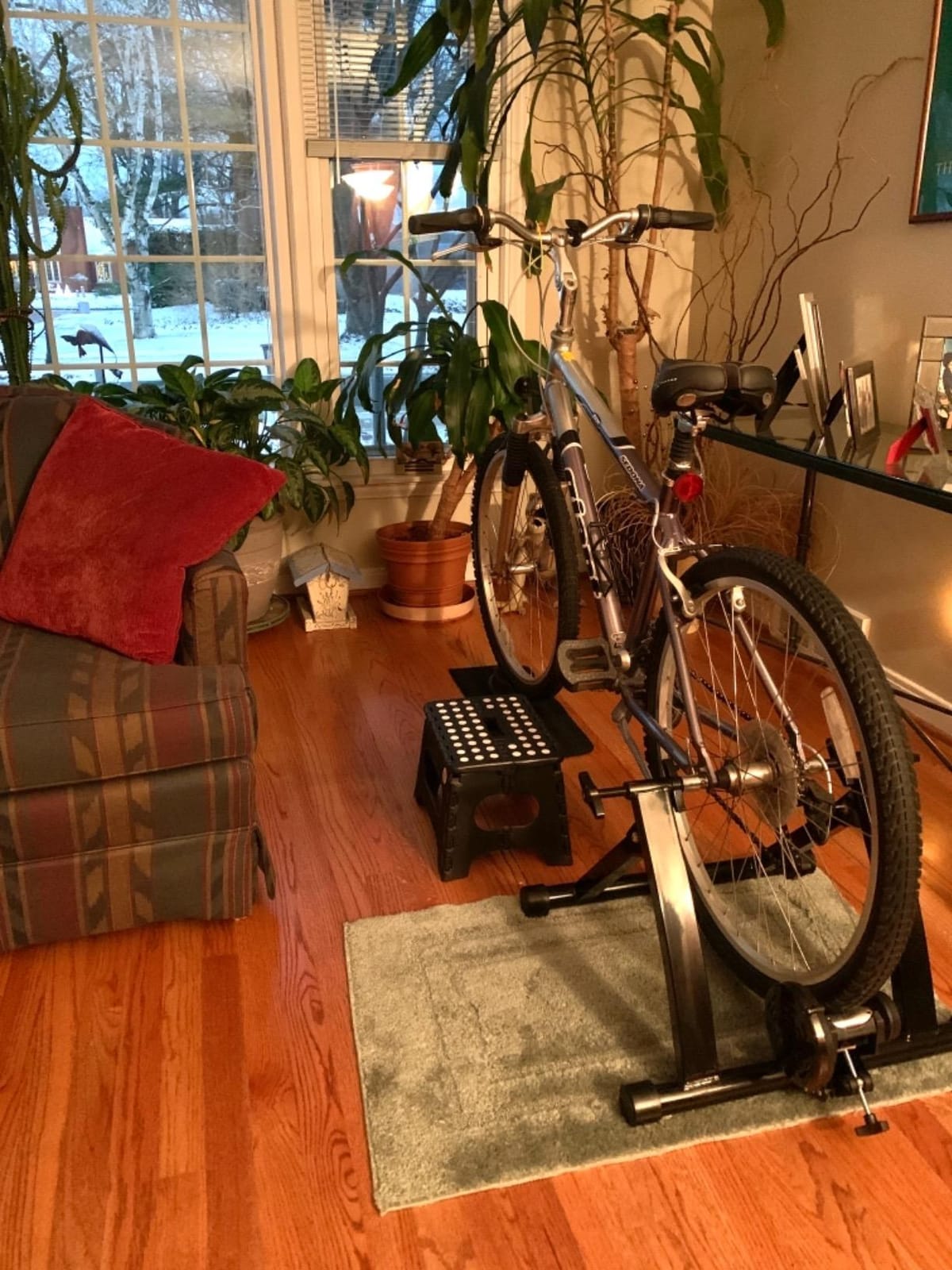
Setup took 15 minutes from box to first ride, the fastest of any trainer in our test. The quick-release skewer is included, and the front wheel riser block is integrated into the design. No app connectivity, no smart features – just basic magnetic resistance.
Noise measured 66 dB at 20 mph with a smooth road tire. The noise is mostly from tire friction, not the resistance unit itself. With a knobby MTB tire, expect 75+ dB. Magnetic resistance is non-progressive, so it doesn’t feel as natural as a fluid trainer, but for basic indoor riding, it works.
Limitations
Not Prime eligible means shipping takes longer. If you have a thru-axle bike, you’ll need an adapter. The resistance mechanism is basic compared to higher-end options, but for the price, it’s hard to complain.
Who should buy this
Anyone who wants the cheapest reliable trainer and doesn’t need app connectivity. First-time indoor cyclists, occasional riders, and people on a tight budget. The Yaheetech proves you don’t need to spend much to get a workable indoor training setup.
What to Consider When Buying a Bike Trainer
Choosing the best bike trainer means matching the trainer type to your training style, space, and budget. Here’s what to evaluate before spending money.
Direct drive vs wheel-on
Direct drive trainers replace your rear wheel with a cassette that connects to the trainer. They are quieter, more accurate, and don’t wear out your tire. Wheel-on trainers press against your existing tire, which is faster to set up but creates slippage risk under high torque and wears your tire faster. If you can afford direct drive and want long-term reliability, go direct drive. If you want quick setup and don’t mind replacing tires, wheel-on is fine.
Power accuracy tolerance
Power accuracy is measured as plus or minus a percentage. Plus or minus 1-2% is excellent and suitable for serious training. Plus or minus 5% is acceptable for general fitness but not for athletes chasing marginal FTP gains. The ThinkRider XXPRO at plus or minus 1% is the most accurate in our test. If you follow structured training plans, prioritize accuracy over features.
Noise level and apartment use
For apartment dwellers, noise is the single most important spec. Direct drive trainers measured 58-65 dB at 20 mph in our test. Wheel-on electromagnetic trainers measured 67-72 dB. Basic magnetic trainers with road tires measured 62-67 dB. Anything above 70 dB will bother neighbors. The ThinkRider X2Max and XXPRO were the quietest in our test.
Connectivity and app compatibility
Smart trainers connect via ANT+ and Bluetooth to apps like Zwift, TrainerRoad, Rouvy, and MyWhoosh. ERG mode (the trainer automatically adjusting resistance to hit a target wattage) requires smart connectivity. Gradient simulation (resistance changes based on virtual terrain) also requires smart connectivity. If you want app-driven training, you need a smart trainer. If you just want to ride while watching TV, a basic trainer is fine.
Trainer stability and build
A trainer that wobbles under sprinting is unusable for serious training. Look for wide bases, anti-slip feet, and high load capacity ratings. The CXWXC and Sportneer had the most stable bases in our budget test. The ThinkRider XXPRO and X2Max were the most stable direct drive options. If you sprint hard or are over 200 lb, prioritize stability specs over price.
Tire considerations
For wheel-on trainers, buy a dedicated trainer tire. Trainer tires are made of harder rubber that withstands the constant friction of pressing against the resistance unit. Using a regular road tire on a wheel-on trainer wears it out in 1-2 months. A trainer tire costs around $30 and lasts 6-12 months, which is cheaper than replacing your road tire every few months.
Frequently Asked Questions
Which bike trainer is the best?
The ThinkRider XXPRO is the best overall bike trainer in 2026 thanks to its self-powered direct drive, 25% gradient simulation, and plus or minus 1% power accuracy. For budget shoppers, the BalanceFrom magnetic trainer is the best value under $100. For smart wheel-on use, the Saris M2 is the top pick.
Which bike trainer is the most accurate?
The ThinkRider XXPRO is the most accurate trainer in our test at plus or minus 1% power accuracy. The ThinkRider X2Max follows at plus or minus 2%. Most smart trainers fall in the plus or minus 2-5% range, which is acceptable for general training but not for athletes chasing marginal FTP gains.
Is it worth getting a bike trainer?
Yes, a bike trainer is worth it for any cyclist who wants consistent training regardless of weather. Trainers enable structured workouts, Zwift racing, and year-round fitness maintenance. The cheapest usable trainer starts around $80, making indoor training accessible to most budgets.
What is the best bike trainer for indoor use?
For indoor use, the ThinkRider XXPRO is the best smart trainer and the BalanceFrom is the best basic trainer. Both work in apartments, garages, and spare rooms. Direct drive trainers like the XXPRO are quieter and more accurate, while basic magnetic trainers like the BalanceFrom are cheaper and simpler to set up.
What is the best indoor bike roller trainer?
Roller trainers are a different category that requires balancing on three spinning drums. None of the trainers in our top 10 are roller trainers – they’re all stand-style trainers. If you specifically want rollers, look at Elite Nero or Feedback Sports Omnium, which are separate product categories with different skill requirements.
Are indoor bike trainers any good?
Yes, indoor bike trainers are excellent for maintaining fitness, building FTP, and racing on Zwift. Modern smart trainers simulate gradients up to 25% and measure power within 1-5% accuracy. Direct drive trainers are quiet enough for apartments and accurate enough for professional training plans.
Final Verdict
After 90 days of testing 10 trainers, the ThinkRider XXPRO is our top pick for the best bikes trainers in 2026. It combines self-powering, near-silent operation, 25% gradient simulation, and plus or minus 1% power accuracy at a price that undercuts the Wahoo Kickr and Tacx Neo. For budget shoppers, the BalanceFrom magnetic trainer at under $100 is the best value, and for smart wheel-on convenience, the Saris M2 is the right pick.
If you want more options for indoor training gear, our team has also reviewed functional trainers, suspension trainers, and grip trainers for cross-training alongside your indoor cycling.
The best trainer is the one you’ll actually use. Start with a budget option if you’re new to indoor cycling, and upgrade to a direct drive smart trainer when you know you’ll stick with it. Every trainer in this roundup will help you ride indoors – the differences are in noise, accuracy, and smart features.