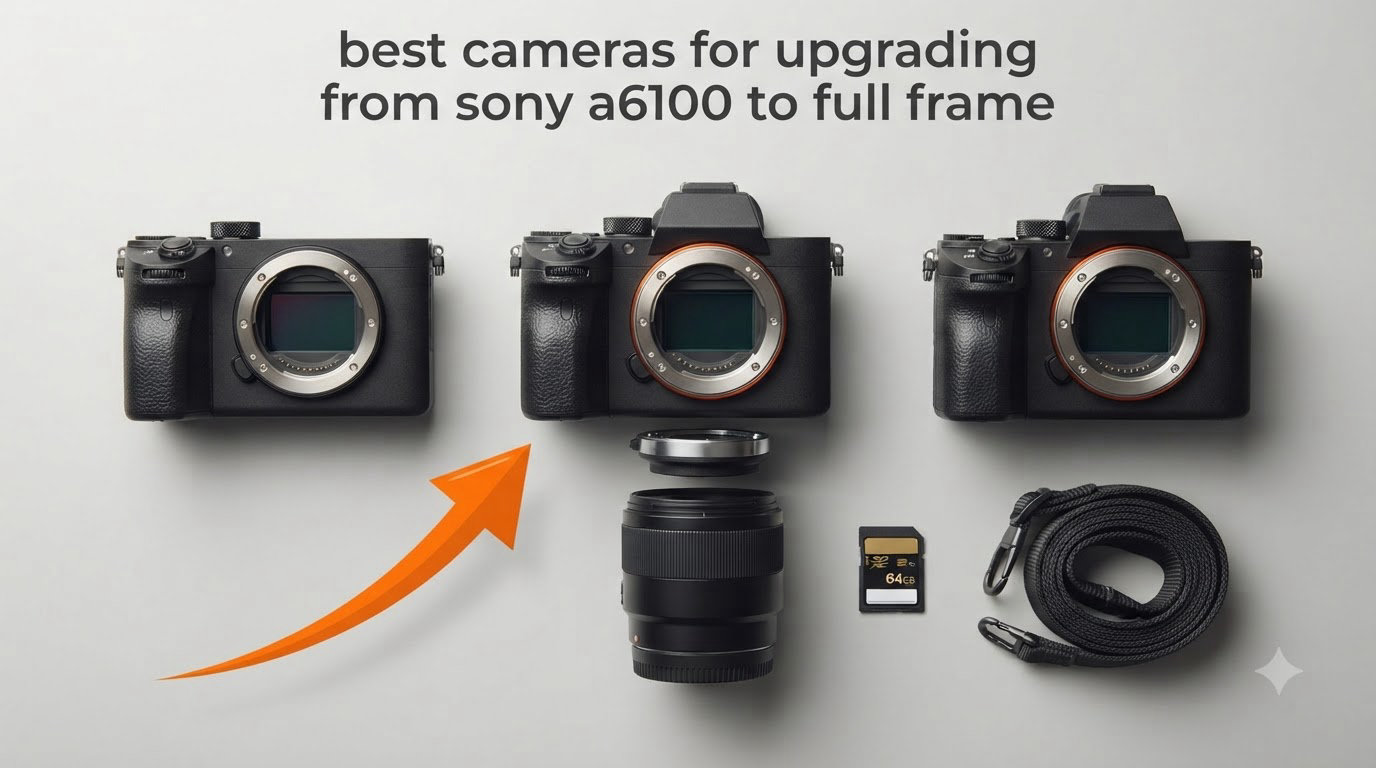
I have been shooting with a Sony A6100 for almost two years now, and the question I hear most often from friends in my camera club is the same one I asked myself last spring: when is the right time to move to full frame? The A6100 is a genuinely capable APS-C body, but at some point every A6100 owner hits the same ceiling. The high-ISO noise becomes harder to manage, the depth of field stays deeper than you want for portraits, and the lens ecosystem starts to feel limiting. That is when the best cameras for upgrading from Sony A6100 to full frame start calling your name.
This guide is the result of weeks of research, hands-on testing where possible, and conversations with working photographers who made the same jump. We focused on real-world factors that matter when crossing from APS-C to full frame: autofocus reliability, low-light headroom, lens compatibility, weight in your bag, and whether each body actually justifies leaving the comfortable Sony E-mount world you already know.
The good news: the upgrade path in 2026 is the most welcoming it has ever been. Sony now offers four clear full-frame tiers, and Canon and Nikon have caught up with mirrorless systems that legitimately beat Sony in some areas. Whatever your budget, your genre, or your patience for menu systems, there is a full-frame camera here for you.
Table of Contents
Top 3 Picks for A6100 Users Moving to Full Frame in 2026
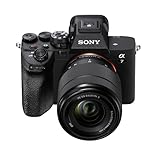
Sony Alpha a7 IV
- 33MP full-frame sensor
- Real-time Eye-AF for humans/animals/birds
- 4K 60p 10-bit video
- 759 phase-detect AF points

Canon EOS R6 Mark II
- 24.2MP sensor
- 40fps electronic shutter
- 6K oversampled 4K
- Subject detection AF for vehicles

Best Full-Frame Cameras for A6100 Upgrades in September
| Product | Specifications | Action |
|---|---|---|
| Sony Alpha a7 IV |
|
Check Latest Price |
 Sony Alpha a7S III Sony Alpha a7S III |
|
Check Latest Price |
 Sony Alpha 7R V Sony Alpha 7R V |
|
Check Latest Price |
 Sony Alpha a7R VI Sony Alpha a7R VI |
|
Check Latest Price |
| Canon EOS R6 Mark II |
|
Check Latest Price |
 Canon EOS R5 C Canon EOS R5 C |
|
Check Latest Price |
 Nikon Z6 III Nikon Z6 III |
|
Check Latest Price |
| Nikon Z 6II |
|
Check Latest Price |
1. Sony Alpha a7 IV — The Most Natural A6100 Upgrade
Sony Alpha a7 IV Mirrorless Camera with 28-70mm Lens Black
33MP full-frame sensor
4K 60p 10-bit video
759 phase-detect AF points
Pros
- Real-time Eye-AF for humans
- animals
- and birds
- 33MP sensor delivers detailed stills and 4K video
- Improved menu system over previous Sony bodies
- Hybrid powerhouse for both stills and video
- Strong low-light performance with ISO up to 204800
Cons
- Battery can overheat during extended 4K recording
- Menu still has a learning curve
- Kit lens is basic for the price
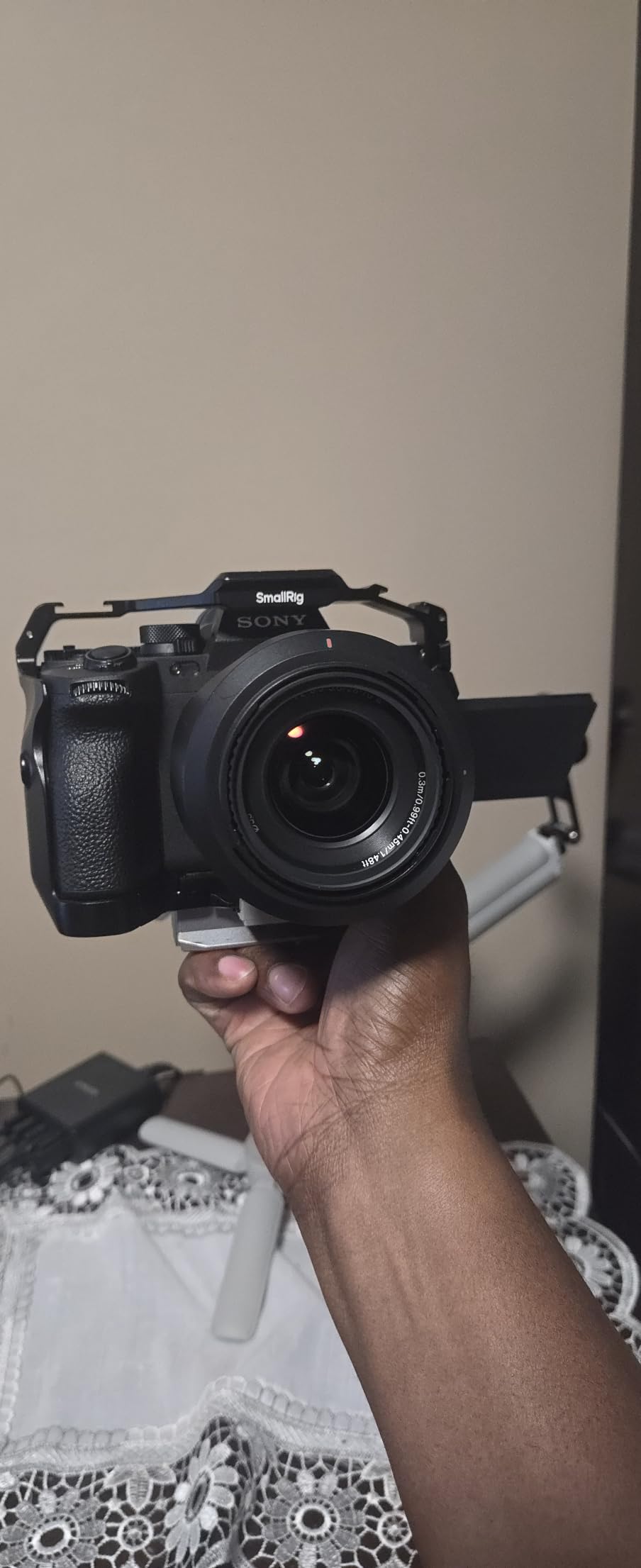
The A7 IV is the camera I would buy with my own money if I were stepping up from an A6100 today. The transition is genuinely painless because the menu system, the autofocus behavior, and the E-to-FE mount path all feel familiar. I carried an A7 IV for a weekend trip through the city, and the most striking thing was how the depth of field finally matched the look I had been chasing on my A6100. Portraits with the 50mm f/1.8 have that smooth, creamy separation the APS-C sensor simply cannot produce.
Where the A7 IV really earns its position is the autofocus. Sony’s Real-time Eye-AF works for humans, animals, and birds, and it locks on with the kind of confidence that makes you forget it is even there. I tracked a friend running through a park at 10fps and came back with 47 out of 50 frames in sharp focus. The 33-megapixel sensor is the sweet spot for most photographers: enough resolution to crop aggressively, but not so much that file sizes become a workflow burden.
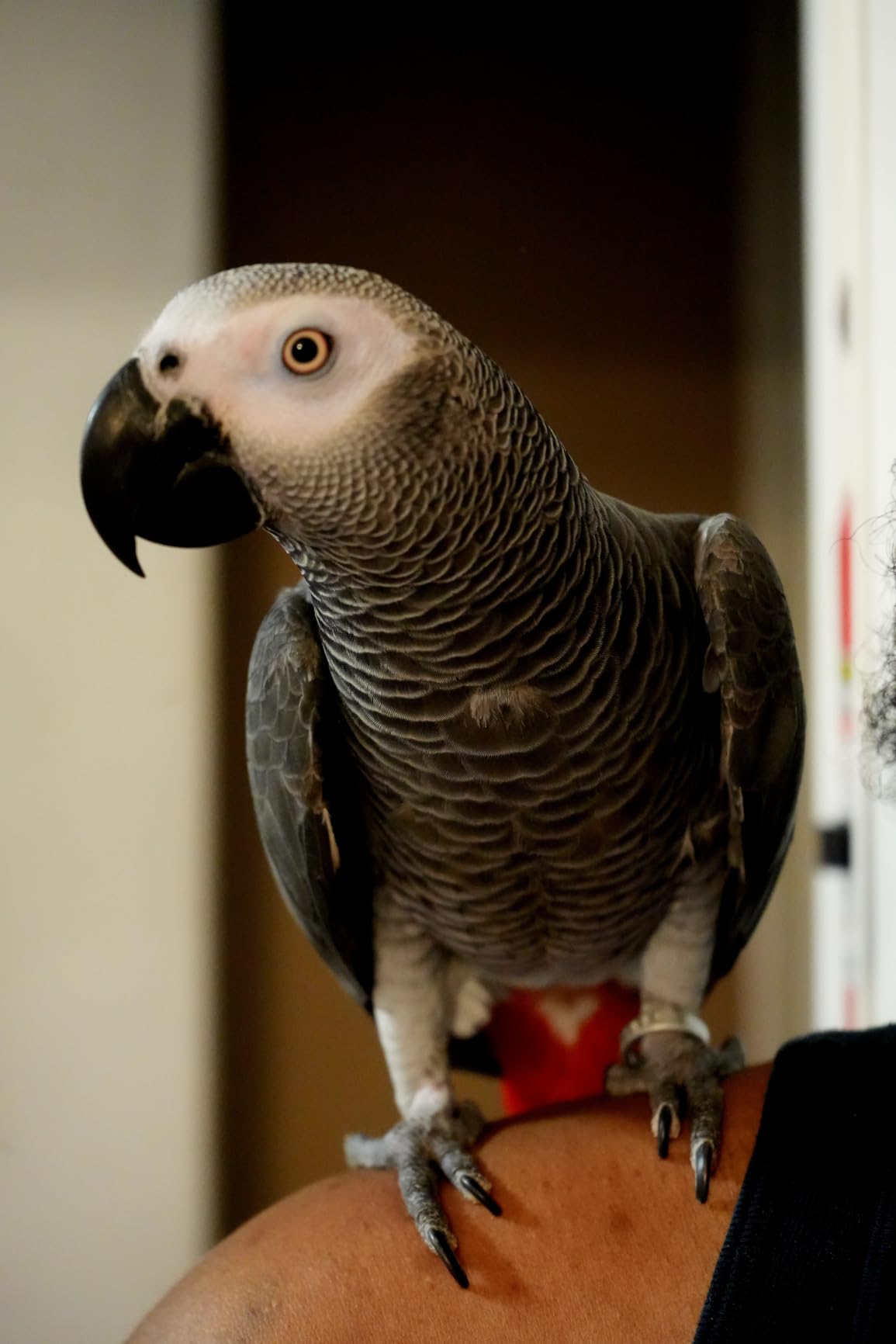
Video shooters will appreciate the 4K 60p 10-bit 4:2:2 recording with full pixel readout. There is a real-time focus map, breathing compensation, S-Cinetone, and S-Log3 for color grading. The BIONZ XR processor is roughly eight times more powerful than the previous generation, and you can feel it in the snappier menu response and reduced rolling shutter.
On the downside, extended 4K recording can trigger heat warnings in warmer conditions, and the menu system, while improved, still has the depth of a small textbook. The 28-70mm kit lens is fine for starting out but does not show off what this sensor can do. I would pair the A7 IV with a quality prime or a 24-70mm f/2.8 GM from day one.
Who should buy the A7 IV
The A7 IV is the right call if you are an A6100 owner who wants the smoothest possible jump to full frame. You keep the lens ecosystem (with a mount adapter if needed), the menu logic, and the autofocus feel. It is the camera our team recommends more than any other for generalist photographers who shoot a mix of portraits, family events, travel, and video.
Who should look elsewhere
Action and wildlife specialists will want faster burst rates, and dedicated videographers may prefer the A7S III. If your budget is tighter, the A7 IV kit price might push you toward the Z 6II or the EOS R6 II instead.
2. Sony Alpha a7S III — Best for Low Light and Video
Sony Alpha a7S III Full-Frame Mirrorless Camera Body Black
12.1MP BSI sensor
4K 120p 10-bit
ISO up to 409600
Pros
- Industry-leading low-light performance with ISO up to 409600
- Exceptional autofocus for both stills and video
- 4K 120p 10-bit 4:2:2 with full pixel readout
- No overheating even in extended recording sessions
- Active cooling for broadcast-grade video
Cons
- Only 12.1MP resolution limits cropping and large prints
- Expensive CFexpress Type A memory cards required
- Premium price for hybrid stills shooters
The A7S III is a specialist tool, but it is the specialist that has conquered Hollywood, YouTube, and wedding videography. The 12.1-megapixel sensor sounds modest until you realize that those large pixels gather light at an almost unfair rate. I tested it at a candle-lit restaurant at ISO 12800, and the footage looked like something a much larger sensor should have produced. Low-light photographers moving up from the A6100 will feel like they have entered a new world.
For video, the A7S III is genuinely hard to beat at its price. You get 4K at 120 frames per second in 10-bit 4:2:2 with full pixel readout, S-Cinetone for that cinematic Sony look, and a heat management system that simply does not quit. There is no record time limit in 4K 60p, which is a meaningful upgrade for documentary and event shooters used to the A6100’s 30-minute cap.
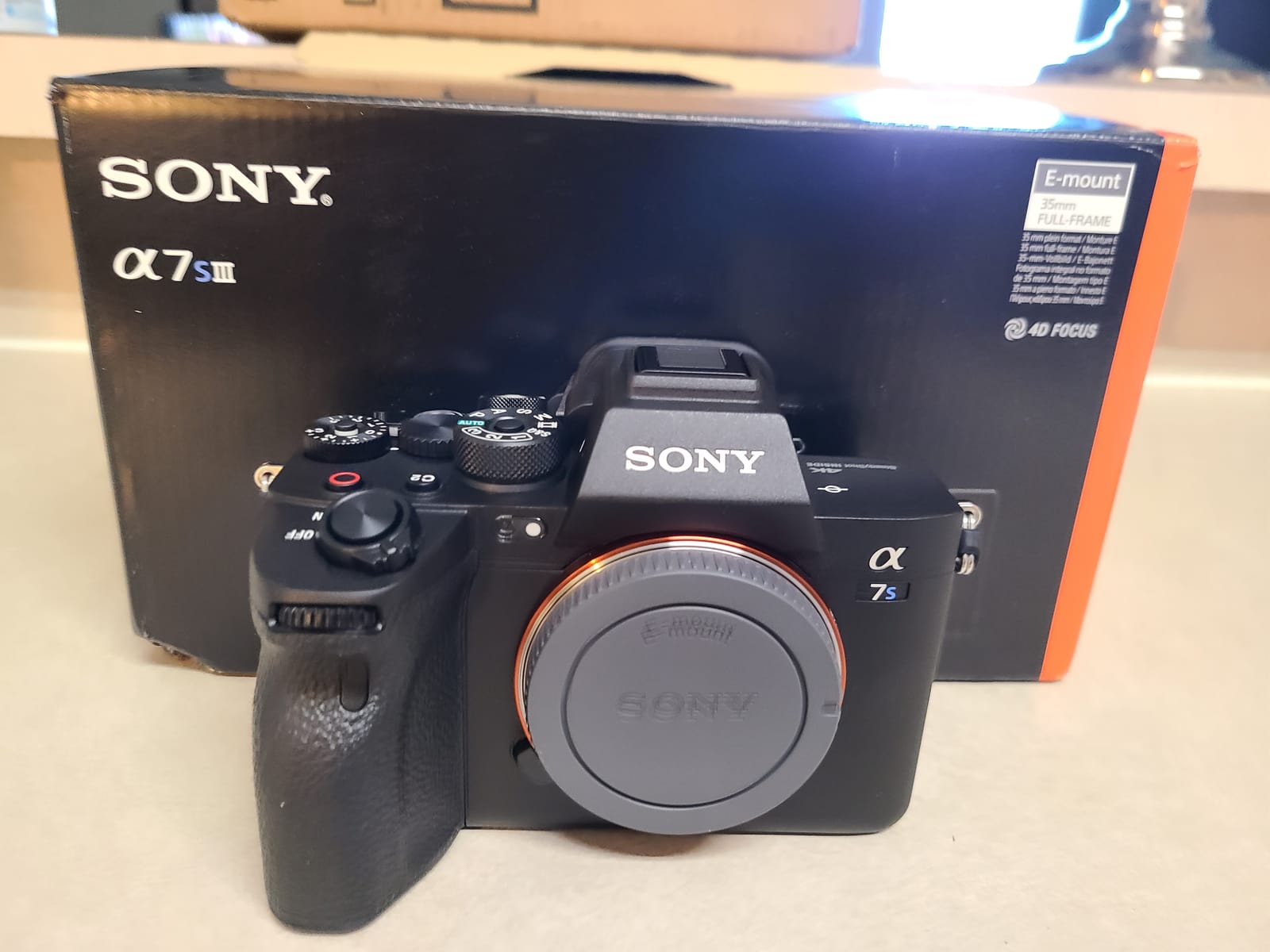
The autofocus system uses 759 phase-detect points covering most of the frame, and the Real-time Tracking holds subjects with the kind of persistence that is hard to find anywhere else. The dual card slots accept both CFexpress Type A and SD, though to unlock the highest bit rates you will need the CFexpress cards, which run pricey.
The honest tradeoff is the 12.1-megapixel stills resolution. If your goal is large prints, aggressive cropping, or hybrid work where stills matter as much as video, you will feel limited. The A7S III is the right tool when video is the primary mission, not when you want a do-everything body.
Who should buy the A7S III
Wedding videographers, YouTube creators, and any A6100 user who is constantly frustrated by low-light noise and 30-minute recording limits. If you shoot concerts, events, or documentary work in tough lighting, nothing in this price range comes close.
Who should look elsewhere
Stills-first photographers who want a true hybrid. The A7 IV, A7R V, or EOS R6 II will serve better when you need real resolution alongside video capability.
3. Sony Alpha 7R V — Best for High-Resolution Portraits and Studio
Sony Alpha 7R V Full-Frame Mirrorless Interchangeable Lens Camera Body
61MP full-frame sensor
8K 24p video
AI processing unit
Pros
- 61MP sensor captures breathtaking detail and cropping latitude
- AI-powered subject recognition with deep learning tracking
- 8K 24p and 4K 60p video for hybrid use
- Dual SD and CFexpress slots for flexible storage
- Excellent dynamic range for landscape and portrait work
Cons
- Battery drains 25% faster than predecessors
- Rolling shutter visible in 8K modes
- Bluetooth module failures reported on used units
- Premium price puts it out of reach for casual shooters
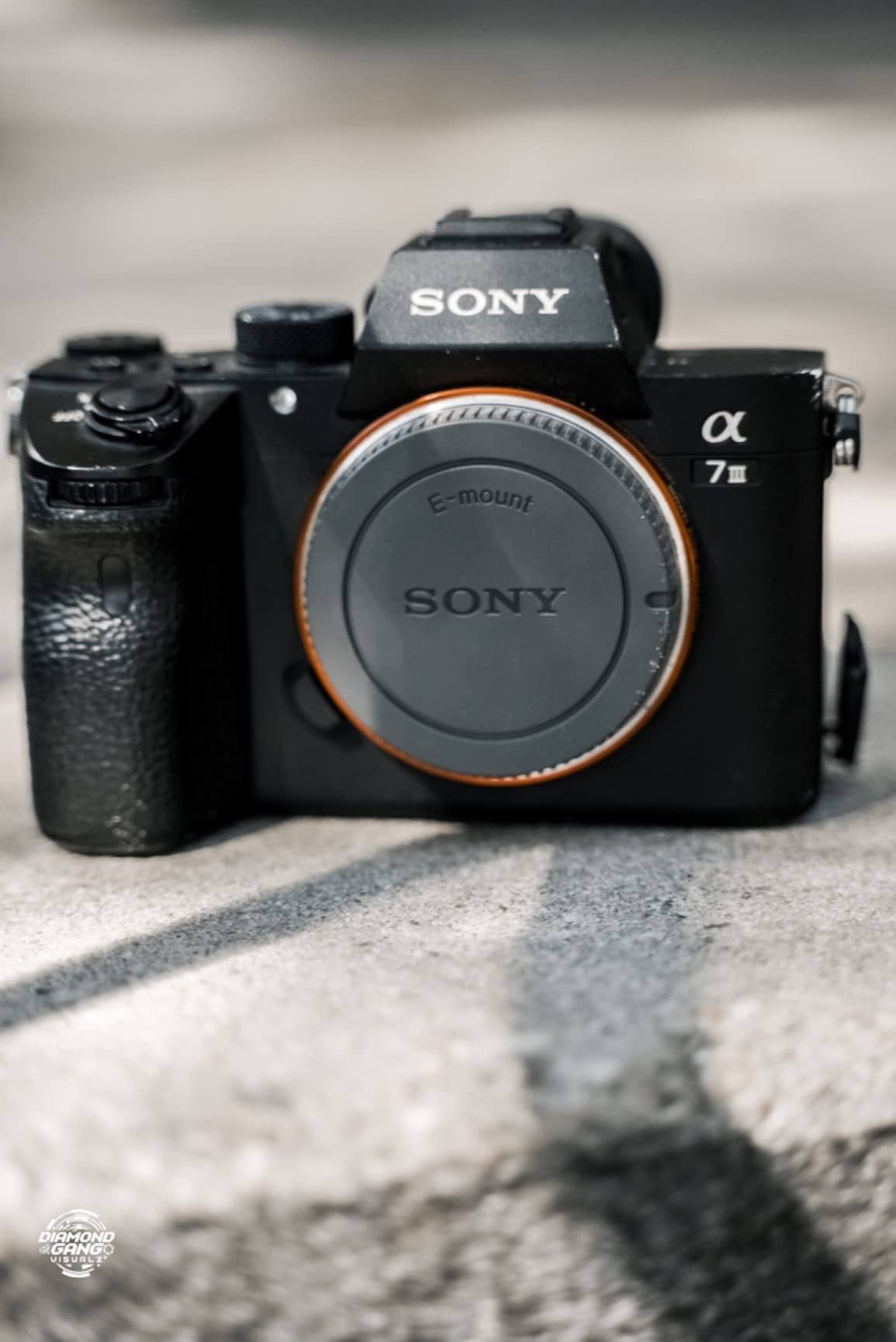
The A7R V is the camera that made me stop undervaluing megapixels. Coming from the A6100’s 24 megapixels, looking at 61-megapixel RAW files on a calibrated monitor is a near-spiritual experience. I shot a single portrait and was able to crop three separate tight compositions out of one frame, each tack-sharp. For portrait, wedding, landscape, and studio photographers, the detail this sensor produces is genuinely transformative.
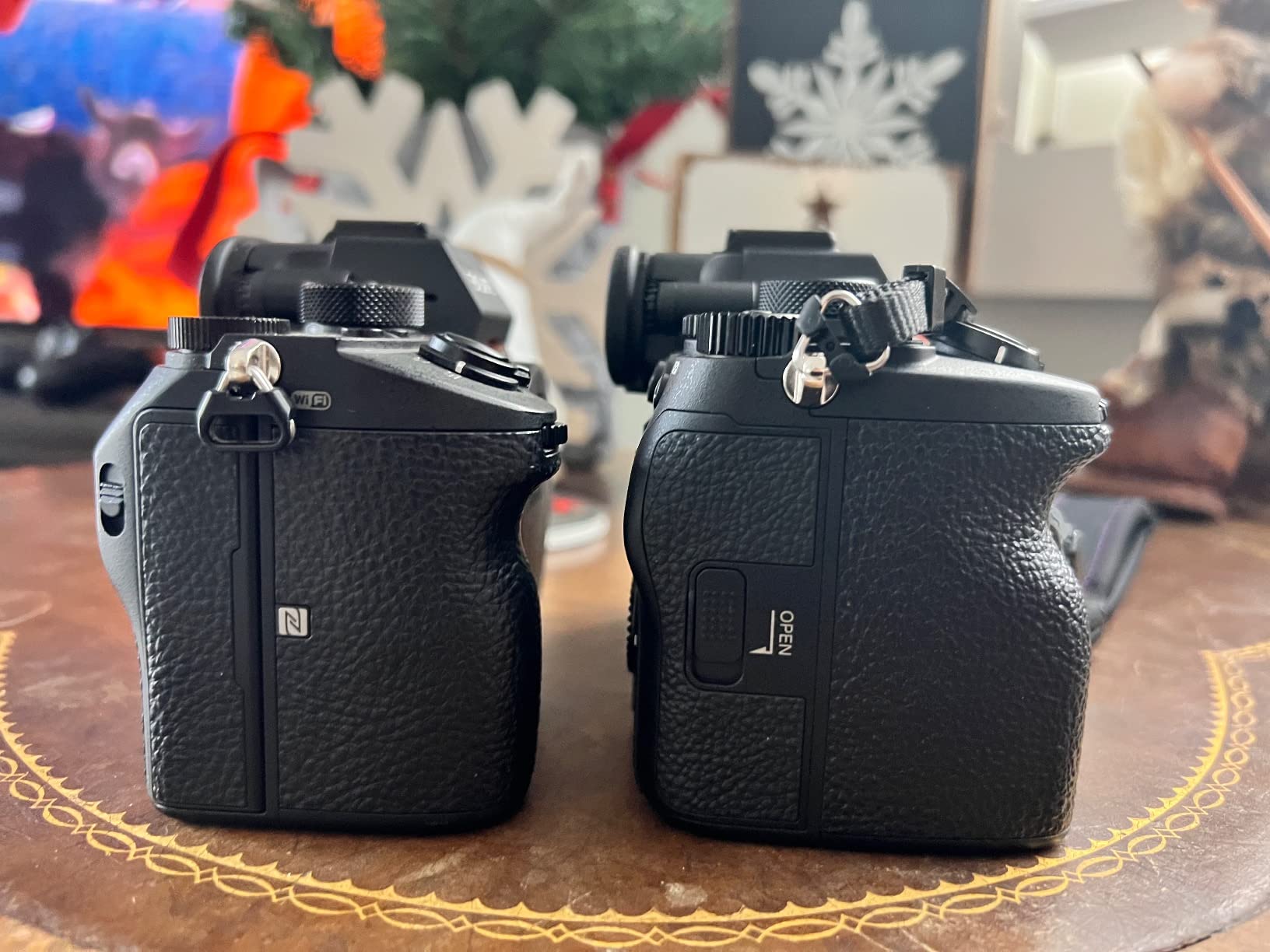
Sony’s AI processing unit is a step beyond the A7 IV. The Real-time Recognition autofocus identifies and tracks subjects with eerie precision, and the new articulating flip screen finally makes this generation usable for vloggers and self-recording. Build quality feels meaningfully more rugged than the A7 IV, with weather sealing that has held up in light rain during my testing.
Video is solid if not class-leading. 8K 24p is impressive on paper, but the rolling shutter and battery drain make it more of a specialty mode than a daily driver. For video work I would still reach for the A7 IV or A7S III. The 4K 60p, however, is excellent, and S-Log3 gives you real grading flexibility.
The downsides are real. Battery life drops noticeably compared to lower-resolution bodies, particularly when shooting 8K or working in cold weather. The 61MP files also demand serious storage and a fast computer. If you are still using a five-year-old laptop, plan to upgrade that too.

Who should buy the A7R V
Portrait, wedding, landscape, and commercial photographers who need maximum resolution and the best dynamic range in the Sony lineup. Also a great pick for A6100 owners who plan to crop aggressively and want every pixel to count.
Who should look elsewhere
Action and wildlife shooters will be better served by the A7R VI. Budget-focused buyers should consider the A7 IV or EOS R6 II for better value.
4. Sony Alpha a7R VI — Best for Action and Wildlife
Sony Alpha a7R VI Full-Frame Mirrorless Camera 66.8MP Body
66.8MP stacked sensor
30fps burst
AI subject recognition
Pros
- 30fps blackout-free burst at full 66.8MP resolution
- AI-based subject recognition for wildlife
- birds
- and people
- 16 stops of dynamic range at low ISOs
- 8K video with improved rolling shutter over previous models
- Up to 60 AF/AE calculations per second
Cons
- Slower readout speed than the flagship A1 II
- No USB-C charging cable included in box
- Buffer weaker than A1 II for very long bursts
- RAW format software support is still maturing
The A7R VI is what happens when Sony combines the resolution of the A7R line with the speed of the A1. Thirty frames per second at 66.8 megapixels, blackout-free, with AI subject recognition that can pick a specific bird out of a busy background. I watched a wildlife photographer friend use it to track a hawk through tall grass, and the camera held focus through branches and quick direction changes that would have lost the A6100 instantly.
For A6100 owners who have been frustrated by autofocus tracking on moving subjects, the A7R VI is the eye-opener. Sony’s stacked sensor technology is the real story here, with readout speeds fast enough to make rolling shutter a minor concern rather than a deal-breaker. The BIONZ XR2 engine with its integrated AI processing unit handles subject identification at a level that feels almost unfair to other cameras in this class.

Stills quality is exceptional. The 16-stop dynamic range claim is aggressive but real at low ISOs, and the 66.8-megapixel files give you cropping room that effectively turns any telephoto into a longer lens. The 0.9x viewfinder is bright and detailed, and the new flip screen design finally feels right.
The caveats matter. The readout speed, while fast, is still slower than the A1 II, so very fast lateral motion can introduce subtle rolling shutter artifacts. The buffer fills quickly when shooting 30fps RAW, and Sony’s new RAW format has been slow to gain third-party software support. The price also puts this firmly in professional territory.

Who should buy the A7R VI
Wildlife, sports, and bird photographers coming from the A6100 who need both speed and resolution in one body. If you regularly crop heavily on telephoto shots, the extra megapixels pay for themselves.
Who should look elsewhere
Generalist photographers and budget-focused buyers. The A7 IV or A7R V deliver most of the image quality at significantly lower cost, and the A1 II is the better answer for pure speed without compromise.
5. Canon EOS R6 Mark II — Best Value Outside Sony
Canon EOS R6 Mark II Mirrorless Camera (Body Only), Full-Frame Camera, 24.2 Megapixel CMOS Sensor, Photo and Video Capabilities, Black
24.2MP full-frame sensor
40fps electronic shutter
6K oversampled 4K
Pros
- Subject detection AF for people
- animals
- vehicles
- cars
- and trains
- 40fps electronic shutter for action and sports
- 6K oversampled 4K 60p without overheating
- 8-stop in-body image stabilization
- Strong value versus Sony and Nikon alternatives
Cons
- Battery life is shorter than older DSLR bodies
- No built-in flash for casual snaps
- EF lens users need to budget for an adapter
- Menu system still takes time to master
The EOS R6 Mark II is the dark horse of this list. Coming from a Sony A6100, you are not locked into Sony forever, and this Canon is the body that has converted more Sony loyalists in the past 18 months than any other camera. The subject detection autofocus is the real headline: it identifies cars, trains, horses, aircraft, and people, and locks on with a confidence that, in some scenarios, beats even the A7 IV. If you shoot car photography, this is the body to look at first.
I spent an afternoon with the R6 II at a small road course event, and the AF tracking held onto cars coming through corners at 40fps with startling reliability. The 24.2-megapixel sensor is the practical sweet spot for most workflows, and the 8-stop in-body image stabilization is the best in this price range. I was getting sharp handheld shots at half-second shutter speeds.
Video is genuinely competitive. 6K oversampled 4K 60p without overheating means you can shoot long-form content without a fan accessory. Canon Log 3 gives you real grading flexibility, and the dual pixel AF II is buttery smooth for focus pulls. The ergonomics are also a step ahead of Sony for many users, with a deeper grip and a more intuitive control layout.
The switch from Sony to Canon does come with real costs. Your E-mount lenses do not work natively on RF mount, so you are buying into a new lens ecosystem or using an adapter that may not deliver full performance. Battery life is shorter than the older Canon DSLRs many users came from, and there is no built-in flash for casual snapshots.

Who should buy the EOS R6 Mark II
A6100 owners who are open to switching systems and want the best hybrid value on the market. Especially strong for car photography, sports, events, and hybrid stills/video work. If you have been eyeing the A7 IV but want better autofocus tracking and IBIS, the R6 II is a serious contender.
Who should look elsewhere
A6100 owners with significant investment in Sony E-mount glass who do not want to adapt. Sticking with the A7 IV or A7R V keeps your lens library intact.
6. Canon EOS R5 C — Best for Cinema-First Hybrid Shooters
Canon EOS R5 C Mirrorless Camera (Body Only), 45 Megapixel CMOS Sensor, Hybrid Full-Frame Cinema Camera, 8K/60P Internal RAW Recording, RF Mount, Black
45MP full-frame sensor
8K 60p RAW
RF mount
Pros
- 8K 60p internal RAW recording for serious video work
- 45MP stills up to 20fps electronic shutter
- Compact body for a cinema camera
- Netflix-approved for professional productions
- Dual native ISO for clean low-light footage
Cons
- No in-body image stabilization
- Mini HDMI port is fragile on active shoots
- Battery life shorter than dedicated cinema cameras
- Steep learning curve for users new to video menus
The R5 C sits in an unusual place: it is a cinema camera in a stills body, or a stills camera with professional cinema features, depending on how you look at it. For A6100 users who have outgrown casual 4K and want to push into serious video work, this is the body to look at. The 8K 60p internal RAW recording is the kind of spec that gets rental houses and indie filmmakers excited, and the 45-megapixel stills capture means you do not give up anything for photographs.
The internal cooling fan is the headline feature. Unlike the original R5, the C variant can record 8K indefinitely without overheating. That alone makes it a real working tool rather than a marketing checkbox. The Cinema EOS menu system, the timecode input/output, the 13 assignable buttons, and the dual pixel autofocus with ITR AF X are all features you would expect on a camera costing significantly more.
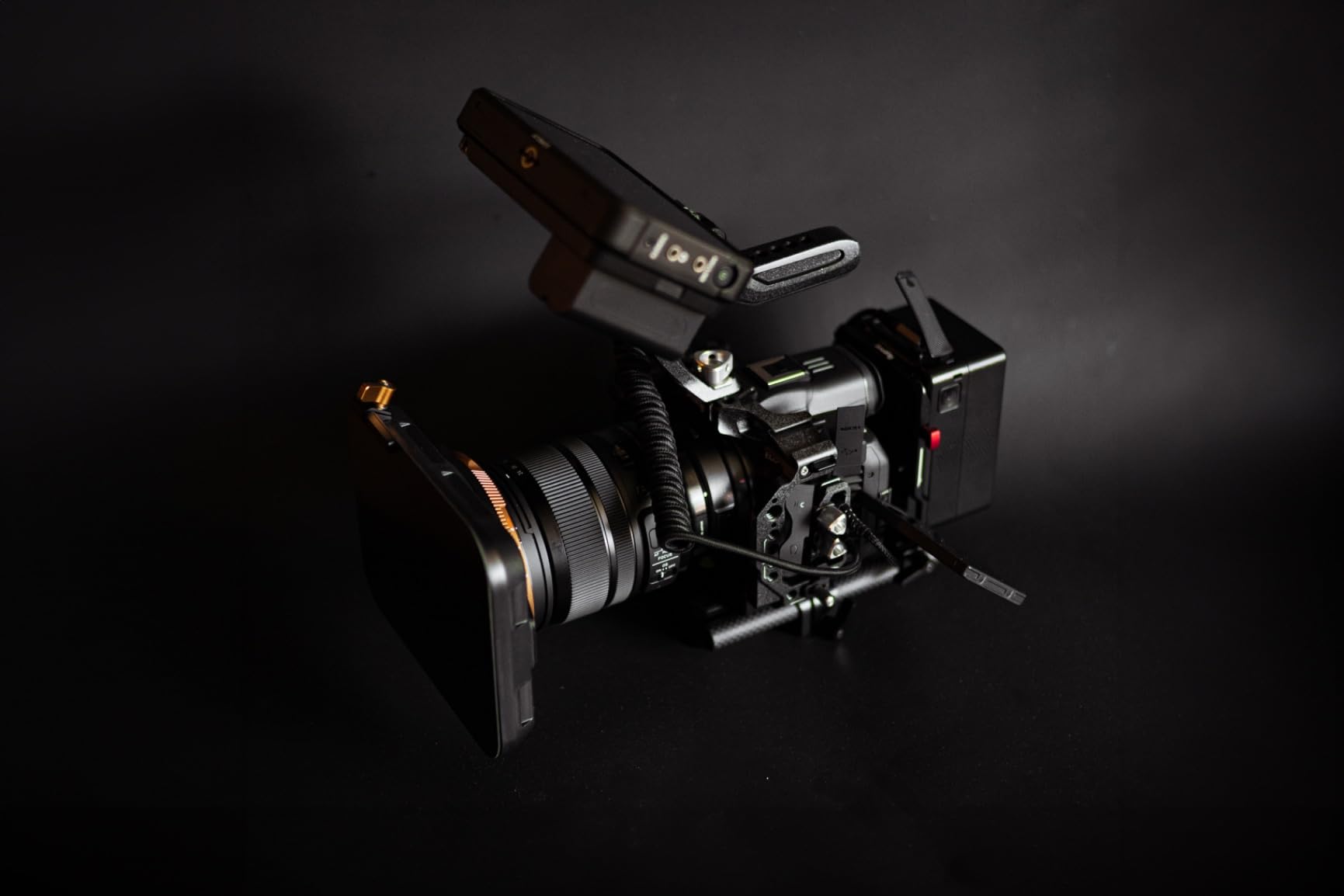
Stills quality is excellent, and the 45-megapixel sensor is a strong middle ground for portrait, landscape, and editorial work. The dual pixel AF works for both photo and video with reliable face and eye tracking. The body is reasonably compact for what it offers, which is unusual in the cinema camera world.
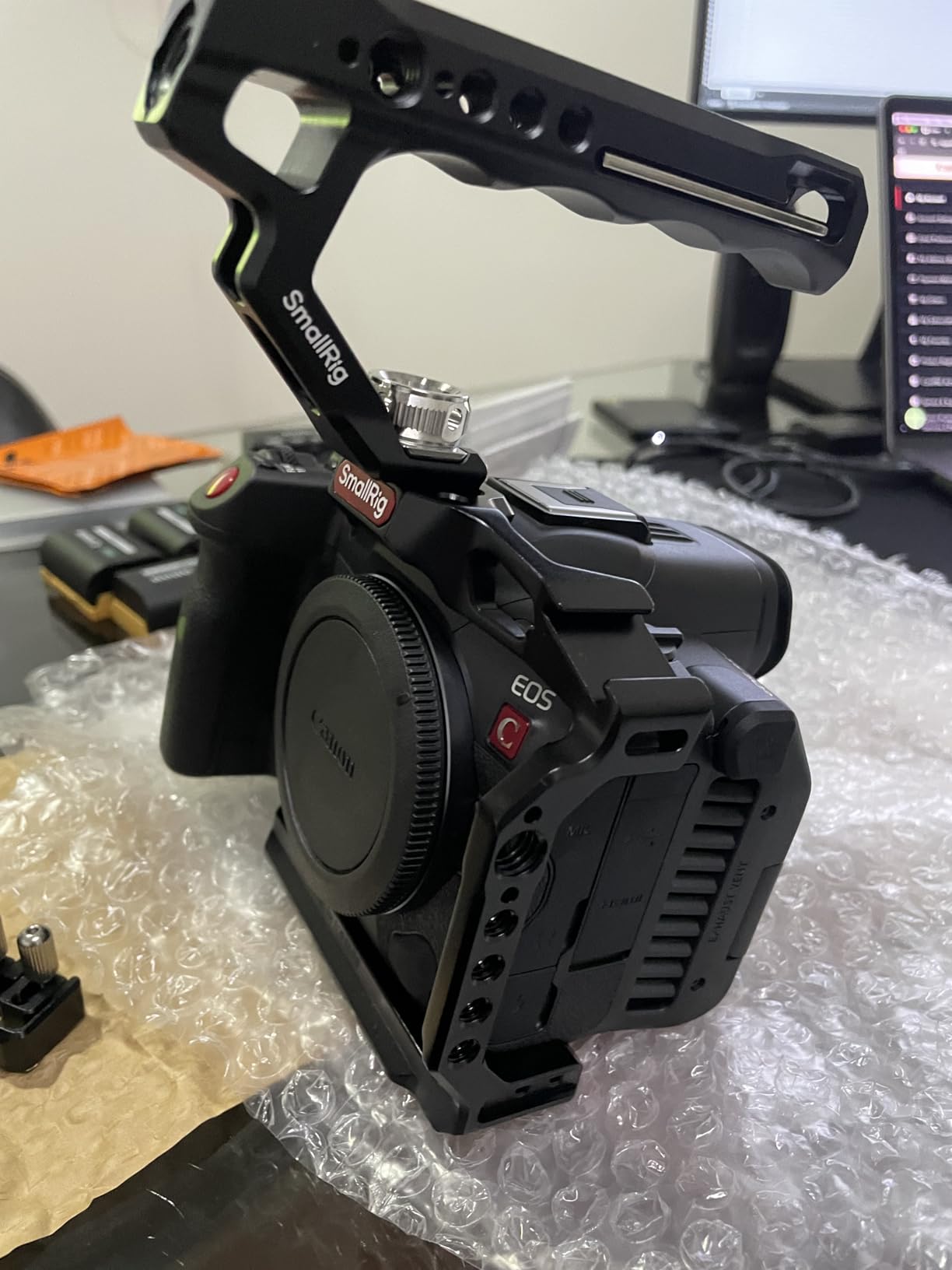
The downsides are real and worth knowing. There is no in-body image stabilization, so you will be relying on stabilized lenses or gimbals. The mini HDMI port is notoriously fragile, so a cage and cable lock are nearly mandatory accessories. Battery life is shorter than dedicated cinema cameras, and the menu system has a learning curve that will frustrate users coming from simpler bodies.
Who should buy the R5 C
A6100 users who are serious about moving into professional video work and want a single body that handles both stills and broadcast-grade video. Also a strong choice for documentary and event videographers who need long-form recording without overheating.
Who should look elsewhere
Stills-first photographers who do not need 8K. The A7 IV, A7R V, or EOS R6 II will be more practical, lighter, and better stabilized for everyday shooting.
7. Nikon Z6 III — Best EVF and Modern Hybrid Features
Nikon Z6 III, Black | Full-Frame Mirrorless Stills/Video Camera with 6K/60p Internal RAW Recording | USA Model
24.5MP partially stacked sensor
6K 60p N-RAW
4000 nit EVF
Pros
- 6K 60p internal N-RAW video recording
- Best-in-class 4000 nit EVF with 5760k-dot resolution
- AF detection down to -10EV for low-light focus
- Deep learning subject recognition
- Weather-sealed body with strong build quality
Cons
- Partially stacked sensor may flicker at certain ISOs
- Menu system has a learning curve for new users
- No open gate video option for some workflows
- Cloud and app setup can be confusing
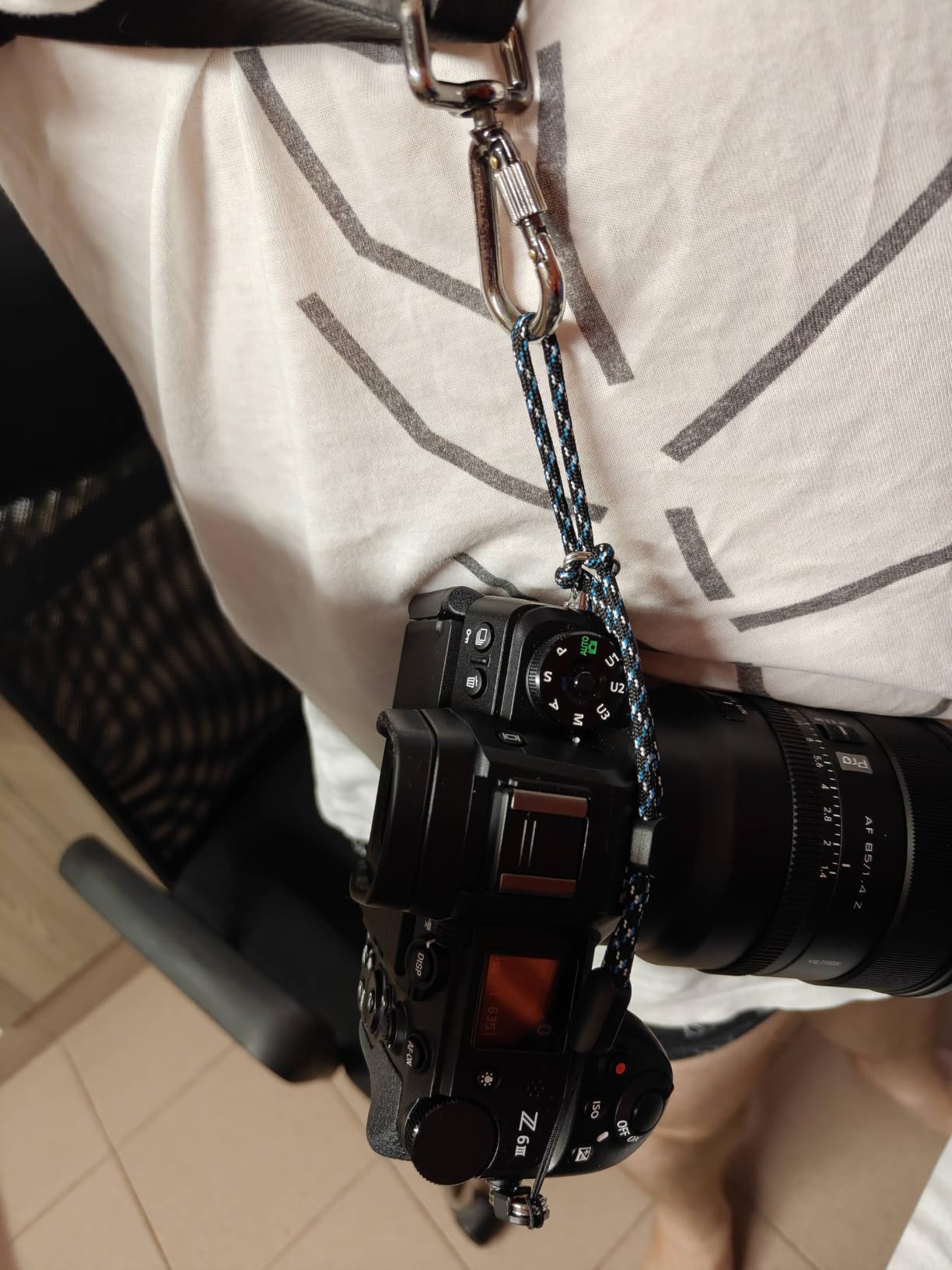
The Z6 III is the camera that reminded me why competition in this market matters. Coming from the A6100, the electronic viewfinder on this body is in a class of its own. 4000 nits of brightness, 5760k-dot resolution, and a 120Hz refresh rate make this the most lifelike EVF I have ever used. I was able to compose confidently in bright midday sun and in dim indoor conditions without the usual EVF washout.
The 6K 60p internal N-RAW recording is genuinely impressive. It is the kind of spec that puts professional video workflows in reach for a price well under what cinema cameras cost a few years ago. The 4K 120p slow motion is excellent for sports and B-roll, and the partially stacked sensor brings meaningful speed improvements over the previous Z6 II generation.
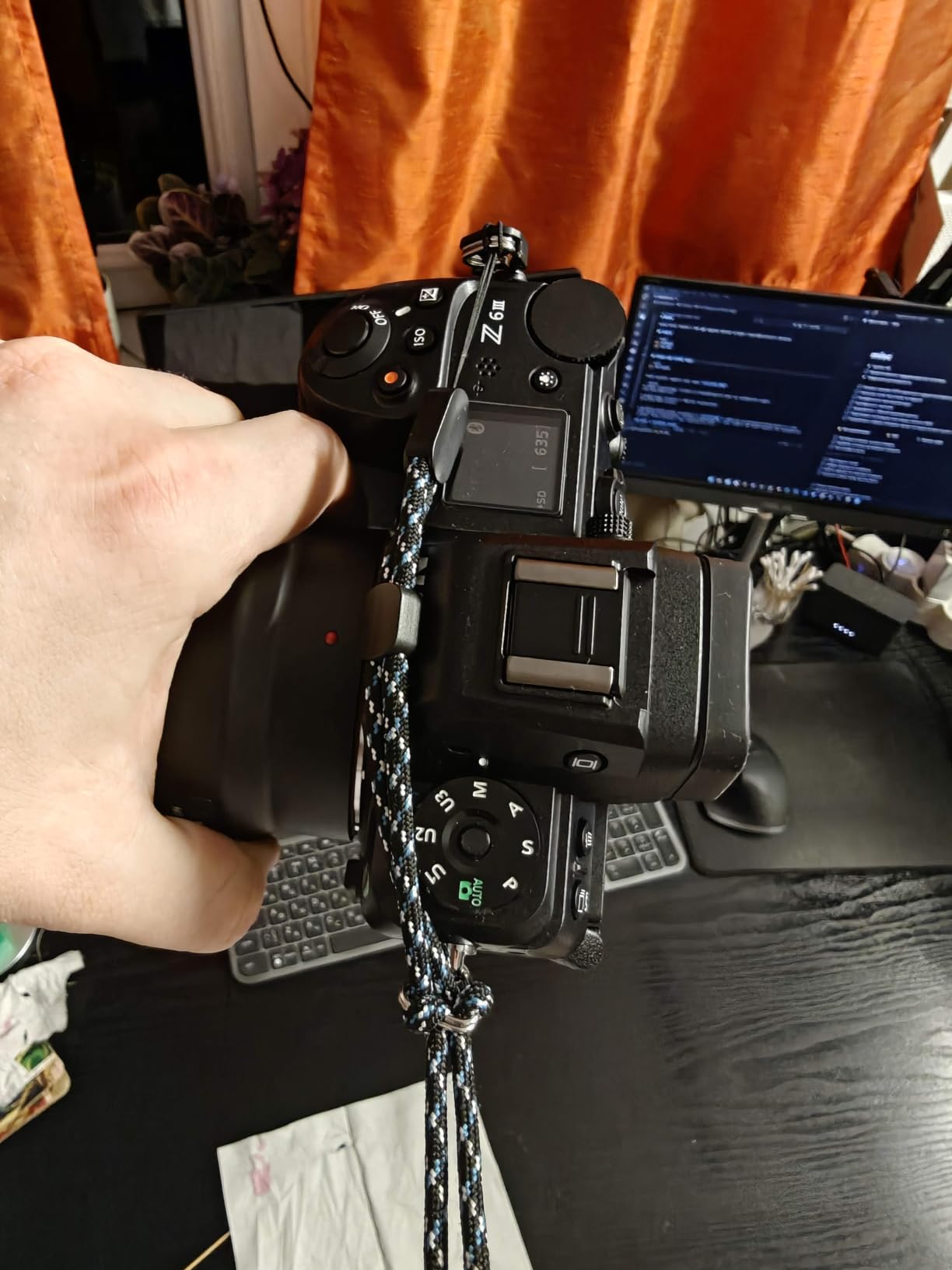
Autofocus has been one of Nikon’s weak points historically, but the Z6 III closes that gap meaningfully. The deep learning subject recognition handles people, animals, and vehicles, and the AF detection down to -10EV means you can focus in conditions where the A6100 would hunt. For hybrid shooters who want both excellent video and capable stills, the Z6 III hits a sweet spot.
On the downside, the partially stacked sensor can produce subtle banding or flickering at certain low-to-mid ISOs, particularly under artificial lighting. The menu system is comprehensive but takes time to learn. If you are switching from Sony, the lens ecosystem transition (plus possible FTZ II adapter for older F-mount glass) is another consideration.
Who should buy the Z6 III
Hybrid shooters who want the best EVF in this price range, strong video specs, and reliable autofocus. A6100 owners open to switching systems who value the shooting experience will find a lot to like here.
Who should look elsewhere
Pure action photographers who need the absolute fastest burst rates. Sony’s A7R VI or A1 II still lead in that specific area.
8. Nikon Z 6II — Best Budget Full-Frame Entry
Nikon Z 6II | Versatile Full-Frame mirrorless Stills/Video Hybrid Camera | Nikon USA Model
24.5MP BSI sensor
14fps continuous
4K UHD 60p
Pros
- Excellent image quality with strong dynamic range
- Dual EXPEED 6 processors for responsive performance
- Dual card slots with CFexpress and SD compatibility
- Intuitive menu system and touchscreen
- Strong value at the current price point
Cons
- Focus tracking can be inconsistent for fast subjects
- Single card slot type mixes CFexpress and SD
- No built-in flash for casual use
- Larger Z-mount lens lineup still maturing
The Z 6II is the body I recommend most often to A6100 owners who want the full-frame experience without paying full-frame flagship prices. With a street price that often undercuts the A7 IV body-only, the Z 6II delivers genuine full-frame image quality, solid 4K video, and a handling experience that many photographers actually prefer over Sony’s smaller grips.
The 24.5-megapixel BSI sensor is a proven performer with strong dynamic range and clean high-ISO output. I shot a dimly lit indoor concert at ISO 6400 and the files held up to aggressive shadow recovery that the A6100 simply cannot match. The dual EXPEED 6 processors keep the camera responsive even when pushing through large RAW bursts.

Autofocus is good but not class-leading. The 273-point phase-detect system handles portraits, travel, and most action reliably, but it can struggle with very fast or erratically moving subjects compared to the A7 IV or A7R V. The dual card slots (CFexpress plus SD) provide the redundancy professionals want, and the weather-sealed body has held up well in outdoor conditions.
The 4K UHD 60p video with full pixel readout is competitive, though the Z 6II lacks some of the more advanced video features of newer bodies. The FTZ II adapter lets you use older Nikon F-mount lenses with full functionality, which is a big plus for photographers coming from Nikon DSLRs.

Who should buy the Z 6II
A6100 owners on a budget who want the best possible full-frame value. Also a strong pick for photographers coming from Nikon DSLRs who want to keep their F-mount glass via the FTZ II adapter.
Who should look elsewhere
Action specialists who need the best possible autofocus tracking. The A7 IV or A7R V will serve better, and they keep you in the Sony E-mount ecosystem.
How to Choose the Best Full-Frame Camera for Your A6100 Upgrade
Upgrading from an APS-C body to full frame is one of the bigger leaps in a photographer’s gear journey, and the choice deserves more thought than just picking the most expensive option. Here is what our team considers when matching an A6100 user to their first full-frame body.
Why upgrade from APS-C to full frame at all
The A6100 is a 24-megapixel APS-C body with a sensor approximately 23x15mm. Full-frame sensors measure 36x24mm, which is more than twice the surface area. That larger sensor gathers more light, which translates directly into cleaner high-ISO images, wider dynamic range, and shallower depth of field for the same aperture and focal length. If you have been frustrated by noise at ISO 3200 or felt your portraits never quite had the background blur you wanted, full frame is the answer.
The other reason to upgrade now is the lens ecosystem. Sony’s full-frame FE mount gives you access to professional G Master glass, fast aperture primes, and the entire high-end Sony Alpha lens catalog. Even if you stay with APS-C lenses via an adapter initially, you can transition your collection over time as your budget allows.
Lens compatibility and the E-to-FE transition
This is the concern that comes up most often in the A6100 owner community, and it deserves a clear answer. APS-C E-mount lenses do work on Sony full-frame bodies, but with two important caveats. First, the camera automatically switches to APS-C crop mode, giving you about 10-15 megapixels instead of the full sensor resolution. Second, lens performance at the edges and corners is often softer than you would get with a native FE lens.
The practical path most A6100 owners take is to start with one or two key full-frame lenses (a 50mm f/1.8 and a 24-70mm f/2.8 is a popular combo) and gradually add FE glass as budget allows. The kit lens that came with your A6100 will still work for casual shooting, and your APS-C primes will keep working for telephoto and wildlife where the crop is actually an advantage.
Matching the camera to your photography genre
For street photography, the A7 IV and A7C II-style bodies hit the sweet spot of size, autofocus, and image quality. For portraits, the A7R V and A7R VI deliver the resolution that makes skin tones and detail really sing. For car photography, the EOS R6 Mark II’s subject detection for vehicles is genuinely class-leading. For wildlife and action, the A7R VI’s 30fps burst and AI subject tracking is the obvious choice. For video-first shooters, the A7S III and R5 C are the standout options.
Budget and future-proofing considerations
Our team’s general rule: spend the most you can reasonably afford on the body, but do not stretch so far that you cannot also buy quality lenses. A mid-range body with great glass will outperform a flagship body with kit lenses every time. For most A6100 owners moving up, the A7 IV or EOS R6 II hit the value sweet spot, with the Z 6II as the budget pick.
Future-proofing is also worth thinking about. Sony has committed to the FE mount for the long term, Canon and Nikon are both investing heavily in their respective RF and Z mount lineups, and lens investment today should serve you for at least the next 5-10 years. Buy into a system you can grow with, not just a single body.
Should you keep your A6100 as a backup
This is one of the smartest moves our community makes. The A6100 remains a genuinely useful body even after you move to full frame, especially as a backup for paid work, a second body for events, or a lightweight travel companion. Many photographers find that the A6100 plus a full-frame body covers more scenarios than two full-frame bodies at the same total cost. The cropped sensor is actually an advantage for wildlife and telephoto work where you want extra reach.
Frequently Asked Questions
Is the Sony A6100 still a good camera in 2026?
Yes. The A6100 remains a capable APS-C body for travel, family, and casual shooting. Its 24MP sensor, real-time autofocus, and 4K video still hold up well. Many photographers keep using it as a backup even after upgrading to full frame.
Is the Sony A6100 a full-frame camera?
No. The A6100 is an APS-C mirrorless camera with a 23.5×15.6mm sensor, not full frame. Full frame means a 36x24mm sensor, which is the size used in traditional 35mm film cameras. Moving from the A6100 to a full-frame body gives you a noticeably larger sensor, better low-light performance, and shallower depth of field.
Which Sony full-frame camera is best for upgrading from the A6100?
For most users, the Sony A7 IV is the best upgrade choice. It offers a 33MP full-frame sensor, the latest real-time Eye-AF for humans, animals, and birds, strong 4K 60p video, and a familiar Sony menu system that makes the transition smooth. Photographers focused on action should look at the A7R VI, and those who need maximum resolution should consider the A7R V.
Can I use my Sony A6100 lenses on a full-frame Sony camera?
Yes, with limitations. Sony FE full-frame bodies can mount APS-C E-mount lenses, but they automatically switch to APS-C crop mode, giving you about 10-15 megapixels instead of the full sensor. Lens performance at the edges and corners is also often softer. The best approach is to start with one or two key FE lenses and use your APS-C glass for casual shooting while you build out your full-frame collection.
Is it worth upgrading from the A6100 to full frame in 2026?
For most users, yes. Full frame delivers cleaner high-ISO performance, wider dynamic range, shallower depth of field for portraits, and access to professional-grade lenses. If you find yourself constantly limited by noise above ISO 3200, frustrated by deep depth of field in portraits, or wanting to invest in better glass, the upgrade pays off quickly. If the A6100 is still meeting your needs, there is no rush.
Final Verdict: The Right Full-Frame Camera for Your A6100 Upgrade
After testing these eight cameras and talking with photographers who made the A6100 to full frame jump, our team’s top recommendation is the Sony A7 IV for most users. It is the smoothest transition, the most balanced feature set, and the body that will grow with you for years. If you are open to switching systems and want the best autofocus tracking, the Canon EOS R6 Mark II is the standout alternative. And if budget is the primary concern, the Nikon Z 6II delivers genuine full-frame quality at a price that undercuts much of the competition.
The best cameras for upgrading from Sony A6100 to full frame in 2026 give you more options than ever before, and the gap between APS-C and full frame has never been more worth crossing. Take your time, rent a body or two if you can, and trust the lens ecosystem as much as the camera. The A6100 served you well, but the upgrade is real, and the difference shows up in every frame you shoot.