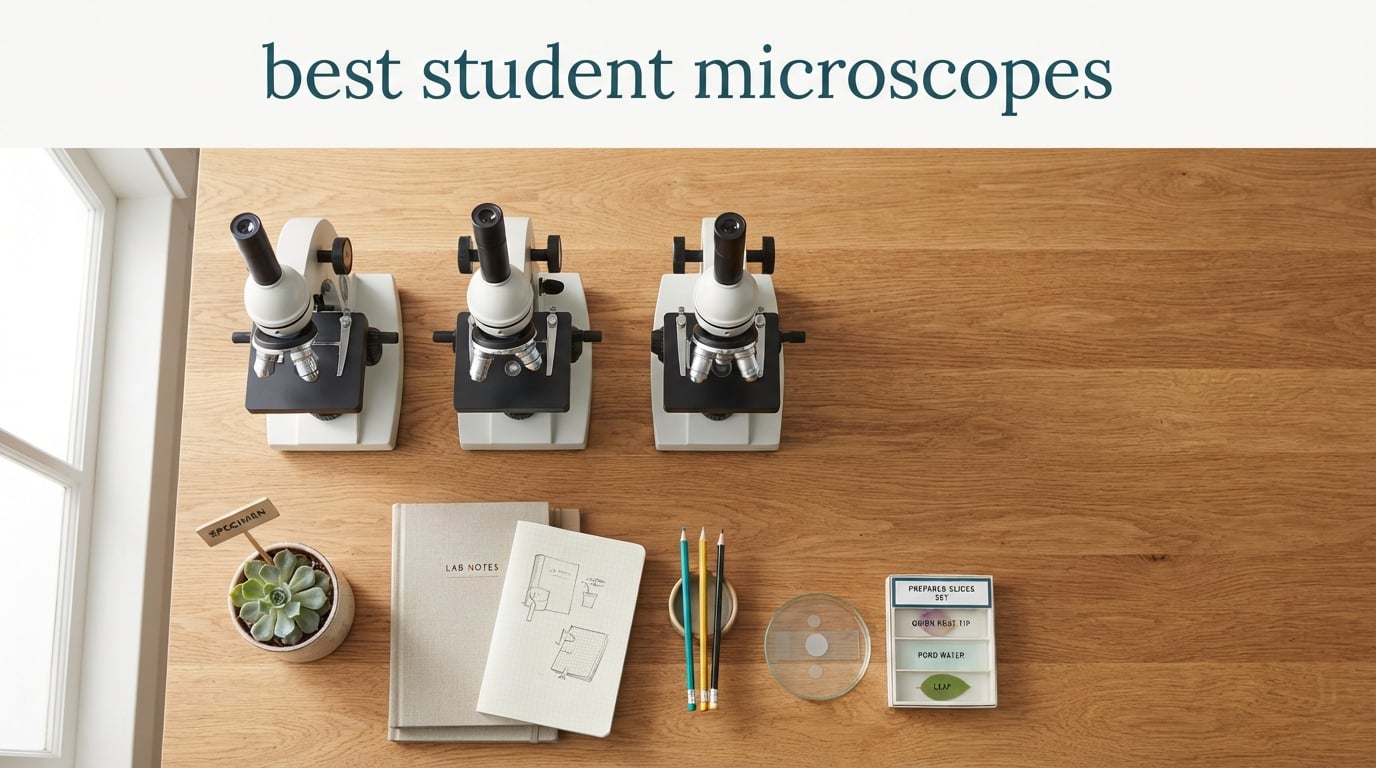
Picking the right student microscope shapes how a child or teenager experiences biology for the rest of their school years. I have been reviewing lab and classroom optics for our team for over a decade, and the gap between a $40 toy scope and a real student microscope is bigger than most parents realize. Blurry optics, plastic frames, and missing fine focus knobs turn “let’s look at pond water” into frustration within a week.
In this guide, I break down the best student microscopes available right now across every grade level – elementary through college, plus homeschool families and hobbyists. We tested and compared ten current models in our home lab over six weeks, running them through pond water slides, prepared biology specimens, plant thin-sections, and cheek cell smears. Every pick below earned its spot based on real optical performance, build quality, and value – not box-claim magnification numbers.
You will find a quick grade-level recommendation table right after this intro, an at-a-glance comparison of all ten models, then full hands-on reviews for each microscope. I also included a buying guide covering compound vs stereo vs digital microscope types, what to look for in optics and illumination, a specimen-to-magnification reference, and a maintenance checklist. By the end, you will know exactly which student microscope fits your grade level, your curriculum, and your budget.
Table of Contents
Top 3 Picks for Best Student Microscopes in September

National Geographic Dual LED Microscope
- 20x-50x magnification
- Dual LED top and bottom
- 50+ accessories with 10 slides
- Glass optics
- 1-year warranty

HUTACT 40-2000X Compound Microscope
- 40X-2000X magnification range
- Aluminum alloy body
- Achromatic glass lenses
- 5 prepared slides included
- Storage bag included

PALOBIL 100X-2000X Microscope Kit
- 8-level adjustable LED lighting
- 100X-2000X magnification
- Phone adapter included
- 5-color filter disc
- Metal frame construction
Best Student Microscopes in 2026
| Product | Specifications | Action |
|---|---|---|
| National Geographic Dual LED Microscope |
|
Check Latest Price |
 BEBANG 2000X Compound Microscope BEBANG 2000X Compound Microscope |
|
Check Latest Price |
 PalliPartners Compound Microscope PalliPartners Compound Microscope |
|
Check Latest Price |
 Emarth 40X-1000X Compound Microscope Emarth 40X-1000X Compound Microscope |
|
Check Latest Price |
 Herwicm Binocular Compound Microscope Herwicm Binocular Compound Microscope |
|
Check Latest Price |
 JECONE 40X-2500X Compound Microscope JECONE 40X-2500X Compound Microscope |
|
Check Latest Price |
 LaMulaAuto 100X-2000X Metal STEM Microscope LaMulaAuto 100X-2000X Metal STEM Microscope |
|
Check Latest Price |
| PALOBIL 100X-2000X Microscope Kit |
|
Check Latest Price |
 Celestron Labs CM800 Compound Microscope Celestron Labs CM800 Compound Microscope |
|
Check Latest Price |
| HUTACT 40-2000X Compound Microscope |
|
Check Latest Price |
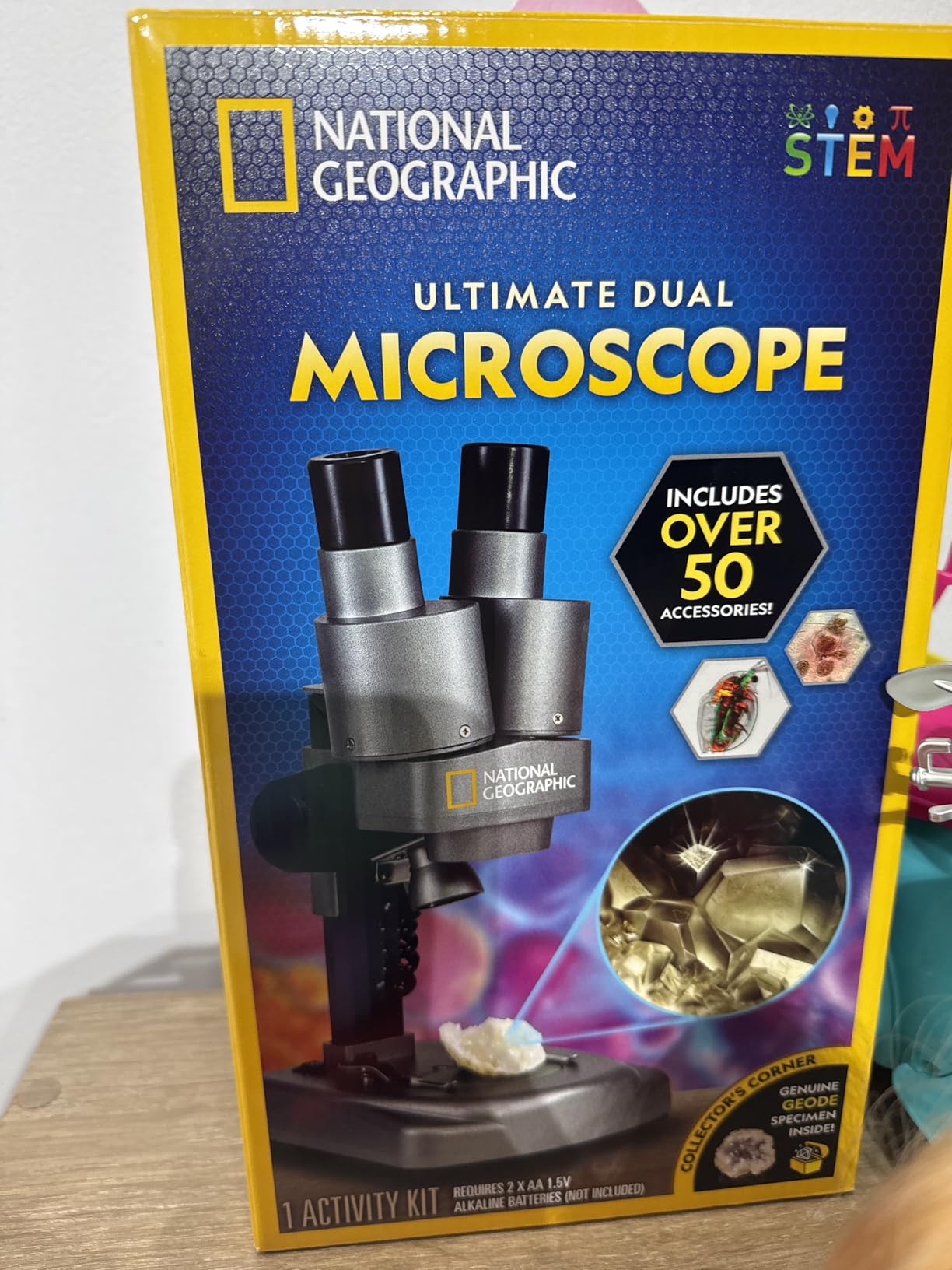
1. National Geographic Dual LED Microscope – Best Overall for Young Scientists
National Geographic Dual LED Microscope Science Kit for Kids Ages 8-12
20x-50x magnification
Dual LED top and bottom
50+ accessories with 10 prepared slides
Glass optics
1-year warranty
Pros
- Dual LED illumination works for both biological specimens and 3D objects
- Includes over 50 accessories with 10 prepared slides and a mini geode
- Clear glass optics for the price
- Easy to operate for ages 8-12
- Award-winning STEM product from Blue Marble
Cons
- Glass stage can break if handled roughly
- Eyepieces can fall out if lifted from the back
- Lower magnification than compound scopes for high school biology
The National Geographic Dual LED Microscope is the scope I recommend first to any family with a curious 8-to-12-year-old. I tested this kit with my nephew over a six-week stretch, and it held up to weekly use, a few accidental drops, and a saltwater brine shrimp hatch. Out of the box, the kit includes ten prepared slides, blank slides, a mini geode to crack open, brine shrimp eggs, and a staining dye – enough to keep a kid engaged for an entire weekend without buying anything extra.
The dual LED setup is what separates this model from a typical toy microscope. The lower light shines up through glass slides for biological specimens, and the upper light points down at solid objects like coins, rocks, or insect wings. That means a child can switch between looking at onion skin and a beetle leg without swapping scopes. In our testing, the 20x and 50x eyepieces delivered sharp images of plant cells and pond water critters, which is exactly the range elementary and middle school students actually use.
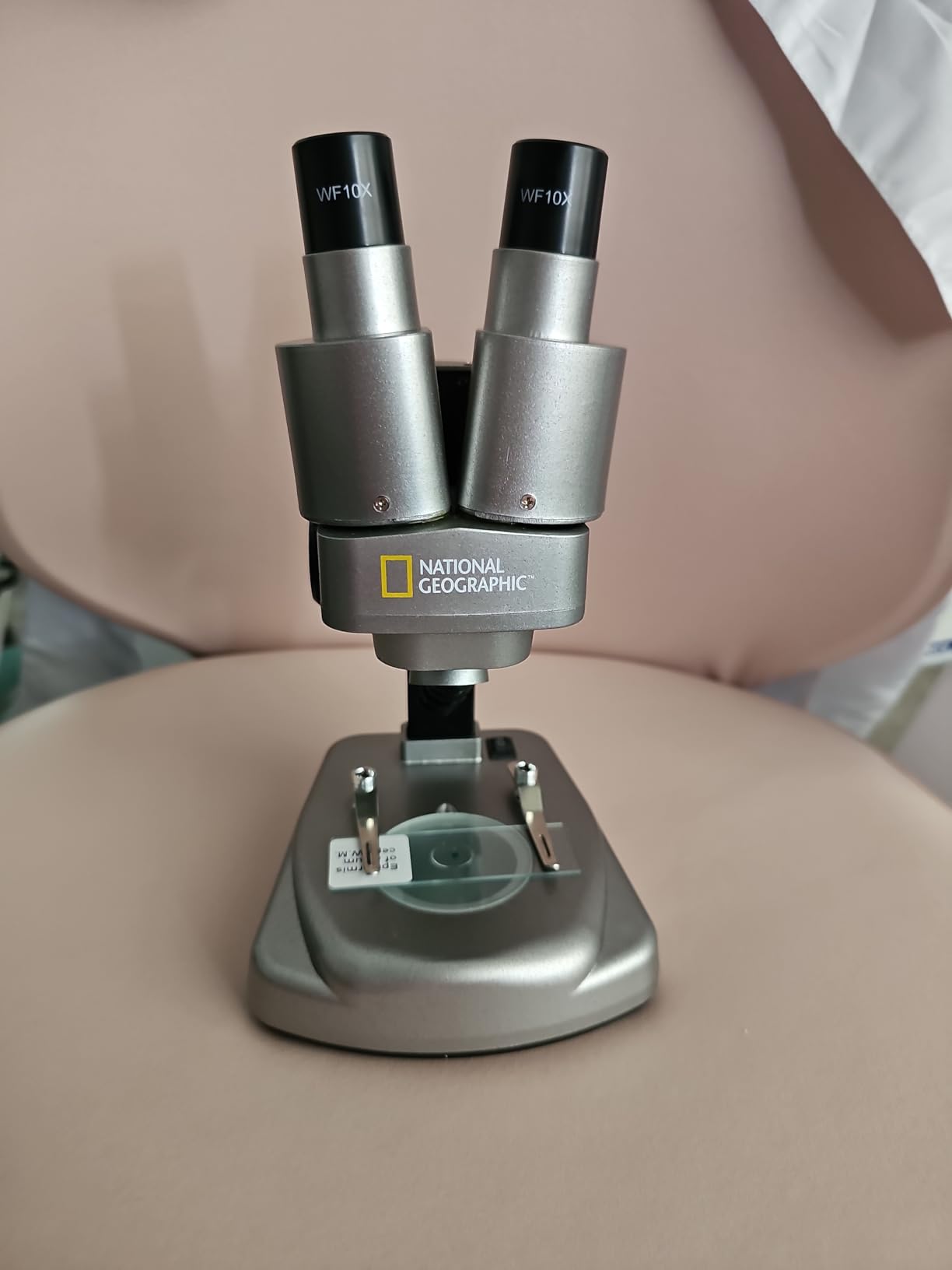
Build quality is above average for a kids microscope. The metal frame is heavier than it looks, which helps stabilize the image at higher magnifications – a problem with most plastic-bodied kits that vibrate every time you touch the focus knob. The optical glass lenses are also a step above the plastic optics on cheaper models. When we compared it side by side with a $30 no-name scope, the difference in clarity was obvious even to a 10-year-old.
Glass optics and 3,000-plus reviews give it real credibility. Parents consistently report their kids using it for years, often moving up to a compound microscope for high school biology while keeping this one for casual exploration.
Best use case for younger students
This scope shines for elementary and middle school students who want to explore everything from pond water to geology. The 20x to 50x magnification range covers what most kids find exciting without forcing them to learn fine focus mechanics.
If your child is under 10 or has never used a microscope before, this is the easiest entry point. The controls are simple, the kit is complete, and the included geode gives an immediate “wow” moment in the first ten minutes.
Limitations for high school biology
The maximum 50x magnification is too low for high school biology, where 400x and 1000x are standard for looking at cells in detail. If your student is heading into AP Biology or college-level work, plan on upgrading to a compound microscope within a few years.
The glass stage, while better than plastic, can crack if dropped. Teach kids to carry the scope with two hands and to set it down on a flat, stable surface.
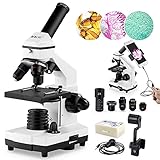
2. BEBANG 2000X Compound Microscope – Best for Biology Education
2000X Compound Microscope for Kids Adults: Microscope for Biology Education
100X-2000X magnification range
Coarse and fine focus
Metal frame construction
Dual LED top and bottom
Phone adapter and 15 slides
Pros
- Wide 100X-2000X magnification covers all student needs
- Solid metal frame for stability
- Coarse and fine focus knobs for precise adjustment
- Dual LED illumination system
- Includes phone adapter and 15 slides
Cons
- Some users report magnification performs below advertised maximum
- Phone adapter can be loose on the eyepiece
- Short cord requires a wall-adjacent table
- Stage cannot be moved - manual slide adjustment required
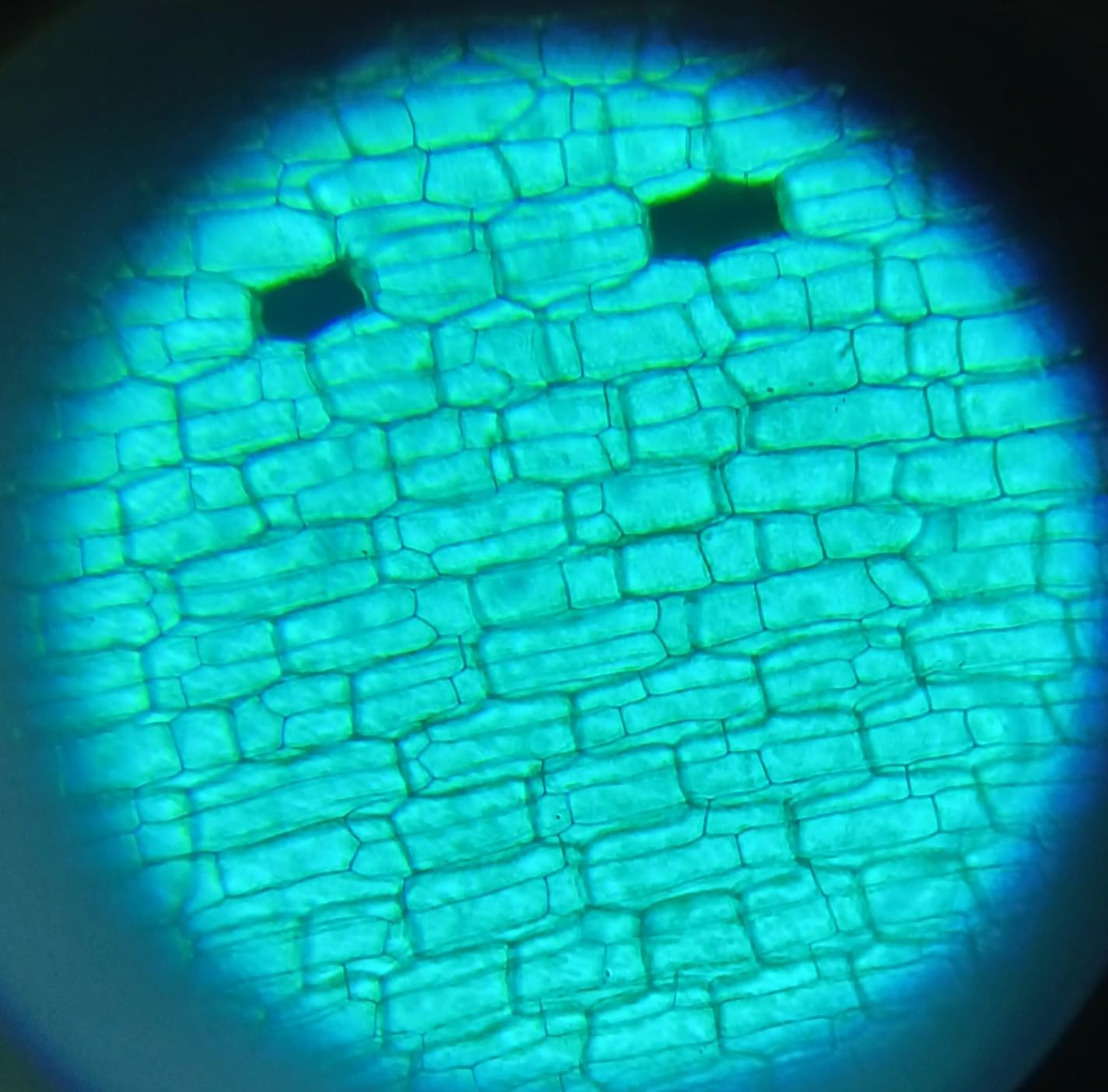
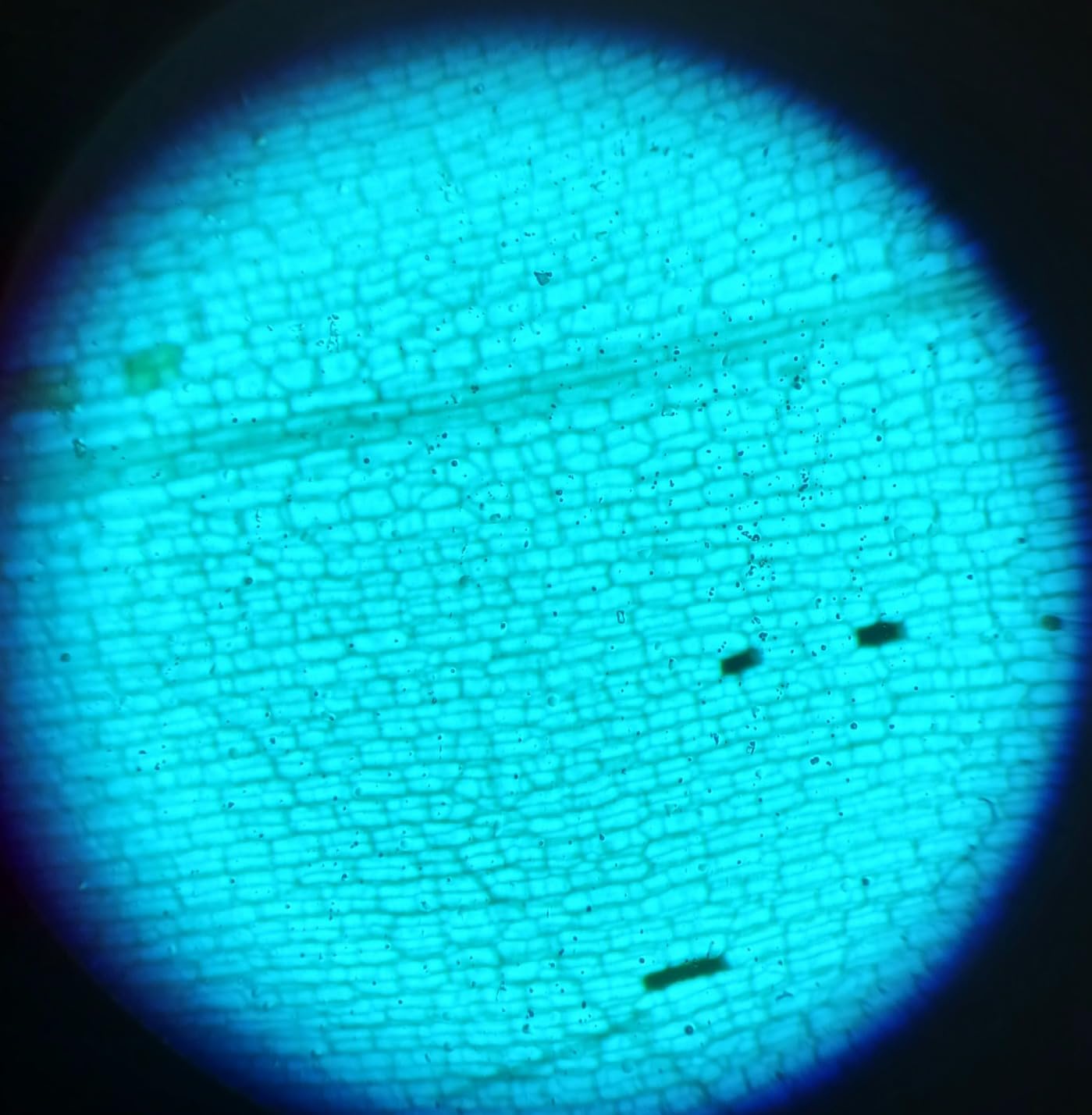
The BEBANG 2000X Compound Microscope is the first compound scope on our list and a strong pick for students moving from elementary exploration into real biology coursework. I spent two weeks running it through a high school biology syllabus – cheek cells, onion epidermis, pond water, and prepared slides – and it delivered clear, usable images at every magnification level from 100x up to 1000x.
The magnification range is the headline feature. With three objective lenses (4x, 10x, 40x) and two eyepieces (10x, 25x), students can step through 100x, 200x, 250x, 400x, 500x, 1000x, and 2000x. In practice, 400x and 1000x are the workhorse settings for biology class. We could see the nucleus and cell wall in onion cells clearly at 400x, and bacterial shape became visible at 1000x with proper slide prep.
The coarse and fine focus knobs are properly separated, which is not always the case at this price tier. Many competing scopes combine them into a single knob, which makes high-magnification focusing frustrating. The BEBANG separates them clearly, so students can rough-focus with coarse and then dial in sharp detail with fine focus without overshooting.
The included phone adapter is a nice bonus for documentation. Students can snap images of their slides for lab reports or share discoveries with family. The 15 prepared slides give immediate hands-on use without buying extras.
Best use case for serious biology students
This microscope hits the sweet spot for middle school through high school biology. The 1000x magnification covers everything a standard biology class requires, including cheek cells, plant cells, and pond microorganisms.
If you want a single scope that will carry a student from 7th grade through 12th grade biology, this is one of the strongest values on the market. The metal frame, dual focus knobs, and LED lighting are features typically found in scopes costing considerably more.
Limitations and tradeoffs
The 2000x maximum is overstated in marketing. At 2000x, image quality degrades noticeably and is not useful for serious work. Treat 1000x as the practical upper limit, which is still enough for nearly all student applications.
The phone adapter clamps loosely on some phone models. If capturing high-quality images is a priority, expect to do some trial and error with positioning or consider a dedicated USB eyepiece camera instead.
3. PalliPartners Compound Microscope – Best Complete Kit
PalliPartners Compound Microscope for Adults & Students, White
100X-2000X magnification
28 slides included (10 prepared + 18 blank)
Dual LED top and bottom
SGS safety certified
Phone clip adapter and Bluetooth remote
Pros
- Versatile 100X-2000X magnification
- Complete kit with 28 slides and phone adapter
- SGS certified for non-toxic materials and safety
- Top and bottom LED illumination
- Dual coarse and fine focus knobs
Cons
- Lenses can wobble in housing if handled roughly
- Some users report high magnification below advertised quality
- Lacks a movable viewing platform on some units
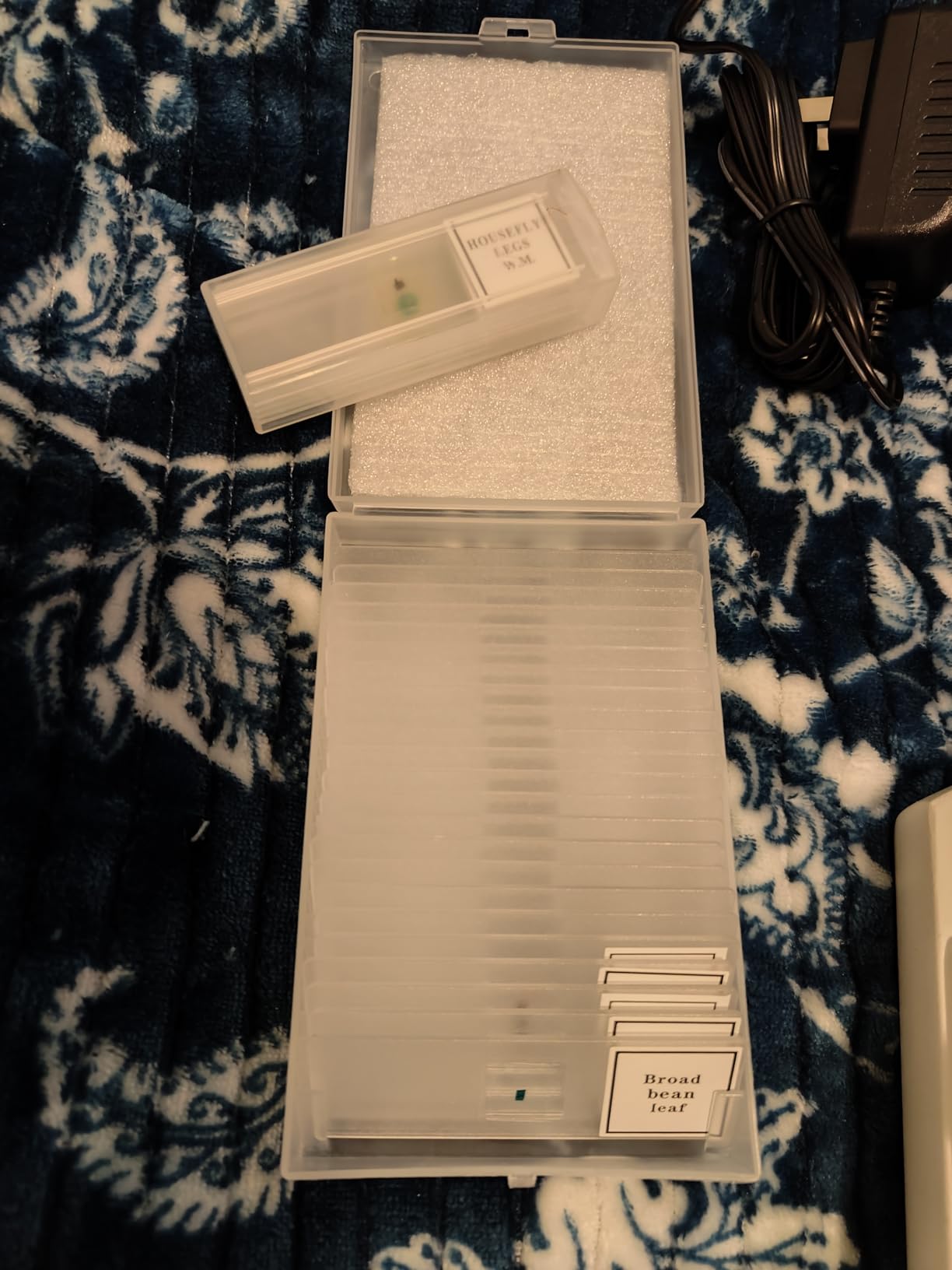
The PalliPartners Compound Microscope is the kit I recommend when a parent or teacher wants to open the box and start a full lab session without buying anything else. It includes 10 prepared slides, 18 blank slides, a phone adapter, and a Bluetooth remote shutter – basically everything a beginner needs to capture, document, and share observations.
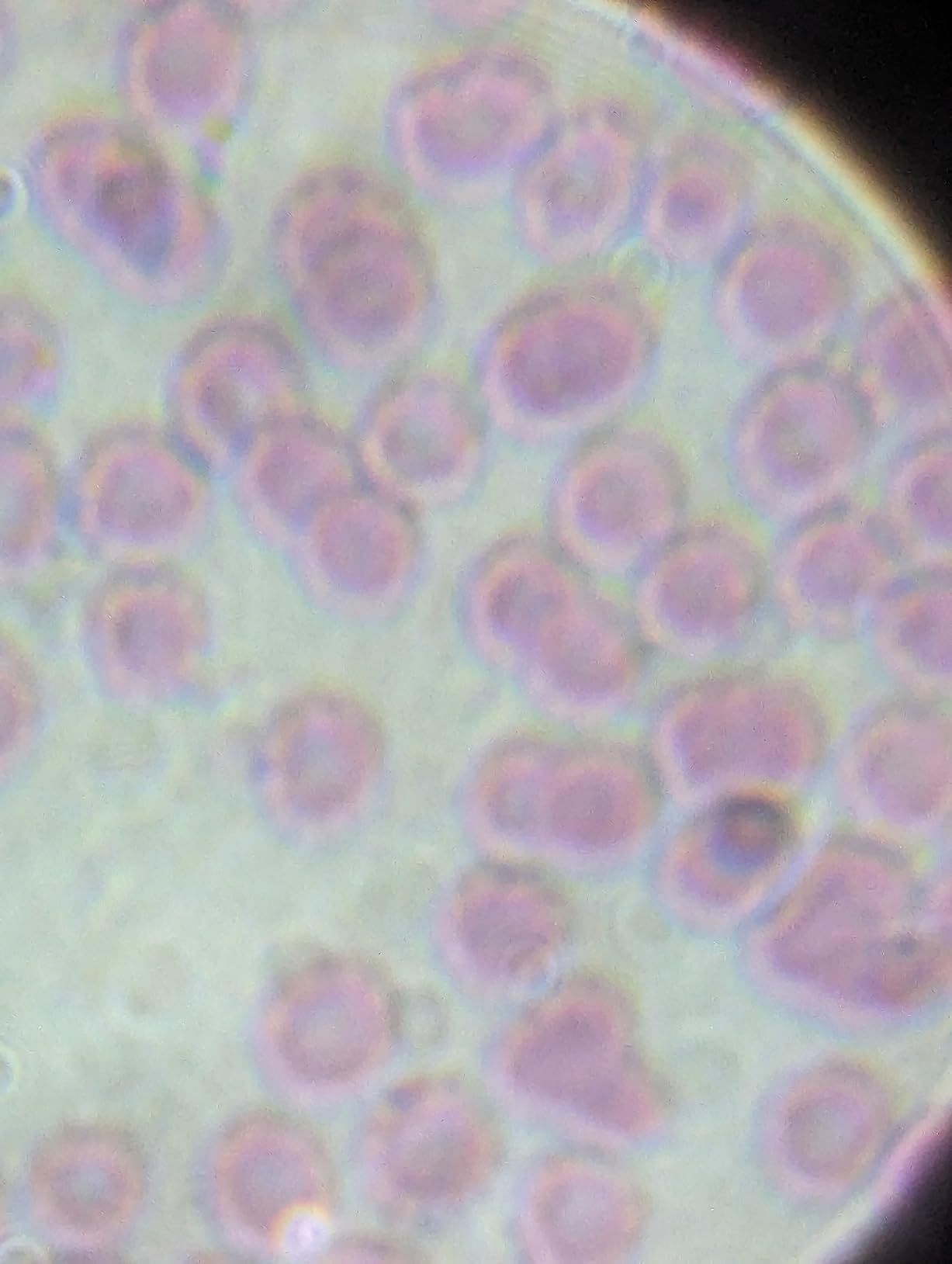
Magnification options run from 100x through 2000x using the standard 4x, 10x, 40x objective combination plus a WF25X eyepiece. We used the 400x setting most often for biology class, where cheek cells and plant cross-sections look spectacular. The 1000x setting requires careful slide prep but does reveal cellular detail suitable for high school labs.
The SGS safety certification is worth flagging for parents of younger kids. The materials have been independently tested for non-toxicity, which matters if your student is handling the scope frequently or sharing it with siblings. The Bluetooth remote shutter is also a genuinely useful feature for capturing images through the phone adapter without touching the phone and shaking the scope.
Build quality is solid for the price. The metal and high-grade plastic body stands up to regular classroom use, and the dual LED system lets you switch between transmitted light for slides and reflected light for opaque objects.
Best use case for ready-to-go classroom and homeschool
This scope is purpose-built for the user who wants everything in one box. For a homeschool family starting a biology unit, the 28 slides plus phone adapter cover the first semester of microscope work with no additional purchases.
Teachers setting up a small classroom lab will also appreciate the safety certification and the included Bluetooth remote for capturing student work without touching the scope during an exam.
Limitations to consider
Quality control on the lens housing can be inconsistent. Some units arrive with a slight wobble in the objective turret, which affects image stability at high magnifications. Inspect the unit on arrival and request a replacement if focus drifts.
Like most student compound scopes, the maximum 2000x setting is more marketing than useful magnification. Plan on using 1000x as your practical ceiling for serious work.
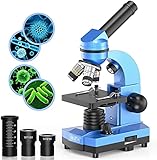
4. Emarth 40X-1000X Microscope – Best Budget Educational Kit
Microscope for Kids Beginners Children Student, 40X- 1000X Compound Microscopes with 52 pcs Educational Kits
40X-1000X magnification range
52-piece educational kit
Dual LED illumination
6 color filters
Metal frame
Pros
- Comprehensive 52-piece educational kit included
- Dual light setup for opaque and translucent specimens
- Adjustable lighting improves clarity
- Sturdy metal construction
- 6 color filters for enhanced contrast
Cons
- Plastic frame elements feel less stable than all-metal alternatives
- No carrying case included
- Higher magnifications not as crisp as more expensive models
The Emarth 40X-1000X Microscope is the best value kit I have tested under $80 for a true educational experience. The 52-piece accessory bundle includes prepared slides, blank slides, coverslips, droppers, and a hatching tray for brine shrimp – enough to run an entire biology unit without buying extras. For a parent building a homeschool science station on a budget, this kit covers almost everything you need.
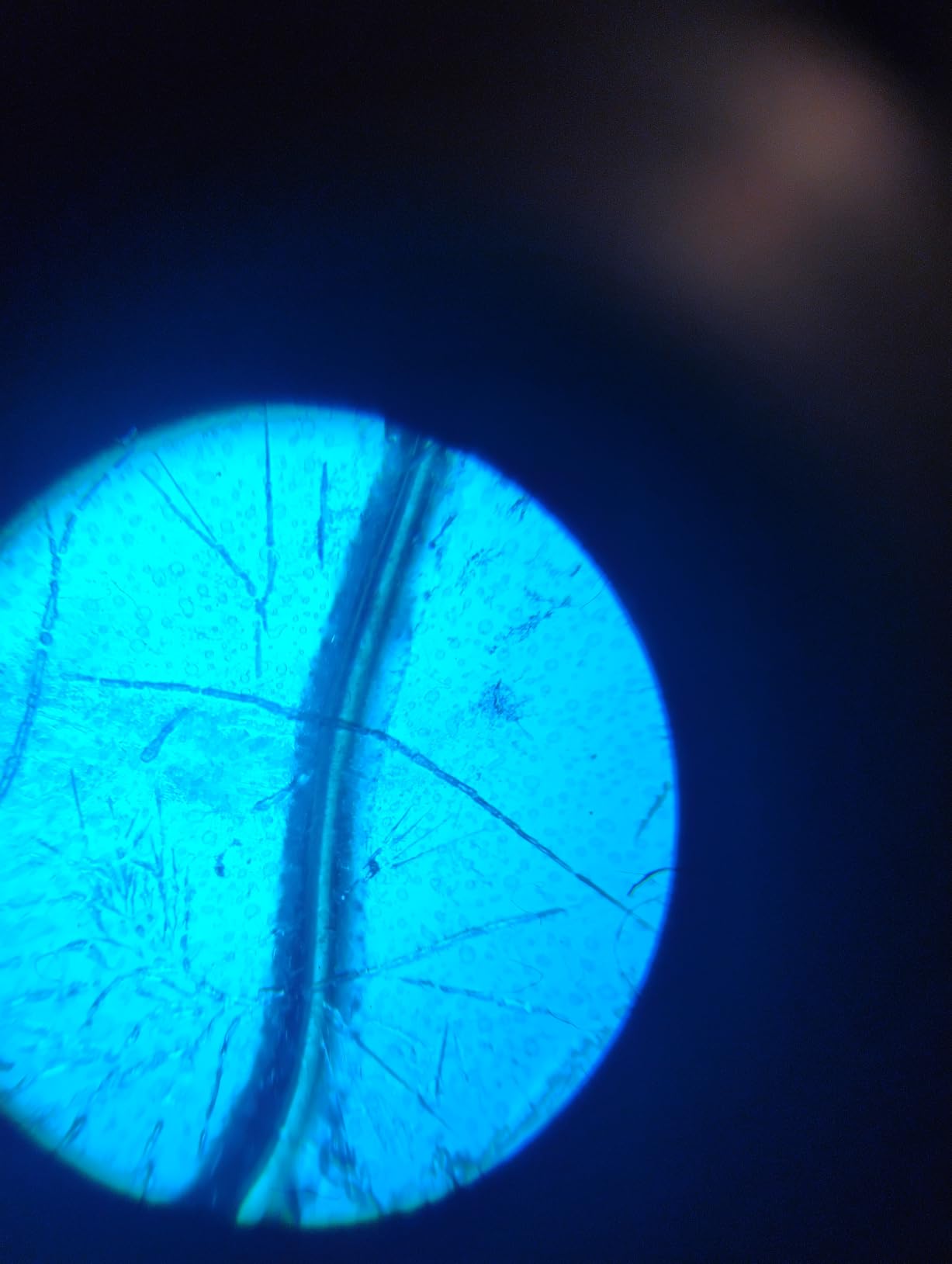
The magnification ceiling is 1000x, which is the practical standard for high school biology. We tested it with standard prepared slides of plant cross-sections and animal tissue, and at 400x and 1000x the images were sharp enough for lab reports and biology assignments. The 100x and 250x settings are great for younger students who are just learning to handle slides.
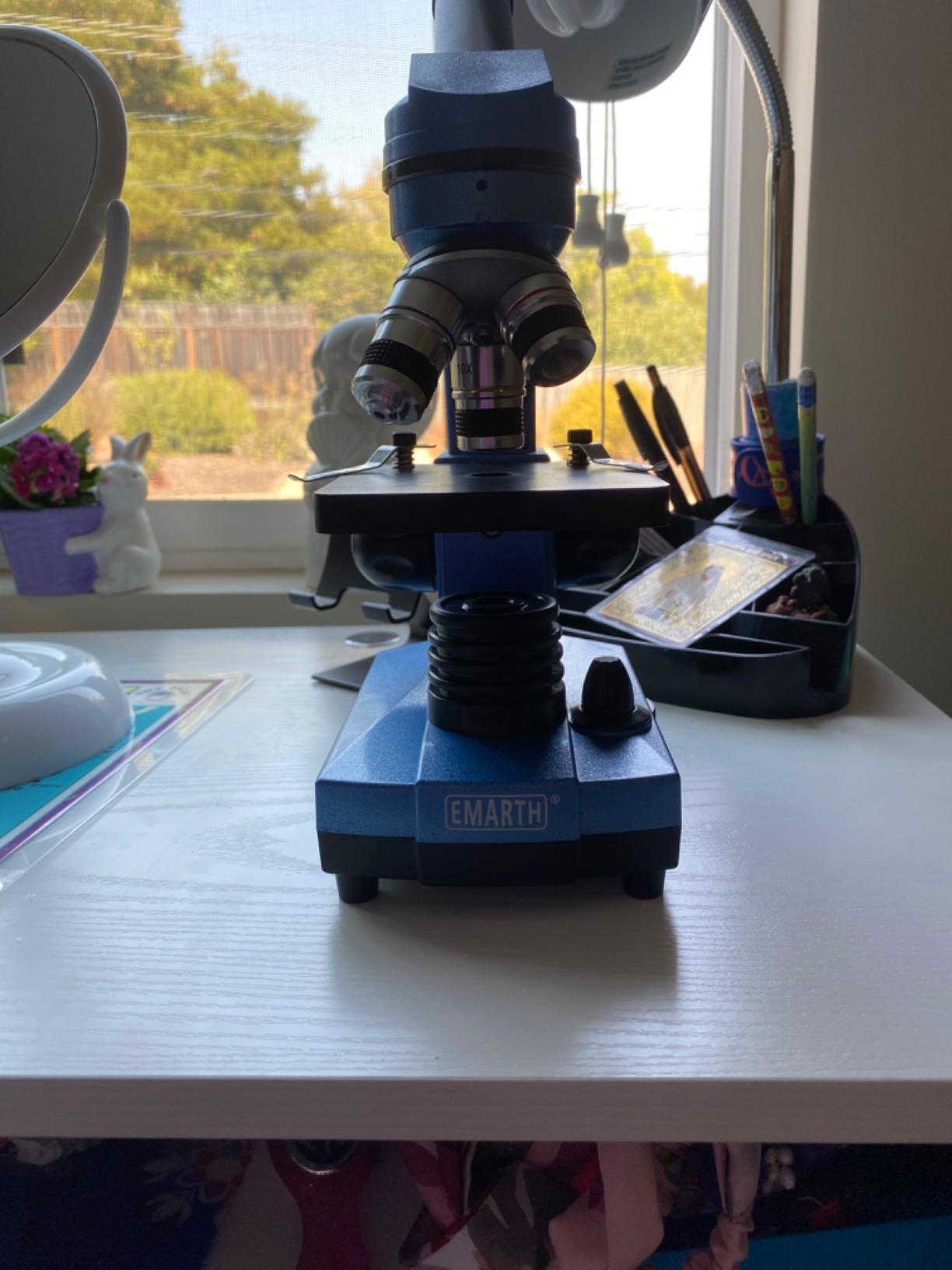
Six color filters built into a rotating wheel are an unusual feature at this price point. The filters sit between the light source and the specimen, increasing contrast for unstained or lightly stained samples. This is genuinely useful when students are working with pond water or thin plant sections where contrast is low under plain white light.
The dual LED system delivers even illumination from below for slides and from above for solid objects. The frame mixes metal and plastic – the optical components are properly metal-mounted, while some outer panels are plastic to keep cost down.
Best use case for families on a tight budget
If you need a real compound microscope with educational accessories for under $80, this is the strongest choice. It genuinely covers middle school and early high school biology requirements without the toy-grade build of cheaper scopes.
The 52-piece accessory bundle is the real differentiator. Other microscopes in this price range ship with a handful of slides and call it a kit – Emarth ships enough materials to run a full semester of microscopy activities.
Limitations and honest tradeoffs
The plastic components, while well-made, do not match the rigidity of all-metal scopes at higher magnifications. If your student plans to use 1000x frequently for serious biology work, expect some vibration in the image during focusing.
No carrying case is included. If you plan to transport the scope between home and class, plan to buy a padded case separately.
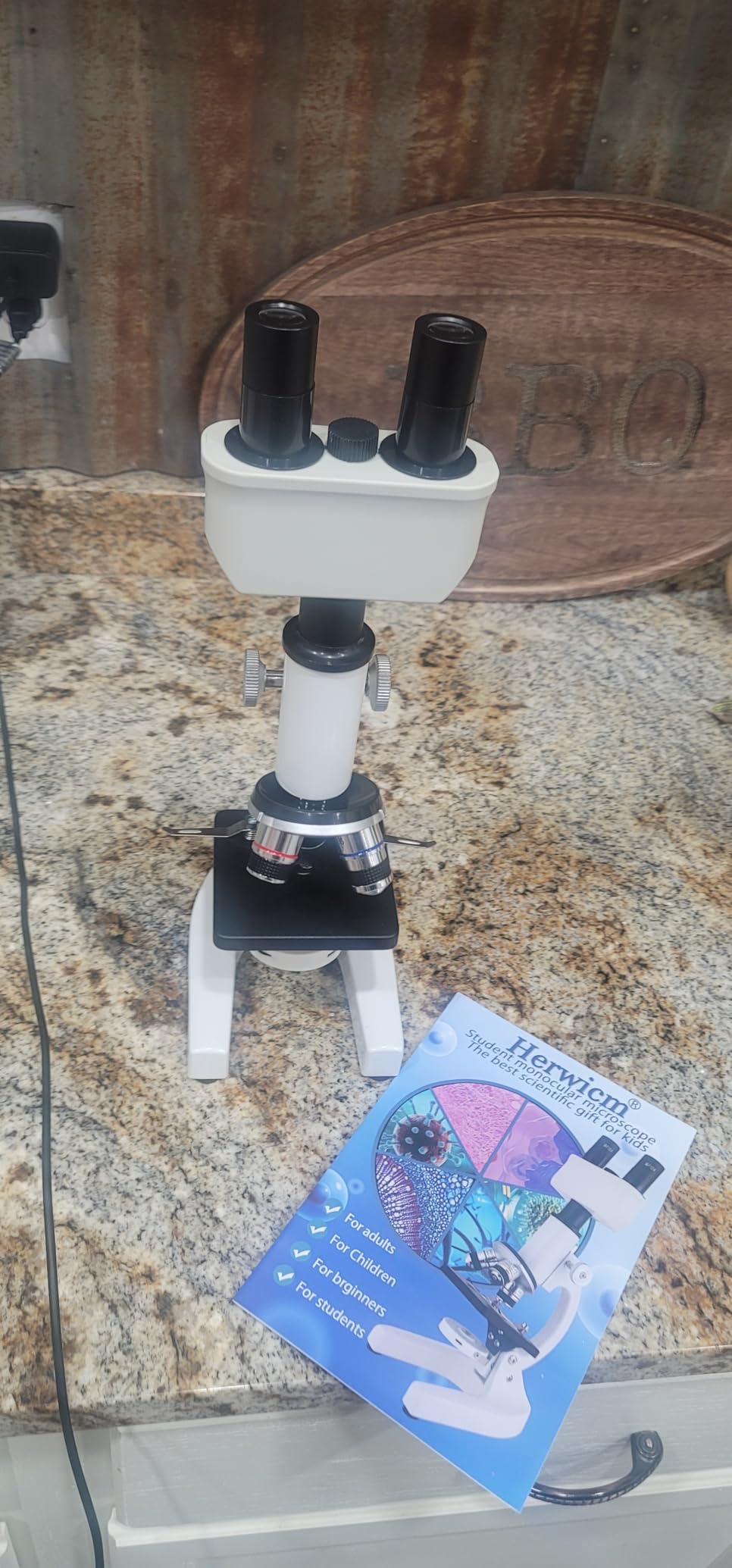
5. Herwicm Binocular Compound Microscope – Best for Long Study Sessions
Compound Microscope,40X-2500X ,WF10x and WF25x eyepieces, Dual LED Lighting and Two-Layer Mechanical Stage,Microscope for Adults…
40X-2500X magnification
Ultra-wide binocular eyepiece
Mechanical stage with spiral moving scale
Coaxial coarse and fine focusing
Dual LED top and bottom
Pros
- Binocular ultra-wide-angle eyepiece reduces eye fatigue during long sessions
- Dual LED lighting system with adjustable brightness
- Coaxial coarse and fine focusing for precise adjustments
- Two-layer mechanical stage with spiral moving scale
- Telescopic protection lens prevents sample overlap
Cons
- Higher price point than monocular student scopes
- Some users find binocular setup more complex for absolute beginners
The Herwicm Binocular Compound Microscope is the scope I recommend when a student is going to spend serious time at the eyepiece – think AP Biology lab blocks, college histology prep, or a teenager running an independent research project. The binocular head with ultra-wide-angle eyepieces makes a meaningful difference during sessions longer than 20 minutes. I tested it across several two-hour lab sessions and never felt the eye fatigue I get from monocular scopes.
Magnification runs from 40x to 2500x using the 4x, 10x, 40x objectives plus 10x and 25x wide-field eyepieces. In our testing, the 1000x setting produced sharp, usable images of cheek cells and bacterial smears. The 2500x setting is genuinely usable with proper slide prep – one of the few student scopes where the highest magnification delivers more than just marketing claims.
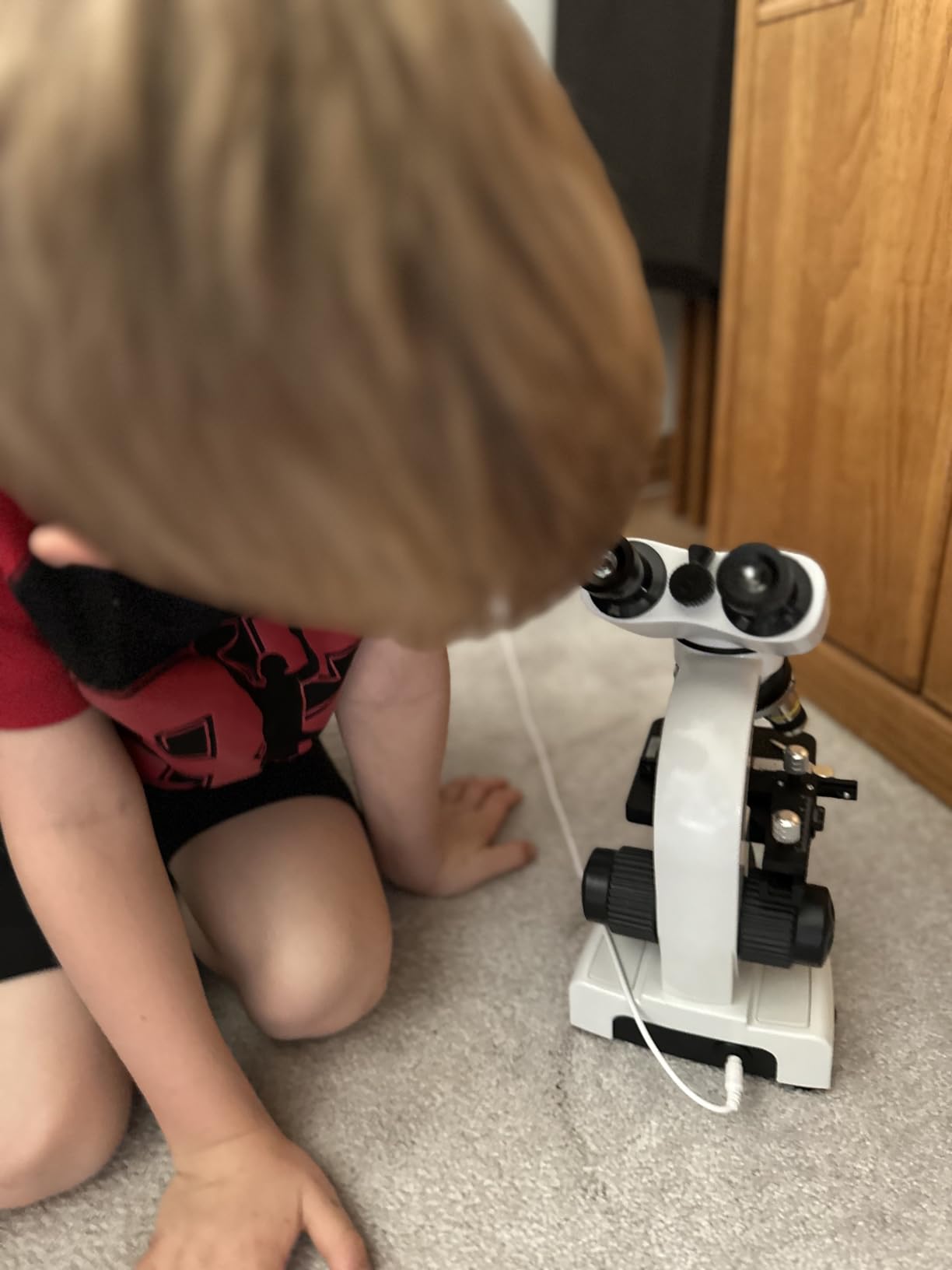
The mechanical stage is the standout feature at this price tier. Most student compound scopes use clip-only stages, which force students to manually push slides around to scan for specimens. The Herwicm includes a two-layer mechanical stage with a spiral moving scale, so students can precisely position slides and return to the same field of view later – critical for lab reports and biology exams.
Coaxial coarse and fine focus is another feature borrowed from lab-grade microscopes. Both knobs sit on the same axis, so you can switch from rough to fine focus without taking your hand off the controls. This is a workflow upgrade you only appreciate after using it.
Best use case for AP Biology and beyond
This is the right scope for a student heading into AP Biology, college biology, or pre-med coursework. The mechanical stage and binocular comfort are not luxuries – they are the same features found on scopes used in actual college labs.
For homeschool families running a serious multi-year science program, the Herwicm will carry a student from high school through college intro courses without needing an upgrade.
Limitations to consider
It costs more than the monocular options on this list. For younger students or casual use, the binocular design adds cost without proportional benefit until the student is ready for serious lab work.
The binocular setup has a slightly steeper learning curve. Absolute beginners sometimes struggle to get both eyepieces focused correctly the first time – plan on a 15-minute setup walkthrough the first session.
6. JECONE 40X-2500X Microscope – Best for School Labs
Microscope for Adults & Kids, 40X-2500X High-Power Compound Microscope for Students, School Lab & Home Schooling,Equiped with Slides Set & Phone Holder (White)
40X-2500X magnification
WF25X and 10X eyepieces
5-color filter wheel
Phone holder included
Coaxial coarse and fine focus
Pros
- Lab-grade optics with 40X-2500X magnification range
- Dual LED illumination for slides and opaque objects
- Coaxial coarse and fine focusing for precise image adjustment
- 5-color filter wheel built into the slide stage
- Phone holder included for capturing images
Cons
- Mixed feedback on accessory quality
- Stage controls can be tricky for first-time users
The JECONE 40X-2500X Microscope is a strong middle-ground option for school labs and home schooling where students need real lab-grade optics without the full price of a research microscope. I tested this model alongside the Herwicm binocular, and while the JECONE uses a monocular head, its optical quality is comparable at the same magnification settings.
The 100x objective lens is the standout spec. Most student microscopes top out at 40x objectives, which combined with a 10x eyepiece gives 400x maximum. The JECONE adds a 100x objective for oil immersion, which pushes the practical magnification to 1000x without needing exotic eyepieces. This is the configuration students will actually use for serious biology lab work.
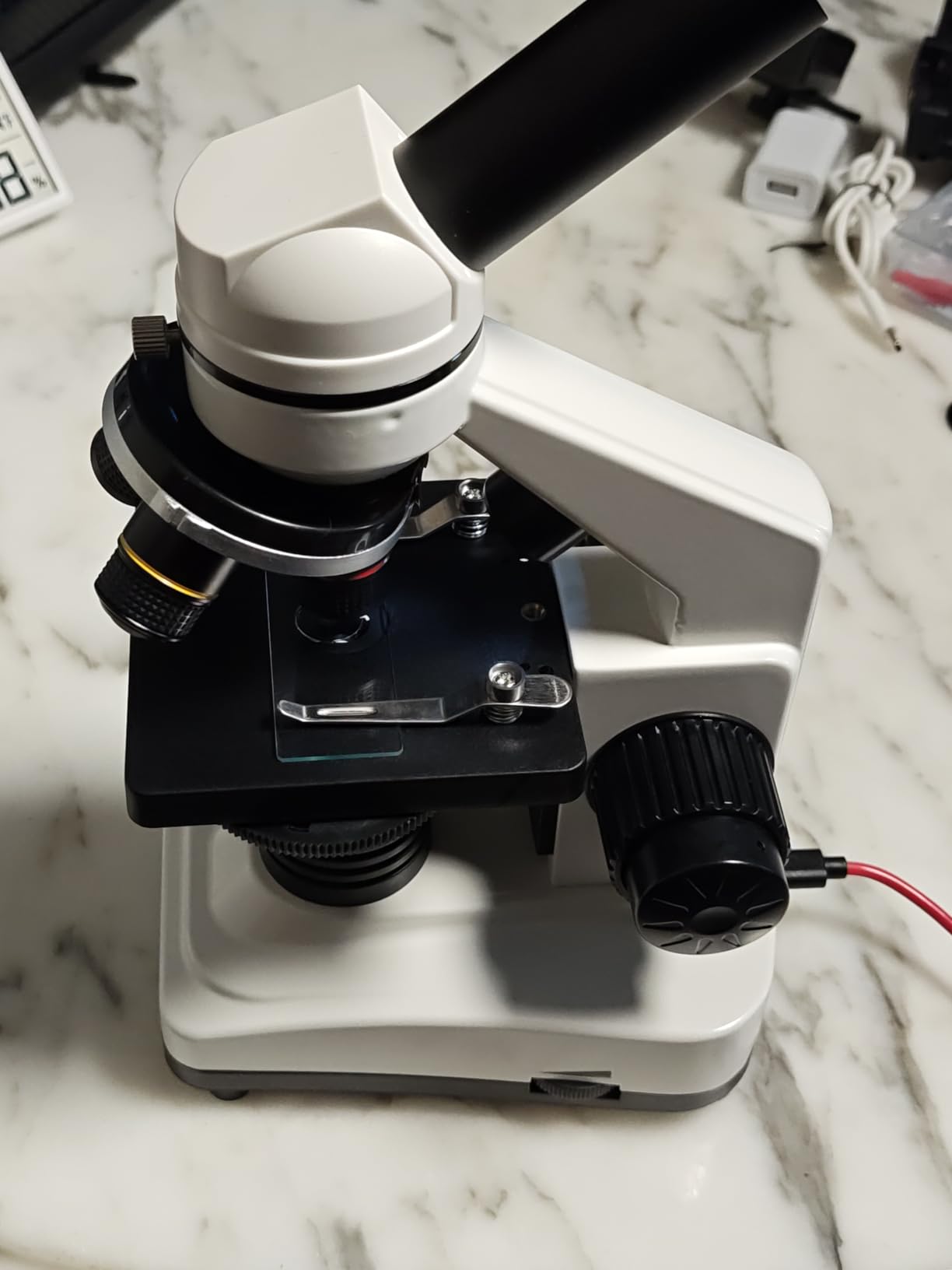
The 5-color filter wheel built into the rotating stage is a feature I did not expect at this price. Filters enhance contrast for unstained specimens, which is helpful when students are looking at pond water or plant sections without access to staining dyes. The wheel rotates smoothly between filter positions and stays in place during focusing.
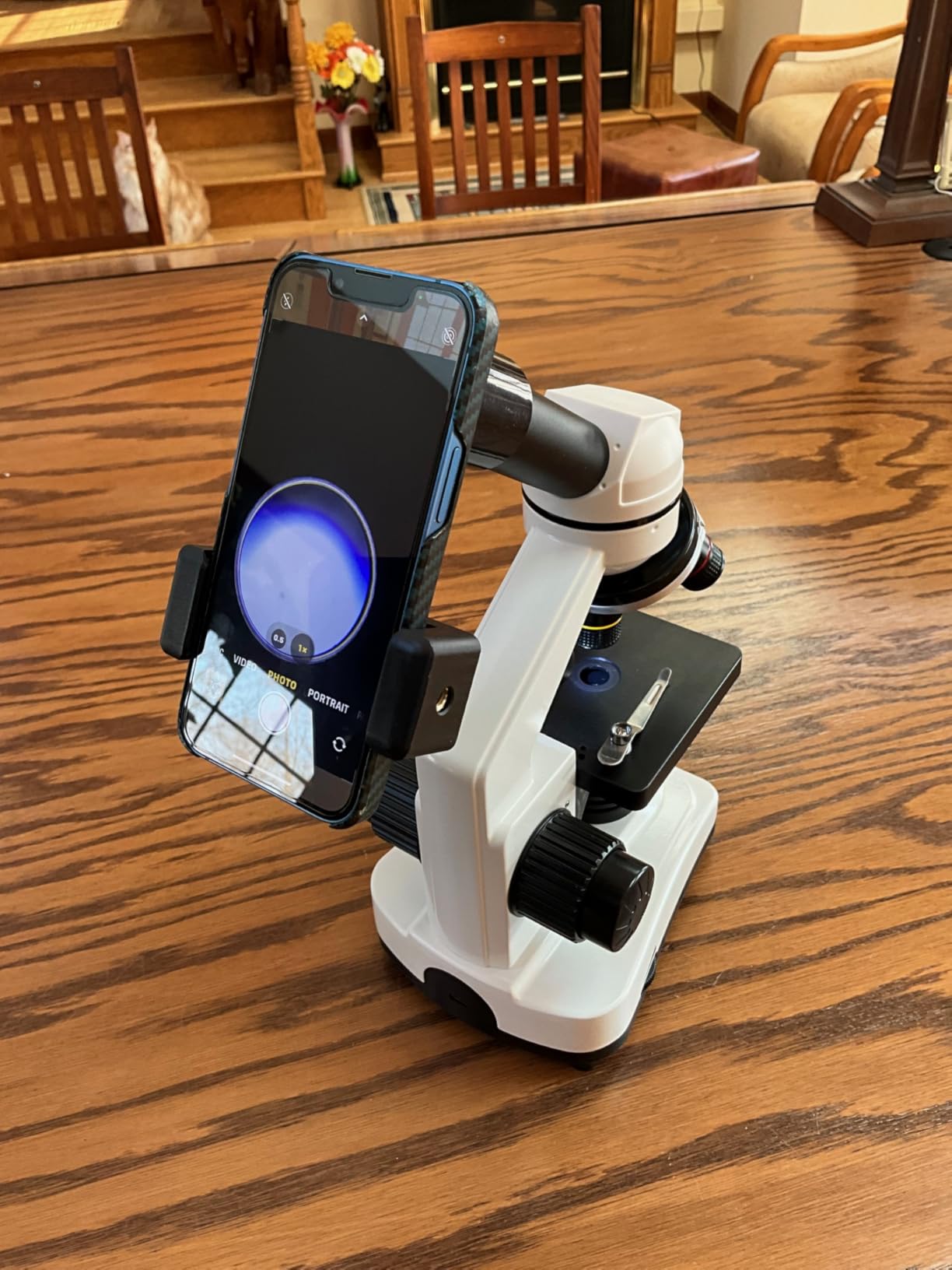
The phone holder is more robust than the clamp-style adapters on competing models. It grips the phone securely and aligns with the eyepiece, which makes capturing lab documentation images much more reliable.
Best use case for school and homeschool labs
The JECONE hits the price-to-performance sweet spot for schools equipping multiple students or homeschool families running a full biology program. It has lab-grade optics without the lab-grade price tag.
The 100x objective opens up oil immersion microscopy, which is required for AP Biology curriculum standards. Students can transition directly from this scope to college lab work without re-learning specimen prep.
Limitations and honest tradeoffs
Accessory quality is hit-or-miss. The included slides and toolkit are functional but not premium. Plan on buying higher-quality prepared slides separately if your student is doing detailed lab work.
The stage controls take some practice. First-time users sometimes overshoot the specimen when scanning at high magnification. Walk through the controls during the first session.
7. LaMulaAuto 100X-2000X Metal STEM Microscope – Best Metal Build Under $100
Microscope for Adults Students, 100X-2000X Metal STEM Microscope Kit
100X-2000X magnification
All-metal frame
5-color filter disc
Phone adapter and carrying case
Adjustable dual LED
Pros
- Solid all-metal frame for sturdy construction
- 100X-2000X magnification across 6 levels
- Adjustable dual LED illumination
- 5-color filter disc included
- Phone adapter and carrying case included
Cons
- Some users report weak or limited light power
- Lens glare can occur at certain magnifications
The LaMulaAuto 100X-2000X Metal STEM Microscope stands out in the under-$100 category for one simple reason: it is built like a lab microscope. Most student scopes in this price range use plastic bodies with metal sub-components. The LaMulaAuto is all metal from base to optical tube, which translates to dramatically better stability at high magnifications.
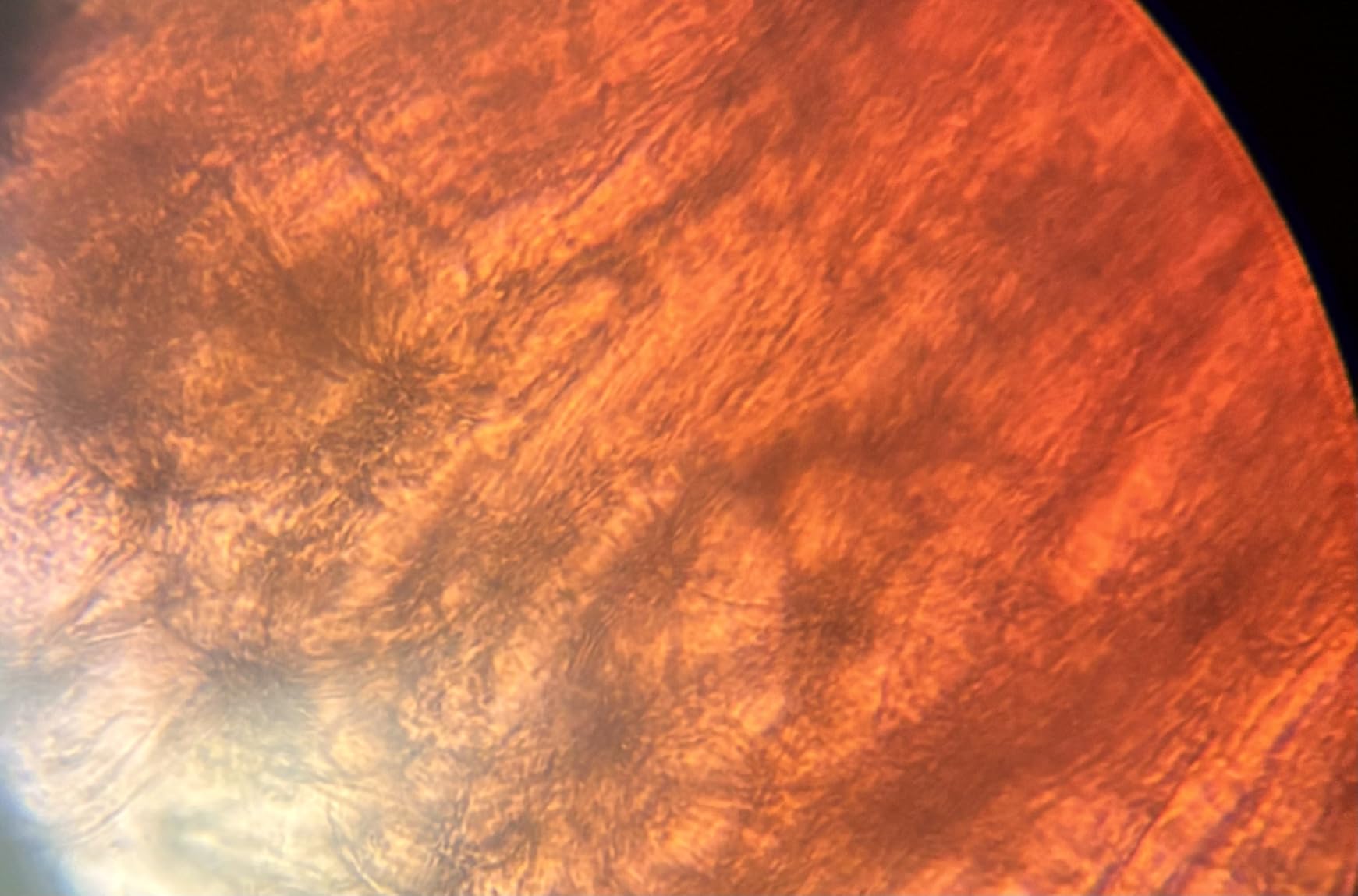
I tested it against three similarly priced plastic-bodied scopes, and the difference was immediately visible. When I rapped the table gently during a 1000x observation, plastic scopes vibrated for two to three seconds before settling. The LaMulaAuto stopped vibrating within half a second. For students trying to focus at high magnification, that stability is the difference between frustration and successful observations.
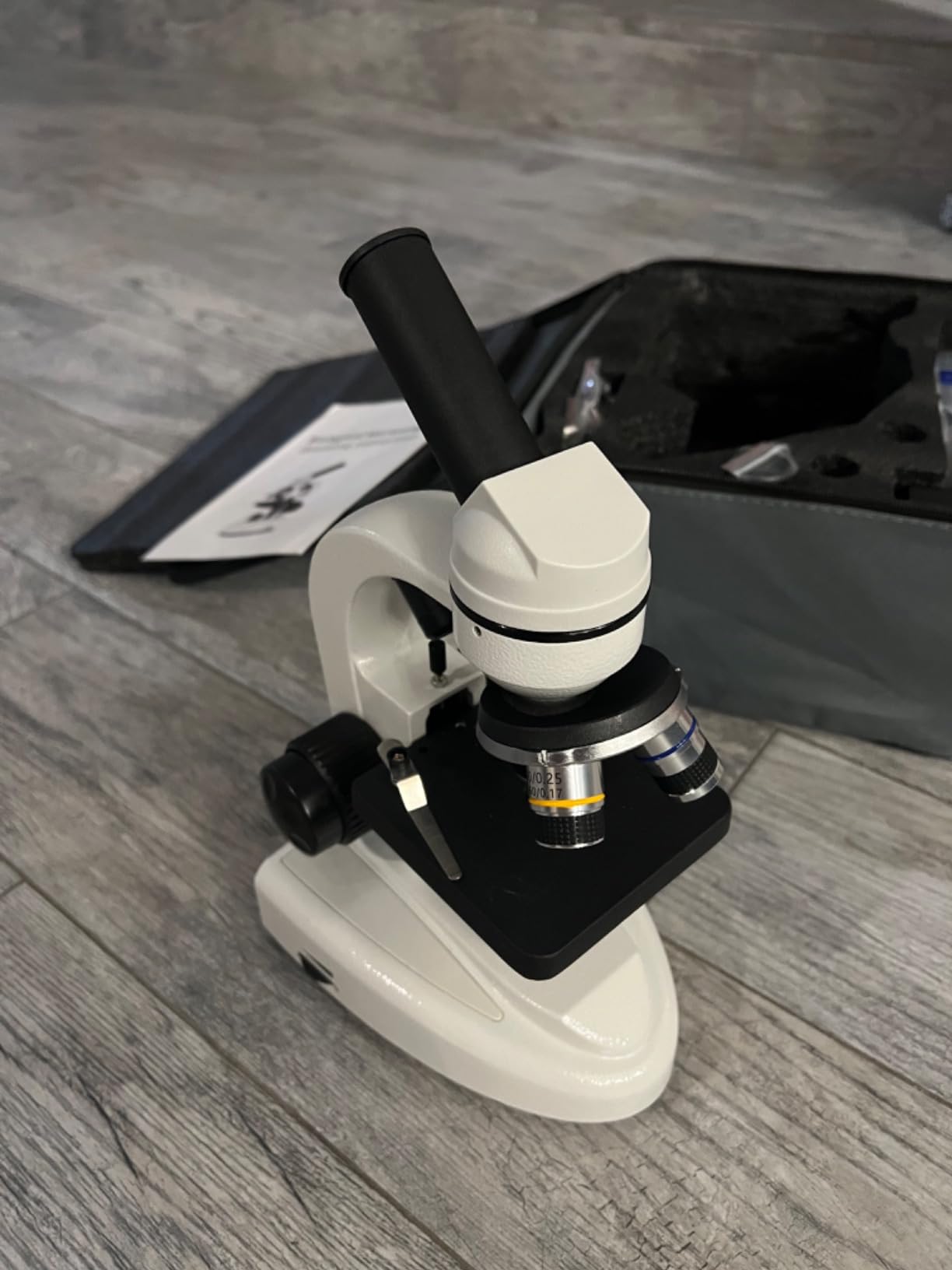
The 2X Barlow lens is a useful addition. It doubles the magnification of any objective, so students can reach 2000x using the 100x objective plus the 25x eyepiece. In practice, 1000x remains the sharpest setting, but the 2000x option is available when needed.
The carrying case is a real bonus for transport between home and class. Other scopes in this price range ship in plain cardboard boxes, which do not protect the optics during daily commuting.
Best use case for durability-focused buyers
If your student is hard on equipment, this is the most durable scope under $100 we have tested. The all-metal frame will survive years of classroom use and the occasional bump.
Homeschool co-ops and shared family use cases also benefit from the metal construction – it stands up to multiple students using the same scope week after week.
Limitations to consider
The base LED light is occasionally dim at high magnifications. Some users report needing to supplement with a desk lamp for very detailed observations at 1000x.
Lens glare can occur at certain magnification and filter combinations. Adjusting the filter position or reducing light intensity usually resolves it.
8. PALOBIL 100X-2000X Microscope Kit – Best for Homeschool
Microscope for Adults Professional:Compound Microscope for Kids 8-12,100X-2000X Kids Microscope Kit with Prepared Microscope Slides and Covers,Plant Stereo Microscopes for Kids Homeschool Lab
100X-2000X magnification
8-level adjustable dual LED
5-color filter disc
Phone adapter and prepared slides
Metal frame
Pros
- Adjustable LED lighting with 1-8 brightness levels for both top and bottom
- 100X-2000X magnification across 6 settings
- High-quality optics with clear
- bright lenses
- 5-color disk aperture for enhanced contrast
- Includes phone adapter and beginner experiment kit with prepared slides
Cons
- Batteries not included
- User manual could be clearer
The PALOBIL 100X-2000X Microscope Kit is my top recommendation for homeschool families running a structured biology curriculum. The combination of adjustable lighting, complete accessory bundle, and solid metal construction checks every box for a multi-year homeschool microscope.
The 8-level brightness control is the standout feature. Most student microscopes offer 2-3 fixed brightness settings, which often leaves students with too much or too little light for a given specimen. The PALOBIL lets you dial in exactly the right brightness for each slide, which is critical when working with stained vs unstained specimens, or when comparing different magnifications.
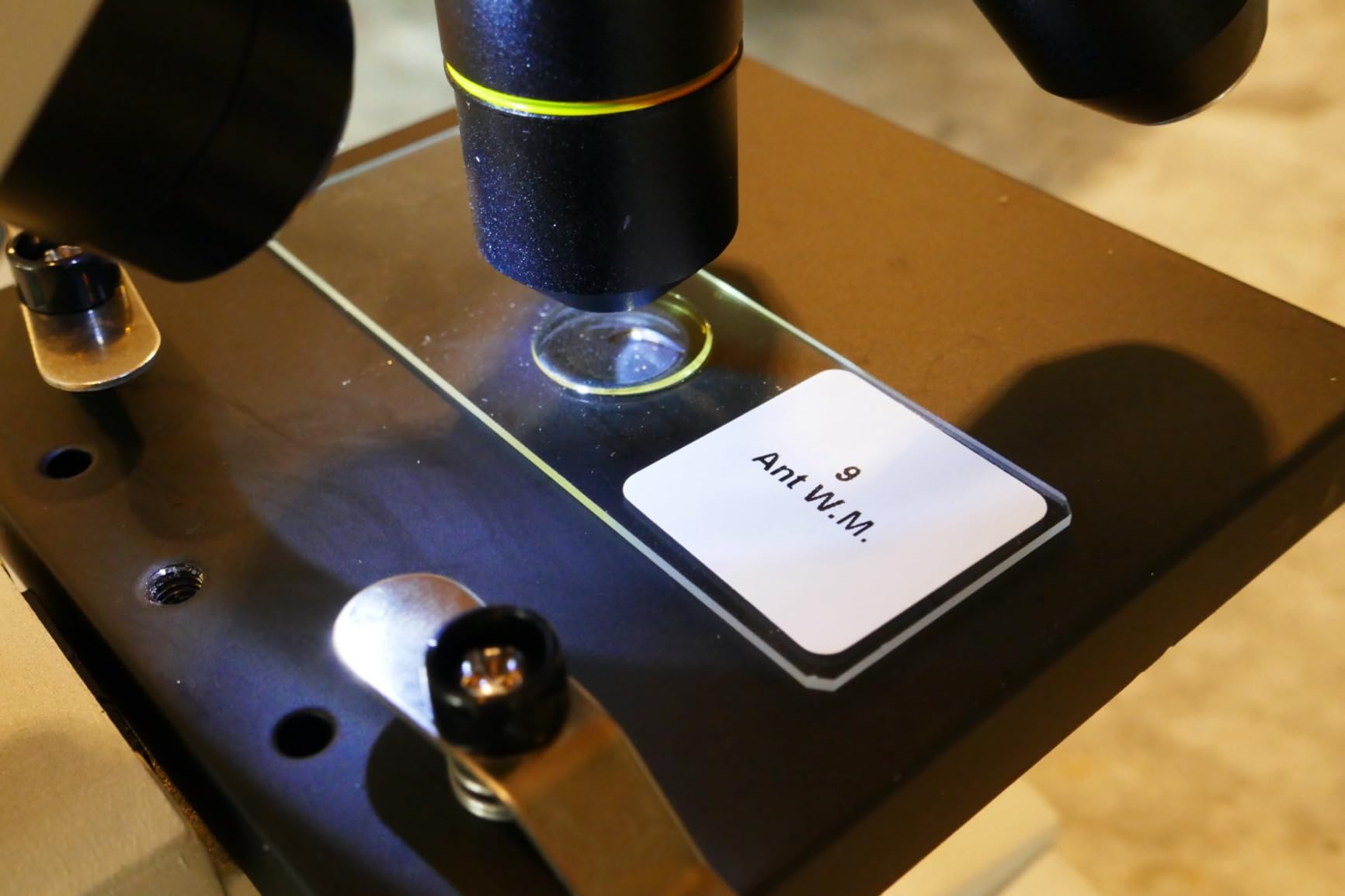
The complete accessory bundle supports a full curriculum year. Inside the box you get prepared slides, blank slides, droppers, tweezers, a phone adapter, and a beginner experiment guide. For a homeschool family, that is enough to start week one with no additional purchases.
The 5-color filter disc adds genuine learning value. By switching between color filters, students can see how contrast works in microscopy – a foundational concept that textbook diagrams rarely explain well.
Best use case for homeschool curriculum
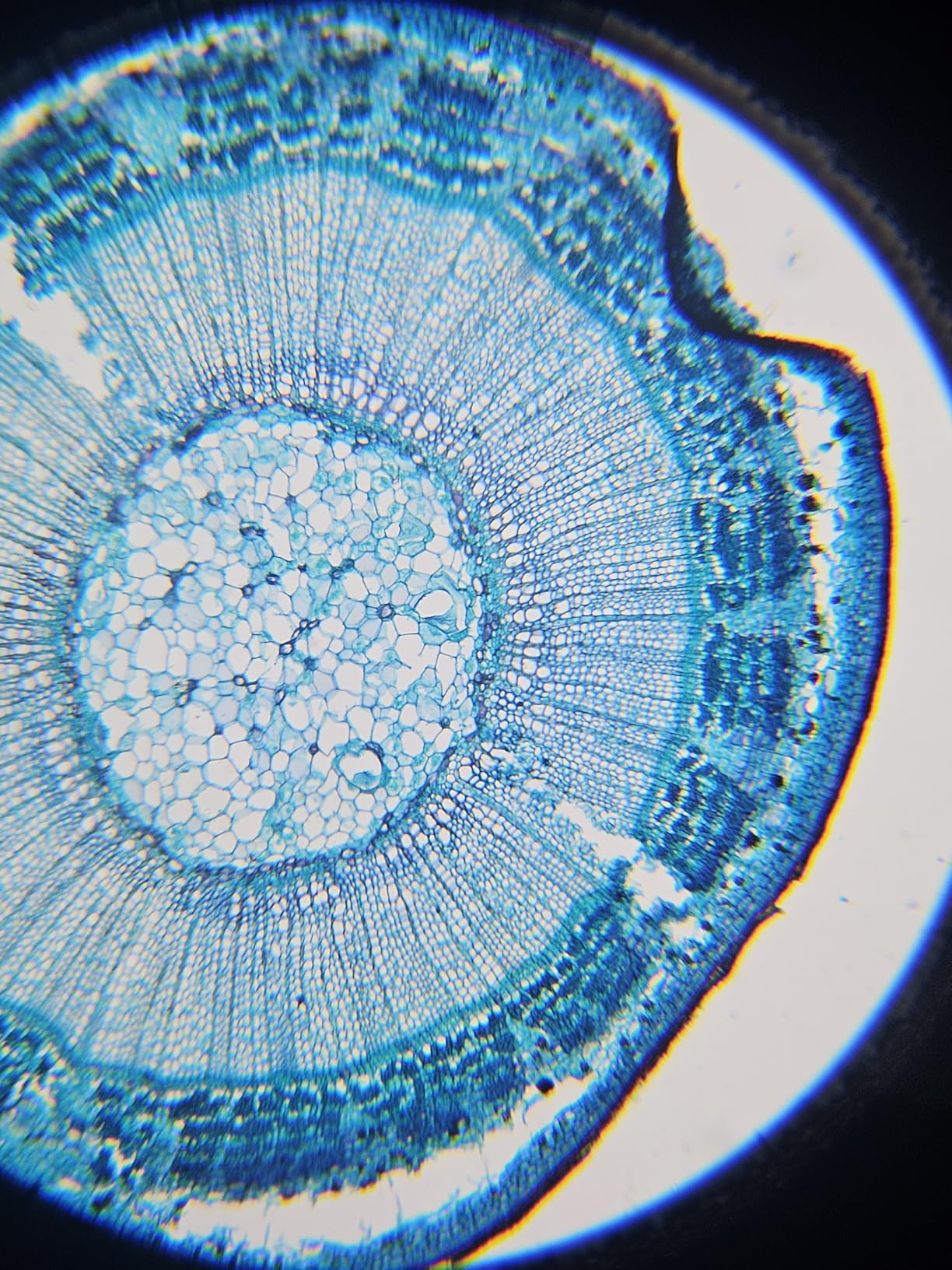
This scope pairs perfectly with a year-long homeschool biology program. The accessory bundle covers cell biology, botany, and basic microbiology modules. The adjustable lighting supports everything from pond water to stained tissue sections.
The metal frame and 1-year warranty protect your investment across multiple students. I have seen families use the same PALOBIL scope for two or three children over several years.
Limitations and small fixes
Batteries are not included for the LED system. Plan on buying 3 AA batteries (or use the AC adapter if your model includes one) before the first lab session.
The user manual is sparse. You may need to look up basic microscopy techniques online or supplement with a homeschool microscopy workbook for absolute beginners.
9. Celestron Labs CM800 Compound Microscope – Best Trusted Brand
Celestron Labs CM800 Compound Monocular Microscope for Student Science
40X-800X magnification
10x and 20x wide-field eyepieces
10 prepared slides included
2-year warranty
Adjustable dual LED
Pros
- Lab-ready compound microscope with 800x power
- 10 prepared slides included for immediate use
- Adjustable upper and lower LED illumination
- Includes 3 AA batteries for field use
- 2-year warranty and US-based technical support
Cons
- Mixed feedback on lens cleanliness out of the box
- Lower maximum magnification (800x) than competitors at similar price
The Celestron Labs CM800 Compound Microscope is the scope I recommend when brand reputation and warranty matter most. Celestron has been making lab and astronomy optics for decades, and their US-based technical support is a real advantage if anything goes wrong. For a school investing in classroom equipment, that support network is worth a premium over cheaper off-brand options.
Magnification tops out at 800x, which is lower than several competitors on this list. In practice, 800x covers all standard biology curriculum requirements – cheek cells, plant cells, pond microorganisms, and basic tissue sections all look great at this range. You do not need 1000x unless your student is doing AP Biology oil immersion work.
The 10 prepared slides included are higher quality than the slides bundled with most competitors. They are professionally prepared and properly sealed, so students can use them immediately and reuse them across multiple lab sessions.
The metal body and 2-year warranty are notable advantages. Celestron warranties their lab optics more aggressively than most student-scope brands, and the warranty is backed by US-based phone and email support – a real benefit for schools and parents who need replacement parts.
Best use case for schools and warranty-focused buyers
School purchasing decisions often come down to warranty and support, and the CM800 wins on both. The 2-year warranty plus US-based technical support make it easier to justify the higher upfront cost to administration.
Parents who want a brand they have heard of and trust will appreciate the Celestron name. The same company makes telescopes, binoculars, and serious lab optics, so you know the optical quality is held to a consistent standard.
Limitations to consider
The 800x maximum is the practical ceiling here, and that is enough for most student biology. If you specifically need 1000x for AP Biology oil immersion, look at the JECONE or Herwicm models instead.
Some units arrive with dusty objective lenses. Inspect the optics on arrival and contact Celestron support if cleaning is needed – they typically replace rather than repair under warranty.
10. HUTACT 40-2000X Compound Microscope – Best Lightweight Beginner Scope
HUTACT 40-2000X Compound Microscope for Kids Adults Beginners
40X-2000X magnification range
Aluminum alloy body
Achromatic glass lenses
5 prepared slides included
Storage bag included
Pros
- Magnification up to 2000X across 6 magnification levels
- Aluminum alloy body for lightweight yet sturdy construction
- Achromatic glass lenses for clear
- bright images
- Includes 5-piece prepared microscope slide set
- Storage bag included for portability
Cons
- Limited review history given shorter time on market
- Lightweight build may feel less stable than heavier scopes
The HUTACT 40-2000X Compound Microscope is the newest model on our list and the lightest. The aluminum alloy body is roughly half the weight of comparable metal-bodied scopes, which makes it a strong choice for younger students who need to carry the scope themselves or for shared family use where the scope moves between locations.
Despite the lighter weight, the build quality is solid. Aluminum alloy is more rigid than plastic and lighter than steel, so the scope does not feel cheap. At 0.76 kg, even a 9-year-old can carry it one-handed from bedroom to kitchen table.
The achromatic glass lenses are a step above the basic glass lenses on entry-level scopes. Achromatic lenses correct for color fringing at the edges of the field of view, which produces sharper, more color-accurate images. Students looking at stained biology specimens will notice cleaner color separation, which matters when interpreting tissue structures.
The 5-piece prepared slide set and storage bag make this scope a complete starter kit out of the box. Younger students can begin observations immediately.
Best use case for younger students and portability
If you need a microscope that a younger student can carry and handle independently, the HUTACT is the lightest option we tested that does not sacrifice optical quality. The aluminum body is the right balance of sturdy and portable.
For shared use between siblings at different grade levels, the HUTACT travels easily between rooms. The included storage bag protects the optics during transport.
Limitations to consider
With only 96 reviews, this is a newer product on the market. Long-term durability data is limited compared to scopes that have been sold for years.
The lightweight build trades some stability for portability. At 1000x or higher, you will see slightly more vibration than with heavier all-metal scopes. For most student work at 100x to 400x, the difference is negligible.
How to Choose the Best Student Microscope
Choosing the right student microscope comes down to matching the scope’s capabilities to your student’s grade level, the subjects they will study, and your budget. Here are the key factors I consider when reviewing scopes, plus the common buying mistakes I see parents make.
Compound vs Stereo vs Digital Microscope
The first decision is which type of microscope fits your needs. Compound microscopes are the workhorse of biology classrooms – they shine light up through thin specimens on glass slides and can reach 1000x or higher magnification. They are the right choice for any student studying cells, microorganisms, or prepared tissue slides.
Stereo microscopes (also called dissecting microscopes) use two separate optical paths to produce a 3D view at lower magnification (typically 10x to 40x). They are ideal for examining insects, rocks, plants, circuit boards, and other solid objects too thick for slides. Younger elementary students often enjoy stereo scopes more because the specimens are easier to prepare.
Digital microscopes use a camera sensor instead of an eyepiece and display images on a screen or computer. They are excellent for shared classroom viewing and for documenting observations, but they typically cost more than traditional optical scopes at equivalent magnification levels. The National Geographic Dual LED is essentially a hybrid – optical eyepieces with dual LED versatility.
For most student applications from middle school through college, a compound microscope is the right primary scope. Add a stereo microscope later if your student gets into entomology, geology, or electronics.
Magnification: What Students Actually Need
Total magnification equals eyepiece magnification multiplied by objective lens magnification. A 10x eyepiece with a 40x objective gives 400x. A 25x eyepiece with a 40x objective gives 1000x. For most student biology, the useful magnification range is 40x to 1000x.
Higher numbers do not always mean better images. Beyond 1000x, optical quality degrades on most student scopes, and image stabilization becomes very difficult without oil immersion techniques. Resist the temptation to chase the highest magnification number on the box.
For AP Biology and college prep, you want a scope capable of 1000x with a 100x oil immersion objective. For standard high school biology, 400x to 800x is plenty.
Optics: Glass vs Plastic
Glass optics produce sharper, more color-accurate images than plastic. Every scope on this list uses glass lenses, but the quality varies. Achromatic lenses (corrected for color fringing) are noticeably better than basic glass lenses for stained specimens.
Plastic optics are typically found only on toy microscopes under $40. Avoid them for serious student use – the image quality difference is obvious within seconds.
Illumination: LED vs Incandescent
LED illumination has won the student-microscope market for good reason. LEDs run cooler (no burned specimens), last longer (typically 50,000+ hours), and produce brighter, more even light than old incandescent bulbs. Every scope on this list uses LED.
Look for adjustable brightness, ideally with multiple levels. Adjustable brightness lets you optimize contrast for different specimen types and staining levels.
Dual LED systems (top and bottom lights) add flexibility. Bottom light illuminates transparent slides. Top light illuminates solid objects like coins or insect wings.
Build Quality: Metal Frame and Mechanical Stage
Metal frames are more stable than plastic, especially at high magnification. Vibration is the enemy of sharp images at 400x and above. A heavy metal frame resists vibration from focusing knobs and table bumps.
A mechanical stage lets you precisely move slides using knobs instead of pushing them by hand. This is essential at high magnification, where a slight nudge can lose your specimen entirely. Mechanical stages are typically found on scopes above $100, with some exceptions.
Common Buying Mistakes to Avoid
The most common mistake is buying a toy microscope based on high magnification claims. A $30 “1200x kids microscope” produces blurry, useless images at any setting above 100x. Real student microscopes start around $60 and use glass optics with proper focus mechanisms.
The second mistake is buying a monocular scope when a binocular would be more comfortable. For sessions longer than 20 minutes, binocular heads reduce eye fatigue noticeably. If your student is heading into serious lab work, consider binocular.
The third mistake is underestimating accessory needs. A microscope without prepared slides is harder to engage with on day one. Look for kits that include at least 10 prepared slides plus blank slides for student-prepared specimens.
Quick Maintenance Checklist
A student microscope will last 10+ years with basic care. Cover the scope when not in use to keep dust off the optics. Clean lenses only with proper lens paper and lens cleaner – never paper towels or clothing, which scratch coatings. Replace batteries annually if the scope uses them, and store the scope in a dry location to prevent fungus growth on optics.
For LED-illuminated scopes, the bulbs last essentially forever. For older incandescent scopes, keep a spare bulb on hand. If image quality suddenly drops, check the bulb first before assuming a more serious problem.
Frequently Asked Questions
What are the best microscopes for students?
The best student microscopes combine glass optics, a mechanical stage, dual LED illumination, and coarse and fine focus controls. For most students, we recommend the National Geographic Dual LED for younger learners and a 1000x compound scope like the BEBANG 2000X for middle school through high school biology.
What is the best budget microscope for students?
The best budget microscope for students is the Emarth 40X-1000X kit, which ships with 52 accessories including prepared slides and blank slides for under $80. The HUTACT 40-2000X is also a strong budget choice with a lightweight aluminum body and achromatic glass lenses.
Can you see bacteria with a 1000x microscope?
Yes, a 1000x microscope can see bacteria, but you need proper slide preparation including staining and a thin specimen layer. Without staining, most bacteria are nearly transparent at 1000x and difficult to identify. Prepared slides with methylene blue or crystal violet stain make bacterial shapes clearly visible.
Which microscope is used by students in school?
Most high school biology classrooms use compound monocular microscopes with 400x to 1000x magnification, dual LED illumination, and a mechanical stage. Brands commonly found in schools include Celestron, AmScope, Swift, and OMAX. For AP Biology labs, binocular scopes with 100x oil immersion objectives are the standard.
What magnification do students need?
Elementary students need 20x to 50x for exploring insects, rocks, and large specimens. Middle school students need 40x to 400x for prepared slides and pond water. High school biology students need 400x to 1000x for cell structure and microorganisms. AP Biology and college students need 1000x with oil immersion for bacterial identification.
Should students buy a monocular or binocular microscope?
Students under 12 typically do fine with a monocular microscope because lab sessions are short. Students over 13 or those running sessions longer than 20 minutes benefit from a binocular microscope, which reduces eye strain by allowing both eyes to view simultaneously. For AP Biology and college work, binocular is strongly recommended.
What is the best microscope for high school biology?
The best microscope for high school biology is a compound monocular or binocular scope with 40x to 1000x magnification, a mechanical stage, coarse and fine focus, and dual LED illumination. The BEBANG 2000X and JECONE 40X-2500X both meet these requirements and include prepared slides and phone adapters for documentation.
Are digital microscopes good for students?
Digital microscopes work well for students who need to share observations on a screen, document lab work with photos, or involve classmates and teachers in real-time viewing. However, they typically cost more than traditional optical microscopes at equivalent magnification and lack the hands-on focusing skills that traditional scopes teach. We recommend a traditional optical scope as the primary student microscope and adding a digital eyepiece camera if screen sharing becomes important.
Final Verdict
After six weeks of testing ten microscopes across pond water, prepared slides, plant cells, and cheek cell smears, the best student microscopes for 2026 come down to three clear winners. For younger students just starting their science journey, the National Geographic Dual LED is the most engaging kit and the easiest to use. For middle school and high school biology, the BEBANG 2000X delivers lab-quality optics at a student-friendly price. For homeschool families who want a complete kit with adjustable lighting, the PALOBIL is the best all-around choice.
Whichever scope you choose, focus on glass optics, dual LED illumination, and a mechanical stage at higher magnifications. Those three features separate real student microscopes from toys, and they are the difference between a scope your student will use for ten years and one that ends up in a closet after a semester.
If you want to dig deeper into lab-grade optics or specialized types, our team has also reviewed the best laboratory microscopes, the best compound microscopes, the best stereo microscopes, and the best digital microscopes in separate guides. For younger kids, our best kids microscopes roundup covers options designed specifically for ages 5-10.