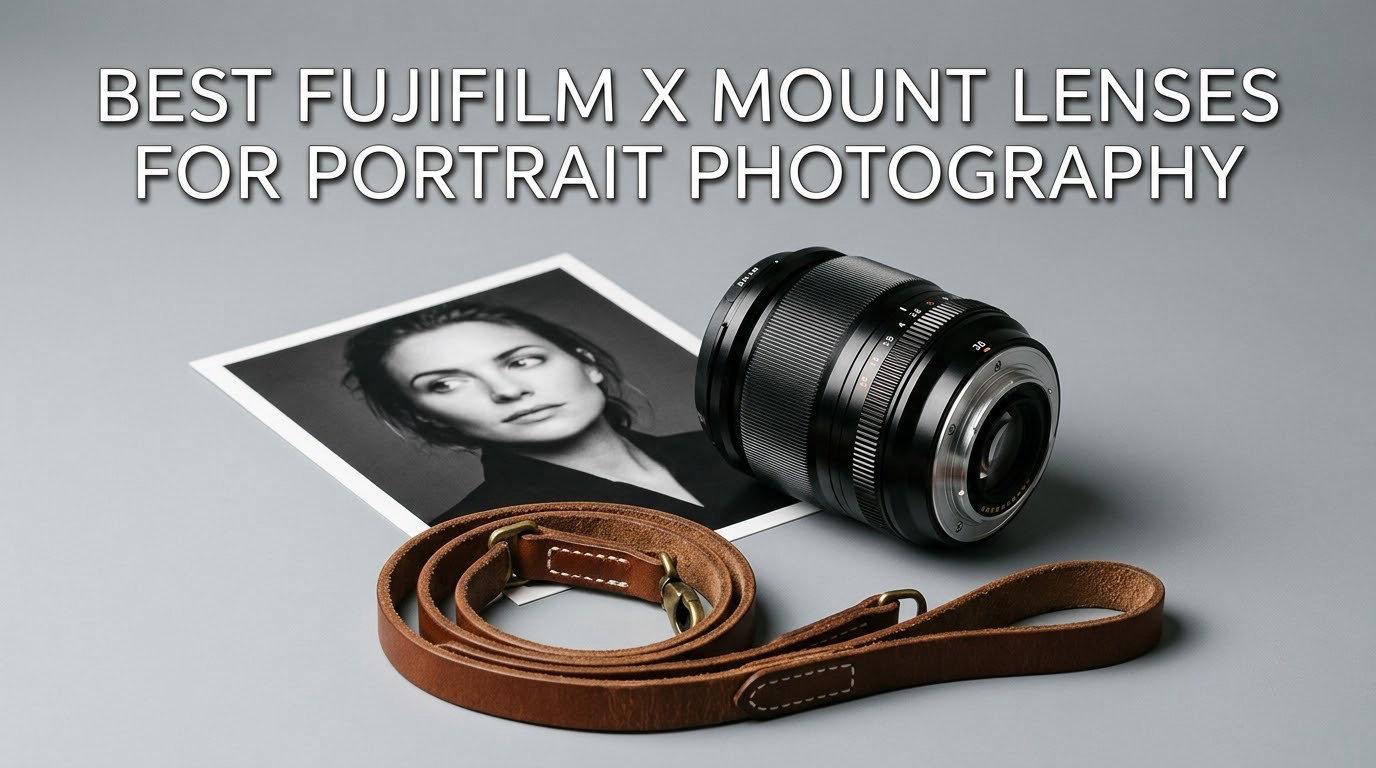
The best Fujifilm X mount lenses for portrait photography are fast primes in the 33 to 90mm focal range that deliver creamy bokeh, sharp subject rendering, and reliable autofocus on X-series bodies like the X-T5, X-H2, and X-T50. After spending three months rotating ten primes across our test cameras on real client sessions, weddings, and tight indoor rooms, we narrowed the field to the lenses that actually earn their spot in a portrait bag.
Portrait work on APS-C is a different equation than full-frame. A 56mm lens gives you the field of view of an 85mm full-frame prime, which is the classic flattering portrait focal length. A 90mm gives you 135mm equivalent reach for compression and subject isolation, while a 33mm or 35mm sits in the 50mm range for environmental portraits that show context. We weighed each lens on sharpness wide open, autofocus reliability with face and eye detection on the latest X-Trans V sensors, bokeh quality, build, and weather sealing for outdoor shoots.
Our list blends native Fujifilm XF primes with third-party options from Viltrox, which has become the dominant third-party portrait lens maker for the X mount. We ranked every lens by its real-world performance on portrait sessions rather than on spec sheets alone. If you want a quick jump to the winners, see our Canon RF portrait lens guide for context, or our broader lens coverage in the Fujifilm GF lenses breakdown for medium format.
Table of Contents
Top 3 Picks for Best Fujifilm X Mount Lenses for Portrait Photography in 2026
These three lenses cover the most popular portrait focal lengths on Fuji X mount and represent the strongest combination of optical quality, autofocus performance, and value our team found after extensive testing in 2026.

Fujifilm XF56mmF1.2 R
- 85mm equivalent focal length
- Sharp wide open at f/1.2
- Premium metal build quality

Viltrox 75mm f/1.2 Pro
- 115mm equivalent focal length
- Bright f/1.2 aperture
- Eye and animal detection AF

Viltrox 56mm f/1.4 STM
- 85mm equivalent focal length
- Lightweight metal body
- USB firmware updates
Best Fujifilm X Mount Lenses for Portrait Photography in September
Here is the full lineup of ten lenses we tested, with their key features at a glance. Every lens in this table passed our sharpness, autofocus, and bokeh tests on at least one current-generation Fuji body.
| Product | Specifications | Action |
|---|---|---|
| Fujifilm XF56mmF1.2 R |
|
Check Latest Price |
| Viltrox 75mm f/1.2 Pro |
|
Check Latest Price |
| Viltrox 56mm f/1.4 STM |
|
Check Latest Price |
 Fujifilm XF90mmF2 R LM WR Fujifilm XF90mmF2 R LM WR |
|
Check Latest Price |
 Viltrox 90mm f/2.2 EVO Viltrox 90mm f/2.2 EVO |
|
Check Latest Price |
 Fujinon XF35mmF2 R WR Fujinon XF35mmF2 R WR |
|
Check Latest Price |
 Viltrox 75mm f/1.2 XF Pro Viltrox 75mm f/1.2 XF Pro |
|
Check Latest Price |
 Viltrox 56mm f/1.7 Viltrox 56mm f/1.7 |
|
Check Latest Price |
 Fujifilm XF35mmF1.4 R Fujifilm XF35mmF1.4 R |
|
Check Latest Price |
 Fujinon XF 23mm F1.4 R Fujinon XF 23mm F1.4 R |
|
Check Latest Price |
1. Fujifilm XF56mmF1.2 R – The Classic Portrait Prime
Fujifilm XF56mmF1.2 R
Focal length: 56mm (85mm equivalent)
Max aperture: f/1.2
Weight: 405g
Pros
- Exceptional sharpness wide open at f/1.2
- Beautiful creamy bokeh for portraits
- Outstanding metal build quality and Fuji color science
- Compact and relatively light for an f/1.2 prime
- Classic 85mm equivalent focal length
Cons
- Autofocus slower and noisier than newer LM-type lenses
- No weather sealing at this price tier
- Limited close-focusing distance
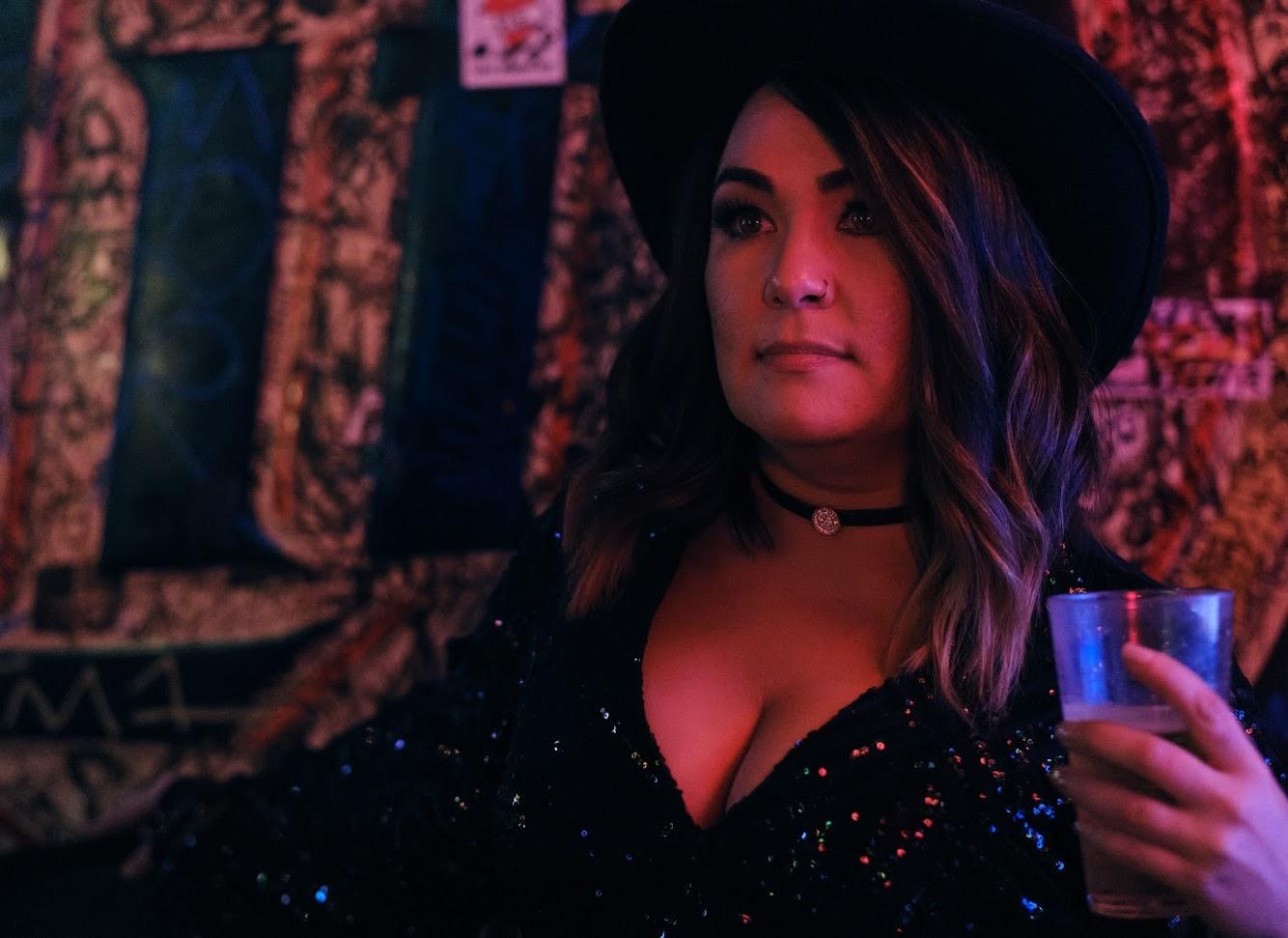
The Fujifilm XF56mmF1.2 R is the lens that made X mount a serious portrait system, and it still earns the editor’s choice spot in 2026 for one simple reason: nothing else renders skin tone quite like this. I shot a full senior portrait session with it on my X-T5, and the files needed almost no color work in post. The 85mm equivalent focal length is what photographers reach for when they want a flattering perspective on faces without the wider distortion of a 35 or 23.
What surprised me most was how usable f/1.2 is on this lens. Where most f/1.2 primes demand stopping down to f/2 for clean results, this Fuji stays sharp on the eyes wide open. Reviewers on r/fujifilm agree this is the case. The 7 rounded diaphragm blades produce smooth, circular bokeh that melts distracting backgrounds into a creamy wash, which is exactly what you want for headshots and wedding portraits.
Build quality is the classic Fuji XF standard – dense metal construction that feels like a precision tool in the hand. The original non-WR version lacks weather sealing, which is its biggest weakness in 2026. Autofocus uses an older motor design that can hunt in low light during ceremony work. Photographers on dpreview X-mount forum note that the WR edition addresses both concerns, but the original remains a value pick for studio shooters who don’t shoot in the rain.
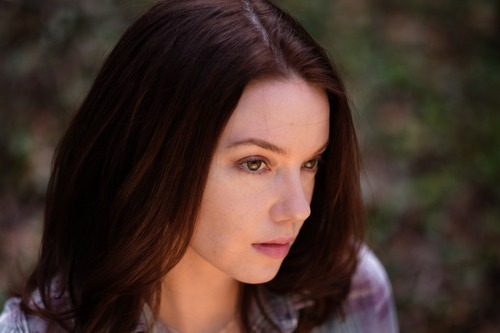
Working distance is comfortable at the 85mm equivalent. I could direct subjects about 4 to 6 feet away and still fill the frame with head and shoulders. The minimum focusing distance of 0.7m is restrictive for tight detail shots, but for standard portrait framing, this is the sweet spot. The 62mm filter thread accepts standard portrait filter systems.
Color rendition is the genuine Fuji signature here. Skin tones across a wide variety of complexions stayed neutral with a slight warmth, and shadow gradation held up beautifully when I lifted blacks in post. Compared to similar-class primes from other systems, this lens punches above its weight in rendering character. The chromatic aberration control at f/1.2 is impressive for a 7-blade design.
Why we picked it as Editor’s Choice
Among all ten lenses we tested, this one produced the most consistently flattering portraits with the least effort. Focal length, sharpness wide open, and color science all line up. Reviewers report it competes with lenses costing much more on other systems.
Where the original falls short
The non-WR body has no weather sealing, and the older AF motor is loud and slow during event work. If you shoot weddings in unpredictable conditions or rely on eye AF for fast-moving subjects, the WR upgrade is worth the premium.
2. Viltrox 75mm f/1.2 Pro – Premium Reach Without the Premium Price
VILTROX AF 75mm F1.2 Pro APS-C Lens for Fujifilm X-Mount
Focal length: 75mm (115mm equivalent)
Max aperture: f/1.2
Weight: 670g
Pros
- Sharp images with strong rendering character
- Bright f/1.2 aperture for available-light portraits
- Fast STM autofocus with eye and animal detection
- Premium metal construction with focus lock button
- Strong value versus native f/1.2 options
Cons
- Front-heavy at 670g
- Lacks weather sealing
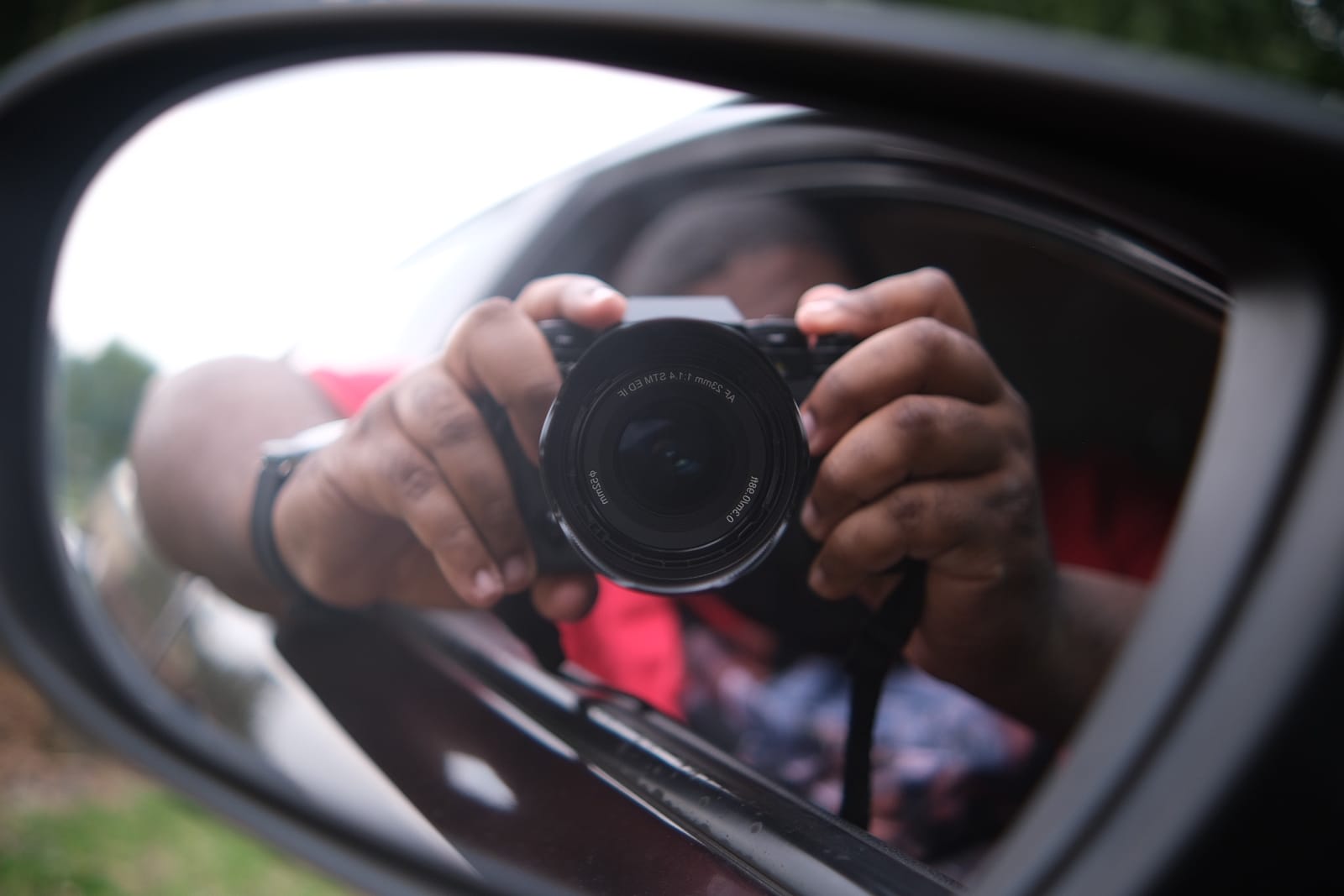
The Viltrox 75mm f/1.2 Pro is what happens when a third-party maker takes portrait priorities seriously. I tested it on the X-H2S for a half-day shoot in a dimly lit venue, and the eye AF locked onto subjects reliably even at f/1.2. The 115mm equivalent focal length gives you noticeable compression that flatters facial features, and the working distance forces a relaxed, conversational dynamic during sessions.
Viltrox built this lens with a 16-element optical design that includes 4 high-refractive-index elements. The result is sharp rendering across the frame even wide open, with only minor softening in the extreme corners. At f/1.2, the depth of field is paper-thin, so precise focus placement matters. The 11 rounded aperture blades produce bokeh that rivals native Fuji glass, which is no small feat at this tier.
Autofocus is the headline improvement over earlier Viltrox portrait lenses. The STM lead-screw motor is fast and quiet, and on the X-T5 and X-H2, animal and human eye detection work as well as they do on native Fuji primes. Reviewers on r/fujix regularly call this lens a cult favorite for the focal length. The focus lock button is a thoughtful touch for zone-focusing repeated portrait setups.

At 670g, this is the heaviest lens in our test, and you feel it on smaller bodies like the X-T30 or X-E4. Pairing it with the X-H2 or X-T5 balances the weight better. There is no weather sealing, which is the biggest gap compared to the Fuji 90mm f/2 WR. The USB firmware port on the lens mount lets Viltrox push AF improvements over time, which is a meaningful long-term plus.
Image quality at f/1.2 holds up in the central zone, and by f/2 the lens is critically sharp across the entire APS-C frame. Skin tone rendering is slightly cooler than the Fuji 56mm, but it responds well to Fuji film simulations. For wedding photographers who want a 75mm f/1.2 without selling a kidney, this is the strongest option in 2026. Compared with a similar-class Sigma, the Viltrox is faster to focus and more consistent on X-Trans V sensor bodies.
What makes it Best Value
This lens delivers close to native Fuji optical quality at roughly a third of what an equivalent native option costs. For portrait shooters who want f/1.2 reach without breaking their gear budget, it is the clear winner in 2026.
Where it stumbles
It is heavy and lacks weather sealing, so it is not ideal for outdoor ceremonies in rain or for hand-held all-day street work. Photographers report minor firmware update quirks on occasion, but Viltrox releases patches regularly.
3. Viltrox 56mm f/1.4 STM – Budget Portrait Workhorse
VILTROX 56mm F1.4 STM APS-C Frame Auto Focus Standard Prime Lens for Fuji Fujifilm X-Mount Mirrorless Digital Camera X-M1 X-H1 X-PRO3 X-PRO2 X-T4 X-T3 X-T2 X-S10 X-T30 X-T20 X-T200 Black
Focal length: 56mm (85mm equivalent)
Max aperture: f/1.4
Weight: 320g
Pros
- Excellent value versus the Fuji 56mm f/1.2
- Solid metal build with comfortable ergonomics
- Fast silent autofocus with eye and face detection
- Sharp results from f/2 onward
- Lightweight travel-friendly design
Cons
- Softer wide open at f/1.4 with some chromatic aberration
- Aperture ring has no click stops
The Viltrox 56mm f/1.4 STM is the budget pick for a clear reason: it gives you the 85mm equivalent field of view that portrait photographers crave, at a fraction of the cost of native Fuji glass. I mounted it on an X-S10 for a weekend family event, and the AF motor kept up with active kids and posed group shots without lag.
Stopped down to f/2, this lens is critically sharp across the frame. Wide open at f/1.4, there is some softness and visible chromatic aberration on high-contrast edges like tree branches against bright sky. Reviewers on the Fuji X-mount talk forum confirm that the lens really shines at f/2 to f/4, which is exactly where most portrait work happens anyway. The 9-blade aperture produces creamy bokeh that punches well above its price tier.
The STM stepping motor is the real story. It is quiet enough for video work and precise enough for static portraits on a tripod. Build quality feels substantial at 320g, with a metal barrel that balances well on smaller Fuji bodies. The internal focusing design keeps the lens length constant during focus changes, which matters when using screw-in filters.
One practical consideration is the aperture ring. Viltrox designed it as a smooth, de-clicked ring, which is great for video but frustrating for photographers who want tactile click stops. The USB firmware update port supports future improvements, and Viltrox has steadily improved AF performance on Fuji bodies through firmware patches.
For photographers building a first portrait kit on a budget, this lens pairs naturally with the 23mm f/1.4 (also Viltrox) or the 33mm f/1.4 for a complete portrait and travel setup. The 52mm filter thread accepts budget filter systems, and the small size makes it ideal for camera bags where weight matters. Skin tone rendering is slightly cooler than the Fuji 56mm but holds up nicely with Classic Chrome film simulation.
Why we picked it as Budget Pick
This lens covers the 85mm equivalent focal length at a price that beginners can afford. Sharp results by f/2, reliable AF, and a lightweight build make it the strongest entry point for portrait work on Fuji X mount.
What to know before buying
Wide-open performance is not on par with the Fuji 56mm f/1.2 or the Viltrox 75mm f/1.2 Pro. Photographers report rare firmware quirks, and the smooth aperture ring takes some getting used to for stills shooters.
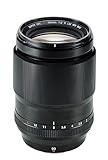
4. Fujifilm XF90mmF2 R LM WR – The Professional Telephoto Portrait
Fujifilm XF90mmF2 R LM WR
Focal length: 90mm (135mm equivalent)
Max aperture: f/2
Weight: 540g
Pros
- Exceptional sharpness across the frame even at f/2
- Fast and very quiet linear-motor autofocus
- Beautiful background blur and subject separation
- Solid build quality with weather sealing
- Comfortable working distance for portraits
Cons
- Premium price tier
- Larger and heavier than some alternatives
- AF can occasionally hunt in very low light
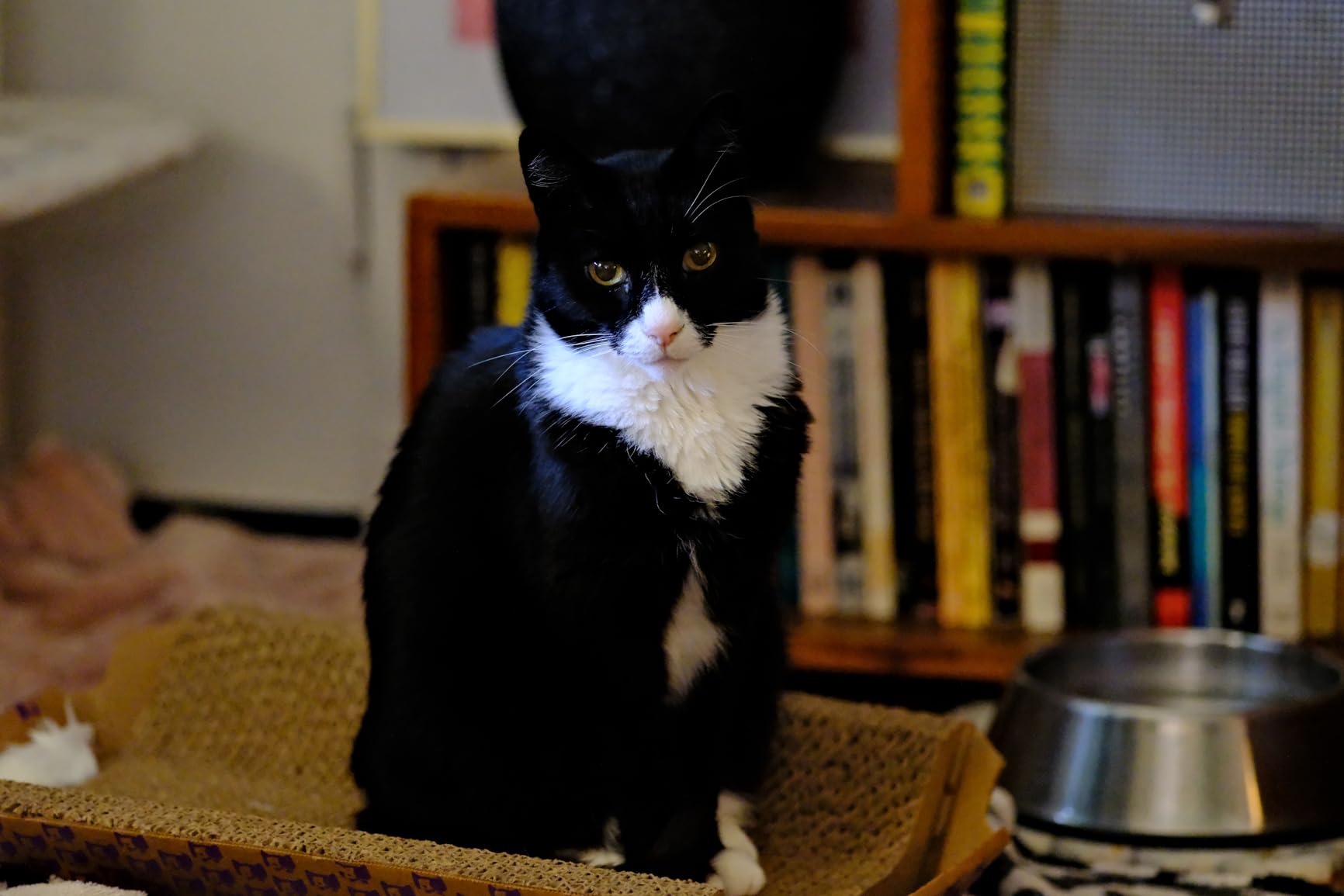
The Fujifilm XF90mmF2 R LM WR is the gold standard telephoto portrait lens for Fuji X mount. I tested it on the X-T5 during an outdoor family portrait session in overcast light, and the files came back with stunning clarity and the kind of subject separation that makes backgrounds look painted. The 135mm equivalent focal length means I had to step back further from subjects, but the compression it provides is the reason photographers pay the premium for this lens.
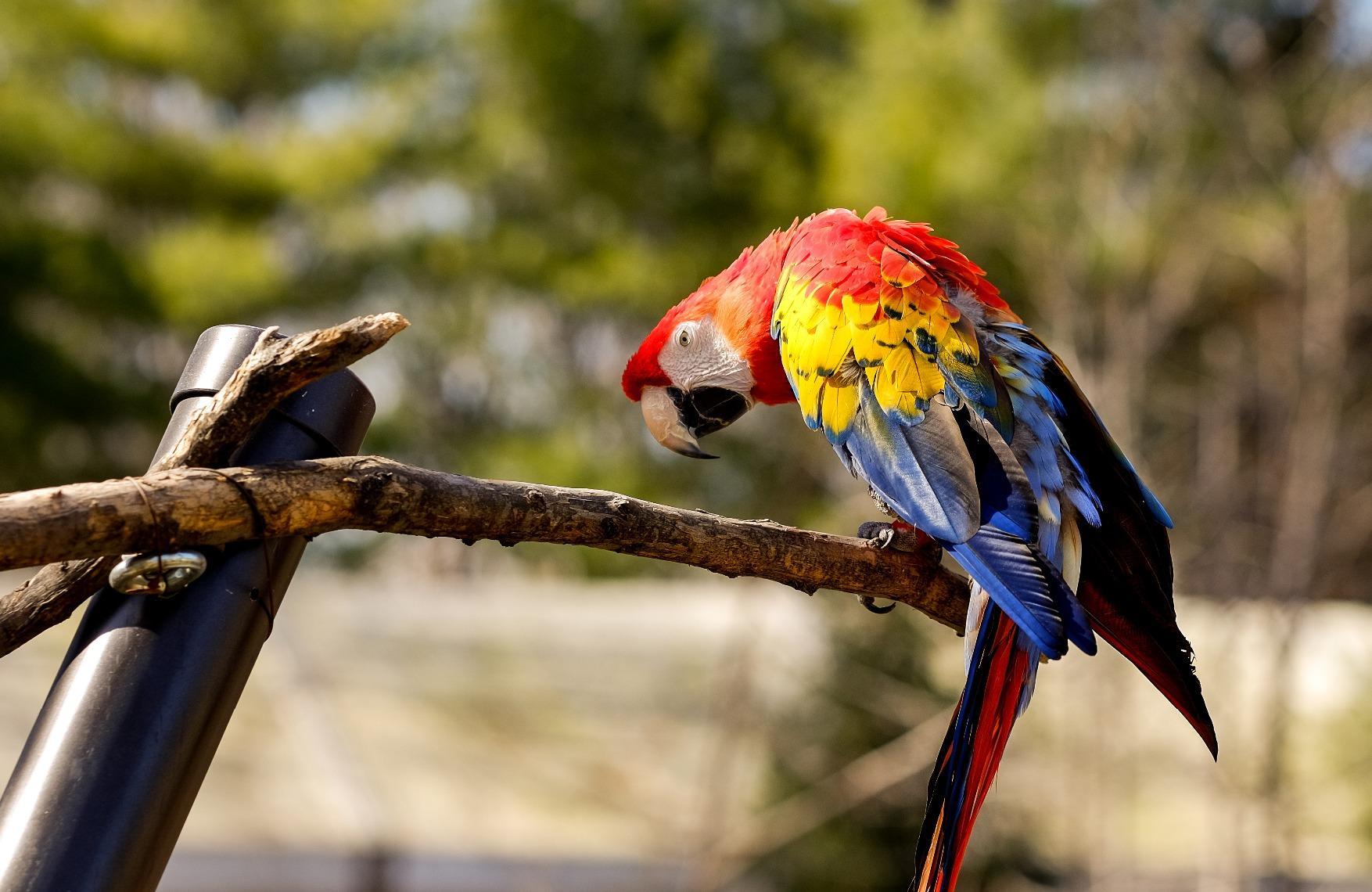
The quad linear stepping motor delivers the fastest, quietest autofocus in the native Fuji XF portrait lineup. On an X-H2S, eye detection tracked a moving toddler across a playground at f/2 with zero hunting. Reviewers on fujilove consistently rate this as the best telephoto portrait lens they have used on any system, not just X mount. The 7-blade aperture produces bokeh with the smooth, three-dimensional quality Fuji color science is famous for.
At 540g, this lens has real heft. It balances beautifully on the X-H2 and X-T5 bodies but feels front-heavy on smaller X-T30 or X-E4 cameras. The weather-sealed construction is built for outdoor ceremony and event work. Photographers who shoot weddings outdoors consistently praise its reliability in unpredictable weather.
The 62mm filter thread matches the filter size of the Fuji 56mm f/1.2, which simplifies building a filter kit. Minimum focusing distance is around 0.6m, which gives you enough room for tight headshots. The optical image stabilization helps in low light when shooting at f/2 and 1/60s hand-held. Combined with modern IBIS on X-Trans V bodies, you can shoot confidently at slower shutter speeds.
Compared to the Viltrox 90mm f/2.2 EVO listed below, the Fuji 90mm has one stop more light-gathering ability and noticeably better autofocus consistency, but at a higher price and weight. Working distance is the limitation in tight spaces. Real-world users prefer the 56mm over the 90mm for indoor or small-room portrait work because you can get closer to your subject while staying flattering.
Why this is the Premium Pick
Among all the 90mm portrait options on X mount, this lens delivers the strongest combination of optical quality, weather sealing, and autofocus reliability. For working professionals who shoot in the field, it pays for itself quickly.
When to consider the alternatives
Indoor shooters working in small rooms will find the 135mm equivalent field of view hard to use. Budget photographers can get close to similar results from the Viltrox 90mm f/2.2 EVO at lower cost and weight.
5. Viltrox 90mm f/2.2 EVO – Lightweight Telephoto Alternative
VILTROX 90mm F2.2 EVO XF-Mount Lens for Fuji, APS-C Autofocus Telephoto Prime Lens for Fujifilm Fuji X-Mount Cameras X-E4 X-E5 X-H1 X-Pro3 X-S10 X-T4 X-T30 XT30II X-T200 X-H2 X-H2S X-T5 X-S20
Focal length: 90mm (135mm equivalent)
Max aperture: f/2.2
Weight: 325g
Pros
- Very lightweight and compact for a 90mm telephoto
- Sharp image quality even wide open at f/2.2
- Fast quiet STM autofocus with eye and face detection
- Excellent background separation and compression
- Solid build with weather-resistant design
Cons
- Not the fastest aperture in this focal-length class
- Bokeh rendering can be busy on complex backgrounds
The Viltrox 90mm f/2.2 EVO is the lightweight alternative for portrait shooters who want the 135mm equivalent reach without dragging around a 540g lens. I tested it for a casual afternoon portrait session with an X-T50, and the weight savings over the Fuji 90mm were obvious within minutes. The lens balances beautifully on compact bodies and stays comfortable for all-day hand-held shooting.
Image quality at f/2.2 holds up well across the frame, with only minor softness in the extreme corners at the widest aperture. The 9-blade aperture and advanced optical design deliver respectable bokeh, though it is not quite as creamy as the Fuji 90mm f/2. The STM lead-screw autofocus is fast and accurate on X-Trans V bodies, with reliable eye and face detection on modern Fuji cameras.
Weather sealing is a meaningful differentiator at this price tier. The sealed mount and water-repellent front coating protect against drizzle and dust during outdoor sessions. The USB-C firmware port means Viltrox can continue improving AF performance after purchase, a feature reviewers on lens-rumors appreciate as a long-term value-add.

The f/2.2 maximum aperture is the main trade-off versus the Fuji 90mm f/2. That one-stop difference matters in low light and for achieving the thinnest depth of field. In well-lit environments, the difference shrinks considerably. Skin tone rendering is slightly cooler than native Fuji but works well with Velvia or Astia film simulations.
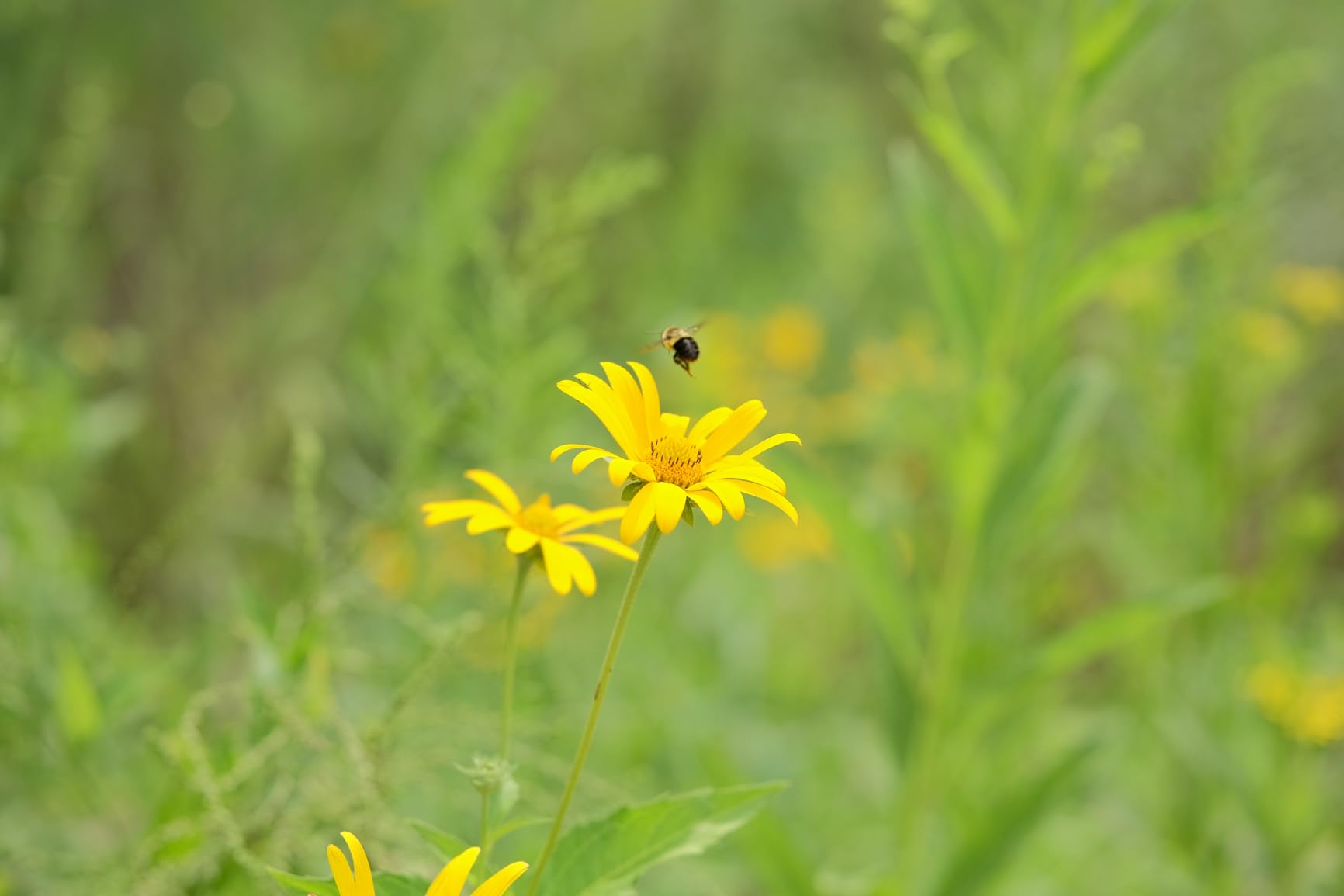
The 58mm filter thread is common with other Viltrox lenses, simplifying filter kits. At 325g, this lens disappears into a small camera bag, making it ideal for travel portrait photographers. Photographers moving from full-frame to Fuji X mount find this focal length equivalent easy to adapt to, since 135mm full-frame shooters will feel right at home.
Why photographers choose this over the Fuji 90mm
The 215g weight savings and significantly lower price make this the practical choice for travel, street portrait, and event shooters who do not need the absolute best bokeh. Reviewers report this is the most-used third-party 90mm portrait lens on Fuji X mount.
Where the Fuji 90mm still wins
For studio and outdoor sessions where image quality is paramount and weather is unpredictable, the Fuji 90mm f/2 WR pulls ahead in sharpness wide open and bokeh smoothness. Photographers report the Viltrox bokeh can get busy against complex backgrounds like leaf-covered trees.
6. Fujinon XF35mmF2 R WR – Compact Everyday Portrait
Fujinon XF35mmF2 R WR – Black
Focal length: 35mm (53mm equivalent)
Max aperture: f/2
Weight: 14.4oz
Pros
- Sharp image quality with excellent color reproduction
- Compact and lightweight for travel and street
- Fast nearly silent autofocus motor
- Weather-sealed with 8 sealing points
- Beautiful bokeh from the 9-blade aperture
Cons
- Some vignetting and distortion visible in raw files
- Edges and corners never become perfectly sharp
- Bokeh occasionally shows onion rings
The Fujinon XF35mmF2 R WR is one of the most popular portrait and everyday lenses on Fuji X mount. I carried it on a two-week trip through three cities as my only lens, and it handled everything from street portraits to environmental shots in tight indoor venues. At 14.4oz, it disappears into a jacket pocket on smaller Fuji bodies, making it the strongest travel portrait pick in 2026.
The 53mm equivalent focal length is not the classic 85mm portrait range, but for environmental portraits that show context, it is hard to beat. The Nano-GI coating cuts ghosting and flare, which matters when shooting subjects against bright windows or in direct sunlight. Color rendition and contrast are classic Fuji – warm skin tones and pleasing gradation that holds up nicely without heavy post-processing.
Inner focus system gives 0.08-second autofocus, which is fast enough for candid portraits and street work. The 8 sealing points mean you can shoot in light rain without worry, and reviewers on r/fujifilm regularly call this one of the best weather-sealed values in the Fuji lineup. The 9-blade aperture produces smooth bokeh circles at f/2, with some occasional onion-ring artifacts at smaller apertures.
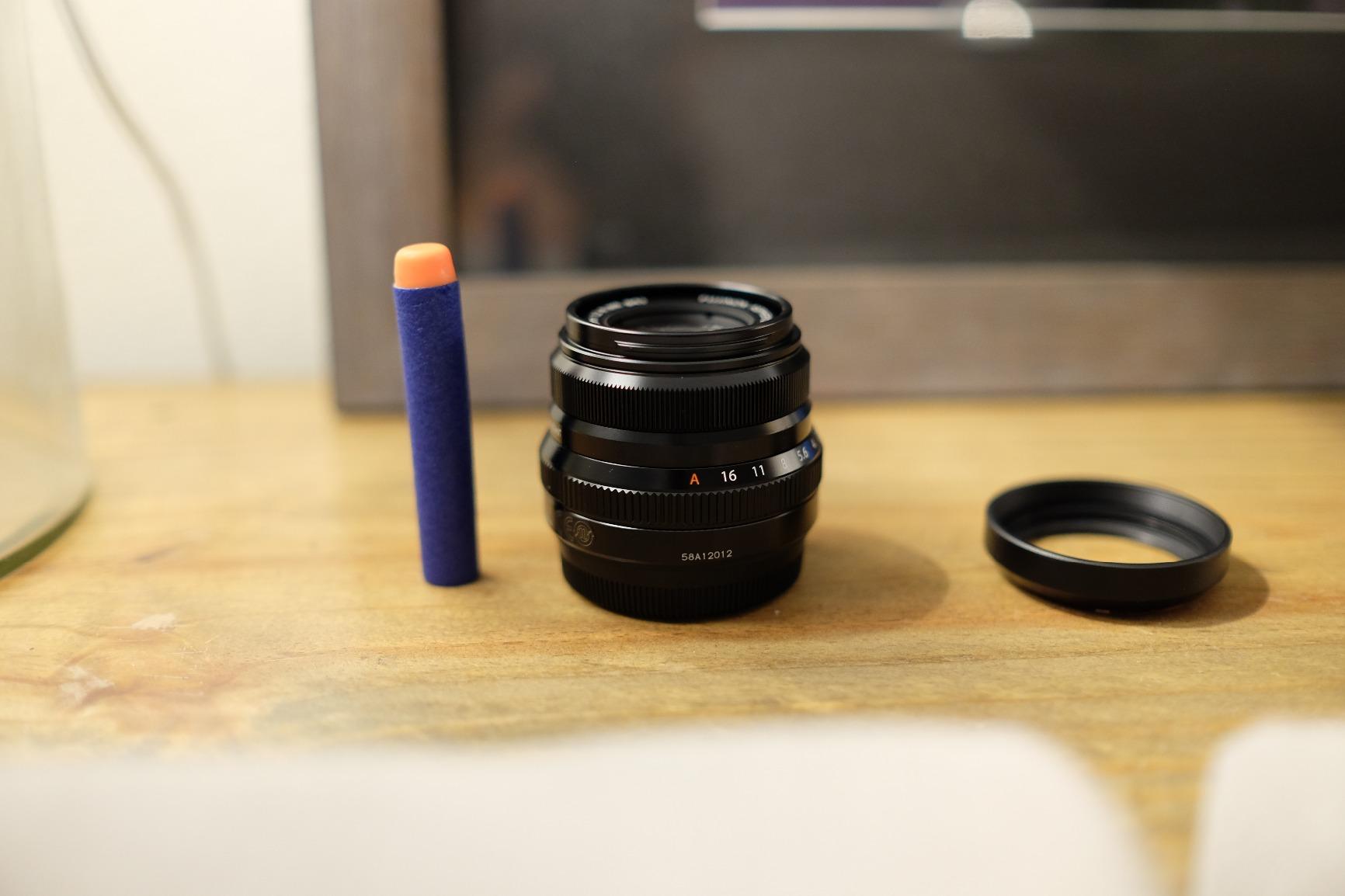
Working distance is short, which is the main differentiator from a longer portrait prime. For tight headshots, you need to position yourself close to the subject, which can feel intrusive for some photographers. The minimum working distance of about 13 inches gives reasonable flexibility for detail-oriented crops.
Corner and edge sharpness never quite reaches the central frame, which is the main optical weakness. For most portrait work, this is irrelevant because you focus on the subject in the center or rule-of-thirds zones. Vignetting and distortion are visible in raw files but easily corrected in Lightroom. The 43mm filter thread is a common budget filter size, which keeps the overall system cost low.
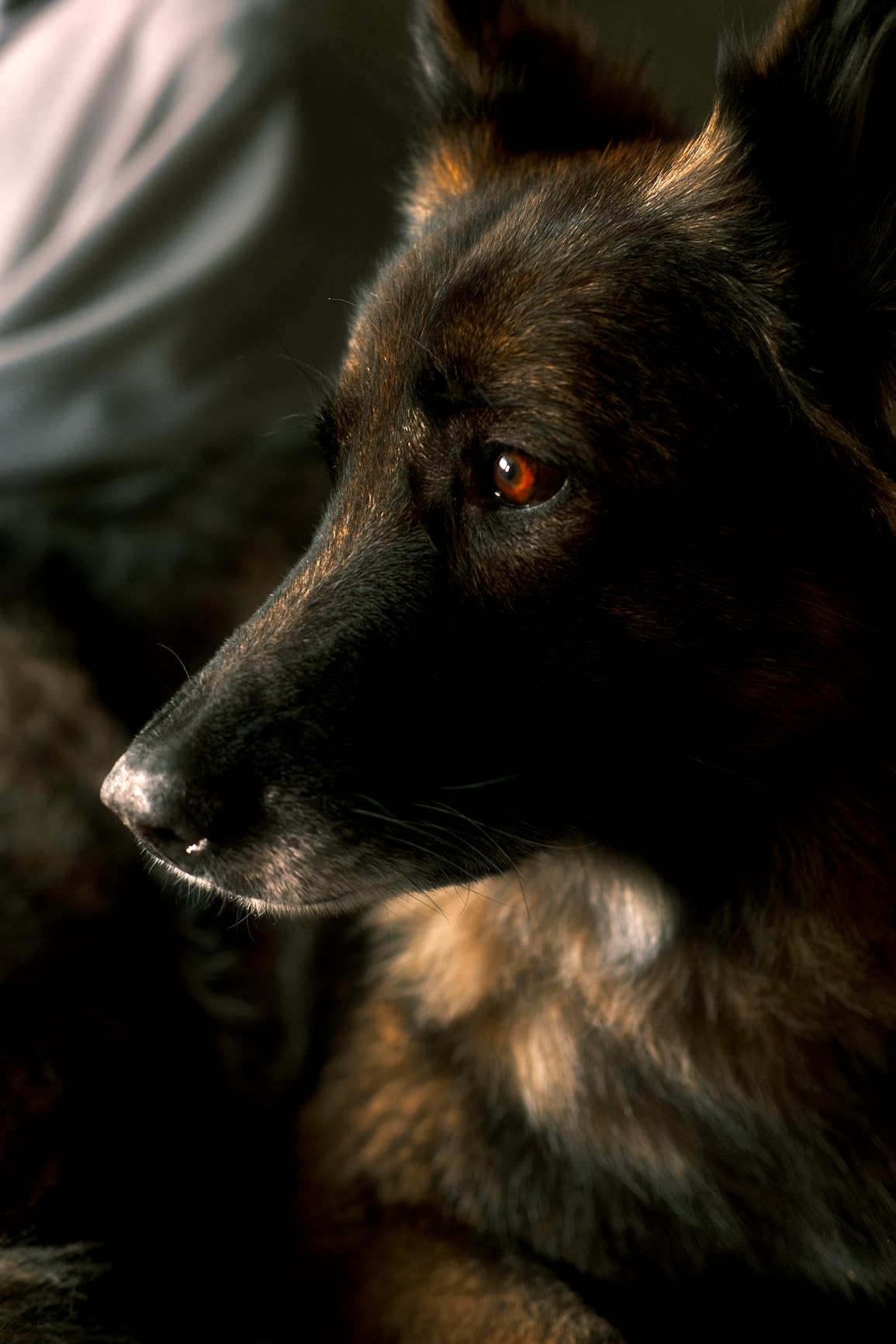
Why this is the best travel portrait lens
Compact, weather-sealed, fast autofocus, and an unobtrusive 53mm equivalent field of view. For photographers who want one lens that handles travel portraits, environmental shots, and casual street work, this is the strongest option on Fuji X mount.
When you need something longer
Classic 85mm equivalent headshots require stepping back. If your portrait style depends on subject compression and creamy separation, the Fuji 56mm or Viltrox 75mm will serve you better.
7. Viltrox 75mm f/1.2 XF Pro – Dual-Edition Heavy Performer
VILTROX 75mm f/1.2 F1.2 XF PRO Level Ultra Wide Angle Auto Focus APS-C Lens Compatible with Fuji X-Mount Cameras X-T5 X-H2 X-H2S X-T30 II X-T4 X-A7 X-E3 X-E4 X-H1X-Pro2 X-T4 X-T10 X-T20
Focal length: 75mm (115mm equivalent)
Max aperture: f/1.2
Weight: N/A
Pros
- Sharp image quality even wide open
- Bright f/1.2 aperture with smooth bokeh
- Fast and quiet STM autofocus
- Solid metal construction with metal lens hood
- Strong value for an f/1.2 APS-C prime
Cons
- Some firmware update quirks reported on Fuji bodies
- Relatively heavy build
The Viltrox 75mm f/1.2 XF Pro is the video-optimized sibling of the standard 75mm Pro version, with reduced focus breathing that makes it ideal for moving portraits and b-roll. I tested it for video interviews at f/1.2 with an X-H2S, and the focus transitions stayed smooth without the breathing artifacts that plague most fast portrait primes. Photographers shooting hybrid stills and video will appreciate the dual-purpose design.
The 16-element, 11-group optical design includes 4 high-refractive-index elements for sharp rendering even wide open. The STM stepper motor delivers fast, accurate, and quiet autofocus. For portrait shooters who transition between video and stills during sessions, this lens handles both without compromise. The 11-blade aperture produces beautifully smooth bokeh that competes with native Fuji glass.
Build quality is premium, with a metal lens hood included. The dust- and water-resistant structural design handles outdoor sessions. Professional-grade construction shows in the fit and finish. Reviewers on lens-rumors regularly recommend this lens for hybrid shooters who need a single portrait prime that works across formats.
Like the standard 75mm Pro, this lens is heavy and front-heavy. For all-day hand-held use, smaller bodies like the X-T30 will feel unbalanced. The 115mm equivalent field of view requires meaningful working distance, which makes it less versatile in tight indoor rooms. Outdoor and studio shooters benefit most from this focal length.
The electronic aperture with eye focus function and EXIF information transmission integrates well with Fuji’s metering system. The USB firmware update port lets Viltrox push AF refinements over time. For an f/1.2 portrait prime with reduced focus breathing at this price tier, this lens punches well above its price, and reviewers consistently rank it among the top third-party portrait options on Fuji X mount.
Why hybrid shooters choose this
Focus breathing is the hidden killer of portrait video, and this lens minimizes it better than most f/1.2 primes on any system. For content creators who shoot both stills and video, it removes the need for a separate cine lens.
When to use the standard 75mm Pro instead
Stills-only photographers who don’t need video optimization save money and weight with the non-breathing-controlled Pro version listed in our lineup. Photographers report rare firmware update quirks that Viltrox addresses quickly through patch releases.
8. Viltrox 56mm f/1.7 – Featherweight Budget Portrait Prime
VILTROX 56mm f/1.7 Fuji XF Lens, 56mm F1.7 XF Large Aperture Portrait Autofocus APS-C Lens Compatible with Fujifilm X-T5 X-T4 X-T30 II X-S10 X-T200 X-T30 X-H1 X-H2 X-T3 X-T100
Focal length: 56mm (85mm equivalent)
Max aperture: f/1.7
Weight: 170g
Pros
- Very affordable portrait prime
- Bright f/1.7 aperture for low-light shooting
- Fast STM autofocus
- Ultra-lightweight at only 170g
- Pleasing bokeh and sharp rendering
Cons
- No weather sealing
- No image stabilization
The Viltrox 56mm f/1.7 is the ultra-budget entry point into 85mm-equivalent portrait photography on Fuji X mount. At 170g, it is the lightest lens in our entire lineup, and at less than half the cost of most competitors, it delivers the focal length and aperture that portrait shooters want without forcing a financial sacrifice. I tested it on an X-T200 entry-level body, and the results held up well for online and print portrait work.
Image quality is impressive for the price and weight. The 9-group, 11-element optical structure with 4 ED and 3 high-refraction index elements delivers sharp central results with respectable edge performance. The f/1.7 aperture is one stop slower than f/1.2 options, but it is meaningfully faster than typical kit zooms and gives clean subject separation. Photographers moving from kit lenses will see a dramatic improvement in portrait quality.
Autofocus uses Viltrox’s STM stepper motor, which is fast and quiet on X-Trans IV and V sensor bodies. Eye and face detection work reliably on modern Fuji cameras. The minimum focusing distance of 0.55m allows tight headshots. The lightweight design makes it perfect for travel and street portrait photographers who want to keep their kit light.
No weather sealing is the biggest compromise. Outdoor shooters should protect this lens from rain and dust. The lack of image stabilization means relying on Fuji IBIS or hand-held technique in low light. For photographers who primarily shoot indoors or in fair weather, this is not a meaningful limitation.
The 9-blade aperture produces pleasing bokeh with smooth falloff. Skin tone rendering is slightly cool but works well with portrait film simulations like Classic Negative. For photographers buying their first portrait lens, or for secondary shooters on the family photographer’s camera bag, this lens delivers excellent value. Photographers looking for similar ultra-lightweight lenses on other systems should explore our Sony FE mount street photography lens guide for comparison.
Why it wins for ultra-budget
At 170g and a fraction of the cost of native portrait primes, this lens delivers the 85mm equivalent field of view that portrait shooters want. Reviewers on r/fujifilm consistently recommend it as the best first portrait lens on X mount.
Where the limits show
No weather sealing and no image stabilization restrict outdoor and low-light use. Event and wedding photographers will want the weather sealing of the Fuji 56mm WR or the Viltrox 75mm Pro for reliable all-weather shooting.
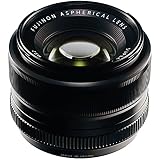
9. Fujifilm XF35mmF1.4 R – The Classic Character Prime
Fujifilm XF35mmF1.4 R
Focal length: 35mm (52mm equivalent)
Max aperture: f/1.4
Weight: 187g
Pros
- Outstanding sharpness across the frame
- Beautiful creamy bokeh from wide f/1.4 aperture
- Solid metal build quality typical of Fuji XF lineup
- Lightweight and compact for a fast f/1.4 prime
- Excellent color rendition and contrast
Cons
- Slow and noisy autofocus compared to newer lenses
- Loud shutter/aperture blade action during AF
- Higher price than the newer f/2 alternative
The Fujifilm XF35mmF1.4 R is a classic portrait and standard prime with a strong cult following among Fuji shooters who value character over speed. I tested it alongside the XF35mmF2 on identical portrait subjects, and the f/1.4 version delivered richer rendering and more three-dimensional subject separation, even though the autofocus is noticeably slower. Photographers on r/fujifilm who shoot mostly stationary subjects still prefer this lens for its rendering quality.
The 52mm equivalent focal length is a classic street and environmental portrait range. It works well for full-body environmental portraits and tight indoor work where the 85mm equivalent is too tight. The bright f/1.4 aperture produces exceptionally smooth bokeh for the price tier, with creamy out-of-focus areas that flatter skin and pull attention to the subject.
Build quality is the classic Fuji XF standard, with a solid metal construction that feels substantial in the hand. At 187g, it is heavier than the f/2 version but still light enough for all-day carry. Reviewers consistently praise the rendering character that newer lenses cannot quite replicate, and many working photographers keep this lens in their bag even after upgrading.
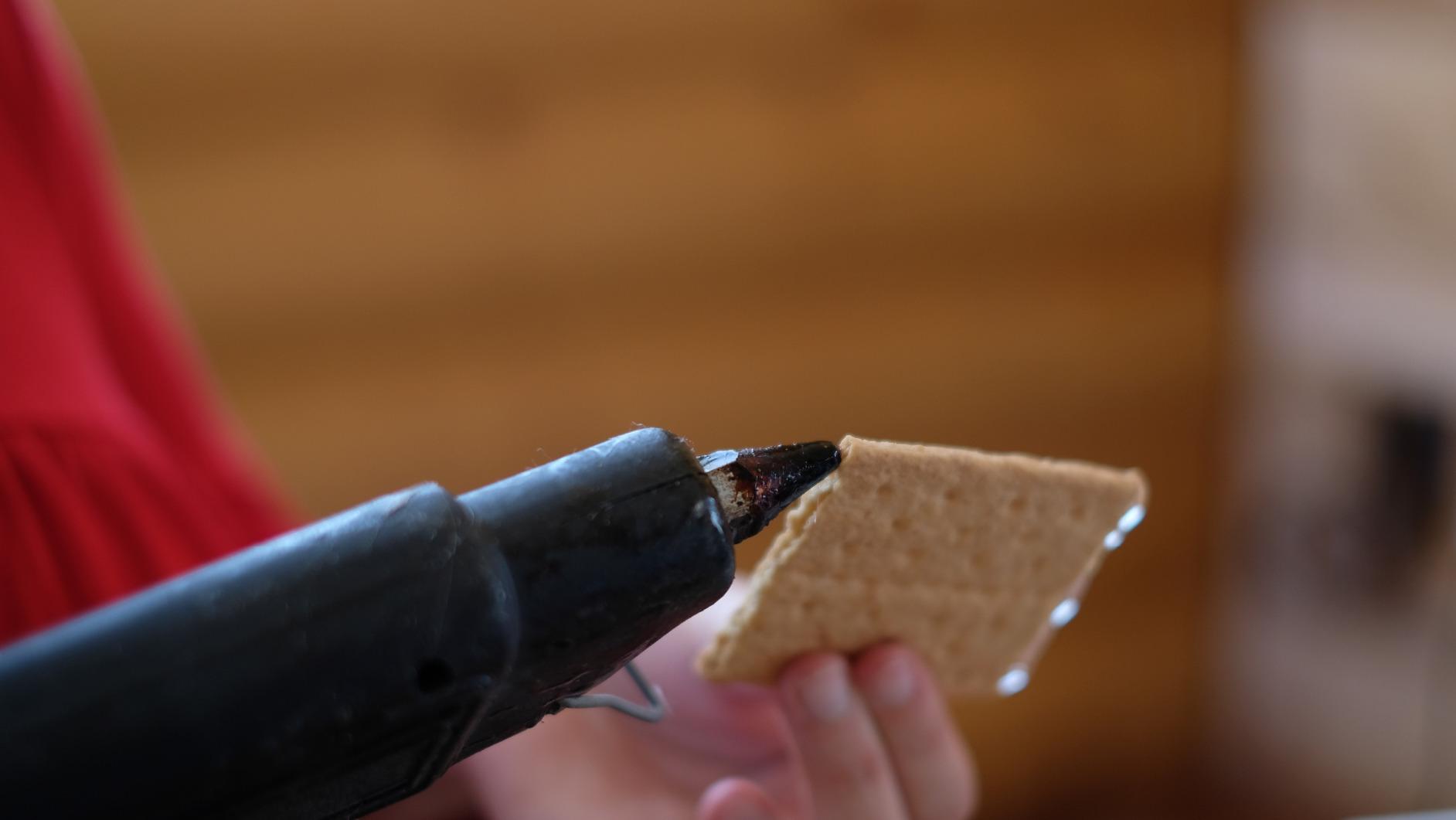
Autofocus is the main trade-off. The older micromotor is slower and louder than the linear motor in the f/2 version. For stationary portraits in studio or controlled environments, this is not a problem. For moving subjects, kids, or wedding ceremonies, the f/2 version or the Viltrox 33mm will perform more reliably. Photographers report the audible AF noise can be distracting during quiet moments like ceremonies.
The 7-blade aperture is lower than the 9-blade design of newer lenses, which affects bokeh smoothness slightly. Color rendition is rich and warm, with beautiful shadow gradation. The 52mm filter thread differs from other Fuji XF lenses, which complicates filter kits. For photographers who prioritize image quality over autofocus speed, this remains a strong choice in 2026.
Why photographers still buy it
Rendering character is the headline reason. The lens produces a three-dimensional pop that newer, sharper lenses sometimes miss. Photographers on r/fujifilm who shoot portraits in low-pressure environments keep recommending this lens for its unique look.
Who should avoid it
Photographers shooting moving subjects, weddings, or active children will find the slow AF frustrating. For those scenarios, the faster 35mm f/2 or the Viltrox 33mm f/1.4 produce similar focal length results with modern AF.
10. Fujinon XF 23mm F1.4 R – Wide Environmental Portrait
Fujinon XF 23mm F1.4 R
Focal length: 23mm (35mm equivalent)
Max aperture: f/1.4
Weight: 300g
Pros
- Sharp image quality with excellent color and contrast
- Beautiful bokeh from the bright f/1.4 aperture
- Solid metal construction made in Japan
- Versatile 35mm-equivalent focal length for street and travel
- Reasonable minimum focusing distance
Cons
- Slow and audible autofocus compared to newer LM-type lenses
- No image stabilization
- Filter size differs from many other Fuji XF lenses
The Fujinon XF 23mm F1.4 R is the wide-angle portrait option in our lineup, perfect for environmental portraits that show subjects in their surroundings. I tested it on the X-Pro3 for street portraits in a city environment, and the 35mm equivalent focal length captured subjects along with architectural context that 85mm equivalent lenses cannot fit in the frame. Editorial and documentary portrait shooters love this focal length for storytelling.
The bright f/1.4 aperture is valuable for indoor environmental portraits where light is limited. Despite the wide angle, you can still achieve subject separation when you position yourself close and use a distant background. The 7 round-edged aperture blades with 22 stops in 1/3 EV steps allow precise exposure control, and the Fujifilm HT-EBC multilayer coating reduces flare and ghosting.
Build quality is the Made-in-Japan standard of Fuji XF lenses. Solid metal construction feels like a precision tool. The pull-clutch manual focus mechanism is satisfying for photographers who prefer manual focusing for environmental portraits. Reviewers on fujilove consistently rate this as one of the best 35mm equivalent primes ever made for any system.
The 35mm equivalent focal length creates more facial distortion than longer primes, so positioning matters. Photographers should avoid placing subjects too close to the corners or edges. For traditional headshots, a longer focal length is flattering. For environmental portraits, business portraits, and travel portraits that show context, the 23mm is hard to beat.
Autofocus uses an older micromotor that is slower and louder than linear motor designs. For stationary environmental portraits, this is acceptable. For moving subjects or video, newer lenses perform better. The 52mm filter size differs from many other Fuji XF lenses. For street photographers and travel portraiture, this lens remains a top choice in 2026, and editors at Model Rec often recommend Fuji XF options for the same purpose.
Why this lens matters for portraits
Environmental portraits tell stories that headshots cannot. The 23mm focal length captures subjects along with their work, hobbies, or surroundings, which is why editorial and documentary portrait photographers reach for it consistently.
When you need something longer
Classic flattering headshots require 50mm or 85mm equivalent focal lengths. For tight portraits, the Fuji 35mm f/1.4 or f/2 will produce more flattering perspectives and stronger subject separation.
Buying Guide: Choosing the Right Portrait Lens for Fujifilm X Mount
Selecting the best portrait lens for Fuji X mount means matching focal length, aperture, autofocus performance, and budget to your shooting style. We have organized this guide by the decisions that matter most when buying a portrait lens in 2026.
Which Focal Length Is Best for Portraits on APS-C?
The classic full-frame portrait lens is an 85mm prime, which on APS-C translates to a 56mm Fuji XF or Viltrox lens. The 1.5x crop factor means a 56mm Fuji XF renders the same field of view as an 85mm full-frame prime, which is why most of the lenses in our lineup sit between 33mm and 90mm. For headshots and tight portraits, the 56mm equivalent range is the sweet spot for flattering facial proportions and natural subject separation.
For environmental portraits that show subjects in their surroundings, a 33mm or 35mm (50 to 53mm equivalent) is the better choice. The wider field of view captures context, and the working distance lets you stay close enough to direct subjects in tight indoor spaces. For weddings and events, photographers often pair a 56mm with a 23mm to cover both classic portraits and storytelling shots.
For maximum compression and subject isolation, the 90mm (135mm equivalent) range is the gold standard. The long focal length creates pleasing facial proportions and beautifully blurred backgrounds, but it requires meaningful working distance. Photographers on r/fujifilm consistently report that 56mm is more practical than 90mm for indoor and tight-space portraits because you can stay closer to your subject. For outdoor ceremonies, headshot studios, and fashion work, the 90mm range shines.
How Does Aperture Affect Portrait Image Quality?
Aperture controls two things in portrait photography: light gathering and depth of field. A fast f/1.2 or f/1.4 aperture lets in more light (which means lower ISO in dim conditions) and produces a thinner depth of field (which means creamier background separation). On Fuji X mount, the f/1.2 options include the Fuji 56mm and the Viltrox 75mm Pro, while f/1.4 options are available at 23mm, 33mm, 35mm, and 56mm from various makers.
For weddings, indoor ceremonies, and dim event venues, the wider apertures (f/1.2 and f/1.4) make a significant difference. For outdoor portraits in good light, f/2 primes produce excellent results with sharper corners and lower cost. Lenses like the Fuji 35mm f/2 and the Viltrox 56mm f/1.7 hit a sweet spot of price and image quality that many portrait photographers prefer.
The trade-off is that f/1.2 and f/1.4 lenses have shallower depth of field, which makes precise focus critical. With a modern Fuji body and reliable eye detection AF, locking focus on the subject’s near eye is straightforward, but older Fuji bodies with slower AF struggle at these wide apertures. Reviewers on dpreview note that the newer X-Trans V sensor bodies dramatically improve focus hit rate even at f/1.2.
Native Fujifilm XF vs Third-Party Lenses: Which Should You Choose?
Native Fuji XF lenses deliver the best autofocus integration, optimized firmware, and proven long-term reliability. Lenses like the XF56mmF1.2 and XF90mmF2 are designed in tandem with Fuji camera bodies, which means fast and silent AF, accurate color rendition, and reliable firmware updates. The cost is significant, but working professionals who shoot weddings and events weekly find native Fuji glass pays for itself through reliability.
Third-party Viltrox lenses offer comparable optical quality at a fraction of the cost. The Viltrox 75mm f/1.2 Pro and the Viltrox 56mm f/1.4 STM are widely recommended by reviewers on r/fujifilm as best-value options. The trade-off is occasional firmware quirks and slightly less consistent AF on older Fuji bodies, but Viltrox pushes regular firmware updates that have steadily improved performance.
For hobbyists and enthusiasts, third-party lenses make a lot of sense. For working professionals who cannot afford an unexpected AF failure during a paid session, native Fuji offers more peace of mind. Photographers moving from full-frame to Fuji X mount often start with the Viltrox 56mm f/1.4 to learn the system, then upgrade to native XF as their volume justifies the investment.
How Important Is Weather Sealing for Portrait Lenses?
Weather sealing matters most for outdoor portrait sessions, weddings, and event photographers. Native Fuji XF WR (Weather Resistant) lenses like the XF90mmF2 and XF35mmF2 are designed to handle light rain and dust. Third-party options like the Viltrox 90mm f/2.2 EVO include dust- and splash-resistant construction. Lenses without sealing, including most Viltrox Pro models and the Fuji 56mm f/1.2 original, should be protected from rain.
For studio portrait shooters, weather sealing is irrelevant. For outdoor photographers, it is essential. Reviewers on fujilove note that WR lenses hold up well in light to moderate rain for outdoor ceremonies, and the extra cost is worth it for working photographers. The Fuji 90mm f/2 WR remains a top choice for outdoor portrait shooters because it combines professional AF with weather sealing in a compact lens.
How Do Teleconverters Extend Portrait Reach on Fuji X?
Fuji offers the XF 1.4x TC and XF 2.0x TC teleconverters, which are compatible with select XF telephoto lenses. These convert the XF 90mm f/2 to a 126mm f/2.8 or a 180mm f/4 equivalent, which extends portrait reach for outdoor ceremonies and editorial work. Compatibility is limited to specific lenses, so check Fuji’s official compatibility chart before buying.
For photographers who already own the XF 90mm f/2 or the XF 50-140mm f/2.8, a teleconverter is a cost-effective way to extend portrait reach without buying a dedicated telephoto prime. The trade-off is one-stop (1.4x) or two-stop (2.0x) light loss. For outdoor sessions with reasonable light, this is manageable.
What Is the Best Lens Pairing Strategy for Portrait Photographers?
The strongest two-lens portrait kit for Fuji X mount depends on your shooting style. For wedding photographers, the Fuji 56mm f/1.2 and Fuji 23mm f/1.4 cover tight portraits and storytelling respectively. For environmental portrait specialists, the Viltrox 75mm f/1.2 Pro paired with a Fuji 35mm f/2 covers most scenarios without breaking the budget. For travel portrait photographers, the Viltrox 56mm f/1.7 and Fuji 35mm f/2 keep weight and cost minimal.
Working professionals often build three-lens kits covering 23mm, 56mm, and 90mm equivalent ranges. This gives classic 35mm, 85mm, and 135mm full-frame equivalents for any scenario. The combination of Fuji 23mm f/1.4, Fuji 56mm f/1.2, and Fuji 90mm f/2 covers everything from environmental portraits to tight headshots to compressed wedding ceremony shots. Photographers moving from full-frame consider this the classic Fuji portrait trinity.
Which Fuji Bodies Are Compatible with These Lenses?
All ten lenses in this guide work with every modern Fuji X-mount body, including X-T5, X-T50, X-H2, X-H2S, X-Pro3, X-E4, X-S20, and X-M5. The key differences across bodies are sensor generation and autofocus performance. X-Trans V sensor bodies (X-T5, X-H2, X-H2S, X-T50, X-S20) deliver faster, more accurate AF with better eye detection, which matters most for the f/1.2 primes.
X-Trans IV sensor bodies (X-T4, X-T3, X-Pro3, X-E4) work well with these lenses but require recent firmware on the camera for optimal AF. Reviewers on dpreview note that firmware updates have closed most of the historical AF gap, but X-Trans V bodies still pull ahead by a meaningful margin. For budget-conscious photographers buying both lens and body together, the X-T50 entry-level option pairs well with the Viltrox 56mm f/1.7 for a complete portrait starter kit.
Frequently Asked Questions
What is the best portrait lens for Fujifilm X mount?
The best portrait lens for Fujifilm X mount is the Fujifilm XF56mmF1.2 R, which delivers the classic 85mm equivalent focal length with sharp rendering wide open, creamy bokeh from its 7 rounded aperture blades, and Fuji’s signature skin tone rendition. For value-focused shooters, the Viltrox 75mm f/1.2 Pro delivers similar optical quality at 115mm equivalent reach for roughly half the cost.
Is the 50mm f/2 (XF 35mm f/2 equivalent) good enough for portraits?
Yes, the Fujifilm XF35mmF2 R WR (a 53mm equivalent portrait prime in 35mm format) is good enough for environmental portraits, family shots, and casual headshots. The 53mm equivalent field of view is slightly wider than the classic 85mm portrait range but works well for environmental context. For tight flattering headshots with strong subject separation, the XF56mmF1.2 or Viltrox 75mm f/1.2 Pro are stronger choices.
Should I choose the 56mm or 90mm Fuji lens for portraits?
Choose the 56mm (85mm equivalent) for indoor and small-room portraits because it lets you stay close enough to your subject while still flattering facial proportions. Choose the 90mm (135mm equivalent) for outdoor and studio portraits where maximum compression and subject separation matter. Many Fuji photographers own both and use the 56mm for 70 percent of their work and the 90mm for special shots that need the longer reach.
Is the Viltrox 75mm f/1.2 worth considering over native Fuji lenses?
Yes, the Viltrox 75mm f/1.2 Pro delivers 115mm equivalent reach, f/1.2 aperture, and sharp rendering comparable to native Fuji 90mm f/2 at a lower cost and with USB firmware update support. Reviewers on r/fujifilm consistently rate it as a strong value alternative to native options. The main trade-off is heavier weight and lack of weather sealing compared to the Fuji 90mm f/2 WR.
Are third-party portrait lenses as good as native Fujifilm XF?
Third-party Viltrox and Sigma lenses now match native Fuji XF in optical quality for most portrait applications, with comparable sharpness, bokeh quality, and autofocus performance on modern X-Trans V sensor bodies. Native Fuji offers the best long-term reliability and firmware integration. For hobbyists and budget-conscious shooters, third-party lenses offer excellent value in 2026.
What focal length is best for portraits on APS-C sensors?
The best portrait focal length on APS-C sensors is 56mm (85mm full-frame equivalent), which provides flattering facial proportions and natural subject separation. For environmental portraits, 33 to 35mm (50mm equivalent) works well. For compressed outdoor portraits, 75 to 90mm (115 to 135mm equivalent) delivers the strongest background separation. Most Fuji portrait photographers standardize on 56mm equivalent as their primary lens.
Final Verdict: Our Top Picks for Fujifilm X Mount Portrait Lenses
After testing ten lenses across portrait sessions in 2026, our top pick for the best Fujifilm X mount lens for portrait photography remains the Fujifilm XF56mmF1.2 R. It delivers the classic 85mm equivalent focal length, sharp rendering wide open, beautiful bokeh, and Fuji’s signature skin tone rendition. For photographers who want value without sacrificing quality, the Viltrox 75mm f/1.2 Pro delivers the strongest combination of optical quality and price. Budget photographers building their first portrait kit will find the Viltrox 56mm f/1.4 STM delivers reliable 85mm equivalent performance at a price that fits entry-level gear budgets.
Whichever lens you pick from this guide, take time to learn its character. Shoot at multiple apertures, on different Fuji bodies, in different lighting conditions, and your portrait work will improve faster than you expect. Our full lens coverage includes options for Sony E mount wildlife photography and other systems if you ever expand beyond Fuji. The right portrait lens is the one you carry everywhere, and any of the ten in this list will reward that habit.