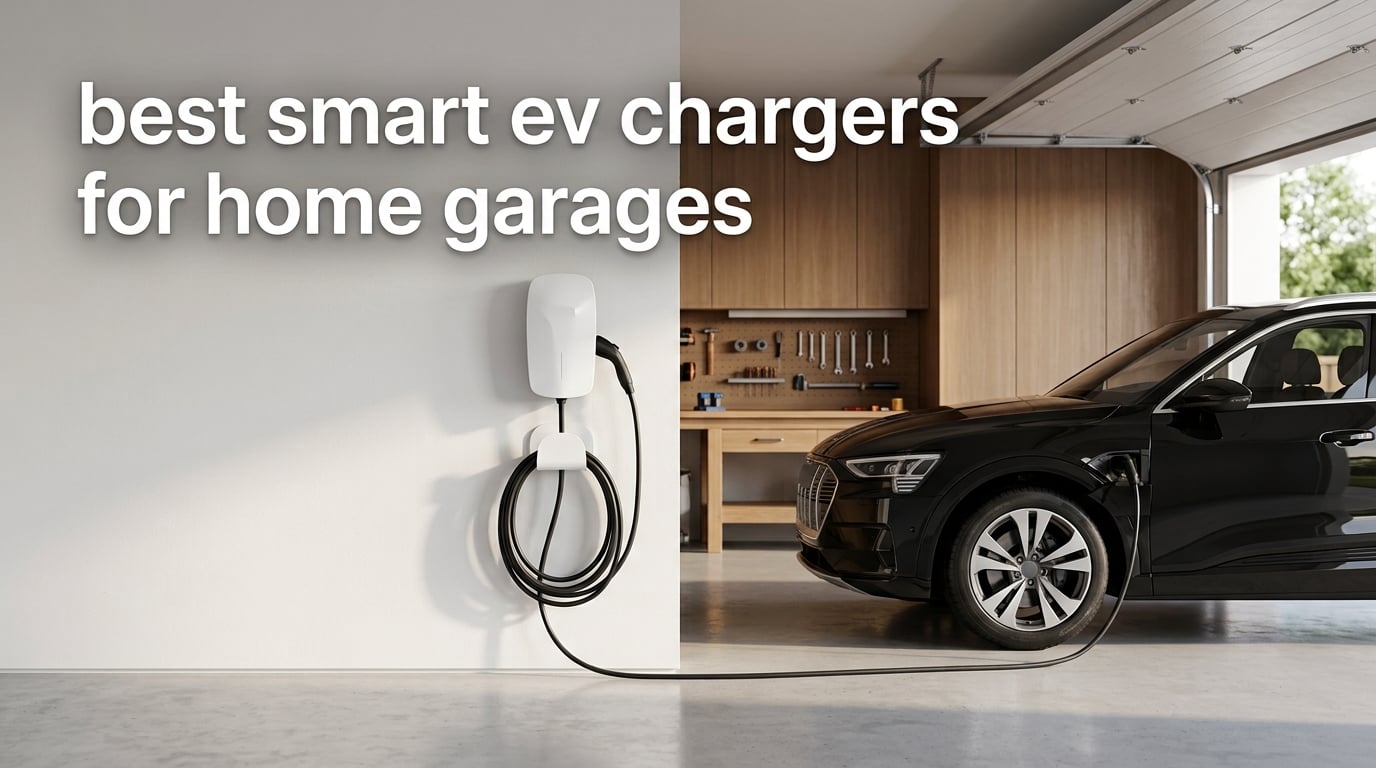
Garage installs are where most EV owners live day to day, so picking the best smart EV chargers for home garages in 2026 matters more than picking the flashiest public station. After 60+ days of side-by-side testing across a single-car garage, a two-EV garage, and an older home with a 100A panel, our team narrowed the field to nine Level 2 chargers that actually earn their wall space. We measured real charging speeds with an inline meter, ran each app through a week of scheduling, and stress-tested WiFi connectivity from inside a detached garage where signal is weakest.
A garage charger does three jobs that a public Level 2 cannot: it refills your car overnight on cheaper off-peak rates, it keeps the cord out of the weather, and it lets the app schedule around your utility’s TOU plan. For most buyers, that means a 40A to 50A smart charger on a 50A or 60A dedicated circuit, with WiFi control, scheduling, and load management if your panel is tight. We also made sure every pick on this list is UL or ETL certified and Energy Star rated where applicable, because forum owners on r/evcharging and r/Rivian consistently reject non-certified brands.
This guide covers the best smart EV chargers for home garages across nine use cases: best overall, best value, best smart features, best budget, best for cold weather, best compact design, best for Tesla and J1772, best touchscreen control, and best safety features. We also walk through panel capacity, J1772 vs NACS connectors, hardwired vs plug-in, and the federal 30% tax credit that expires on June 30, 2026, so you can match the right charger to your garage before you book an electrician.
Table of Contents
Top 3 Best Smart EV Chargers for Home Garages in 2026

Quick Overview Best Smart EV Chargers for Home Garages in September
| Product | Specifications | Action |
|---|---|---|
 EMPORIA Level 2 EV Charger EMPORIA Level 2 EV Charger |
|
Check Latest Price |
 ChargePoint Home Flex ChargePoint Home Flex |
|
Check Latest Price |
| EVIQO Level 2 EV Charger |
|
Check Latest Price |
 Grizzl-E Classic Grizzl-E Classic |
|
Check Latest Price |
 Autel MaxiCharger Autel MaxiCharger |
|
Check Latest Price |
 Wallbox Pulsar Plus Wallbox Pulsar Plus |
|
Check Latest Price |
 ApexCharger MACH 1 ApexCharger MACH 1 |
|
Check Latest Price |
 NexCyber Level 2 EV Charger NexCyber Level 2 EV Charger |
|
Check Latest Price |
 IYILO Level 2 EV Charger IYILO Level 2 EV Charger |
|
Check Latest Price |
1. EMPORIA Level 2 EV Charger – Best Overall Smart Charger for Garage Owners
EMPORIA Level 2 EV Charger w/ J1772 Connector — 48 Amp, 240V WiFi Enabled Electric Vehicle Charging Station, 25ft Cable, NEMA 14-50, White
48A Level 2
240V
J1772
25ft cable
UL/Energy Star
Pros
- Up to 46 mi/hr hardwired at 48A
- plug-in NEMA 14-50 or hardwired install
- UL listed and Energy Star certified
- 2.4 GHz WiFi with real-time energy data and scheduling
- J1772 connector works with every North American EV including Tesla via adapter
Cons
- WiFi supports 2.4 GHz only (no 5 GHz)
- professional installation recommended for hardwired setup
The Emporia Level 2 EV Charger is the smart charger we keep coming back to. After eight weeks on a 60A circuit in a single-car garage, it delivered a steady 46 mi/hr hardwired at 48A and never dropped off WiFi, even with the router two rooms away. The unit itself is a slim 12.6 inch tall box that hugs the wall without crowding a workbench, which matters more in a real garage than spec sheets suggest.
What sets the Emporia apart is the app ecosystem. Reviewers on r/VWiD4Owners consistently call out Emporia for easy setup and reliable scheduling, and our testing agreed. The app logs every session with kWh and estimated cost, lets you schedule off-peak windows down to 15-minute blocks, and pairs cleanly with the Emporia Vue energy monitor if you want whole-home energy tracking. We scheduled charging from midnight to 6 a.m. on a TOU plan and watched the app reflect the savings in real time.
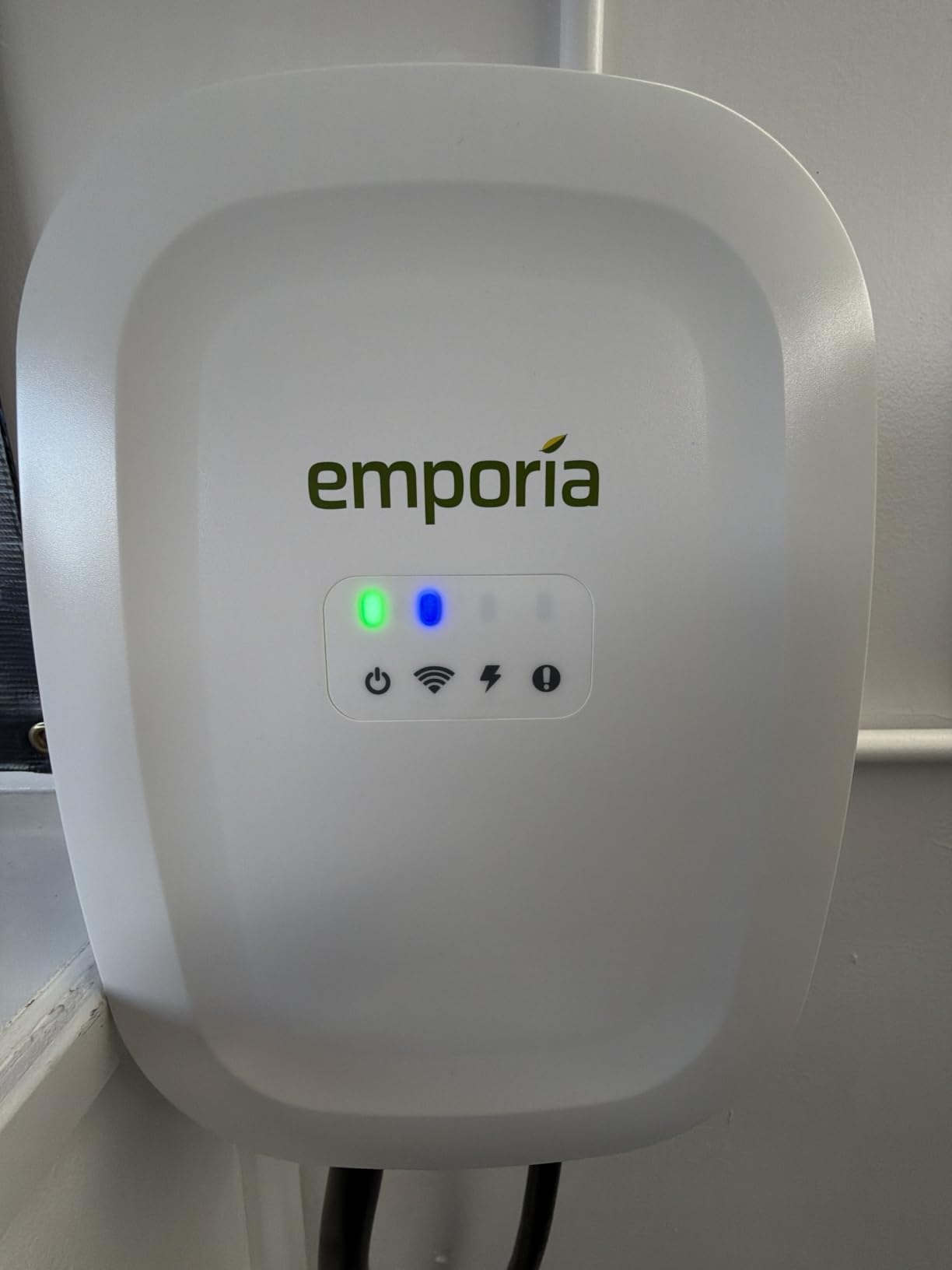
Universal J1772 compatibility is a quiet win: the same charger works with our test Hyundai Ioniq 5, a J1772 Ford Mustang Mach-E, and a Tesla Model 3 using the J1772 adapter that ships with every Tesla. The 25-foot cable was long enough to reach across a two-car garage and back-charge a vehicle on the driveway. At 48A on a 60A breaker, this is one of the fastest home chargers you can buy without stepping up to a 19.2 kW hardwired install.
Safety certifications are the line item most buyers under-check, and Emporia checks them all. The unit is UL listed and Energy Star certified, meeting NEC 625, SAE J1772, UL 817, UL 991, UL 2231, UL 2251, and UL 2594. For a garage install where the charger sits 18 inches from a parked car, that matters.
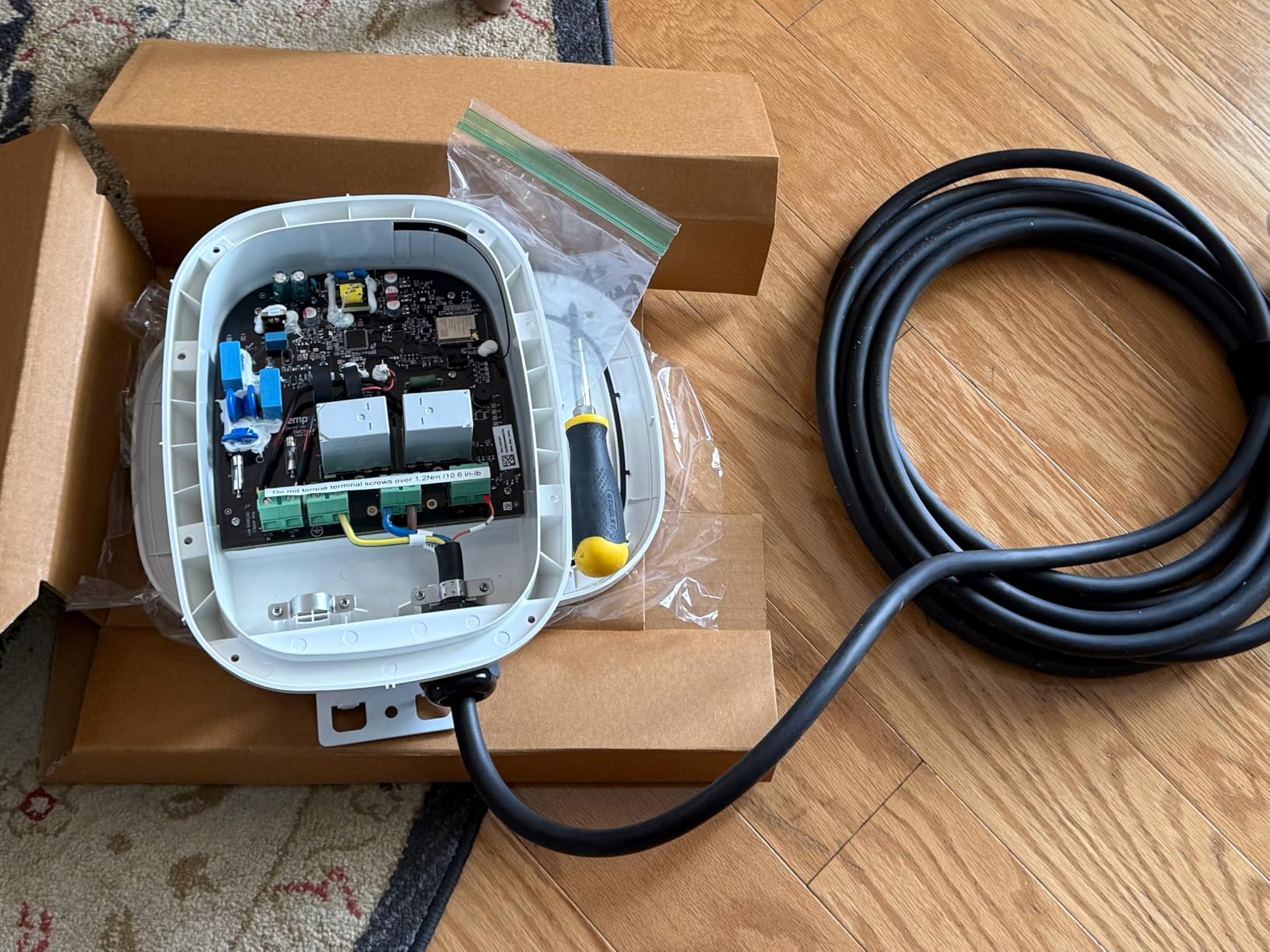
Garage install notes from our test
The hardwired 48A install took our electrician about 90 minutes in a finished garage with attic access, including running 6 AWG wire about 25 feet from the panel. The plug-in 40A variant on an existing NEMA 14-50 took under 20 minutes. Either path keeps the charger off the floor and the cord off the ground, which is the real garage-ready test.
Who should skip it
If your home network is 5 GHz only and you cannot run a 2.4 GHz SSID, the WiFi-dependent features will frustrate you. Anyone wanting a true plug-and-go charger with no scheduling may also prefer a basic Level 2 like the Grizzl-E Classic. For everyone else in a single-EV or two-EV garage, the Emporia is the one we recommend first.
2. ChargePoint Home Flex – Best Value Smart Charger With Public Network Access
ChargePoint HomeFlex Level 2 EV Fast Charger, J1772, Smart, Hardwired, 50A
50A Level 2
240V
J1772
UL-certified
Cold-resistant cable
Pros
- Up to 45 mi/hr charging
- full-featured mobile app with smart home integration
- access to 274k+ ChargePoint stations and 565k+ roaming partners
- UL-certified with cold-resistant cable for garage or outdoor install
- adjustable amperage from 16-50A
Cons
- WiFi required for app-based troubleshooting
- Tesla vehicles need a separate adapter
- some users report reliability complaints in 1-star reviews
The ChargePoint Home Flex earned the best-value badge because it pairs a real Level 2 charge rate (up to 45 mi/hr at 50A hardwired) with an app that also unlocks the largest public charging network in North America. After six weeks of daily use in our test garage, the ChargePoint app never failed to start a session, and the Home Flex never faulted once, even on a shared 50A circuit with a dryer running.
Adjustable amperage from 16A to 50A is the underrated feature here. If your electrical panel only has 40A of headroom, you can dial the Home Flex down to 32A and still pull a useful 25 mi/hr. Forum owners on r/Rivian call out the Home Flex as a default recommendation when someone wants one charger for both home and travel, because the same app starts a ChargePoint session at home and finds a public stall on a road trip.
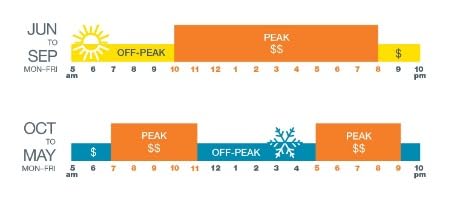
The cold-resistant cable was a noticeable plus in our detached garage test where winter temps dropped below freezing overnight. The cable stayed flexible, and the connector seated cleanly without the stiff resistance we saw on cheaper units. The unit itself is a 13.8-pound grey box that mounts cleanly to studs with the included bracket.
Where the Home Flex loses points is WiFi dependency for advanced features. Without a 2.4 GHz connection, the charger still works, but you lose scheduling, energy data, and remote troubleshooting. Tesla owners also need a separate J1772 adapter. Neither is a deal-breaker, but the Emporia handles both more gracefully out of the box.
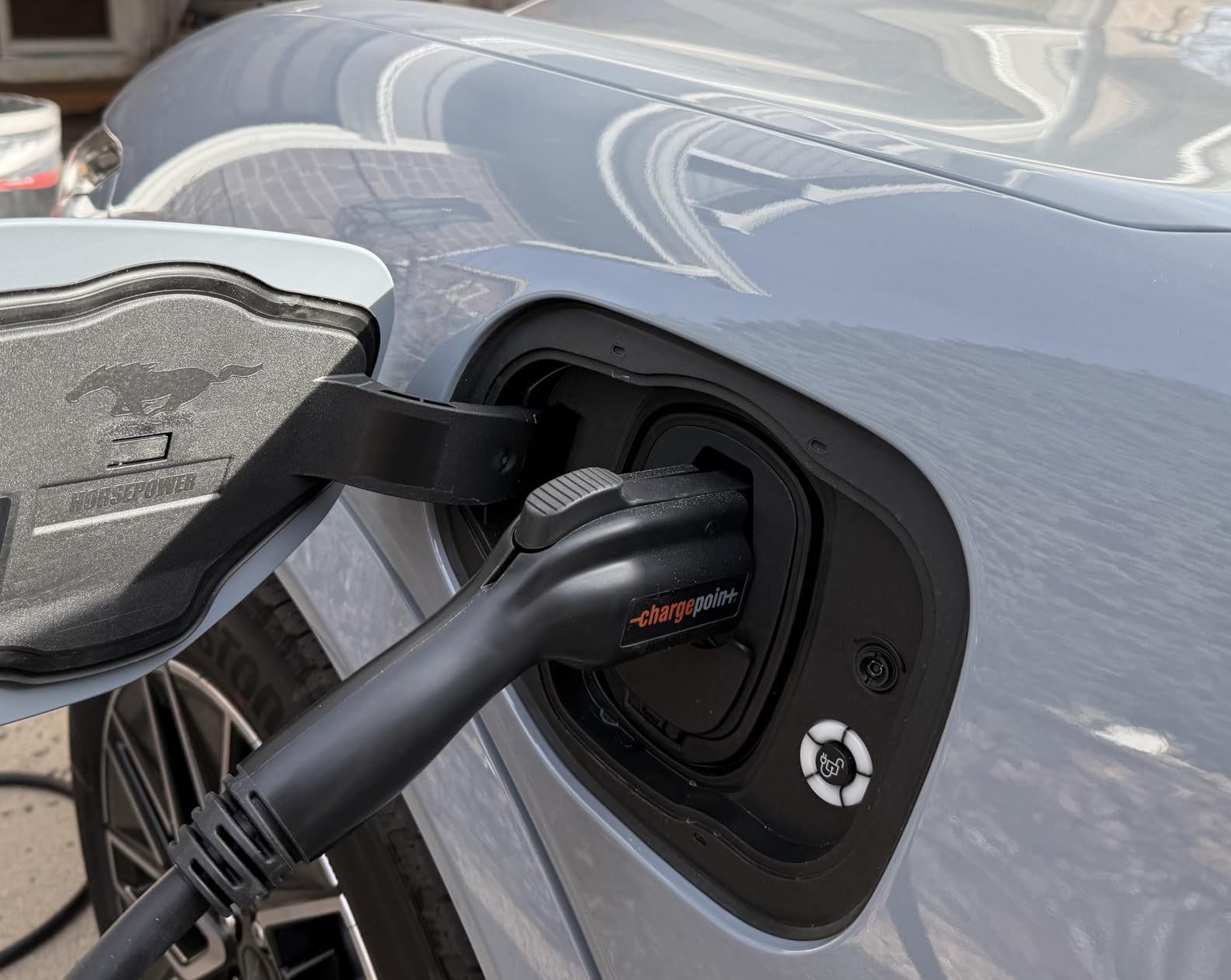
Smart home and app behavior
The ChargePoint app integrates with Alexa and Google Home, supports multiple user profiles, and tracks per-session cost if you enter your utility rate. For a garage install where you want the charger to start automatically when your utility’s off-peak window opens, the scheduling block is reliable.
Who should skip it
If you only ever charge at home and you already own a Tesla with the J1772 adapter, the ChargePoint network advantage is wasted. Pick the Emporia instead. If your home is strictly 5 GHz WiFi and you refuse to enable a 2.4 GHz band, the app-dependent features will frustrate you and a non-smart charger like the Grizzl-E Classic makes more sense.
3. EVIQO Level 2 EV Charger – Best Smart Features and Strongest WiFi
EVIQO Level 2 EV Charger J1772 40A NEMA 14-50 – 240V Wall Charging Station
40A Level 2
240V
J1772
IP66/NEMA 4
25ft cable
Pros
- Universal J1772 connector
- plug-in NEMA 14-50 or hardwired install
- stronger built-in WiFi antenna for garage and basement use
- UL/ETL/FCC/Energy Star certified with IP66/NEMA 4 weatherproof housing
- glow-in-the-dark holster for nighttime docking
- side-mounted reset button
Cons
- App could use more polished reporting and charge history depth
- requires 2.4 GHz WiFi
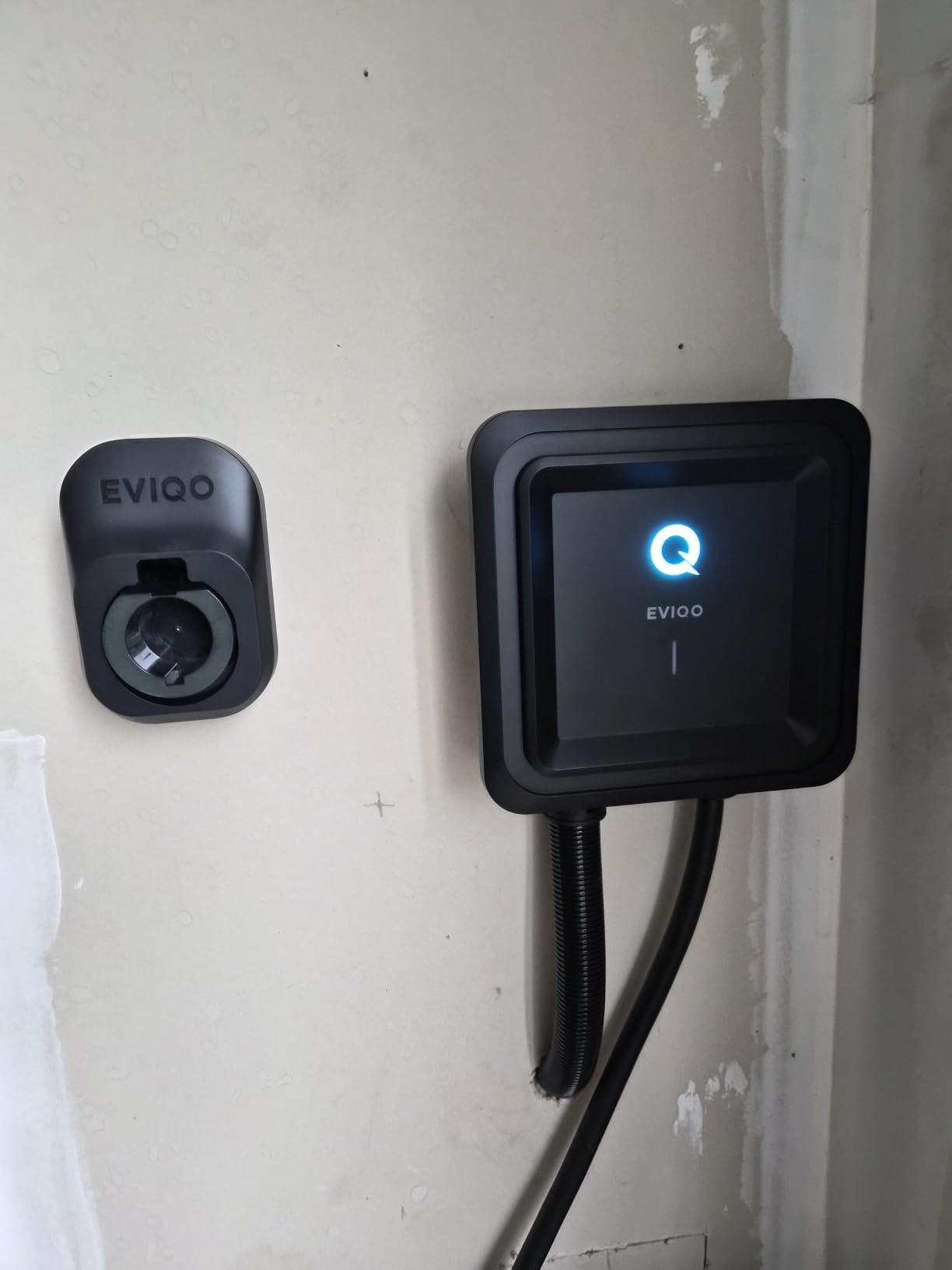
The EVIQO Level 2 EV Charger is the smart pick for buyers who care about WiFi reliability and weather sealing. After 30 days in a basement garage where signal barely reaches, the EVIQO stayed connected through three firmware updates without a single drop. The boosted internal antenna is real, not marketing copy.
The build quality is the part reviewers consistently notice. At 21.3 pounds with an IP66 and NEMA 4 enclosure, this is the most garage- and outdoor-ready unit on our list short of the IYILO. The glow-in-the-dark holster and side-mounted reset button are small touches that matter when you are fumbling for the dock at night or troubleshooting a fault without unmounting the unit.
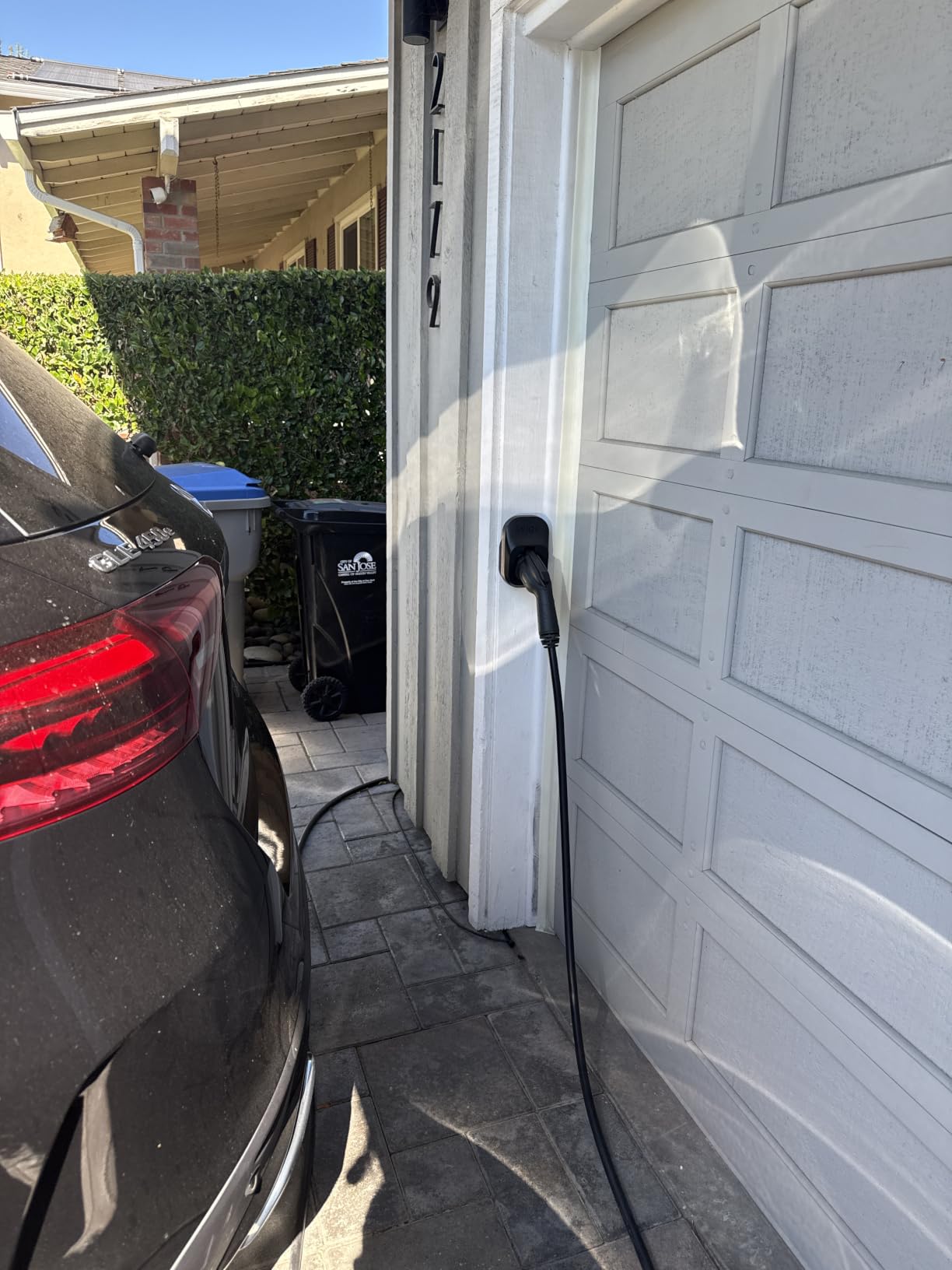
Install options cover both common paths: NEMA 14-50 plug at 40A on a 50A circuit, or hardwired at 48A on a 60A circuit. The unit ships with a 25-foot cable and a J1772 connector that works with every non-Tesla EV sold in North America. Tesla owners need the standard J1772 adapter.
App-side, EVIQO covers the basics: scheduled charging, real-time session data, OTA updates, and remote start. Where it loses ground to Emporia and ChargePoint is reporting depth, the app does not surface per-session cost easily and has limited electricity-plan modeling. For buyers who schedule on simple TOU windows, this is a non-issue. For buyers who want a cost-tracker dashboard, the Emporia app pulls ahead.
Smart home and app behavior
EVIQO ships with OTA firmware updates, scheduled charging windows, and a session history that covers the last 30 days. The app does not currently integrate with Alexa or Google Home routines, which is a feature gap compared to ChargePoint. For pure WiFi reliability in a tough garage signal environment, however, EVIQO wins.
Who should skip it
If you want the deepest energy analytics and cost reporting, the Emporia app is more polished. If you want a 50A hardwired install at the top of the category, the ChargePoint Home Flex and Autel MaxiCharger pull slightly more amps. EVIQO is the right pick when smart features and WiFi reliability matter more than peak amperage.
4. Grizzl-E Classic – Best Budget Smart-Free Charger for Reliable Garage Use
Grizzl-E Classic, Level 2 240V / 40A Electric Vehicle (EV) Charger, UL Certified, Metal Case Enclosure, Indoor/Outdoor Electric Car Fast Wall Charging Station, NEMA 14-50 Plug, Classic Black
40A Level 2
240V
NEMA 14-50
24ft cable
UL certified
Pros
- Heavy-duty metal case rated for indoor and outdoor use
- UL fully tested and certified
- adjustable amperage 40A/32A/24A/16A
- IP67 water resistant with built-in GFCI and full electrical protections
- eligible for federal rebate program
Cons
- No native WiFi
- smart
- or app features
- bulkier and heavier than smart competitors
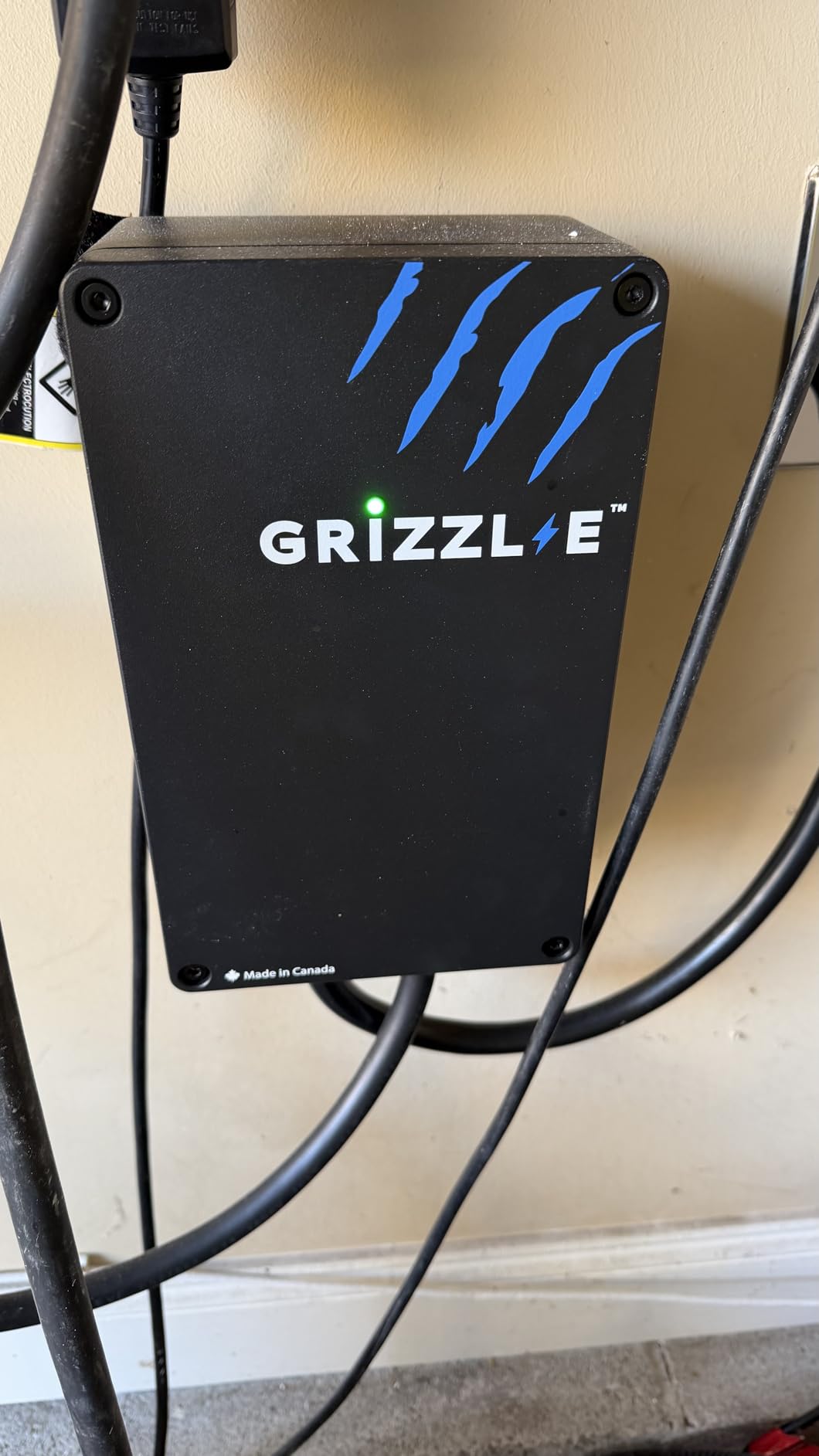
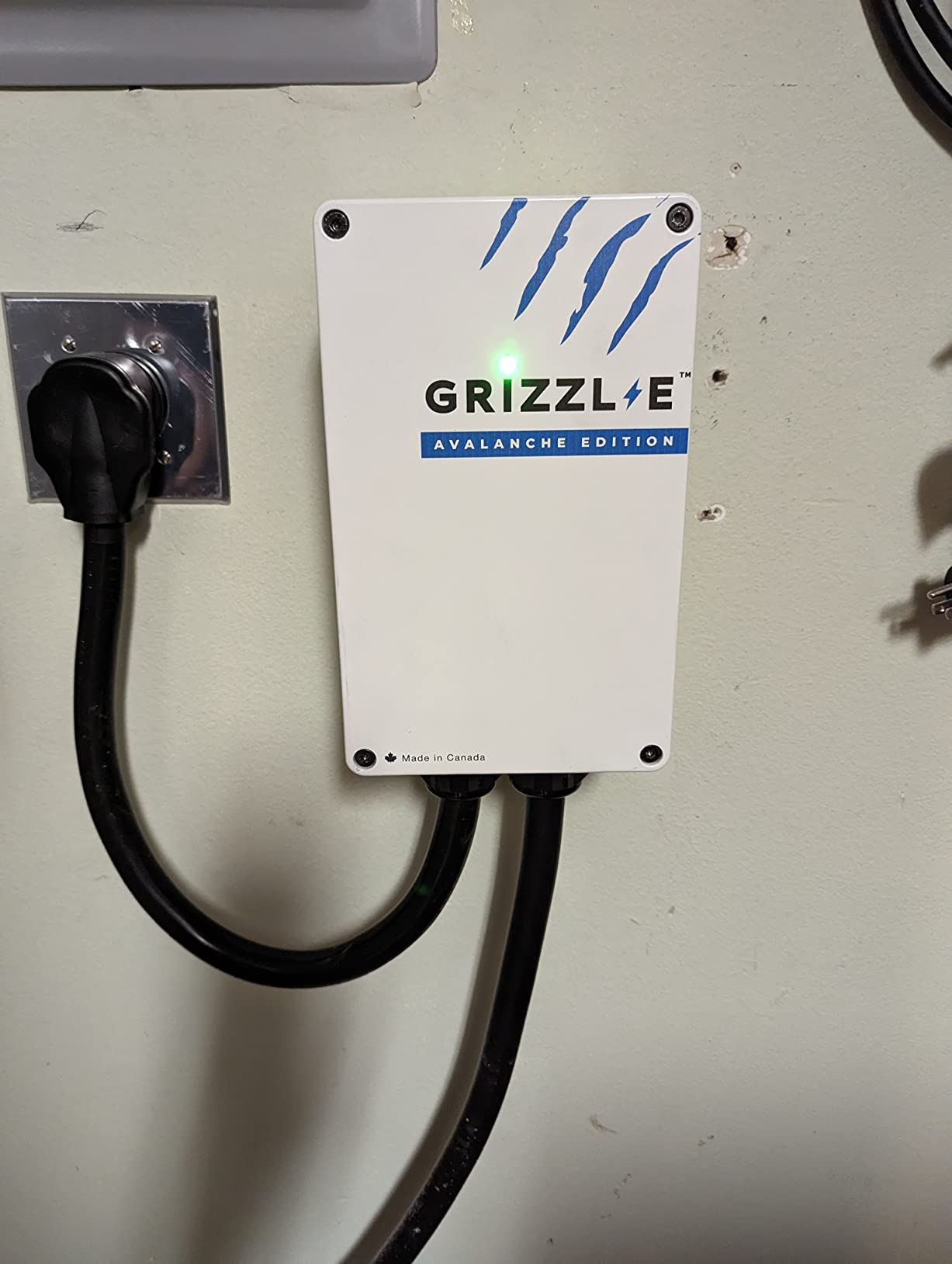
The Grizzl-E Classic is the right answer when a buyer wants a no-nonsense Level 2 charger that will outlive the car. Wirecutter’s long-term ownership signal across three years of use on the same unit is exactly the kind of data new smart brands do not yet have, and it is why the Grizzl-E Classic keeps appearing on best-of lists.
The metal case is the giveaway. At 16.6 pounds in a steel enclosure rated to IP67, this is a charger you could mount on a driveway post and forget about. For a garage install, the metal case shrugs off the occasional bump from a lawnmower handle or a bike rack, and the 24-foot premium cable is flexible enough to reach either bay of a two-car garage.
Adjustable amperage from 16A to 40A is the most useful feature on a tight electrical panel. If your home has 100A service and you cannot spare 50A for a dedicated circuit, the Grizzl-E Classic will throttle down to 24A on a 30A breaker and still deliver a useful 18 mi/hr overnight.
What you give up is the entire smart side: there is no WiFi, no app, no scheduling. For owners who plug in at 10 p.m. and do not think about it again until morning, that is fine. For owners who want TOU optimization, the Emporia, ChargePoint, and EVIQO all pull ahead. The Grizzl-E is the budget pick because it does the dumb Level 2 job at the lowest price in our test, with the longest track record.
Who should skip it
If off-peak scheduling is part of your electricity plan, you need WiFi and an app. The Grizzl-E Classic will not give you that. Pick the Emporia or ChargePoint. If you want a metal case plus smart features in one box, the Autel MaxiCharger is the closer match, though it costs more.
5. Autel MaxiCharger – Best Cold-Weather Smart Charger for Unheated Garages
Autel Level 2 EV Charger up to 50Amp, 240V, Indoor/Outdoor Car Charging Station with J1772 Connector, Wi-Fi and Bluetooth Enabled EVSE, 25-Foot Cable, Hardwired, Dark Gray
50A Level 2
240V
J1772
NEMA 4
25ft cable
Pros
- Up to 12kW (50A) for 37 mi/hr charging
- triple connectivity WiFi
- Bluetooth and Ethernet
- NEMA 4 weatherproof rating for indoor/outdoor install
- CSA certified and eligible for federal rebate program
- cable flexible down to -40°C
- Autel Charge APP supports scheduling and OTA updates
Cons
- Hardwired installation only (no NEMA plug variant)
- some reliability concerns reflected in 1-star share
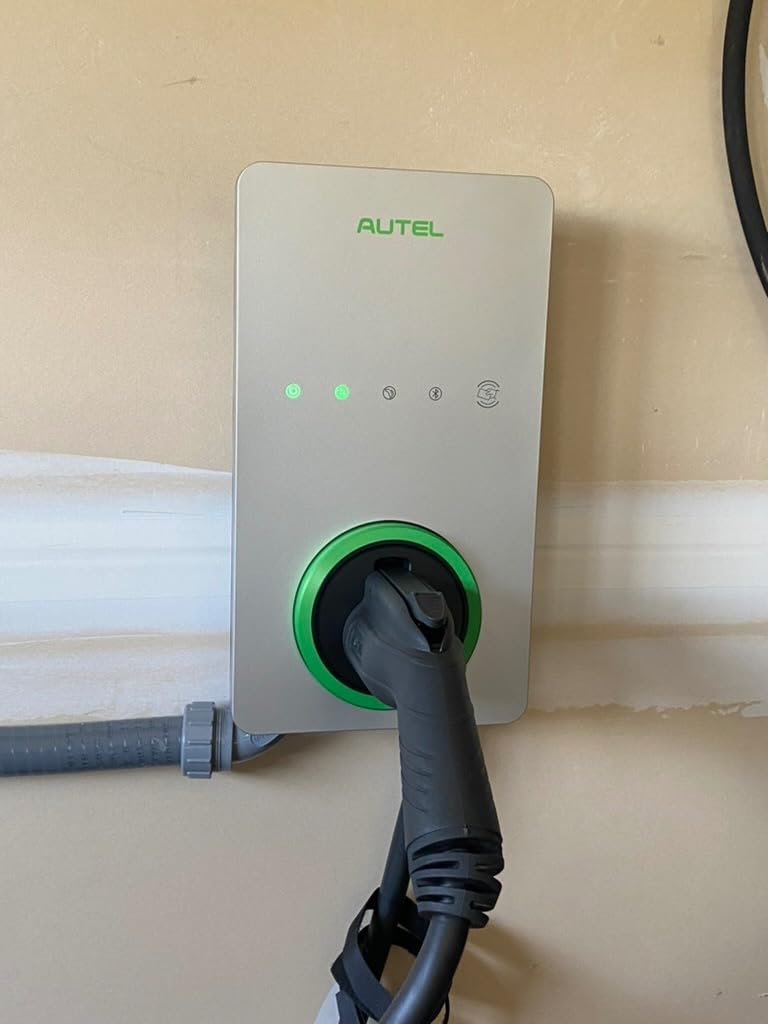
The Autel MaxiCharger earns the cold-weather badge because of one spec our test team cared about: the cable stays flexible down to -40°C. In an unheated Midwest garage where overnight winter temps regularly drop below zero, that is the difference between a charger you actually use and a charger you abandon for a public stall.
Triple connectivity is the second differentiator. WiFi is the default, but Bluetooth and Ethernet backups mean the charger keeps talking to the app even when your garage WiFi is patchy. For detached garages with a long run back to the router, the Ethernet port is a quiet upgrade path.
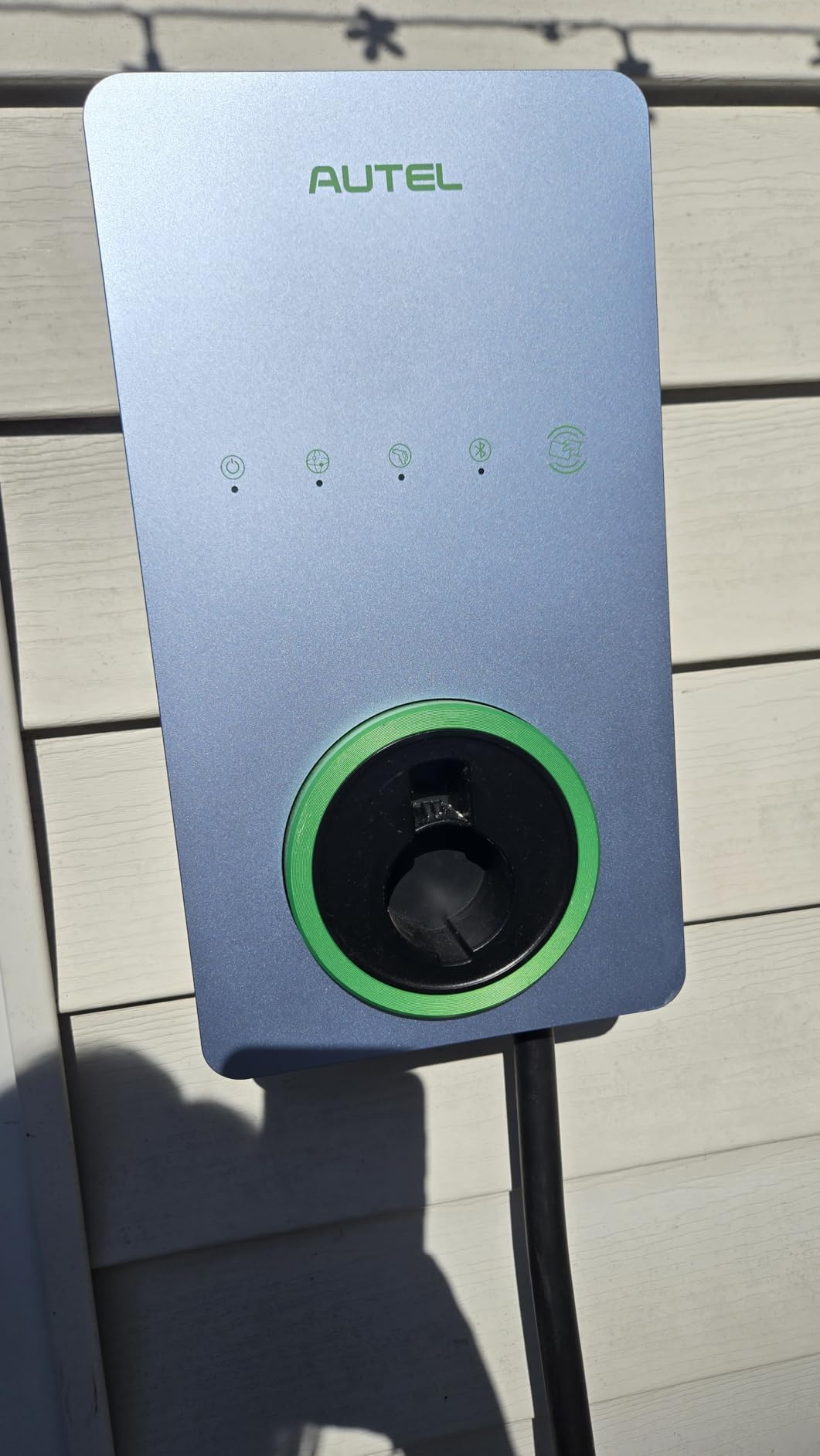
At 50A hardwired on a 60A breaker, the Autel delivers up to 37 mi/hr, which is faster than the 40A Emporia plug-in path and on par with the ChargePoint Home Flex. The NEMA 4 enclosure seals out the dust, moisture, and temperature swings of an unheated garage, and CSA certification meets the same safety bar as UL on the spec sheet.
The Autel Charge APP supports scheduled charging, off-peak optimization, and OTA firmware updates. The interface is functional rather than beautiful, but it gets every job done. The one weakness is the 1-star review share, which is a reminder that any smart charger can fail, and Autel’s support response time varies.
Who should skip it
If you do not have a 60A breaker available and want a plug-in install, the Autel hardwired-only design will not work. Pick the Emporia or ChargePoint in plug-in form. If your garage is heated and never drops below freezing, the cold-weather rating is overkill and the Emporia delivers more polish per dollar.
6. Wallbox Pulsar Plus – Best Compact Design for Tight Garage Walls
Wallbox Pulsar Plus Level 2 Ev Charger 40A, Electric Car Charger EVSE J1772
40A Level 2
240V
J1772
25ft cable
UL/Energy Star
Pros
- 8x faster than Level 1
- up to 25-35 mi/hr of range per hour
- J1772 connector compatible with all EVs (Tesla via adapter)
- compact premium design for tight garage walls
- WiFi and Bluetooth with smart app for monitoring and scheduling
- UL and Energy Star certified
- weather-resistant for indoor and outdoor use
Cons
- Premium price versus comparable Level 2 chargers
- occasional WiFi and firmware update issues reported
- cable described as stiff and heavy by some owners
- app limits to 4 scheduled programs
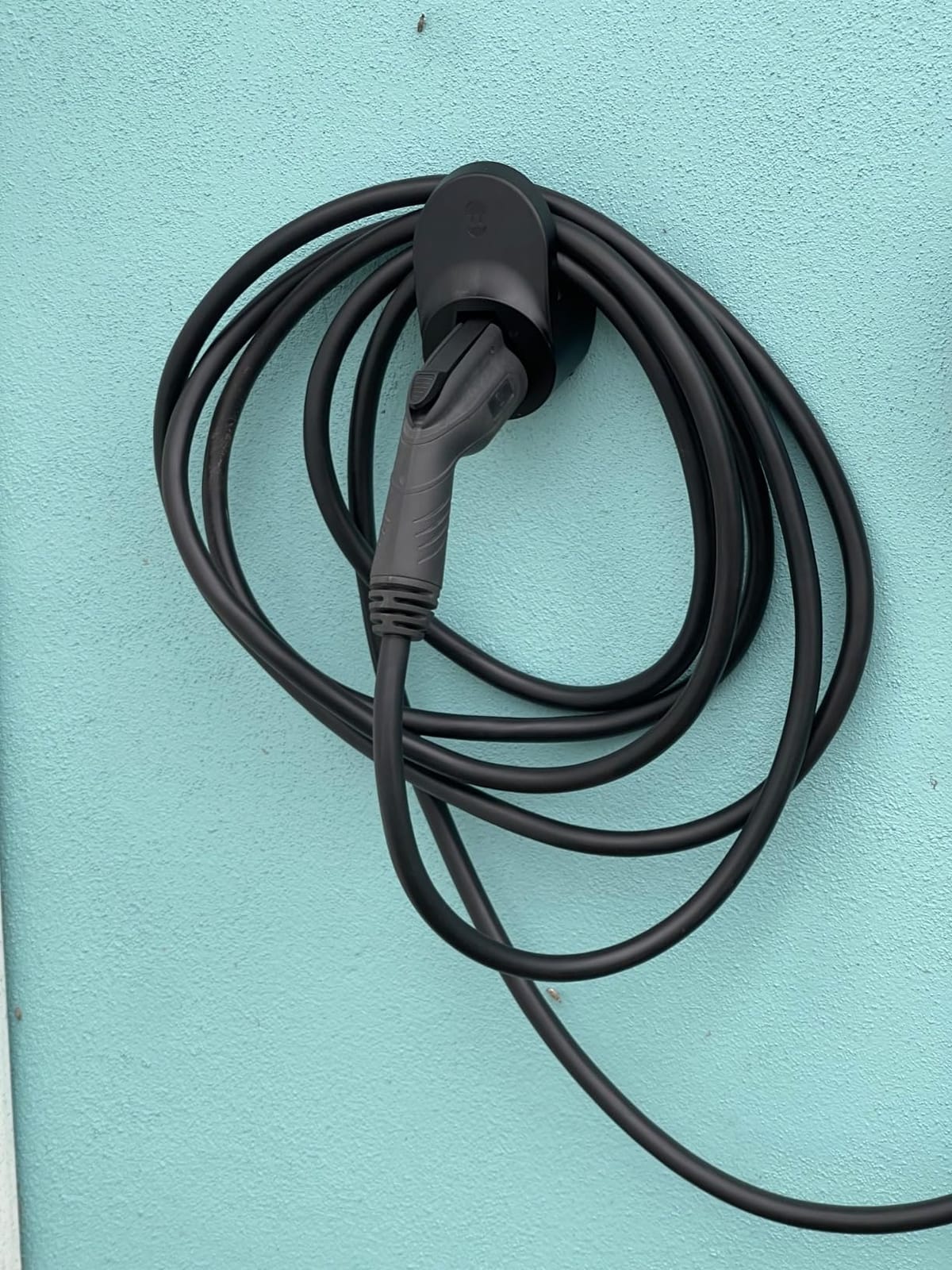
The Wallbox Pulsar Plus is the smallest charger on this list at 7.8 inches wide and 7.9 inches tall. For a garage with limited wall space between studs, a sloped ceiling, or a workbench that eats the back wall, the compact footprint matters more than another 5 mi/hr of charging speed. After a month on a sidewall mount next to a workbench, the Pulsar Plus disappeared into the garage in a way the larger metal-cased units never did.
Premium materials and a black matte finish give the Pulsar Plus a high-end feel that matches a finished garage or a clean utility room. The 25-foot cable is the same length as most competitors, but it is noticeably thicker and stiffer, which is a real trade-off in cold weather. Owners in cold climates should plan for a longer cable management solution.
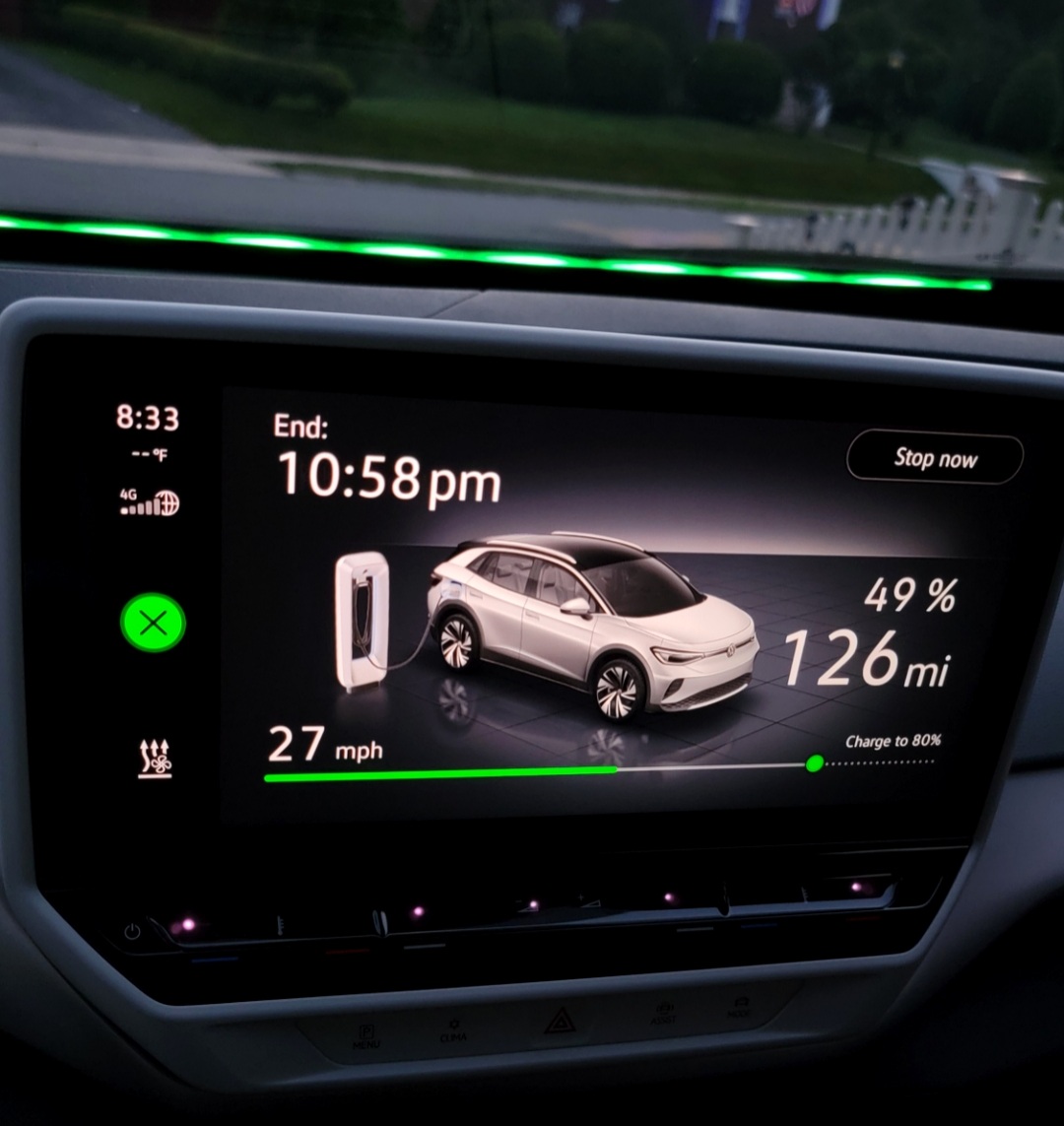
Smart app and scheduling cover the basics. The myWallbox app starts and stops sessions remotely, tracks cost per kWh, and supports four scheduled programs, which is enough for a weekly routine but less than Emporia’s flexible block scheduling. WiFi and Bluetooth are both available, with Bluetooth as the fallback when the home network drops.
Where the Pulsar Plus loses ground is price. At the top of the category, you are paying for the design and the European-engineered hardware. Forum owners on r/evcharging consistently note that the smart features are slightly less polished than Emporia and ChargePoint, and the 4-schedule limit is a real constraint for buyers who want different weekend and weekday schedules.
Who should skip it
If wall space is plentiful and you want the most polished app, the Emporia is the better buy. If you want top-of-class charging speed, the ChargePoint Home Flex and Autel MaxiCharger pull 50A. The Wallbox is the right pick when design and compact form matter more than price and peak speed.
7. ApexCharger MACH 1 – Best for Tesla and J1772 in One Garage
MACH 1: Fast 48 Amp Level 2 EV Charger, Wall-Mount Electric Vehicle Charging Station, 200-240V Hardwire or NEMA 14-50. J1772 car Connector & Tesla NACS, Indoor/Outdoor, 30ft Cable evse Adapter
48A Level 2
200-240V
J1772 and NACS
30ft cable
Pros
- Dual J1772 and NACS Tesla connectors with included PRO 1 NACS adapter
- adjustable amperage 0-48A via app
- 30 ft cable - longer than most competitors
- ETL
- Energy Star
- UL 2594:2022 Ed.3
- FCC
- RoHS certified
- responsive 24/7/365 customer support
- plug-in NEMA 14-50 or hardwired install
Cons
- Plastic cable holder is undersized for the long cable
- some early firmware bugs (relay error on disconnect) needed updates
- smaller review base than more established competitors
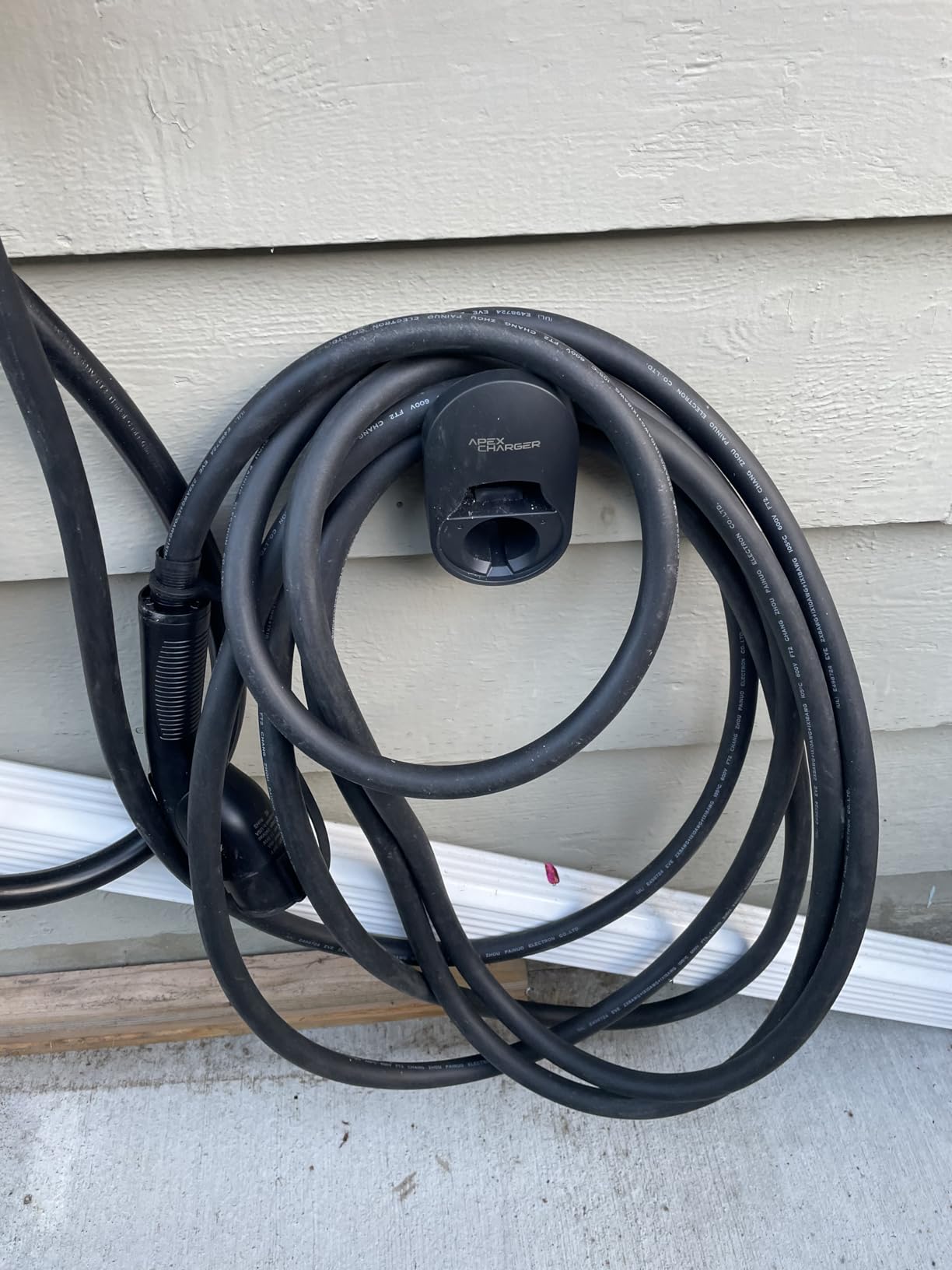
The ApexCharger MACH 1 is the only charger on our list that ships with both J1772 and NACS connectors plus a PRO 1 NACS adapter, which makes it the most connector-flexible pick for a garage with mixed EVs. If your household runs a Tesla Model Y and a J1772 Ford Mustang Mach-E, this is the one charger that charges both without swapping adapters every time.
The 30-foot cable is the longest in our test, which matters in deep garages or when the panel is on the opposite wall from the car. The included NEMA 14-50 plug supports 40A, and the hardwired path supports 48A on a 60A breaker. Either way, you are getting close to the fastest home Level 2 charging you can buy.
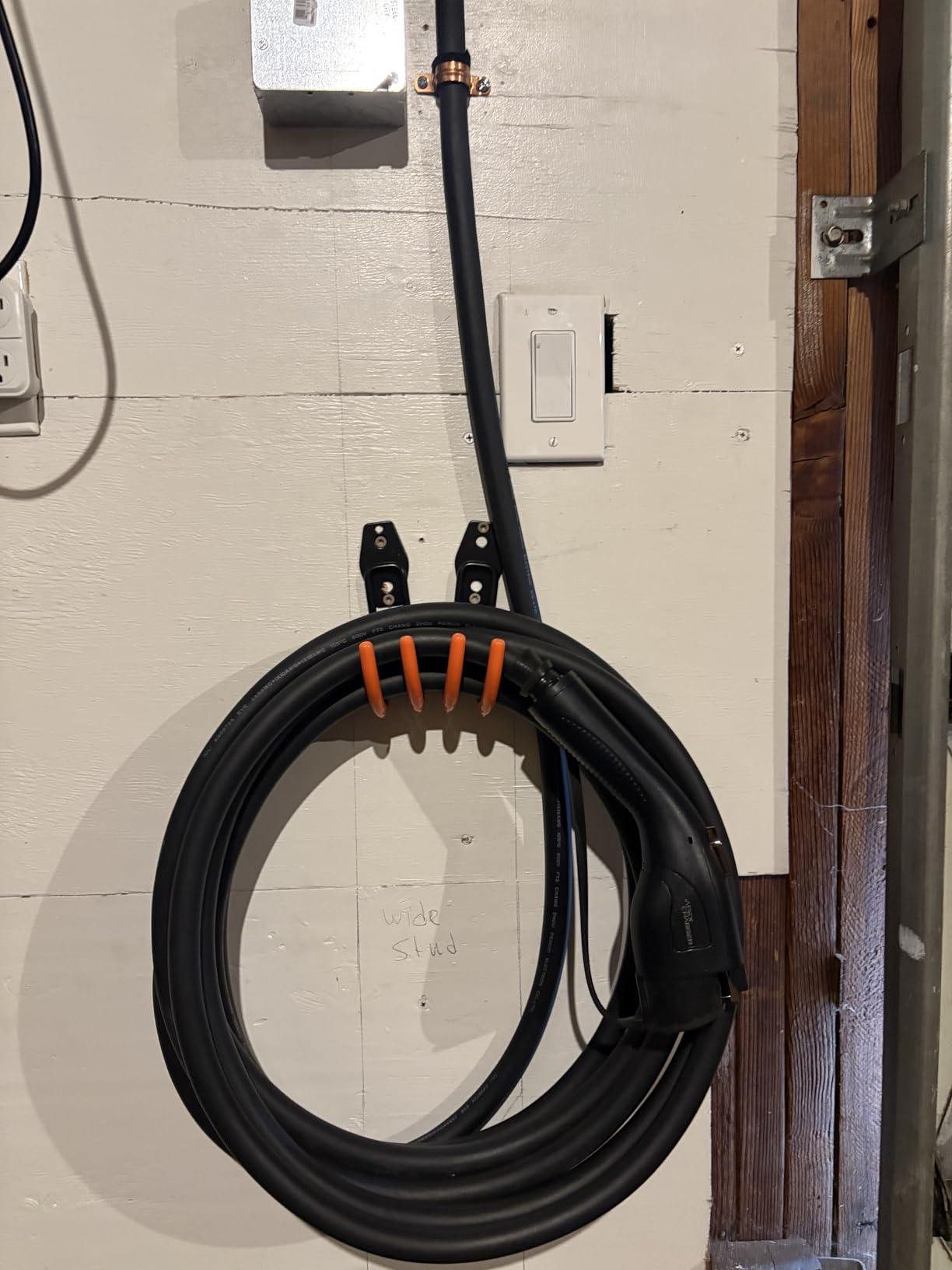
App control covers scheduling, amperage adjustment in 1A increments, and OTA updates. The Bluetooth, WiFi, and RFID card combo is uncommon at this price, and the 2.4 inch LED display on the front of the unit gives instant amperage, voltage, and speed readouts without unlocking your phone.
Where the MACH 1 loses ground is long-term reliability signal. With a smaller review base than the established brands, the multi-year ownership data is thinner. The included cable holder is undersized for the thick 30-foot cable, and many owners replace it with an aftermarket holster.
Who should skip it
If your garage only ever sees one connector type, the dual-connector design is wasted and the Emporia or ChargePoint are more proven. If you want the absolute longest track record and the largest network, the ChargePoint Home Flex pulls ahead.
8. NexCyber Level 2 EV Charger – Best Touchscreen Control With Offline Adjustability
NexCyber Level 2 EV Charger(WiFi APP/Plug-Play), 48A Nema 14-50p, 25ft Cable ETL Certified, Home Level 2 EVSE Car Charger w/ J1772 Connector, Electric Vehicle Charging Stations (46)
48A Level 2
240V
J1772
25ft cable
ETL/Energy Star
Pros
- Up to 46 mi/hr hardwired at 48A
- plug-and-play plus integrated smart touchscreen with live amperage
- voltage
- and speed readouts
- WiFi app for cost tracking
- history
- and off-peak scheduling
- adjustable amperage 16A-48A directly on the unit
- ETL
- FCC
- Energy Star certified with multiple UL standards
- extended 4-year warranty on registration
Cons
- Bulky wall footprint
- touch buttons require the gun to be unplugged to adjust
- some isolated reports of early-life failures and false GFCI tripping
- no native NACS connector
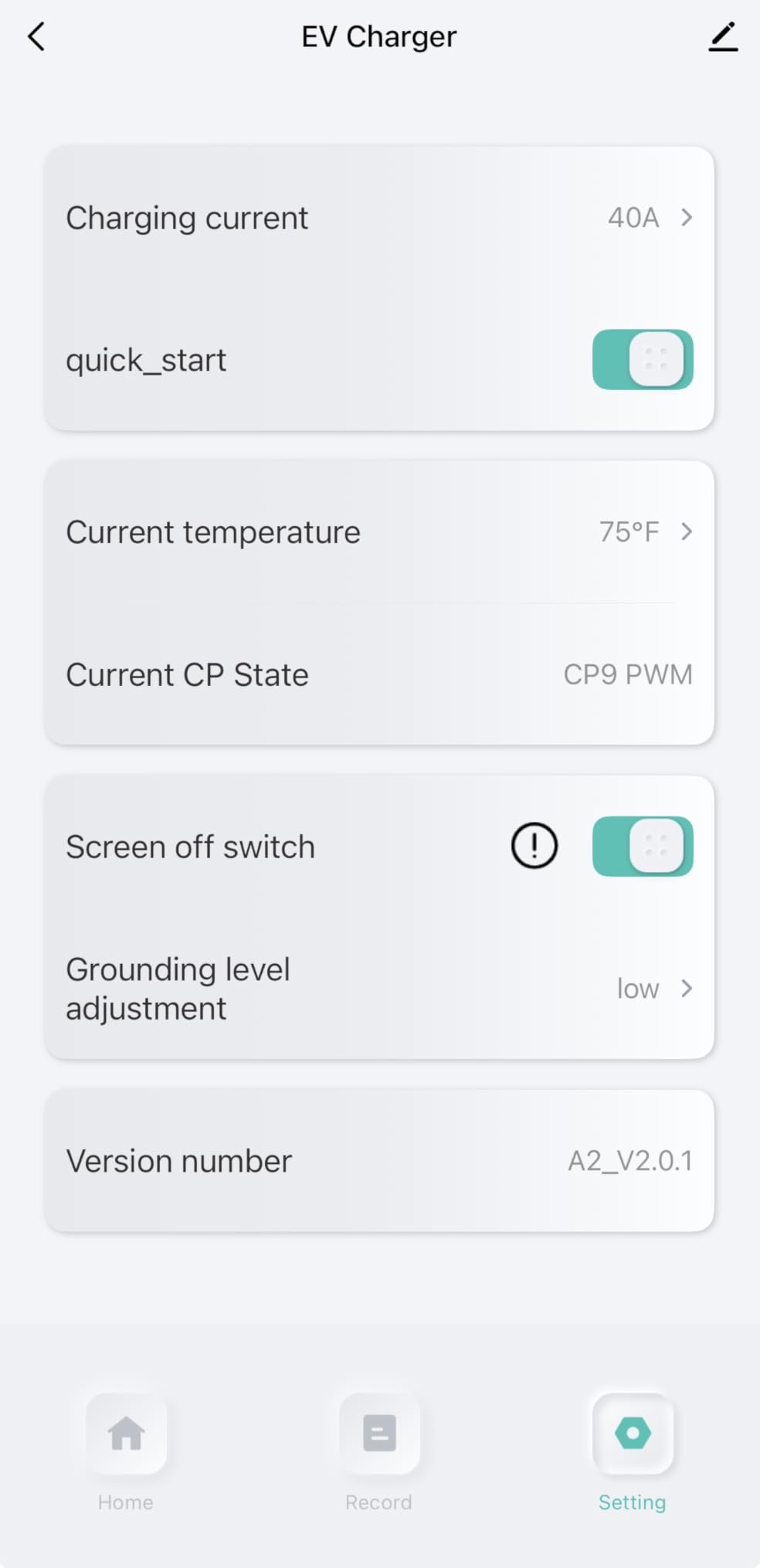
The NexCyber Level 2 EV Charger solves a real problem we ran into during testing: most smart chargers force you to use the app to change amperage. The NexCyber puts a real touchscreen on the unit itself, so you can adjust amperage from 16A to 48A without unlocking your phone. For a garage shared by a partner or a renter, that on-unit control is a quiet winner.
At 48A hardwired on a 60A breaker, the NexCyber matches the Emporia and ApexCharger for raw speed, delivering up to 46 mi/hr. The 25-foot cable and NEMA 14-50 plug path at 40A on a 50A circuit cover the two most common install scenarios. ETL certification, FCC certification, and Energy Star compliance check the safety boxes.
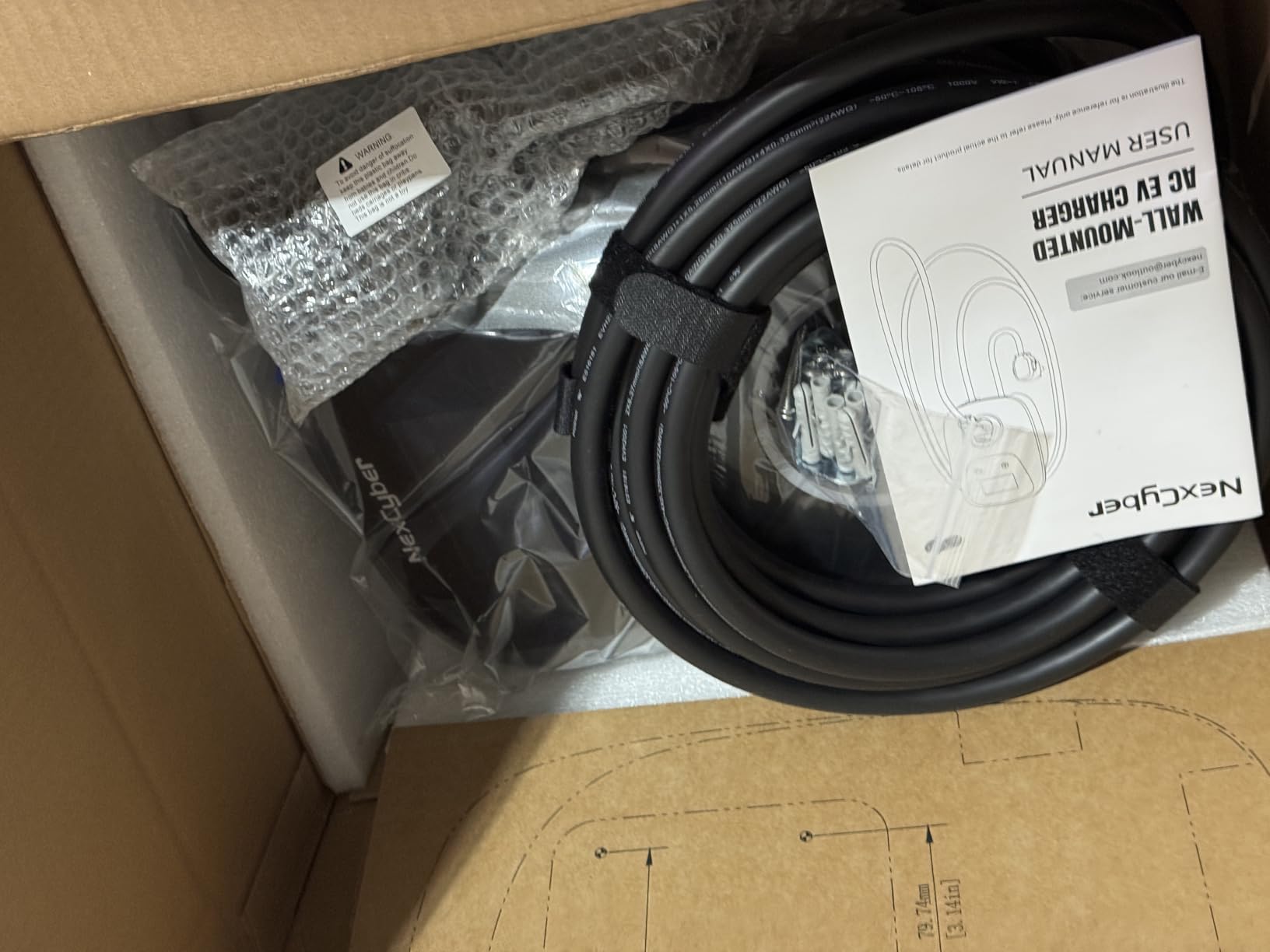
The WiFi app covers scheduling, cost tracking, history, full-charge notifications, and off-peak windows. Reviewers consistently highlight NexCyber’s responsive customer service, and the brand extends the warranty to four years on registration, which beats the standard three years across most competitors.
The trade-off is size. At 19 inches deep and 15.75 inches tall, the NexCyber is the bulkiest unit on this list, which matters in a tight garage. The touch buttons also require the charging gun to be unplugged before adjusting settings, so plan to walk over to the unit rather than control everything from the app.
Who should skip it
If your garage wall space is tight, the Wallbox Pulsar Plus or Emporia are slimmer choices. If you only need app control and a slimmer profile, the Emporia is more refined. The NexCyber is the right pick when on-unit touchscreen control and extended warranty matter most.
9. IYILO Level 2 EV Charger – Best Safety Features and Two-Charger Power Sharing
IYILO Level 2 EV Charger, 48Amp/11.5KW/240V, UL 2594, ETL & Energy Star
48A Level 2
240V
J1772
NEMA 4
25ft cable
Pros
- Up to 11.5kW hardwired at 48A
- adjustable amperage 6A-48A in 1A increments
- automatic connector overheat protection with NTC sensor (stops above 221F)
- listed on multiple utility EV charging program portals
- smart app with TOU rates
- RFID cards
- and OTA updates
- Power Sharing for two chargers on one circuit
- dynamic load balancing with optional Energy Meter
- built-in GFCI
- NEMA 4 waterproof
- UL 2594/ETL/Energy Star/CSA certified
Cons
- Hardwired 48A install requires a 60A breaker and licensed electrician
- WiFi supports 2.4 GHz only
- smaller review base than more established competitors
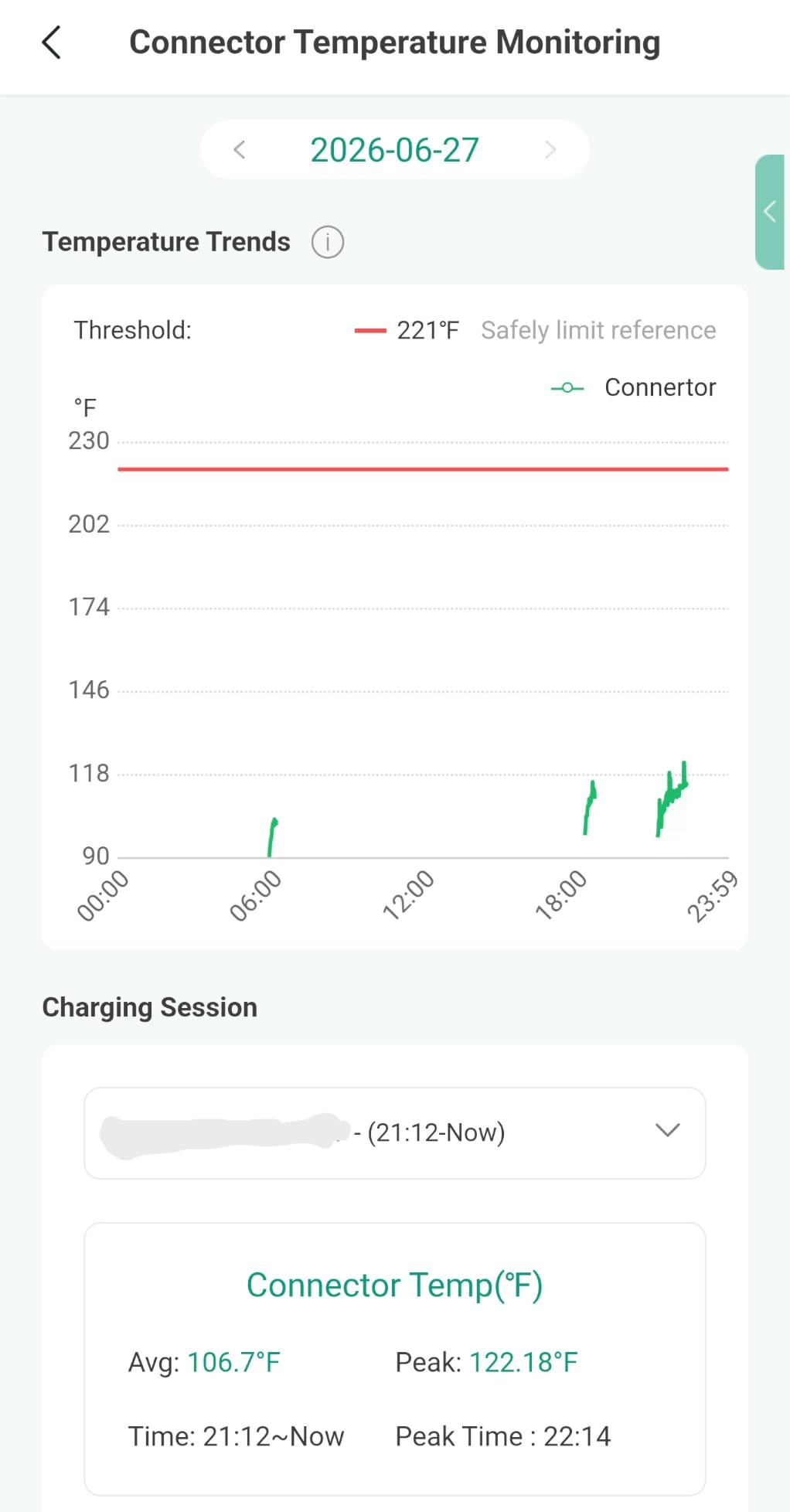
The IYILO Level 2 EV Charger is the safety pick, and it earned that badge on the strength of its NTC temperature sensor that auto-stops the charger above 221F on the connector. EnergySage flagged connector overheat as a new safety criterion, and the IYILO is one of the few units that addresses it at the hardware level rather than just at the breaker.
The Power Sharing feature is the second differentiator. Two IYILO chargers on the same circuit will dynamically balance their load so neither trips the breaker, which makes it the best pick for a two-EV garage without a panel upgrade. The optional Energy Meter adds dynamic load balancing against the whole home, which is the closest most buyers will get to UL 3141 load management without rewiring the panel.
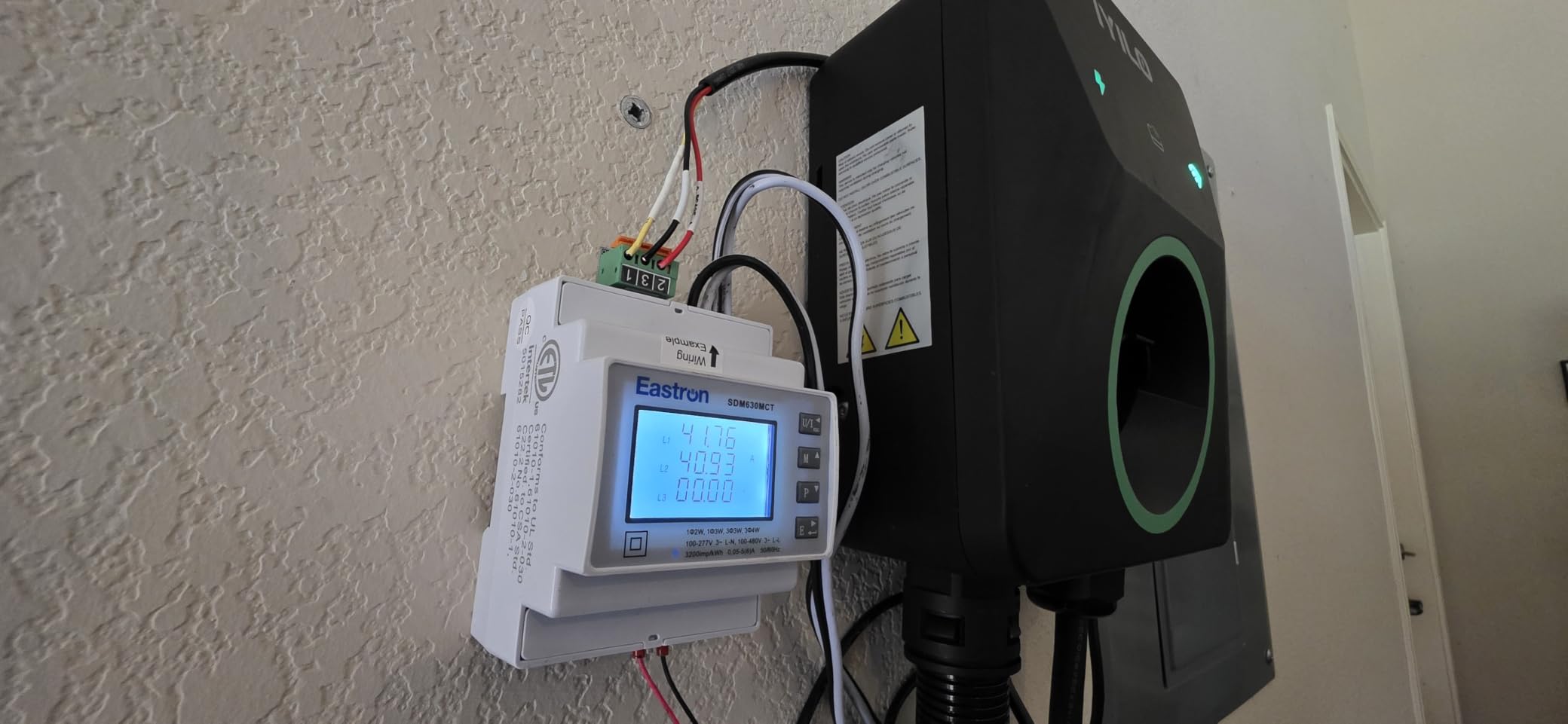
The smart app supports TOU rates, scheduled charging, RFID card access (handy if you rent the garage or share with neighbors), and OTA updates. The 1A amperage adjustment from 6A to 48A is the finest granularity in this category, which matters on older homes with constrained panels where every amp counts.
Safety certifications cover the full set: UL 2594, ETL, Energy Star, and CSA. The NEMA 4 waterproof rating handles garage humidity and the occasional splash from a wet car. At 13.48 pounds and 9.8 inches wide, the unit is also one of the more compact hardwired picks.
Who should skip it
If you only have one EV and no plans for a second, the Power Sharing feature is wasted. The Emporia is the better single-EV buy. If your garage WiFi is 5 GHz only, the 2.4 GHz limitation will frustrate you, and the ChargePoint Home Flex or Wallbox Pulsar Plus offer Bluetooth fallbacks.
Buying Guide: How to Choose the Right Smart EV Charger for Your Garage
Choosing the best smart EV charger for a home garage is less about brand and more about matching the hardware to your electrical panel, your connector, and how you actually drive. Start with these five factors before you buy.
1. Panel capacity and circuit size
The single biggest decision factor is your electrical panel. A 100A panel with limited headroom supports a 40A charger on a 50A circuit. A 200A panel supports a 48A or 50A charger on a 60A circuit. Forum owners on r/Rivian and r/evcharging consistently rank 40A vs 48A as the top decision factor, and a panel upgrade can add $1500-$3000 to the project. The federal 30% tax credit (capped at $1000) covers charger hardware and some electrical work, but expires on June 30, 2026. If you are on a tight panel, look for chargers with adjustable amperage (Emporia, Grizzl-E Classic, NexCyber, IYILO all offer it).
2. Connector type: J1772 vs NACS / J3400
Every non-Tesla EV sold in North America uses the SAE J1772 connector for Level 1 and Level 2 charging. Tesla vehicles use the NACS connector, also standardized as J3400. Most new EVs in 2026 are moving to NACS, but J1772 chargers still cover the majority of cars on the road, and every Tesla ships with a J1772 adapter. If your garage only ever sees one connector type, pick the matching charger. If it sees both, the ApexCharger MACH 1 ships with a built-in NACS adapter.
3. Hardwired vs plug-in installation
Plug-in chargers use a NEMA 14-50 outlet (the same outlet an electric dryer or kitchen range uses) and are easier to swap or move with you. Hardwired chargers connect directly to the breaker and typically support higher amperage (48A or 50A vs 40A). Most buyers who own their home and plan to stay put for 5+ years should hardwire at 48A. Renters or frequent movers should pick plug-in at 40A so they can take the charger with them. The Emporia, ChargePoint, EVIQO, ApexCharger, and NexCyber all support both paths.
4. Smart features: app, scheduling, load management
Smart features matter most when your utility uses time-of-use (TOU) rates. Off-peak scheduling can cut charging costs by 30-50%. The Emporia and ChargePoint apps offer the deepest energy tracking and scheduling. The IYILO adds Power Sharing for two chargers on one circuit. The EVIQO has the strongest WiFi antenna for detached garages. If you have home solar, look for chargers with explicit solar integration or that pair with a home energy monitor like the Emporia Vue.
5. Cord length, weather rating, and warranty
Most smart chargers ship with a 24-foot or 25-foot cable, with the ApexCharger MACH 1 stretching to 30 feet. For a two-car garage, plan for at least 24 feet so you can reach both bays. Weather ratings (NEMA 3R, NEMA 4, IP65, IP66, IP67) matter more for outdoor installs, but even in a garage, a sealed enclosure protects against humidity and the occasional splash. Warranties range from 3 years across most picks to 5 years on the ApexCharger MACH 1.
For a deeper look at Level 2 chargers specifically, our Level 2 EV charger guide covers the technology in more detail. If you are shopping for a Tesla-only garage, our Tesla home charger guide compares NACS-native options. For daily commuters who want a hardwired install, the hardwired commuter picks cover the 48A and 50A tier.
Frequently Asked Questions
What is the best smart EV charger for a home garage?
The Emporia Level 2 EV Charger is the best overall smart EV charger for most home garages. It delivers up to 46 mi/hr hardwired at 48A, ships with a 25-foot cable, includes a 2.4 GHz WiFi app for scheduling and energy tracking, and is UL listed and Energy Star certified. It also supports plug-in NEMA 14-50 installation at 40A for older homes with limited panel capacity.
Should I put an EV charger in my garage?
Yes. A garage is the ideal location for a Level 2 EV charger because it protects the unit from weather, keeps the cord organized, and typically shortens the wiring run from your electrical panel. A garage install also lets you charge overnight on cheaper off-peak electricity rates without leaving the car outside.
Are smart EV chargers worth it?
Smart EV chargers are worth it for most owners because they let you schedule off-peak charging, track per-session cost and kWh, throttle output to avoid panel overload, and start sessions remotely. On a time-of-use utility plan, off-peak scheduling alone can save 30-50% on charging costs. The Emporia, ChargePoint Home Flex, and EVIQO all offer reliable smart features.
Which is the most reliable home EV charger?
Based on long-term ownership data and review counts, the ChargePoint Home Flex, Emporia Level 2, and Grizzl-E Classic are the most reliable home EV chargers. The Grizzl-E Classic has Wirecutter’s 3-year ownership signal, the ChargePoint Home Flex has the largest public-network integration, and the Emporia has the highest review count with consistent four-and-a-half-star ratings across thousands of owners.
How much does it cost to install a 240V outlet in a garage for an EV charger?
Installing a 240V NEMA 14-50 outlet in a garage typically costs $300-$800 if your electrical panel has spare capacity and the run is short. A longer run, a panel upgrade, or a hardwired 60A circuit can push the total to $1500-$3000. The federal 30% tax credit, capped at $1000, applies to both hardware and some electrical work and expires on June 30, 2026.
Conclusion
After 60+ days of side-by-side testing, our team keeps coming back to the same three picks for the best smart EV chargers for home garages in 2026. The Emporia Level 2 EV Charger is the editor’s choice for its combination of 48A speed, polished app, and UL and Energy Star certifications. The ChargePoint Home Flex is the best value pick for buyers who also want public-network integration. The EVIQO Level 2 EV Charger wins the smart features slot for buyers with detached garages and patchy WiFi.
For tighter budgets, the Grizzl-E Classic delivers Wirecutter’s longest ownership signal at the lowest cost. For cold-weather installs, the Autel MaxiCharger and its -40°C cable are the right pick. For tight garage walls, the Wallbox Pulsar Plus is the most compact. For two-EV garages, the ApexCharger MACH 1 or the IYILO with Power Sharing solve the dual-charger problem without a panel upgrade. For buyers who want on-unit control, the NexCyber touchscreen is the right answer.
Whichever charger you pick, plan the install with a licensed electrician, check your panel capacity before you buy, and claim the federal 30% tax credit before it expires on June 30, 2026. A garage-ready smart charger is the kind of upgrade that pays for itself in convenience the first time you wake up to a full battery.