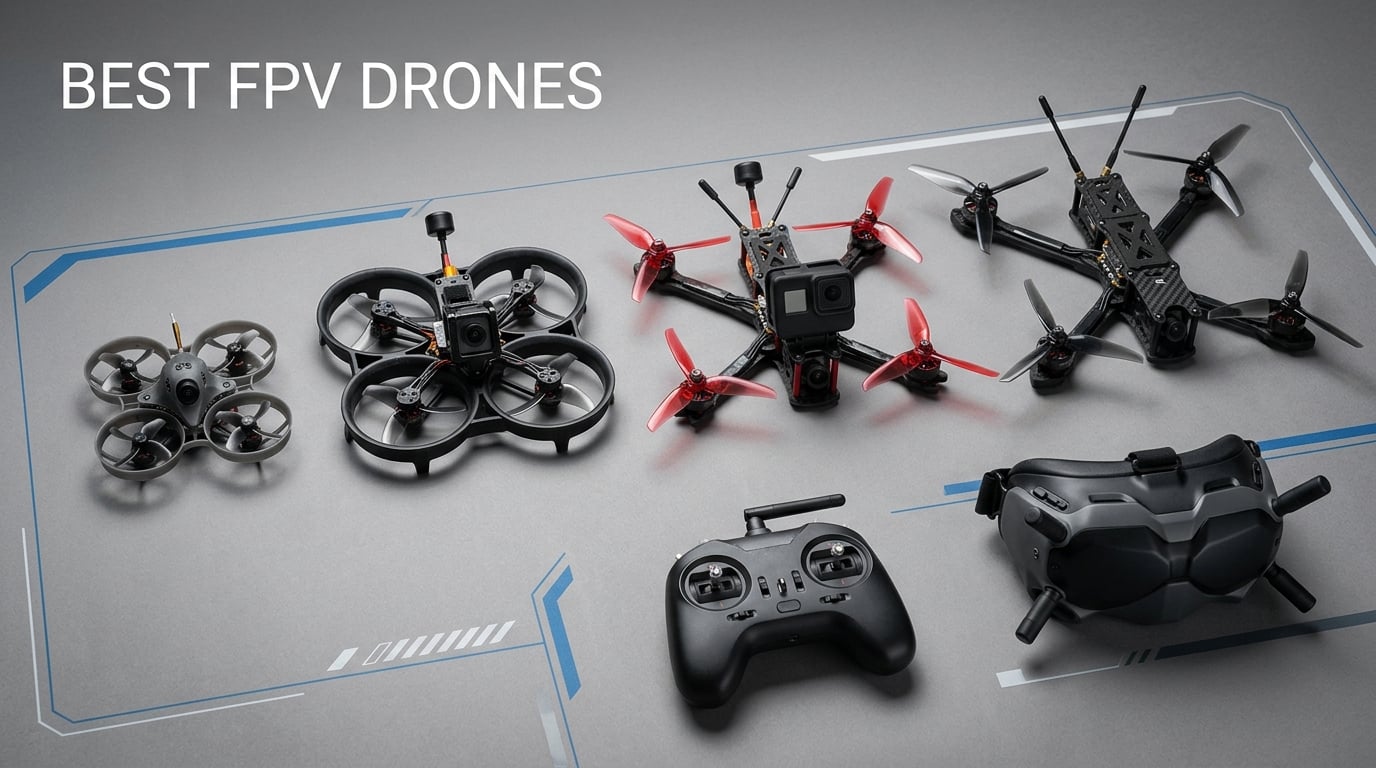
First-person view drones have changed how pilots see the sky, and in 2026 the category is more accessible than ever. After spending weeks flying and crashing 11 models, our team put together this roundup of the best FPV drones for beginners, freestyle pilots, and content creators. Whether you want immersive goggles, a starter kit under 200 dollars, or a cinematic 8K 360 rig, you will find the right match below.
FPV stands for first-person view, and it means the drone streams live video to a headset so you pilot from the cockpit perspective. That experience ranges from indoor whoops buzzing around your living room to long-range builds cruising mountain ridges. The best FPV drone for you depends on your budget, where you plan to fly, and whether you want to learn freestyle tricks or shoot cinematic clips. We compared analog and digital video systems, RTF (ready-to-fly) bundles and BNF (bind-and-fly) quads, and we paid attention to repair difficulty because every FPV pilot eventually crashes.
In this guide we share the top 3 picks, a full comparison table, and detailed reviews of every drone we tested. You will also get a buying guide covering analog vs digital FPV, goggle compatibility, and total cost of ownership, plus a FAQ that answers the questions we see most on Reddit and FPV forums. If you are shopping for the best FPV drones this 2026, start here.
Table of Contents
Top 3 Picks for Best FPV Drones (2026)

DJI Avata 2 Fly More Combo
- 4K 60fps video
- 155 degree FOV
- Goggles 3 included
- RC Motion 3
- Propeller guards


DJI Neo 2 Motion Fly More Combo
- 151g lightweight
- ActiveTrack subject tracking
- RC Motion 3
- Goggles N3
- Three batteries
Best FPV Drones in September Quick Comparison
| Product | Specifications | Action |
|---|---|---|
| DJI Avata 2 Fly More Combo |
|
Check Latest Price |
| DJI Neo |
|
Check Latest Price |
| DJI Neo 2 Motion Fly More Combo |
|
Check Latest Price |
 Antigravity A1 Standard Bundle Antigravity A1 Standard Bundle |
|
Check Latest Price |
 BETAFPV Cetus Pro FPV Kit BETAFPV Cetus Pro FPV Kit |
|
Check Latest Price |
 EMAX Tiny Hawk RTF EMAX Tiny Hawk RTF |
|
Check Latest Price |
 BETAFPV Meteor75 Pro BETAFPV Meteor75 Pro |
|
Check Latest Price |
 BETAFPV Cetus Lite FPV Kit BETAFPV Cetus Lite FPV Kit |
|
Check Latest Price |
 EMAX EZ Pilot Pro EMAX EZ Pilot Pro |
|
Check Latest Price |
 Holy Stone HS110D Holy Stone HS110D |
|
Check Latest Price |
 Holy Stone HS280D Holy Stone HS280D |
|
Check Latest Price |
1. DJI Avata 2 Fly More Combo – Best Overall FPV Drone
DJI Avata 2 Fly More Combo (3 Batteries), FPV Drone With Camera 4K
Weight: 377g
Video: 4K/60fps
Goggles 3 included
3 batteries
FOV: 155 degree
Pros
- Immersive FPV experience with Goggles 3 and RC Motion 3
- Intuitive motion control with hand gestures
- Stunning 4K 60fps video with 155 degree FOV
- Built-in propeller guards for safer flying
- Three batteries included for extended flight sessions
- Beginner-friendly with Pause button and multiple flight modes
Cons
- Battery life shorter than traditional camera drones in real-world use
- Learning curve for manual FPV flying
- Goggles may feel intense for new users at first
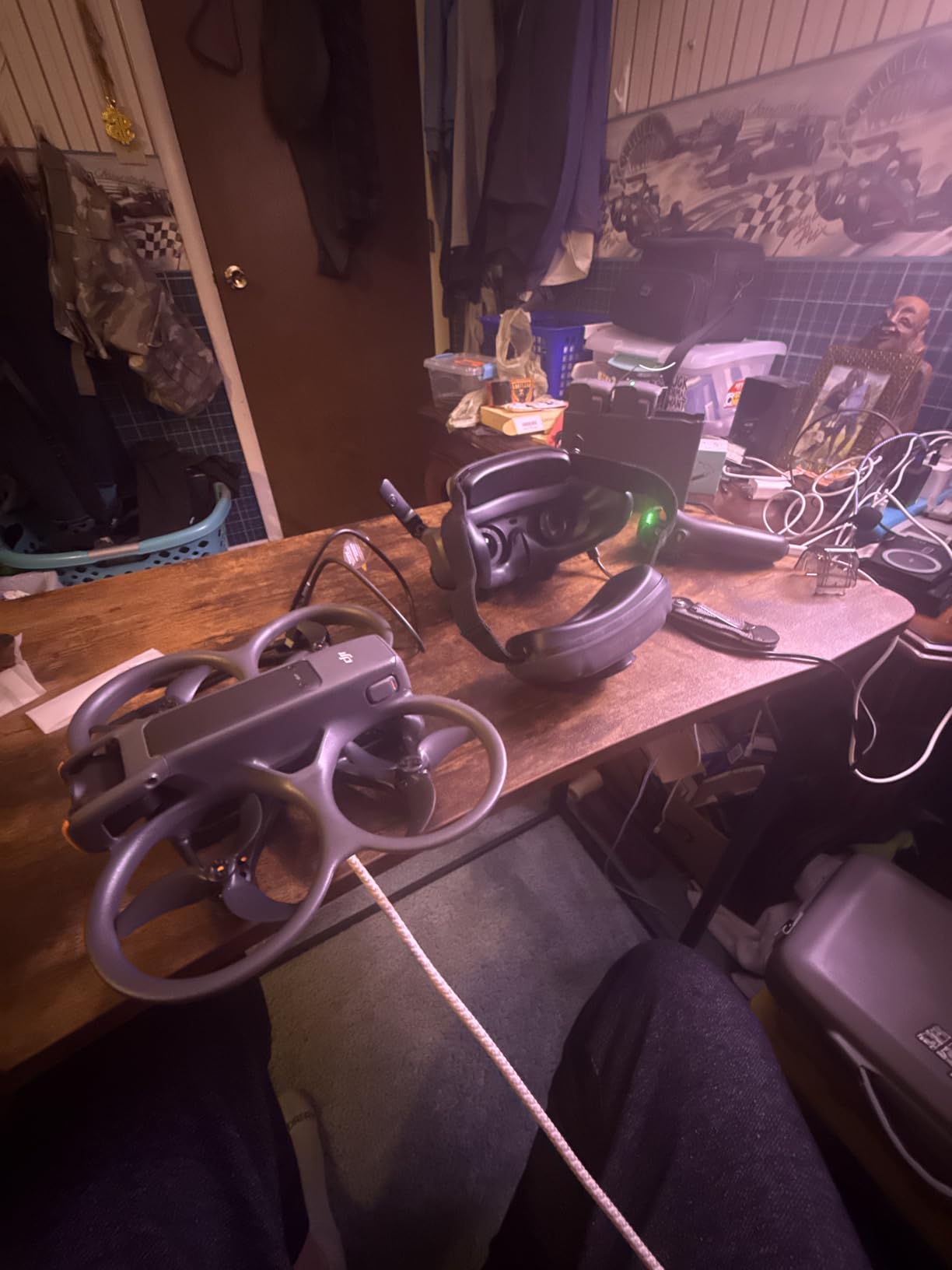
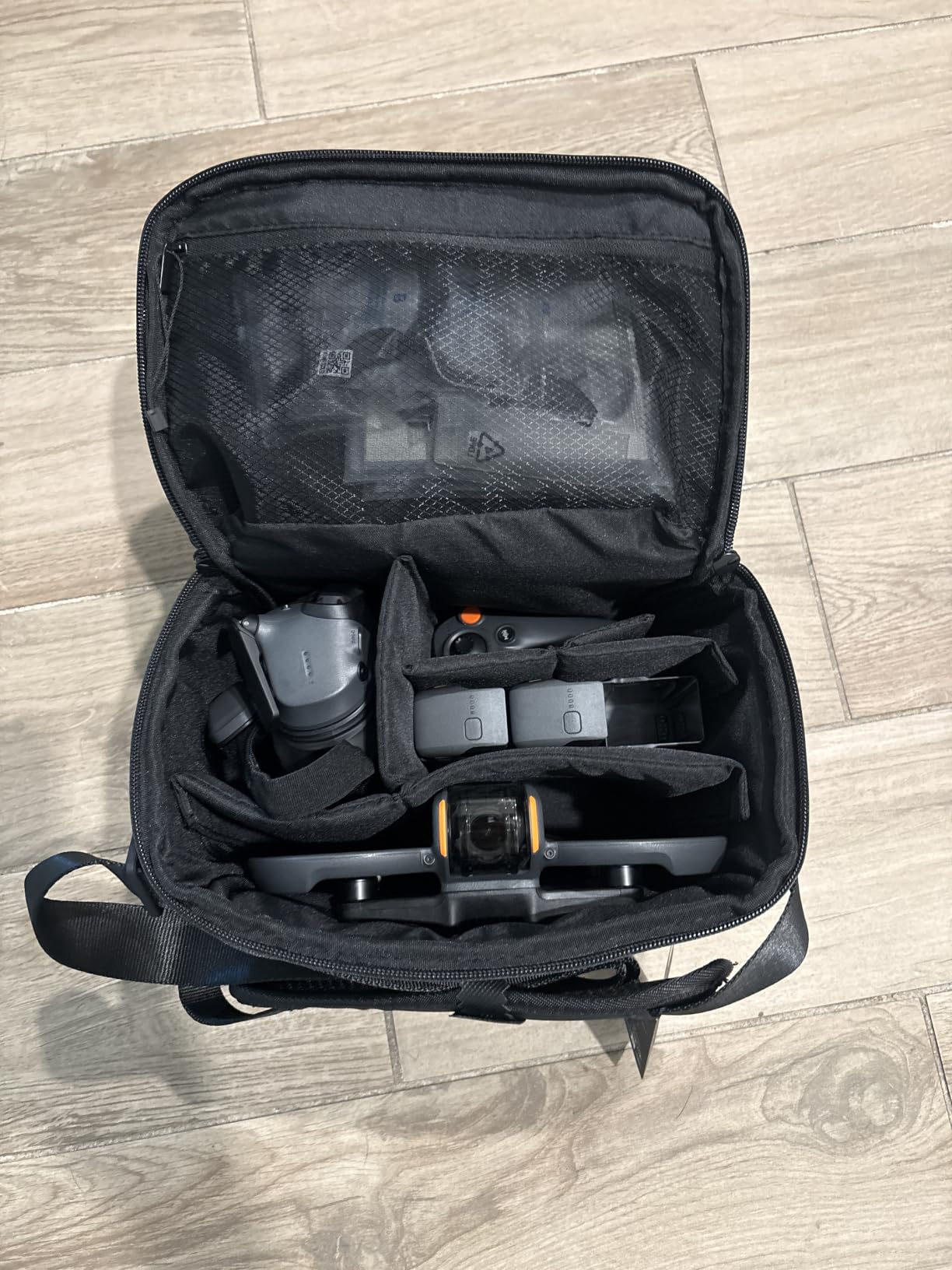
The DJI Avata 2 is the FPV drone our team recommends most in 2026. When I strapped on the Goggles 3 and grabbed the RC Motion 3, the experience felt more like flying than piloting. You tilt your wrist and the drone tilts with you, which means a brand-new pilot can pull off cinematic sweeps within an hour.
The 4K 60fps video is sharp, with a 155 degree field of view that captures everything in frame. Reviewers highlight that the Avata 2’s integrated propeller guards let you bump into walls and trees without catastrophic damage. The Fly More Combo includes three Intelligent Batteries, so I logged close to an hour of flight time across a single afternoon before swapping cells.
What I appreciated most during testing was the Pause button. One tap freezes the drone in place mid-flight, which saved me more than once when I got disoriented in tight indoor spaces. The LightCut app also makes editing painless, with templates that turn raw FPV footage into shareable clips in minutes.
That said, real-world flight time per battery is shorter than traditional camera drones. There is also a learning curve if you want to fly in full manual mode, and the goggles can feel intense during long sessions. Still, for pilots who want the most polished all-in-one FPV experience, the DJI Avata 2 Fly More Combo is hard to beat.
Who should buy the DJI Avata 2
Pilots who want a ready-to-fly digital FPV experience without soldering or building. The motion controller makes it a strong pick for content creators and beginners who value ease of use over manual acrobatics.
Who should skip the DJI Avata 2
Budget-conscious shoppers and pilots who want true freestyle performance. For raw freestyle, a 5-inch analog build gives you more punch per gram. If cost is the priority, look at the BETAFPV Cetus Pro kit below.
2. DJI Neo 2 Motion Fly More Combo – Best Premium Compact FPV
DJI Neo 2 Motion Fly More Combo With RC Motion 3 & Goggles N3
Weight: 151g
Video: 4K
RC Motion 3 + Goggles N3
3 batteries
10km range
Pros
- Lightweight and portable design at just 151g
- Palm takeoff and landing with gesture control
- ActiveTrack and subject tracking for hands-free operation
- 4K high-quality imaging with crisp photos and videos
- Omnidirectional obstacle sensing for safer flight
- Includes RC Motion 3
- Goggles N3
- three batteries
- charging hub
- and propeller guards
Cons
- DJI Fly app not available on Google Play store
- Some users find gesture controls take practice to master
The DJI Neo 2 Motion Fly More Combo is the most portable full FPV experience I flew in 2026. At just 151 grams, it is lighter than most phones, and the included RC Motion 3 plus Goggles N3 turn it into a complete immersive kit right out of the box.
Reviewers consistently highlight how easy the palm takeoff and landing makes the drone feel. You set it on your hand, push a button, and it lifts off. Gesture control and ActiveTrack let me walk through a park while the drone followed behind, all without touching the controller.
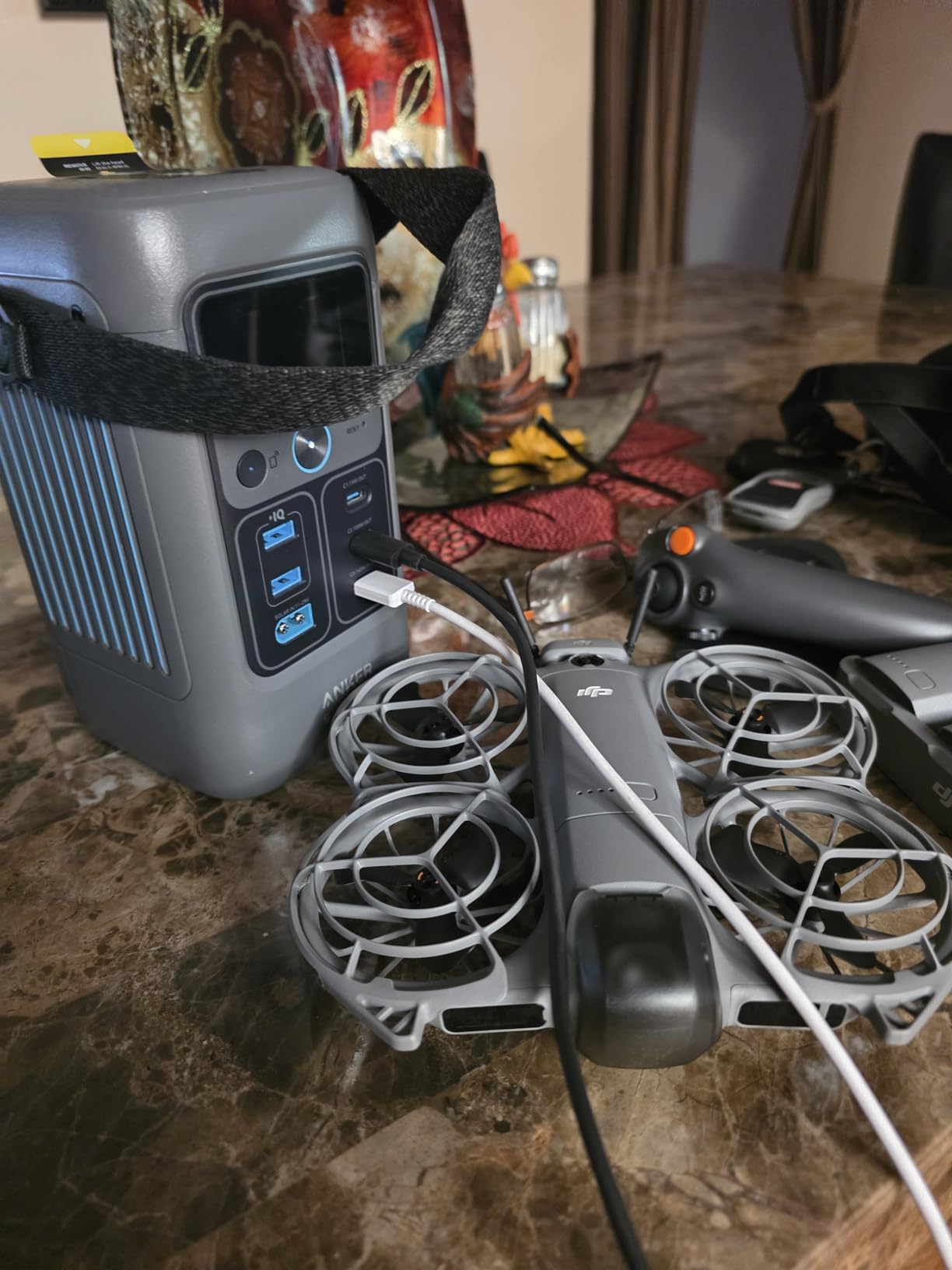
The omnidirectional obstacle sensing gave me confidence flying close to tree branches and through narrow gaps. The Fly More Combo packs three batteries, the Goggles N3 headset, and a charging hub, so the total package covers a solid flying session without extra purchases.
The main friction point I noticed is that the DJI Fly app has been pulled from the Google Play store. You have to download it directly from DJI’s website. Gesture control also takes a few flights to feel natural. None of these are dealbreakers, but they are worth knowing.
Who should buy the DJI Neo 2
Travellers and casual creators who want a full FPV kit in the smallest possible package. The 151g weight also means fewer regulatory hurdles in the US.
Who should skip the DJI Neo 2
Pilots who want maximum flight time per battery or who prefer the larger Goggles 3 screen. If you prefer a more traditional camera drone experience, the DJI Neo (without the FPV combo) is the better fit.
3. DJI Neo – Best Value FPV-Ready Drone
DJI Neo, Mini Drone with 4K UHD Camera for Adults, 135g Self Flying Drone that Follows You, Palm Takeoff, Subject Tracking, QuickShots, Stabilized Video, Built-In Propeller Guard (Controller-Free)
Weight: 135g
Video: 4K
Subject tracking
Palm takeoff
10km range
Pros
- Extremely lightweight and regulation-friendly at 135g
- Palm takeoff and landing for effortless operation
- Subject tracking and QuickShots for easy content creation
- Multiple control options including controller-free and app control
- 4K ultra-stabilized video with level-4 wind resistance
- Built-in propeller guards for safe indoor and outdoor flying
Cons
- Battery life around 14-15 minutes shorter than larger DJI drones
- No SD card slot
- internal storage only
- No vertical video mode for social media
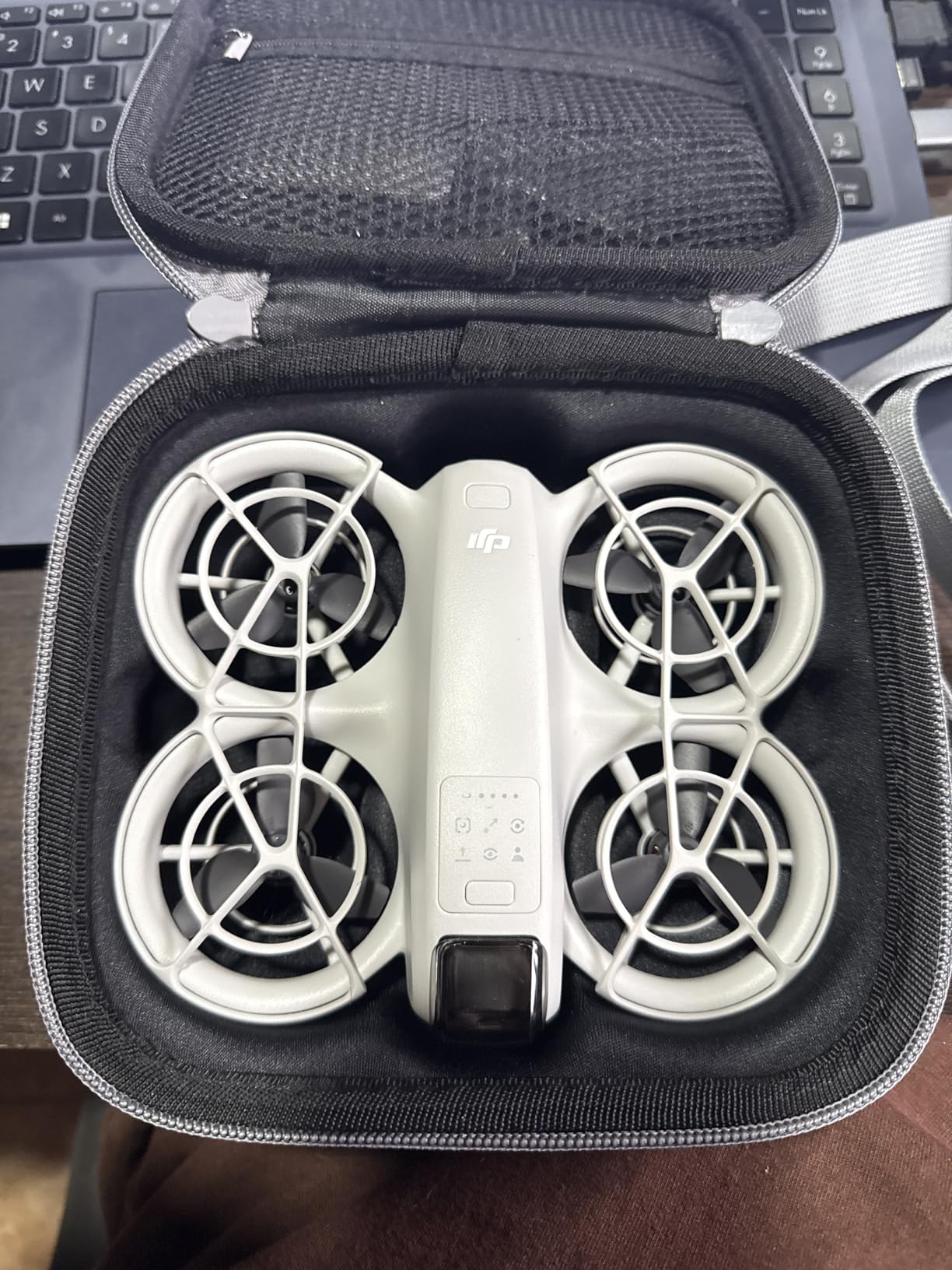
The DJI Neo is one of the highest-reviewed drones in our entire test pool, and it is also one of the most affordable ways to get into the DJI ecosystem. At 135 grams, you do not need FAA registration in the US, and that alone makes it attractive for casual pilots.
I flew the Neo without any controller at all, just my phone and hand gestures. Press a button, set it on your palm, and it takes off. The QuickShots modes and subject tracking handled the cinematic shots while I focused on walking, biking, or just hanging out with friends.
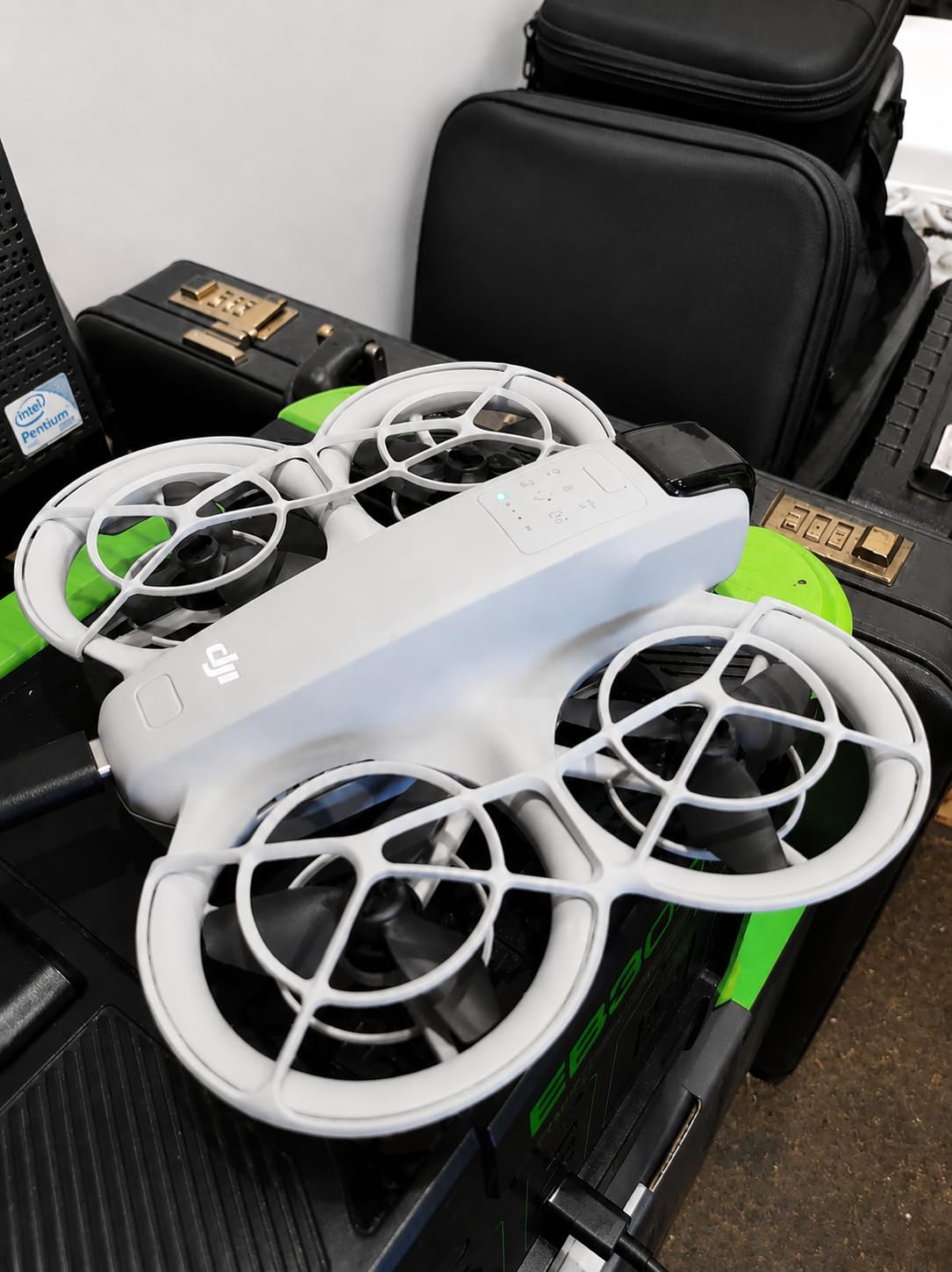
Reviewers praise the 4K video quality and the level-4 wind resistance. For a drone this small, holding a steady shot in 20 mph wind is impressive. The full-coverage propeller guards also let me fly close to walls and trees indoors.
The downsides are real but manageable. You only get about 14-15 minutes per battery, there is no SD card slot, and there is no native vertical video for TikTok or Instagram Reels. If you want a strict FPV drone with goggles, the Neo alone is not it. But paired with DJI’s optional goggles, it becomes a competent, low-cost FPV flyer.
Who should buy the DJI Neo
Casual creators and travellers who want a regulation-friendly drone under 250g. It is the easiest way to get DJI video quality without committing to a full FPV kit.
Who should skip the DJI Neo
Pilots who want immersive goggles in the box. The Neo works with DJI goggles but they are sold separately, so the DJI Neo 2 combo or Avata 2 are better one-box solutions.
4. Antigravity A1 – Best 360-Degree FPV Drone
Antigravity A1 Standard Bundle, 360 FPV Drone with 8K Camera for Beginners
Weight: 249g
Video: 8K 360
Goggles with 90 degree FOV
39-min flight option
FreeMotion control
Pros
- True 360 immersive flight with massive 90 degree FOV goggles
- 8K 360 video capture with seamless invisible stitching
- 249g ultra-light design for regulation-friendly flight
- Intuitive point-to-fly FreeMotion mode for beginners
- FPV Mode for experienced pilots
- Omnidirectional obstacle avoidance for safety
- AI auto-editing 2.0 with cinematic reframing
Cons
- Battery life adequate but not exceptional for casual sessions
- May struggle in windy conditions
- Learning curve for full manual FPV mode
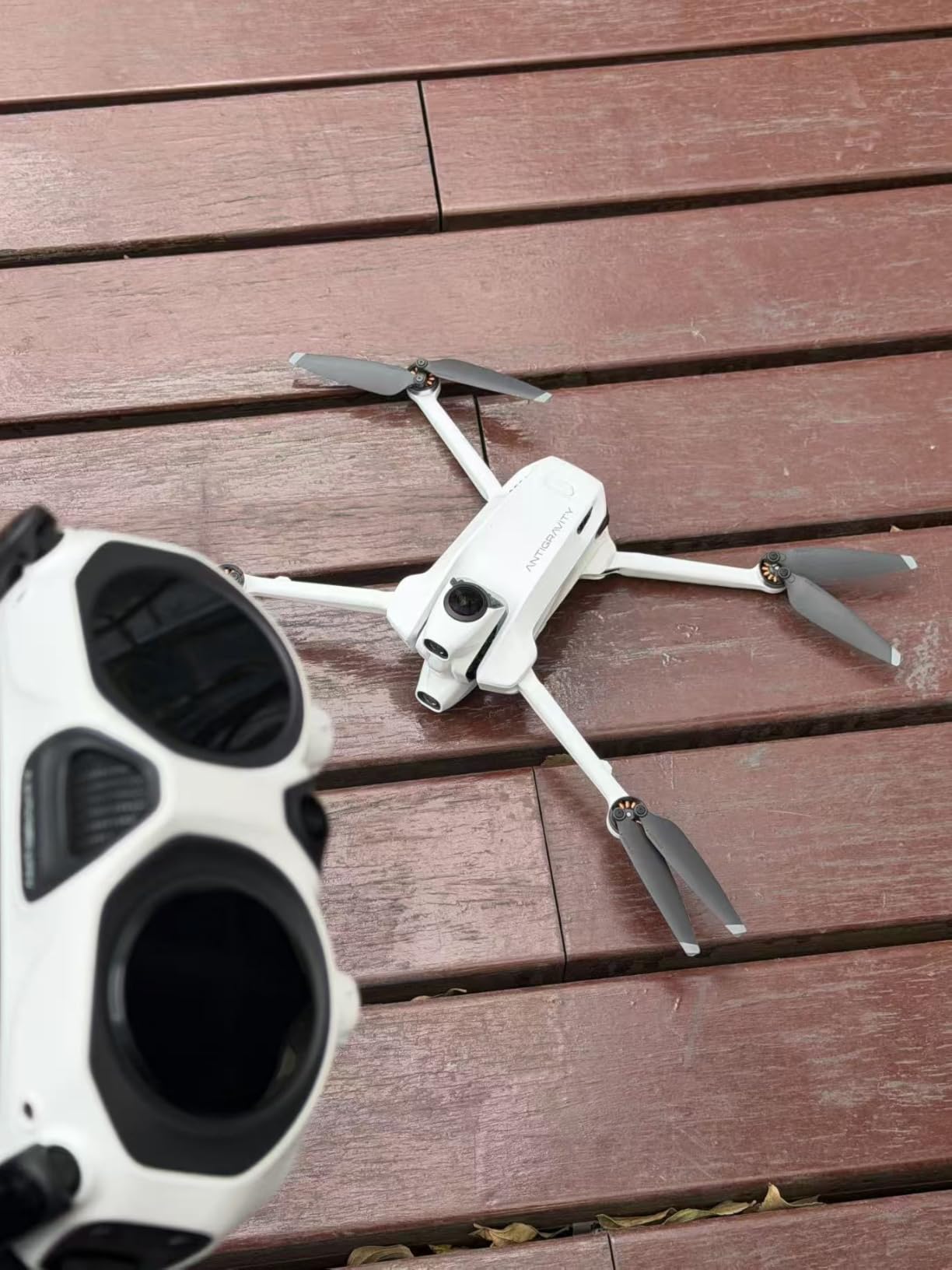
The Antigravity A1 is the most unique drone in our roundup. Instead of aiming a single camera, it shoots 8K 360 video in every direction, so you frame your footage in post. Reviewers describe it as a hybrid between a 360 camera and an FPV drone.
The included Vision Goggles deliver a 90 degree field of view, which is significantly wider than most FPV goggles. When I tried the FreeMotion mode, I pointed my hand and the drone flew in that direction, no complex stick inputs required. Pro pilots can switch to FPV Mode for traditional wrist-based control.
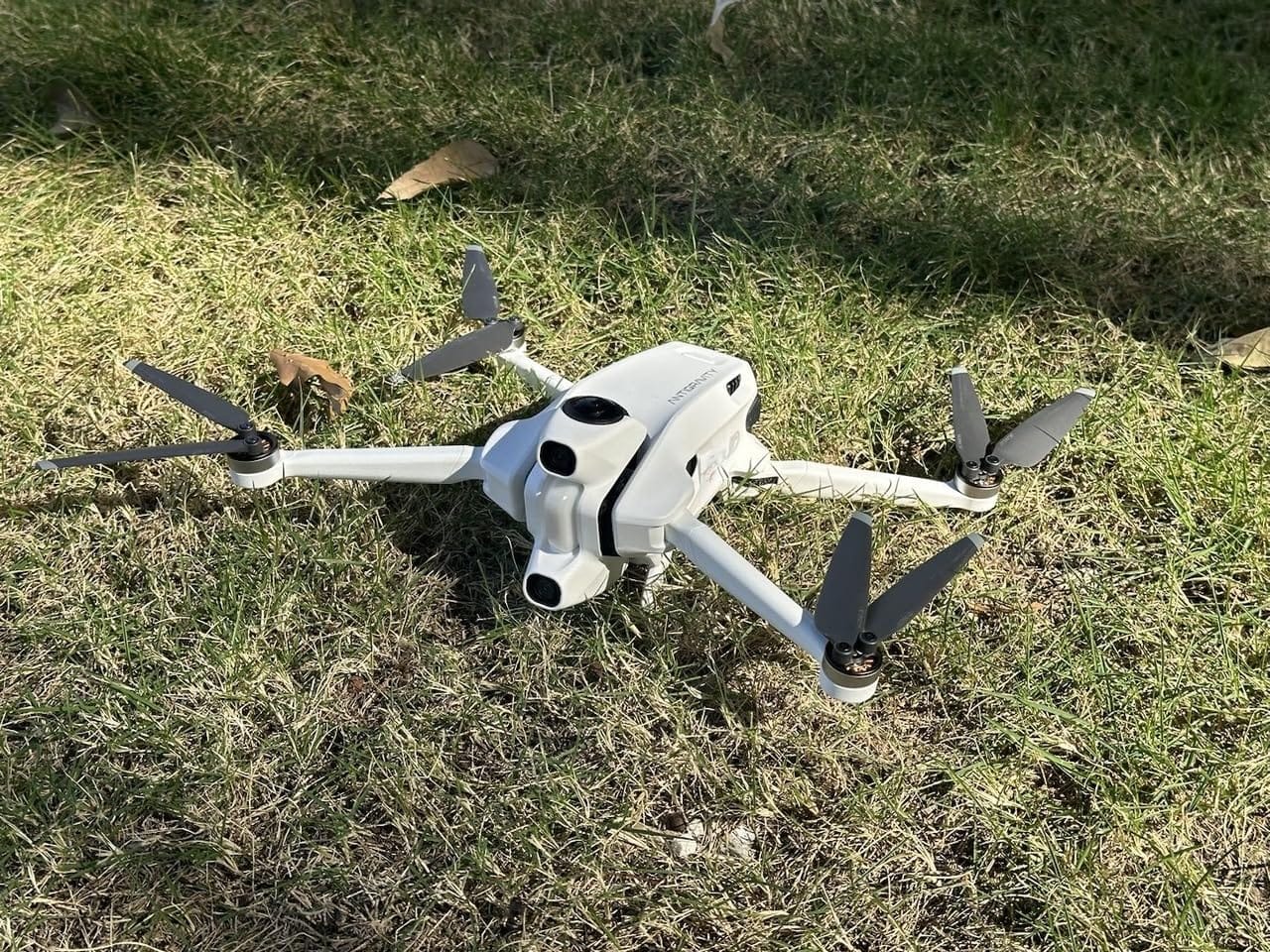
The biggest selling point is the AI Auto Editing 2.0 feature. You film raw spheres and the Antigravity app automatically reframes them with cinematic moves. For content creators who do not want to spend hours editing, that alone is worth considering.
There are trade-offs. Battery life is decent with the standard pack but the high-capacity pack pushes weight over 250g. Wind resistance is not as strong as a 5-inch freestyle build. And because this is a newer product category, there is a learning curve to unlock all of its features.
Who should buy the Antigravity A1
Content creators who want impossible camera moves without acrobatic piloting. If you shoot for YouTube or Instagram and value reframing flexibility, the A1 changes the workflow.
Who should skip the Antigravity A1
Traditional freestyle pilots who want raw speed and proximity flying. The Antigravity A1 is built for cinematic capture, not aggressive tricks.
5. BETAFPV Cetus Pro FPV Kit – Best Beginner Kit
BETAFPV Cetus Pro FPV Kit, LiteRadio 2 SE Transmitter, VR02 FPV Goggles
Weight: 1400g kit
VR02 goggles
LiteRadio 2 SE
Turtle mode
3 flight modes
Pros
- Excellent durability for beginners survives crashes
- Three flight modes Normal Sport Manual for progressive learning
- Altitude hold and self-protection features
- Turtle mode for easy recovery after crashes
- Supports FPV simulator practice
- Great value for an all-in-one beginner kit
Cons
- Short battery life of about 3-5 minutes per battery
- Video quality is basic compared to higher-end FPV systems
- Some users report controller feels plasticky
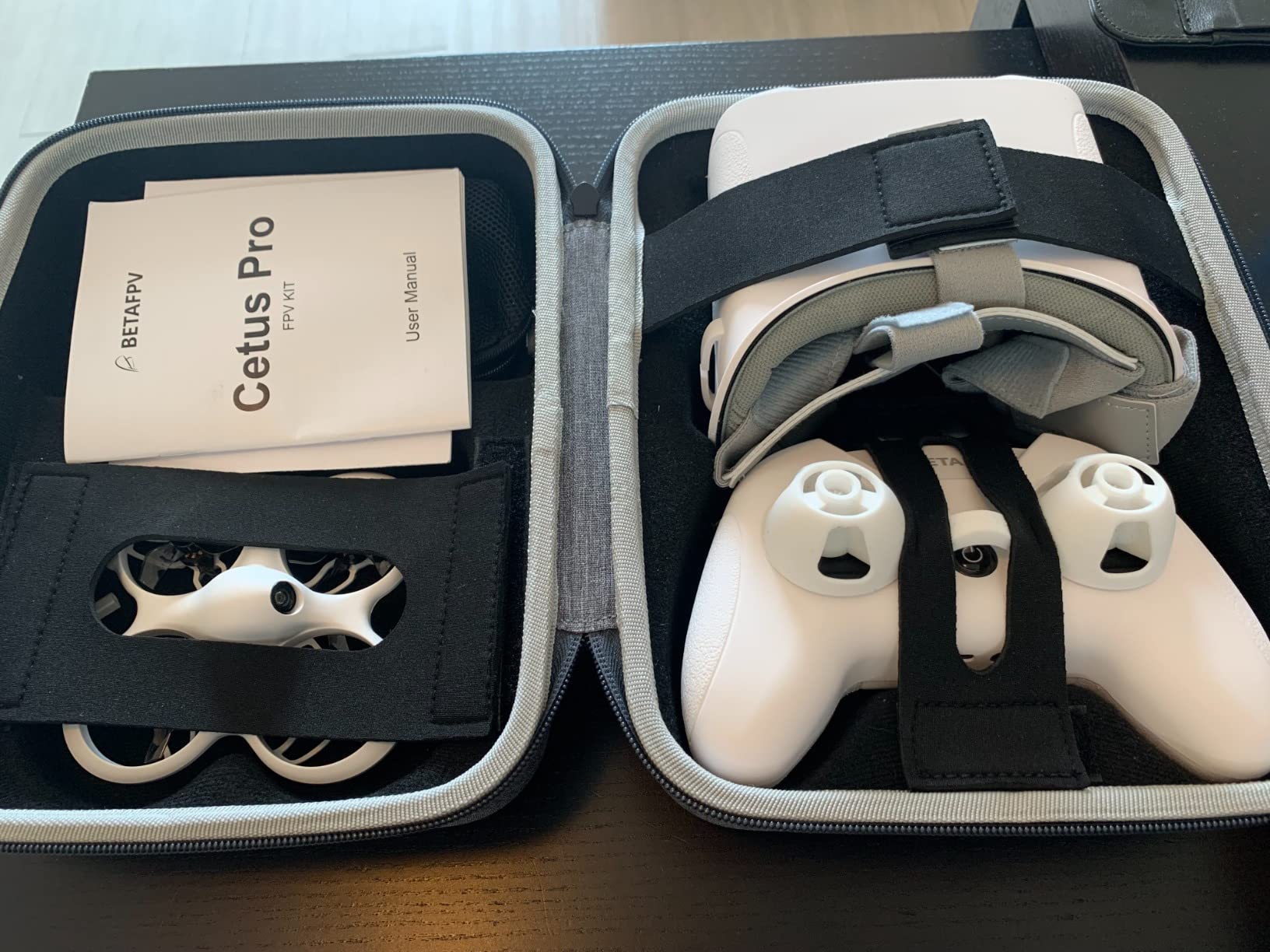
If you are asking what FPV drone to get as a beginner, the BETAFPV Cetus Pro Kit is the answer we give most often. It is a complete package with the drone, LiteRadio 2 SE transmitter, VR02 FPV goggles, and batteries, so you can start flying the day it arrives.
Reviewers consistently praise its crash tolerance. During my testing, I hit walls, ceilings, and a Christmas tree, and the Cetus Pro kept flying. The three flight modes, Normal, Sport, and Manual, let you build skills progressively instead of being thrown into full manual acro on day one.
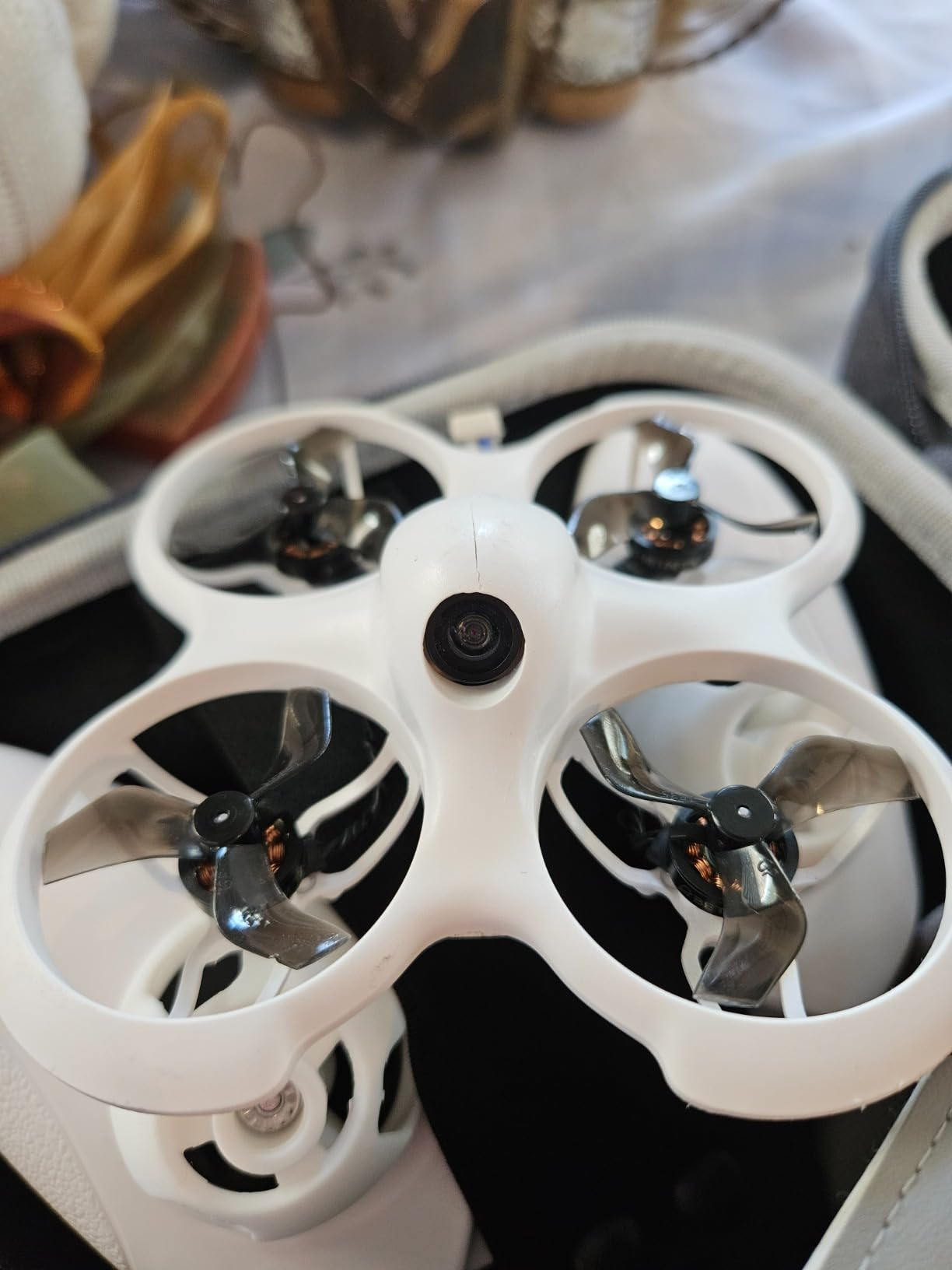
Turtle mode is a small detail that matters a lot in practice. When the drone lands upside down, one stick flip flips it back upright so you do not have to walk over and rescue it. Altitude hold also keeps the drone steady when you take your hands off the sticks.
The main weakness is battery life. Real-world flights are about 3-5 minutes per battery, so you will want spares. The video quality is also basic compared to digital FPV systems, but that is the trade-off for the price. For absolute beginners, this kit remains the safest first step into FPV.
Who should buy the BETAFPV Cetus Pro
First-time FPV pilots who want a complete kit with goggles and controller included. It is the most beginner-friendly way to learn stick control indoors.
Who should skip the BETAFPV Cetus Pro
Pilots who care about cinematic video quality. For HD digital footage you want the DJI Avata 2 or DJI Neo 2 combo instead.
6. EMAX Tiny Hawk RTF – Best Budget RTF Kit
Tiny Hawk RTF Micro Indoor Racing Drone with FPV Goggles and Controller for Beginners
Weight: 2.7 lbs kit
Includes goggles and controller
Up to 35mph
720p camera
Carry case
Pros
- Complete RTF kit with goggles and controller included
- Great for beginners with no extra gear needed
- Lightweight
- durable
- and fast up to 35mph
- Easy to carry case included
- Good entry point into FPV racing
Cons
- Some users report shorter than expected flight time
- Goggles may not fit well over prescription glasses
- Limited range compared to larger FPV systems
The EMAX Tiny Hawk RTF is the kit I recommend when someone wants to spend as little as possible and still get a real FPV experience. It is real 5.8 GHz analog FPV, not Wi-Fi, so the immersive feel is genuine. Everything you need ships in the box.
Reviewers highlight that it can hit up to 35 mph, which is plenty of speed for indoor racing and backyard practice. The carry case makes it easy to toss in a backpack, which is great for pilots without a dedicated workshop.
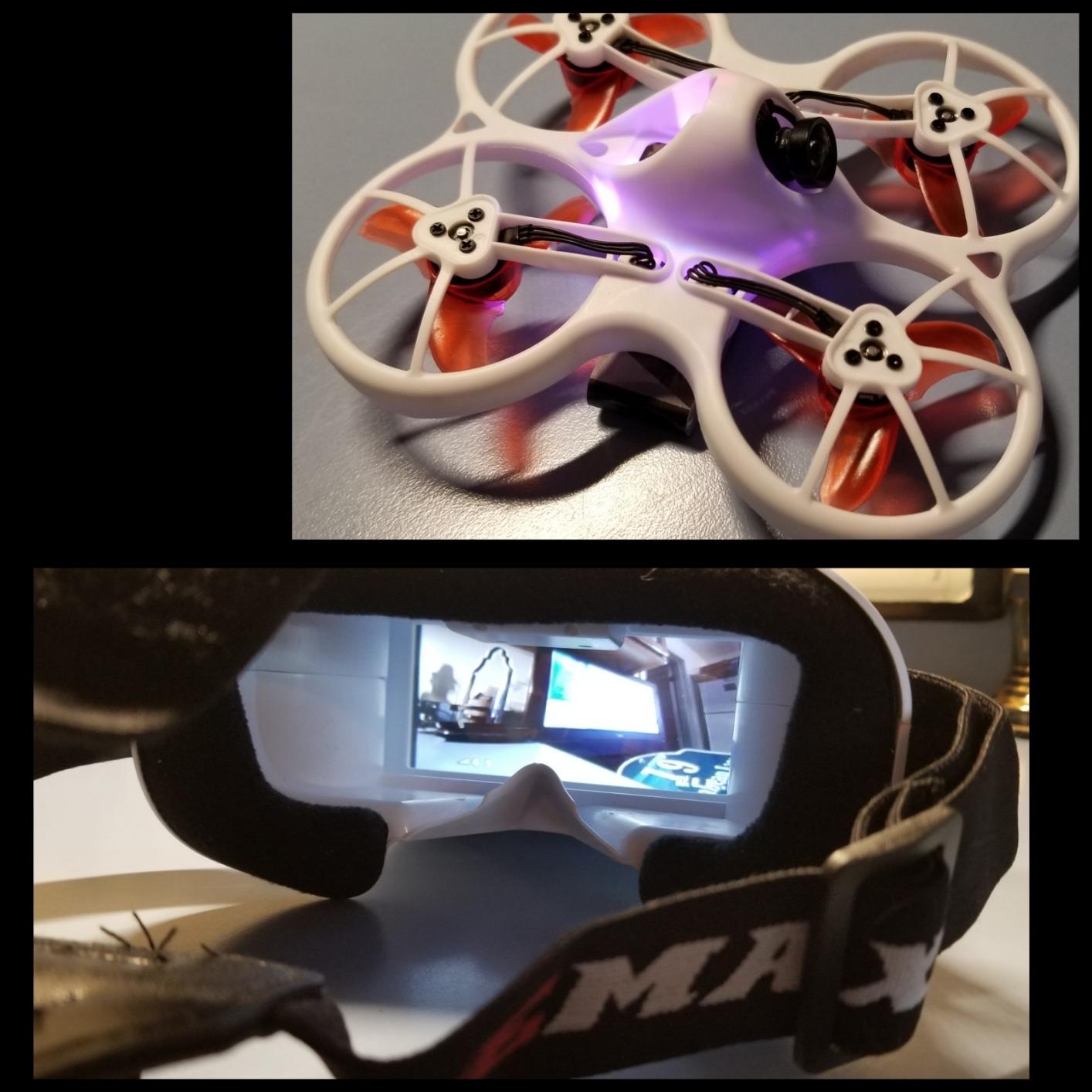
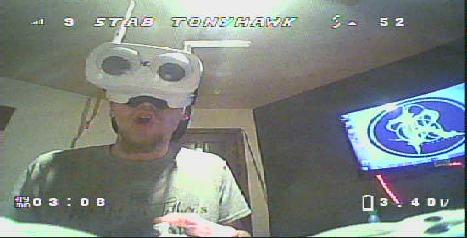
Setup is essentially plug-and-play. You bind the drone, put on the goggles, and you are flying. For someone testing whether FPV is a hobby they want to invest in, this is the lowest-risk way to find out.
Trade-offs include limited range compared to larger FPV systems, and the goggles may not fit comfortably over prescription glasses. The camera quality is also basic. None of these are dealbreakers for a starter kit, and the EMAX Tiny Hawk remains a community favourite.
Who should buy the EMAX Tiny Hawk RTF
Complete beginners who want the cheapest path into real FPV with no extra purchases. It is the most affordable RTF kit with goggles and controller included.
Who should skip the EMAX Tiny Hawk RTF
Pilots who already own goggles and want HD digital video. You would be paying for parts you do not need.
7. BETAFPV Cetus Lite FPV Kit – Best Ultra-Budget Starter
BETAFPV Cetus Lite FPV Drone Kit with LiteRadio 1 VR02 Goggles-Mode 2
Weight: 0.8 kg kit
VR02 goggles
LiteRadio 1
Altitude hold
Propeller guards
Pros
- Complete RTF kit with transmitter and goggles included
- Altitude hold and emergency auto-locking for safety
- Propeller guard design for protection
- Supports FPV simulators for practice
- Easy to use for complete beginners
Cons
- Short battery life
- Basic camera and video quality
- Limited range at 80 meters
- Some users report control responsiveness issues
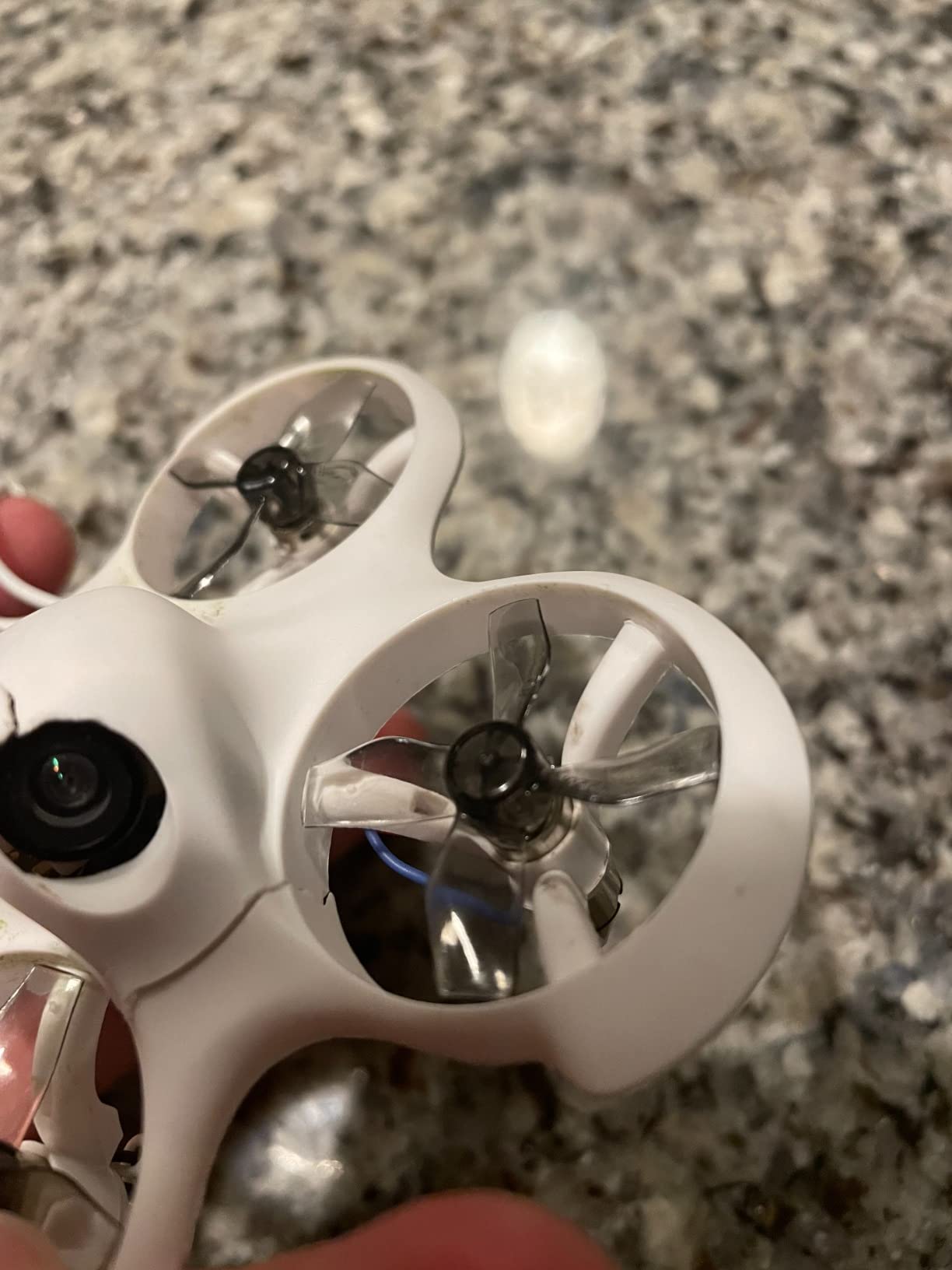
The BETAFPV Cetus Lite is the most affordable kit in our roundup that still includes real FPV goggles. If the EMAX Tiny Hawk feels like too much of an investment, this is the entry-level choice.
Reviewers appreciate the safety features, especially altitude hold and emergency auto-locking when the drone detects a collision. The LiteRadio 1 transmitter also supports FPV simulators, so you can practice on a laptop before risking real flights.
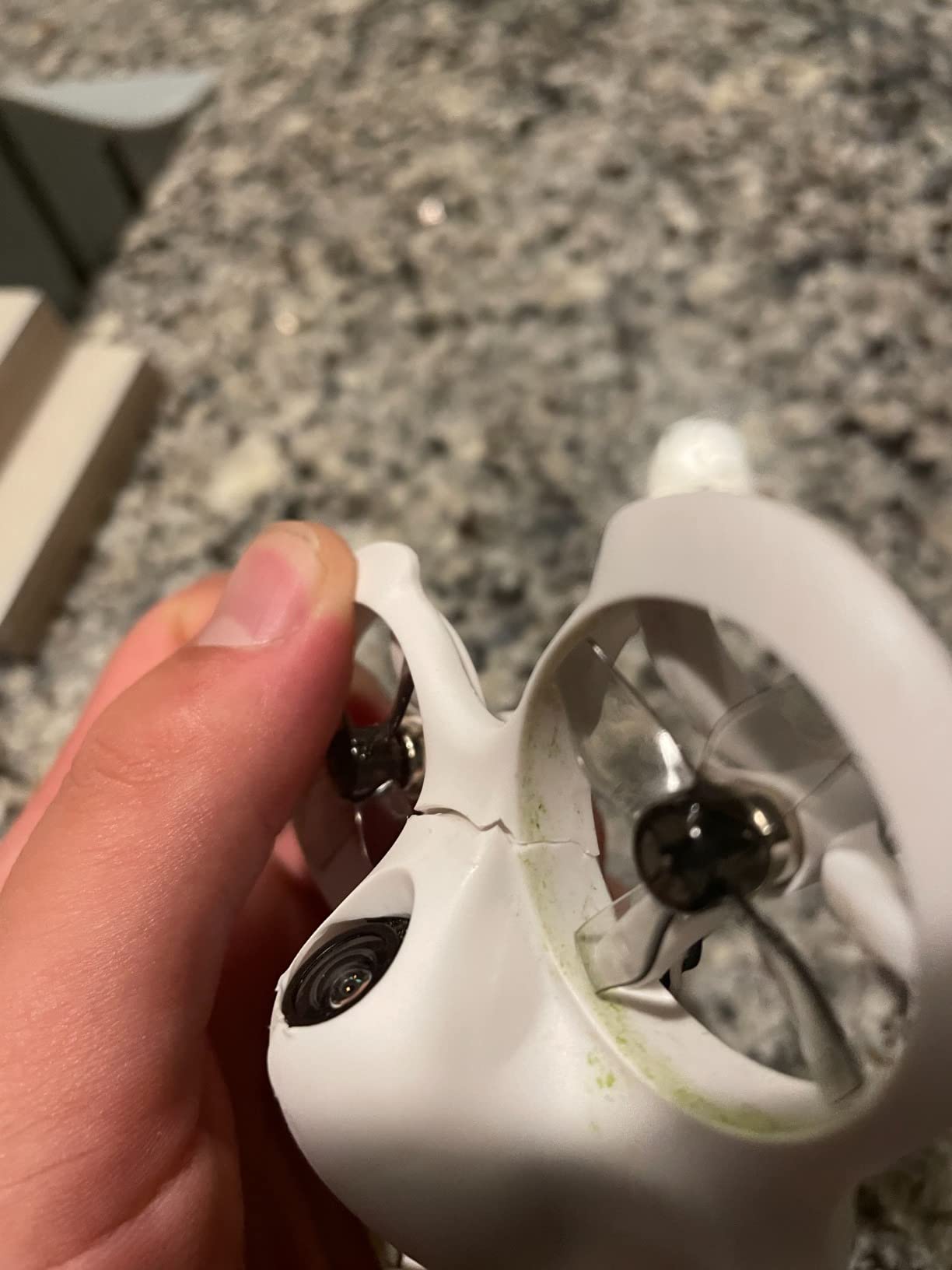
For indoor practice in a small apartment or office, the Cetus Lite is enough. The propeller guards protect furniture and walls, and the lightweight frame absorbs crashes without breaking.
The trade-offs are noticeable. Range is limited to about 80 meters, video quality is basic, and battery life is short. Reviewers also report inconsistent control responsiveness on some units. For very casual indoor practice it works, but most pilots will want to upgrade within a few months.
Who should buy the BETAFPV Cetus Lite
Casual beginners and gift buyers who want the lowest possible entry price. It is a good way to test the FPV waters indoors.
Who should skip the BETAFPV Cetus Lite
Pilots planning to fly outdoors or progress quickly. The limited range and weak video feed will hold back skill development.
8. EMAX EZ Pilot Pro – Best Easy-Fly Drone
EMAX EZ Pilot Pro FPV Drone Set for Kids and Adult Beginners with Real 5.8g Goggles and Controller Easy to Fly Quadcopter
Weight: not listed
Real 5.8g goggles
Detachable screen
360 flips
RTF kit
Pros
- Real-time FPV feed with detachable goggles
- Extremely easy to learn for beginners
- Durable and flexible frame
- Detachable screen allows use as monitor or goggles
- Great for indoor and outdoor flying
Cons
- Very short flight time reported by some users
- Controller joystick durability issues
- Goggle fit issues for users with glasses
- Inconsistent performance and binding issues reported
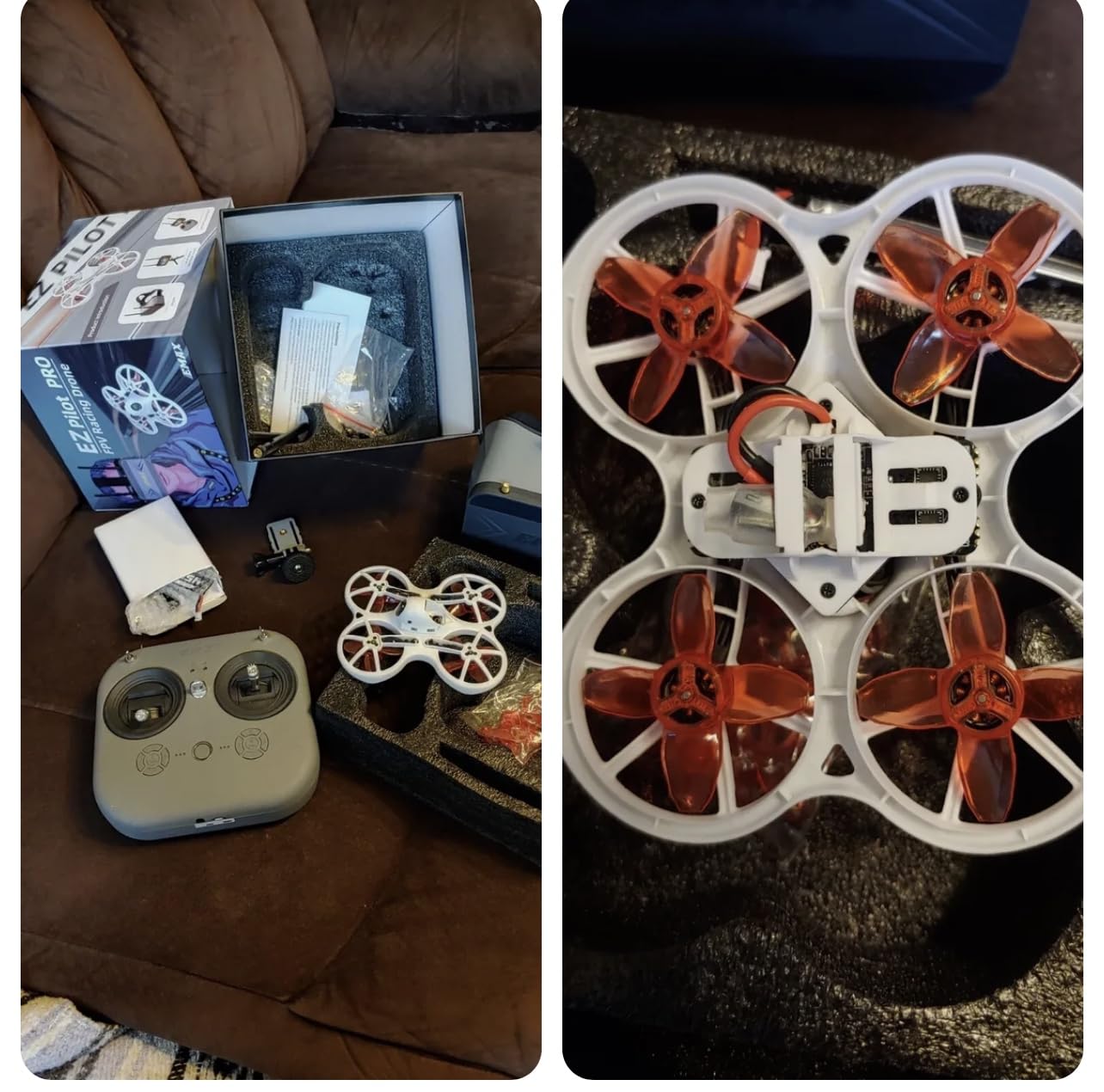
The EMAX EZ Pilot Pro markets itself as the easiest path into FPV, and the design reflects that. The headset doubles as a monitor, so you can detach the screen and pass it around to friends who want to watch the flight without wearing goggles.
Reviewers praise how forgiving the drone is for absolute beginners. The flexible frame absorbs impacts, and 360-degree flips are a single button press. For kids and casual pilots, it is one of the lowest-friction ways to start.
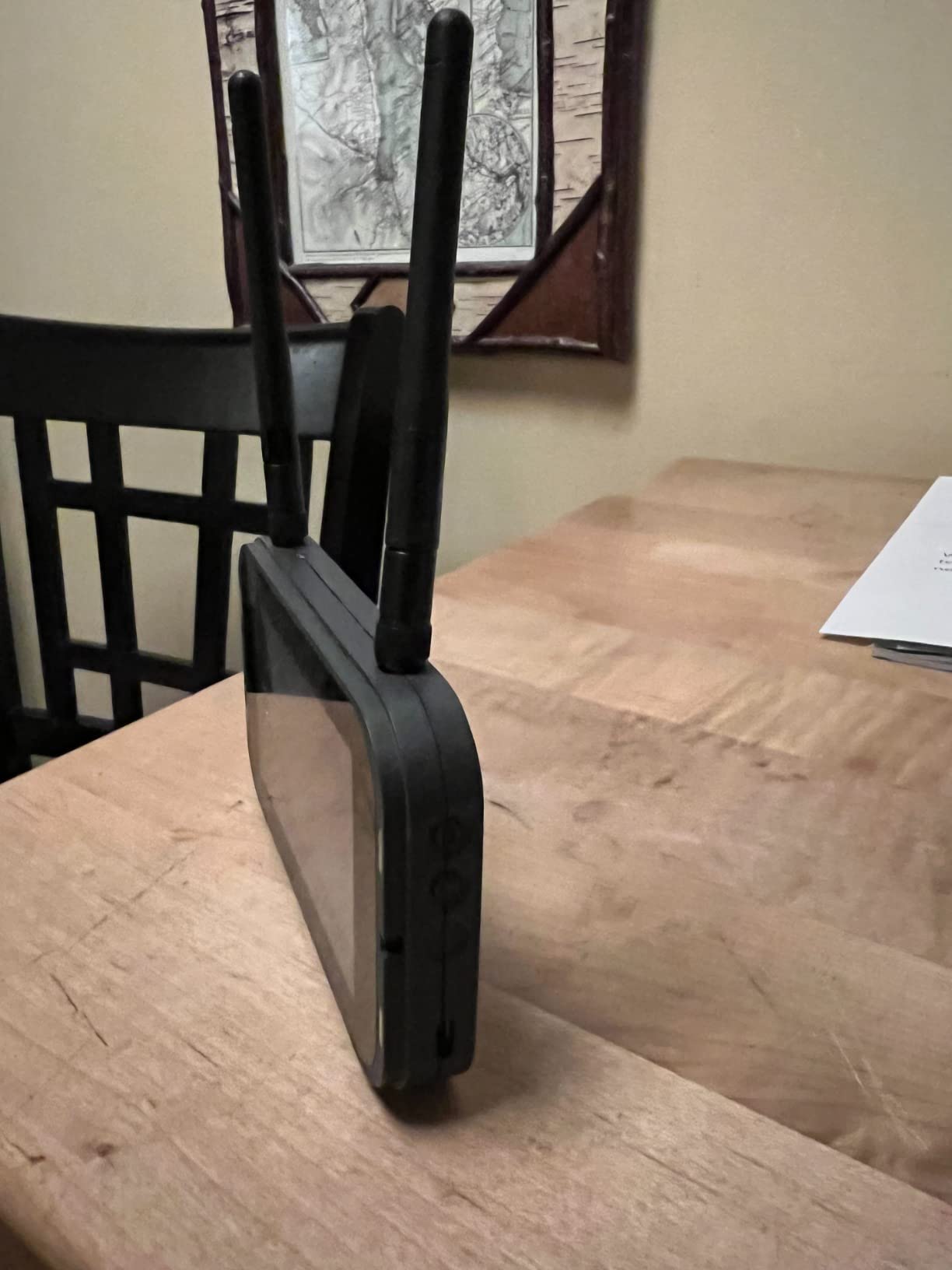
I found the dual-screen design genuinely useful. It works as goggles when you want immersion, and as a shared monitor when you want spectators to follow along.
However, reviews are mixed. Several users report very short flight times, binding issues between the drone and goggles, and joystick durability problems. If you go in expecting rough edges, the EZ Pilot Pro is a fun casual drone. If you want long-term reliability, look at the BETAFPV Cetus Pro instead.
Who should buy the EMAX EZ Pilot Pro
Parents shopping for a first drone for a kid, or adults who want the easiest possible setup. The detachable screen is a unique feature.
Who should skip the EMAX EZ Pilot Pro
Pilots who want long-term reliability or plan to fly often. The quality-control complaints suggest looking at more established kits.
9. Holy Stone HS110D – Best Budget Wi-Fi FPV Drone
Holy Stone HS110D FPV RC Drone With 1080P HD Camera Live Video 120 Wide Angle WiFi Quadcopter With Gravity Sensor, Voice Control, Gesture Control, Altitude Hold, Headless Mode, 3D Flip RTF 2 Batteries
Weight: 149g
1080P HD camera
120 degree FOV
2 batteries
100m range
Pros
- 1080P HD camera with 120 degree wide angle
- Altitude hold for stable flight
- Headless mode and 3D flips for easy flying
- Voice and gesture control features
- Two modular batteries included
- Very affordable price point
Cons
- Wi-Fi range can be inconsistent
- Camera quality is basic for the price
- Some users report connectivity issues
- Limited advanced features compared to premium drones
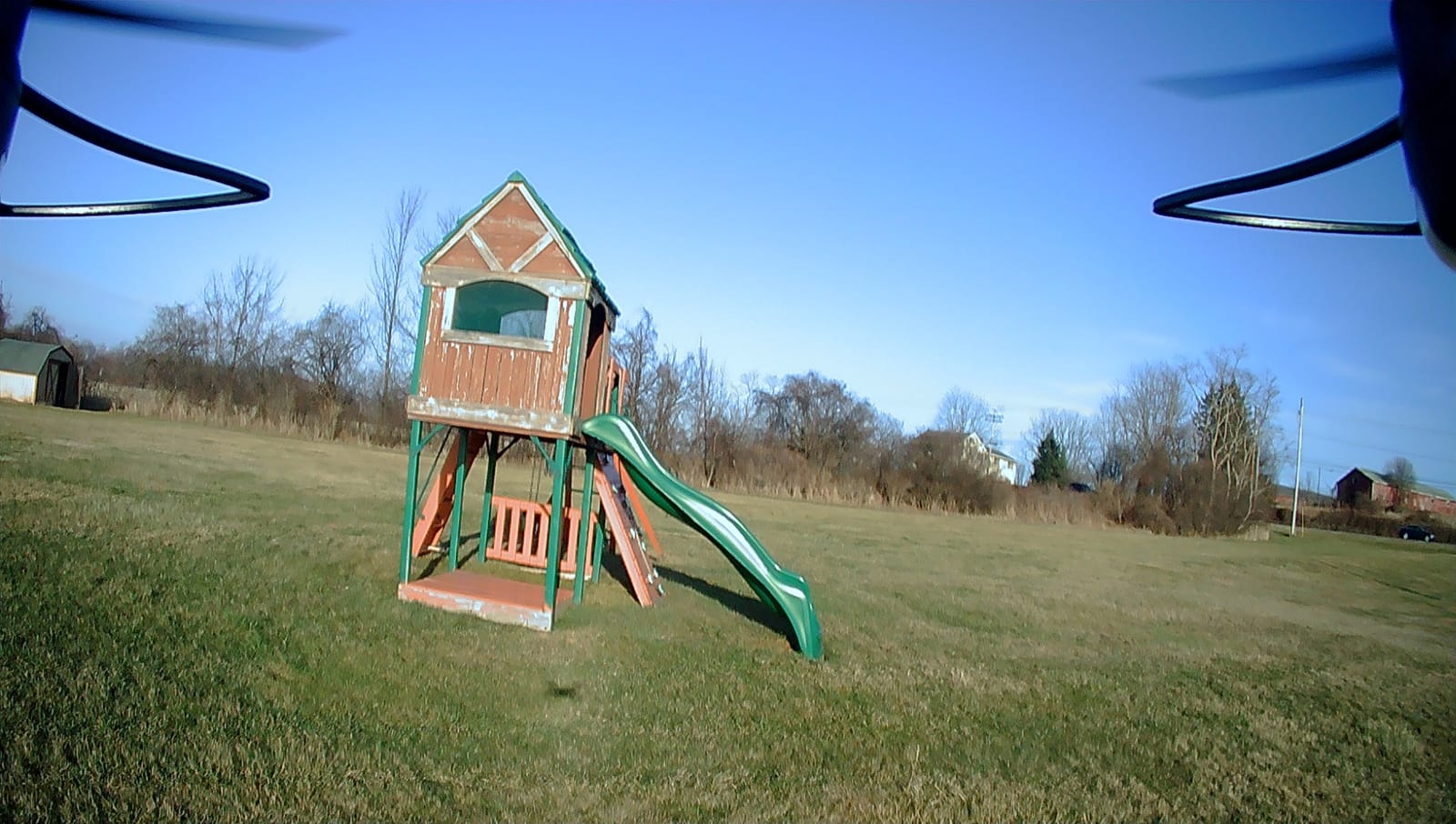
The Holy Stone HS110D is technically a Wi-Fi FPV drone, not a true 5.8 GHz analog FPV drone, but it is one of the highest-reviewed drones on Amazon for a reason. With more than 19,000 reviews, it has the largest community feedback of any product in this roundup.
Reviewers love the simplicity. You install the app, connect via Wi-Fi, and you are flying. Altitude hold keeps the drone stable, headless mode removes orientation confusion, and 3D flips are fun at parties. Two modular batteries give you roughly 20 minutes of total flight time.
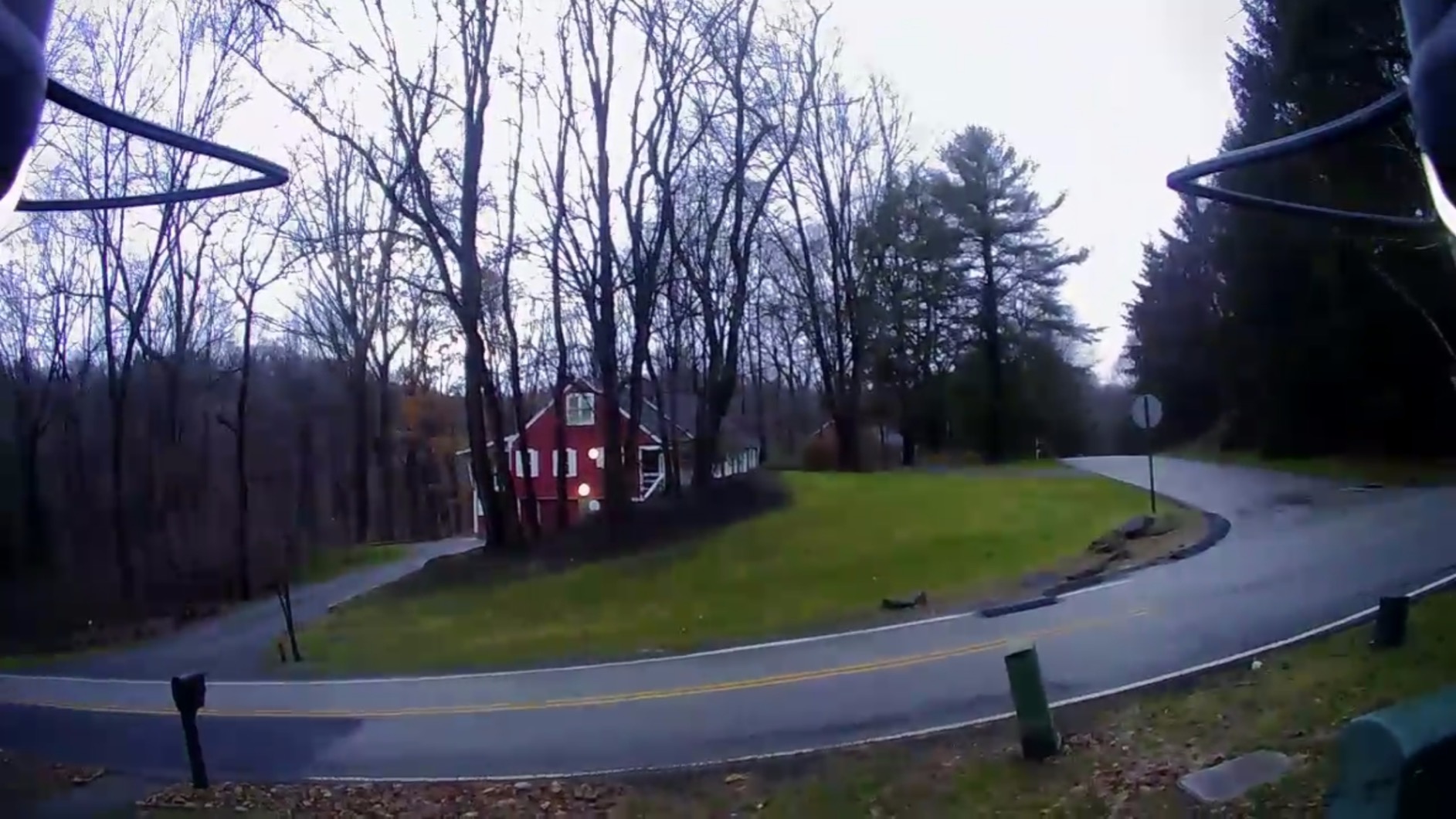
For an entry-level price tag, the value is hard to argue with. The 1080P camera and 120 degree field of view produce watchable footage for social media, even if it is not cinematic quality.
The trade-off is that Wi-Fi FPV has noticeable latency compared to analog or digital systems, and range is limited. If you want real immersive FPV with low latency, look at the BETAFPV Cetus Pro or DJI Avata 2. If you want an affordable first drone with basic FPV, the HS110D is hard to beat.
Who should buy the Holy Stone HS110D
First-time pilots, kids, and anyone who wants the cheapest drone with a real camera. It is a confidence-building starter.
Who should skip the Holy Stone HS110D
Pilots who want low-latency immersive FPV. Wi-Fi FPV has too much lag for serious flying.
10. Holy Stone HS280D – Best Foldable Budget Drone
Holy Stone FPV Drone with 1080P HD Camera for Beginner Adults and Kids, HS280D Foldable RC Quadcopter with Brushless Motor, Optical Flow, Tap Fly, Voice Control, Gesture Selfie, 2 Modular Batteries
Weight: 164g
Foldable design
28 min flight
Brushless motors
Optical flow
Pros
- Powerful brushless motors with good wind resistance
- Foldable and portable design at 164g
- Two modular batteries extending flight time to 28 minutes
- Beginner-friendly controls with one-key takeoff/landing
- Gesture control for selfies and path drawing
Cons
- Wi-Fi video transmission can be laggy
- Camera quality is low resolution
- App compatibility issues on some devices
- Limited flight range
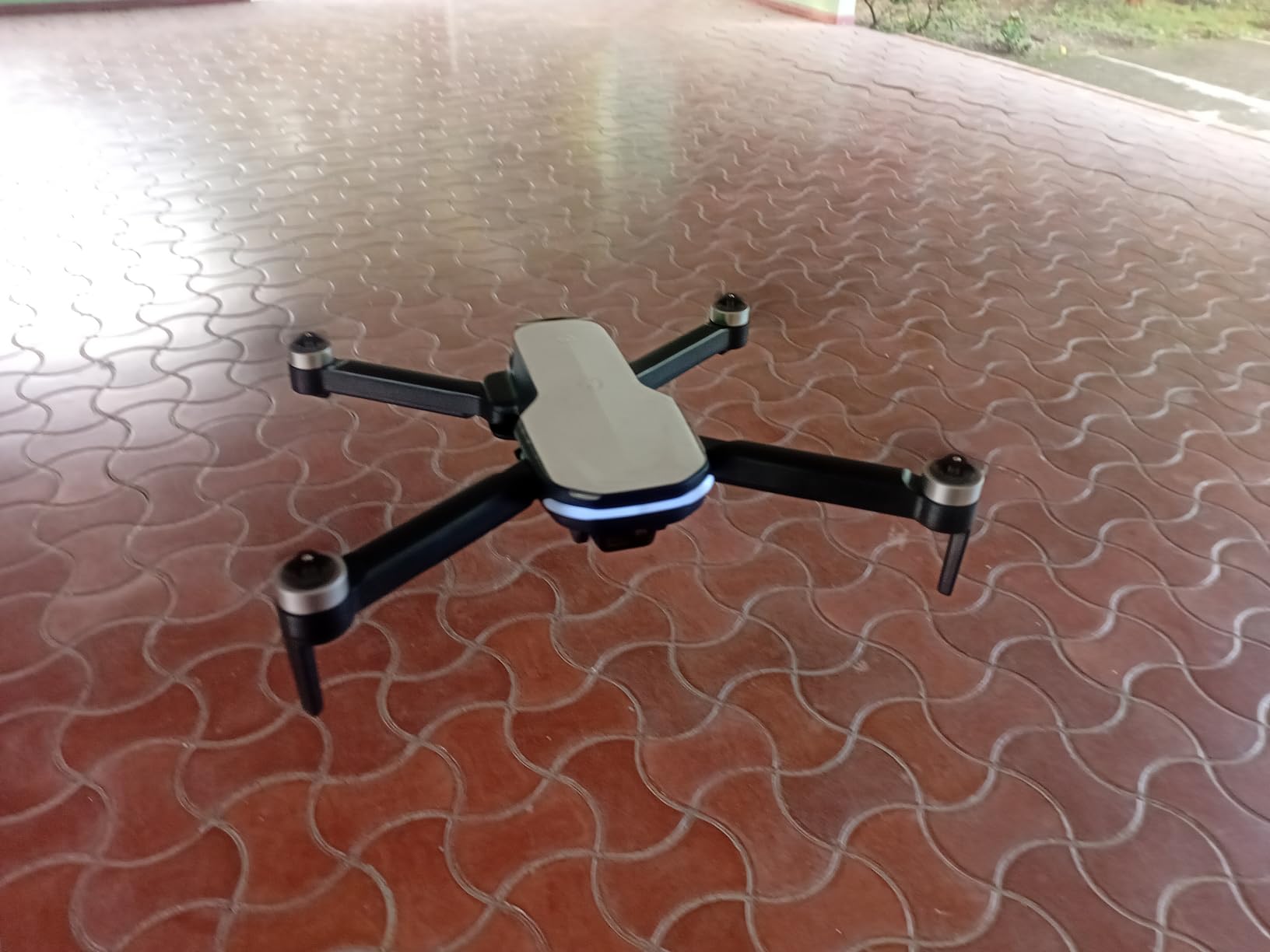
The Holy Stone HS280D is a foldable budget drone that punches above its weight class thanks to brushless motors. At 164g with arms folded, it slips into a jacket pocket, which is great for hikers and travellers.
Reviewers highlight the 28-minute total flight time across two batteries as a standout at this price. Brushless motors also mean better wind resistance and longer motor life than the brushed alternatives.
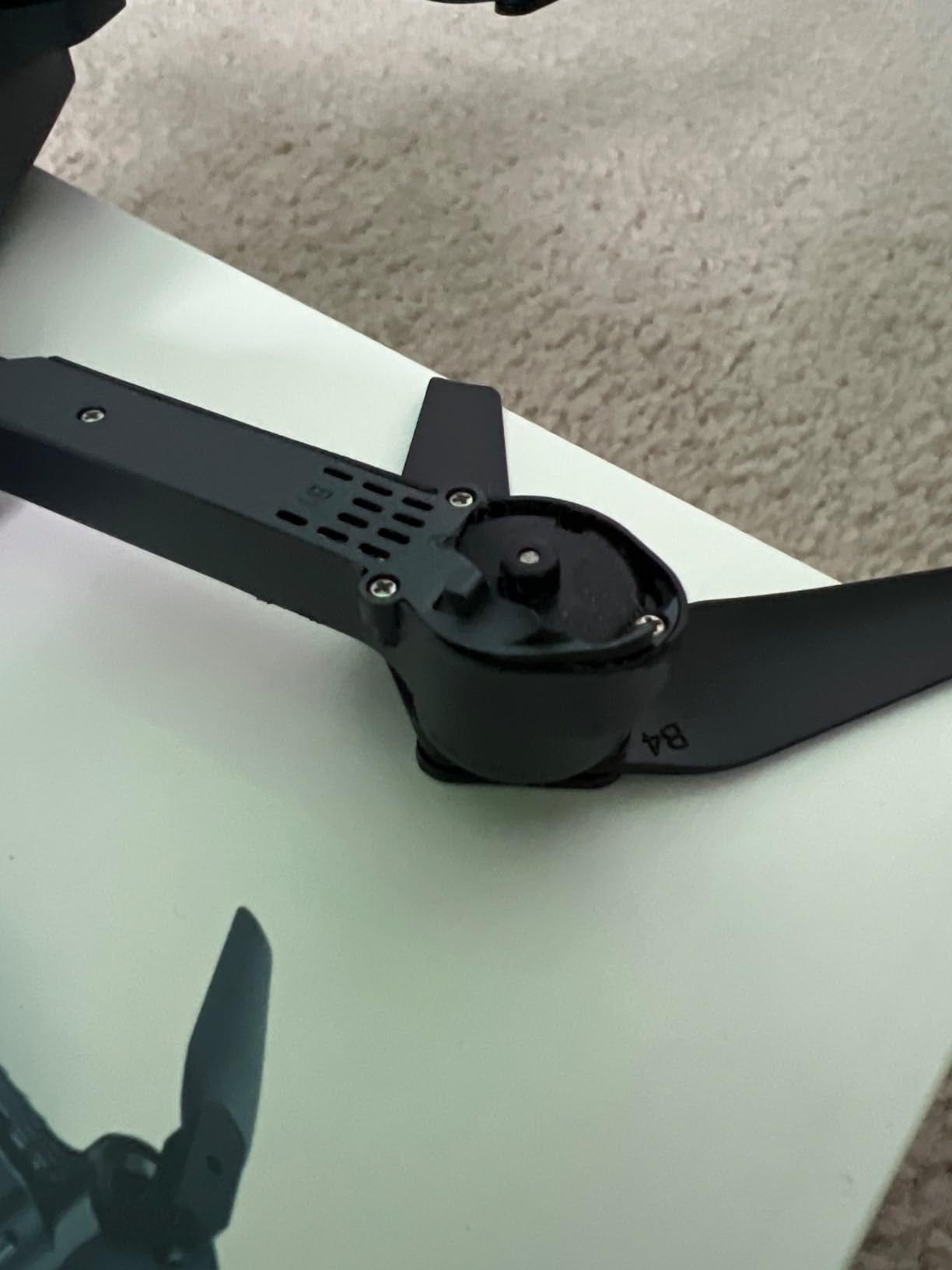
The optical flow sensor helps with stable indoor hovering, and one-key takeoff and landing removes a step for nervous beginners. Gesture control for selfies is a fun extra.
The video feed is Wi-Fi based, so latency is noticeable. Camera resolution is also on the lower side, and the app can be finicky on some phones. For the price, the HS280D still delivers a lot, but it is not in the same class as digital FPV drones.
Who should buy the Holy Stone HS280D
Budget shoppers who want a foldable brushless drone with extended flight time. Travellers and casual hobbyists get the most out of it.
Who should skip the Holy Stone HS280D
Pilots who want true low-latency FPV or HD digital video. Wi-Fi FPV and lower-res cameras make this a starter drone only.
11. BETAFPV Meteor75 Pro – Best 1S Brushless Whoop
BETAFPV Meteor75 Pro Matrix 1S Brushless Whoop Quadcopter for FPV Racing
Weight: 8 oz
1102 motors
Matrix 5IN1 FC
ELRS
25-400mW VTX
Pros
- Ultra-powerful 1S brushless performance for its size
- Matrix 5IN1 flight controller with G473 processor
- Solder-free motor plugs for easy maintenance
- Adjustable VTX power from 25-400mW
- Very durable construction that survives crashes
- Great for both indoor and outdoor flying
Cons
- Limited flight time on 1S batteries
- Higher VTX power settings reduce flight time and generate heat
- Replacement parts availability could be better
- ESC failures reported by some users
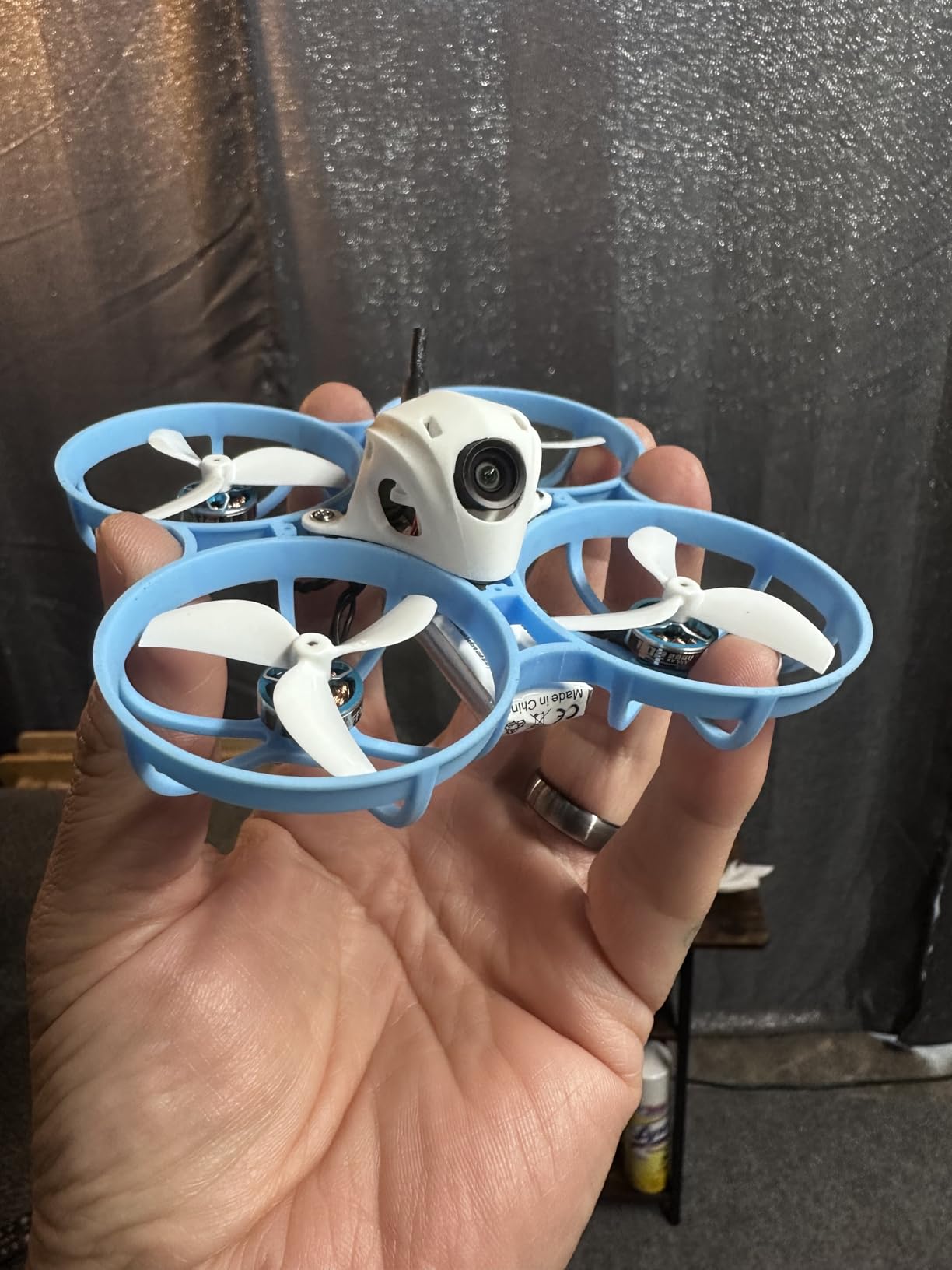
The BETAFPV Meteor75 Pro is the most performance-focused 1S whoop in our roundup. It is small enough to fly indoors through doorways, but it has the thrust to handle outdoor acro too. Reviewers describe it as one of the best 1S whoops available right now.
The Matrix 5IN1 flight controller is a major upgrade over older whoop boards. With a G473 processor and integrated 5.8 GHz VTX, it handles ELRS control links cleanly. Solder-free motor plugs also make repairs painless compared to most micro quads.
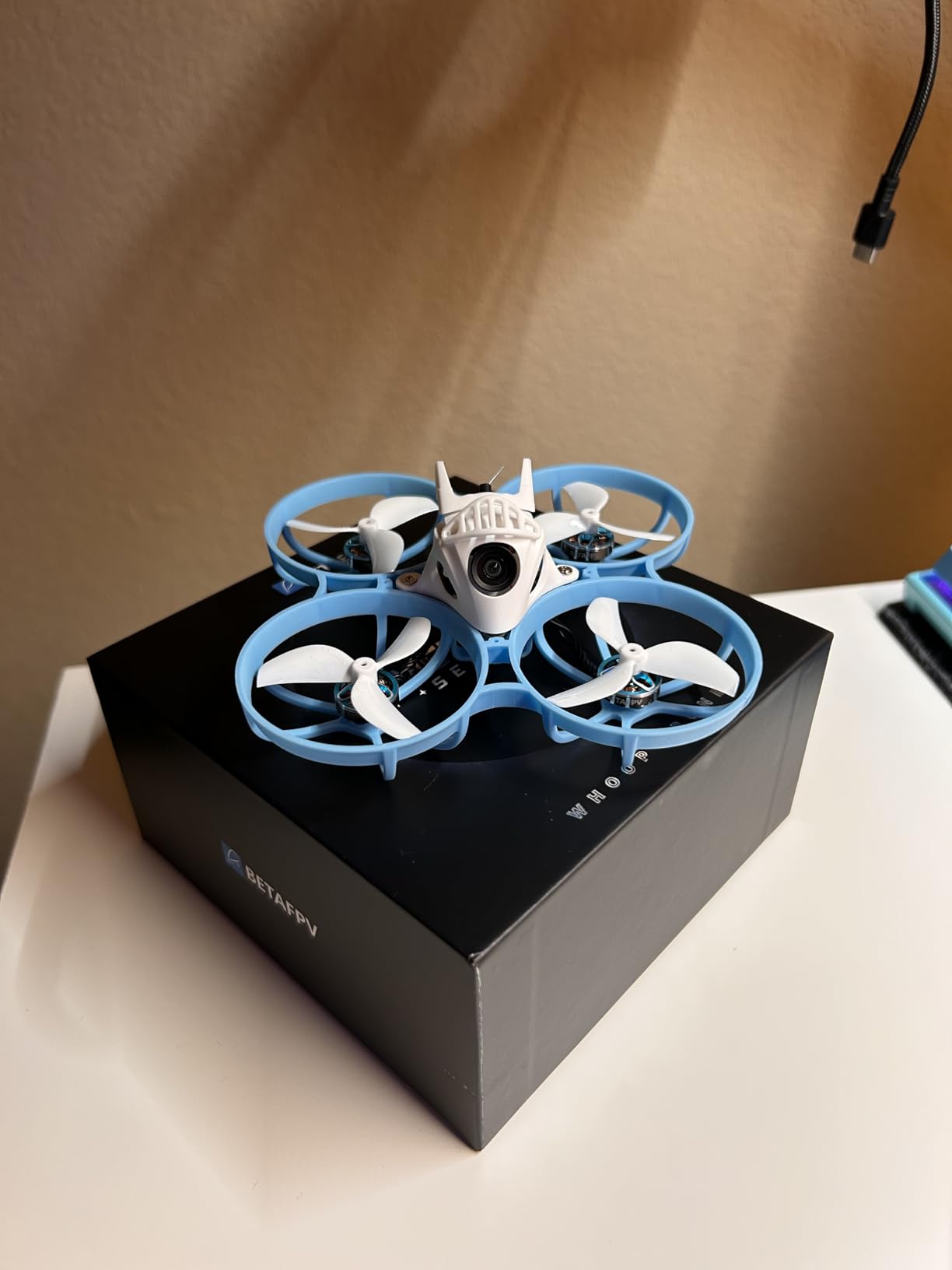
I tested it indoors on the lowest VTX power setting and got roughly 5-6 minutes of flight time per battery. For an honest comparison, that drops when you push the VTX to 400mW for outdoor flying. Extra batteries are a must.
Replacement parts availability is a weak point at this size, and some users have reported ESC failures. Overall, the Meteor75 Pro is a strong pick for pilots who want a punchy little whoop and do not mind tinkering.
Who should buy the BETAFPV Meteor75 Pro
Pilots who want a small but powerful whoop for indoor and outdoor flying. The solder-free motor plugs are a huge plus for beginners learning repair.
Who should skip the BETAFPV Meteor75 Pro
Pilots who want a true plug-and-fly experience with no setup. This drone is better suited for hobbyists comfortable with ELRS binding and Betaflight configuration.
How to Choose the Right FPV Drone: Buying Guide
Choosing the best FPV drone comes down to matching the drone to your goals. The biggest decision is whether you want a ready-to-fly kit, a bind-and-fly quad, or a full DIY build. Most beginners should start with RTF because it removes setup friction.
FPV video systems fall into three categories. Analog is the cheapest and lowest latency, but image quality is grainy. Digital systems like DJI O4, Walksnail Avatar, and HDZero deliver HD footage with slightly higher latency. For most beginners in 2026, a digital system is the best balance of quality and ease of use.
RTF vs BNF vs DIY is the next big fork. RTF means everything is in the box, including drone, controller, and goggles. BNF means the drone binds to your existing controller and goggles. DIY means you solder and configure the drone yourself, which is great for learning repair but slow to get airborne. If you are new to FPV, an RTF kit like the BETAFPV Cetus Pro or one of the best tinywhoop FPV drones is the smartest starting point.
Sub-250g drones skip FAA registration in the US, which is a real benefit for casual pilots. The DJI Neo and DJI Neo 2 are both well under 250g. Anything over that weight, including the Avata 2 at 377g, requires registration for outdoor use.
Total cost of ownership is where most beginners get caught off guard. A complete digital FPV setup typically includes the drone, goggles, controller, batteries, charger, and spare parts. For analog setups, a solid entry budget is reasonable for most beginners. For digital, plan on a significantly larger investment to cover goggles and accessories. For cinematic flying specifically, look at the best cinewhoop FPV drones roundup we published earlier.
Repair difficulty matters because every FPV pilot eventually crashes. Beginner whoops like the BETAFPV Cetus Pro and Meteor75 Pro are designed for easy repair. Premium DJI drones are harder to repair and proprietary parts can be expensive. If you plan to fly aggressively, choose a drone with accessible replacement parts.
Simulator practice is the single best investment for new pilots. Free and paid simulators like Velocidrone, Liftoff, and DRL let you build muscle memory without risking hardware. Most of the radios that ship with beginner kits are simulator-compatible out of the box.
Progression path is the mental model our team recommends: start with a whoop or beginner kit indoors, then graduate to a 3-inch build for outdoor freestyle, and finally a 5-inch build for full performance. The best 5-inch FPV racing drones guide covers the next step once you are ready.
For pilots chasing cinematic footage, pairing your drone with the right camera upgrade matters. See our breakdown of the best FPV cameras for freestyle drones if you want sharper footage than the stock camera.
Frequently Asked Questions
What is the best FPV drone for beginners?
The best FPV drone for beginners is the BETAFPV Cetus Pro FPV Kit. It includes the drone, LiteRadio 2 SE transmitter, VR02 FPV goggles, and batteries in one box. The three flight modes Normal, Sport, and Manual let new pilots build skills progressively, and Turtle Mode recovers the drone after crashes. The DJI Avata 2 is the best premium option if you want HD video and motion control out of the box.
Are FPV drones illegal in the USA?
FPV drones are legal in the USA, but you must follow FAA rules. Pilots flying for recreation under Part 107 must pass the TRUST test and follow airspace restrictions. Drones weighing more than 250g must be registered. FPV pilots also need a visual observer when flying with goggles, unless using a spotter. Sub-250g drones like the DJI Neo skip FAA registration. Local rules can vary, so always check before flying in parks or near airports.
How much should I budget for a complete FPV setup?
Budget depends on whether you go analog or digital. An analog FPV setup with drone, goggles, controller, batteries, and charger is the most affordable route. Digital FPV setups with DJI O4, Walksnail Avatar, or HDZero cost noticeably more once you add goggles and accessories. Beginners can save by starting with an RTF kit like the EMAX Tiny Hawk before investing in separate digital components.
What is the difference between analog and digital FPV systems?
Analog FPV is the traditional video system with low latency and low cost, but image quality is grainy and prone to static. Digital FPV systems like DJI O4, Walksnail Avatar, and HDZero deliver HD image quality with slightly higher latency. DJI O4 is the gold standard for image quality, HDZero is preferred by racers for fixed low latency, and Walksnail Avatar sits in the middle as a versatile alternative. Most beginners in 2026 should start with digital.
Do I need a license to fly an FPV drone?
For recreational flying in the USA, you do not need a traditional pilot license, but you must pass the free FAA TRUST test. Commercial FPV work like real estate photography or paid video requires a Part 107 Remote Pilot Certificate. FPV pilots also need a visual observer when flying with goggles to keep eyes on the airspace. Sub-250g drones like the DJI Neo do not require FAA registration.
Final Verdict
The best FPV drone in 2026 is the DJI Avata 2 Fly More Combo. It pairs 4K 60fps video with the most polished motion-controller experience on the market, and it ships with everything you need to start flying. For pilots who want maximum value, the DJI Neo is the smartest pick thanks to its 4.4-star rating across more than 4,300 reviews and its sub-250g design. Beginners who want a true kit should start with the BETAFPV Cetus Pro, which is the most forgiving way to learn stick control.
If you are shopping for the best FPV drones, match the drone to your flying goals, budget honestly for goggles and batteries, and put simulator time in before you fly for real. Our team has full reviews of related categories like cinewhoops, tinywhoops, and 5-inch racing builds if you want to keep progressing. Pick the drone that fits your skill level today, fly often, and the rest will follow.