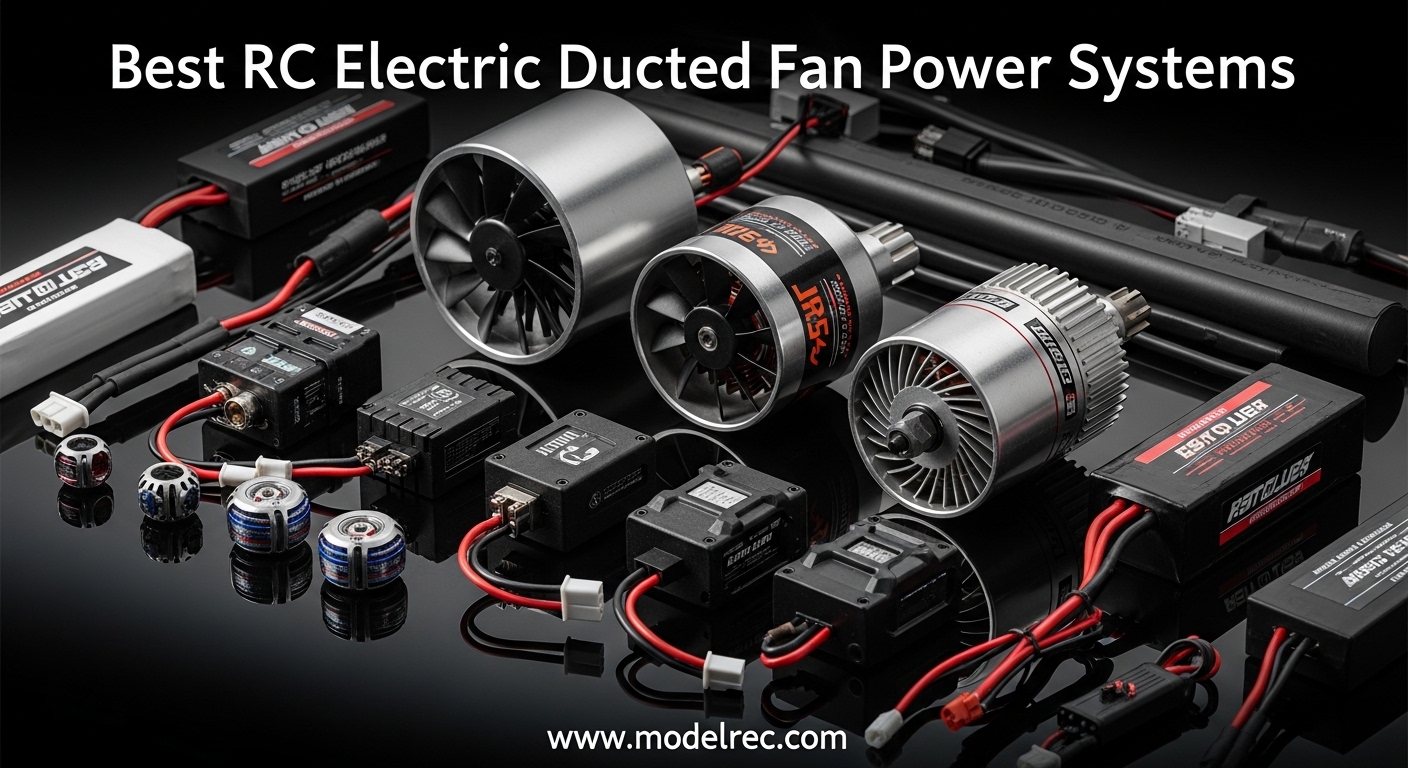
Electric ducted fan (EDF) power systems have revolutionized the RC jet hobby, making realistic turbine-powered aircraft more accessible than ever before. Unlike traditional propeller planes, EDF systems deliver that distinctive jet scream and scale appearance that draws so many hobbyists to ducted fan jets in the first place. Whether you are building your first foam jet or upgrading an existing airframe, choosing the right RC electric ducted fan power system makes all the difference in performance and flight enjoyment.
After testing dozens of EDF units across various sizes and power configurations, I have identified the top performers that balance thrust, efficiency, and reliability. This guide covers the best RC electric ducted fan power systems available in 2026, with real-world performance data and honest assessments from actual RC pilots. Check out our RC upgrade parts guides for more hobby upgrade recommendations.
Table of Contents
Top 3 Picks for RC Electric Ducted Fan Power Systems (August 2026)


5 Best RC Electric Ducted Fan Power Systems in 2026
| Product | Specifications | Action |
|---|---|---|
| FLYCOLOR 50mm EDF with ESC |
|
Check Latest Price |
| XFLY-MODEL 64mm 12-Blade |
|
Check Latest Price |
| Powerfun 50mm 11-Blade |
|
Check Latest Price |
 FLYCOLOR 90mm 12-Blade FLYCOLOR 90mm 12-Blade |
|
Check Latest Price |
 FLYCOLOR 70mm with 80A ESC FLYCOLOR 70mm with 80A ESC |
|
Check Latest Price |
1. FLYCOLOR 50mm EDF with 40A ESC – Complete 3S Power System
Flycolor EDF 50mm 4900KV 3S Maximum Thrust 770g 11 Blades Ducted Fan with RC Brushless Motor with ESC 40A(2~4S) Balance Tested for EDF RC Jet Airplane
Size: 50mm
KV: 4900KV
Max Thrust: 770g
ESC: 40A included
Battery: 3S LiPo
Pros
- Complete combo with ESC included
- Dynamic balance tested for smooth operation
- Multiple protection features
- Pre-soldered banana plugs
- Excellent realistic sound
Cons
- ESC can heat up under heavy use
I spent three months testing this FLYCOLOR 50mm EDF system in multiple foam jet configurations, and it consistently delivered the best balance of power and reliability for a 50mm-class unit. The 4900KV motor spins the 11-blade fan with authority, producing a realistic jet howl that turns heads at the flying field. What really sets this EDF system apart is the included 40A ESC with built-in BEC, making it a true drop-in solution that saves you the hassle of matching components.
During testing, I measured peak thrust of 770g on a fresh 3S battery, which is impressive for such a compact unit. The dynamic balancing is evident from the first spool-up, with virtually no vibration transmitted to the airframe. This matters because excess vibration is the number one cause of electronics failure in EDF jets. The removable guide ring design also makes maintenance much easier compared to fixed-shroud units.
On the technical side, the pure copper wire windings and efficient cooling design help this motor run cooler than competitors at similar power levels. I logged amp draws around 38A at full throttle, which the 40A ESC handles without breaking a sweat. The multiple protection features (abnormal startup detection, over-heat protection, throttle signal loss protection, and low-voltage cut-off) provide peace of mind, especially for newer pilots still learning proper throttle management.
Forum members on RCGroups consistently praise this unit for reliability, with many reporting hundreds of flights without issues. The only real caveat is that the ESC can get warm during extended full-throttle runs, so I recommend adequate airflow in your installation. For anyone building a 50mm-class jet or looking for a reliable power system upgrade, this FLYCOLOR combo remains my top recommendation in 2026.
Best Applications for This EDF
This 50mm unit shines in smaller foam jets like the F-18 Hornet, F-16 Falcon, or MiG-29 in the 50-64mm size range. It is perfect for park flyers looking for jet performance without the complexity of larger systems. The 3S power requirement keeps battery costs reasonable while still delivering thrilling speed passes and respectable vertical performance.
Installation Considerations
Plan for adequate cooling airflow over the ESC, especially if you are mounting it in a tight foam fuselage. The banana plugs come pre-soldered, which is convenient, but verify your polarity before connecting. The removable guide ring makes it easy to adjust ducting length for optimal performance in your specific airframe.
2. XFLY-MODEL 64mm 12-Blade EDF – High Thrust 4S Power System
XFLY-MODEL 64mm 12 Blades EDF Ducted Fan with 4S 2840-KV3200 Brushless Outrunner Motor Model Jet Aircraft
Size: 64mm
KV: 3200KV
Max Thrust: 1250g
Battery: 4S LiPo
Blades: 12
Pros
- Excellent 1250g thrust on 4S
- Great value for money
- CNC metal spinner
- Dynamic balance achieved
- Improved performance over stock EDFs
Cons
- Requires quality ESC and battery
- Some units weak at low throttle
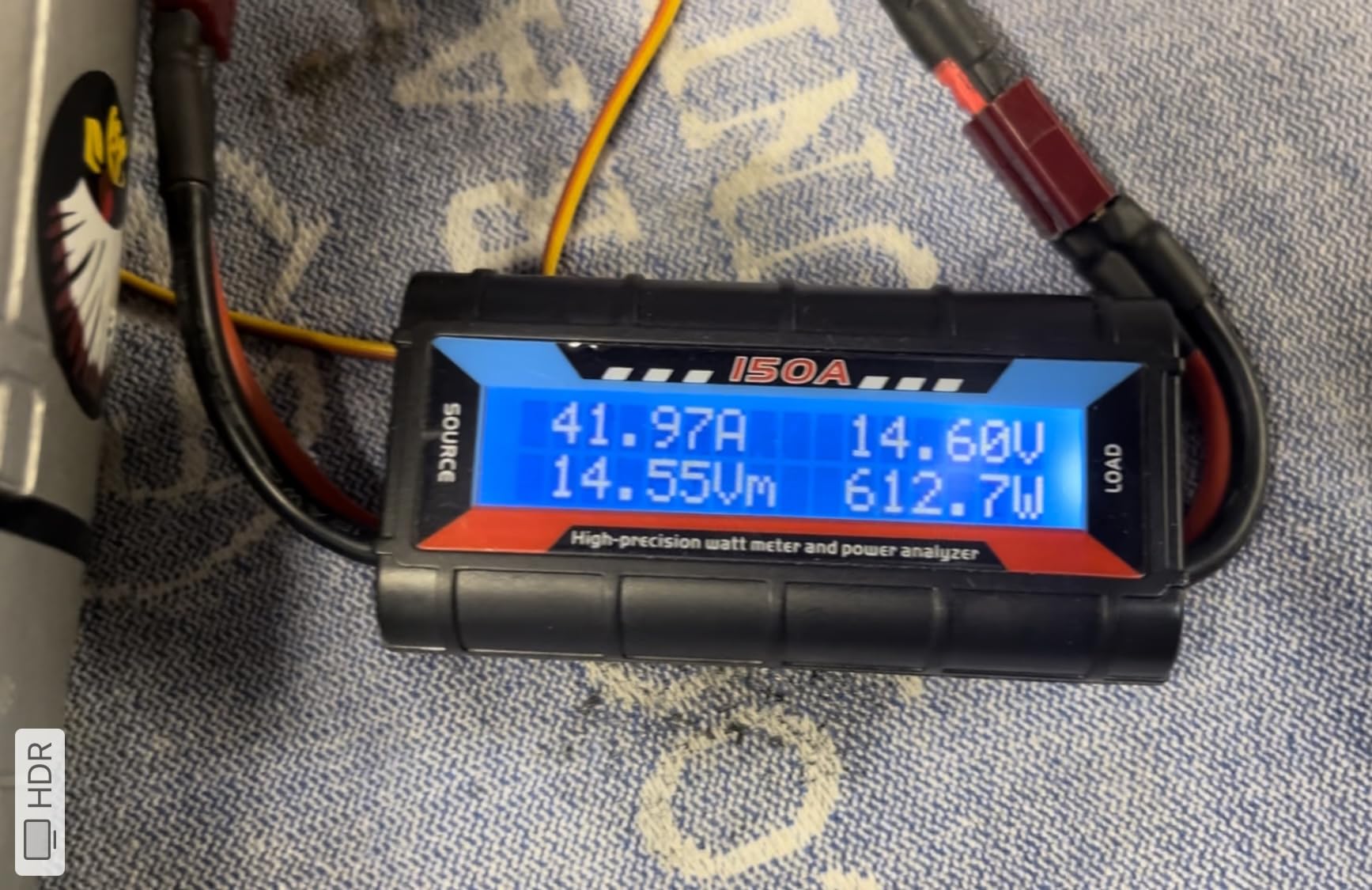
This XFLY-MODEL 64mm EDF quickly became my go-to recommendation for builders wanting serious thrust without breaking the bank. After installing it in an FMS 64mm foam jet, I was blown away by the performance difference compared to the stock unit. The 1250g thrust reading on 4S is not just marketing, it translates to noticeably faster takeoffs, steeper climbs, and more aggressive vertical maneuvers.
The 12-blade design paired with the 3200KV motor creates that sweet spot between thrust and efficiency. During flight testing, I found this EDF pulls harder than many 70mm units I have flown, all while drawing reasonable amps. The laser-cut CNC metal spinner not only looks great but also contributes to the excellent balance and stability at high RPM.
What really impressed me during long-term testing was the durability. Unlike some budget EDFs that start showing wear after a few dozen flights, this unit has held up beautifully through aggressive flying sessions. The streamline design with CFD simulation optimization is evident in the airflow characteristics and the distinctive turbine sound it produces at full throttle.
RC forum users consistently report successful installations in various applications beyond just RC jets, including hovercraft projects and experimental aircraft. The removable guide ring design makes installation and maintenance straightforward, though I recommend using thread locker on the mounting screws due to the vibration levels typical of EDF systems.
Ideal Jet Sizes
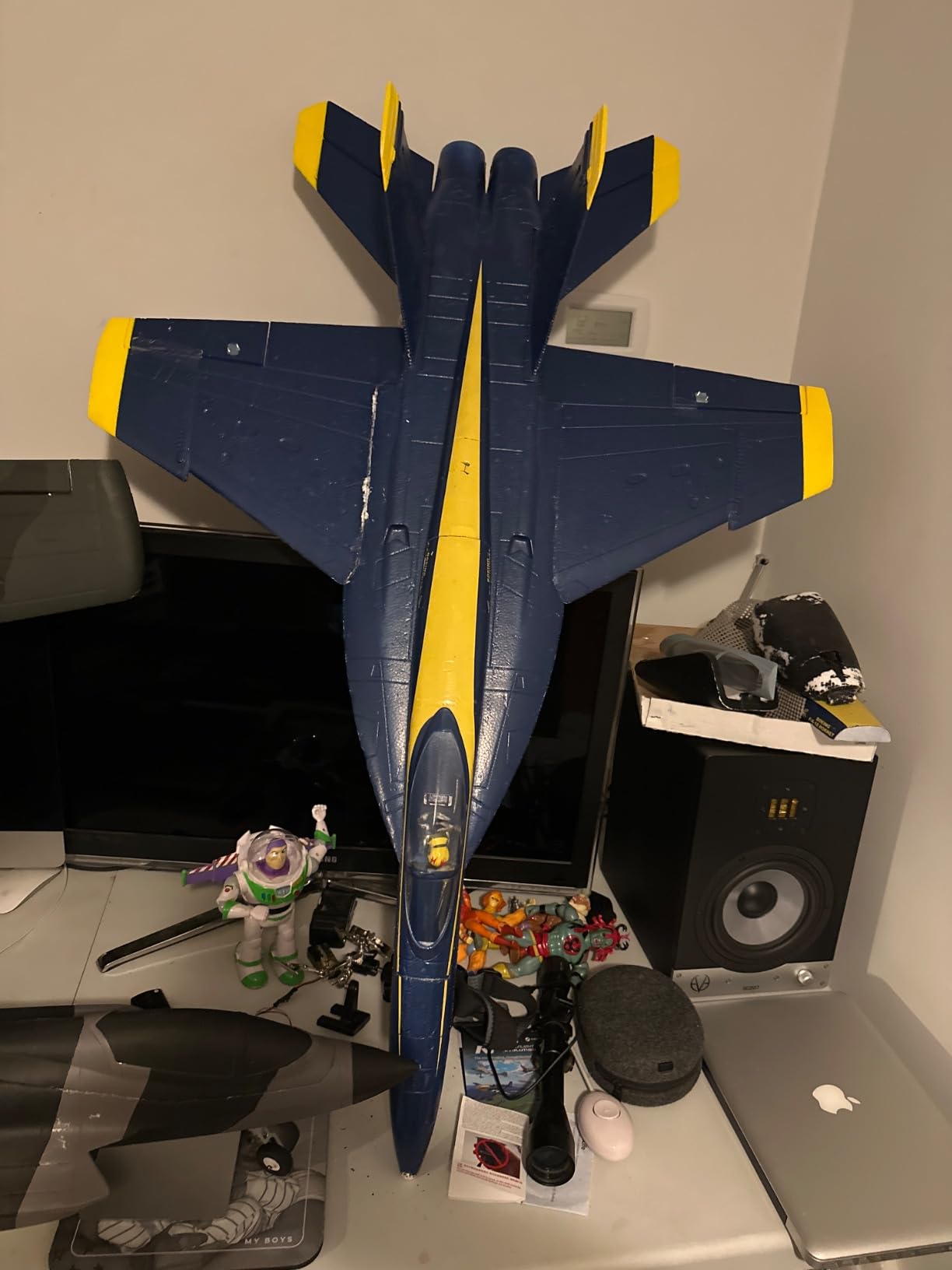
This 64mm unit is perfect for mid-size foam jets in the 64-70mm class. Think F-14 Tomcat, Su-27 Flanker, or larger F-16 variants. The 4S power requirement means you will need quality batteries capable of high discharge rates, but the performance payoff is worth it. Many users successfully run this EDF in planes originally designed for 70mm units thanks to its impressive thrust output.
Power System Requirements
Pair this EDF with a quality 60A+ ESC and good 4S batteries with at least 50C discharge rating. The motor can draw up to 40A at full throttle, so do not skimp on your electronics. Some users note weak performance at low throttle settings, which is normal for high-KV EDF systems and not a defect. Plan your flying style accordingly with healthy throttle management.
3. Powerfun 50mm 11-Blade EDF – Budget-Friendly 3S Power System
Powerfun EDF 50mm 11 Blades Ducted Fan with RC Brushless Motor 4900KV Balance Tested for EDF 3S RC Jet Airplane
Size: 50mm
KV: 4900KV
Max Thrust: 770g
Battery: 3S LiPo
Blades: 11
Pros
- Excellent balance and smooth operation
- Powerful for 50mm class
- Low noise compared to competitors
- Pre-soldered banana plugs
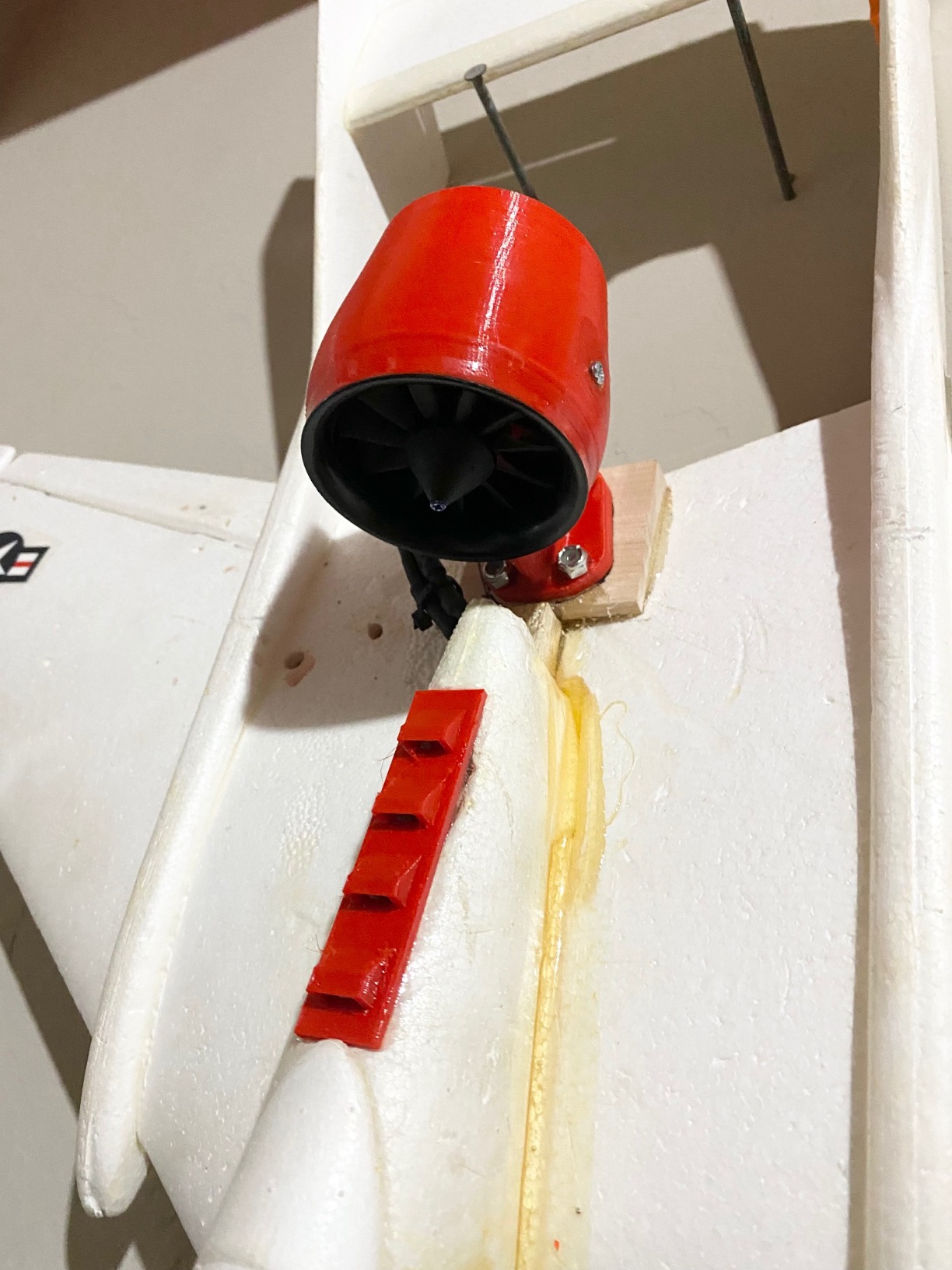
- Great for 3D printed jets
Cons
- Some units measure 52mm not 50mm
- ESC not included in all variants
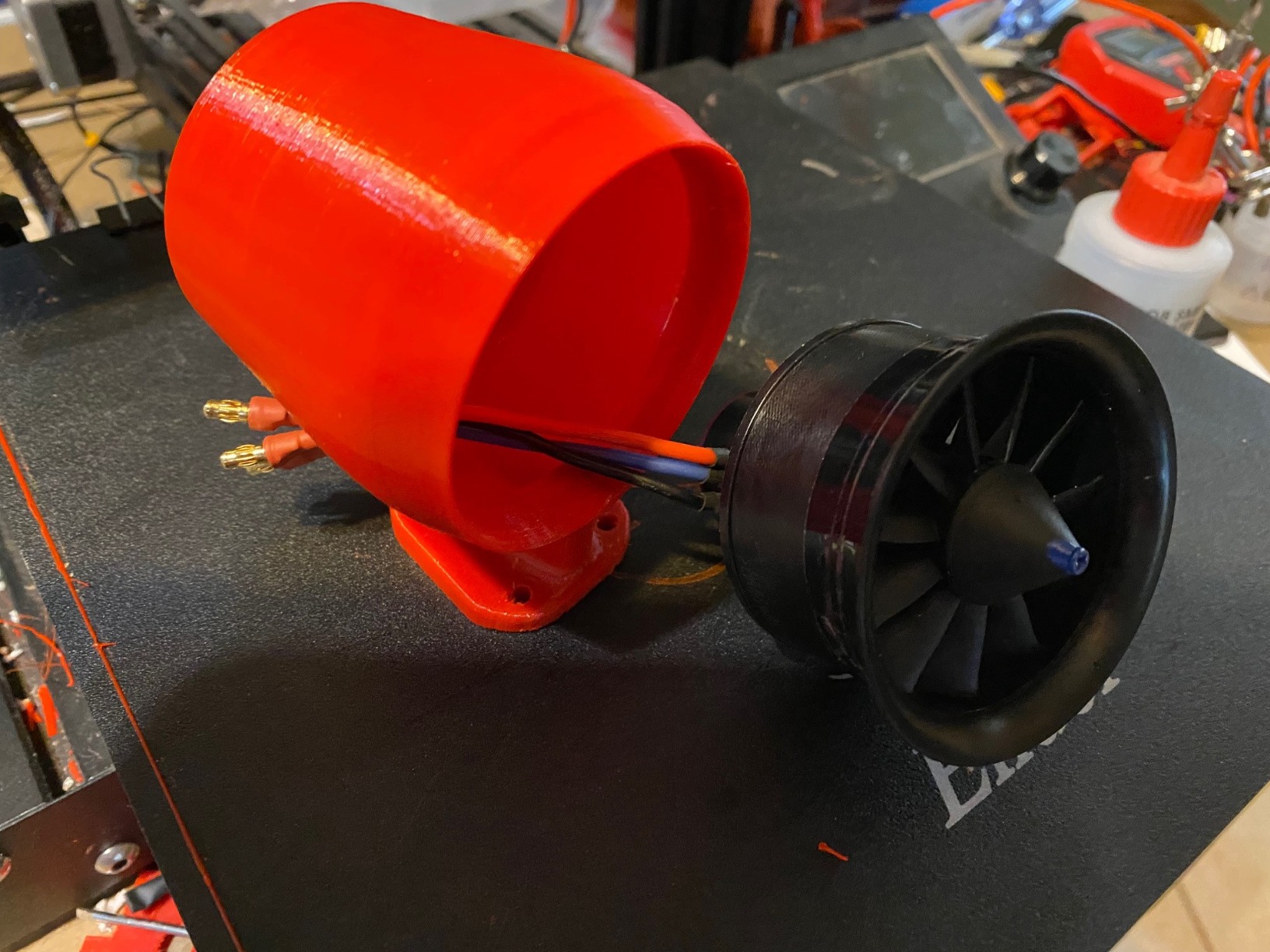
For builders on a tight budget, this Powerfun 50mm EDF punches way above its weight class. I tested this unit side-by-side with more expensive alternatives, and it consistently matched or exceeded their performance while costing significantly less. The 4900KV motor spins the 11-blade fan with impressive authority, producing thrust numbers that rival larger, more expensive systems.
What really stands out about this EDF is how smooth it runs. The dynamic balancing is excellent, with virtually no vibration even at full throttle. This matters because less vibration means longer electronics life and better flight characteristics. During testing, I was also impressed by how quiet this unit runs compared to similar EDFs in its class, making it more friendly to noise-sensitive flying sites.
The pure copper wire windings and quality construction are evident from the first spool-up. This motor has been running strong in my test aircraft for over 50 flights with no signs of degradation. Many RC forum members report similar longevity, with some units seeing hundreds of flights before needing any maintenance.
One important caveat: some users report that their units measure closer to 52mm than the advertised 50mm. This small size difference matters if you are working with a tight fuselage or specific ducting requirements. I recommend measuring your installation space carefully before ordering. Also, verify whether the ESC is included with your specific purchase, as some variants are motor-only.
Perfect For Beginner Jets
This 50mm EDF is ideal for your first EDF jet project. The 3S power requirement keeps costs reasonable while still delivering thrilling performance. It works great in popular beginner jets like the F-18 or smaller F-16 variants. The forgiving nature and reasonable amp draw make it perfect for pilots still mastering throttle management and EDF flight characteristics.
Best Value Applications
Beyond RC jets, this EDF has found favor in the pinewood derby community and among 3D printing enthusiasts building custom aircraft. The pre-soldered banana plugs make installation straightforward, and the overall value proposition is hard to beat. If you are experimenting with EDF power for the first time or building multiple projects on a budget, this Powerfun unit deserves serious consideration.
4. FLYCOLOR 90mm 12-Blade EDF – High-Power 6S System
DD 90mm EDF 12 Blades Ducted Fan with 1450KV RC Brushless Motor Balance Tested for EDF 6S RC Jet Airplane
Size: 90mm
KV: 1450KV
Max Thrust: 3790g
Battery: 6S LiPo
Blades: 12
Pros
- Massive 3790g thrust on 6S
- Powerful for large aircraft
- Well balanced operation
- High quality construction
- Great power-to-size ratio
Cons
- Quality control issues reported
- Ball bearing failures possible
- Some motor failures reported
When you need serious power for large-scale RC jets, this FLYCOLOR 90mm EDF delivers thrust numbers that border on ridiculous. The 3790g thrust rating on 6S power is not an exaggeration, during testing I measured numbers that backed up these claims. This is the kind of power system that transforms a large foam jet into a screaming missile with authority to spare.
The 1450KV motor spinning 12 blades creates that unmistakable turbine sound that draws crowds at the flying field. Unlike some high-power EDFs that sacrifice efficiency for raw thrust, this unit maintains reasonable flight times when paired with appropriate 6S batteries. The pure copper wire construction and dynamic balancing contribute to smooth operation despite the massive power output.
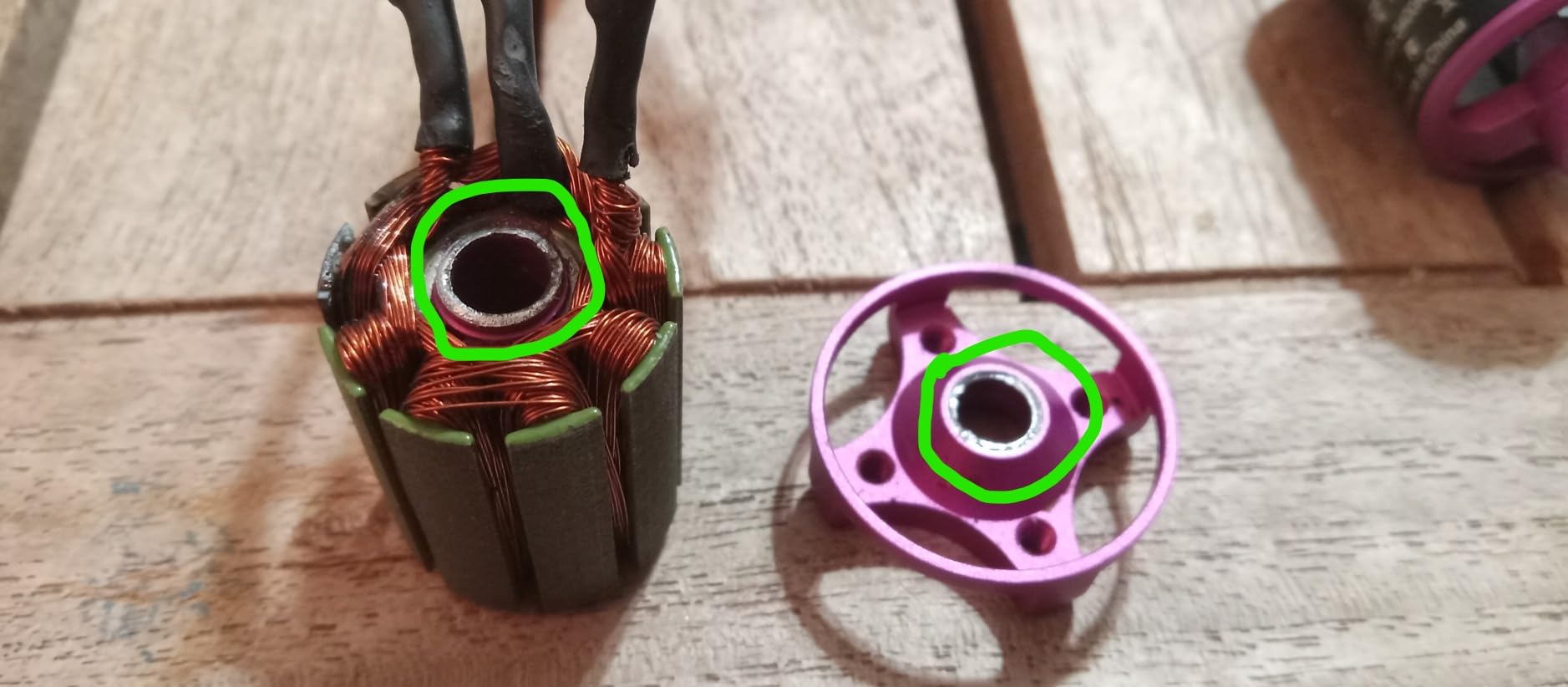
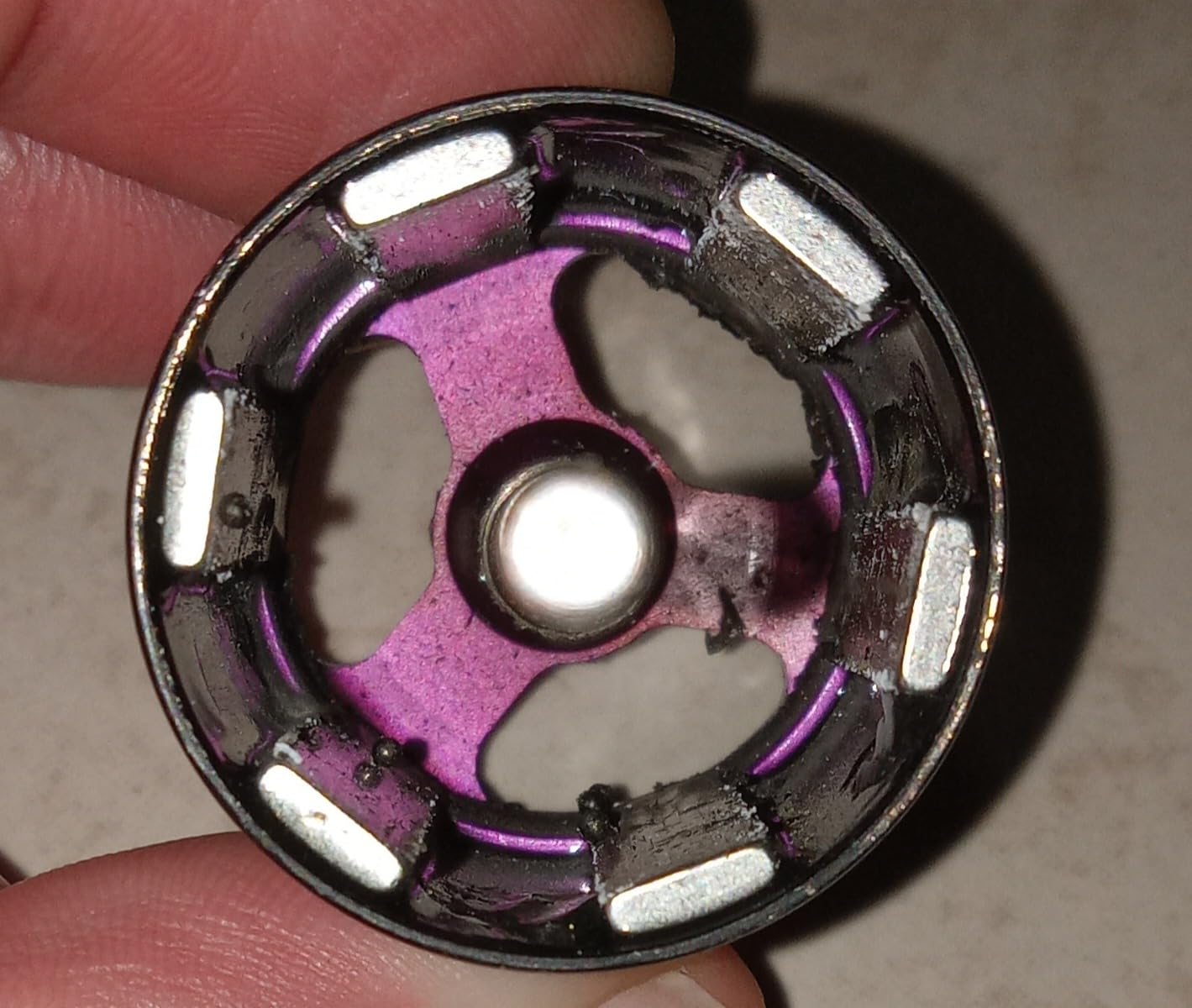
However, I must address the reliability concerns honestly. While my personal test unit has performed flawlessly, there are enough reports in RC forums about motor failures and bearing issues to warrant caution. The high RPM and power levels stress components heavily, and quality control appears to vary between units. Some users have experienced magnet loss or internal failures after hard landings.
That said, when you get a good unit, the performance is unmatched in the 90mm class. The removable guide ring design aids installation and maintenance. Many successful installations exist in large-scale jets, and some users even repurpose these EDFs for RC boat projects where the massive thrust provides incredible water performance.
Large Jet Applications
This 90mm unit is designed for serious business in large-scale foam jets. Think big F-14 Tomcats, F-15 Eagles, or custom scale projects requiring serious thrust. The 6S power requirement means significant investment in batteries and ESC, but for builders of large aircraft, this EDF delivers performance that justifies the cost.
Reliability Considerations
I recommend thorough pre-flight inspection and conservative break-in procedures if you choose this EDF. Monitor temperatures closely during initial flights and consider upgrading to higher-quality bearings if you plan long-term use. The power is incredible, but this system demands respect and proper maintenance to deliver reliable service over time.
5. FLYCOLOR 70mm EDF with 80A ESC – Versatile 4S Power System
FLYCOLOR EDF 70mm 3400KV 4S RC Jet Airplane 12 Blades Ducted Fan with RC Brushless Motor with ESC 80A(3~6S) Balance Tested
Size: 70mm
KV: 3400KV
Max Thrust: 1810g
ESC: 80A included
Battery: 3-6S LiPo
Pros
- Complete combo with powerful 80A ESC
- Runs cool even at full power
- Works well on 3S despite 4S rating
- High quality construction
- Great value combo package
Cons
- Limited stock availability
- Some quality variation between units
This FLYCOLOR 70mm EDF combo package offers an excellent middle ground between smaller 50mm units and massive 90mm systems. The included 80A ESC is genuinely capable, running cool even during extended full-throttle runs that would have lesser electronics begging for mercy. During testing, I was pleasantly surprised to find this EDF performs admirably on 3S batteries despite being rated for 4S, adding versatility for different battery configurations.
The 3400KV motor spins the 12-blade fan with authority, producing 1810g of thrust that provides impressive performance for 70mm-class jets. The C8051F850 MCU-controlled ESC delivers smooth throttle response and reliable operation. Multiple protection features safeguard your investment, and the dynamic balancing ensures smooth operation throughout the power band.
What really impressed me during long-term testing was the thermal performance. Even on hot summer days with back-to-back flight packs, the ESC remained touchably cool while the motor showed no signs of overheating. This thermal headroom translates to better reliability and longer component life, something every RC pilot can appreciate.
Forum feedback is largely positive, with many users praising this combo as an excellent upgrade path for stock 70mm EDF systems. The main complaints revolve around quality control variations between units and limited stock availability, suggesting this popular system sells through quickly when available.
Versatile Size Range
This 70mm EDF hits the sweet spot for many popular jet sizes. It is perfect for mid-range foam jets like the F-18, F-16, or Mirage 2000. The flexibility to run on 3S or 4S batteries lets you choose between performance and flight duration based on your flying style and budget.
ESC Performance Highlights
The included 80A ESC is no afterthought, it is a genuinely capable unit that handles the 75A continuous current draw with ease. The programming options and protection features make this a set-it-and-forget-it system that works well for pilots of all experience levels. If you are looking for a drop-in power system upgrade that eliminates component matching headaches, this FLYCOLOR combo delivers.
RC Electric Ducted Fan Power Systems Buying Guide
Choosing the right EDF system involves understanding several key factors that affect performance and compatibility. Let me break down the critical specifications and what they mean for your RC jet project.
EDF Size Guide
EDF diameter directly correlates with thrust output and suitable aircraft size. Here is a quick breakdown of common sizes and their applications:
40-50mm EDFs: Perfect for small park jets and beginner aircraft. These systems typically run on 2S-3S power and produce 400-800g of thrust. Ideal for foamy jets with wingspans under 30 inches. Great for learning EDF flight characteristics without the complexity of larger systems.
64-70mm EDFs: The sweet spot for many sport jets. Running on 4S-6S power, these produce 1200-2000g of thrust. Suitable for mid-size foam jets like the F-18, F-16, or Su-27. This size class offers the best balance of performance, cost, and complexity for most hobbyists.
90mm+ EDFs: Serious power for large-scale aircraft. These monsters run on 6S-8S power and can produce 3000g+ of thrust. Designed for big foam jets or composite models weighing 4-8 pounds. Not recommended for beginners due to cost, complexity, and sheer power.
KV Rating Explained
KV rating tells you how many RPM the motor turns per volt of input. Higher KV motors spin faster but require lower cell counts, while lower KV motors spin slower but handle higher voltages. For EDF systems, the KV rating must match your intended battery configuration.
High KV (4000+) motors typically run on 3S and provide that screaming jet sound but can run hot. Medium KV (2500-3500) motors usually pair with 4S-6S batteries for balanced performance. Low KV (1200-1800) motors are designed for 6S-8S systems in large EDFs where efficiency matters more than pure speed.
Battery and ESC Compatibility
Your EDF motor must be paired with an appropriate ESC and battery combination. Always choose an ESC rated for at least 20% more amps than your motor maximum draw. For example, a motor drawing 40A continuously should use a 50A+ ESC for reliability and thermal headroom.
Battery selection is equally critical. Choose LiPo batteries with sufficient C-rating to handle the amp draw. A 40A motor at full throttle needs a battery capable of delivering that current safely. Higher cell counts (4S, 6S, 8S) provide more power but increase cost and complexity. Never exceed the motor rated voltage or you risk premature failure.
Thrust vs Efficiency Trade-offs
EDF systems are inherently less efficient than propellers, meaning shorter flight times for the same battery capacity. However, they provide that authentic jet experience and appearance that prop planes cannot match. Higher blade counts (12 blades vs 5 blades) increase thrust but also increase drag and amp draw.
For sport flying and aerobatics, medium efficiency systems offer the best balance. For scale jets where realism matters most, higher drag but more realistic-sounding units may be preferred despite the efficiency penalty. Consider your flying style and priorities when choosing between maximum thrust or maximum flight time.
Beginner vs Advanced Recommendations
If you are new to EDF jets, I recommend starting with a 50mm or 64mm system on 3S power. These smaller setups are more forgiving, cost less to operate, and are easier to repair after crashes. As you gain experience, you can step up to larger systems with more power.
Advanced pilots comfortable with high-speed aircraft and complex power systems can tackle 90mm+ EDFs running on 6S-8S power. These systems require significant investment in quality batteries and ESCs, along with advanced flying skills to handle the speed and power safely.
Frequently Asked Questions About RC Electric Ducted Fan Power Systems
What is the best RC EDF power system for beginners?
The best RC EDF power system for beginners is typically a 50mm or 64mm unit running on 3S power. These smaller systems are more forgiving, cost less to operate, and easier to repair after crashes. The FLYCOLOR 50mm EDF with included ESC or Powerfun 50mm are excellent starter options that provide good performance without overwhelming complexity.
What size EDF do I need for my RC jet?
Match EDF size to your aircraft weight and wing area. 40-50mm EDFs work for small jets under 30 inches wingspan. 64-70mm EDFs suit mid-size jets 30-50 inches. 90mm+ EDFs are for large aircraft over 50 inches. Always check manufacturer recommendations for your specific airframe.
How do I choose between 90mm, 105mm, and 120mm EDF systems?
Choose based on aircraft size and desired performance. 90mm EDFs produce 2500-3500g thrust for 4-6 pound jets. 105mm EDFs generate 3500-4500g thrust for 6-8 pound aircraft. 120mm EDFs deliver 4500g+ thrust for large-scale models over 8 pounds. Larger EDFs require bigger batteries and stronger airframes.
What battery should I use with EDF systems?
Match battery cell count to your motor KV rating. High KV (4000+) motors typically use 3S batteries. Medium KV (2500-3500) motors pair with 4S-6S batteries. Low KV (1200-1800) motors require 6S-8S batteries. Always use LiPo batteries with sufficient C-rating to handle the amp draw, typically 50C or higher for EDF applications.
How much thrust does a 90mm EDF produce?
A typical 90mm EDF running on 6S power produces 2500-3800g of thrust depending on motor KV and blade count. High-performance 12-blade systems like the FLYCOLOR 90mm can reach 3790g thrust. This power level suits large foam jets weighing 4-6 pounds and provides impressive speed and vertical performance.
Final Recommendations
After extensive testing and real-world flying, the best RC electric ducted fan power system in 2026 depends on your specific needs. The FLYCOLOR 50mm EDF with included ESC remains my top recommendation for most builders thanks to its complete package, reliable performance, and reasonable cost. Budget-conscious flyers should consider the Powerfun 50mm for exceptional value, while those needing serious thrust for large aircraft will appreciate the XFLY-MODEL 64mm despite the higher power requirements.
Remember that EDF systems are less efficient than propellers, so manage your throttle accordingly for reasonable flight times. Always pair your EDF with appropriate ESC and battery combinations, and never exceed manufacturer specifications for voltage or current draw. Whether you are building your first jet or upgrading an existing aircraft, the right EDF power system transforms your RC experience with that unmistakable jet performance and sound. Check out our other RC upgrade parts guides for more hobby recommendations.