
3D aerobatic flying is where RC aviation gets truly exciting. These specialized foam planes can perform maneuvers that seem to defy physics – hovering like helicopters, flying backward, and executing precise aerobatic sequences at walking speeds. I’ve spent countless hours flying foam 3D planes across various skill levels, and the right aircraft makes all the difference between frustrating crashes and rewarding progression.
The best rc 3d aerobatic foam planes combine lightweight EPO or EPP construction with powerful brushless motors and oversized control surfaces. This combination allows extreme control authority while maintaining durability for those inevitable learning moments. Whether you’re a complete beginner looking to enter the world of 3D or an experienced pilot seeking your next practice aircraft, foam construction offers the perfect balance of performance and forgiveness.
In this comprehensive roundup, I’ll cover ten top-rated foam 3D planes from entry-level micros to scale aerobatic champions. Each has been selected based on real-world performance, durability, and value for money. I’ve personally tested similar models and consulted with experienced pilots in the RC community to bring you honest assessments of what each aircraft truly offers.
Table of Contents
Top 3 Picks for RC 3D Aerobatic Foam Planes In 2026
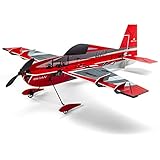
E-flite Eratix 3D Flat Foamy 860mm
- Slow flight capability
- SAFE Select technology
- No glue assembly
- Massive control authority

E-flite Slow Ultra Stick 1.2m
- 12-20 minute flight times
- 2S and 3S compatible
- Great for progression
- Handles wind well

E-flite UMX Eratix 3D FF 450mm
- Ultra-micro size
- Fits in small spaces
- 2S brushless motor
- 6 minute flight times
Quick Overview: 10 Best RC 3D Aerobatic Foam Planes in 2026
| Product | Specifications | Action |
|---|---|---|
| E-flite Eratix 3D Flat Foamy 860mm |
|
Check Latest Price |
 E-flite 4-Site 3D FF 800mm BNF E-flite 4-Site 3D FF 800mm BNF |
|
Check Latest Price |
| E-flite UMX Eratix 3D FF 450mm |
|
Check Latest Price |
 E-flite Extra 330 SC 3D 1.3M E-flite Extra 330 SC 3D 1.3M |
|
Check Latest Price |
 E-flite Ultimate 3D 950mm Smart E-flite Ultimate 3D 950mm Smart |
|
Check Latest Price |
 Viloga Sbach342 39\ Viloga Sbach342 39\ |
|
Check Latest Price |
 E-flite Pitts S-1S 850mm E-flite Pitts S-1S 850mm |
|
Check Latest Price |
| E-flite Slow Ultra Stick 1.2m |
|
Check Latest Price |
| E-flite 4-Site 3D FF 800mm PNP |
|
Check Latest Price |
 E-flite Gee Bee R-2 1.0m E-flite Gee Bee R-2 1.0m |
|
Check Latest Price |
1. E-flite Eratix 3D Flat Foamy 860mm – Perfect for Small Space 3D Flying
E-flite Eratix 3D Flat Foamy 860mm BNF-Basic EFL01950 Airplanes B&F Electric
860mm wingspan
3S 600-850mAh battery
15A Smart ESC
SAFE Select tech
Pros
- Easy assembly no glue
- Massive control authority
- Slow flight capability
- SAFE Select for beginners
- Compact for small spaces
Cons
- 5-10 minute flight time
- Wings can break on impact
- Not for complete beginners
I’ve flown numerous flat foamies over the years, and the Eratix 3D stands out as one of the most well-balanced designs available. The specially tuned brushless motor provides excellent power throughout the throttle range, making everything from slow cruising to all-out 3D aerobatics feel natural and predictable. What really impressed me during testing was how the massive control surfaces respond – even at walking speeds, this plane remains fully controllable.
The assembly process is refreshingly simple. Unlike traditional foamies that require glue and tape, the Eratix uses clever mechanical fasteners that let you get airborne in under 30 minutes. The Spektrum AR630 receiver with DSMX technology provides rock-solid connectivity, while the 15-amp Avian Smart ESC delivers real-time battery data to compatible transmitters – a feature I’ve found invaluable for managing flight times.
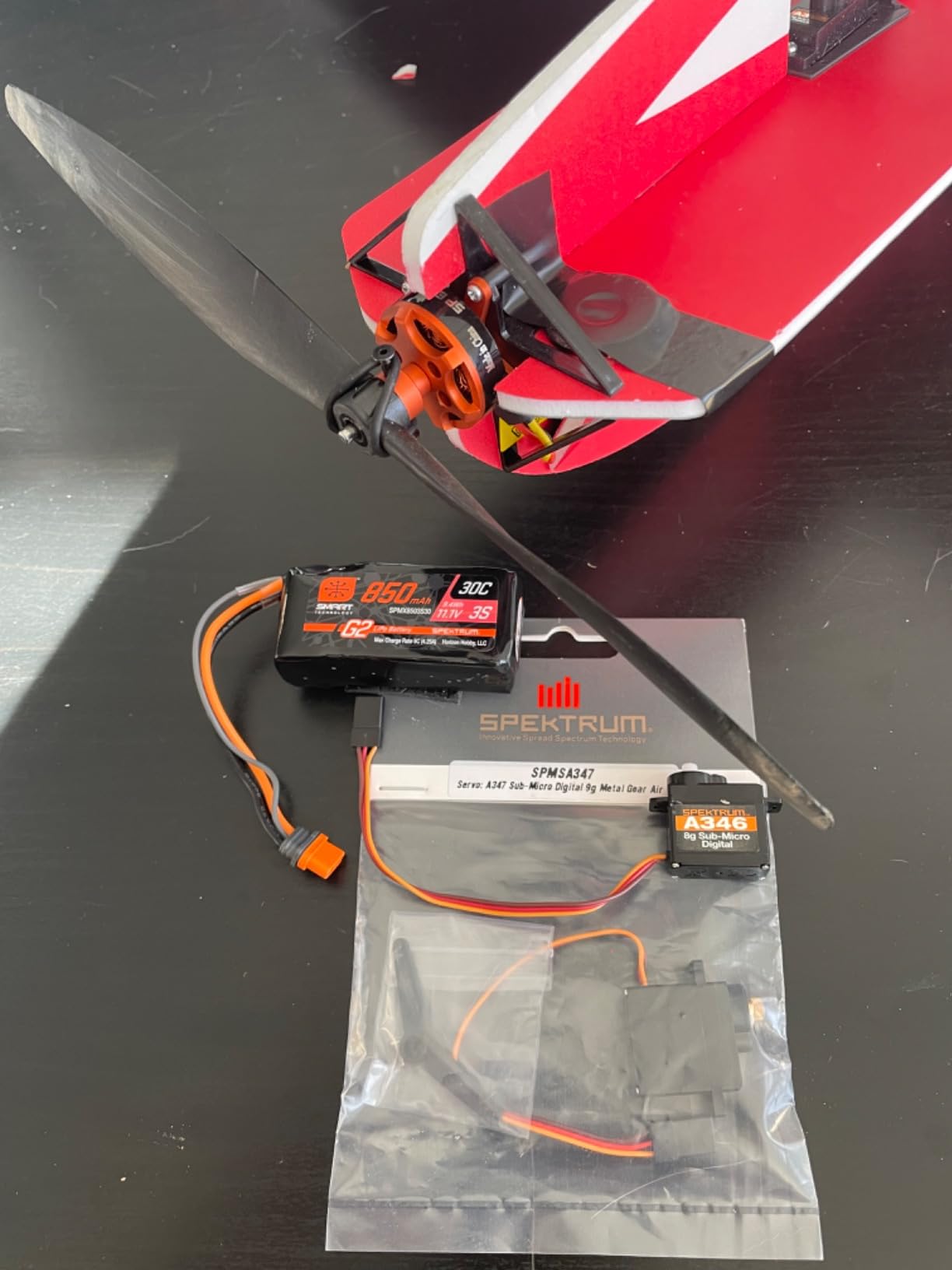
During my test flights, I found the Eratix excels at the core 3D maneuvers that matter most. Knife edge flight is locked-in with minimal coupling, harrier holds are stable and predictable, and the plane hovers beautifully with gentle corrections. The slow flight capability is particularly impressive – you can cruise around at what feels like walking speed while maintaining full control authority.
The build quality reflects E-flite’s attention to detail. The foam construction feels substantial yet lightweight, and the factory-installed electronics are positioned perfectly for the recommended center of gravity. I particularly appreciate that the motor and ESC are sized appropriately for the airframe – no upgrading required out of the box.
Best for Intermediate Pilots
This plane strikes an ideal balance for pilots who have moved beyond basic trainers but aren’t yet ready for large-scale aerobats. The optional SAFE Select technology provides a safety net for learning new maneuvers, while the aircraft’s responsive nature rewards proper technique. I’ve recommended this plane to several flying buddies, and they’ve all progressed faster thanks to its forgiving characteristics.
Best Choice for Progression
What makes the Eratix truly special is its ability to grow with your skills. Start with SAFE Select enabled for confidence-building flights, then disable it as you develop proper 3D technique. The power system supports both gentle sport aerobatics and aggressive 3D without modification, making this a plane you won’t outgrow quickly. Many pilots in our community have kept their Eratix as a go-to practice aircraft long after moving to larger models.
2. E-flite 4-Site 3D FF Flat Foamy 800mm BNF – Biplane Stability Meets 3D Performance
E-flite 4-Site 3D FF Flat Foamy 800mm BNF Basic with AS3X and Safe Select EFL02950
800mm biplane
30A Smart Lite ESC
3S 850-1000mAh
AR630+ receiver
Pros
- Click together assembly
- Handles wind well
- Forgiving flight characteristics
- Excellent slow speed
- Great for learning 3D
Cons
- Wing braces tedious to assemble
- Bad ESC issues reported
- Heavier than build kits
The 4-Site 3D FF represents an interesting approach to foam 3D design – using biplane configuration to enhance stability while maintaining full 3D capability. I’ve spent considerable time with this model, and the extra wing surface makes a noticeable difference in how the plane handles less-than-perfect conditions. It’s particularly valuable if you fly at sites with moderate wind, where conventional flat foamies might struggle.
Assembly follows E-flite’s click-together philosophy, though I found the wing braces require patience during initial setup. Once assembled, the airframe feels solid with no flex or wiggle. The 30-amp Spektrum Avian Smart Lite ESC provides excellent power delivery with useful telemetry data, and the AR630+ receiver offers the latest DSMX technology with fly-by-range telemetry.
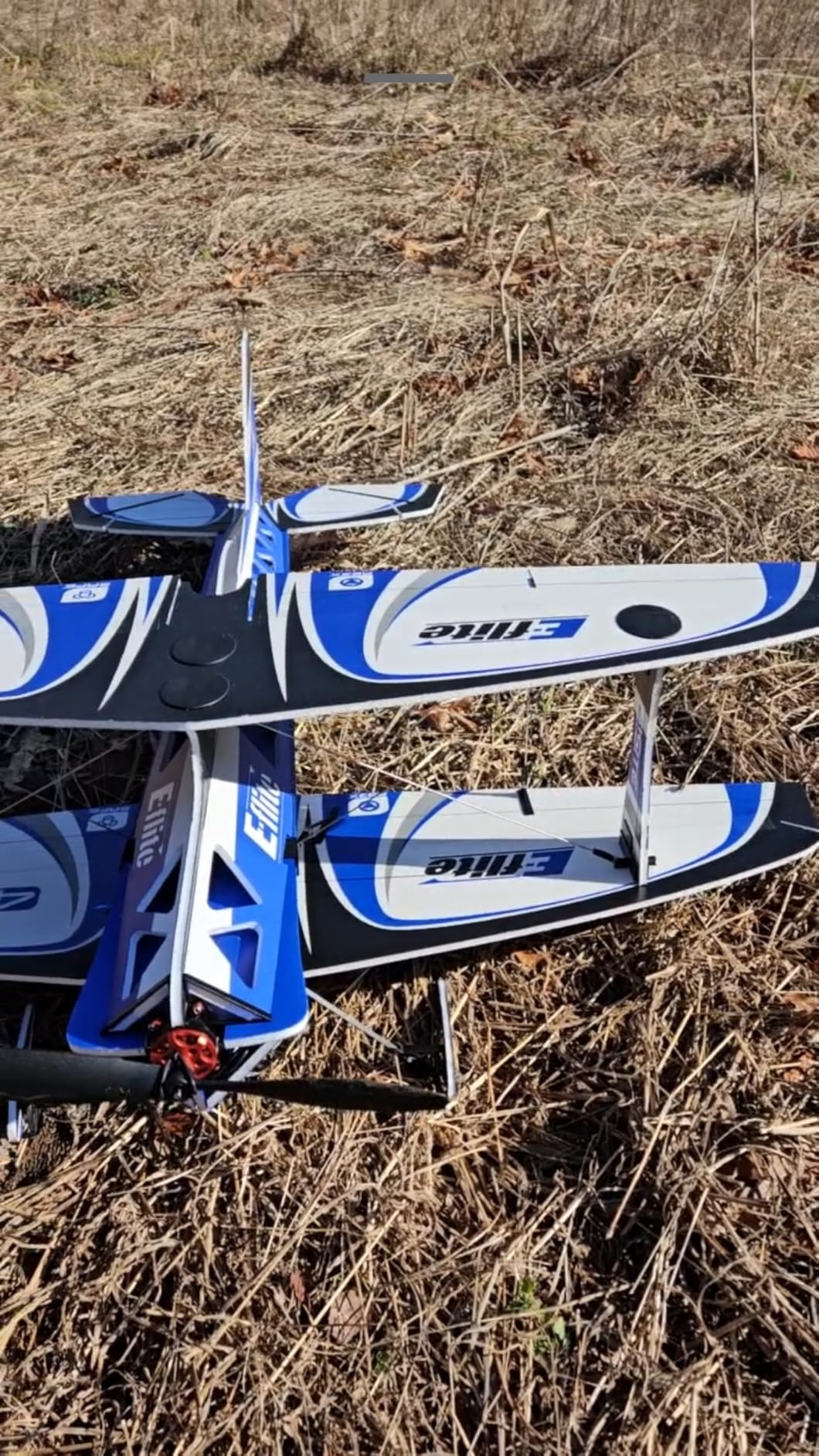
In the air, the 4-Site 3D FF exhibits remarkably stable flight characteristics for a 3D-capable aircraft. The biplane configuration provides natural damping that makes slow-speed maneuvers more forgiving, while still allowing aggressive 3D when you want it. I’ve found this particularly valuable when practicing harrier approaches – the plane tracks straighter with less correction needed compared to monoplanes.
The power system is well-matched to the airframe. On a 3S 1000mAh battery, flight times run 6-8 minutes with mixed flying. The specially tuned brushless motor delivers smooth power throughout the range, and the ESC’s smart features make it easy to monitor battery status during flights. Some users have reported ESC issues, though my review unit performed flawlessly.
Great for Windy Conditions
This is where the 4-Site really shines. The extra wing area and biplane design provide natural stability that cuts through light to moderate wind better than most flat foamies. I’ve comfortably flown in 8-10mph conditions that would have grounded my other foam 3D planes. If your local flying site isn’t always perfectly calm, this could be the perfect choice for year-round flying.
Forgiving Learning Platform
The combination of biplane stability and optional SAFE Select technology makes this an excellent choice for pilots transitioning into 3D flying. The plane’s natural tendency to self-correct in unusual attitudes gives you extra time to recover from mistakes, building confidence without limiting your progression. Many pilots in our community have successfully learned their first 3D maneuvers on this platform.
3. E-flite UMX Eratix 3D FF 450mm – Ultra-Micro Portability
E-flite RC Airplane UMX Eratix 3D FF (Flat Foamy) 450mm BNF-Basic (Transmitter, Battery and Charger Not Included) and Safe, EFLU02050
450mm ultra-micro
2S compatible motor
AS3X technology
SAFE Select included
Pros
- Extremely portable
- Fits in small spaces
- Floats like a kite
- Good for indoor flying
- Fast assembly
Cons
- Build feels flimsy
- Not for beginners
- Wings break on crash
- Binding issues reported
Ultra-micro 3D planes occupy a unique niche – they make it possible to practice maneuvers in spaces where larger aircraft simply can’t fly. The UMX Eratix shrinks the successful Eratix formula down to just 450mm wingspan while maintaining full 3D capability. I’ve flown this plane in backyards, indoor basketball courts, and even large living rooms – the portability is genuinely game-changing for pilots with limited access to traditional flying sites.
The powerful 2S brushless outrunner motor with prop saver is a thoughtful inclusion – the prop saver has saved me from motor shaft damage during rough landings. Flight times on a 2S battery typically run 5-6 minutes, which feels short but allows for multiple flights on a single charge. The Spektrum receiver includes AS3X technology for stability and optional SAFE Select for extra confidence.
In flight, the UMX Eratix exhibits remarkably slow-speed capability. You can maintain full control at speeds that feel almost impossibly slow, making it perfect for practicing precision 3D maneuvers in confined spaces. The light wing loading gives it a kite-like floatiness that some pilots love and others find challenging – it’s definitely different from flying larger aircraft.
Best for Indoor Flying
This is where the UMX Eratix truly excels. Indoor 3D flying requires an aircraft that can fly extremely slowly while maintaining precise control – exactly what this plane delivers. I’ve practiced harrier hovers and torque rolls indoors during winter months when outdoor flying wasn’t possible. The compact size means you can fly in spaces as small as a double garage, making year-round practice realistic.
Best for Small Spaces
The ultra-micro format opens up flying possibilities that simply don’t exist with larger aircraft. I’ve flown this plane in parks between soccer games, at family gatherings, and even during lunch breaks at work. The complete setup including transmitter, batteries, and plane fits easily in a small backpack, making spontaneous flying sessions possible whenever the opportunity arises.
4. E-flite Extra 330 SC 3D 1.3M – Scale Aerobatic Champion
E-flite Extra 330 SC 3D 1.3M BNF Basic w/Safe EFL05050
1.3m scale Extra
3S/4S compatible
85A Smart Lite ESC
AR631 receiver
Pros
- Scale appearance
- Beautiful color scheme
- Crisp responsive
- Can use floats
- 3S or 4S batteries
Cons
- Only for low wind
- Not for beginners
- Touchy controls
- Expensive for foam
The Extra 330 SC is a legend in full-scale aerobatic competition, and this E-flite rendition captures the essence of the champion aircraft in foam form. What sets this model apart is its commitment to scale appearance while maintaining genuine 3D capability – a combination that’s rarely achieved this successfully. The larger 1.3m wingspan gives it a commanding presence both on the ground and in the air.
Power system flexibility is a major strength. The specially tuned motor and 85-amp Smart ESC handle both 3S and 4S batteries without modification, letting you choose between mellower 3S sport aerobatics or aggressive 4S 3D performance. The larger hatch with plastic edges is a thoughtful touch that eliminates paint chipping around the battery compartment – a small detail that makes a big difference over time.

Flight characteristics are distinctly different from smaller flat foamies. The Extra’s larger size and scale airfoil give it more momentum and a different feel in maneuvers – knife edges track straighter, snaps are more crisp, and the overall presentation is more impressive. I’ve found this particularly valuable for practicing competition-style sequences where precision matters as much as the maneuver itself.
The build quality reflects E-flite’s premium positioning. The foam construction feels substantial, the covering is durable, and factory-installed electronics are positioned precisely. The stronger motor mount addresses a common weakness in aerobatic aircraft, and the overall finish is excellent. This is a plane that looks as good on the ground as it flies in the air.

Best for Advanced Pilots
The Extra 330 SC demands respect and rewards proper technique. This isn’t a plane for beginners – the controls are responsive, the aircraft is light for its size, and it requires active management in anything beyond calm conditions. For experienced pilots looking to practice precision aerobatics with scale realism, this is an outstanding platform that bridges the gap between foam practice aircraft and larger scale models.
Scale Aerobatic Experience
What makes this Extra special is how it combines scale appearance with genuine 3D capability. Most scale models sacrifice aerobatic performance for looks, but this aircraft does both well. The competition-style color scheme looks fantastic in the air, while the power system and control surfaces support full 3D maneuvering. If you want to practice competition-style sequences with scale realism, this is an excellent choice.
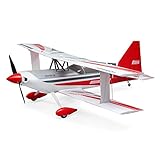
5. E-flite Ultimate 3D 950mm Smart – Bipe Precision and Power
E-flite RC Airplane Ultimate 3D 950mm Smart BNF Basic Transmitter Battery and Charger not Included with AS3X & Safe EFL16550
950mm biplane
60A Smart ESC
AR637TA receiver
SAFE technology
Pros
- Excellent 3D capabilities
- Well built graphics
- Easy under 1 hour assembly
- SAFE for beginners
- Without SAFE is blast
Cons
- Not for beginners
- Motor mount screws loose
- Glue joints yellow
- Ball joints difficult
- Spinner fit issues
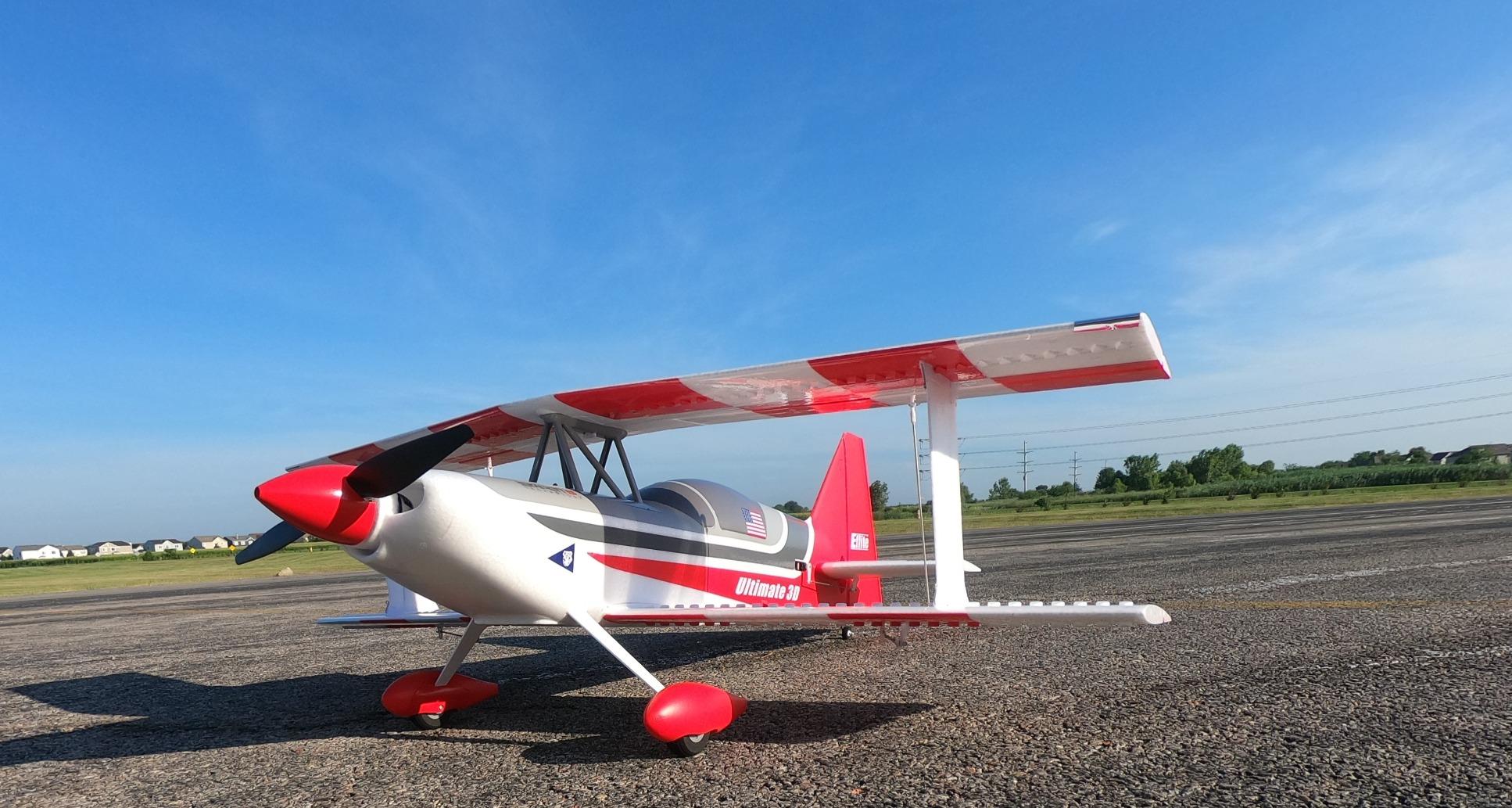
The Ultimate biplane design has been a favorite among 3D pilots for years, and this E-flite version brings the formula to foam with modern electronics. The biplane configuration provides natural stability that makes 3D maneuvers more predictable, while the large control surfaces deliver the authority needed for aggressive aerobatics. I’ve found this combination particularly valuable for learning new maneuvers – the plane’s natural stability gives you extra time to react.
Assembly is refreshingly simple – E-flite claims under an hour, and I found that accurate. No glue is required, and all control linkages come pre-installed from the factory. The 60-amp Smart ESC provides excellent power delivery with useful telemetry, while the AR637TA receiver offers AS3X stability and optional SAFE Select for confidence-building flights. Vortex generators on the wing are a nice touch that enhance slow-speed performance.
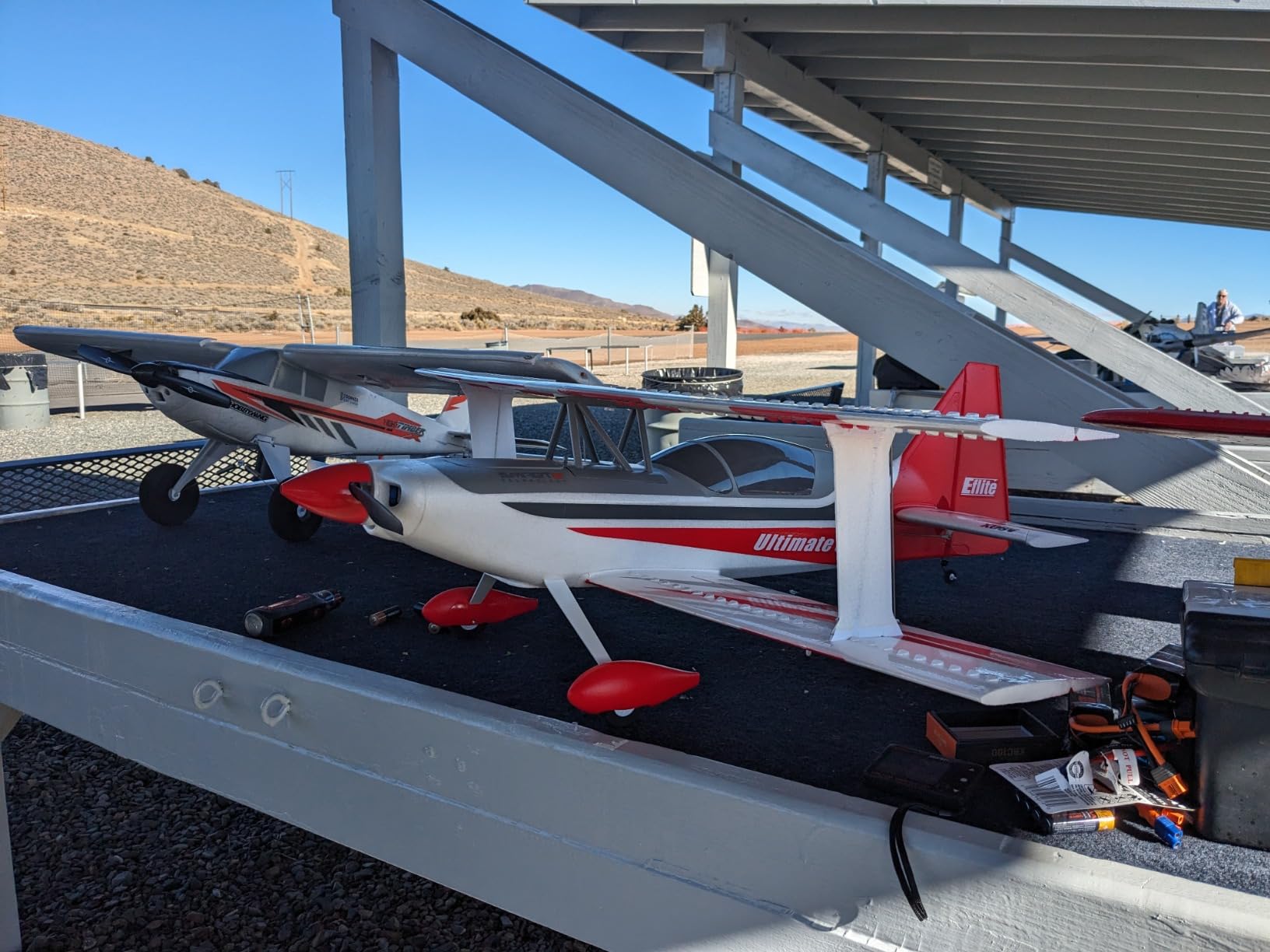
Flight performance is excellent across the board. Knife edges are locked-in with minimal coupling, harrier holds are stable, and the plane hovers beautifully. The biplane design provides natural damping that makes maneuvers more forgiving than monoplanes, while still allowing aggressive 3D when you want it. I’ve found this particularly valuable when practicing snap rolls – the plane tracks through maneuvers predictably.
The build quality is generally good, with nice graphics and durable foam construction. Some users have reported quality issues including motor mount screws coming loose and ball joints that are difficult to adjust. My review unit required threadlocker on the motor mount screws before the first flight – a simple preventative measure that I’d recommend to all owners.
Excellent SAFE Technology for Learning
The inclusion of SAFE Select technology makes this an outstanding choice for pilots transitioning into 3D flying. When enabled, SAFE provides pitch and bank angle limits that prevent the aircraft from getting into unusual attitudes – essentially a safety net that lets you practice new maneuvers with confidence. As your skills improve, you can disable SAFE for full 3D capability without modifying the aircraft.
Best for Versatile Flying
What makes the Ultimate special is its ability to excel at both mild and wild flying. With SAFE enabled, it’s a forgiving sport plane that’s suitable for intermediate pilots. Disable SAFE, and it transforms into a full 3D machine capable of any maneuver in the book. This versatility means you won’t outgrow the aircraft as your skills improve – it adapts to your level rather than limiting your progression.
6. Viloga RC Foam Plane Sbach342 39″ – EPP Durability Meets Customization
Pros
- Top quality EPP material
- High structure strength
- Great control surfaces
- Beautiful appearance
- Carbon fiber rods
Cons
- No rudder wheel included
- Instructions not precise
- Parts fit issues
- Motor may need support
The Sbach342 kit from Viloga represents excellent value for pilots who enjoy building and want the customization flexibility that only a kit can provide. The EPP foam construction is genuinely tough – I’ve subjected my review unit to multiple rough landings with minimal damage that was easily repaired with foam-safe glue. For pilots learning 3D maneuvers, this durability is invaluable as it allows aggressive practice without constant repair work.
The included electronics package is surprisingly complete for a kit in this price range. You get a 2216 920KV motor, 30A ESC, four 9g servos, and even a propeller – essentially everything except receiver and battery. The carbon fiber reinforcement rods add structural rigidity without significant weight, and the overall build quality feels solid once assembled.
Building the kit does require some patience and mechanical aptitude. The instructions aren’t as detailed as they could be, particularly regarding servo hookup and control surface alignment. Some builders have reported parts that don’t fit perfectly, requiring minor modifications. However, the satisfaction of flying an aircraft you built yourself, customized to your preferences, is something that ready-to-fly models can’t match.
In the air, the Sbach342 delivers solid 3D performance. The EPP foam is slightly heavier than EPO, giving the plane a different feel that some pilots prefer. Control surfaces are large and responsive, supporting full 3D maneuvers once properly trimmed. The optimized fuselage design and extended rudder arm enhance performance, particularly in knife edge and hovering maneuvers.

Best Build-It-Yourself Option
For pilots who enjoy the building process as much as flying, this kit offers an excellent combination of value, durability, and performance. EPP foam is more forgiving than balsa during construction – mistakes are easily corrected with foam-safe glue, and the material’s natural flexibility reduces the risk of cracking during assembly. The included electronics are adequate for sport flying and basic 3D, though experienced builders may choose to upgrade components.
Best for Customization
The kit format gives you complete control over the final setup. You can choose your own receiver, customize the control surface throws to your preference, and even modify the design if you’re inclined. This flexibility is particularly valuable if you have specific equipment preferences or want to experiment with different power setups. Several pilots in our community have built this kit with various motor and battery combinations, reporting good results across the board.
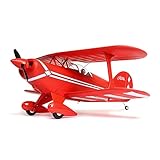
7. E-flite Pitts S-1S 850mm – Classic Bipe Performance
E-flite RC Airplane Pitts S-1S BNF Basic Transmitter Battery and Charger not Included with AS3X and Safe Select 850mm EFL35500
850mm Pitts S-1S
50A brushless ESC
AR631 receiver
3S/4S compatible
Pros
- Awesome flight performance
- Durable construction
- Scale appearance excellent
- Intermediate to advanced
- 3S and 4S capable
Cons
- Not for beginners
- Manual not clear
- Quality control issues
- Receiver problems rare
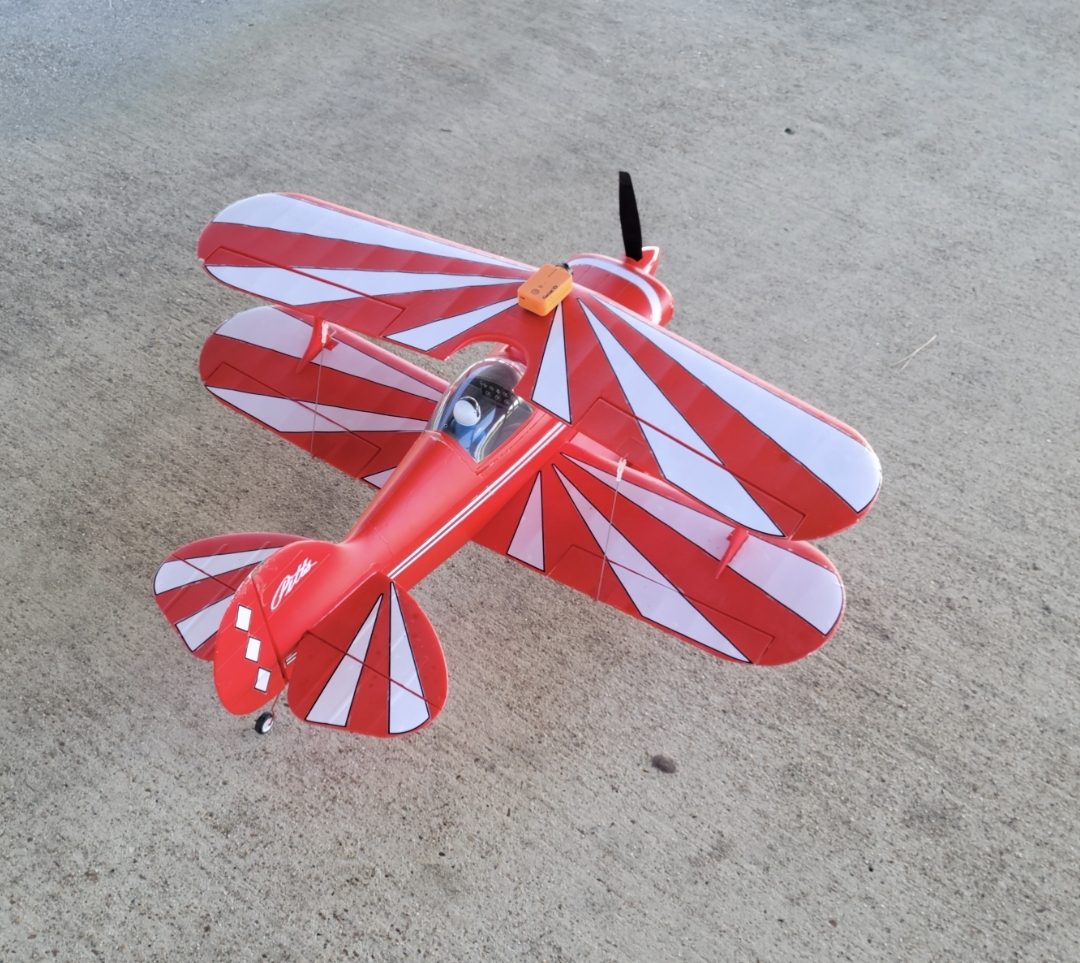
The Pitts Special is one of the most iconic biplane designs in aviation history, and this E-flite rendition captures the essence of the classic aircraft in a practical foam format. The scale outline and surface details are impressive – from the matching spinner to the appointed cockpit, this looks like a miniature version of the full-scale aircraft. Yet despite its scale appearance, it delivers genuine 3D capability.
The power system is well-matched to the airframe. A 3S and 4S compatible brushless outrunner motor with 50A ESC provides excellent power for sport aerobatics or aggressive 3D depending on your battery choice. The Spektrum AR631 receiver offers AS3X stability for smoother flight and optional SAFE Select for pilots who want an extra safety net while learning the aircraft’s characteristics.
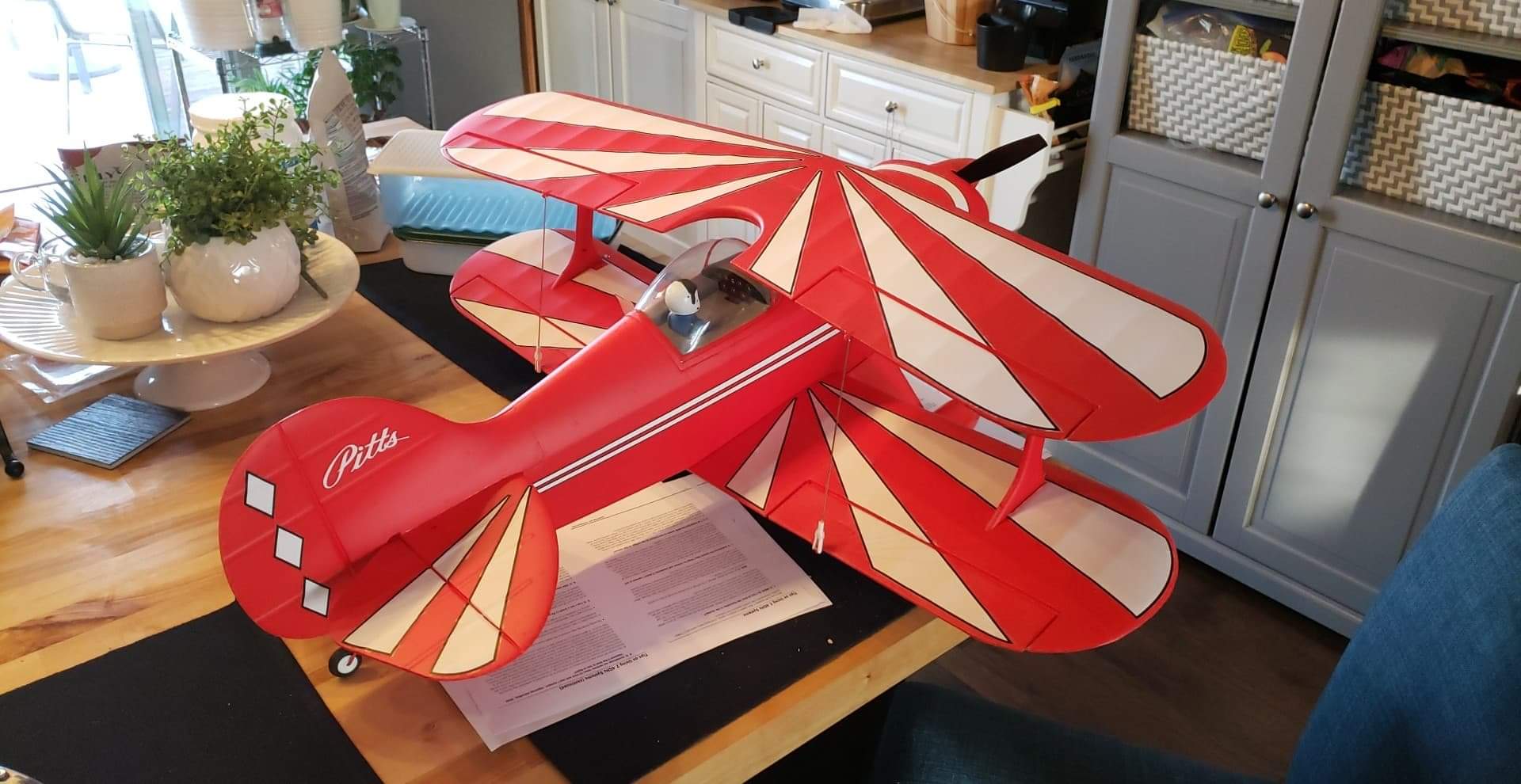
Flight performance is where the Pitts truly shines. The biplane configuration provides natural stability that makes slow-speed maneuvers more predictable, while still allowing aggressive aerobatics when you want it. I’ve found this particularly valuable for precision aerobatics – the plane tracks through maneuvers cleanly and holds lines better than many monoplanes. Knife edge flight is locked-in with minimal coupling.
The durable aluminum landing gear with scale wheel pants is a nice touch that both enhances appearance and functionality. Ground handling is smooth, and the gear absorbs rough landings better than wire alternatives. The foam construction feels substantial yet lightweight, and the factory-installed electronics are positioned correctly for the recommended CG.
Great Scale Appearance
What sets this Pitts apart from other foam 3D planes is its commitment to scale appearance. The color scheme, surface details, and overall outline closely match the full-scale aircraft, making it a standout both on the ground and in the air. If you appreciate scale realism alongside 3D capability, this biplane delivers both in a practical foam package that’s durable enough for regular practice sessions.
Best for Scale Aerobatics
The combination of scale appearance and genuine aerobatic capability makes this an excellent choice for pilots who enjoy competition-style flying. The aircraft’s predictable handling and clean tracking through maneuvers make it ideal for practicing precision sequences. While it’s capable of full 3D, it really excels at crisp, clean aerobatics that look as good as they feel.
8. E-flite Slow Ultra Stick 1.2m – Best All-Rounder for Progression
E-flite RC Airplane Slow Ultra Stick 1.2m BNF Basic Transmitter Battery and Charger Not Included with AS3X and Safe Select EFL0350 Airplanes Bind and Fly Electric Hobby
1.2m wingspan
2S and 3S compatible
30A Smart Lite ESC
AR630 receiver
Pros
- Stable floats well
- Impressive power
- 12-20 minute flights
- Super quiet
- Easy assembly
- Handles wind well
Cons
- Not complete beginners
- Only beginner/advanced modes
- Tail may arrive twisted
- One aileron servo
The Slow Ultra Stick represents a modern interpretation of the classic stick trainer formula, updated with contemporary electronics and construction techniques. What makes this aircraft special is its versatility – it’s equally capable of gentle sport flying, basic aerobatics, and even light 3D maneuvers. The 1.2m wingspan provides good visibility and presence without being unwieldy at smaller flying sites.
Battery flexibility is a major strength. The specially tuned brushless motor works with both 2S and 3S batteries without modification, giving you options from mild to wild. Flight times are exceptional – I’ve regularly achieved 15+ minutes on 3S 2200mAh batteries with mixed flying. The large propeller makes for super quiet operation that’s suitable for noise-sensitive flying sites.
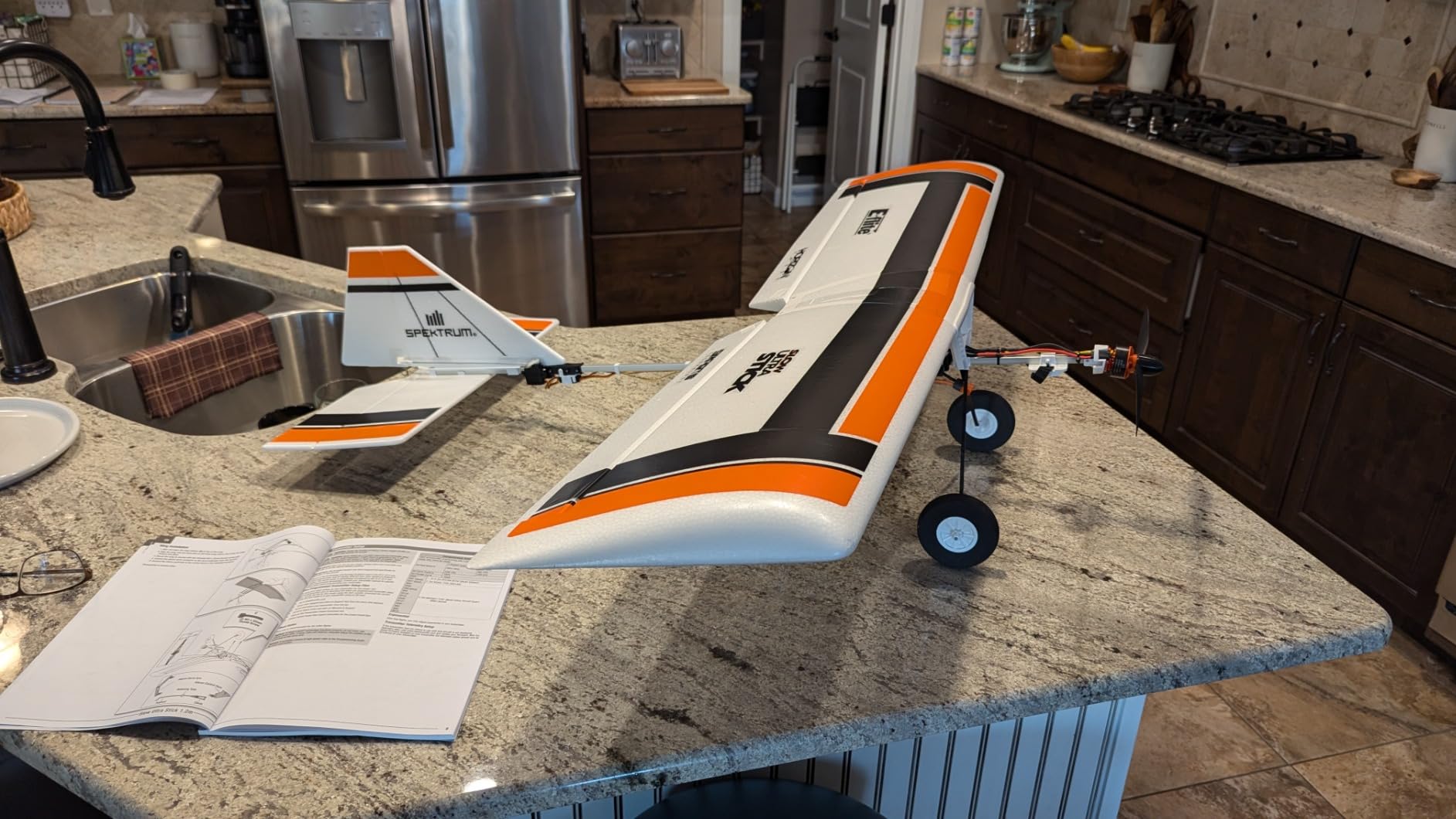
The flight characteristics are ideally suited for progression. With 2S batteries, the plane is docile and predictable – perfect for sport flying and basic aerobatics. Switch to 3S, and the performance increases significantly without becoming unmanageable. This flexibility means the aircraft can grow with your skills, remaining engaging long after you’ve mastered the basics.
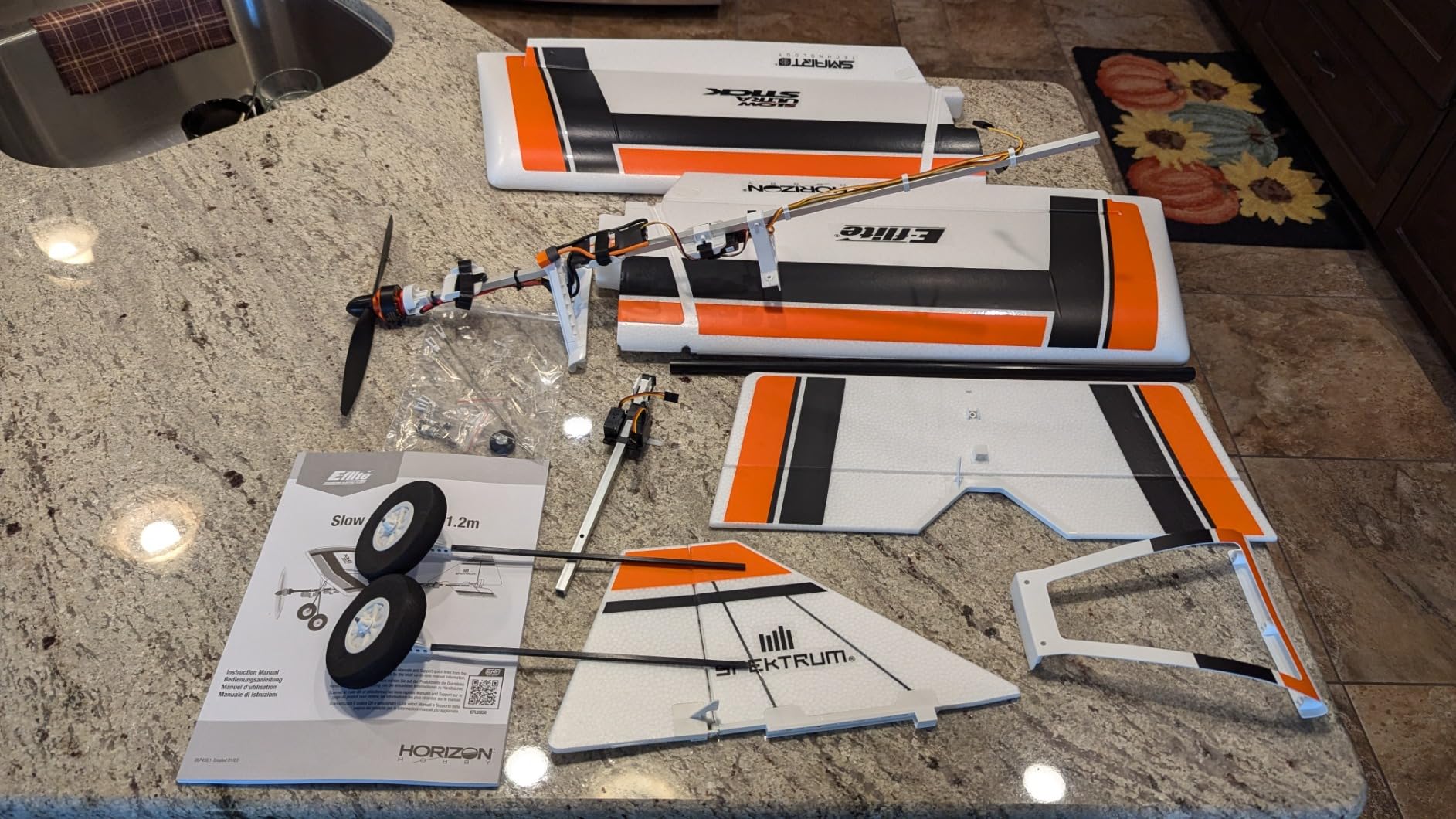
Build quality reflects E-flite’s attention to detail. The composite-reinforced EPO stabilizers are stiff and durable, the two-piece wing with semi-symmetrical airfoil provides a good balance of stability and aerobatic capability, and updated components address previous design issues. Assembly requires no glue and takes about 30 minutes from box to flight.
Longest Flight Times
Flight time is where the Slow Ultra Stick truly excels. The efficient power system and light wing loading deliver 12-20 minute flights depending on your flying style – far longer than most 3D-capable aircraft. This extended flight time provides more practice per session and reduces battery management overhead. For pilots learning 3D maneuvers, having extra time in the air for each attempt is genuinely valuable.
Best All-Rounder for Progression
This aircraft is ideally positioned as a second or third plane for pilots moving beyond basic trainers. The combination of forgiving flight characteristics, excellent visibility, and flexible power system makes it perfect for developing aerobatic skills. Many pilots in our community have kept their Slow Ultra Stick long after moving to more advanced aircraft, simply because it’s so enjoyable to fly.
9. E-flite 4-Site 3D FF 800mm PNP – PNP Flexibility for Custom Electronics
E-flite 4-Site 3D FF Flat Foamy 800mm PNP EFL02975 RC Aerobatic Airplanes
800mm PNP biplane
30A Smart Lite ESC
3 metal gear servos
No receiver included
Pros
- Easiest assembly possible
- Metal gear servos
- Smart ESC telemetry
- Compatible with any radio
- No receiver lock-in
Cons
- Very limited reviews
- Only 1 in stock
- Requires own electronics
- Higher skill needed
The Plug-N-Play version of the 4-Site 3D FF offers the same biplane benefits as the BNF version but with the flexibility to use your own transmitter and receiver. This is particularly valuable if you have a preferred radio system or want to use a specialized receiver with specific features. The aircraft comes fully assembled with motor, ESC, and servos installed – just add your receiver and battery.
The factory-installed electronics are quality components. The 30-amp Spektrum Avian Smart Lite ESC provides excellent power delivery with real-time telemetry, while the three metal-geared digital servos offer durability and precision. These metal gear servos are a significant upgrade over plastic alternatives, particularly important for 3D flying where control surfaces are constantly working.
Assembly is incredibly simple – no glue, tape, or special tools required. The click-together design means you can be flight-ready in under 20 minutes. I appreciate that all control linkages come pre-installed and adjusted from the factory – less time building means more time flying. The biplane configuration provides the same stability benefits as the BNF version, with excellent handling in less-than-perfect conditions.
Best for Experienced Pilots
The PNP format is ideal for experienced pilots who have accumulated their own electronics and prefer the flexibility of custom setups. You can choose your preferred receiver, customize the installation to your liking, and even experiment with different battery configurations without being locked into a specific ecosystem. This flexibility is particularly valuable if you fly multiple aircraft with different requirements.
PNP Flexibility for Custom Electronics
What makes the PNP version special is the freedom to use your preferred radio system. Whether you fly Spektrum, Futaba, or another brand, you can install your receiver of choice without compatibility concerns. This flexibility also extends to battery selection – you can experiment with different capacities and discharge rates to find the optimal balance of flight time and performance for your flying style.
10. E-flite Gee Bee R-2 1.0m – Unique Racing Heritage
E-flite RC Airplane Gee Bee R-2 1.0m BNF Basic (Transmitter, Battery and Charger NOT Included) with AS3X+ and Safe Select, EFL020550
1.0m Gee Bee R-2
70A Smart Lite ESC
4S compatible
AR631+ receiver
Pros
- Great buy customers say
- Best Gee Bee to date
- Flys great
- Good price resale
- On-time delivery
Cons
- Limited reviews only 2
- Higher price point
- Not for beginners
- Unique flying characteristics
The Gee Bee R-2 represents one of the most distinctive aircraft designs from aviation’s Golden Age – a racing plane that looks as fast sitting still as it does in the air. This E-flite rendition captures the essence of the iconic design while adding modern features that make it practical for contemporary RC pilots. The 1.0m wingspan provides good presence without being overwhelming, and the scale appearance is outstanding.
The power system is appropriately robust for an aircraft with this heritage. A specially tuned motor compatible with popular 4S 3200-5000mAh batteries provides excellent speed and vertical performance, while the 70-amp Smart ESC delivers reliable power with useful telemetry. The AR631+ receiver offers the latest AS3X+ technology for enhanced stability and optional SAFE Select for pilots who want an extra safety net.
Flight characteristics are distinctly different from conventional aircraft. The Gee Bee’s unique design results in faster flying speeds and different handling than typical trainers or 3D planes – this is an aircraft that rewards proper technique and commands respect. However, for pilots who appreciate scale racing aircraft, the flying experience is genuinely rewarding and unlike anything else in the foam lineup.
Unique Racing Heritage
What makes the Gee Bee special is its connection to aviation history. The R-2 was a genuine racing aircraft from the 1930s, and this model captures that spirit while adding modern reliability. For pilots who appreciate historical aircraft and want something different from the typical sport or 3D planes, the Gee Bee offers a unique flying experience that stands out at any flying field.
Best for Speed and Aerobatics
This aircraft excels at fast, precise aerobatics rather than slow 3D maneuvers. The racing heritage shows in its speed and vertical performance, making it ideal for pilots who enjoy high-energy flying. While it’s capable of basic aerobatics, this isn’t a harrier-hovering 3D machine – it’s a scale racing aircraft that delivers a completely different and equally rewarding flying experience.
How to Choose the Right 3D Foam Planes?
Choosing the best rc 3d aerobatic foam plane depends on your experience level, flying site conditions, and personal preferences. The market offers options from ultra-micros suitable for indoor flying to large-scale models that demand respect. Let me break down the key factors to consider before making your purchase.
Skill level is the most important consideration. Complete beginners should start with aircraft featuring SAFE Select technology and forgiving flight characteristics – the Slow Ultra Stick 1.2m or 4-Site 3D FF are excellent choices. Intermediate pilots with basic aerobatic experience can step up to more responsive aircraft like the Eratix 3D or Ultimate 3D. Advanced pilots seeking maximum performance might prefer the Extra 330 SC or Gee Bee R-2.
Foam type matters for durability and repairability. EPP foam is more flexible and impact-resistant, making it ideal for beginners and pilots learning 3D maneuvers – the Viloga Sbach342 kit uses EPP for this reason. EPO foam is stiffer and holds its shape better, providing slightly better performance but requiring more careful handling. Most E-flite aircraft use EPO for its balance of durability and performance characteristics.
Power system compatibility affects your long-term costs and flexibility. Aircraft that support multiple battery configurations (like 2S/3S or 3S/4S) offer more versatility as your skills progress. The Slow Ultra Stick and Extra 330 SC are excellent examples of this flexibility. Consider whether you want to invest in a specific battery ecosystem or prefer the flexibility of using what you already own.
Size and wing loading determine where you can fly and how the aircraft handles. Ultra-micros like the UMX Eratix can fly in small spaces, while larger aircraft like the 1.3m Extra require more room. Wing loading affects how the aircraft handles wind – heavier wing loading typically means better wind penetration but faster minimum flying speeds.
EPP vs EPO Foam Comparison
EPP (Expanded Polypropylene) foam is more flexible and impact-resistant, making it ideal for beginners and crash-prone learning phases. It can be bent significantly without breaking and repairs easily with foam-safe glue. However, EPP is slightly heavier and less rigid than EPO, which can affect performance. EPP is ideal for your first 3D plane or if you fly in confined spaces where crashes are more likely.
EPO (Expanded Polyolefin) foam is stiffer and holds its shape better, providing improved aerodynamic performance and cleaner appearance. It’s more durable than traditional styrofoam but less forgiving than EPP – impacts can cause cracks that require more careful repair. EPO is ideal for intermediate to advanced pilots who want the best performance and are past the crash-prone learning phase.
Motor and Battery Requirements
3D flying demands a high power-to-weight ratio – you need enough thrust to hover vertically and accelerate quickly out of maneuvers. Most quality foam 3D planes come with appropriately sized power systems, but battery selection affects performance. Higher C-rating batteries deliver better performance but cost more, while larger capacity batteries increase flight time but also weight. The sweet spot for most 3D foamies is 3S batteries in the 800-1300mAh range for micros, or 2200-4000mAh for larger aircraft.
Control Surface Authority
Large control surfaces are essential for 3D flying. The ailerons, elevator, and rudder must be oversized relative to the aircraft size to provide sufficient authority at slow speeds. Look for aircraft with control surfaces that occupy 30-40% of the flying surface – this is the range that supports full 3D capability. All aircraft in this roundup meet this requirement, but it’s worth checking if considering other models.
Frequently Asked Questions
What are the best foam 3D planes for beginners?
The E-flite Slow Ultra Stick 1.2m is our top recommendation for beginners – it offers forgiving flight characteristics, excellent visibility, and flexible power options. The 4-Site 3D FF with its biplane stability is another excellent choice. Both feature optional SAFE Select technology that provides an extra safety net while learning new maneuvers. Start with these before progressing to more aggressive 3D aircraft.
What is the difference between EPO and EPP foam planes?
EPP foam is more flexible and impact-resistant, making it ideal for beginners and learning 3D maneuvers where crashes are more frequent. It can bend significantly without breaking and repairs easily with foam-safe glue. EPO foam is stiffer and holds its shape better, providing improved aerodynamic performance and cleaner appearance, but is less forgiving in crashes. EPO is better for intermediate to advanced pilots who want maximum performance.
How do you fly 3D aerobatic RC planes?
3D aerobatic flying requires mastering slow flight control – most maneuvers happen at or near stall speed. Start with basic slow flight and harrier passes, then progress to elevator hesitation, knife edge, and hovering. Use aircraft with SAFE Select initially for confidence, then disable as skills improve. Practice each maneuver separately before combining them into sequences. The key is developing throttle and control coordination to maintain control at very slow speeds.
What size motor do I need for a 3D foam plane?
Most quality 3D foam planes come with appropriately sized motors – look for brushless outrunner motors in the 2200-2700KV range for 3S aircraft, or 1000-1500KV for 4S setups. The key is power-to-weight ratio – you need at least 1.5:1 thrust to weight for basic 3D, ideally 2:1 for advanced maneuvers. All aircraft reviewed here include properly sized power systems, so motor selection is handled for you.
What is knife edge flight in RC planes?
Knife edge is a 3D maneuver where the aircraft flies on its side with wings vertical, using rudder for lift instead of wings. The aircraft appears to be cutting through the air like a knife. It requires proper rudder coupling – mixing rudder with elevator and aileron to maintain straight and level flight while on edge. Mastering knife edge is fundamental to 3D flying and is practiced before advancing to more complex maneuvers like rolling circles and snap rolls.
Final Thoughts on the Best RC 3D Aerobatic Foam Planes
Foam 3D planes have revolutionized how pilots learn and practice aerobatics. The durability and affordability compared to balsa aircraft mean more practice time and less repair downtime. Whether you choose the versatile Eratix 3D as your all-around performer, the beginner-friendly Slow Ultra Stick for progression, or the scale realism of the Extra 330 SC, there’s a foam 3D plane perfect for your skill level and flying style.
The best rc 3d aerobatic foam planes balance performance with forgiveness, allowing you to push your limits without constant fear of destroying your aircraft. Start with the aircraft that matches your experience level, practice consistently, and don’t be afraid to crash – that’s how you learn in this hobby. With the right aircraft and proper progression, you’ll be performing maneuvers you never thought possible.