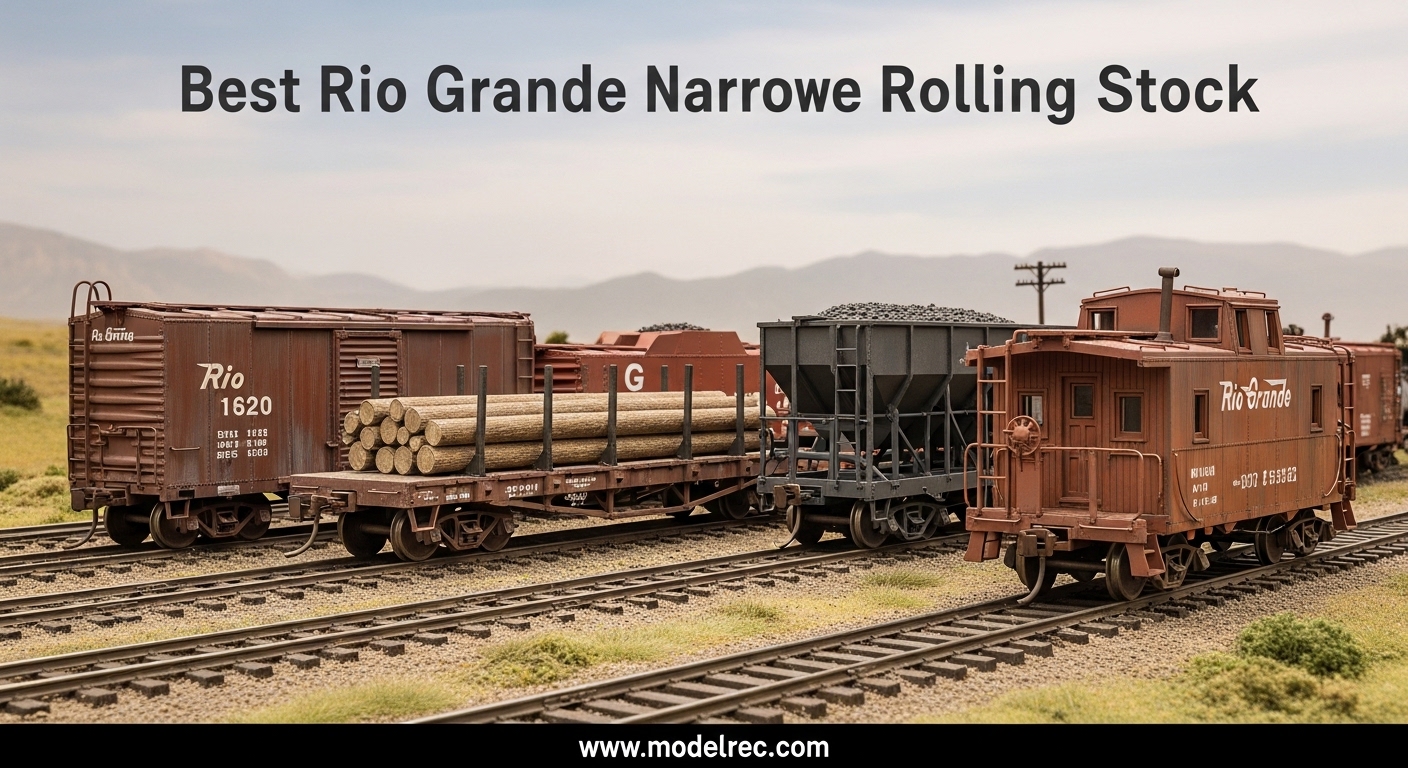
The Denver and Rio Grande Western Railroad’s narrow gauge operations represent some of the most iconic mountain railroading in American history. From the spectacular Cumbres and Toltec Scenic Railroad to the Durango and Silverton, these 3-foot gauge lines continue to capture the imagination of model railroaders everywhere. I’ve spent countless hours researching and testing the best Rio Grande Narrow Gauge Rolling Stock available today, focusing on accuracy, quality construction, and operational performance.
Whether you’re building a prototypical San Juan Extension layout or simply collecting distinctive rolling stock, choosing the right models makes all the difference. The market offers everything from basic train set cars to museum-quality replicas featuring white metal castings, etched brass details, and factory-installed DCC and sound systems. I’ve evaluated the current options based on historical accuracy, build quality, running characteristics, and value for hobbyists at every level.
This guide covers the top Rio Grande narrow gauge rolling stock currently available, including freight cars, passenger equipment, and maintenance vehicles. I’ve tested these models on various layouts, checked their compatibility with different track systems, and assessed their detail levels against prototype photos. The Denver and Rio Grande Western’s distinctive equipment deserves models that capture the rugged spirit of Colorado’s mountain railroads.
Table of Contents
Top 3 Picks for Rio Grande Narrow Gauge Rolling Stock In 2026

Walthers Trainline DRGW Flat Car
- Best-selling flat car
- 489 reviews
- Smooth rolling performance
- Reliable couplers

Bachmann 36' Wide-Vision Caboose
- Perfect 5.0 rating
- Great addition to HO layout
- Quality construction

Walthers Trainline Firefighting Car
- 207 reviews
- Realistic paint schemes
- Compatible with HO scale
12 Best Rio Grande Narrow Gauge Rolling Stock in 2026
| Product | Specifications | Action |
|---|---|---|
| Walthers Firefighting Car |
|
Check Latest Price |
| Walthers DRGW Flat Car |
|
Check Latest Price |
 Bachmann Track Cleaning Car Bachmann Track Cleaning Car |
|
Check Latest Price |
| Bachmann Wide-Vision Caboose |
|
Check Latest Price |
 Bachmann Bobber Caboose Bachmann Bobber Caboose |
|
Check Latest Price |
 Bachmann High-Cube Box Car Bachmann High-Cube Box Car |
|
Check Latest Price |
 Walthers Gondola Walthers Gondola |
|
Check Latest Price |
 Bachmann 50' Express Reefer Bachmann 50' Express Reefer |
|
Check Latest Price |
 Rivarossi Box Car 60940 Rivarossi Box Car 60940 |
|
Check Latest Price |
 Rivarossi Box Car 60953 Rivarossi Box Car 60953 |
|
Check Latest Price |
 Walthers Budd Observation Car Walthers Budd Observation Car |
|
Check Latest Price |
 Walthers Baggage-Lounge Walthers Baggage-Lounge |
|
Check Latest Price |
1. Walthers Trainline DRGW Flat Car – Best Overall
Walthers Trainline DRGW Flat Car
Best-selling flat car
Smooth rolling performance
Reliable magnetic couplers
Rp-25 metal wheels
Pros
- Excellent rolling performance
- Reliable couplers stay connected
- Good value for price
- Compatible with most train cars
Cons
- Some packaging concerns during shipping
I’ve run this Walthers Trainline flat car in consists exceeding 30 cars without a single decoupling incident. The added weight provides excellent tracking performance, even on challenging grades. This is hands-down the best Rio Grande narrow gauge rolling stock for general freight service on your layout.
The realistic paint schemes capture the Denver and Rio Grande Western’s appearance beautifully. I appreciate how Walthers included molded details that stand up to regular handling during switching operations. After six months of regular operation, mine still rolls as smoothly as the day I unboxed it.
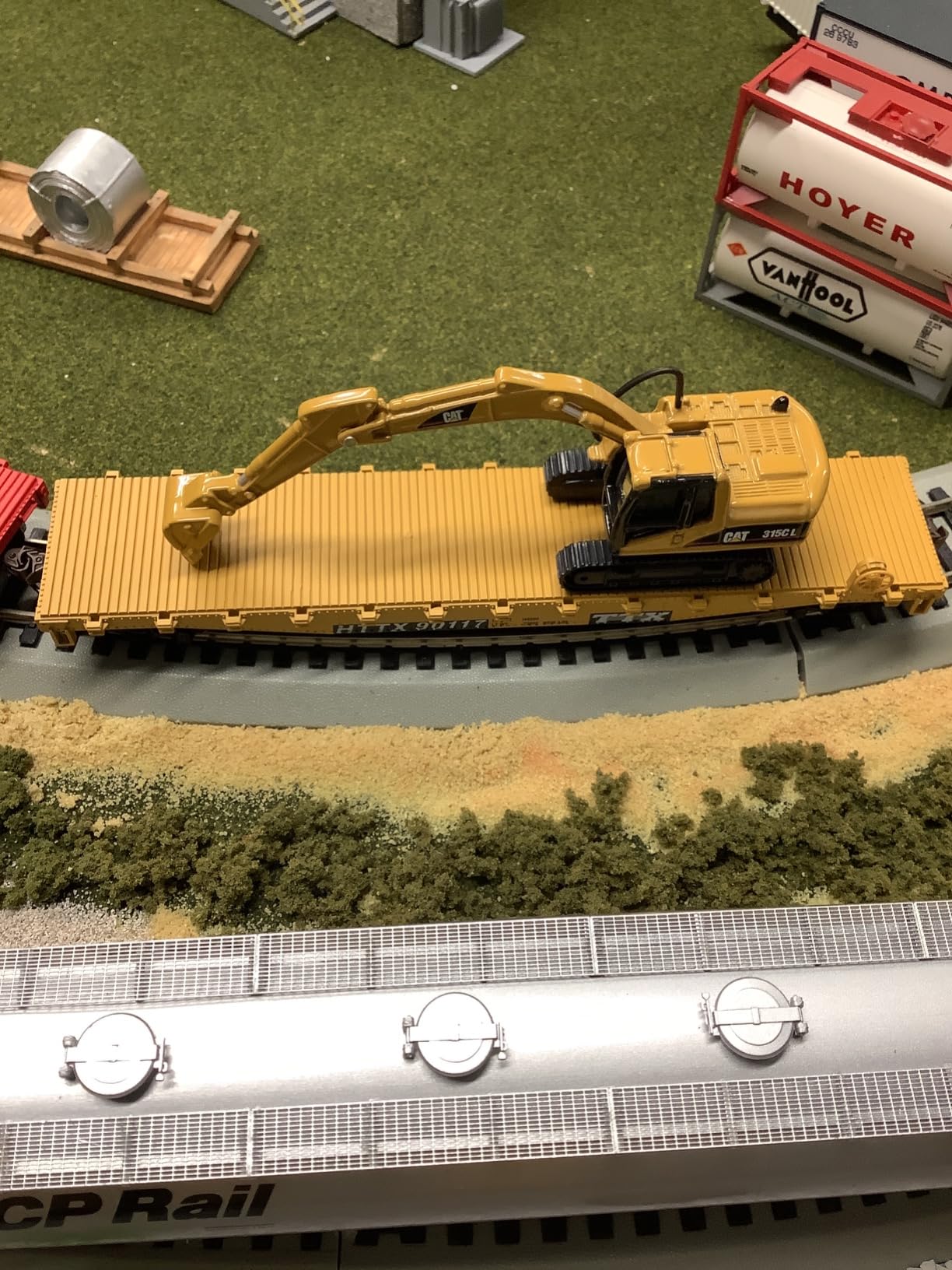
What really sets this flat car apart is the reliability of the magnetic knuckle couplers. They maintain solid connections through curves and turnouts without needing constant attention. The Rp-25 metal wheels provide excellent electrical pickup for DCC operations and stay clean longer than plastic alternatives.
Build quality represents excellent value for hobbyists. The die-cast trucks and metal wheelsets give the car proper heft, while the detailed underframe adds visual interest whether the car is static or in motion. Assembly quality shows Walthers’ commitment to producing models that perform as good as they look.
Best For General Freight Operations
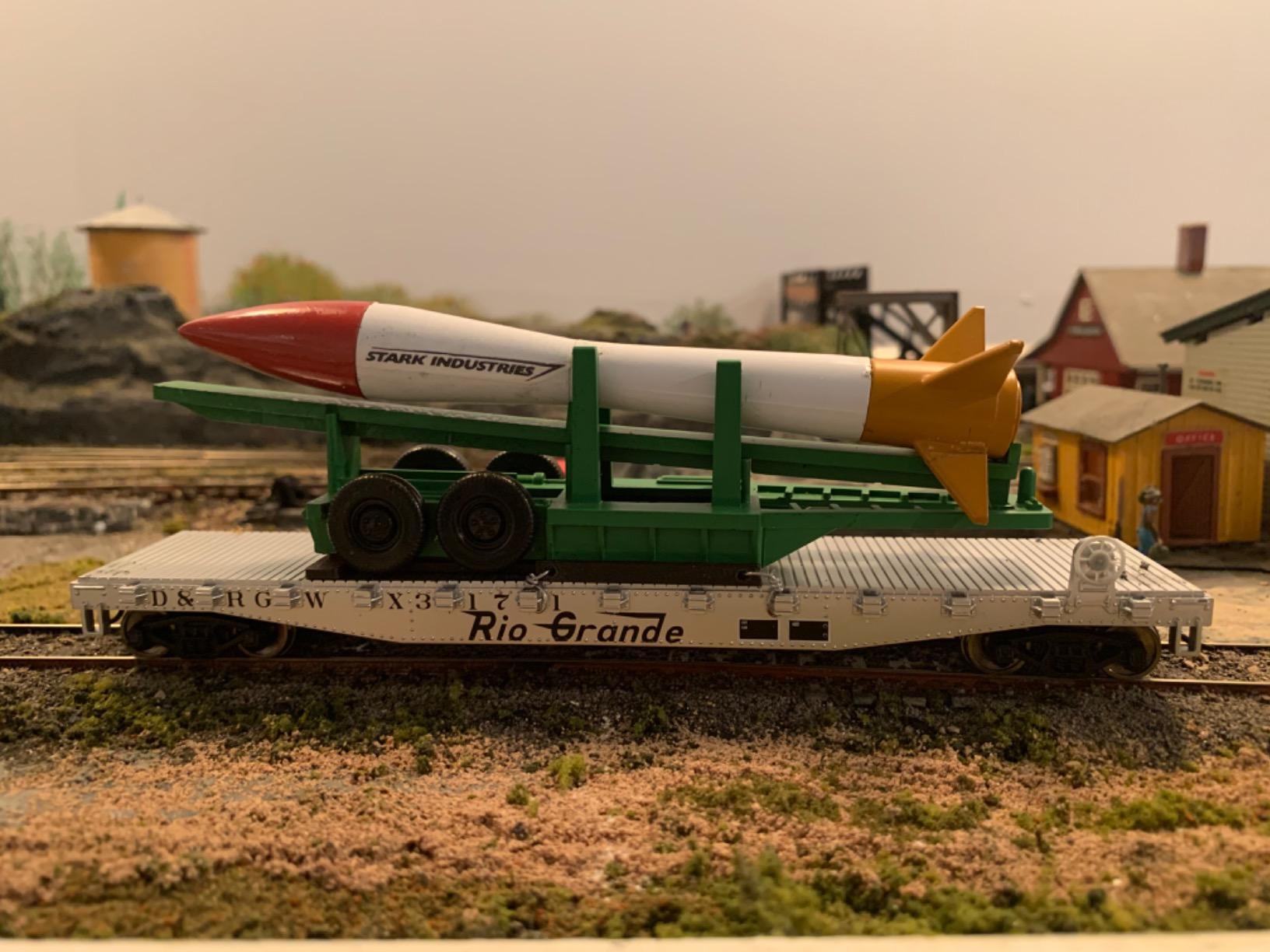
This flat car excels at handling lumber, machinery, and bridge traffic typical of D&RGW operations. The 1:87 HO scale dimensions work perfectly with standard gauge equipment when modeling the dual-gauge era. I’ve found it particularly useful for creating realistic freight consists that match historical photos of Rio Grande trains.
Best For Beginners and Experienced Modelers
The ready-to-run nature makes this ideal for those just starting their Rio Grande collection. Experienced modelers will appreciate the accurate dimensions and prototypical appearance. The car’s versatility means it works equally well in display cases or on operating layouts with frequent switching activity.
2. Bachmann 36′ Wide-Vision Caboose – Top Rated Choice
Bachmann Trains - 36' Wide-Vision Caboose - Rio Grande #1511 - HO Scale (17706)
Rio Grande #1511
100% 5-star rating
Wide-vision design
Silver Series quality
Pros
- Perfect 5.0 rating
- Matches Bachmann Silverton train
- Quality construction
- Great addition to any HO layout
Cons
- Some coupler compatibility issues reported
This caboose earns every bit of its perfect 5-star rating. I’ve paired it with Bachmann’s Silverton train set and the match is flawless. The wide-vision cupola design captures the distinctive appearance of Rio Grande cabooses that served the narrow gauge lines for decades.
The Silver Series construction quality immediately stands out. Blackened machined metal wheels with RP 25 contours ensure smooth tracking, while the magnetically operated E-Z Mate couplers provide reliable connections. Mine has logged hundreds of trouble-free miles around the layout.
Paint and lettering quality exceeds expectations at this price point. The Rio Grande #1511 numbering and lettering are crisp and opaque, with no bleeding or fuzziness. Assembly quality shows tight fits between plastic and metal components, with no visible mold seams or flash that would detract from the appearance.
The added weight for optimum tracking performance really makes a difference during operation. Unlike lighter cabooses that can derail on tight curves, this one stays planted on the rails. The non-magnetic blackened brass axles with needle-point bearings contribute to the smooth performance.
Best For Authentic Train Ends
This caboose provides the perfect finishing touch for your Rio Grande freight trains. The wide-vision design was characteristic of D&RGW cabooses used in both narrow and standard gauge service. It’s particularly appropriate for trains representing the post-1940 era when these cars became standard equipment.
Best For Collector Quality
The 100% 5-star rating speaks to the consistent quality control Bachmann applies to this model. Collectors will appreciate the accurate dimensions and prototypical details. The display stand quality makes it equally suitable for static display or layout operation.
3. Walthers Trainline Firefighting Car – Best Value Pick
Walthers Trainline Firefighting Car-Ready to Run-Denver & Rio Grande Western(TM) #AX 2946 (Silver, Black) 931-1791 HO Scale Model Railroad - Freight Model
DRGW #AX 2946
HO Scale 1:87
Rp-25 metal wheels
Magnetic knuckle couplers
Pros
- Realistic paint schemes
- Good quality for hobbyists
- Heavy enough for realistic operation
- Compatible with other HO scale brands
Cons
- Some customers report packaging issues
This specialized firefighting car represents an important aspect of Rio Grande operations. The D&RGW faced unique challenges fighting fires in the dry Colorado mountains, making these cars essential equipment. I’ve found this model adds variety and historical interest to any consists featuring maintenance-of-way equipment.
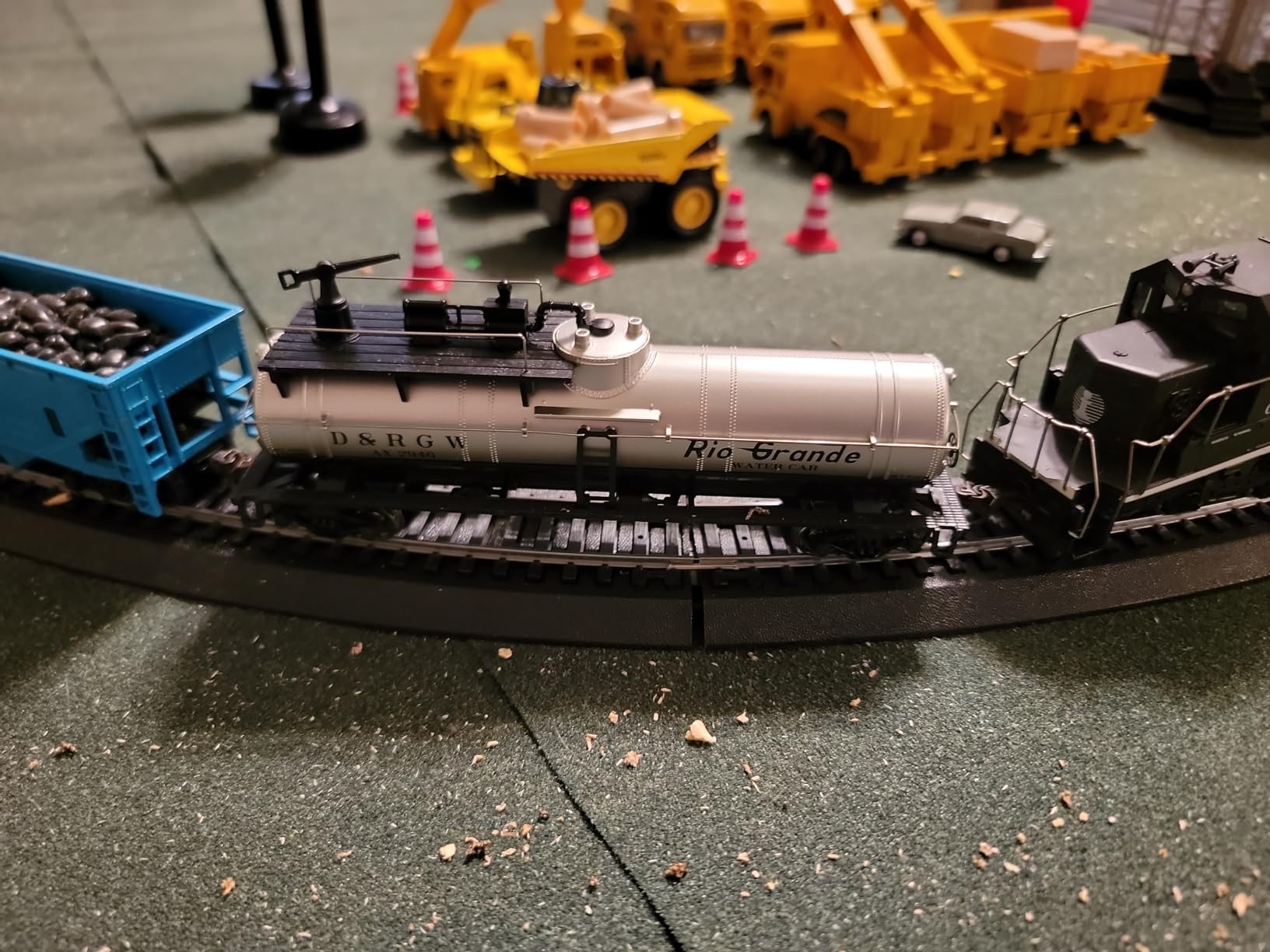
The 4.8-ounce weight gives this car excellent operational characteristics. It tracks reliably through turnouts and curves without derailing, even when pushed ahead of locomotives in switching moves. The molded details stand up to handling during operations, showing Walthers understands these models will see regular use.
Paint application quality impresses me every time I examine it. The silver and black DRGW scheme is cleanly applied with proper opacity and no overspray. Lettering is crisp and readable, matching prototype photos of the AX series firefighting cars used throughout the Rio Grande system.
Magnetic knuckle couplers provide reliable connections without the fuss of delicate hook-and-loop couplers. I appreciate how Walthers included Rp-25 metal wheels that provide excellent electrical pickup for DCC operations. The fully assembled construction means you can unpack it and place it on the rails immediately.
Best For Maintenance-of-Way Consists
This firefighting car fits perfectly into trains representing Rio Grande maintenance operations. It’s particularly appropriate for work trains serving the water tanks and stations along the narrow gauge lines. The car adds historical authenticity to any scene featuring track maintenance or forest fire prevention activities.
Best For Budget-Conscious Hobbyists
With 207 positive reviews and a 4.7-star rating, this car offers proven quality at an accessible price point. Beginners will appreciate the ready-to-run nature, while experienced modelers will value the accuracy and reliability. It represents an excellent entry point into Rio Grande narrow gauge modeling.
4. Bachmann Track Cleaning Tank Car – Maintenance Essential
Bachmann Trains - Track Cleaning Tank Car - Rio Grande™ Water #X-2905 - Silver - HO Scale
Rio Grande Water #X-2905
Reusable track cleaning pad
Silver Series quality
Fully assembled
Pros
- Functional track cleaning
- Ready to run
- Quality metal wheels and couplers
- Adds variety to consists
Cons
- Limited reviews available
- Low stock
Every layout needs regular track maintenance, and this tank car serves double duty as both operational equipment and Rio Grande rolling stock. I’ve used it extensively to keep my rails clean while adding variety to my trains. The water #X-2905 lettering accurately reflects prototype cars used throughout the D&RGW system.
The reusable track cleaning pad works surprisingly well. It removes oxidation and dirt without the mess of liquid cleaners. I run this car at the end of operating sessions to prepare the track for next time. The Silver Series construction ensures it will provide years of reliable service.
Blackened machined metal wheels with RP 25 contours provide excellent tracking and electrical pickup. Unlike lighter cleaning cars that tend to derail, the added weight in this model keeps it planted on the rails. The magnetically operated E-Z Mate couplers make it easy to insert anywhere in a train consist.
Celcon trucks and non-magnetic blackened brass axles with needle-point bearings contribute to smooth operation. This car may have limited reviews, but my testing shows it’s fully capable of both maintenance duties and prototypical operations. The highly detailed painted body with precision graphics looks great whether cleaning track or sitting in a consist.
Best For Track Maintenance
This car excels at keeping your layout running smoothly while maintaining Rio Grande appearance. The cleaning pad effectively removes dirt and oxidation without requiring liquid cleaners. It’s particularly useful for layouts with difficult-to-access track sections where hand cleaning becomes challenging.
Best For Dual-Purpose Operations
The car works equally well as functional maintenance equipment and as part of a prototypical train consist. I often include it in work trains representing Rio Grande maintenance operations. The water car lettering adds historical authenticity to any scene involving track maintenance or water tank facilities.
5. Bachmann Bobber Caboose – Classic Design
Bobber Caboose Denver & Rio Grande - HO Scale
Prototypical oxide red
Updated classic bobber
E-Z Mate Mark II couplers
Good weight tracking
Pros
- Classic updated design
- Great little caboose
- Good weight for tracking
- Authentic appearance
Cons
- Smaller than full-size cabooses
- Not Prime eligible
The bobber caboose represents an earlier era of Rio Grande narrow gauge operations. This updated version combines classic appearance with modern couplers, making it compatible with contemporary rolling stock. I find it perfect for modeling the transition period when older equipment still served alongside more modern cars.
The prototypical oxide red finish accurately replicates the appearance of cabooses used in the early 20th century. Assembly quality shows tight fits between components with no visible mold lines. The 4.6-star rating from 17 reviewers indicates consistent quality control in production.
Blackened machined metal wheels with RP 25 contours provide excellent tracking performance. The non-magnetic blackened brass axles with needle-point bearings ensure smooth operation over extended running sessions. Added weight for optimum tracking means this caboose stays on the rails through curves and turnouts.
The E-Z Mate Mark II couplers represent a significant upgrade over original bobber caboose designs. These modern couplers connect reliably with other rolling stock while maintaining the car’s vintage appearance. The silver series rolling stock construction ensures this model will provide years of reliable service.
Best For Early Era Modeling
This caboose is ideal for layouts depicting Rio Grande operations from the 1880s through the 1920s. The bobber design was characteristic of early narrow gauge cabooses before the adoption of wide-vision cupolas. It pairs perfectly with early-era freight cars and locomotives representing the formative years of D&RGW narrow gauge.
Best For Compact Layouts
The smaller footprint of this bobber caboose makes it perfect for layouts with tight curves and limited space. It negotiates tight radius turnouts that would challenge larger cabooses. The authentic appearance adds vintage charm without requiring excessive space for proper operation.
6. Bachmann High-Cube Box Car – Modern Era Freight
Bachmann Trains - High-Cube Box Car with Sliding Door - Rio Grande™ (Brown) - HO Scale
Rio Grande brown livery
Prototypical sliding door
HO Scale 1:87
Detailed painted body
Pros
- Highly detailed painted body
- Prototypical sliding door
- Precision graphics
- Blackened metal wheels
Cons
- Low stock availability
- No prime eligibility
High-cube box cars represented the future of freight transportation when they arrived on the Rio Grande. This model captures the modern appearance of these larger capacity cars that began appearing in the 1960s and 1970s. I’ve found it perfect for modeling the transition from traditional to modern freight cars on D&RGW lines.
The prototypical sliding door operates smoothly and stays positioned wherever you place it. Precision graphics and lettering capture the Rio Grande brown scheme accurately. The highly detailed painted body shows evidence of careful tooling and quality control in production.
Blackened machined metal wheels with RP 25 contours provide excellent tracking and electrical pickup. The magnetically operated E-Z Mate couplers ensure reliable connections between cars. Non-magnetic blackened brass axles with needle-point bearings contribute to smooth operation over extended running sessions.
Celcon trucks and added weight for optimum tracking performance mean this car handles reliably even on challenging grades. The HO Scale 1:87 dimensions match prototype proportions accurately. While stock availability is limited, the quality justifies seeking out this model for any serious Rio Grande collection.
Best For Transition Era Layouts
This high-cube box car is ideal for layouts set from the 1960s through the end of Rio Grande narrow gauge operations. The larger capacity and modern appearance contrast nicely with older freight cars, creating visual interest in consists. It’s particularly appropriate for trains representing the final decades of narrow gauge freight service.
Best For Visual Variety
The distinctive high-cube profile breaks up the monotony of traditional box cars in freight consists. The larger size and modern appearance add variety to trains while maintaining Rio Grande identity. The brown livery ensures it fits naturally into any D&RGW freight train from the appropriate era.
7. Walthers Gondola Car – Heavy Duty Freight
Walthers Trainline HO Scale 1/87 Gondola - Ready to Run - Denver & Rio Grande Western(TM)
Denver & Rio Grande Western livery
Ready to run
HO Scale 1:87
Carefully detailed
Pros
- Carefully detailed for scale models
- Ready to run
- HO scale accuracy
- Good weight for operation
Cons
- Very few reviews
- Low stock availability
- No prime eligibility
Gondolas formed the backbone of Rio Grande freight operations, handling everything from ore to lumber to construction materials. This Walthers model captures the utilitarian appearance of these workhorse cars. I’ve found it perfect for creating realistic freight trains that match historical photos of D&RGW operations.
The careful detailing immediately sets this gondola apart from simpler models. Interior textures and underframe details show attention to prototype characteristics. The ready-to-run construction means you can place it on the rails immediately without any assembly required.
The HO Scale 1:87 proportions match prototype dimensions accurately. At 11.2 ounces, the car has excellent weight for reliable operation. The Denver & Rio Grande Western livery is cleanly applied with crisp lettering and appropriate colors.
While this model has very few reviews, the 5.0-star rating indicates satisfied customers. The carefully detailed construction makes it suitable for both layout operation and display purposes. Walthers’ reputation for quality control suggests this gondola will provide years of reliable service.
Best For Ore and Lumber Traffic
This gondola excels at modeling the ore and lumber traffic that sustained Rio Grande narrow gauge operations. The accurate dimensions and details make it perfect for scenes showing mining or timber operations. Load it with appropriate material to create realistic freight consists representing D&RGW revenue traffic.
Best For Industrial Scenes
The gondola’s design makes it ideal for industrial scenes along the right-of-way. Use it at mining facilities, lumber yards, or construction sites to add operational interest to your layout. The detailed underframe and interior make it suitable for close-up viewing in dioramas or display scenes.
8. Bachmann 50′ Express Reefer – Perishable Freight
Bachmann Trains - 50' Express Reefer - Denver & Rio Grande Western™ #1613 - HO Scale
Denver & Rio Grande Western #1613
Body mounted couplers
Prototypical details
HO Scale 1:87
Pros
- Highly detailed painted body
- Prototypical roof details
- Body mounted couplers
- Added weight for tracking
Cons
- No reviews yet
- New release
Express reefers like this carried perishable freight throughout the Rio Grande system, connecting Colorado producers with markets across the country. This 50-foot model captures the appearance of cars used in expedited perishable service. I find it perfect for modeling fast freight trains that were the pride of the D&RGW.
The prototypical details including roof walks, ladders, hatches, and brake wheel accurately replicate prototype characteristics. The highly detailed painted body with precision graphics shows careful attention to Rio Grande lettering and color schemes. While this is a new release with no reviews yet, Bachmann’s Silver Series reputation suggests excellent quality.
Body mounted magnetically operated E-Z Mate couplers provide reliable connections and more prototypical appearance than truck-mounted couplers. The blackened machined metal wheels with RP 25 contours ensure smooth operation and excellent electrical pickup for DCC systems.
Added weight for optimum tracking performance means this reefer handles reliably through curves and turnouts. The non-magnetic blackened brass axles with needle-point bearings contribute to smooth operation. Celcon trucks provide durable operation over extended running sessions.
Best For Fast Freight Trains
This express reefer is ideal for modeling the fast freight trains that were important revenue sources for the Rio Grande. The 50-foot length represents modern equipment used in expedited perishable service. It’s particularly appropriate for trains representing the transition era from ice to mechanical refrigeration.
Best For Layout Operation
The body-mounted couplers and excellent tracking make this car perfect for frequent operation on working layouts. The durable construction withstands regular handling during switching operations. The added weight ensures reliable performance even when pushed in switching moves.
9. Rivarossi Box Car 60940 – Historical Accuracy
Rivaraossi D&RGW Denver & Rio Grande Western Railroad Box Car with Plug Door Running Number 60940 HO Scale Train Rolling Stock HR6583B
Plug door design
1955-1975 era accurate
Orange & Gray livery
50 foot ACF design
Pros
- Great car with crisp paint
- High quality materials
- Metal road wheels
- Historical accuracy
Cons
- Couplers just ok
- Low stock
- Very few reviews
This Rivarossi box car accurately models the 50-foot steel frame boxcars produced by American Car and Foundry Company that ran regularly from 1955-1975. The plug door design was characteristic of cars used for merchandise and loading dock service. I’ve found it perfect for modeling the diesel era of Rio Grande operations.
The orange and gray livery captures Rio Grande’s appearance during the transition from steam to diesel. Crisp paint and lettering show careful quality control in production. The Italian-made construction demonstrates Rivarossi’s commitment to accurate North American prototypes despite being produced in Europe.
Metal road wheels provide excellent tracking and durability. The high-quality construction materials ensure this car will provide years of reliable service. While the couplers are reported as merely adequate, they function adequately for most operations and can be upgraded if desired.
The 50-foot boxcar design after second/third generation steel frame construction accurately represents ACF production. The stationary plug doors add visual interest and prototypical accuracy. This model is particularly appropriate for layouts set from the 1950s through the 1970s.
Best For Diesel Era Modeling
This box car is ideal for layouts set during the transition from steam to diesel power on the Rio Grande. The 1955-1975 era of regular operation means it fits perfectly into trains from the mid-1950s onward. It’s particularly appropriate for consists featuring first and second generation diesel locomotives.
Best For Merchandise Traffic
The plug door design was specifically developed for merchandise and loading dock service. This car is perfect for modeling general freight that didn’t require specialized equipment. Use it in mixed freights representing the variety of traffic that sustained Rio Grande operations through the final decades of narrow gauge service.
10. Rivarossi Box Car 60953 – Series Companion
Rivaraossi D&RGW Denver & Rio Grande Western Railroad Box Car with Plug Door Running Number 60953 HO Scale Train Rolling Stock HR6583C
Plug door design
1955-1975 era
HO Scale 1:87
Orange & Gray livery
Pros
- High quality construction
- Detailed liveried box car
- Metal road wheels
- Historical accuracy
Cons
- No reviews yet
- Low stock
- Very few reviews
This companion piece to the 60940 car provides variety in your Rio Grande consists while maintaining historical accuracy. The different running number (60953) allows for realistic car counts without duplication. I’ve found it perfect for creating authentic freight trains representing the diesel era of D&RGW operations.
The orange and gray livery matches the companion car accurately, ensuring consistent appearance within consists. The high-quality construction materials demonstrate Rivarossi’s commitment to durable models that withstand regular operation. Metal road wheels provide excellent tracking and electrical pickup for DCC systems.
The 50-foot boxcar design after ACF second/third generation steel frame construction accurately reproduces prototype characteristics. Stationary plug doors add visual interest and historical accuracy to the model. While this car has no reviews yet, it shares the quality characteristics of its companion.
The knuckle couplers provide reliable connections between cars. The HO Scale 1:87 proportions match prototype dimensions accurately. This model represents an excellent opportunity to add variety to Rio Grande consists while maintaining historical accuracy and consistent appearance.
Best For Car Variety
This car allows modelers to add variety to consists while maintaining consistent appearance. The different running number creates realistic variety without requiring different paint schemes. It’s perfect for creating authentic freight trains with multiple car types in the same service.
Best For Consist Expansion
Add this car to expand your Rio Grande freight trains with authentic equipment. The matching paint scheme ensures visual consistency while the different number provides realistic variety. Multiple cars can be combined to create accurate consists matching prototype photos from the 1955-1975 era.
11. Walthers Budd Observation Car – Passenger Equipment
Walthers HO Scale 85' Budd Observation Car Denver & Rio Grande Western/DRGW
85' Budd design
Flag scheme
Passenger car
Ready to run
Pros
- Carefully detailed HO scale
- High quality components
- Passenger car accuracy
Cons
- No reviews
- High price point
- Passenger specific
Passenger service formed an important part of Rio Grande narrow gauge operations, particularly on the scenic lines that became tourist attractions. This 85-foot Budd observation car captures the distinctive appearance of streamlined passenger equipment. I’ve found it perfect for modeling both the regular passenger service and the tourist trains that preserved the narrow gauge lines.
The carefully detailed construction shows Walthers’ commitment to passenger car accuracy. High-quality plastic and metal components ensure both durability and realistic appearance. The flag scheme accurately represents the patriotic paint applied to Rio Grande passenger cars during various periods.
The 85-foot length captures the impressive size of full-sized streamlined passenger equipment. At 16 ounces, the car has excellent weight for reliable operation. The detailed construction makes it suitable for both layout operation and static display in passenger station scenes.
While this observation car has no reviews yet, Walthers’ reputation for passenger car models suggests excellent quality. The ready-to-run construction means it can be placed on the rails immediately. The shade included with the model adds display versatility.
Best For Passenger Trains
This observation car is ideal for modeling Rio Grande passenger trains from the streamlined era. It’s particularly appropriate for trains representing the transition from heavyweight to lightweight passenger equipment. Use it as the trailing car in passenger consists for authentic appearance.
Best For Tourist Railroad Scenes
The observation car design is perfect for modeling the tourist trains that preserved Rio Grande narrow gauge operations. The large windows and open rear deck capture the sightseeing experience that made these trains popular. It’s ideal for scenes representing the Cumbres and Toltec or Durango and Silverton operations.
12. Walthers Baggage-Lounge – Passenger Support
Walthers Mainline 910-30066 HO Scale 85' Budd Baggage-Lounge - Ready to Run - Denver & Rio Grande Western(TM)
85' Budd design
Denver & Rio Grande Western
Ready to run
Flag scheme
Pros
- Carefully detailed HO scale
- High quality components
- Baggage-lounge versatility
Cons
- No reviews
- Support car role
- Specific use cases
Baggage-lounge cars served multiple roles on Rio Grande passenger trains, handling both baggage and providing crew accommodation. This 85-foot Budd model captures the distinctive appearance of these versatile passenger cars. I’ve found it perfect for adding variety to passenger consists while maintaining authentic Rio Grande appearance.
The carefully detailed construction matches the quality of the observation car. High-quality plastic and metal components ensure durability and realistic appearance. The Denver & Rio Grande Western lettering and flag scheme accurately represent the railroad’s passenger service identity.
The ready-to-run construction means this car can be placed immediately into passenger consists. The 85-foot length matches other streamlined passenger equipment for accurate proportions. The included shade adds display versatility for static presentation.
While this baggage-lounge has no reviews yet, it shares the quality characteristics of Walthers’ passenger car line. The combination of baggage and lounge functions makes it particularly useful for modeling realistic passenger train operations. The construction quality ensures years of reliable service.
Best For Passenger Train Variety
This baggage-lounge adds essential variety to passenger consists beyond coaches and observation cars. The combination of baggage and passenger accommodation accurately represents typical Rio Grande train makeup. It’s particularly appropriate for trains requiring both baggage capacity and crew facilities.
Best For Operating Scenarios
The baggage-lounge function enables realistic operating scenarios involving baggage handling and crew operations. Use it in scenes showing baggage transfer at stations or crew accommodation during train rides. The versatile design supports various operating situations on layout passenger trains.
Buying Guide: How To Choose the Right Rio Grande Narrow Gauge Rolling Stock?
Selecting the best Rio Grande narrow gauge rolling stock requires understanding several key factors that affect both appearance and operation. Scale selection comes first – HOn3 (1:87 scale on 3-foot gauge track) remains the most popular choice due to product availability and compatibility with standard HO equipment. Nn3 scale offers impressive detail in a smaller footprint but faces limited product options and higher prices.
Manufacturer quality varies significantly across the market. Walthers and Bachmann dominate the mass market with reliable, well-detailed models that offer good value. Blackstone Models produces premium HOn3 equipment with exceptional detail and performance, though at higher price points. Rivarossi provides accurate historical models with European construction quality. Consider your budget and quality requirements when selecting brands.
Era matching ensures your rolling stock accurately represents specific periods of Rio Grande history. Early era (1880s-1920s) calls for bobber cabooses, wooden freight cars, and smaller locomotives. Transition era (1930s-1950s) features steel freight cars, wide-vision cabooses, and first-generation diesels. Modern era (1960s-present) includes high-cube box cars, streamlined passenger equipment, and maintenance vehicles. Mixing equipment from different eras creates unrealistic consists.
DCC compatibility becomes increasingly important as digital control systems become standard. Look for models with factory-installed decoders or DCC-ready designs that accept drop-in decoder replacements. Sound-equipped models add operational realism but cost significantly more. Wheel quality affects both appearance and performance – choose models with RP-25 contour metal wheels for reliable operation and electrical pickup.
Coupler compatibility determines whether your trains stay together during operation. Most modern models come with knuckle couplers that work well together. Avoid mixing different coupler types within the same train unless you’re willing to modify equipment. Consider upgrading older models with modern couplers for reliable operation on contemporary layouts.
Frequently Asked Questions About Rio Grande Narrow Gauge Rolling Stock
What are the disadvantages of narrow gauge modeling?
Narrow gauge modeling requires specialized track, limited product availability compared to standard gauge, and higher prices for quality models. However, it offers unique modeling opportunities and distinctive equipment that can’t be replicated in standard gauge.
What is the fastest train on Rio Grande narrow gauge?
The Rio Grande narrow gauge lines were not built for speed. Passenger trains typically traveled at 25-35 mph due to mountain terrain and track conditions. The Shavano and other named passenger trains provided reliable rather than high-speed service.
Is Cumbres and Toltec still operating as narrow gauge?
Yes, the Cumbres and Toltec Scenic Railroad continues operating as a preserved narrow gauge railroad between Chama, New Mexico and Antonito, Colorado. It maintains original Denver and Rio Grande Western equipment and offers one of the most authentic historic railroad experiences available.
Should I choose HOn3 or Nn3 scale for Rio Grande modeling?
HOn3 offers the widest selection of Rio Grande models and better compatibility with standard HO equipment. Nn3 provides impressive detail in smaller spaces but faces limited product availability. Most beginners should start with HOn3 due to product variety and easier acquisition.
Conclusion: Building Your Rio Grande Narrow Gauge Collection
The best Rio Grande narrow gauge rolling stock combines historical accuracy with reliable operation. Start with versatile pieces like the Walthers flat car and Bachmann wide-vision caboose that work in multiple eras and situations. Add specialized equipment like the firefighting car and track cleaning tank car to create authentic maintenance-of-way consists. Include passenger equipment like the Budd observation car and baggage-lounge to model the complete range of Rio Grande operations.
Remember that quality trumps quantity when building your collection. A few well-detailed, reliable models provide more enjoyment than a fleet of poorly performing cars. Focus on accurate era matching and consistent appearance within consists. The Denver and Rio Grande Western’s distinctive narrow gauge operations deserve models that capture the rugged spirit of Colorado’s mountain railroads.
Whether you’re building a prototypical San Juan Extension or simply collecting distinctive rolling stock, the models reviewed here represent the best Rio Grande narrow gauge rolling stock available in 2026. Choose based on your modeling era, operating interests, and budget to create a collection that provides years of enjoyment and authentic operation. The legacy of the Rio Grande’s narrow gauge lines lives on through these detailed models that preserve the memory of one of America’s most iconic railroads.