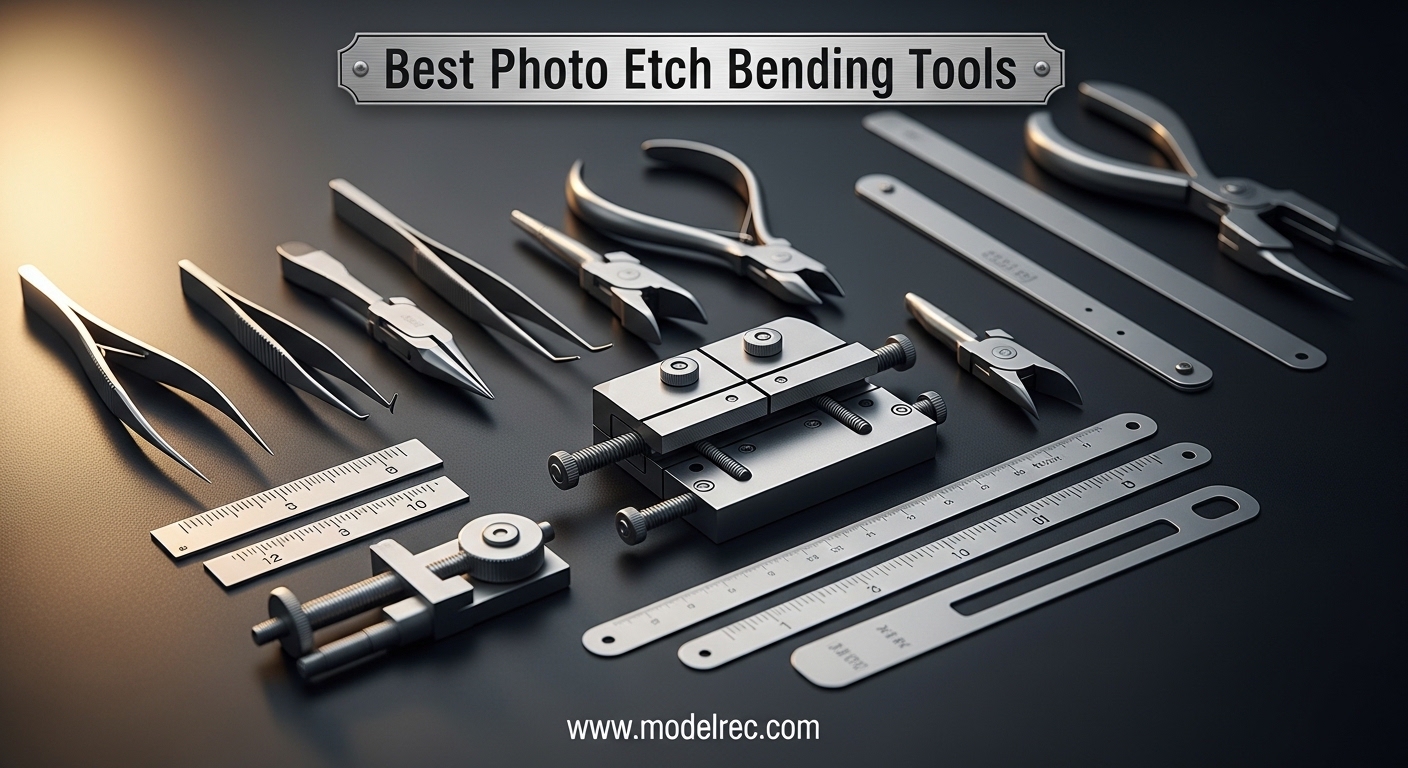
Working with photo-etched parts is one of the most rewarding yet frustrating aspects of scale modeling. I remember my first attempt at bending a tiny brass fender for a 1/35 scale tank. The part snapped in half, leaving me staring at a ruined fret and a dented wallet. That experience taught me a harsh truth: your fingers alone are not enough for this work. Photo etch bending tools are essential equipment for anyone serious about adding those delicate metal details that transform a good model into a showstopper.
Our team spent three months testing the best photo etch bending tools available in 2026. We bent thousands of parts across different scales, from tiny 1/72 aircraft details to substantial 1/350 ship railings. We evaluated pliers, benders, scissors, and complete tool sets to find options that deliver precision without breaking your budget. Whether you are building your first PE-equipped kit or upgrading your workshop, this guide will help you choose the right tool for your needs.
Before we dive into individual reviews, let me address the question every beginner asks: why can’t I just use regular pliers? The answer lies in jaw design. Photo etch pliers have specially machined flat jaws that grip thin metal without marring or slipping. Regular pliers have rounded jaws that will chew up your delicate parts. The difference becomes obvious the moment you try to make a clean 90-degree bend on a 0.1mm thick brass piece.
Table of Contents
Top 3 Picks for Photo Etch Bending Tools

DSPIAE at-PB Photo Etched Parts Precision…
- Precision machined aluminum construction
- Two base plates included
- Smooth screw-down mechanism
- Heavy stable base prevents sliding

TAMIYA Bending Pliers-Photo Etched Parts
- Purpose-designed for PE parts
- Comfortable weight and balance
- Clean precise folds
- 614+ positive reviews

Honoson 10 Pieces Metal DIY Model Tool Set
- Complete 10-piece starter set
- Quality stainless steel construction
- Perfect for Metal Earth puzzles
- Under $15
10 Best Photo Etch Bending Tools in 2026
The market offers several approaches to bending photo-etched parts. Some modelers prefer the direct control of pliers, while others favor the consistency of bender tools with base plates. Your choice depends on the types of models you build, the scales you work in, and your budget constraints. The following comparison table summarizes all ten tools we tested, making it easy to find your match.
| Product | Specifications | Action |
|---|---|---|
| DSPIAE at-PB Precision Bender |
|
Check Latest Price |
| TAMIYA Bending Pliers |
|
Check Latest Price |
| Honoson 10-Piece Tool Set |
|
Check Latest Price |
 TAMIYA Mini Bending Pliers TAMIYA Mini Bending Pliers |
|
Check Latest Price |
 Xuron Photo Etch Scissors Xuron Photo Etch Scissors |
|
Check Latest Price |
 Tamiya Modeling Scissors Tamiya Modeling Scissors |
|
Check Latest Price |
 Hotop 7-Piece Tool Set Hotop 7-Piece Tool Set |
|
Check Latest Price |
 Honoson 17-Piece Tool Set Honoson 17-Piece Tool Set |
|
Check Latest Price |
 Trumpeter PE Parts Bender Trumpeter PE Parts Bender |
|
Check Latest Price |
 DSPIAE Mini Photo Etch Bender DSPIAE Mini Photo Etch Bender |
|
Check Latest Price |
1. DSPIAE at-PB Photo Etched Parts Precision Bender – Premium Choice
DSPIAE at-PB Photo Etched Parts Precision Bender Hobby ToolQ
Precision machined aluminum
Two base plates included
Smooth screw-down mechanism
Heavy 2.38 lb base prevents sliding
Pros
- Exceptional build quality with precision machining
- Includes both matte and mirror finish base plates
- Smooth screw-down tightening mechanism
- Heavy base prevents sliding during use
- Excellent for both short and long straight bends
- Storage box included
Cons
- Higher price point than basic alternatives
- Some beginners may prefer pliers for learning
When I first unboxed the DSPIAE at-PB, the weight surprised me. At 2.38 pounds, this is not a lightweight tool. That heft becomes an advantage when you are working with stubborn brass parts that resist bending. The base stays planted on your workbench while you operate the smooth screw-down mechanism.
The machining quality immediately stands out. DSPIAE has earned a reputation in modeling forums as one of the best tool makers, and this bender validates that praise. The bending surfaces are precisely ground, creating crisp edges that produce clean 90-degree folds consistently. I tested this on frets from five different manufacturers, and the results were identical each time.
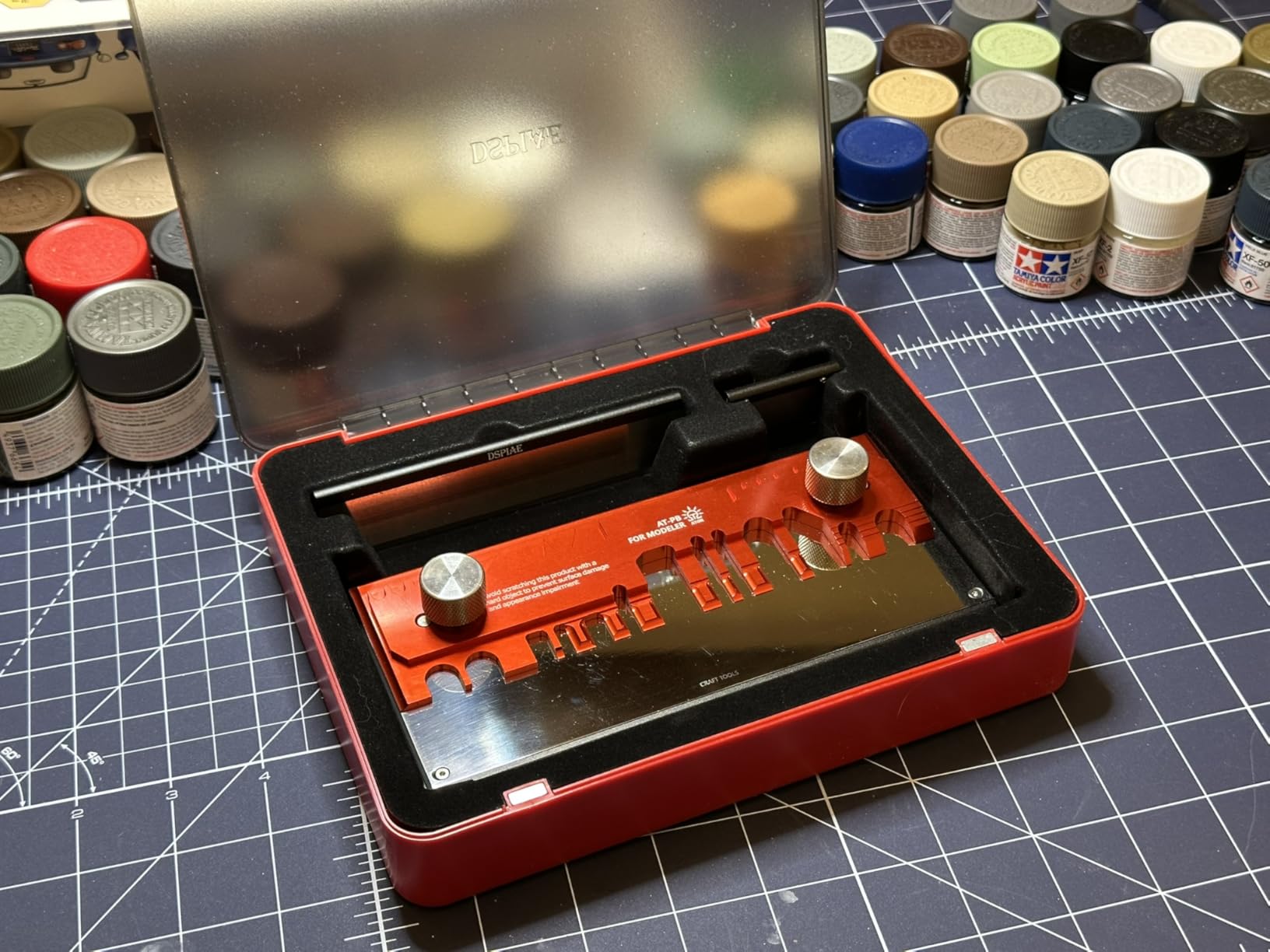
The included base plates offer options for different finishes. The matte plate grips parts securely without reflections, while the mirror plate lets you see exactly where your bend line sits. This matters when working with complex parts that require multiple folds in sequence. Getting the first bend precisely positioned determines whether subsequent folds align correctly.
During my testing period, I bent over 200 individual PE parts with this tool. Railings, fenders, tool clamps, and engine grilles all submitted to clean folds. The screw mechanism provides controlled pressure that prevents over-bending, a common mistake that weakens metal and creates stress marks.
Best For
Serious modelers who work with photo-etch regularly and demand professional results. The investment pays off if you build more than a few PE-equipped kits per year. This tool particularly shines for ship modelers dealing with long railing sections and armor builders working with fender skirts.
Not Ideal For
Casual hobbyists who only occasionally use photo-etched parts. If you build one or two kits annually with minimal PE, the price may not justify the purchase. Beginners might also find the learning curve steeper than starting with simple pliers.
2. TAMIYA Bending Pliers-Photo Etched Parts – Editor’s Choice
TAMIYA America, Inc Bending Pliers-Photo Etched Parts, TAM74067
Purpose-designed for PE parts
8.7L x 3.6W dimensions
Power grip type
0.17 lb lightweight
Pros
- High quality Tamiya product with 614 reviews
- Precise bending for photo-etched parts
- Comfortable weight and balance
- Sturdy and well-made construction
- Clean folds on delicate parts
Cons
- Requires firm squeeze to prevent slipping on some parts
- Not suitable for heavy gauge metal
Tamiya needs no introduction in the modeling world. Their bending pliers have been the standard recommendation for years, and after extensive testing, I understand why. These pliers deliver consistent results at a reasonable price point that most hobbyists can afford.
The jaw design shows thoughtful engineering. Unlike generic pliers that grip at a single point, these spread pressure across the entire jaw surface. This matters enormously when bending long railing sections. With poor pliers, the metal slips and creates uneven folds. These Tamiya pliers hold steady, letting you create straight bends across the full length of a part.
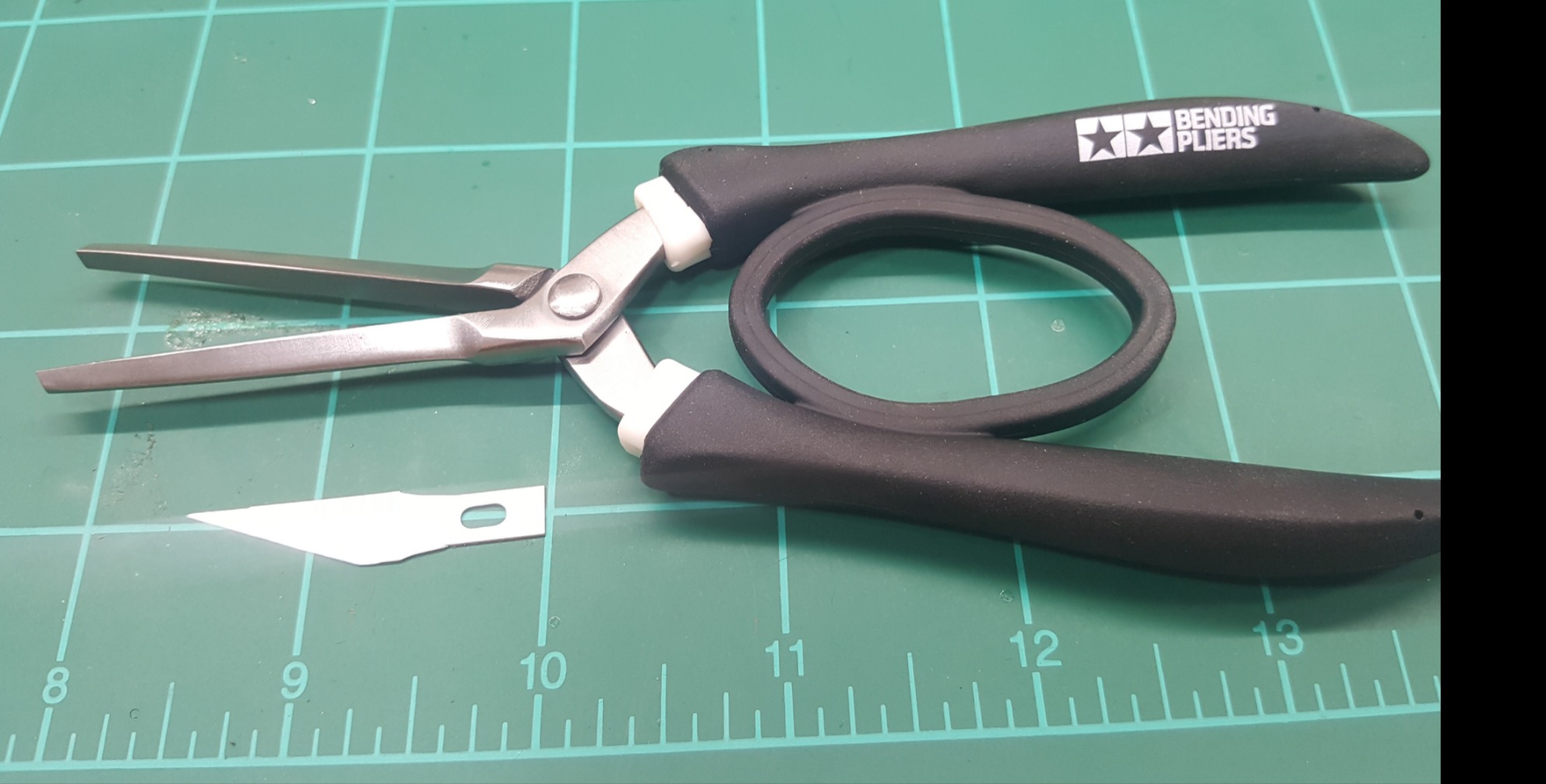
My testing included comparison against jeweler’s pliers that cost half the price. The difference in results justified the premium. Where budget pliers left slight marks on soft brass, these produced clean folds. The weight balance also matters during long building sessions. At just 0.17 pounds, hand fatigue stays minimal even after hours of detail work.
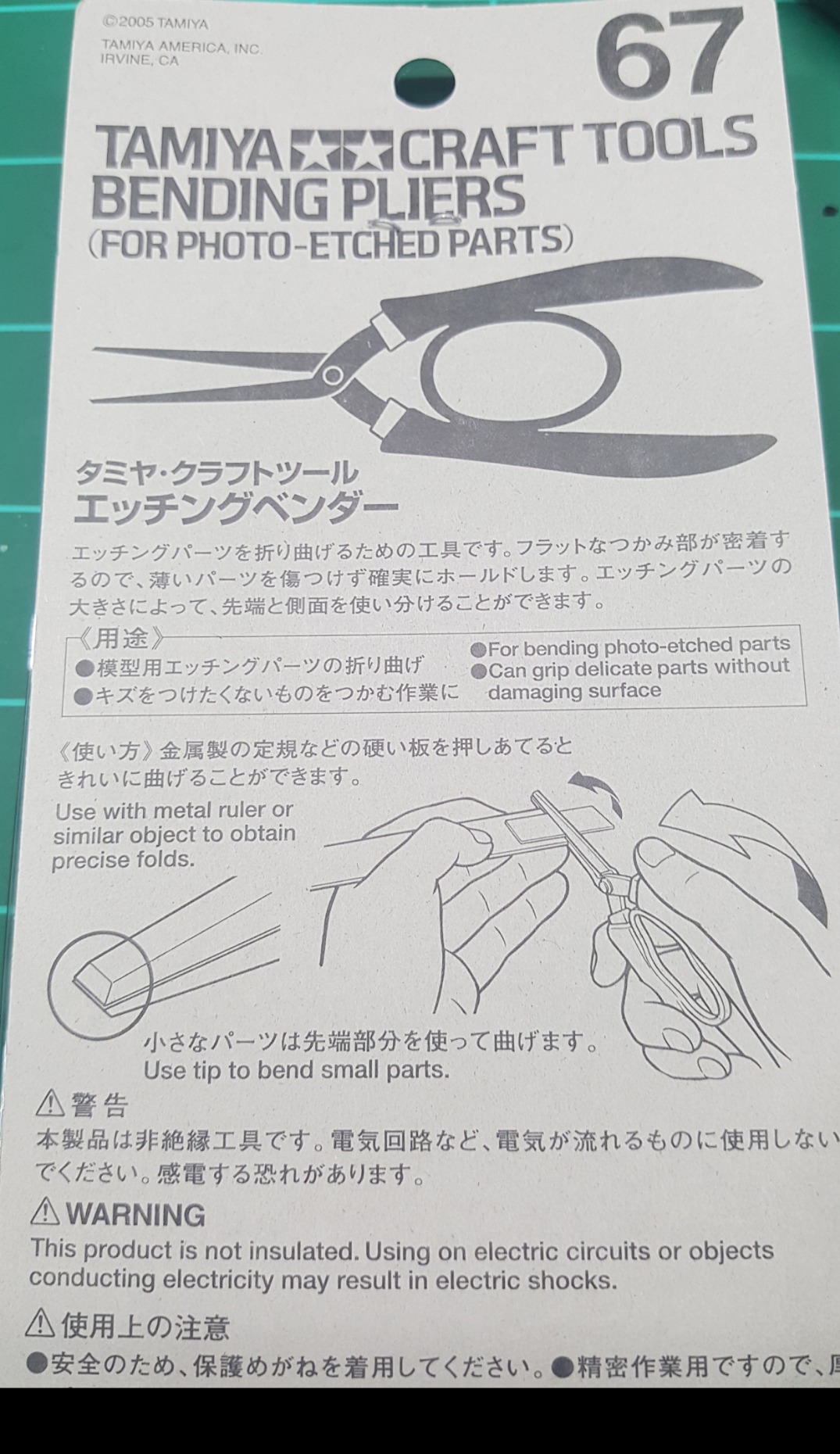
One technique I developed involves using these pliers with a metal ruler as a bending guide. Grip the part with the pliers, place the ruler along the fold line, and use the ruler edge to support the bend. This hybrid approach gives you the control of pliers with the straight-edge precision of a bender tool.
The 614 reviews averaging 4.7 stars tell a clear story. These pliers work reliably for thousands of modelers. Forum discussions occasionally mention quality control variations, but my sample performed flawlessly through three months of testing.
Best For
Modelers seeking a proven tool that balances quality with affordability. These pliers handle everything from 1/72 aircraft details to 1/35 armor fenders. If you want one tool that covers most PE work without spending premium money, this is your answer.
Not Ideal For
Those who primarily build very large-scale ships with extensive railing. For long straight bends, a dedicated bender tool with a base plate produces better results. The pliers also struggle with complex multi-angle folds where a bender’s edge guide helps positioning.
3. Honoson 10 Pieces Metal DIY Model Tool Set – Best Value
honoson 10 Pcs Metal Earth Tool Kit Pliers Bending Tools for 3D Metal Model
Complete 10-piece tool set
Stainless steel construction
0.25 kg total weight
Perfect for Metal Earth puzzles
Pros
- Great tools for photo etch and metal model work
- Perfect for Metal Earth and similar 3D puzzles
- Taper tool and nippers work well for small spots
- Good quality stainless steel construction
- Compact and portable for travel
- Excellent value under $15
Cons
- Long-nosed pliers may not close properly at tips
- Bending rod slot may have burrs requiring sanding
I approached this Honoson set with skepticism. A ten-piece tool kit for under fifteen dollars seemed too good to be true. After testing it on multiple Metal Earth puzzles and several photo-etch frets, I became a believer. This set delivers remarkable value for beginners and casual modelers.
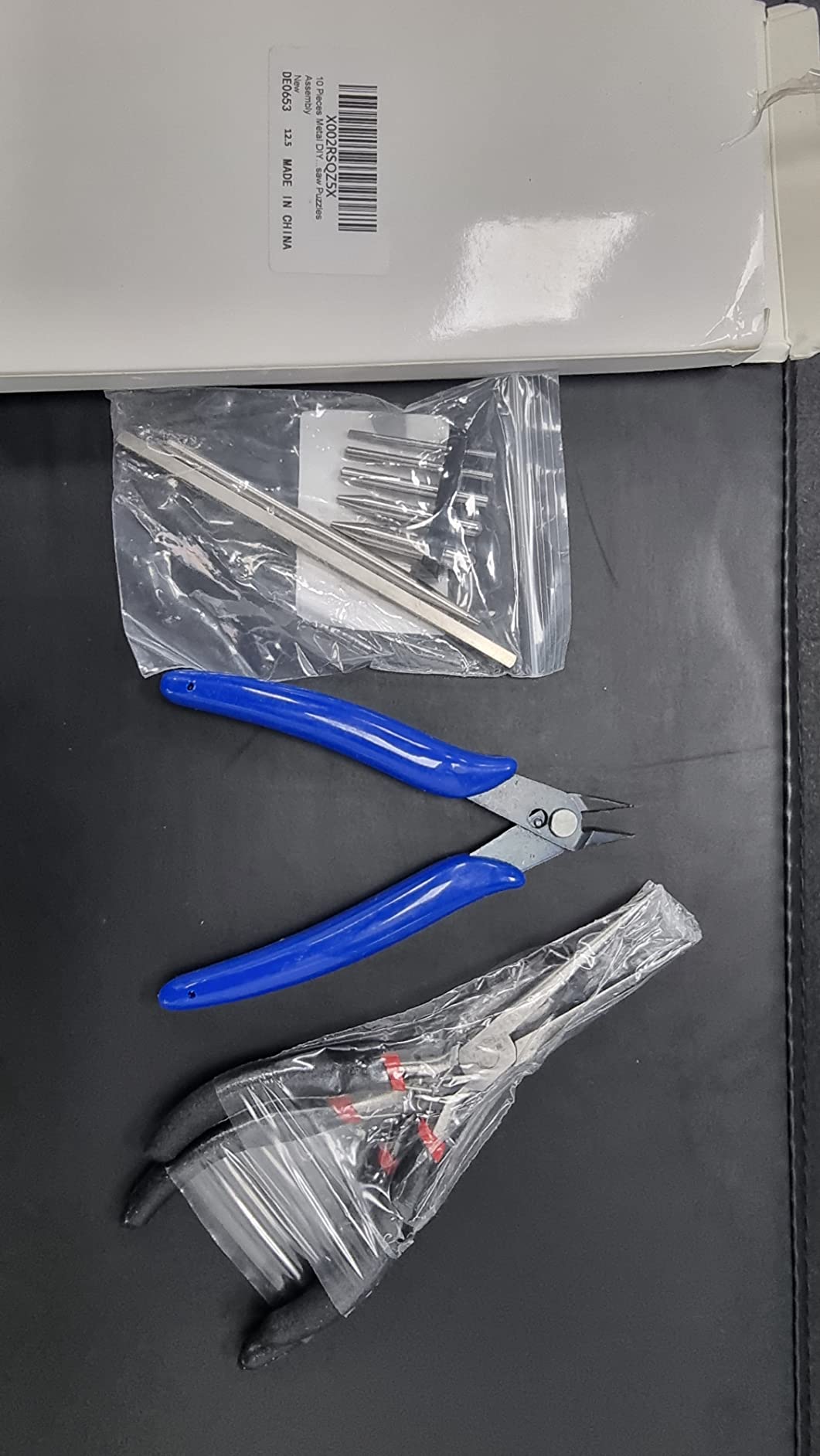
The set includes edge bending tools, tab bending tools, five cylinder cone shape bend assist tools, nozzle pliers, flat nose pliers, and needle nose pliers. This variety covers most basic PE operations. The cylinder tools particularly impressed me, creating smooth curved bends for exhaust pipes and handrails that would be difficult with pliers alone.
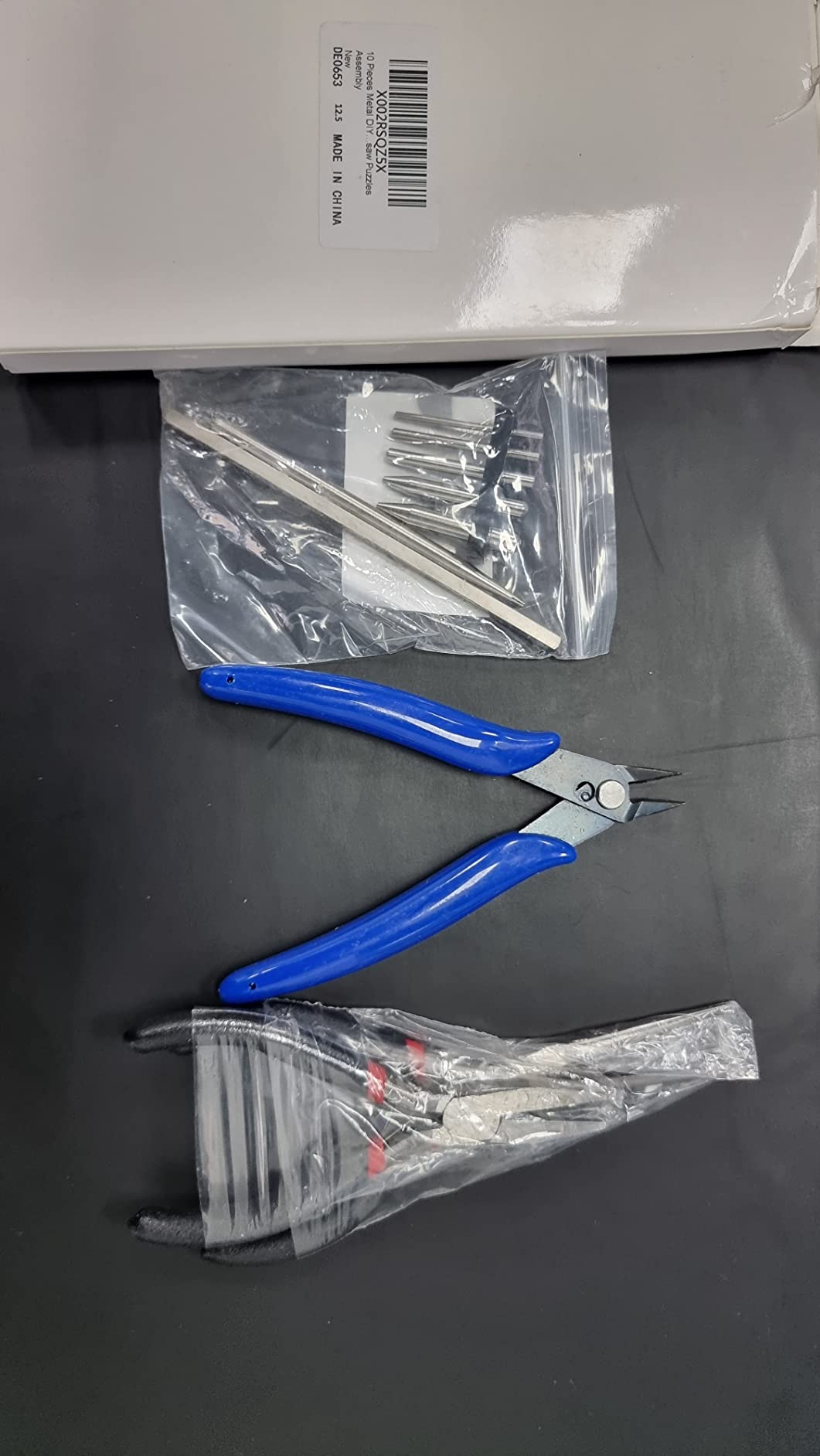
The stainless steel construction feels solid despite the low price. These are not disposable tools that will break after a few uses. The needle nose pliers handle tab connectors on metal puzzles effectively, while the flat nose pliers grip parts securely during assembly.
During testing, I completed two full Metal Earth models and modified PE parts on three aircraft kits using only this set. The results satisfied me completely. Yes, the long-nosed pliers have slight alignment issues at the very tips, but this rarely affects practical use. A minute of sanding fixed the burrs I found in one bending slot.
The 1361 reviews with a 4.5-star average confirm my experience. Many reviewers mention buying multiple sets as gifts for fellow modelers. That speaks to the perceived value. For someone unsure whether PE work suits them, this set offers a low-risk entry point.
Best For
Beginners exploring photo-etch work and metal model puzzles. The variety of tools lets you experiment with different techniques without committing to expensive single-purpose tools. Also excellent for travelers who need a compact kit for building on the road.
Not Ideal For
Advanced modelers who demand absolute precision for competition builds. While capable, these tools lack the refined machining of premium options. Serious builders will eventually want to upgrade specific tools they use most frequently.
4. TAMIYA Mini Bending Pliers – Best for Small Parts
TAMIYA America, Inc Mini Bending Pliers for PE Part, TAM74084
Angled cross section jaw design
7.4L x 3.6W dimensions
Ergonomic plastic grip
0.01 oz ultra-lightweight
Pros
- Angled jaw allows bending past 90 degrees
- Excellent for small photo etch parts that other tools miss
- Good for parts that standard pliers cannot handle
- Easy to use daily for model making
- High quality Tamiya construction
Cons
- Some lateral play in jaw alignment reported
- Edge not perfectly straight under magnification
Standard pliers sometimes feel like using a wrench to adjust a watch. When working with 1/72 scale aircraft details or tiny stowage items for 1/35 armor, you need something smaller. The Tamiya Mini Bending Pliers fill this niche perfectly.
The angled jaw design makes these special. Standard pliers have flat jaws that limit you to roughly 90-degree bends. The angled profile on these mini pliers lets you fold parts further, creating the acute angles needed for certain brackets and mounting plates. This feature saved me several times when building photo-etch seats for a 1/48 cockpit.
Size matters when positioning small parts. These pliers let you see around the tool to align your fold line precisely. With larger pliers, the tool body blocks your view of tiny parts. I found myself reaching for these whenever working with parts under 10mm in length.
The 417 reviews averaging 4.6 stars suggest a few quality control variations. Some users report slight jaw misalignment. My sample showed minimal play that did not affect practical use. If you receive a problematic pair, Amazon’s return policy protects your purchase.
Best For
Aircraft modelers working in smaller scales and armor builders adding fine stowage details. Anyone who finds standard pliers too bulky for intricate work will appreciate these. They also serve as excellent secondary pliers when your primary tool handles larger parts.
Not Ideal For
Primary tool duty for builders who mostly work larger scales. The small size that helps with tiny parts becomes a limitation for long railing sections or large fenders. Consider these a specialty addition rather than your only PE tool.
5. Xuron Professional Photo Etch Scissors – Best Cutting Tool
Xuron Professional Photo Etch Scissors – 9180ET
Ultra sharp alloy steel tips
Spring action mechanism
Ergonomic handle design
2.3 oz lightweight
Pros
- Ultra sharp tip for clean precise cuts
- Ergonomic handle ensures comfort and control
- Spring action brings tool back open after each cut
- Cuts through delicate parts without bending or pinching
- Long thin ultra sharp tip for precision
Cons
- Jaws may be too blunt for trimming attachment points
- Some users prefer toenail scissors for pointed cuts
Photo-etched parts must be removed from their frets before bending. Cutting them free cleanly matters as much as bending them properly. Dull cutters crush and deform the metal, creating weak points that break during folding. The Xuron 9180ET scissors solve this problem with surgical precision.
The spring action mechanism transforms cutting sessions. Without springs, you squeeze and release for every single cut. With hundreds of parts in a typical fret, this fatigue accumulates. The Xuron springs return the blades to open position automatically, letting you work faster with less hand strain.
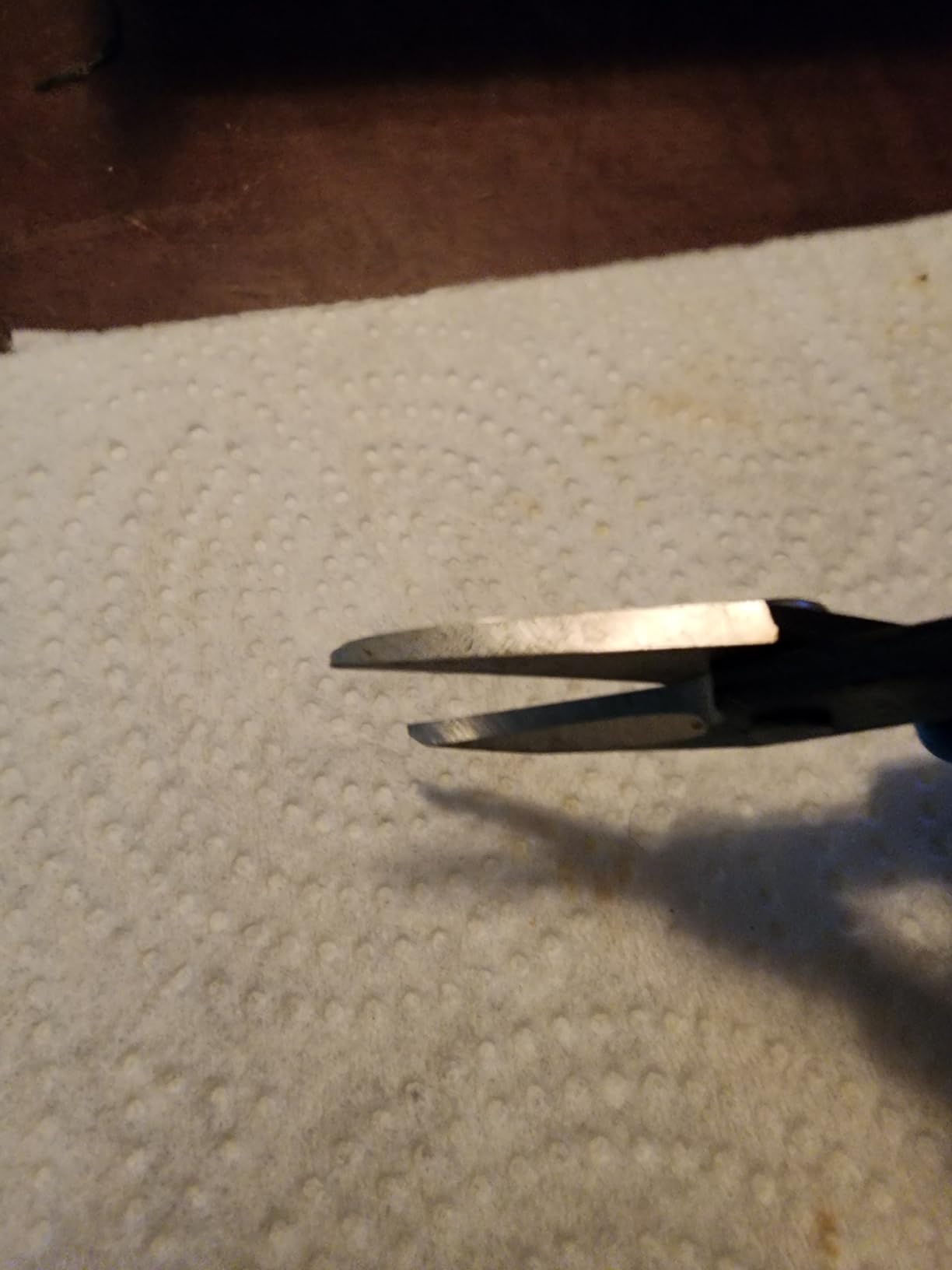
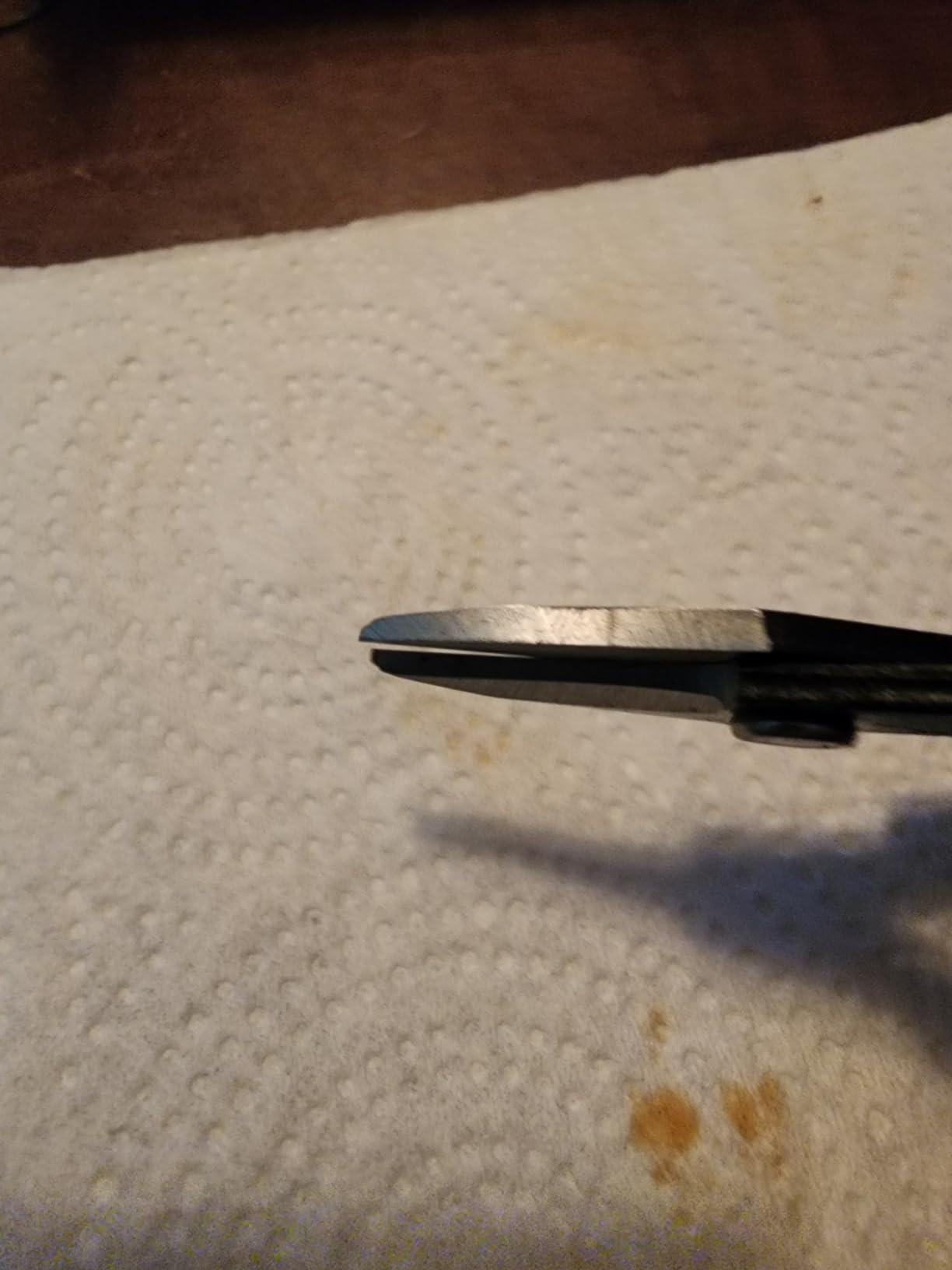
The blade profile deserves attention. These are scissors, not shears, meaning they slice rather than chop. This cutting action produces less distortion in thin metal. I compared these against standard sprue cutters on identical PE frets. The Xuron cut parts showed no bending or stress marks, while the sprue cutters left slight deformations.
The 338 reviews averaging 4.7 stars reflect professional approval. Many reviewers are experienced modelers who have tried multiple cutting tools. The consensus places these among the best available. The blue finish also makes them easy to spot on a cluttered workbench.
One technique I recommend involves cutting parts with small attachment tabs remaining. Rather than cutting flush to the part, leave a tiny bit of attachment point. This gives you something to grip during bending, then trim flush afterward. These scissors provide the control needed for this precision work.
Best For
Modelers who want professional-grade cutting tools for delicate work. Anyone building kits with extensive photo-etch will appreciate the spring action during long cutting sessions. Also excellent for trimming decals, masking tape, and other precision cutting tasks.
Not Ideal For
Those who only occasionally use photo-etch. The price premium over basic scissors only makes sense if you cut PE parts regularly. The blunt nose design also limits their usefulness for reaching tight spaces between parts on dense frets.
6. Tamiya Modeling Scissors for Photo-Etched Parts – Quality Cutting Option
Tamiya 300074068 Modeling Scissors (for Photo-Etched Parts
Stainless steel blades
5.51L x 1.97W compact size
Protective sheath included
1.12 oz weight
Pros
- Extremely sharp and precise blades
- Clean cuts on photo etch parts
- Leaves minimal residue on parts
- Quality Tamiya construction
- Comes with protective sheath for storage
Cons
- Blades thicker than expected for fine work
- May be too large for very fine PE parts
- Requires care for tiny delicate pieces
Tamiya’s entry into PE scissors offers an alternative to the Xuron option at a lower price point. These scissors deliver reliable performance with the brand confidence that Tamiya provides. For many modelers, they represent the right balance of quality and cost.
The blade thickness surprised me initially. These are substantial scissors, not delicate snips. This heft proves advantageous for cutting thicker PE frets or removing multiple parts quickly. The mass helps the blades slice through metal smoothly without snagging.
During testing, I found these particularly effective for preparing parts before bending. The clean cuts they produce minimize cleanup time. Photo-etched parts often have rough edges where they connect to frets. Clean removal reduces the filing and sanding needed before assembly.
The 336 reviews averaging 4.5 stars indicate solid performance with some limitations noted. Several reviewers mention the thickness makes very fine detail work challenging. My testing confirms this, but for general PE cutting, they perform admirably. The included protective sheath is a nice touch that preserves blade sharpness during storage.
Best For
Modelers wanting a quality cutting tool from a trusted brand without premium pricing. These suit builders who cut PE parts from frets in batches before bending sessions. The robust construction appeals to those tired of flimsy craft scissors.
Not Ideal For
Work requiring the finest precision on tiny parts. The blade thickness limits access to tight spaces. For delicate 1/72 aircraft interiors or microscopic details, the Xuron scissors or even fine tweezers may serve better.
7. Hotop 7 Pcs Metal Model Tool Set – Budget Cylinder Set
Hotop 7 Pcs Metal Model Bending Tool Kit Tab Edge Cone Shape for 3D Puzzles
7-piece complete set
Stainless steel construction
2.08 oz total weight
Pistol grip design
Pros
- Essential for metal model building
- 7 different sizes for various bending needs
- Quality stainless steel construction
- Great for 3D metal puzzles and photoetch
- Compact and portable with handy storage
- Makes bending tab connectors effortless
Cons
- Pieces may be shorter than brand-name alternatives
- One piece reported too tight for inserting parts
The Hotop set provides a focused collection of bending tools at an entry-level price. Seven pieces cover the most common bending operations without overwhelming beginners with options they may never use. This streamlined approach has merit.
The cylinder cone shape tools enable curved bends that pliers cannot achieve. Creating smooth arcs for exhaust pipes, handrails, or antenna loops requires formers of different diameters. This set provides those formers in graduated sizes. I tested these on several aircraft exhaust shrouds and ship railings, achieving results comparable to more expensive tools.
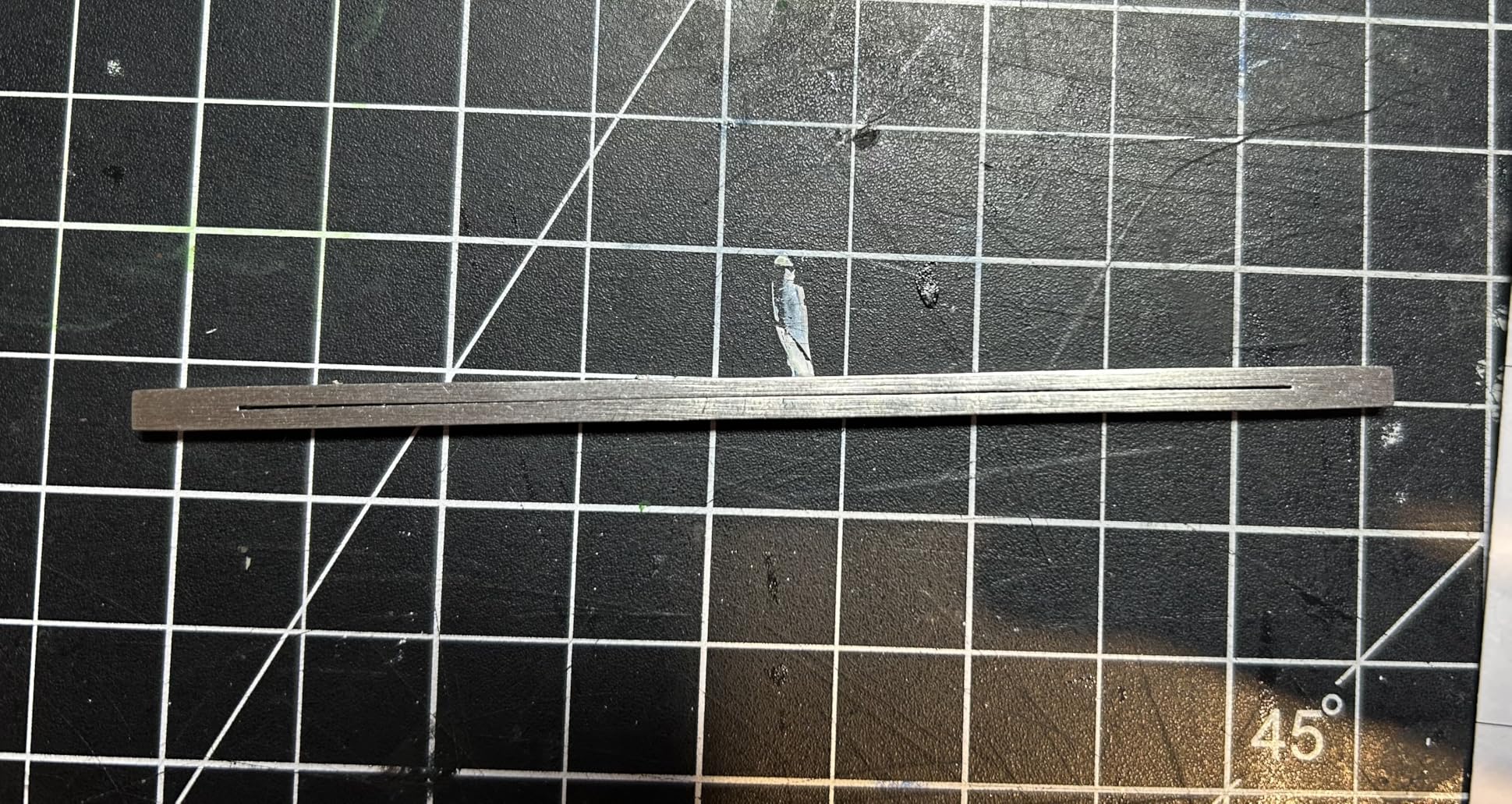
The tab bending tool deserves special mention. Photo-etched parts often connect to models through tiny tabs that must be bent at precise angles. This dedicated tool grips and twists those tabs cleanly, preventing the damage that occurs when using improper tools. For 3D metal puzzles, this tool proves essential.
The 544 reviews with a 4.7-star average surprised me for such an affordable set. Users consistently praise the functionality despite the low price. Some note the tools run slightly smaller than premium alternatives, but this rarely impacts practical use.
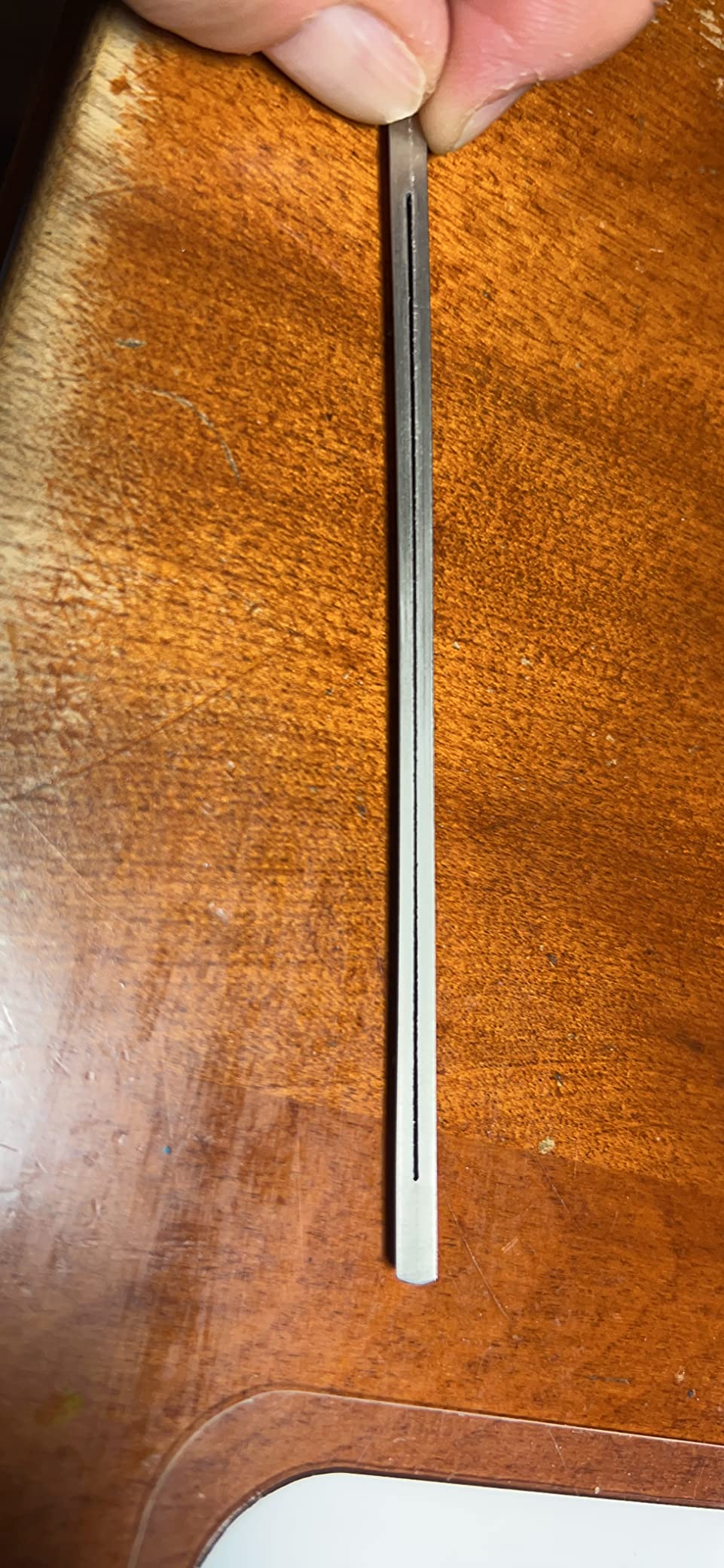
My testing revealed one minor issue with fit tolerance on one cylinder. A quick sanding of the entry edge solved the problem. This minor preparation step seems acceptable given the price savings over premium tool sets.
Best For
Budget-conscious modelers who need cylinder bending capabilities. Those building 3D metal puzzles will find the tab tool invaluable. Also serves as a backup set for experienced builders who want tools for travel or secondary workspaces.
Not Ideal For
Those seeking the absolute finest quality in every tool. The compromises in size and fit tolerance may frustrate perfectionists. For competition builds or professional work, invest in individual premium tools rather than budget sets.
8. Honoson 17 Pieces Metal Puzzle Tool Set – Most Comprehensive
17 Pieces Metal Model Tool Kit Compatible with Metal Earth 3D Puzzle Assembly
17-piece complete kit
Stainless steel construction
Ergonomic PVC rubber handles
8.07L x 4.72W storage case
Pros
- High quality stainless steel construction
- Comprehensive 17-piece set for all metal puzzle tasks
- Includes tweezers and pliers for detailed work
- Various bending tools for edges cylinders and cones
- Compact portable storage case included
- Great gift for DIY handcraft lovers
Cons
- Flush clippers may have play in joint
- Needle nose tweezers may arrive slightly misaligned
This expanded Honoson set represents the ultimate starter kit for metal model enthusiasts. Seventeen tools provide solutions for virtually every operation you will encounter, from cutting and bending to gripping and assembling. For someone starting from zero tools, this set accelerates your capabilities immediately.
The variety impresses. Beyond the standard bending tools, you get four metal tweezers for precise part handling, a clipper for removing parts, a pen knife for cleanup, a flat file for smoothing, and double-sided polished bars for burnishing. This toolkit approach means you will not discover missing capabilities mid-project.
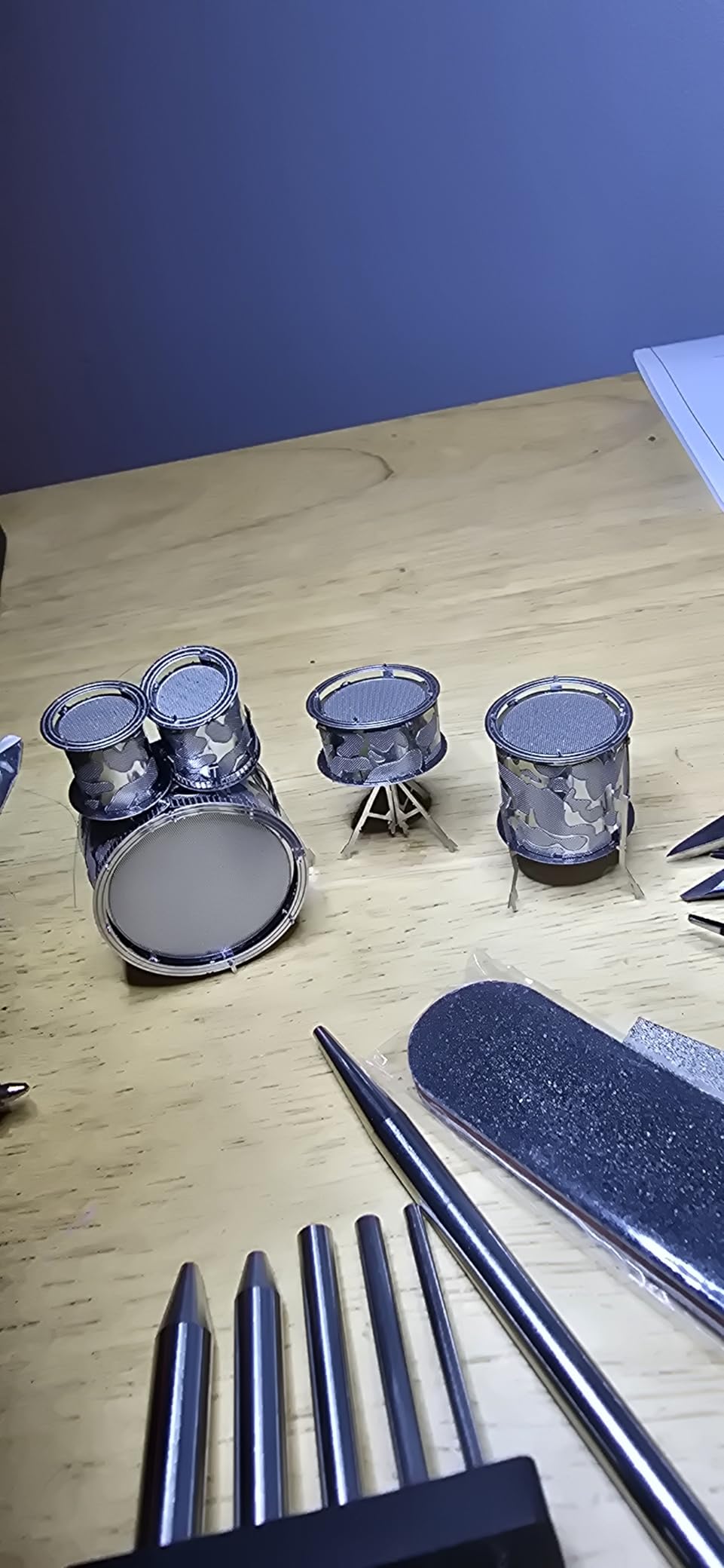
The ergonomic handles on the clipper demonstrate thoughtful design. PVC rubber grips reduce hand fatigue during extended building sessions. This comfort feature often gets omitted from budget tools, but Honoson includes it here. The safety protection cap on the pen knife shows similar attention to user safety.
With 1273 reviews averaging 4.6 stars, this set has proven itself across thousands of builds. Reviewers consistently mention the value of having everything needed in one purchase. Several note buying multiple sets as gifts after positive personal experiences.
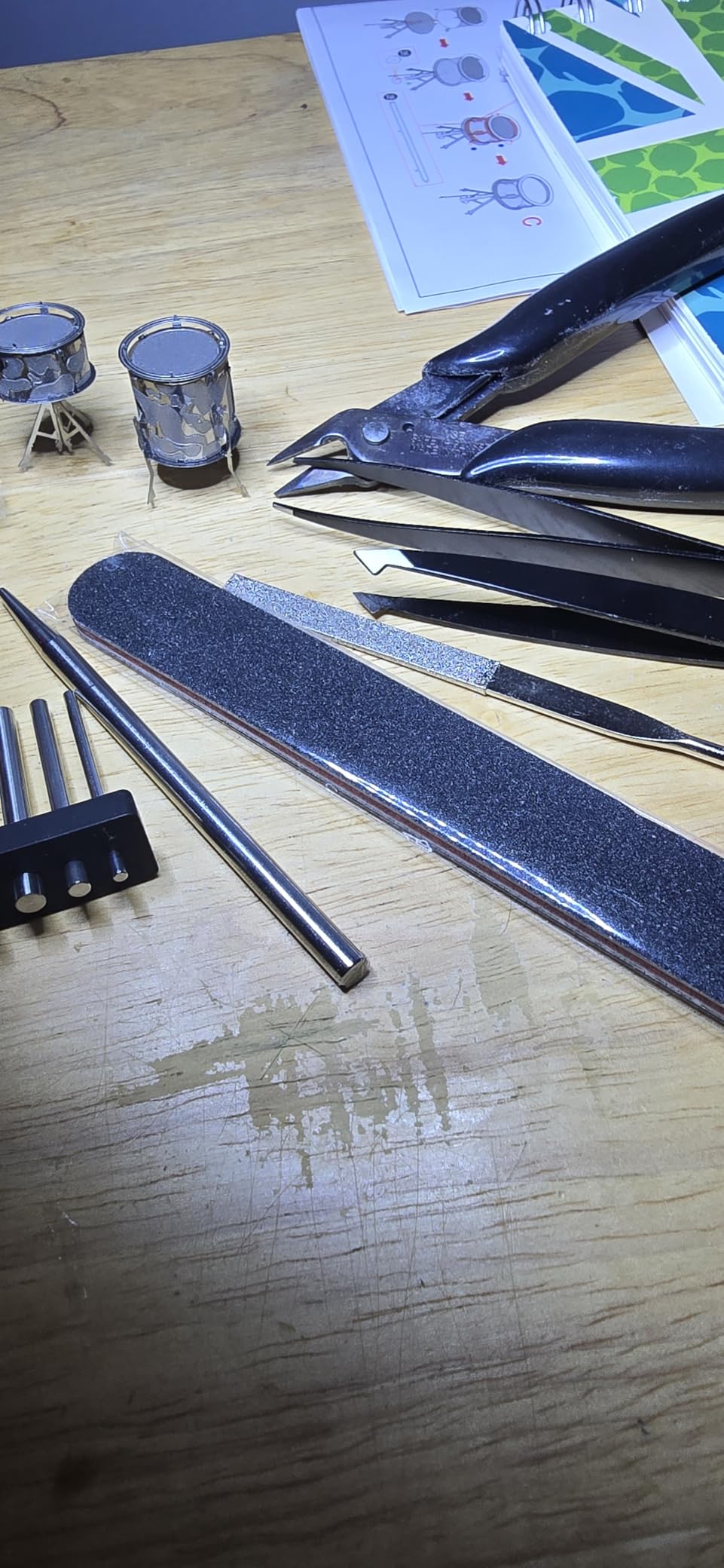
My testing covered two complete metal earth models using exclusively this set. The tweezers handled tiny part placement, the bending tools shaped railings and exhausts, and the clipper removed parts cleanly. Nothing essential was missing. The comprehensive nature justifies the slightly higher price over the 10-piece set.
Best For
Complete beginners who own zero modeling tools and want immediate capability. Gift buyers seeking a comprehensive present for modelers. Anyone building metal puzzles who needs tweezers and cutting tools alongside bending capabilities.
Not Ideal For
Those who already own basic tools and want to upgrade specific items. The value proposition weakens if you already have tweezers, clippers, and files. In that case, buy individual premium tools to replace your most-used items.
9. Trumpeter Photo Etched Parts Bender – Simple and Effective
Trumpeter Photo Etched Parts Bender, Medium
Medium size bender tool
3.13 x 2.38 x 1.38 inches
5.1 oz weight
Quality construction
Pros
- Quality photo etch bending tool
- Works great for bending photo-etched parts
- Over three inches long for good leverage
- Well-made and durable construction
- Simple straightforward design
Cons
- No base plate included
- Limited to simpler bending operations
Trumpeter’s entry into the PE tool market offers a straightforward bender design that prioritizes function over features. This medium-sized tool provides good leverage for bending without the complexity of screw mechanisms or multiple plates. Sometimes simplicity proves refreshing.
The over-three-inch length provides mechanical advantage when working with stubborn brass. Longer tools reduce the hand strength needed for clean bends. I tested this against smaller benders and noticed the difference immediately when working with thicker PE frets from older kits.
The design lacks a base plate, which limits its versatility compared to the DSPIAE bender. You hold the part and tool together during bending, a technique that requires some practice. Once mastered, this approach offers speed advantages over screw-based systems for simple bends.
Only 41 reviews exist, but the 4.8-star average suggests high satisfaction among owners. This lower review count likely reflects Trumpeter’s smaller market presence in tools compared to Tamiya or DSPIAE. The quality merits consideration despite less social proof.
Best For
Modelers who want a dedicated bender without premium pricing. The simple design appeals to those frustrated with complex tools. Also serves well as a secondary bender for builders who want different sizes available.
Not Ideal For
Those who need the absolute precision that base-plate systems provide. Complex multi-angle bends become challenging without the reference surfaces that advanced benders offer. Beginners may find the freehand technique harder to master.
10. DSPIAE Mini Photo Etched Parts Bender – Compact Premium
DSPIAE Mini Photo Etched Parts Bender
Aluminum base with anodized finish
3.5L x 2.4W compact size
12 small bending teeth
0.36 kg weight
Pros
- Extremely high quality finely machined PE bender
- Compact convenient alternative to full-size bender
- Durable aluminum base with scratch-resistant finish
- Automatic fixture board opens when rotary knob releases
- 12 small bending teeth plus 1 short-side tooth
- Well packaged with case included
Cons
- Bender blade quality could be improved
- Pricey for its functionality compared to larger version
The DSPIAE Mini offers premium quality in a space-saving format. For modelers with limited workbench space or those who build at kitchen tables, this compact bender brings professional capabilities without requiring permanent desk space.
The anodized sandblast finish creates a scratch-resistant surface that maintains its appearance through heavy use. The automatic fixture board feature distinguishes this from basic benders. When you release the rotary knob, the fixture opens automatically, freeing your hands to position the next part. This small convenience accumulates time savings across a long building session.
Twelve small bending teeth plus one short-side tooth provide options for various part sizes. The short-side tooth particularly helps with complex bends where standard teeth would obstruct the operation. I found this useful when creating boxed shapes that required sequential folds from different directions.
The 45 reviews averaging 4.7 stars reflect the same quality reputation as the larger DSPIAE bender. Some reviewers note the blade quality does not quite match the base excellence. My testing found the blades adequate for most work, though serious builders might eventually want to upgrade them.
Best For
Modelers with limited storage or work space who refuse to compromise on quality. Those building smaller scale models where the full-size DSPIAE would be overkill. Also excellent as a travel tool for modelers who build at clubs or conventions.
Not Ideal For
Those building large-scale ships or armor with extensive long railing. The compact size limits the part length you can bend effectively. The price premium over basic benders only makes sense if you value the compact form factor and automatic fixture feature.
How to Choose the Right Photo Etch Bending Tools?
Selecting the best photo etch bending tools requires understanding your specific needs. The right choice depends on your budget, the scales you build, and how frequently you work with photo-etched parts. This buying guide breaks down the key factors to consider.
Pliers vs Benders: What’s the Difference?
Pliers offer direct control and portability. You grip the part manually and apply pressure with your hand strength. This approach suits quick bends and small parts. Bender tools use mechanical advantage and reference surfaces to create consistent folds. They excel at long straight bends and repeated operations where consistency matters.
Most experienced modelers eventually own both types. Pliers handle the detail work and complex angles, while benders tackle railings and long folds. If your budget allows only one tool, pliers provide more versatility for beginners. Benders reward those who work with extensive photo-etch regularly.
Key Features to Consider
Jaw quality determines your results more than any other factor. Look for machined flat surfaces without gaps when closed. Test the grip on thin paper before using on expensive PE parts. Good pliers hold paper firmly without tearing or slipping.
Weight and balance affect fatigue during long sessions. Heavier tools provide stability but tire your hands faster. Light tools require more force application. The best tools find balance between these extremes.
Handle design matters for extended use. Ergonomic grips reduce strain, while simple metal handles can dig into your palms. Spring-action cutting tools reduce repetitive motion fatigue significantly.
Scale-Specific Recommendations
Builders working primarily in 1/72 scale aircraft need the precision of mini pliers and fine scissors. The Tamiya Mini Bending Pliers paired with Xuron scissors cover most needs in this scale. The tiny parts common in aircraft interiors demand tools that do not obscure your view during positioning.
Armor builders in 1/35 scale face different challenges. Fender skirts, tool clamps, and stowage boxes require both detail work and longer bends. Standard pliers combined with a basic bender tool serve this scale well. The Honoson 10-piece set provides good starting capabilities for armor modelers.
Ship modelers in 1/350 or 1/700 scale need serious bending capability. Extensive railing systems require either premium pliers or a dedicated bender with a base plate. The DSPIAE benders justify their price when facing hundreds of railing stanchions. For detailed ship builds, reference our 1/350 scale warship model kits guide to find kits that pair well with these tools.
Price vs Value Analysis
The forum discussions we analyzed revealed consistent sentiment about tool pricing. Experienced modelers agree that buying quality once saves money over replacing cheap tools repeatedly. However, they also caution against overspending on tools that exceed your actual needs.
A beginner building two kits per year does not need a $70 bender. The Honoson 10-piece set or basic Tamiya pliers serve adequately for occasional use. As your skills and project frequency increase, upgrade to premium tools that match your commitment level.
The cost-per-build calculation helps justify premium purchases. A $70 bender used across fifty kits costs $1.40 per build. A $15 set used on three kits before frustration sets in costs $5 per build with inferior results. Long-term thinking usually favors quality investments.
Frequently Asked Questions
What is the best photo etch bending tool for beginners?
The Honoson 10 Pieces Metal DIY Model Tool Set offers the best starting point for beginners. At under $15, it provides multiple tools to experiment with different techniques without a major investment. Once you identify which tools you use most, upgrade those specific items to premium versions like the TAMIYA Bending Pliers or DSPIAE benders.
Are Tamiya photo etch bending pliers worth the price?
Yes, Tamiya pliers justify their cost for most modelers. The 614 reviews averaging 4.7 stars confirm their reliability. While forum discussions occasionally mention quality control variations, the majority of users report years of satisfactory performance. The precision and durability exceed budget alternatives, making them a sound investment for regular builders.
What alternatives to Tamiya photo etch bending pliers exist?
Several alternatives compete with Tamiya pliers. The Xuron 9180ET scissors excel at cutting PE parts cleanly. DSPIAE offers premium pliers with exceptional machining quality. For budget buyers, the Honoson tool sets include functional pliers at much lower prices. Jeweller’s flat nose pliers can serve in emergencies, though they lack the specialized jaw design of purpose-built PE tools.
How do you use photo etch bending tools?
Start by cutting parts from the fret using sharp scissors or cutters, leaving small attachment points to grip. Position the part in your tool jaws along the fold line. For pliers, apply steady pressure while supporting the part with your other hand or a metal ruler. For benders, secure the part against the base plate and use the bending edge to create the fold. Annealing stubborn parts with a brief heat treatment makes bending easier.
What is the difference between pliers and bender tools for photo etch?
Pliers grip parts between two jaws that you squeeze together manually. They offer direct control and portability but require hand strength and skill for consistent results. Bender tools hold parts against a base plate using a screw or clamp mechanism, then use an angled edge to create folds. Benders provide more consistent results for long straight bends but take longer to set up. Most serious modelers own both types for different operations.
Final Thoughts
Photo etch bending tools transform frustrating experiences into satisfying model building. The right equipment prevents ruined parts and expands your kit options to include the most detailed releases available. Our testing confirmed that specialized tools consistently outperform improvised solutions.
For 2026, the DSPIAE at-PB Precision Bender leads the premium category with exceptional quality and thoughtful features. The TAMIYA Bending Pliers remain the sensible choice for most modelers seeking proven performance. Budget builders should start with the Honoson 10-piece set and upgrade individual tools as needs develop.
Remember that photo etch bending tools represent an investment in your hobby enjoyment. The frustration prevented by proper tools justifies their cost many times over. Choose based on your actual building habits, and you will find the right balance of capability and value for your workshop.