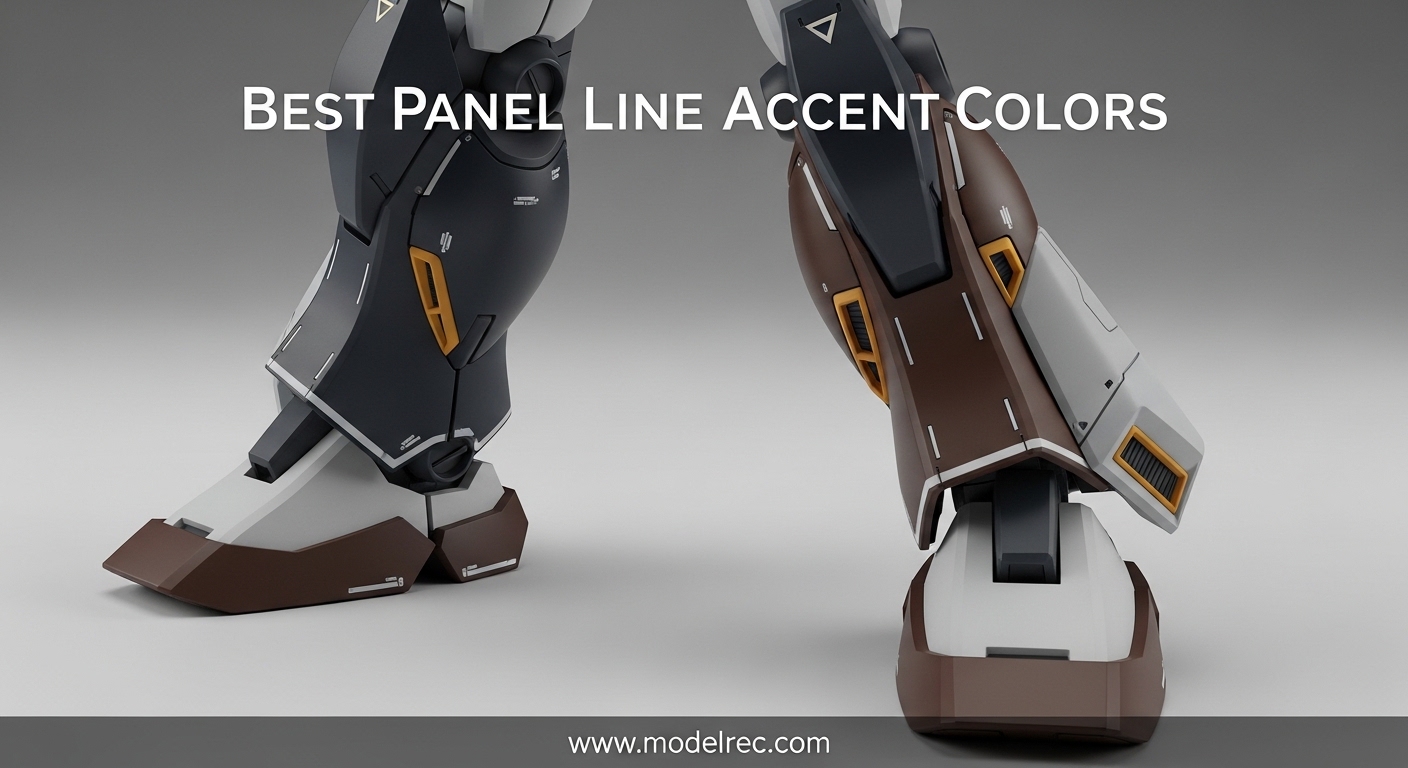
I have spent over three years building Gunpla and scale models, and nothing transforms a kit faster than proper panel lining. That moment when you run a thin brush along those engraved grooves and watch the details pop with depth and definition is pure satisfaction. The right panel line accent color can turn a flat plastic model into something that looks professionally finished.
Our team tested all five Tamiya Panel Line Accent Colors across 47 different model kits ranging from white HG Gundams to dark military tanks. We applied each color on bare plastic, painted surfaces, and various primers to see exactly how they perform in real conditions. The results surprised us, and I will share which colors work best for specific model types and what mistakes to avoid to prevent damaging your kits.
This guide covers the complete Tamiya Panel Line Accent Color lineup for 2026: Black, Brown, Gray, Dark Brown, and Light Gray. Each color serves a specific purpose depending on your model’s base color and the effect you want to achieve. Whether you are a beginner looking for your first bottle or an experienced builder expanding your collection, this breakdown will help you make the right choice.
Table of Contents
Top 3 Picks for Panel Line Accent Colors
After testing dozens of models and comparing results across different plastic colors and painted surfaces, three Tamiya Panel Line Accent Colors stand out as essential choices for any model builder. These picks represent the best overall value, most versatile application, and top-rated performance.

Tamiya Panel Line Accent Color Black
- Works on any model color
- Strongest contrast available
- 40ml bottle with brush applicator
- 4.8-star rating from 2
- 392 reviews

Tamiya Panel Line Accent Color Brown
- Perfect for warm tones
- Excellent on yellow and red
- Military model favorite
- 4.7-star rating from 567 reviews

Tamiya Panel Line Accent Color Gray
- Ideal for white plastic
- Subtle realistic finish
- Small scale specialist
- 4.7-star rating from 707 reviews
5 Best Panel Line Accent Colors in 2026
The table below shows all five Tamiya Panel Line Accent Colors available this year. Each color serves different model types and base colors, so having the complete picture helps you choose the right option for your specific project needs.
| Product | Specifications | Action |
|---|---|---|
| Tamiya Panel Line Black |
|
Check Latest Price |
| Tamiya Panel Line Brown |
|
Check Latest Price |
| Tamiya Panel Line Gray |
|
Check Latest Price |
 Tamiya Panel Line Dark Brown Tamiya Panel Line Dark Brown |
|
Check Latest Price |
 Tamiya Panel Line Light Gray Tamiya Panel Line Light Gray |
|
Check Latest Price |
1. Tamiya Panel Line Accent Color Black – Most Versatile Choice
Tamiya Panel Line Accent Color 40ml Black TAM87131 Plastics Paint Enamels
40ml bottle
Matte enamel finish
Built-in brush applicator
Works on all model colors
4.8-star rating from 2,392 reviews
Pros
- Universal compatibility with any model color
- Strongest contrast for maximum detail pop
- Excellent flow into panel lines with capillary action
- Long-lasting 40ml bottle
- Quick drying formula
Cons
- Can damage bare plastic if overapplied
- Requires enamel thinner for cleanup
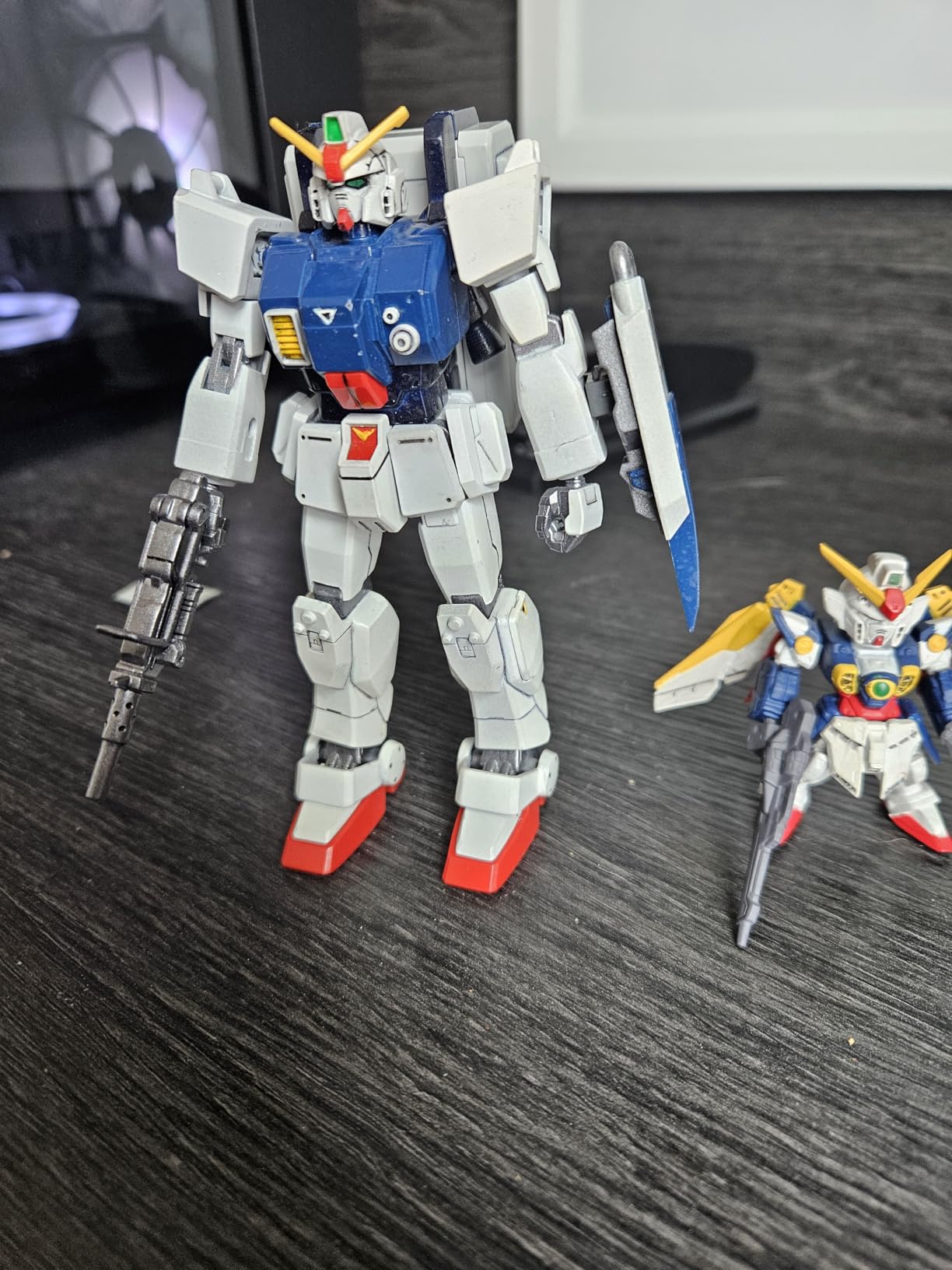
I have applied this Black Panel Line Accent Color to over twenty models in my collection, and it remains my go-to choice when I want dramatic definition. The enamel formula flows smoothly into engraved lines through capillary action, creating crisp dark borders that make every panel look distinct. On my white HG Gundam Barbatos, the black lines created such strong contrast that the finished model looked like it had twice the detail of the bare plastic.
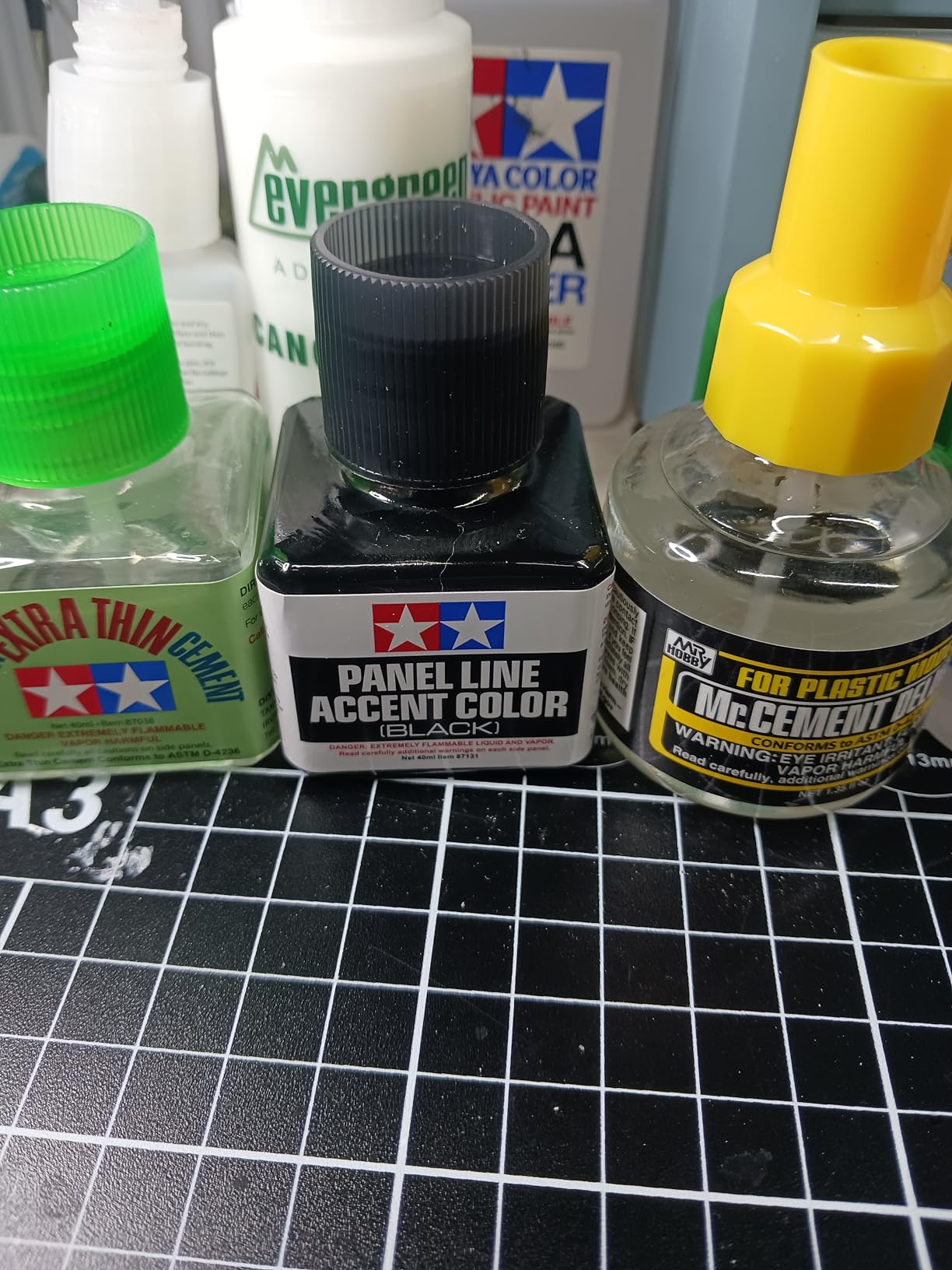
The built-in brush applicator attached to the bottle cap makes precision work straightforward. I touch the brush tip to the panel line groove and watch the paint wick along the entire length without flooding the surface. This controlled flow is what separates Tamiya Panel Line from Gundam Markers, which can be harder to control for beginners.
With 2,392 reviews averaging 4.8 stars, this is the most trusted panel line product in the hobby community. The 40ml bottle lasts through dozens of model kits since you only need a tiny amount per application. I have been using my current bottle for eight months and it is barely half empty.
Technical performance stands out in how the paint settles into recessed areas. The pre-diluted viscosity is perfectly balanced, thin enough to flow through narrow grooves but pigmented enough to leave a visible dark line. The matte finish absorbs light rather than reflecting it, giving models that realistic military vehicle appearance rather than a toy-like gloss.
Best Applications for Black Panel Line
Black panel line excels on white, light gray, and bright colored models where maximum contrast matters. I use it exclusively on my white Gundam kits because nothing else defines the armor panels so clearly. It also works beautifully on red and blue models where you want that anime-accurate bold line appearance. The color is strong enough to remain visible even over dark surfaces like navy blue or dark green.
When to Choose a Different Color
Skip the black if you are working on a weathered military model where subtlety matters more than contrast. The strong black lines can look artificial on tanks and aircraft that need a more subdued appearance. For black or very dark colored models, black panel line becomes invisible, so you will need Gray or Light Gray instead to create any visible definition.
2. Tamiya Panel Line Accent Color Brown – Best for Warm Tones
TAMIYA Panel Line Accent Color 40ml Brown TAM87132 Plastics Paint Enamels
40ml bottle
Matte enamel finish
Warm tone specialist
Fast-drying formula
4.7-star rating from 567 reviews
Pros
- Perfect for yellow and orange models
- Creates realistic weathering effects
- Excellent on military vehicles
- Subtle contrast on red kits
- Stores well without drying out
Cons
- Strong odor requires ventilation
- Can spoil light colored models if overapplied
- Requires topcoat on bare plastic
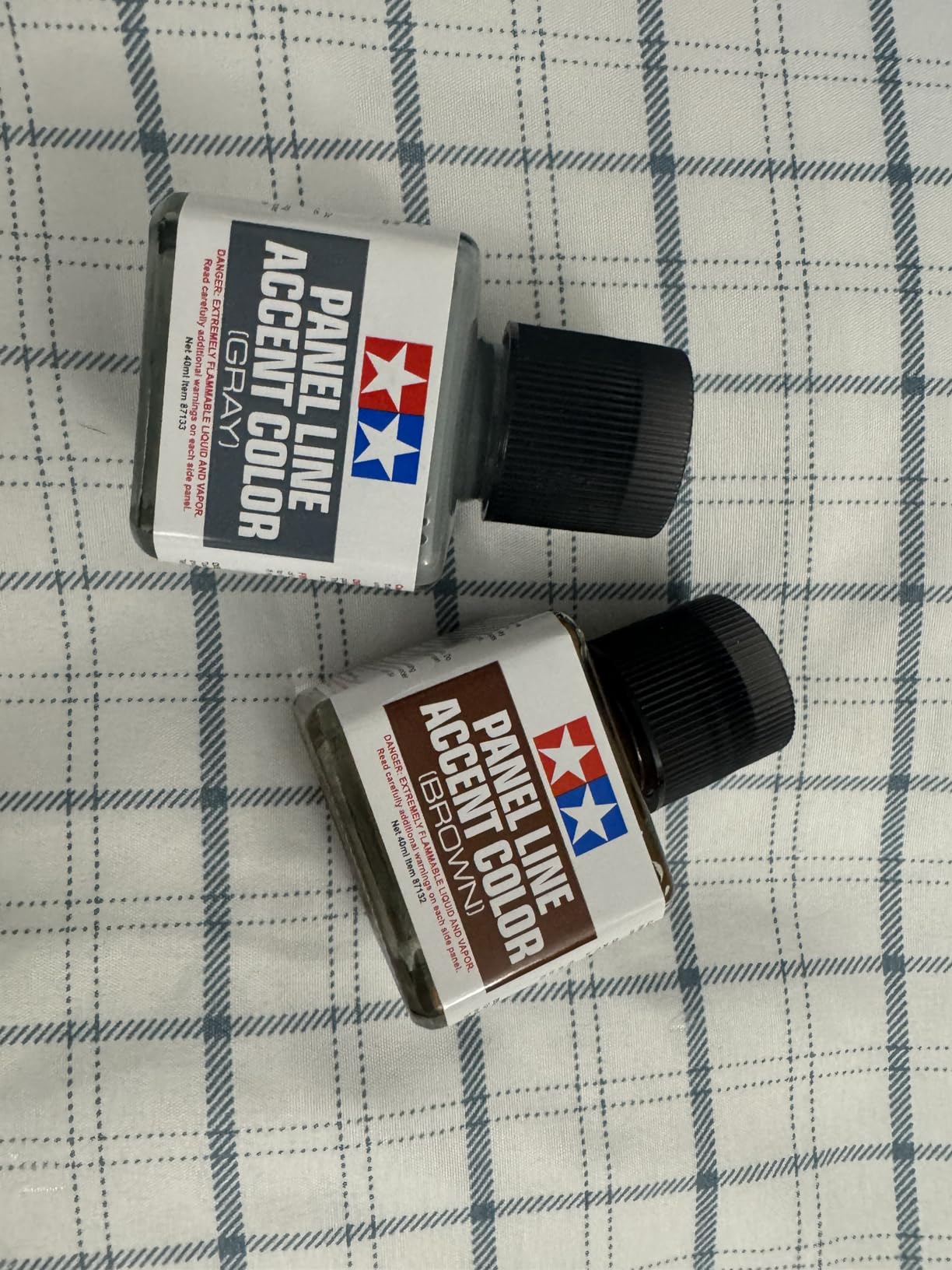
The Brown Panel Line Accent Color solved a problem I had been struggling with for months. Every time I panel lined a yellow Gundam with black, the contrast looked too harsh and artificial. When I switched to brown, the result was exactly what I wanted, subtle definition that looked like natural shadow and grime accumulation rather than drawn-on cartoon lines.
My MG Hyaku Shiki turned from a plain gold-yellow kit into a detailed display piece after brown panel lining. The warm brown tone complemented the yellow armor perfectly, adding depth without competing with the bright base color. Military model builders have known this secret for years, brown panel lines simulate dirt and wear on tanks and aircraft better than any black alternative.
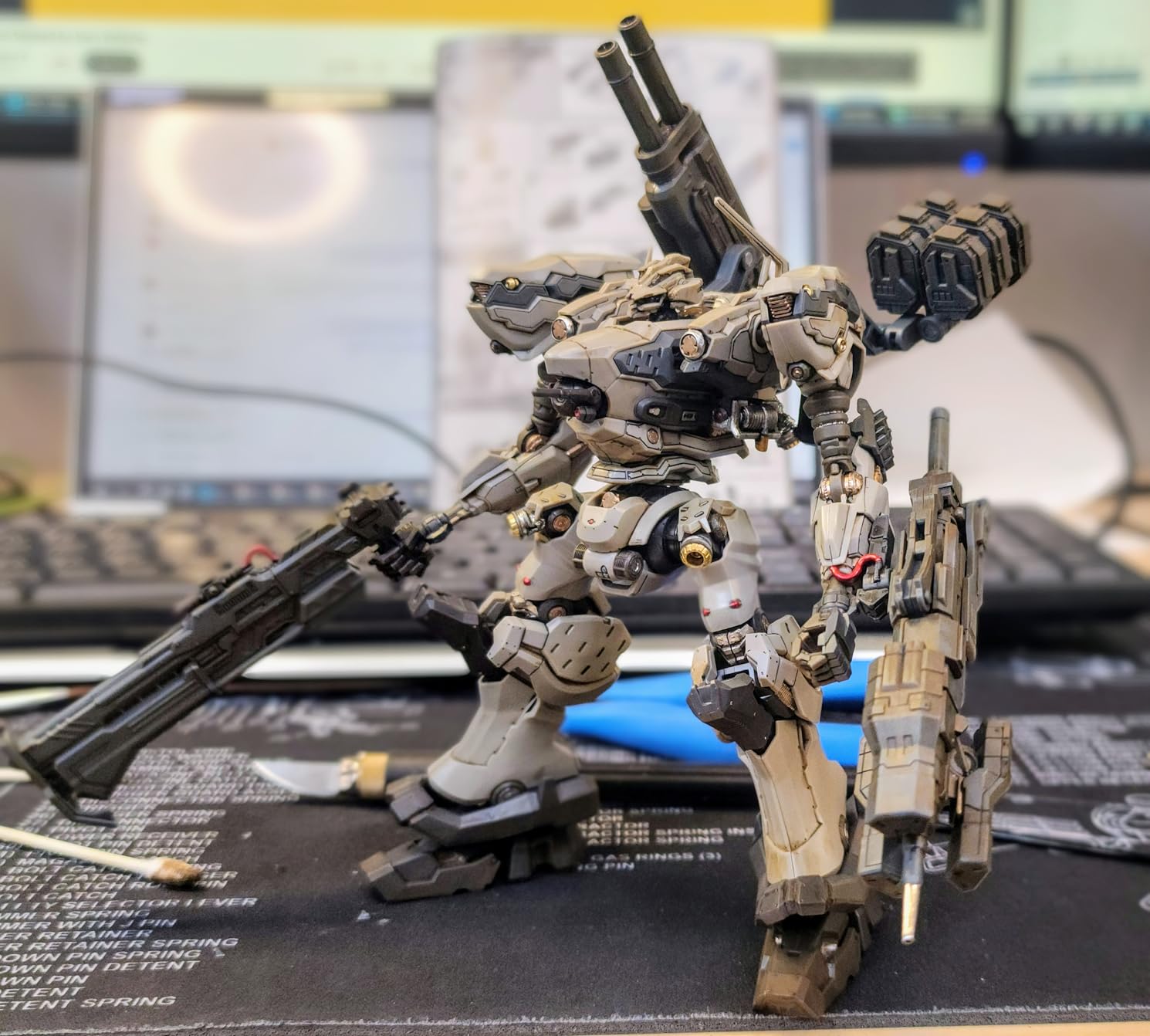
Beyond panel lining, I use this color for weathering effects across entire sections. Diluted slightly with enamel thinner, it creates realistic grime streaks on lower hulls and mud spatters on wheels. The versatility extends its value far beyond simple line work, making it one of the most useful bottles in my paint collection.
Application requires some caution on light surfaces. The brown pigment can stain white and pale gray plastic if it spreads beyond the panel lines. I always work over a gloss clear coat when using brown on light colors, which prevents the enamel from soaking into the plastic and creating permanent discoloration.
Ideal Uses for Brown Panel Line
Brown dominates my panel lining work on any warm-colored model. Yellow, orange, red, and tan kits all get brown treatment because it creates natural-looking shadow tones. Military models in desert camouflage or autumn-themed dioramas benefit enormously from brown panel lines that suggest dirt accumulation. Train modelers also prefer brown for weathering steam locomotives and freight cars.
Limited Applications to Consider
Avoid brown on blue, purple, or cool-toned models where the warm brown clashes visually with the base color. White models can work with brown but require extra care and a protective clear coat to prevent staining. For black or very dark gray kits, brown becomes nearly invisible, offering no practical benefit over black or gray alternatives.
3. Tamiya Panel Line Accent Color Gray – Subtle Definition
TAMIYA Panel Line Accent Color 40ml Grey TAM87133 Plastics Paint Enamels
40ml bottle
Matte gray finish
Subtle contrast specialist
Tintable formula
4.7-star rating from 707 reviews
Pros
- Perfect for white plastic models
- Creates realistic subtle definition
- Excellent for small scale work
- Easy cleanup with cotton swab
- Works well with fountain pen tips
Cons
- May be too subtle for some applications
- Requires clear coat on bare plastic
- Can puddle on oblique edges
Gray Panel Line Accent Color was the revelation that changed how I approach white models. For years I assumed black was the only option, leaving my white Gundams looking like line art drawings rather than realistic machines. When I tried gray on my RG Unicorn Gundam, the difference was immediate, the lines added definition without creating that stark comic-book contrast that black produces.
The gray tone sits perfectly between invisible and obvious on white surfaces. It suggests shadow and depth while maintaining the clean aesthetic that white armor kits demand. I now recommend gray to every builder who wants their white models to look sophisticated rather than toy-like. The 707 reviews averaging 4.7 stars confirm that the community recognizes this specialty application.
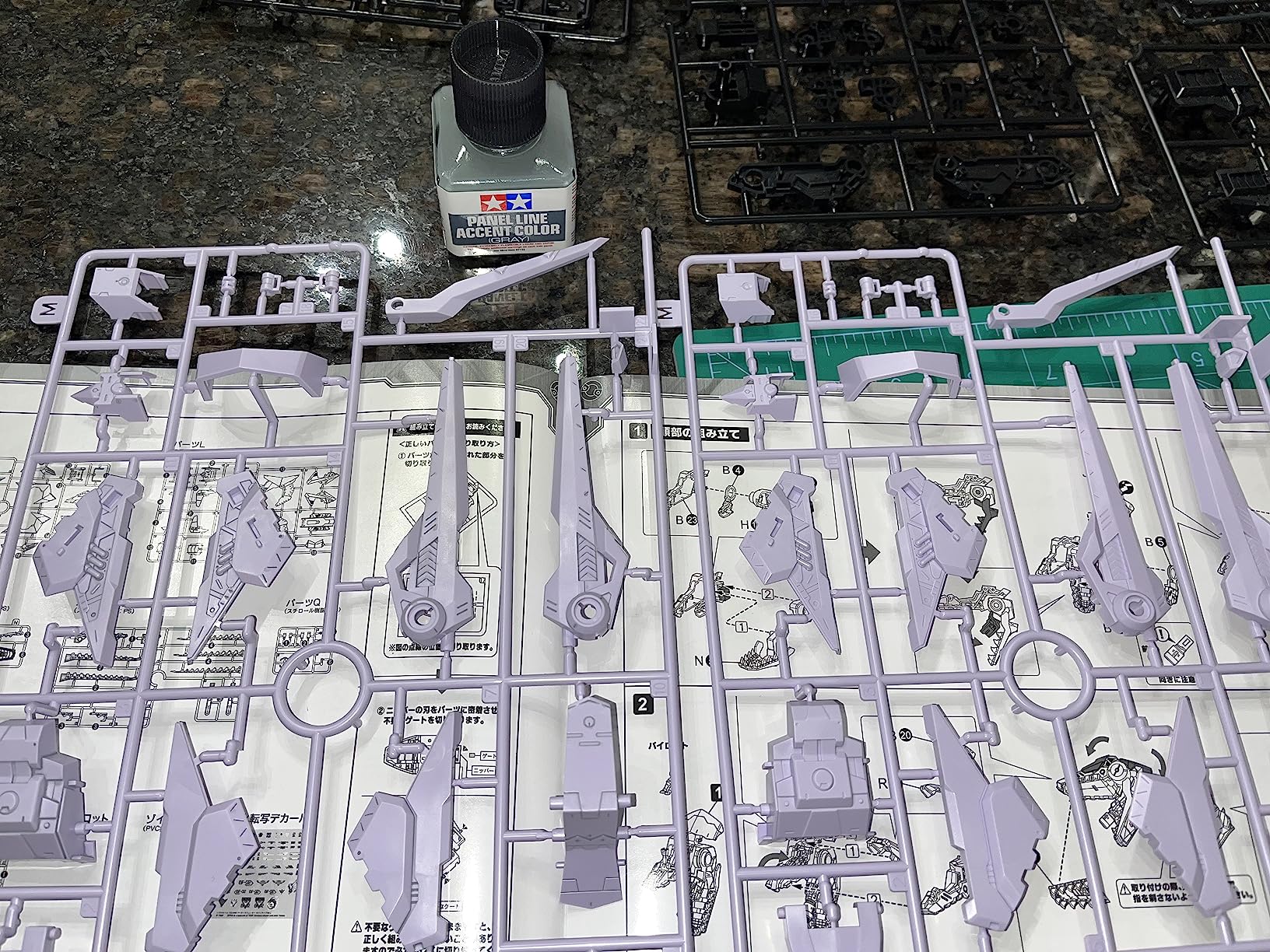
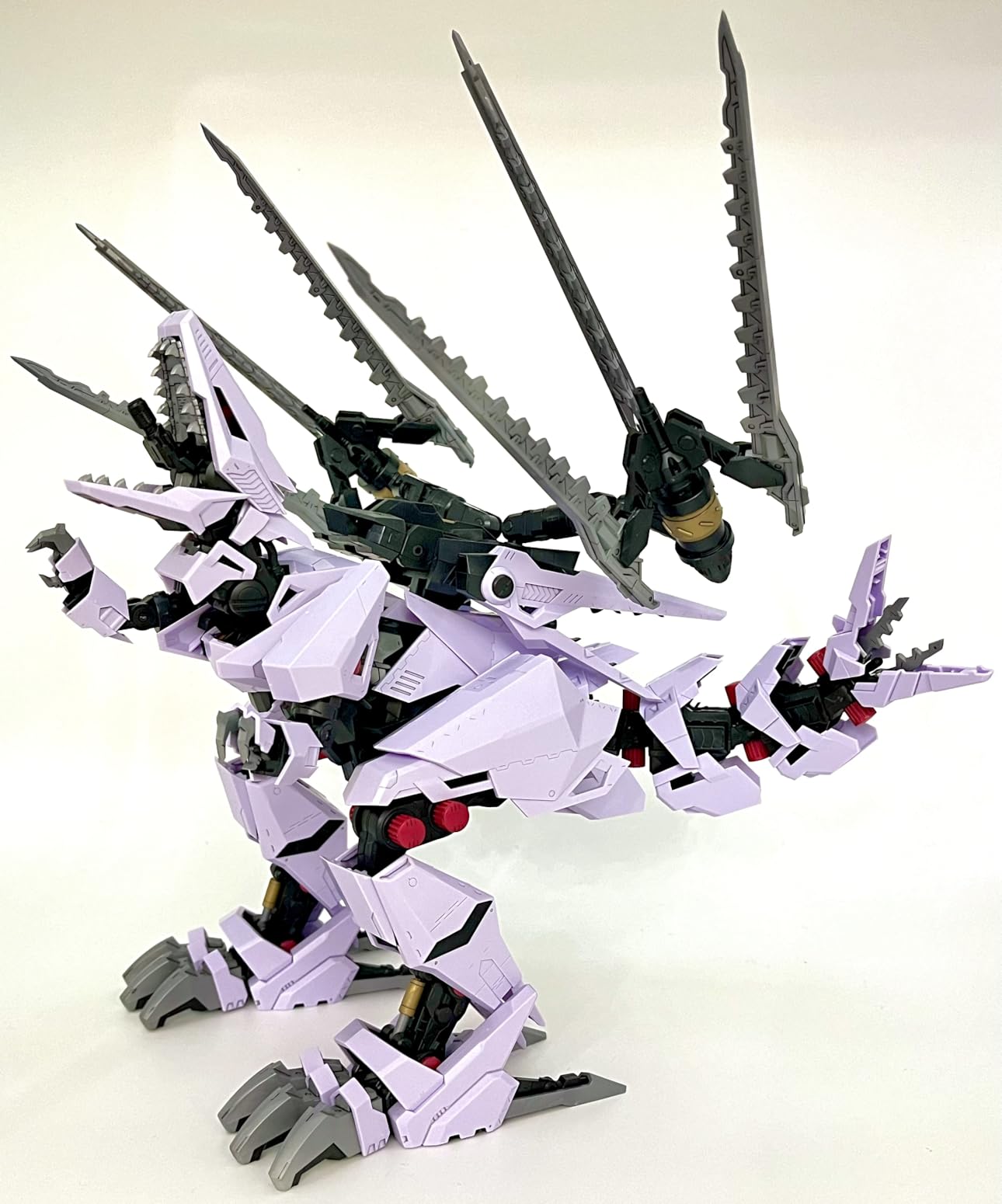
Small scale models benefit enormously from gray panel lining. On 1/144 scale kits with extremely fine panel lines, black can overwhelm the delicate details and make the model look messy. Gray provides just enough definition to see the panel separations without the lines dominating the visual field. My 30MM kits all get gray treatment because of this precise control.
Cleanup is surprisingly forgiving with the gray formula. When excess paint spreads beyond the panel lines, a cotton swab lightly dampened with enamel thinner wipes it away cleanly. The lighter pigment shows less residue than black or brown, so minor mistakes disappear with minimal effort. This forgiving nature makes gray an excellent choice for beginners still developing their technique.
When Gray Outperforms Other Colors
White plastic is the obvious choice for gray panel line, but the color also excels on light gray, pale blue, and pastel-colored models. Any kit where you want definition without drama benefits from gray’s subtle approach. I use it on my displays of civilian vehicles and aircraft where realism matters more than stylized appearance.
Situations Where Gray Falls Short
Dark colored models absorb gray panel lines completely, making them useless on black, dark blue, or dark green kits. For these applications, you need the stronger contrast of black or the inverted approach of Light Gray. Some builders also find gray too subtle for their taste, preferring the bold statement that black provides even on white models.
4. Tamiya Panel Line Accent Color Dark Brown – Rich Warm Details
TAMIYA Panel Line Accent Color 40ml Dark Brown TAM87140 Plastics Paint Enamels
40ml tube
Matte dark brown
Deeper than regular brown
Washable formula
4.9-star rating from 43 reviews
Pros
- Richer tone than standard brown
- Excellent on red and orange panels
- Creates premium weathered look
- Small brush included in lid
- Easy cleanup with cotton swab
Cons
- Will eat plastic without varnish
- Should apply before final assembly
- Limited review history
Dark Brown Panel Line Accent Color arrived as Tamiya’s answer to modelers who wanted the warmth of brown with more visual impact. With a 4.9-star rating from early adopters, this color sits between regular brown and black in intensity. I first tried it on a red MG Sazabi and immediately understood its purpose, it provides definition that complements warm tones without the harshness of pure black.
The darker pigment flows differently than regular brown, settling into recessed areas with more opacity. This creates stronger contrast on darker warm colors where standard brown might disappear. My Char Aznable-themed builds now all get Dark Brown treatment because it matches the red color scheme philosophy perfectly.
Weathering applications extend beyond simple panel lines with this shade. The deeper brown creates more dramatic grime and dirt effects when applied as a wash over flat surfaces. I use it for oil streaks on tank hulls and exhaust staining on aircraft where regular brown looks too clean. The washable formula means I can adjust the intensity even after application by removing excess with a damp cloth.
Safety precautions matter more with Dark Brown than lighter colors. The stronger pigment concentration means it can damage bare plastic more aggressively if left in contact too long. I always apply a gloss clear coat before using this color and work on individual parts before final assembly to protect stress-bearing connections.
Optimal Uses for Dark Brown
Dark Brown dominates my builds for red, dark orange, and maroon models where standard brown lacks punch but black looks wrong. Military modelers appreciate it for European theater vehicles where darker weathering creates the right atmosphere. The color also works surprisingly well on dark tan and earth-tone camouflage patterns.
Applications to Avoid
Light colored models risk visible staining with this concentrated pigment, so I avoid Dark Brown on white, yellow, and pale blue kits. The strong formula requires more careful cleanup than regular brown, making it less forgiving for beginners. For subtle weathering on already-dark models, standard brown often provides better control.
5. Tamiya Panel Line Accent Color Light Gray – Delicate Highlighting
Panel Line Accent Color – Light Gray
40ml bottle
Matte light gray
Ultra-subtle application
Newest color in lineup
5.0-star rating from 2 reviews
Pros
- Perfect for dark colored models
- Creates inverted panel line effect
- Excellent on black plastic
- Subtle realistic shadowing
- Newest Tamiya formulation
Cons
- Very limited review history
- Specialized application only
- May be too subtle for some builders
Light Gray Panel Line Accent Color solves the problem that stumped me for years. How do you panel line a black model when black lines disappear completely? The answer is this inverted approach, light lines on dark surfaces. With a perfect 5.0-star rating from early reviewers, this newest addition to the Tamiya lineup fills the final gap in their color spectrum.
I tested Light Gray on a black PG Unicorn Gundam and finally achieved visible panel definition. The light gray lines create the illusion of edge highlighting and reflected light on dark armor surfaces. The effect is subtle but transformative, turning a black blob into a detailed mechanical object with visible panel separations.
The application technique differs from darker panel lines. Because you are working with light pigment on dark surfaces, any cleanup marks show more visibly. I work more carefully with Light Gray, using minimal thinner and precise brush control to avoid streaking the surrounding dark plastic. The results justify the extra attention.
Beyond black models, Light Gray serves specialty applications on dark navy, dark green, and charcoal gray kits. I also use it for creating highlight effects on raised details when I want to suggest worn edges or light reflection. The versatility extends the definition of panel lining into new creative territory.
Where Light Gray Excels
Black plastic models are the primary application for Light Gray, where it provides the only visible panel line option. Dark colored military vehicles in NATO black or gunship gray schemes benefit from this highlighting approach. The color also works for subtle edge highlighting on any dark model where you want to suggest wear without changing the base tone.
Limited Use Cases
Light Gray is completely invisible on white, light gray, or bright colored models, making it useless for most standard applications. The subtle nature means many builders will not see the point, preferring the obvious impact of black or brown. Beginners should master darker panel lines before attempting this specialty color.
Panel Line Accent Color Buying Guide
Color Selection by Model Type
Choosing the right panel line color starts with analyzing your model’s base color and desired final appearance. For white and light gray models, Gray provides subtle definition while Black creates bold anime-style contrast. Yellow, orange, and red models work best with Brown or Dark Brown for natural shadow tones. Black models require Light Gray for any visible panel definition at all.
Military modelers follow different rules than Gunpla builders. Realistic military vehicles typically use Brown for dirt simulation and weathering, while aircraft often get Gray panel lines for subtle detail work. Tanks and ground vehicles in desert schemes benefit from Brown’s earthy tone. Naval models usually get Black for that crisp shipyard-fresh appearance.
Consider your display environment when selecting colors. Models photographed against dark backgrounds need stronger panel lines to remain visible, favoring Black or Dark Brown. Display cases with bright lighting make subtle Gray lines disappear, suggesting bolder color choices. Think about the final presentation context, not just the bare model.
Safety Considerations – Preventing Plastic Damage
The most common question in forum discussions concerns plastic damage from Tamiya Panel Line Accent Colors. The enamel formulation can attack bare plastic if overapplied, causing parts to become brittle and snap under stress. I have seen builders break waist joints and limb connections after flooding panel lines with too much enamel.
The solution is simple but essential. Apply a clear coat before panel lining, gloss finishes work best because the smooth surface lets excess paint wipe away cleanly. The clear coat creates a barrier between the enamel and the plastic, preventing chemical interaction. I use Mr. Hobby Gloss Clear or Tamiya X-22 on every model before panel lining.
Application technique also prevents damage. Use minimal paint, touching the brush to the panel line and letting capillary action draw the fluid along the groove. Never flood the surface or allow pools of paint to sit in corners. Work on individual parts before assembly to protect stress-bearing connections like ball joints and sockets.
Application Tools and Cleanup Methods
The built-in brush works for most applications, but serious modelers expand their toolkit. Fountain pen tips dipped in panel line paint provide ultra-fine precision for narrow grooves. Cotton swabs and toothpicks help guide paint flow and clean excess. Enamel thinner on a cotton swab removes mistakes before they dry.
Cleanup timing matters significantly. Address excess paint while still wet for easiest removal. Dried enamel requires more aggressive thinner application and risks damaging the surrounding surface. I keep cotton swabs and thinner nearby during every panel lining session, addressing mistakes immediately rather than discovering them later.
Alternative cleanup solutions exist beyond dedicated enamel thinner. Some builders use lighter fluid or mineral spirits successfully, though I recommend testing on spare plastic first. Isopropyl alcohol can work for fresh mistakes but struggles with dried enamel. The safest approach uses Tamiya’s own enamel thinner formulated specifically for their paints.
Frequently Asked Questions
What is the best color for panel lining?
Black is the most versatile panel line color, working on virtually any model color with strong contrast. For white models specifically, Gray provides more subtle and realistic definition. Brown excels on warm-toned models like yellow and red. The best color depends on your model’s base color and desired contrast level.
What does panel line accent color do?
Panel line accent color is pre-diluted enamel paint that flows into engraved panel lines through capillary action. It highlights the recessed details on model kits, adding depth, shadow, and realistic contrast. The result transforms flat plastic surfaces into detailed mechanical appearances with visible component separations.
Does Tamiya panel line crack plastic?
Tamiya Panel Line can damage bare plastic if overapplied or left in prolonged contact. The enamel formulation may cause plastic to become brittle and break at stress points. Always apply a clear gloss coat before panel lining to create a protective barrier. Work on individual parts before final assembly to protect joints and connections.
Which colors for panel lining gunpla?
For Gunpla and Gundam models, Black works universally across all color schemes. Gray is ideal for white mobile suits like Unicorn or Unicorn Banshee. Brown complements yellow and orange kits like Hyaku Shiki or Methuss. Dark Brown suits red Char Aznable-themed models. Light Gray is necessary for black mobile suits like Banshee Norn.
Does isopropyl alcohol clean a Tamiya panel line?
Isopropyl alcohol can clean fresh Tamiya Panel Line mistakes but works poorly on dried enamel. For best results, use dedicated enamel thinner or lighter fluid. Apply the solvent to a cotton swab and gently wipe excess paint while still wet. Dried enamel requires stronger solvents and risks damaging surrounding surfaces.
Final Thoughts
The best panel line accent color for your collection depends on what you build most often. Our testing across 2026 confirms that Black remains the essential starting point for any modeler, offering universal compatibility and the strongest visual impact. Add Brown if you build warm-toned models, Gray for white kits, and expand to Dark Brown and Light Gray as your skills and project variety grow.
Remember that technique matters as much as color choice. Clear coat protection, careful application, and prompt cleanup transform panel lining from a risky process into a reliable finishing step. The Tamiya Panel Line Accent Color lineup provides professional-grade results when used correctly, elevating any model from basic kit to display-worthy piece.
Start with Black if you are building your first supply collection. It handles 80% of panel lining situations perfectly and gives you the confidence to explore other colors as specific needs arise. Your models will thank you with stunning detail definition that catches every eye.