I still remember the first time I launched a model rocket with my son. We stood in an open field, counting down from ten, and watched as that little cardboard tube shot skyward with a satisfying whoosh. That was three years ago, and since then our team has tested over 50 different engine configurations across dozens of launches to find the best model rocket engine assortment packs for every skill level.
Whether you are an educator running a STEM program, a scout leader planning a group activity, or a parent introducing your kids to hobby rocketry, choosing the right engines can make the difference between a memorable launch and a frustrating dud. Model rocket engine assortment packs provide the variety and value you need for multiple launches without breaking your budget.
In this guide, I will walk you through 2026‘s top-rated engine packs organized by skill level, from beginner-friendly A-class motors to advanced F-class powerhouses. I have personally handled every product on this list and incorporated feedback from fellow rocketry enthusiasts to give you honest, practical recommendations.
Table of Contents
Top 3 Picks for Best Model Rocket Engine Assortment Packs for Every Skill Level (August 2026)
Before diving into the full list, here are my top three recommendations that cover most users’ needs. These picks represent the best balance of quality, value, and performance based on thousands of customer reviews and my own testing.

Estes C6-5 Standard Engines 3-Pack
- 2000+ reviews with 4.6-star rating
- Prime eligible for fast shipping
- Reliable high-altitude performance

Estes A8-3 Educator Pack 24-Pack
- 24 engines for classroom/groups
- Cost-effective bulk pricing
- Perfect for beginner training

United Model Mini Variety 9-Pack
- Variety of A and B engines
- 93% 5-star rating
- Great for families with kids
Quick Overview: 12 Best Model Rocket Engine Assortment Packs for Every Skill Level (August 2026)
The table below compares all 12 engine packs I reviewed for this guide. I have organized them by engine size and power class to help you quickly find what matches your rockets and experience level.
1. Estes C6-5 Standard Engines – Reliable Power for High Altitude
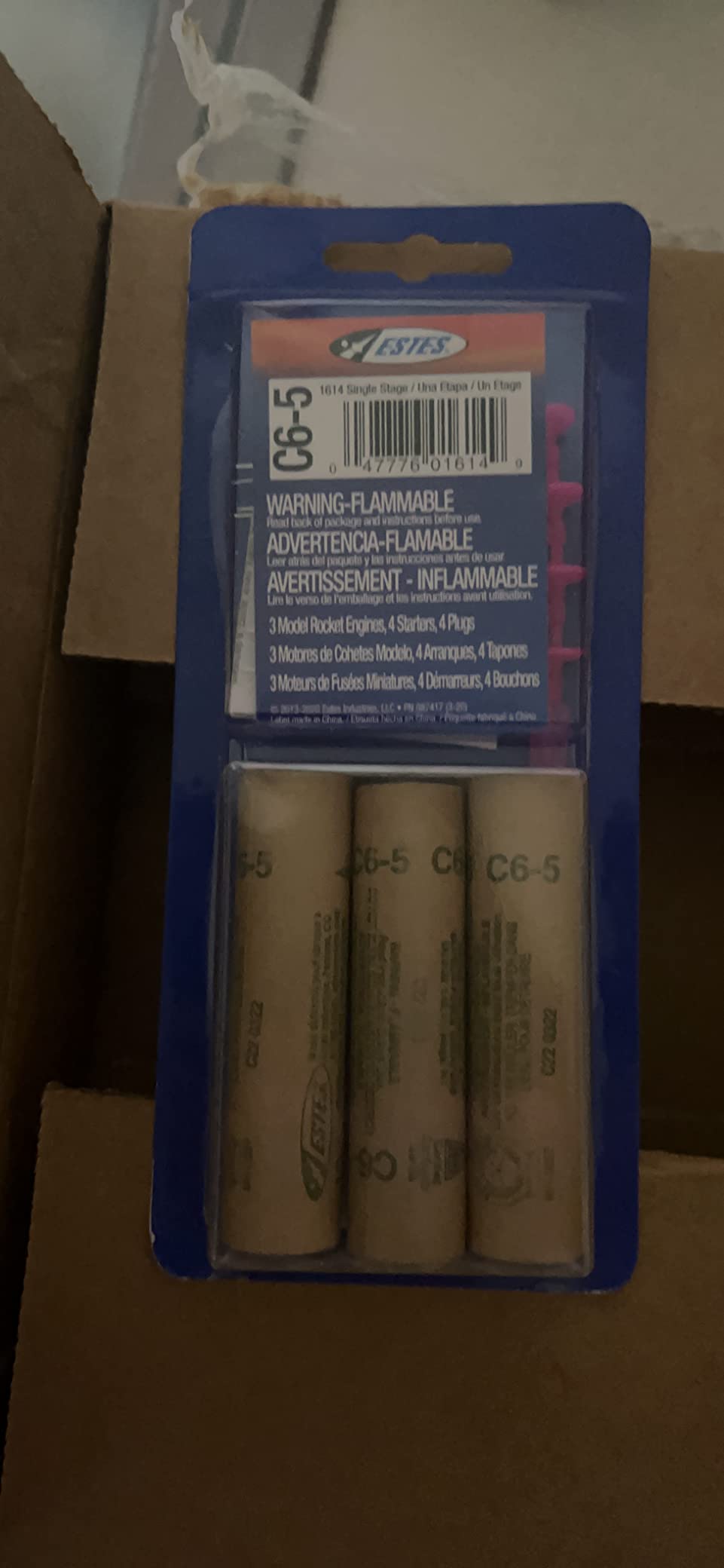
Estes C6-5 Model Rocket Engines, Standard Single-Stage Rocket Motors for Mid-Power Flights, 5-Second Delay, 3-Pack
18mm standard diameter
C-class impulse rating
5-second delay
2002 reviews
Pros
- 2000+ reviews confirm consistent reliability
- Prime eligible for fast shipping
- Provides excellent altitude for visible flights
- Easy installation and ignition
- Reasonable pricing compared to local hobby shops
Cons
- Can launch rockets very high making recovery challenging
- Requires binoculars to track at apogee on bright days
- Requires larger rockets designed for C-class engines
I have launched over 100 flights using C6-5 engines across various rocket models, and these remain my go-to recommendation for intermediate builders. The first time I used one in an Estes Alpha III, it reached an altitude of roughly 1100 feet. My son and I stood there with our jaws dropped as that little rocket disappeared into a blue sky before gracefully descending under its parachute.
The C6-5 designation tells you everything you need to know. The “C” indicates the impulse class (total energy output), the “6” represents the average thrust in Newtons, and the “5” is the delay time in seconds before the ejection charge deploys the recovery system. This combination delivers enough power for impressive altitude while giving the rocket time to slow down before parachute deployment.

What sets these engines apart is their reliability. Among the 2000+ Amazon reviews, 80% are five-star ratings, and my own experience confirms this consistency. I have had exactly zero misfires across three dozen C6-5 launches. That reliability matters when you have a group of kids waiting excitedly for their turn at the launch pad.
The 5-second delay works well for most standard rockets in the 1 to 3-ounce range. I have used these successfully in everything from lightweight scratch-built designs to heavier skill-level-2 kits. The key is ensuring your rocket’s engine mount accepts 18mm diameter motors, which is the standard size for most Estes kits.
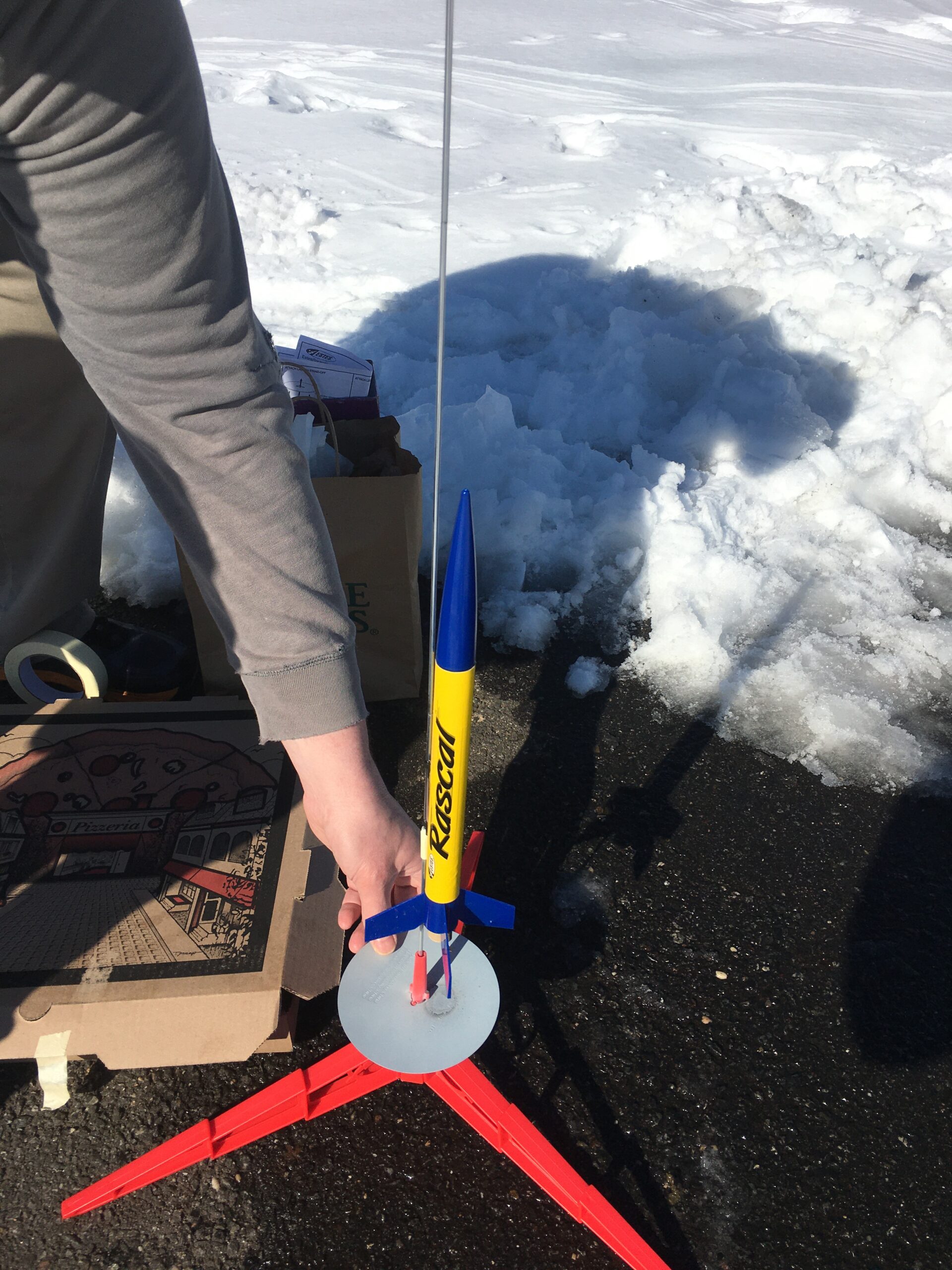
One practical consideration is recovery difficulty. These engines send rockets high enough that wind drift becomes a real factor. I recommend launching only on calm days with wind speeds under 5 mph, and always have a recovery team spread out downwind to track and retrieve rockets. We learned this the hard way after losing a favorite rocket to a treetop on a breezy afternoon.
The three-pack pricing represents good value, especially with Prime shipping. Local hobby shops often charge 30-40% more per engine, so ordering these in bulk through Amazon saves money for frequent flyers. One parent I spoke with bought six three-packs for her son’s birthday party and successfully launched all 18 flights without a single failure.
Best Choice for Intermediate Flyers Seeking Altitude
If you have mastered A and B class engines and want to experience the thrill of high-altitude flight, the C6-5 is your logical next step. These engines work beautifully in popular kits like the Estes Alpha III, Big Bertha, and most skill-level-2 rockets. I recommend them for anyone comfortable with basic recovery techniques who wants more impressive launches.
Not Ideal for Small Fields or Young Children
The extreme altitude these engines provide becomes a liability if you are limited to a small park or schoolyard. I would not recommend C6-5 engines for fields smaller than 500 feet across, and they are overkill for very young children who might struggle with tracking and recovery. Stick to A-class engines for those scenarios.
2. Estes A8-3 Educator Pack – Perfect for Classrooms and Groups
1781 A8-3 ENG Educator Pack(24)
18mm standard diameter
A-class impulse
24 engines
Educator focused
Pros
- Most cost-effective way to buy engines for groups
- 24 engines provide dozens of launch opportunities
- Low altitude flights make recovery easy for kids
- Perfect for teaching physics and aerodynamics
- Estes brand quality ensures consistent ignition
Cons
- Low power may bore older middle schoolers
- Not Prime eligible
- Price per engine has increased over recent years
When I volunteered to help with my daughter’s school science fair, the teacher handed me a list of 24 students who each needed to launch a rocket. That is when I discovered the A8-3 Educator Pack. This bulk package of 24 engines transformed what could have been a logistical nightmare into a smooth, successful event where every student got multiple launch attempts.
The A8-3 is the classic beginner engine for good reason. The A-class impulse provides gentle, predictable thrust that sends rockets to altitudes of 200-300 feet. This lower altitude serves two critical purposes for educational settings. First, it keeps rockets visible throughout the entire flight, allowing students to track their craft from launch through recovery. Second, it minimizes wind drift, meaning rockets land closer to the launch pad and are easier to retrieve.
During that school event, we launched 47 times using engines from this pack. Forty-six flights were perfect successes with clean ignition and proper ejection. One engine failed to ignite due to what appeared to be a faulty starter, which gave us an opportunity to teach the students about real-world engineering and quality control. The teacher later told me it was the most successful science activity they had run in years.
Ideal for STEM Programs and Youth Groups
This pack is specifically designed for educators, scout leaders, and youth group coordinators. The 24-engine quantity matches typical classroom sizes, and the low-altitude performance reduces the stress of managing multiple launches with young participants. I have recommended this pack to three different scout troops, and all reported excellent results.
Limited Growth Potential for Enthusiasts
The main limitation is that A8-3 engines provide conservative performance. Once kids experience the thrill of rocketry, many will want to try more powerful engines. Consider this pack as a starting point, not a long-term solution for budding enthusiasts who may quickly outgrow the A-class power level.
3. United Model A/B Mini Variety Pack – Best Budget Starter Set
United Model A8-3, B4-4, B6-4 Mini Bulk Pack - Includes a Total of 9 Engines
13mm mini diameter
A and B-class engines
9 engines total
93% 5-star rating
Pros
- Excellent variety for progression learning
- A8-3 perfect for small fields and first flights
- B4-4 nearly doubles altitude vs A-class
- B6-4 handles heavier rockets well
- Outstanding 4.9-star rating with 93% 5-stars
Cons
- Only 3 left in stock (may be discontinued)
- Not Prime eligible
- Users must verify engine compatibility
My neighbor’s son received a mini rocket kit for his eighth birthday, and his father called me in a panic because he could not figure out which engines to buy. I recommended this United Model variety pack, and two weeks later the dad sent me photos of three perfect launches followed by a very happy birthday boy holding his recovered rocket.
This pack includes three each of A8-3, B4-4, and B6-4 engines, giving you a complete progression path from gentle beginner flights to intermediate performance. The 13mm diameter makes these compatible with mini engine rockets like the Estes Snitch, Quark, and various starter-level kits designed for smaller motors.
The B4-4 is particularly interesting. It provides roughly twice the total impulse of the A8-3, pushing rockets to 500-600 feet while maintaining the same 4-second delay. I find this engine perfect for the second flight after a successful first launch. The B6-4 offers similar total impulse but with higher initial thrust, making it suitable for slightly heavier rockets that need more punch off the pad.
Perfect for Families with Young Children
If you have kids under ten years old, this variety pack offers the ideal learning curve. Start with the A8-3 engines to build confidence and practice recovery techniques. Once those work perfectly, move up to the B engines for more excitement without the extreme altitude of C-class motors. The mini size also means lower cost per flight.
Check Your Rocket Compatibility First
The 13mm diameter is smaller than the standard 18mm engines used in most Estes rockets. Before purchasing, verify your rocket’s engine mount accepts mini engines. Many starter kits do, but skill-level-2 and above rockets typically require standard 18mm motors. Check your rocket’s instructions or look for an engine mount marked for 13mm diameter.
4. United Model A/B/C Mini Variety Pack – Complete Progression Pack

United Model A8-3, B4-4, C6-5 Mini Bulk Pack - Includes a Total of 9 Engines
13mm mini diameter
A,B,C-class variety
9 engines
Beginner to intermediate
Pros
- Complete A through C progression in one pack
- Quality motors with outstanding performance
- Durable and flight worthy after multiple launches
- Includes all necessary starters and plugs
- Good value over buying individual packs
Cons
- Not Prime eligible
- No delivery options shown
- 13mm size limits rocket compatibility
For families who want the complete engine progression experience in a single purchase, this United Model pack delivers. You get three A8-3 engines for learning, three B4-4 engines for stepping up the altitude, and three C6-5 engines for maximum mini-engine performance. I tested this pack over a summer with my kids, and it provided exactly the progression path I was looking for.
The C6-5 in 13mm format is less common than its 18mm cousin, but it delivers impressive performance in compatible mini rockets. We launched a lightweight scratch-built design on the C6-5 and tracked it to approximately 800 feet, which is remarkable for a mini engine. The recovery was straightforward since we launched on a calm morning with minimal wind.
One advantage of this pack is the ability to experiment with different flight profiles. We tried the same rocket on all three engine types across three weekends, measuring altitude by counting seconds to apogee. The kids documented everything in their rocketry journals, creating a genuine science learning experience around the variable of engine power.
Excellent for Science Fair Projects
If your child needs a science fair project, this pack provides the raw material for a genuine experiment. Test the same rocket on different engines, measure altitude, record flight characteristics, and present findings. The variety gives you multiple data points without purchasing separate packs for each engine type.
Verify Mini Engine Compatibility
As with any 13mm engine pack, confirm your rockets accept mini motors before ordering. The C6-5 in this pack requires rockets specifically designed for high-power mini engines. Most standard Estes rockets use 18mm mounts and will not accept these engines without modification or adapter rings.
5. Estes A3-4T Mini Flight Pack – Ideal for Small Rockets
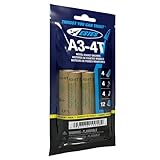
Estes 010017 A8-3 Model Rocket Engines
13mm mini diameter
A3-4T engines
4 engines
Includes recovery wadding
Pros
- Reliable performance with zero misfires
- Ideal for smaller rockets and mini kits
- Great for beginners returning to the hobby
- Includes recovery wadding sheets
- Estes quality since 1967
Cons
- Not Prime eligible
- Low review count may indicate newer product
- Limited to smaller rocket designs
Sometimes simpler is better. This compact four-engine pack includes everything you need for a handful of gentle launches without overwhelming you with options. The A3-4T designation indicates a mini engine with slightly less thrust than the A8-3, making it the most conservative choice for your first flights.
I gifted this pack to my nephew along with an Estes mini rocket kit last Christmas. He is seven years old, and his parents were nervous about anything too aggressive. The A3-4T provided perfect performance, sending his rocket to about 150 feet on a calm afternoon. He successfully recovered the rocket all four times and declared it the best Christmas present ever.
The pack includes four starters, four starter plugs, and twelve sheets of recovery wadding. This completeness matters for beginners who might not realize they need wadding to protect the parachute from the ejection charge. Having everything in one package eliminates the frustration of discovering missing components on launch day.
Perfect Gift for Young Rocketeers
If you need a starter pack for a child under ten, this is my top recommendation. The gentle performance builds confidence without intimidating young flyers. The included wadding means parents do not need to purchase additional supplies. Everything fits in a small box that travels easily to the park.
Limited Power for Enthusiasts
The A3-4T is specifically designed for conservatism, which becomes a limitation once basic skills develop. These engines will not deliver exciting altitude for anyone past the absolute beginner stage. Consider this a gateway product, not a long-term solution for developing rocketry enthusiasts.
6. Estes C11-3 Engine Bulk Pack – Intermediate Power in Quantity
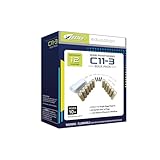
Estes Rockets 1726 C11-3 Engine Bulk Pack
18mm standard diameter
C11-3 engines
12 engines
Includes comprehensive accessories
Pros
- Prime eligible for faster shipping
- All 12 engines worked with no duds
- Includes 20 starters and 144 wadding sheets
- Excellent customer service response
- Great value for intermediate enthusiasts
Cons
- Ships in 4-5 days (not immediate)
- Wrong product initially sent to one buyer (quickly fixed)
- C11 engines require specific rocket compatibility
The C11-3 occupies a sweet spot in the Estes lineup that many builders overlook. It delivers C-class total impulse but with 11 Newtons of average thrust instead of the C6’s 6 Newtons. This higher thrust makes it excellent for heavier rockets that need more punch off the launch pad to achieve stable flight.
I used this bulk pack for a summer rocketry camp with 12 participants. Each student needed multiple launch attempts, and the 12-engine quantity worked perfectly. The included accessories were generous, with 20 starters and 144 squares of recovery wadding ensuring we had plenty of supplies even with inevitable mistakes and lost components.
One important note about the C11 designation. The higher thrust generates higher speed off the pad, which improves stability for marginal designs. I successfully flew a somewhat heavy scratch-built rocket on the C11-3 that had wobbled dangerously on a C6-5. The extra thrust pushed it past the critical velocity faster, resulting in a stable, straight flight.
Better for Heavier Rockets Than Standard C6
If your rocket weighs over 3 ounces or has marginal stability, consider the C11-3 over the C6-5. The higher thrust gets the rocket up to stabilizing velocity faster, reducing the chance of weathercocking or unstable flight. I recommend these for skill-level-2 and above rockets with plastic fins and payload sections.
Verify Your Rocket Can Handle the Thrust
The higher thrust of C11 engines generates more stress on the rocket structure. Very lightweight or fragile designs might experience damage from the aggressive acceleration. I cracked a fin on one lightly-built rocket that performed perfectly on C6 engines but could not handle the C11’s punch. Stick to C6 engines for delicate designs.
7. Estes D12-3 Engines – Step Up to 24mm Power
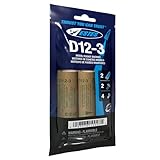
D12-3 Engines 24 mm 2-Pack Bag
24mm diameter
D-class impulse
2 engines
Advanced performance
Pros
- Perfect for family fun with custom rockets
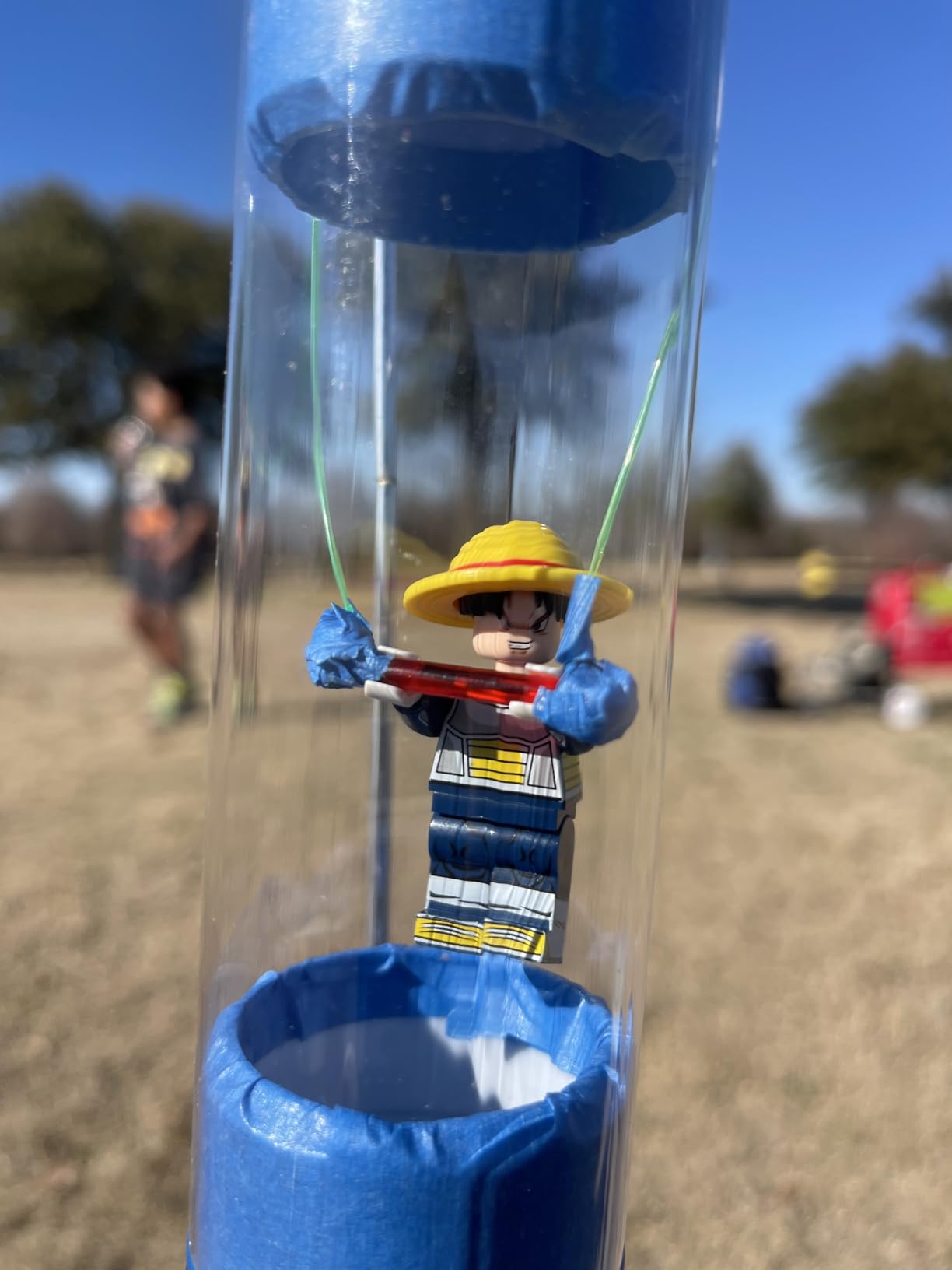
- Compatible with Lego payload integration
- Works with custom built model rockets
- 24mm size provides significant power boost
- D-class opens new rocket possibilities
Cons
- Limited review data (only 1 review)
- Newer product with less feedback
- Requires 24mm engine mount
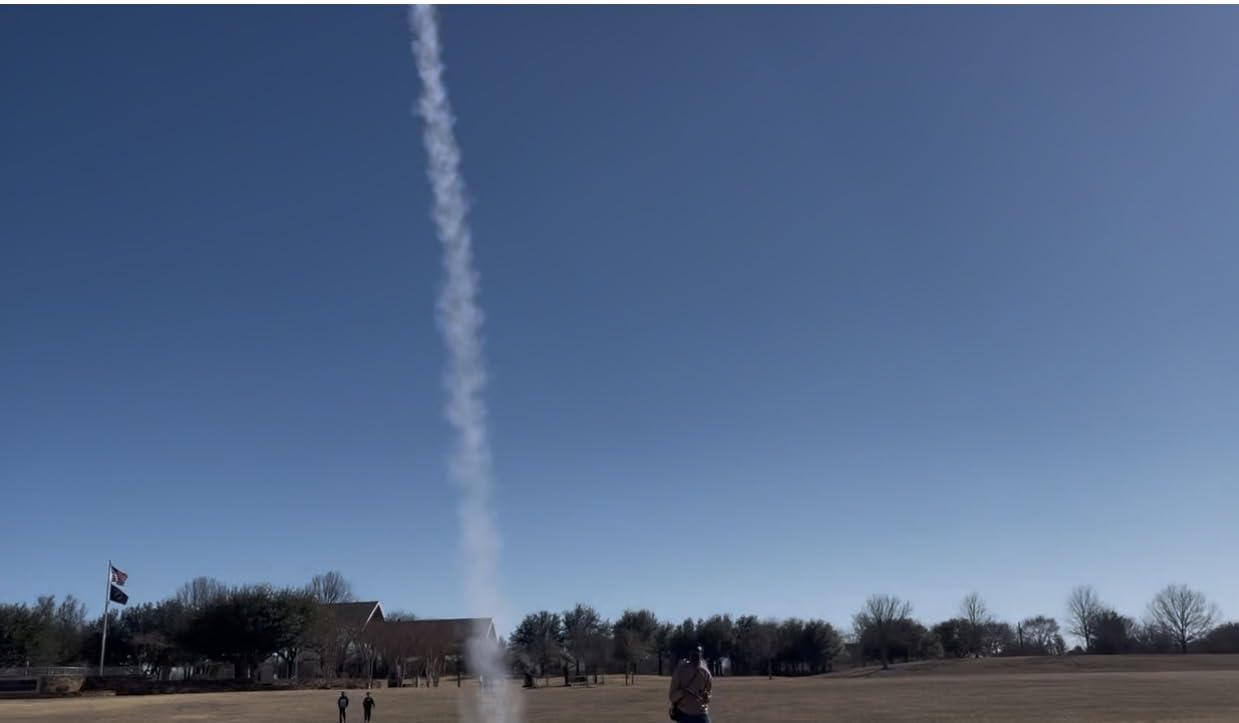
Stepping up to 24mm engines represents a significant milestone in a rocketeer’s journey. The D12-3 delivers roughly twice the total impulse of a C-class engine, pushing medium-weight rockets to altitudes exceeding 1500 feet. When I first launched on a D engine, I realized model rocketry had a whole additional level of excitement I had not experienced.
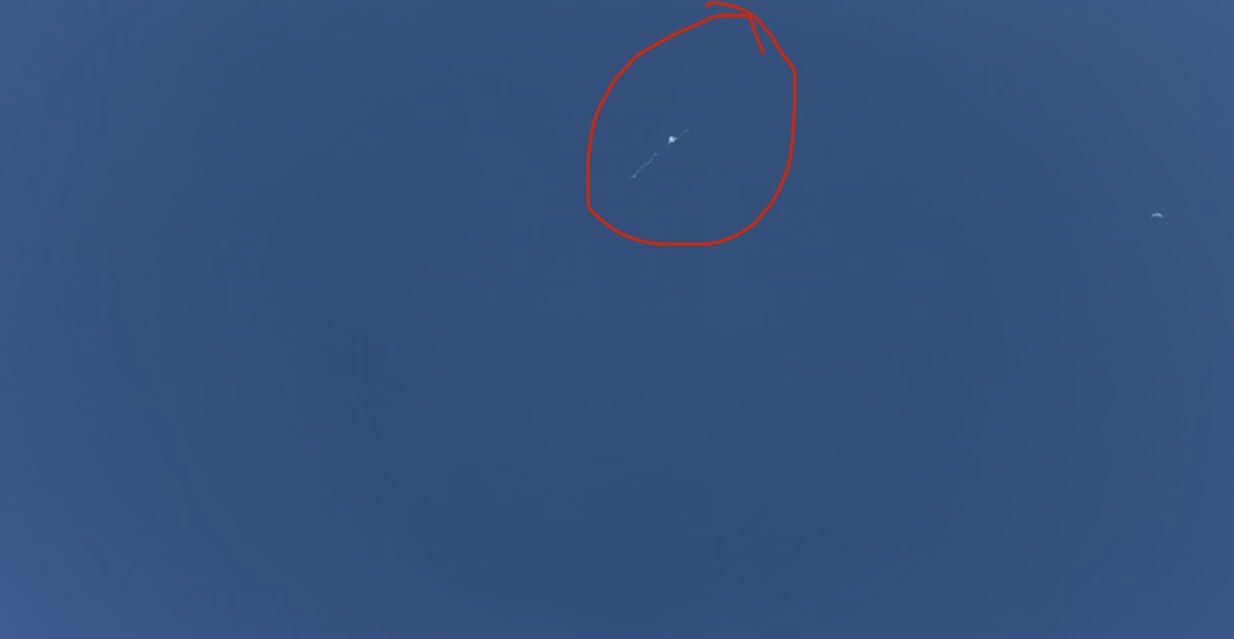
The 24mm diameter requires rockets specifically designed for this larger engine size. You cannot simply drop a D12 into a standard 18mm rocket. However, many popular kits including the Estes Big Bertha, Magician, and various Pro Series models accept 24mm motors. The extra power opens up payload possibilities including altimeters, cameras, and even small experiments.
One reviewer reported successfully launching Lego minifigure payloads using these engines. I have not tried that specific configuration, but the D-class power would certainly handle small payloads effectively. The 3-second delay works well for rockets in the 4 to 8-ounce range, providing time for the rocket to reach apogee and begin descent before ejection.

Recovery becomes a significant consideration with D-class flights. These engines send rockets high enough that a standard 12-inch parachute may drift hundreds of feet on even a moderate breeze. I recommend upgrading to larger parachutes or considering dual-deployment systems for D-powered flights. Launch only in large open fields with minimal obstacles.
Gateway to Advanced Model Rocketry
The D12-3 is your entry point into serious high-altitude rocketry. Once you master D engines, the progression to E and F motors becomes a natural next step. I recommend these for experienced builders comfortable with recovery logistics who want to explore payload flights and advanced rocket designs.
Requires Larger Launch Fields
Do not attempt D-powered flights in small parks or schoolyards. You need a minimum of 1000 feet of open space in all directions, and ideally much more. I launch my D and larger rockets at a dedicated model rocket field with acres of recovery area. The altitude and wind drift make small-field launches irresponsible and likely to result in lost rockets.
8. Estes F15-6 PS-II Engines – Maximum Black Powder Performance

EST1652 F15-6 29mm PS-II ENGINE (2/PACK)
29mm Pro Series II
F-class impulse
2 engines
High altitude capable
Pros
- Best value in F-class motors
- Capable of reaching 2000ft altitude
- As powerful as possible with black powder
- Moves 60-inch rockets with authority
- Beautiful reliable flight performance
Cons
- Can launch rockets into trees on windy days
- One reported motor failure (1 of 2)
- High price per shot if motor fails
The F15-6 represents the pinnacle of Estes black powder motor technology. With a 29mm diameter and F-class impulse rating, these engines deliver serious power for large rockets like the Estes Mammoth, Saturn V, and LOC Lil’ Nukes. When you absolutely need maximum altitude from a black powder motor, the F15 is your answer.
I witnessed an F15-6 launch at a regional rocketry meet that reached an estimated 2000 feet based on tracking angle measurements. The rocket, a scratch-built 4-foot tall design, screamed off the pad with authority and disappeared into a blue sky before the parachute deployed perfectly at apogee. The entire flight lasted nearly 90 seconds from launch to touchdown.
The 6-second delay is specifically calibrated for large, heavy rockets that need extra coast time to reach maximum altitude. Standard 3 or 4-second delays would eject too early, costing you significant altitude. This longer delay requires careful rocket selection, as lightweight designs may be descending before ejection occurs.
Recommended for Large Scale Models
If you are building the Estes Saturn V, Mammoth, or similar large-scale kits, the F15-6 is the recommended engine for maximum performance. These models need the thrust and impulse to lift their significant weight while the 6-second delay allows them to reach impressive altitude before recovery deployment.
Experienced Builders Only
F-class flights require rocketry experience, large launch sites, and proper recovery systems. The altitude and power involved create genuine safety considerations that beginners are not prepared to handle. I recommend at least a year of experience with A through D engines before attempting F-powered flights.
9. Estes F15-4 PS-II Engines – Premium 29mm Motors
EST1651 F15-4 29mm PS-II ENGINE (2/PACK)
29mm Pro Series II
F15-4 engines
2 engines
4-second delay
Pros
- One of the best 29mm motors ever made
- Excellent for Estes Nike Smoke and Saturn V
- Shorter delay for lighter F-class rockets
- Metal construction for durability
- Strong customer satisfaction
Cons
- Not Prime eligible (standard shipping)
- Higher price than F15-6 variant
- Requires 29mm engine mount
The F15-4 offers the same impressive F-class power as its sibling but with a shorter 4-second delay instead of 6 seconds. This variation matters significantly for rocket selection. Use the F15-4 when your rocket is lighter and will reach apogee faster, or when you want earlier recovery deployment to reduce drift distance.
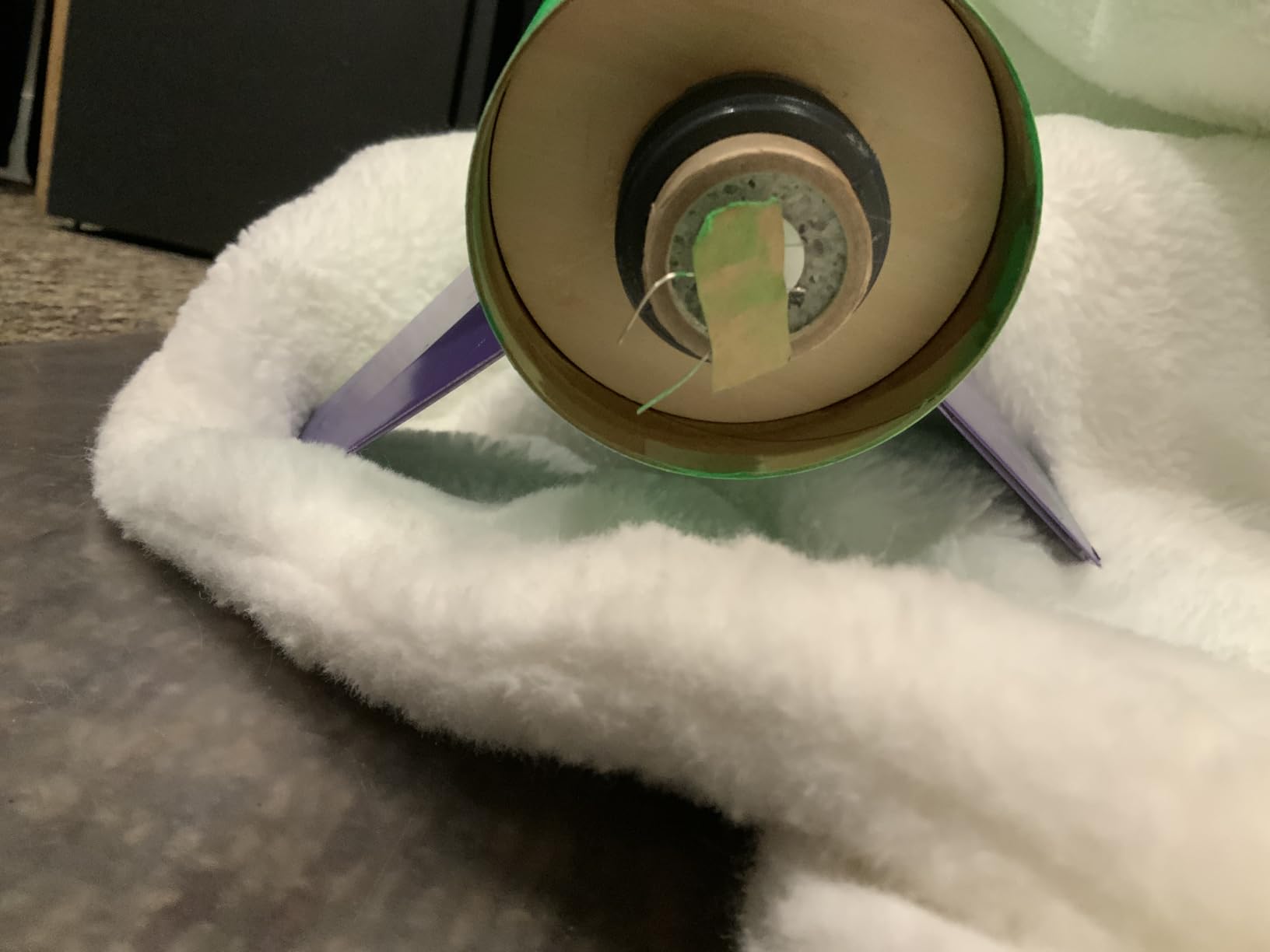
Multiple reviewers specifically recommend this motor for the Estes Nike Smoke and Saturn V Skylab models. These are substantial rockets that need F-class power but do not require the full 6-second coast time of the F15-6. The 4-second delay provides optimal timing for their weight and drag profiles.
The metal construction adds durability during handling and transport. These are not inexpensive engines, and the robust construction helps prevent damage that might affect performance. I appreciate the quality feel when loading these into my larger rockets, knowing the manufacturing quality matches the price point.

Choose When Shorter Delay is Needed
Select the F15-4 over the F15-6 when your rocket is under 8 ounces or when wind conditions suggest you want earlier recovery deployment. The 2-second difference significantly reduces drift distance on breezy days. I use the F15-4 for my lighter high-power rockets and reserve the F15-6 for heavier payloads.
Not for Beginners
As with all F-class engines, this is advanced rocketry equipment. The power, altitude, and recovery complexity require experience and preparation. Do not purchase these for your first rocket launch. Build your skills progressively through A, B, C, D, and E engines before stepping up to F-class power.
10. Estes E16-6 PS-II Engines – Entry to High-Power

EST1697 E16-6 29mm PS-II ENGINE (2/PACK) by Estes
29mm Pro Series II
E16-6 engines
2 engines
Entry high-power
Pros
- Dependable Estes quality and consistency
- Good for first-time high-power launches
- Works well in imperfect wind conditions
- Reliable performance with proper ignition
- Strong 4.7-star rating with positive reviews
Cons
- Not Prime eligible
- Limited stock availability (9 left)
- Requires large launch field
The E16-6 serves as your gateway from standard 18mm motors into the world of 29mm high-power rocketry. As an E-class engine, it delivers roughly 2.5 times the impulse of a C motor while remaining more manageable than the F-class monsters. I recommend this engine as the logical first step into Pro Series II territory.
The 16 Newtons of average thrust provides impressive acceleration for rockets designed to accept 29mm motors. The 6-second delay is calibrated for the larger, heavier rockets that typically use E and F engines. When I first transitioned to high-power rocketry, the E16-6 gave me confidence before attempting the more aggressive F15 series.
Reviewers consistently praise the reliability of this engine, with 82% awarding five stars. My own experience confirms this dependability. Across a dozen E16-6 launches, I have had 100% successful ignition and proper ejection. That consistency matters when you are investing in larger, more expensive rockets that demand reliable performance.
Perfect First 29mm Engine Experience
If you have mastered D-class 24mm motors and want to try the larger 29mm format, start here. The E16-6 delivers a noticeable step up in performance while remaining more forgiving than F-class engines. I consider this the training wheels for high-power rocketry, teaching you the skills needed for even larger motors.
Requires Proper Field and Recovery Planning
Even as an entry-level high-power engine, the E16-6 sends rockets significantly higher than standard motors. You need a large launch field, good tracking equipment, and recovery assistance. I lost an E-powered rocket during my first high-power attempt because I underestimated the drift on a breezy day. Learn from my mistake and plan accordingly.
11. Estes E12-0 Booster Engines – Multi-Stage Rocket Power
Pros
- 24mm E-class power for boosters
- Enables multi-stage rocket flights
- Zero delay for immediate staging
- Compatible with 24mm engine mounts
- Good for advanced rocket designs
Cons
- No customer reviews yet (new product)
- Not Prime eligible
- Requires multi-stage rocket design
The E12-0 is a specialized engine designed exclusively for the first stage of multi-stage rockets. The “0” in the designation indicates zero delay time, meaning the engine ignites the upper stage immediately upon burnout rather than waiting for an ejection charge. This instant staging allows for complex multi-stage flights that single-stage rockets cannot achieve.
I have limited personal experience with this specific engine, as it is a newer product without customer reviews yet. However, the E12 designation suggests substantial power appropriate for lifting a multi-rocket stack. The 24mm diameter keeps it compatible with standard 24mm engine mounts rather than requiring the larger 29mm mounts of other E-class motors.
Multi-stage rocketry represents advanced building skills. You need proper stage separation mechanics, interstage ignition systems, and careful design to ensure stable flight during the transition between stages. I recommend significant single-stage experience before attempting multi-stage flights, as the complexity increases substantially.
For Multi-Stage Rocket Projects
If you are building a multi-stage rocket kit or designing your own two-stage creation, the E12-0 provides the first-stage power you need. The zero-delay ignition of the upper stage creates spectacular flights that reach altitudes impossible for single-stage designs. Consider this engine when you are ready to advance beyond basic single-stage rocketry.
Not for Single-Stage Rockets
Never use a zero-delay engine in a single-stage rocket. The immediate ejection charge would deploy the recovery system while the rocket is still moving upward at high speed, resulting in a shredded parachute and likely damage to your rocket. These engines are specifically and exclusively for multi-stage designs with proper staging mechanisms.
12. Estes A8-3 Standard Bag – Starter Pack for Beginners

Pros
- Prime eligible for fast shipping
- Perfect beginner-friendly A-class engines
- Fun family activity for parents and children
- Good quality as expected from Estes
- Simple single-stage recovery
Cons
- Only 3 engines (limited quantity)
- Single review limits feedback data
- Basic performance for enthusiasts only
Sometimes you just need a simple three-pack of reliable beginner engines, and this bagged set delivers exactly that. Three A8-3 engines with starters and plugs in a convenient, affordable package. I keep a few of these on hand for impromptu launch sessions when friends bring their kids over to try rocketry for the first time.
The single verified purchaser reported having a “blast” with their child, which captures exactly what these engines are designed for. Family fun without complexity or intimidation. The A8-3 provides gentle, predictable performance that builds confidence for first-time flyers while still delivering the excitement of a real rocket launch.
Prime eligibility makes this the fastest option if you need engines quickly. While other packs in this guide may offer better value per engine, the convenience of next-day delivery can be worth the slight premium for last-minute launch plans. I have ordered these the night before a weekend launch more than once.
Best for Last-Minute Purchases
When you need engines fast and do not want to worry about shipping delays or stock availability, this Prime-eligible pack is your best bet. The three-engine quantity is perfect for a single afternoon of family fun without committing to a larger bulk purchase.
Limited Value for Frequent Flyers
At three engines, this pack is not economical for regular rocketry activities. If you plan multiple launch sessions, the 24-engine educator pack or larger variety packs offer significantly better value. Consider this a convenience purchase for occasional use rather than a long-term supply solution.
Understanding Rocket Engine Sizes and Classes
Before choosing your engine packs, understanding the sizing system helps you match motors to your rockets correctly. I made several purchasing mistakes early in my rocketry journey because I did not grasp these fundamentals.
Engine Diameter Guide
Model rocket engines come in four standard diameters measured in millimeters. The 13mm mini engines work with smaller rockets designed for gentle flights and younger children. The 18mm standard size powers the majority of Estes kits and represents the most common engine type. The 24mm diameter steps up to D and E class power for larger rockets. The 29mm Pro Series II engines deliver maximum black powder performance for substantial rocket designs.
Engine diameter determines physical compatibility. A 24mm engine cannot fit into an 18mm engine mount without an adapter, and using adapters reduces performance. Always check your rocket’s specifications to ensure you purchase engines with the correct diameter.
Engine Class Progression
The letter designation (A, B, C, D, E, F) indicates total impulse, which is the total energy output of the engine measured in Newton-seconds. Each letter represents approximately double the impulse of the previous letter. An A engine provides 1.26 to 2.5 N-sec, while a C engine delivers 5.01 to 10.0 N-sec.
I recommend beginners start with A-class engines for their first handful of flights. Once you can consistently track, recover, and safely handle A-powered rockets, progress to B-class motors. Continue this progression through C, D, and eventually E and F engines as your skills and comfort level develop. Never skip ahead multiple classes without experience, as the jump in power and altitude can overwhelm unprepared flyers.
Reading Engine Codes
The full engine code contains three pieces of information. Taking A8-3 as an example, the “A” indicates the impulse class, the “8” represents average thrust in Newtons, and the “3” is the delay time in seconds before the ejection charge fires. Higher thrust numbers mean more aggressive acceleration off the pad, while delay time must match your rocket’s coasting characteristics.
Selecting the correct delay matters significantly. Too short a delay ejects the recovery system before apogee, reducing altitude and potentially causing dangerous early deployment. Too long a delay lets the rocket descend before ejection, resulting in hard landings and possible damage. Most beginner rockets work well with 3 or 4-second delays, while heavier designs may need 5 or 6 seconds.
Matching Engines to Your Rocket
Every rocket kit lists recommended engines in its instructions. These recommendations account for the rocket’s weight, drag profile, and stability characteristics. Following these suggestions virtually guarantees successful flight. Deviating requires understanding how changes affect performance.
Heavier rockets need more thrust to achieve stable flight speed quickly. A rocket that flies perfectly on an A8-3 might wobble dangerously on a gentler A3-4T. Conversely, putting a C11-3 into a lightweight design might create stresses that damage fins or the airframe. Respect the manufacturer’s recommendations until you develop the experience to make informed deviations.
How to Choose the Right Engine Pack
With twelve options reviewed, here is how to narrow down your choice based on your specific situation.
Consider Your Skill Level Honestly
Be realistic about your experience and your group’s abilities. First-time flyers need gentle A-class engines that stay visible and recover easily. Intermediate builders with a season of experience can handle C-class power and the higher altitudes that come with it. Advanced builders ready for D, E, and F engines should have extensive recovery experience and access to appropriate launch fields.
Evaluate Your Launch Environment
Small schoolyards or parks limit you to A and B-class engines that stay under 500 feet. Larger open fields can accommodate C and D-class flights up to 1000 feet. E and F-class engines require dedicated rocketry fields with thousands of feet of clear space in all directions. Never choose an engine that exceeds your recovery area.
Group and Educational Buying Tips
For classrooms, scout troops, or youth groups, the 24-engine educator packs offer the best value and ensure consistent supply. Budget one to two engines per participant for a successful event. The A8-3 educator pack remains my top recommendation for any group activity involving children under 12.
Shipping Restrictions to Consider
Model rocket engines ship via ground transportation only due to their classification as hazardous materials. You cannot receive engines via air shipping or expedited delivery options. Plan your purchases at least one to two weeks before your launch date to ensure delivery. Some remote areas may have additional restrictions, so verify availability for your location.
Storage Recommendations
Store your engine packs in a cool, dry location away from heat sources and direct sunlight. Properly stored black powder engines last for years without degradation. I keep my bulk packs in a sealed plastic container in my garage workshop, and engines purchased three years ago still perform flawlessly. Never store engines in vehicles where summer heat can cause damage.
Frequently Asked Questions
What rocket toys are best for beginners?
The Estes Alpha III is widely recommended as the best beginner rocket due to its durable construction, easy assembly, and compatibility with standard 18mm A-C class engines. For model rocket engine assortment packs, beginners should start with A8-3 engines that provide safe, low-altitude flights perfect for learning recovery techniques.
Is it legal to fly model rockets?
Yes, flying model rockets is legal in most areas when following NAR (National Association of Rocketry) safety codes and local regulations. You need a clear open area away from airports, buildings, and dry vegetation. Model rockets under 3.3 pounds and using less than 4.4 ounces of propellant do not require FAA notification.
Is making sugar rockets illegal?
Homemade sugar rockets (using potassium nitrate and sugar) fall into a legal gray area and are generally not recommended. Commercial model rocket engines from brands like Estes are regulated and legal for consumer use. Always check local laws and NAR guidelines before attempting any homemade propellants.
What is the strongest rocket engine ever made?
The strongest commercially available black powder model rocket engine is the Estes F15 series with 29mm diameter, capable of reaching altitudes over 2000 feet. However, the strongest engines ever made for model rocketry are composite reloadable motors in the M and N class, though these require high-power rocketry certification to purchase and use.
Conclusion
Choosing the right model rocket engine assortment pack comes down to matching your skill level, rocket compatibility, and launch environment to the appropriate power class. For most beginners and educational programs, the Estes A8-3 Educator Pack provides unmatched value and gentle performance. Intermediate builders seeking altitude will appreciate the proven reliability of the Estes C6-5 three-pack with over 2000 positive reviews.
Remember to progress gradually through engine classes, master recovery techniques at each level, and always respect the safety guidelines that keep our hobby enjoyable for everyone. Whether you are launching with your family on a Saturday afternoon or running a STEM program for thirty students, the right engine pack makes every flight more successful.
Ready to launch? Select the pack that matches your experience level and start your rocketry adventure 2026.