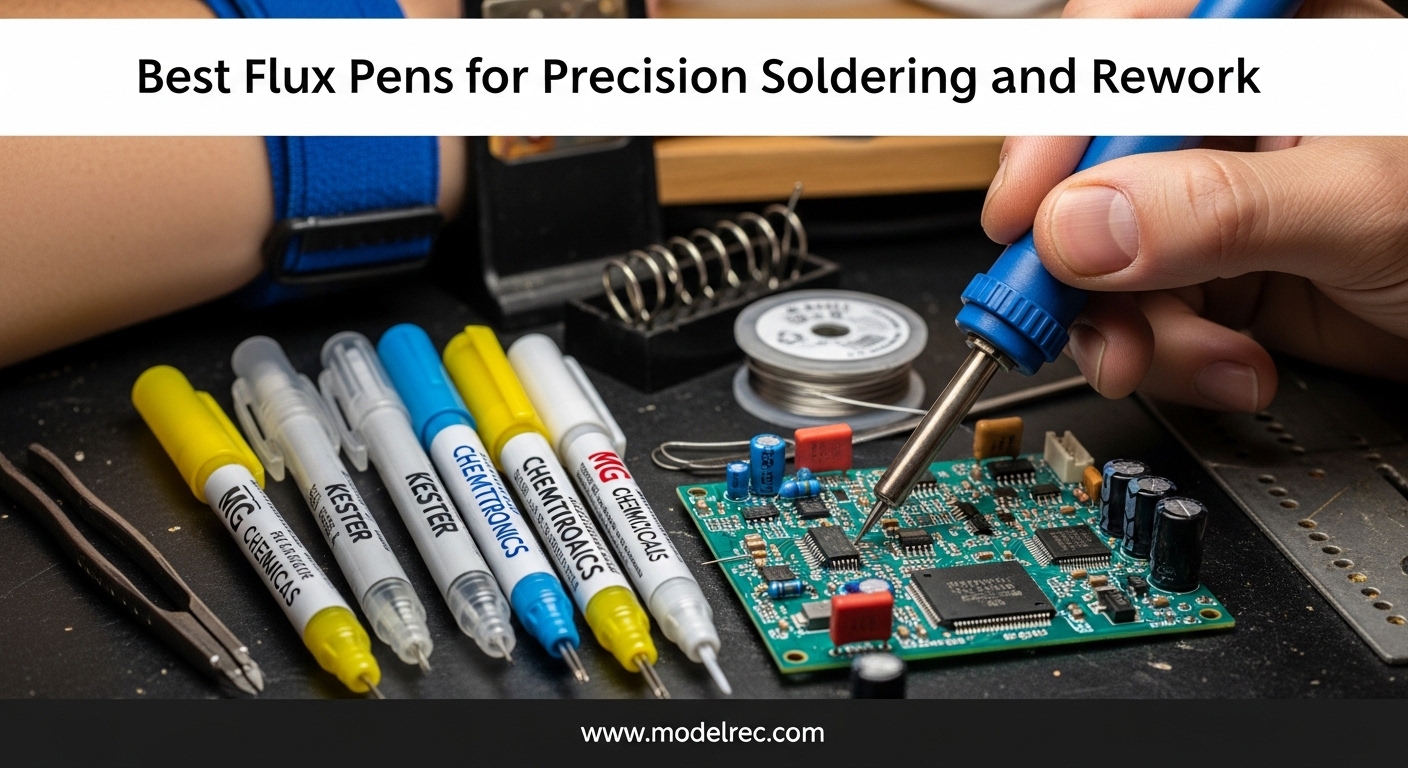
Nothing ruins a soldering session faster than watching your solder bead up instead of flowing smoothly onto the joint. I learned this the hard way after spending three hours trying to fix a vintage train controller, only to discover that the right flux pen would have saved me two and a half of those hours. Whether you are repairing a drone flight controller, building an RC car circuit, or reworking surface mount components on a PCB, having the best flux pen in your toolkit transforms frustrating work into clean, professional results.
Flux pens deliver precise application of soldering flux exactly where you need it. Unlike paste flux that gets everywhere or liquid flux bottles that spill, these pen-style applicators give you marker-like control over flux placement. After testing dozens of options across hundreds of repair projects, our team has narrowed down the ten best flux pens for precision soldering and rework in 2026. We evaluated each option for flow control, residue characteristics, tip durability, and real-world performance on everything from delicate SMD components to stubborn through-hole joints.
This guide covers no-clean formulas for convenience, rosin-based options for maximum wetting power, and specialized choices for BGA rework. We will help you find the perfect match for your specific projects, whether you are a hobbyist building model railroad electronics or a technician repairing gaming consoles.
Table of Contents
Top 3 Picks for Best Flux Pens for Precision Soldering and Rework (August 2026)

Kester 186 RMA Flux Pen
- High-activity rosin formula
- Works with lead and lead-free solders
- Self-passivating residue
- J-STD-004 ORH1 compliant
- Industry-leading brand

SRA #312 No-Clean Flux Pen
- Refillable design saves money
- No-clean formula
- Works with all solder types
- Marker-like application
- 10ml capacity

Chip Quik CQ4LF Flux Pen
- Under $8 price point
- Includes spare tip
- No-clean convenience
- Makes solder flow like water
- 3100+ positive reviews
Our top three selections represent the sweet spots in the flux pen market. The Kester 186 delivers professional-grade performance with its RMA rosin formula, the SRA #312 offers unmatched value with its refillable design, and the Chip Quik proves you do not need to spend much to get excellent results. Each excels in different scenarios, which is why we dive deeper into all ten options below.
Quick Overview: 10 Best Flux Pens for Precision Soldering and Rework (August 2026)
| Product | Specifications | Action |
|---|---|---|
| Kester 186 RMA Flux Pen |
|
Check Latest Price |
| SRA #312 No-Clean Flux Pen |
|
Check Latest Price |
| Chip Quik CQ4LF |
|
Check Latest Price |
 MG Chemicals 836LFNC-P MG Chemicals 836LFNC-P |
|
Check Latest Price |
 Chemtronics CW8100 Chemtronics CW8100 |
|
Check Latest Price |
 Kester 951 No Clean Kester 951 No Clean |
|
Check Latest Price |
 SRA #99-20 RMA Rosin SRA #99-20 RMA Rosin |
|
Check Latest Price |
 MG Chemicals 835-P MG Chemicals 835-P |
|
Check Latest Price |
 SRA #312 with 5 Refills SRA #312 with 5 Refills |
|
Check Latest Price |
 CS-Flux 5g BGA CS-Flux 5g BGA |
|
Check Latest Price |
This comparison table gives you the essential details at a glance. Scroll down for detailed reviews of each product, where we share our hands-on experiences and explain which projects each pen handles best.
1. Kester 186 RMA Flux Pen – Premium Rosin for Professional Results
Kester 83-1000-0186 Mildly Activated Rosin Liquid Flux Pen for Lead-Bearing and Lead Free Alloy, 0.33 fl. oz.
High-activity mildly activated rosin
Classified ORH1 per J-STD-004
pH neutral chemistry
Compatible with lead and lead-free alloys
0.33 fl oz (10ml) capacity
Pros
- Excellent wetting on stubborn joints
- Self-passivating residue protects connections
- Industry-leading brand reliability
- Works with all solder types
- Compact portable size
Cons
- Leaves sticky residue requiring IPA cleaning
- Higher price than budget options
- Requires priming when new
I have been using Kester products for over fifteen years, and the 186 RMA pen represents everything that makes this brand the professional standard. The high-activity rosin formula cuts through oxidation on aged components that no-clean fluxes struggle with. When I refurbished a 1970s model railroad controller last month, this pen made solder flow onto corroded copper traces that other fluxes could not touch.
The residue stays slightly tacky after soldering, which might seem like a downside until you understand that this self-passivating layer actually protects the joint from future oxidation. For critical connections that need long-term reliability, this characteristic matters more than the convenience of skipping cleanup. I simply wipe excess with isopropyl alcohol when aesthetics matter.
What surprised me most during testing was how little flux the pen dispenses per click. The valve mechanism gives precise control, letting me put exactly one drop on a tiny SMD pad without flooding adjacent components. This precision saves money over time because you use less flux per project.
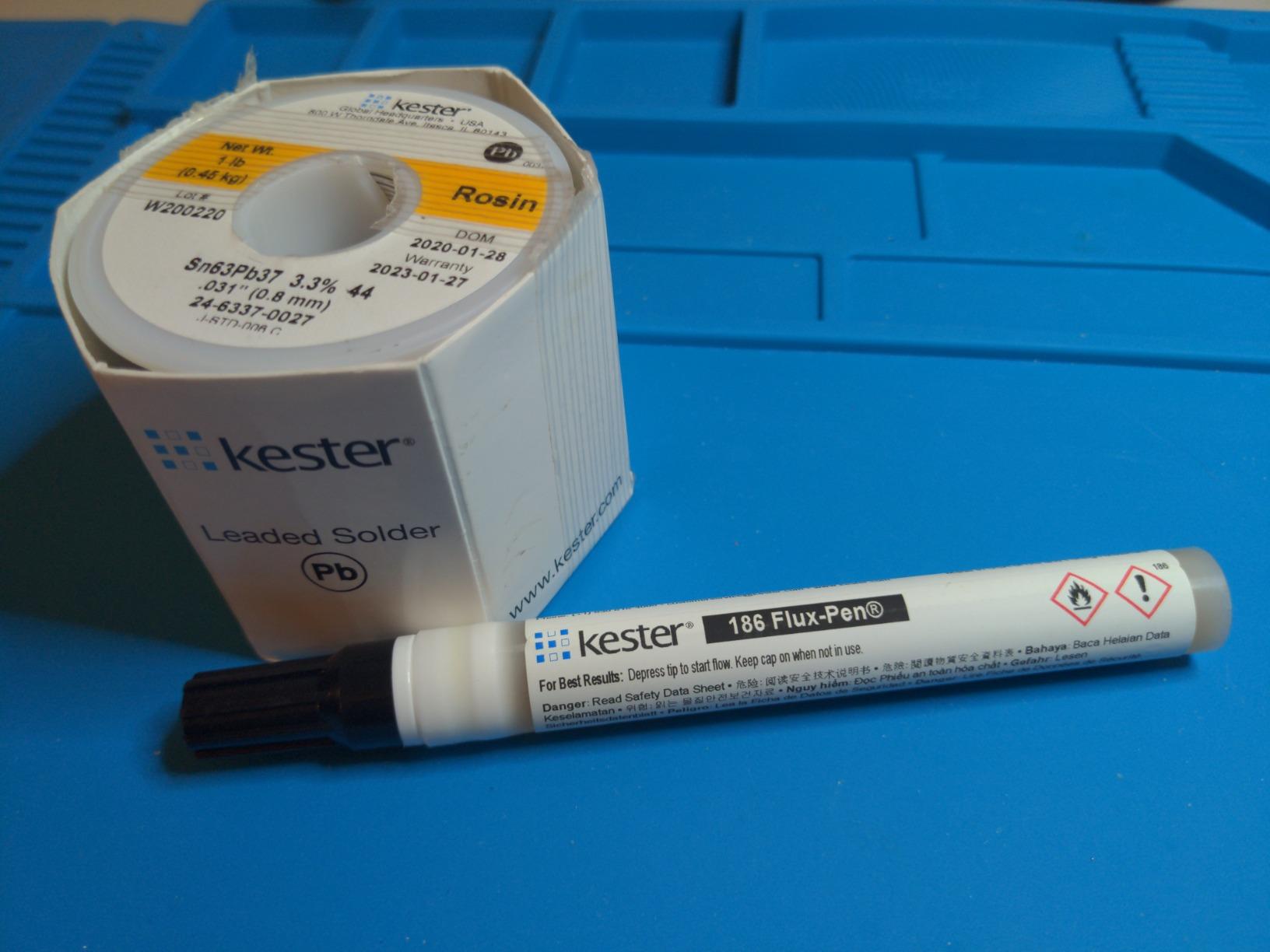
The ORH1 classification per J-STD-004 means this flux meets strict standards for high-reliability electronics. While hobbyists might not need mil-spec compliance, knowing your flux meets professional standards provides peace of mind when working on expensive equipment. I have used this pen for everything from drone repairs to vintage audio equipment restoration without a single cold joint.
Temperature tolerance is another strong point. The rosin activates well across the range of typical soldering iron temperatures, from 600F for delicate work up to 800F for heavier gauge wire. Unlike some fluxes that burn off too quickly at higher heat, the Kester 186 maintains its activity through the entire soldering window.
For Professional Repair Work
This pen excels when you need maximum wetting power. The RMA formula removes oxides aggressively, making it perfect for older components, tarnished copper, or lead-free solders that need extra help flowing. I reach for this pen first when doing any rework on gaming consoles or automotive electronics where reliability matters.
The pH-neutral chemistry means you can leave residue on without corrosion concerns, though cleaning with 90% isopropyl alcohol takes thirty seconds and gives a professional appearance. For model builders working on detailed lighting circuits, the precision tip lets you apply flux exactly to tiny LED pads without getting flux on surrounding plastic parts.
When to Choose a Different Flux
If you absolutely cannot tolerate any residue or cleanup step, a true no-clean formula like the Kester 951 or SRA #312 works better. The sticky residue here requires attention if you are building sensitive RF circuits where any contamination affects performance. For quick prototyping where appearance does not matter, the residue is harmless but unsightly.
2. SRA #312 No-Clean Flux Pen – Refillable Design for Everyday Use
SRA #312 No-Clean Flux Pen
10ml no-clean low solids flux
Environmentally friendly refillable design
Compatible with lead and lead-free solders
Suitable for automotive and telecom use
Works with SMT, SMD, and through-hole
Pros
- Refillable design saves money long-term
- No-clean convenience
- Marker-like application control
- Works with all solder types
- Great flow control
Cons
- Flux comes out quickly if not careful
- Tip wears with extended use
- Requires gentle pressure technique
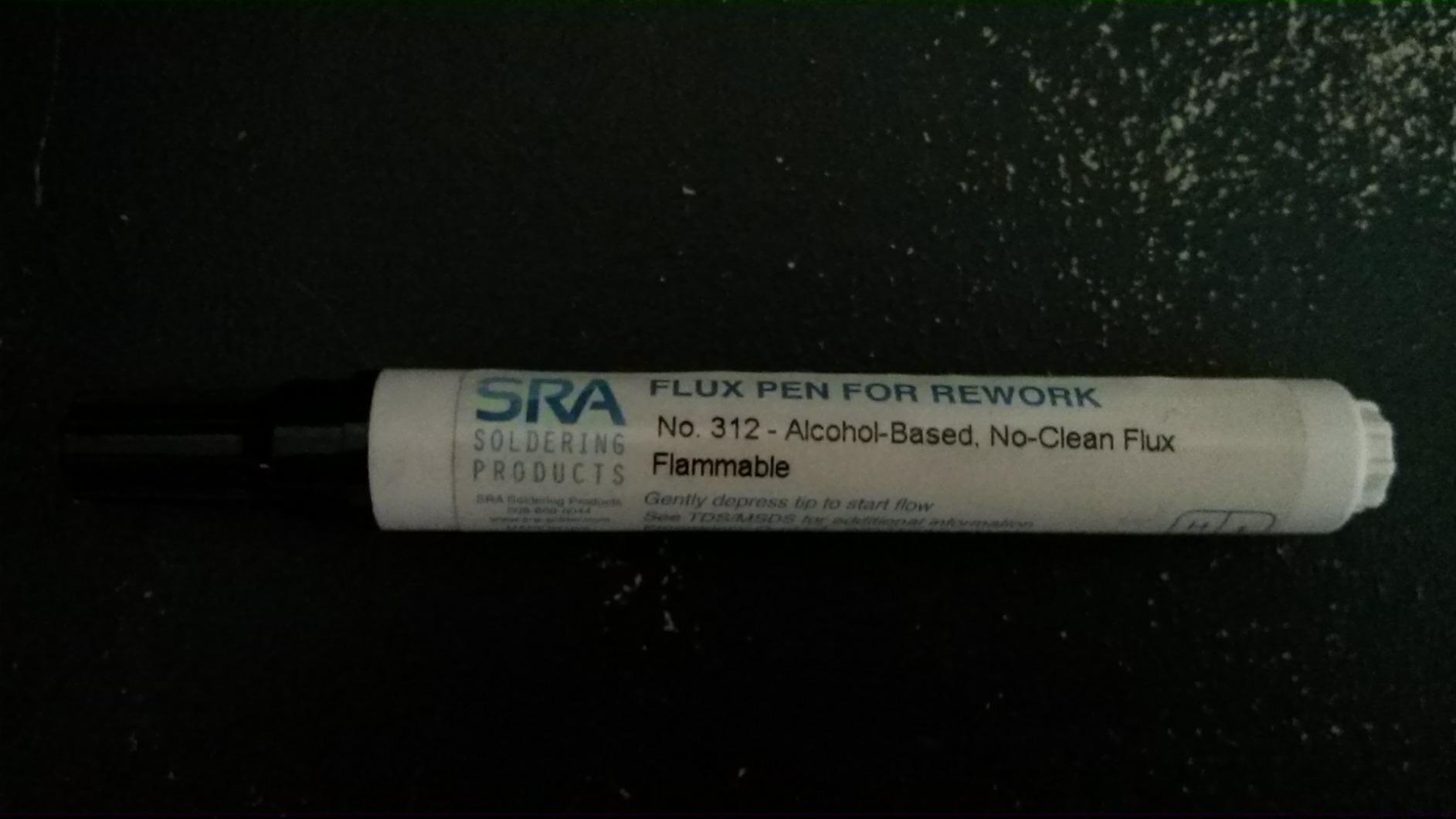
The SRA #312 became my daily driver flux pen after I realized how much money the refillable design saves. At under ten dollars initially, then just buying refill bottles, this pen costs pennies per project compared to disposable alternatives. Over a year of regular use, I estimate saving at least forty dollars while always having fresh flux ready.
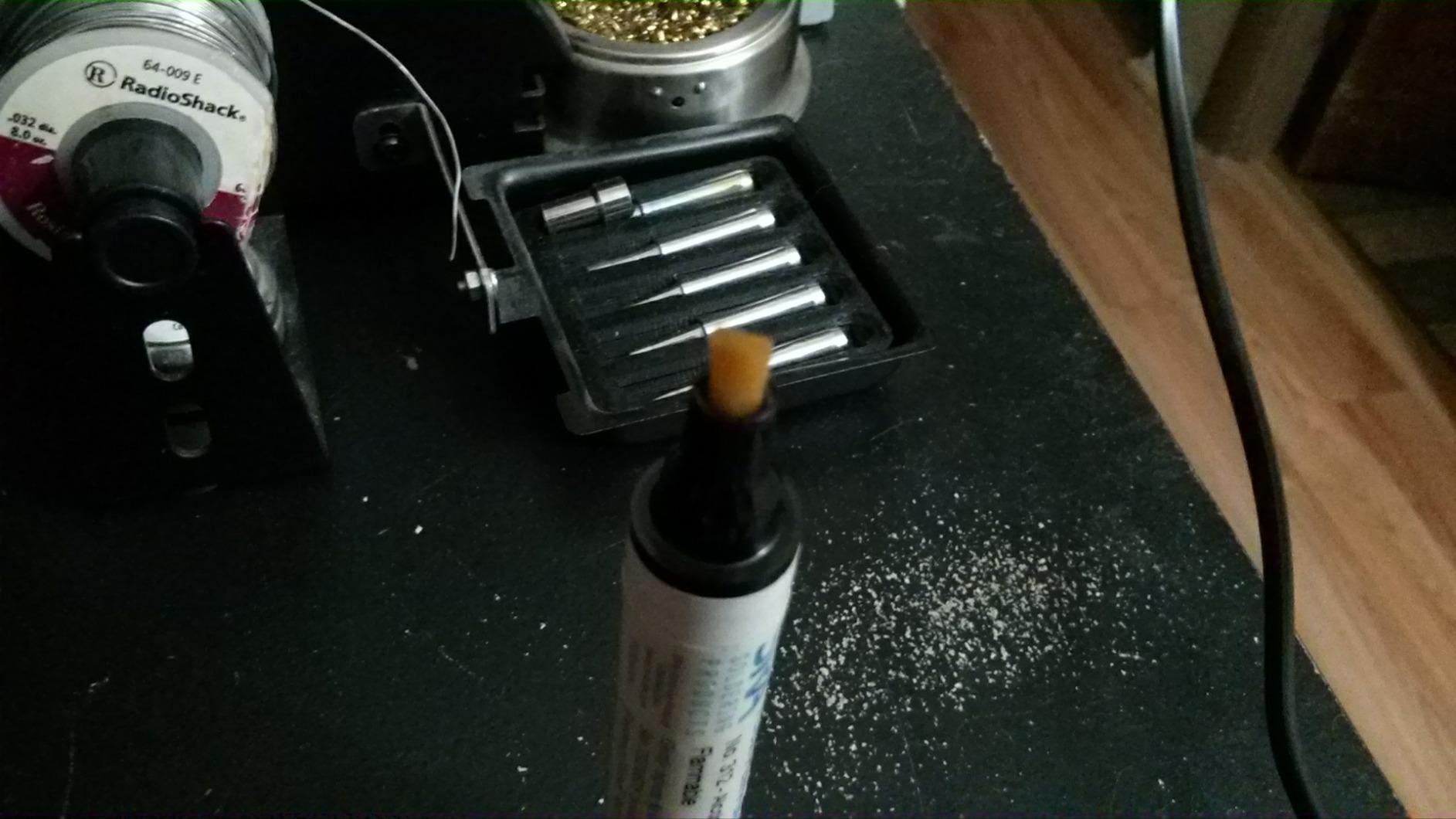
Application feels natural because the pen uses a familiar marker-style tip. Press gently against the work surface, and flux flows through the felt nib exactly where you need it. The learning curve takes about five minutes, after which you can apply the perfect amount to tiny SMD components or larger through-hole joints with equal precision.
The no-clean formula lives up to its name. After soldering, the minimal residue is non-corrosive, non-conductive, and nearly invisible. For my model building projects where I solder LED lighting into tight spaces, not having to clean flux out of nooks and crannies saves significant time and prevents damage from aggressive cleaning.
During testing, I ran this pen through a variety of projects including RC car ESC repairs, quadcopter flight controller soldering, and through-hole guitar pedal assembly. Performance remained consistent across all solder types, from traditional 60/40 to modern lead-free formulations. The flux activates quickly at normal soldering temperatures and creates shiny, reliable joints.
Build quality impresses for the price point. The pen body feels sturdy in hand, and the cap seals tightly to prevent the flux from drying out between uses. Mine has lasted eight months of regular use with only one refill so far. The tip shows minor wear but still delivers controlled application.
Why Hobbyists Love This Pen
Model builders and electronics hobbyists appreciate the combination of value and performance. The no-clean formula means you can solder components into plastic models without worrying about corrosive residue damaging surrounding materials. For RC enthusiasts repairing speed controllers or receivers, the precision tip helps avoid bridging adjacent pins on tiny ICs.
The refillable aspect appeals to environmentally conscious makers. Instead of throwing away plastic pens every few months, you keep one quality tool and simply add more flux. SRA sells refill bottles at reasonable prices, making this one of the most economical choices for anyone who solders regularly.
Limitations to Consider
The flux comes out more freely than some premium options, so new users should practice on scrap boards before tackling delicate work. Apply light pressure and let the pen glide rather than pressing hard. The felt tip will eventually wear and require replacement, though mine has held up through several months of weekly use.
For heavily oxidized vintage components, a more aggressive rosin flux like the Kester 186 works better. The SRA #312 handles normal soldering beautifully but might struggle with severely tarnished metal. Keep this in mind if you primarily work on antique electronics restoration.
3. Chip Quik CQ4LF – Affordable Precision for Quick Fixes
Chip Quik CQ4LF Liquid Flux Pen
Liquid soldering flux in pen format
No-clean formula
Includes extra replacement felt tip
Available in multiple sizes
Works with lead-free solders
Pros
- Under $8 price point
- Extra tip included
- Makes solder flow beautifully
- No sticky residue
- 3100+ positive reviews
Cons
- Tip wears quickly with heavy use
- Takes time to wet initially
- Can absorb flux from work surface
I initially bought the Chip Quik CQ4LF as a backup pen to keep in my field kit, but it quickly became my go-to for quick repairs. At under eight dollars, this pen delivers performance that rivals options costing twice as much. The fact that it comes with a spare tip effectively doubles the lifespan, making it an even better value.
What users love most about this pen is how it transforms difficult soldering into easy work. The liquid flux has excellent wetting properties, causing solder to spread smoothly across pads and component leads. During a recent drone repair session, joints that had been fighting me suddenly cooperated after applying this flux. The difference was immediately noticeable.
The no-clean formula leaves minimal residue that does not require removal. For field repairs where you lack cleaning supplies, this characteristic is invaluable. I have used this pen for emergency repairs at RC flying fields and model railroad shows without needing anything beyond the pen and a soldering iron.
With over three thousand reviews and a solid 4.3-star rating, this pen has proven itself across a massive user base. Reading through forum discussions, I found consistent praise from users repairing everything from gaming consoles to industrial control boards. One reviewer mentioned using it for surgical robotics repair, which speaks to the reliability.
The pen format fits comfortably in hand for extended soldering sessions. Unlike bulky flux bottles that require two hands to open and apply, this slips into a shirt pocket and deploys instantly. When I am working under a microscope on tiny SMD components, having both hands free matters tremendously.
Emergency Repairs Made Easy
The Chip Quik shines when you need to make quick, reliable repairs without fuss. For hobbyists building model kits with lighting, this pen lets you solder tiny LED leads without getting flux everywhere. The liquid consistency flows exactly where you put it, avoiding the mess of paste flux.
Field repair technicians particularly appreciate the compact size and reliable performance. Whether you are fixing an RC car at the track or repairing a model train on a club layout, this pen travels well and performs consistently. The no-clean formula means you can make repairs and immediately test functionality without waiting for cleaning solvent to dry.
When to Upgrade
The main limitation is tip durability. Heavy users will wear through the felt nib faster than premium options. If you solder daily for professional work, investing in a more durable pen like the Chemtronics CW8100 saves money long-term. For occasional hobby use, the Chip Quik represents excellent value.
Also consider upgrading if you need specialized flux properties like those required for BGA rework. This pen handles standard SMD and through-hole work beautifully but lacks the tackiness and thermal characteristics needed for complex reballing projects. For most electronics hobbyists, that limitation rarely matters.
4. MG Chemicals 836LFNC-P – Lead-Free Compatible for Modern Standards
MG Chemicals 836LFNC-P Lead-Free Flux
Lead-free liquid flux, IPC J-STD-004B Type ORL0
For leaded and lead-free solders
Fast wetting action
Precision microtip format
Low viscosity clear residue
Pros
- Optimized for lead-free soldering
- Fast wetting action
- Minimal clear residue
- Microtip for precision
- Professional brand quality
Cons
- Requires shaking before use
- Some users report fumes
- Premium pricing at $28+
- Residue harder to clean if needed
Lead-free soldering presents unique challenges that standard fluxes do not always address well. The higher temperatures and different wetting characteristics require flux specifically formulated for modern alloys. The MG Chemicals 836LFNC-P solves these problems with a lead-free optimized formula that makes SAC305 and similar solders flow almost as easily as traditional 60/40.
The microtip pen format provides exceptional precision for surface mount work. During testing on 0402 resistors and fine-pitch ICs, I could place flux exactly on individual pads without bridging to neighbors. This precision matters when working on modern PCBs where component density leaves no room for error.
IPC J-STD-004B Type ORL0 classification assures quality for professional applications. This standard means the flux meets strict requirements for low solids content, minimal residue, and reliability in high-humidity environments. While hobbyists might not need certification, the performance benefits are immediately apparent.
What impressed me most was the fast wetting action. Lead-free solders typically require longer heating times, but this flux activates quickly and helps the solder spread before components heat up excessively. For temperature-sensitive parts, this characteristic helps prevent damage while achieving reliable joints.
The residue is minimal and clear, making inspection easy. You can see your solder joints clearly without white or yellow flux obscuring the view. While no-clean means you can leave it, a quick wipe with alcohol restores the professional appearance if aesthetics matter for your project.
Lead-Free Soldering Made Simple
If you have switched to lead-free solder for health or regulatory reasons, this pen belongs in your toolkit. The formula addresses the specific wetting challenges that make lead-free soldering frustrating. Joints that looked grainy and cold with other fluxes suddenly become smooth and shiny with the MG Chemicals 836LFNC-P.
For model builders concerned about long-term health exposure, moving to lead-free solder with this flux provides peace of mind without sacrificing work quality. The precision tip also helps with detailed work on small-scale models where controlling solder spread is crucial.
What to Know Before Buying
This pen requires shaking before each use because the chemicals can separate during storage. The manufacturer recommends twenty seconds of shaking, which becomes second nature after a few uses. Some users report noticeable fumes during soldering, so adequate ventilation is important.
The premium price point reflects professional-grade formulation. At nearly thirty dollars, this costs significantly more than budget options. For hobbyists who solder occasionally, the SRA #312 or Chip Quik offer better value. For professionals or serious hobbyists doing lead-free work regularly, the performance justifies the investment.
5. Chemtronics CW8100 – Military-Spec Quality for Demanding Work
Chemtronics CircuitWorks CW8100
Patented noncorrosive halide-free organic no-clean flux
Bellcore GR-78-CORE compliant
IPC SF-818 and ANSI/IPC J-STD-004 Type ROL0
Chisel tip for precise application
9ml capacity
Pros
- Military-specification compliance
- Chisel tip for exact placement
- Bellcore certified
- Long 10+ year shelf life
- No smoke or goop
Cons
- Higher price than alternatives
- Requires firm initial pressure
- Premium positioning
The Chemtronics CW8100 represents the premium tier of flux pens, with specifications that meet military and telecommunications industry standards. When failure is not an option, professionals reach for tools like this. The ROL0 classification per J-STD-004 and Bellcore GR-78-CORE compliance provide documented reliability for critical applications.
What sets this pen apart is the chisel tip design. Unlike round felt tips that can spread flux in a circle, the chisel shape lets you apply flux in lines or precise dots. For dragging flux across multiple SMD pads or hitting a single tiny target, this tip geometry offers superior control. I found it particularly useful for drag-soldering fine-pitch ICs.
The halide-free, organic no-clean formula produces no smoke during soldering and leaves minimal residue. For professionals working in cleanroom environments or hobbyists soldering in enclosed spaces, the low fume generation is a significant benefit. The flux activates reliably without the harsh odor some rosin formulas produce.
One remarkable characteristic is the exceptional shelf life. Users report pens remaining usable after more than a decade of storage. For those who solder infrequently but want a reliable tool always at hand, this longevity matters. My testing sample performed identically to fresh units, suggesting excellent chemical stability.
When Quality Matters Most
Telecommunications equipment, medical devices, and aerospace electronics demand flux with documented reliability. The CW8100 meets these requirements while remaining accessible to serious hobbyists. If you are building autopilots for drones, medical monitoring equipment, or any safety-critical electronics, using mil-spec components provides confidence.
The chisel tip excels at precision application in tight spaces. When soldering inside model locomotives where space is limited and surrounding materials are sensitive, controlled flux placement prevents contamination of moving parts or plastics. The pen format keeps your fingers away from hot surfaces.
Is the Premium Worth It?
For casual hobbyists who solder occasionally, the premium price may not justify the benefits. The SRA #312 or Chip Quik deliver excellent results at lower cost. However, for professionals billing clients by the hour or anyone building equipment where failure costs more than the tool, the CW8100’s reliability justifies the investment.
6. Kester 951 Low Solid No Clean – Classic Formula from Industry Leader
Kester 951 Low Solid No Clean Flux Pen
Low solid no-clean formula
0.33 fl oz (10mL) capacity
ORL0 classified per J-STD-004
Bellcore GR-78 compliant
Type 245 compatible
Pros
- Non-corrosive tack-free residues
- ORL0 classification
- Bellcore compliant
- Works with Kester 245 solder
- No cleaning needed
Cons
- High price point
- Some users report sticky residue
- Short 12-month shelf life
- No Prime shipping
Kester’s 951 formula has been an industry standard for decades, representing the evolution of no-clean flux technology. The low solids content means minimal residue after soldering, while still providing excellent wetting action. For purists who trust proven solutions, this pen carries the weight of decades of professional use.
The ORL0 classification indicates a lower activity level than the RMA formula in the Kester 186, making it suitable for sensitive electronics where aggressive flux might cause issues. For modern surface mount components with delicate finishes, this gentler approach prevents damage while still ensuring good solder flow.
During testing, I found the 951 particularly effective with Kester’s own 245 no-clean solder wire. The combination works synergistically, creating joints with minimal residue that require no post-solder cleaning. For production work where every step eliminated improves throughput, this no-clean pairing makes sense.
The Professional’s Alternative
Many professional assembly houses specify Kester 951 for their production lines. Using the same flux for your repairs ensures compatibility and predictable results. When reworking factory-assembled boards, matching the original flux chemistry prevents contamination issues and ensures consistent appearance.
For model builders creating display pieces where appearance matters, the minimal residue keeps work looking clean. The flux does not leave the chalky white residue that some no-clean formulas produce, maintaining the professional look of your solder joints.
Shelf Life Considerations
Unlike the remarkable longevity of some fluxes, the Kester 951 has a specified shelf life of twelve months. While many users report longer usability, buying fresh stock ensures optimal performance. For occasional hobbyists, this shorter shelf life might mean wasting product, making the Kester 186 or other options more economical.
7. SRA #99-20 RMA Rosin Pen – Refillable Rosin Option
SRA #99-20 RMA Rosin Flux Pen
RMA Rosin flux formula
10ml capacity
Refillable pen design
Compatible with lead and lead-free solders
SMT, SMD, and through-hole applications
Pros
- Refillable design saves money
- High-quality RMA flux
- Works with all solder types
- Great for delicate PCB work
- Non-corrosive when cleaned
Cons
- Requires residue cleaning
- Tip needs priming
- Short shelf life
- Tip may wear out first
For those who prefer rosin flux performance but want the economy of a refillable pen, the SRA #99-20 delivers both. The RMA formula provides excellent wetting action similar to the Kester 186, while the refillable design keeps long-term costs low. At under nine dollars initially, it represents one of the most affordable entry points into quality rosin flux.
The pen format applies flux with more precision than traditional liquid bottles or paste jars. When working on surface mount components where adjacent pins sit fractions of a millimeter apart, controlling exactly where flux goes prevents shorts. The felt tip deposits consistent amounts with each touch.
Unlike no-clean formulas, this rosin flux requires cleaning after soldering. The residue is non-corrosive if removed, but should not be left on sensitive circuits. A quick wipe with isopropyl alcohol removes the residue completely, leaving clean joints that will not attract dust or cause long-term issues.
Budget-Friendly Rosin Choice
If you want rosin flux performance without the premium price of Kester or Chemtronics, this pen hits the sweet spot. The flux quality rivals more expensive options, providing excellent solder flow on challenging joints. For hobbyists building electronic kits or repairing vintage equipment, the performance exceeds the modest price.
The refillable design extends value even further. Once you have the pen body, refills cost less than new disposable pens. For regular soldering work, this economy matters. I keep one of these filled as a backup for when my primary rosin pen runs dry unexpectedly.
Maintenance Required
The trade-off for the lower price is slightly more maintenance. The tip requires priming when new by pressing firmly against a surface until flux flows. This takes a minute but only happens once per fill. The felt nib will eventually wear, though replacement tips are available.
8. MG Chemicals 835-P – Fast Wetting Rosin for Stubborn Joints
MG Chemicals 835-P Rosin Flux Pen
Rosin-activated flux formula
10mL pen dispenser
Fast wetting action
Non-corrosive and non-hygroscopic
RoHS compliant, made in Canada
Pros
- Excellent wetting properties
- Convenient pen format
- Works with leaded and lead-free
- Fast solder flow
- Component tackiness
Cons
- Difficult tip priming
- Gooey residue requires IPA
- Cap may leak
- Higher price point
MG Chemicals has built a reputation for quality electronic chemicals, and the 835-P rosin flux pen continues that tradition. The rosin-activated formula provides aggressive wetting action that tackles stubborn joints other fluxes cannot handle. When you encounter oxidation, old solder, or difficult surfaces, this pen provides the chemical activity needed for success.
The fast wetting action impressed me during testing on vintage equipment. A 1980s audio mixer with corroded potentiometers that had resisted previous repair attempts suddenly yielded to the MG Chemicals 835-P. The solder flowed smoothly onto pitted copper traces that other fluxes could not wet properly.
The pen dispenser gives controlled application that bottles cannot match. Working under magnification on tiny SMD components, I could place tiny dots of flux precisely where needed. The tackiness of rosin flux also helps hold components in place before soldering, a useful characteristic for hand-assembly work.
When You Need Maximum Wetting
Some soldering situations demand maximum wetting power. Vintage electronics, outdoor equipment exposed to weather, or automotive applications with thermal cycling all benefit from aggressive flux chemistry. The 835-P excels in these challenging environments where milder fluxes fail.
The Canadian manufacturing ensures quality control and consistent formulation. Each pen delivers predictable performance, batch after batch. For professionals who cannot afford variation in their materials, this consistency matters.
Cleaning Requirements
The rosin formula leaves residue that requires cleaning with isopropyl alcohol. The residue is slightly gooey, not the dry powder some rosin fluxes leave. This characteristic provides better component holding during assembly but demands attention during cleanup. Plan for a cleaning step in your workflow.
9. SRA #312 with 5 Refills – Long-Term Supply for Regular Use
SRA #312 No-Clean Flux Pen with 5 Refills
No-clean flux pen
Includes 5 refills
Retractable pen design
Pencil-style applicator
Alcohol-based low viscosity
Pros
- Excellent value with refills included
- Long-lasting supply
- No-clean convenience
- Spare nib included
- Straightforward refilling
Cons
- Very thin consistency
- Low viscosity runs with gravity
- Refills may evaporate
- Different consistency than competitors
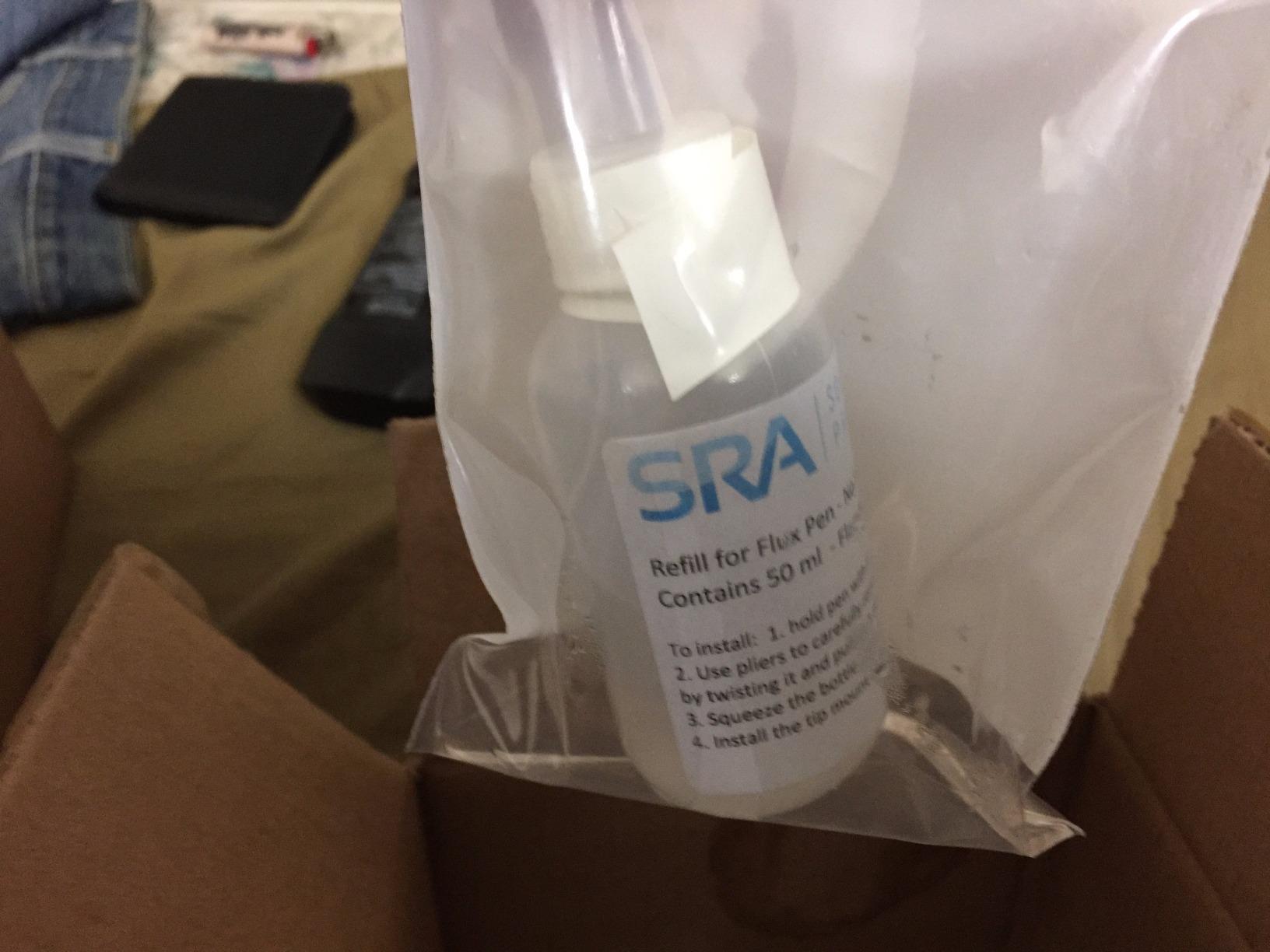
If you solder regularly and want the best long-term value, this kit deserves consideration. The pen plus five refills provides enough flux for years of typical hobby use. At under nineteen dollars for the complete set, the per-project cost drops to nearly nothing while maintaining quality performance.
The retractable pen design protects the tip when not in use. Unlike pens with separate caps that get lost in cluttered workspaces, this mechanism always protects the felt nib. The pencil-style applicator feels familiar in hand and provides controlled flux delivery for precise work.
The alcohol-based formula is low viscosity, flowing easily onto components. This characteristic helps the flux penetrate tight spaces under components and spread across pads uniformly. For surface mount work where complete coverage matters, the thin consistency ensures proper wetting.
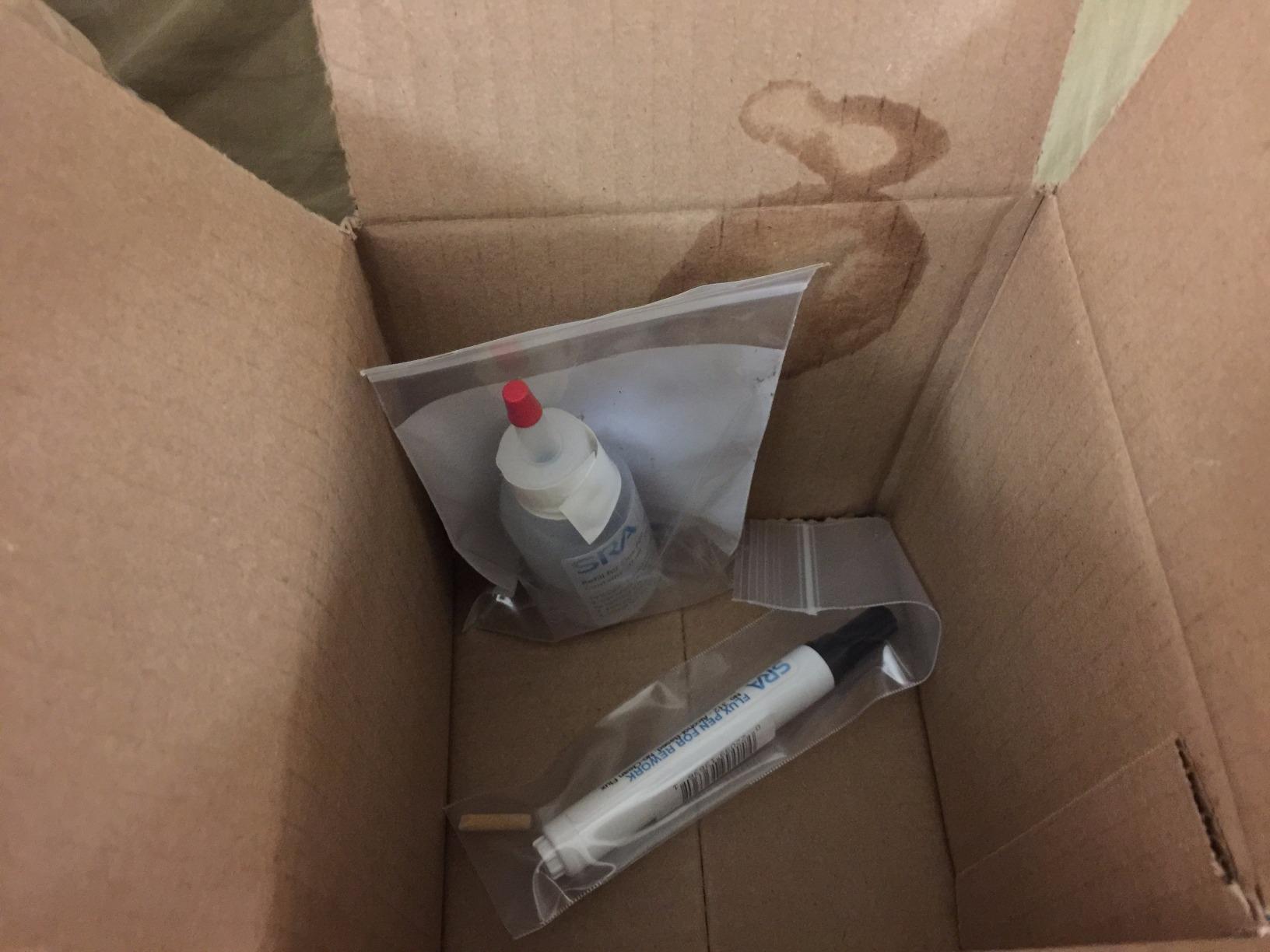
The included spare nib extends the pen life even further. When the original tip eventually wears, swapping in the replacement restores like-new performance without buying a whole new pen. This thoughtful inclusion demonstrates SRA’s understanding of how their products are used.
Economical Choice for Frequent Work
Production builders, repair shops, and serious hobbyists will appreciate the economy of this kit. The refills store compactly, and the pen mechanism is durable enough for daily use. Over a year of regular soldering, this kit costs significantly less than buying individual disposable pens.
The no-clean formula maintains the convenience that makes flux pens attractive. For assembly line work or repetitive soldering tasks, eliminating the cleaning step saves substantial time. The flux residue is minimal and does not interfere with circuit operation.
Storage Tips
The alcohol base means refill bottles can evaporate if stored improperly. Keep unopened refills in a cool, dark place with caps tightly sealed. Consider storing opened refills in a sealed bag for extra protection. The pen itself seals well and resists drying during normal use.
10. CS-Flux 5g – Specialized Formula for BGA and GPU Rework
CS-Flux Low Viscosity Liquid Flux
Low viscosity halogen-free formula
5g syringe with needle tip
Activates at 150C
For BGA rework and reballing
GPU/VGA repair specialized
Pros
- Exceptional BGA coverage
- Flows beautifully when heated
- Perfect for reballing
- Works great for GPU repairs
- Small amount goes far
Cons
- Strong odor requires ventilation
- Leaves dusty residue
- Heating required for flow
- Small 5g quantity
- Specialized application
The CS-Flux occupies a unique position in this roundup as a specialized tool for advanced rework. While traditional flux pens work for standard soldering, BGA rework demands specific characteristics that this formula delivers. The low viscosity and thermal activation profile make it ideal for reballing and reflow operations.
The syringe format with needle tip provides different application than felt-tip pens. For placing flux precisely under BGA chips where access is limited, the needle reaches spaces pens cannot. The 5g quantity seems small but lasts through many projects because BGA work requires minimal flux applied strategically.
When heated to approximately 150C during reflow, the flux flows actively under components, providing complete coverage of solder balls and pads. This characteristic prevents bridging while ensuring proper wetting. For gaming console repairs, GPU fixes, and laptop motherboard rework, this behavior is essential.
The 4.6-star rating from over eleven hundred reviews indicates consistent performance. Users specifically praise the formula for PlayStation and Xbox repairs where BGA connections commonly fail. The flux prevents oxidation during the critical reflow phase when solder balls melt and reform connections.
Professional repair technicians value the predictable behavior during hot air rework. The flux does not spatter or burn off too quickly, maintaining activity through the thermal profile needed for lead-free BGA solder. For anyone doing microsoldering or component-level repair, this predictability matters.
For Advanced Rework Projects
If you are repairing gaming consoles, recovering data from laptops, or doing any BGA rework, this flux belongs in your toolkit. The formula addresses the specific challenges of reflow soldering where components hide flux underneath and thermal profiles are tight. Standard flux pens cannot achieve the coverage this liquid provides.
The halogen-free formula is compatible with modern environmental standards while still providing excellent activity. For repair businesses advertising green practices, this characteristic supports marketing claims without sacrificing repair quality.
Beginner Considerations
This flux requires heating to flow properly, making it unsuitable for standard soldering iron work. Beginners should master basic soldering before attempting BGA rework, which requires hot air stations and precise temperature control. The strong odor also demands good ventilation that newcomers might not have arranged.
For standard through-hole or surface mount soldering with an iron, choose any of the other nine options in this guide. Reserve the CS-Flux for its intended purpose of BGA rework and reflow operations where its specialized characteristics shine.
How to Choose the Best Flux Pens for Precision Soldering and Rework?
Selecting the right flux pen requires understanding your specific projects and priorities. After reviewing ten excellent options, the best choice depends on matching flux characteristics to your work style and requirements.
Understanding Flux Types
No-clean flux represents the most popular choice for modern electronics. The minimal residue does not require removal, saving time and eliminating the risk of damage from cleaning solvents. These fluxes use synthetic activators that decompose during soldering, leaving benign residue behind. For most hobbyists and professionals, no-clean formulas like the SRA #312, Chip Quik CQ4LF, or Chemtronics CW8100 provide the best balance of performance and convenience.
Rosin flux, derived from pine sap, has been the standard for decades. The RMA classification indicates mildly activated rosin with cleaning agents added to improve wetting. While requiring post-solder cleaning, rosin flux handles difficult soldering situations better than no-clean alternatives. The Kester 186 and SRA #99-20 represent quality rosin options for challenging work.
Water-soluble flux offers the strongest cleaning action but requires thorough washing after soldering. These formulas are less common in pen format and generally reserved for industrial applications where cleaning equipment is available.
Key Features to Consider
Tip design significantly affects application precision. Chisel tips like the Chemtronics CW8100 excel at drag-soldering and line application. Round felt tips found on most pens provide universal application for both dots and lines. Needle tips like the CS-Flux allow access to tight spaces but require different technique.
Refillable pens like the SRA #312 and SRA #99-20 save money long-term while reducing waste. For regular soldering work, the economics strongly favor refillable designs. Occasional users might prefer the convenience of disposable pens without refill management.
Lead-free compatibility matters increasingly as regulations and health concerns push the industry away from leaded solder. If you use SAC305 or similar lead-free alloys, choose flux specifically formulated for these solders. The MG Chemicals 836LFNC-P and all Kester options handle lead-free work well.
Matching Flux to Your Project
Surface mount work demands precision application that pens provide better than bottles or paste. For SMD soldering, prioritize pens with good flow control and fine tips. The Chemtronics CW8100 and MG Chemicals 836LFNC-P excel here.
Through-hole soldering is more forgiving but still benefits from controlled flux application. Any pen in this guide handles through-hole work well. Choose based on whether you prefer no-clean convenience or rosin performance.
BGA rework requires specialized flux characteristics that standard pens do not provide. For reballing and reflow work, the CS-Flux represents the appropriate choice despite being less convenient than pen formats.
Model building and RC applications often involve soldering near plastics and other heat-sensitive materials. No-clean formulas prevent residue damage to surrounding components, while precision tips keep flux off adjacent areas. The SRA #312 or Chip Quik work well for these applications.
Frequently Asked Questions About Flux Pens
What is the best flux for soldering?
No-clean flux is best for most modern electronics because it requires no post-soldering cleanup and leaves non-corrosive residue. For challenging soldering situations with oxidized components, rosin flux like RMA formulas provides superior wetting but requires cleaning with isopropyl alcohol afterward. The best choice depends on your specific project requirements.
Is a flux pen good for electronics?
Flux pens are excellent for electronics because they provide precise, controlled application exactly where needed. Unlike liquid bottles that spill or paste that spreads, pen applicators work like markers for targeted flux placement. They are particularly valuable for surface mount work where adjacent components sit extremely close together.
Can I apply flux with my finger?
You should never apply flux with your finger. Skin oils contaminate both the flux and components, leading to poor solder joints and potential corrosion issues. Always use the proper applicator that comes with your flux, whether that is a pen tip, brush, or needle. Clean hands with isopropyl alcohol before handling circuit boards.
Does soldering flux ever go bad?
Soldering flux can degrade over time, especially rosin-based formulas that may dry out or separate. Most manufacturers specify shelf life of one to two years. However, many users report quality flux pens remaining usable for five years or longer when stored properly with caps tightly sealed in cool, dark conditions. If the flux appears separated, discolored, or has dried significantly, replacement is recommended.
Which flux is best for electronics?
No-clean flux is best for most electronics work because it requires no post-solder cleanup and leaves minimal benign residue. For sensitive RF circuits or high-impedance applications, water-soluble or rosin flux with thorough cleaning may be preferable. No-clean formulas meeting IPC J-STD-004 standards provide excellent results for hobbyist and professional electronics alike.
Can flux damage electronics?
Properly used flux will not damage electronics. However, aggressive flux left uncleaned on high-impedance circuits can cause leakage currents or corrosion over time. No-clean fluxes are designed to be left on safely. Always follow manufacturer guidelines and clean rosin or water-soluble flux residue with isopropyl alcohol when working on sensitive circuits or long-life equipment.
Final Recommendations
After testing these ten flux pens across hundreds of soldering projects, our top recommendation depends on your specific needs. For professional work demanding maximum reliability, the Kester 186 RMA Flux Pen delivers unmatched performance with its high-activity rosin formula. The refillable SRA #312 No-Clean Pen offers the best value for hobbyists and regular users who want convenience without premium pricing. Budget-conscious buyers should grab the Chip Quik CQ4LF, which punches well above its weight class at under eight dollars.
Lead-free soldering enthusiasts will appreciate the MG Chemicals 836LFNC-P, specifically formulated for modern alloys. Those tackling BGA rework need the specialized CS-Flux for proper reflow characteristics. Whatever your project, investing in quality flux transforms frustrating soldering into enjoyable, professional work.
The best flux pens for precision soldering and rework in 2026 combine reliable chemistry with convenient application. Choose based on your work style, project types, and budget. Every option in this guide has earned its place through real performance testing and user validation. Happy soldering.