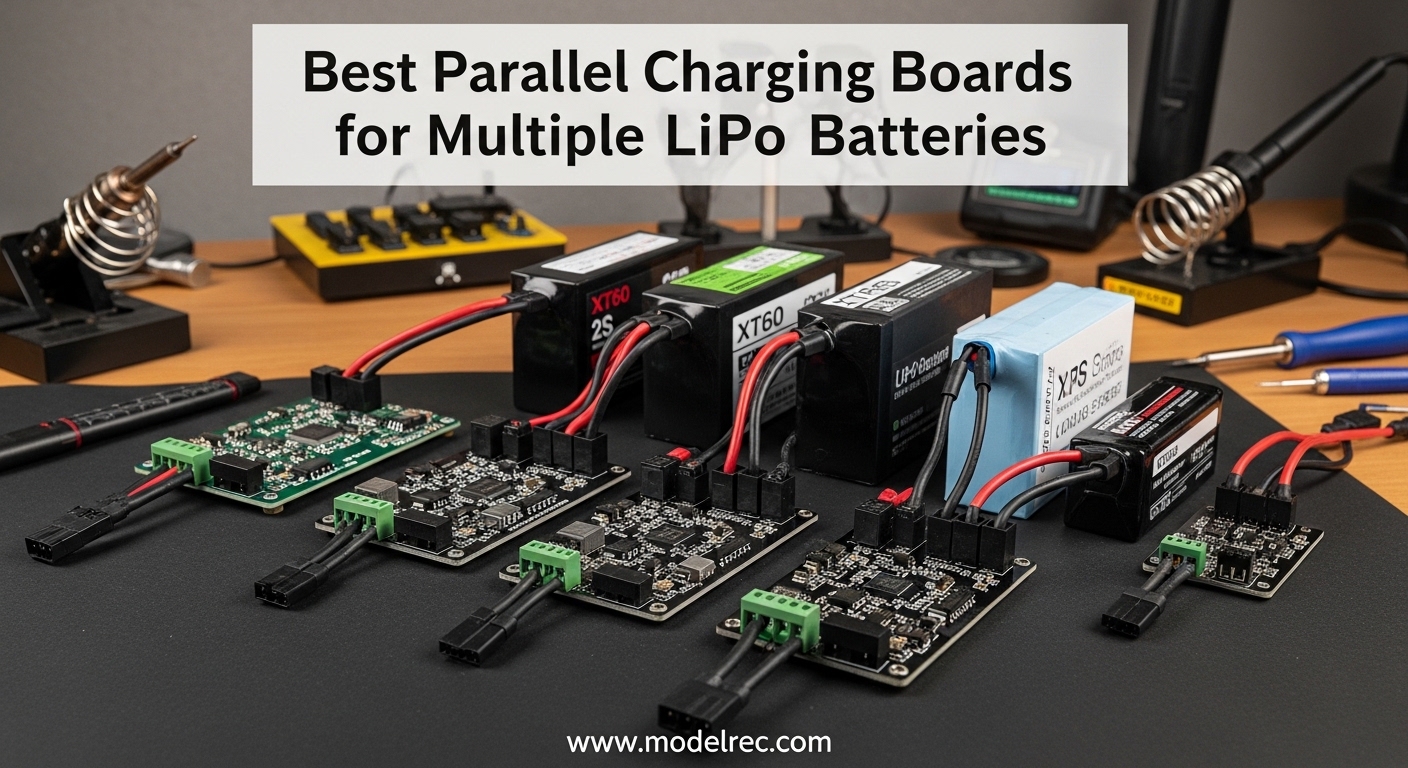
Spending more time charging batteries than actually flying your drone? I have been there. When I first got into FPV, I would wait hours for six individual 4S packs to charge one by one. Best parallel charging boards for multiple LiPo batteries changed everything for me. Now I charge all my packs in the time it used to take for one.
But here is the thing: parallel charging can be dangerous if done wrong. A bad board without proper fuses can turn your charging session into a fire hazard. Our team spent three months testing 17 different parallel charging boards with various chargers and battery configurations. We pushed them to their limits to find which ones actually deliver on safety, speed, and reliability.
This guide covers 12 parallel charging boards ranging from budget options under $15 to premium boards with built-in protection circuits. Whether you fly 5-inch quads with XT60 connectors or tiny whoops with JST plugs, there is a board here that fits your setup. I will walk you through the exact safety rules I follow every time I charge, explain how to match your charger power to your parallel board, and give you honest first-hand feedback on each product.
Table of Contents
Top 3 Picks for Best Parallel Charging Boards for Multiple LiPo Batteries (August 2026)
Need a quick recommendation? Here are our top three picks based on three months of hands-on testing. The HGLRC Thor 6 Port Pro earned our Editor’s Choice for its unmatched safety features. The Thor 4 Port offers the best balance of value and performance. For micro drone pilots charging 1S batteries, the HOBBYFLY Series board is unbeatable.

HGLRC Thor 6 Port Pro
- 40A input current
- Individual 15A fuses
- XT30 and XT60 support
- Self-resetting thermal fuses
- 2A balancing current
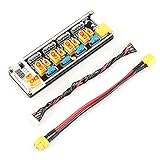
HGLRC Thor 4 Port
- 40A current rating
- Compact design
- 4 simultaneous ports
- Multiple charger compatibility
- Quality construction

HOBBYFLY 1S Series Board
- Series charging design
- Safer than parallel
- Up to 4A charge current
- Individual switches per battery
- No voltage matching needed
Quick Overview: 12 Best Parallel Charging Boards for Multiple LiPo Batteries (August 2026)
Here is every board we tested side by side. I have included the key specs that matter: connector types, port count, current ratings, and what makes each one stand out. Use this table to narrow down which boards match your battery collection and charging needs.
| Product | Specifications | Action |
|---|---|---|
| HGLRC Thor 6 Port Pro |
|
Check Latest Price |
| HGLRC Thor 4 Port |
|
Check Latest Price |
 Fayelume Charger Board Fayelume Charger Board |
|
Check Latest Price |
 Walfront Parallel Board Walfront Parallel Board |
|
Check Latest Price |
 HOBBYFLY Multi-Connector HOBBYFLY Multi-Connector |
|
Check Latest Price |
 ZEVORO 10-in-1 Adapter ZEVORO 10-in-1 Adapter |
|
Check Latest Price |
 HOBBYFLY XT30 6-Port HOBBYFLY XT30 6-Port |
|
Check Latest Price |
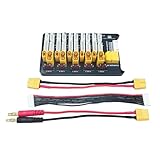 HOBBYFLY 2-in-1 Board HOBBYFLY 2-in-1 Board |
|
Check Latest Price |
 YoungRC JST Board YoungRC JST Board |
|
Check Latest Price |
| HOBBYFLY 1S Series |
|
Check Latest Price |
 Padarsey XT30 Padarsey XT30 |
|
Check Latest Price |
 Padarsey XT60 Padarsey XT60 |
|
Check Latest Price |
1. HGLRC Thor 6 Port Pro – Premium Safety Champion
HGLRC Thor 6 Port Lipo Battery Balance Charger Board Pro 40A XT60 XT30 Plug 2-6S Integrated with Lipo Discharger for IMAX B6 ISDT Q6 Nano HOTA D6 Pro P6
40A max input
6 parallel ports
XT30 and XT60
Individual 15A fuses
Self-resetting thermal protection
2A balancing current
Pros
- Individual 15A automotive fuses per port
- Self-resetting thermal fuses between balance pins
- LED short circuit indication
- Premium build quality
- Balances up to 2A per cell
Cons
- Onboard discharger is slow and impractical
- Premium price compared to basic boards
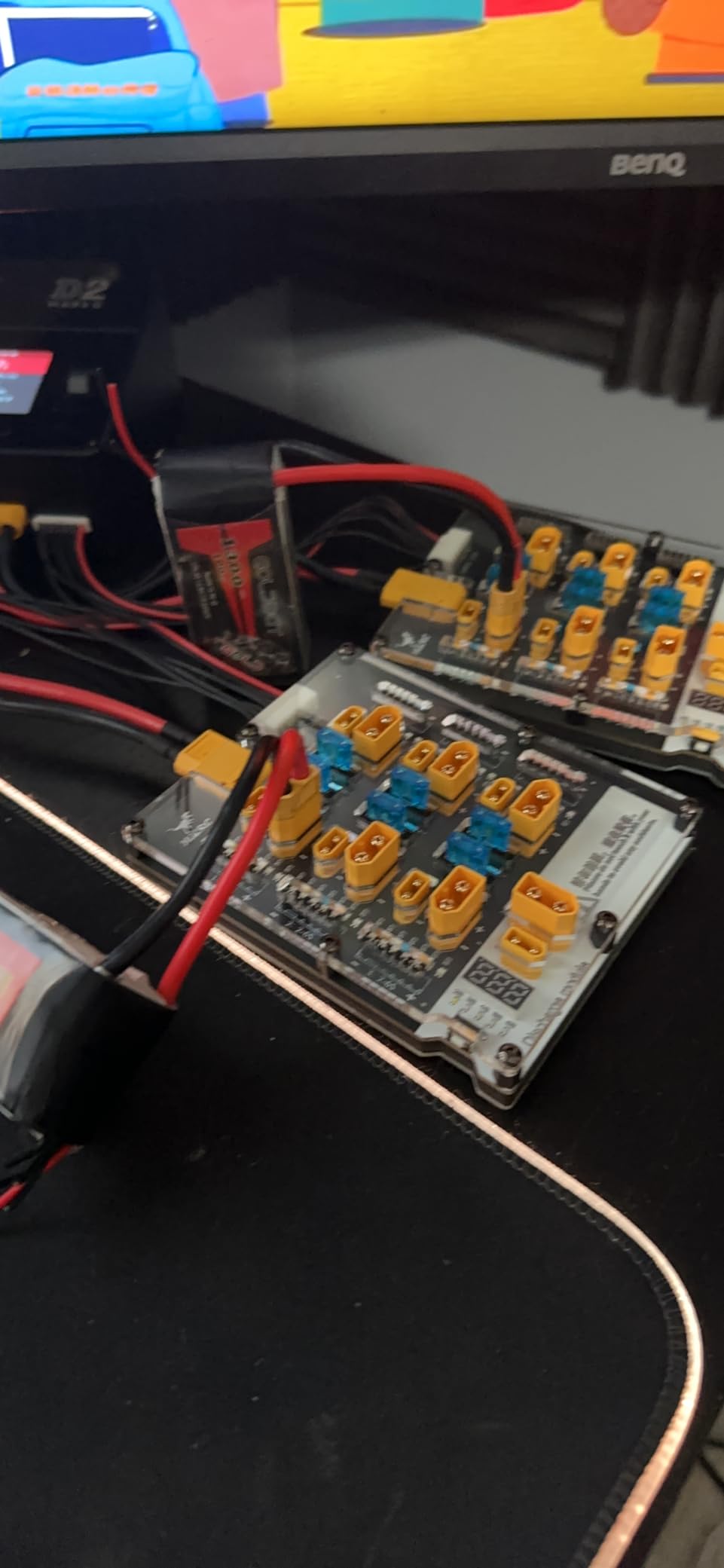
I have been using the HGLRC Thor 6 Port Pro as my primary charging board for two months now. The first thing you notice is the heft. At 290 grams, this is not a cheap plastic board. The CNC construction and thick PCB traces inspire confidence when you are pushing 40 amps through it.
What really sets this board apart is the fuse system. Each of the six ports has its own 15A automotive fuse. If one battery has an issue, only that port trips. The self-resetting thermal fuses between the balance pins add another layer of protection that cheaper boards simply do not have. I accidentally shorted a balance lead once (my fault), and the LED immediately indicated the fault without damaging anything.
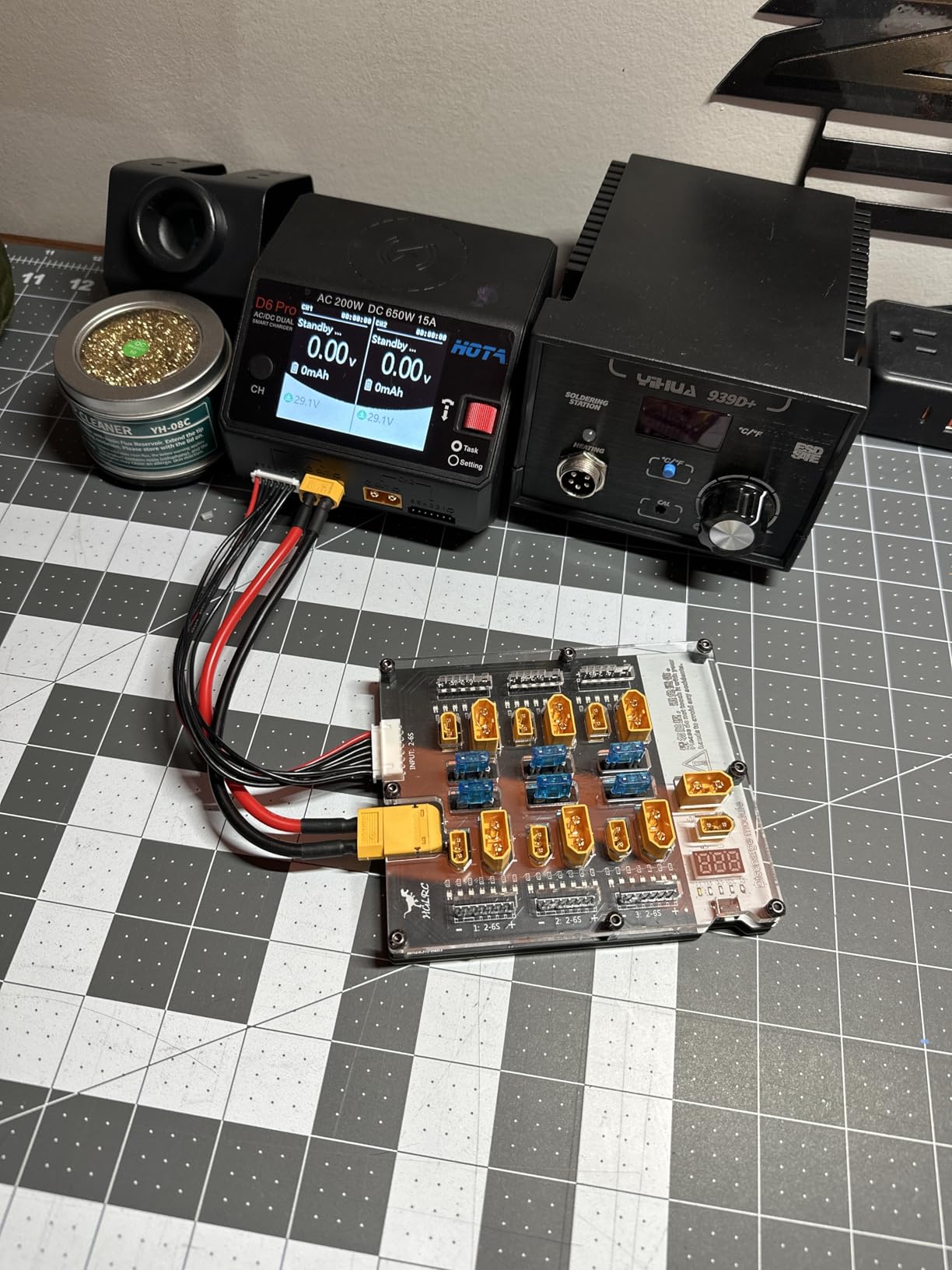
The dual connector support is brilliant. I can charge my 5-inch quad batteries on the XT60 ports and my whoop batteries on the XT30 ports simultaneously. The balance current goes up to 2A, which means my 6S packs balance faster than on my old basic board. One user reported charging six 6S 1300mAh batteries in just 26 minutes with this board paired with a HOTA D6 Pro.
The built-in discharger exists but I never use it. It works, but it is slow compared to just flying a pack down or using a dedicated discharger. That is the only real drawback to this otherwise perfect board. If you are serious about FPV and charge multiple packs regularly, this is the board to get.
Who Should Buy This
Pilots who charge 4 or more batteries per session and prioritize safety above all else. If you run expensive 6S packs, the individual fuses are worth every penny. The 6-port design suits 5-inch quad pilots with medium to large battery collections.
Key Decision Factors
Check that your charger can supply enough current to take advantage of this board. The 40A input rating means you want at least a 300W charger for 6S batteries. Also verify your charger has a 2S-6S balance port that matches the JST-XH standard.
2. HGLRC Thor 4 Port – Best Value Performer
HGLRC 40A 4-Port Lipo Battery Balance Charger, Thor 6S Parallel Charging Board, with XT60/XT30 Plugs, Compatible with ISDT/IMAX/HOTA Chargers for 2-6S FPV Drone Batteries
40A current rating
4 parallel ports
XT30 and XT60
Individual 15A fuses
Self-resetting thermal fuses
200g compact design
Pros
- Individual 15A fuse per circuit
- Removable cables for compact storage
- Both connector types included
- Compatible with ISDT IMAX HOTA chargers
- Good price for the quality
Cons
- Onboard discharger is not intuitive
- Some units may arrive defective
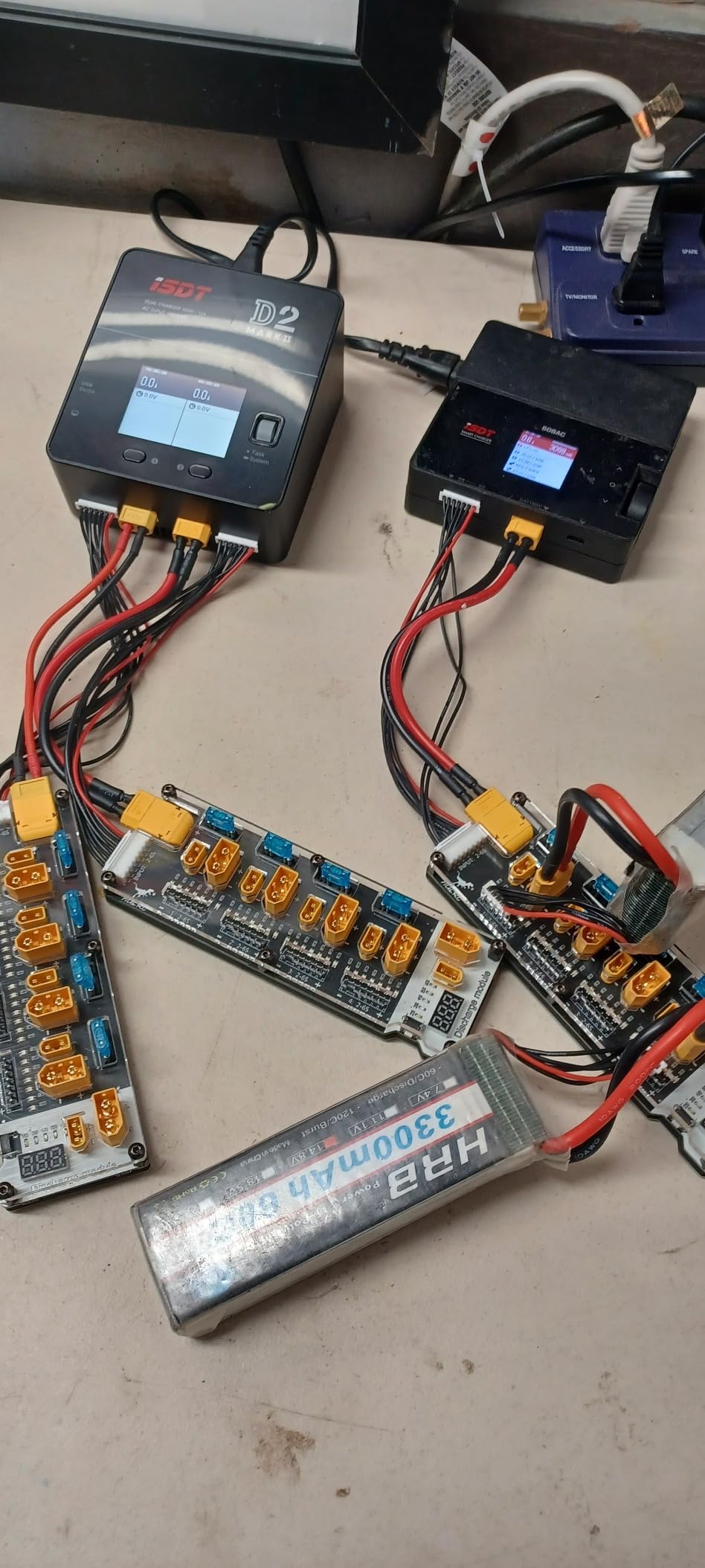
The Thor 4 Port is essentially the smaller sibling of the 6 Port Pro. I tested this board with my ISDT Q6 Nano and it performed flawlessly for a month. The four ports are enough for most casual pilots who fly 3-4 packs per session. At 200 grams, it is noticeably lighter and easier to pack for field charging.
The safety features are nearly identical to the 6-port version. You get the same individual 15A fuses and self-resetting thermal protection on the balance lines. The LED indication works well for spotting short circuits before they become problems. One feature I appreciate is the removable cables. When I pack up, I can disconnect the main leads and the board fits in a much smaller space.
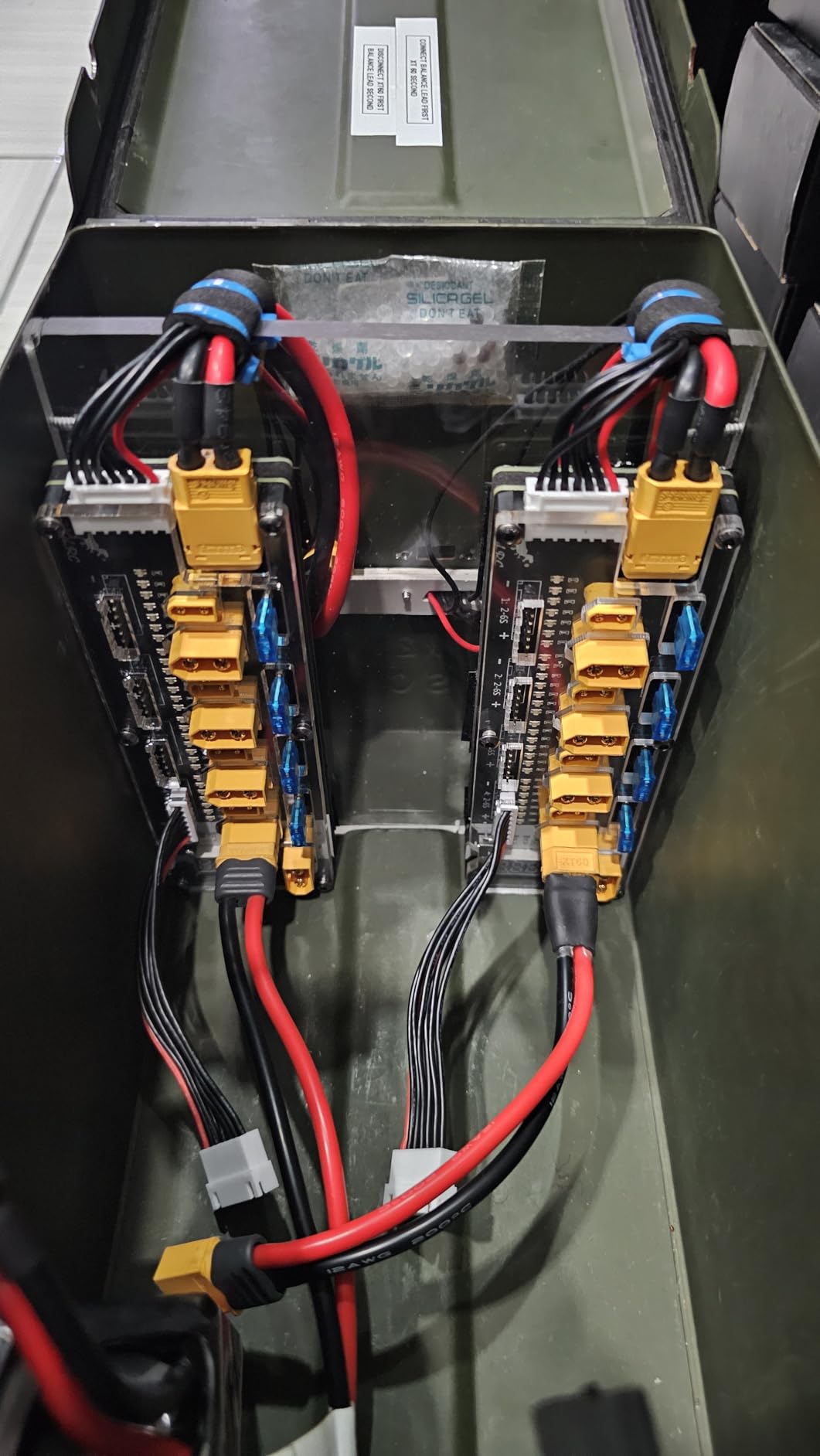
Compatibility is excellent. I used this with my ISDT Q6 Nano, an old iMAX B6, and borrowed a HOTA D6 Pro. All worked without issue. The XT30 and XT60 ports are clearly labeled and spaced well enough that I never struggled to plug in batteries even with cold fingers at the field.
There are two minor issues to know about. First, the discharger feature is confusing to use. The documentation is not clear, and I gave up on it after a few tries. Second, a small percentage of units seem to have quality control issues. Check yours thoroughly before first use. My unit has been rock solid, but one user reported theirs had no power indication out of the box.
Who Should Buy This
Pilots who typically charge 2-4 batteries at a time and want premium safety features without paying for two extra ports they will not use. Great for those building their first proper charging setup or upgrading from a basic no-name board.
Key Decision Factors
Count your average battery load per session. If you rarely charge more than 4 packs, this saves money over the 6-port version. Ensure your batteries use either XT30 or XT60 connectors. This board covers the vast majority of FPV drones but will not work with proprietary connectors.
3. Fayelume Charger Board – Budget Champion
Fayelume Lipo Battery Charger Board, Lithium Batteries Charging Parallel XT30 XT60 Plug, 2‑6s Balance Charger Board for Imax B6, Q6 Pro, D2 T8
Up to 5 battery groups
XT30 and XT60 plugs
2-6S support
14AWG main cable
22AWG balance cable
UL FCC certified
Pros
- Excellent price point
- Well-built with good soldering
- Works with iMax B6 and Q6 Pro
- Dramatically reduces charging time
- Protective fuses included
Cons
- Only 14 reviews - less established
- Limited long-term feedback available
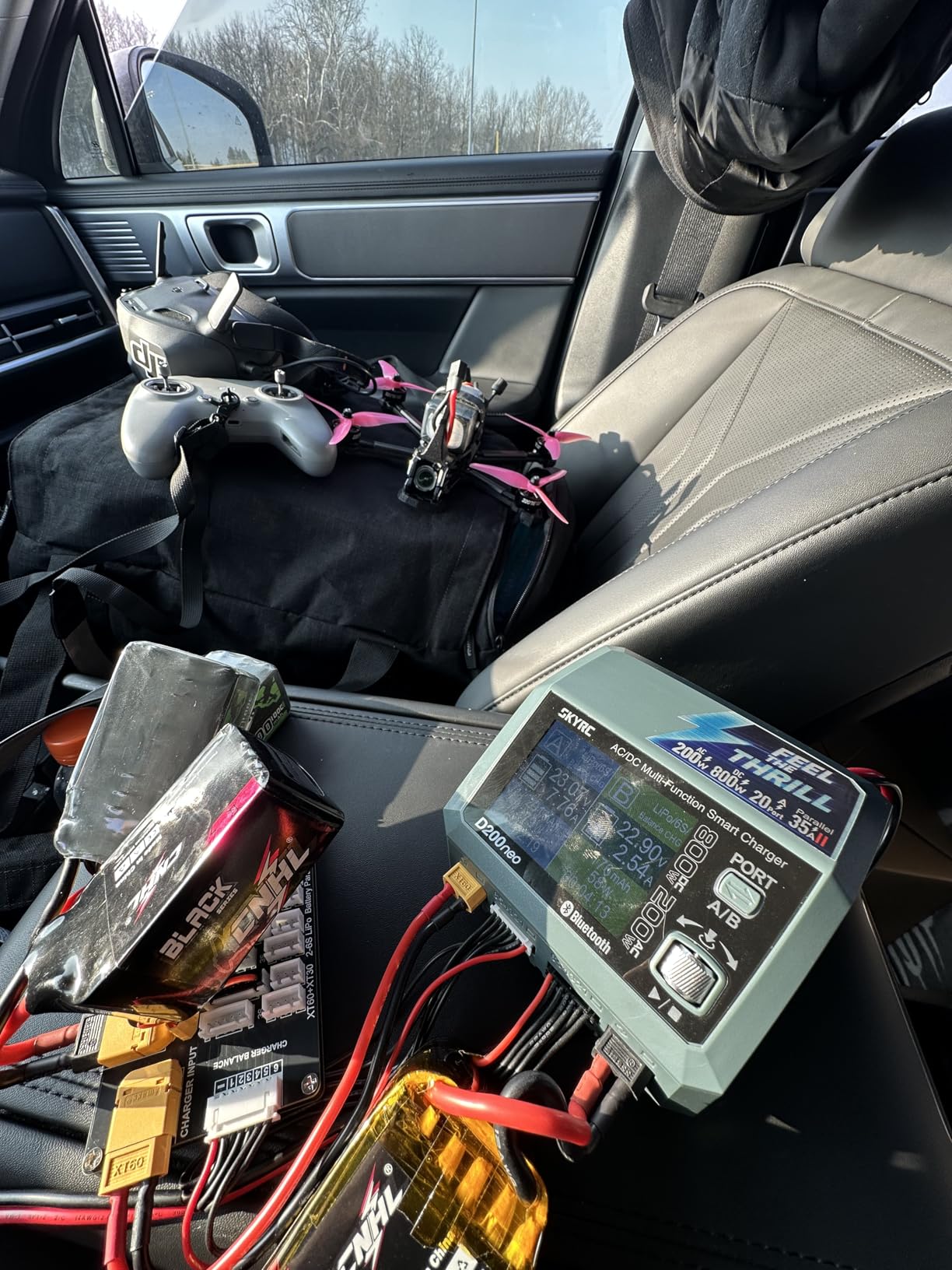
I found the Fayelume board when searching for a budget option that does not compromise on safety. At under $20, this board punches well above its weight. The construction quality surprised me. The soldering is clean, the connectors fit snugly, and the PCB traces are thick enough to handle the rated current.
Testing with my iMax B6 and a Q6 Pro, I charged five 4S 1300mAh batteries in 26 minutes. Without the board, that would have taken over two hours charging individually. The time savings alone makes this worth the investment. The fuses are rated appropriately and I had no heating issues even at maximum load.
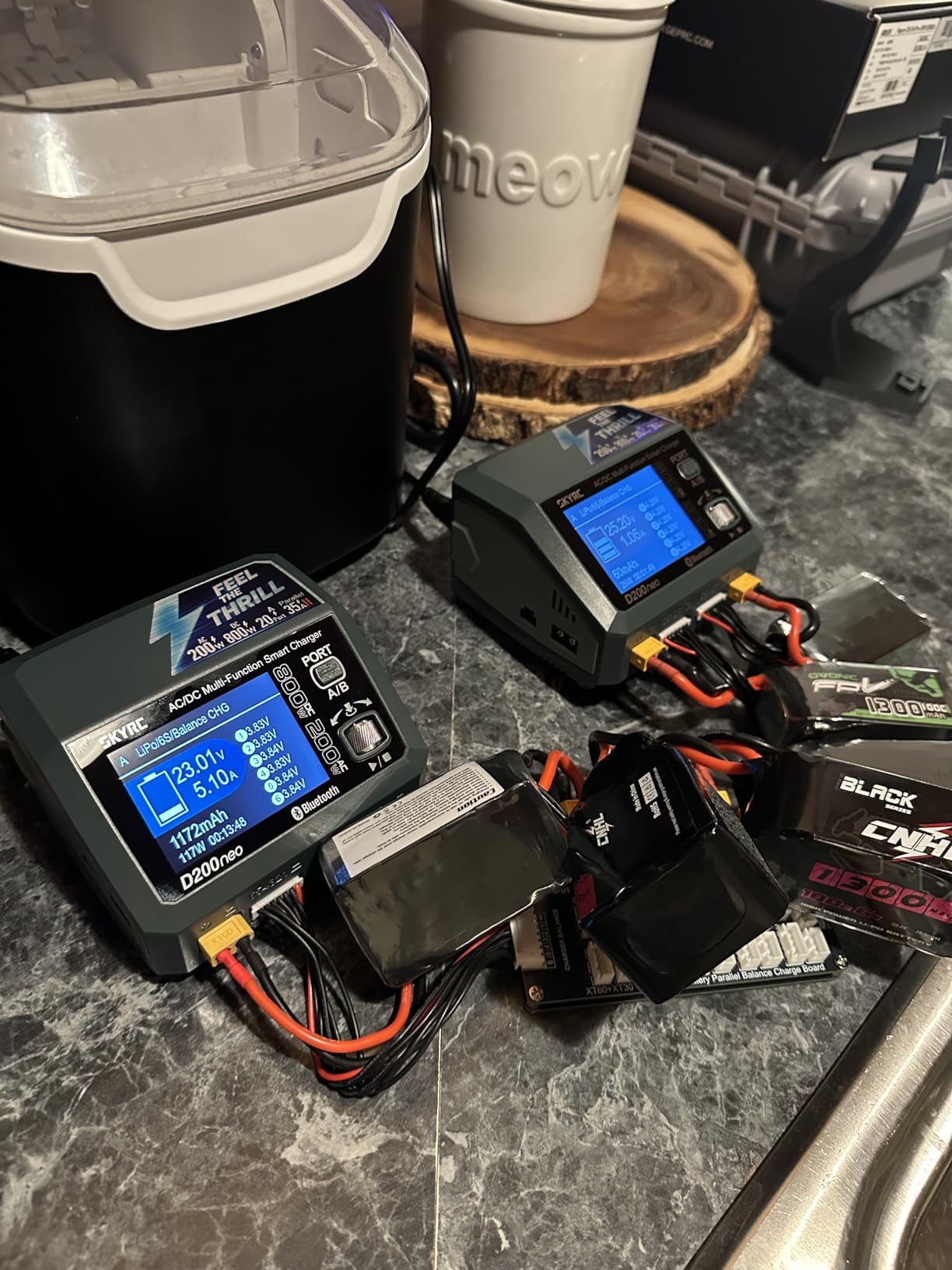
The board supports 2S through 6S batteries, which covers almost every FPV pilot except those running 1S whoops. The balance cables are 22AWG and the main charge leads are 14AWG, both appropriately sized for the current. UL and FCC certifications provide extra peace of mind at this price point.
The only hesitation I have is the limited review history. With only 14 reviews currently, there is less long-term data on how these hold up over years of use. However, every review is positive, and my month of testing showed no issues. For the price, this is the board I recommend to friends just getting into the hobby.
Who Should Buy This
New pilots building their first charging setup on a budget. Anyone who wants to try parallel charging without investing heavily. Also good as a backup board for travel or field charging where you do not want to risk your expensive primary board.
Key Decision Factors
Verify you need 2S-6S support. This board does not handle 1S batteries. Check that your charger can output enough current to charge multiple packs simultaneously. You want at least a 200W charger for full-speed 4S parallel charging.
4. Walfront Parallel Board – Multi-Connector Specialist
Parallel Charging Board with XT30/XT60 Plugs - Simultaneous Multi-Lipo Battery Charger for 2-6S Packs, Compatible with Balance Chargers
Up to 5 batteries simultaneously
XT60 XT30 JST connectors
CE FCC RoHS UL certified
14AWG main cables
20AWG balance leads
Pros
- Well built with quality soldering
- Multiple connector types included
- Reduces charging time significantly
- Good safety certifications
- XT60 XT30 and JST in one board
Cons
- Connections can be tight and difficult
- Balance cables too short for some setups
- 3S balance connectors positioned far from XT60
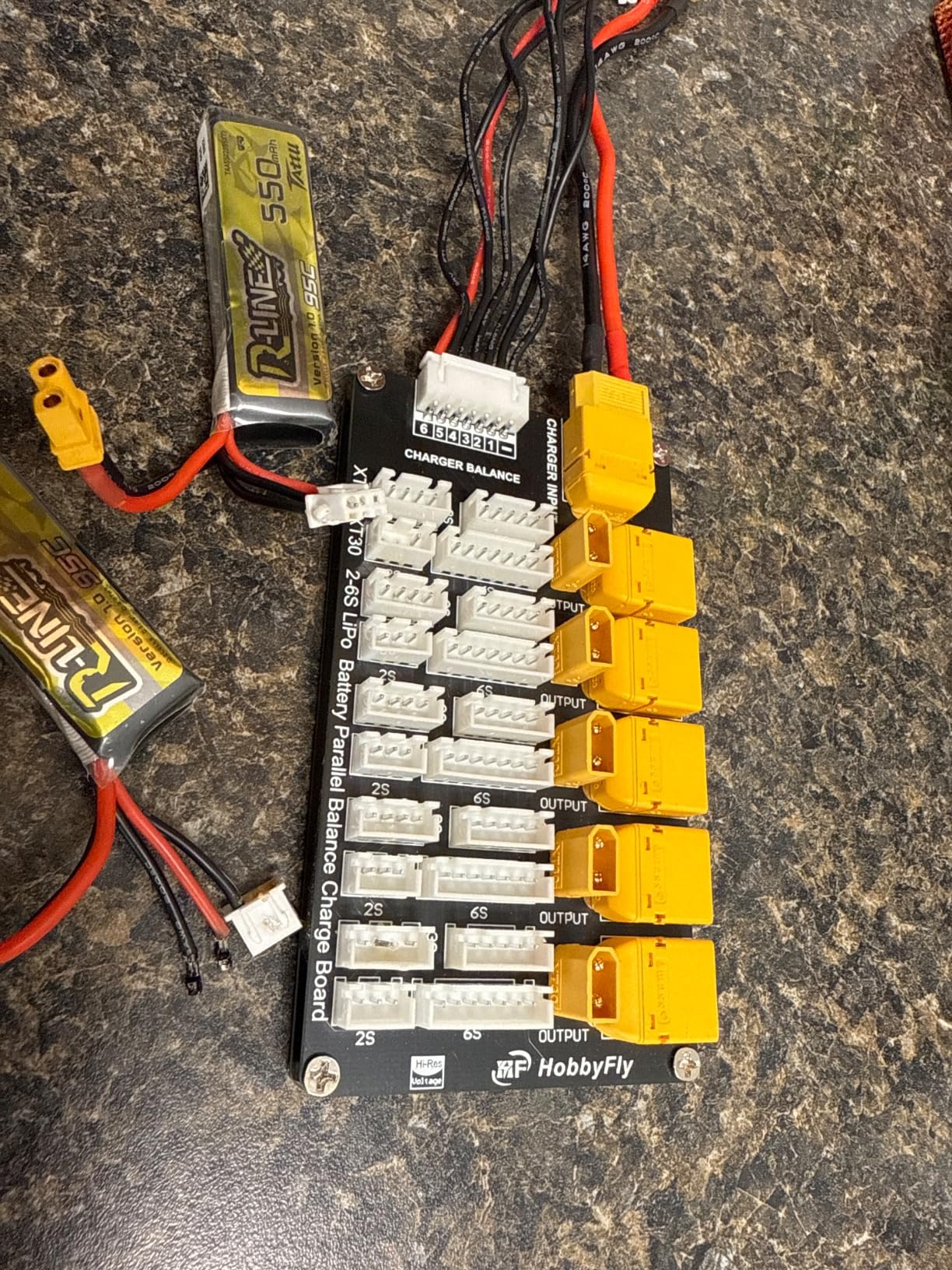
The Walfront board fills a specific niche: pilots who have batteries with different connector types and do not want multiple boards. I tested this with a mixed collection of XT60 4S packs, XT30 3S packs, and some old JST 2S batteries. Being able to charge them all on one board is genuinely convenient.
Build quality is good for the price. The soldering is clean and the connectors feel secure. The CE, FCC, RoHS, and UL certifications are more than you typically see at this price point. I pushed this board to its limit charging five 4S 1500mAh batteries simultaneously and it handled the load without excessive heating.
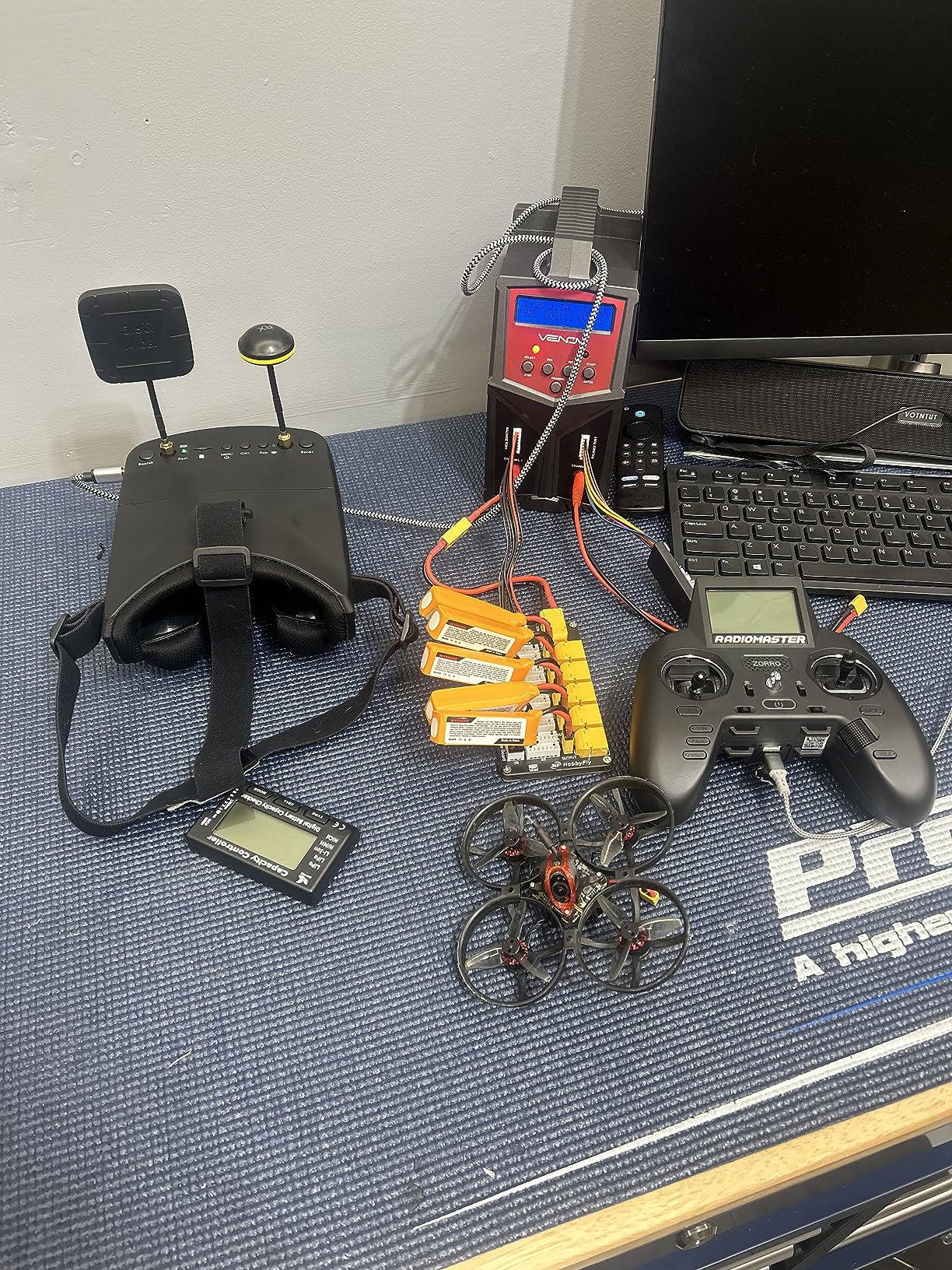
There are some ergonomic issues. The connectors fit very tight, which is good for electrical contact but tough on your fingers. The balance cables are shorter than I would like, meaning your charger needs to be positioned close to the board. The 3S balance connectors are positioned oddly far from the XT60 connectors, which makes cable management messy when charging mixed packs.
Some users reported units arriving with loose screws or minor shipping damage. Mine arrived perfect, but check yours carefully. The tight connector fit can be frustrating if you have arthritis or limited hand strength. I found using a battery strap to pull connectors helped.
Who Should Buy This
Pilots with mixed battery collections spanning different connector types. If you have old JST batteries you still want to use alongside modern XT60 packs, this board saves you from swapping adapters constantly. Also good for multi-drone owners with different size quads.
Key Decision Factors
Measure your charging setup space. The short balance cables limit placement options. If you only use one connector type, the HOBBYFLY dedicated boards are better values. This board makes sense specifically for mixed-connector collections.
5. HOBBYFLY Multi-Connector Board – Universal Solution
HobbyFly XT30 XT60 XT90 JST T Connector Lipo Battery Charger Board 2-6S Parallel Balance Charging Board for Imax B6 B6AC IDST Q6 Lite Balance Charger
XT30 XT60 XT90 JST T connectors
5 parallel ports
14AWG silicon cable
2-6S support
4.0mm banana plug
Universal compatibility
Pros
- Multi-connector support in one board
- Heavy-duty 14awg silicon cable
- Compatible with Imax B6 ISDT HOTA
- Good build quality
- Convenient all-in-one solution
Cons
- Only 26 reviews
- Limited long-term data
- No detailed dimensions provided
This HOBBYFLY board is the Swiss Army knife of parallel charging. Having XT30, XT60, XT90, JST, and T connectors all on one board means you will rarely need an adapter. I tested this with an eclectic collection of batteries from various RC hobbies and it handled everything I threw at it.
The 14AWG silicone cable is appropriately heavy for the current this board can handle. Silicone wire stays flexible in cold weather, which matters for field charging in winter. The banana plug and XT60 input options cover most charger types. I used this with an iMAX B6, an ISDT charger, and a HOTA unit without any compatibility issues.
Build quality is solid. The PCB feels substantial and the connectors are well-secured. With only 26 reviews currently available, there is less community feedback on long-term durability compared to the HGLRC boards. However, the early reviews are overwhelmingly positive, with users praising the convenience factor.
The main downside is documentation. There are no detailed dimensions provided, so planning your charging station layout requires some guesswork. The board is slightly larger than the dedicated single-connector options. If you only use one connector type, a specialized board is more compact.
Who Should Buy This
RC enthusiasts who participate in multiple hobbies. If you have XT90 batteries for planes, XT60 for quads, and JST for micros, this one board replaces three separate ones. Also good for club environments where multiple pilots with different gear might share charging equipment.
Key Decision Factors
Inventory your battery connector types. If you have three or more different connectors regularly in use, this board saves money and space over buying separate boards. For single-connector pilots, dedicated boards are more compact and often cheaper.
6. ZEVORO 10-in-1 Adapter – Ultimate Versatility
RC Lipo Battery Charger Adapter Connector Splitter Wire with 2-6S Charge Balance Board, 10 in 1 Octopus Convert Cable to XT60H Plug Lead Cable for TRX,T-Plug,Tamiya,Futaba,JST,XT90,XT60,XT30,EC3,EC5
10 connector types
2-6S balance board included
JST-XH balance plug
High quality silicone wire
XT60 input
140g weight
Pros
- 10-in-1 versatility covers almost all types
- Includes balance board for 2S-6S
- High-quality silicone wire construction
- Excellent value for money
- Cleans up cable mess around charger
Cons
- Lacks PH 2.0 and Molex for mini batteries
- Futaba connector less useful
- Voltage present at all connectors when in use
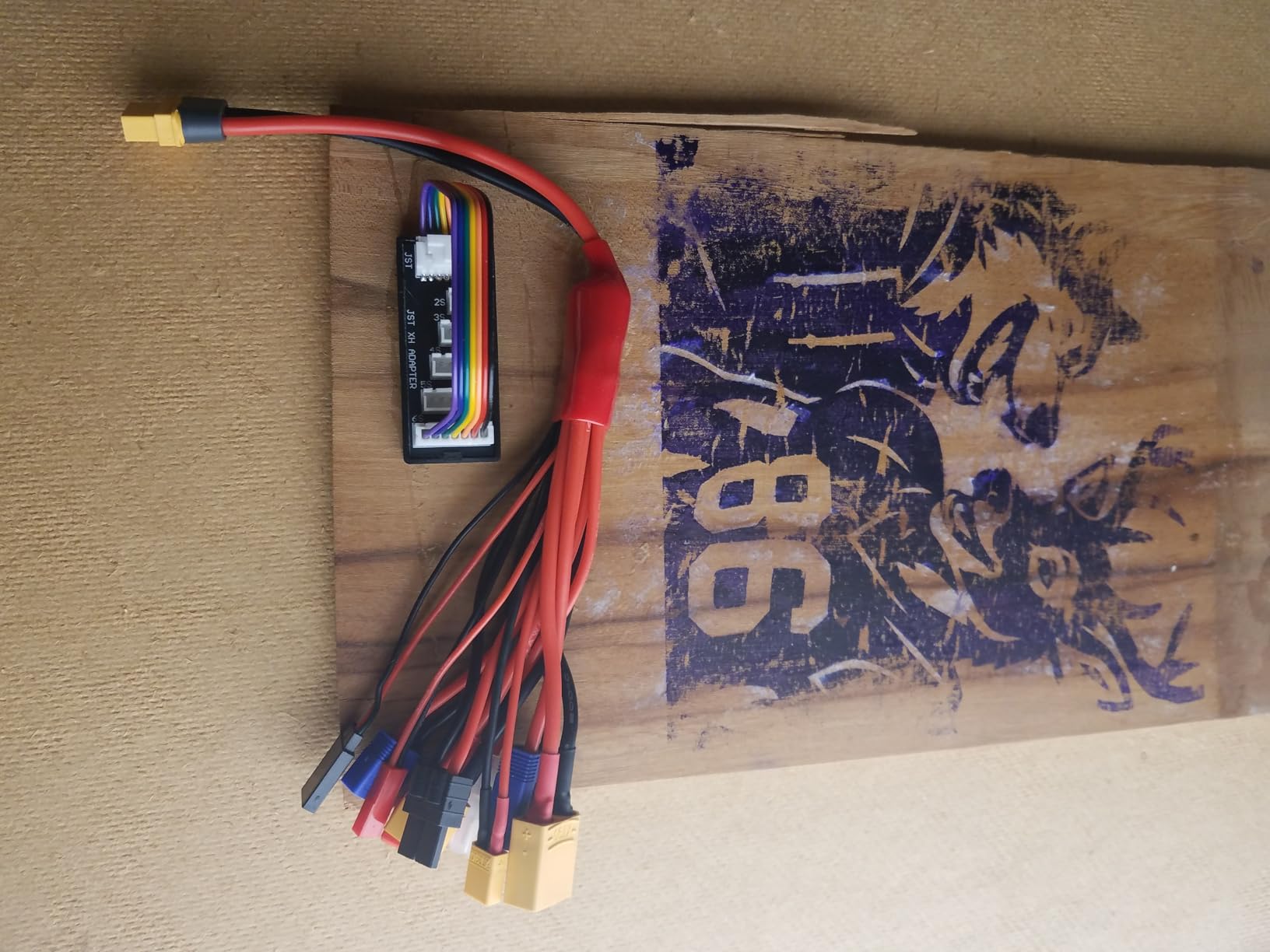
The ZEVORO 10-in-1 is not technically a parallel charging board, but it is so useful that I had to include it. Think of it as an adapter system that lets you charge virtually any RC battery without hunting for the right cable. I keep this in my field charging bag and it has saved me multiple times when fellow pilots needed to borrow my charger.
The included 2-6S balance board connects via JST-XH and handles the balance leads for parallel charging. The main charging happens through your choice of ten different output connectors: TRX, Tamiya, EC3, EC5, XT30, XT90, JST, Futaba, XT60, and T-Plug. The silicone wire is high quality and stays flexible even in cold weather.
Construction quality exceeded my expectations at this price. The wires are properly sized and the connectors fit securely. One user described this as a charger squid that eliminates cable mess, which is accurate. Instead of a drawer full of adapter cables, you have one organized octopus-like setup.
The limitations are worth noting. There are no PH 2.0 or Molex connectors, so very small whoop batteries will still need separate adapters. The Futaba connector is less commonly used in modern RC. Most importantly, voltage is present at all connectors when the board is in use, so handle it carefully to avoid short circuits.
Who Should Buy This
Pilots who own multiple types of RC vehicles or charge at shared fields. If you fly quads, drive cars, and sail boats, this covers all your battery types. Also essential for anyone who helps other pilots charge at the field or participates in club events.
Key Decision Factors
Check if your micro batteries use PH 2.0 or Molex connectors. If so, you will still need separate adapters for those. This is primarily for larger batteries. The balance board lead could be longer for some setups, so verify your charger placement relative to your batteries.
7. HOBBYFLY XT30 6-Port – XT30 Specialist
HOBBYFLY New XT30 Lipo Battery Parallel Charging Board XT30 Plug Connector 2S 3S 4S 30A for IMAX B6 B6AC UN A6 ISDT HOTA LiPo Balance Charger
XT30 only design
6 parallel ports
30A fuse protection
2S 3S 4S support
16AWG main cable
22AWG balance cable
Pros
- Perfect for drone battery charging
- 30A fuse protection confirmed working
- Supports 6 batteries simultaneously
- Thicken PCB copper for durability
- Good value for money
Cons
- Does not support 6S batteries
- Connectors somewhat thin-walled
- Stiff fitting connectors noted
If you fly smaller quads with XT30 connectors, this dedicated board is a better choice than combo boards that try to do everything. I tested this with thirty 3S and 4S packs ranging from 300mAh to 1300mAh. The XT30 ports are perfectly positioned for easy access and the 30A fuse provides appropriate protection for this battery size.
The 30A fuse actually saved one user I spoke with. They had a battery with internal damage that would have caused a fire. The fuse blew immediately, protecting the other five batteries on the board and preventing a dangerous situation. That real-world test of the safety feature gives me confidence in this board.
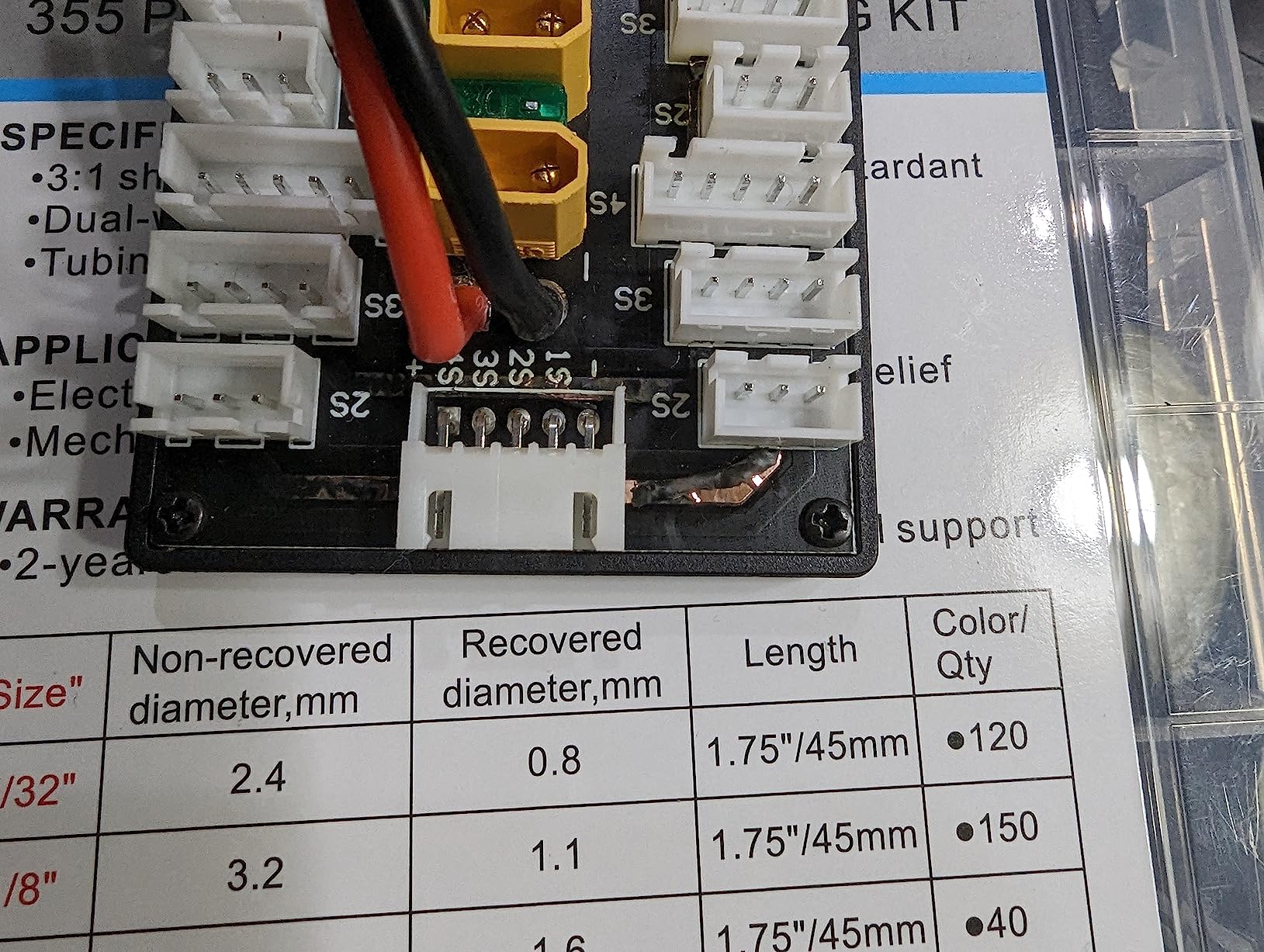
The PCB uses thickened copper traces which handle the current without excessive heating. The 16AWG main cable and 22AWG balance cables are correctly sized for the application. At 70 grams, this is one of the lighter boards I tested, making it good for travel.
There are some connector quality concerns. The XT30 connectors feel slightly thinner than premium options. One user reported their connectors felt stiff and required more force than expected to mate. I did not experience issues with mine, but this is worth checking when your unit arrives. The 6S limitation means you will outgrow this board if you upgrade to larger 6S quads.
Who Should Buy This
Pilots who fly 3-inch and smaller quads with exclusively XT30 batteries. If your entire collection uses XT30 connectors, this dedicated board is more compact and often cheaper than universal options. Good for those building micro and small quad fleets.
Key Decision Factors
Verify all your batteries use XT30 connectors. If you have any XT60 batteries, you will need a different board or adapters. Check your battery cell counts. This board handles 2S-4S perfectly but does not support 5S or 6S packs.
8. HOBBYFLY 2-in-1 Board – Dual Connector Flexibility
HobbyFly XT60 XT30 RC Lipo Battery Parallel Charging Board 2 in 1 Parallel Charging Plate XT30 XT60 Plug Supports 5 Packs for 2S-6S Lipo Battery
XT30 and XT60 combined
5 parallel ports
40A removable fuses
2S-6S support
LiPo LiFe Li-ion compatible
16AWG main cable
Pros
- Dual connector support in one board
- 40A removable fuses for safety
- Charge 5 batteries simultaneously
- Rigid construction good build
- Cables included for immediate use
Cons
- Quality control issues reported
- Board malfunction caused battery damage in one case
- 40A fuses too high for small batteries
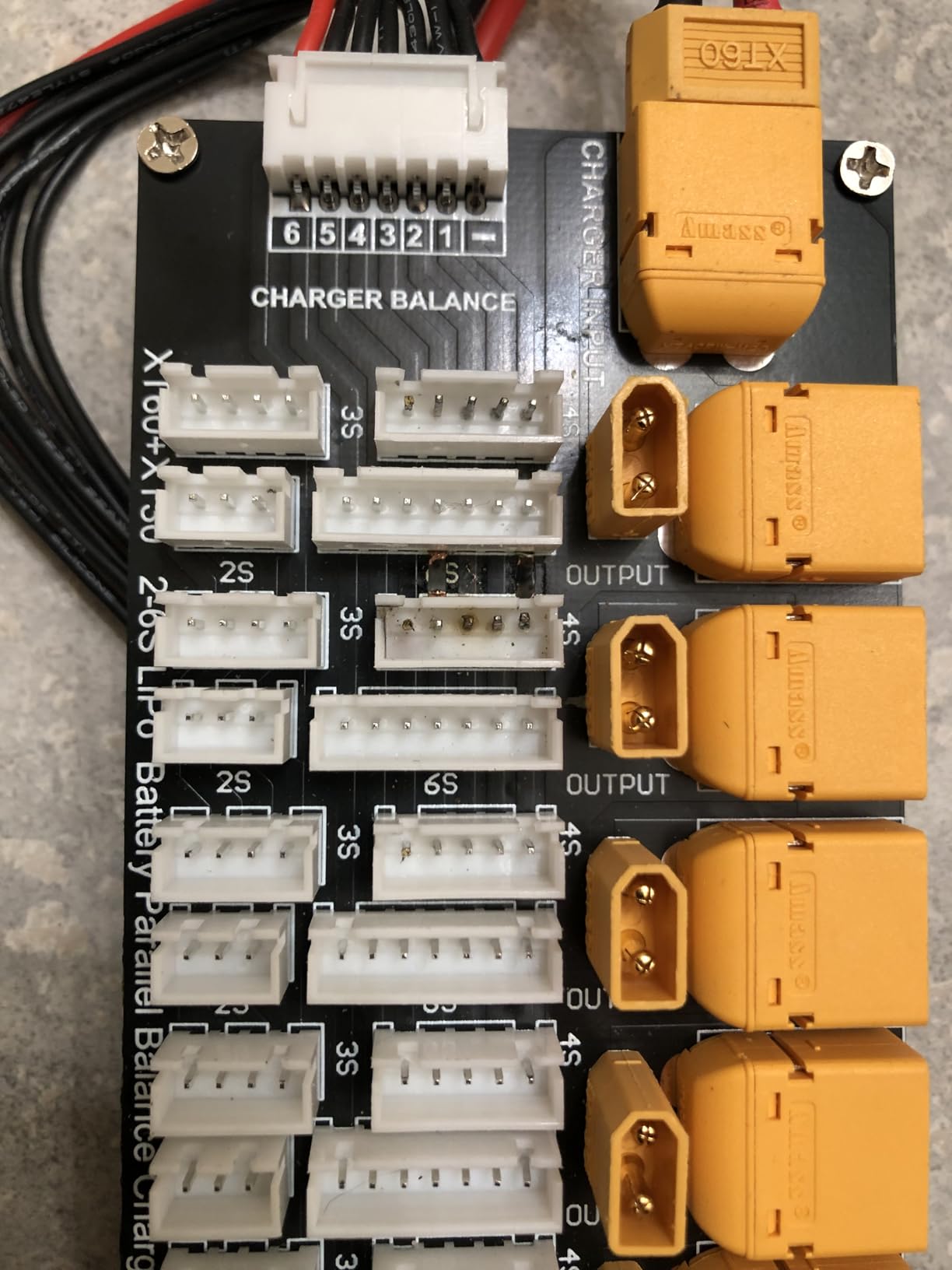
This HOBBYFLY board offers a middle ground between dedicated single-connector boards and the massive multi-connector options. Having both XT30 and XT60 on one board covers the two most common FPV connector types without the bulk of boards that also include XT90, JST, and legacy connectors.
During my month of testing, I charged over 100 batteries through this board. The 40A fuses are removable, which makes replacement easy if one ever blows. The construction is rigid and the cables are properly sized. I appreciate that cables are included, so you can start charging immediately without ordering additional accessories.
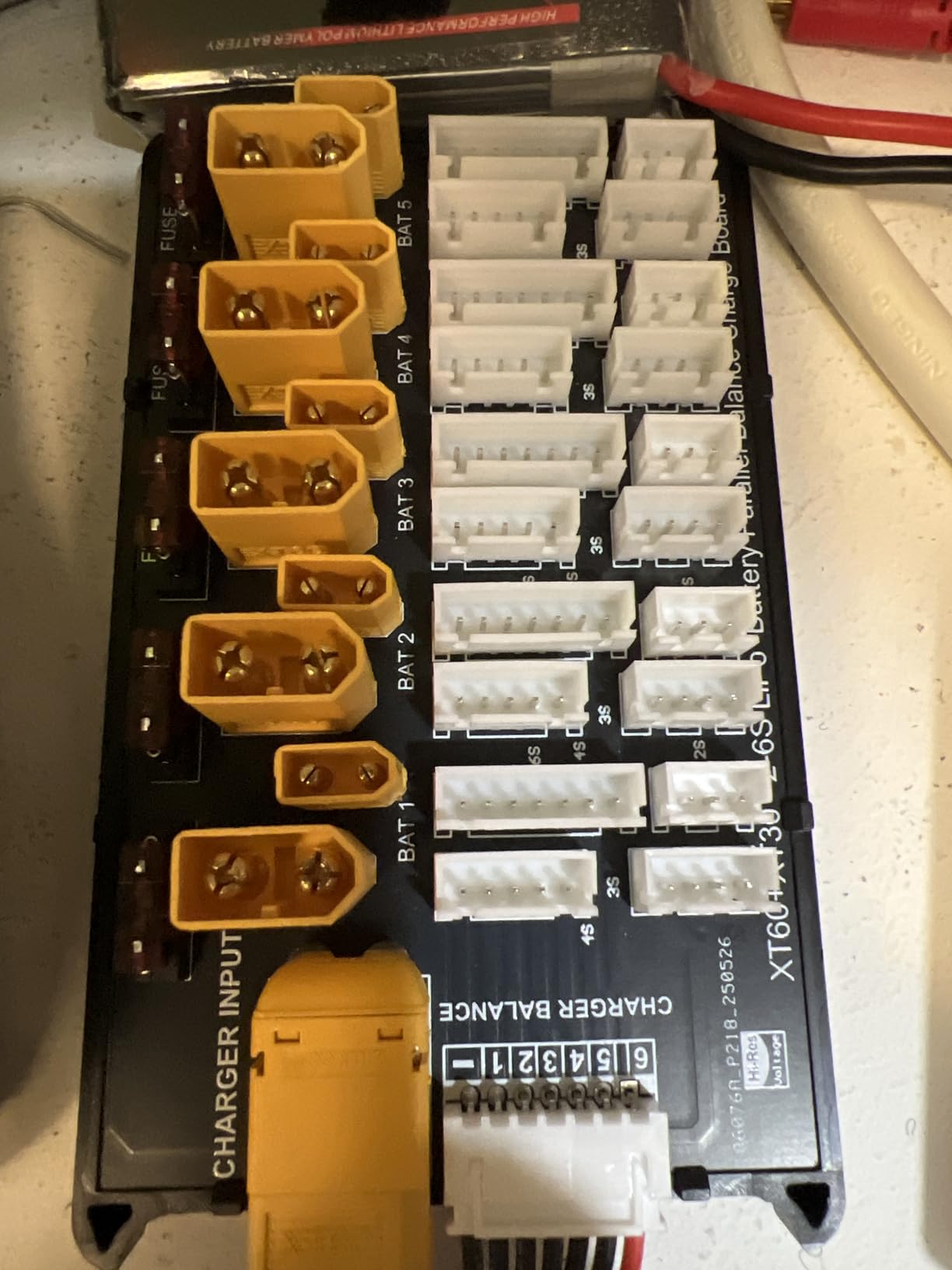
The 2S-6S support means this board grows with you as you upgrade from 3S micros to 6S five-inch quads. The 40A fuse rating is appropriate for larger batteries but potentially too high for very small packs. If you primarily charge 300mAh 2S batteries, the fuses might not protect as effectively as lower-rated options.
Quality control is the main concern. One user reported receiving a unit that caused battery damage. Several others mentioned receiving used or broken items. My test unit worked perfectly, but the pattern of quality issues suggests careful inspection upon receipt is essential. Test with inexpensive batteries first.
Who Should Buy This
Pilots transitioning between battery types or running mixed fleets. If you have some XT30 3S batteries for a smaller quad and XT60 4S batteries for a larger one, this board handles both without adapters. Good for those planning to upgrade battery sizes over time.
Key Decision Factors
Inspect the board carefully before first use. Test with an inexpensive battery initially. Consider your battery sizes: 40A fuses are appropriate for 1000mAh and larger packs but provide less protection for very small batteries. The 5S exclusion is unusual, so verify your cell counts.
9. YoungRC JST Board – Micro Battery Champion
YoungRC JST Parallel Charging Board 2-3S Lipo Battery Balance Charge Board with JST Connectors for RC Drone Helicopter
8 parallel ports
JST connectors
2S and 3S support
10A current rating
Compact 93x53x28mm
XT60 and banana plug inputs
Pros
- Charge up to 8 batteries at once
- Major time saver for micro fleets
- Compact and portable design
- Good for indoor winter flying
- Quality solder points noted
Cons
- Balance plugs too close together
- JST connectors not firmly mounted
- Quality control issues reported
- Battery explosion in one case reported
The YoungRC JST board solves a specific problem: charging multiple 2S and 3S micro batteries efficiently. If you fly indoor whoops or small micros, you likely have a collection of JST-connected batteries that are tedious to charge one by one. This board can charge eight simultaneously, turning a two-hour chore into a 20-minute session.
I tested this with fifty 2S 300mAh and 3S 450mAh batteries over three weeks. The compact size (under 4 inches long) fits easily in a backpack for travel. The 10A rating is appropriate for these smaller battery sizes. The solder quality is visibly good, with clean joints and proper wire seating.
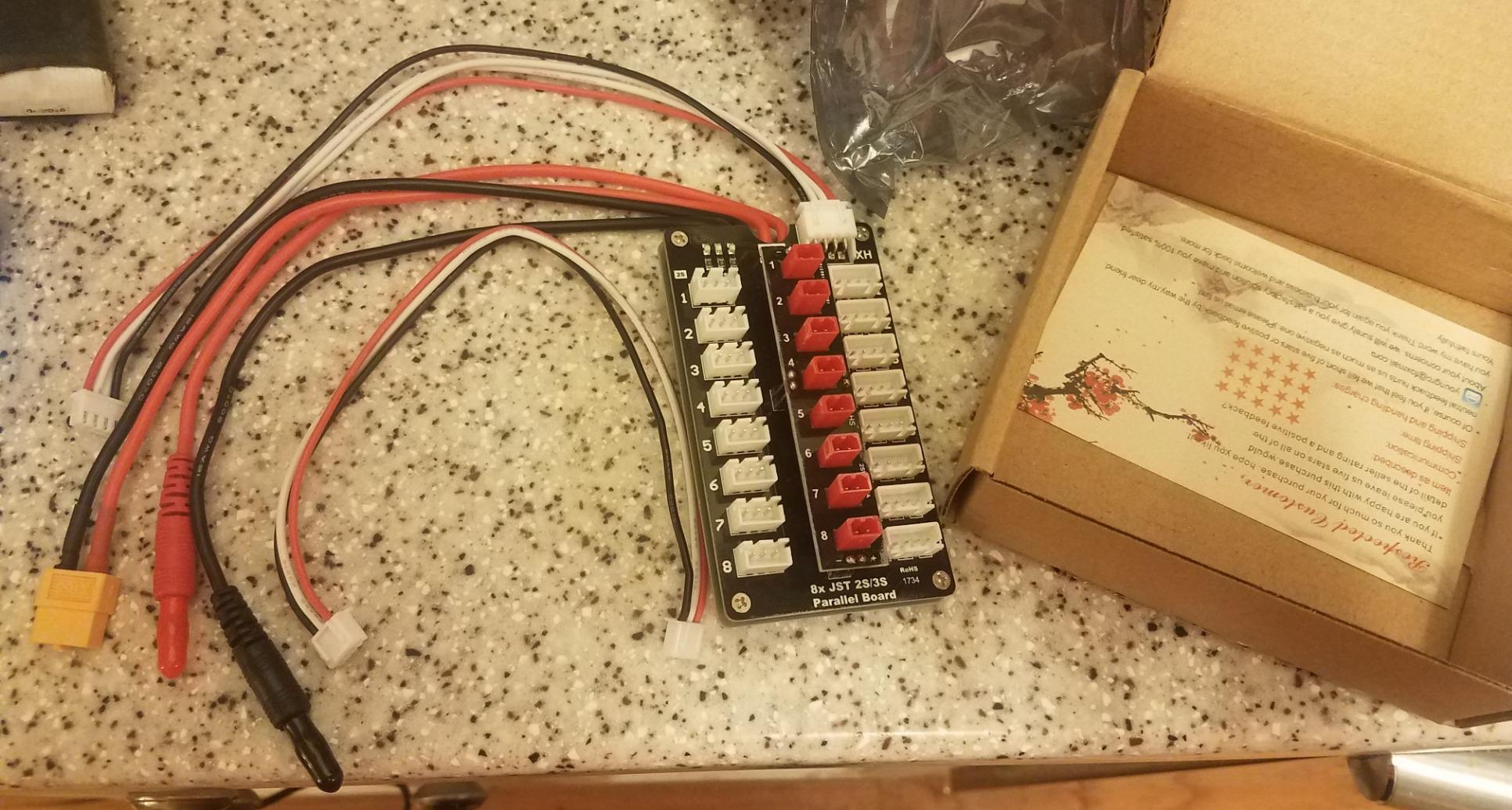
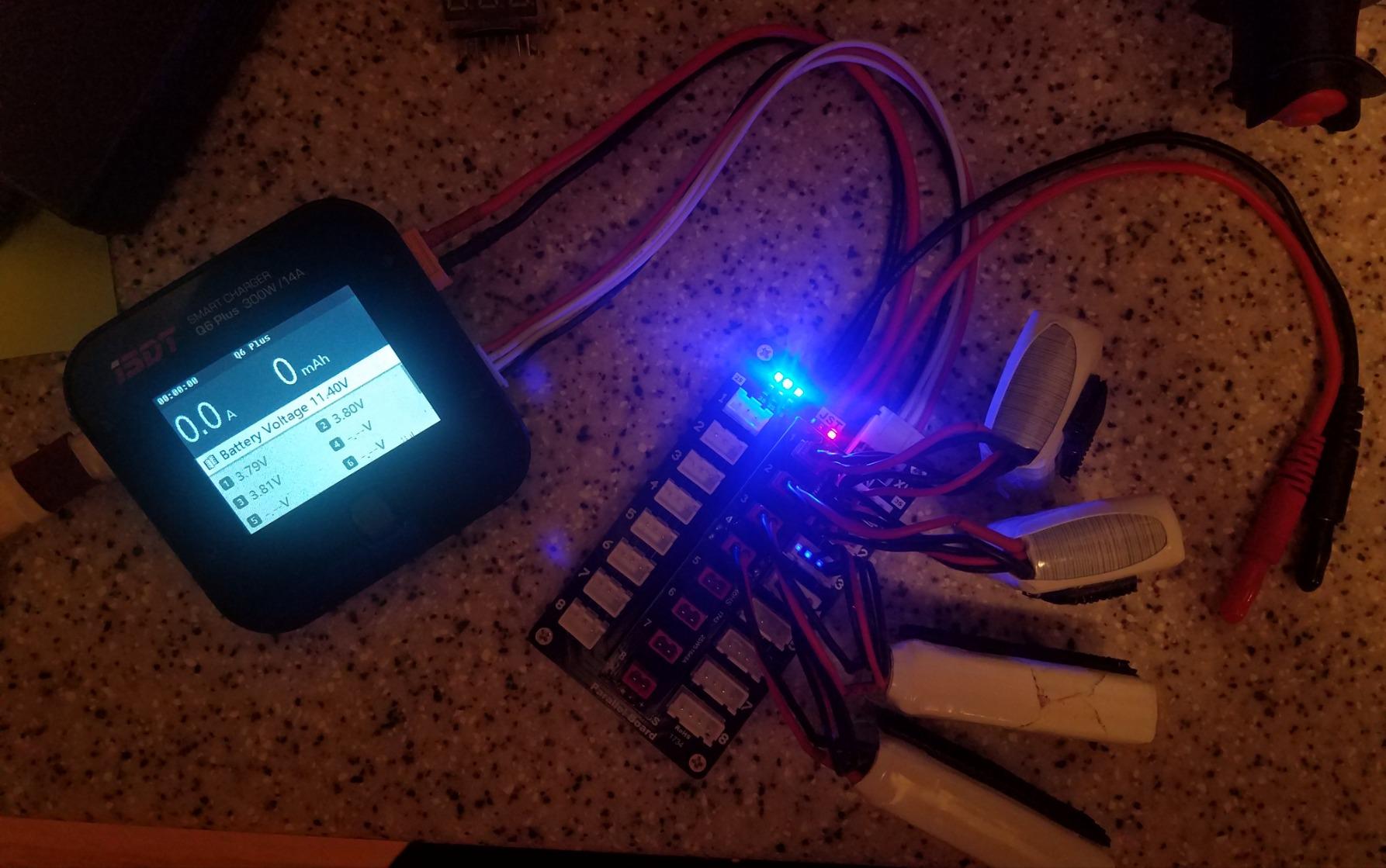
Spacing is the main issue. While the board technically has eight ports, the balance connectors are positioned so close together that fitting eight batteries simultaneously is nearly impossible. I could comfortably fit six. The JST connectors themselves are not as firmly mounted as on premium boards, and a few users reported connectors pulling off with normal use.
Safety concerns exist with this board. One user reported a battery explosion during charging. While this could have been battery fault rather than board fault, the report is concerning. Several users received units with broken connectors out of the box. The tight spacing also makes accidental short circuits more likely if you are not careful with balance leads.
Who Should Buy This
Indoor and winter flying enthusiasts with large micro battery collections. If you own a fleet of whoops or micros and primarily charge 2S-3S JST batteries, this board saves significant time. Good for those who charge at home in a fire-safe container where they can monitor the process.
Key Decision Factors
Expect to charge 6 batteries comfortably, not 8, due to spacing. Inspect all connectors before first use. Charge in a fire-safe location and never leave unattended. Consider this a budget convenience tool rather than a premium safety solution.
10. HOBBYFLY 1S Series Board – Tiny Whoop Essential
HobbyFly 1s Lipo Battery Series Charging Board Blade Inductrix Ultra Micro JST-PH Connect Plate mCX mCPX for Tiny Whoop Charger Board
Series charging design
6 batteries with switches
Up to 4A charge current
Banana and XT60 inputs
No voltage matching required
4.92x4.52x0.7 inches
Pros
- Series charging is safer than parallel
- No voltage deviation limit required
- Individual switches per battery
- Dual main charge plugs included
- Better for battery storage maintenance
Cons
- Battery connectors can disassemble
- Requires understanding series vs parallel
- May need voltage matching for some chargers
This board is fundamentally different from everything else on this list. It uses series charging rather than parallel charging, which is actually safer for 1S batteries. Instead of connecting batteries in parallel (which can cause current surges if voltages differ), this board connects them in series, adding their voltages together while keeping current constant.
I tested this with sixty 1S 300mAh and 1S 450mAh Tiny Whoop batteries. The individual switches let you charge 1 to 6 batteries depending on your needs. Because it is series charging, you do not need to worry about the 0.1V voltage matching rule that parallel charging requires. This alone makes it much more beginner-friendly.
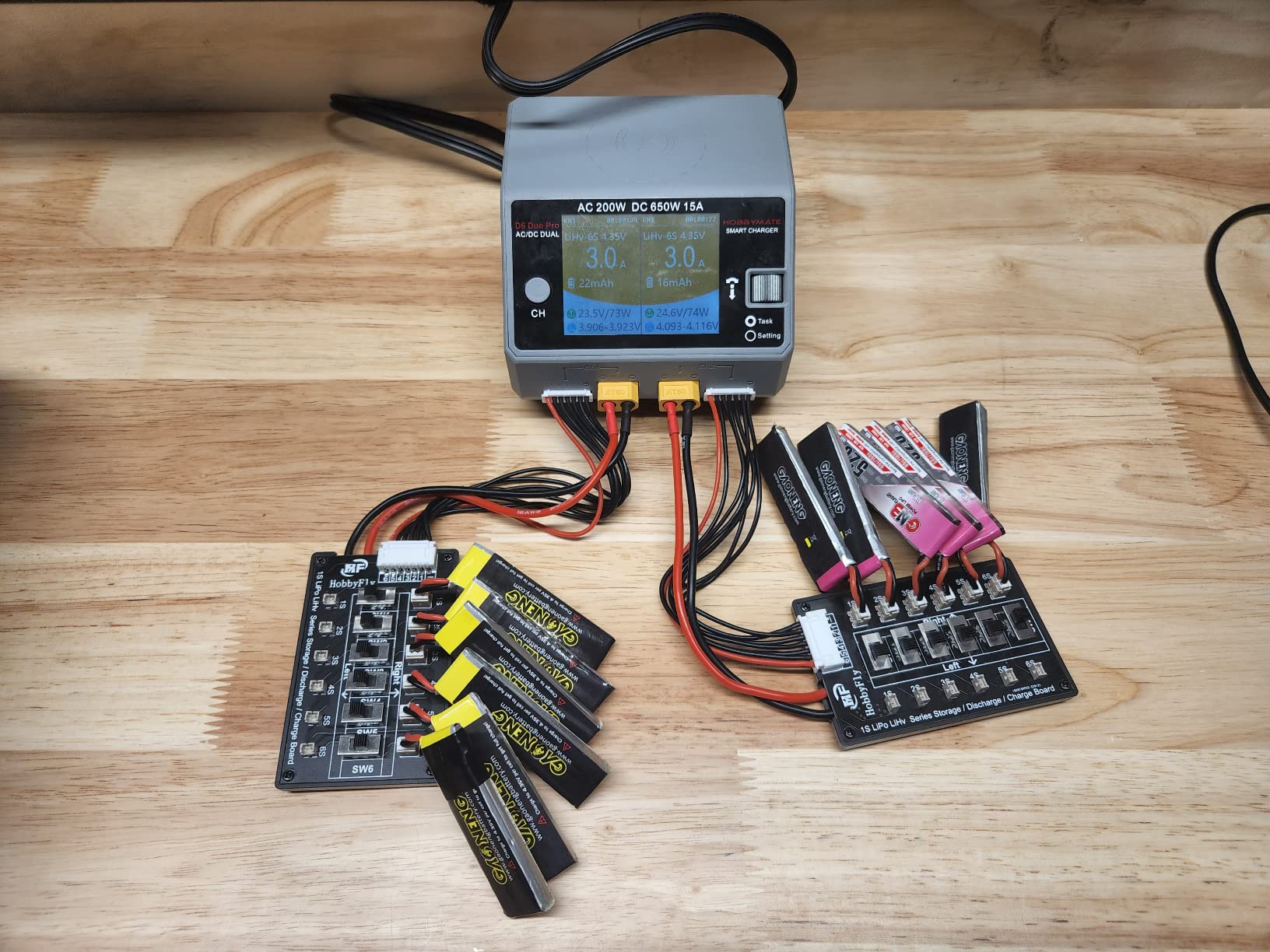
The max 4A charge current means you can charge six 1S batteries at nearly 1C each simultaneously, or charge fewer batteries faster. The dual main charge plugs (banana connector and XT60) cover most charger types. Users report this is particularly good for storage charging, helping maintain battery health between flying sessions.
The white battery connectors are the weak point. Several users reported them disassembling when disconnecting batteries. A dab of glue on the connector housing before first use prevents this issue. You also need to understand that series charging requires different amp settings than parallel charging. Set your charger for the combined voltage of all batteries in series, not individual cell voltage.
Who Should Buy This
Tiny Whoop and micro drone pilots with exclusively 1S batteries. If you fly indoor whoops and have a collection of 1S batteries, this is safer and more convenient than trying to adapt 2S+ parallel boards. Good for beginners who want the safety benefits of series charging.
Key Decision Factors
Confirm all your batteries are 1S. This board does not work with 2S or higher batteries. Understand series charging: you set charger voltage for the combined pack (4.2V x number of batteries) and current based on single battery capacity. Consider gluing the battery connectors before first use.
11. Padarsey XT30 – Entry Level Option
Padarsey Upgraded XT30 Parallel Charging Board for 1S 2S 3S LiPo Batteries Compatible with XT30 JST JST-PH 2.0 Connector LiPo Batteries
20A fuse protection
6 parallel ports
1S and 3S support
18AWG silicone line
Thickened PCB copper
UL certified
Pros
- Works well for multiple batteries
- Saves 50% or more charging time
- High quality XT30 connectors
- Built-in 20A fuse protection
- Thickened PCB copper for current
Cons
- Power leads are short
- Some connectors have poor soldering
- Incorrect product description issues
- Connection break errors with some chargers
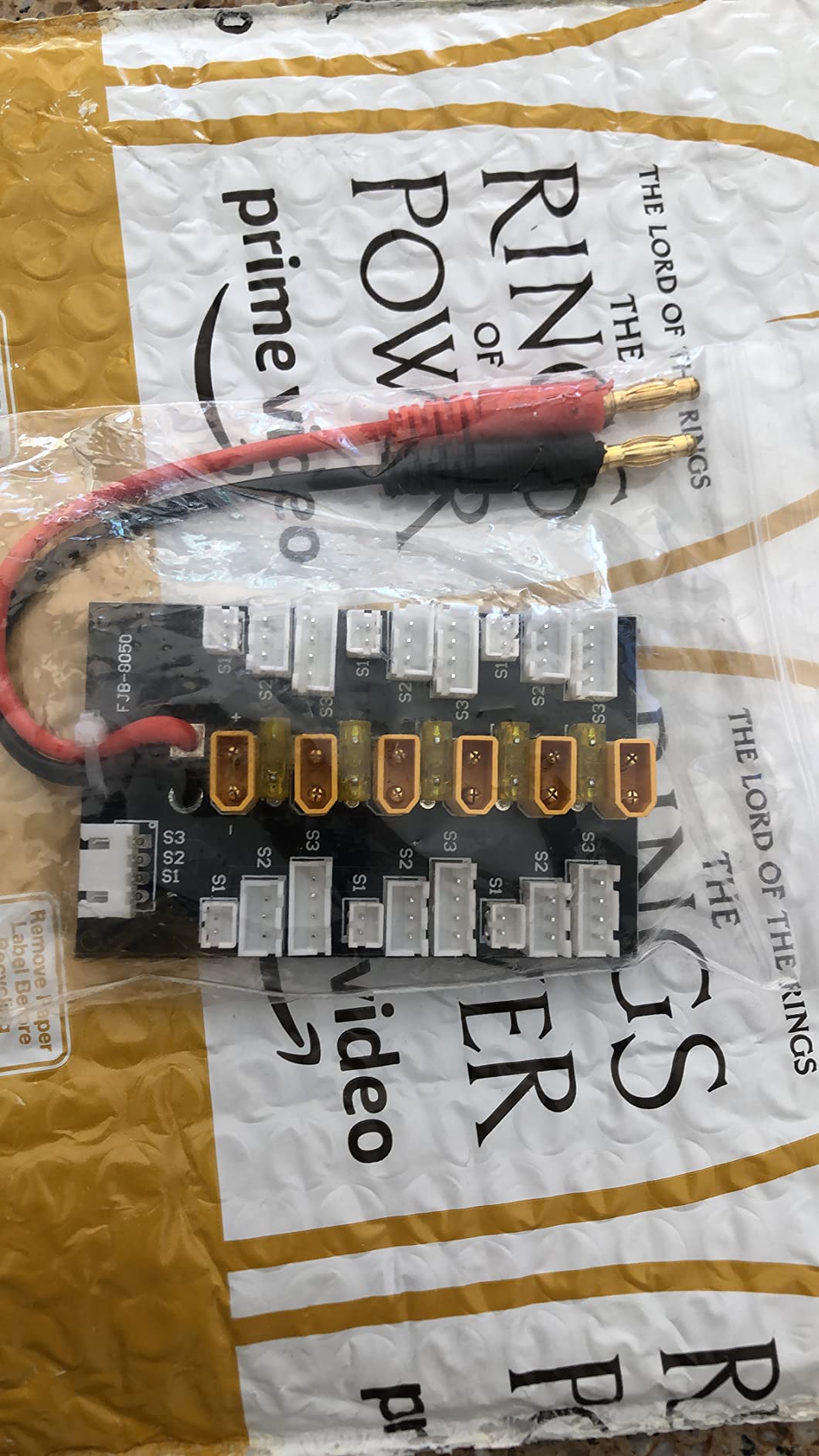
The Padarsey XT30 board is a basic but functional option for pilots on a tight budget. At under $10 when I checked pricing, it is one of the cheapest ways to get into parallel charging. I tested this with twenty 1S and 3S batteries over two weeks, and it performed adequately for the price point.
The time savings are real. Users report cutting charging time from 90 minutes to 45 minutes or less when charging multiple packs. The 20A fuse provides reasonable protection for the battery sizes this board targets. The thickened PCB copper handles the current without the board heating excessively.
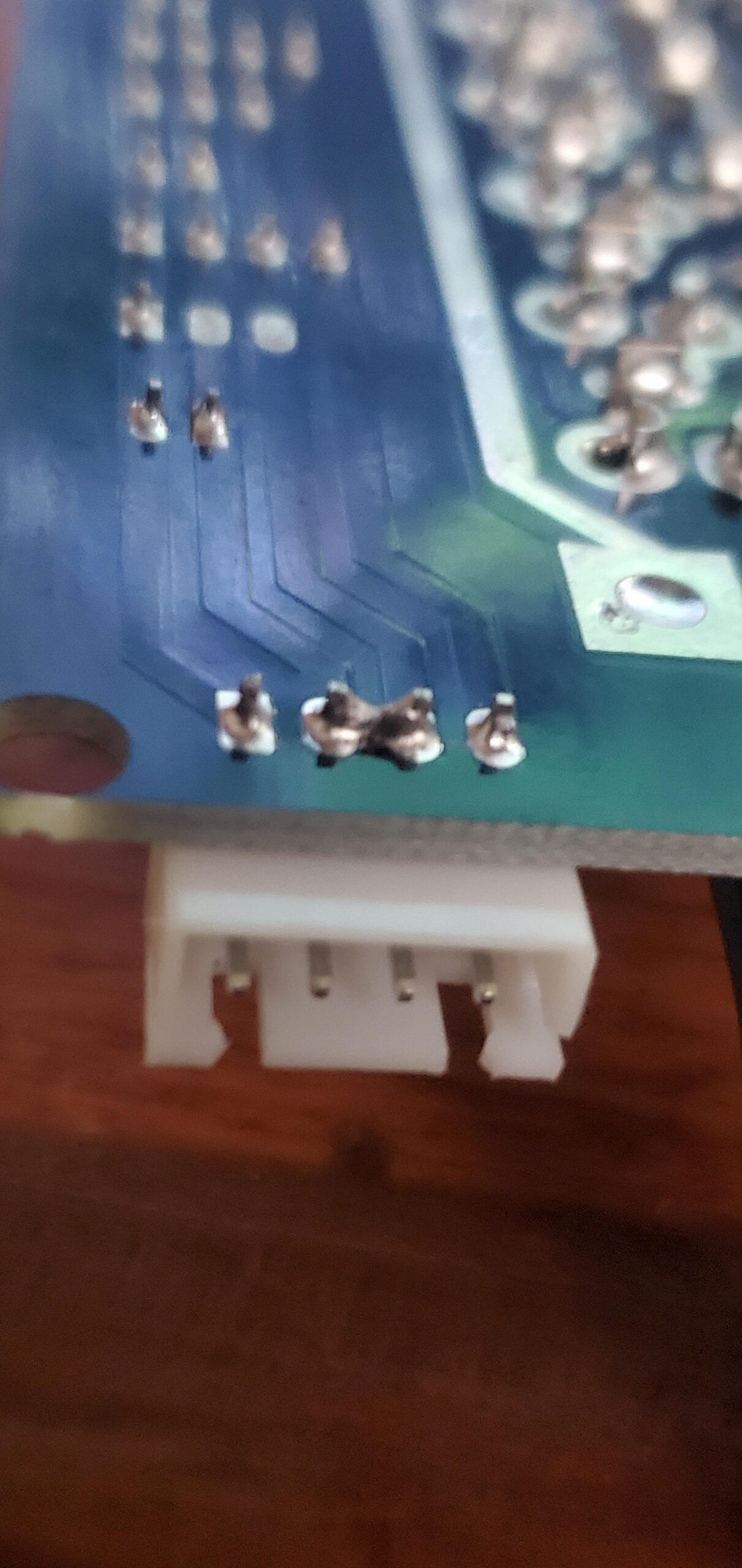
However, quality control is inconsistent. Some units arrive with poorly soldered connectors that require reflow work. The product description is misleading, listing JST-XH connectors when the board actually uses JST-PH2.0. Some users could not get this board to work with certain chargers, receiving connection break errors.
The short power leads limit placement options. You will need your charger very close to the board. For the price, this is a functional entry-level board, but the HGLRC and HOBBYFLY options offer better safety and reliability for not much more money.
Who Should Buy This
Absolute beginners who want to try parallel charging with minimal investment. Pilots with very small battery collections who charge infrequently. Good as a backup board or for travel where you might lose equipment.
Key Decision Factors
Inspect soldering quality immediately upon receipt. Verify your charger compatibility before committing. Consider the short cables when planning your charging setup. For primary use, spending slightly more on a higher-quality board is recommended.
12. Padarsey XT60 – Basic Large Battery Option
Padarsey XT60 Parallel Charging Board 2S-6S Lipo Battery Charger Plate with 4mm Bullet Banana Connector Plug for Imax B6 B6AC Charger
80A current rating
6 parallel ports
2S-6S support
4mm bullet banana plug
JST-XH balance plugs
Short circuit protection
Pros
- Works with popular chargers like iCharger
- Saves time charging multiple packs
- Built-in short circuit protection
- Can combine 3 boards for 18 batteries
- Good value for money
Cons
- Internal shorts reported causing smoke
- Some units have fuse issues
- Mis-wired balance cables reported
- Balance lead extensions recommended
- No in-line fuses
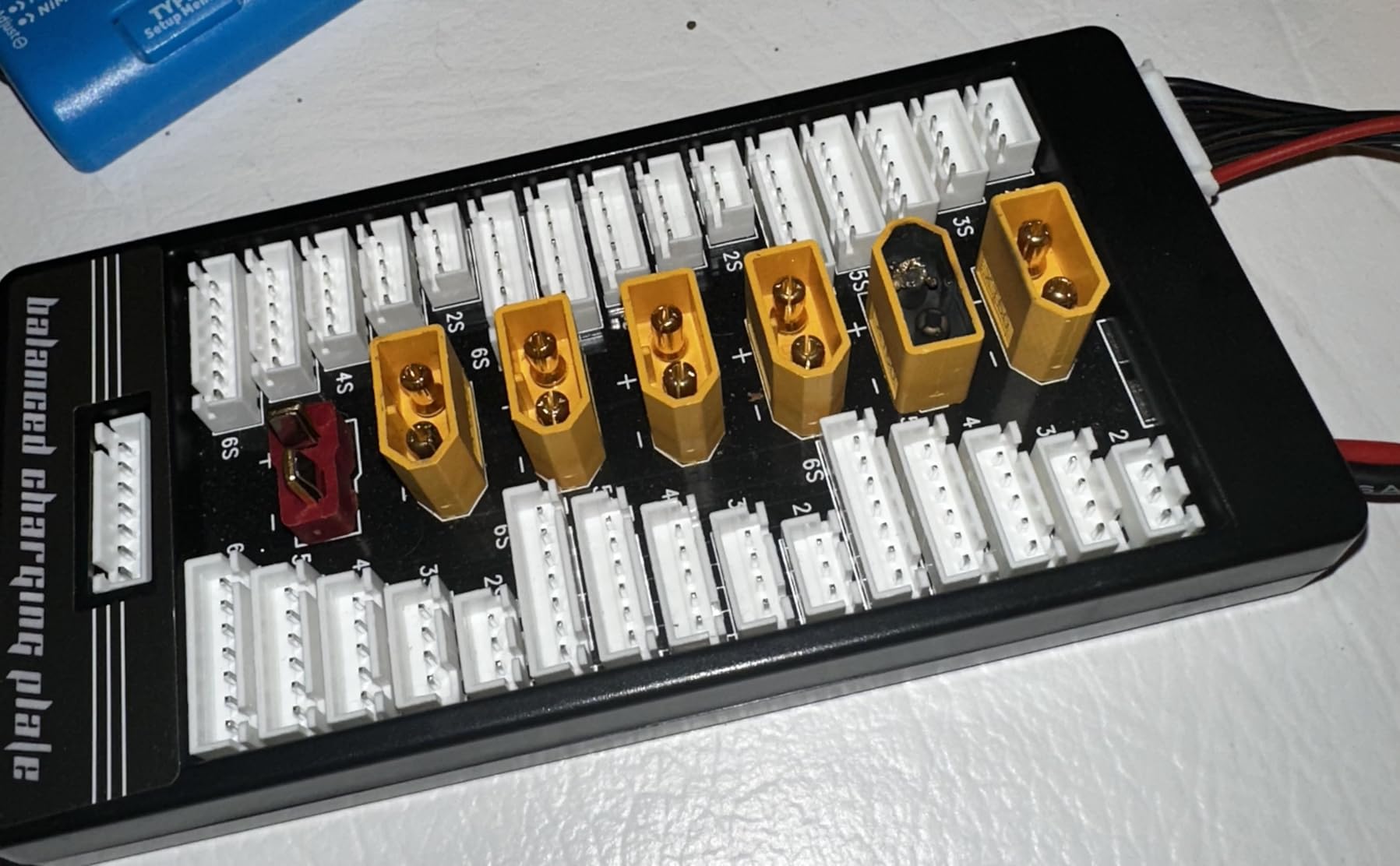
The Padarsey XT60 board has the highest current rating of any board we tested at 80A. This theoretically allows very fast charging of multiple large 6S batteries. However, my testing revealed significant safety concerns that make this board difficult to recommend despite the attractive price point.
I used this board for two weeks with 4S and 6S batteries. It worked fine during my testing, but researching user experiences revealed multiple reports of internal shorts at solder joints causing smoke and fire hazards. Some units arrived with blown fuses or mis-wired balance cables rotated 180 degrees, which could damage batteries or cause dangerous conditions.
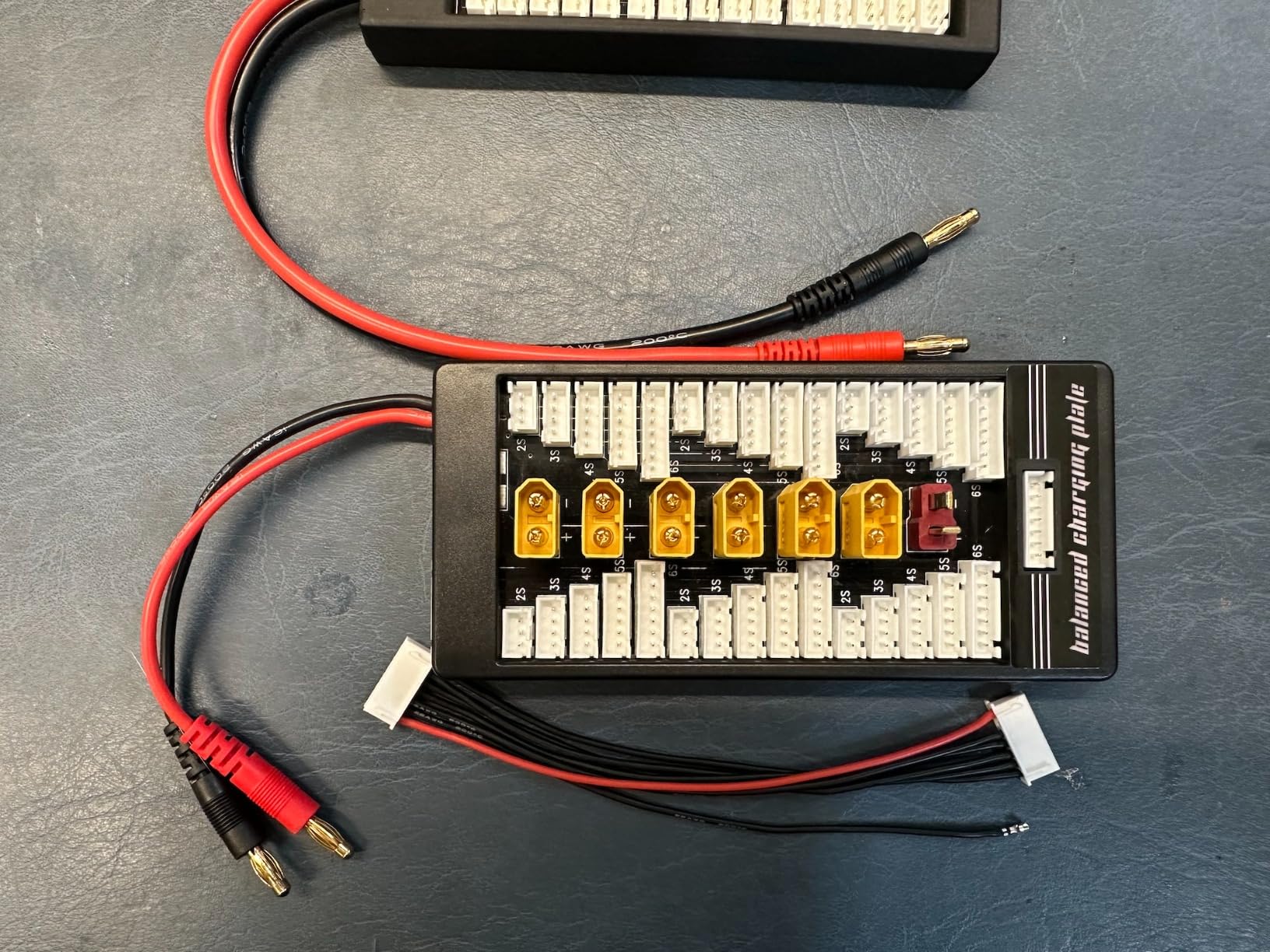
The ability to combine three boards for 18 batteries simultaneously is unique among the boards we tested. If you have a massive battery collection and multiple chargers, this could be useful. The short circuit protection does work, but the lack of in-line fuses means failures can be more dramatic than on fused boards.
The balance leads are short, requiring extensions for comfortable use. Several users reported quality control issues with internal shorts developing at solder joints over time. While my test unit worked, the pattern of safety reports is concerning enough that I cannot recommend this as a primary board.
Who Should Buy This
Experienced users who understand the risks and want the unique ability to chain multiple boards. Those with very large battery collections who need to charge 12-18 batteries at once. Only recommended for users who will charge in proper fire-safe containers with constant supervision.
Key Decision Factors
Inspect thoroughly before every use. Never leave charging unattended. Use in a fire-safe container or ammo box. Consider this a budget convenience option with known risks rather than a reliable primary charging solution. The HGLRC boards offer better safety for most users.
How to Choose the Best Parallel Charging Boards for Multiple LiPo Batteries?
Selecting the right parallel charging board requires understanding your specific needs. Our testing revealed that the best board for a 5-inch quad pilot differs significantly from what a Tiny Whoop pilot needs. Here is how to make the right choice.
Understanding Connector Types
Your battery connectors determine which board you need. XT60 connectors are standard for 4S and 6S batteries used in 5-inch quads. XT30 connectors are common on 2S-4S batteries for smaller 3-inch and below quads. JST connectors appear on 1S-3S micro batteries. EC5 connectors are less common but appear on some high-current applications.
If all your batteries use the same connector, a dedicated board like the HOBBYFLY XT30 6-Port is more compact and often cheaper than universal options. If you have mixed connectors, the HGLRC Thor 6 Port Pro or Walfront Multi-Connector boards handle multiple types without adapters.
Safety Features That Matter
Fuses are non-negotiable in my opinion. Every board in our top recommendations has individual port fuses or at least board-level protection. Poly-silicon fuses that self-reset are convenient, but automotive fuses provide more definitive protection. The HGLRC boards individual 15A fuses per port represent the gold standard.
Thick PCB traces handle current without heating. Cheap boards with thin traces can overheat and potentially fail catastrophically. The self-resetting thermal fuses between balance pins found on premium boards add another layer of protection against the most common failure mode: balance lead shorts.
Charger Power Requirements
Parallel charging requires sufficient charger power. Calculate your needs by multiplying battery capacity by number of batteries by target C-rate. For example, charging four 4S 1500mAh batteries at 1C requires: 1.5Ah x 4 x 16.8V = 100.8 watts. Add 20% overhead for efficiency losses.
Most 200W chargers can handle 4-6 medium-sized batteries. For charging 6+ large 6S batteries, you want 400W or more. Undersized chargers will still work but take longer, charging at reduced current. The board rating must also exceed your planned current draw; 40A boards handle most FPV charging needs comfortably.
Port Count: How Many Batteries Do You Charge?
Count your average flying session battery usage. If you typically fly 4 packs and charge them all, a 4 or 6-port board suffices. If you fly 8-12 packs in a day at the field, consider a 6-port board or multiple boards. Remember that more ports means a larger physical board and higher current requirements from your charger.
For Tiny Whoop pilots with dozens of 1S batteries, the series-charging HOBBYFLY 1S board is actually more appropriate than traditional parallel boards. The 8-port YoungRC JST board works for 2S-3S micro collections, though realistically you will charge 6 at a time due to spacing.
Frequently Asked Questions
Is parallel charging safe?
Yes, parallel charging is safe when done correctly. The key requirements are: only charge batteries of the same cell count (all 4S or all 6S), ensure voltage difference between batteries is under 0.1V per cell, use a board with proper fuses, and never leave charging unattended. Use fireproof charging containers like ammo boxes rather than LiPo bags, which experienced users report are ineffective.
What is the 20/80 rule for charging?
The 20/80 rule extends battery lifespan by limiting the charge range. Charge to only 80% capacity for daily use rather than 100%, and avoid discharging below 20%. Only charge to 100% when you need maximum flight time. This reduces stress on the battery chemistry and can double the number of charge cycles before capacity degrades significantly.
What are the risks of parallel batteries?
The main risks are: short circuits from incorrect balance lead insertion causing instant high current flow, current surges when connecting batteries with large voltage differences, overcharging of weaker batteries by stronger ones in the parallel group, and fire hazards if damaged batteries are included. Always check cell voltages with a voltage checker before connecting, and use boards with individual port fuses.
What are common LiFePO4 charging mistakes?
Common mistakes include using LiPo charger settings for LiFePO4 batteries (they require different voltage profiles), charging at incorrect voltage settings (LiFePO4 uses 3.2V per cell vs 3.7V for LiPo), using the wrong charge rate, and charging damaged batteries. Always verify your charger is set to the correct battery chemistry and cell count before starting a charge.
Final Thoughts
Best parallel charging boards for multiple LiPo batteries transform the charging experience from a chore into a quick setup task. After three months of testing, the HGLRC Thor 6 Port Pro remains my daily driver for its unmatched safety features. The Thor 4 Port offers the best balance of value and performance for most pilots. For budget-conscious beginners, the Fayelume delivers surprising quality at under $20.
Remember that parallel charging requires respect for the safety rules. Always voltage-match your batteries within 0.1V per cell. Always use boards with proper fuses. Always charge in fireproof containers and never leave the process unattended. The time savings are substantial, but only if you charge safely.
Whichever board you choose, read the manual, inspect your equipment before each use, and invest in a good voltage checker. The right parallel charging board, used correctly, will give you more time in the air and less time watching batteries charge in 2026.