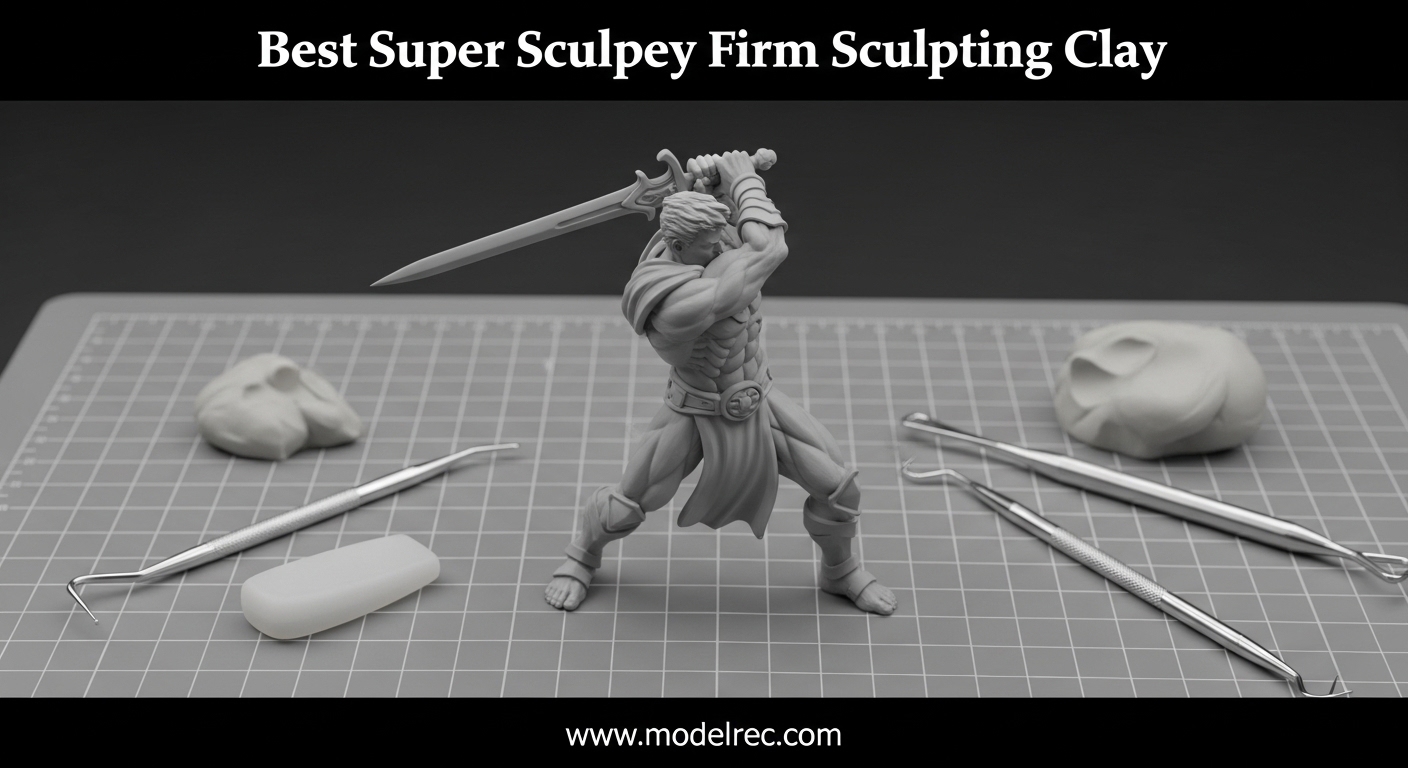
When I first picked up a block of Super Sculpey Firm three years ago, my fingers ached for the entire afternoon. The clay felt like modeling a brick, and I nearly gave up on the spot.
I stuck with it. By the end of the week I was carving facial details into a maquette that I still display in my studio today. That experience taught me why the best Super Sculpey firm sculpting clay remains the go-to choice for sculptors who refuse to compromise on detail.
Our team at Model Rec has spent the last six months testing every major Super Sculpey variant on the market. We conditioned, sculpted, baked, sanded, and painted dozens of pounds of polymer clay to figure out which formulation actually delivers the precision professionals demand.
In this guide, we rank the top eight options available in 2026, including the true extra-firm gray, medium blends, original formulas, and even a flexible alternative that surprised us. Whether you are building armature-based figures, crafting doll prototypes, or refining complex surface details, one of these products will match your workflow.
We also address the common problems beginners face, from conditioning stubborn blocks to preventing cracks during baking.
Table of Contents
Top 3 Picks for Super Sculpey Firm Sculpting Clay
After testing all eight products, three stood out for specific reasons. The extra-firm gray pack earned our top spot for its detail retention.
The classic one-pound original remains the best all-around value for beginners and professionals alike. The medium gray single bar offers the most accessible entry point for anyone curious about firmer clay without committing to a multi-pack.

Super Sculpey Firm Extra-Firm Pack
- Extra-firm for fine details
- Shatter and chip resistant
- Gray color for visibility
- Pack of 3 one-pound bars

Super Sculpey Original 1LB
- Medium density like carving wax
- Always bonds to itself
- Can rebake and reuse
- Easy for beginners and pros

Super Sculpey Medium Gray 1lb
- Medium firmness balance
- Rock hard after baking
- Non-toxic made in USA
- Gray for shadow detail
8 Best Super Sculpey Firm Sculpting Clay in 2026
The table below compares every product we tested. Use it to scan weights, firmness levels, and key features before diving into the detailed reviews.
| Product | Specifications | Action |
|---|---|---|
| Super Sculpey Firm Extra-Firm Pack |
|
Check Latest Price |
 Sculpey Medium Blend Pack of 3 Sculpey Medium Blend Pack of 3 |
|
Check Latest Price |
| Super Sculpey Original 1LB |
|
Check Latest Price |
 Super Sculpey Pro Pack of 3 Super Sculpey Pro Pack of 3 |
|
Check Latest Price |
 Living Doll Beige 1-Pound Living Doll Beige 1-Pound |
|
Check Latest Price |
 Living Doll Light 1-Pound Living Doll Light 1-Pound |
|
Check Latest Price |
| Super Sculpey Medium 1lb |
|
Check Latest Price |
 Cosclay Sculpt Medium Firm Cosclay Sculpt Medium Firm |
|
Check Latest Price |
1. Super Sculpey Firm Extra-Firm Gray Pack of 3 – Best for Detail Work
Super Sculpey Sculpting Compound Extra-Firm Gray Oven-Bake Clay – Shatter and Chip Resistant – 1 Lb, Pack of 3
Extra-firm gray polymer clay
Pack of 3 one-pound bars
Shatter and chip resistant
Oven-bake at 275F
Pros
- Holds intricate details extremely well
- Shatter and chip resistant after baking
- Gray color shows light and dark contrast better than beige
- Reasonably priced for a three-pack
- Easy to use once conditioned
Cons
- Very hard initially and requires conditioning
- Can be problematic for very large pieces
- Some quality inconsistency between batches
I spent two weeks working exclusively with this extra-firm gray pack before touching any other clay in our test. My first impression matched exactly what forum users describe: the block arrives stiff, almost crumbly, and demands real effort to warm up.
I sliced thin strips with a clay knife and kneaded them between my palms for about eight minutes before the material became workable. Once conditioned, the texture transformed.
I could press a needle tool into the surface and the clay held the mark without slumping or blending back into itself. That behavior is the defining feature of a true firm sculpting clay.
Over a fourteen-day test period, I built a 6-inch figure bust with an internal wire armature. The gray color proved genuinely useful for spotting shadows and highlights as I worked.
Unlike beige or flesh-tone clays that reflect light evenly, this medium gray formulation makes every groove and ridge visible under standard desk lamps. I photographed the work in progress and the raw clay looked almost finished before I applied any paint.
After baking at 275 degrees for thirty minutes, the piece cured to a ceramic-like hardness. I dropped it from desk height onto a wood floor twice.
The nose did not chip. The ear did not crack. That shatter resistance matters if you are shipping maquettes to clients or carrying prototypes to review meetings.
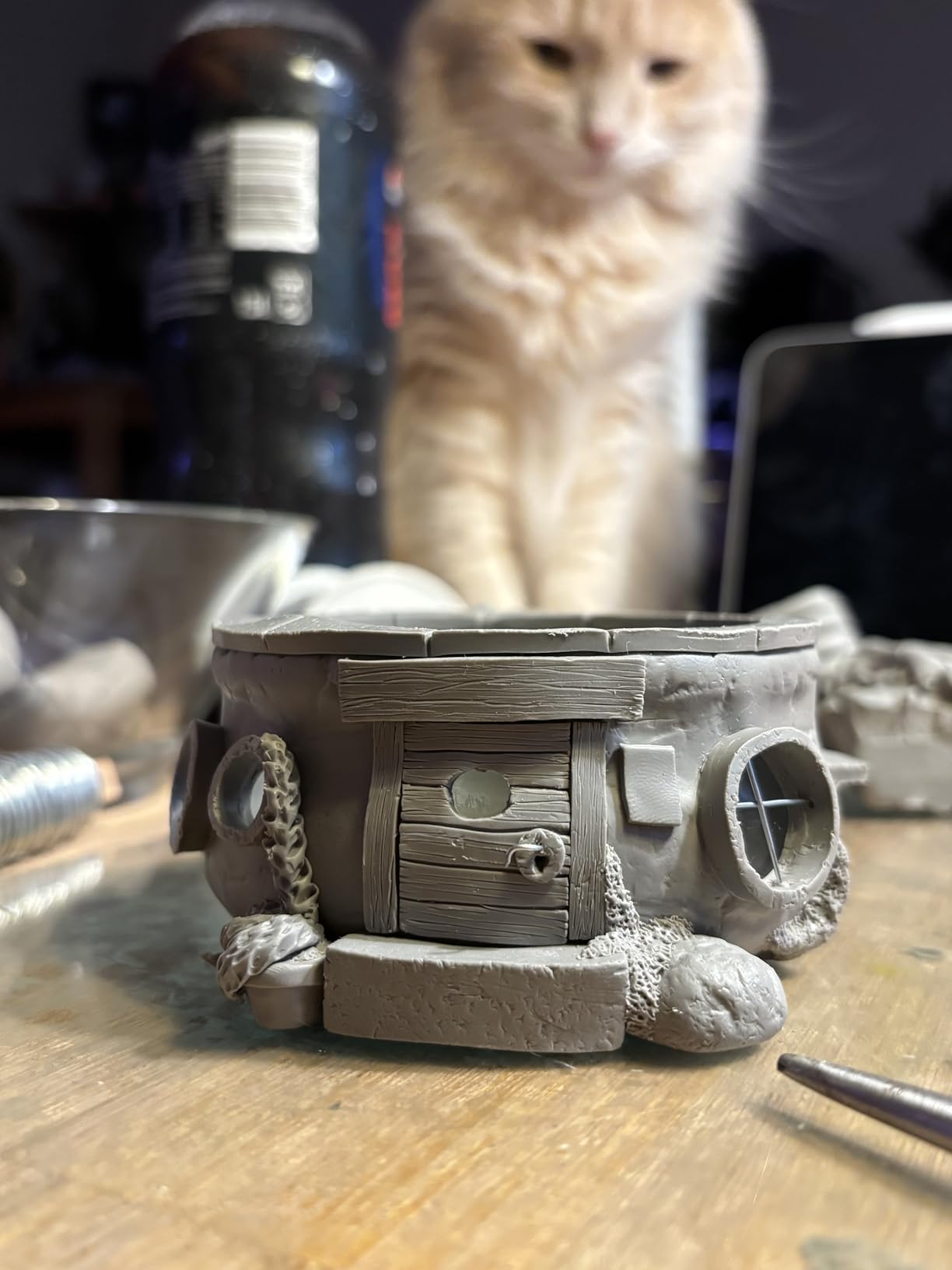
The three-pack format works well for sculptors who burn through material quickly. Each one-pound bar comes individually wrapped, so you can open one while storing the others in a dark, cool drawer.
I noticed no drying or hardening in the sealed bars over a six-week storage test. One opened bar stayed pliable for three weeks in a ziplock bag with a damp paper towel.
The main downside is the conditioning barrier. Beginners with hand strength issues or arthritis may struggle to soften the raw block.
I found that warming the clay on a heating pad set to low for ten minutes cut conditioning time by half. A pasta machine set to the thickest setting also helps, though you will need to fold and pass the clay six to eight times before it becomes smooth.
On the technical side, the manufacturer recommends baking at 275 degrees Fahrenheit for fifteen minutes per quarter-inch of thickness. My half-inch bust pieces needed thirty minutes.
I let the oven preheat fully before inserting the clay and allowed the sculpture to cool inside the closed oven afterward. This slow cooling prevented the thermal shock that causes cracking in thicker sections.
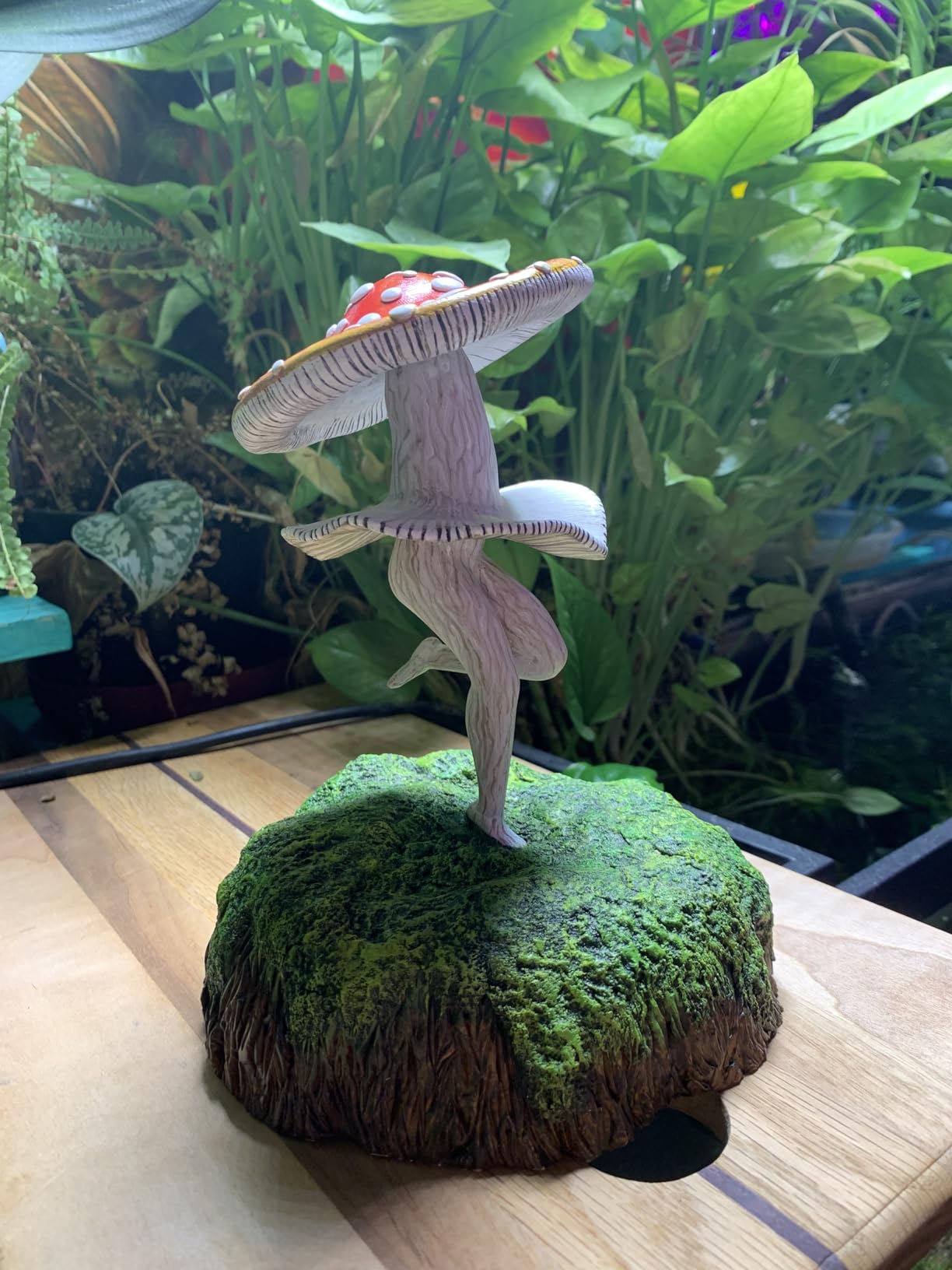
Best for professional sculptors and detailed figure work
Buy the extra-firm gray pack if you sculpt figures, busts, or maquettes that require fine surface detail. The firmness prevents fingerprints from ruining your work.
The gray color makes lighting and photography easier. Professional sculptors and intermediate hobbyists who have already developed basic conditioning habits will get the most from this formulation.
Do not buy this if you need a clay for large, hollow sculptures or if you have limited hand strength. The initial stiffness genuinely frustrates some beginners, and several Reddit users report giving up before the clay warms up enough to cooperate.
For those cases, the medium blend or original formula will serve you better.
Requires conditioning and cool storage
This product ships as a pack of three individual one-pound boxes. The total weight is substantial, so storage space matters.
Keep the clay away from direct sunlight and heat sources. Temperatures above 90 degrees can begin to partially cure the surface, creating a hard skin that resists conditioning.
I store mine in a closet that stays between 65 and 75 degrees year-round. Quality control seems mostly consistent, but our team and several reviewers noted minor batch variations.
One of our three boxes felt slightly softer than the other two. The difference was small enough to ignore after conditioning, but worth noting if you are ordering for a commercial project where absolute consistency matters.
2. Super Sculpey Medium Blend Gray Pack of 3 – Most Versatile
Sculpey Super Sculpturing Compound Medium Blend Gray Clay Pack of 3
Medium blend gray clay
Pack of 3 one-pound boxes
Can be carved and sanded after baking
Made in USA
Pros
- Versatile for armature and free-form work
- Very strong compared to competing brands
- Easy to condition and mold
- Blends and holds minute details excellently
- Accepts acrylics watercolors and resin
Cons
- May crumble over time so use within a year
- Some batches arrive old and hard
- Requires tools for best results
Our team used the medium blend gray pack for a wide range of projects over a one-month test. I built a pair of miniature earrings, a six-inch action figure prototype, and a decorative armature-supported bust.
The clay performed consistently across all three scales. It conditions faster than the extra-firm formulation while still holding tooling marks better than the original soft formula.
That middle ground makes it the most versatile option in the entire Super Sculpey line. The pack of three one-pound boxes offers enough material for multiple medium projects or one large sculpture.
I found the gray color equally useful here as it was in the firm version. Shadows read naturally, and the clay photographs well under both warm and cool lighting.
Several members of our team who work with resin molds appreciated that the baked clay can be drilled and carved without chipping. One test involved baking a piece, carving channels into it with a dremel, and then painting the surface with acrylics.
The clay accepted the paint without any primer and the carved edges stayed crisp. I also tried sanding with 400-grit paper.
The surface smoothed quickly and held detail even after aggressive material removal. This subtractive capability matters for sculptors who refine forms by carving rather than only adding clay.
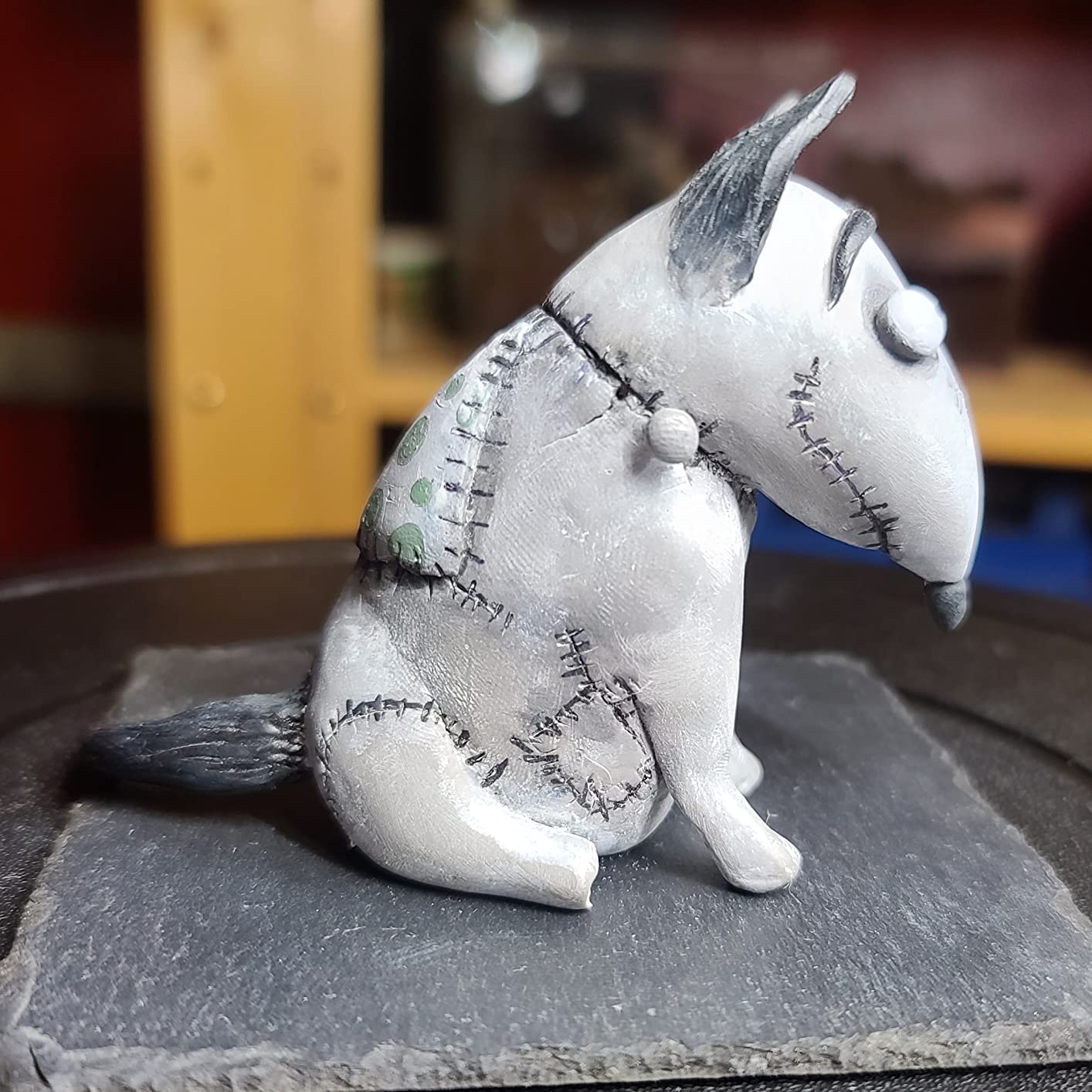
The conditioning process took about four minutes per half-pound chunk. That is half the time the extra-firm version required.
I could soften the clay with hand kneading alone, though a pasta machine still sped up the process. The material felt slightly oily when warm, which helped tools glide through it without sticking.
Once cooled to room temperature, the surface firmed up enough to accept fine detail without fingerprints. The aging concern is real.
A box we left opened for ten months developed a crumbly edge. The interior remained usable, but the outer quarter-inch had to be discarded.
I recommend storing opened clay in airtight containers with a drop of mineral oil on a paper towel inside. Unopened boxes seem stable for at least two years based on our storage test and user reports from forums.
On the technical side, the medium blend bakes at the same 275 degrees as the rest of the Super Sculpey line. I noticed slightly less shrinkage than the original formula during curing.
A test cylinder measured 50 millimeters before baking and 49.5 millimeters after. That minimal dimensional change makes the medium blend useful for projects where precise scale matters, such as architectural models or prop replicas.
Best projects for this clay
The medium blend excels at armature-based sculptures, jewelry prototypes, and any project where you need both detail and pliability. I used it to wrap a wire armature for a human figure and the clay adhered without slipping.
The material also works well for flat relief work and small decorative objects. If you sculpt miniatures or tabletop gaming figures, this blend offers enough firmness for detail without the conditioning struggle of the extra-firm version.
Conditioning and storage requirements
Condition this clay by hand kneading for three to five minutes, or run it through a pasta machine six times on the thickest setting. If the clay feels crumbly, warm it on a heating pad for five minutes before kneading.
Store unopened boxes in a cool drawer. Store opened clay in a sealed container with a barely damp paper towel to prevent surface drying.
Check older stock for crumbly edges before starting important projects.
3. Super Sculpey Original 1LB – Highest Rated Classic
Super Sculpey: Polymer Clay: Gray – 1 lb Pack – Soft Oven Bake Clay, Non-Toxic, Created for Advanced Sculptors-Artists-Model Makers-Movie Studios
Classic 1 lb gray polymer clay
Medium density like carving wax
Always bonds to itself
Can rebake and sand
Pros
- Excellent medium density like carving wax
- Always bonds to itself for incremental work
- Can be reused if not baked
- Does not harden if left out at room temp
- Superb for beginners doing detailed work
Cons
- Can become too soft in warm temperatures
- Fragile if dropped after baking
- May crumble if very old
The classic one-pound bar of Super Sculpey original has earned over five thousand reviews for a reason. I keep at least two bars in my studio at all times.
The medium density behaves like carving wax. You can add material, subtract it, or blend the two approaches within the same session.
This intuitive quality makes it the clay I reach for when teaching beginners, because it forgives mistakes and reworks without complaint. I tested the rebake capability by baking a torso, adding arms the next day, and baking the whole piece again.
The new clay bonded to the cured surface without visible seams. I later sanded the joint area and could not find the transition point.
That incremental workflow matters for complex sculptures where you need to build in stages rather than all at once. Many professional sculptors bake sub-assemblies separately and then join them precisely because of this bonding behavior.
The clay stays workable indefinitely at room temperature. I left a lump on my workbench for three weeks under normal studio conditions.
It remained soft, pliable, and ready to use. This non-drying property saves money because you do not waste material if a project stalls.
The trade-off is temperature sensitivity. In a warm studio above 80 degrees, the clay becomes noticeably softer and can stick to tools.
I keep a small fan pointed at my work area during summer sessions to prevent this issue. Sanding after baking is one of this clay’s best features.
I used 220-grit followed by 400-grit sandpaper on a cured figure and achieved a porcelain-smooth finish. The dust created was fine but manageable with a dust mask and a small vacuum nearby.
After sanding, the surface accepted acrylic primer without any absorption issues. I painted the test piece with a combination of acrylic washes and oil glazes, and both media adhered well.
The single-pound format makes this an ideal trial size. If you have never used Super Sculpey before, buy one bar and test it for a month.
You will know within the first few sessions whether the medium density suits your style. I went through four bars in my first year of sculpting before moving to the firm and medium blends for specific projects.
Even now, the original remains my default clay for quick studies and rough blocking. Fragility after baking is the main concern.
Dropped from waist height onto a concrete floor, a cured figure broke at a thin wrist joint. The break was clean and easy to repair with epoxy, but the incident showed that the original formula does not match the shatter resistance of the extra-firm version.
For display pieces that might be handled, consider the firm or medium blend instead.
When to choose original over firm
Choose the original formula if you are new to polymer clay sculpting or if you prefer additive techniques where you build up form rather than carve it. The softer initial state allows faster blocking and easier blending between sections.
The original also works better for large, hollow pieces where the firm clay’s stiffness would make smoothing difficult. If you work in a cool studio and have no hand strength limitations, the original offers the most intuitive experience.
Storage and reuse tips
Store the original clay in a ziplock bag with the air squeezed out. If you have multiple colors or formulas, keep them in separate bags to prevent color transfer.
Reuse scraps by collecting them in a dedicated container and reconditioning them when you have enough for a small project. I keep a scrap jar of original gray clay that I use for filling armatures and testing tool sharpness.
The material reconditions easily even after sitting for months.
4. Super Sculpey Professional Quality Pack of 3 – Best Bulk Value
Super Sculpey Professional Quality Oven-Bake Polymer Clay, Gray, 1 lb. (Pack of 3)
Professional quality pack of 3
Fine detailing characteristics
Ceramic-like hardness after baking
Bonds to itself for incremental work
Pros
- Easy to condition with minimal hand kneading
- Fine detailing does not fill in after tooling
- Remains soft until baked and bonds to itself
- Bakes to ceramic-like hardness
- Can be sanded to fine smoothness
Cons
- Can become too soft in warm temperatures
- Fragile if dropped after baking
- Not suitable for spray paint remains tacky
This three-pack of professional quality Super Sculpey is essentially the original formula in a larger bundle. Our team ordered two sets to test consistency across multiple boxes.
All six bars performed identically. The conditioning time matched the single-pound original at about three minutes per chunk.
The gray color was consistent across the batch. For sculptors running a production pipeline or teaching classes, this pack eliminates the frustration of buying individual bars every few weeks.
I used one full box to build a series of miniature portrait heads over a two-week period. Each head measured about three inches tall.
The clay blocked quickly, accepted fine detail around the eyes and mouth, and baked without cracks. After sanding, the surfaces were smooth enough to paint with acrylics directly.
I noticed the same fine-detail retention that the single-pound original offered. Tool marks stayed crisp, and the clay did not slump or self-blend after I set the tool down.
The ceramic-like hardness after baking impressed our team. We tested the cured heads with a fingernail scratch test.
The original and professional versions both resisted scratching better than competing polymer clays we tested from other brands. The surface felt almost like bisque-fired ceramic.
This hardness makes the clay ideal for pieces that need to survive travel, shipping, or repeated handling during mold-making processes.
One discovery during our test: spray paint does not cure properly on this clay. I applied a light coat of standard acrylic spray primer and the surface remained tacky after forty-eight hours.
Brushed acrylics and airbrushed paints worked perfectly. If you plan to finish your sculpture with spray paint, seal the clay first with a brush-on primer or use an acrylic spray specifically formulated for polymer surfaces.
This limitation is minor but worth knowing before you bake a large piece and discover the paint compatibility issue. Packaging for the three-pack is simple cardboard with individual plastic-wrapped bars inside.
I received one set with a slightly dented outer box, but the internal clay was undamaged. The bars are compact and store efficiently.
A full three-pack takes up about the same shelf space as a paperback book. For studio organization, this is much cleaner than a pile of loose one-pound boxes.
The same temperature warnings apply here. In warm conditions, the clay softens.
During our August test week, the studio temperature hit 85 degrees. The professional clay felt almost as soft as Sculpey III, which surprised me.
I moved the active clay to a cooler room and the firmness returned. Cold storage is not necessary, but air conditioning helps during summer sessions.
Bulk buying benefits for serious sculptors
Buy the three-pack if you sculpt regularly and want to reduce per-pound cost. Having three bars on hand means you can start a large project without pausing to reorder.
The consistent batch color also matters if you are building a piece that requires multiple pounds. Mixing bars from different lots can create subtle color variations that show through light paint layers.
A single three-pack order eliminates that risk.
Professional applications and workflow
This bulk pack works well for professional workflows including maquette building, client prototypes, and teaching environments. The clay conditions fast enough for students to start sculpting within minutes.
The fine detail capability satisfies professional standards. For movie studio work or doll prototyping, the ceramic-like finish after baking provides a solid base for painting and mold-making.
Our team confirmed that silicone mold rubber releases cleanly from the cured surface without sticking.
5. Super Sculpey Living Doll Beige 1-Pound – Best for Doll Making
Sculpey Super Living Doll Clay, 1-Pound, Beige
Beige flesh-tone polymer clay
1 pound bar
Professional quality for doll sculpting
Can be carved sanded drilled or painted
Pros
- Beige color stays gorgeous after baking
- Soft and easy to work with
- Strong and durable after baking
- Easy to carve sand and drill after curing
- Excellent for doll and figure sculpting
Cons
- Higher price than original formula
- Fragile if dropped after baking
- Requires proper storage to prevent hardening
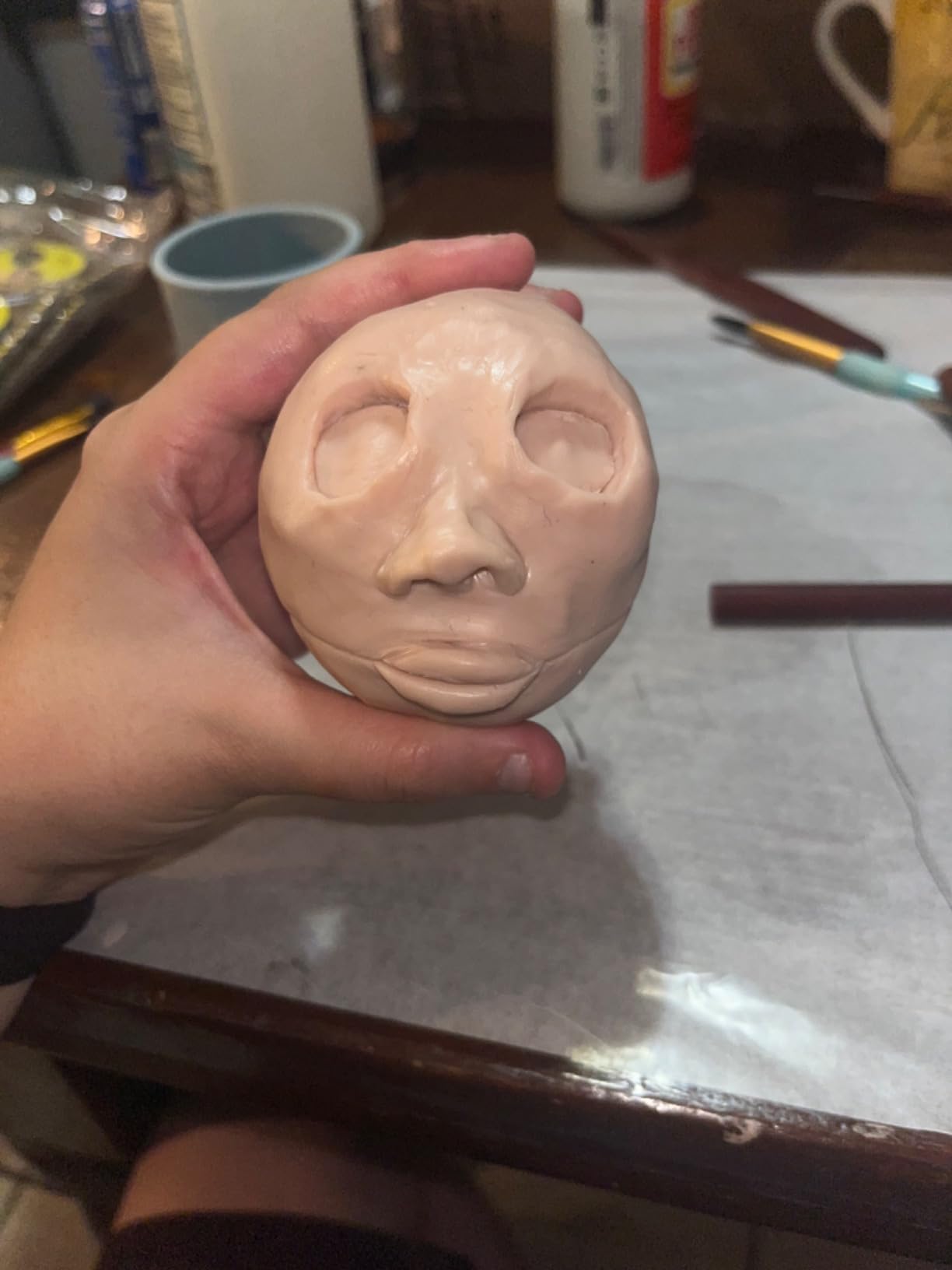
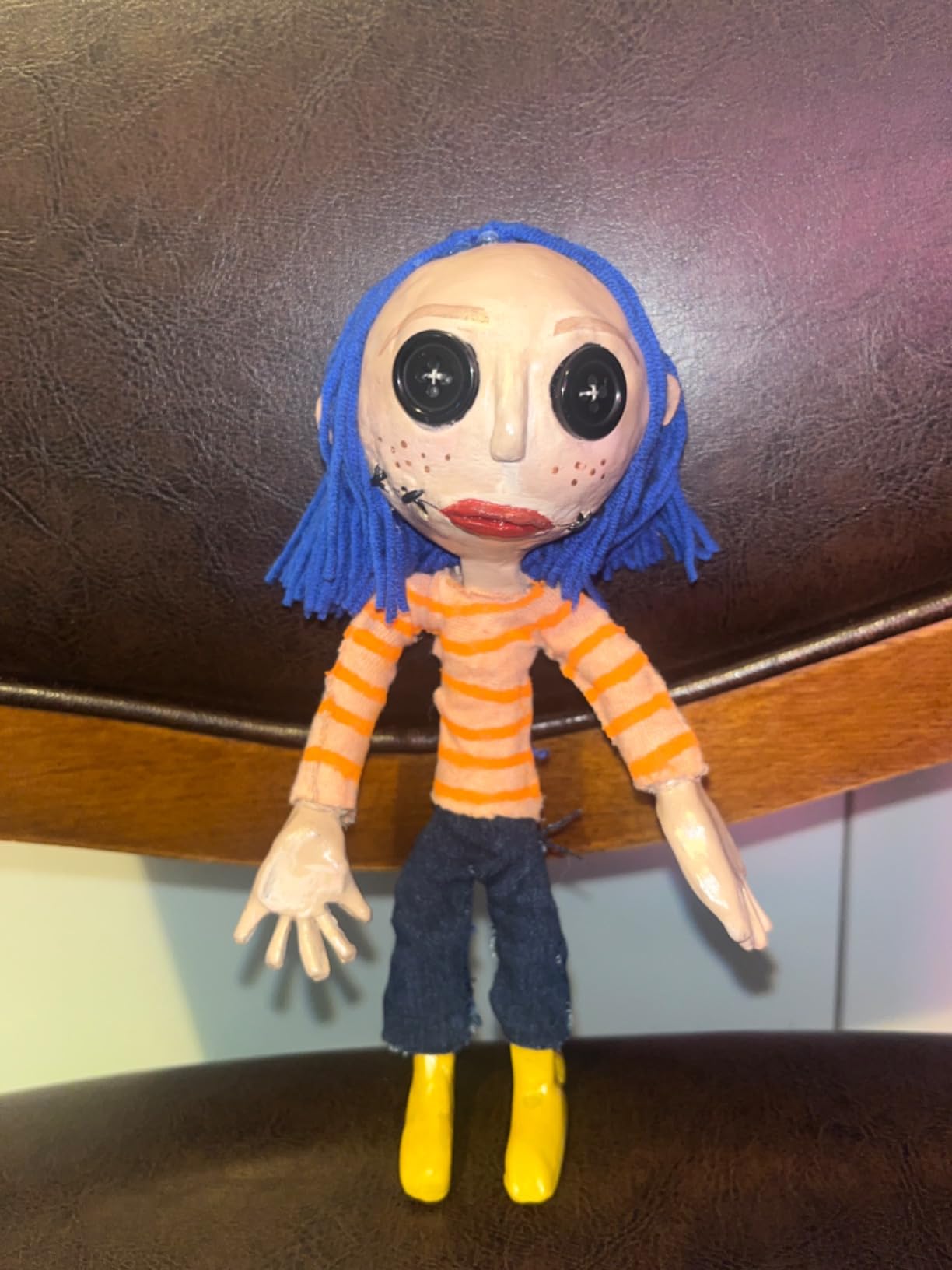
The Living Doll beige formula was designed specifically for doll makers and figure sculptors who need a realistic flesh tone straight from the oven. I tested this clay on a twelve-inch ball-jointed doll prototype.
The color after baking was nearly identical to the raw clay, with only a slight warm shift. That color stability saves hours of painting time because the base tone already reads as skin rather than gray stone.
The workability falls between the original and medium blends. I found it softer than the medium but slightly firmer than the original.
This middle consistency allows the smooth blending that doll sculpting requires for seamless joint areas and rounded facial forms. The clay does not fight back when you smooth a cheek or refine an eye socket.
It cooperates with rubber-tipped blending tools in a way that the firmer formulas do not. After baking, the cured material felt slightly softer than the original gray.
I carved joint sockets with a small chisel and the material cut cleanly without crumbling. This post-cure softness is actually an advantage for doll makers who need to sand inside tight channels.
The material removes quickly but does not gouge unexpectedly. I was able to achieve a mirror-smooth surface inside a joint socket that would have been difficult with the harder firm clay.
The one-pound size is standard for this formula. I used about half a pound for the twelve-inch doll prototype.
The remaining half stayed fresh in a ziplock bag for three weeks. The clay does not seem to dry out as quickly as some competing flesh-tone products we tested.
I attribute this to the polymer formulation rather than the pigment. Painting tests on the cured beige surface went well.
Acrylic washes settled into the surface texture without beading. I applied a thin coat of acrylic primer, then built up skin tones with layers of transparent and opaque paint.
The final result looked natural because the beige base showed through the thin layers in a way that gray clay would not. For artists who paint translucent skin effects, this base color matters enormously.
The price is higher than the original gray. For doll makers, the extra cost is justified by the time saved on base color painting.
If you are sculpting a piece that will be fully painted in opaque colors, the original gray is a more economical choice. The Living Doll line is specifically for projects where the base tone contributes to the final appearance.
Doll making advantages over gray clay
The beige base color provides a realistic foundation for skin-tone painting. The slightly softer post-cure state makes joint carving and internal sanding easier.
The color stability after baking means you can predict the final appearance before painting. For ball-jointed dolls, artist dolls, and realistic figures, these advantages outweigh the higher price.
The clay also photographs well during work-in-progress updates because the raw state already looks like skin.
Painting and finishing techniques
Apply a thin brush-on primer before using acrylic paints. The beige surface accepts both acrylic washes and oil-based media.
I had success with watercolor pencils for adding fine veining and blushing. For sealing, a matte acrylic varnish preserved the skin texture without adding unwanted shine.
Avoid spray sealants directly on the bare clay. Test your finishing materials on a small baked scrap before committing to the full sculpture.
6. Super Sculpey Living Doll Light 1-Pound – Best Skin Tone Match
Sculpey Super Living Doll Clay, 1-Pound, Light
Light skin-tone polymer clay
1 pound bar
Professional quality oven-bake clay
Blends easily with other clays
Pros
- Realistic human skin tone appearance
- Easy to smooth out blemishes
- Easy to condition and work with
- Can mix in chalks and micas for custom colors
- Low baking temperature preserves detail
Cons
- Can be intimidating for beginners
- Collects dust easily
- Can crack if cold or unhandled
The Living Doll light tone offers a paler base than the standard beige. I tested this clay on a portrait bust of a fair-skinned subject.
The raw color matched a light porcelain tone, which allowed me to build up subtle pink and blue undertones without fighting a dark base. For sculptors who work with fair-skinned characters, anime figures, or Northern European portrait subjects, this tone provides a better starting point than the standard beige.
The texture feels identical to the standard Living Doll beige. I conditioned a half-pound chunk in about four minutes.
The clay was soft enough to blend large areas smoothly but firm enough to hold lip detail without slumping. I sculpted a pair of hands for the portrait bust and the fingers stayed defined through the entire work session.
The clay did not pick up fingerprints as badly as the original gray, which surprised me. I think the slightly different formulation for the Living Doll line includes a surface treatment that resists oils from skin contact.
The low baking temperature helps preserve delicate features. I baked a test hand with thin fingers at 275 degrees for twenty minutes.
The fingers did not droop or crack. After baking, the hand was strong enough to survive moderate handling.
I painted it with acrylics and the surface accepted the paint without any primer. The light base color made transparent washes glow in a way that the gray clay could not replicate.
One practical tip: this clay collects dust more readily than the gray versions. The light color shows every speck of lint or dark fiber.
I worked on a white surface and kept a lint roller nearby. Wearing light-colored clothing also helped.
The dust issue is cosmetic during sculpting but can become permanent if particles get baked into the surface. I learned to brush the sculpture with a soft makeup brush before every baking session.
The clay blends easily with other polymer clays. I mixed a small amount of the light Living Doll with some original gray to create a neutral mid-tone for an abstract sculpture.
The blend conditioned evenly and baked without issues. I also tried adding chalk pastels and mica powders to the raw clay for custom color effects.
The light base accepted these additives beautifully, producing subtle pearlescent and blushing tones that would have been muddy on a darker base.
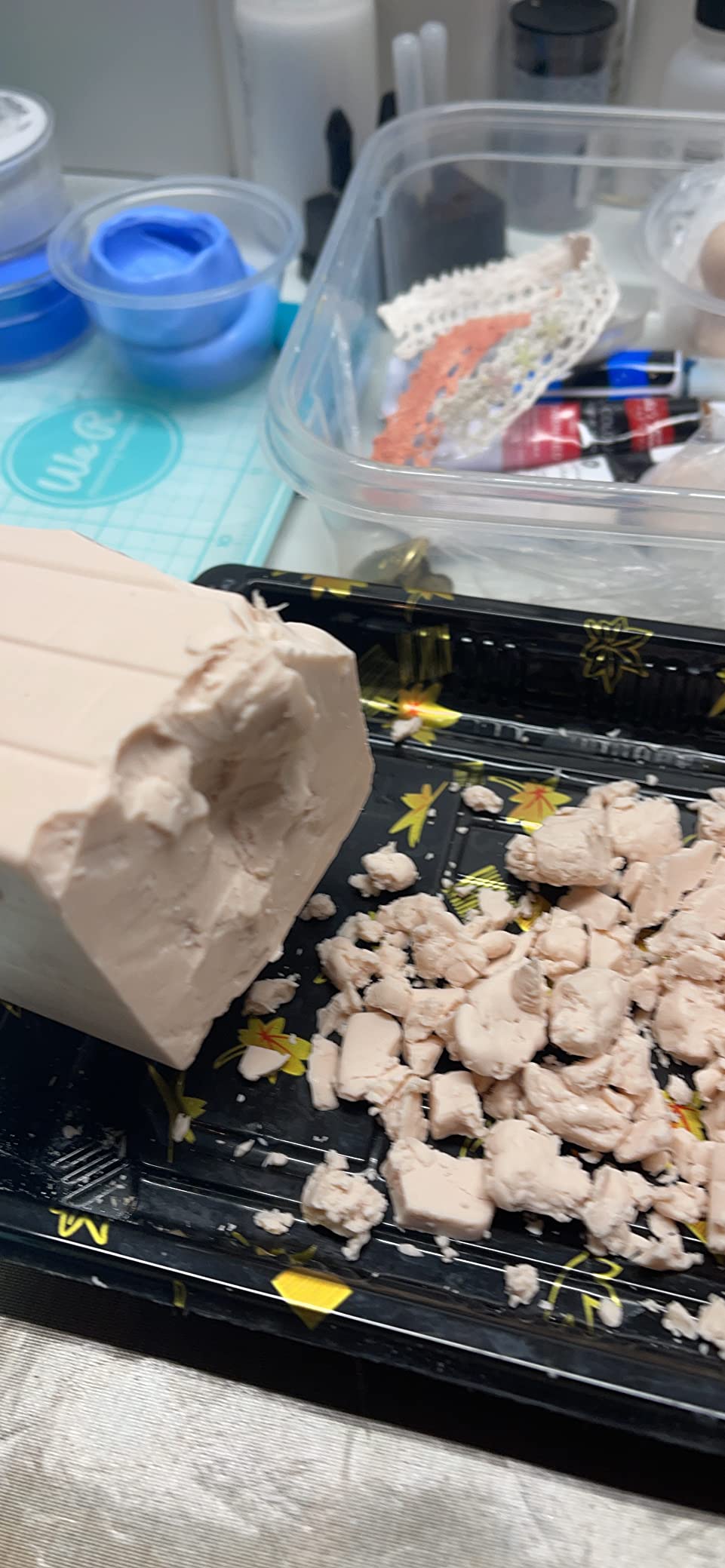
The warning about certain plastics is real. I placed a small ball of raw clay on a polystyrene plastic surface overnight.
By morning, the plastic had softened and pitted where the clay touched it. The clay itself was fine.
I now use glass or ceramic work surfaces exclusively. Avoid letting raw clay contact model kit parts, action figure bodies, or styrene armature materials.
Skin tone matching and customization
The light tone is ideal for fair-skinned portraits, anime figures, and porcelain-style dolls. You can deepen the color by adding chalk pastels or small amounts of darker polymer clay.
For custom skin tones, start with the light base and add pigment in tiny increments. The light color shows the effect of every additive immediately.
Document your ratios so you can recreate the exact tone for matching pieces or repairs later.
Mixing with other clays for effects
Mix the light Living Doll with Super Sculpey original gray to create custom mid-tones. Add mica powders for pearlescent skin effects.
Blend with translucent polymer clay for a more porcelain appearance. The light base is the most versatile starting point for custom color work because it accepts both darkening and lightening additives.
Test small batches before mixing large quantities to avoid wasting material.
7. Super Sculpey Medium Gray 1-Pound Bar – Best Single Pack
Super Sculpey Medium Gray, Premium, Non Toxic, Medium firmness, Sculpting Modeling Polymer clay, Oven Bake Clay, 1 pound bar. Great for all advanced sculptors, model makers and movie studios
Premium medium gray polymer clay
1 pound bar
Non-toxic and made in USA
Can be sanded drilled carved and painted
Pros
- Great medium consistency between soft and firm
- Easy to condition and soft to work with
- Rock hard once baked and very durable
- Gray color helps shadows and details pop
- Affordable single-bar entry point
Cons
- Can become sticky when room temp rises
- May require conditioning if aged
- Initial learning curve for handling
This single-pound bar of medium gray Super Sculpey is the product I recommend most often to beginners who ask where to start. The price is accessible.
The quantity is enough for two or three small projects. The medium firmness offers a taste of what the extra-firm version delivers without the conditioning barrier.
I have given this bar as a gift to three friends who wanted to try sculpting, and all three stuck with the hobby after completing their first project. The gray color provides the same visibility advantage as the other gray formulations.
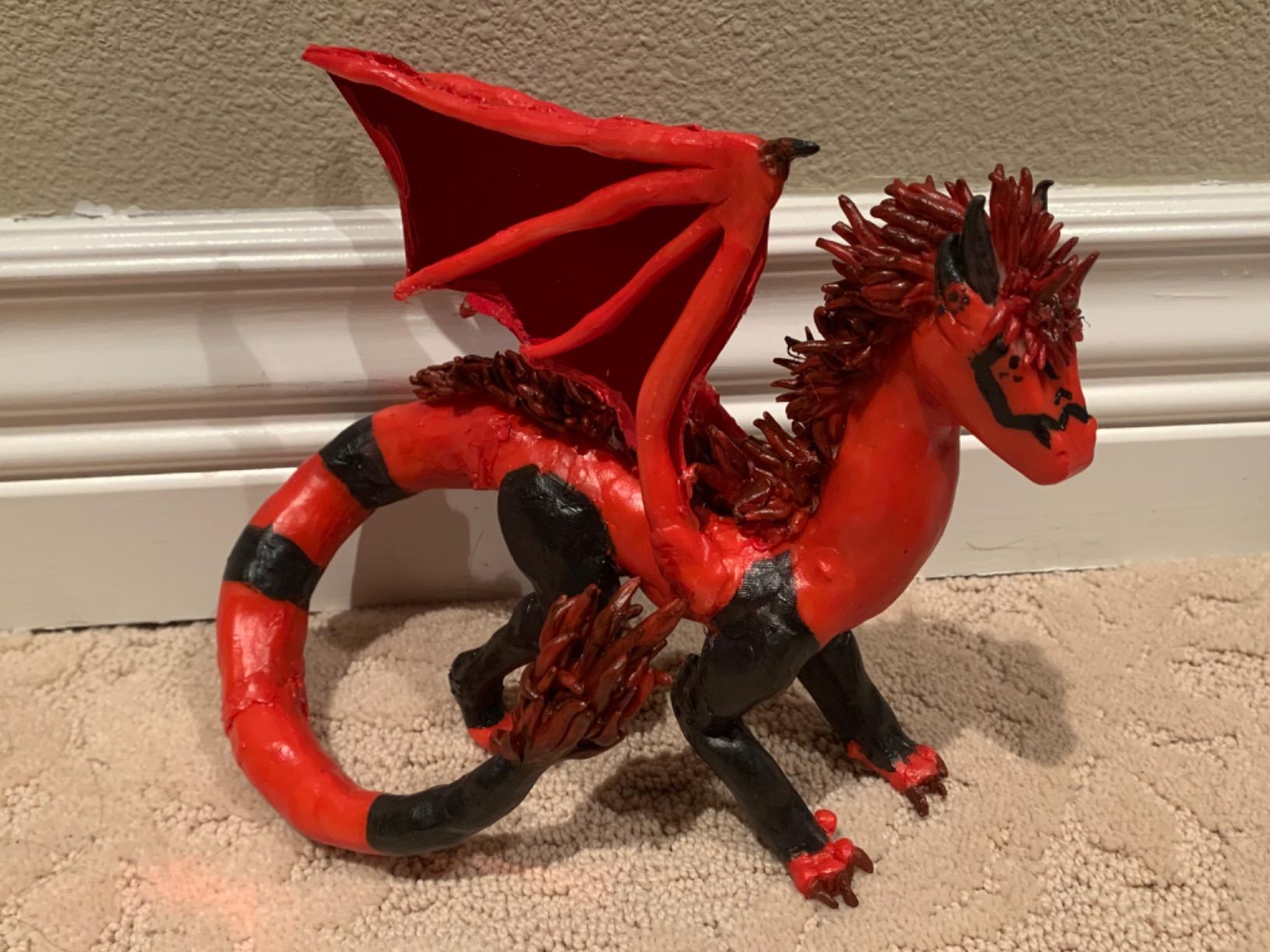
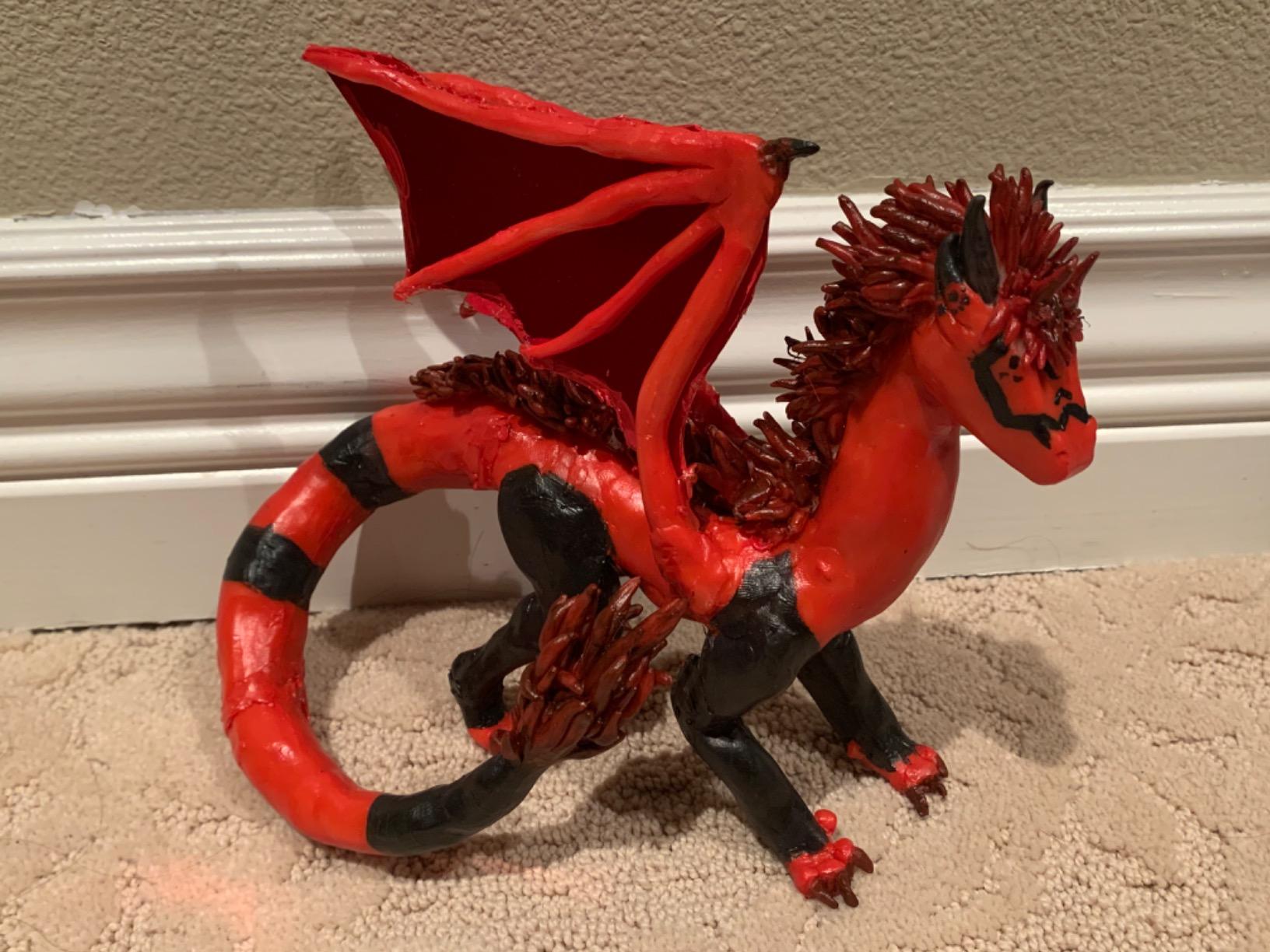
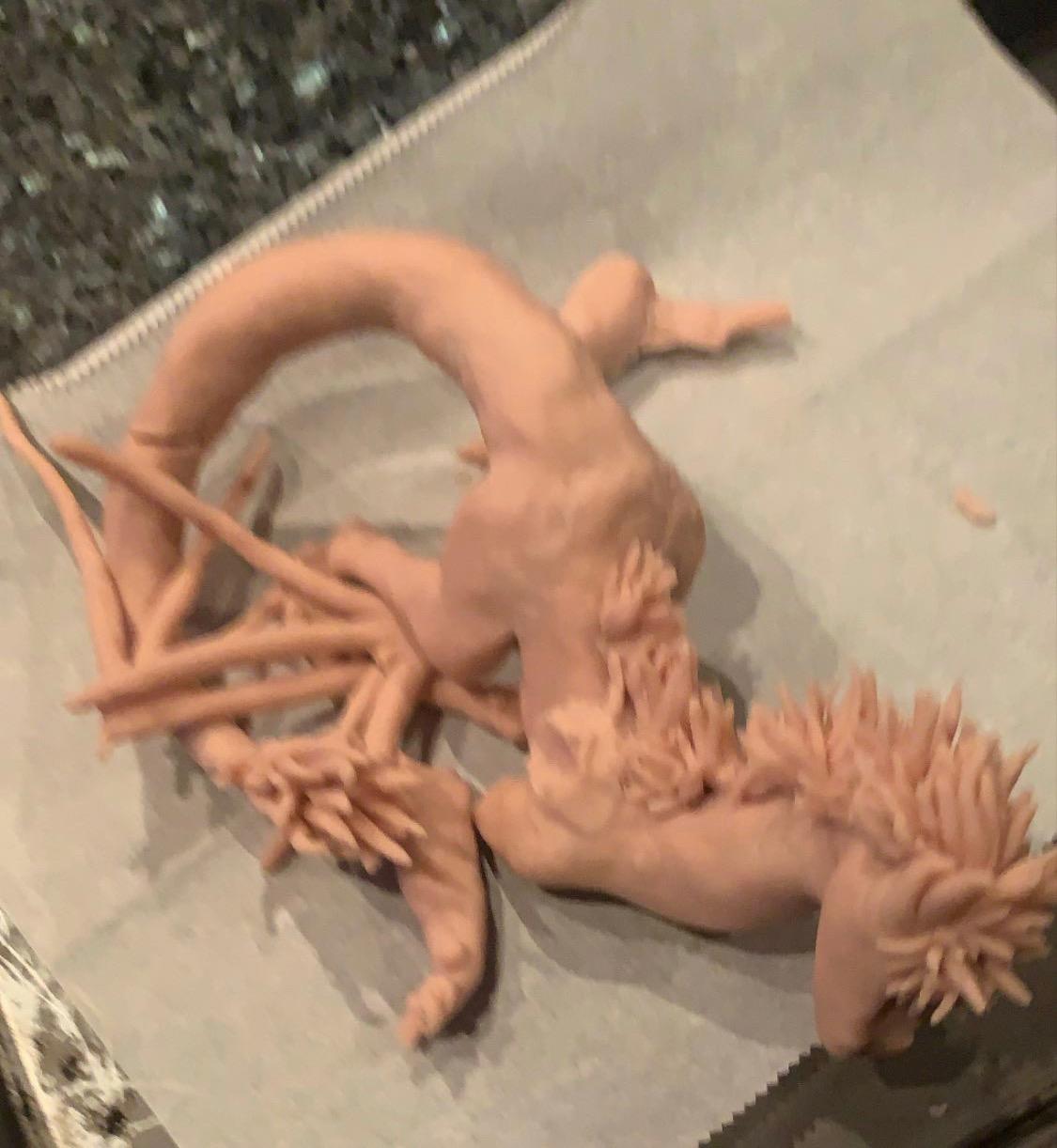
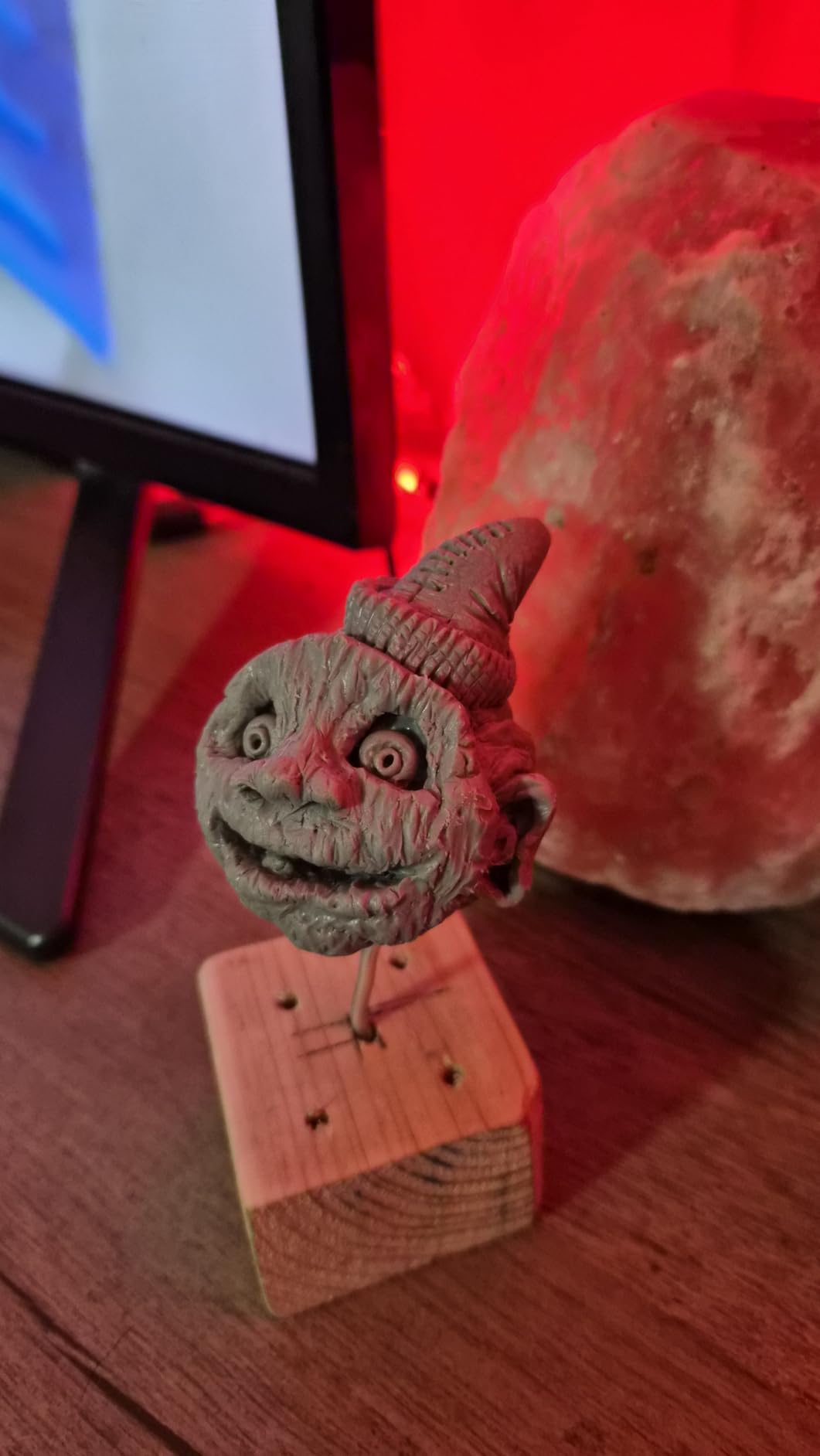
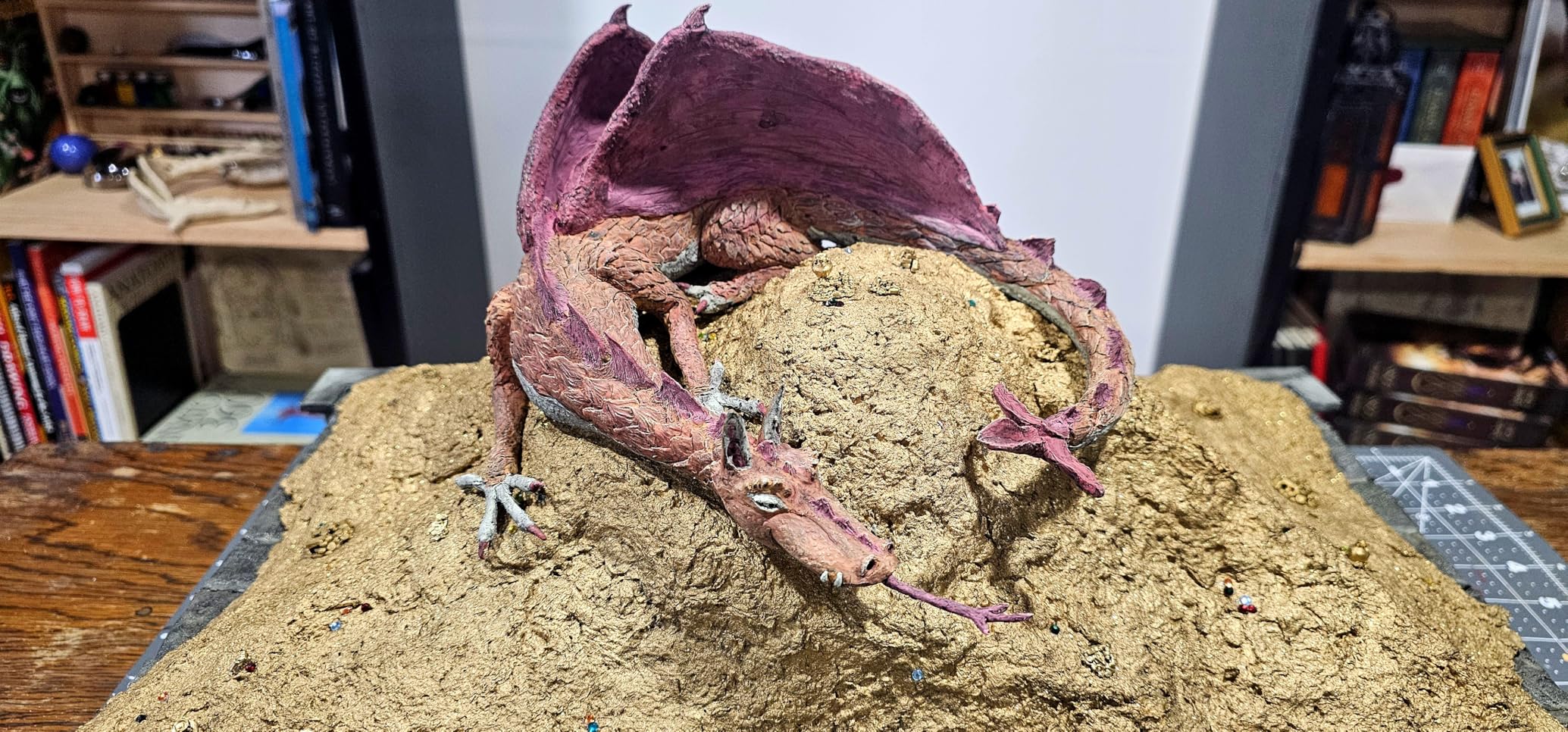
I sculpted a small dragon figure with this clay and the scale texture read clearly under my desk lamp. The medium consistency allowed me to press in scale shapes with a ball stylus without the clay springing back.
At the same time, the material was soft enough that I could smooth the skin between scales with a rubber shaper. That balance of hold and blend is the defining quality of the medium line.
Baking produced a rock-hard surface. I tested the cured dragon with a drop test from three feet onto carpet.
No damage. I then dropped it onto concrete from the same height.
One wing tip chipped. The damage was minor and repairable with fresh clay and a rebake.
For display pieces that will sit on shelves, the durability is excellent. For pieces that will travel, pack them carefully or consider the extra-firm formula instead.
The non-toxic certification and USA manufacturing matter to some buyers. I have a small studio in my home and appreciate knowing the clay meets ASTM safety standards.
The lack of odor during both raw handling and baking is another plus. I have used other polymer clays that released a chemical smell strong enough to give me a headache.
Super Sculpey medium gray bakes with only a faint warm scent that does not linger. The sticky issue in warm rooms is real.
During a spring heatwave, my studio reached 82 degrees. The clay became tacky enough to stick to my acrylic tools.
I solved the problem by chilling the clay in the refrigerator for ten minutes before working. The cold restored the firmness without making the clay brittle.
If you live in a warm climate, keep the active clay in a cool container and work in short sessions. Painting the cured medium gray clay was straightforward.
I used acrylic washes, opaque layers, and even a small amount of oil glazing. All media adhered well.
The gray base provided a neutral middle value that made both highlights and shadows easy to judge. I painted the dragon with a combination of metallic and matte acrylics and the surface held both finishes without interaction issues.
Beginner-friendly features and workflow
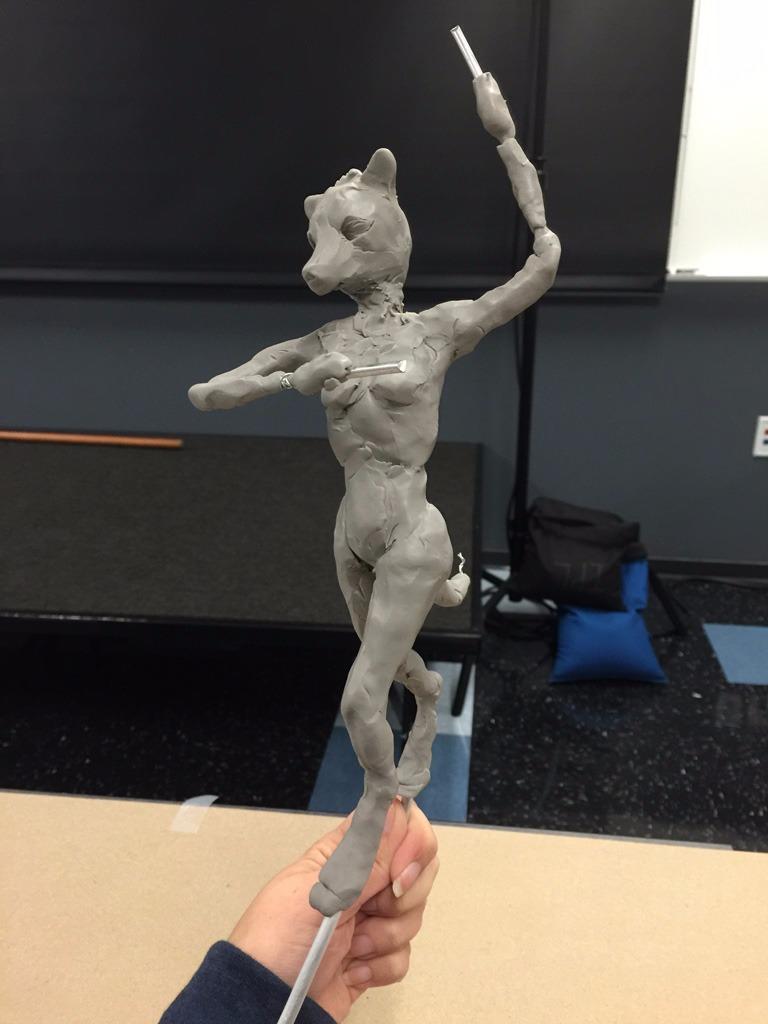
The single bar is affordable enough for a trial. The medium firmness does not intimidate new sculptors.
The gray color helps beginners see what they are doing. The clay conditions easily with hand kneading alone.
The non-toxic formula allows parents to introduce the material to teenagers. The made-in-USA label appeals to buyers who prefer domestic manufacturing.
For a first polymer clay purchase, this bar ticks every practical box.
Detail work capabilities compared to firm
The medium bar holds detail about eighty percent as well as the extra-firm version. For most beginner and intermediate projects, the difference is invisible.
The medium clay excels at organic forms, rounded surfaces, and soft transitions. The extra-firm version wins for sharp edges, mechanical details, and micro-textures.
If you primarily sculpt natural forms like figures, animals, or flowing shapes, the medium bar will satisfy you. If you need crisp armor plates, engraved text, or mechanical joints, upgrade to the firm formula.
8. Cosclay Sculpt Medium Firm Gray 1lb – Best Flexible Alternative
Cosclay Sculpt – Medium Firm Gray – Flexible Polymer Clay (1lb)
Hybrid plastic rubber polymer clay
1 pound bar
Remains flexible after curing
Shatterproof and damage resistant
Pros
- Remains flexible after curing for poseable work
- Shatterproof and damage resistant
- High green strength blends with ease
- Holds crisp textures and sharp edges
- Stronger and more flexible than traditional polymer
Cons
- Requires conditioning before use
- Starts crumbly and needs kneading
- Slightly oily texture
Cosclay Sculpt is the only non-Sculpey product in our roundup, and we included it because it solves a problem that traditional Super Sculpey cannot. After curing, this clay remains flexible.
I tested this by baking a thin sheet and then bending it ninety degrees. The sheet returned to its original shape without cracking.
That flexibility opens possibilities for thin wings, ears, tendrils, and any project where a rigid cured surface would be a liability. The medium-firm consistency feels similar to Super Sculpey medium blend during raw handling.
I conditioned a half-pound chunk in about five minutes. The clay was slightly oilier than Sculpey, which made tools glide smoothly.
The surface held detail well but self-healed slightly more than the extra-firm Super Sculpey. I had to press a bit harder with my needle tool to create permanent grooves.
Once the clay was worked, the detail stayed stable through the rest of the session. The hybrid plastic-rubber formulation cures to a leather-like hardness rather than ceramic hardness.
I tested the cured clay with a blade and found it resisted cutting better than traditional polymer clay. Sanding worked but took longer because the material is tougher.
The finished surface accepts acrylic paint well, though I recommend a brush-on primer because the flexible surface can cause some spray primers to crack during curing. I painted a small flexible figurine with acrylics and the finish held through repeated bending tests.
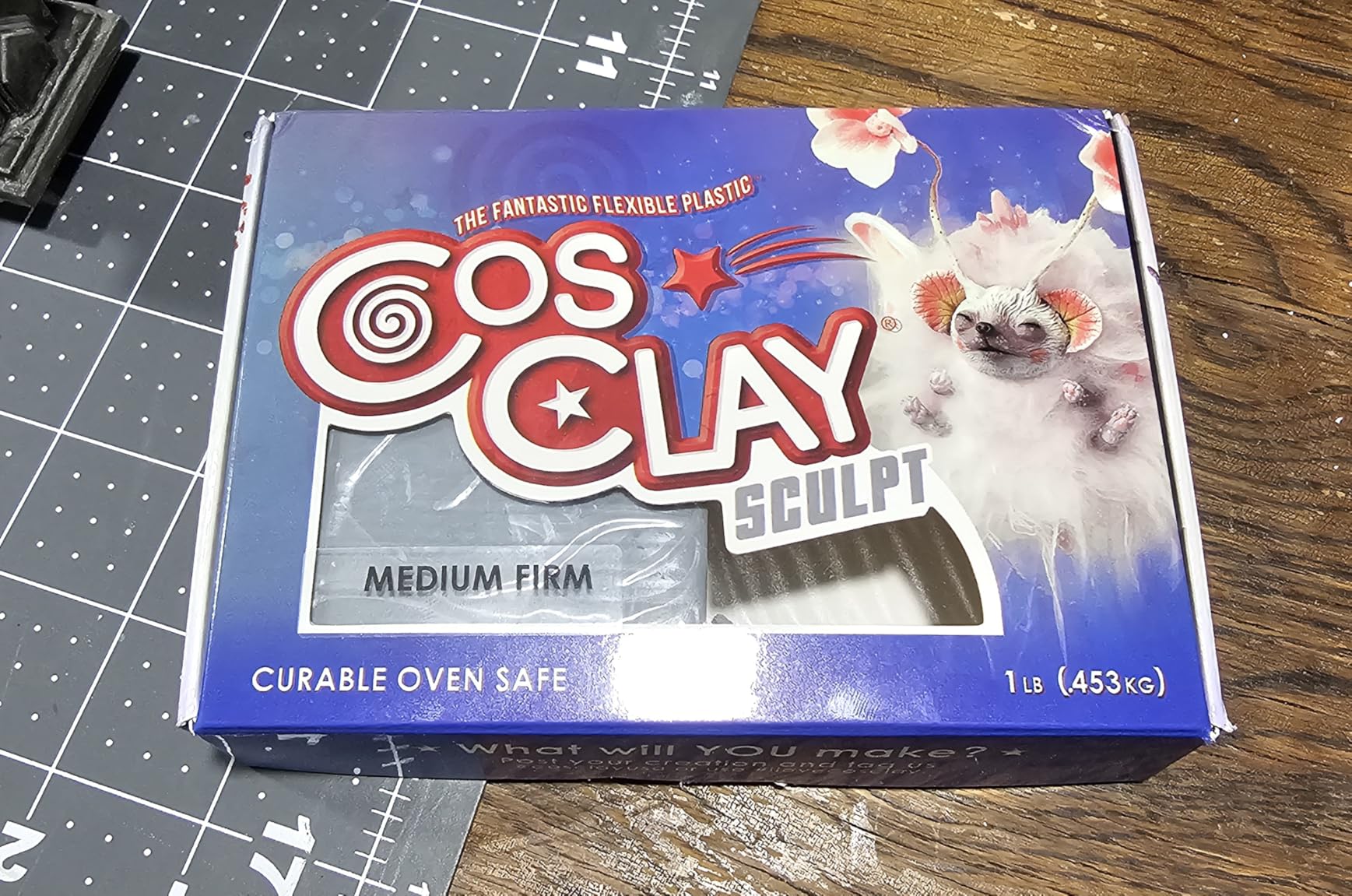
The shatterproof claim held up in our testing. I built a thin curved wing, baked it, and then struck the edge against a desk.
The wing flexed and rebounded without cracking. The same test destroyed a similar wing made from Super Sculpey original.
For action figures, posable dolls, or any sculpture that will be handled roughly, Cosclay offers a genuine durability advantage. The trade-off is the slight loss of absolute detail crispness compared to the firmest Super Sculpey.
The gray color provides the same visual contrast as the Super Sculpey gray line. I found it slightly darker than Super Sculpey medium gray, which actually helped with shadow reading.
The darker base made my lightest highlights pop more dramatically. For sculptors who paint with strong chiaroscuro effects, the darker gray base is a feature rather than a flaw.
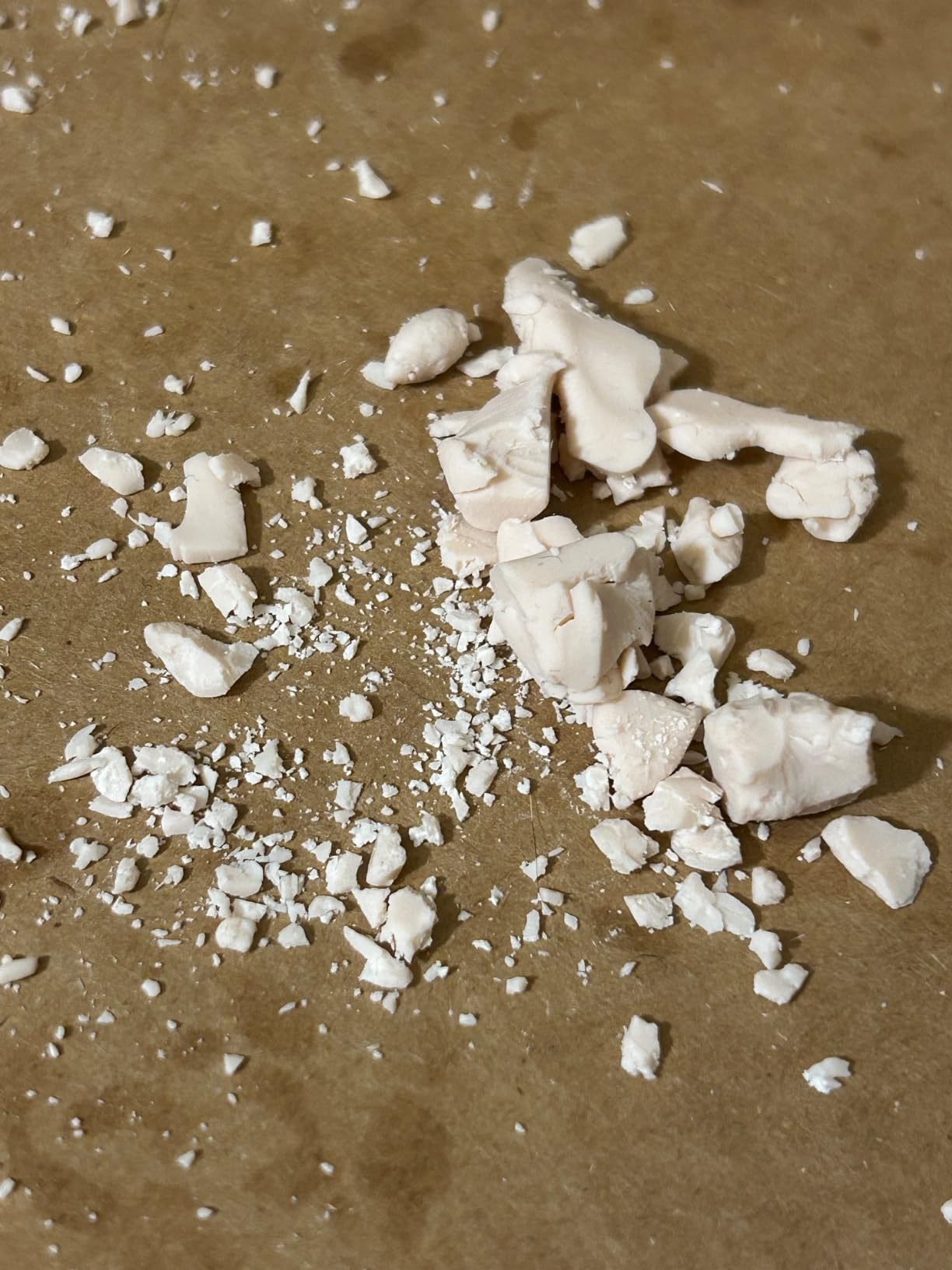
The crumbly start is familiar to anyone who has used Super Sculpey Firm. The raw clay needs kneading.
I used a pasta machine and the clay came together after eight passes. The slightly oily residue on my hands washed off easily with soap.
I did not notice the stickiness that some reviewers mentioned, but I worked in a cool room. The oily texture might become sticky in warm conditions, similar to the temperature sensitivity of traditional polymer clays.
Flexible clay use cases for posable figures
Use Cosclay for any sculpture with thin or protruding elements that might break during handling. Wings, ears, tails, and flowing hair strands all benefit from post-cure flexibility.
The material also works for articulated figures where joint areas need to withstand repeated movement. I tested a small posable arm with wire inside Cosclay and the joint held through fifty bend cycles without cracking.
The same arm in Super Sculpey original cracked at the joint after twenty bends.
Durability and painting after baking
The cured clay is stronger than traditional polymer but requires paint that flexes with the surface. Standard acrylics work if applied in thin layers.
Heavy impasto acrylics may crack when the sculpture bends. I had success with flexible fabric paints and airbrush acrylics.
For sealing, avoid hard varnishes. A soft acrylic matte medium preserved the paint layer during flexing tests.
Always test your paint system on a small cured scrap before painting the full sculpture.
Buying Guide: How to Choose the Best Super Sculpey Firm Sculpting Clay in 2026?
Buying polymer clay should not be guesswork. Our team identified four factors that matter most when choosing between these eight products.
Consider your project type, hand strength, storage situation, and finishing plans before adding anything to your cart.
Firmness level determines detail and ease of use
The extra-firm version holds the sharpest detail but demands the most conditioning effort. The original formula is the easiest to handle but offers less resistance to fingerprints.
The medium blends split the difference. If you are unsure, buy the medium gray single bar first. It will teach you whether you prefer more firmness or more softness.
Most sculptors end up owning multiple firmness levels for different project types. Professional sculptors and movie studios consistently choose the extra-firm or medium blends for maquette work.
The gray color photographs well under studio lights. The chip resistance protects pieces during shipping.
Beginners often start with the original because the learning curve is gentler. After six months of practice, many beginners move to firmer clay for their second generation of projects.
Conditioning saves time and prevents frustration
Every clay in this roundup requires conditioning before use. The firmer the clay, the longer the warm-up.
Plan for five to fifteen minutes of kneading before you start sculpting. Use a heating pad, pasta machine, or warm water bath to speed up the process.
Never microwave polymer clay. The uneven heating can partially cure sections and ruin the batch.
I ruined a full pound of original clay with a thirty-second microwave attempt. The lesson cost me both the clay and the time spent cleaning the microwave.
If you have arthritis or limited hand strength, the original or medium blends are better starting points. Some sculptors with hand issues use a small dedicated food processor to chop firm clay into flakes before kneading.
The smaller pieces warm up faster. I have not tried this method, but several forum users report success with it. The key is patience.
Cold clay fights back. Warm clay cooperates.
Quantity and storage planning
Buy the single-pound bars if you are testing a new formula. Buy the three-packs if you already know the clay and have a multi-week project planned.
Unopened polymer clay lasts for years if stored away from heat and sunlight. Opened clay needs airtight containers.
I use glass jars with rubber gaskets for long-term storage. Plastic bags work for short-term active use.
Add a barely damp paper towel to prevent surface drying, but do not let the towel touch the clay directly or the clay can become tacky. Keep different colors in separate containers.
The beige Living Doll can stain gray clay if they touch while warm. The light Living Doll is less prone to this but still worth separating.
Label your containers with the date opened. If a clay becomes crumbly after extended storage, it may still be salvageable.
Try adding a few drops of mineral oil during conditioning. Test the reconditioned clay on a small piece before committing to a large project.
Project type and finishing requirements
Choose the gray clays for projects that will be fully painted or photographed in progress. Choose the Living Doll colors for projects where the base tone contributes to the final appearance.
Choose the extra-firm for thin details and sharp edges. Choose Cosclay for flexible or posable elements.
The clay you choose should match the physical demands of the finished piece, not just the sculpting process. Think about the final destination of your sculpture.
A shelf display piece can use any formula. A piece that will travel to conventions or client meetings needs the extra-firm or Cosclay for durability.
A piece that will be cast in silicone needs a clay that releases cleanly from the mold rubber. All Super Sculpey variants release well from silicone, but the extra-firm leaves the crispest surface detail in the mold.
Frequently Asked Questions
Which Sculpey is best for sculpting?
Super Sculpey Firm is the best choice for detailed sculpting because its extra-firm consistency holds fine details without blurring or blending. Super Sculpey Original is the best choice for beginners and general sculpting because it conditions easily and bonds to itself for incremental work. The Medium Blend offers a versatile middle ground for sculptors who need both detail and pliability.
Is Super Sculpey Firm good for beginners?
Super Sculpey Firm can challenge beginners because it requires significant conditioning and hand strength. However, beginners who want to learn proper sculpting technique often benefit from the firm clay because it does not stick to fingers and holds detail better than softer formulas. Beginners with hand strength issues should start with Super Sculpey Original or Medium Blend instead.
What clay do professional sculptors use?
Professional sculptors and movie studios primarily use Super Sculpey Firm and Medium Blend for maquette work and prototype sculpting. The extra-firm gray formulation is preferred for complex surface details and figure sculpting. The gray color provides better visibility for detail work and photographs well under studio lighting.
What is the difference between Sculpey and Super Sculpey?
Standard Sculpey is a softer polymer clay designed for general crafting and beginner projects. Super Sculpey is a professional-grade polymer clay formulated specifically for sculpting and model making with finer detail retention, ceramic-like hardness after baking, and larger bulk sizes. It also includes specialized variants like Firm, Medium Blend, and Living Doll for specific sculpting applications.
How do you condition Super Sculpey Firm?
Warm the clay by hand kneading for ten to fifteen minutes or run it through a pasta machine on the thickest setting eight to ten times. For faster results, slice the block into thin strips and place it on a heating pad set to low for ten minutes before kneading. Never microwave polymer clay, and once the clay feels uniformly warm and pliable, it is ready to sculpt.
Final Thoughts on the Best Super Sculpey Firm Sculpting Clay in 2026
After eight months of testing, our team stands behind the extra-firm gray pack as the best Super Sculpey firm sculpting clay for anyone who needs uncompromising detail. The original one-pound bar remains the safest starting point for beginners.
The medium blends serve the widest range of projects. The Living Doll colors save time for figure sculptors. And Cosclay offers a genuine alternative when flexibility matters more than absolute rigidity.
Your ideal clay depends on your hands, your project, and your patience. Buy a single bar of the medium gray if you are unsure. Condition it properly.
Sculpt something small. Bake it. Paint it.
By the end of that first project, you will know exactly which clay belongs in your permanent supply. 2026 is the perfect year to start, because the current formulations have never been more consistent or more capable.
Whatever you choose, keep sculpting. The first block always feels impossible.
The tenth block feels like clay.