Building architecture models is equal parts precision and patience, and the material you choose makes or breaks the final result. I have spent years working with different foam core boards for scale models, and I can tell you firsthand that not all foamcore sheets are created equal. Some crumble under your blade, others warp overnight, and a rare few give you those satisfying crisp edges that make a client presentation look polished. If you are searching for the best architecture model foamcore sheets in 2026, this guide covers six products I have tested across different project types, from quick study models to detailed client presentations.
Whether you are an architecture student pulling your first all-nighter or a seasoned professional building site models, the right foam board saves you time and frustration. I have built everything from 1:500 urban planning models to detailed 1:50 interior mockups, and each project demanded a different type of foam core. After testing these boards extensively, I narrowed down the field to six options that actually deliver on quality. Before diving in, if you are also looking for gift ideas for a model-making enthusiast in your life, check out our guide on model train gifts for inspiration.
Our team compared these foam core sheets on rigidity, cut quality, surface finish, and value per sheet. We paid close attention to how each board handles scoring, layering, and adhesive bonding, because those are the details that separate a good model from a great one. Here are our top picks.
Table of Contents
Top 3 Picks for Architecture Model Foamcore Sheets


6 Best Architecture Model Foamcore Sheets in 2026
| Product | Specifications | Action |
|---|---|---|
| Mat Board Center Foam Boards |
|
Check Latest Price |
| Evadow 30-Pack Foam Core Board |
|
Check Latest Price |
 BENECREAT PVC Foam Boards BENECREAT PVC Foam Boards |
|
Check Latest Price |
| Silverlake Craft Foam Boards |
|
Check Latest Price |
 CleverDelights Extra Thick Foam Sheets CleverDelights Extra Thick Foam Sheets |
|
Check Latest Price |
 VEVOR Large Format Foam Boards VEVOR Large Format Foam Boards |
|
Check Latest Price |
1. Mat Board Center Foam Boards – Best Overall for Clean Cuts
Mat Board Center, Pack of 10 Acid-Free Foam Boards, 11x14 inch White Foam Boards, 1/8" Thick
11x14 inch
1/8 inch Thick
10-Pack
Acid-Free
White Foam Core
Pros
- Premium polystyrene core for clean cuts
- Acid-free for archival quality
- Lightweight but sturdy
- Cuts cleanly with paper cutter
- Multiple sizes available
Cons
- Some report glossy finish instead of matte
- Thin for some structural uses
I reached for the Mat Board Center foam boards first on nearly every project that called for walls and flat surfaces. The 1/8 inch thickness hits a sweet spot for 1:100 and 1:50 scale models where you need visible wall depth without the board looking chunky. With over 2,000 reviews and a 4.6-star rating, this board has earned its reputation among architects and students alike.
Cutting this board with a fresh X-ACTO blade produced some of the cleanest edges I have seen on standard foam core. The premium polystyrene core resists tearing, and the acid-free facing means your models will not yellow or degrade over months on display. I built an entire 1:75 residential model using only these sheets, and the walls held up through three rounds of client revisions without any warping.
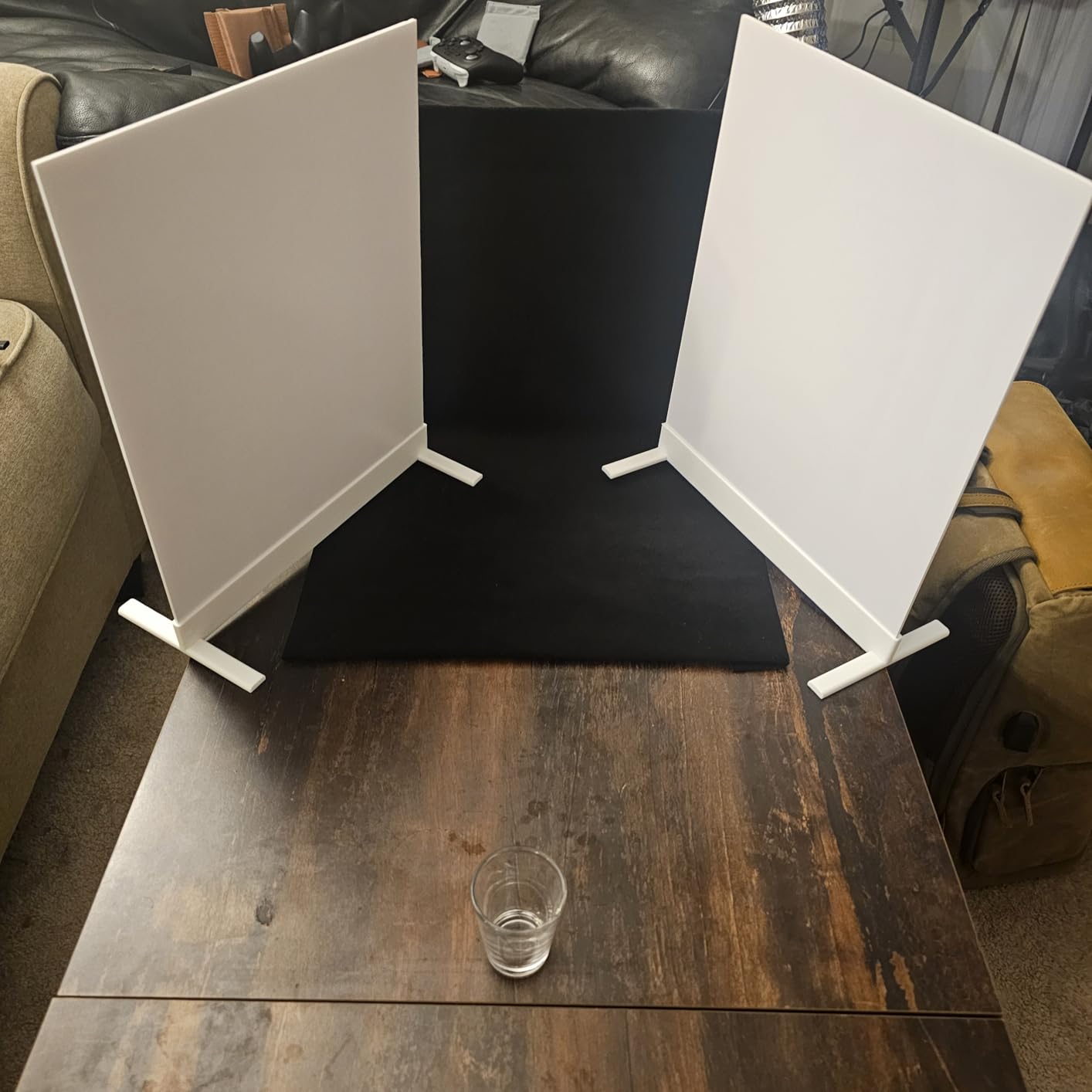
One thing to watch is the surface finish. A few reviewers mentioned getting a glossier surface than expected, which can catch light at awkward angles during presentations. If you need a matte finish for photography or display, test a corner before committing. For pure structural model building though, this is hard to beat.
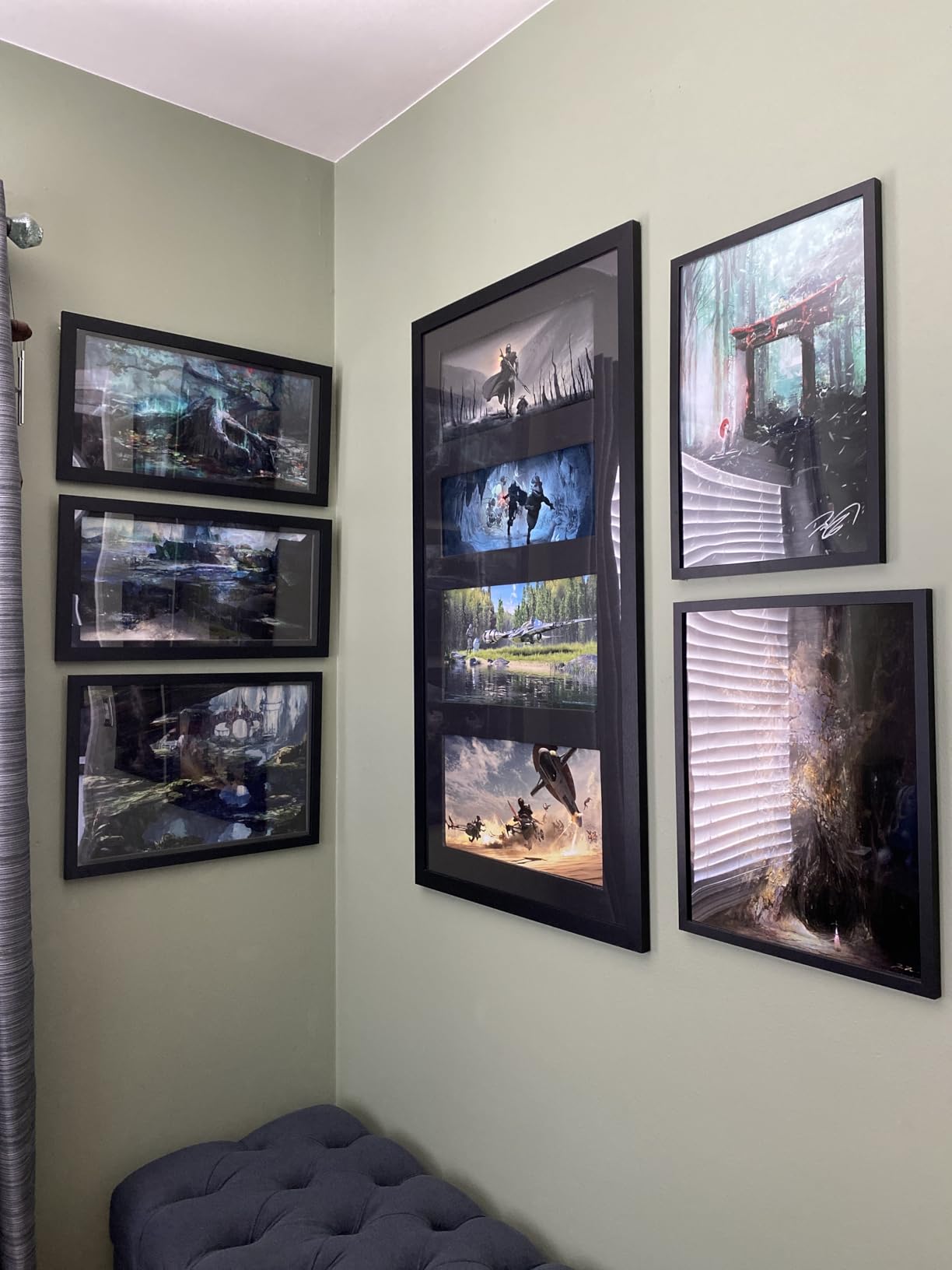
Best Use Cases
These boards shine for wall sections, floor plates, and partition elements in scale models ranging from 1:50 to 1:200. The 11×14 size is large enough to cut multiple wall panels from a single sheet, and the 10-pack gives you enough material for a mid-sized project without leftovers going to waste. I also found them useful for creating removable roof panels on presentation models where clients want to see interior layouts.
For architecture students working on studio projects, this is the workhorse board. The acid-free quality means your semester-long project will not start looking tired halfway through critiques. Pair these sheets with a metal ruler and a sharp blade, and you will get professional-quality results every time.
Thickness and Scale Compatibility
At 1/8 inch thick, these boards translate to approximately 15cm of wall thickness at 1:50 scale, which reads realistically for residential partitions. For 1:100 scale models, the same thickness represents about 30cm, which works well for exterior wall assemblies. If you need thinner material for fine interior details like furniture or door frames, you may want to supplement with thinner PVC sheets.
The density of the polystyrene core is what sets this apart from cheaper dollar-store foam board. It compresses less under cutting pressure, which means your blade tracks straighter and your corners stay sharp. This matters enormously when you are cutting dozens of identical wall panels for a repetitive floor plan.
2. Evadow 30-Pack Foam Core Board – Best Bulk Value
30Pack Foam Core Board, 11"x15" White Foam Board, 3/16" / 5MM Thick Mat Foam Board Center, Backing Boards for Mounting Photographs and Artwork, 3-D Modeling, Signage, Poster Making
11x15 inch
3/16 inch Thick
30-Pack
Dent Resistant
Warp Resistant
Pros
- 30-pack offers excellent value per sheet
- 3/16 inch thick for good rigidity
- Warp and dent resistant
- Easy to cut with craft knife
- Matte plastic surface finish
Cons
- Some users report boards weaker than expected
- Sharpie can penetrate surface
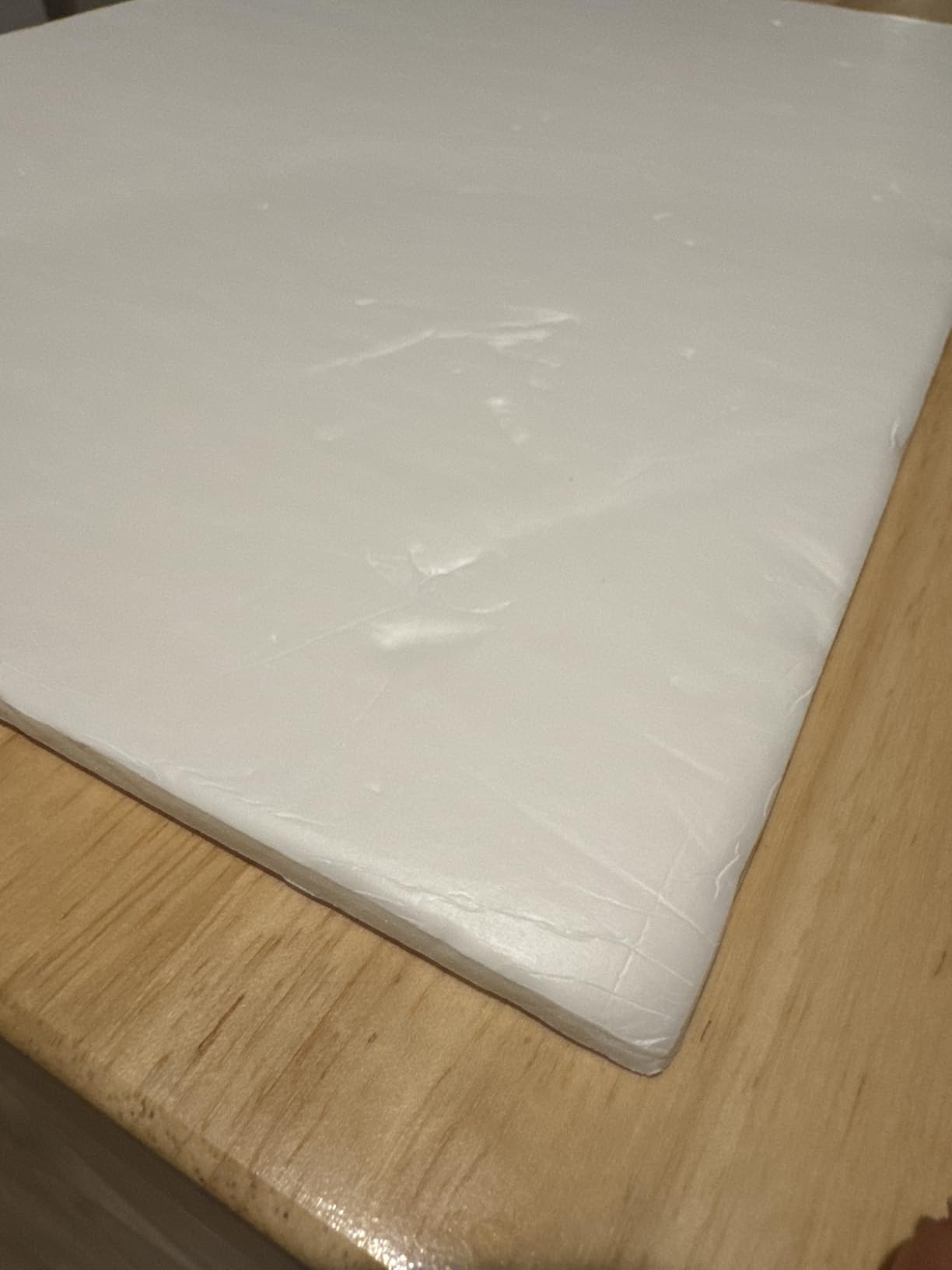
When I need to build a large campus model or run a workshop with multiple students, the Evadow 30-pack is my go-to. Getting 30 sheets of 3/16 inch foam core at this price point means I can prototype freely without worrying about material costs. The thicker 3/16 inch (5mm) construction gives these boards noticeably more rigidity than standard 1/8 inch options.
The polystyrene core is sandwiched between two sheets of matte plastic, which makes these boards resistant to warping and denting. I accidentally stacked heavy reference books on top of a model built with these boards overnight, and it came through without any visible compression marks. That kind of durability matters when your model sits on a crowded desk or gets transported to a presentation.
The 11×15 size is slightly larger than standard letter-size boards, which gives you a few extra inches for longer wall runs. I found this particularly helpful when building corridor sections that span the full length of a floor plan. Fewer seams mean a cleaner-looking model overall.
Best Use Cases
This 30-pack is ideal for architecture studios, classroom settings, and anyone building multiple models simultaneously. The 3/16 inch thickness works great for 1:50 and 1:25 scale models where walls need visual heft. I also recommend these for concept models where you know you will be cutting, assembling, tearing apart, and rebuilding multiple iterations.
The dent-resistant surface means these boards survive handling better than standard foam core. If your models get passed around during client meetings or pinups, this added durability keeps them looking presentable longer.
Durability and Surface Quality
The matte plastic facing on these boards is a double-edged sword. On one hand, it protects against dents and gives a clean, uniform appearance. On the other hand, permanent markers can bleed through the surface, so be careful with annotation. For gluing, I found that double-sided tape and hot glue both bond well to the matte surface without causing warping.
One note about cutting: the matte plastic layer is slightly tougher than paper-faced foam core. You will want to replace your blade more frequently to keep cuts clean. A dull blade tends to drag on the plastic surface instead of slicing through, which can create ragged edges.
3. BENECREAT PVC Foam Boards – Best for Precision Detail Work
BENECREAT 5 Sheets 3mm White Foam Boards 11.8x7.8inch Rectangle Foam PVC Sheet Poster Board Mount Board for Mounting, Crafts, Modelling, Art, Display, School Projects
11.8x7.8 inch
3mm Thick
5-Pack
PVC Foam
High Density
Pros
- PVC material for precise cutting
- High density and hardness
- Rigid but lightweight
- Not easily deformed
- Clean edges on detailed cuts
Cons
- Bent corners reported by some users
- Softer than expected for some uses
- May rip with washi tape
The BENECREAT PVC foam boards are a different animal compared to standard polystyrene foam core. These are solid PVC foam sheets with a veneer on both sides, which means they cut more like a thin plastic than a foam sandwich. For precision architectural detail work like window mullions, staircase stringers, and column faces, this material is outstanding.
I used these sheets for a detailed 1:33 interior model where every millimeter mattered. The 3mm thickness translated to approximately 10cm in real-world dimensions at that scale, which worked perfectly for partition walls and built-in furniture elements. The high-density PVC core holds a crisp edge in ways that standard foam core simply cannot match.

The smaller 11.8×7.8 inch size means these sheets are best suited for detail components rather than large wall sections. Think of them as the precision instrument in your modeling toolkit. I found them especially useful for facade elements, where the clean PVC edge looks polished without needing additional finishing or paint.
Best Use Cases
These PVC boards excel at fine architectural details like window frames, door surrounds, balustrades, and small-scale furniture elements. The rigidity of the PVC material means thin strips hold their shape without bending, which is critical for elements like railing posts and mullion grids. For anyone working on competition entries where the model needs to look flawless under close inspection, these sheets are worth having in your kit.
The 5-sheet pack is perfect for projects where you need small quantities of high-quality material. You are not paying for 30 sheets when your project only calls for detail work on a handful of components. This keeps your material costs focused on what you actually use.
PVC vs Standard Foam Core
The biggest difference between PVC foam board and standard foam core is how it handles cutting tools. Standard foam core tears if you push too hard, but PVC foam slices cleanly under consistent pressure. You can even use a fine-tooth saw or scoring blade on PVC without the crumbling you get with polystyrene. This makes it the better choice for elements that need to survive repeated handling.
On the downside, PVC boards do not accept adhesive quite as readily as paper-faced foam core. I had the best results with cyanoacrylate glue and contact cement rather than standard white glue or double-sided tape. The bond is stronger and more permanent, which is what you want for detailed elements that cannot shift out of alignment.
4. Silverlake Craft Foam Boards – Best for Terrain and Landscaping
Silverlake 11x17x0.5 Craft Foam Boards for Styrofoam Sheet Projects (14-Pack)
11x17 inch
1/2 inch Thick
14-Pack
High-Density EPS
Paintable
Pros
- Professional-grade high-density EPS foam
- 1/2 inch thick for terrain building
- Sandable and paintable
- Works with hot-wire knife
- Weather and moisture resistant
Cons
- Some pieces may arrive dented
- Not as firm as some users prefer
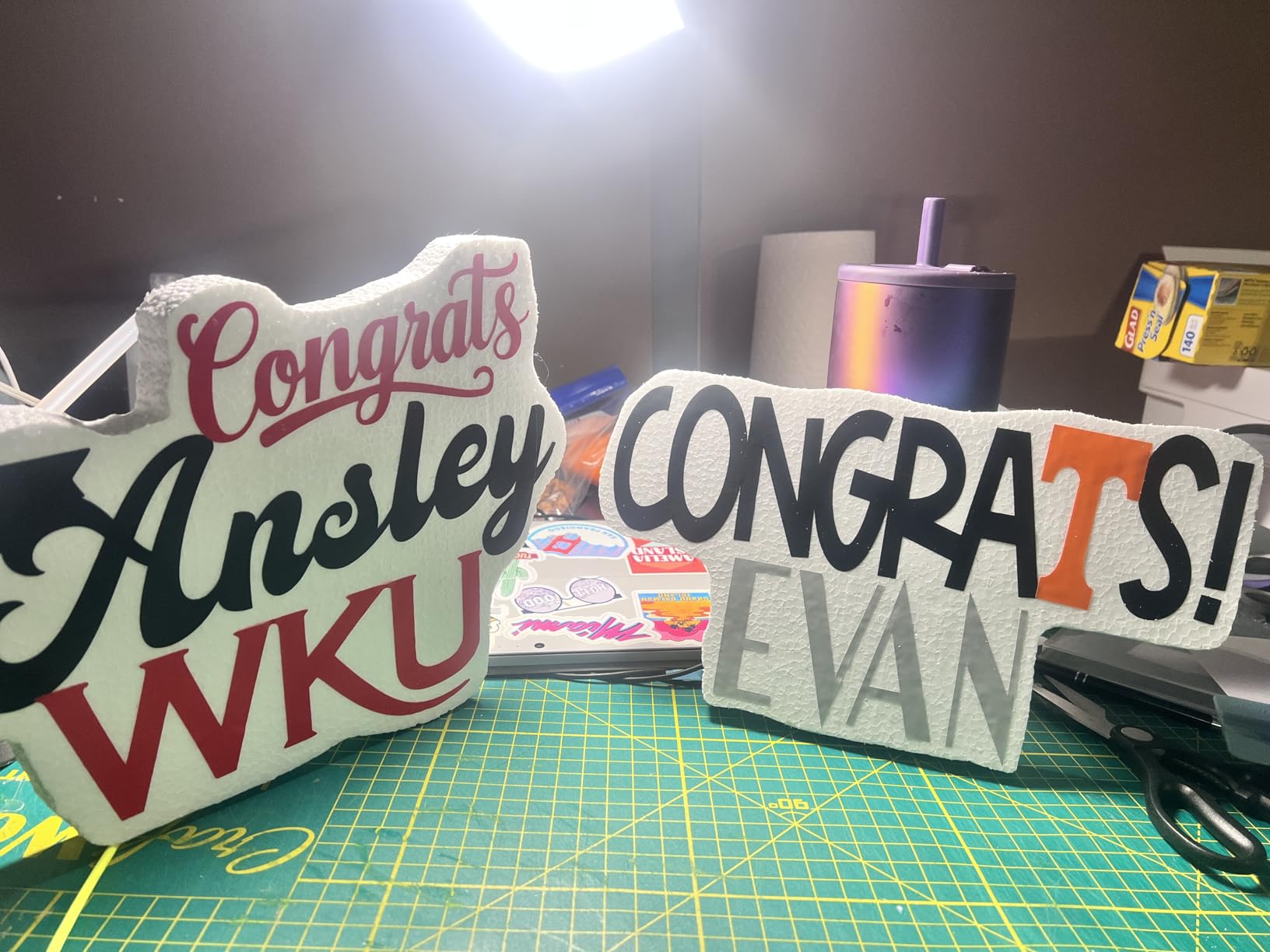
The Silverline craft foam boards fill a niche that standard foam core cannot: terrain and topography modeling. These are solid high-density EPS foam sheets, not foam sandwich boards. At 1/2 inch thick, they give you real depth to carve hillsides, contour changes, and landscape features that flat foam core simply cannot replicate.
I used these sheets to build the site model for a hillside residential project, and the experience was completely different from working with layered foam core. You can sand these boards into smooth contours, carve river channels, and build up elevation changes by stacking and carving layers. The 1-pound density foam is firm enough to hold detail but soft enough to shape with basic tools. With nearly 1,900 reviews backing a 4.5-star rating, other model builders clearly agree.
The 11×17 size gives you a decent working area for site models. I was able to build a full 1:200 site plan with surrounding context on two sheets stacked and shaped together. The 14-pack means you have plenty of material to experiment with different terrain approaches before committing to the final version.
Best Use Cases
These EPS foam boards are purpose-built for topographical models, landscape features, diorama bases, and any project where elevation changes are a key design element. Architecture students working on site analysis models will find these indispensable. I also recommend them for theater set designers who need to mock up stage elevations quickly.
For architectural site models, I stack multiple sheets and carve them with a hot-wire cutter to create accurate contour lines. The resulting terrain looks far more professional than trying to build up elevation with layered foam core, which always shows visible step patterns between layers.
Sanding and Painting Compatibility
One of the strongest advantages of this material is how well it takes surface treatments. I sanded smooth transitions between elevation changes using medium-grit sandpaper, then applied water-based paint without any issues. The foam accepts acrylic paint, spray paint, and even thin plaster coatings for realistic terrain texture. Just avoid solvent-based paints and adhesives, as they can melt the EPS foam.
For cutting, a hot-wire knife is the ideal tool. It glides through the foam with zero dust and creates smooth, sealed edges. If you do not have a hot-wire cutter, a fresh utility knife works for straight cuts, but you will get some foam dust. Keep a vacuum handy.
5. CleverDelights Extra Thick Foam Sheets – Best for Structural Elements
CleverDelights 8 x 12 Inch White Foam Sheets - 10 Pack - 1/4" (6mm) Extra Thick Craft Sheets
8x12 inch
1/4 inch (6mm) Thick
10-Pack
EVA Foam
Flexible
Pros
- Extra thick 6mm for structural elements
- Soft EVA foam for easy cutting
- Works with scissors and die-cut machines
- Flexible and paintable
- Good for small architectural details
Cons
- No adhesive backing
- Possible color inconsistency
- External dimensions may differ from usable size
The CleverDelights foam sheets bring 1/4 inch (6mm) thickness in a flexible EVA foam format that fills a specific gap in the architecture modeling toolkit. These are not rigid boards but rather semi-flexible foam sheets that bend without cracking. I found them particularly useful for curved architectural elements like barrel vaults, arched doorways, and rounded wall sections.
Working with EVA foam is a different experience from polystyrene or PVC. You can cut it with regular scissors, which speeds up the prototyping phase significantly. I used these sheets to mock up a series of curved facade panels for a museum project, and the flexibility let me test different curvature radii without heat-forming or complicated jig setups. The 8×12 size is compact, making these sheets best suited for individual building components rather than full wall panels.
The softness of the EVA material is both a strength and a limitation. It cuts effortlessly and accepts paint well, but it does not hold the razor-sharp edges that harder foam boards do. For elements that will be viewed up close in a presentation model, you may want to combine these with harder materials for crisp details.
Best Use Cases
These sheets work best for curved architectural elements, structural mockups, and prototype testing where flexibility matters more than edge precision. I also found them handy for creating soft landscape elements like hills and berms in smaller-scale models. The 10-pack gives you enough material to experiment with different forms before committing to final construction.
Architecture students working on parametric design projects will appreciate how easily EVA foam conforms to complex curves. If your design features double-curved surfaces, these sheets let you approximate those forms at model scale without the labor of steam-bending or vacuum-forming harder materials.
Cutting and Shaping Tips
For straight cuts, a metal ruler and craft knife give you clean edges. For curves, scissors work surprisingly well on the 6mm thickness. If you need to create complex shapes, these sheets are compatible with most die-cut machines and stencils, which opens up possibilities for repetitive pattern elements. I recommend sealing the cut edges with a thin coat of white glue before painting, as raw EVA edges can look slightly fuzzy.
Heat shaping is another option with EVA foam. A heat gun on low setting softens the material enough to hold a curve permanently once it cools. This technique works well for arched windows and curved wall sections where you need a smooth, consistent radius.
6. VEVOR Large Format Foam Boards – Best for Professional Site Models
VEVOR Foam Board, 12 Pack 24 x 36 Inch, 3/16 Inch Thickness White Poster Board, Acid-Free Double Sided Foam Core Sheets for Mounting, Crafts, Paintings Prints, Art, Display, Presentation and Projects
24x36 inch
3/16 inch (5mm) Thick
12-Pack
Acid-Free
Double-Sided Smooth
Pros
- Large 24x36 inch format for site models
- Acid-free for long-lasting quality
- Double-sided smooth surfaces
- 5mm thickness prevents paint bleed-through
- Easy precision cutting
Cons
- Some boards may arrive with dents
- Newer product with limited reviews
The VEVOR large format foam boards solve a problem every architect has faced: trying to piece together a site model from small foam core sheets with visible seams everywhere. At 24×36 inches, these sheets give you enough continuous surface to lay out an entire site plan on a single piece. For professional practice work, this alone makes them worth considering.
I tested these boards on a 1:500 urban design model that needed to cover a full city block. The large format meant my site plan was seamless, with no visible joints across the main base. The 3/16 inch (5mm) thickness provided enough rigidity for the base to stay flat even after attaching multiple building masses and landscape elements on top. The acid-free construction ensures your model base will not yellow or become brittle over time.
The double-sided smooth surface is a nice touch. Both faces are clean and blemish-free, which gives you the option to flip a sheet if one side gets marked during layout. The 5mm thickness also acts as a barrier against paint soaking through, so you can apply washes and color coding to your site plan without damaging the surface underneath.
Best Use Cases
These large format boards are purpose-built for professional site models, master plan presentations, and any project that requires a substantial continuous base. At 24×36 inches, a single sheet can accommodate a 1:500 scale model covering roughly 1,000 square meters of site area. For larger sites, you can join two sheets with tape on the underside for a nearly invisible seam.
Professional architects preparing for planning submissions will appreciate the presentation quality these boards deliver. The smooth, clean surface looks professional from the moment you unbox it, and the rigidity means your model arrives at the meeting flat and undamaged.
Large Format Considerations
Working with 24×36 inch sheets requires some planning. You need a large, flat work surface to avoid creasing the boards during layout and cutting. I also recommend having a long straightedge, at least 24 inches, for making full-length cuts across the sheet. Standard 12-inch rulers will leave you with misaligned cuts on longer wall runs.
Storage is another consideration. These sheets are large enough that you need a flat filing cabinet or portfolio case to keep them in good condition between projects. Do not store them standing on edge, as they can develop a permanent curve over time. Keep them flat and separated by the included packaging sheets.
How to Choose the Right Foamcore Sheets for Architecture Models?
Picking the right foam core sheet comes down to three things: your model scale, your project stage, and how the model will be used. I have seen too many architects grab the cheapest foam board available and then wonder why their model looks rough around the edges. The right material choice upfront saves hours of frustration and produces noticeably better results.
Thickness Guide by Scale
The thickness of your foam core directly impacts how realistic your model looks. For 1:200 to 1:500 scales, 1/8 inch (3mm) boards work well for walls because the proportional thickness reads correctly. For 1:50 to 1:100 scales, step up to 3/16 inch (5mm) boards for exterior walls and use 1/8 inch for interior partitions. For 1:25 and larger presentation models, 1/4 inch to 1/2 inch boards give walls the visual weight they need.
One trick I use is to match my foam thickness to the real-world wall assembly at the chosen scale. A standard 30cm exterior wall at 1:100 scale equals 3mm, so a 1/8 inch board reads as slightly thick but acceptable. At 1:50 scale, that same 30cm wall becomes 6mm, which is where the 1/4 inch CleverDelights sheets come in perfectly.
Material Types Explained
Standard foam core has a polystyrene foam center sandwiched between paper facing. It is affordable, easy to cut, and works for most study models. PVC foam board, like the BENECREAT sheets, uses solid PVC foam throughout. It is denser, more rigid, and produces cleaner edges, making it better for final presentation models. EPS foam, like the Silverlake boards, is solid expanded polystyrene that you can carve and sand, ideal for terrain and topographic modeling.
Each material has its place. As forum discussions on r/architecture and r/modelmakers consistently point out, standard foam core works great for study models and concept iterations, but chip board or PVC foam gives a more polished look for final presentations. The denting and compression issues that users frequently mention with cheap foam core are real problems that higher-density materials solve.
Cutting Tools and Techniques
A sharp blade is non-negotiable. Forum users across r/modelmakers consistently stress that dull blades are the number one cause of ragged foam core edges. I change my X-ACTO blade after every major cutting session. For straight cuts, a metal ruler with a cork backing prevents slipping. Score your line lightly first, then make two or three passes with increasing pressure rather than trying to cut through in one stroke.
For curved cuts, a swivel blade gives you more control than a fixed-blade knife. For mass production of identical wall panels, consider making a template from heavier card stock that you can trace repeatedly. This ensures consistency across your model, which makes a noticeable difference in the final appearance.
Adhesives and Assembly
The best glue for foam board models depends on your material. For standard polystyrene foam core, double-sided tape and UHU glue stick both work well and will not warp the paper facing. Hot glue creates strong bonds quickly but can leave visible strings if you are not careful. For PVC foam board, cyanoacrylate (super glue) and contact cement create the strongest bonds.
Avoid solvent-based adhesives on EPS foam, as they will melt the material. Water-based white glue works on most foam types but takes longer to set, so you need to hold pieces in place with pins or tape while drying. For structural joints in larger models, I use a combination of hot glue for initial tack and white glue for permanent strength.
Storage and Organization
Keeping your foam core sheets flat and organized is essential. Warped boards produce warped models, period. Store sheets flat in a dry location, separated by their original packaging paper. If you have limited space, consider investing in modular drawer systems for hobby tools that can accommodate flat board storage alongside your cutting tools and adhesives.
For ongoing projects, I keep a dedicated flat storage folder for partially cut sheets. Labeling sheets with their remaining dimensions saves time when you need a specific size for the next component. And if you work with large format boards like the VEVOR 24×36 sheets, make sure your storage solution accommodates the full size without bending.
Frequently Asked Questions
Why is foam board used for architectural models?
Foam board is used for architectural models because it offers an ideal balance of lightweight construction, rigidity, and ease of cutting. The polystyrene or PVC foam core provides enough structural integrity to hold complex shapes while remaining light enough for easy handling and transport. Architects and students prefer foam core because it cuts cleanly with basic tools, accepts adhesives readily, and produces professional-looking results at a fraction of the cost of wood or acrylic materials.
What is the best board for architectural models?
The best board depends on your project stage and scale. For study models and quick iterations, standard polystyrene foam core like the Mat Board Center sheets offers the best balance of cost and quality. For final presentation models, PVC foam board like the BENECREAT sheets produces cleaner edges and a more polished appearance. For terrain and site models, solid EPS foam sheets like the Silverlake boards allow you to carve and shape topographic features. Professional architects often use a combination of all three types within a single model.
What are the disadvantages of using foamcore?
The main disadvantages of foamcore include susceptibility to denting and compression, difficulty achieving perfectly sharp corners on complex cuts, and a tendency to look less refined than materials like acrylic or basswood in final presentation models. Foam core is also sensitive to moisture and can warp if stored improperly. Low-density foam boards crush under pressure, which limits their durability for models that will be handled frequently or transported. These issues are why many professionals use foam core for study models and switch to denser materials for client-facing presentations.
What is the best glue for foamboard models?
The best glue depends on the foam type. For standard polystyrene foam core, UHU glue stick and double-sided tape work best because they bond without warping the paper facing. For PVC foam board, cyanoacrylate (super glue) and contact cement create the strongest joints. Hot glue works on all foam types for quick assembly but can leave visible residue. Avoid solvent-based adhesives on EPS foam boards, as they will melt the foam. For structural joints in larger models, combining hot glue for initial tack with white glue for permanent strength gives the best results.
Final Thoughts on the Best Foamcore Sheets for Architecture Models
Finding the right foam core sheet for your architecture model does not have to be complicated. For most projects, the Mat Board Center foam boards deliver the best overall combination of cut quality, rigidity, and value. If you are building at a larger scale or need bulk material for studio work, the Evadow 30-pack gives you more sheets for your budget. And for those specialized tasks like terrain carving or precision detail work, the Silverlake EPS boards and BENECREAT PVC sheets fill those gaps perfectly.
The best architecture model foamcore sheets are the ones that match your specific project needs. Start with the right thickness for your scale, choose a material density that suits your project stage, and always keep a fresh blade handy. With the right materials and tools, your models will look sharper and come together faster. Happy building.